Bench Seating For Hallways
Bench Seating For Hallways
-
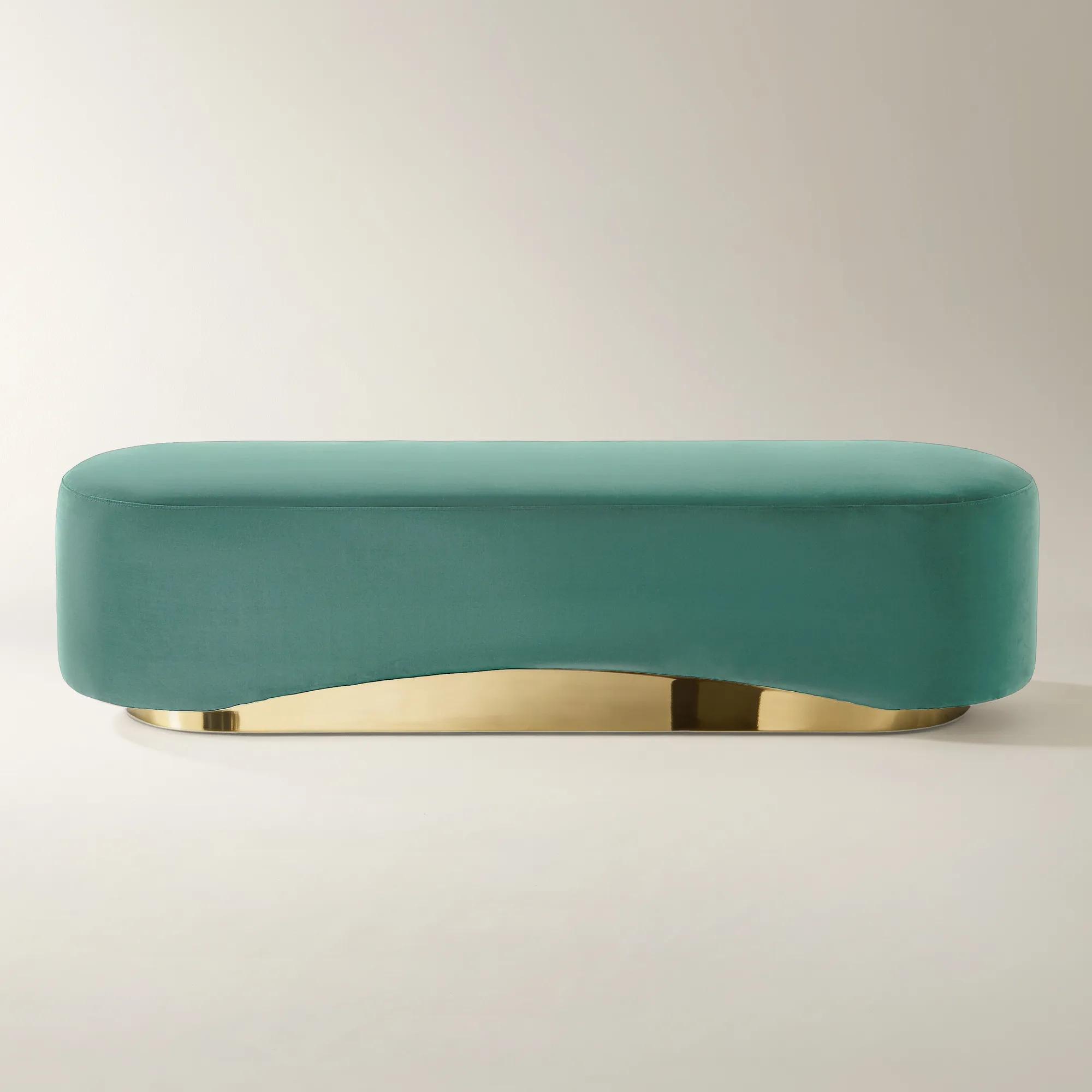 Kendra Ocean Teal Velvet Bench (70.47")$799
An elongated oval bench in ocean teal velvet with a plush seat and polished gold stainless steel base.
Add To Cart -
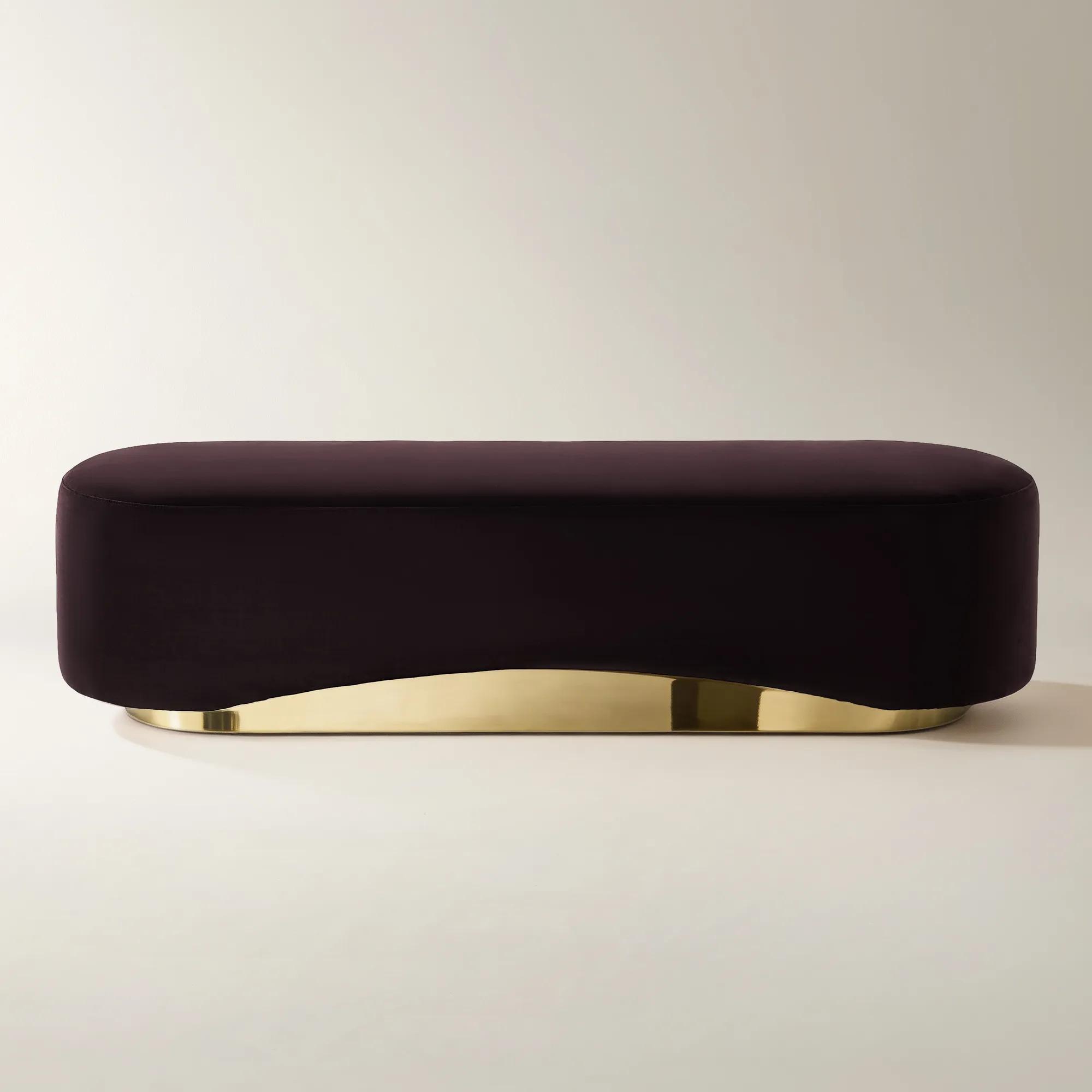 Kendra Fig Velvet Bench (70.47")$799
A plush fig velvet bench with an elongated oval silhouette and a polished gold stainless steel base.
Add To Cart -
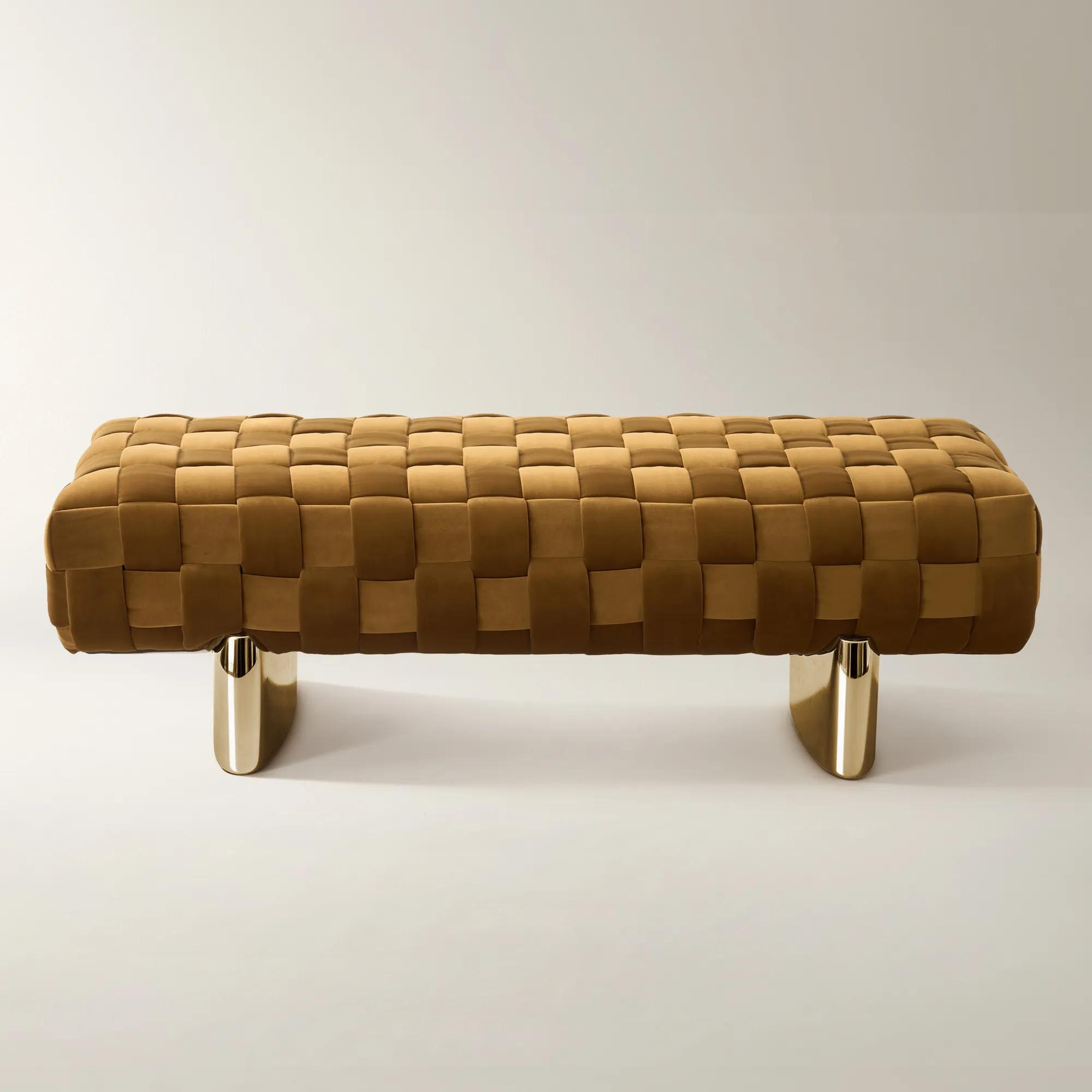
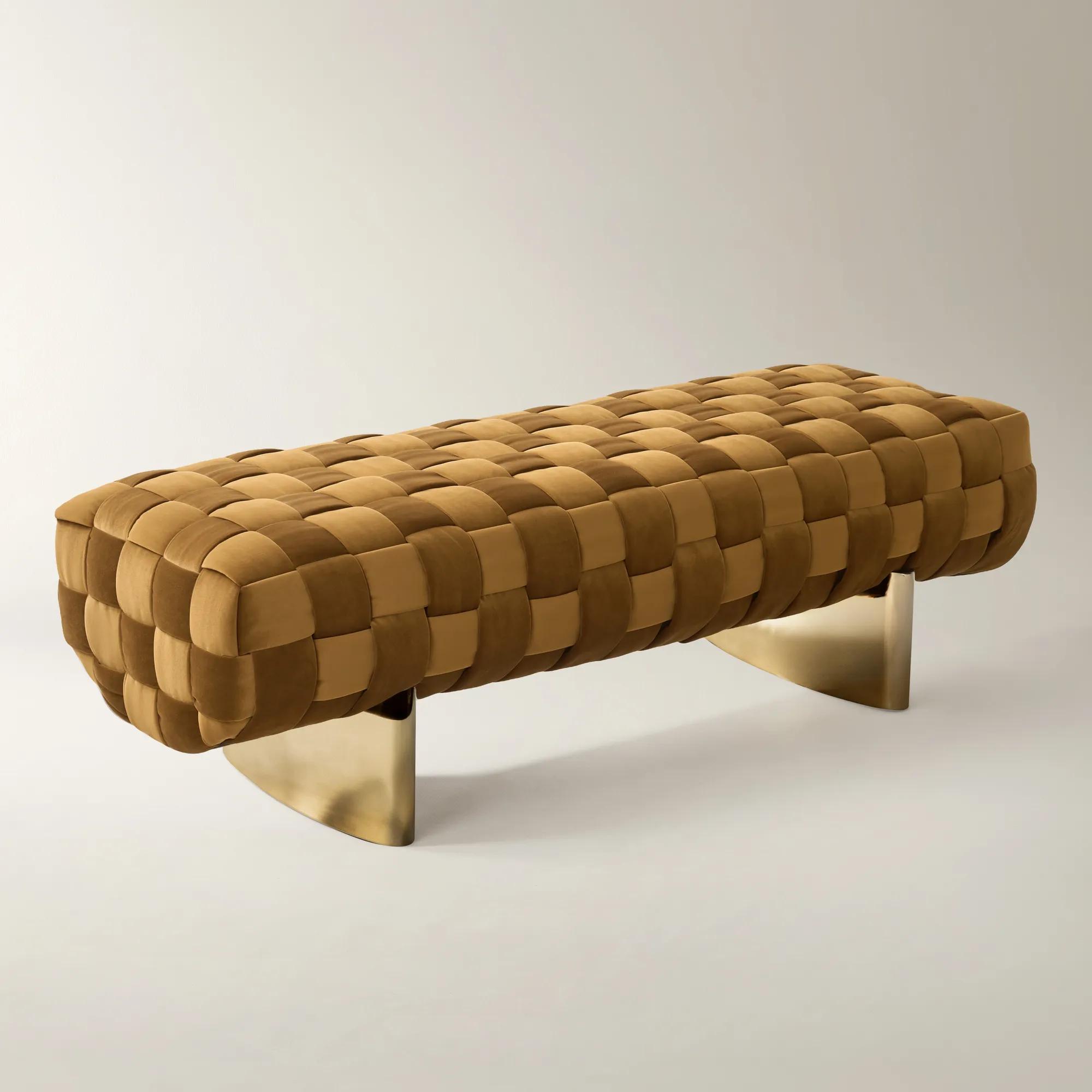 Dexter Woven Roasted Pecan Velvet Bench (64.2")$999
A woven roasted pecan velvet bench featuring plush upholstery and polished gold stainless steel legs for modern elegance.
Add To Cart -
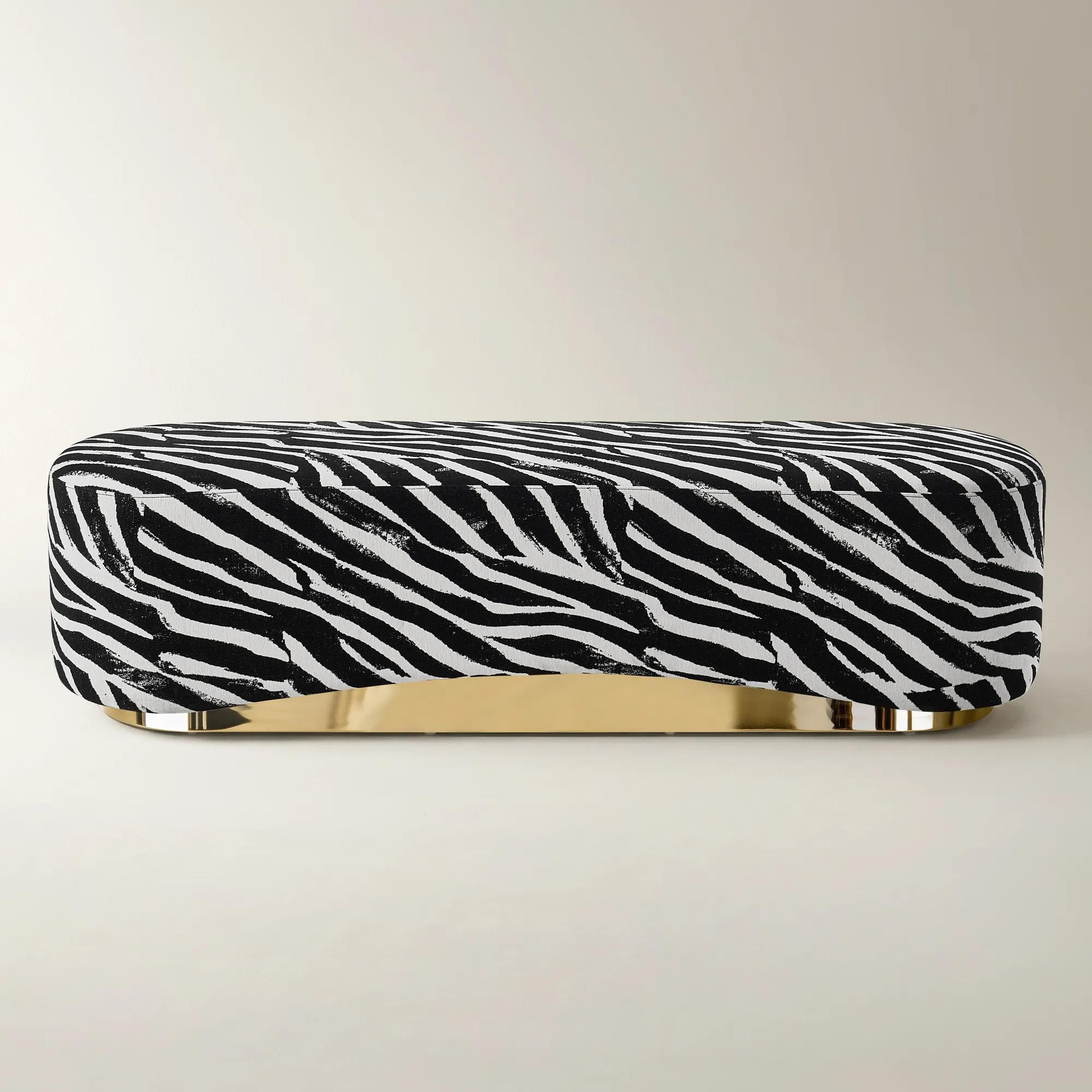
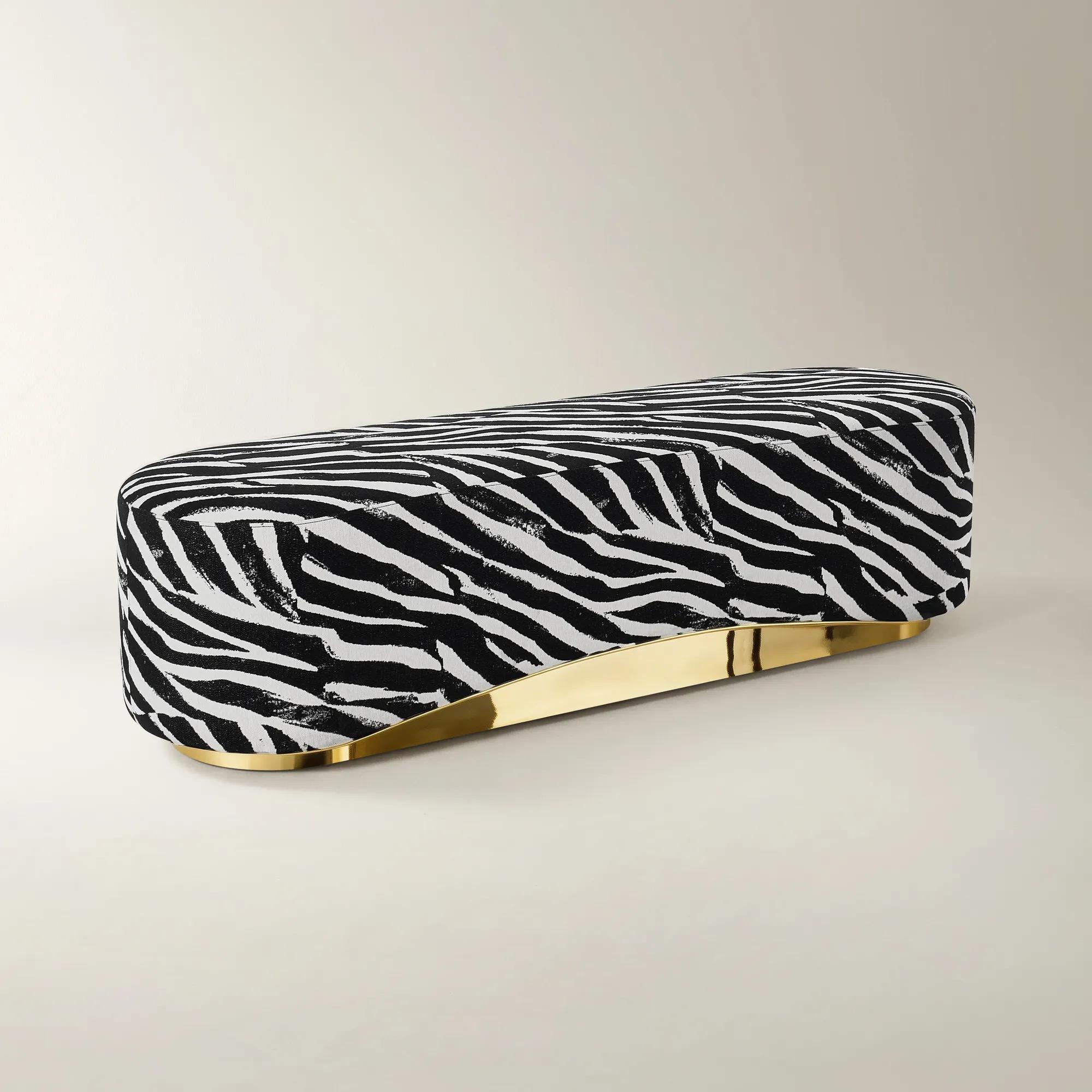 Kendra White/Black Performance Chenille Bench (70.47")$799
An elongated oval bench upholstered in white and black performance chenille with a polished gold stainless steel base.
Add To Cart -
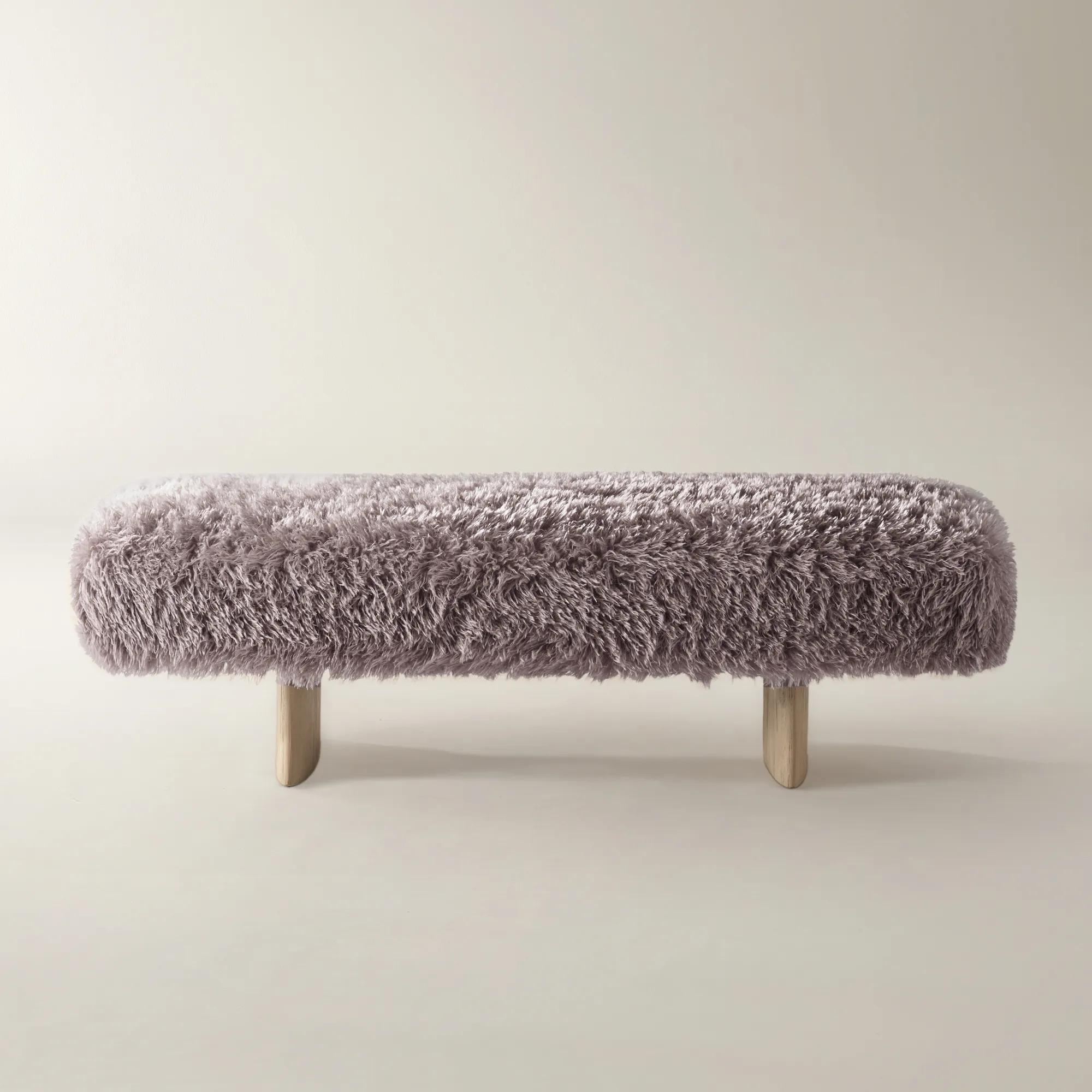
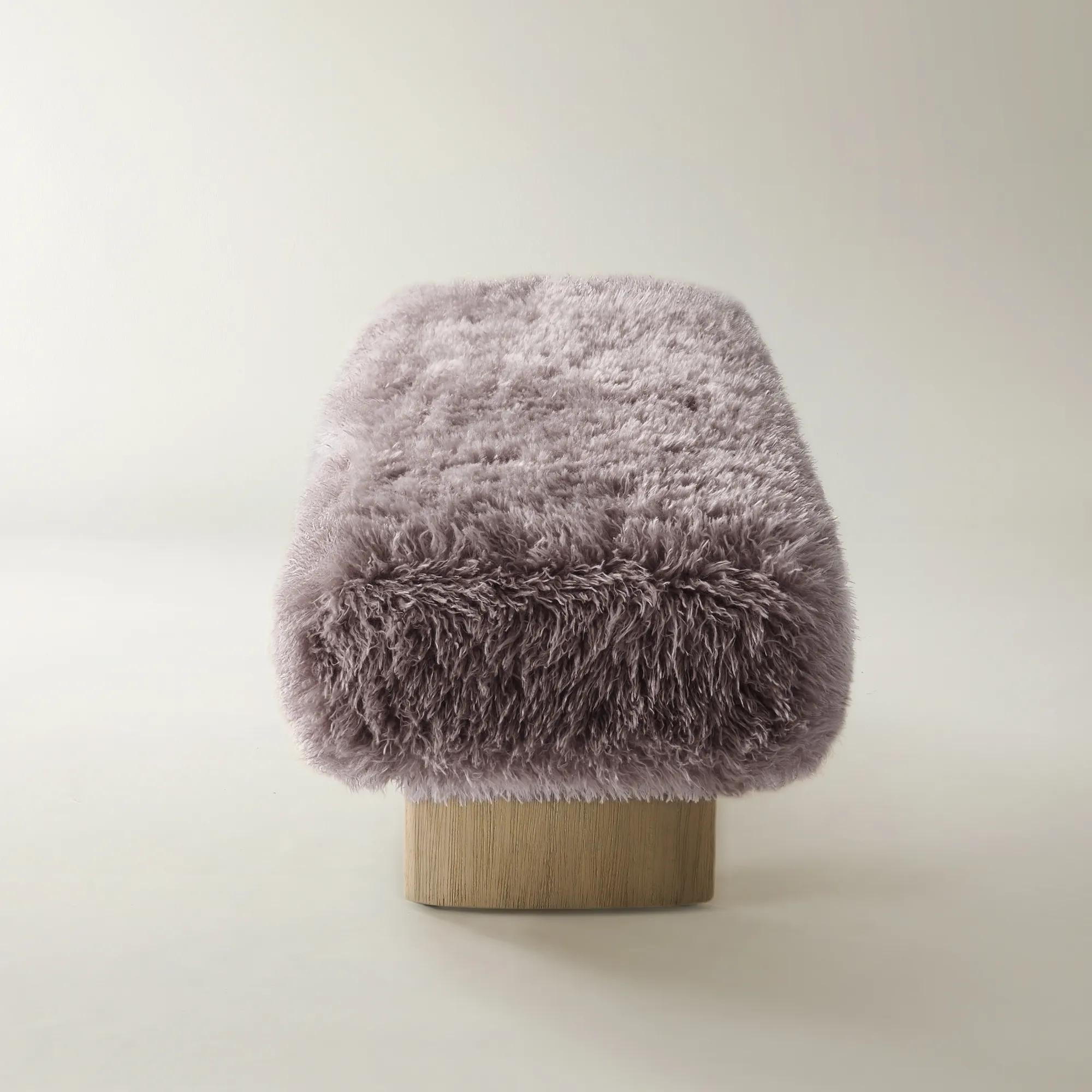 Micah Plum Truffle Mongolian Faux Fur Bench With Rubberwood Legs(62.6")$699
A sculptural bench featuring smoked plum Mongolian faux fur upholstery and warm solid rubberwood legs.
Add To Cart -
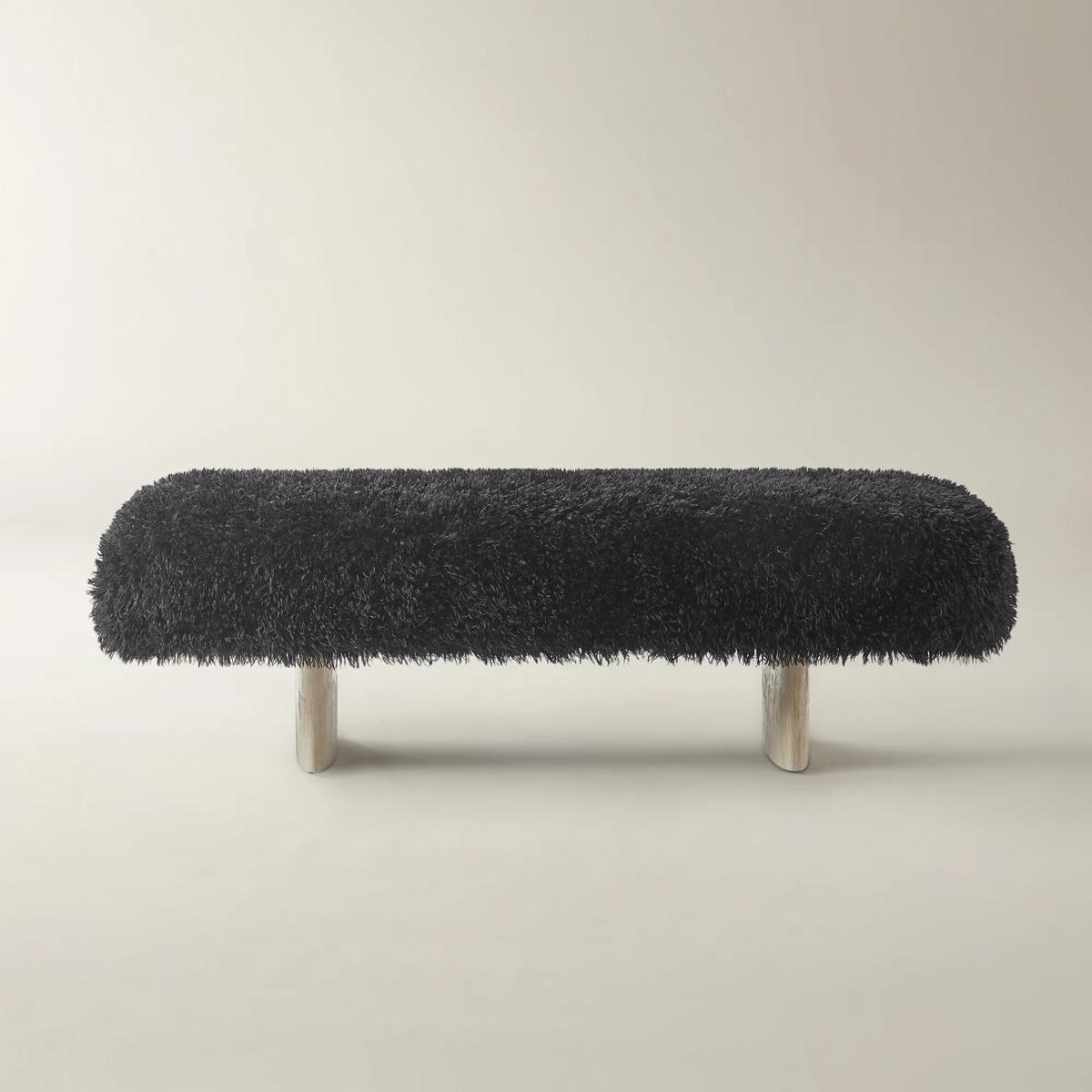 Micah Black Mongolian Fur Bench With Rubberwood Legs (62.6")$699
A striking black faux Mongolian fur bench with solid rubberwood legs for plush comfort and modern edge.
Add To Cart -
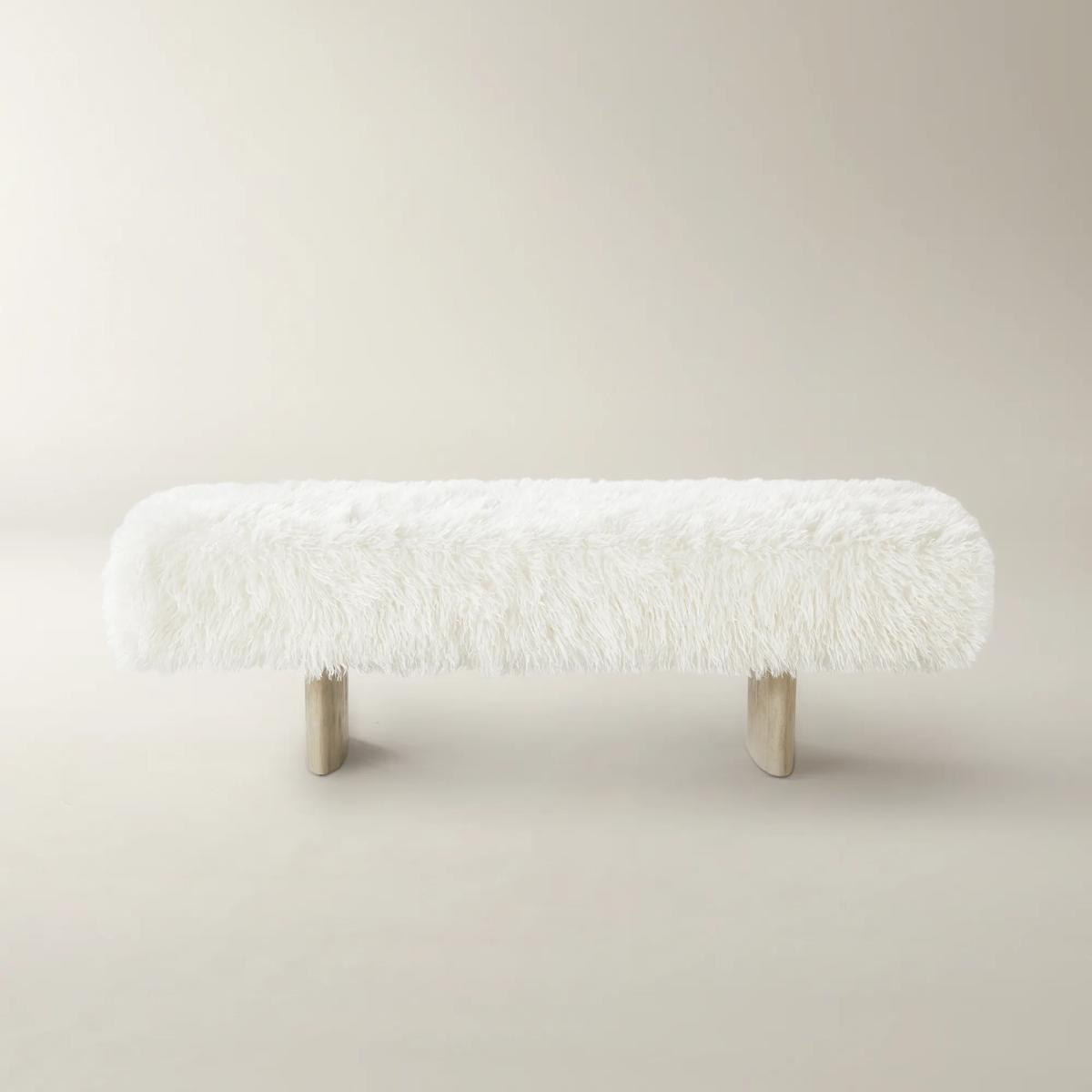 Micah Ivory Mongolian Faux Fur Bench With Rubberwood Legs (62.6")$699
An ivory faux Mongolian fur bench with high-density foam and sculptural solid rubberwood base for modern coziness.
Add To Cart -
 Micah Tan Mongolian Faux Fur Bench With Rubberwood Legs (62.6")$699
A light brown faux fur bench with a curved rubberwood base and plush high-density foam cushion.
Add To Cart -
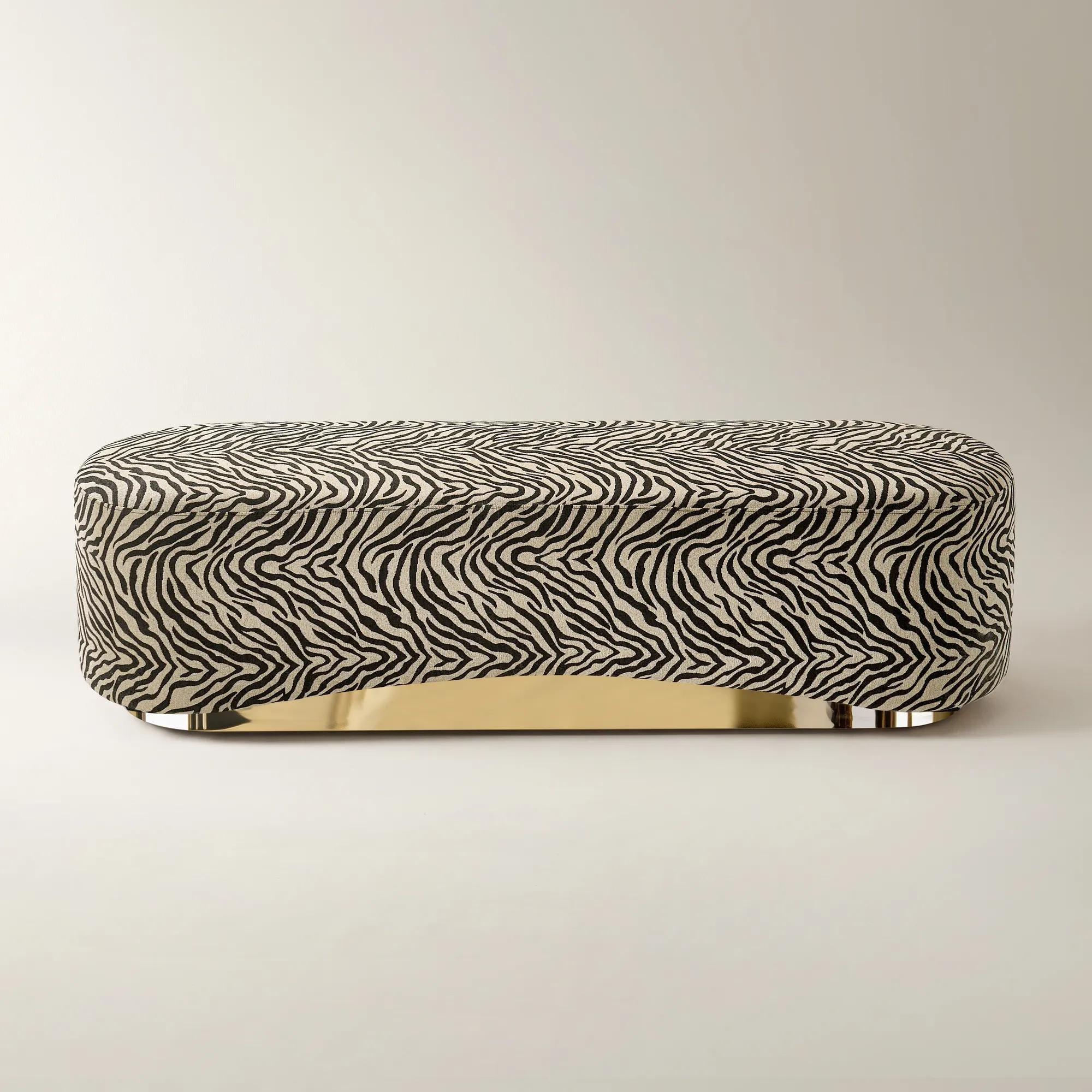
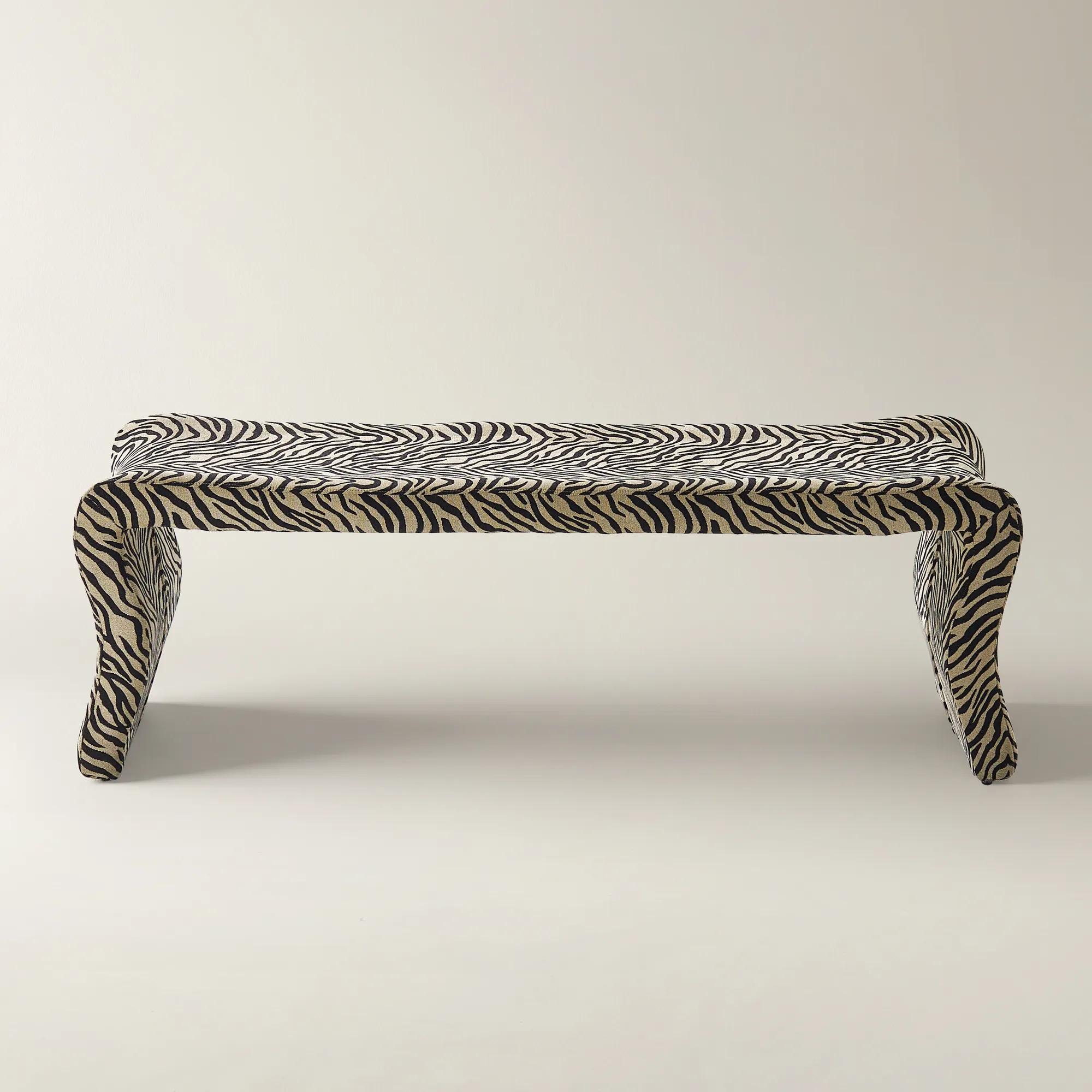
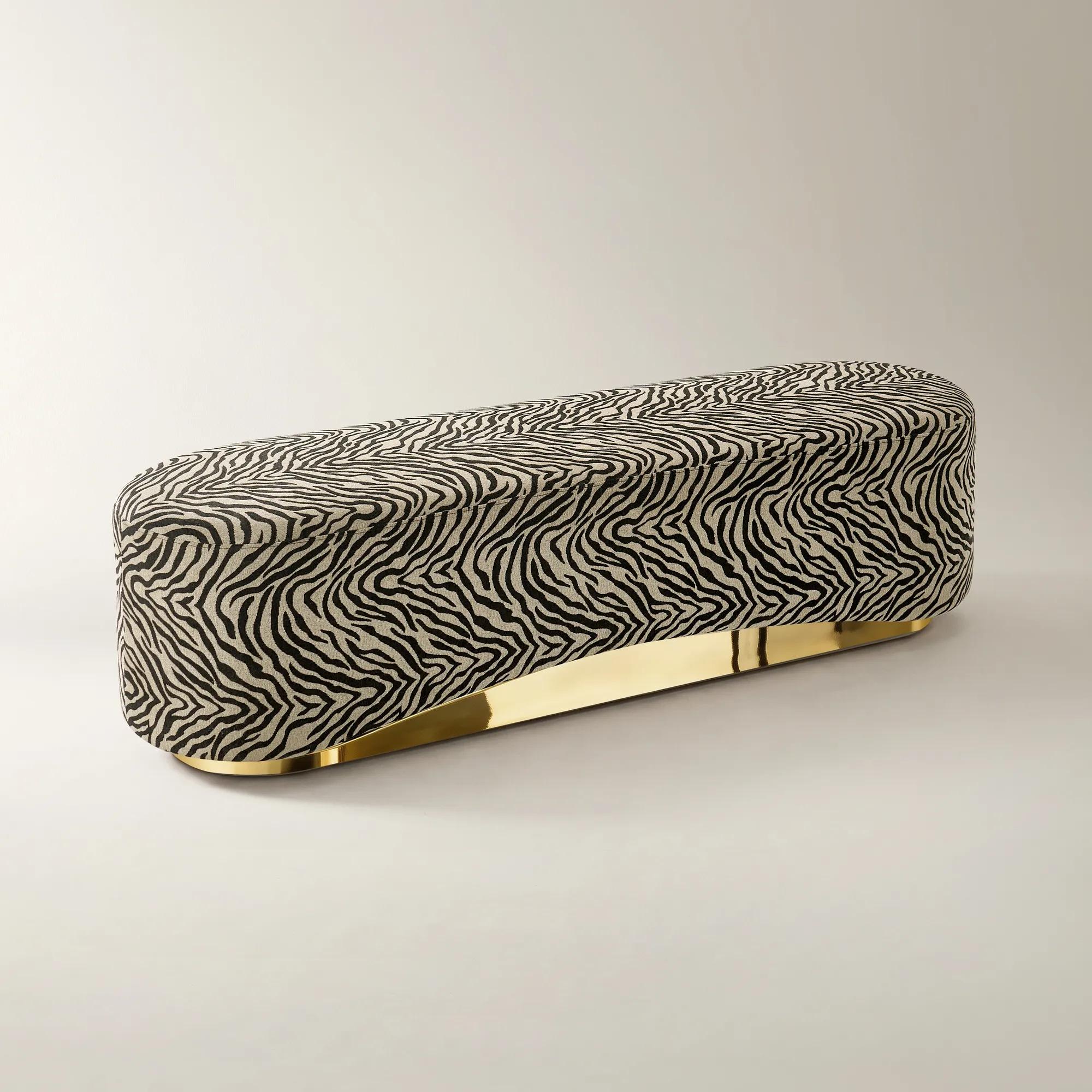 Kendra Zebra Performance Chenille Bench (70.47")$799
An elongated oval bench upholstered in textured zebra-pattern chenille with a polished gold stainless steel base.
Add To Cart -
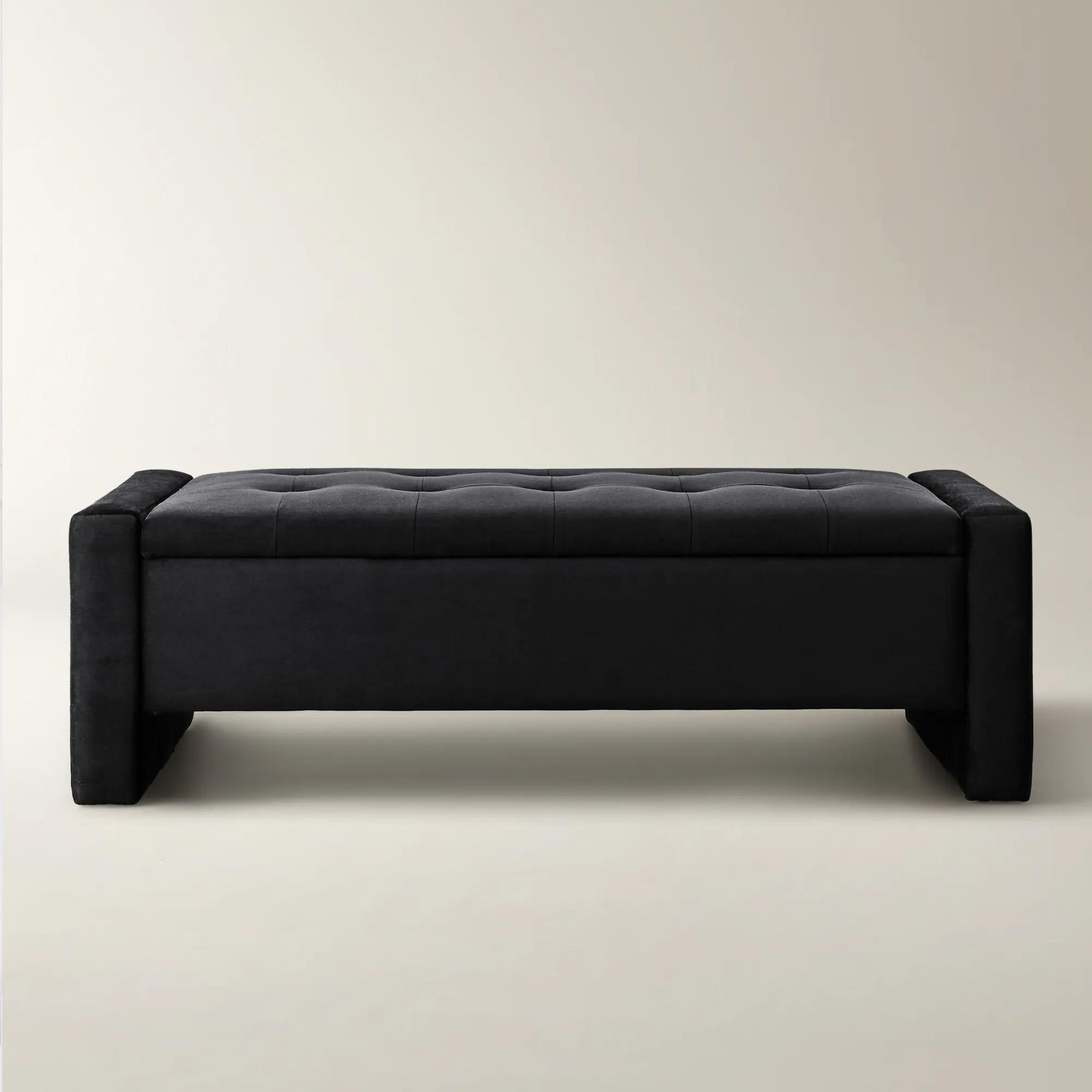
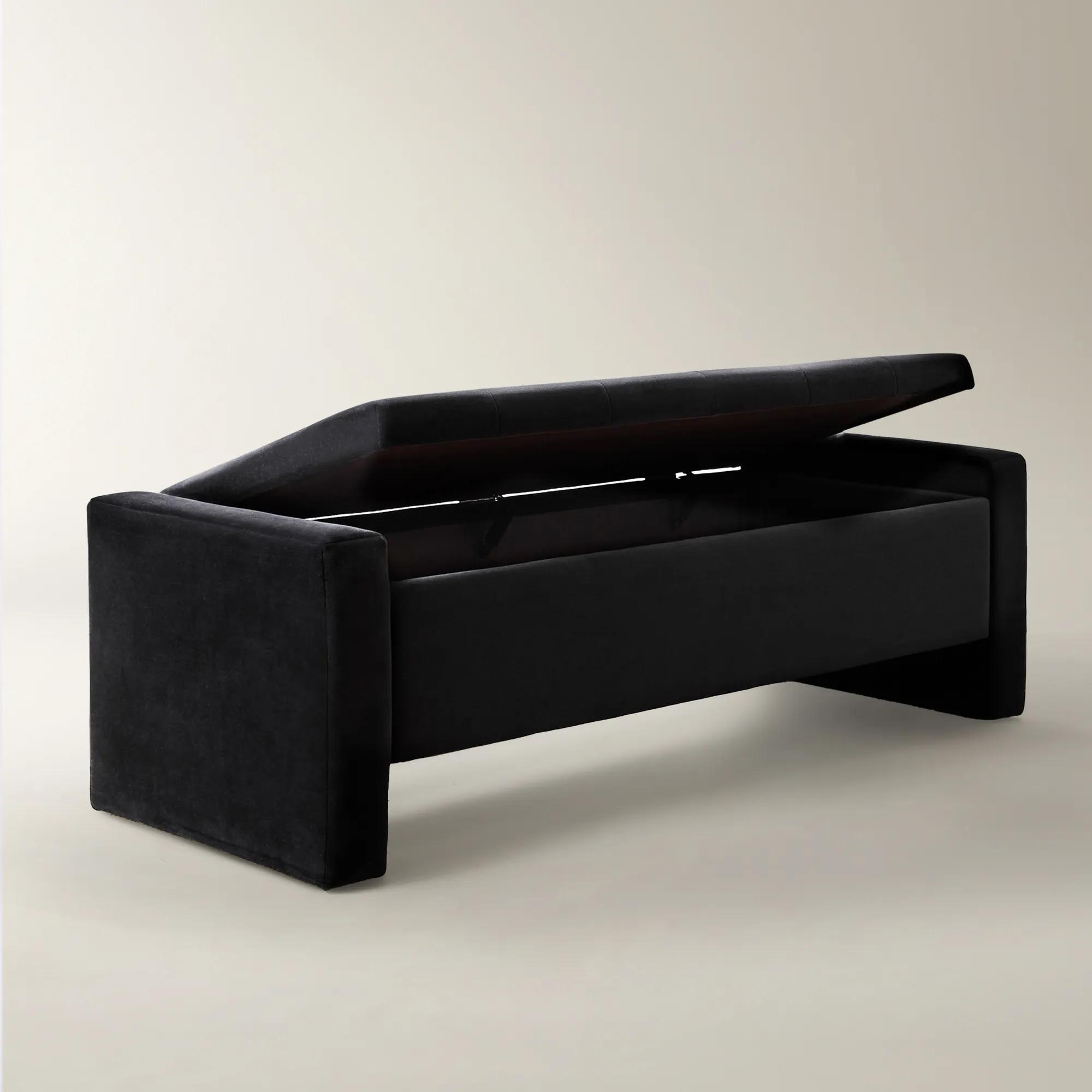 Maeve Storage Bench$899
A modern velvet-upholstered bench with hidden storage, kiln-dried hardwood frame, and soft-closing glides.
Add To Cart -
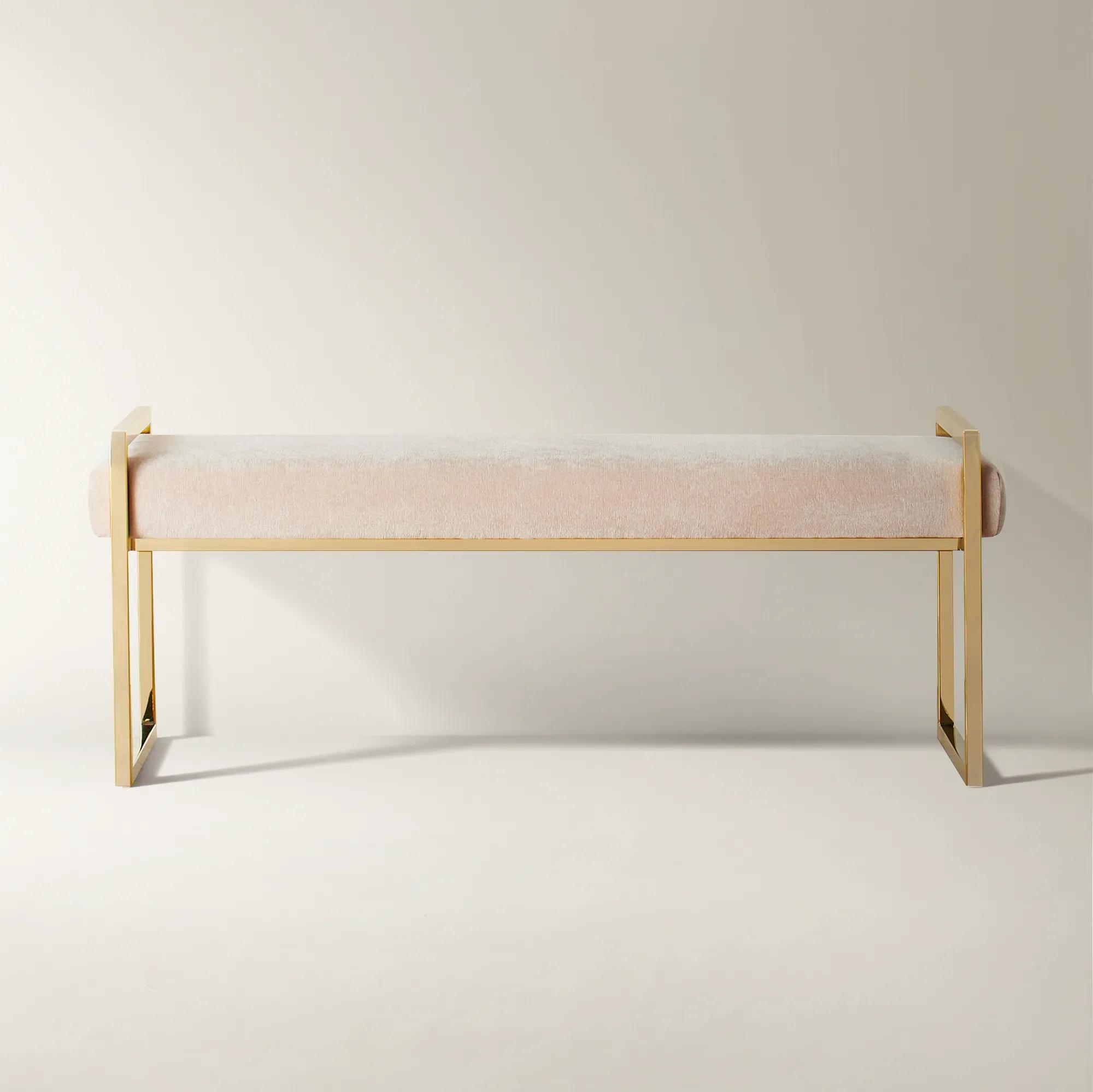 Clara Bench$699
A chic bench featuring a plush chenille seat and polished gold metal legs for modern elegance.
Add To Cart -
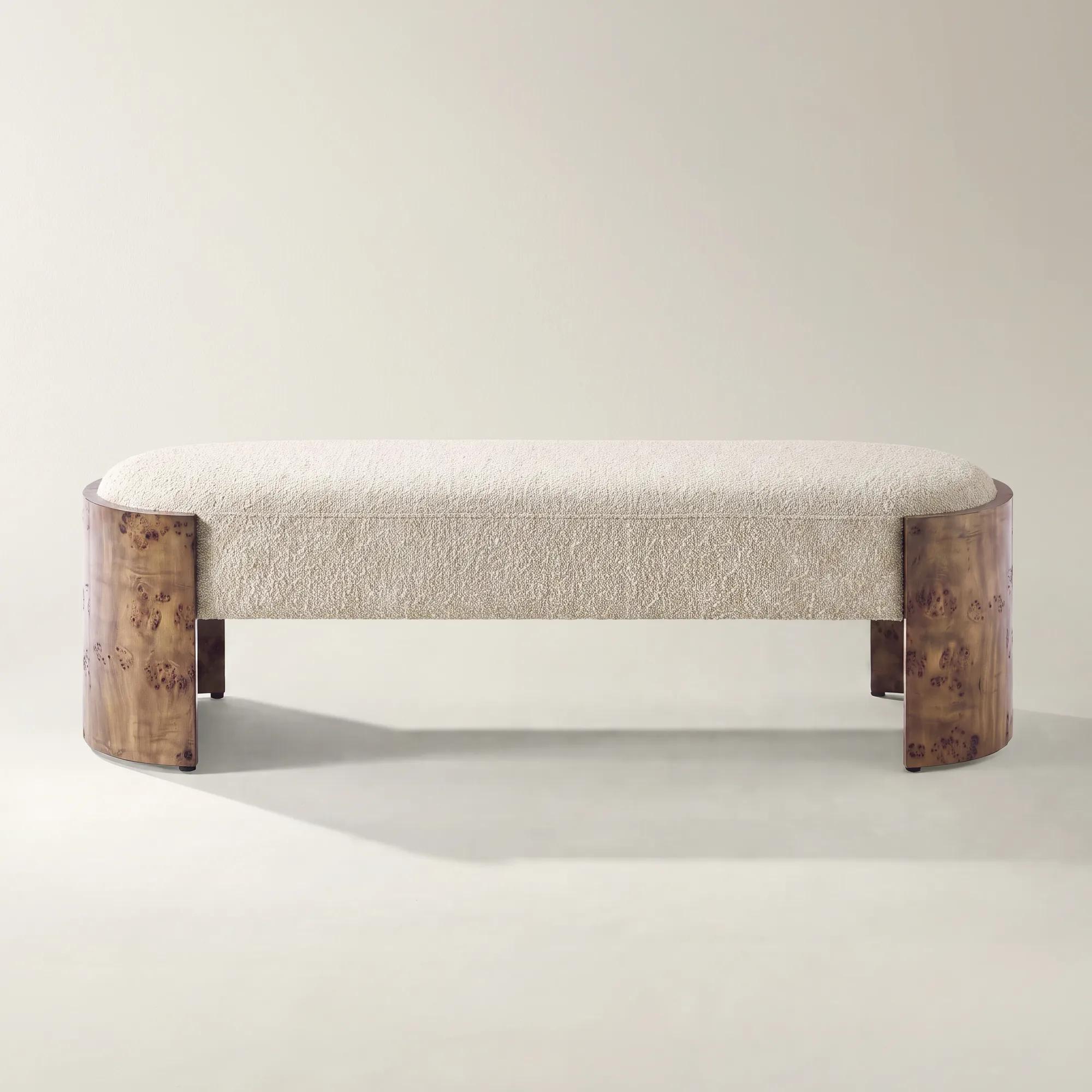
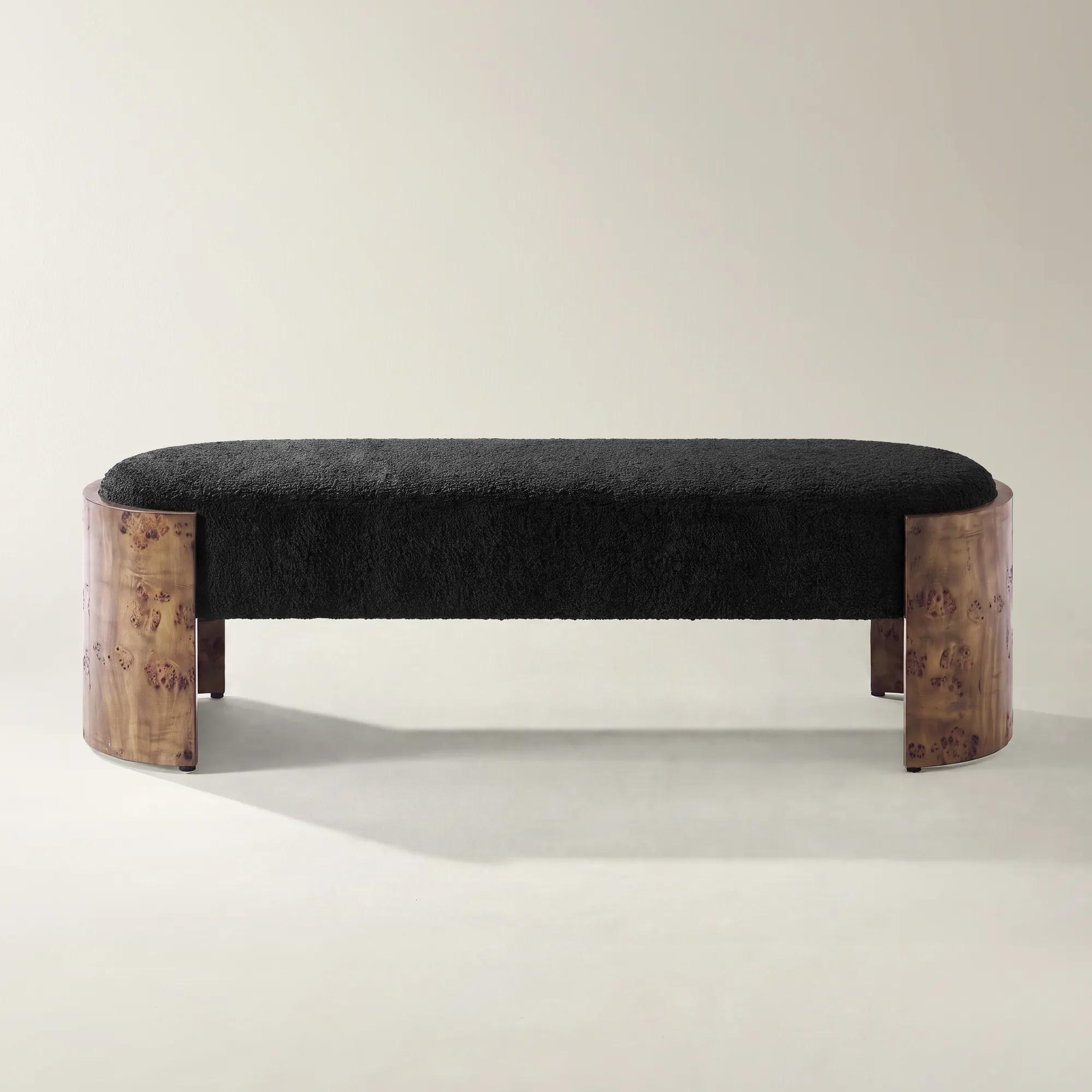 Cora Black Chenille With Ash Wood Bench (60.6")$999
A sculpted charcoal chenille bench featuring curved bookmatched ash burl panels and supportive foam cushioning.
Add To Cart -
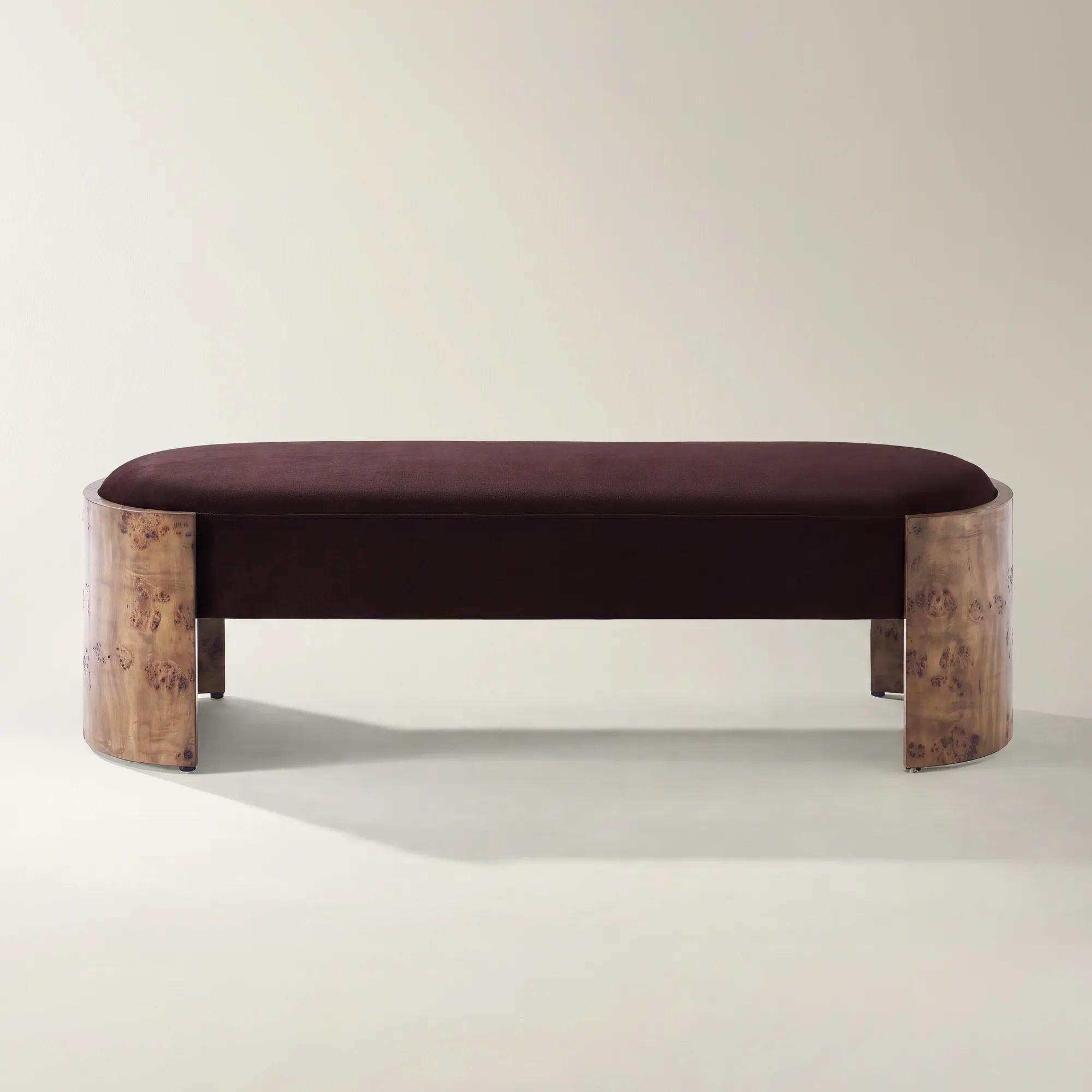
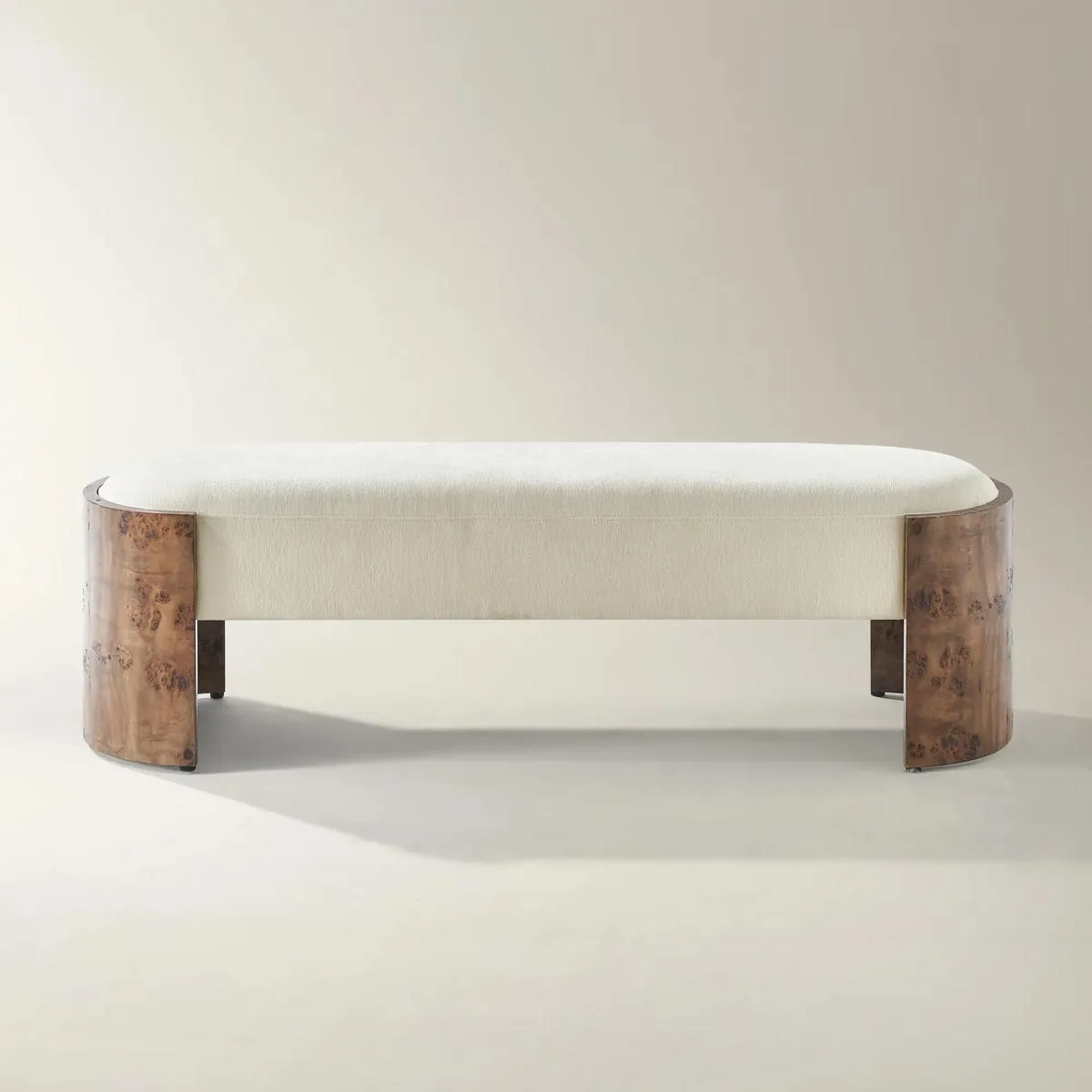 Cora Fig Velvet With Ash Wood Bench (60.6")$999
A sculptural bench with fig velvet upholstery, bookmatched ash burl panels, and supportive high-resiliency foam cushioning.
Add To Cart -
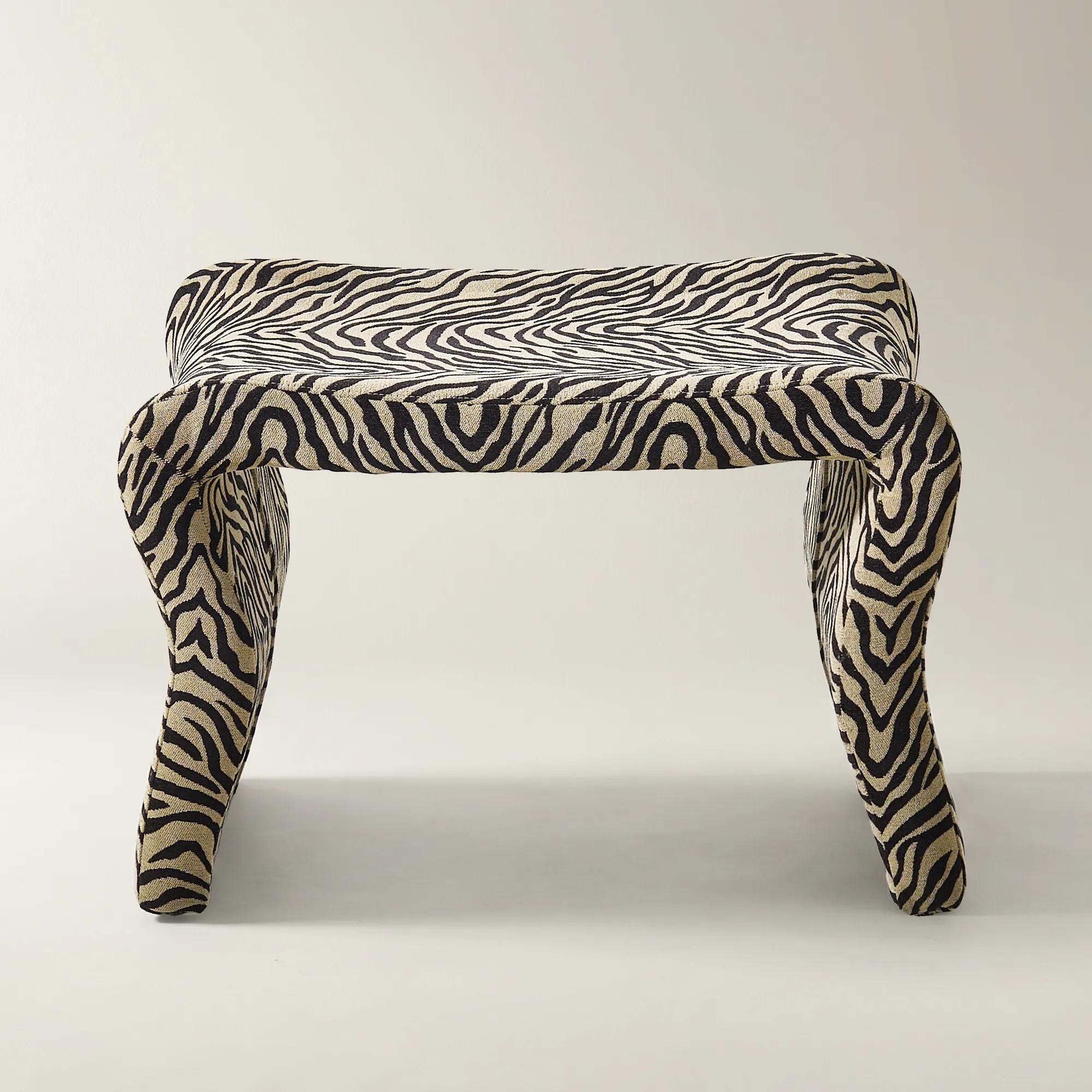
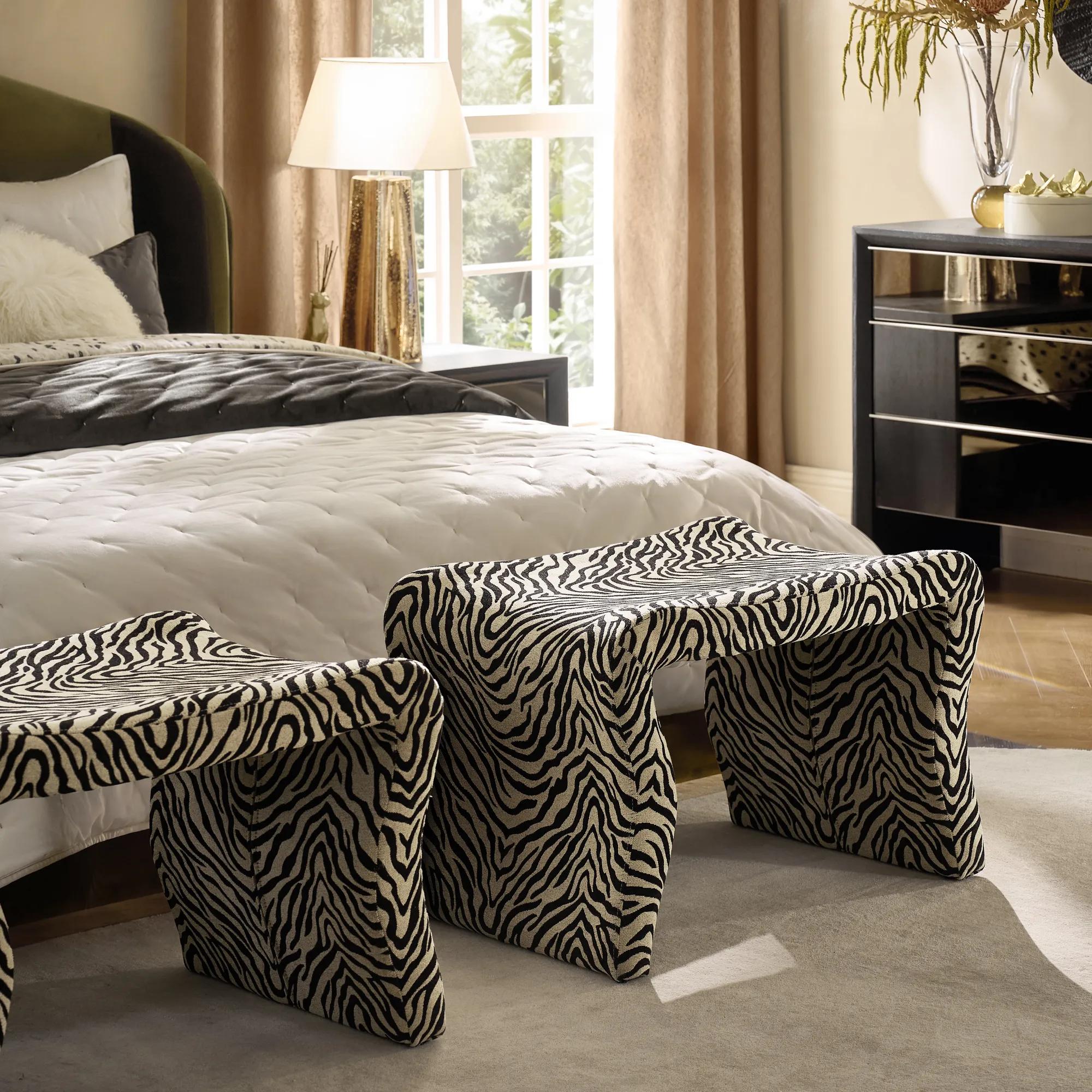 Romy Zebra Performance Chenille Bench (30.75")$499
A sculptural bench wrapped in zebra-patterned performance chenille with a wave-like silhouette and full foam construction.
Add To Cart -
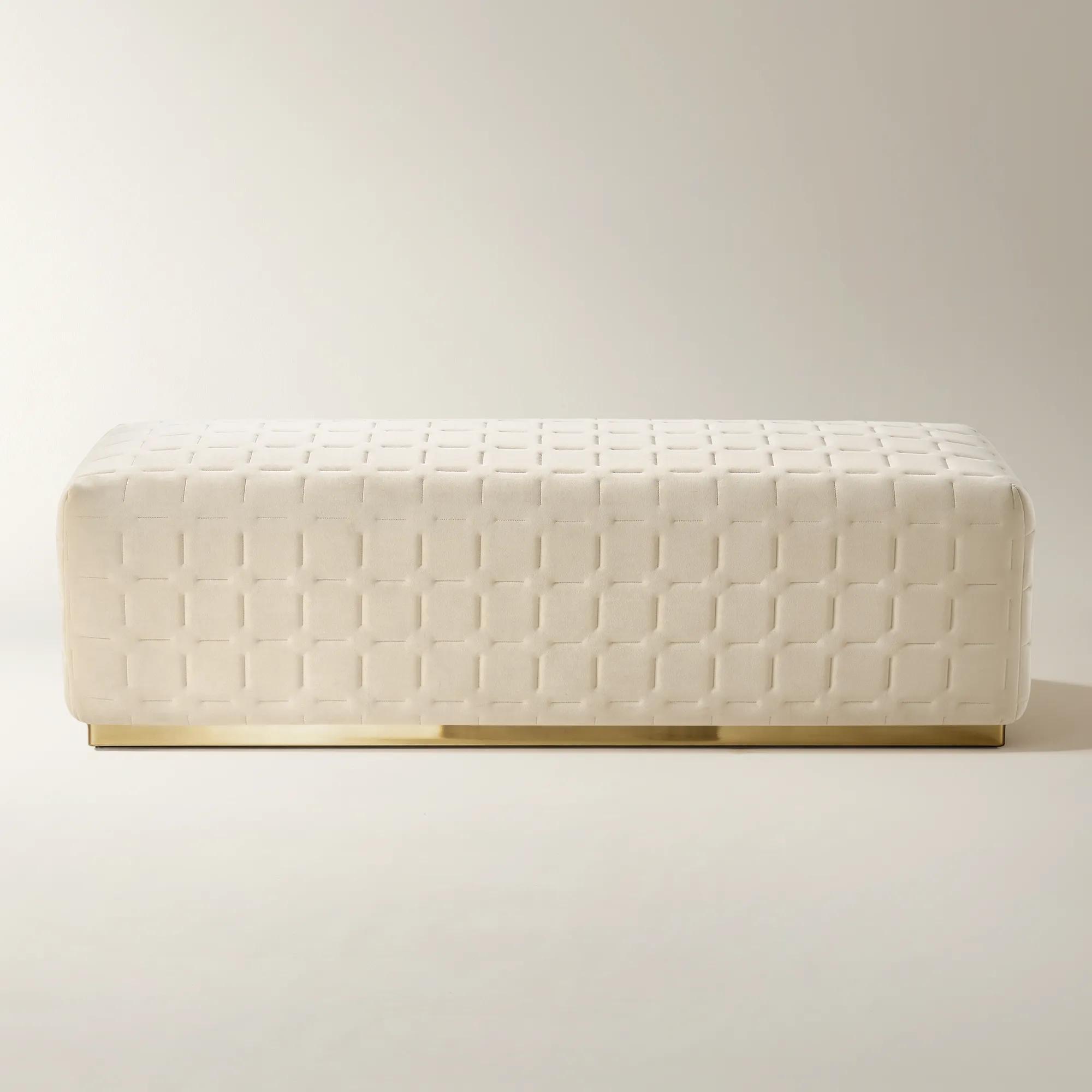
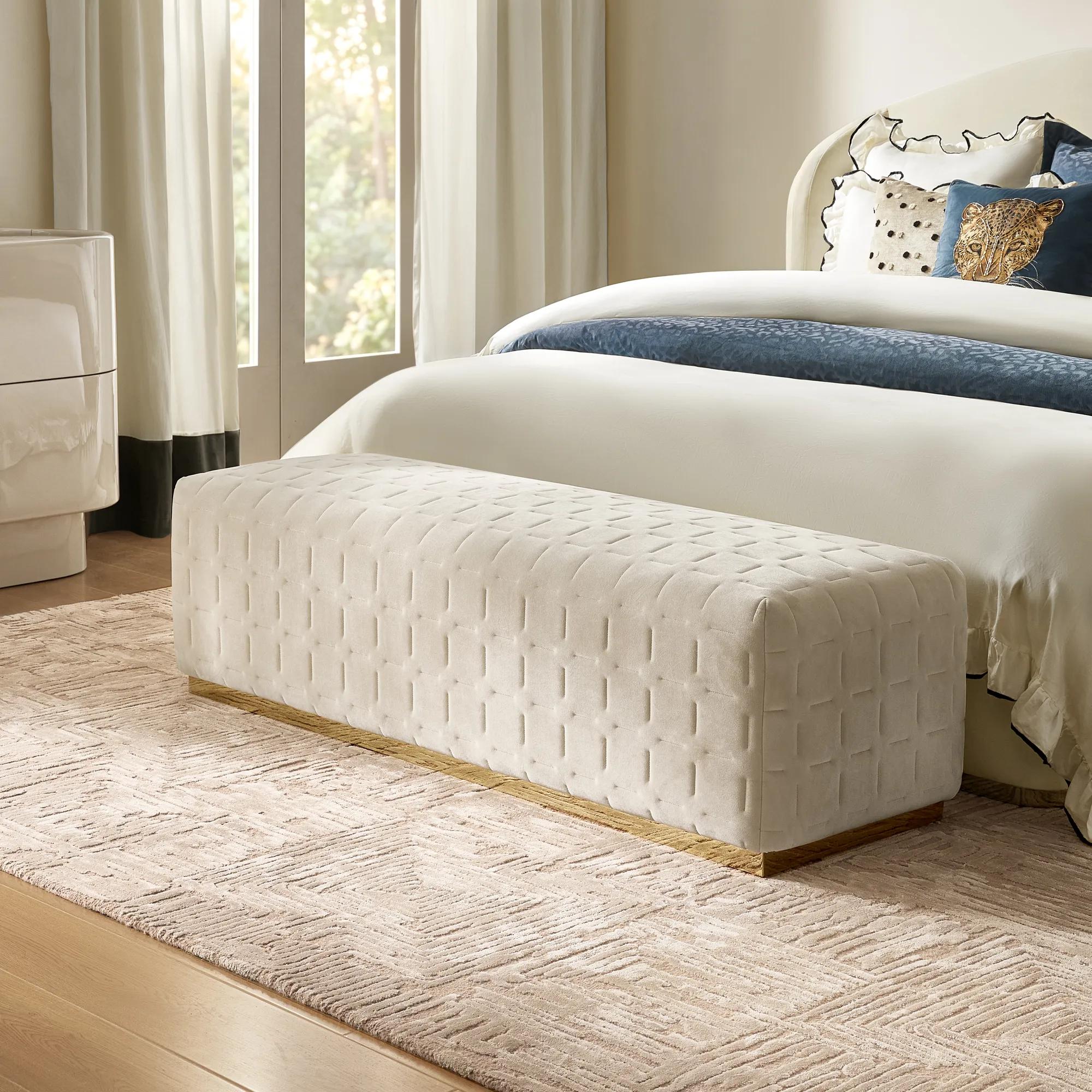 Vanta Quilted Oatmeal Velvet Bench (64.6")$899
A plush oatmeal velvet bench featuring checker quilted tufting and a sleek gold stainless steel base.
Add To Cart -
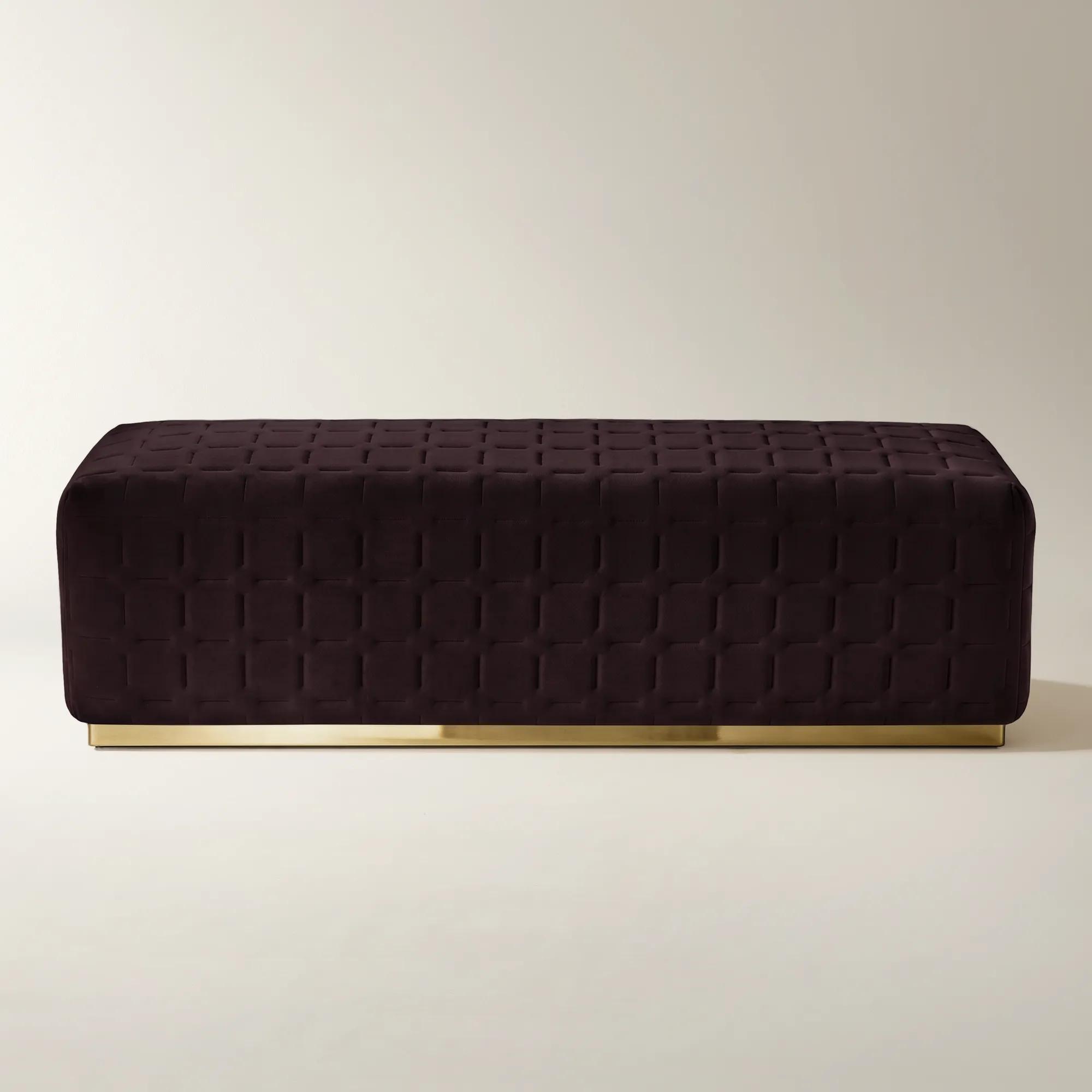
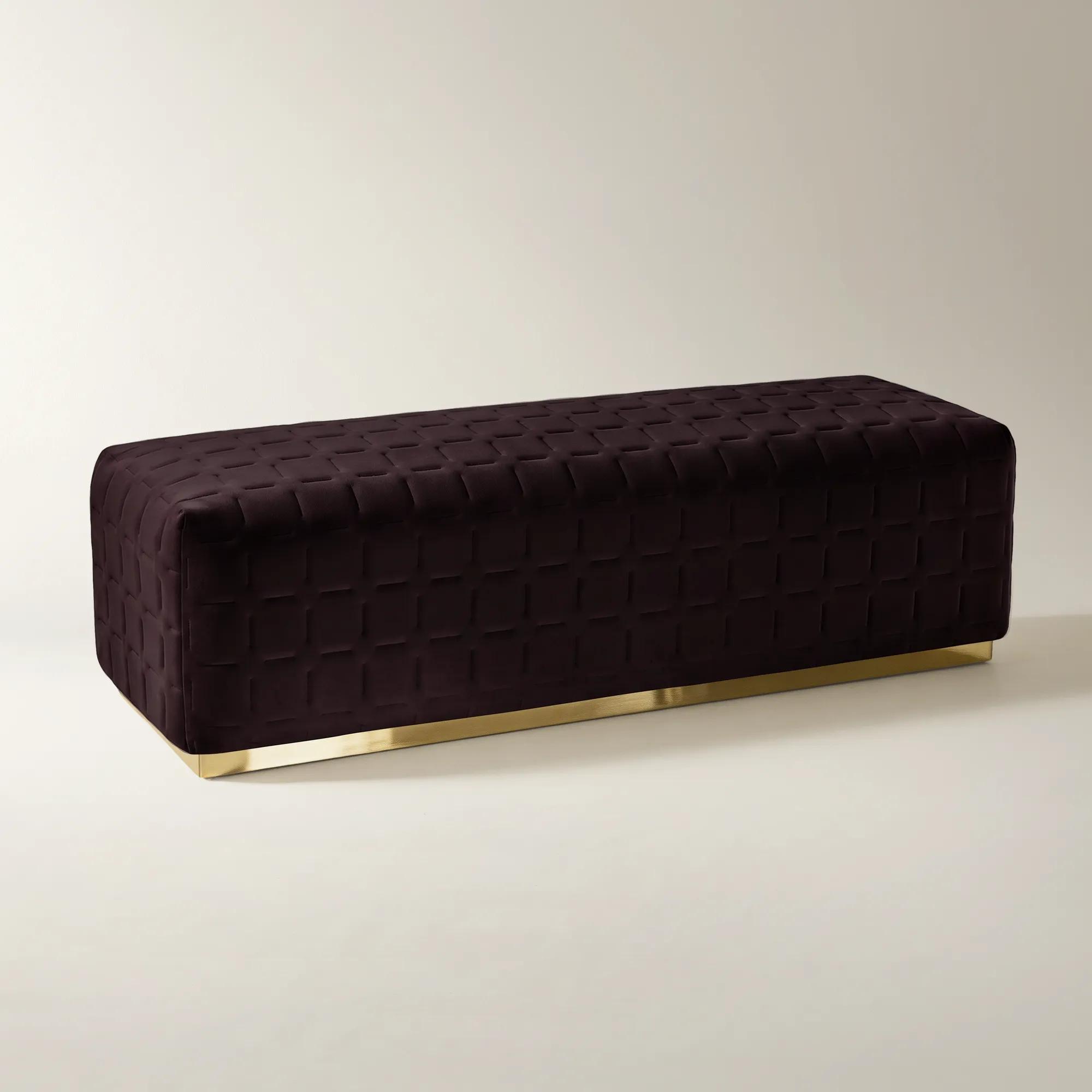 Vanta Quilted Fig Velvet Bench (64.6")$899
A plush fig velvet bench featuring checker quilted tufting and a sleek gold stainless steel base.
Add To Cart -
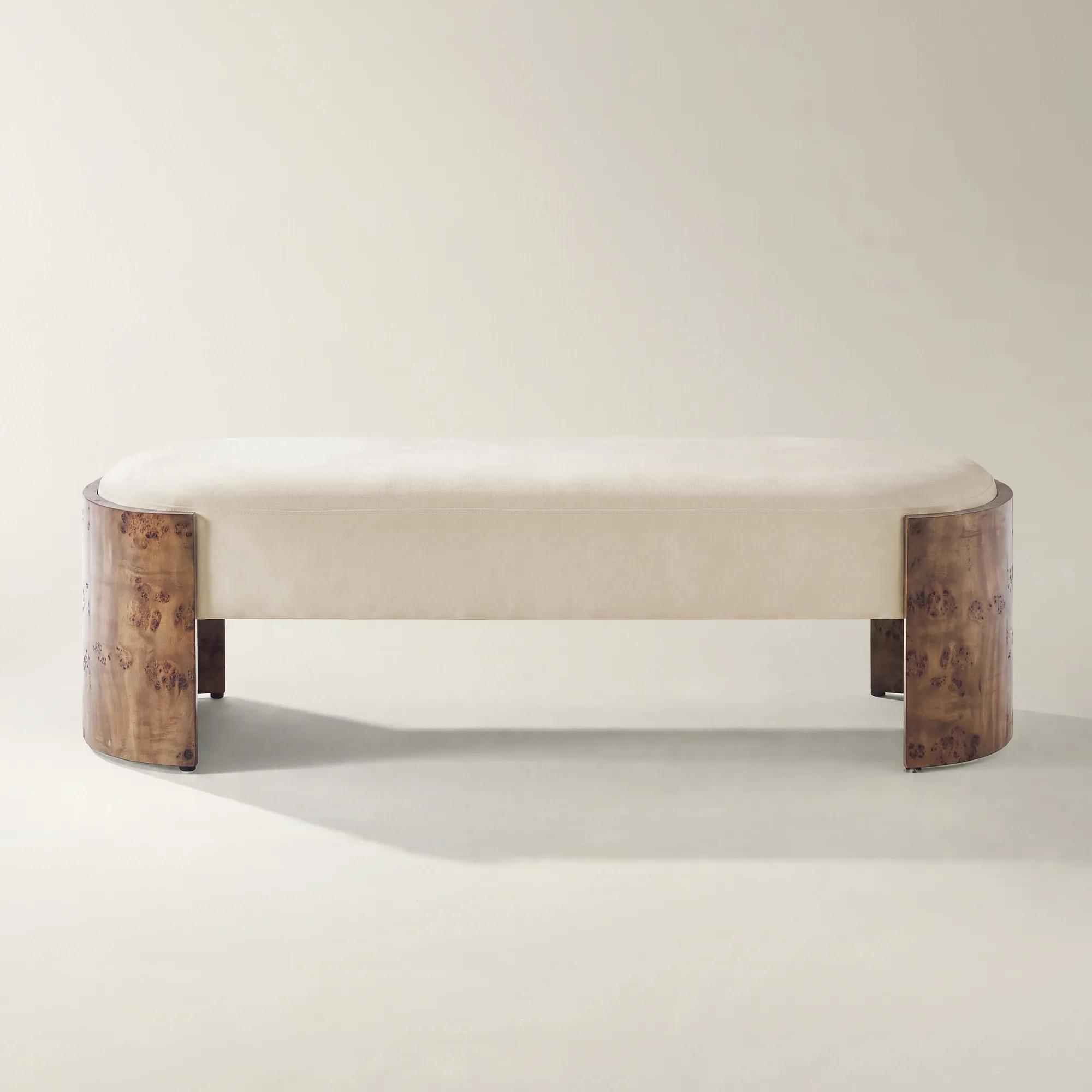 Cora Oatmeal Velvet With Ash Wood Bench (60.6")$999
A sculptural oatmeal velvet bench with curved ash burl wood panels and supportive foam cushioning.
Add To Cart -
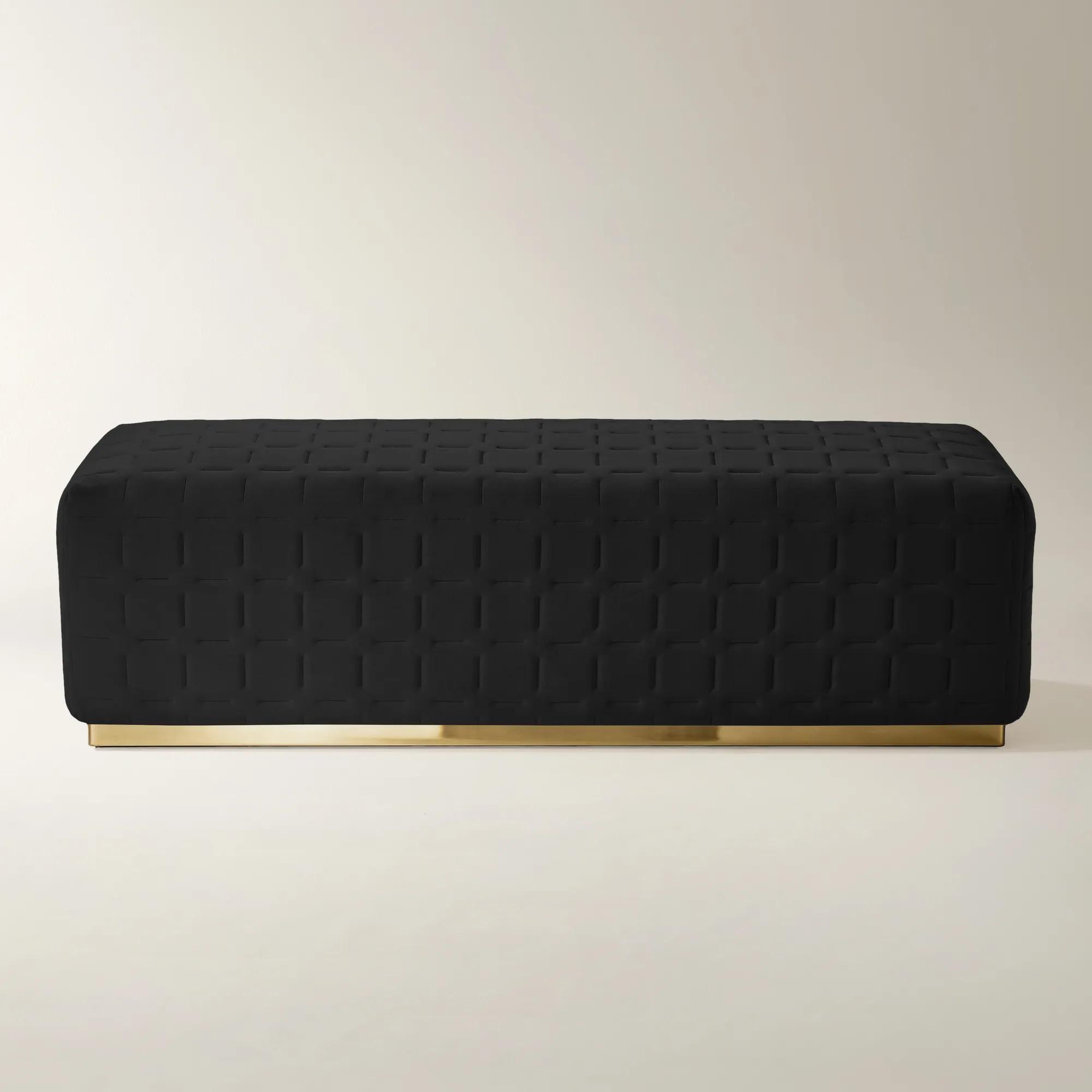 Vanta Quilted Charcoal Velvet Bench (64.6")$899
A charcoal velvet bench featuring checker quilted tufting and a gold stainless steel base for modern elegance.
Add To Cart -
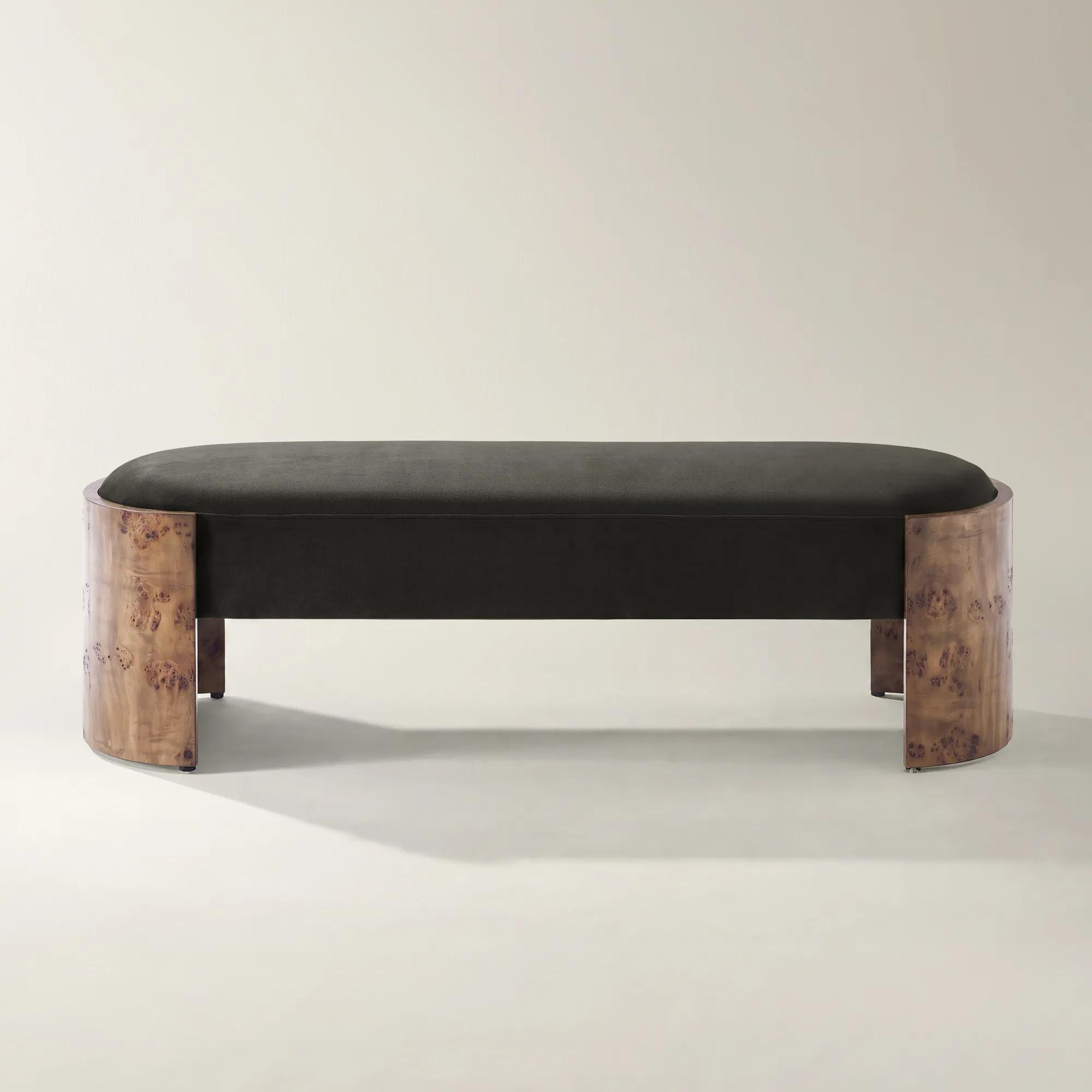 Cora Charcoal Velvet With Ash Wood Bench (60.6")$999
A sculpted charcoal velvet bench with curved bookmatched ash burl panels and supportive foam cushioning.
Add To Cart -
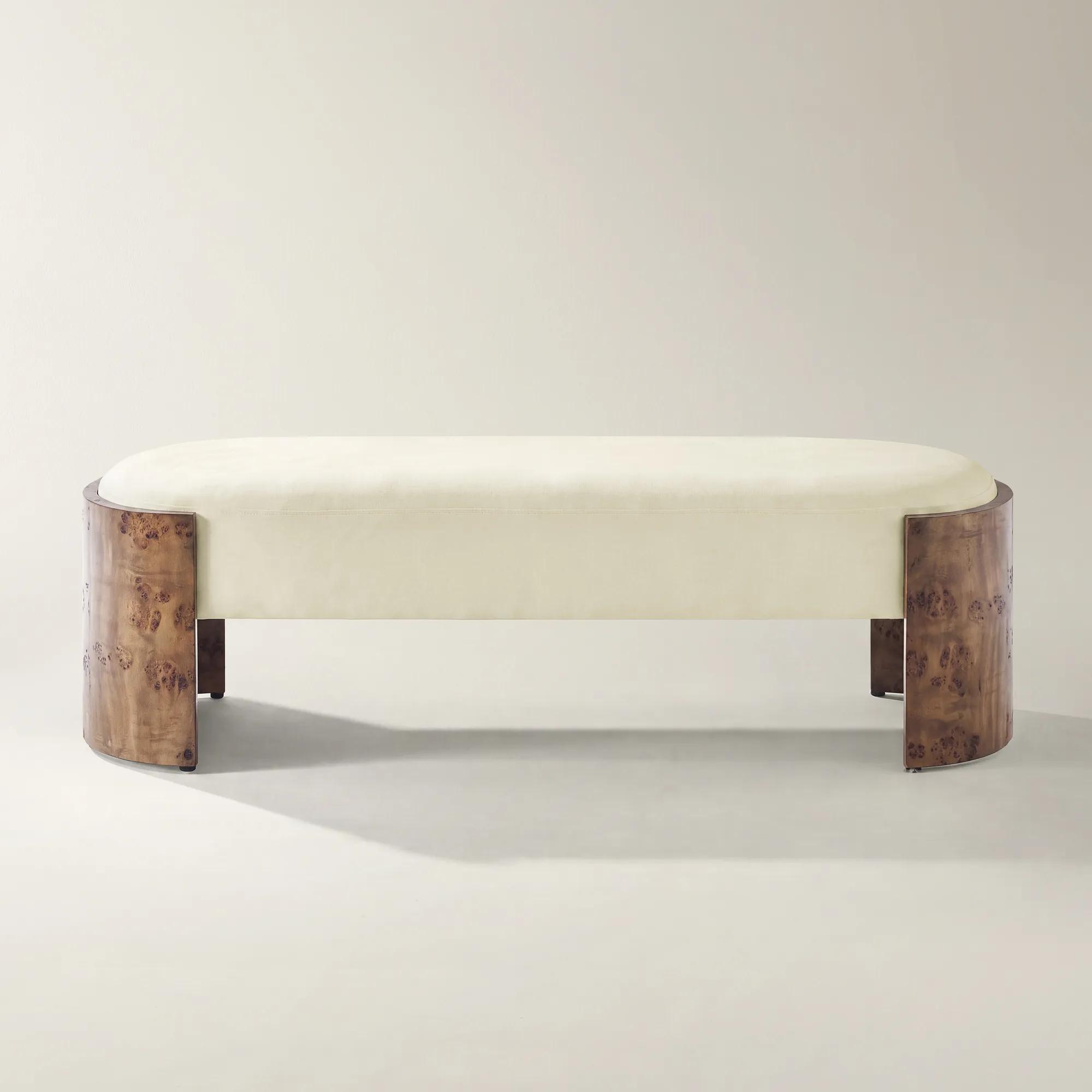 Cora Cloud Velvet With Ash Wood Bench (60.6")$999
A cloud velvet bench with bookmatched ash burl panels and supportive foam cushioning.
Add To Cart -
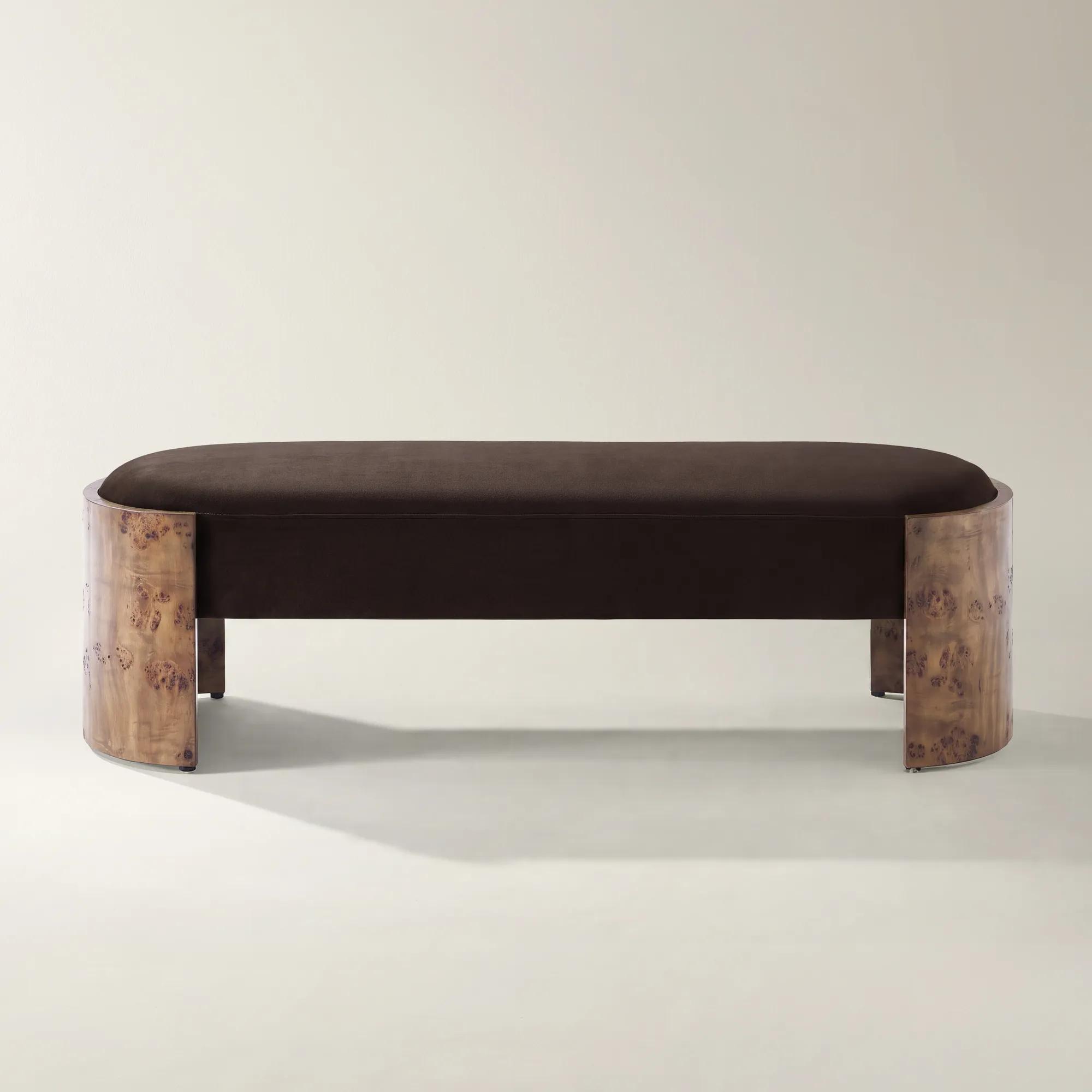 Cora Dark Chocolate Velvet With Ash Wood Bench (60.6")$999
A dark chocolate velvet bench with sculpted bookmatched ash burl end panels and high-resiliency foam cushioning.
Add To Cart -
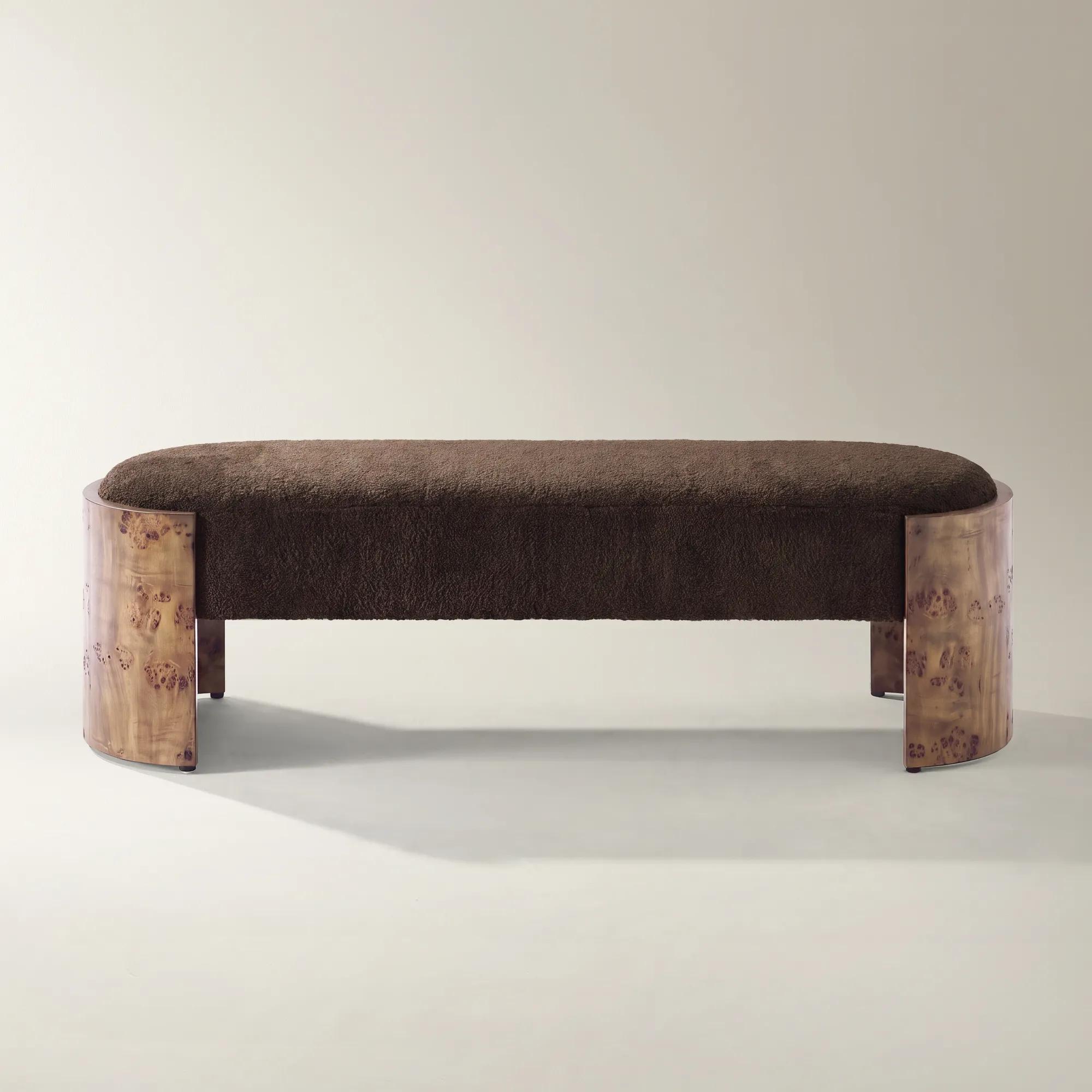 Cora Dark Chocolate Chenille With Ash Wood Bench (60.6")$999
A sculpted dark chocolate chenille bench with curved ash burl end panels and supportive foam cushioning.
Add To Cart -
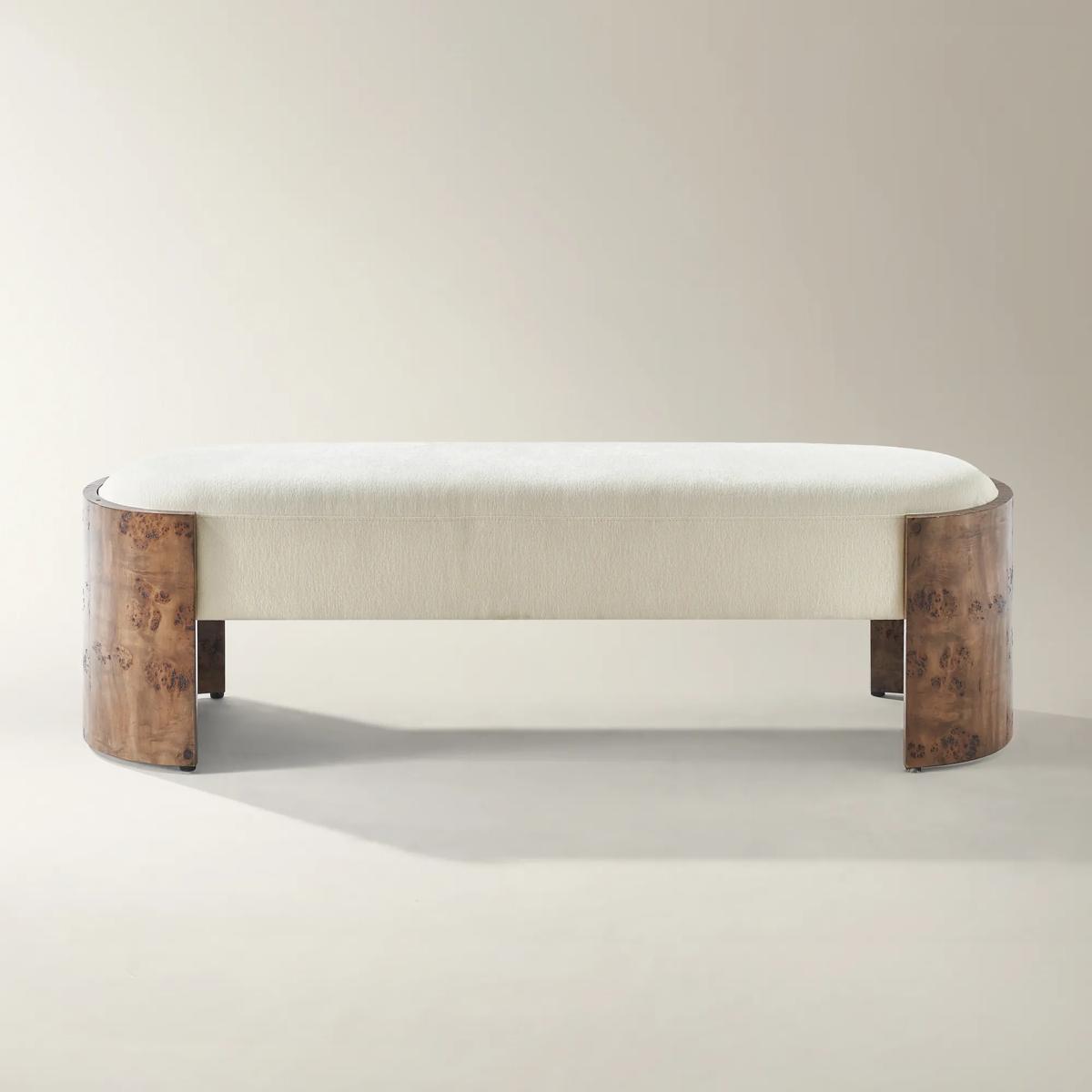 Cora Ivory Chenille With Ash Wood Bench (60.6")$999
An ivory chenille bench with curved ash burl veneer panels, blending plush comfort with striking wood artistry.
Add To Cart -
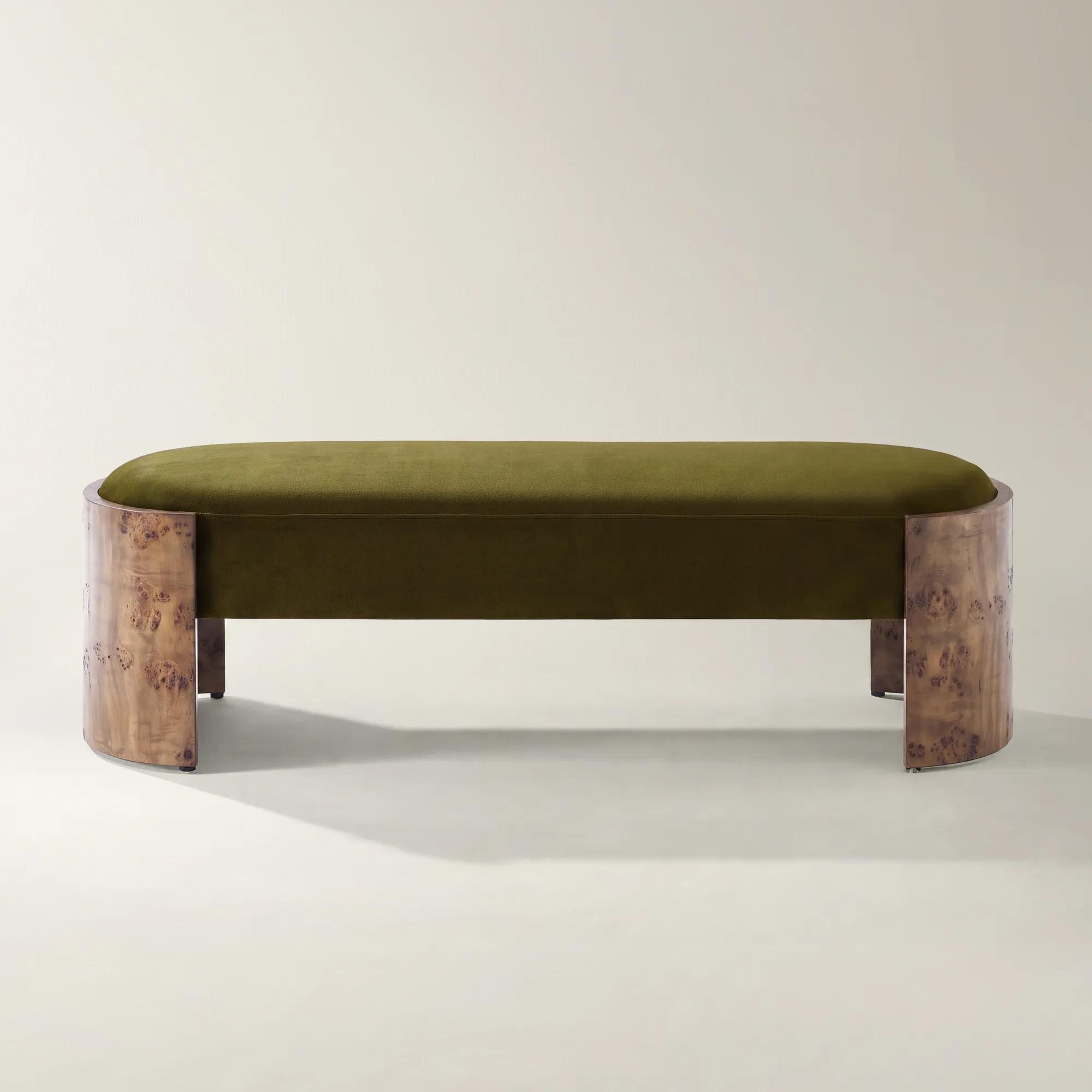 Cora Deep Olive Velvet With Ash Wood Bench (60.6")$999
A sculpted deep olive velvet bench featuring curved ash burl end panels and supportive foam cushioning.
Add To Cart

Bench Seating For Hallways
Elevate the art of arrival with bench seating for hallways that transform mere passageways into grand entrances. Each piece is an invitation to linger—a sculptural statement that sets the stage for your home’s first impression. Whether anchoring a dramatic vignette beneath a gilded mirror or offering a sumptuous perch for slipping on shoes, these benches infuse every corridor with intention and allure. Discover how bold design and thoughtful placement can turn the hallway into a showcase of personality, where every detail whispers sophistication and every moment feels curated.
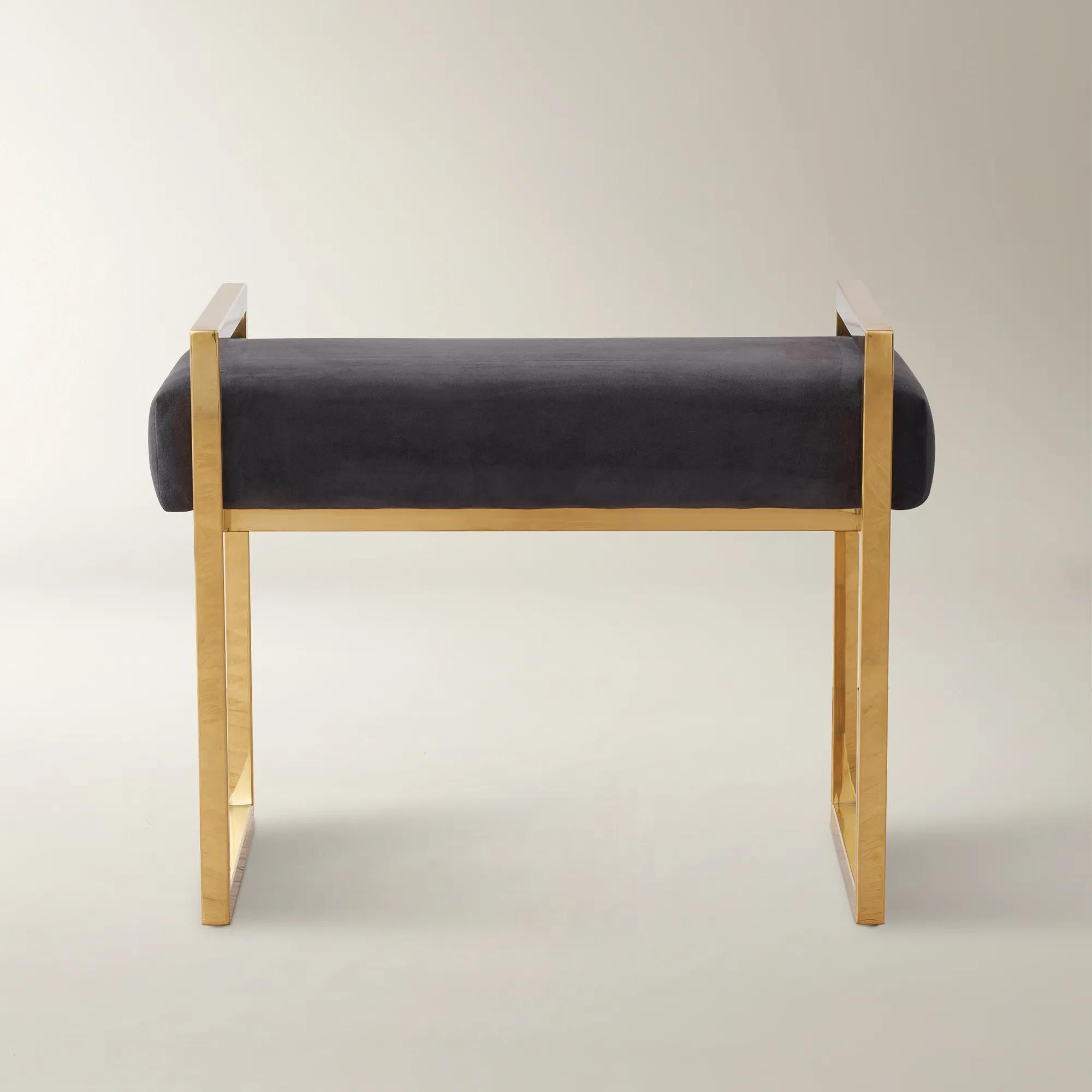
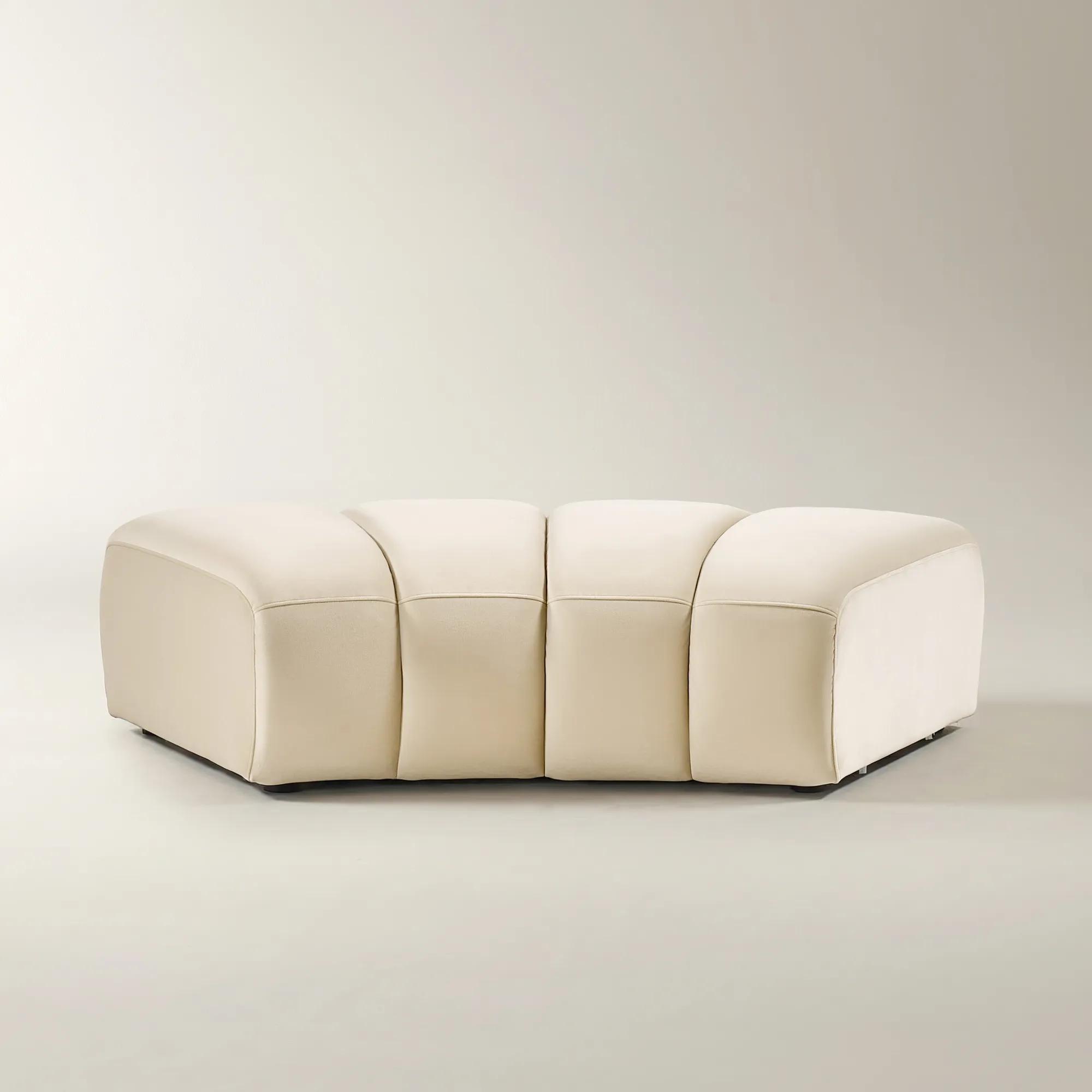
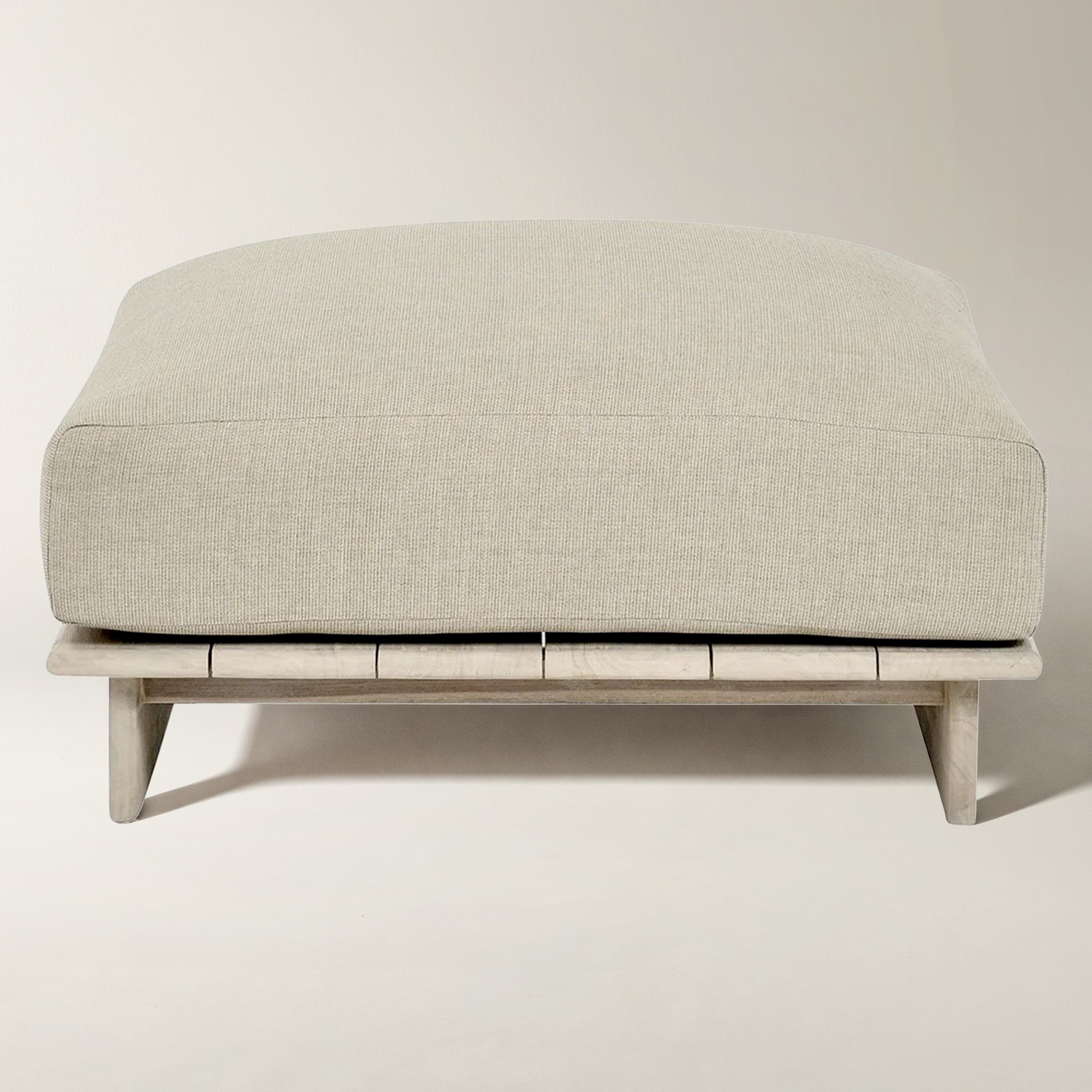
Bench seating for hallways provides a comfortable place to put on or remove shoes while bringing shape, texture, and purpose to a passageway. Designs with built-in compartments or an open lower shelf can also keep everyday footwear and accessories neatly contained, although not every hallway bench includes storage. Beyond that practical role, a beautifully proportioned bench gives an entrance the presence of a furnished room rather than a space to pass through. Imagine a sumptuous upholstered seat beneath an oversized abstract painting, its slender metal base catching the light, or a sculptural wood bench lending warmth to a corridor framed by crisp architectural details. The effect can be dramatic without overwhelming the floor plan. A low-profile silhouette preserves a sense of openness, while a generously padded seat creates a softer, more inviting arrival. For spaces with a distinctly contemporary point of view, Modern Hallway Benches bring clean lines into conversation with expressive materials and striking proportions. Armless forms often feel visually lighter and allow seating from either end; benches with arms or a back create a more defined place to pause, though their overall dimensions deserve particular attention in a narrow hall. Upholstery introduces another layer of character. Velvet has a luminous pile that shifts with the light, textured weaves add depth without relying on bold pattern, and smooth leather offers a tailored contrast to plush rugs or richly finished walls. Color can anchor the composition or become its focal point: ivory against dark paneling, charcoal beside pale stone, or a saturated jewel tone beneath restrained artwork. The most compelling hallway seating feels connected to the surrounding interior without disappearing into it. Repeating a metal finish from a nearby mirror or drawing an upholstery color from a painting creates continuity, while a contrasting shape gives the arrangement its own identity. Even an otherwise quiet hallway can carry a memorable design gesture when the bench has room to be seen.
The right proportions allow that visual impact to coexist with comfortable daily movement. A hallway bench needs to fit the usable space, not simply the length of an empty wall; baseboards, door trim, closet access, and the swing of an entry door all affect its placement. In a frequently traveled passage, roughly 36 inches of clear walking space is a useful planning target where the layout allows, though accessibility requirements and individual mobility needs may call for more. The full footprint matters, including projecting arms, angled legs, and any drawers or baskets that extend into the walkway. Many seating-height benches fall around 17 to 19 inches high, but cushion compression, seat depth, and a person’s height influence how easy they feel to sit on and rise from. For someone who regularly pauses to fasten shoes, a supportive seat with feet resting comfortably on the floor is more useful than an exceptionally low decorative perch. A deeper cushion can feel luxurious in a broad foyer, while a shallower profile may suit a corridor where every inch affects circulation. Length also changes the experience: a compact bench can serve one person without dominating the wall, while a longer silhouette offers room for a second person or a handbag beside the seat. In households where several people leave at similar times, that extra seating can make the entrance feel more composed. Storage should reflect what actually belongs there. An open shelf keeps frequently worn shoes visible and accessible, while enclosed compartments offer a calmer appearance for small accessories. Lift-top designs need clearance above the seat and careful attention to the hinge mechanism, particularly in homes with children. Cushions should never conceal access points in a way that makes daily use awkward. A bench intended for regular sitting should also have a stated weight capacity appropriate to its users; decorative proportions alone do not establish seating strength. These details distinguish a striking accent from hallway furniture that genuinely supports the rhythm of a household.
Materials and construction determine how gracefully hallway seating holds its appearance through repeated use. Solid wood, veneered wood, and metal each bring a different expression, but material names alone do not reveal the quality of the finished piece. Secure joints, a stable base, an evenly supported seat, and well-finished edges matter wherever a bench receives daily attention. Wood grain adds movement and warmth; polished metal introduces a gleaming architectural note; upholstered forms soften an entrance with texture and tailored detail. A tufted seat creates visual depth, while a smooth cushion lets the silhouette take the lead. For busy households, upholstery selected for frequent use can be more suitable than a delicate decorative fabric, but performance claims should be confirmed in the material specifications rather than assumed from appearance. Removable cushion covers are only washable when their care instructions say so, and leather, faux leather, velvet, and woven fabrics require different cleaning methods. Regular vacuuming with an appropriate upholstery attachment helps lift grit from seams and textured surfaces. Promptly blotting spills with a clean, absorbent cloth, rather than rubbing, can limit their spread; any further treatment should follow the manufacturer’s instructions. Wood and metal finishes generally benefit from gentle dusting and protection from abrasive cleaners, while prolonged direct sunlight can alter some finishes and fabrics. Felt pads suitable for the flooring help protect the surface beneath the legs, and a stable, level placement reduces unwanted movement. Styling can remain expressive without compromising the seat’s purpose. A single accent pillow may add a flash of pattern, but enough open cushion should remain for someone to sit comfortably. Artwork above the bench can establish scale, and a nearby mirror can reflect light without competing for floor space. As a housewarming gift, hallway seating is especially thoughtful when dimensions, upholstery preferences, and the recipient’s daily routines are already understood. Whether placed near the front door or along an interior corridor, a well-chosen bench makes a useful pause feel considered, bringing comfort and sculptural presence to an often-overlooked part of the home.
FAQs
For a truly luxurious hallway bench, consider materials that evoke richness and artistry. Velvet upholstery offers a plush, tactile allure, while genuine leather brings timeless sophistication. Solid hardwoods such as oak, walnut, or maple provide durability and natural beauty, and metallic accents—like polished brass or chrome—add a gleaming, modern edge. Mirrored or lacquered finishes can further elevate the look, reflecting light and amplifying the sense of space.
A hallway bench serves as both a functional anchor and a visual statement, setting the tone for the rest of your home. Choose a design that complements your existing decor—whether that’s bold and contemporary, classic and refined, or eclectic and artistic. Details such as tufted cushions, sculptural legs, or dramatic silhouettes can transform your entryway into an inviting, expressive vignette that welcomes guests with flair.
Seasonal styling brings fresh energy to your hallway bench. In winter, layer with sumptuous throws and textured pillows in jewel tones for warmth and drama. As spring arrives, swap in lighter linens, floral arrangements, or a stack of art books to evoke renewal. Autumn calls for cozy knits and earthy hues, while summer shines with breezy fabrics and vibrant accent pieces. Each season is an opportunity to refresh your entryway’s mood and palette.
A hallway bench is a sophisticated and practical gift for new homeowners, newlyweds, or anyone embarking on a new chapter. It’s also ideal for families who appreciate organized, welcoming spaces, or design enthusiasts who love to curate every corner of their home. Gifting a bench is a gesture of hospitality and style—an invitation to create beautiful first impressions and lasting memories.
Many modern hallway benches blend storage seamlessly into their design. Look for options with hidden compartments beneath the seat, elegant drawers, or open shelving that can be styled with decorative baskets. These features keep essentials organized while preserving a refined, clutter-free aesthetic. Choose finishes and details that echo your home’s decor, ensuring that storage feels intentional and artful rather than purely utilitarian.