Beds Without Box Springs
Beds Without Box Springs
-
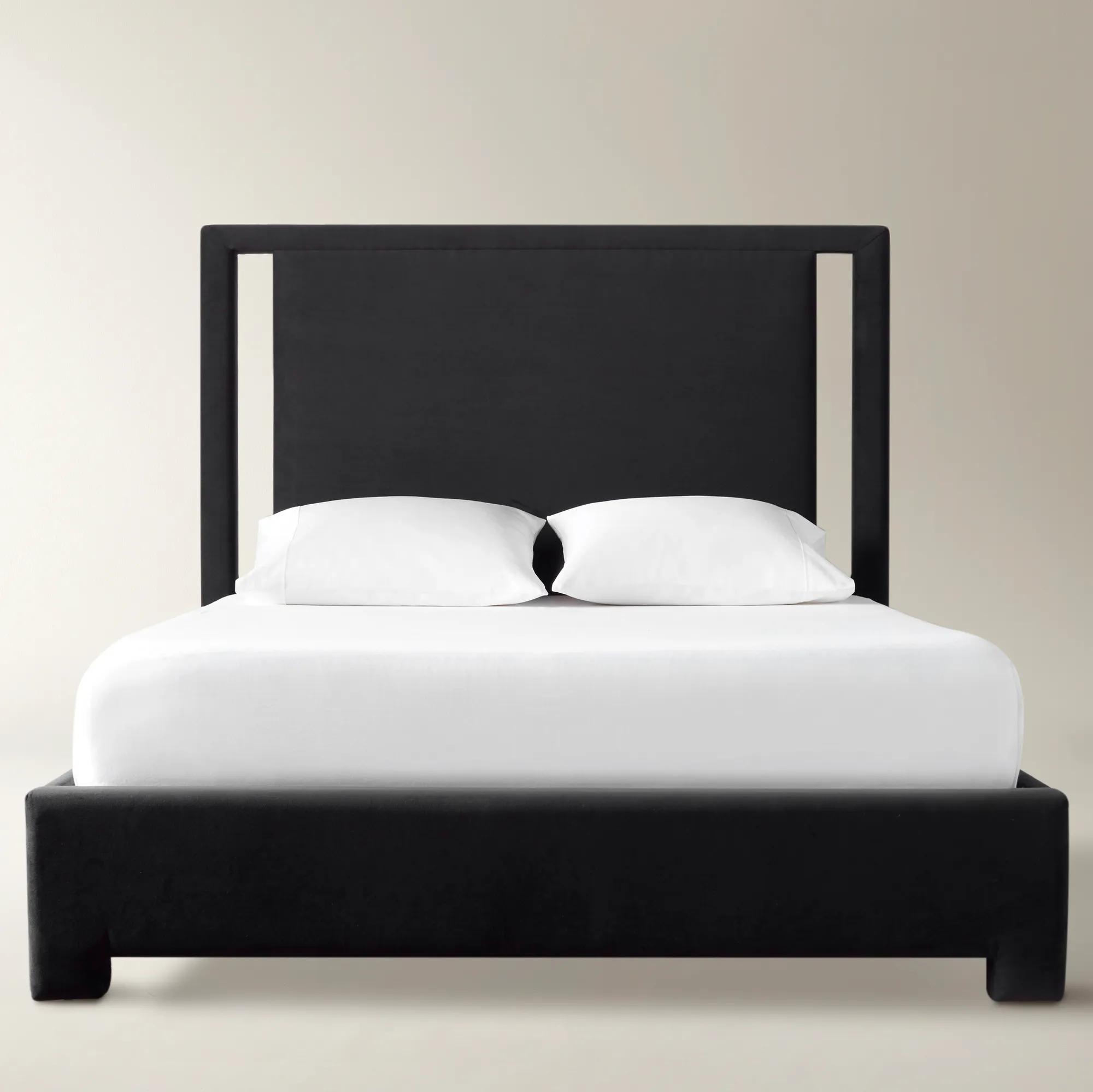
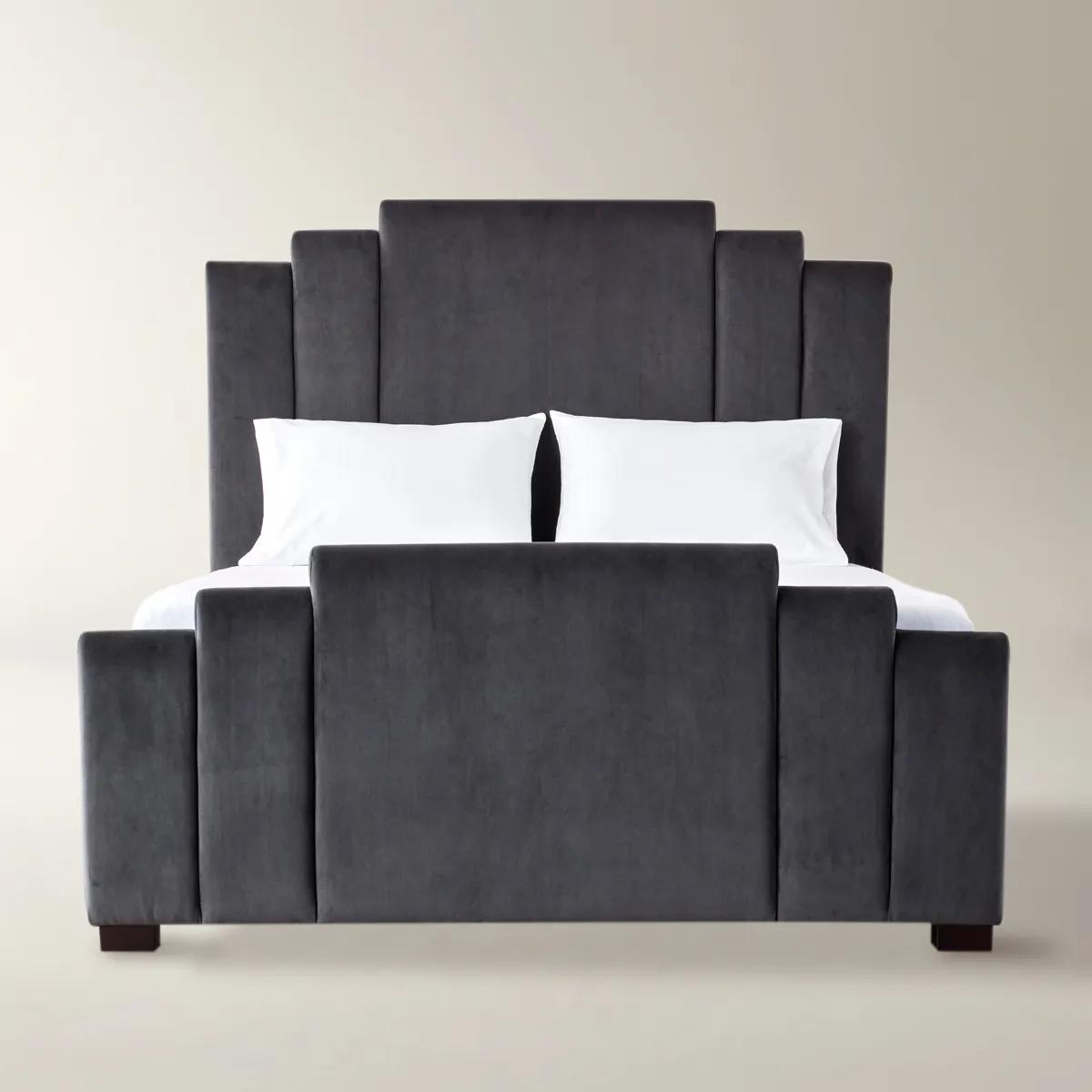
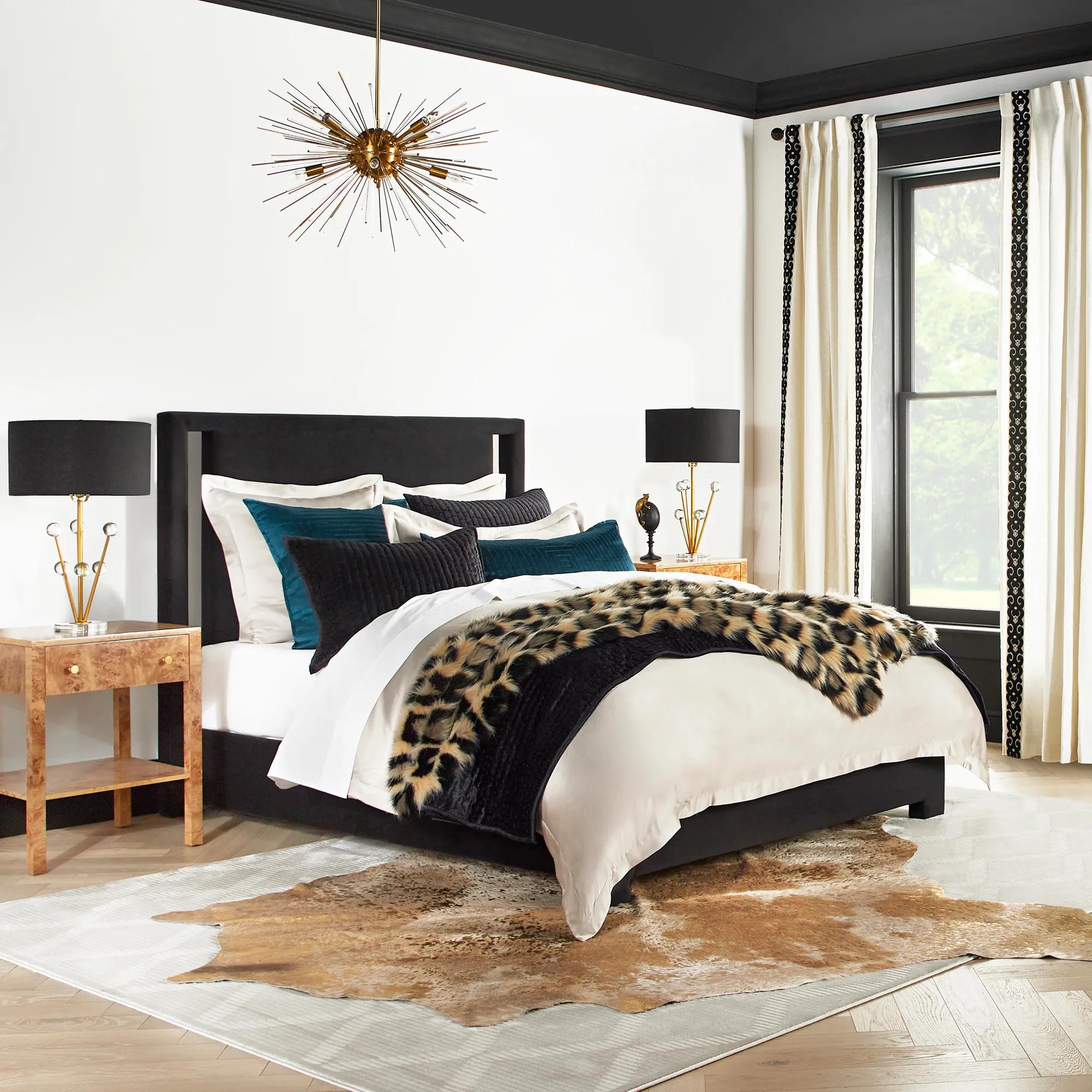 Roya Platform Bed$2149
An elegant platform bed featuring kiln-dried hardwood, hand-upholstered velvet, and dramatic headboard cutouts.
Add To Cart -
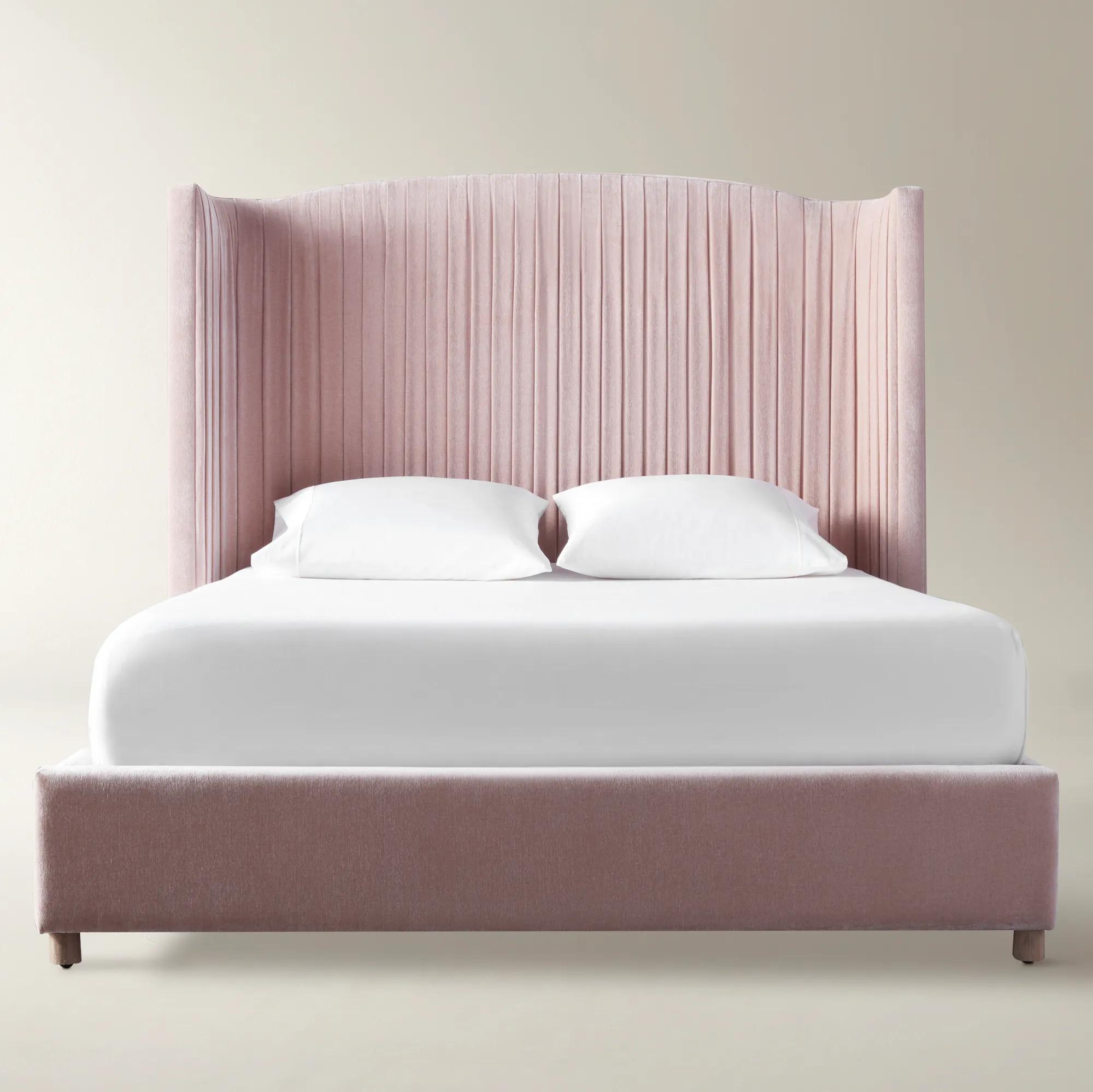
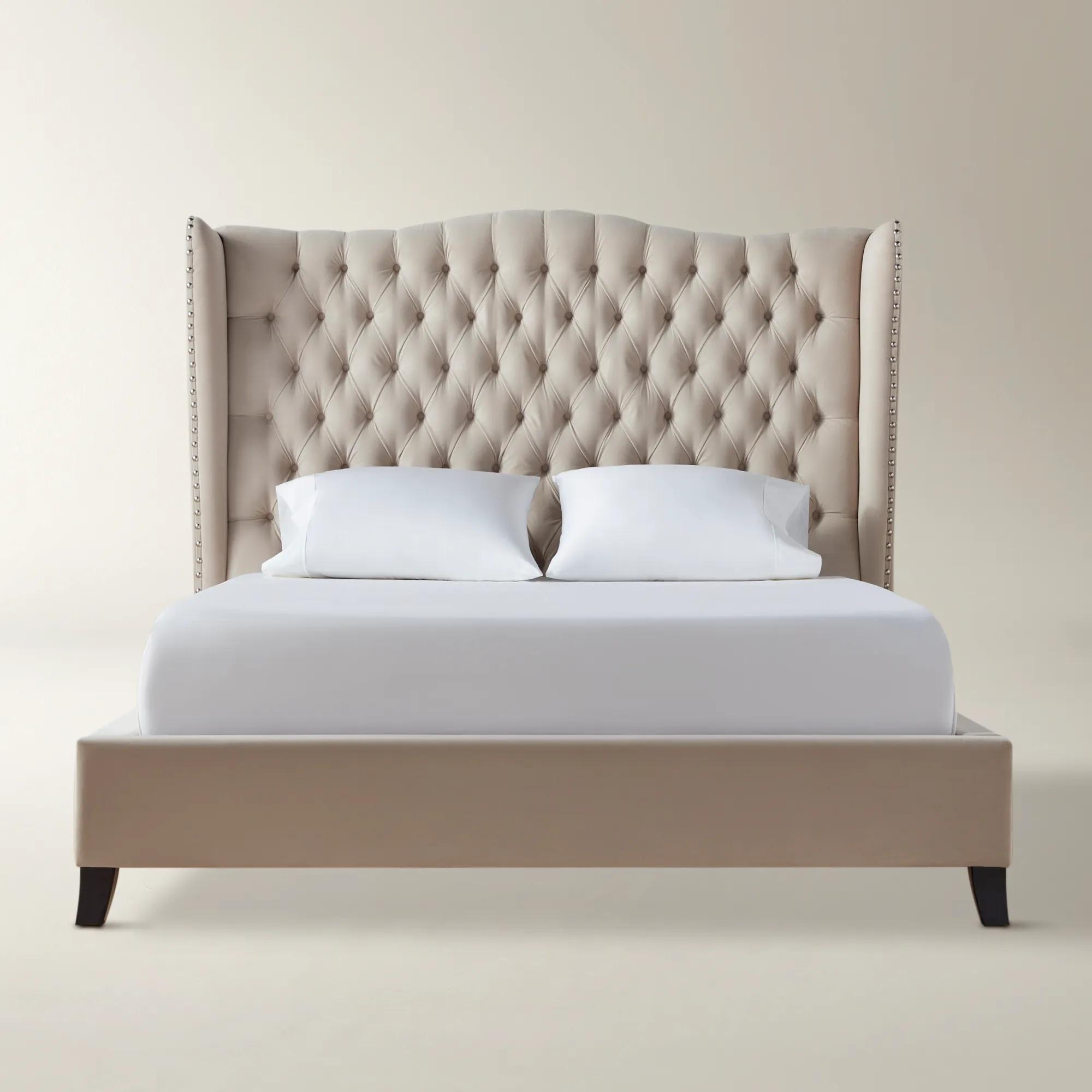
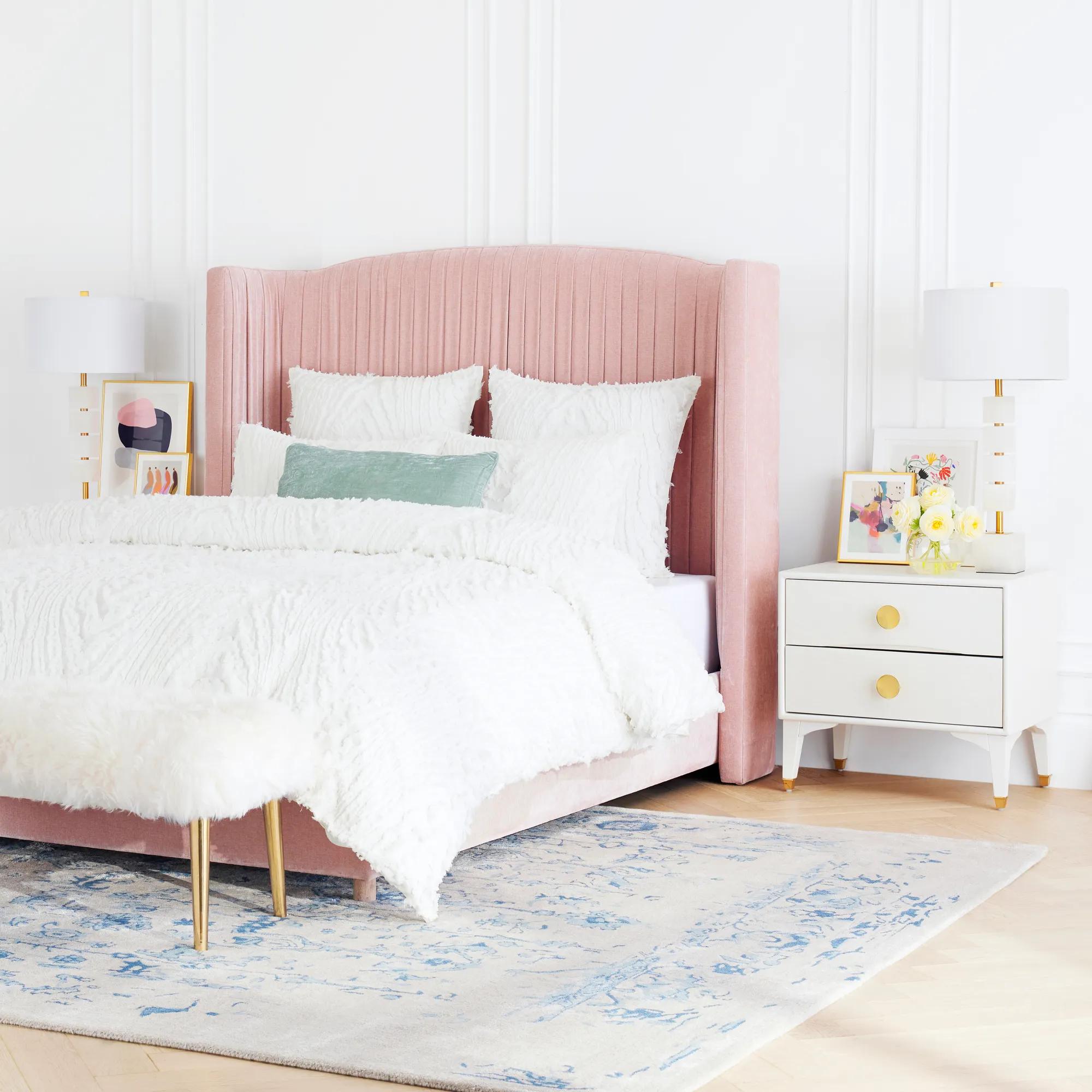 Larissa Platform Bed$2449
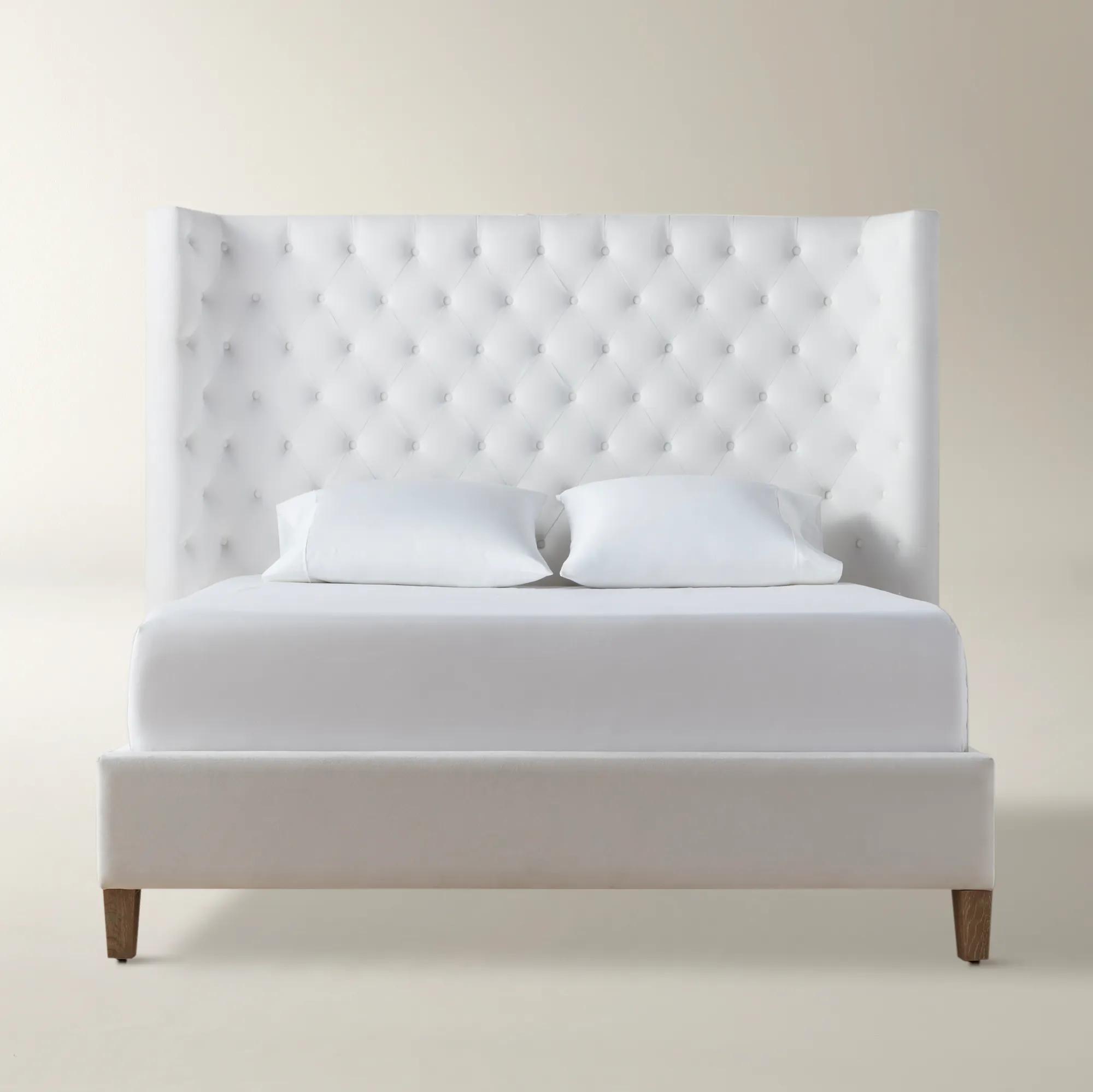
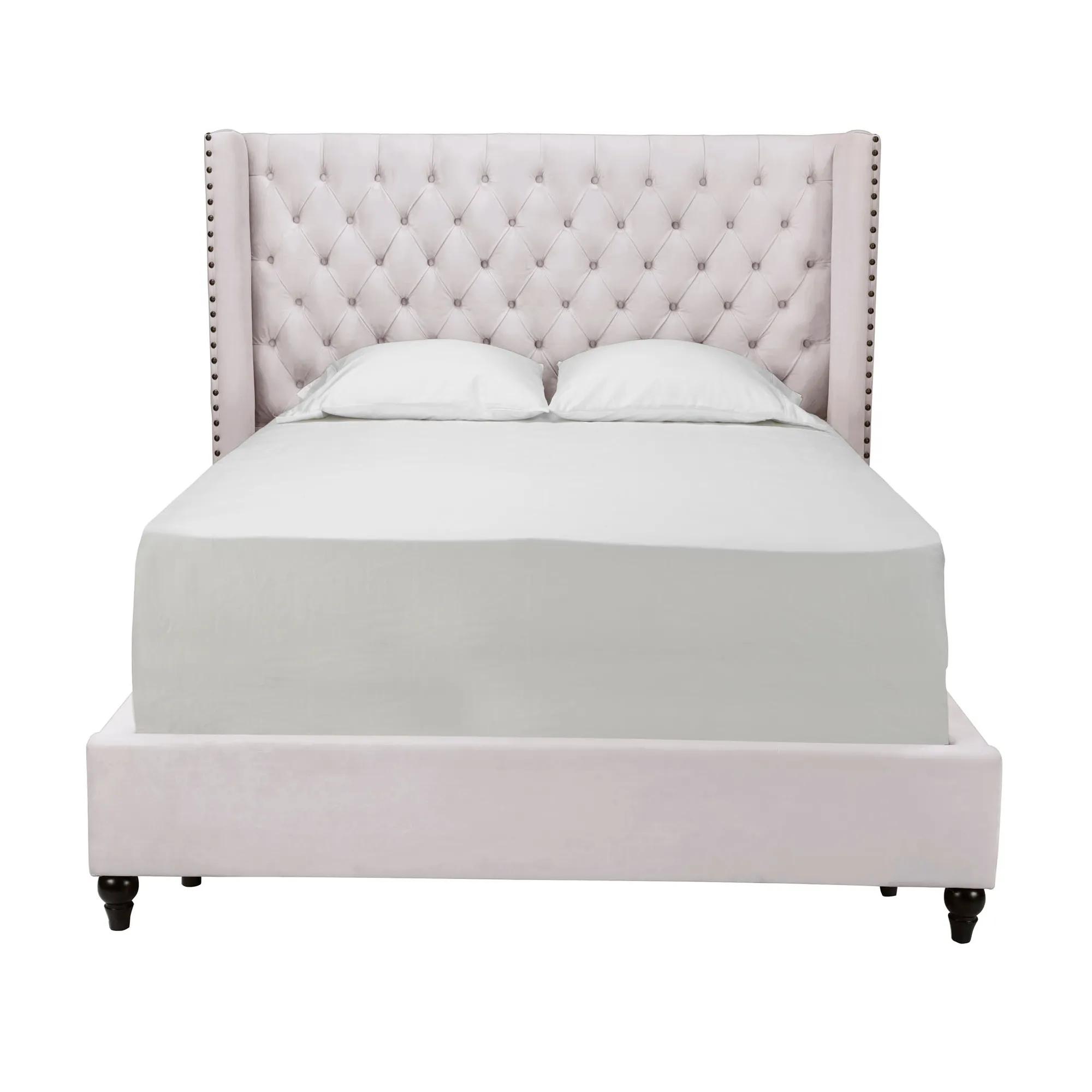
An elegantly curved wingback bed with hand-pleated chenille upholstery and a kiln-dried hardwood frame.
Add To Cart -
.jpg?w=1200&h=1200)
 Tenley Bed$2599
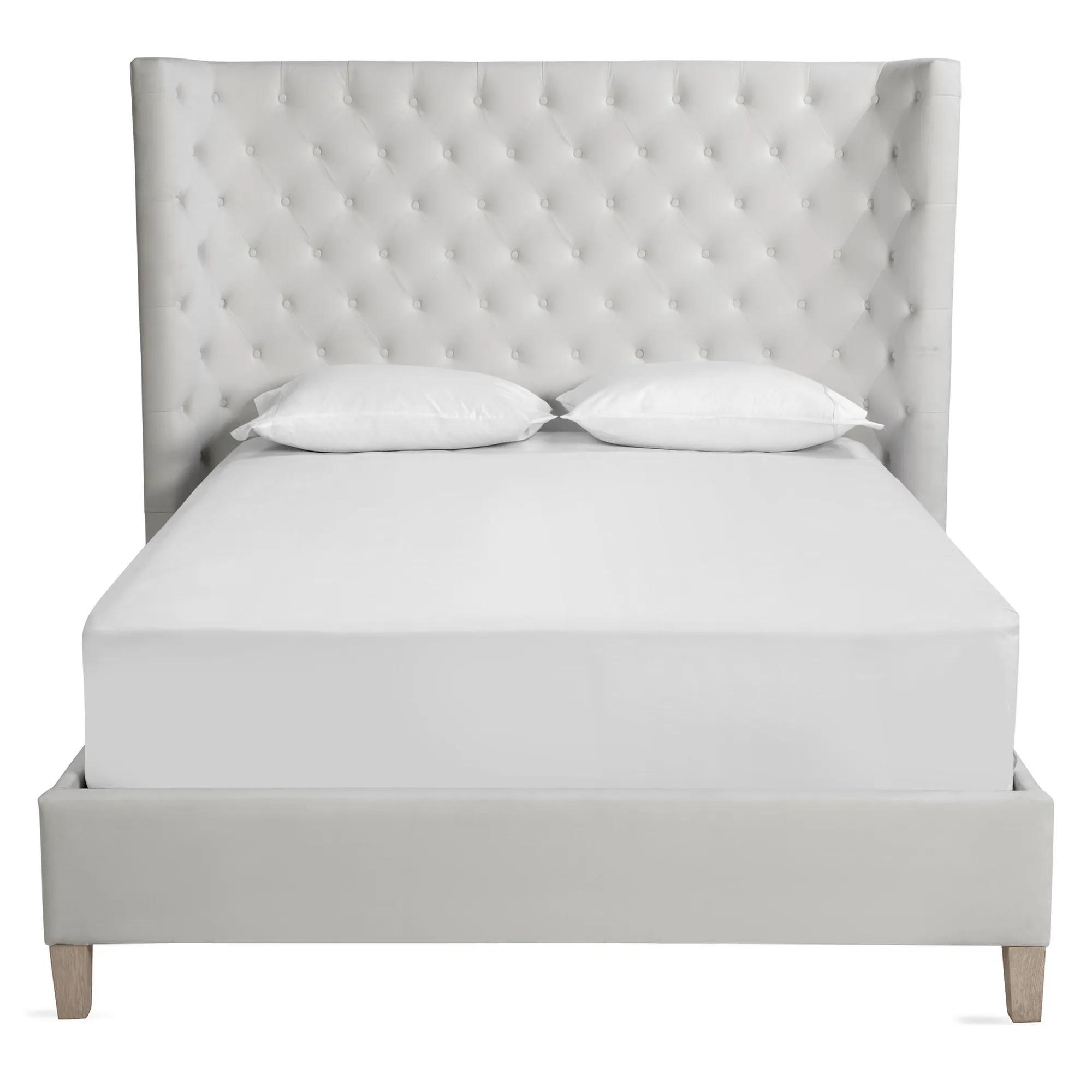
Tenley Bed$2599A modern bed with a kiln-dried hardwood frame and plush, high-density foam headboard in oyster linen.
Add To Cart -
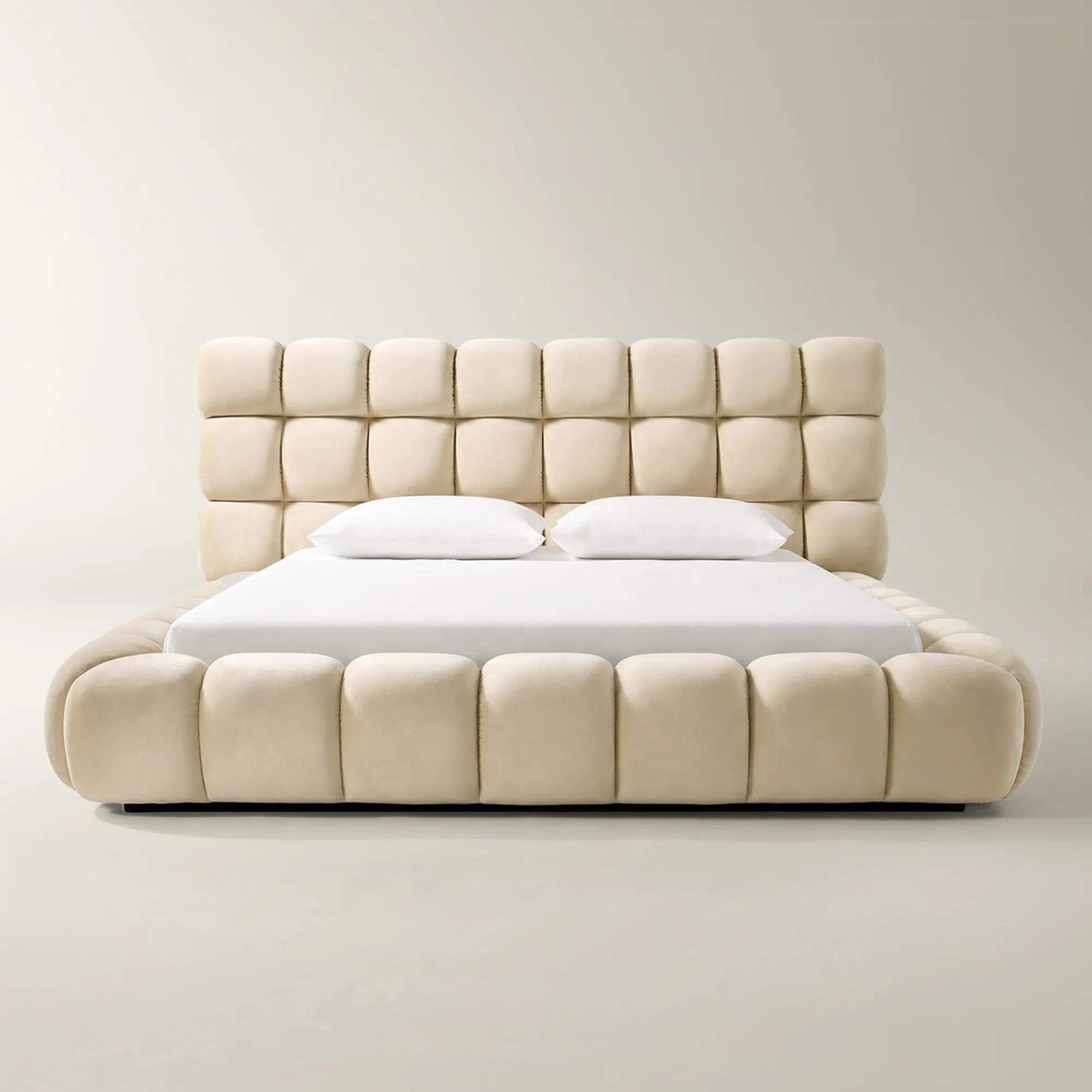 Paloma Tufted Oatmeal Velvet Upholstered Queen Platform Bed$2399
A sculptural platform bed upholstered in plush oatmeal velvet with oversized tufted blocks and solid wood frame.
Add To Cart -
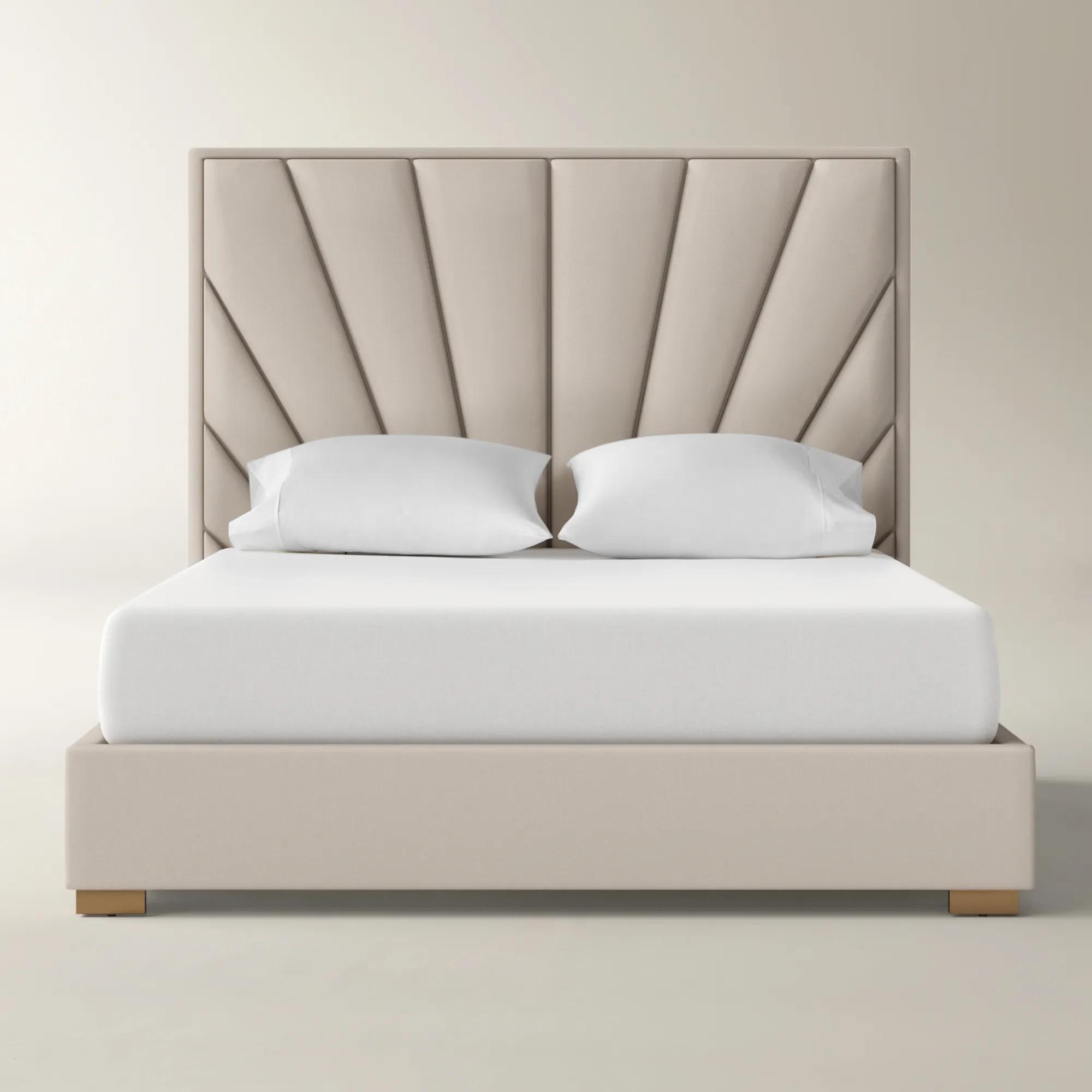 Adriana Platform Bed - 68"H$2649
A hand-crafted platform bed featuring a fan-patterned, upholstered headboard in plush velvet or chenille fabric.
Add To Cart -
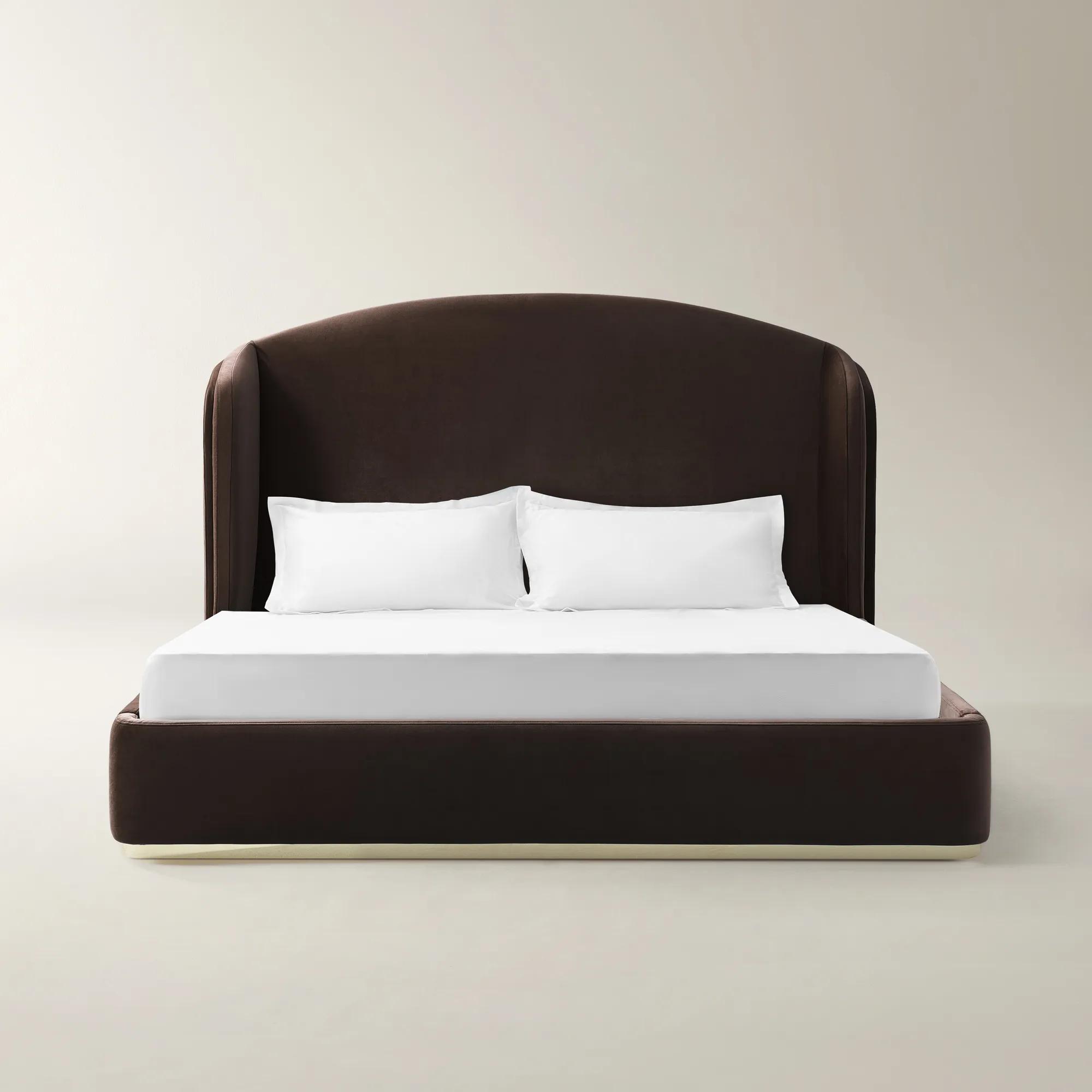
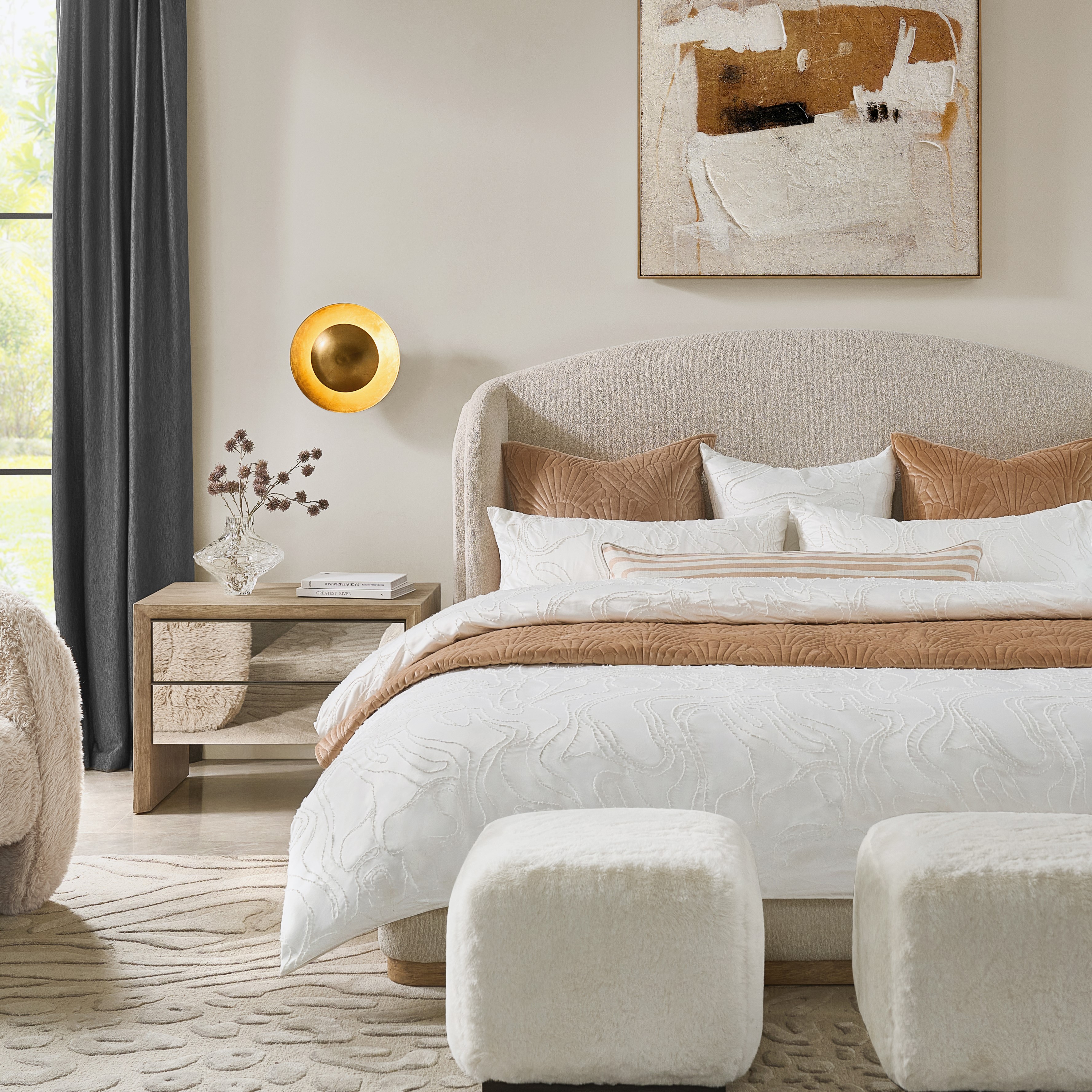 Glimmer Dark Chocolate Velvet Upholstered Queen Platform Bed$1999
A dark chocolate velvet platform bed featuring a sculpted double-layer headboard and solid rubberwood base.
Add To Cart -
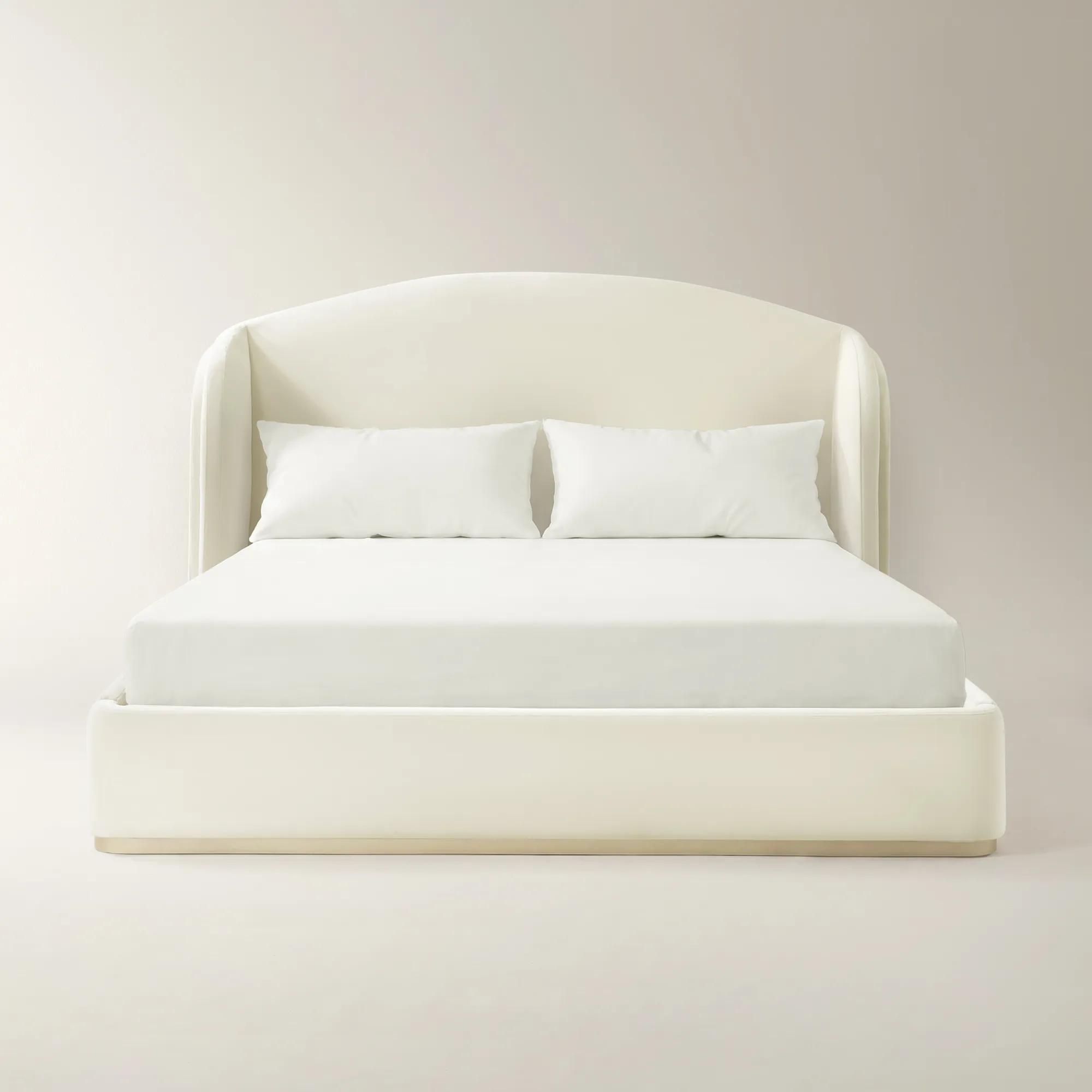 Glimmer Cloud Velvet Upholstered Queen Platform Bed$1999
A sculptural queen platform bed hand-upholstered in soft cloud velvet with a gold-toned metallic base.
Add To Cart -
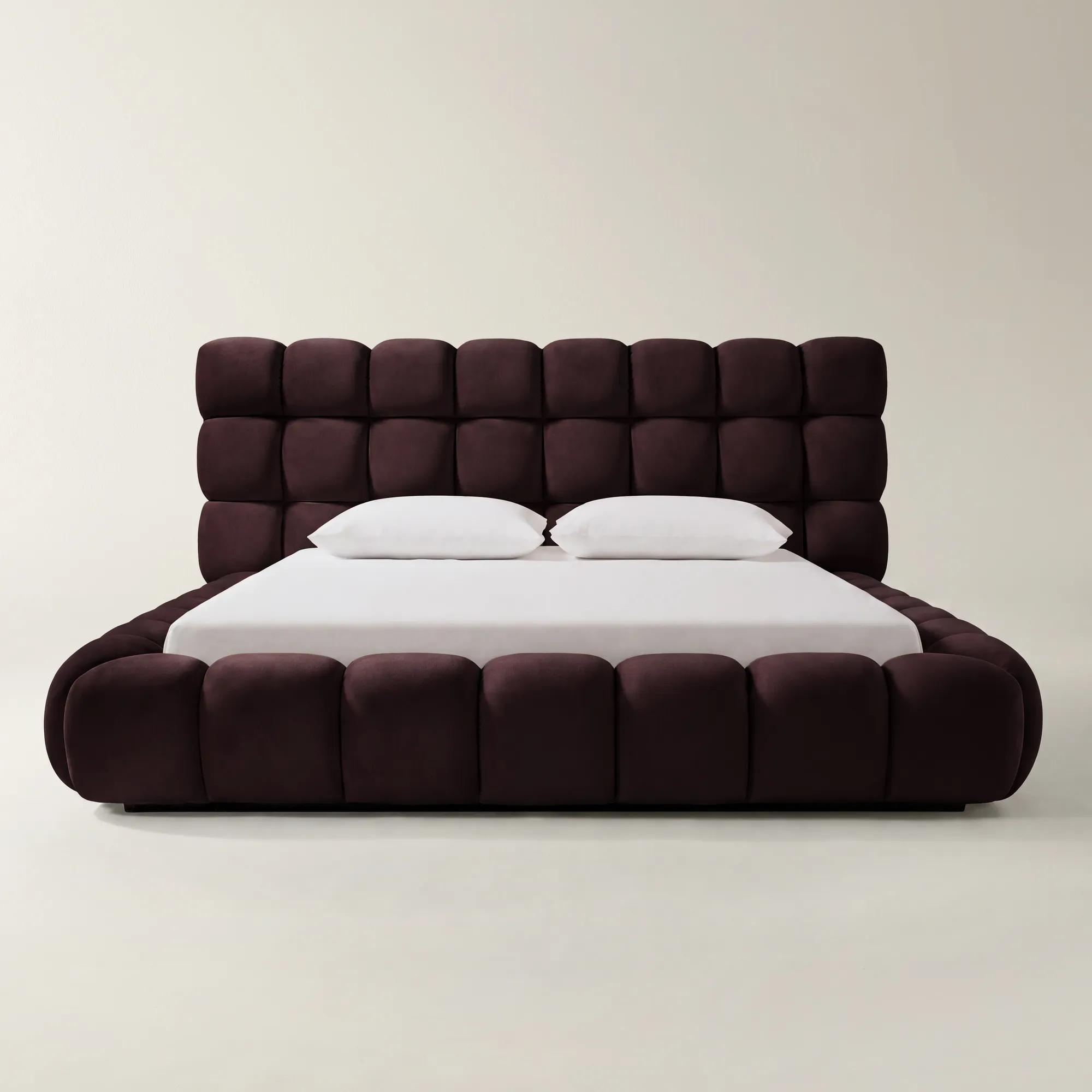 Paloma Tufted Fig Velvet Upholstered King Platform Bed$2599
A sculptural fig velvet upholstered platform bed with plush padding and durable solid wood construction.
Add To Cart -
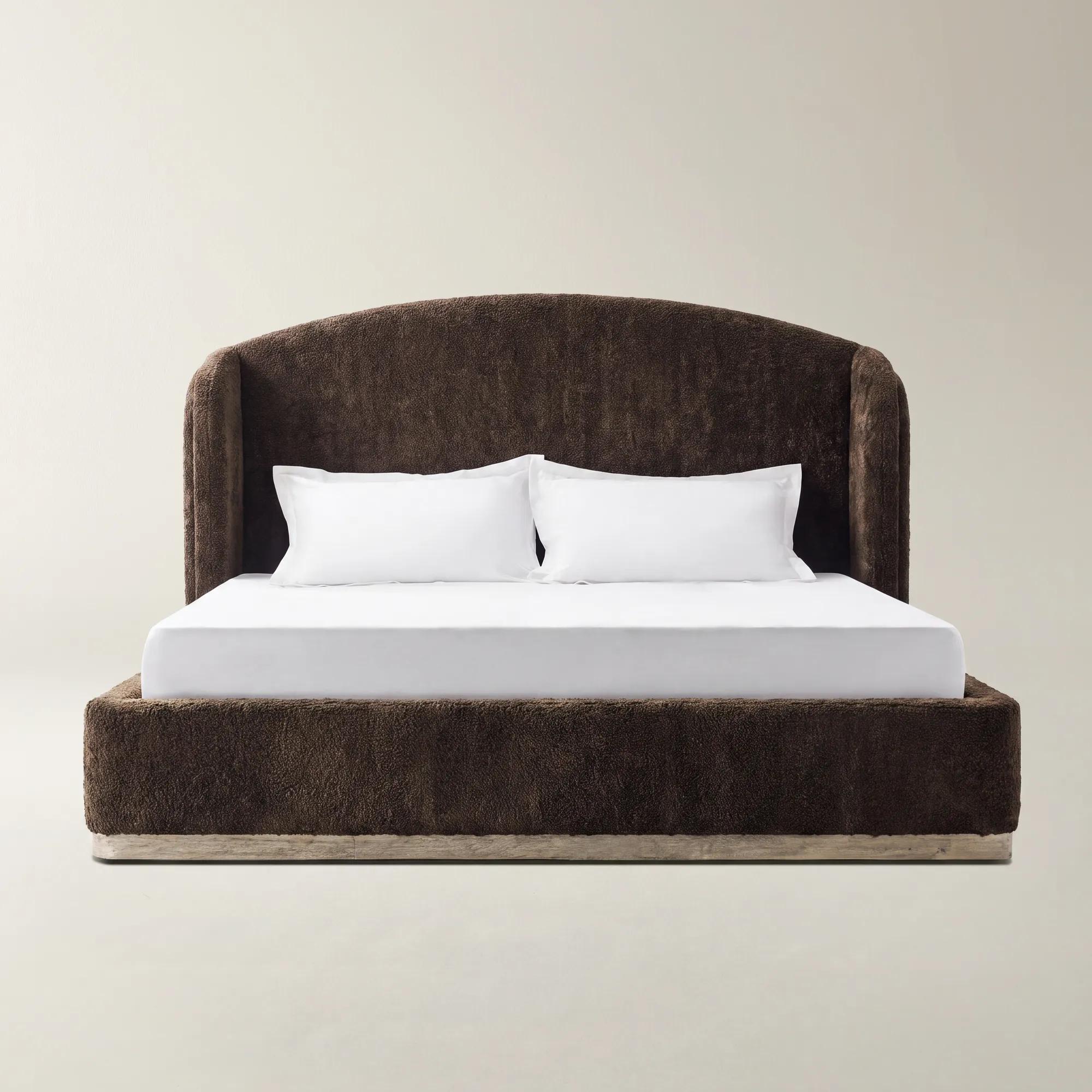
.jpeg?w=1200&h=1200) Glimmer Dark Chocolate Chenille Upholstered Queen Platform Bed$1999
Glimmer Dark Chocolate Chenille Upholstered Queen Platform Bed$1999A dark chocolate chenille-upholstered platform bed featuring a sculpted headboard and solid rubberwood base.
Add To Cart -
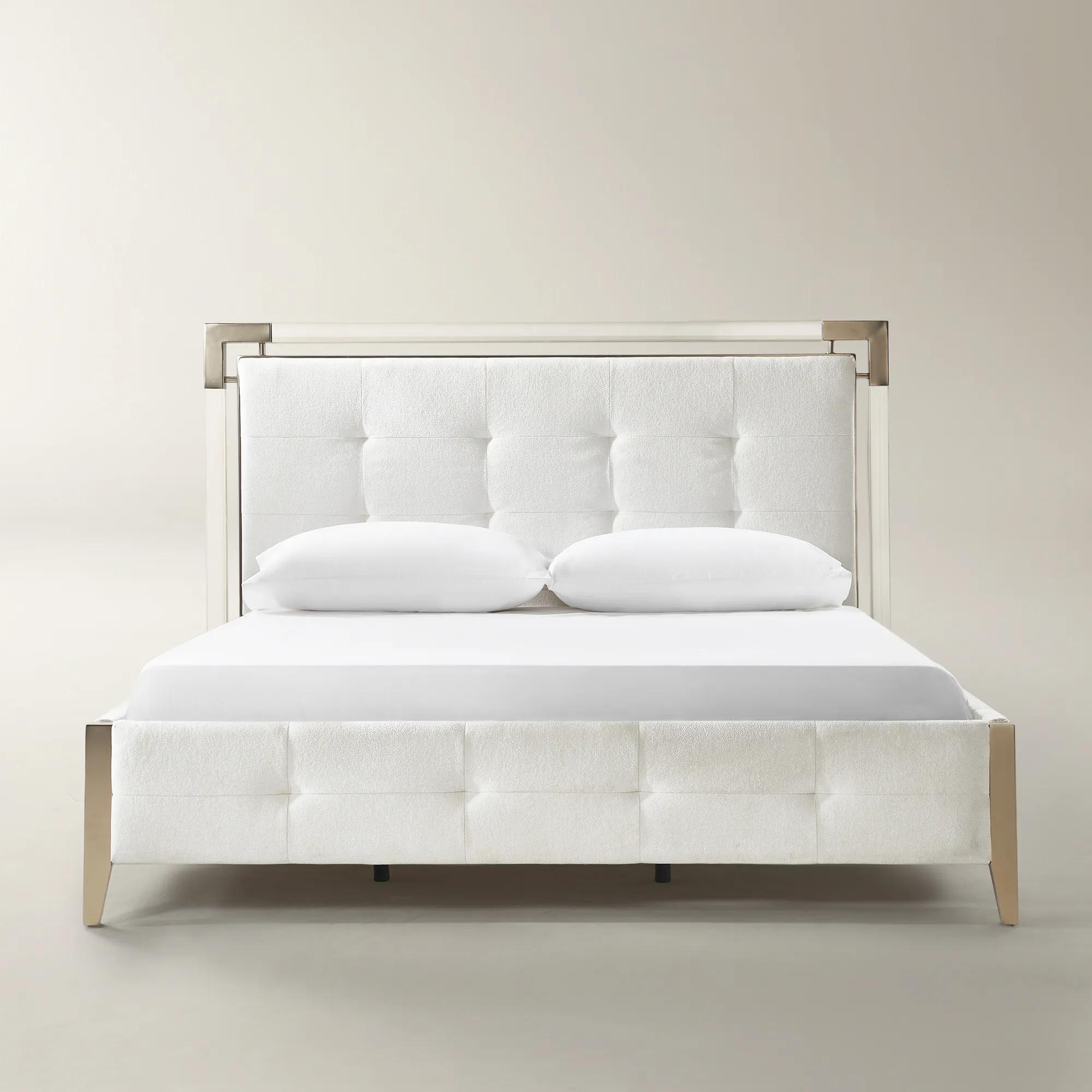
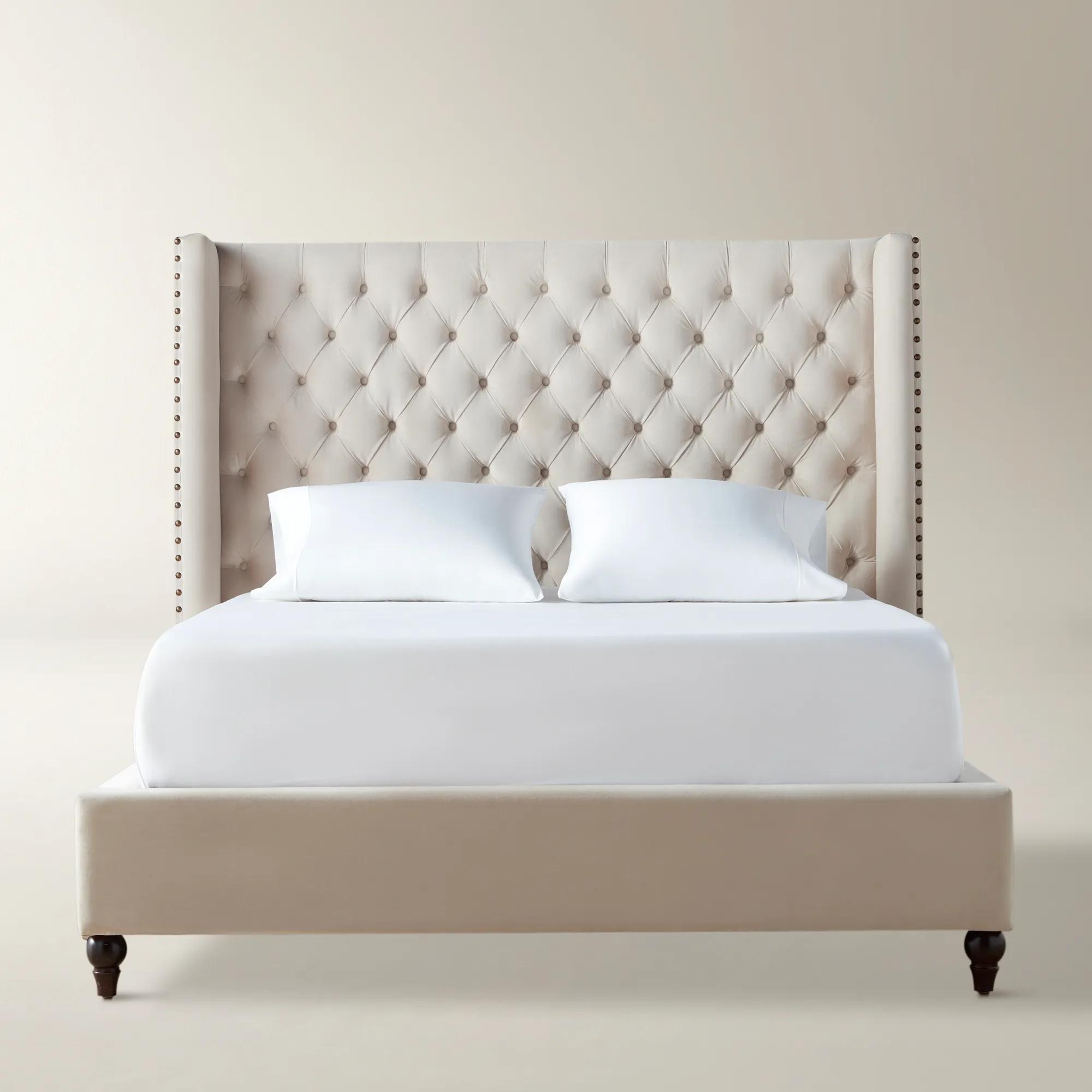
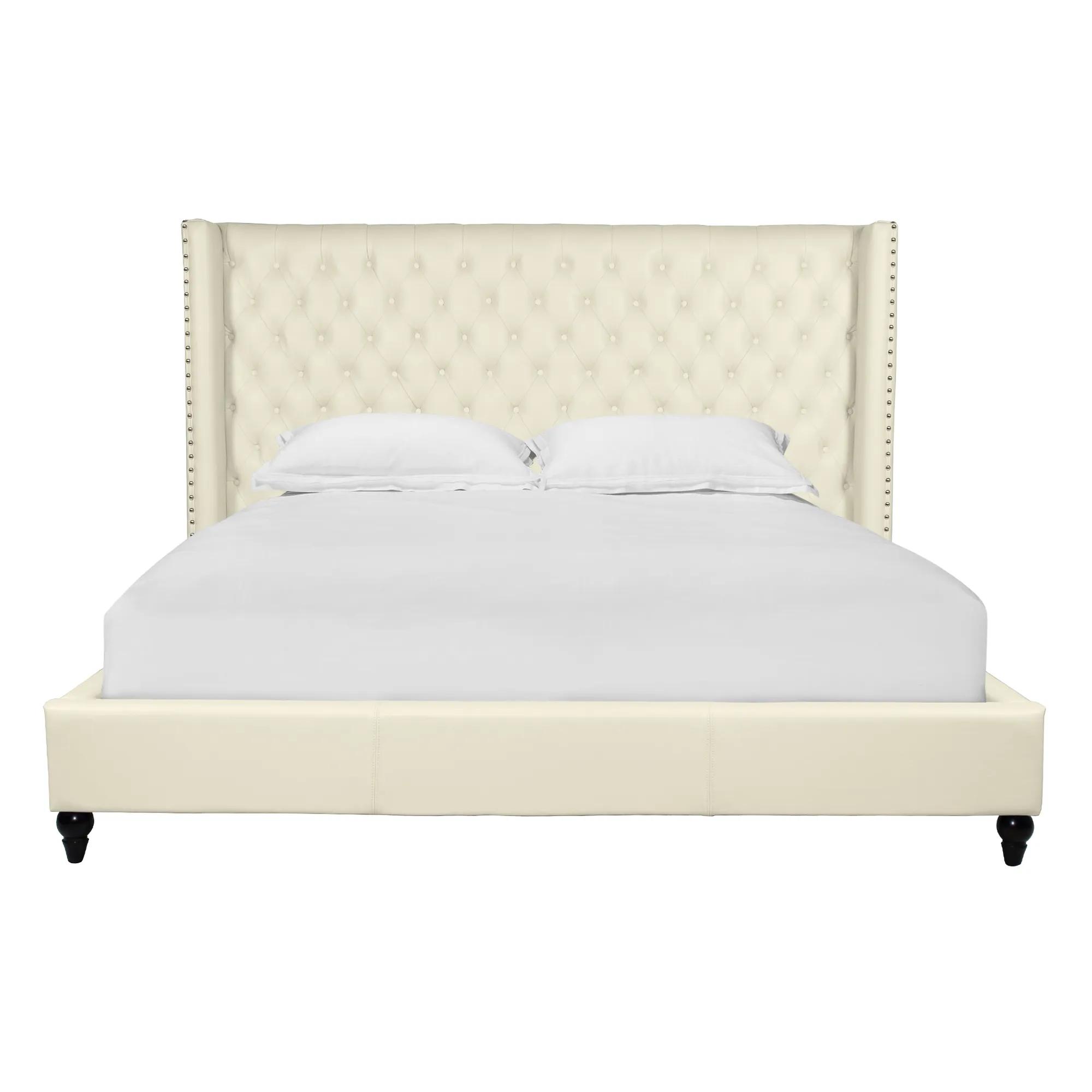
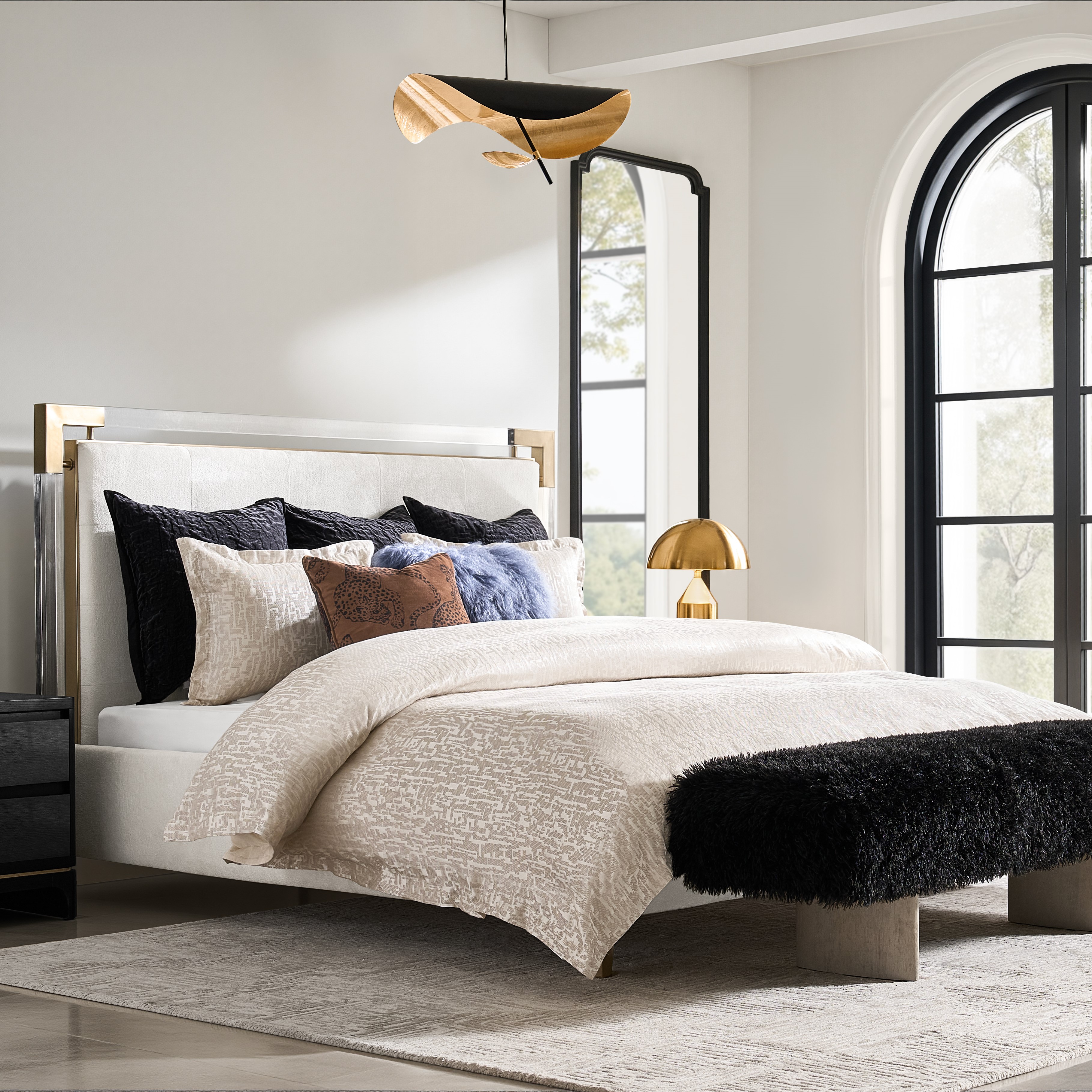 Vitrina Box-Tufted Ivory Velvet Upholstered Queen Platform Bed$2599
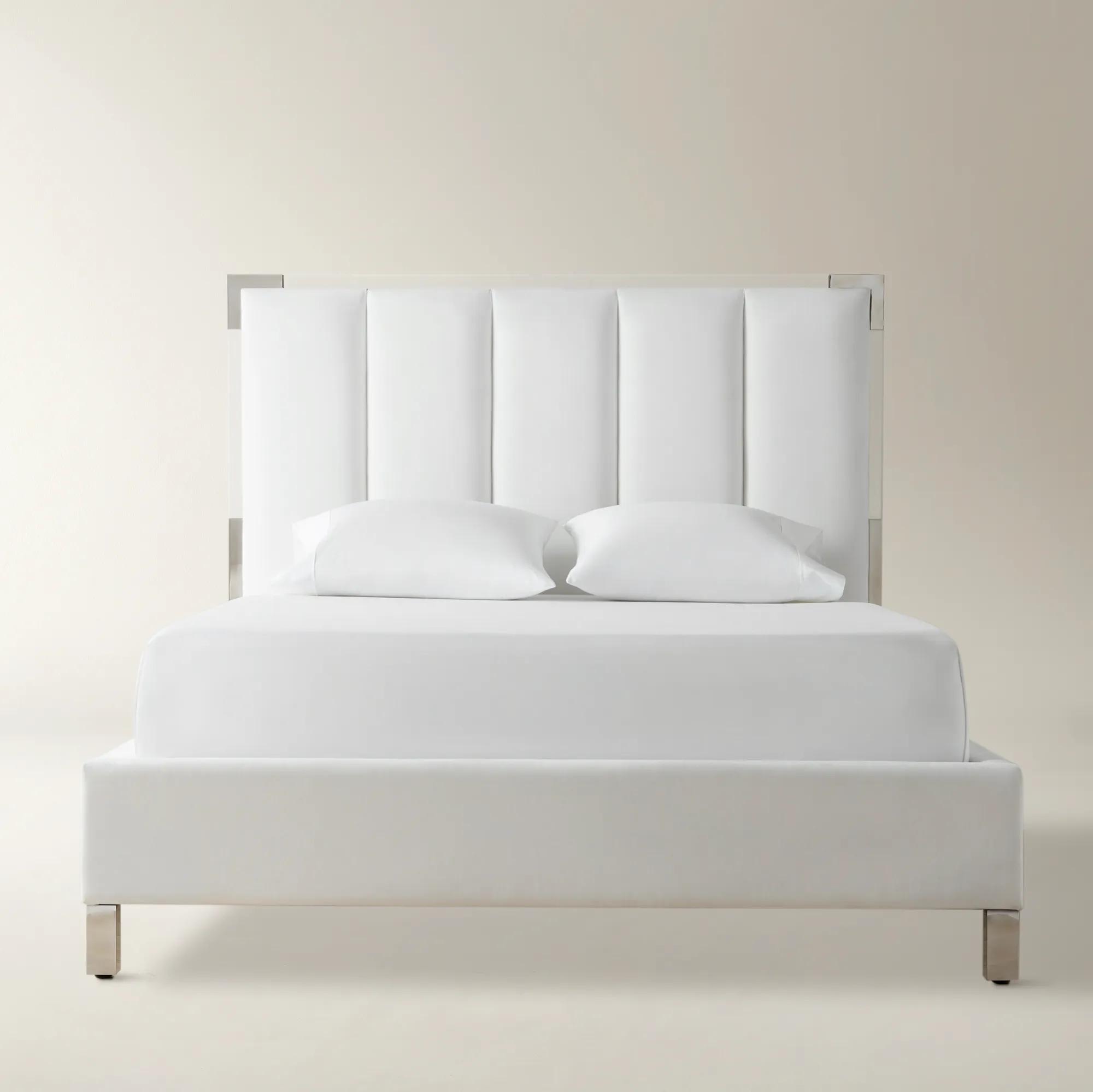
An ivory velvet upholstered bed with grid-tufted headboard, acrylic accents, and champagne-finished stainless steel details.
Add To Cart -
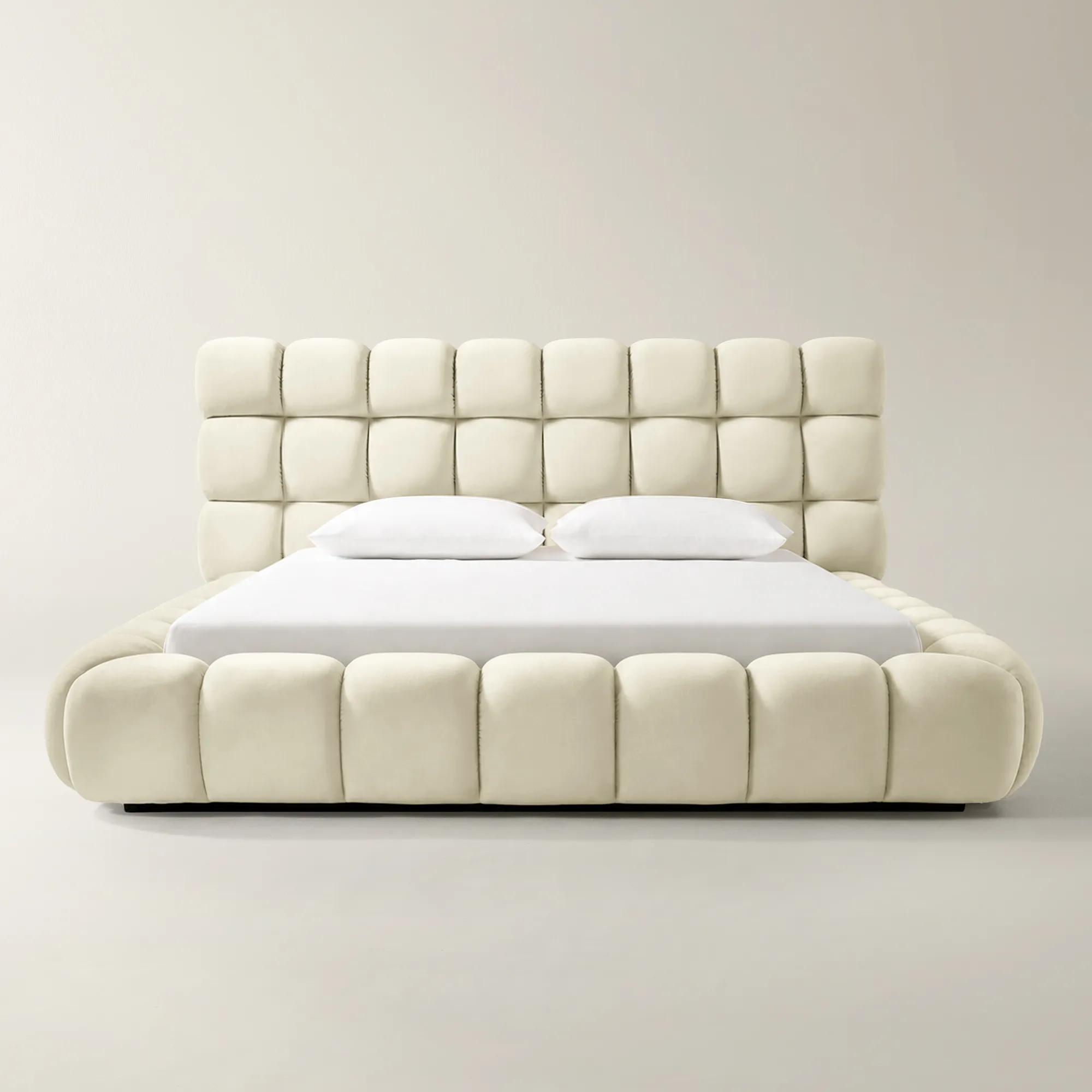 Paloma Tufted Cloud Velvet Upholstered Queen Platform Bed$2399
A sculptural velvet platform bed with plush padding, solid wood construction, and a fully wrapped silhouette.
Add To Cart -
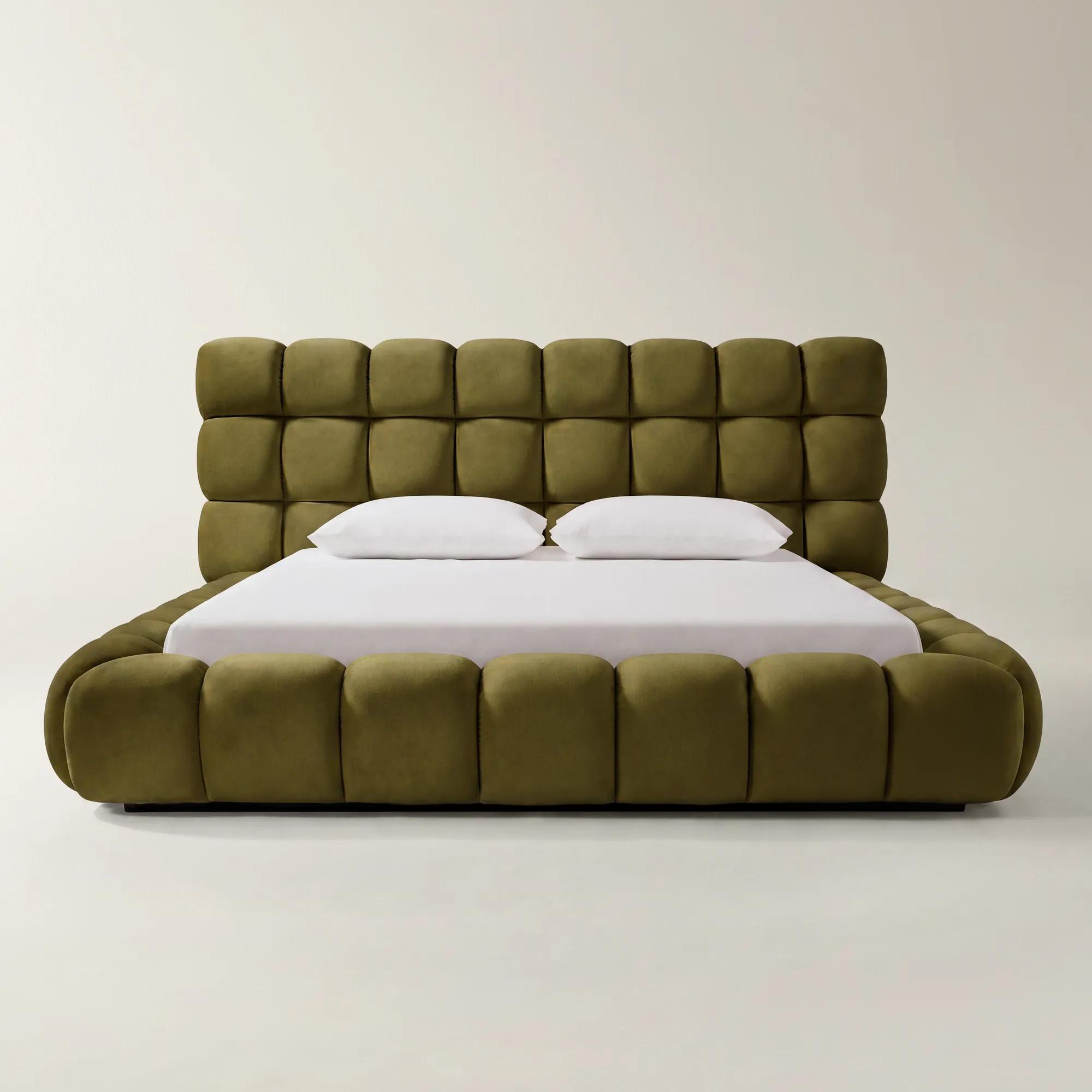 Paloma Tufted Deep Olive Velvet Upholstered King Platform Bed$2599
A sculptural deep olive velvet platform bed with plush padding, fully wrapped upholstery, and wood construction.
Add To Cart -
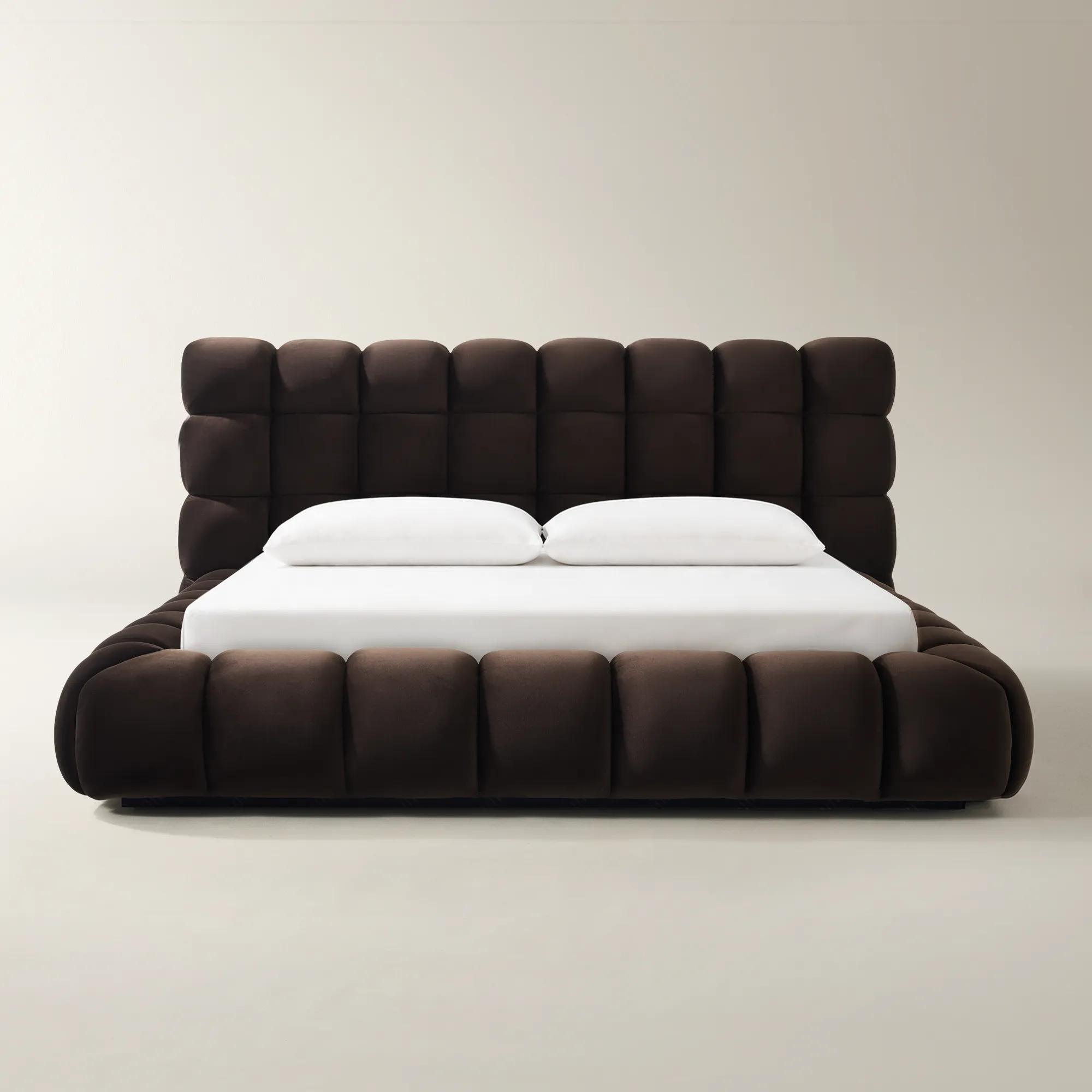 Paloma Tufted Dark Chocolate Velvet Upholstered Queen Platform Bed$2399
A sculptural platform bed upholstered in dark chocolate velvet with plush, oversized tufted blocks for modern elegance.
Add To Cart -
Glimmer Dark Chocolate Velvet Upholstered King Platform Bed$2199
A dark chocolate velvet upholstered platform bed with a sculptural double-layered headboard and solid rubberwood base.
Add To Cart -
Vitrina Box-Tufted Ivory Velvet Upholstered King Platform Bed$2799
An ivory velvet upholstered bed featuring grid-tufted details, acrylic accents, and champagne-finished stainless steel trim.
Add To Cart -
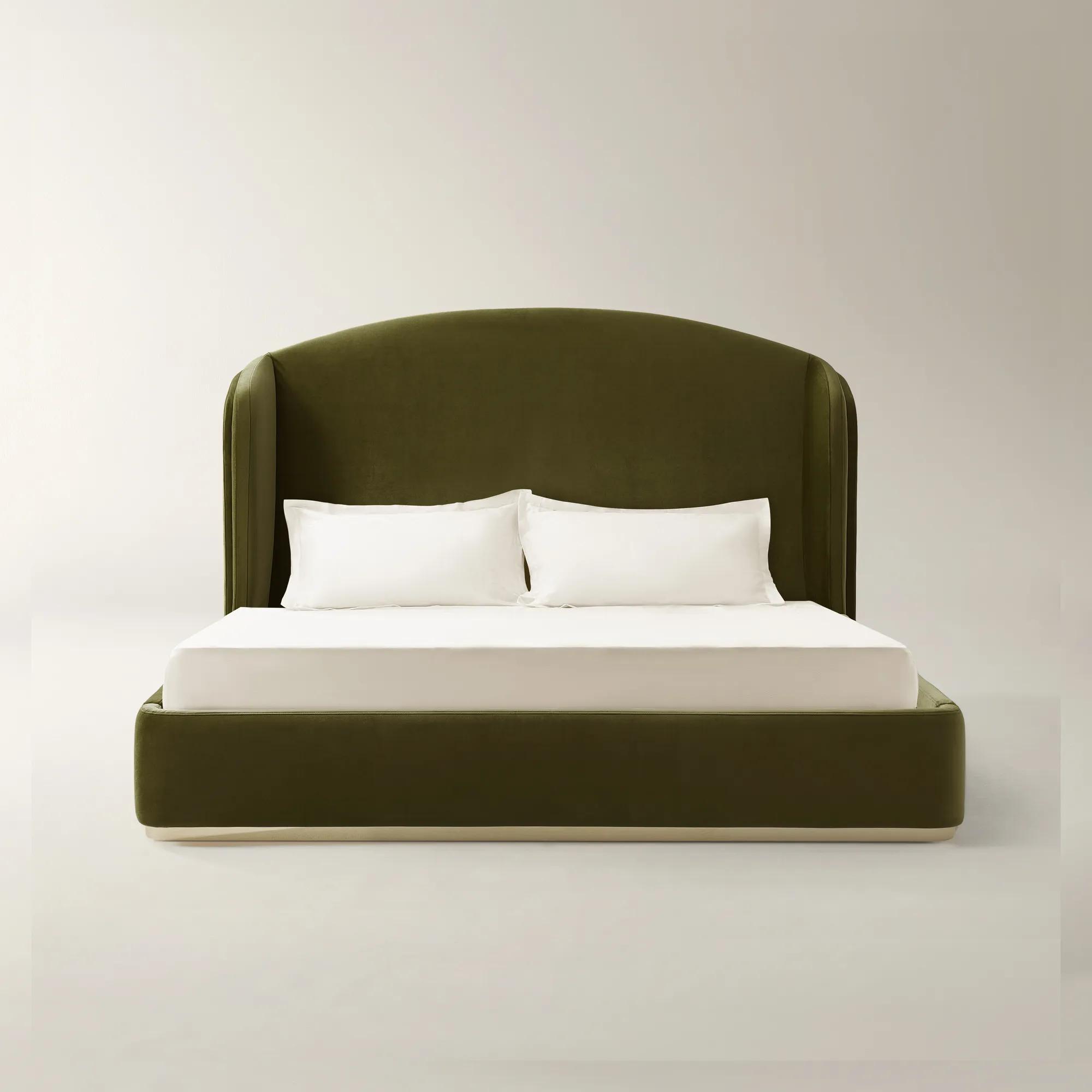
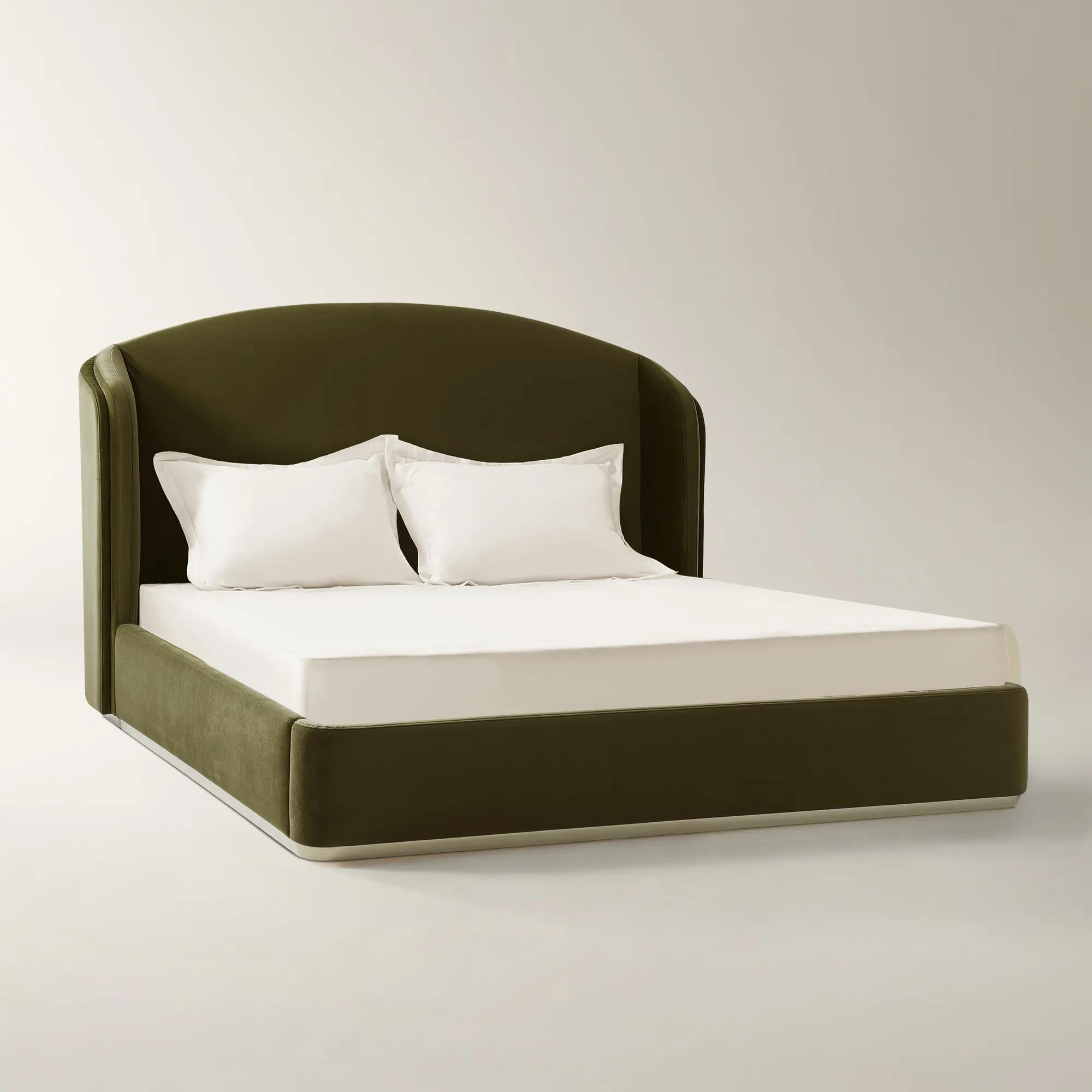 Glimmer Deep Olive Velvet Upholstered King Platform Bed$2199
A deep olive velvet platform bed featuring a sculpted headboard and gold-toned metallic base for modern elegance.
Add To Cart -
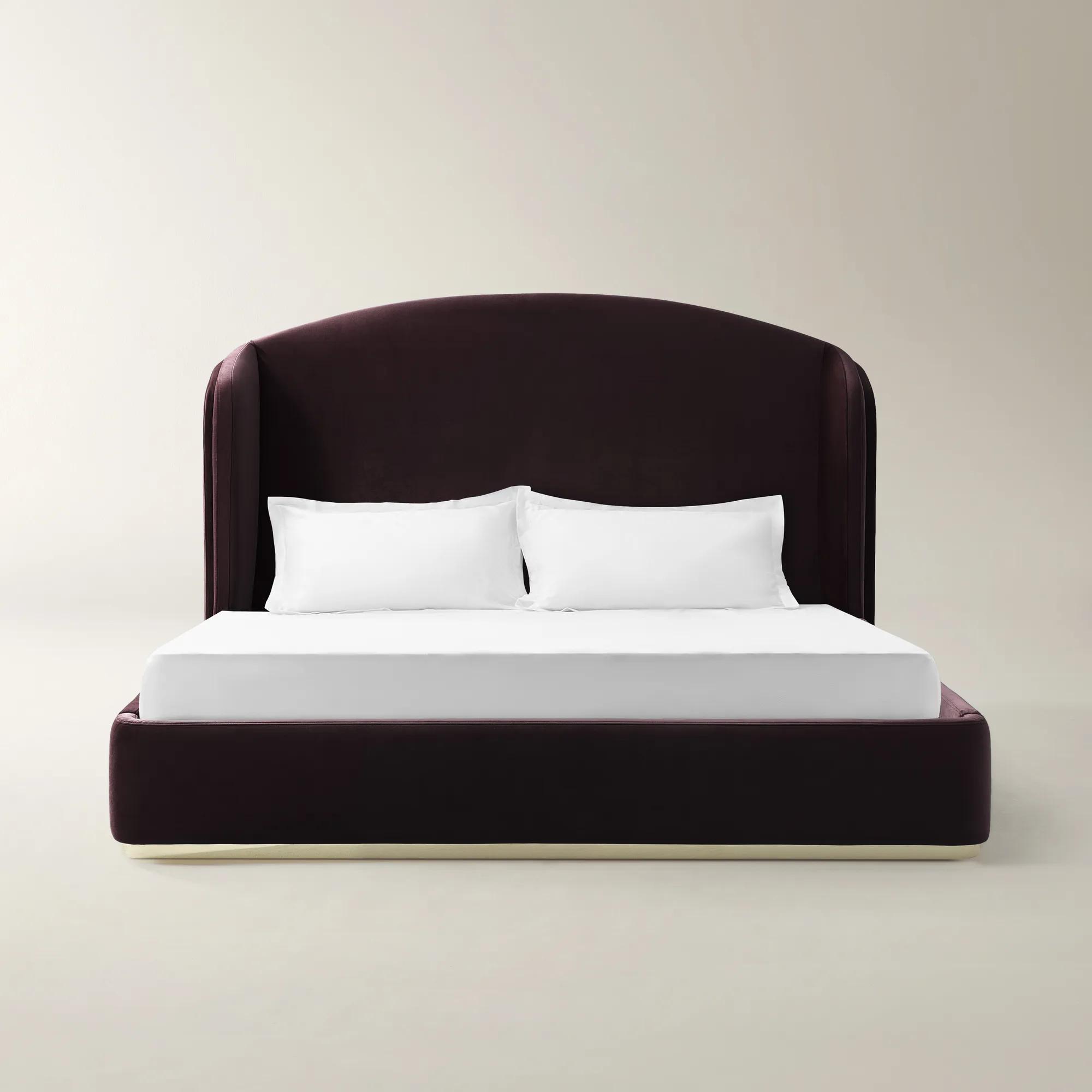 Glimmer Fig Velvet Upholstered Queen Platform Bed$1999
A sculptural fig velvet platform bed with a double-layered headboard and solid rubberwood base.
Add To Cart -
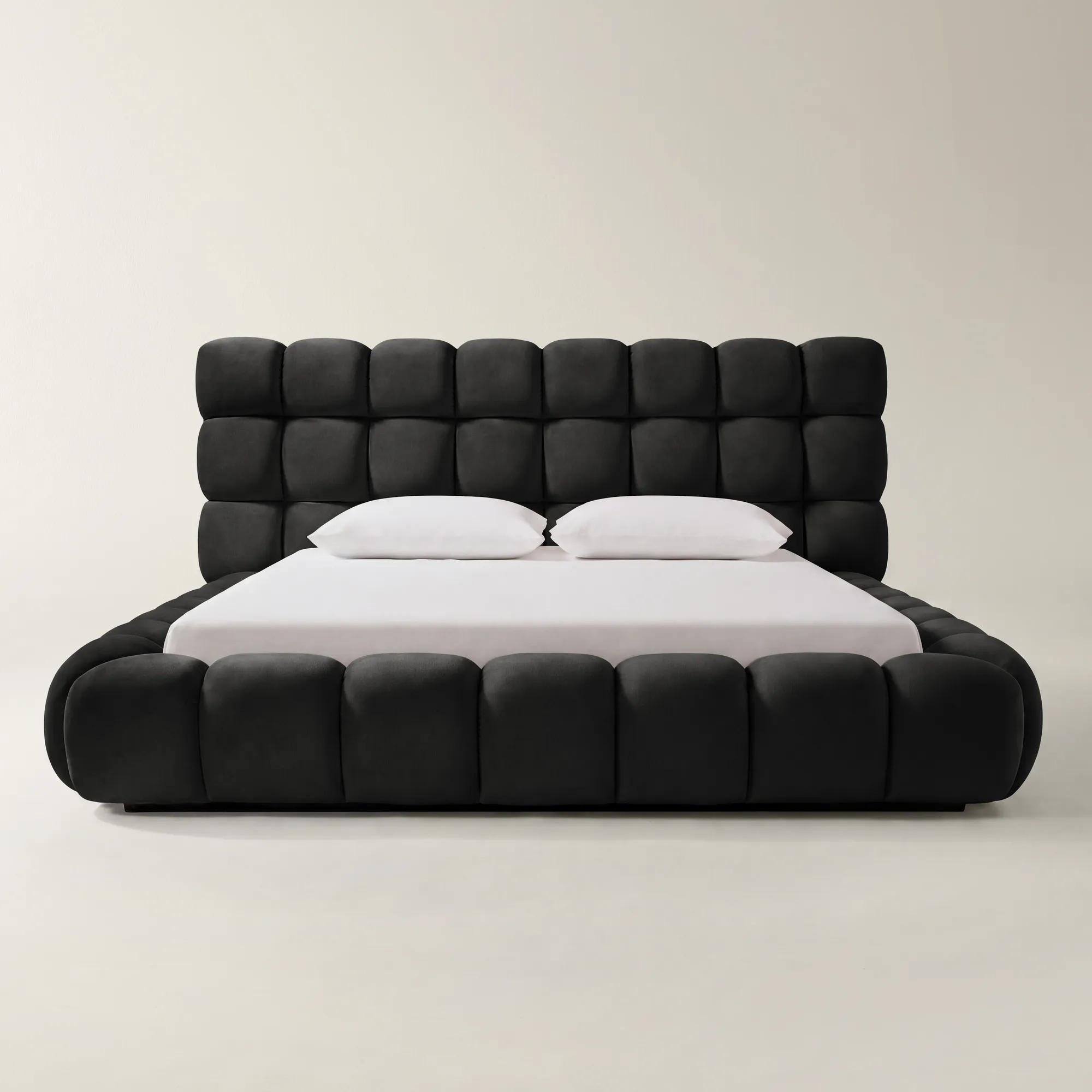 Paloma Tufted Charcoal Velvet Upholstered Queen Platform Bed$2399
A sculptural charcoal velvet platform bed with plush wrapped upholstery, solid wood construction, and supportive slats.
Add To Cart -
Glimmer Deep Olive Velvet Upholstered Queen Platform Bed$1999
A deep olive velvet platform bed featuring a sculpted headboard and gold-toned metallic base for modern elegance.
Add To Cart -
Paloma Tufted Dark Chocolate Velvet Upholstered King Platform Bed$2599
A sculptural platform bed wrapped in dark chocolate velvet with plush tufted blocks and solid wood construction.
Add To Cart -
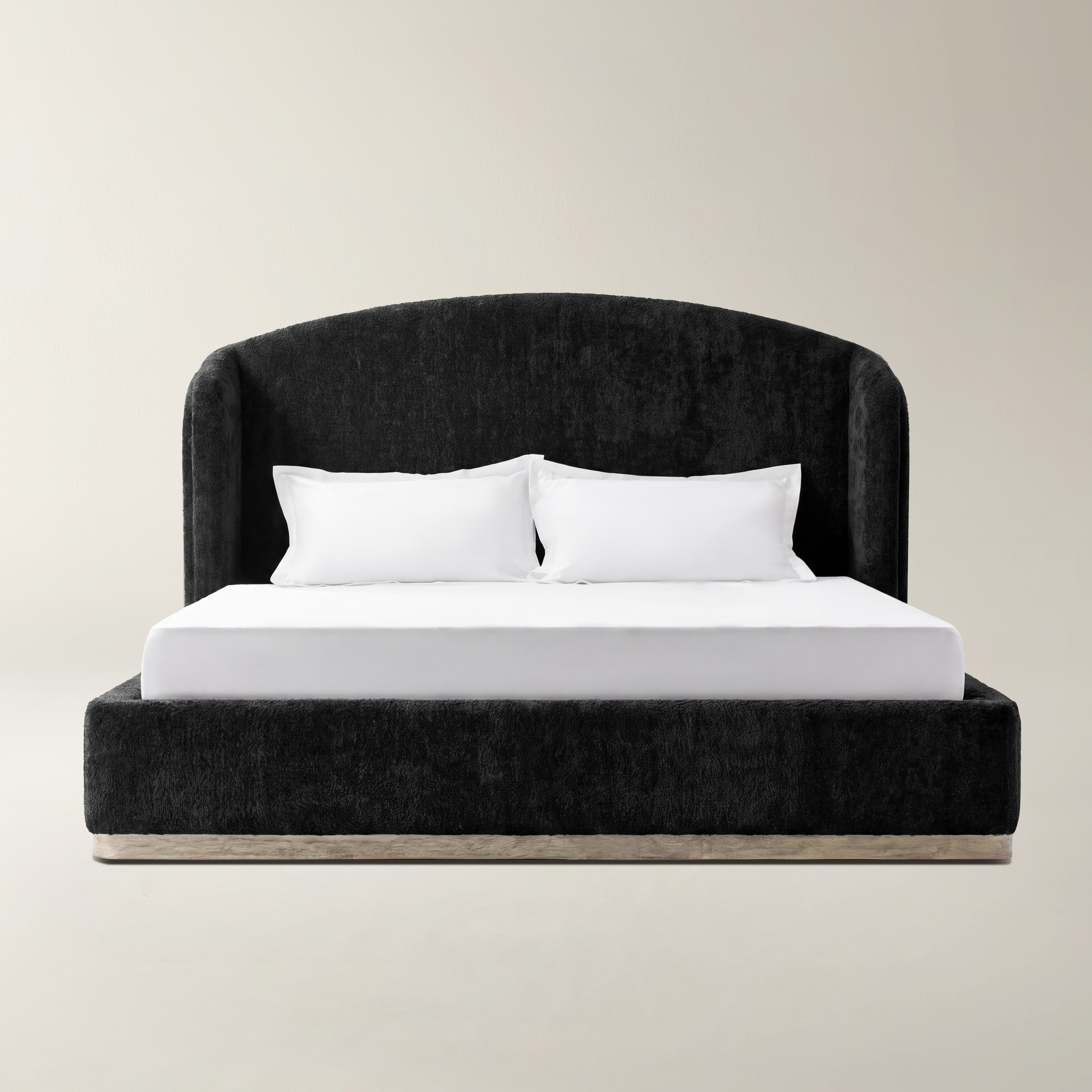 Glimmer Black Chenille Upholstered King Platform Bed$2199
A charcoal chenille upholstered platform bed featuring a sculpted headboard, solid rubberwood base, and tailored craftsmanship.
Add To Cart -
Glimmer Fig Velvet Upholstered King Platform Bed$2199
A fig velvet upholstered platform bed featuring a sculpted double-layer headboard and solid rubberwood base.
Add To Cart -
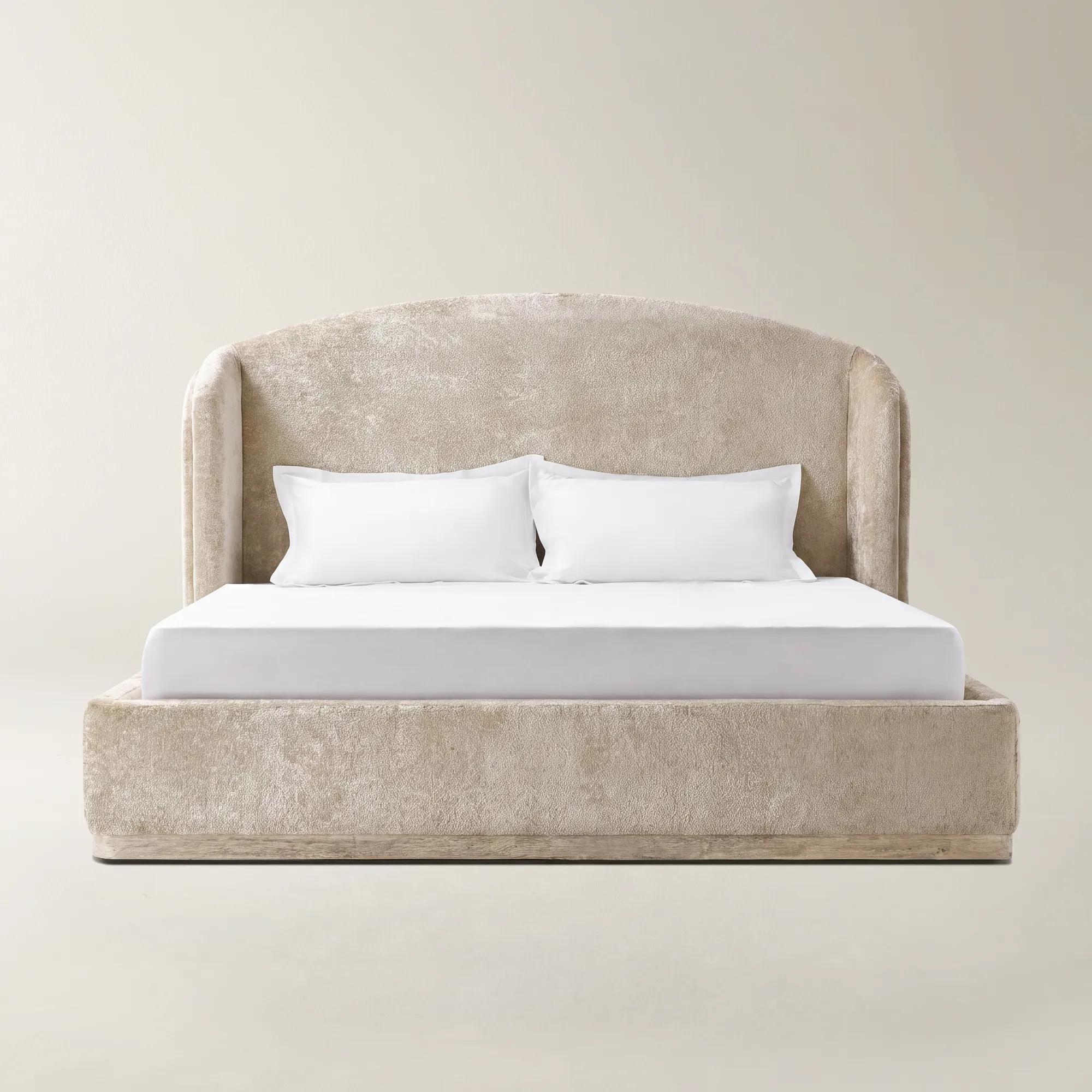 Glimmer Light Brown Chenille Upholstered King Platform Bed$2199
A brown chenille upholstered platform bed with a sculpted headboard and solid rubberwood base.
Add To Cart -
Paloma Tufted Cloud Velvet Upholstered King Platform Bed$2599
A sculptural velvet platform bed featuring oversized upholstered blocks, plush cushioning, wood construction, and supportive slats.
Add To Cart

Beds Without Box Springs
Beds without box springs create a tailored foundation for your mattress—no separate box spring required. Explore bed frames that let the silhouette set the mood, then narrow your selection by size and style to complement your bedroom. Check each bed’s support details and mattress requirements before choosing your centerpiece.
Beds without box springs, commonly called platform beds, support a mattress directly on an integrated foundation of wooden slats, a solid deck, or a metal grid. This built-in support eliminates the need for a separate box spring while giving the bedroom a more deliberate, beautifully composed silhouette. The effect can be quietly architectural or unapologetically dramatic: a broad upholstered headboard framed by luminous bedside lighting, a sculptural wood frame beneath layered linens, or a slender metal base that lets an expressive rug command attention. What defines a platform bed is its mattress-support system, not its appearance. An upholstered bed is not necessarily a platform bed, and a platform bed does not have to sit close to the floor. Designs range from low, enveloping profiles to elevated frames with room beneath for storage, allowing the bed’s proportions to shape both the atmosphere and the function of the space. For a primary bedroom, a generous headboard can establish a striking focal point without the additional height of a conventional box spring. In a guest room, a carefully proportioned frame can make the room feel considered rather than crowded, leaving space for a bedside table, a reading light, and a place to set a travel bag. These beds suit anyone drawn to an integrated foundation and a refined presentation, whether the surrounding decor favors gleaming accents, richly textured textiles, or bold contemporary art. The visual appeal comes from the relationship between the mattress, frame, and headboard: a tailored arrangement that allows each surface to contribute to the room. A deep upholstered border lends softness to crisp bedding, while an exposed wood rail introduces grain and warmth. Without a separate box spring, there is one fewer layer to conceal, but the finished look still depends on mattress thickness and frame construction. A substantial mattress can create an invitingly elevated surface, while a shallower mattress may preserve more of a headboard’s decorative detail.
Behind that polished exterior, mattress compatibility and structural support determine whether a bed without a box spring is the right foundation. Many memory foam, latex, and hybrid mattresses can rest directly on a suitable platform, but the mattress manufacturer’s requirements take precedence over a general description of the frame. Some innerspring mattresses also work with platform support; others require a particular foundation. Slat spacing is especially important because gaps that are too wide may allow portions of the mattress to dip between supports. Some manufacturers specify gaps of no more than approximately 3 inches, while others require tighter spacing or a different support surface, so the exact requirement should be checked before pairing a mattress and frame. Slatted foundations can allow air to circulate beneath the mattress, whereas a solid deck provides a continuous surface but may require additional attention to the manufacturer’s ventilation guidance. Neither construction is automatically suitable for every mattress. Durability also depends on the frame’s joints, the strength and attachment of its slats or deck, and any center rails and supporting legs required for its size. On larger beds, especially queen and king sizes, a well-designed center-support system helps carry weight across the span rather than leaving the middle unsupported. Published weight limits should be read carefully to determine whether they include the mattress as well as sleepers. The best fit extends beyond the mattress size designation: actual frame dimensions, mattress recess depth, headboard height, and the position of support legs all influence everyday use. A thick mattress may obscure tufting or leave a sleeper higher than expected beside a low nightstand. A deeply recessed mattress may make changing fitted sheets less convenient. Finished sleeping height comes from the support-surface height plus the portion of the mattress above it, making those measurements particularly useful for anyone who prefers an easier seated transition into bed. For a bedroom arrangement intended to retain a separate foundation, Beds For Box Spring And Mattress offers a distinct category to consider rather than assuming every bed frame supports a mattress on its own.
Materials give platform beds their individual character, while thoughtful construction and care help preserve that character through daily use. Upholstered frames bring a sumptuous, tactile presence to the bedroom, softening the composition around mirrors, metallic finishes, and sharply drawn case goods. Velvet can create a particularly expressive surface as its pile catches the light, while woven upholstery introduces a more dimensional texture. Fabric composition, cleaning instructions, and household habits matter as much as color: a bedroom shared with pets calls for attention to snagging, hair removal, and the accessibility of upholstered rails. Gentle vacuuming with an appropriate upholstery attachment can help remove dust, and spills should be treated promptly according to the fabric’s care directions rather than with an improvised cleaner. Wood frames emphasize shape and finish, from broad architectural panels to slender rails that reveal more of the floor. Solid wood and veneered constructions each deserve attention to joinery, surface protection, and manufacturer-recommended cleaning; neither appearance nor material name alone establishes long-term durability. Metal frames can offer a crisp outline, with lasting performance influenced by the quality of their connections, finish, and support system. Across materials, secure assembly is essential, and periodic hardware checks according to the manufacturer’s instructions can help address loosening from regular use. Room fit deserves the same care as the frame itself. A king mattress may fit within a bedroom’s walls while an oversized upholstered surround restricts the route to a dresser or closet. Storage drawers need enough space to open, and an elevated platform only accommodates baskets or bins when the actual under-bed clearance allows it; center legs can interrupt that space. In a more intimate room, exposed legs and a restrained footprint can keep an expressive headboard from overwhelming the layout. In a larger suite, a broad frame can anchor an expansive rug and balance substantial nightstands. With the right proportions, compatible support, and a finish suited to the household, a bed without a box spring becomes more than a streamlined foundation: it establishes a confident center for a bedroom rich in texture, artistry, and personal expression.
FAQs
Beds without box springs are often called platform beds. These frames feature an integrated slatted or solid foundation for the mattress, eliminating the separate box spring. Their streamlined silhouette creates a refined starting point for a bedroom layered with expressive textures and artful details.
Beds without box springs lend themselves to modern glamour, Hollywood Regency, and contemporary interiors. A tailored frame creates a crisp architectural focal point, while a sculptural or channel-tufted design introduces more drama. Pair the bed with mirrored accents, evocative artwork, and luminous lighting to give the room a distinct point of view.
Platform bed frames commonly feature wood, metal, or upholstery over a structural frame. Wood brings rich grain and visual warmth, metal introduces sleek definition, and upholstered finishes such as velvet or woven fabric add sumptuous texture. Let the material establish the mood, from polished and architectural to richly layered.
Yes. Many platform beds include an integrated headboard, while others feature an open, headboard-free silhouette. Upholstered panels, sculptural curves, and tufted detailing can turn the bed into an expressive centerpiece. For a separate headboard, check the frame’s attachment specifications before selecting your design.
Let the frame remain part of the composition. Tuck in bedding to reveal its tailored lines, or drape a textured coverlet over the edge for a softer effect. Layer lustrous sheets, a richly textured duvet, and decorative pillows in a deliberate palette, then finish with a sumptuous throw for a beautifully composed retreat.