Bedroom Glass Table Lamps
Bedroom Glass Table Lamps
-
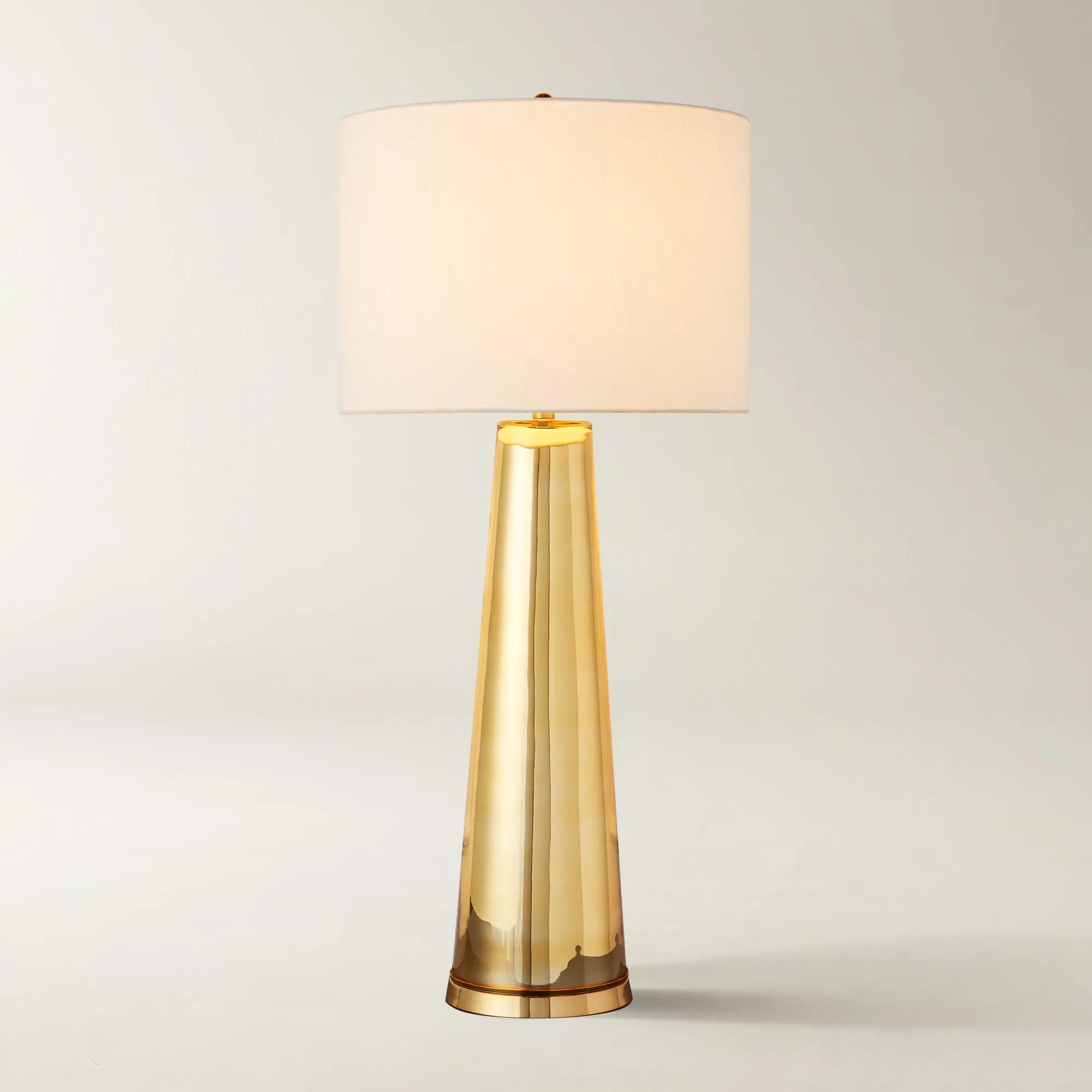
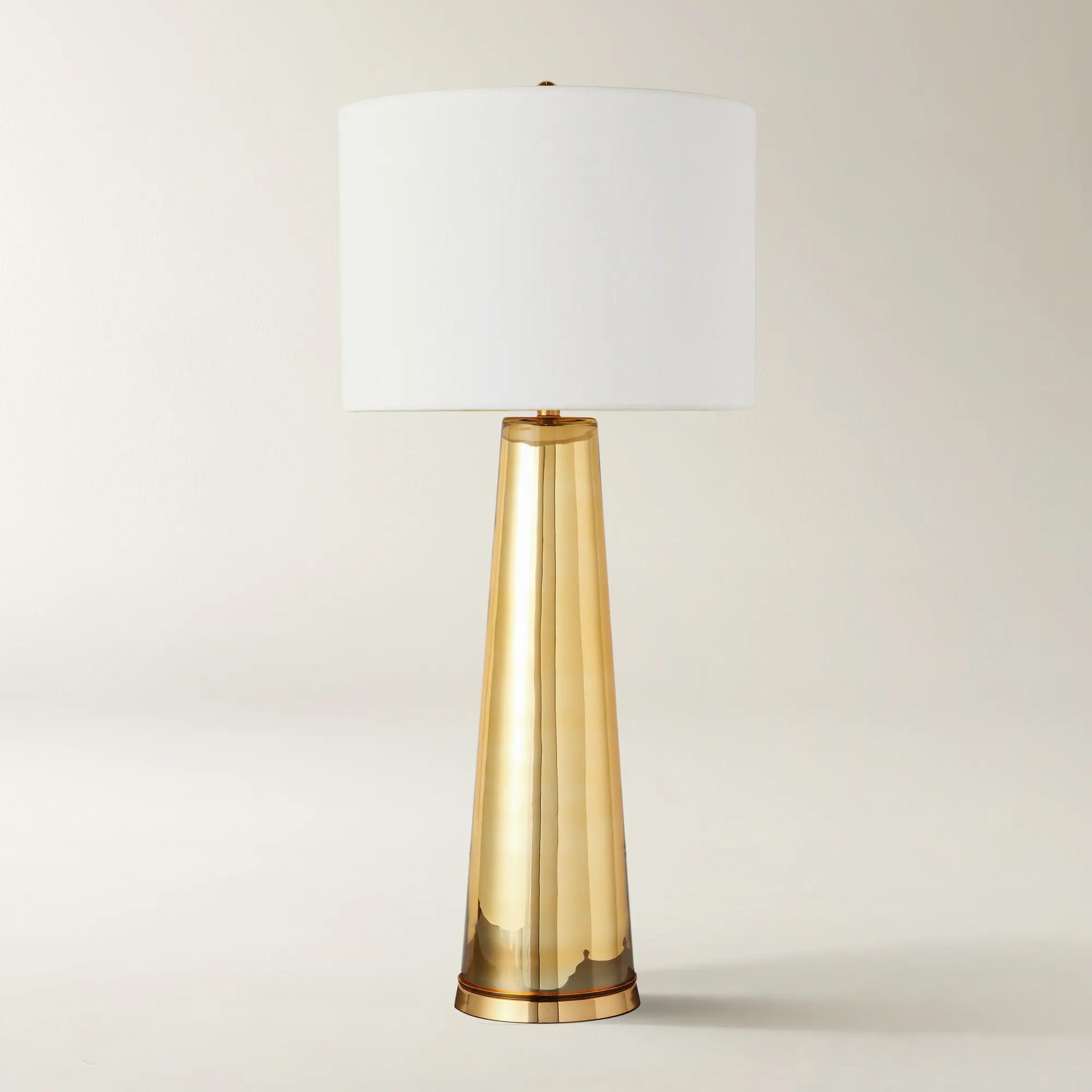 Century Gold Mirrored Glass Table Lamp 40"$299
A modern lamp featuring a mirrored glass base and white drum shade, accented with gold or silver details.
Add To Cart -
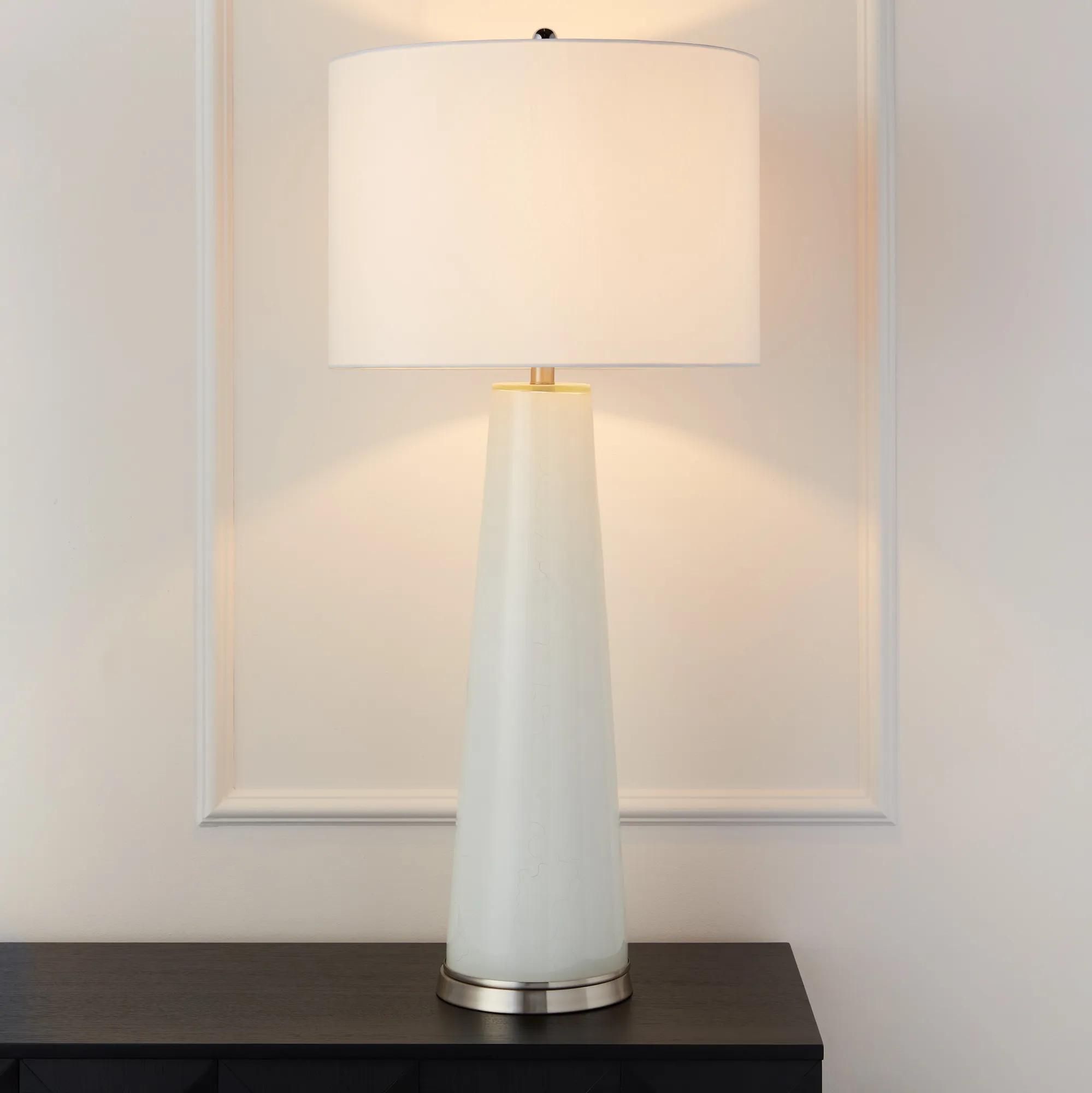 Century White Glass High Gloss Table Lamp 40"$299
A modern glass lamp with a high-gloss white interior and a crisp white drum shade.
Add To Cart -
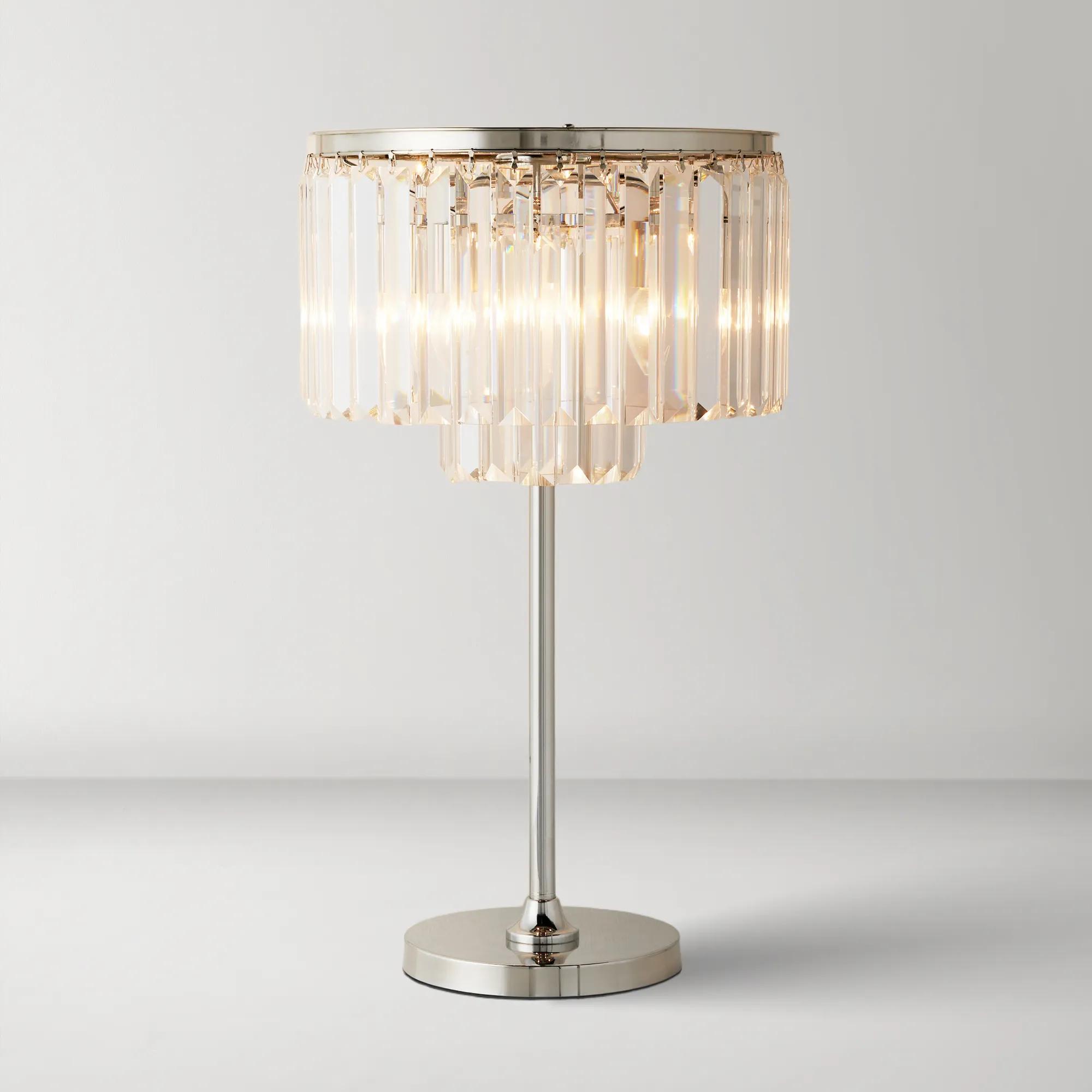
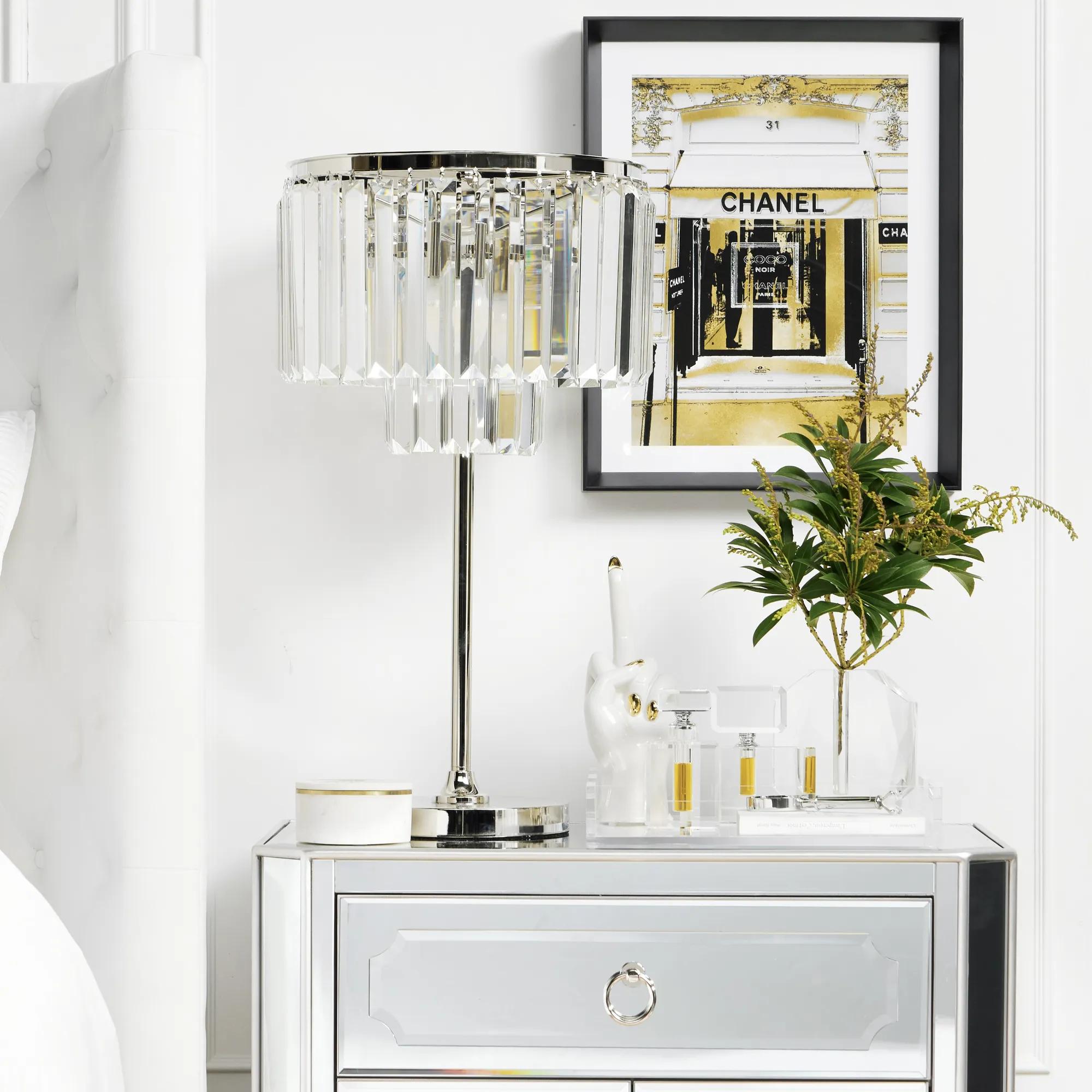 Luxe Table Lamp$499
A sophisticated table lamp featuring faceted ocular glass prisms and a nickel-plated iron frame.
Add To Cart -
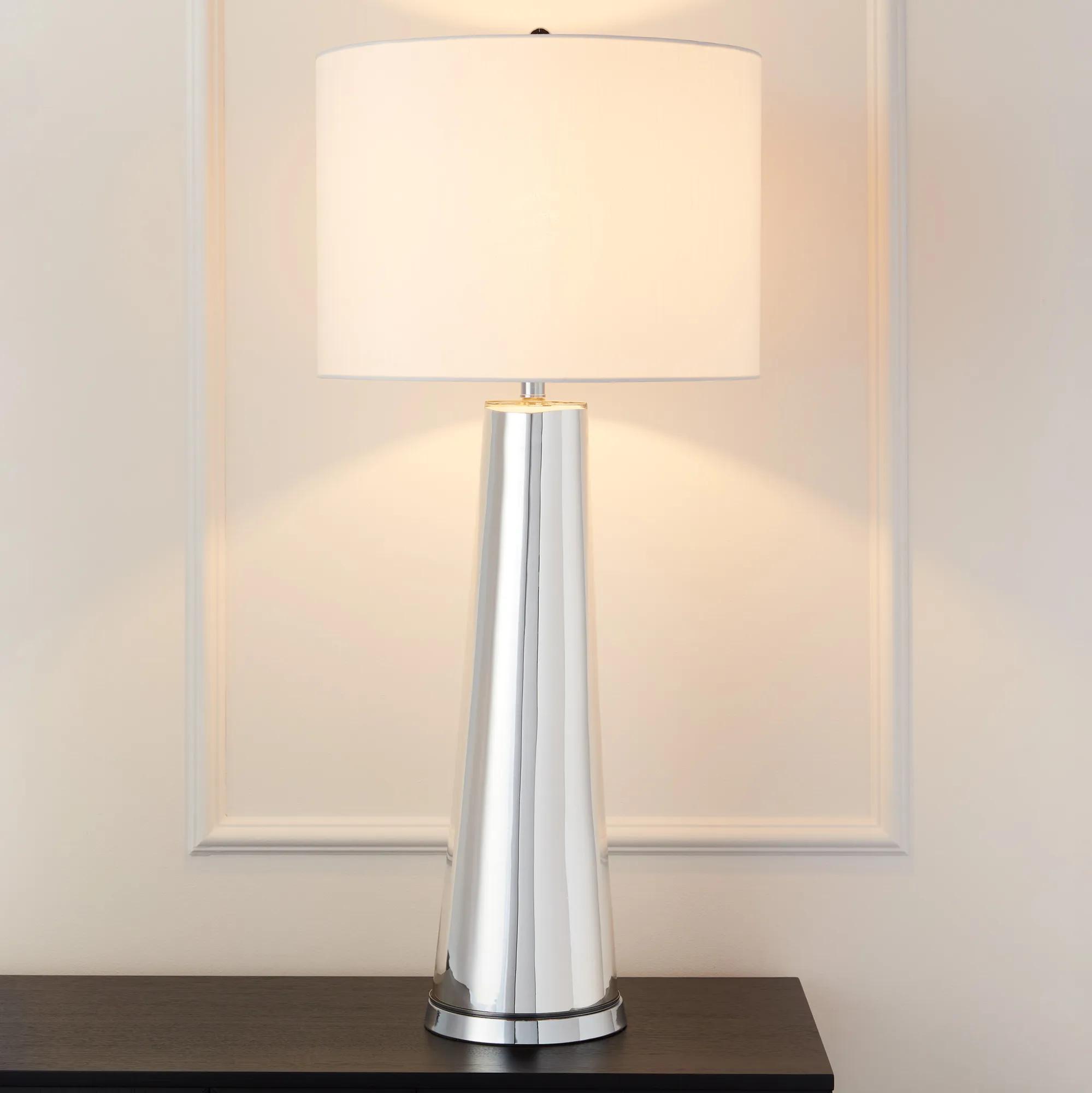 Century Silver Mirrored Glass Table Lamp 40"$299
A modern table lamp featuring a mirrored glass base and white drum shade with brushed chrome accents.
Add To Cart -
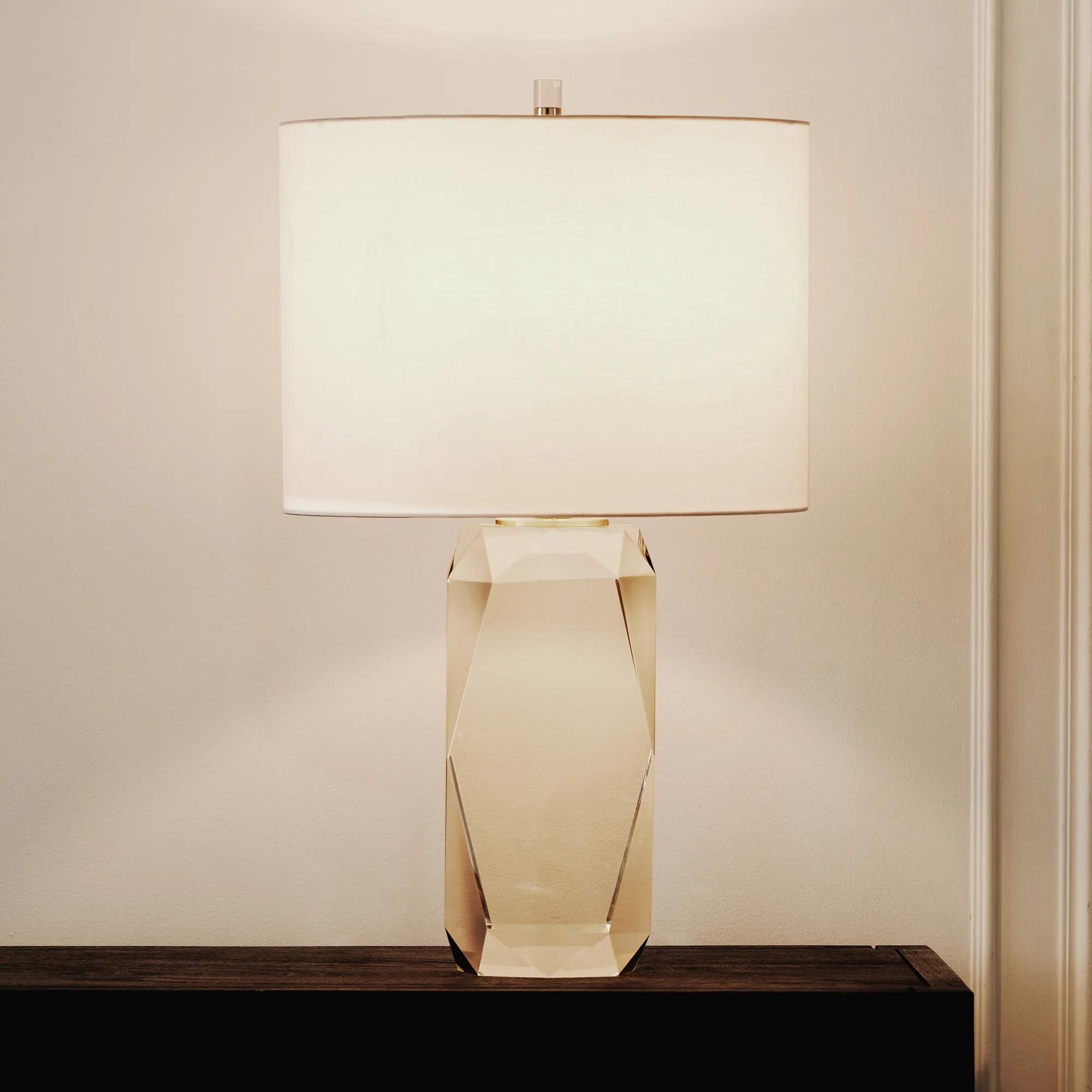 Bianca Faceted Clear K9 Crystal Table Lamp 24"H$499
A clear crystal table lamp with a white drum shade and soft brass hardware for elegant illumination.
Add To Cart -
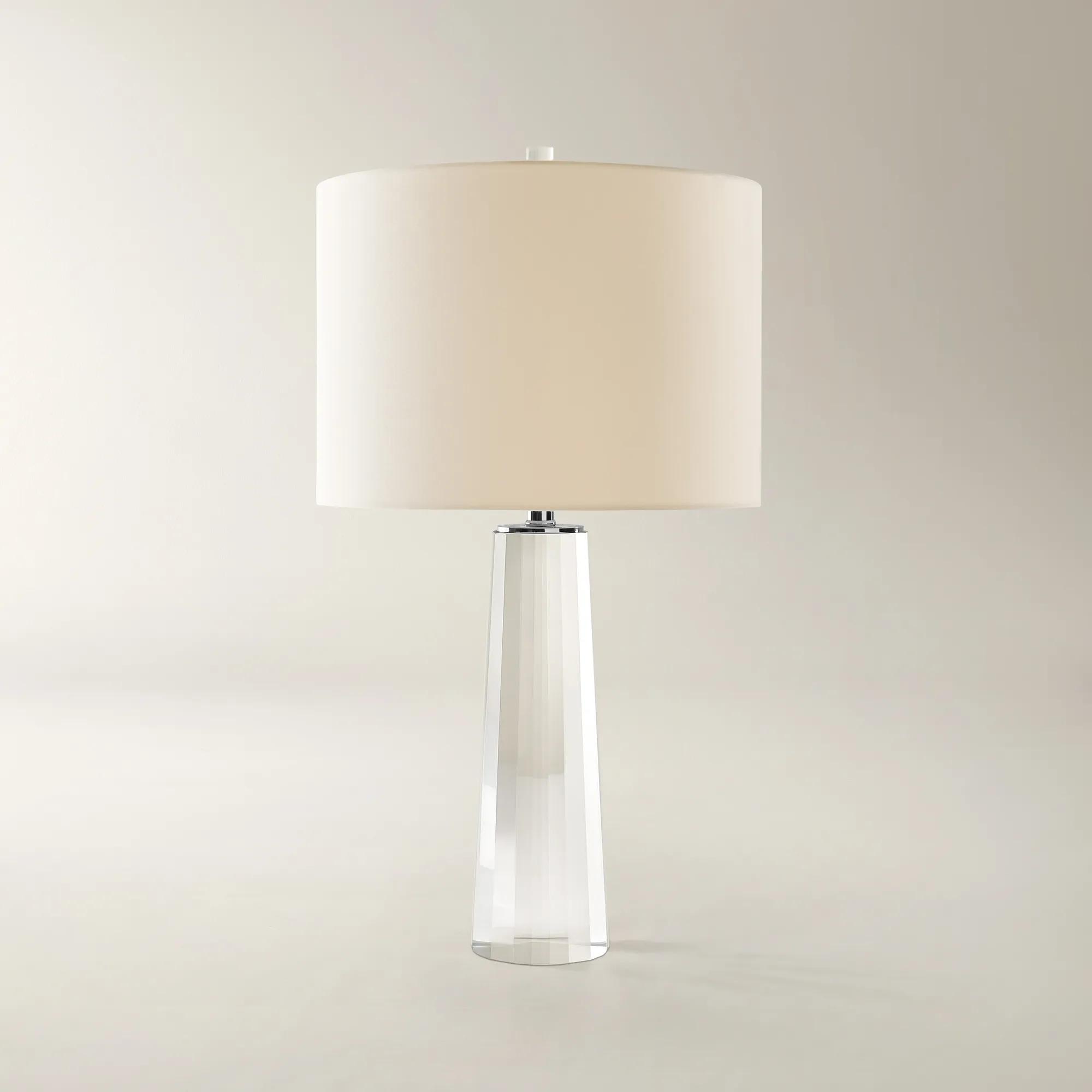
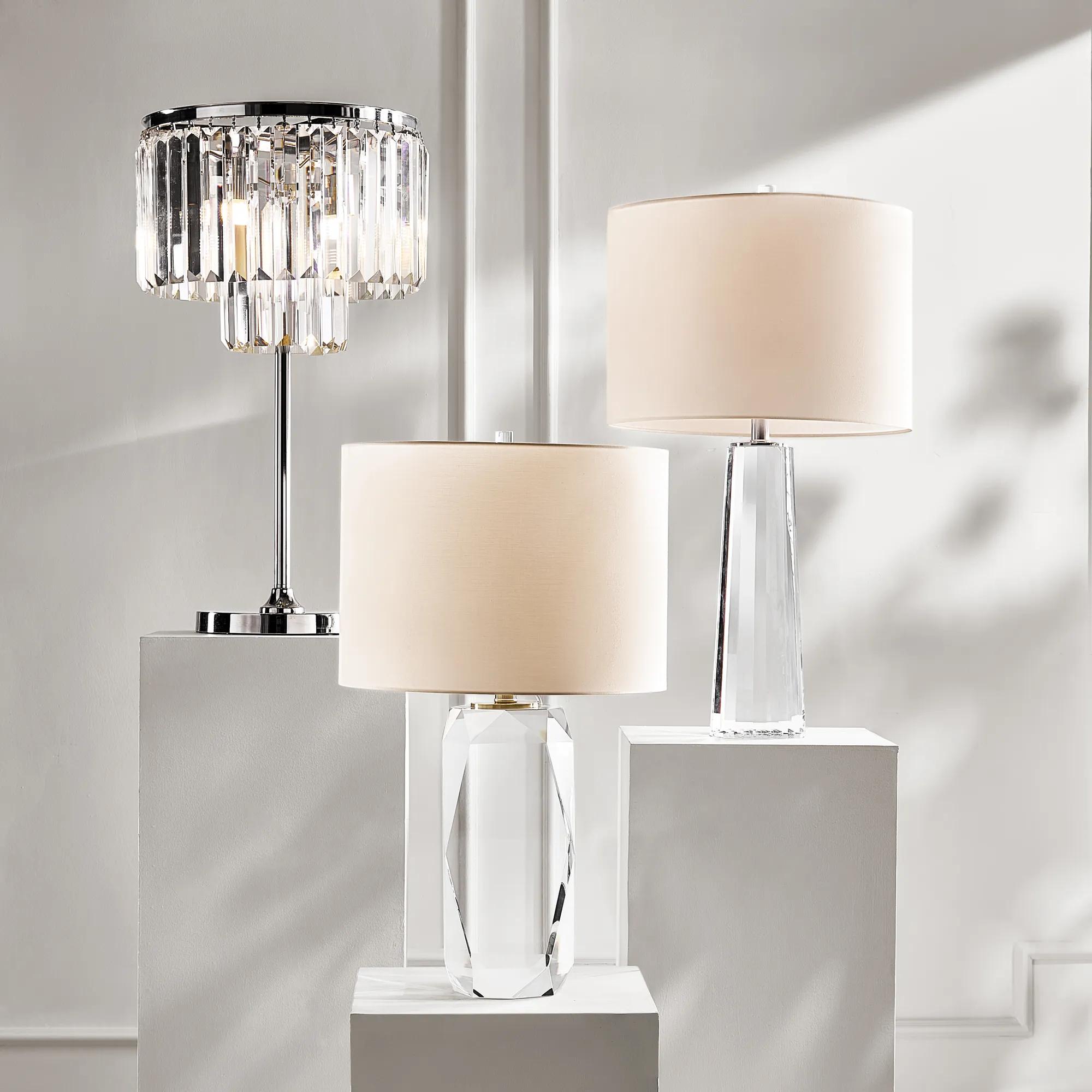 Sasha Faceted Clear K9 Crystal Table Lamp 28"$499
A refined table lamp featuring a clear crystal base, white drum shade, and polished nickel accents.
Add To Cart -
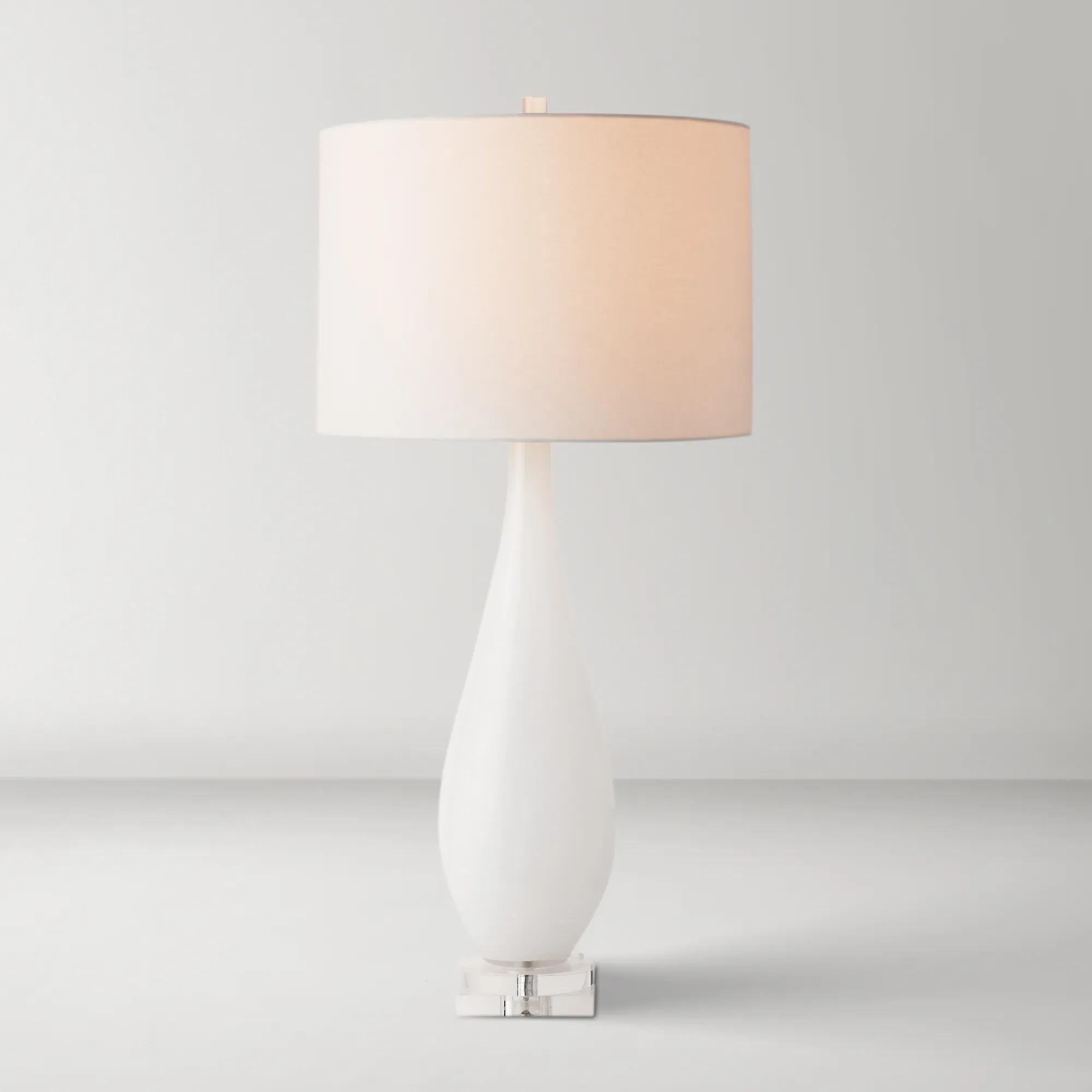
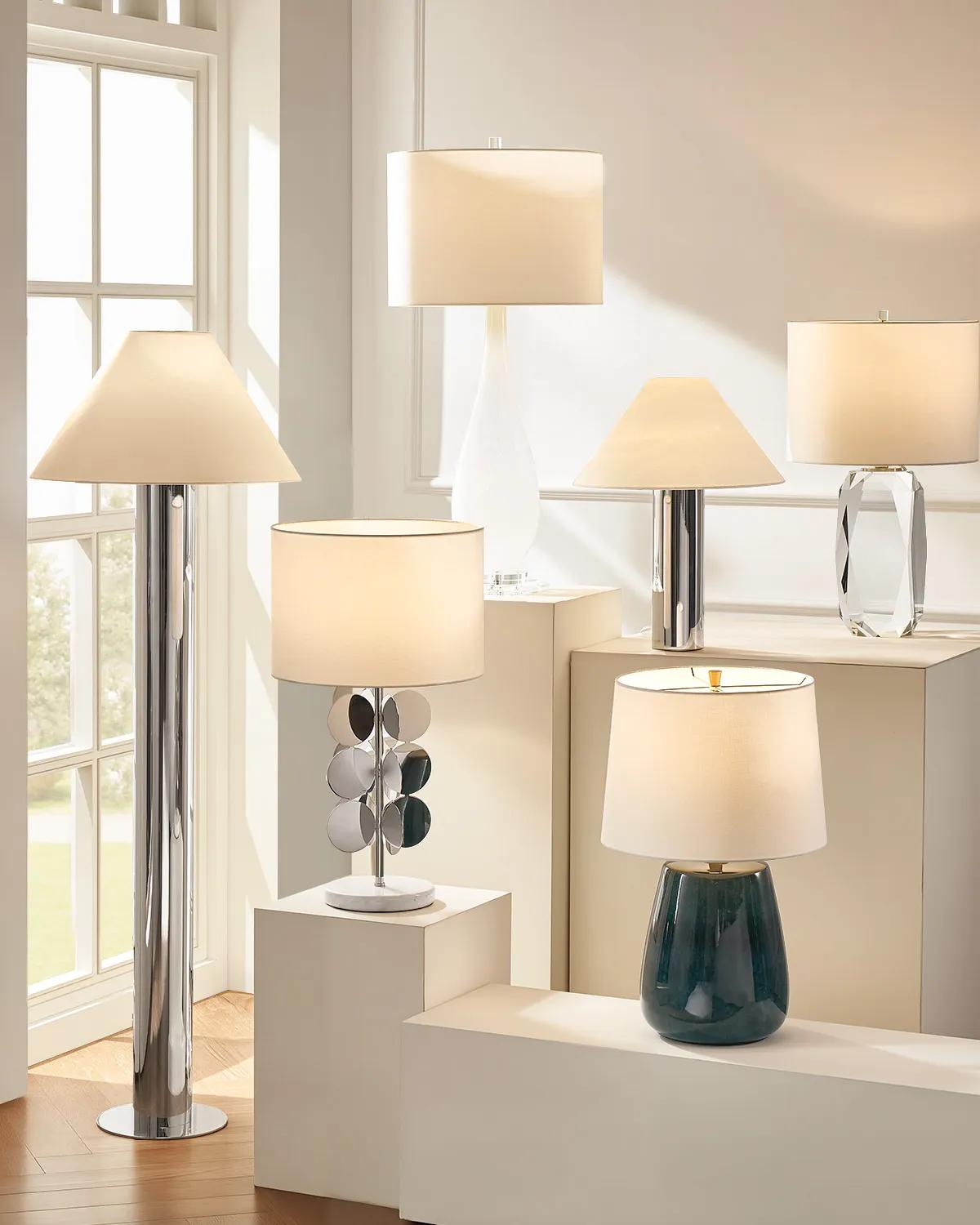 Serena Table Lamp$299
A chic table lamp featuring a handblown glass body, crystal base, and monochromatic white finish.
Add To Cart -
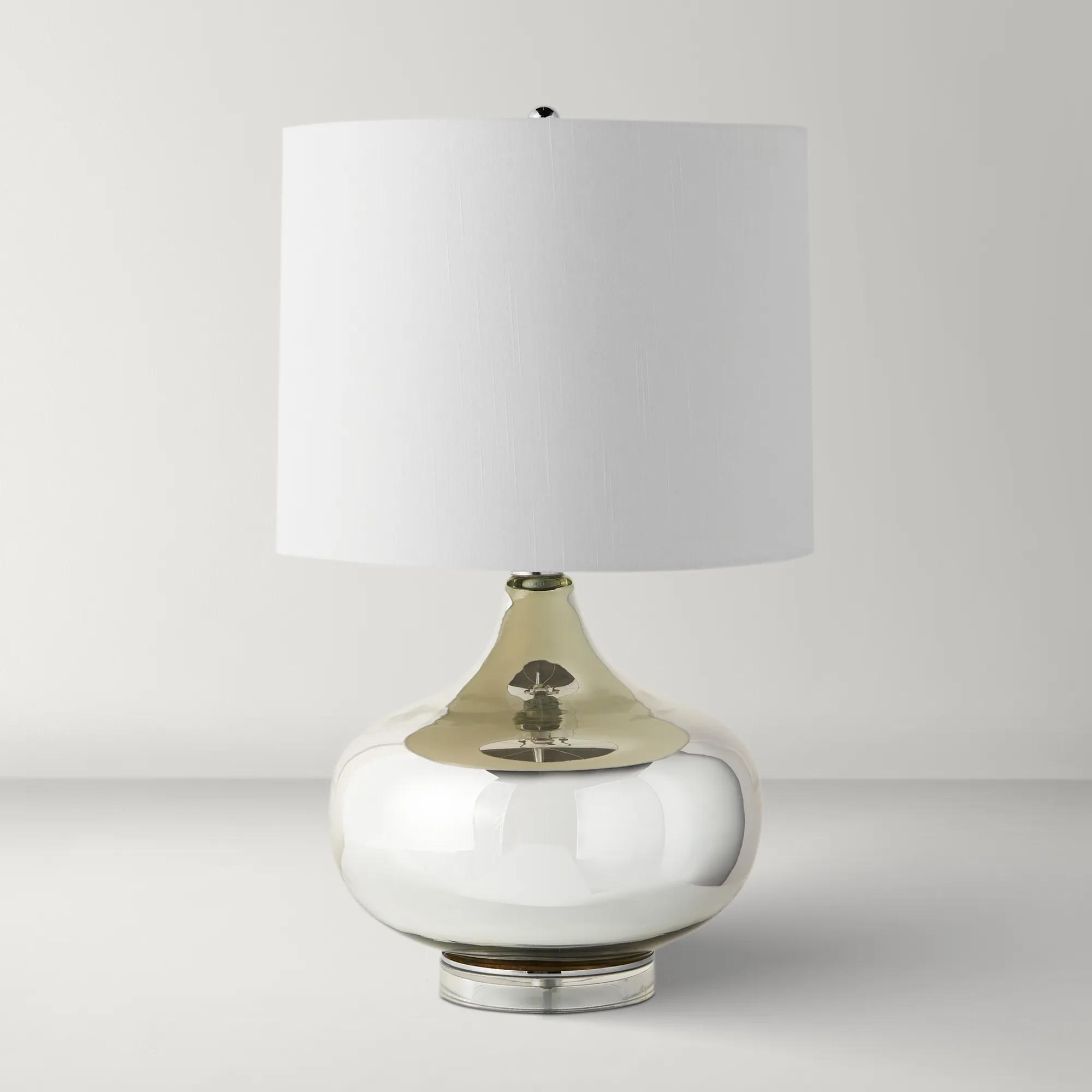 Sabrina Mirrored Silver Glass Table Lamp 27.5"$199
A contemporary lamp featuring a silver mirrored glass base, clear acrylic accents, and a white fabric shade.
Add To Cart -
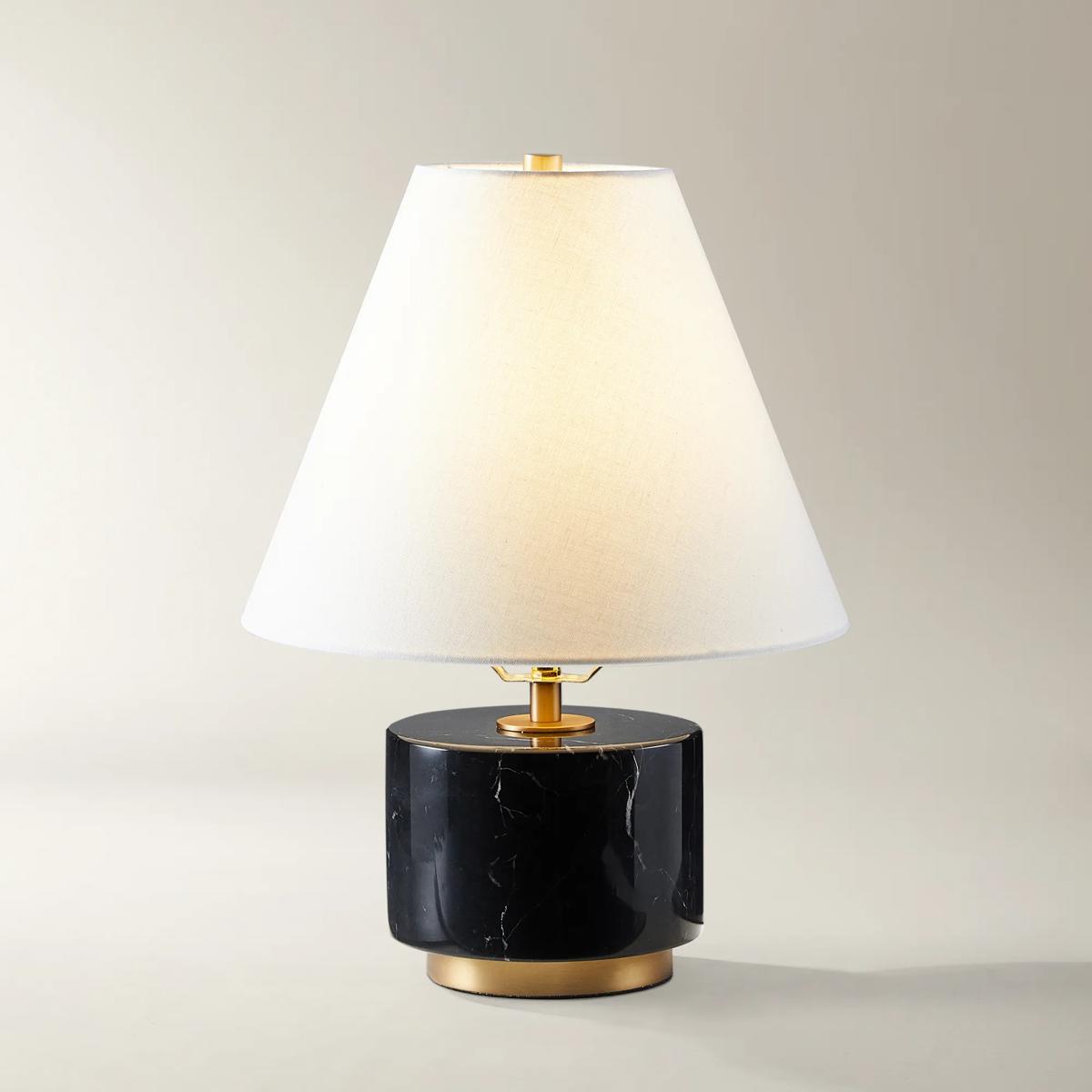
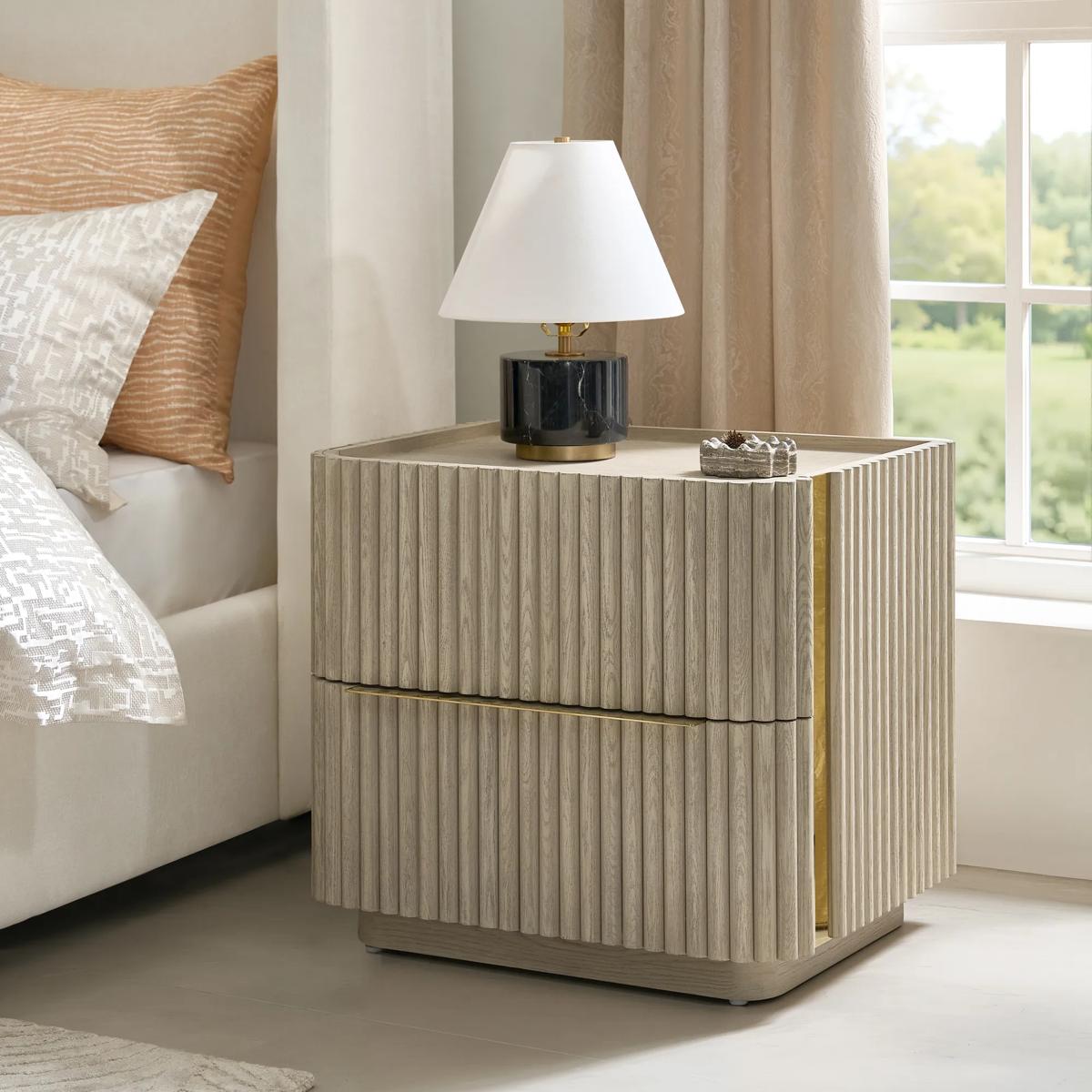 Arden Black Marble Table Lamp 14"$249
A sculptural black marble lamp with brushed brass accents and a warm white linen tapered shade.
Add To Cart -

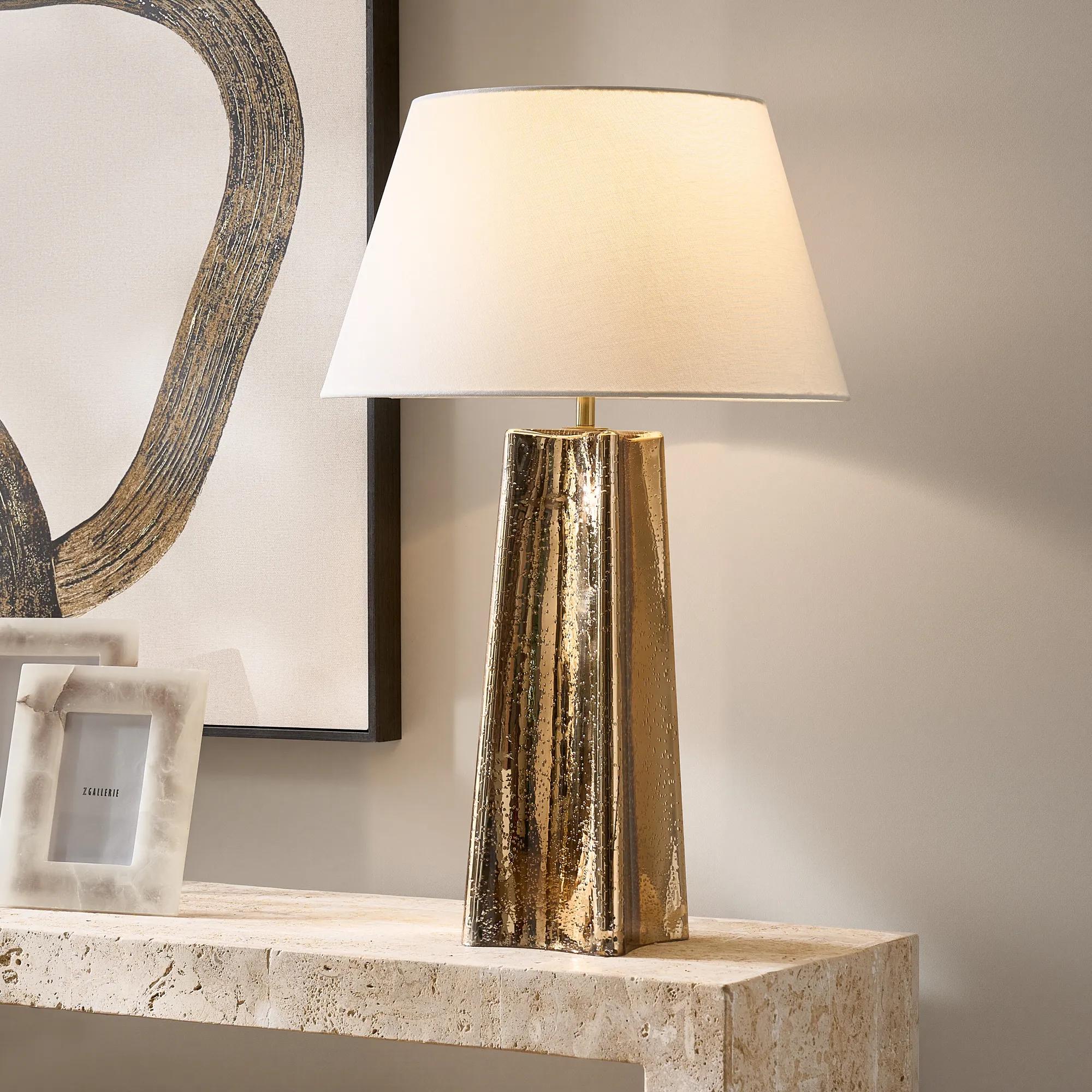 Uma Gold Texture Glass Table Lamp 28.25"$349
A gold textured glass table lamp adding sculptural elegance to contemporary interiors.
Add To Cart -
 Rumi Reflective Glass Table Lamp$199
A sleek reflective glass table lamp that adds modern elegance and ambient illumination to contemporary interiors.
Add To Cart -
 Edin Mouth Blown Slate Blue Glass Table Lamp 17.5"$99
A sculptural slate blue mouth-blown glass lamp with brushed nickel accents and an ivory linen shade.
Add To Cart

Bedroom Glass Table Lamps
Bedroom Glass Table Lamps are the jewelry of your sanctuary, casting a luminous spell that transforms every evening into an occasion. With their sculptural silhouettes and gleaming surfaces, these lamps infuse the bedroom with an air of elegance and intrigue. Each piece becomes a work of art, refracting light to create a mood that is both inviting and undeniably glamorous. Whether you seek to punctuate your bedside with a touch of drama or envelop your space in soft, radiant ambiance, Bedroom Glass Table Lamps offer a sophisticated canvas for self-expression and style.
Bedroom glass table lamps bring bedside illumination and sculptural presence into the same composition. Their defining feature is a glass base or body, which may be clear, colored, frosted, textured, or paired with metal accents; the shade and bulb determine much of the light’s direction, softness, and intensity. That distinction matters in a bedroom, where a lamp needs to look exquisite in daylight and feel comfortable beside the bed after dark. Clear glass creates an airy silhouette that lets a richly veined nightstand or lacquered surface remain part of the scene. Smoked and tinted glass introduce depth, while frosted finishes soften the appearance of the base itself. Ribbed and faceted surfaces catch reflections along their contours, adding movement without relying on an elaborate pattern. A rounded glass body brings fluidity to an angular bed frame, while a slender column lends poise to a bedside arrangement with a substantial upholstered headboard. Glass also offers a compelling contrast to tactile materials: velvet feels more sumptuous beside its gleam, woven bedding gains definition, and dark wood takes on a warmer character. Metal details can sharpen that relationship, with brass-toned accents adding warmth and silver-toned finishes creating a cooler, more luminous effect. The shade completes the expression. Pale fabric often delivers a gentle, diffused glow, while darker or more opaque shades tend to direct more light through their openings; the exact effect depends on the shade’s material, lining, and construction. An exposed bulb within a clear glass shade creates a different mood, making bulb appearance and glare especially important. For an intimate, polished bedside setting, the most successful combination balances visual drama with light that feels welcoming rather than demanding. Matching lamps can frame the bed with architectural symmetry, while different silhouettes can feel equally composed when their heights, finishes, or shades share a deliberate connection. The result is a room with personality and a practical sense of ease.
Proportion gives bedroom glass table lamps their authority within a room. Consider the nightstand’s width and depth alongside the lamp’s overall height, base diameter, and shade dimensions, rather than judging the base alone. A generous shade can overwhelm a narrow surface even when the glass body looks delicate, and a petite lamp can disappear beside a tall headboard. The shade should sit comfortably within the tabletop’s perimeter, leaving useful space for a book, a water glass, or a small tray without crowding the lamp. For reading in bed, assess the lamp from the position where it will actually be used: the light should reach the page without leaving the bare bulb in direct view. A shade’s lower edge near seated eye level can be a helpful starting point, but mattress height, posture, and shade shape all affect the result. Warm-white bulbs around 2700K to 3000K generally create an inviting bedroom atmosphere, while brightness should reflect whether the lamp is intended for reading, ambient illumination, or both. Lumens indicate brightness; wattage alone does not, particularly with LED bulbs. Always match the bulb base and bulb type to the fixture’s specifications, stay within its maximum wattage rating, and confirm compatibility before pairing a dimmable bulb with a dimmer. Adjustable brightness can make one lamp useful for a focused chapter and a softer bedside glow, but dimming, touch controls, and integrated charging are separate features that should never be assumed from a glass design. Switch placement matters just as much: a control that is easy to reach from the pillow makes the lamp more comfortable to use. Within a layered lighting scheme, bedside lamps can complement ceiling fixtures rather than compete with them. For a more opaque, tonal alternative, Bedroom White Table Lamps offer another way to introduce a luminous bedside accent. Glass is especially expressive when the surrounding palette gives its transparency, color, or surface texture room to register, whether against pale upholstery or a deeply saturated wall.
Glass rewards thoughtful placement and straightforward care, preserving its clarity without an elaborate routine. Dust can be especially visible on transparent bodies and glossy finishes, so regular attention helps maintain their light-catching character. Unplug the lamp and let the bulb cool before cleaning, then use a soft, dry microfiber cloth for routine dusting. For fingerprints, follow the manufacturer’s care instructions; if a lightly dampened cloth is permitted, apply moisture to the cloth rather than spraying the lamp, and keep liquid away from sockets, switches, seams, and electrical components. Abrasive pads, harsh cleaners, and vigorous polishing can damage glass treatments or adjacent metal finishes. Fabric shades may need a separate cleaning method, such as gentle dusting with a soft brush, according to their care directions. Although glass retains its distinctive appearance with appropriate care, it can chip or break under impact, and a substantial-looking base is not necessarily solid glass. Weight, stability, construction, and a level supporting surface deserve attention, especially in rooms shared with children or pets. Keep the lamp away from tabletop edges, route cords where they will not be pulled or tripped over, and maintain the fixture’s recommended clearance from bedding and curtains. Lift a lamp by its base when moving it, not by the shade or socket assembly. These practical details support a setting that feels considered rather than precious. In a primary bedroom, paired glass lamps can give each bedside its own pool of light; in a guest room, an accessible switch and comfortable reading glow make hospitality tangible. On a bedroom dresser, a glass table lamp can illuminate a vignette of framed art and personal objects while adding another layer of ambient light. It can also make a thoughtful housewarming or wedding gift when the recipient’s style, available surface space, and lighting needs are known. Chosen with those realities in mind, a glass lamp becomes more than a decorative accent: it gives everyday rituals a beautifully defined setting.
FAQs
Glass table lamps bring a captivating interplay of light and reflection, instantly elevating the ambiance of any bedroom. Their translucent bases and shimmering surfaces soften harsh lighting, create a warm, inviting glow, and add an element of artistry that transforms the space into a sanctuary of style and comfort.
Decorative glass lamps are remarkably versatile, complementing a range of décor styles from modern glam and art deco to transitional and eclectic. Their reflective qualities and sculptural forms make them ideal for spaces that celebrate bold design, rich textures, and layered color palettes.
Absolutely. Mirrored glass table lamps are perfect for bedside settings, as their reflective surfaces enhance natural and artificial light, creating a sense of spaciousness and drama. They serve as both functional lighting and statement pieces, adding a dose of glamour to your nightly routine.
Tall glass table lamps can be used to frame a luxurious headboard, anchor a wide dresser, or add vertical interest to a reading nook. Pair them with plush textiles, metallic accents, or layered art to create a striking vignette that draws the eye and sets the tone for the entire room.
A glass table lamp makes a thoughtful gift for anyone who values expressive design and artistic details in their home. Newlyweds, new homeowners, design enthusiasts, or anyone embarking on a bedroom makeover will appreciate the elegance and transformative power of a beautifully crafted glass lamp.