Art Glass Housewarming Gifts
Art Glass Housewarming Gifts
-
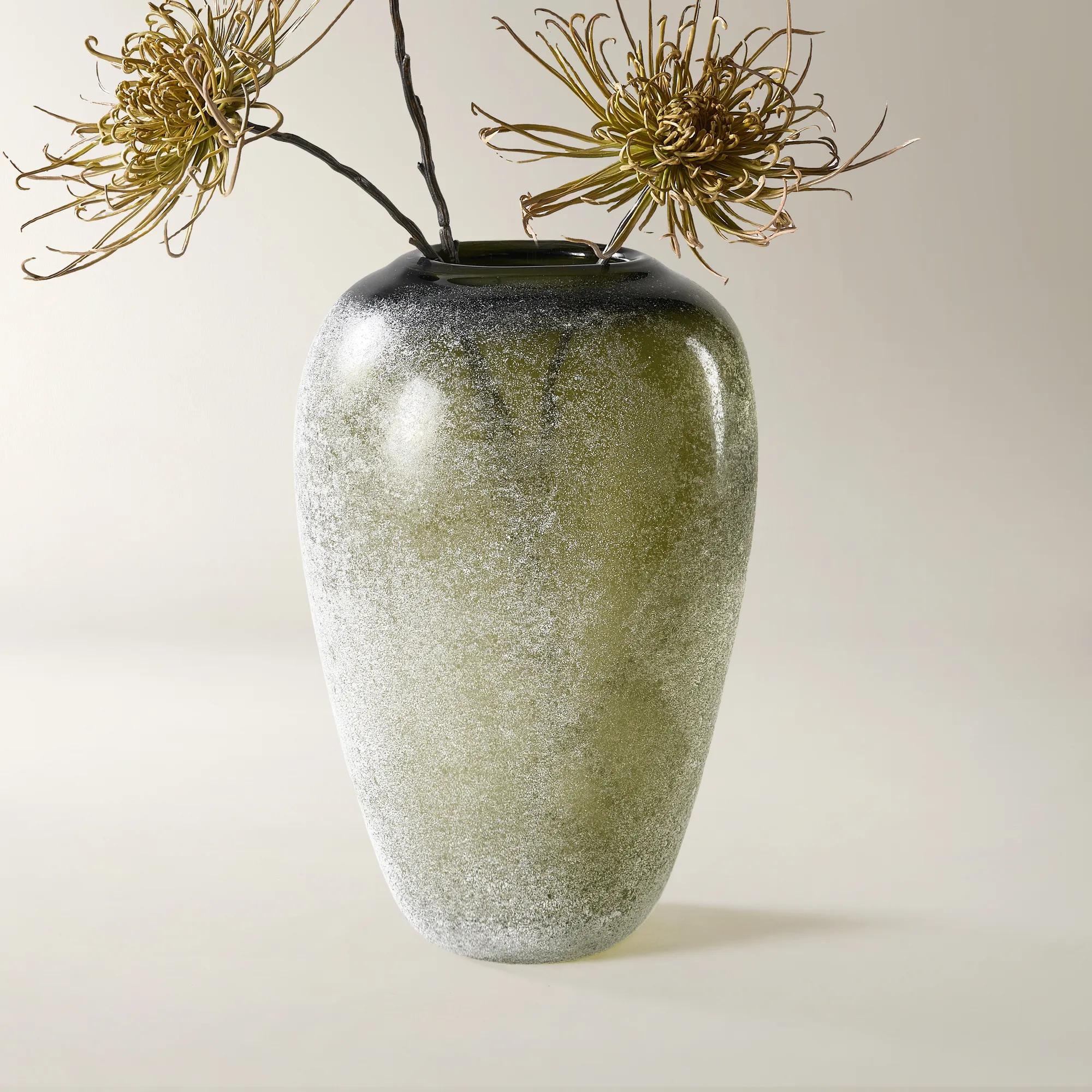 Linden Mouth Blown Pistachio Green Glass Vase 13.75"$129
A handblown glass vase in pistachio green adds a fresh, artful accent to any space.
Add To Cart -
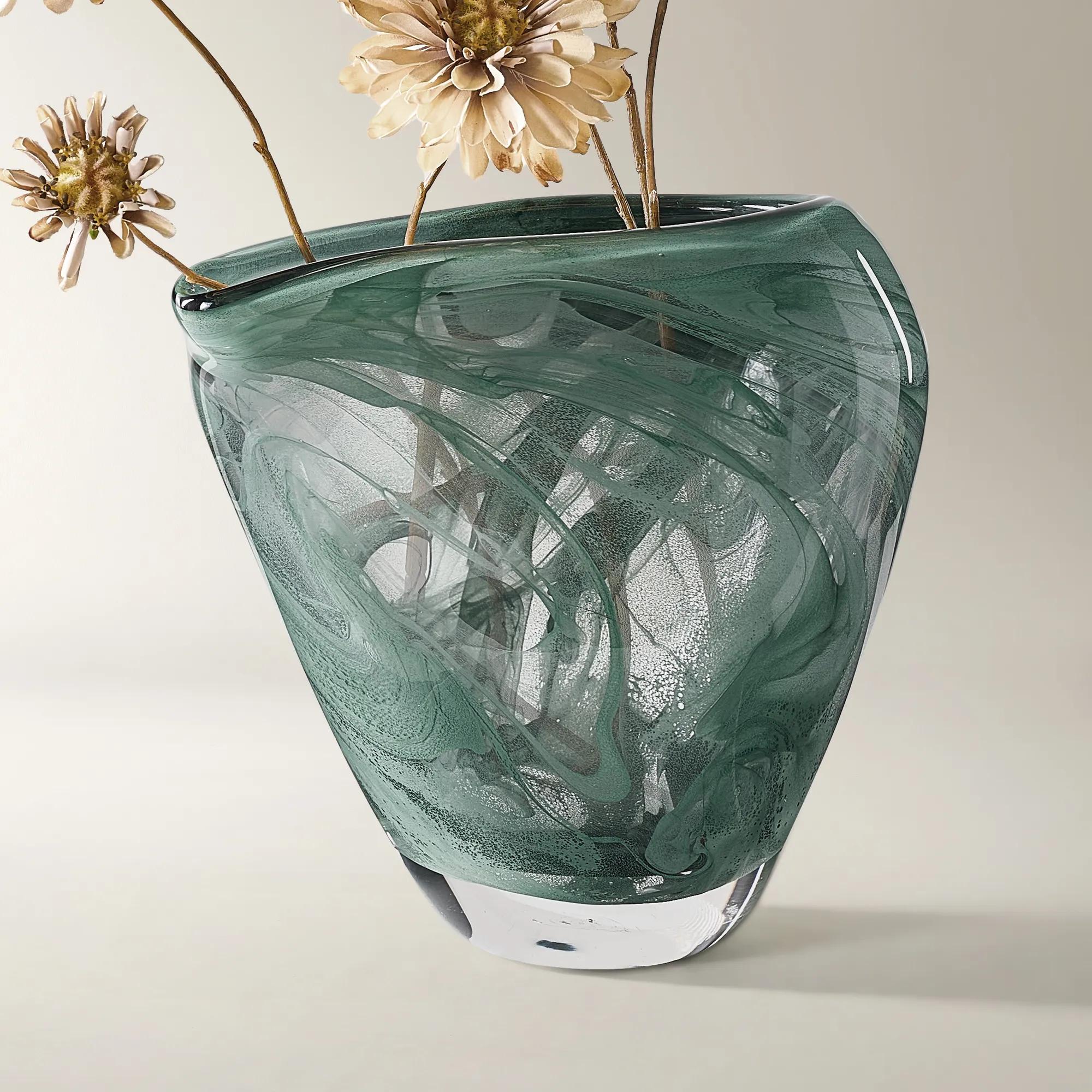 Flow Mouth Blown Sage Green Glass Vase 12.25"$199
A handblown glass vase in calming sage green with an organic, sculptural silhouette for modern decor.
Add To Cart -
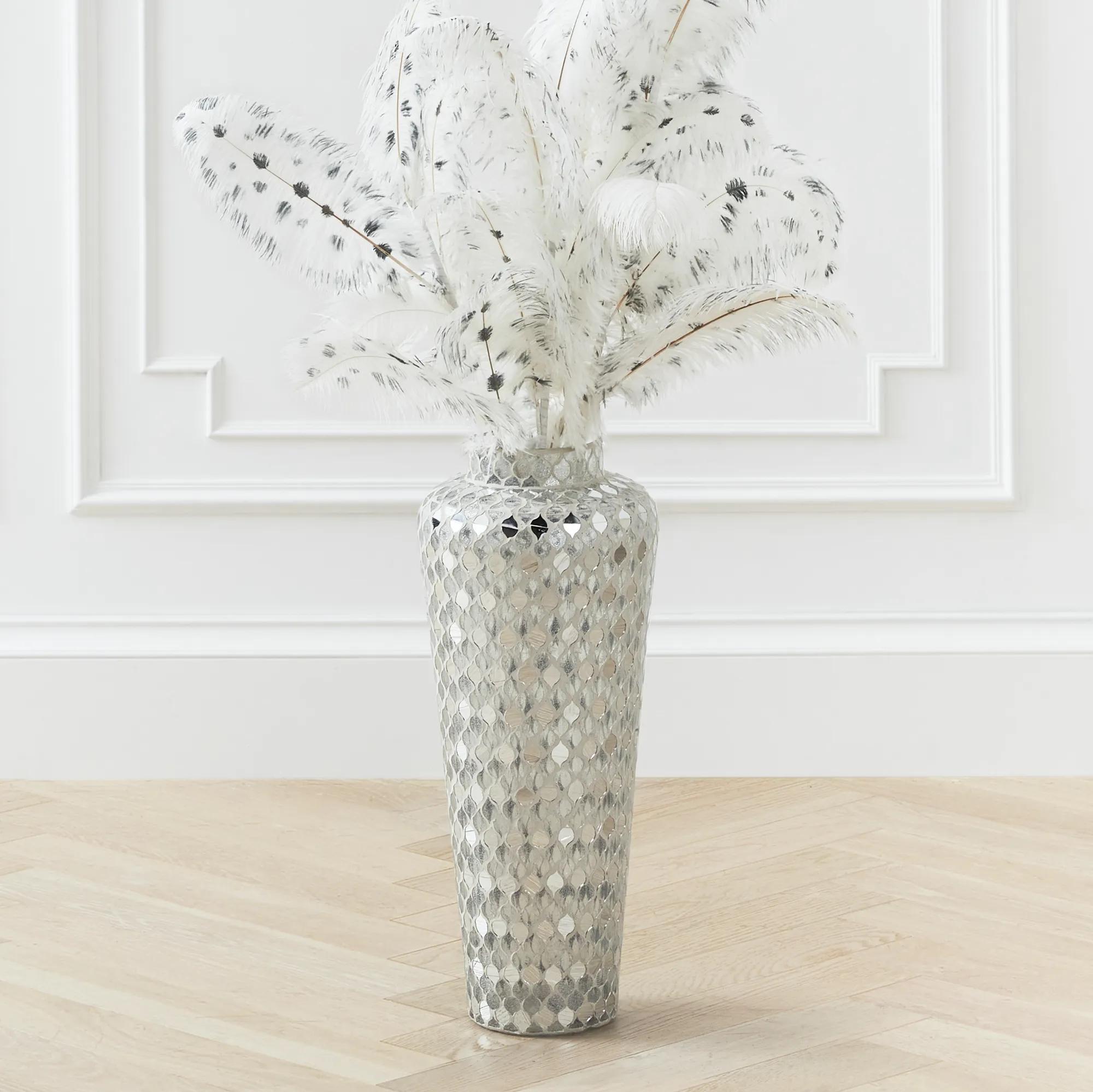 Fez Vase$139
A dazzling glass vase adorned with iridescent mirror and clear tiles for a glamorous decorative accent.
Add To Cart -
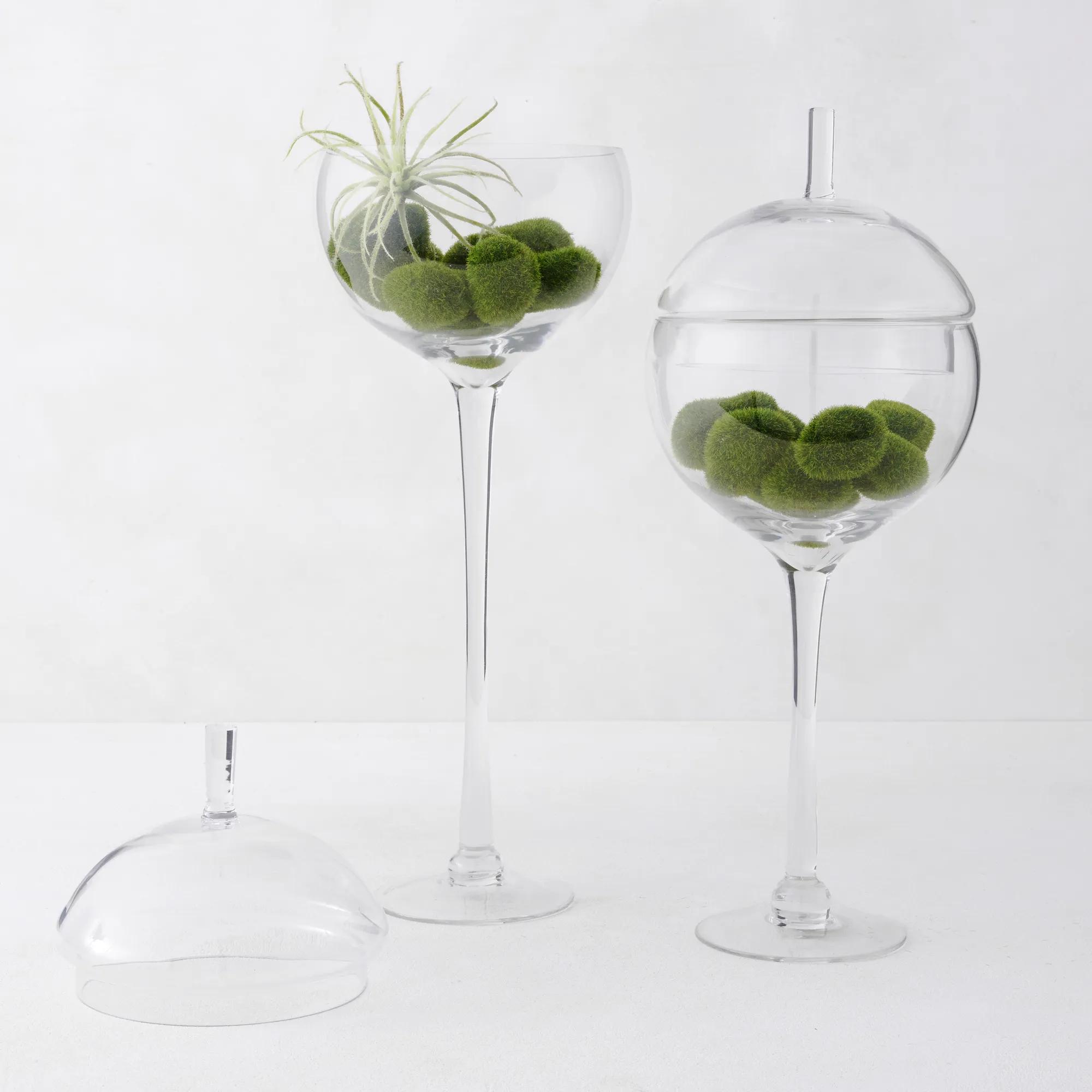 Jules Glass Decorative Canisters$99
A shapely mouthblown glass canister perfect for displaying cherished objects as decorative art.
Add To Cart -
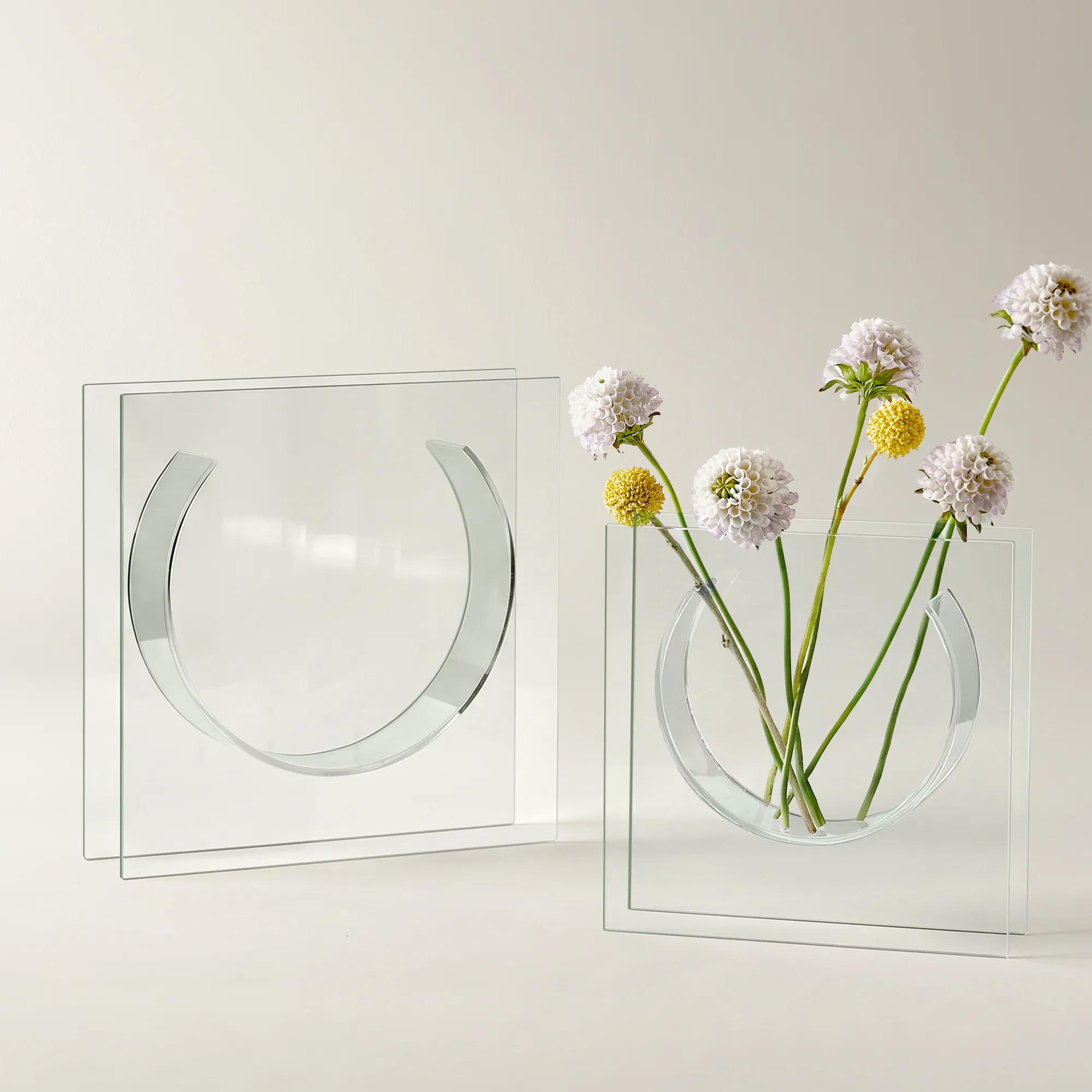
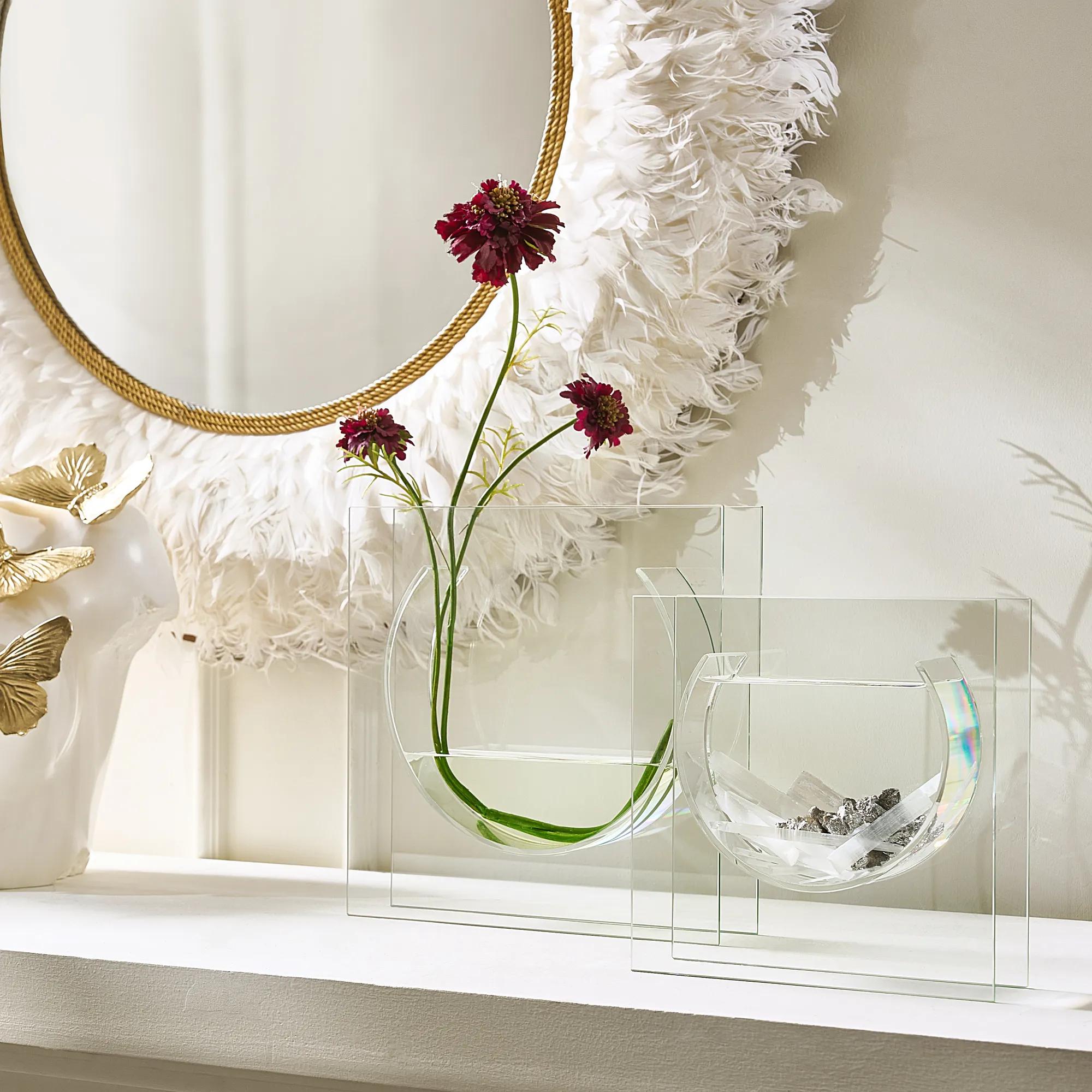 Solaris Clear Glass Vases$39
A bold modern vase crafted from clear glass with an elliptical bowl between two sleek glass panels.
Add To Cart -
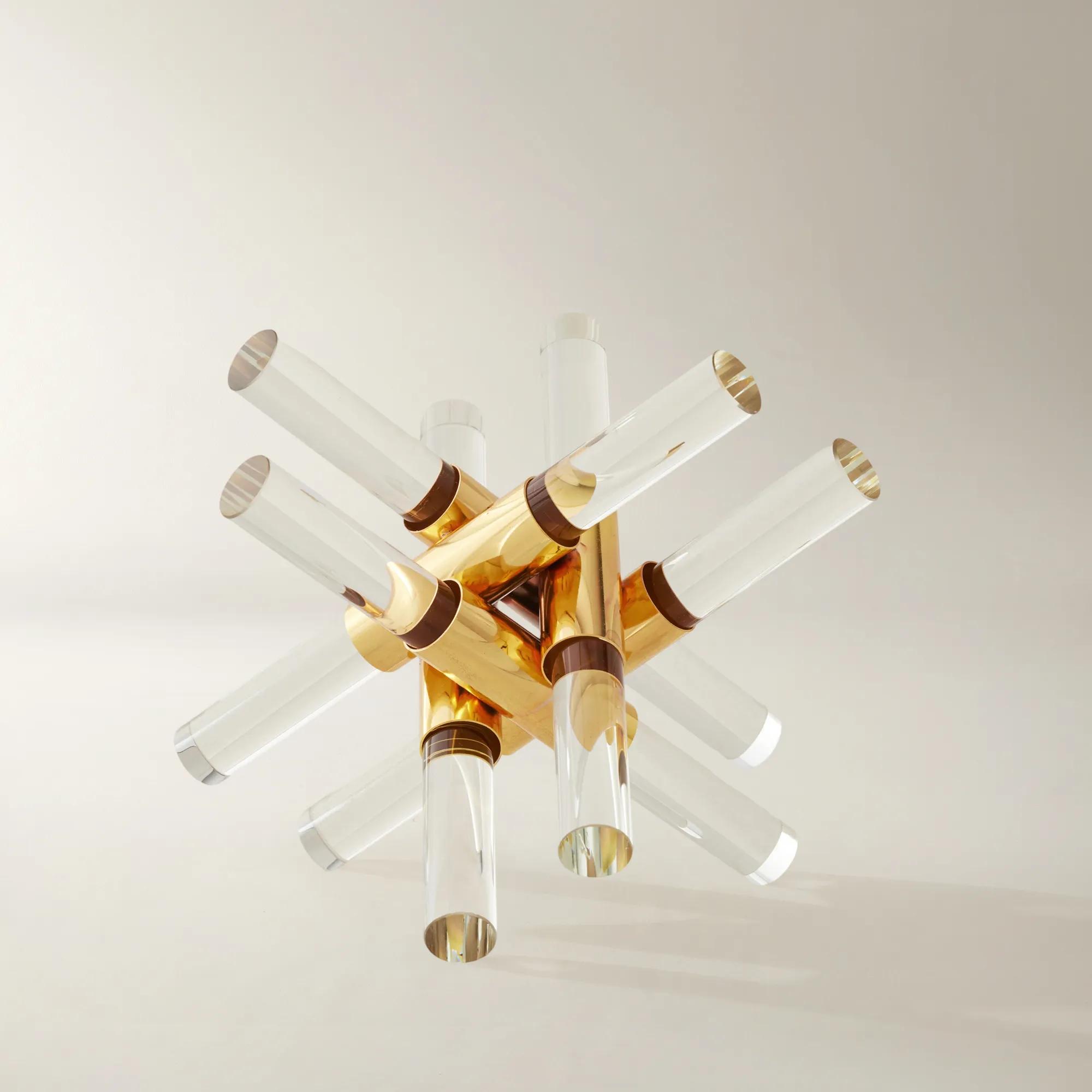
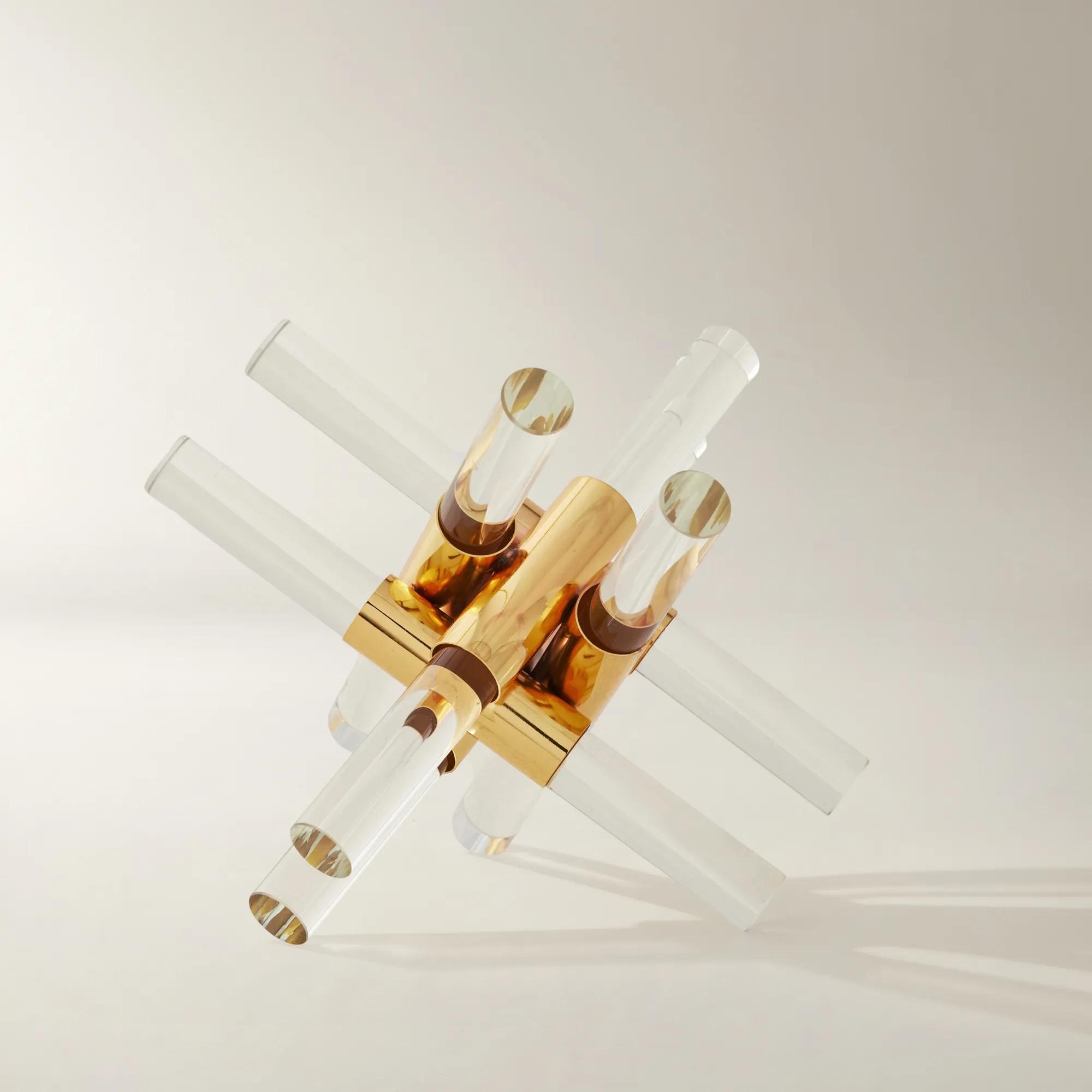 Crystal Glass And Gold Metal Decorative Object 8"$59
A striking decorative accent featuring clear glass rods and gold metal detailing for modern elegance.
Add To Cart -
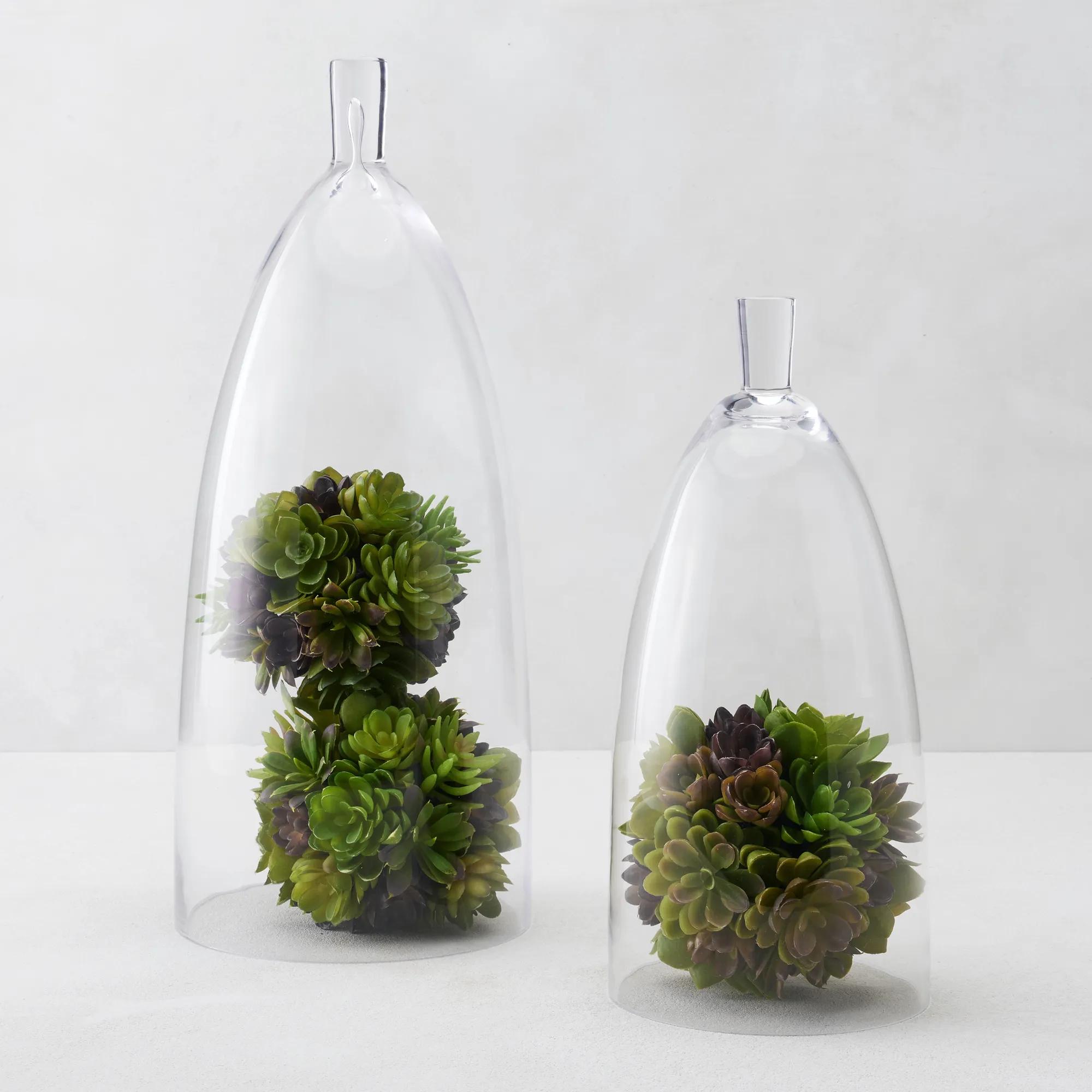 Jules Glass Decorative Cloches$59
A mouthblown glass terrarium perfect for showcasing cherished objects as unique decorative art.
Add To Cart -
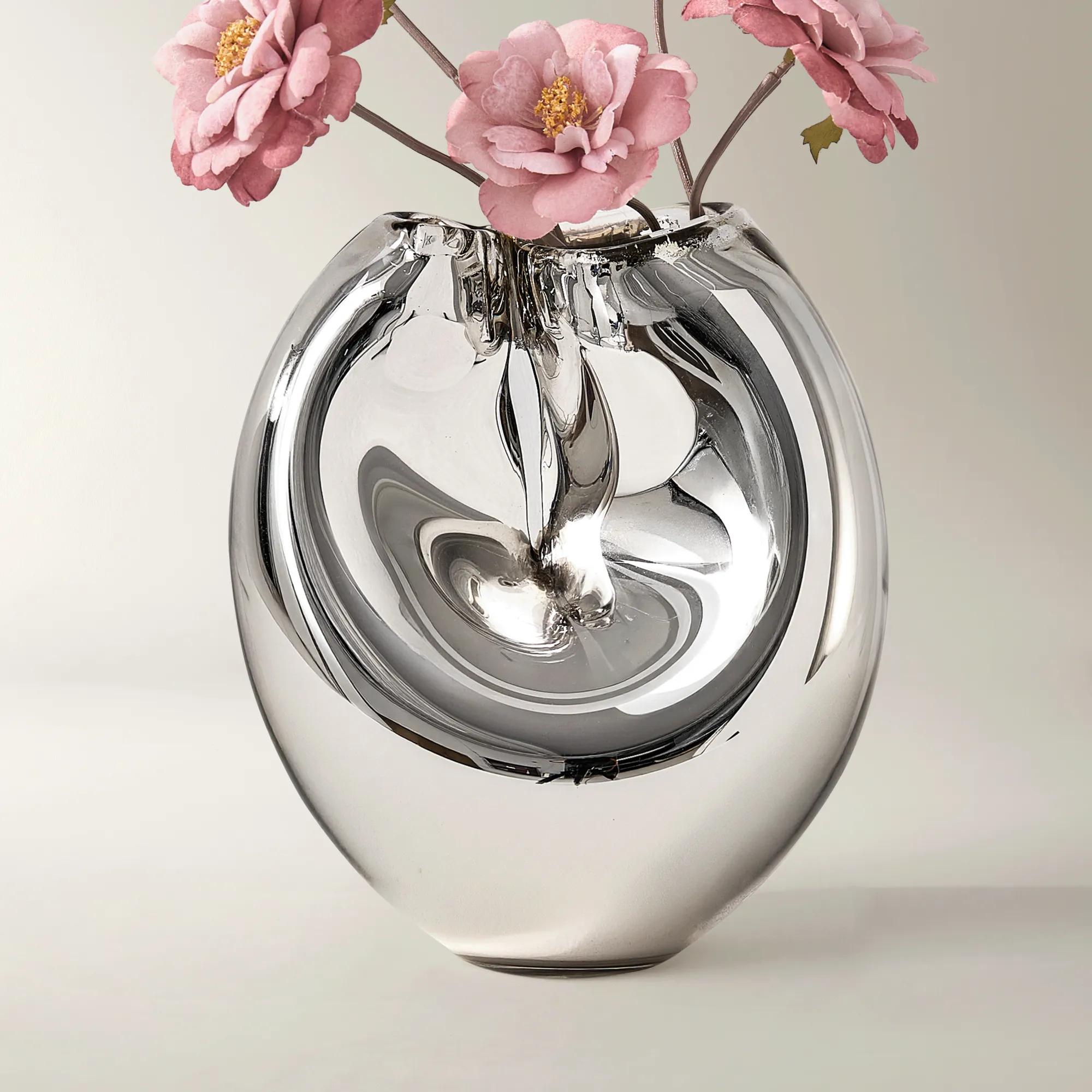 Ono Mouth Blown Mirrored Silver Glass Vase 7.75"$79
A handblown glass vase with a mirrored finish and organic silhouette for modern, artful display.
Add To Cart -
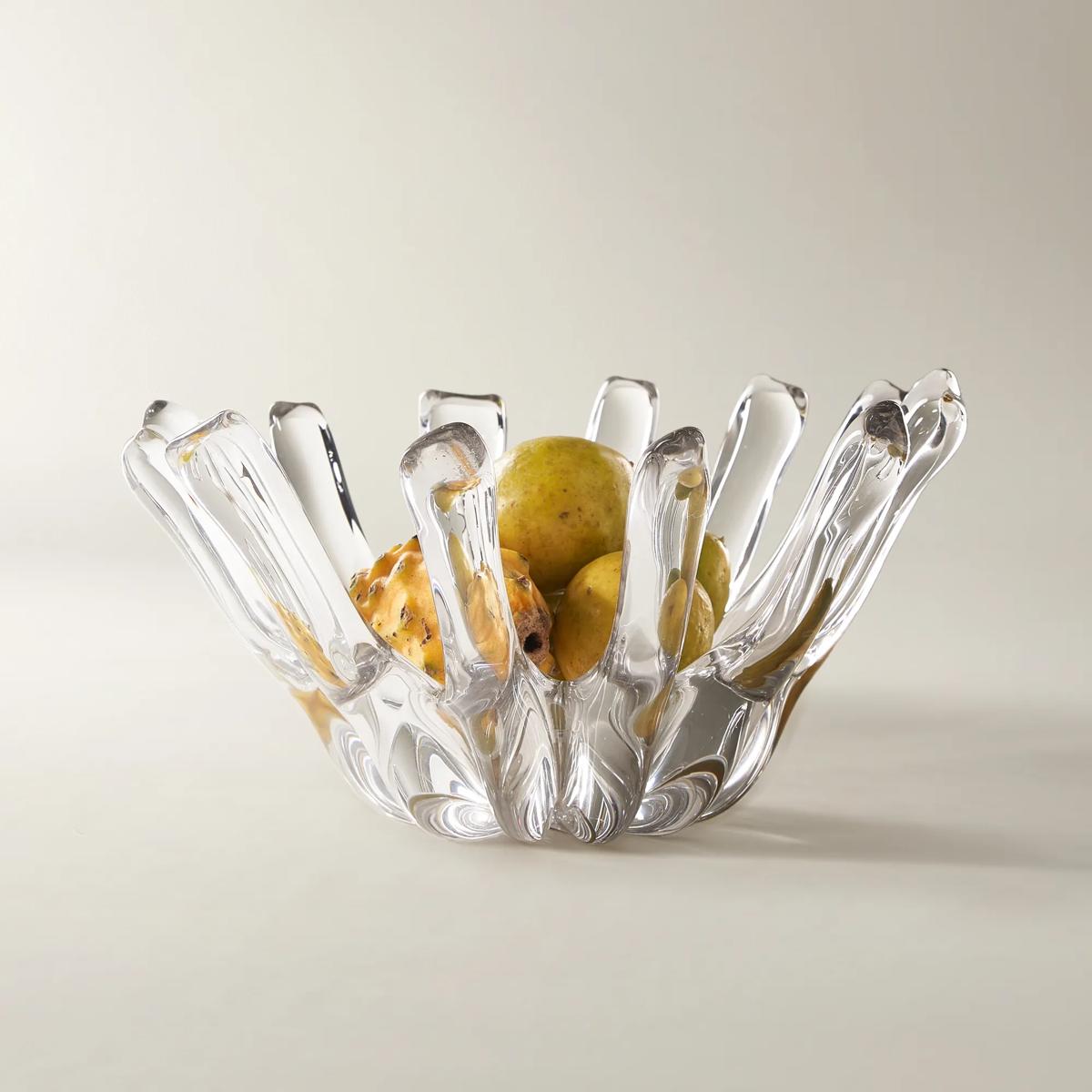
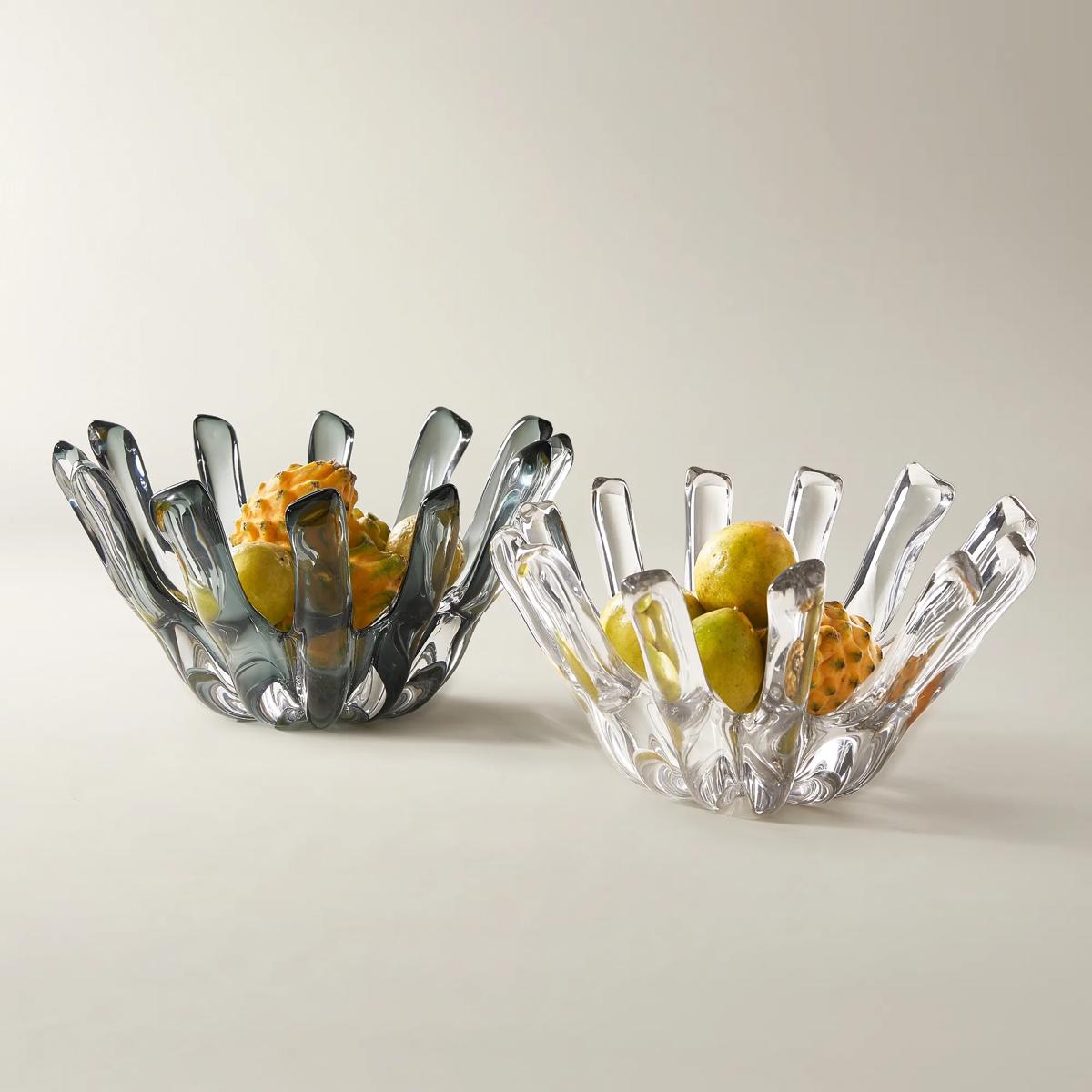 Bossa Clear Handblown Glass Decorative Bowl 13" x 7"$129
A hand-blown clear glass bowl featuring an expressive, sculptural form for modern decorative displays.
Add To Cart -

 Angelica Soft Nude Handblown Glass Canister 9.25"$59
A soft nude handblown glass canister adding artisanal elegance to modern décor.
Add To Cart -
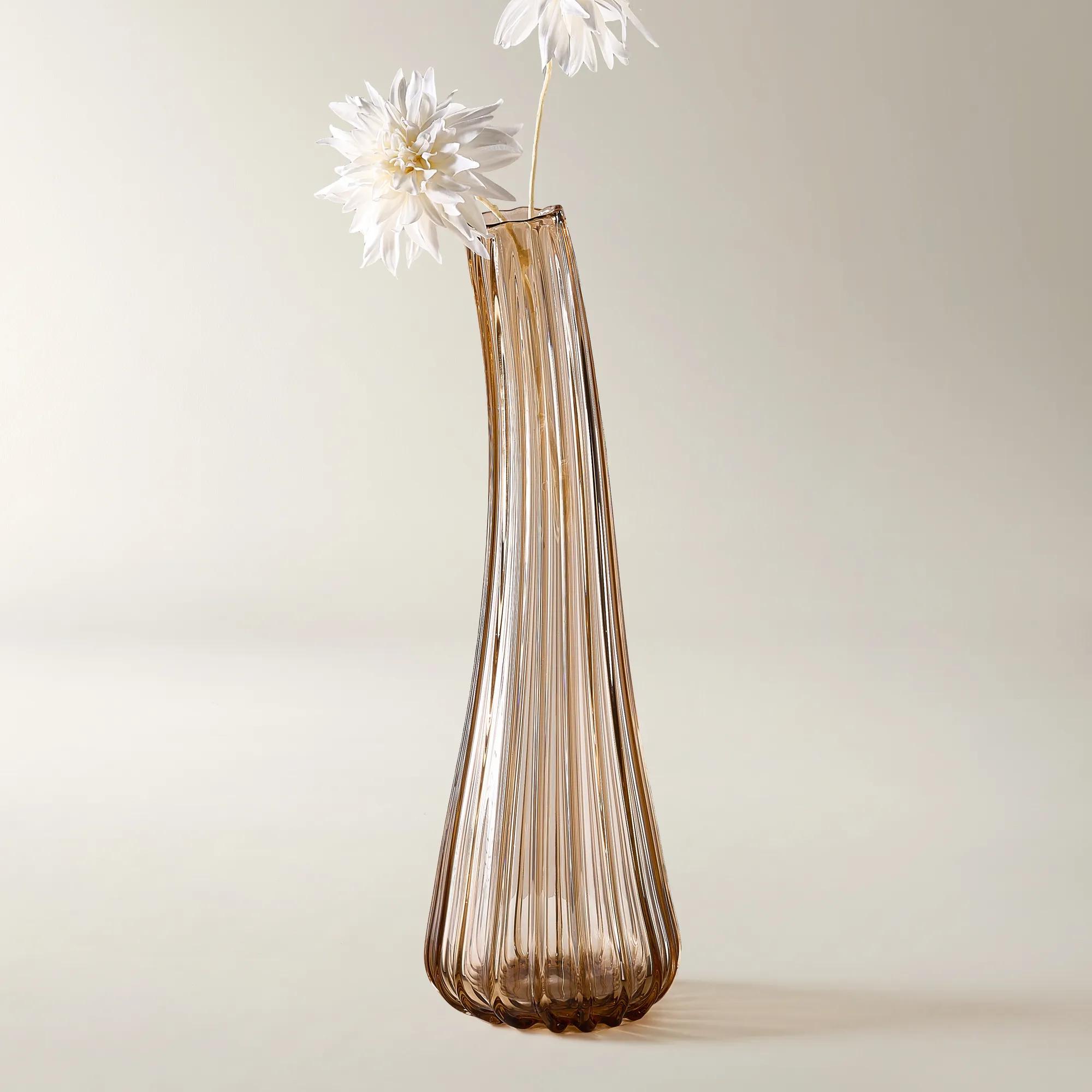
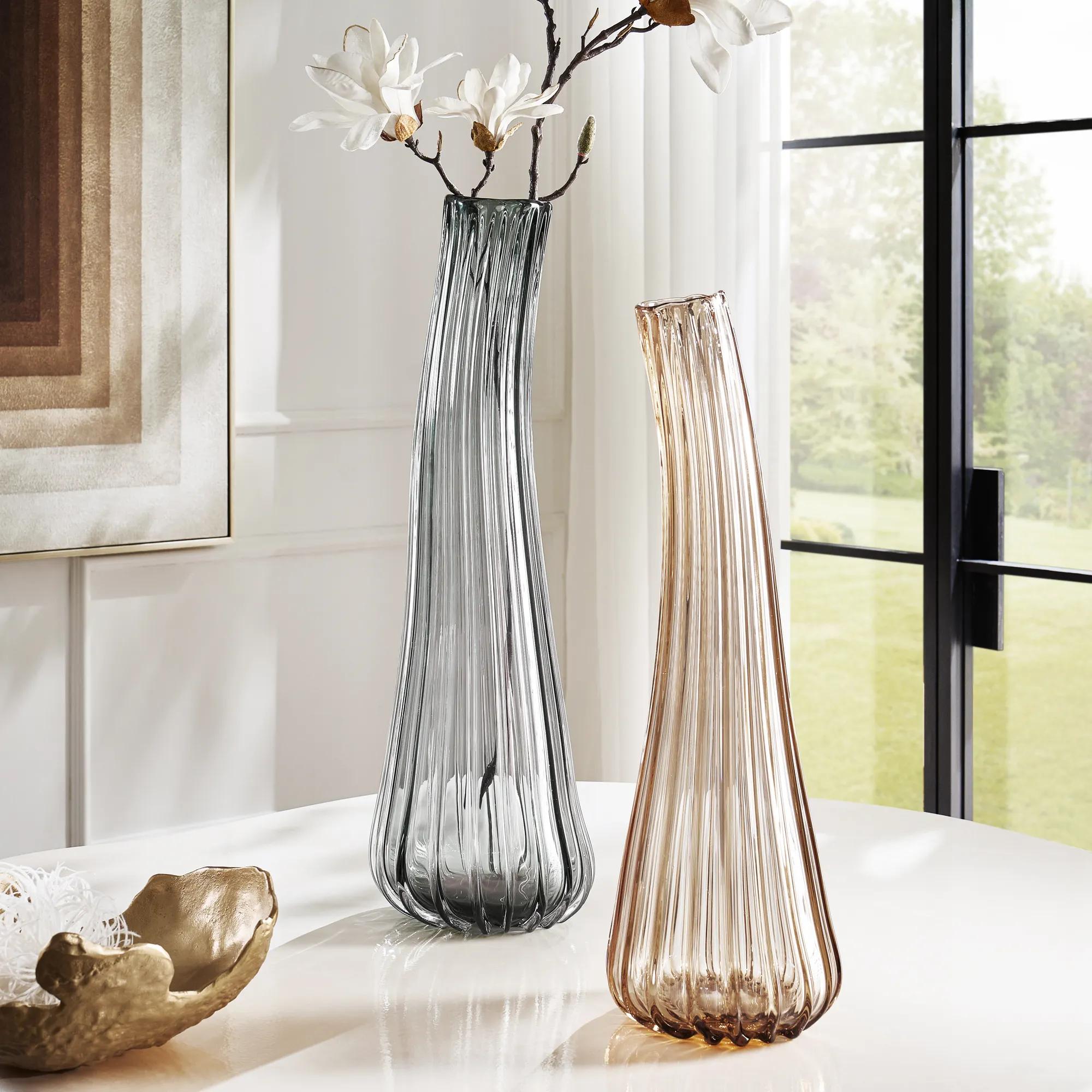 Tango Mouth Blown Soft Amber Vase 24.75"$179
A handblown glass vase in a soft amber finish with a textured, sculptural centerpiece design.
Add To Cart -
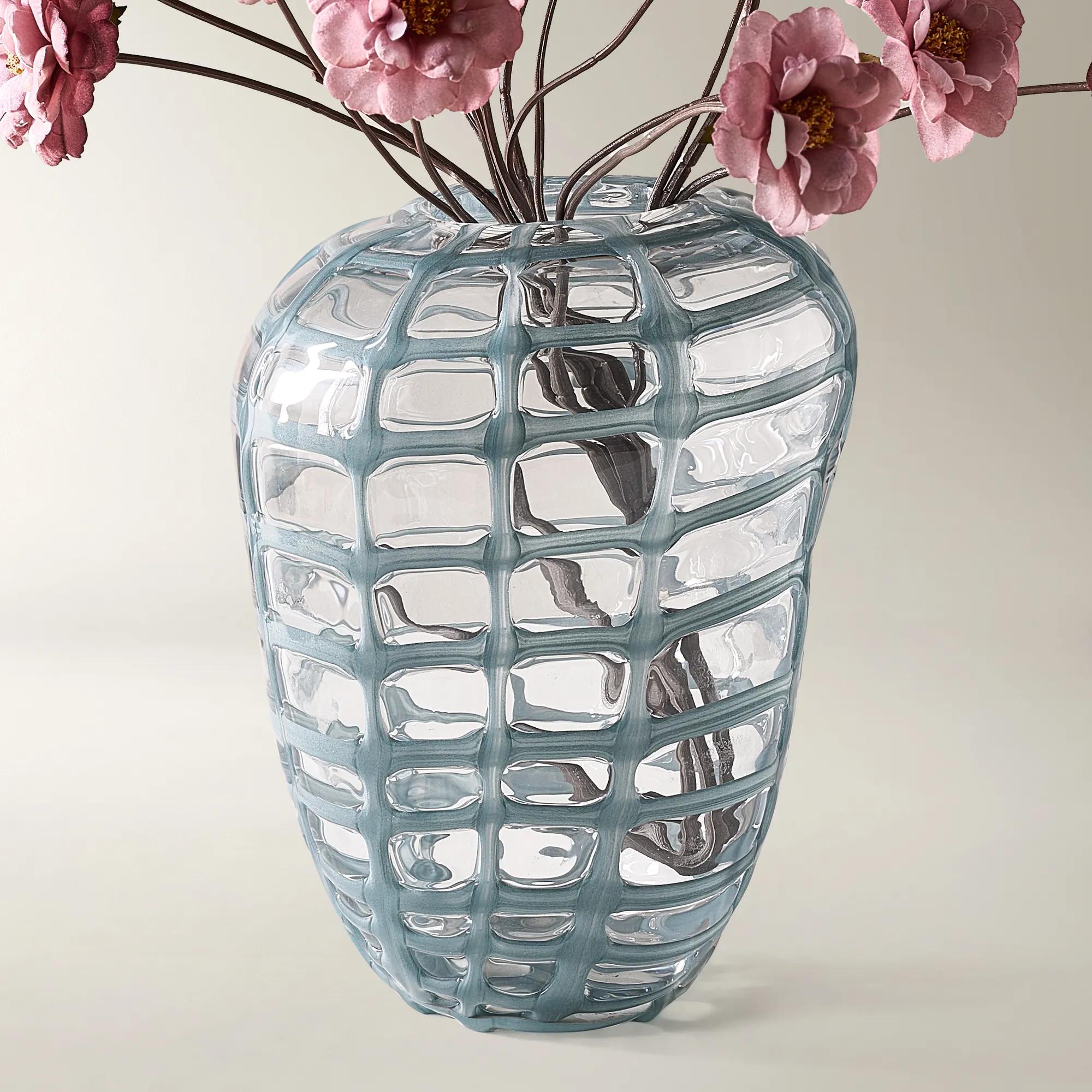 Contra Mouth Blown Dusty Blue Grid Glass Vase 10.25"$79
A handblown dusty blue glass vase featuring a graphic grid pattern and softly organic silhouette.
Add To Cart -

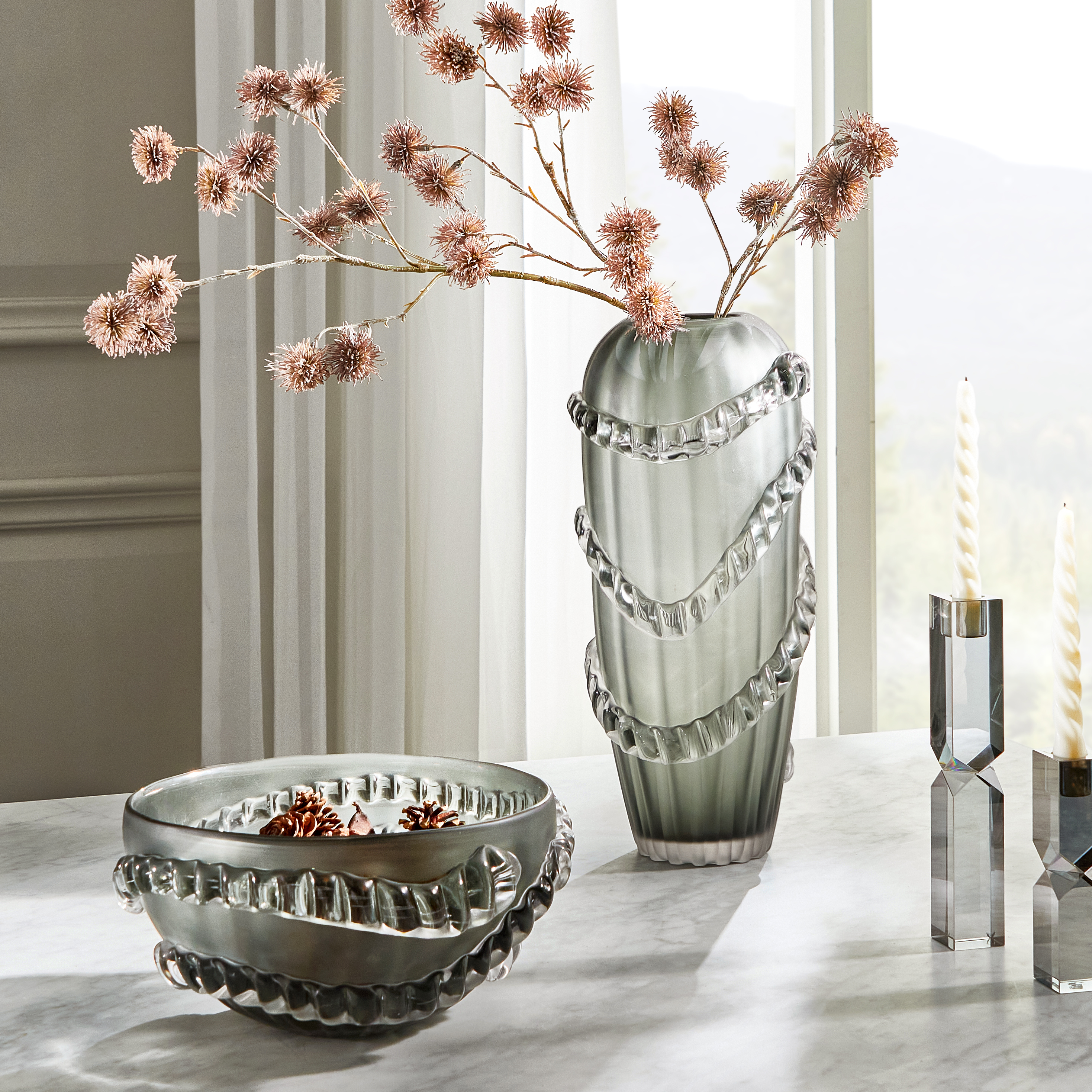 Helix Glass Collection$129
A hand-blown dark gray glass piece featuring fluted bodies and rippling sculptural ribbons for modern elegance.
Add To Cart -
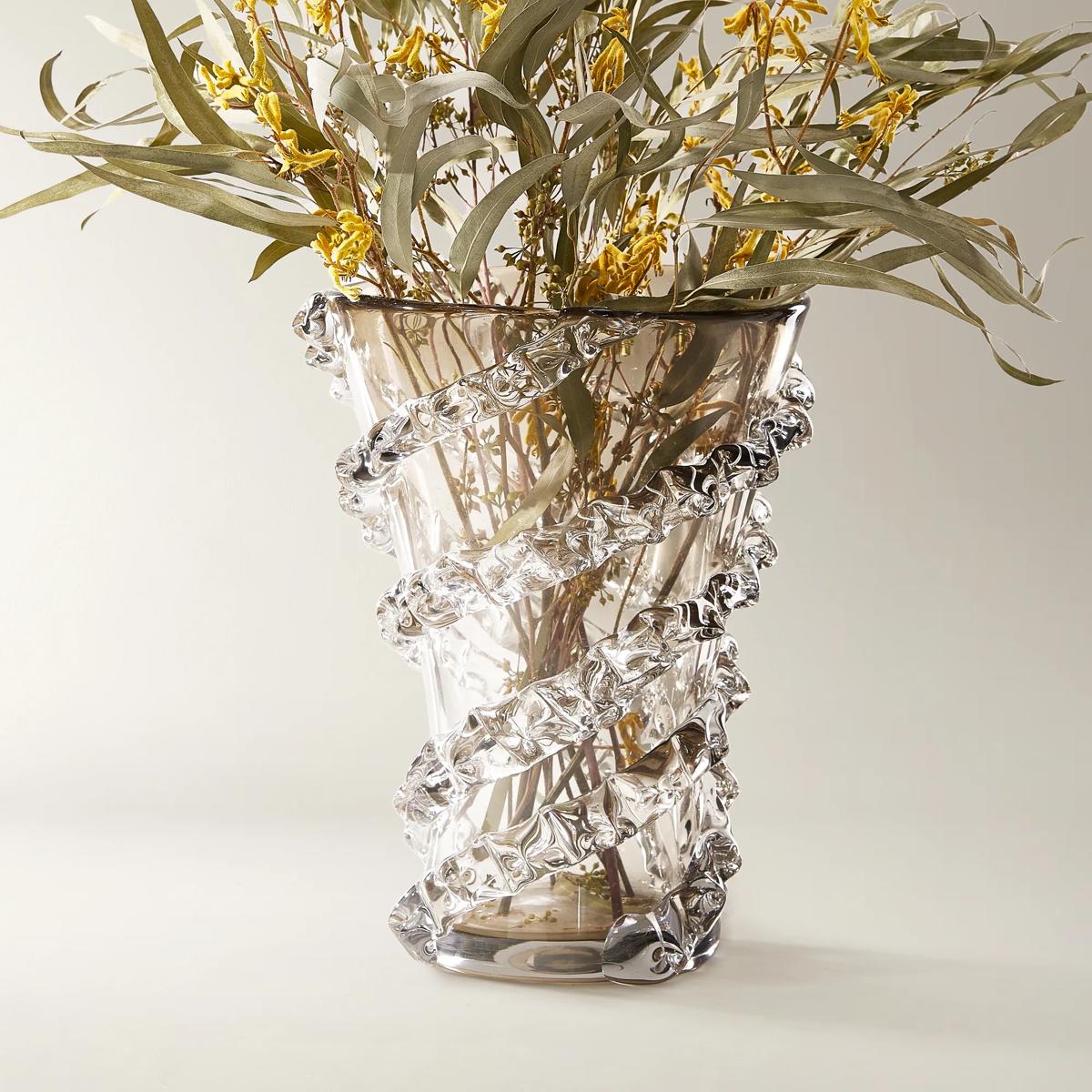
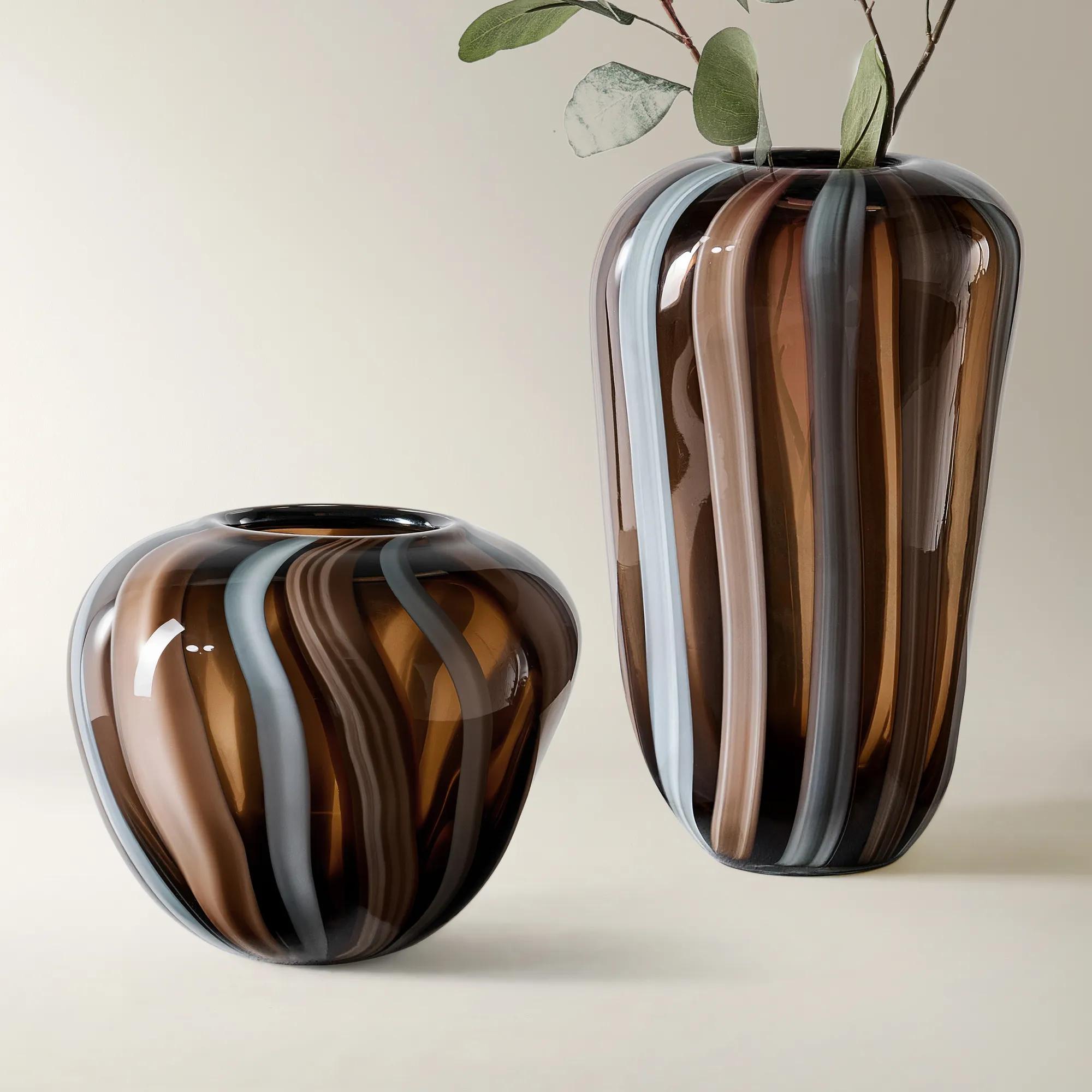
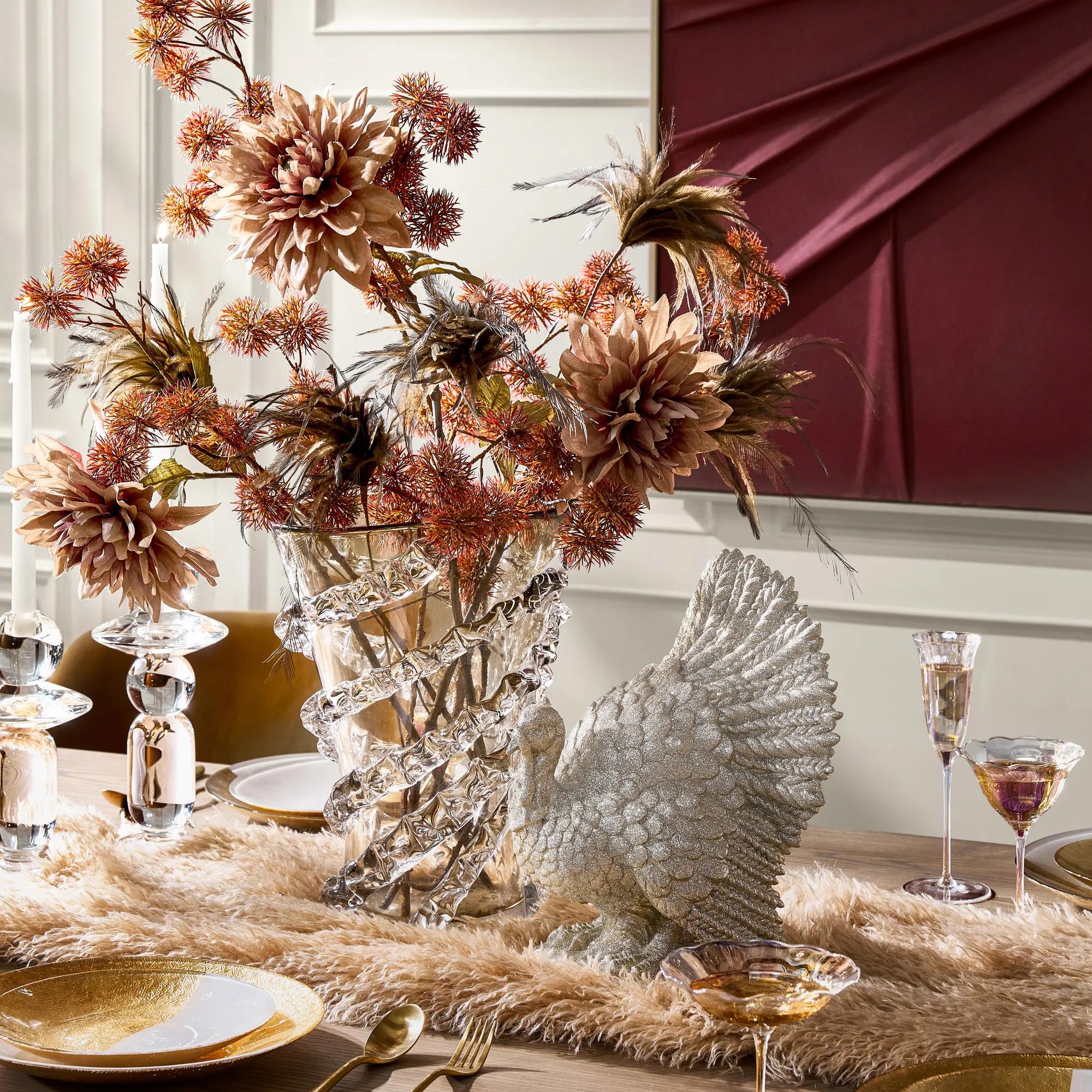 Reyna Glass Vase$299
A hand-blown glass vase featuring a sculptural swirl design and a smoky grey-brown finish.
Add To Cart -
 Calla Mouth Blown Blue Glass Decorative Bowl 15.35" x 5.7"$79
A handblown blue glass bowl featuring unique curves and translucent artistry for striking decorative appeal.
Add To Cart -
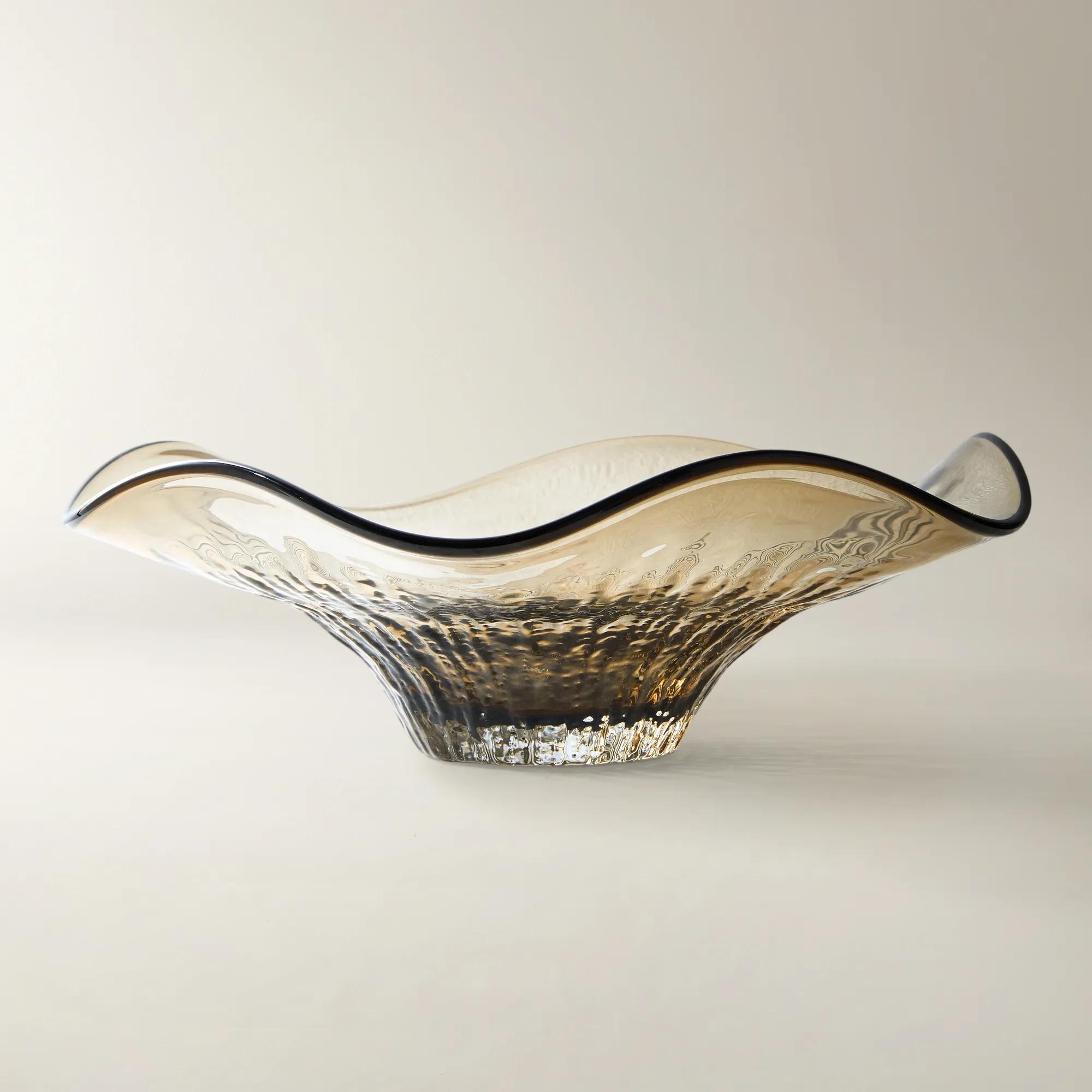 Corsi Brown Handblown Glass Decorative Bowl 15.35" x 5.1"$99
A hand-blown glass bowl in warm amber with organic shape and intricate textural details.
Add To Cart -
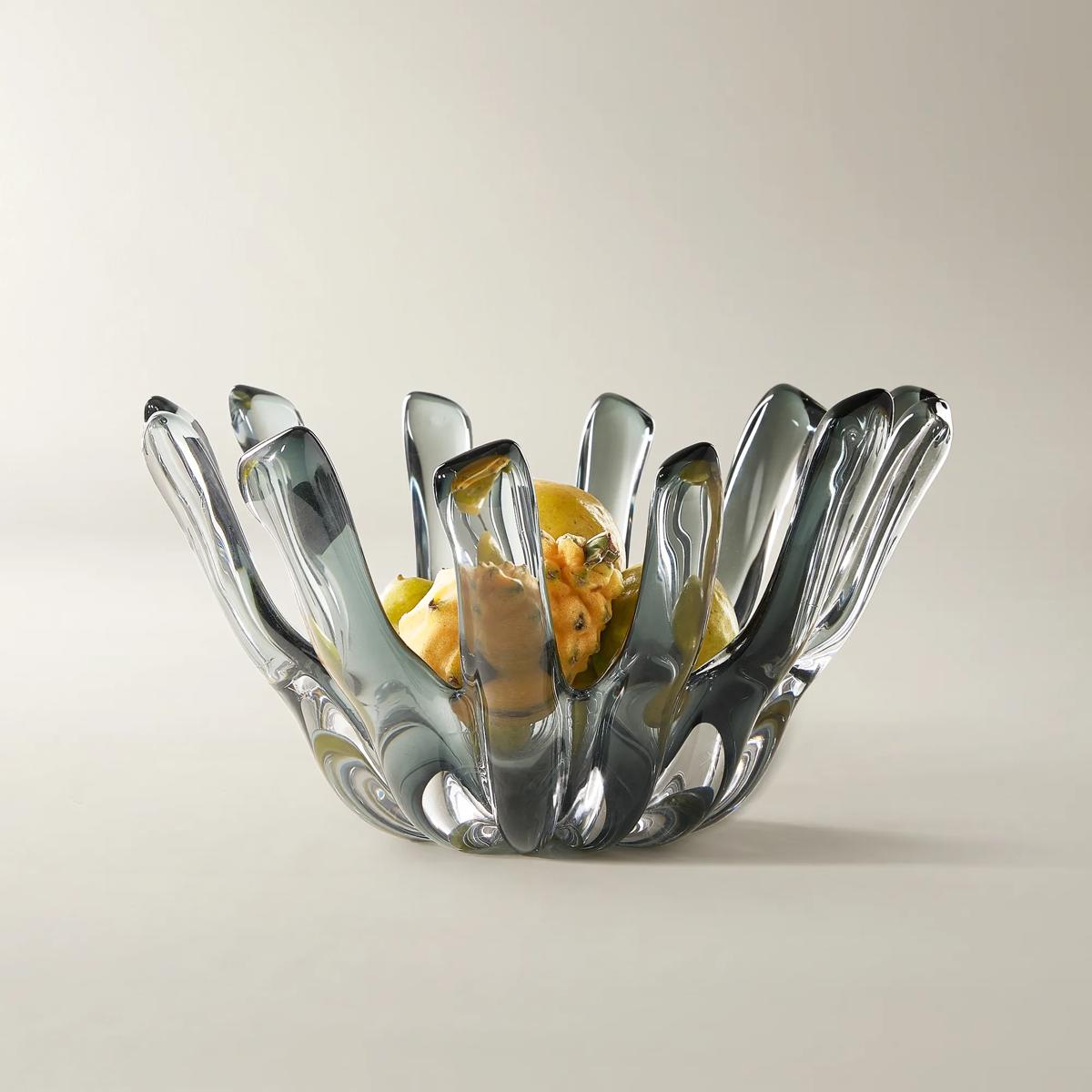 Bossa Smoke Handblown Glass Decorative Bowl 13" x 7"$129
A hand-blown smoky grey glass bowl featuring an expressive, sculptural design for modern decorative displays.
Add To Cart -
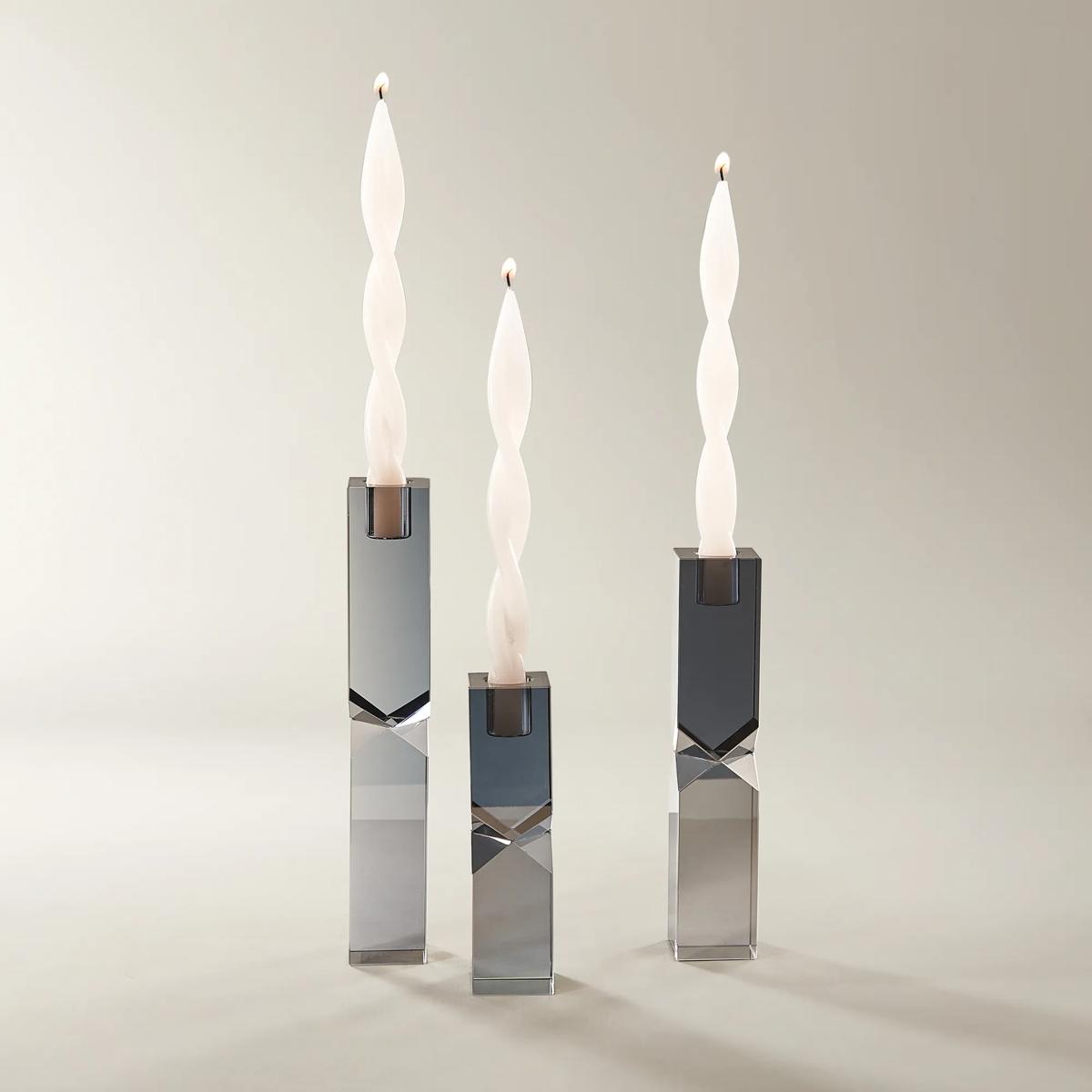
 Mythos Graphite Crystal Glass Taper Holders$39
A sleek mirrored graphite crystal glass holder designed to display one standard taper candle elegantly.
Add To Cart -
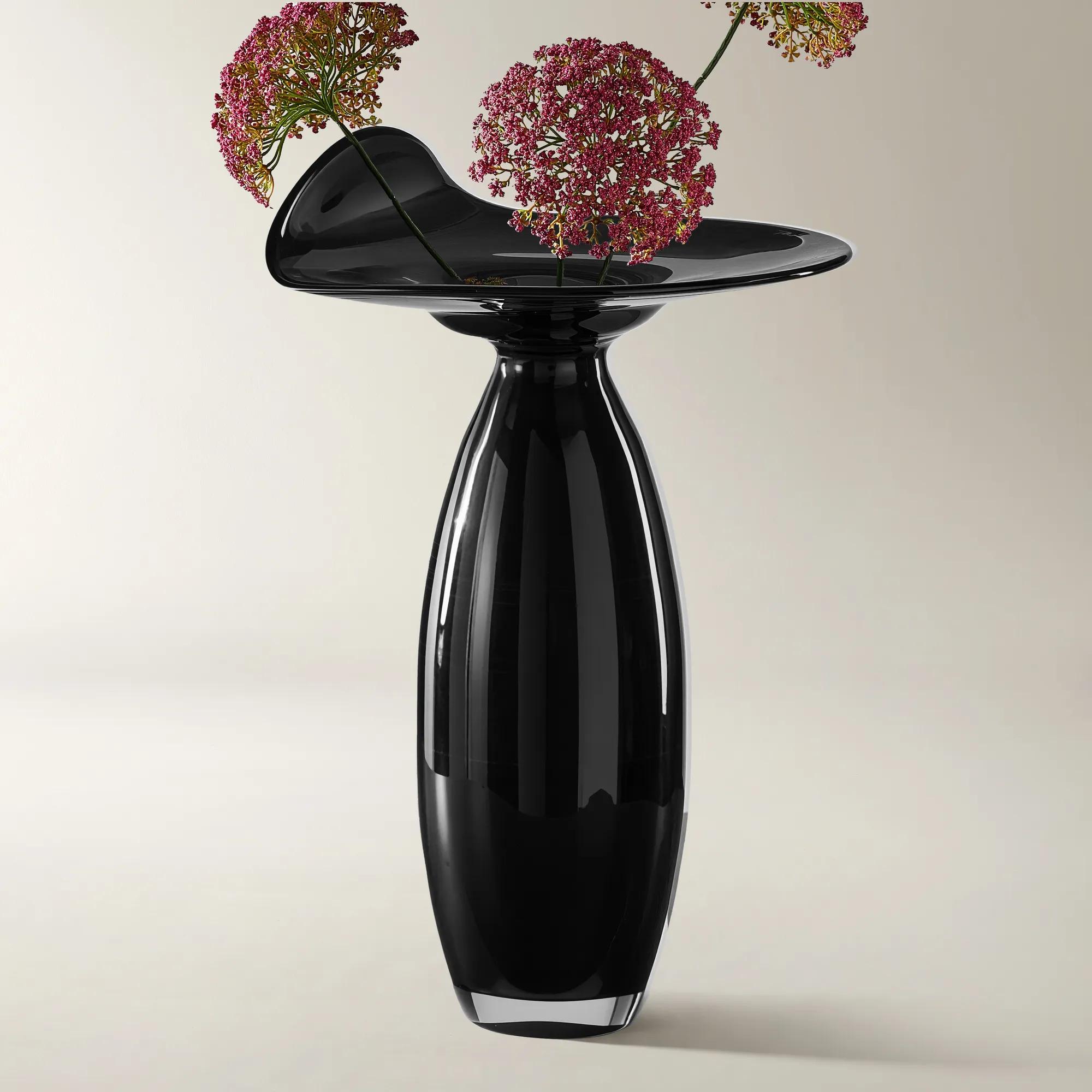 Folia Mouth Blown Glossy Black Glass Vase 22"$199
A handblown glass vase with a glossy black finish and organic sculptural silhouette for modern decor.
Add To Cart -
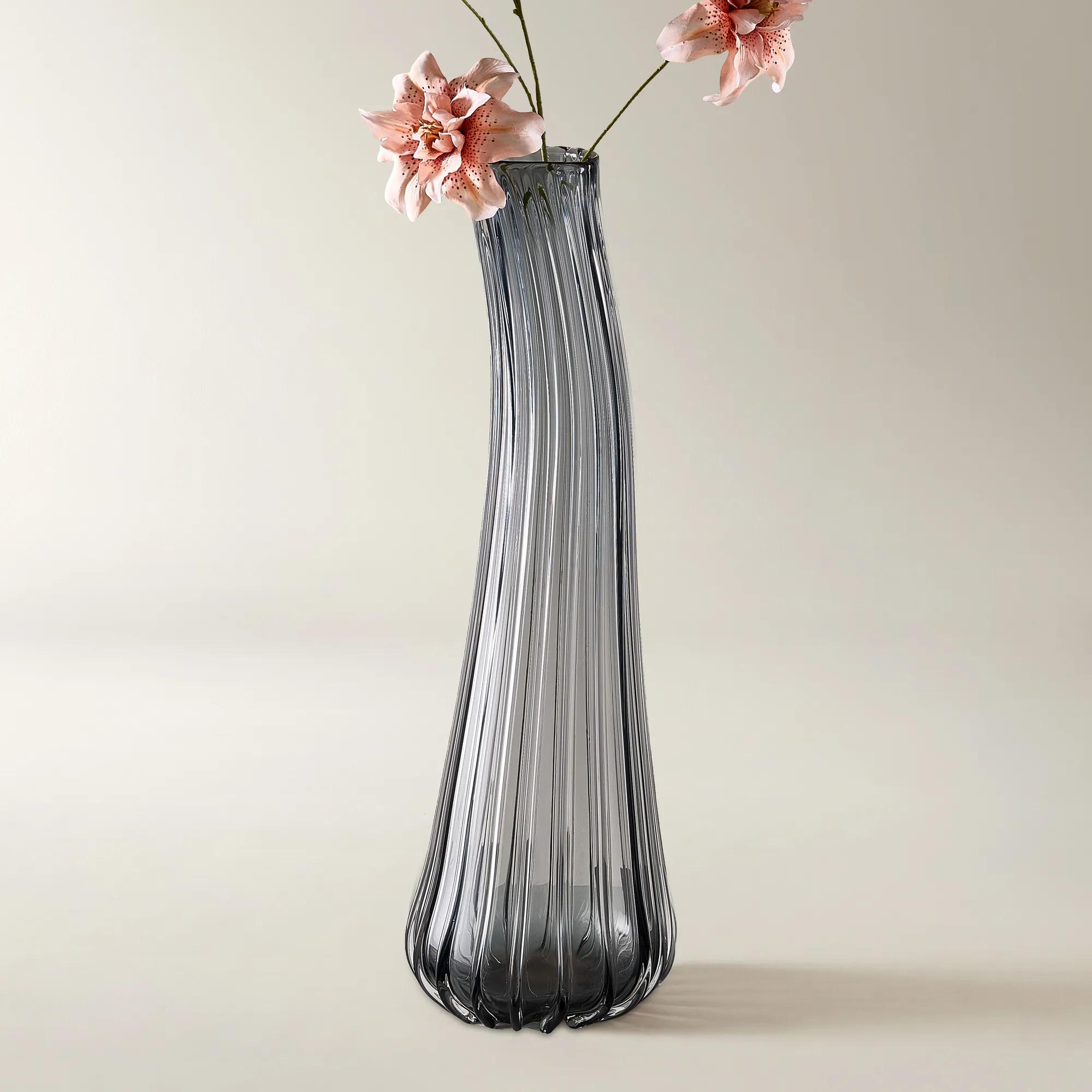 Tango Mouth Blown Smoked Pearl Vase 29"$199
A handblown glass vase in a smoked pearl finish with a textured surface for sculptural elegance.
Add To Cart -
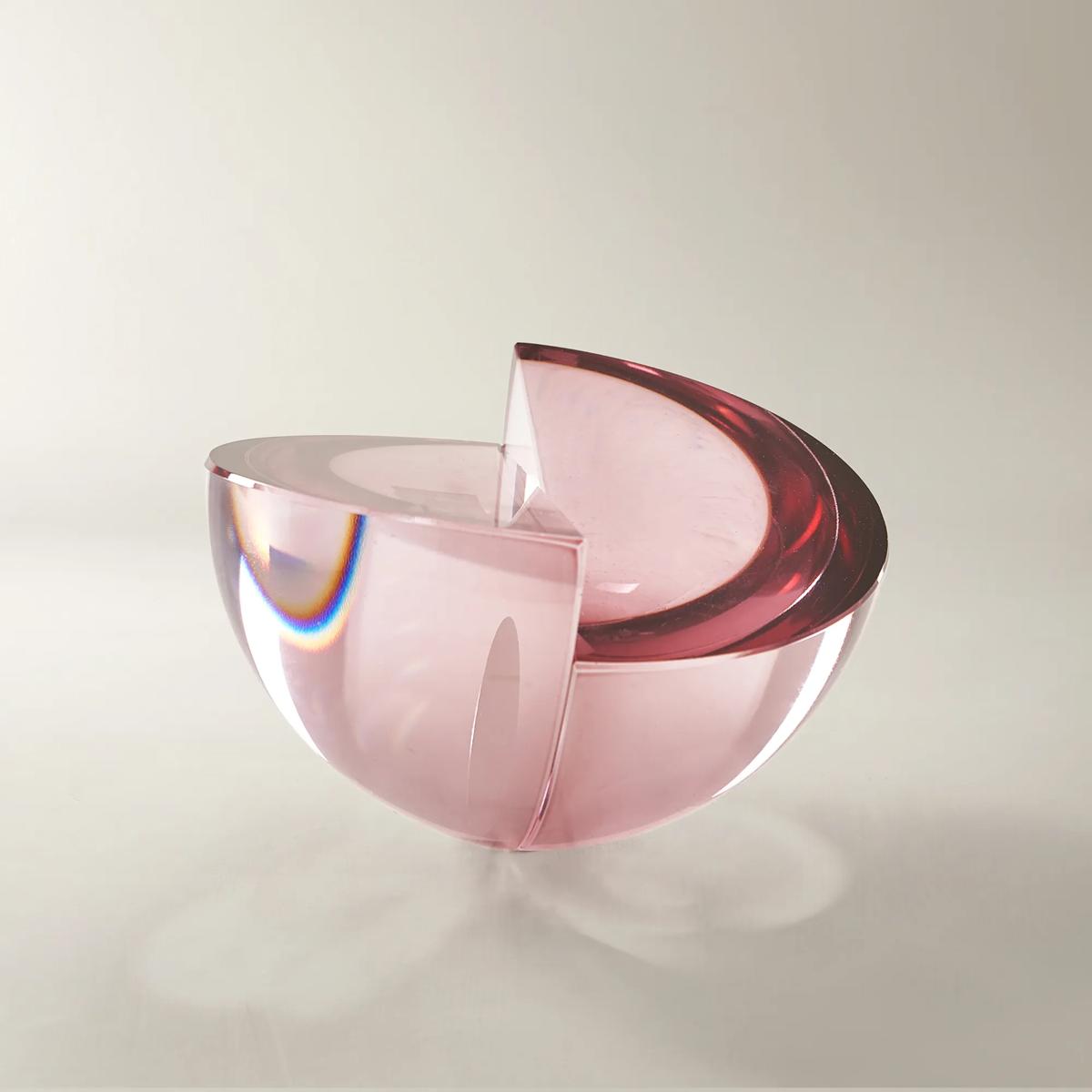 Rose' Crystal Glass Decorative Object 3.25"$79
A sculptural accent crafted from rich purple crystal glass, reflecting light with modern elegance and intrigue.
Add To Cart -
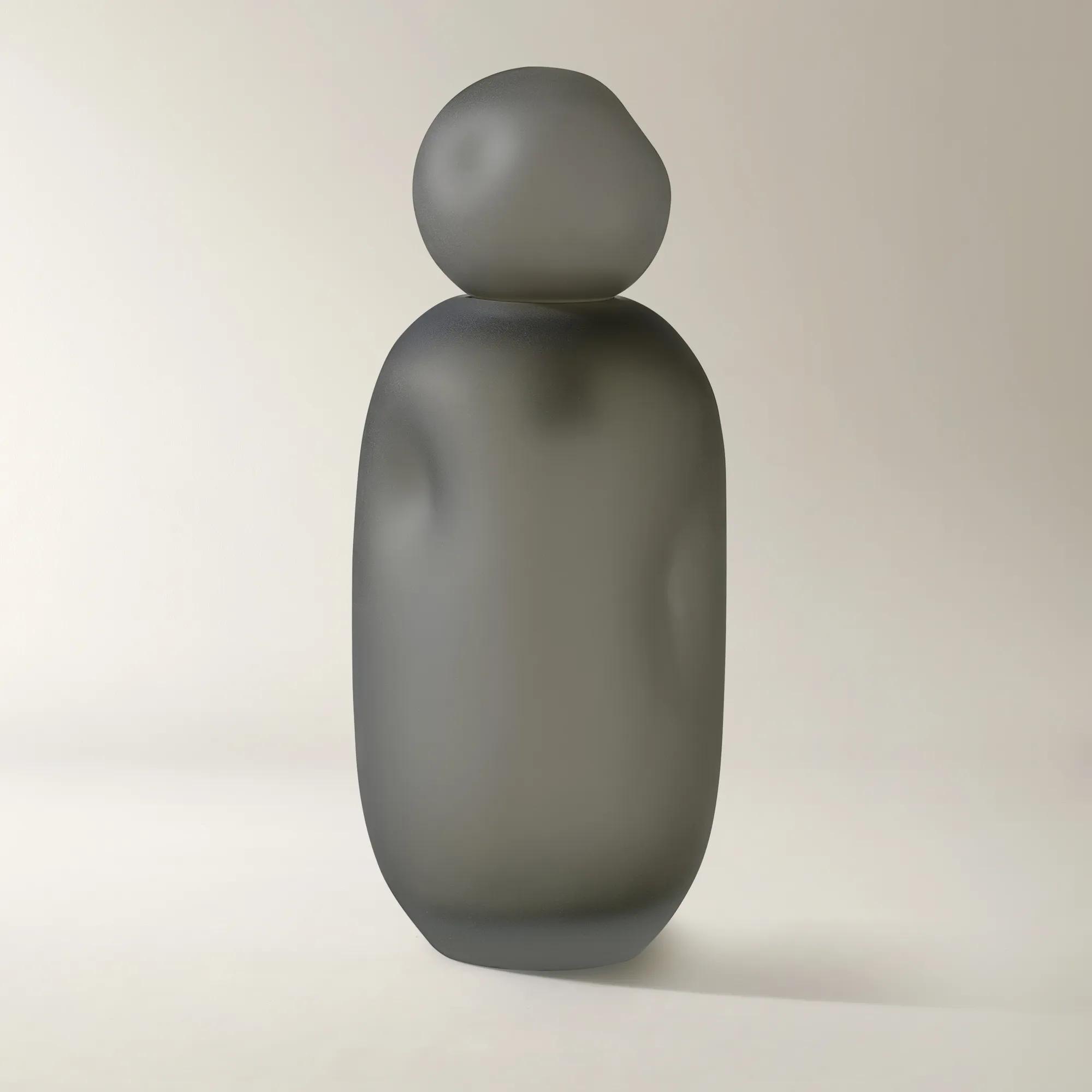 Angelica Charcoal Handblown Glass Canister 14.25"$79
A charcoal handblown glass canister offering an elegant accent for modern decorative displays.
Add To Cart -
 Icy Mouth Blown Clear Glass Cube Taper Holders$39
A handblown clear glass taper holder with a bold geometric silhouette and luminous, icy light play.
Add To Cart -
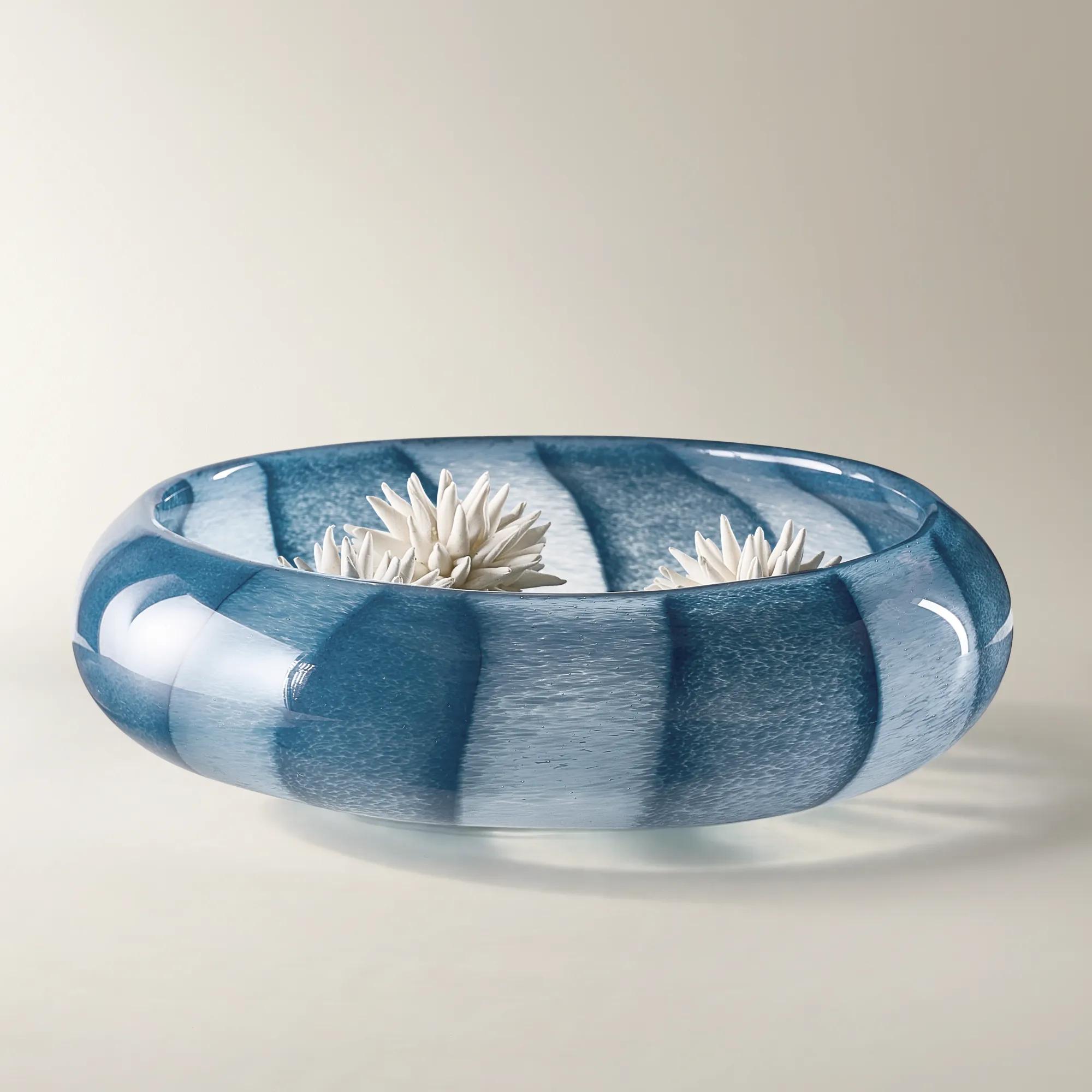 Jonah Mouth Blown Dusty Blue Glass Decorative Bowl 11.75" x 3.5"$89
A handblown glass bowl featuring dusty blue stripes and a sculptural, low rounded silhouette for decor.
Add To Cart

Art Glass Housewarming Gifts
Celebrate a new home with glass art gifts that bring luminous color and sculptural drama to everyday spaces. Explore soft pistachio and sage alongside complementary hues and expressive forms, choosing an accent that reflects the recipient’s style. Let their favorite colors and the intended display spot guide a gift that feels personal.
Art glass housewarming gifts give a new address something that doesn’t come with the keys: a detail that feels unmistakably like the person who lives there. In a room still taking shape, a sculptural glass accent can give the eye somewhere to land. Set against dark wood, clear glass takes on the depth of the grain beneath it; on pale stone, the same glass lets its edges and contours do the talking. Tinted glass has a different presence. A concentrated band of cobalt or amber can carry more visual weight than its footprint suggests, especially when light passes through the color instead of simply falling on its surface. That interplay of color, thickness, and light is part of what makes glass an expressive material in its own right. Blown glass often has rounded transitions and subtle shifts in thickness, while cast glass can have a denser profile that makes even a compact form feel substantial. Polished areas catch highlights sharply, while a frosted finish softens reflections and brings the silhouette forward. Fine bubbles, faint ripples, or slight variations in color can be characteristic of certain glassmaking techniques; the effect is especially visible when the glass is viewed from the side. Those distinctions give the gift a point of view without requiring a fully formed decorating scheme. A transparent form can settle comfortably among furnishings carried over from a previous home, while richly colored glass can introduce a note the recipient can pick up later in art or textiles. It’s a particularly thoughtful gesture for a first apartment or a long-awaited move because the glass can look at home before the rest of the room is resolved. There’s also pleasure in seeing where it eventually lands: a piece that begins on an entry console may take on an entirely different character beside a favorite painting once the room comes together.
Scale matters as much as color, especially when the gift is meant to live in a part of the home that gets used every day. A narrow entry console may have enough width for a generous shape but too little depth for its base to sit comfortably away from the edge. The widest point matters, too: an outward curve can project well beyond the base, where it’s easier to brush against while passing through. On an open bookcase, a low, broad form can break up the vertical lines of books without crowding the shelf above. A taller silhouette can hold its own at the far end of a sideboard, where there’s room to see its outline without interrupting conversation across the table. Transparency changes the sense of scale, too. A larger clear form can preserve a view of the wall or artwork behind it, while a smaller opaque form can stand out against a busy backdrop. When the layout is still unfamiliar, a compact accent with a stable base leaves the recipient more freedom to decide where it belongs. The gift can also reflect what’s known about the person rather than the floor plan. For someone who has collected art for years, the appeal may lie in a sculptural form that looks different from every angle. For friends combining households, a color that echoes something they chose together can acknowledge a shared taste without asking either person to redecorate. A frequent host may appreciate glass intended for the table, where a distinctive tint or texture becomes part of the way a meal is presented. Unique Glassware Gifts offers another direction when the gesture is as much about gathering around the table as it is about settling into a new space. The distinction is worth keeping in mind: decorative art glass can bring a sense of occasion to a setting without necessarily being suitable for serving.
The way art glass will be used helps determine what makes a good housewarming gift over time. Glass with a broad, level base can sit securely on a steady surface, but even thick glass can chip if a rim or edge strikes stone or metal. A delicate profile is better suited to a shelf away from swinging doors or the busy corner of a console where keys tend to land. In homes with children or pets, a recessed shelf or a cabinet can give the form a clear view without placing it in a well-traveled path. Heavier glass deserves particular attention to the weight a shelf can support, especially if the shelf is glass itself. Intended use matters just as much as placement. A hollow decorative form isn’t automatically watertight, and a polished interior doesn’t indicate that the glass is suitable for food or drink. Pieces explicitly intended for serving can take part in the occasion; decorative glass can make its contribution nearby, catching the light at the edge of the gathering. For display glass, a soft, dry, lint-free cloth is often enough to lift dust and fingerprints without leaving a film. Textured, painted, or metallic finishes may need different care from smooth, unadorned glass, so the directions for the finish should take precedence over any general cleaning routine. When washing is appropriate, sudden changes in water temperature are best avoided, and the dishwasher is only suitable when the care directions say so. Moving a substantial piece with both hands supporting its weight, rather than lifting it by a narrow neck or rim, helps protect its most vulnerable points. These details make it easier for the recipient to live with the gift rather than put it away for safekeeping. The lasting appeal of art glass is often clearest in familiar moments: the reflection of a lamp moving across a polished curve, or a ribbon of color on the wall that makes a well-used corner feel newly noticed.
FAQs
Glass art offers a way to celebrate a new home through color, light, and artistic expression. Choosing a piece that echoes the recipient’s taste makes the gesture personal without asking them to redesign a room around it.
Cream and warm neutrals let soft greens take the spotlight. Blush creates a gentle warm contrast, while teal adds richer depth. Clear glass and gold-toned details can introduce sparkle without adding another dominant hue.
Let the recipient’s interiors guide the emphasis. An expressive silhouette in a restrained color can complement a richly layered room. In a quieter palette, saturated glass can become a striking focal point through color alone.
Yes. A compelling silhouette, distinctive texture, or layered color can give glass art presence without additional embellishment. Keep the surrounding arrangement restrained enough to reveal the piece’s contours and the way its surface responds to light.
Handblown glass can show subtle variations in form and color from the shaping process. Those nuances contribute to its expressive character, giving a decorative piece visual interest beyond its overall silhouette.