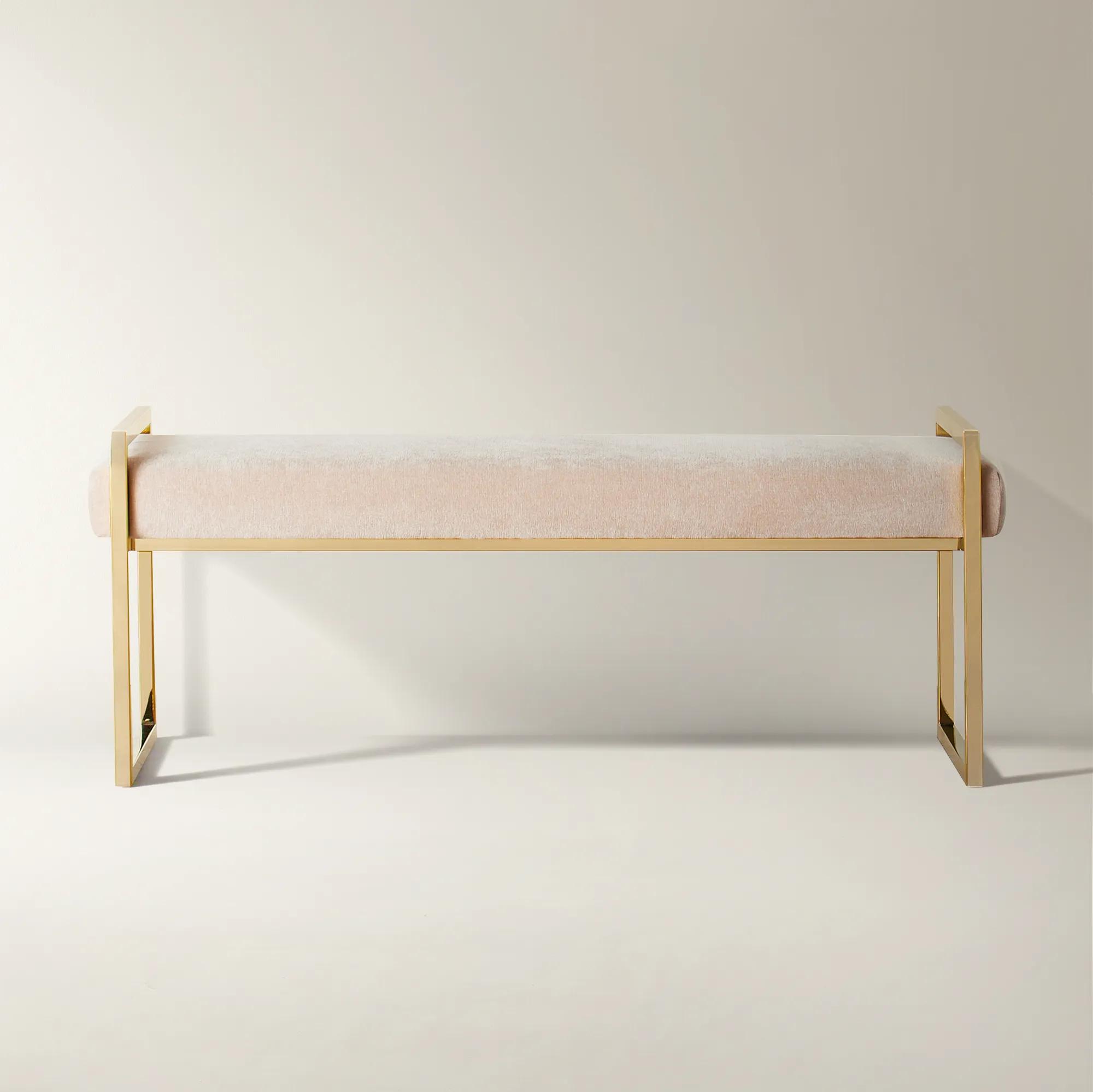
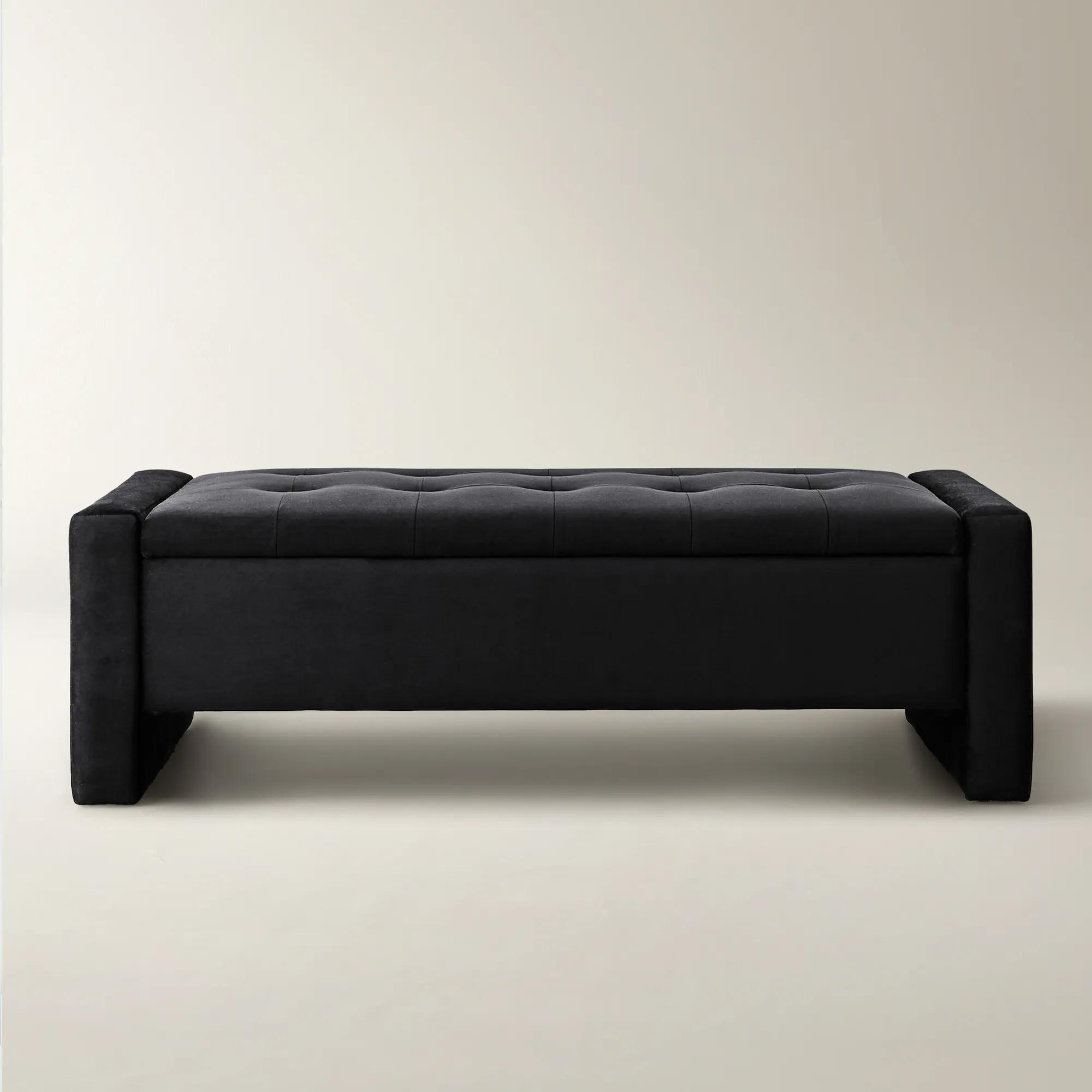
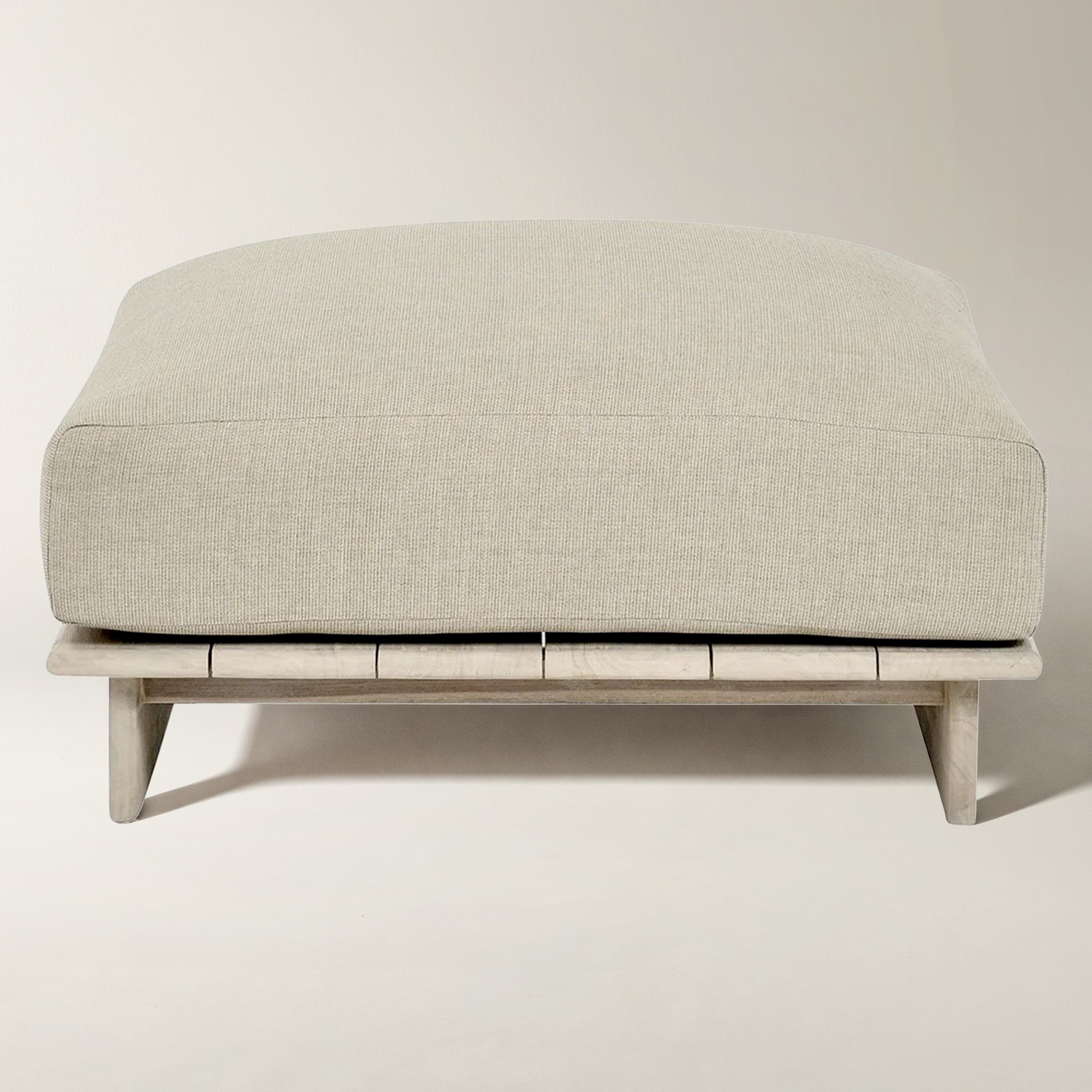
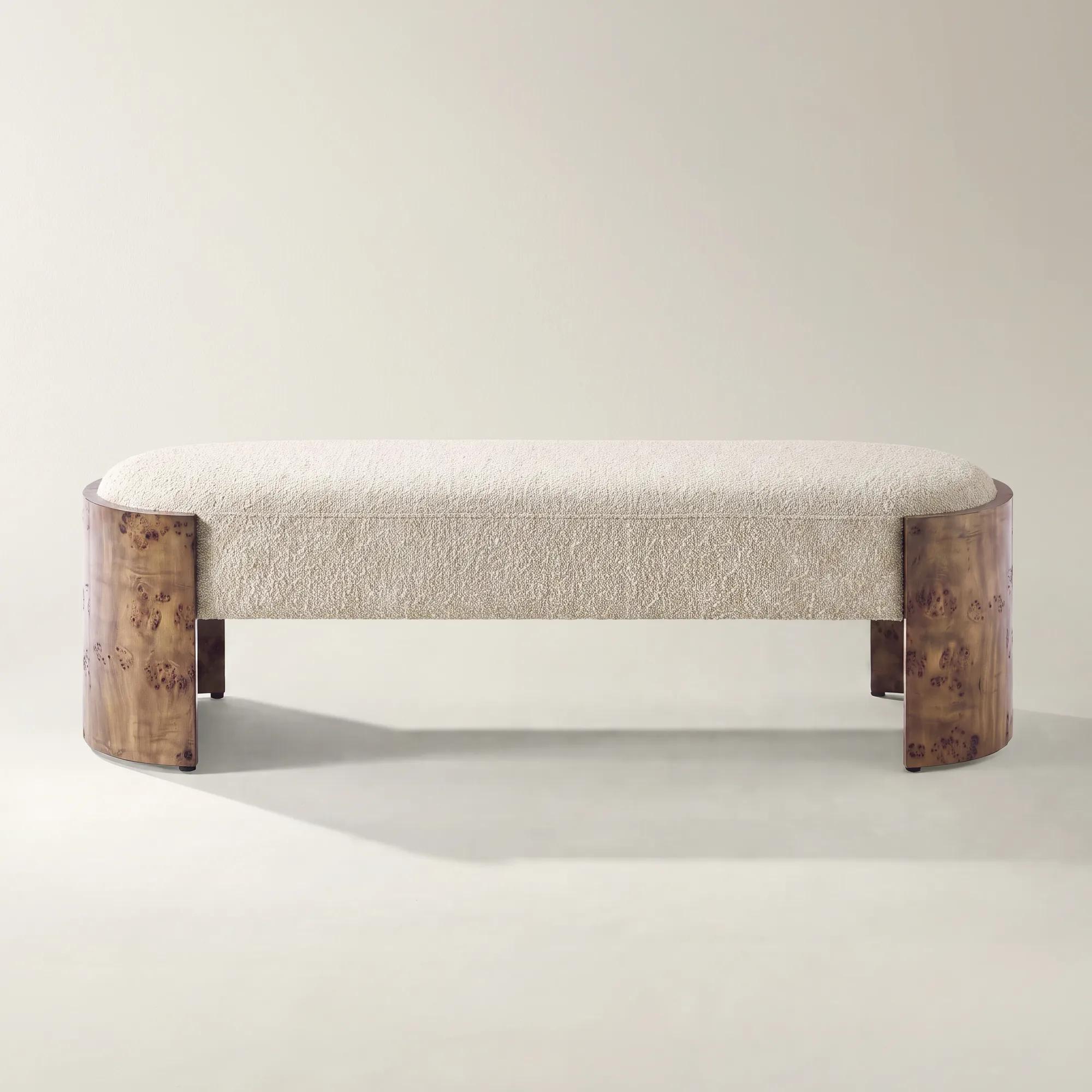
Accent Stools For Labor Day Sales
Accent Stools For Labor Day Sales
-
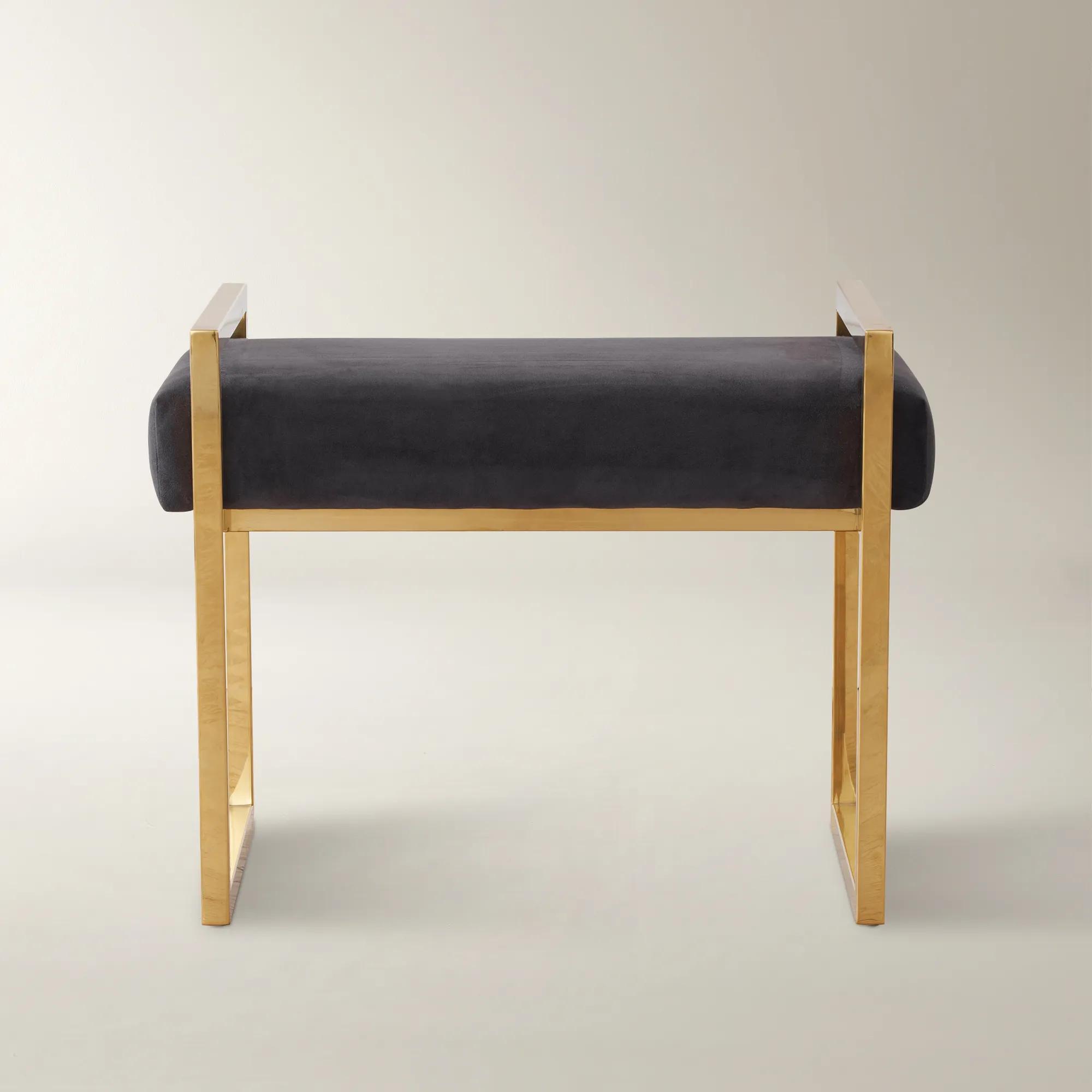
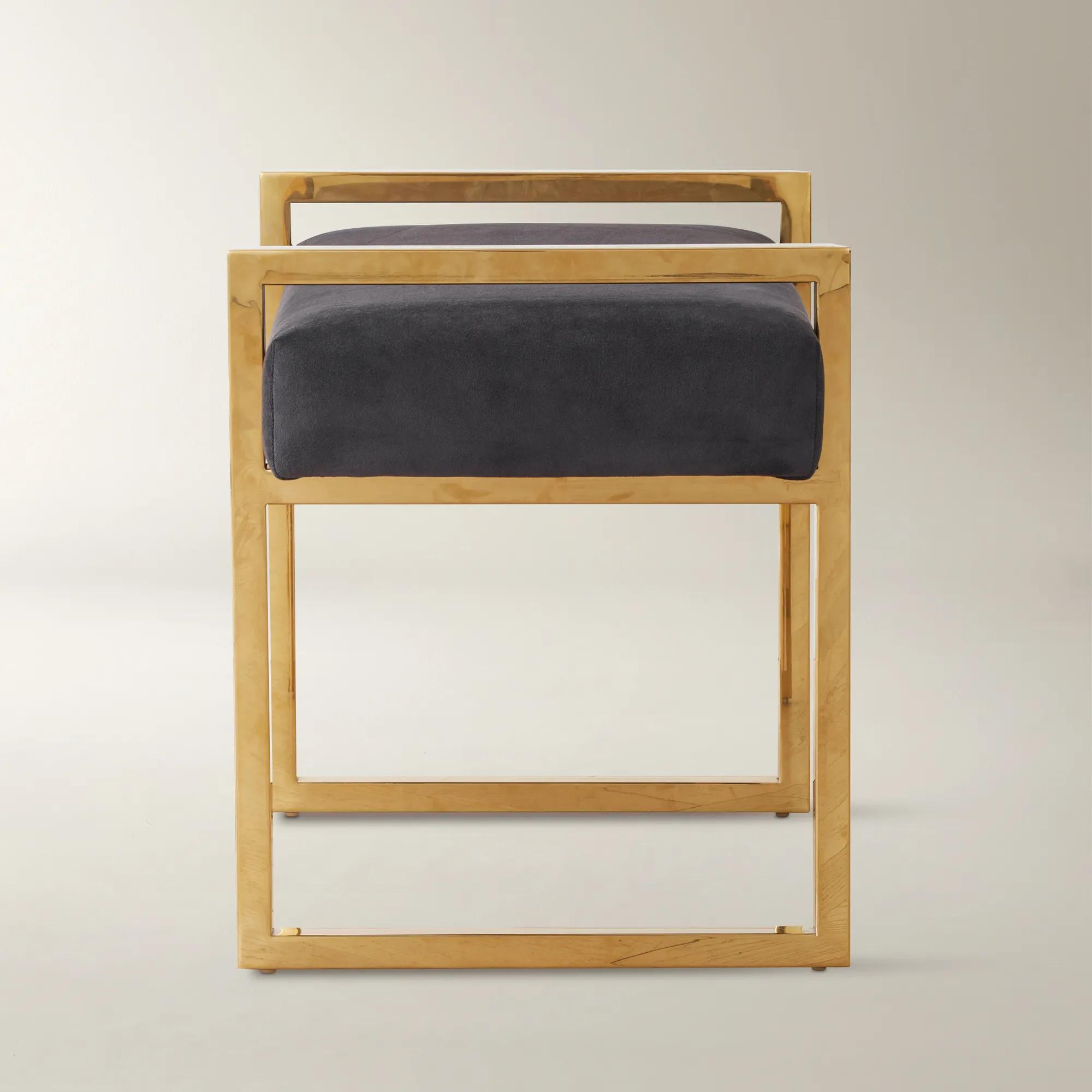 Clara Accent Stool$449
A chic accent stool featuring a plush black velvet seat and polished gold metal legs for modern flair.
Add To Cart -
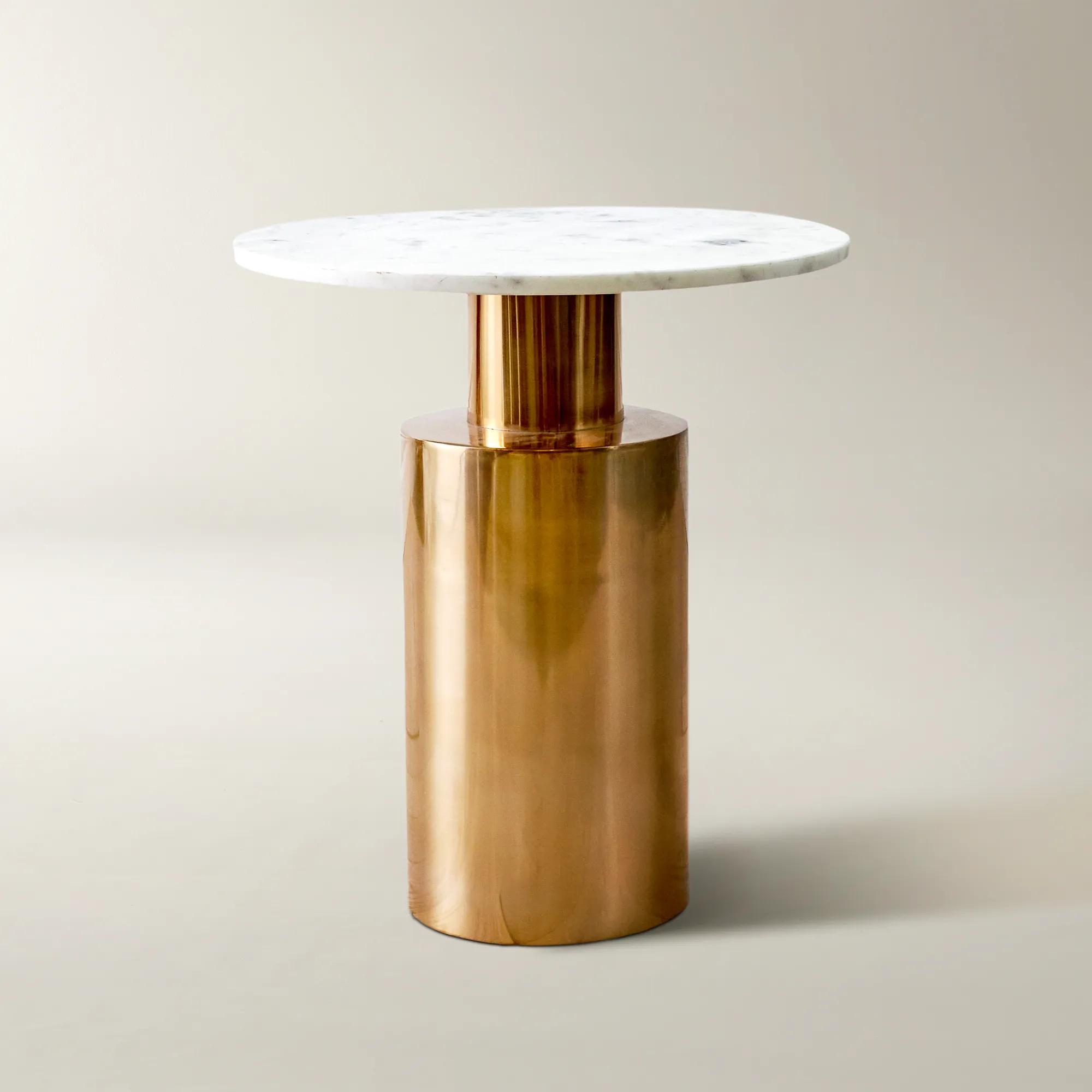 Capri Round White Marble Accent Table (16")$299
A striking accent table featuring a white marble top and gold-finished stainless steel base.
Add To Cart -
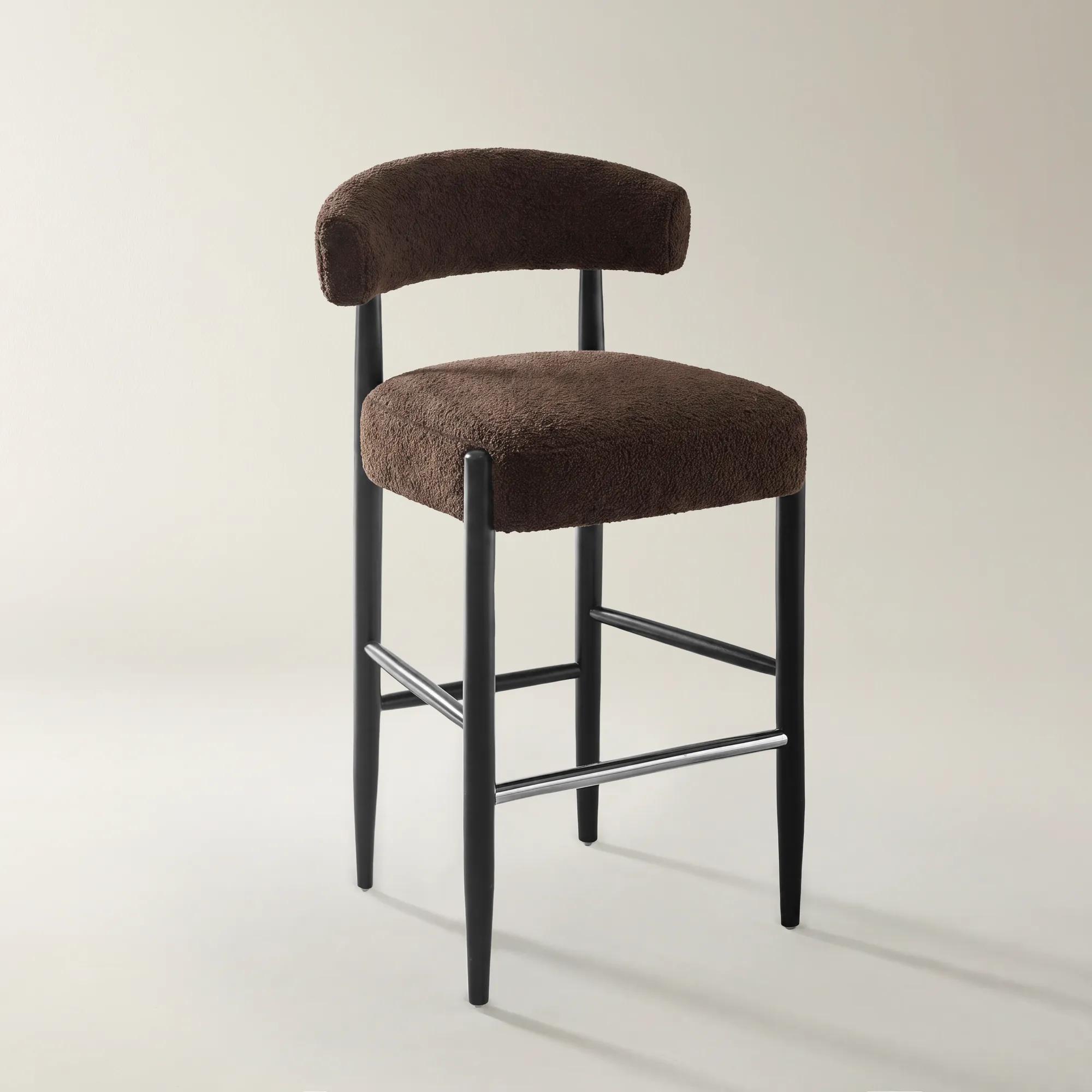 Anna Dark Chocolate Chenille Bar/Counter Stool$399
A dark chocolate chenille stool with sculpted support, padded comfort, and tapered solid rubberwood legs.
Add To Cart -

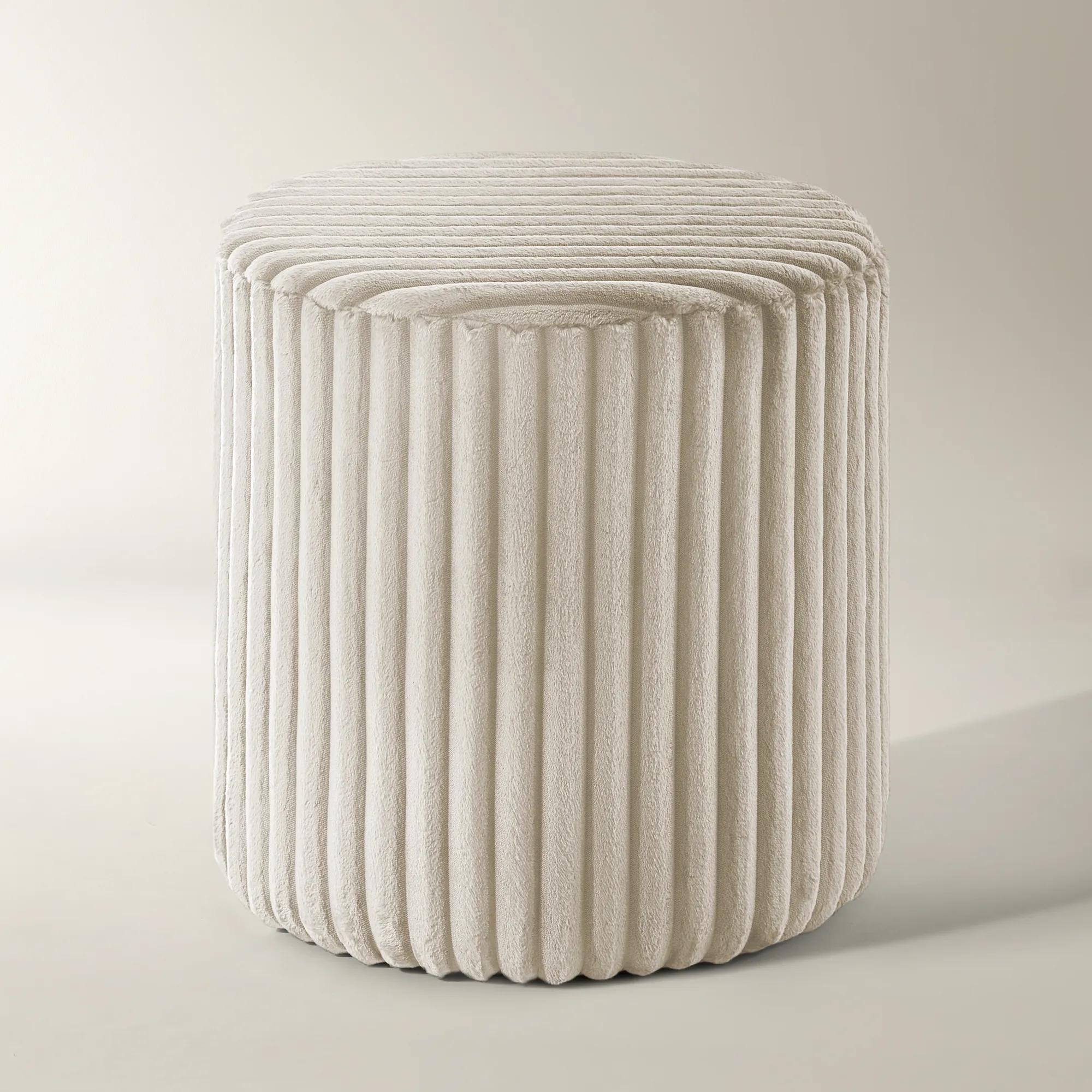 Fleece Fluted Ivory Velvet Stool (15.55'')$229
An ivory ribbed velvet stool offering cozy softness and versatile use as seating, footrest, or accent table.
Add To Cart -
 Fleece Fluted Gray Velvet Stool (15.55'')$229
A plush grey velvet stool with a unique ribbed texture, perfect for versatile, cozy seating or decor.
Add To Cart -
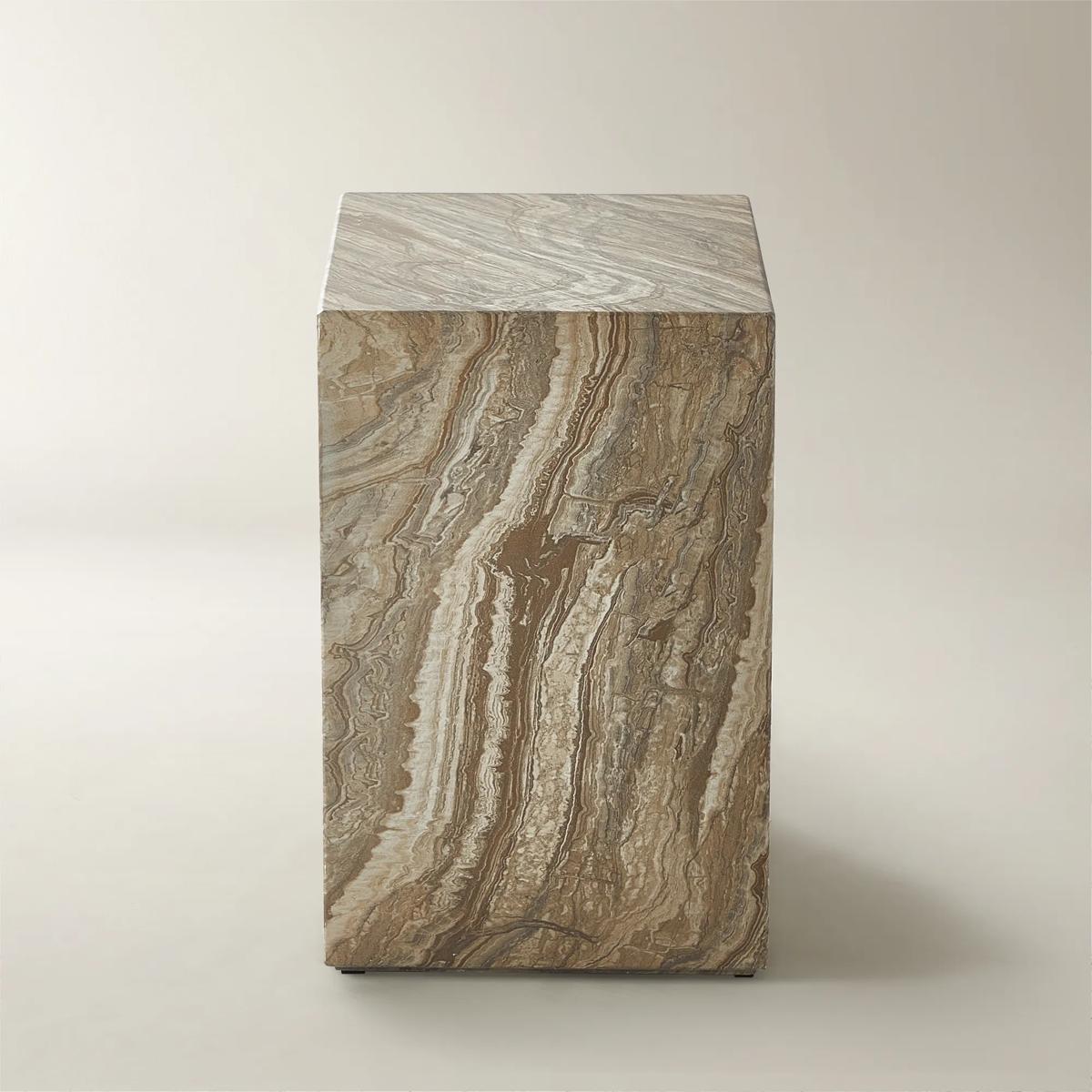
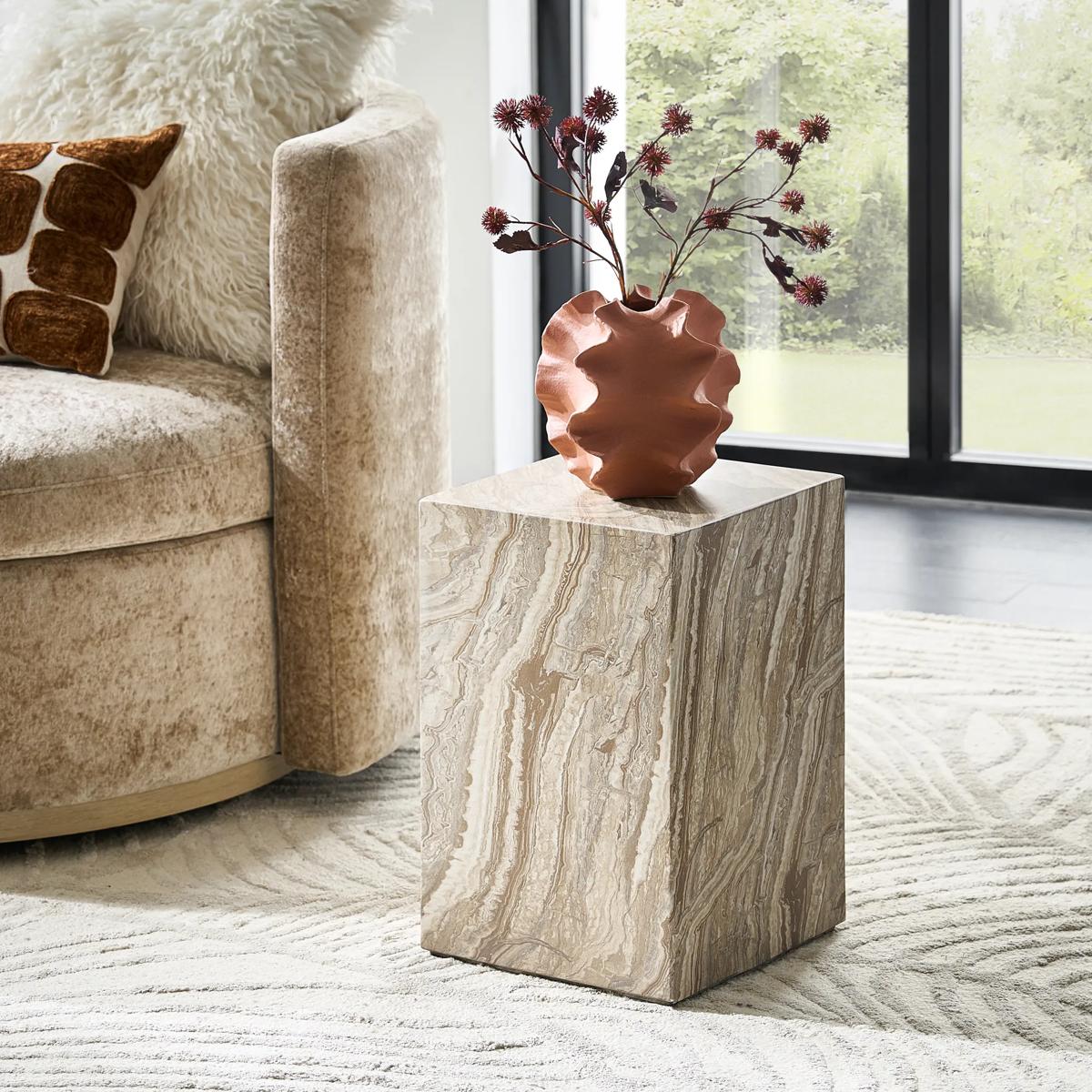 Strata Square Brown Concrete Side Table (11.8")$259
A lightweight fiber concrete side table featuring realistic brown marble veining and sealed for indoor or outdoor use.
Add To Cart -
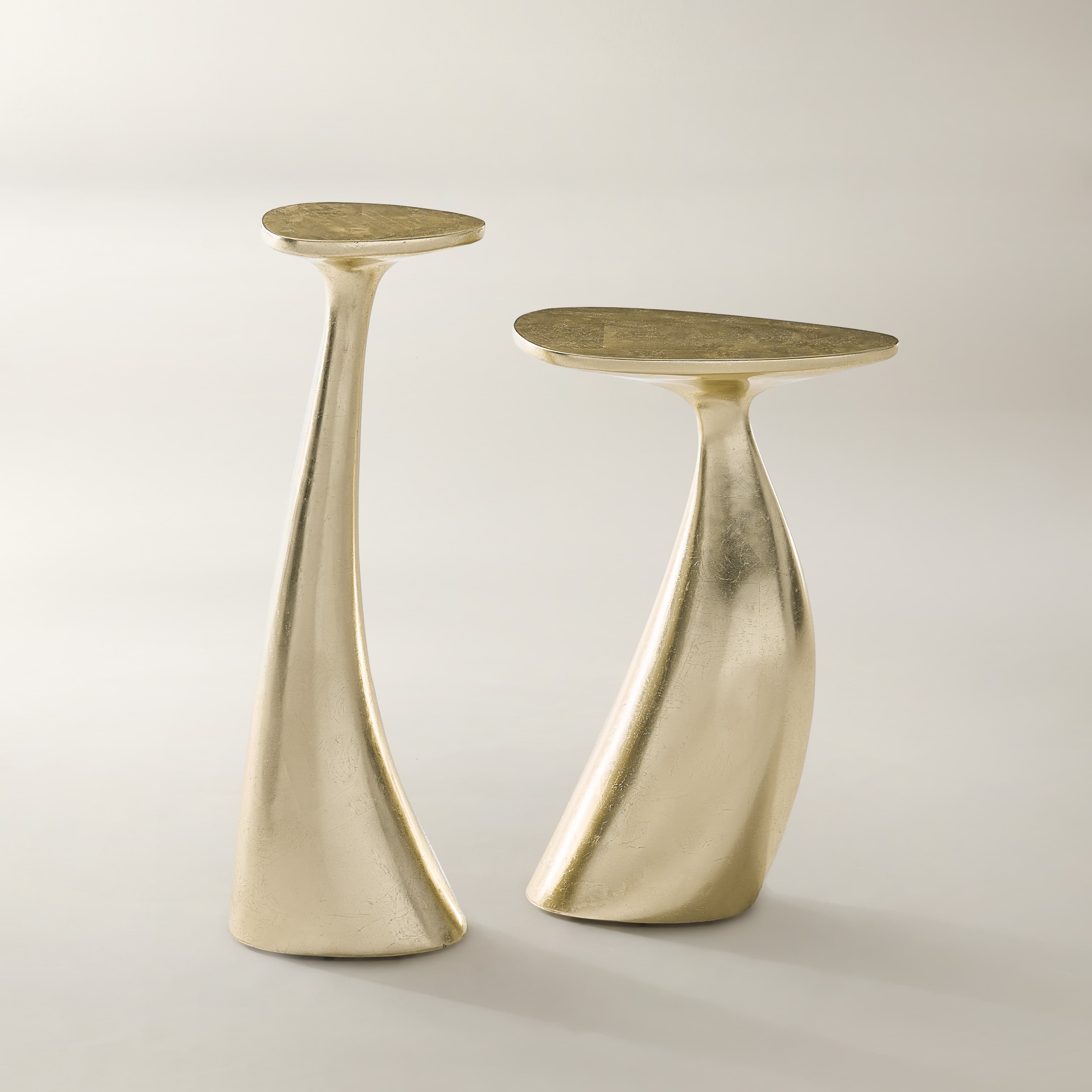 Thalia Soft Gold Side Table Set Of 2 (8"-12.5")$659
A sculptural duo of gold leaf fiberglass tables with fluid lines and a warm, luminous finish.
Add To Cart -
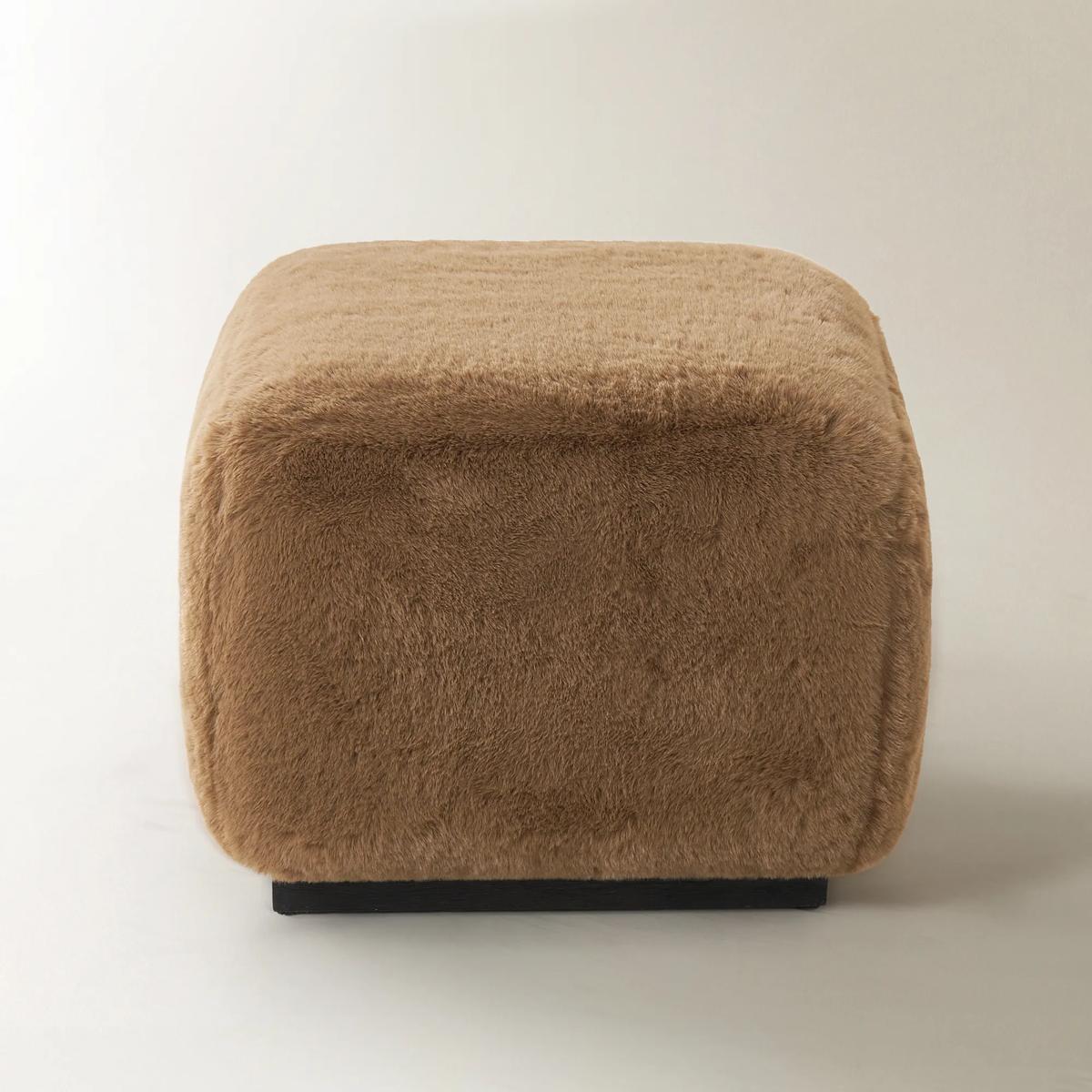
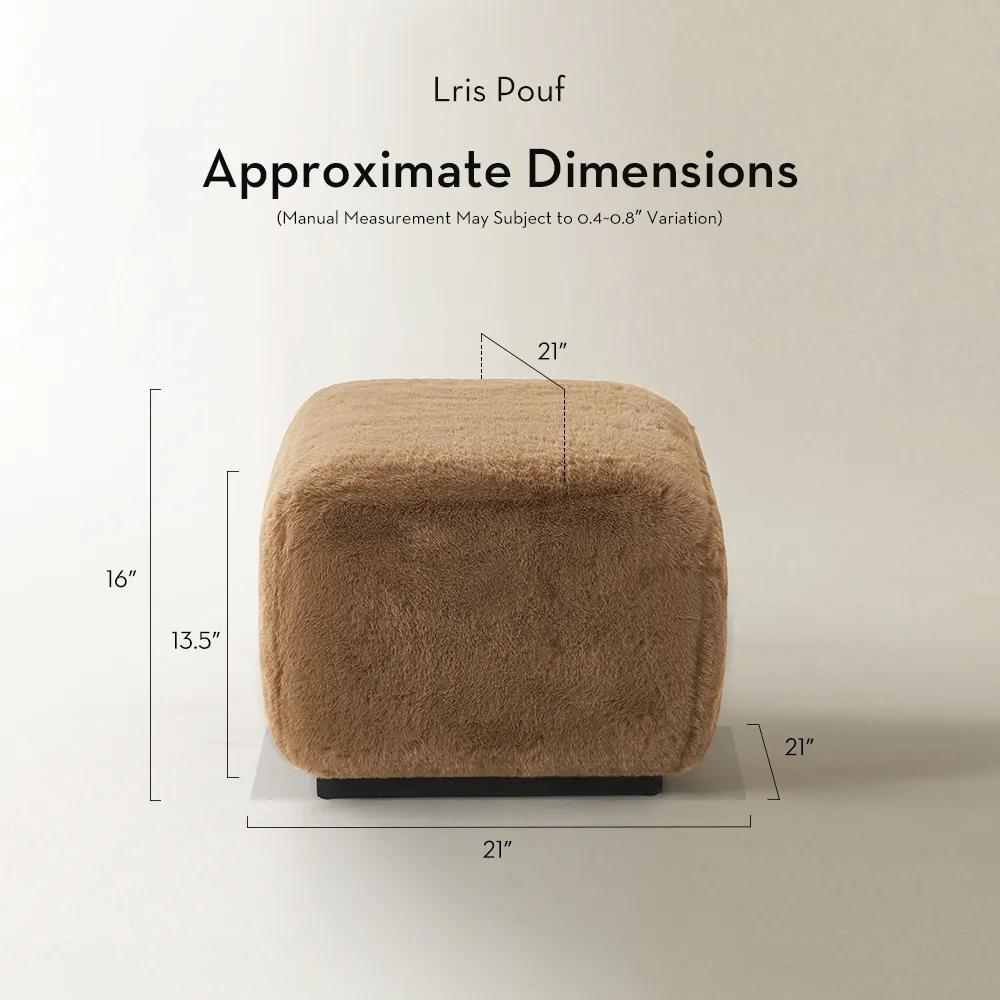 Lris Camel Faux Fur Stool (21")$299
A camel faux fur pouf with a solid rubberwood base, offering cozy warmth and modern sophistication.
Add To Cart -
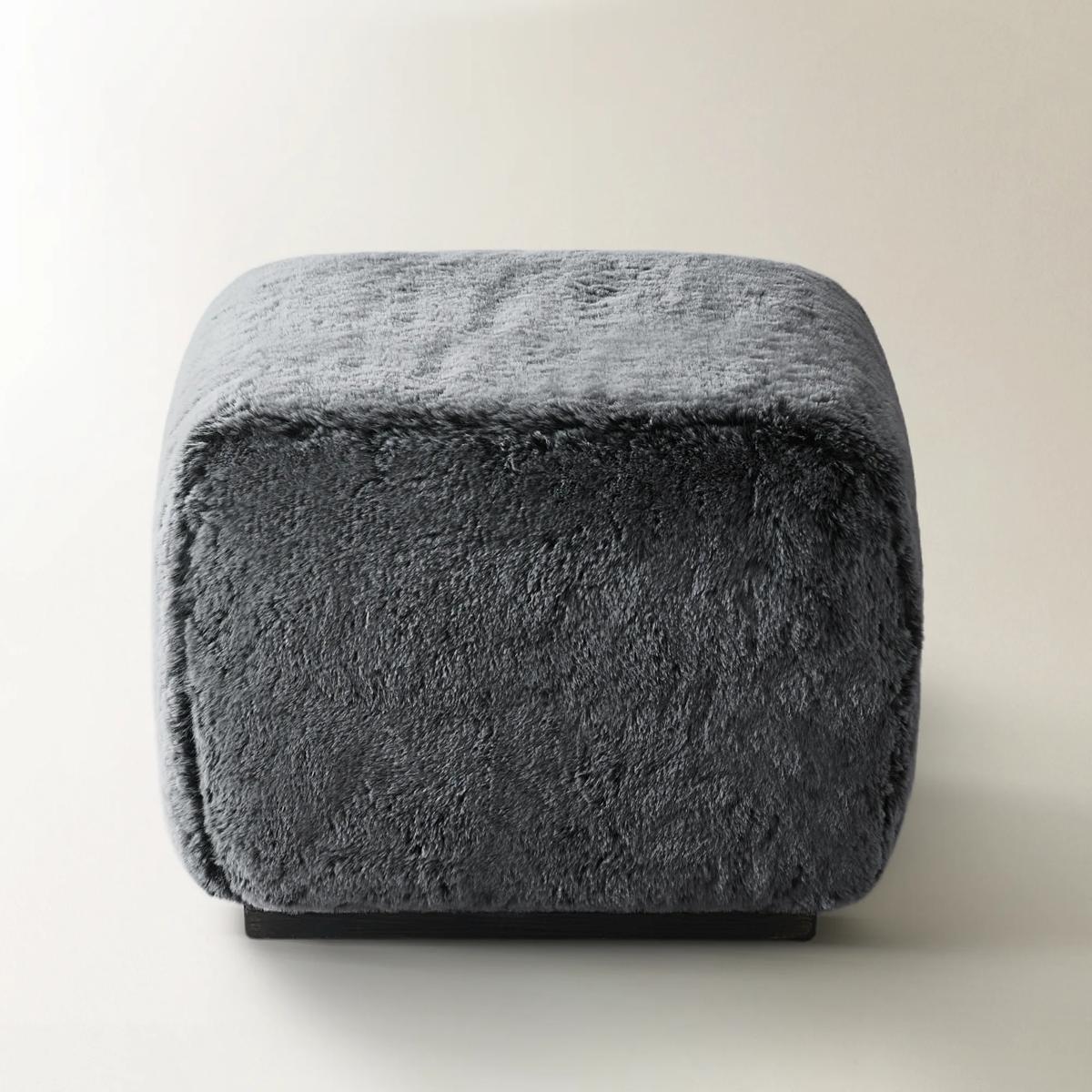
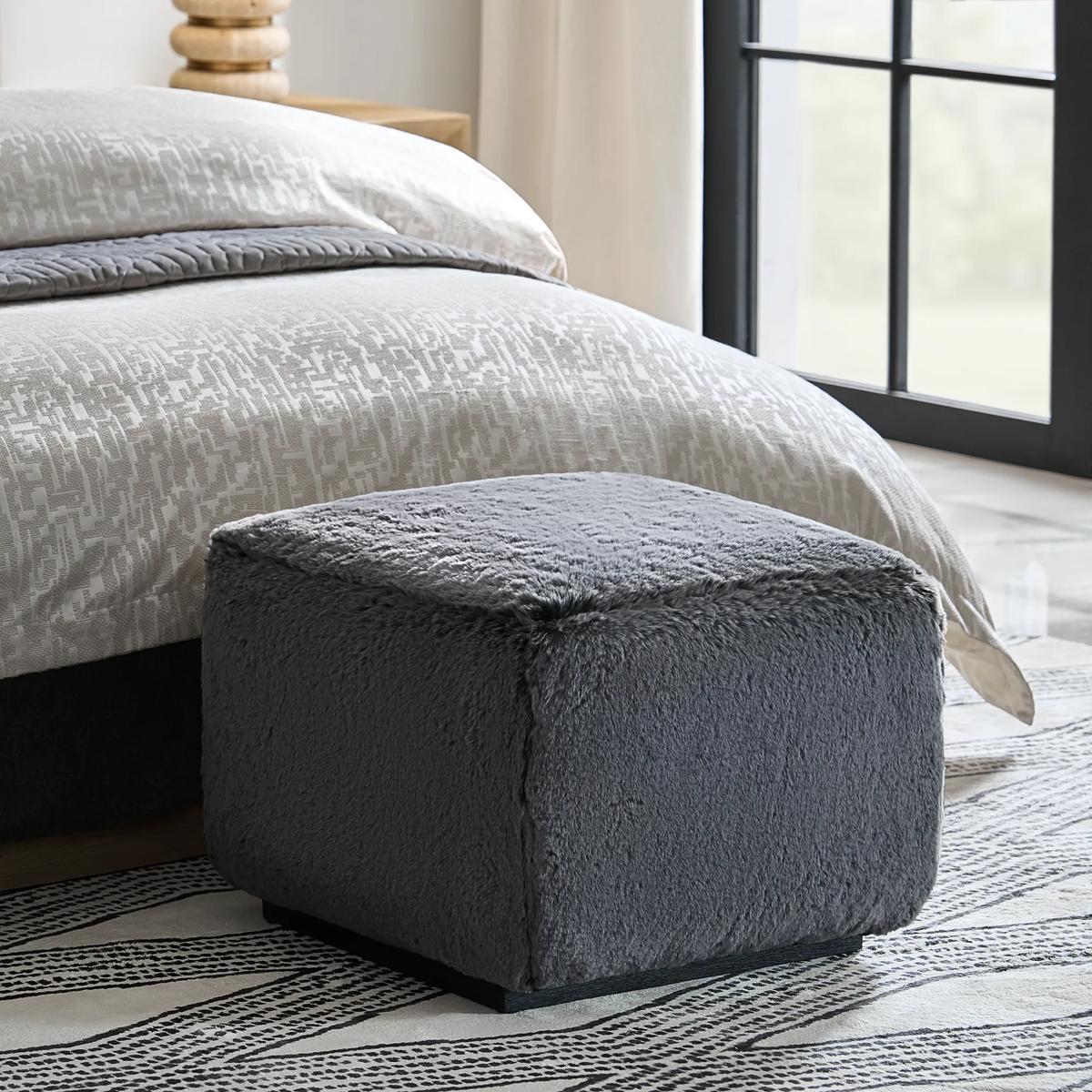 Lris Grey Faux Fur Stool (21")$299
A charcoal grey faux fur pouf with high-density foam and a sturdy rubberwood base for modern comfort.
Add To Cart -
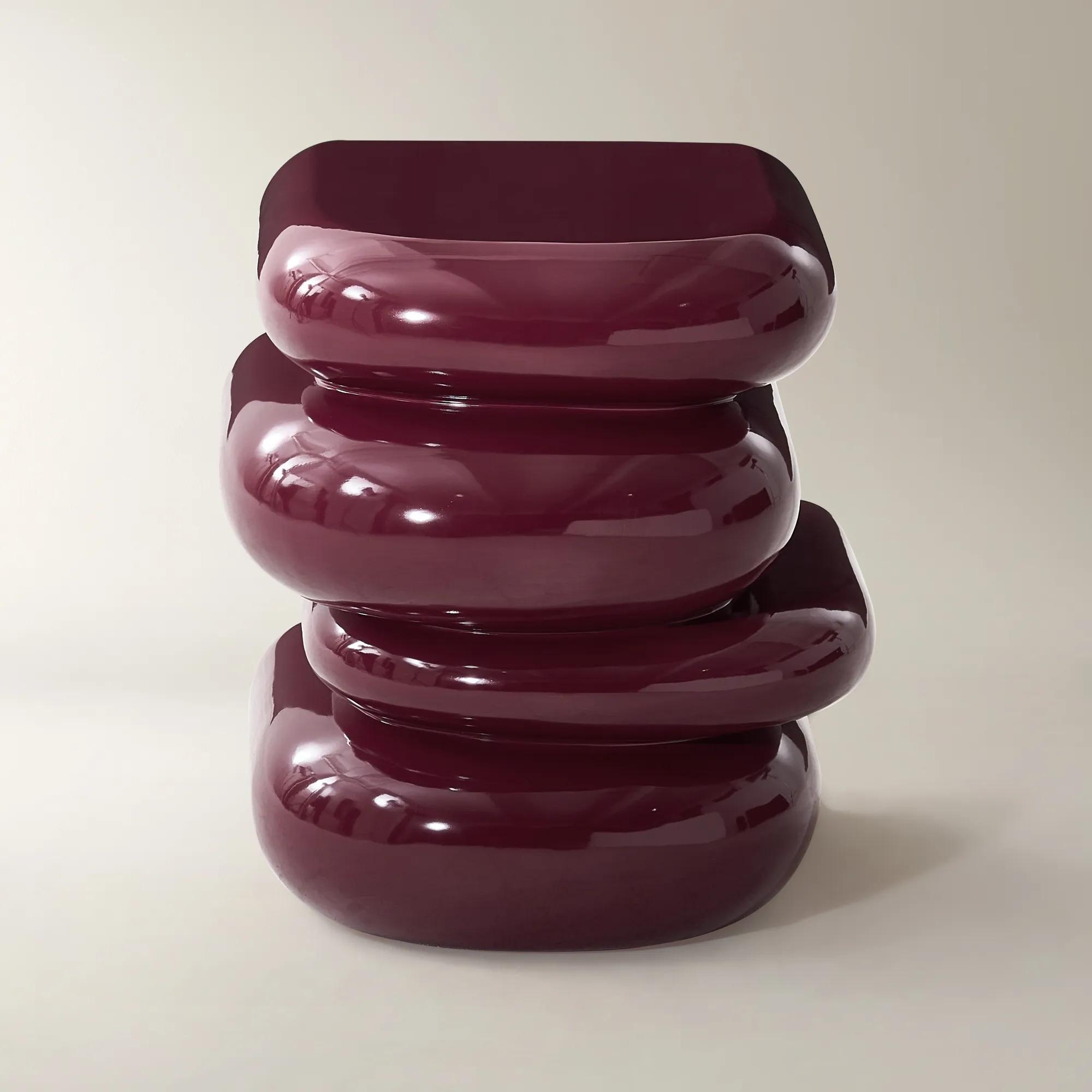 Forma Stacked Ox Blood Side Table (19.9")$459
A sculptural accent table crafted from high-gloss ox blood fiberglass with softly stacked, rounded tiers.
Add To Cart -
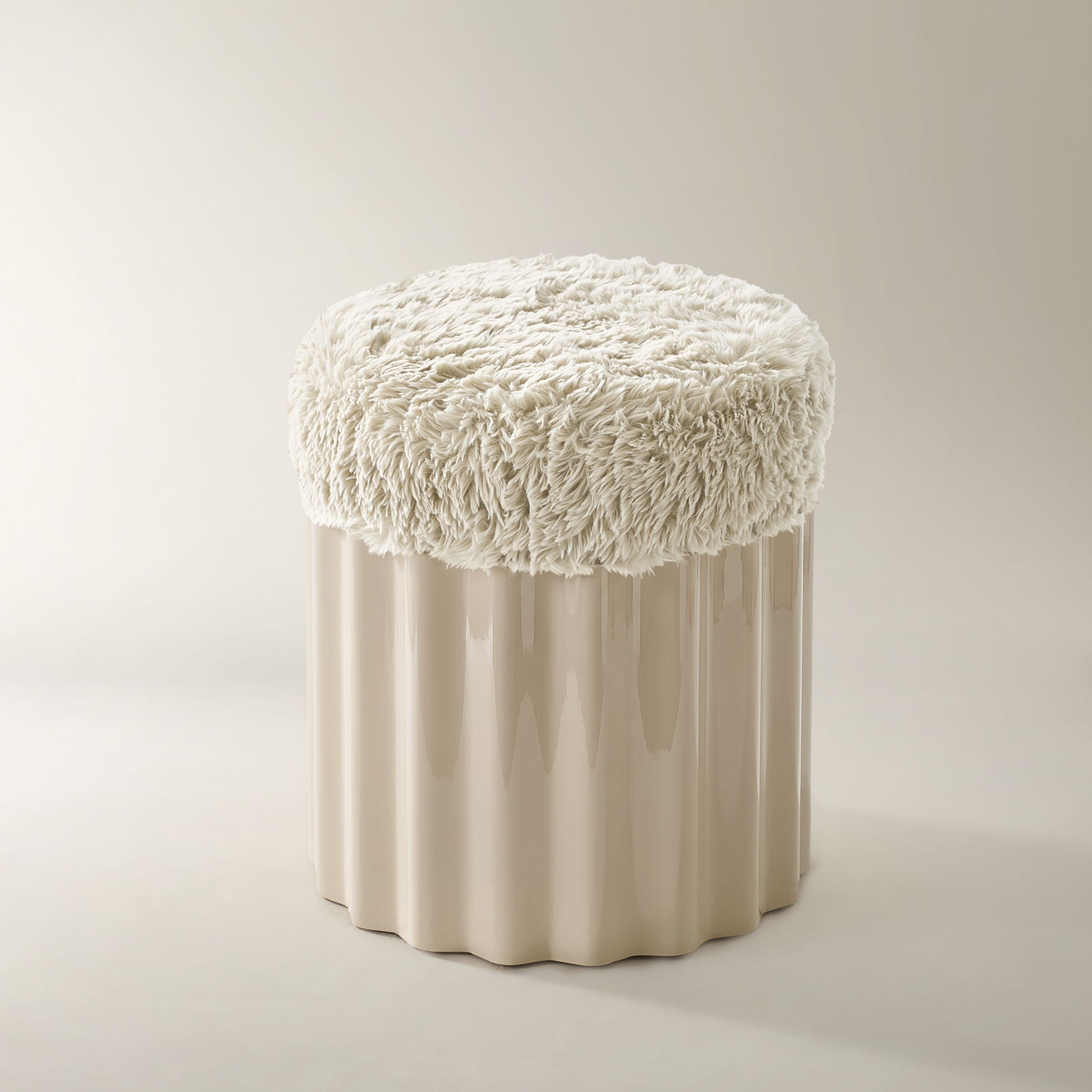
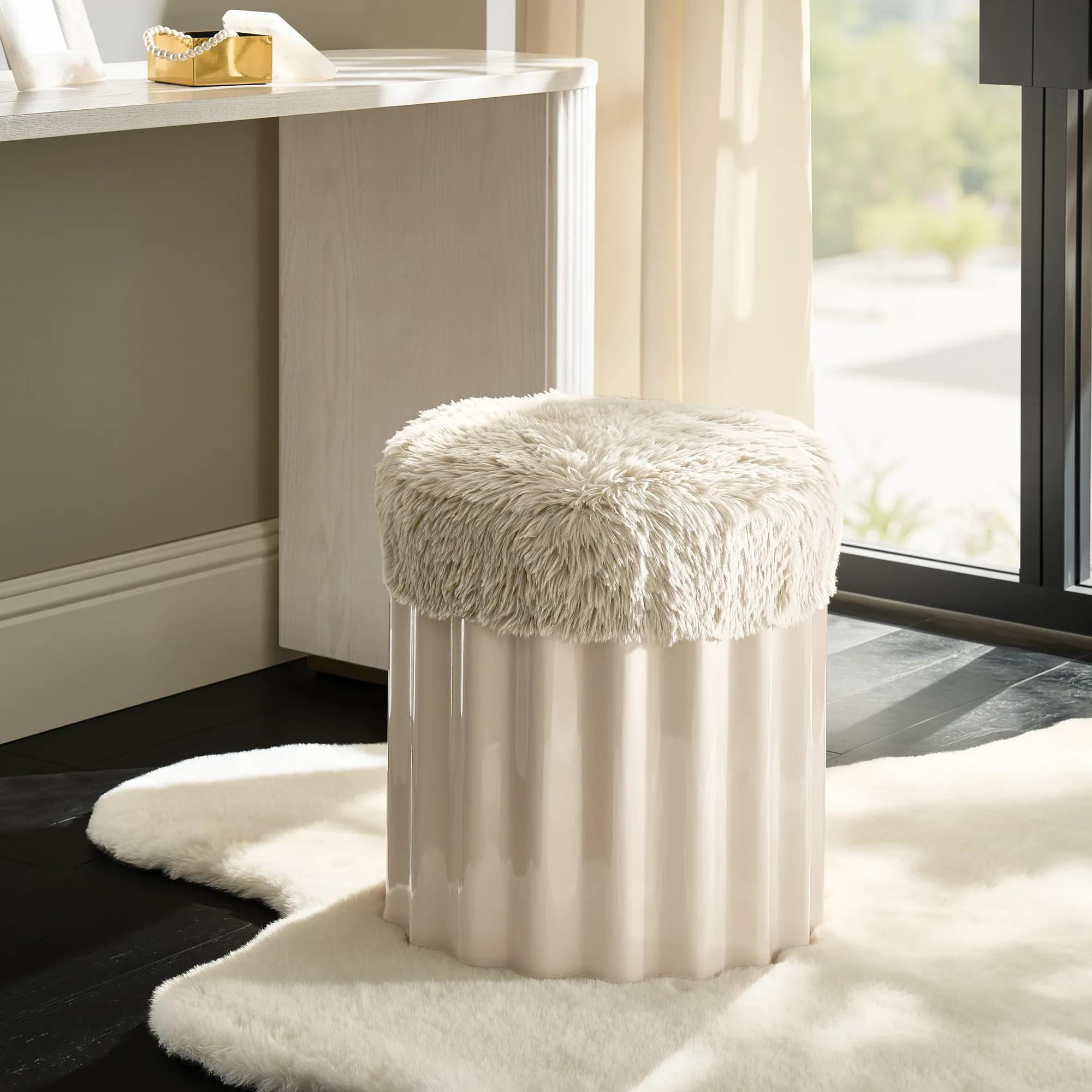 Nia Lacquered Turtle Dove Faux Fur Storage Stool$399
A sculptural fluted stool in warm turtle dove with plush faux fur seat and hidden storage compartment.
Add To Cart -
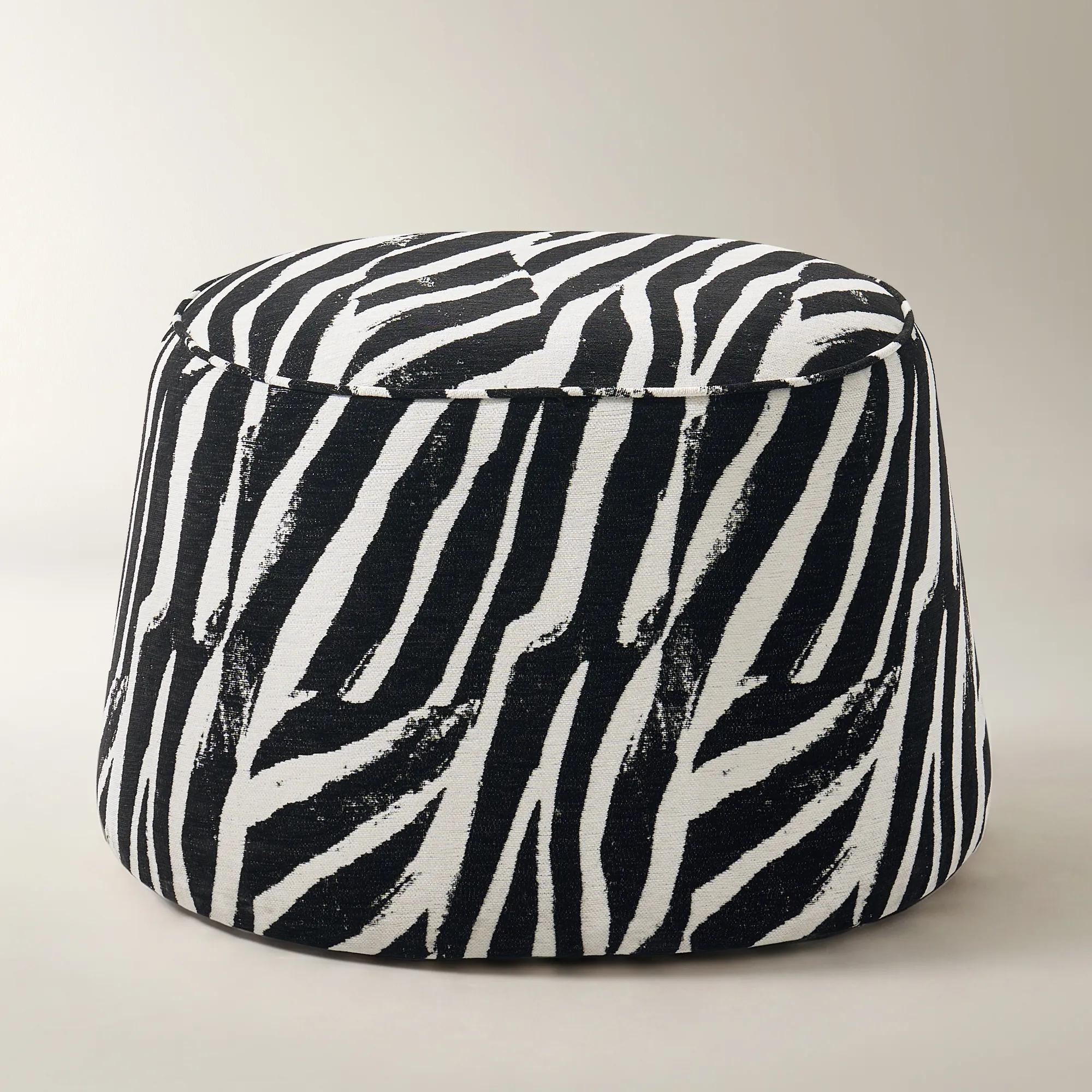 Avery White/Black Performance Chenille Stool$399
A sculpted drum accent stool in black and white performance chenille with an animal-inspired pattern.
Add To Cart -
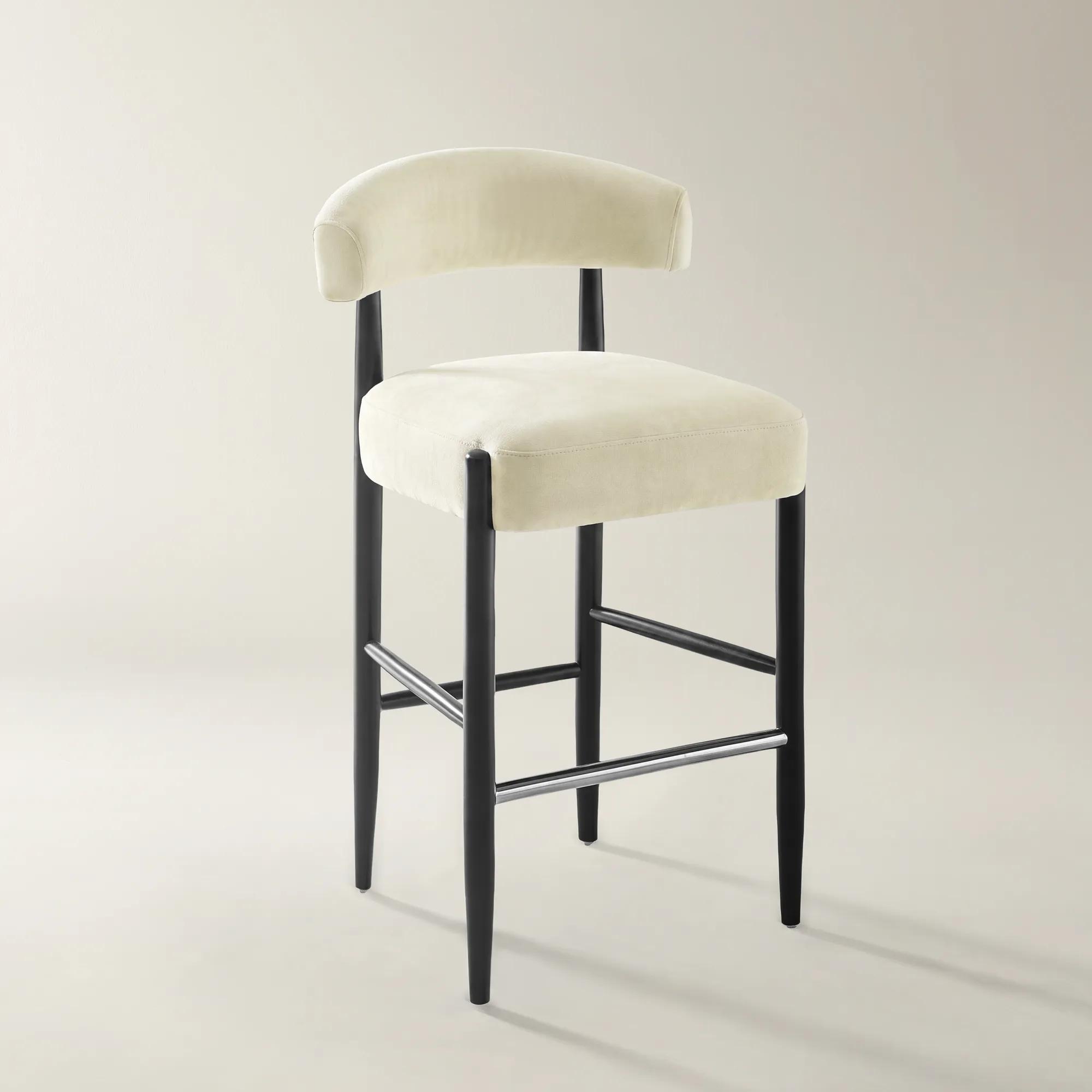 Anna Cloud Velvet Bar/Counter Stool$399
A tailored velvet stool with sculpted support, padded comfort, and solid rubberwood legs.
Add To Cart -
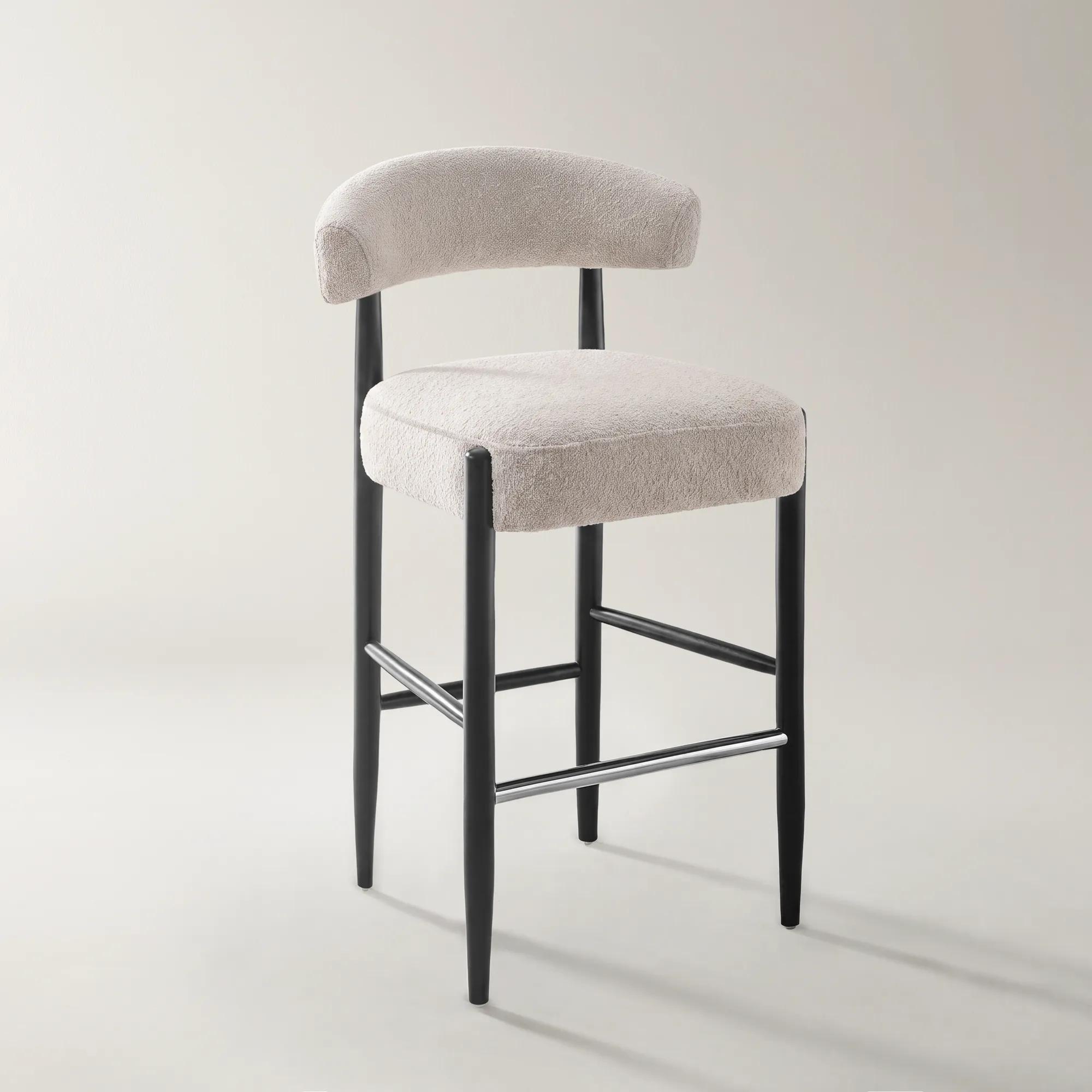 Anna Ivory Performance Boucle Bar/Counter Stool$399
A sculpted ivory performance-bouclé stool with padded support and tapered solid-rubberwood legs for elevated entertaining.
Add To Cart -
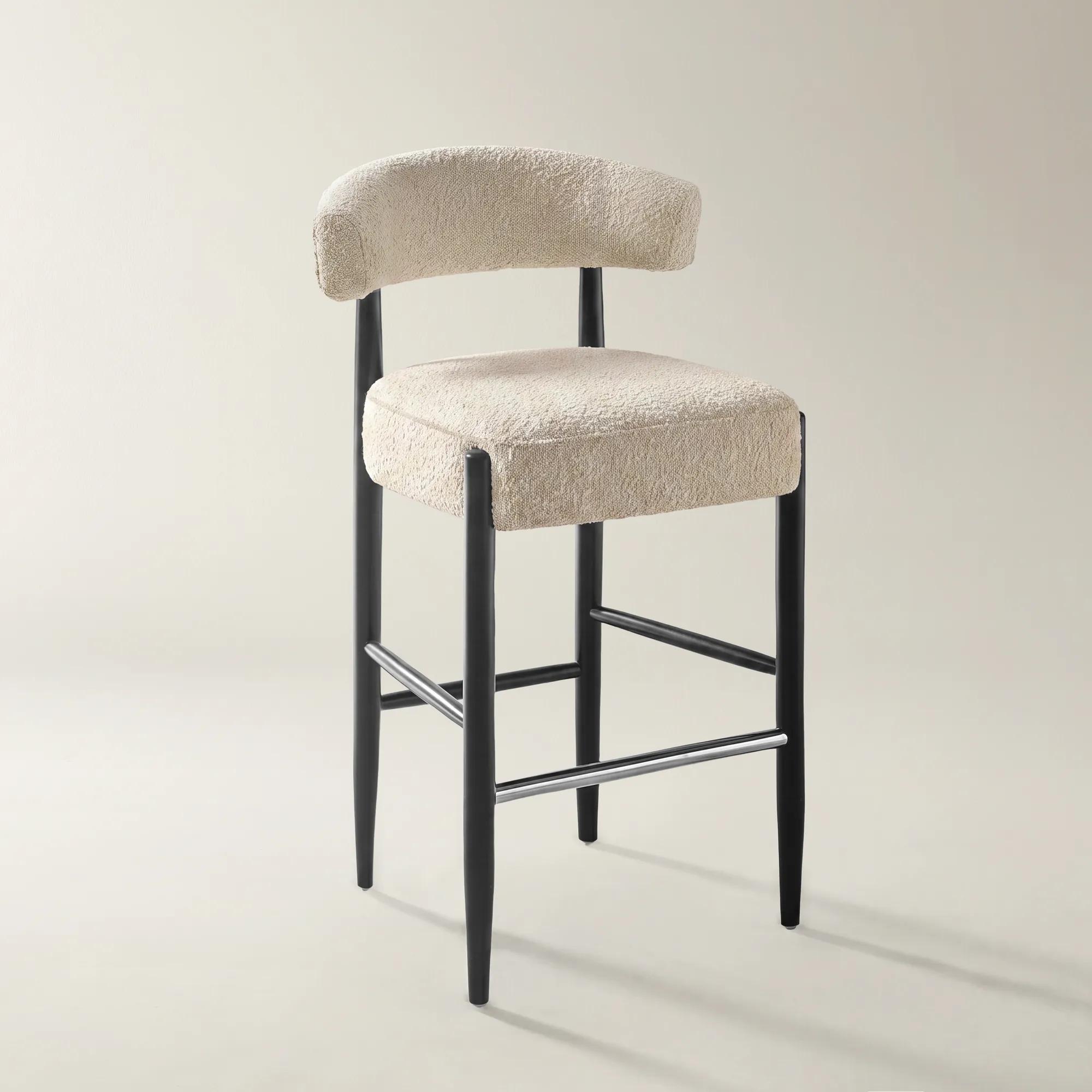 Anna Ivory Performance Boucle Bar/Counter Stool$399
A sculpted ivory performance-bouclé stool with padded support, tailored upholstery, and tapered solid-rubberwood legs.
Add To Cart -
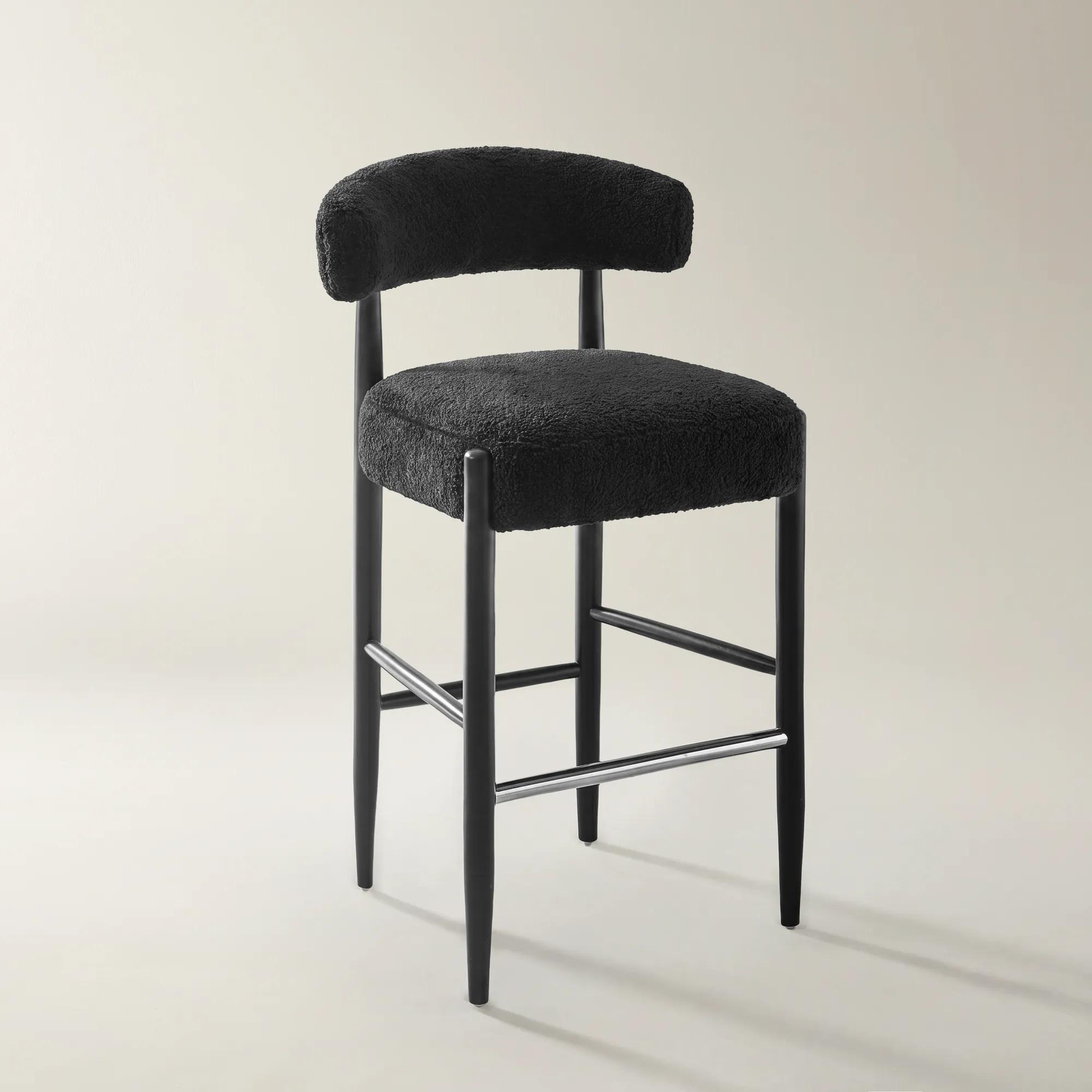 Anna Black Chenille Bar/Counter Stool$399
A charcoal chenille stool featuring sculpted support, high-density cushioning, and tapered solid rubberwood legs.
Add To Cart -
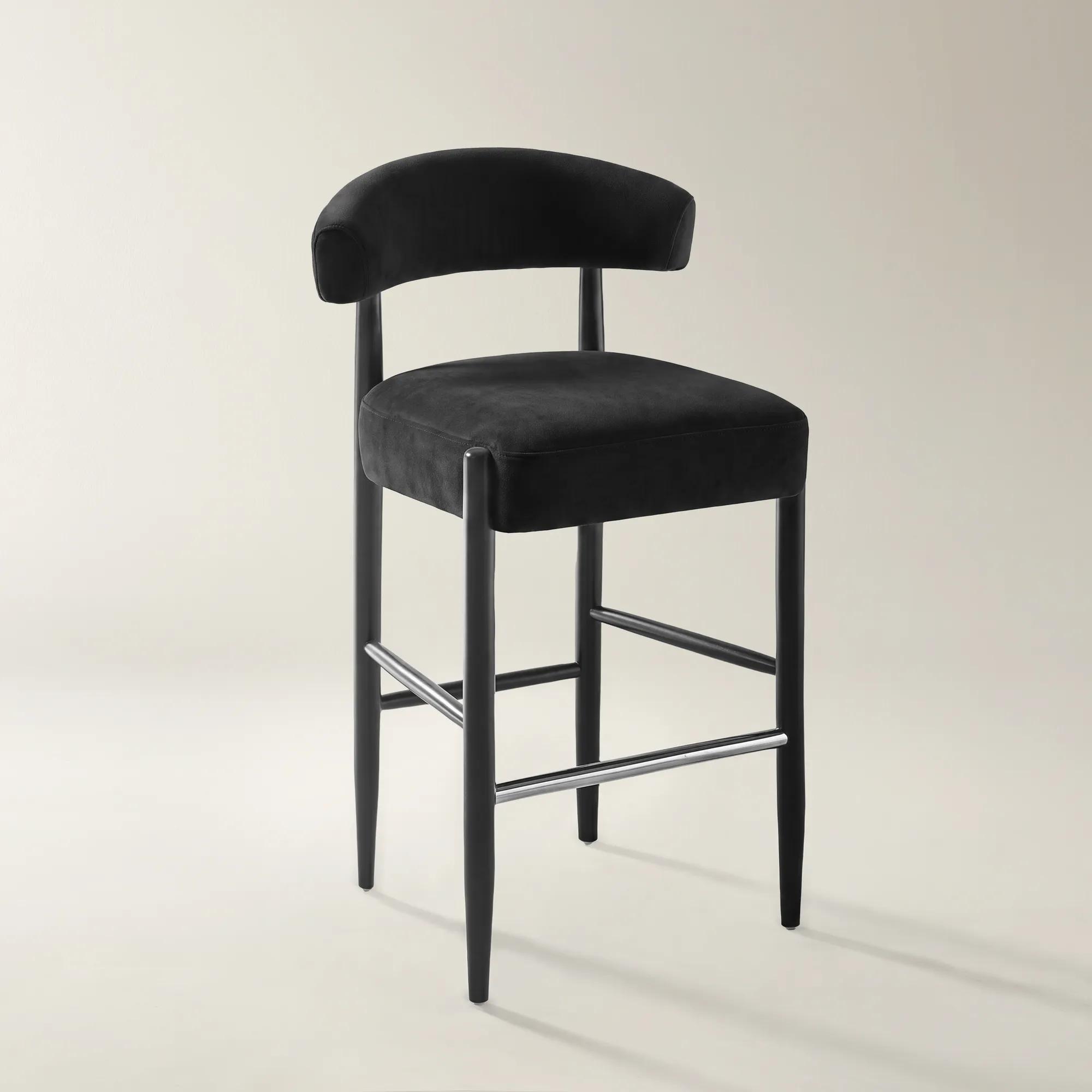 Anna Charcoal Velvet Bar/Counter Stool$399
A charcoal velvet stool featuring a sculpted padded seat, tailored upholstery, and tapered solid-rubberwood legs.
Add To Cart -
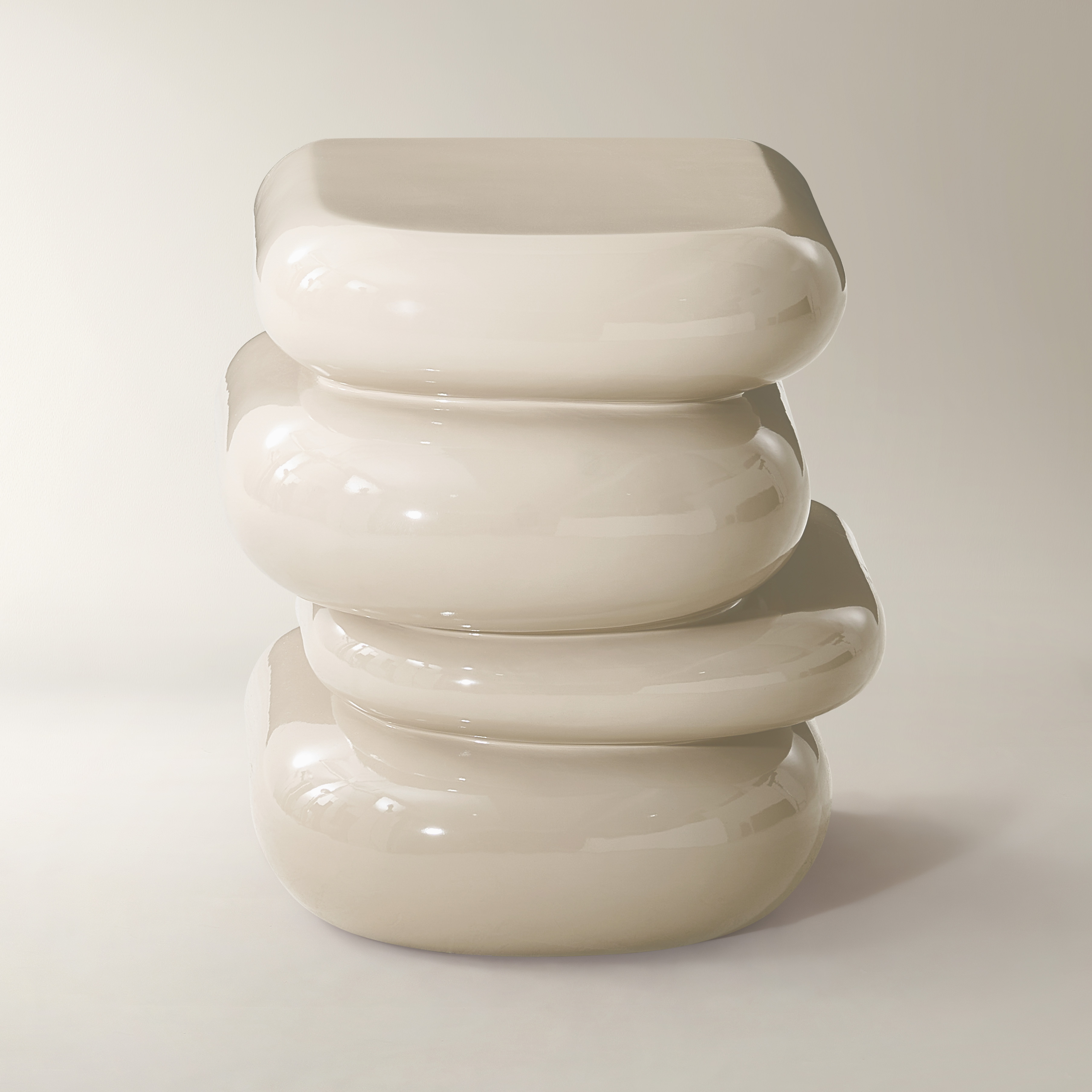
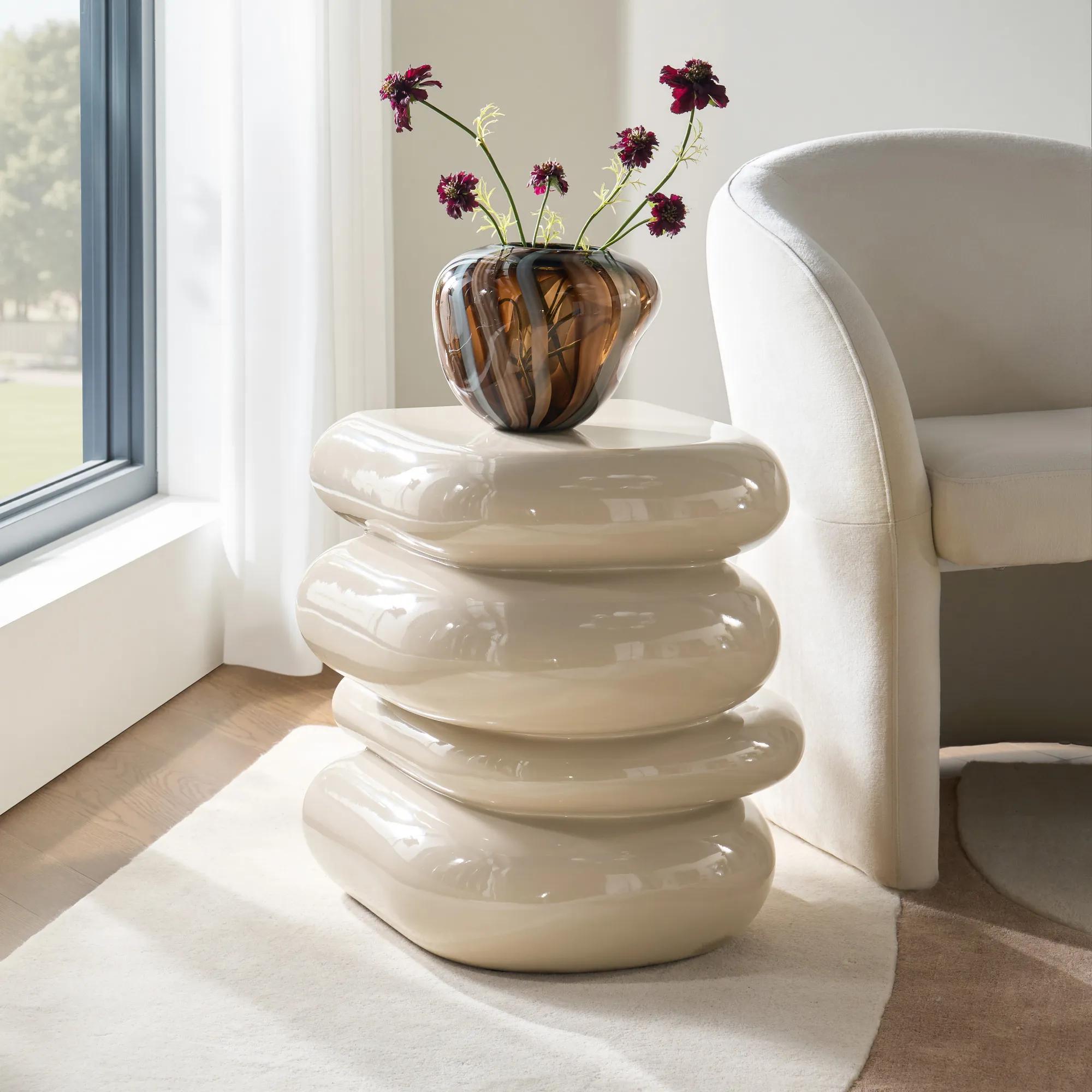 Forma Stacked Turtle Dove Side Table (19.9")$459
A sculptural accent table crafted from high-gloss turtle dove fiberglass with softly stacked, rounded tiers.
Add To Cart -
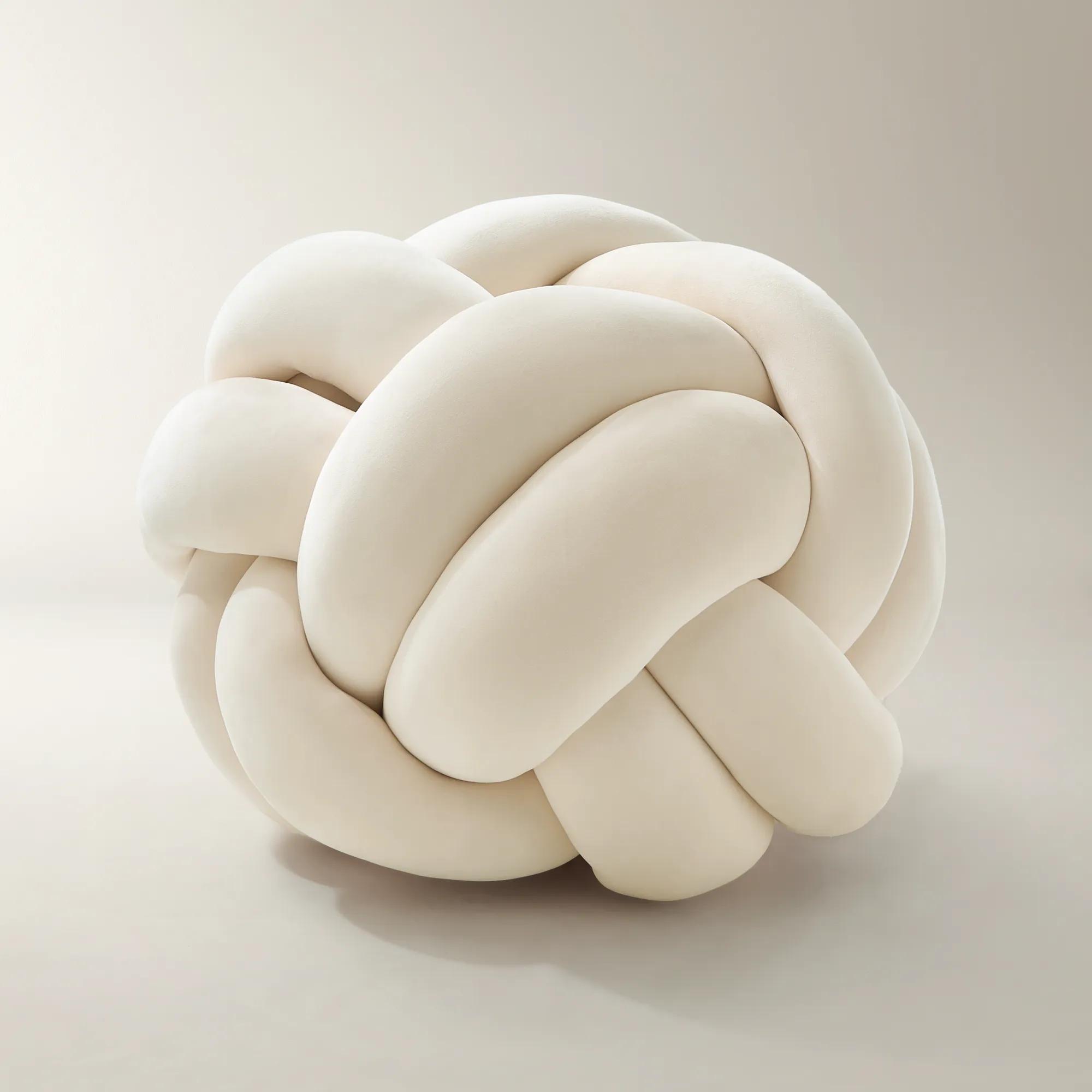 Loopie Oatmeal Velvet Stool (34.5")$349
An oversized oatmeal velvet stool featuring a sculptural knotted silhouette and plush, hand-upholstered finish.
Add To Cart -
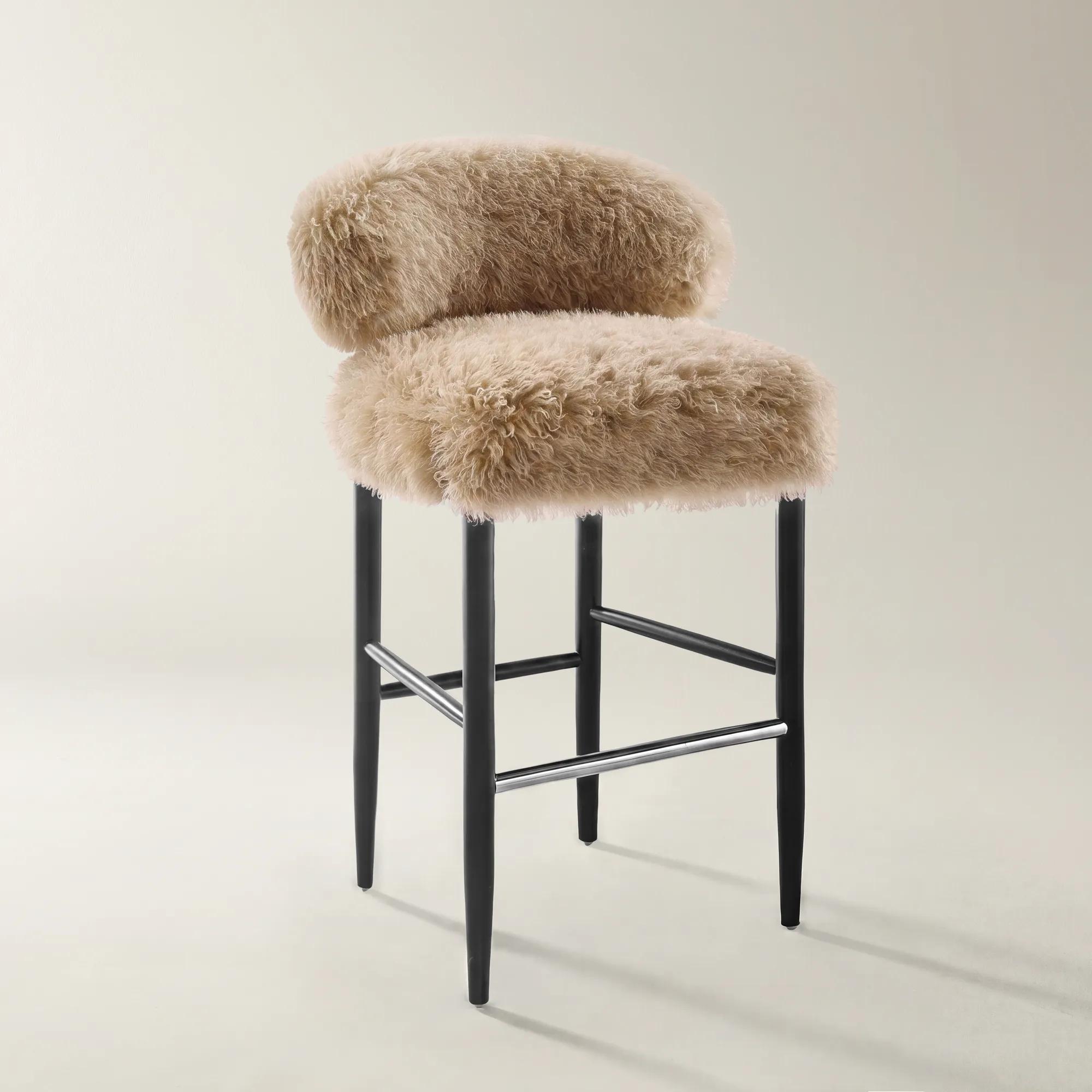 Anna Tan Faux Fur Bar/Counter Stool$499
A tan faux-fur counter stool featuring sculpted support, high-density cushioning, and tapered solid rubberwood legs.
Add To Cart -
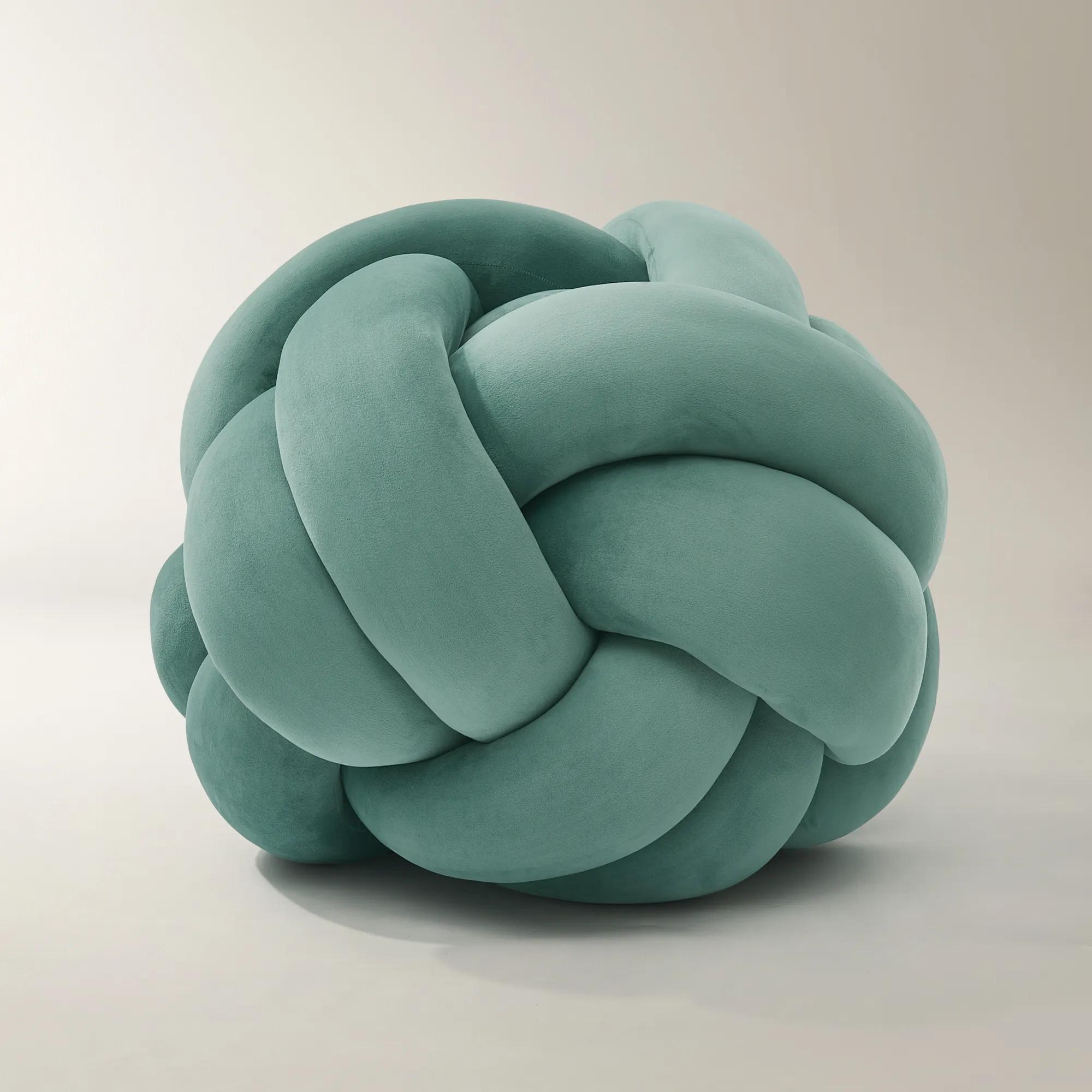
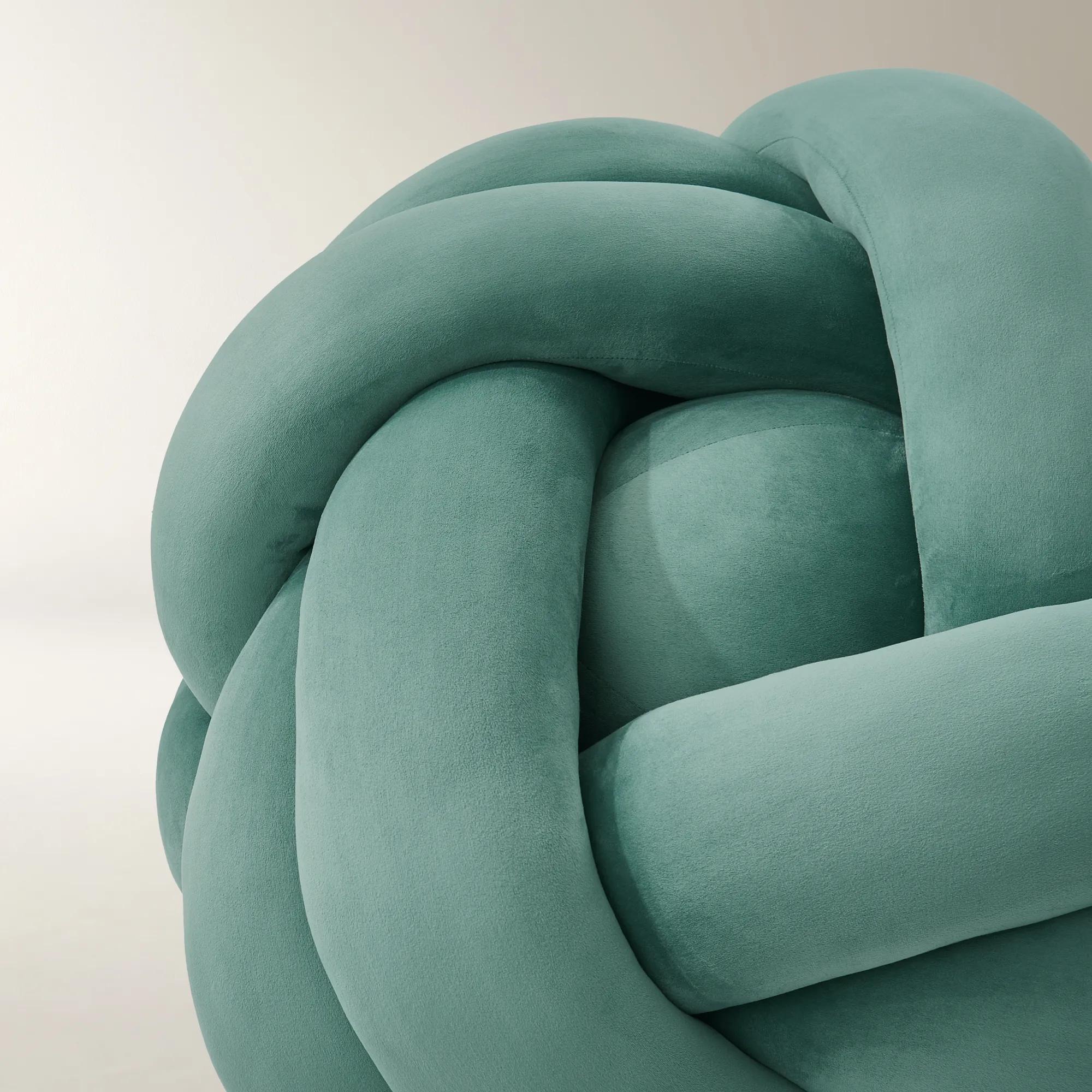 Loopie Ocean Teal Velvet Stool (34.5")$349
A bold sculptural stool featuring plush ocean teal velvet upholstery and an oversized knotted silhouette.
Add To Cart -
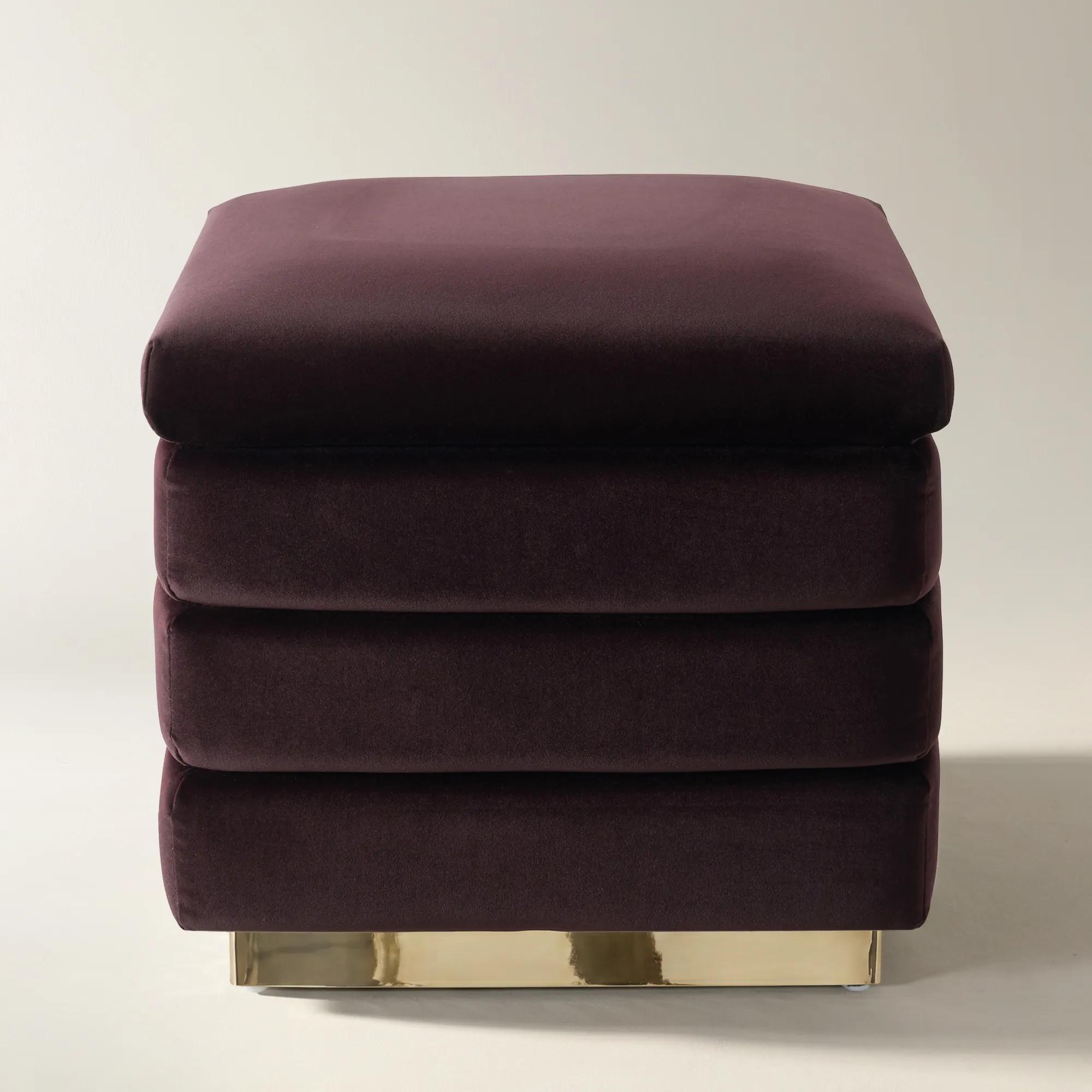
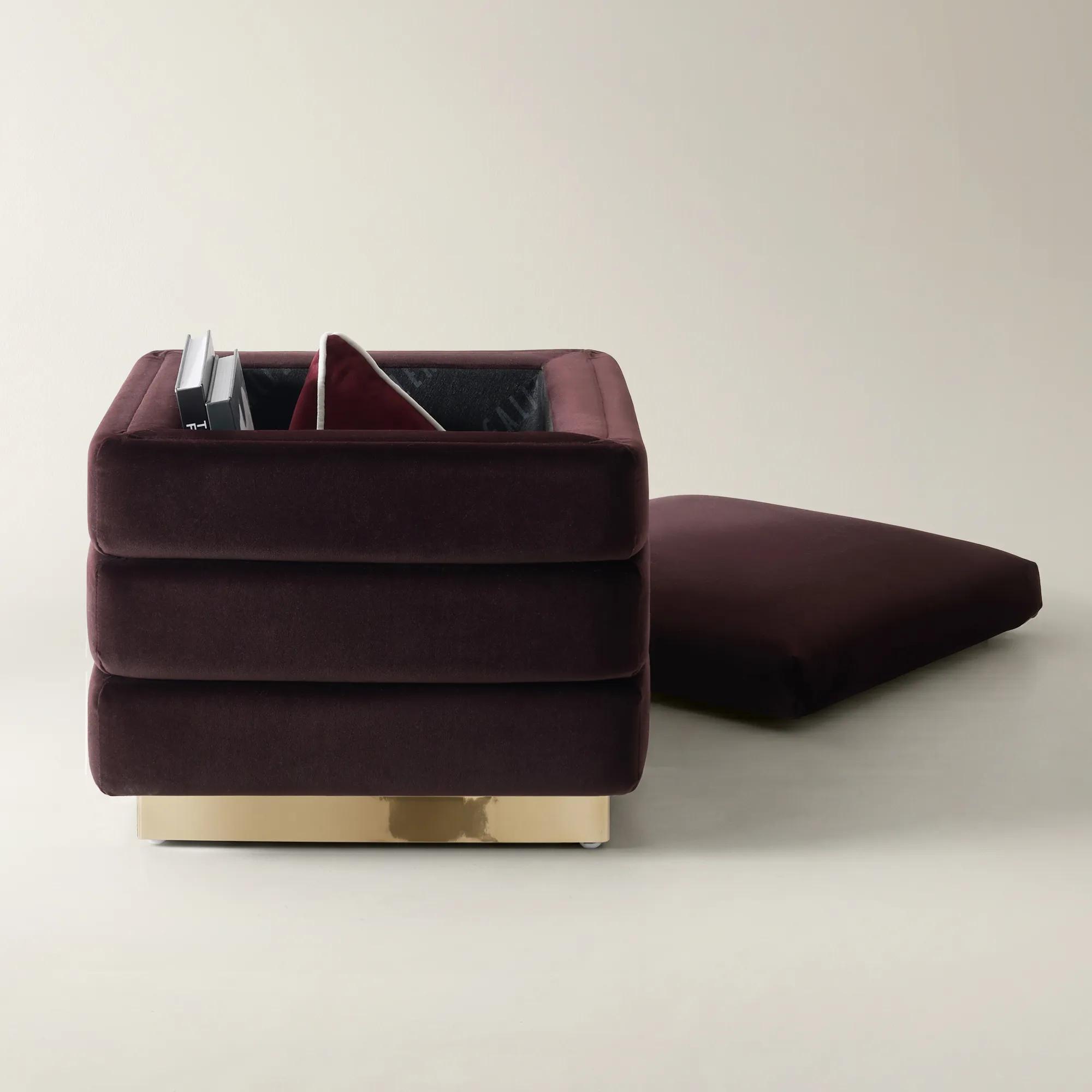 Gable Fig Chenille Storage Stool$399
A plush fig chenille stool with hidden storage, velvet upholstery, and a polished gold stainless steel base.
Add To Cart -
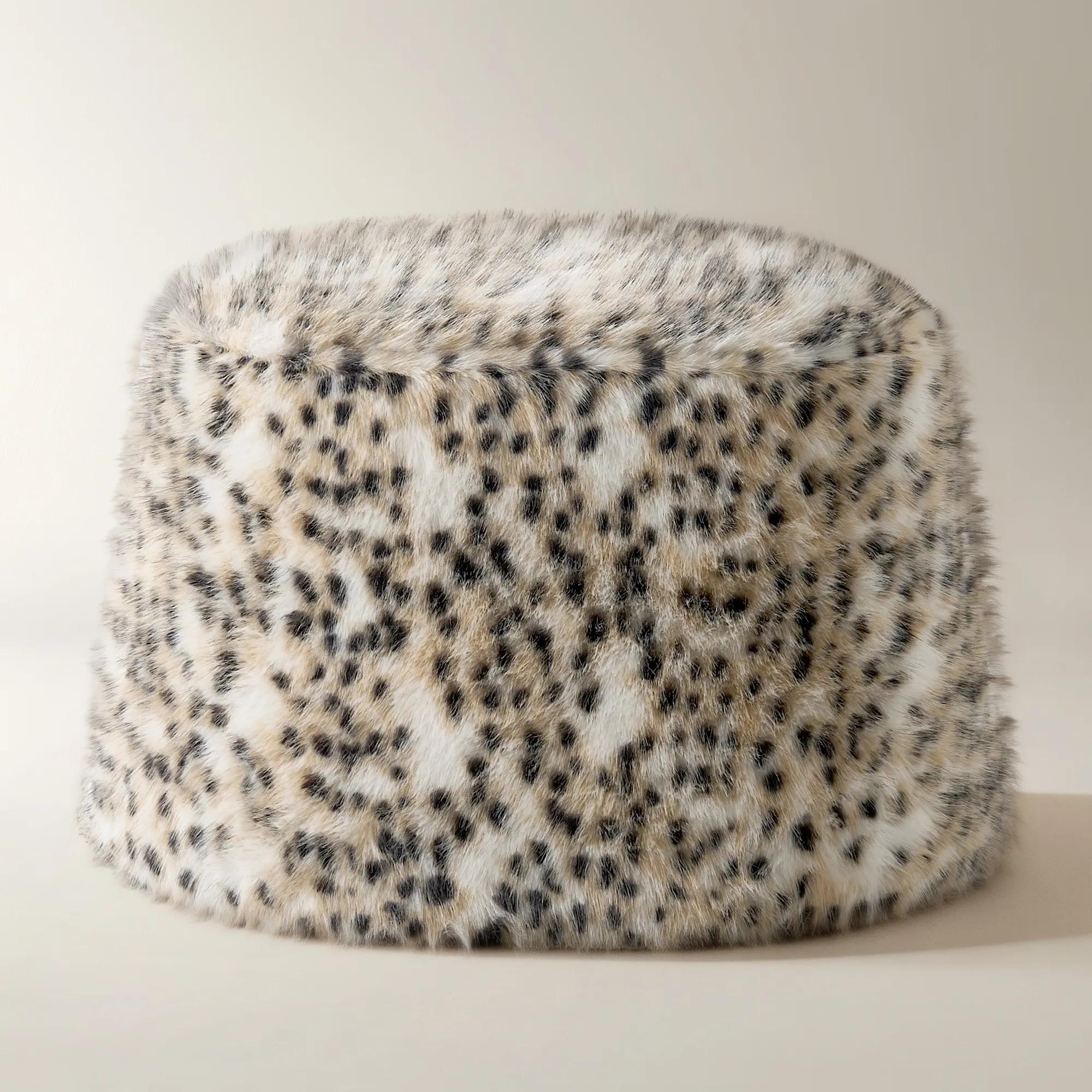
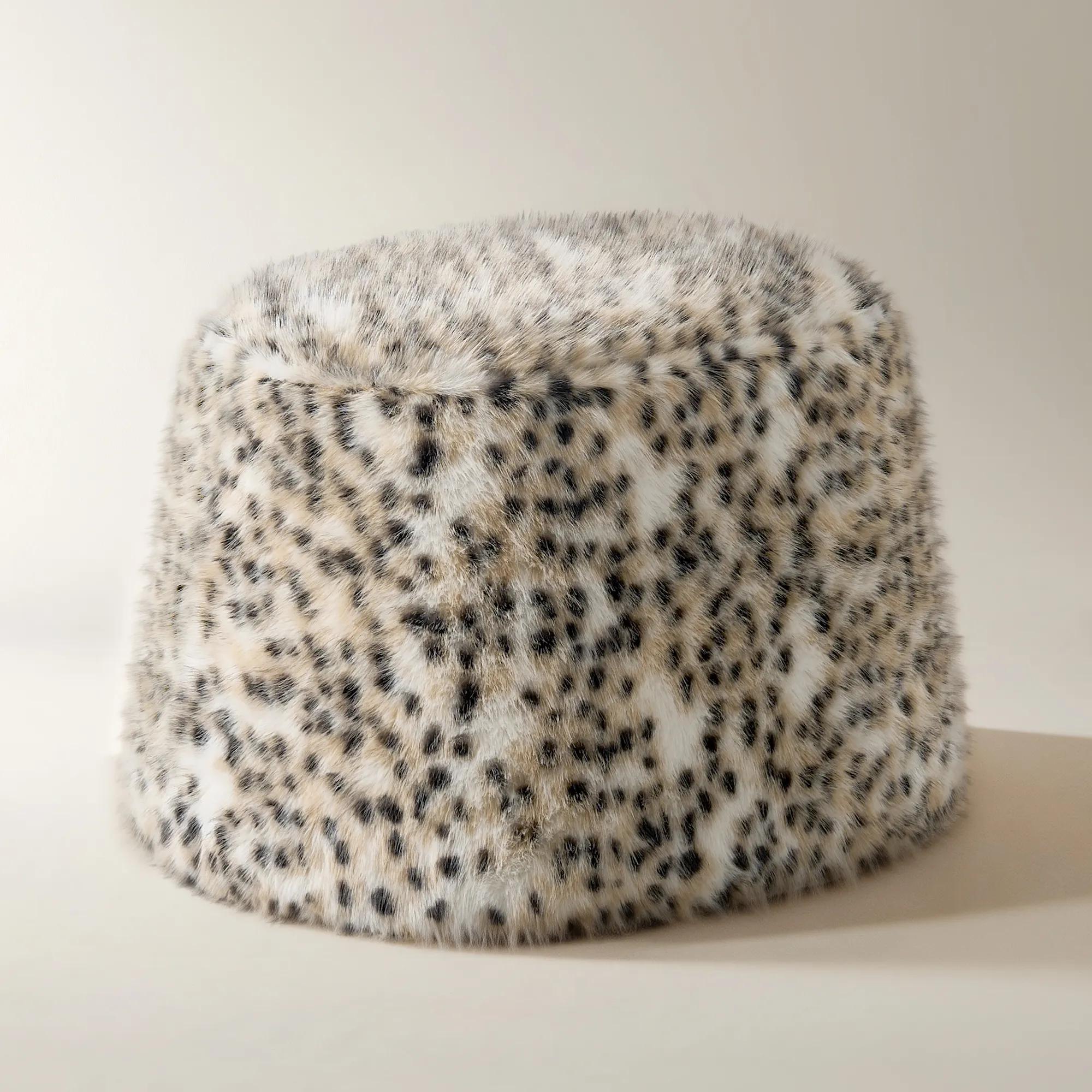 Avery Spotted Faux Fur Stool$399
A sculpted drum stool wrapped in plush spotted faux fur for bold, modern accent seating.
Add To Cart -
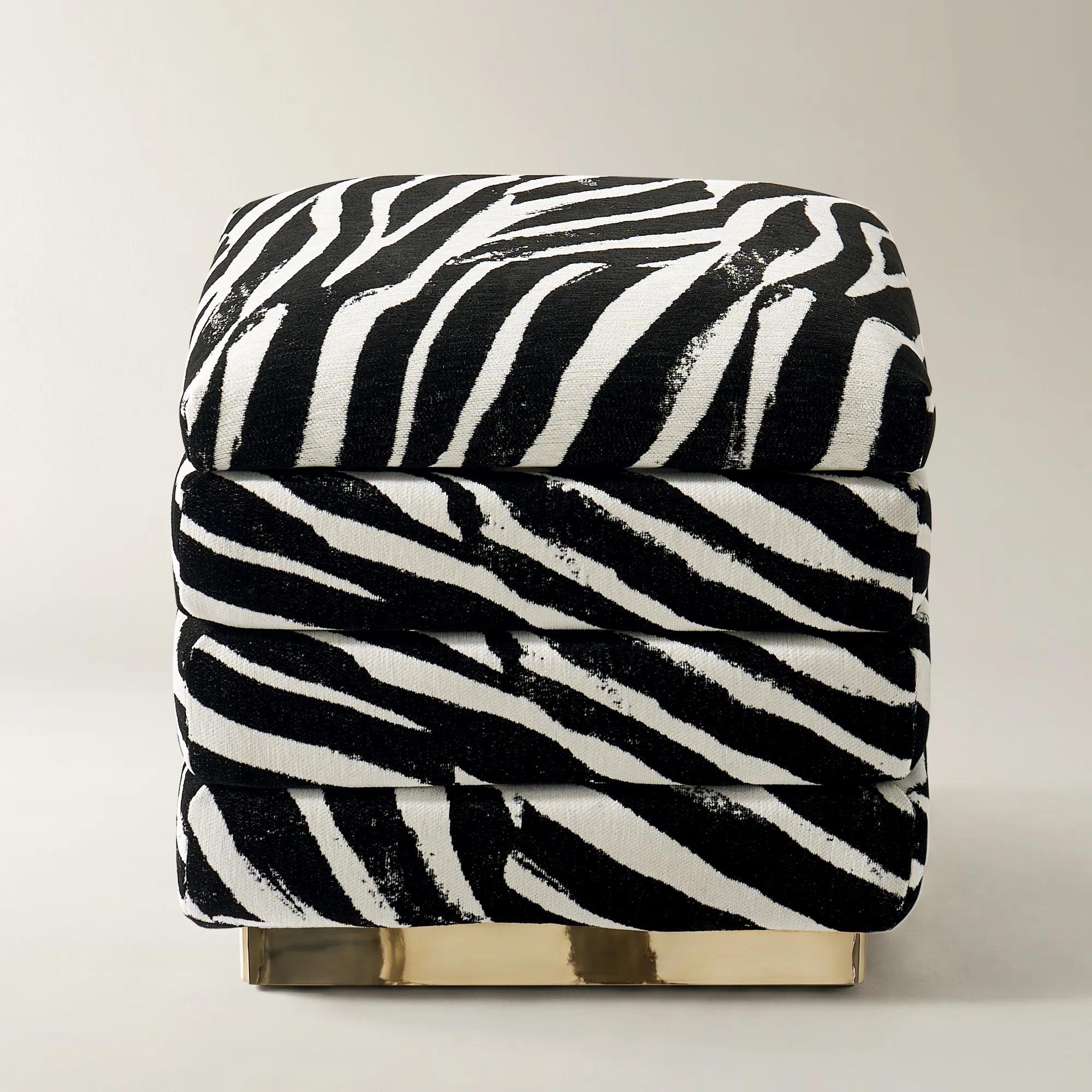
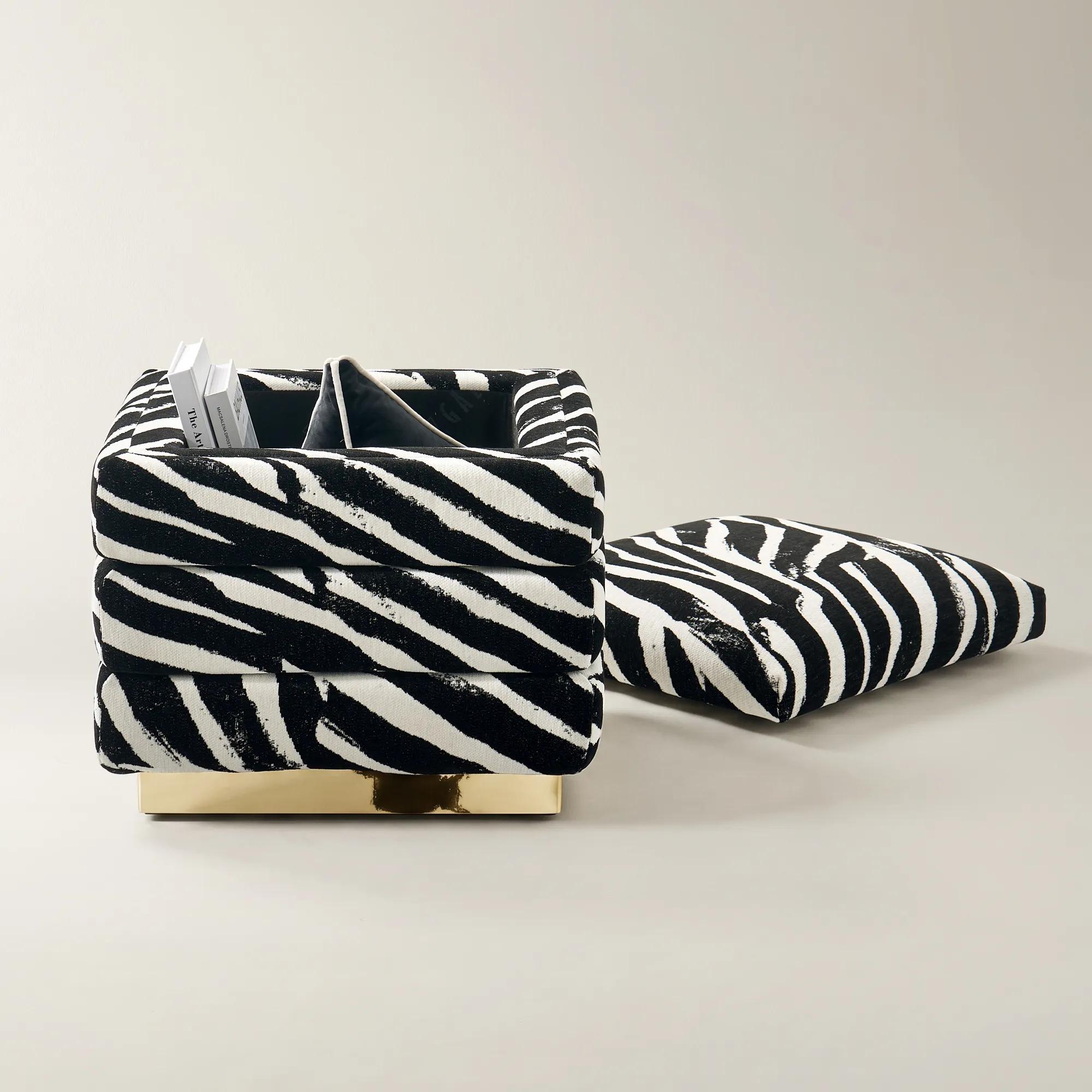 Gable White/Black Performance Chenille Stool$399
A plush white and black chenille stool with hidden storage and a polished gold stainless steel base.
Add To Cart

Accent Stools For Labor Day Sales
Elevate your holiday entertaining with accent stools for Labor Day sales—a celebration of style, comfort, and artistry. Whether you’re curating a glamorous lounge or crafting a chic conversation nook, these sculptural seats invite guests to linger in luxe. Each piece is an opportunity to infuse your space with personality and panache, transforming every gathering into a statement of sophisticated living. Discover how accent stools for Labor Day sales can punctuate your home with bold detail and undeniable allure—because unforgettable moments deserve unforgettable design.
Accent stools bring sculptural presence to a room without demanding the footprint of a full-size chair. Considered as part of a Labor Day home refresh, these expressive pieces can continue shaping the atmosphere through the cooler months, from intimate evenings in the living room to a house filled with guests. Their appeal lies in the balance of proportion, texture, and purpose: a compact upholstered seat can soften the geometry of a tailored sofa, while a gleaming metal base introduces a flash of light beside richly grained wood. Unlike counter stools or bar stools, accent stools generally sit lower and serve as occasional seating, decorative accents, or footrests when designed for that use. Some firm, level styles may also accommodate a tray, but suitability depends on their construction and the manufacturer’s recommendations; a softly rounded cushion is not a dependable surface for glassware. In a living room, a pair positioned opposite a sofa creates an inviting conversation arrangement without the visual weight of another upholstered chair. In a bedroom, a single stool near a dressing area brings a deliberate finishing touch and, if rated for seating, a place to pause while putting on shoes. An entryway can benefit from the same compact elegance, provided the piece leaves ample room for the door to swing and for people to pass comfortably. These smaller furnishings are especially compelling for apartment dwellers, hosts who appreciate flexible seating, and anyone drawn to layered interiors with distinct personality. They can also make thoughtful housewarming gifts when the recipient’s room dimensions and decorating preferences are known. The most successful choice feels connected to the home without disappearing into it: perhaps a tactile seat that echoes the drapery, a polished finish that catches the chandelier’s glow, or a boldly shaped base that gives an otherwise quiet corner a point of distinction. That combination of character and versatility makes an accent stool much more than a finishing accessory; it becomes part of how a room welcomes people.
Material gives an accent stool much of its visual identity, but it also influences comfort, upkeep, and how confidently the piece can handle everyday use. Velvet lends depth to color and a luminous shift as its pile catches the light, making it especially striking against smooth stone, glass, or lacquered surfaces. Its nap may show shading or pressure marks, so the fabric’s care instructions matter as much as its appearance. Bouclé and other textured weaves introduce dimension and soften a room filled with reflective finishes, although loops can be vulnerable to snagging from jewelry or pet claws. Faux fur offers plushness and theatrical texture; in a frequently used seat, maintaining that effect may require gentle grooming or vacuuming if permitted by the care label. Leather and leather-look upholstery create a more streamlined silhouette, but they have different cleaning requirements and should never be treated as interchangeable materials. Wood contributes warmth through grain, tone, and carved or turned details, while metal can bring anything from a muted brushed sheen to a mirror-bright accent. Neither material alone guarantees durability: frame construction, joints, support, finish quality, and the stated weight capacity all deserve attention. A stool intended to hold a seated adult should be explicitly designed and rated for seating, rather than chosen on appearance alone. For a dressing area used each morning, a supportive cushion and stable base may matter more than an elaborate profile. For occasional entertaining, manageable weight can make repositioning easier, but the stool should still feel secure on the floor. Protective feet appropriate for the flooring help reduce scratches, and placement on a thick or uneven rug should be checked for wobbling. Indoor accent stools should remain indoors unless specifically rated for outdoor conditions. Even a metal or ceramic exterior does not establish weather resistance, and decorative finishes can react poorly to moisture or temperature changes. Choosing for the actual setting preserves both the intended function and the drama of the design.
Scale determines whether an accent stool feels beautifully integrated or awkwardly placed. Before choosing, compare the overall width, depth, and height with the surrounding furniture, and mark its footprint on the floor to see how it affects movement. Include projecting legs or a flared base in those measurements, not just the seat itself. A low silhouette can preserve an open view across the room, while a wider seat may offer more comfort but require a generous landing place. When a stool will function as a footrest, compare its height with the sofa or chair’s compressed seat height; a slightly lower surface often supports a more relaxed position than one that lifts the legs too high. For occasional seating, remember that a backless design provides a different experience from a chair with arms and lumbar support. Guests who need help sitting down or standing up may be better accommodated in supportive chairs. Layering stools with accent chairs allows a seating arrangement to offer both compact flexibility and a more enveloping place to settle. Visually, the pieces need not match exactly. A shared metal tone, related upholstery color, or repeated curve can connect contrasting silhouettes while preserving their individuality. Two stools beneath an open console can create a composed vignette, but check the clearance carefully and avoid a fit that rubs the upholstery or traps fingers. In active households, rounded edges and securely attached details deserve particular consideration. Care should be equally intentional: blot spills promptly with a clean cloth, follow the upholstery cleaning code, and test approved cleaners in an inconspicuous area. Dust hard surfaces with a soft cloth, avoid abrasive products, and keep delicate finishes away from prolonged direct sunlight or nearby heat sources. Lift rather than drag the stool when rearranging, and inspect fasteners periodically where the construction allows. With thoughtful placement and consistent care, an accent stool can retain its distinctive presence through changing arrangements, lending texture beside a reading chair, definition beneath a console, or an extra seat when conversation draws everyone closer.
FAQs
Accent stools often showcase a dazzling array of materials, each lending its own character and mood to your space. Velvet and leather bring a sense of sumptuous luxury, while polished metals add a hint of modern glamor. For those drawn to natural textures, solid woods and ceramics offer organic beauty and artisanal craftsmanship—perfect for creating a collected, curated atmosphere.
Accent stools are the ultimate style chameleons, instantly elevating a room with their sculptural presence. Use one as a bold statement piece to introduce color, pattern, or texture, or cluster a few to create a layered, editorial vignette. Whether perched beside a sofa or at the foot of a bed, these versatile pieces invite artistry and self-expression into every corner of your home.
Absolutely—accent stools make unforgettable gifts for design enthusiasts and new homeowners alike. Their versatility ensures they’ll find a place in any room, while their unique designs add a personal, thoughtful touch. Gifting a beautifully crafted accent stool is a way to share both style and practicality, offering the recipient a piece that will inspire and delight for years to come.
Accent stools are celebrated for their multifunctionality. Beyond seating, they can serve as chic side tables, plant stands, or even pedestals for displaying art and treasured objects. In entryways, they offer a stylish spot for pulling on boots; in bathrooms, they hold towels or candles. Their portability means they can adapt to your needs, wherever inspiration strikes.
Begin by considering your room’s color palette, textures, and overall mood. For a harmonious look, select a stool that echoes existing elements—such as metallic finishes or upholstery fabrics. To make a bold statement, opt for a contrasting hue or an unexpected silhouette. Above all, let your personal style guide you; an accent stool should feel like a curated treasure that completes your space’s story.