60 Watt Table Lamps
60 Watt Table Lamps
-
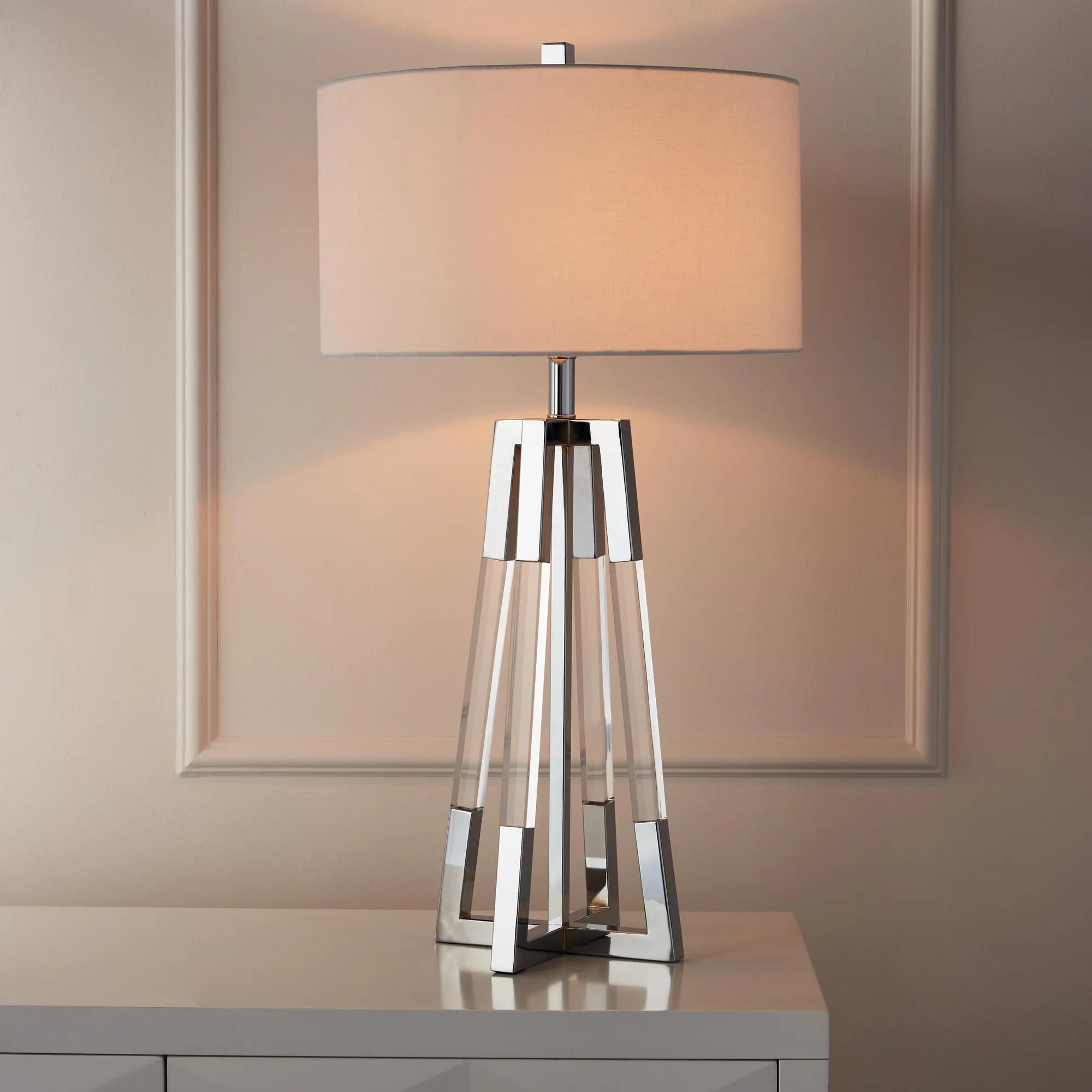 Rollins Table Lamp$439
A sophisticated table lamp featuring clear acrylic and polished nickel accents with a crisp white shade.
Add To Cart -
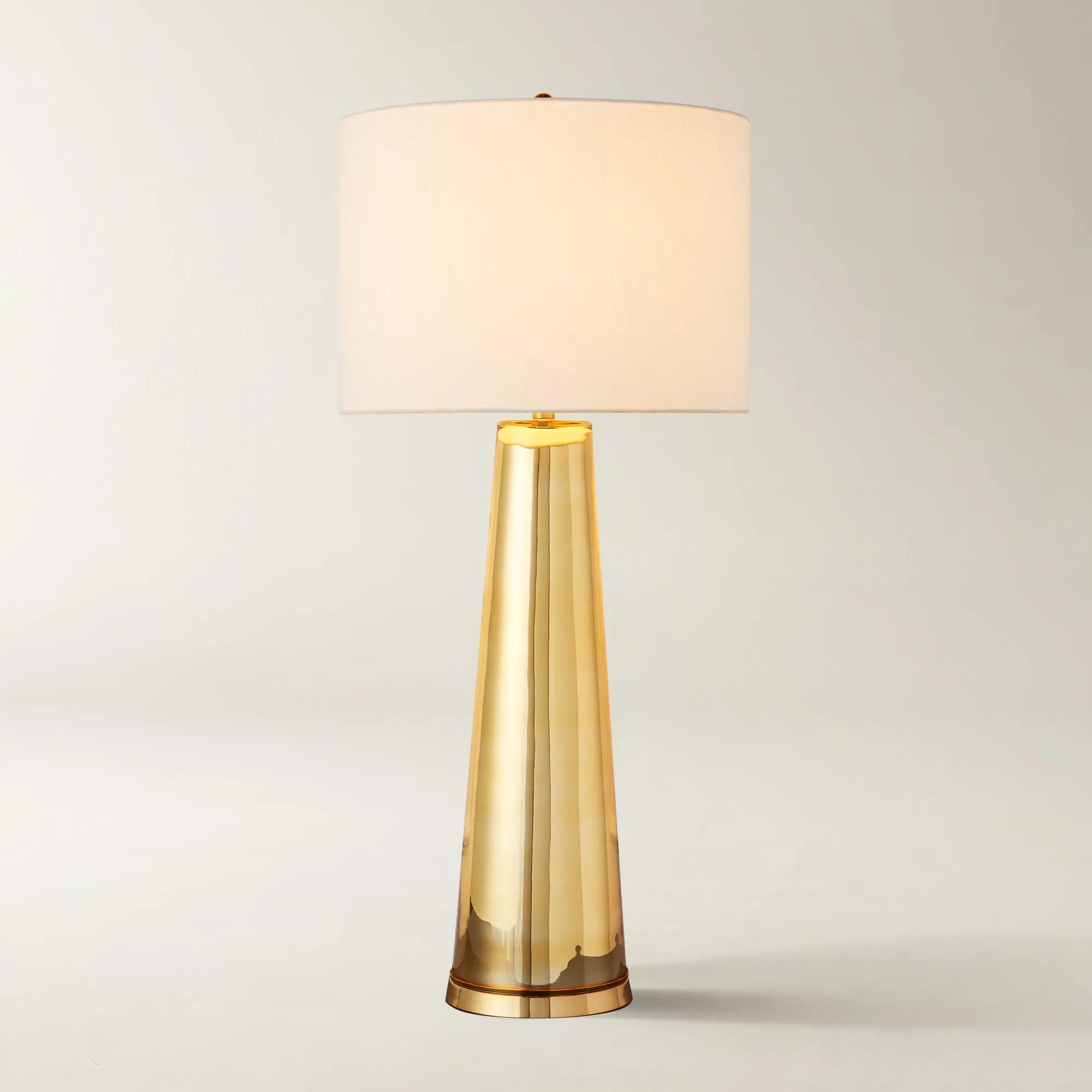
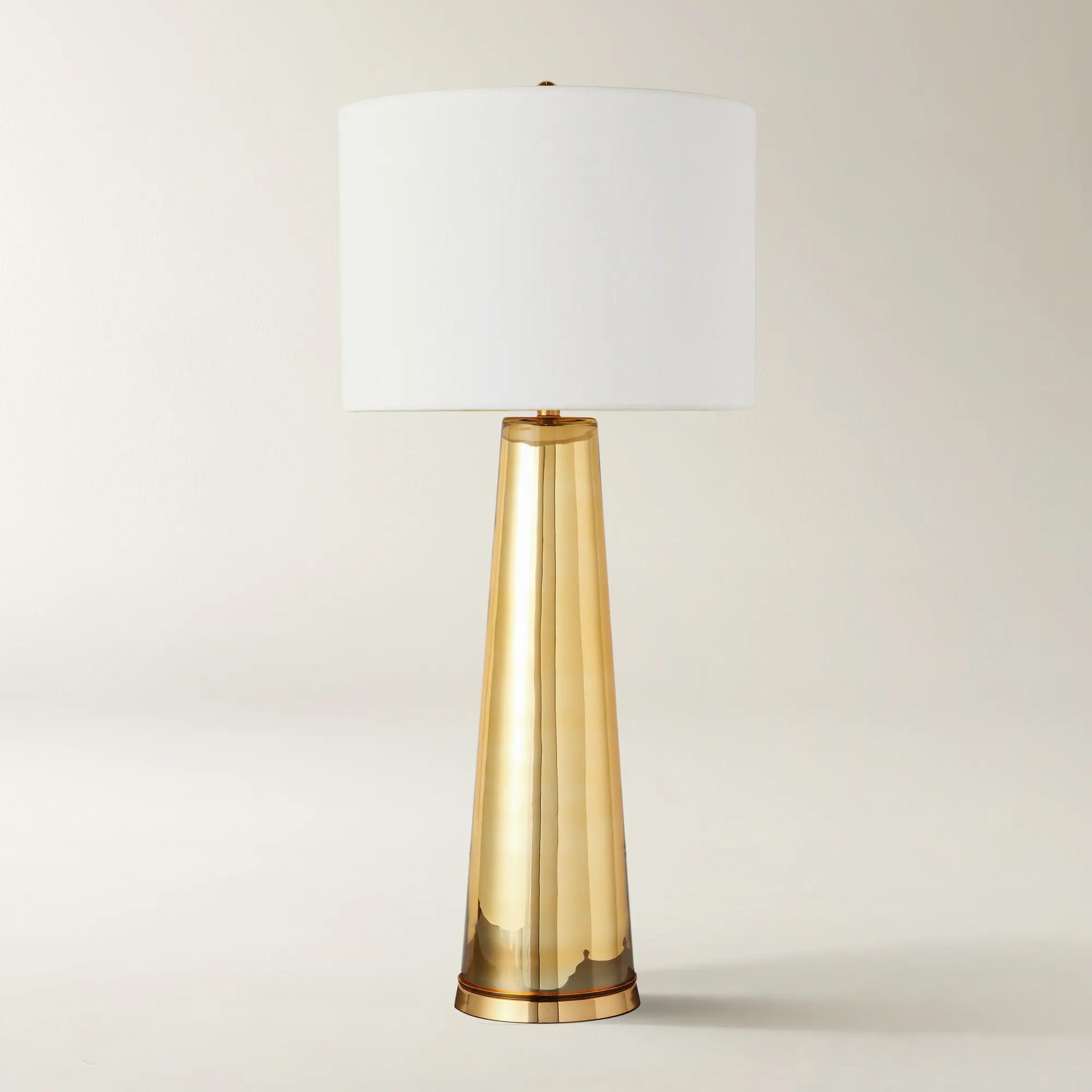 Century Gold Mirrored Glass Table Lamp 40"$299
A modern lamp featuring a mirrored glass base and white drum shade, accented with gold or silver details.
Add To Cart -
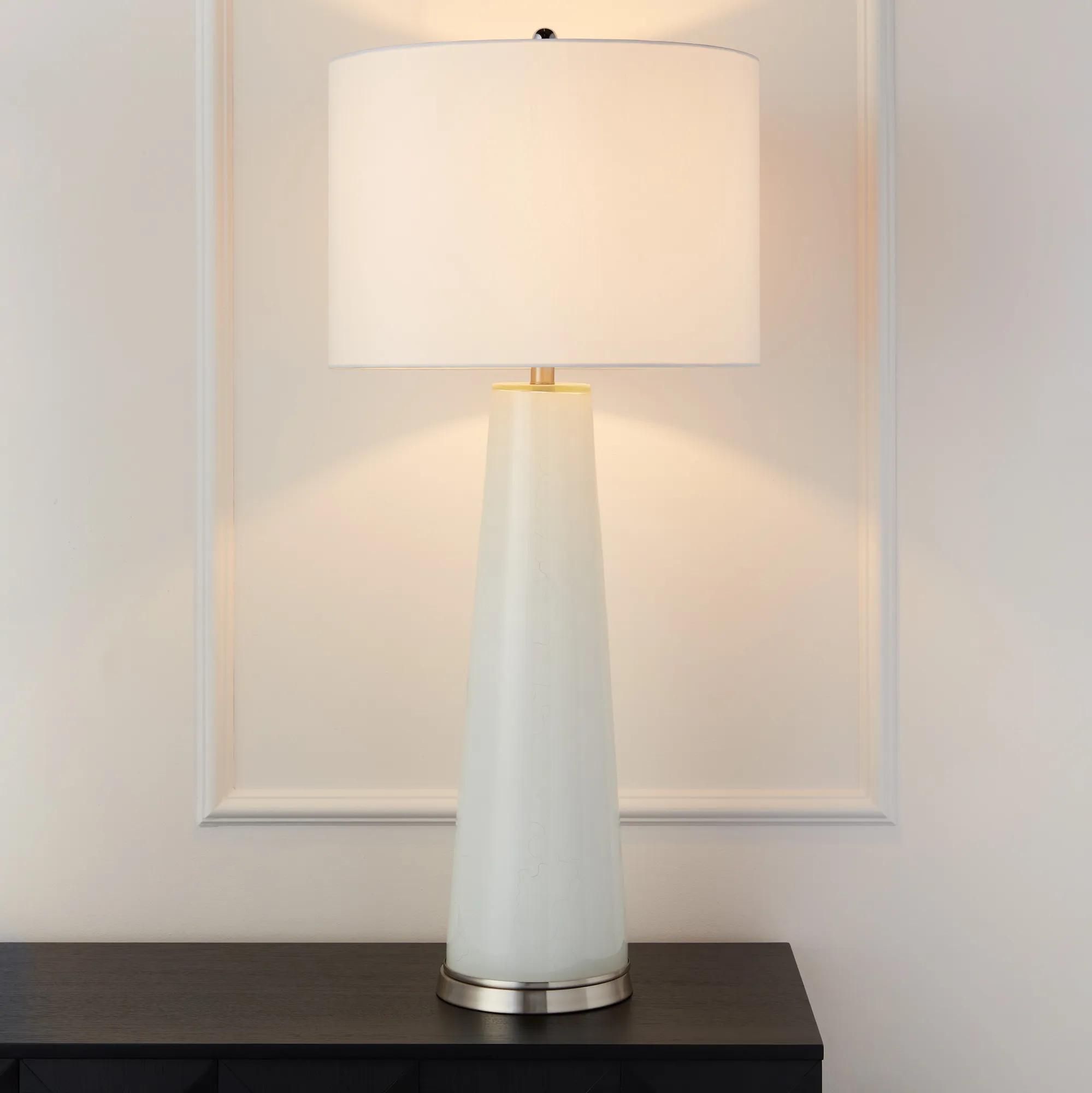 Century White Glass High Gloss Table Lamp 40"$299
A modern glass lamp with a high-gloss white interior and a crisp white drum shade.
Add To Cart -
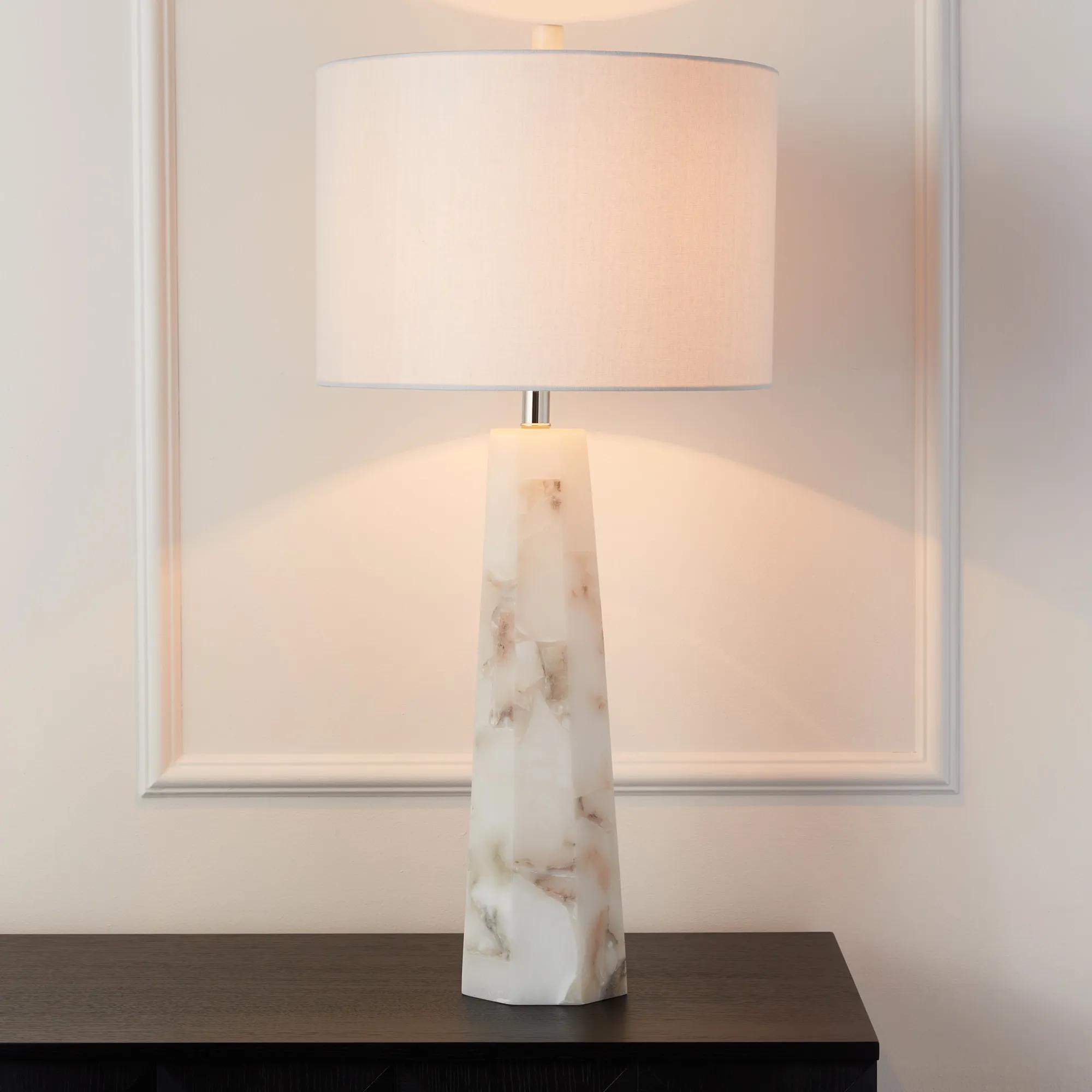 Aurora Alabaster Table Lamp 34"$499
An alabaster stone lamp with a tapered silhouette, white linen shade, and matching alabaster finial.
Add To Cart -
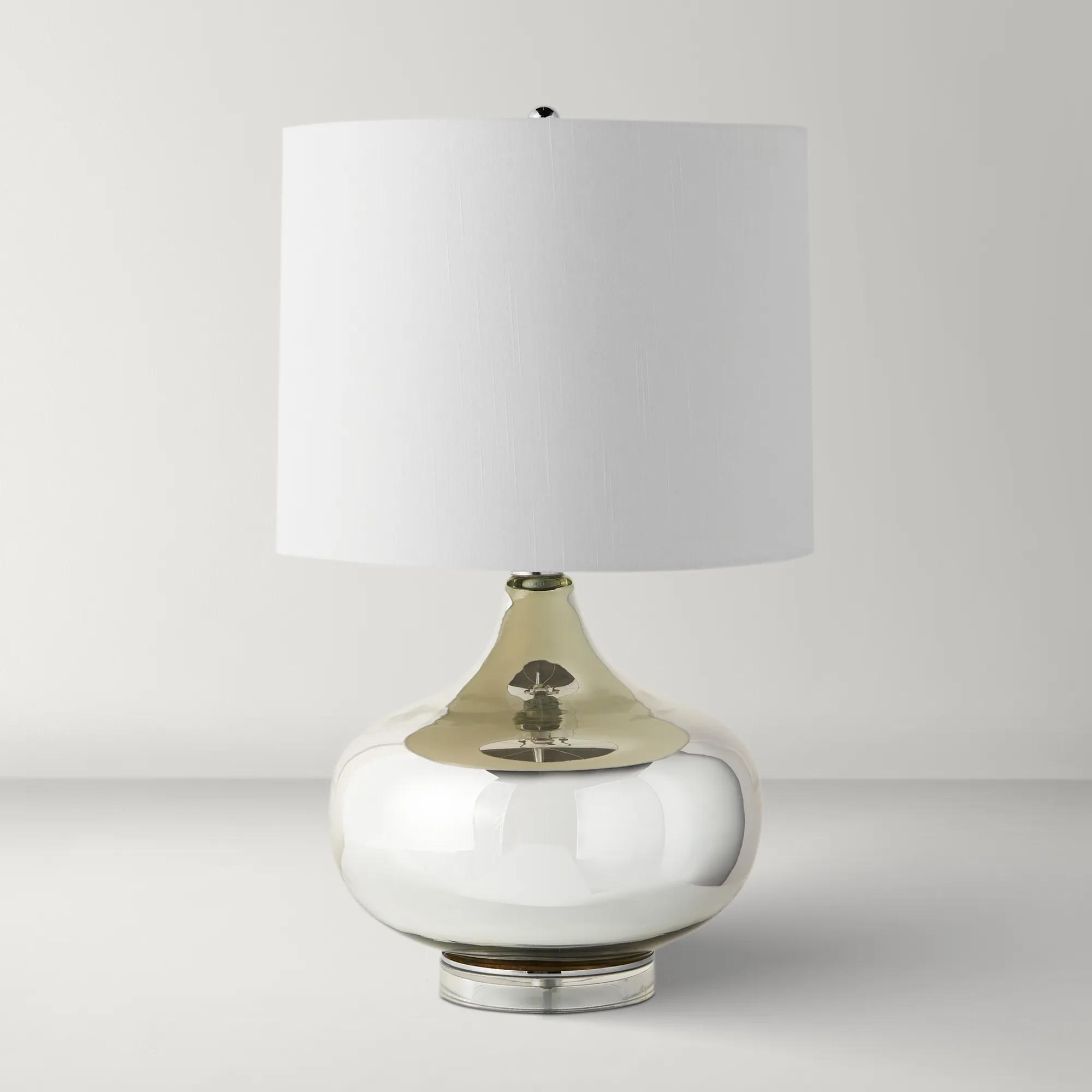 Sabrina Mirrored Silver Glass Table Lamp 27.5"$199
A contemporary lamp featuring a silver mirrored glass base, clear acrylic accents, and a white fabric shade.
Add To Cart -
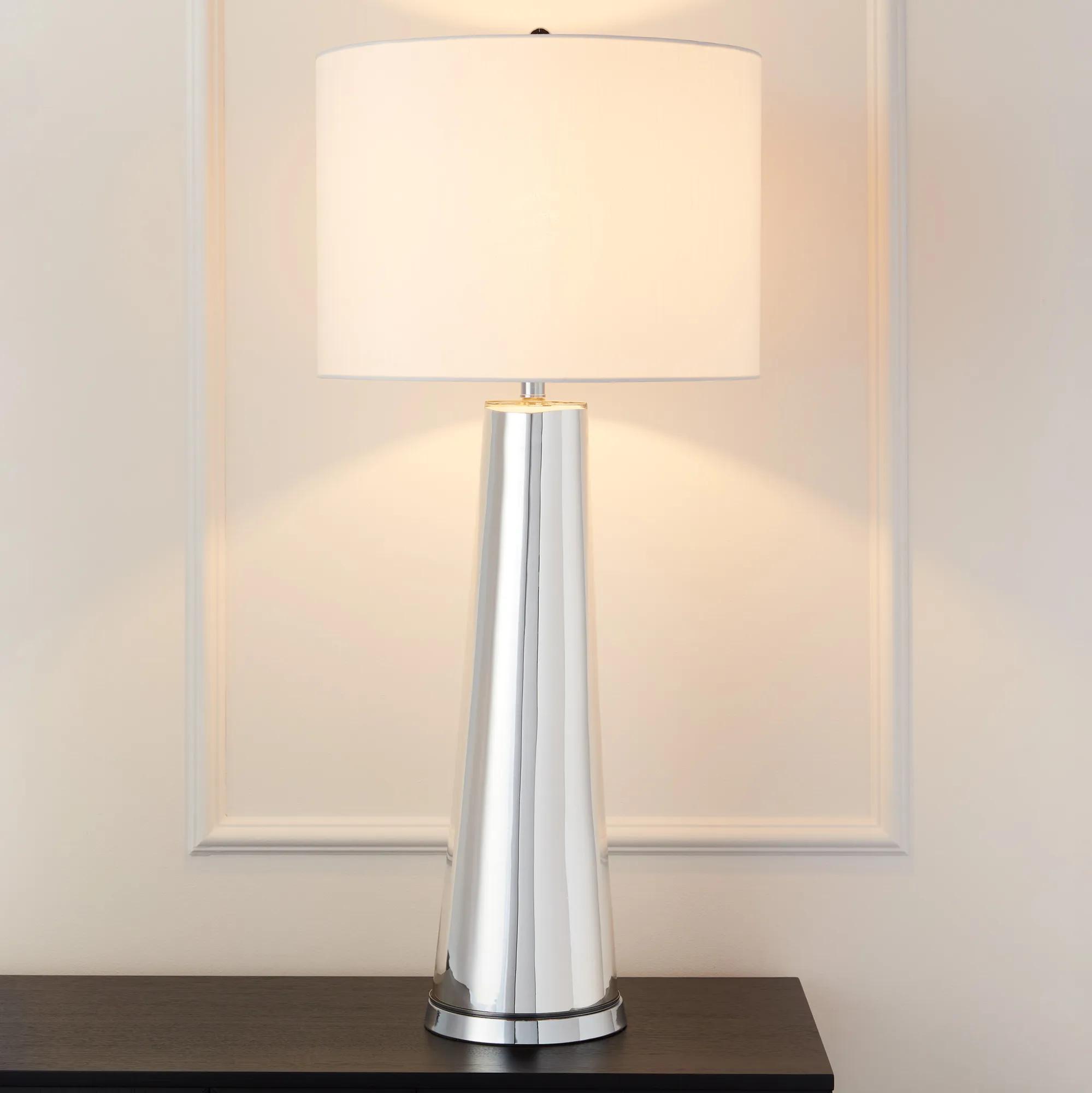 Century Silver Mirrored Glass Table Lamp 40"$299
A modern table lamp featuring a mirrored glass base and white drum shade with brushed chrome accents.
Add To Cart -
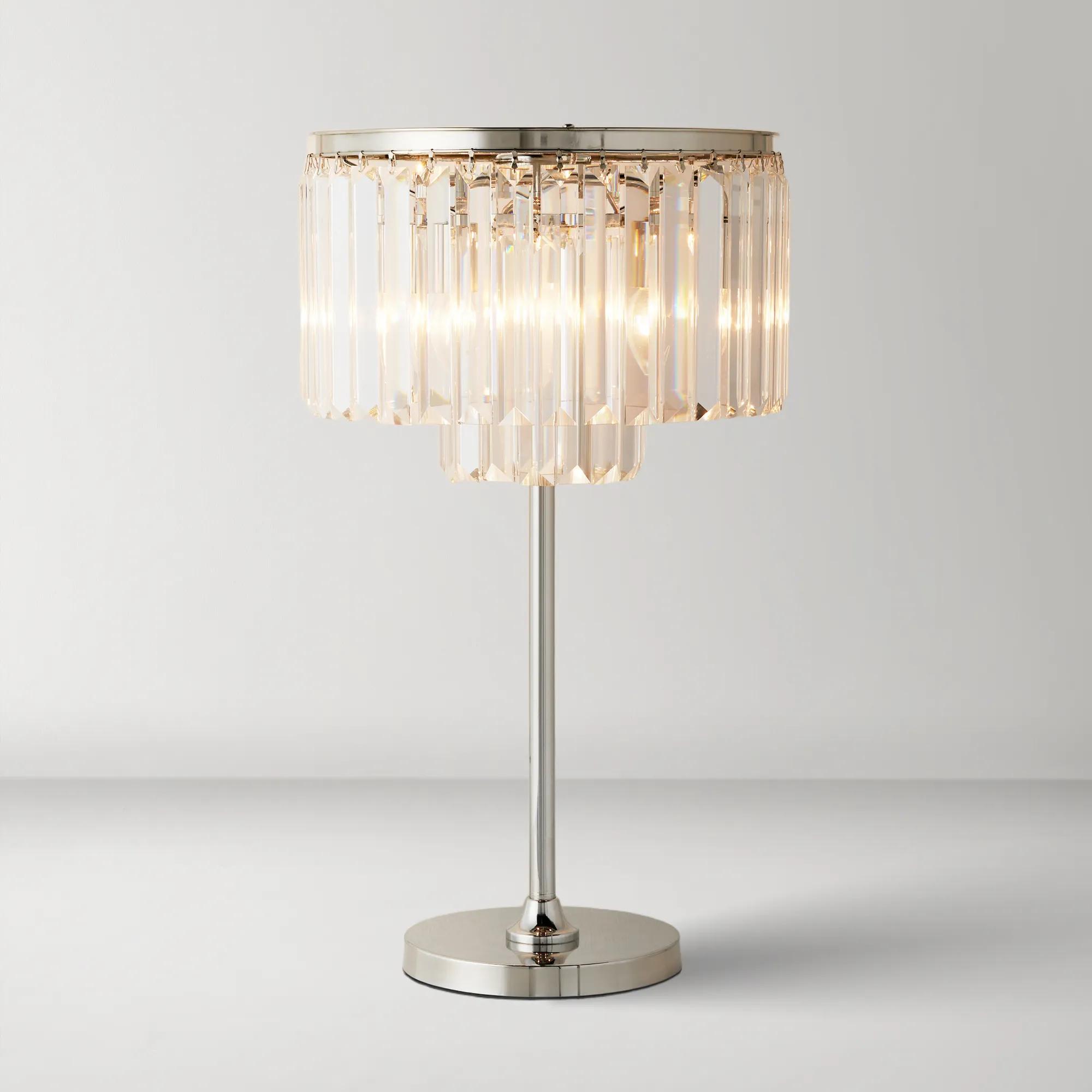
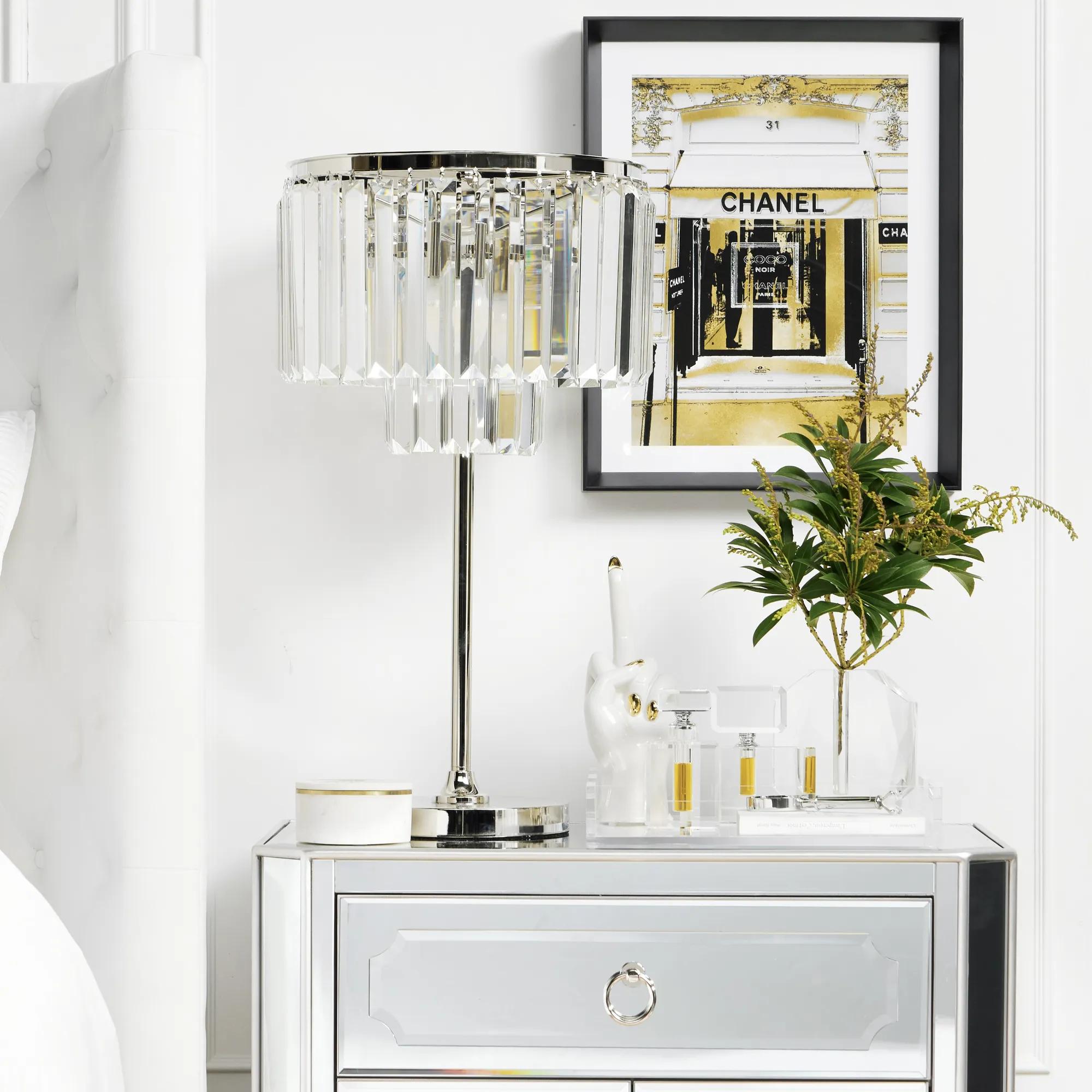 Luxe Table Lamp$499
A sophisticated table lamp featuring faceted ocular glass prisms and a nickel-plated iron frame.
Add To Cart -
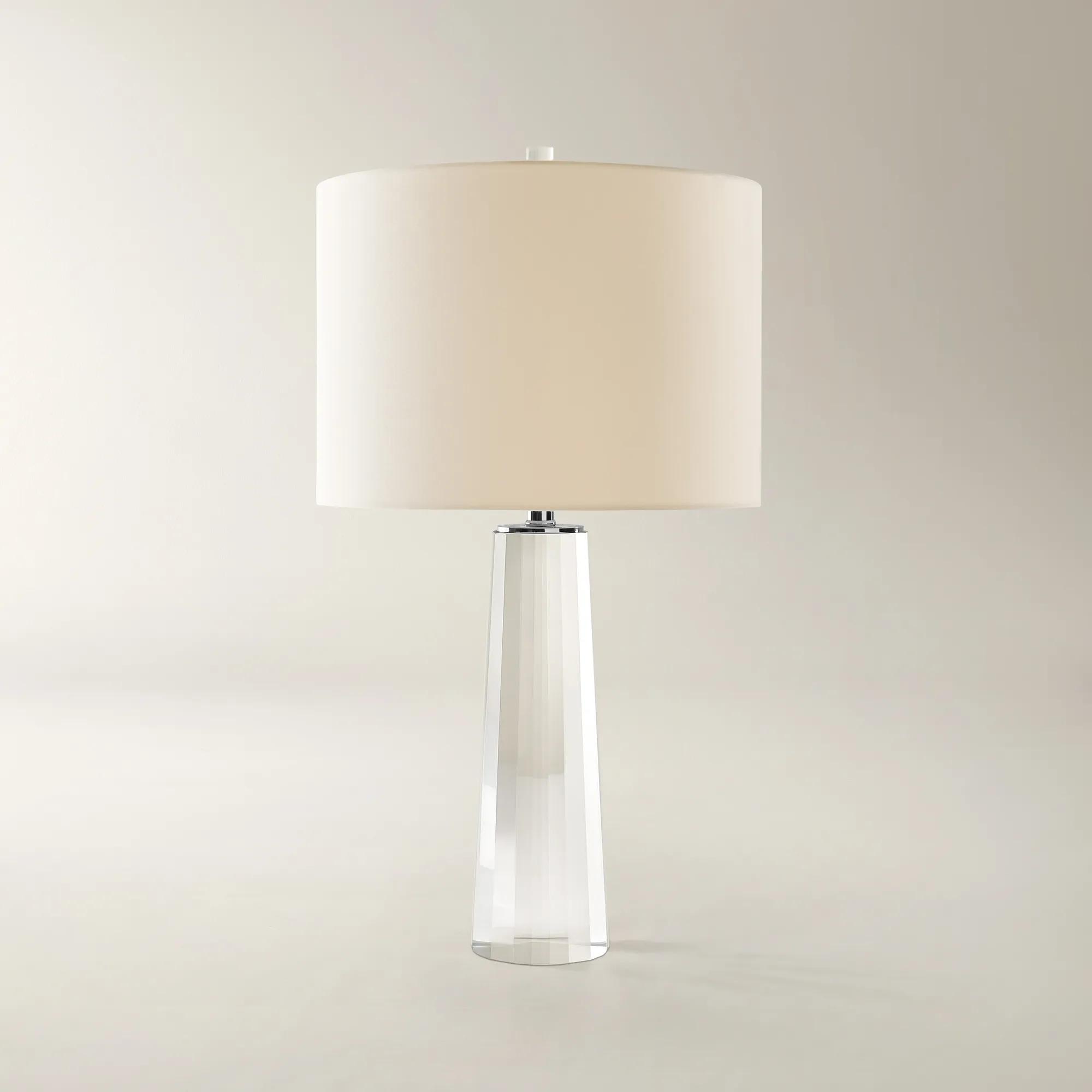
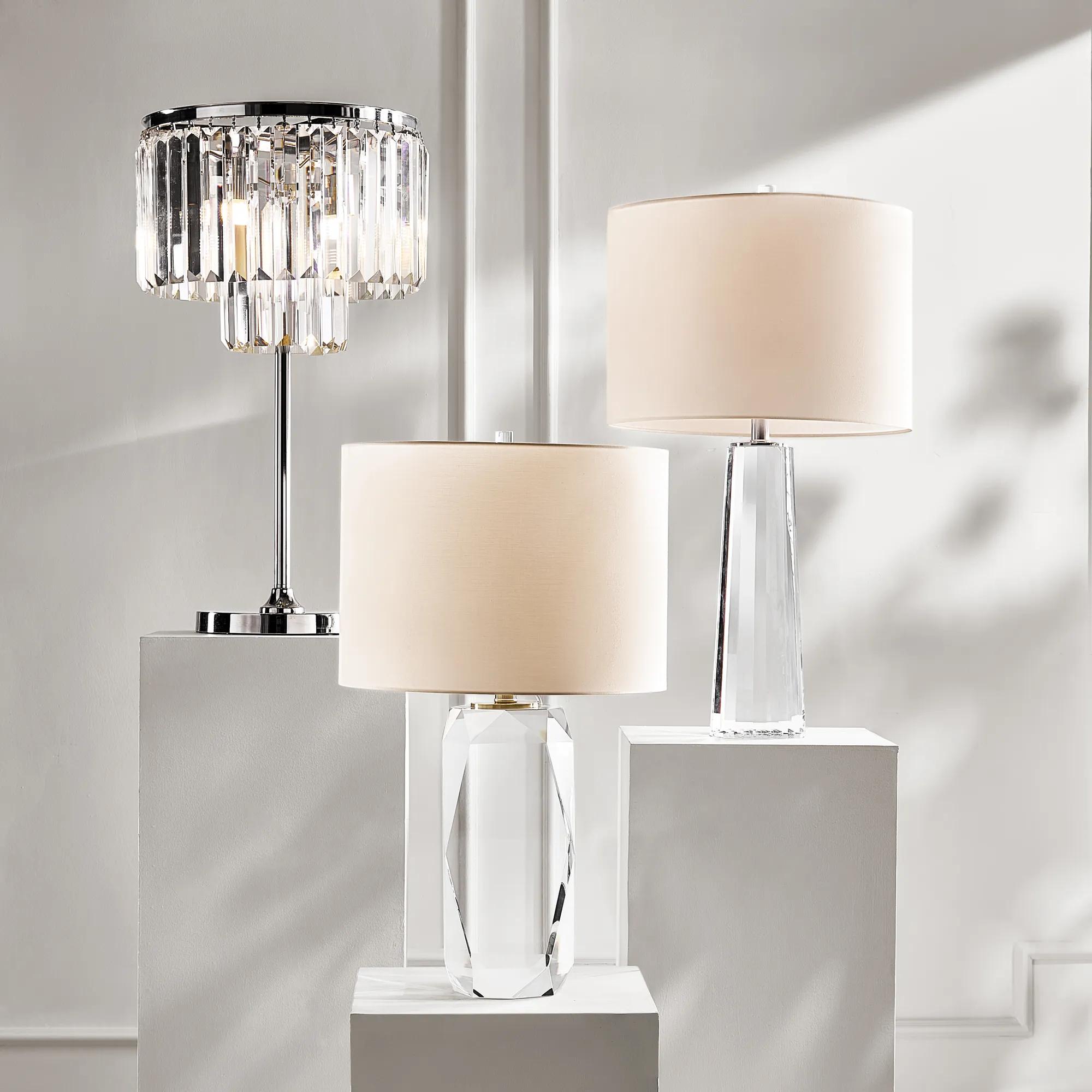 Sasha Faceted Clear K9 Crystal Table Lamp 28"$499
A refined table lamp featuring a clear crystal base, white drum shade, and polished nickel accents.
Add To Cart -
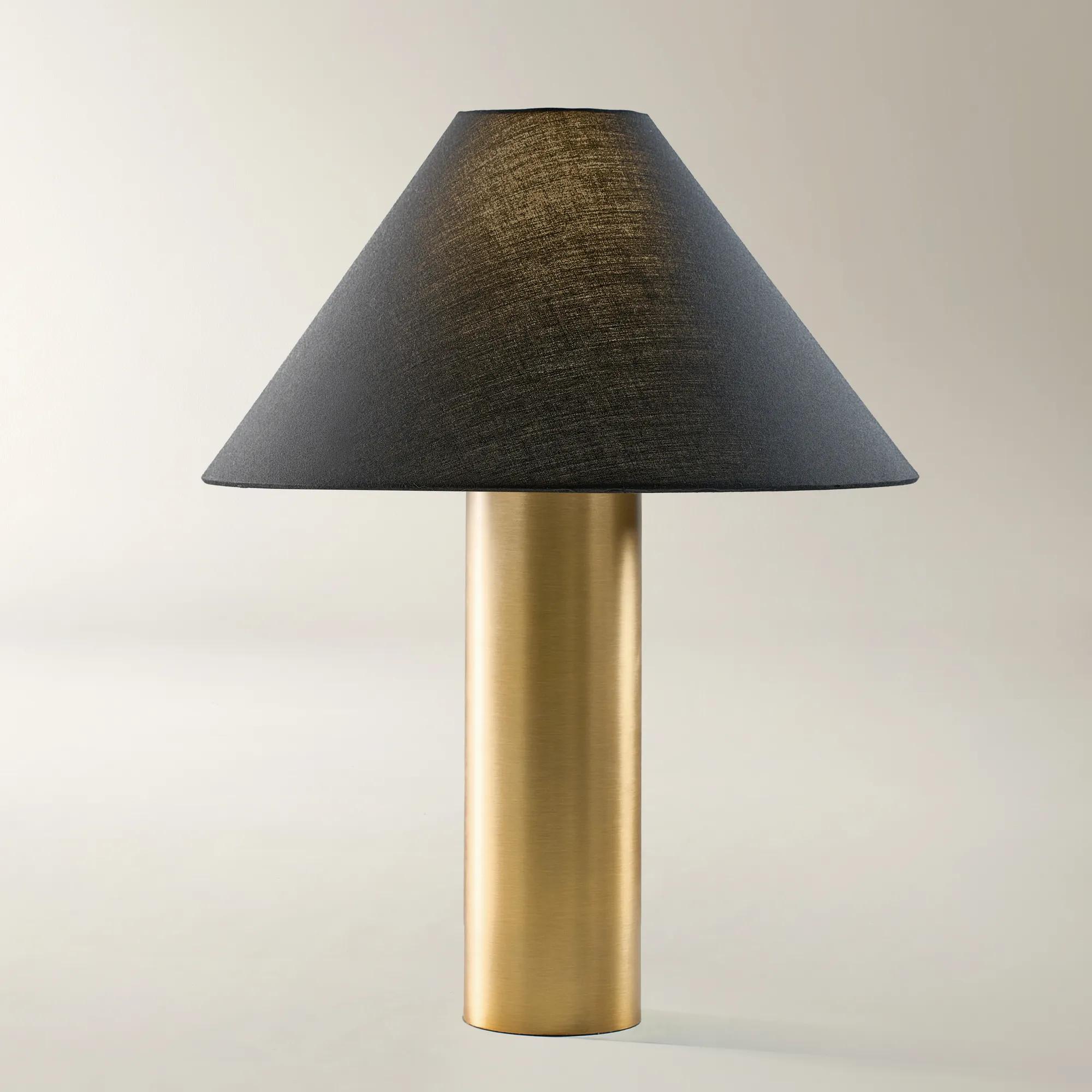 Tova Brushed Brass/Black Table Lamp 20.5"$299
A sculptural brushed brass iron base pairs with a tailored black cotton shade for bold, modern contrast.
Add To Cart -
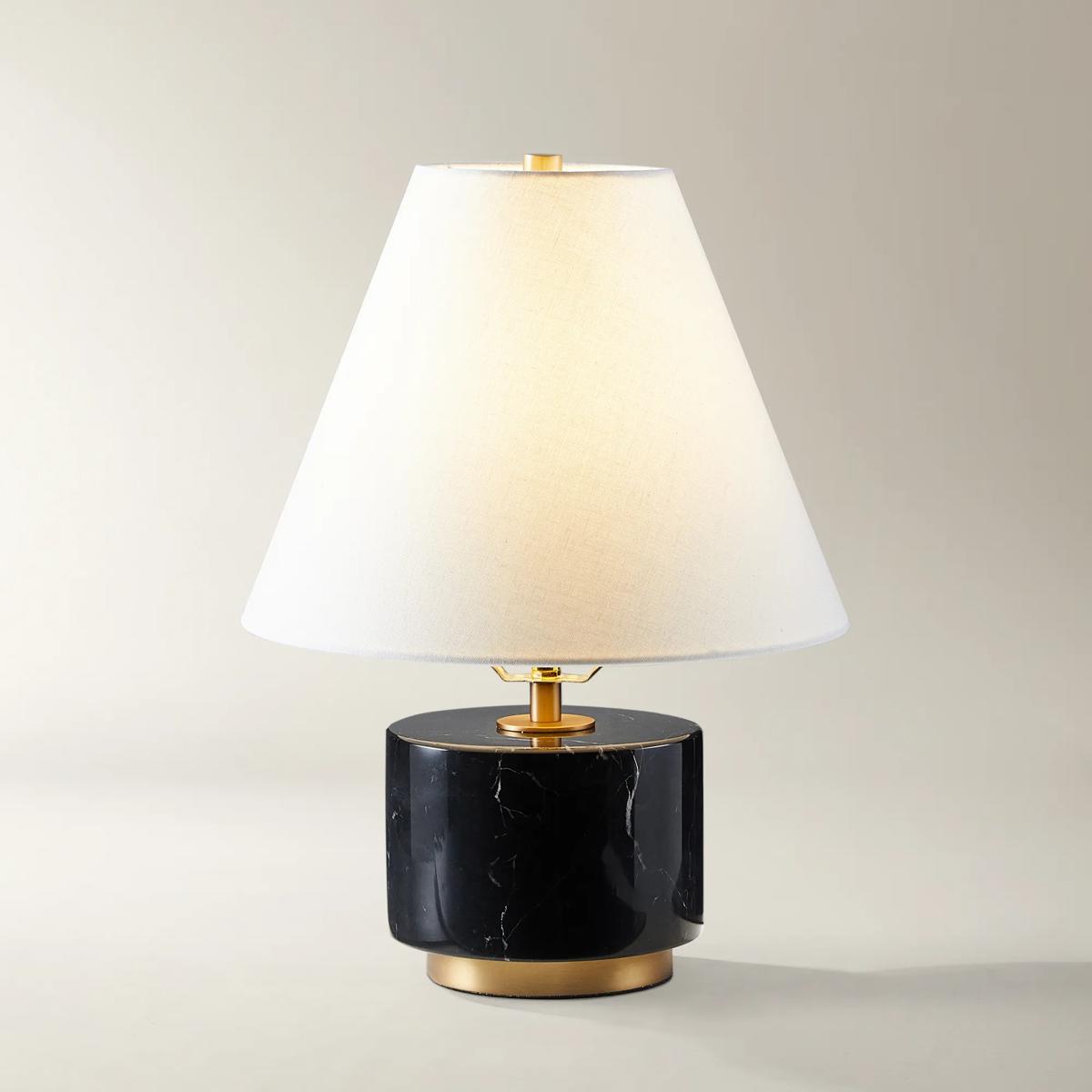
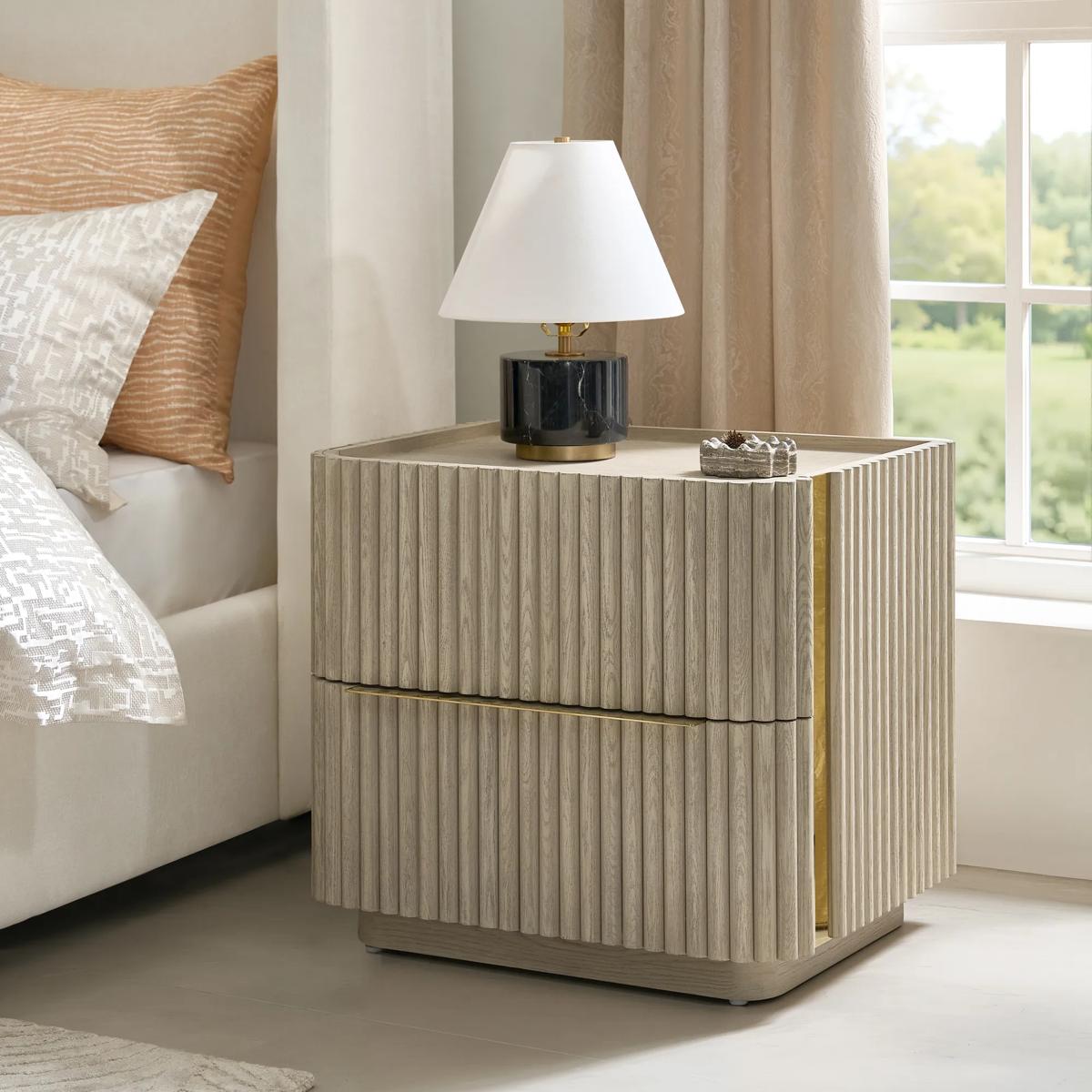 Arden Black Marble Table Lamp 14"$249
A sculptural black marble lamp with brushed brass accents and a warm white linen tapered shade.
Add To Cart -
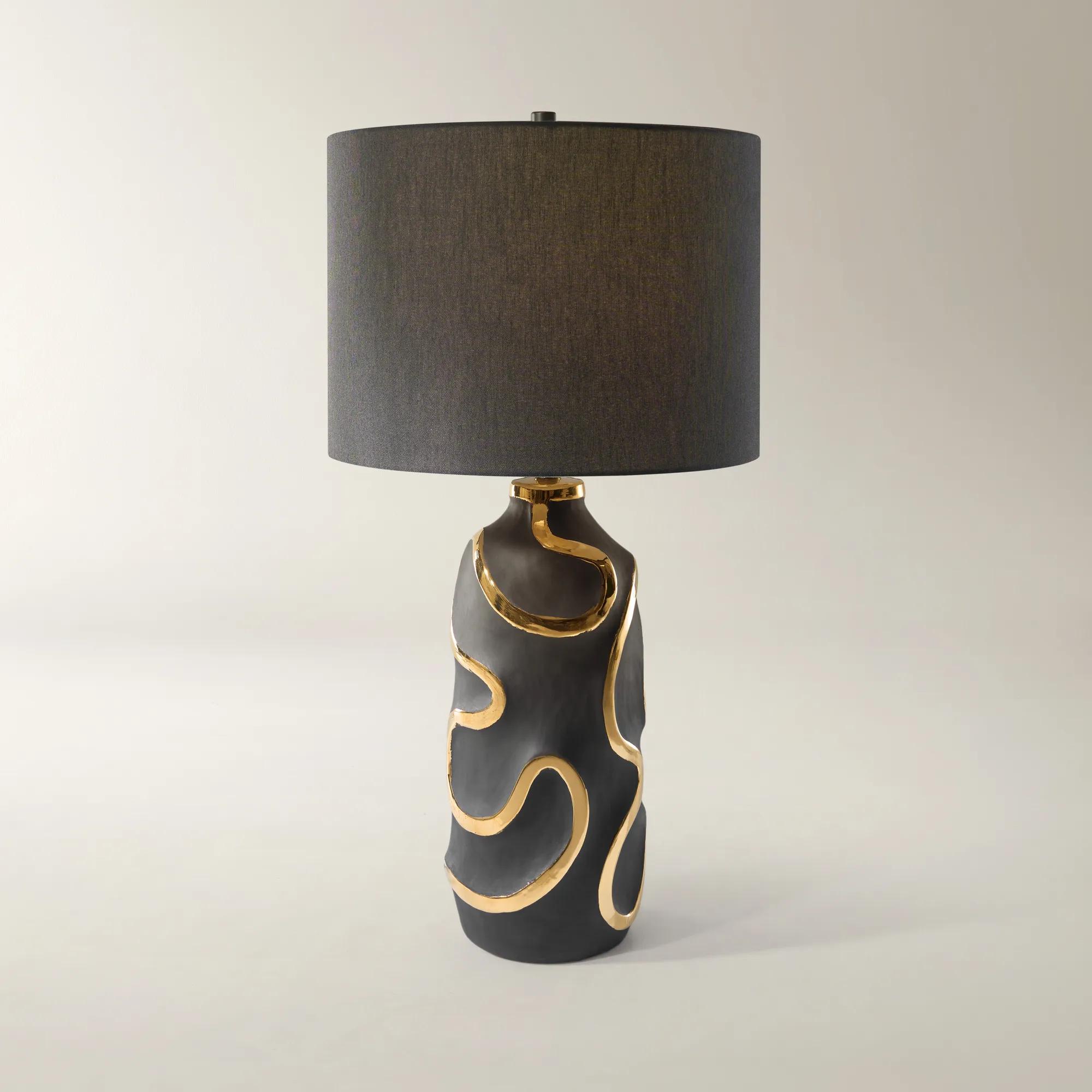 Seraphina Black/Gold Ceramic Table Lamp 32"$249
A matte black ceramic lamp with electroplated gold loops and adjustable three-level lighting.
Add To Cart -

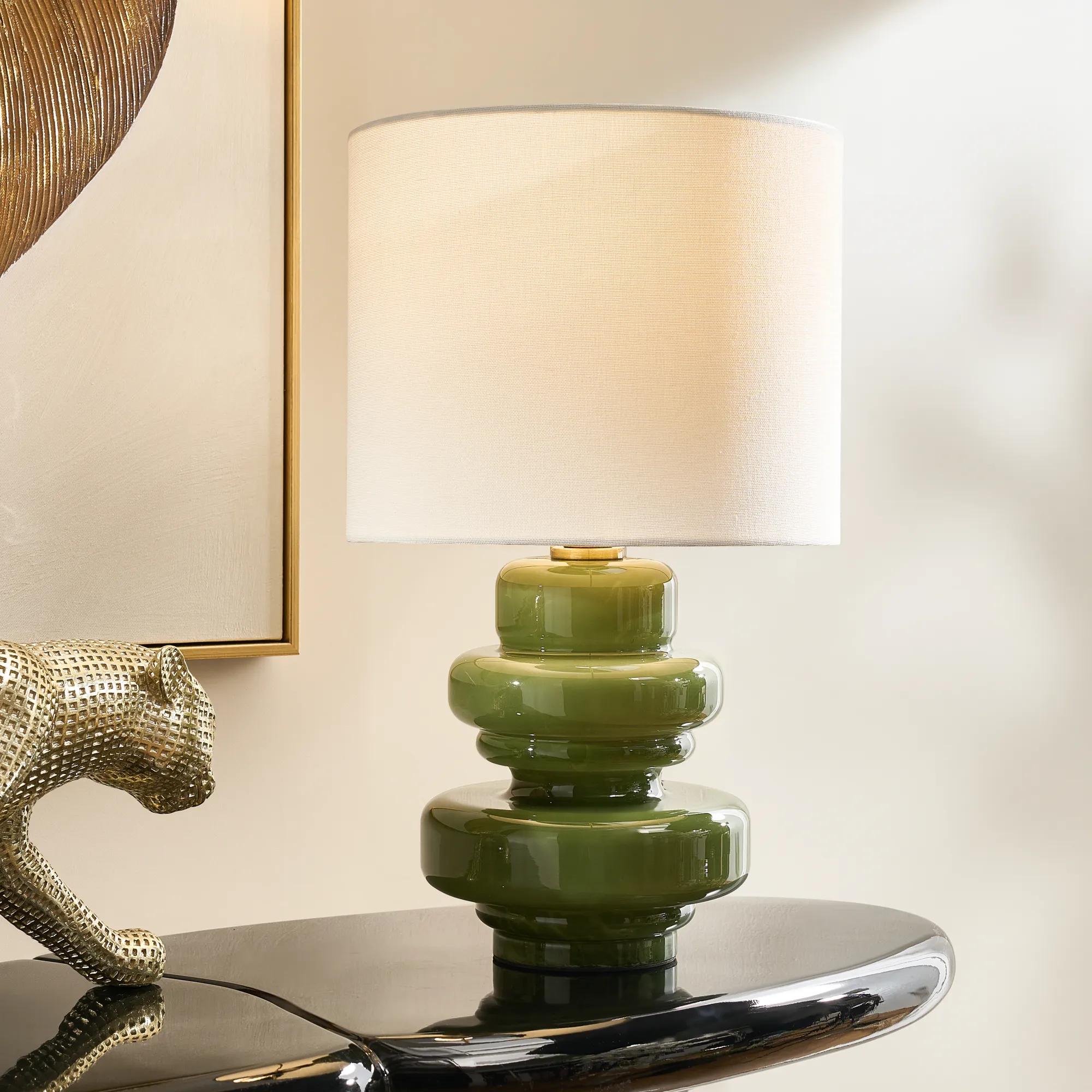 Edin Mouth Blown Pistachio Green Glass Table Lamp 17.5"$99
A sculptural table lamp featuring mouth-blown pistachio green glass and brushed nickel accents with an ivory linen shade.
Add To Cart -
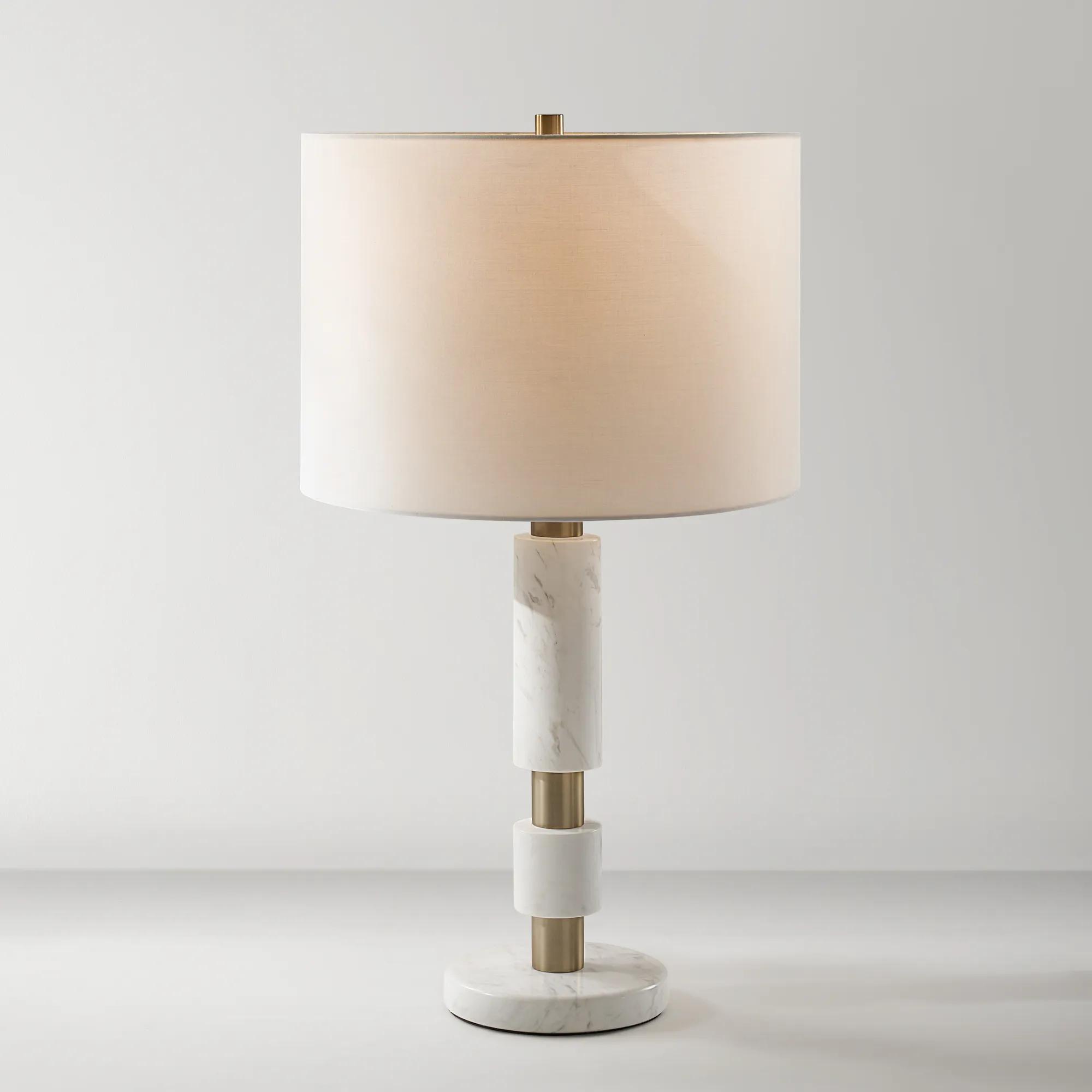 Thea Table Lamp$379
A luxurious table lamp featuring a white marble base, champagne metal accents, and a crisp cotton drum shade.
Add To Cart -
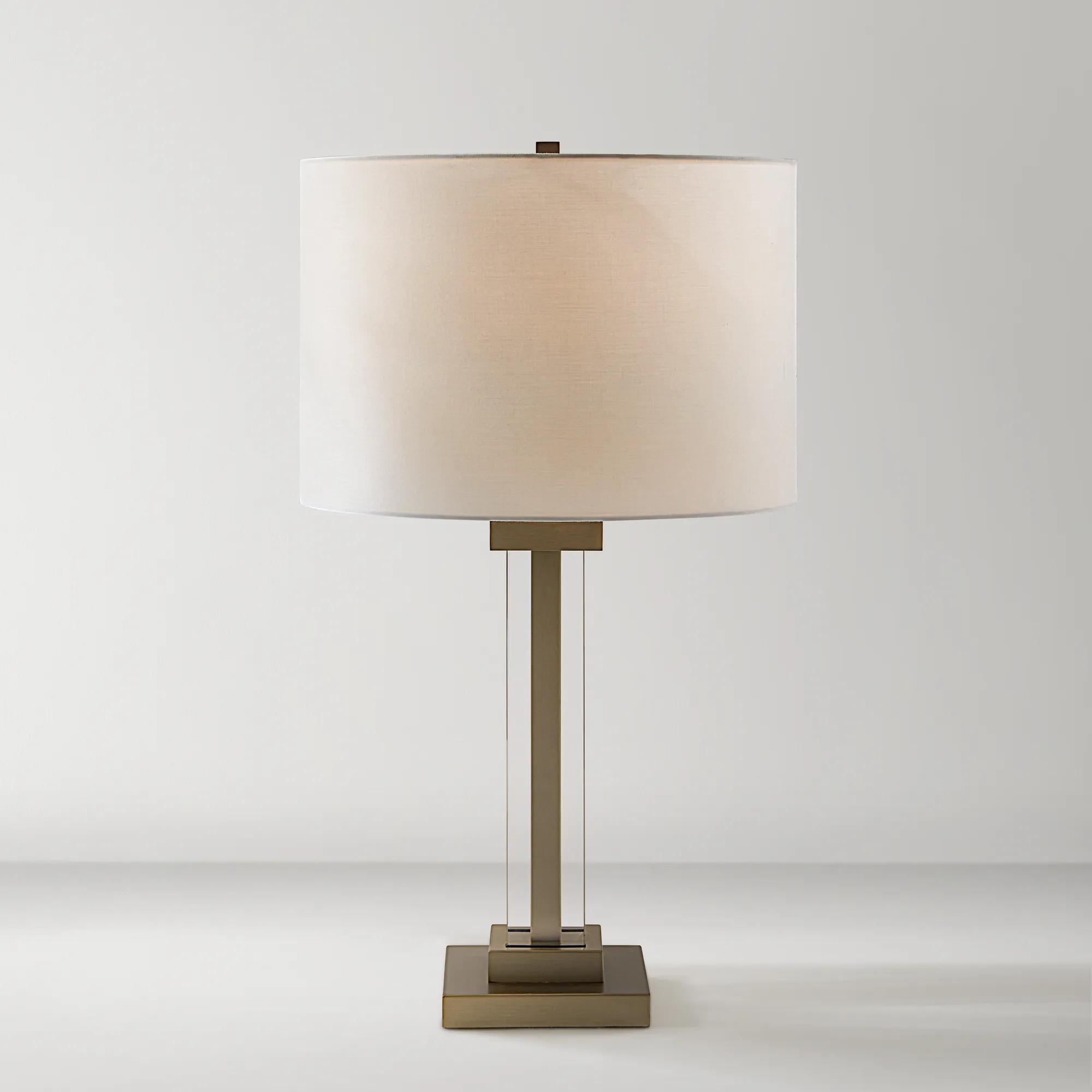
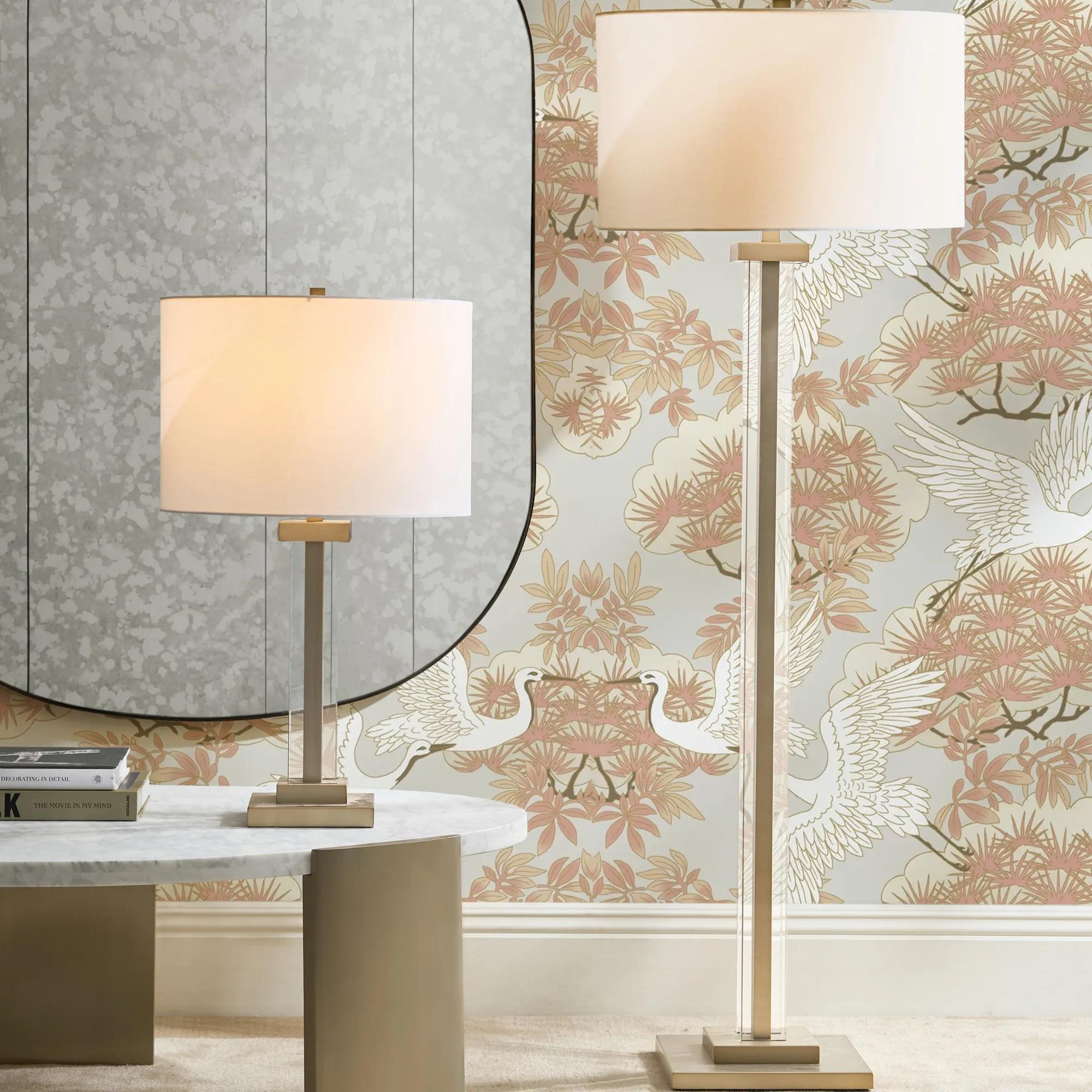 Soren Table Lamp$349
A clear glass and champagne metal lamp with a white cotton drum shade for elegant illumination.
Add To Cart -
 Le Cube Fig Ceramic Table Lamp 18"$139
A glazed ceramic lamp in rich fig with sculpted grid texture and a matching tonal shade.
Add To Cart -
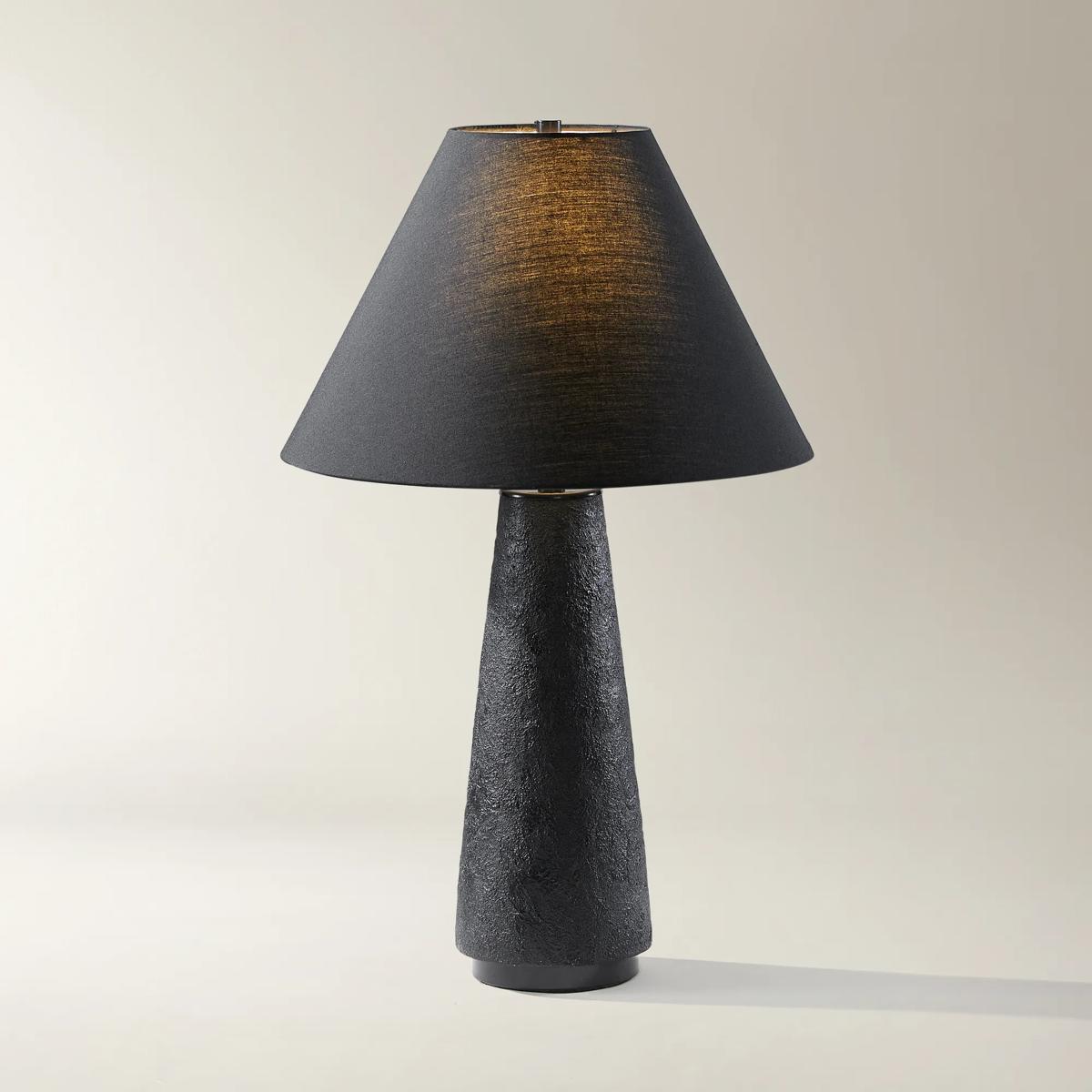 Beton Black Textured Concrete Table Lamp 25"$299
A sculptural table lamp featuring textured black concrete, matte black metal accents, and a black cotton shade.
Add To Cart -
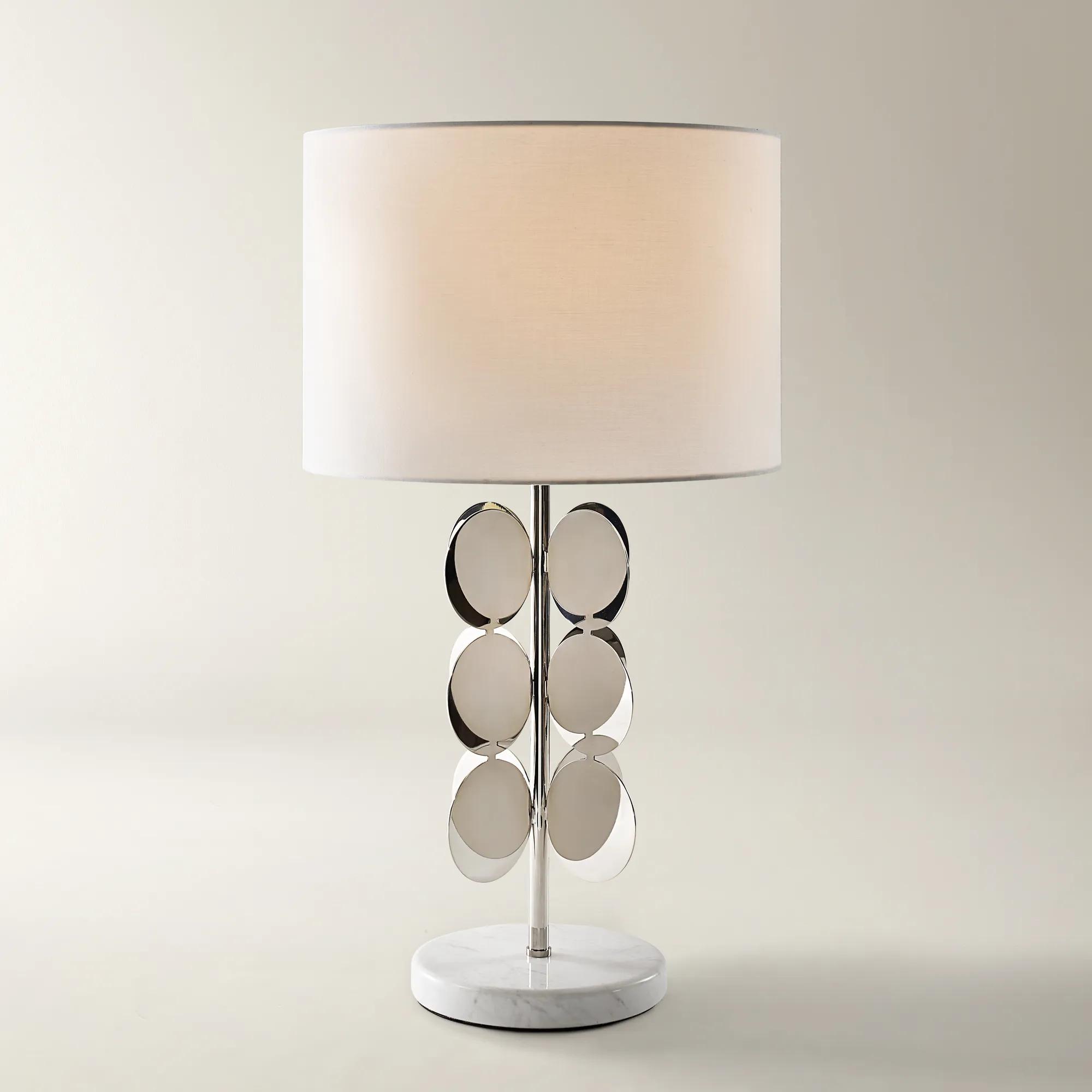 Orion Table Lamp$329
A polished nickel iron lamp with a white marble base and crisp white cotton drum shade.
Add To Cart -

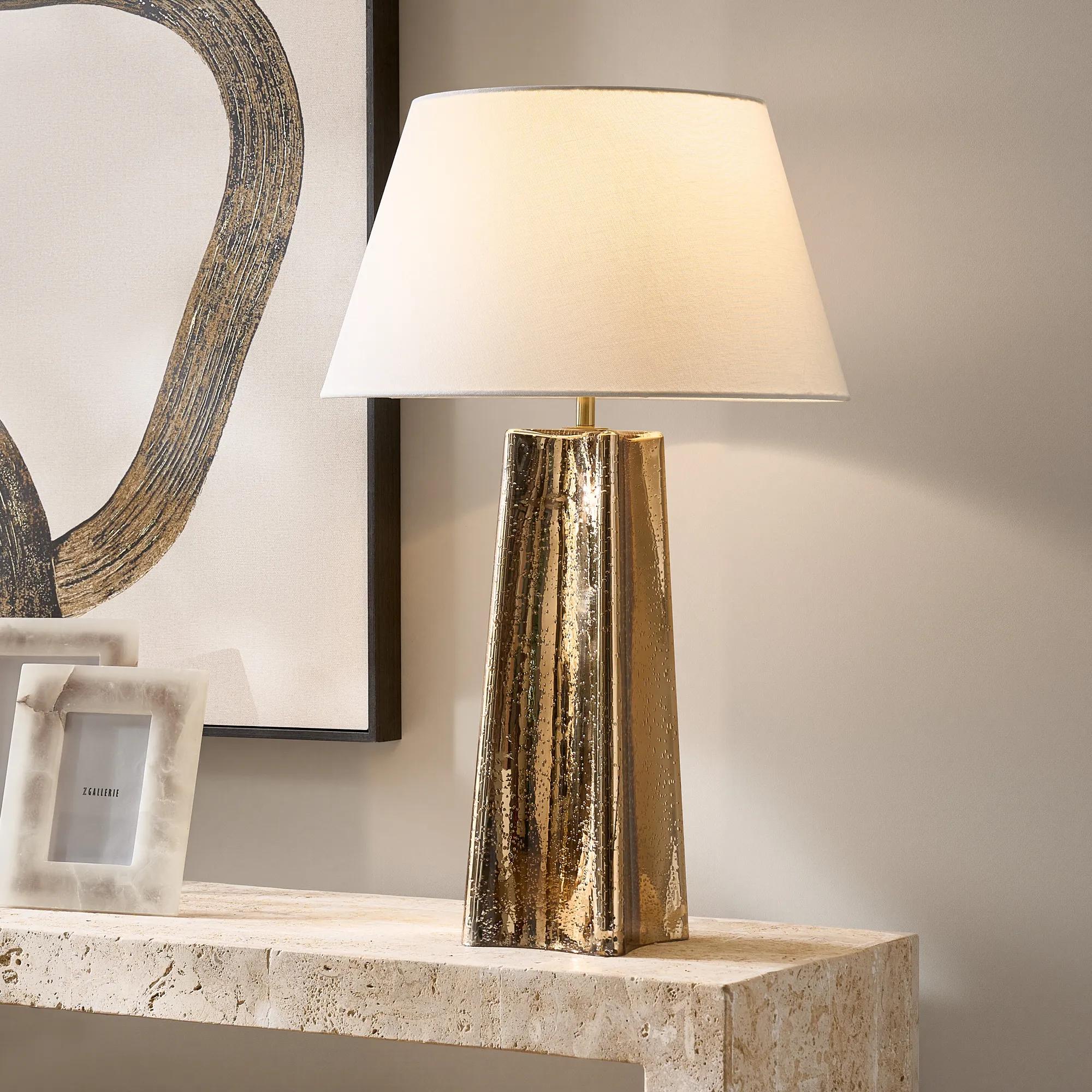 Uma Gold Texture Glass Table Lamp 28.25"$349
A gold textured glass table lamp adding sculptural elegance to contemporary interiors.
Add To Cart -

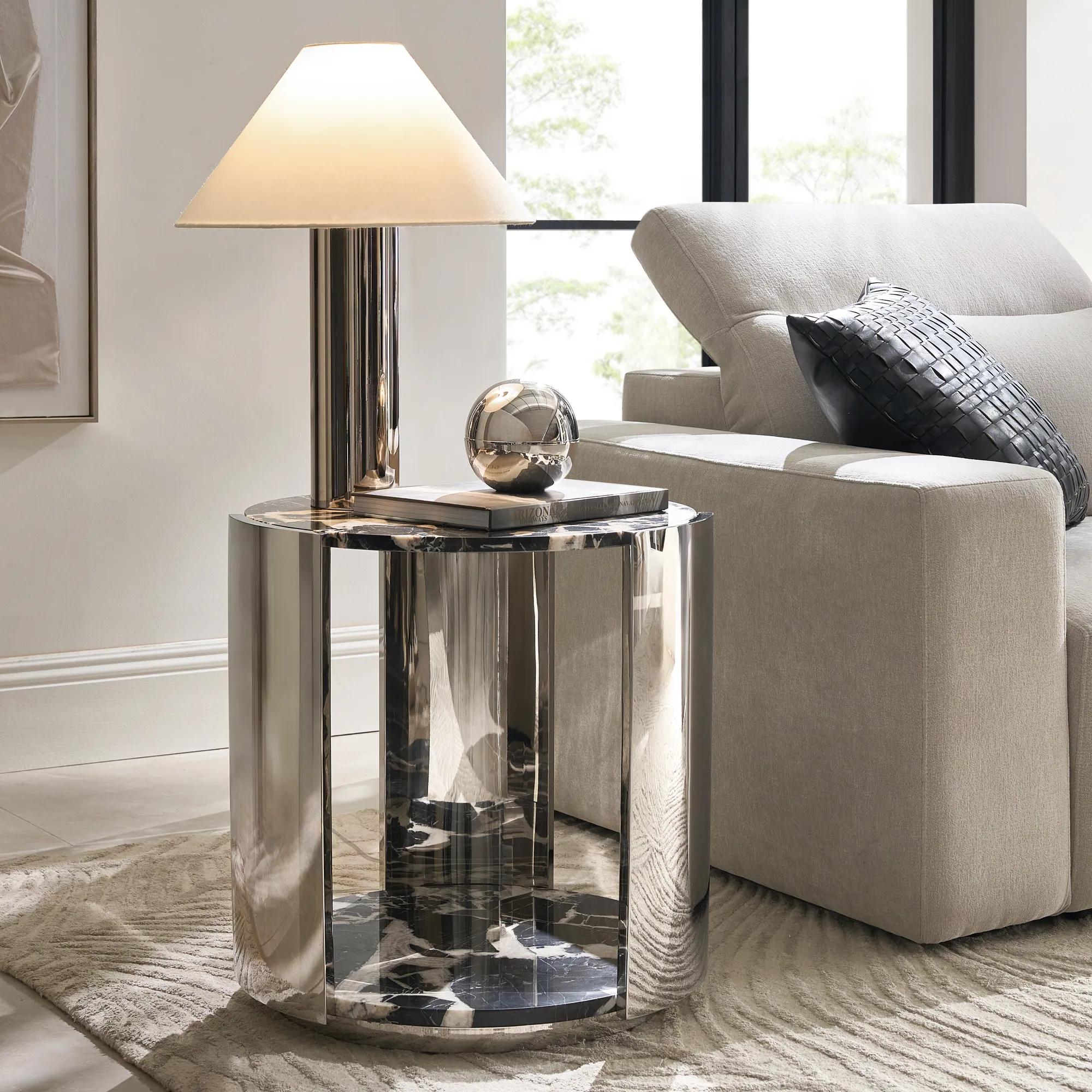 Tova Polished Nickel/White Table Lamp 20.5"$249
A polished nickel iron lamp with a white cotton tapered shade brings sleek, modern style to any room.
Add To Cart -
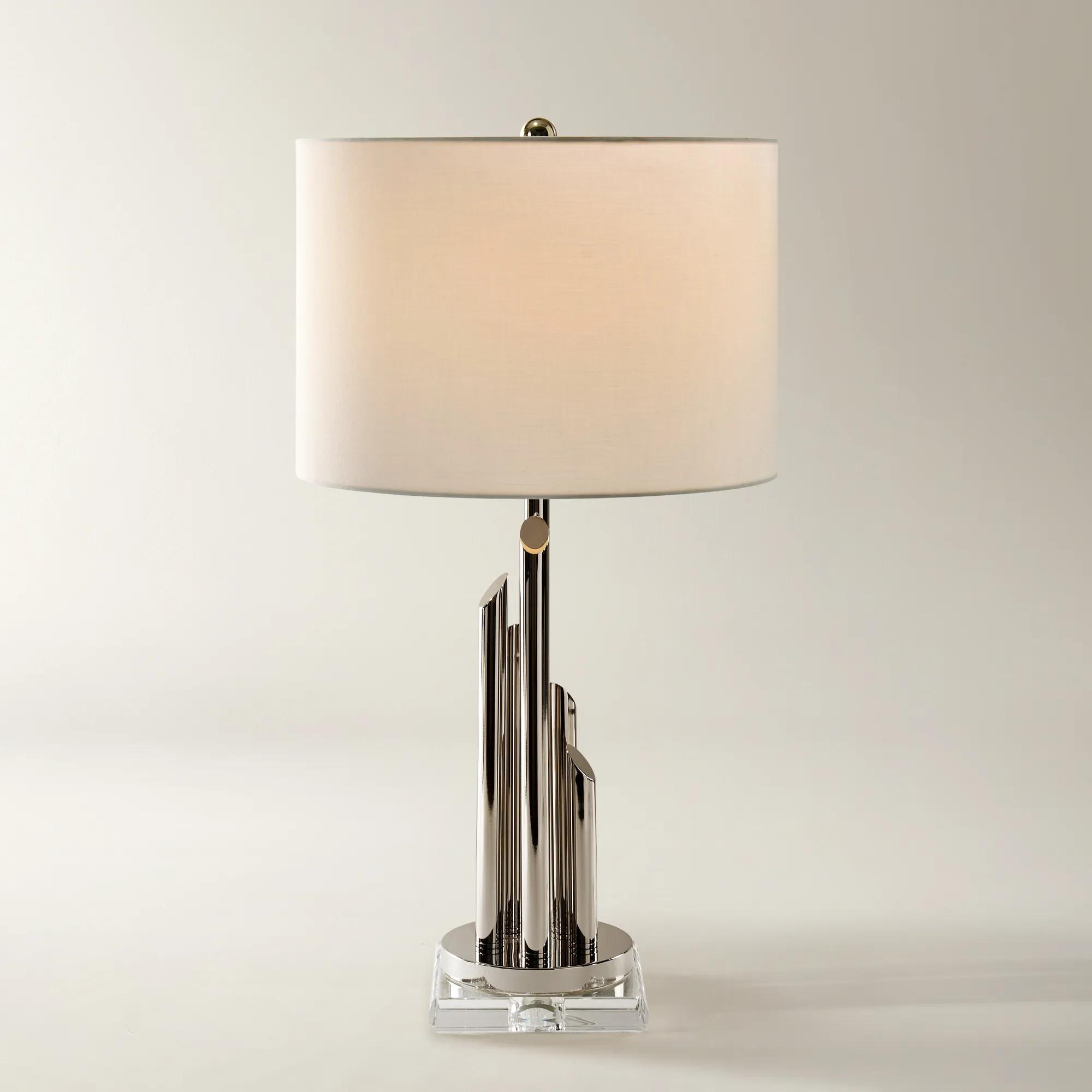
 Jagger Table Lamp$329
A modern table lamp featuring a polished nickel iron frame, clear crystal base, and white cotton drum shade.
Add To Cart -
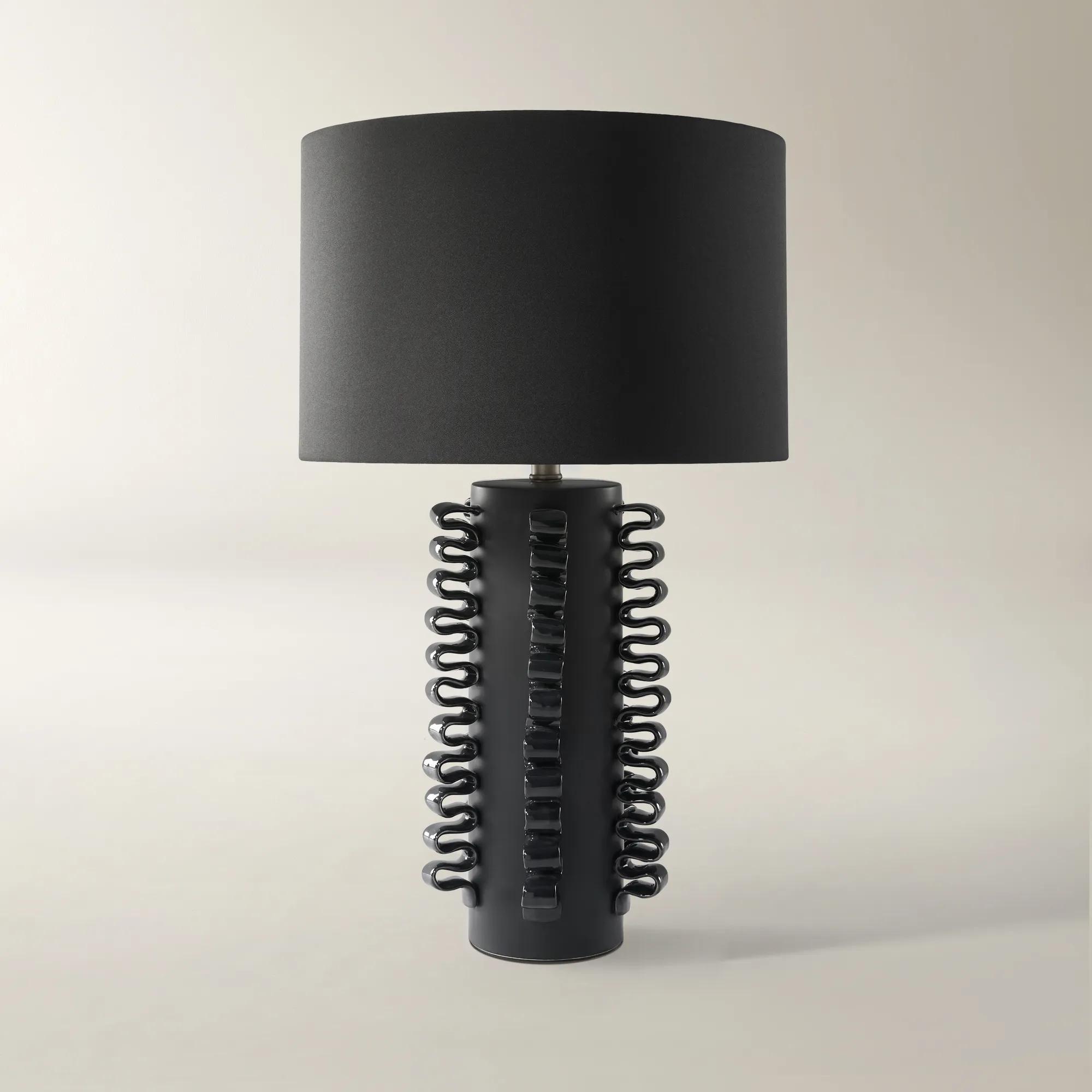
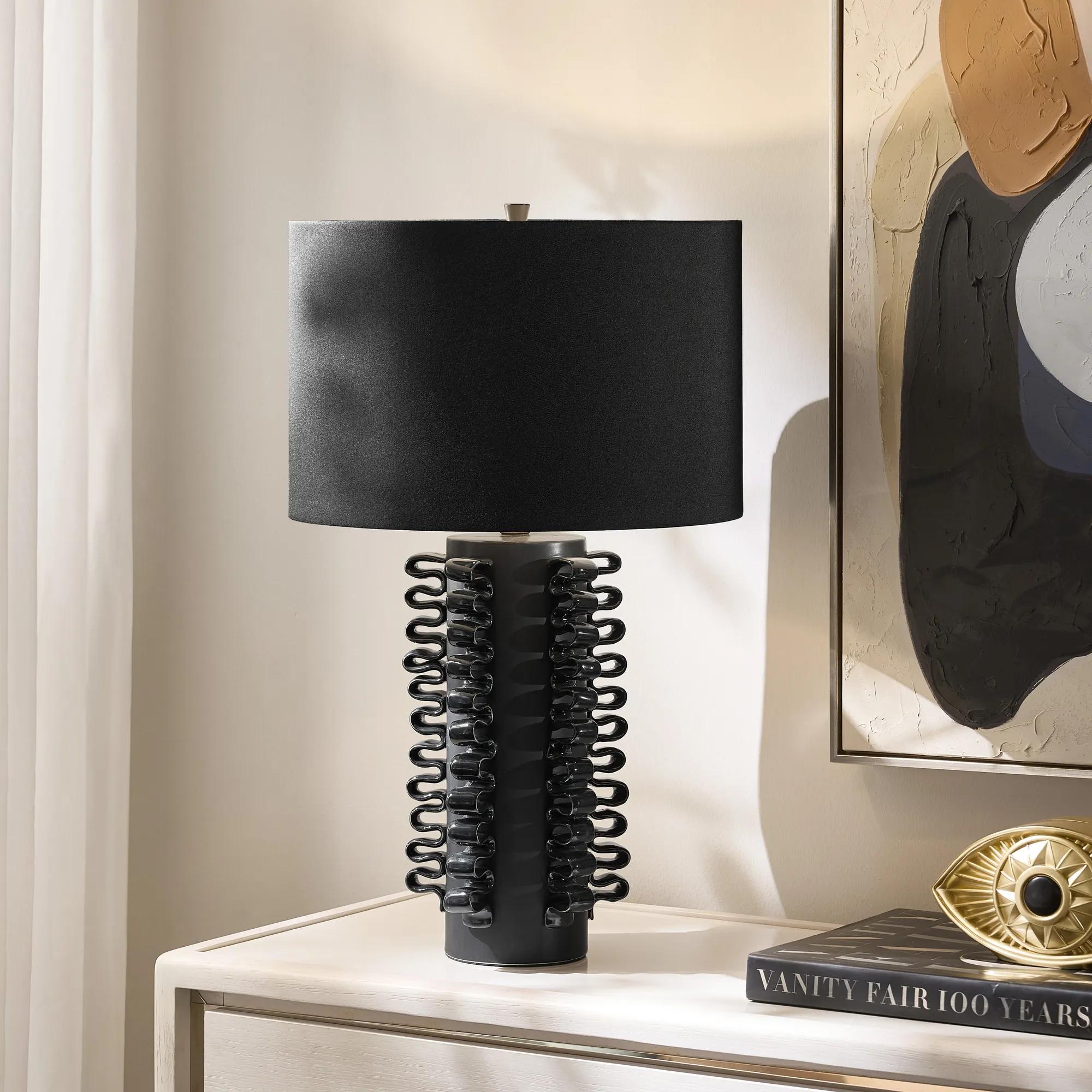 Anello Ruffle Black Ceramic Table Lamp 27"$249
A sculptural matte black ceramic lamp with glazed ribbon accents and a matching black cotton shade.
Add To Cart -
 Blair Mouth Blown Tortoise Brown Glass Table Lamp 25"$229
A mouth-blown glass lamp in a brown tortoise finish with antique brass accents and an ivory linen shade.
Add To Cart -
 Edin Mouth Blown Slate Blue Glass Table Lamp 17.5"$99
A sculptural slate blue mouth-blown glass lamp with brushed nickel accents and an ivory linen shade.
Add To Cart -

 Blair Mouth Blown Sea Glass Blue Glass Table Lamp 25"$229
A mouth-blown glass lamp in soft blue sea glass with antique brass accents and an ivory linen shade.
Add To Cart

60 Watt Table Lamps
Explore 60 Watt table lamps to bring an artful accent and inviting light to a bedside table, console, or living room vignette. Consider scale and silhouette alongside your surrounding decor, and check each lamp’s bulb requirements and dimensions to find the right fit for your space.
A table lamp brings light into a room at a more intimate scale, illuminating the places where daily life unfolds: the edge of a reading chair, the surface of a bedside table, the console that welcomes guests. With 60-watt table lamps, that practical role becomes an opportunity for expressive design. A sculptural base can give a quiet corner a commanding presence, while a generously proportioned shade lends softness to a room defined by sleek furniture and polished surfaces. The appeal lies in the interplay of silhouette, material, and light. Ceramic introduces depth through glaze and texture; glass can feel luminous and airy; metal adds definition with finishes that range from softly brushed to brilliantly reflective. Clear, faceted forms catch surrounding light, while opaque bases establish a stronger visual anchor. These material differences shape the atmosphere even before a lamp is switched on. On a dark wood console, a pale ceramic base creates a striking contrast. Beside a richly upholstered chair, a gleaming metal lamp brings a precise, tailored accent to the softness of the fabric. A substantial base can balance the visual weight of a broad sofa or oversized artwork, whereas a slender profile leaves breathing room on a compact side table. The shade completes that composition, influencing both the lamp’s character and the way illumination reaches the surrounding space. Fabric shades generally soften light, though their color, density, and lining affect how much passes through. Pale shades can create an inviting pool of illumination, while darker or more opaque shades may direct more light through their openings. For a bedroom, the effect can be restful and refined; for a living room, it can bring a seating arrangement into focus. Whether placed individually or as a pair, a table lamp offers a distinct decorative presence without requiring the room to depend entirely on overhead lighting.
The proportions of 60-watt table lamps deserve as much attention as their finish. A lamp should feel connected to the furniture beneath it, with a base that rests securely and a shade that does not overwhelm the tabletop or crowd nearby objects. On a narrow bedside table, preserving space for a book, glasses, and a glass of water makes the arrangement feel composed rather than congested. A wider end table can support a fuller silhouette, especially when the surrounding furniture has generous arms, deep cushions, or a substantial frame. Height also changes the experience of the light. From a seated position, a shade that conceals the bulb helps limit direct glare, while the placement of the lamp determines whether illumination falls comfortably across a page or leaves the reading area in shadow. Shade dimensions, socket position, and the height of the supporting table all contribute to that relationship. The wattage designation requires a separate distinction: a lamp marked for a maximum 60-watt bulb specifies an electrical limit, not a fixed brightness level. Bulb type, lumen output, shade construction, and placement influence the light the room receives. A conventional 60-watt incandescent bulb produces approximately 800 lumens, and many LED bulbs labeled as 60-watt equivalents provide similar brightness while drawing substantially less power. The bulb’s actual wattage must remain within the fixture’s stated limit, and its base, shape, and suitability for the lamp should match the manufacturer’s requirements. Dimming also depends on compatibility among the bulb, lamp, and any dimmer involved. Warm white light around 2700K often complements bedrooms and conversational seating areas with a mellow glow; a slightly higher color temperature can give a reading nook a clearer appearance without making brightness a matter of wattage alone. For interiors that call for a crisp outline and a softly luminous accent, White Tapered Shade Table Lamps offer a related expression of this balance between decorative form and everyday illumination. The tapered silhouette can introduce a graceful change in proportion, giving a substantial base a lighter visual finish.
Considered styling gives 60-watt table lamps a place within the larger room rather than treating them as isolated accessories. Two lamps of similar height can bring rhythm to a long console, framing artwork or a mirror without requiring every decorative element between them to be symmetrical. In a living room, coordinated finishes can connect separate seating areas, while different base shapes keep the composition from feeling rigid. A reflective lamp beside matte pottery creates a deliberate contrast in texture; a softly colored ceramic form can draw out a subtle tone from an upholstered chair or patterned rug. The most compelling arrangements leave room for each element to register. A lamp, a small sculptural object, and a neatly stacked pair of books can create a richly layered tabletop without obscuring the lamp’s outline or interfering with its switch. Intended use matters here: a bedside lamp benefits from an easily reached control, a reading lamp needs useful illumination where the reader sits, and an entryway lamp can provide a welcoming accent alongside the room’s other light sources. Durability is shaped by construction as well as placement. A stable base, secure shade attachment, and careful handling help preserve both appearance and function, while glass and ceramic deserve particular care in high-traffic spaces. Cords should remain clear of walkways, and shades need appropriate clearance from nearby curtains and other materials. Routine care is usually simple but should suit the finish: with the lamp unplugged and cool, gentle dusting with a soft, dry cloth helps maintain the base, while fabric shades may require a delicate brush or another method specified by the manufacturer. Abrasive cleaners and excessive moisture can damage decorative surfaces, so finish-specific instructions take precedence. As a housewarming or wedding gift, a table lamp can be a lasting contribution to a thoughtfully furnished home, particularly when its scale and finish reflect the recipient’s taste. For someone drawn to expressive interiors, it offers something both useful and personal: an object with presence by day and an inviting glow after dark.
FAQs
A 60-watt table lamp’s design—not its wattage—sets its decorative character. Sculptural silhouettes complement modern interiors, while ornate details bring a more theatrical mood. Choose a shape that echoes your room’s aesthetic or introduces a deliberate contrast.
Compose a vignette with the lamp as its sculptural anchor. Add a stack of art books and an expressive decorative object, leaving breathing room between pieces. A painting or mirror behind the arrangement adds another layer of visual intrigue.
Matching table lamps create a polished, symmetrical composition, especially when framing a sofa. Different designs feel more collected and expressive. For a cohesive pairing, repeat one element—such as shade color, base shape, or finish—while allowing the other details to diverge.
A drum shade lends a tailored, architectural note, while a tapered shade introduces a more traditional profile. Pleated shades add decorative rhythm and texture. Consider the relationship between shade and base: clean lines can temper an elaborate silhouette, while a more detailed shade can enrich a restrained design.
Echo a hue from your artwork, upholstery, or decorative accents to make the lamp feel woven into the room’s composition. For a bolder statement, choose a contrasting color that draws the eye. Repeating that accent in one other detail creates an intentional connection without making every element match.