White Living Room Pillows
White Living Room Pillows
-
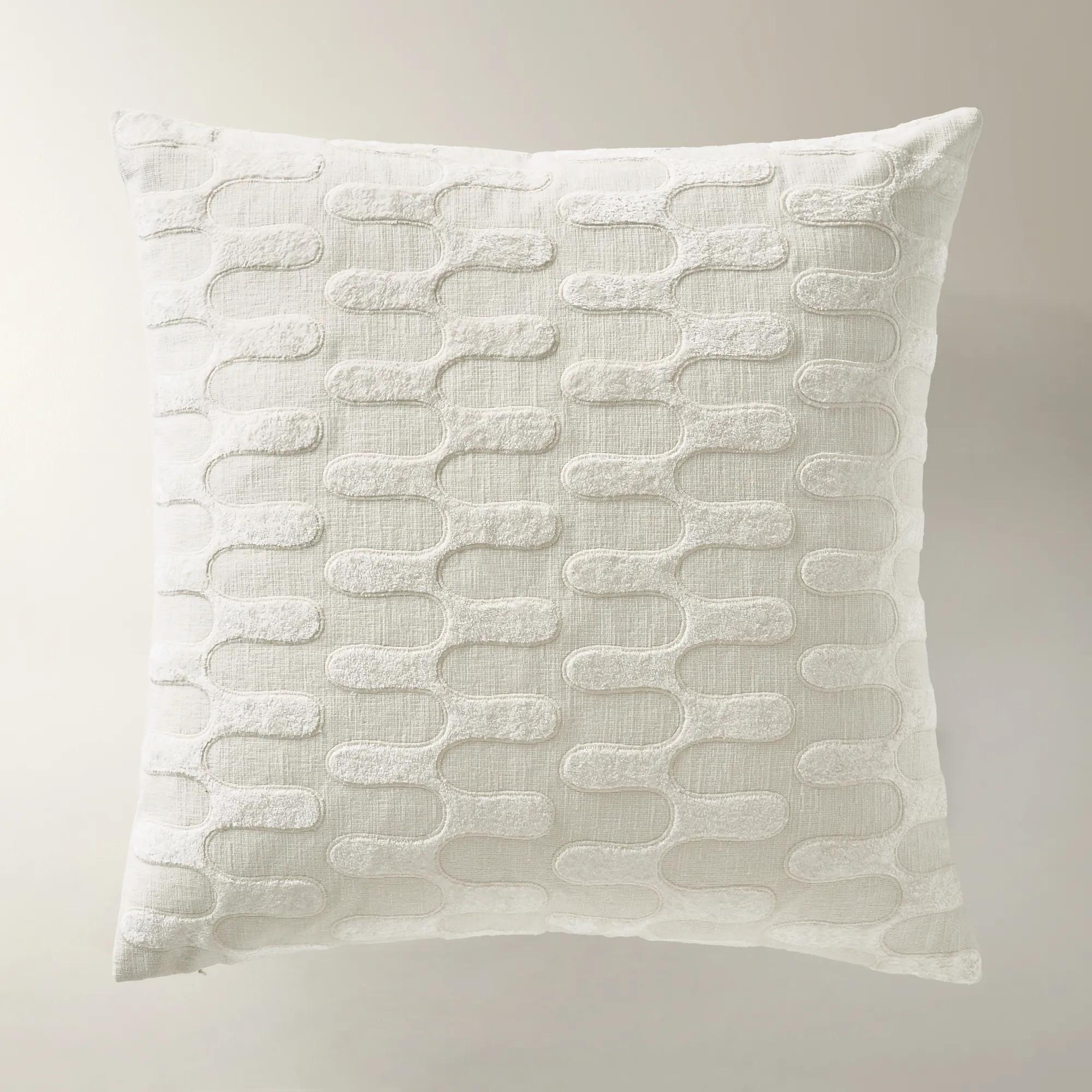 Reis White Geometric Chenille Applique Pillow 22" x 22"$99
A white velvet chenille pillow featuring a raised geometric applique and a plush feather-down insert.
Add To Cart -
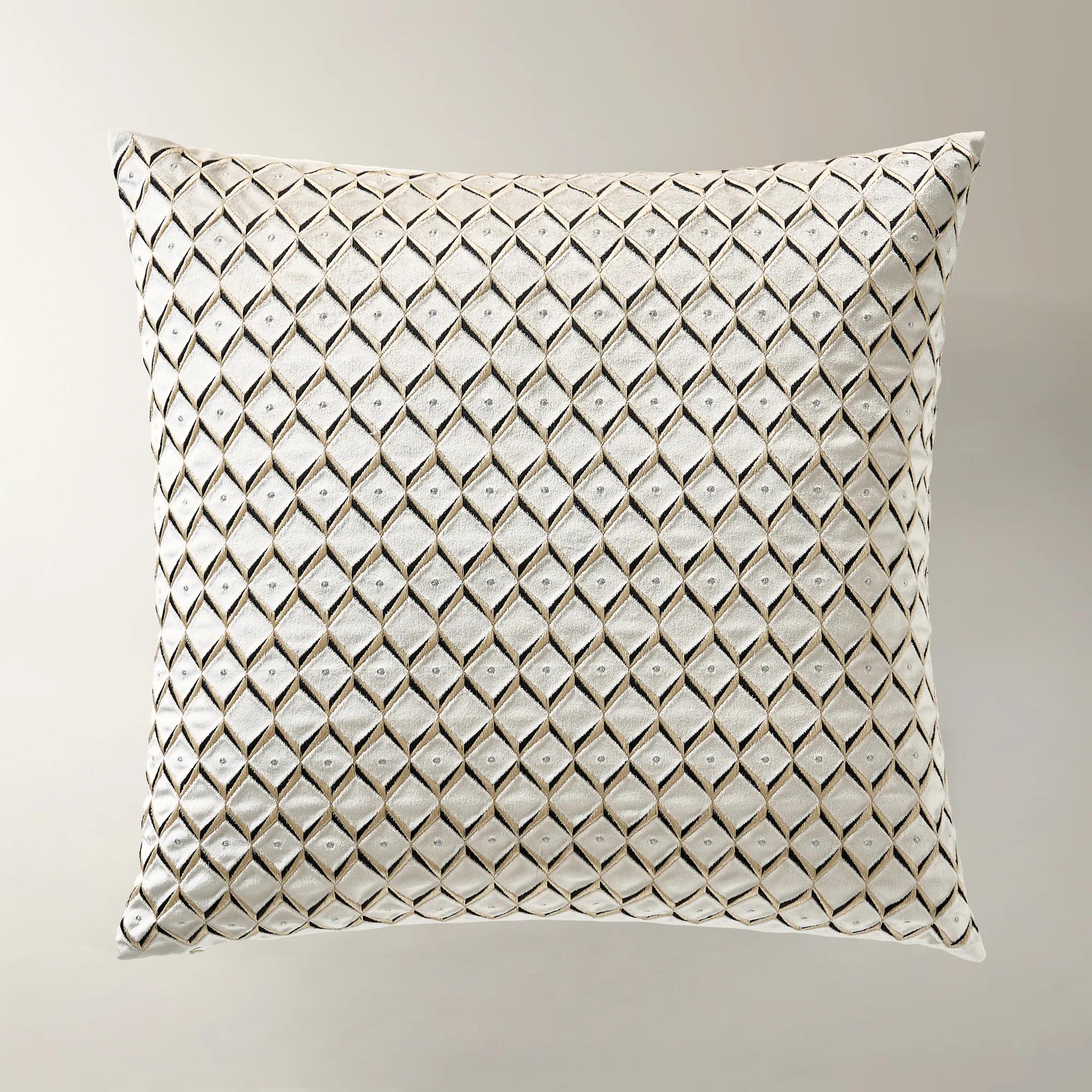 Boucard Diamond Check Embroidered Alabaster Pillow 22" x 22"$119
A luminous alabaster velvet pillow featuring metallic champagne and black diamond embroidery with a feather-down insert.
Add To Cart -
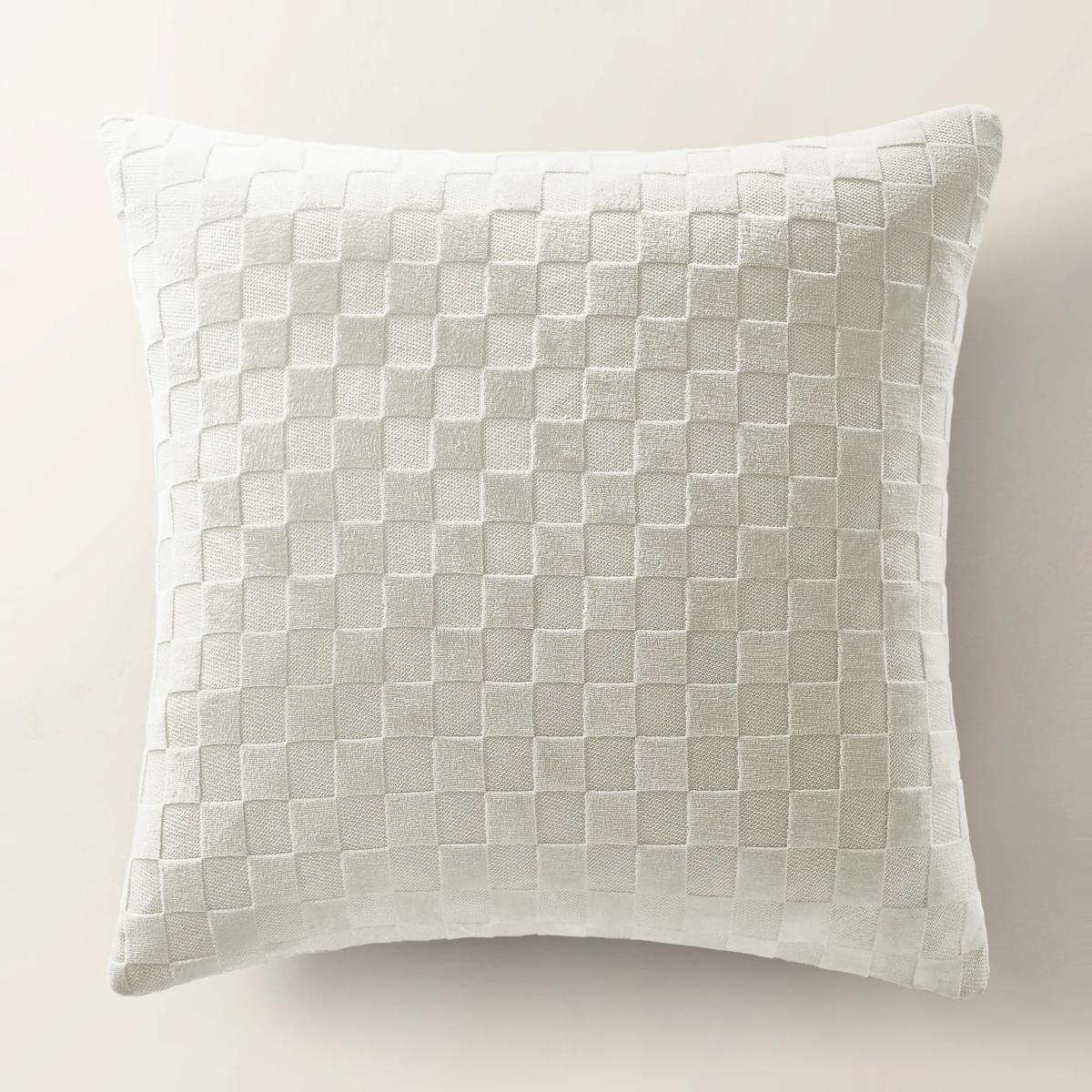
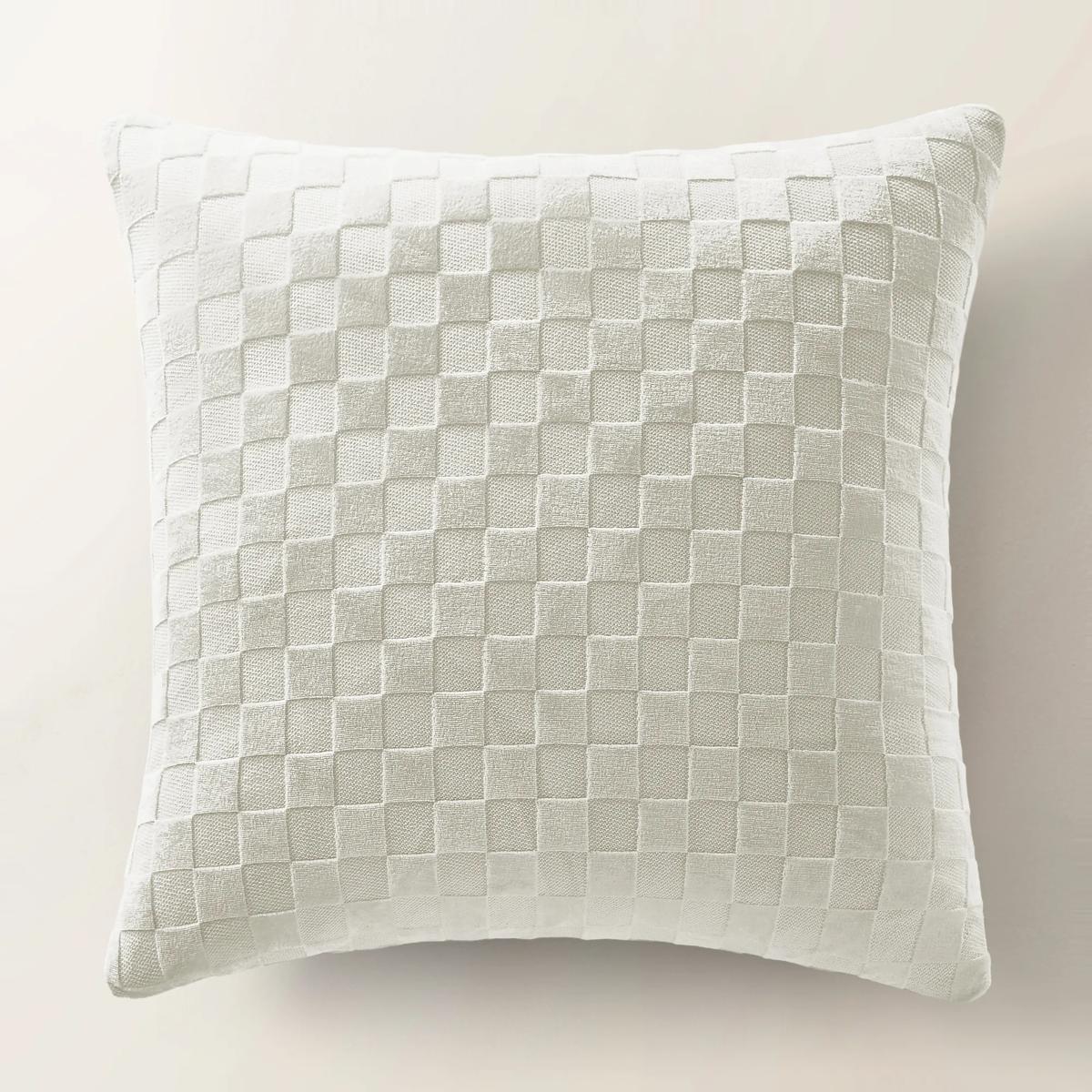 Checker White Cut Velvet Pillow 22" x 22"$79
A crisp white velvet pillow featuring a modern checker pattern and a removable feather-down insert.
Add To Cart -

 Minka Jacquard Ivory Pillow 22" x 22"$89
A highly textured ivory chevron pillow with a removable cover and plush feather down insert.
Add To Cart -
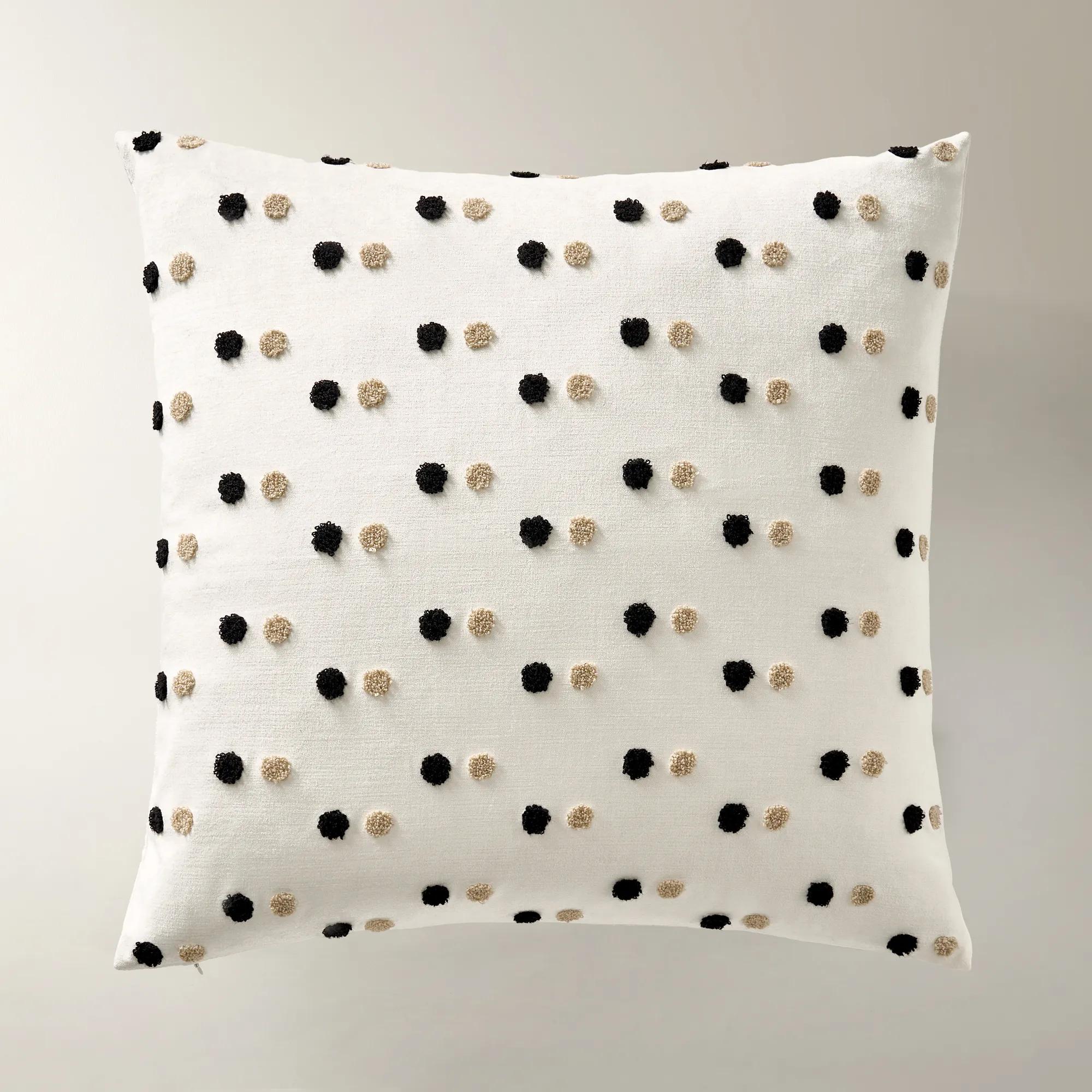
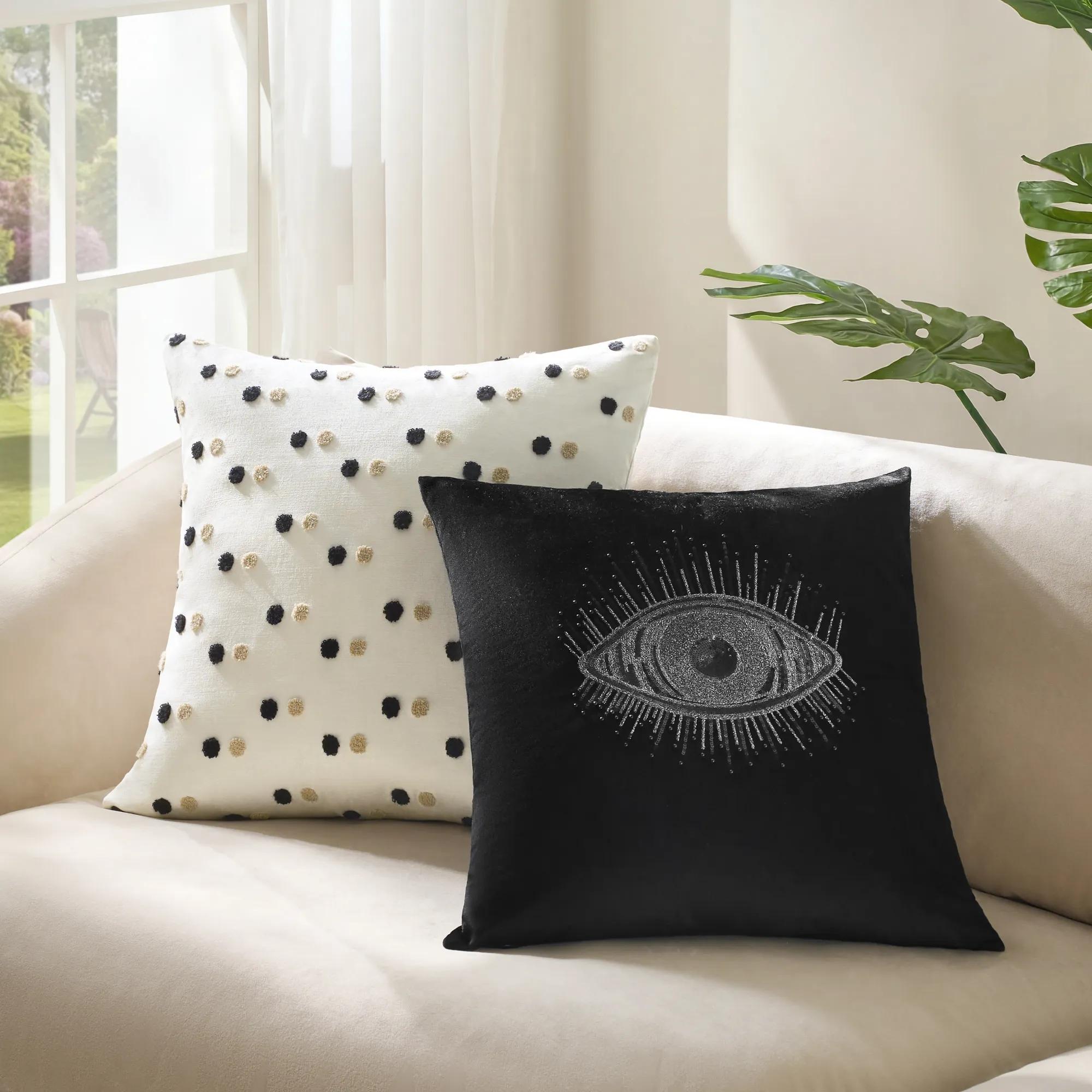 Dionne Polka Dot Embroidered Cloud White Velvet Pillow 22" x 22"$99
A cloud velvet pillow featuring embroidered taupe and black polka dots with a plush feather-down insert.
Add To Cart -

 Shay Ivory Faux Fur Pillow 22" x 22"$89
An ultra-plush ivory faux fur pillow with a feather down insert for luxurious softness and texture.
Add To Cart -
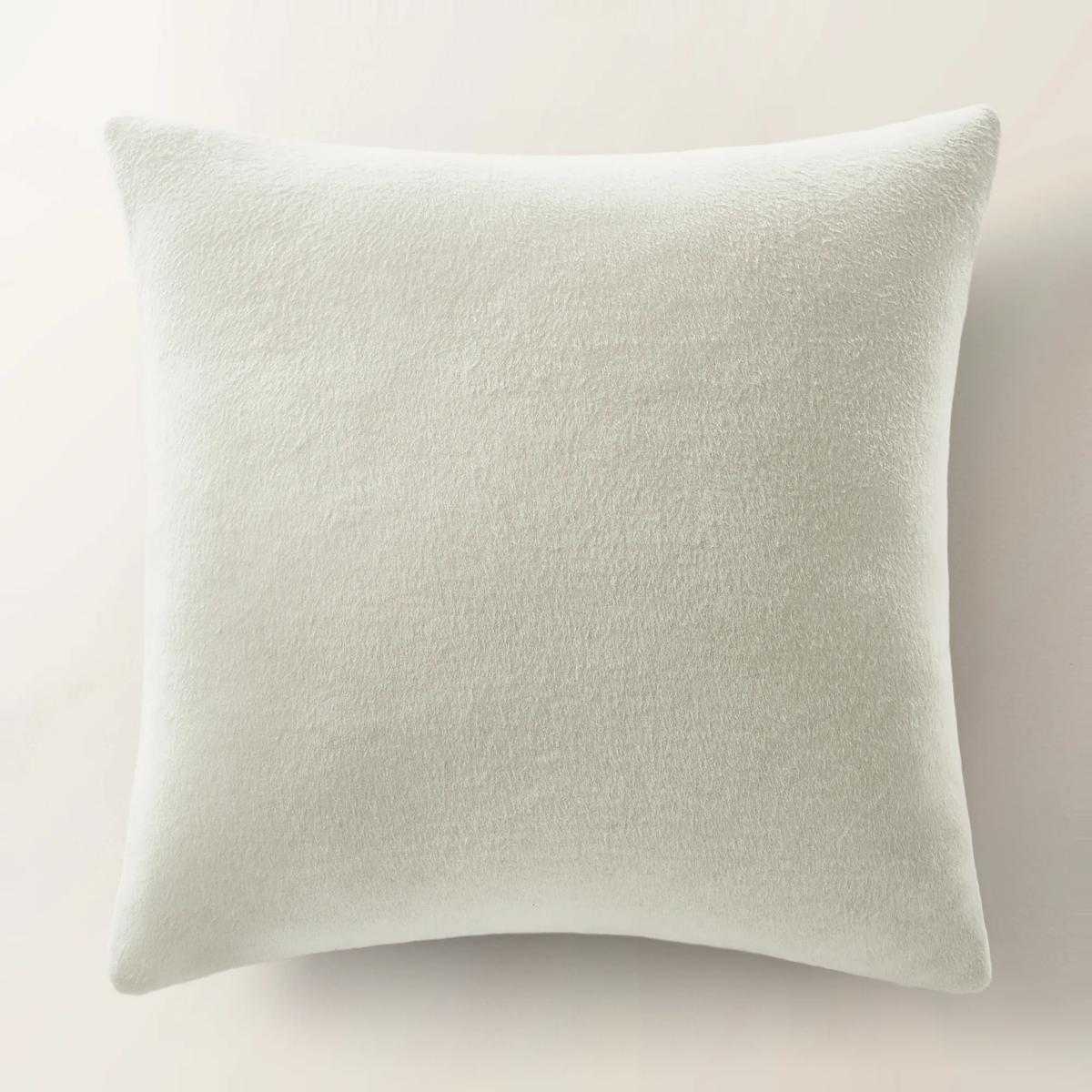 Maeve Felted Wool Pillow 22"- White$99
A plush ivory pillow featuring a felted wool blend and feather down insert for modern, serene comfort.
Add To Cart -

 Haven Beaded Pillow 22"$129
An ivory velvet pillow adorned with tonal bead embellishments for a touch of refined luxury.
Add To Cart -

 Z Carved Faux Fur Pillow 22“- Ivory$89
An ultra-soft ivory faux fur pillow with a sculptural carved design and silky velvet backing.
Add To Cart -
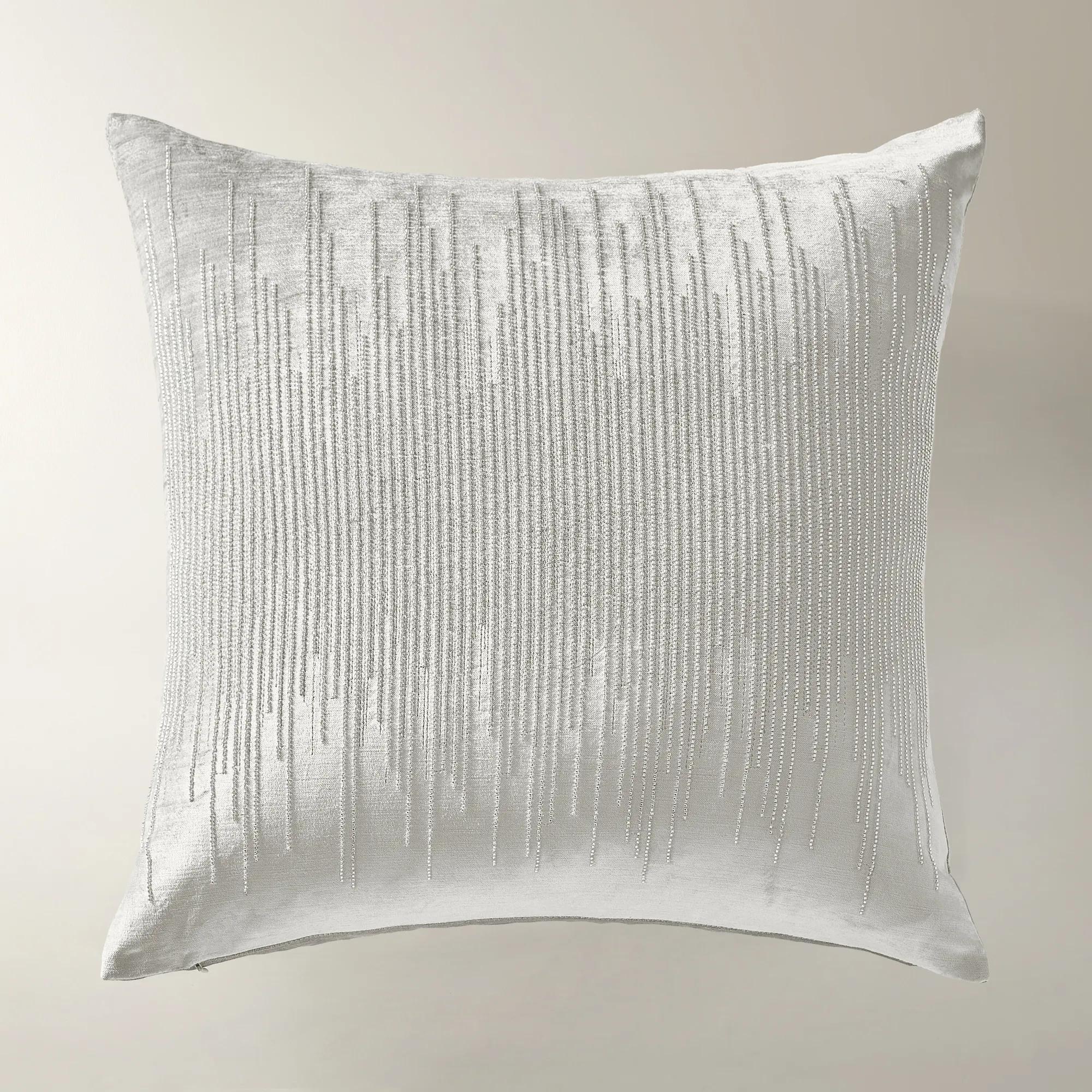
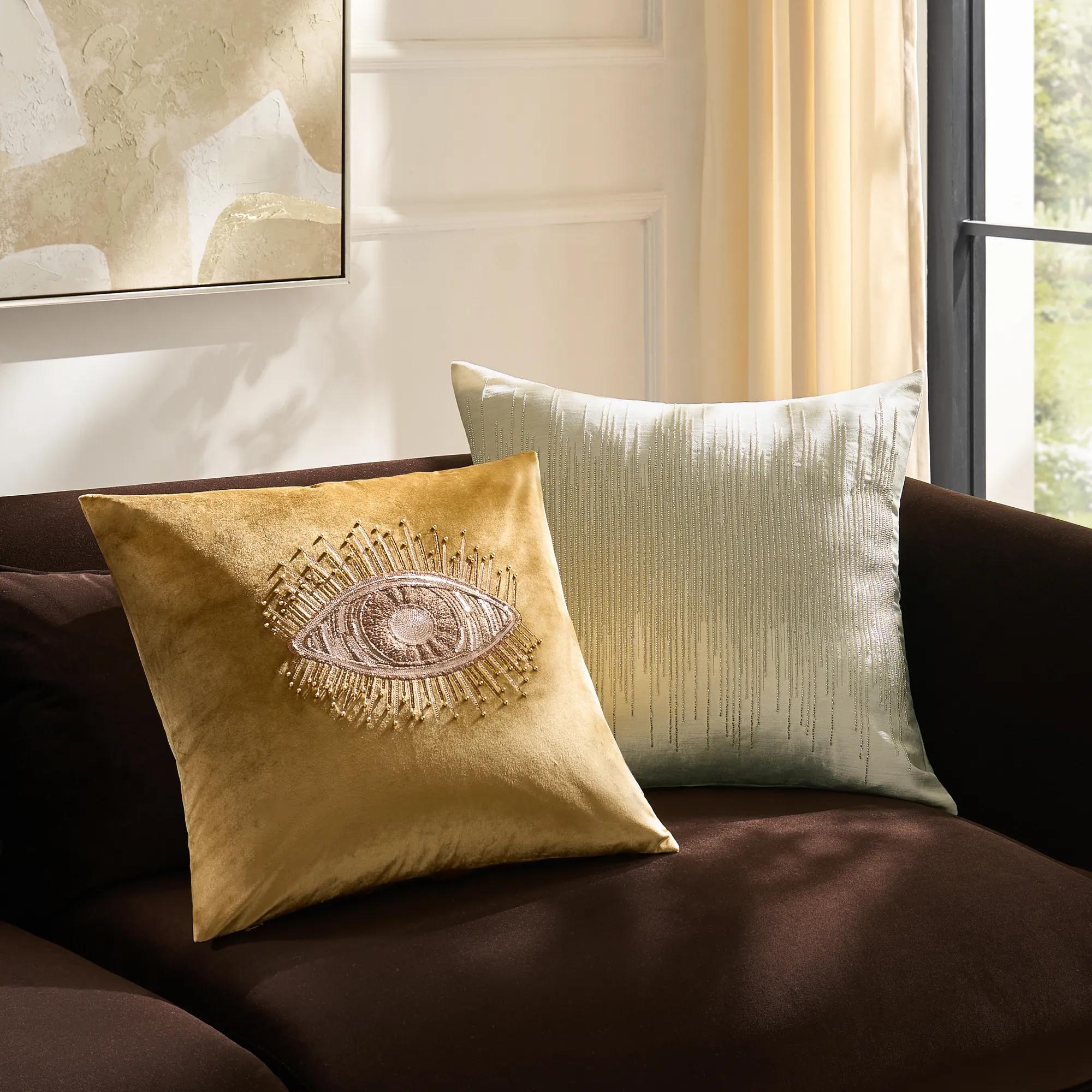 Voie Beaded Cloud White/Silver Velvet Pillow 22" x 22"$99
A cloud white velvet pillow adorned with gradient silver beading and embroidery for luminous, textured elegance.
Add To Cart -
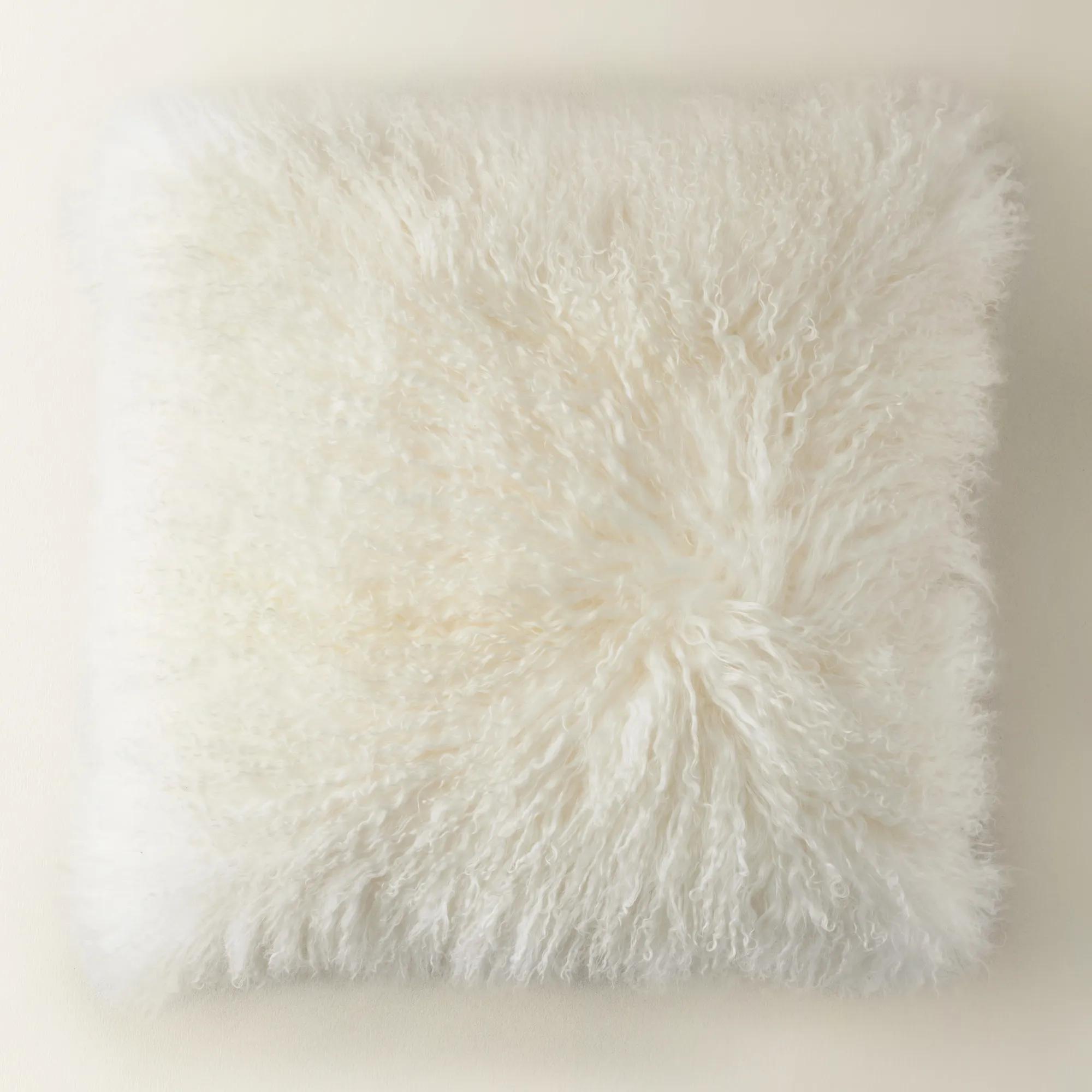
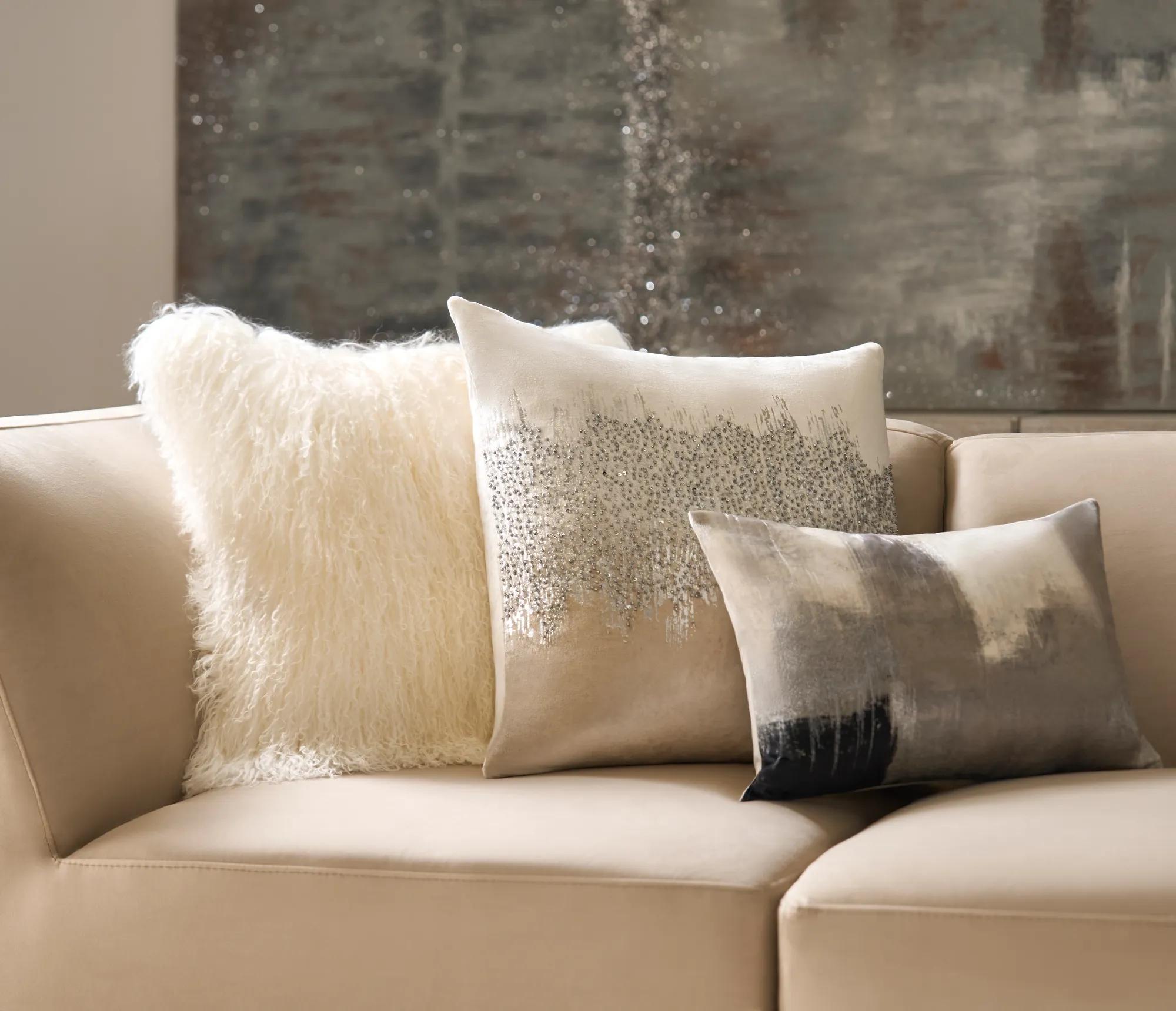 Mia White Mongolian Lamb Fur Pillow 22" x 22"$169
A luxurious white pillow featuring genuine Mongolian lamb fur front and faux suede back for elegant texture.
Add To Cart -
 Embroidered Dot Pillow 22"$79
An ivory velvet pillow featuring embroidered black dots and soft gold accents for a touch of shimmer.
Add To Cart -
 Channel Ivory Faux Fur Pillow 20" x 20"$79
An ivory faux fur pillow with a plush feather down insert and a removable velvet-backed cover.
Add To Cart -
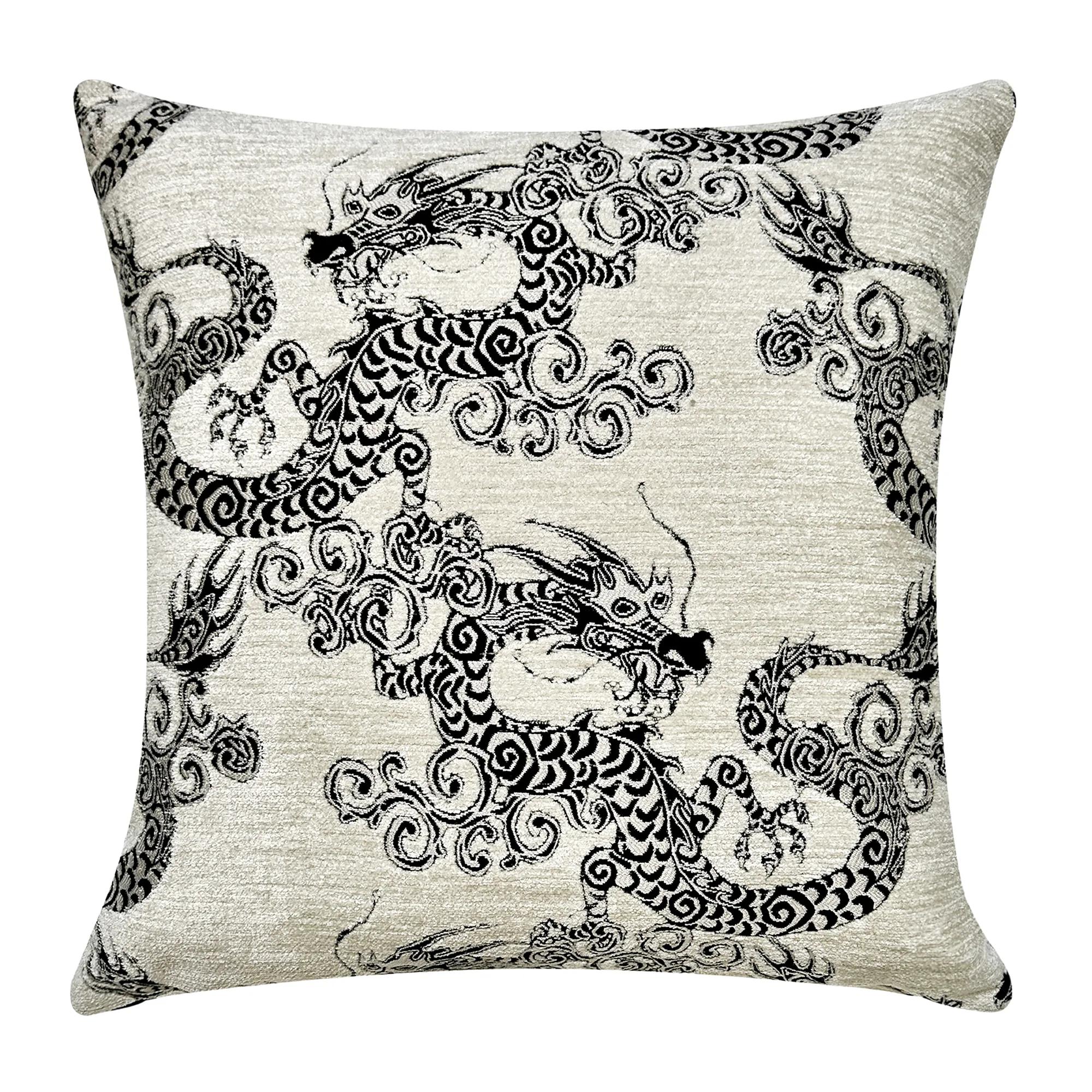
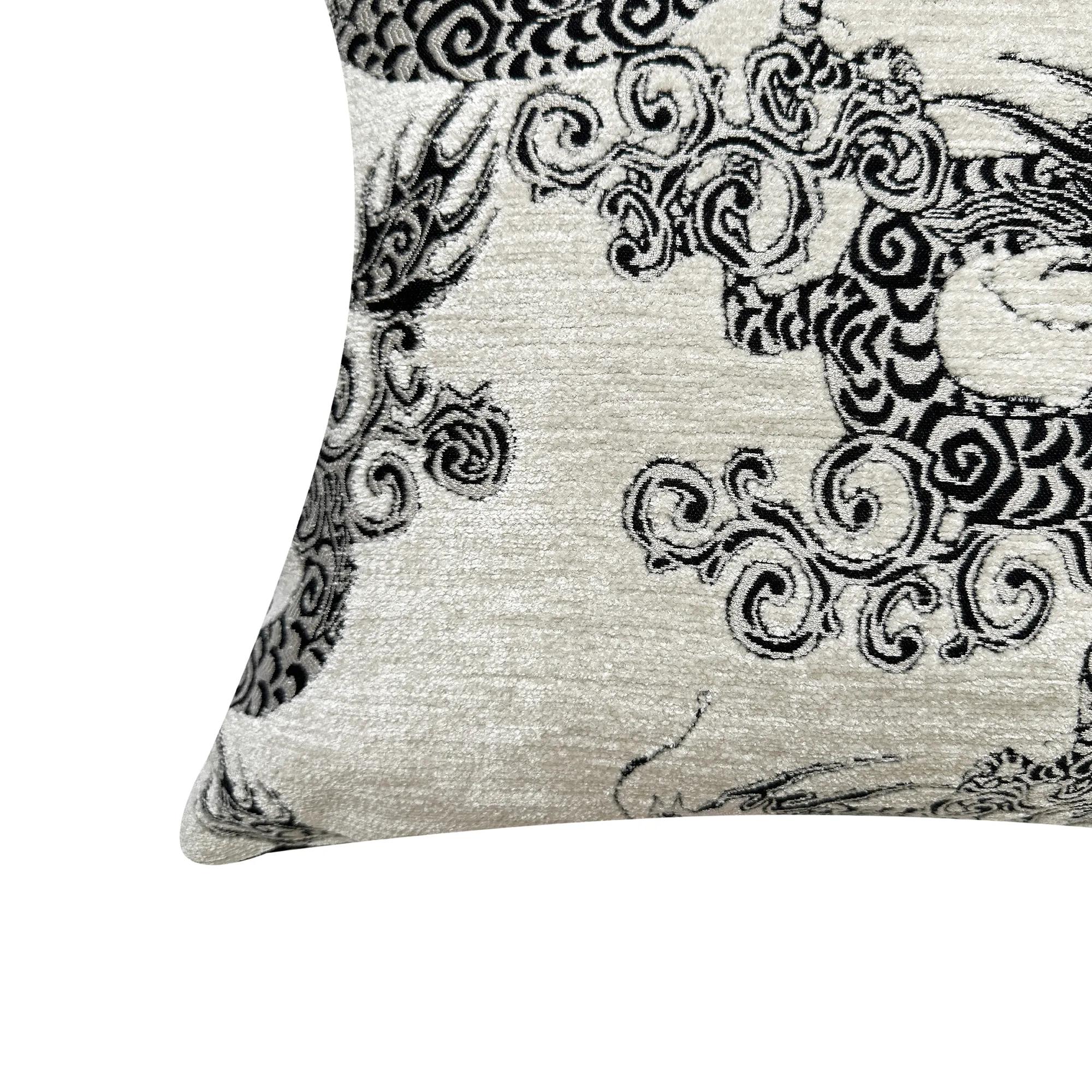 Dragonette White Jacquard Chenille Pillow 20" x 20"$119
A luxurious jacquard chenille pillow featuring a black and white dragon motif and plush feather down insert.
Add To Cart -
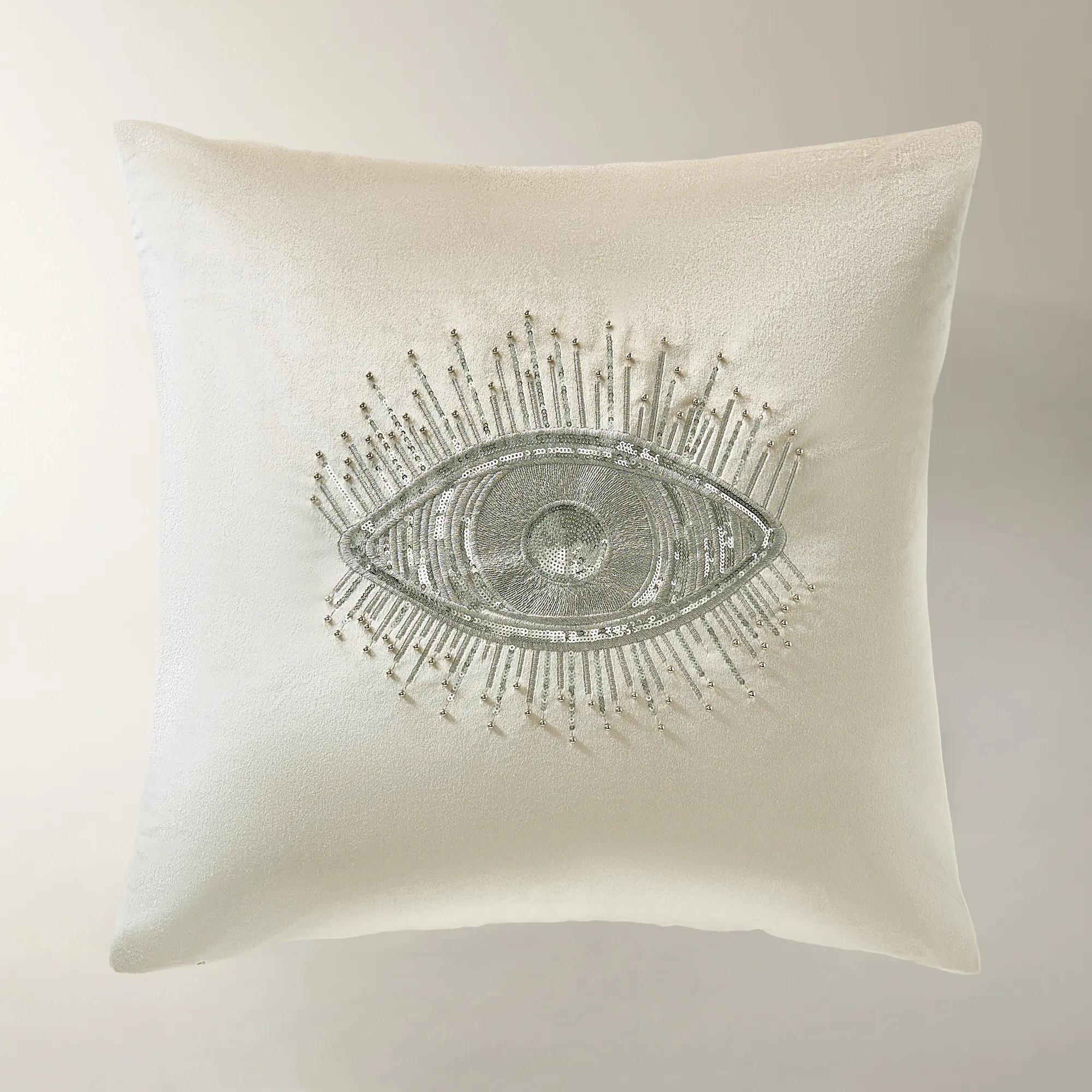 Glam Eye Beaded Embroidered Alabaster Velvet Pillow 20" x 20"$119
An alabaster velvet pillow featuring tonal beaded eye embroidery and a plush feather-down insert.
Add To Cart -
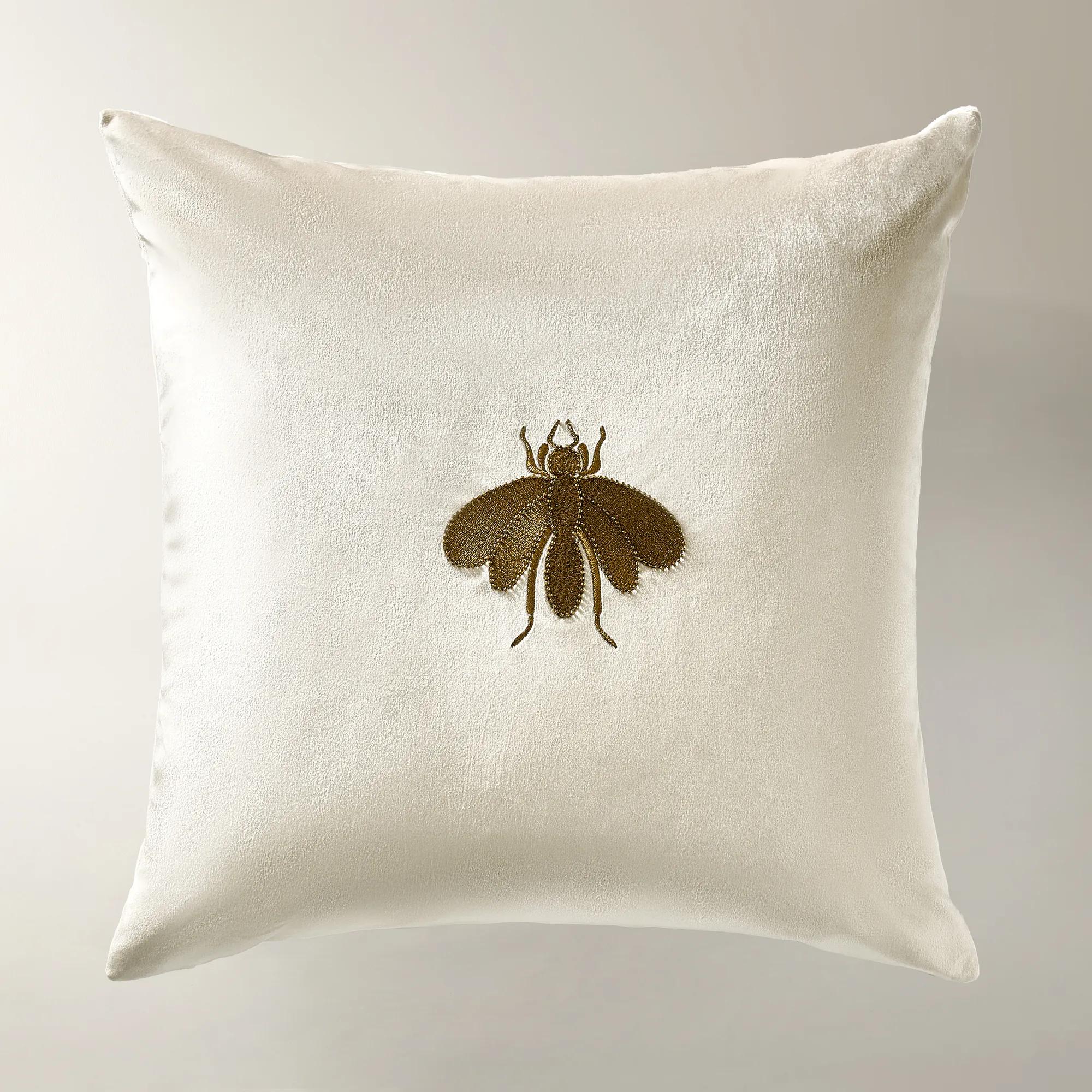
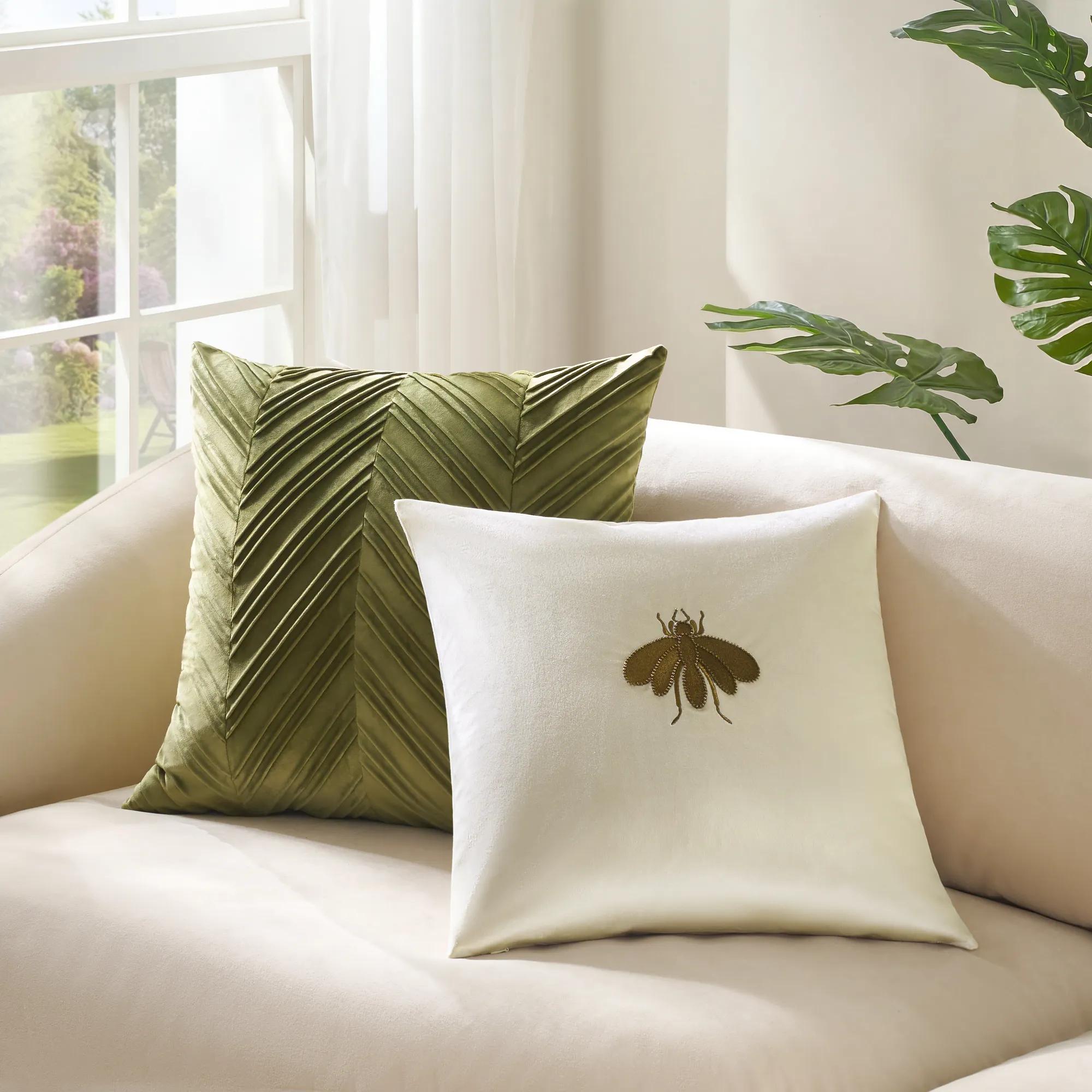 Bee Embroidered Cloud White/Bronze Velvet Pillow 20" x 20"$99
A cloud white velvet pillow featuring bronze metallic bee embroidery and a plush feather-down insert.
Add To Cart -
 Tigre Pillow 22"$99
A modern ivory satin pillow with bold black stitching, offering a chic twist on animal-inspired design.
Add To Cart -

 Freja Alabaster/Black Fringe Pillow 22" x 22"$99
A sophisticated alabaster pillow accented with dramatic black fringe for modern contrast.
Add To Cart -
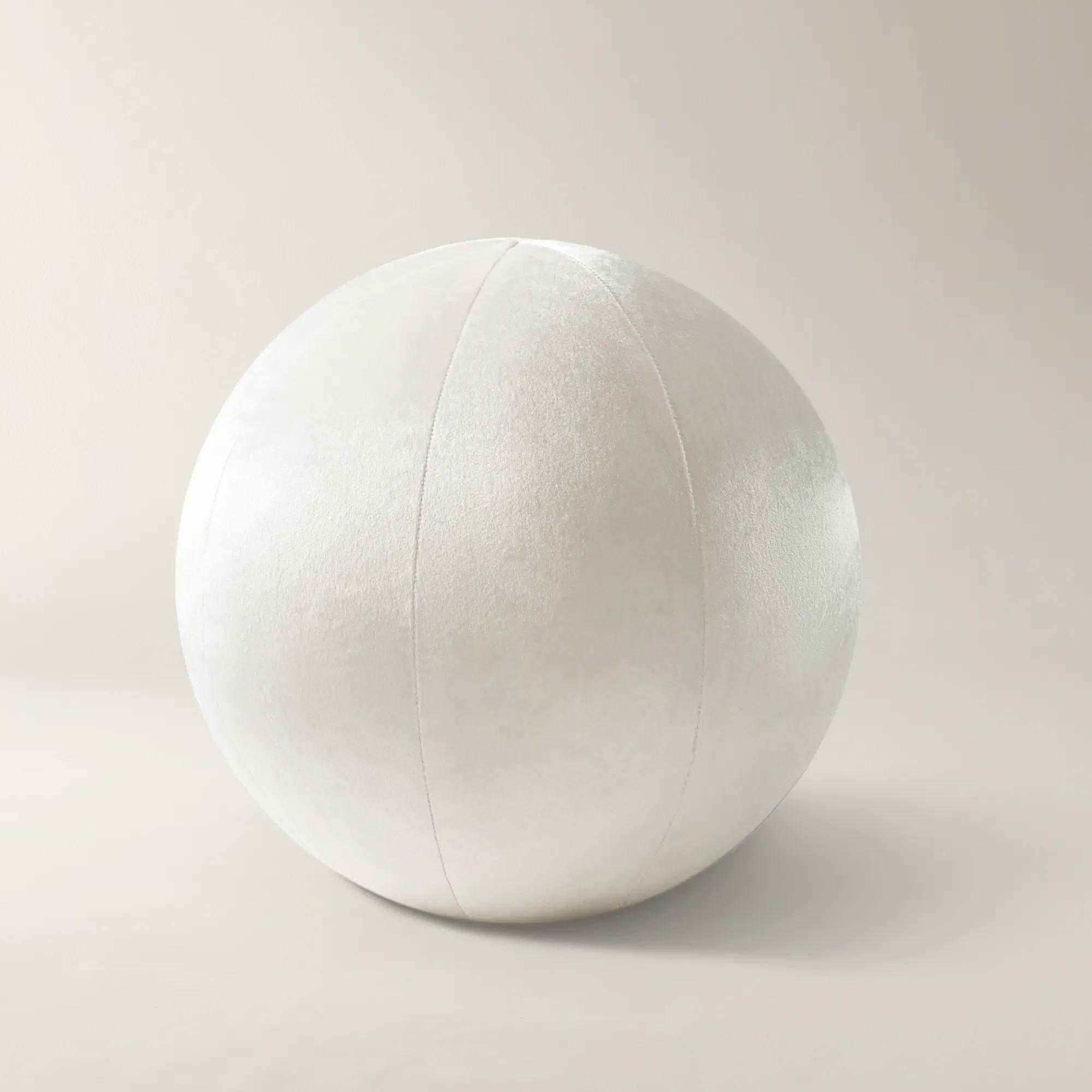
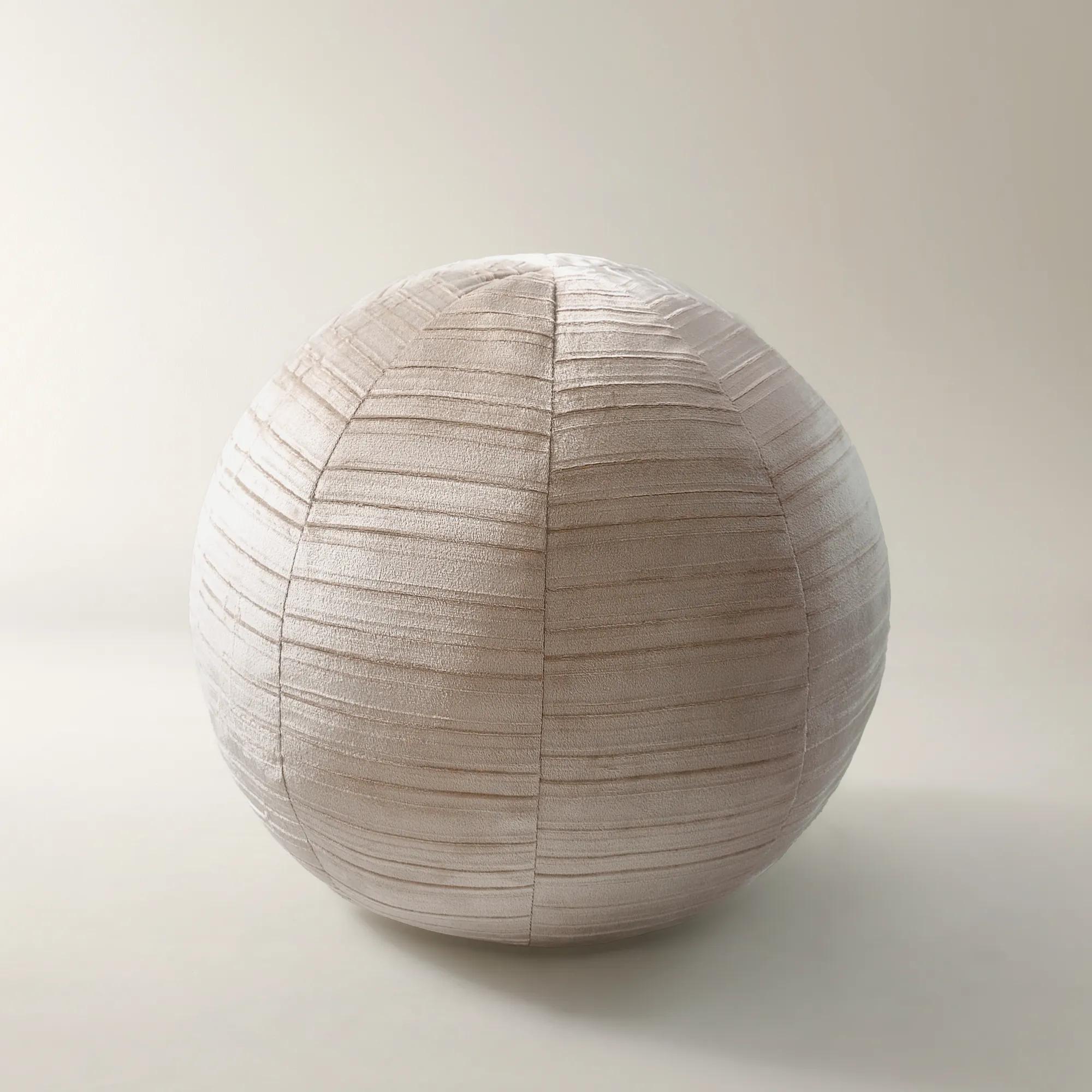
 Veda Ivory Velvet Ball Pillow 12"D$69
A sculptural ivory sphere pillow crafted from lustrous velvet for a cozy, modern accent.
Add To Cart -
 Namir Leopard Beaded Embroidered Ivory/Gold Velvet Pillow 22" x 22"$129
An ivory velvet pillow featuring an embroidered leopard face and a plush feather-down insert.
Add To Cart -

 Lou Leopard White Embroidered Velvet Pillow 22" x 22"$99
A plush white velvet pillow featuring intricate gold and black leopard embroidery with a removable feather-down insert.
Add To Cart -
 Dottie Cut Velvet Pillow 22" - White$79
A white cut velvet pillow adding soft texture and elegant dimension to modern spaces.
Add To Cart -

 Shay Ivory Faux Fur Round Pillow 18"D$59
An ultra-plush ivory faux fur pillow with a feather-down insert and soft, cloud-like texture.
Add To Cart -
 Abelia Pillow 22" - Ivory/Black$79
An ivory and black pillow featuring intricate botanical stitch embroidery on soft polyester with a feather-down insert.
Add To Cart

White Living Room Pillows
White Living Room Pillows are the secret to transforming any space into a luminous sanctuary of style. These radiant accents invite light, elegance, and a sense of effortless luxury into your living room, creating a canvas for bold expression or serene simplicity. Whether layered atop a sumptuous sofa or artfully arranged on a sculptural chaise, each pillow becomes an invitation to sink into comfort while elevating your décor with crisp, modern allure. Let your living room shine in sophisticated palettes and plush textures—because every detail deserves its moment in the spotlight.
White living room pillows are decorative cushions that bring softness, dimension, and a luminous focal point to sofas, sectionals, and accent chairs. Their appeal lies in the contrast between a restrained color and an expressive surface: ivory velvet with a subtle sheen, snowy faux fur with generous loft, or cotton with a beautifully defined weave. Against charcoal upholstery, a white pillow creates a crisp, graphic accent; against cream or oatmeal, it builds a quieter composition where texture carries the drama. White is not a single shade, and that distinction matters in a thoughtfully furnished room. Bright white feels clean and architectural beside black lacquer or polished chrome, while off-white and ivory introduce a softer note alongside warm wood and brushed brass. The undertone of the upholstery, rug, and surrounding textiles helps determine whether a cool or warm white feels most harmonious. Materials shape the experience just as much as color. Velvet offers a plush hand and a surface that shifts subtly with the light. Faux fur brings sculptural volume and a more enveloping feel, while cotton and linen blends can introduce tactile detail through slubbed yarns, embroidery, or a pronounced weave. Bouclé and other looped fabrics create depth without relying on a bold print. These distinctions give white throw pillows presence even within a largely neutral room. For a broader expression of the same palette, White Decorative Throw Pillows can carry that luminous character across complementary seating arrangements. The result need not feel formal or untouchable. A pair of softly textured cushions on a generously upholstered sofa can make a polished living room feel more welcoming, while one intricately detailed pillow can lend an occasional chair the visual importance of a carefully chosen accessory. White gives every fold, tuft, and stitched line room to be seen.
Scale determines whether decorative pillows feel integrated with the furniture or simply placed upon it. Square cushions around 18 to 22 inches often suit standard sofas, while larger silhouettes can hold their own on deep seating and expansive sectionals. A 24-inch pillow may create a sumptuous backdrop on a generous seat, but the same dimensions can overwhelm a compact accent chair. Lumbar pillows offer a different proportion, bringing an elongated line to a sofa or fitting neatly against a chair back without occupying the full width of the seat. Their shape can provide a comfortable resting point at the lower back, although decorative pillows are not a substitute for specialized support. The most successful arrangement leaves enough room to sit comfortably and lets the upholstery remain part of the composition. Two substantial squares with a smaller lumbar in front can feel composed without becoming crowded; a single oversized cushion can be equally striking on a sculptural chair. Insert construction also influences both appearance and comfort. Feather-and-down fills tend to compress into a relaxed silhouette and require regular fluffing, while polyester and down-alternative fills can offer springier support, depending on their construction. Fill preferences, sensitivities, and the manufacturer's recommendations deserve consideration alongside appearance. For separately purchased covers and inserts, checking the stated dimensions and recommended insert size helps avoid strained seams or an underfilled shape. White pillows also offer an elegant way to connect contrasting materials across a room. A nubby cushion can soften the severity of a leather sofa, and a smooth velvet surface can offset a heavily textured rug. Mixing a solid white pillow with restrained embroidery or tonal geometric detail creates visual movement while preserving the palette. Metallic accents, when used sparingly, bring a flash of ornament rather than competing with the surrounding furnishings. The composition feels especially considered when one detail, such as a silver thread or an ivory ground, echoes something elsewhere in the room.
Everyday suitability depends on construction and care as well as beauty. White fabric makes dust, spills, and color transfer easier to notice, so the right surface should reflect how the living room is used. A frequently occupied family sofa calls for different considerations than an accent chair reserved for conversation. Tightly woven covers with secure seams may be more practical for regular handling than loosely looped textiles or delicate embellishments. Homes with pets may benefit from smoother surfaces that are less inviting to claws, although no decorative fabric is universally snag-proof. Beads, sequins, long fringe, and other applied details deserve particular attention around small children and animals. Removable covers can simplify maintenance, but a zipper does not automatically mean a cover is machine washable. The care label should determine whether a pillow requires spot cleaning, professional cleaning, or laundering under specified conditions. Some velvet, faux fur, and embellished fabrics need specialized treatment to preserve their texture and shape. Promptly blotting a spill rather than rubbing it can help limit its spread; any cleaning method should follow the manufacturer's instructions, with an inconspicuous test when recommended. Bleach is not appropriate for every white textile, and excessive heat can damage certain fibers or decorative finishes. Gentle upkeep, suitable cleaning, and occasional fluffing help retain a pillow's inviting appearance, while rotating positions can distribute everyday wear. These practical details make white living room pillows appealing for people who enjoy expressive interiors without wanting every accent to demand the same level of attention. They can also be thoughtful housewarming or wedding gifts when the recipient's taste, seating proportions, and care preferences are known. A richly textured neutral is often easier to integrate than a highly specific color, yet it still feels intentional and personal. Whether framing the corners of a tailored sofa or lending softness to a bold accent chair, white pillows create a place for the eye to pause and the body to settle, giving an expressive room a sense of ease.
FAQs
To achieve a layered, designer-inspired arrangement, combine white pillows in a variety of textures and shapes—think plush velvets, soft faux fur, and crisp linens. Arrange larger pillows at the back and layer smaller, more decorative pieces in front. Mix in subtle patterns or delicate embellishments to add dimension, and play with asymmetrical groupings for a curated, artful effect.
White living room pillows are remarkably versatile and can elevate a wide range of interiors. They lend a sense of calm and refinement to modern, minimalist spaces, add a touch of lightness and contrast in richly colored or eclectic rooms, and provide classic elegance in traditional settings. Their luminous quality makes them especially effective in spaces that embrace natural light or seek a serene, gallery-like ambiance.
Absolutely. White living room pillows are a thoughtful and timeless gift, perfect for housewarmings, weddings, anniversaries, or milestone celebrations. Their neutral palette ensures they complement any decor style, while luxurious materials and artisan details make them feel truly special—an elegant gesture that brings comfort and beauty to any home.
White pillows are the ideal foundation for seasonal updates. In winter, pair them with rich textures like faux fur or metallic accents to evoke cozy sophistication. As spring approaches, layer them with lighter fabrics and pastel throws for a fresh, airy vibe. Their versatility allows you to effortlessly transition your living room’s mood and palette throughout the year.
Seek out white pillows with distinctive elements such as tonal embroidery, beaded embellishments, sculptural quilting, or metallic threading. Details like fringe, piping, or unique shapes can also elevate the look, transforming a simple accent into a statement piece that enhances the artistry of your living space.