White Furniture For Coastal Homes
White Furniture For Coastal Homes
-
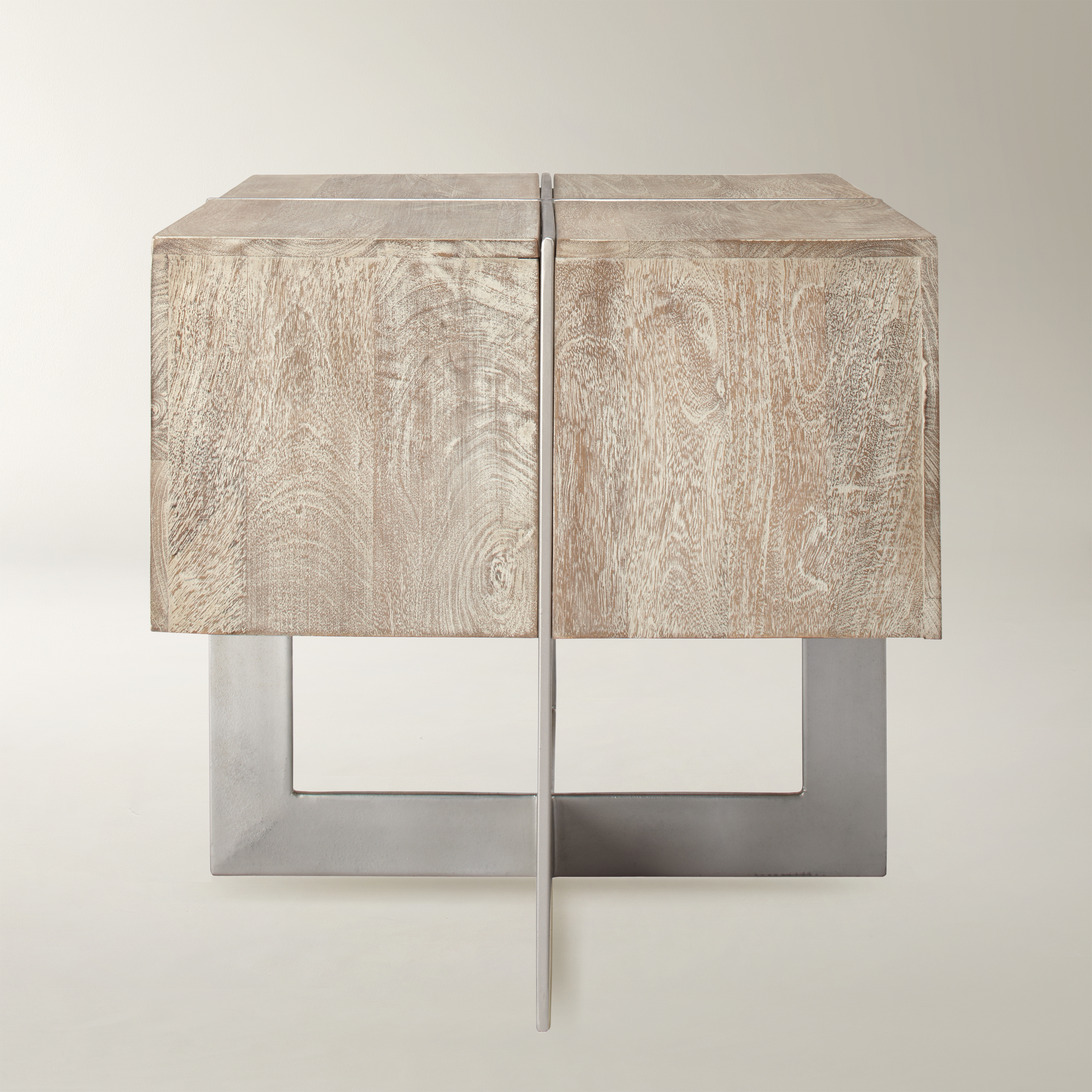
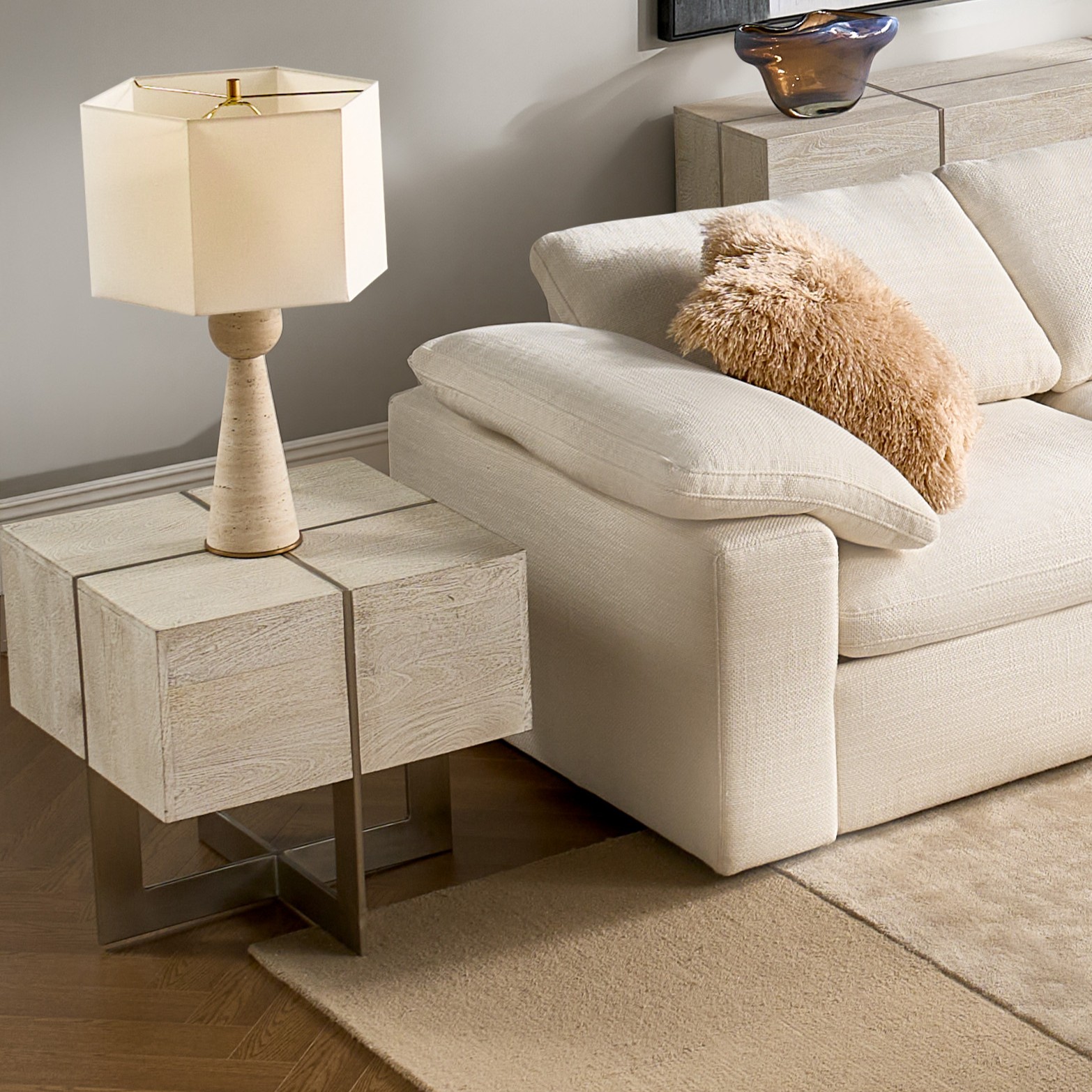 Clifton Square Natural Mango Wood End Table (24")$599
A handcrafted mango wood end table with a whitewashed finish and antiqued silver iron legs.
Add To Cart -
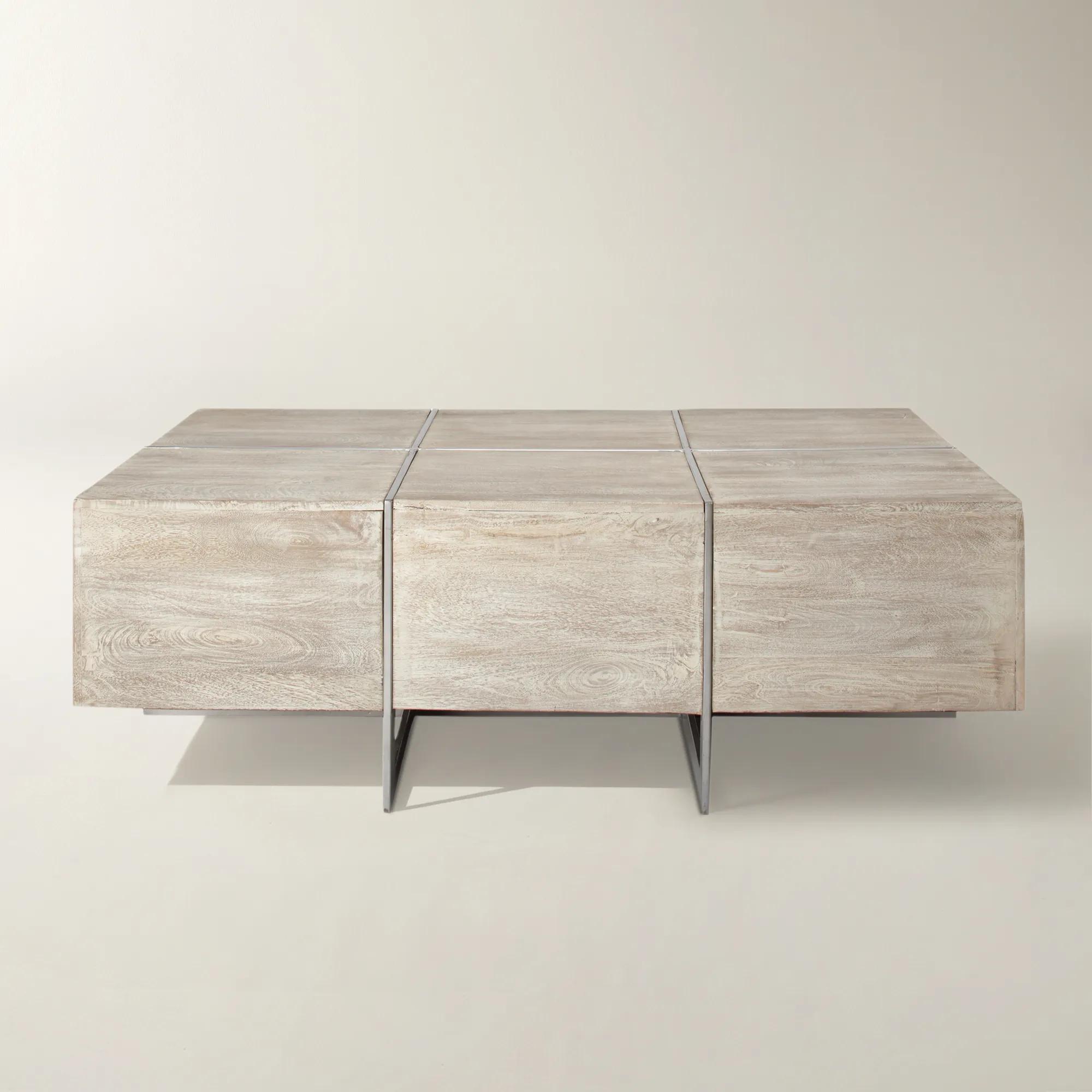
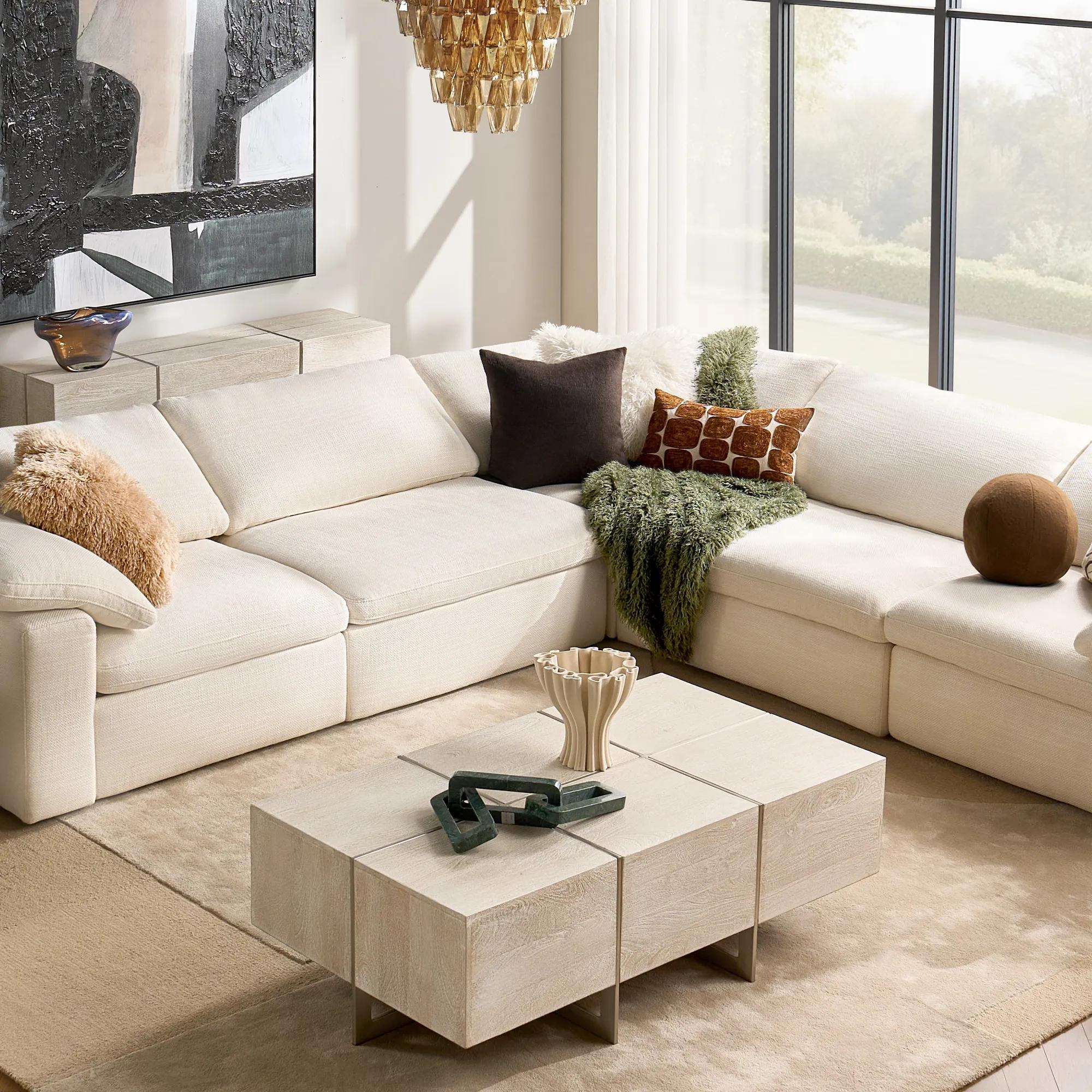 Clifton Rectangular Natural Mango Wood Coffee Table (54")$1299
A handcrafted mango wood table with a whitewashed finish and antiqued silver iron legs for organic appeal.
Add To Cart -
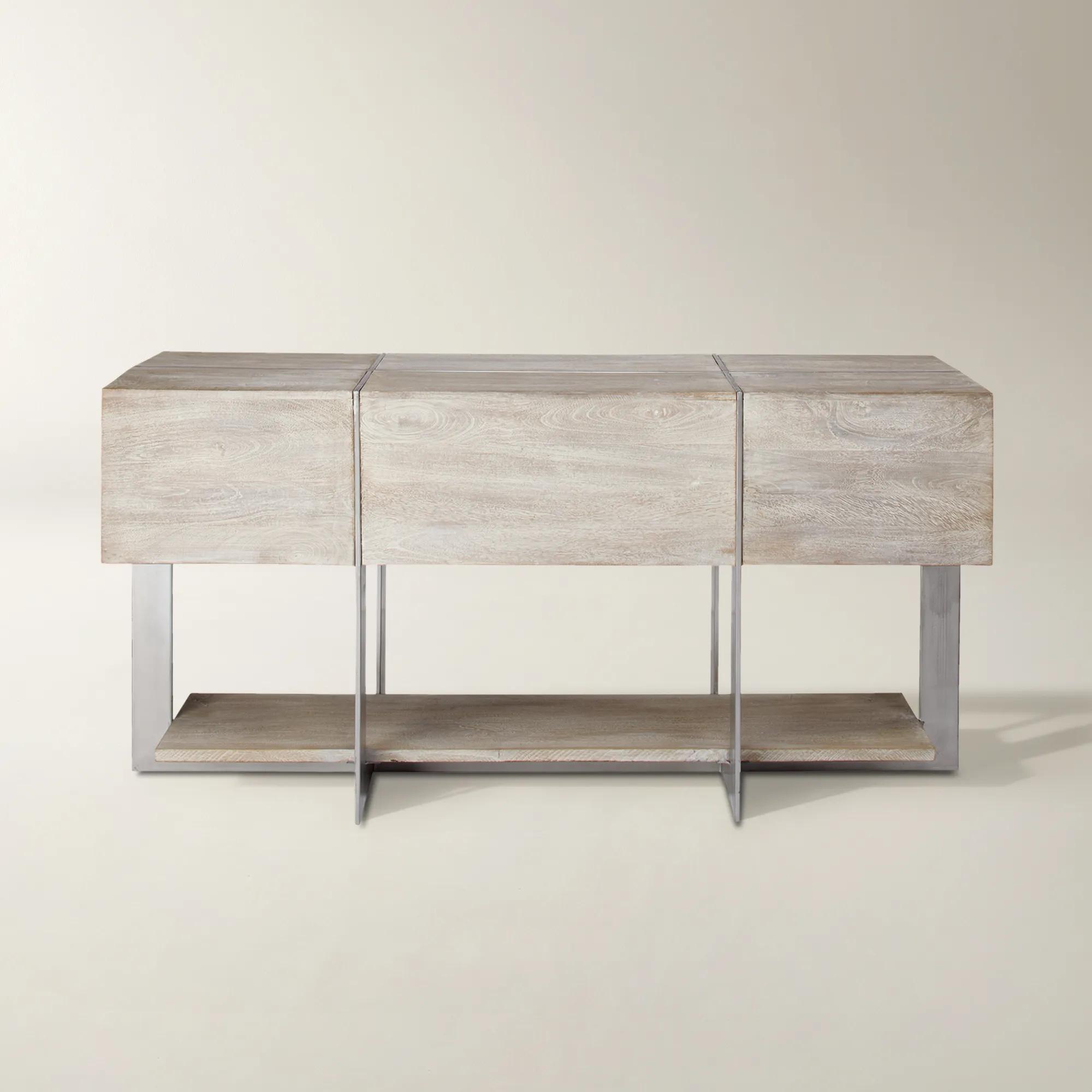
.jpg?w=1200&h=1200) Clifton Rectangular Natural Mango Wood Console Table (60")$1399
Clifton Rectangular Natural Mango Wood Console Table (60")$1399A handcrafted mango wood console table with a whitewashed finish and antiqued silver iron legs.
Add To Cart -
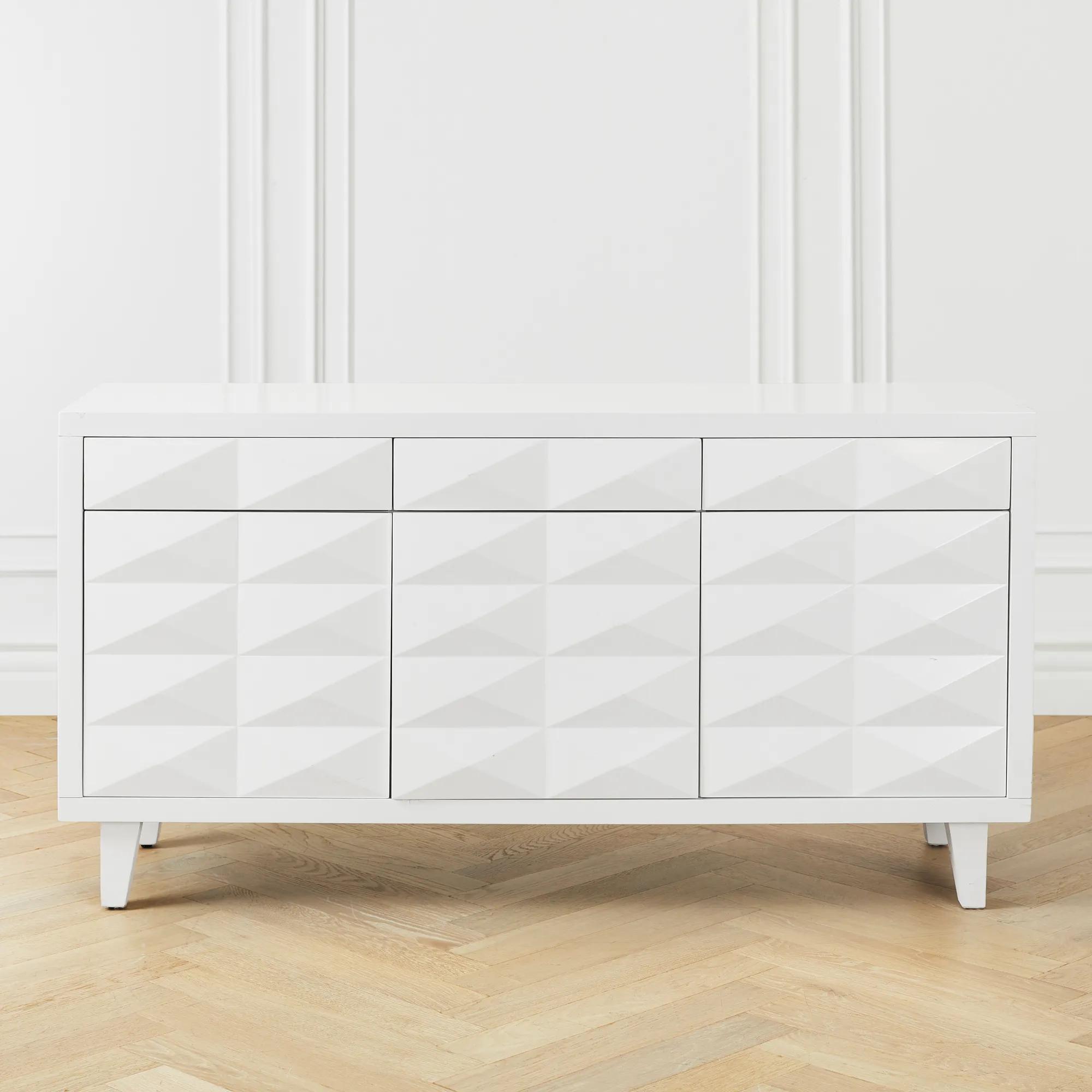 Palmer White Wood Cabinet (66.5")$1649
A sleek white hardwood cabinet with geometric detailing, three drawers, and push-latch doors for modern storage.
Add To Cart -
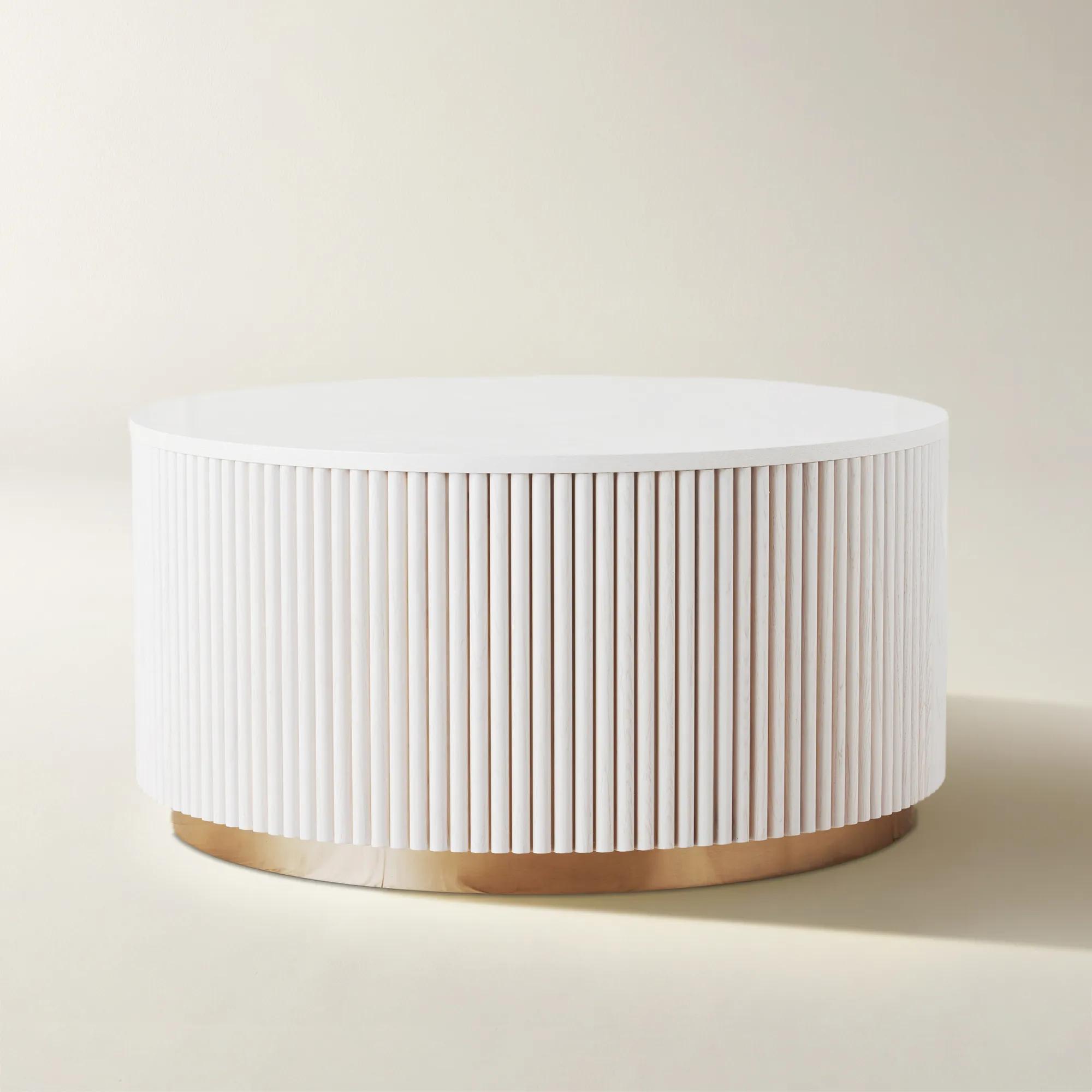
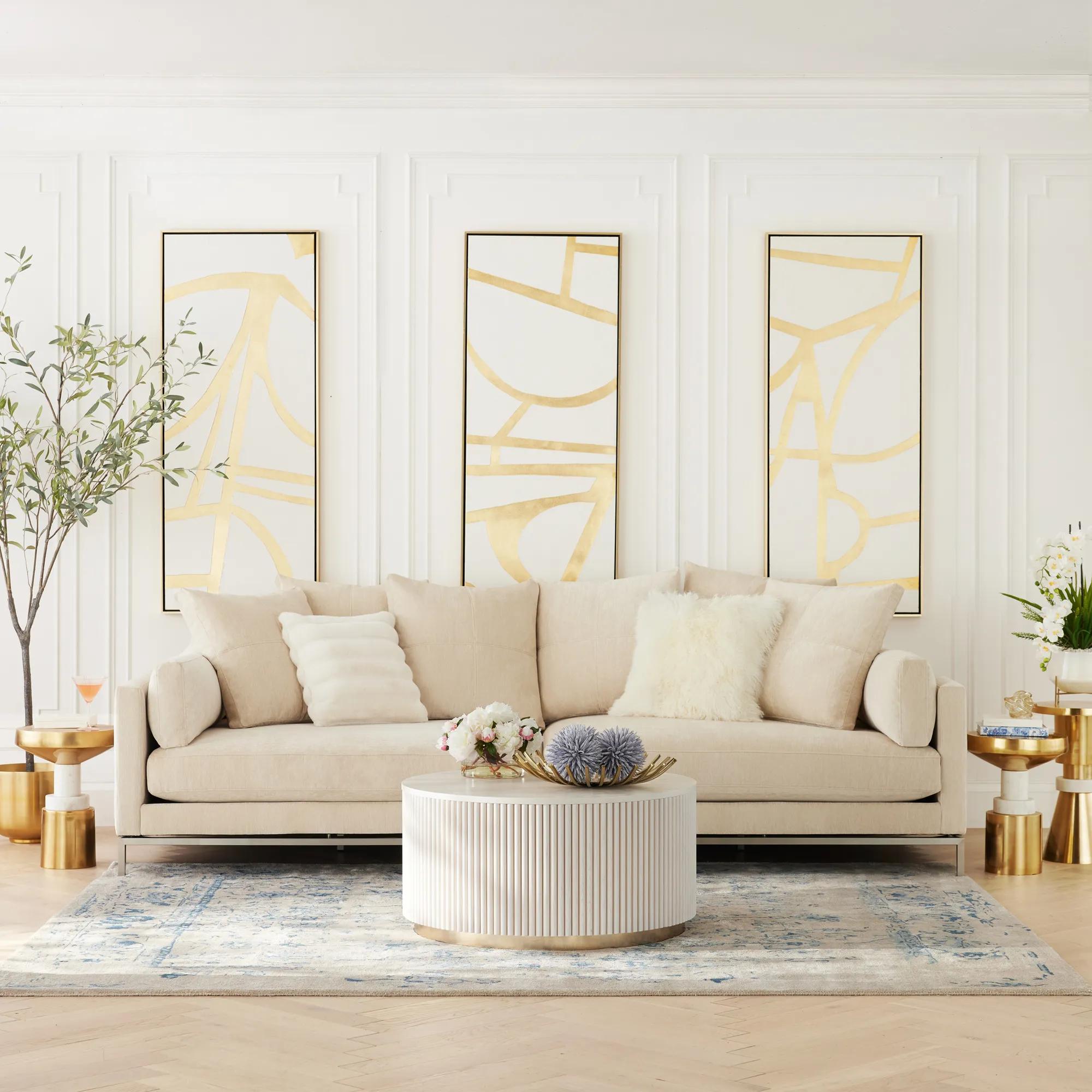 Natalia Round Reeded Whitewashed Ash Wood Coffee Table (36")$1299
A striking coffee table featuring reeded ash wood sides, a smooth top, and a whitewashed finish.
Add To Cart -
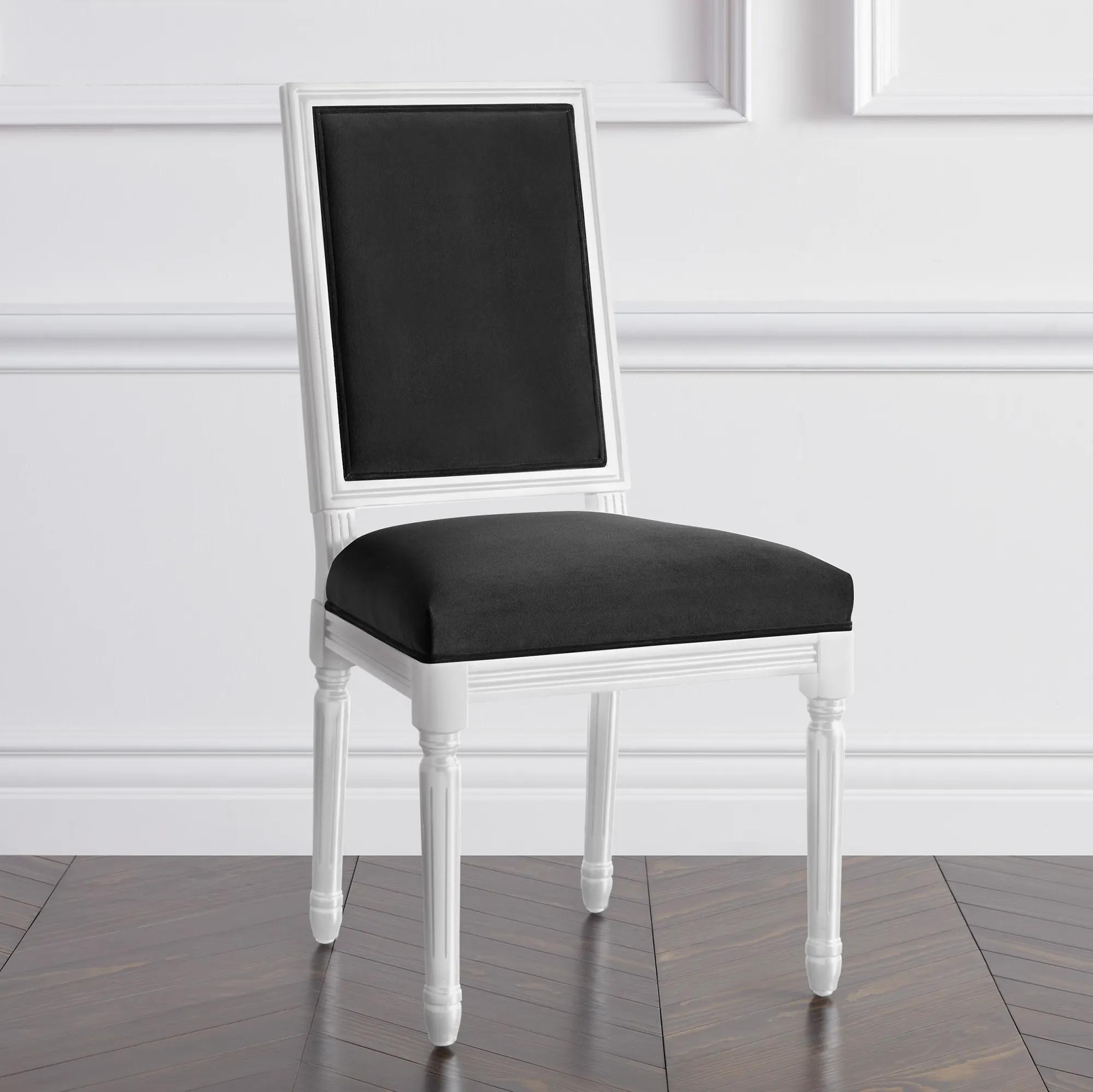
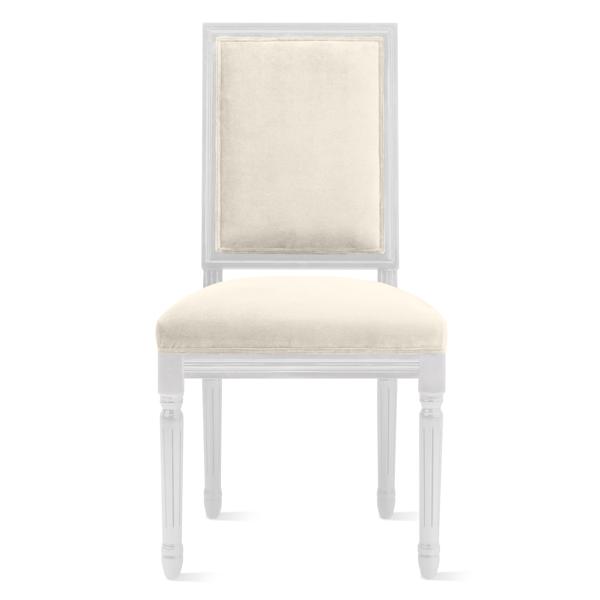 Callan Dining Chair - High Gloss White$549
A handcrafted dining chair featuring a high-gloss white finish, squared back, and plush velvet upholstery.
Add To Cart -
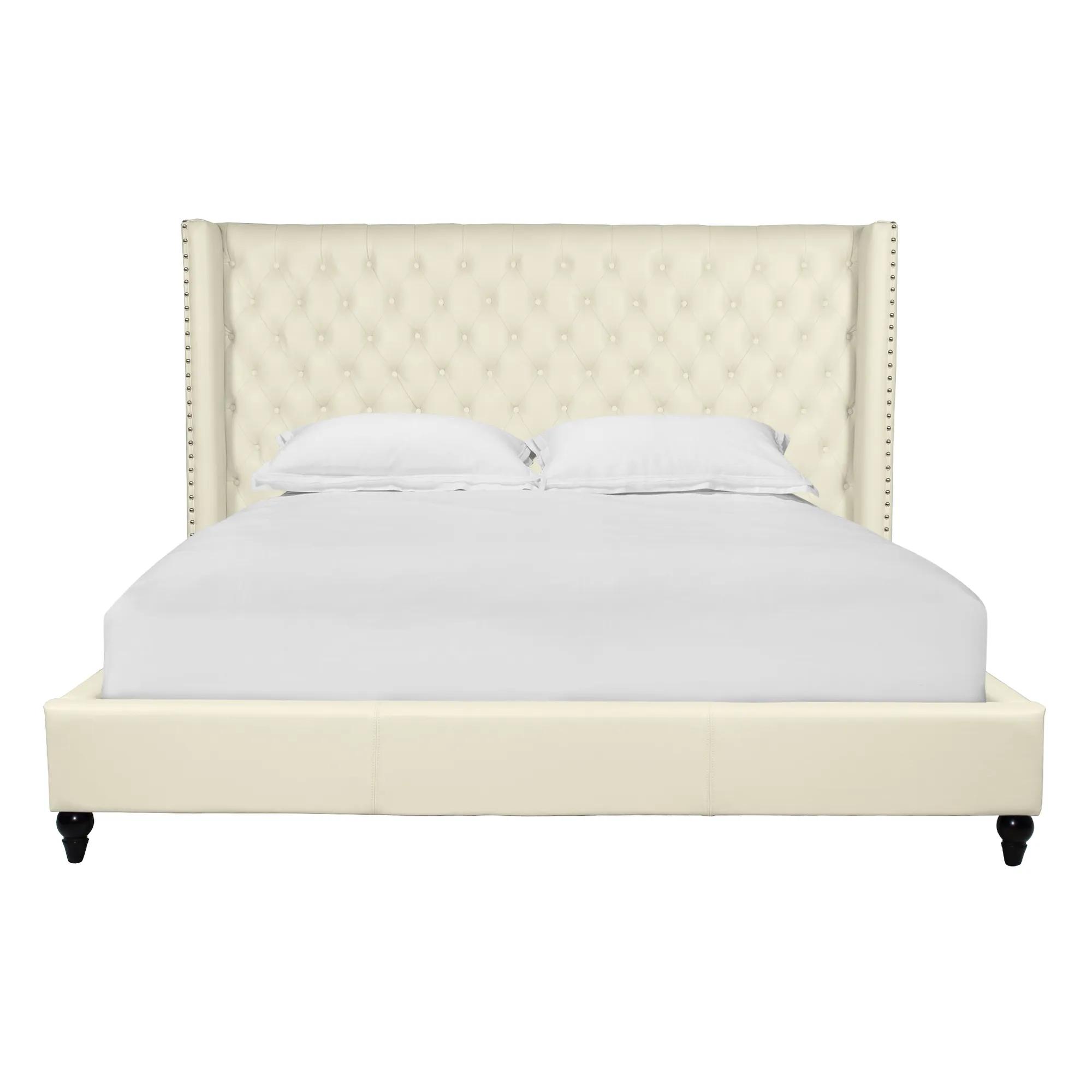
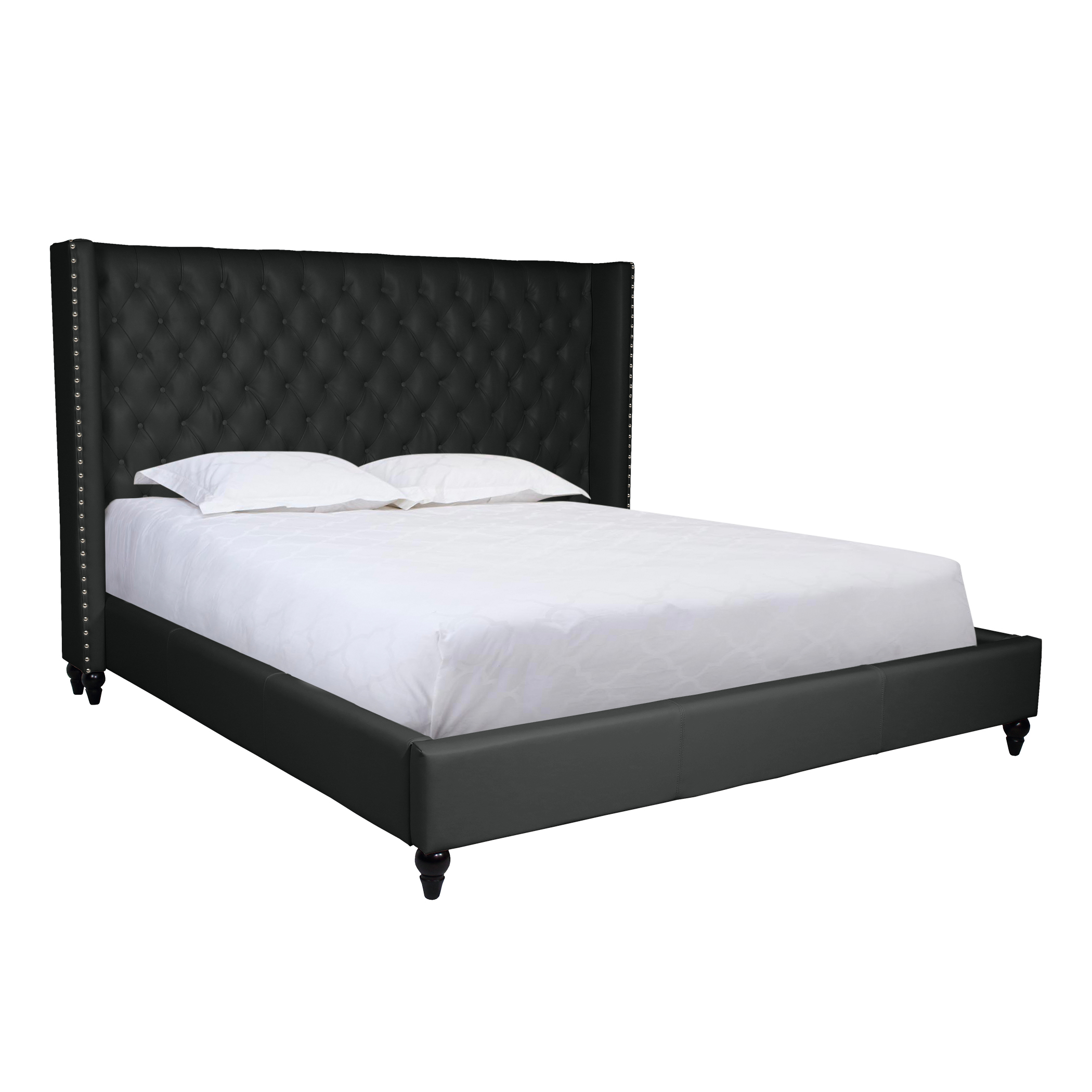 Roberto Leather Bed$3749
A stately bed featuring diamond tufted white top-grain leather, kiln-dried hardwood, and bright nickel nailheads.
Add To Cart -
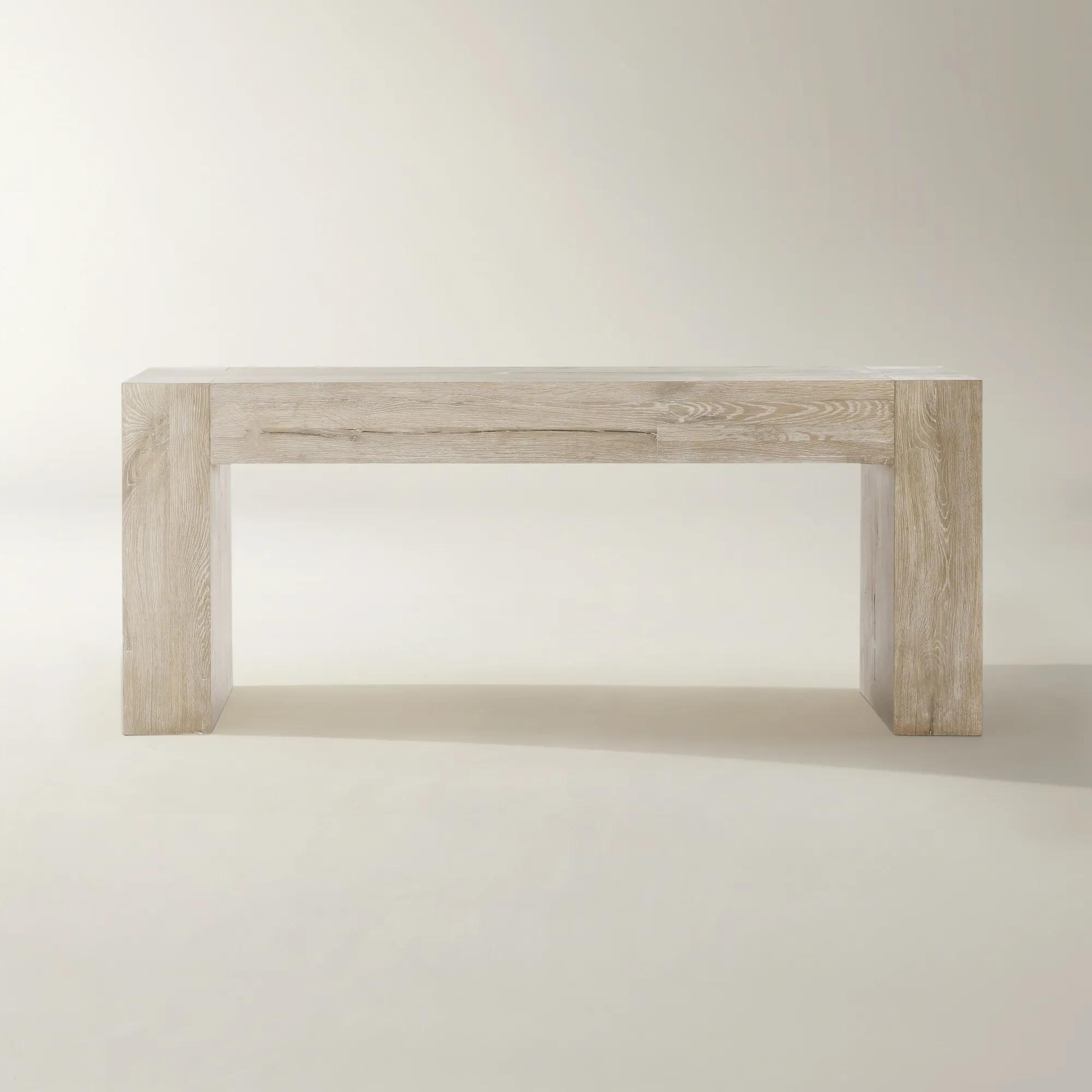
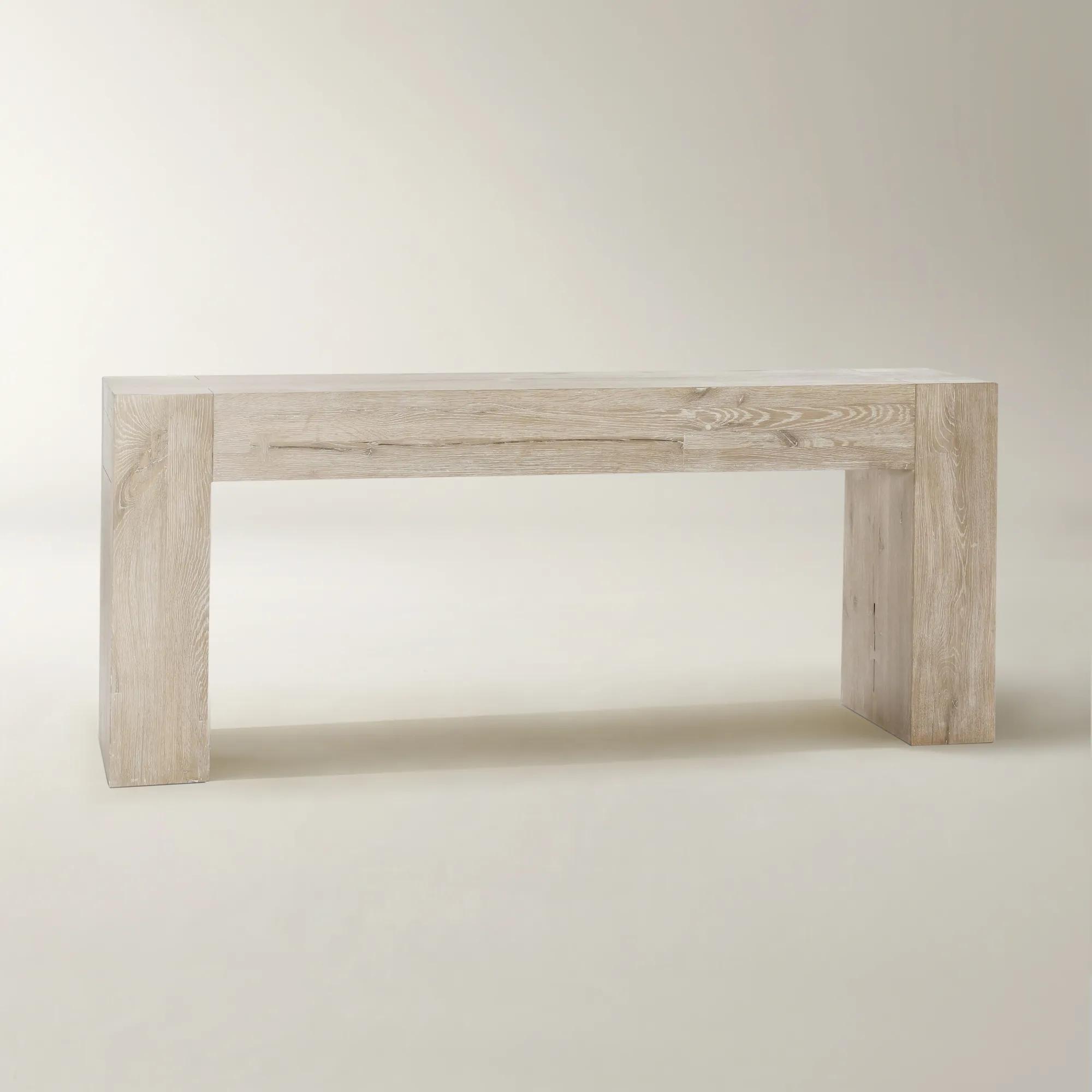 Bristol Rectangular Cream Oak Console Table (72")$2099
A handcrafted console table in aged cream cracked oak with modern dovetail detailing and artisanal character.
Add To Cart -
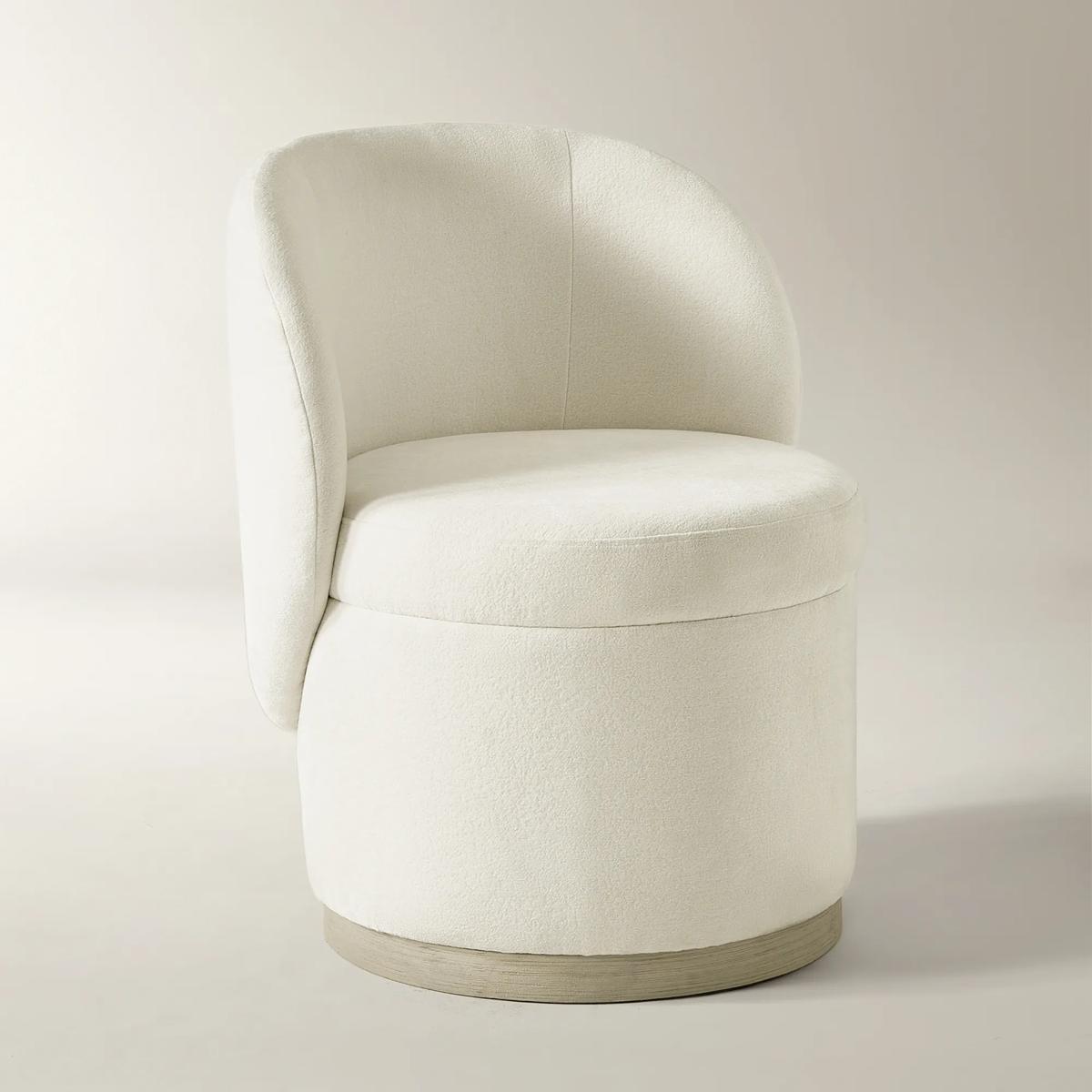 Stria Ivory Chenille Dining Chair With Oak Base$449
An ivory chenille chair featuring a plush, velvet-like finish and a handcrafted solid oak base.
Add To Cart -
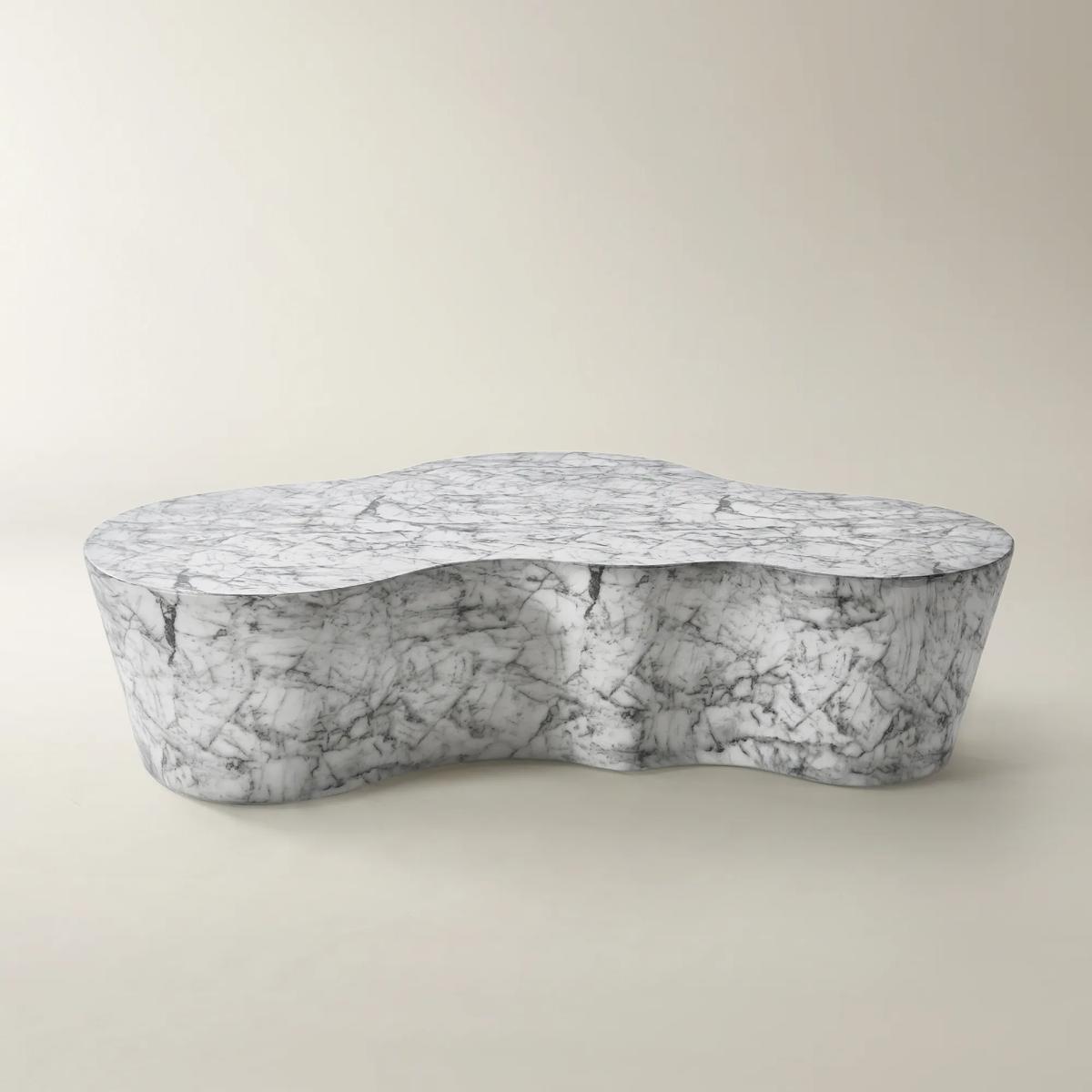
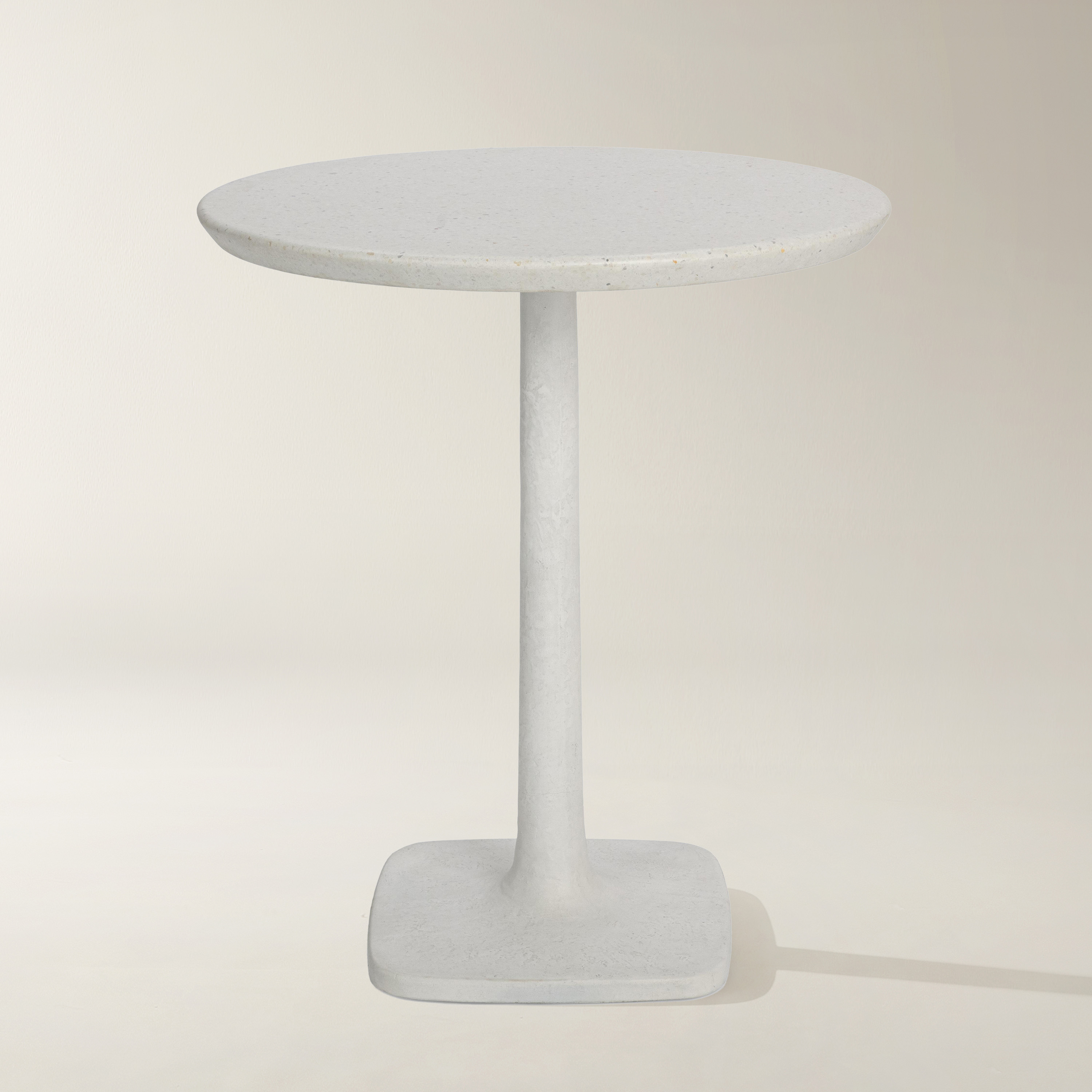
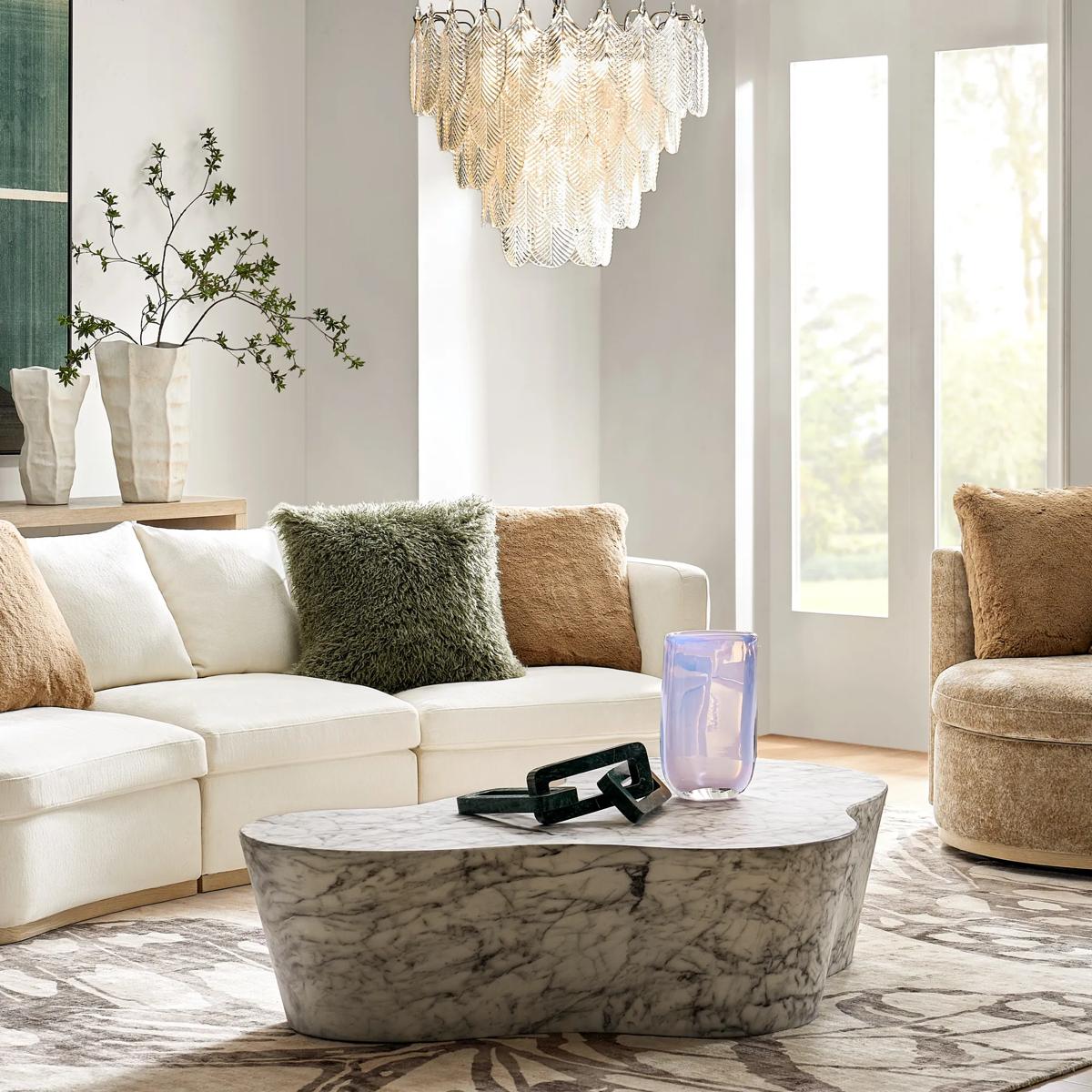 Petra White Concrete Indoor/outdoor Coffee Table (59.4")$1099
A cloud-inspired coffee table in lightweight fiber concrete with a hyper-realistic white marble finish.
Add To Cart -
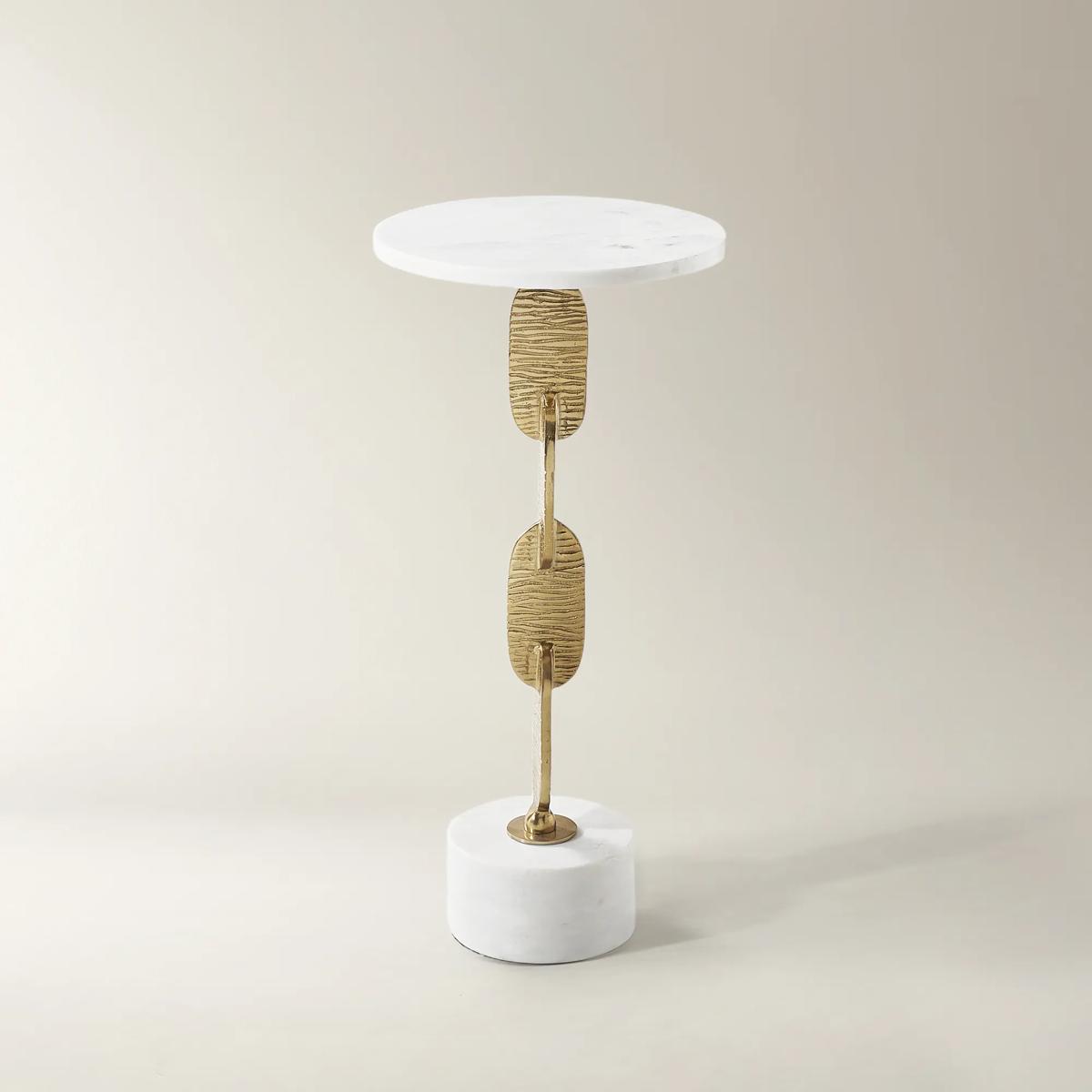
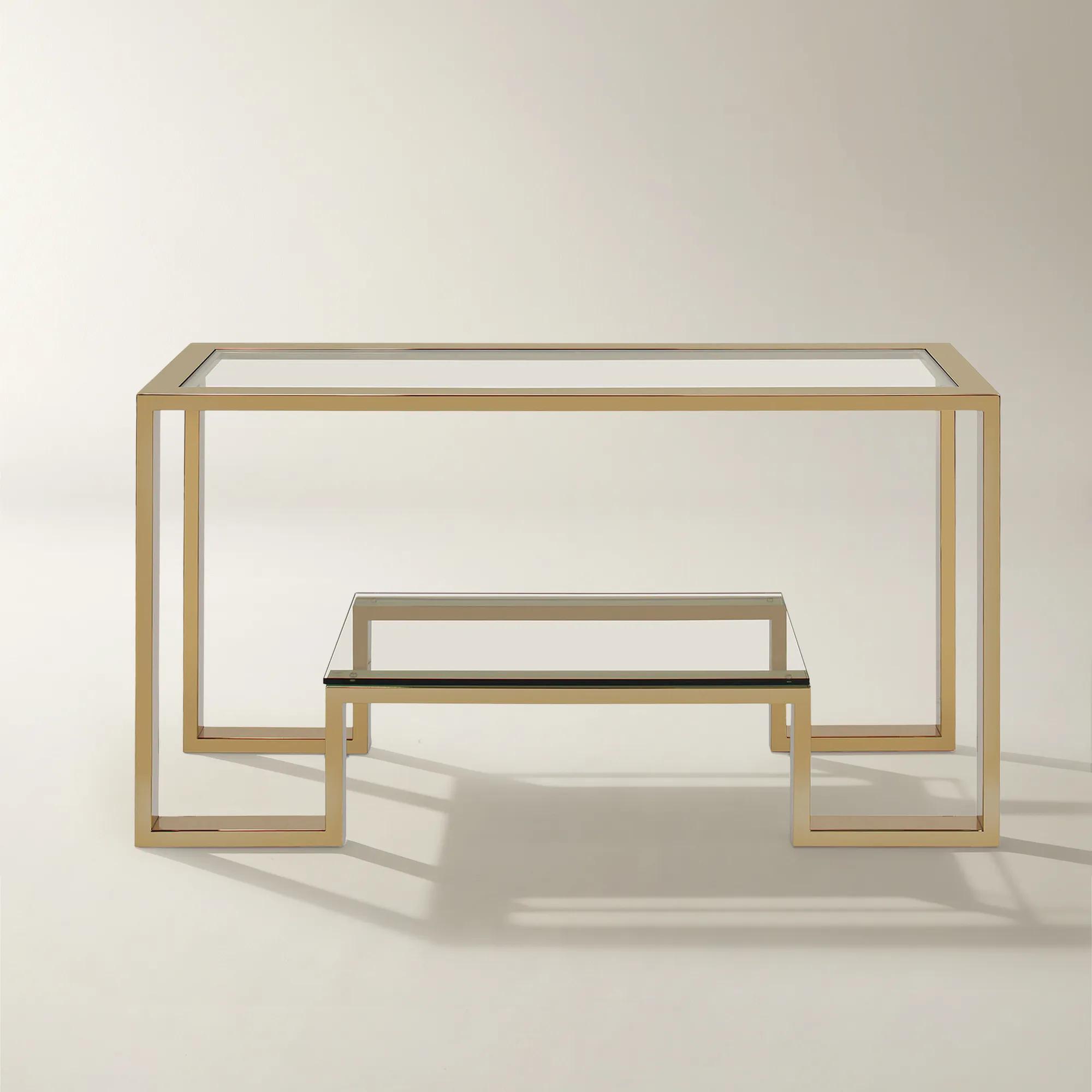
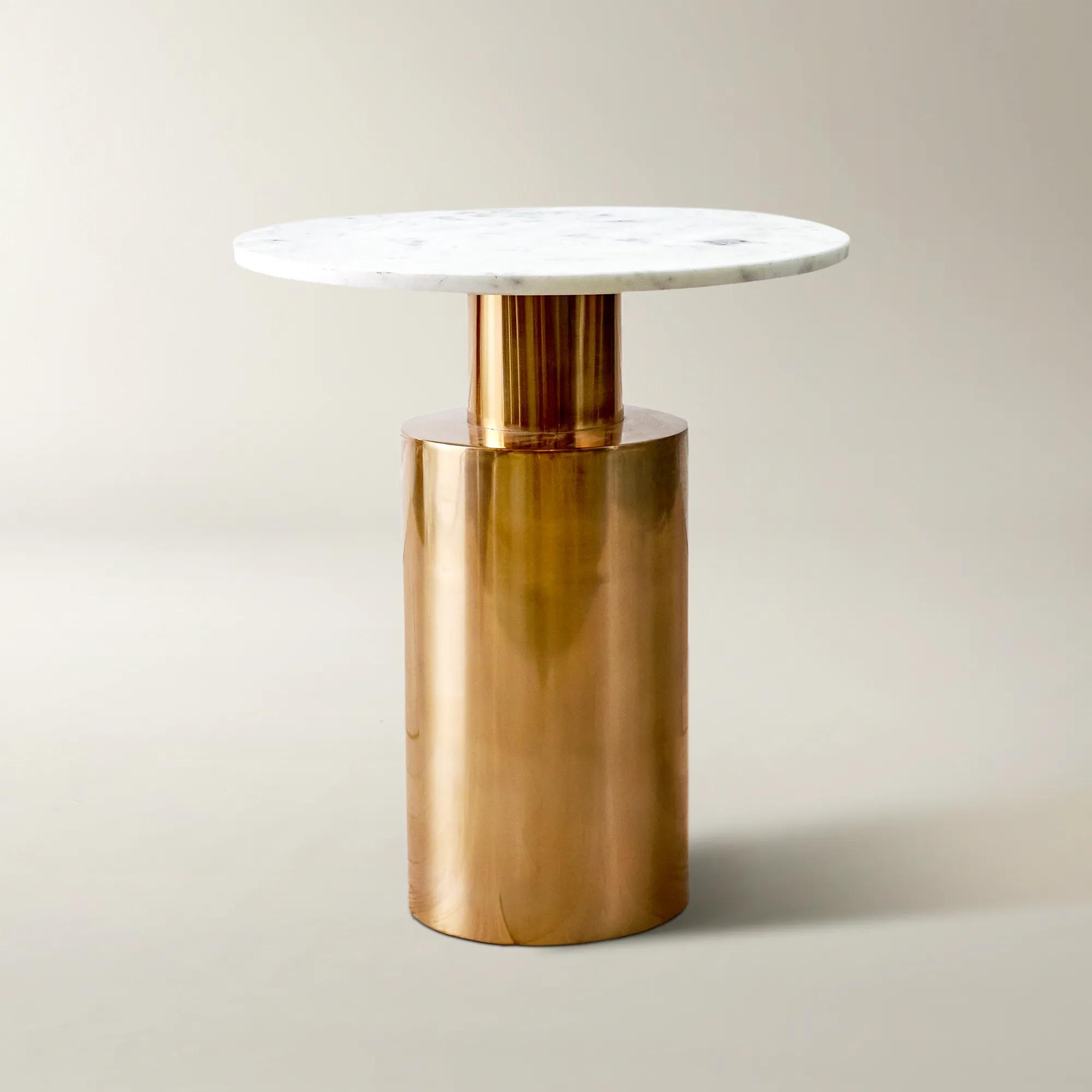
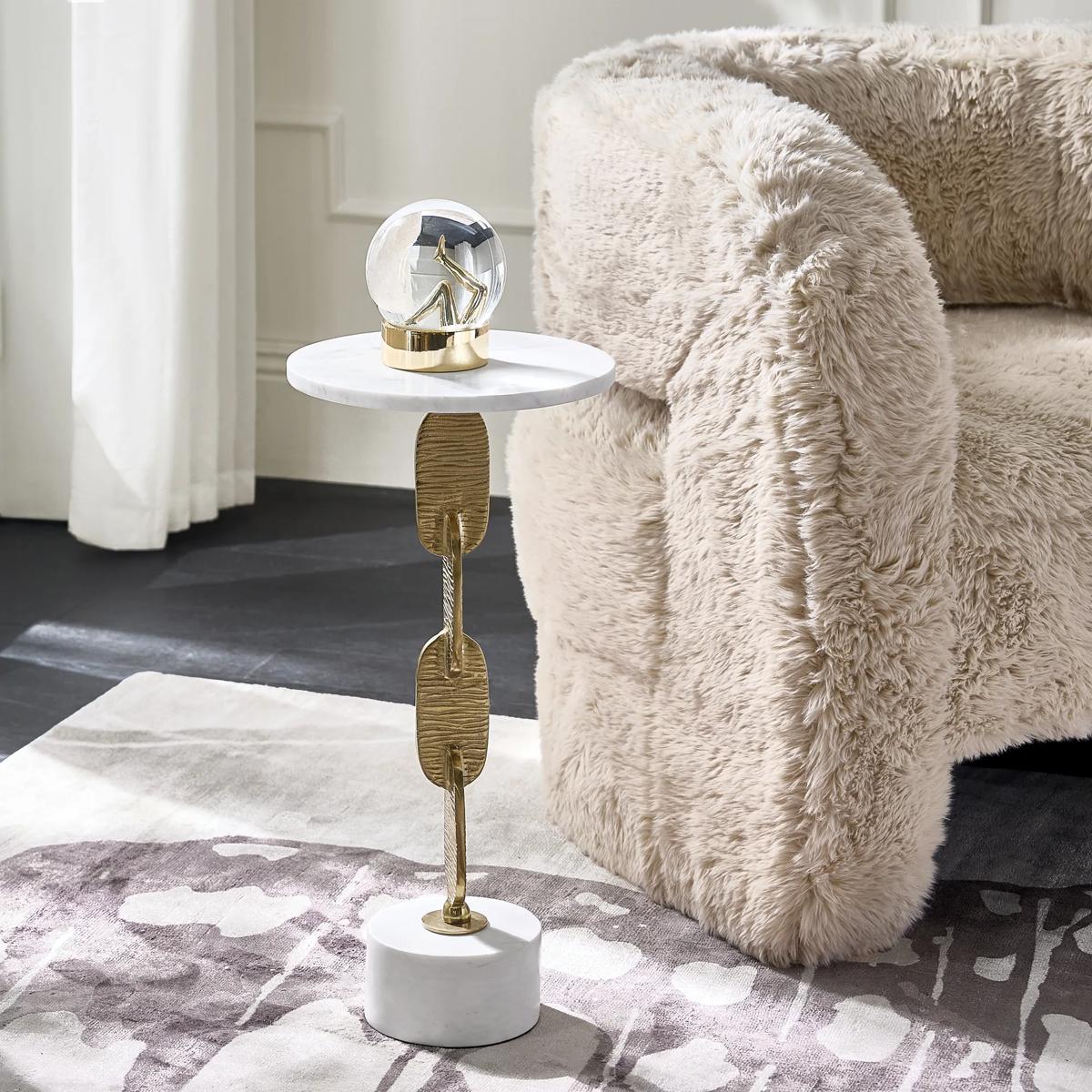 Luna Round White Marble Side Table (11.25")$199
A sculptural side table featuring a genuine white marble top and an open gold-finished metal frame.
Add To Cart -
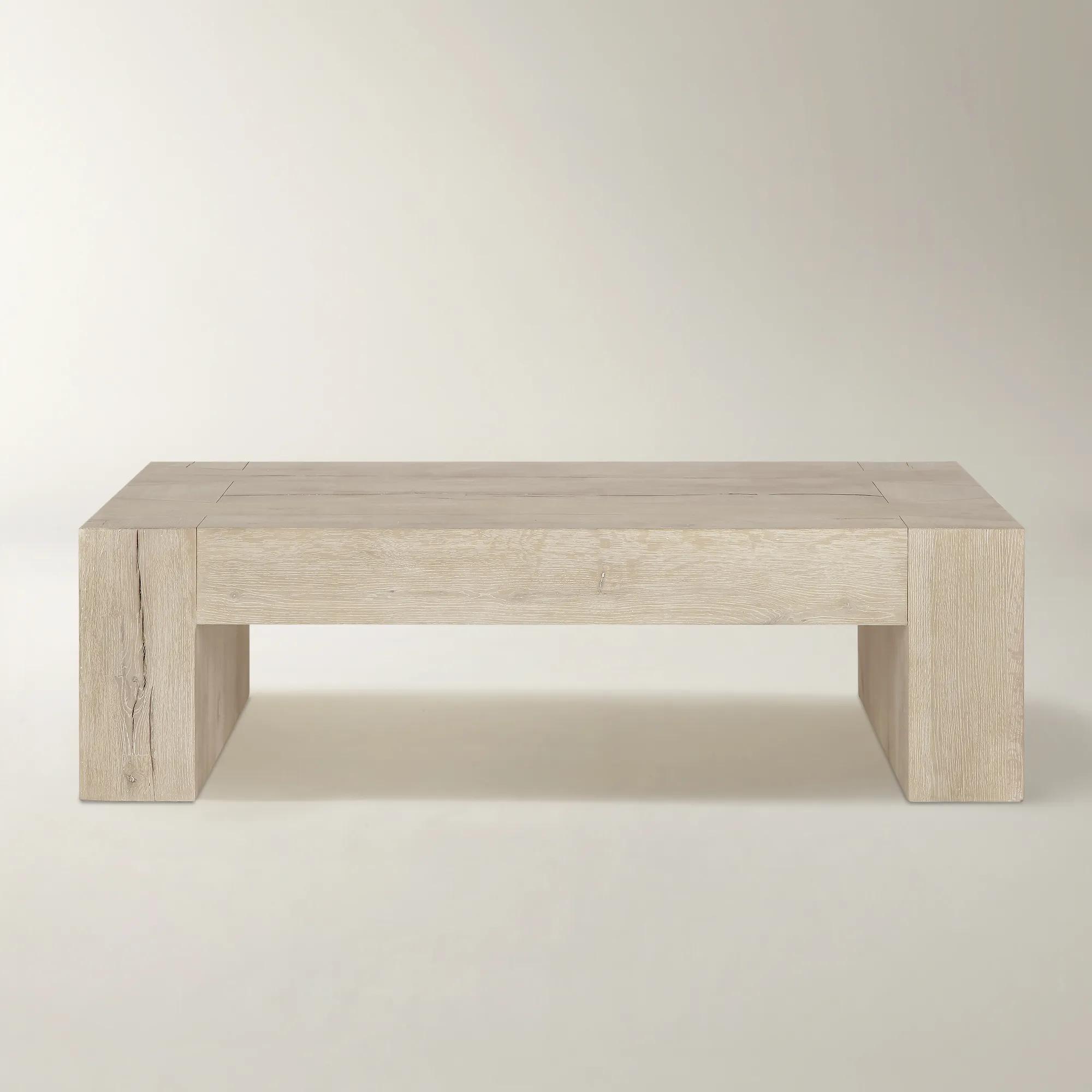 Bristol Rectangular Cream Oak Coffee Table (60")$2099
A handcrafted cream-finished coffee table featuring cracked oak details and modern dovetail accents for unique style.
Add To Cart -
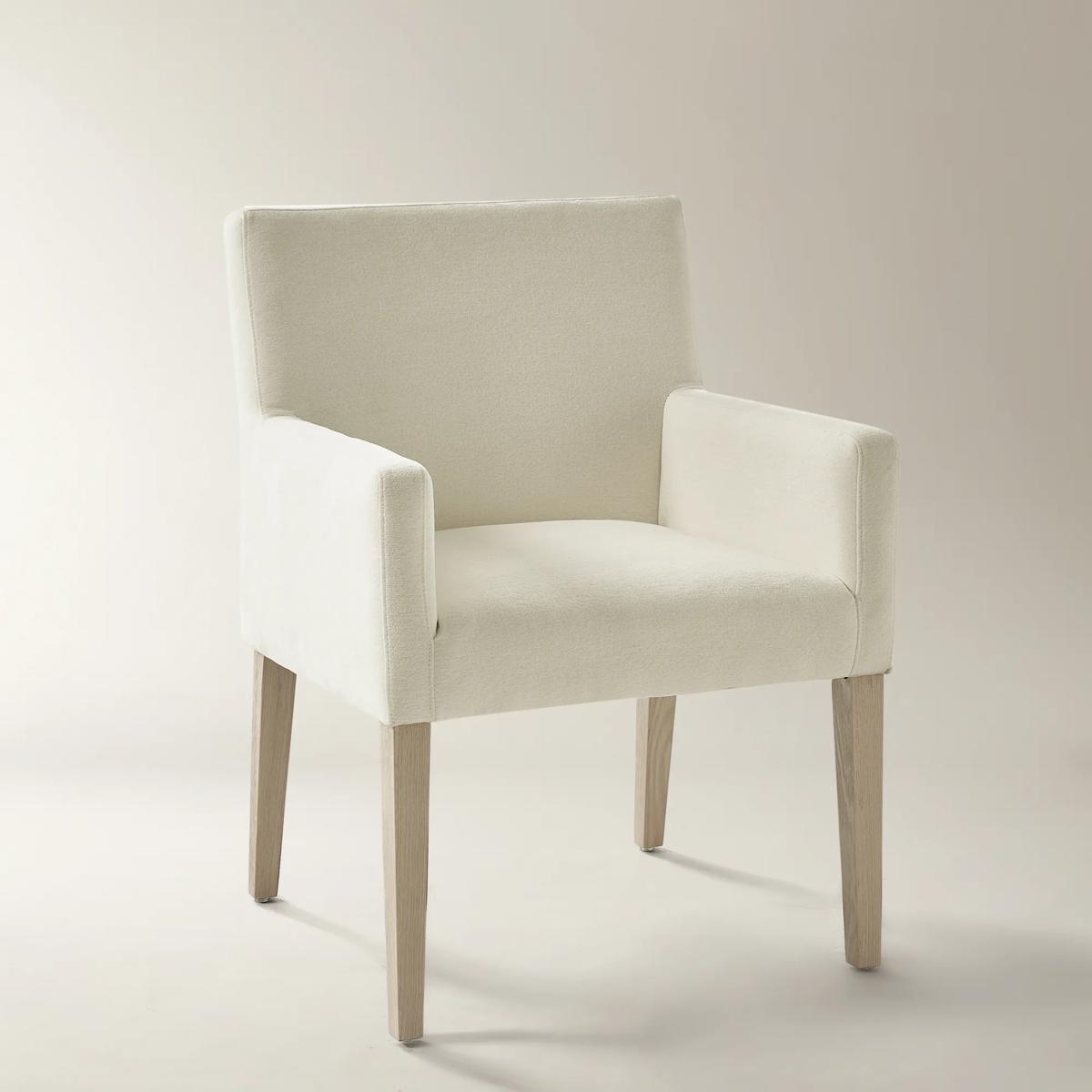
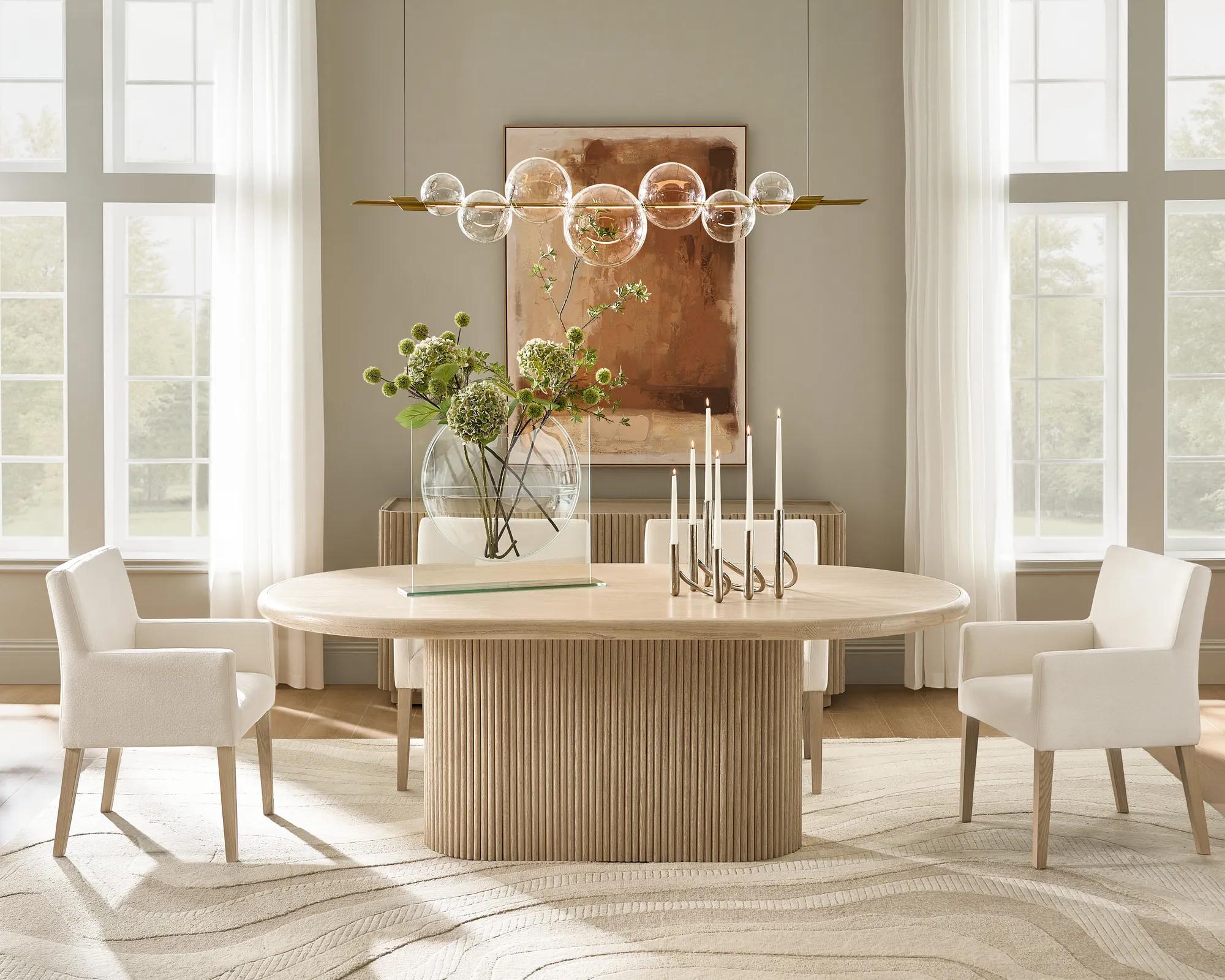 Stria Ivory Chenille Dining Chair Set Of 2$599
A pair of ivory chenille arm chairs with natural oak legs, offering plush comfort and modern elegance.
Add To Cart -
.jpg?w=1200&h=1200) Stria Ivory Chenille Swivel Dining Chair With Oak Base$599
Stria Ivory Chenille Swivel Dining Chair With Oak Base$599An inviting ivory chenille arm chair with a solid oak swivel base and hand-crafted details.
Add To Cart -
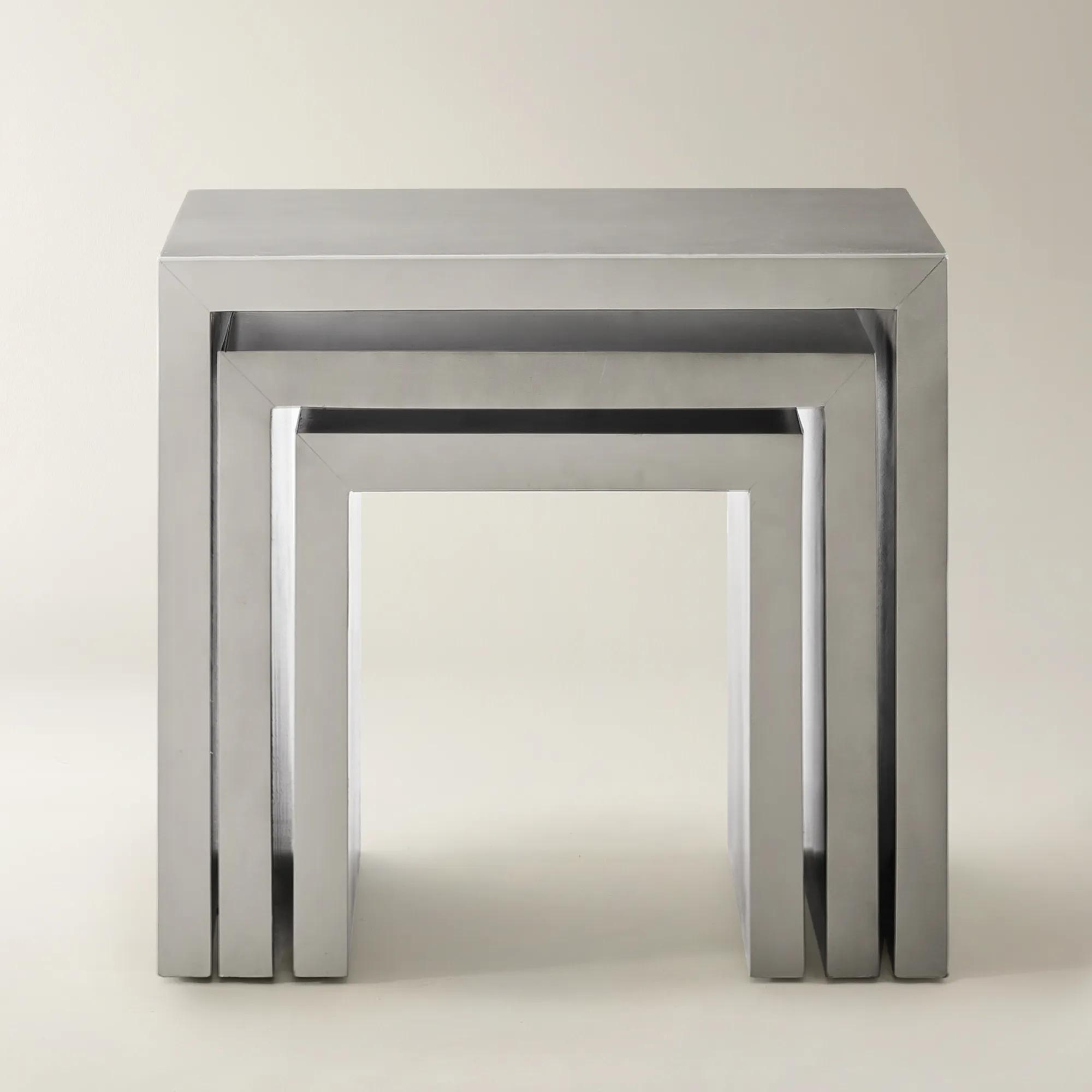
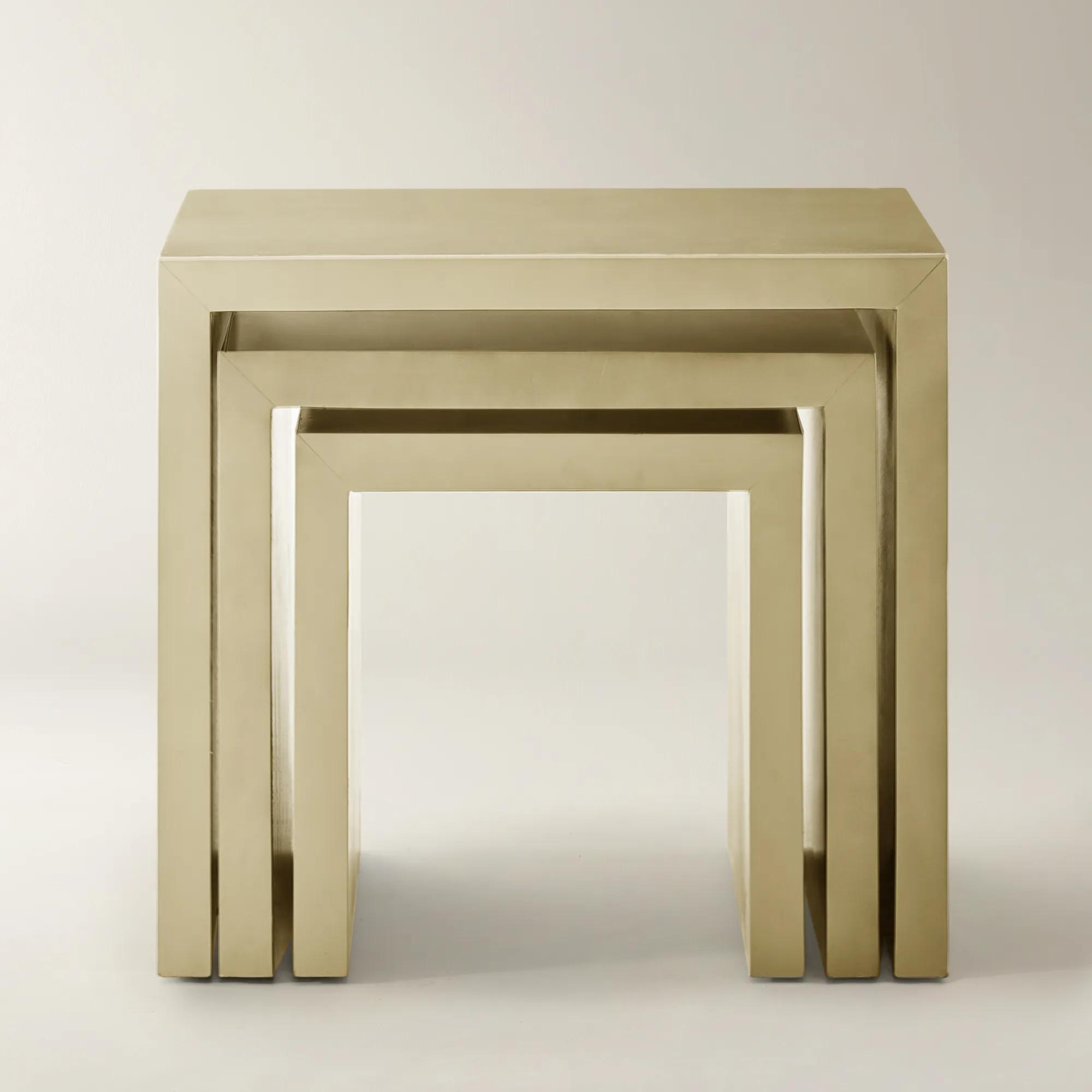
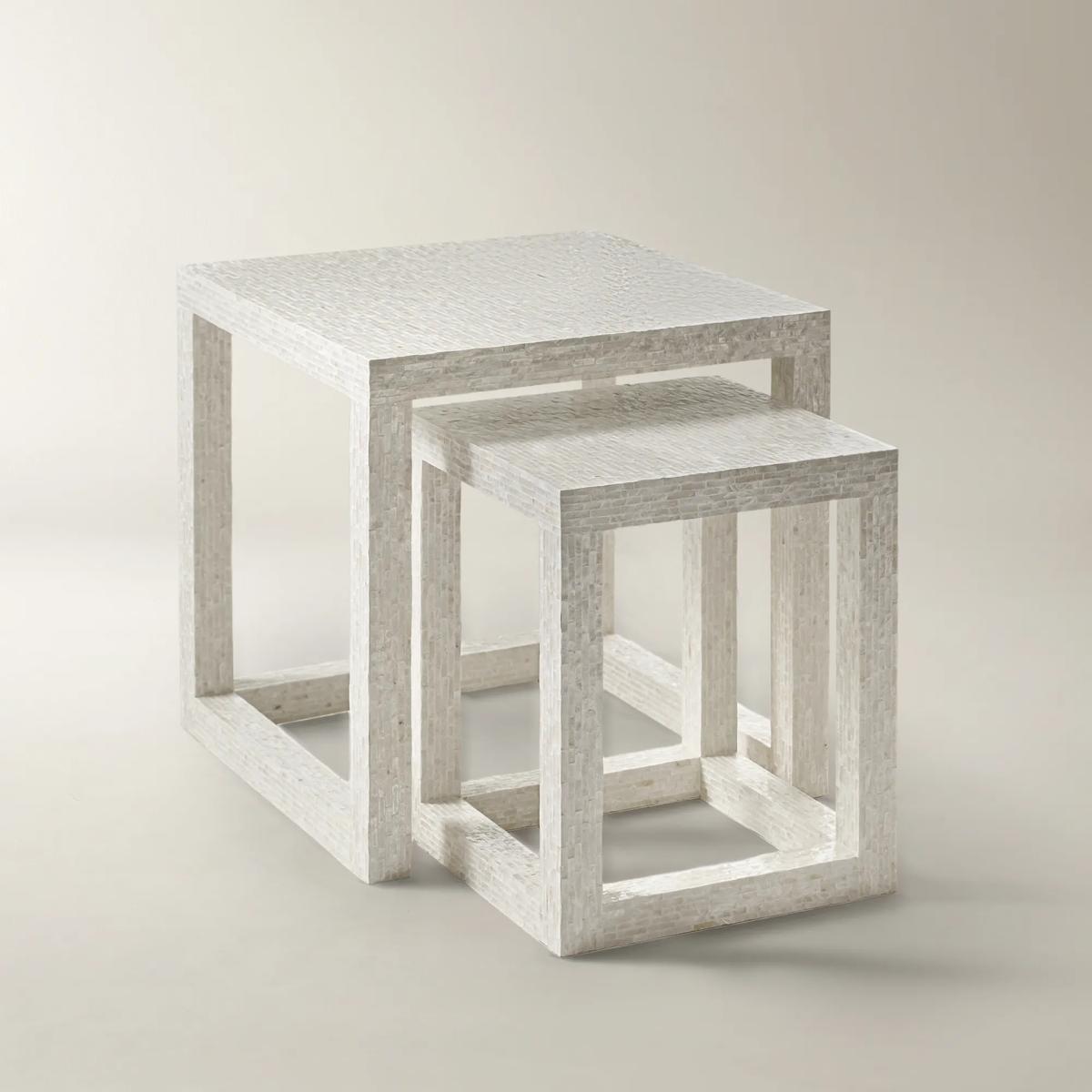 Ivori Square White Nesting Accent Table Set Of 2 (16.5"-23.75")$599
A handcrafted white nesting table featuring radiant mother-of-pearl inlay for a unique, iridescent accent.
Add To Cart -
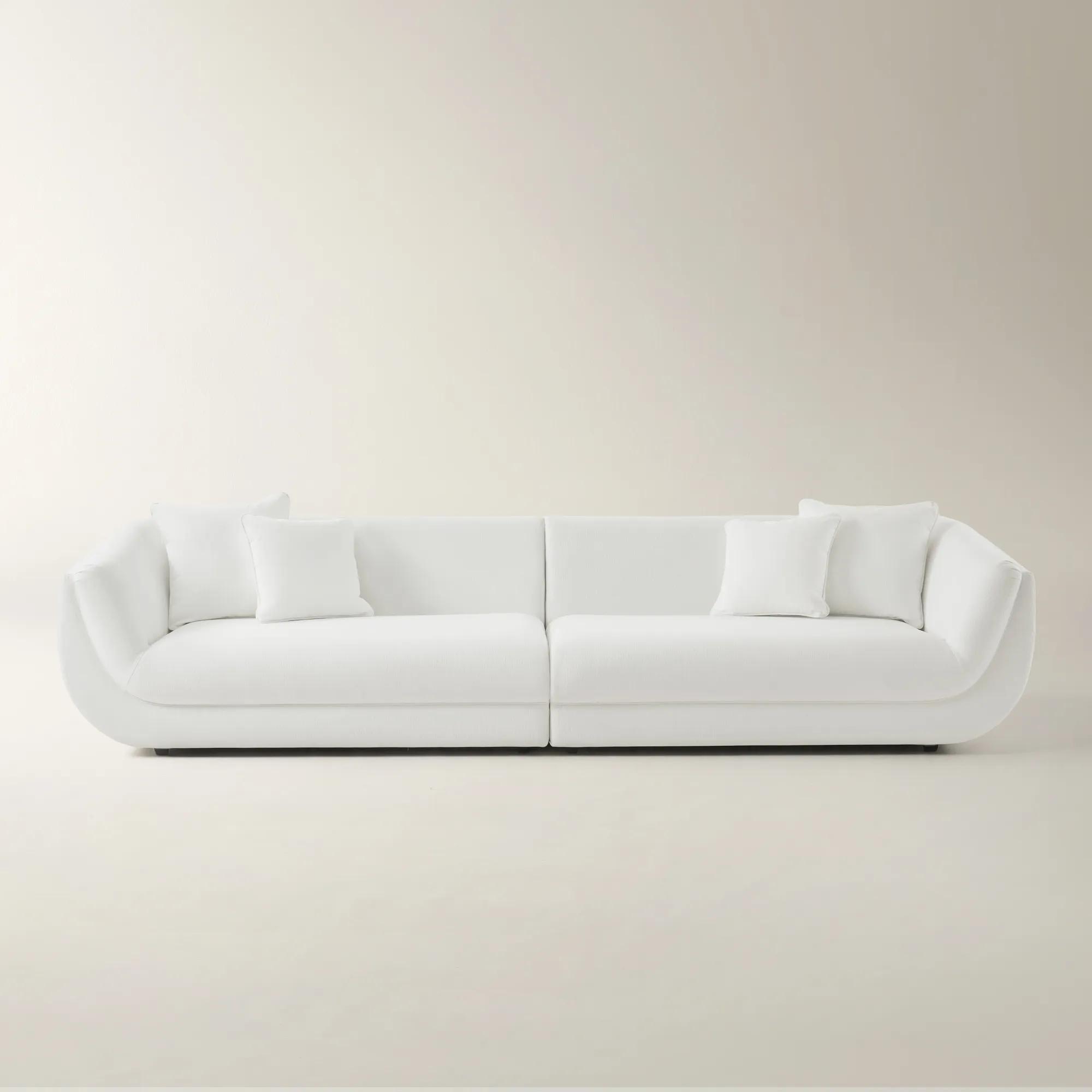
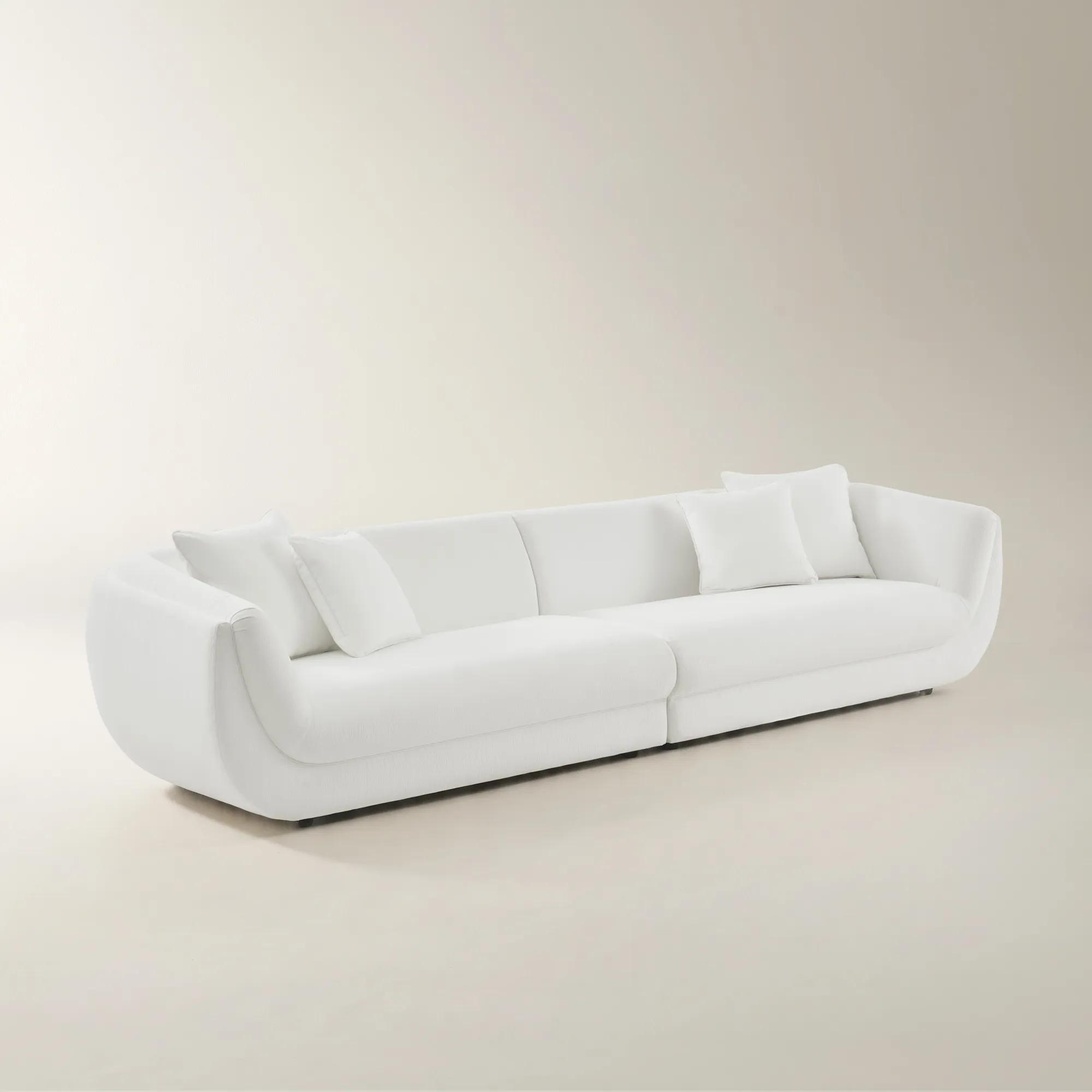 Curvia 2-Piece White Performance Chenille Indoor/Outdoor Grand Sectional Sofa$2799
A sculptural white sectional wrapped in performance chenille, designed for luxurious indoor or outdoor lounging.
Add To Cart -
.jpg?w=1200&h=1200)
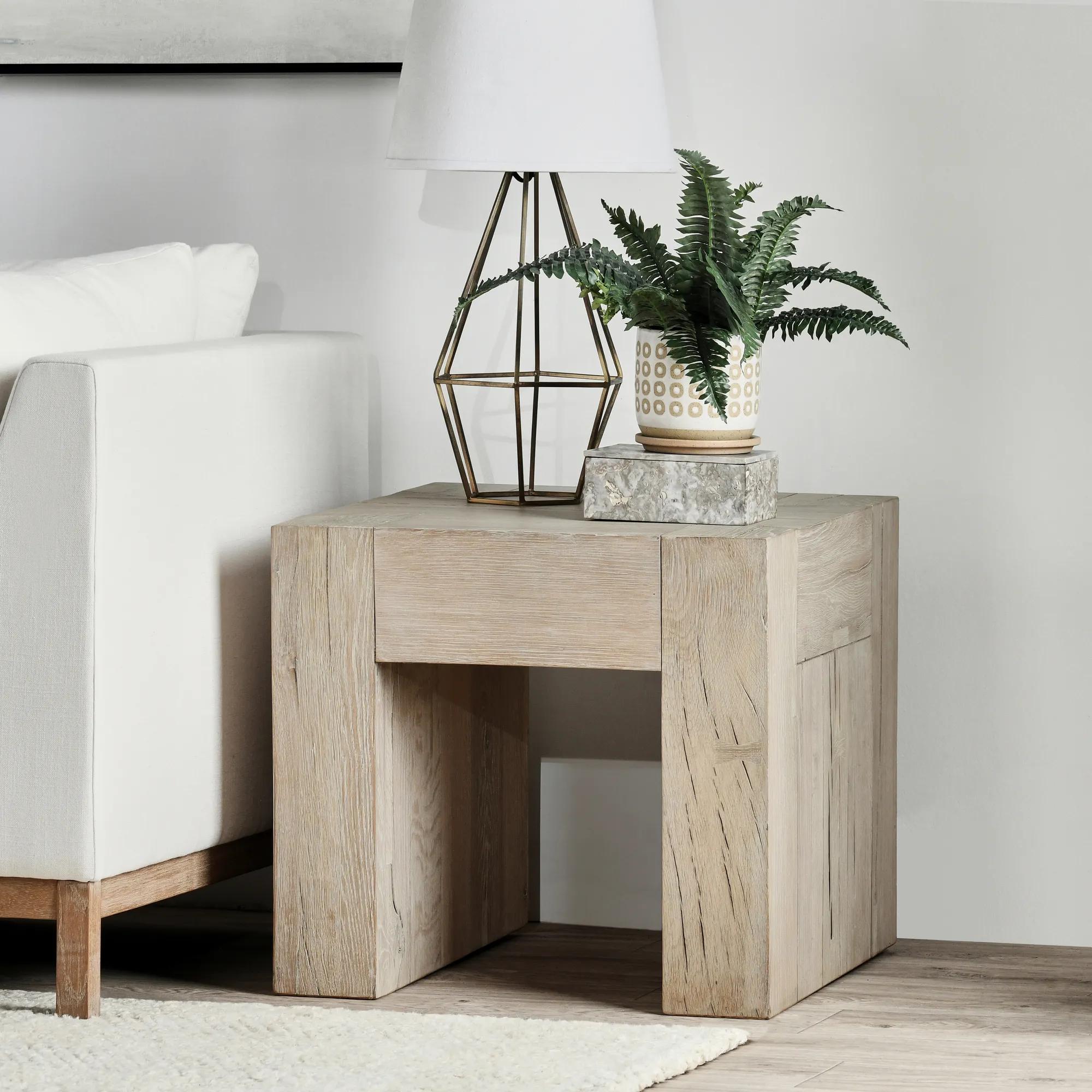 Bristol Square Cream Oak End Table (24")$999
A handcrafted end table featuring cracked reclaimed oak in an aged cream finish with modern dovetail detailing.
Add To Cart -
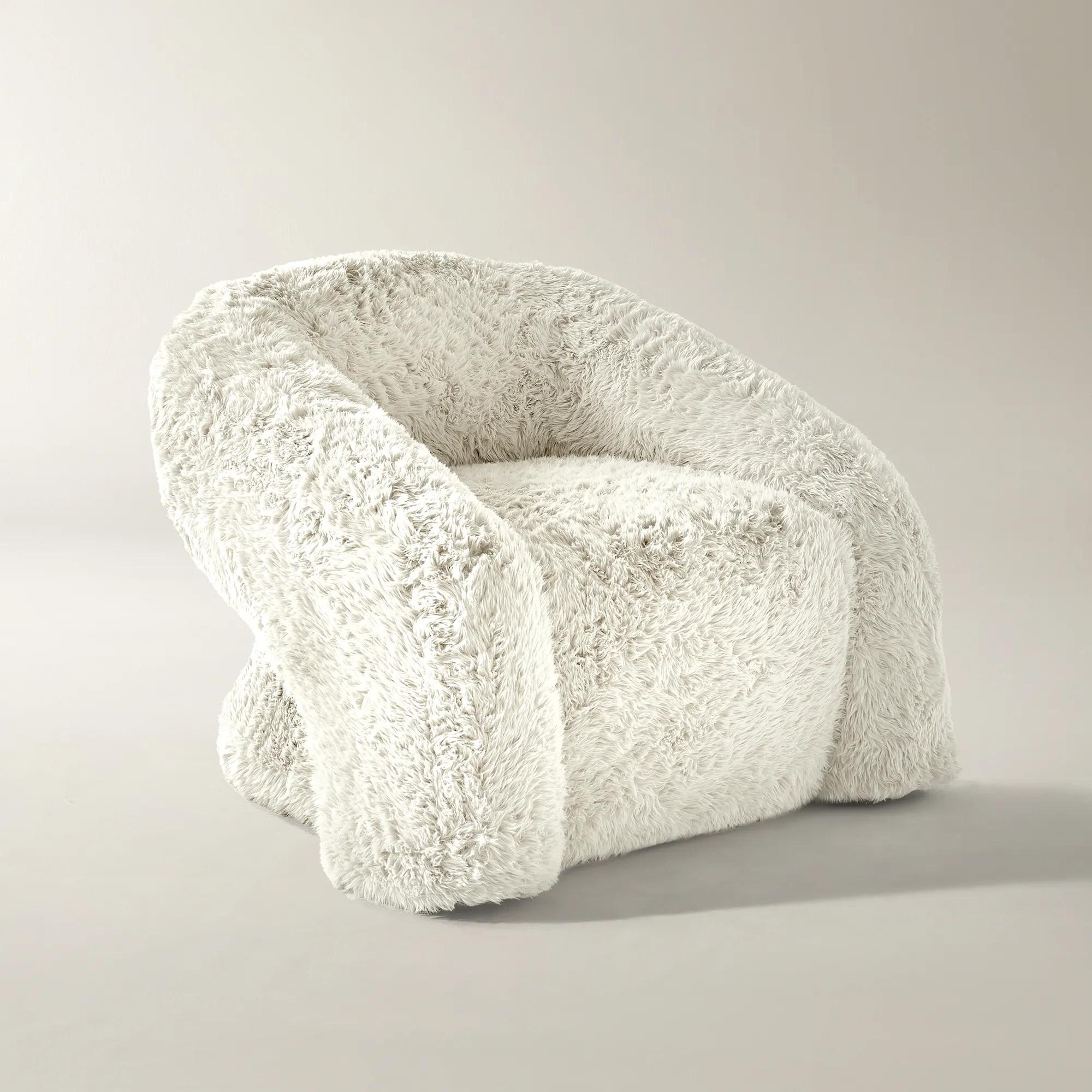 Misha White Faux Fur Accent Chair$799
A modern white faux fur chair offering plush comfort, sculptural lines, and pet-friendly, easy-care upholstery.
Add To Cart -
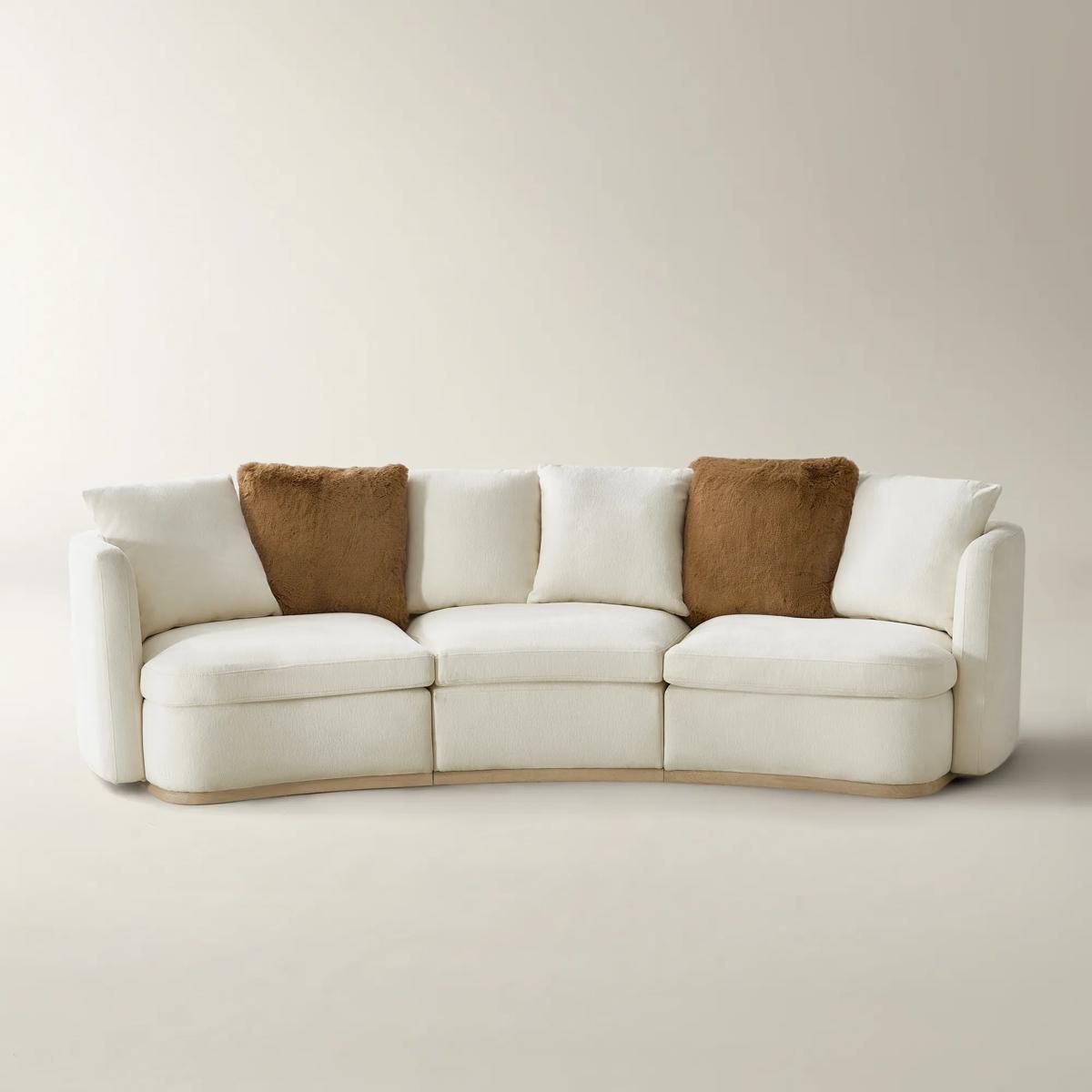 Stria 3-Piece Ivory Chenille Sectional Sofa$3099
An ivory chenille sofa featuring a sculptural curved design, triple-layer cushioning, and a kiln-dried oak frame.
Add To Cart -
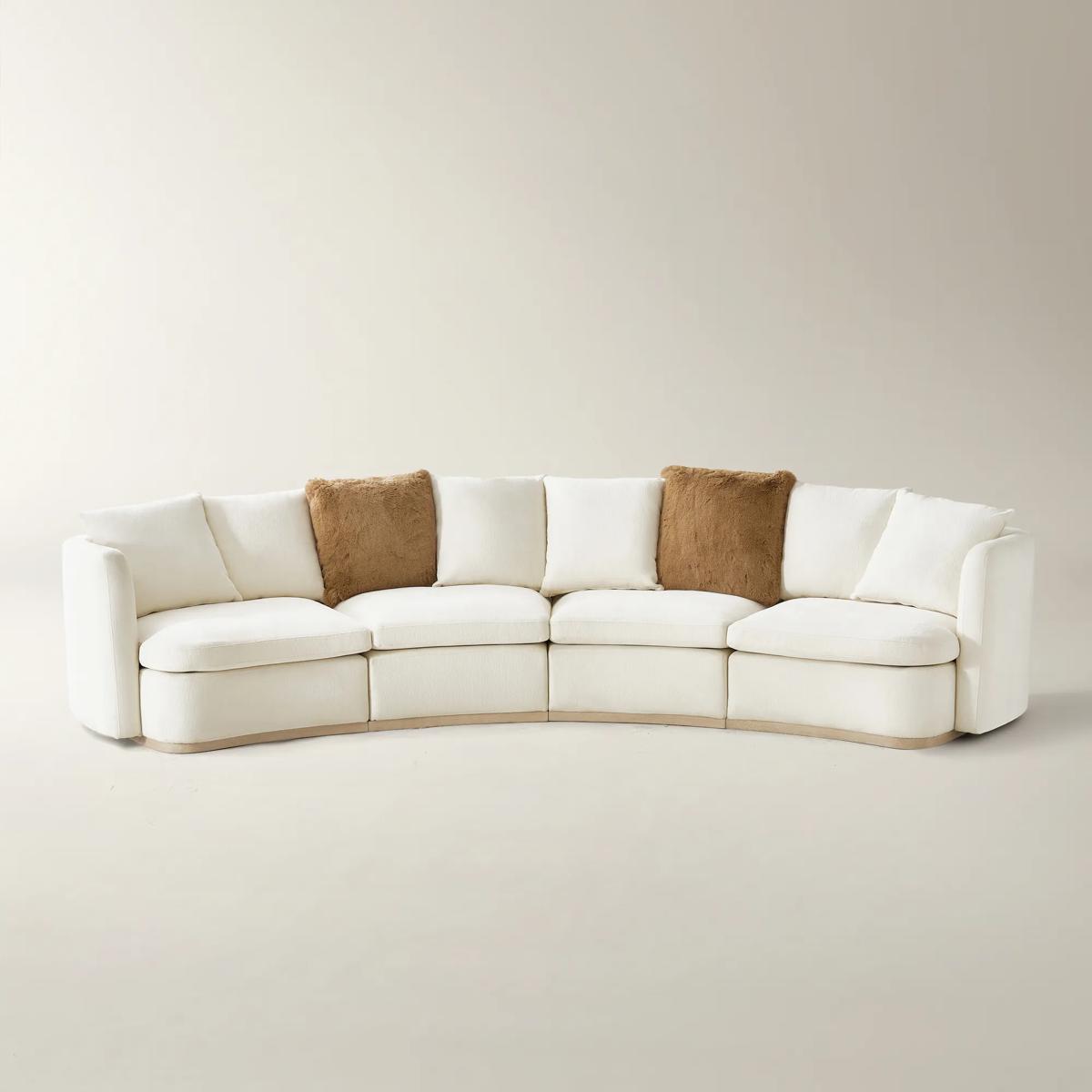
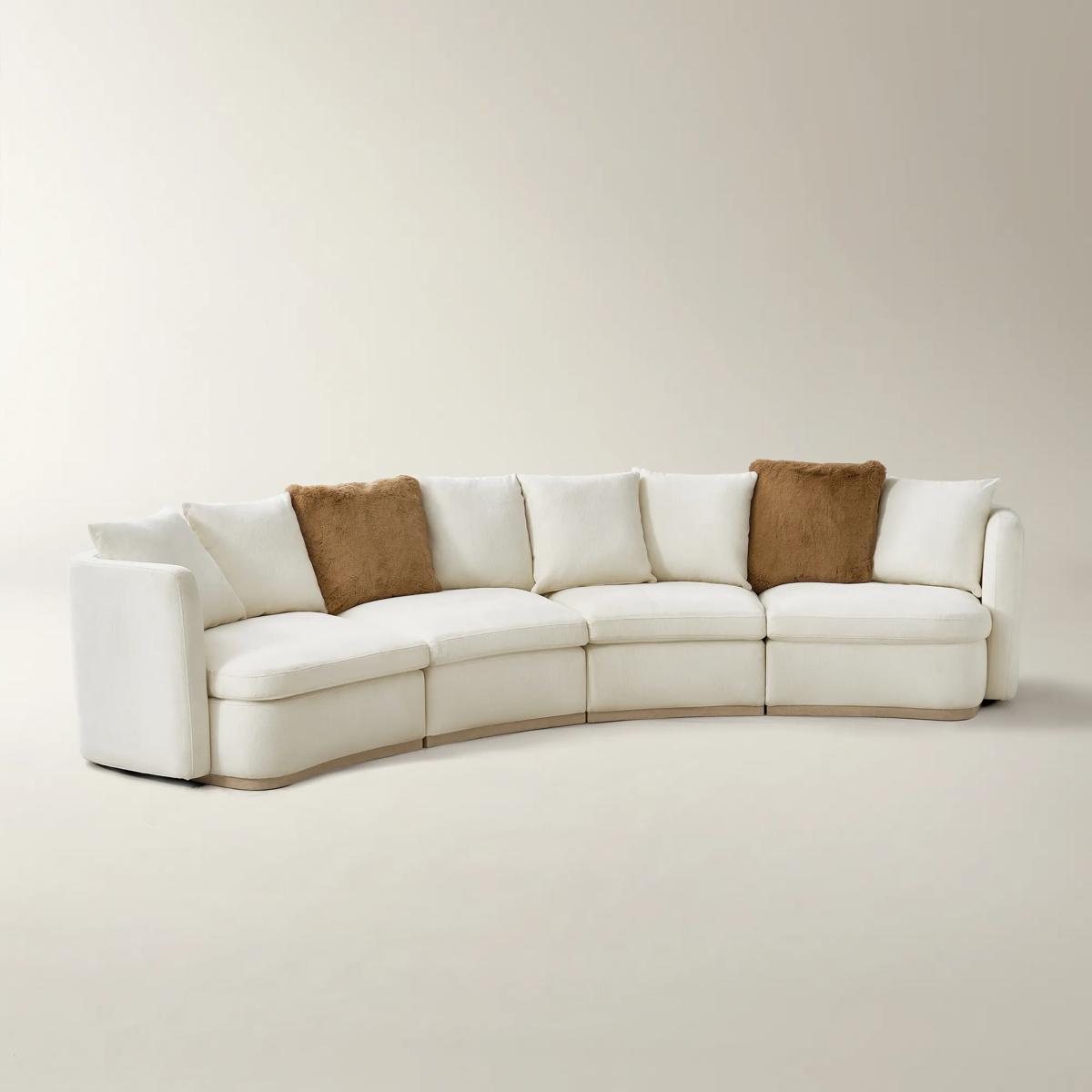 Stria 4-Piece Ivory Chenille Sectional Sofa$4099
An elegantly curved ivory chenille sectional with triple-layer cushioning and a kiln-dried solid oak frame.
Add To Cart -
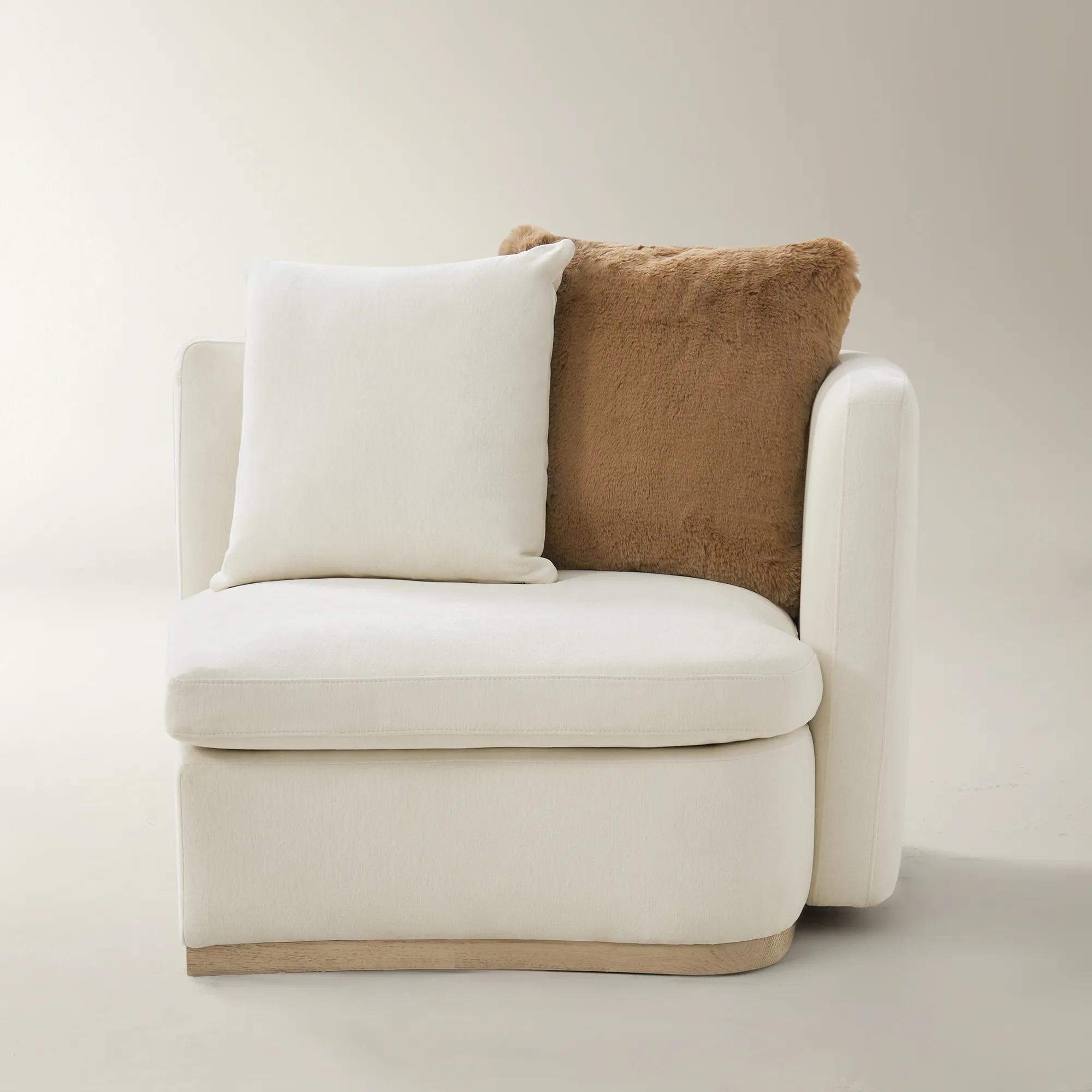
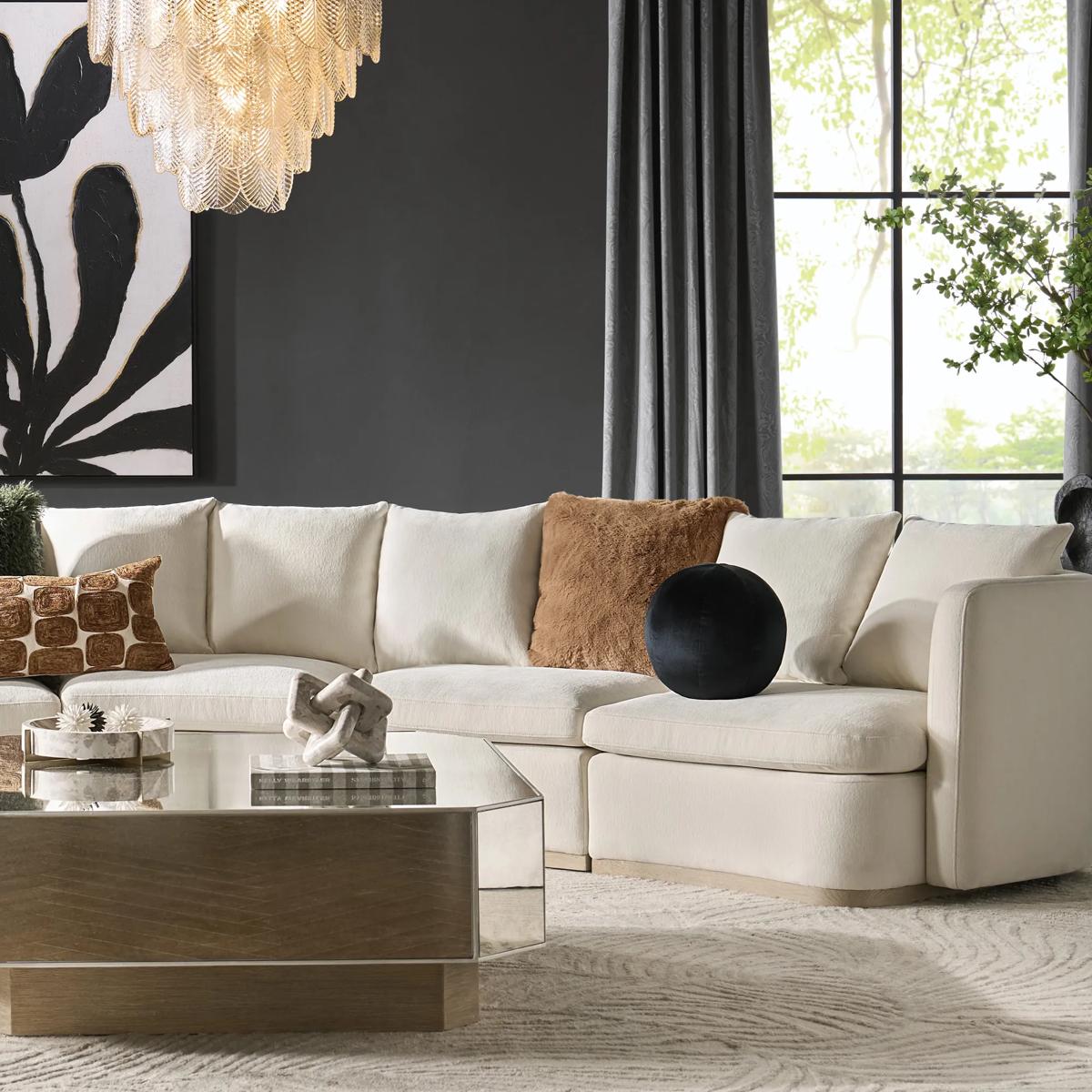 Stria Ivory Chenille Right-Arm Chair$1099
A sculptural ivory chenille sectional with triple-layer cushioning and a kiln-dried oak frame for tailored comfort.
Add To Cart -
.jpeg?w=1200&h=1200)
.jpg?w=1200&h=1200) Matera Rectangular White Marble Dining Table With Stainless Steel Base (86.61")$2499
Matera Rectangular White Marble Dining Table With Stainless Steel Base (86.61")$2499A modern dining table featuring a white marble top and polished stainless steel base for timeless elegance.
Add To Cart -
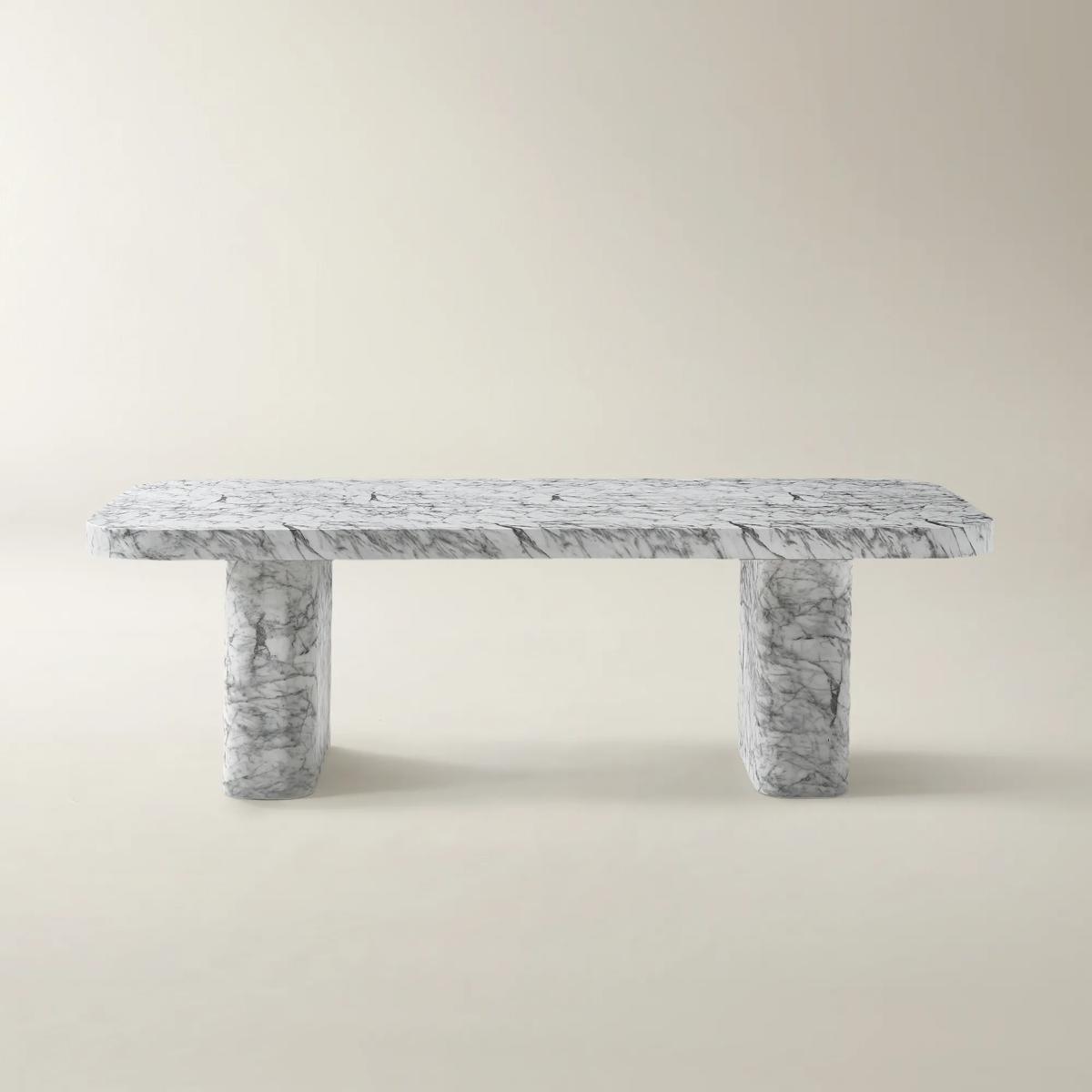
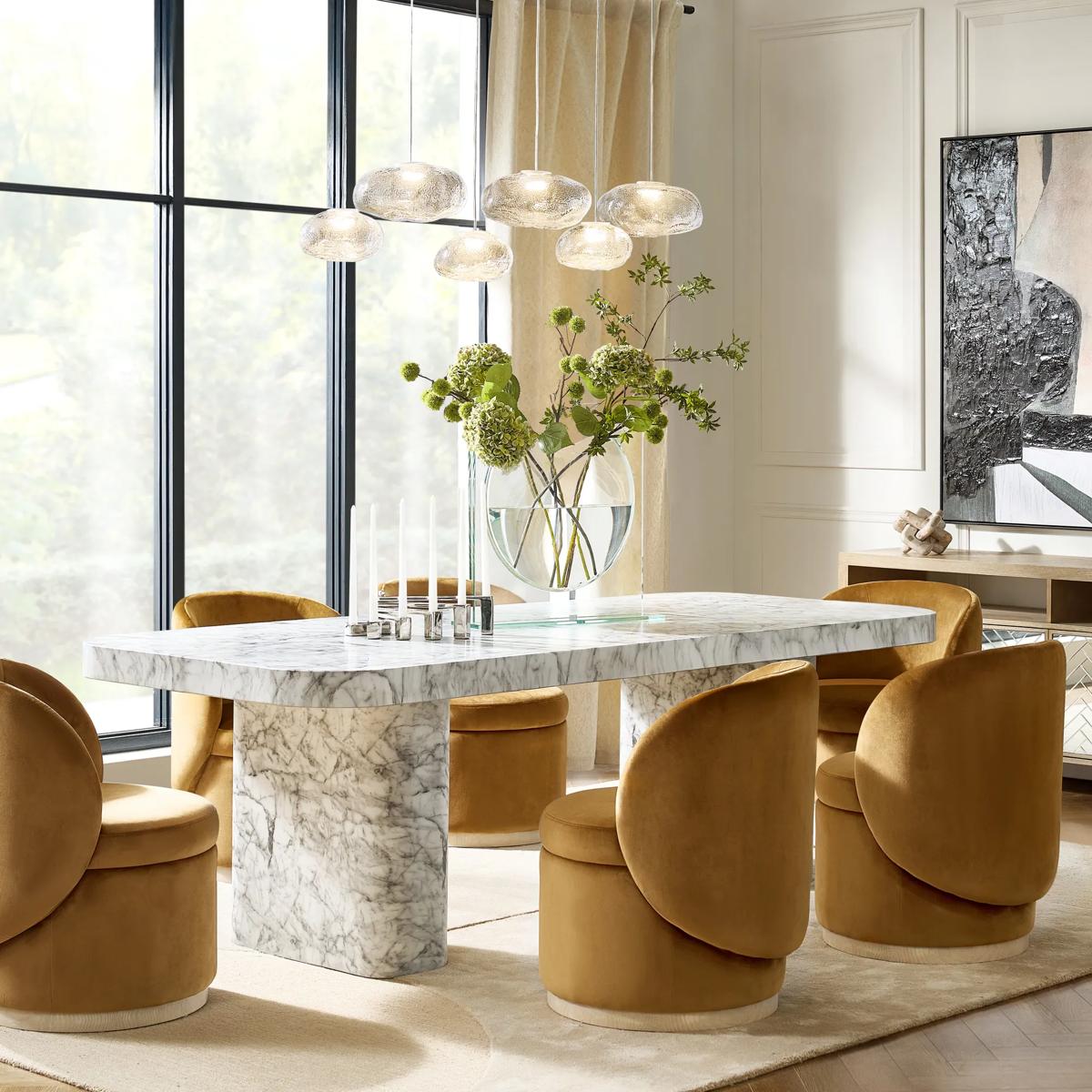 Silex Rectangular White Concrete Indoor/Out Door Dining Table (94.5")$1999
A white marble-look dining table crafted from ultra-rigid, lightweight fiber concrete for indoor or outdoor use.
Add To Cart -
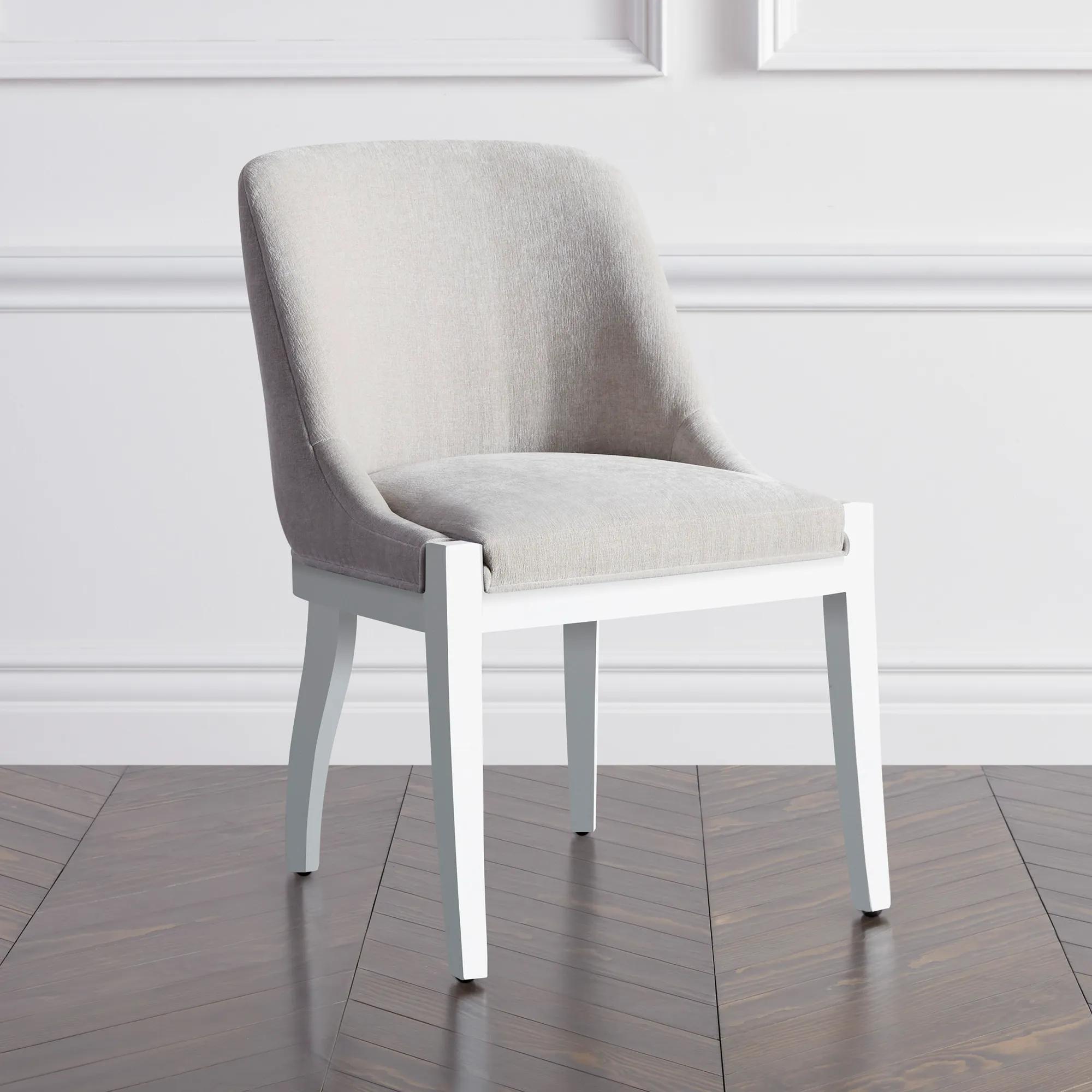
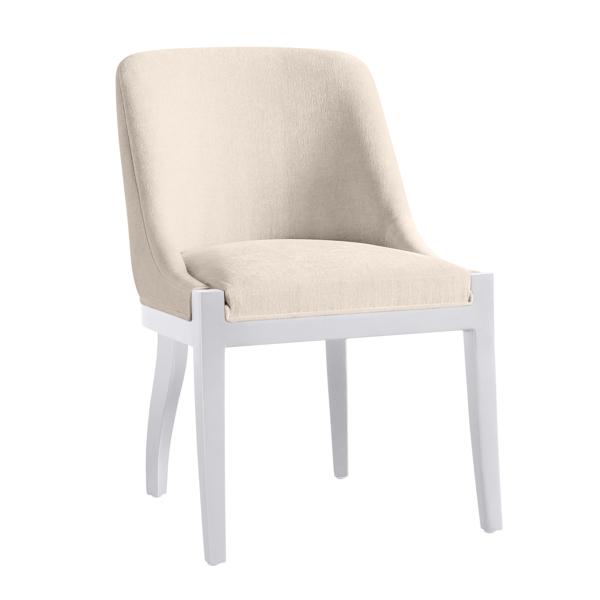 Lily Dining Chair - High Gloss White$649
A modern dining chair featuring kiln-dried hardwood, high-gloss white legs, and neatly tailored upholstery.
Add To Cart

White Furniture For Coastal Homes
White Furniture for Coastal Homes invites a breath of fresh air into your sanctuary, conjuring visions of sunlit shores and endless horizons. Each piece is an ode to serenity, balancing crisp elegance with a whisper of seaside allure. Imagine luminous silhouettes that reflect the tranquil palette of sand and surf, transforming every room into a haven of effortless sophistication. With White Furniture for Coastal Homes, you’re not just decorating—you’re curating an escape, where every detail radiates calm, clarity, and the timeless beauty of coastal living.
White furniture for coastal homes creates a luminous foundation for interiors that balance seaside ease with sculptural elegance. Its light palette helps a room feel open, while distinctive silhouettes and layered materials give that openness depth and character. Coastal style need not rely on nautical motifs: a curved profile, a whitewashed wood grain, or a finely woven surface can suggest the shore with far more subtlety. Crisp white feels architectural and tailored; ivory, oyster, and chalk tones introduce a softer mood. The distinction matters when furnishing a room with existing cabinetry, flooring, or stone, since a cool white can appear noticeably different beside a warm cream. Comparing finish or fabric samples in the room’s own light helps establish a palette that feels deliberate rather than almost matched. A shared undertone brings cohesion, leaving texture and shape free to create contrast. Against pale oak, white furniture has a quiet radiance; beside deep blue textiles or dark metal accents, it becomes more graphic and expressive. Gleaming details lend polish, while woven fibers and visible wood grain keep the setting grounded. This balance suits waterfront residences, vacation retreats, and inland homes drawn to coastal design without turning any of them into a themed interior. In a gathering space, generous white upholstery can establish an inviting center for conversation, with rounded forms softening the geometry of windows and walls. In a bedroom, a pale upholstered silhouette or a subtly textured wood finish creates a composed backdrop for layered bedding and expressive art. White also gives treasured objects room to command attention: a richly colored ceramic vessel or an oversized abstract work gains presence against a restrained foundation. The effect is most compelling when the furnishings have substance of their own, whether through fluted surfaces, distinctive proportions, or beautifully articulated edges. Rather than making every surface identical, a thoughtful mix of matte, woven, and softly reflective finishes allows a white coastal interior to feel collected, dimensional, and distinctly personal.
Material and construction determine how white coastal furniture feels, wears, and fits into daily life. Painted wood offers a more opaque, unified appearance, while whitewashed finishes allow some of the underlying grain to remain visible. Solid wood has natural variation and can expand or contract with changes in indoor humidity; wood veneers bring genuine wood surfaces to engineered cores, with durability depending on the quality of the construction and finish. Neither a white color nor a distressed treatment makes a surface resistant to moisture, scratches, or heavy use. For upholstered furniture, tightly woven fabrics can provide a tailored appearance, while textured weaves introduce softness and visual depth. Linen brings an expressive, gently rumpled character, though its tendency to wrinkle and its cleaning requirements deserve consideration in frequently used rooms. Performance upholstery may offer helpful resistance to stains or moisture, but those qualities vary by fabric and should be confirmed in the material specifications. Stain-resistant does not mean stain-proof, particularly on a pale surface. Slipcovered construction can make care more flexible, but removable covers are not necessarily machine washable; the care label should determine whether laundering, spot treatment, or professional cleaning is appropriate. Homes with children, pets, or frequent overnight guests benefit from upholstery selected for the actual demands of the room rather than appearance alone. A textured ivory may be more forgiving of minor marks than a smooth, brilliant white, though either still requires regular attention. Vacuum upholstery with a suitable attachment, blot spills promptly instead of rubbing, and follow the manufacturer’s cleaning instructions before applying any treatment. Painted and finished wood generally benefits from gentle dusting, promptly removed spills, and protection from hot dishes or abrasive objects. Woven rattan and wicker contribute intricate texture, but their weave can collect dust and their construction should match the intended setting. Furniture intended for indoor use belongs indoors unless explicitly rated otherwise; a coastal aesthetic is not a substitute for outdoor durability. These distinctions preserve both the beauty of a pale palette and the pleasure of living with it.
Scale brings the entire composition into focus. White furniture can look visually lighter than dark furniture of similar dimensions, but it occupies the same physical space, so measurements remain essential. In a compact living area, exposed legs and slender profiles can keep sightlines open, while a larger room may need more substantial forms to avoid feeling underfurnished. Seat depth and height also shape comfort: deep cushions encourage lounging, whereas a more upright seat can better support conversation and make sitting down and standing up easier for some users. Before choosing larger furnishings, measure doorways, stair turns, and the route into the room as carefully as the intended placement. Leave comfortable paths between seating, storage, and adjoining spaces, and account for drawers and cabinet doors when they are fully open. Dining areas require particular attention because chairs need room to pull back without blocking circulation. Allowing roughly 36 inches between the table edge and a wall or other obstruction is a useful starting point, with more space preferred where people pass behind seated guests. Chair seat height, table apron clearance, and arm height should work together so that the arrangement feels as graceful in use as it looks. For a coordinated palette, white dining chairs for coastal dining rooms extend the luminous foundation into a setting made for lingering conversation. Upholstered seating adds softness and ceremony, while wipeable finished surfaces may better suit everyday meals, provided their care requirements are followed. Nearby closed storage keeps serving pieces and household essentials accessible without competing with the room’s visual rhythm. The same principle applies throughout a coastal home: beauty becomes more persuasive when it accommodates the way people actually gather, rest, and entertain. A pale surface beside a favorite reading seat needs enough room for a lamp and a book; bedroom storage should hold daily necessities without overwhelming the floor plan. With proportions considered, materials understood, and textures given space to speak, white furniture creates more than an airy impression. It establishes a sophisticated canvas for expressive living, where coastal serenity and unmistakable presence belong in the same room.
FAQs
To achieve a cohesive coastal look, pair white furniture with natural textures such as rattan, wicker, and driftwood. Layer in soft blues, seafoam greens, and sandy neutrals through textiles and accents to echo the palette of the shore. Incorporate tactile elements like woven baskets or rope details for added depth. The result is a serene, inviting space that feels both curated and relaxed.
White furniture shines when combined with materials that evoke the natural landscape of the coast. Weathered woods, rattan, wicker, and linen all complement white finishes beautifully, adding texture and warmth. These materials not only enhance the visual appeal but also capture the laid-back elegance of coastal living.
Absolutely. Many white furniture options, such as slipcovered sofas and chairs, are designed with practicality in mind. Slipcovers can be easily removed and washed, making them ideal for busy households. Durable finishes and stain-resistant fabrics are also available, ensuring white pieces remain luminous and inviting even in active homes.
Maintaining the crisp appearance of white furniture is simple with regular care. Use gentle, non-abrasive cleaners and vacuum upholstered pieces to remove sand and dust. Rotate cushions and accessories to ensure even wear, and embrace washable slipcovers for easy upkeep. With thoughtful maintenance, white furniture will continue to reflect the light and beauty of your coastal surroundings.
White furniture is a timeless choice for coastal homes, offering a luminous quality that brightens interiors even during the darker, cooler months. In winter, white pieces reflect natural light, creating a sense of warmth and openness. Pair them with cozy throws, textured rugs, and rich accent colors for a space that feels inviting and seasonally inspired all year long.
.jpeg?w=3000&h=3000)