White Bedding With Subtle Patterns
White Bedding With Subtle Patterns
-
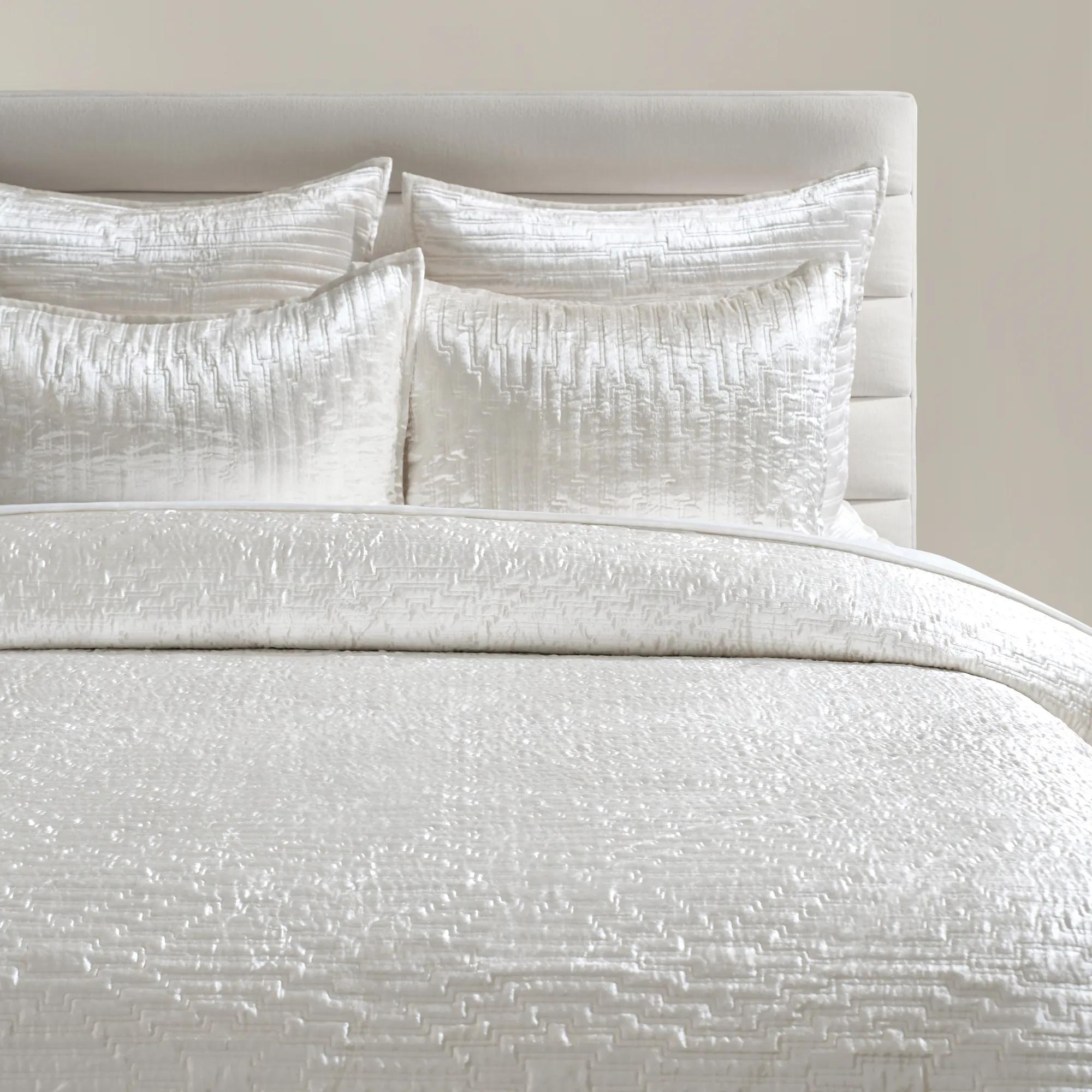
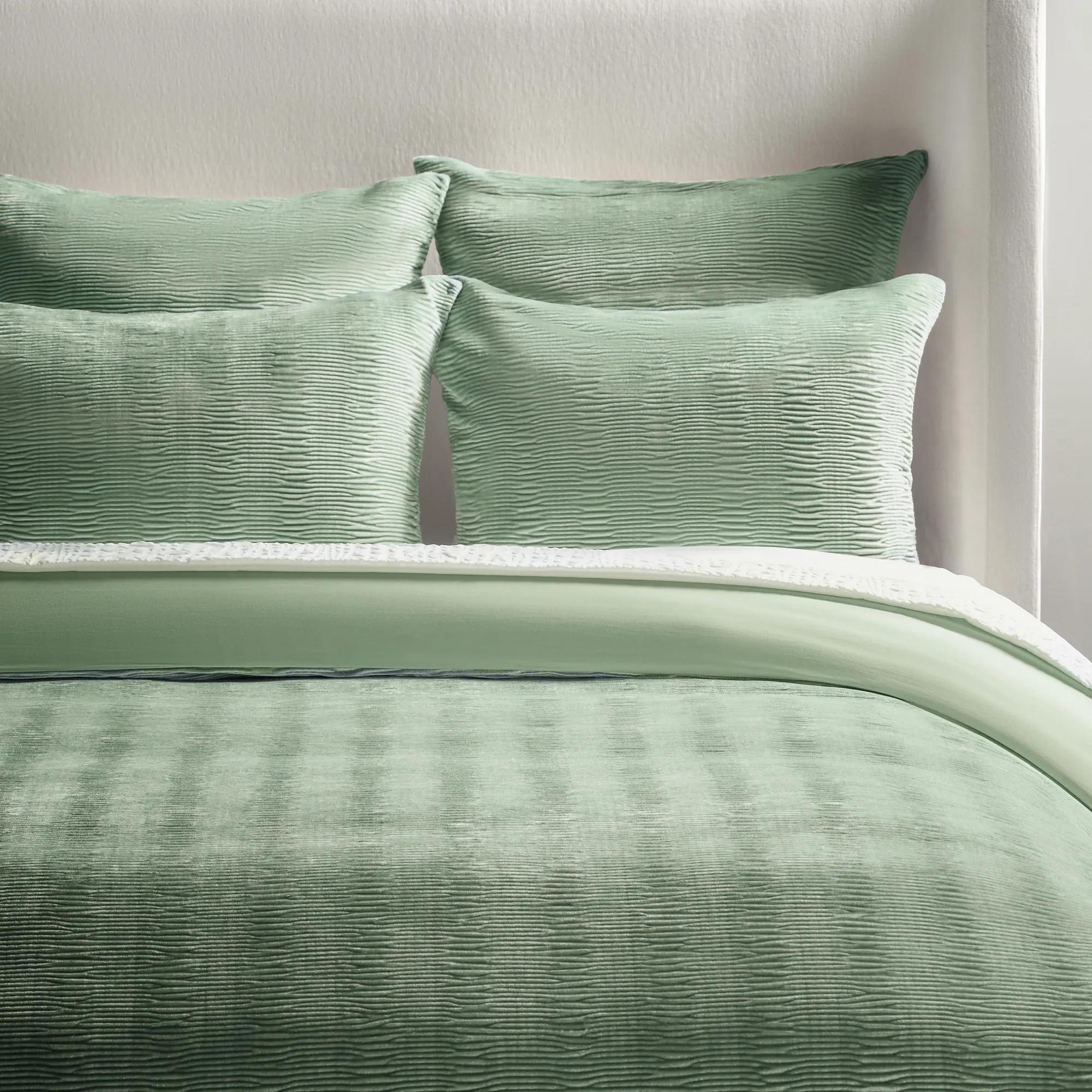
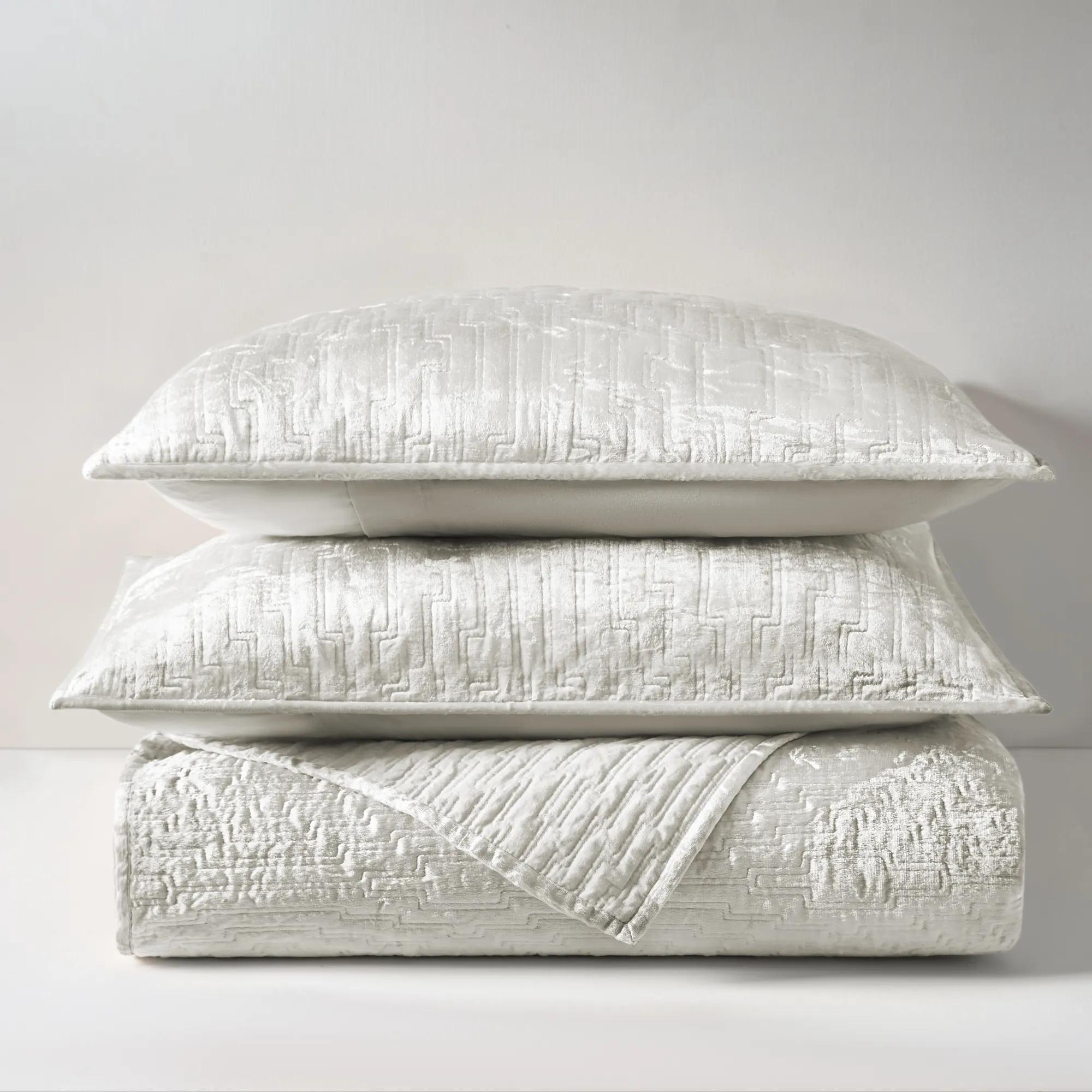 Glam Cloud White Shiny Viscose Velvet Quilt Bedding Set$499
A lustrous cloud-colored velvet quilt with modern geometric stitching and refined piped edges for sophisticated comfort.
Add To Cart -
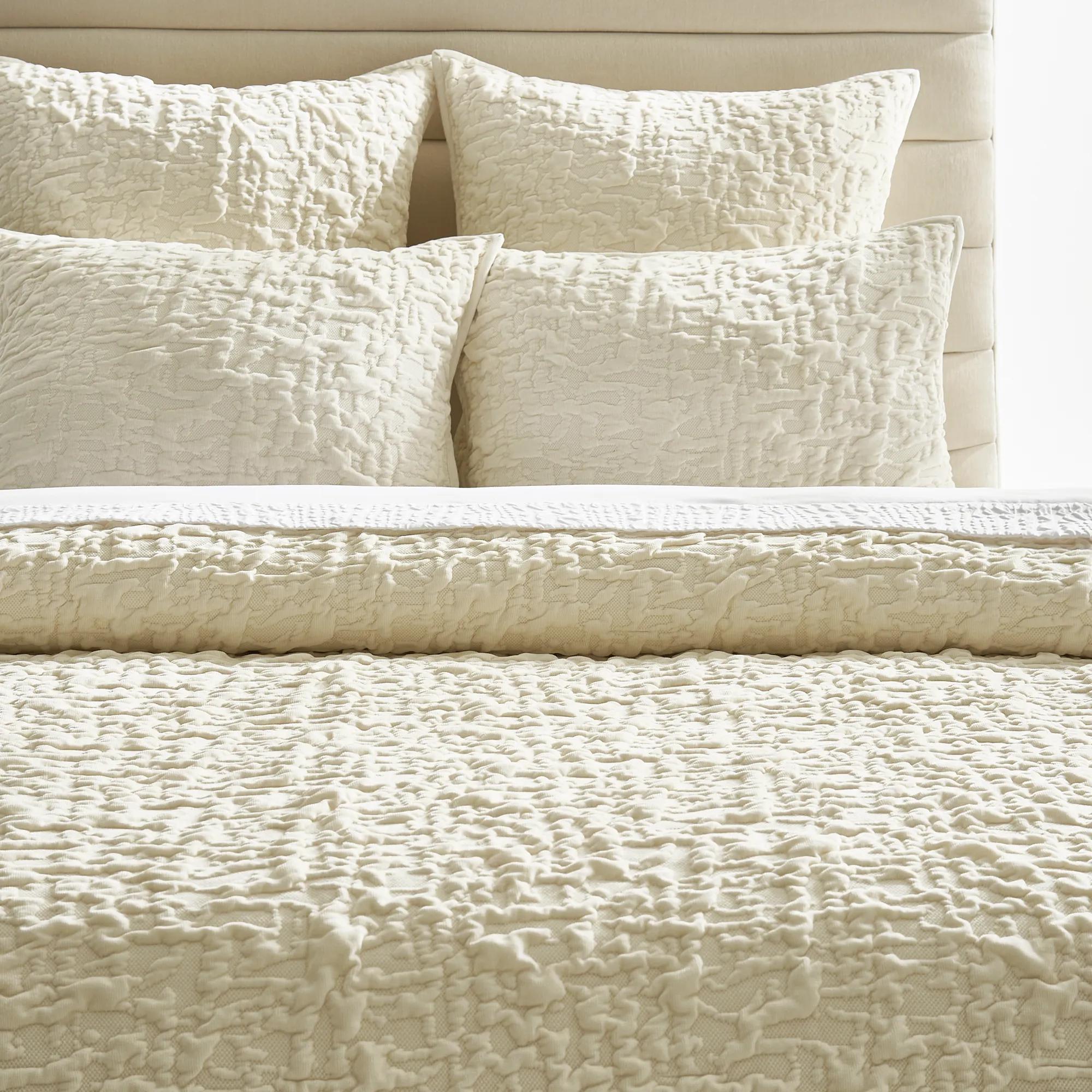
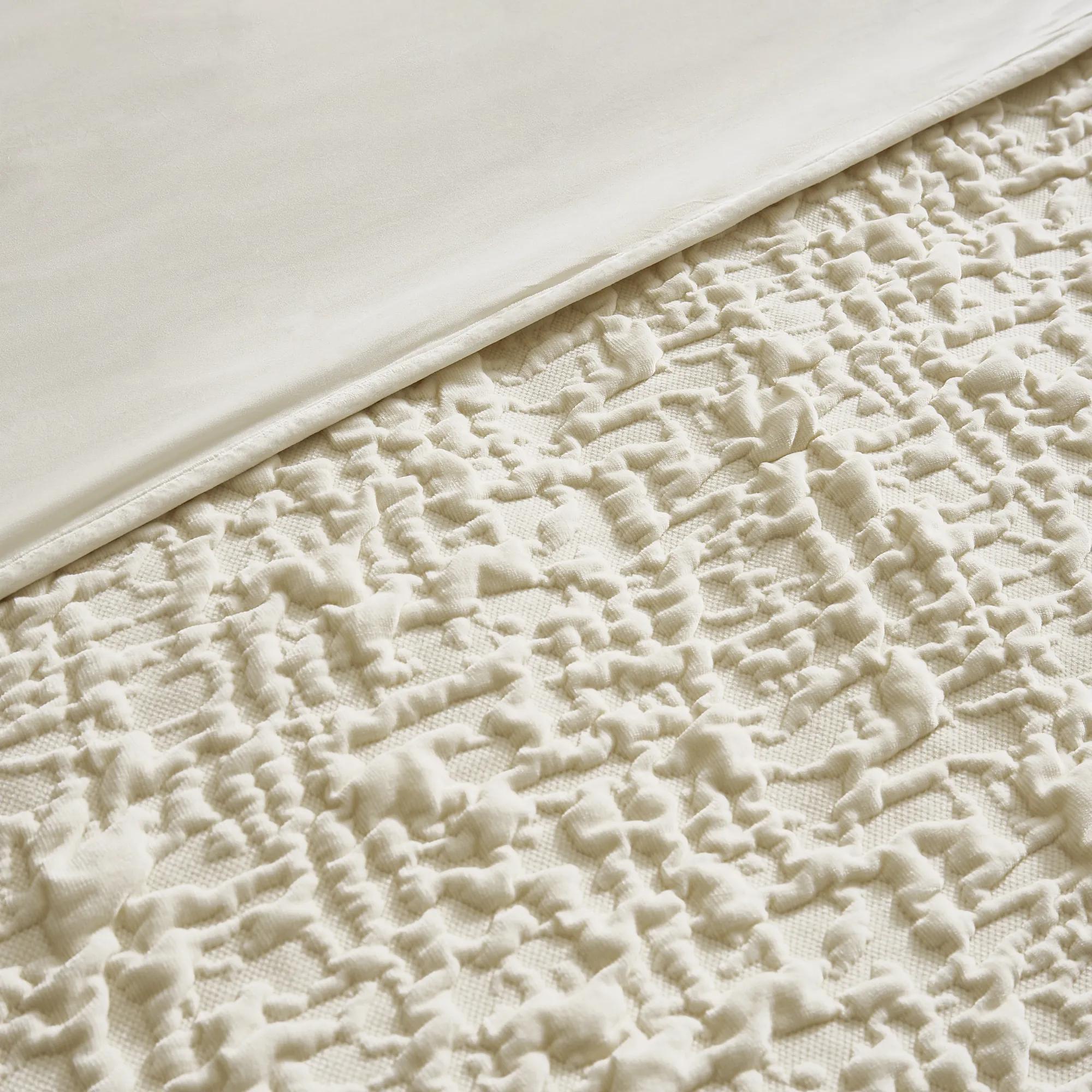 Madera Ivory Textured Velvet Bedding Set$249
A plush ivory velvet coverlet set with crushed embroidered texture and breathable cotton backing for serene style.
Add To Cart -
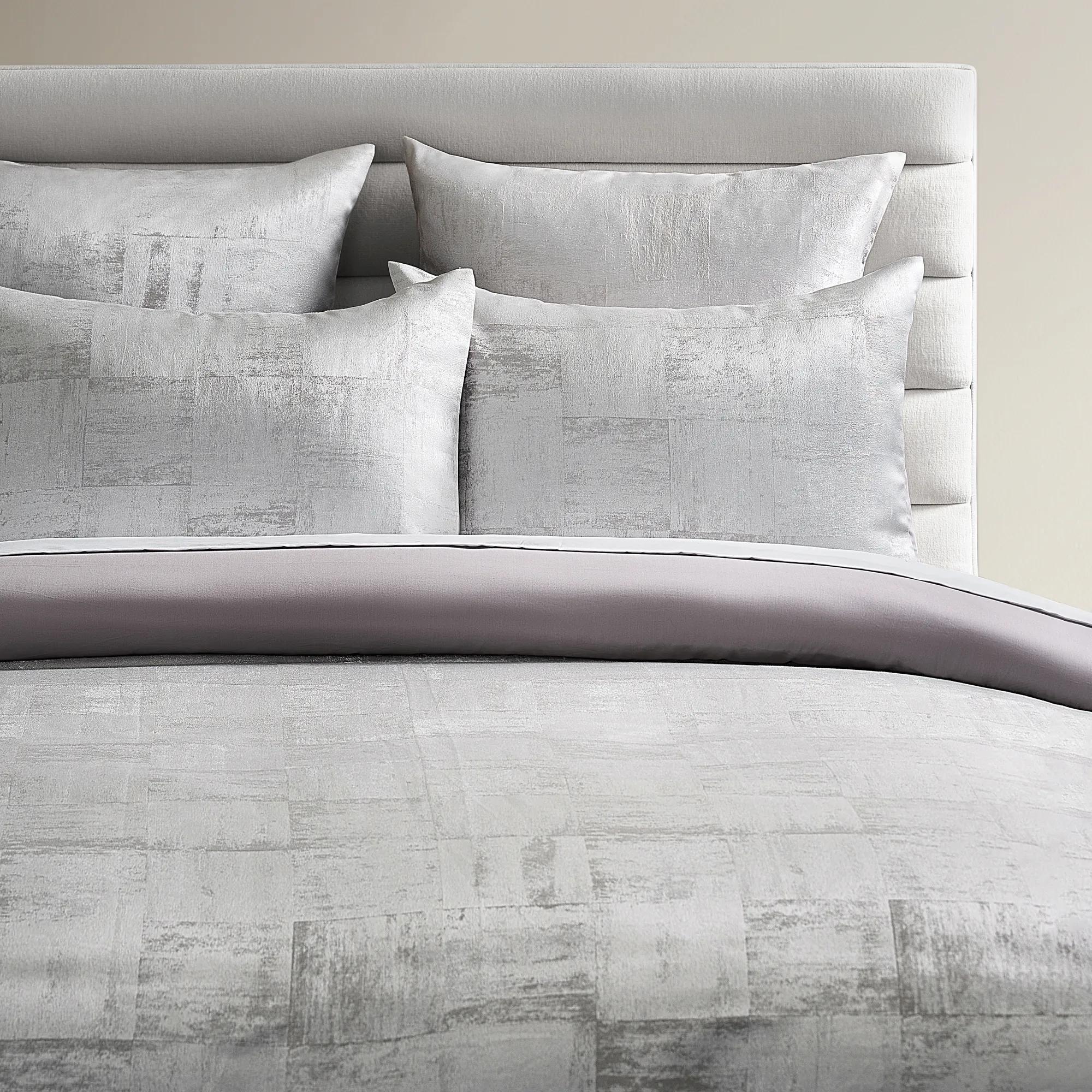 Auden Bedding Set - Platinum$49
A platinum jacquard bedding set featuring a subtle block pattern and refined, modern detailing.
Add To Cart -
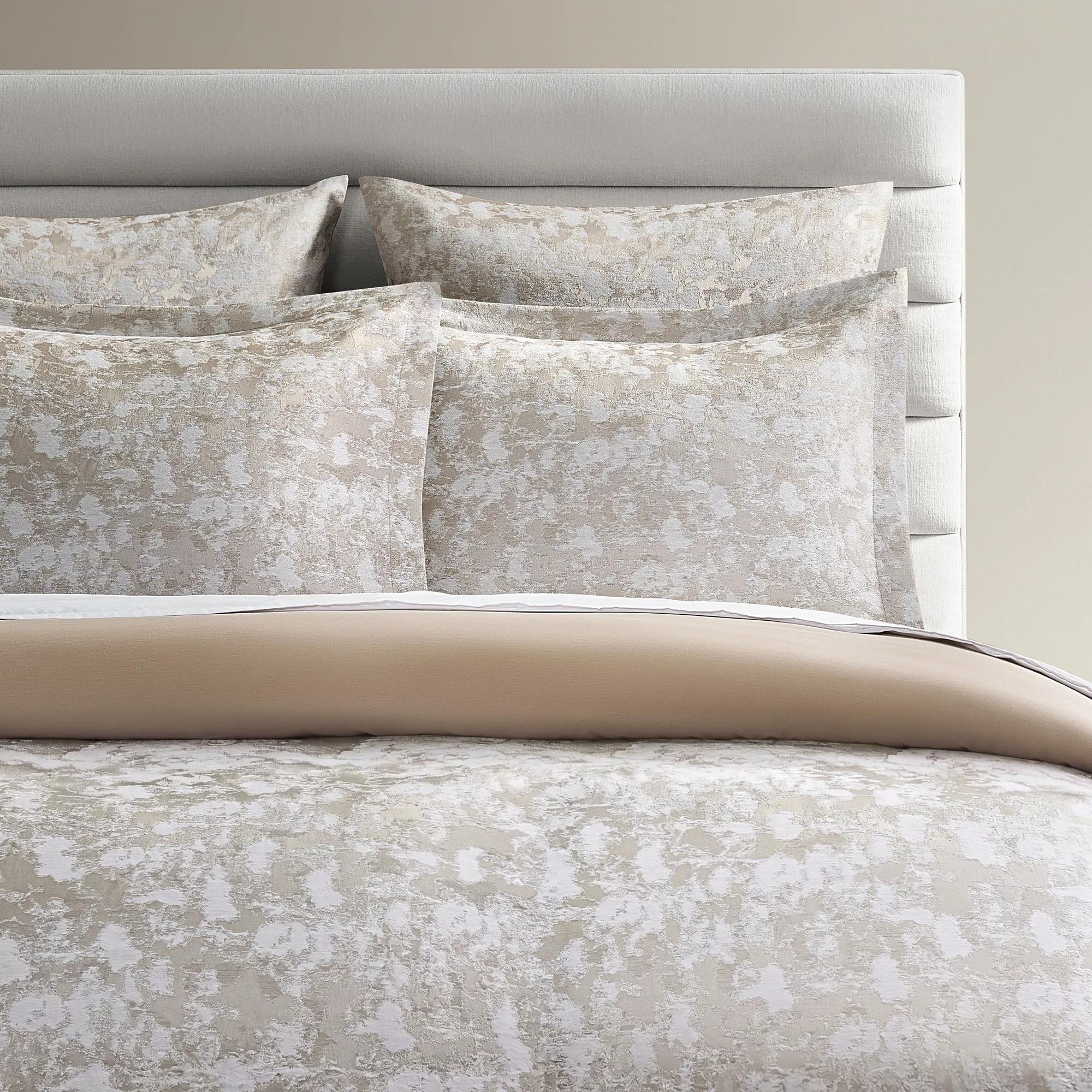 Nimbus Jacquard Metallic Champagne and Silver Bedding Set$49
A cloud-inspired bedding set in champagne and silver metallic jacquard with a soft marbled shimmer.
Add To Cart -
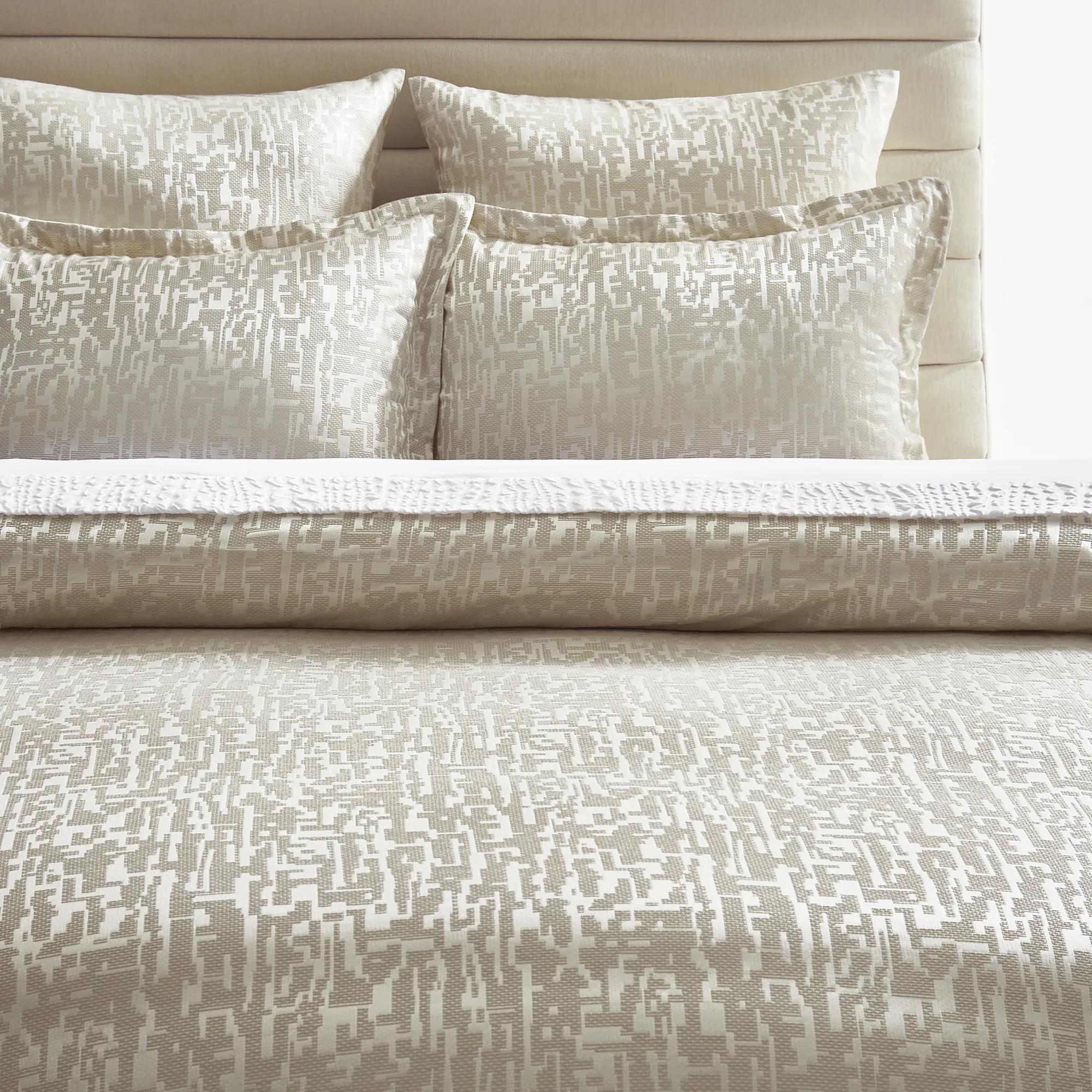
 Podva Embroidered Pearl/Ivory Bedding Set$249
A satin and cotton bedding set in pearl and ivory, featuring modern embroidery and crisp flange edges.
Add To Cart -
.jpeg?w=1200&h=1200)
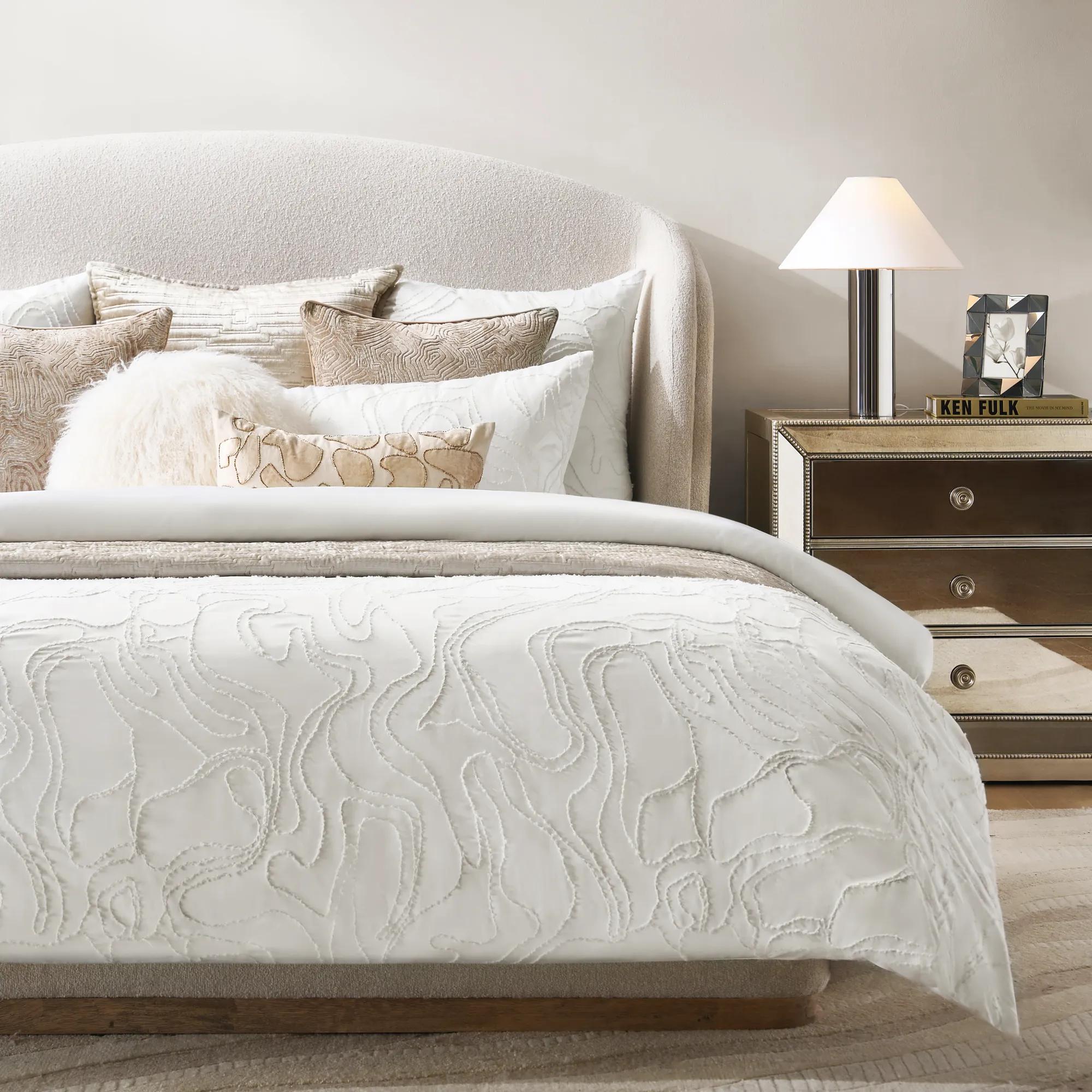 Noa Embroidered Pearl White Bedding Set$249
A luminous pearl satin bedding set featuring an embroidered swirl pattern for a touch of refined luxury.
Add To Cart -
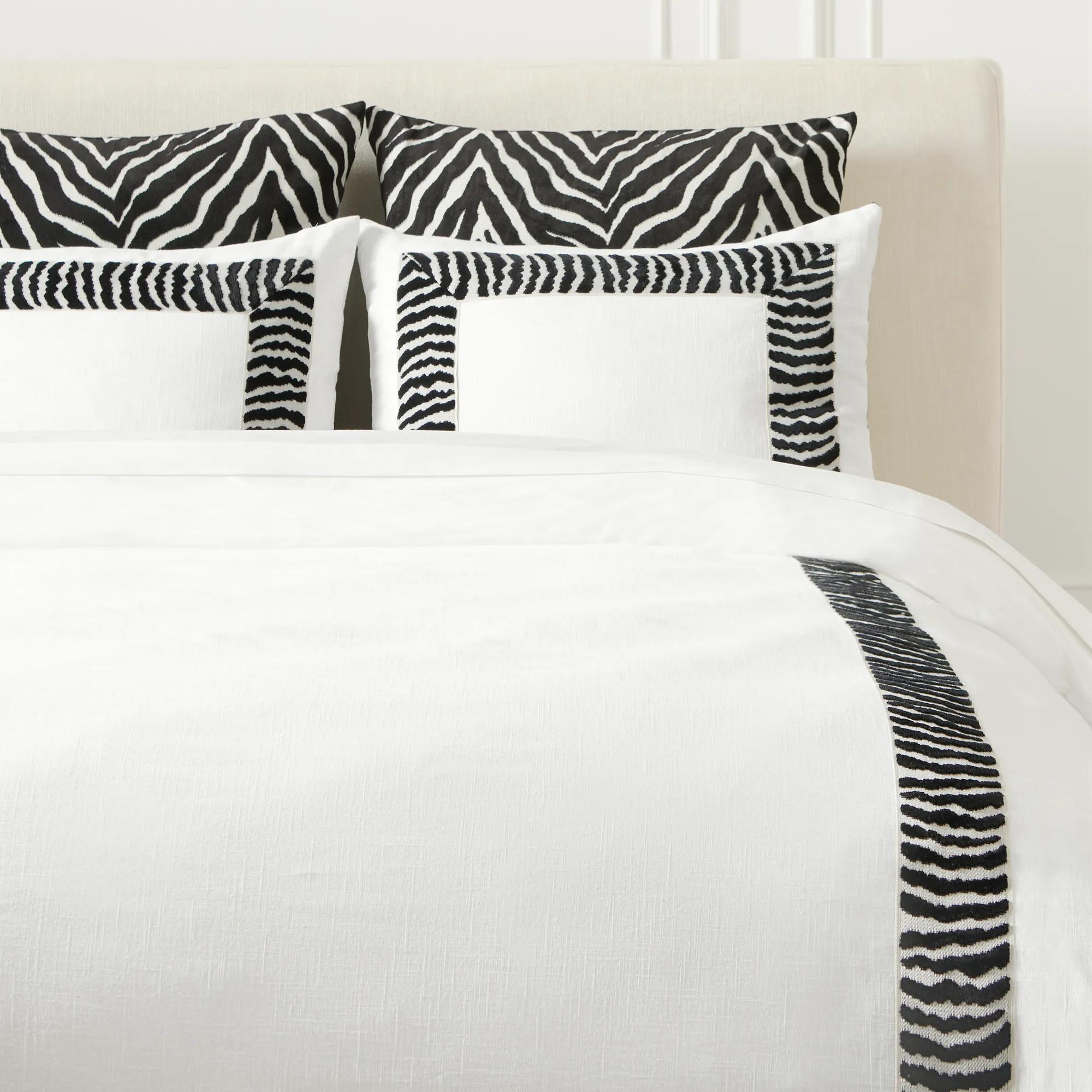
 Sarla Contrast Cotton Percale Bedding Set - White/Black$199
A crisp white cotton percale bedding set featuring modern black piping for a refined, graphic contrast.
Add To Cart -
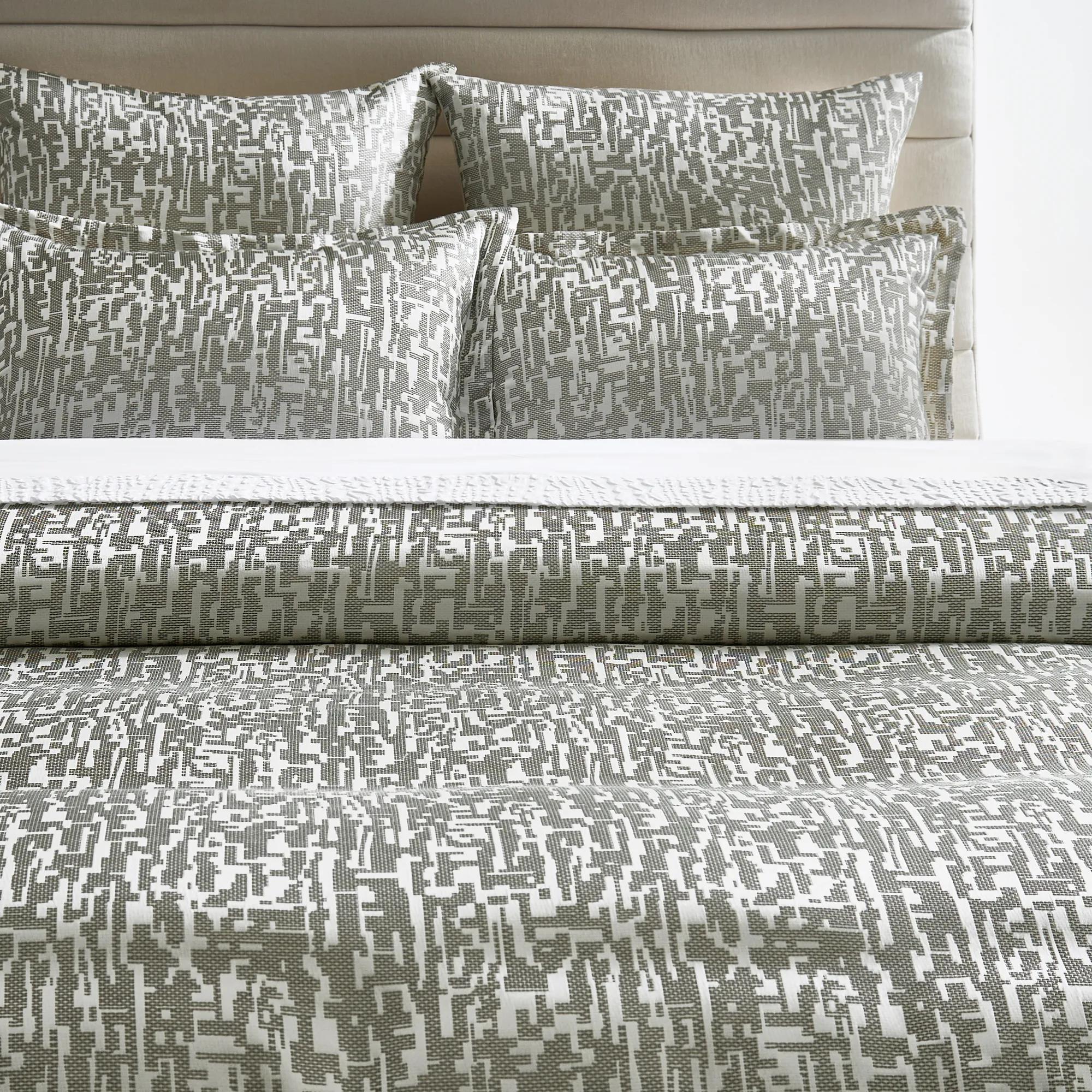
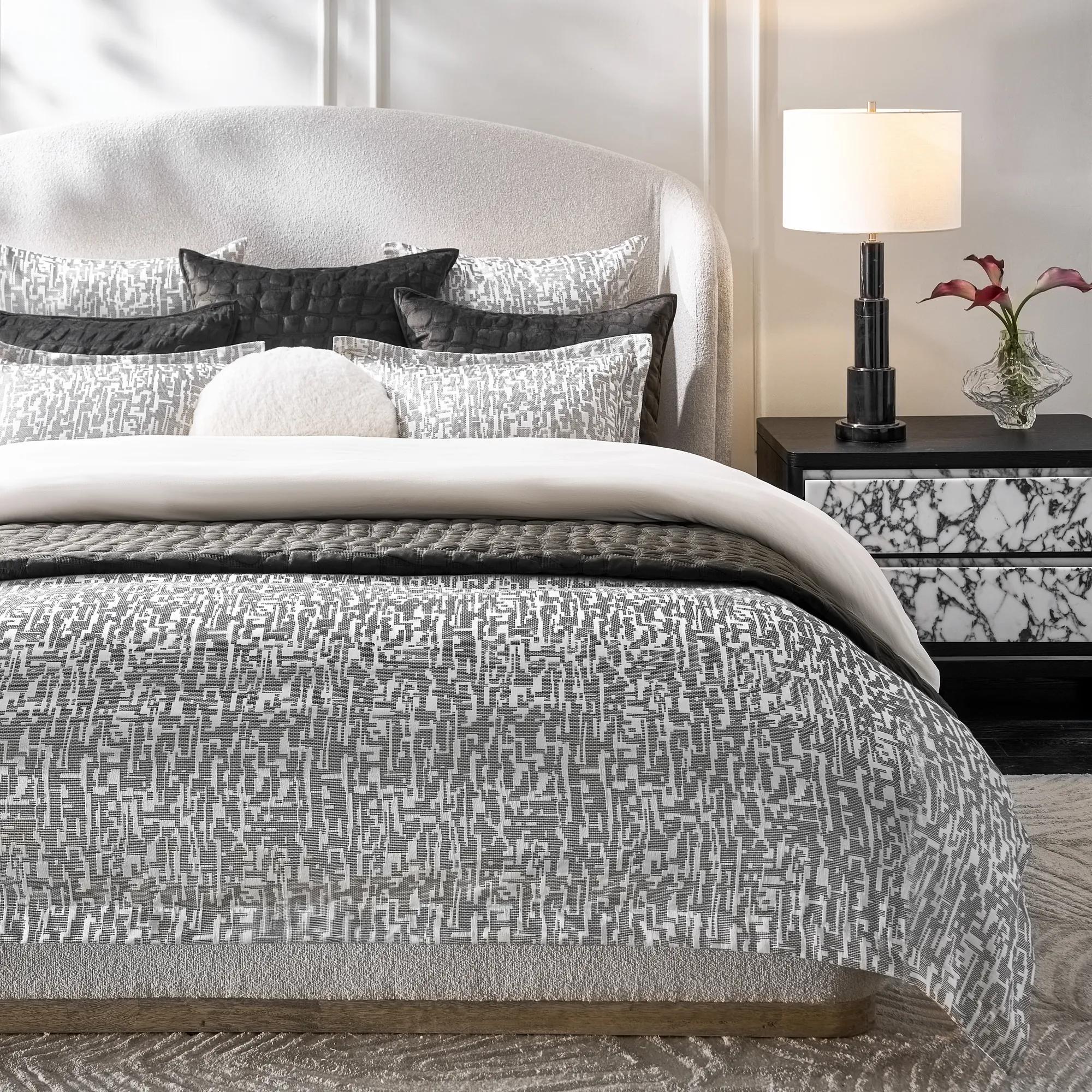 Podva Embroidered Bedding Set - Pearl/ Charcoal$279
A smooth satin bedding set in pearl and charcoal, featuring abstract embroidery and tailored flange edges.
Add To Cart -
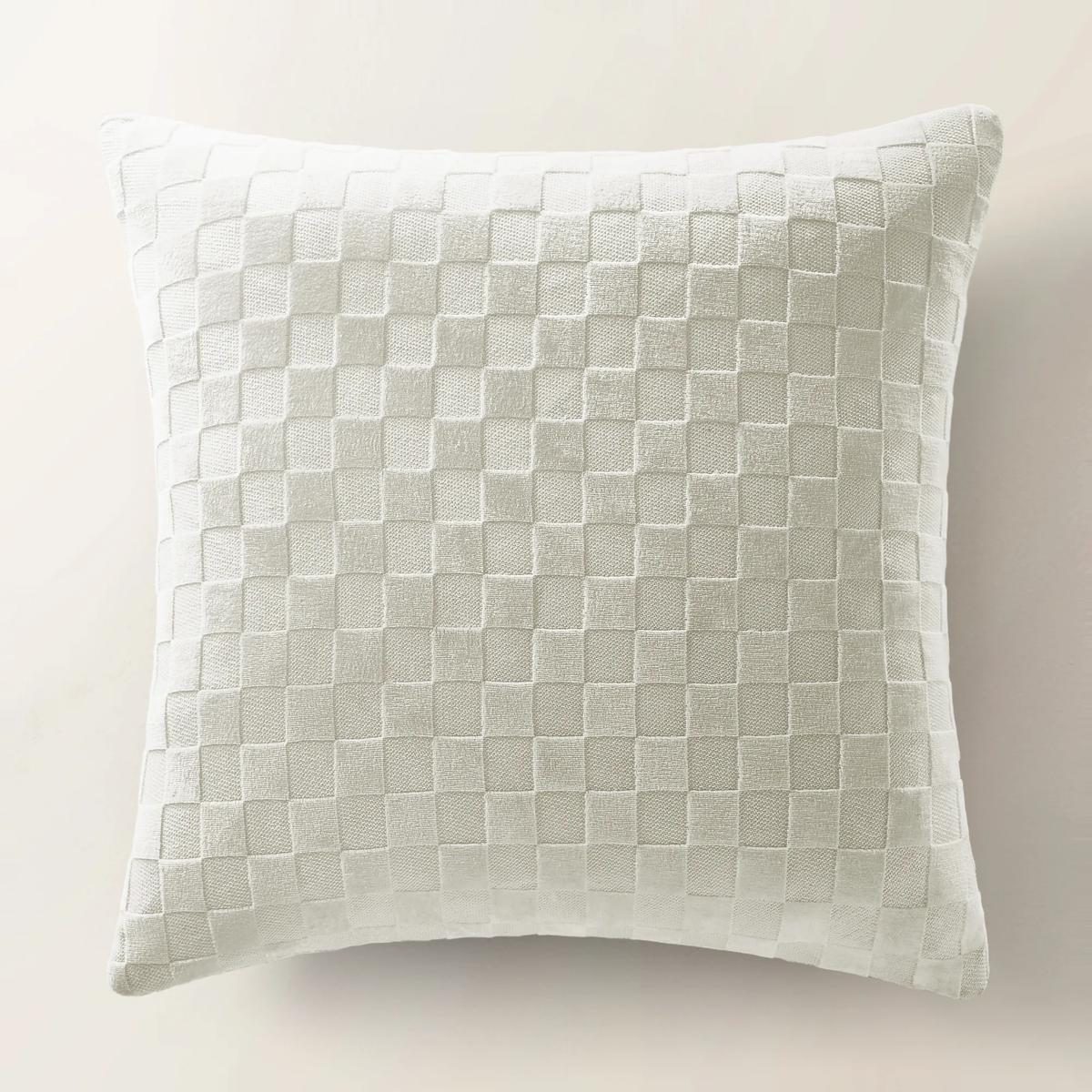
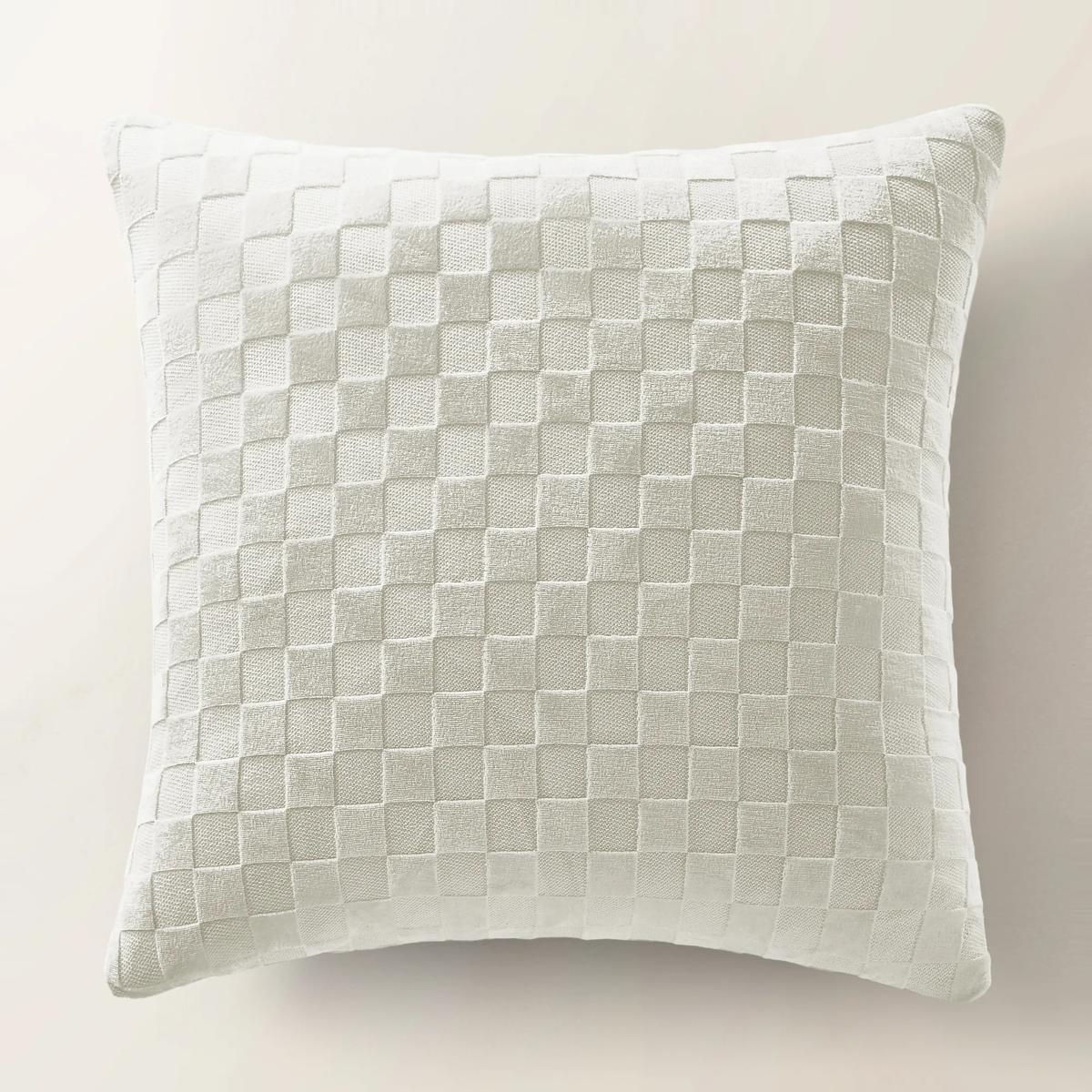 Checker White Cut Velvet Pillow 22" x 22"$79
A crisp white velvet pillow featuring a modern checker pattern and a removable feather-down insert.
Add To Cart

White Bedding With Subtle Patterns
Explore white bedding with subtle patterns for a luminous bedroom with detail that whispers rather than shouts. This selection balances a crisp white palette with understated pattern, adding visual depth without dominating the room. Keep the look tonal for a serene retreat, or pair it with bold accent pillows for a more expressive finish.
White bedding with subtle patterns brings a quiet kind of grandeur to the bedroom: luminous color, dimensional detail, and enough visual intrigue to make the bed feel deliberately dressed. Rather than relying on bold contrast, these designs reveal their character through a slender woven stripe, a delicate geometric repeat, a raised floral motif, or embroidery that traces the fabric like fine linework. From across the room, the effect is composed and expansive; closer inspection reveals the artistry. That balance makes patterned white bedding especially compelling alongside an upholstered headboard, sculptural bedside lighting, or a dresser with gleaming hardware. It gives expressive furnishings room to command attention without leaving the bed looking unfinished. The pattern itself helps establish the mood. Narrow stripes lend architectural precision, small repeating shapes create a tailored rhythm, and flowing botanical details soften the lines of a more structured room. Texture can be just as expressive as a printed motif: a jacquard weave builds pattern into the cloth, while matelassé construction creates a raised, quilted-looking surface without necessarily requiring a thick layer of filling. For a richly layered composition, smooth sheets can sit beneath a patterned duvet cover, with a textured coverlet folded across the foot and matching or complementary shams framing the pillows. Exploring subtle pattern duvet covers offers another way to introduce this understated detail across the bed’s largest surface. White also has nuances worth noticing. A crisp, bright white reads differently from an ivory-leaning shade, particularly beside cream upholstery or warm wood. Closely matched whites create a seamless impression, while intentionally varied tones add depth. Repeating one texture across the bed and introducing a second in a smaller accent keeps the arrangement cohesive. The result can be lavish without looking crowded, whether the setting is a dramatic primary suite, a polished guest bedroom, or a compact space where a pale palette allows the furnishings and fabric details to stand out.
The character of white patterned bedding depends as much on its material and construction as on its design. Cotton is valued for its absorbency and familiar softness, though the weave substantially changes the feel. Percale has a crisp, matte finish that suits clean stripes and precise geometric patterns; sateen offers a smoother hand and gentle sheen that can bring extra dimension to tonal designs. Linen has a more relaxed surface, with natural variation that gives even a restrained pattern an expressive, lived-in quality. Blended fabrics may offer different levels of wrinkle resistance, softness, or ease of care, so fiber content remains more useful than appearance alone when comparing bedding. Thread count is only one detail, not a complete measure of quality; yarn quality, weave, finishing, and construction all influence comfort and durability. Raised patterns and embroidery deserve particular attention because their texture may feel different against the skin than a smooth woven or printed surface. For someone who prefers an uninterrupted sleeping surface, decorative detail can be concentrated in the duvet cover, coverlet, and shams, while sheets and sleeping pillowcases remain smooth. Fit is equally important to the finished look. Mattress width and length establish the starting point, but mattress depth, a topper, and the desired side drop determine whether bedding looks generous or skimpy. Fitted-sheet pocket depth should accommodate the full mattress profile, and duvet-cover measurements should be compared with the insert rather than relying solely on a size name. An insert that is too small can leave loose fabric at the edges; one that is too large may bunch instead of settling evenly. Interior ties, where included, help keep a compatible insert aligned, while closures affect how easily the cover can be changed. Pillow dimensions also matter: a well-fitted sham shows its border or pattern clearly, whereas an overfilled or undersized pillow can distort the design. These practical details allow the delicate pattern to read beautifully, with clean edges, balanced proportions, and fabric that falls as intended.
White bedding with subtle patterns is suited to bedrooms that need both visual polish and everyday livability. In a primary bedroom, a tonal design can provide a lasting foundation for art, decorative pillows, and throws with more assertive color or texture. In a guest room, it creates an inviting, thoughtfully appointed bed without imposing a highly personal palette on the space. It can also make a meaningful wedding or housewarming gift when the recipient’s mattress dimensions, fabric preferences, and care habits are known; bedding feels especially considered when it suits the way someone actually lives. That includes maintenance. Care instructions should guide laundering, since a smooth cotton sheet, an embroidered sham, and a textured coverlet may require different treatment. Where machine washing is permitted, allowing enough room in the drum helps bedding move freely and rinse thoroughly rather than remaining tightly compressed. Treating marks promptly with a fabric-appropriate method is generally preferable to relying on an aggressive wash later, and white fabric should never be assumed to tolerate chlorine bleach. Embroidery, blended fibers, finishes, and decorative trims may require gentler products or professional cleaning. Thorough drying before use or storage helps preserve freshness, while excessive heat can contribute to shrinkage or damage certain details. Removing washable bedding promptly from the dryer can also reduce deep creases; pressing should follow the label, particularly around raised motifs. For homes with pets, fine loops or elaborate surface stitching may be more vulnerable to snagging than a flatter weave, making construction an important consideration alongside appearance. A neatly folded coverlet across the foot of the bed can define a resting spot while adding another layer of texture. Rotating between sets allows time for proper laundering and gives each set a break from continuous use. With thoughtful proportions and appropriate care, subtle patterned white bedding brings lasting distinction to a room through its woven relief, delicate linework, and luminous layers, allowing the bed to hold attention without overwhelming the space.
FAQs
Tonal stripes, delicate embroidery, understated geometrics, and woven jacquard motifs give white bedding an artful dimension. For a quietly glamorous look, choose patterns that reveal themselves through texture and shifting light rather than strong color contrast.
Make white patterned bedding the luminous foundation of your bedroom, then layer in sumptuous accents. Velvet pillows, a softly draped throw, and a tailored coverlet create depth without competing with the delicate motif. Finish the scene with sculptural bedside lamps or gleaming metallic accents for a polished, expressive retreat.
Textured white bedding gets its dimension from woven, stitched, or raised details, such as matelassé, embroidery, or jacquard. Printed bedding carries a design applied to the fabric’s surface. Both can create a subtle pattern: texture emphasizes the interplay of light and shadow, while a pale print introduces delicate contrast.
Pearl gray, ivory, and champagne create a luminous palette that lets subtle white patterns take center stage. For more drama, introduce charcoal, midnight blue, or deep emerald through pillows and throws. Repeating an accent color elsewhere in the room gives the layered look a deliberate, composed finish.
Yes—white bedding with a subtle pattern creates an elegant foundation for pattern mixing. Pair a fine tonal stripe with a more expressive botanical or geometric accent, allowing one motif to lead. Keep the palette cohesive and include solid layers to give each pattern room to shine.
GRY.jpeg?w=3261&h=3261)
.jpg?w=2100&h=2100)