Wedding Gifts For The Home
Wedding Gifts For The Home
-
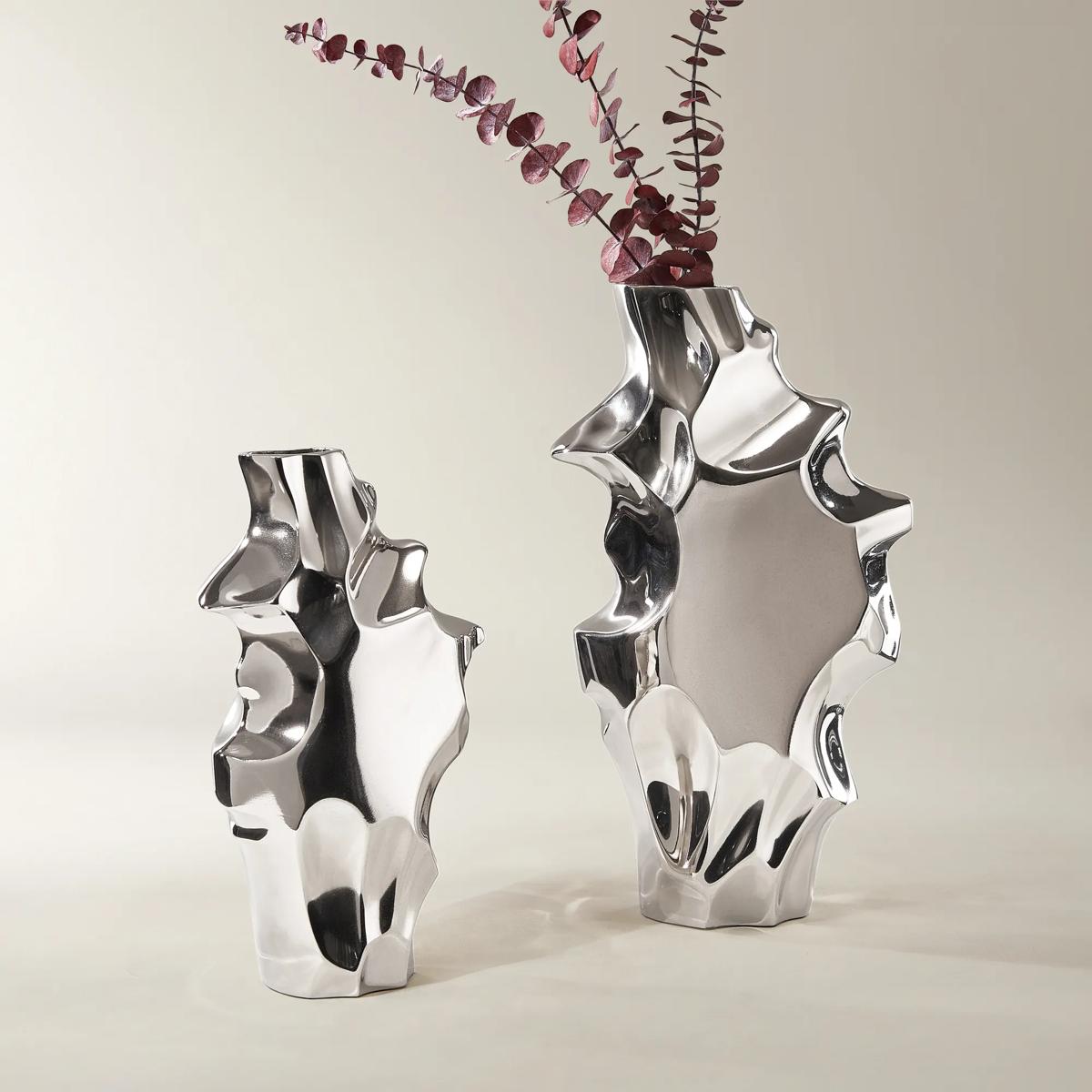
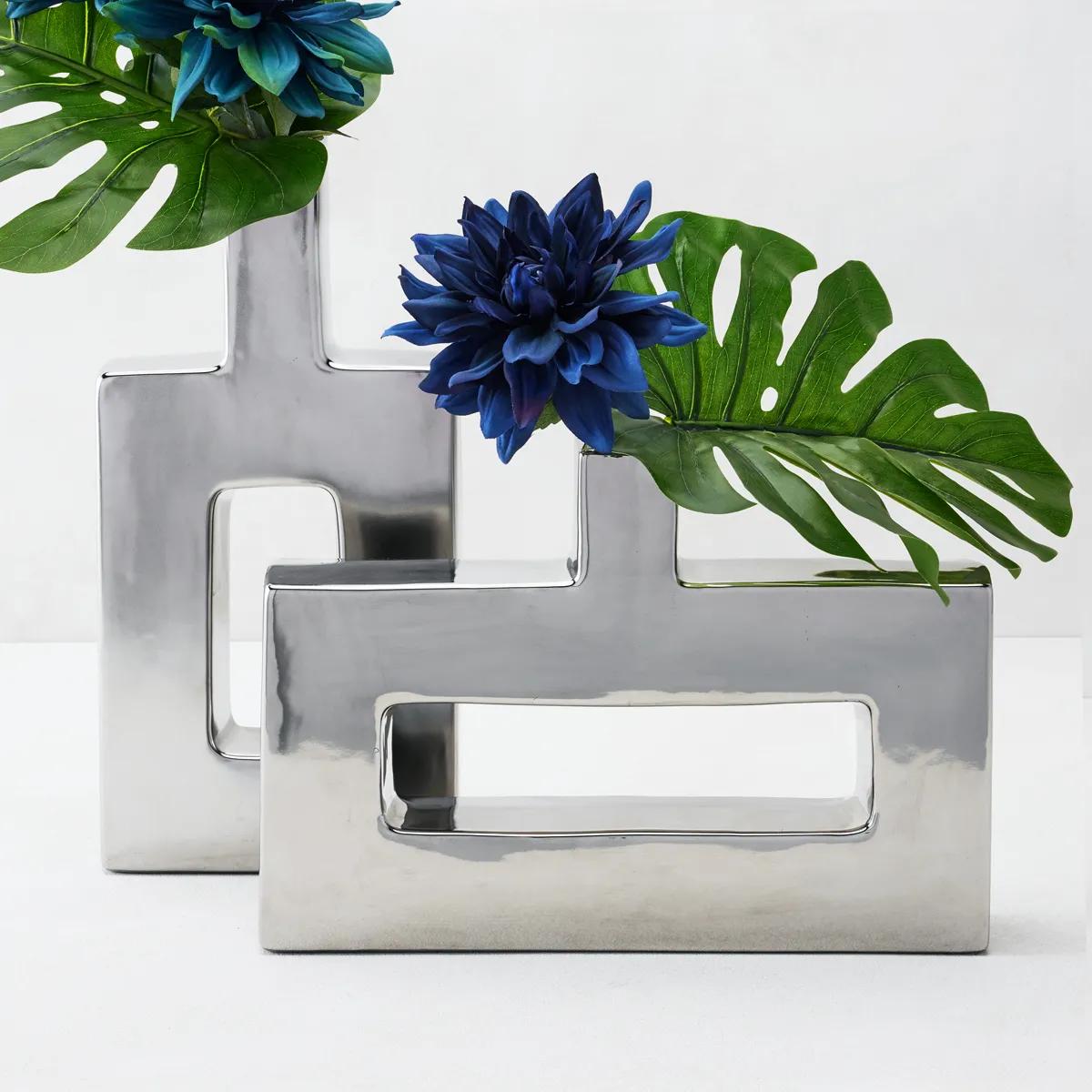 Miami Silver Ceramic High Gloss Vase 18.5"$69
A contemporary silver ceramic vase with a stylish gold glaze, perfect for decorative foliage or display.
Add To Cart -
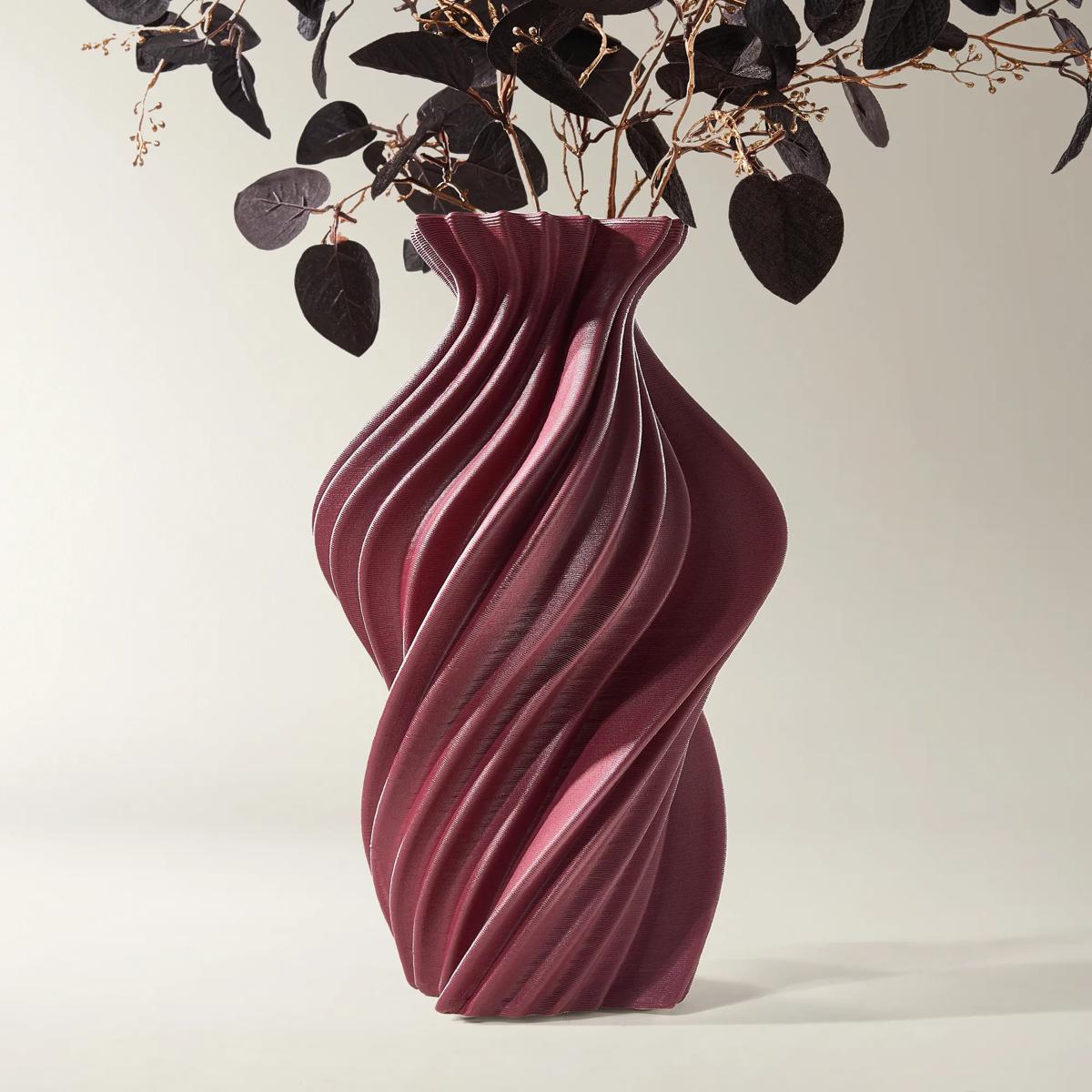
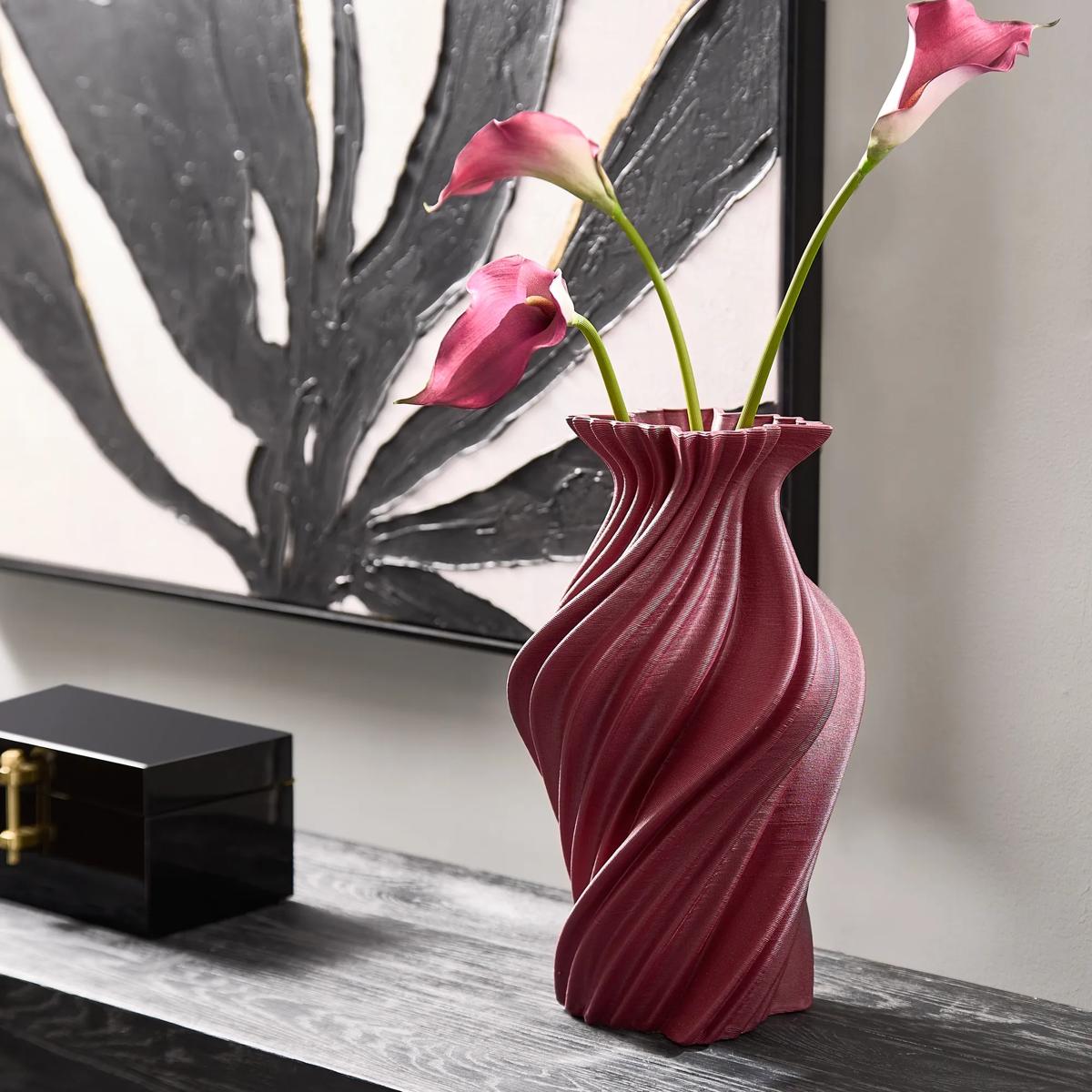 Flame Deep Red Porcelain Vase 16.25"$119
A sculptural porcelain vase in deep red with a dynamic, twisted silhouette inspired by flowing flames.
Add To Cart -
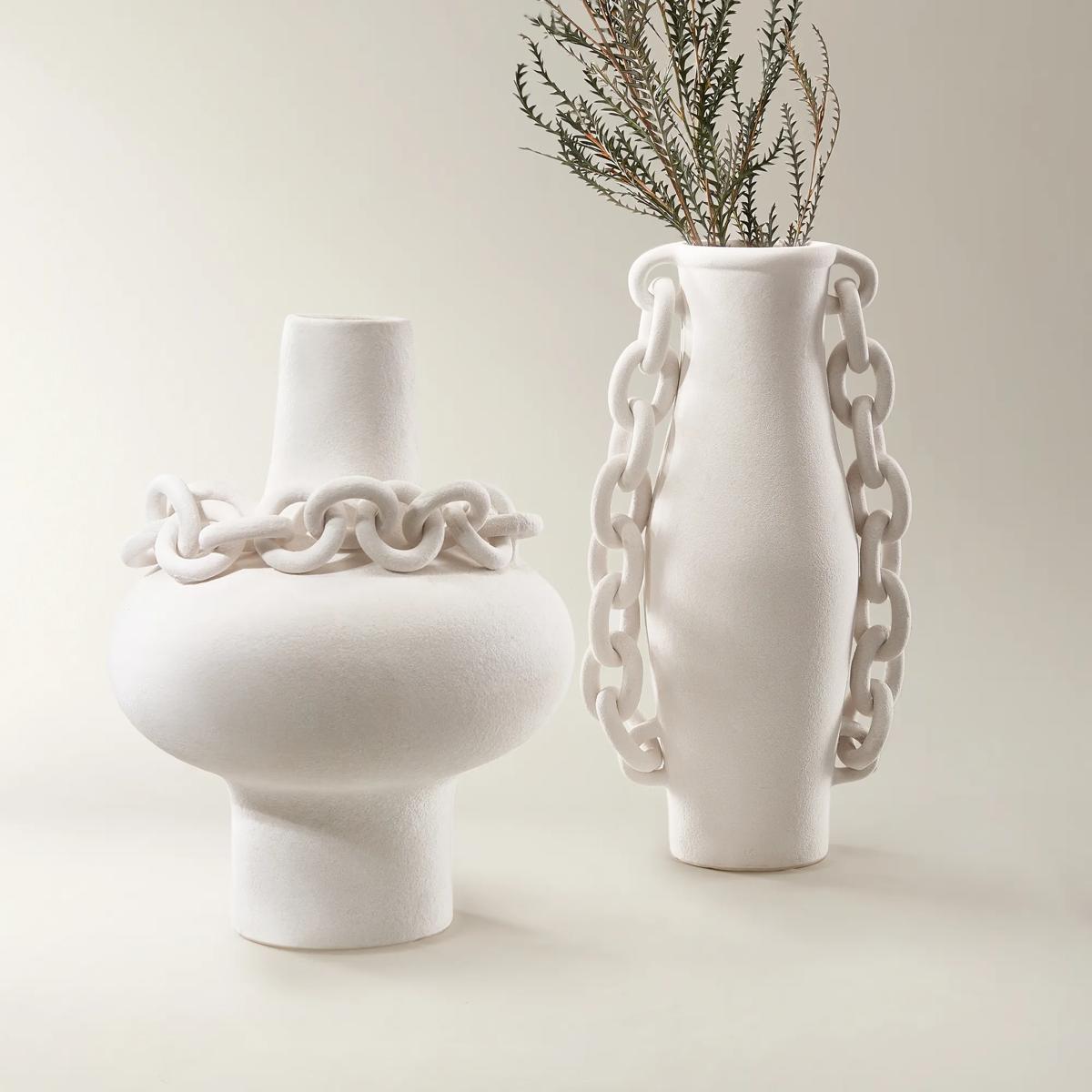
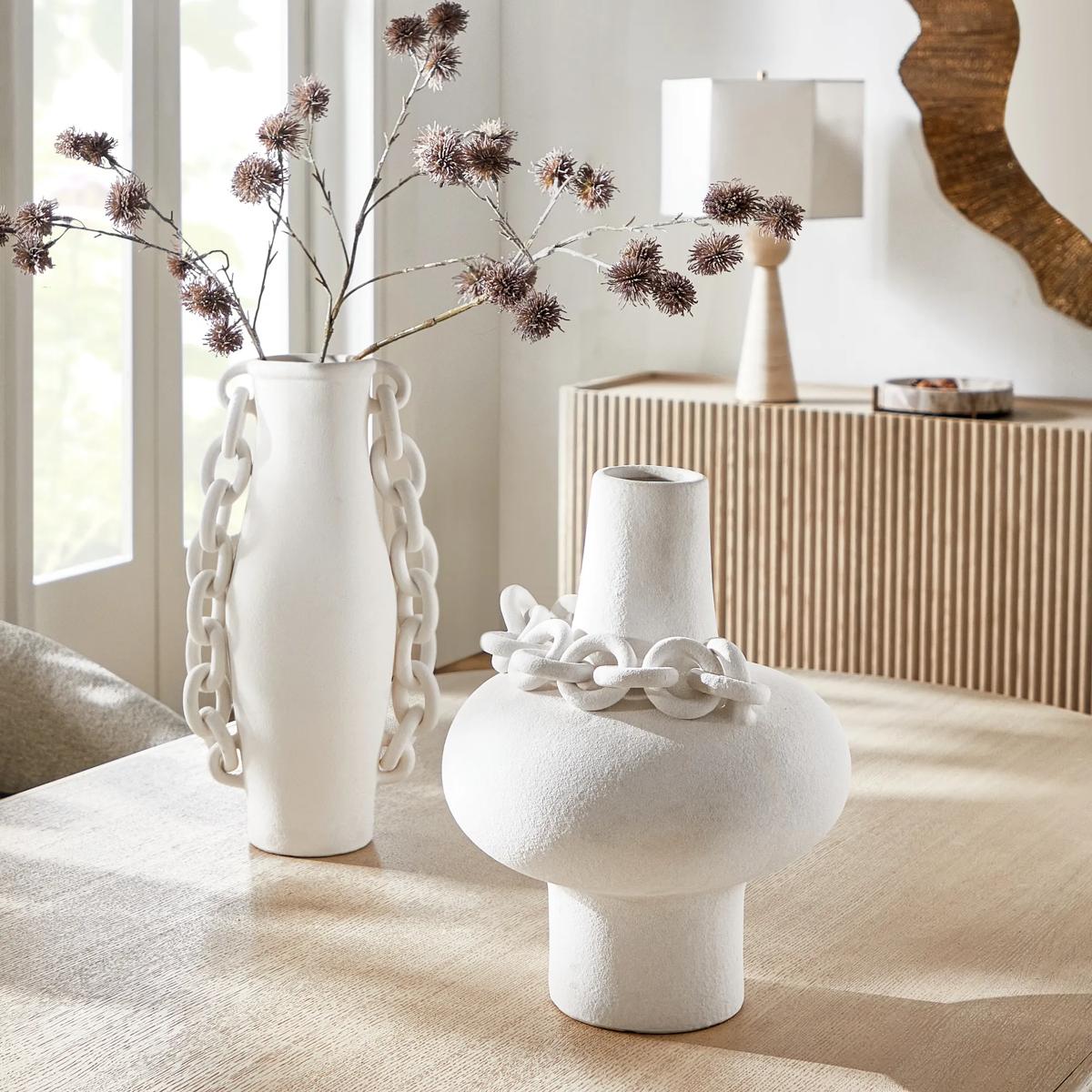 Links Stoneware Vases$139
A sculptural matte white stoneware vase featuring bold chain-link details for modern, artful texture.
Add To Cart -
Miami Silver Ceramic High Gloss Vase 11.75"$69
A contemporary silver ceramic vase with a stylish gold glaze, perfect for decorative foliage or display.
Add To Cart -
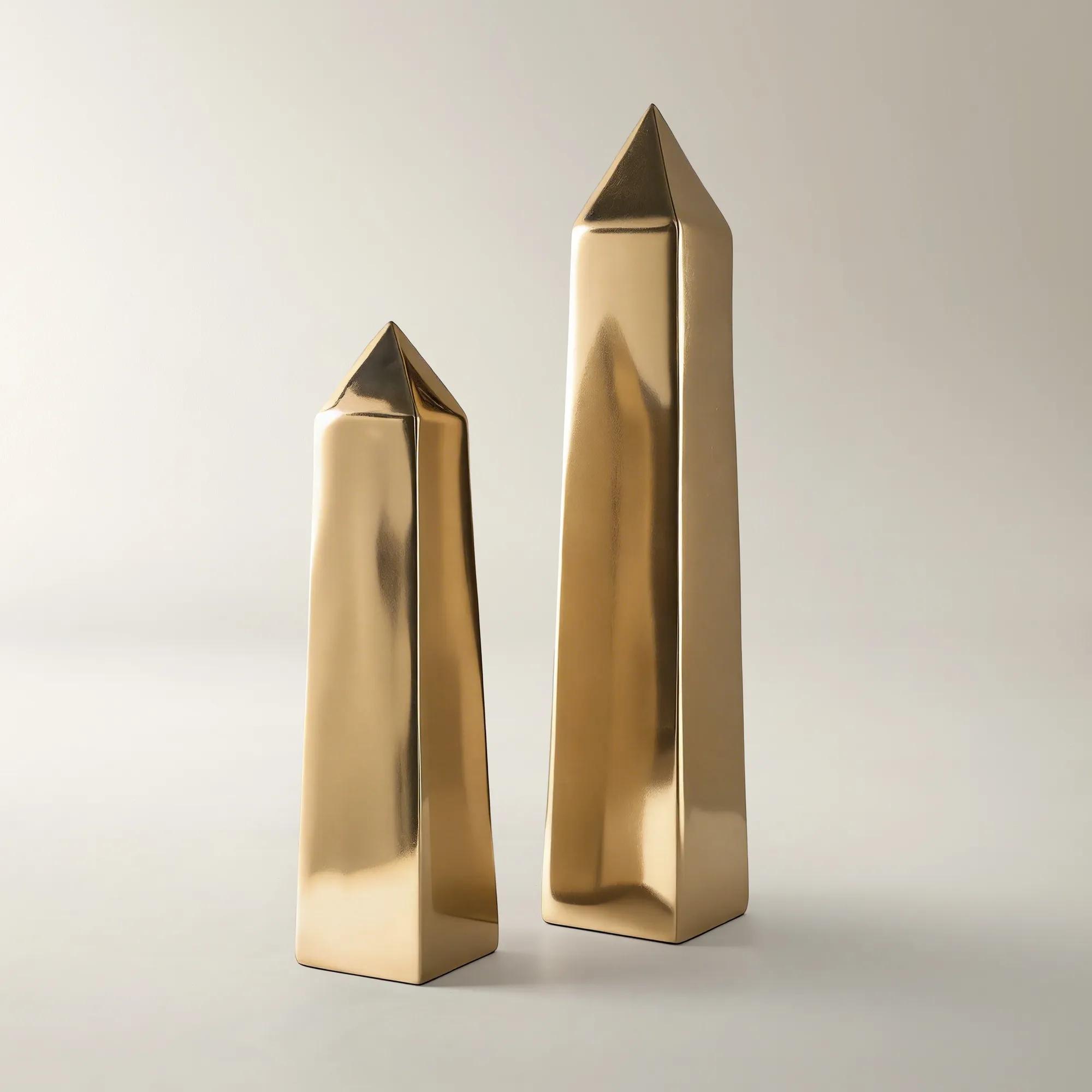
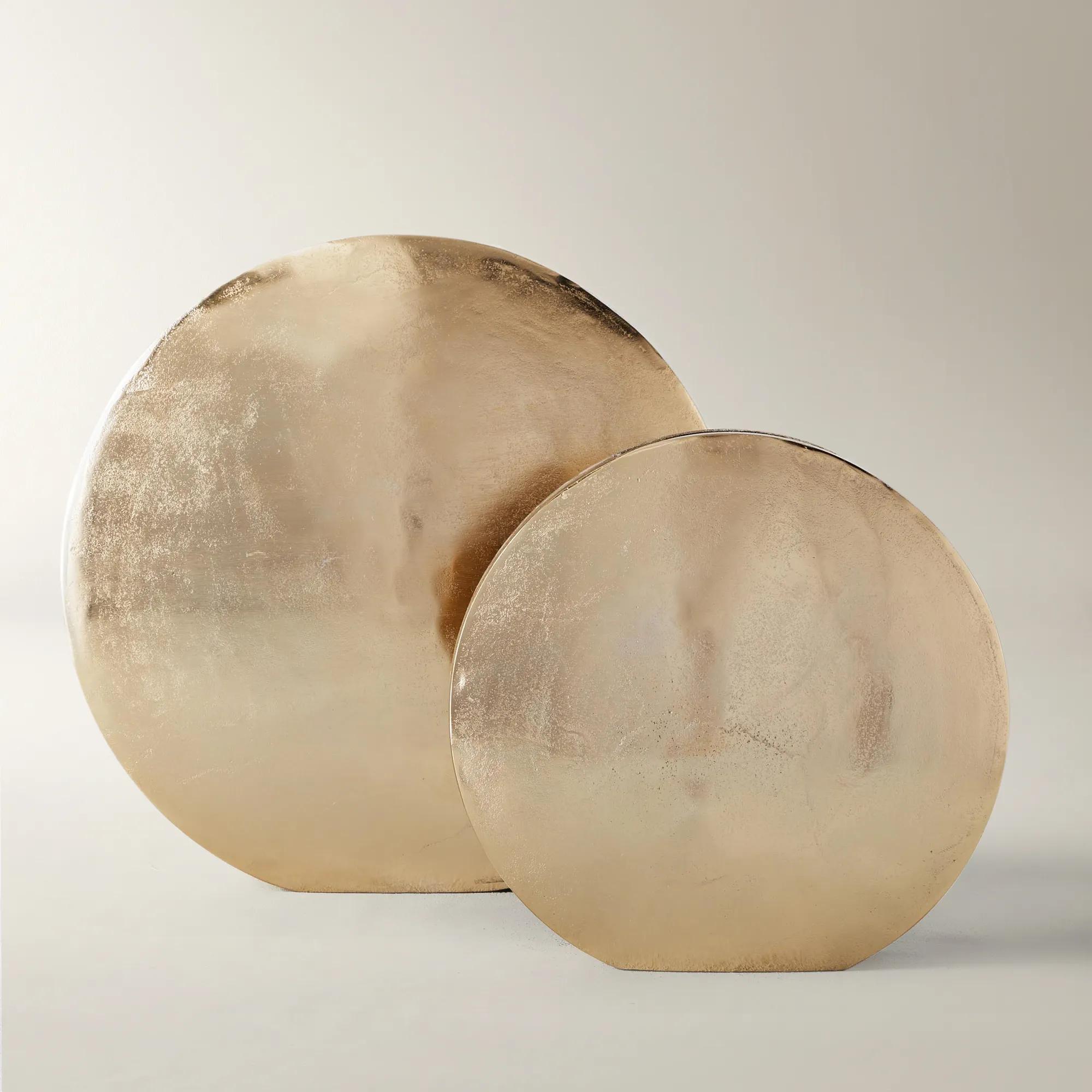
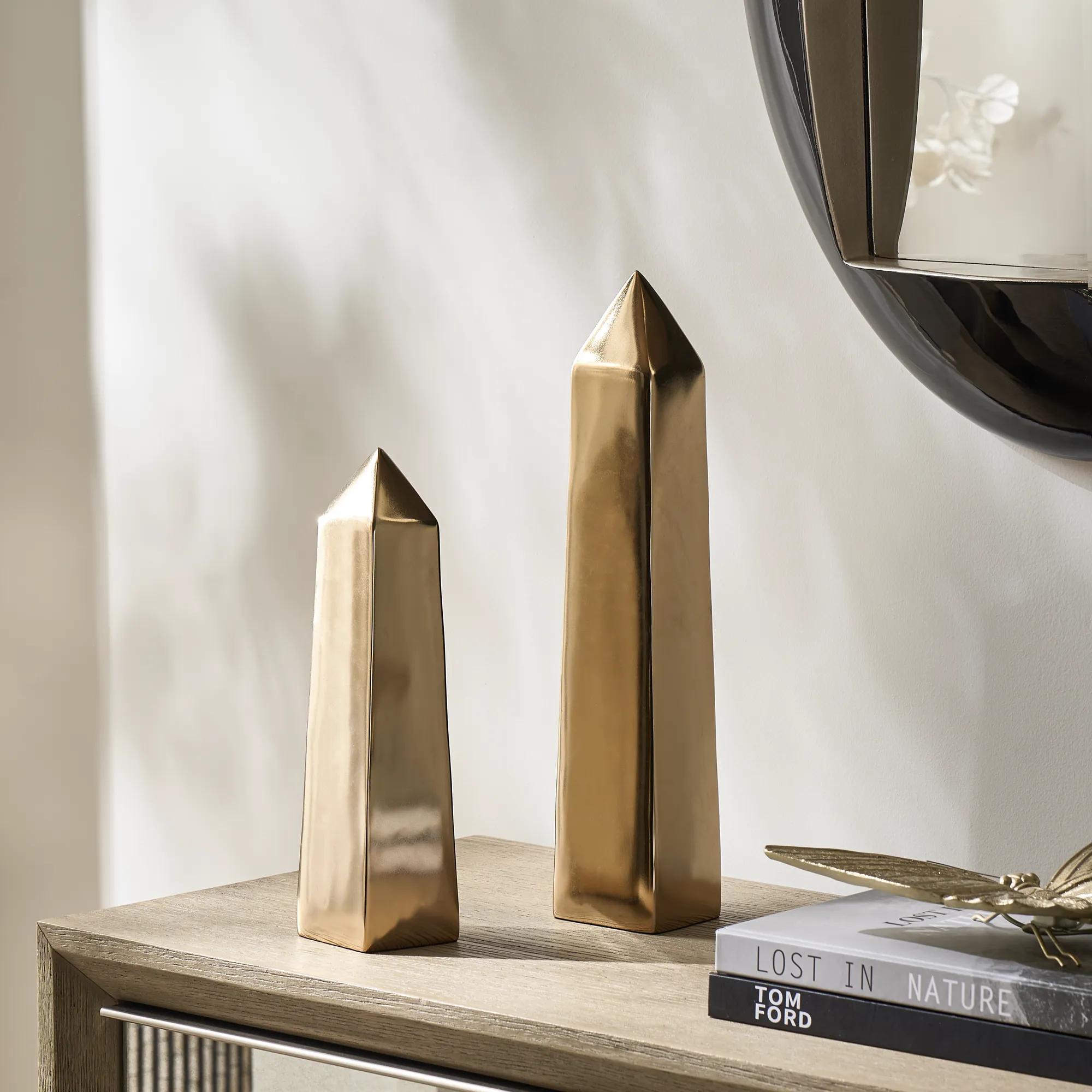 Golden Aluminum Obelisks$59
A sculptural aluminum accent in a soft gold finish that adds modern glamour and architectural drama.
Add To Cart -
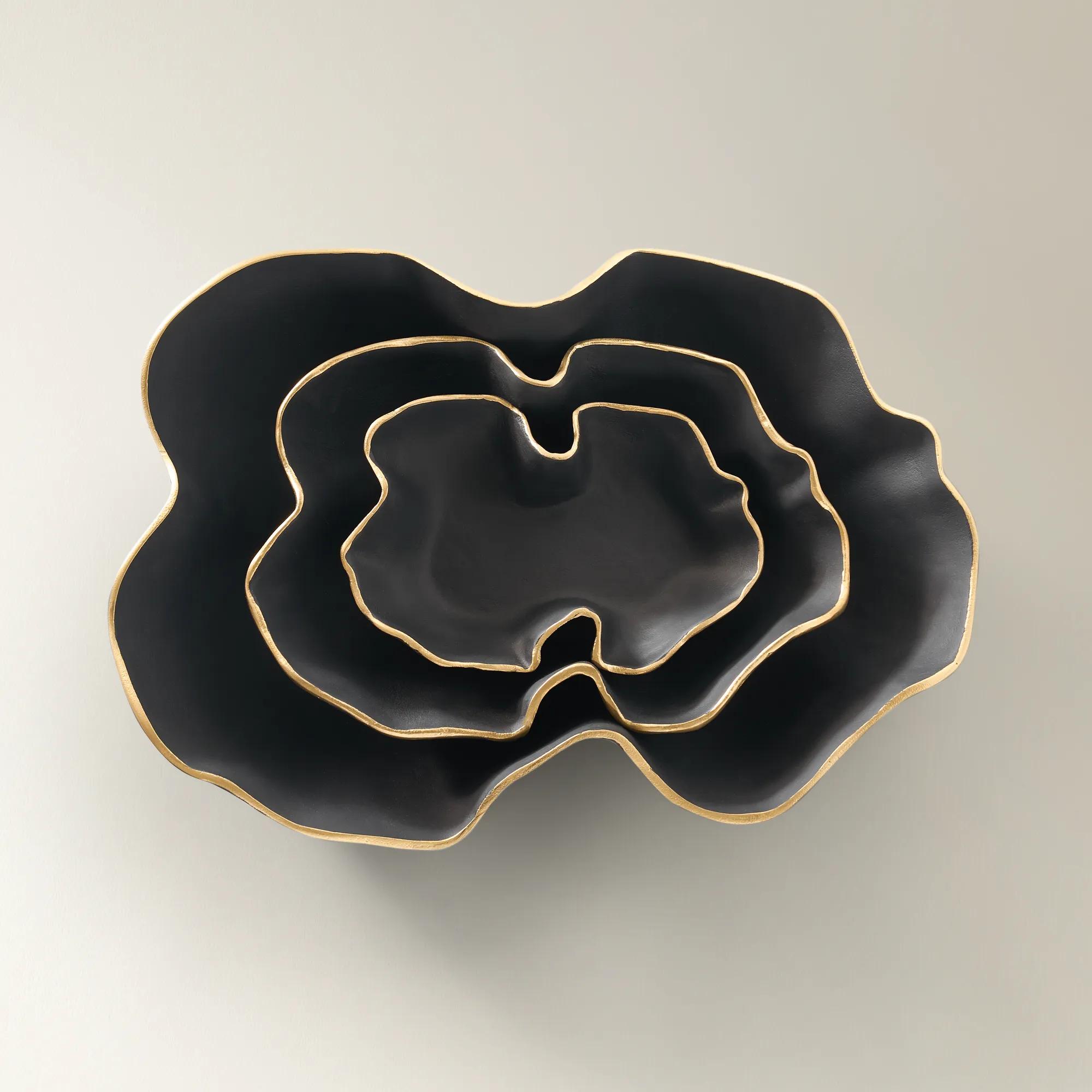 Lava Black Gold Aluminum Decorative Nesting Bowls$99
A deep black aluminum bowl with golden edges, featuring an organic shape inspired by volcanic rock.
Add To Cart -
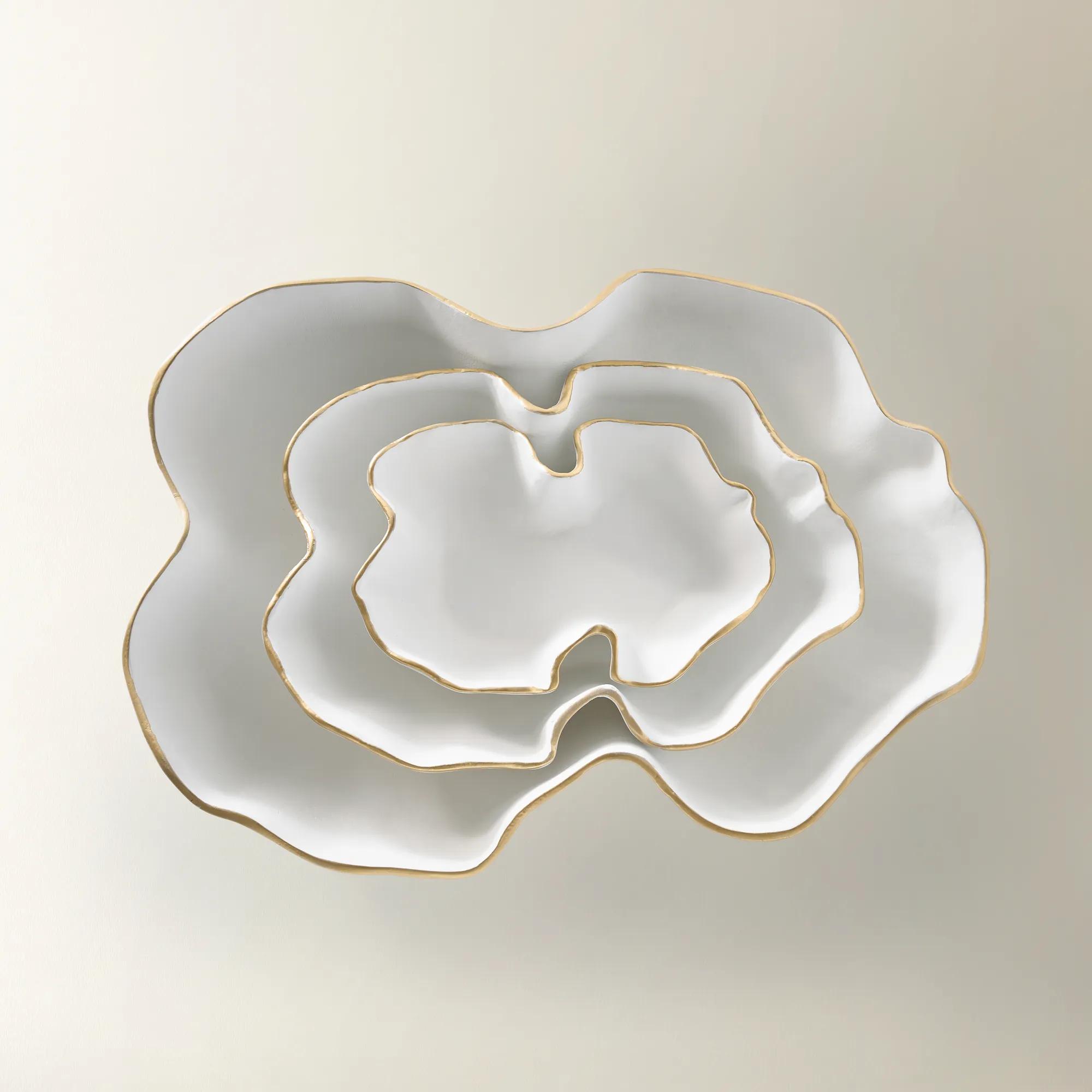 Lava White Gold Aluminum Decorative Nesting Bowls$39
A glossy white aluminum bowl with a golden rim, offering modern elegance for decorative display.
Add To Cart -

 Collins Hand-Cast Gold Aluminum Decorative Pedestal Bowl 23.5" x 5"$79
A gold nickel-plated aluminum bowl with a rectangular pedestal base for striking decorative display.
Add To Cart -
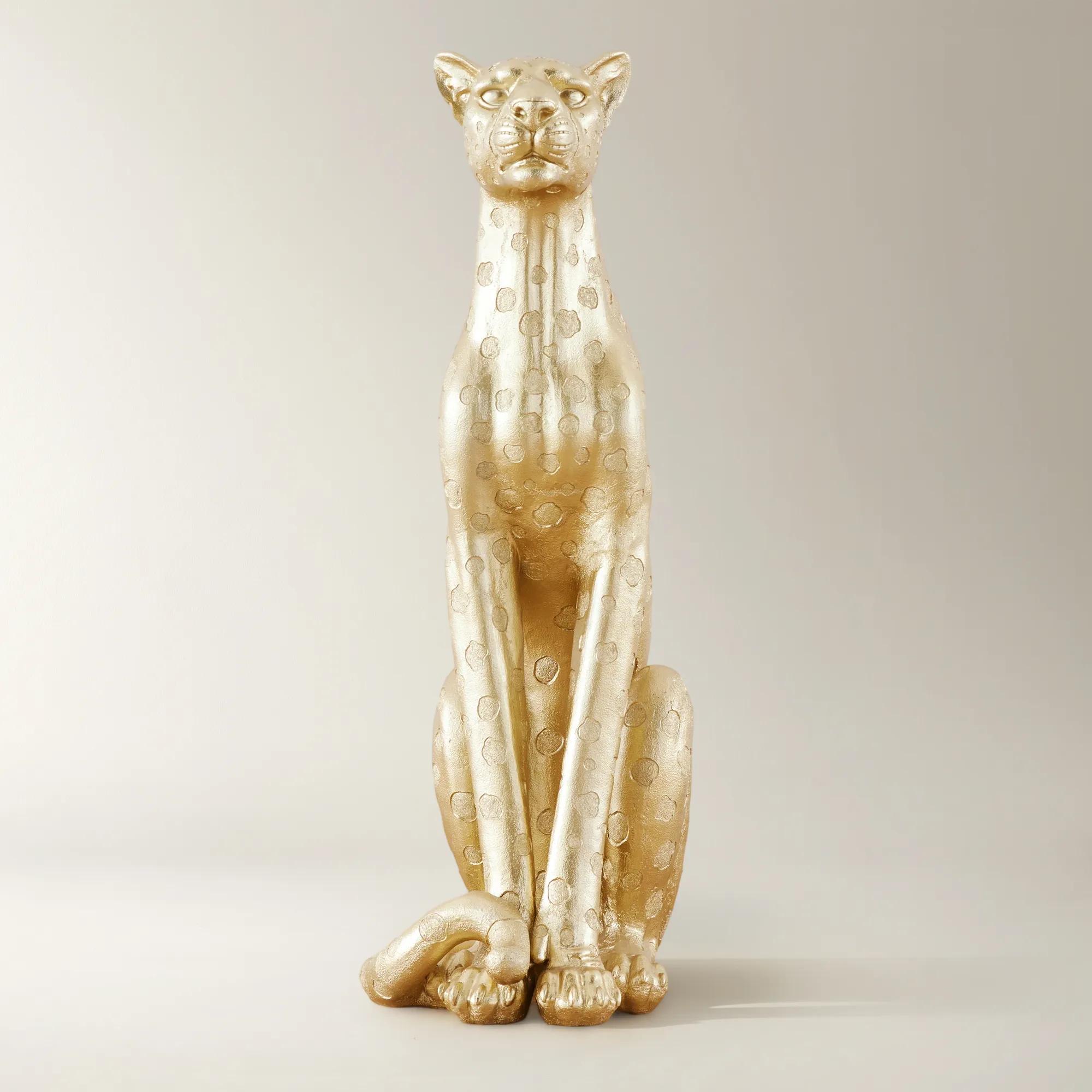 Leopardo Gold Resin Decorative Object 35"$329
A striking gold resin leopard statue that adds a touch of regal elegance to any space.
Add To Cart -
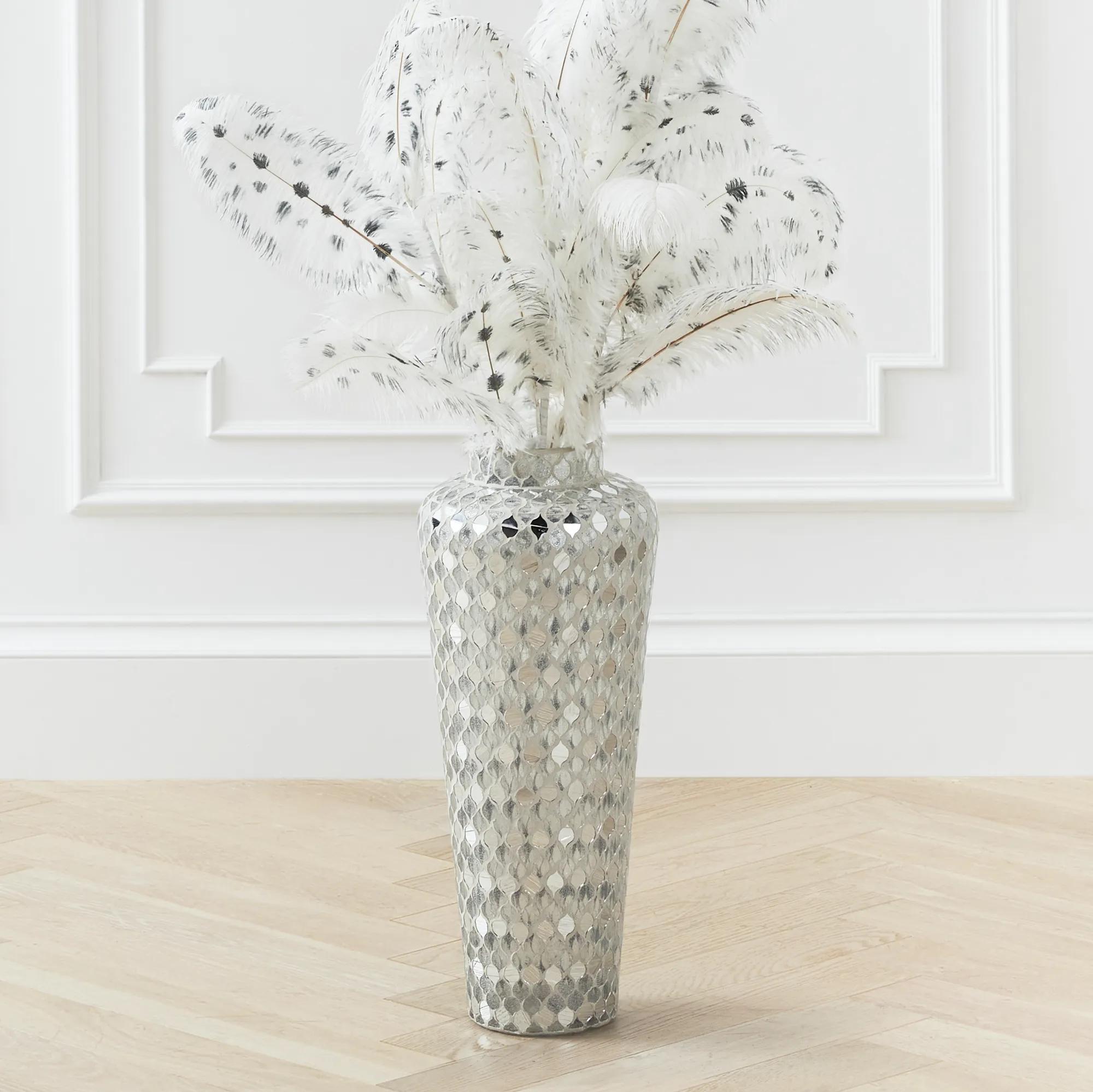 Fez Vase$139
A dazzling glass vase adorned with iridescent mirror and clear tiles for a glamorous decorative accent.
Add To Cart -
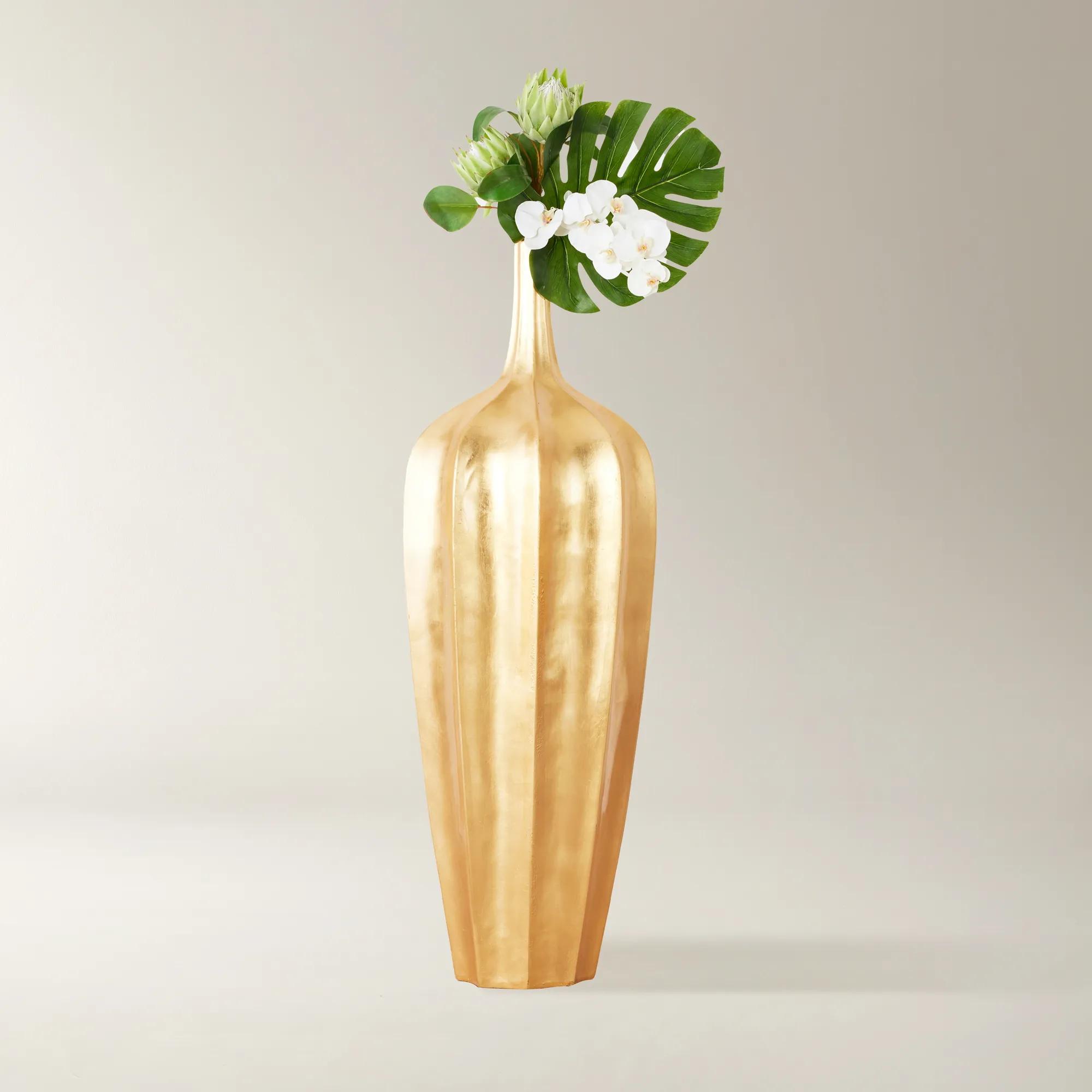 Accolade Gold Leaf Resin Floor Vase 48.75"$539
A fluted fiberglass vase featuring a lustrous gold foil finish for a striking decorative accent.
Add To Cart -
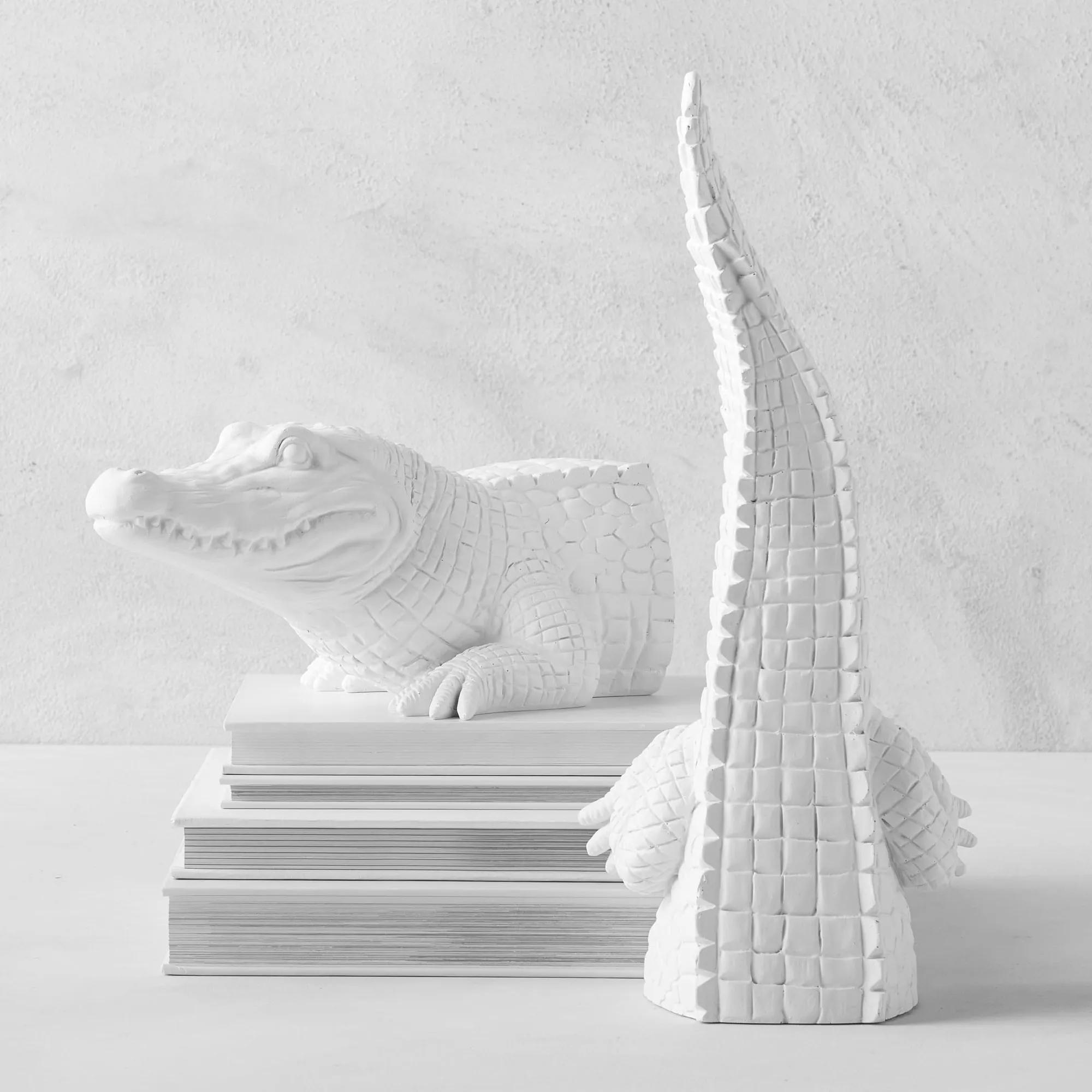
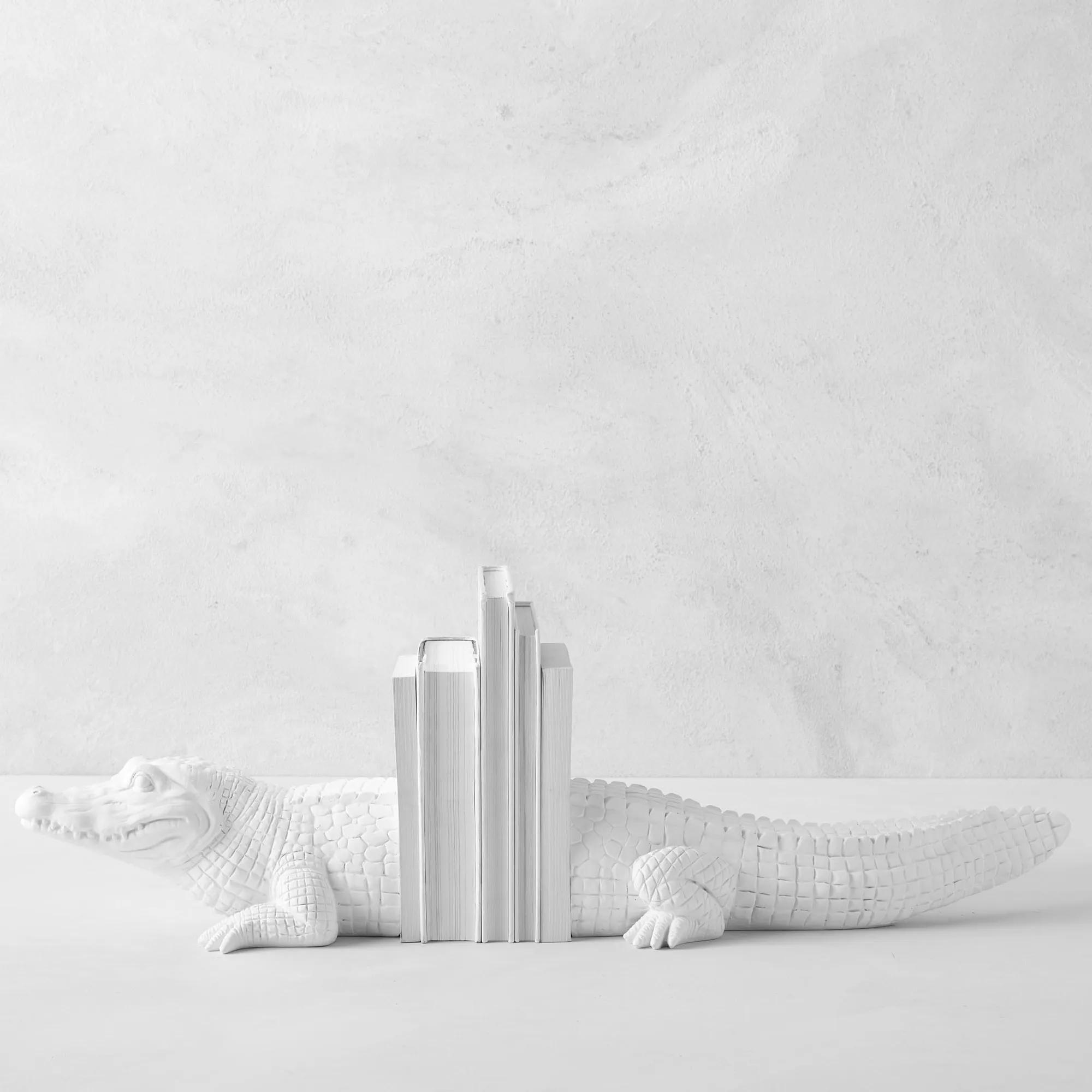 Alligator White Resin Bookends 6.5"$69
A pair of grinning polyresin bookends that add whimsical charm and secure your books in style.
Add To Cart -
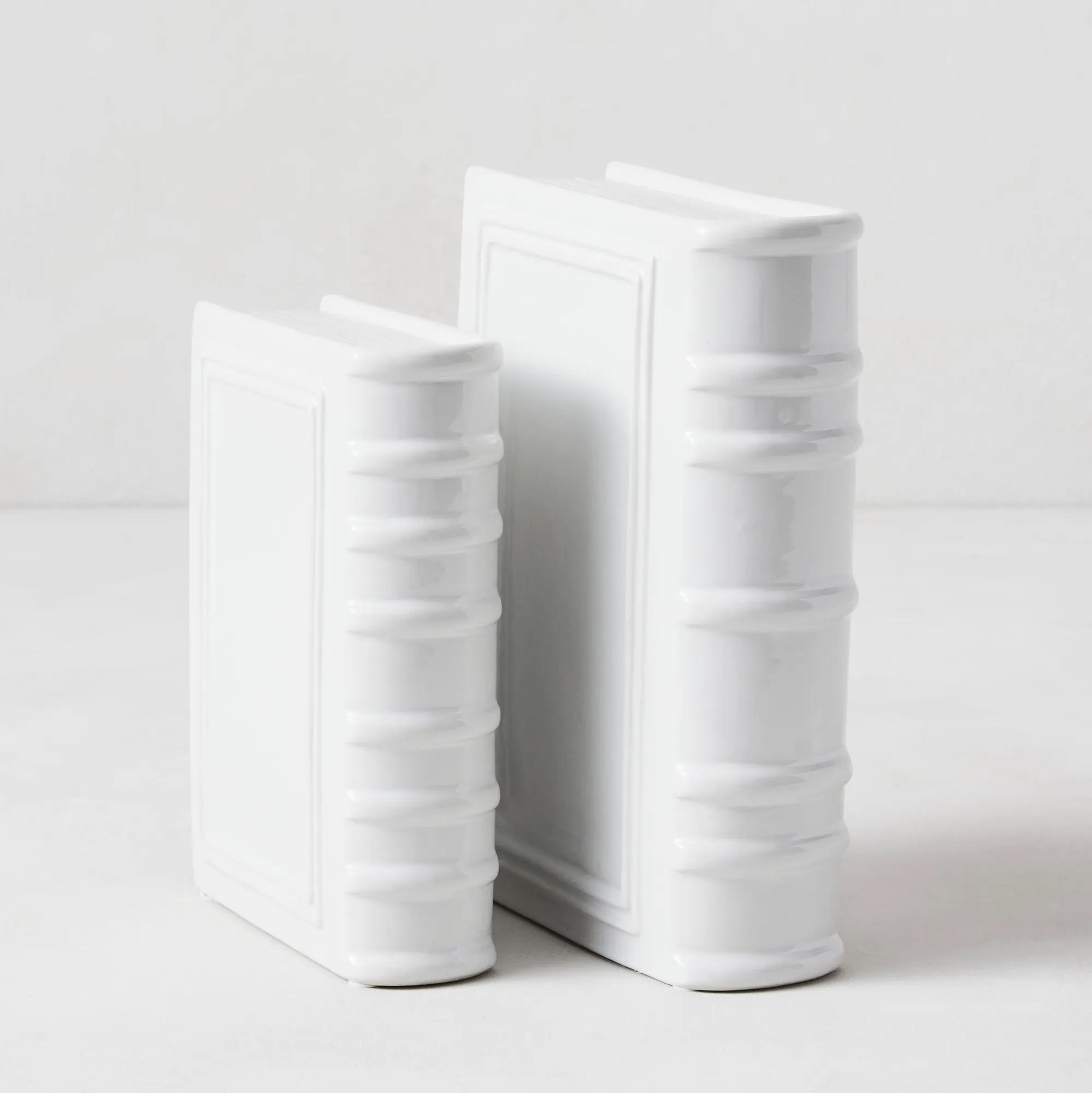
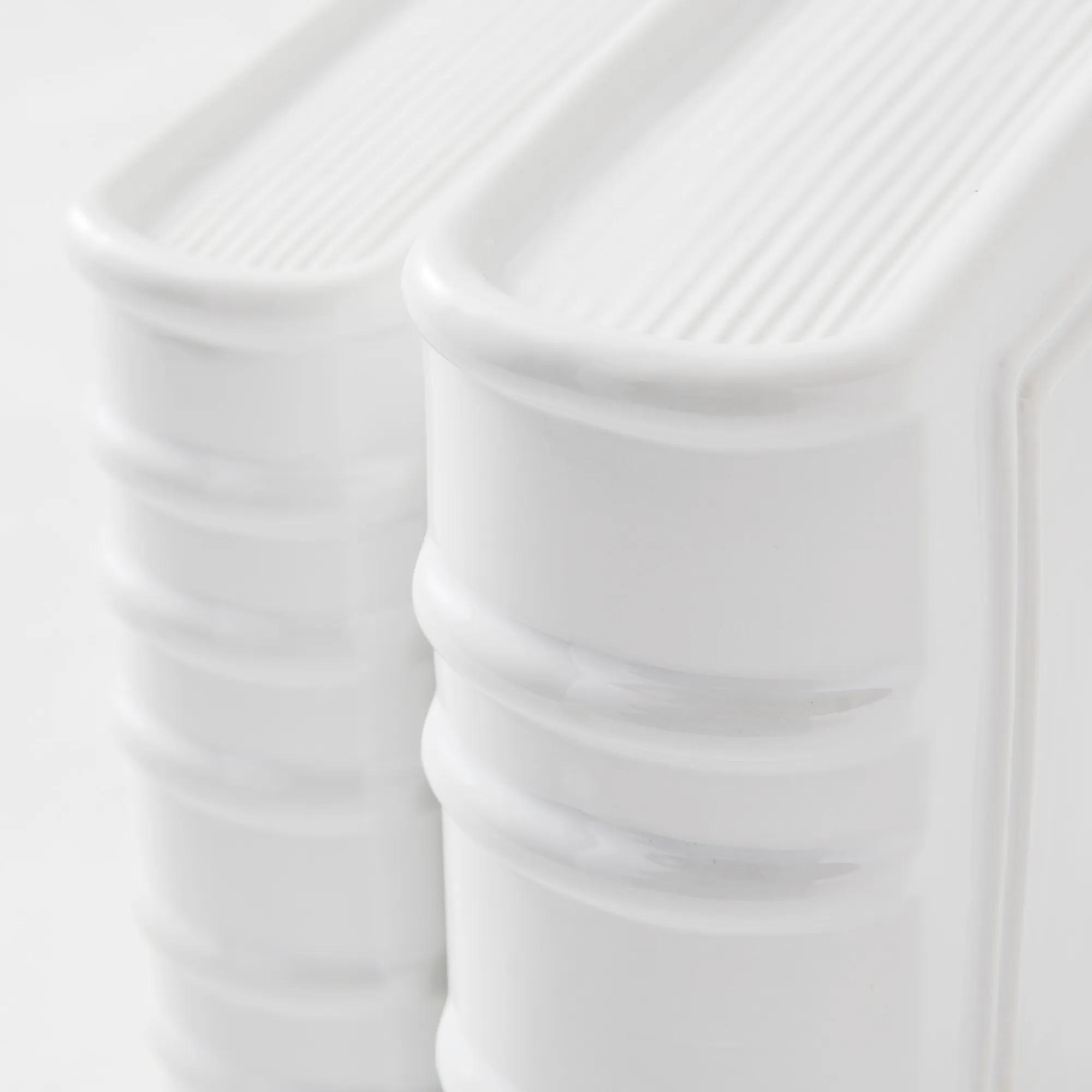 Ceramic Bookends - White$49
A pair of cream ceramic book accents that double as minimalist bookends or decorative console pieces.
Add To Cart -
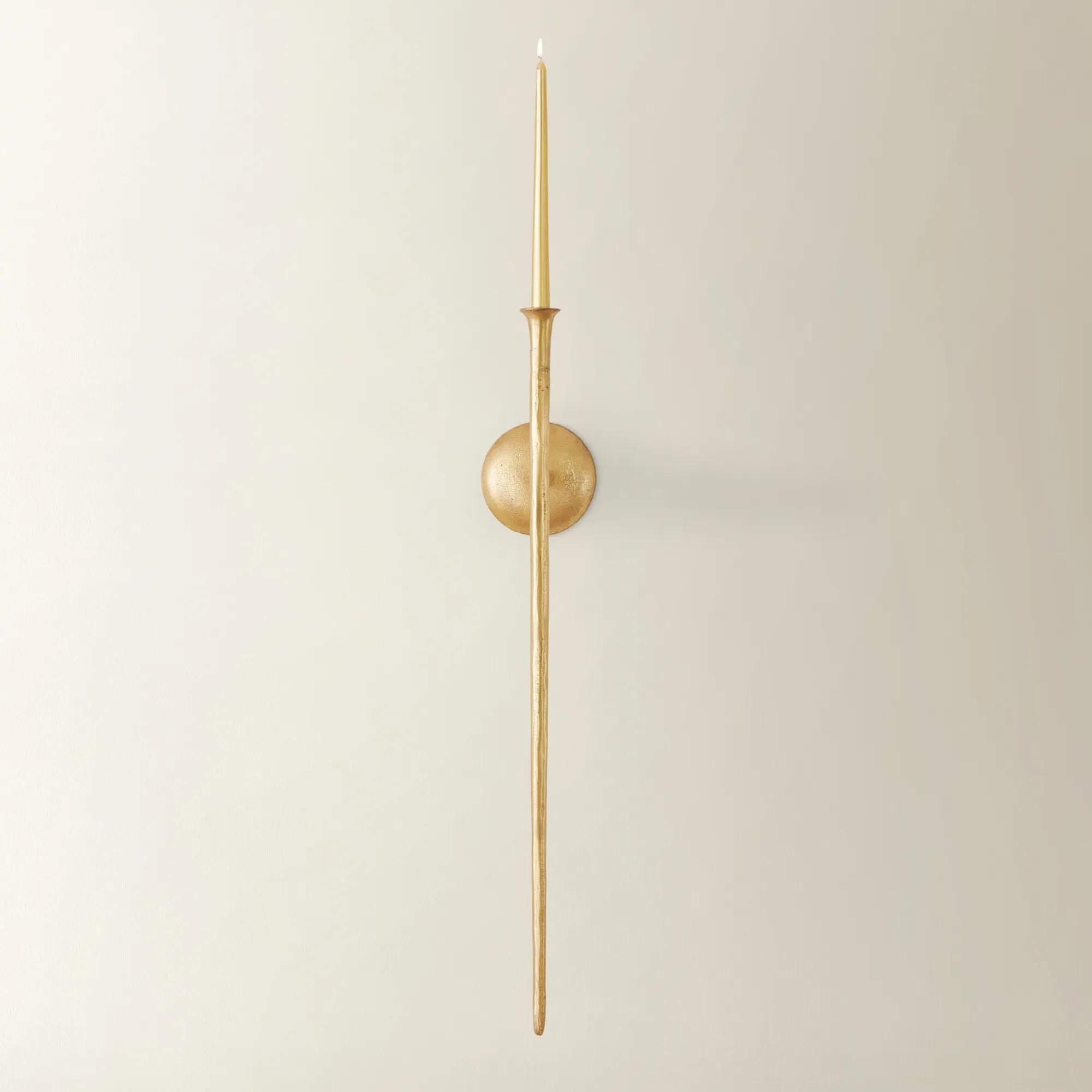 Aspar Gold Aluminum Candle Wall Sconce Large 33"$59
A slender metal wall sconce available in silver, gold, or black, perfect for displaying taper candles.
Add To Cart -
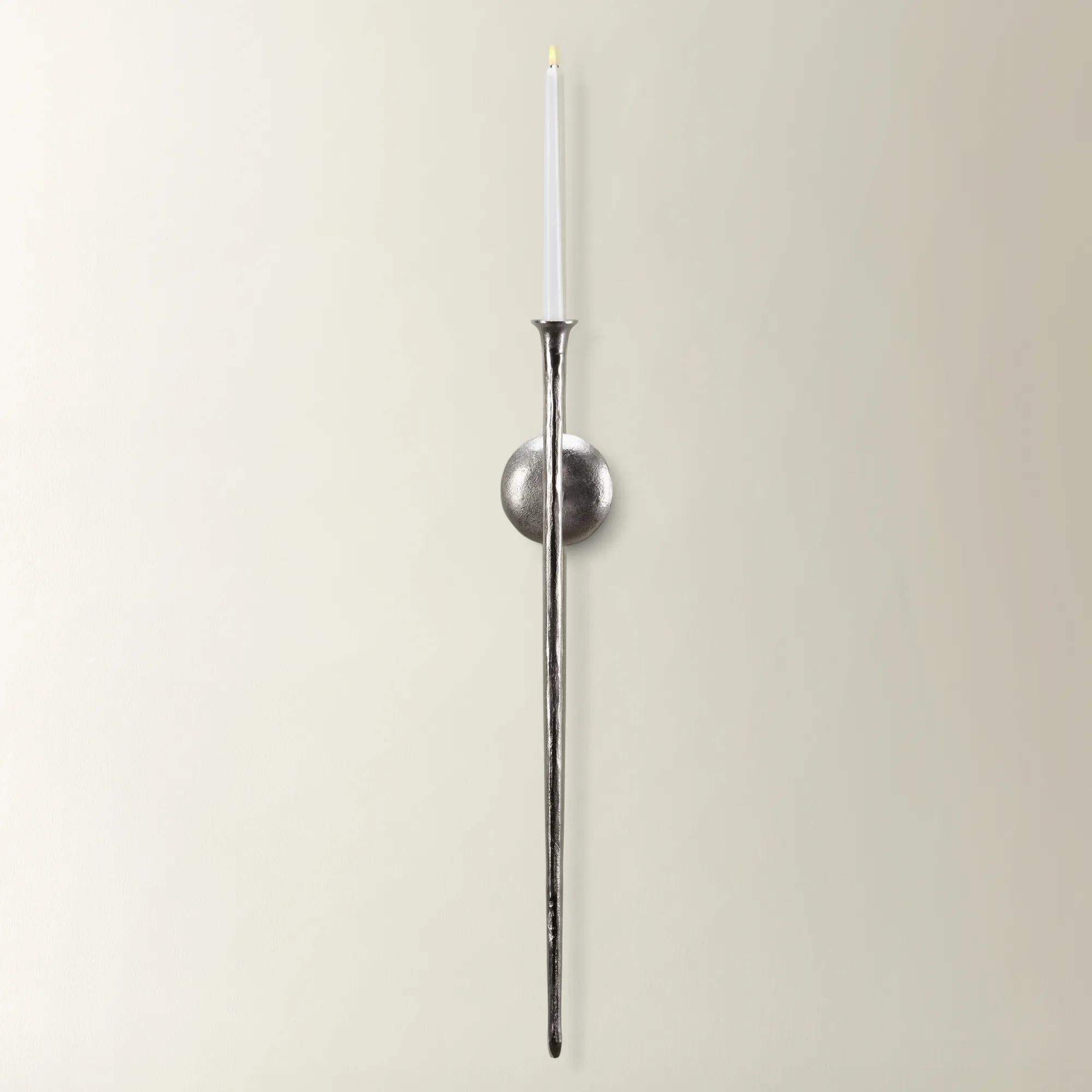
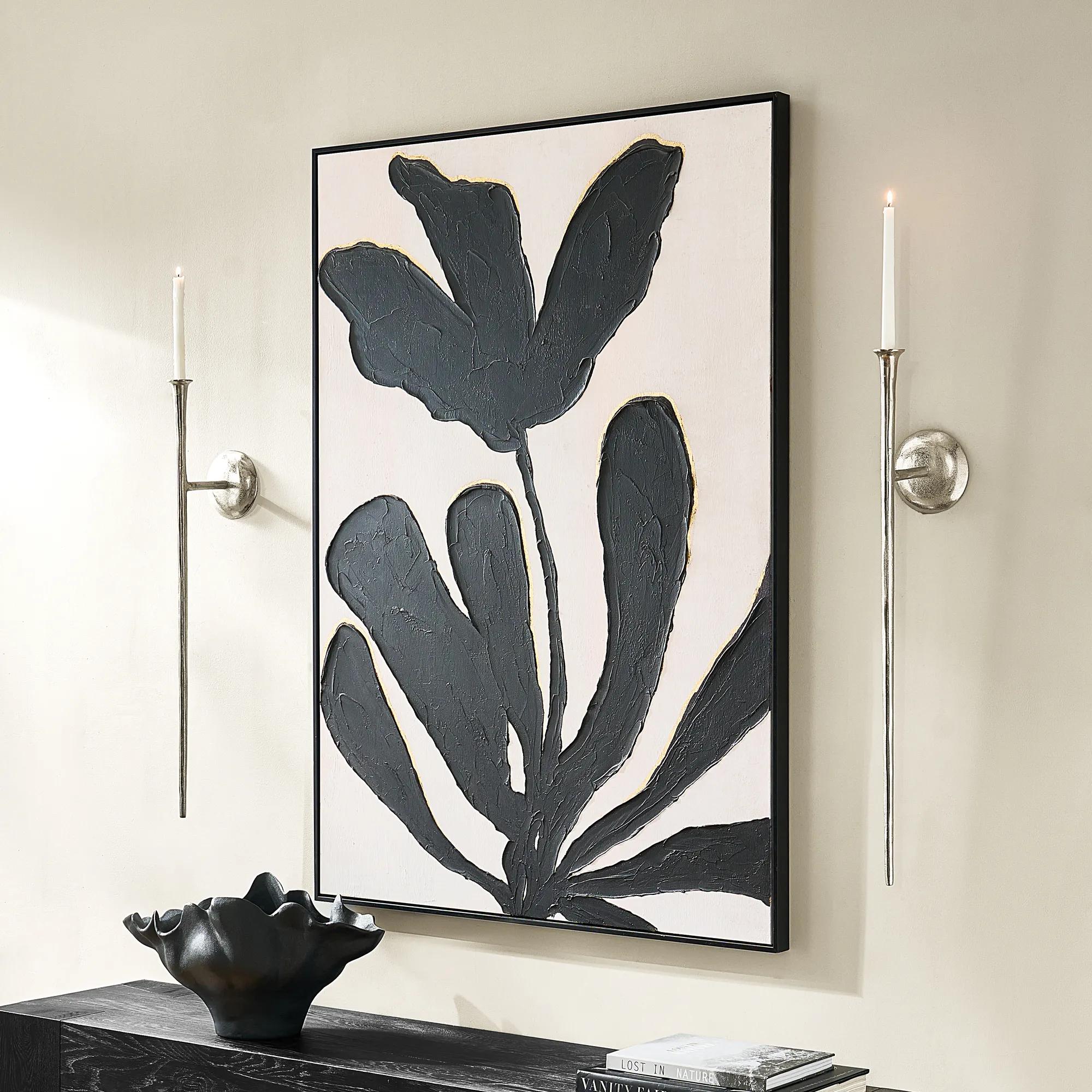 Aspar Silver Aluminum Candle Wall Sconce Large 33"$59
A slender metal wall sconce available in silver, gold, or black for elegant candlelit ambiance.
Add To Cart -

 Miami Gold Ceramic High Gloss Vase 18.5"$69
A contemporary gold ceramic vase designed for decorative use or displaying faux foliage.
Add To Cart -
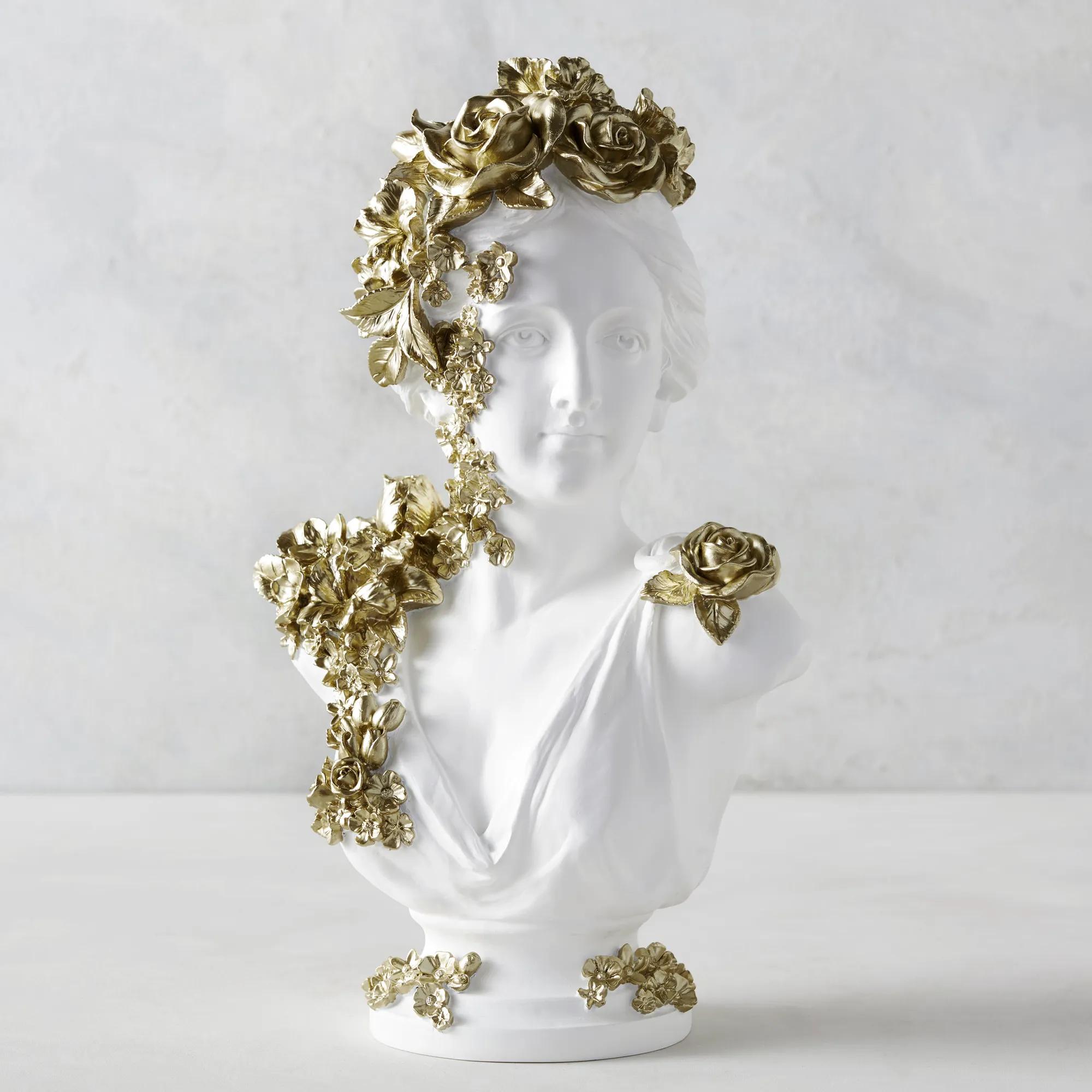 Gold Floral Bust Resin Decorative Object 16.5"$79
A striking resin bust adorned with intricate gold floral embellishments for a bold decorative accent.
Add To Cart -
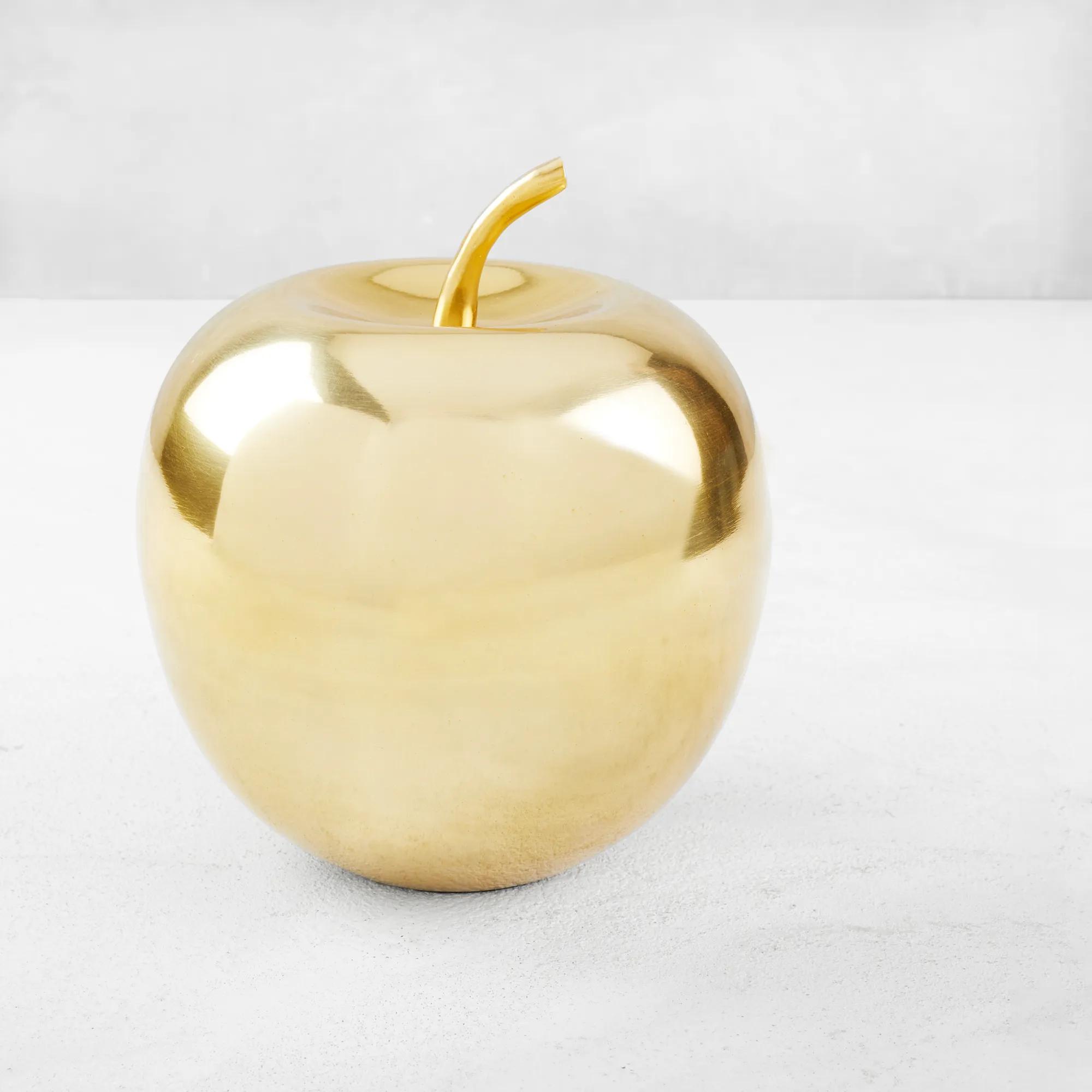
 Gold Oversized Apple Aluminum Decorative Object 7.5"$69
A glamorous gold aluminum apple that adds a sophisticated statement to any décor.
Add To Cart -
Miami Gold Ceramic High Gloss Vase 11.75"$69
A contemporary gold ceramic vase designed for decorative use as a sculptural accent or with foliage.
Add To Cart -
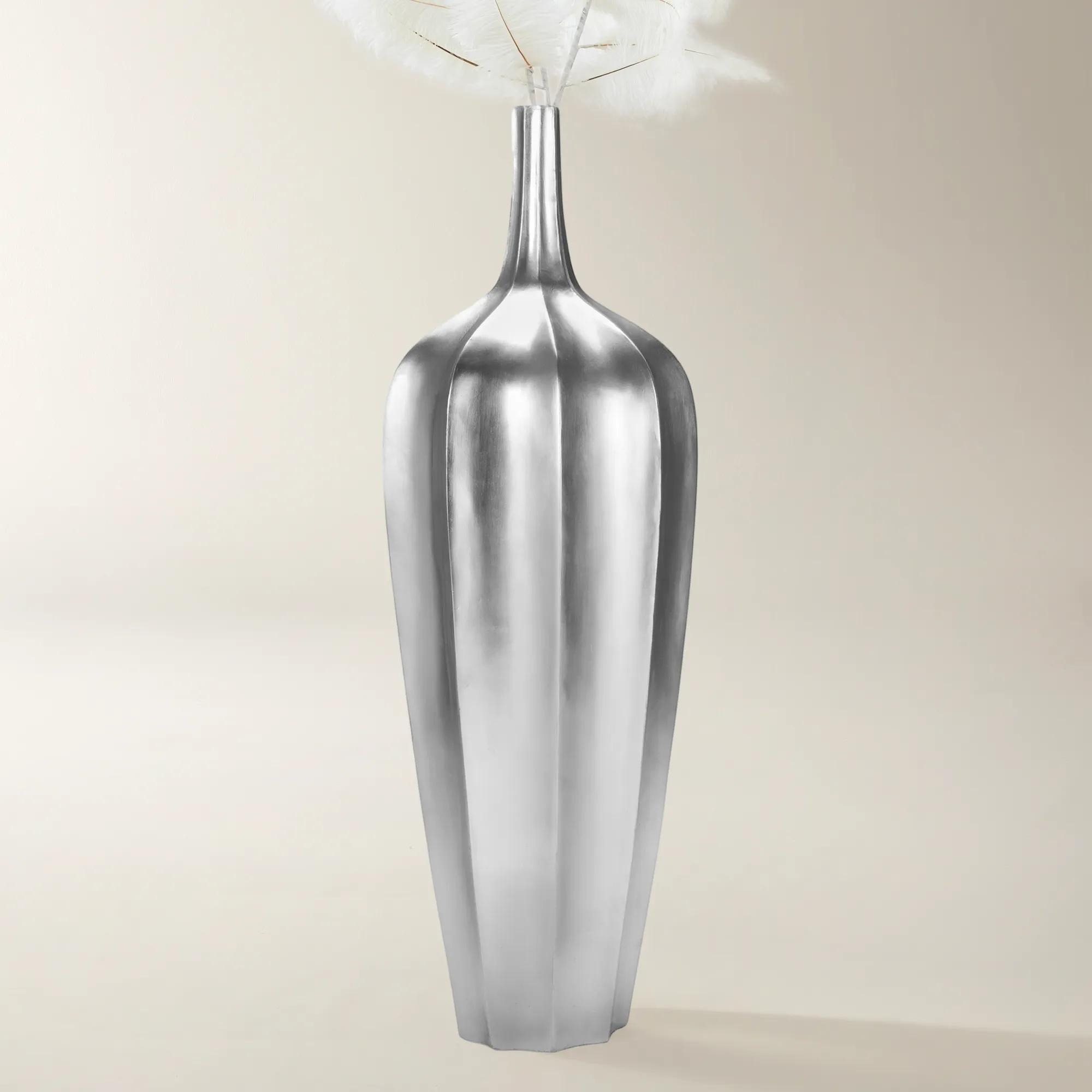
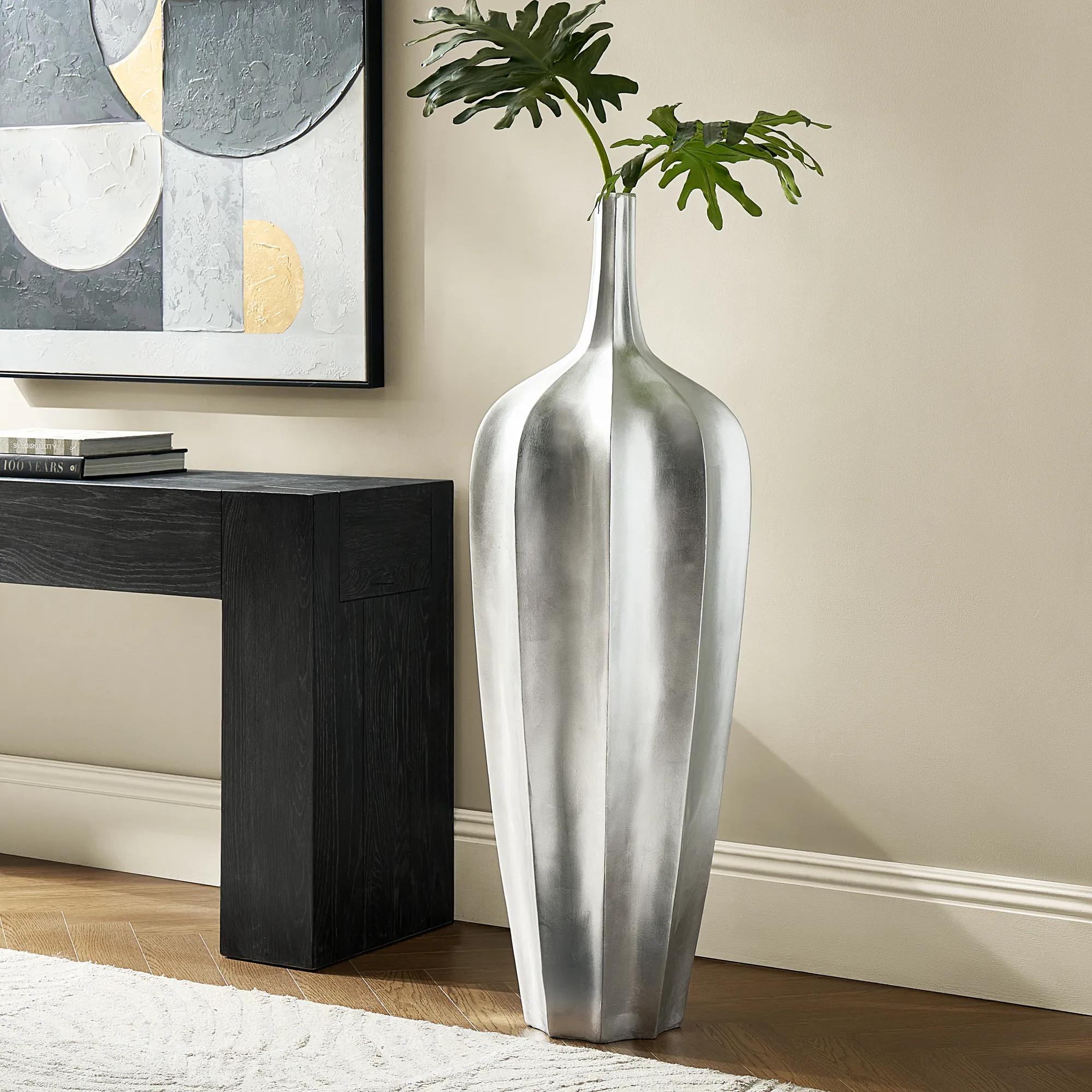 Accolade Silver Leaf Resin Floor Vase 48.75"$539
A fluted fiberglass vase featuring a lustrous metallic silver foil finish for a striking decorative accent.
Add To Cart -
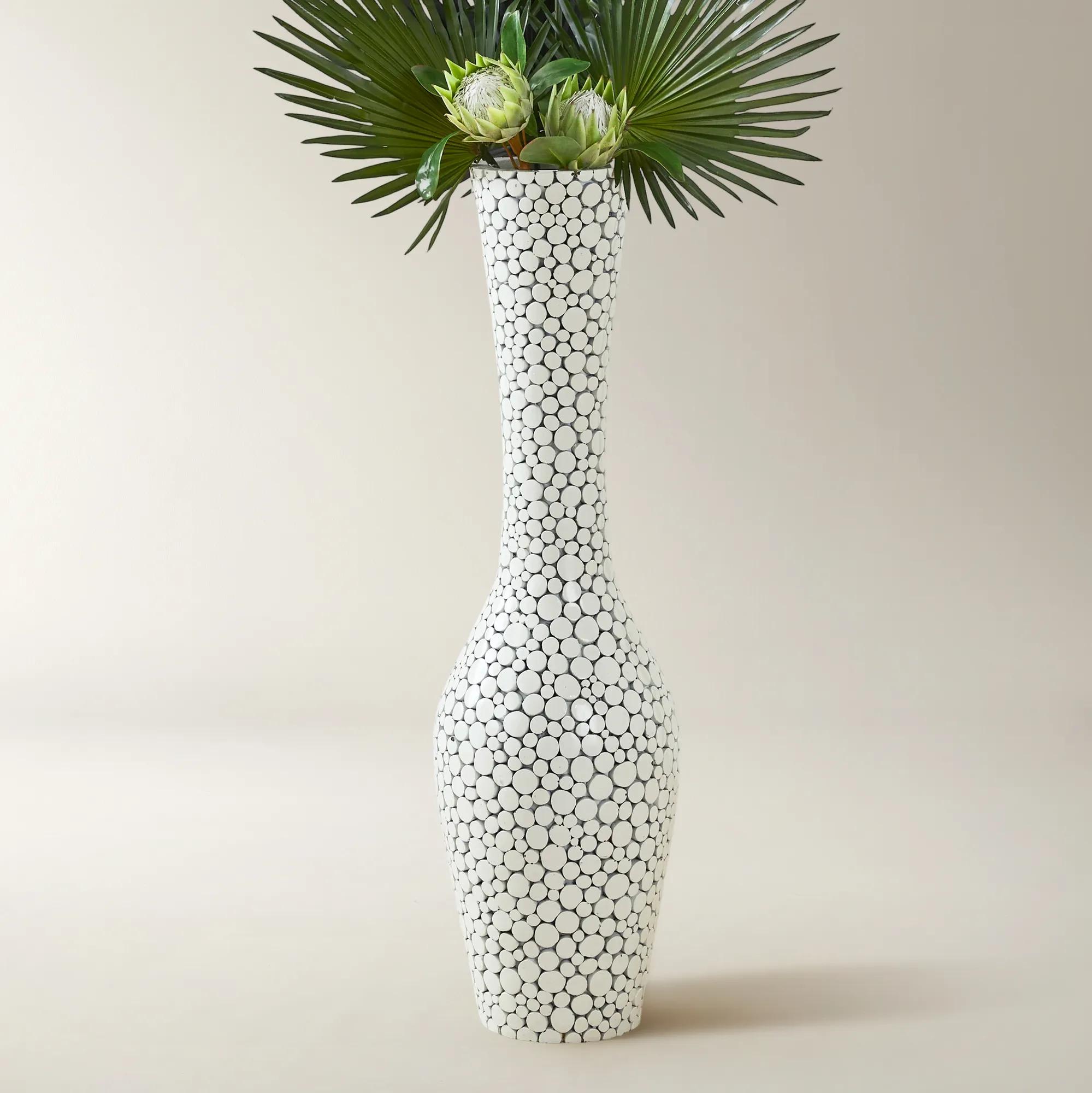 Oslo Floor Vase$299
A contemporary floor vase featuring hand-applied wood accents and a glossy white fiberglass base.
Add To Cart -
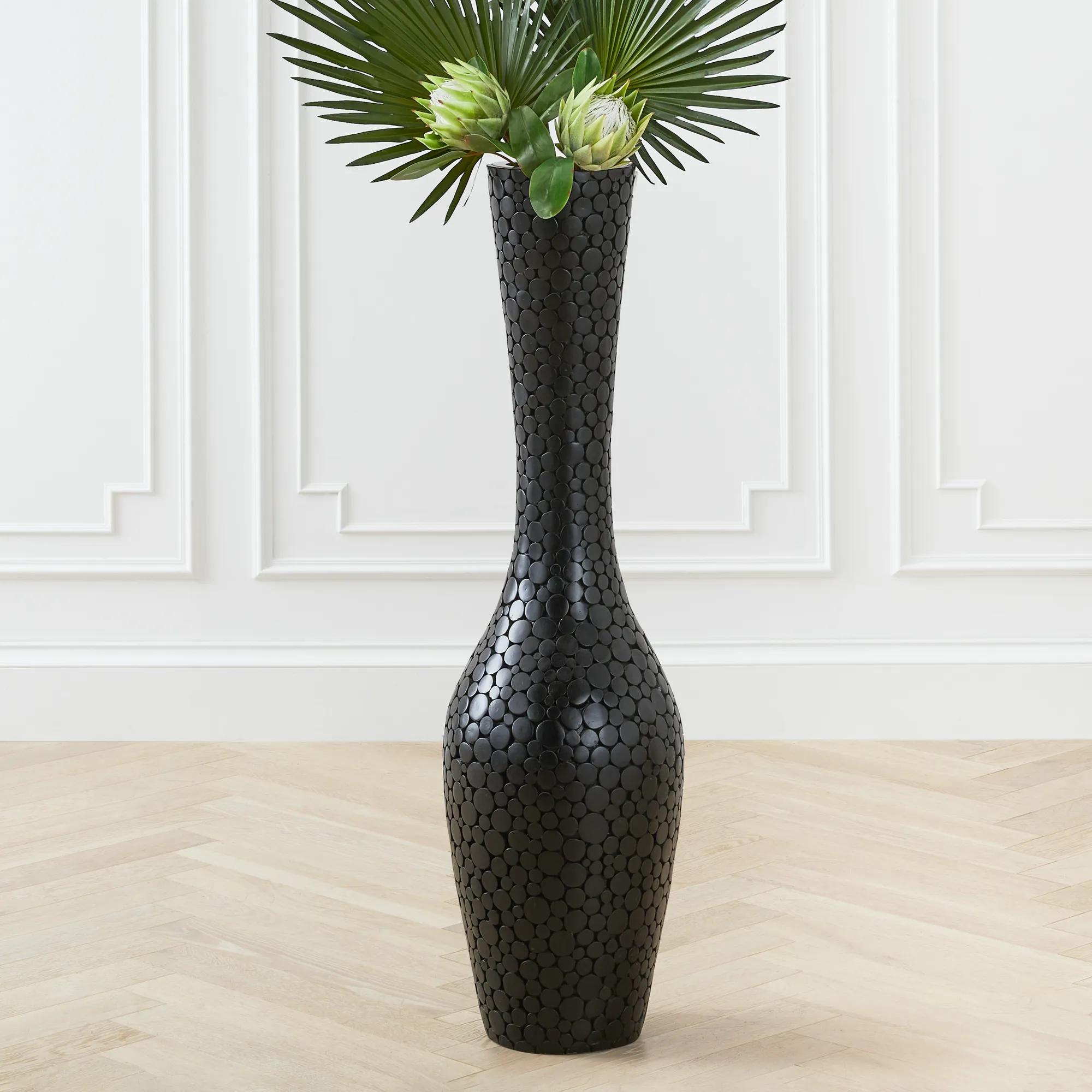
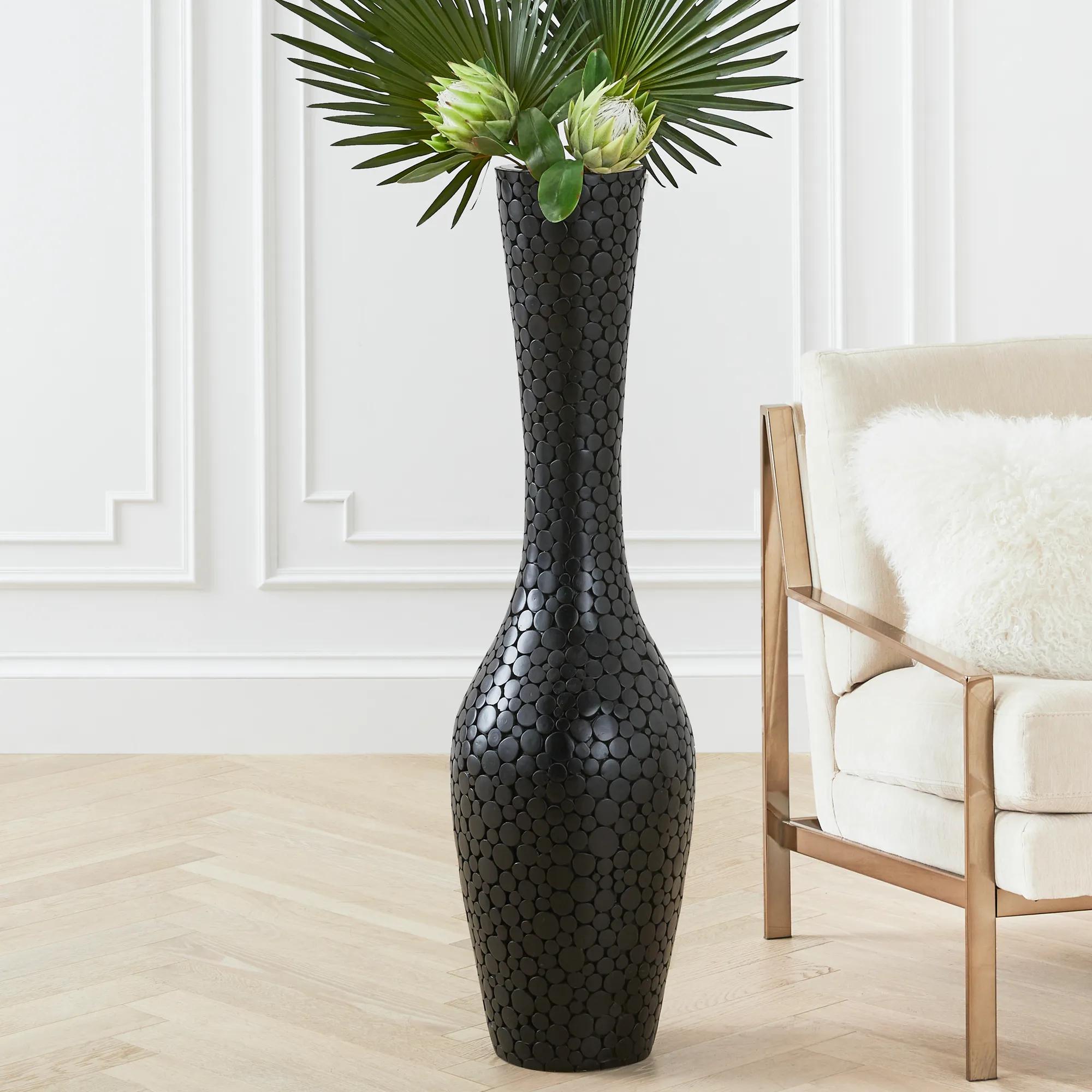 Oslo Black Wood Floor Vase 45"$299
A contemporary floor vase featuring hand-applied wood accents and a glossy black fiberglass base.
Add To Cart -
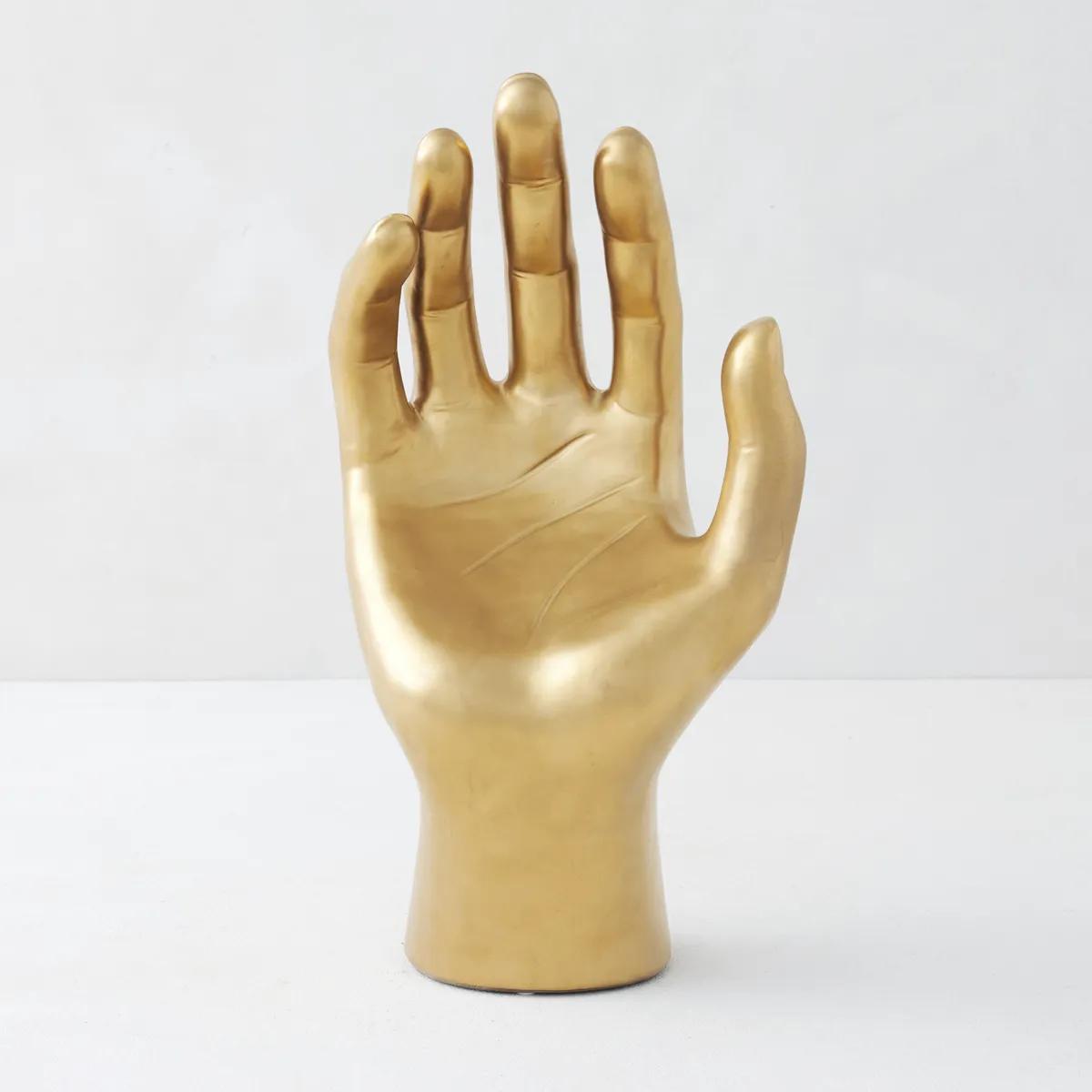
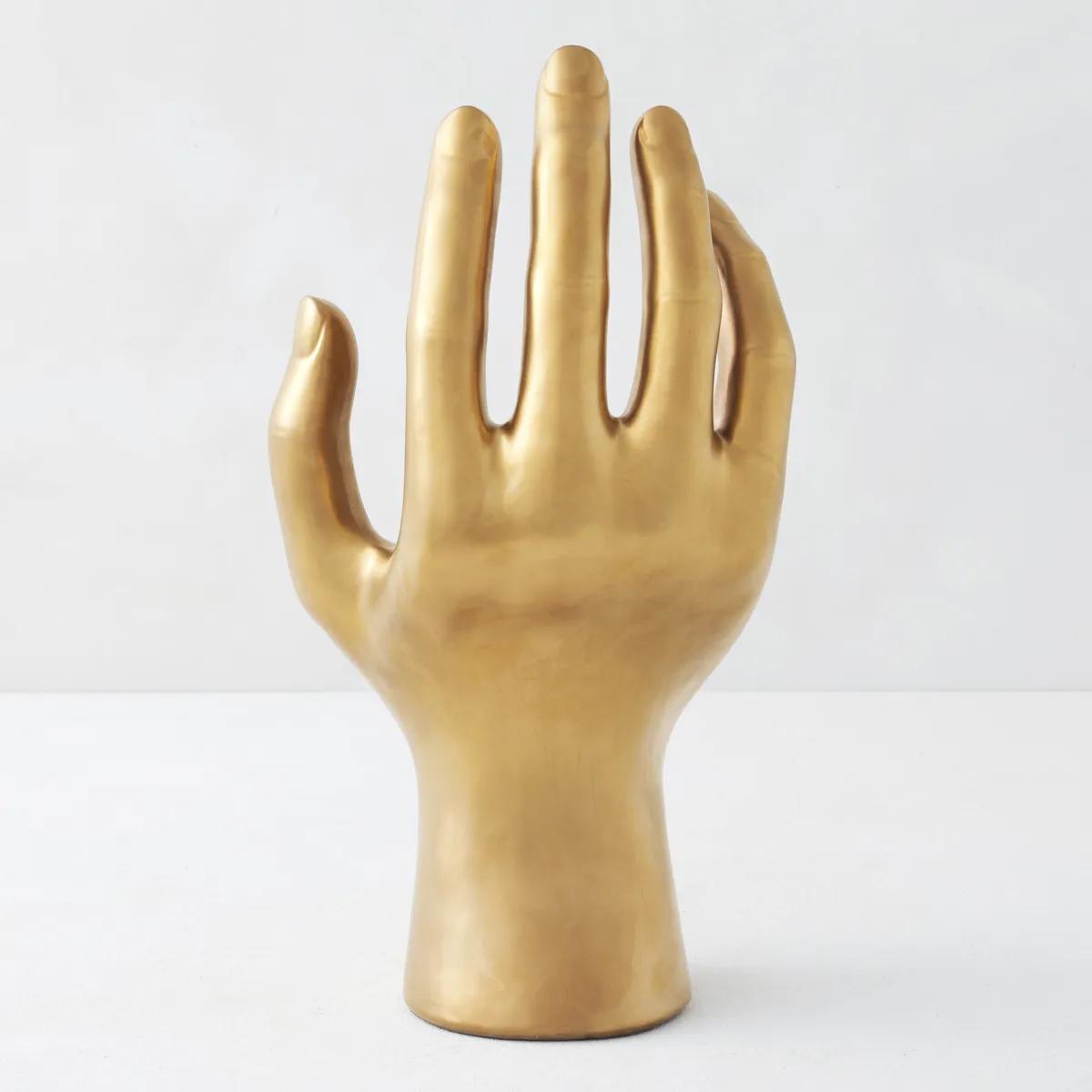 Ceramic Hand Metallic Gold Decorative Object 17.75"$69
A striking ceramic sculpture with a metallic gold finish, perfect for displaying jewelry or as decor.
Add To Cart -
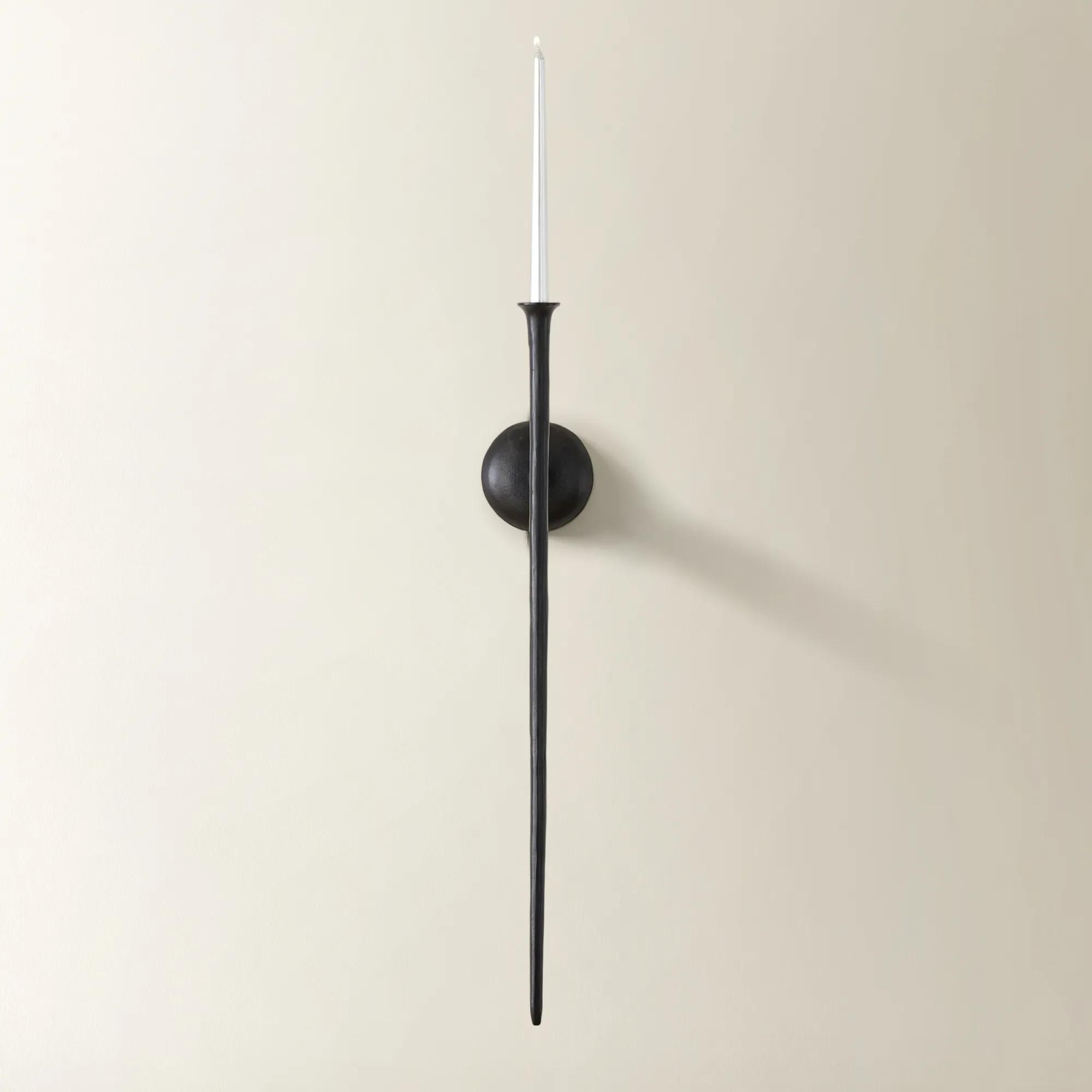 Aspar Black Aluminum Candle Wall Sconce Large 33"$59
A slender metal wall sconce available in silver, gold, or black, perfect for elegant candlelit ambiance.
Add To Cart

Wedding Gifts For The Home
Choose wedding gifts for the home that celebrate the couple’s distinctive style, not just the occasion. Explore expressive decorative accents with sculptural forms, luminous finishes, and artful texture. Take inspiration from their favorite colors and the rooms they share to find a gift that brings a personal note to everyday living.
Wedding gifts for the home celebrate more than a newly shared address. They become part of the rooms where a couple entertains friends, settles into familiar rituals, and gives shape to a life together. A beautifully considered gift can bring a flash of reflected light to an entryway, lend texture to a favorite chair, or make a dining table feel ready for an occasion before the first guest arrives. Decorative accents, entertaining essentials, and sumptuous textiles offer different ways to honor that beginning, with personality as important as practicality. For newlyweds furnishing their first home, versatile pieces can establish a visual foundation; for couples combining established households, a distinctive finishing touch can give familiar surroundings a fresh sense of unity. The most resonant wedding gifts reflect how the recipients actually live. Frequent hosts may appreciate serving pieces that move gracefully from intimate dinners to larger gatherings, while a couple who treasures quiet evenings may connect more deeply with tactile layers and softly diffused light. Their existing interiors offer meaningful clues: warm metallic finishes bring richness to earthy palettes, clear glass introduces brilliance without adding visual weight, and expressive forms give restrained spaces an artful focal point. A gift need not match every surrounding detail to belong. Repeating a color, material, or silhouette already present in the home can make a bolder accent feel intentional rather than isolated. Exploring Wedding Registry Gifts also offers a way to connect that personal gesture with the couple’s stated preferences, especially when coordinating finishes or completing an entertaining collection matters. Whether intended for a city apartment, a spacious home, or a household already rich with memories, a wedding gift feels especially thoughtful when its beauty has somewhere to live. The lasting impression comes from that balance: enough presence to feel celebratory, enough versatility to become part of everyday life, and enough character to feel chosen for two particular people.
Material gives a home gift much of its character, shaping both its appearance and the attention it requires over time. Glass and crystal catch surrounding light, bringing sparkle to a dining arrangement or console without the visual density of an opaque surface. Ceramic can feel smooth and architectural or richly textured, while natural stone introduces individual veining that makes variation part of its appeal. Wood adds warmth and visible grain; polished metal offers a more luminous accent, and brushed finishes create a quieter glow. These differences matter beyond the first impression. A highly reflective surface may show fingerprints more readily, a textured finish may require gentle dusting in its recesses, and porous stone can be vulnerable to moisture or acidic spills. Following the maker’s care instructions helps preserve the intended finish, particularly with decorative coatings, delicate rims, and mixed-material designs. Pieces intended for serving should be identified as suitable for food contact, and dishwasher or microwave use should never be assumed from appearance alone. Decorative vessels have a different purpose, and any piece used for fresh flowers should be confirmed as watertight or fitted with an appropriate liner. Textiles bring another dimension of luxury through pile, weave, and embellishment. Velvet offers depth as light moves across its surface, while woven textures can give a seating area definition without relying on high contrast. Care labels are especially important for embroidered, beaded, or otherwise embellished fabrics, which may need more specialized attention than an everyday washable layer. Durability is not simply a matter of weight or thickness; it also depends on construction, intended use, and how naturally a piece fits the household’s routines. For recipients who entertain frequently, straightforward care and comfortable handling can be as meaningful as a dramatic finish. In a home with children or pets, stable forms, thoughtfully placed breakables, and textiles suited to regular use allow expressive design to coexist with daily activity. Luxury feels most convincing when it remains beautiful in the life it was chosen to enrich.
Scale and placement give wedding gifts their sense of belonging. A generous decorative accent can command a broad console, but the same proportions may overwhelm a narrow entry table or leave little room on a compact dining surface. Smaller pieces can create an intimate moment on a bedside table or bookshelf, especially when their finish connects with surrounding lighting, artwork, or hardware. Height matters as much as width: a dining centerpiece should leave comfortable sightlines between guests, while an accent intended for shelving needs enough clearance to show its shape. For soft furnishings, dimensions influence whether a layer looks invitingly generous or undersized, and color is best considered alongside upholstery and the room’s larger palette. These practical details support the emotional purpose of the gift rather than diminishing it. A couple who loves long dinners may find lasting pleasure in a table arranged with luminous surfaces and room for generous platters. Those who collect art may welcome a sculptural accent with a strong silhouette, while enthusiastic travelers may appreciate a frame that gives a cherished photograph a distinguished place at home. Gifts for newlyweds can also mark the quieter spaces between celebrations: a reading corner made richer with texture, an entryway composed around a graceful vessel, or a living room that feels more personal after one deliberate addition. When preferences are less familiar, a cohesive material palette and adaptable proportions can offer flexibility without sacrificing distinction. Clear glass, richly textured neutrals, and restrained metallic accents can sit comfortably within many interiors, while an unmistakable shape supplies the drama. A more expressive choice can be equally fitting when it reflects a color or artistic sensibility the couple already loves. Wedding gifts for the home carry their meaning through repeated encounters, long after the celebration itself. Their value lies in being enjoyed: brought to the table, arranged with care, touched in passing, and woven into the distinctive atmosphere of a home taking shape around its owners.
FAQs
Connect your choice to a shared memory, a favorite destination, or a color the couple loves. Include a handwritten note explaining that connection. An expressive detail becomes more meaningful when they know why it reminded you of them.
Find a point of agreement rather than choosing one partner’s aesthetic. A shared palette, an appreciation for sculptural shapes, or a favorite finish can guide the gift. Pairing a familiar color with an unexpected form offers personality without prescribing an entire room.
Look for a distinctive accent that complements what they have rather than assuming they need household basics. Take cues from their collections, artwork, and favorite rooms. A thoughtfully chosen decorative piece can add a new layer to an already expressive home.
Focus on the atmosphere they enjoy creating for guests. Gleaming finishes can complement a glamorous evening setting, while dimensional textures can enrich a more layered tablescape. Choose an accent for display rather than assuming decorative pieces are intended for serving.
Treat their registry as a portrait of their shared preferences. Notice recurring colors, materials, and design details, and prioritize gifts they have expressly requested. If you choose an additional decorative accent, let it complement those choices rather than introduce an unrelated aesthetic.