Velvet Lumbar Pillows For Bed
Velvet Lumbar Pillows For Bed
-
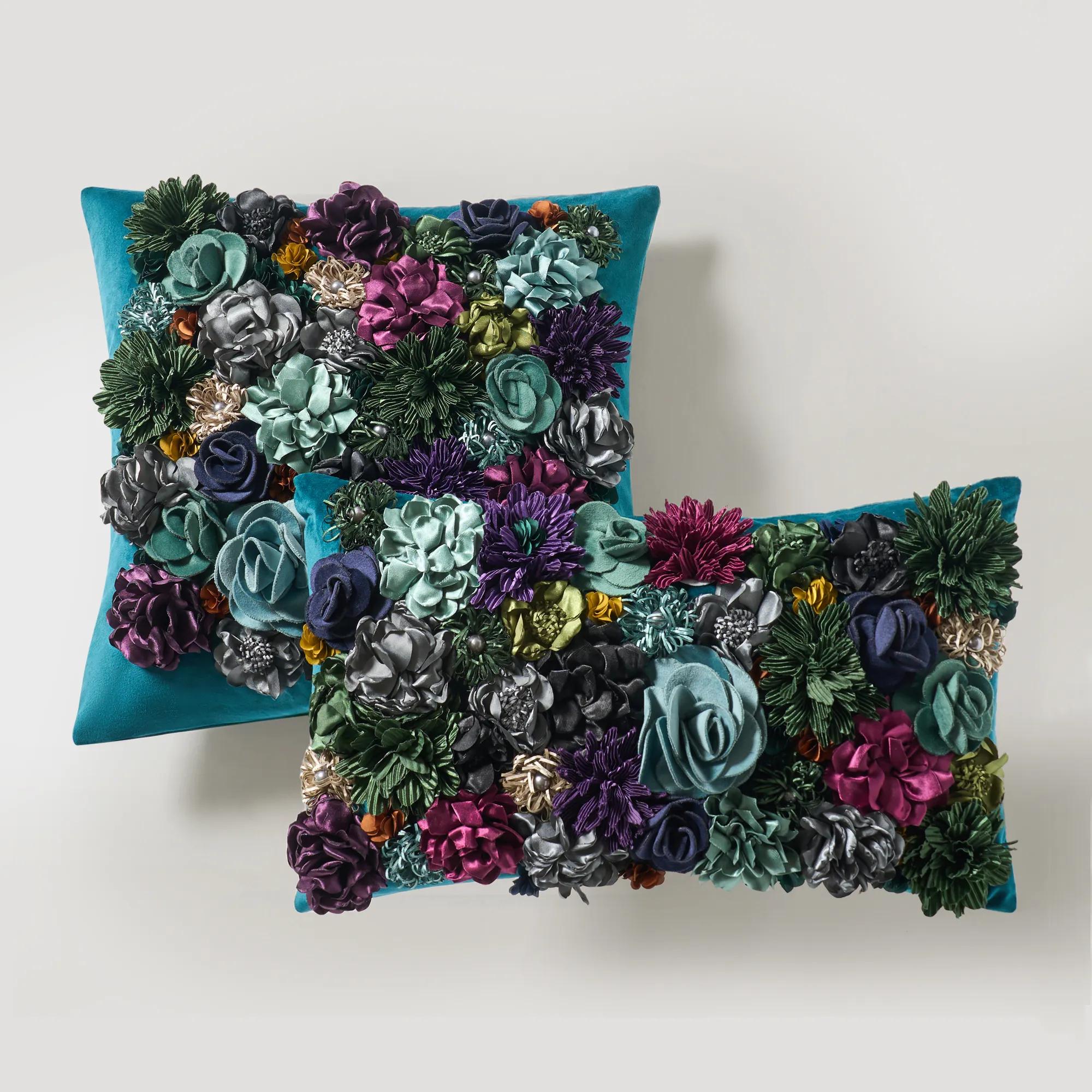
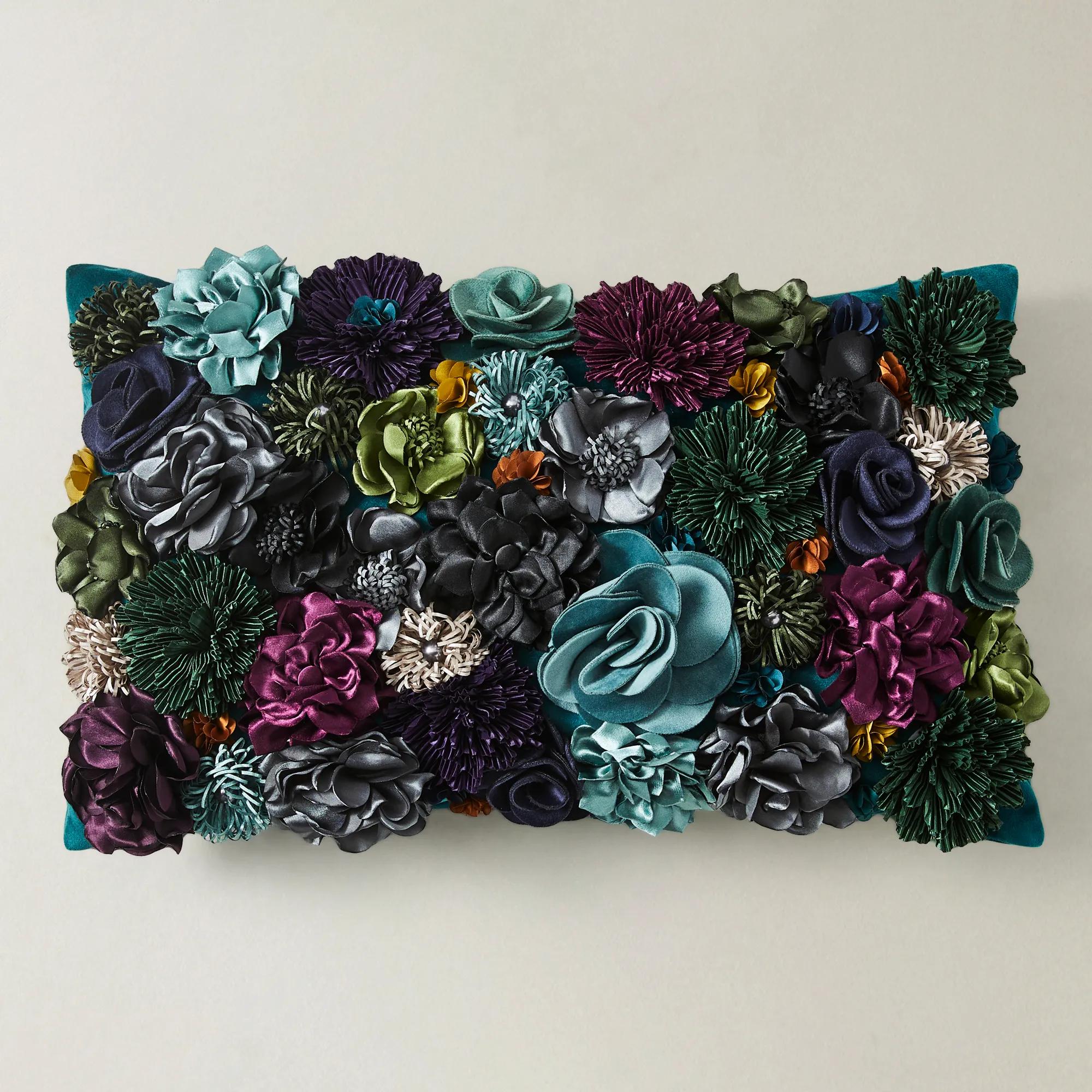 Posy Handcrafted 3D Floral Appliqué Multicolor Velvet Lumbar Pillow 20" x 12"$119
A cerulean velvet lumbar pillow adorned with detailed blooms and filled with a plush feather insert.
Add To Cart -
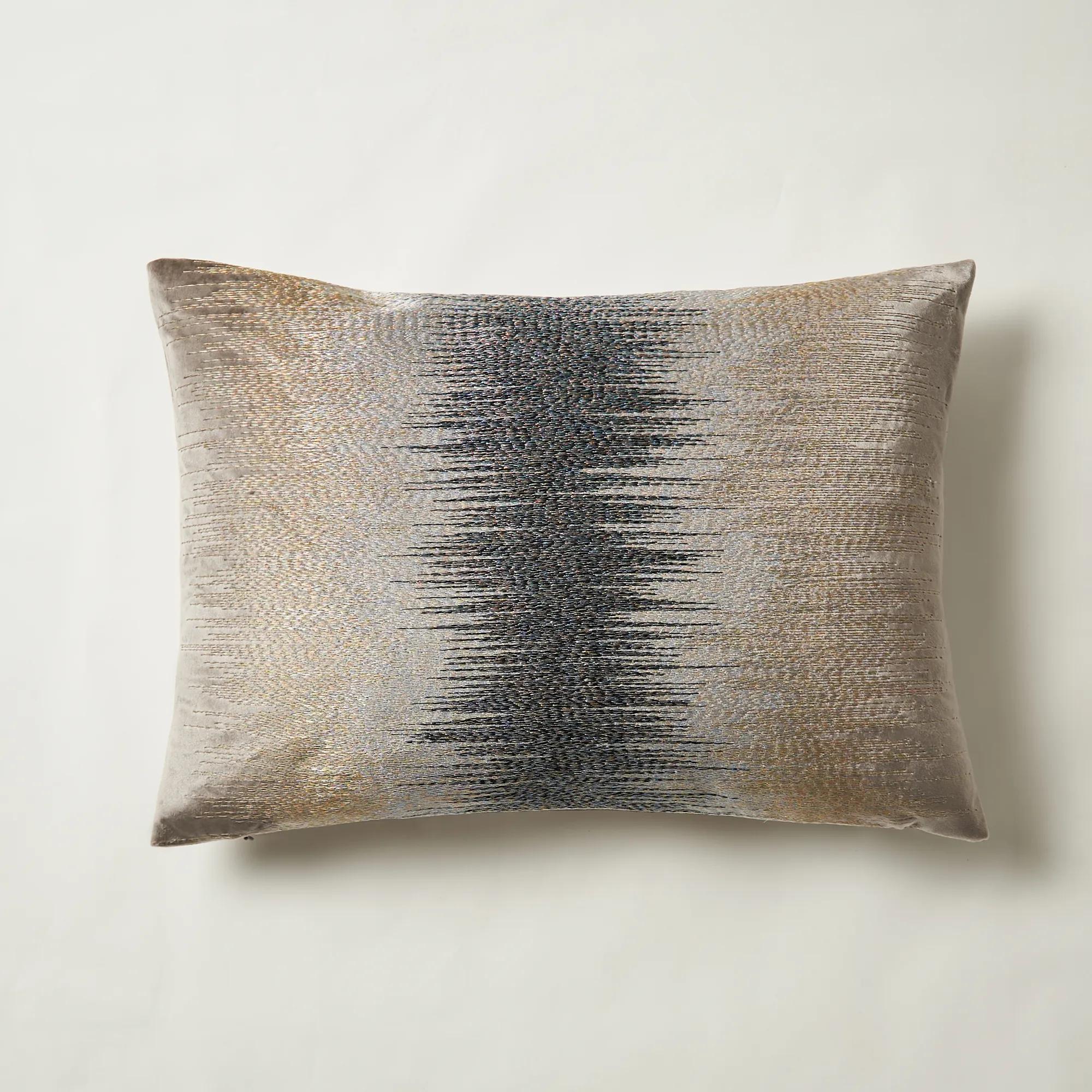
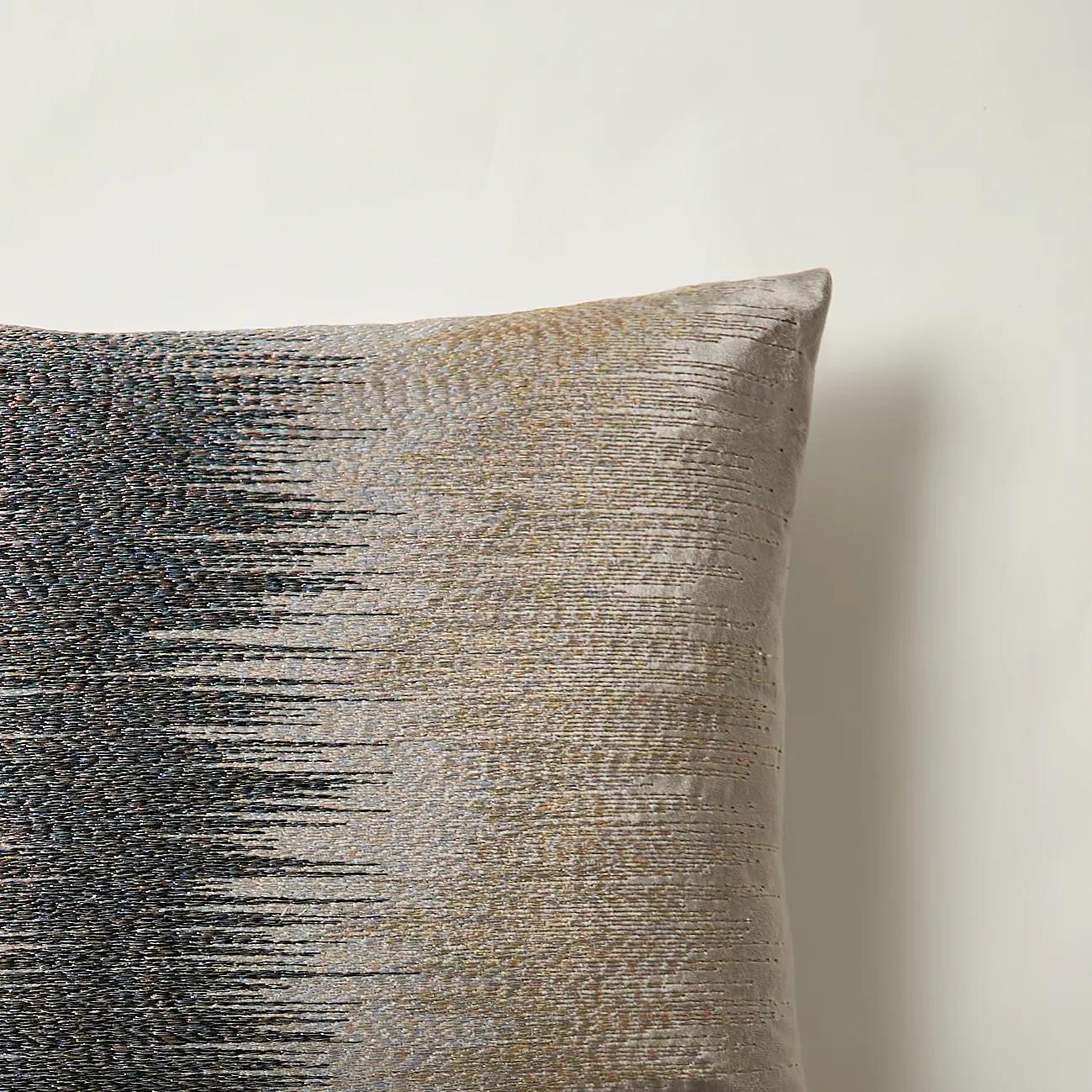 Leon Metallic Embroidered Grey/Charcoal/Silver Velvet Lumbar Pillow 14" x 20"$59
A soft grey, black, and silver velvet pillow featuring gradient metallic embroidery and a plush feather-down insert.
Add To Cart -
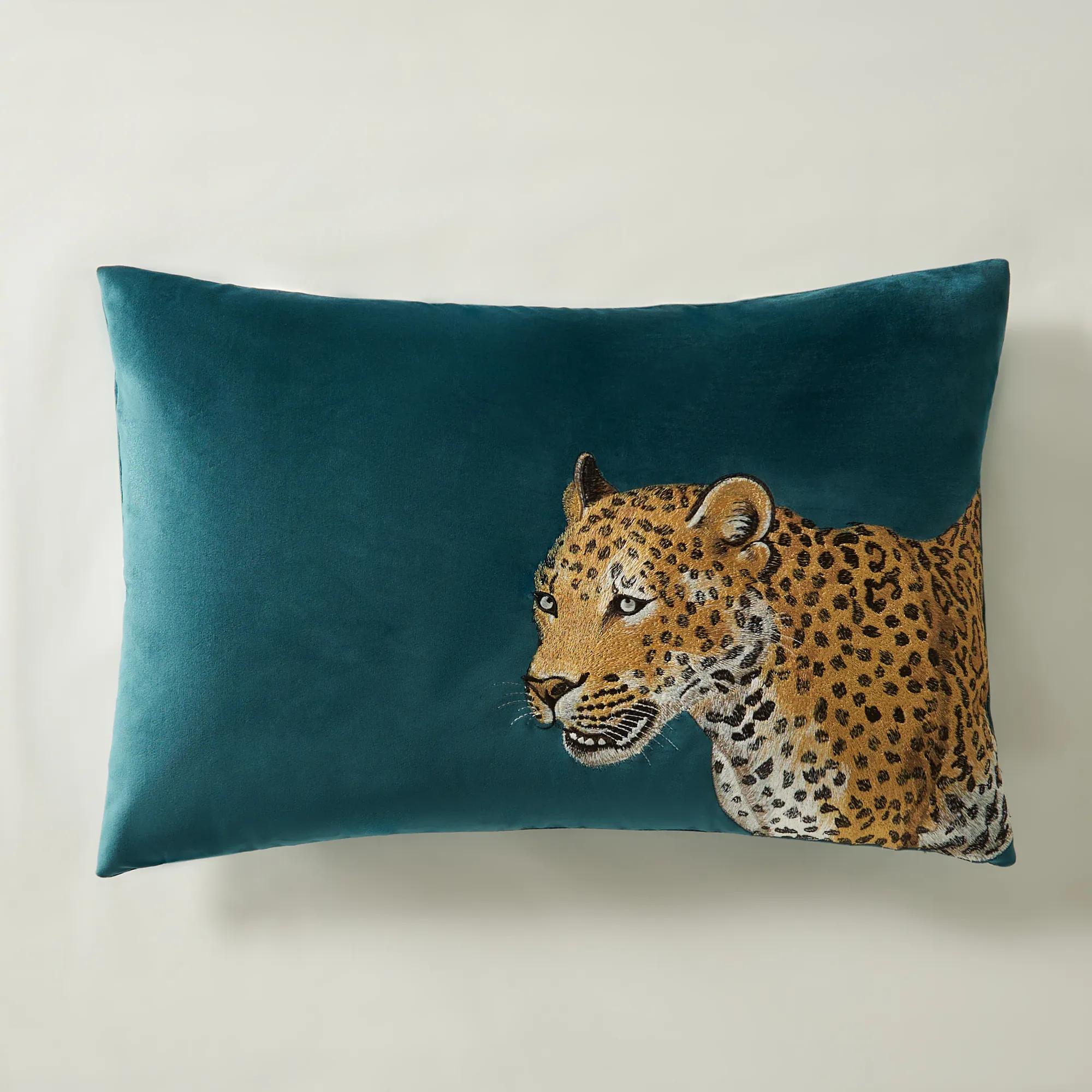
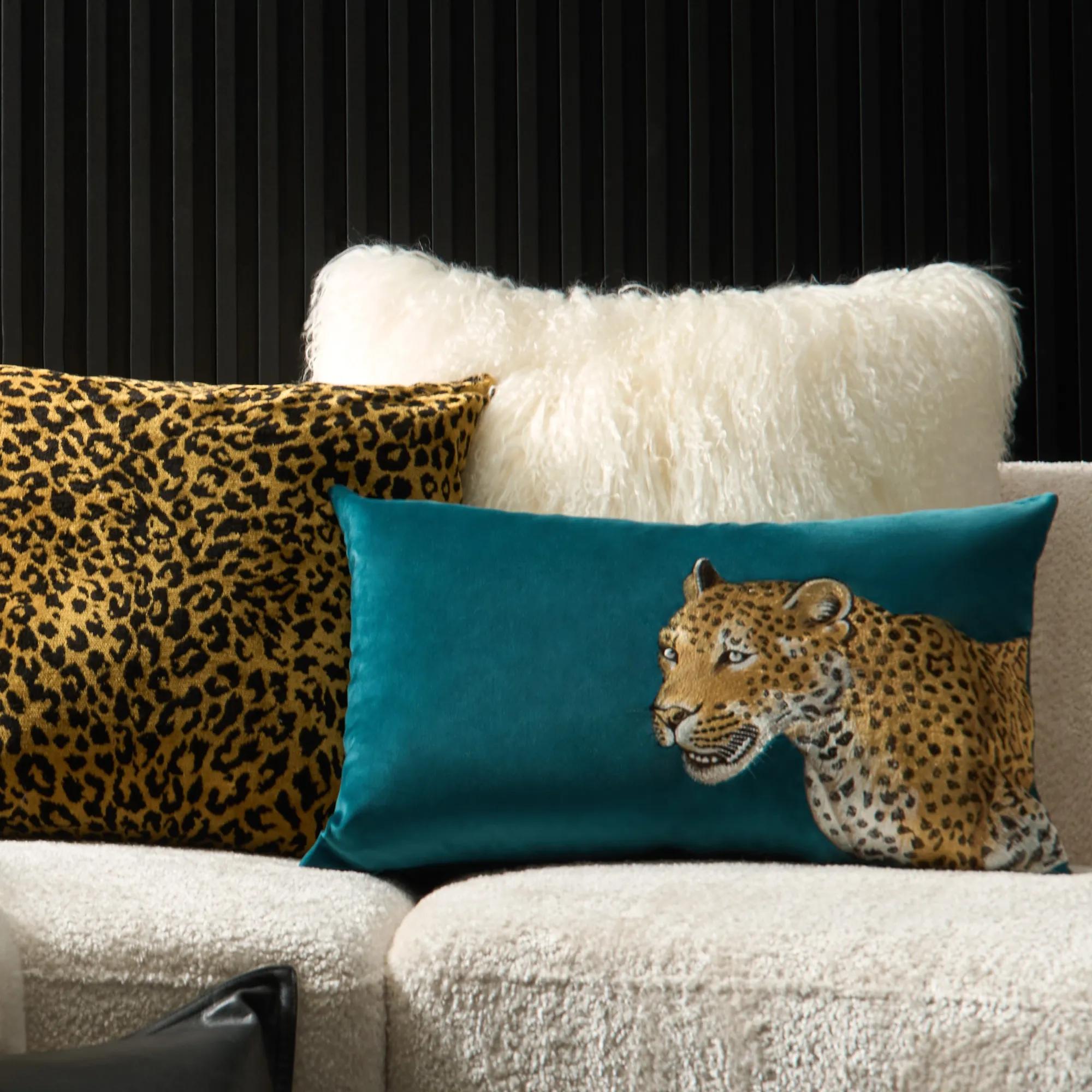 Leopard Embroidered Teal Velvet Lumbar Pillow 15" x 23"$69
A luxe dark teal velvet pillow featuring an embroidered leopard face and a plush feather-down insert.
Add To Cart -
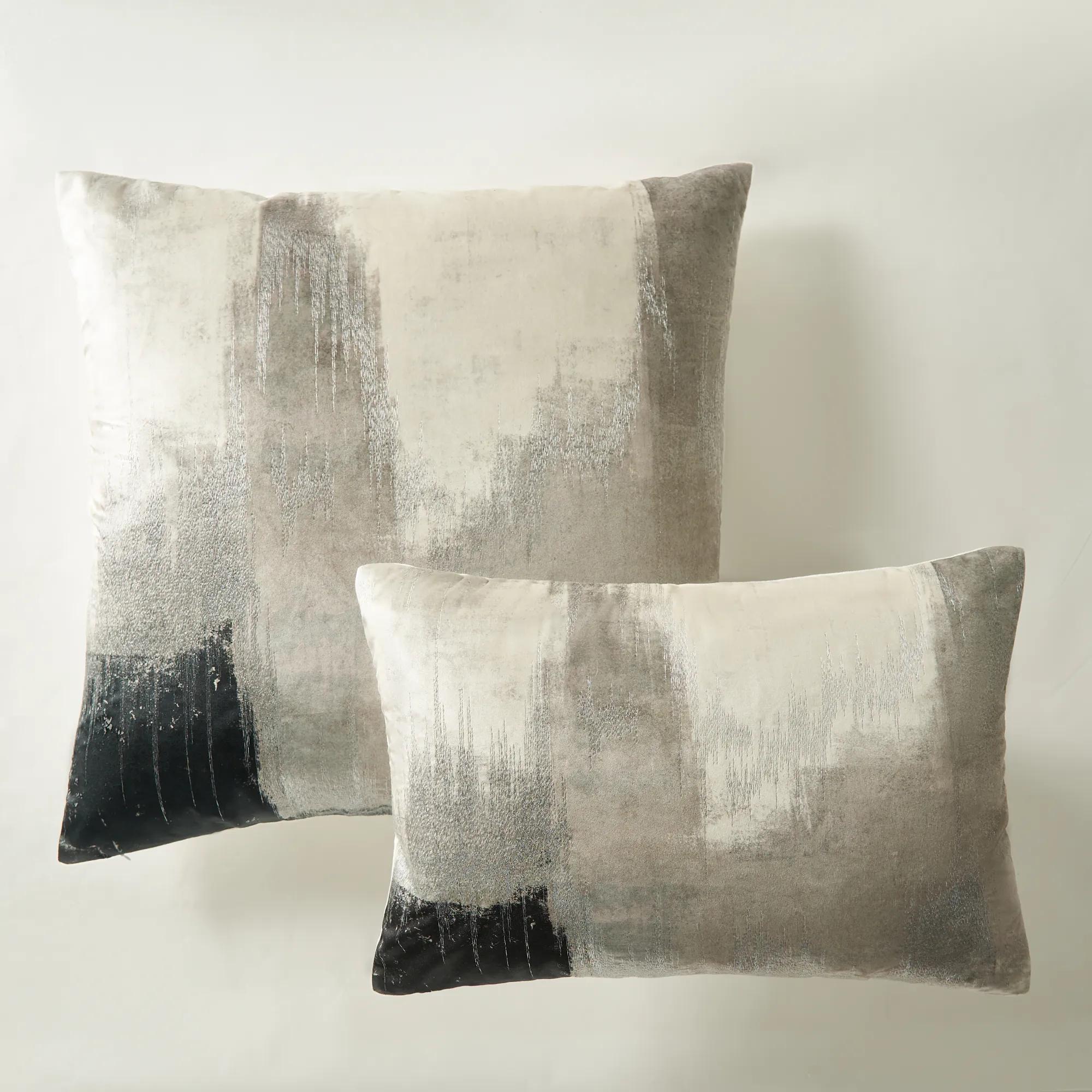
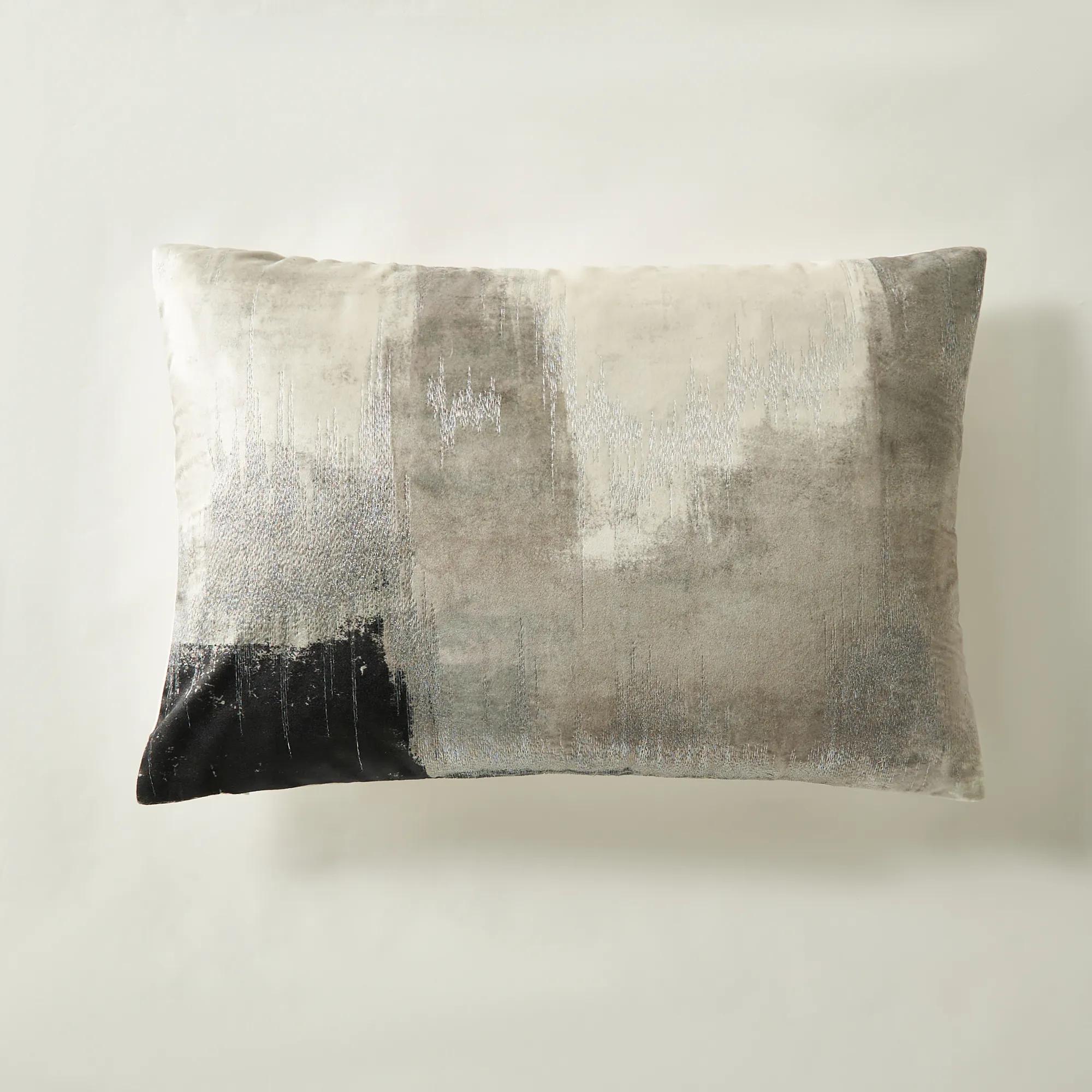 Nya Grey/Black Embroidered Velvet Lumbar Pillow 14" x 20"$69
A plush black and grey velvet lumbar pillow with metallic silver embroidery and a feather-down insert.
Add To Cart -
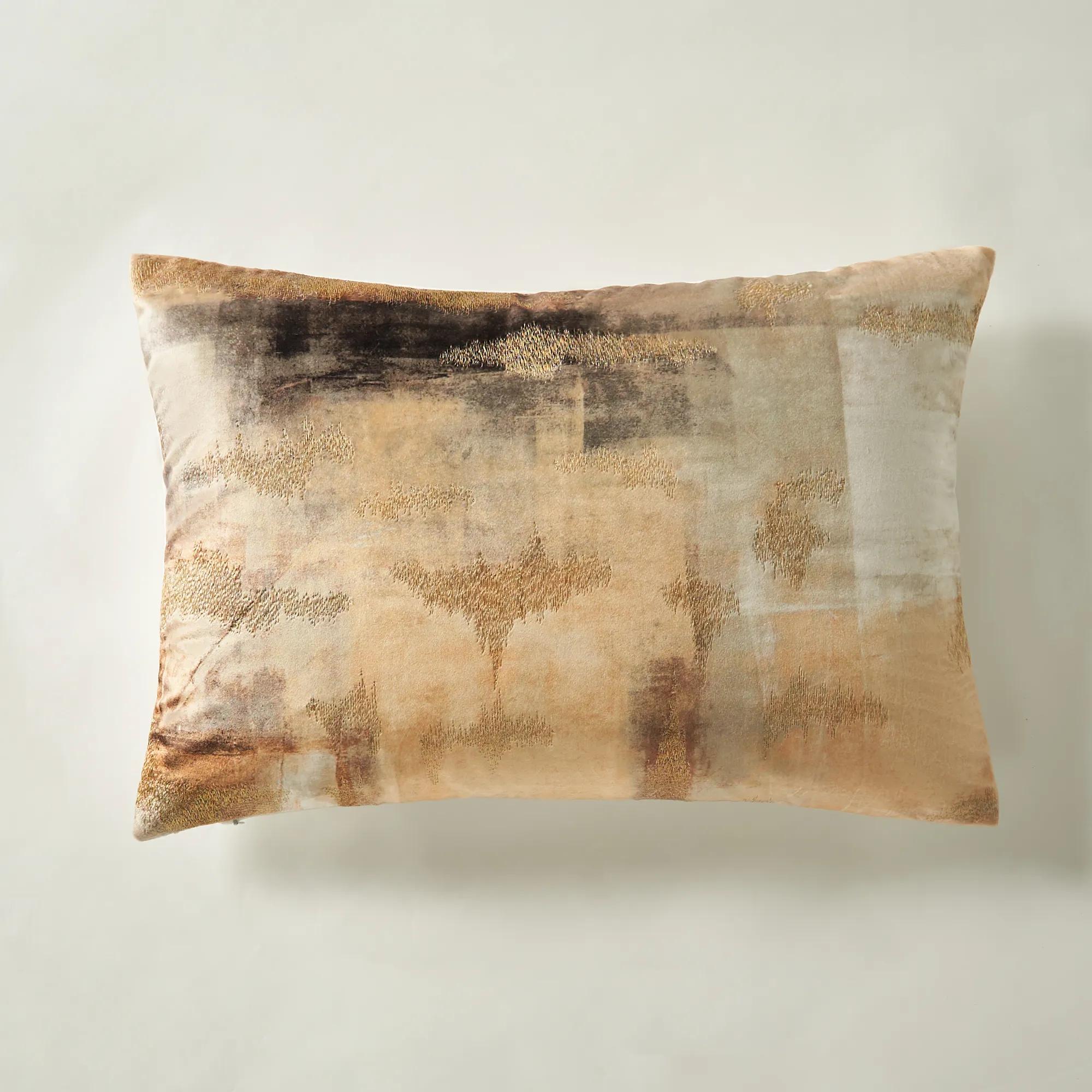
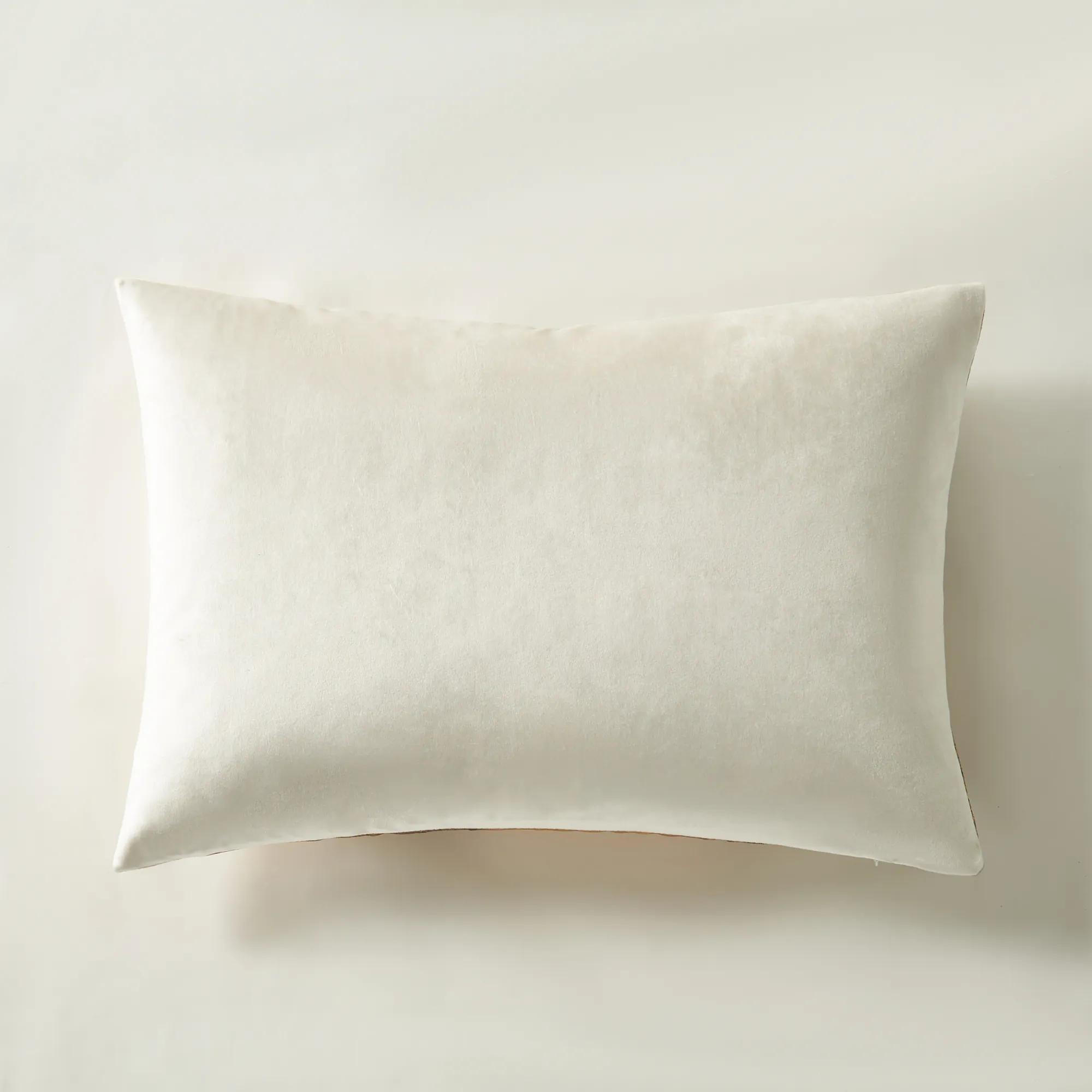 Riya Abstract Gold Embroidered Velvet Lumbar Pillow 14" x 20"$69
A plush ivory, gold, and grey velvet pillow featuring metallic embroidery and a feather-down insert.
Add To Cart -
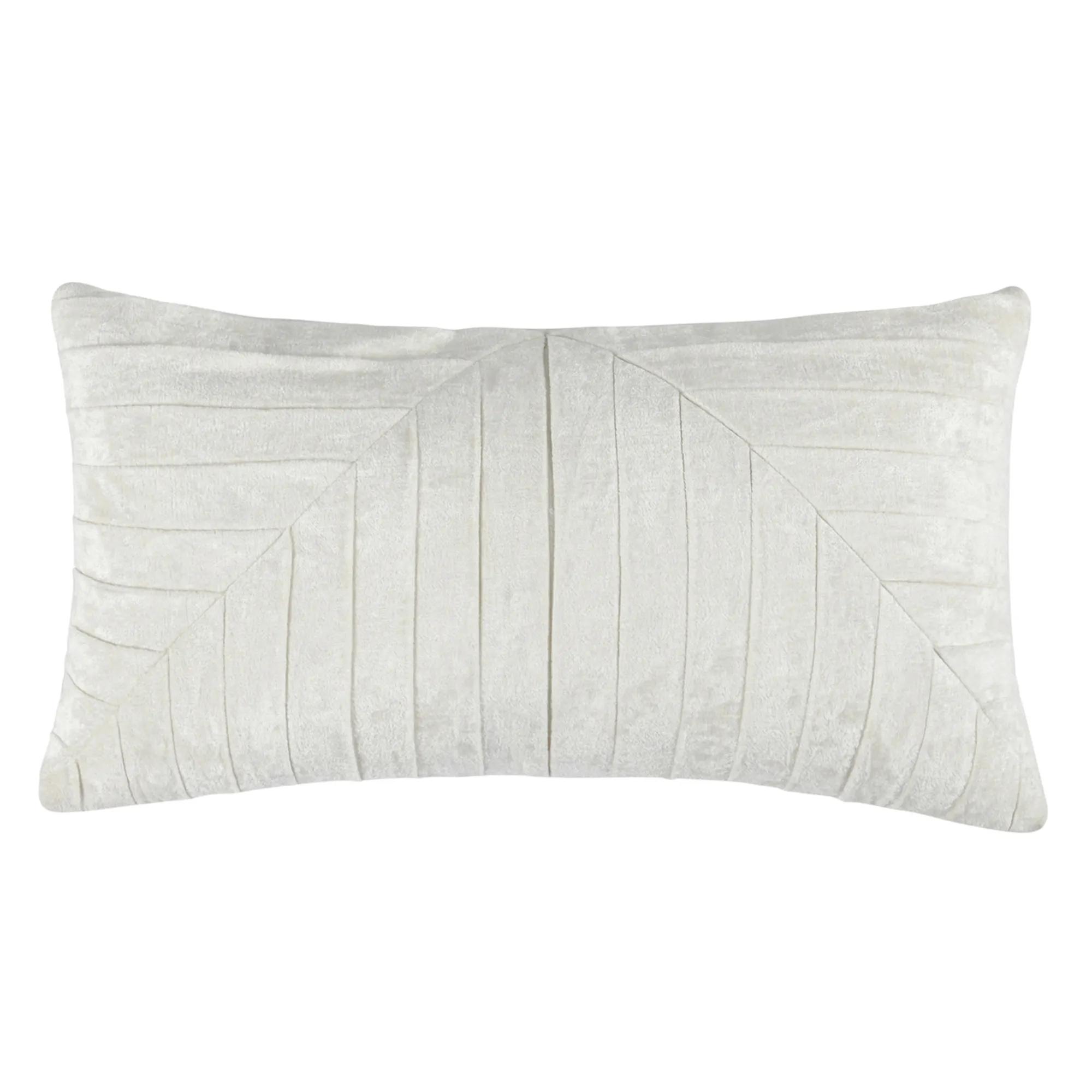
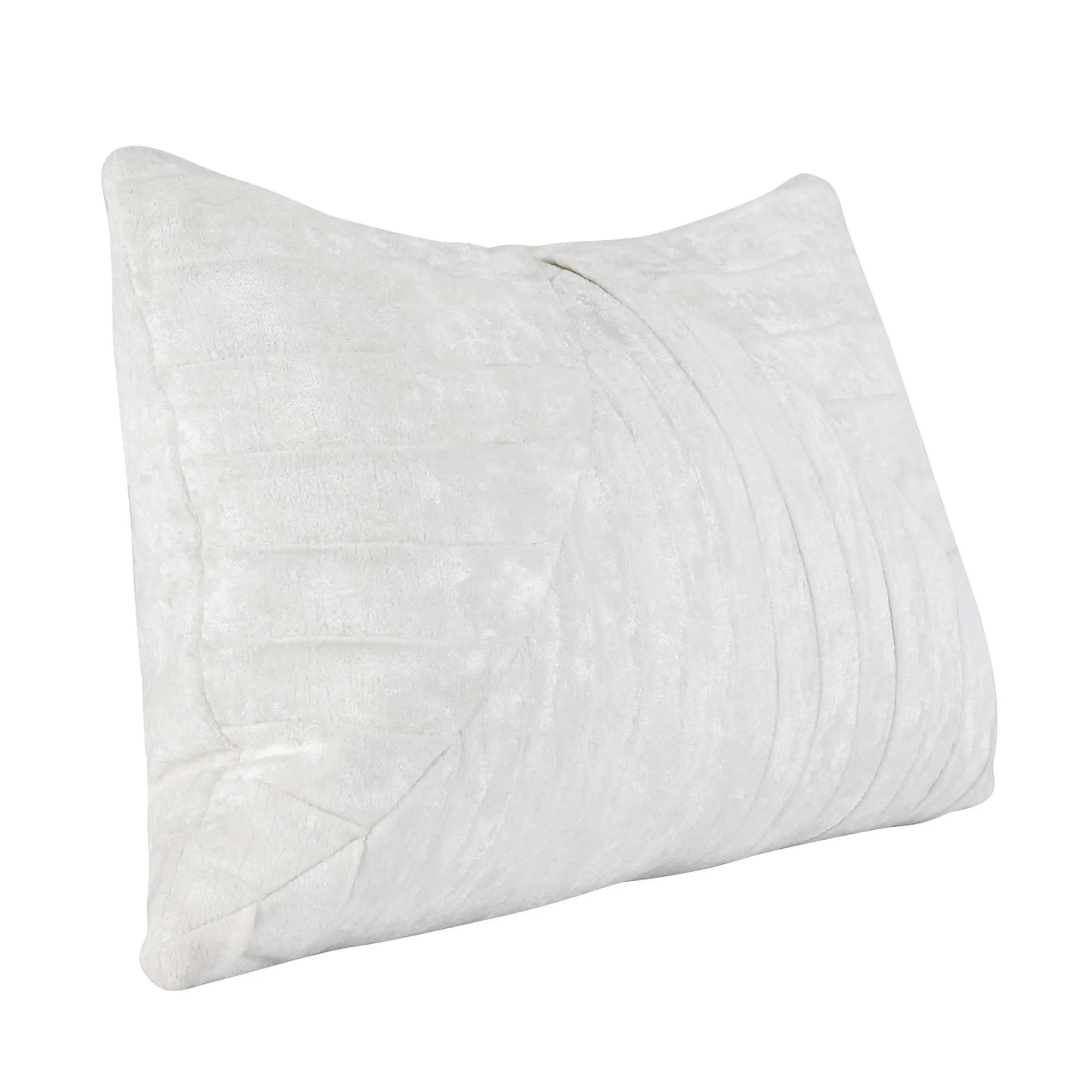 Addie Ivory Pleated Velvet Lumbar Pillow 14" x 26"$139
An ivory hand-pleated velvet lumbar pillow with a removable feather-down insert and hidden zipper.
Add To Cart -
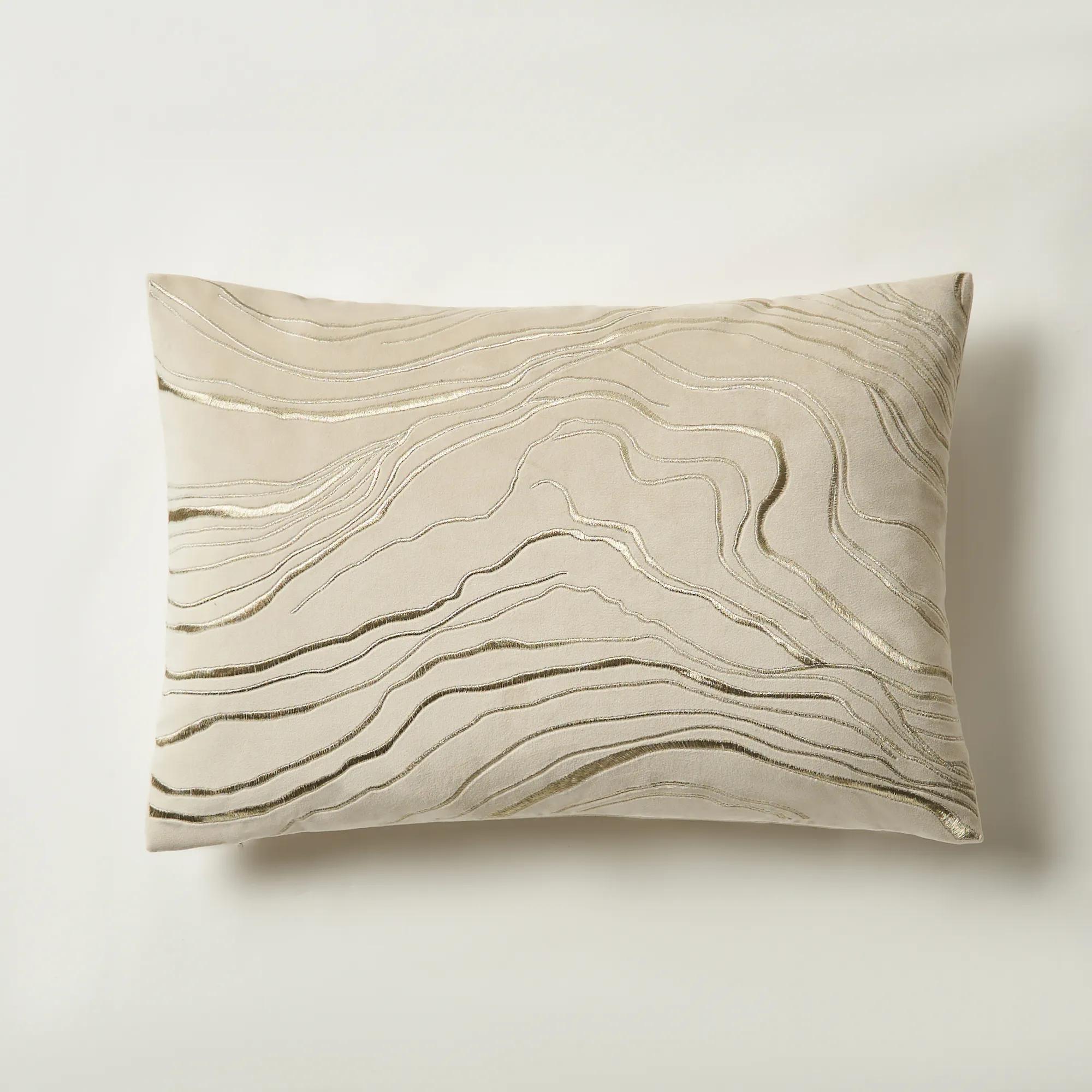
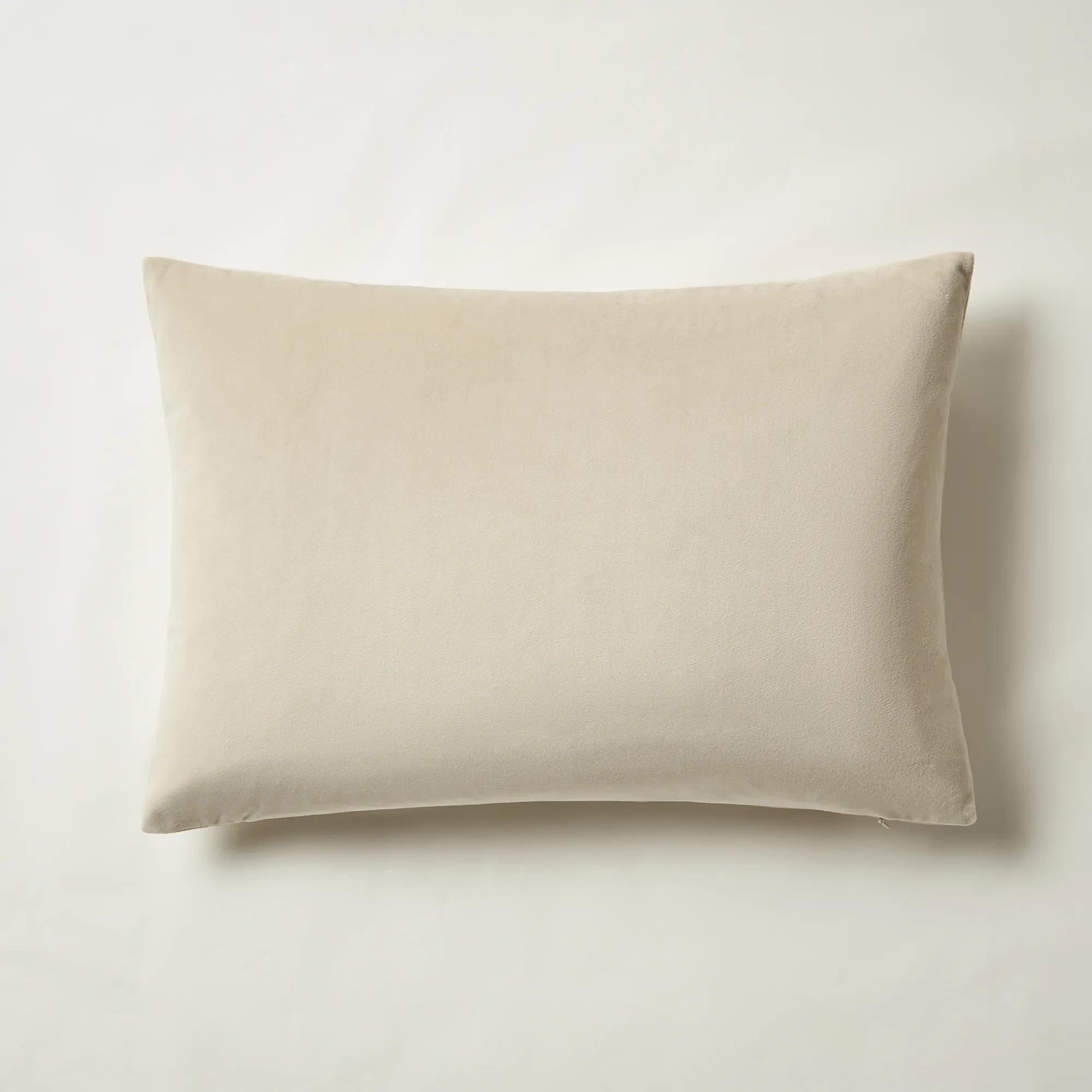 Swirl Embroidered Champagne/Taupe Velvet Lumbar Pillow 14" x 20"$59
A champagne velvet lumbar pillow with metallic embroidery and a plush feather-down insert.
Add To Cart -
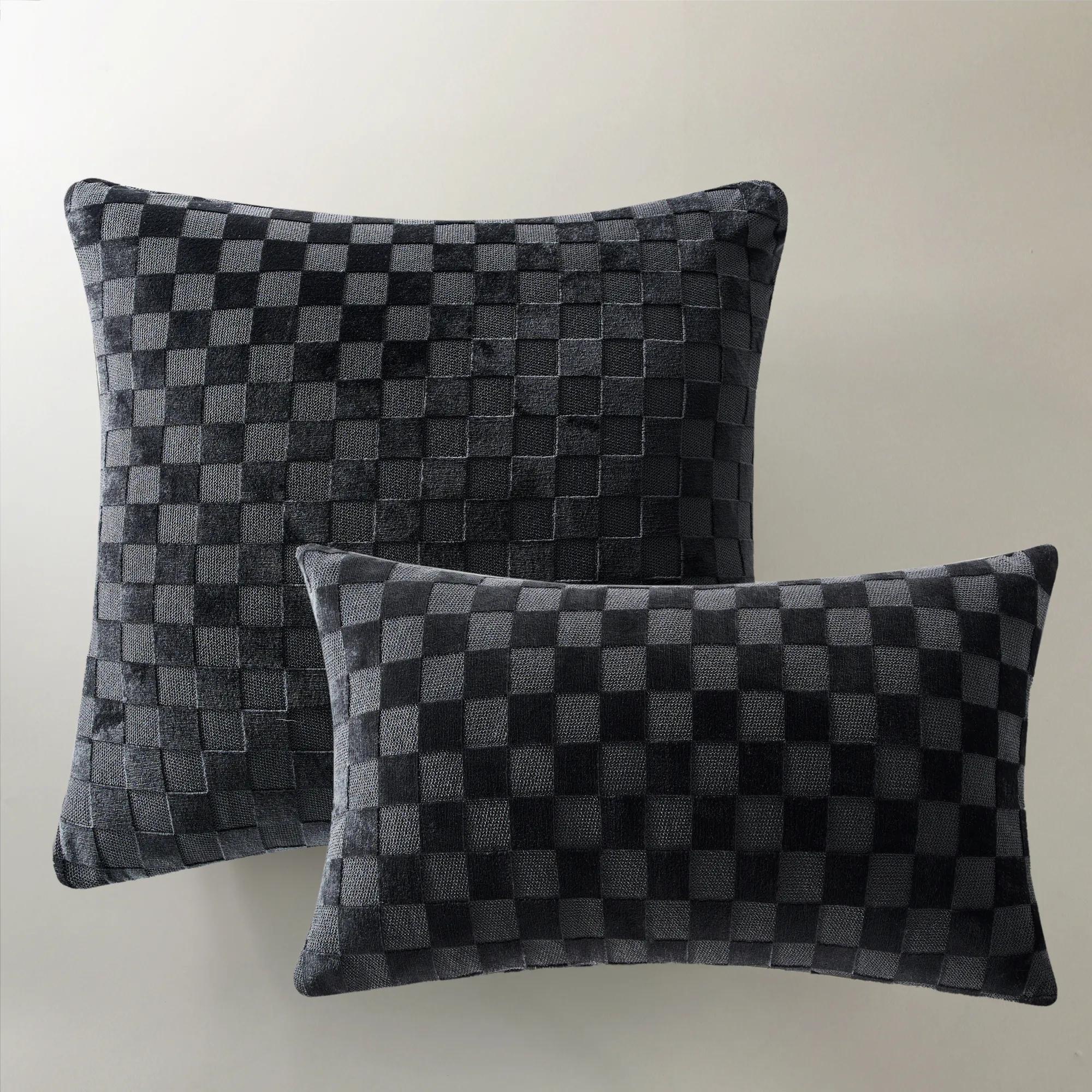
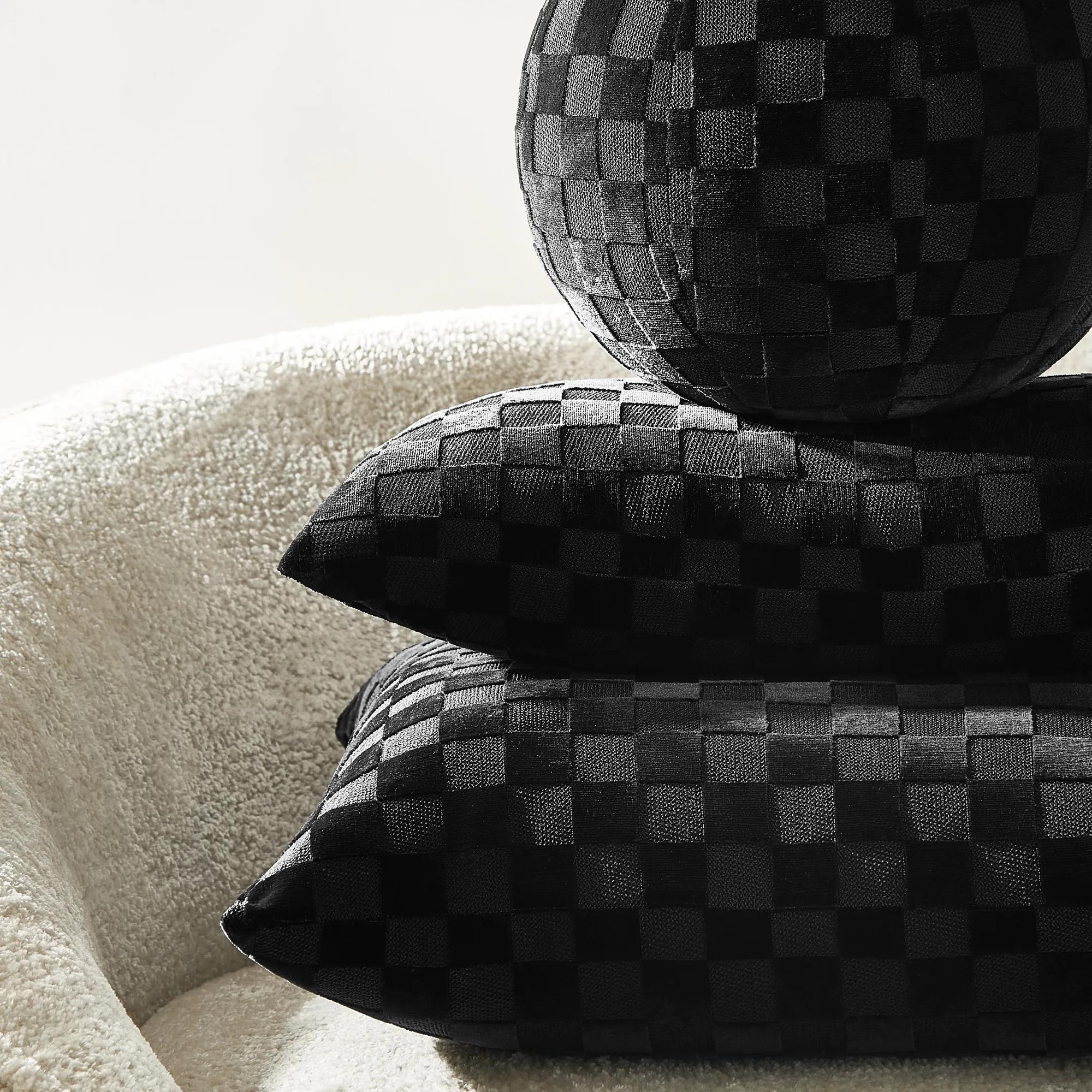 Checker Black Cut Velvet Lumbar 12" x 22"$59
A black cut velvet lumbar pillow featuring a sophisticated checkerboard pattern and removable feather-down insert.
Add To Cart -

 Nya Mocha Mousse Embroidered Velvet Pillow 14" x 20"$69
A mocha-colored velvet pillow featuring elegant embroidered detailing and a sophisticated multicolor design.
Add To Cart -
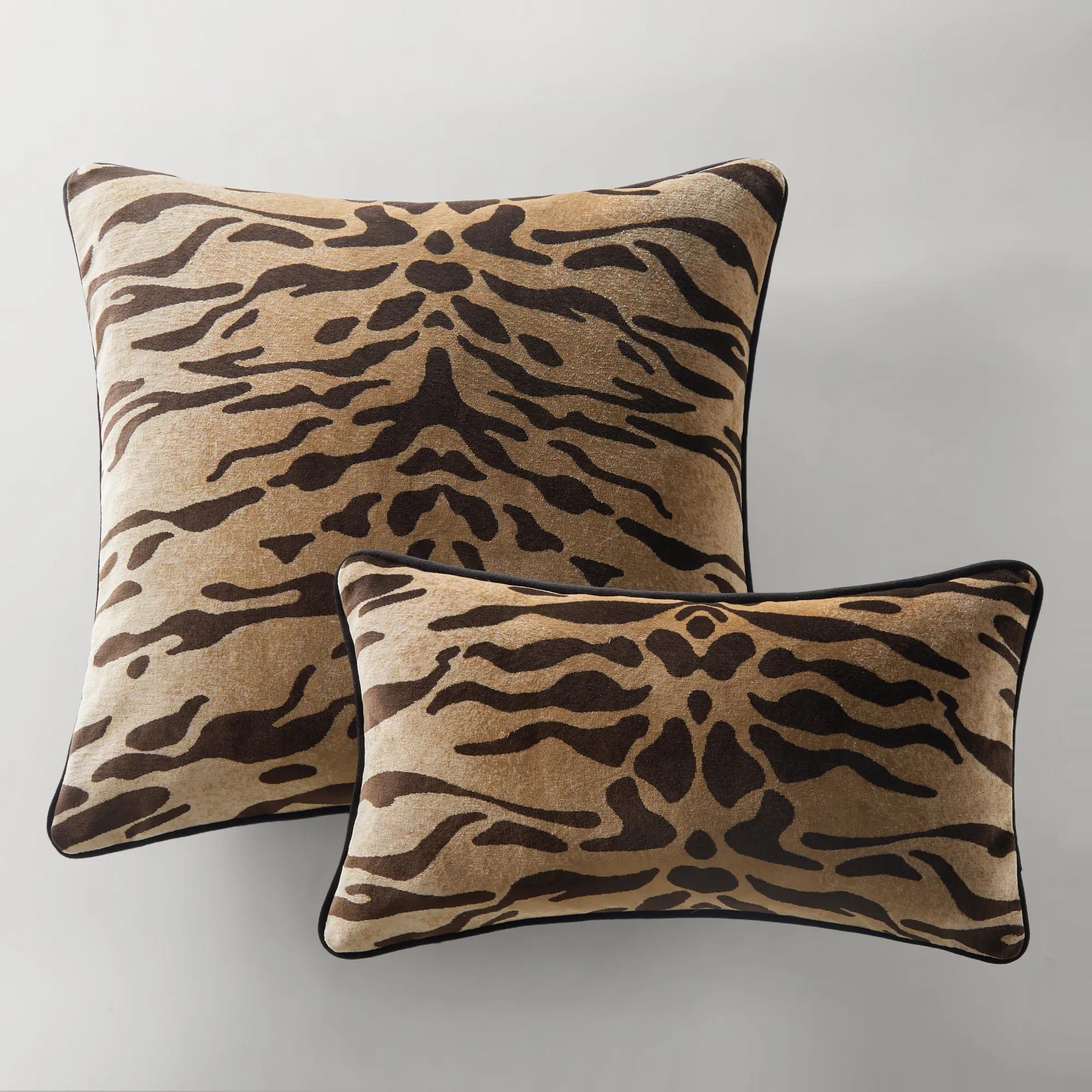 Bronze Tiger Black Piping Velvet Lumbar Pillow 20" x 12"$59
A bronze velvet lumbar pillow with contrast piping and a removable feather-down insert for added comfort.
Add To Cart -
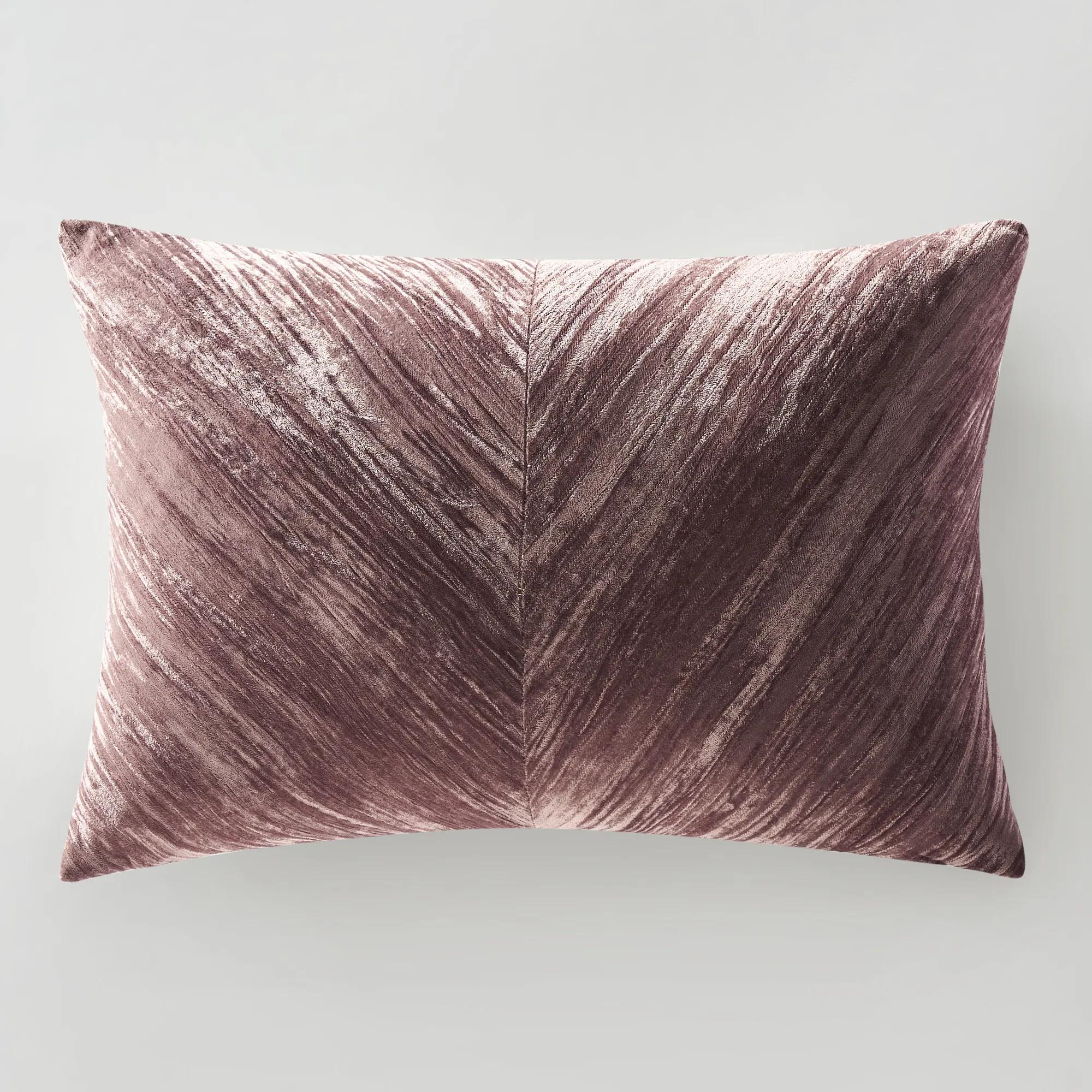
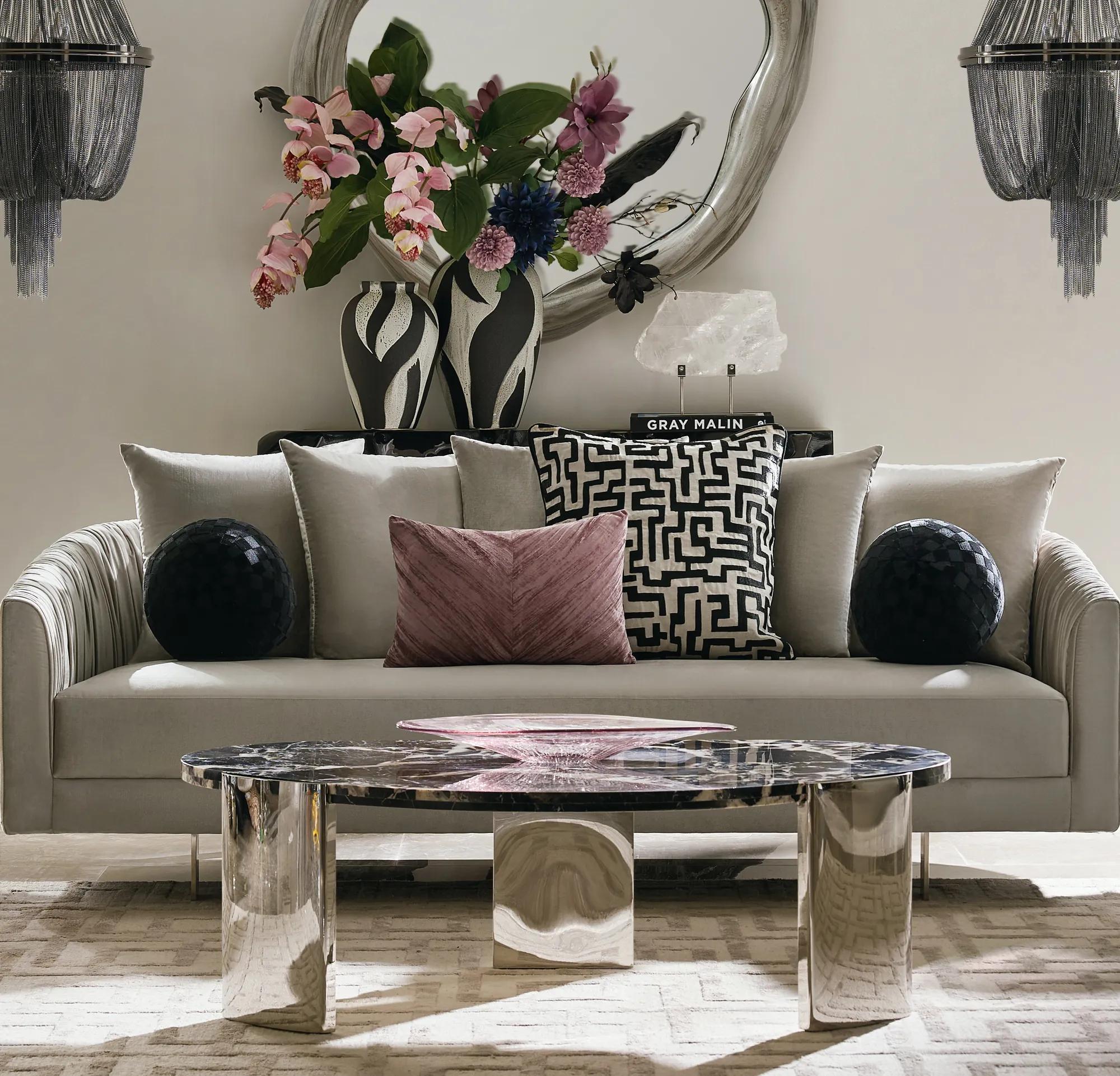 Elara Dusty Mauve Pleated Velvet Lumbar Pillow 14" x 20"$59
A pleated dusty mauve velvet lumbar pillow offering soft texture and contemporary warmth with a removable feather insert.
Add To Cart -
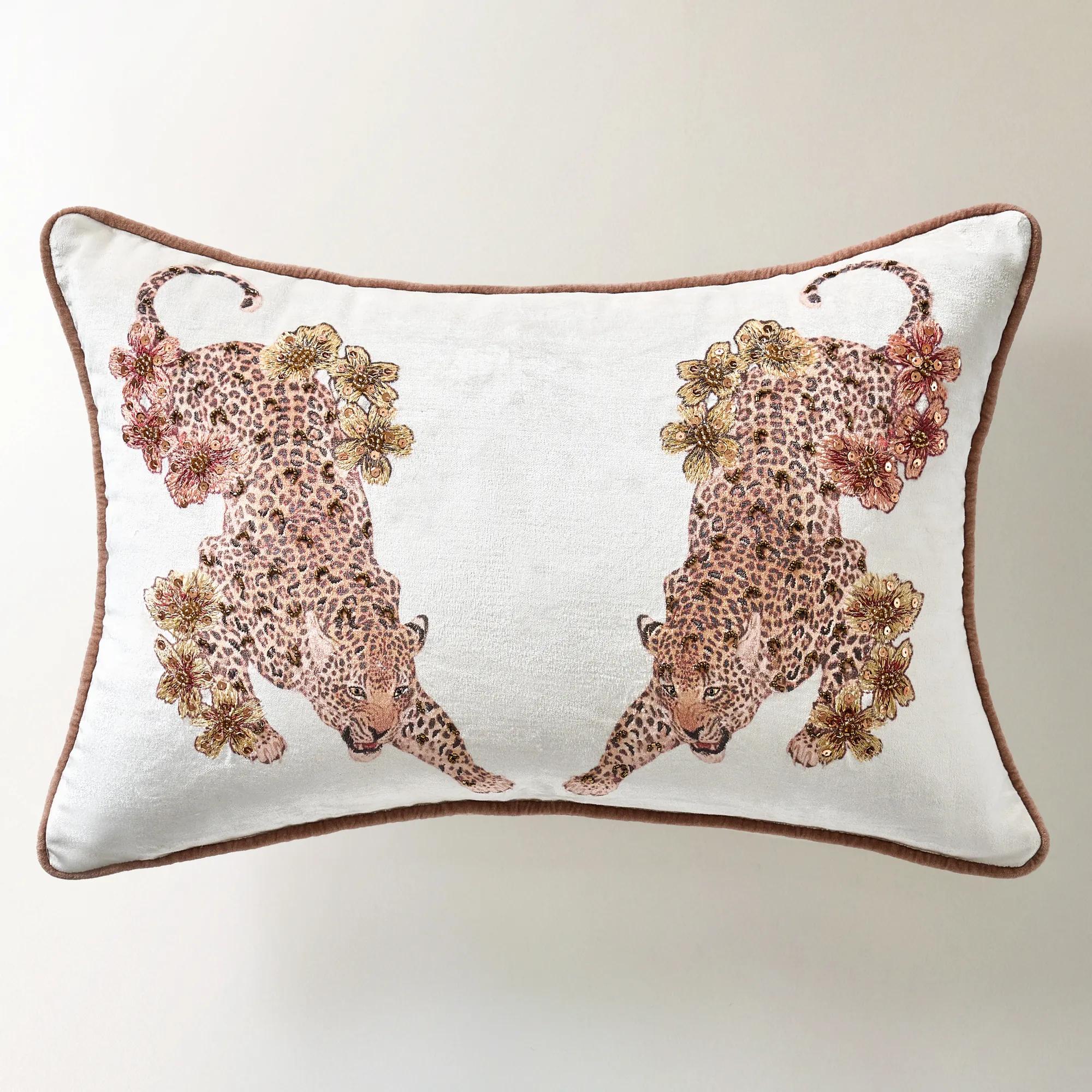
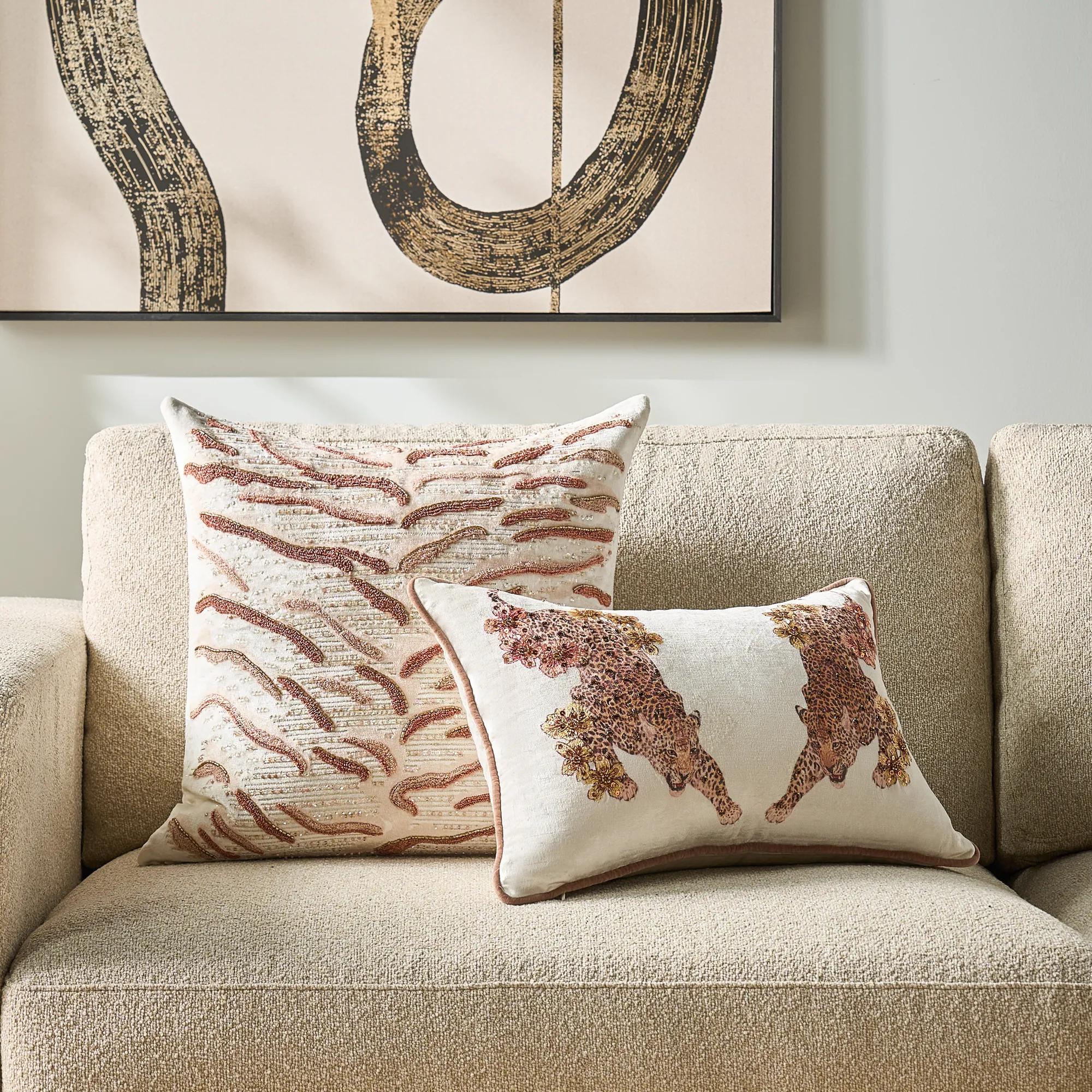 Jaya Embroidered Bead Lumbar 20" x 14"$119
A velvet lumbar pillow featuring hand-applied embroidery, bead accents, and contrast piping in soft neutral tones.
Add To Cart -
 Oria Soft Nude and Gold Metallic Embroidered Pillow$89
A soft nude pillow featuring elegant gold metallic embroidery for a glamorous, textural accent.
Add To Cart -
Nya Mocha Mousse Embroidered Velvet Pillow 24" x 24"$79
A mocha velvet pillow featuring intricate multicolor embroidery for an elegant, textural accent.
Add To Cart -
 Fia Charcoal/Ivory Rope Fringe Lumbar Pillow 20" x 14"$99
A Deco-inspired lumbar pillow featuring ivory velvet, charcoal rope fringe, and a plush feather-down insert.
Add To Cart -

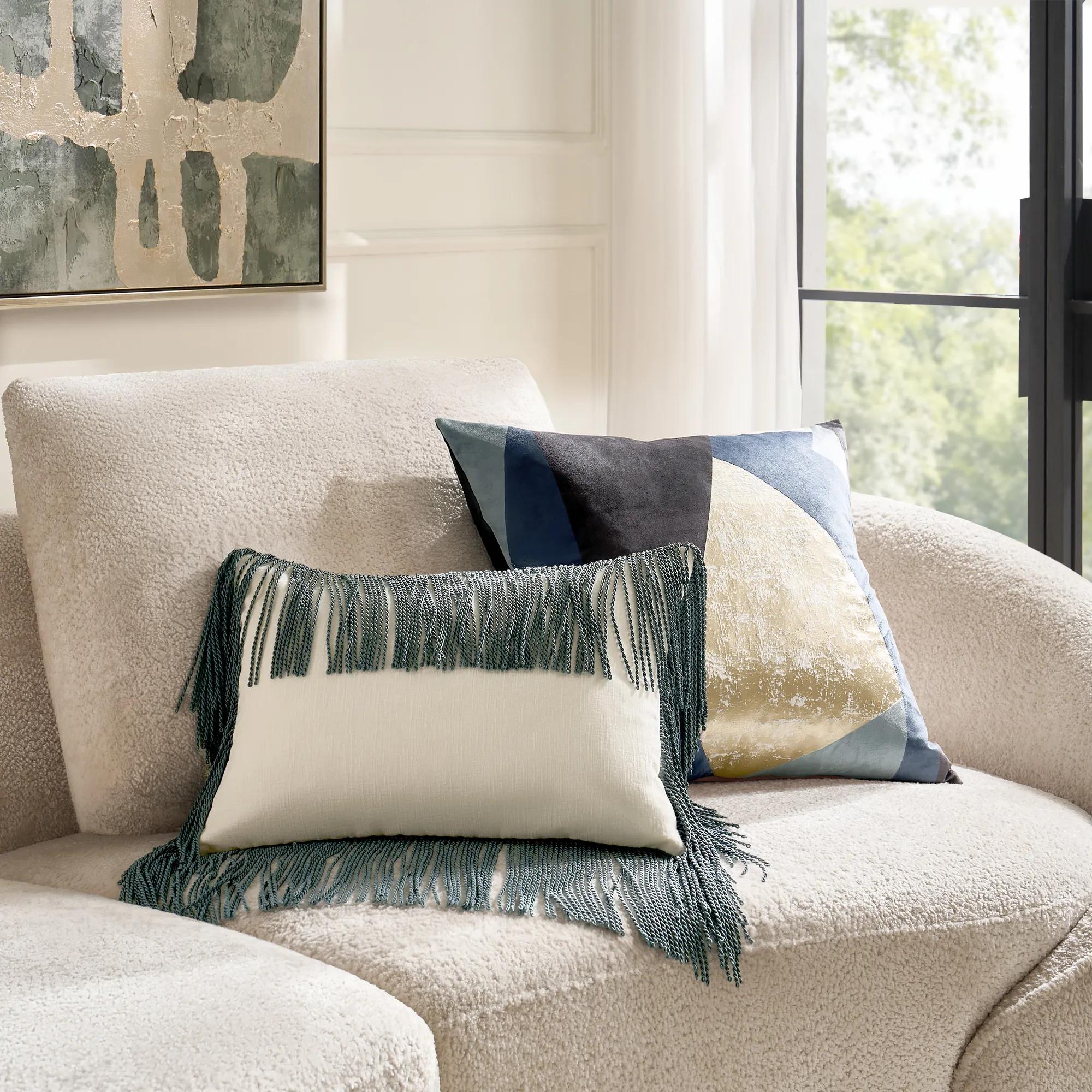 Fia Deep Teal/Ivory Rope Fringe Lumbar Pillow 20" x 14"$99
A plush ivory velvet lumbar pillow featuring bold deep teal rope fringe and a feather-down insert.
Add To Cart -
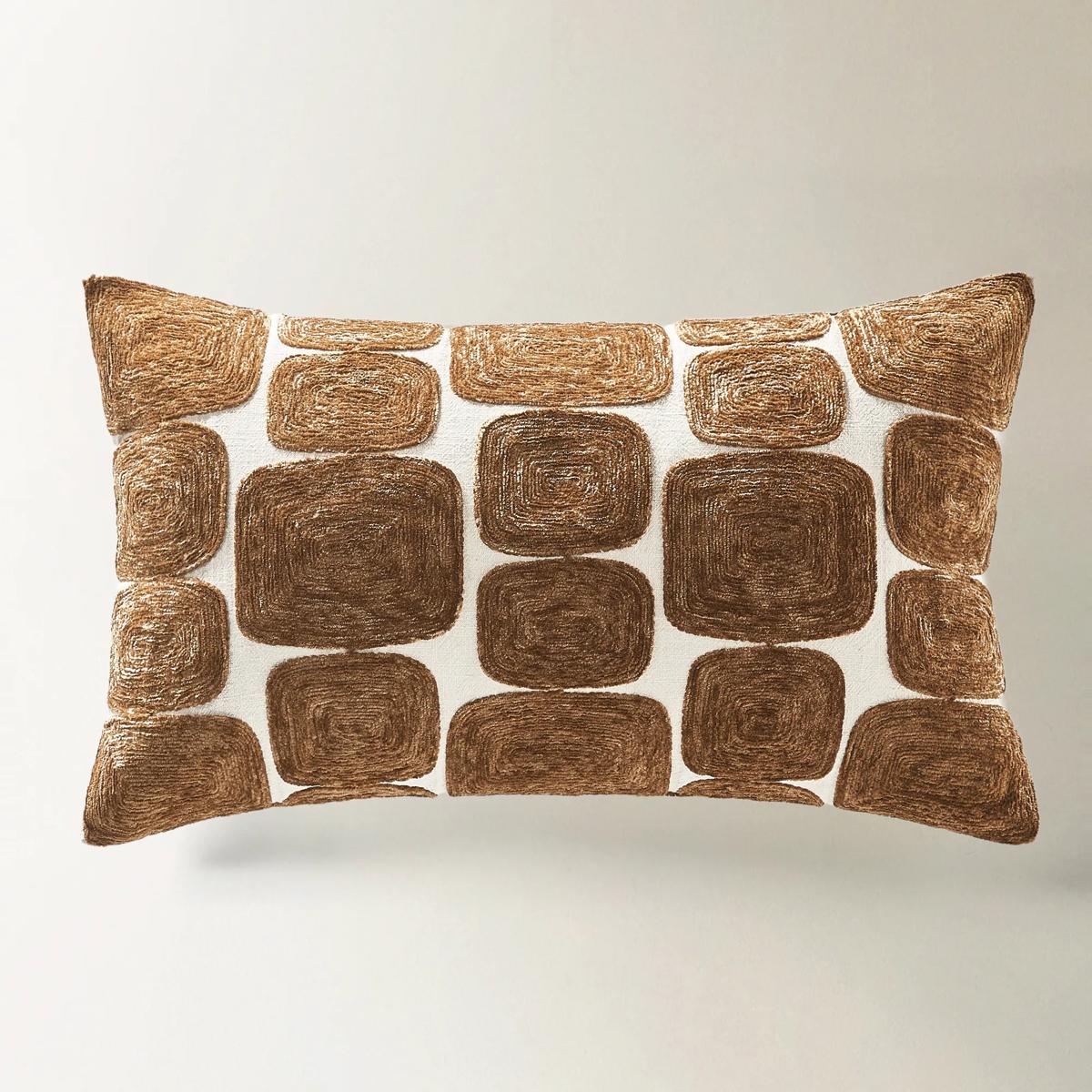
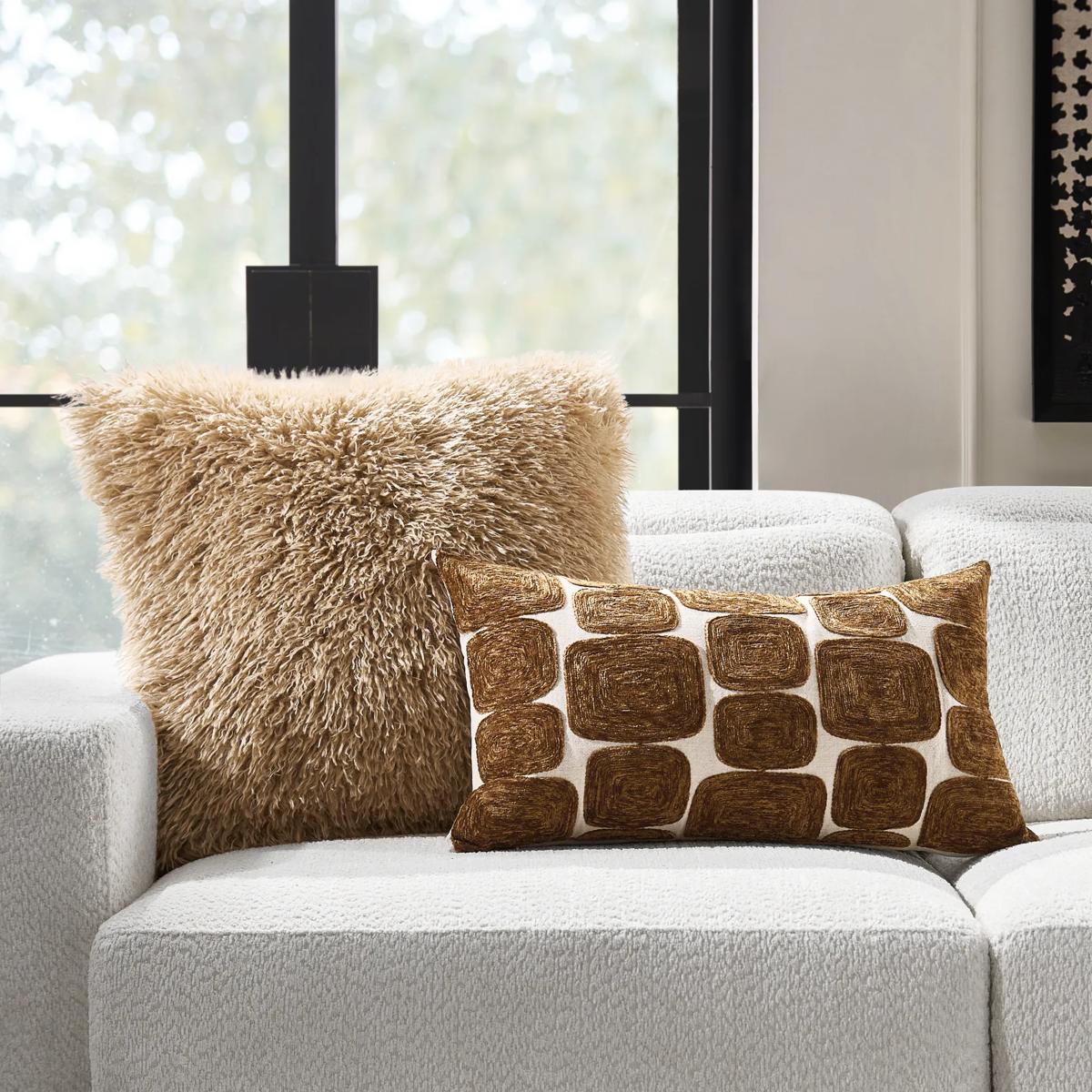 Kylen Embroidered Rust Lumbar Pillow 24" x 14"$99
A plush rust velvet lumbar pillow featuring metallic gold embroidery and a removable feather-down insert.
Add To Cart -

 Fia Taupe/Ivory Rope Fringe Lumbar Pillow 20" x 14"$99
A plush ivory velvet lumbar pillow featuring bold taupe rope fringe and a feather-down insert for comfort.
Add To Cart -
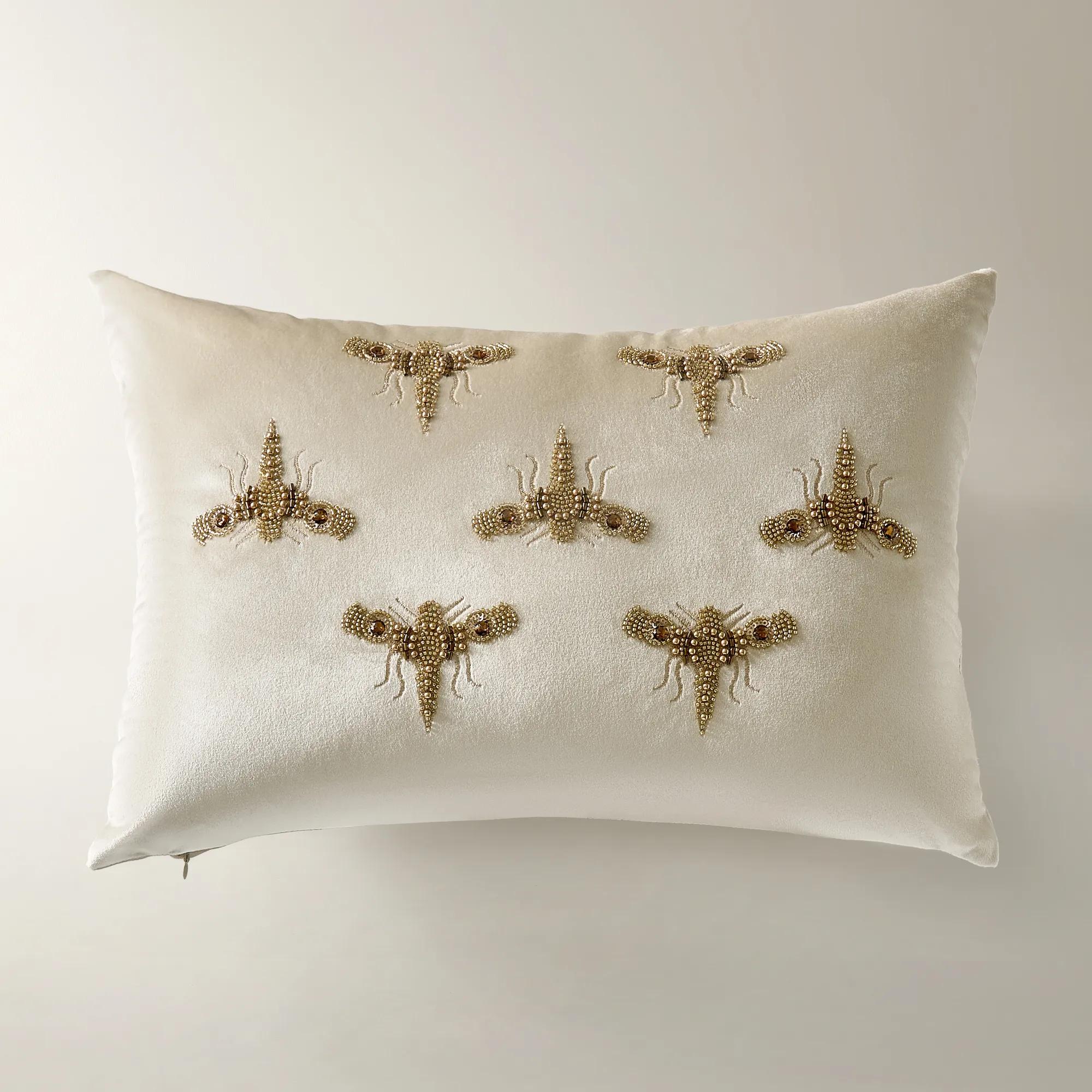 Bee Beaded Bronze/Alabaster Velvet Lumbar Pillow 20" x 14"$129
A cloud white velvet lumbar pillow features bronze embroidered bee icons and a plush feather-down insert.
Add To Cart -

 Kylen Embroidered Black Lumbar Pillow 24" x 14"$99
A sculptural black velvet lumbar pillow featuring bold tone-on-tone embroidery and a feather-down insert.
Add To Cart -
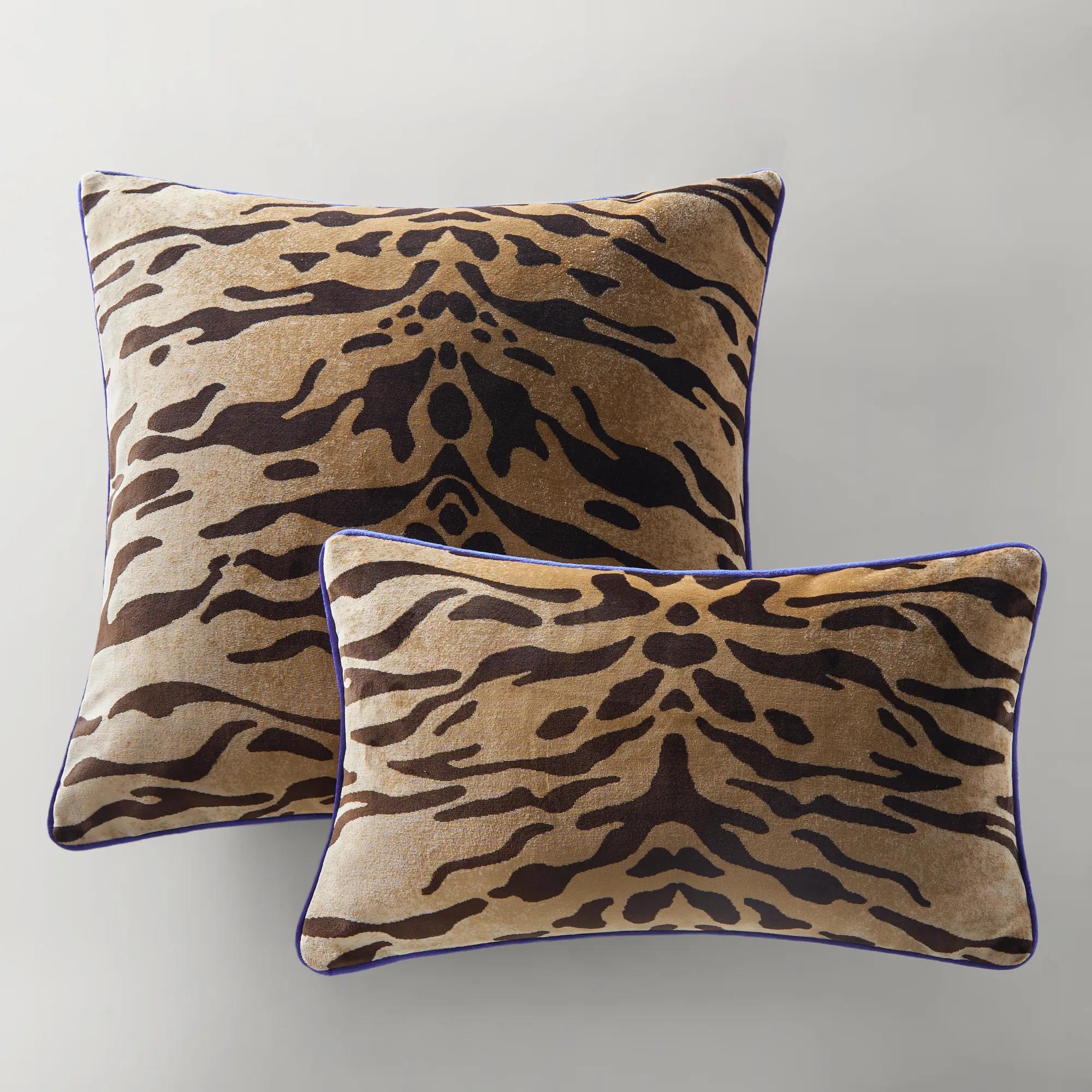
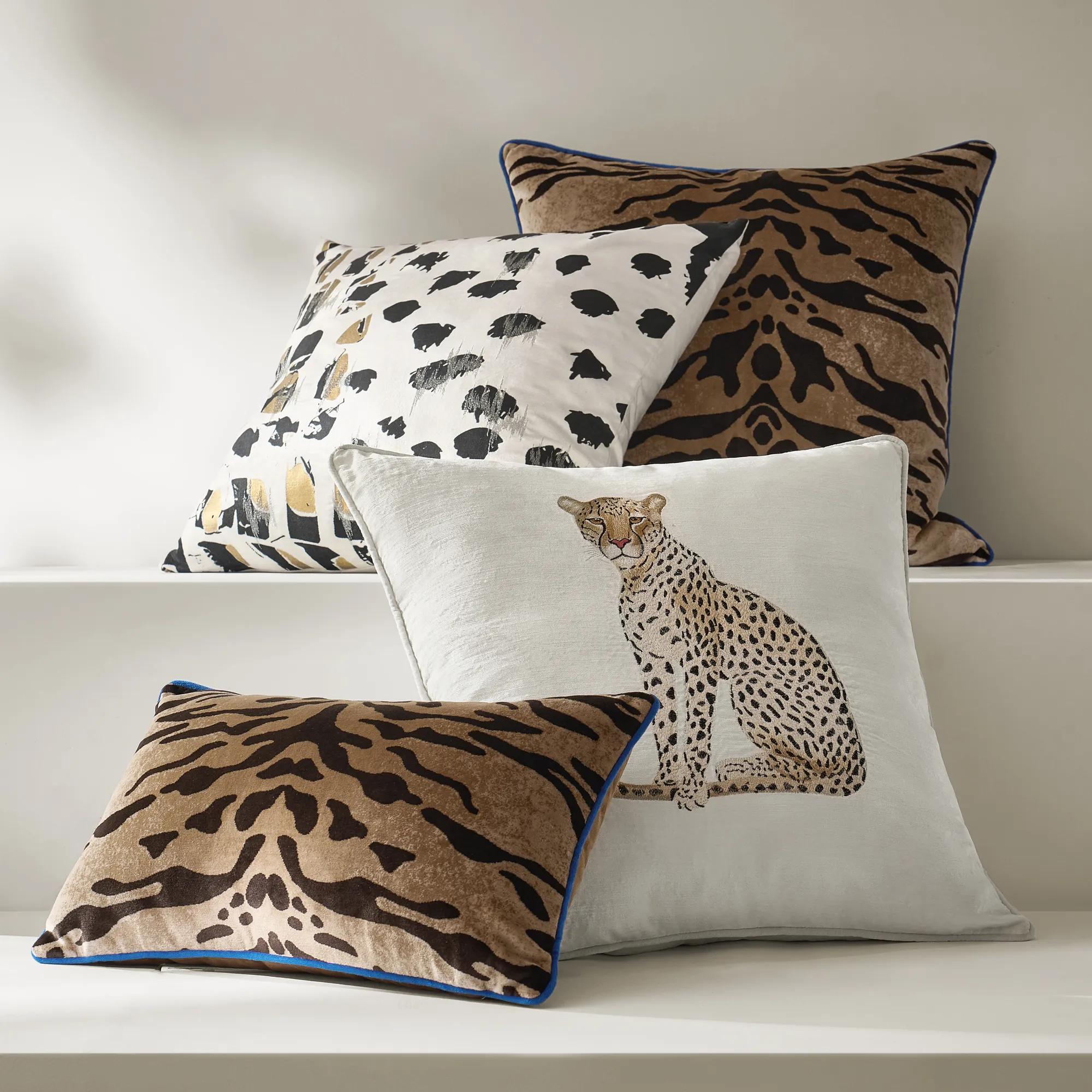 Bronze Tiger Blue Piping Velvet Lumbar Pillow 20" x 12"$59
A bronze velvet lumbar pillow accented with vibrant blue piping and a plush feather-down insert.
Add To Cart -

 Icicle Beaded Fringe White Lumbar Pillow 20" x 14"$119
A white velvet lumbar pillow featuring shimmering sequin and bead fringe with a plush feather-down insert.
Add To Cart -

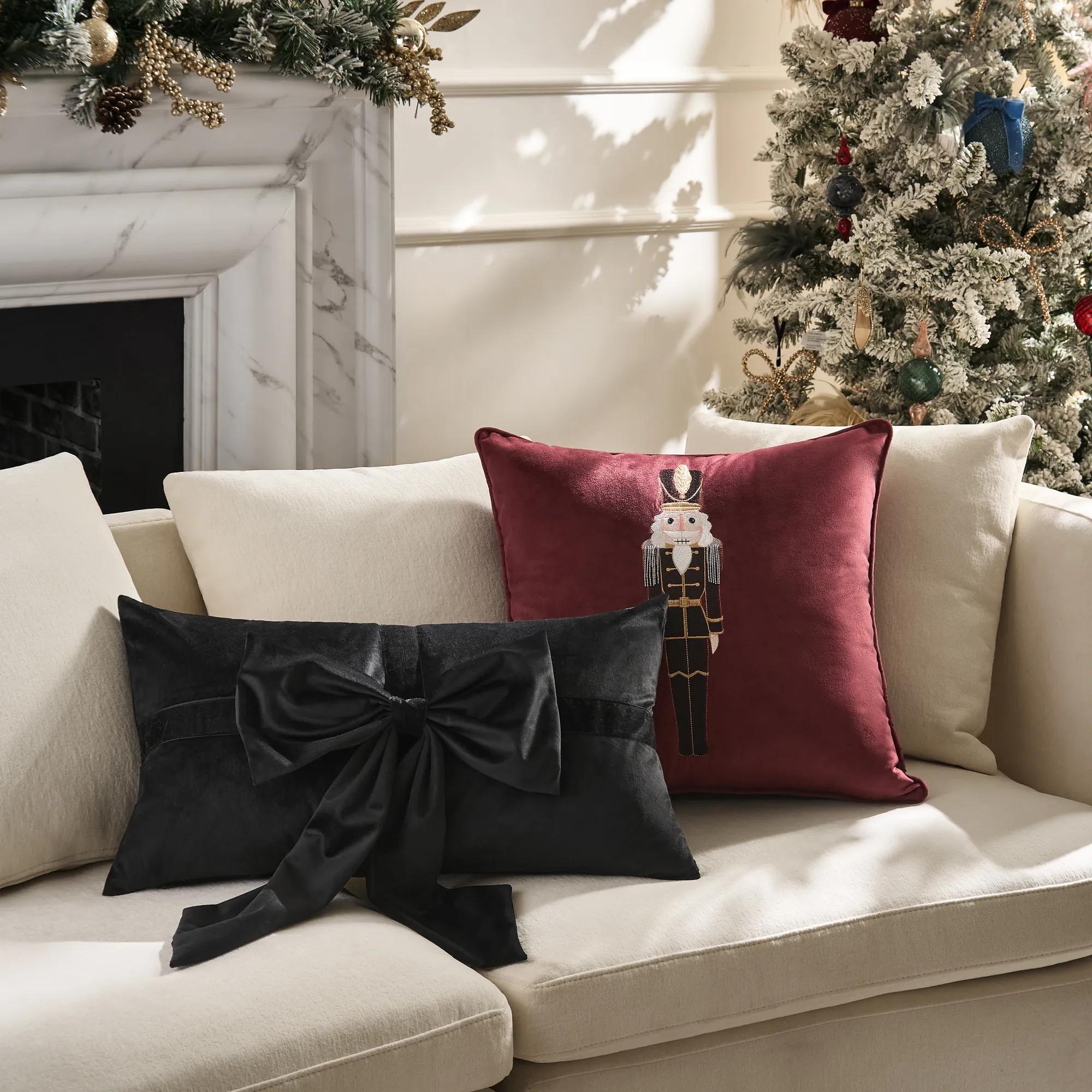 Velvet Bow Black Lumbar Pillow 20" x 14"$89
A sculptural black velvet lumbar pillow featuring an oversized bow and a plush feather-down insert.
Add To Cart -
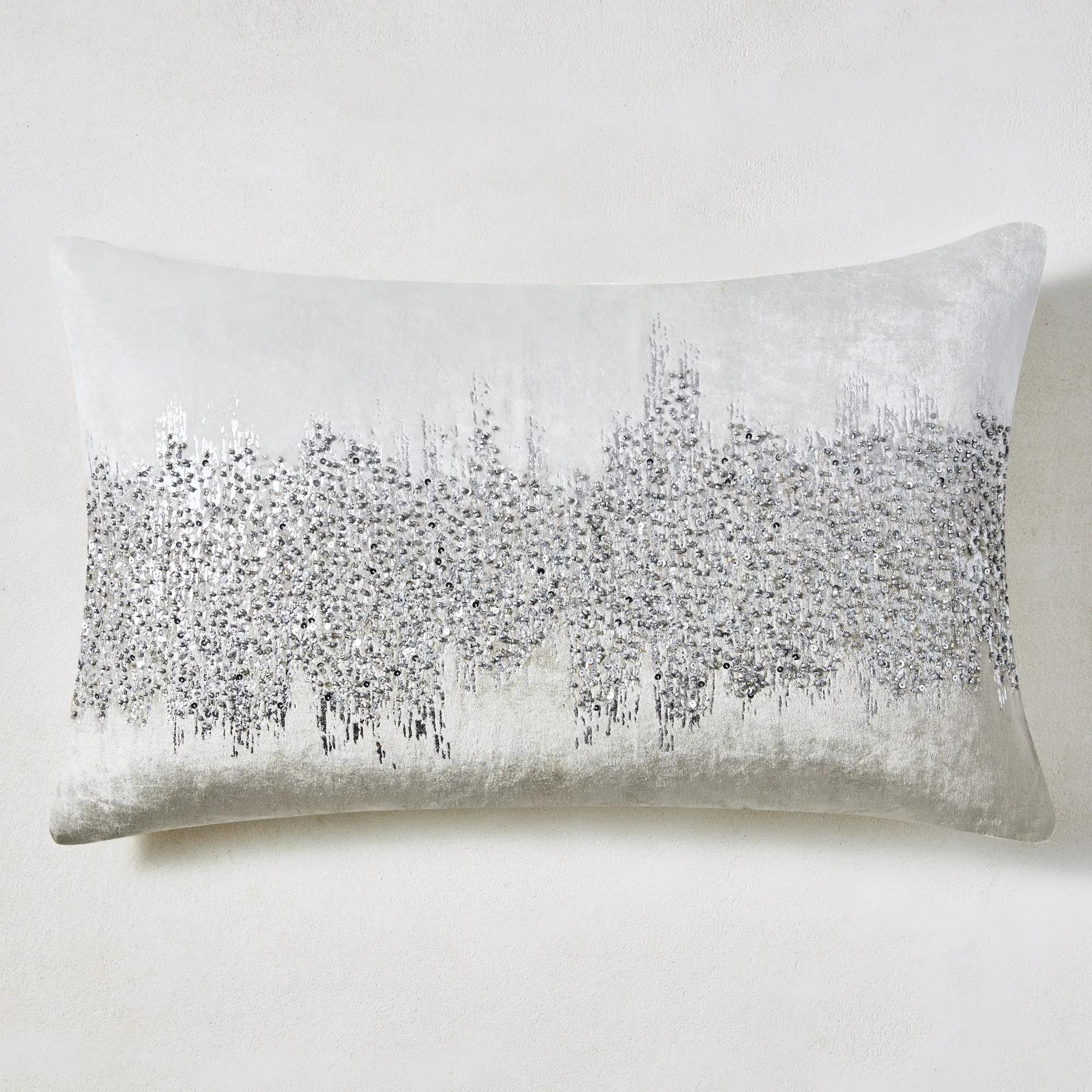 Joie De Vivre Lumbar Pillow 16" x 26" - Grey$99
A hand-dyed grey velvet lumbar pillow featuring metallic foil print and shimmering hand-beaded glass accents.
Add To Cart

Velvet Lumbar Pillows For Bed
Explore velvet lumbar pillows for bed to bring sumptuous texture and an elongated silhouette to your bedding. These decorative accents create a distinct focal point when layered in front of larger shams; choose proportions that complement your bed while leaving the textures and patterns behind them in view.
Velvet lumbar pillows for bed are rectangular accent pillows that bring plush texture, a distinctive silhouette, and a light-catching finish to layered bedding. Their elongated shape creates a horizontal focal point in front of sleeping pillows or square decorative cushions, giving the arrangement definition without hiding the linens behind it. Velvet lends that simple shape remarkable depth: its dense, raised pile catches light differently as the fibers change direction, allowing a single color to reveal both luminous highlights and richer shadows. Against crisp cotton sheets, a velvet lumbar pillow introduces a sumptuous contrast; against a textured coverlet, it adds a smoother, more polished surface. The effect can be restrained and architectural or lavishly expressive, depending on the color, proportions, and surrounding details. An ivory pillow against a pale duvet emphasizes subtle shifts in texture, while sapphire, emerald, or aubergine establishes a dramatic center of attention. Charcoal and silver tones complement reflective bedside accents, and warm neutrals soften the presence of a richly upholstered headboard. Velvet describes the fabric’s pile construction rather than a single fiber, so composition deserves attention alongside color. Cotton velvet often has a softer, more muted luster, while polyester velvet can offer a more pronounced sheen; blends vary in feel, appearance, and care requirements. Neither the word “velvet” nor its luxurious appearance alone determines durability, washability, or resistance to marks. The fabric composition, construction, and care label provide a clearer picture of how a pillow will suit everyday use. Decorative details also influence the mood. A clean edge keeps the silhouette sculptural, piping draws a precise outline, and embroidery or dimensional accents create a more ornate focal point. A concealed zipper, when included, preserves the uninterrupted surface while allowing access to the insert. For a broader palette of shapes to complement an elongated accent, velvet pillows for bedrooms offer another way to carry this rich texture through a bedding arrangement.
Proportion makes the difference between a pillow that looks deliberately placed and one that seems lost among the layers. Check the listed width and height against the mattress, the headboard, and the pillows already on the bed, rather than judging scale from a photograph alone. A compact lumbar pillow, such as a 12-by-20-inch rectangle, can provide a distinct finishing accent on a twin bed or sit neatly in front of a pair of larger cushions. A longer format, such as 14 by 36 inches, makes a broader statement, though the best fit still depends on the surrounding arrangement. On a queen or king bed, an extra-long lumbar pillow can visually connect the left and right sides of the bedding and reduce the need for several smaller decorative pillows. Leave enough of the duvet and supporting pillows visible to give each material its own presence. A useful way to assess scale is to mark the proposed dimensions on the made bed with a folded towel before choosing a size. Consider height as well as length: a tall rectangle can conceal an embroidered sham, while a lower profile leaves more of that detail exposed. One substantial lumbar pillow in front of sleeping pillows creates a composed, uncomplicated arrangement; placed before layered Euro shams, it becomes the final stroke in a more theatrical setting. Patterned bedding often benefits from a solid velvet accent that picks up one color from the print, while solid bedding can accommodate embroidery, contrasting trim, or a stronger color statement. Fill matters just as much as the cover. A resilient synthetic insert may offer a springier feel, while feather-and-down blends tend to settle and may need more frequent fluffing. Follow the cover’s sizing recommendations rather than assuming that a larger insert will improve the shape. These pillows are primarily decorative, though some may provide comfortable cushioning while sitting up in bed; suitability depends on their size, fill, and firmness. They should not be assumed to provide therapeutic support or replace a sleeping pillow.
The most satisfying choice balances visual drama with the realities of the bedroom. A frequently used primary bed calls for attention to secure seams, a well-finished closure, and fabric that suits regular handling. A guest bedroom may allow for more elaborate embellishment, but the pillow should still be easy to move when it is time to sleep. Beading, fringe, and raised embroidery can be striking against velvet, yet they may require gentler handling than an unadorned cover, particularly in homes with pets or young children. For beds that are dressed and undressed daily, plan a place for decorative pillows overnight—a bench, chair, or clean storage basket keeps them off the floor and helps protect the surface. Routine care begins with the label on both the cover and the insert, since their cleaning requirements may differ. A removable cover is not necessarily machine washable, and some velvet fabrics require professional cleaning. Where permitted, light brushing with a soft fabric brush can help lift surface dust and settle the pile; avoid vigorous rubbing that can distort its appearance. Attend to spills promptly by gently blotting with a clean, absorbent cloth rather than scrubbing. Use a cleaning product only when the care instructions allow it, and test it in an inconspicuous area first. Do not assume that direct heat, ironing, or steaming is suitable for every velvet. The directional pile may show temporary shading after contact, which is different from a stain, while prolonged direct sunlight can affect some fabrics and dyes. Rotate the pillow’s position when practical and fluff the insert according to its care instructions to maintain an even silhouette. For gifting, a velvet lumbar pillow can be a thoughtful housewarming or wedding present when the recipient’s bedding colors and preferred level of ornament are known. A carefully chosen shade can echo a favorite artwork, complement an upholstered headboard, or introduce the one rich contrast that makes the entire bed feel considered. Its appeal lies in that combination of tactile pleasure and visual intention: a defined shape, a sumptuous surface, and a finishing detail with unmistakable presence.
FAQs
Place a velvet lumbar pillow in front of your sleeping pillows or decorative shams to create a polished focal point. For a tailored look, keep the arrangement symmetrical; for more expressive layering, mix pillow shapes while repeating a color from your bedding. Velvet brings a sumptuous finishing note to either composition.
Velvet creates striking contrast against crisp cotton, relaxed linen, and dimensional quilts. Let its rich surface stand out against understated bedding, or layer it with embroidered shams for a more opulent composition. A balance of smooth and textured finishes gives the bed depth without letting every detail compete.
Decide whether your pillow should echo the room’s palette or introduce a dramatic accent. Ivory, champagne, and taupe create tonal richness, while jewel tones bring saturated contrast to neutral bedding. For a cohesive vignette, draw a color from nearby artwork, a rug, or patterned shams.
Velvet’s raised pile catches light differently depending on its direction and your viewing angle, creating shifts between luminous highlights and deeper tones. On a bed, that changing appearance adds visual dimension to solid-color bedding. Smoothing the pile in one direction can give the surface a more uniform look.
Yes. A solid velvet lumbar pillow offers a rich visual pause against floral, geometric, or abstract bedding. Choose a shade already present in the pattern to connect the layers, or introduce a deliberate contrast for a bolder statement. Let one pattern lead so the finished bed feels artfully composed.