Upholstered White Accent Chairs
Upholstered White Accent Chairs
-
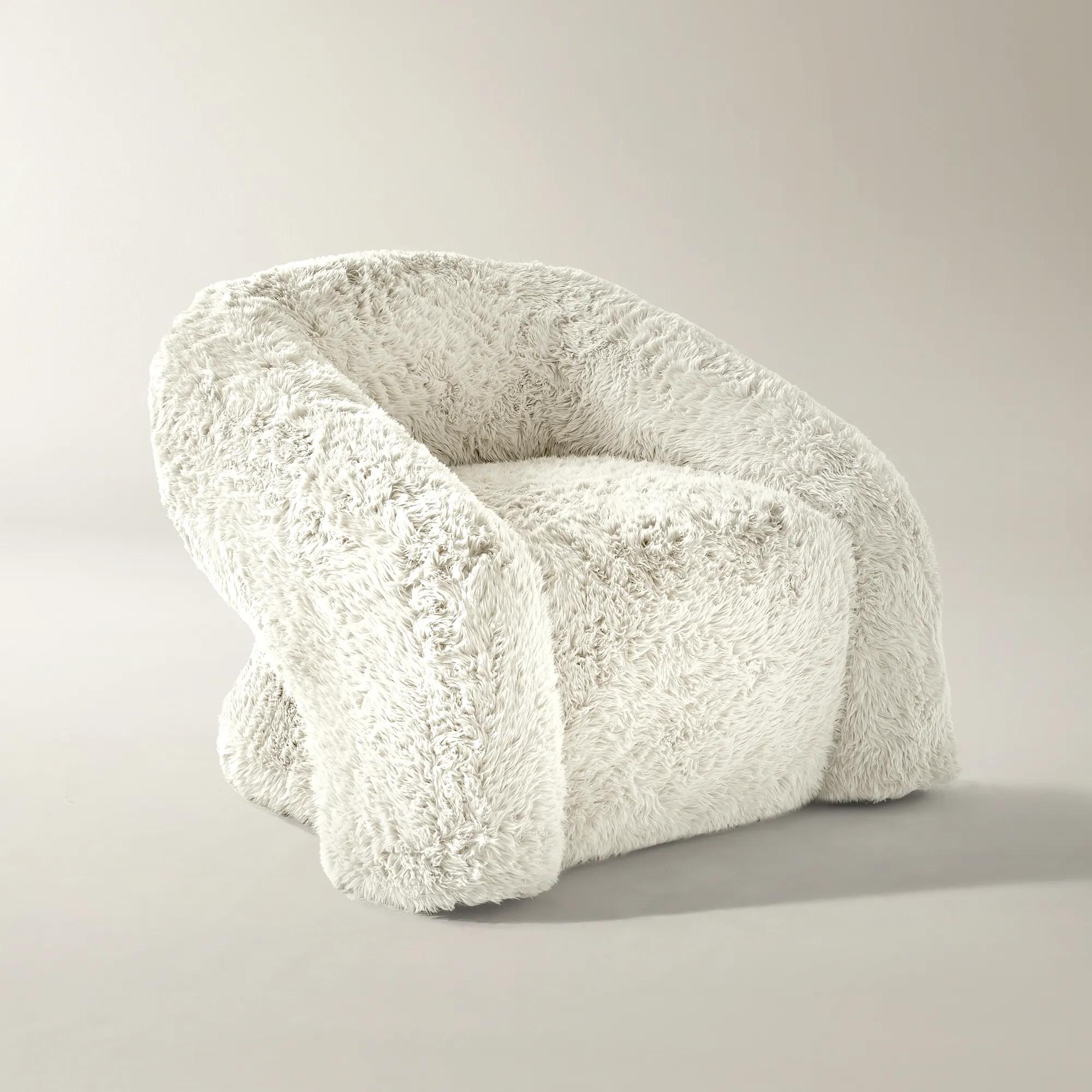 Misha White Faux Fur Accent Chair$799
A modern white faux fur chair offering plush comfort, sculptural lines, and pet-friendly, easy-care upholstery.
Add To Cart -
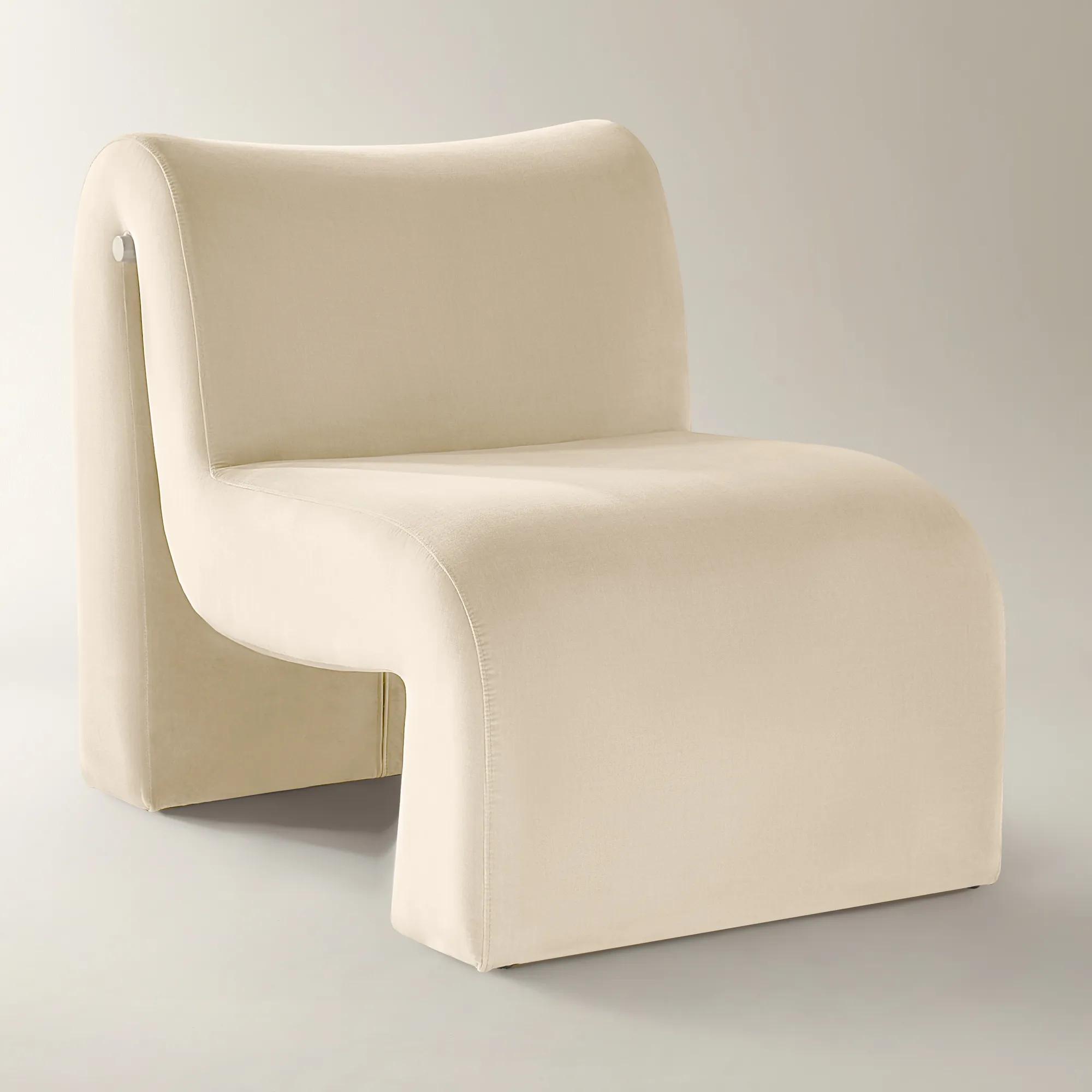 Cora Ivory Velvet Accent Chair$899
A sculpted ivory velvet chair featuring a continuous curved silhouette and a gold stainless-steel accent.
Add To Cart -

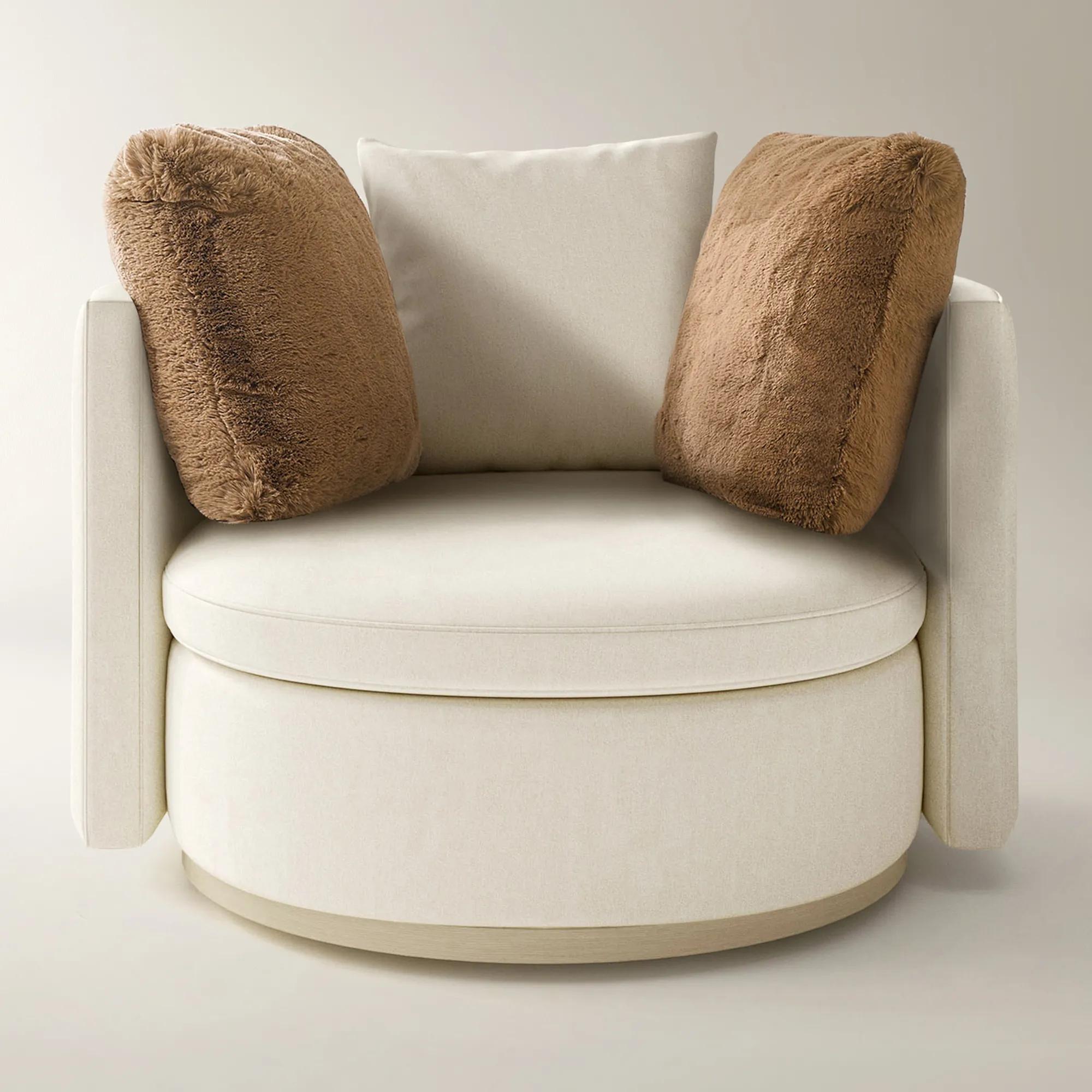 Stria Ivory Chenille Swivel Accent Chair$1499
An ivory chenille accent chair with triple-layer cushioning, ergonomic curves, and a smooth 360-degree swivel.
Add To Cart -
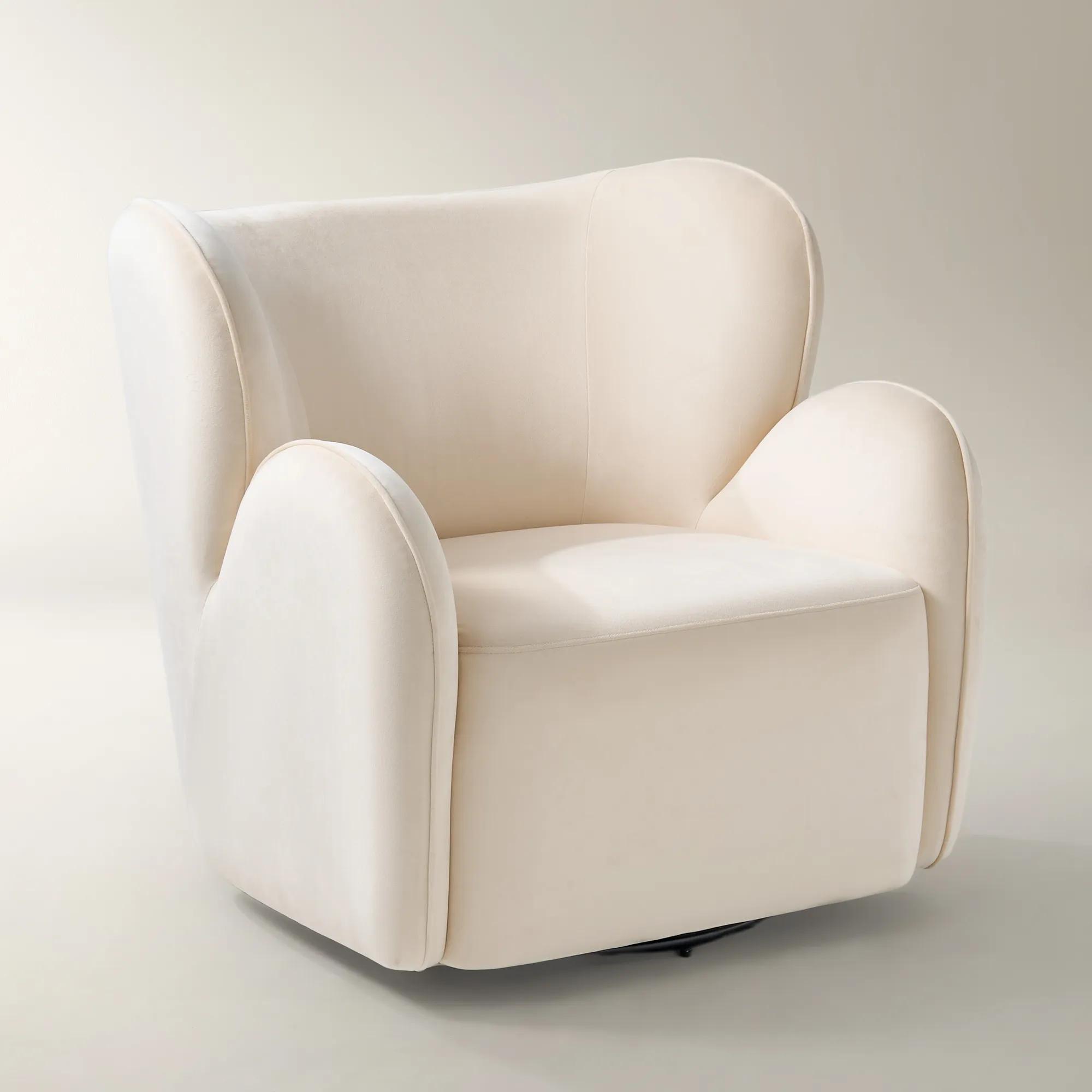
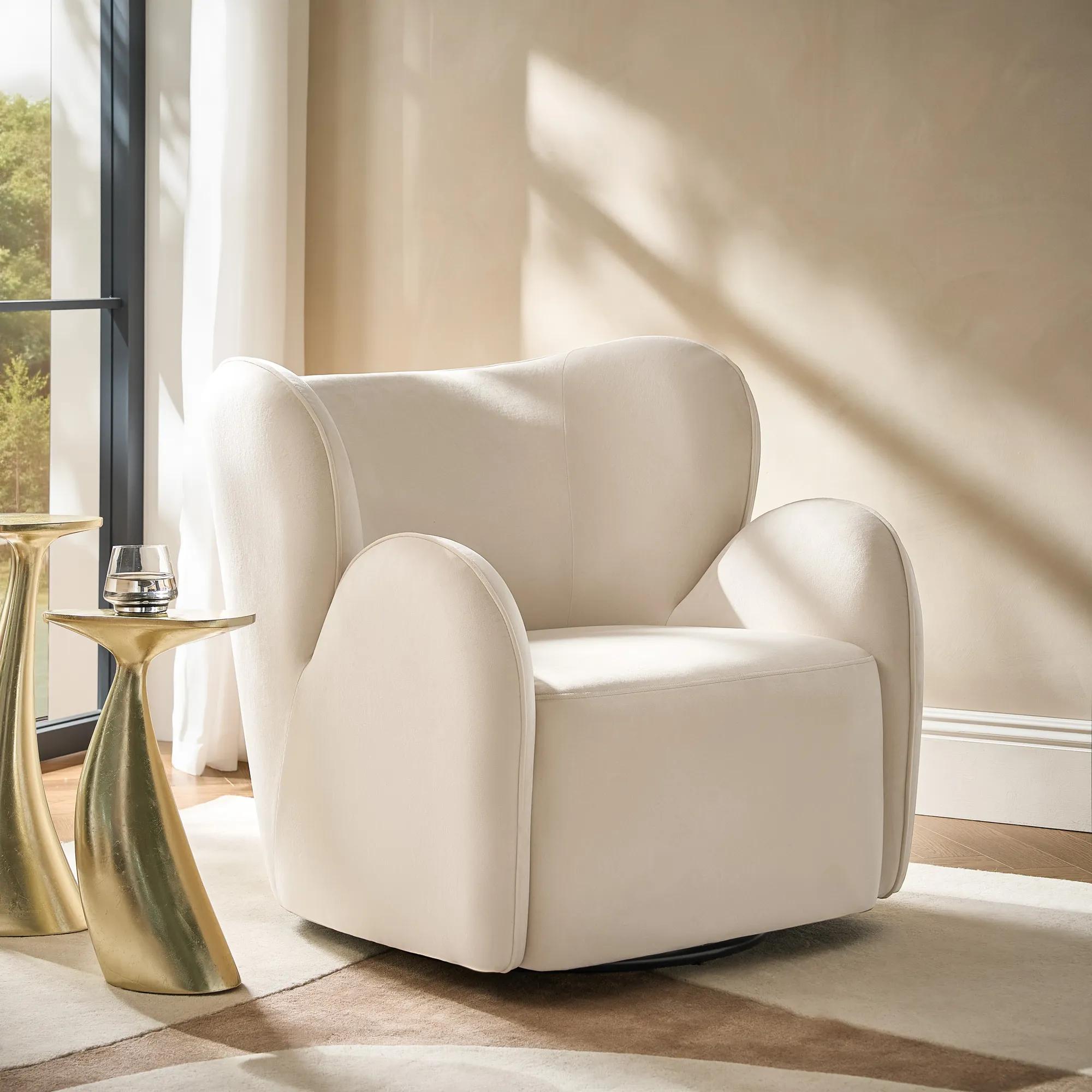 Ceres Ivory Velvet Swivel Accent Chair$799
An ivory velvet accent chair featuring a curved silhouette, 360° swivel, and plush, supportive cushioning.
Add To Cart -
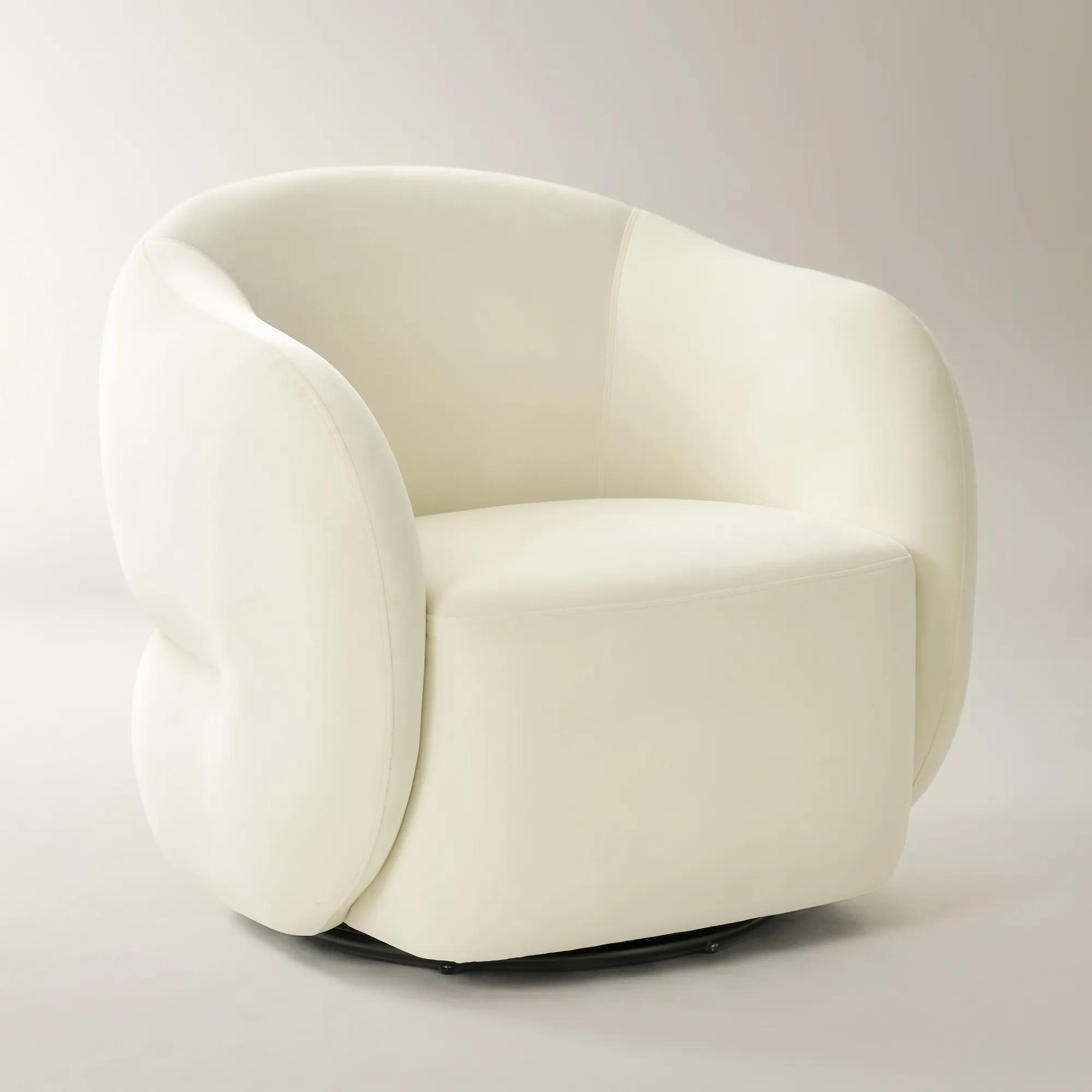
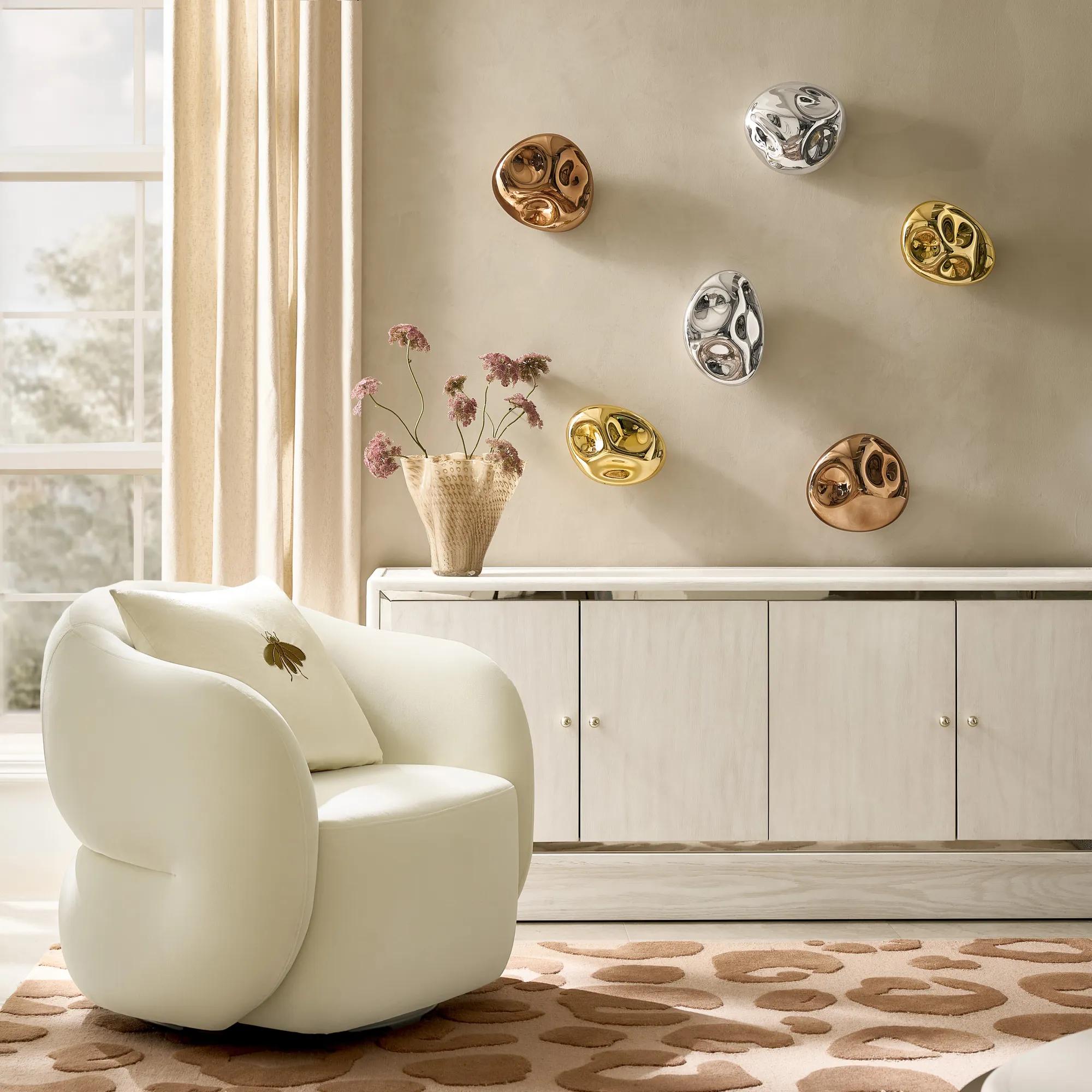 Sierra Cloud Velvet Swivel Accent Chair$899
A plush velvet accent chair featuring a wraparound back, fluid curves, and smooth 360° swivel base.
Add To Cart -
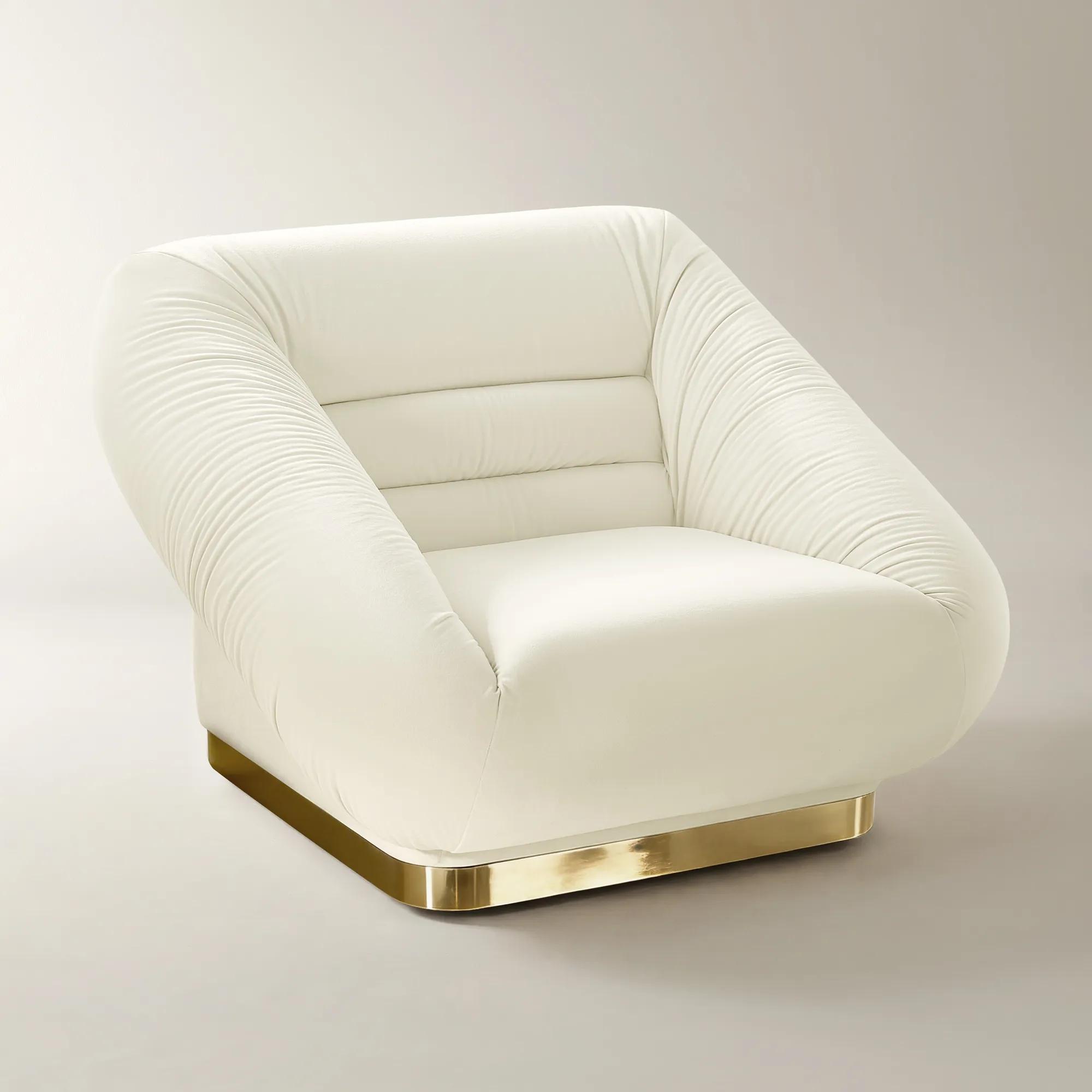 Dover Cloud Velvet Swivel Accent Chair$1299
A sculptural accent chair in cloud velvet with a gold-trimmed base and smooth 360° swivel function.
Add To Cart -
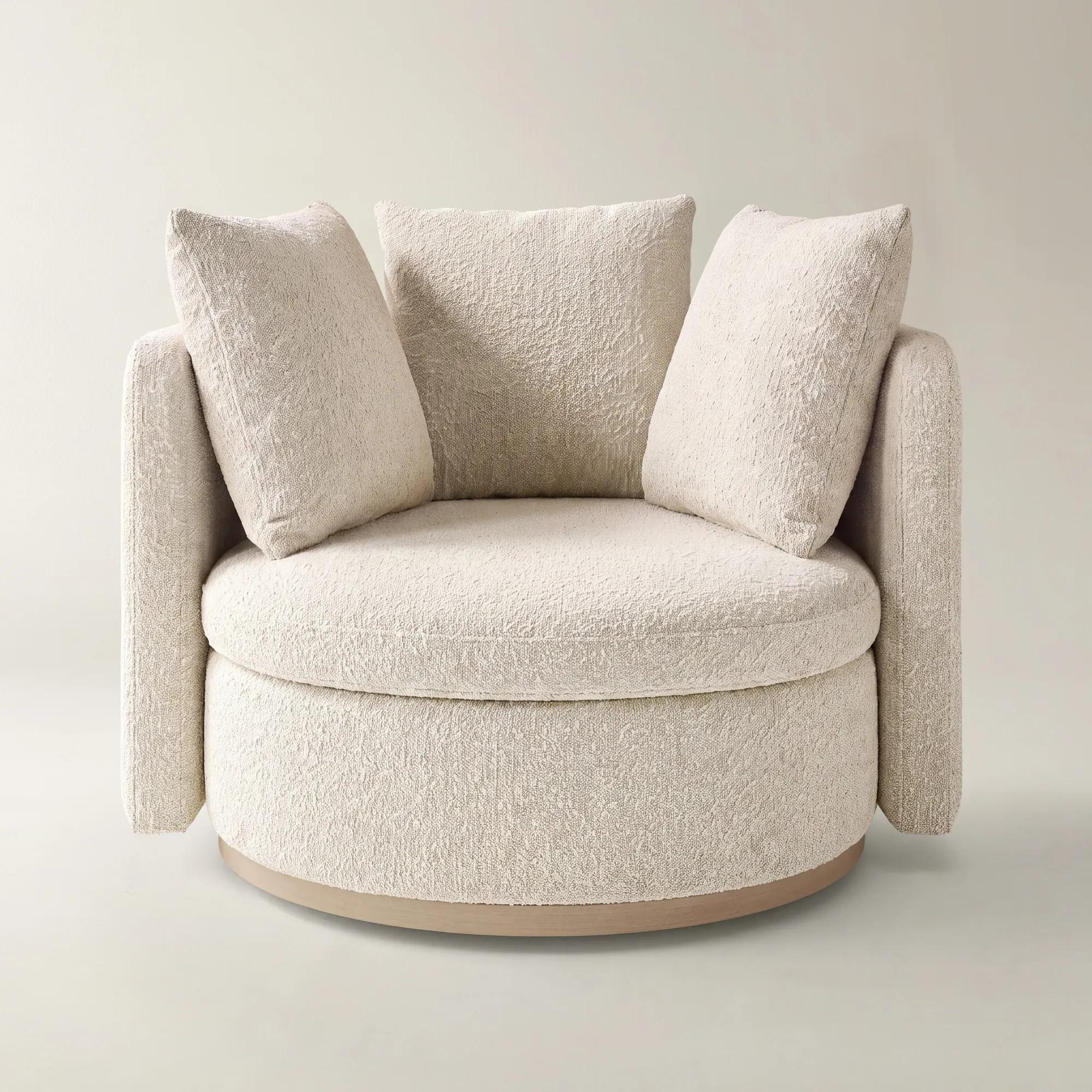 Stria Ivory Performance Boucle Swivel Accent Chair$1599
An ivory performance bouclé accent chair with enveloping curves, layered comfort, and a concealed 360-degree swivel.
Add To Cart -
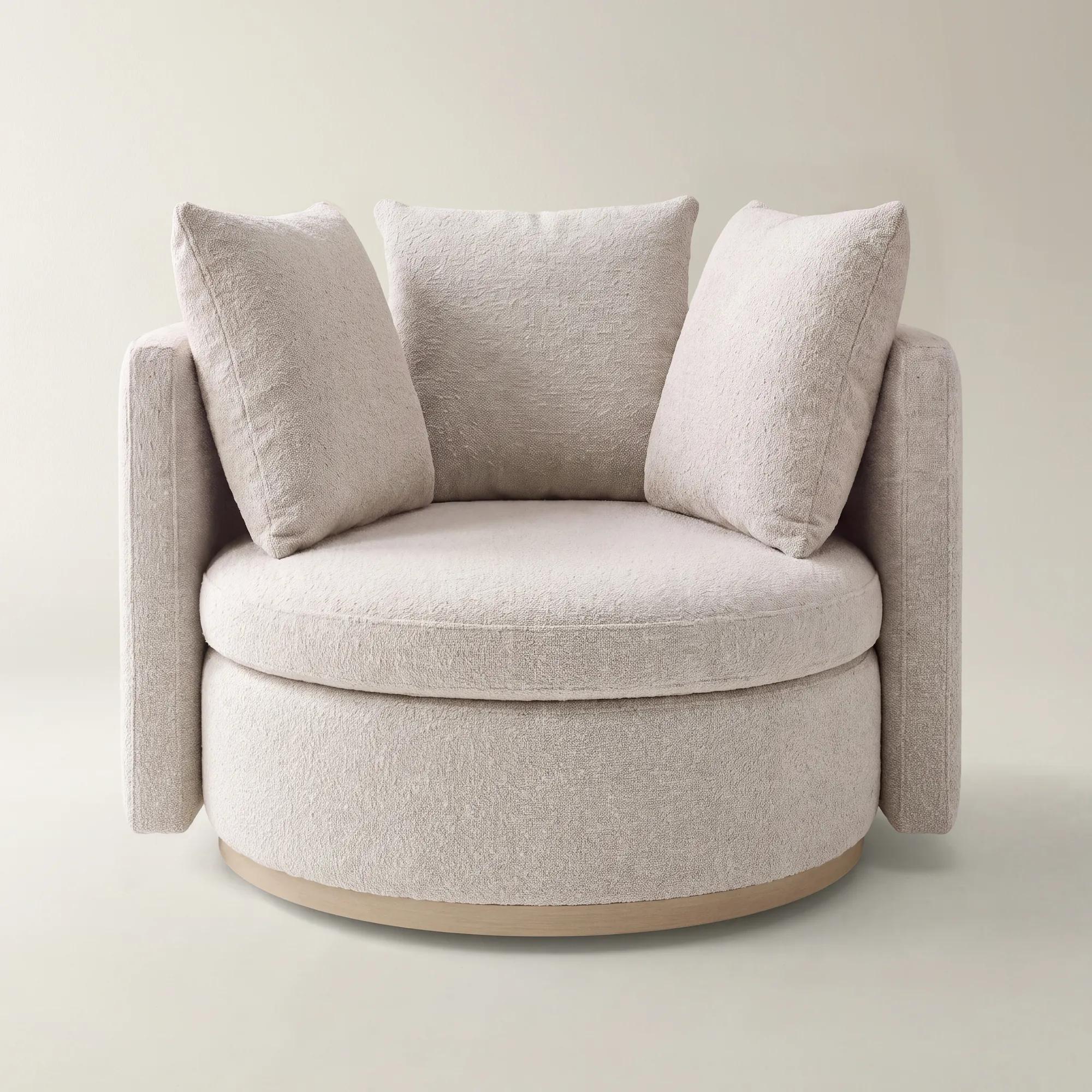 Stria Ivory Performance Boucle Swivel Accent Chair$1599
An ivory performance bouclé accent chair with enveloping curves, layered comfort, and a concealed 360-degree swivel.
Add To Cart -
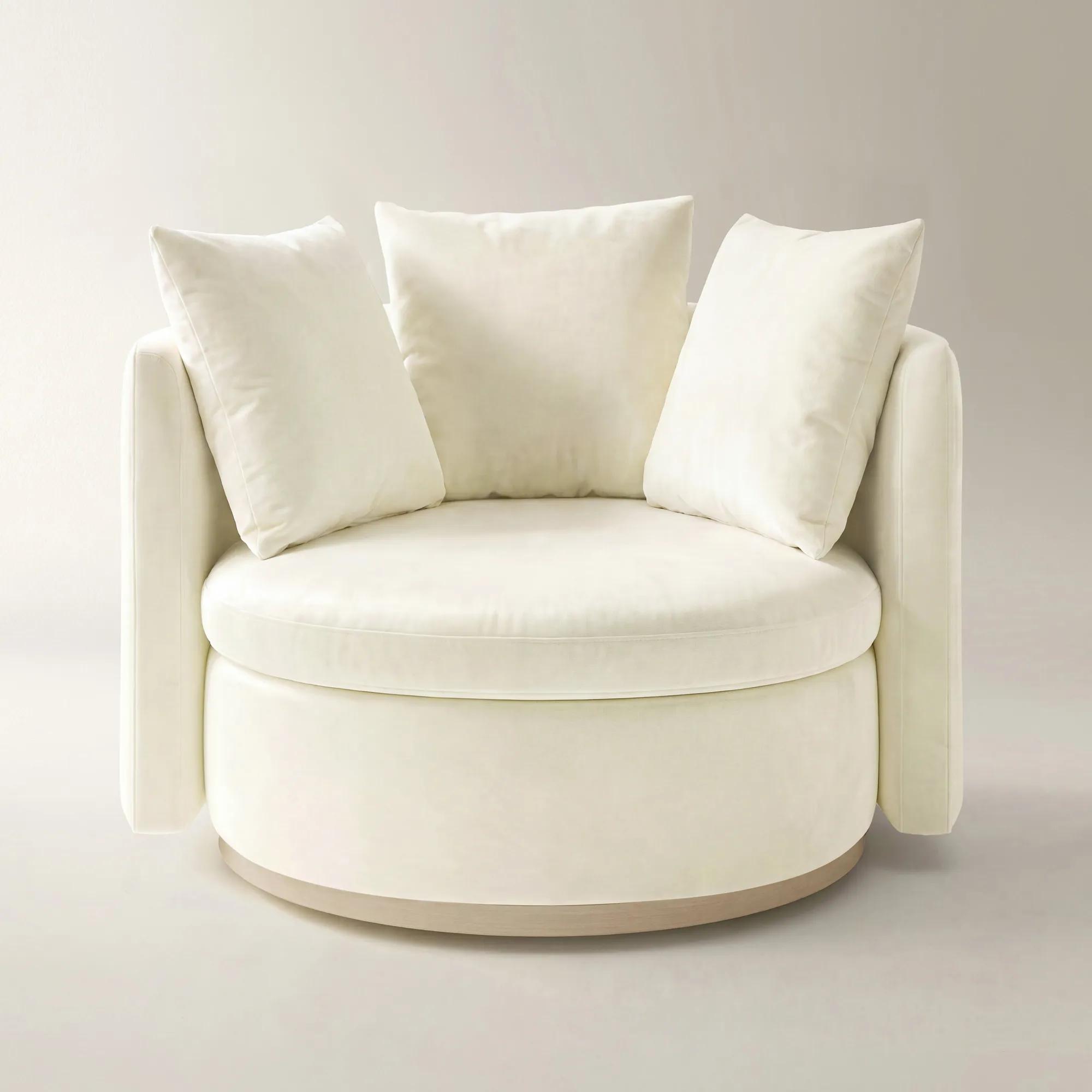 Stria Cloud Velvet Swivel Accent Chair$1499
A sculptural cloud-velvet accent chair with enveloping curves, layered cushioning, and a concealed 360-degree swivel base.
Add To Cart -
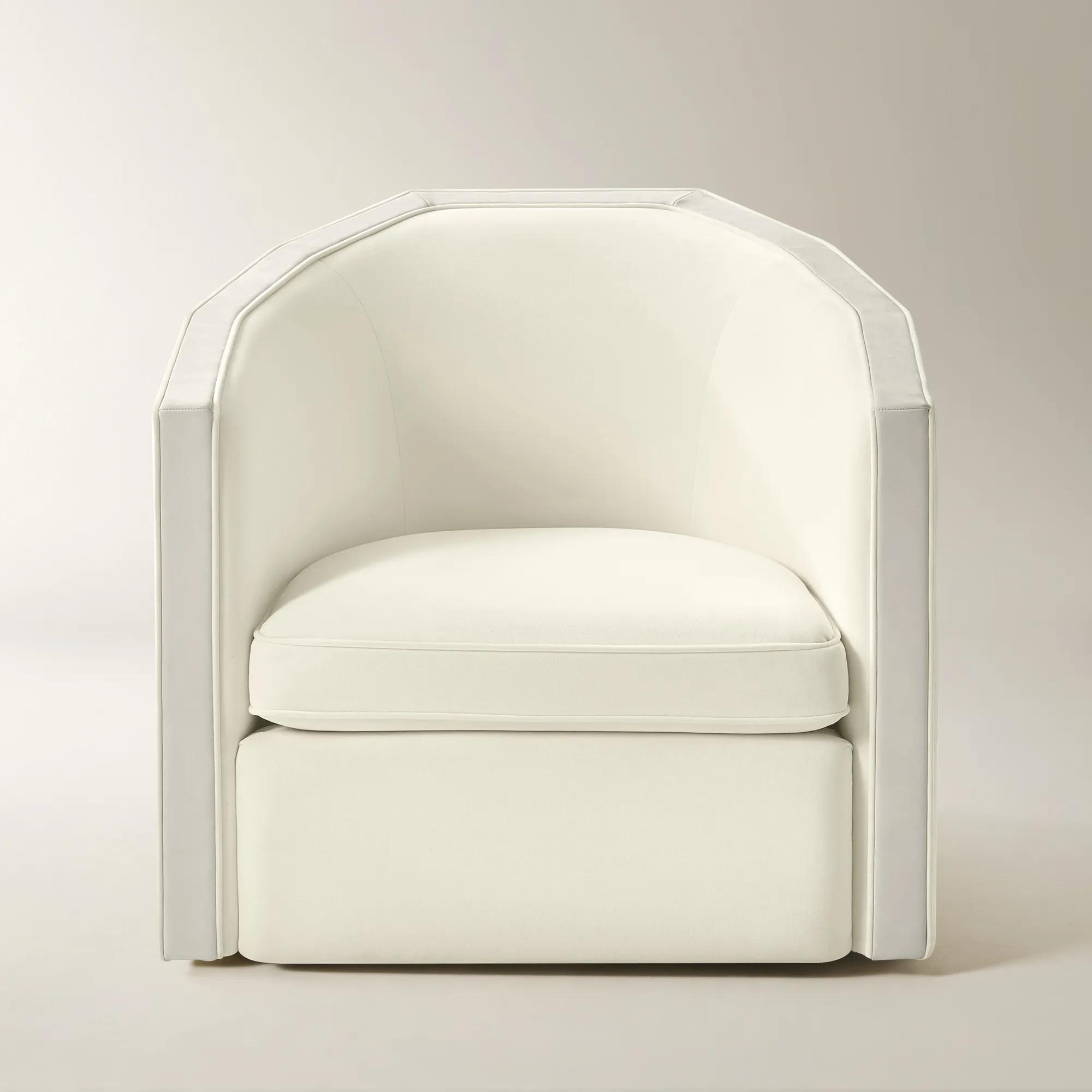 Vesper Cloud Velvet With Leather Swivel Accent Chair$999
A modern accent chair featuring cloud velvet upholstery, tonal leather trim, and a smooth 360° swivel base.
Add To Cart -

 Aria Pleated Swivel Chair$1249
A barrel-style swivel chair in kiln-dried hardwood, shown in pearl velvet with elegant pleated detailing.
Add To Cart -
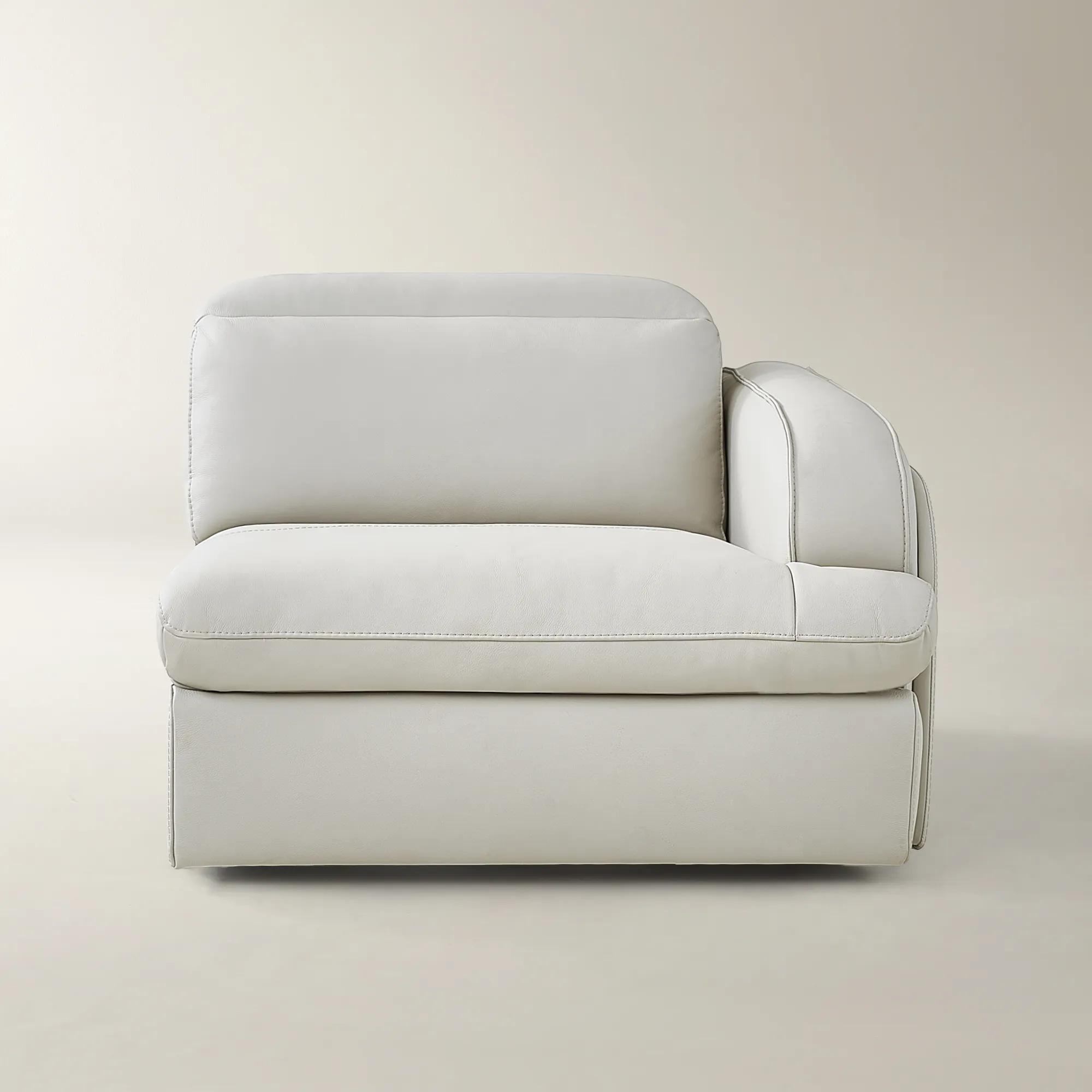
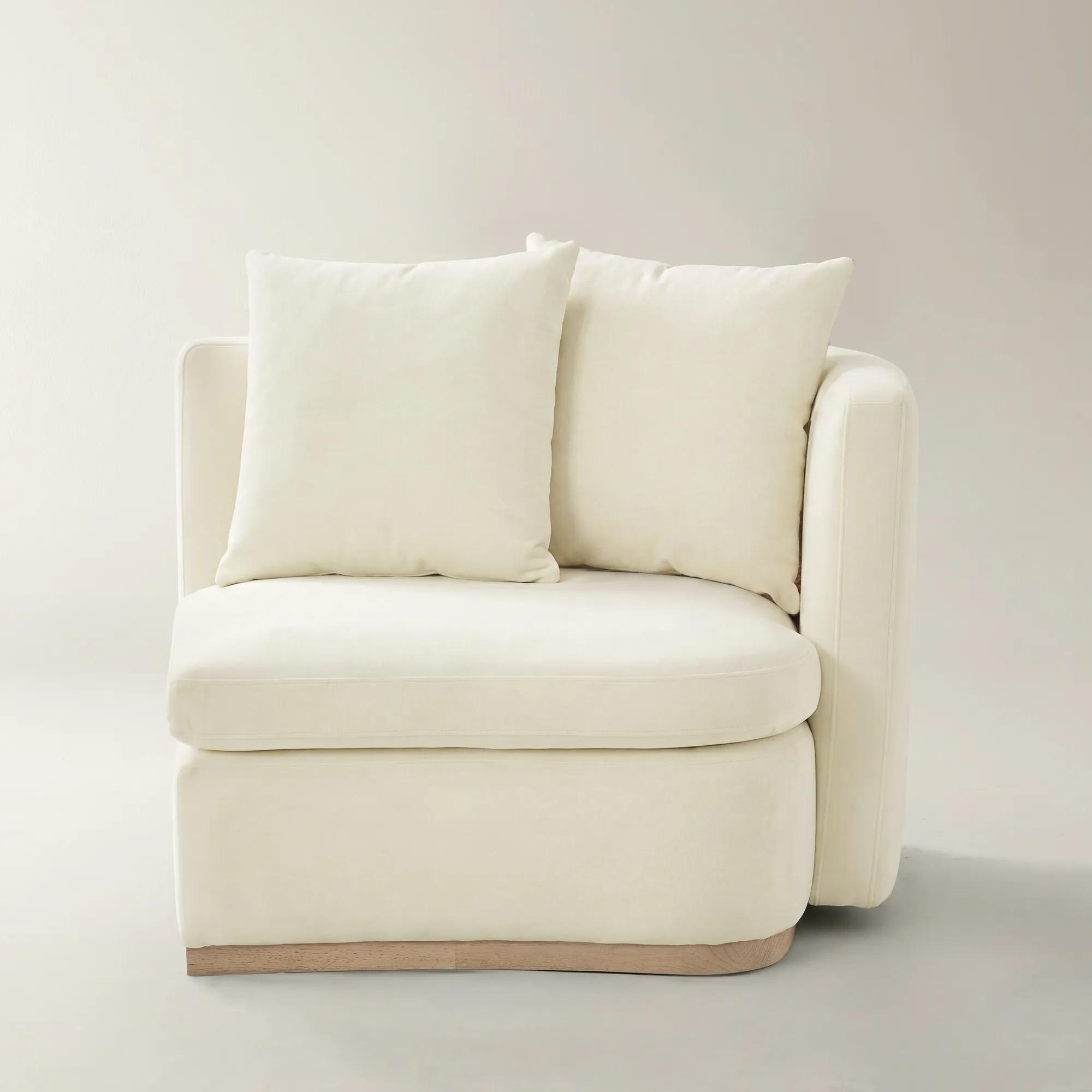 Stria Cloud Velvet Right-Arm Chair$1199
A sculptural chair upholstered in cloud velvet, featuring layered cushioning, softly curved edges, and a solid oak base.
Add To Cart -
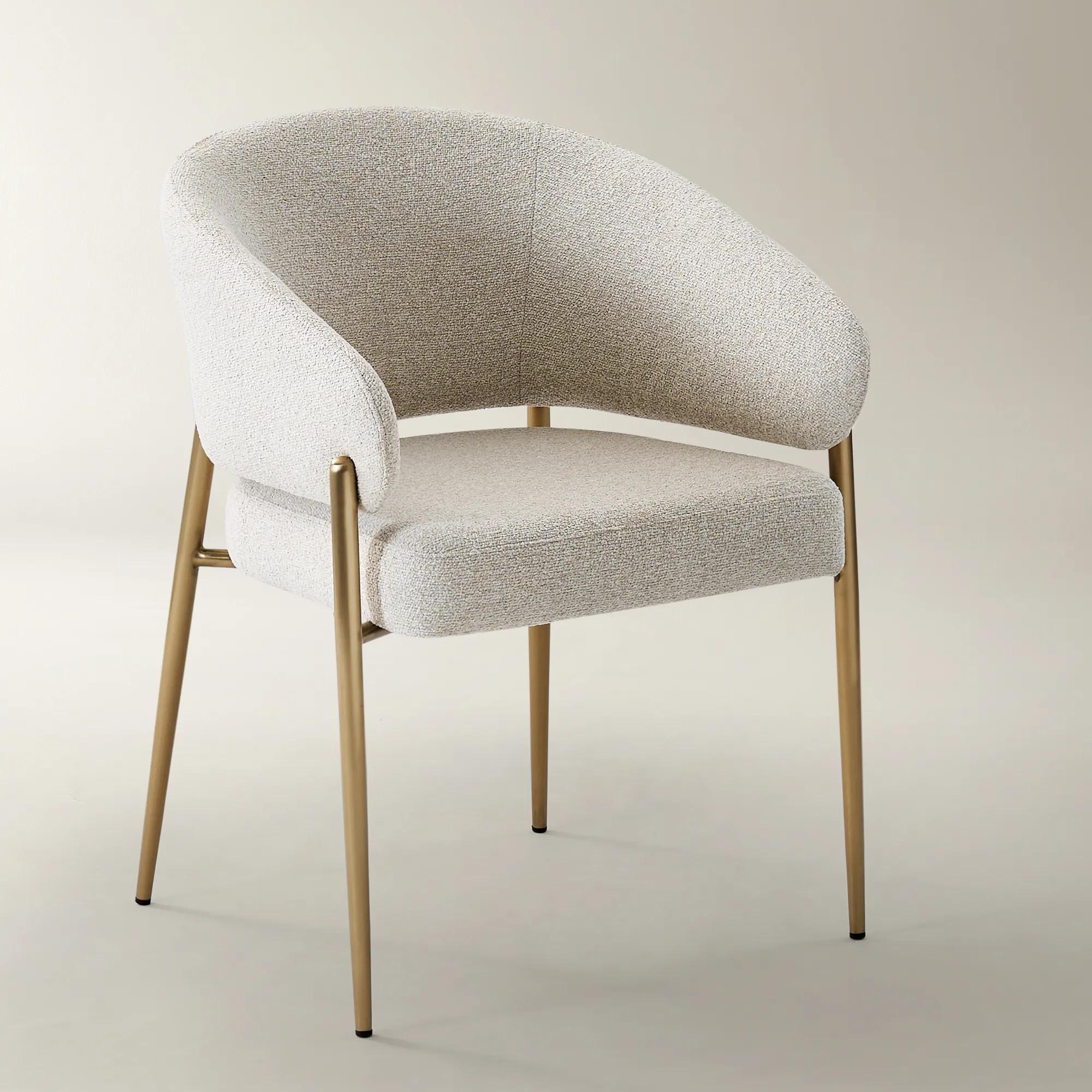
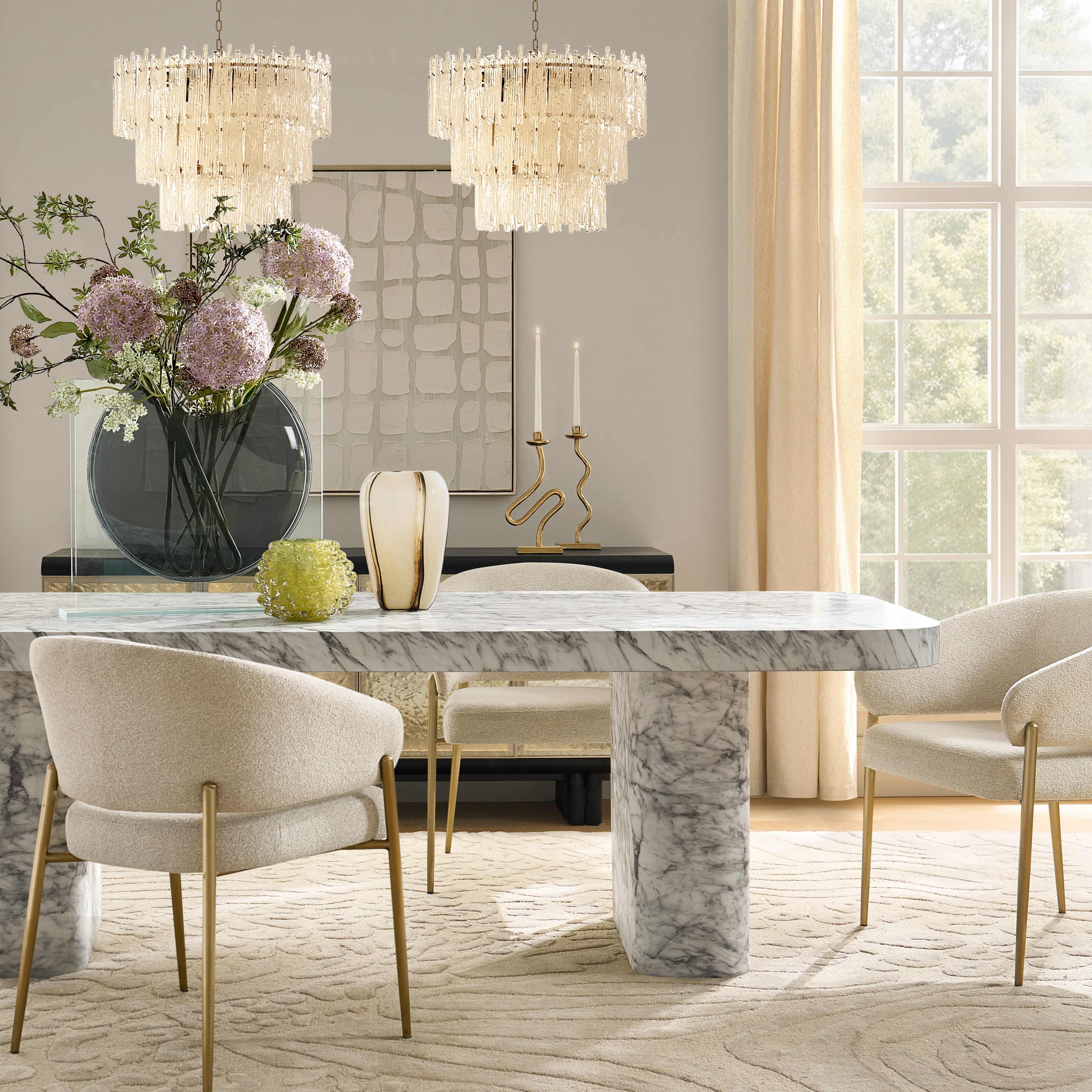 Nara Ivory Boucle Dining Chair Set Of 2$599
An ivory boucle dining chair set with a curved backrest and brushed stainless steel frame for modern elegance.
Add To Cart -
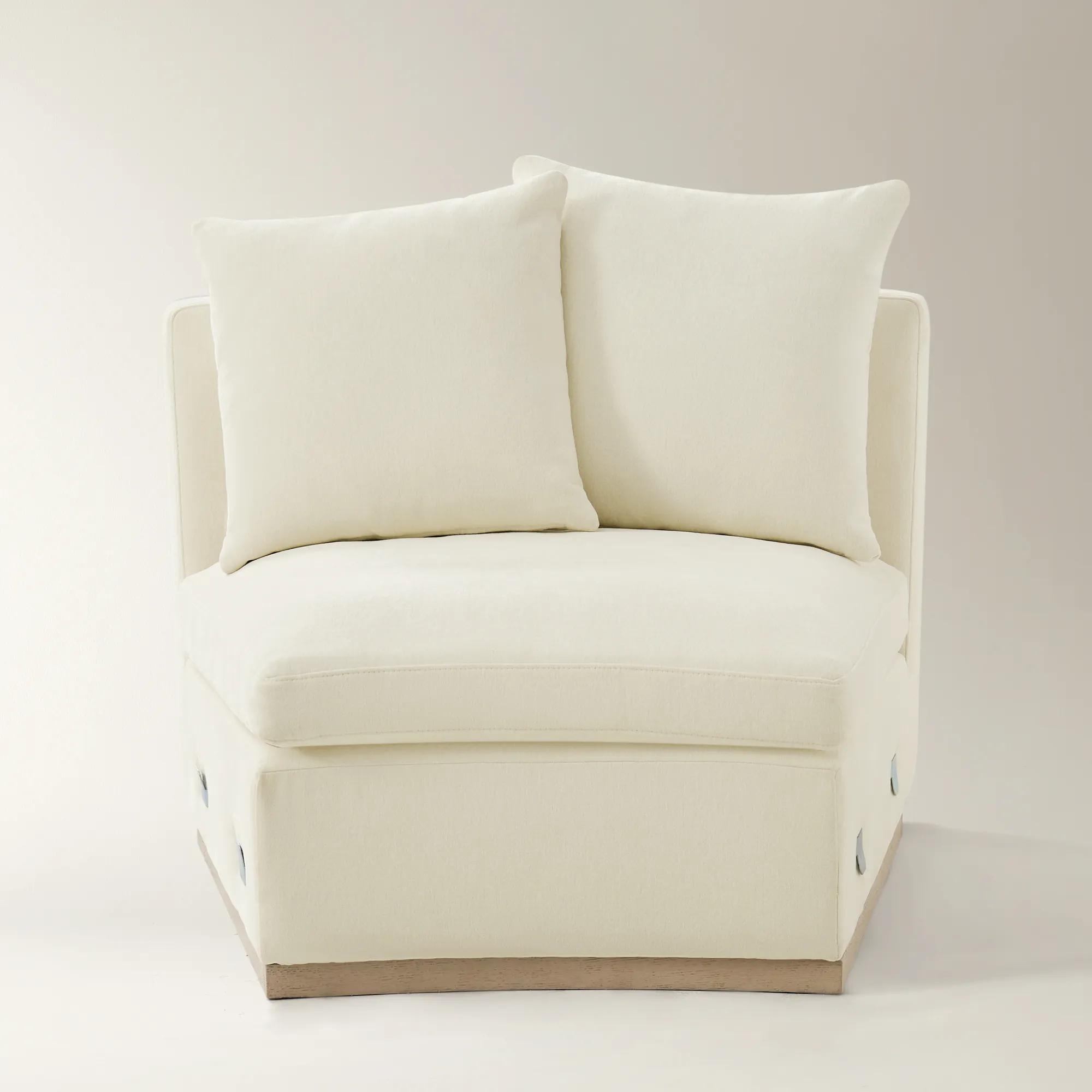
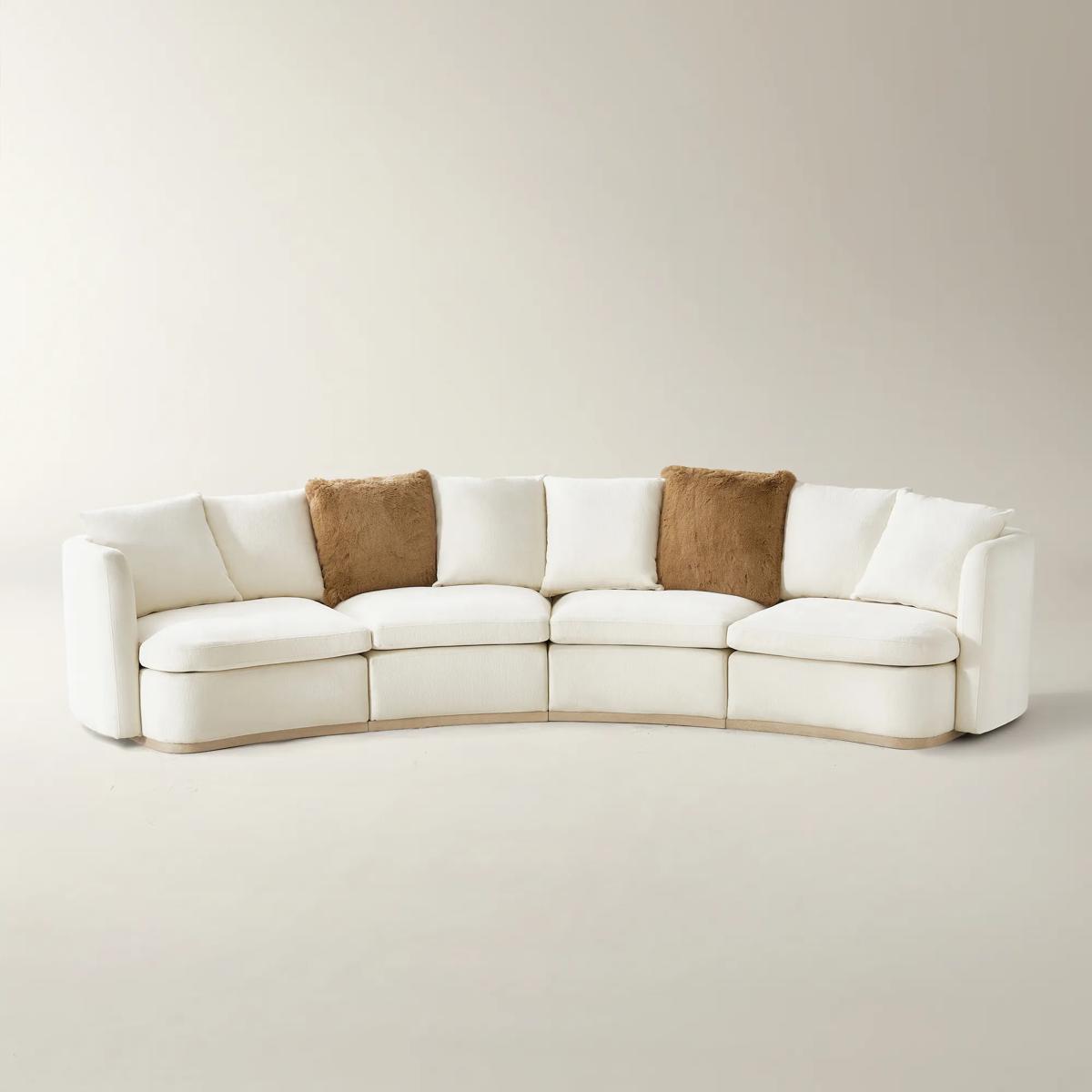 Stria Cloud Velvet Armless Chair$1099
A sculptural cloud velvet armless chair featuring layered foam-and-down cushioning and a solid oak base.
Add To Cart -
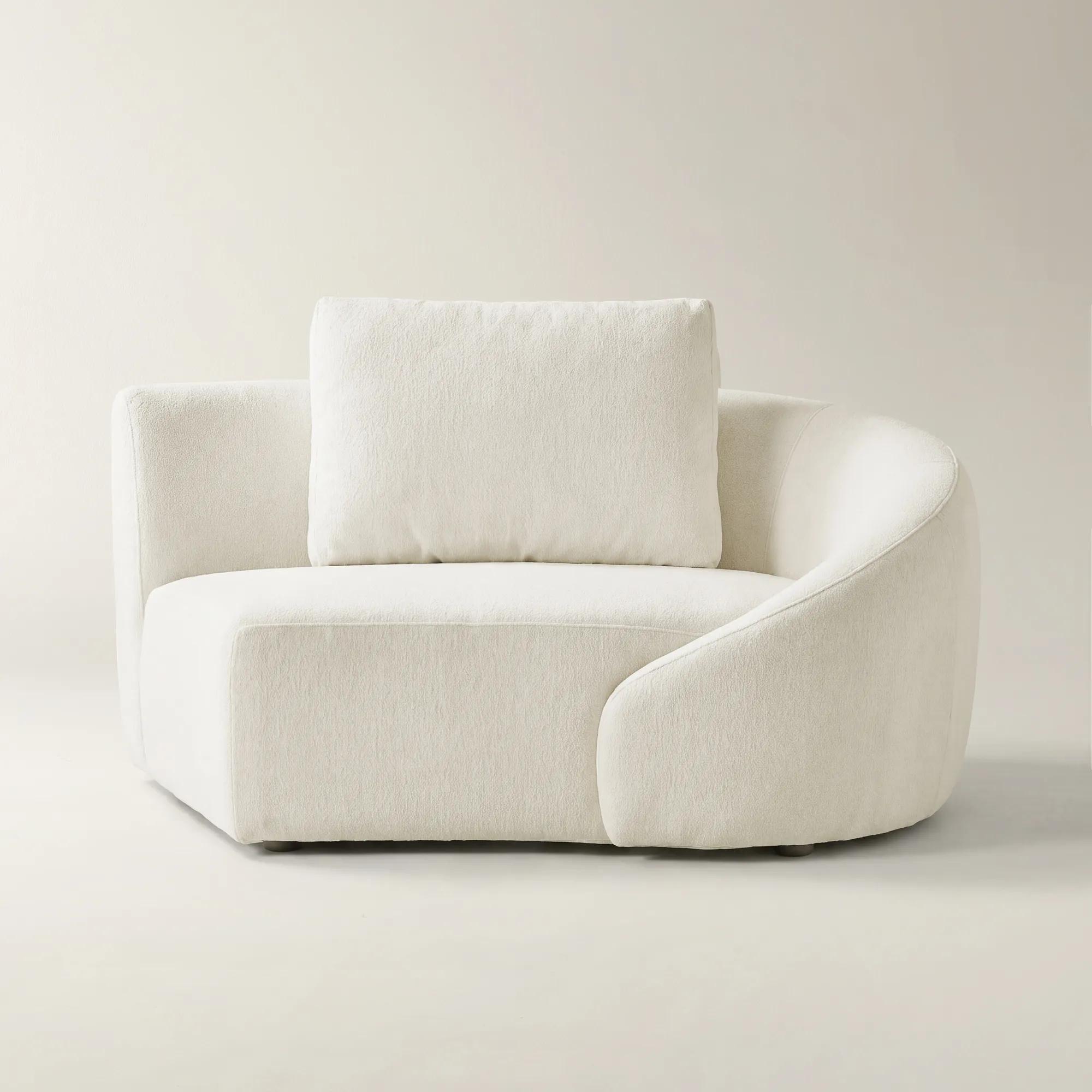
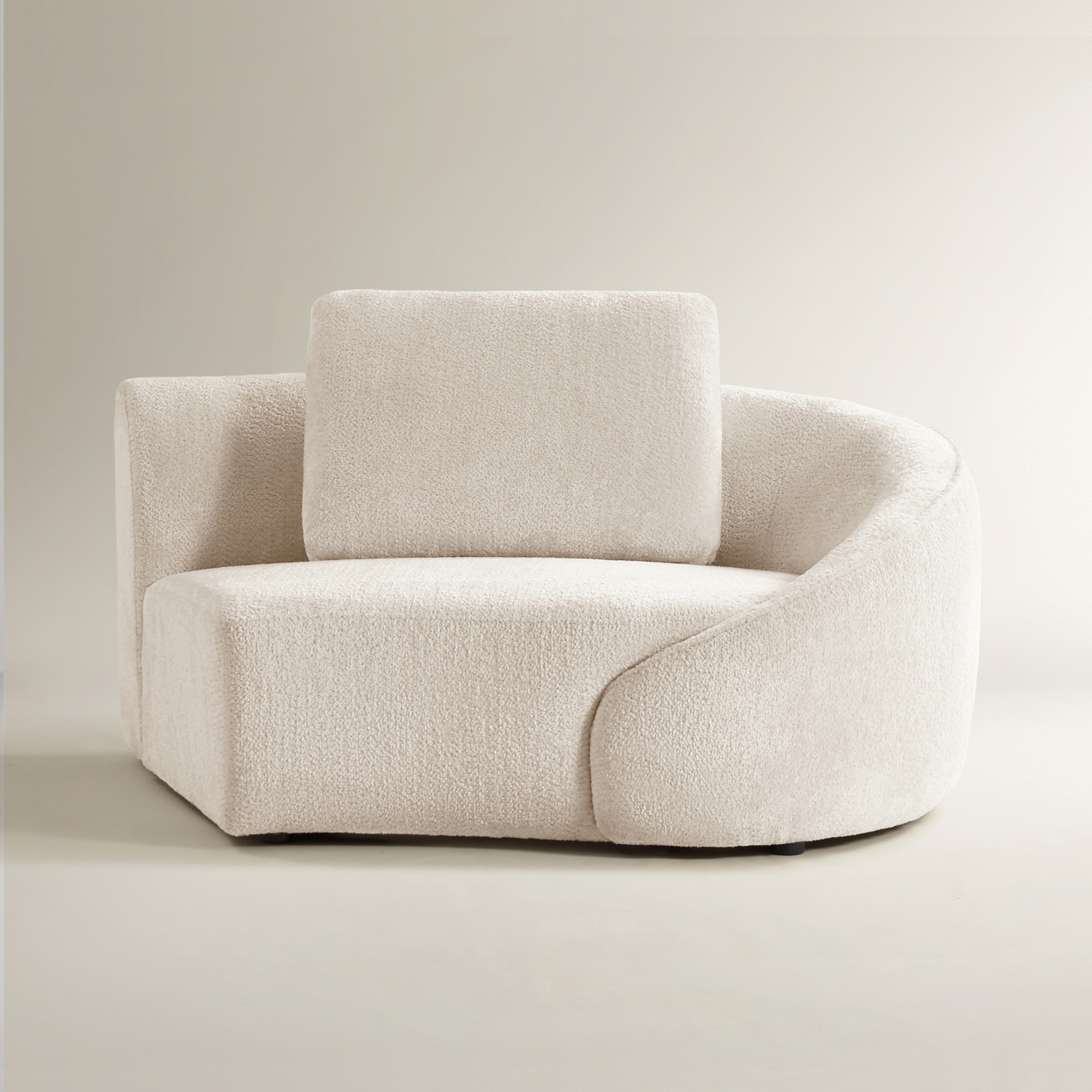 Irene Ivory Performance Chenille Right-Arm Chair$1499
An inviting right-arm chair in ivory performance chenille with sculptural curves and hand-finished upholstery.
Add To Cart -
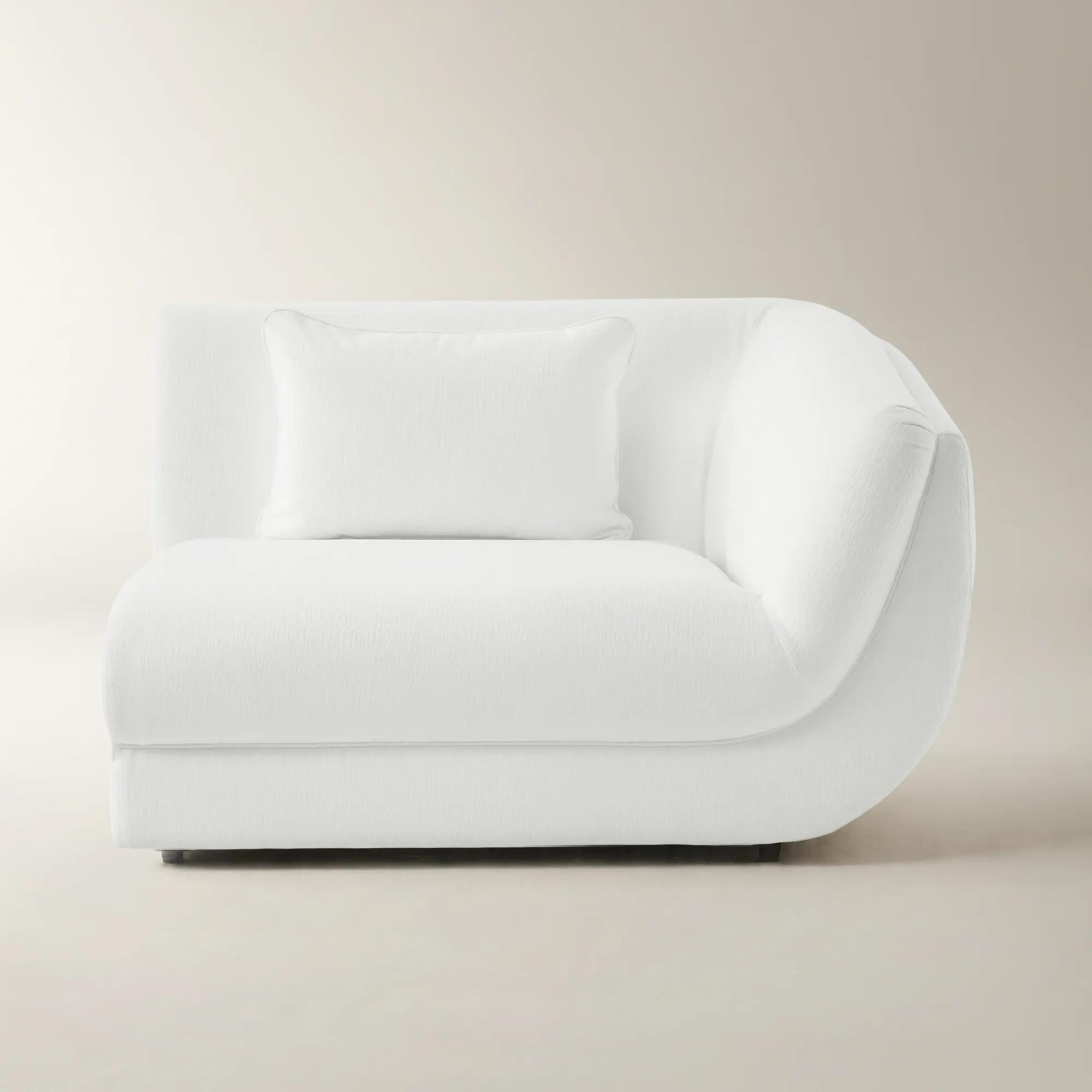 Curvia White Performance Chenille Indoor/Outdoor Right-Arm Chair$1449
A sculptural right-arm chair in white performance chenille, designed for plush comfort indoors or outdoors.
Add To Cart -
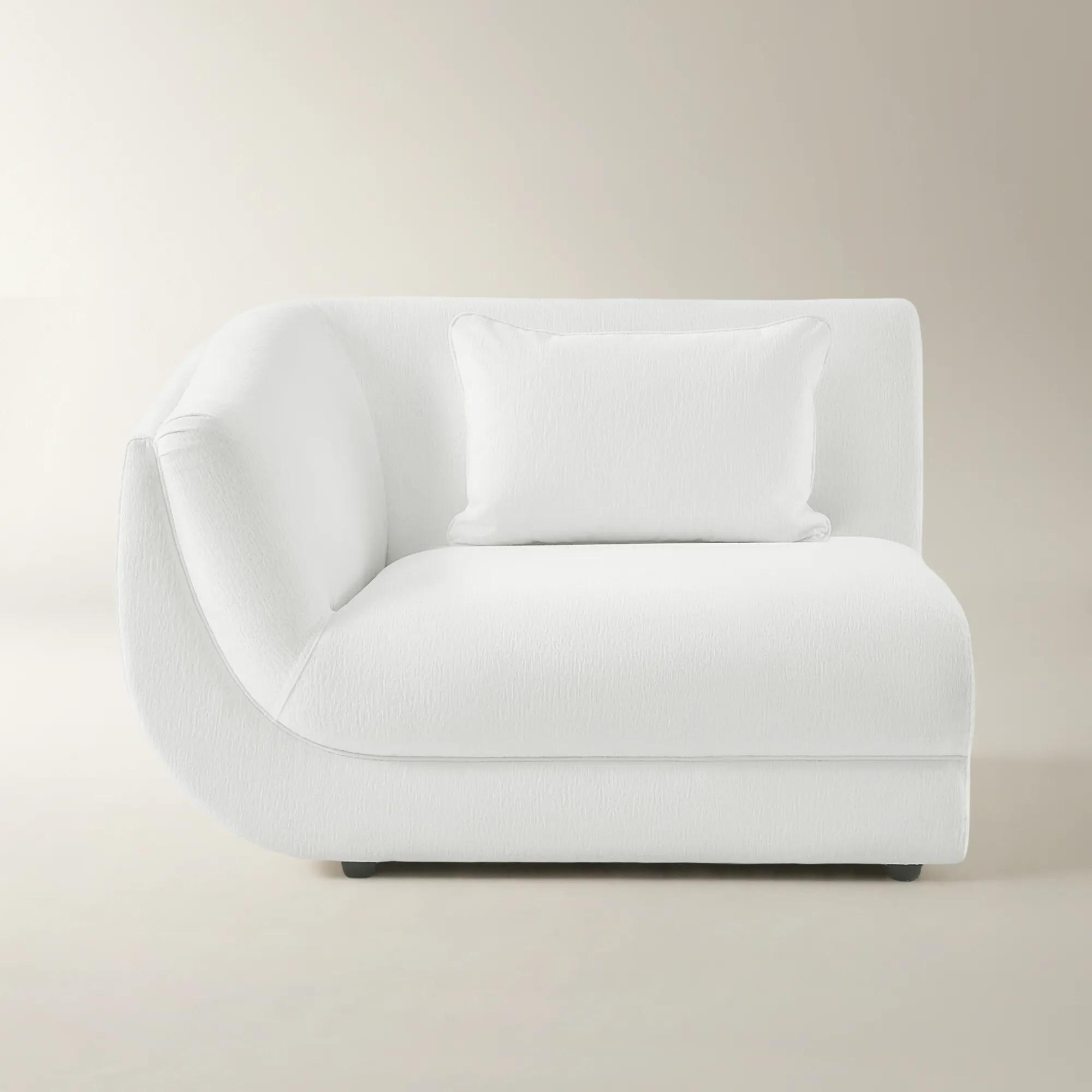 Curvia White Performance Chenille Indoor/Outdoor Left-Arm Chair$1449
A sculptural white chenille chair with plush cushioning, moisture-resistant backing, and indoor/outdoor versatility.
Add To Cart -
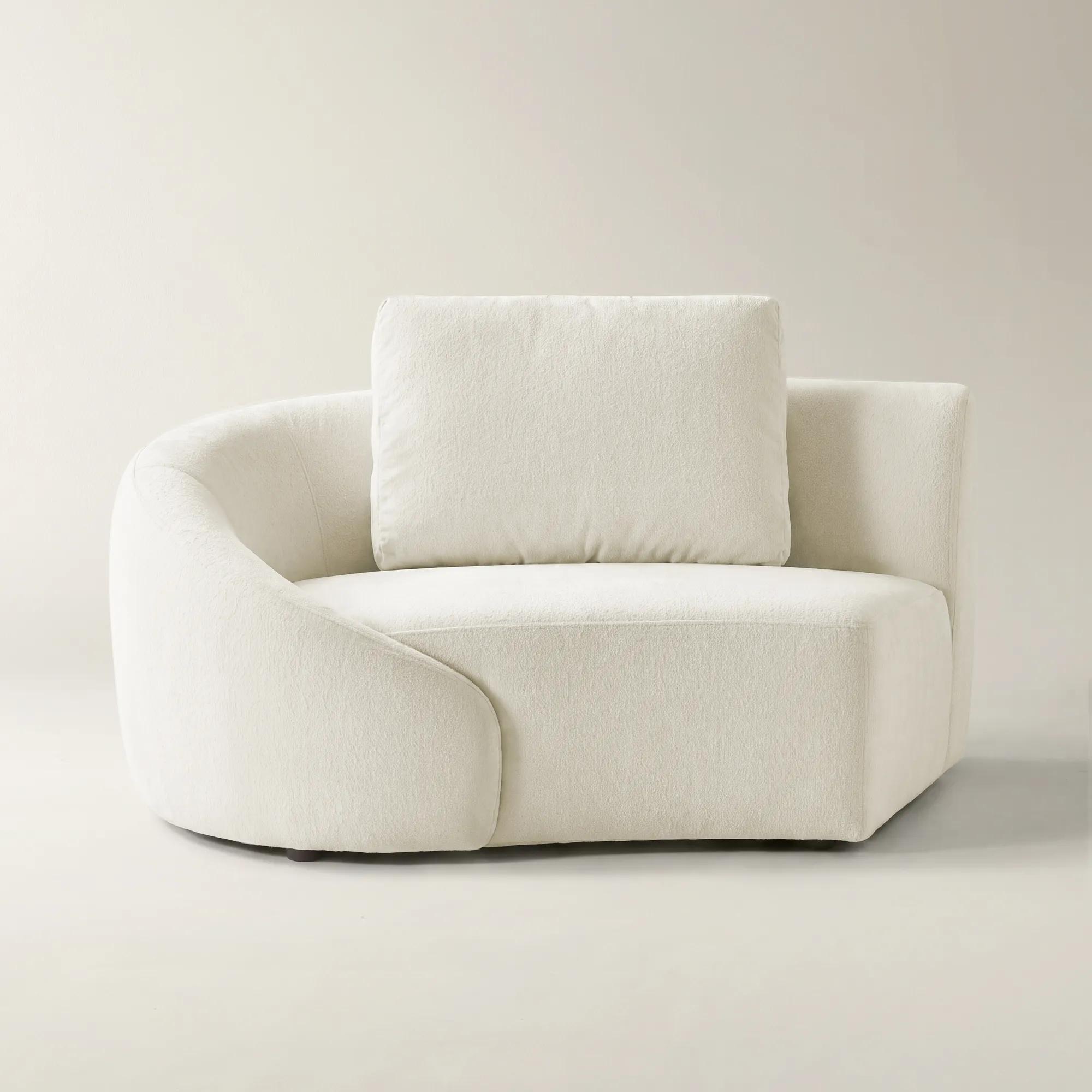
 Irene Ivory Performance Chenille Left-Arm Chair$1499
An inviting ivory chenille chair featuring sculptural curves, high-resiliency foam, and artisan hand-finished upholstery.
Add To Cart -
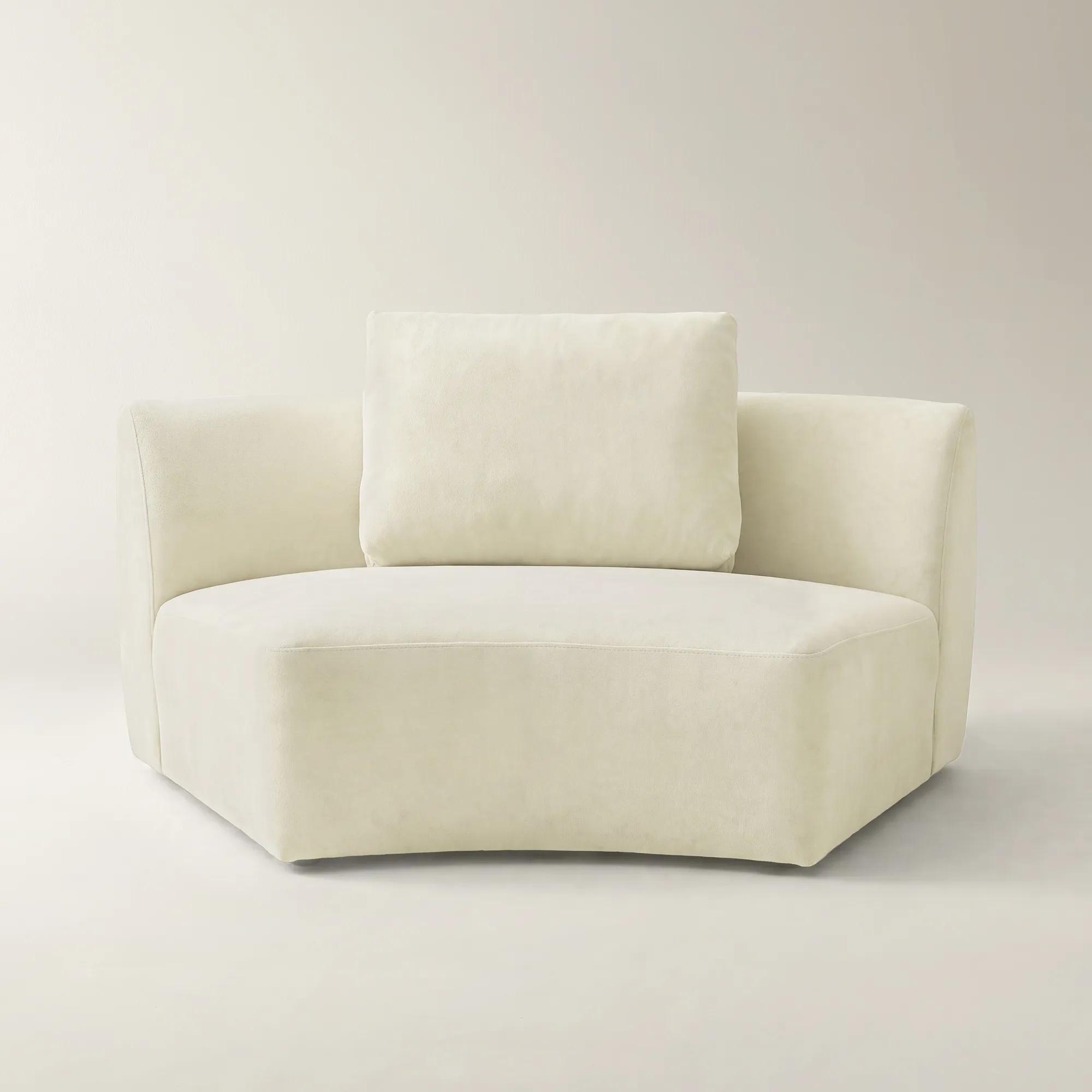
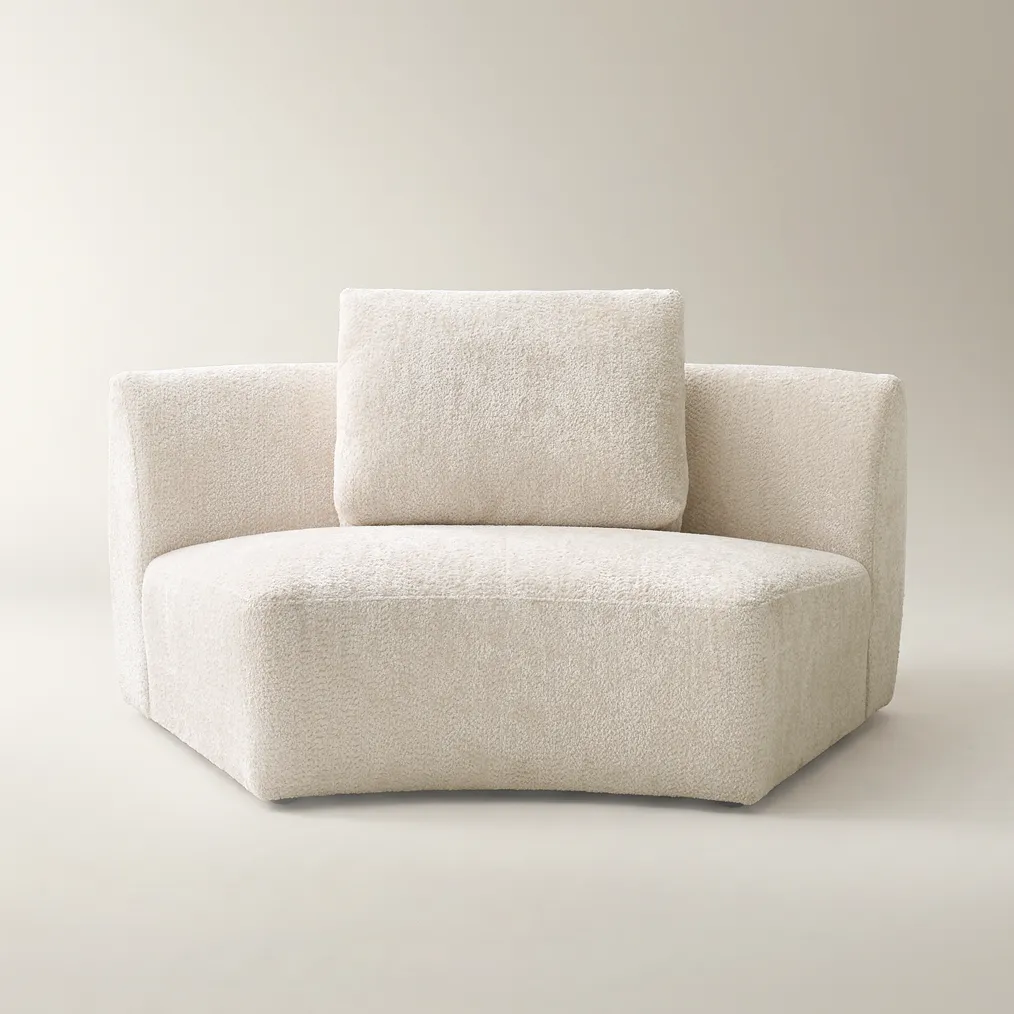 Irene Cloud Velvet Armless Chair$1199
A sculptural armless chair upholstered in cloud velvet with high-resiliency foam cushions and artisan detailing.
Add To Cart -
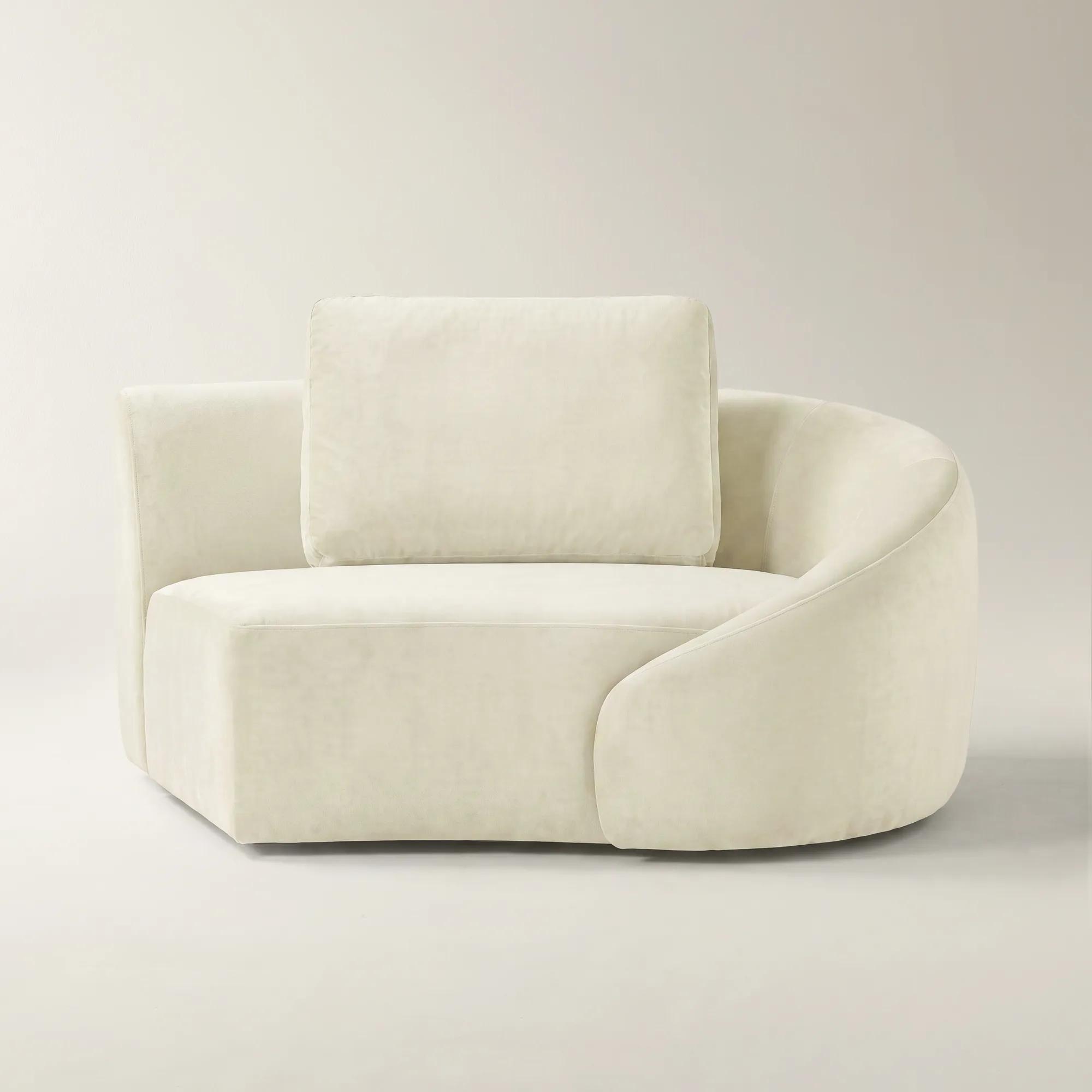 Irene Cloud Velvet Right-Arm Chair$1399
A sculptural right-arm chair upholstered in cloud velvet with high-resiliency foam cushions and artisan detailing.
Add To Cart -
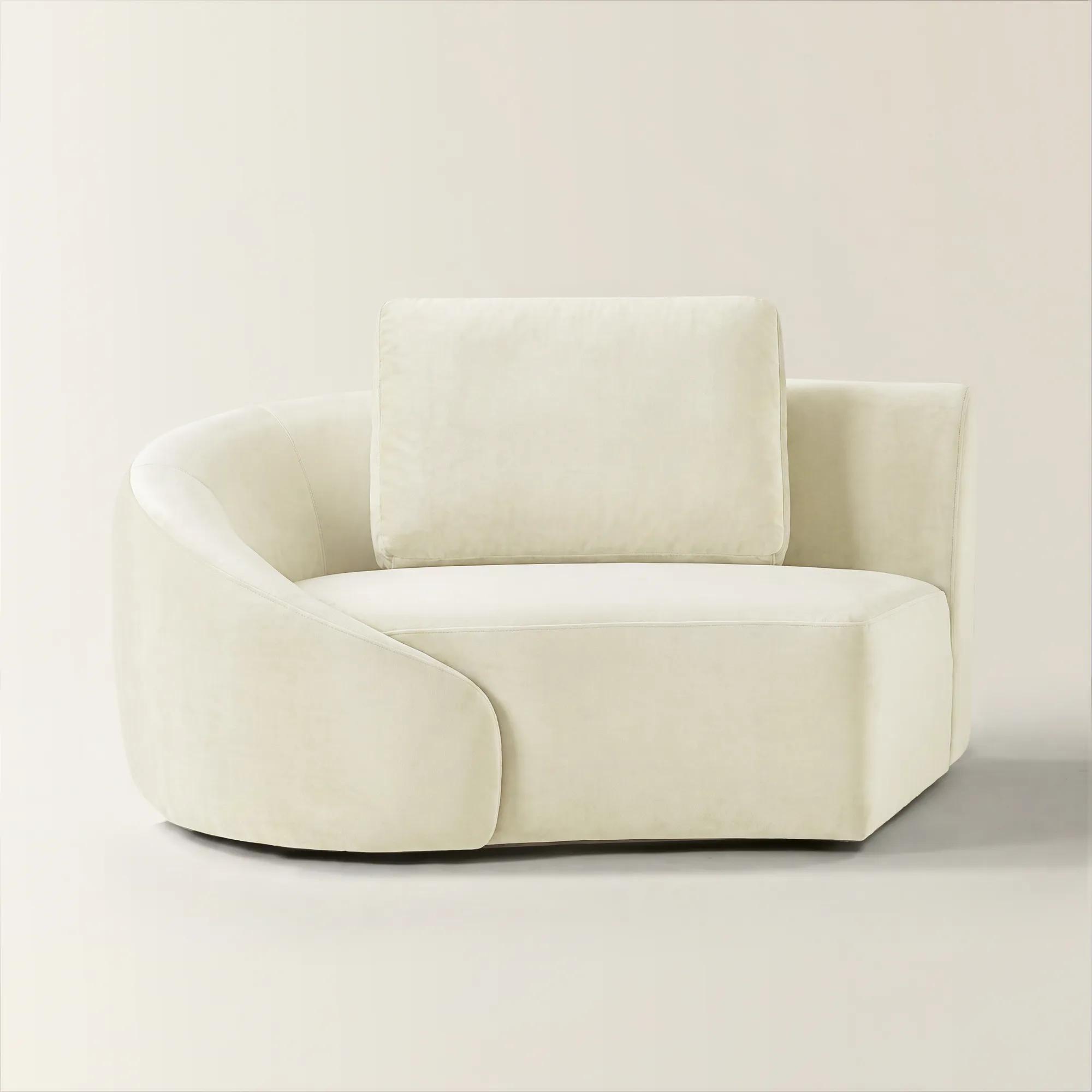 Irene Cloud Velvet Left-Arm Chair$1399
A sculptural left-arm chair upholstered in cloud velvet, featuring high-resiliency foam cushions and artisan detailing.
Add To Cart -
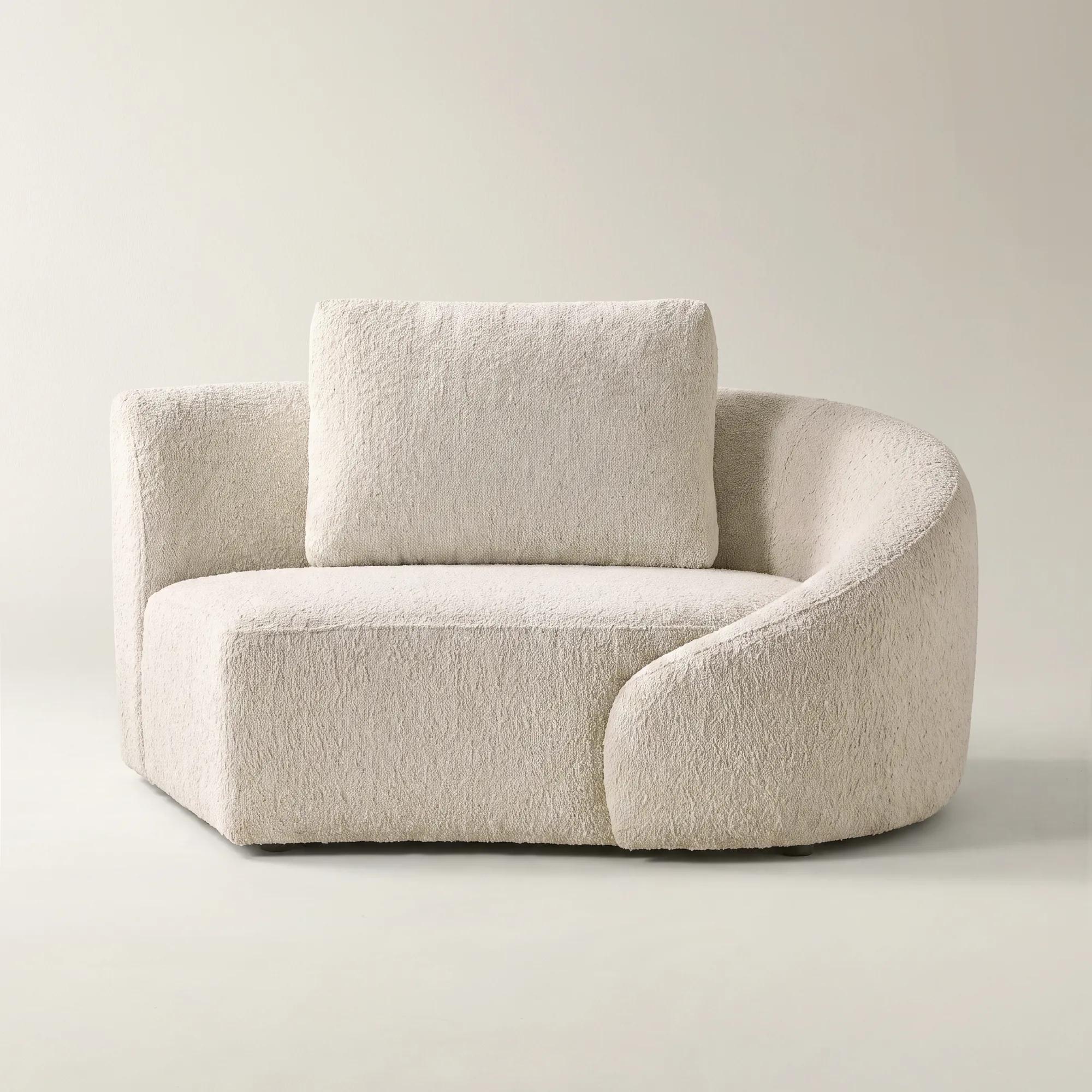 Irene Ivory Performance Boucle Right-Arm Chair$1499
An inviting right-arm chair in ivory performance boucle with sculptural curves and hand-finished artisan detailing.
Add To Cart -
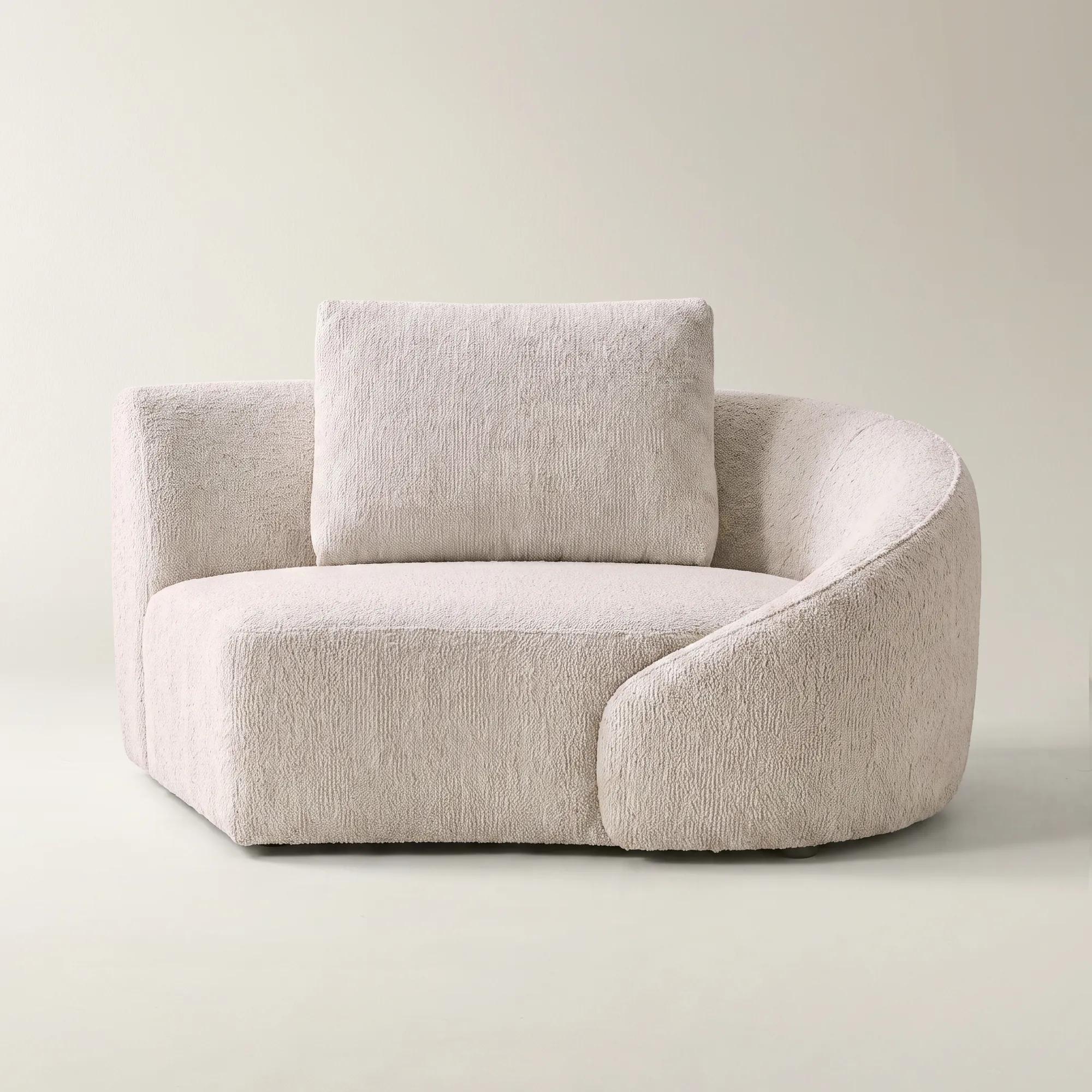 Irene Ivory Performance Boucle Right-Arm Chair$1499
An inviting right-arm chair in ivory performance boucle with sculptural curves and hand-finished artisan details.
Add To Cart -
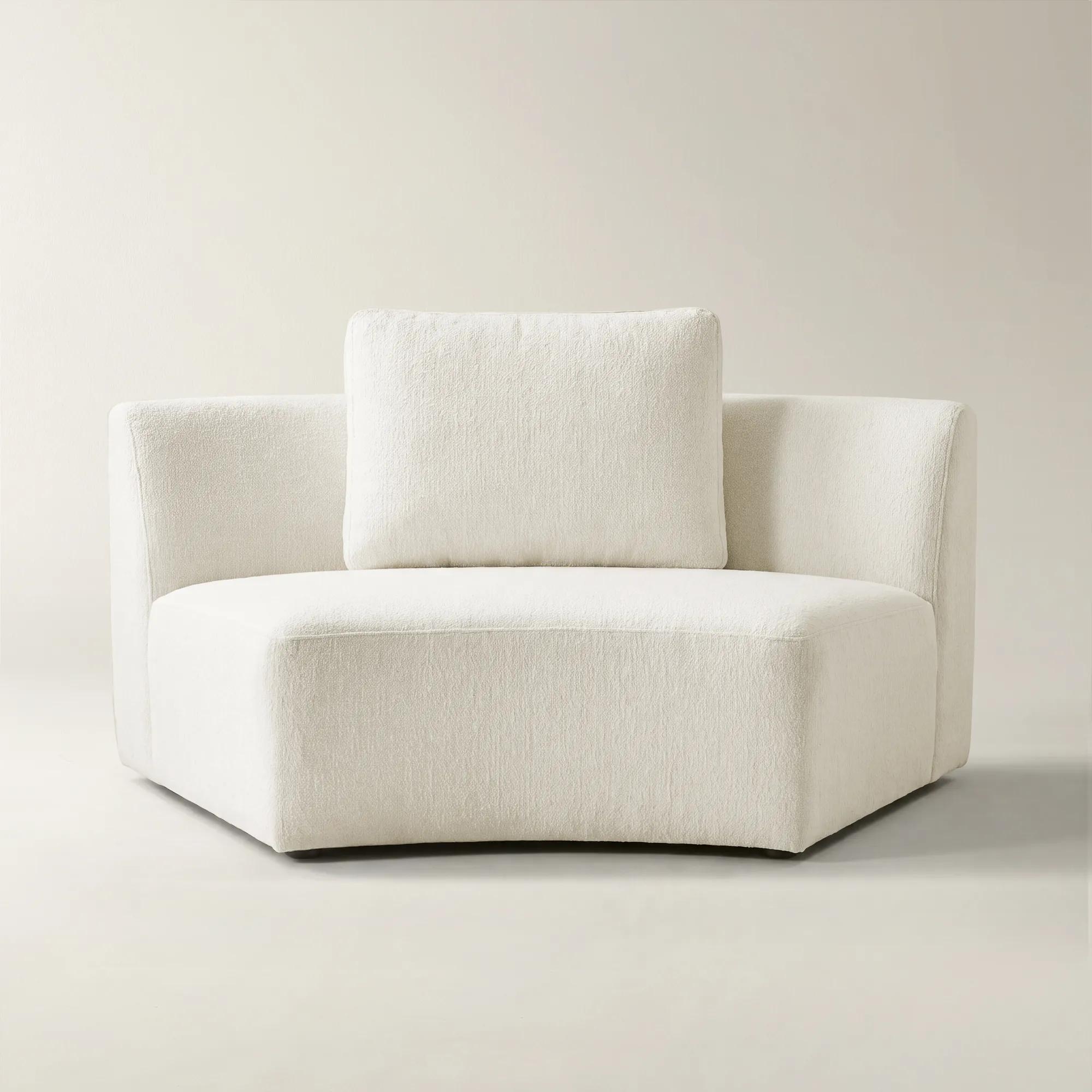 Irene Ivory Performance Chenille Armless Chair$1299
An armless chair in ivory performance chenille featuring sculptural curves, high-resiliency foam, and artisan detailing.
Add To Cart

Upholstered White Accent Chairs
Upholstered white accent chairs are the ultimate expression of refined glamour—inviting you to transform any room into a luminous sanctuary. Dressed in radiant ivory and sumptuous textures, these chairs become instant icons, catching the light and elevating the everyday with their sculptural silhouettes. Whether poised in a dramatic entryway or nestled beside a shimmering cocktail table, upholstered white accent chairs infuse your space with an air of effortless sophistication. Each piece is an invitation to indulge in comfort while making a bold, unforgettable statement—because your home deserves to be as extraordinary as you are.
Upholstered white accent chairs pair a cushioned seat with a luminous neutral palette, creating an inviting focal point without overwhelming the room around it. Their appeal lies in that contrast: visually light, yet rich in texture and presence. Against a charcoal sofa, a white chair introduces a crisp, architectural accent; beside a pale wood console, it creates a softer composition defined by grain, fabric, and shadow. White also gives expressive silhouettes room to command attention. A curved barrel back can feel enveloping and sculptural, while an exposed-leg design reveals more of the floor and lends a seating arrangement an airy elegance. Broad arms and a substantial upholstered base create a more grounded statement, especially in a spacious living room or primary bedroom. Within this palette, the distinction between bright white, ivory, and warm cream matters. A cool white can sharpen a room accented with chrome and glass, while an ivory tone may sit more comfortably beside brass, walnut, and warm neutrals. Fabric adds another layer of character. Bouclé creates a nubby, dimensional surface; velvet brings a directional sheen; and woven linen or cotton blends can offer a more tailored texture, depending on their construction. These differences become especially expressive in white, where the surface catches light rather than competing with a strong color. A subtly textured chair can hold its own beside patterned drapery, an abstract painting, or a richly veined stone table. For a quieter composition, tonal pillows and a rug with raised detailing build depth without introducing another dominant hue. The broader appeal of Luxury White Accent Chairs rests in this ability to balance restraint with drama. Upholstery makes that balance tactile, giving a statement silhouette a welcoming softness. For anyone drawn to expressive interiors, a white accent chair offers a foundation that can support gleaming metallics, saturated jewel tones, or a layered monochromatic room with equal confidence.
The most compelling accent seating feels as considered in use as it looks across the room. Seat height, usable seat width, back angle, and cushion firmness all influence how a chair supports the body, and exterior dimensions alone do not reveal the full experience. A deep seat with a relaxed back suits lingering over a novel, particularly when paired with an ottoman; a shallower seat and more upright profile may feel more natural for conversation. Supportive arms can make sitting down and standing up easier, while a low, sweeping arm creates a different posture and visual line. In a living room, an upholstered white accent chair can face the sofa to complete a conversation area without requiring another large seating piece. A pair can establish symmetry across from a sectional, provided there is room for comfortable circulation. In a bedroom, one chair beside a small table creates a distinct place to read or pause, separate from the bed. A swivel base, where included, allows a seat to turn between a conversation area and a view, though its full movement needs clear space. Scale extends beyond the chair’s footprint: an oversized back may dominate a narrow corner, and wide arms can reduce usable seating space even when the overall dimensions seem generous. Doorways, stair turns, nearby drawers, and the reach to a side table also shape whether a piece feels effortless in daily life. Construction deserves equal attention. Frame materials, joinery, seat suspension, and cushion composition contribute to stability and lasting comfort. Foam density affects support and durability, while a fiber wrap can soften the initial feel; neither firmness nor softness alone establishes quality. Removable cushions may allow rotation when the design permits, helping distribute wear across frequently used seating surfaces. Together, these details distinguish a chair intended for occasional guests from one that becomes a favorite everyday retreat. The strongest choice brings the right proportions, support, and presence to the particular room it will inhabit.
White upholstery makes texture beautifully visible, but its pale surface also makes thoughtful fabric selection and care especially important. In a frequently used family room, a tightly woven fabric or upholstery with documented stain-resistant properties may be more practical than a delicate, loosely looped surface. Performance labels vary, so the material specifications and care instructions matter more than the name alone. Stain resistance does not make a fabric stainproof, and abrasion ratings speak to resistance under a particular test rather than guaranteeing a chair’s lifespan. Homes with pets may benefit from considering how claws interact with loops, how readily hair collects in a textured weave, and whether cushions or covers can be removed for cleaning. A removable cover is not necessarily machine washable; laundering should follow the manufacturer’s directions. Routine upkeep generally starts with gentle vacuuming using an upholstery attachment, especially along seams and beneath removable cushions, where crumbs and dust can settle. Spills are best addressed promptly according to the fabric’s care code, with blotting rather than vigorous rubbing. Any approved cleaner should be tested in an inconspicuous area first, since an unsuitable treatment can leave a ring, alter texture, or affect color. Saturating upholstery can also damage the cushioning beneath it. Dark denim, printed throws, and other deeply dyed textiles may transfer color onto a light seat, making colorfastness worth considering when styling. Placement contributes to preservation, too: prolonged direct sunlight can change the appearance of some fabrics, while appropriate floor protectors help reduce scratches beneath chair legs. For a lightly used sitting room, a more delicate textile may suit the intended rhythm of the space; for a daily reading chair, easy maintenance and resilient construction carry greater weight. Finished with a sculptural side table, a well-positioned lamp, and a pillow that echoes another element in the room, upholstered white accent seating feels purposeful rather than precious. Its lasting appeal is the combination of visual distinction and genuine comfort: a place to settle in that also gives the surrounding space a more expressive point of view.
FAQs
Upholstered white accent chairs are often crafted from a variety of luxurious fabrics such as plush velvet, tactile boucle, crisp linen, or classic cotton blends. Each material offers its own unique character—velvet brings a sumptuous, glamorous touch, while boucle lends a cozy, textured appeal. Linen and cotton are prized for their breathability and timeless elegance, making them versatile choices for both modern and traditional spaces.
A white accent chair serves as a versatile design element that seamlessly adapts to various aesthetics. In contemporary settings, it can provide a striking contrast against bold colors or metallic finishes. In more traditional rooms, it offers a sense of calm and sophistication, pairing beautifully with wood tones and layered textiles. For eclectic spaces, use the chair as a neutral anchor, accessorizing with vibrant pillows or throws to reflect your personality.
White accent chairs can certainly thrive in lively households when upholstered in durable, easy-to-clean fabrics. Many modern materials are designed to resist stains and wear, making them both practical and stylish for homes with pets or children. Opt for performance fabrics or consider slipcovered options for added peace of mind, so you can enjoy the chair’s beauty without worry.
For the ultimate in comfort, seek out white accent chairs with plush cushioning, supportive backrests, and gently sloped arms. Details like ergonomic contours, deep seats, and padded upholstery make lounging irresistible. Decorative touches such as tufting or channel stitching not only add visual interest but can also provide additional support, ensuring the chair feels as luxurious as it looks.
Absolutely—a white accent chair can command attention as a statement piece, especially when chosen in a sculptural silhouette or adorned with distinctive details like metallic legs or unique textures. Its luminous hue naturally draws the eye, while its design can set the tone for the entire space. Pair with bold artwork or dramatic lighting to create a focal point that exudes confidence and artistry.