Upholstered Channel Tufted Sectionals
Upholstered Channel Tufted Sectionals
-
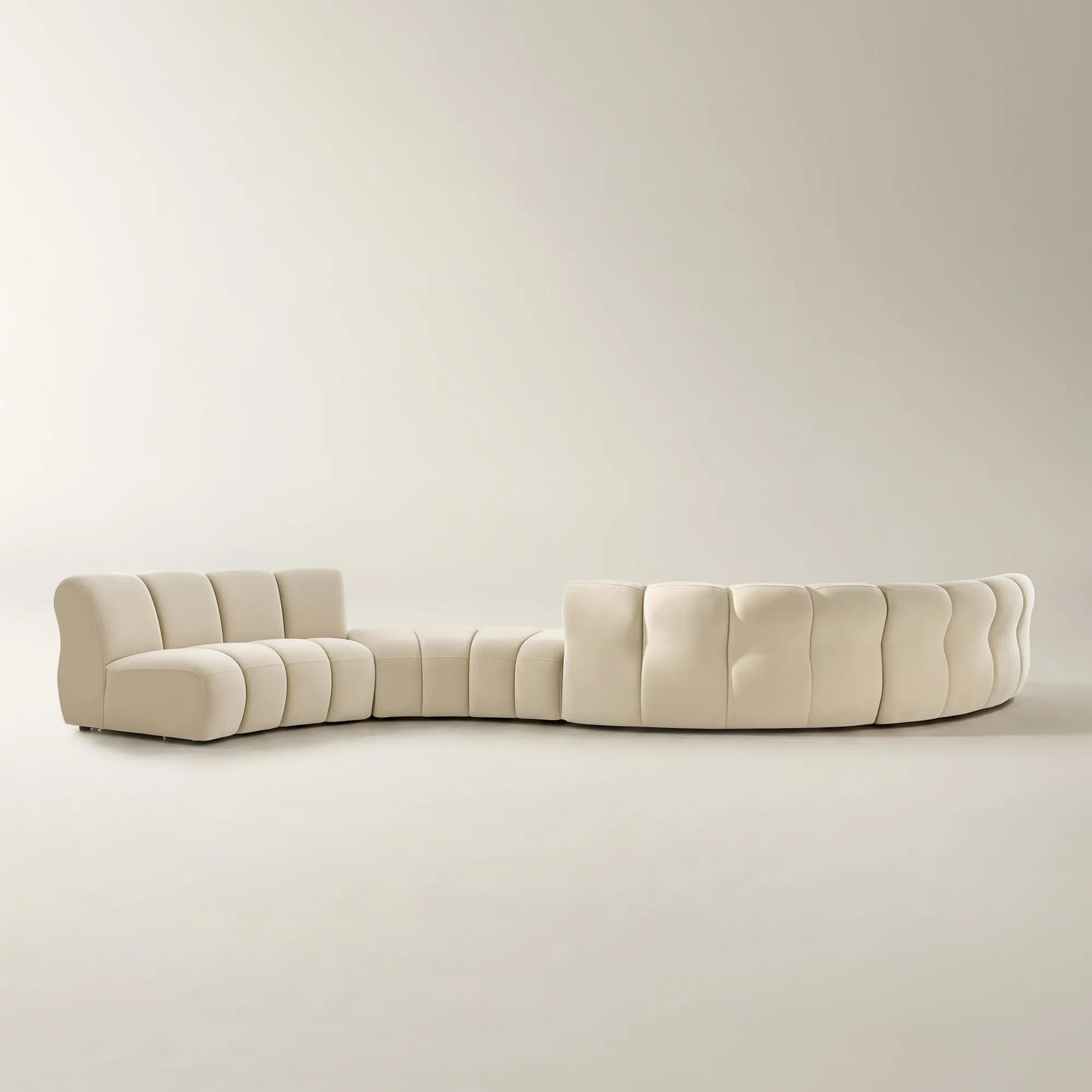 Jocelyn 4-Piece Channel-Tufted Oatmeal Velvet Sectional Sofa With Ottoman$4999
An oatmeal velvet sectional with deep channel tufting, curved silhouette, and modular design for flexible arrangements.
Add To Cart -
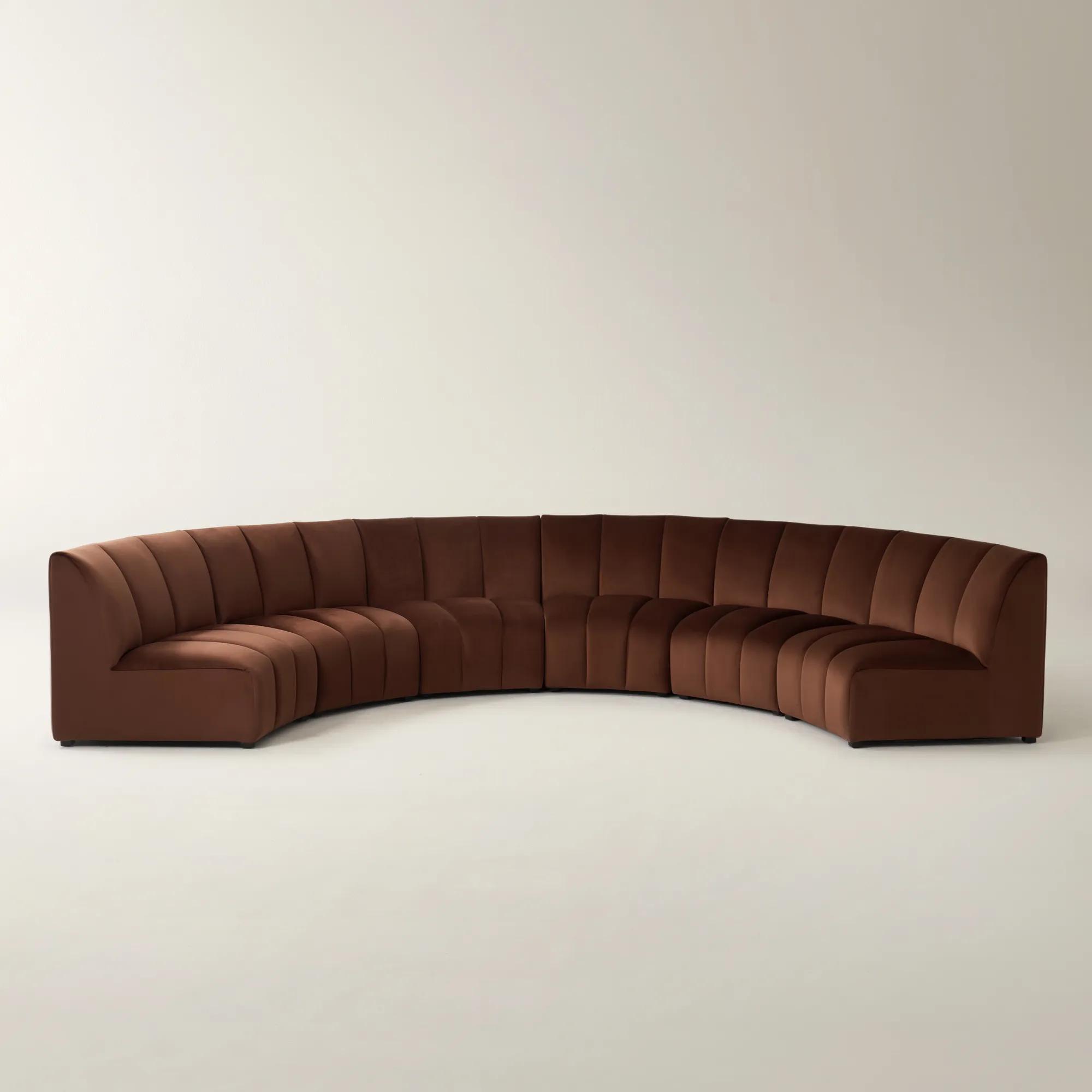
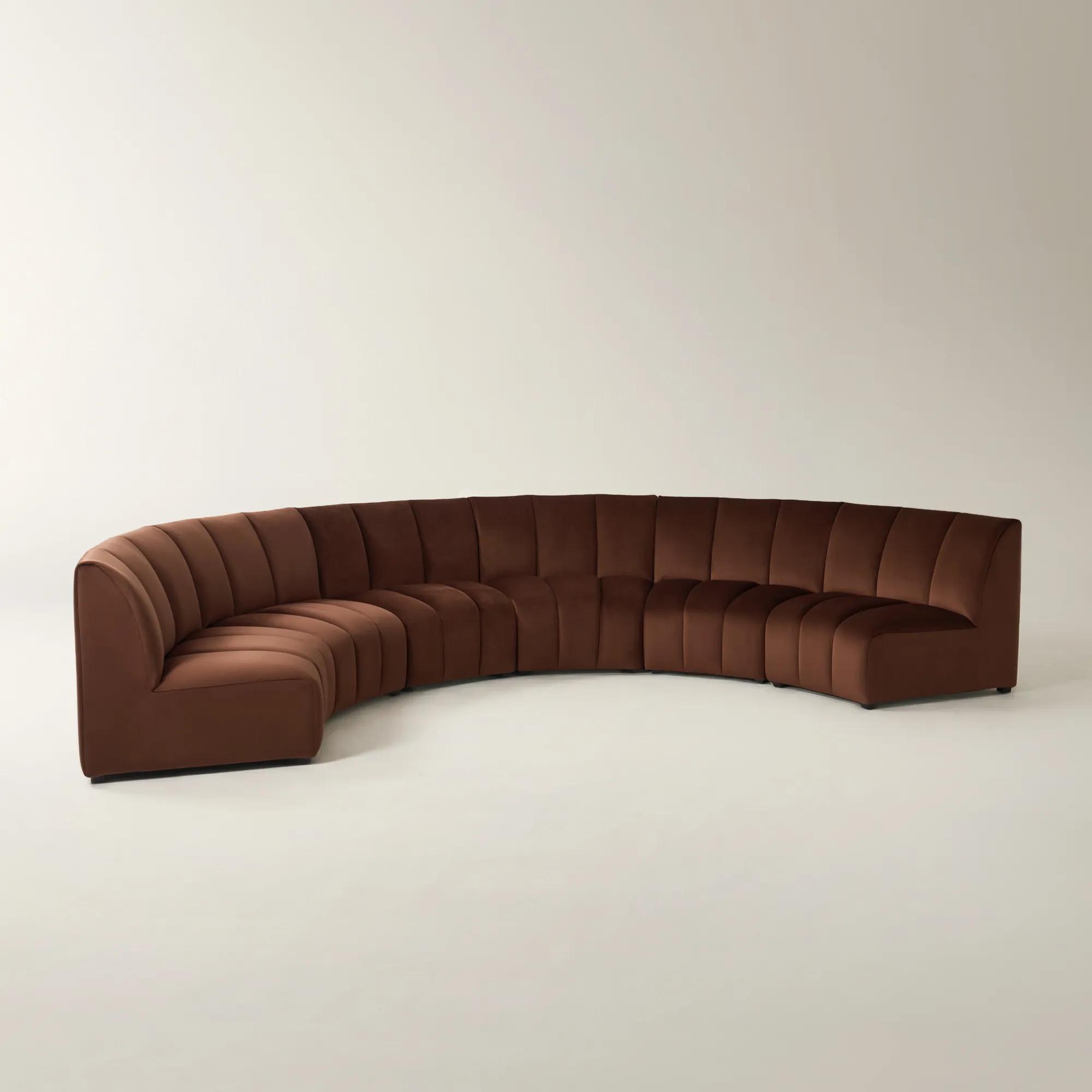 Jayce 6-Piece Channel-Tufted Burnt Umber Velvet Sectional Sofa$5499
A modern curved sectional in silver grey velvet with deep channel tufting and plush, high-density foam cushions.
Add To Cart -
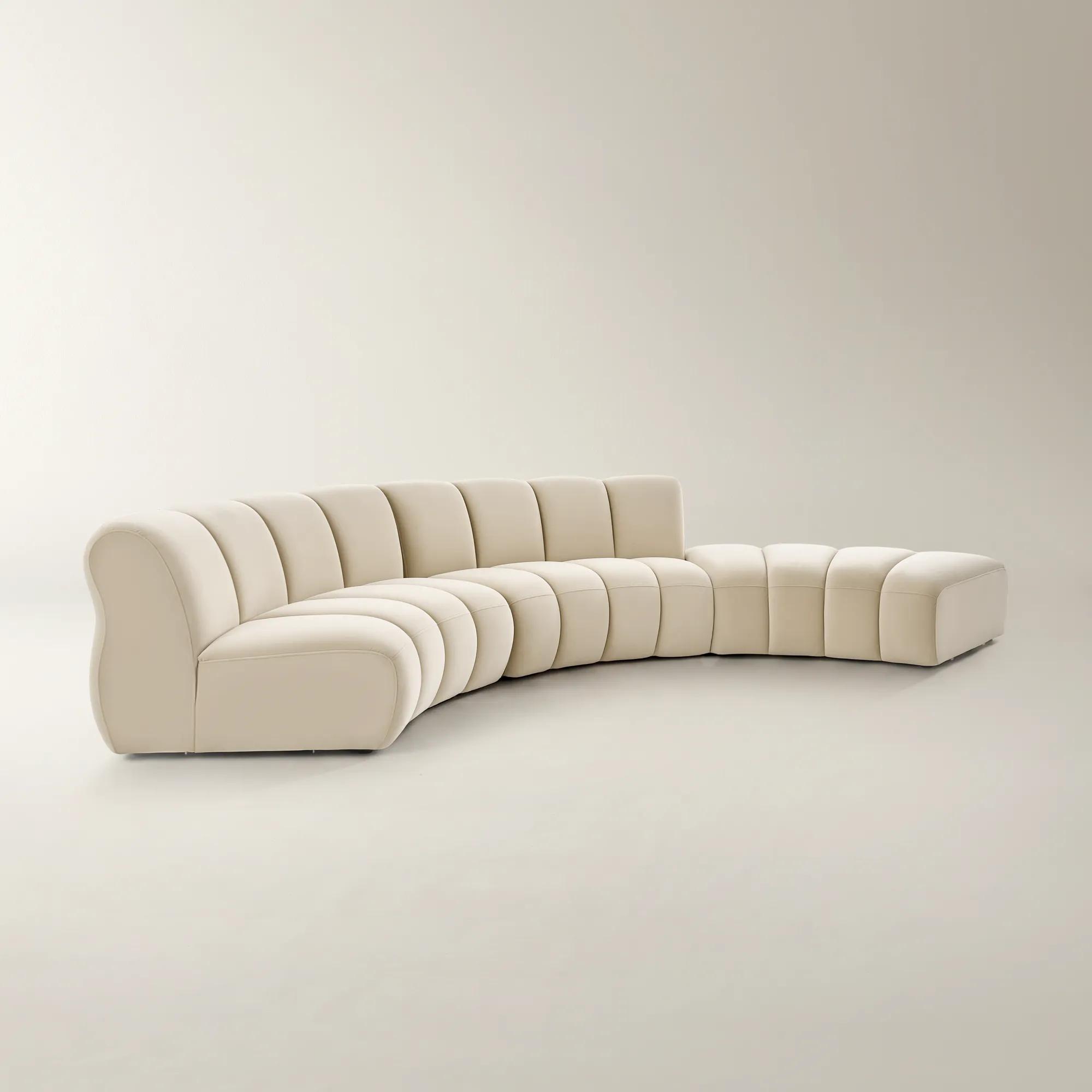 Jocelyn 3-Piece Channel-Tufted Oatmeal Velvet Sectional Sofa With Ottoman$3699
An oatmeal velvet sectional with deep channel tufting, curved silhouette, and modular design for versatile lounging.
Add To Cart -
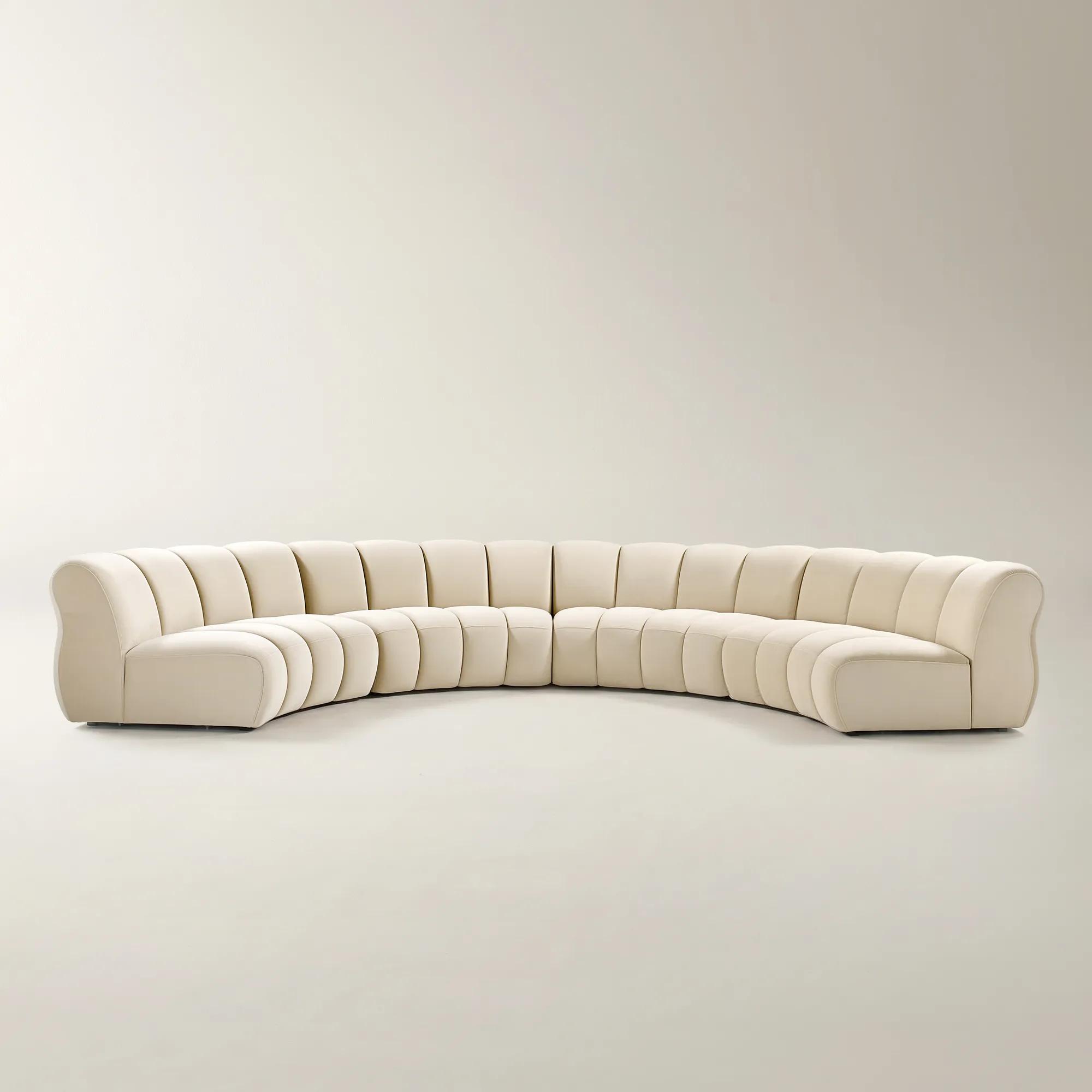
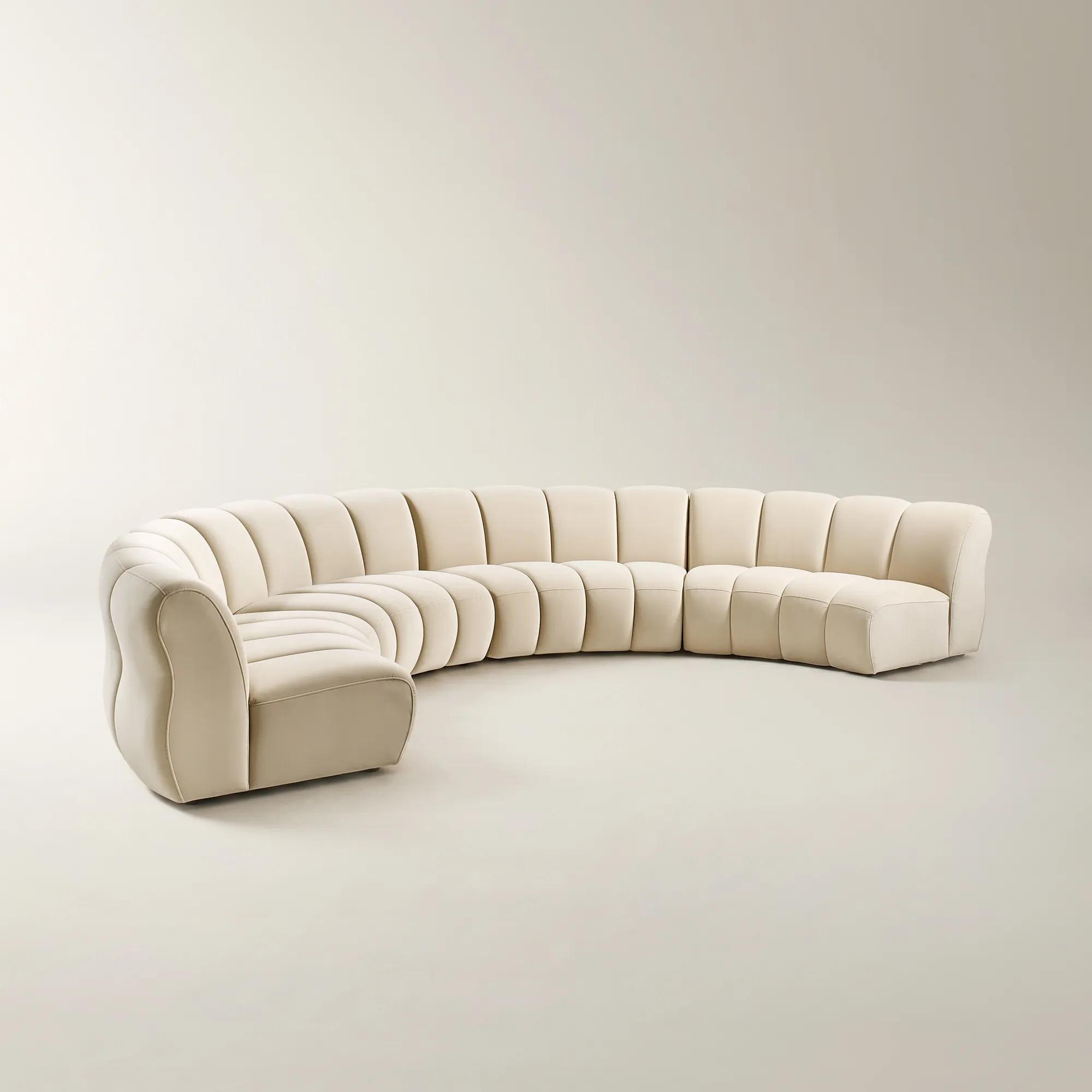 Jocelyn 4-Piece Channel-Tufted Oatmeal Velvet Sectional Sofa$4999
An oatmeal velvet sectional with deep channel tufting, curved silhouette, and modular design for versatile lounging.
Add To Cart -
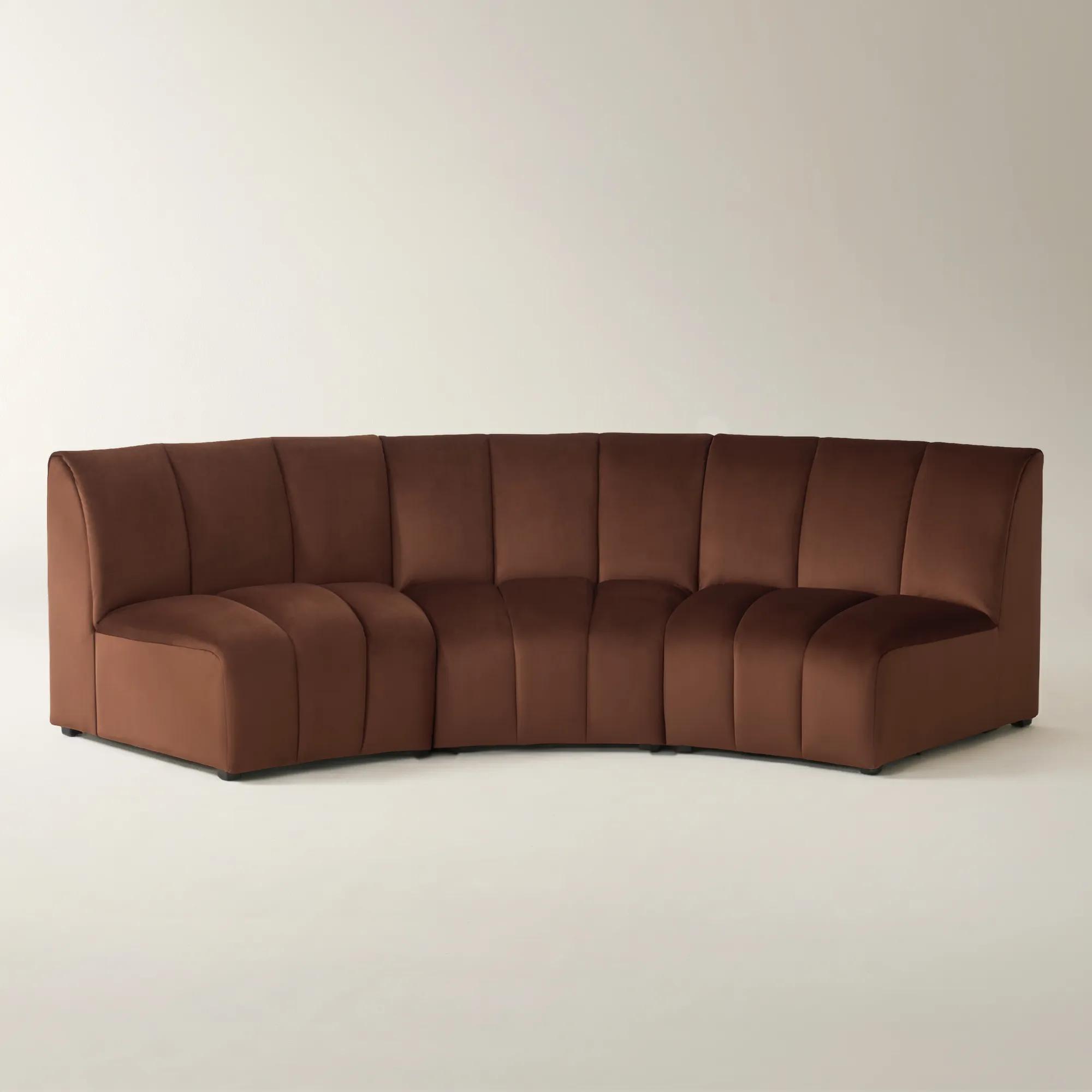 Jayce 3-Piece Channel-Tufted Burnt Umber Velvet Sectional Sofa$2799
A modern curved sectional in silver grey velvet with deep channel tufting and plush, water-repellent upholstery.
Add To Cart -
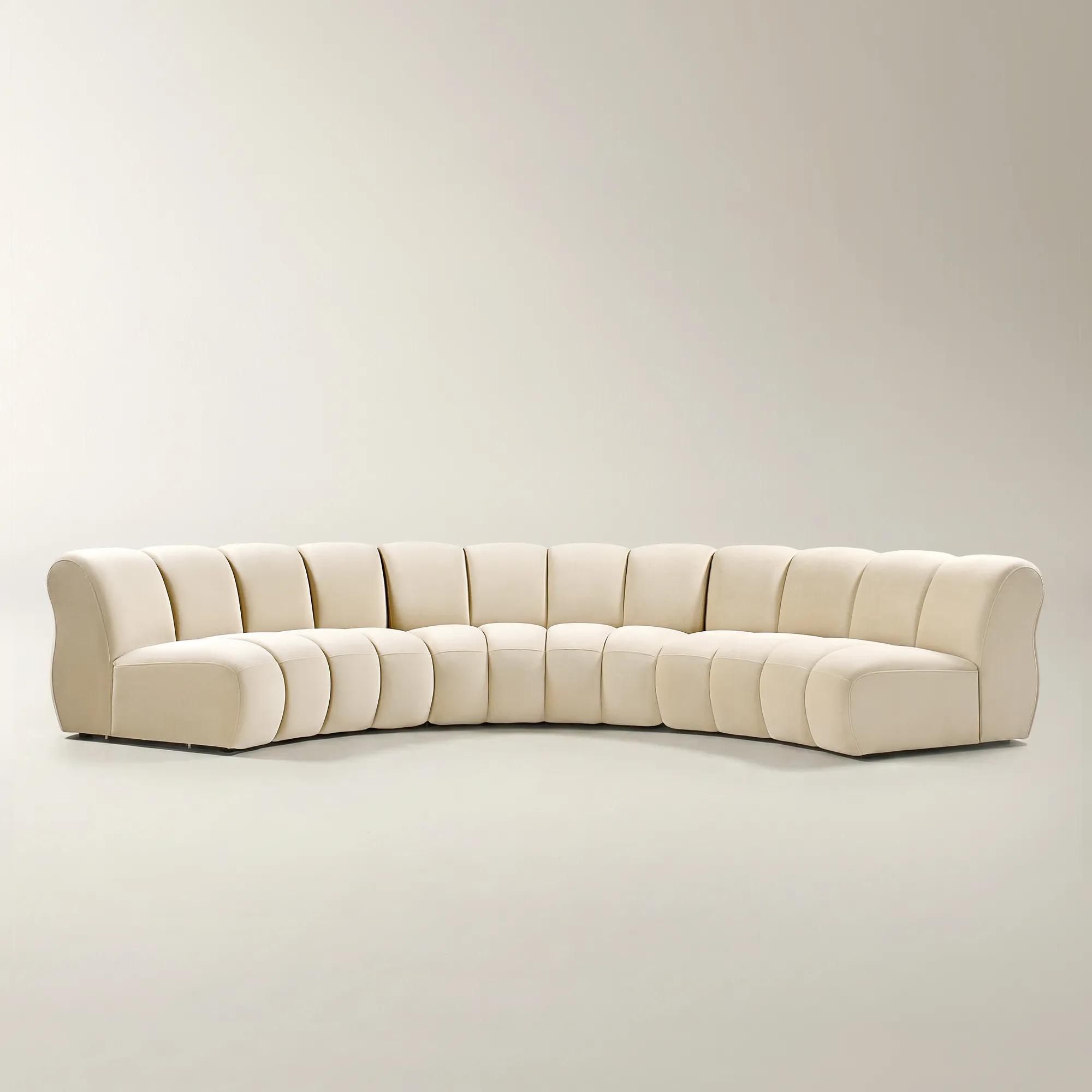
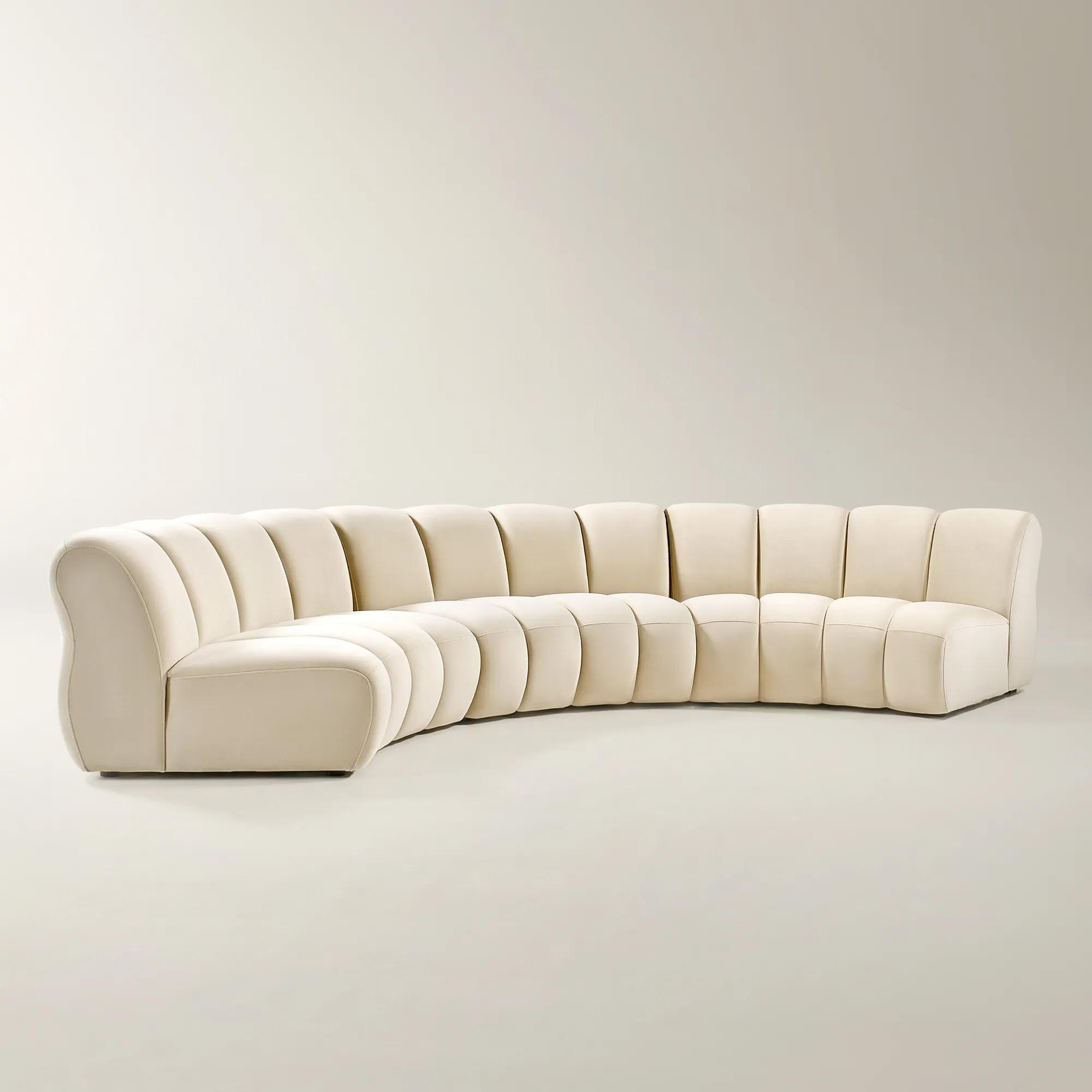 Jocelyn 3-Piece Channel-Tufted Oatmeal Velvet Sectional Sofa$4099
An oatmeal velvet sectional featuring deep channel tufting, sculptural curves, and modular, kiln-dried wood construction.
Add To Cart -
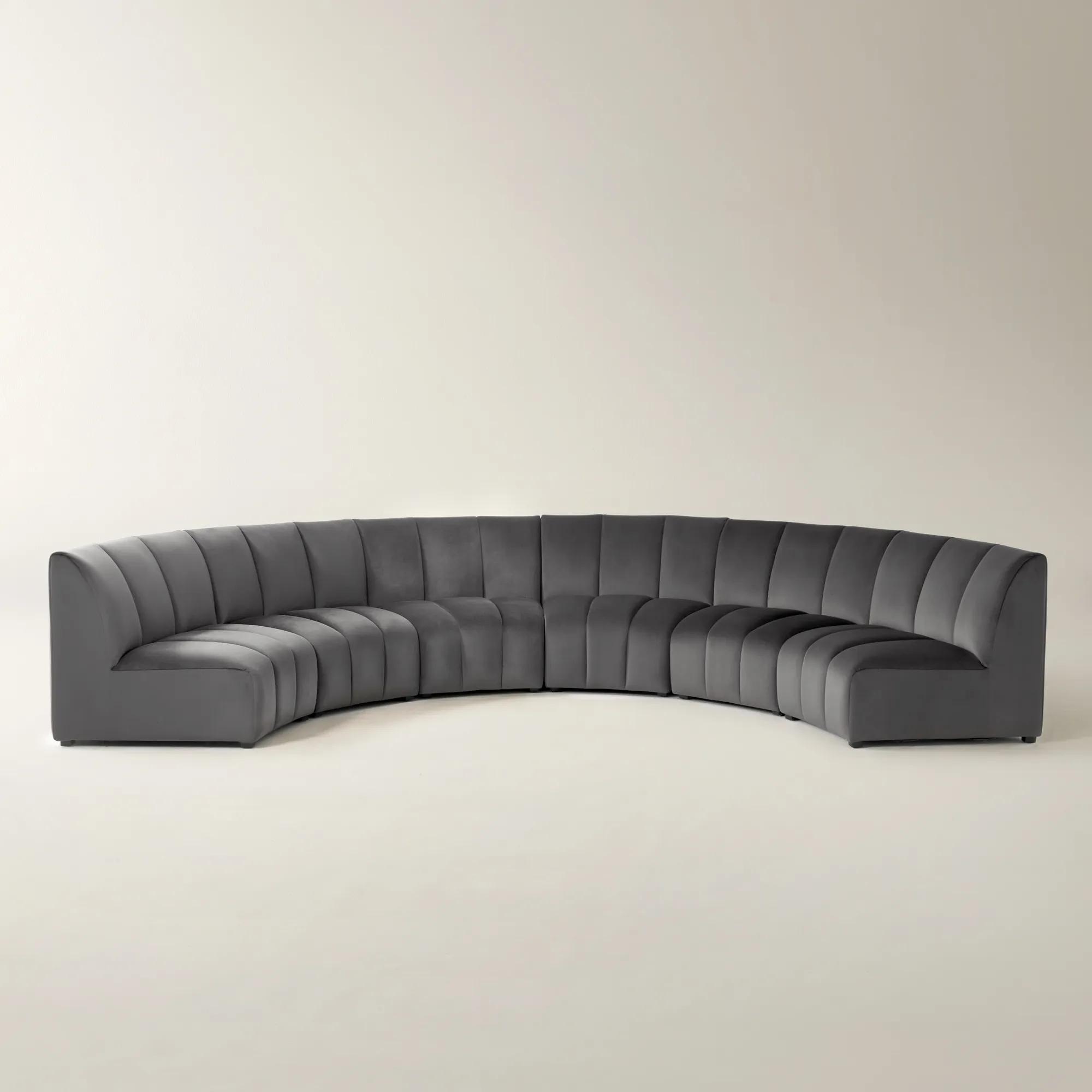 Jayce 6-Piece Channel-Tufted Smoked Pearl Velvet Sectional Sofa$5499
A modern curved sectional in silver grey velvet with deep channel tufting and plush, high-density cushions.
Add To Cart -
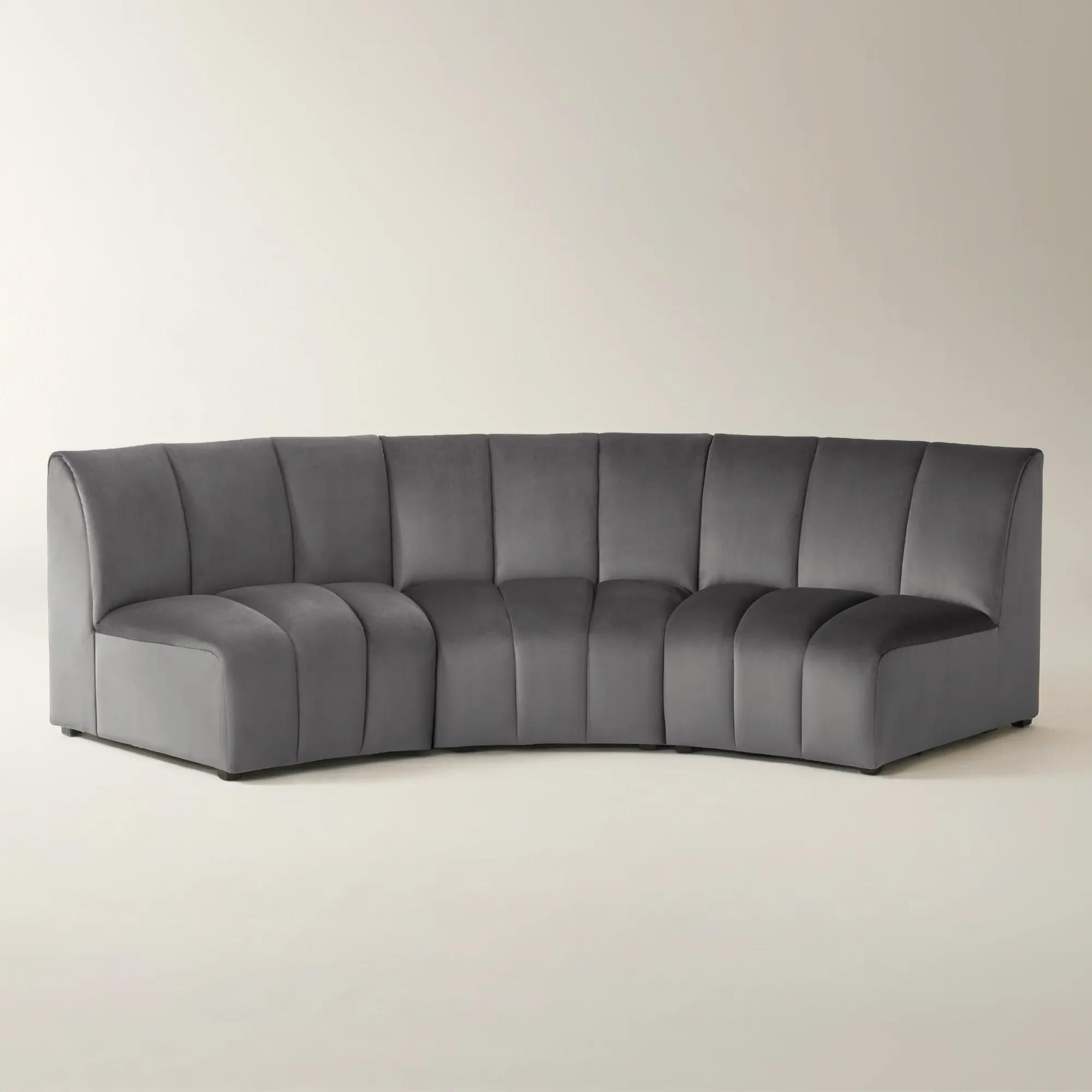 Jayce 3-Piece Channel-Tufted Smoked Pearl Velvet Sectional Sofa$2799
A modern curved sectional in silver grey velvet with deep channel tufting and plush, high-density foam cushions.
Add To Cart -
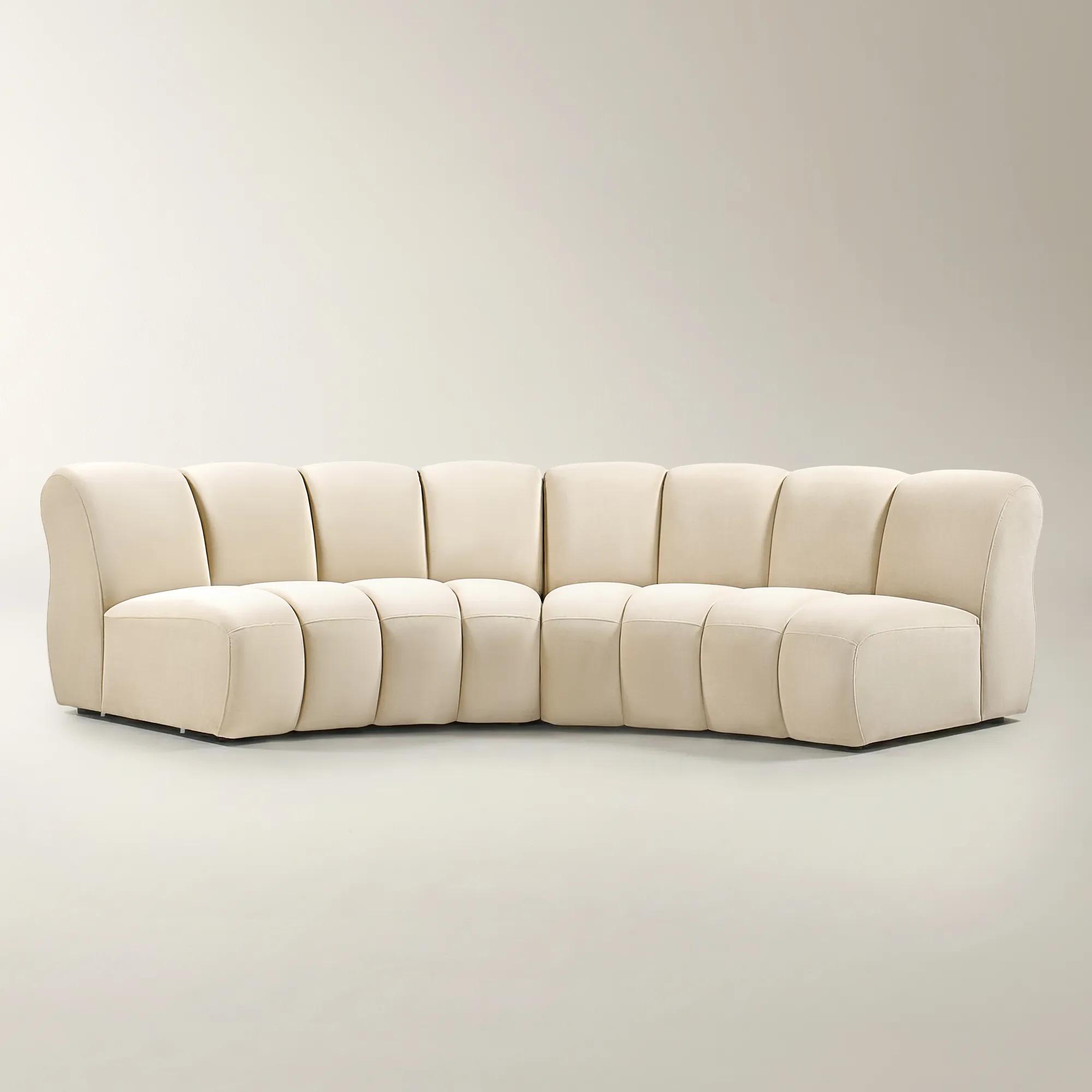
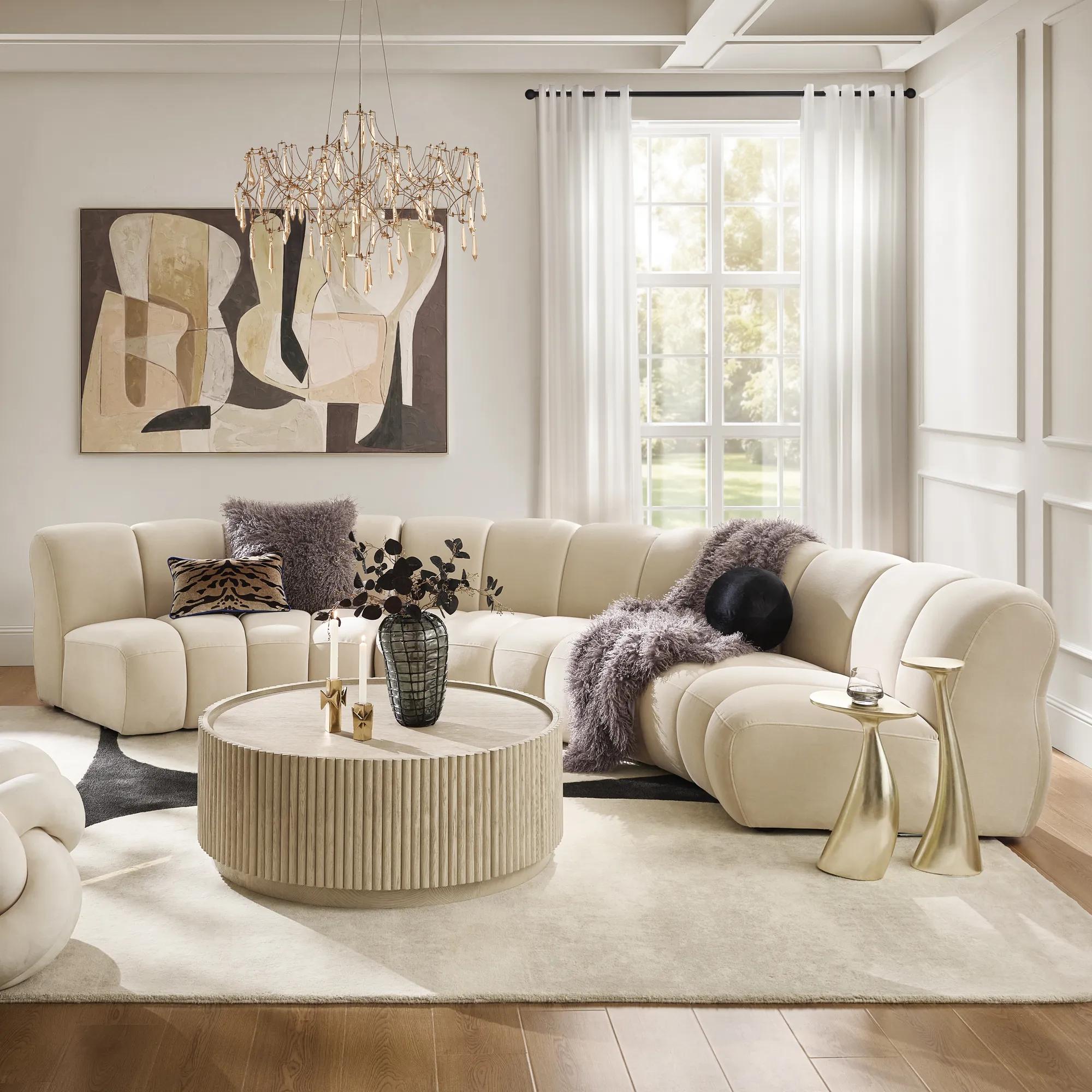 Jocelyn 2-Piece Channel-Tufted Oatmeal Velvet Sectional Sofa$2699
A sculptural oatmeal velvet sectional with deep channel tufting, curved silhouette, and modular, conversation-friendly design.
Add To Cart -
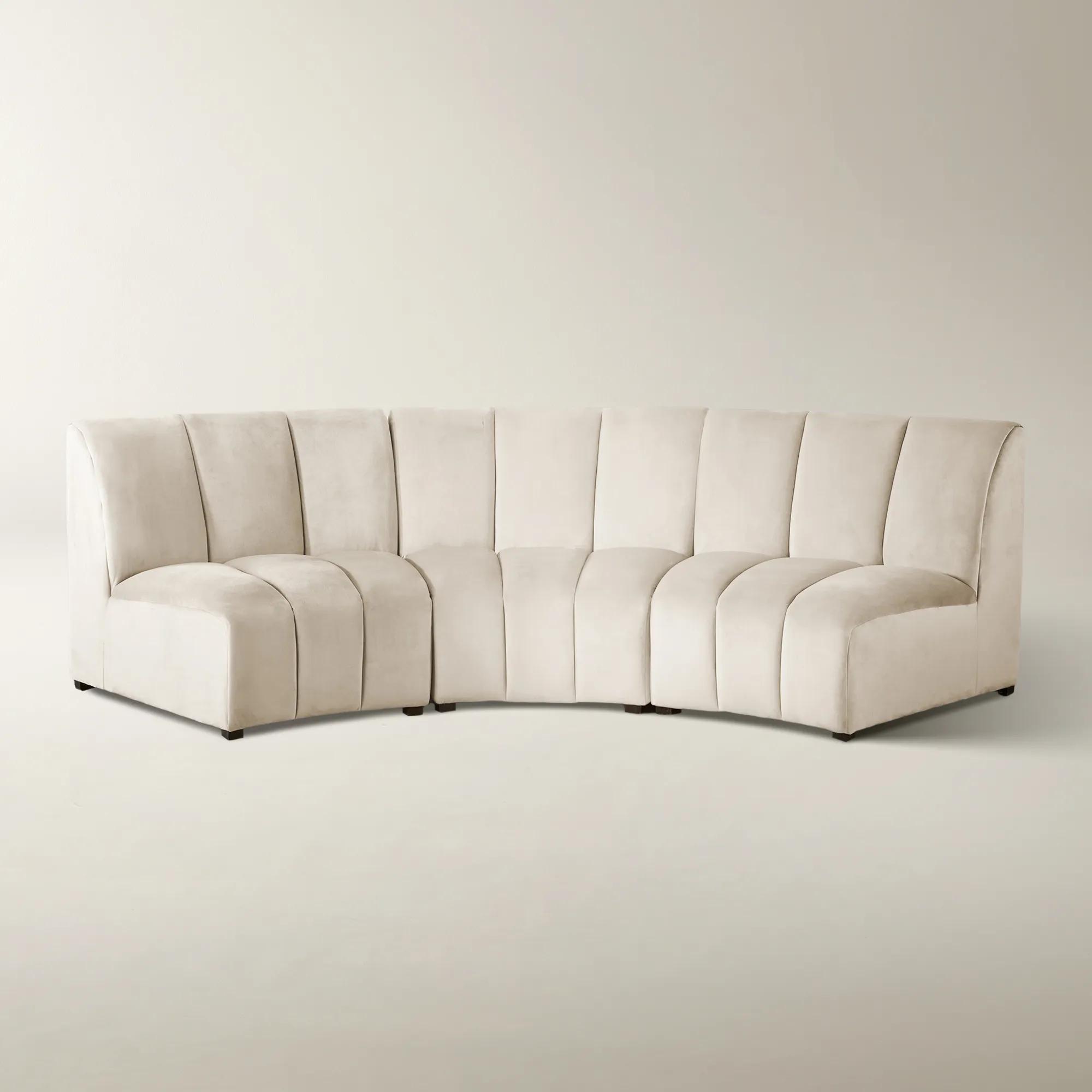
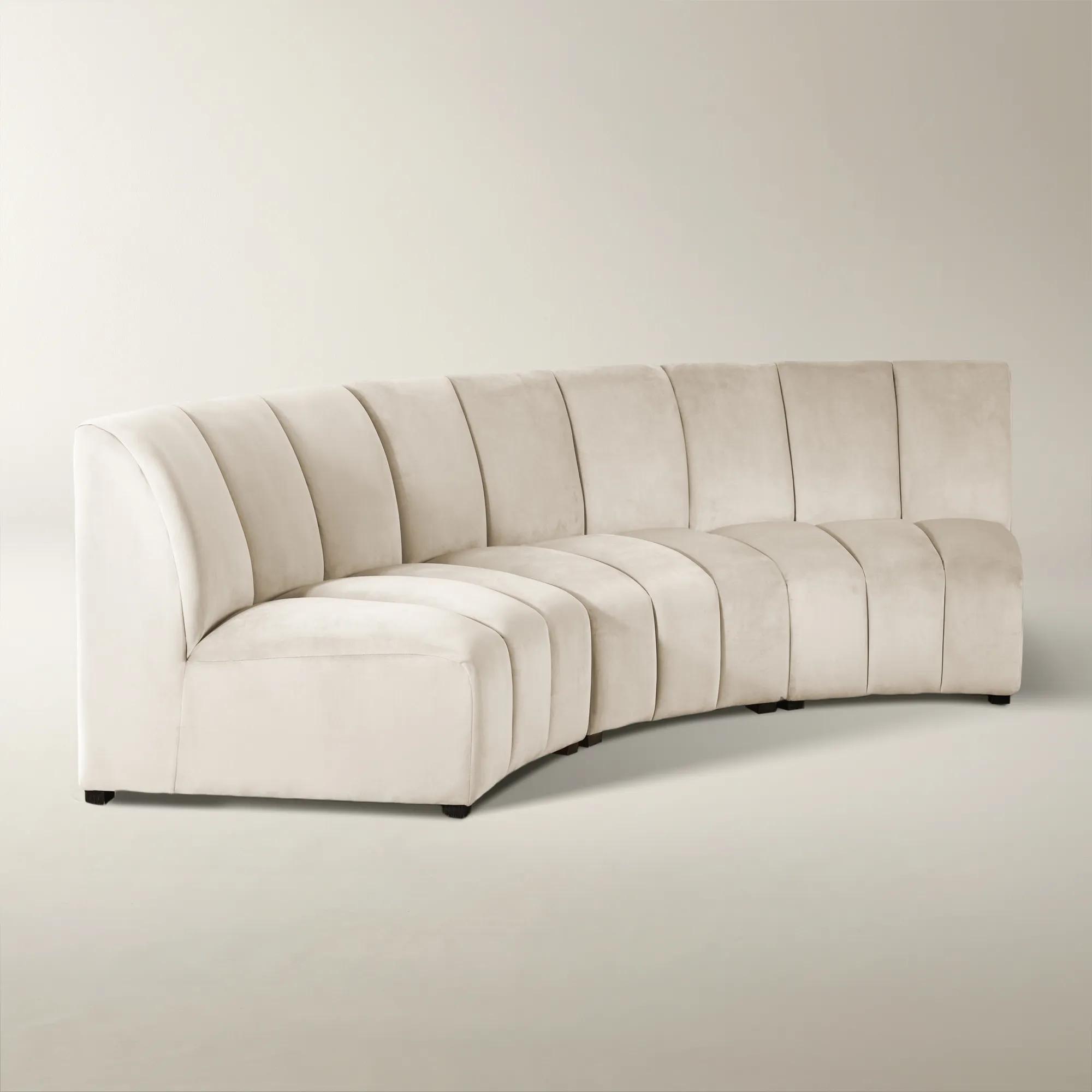 Jayce 3-Piece Channel-Tufted Ivory Velvet Sectional Sofa$2799
A modern curved sectional in stain-resistant Velvet Ivory with deep channel tufting and plush, structured cushions.
Add To Cart -
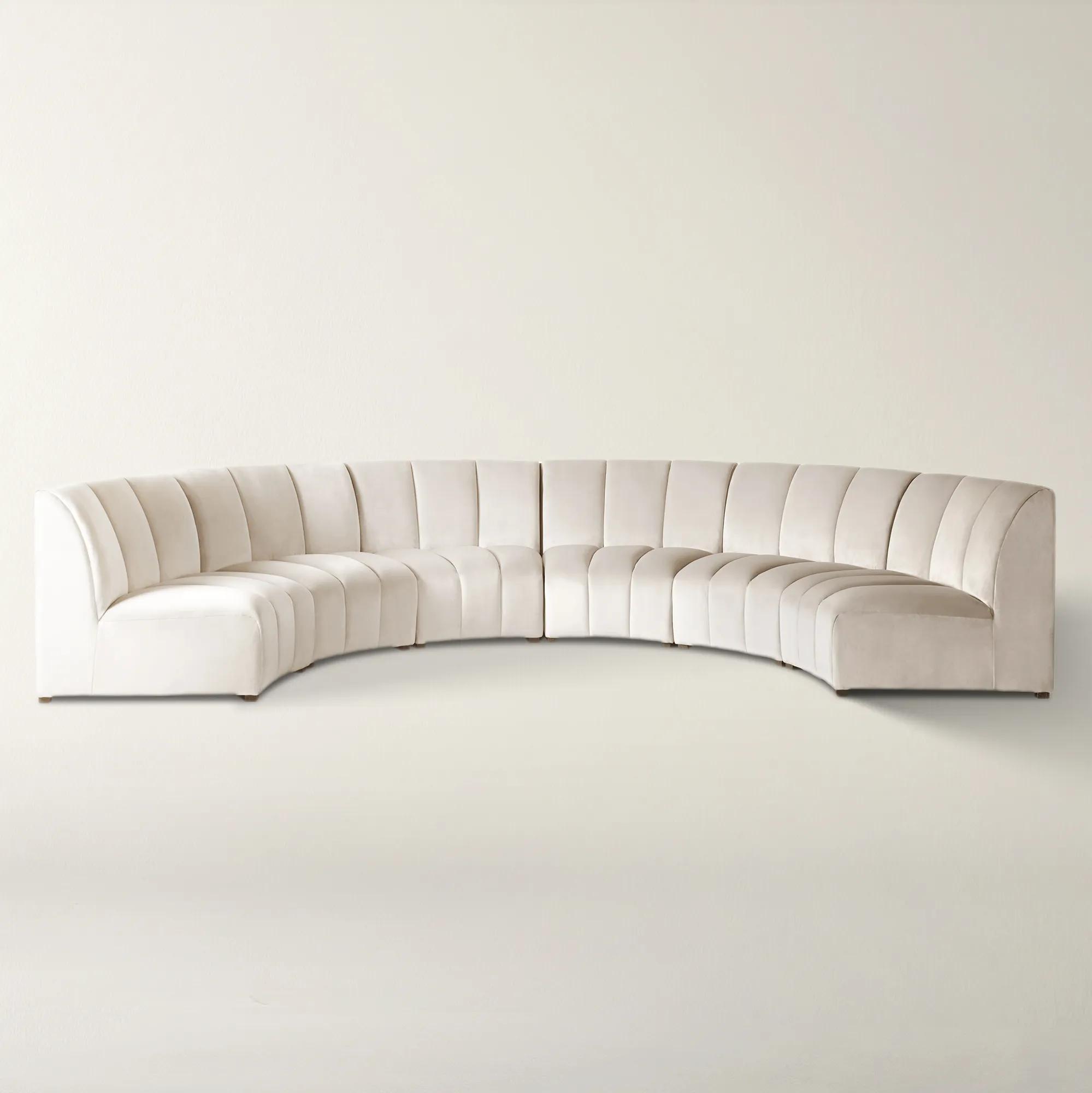 Jayce 6-Piece Channel-Tufted Ivory Velvet Sectional Sofa$5499
A modern curved sectional in stain-resistant Velvet Ivory with deep channel tufting and plush, structured cushions.
Add To Cart -

 Reina 3-Piece Tufted Oatmeal Velvet Sectional Sofa$2499
A plush oatmeal velvet sectional featuring channel tufting, deep seating, and an architectural winged silhouette.
Add To Cart -
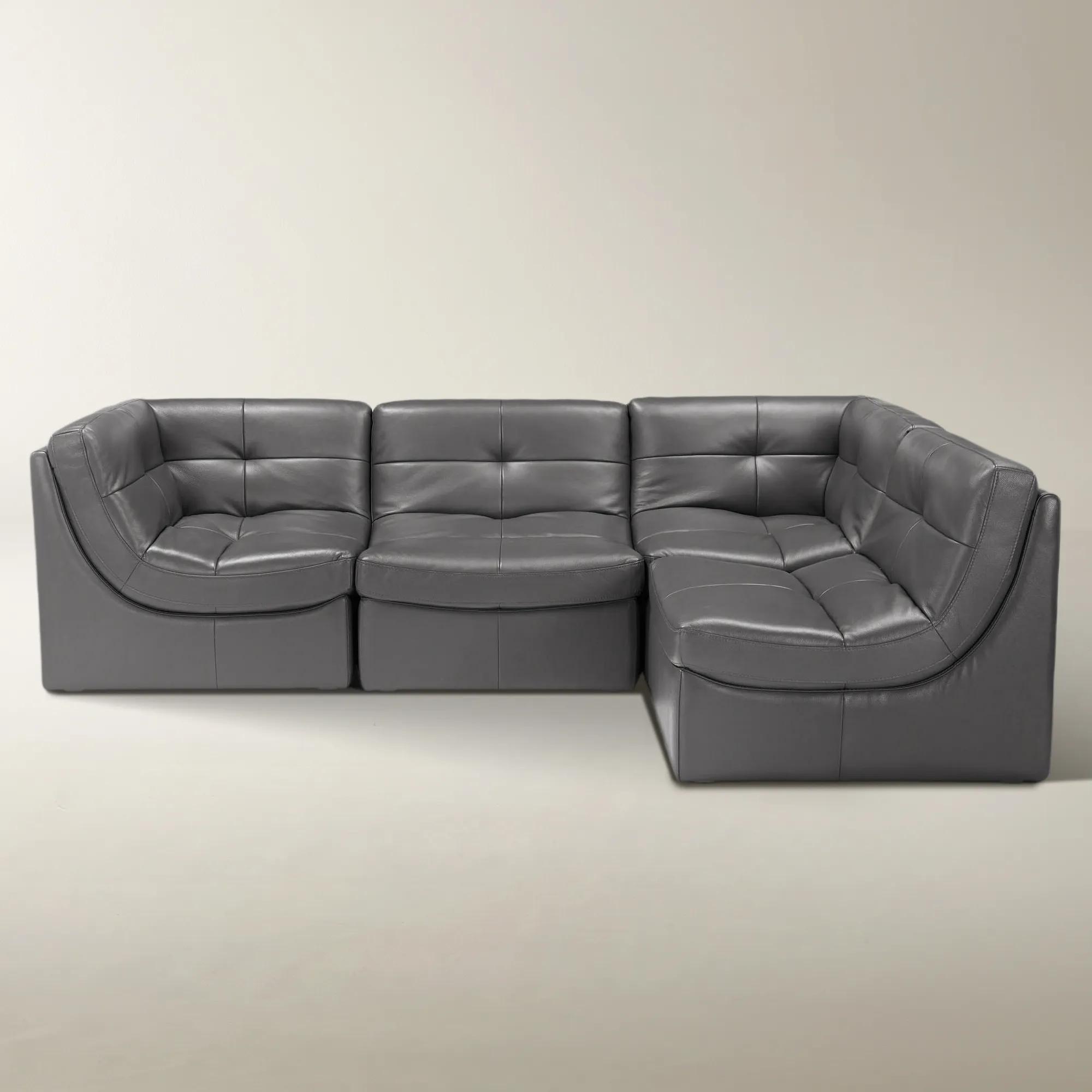
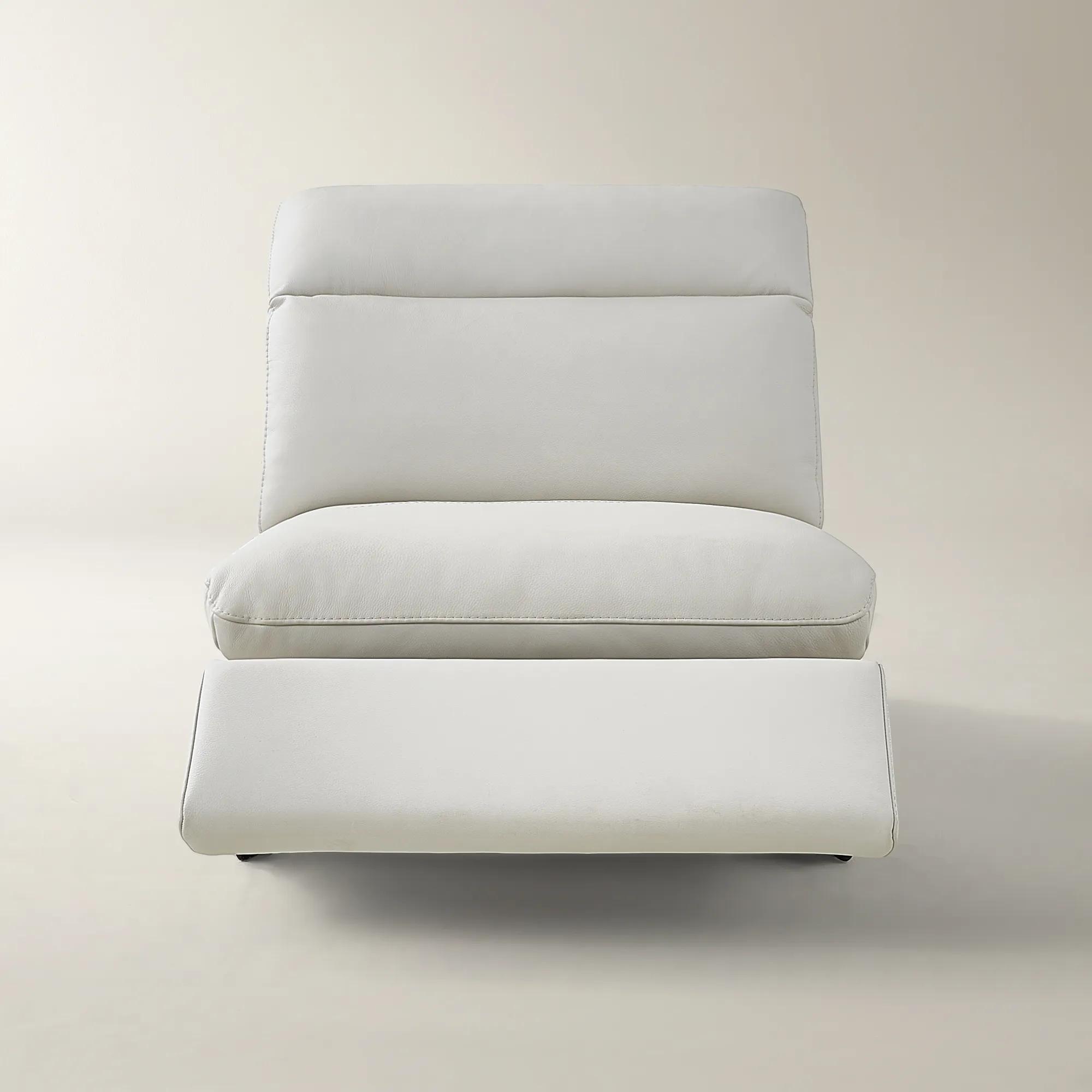
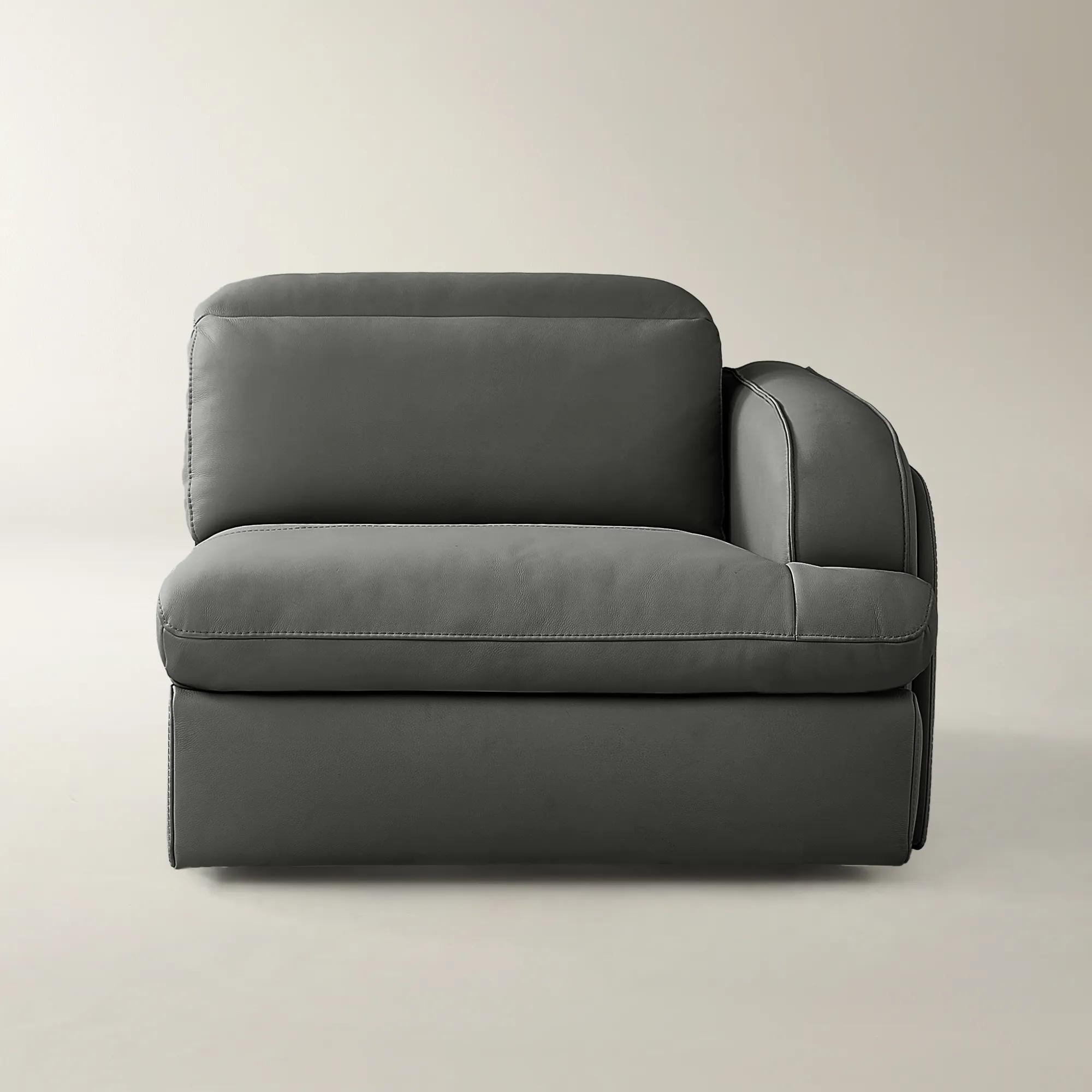
 Convo 4-Piece L-Shaped Charcoal Leather Sectional Sofa With Armless Chair$5199
A modular charcoal leather sectional with kiln-dried hardwood frame and gently curved, blind-tufted seats.
Add To Cart -
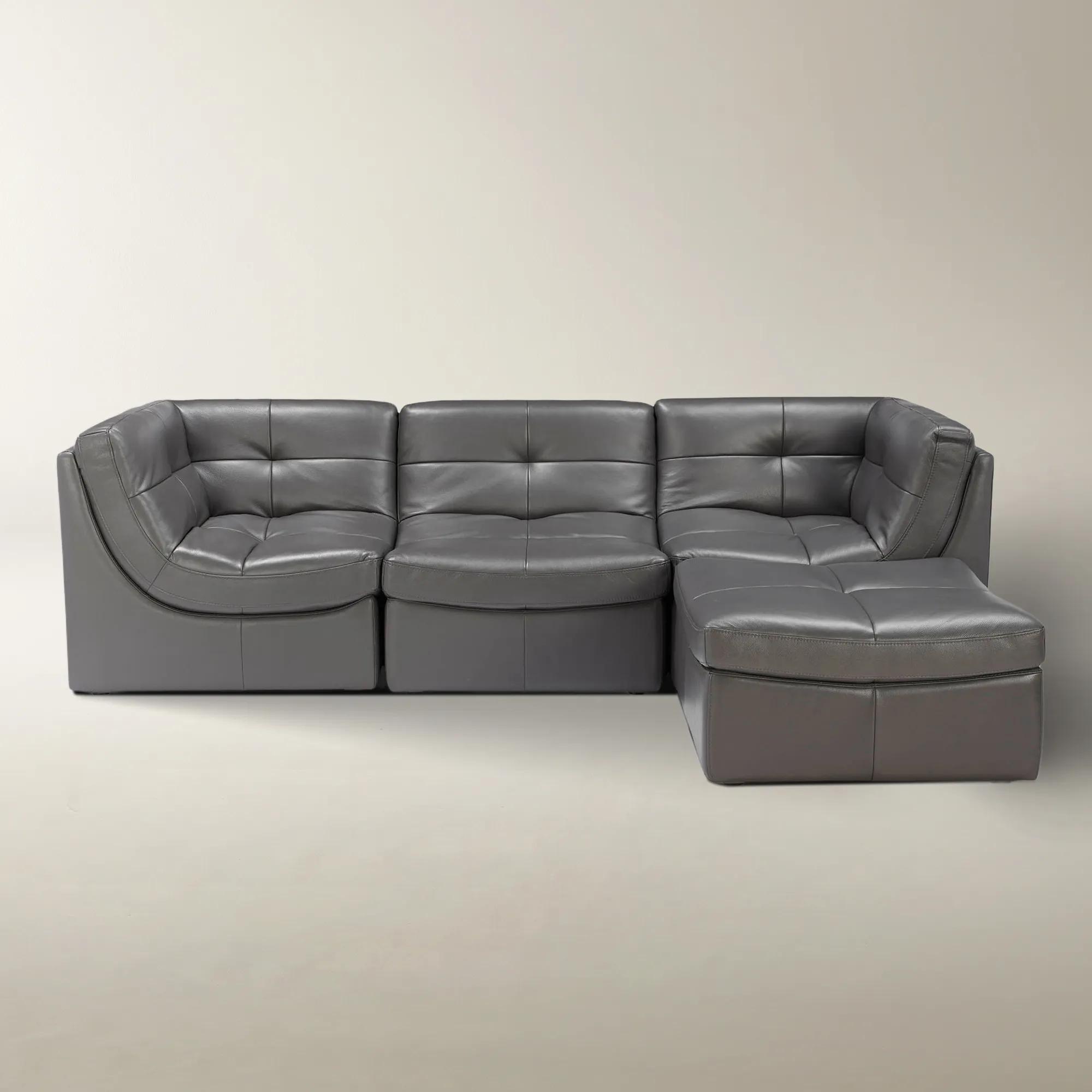 Convo 4-Piece L-Shaped Charcoal Leather Sectional Sofa With Ottoman$4849
A modular charcoal leather sectional with kiln-dried hardwood frame and gently curved, blind-tufted seats.
Add To Cart -
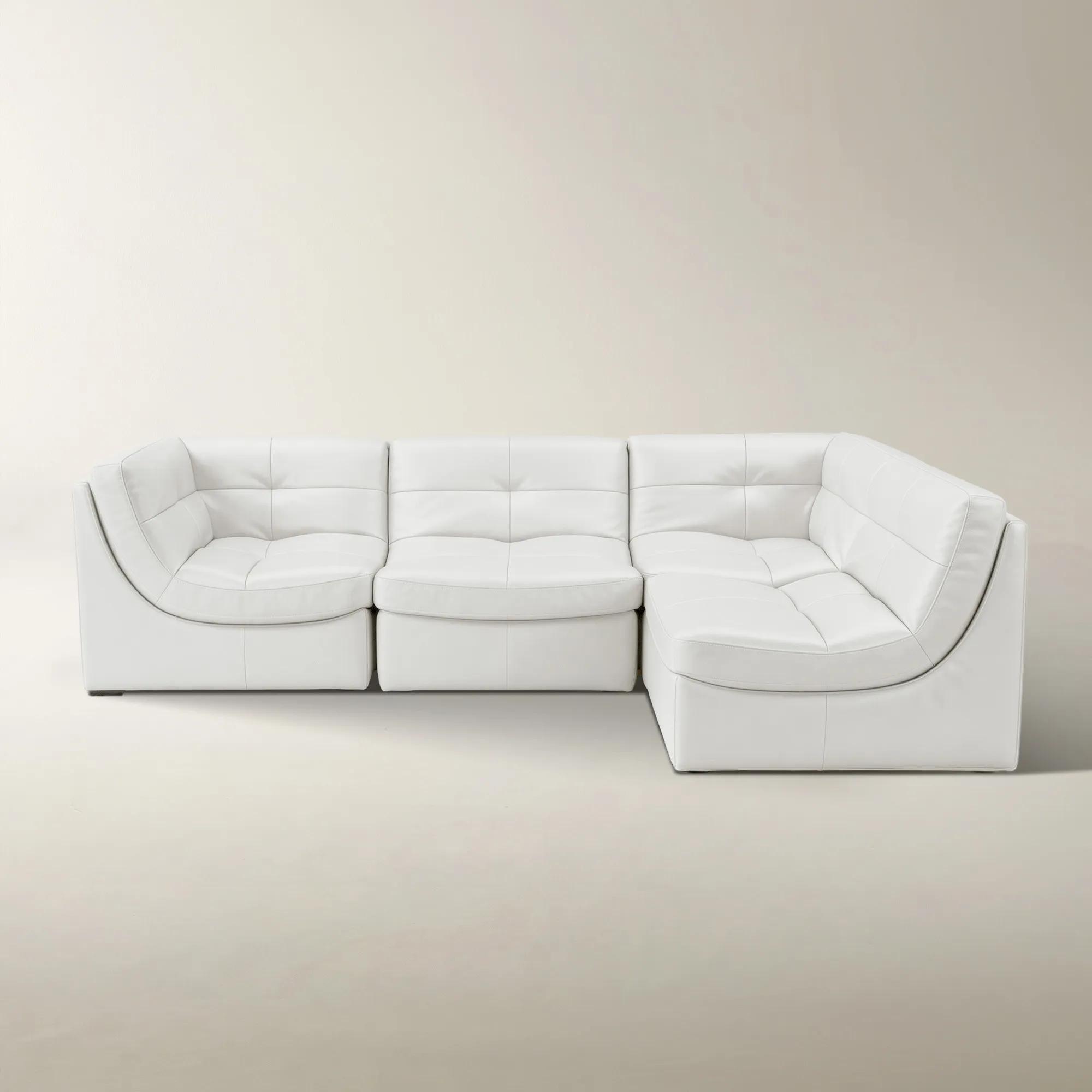
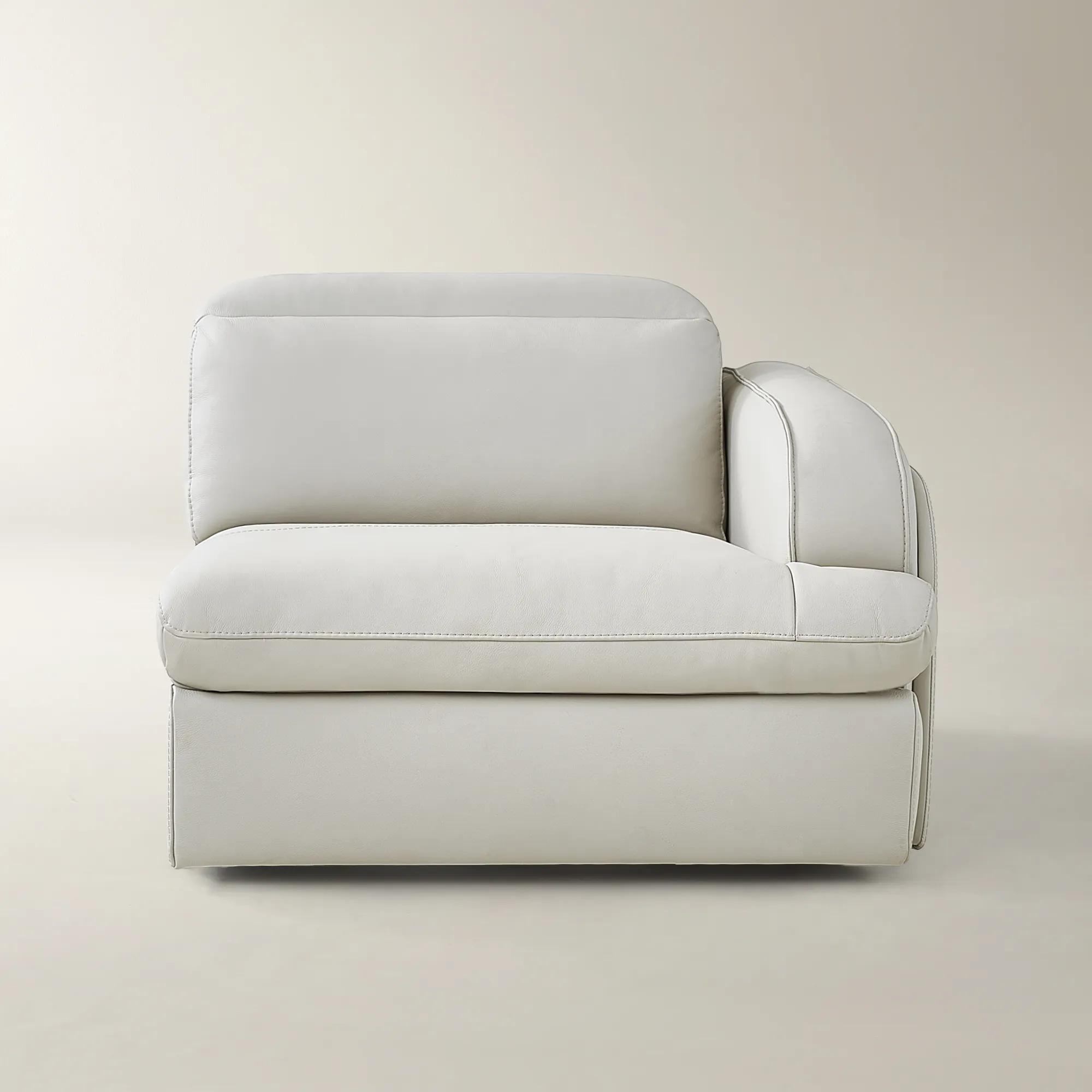
 Convo 4-Piece L-Shaped White Leather Sectional Sofa With Armless Chair$5199
A modular charcoal leather sectional with kiln-dried hardwood frame and gently curved, blind-tufted seats.
Add To Cart -
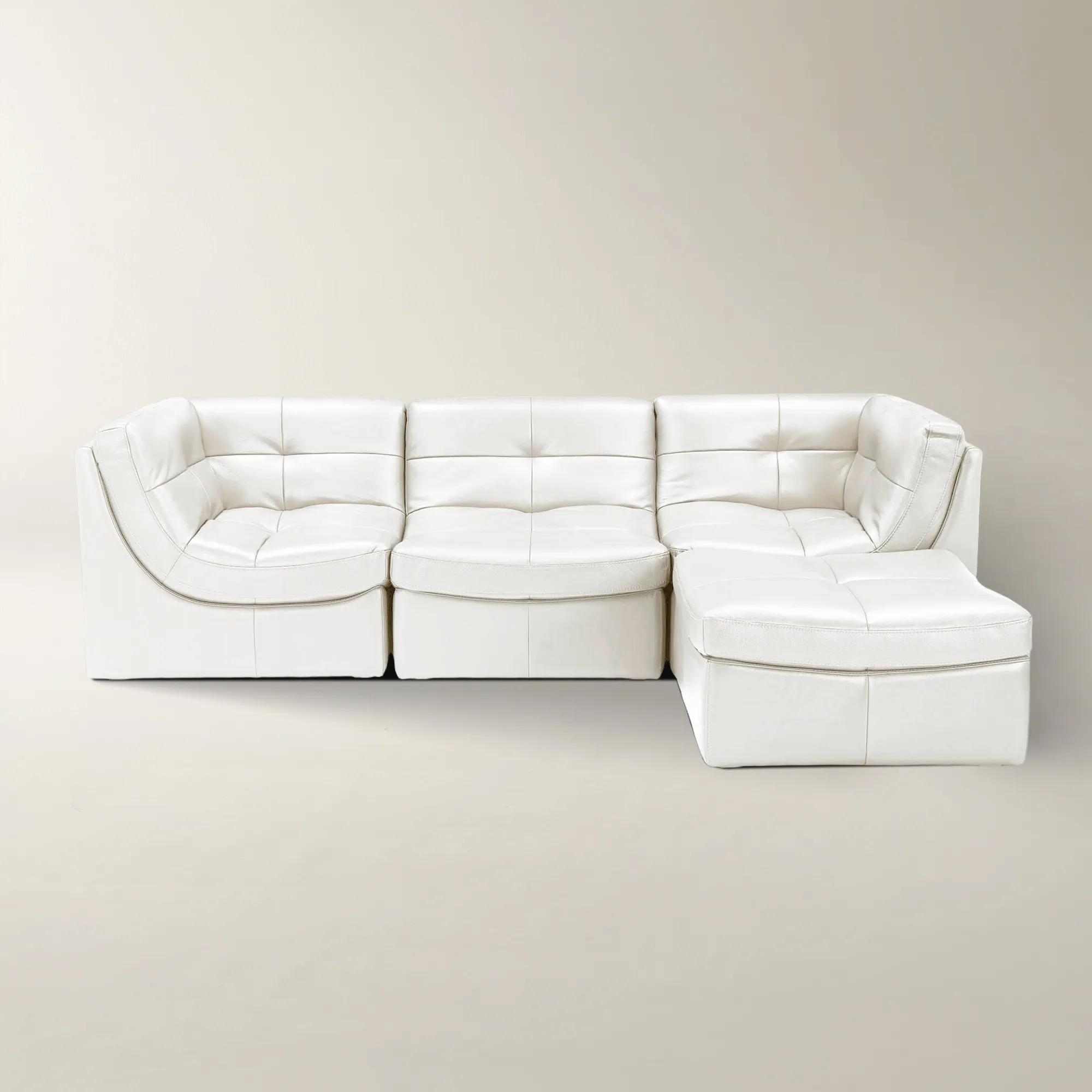 Convo 4-Piece L-Shaped White Leather Sectional Sofa With Ottoman$4849
A modular sectional featuring gently curved seats and charcoal semi-aniline leather upholstery for modern versatility.
Add To Cart -
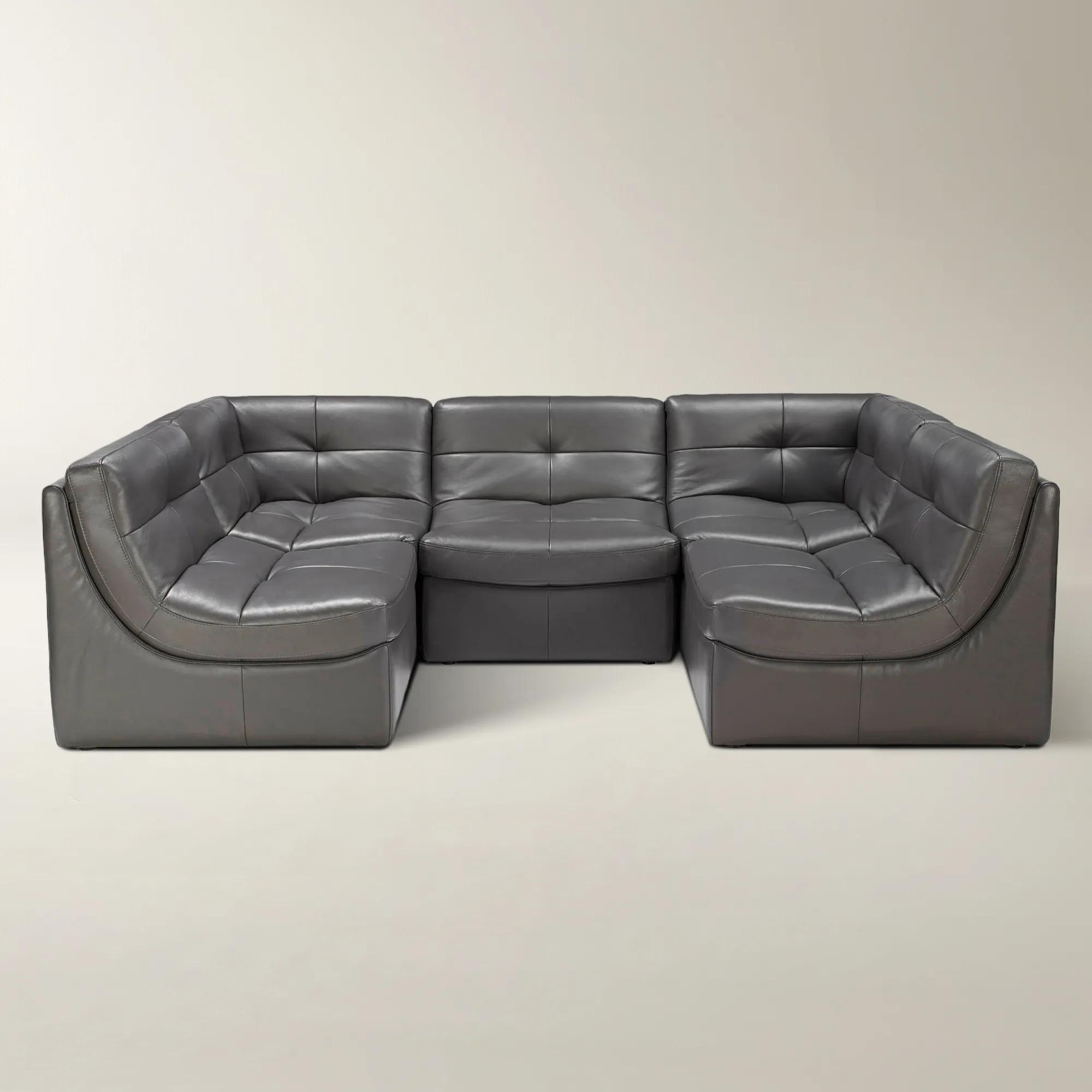
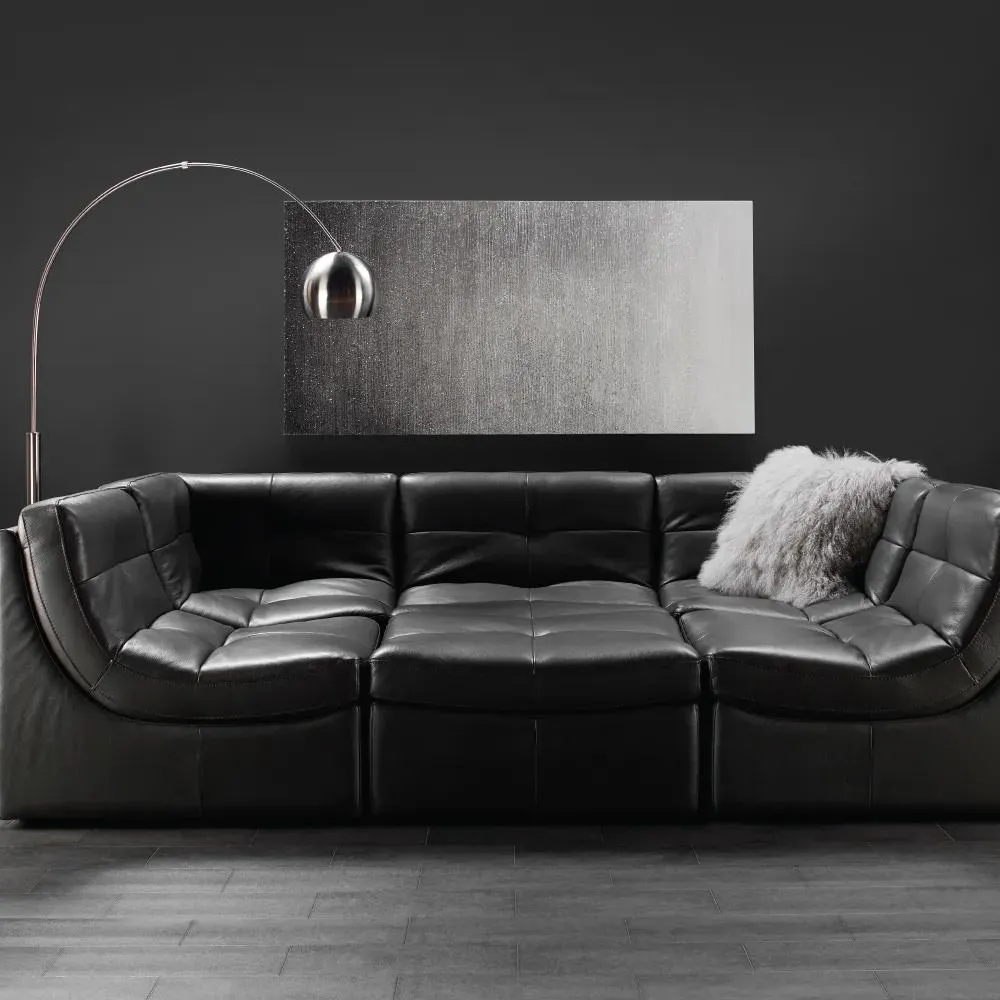 Convo 5-Piece U- Shaped Charcoal Leather Sectional Sofa$6399
A modular charcoal leather sectional with kiln-dried hardwood frame and blind-tufted, semi-aniline upholstery.
Add To Cart -
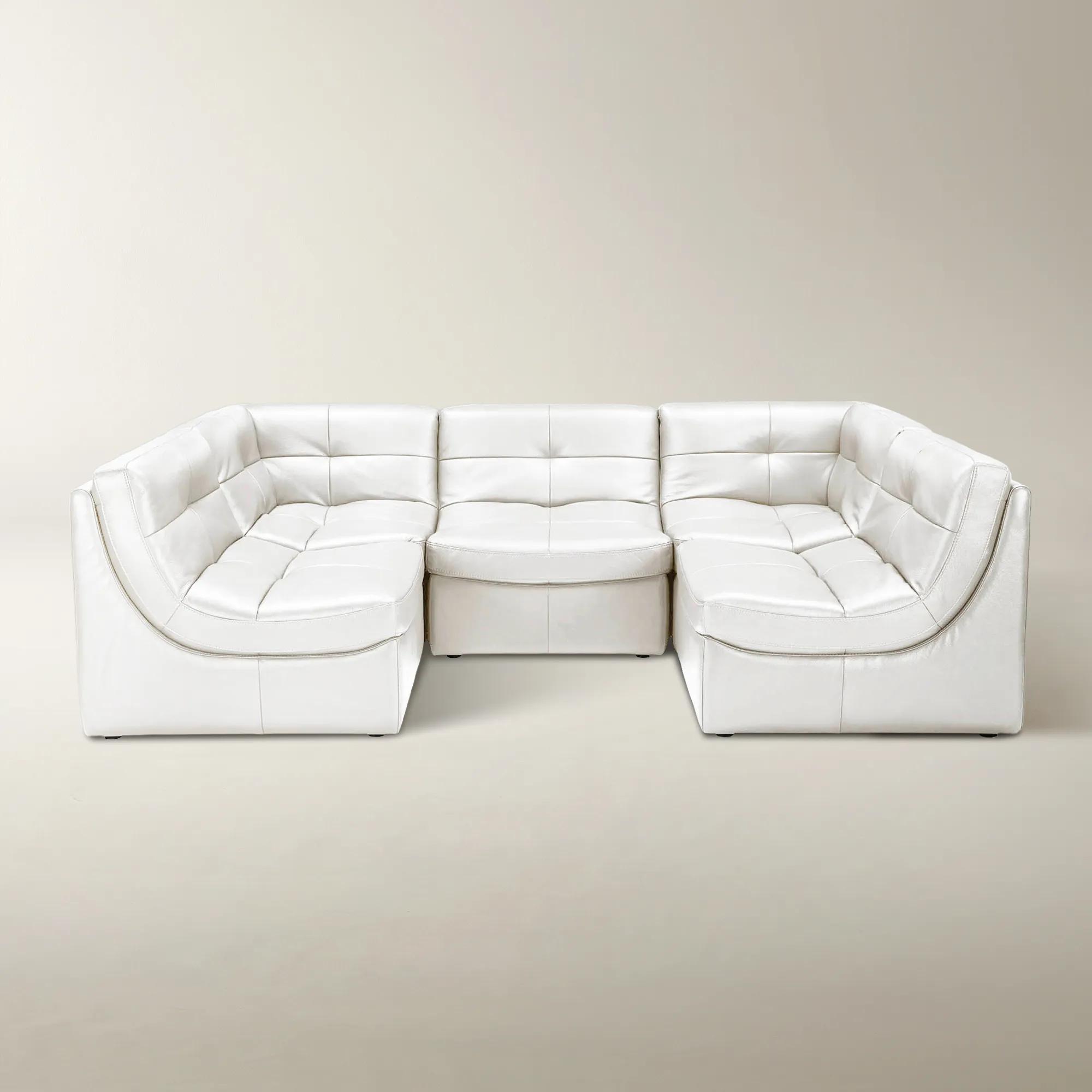 Convo 5-Piece U- Shaped White Leather Sectional Sofa$6399
A modular sectional featuring gently curved seats and charcoal semi-aniline leather upholstery for modern versatility.
Add To Cart -
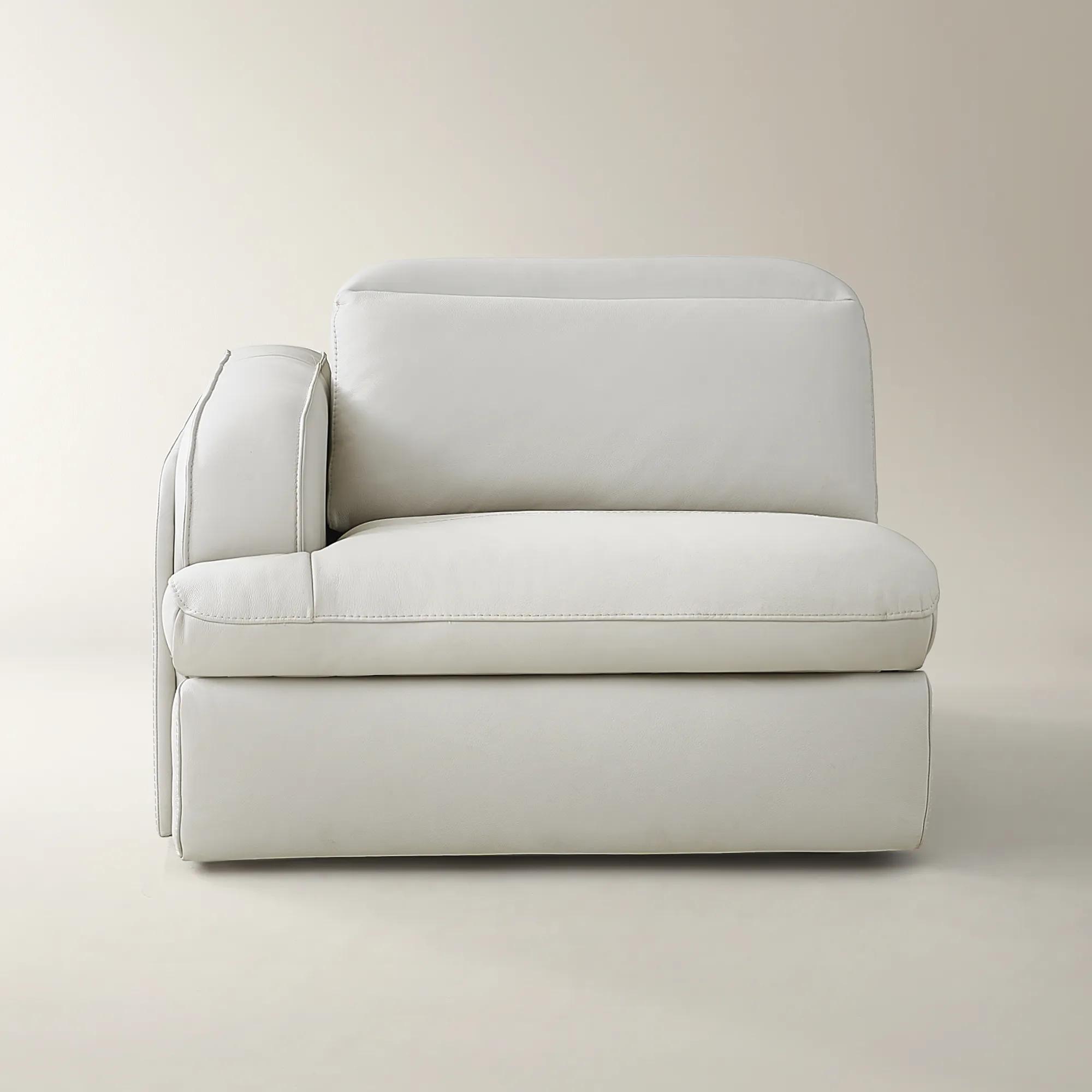
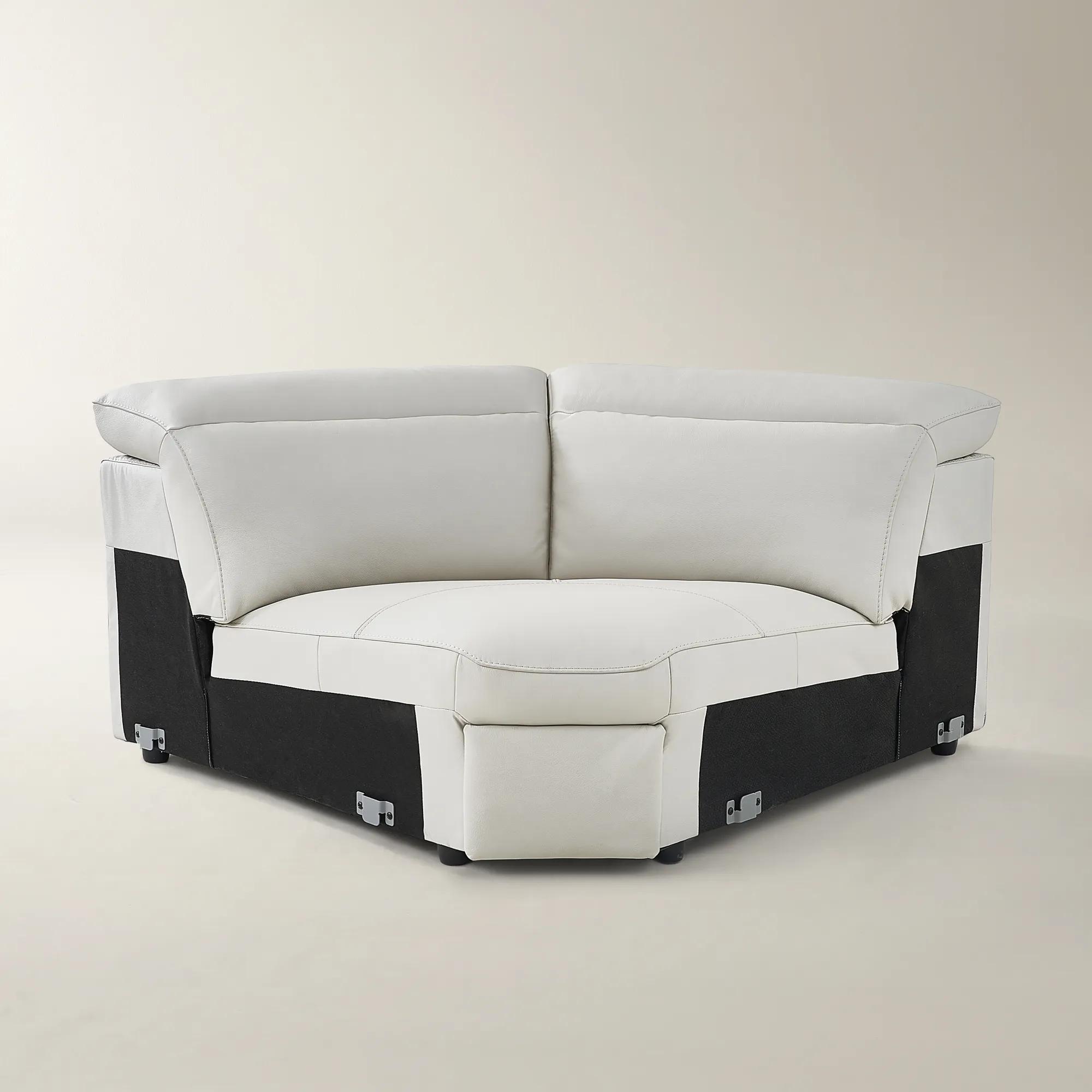
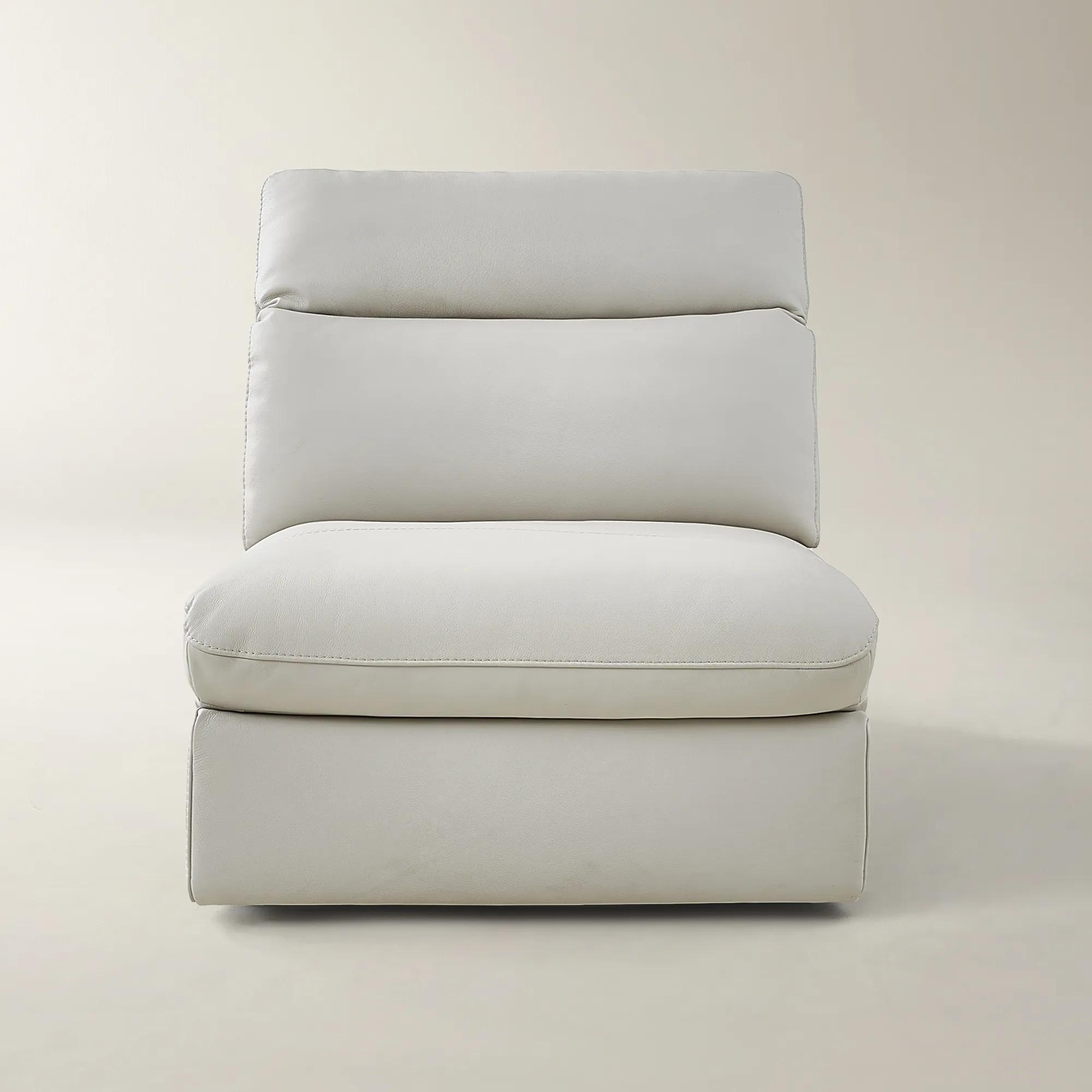
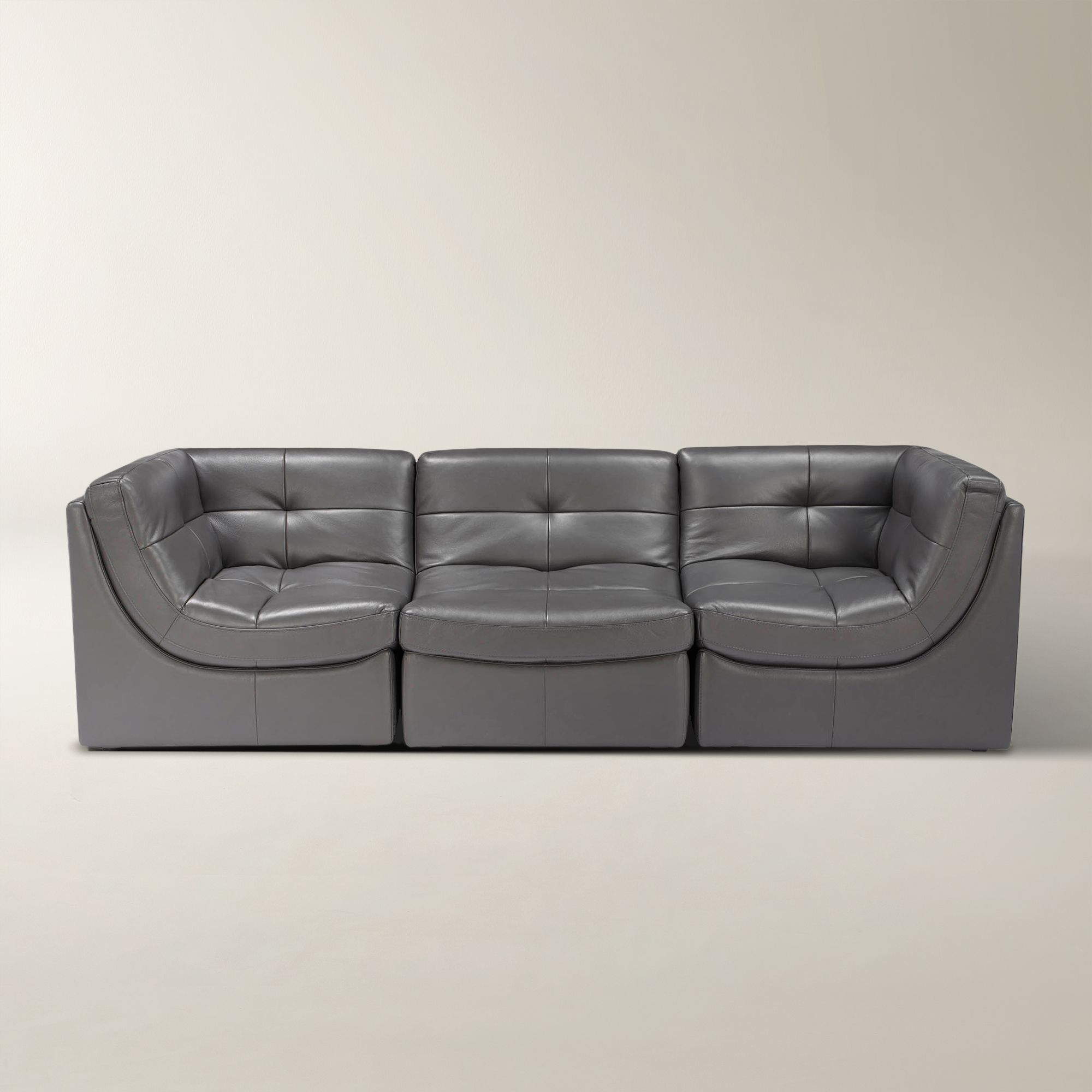 Convo 3-Piece Charcoal Leather Sectional Sofa$3999
A modular charcoal leather sofa with kiln-dried hardwood frame and gently curved, blind-tufted seats.
Add To Cart -
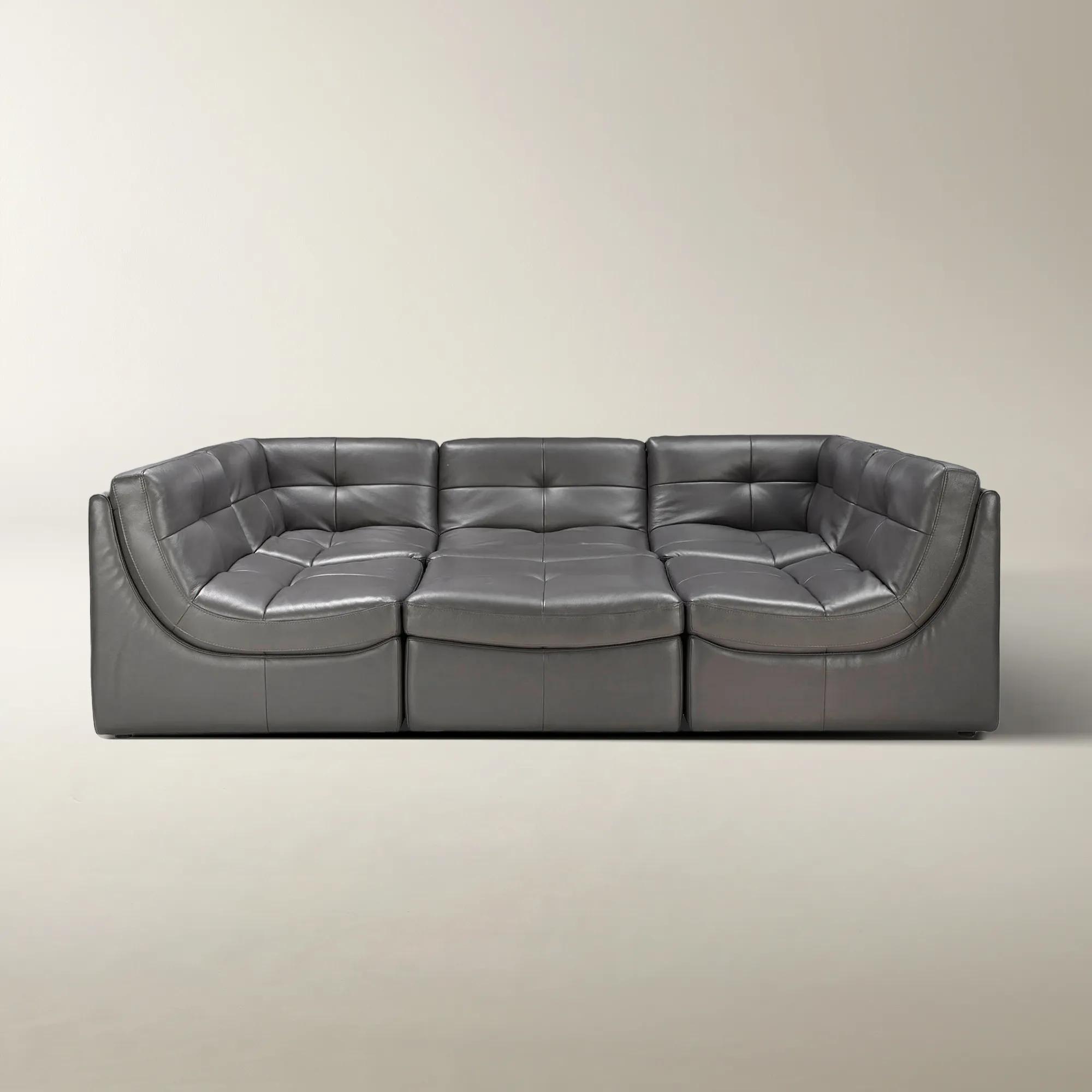 Convo 6-Piece Charcoal Leather Sectional Sofa$7249
A modular charcoal leather sectional with kiln-dried hardwood frame and blind-tufted, semi-aniline upholstery.
Add To Cart -
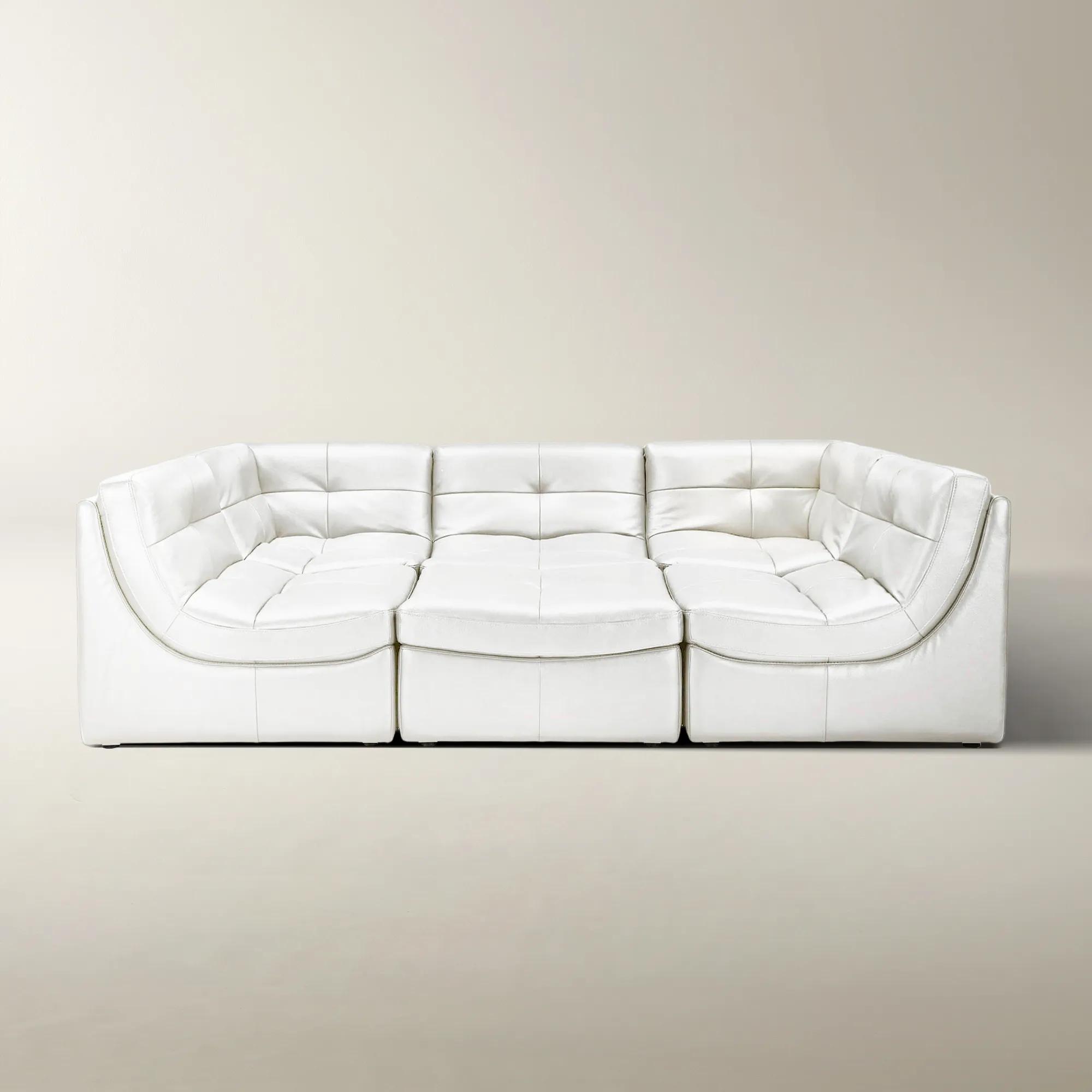 Convo 6-Piece White Leather Sectional Sofa$7249
A modular charcoal leather sectional with kiln-dried hardwood frame and gently curved, blind-tufted seats.
Add To Cart -
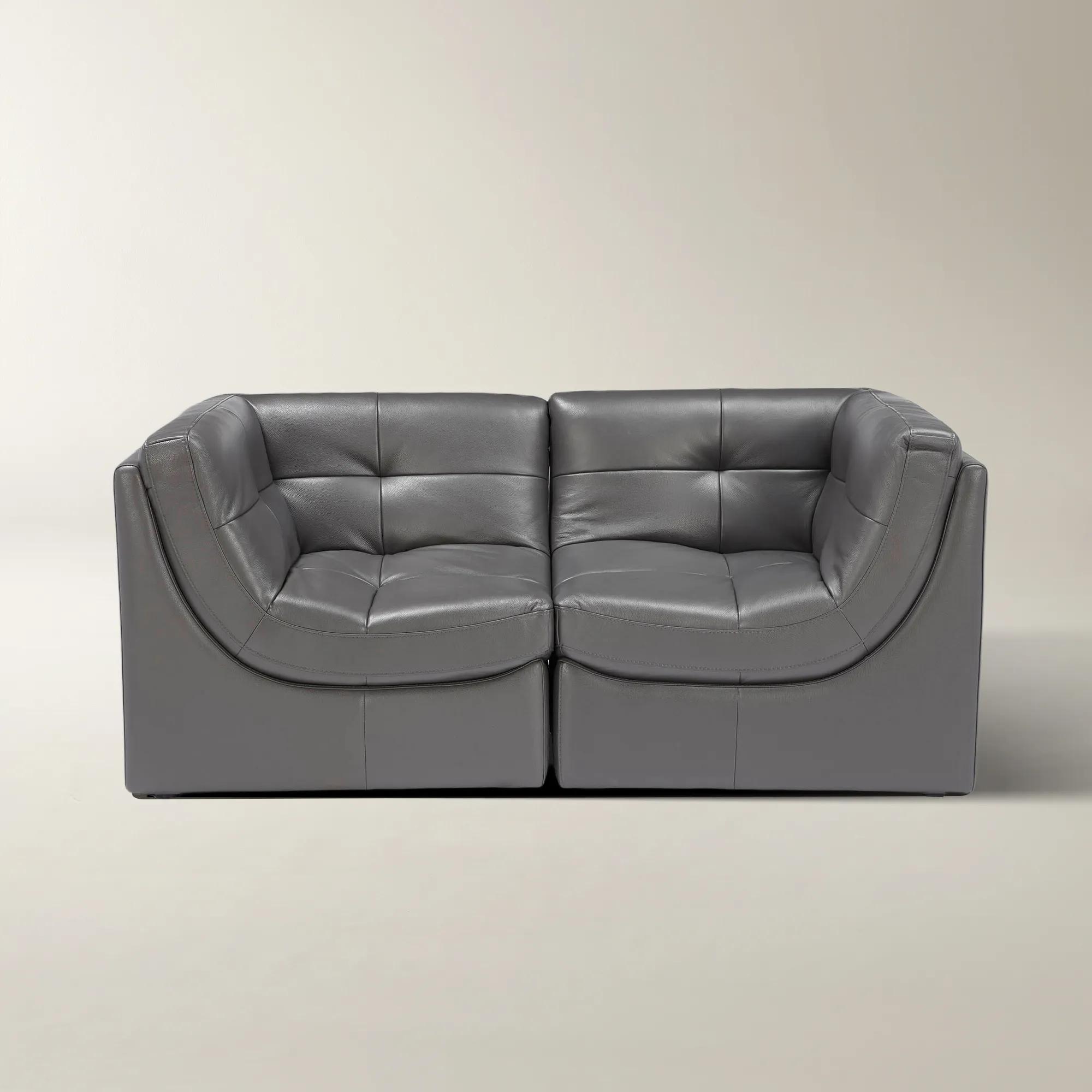 Convo 2-Piece Charcoal Leather Sectional Sofa$2799
A modular charcoal leather sofa with kiln-dried hardwood frame and blind-tufted, semi-aniline upholstery.
Add To Cart -
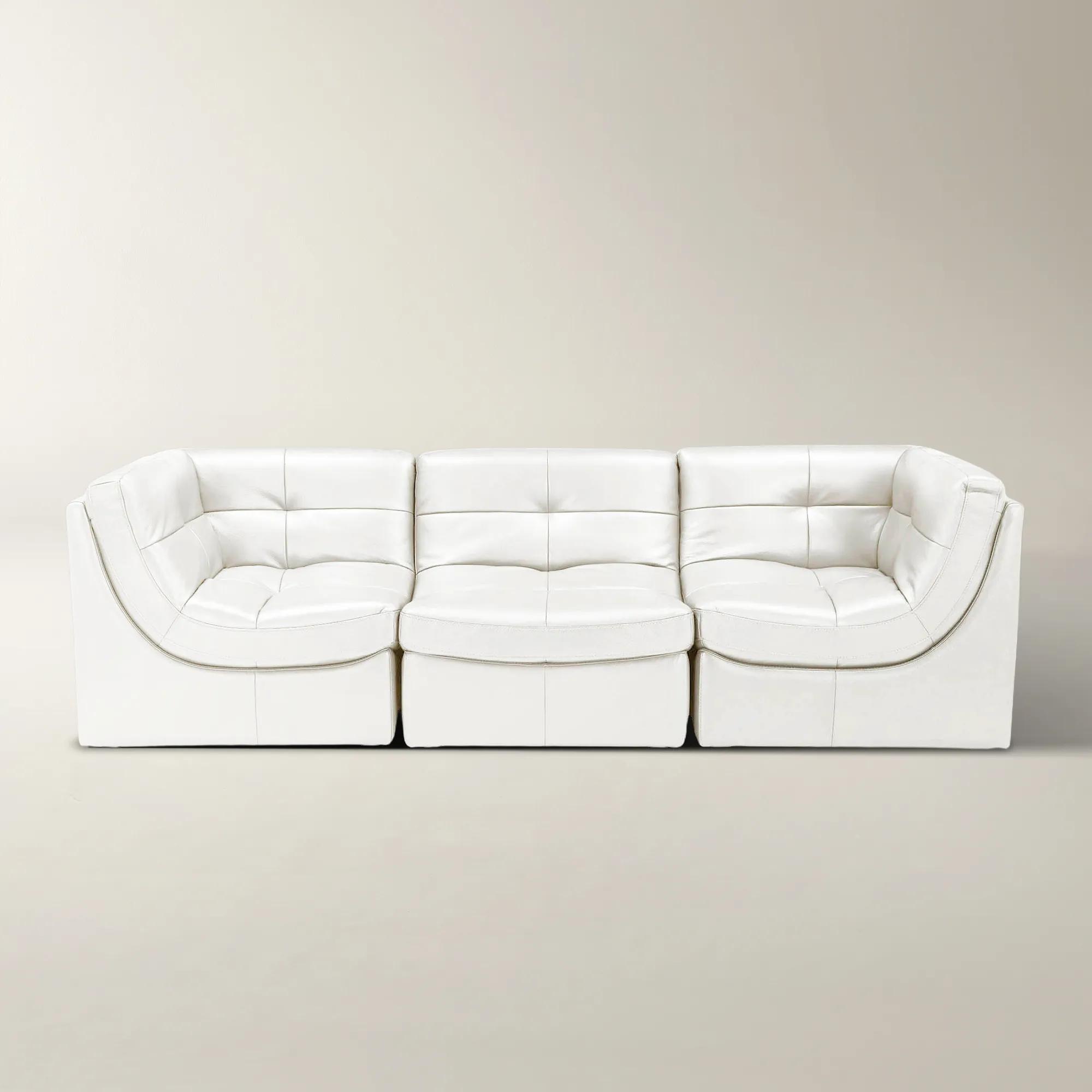 Convo 3-Piece White Leather Sectional Sofa$3999
A modular charcoal leather sofa with kiln-dried hardwood frame and blind-tufted, semi-aniline upholstery.
Add To Cart -
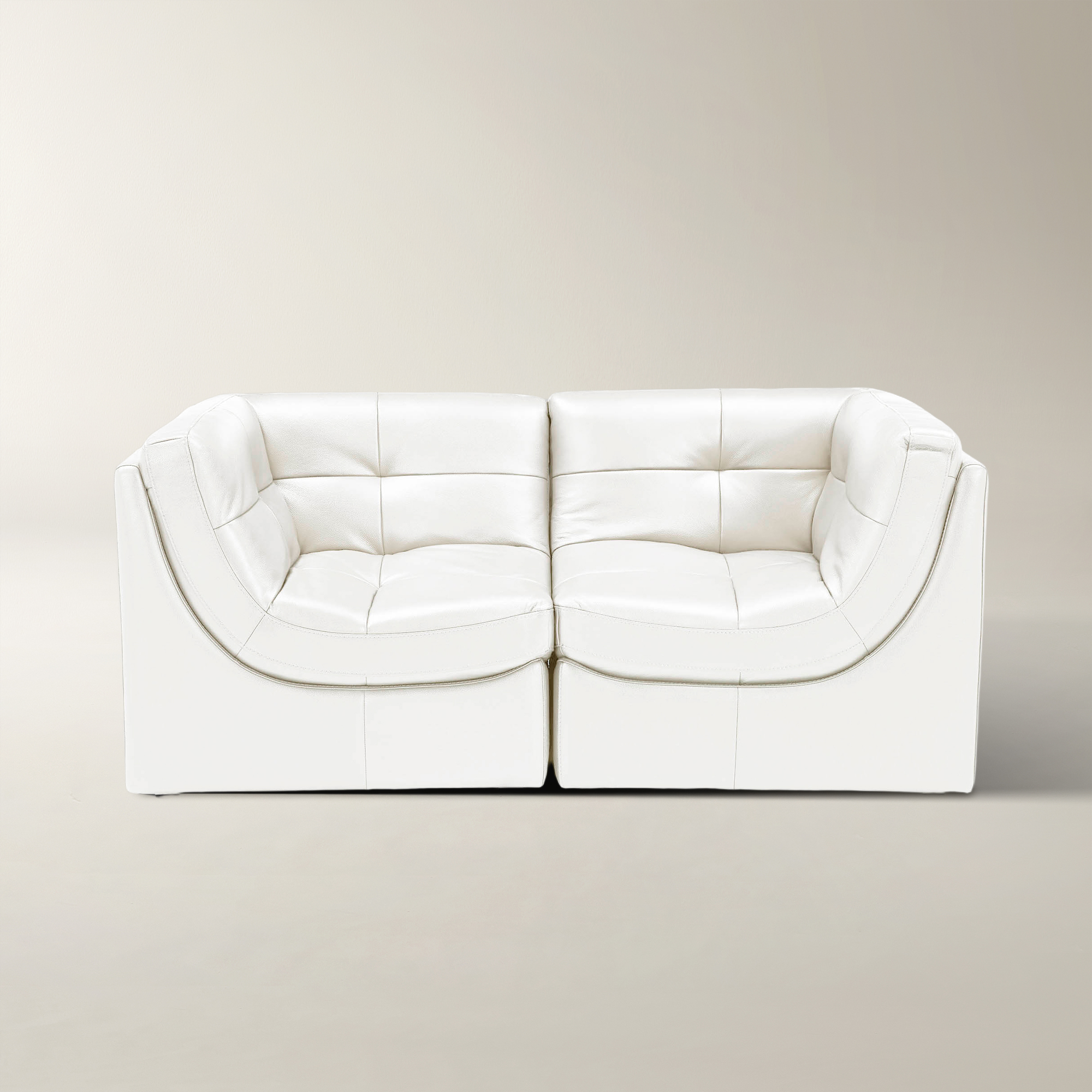 Convo 2-Piece White Leather Sectional Sofa$2799
A modular charcoal leather sofa with kiln-dried hardwood frame and blind-tufted, semi-aniline upholstery.
Add To Cart

Upholstered Channel Tufted Sectionals
Upholstered channel tufted sectionals are the ultimate expression of plush sophistication, transforming any living space into a gallery of modern glamour. Defined by their sculptural lines and sumptuous textures, these statement pieces invite you to sink into luxury while commanding attention with their artful presence. Each sectional is meticulously crafted to evoke a sense of drama and allure—where every channel, every curve, and every stitch creates an atmosphere rich in comfort and unapologetic style. Let your living room become a canvas for bold self-expression, anchored by the irresistible allure of upholstered channel tufted sectionals.
Upholstered channel tufted sectionals turn generous seating into a sculptural focal point, pairing the intimacy of a lounge with the presence of a statement piece. Channel tufting is an upholstery technique that creates parallel padded sections separated by stitched seams or recessed lines. Those channels may run vertically or horizontally across the back, arms, or seat, giving the sectional a rhythmic surface that catches light and emphasizes its shape. Unlike the buttoned pattern associated with traditional tufting, channel detailing draws attention to long, uninterrupted lines. The effect can feel architectural, Art Deco inspired, or distinctly contemporary, depending on the silhouette, upholstery, and proportions. Tall vertical channels lend a tailored quality to a broad back, while horizontal channels can emphasize a low, expansive profile. Curved forms soften the geometry of a room; squared arms and crisp edges bring a more structured presence. Upholstery deepens that visual character. Velvet creates luminous shifts in tone as its pile changes direction, giving a jewel-toned sectional remarkable depth and making an ivory silhouette feel softly dimensional. Chenille offers a plush, textured surface with a less reflective appearance, while woven fabrics introduce subtle variations in color and touch. Fabric composition, weave, backing, and finish all influence how an upholstery feels and performs; the fabric name alone does not establish its durability. For seating that will anchor daily life, the beauty of the channel pattern should be matched by a comfortable seat depth, supportive cushioning, and a back height suited to the people using it. Deep seats invite reclining and relaxed conversation, while shallower proportions can make upright sitting feel more natural. Foam, fiber, and feather-blend cushion constructions offer different levels of resilience and softness, so their appeal depends on whether the desired experience is tailored support or a more enveloping lounge. The result is seating with both visual authority and a clear purpose: a place for conversation, quiet reading, and unhurried evenings.
The sectional’s configuration determines how that presence unfolds across the room. An L-shaped upholstered sectional can define a seating area without enclosing it completely, making it a compelling choice for an open living space or a room shared with a dining area. A chaise extends the lounging surface while preserving a relatively open arrangement, and its orientation matters as much as its length. Left-facing and right-facing descriptions can vary by retailer, so the configuration diagram is more useful than the label alone. U-shaped sectionals create a more encompassing setting, with seating that encourages guests to face one another rather than gather along a single wall. Curved arrangements bring a different kind of intimacy, shaping a conversation area around a round coffee table or a sculptural centerpiece. Modular designs may allow sections to be rearranged, although flexibility depends on the individual components, finished sides, and connection system. For an apartment, a compact sectional can deliver a generous lounging area without the visual clutter of several separate seats. In a larger living room, a broad configuration can establish an inviting gathering place for a household that entertains often. A successful fit depends on more than the overall width. Seat depth, chaise projection, arm thickness, and back height affect both comfort and the amount of space the sectional occupies. Broad upholstered arms contribute to a sumptuous silhouette but can reduce usable seating relative to the exterior dimensions. Clear pathways around the arrangement keep its scale feeling intentional, particularly near doorways, dining chairs, and frequently opened cabinets. Coffee-table placement should leave comfortable legroom without making every reach feel like a stretch. Delivery access deserves equal attention: door openings, hallway turns, elevators, and stair landings can determine whether a configuration reaches its intended room. Dimensions for individual sections, rather than only the assembled footprint, provide a more accurate picture of that journey. When scale and circulation are considered together, channel-tufted seating feels integrated into the architecture rather than simply placed within it.
Lasting appeal comes from the relationship between upholstery, construction, and everyday habits. In a frequently used family room, a tightly woven fabric or an upholstery with documented performance properties may be more suitable than a delicate surface chosen solely for its sheen. Performance claims should be read individually: resistance to staining does not necessarily mean resistance to scratching, fading, or every cleaning solution. Households with children or pets benefit from considering snag potential, how easily hair releases from the fabric, and whether cushion covers are removable; removable covers are not automatically machine washable. Frame construction, suspension, cushion materials, and secure sectional connectors also contribute to how seating holds its shape and feels over time. Channel tufting adds another detail to the care routine because crumbs and dust can settle along its recessed seams. Regular, gentle vacuuming with an upholstery attachment helps maintain those contours, while prompt blotting with a clean, absorbent cloth can limit the spread of a spill. The manufacturer’s care label should govern cleaning methods, including whether water-based products, solvent-based products, or professional treatment are appropriate. Velvet may show pressure marks or variations in shading as the pile moves, an effect that differs from an actual stain and calls for fabric-specific care rather than vigorous rubbing. Protecting upholstery from prolonged direct sunlight helps reduce uneven fading, and rotating or fluffing cushions where the design permits can encourage more even wear. Styling can then amplify the sectional’s character without concealing the detail that makes it distinctive. A few substantial pillows in contrasting textures allow the channels to remain visible, while a generously scaled rug gives the arrangement a defined foundation. Glass, polished metal, and richly grained wood offer striking counterpoints to soft upholstery. In a room shaped around expressive design, stylish channel tufted sectionals establish a confident visual rhythm, bringing sculpted lines, tactile richness, and the pleasure of generous seating into one cohesive composition.
FAQs
Channel tufted sectionals are defined by their signature vertical or horizontal channels—elongated, padded segments that create a striking linear pattern across the upholstery. Unlike button or diamond tufting, which evoke a classic, ornate look, channel tufting delivers a bold, architectural effect that feels both modern and timeless. This technique not only adds dimensional texture but also enhances the visual drama and plush comfort of the sectional.
Velvet remains a perennial favorite for channel tufted sectionals, prized for its sumptuous texture and luminous sheen that brings out the depth of the tufting. Performance fabrics such as high-quality polyester blends and linen are also sought after for their durability and ease of care, making them ideal for high-traffic living spaces. Each fabric choice lends a distinct personality to the sectional, from the opulent allure of velvet to the crisp sophistication of linen.
Channel tufted sectionals act as statement pieces, instantly elevating the ambiance with their sculptural presence and tactile appeal. The rhythmic channels play with light and shadow, adding movement and intrigue to the room. Whether in a bold jewel tone or a serene neutral, these sectionals set a mood—inviting relaxation, sparking conversation, and anchoring the overall design vision with a sense of luxury and artistry.
Absolutely—channel tufted sectionals are remarkably versatile. Their clean lines and structured form complement modern and mid-century interiors, while lush fabrics and dramatic silhouettes can echo the glamour of Art Deco or Hollywood Regency spaces. Even in more eclectic or transitional settings, a channel tufted sectional serves as a unifying focal point, balancing boldness with sophistication.
To preserve the elegance of channel tufted upholstery, regular gentle vacuuming with a soft brush attachment helps remove dust from the channels. For velvet, occasional brushing in the direction of the nap restores its sheen, while spot cleaning with a damp cloth addresses minor spills. Always consult the manufacturer’s care instructions for specific guidance, and consider professional cleaning periodically to ensure the sectional remains as stunning as the day it arrived.