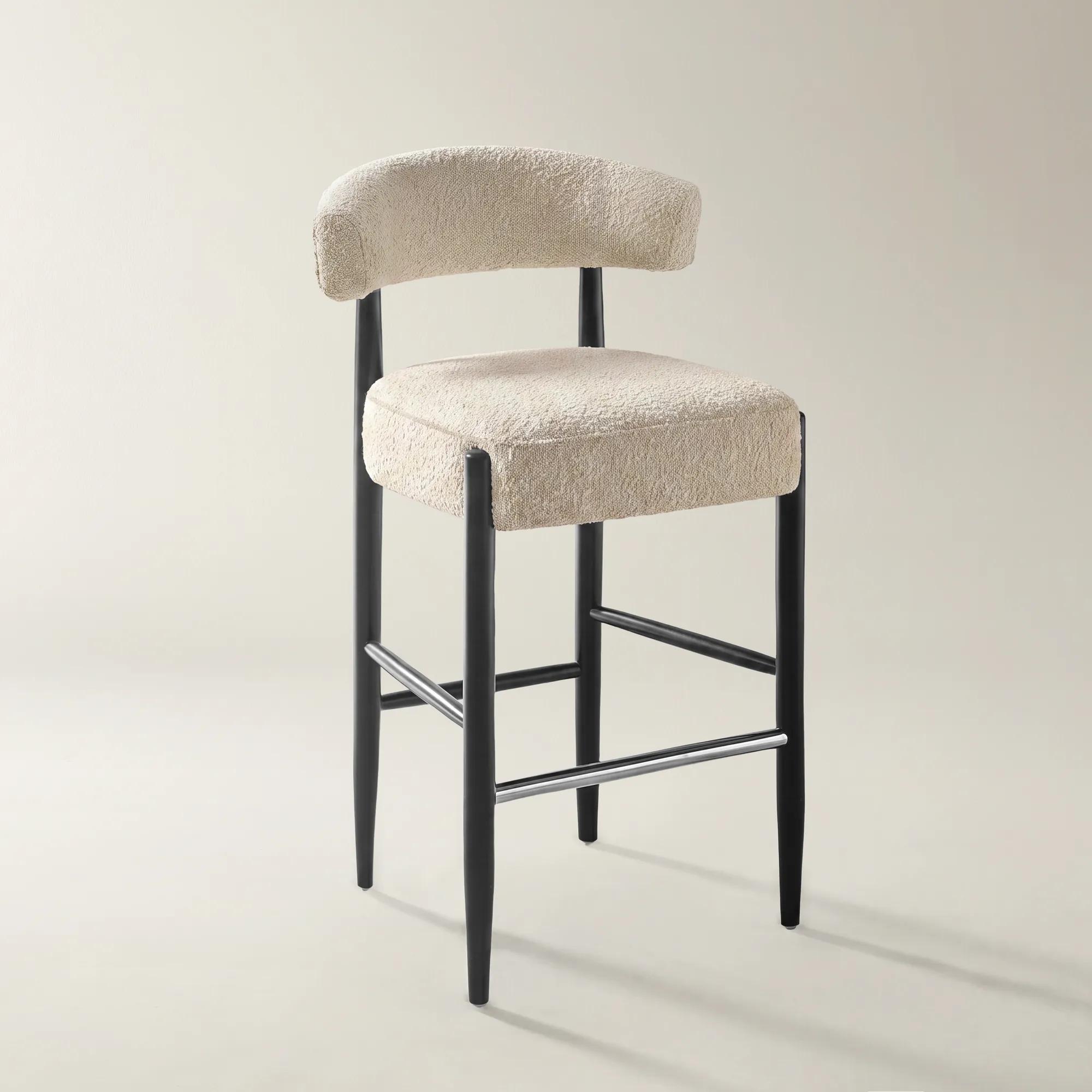
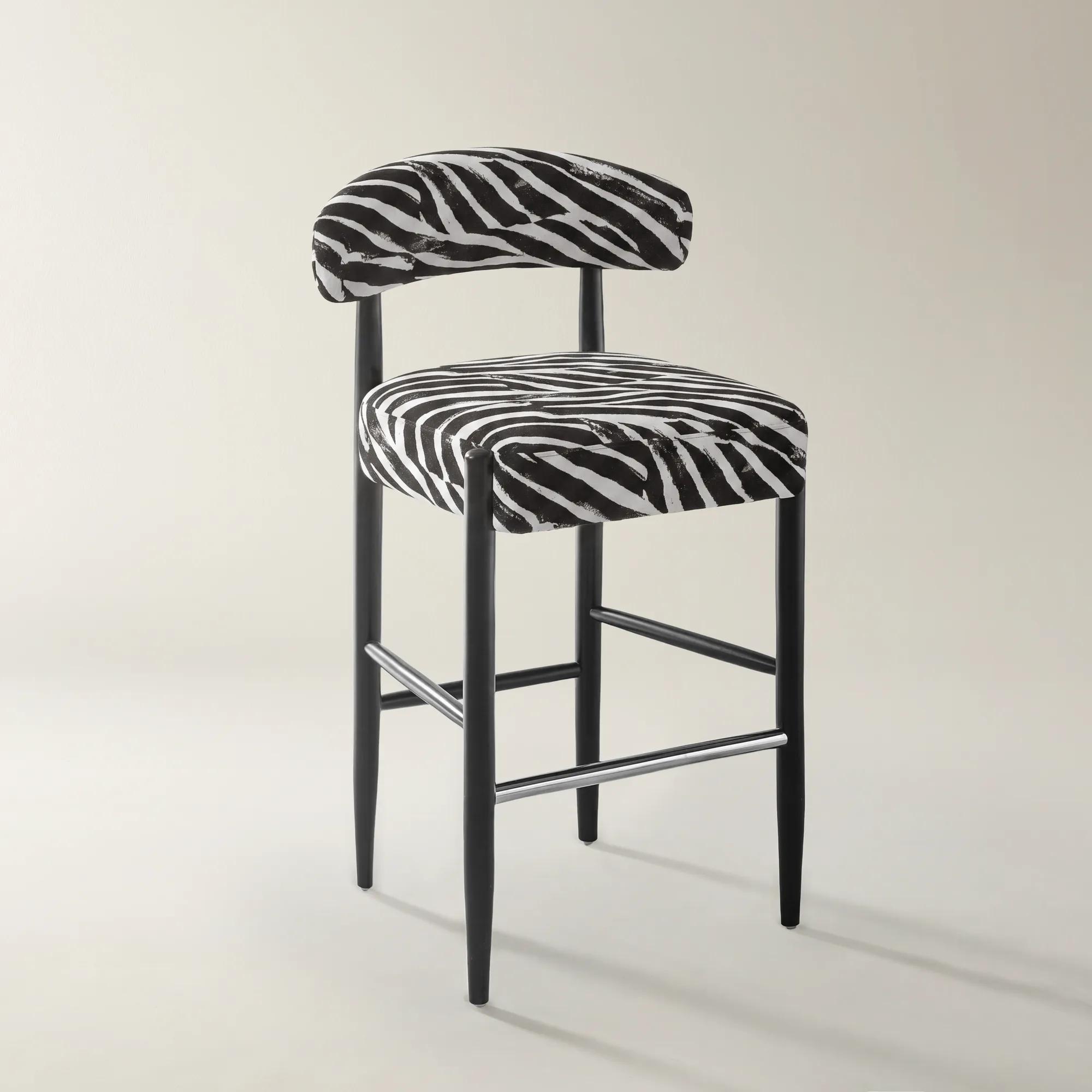
Upholstered Barrel Back Chairs
Upholstered Barrel Back Chairs
-
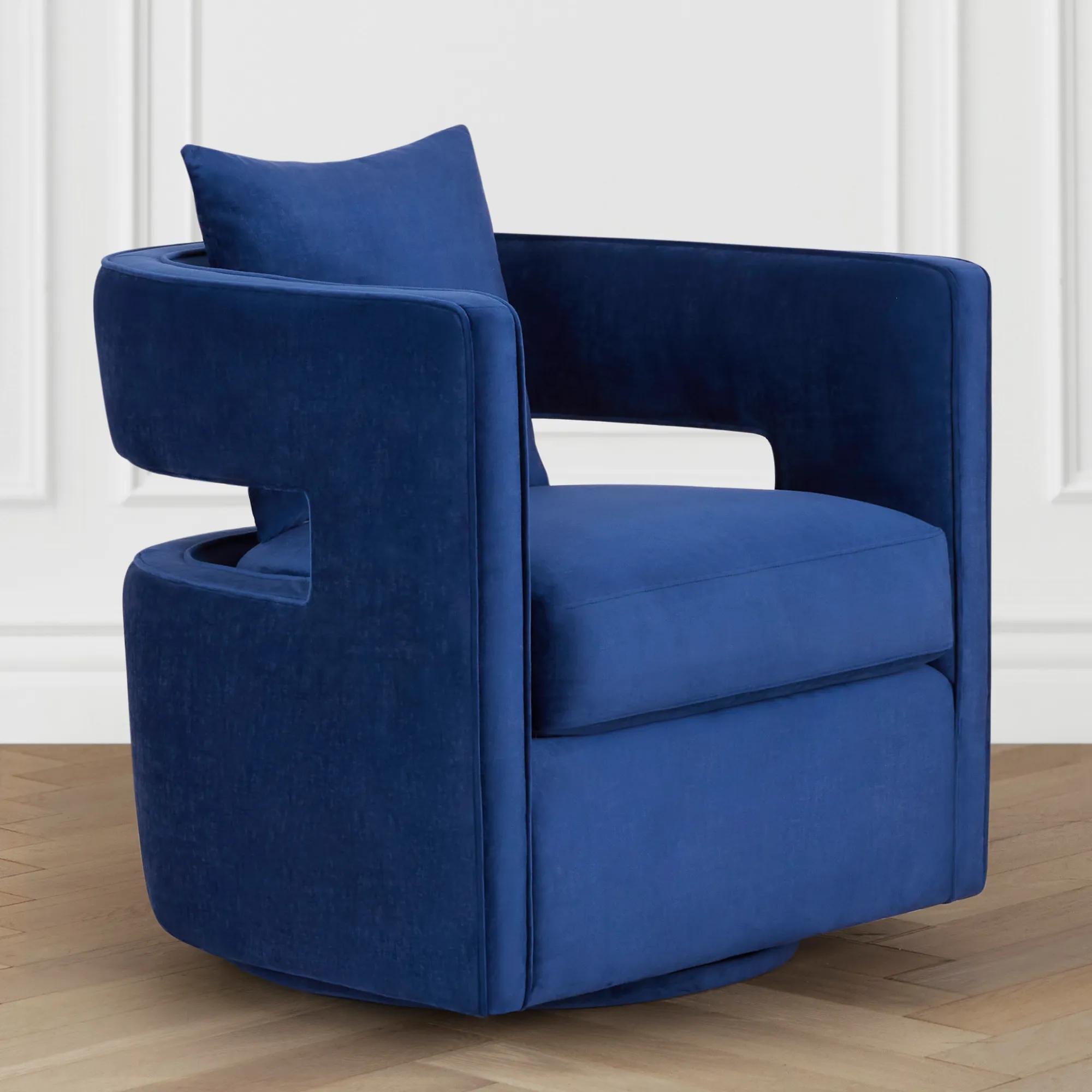
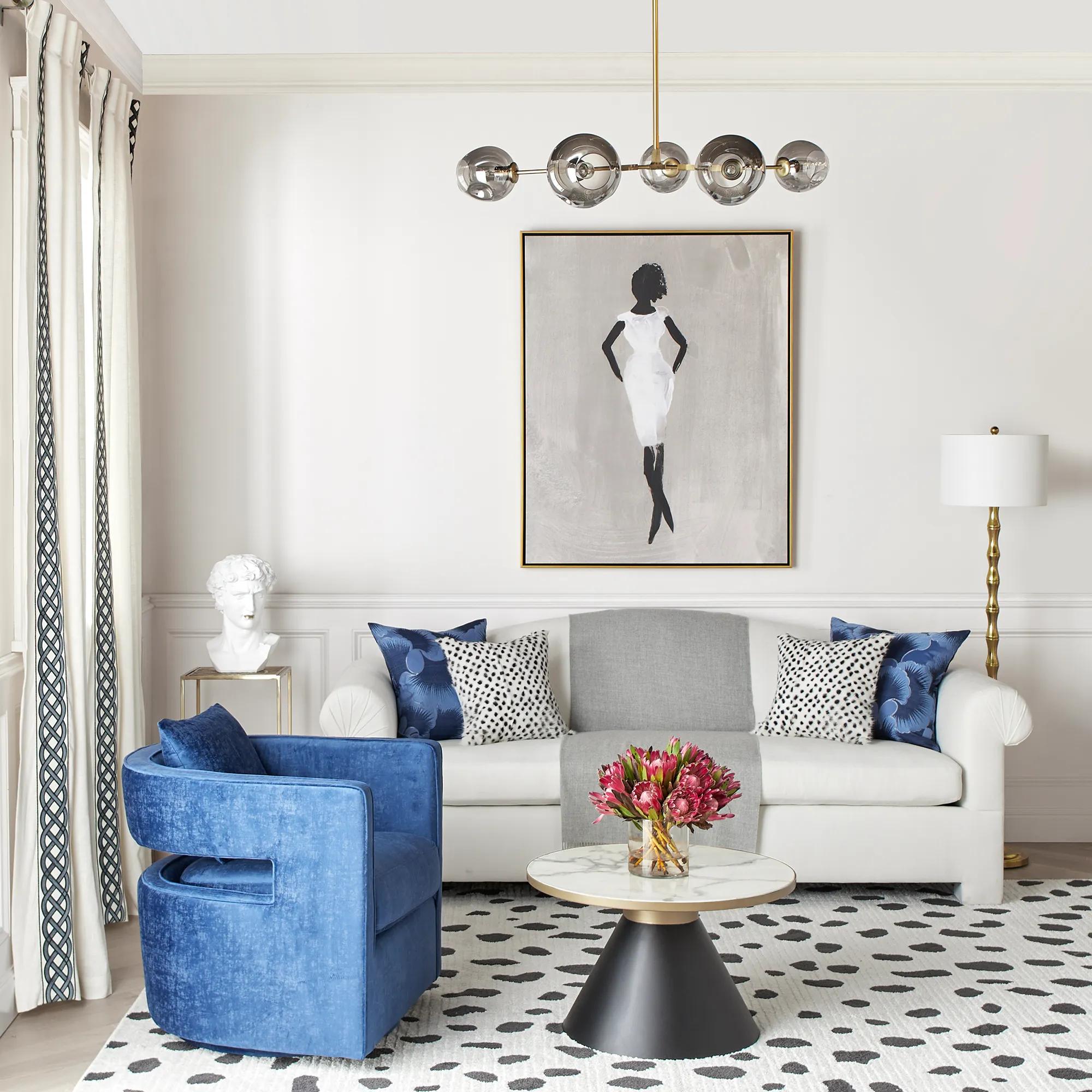 Lottie Navy Velvet Swivel Accent Chair$999
A navy velvet swivel accent chair featuring a sculpted barrel silhouette, open arms, and supportive cushioning.
Add To Cart -
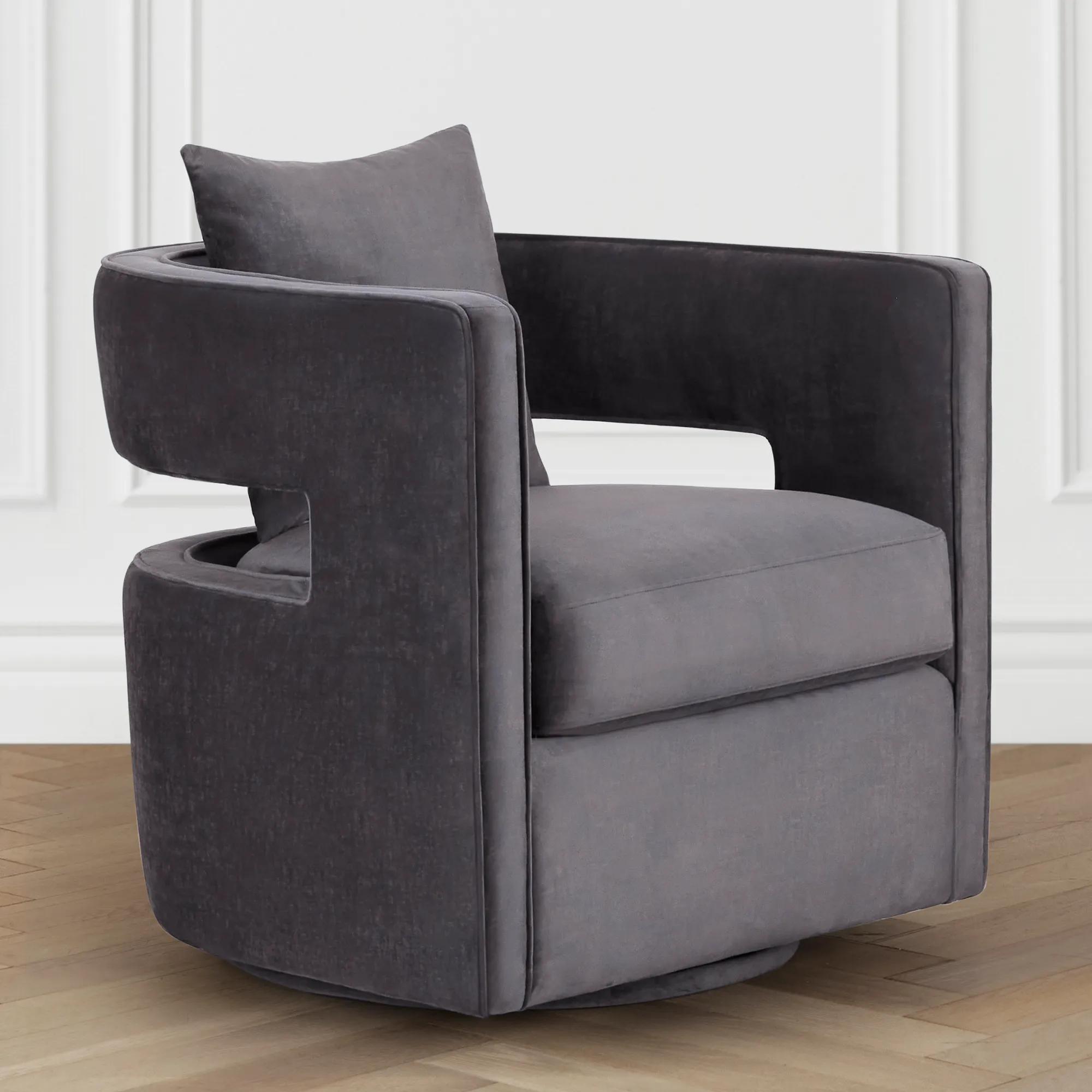 Lottie Grey Velvet Swivel Accent Chair$999
A glamorous grey velvet swivel chair featuring a barrel back, cutout arms, and plush foam cushioning.
Add To Cart -
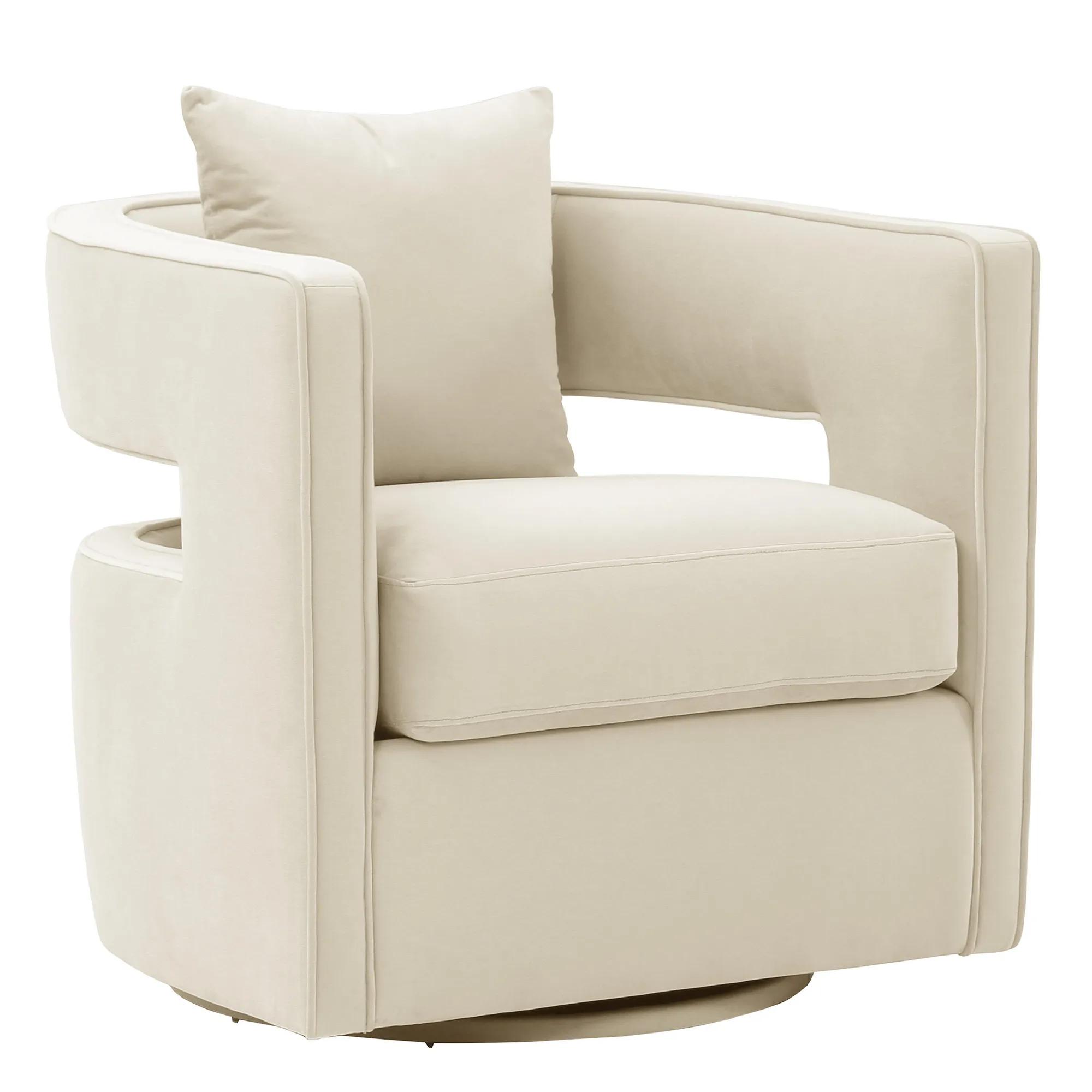
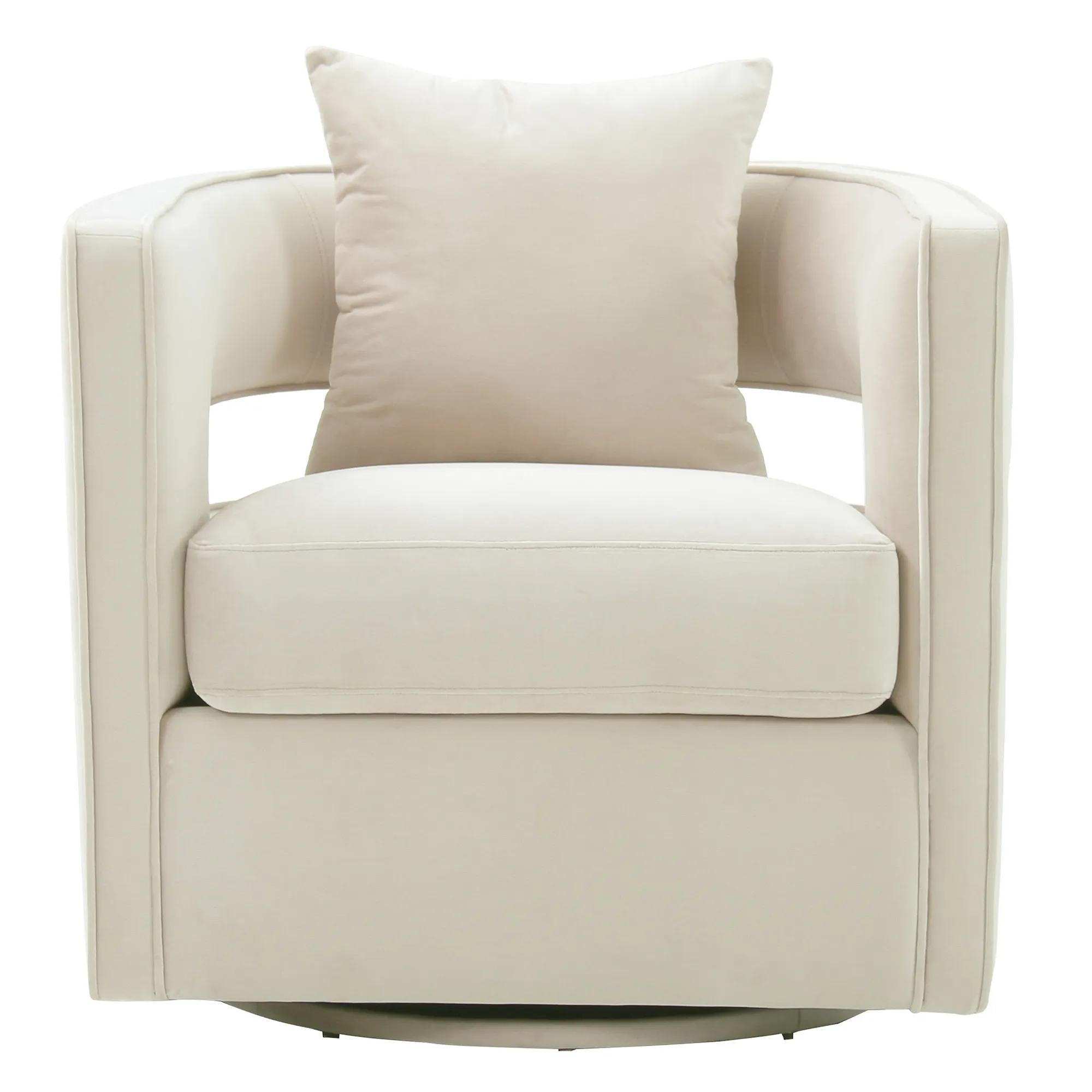 Lottie Cream Velvet Swivel Accent Chair$999
A glamorous cream velvet swivel chair featuring a barrel back, cutout arms, and plush foam cushioning.
Add To Cart -
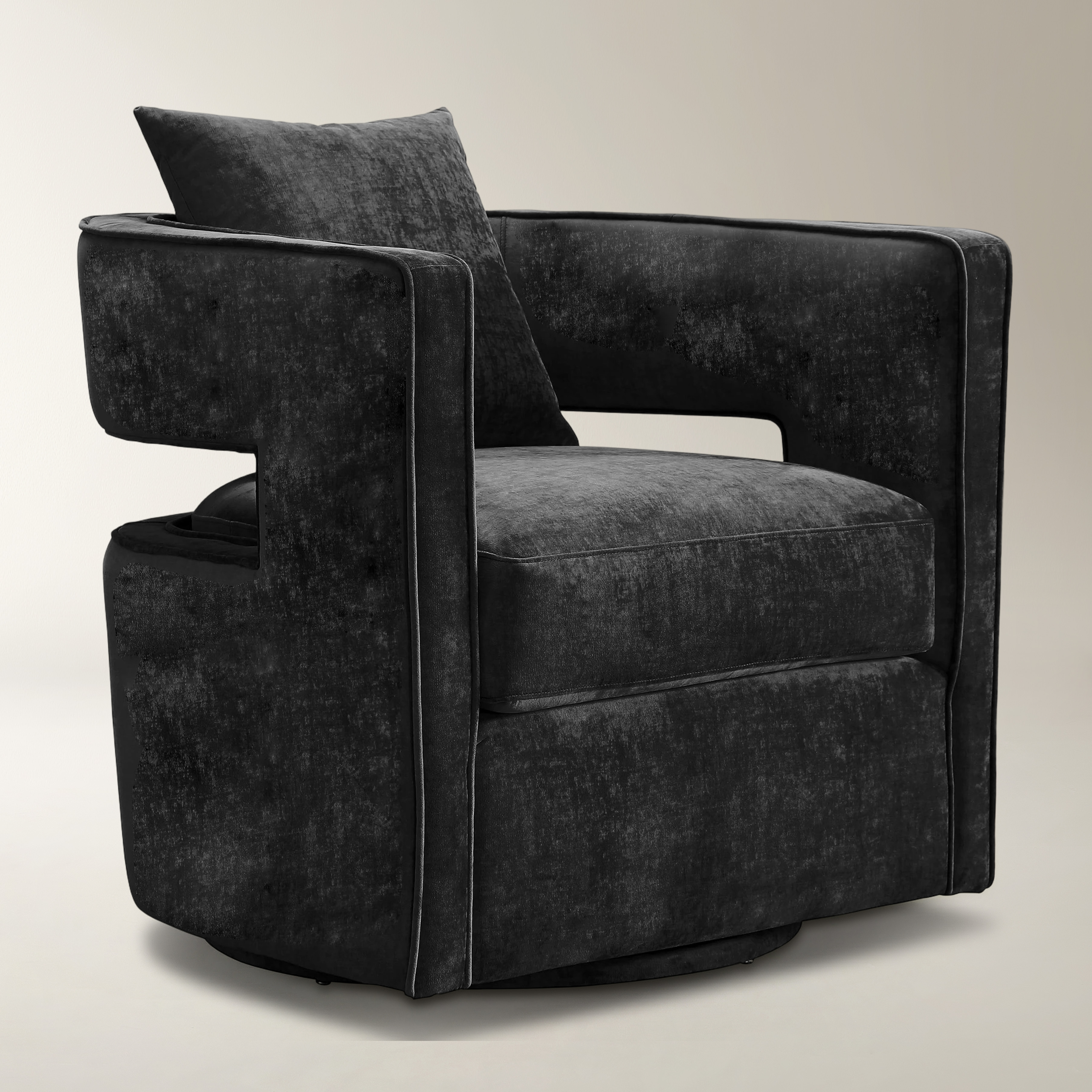 Lottie Black Velvet Swivel Accent Chair$999
A black velvet swivel accent chair with a sculpted barrel silhouette, open arms, and supportive cushioning.
Add To Cart -

 Aria Pleated Swivel Chair$1349
A barrel-style swivel chair in kiln-dried hardwood, shown in Bella Velvet Pearl with pleated tailoring.
Add To Cart -
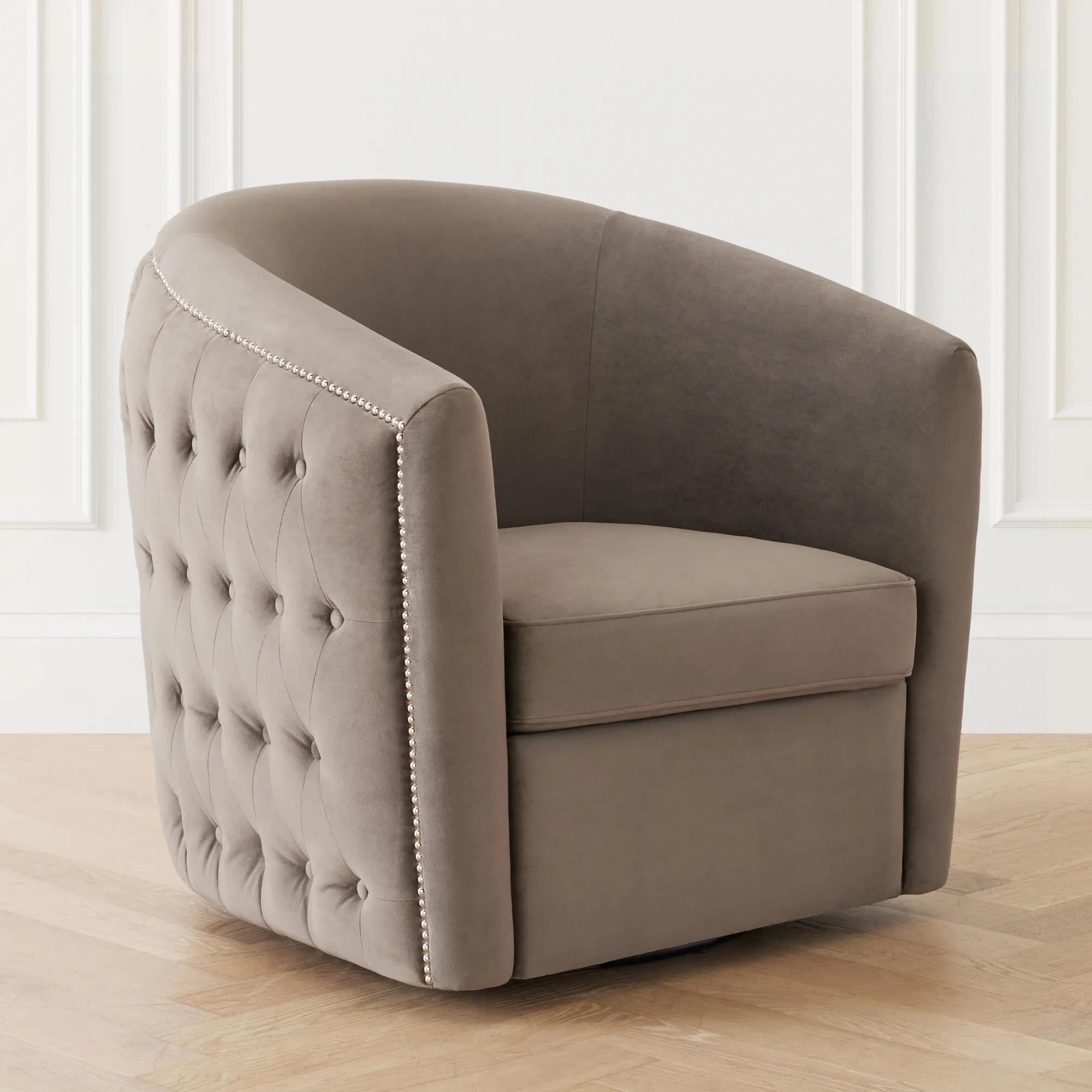
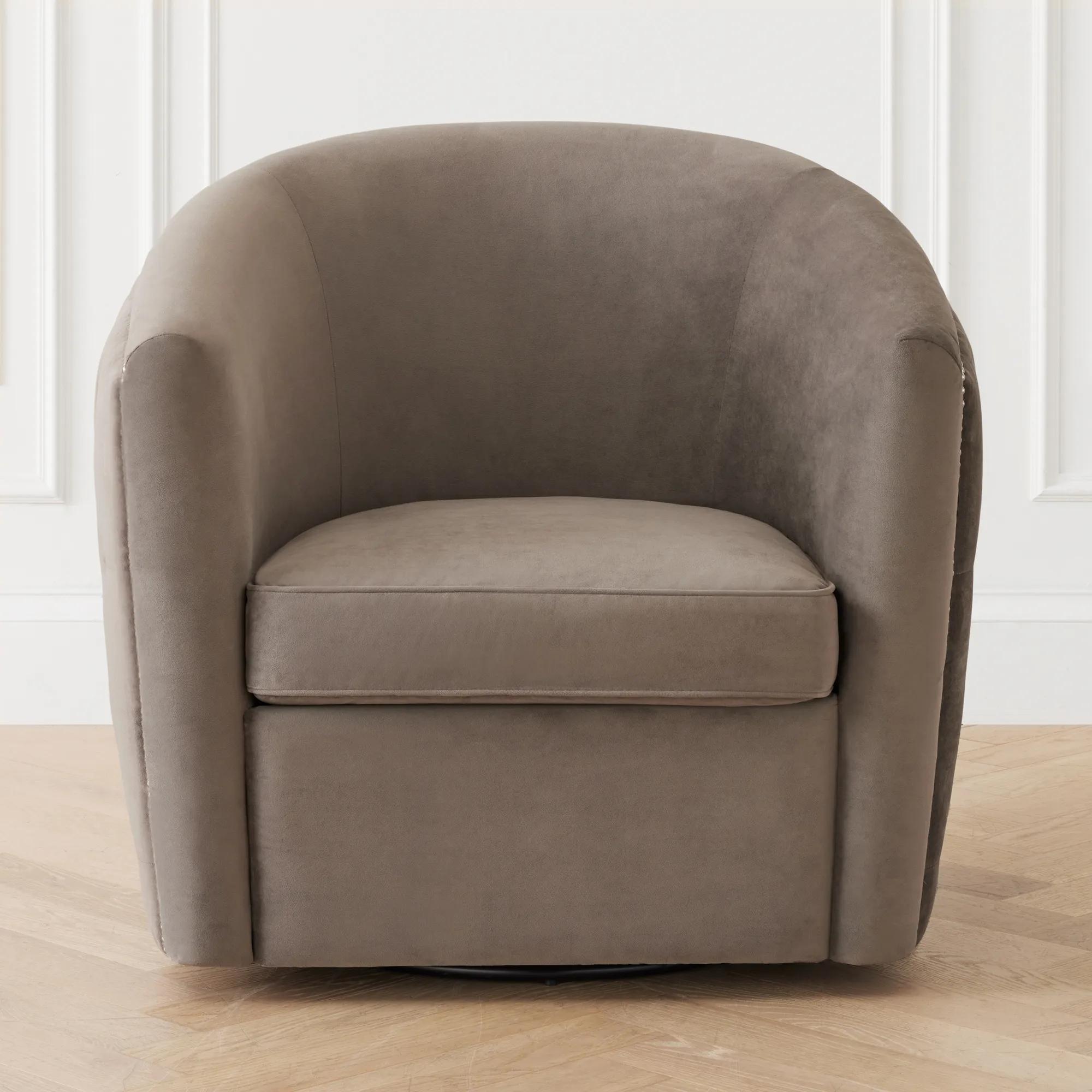 Aria Tufted Swivel Chair$1899
A barrel-style swivel chair in Bella Velvet Otter with tufted detailing and bright nickel nailhead trim.
Add To Cart -
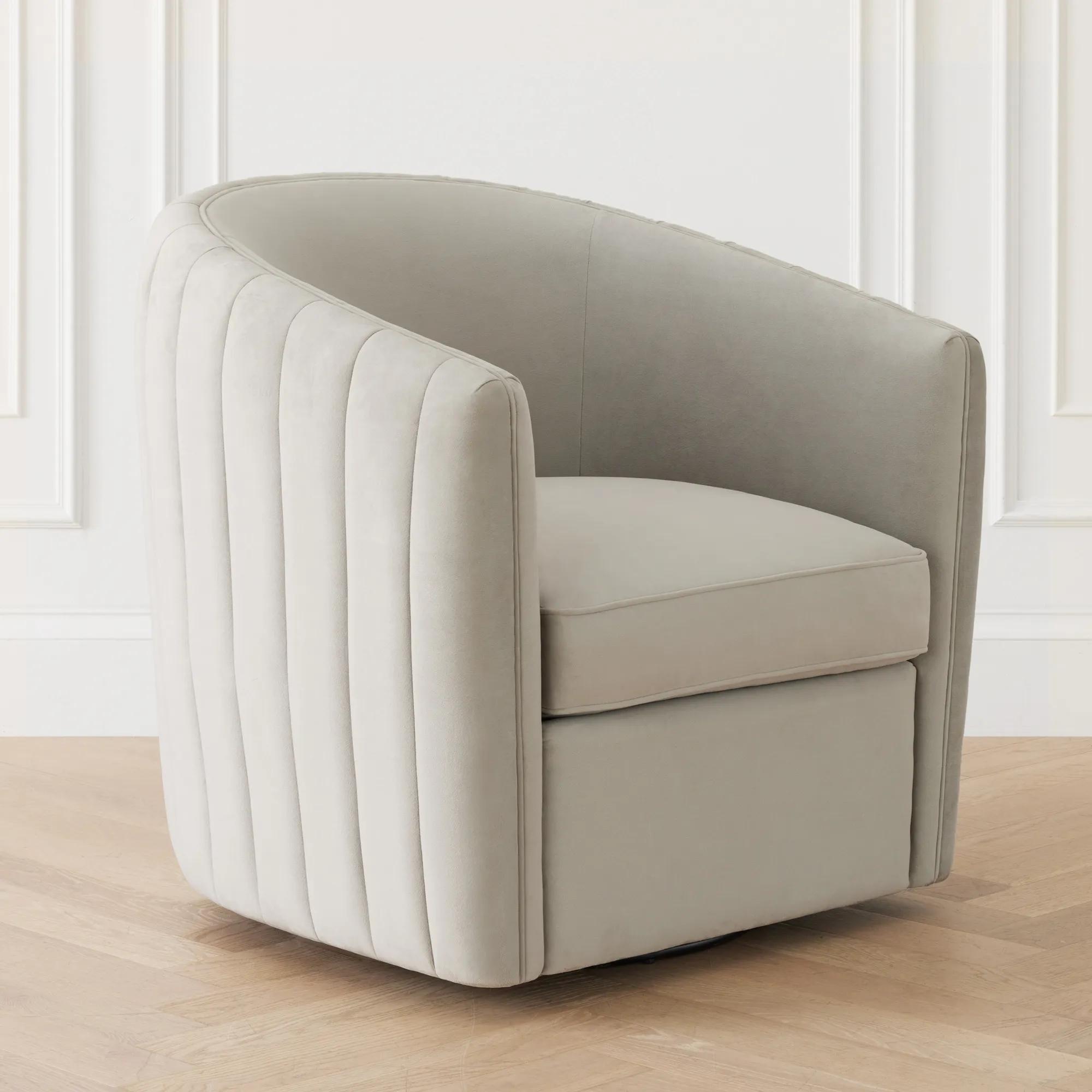
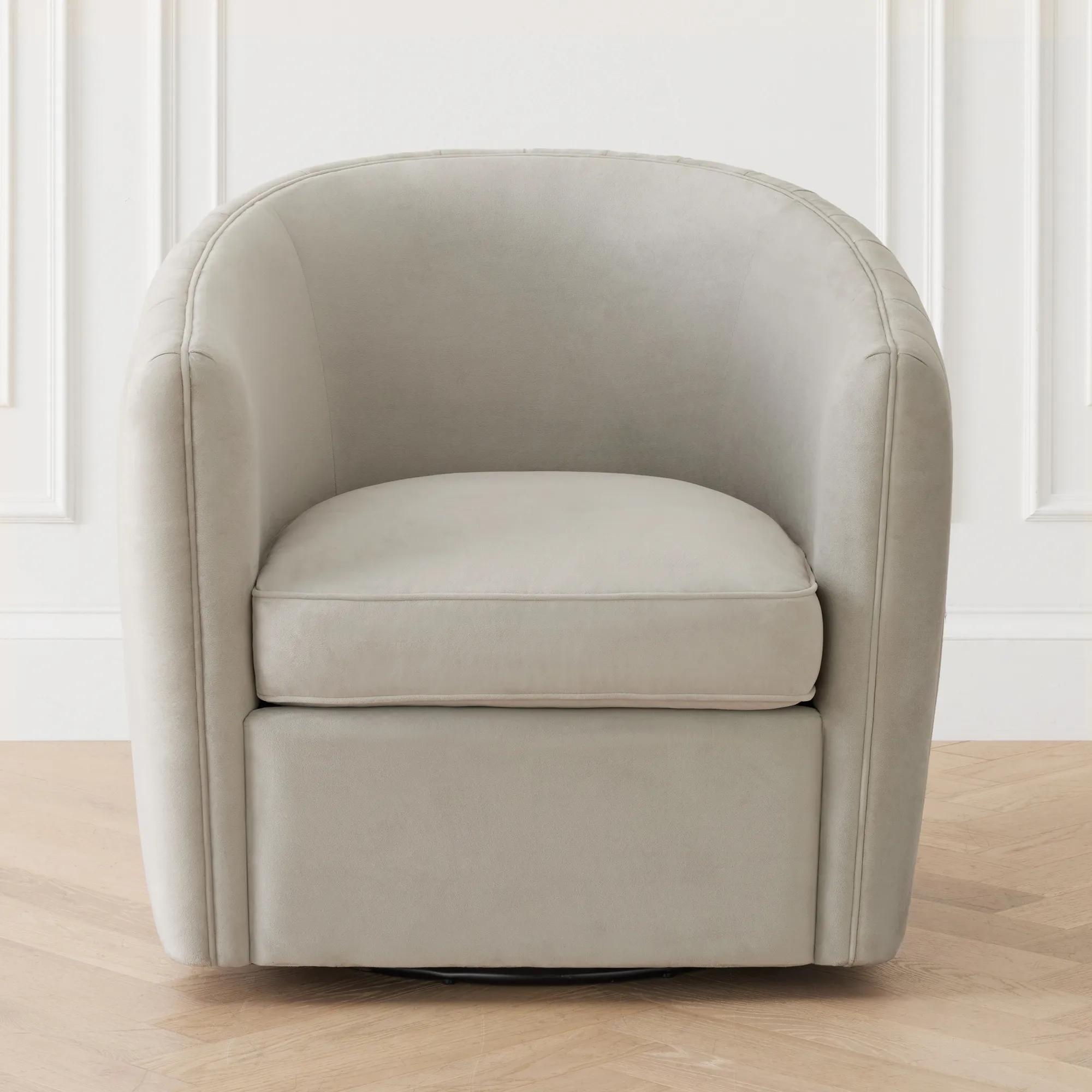 Aria Channeled Swivel Chair$1249
A modern barrel chair in kiln-dried hardwood with channeled velvet upholstery and a smooth swivel base.
Add To Cart -
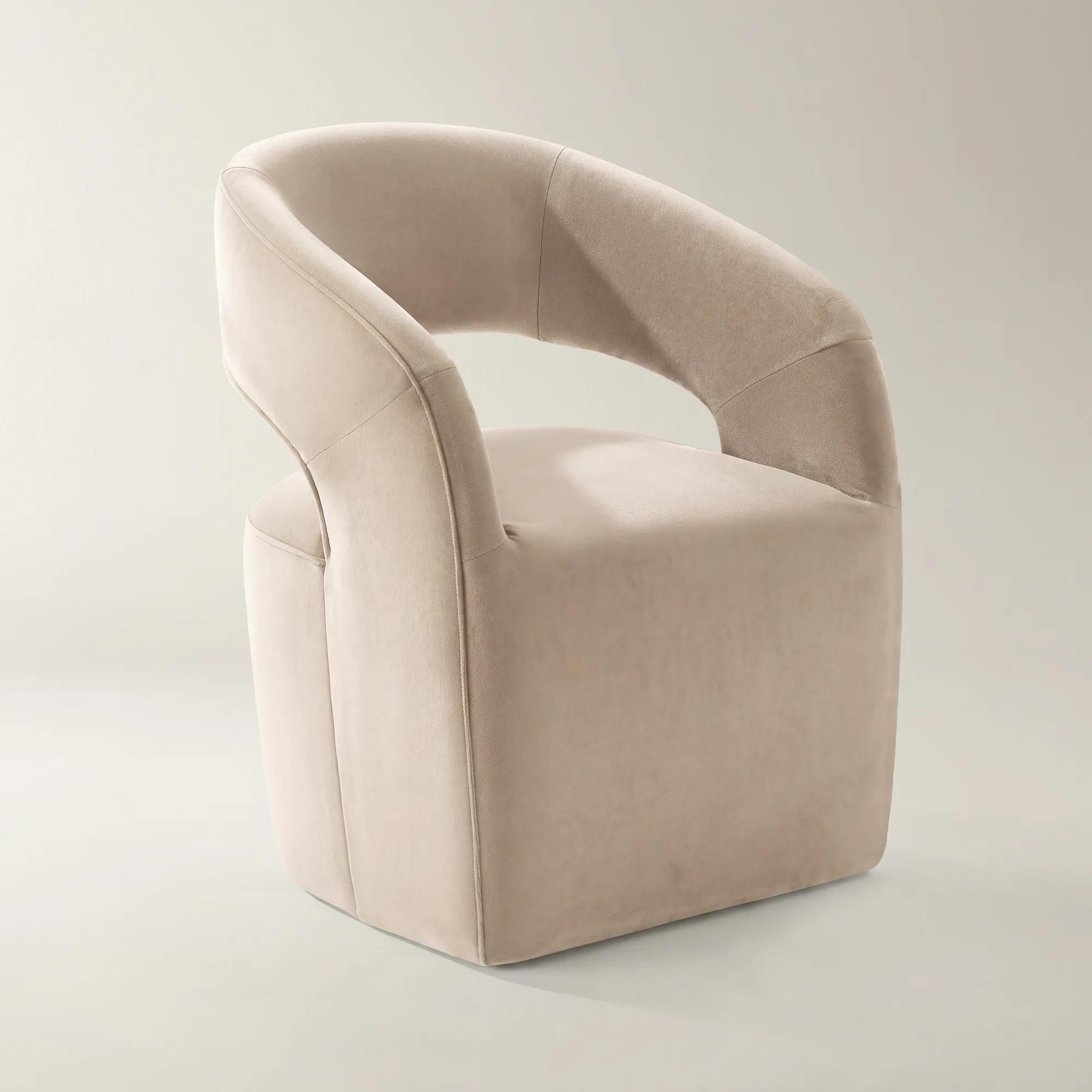
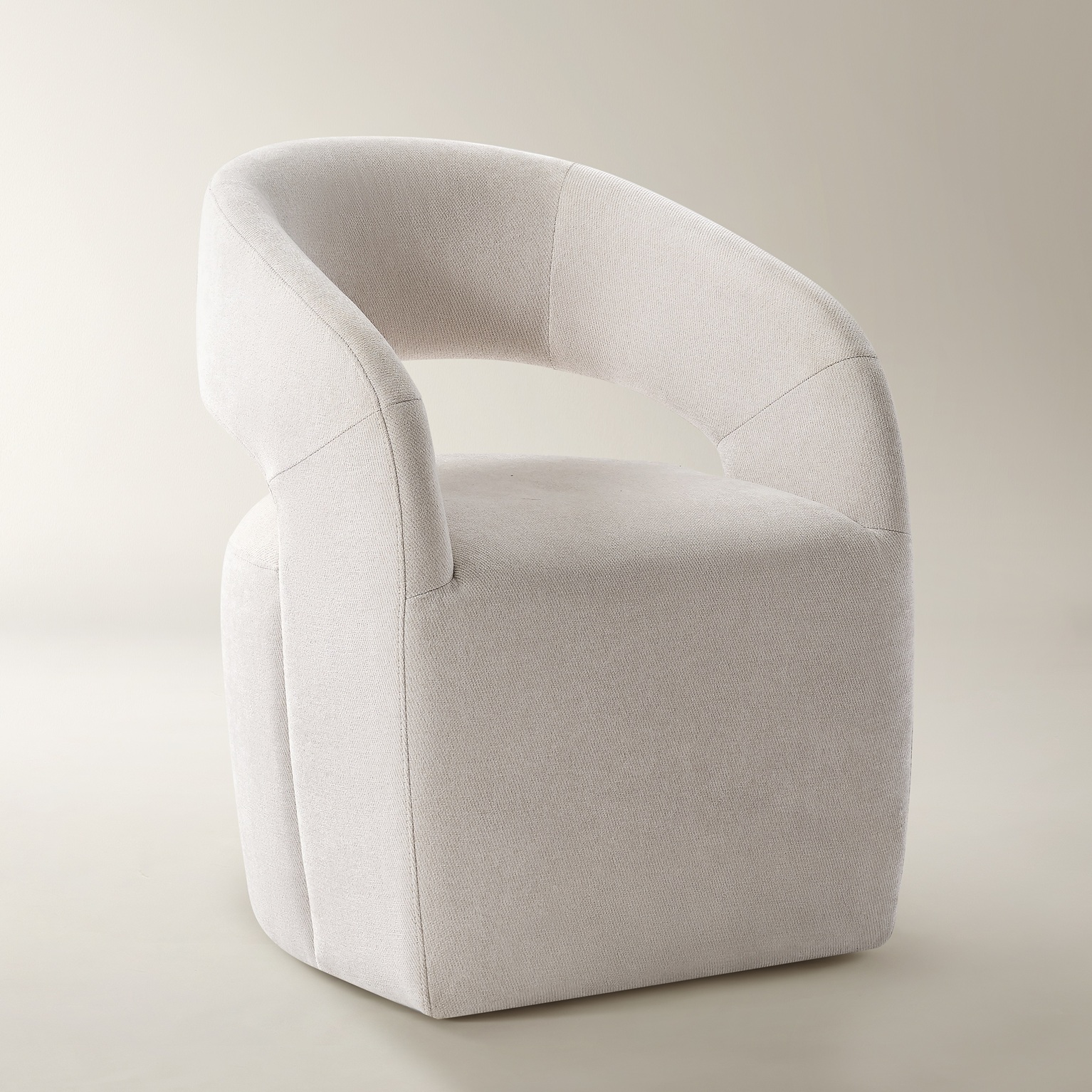 Harrison Simply Taupe Velvet Dining Chair$499
A sculptural dining chair in simply taupe velvet with a curved back, feather-blend seat, and modern elegance.
Add To Cart -
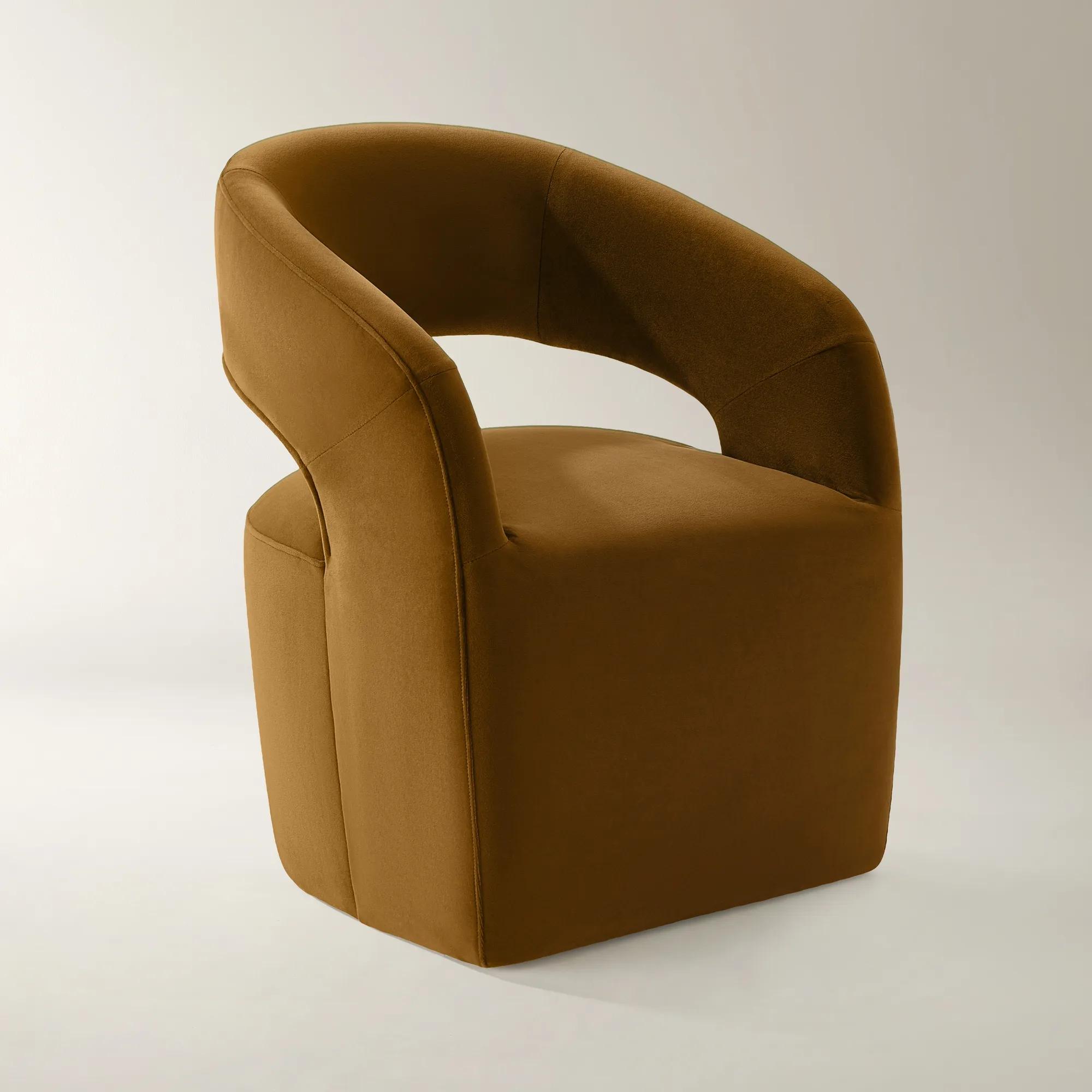 Harrison Roasted Pecan Velvet Dining Chair$499
A sculptural dining chair upholstered in roasted pecan velvet with feather-blend cushioning and integrated arms.
Add To Cart -
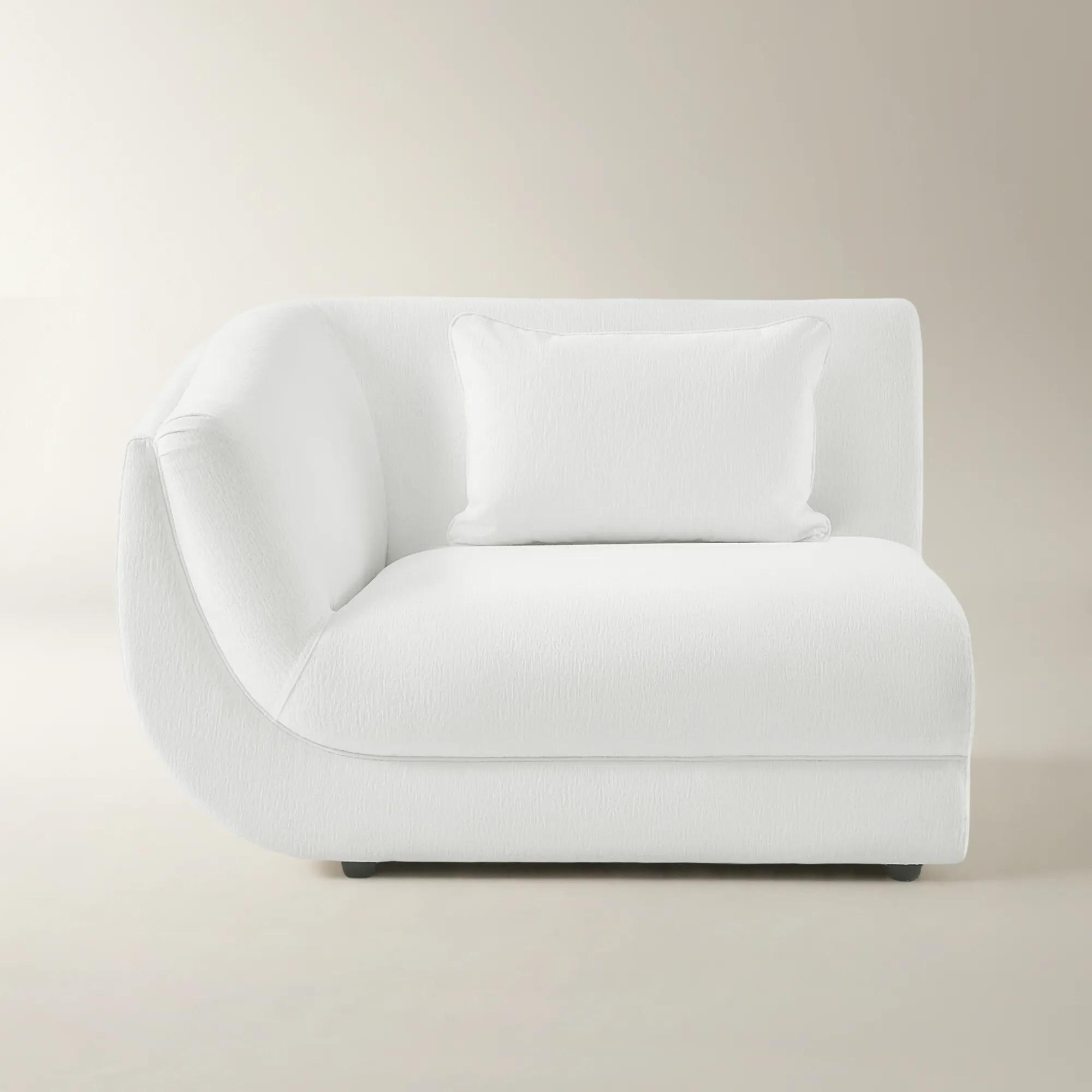 Curvia White Performance Chenille Indoor/Outdoor Left-Arm Chair$1449
A sculptural white chenille chair with plush cushioning, moisture-resistant backing, and indoor/outdoor versatility.
Add To Cart -
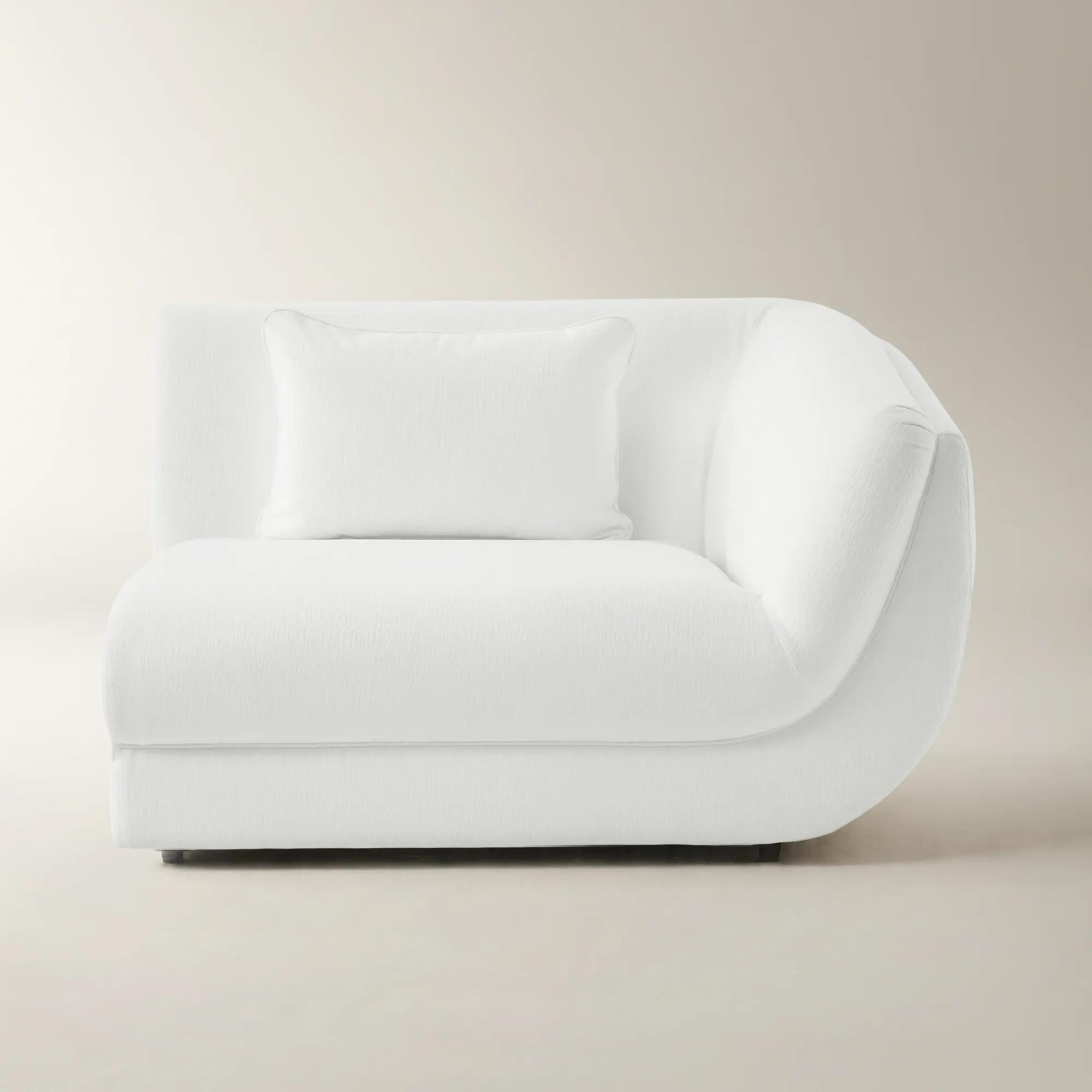 Curvia White Performance Chenille Indoor/Outdoor Right-Arm Chair$1449
A sculptural right-arm chair in white performance chenille, designed for plush comfort indoors or outdoors.
Add To Cart -
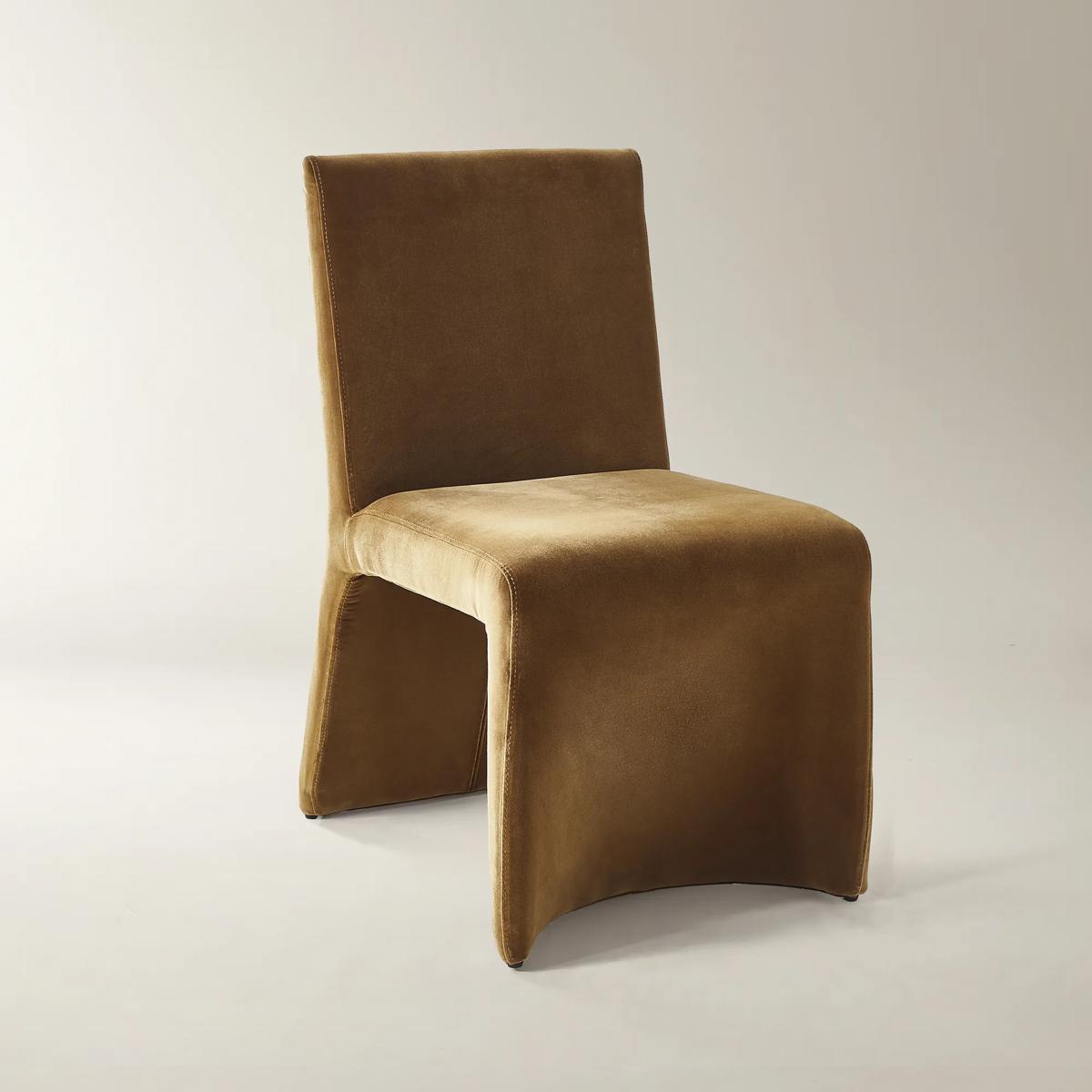 Elara Roasted Pecan Velvet Dining Chair Set Of 2$799
A pair of mustard velvet dining chairs featuring curved ergonomic silhouettes and hand-upholstered, reinforced construction.
Add To Cart -
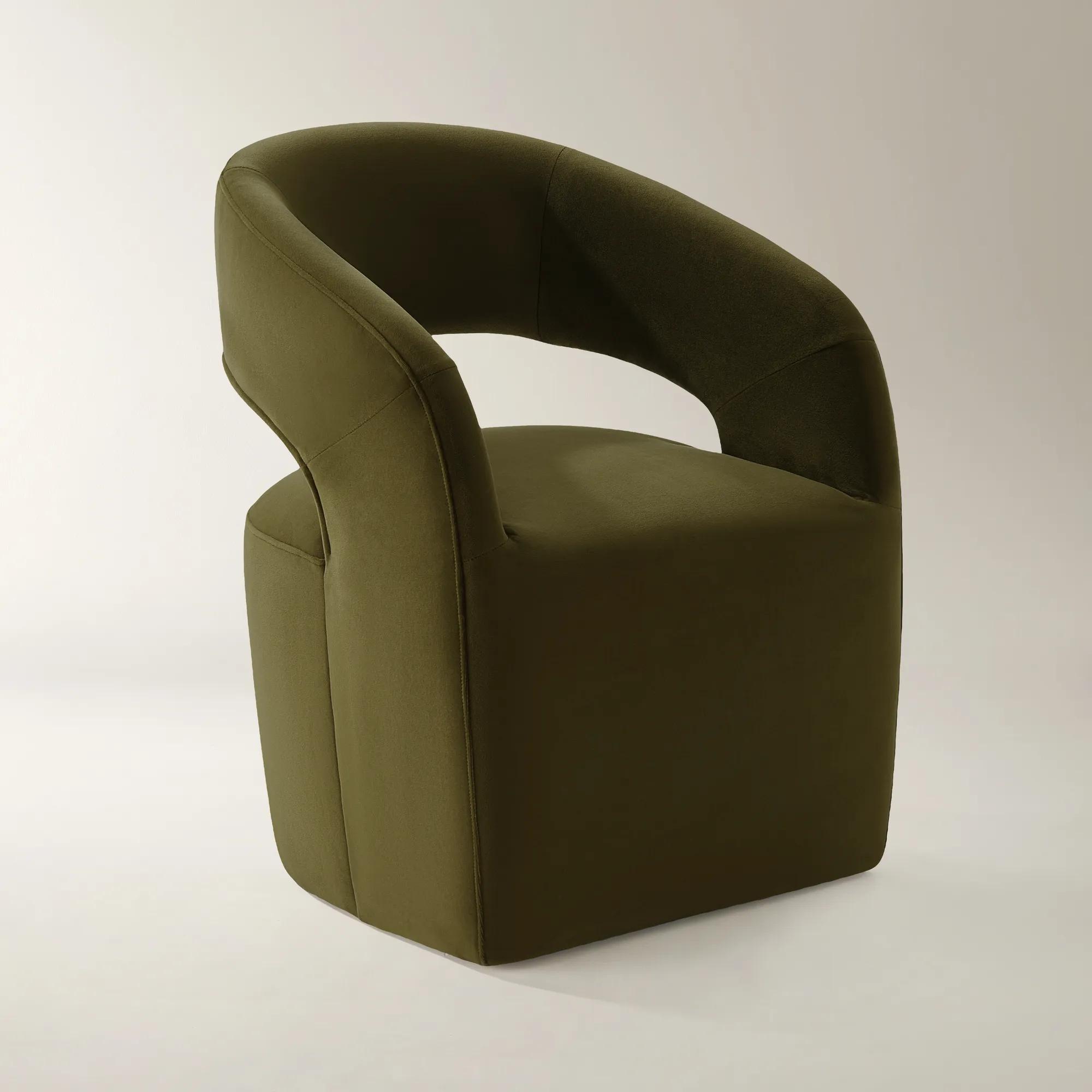 Harrison Deep Olive Velvet Dining Chair$499
A sculptural dining chair in deep olive velvet with a curved back, integrated arms, and plush feather-blend comfort.
Add To Cart -
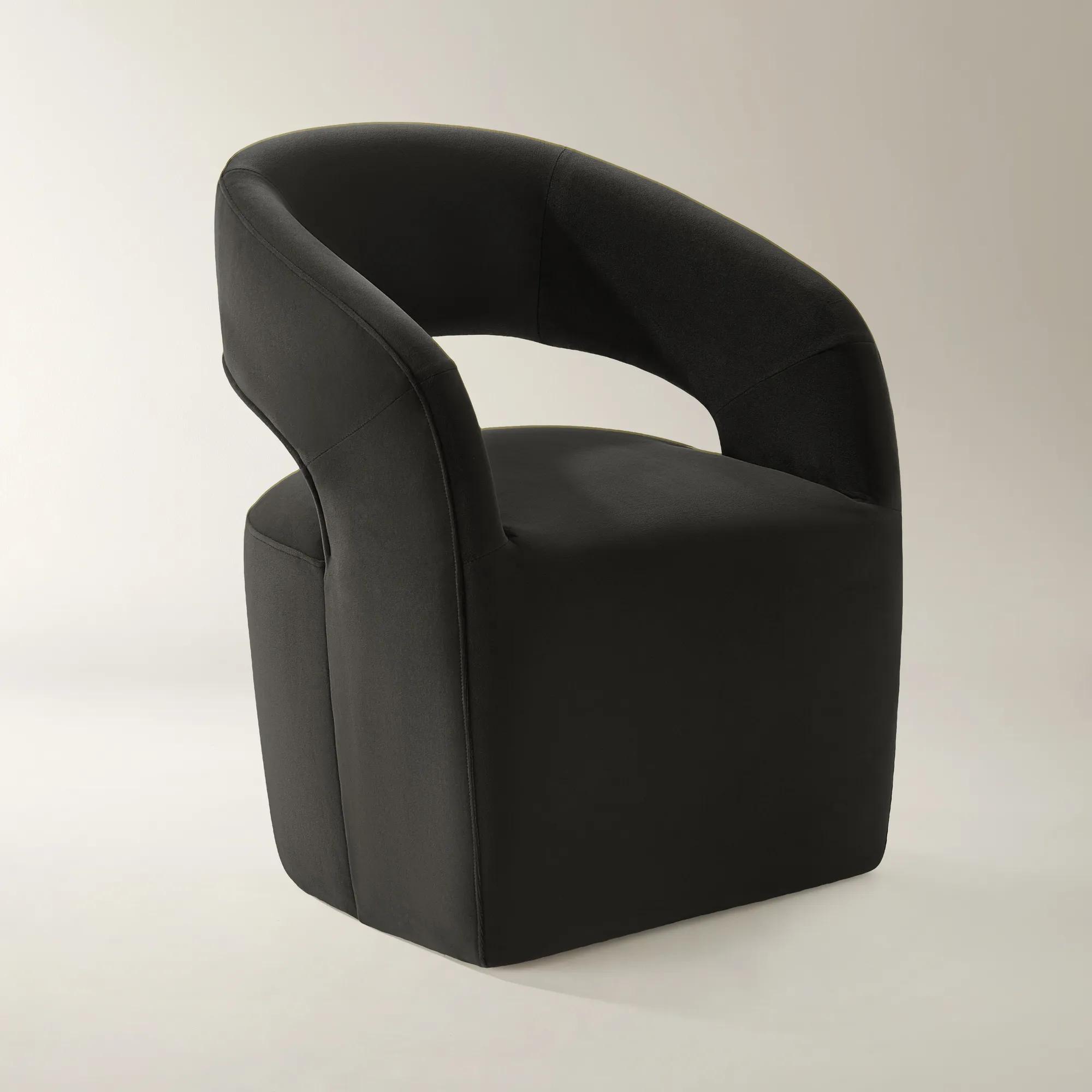 Harrison Charcoal Velvet Dining Chair$499
A sculptural dining chair upholstered in charcoal velvet with a continuous curved back and feather-blend comfort.
Add To Cart -
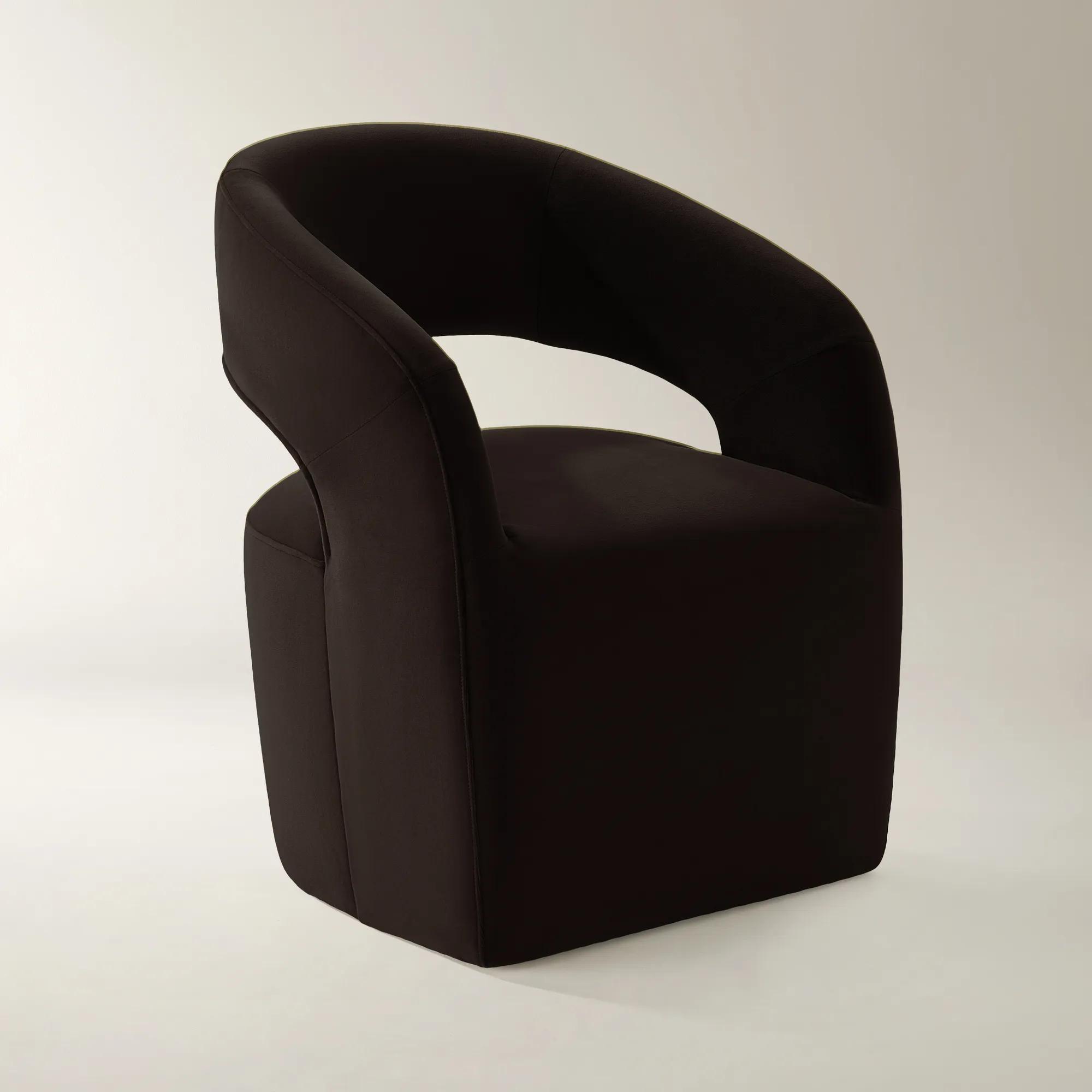 Harrison Dark Chocolate Velvet Dining Chair$499
A sculptural dining chair upholstered in dark chocolate velvet with a plush feather-blend seat and curved back.
Add To Cart -
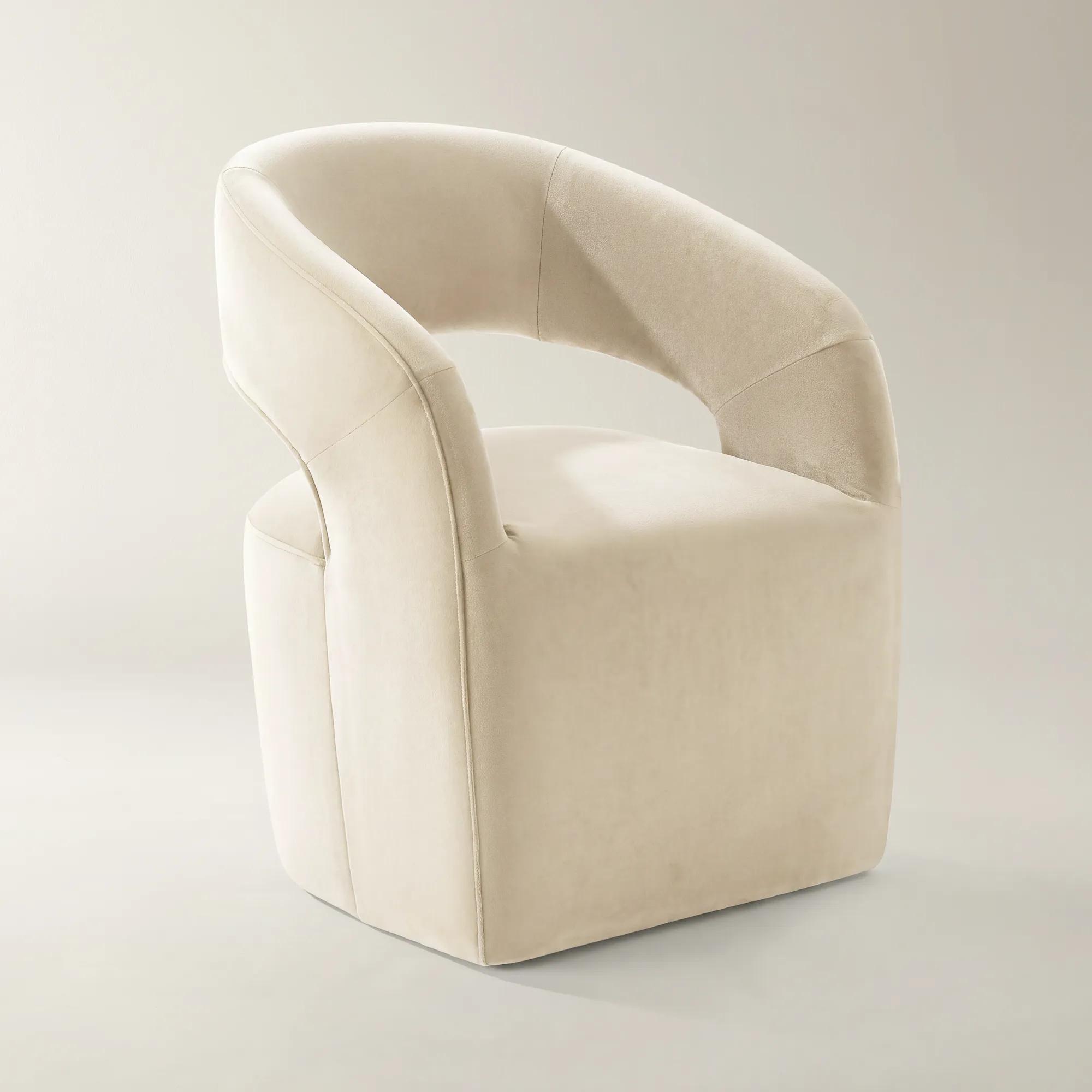 Harrison Oatmeal Velvet Dining Chair$499
A sculptural dining chair upholstered in oatmeal velvet with a curved back, feather-blend seat, and integrated arms.
Add To Cart -
 Harrison Cream Chenille Dining Chair$499
A fully upholstered cream chenille chair with high-density foam cushioning for exceptional comfort and contemporary style.
Add To Cart -
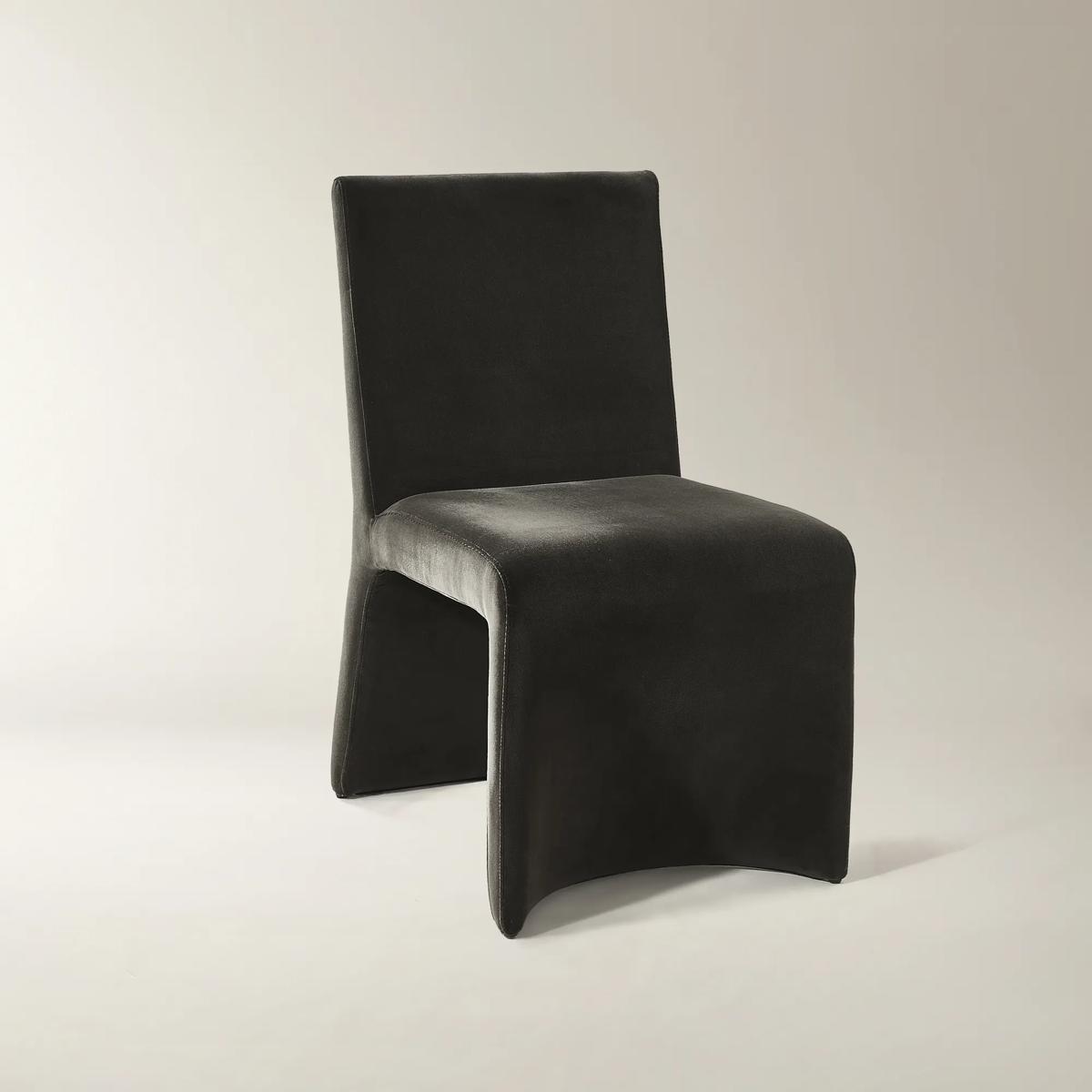
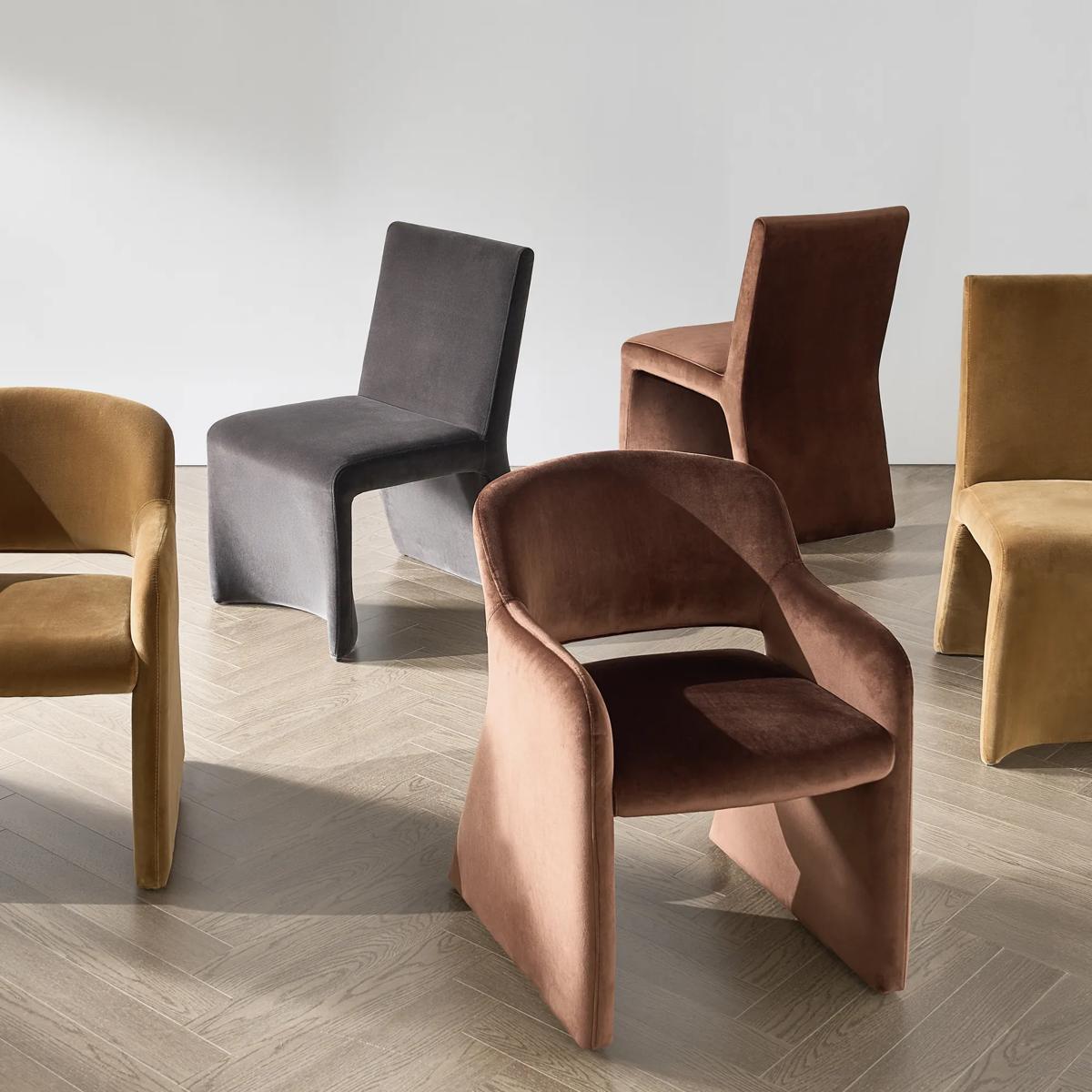 Elara Charcoal Velvet Dining Chair Set Of 2$799
A pair of charcoal velvet dining chairs featuring curved ergonomic silhouettes, plush upholstery, and hand-crafted details.
Add To Cart -

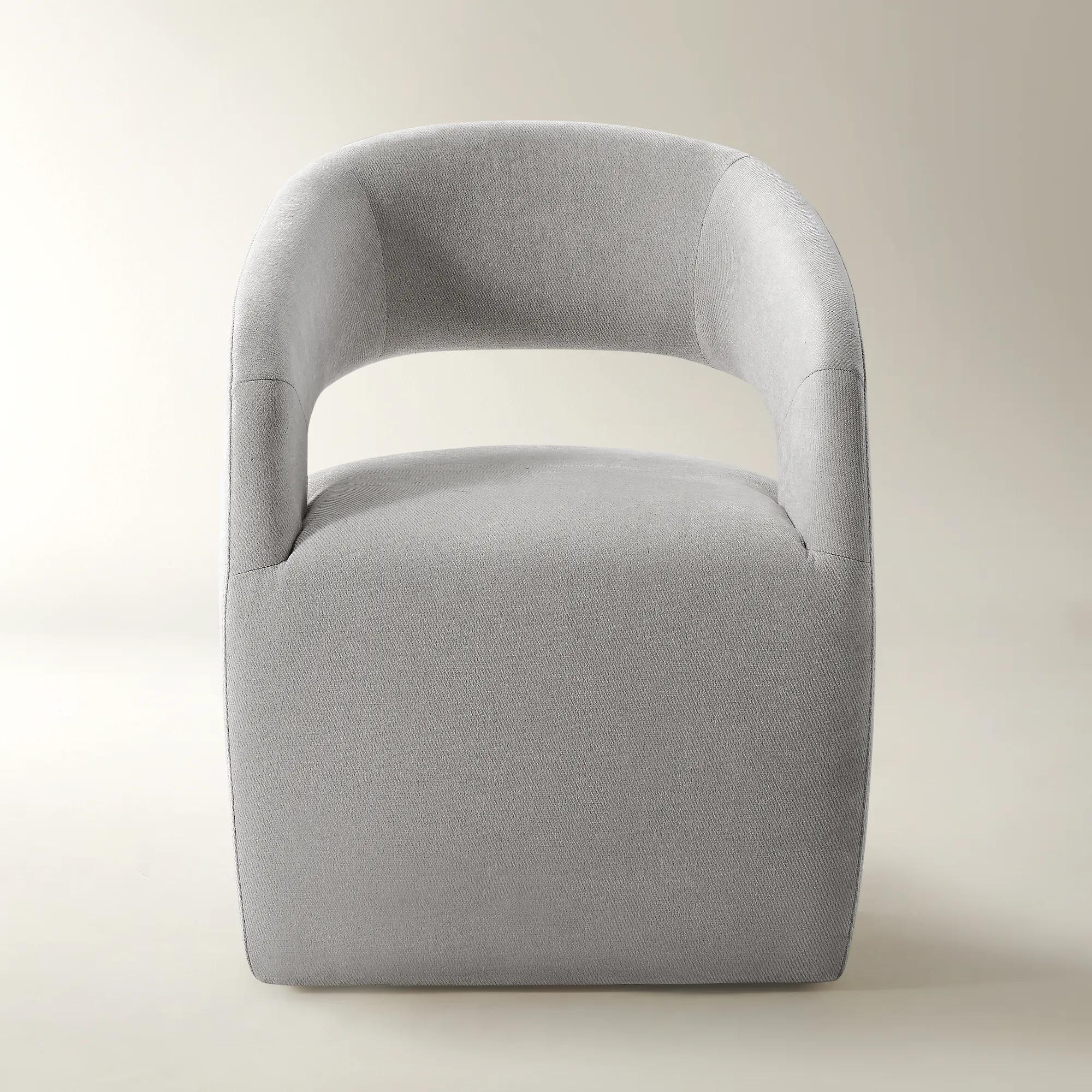 Harrison Flint Chenille Dining Chair$499
A fully upholstered flint chenille dining chair with high-density foam cushioning for superior comfort and style.
Add To Cart -
 Elara Burnt Umber Velvet Dining Chair Set Of 2$799
A pair of brown velvet chairs with sinuous curves, ergonomic support, and hand-crafted, sculptural design.
Add To Cart -
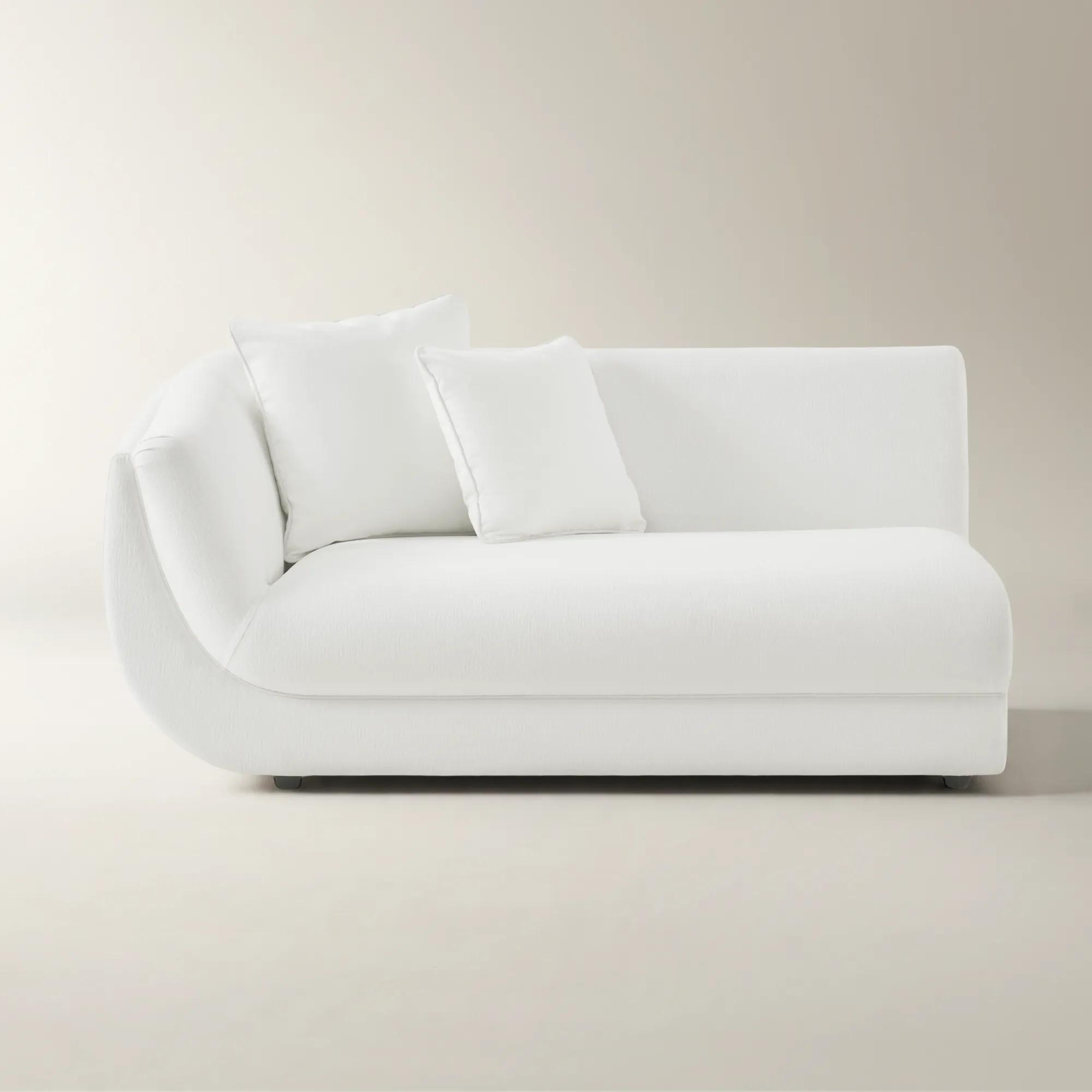
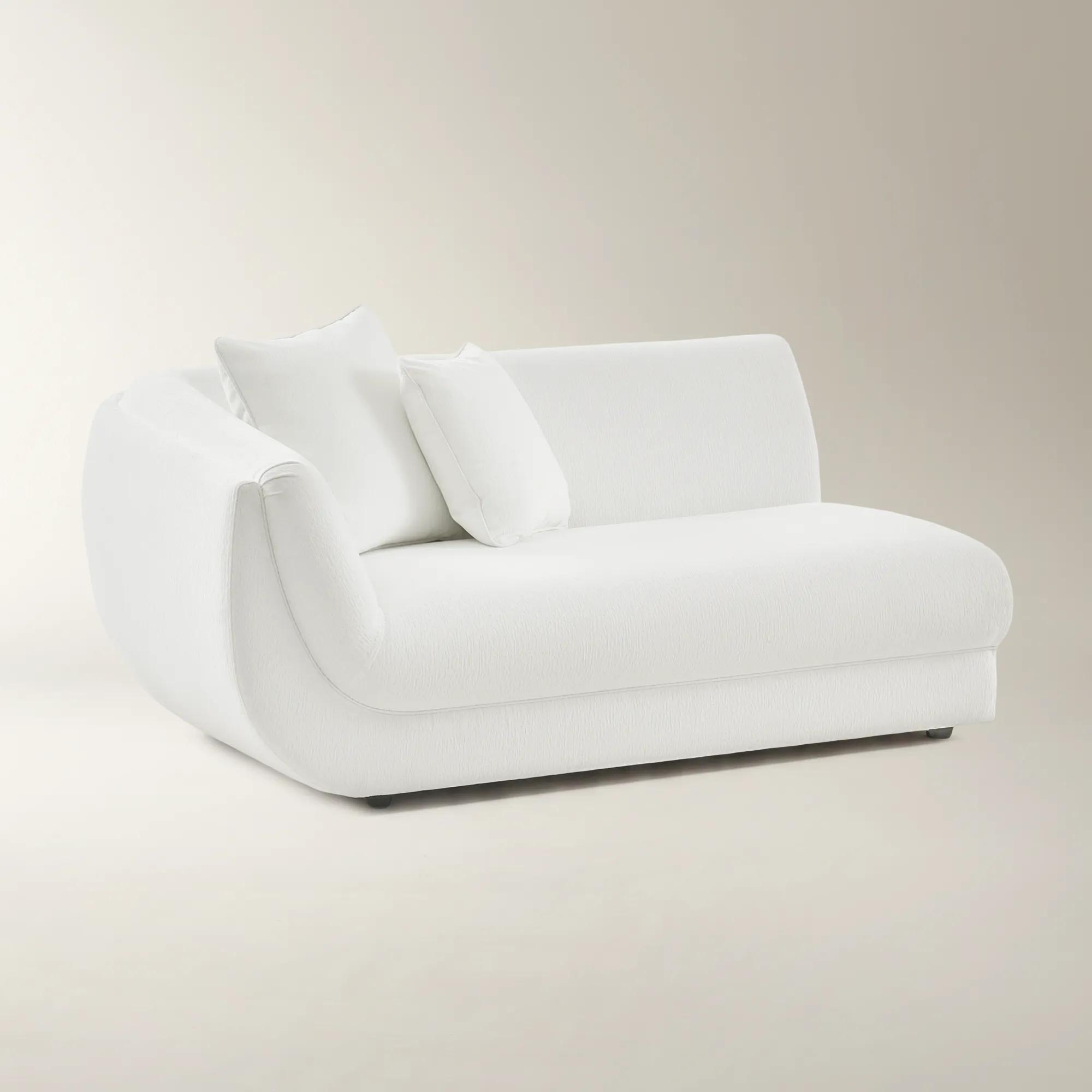 Curvia White Performance Chenille Indoor/Outdoor Grand Left-Arm Chair$1549
A sculptural left-arm chair in white performance chenille, designed for indoor or outdoor lounging comfort.
Add To Cart -
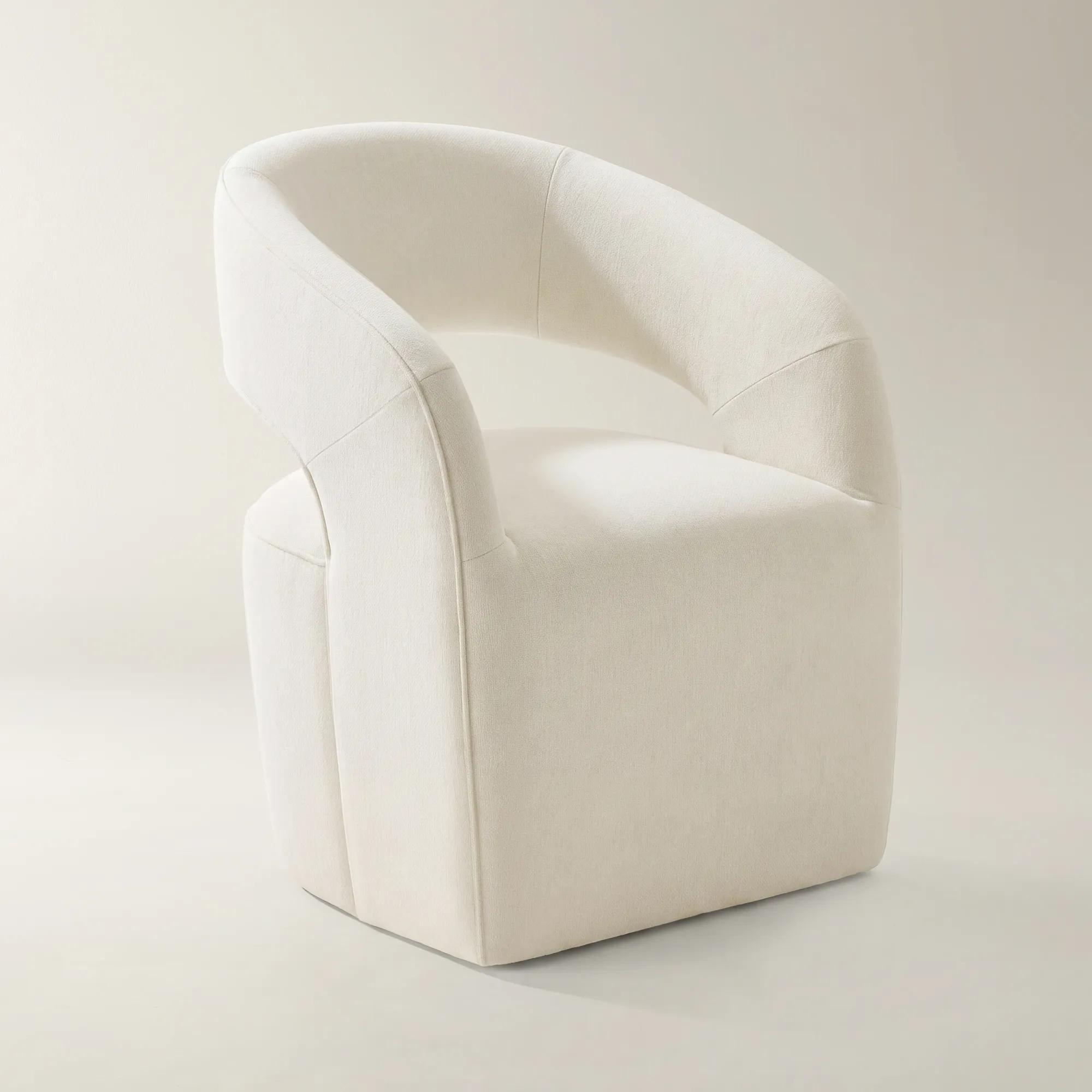 Harrison Ivory Performance Chenille Dining Chair$499
A sculptural ivory chenille chair featuring a continuous curved back, feather-blend comfort, and performance upholstery.
Add To Cart -
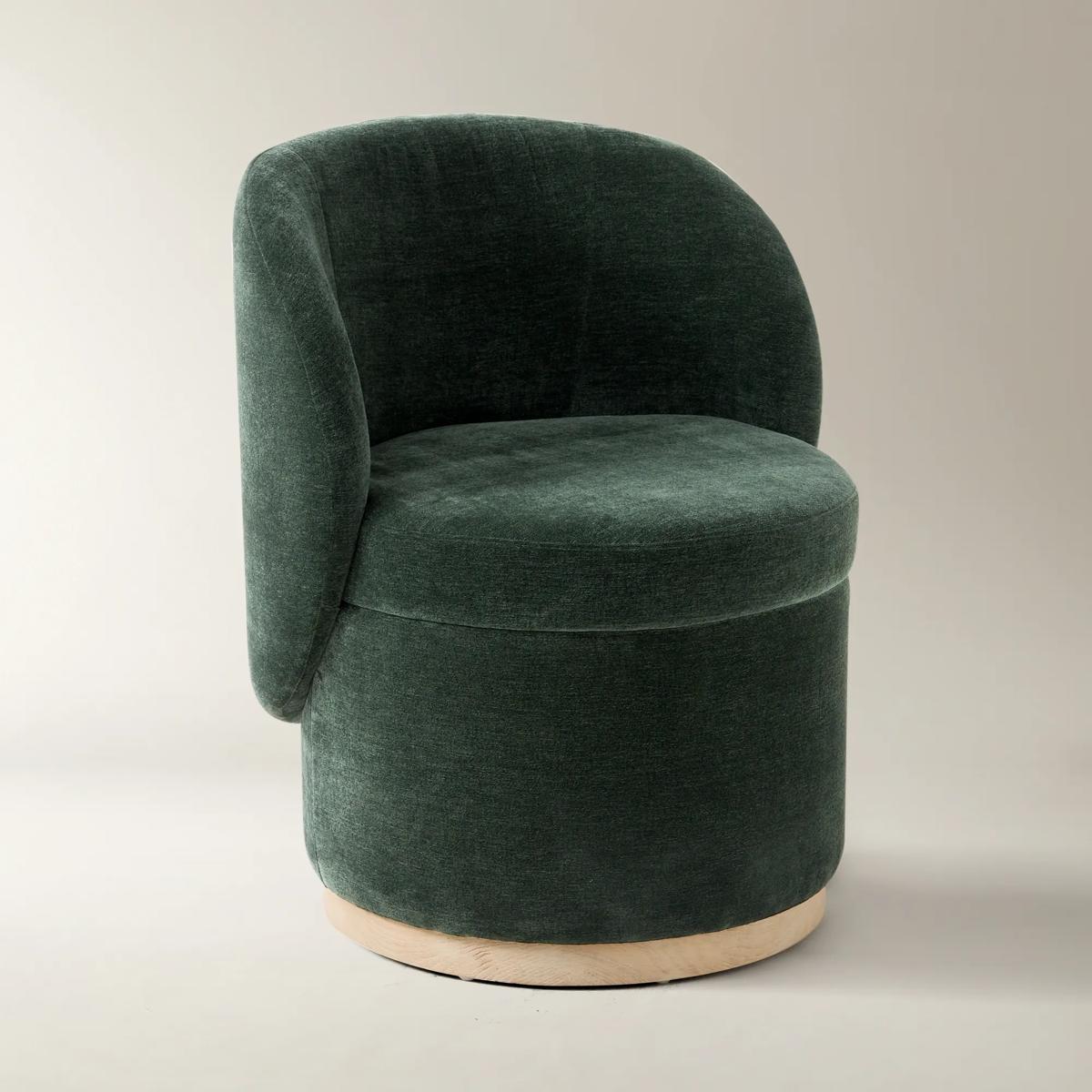
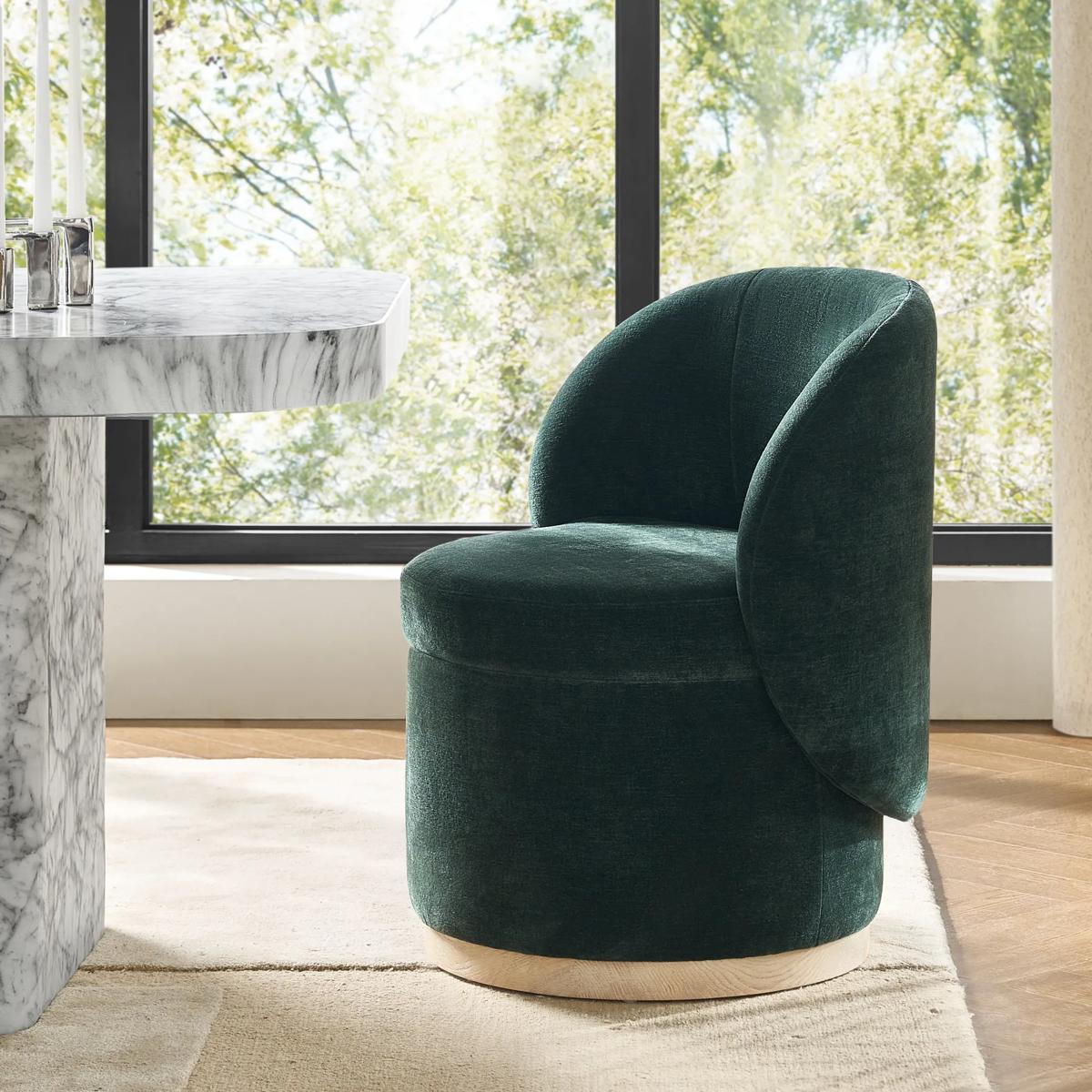 Stria Green Chenille Dining Chair With Oak Base$599
A green chenille dining chair with a handcrafted solid oak base and inviting, softly curved silhouette.
Add To Cart -
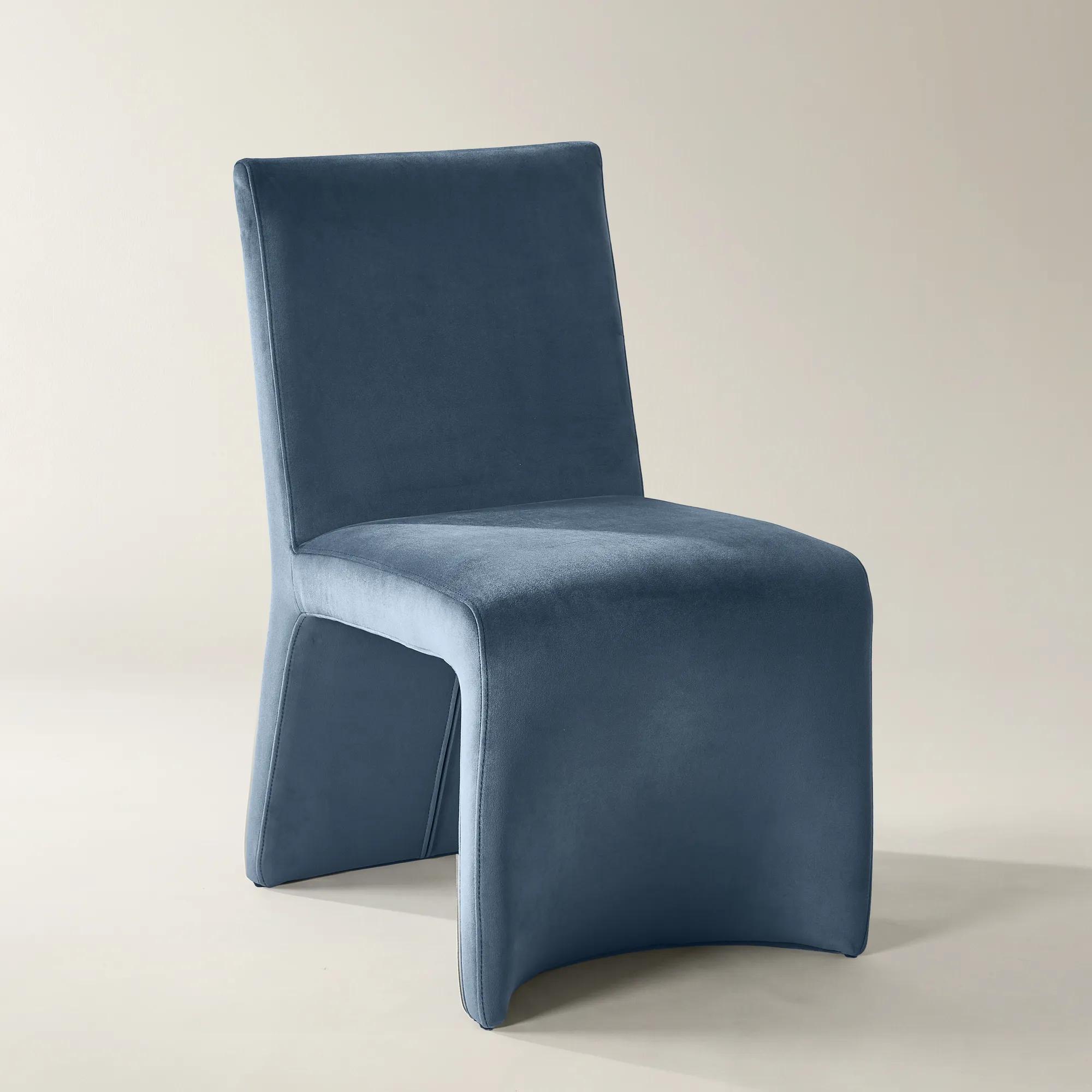 Elara Dusty Blue Velvet Dining Chair Set Of 2$799
A set of two dining chairs featuring plush dusty blue velvet upholstery and a seamless, artful silhouette.
Add To Cart

Upholstered Barrel Back Chairs
Upholstered barrel back chairs are the very definition of sculptural comfort—where sumptuous curves meet tailored elegance. Each piece is a statement, enveloping you in a cocoon of luxury while anchoring your space with undeniable presence. Designed for those who revel in the art of living boldly, these chairs transform any room into a gallery of modern glamour. Whether poised beside a dazzling cocktail table or commanding attention in a dramatic reading nook, upholstered barrel back chairs invite you to sink in, unwind, and celebrate your home as a masterpiece of personal style.
Upholstered barrel back chairs are accent chairs with a rounded back that curves around the sides, often forming integrated armrests for a sheltered, enveloping seat. That continuous silhouette gives the chair its distinctive presence: sculptural from across the room, inviting at close range, and especially expressive when viewed from behind. Unlike seating designed to disappear against a wall, a barrel chair can hold its own in an open furniture arrangement, where its curved profile becomes part of the composition. A pair facing a sofa lends structure to a living room without the visual sharpness of straight-backed seating; a single chair beside a bedroom window creates a more intimate place to pause. Upholstery brings another dimension to that shape. Velvet emphasizes the sweep of the back with subtle shifts in sheen, while bouclé creates a richly textured surface that accentuates rounded edges. Chenille offers a plush appearance, and woven linen blends or polyester fabrics can introduce a more tailored texture, depending on their construction. Leather upholstery presents a smoother interpretation, with care needs and aging characteristics that vary by finish. Color changes the mood just as decisively. Ivory and pale stone allow the silhouette to take center stage, while charcoal, sapphire, or deep green can make the chair an arresting focal point. Against a patterned rug, a solid upholstery fabric gives the eye somewhere to rest; beside a restrained sofa, a tactile weave introduces depth without another large pattern. Details such as channeling, button tufting, welted edges, and exposed legs further shape the effect, from crisply tailored to lavishly cushioned. A gleaming metal base creates a different impression from dark wood legs or a fully upholstered plinth. The appeal lies in the relationship between these elements: a generous curve, a considered fabric, and a base that gives the chair the right visual weight for its surroundings.
The most satisfying fit depends on how the chair will be used, not simply how much floor space its outline occupies. A barrel back can appear compact while its thick arms reduce the usable seat width, so overall dimensions and interior seat measurements deserve equal attention. Seat depth matters for the person settling in with a book, while seat height influences how easily someone can sit down and stand again. A deep, low seat may suit relaxed lounging; a shallower seat with a more upright back may feel better for conversation or occasional work away from a desk. The curve itself also varies, with some backs wrapping closely around the shoulders and others opening more broadly at the arms. For a reading corner, the relationship between the back, arm height, and cushion firmness can be more meaningful than an oversized footprint. For a living room arranged around conversation, two upholstered barrel chairs can create a welcoming counterpoint to a long sofa, particularly when a small table keeps a glass or book within easy reach. Leave enough clearance for people to walk past comfortably, and account for the chair’s widest point rather than measuring only its base. Swivel designs, where included, need room for the seat and arms to rotate without brushing nearby furniture. Their movement can be useful in a space that serves more than one purpose, allowing the sitter to turn toward a conversation or a view. Fixed-base chairs offer a different sense of permanence and can anchor a symmetrical arrangement beautifully. In a bedroom or dressing area, a smaller silhouette can provide occasional seating without overwhelming a dresser or bed. Barrel back dining chairs require particular attention to seat height and arm clearance beneath the tabletop; a lounge chair’s proportions do not automatically translate to dining comfort. These practical relationships allow the dramatic shape to feel natural within the room rather than imposing on it.
Lasting comfort comes from what sits beneath the upholstery as much as from the fabric itself. Frame materials, joinery, seat suspension, and cushion construction all contribute to how an upholstered barrel back chair feels and wears. Solid wood and engineered wood can both appear in upholstered furniture, but material names alone do not establish quality; the overall construction and the chair’s intended use provide a fuller picture. Foam cushions differ in density and firmness, which are separate characteristics, while fiber wraps can soften the initial feel. A chair intended for daily reading calls for different scrutiny than one used mainly when guests gather. Fabric durability should likewise be considered alongside texture and color. Tightly woven upholstery may be a practical consideration for frequent use, while loosely looped surfaces can be vulnerable to snagging from pet claws or sharp accessories. Performance fabrics may offer specific stain-resistance or cleaning benefits, but those benefits depend on the textile and should be confirmed in its care information. Velvet can develop shading or pressure marks as its pile changes direction, an effect that is not necessarily damage. Tufting and seams add dimension but also create places where dust can settle. Regular gentle vacuuming with an appropriate upholstery attachment helps remove surface debris, and spills are best blotted promptly rather than rubbed into the fabric. Cleaning methods should follow the manufacturer’s instructions: some upholstery tolerates water-based treatments, while other fabrics require solvent-based or professional care. Cushion covers should not be assumed washable simply because they have zippers. Positioning also matters, since prolonged direct sunlight may fade some fabrics, and exposed bases need care suited to their finish. For interiors centered on clean geometry and expressive curves, Modern Barrel Back Chairs offer a related design direction. A rounded upholstered seat beside a sleek console, a luminous lamp, or a richly veined table introduces softness without sacrificing presence. With proportions, construction, and fabric suited to everyday life, the chair becomes more than an accent: it gives the room a distinctive shape and a deeply personal place to settle.
FAQs
An upholstered barrel back chair is defined by its gracefully curved back that wraps around the seat in a continuous arc, resembling the shape of a barrel. This enveloping design provides both visual drama and exceptional comfort, setting it apart from more angular or open-backed accent chairs. The plush upholstery further enhances its luxurious appeal, making it a favorite for those seeking both style and substance in their seating.
Barrel back chairs are remarkably versatile and can be styled as bold statement pieces or as harmonious complements to your current furnishings. Place a pair in a living room to create an inviting conversation area, use one as a chic desk chair in your home office, or mix them with dining chairs for a curated, eclectic look. Their sculptural silhouette and rich upholstery allow them to blend seamlessly with both modern and vintage-inspired interiors.
Absolutely. An upholstered barrel back dining chair brings a sense of luxury and comfort to the dining experience, encouraging guests to relax and enjoy lingering meals. Their supportive design and sumptuous materials make them ideal for head-of-table seating or as a full set for a dramatic, cohesive look.
Upholstered barrel back chairs are often crafted from high-quality materials such as velvet, linen, or performance fabrics, paired with sturdy frames made of wood or metal. Details like tufting, piping, or metallic accents are frequently added to enhance their visual impact and tactile allure.
Yes, a vintage barrel back chair can be a stunning focal point in a contemporary space. Its timeless silhouette and unique detailing offer a sense of history and character, while the right fabric or finish can bridge the gap between classic and modern aesthetics. Mixing styles in this way creates a layered, curated look that feels both personal and sophisticated.