Unique Holiday Gifts For Clients
Unique Holiday Gifts For Clients
-

 Josie Soft Gold Shot Glass Gift Set$89
A soft gold glass and alloy shot glass set featuring sculptural wavy loop details and elegant gift-boxed presentation.
Add To Cart -
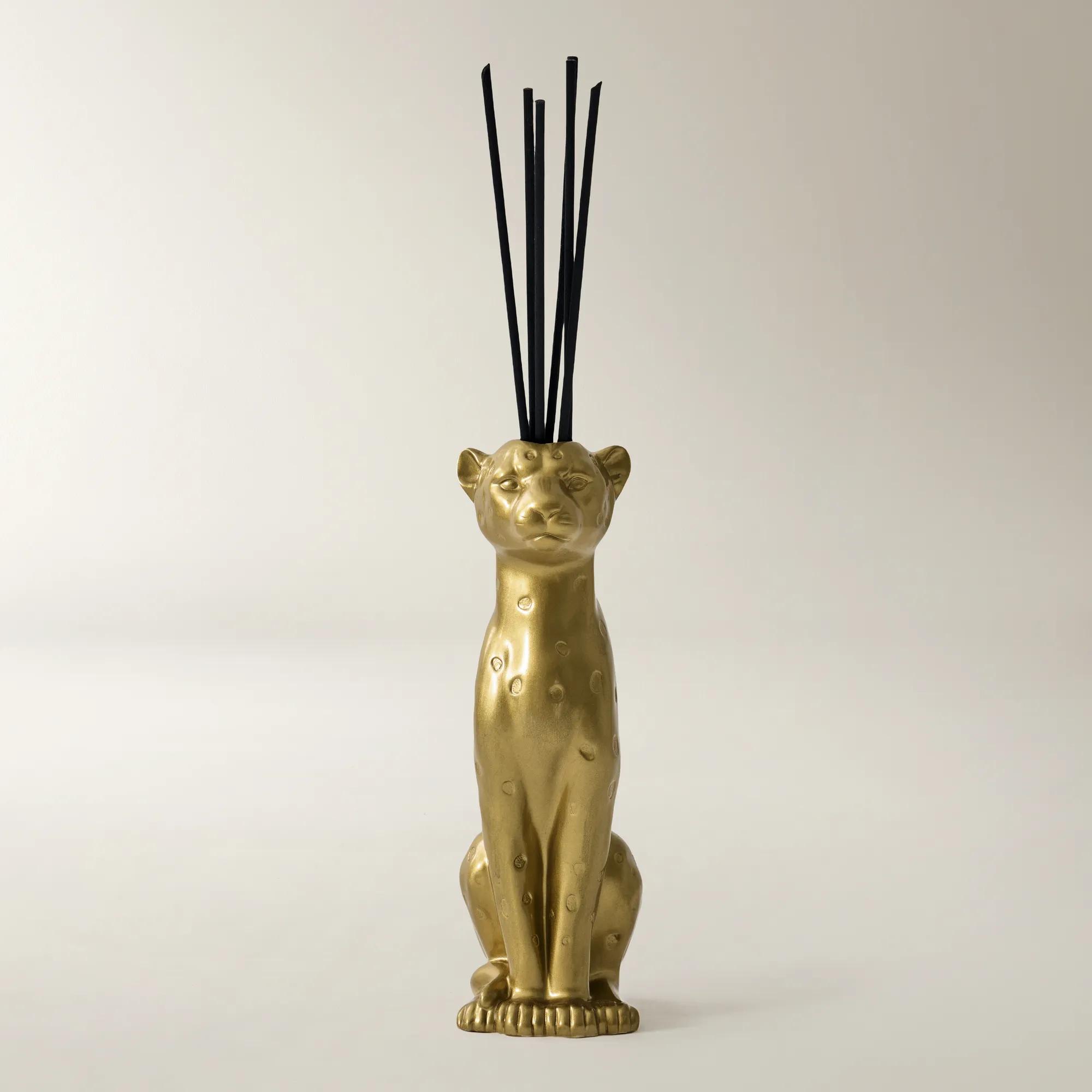
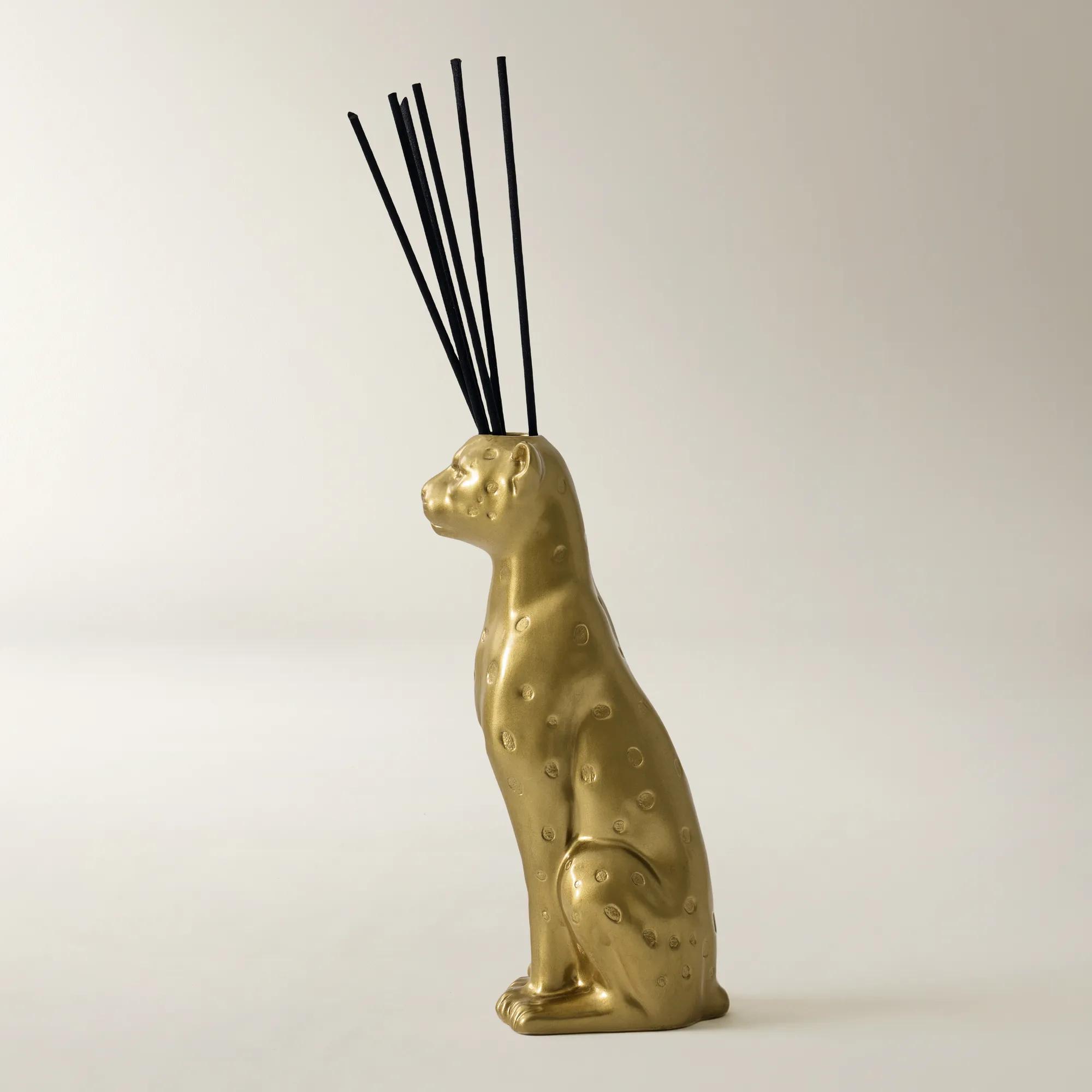 Leo Soft Gold Ceramic Diffuser Gift Set$99
A sculptural porcelain reed diffuser in soft gold, featuring sandalwood and amberwood notes for warm, radiant fragrance.
Add To Cart -

 Nutcracker Embroidered Black Velvet Holiday Pillow 20" x 20"$89
A festive accent pillow featuring an embroidered nutcracker on black velvet with shimmering embellishments.
Add To Cart -
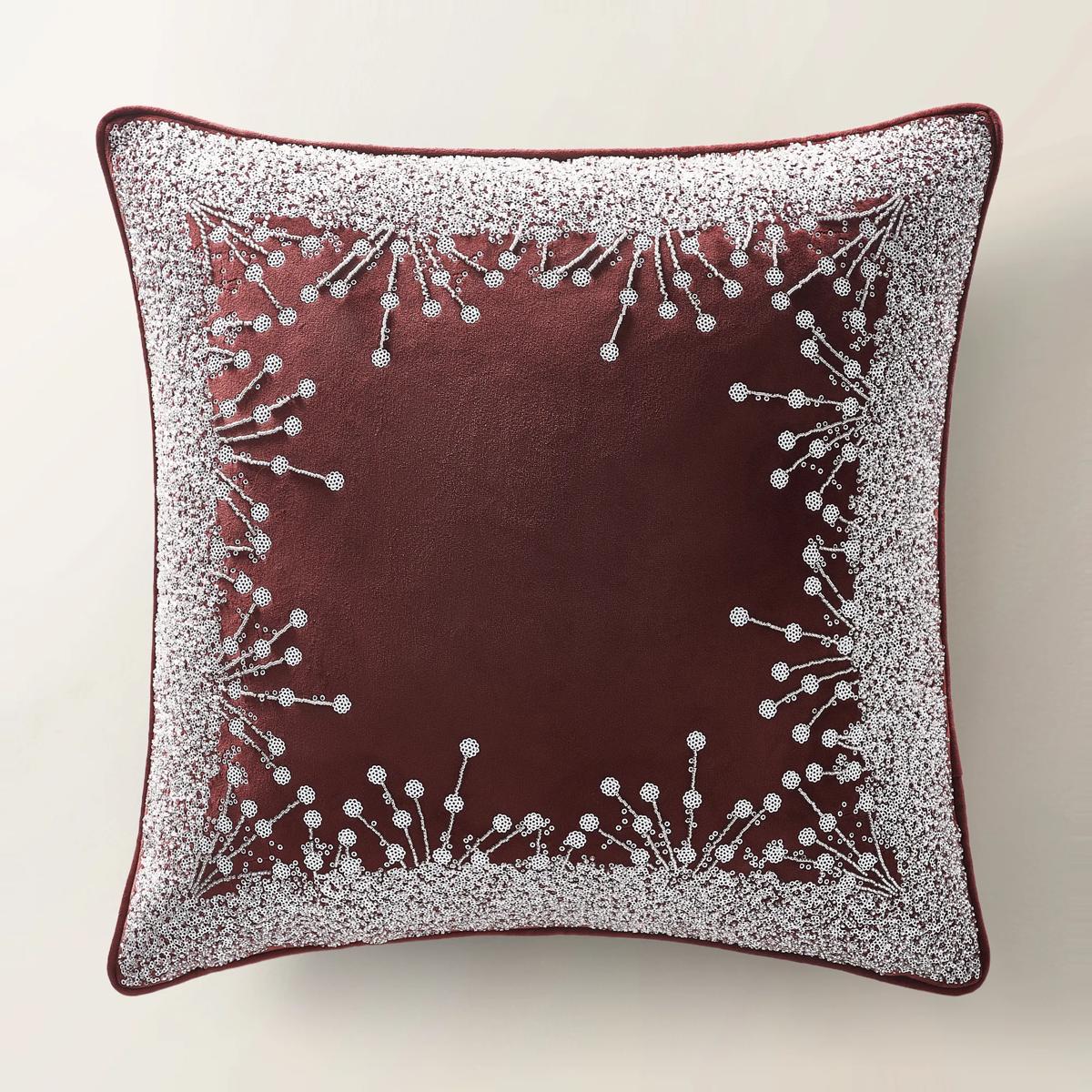 Grace Holiday Pillow 20" - Burgundy$89
A burgundy velvet pillow featuring intricate embroidery and hand-applied beading for festive seasonal elegance.
Add To Cart -

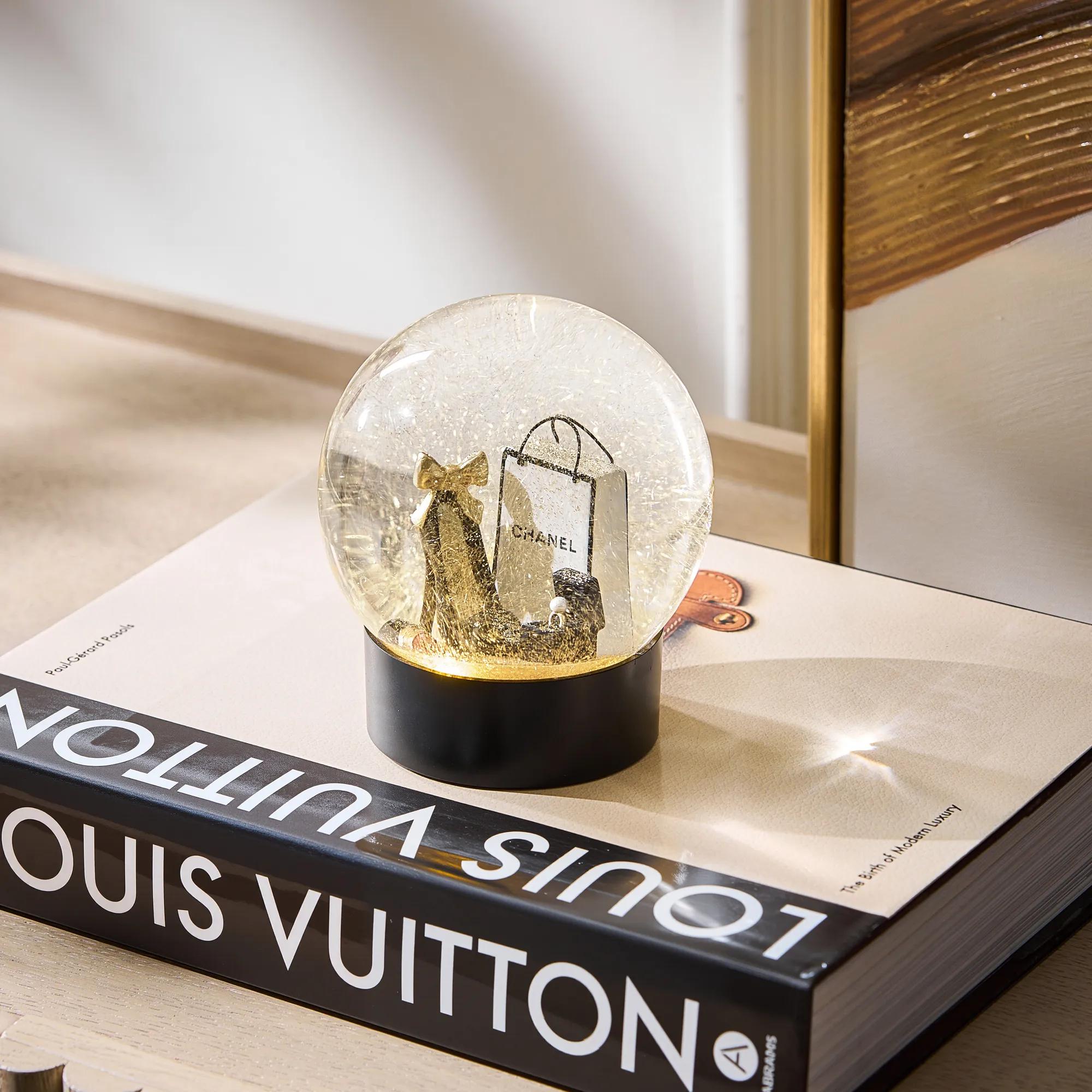 Shopping Black Resin Glitter Globe 5.25"$59
A whimsical shopping-themed snow globe adding festive charm to decorative displays.
Add To Cart -
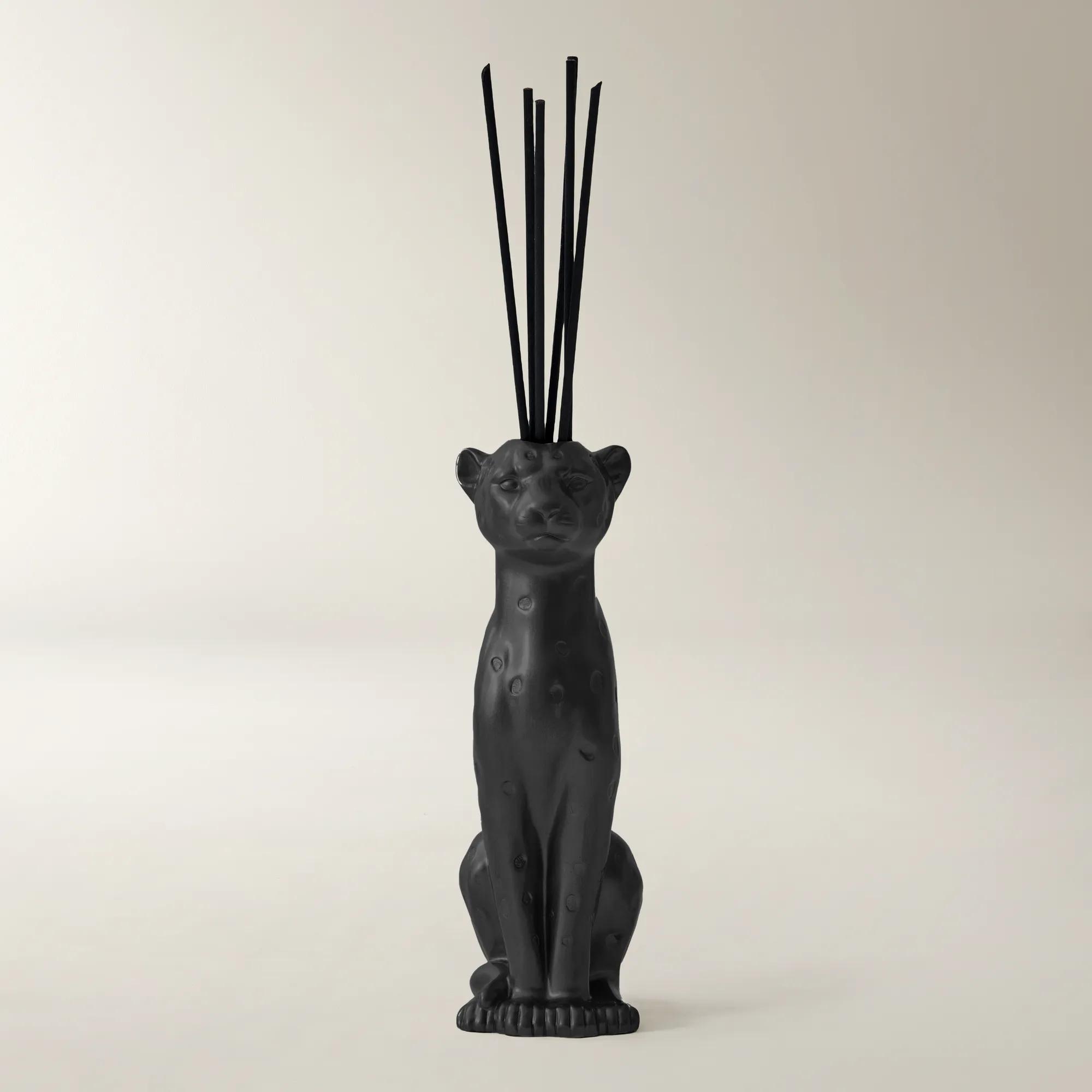
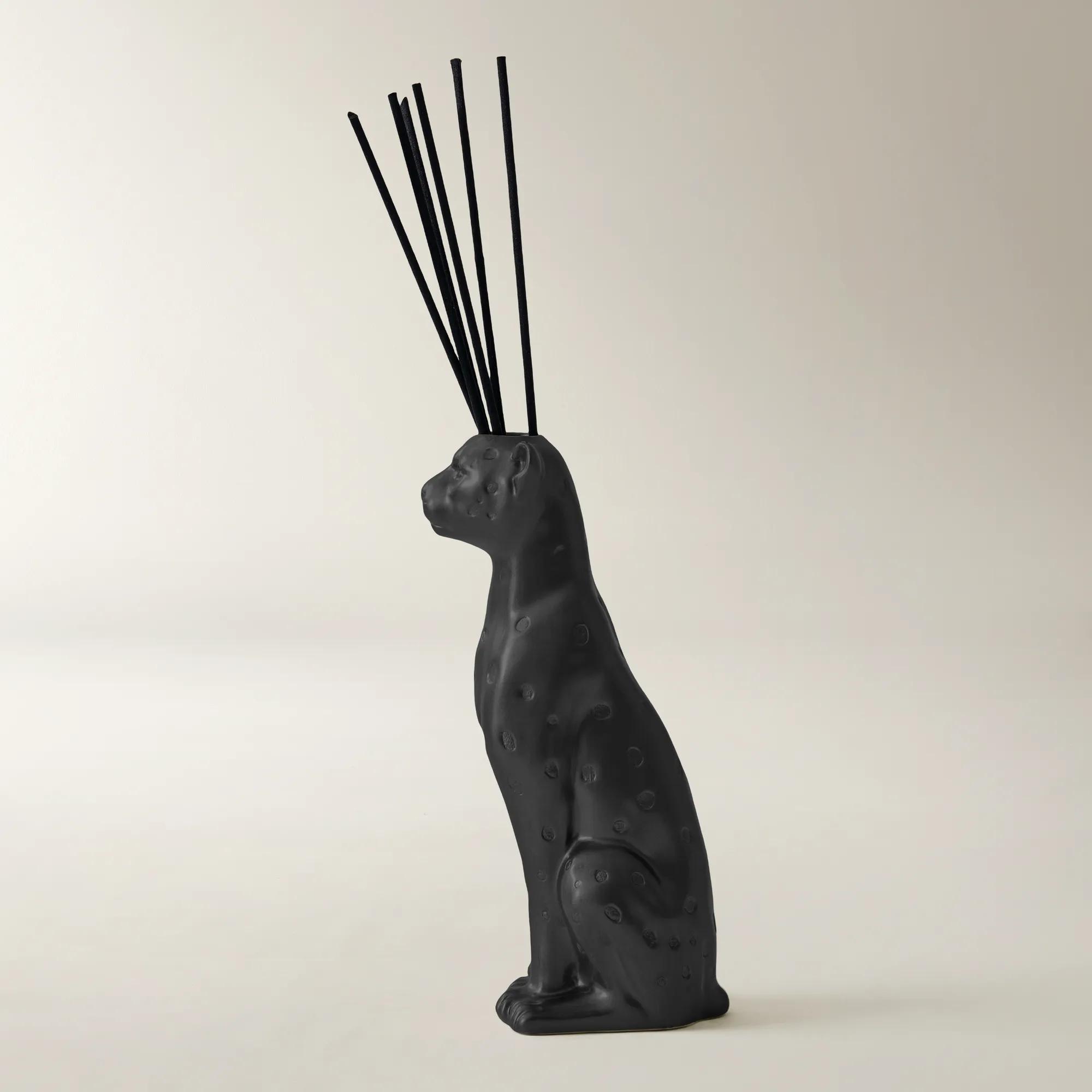 Leo Charcoal Ceramic Diffuser Gift Set$99
A charcoal porcelain reed diffuser featuring a warm, rich Santal Obscur scent and sculptural leopard design.
Add To Cart -
 Fashion Black Resin Glitter Globe 5.25"$59
A black water-filled globe with LED light, featuring sparkling glitter for a festive decorative touch.
Add To Cart -
 Sophie Charcoal With Confetti Pearls Toasting Flute Gift Set$109
A charcoal glass toasting flute set of six featuring light-catching pearl accents and polished gift-boxed presentation.
Add To Cart -
 Fig Lips Resin Glitter Globe 5.25"$59
A playful snow globe featuring a sculptural lips motif in soft gold resin and clear glass.
Add To Cart -

 Micah Dark Green Faux Mongolian Fur Pillow 22" x 22"$89
A plush dark green faux Mongolian fur pillow with a removable feather down insert for luxurious comfort.
Add To Cart -
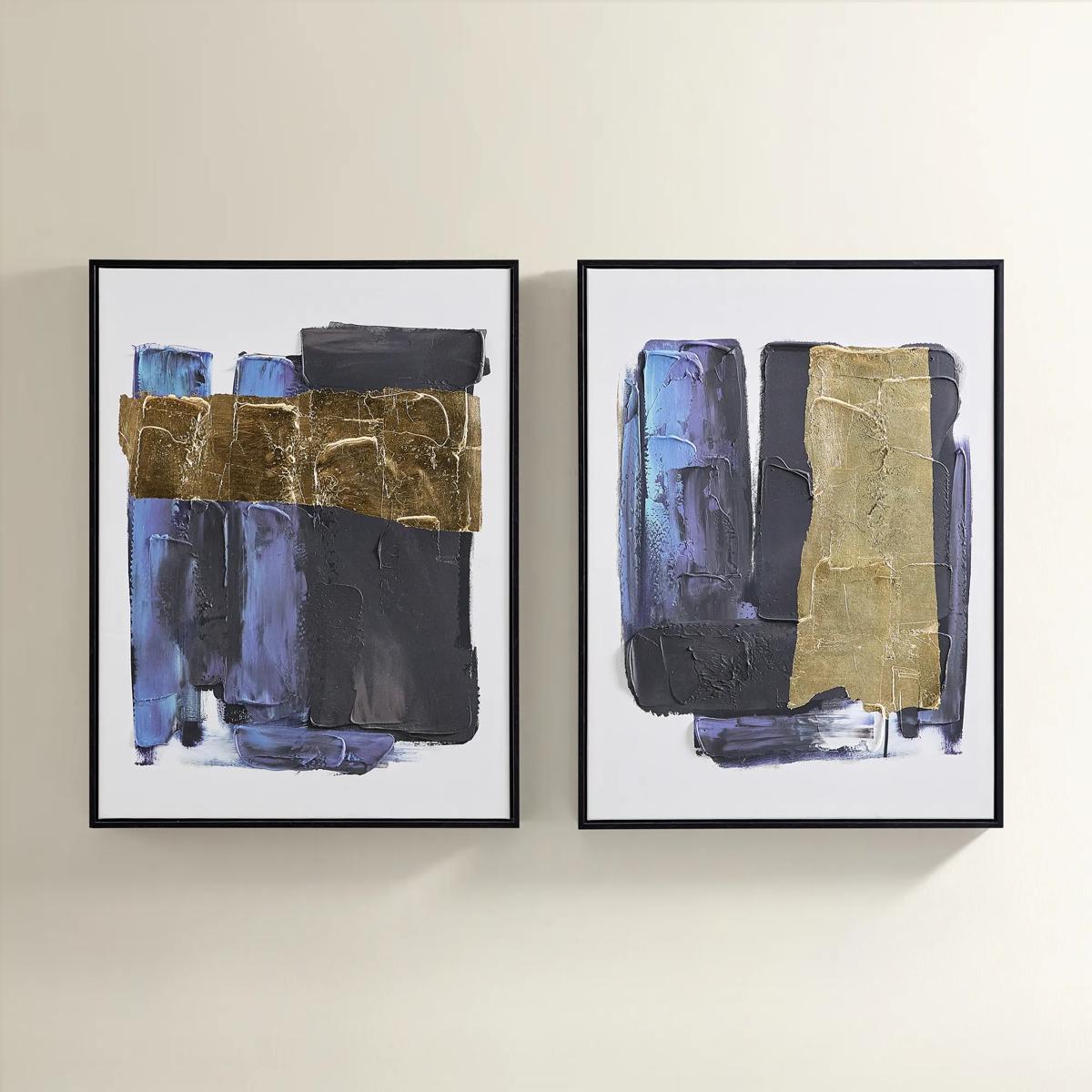
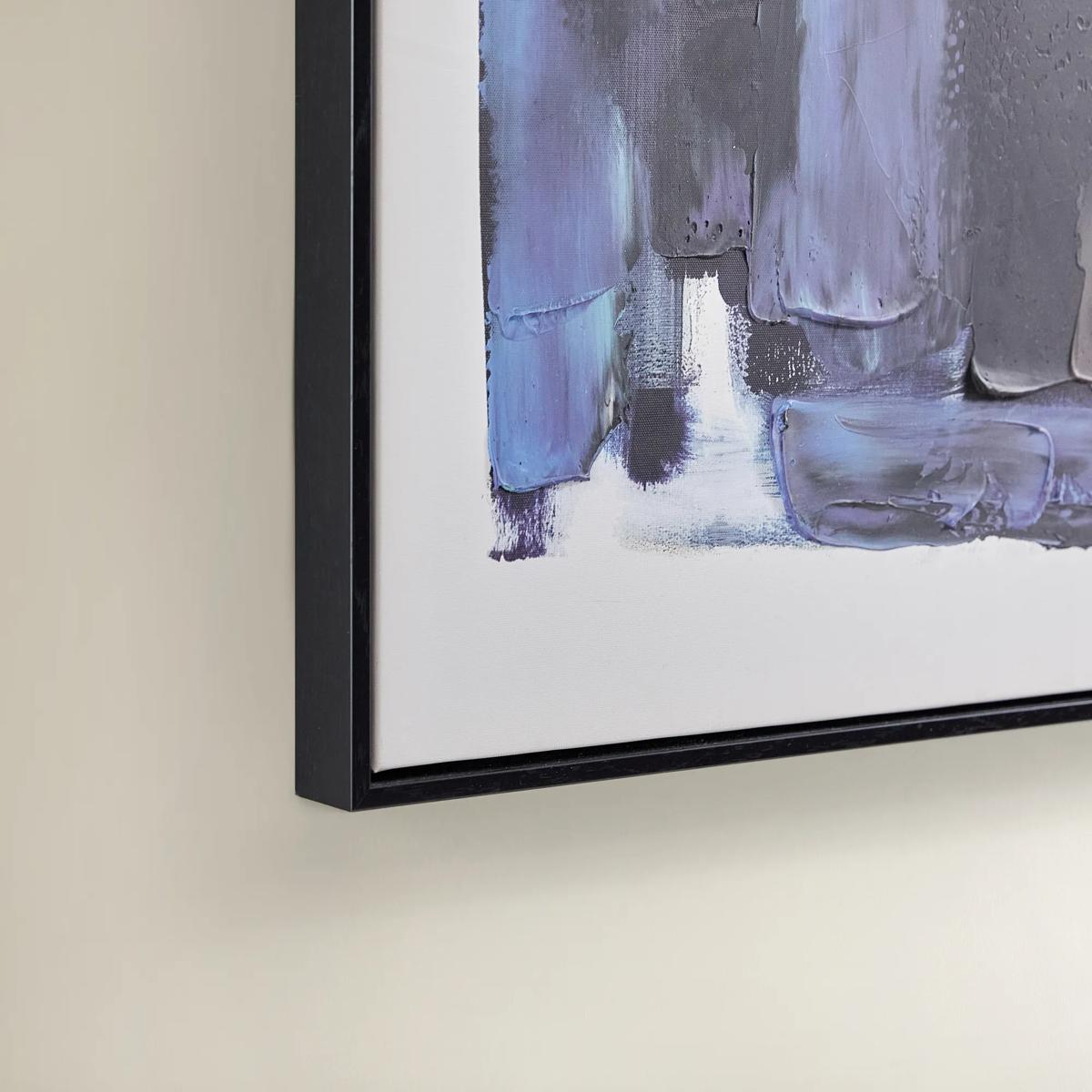 Deep Thoughts Gold Leaf Painted Wall Art Set of 2$199
A set of two hand-painted abstract canvases in blue and gold leaf, framed in sleek black.
Add To Cart -
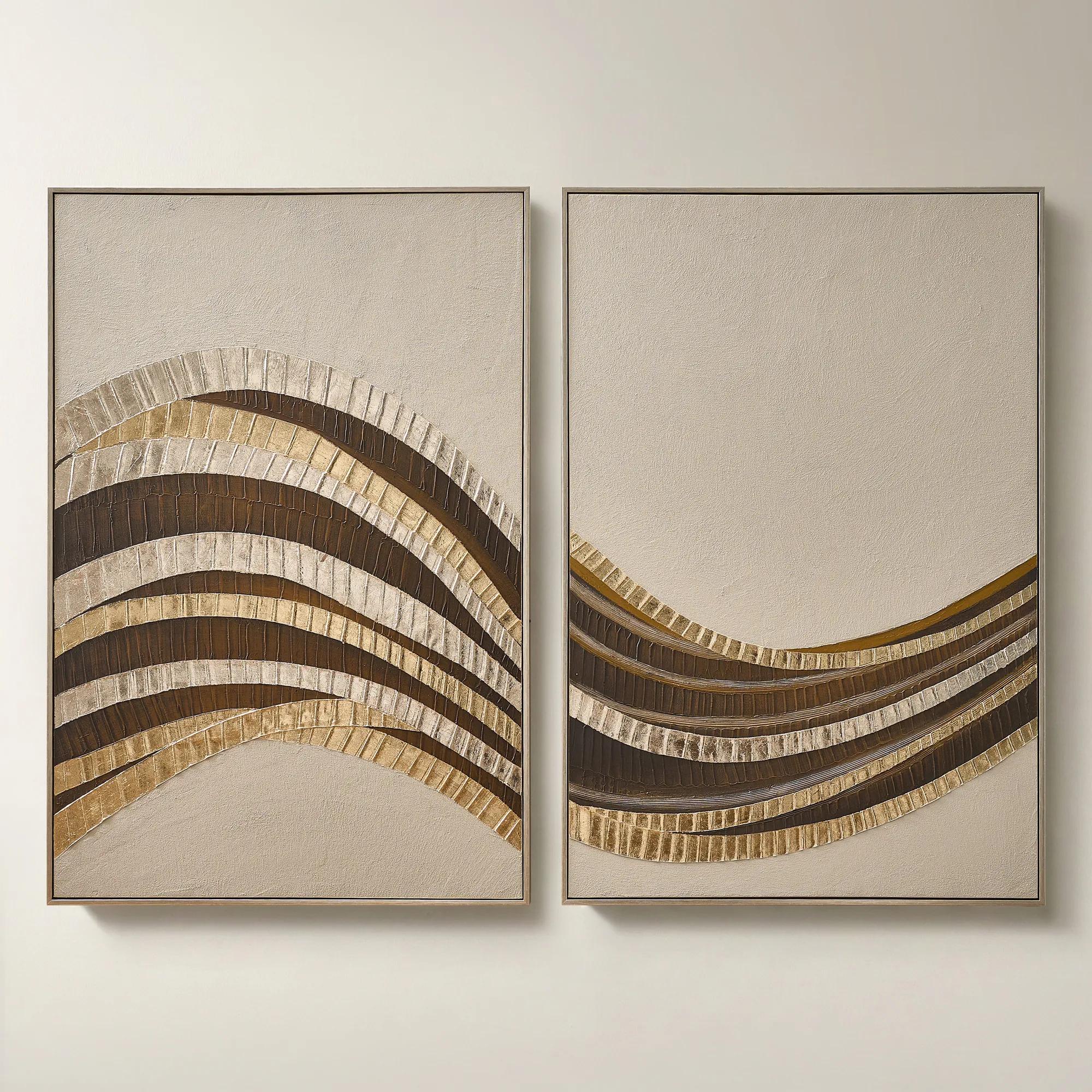 Stillness in Motion Framed Gold Leaf Painted Wall Art 40" x 60" Set of 2$899
A hand-painted abstract diptych with gold leaf accents, textured surface, and brushed champagne frames.
Add To Cart -
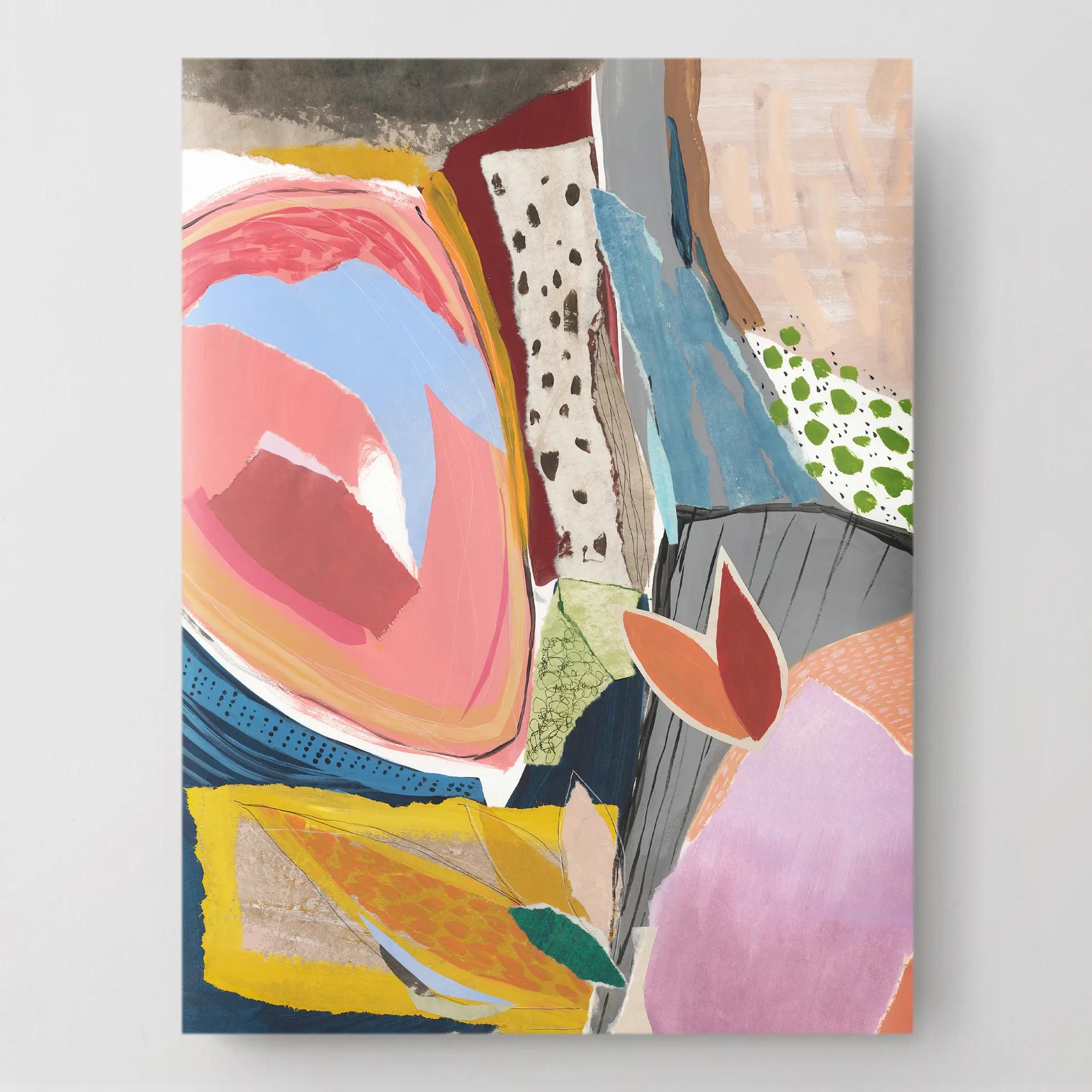
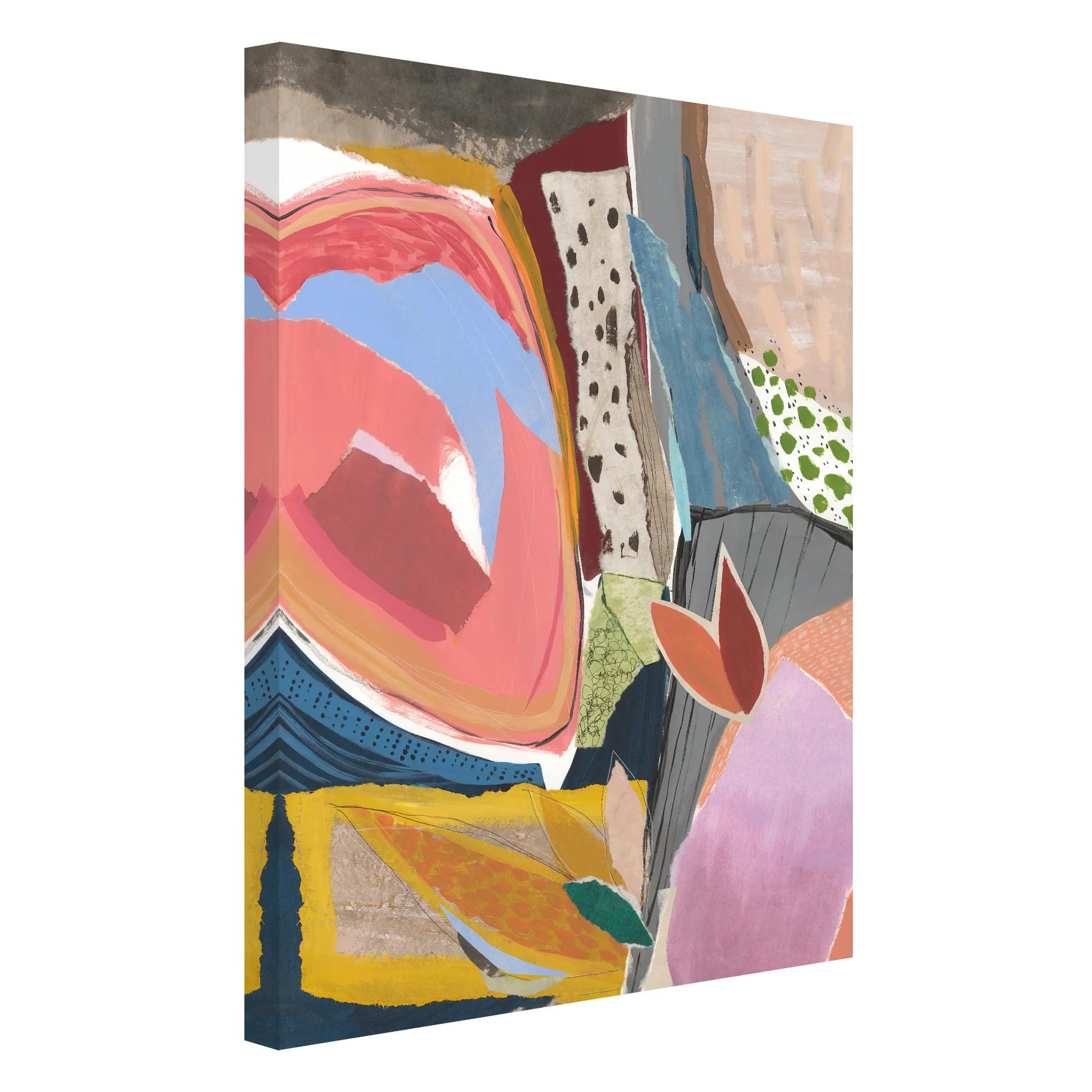 Sunday Vibes 1 Wall Art 30" x 40"$449
A gallery-wrapped canvas artwork featuring a hand-applied image brush gel finish for a textured look.
Add To Cart -
 Dipped Berry Burgundy Soft Gold Resin Decorative Object$129
A whimsical resin accent featuring a bold strawberry silhouette in rich burgundy and soft gold tones.
Add To Cart -
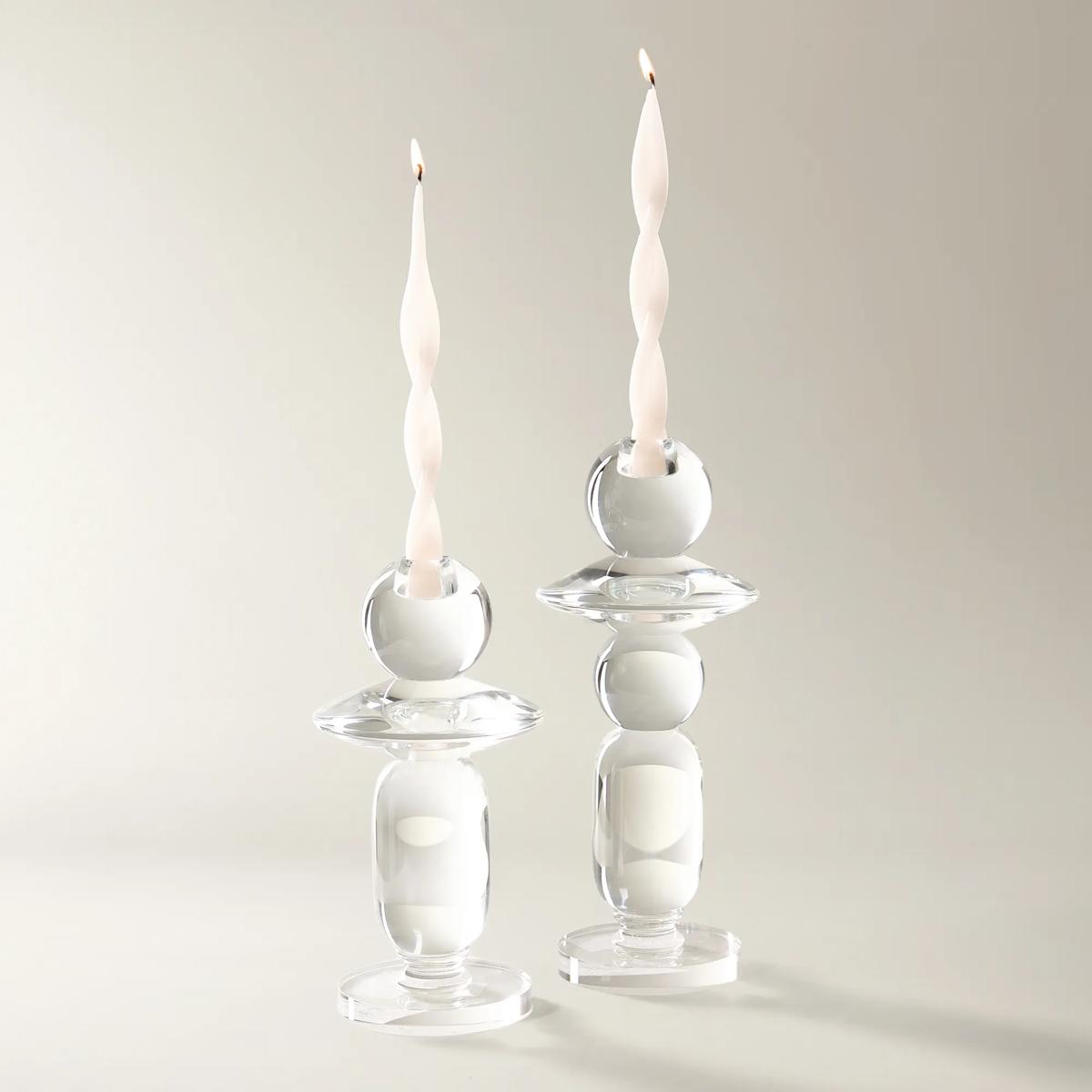
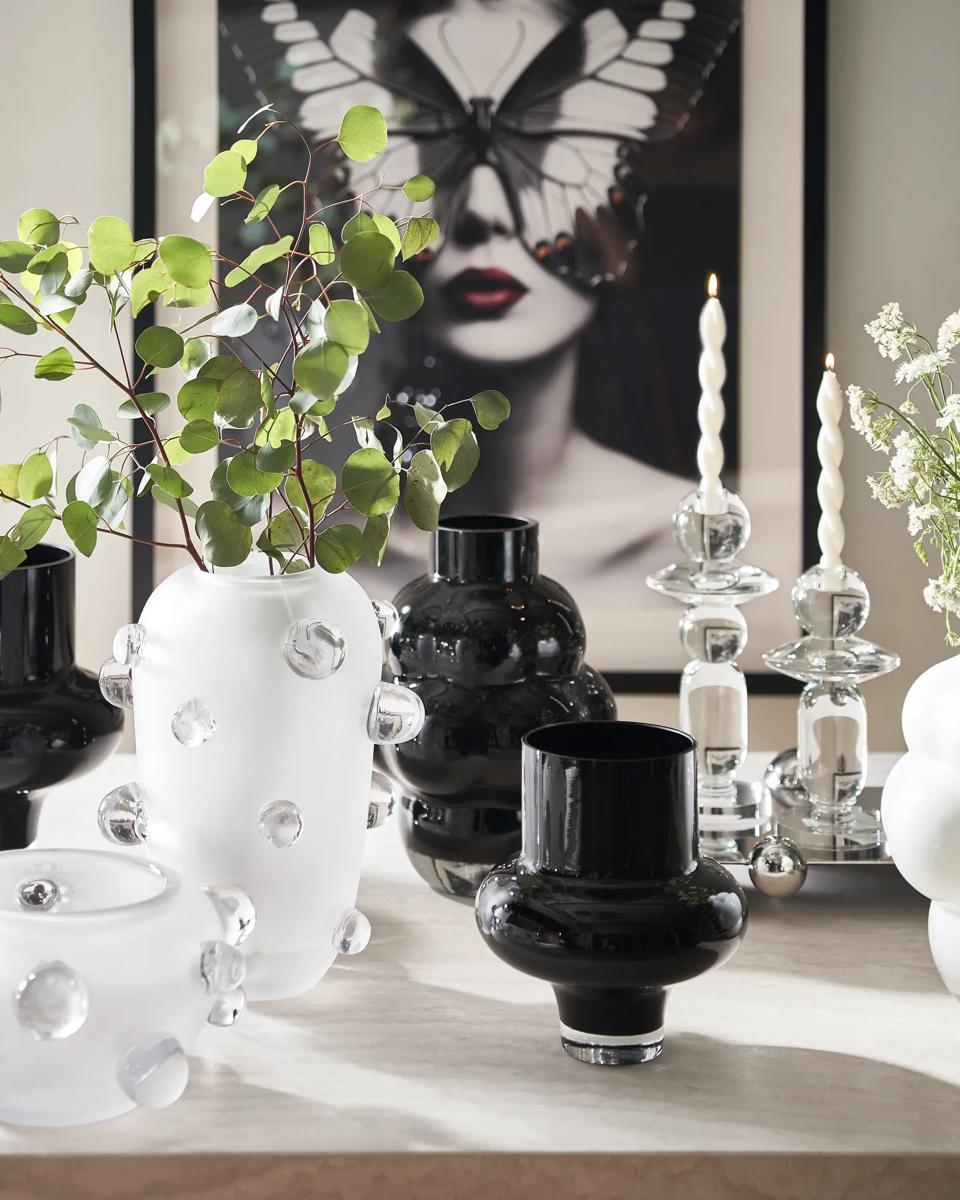 Pela Taper Holder$109
A sculptural taper holder crafted from clear crystal glass, adding luminous modern elegance to any décor.
Add To Cart -
 Otis Soft Gold Aluminum Hurricane Candle Holders$199
A sculptural hurricane candle holder crafted from aluminum and glass with a warm soft gold finish.
Add To Cart -
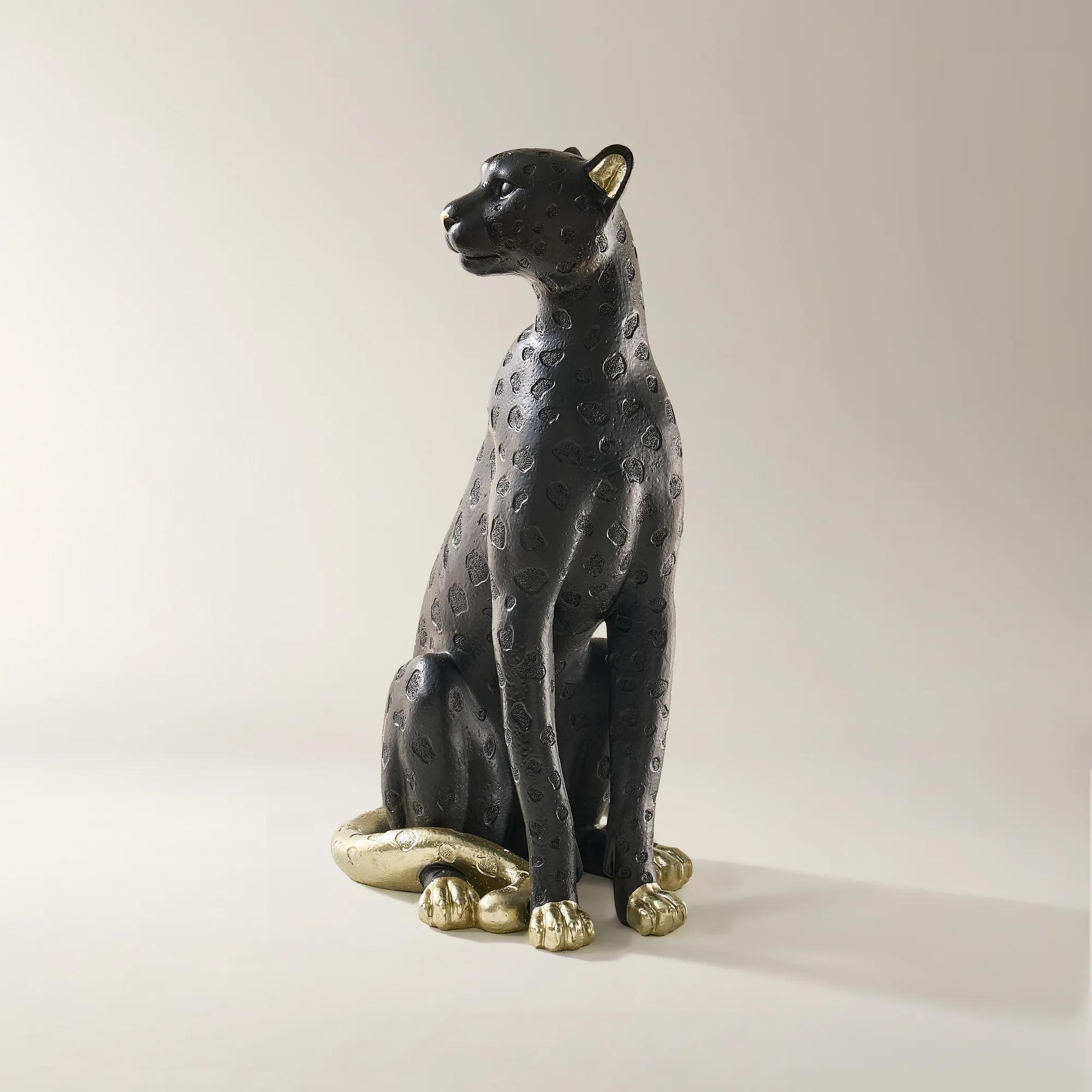
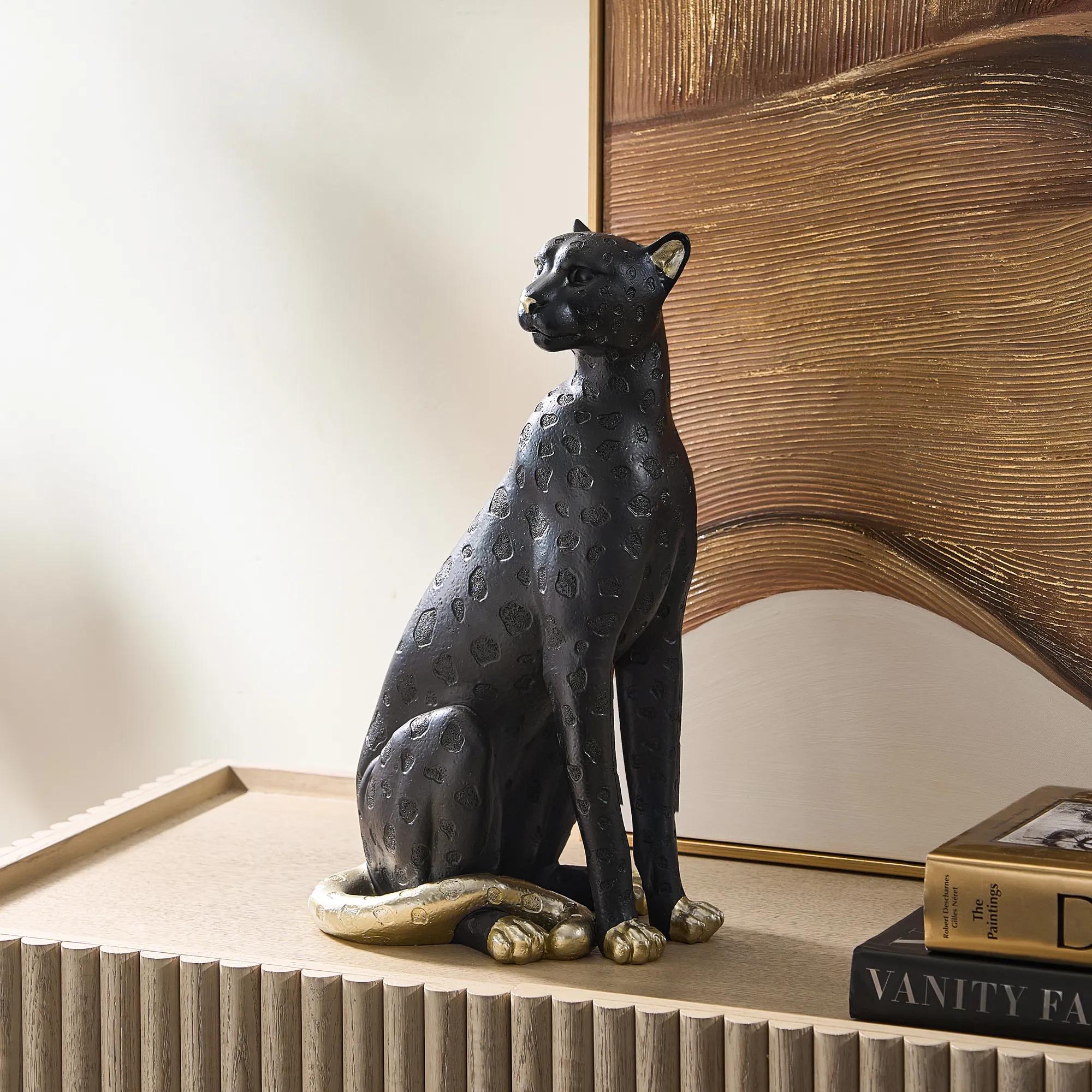 Midnight Leo Black And Gold Resin Object 17.75"$149
A sculpted black resin leopard with gilded gold accents adds bold, artistic glamour to any space.
Add To Cart -
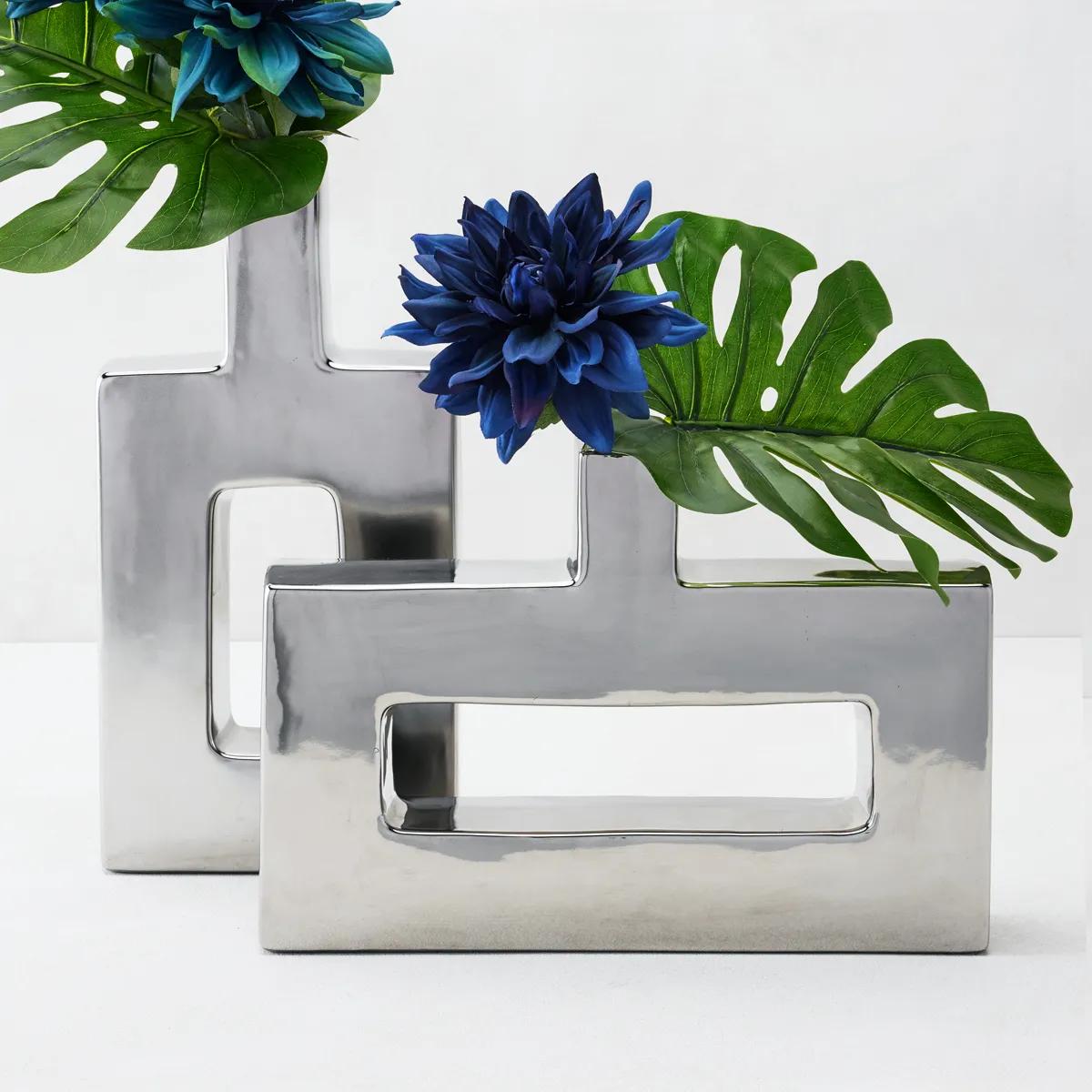 Miami Silver Ceramic High Gloss Vase 11.75"$69
A contemporary silver ceramic vase with a stylish gold glaze, perfect for decorative foliage or display.
Add To Cart -

 Miami Gold Ceramic High Gloss Vase 18.5"$69
A contemporary gold ceramic vase designed for decorative use or displaying faux foliage.
Add To Cart -

 Rythmn Gold Handcrafted Aluminum Taper Holders$59
A handcrafted gold aluminum taper holder set adding sculptural elegance to candlelit tables.
Add To Cart -
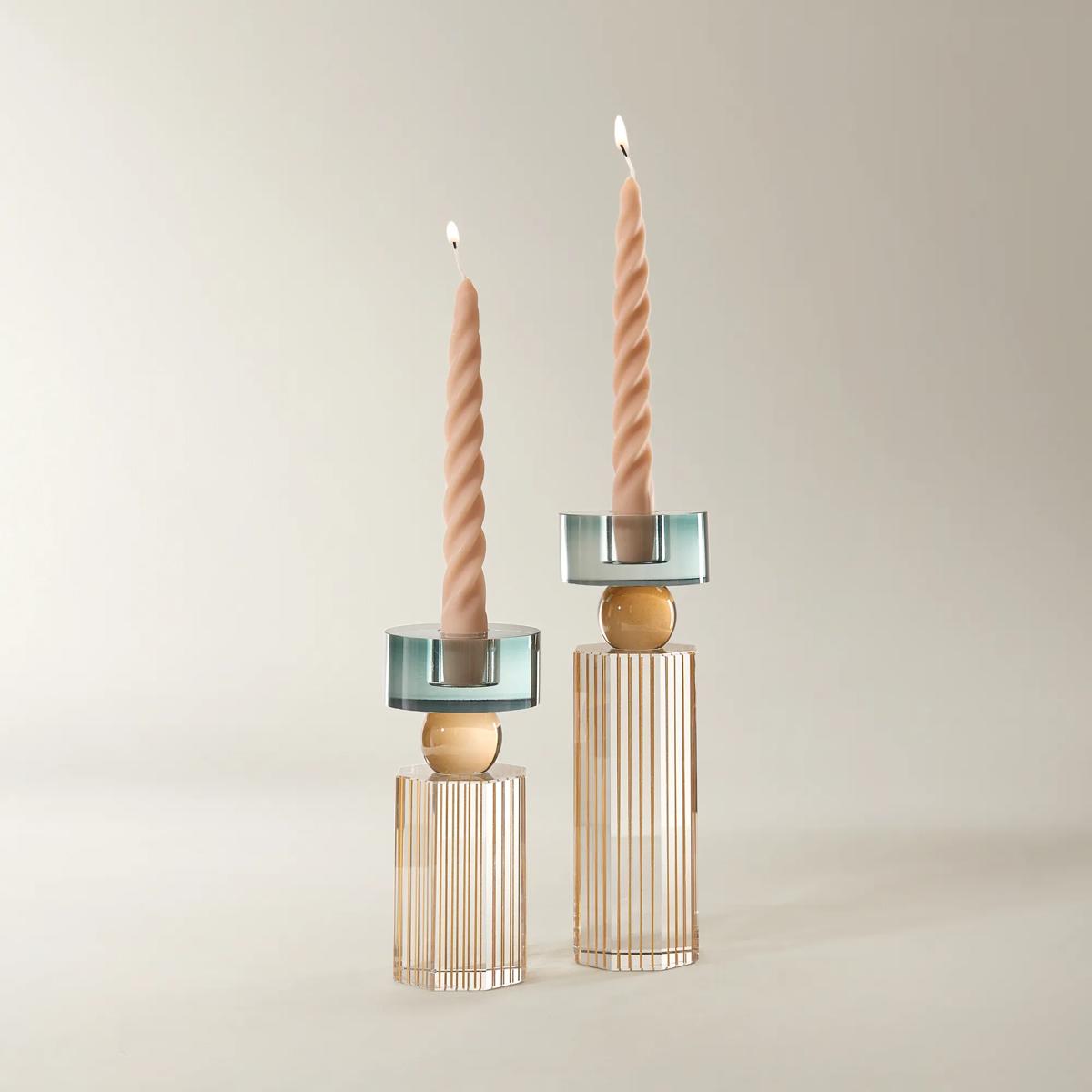
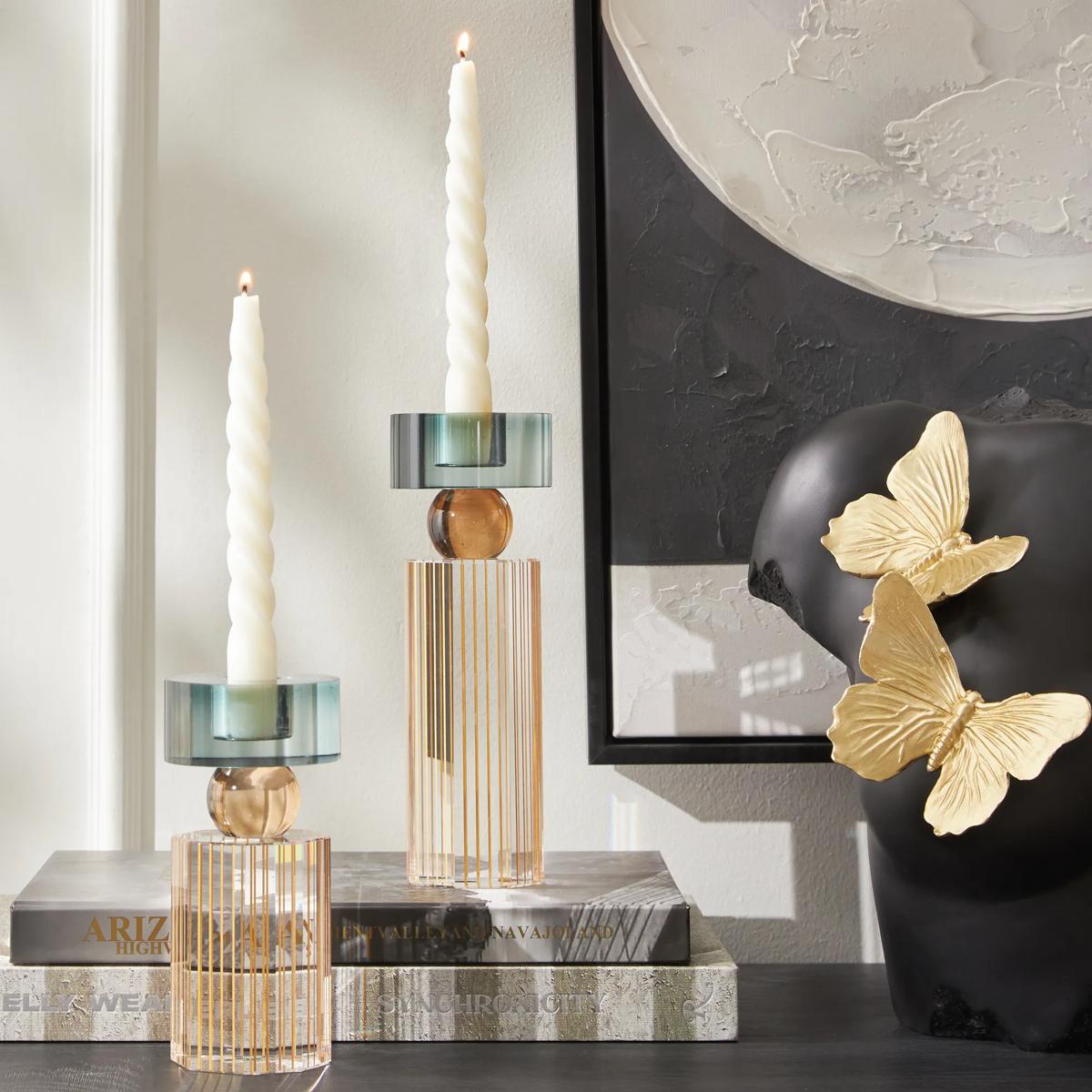 Cora Teal And Gold Crystal Glass Taper Holders$69
A modern crystal taper holder featuring clear, teal, and gold accents with clean, architectural lines.
Add To Cart -
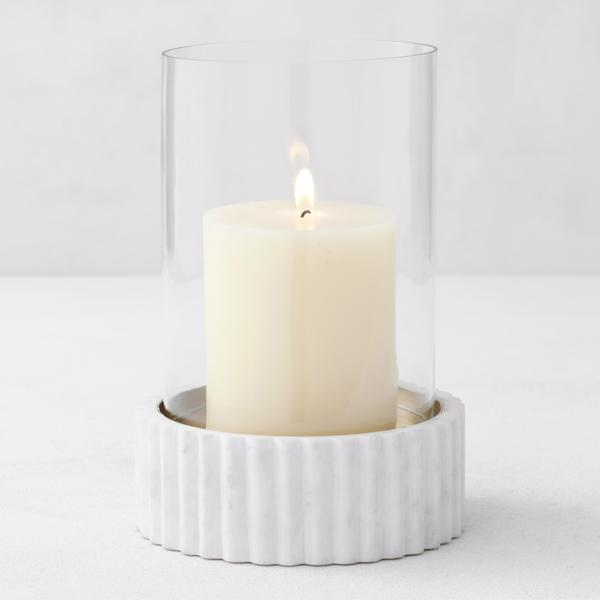
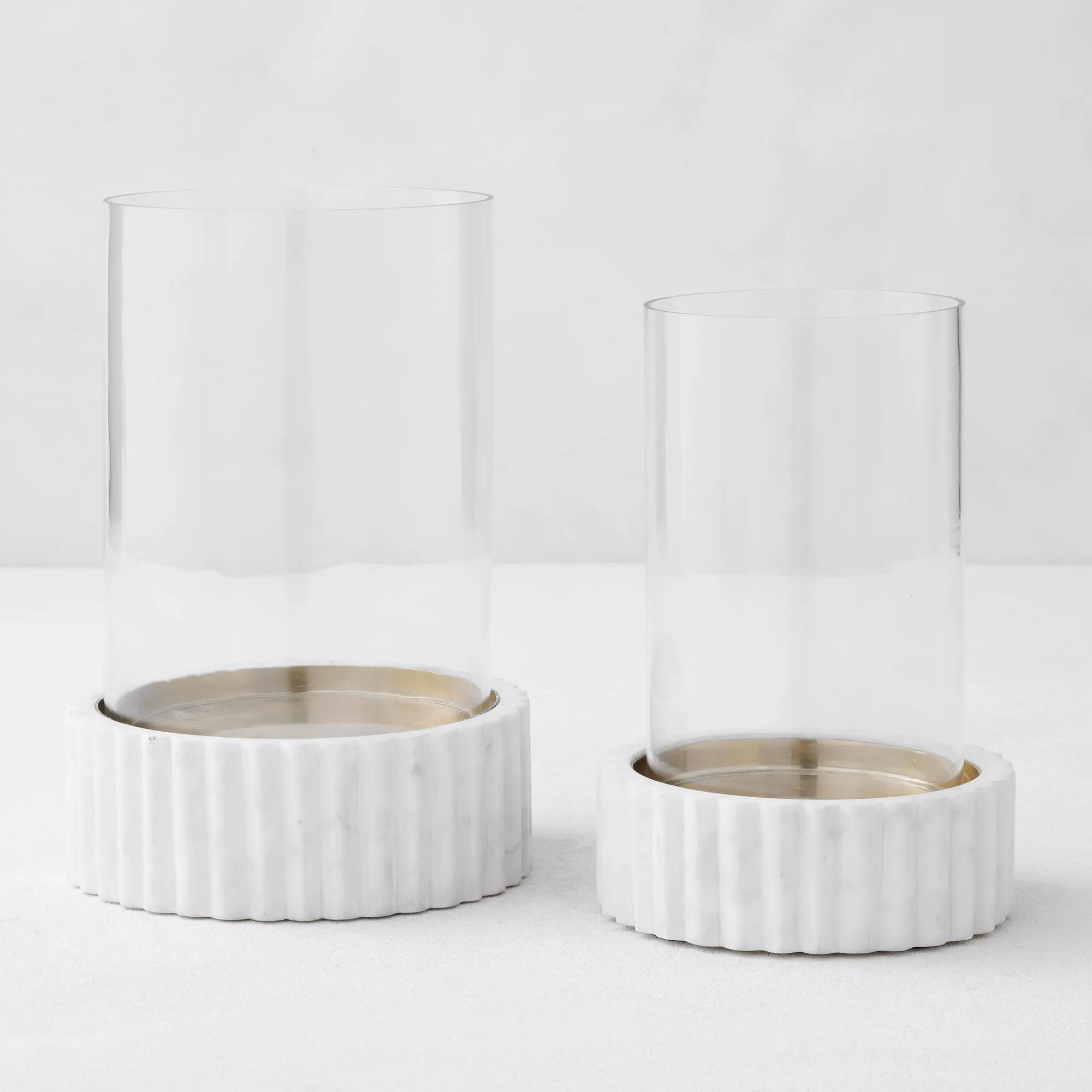 Marbella Hurricane$129
A hurricane candle holder featuring a carved white marble base and a gilded bottom for elegant illumination.
Add To Cart -
Miami Gold Ceramic High Gloss Vase 11.75"$69
A contemporary gold ceramic vase designed for decorative use as a sculptural accent or with foliage.
Add To Cart -
 Serpentine Soft Gold Aluminum Taper Holder$79
A sculptural aluminum taper holder in a soft gold finish with a fluid, wavy loop design.
Add To Cart

Unique Holiday Gifts For Clients
Find unique holiday gifts for clients with an artful point of view and a refined, celebratory feel. Whether you’re thanking a new client or honoring a longstanding partnership, consider the recipient’s taste and your business relationship to choose a gesture that feels personal yet professional.
Unique holiday gifts for clients combine everyday usefulness, distinctive design, and a sense of occasion, turning a professional thank-you into something worth keeping. Decorative objects with sculptural silhouettes, elegant accents for a desk, and pieces suited to entertaining offer a more personal expression of appreciation than heavily branded merchandise. Their appeal lies in the balance: memorable enough to feel thoughtfully selected, versatile enough to belong in a client’s home or workspace. A polished tray can bring order to a console or desk, while a beautifully proportioned vessel adds presence to a bookcase without requiring an entire room to change around it. For a longtime business partner, a gift that reflects an established interest in architecture, art, or hosting can acknowledge the relationship with subtlety. For a newer client, restrained color and an expressive shape offer distinction without presuming intimate knowledge of their taste. Holiday client gifts are especially effective when the recipient’s experience takes precedence over the sender’s identity. An uninterrupted finish, considered proportions, and a pleasing weight in the hand can communicate care more convincingly than a prominent logo. The result feels like an object selected for someone, rather than distributed to everyone. In a shared office, an accent for a reception console or meeting room allows an entire team to enjoy the gesture; for an individual recipient, a smaller piece can create a moment of beauty beside a laptop or on a mantel at home. Metallic details lend festive radiance, while clear glass, dimensional texture, and architectural forms can remain relevant long after the celebrations end. This is the lasting appeal of design-led corporate holiday gifts: they recognize a business relationship while leaving room for the recipient’s own style. The most compelling choices do not need an elaborate explanation. Their purpose is clear, their presence is distinctive, and their beauty feels at ease in daily life. A decorative gift earns its place when it offers both visual pleasure and a natural role in the room.
Material and finish give these gifts much of their character, influencing not only how they look but also how comfortably they fit into everyday routines. Glass catches and refracts light, bringing a luminous quality to shelves and tabletops; its transparency can make a sculptural form feel less visually imposing in a compact workspace. Ceramic offers a different kind of presence, with glazed surfaces, dimensional patterns, or matte finishes that invite a closer look. Natural stone introduces weight and variation, with veining and tonal differences that can make each piece feel individual. Metal can contribute a gleaming accent or a softer, brushed effect, depending on the finish. None of these materials is automatically more durable than another in every application: construction, surface treatment, placement, and handling all matter. A substantial object still needs a stable surface, and delicate edges or projecting details are better suited to a protected shelf than a busy passageway. Scale deserves equal attention. A client working from a compact desk may appreciate an accent that leaves room for a monitor and paperwork, while a generously sized reception area can accommodate a more commanding silhouette. The footprint matters as much as the height, particularly when a gift will share space with books, lamps, or existing decor. Protective pads beneath hard objects can help safeguard furniture, and a smooth underside is a meaningful detail on a piece intended for frequent handling. Care should feel manageable rather than become another obligation. Cleaning instructions vary, but gentle dusting and soft cloths are often appropriate for decorative surfaces; abrasive cleaners, prolonged moisture, and rough handling can damage certain finishes. Decorative vessels should not be assumed to hold water, and bowls or trays should only be used for food when specifically designated for that purpose. These distinctions make a gift easier to enjoy as intended. For clients whose preferences are not well known, an unscented decorative accent also avoids the personal sensitivities associated with fragrance. Beauty has greater staying power when its practical details have been considered.
Presentation completes the experience of a holiday business gift, creating anticipation before the object becomes part of the recipient’s surroundings. Secure, appropriately sized packaging matters most for fragile materials, with cushioning that protects edges and keeps the piece from shifting in transit. Once protection is addressed, a composed presentation can feel quietly theatrical: a harmonious palette, neatly arranged wrapping, and a card with a specific acknowledgment of the relationship. A brief message recognizing a successful collaboration or expressing appreciation for continued trust gives the gesture meaning without turning it into a sales pitch. Gifts sent to an office should also suit the realities of a professional setting. Manageable dimensions make them easier to receive, carry home, or place in a shared space, while a gift intended for a whole team should feel appropriate for collective enjoyment rather than appear reserved for one person. Corporate gift policies can set limits on value, timing, or acceptance, making those boundaries an important part of thoughtful giving. Cultural and religious preferences deserve similar care; festive texture and luminous finishes can convey celebration without relying on a particular religious symbol. When a relationship includes appreciation beyond the holiday calendar, Unique Gifts for Clients offers a broader context for gestures tied to milestones, completed projects, and enduring partnerships. For holiday gifting, the strongest connection is between the occasion and the recipient’s life: an object that brings polish to a workday, lends artistry to an entryway, or becomes part of a beautifully arranged gathering. Distinctiveness need not mean extravagance of scale or an unusual function. It can reside in the curve of a silhouette, the interplay of opaque and reflective surfaces, or a detail that rewards attention each time the piece is used. Those qualities give client appreciation a tangible form—expressive, considered, and designed to remain part of the setting long after the wrapping is set aside.
FAQs
A distinctive client gift reflects thoughtful attention rather than routine obligation. Look for decorative accents with sculptural silhouettes, expressive details, or an artistic point of view. The most memorable holiday gifts bring a sense of discovery to a client’s surroundings while honoring the relationship you’ve built.
Favor versatile decor with a striking focal detail: an elegant silhouette, an intriguing texture, or a refined interplay of tones. A restrained palette can let an expressive design shine without dictating the room. Take inspiration from the client’s office or brand aesthetic rather than assuming their personal taste.
Decorative gifts can offer a sophisticated way to recognize a valued business relationship, provided the client’s company permits gifts. Choose accents that feel equally at home in a workspace or living area. Artful, non-intimate designs convey appreciation while leaving the recipient free to make them part of their own setting.
Let a shared detail guide your selection, such as a client’s appreciation for art or a design element you’ve admired in their office. Add a handwritten note recognizing a meaningful collaboration or milestone. That thoughtful connection gives a beautifully chosen gift significance beyond its visual appeal.
Create a polished reveal with coordinated wrapping, a dramatic ribbon, and a thoughtfully written card. Keep company branding discreet so the gesture feels centered on the recipient, not promotional. A cohesive presentation turns a client holiday gift into an occasion, with every detail expressing considered appreciation.