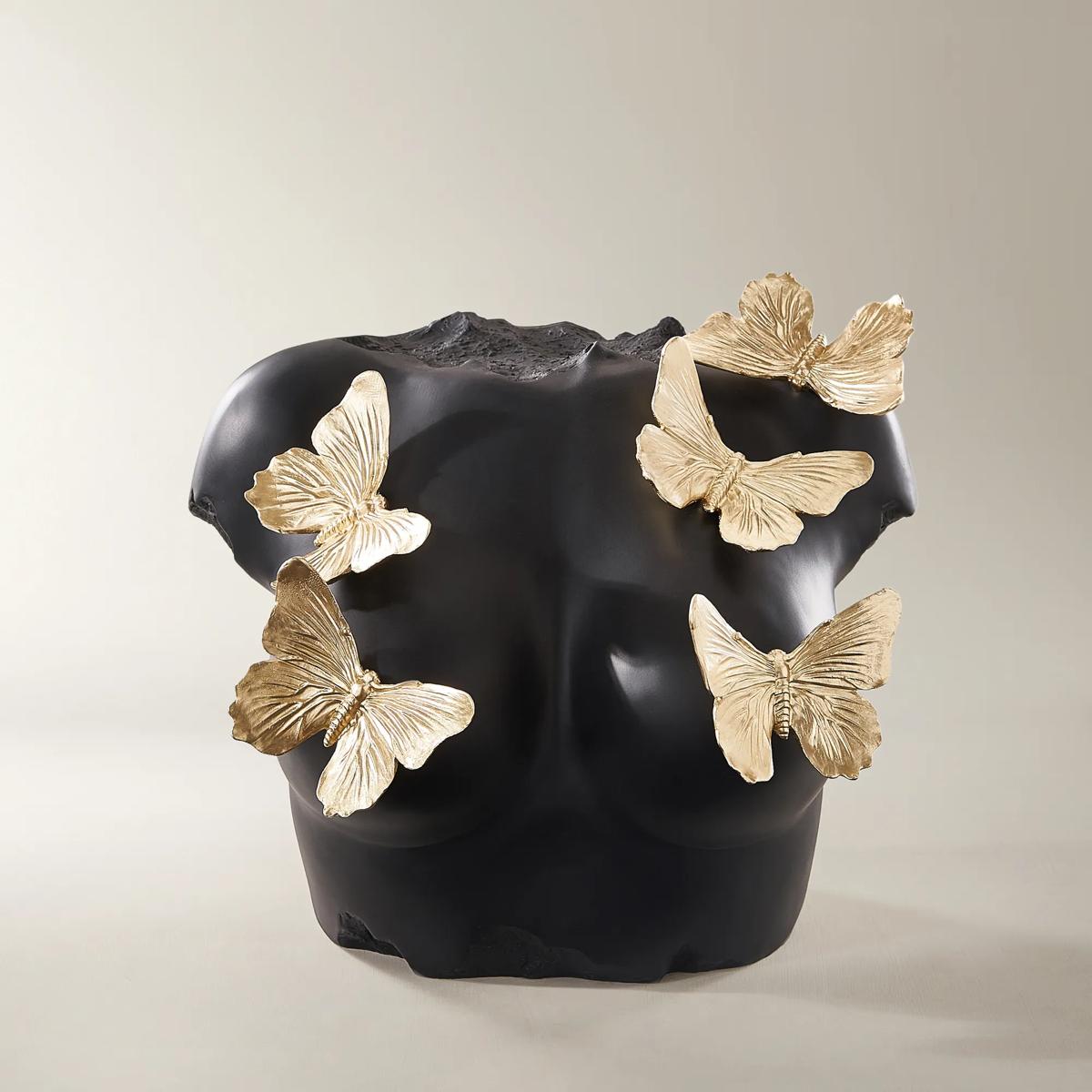
Unique Gold Statues For Collectors
Unique Gold Statues For Collectors
-
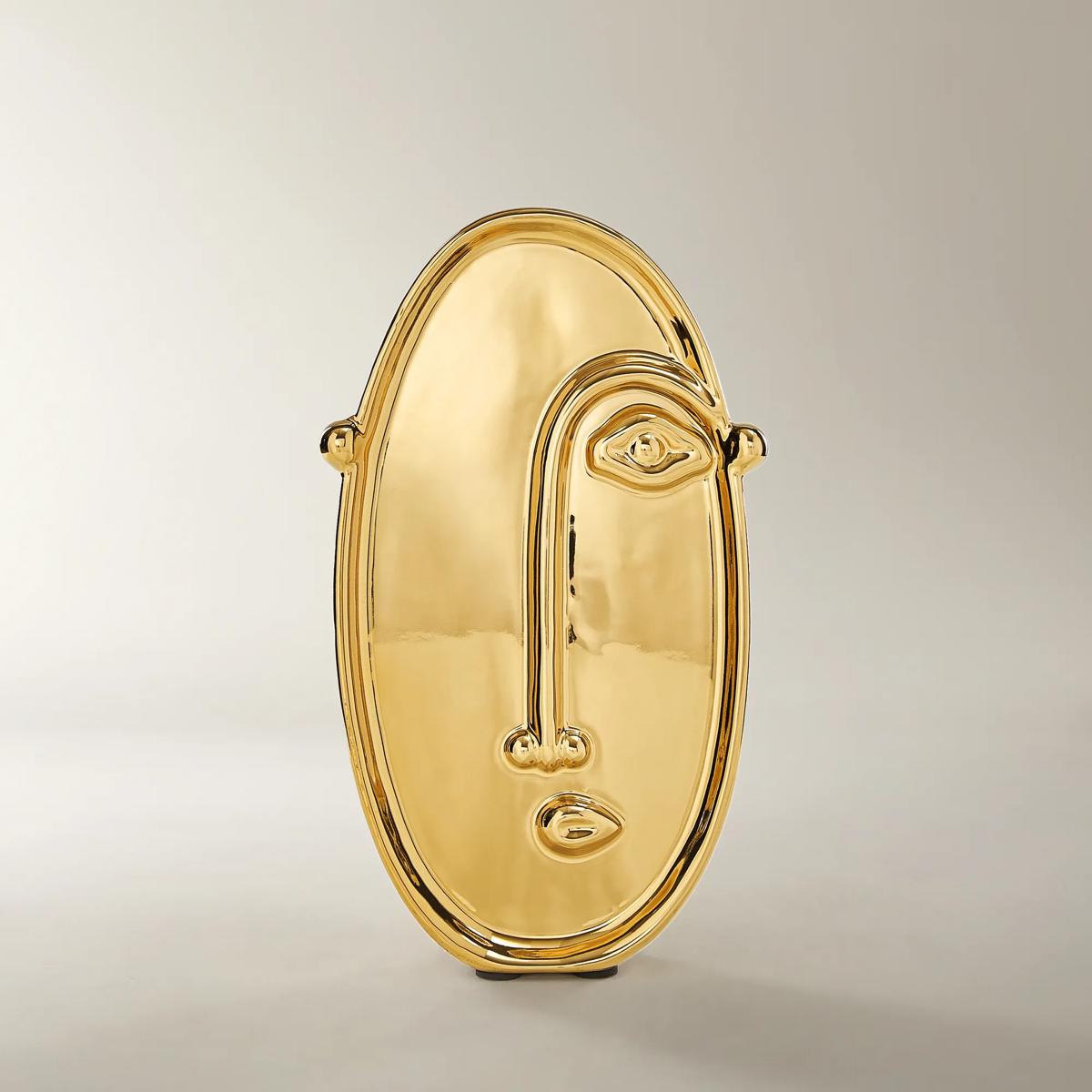
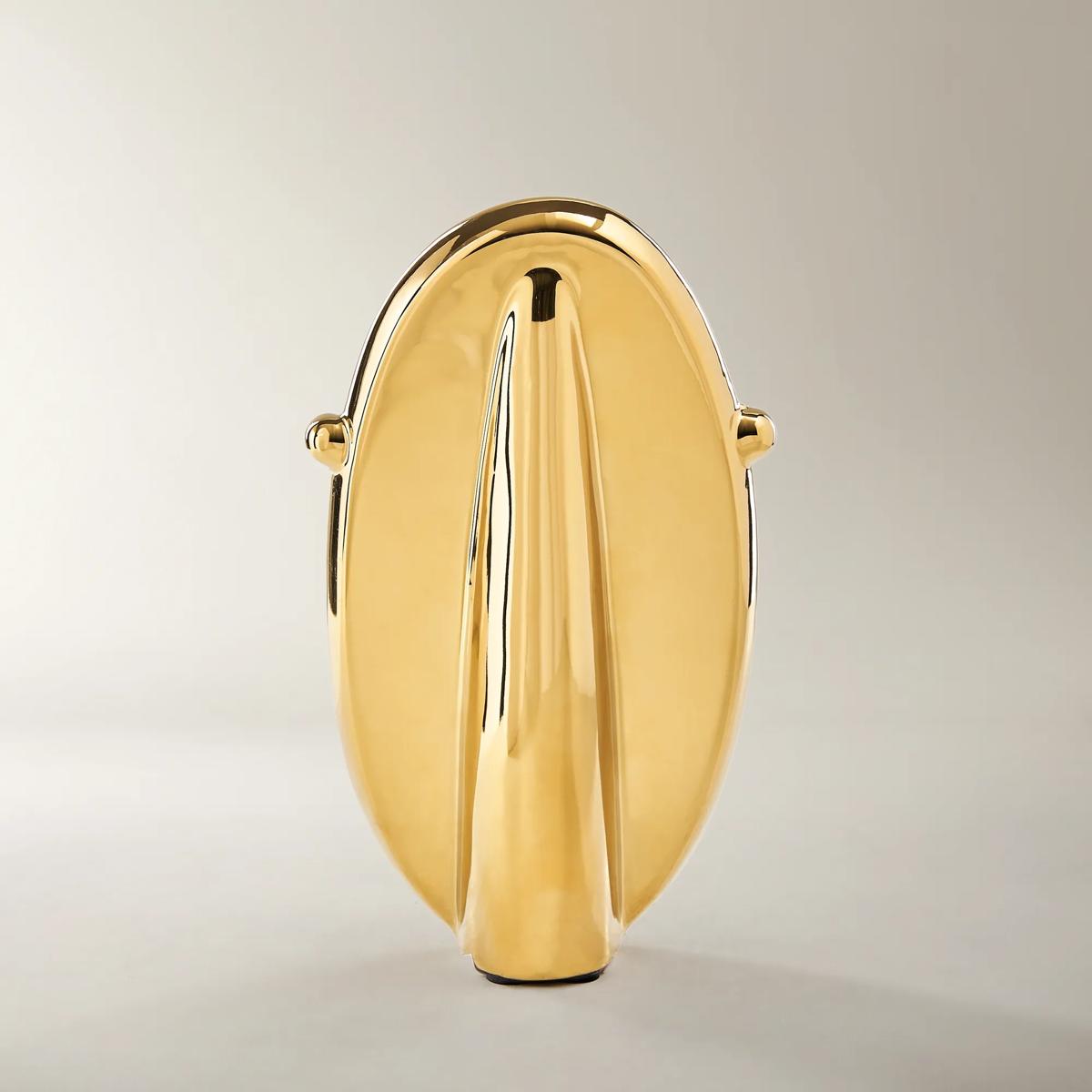 Golden Eye Ceramic Decorative Object 8"$39
A radiant gold ceramic sculpture featuring abstract, elongated facial details for a bold, modern accent.
Add To Cart -
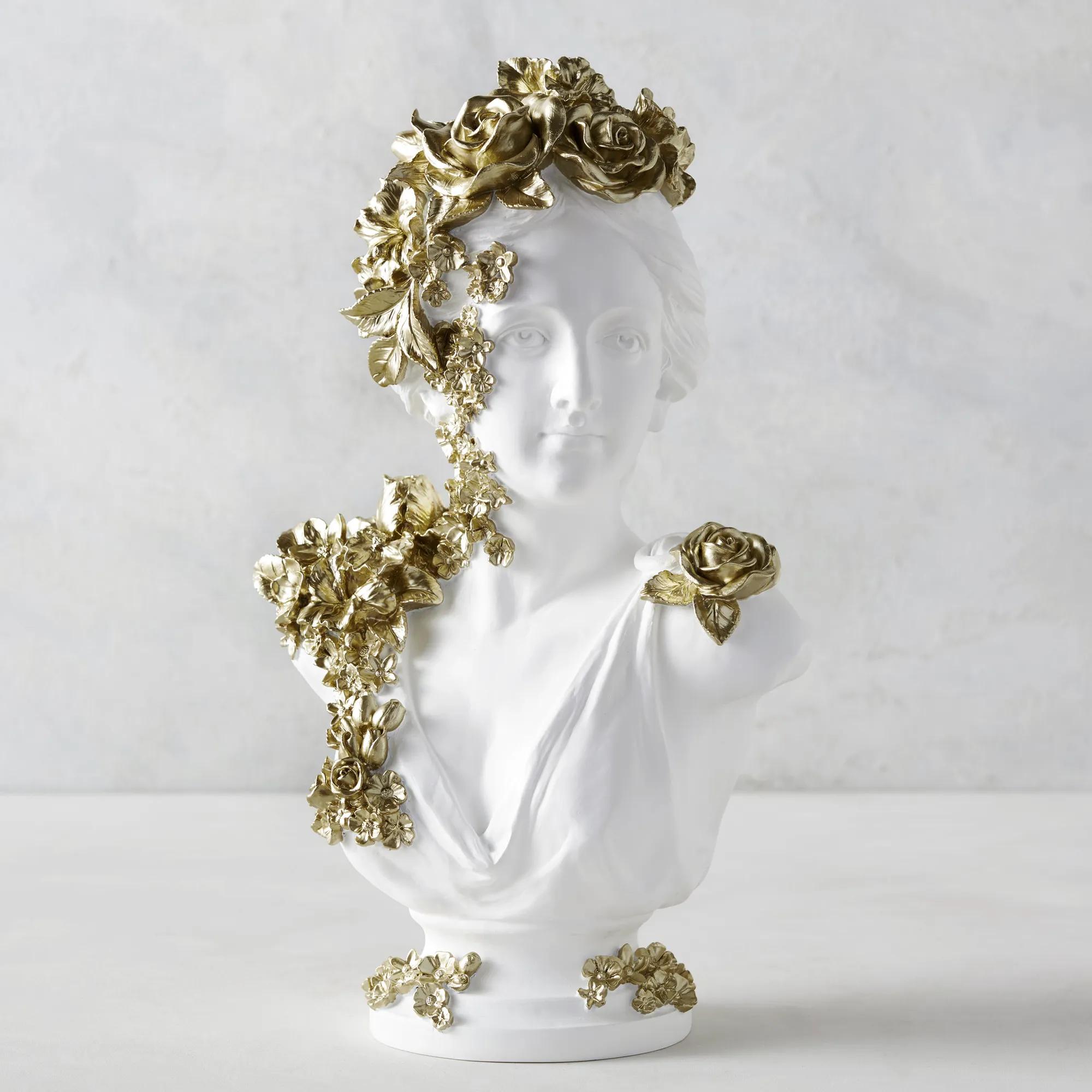 Gold Floral Bust Resin Decorative Object 16.5"$79
A striking resin bust adorned with intricate gold floral embellishments for a bold decorative accent.
Add To Cart -
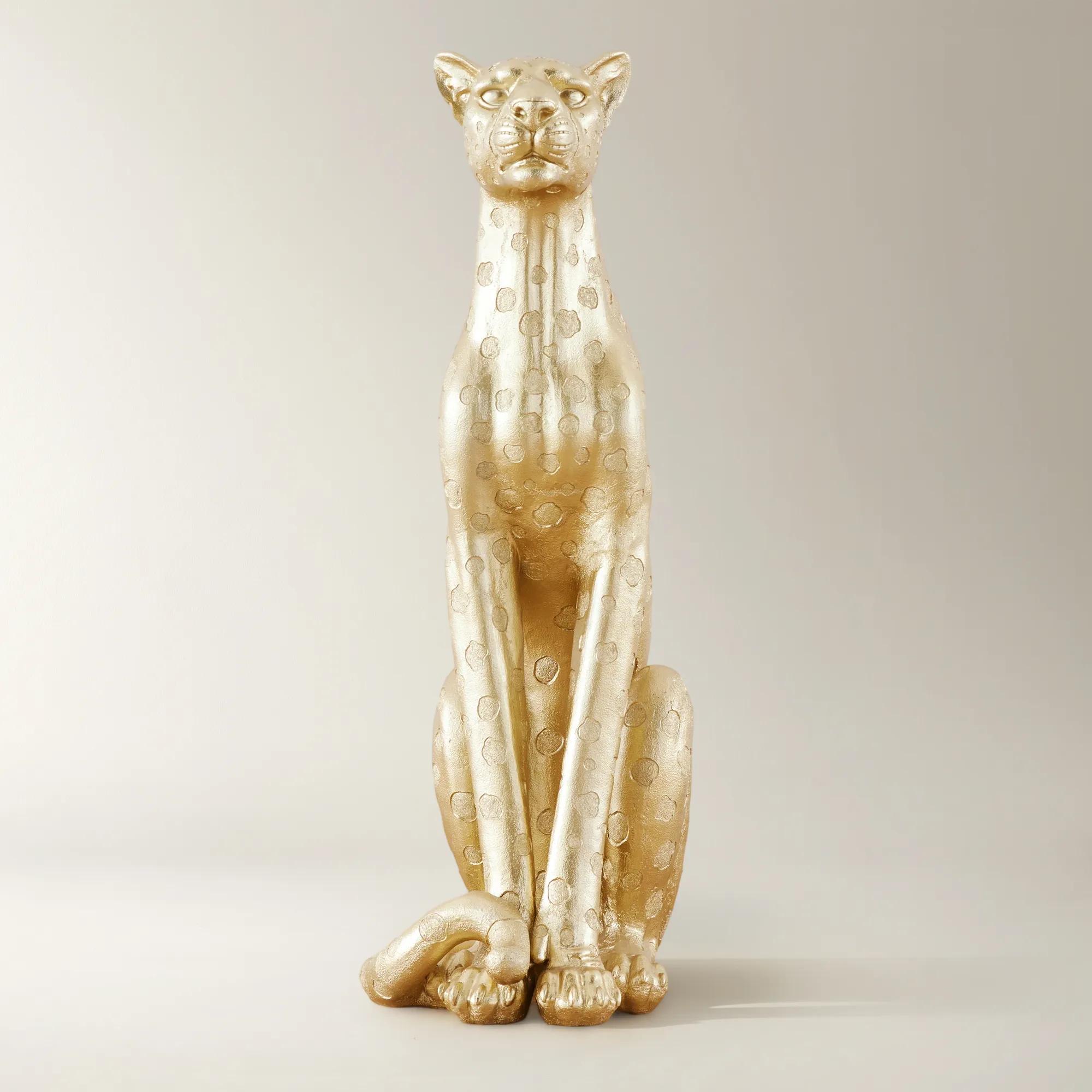 Leopardo Gold Resin Decorative Object 35"$329
A striking gold resin leopard statue that adds a touch of regal elegance to any space.
Add To Cart -
 Grand Lips Gold Poly Resin Wall Decor 27.5" x 12.5"$99
A playful resin sculpture in radiant gold, perfect for adding bold artistic flair to any space.
Add To Cart -
 Muse Black Gold Resin Coin Bank 10.75"$49
A sculptural resin coin bank featuring a matte black and radiant gold feminine torso design.
Add To Cart -
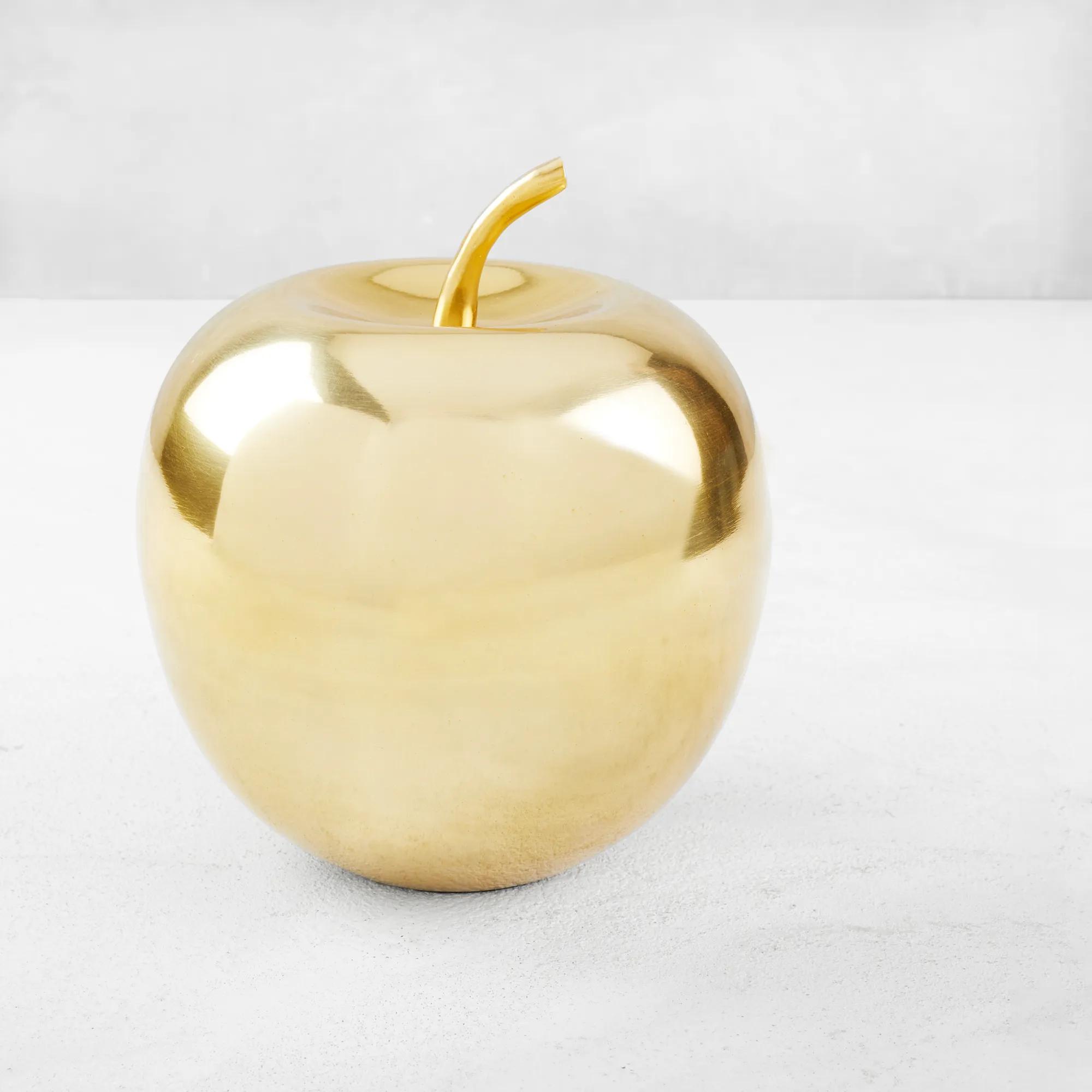
 Gold Oversized Apple Aluminum Decorative Object 7.5"$69
A glamorous gold aluminum apple that adds a sophisticated statement to any décor.
Add To Cart -
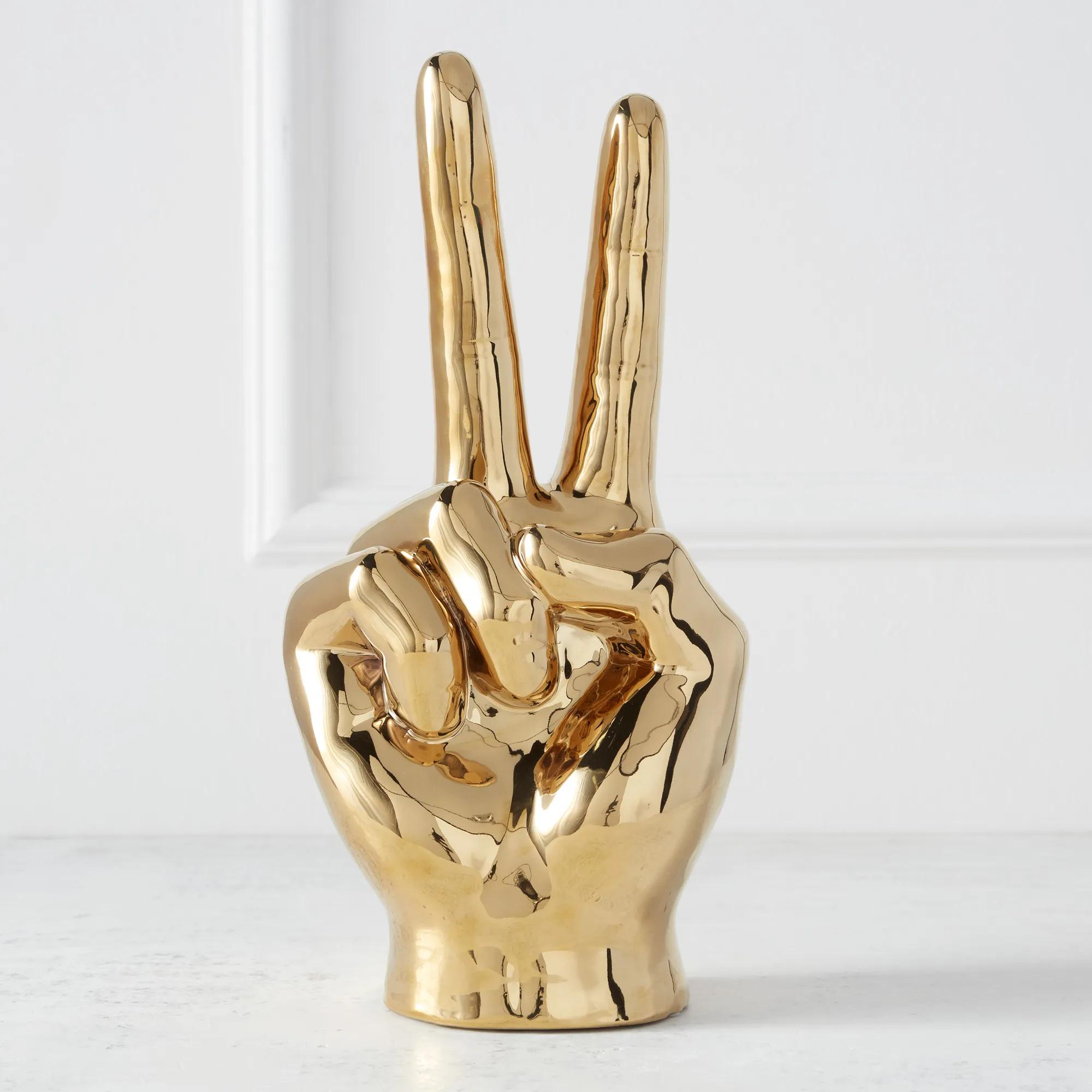 Peace Sign Gold Hand Ceramic Decorative Object 14"$49
A metallic gold ceramic hand sculpture perfect for displaying jewelry or as a decorative accent.
Add To Cart -
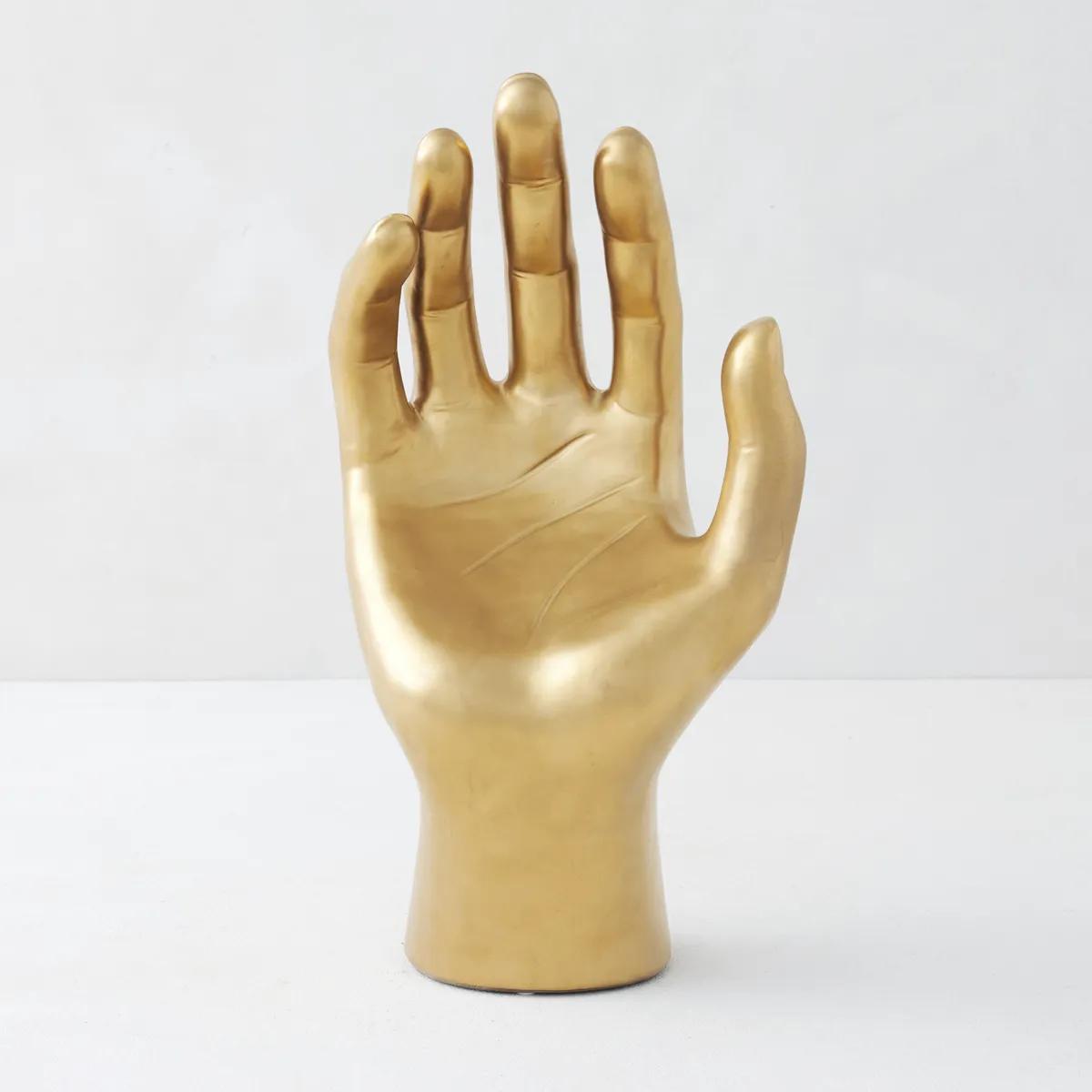
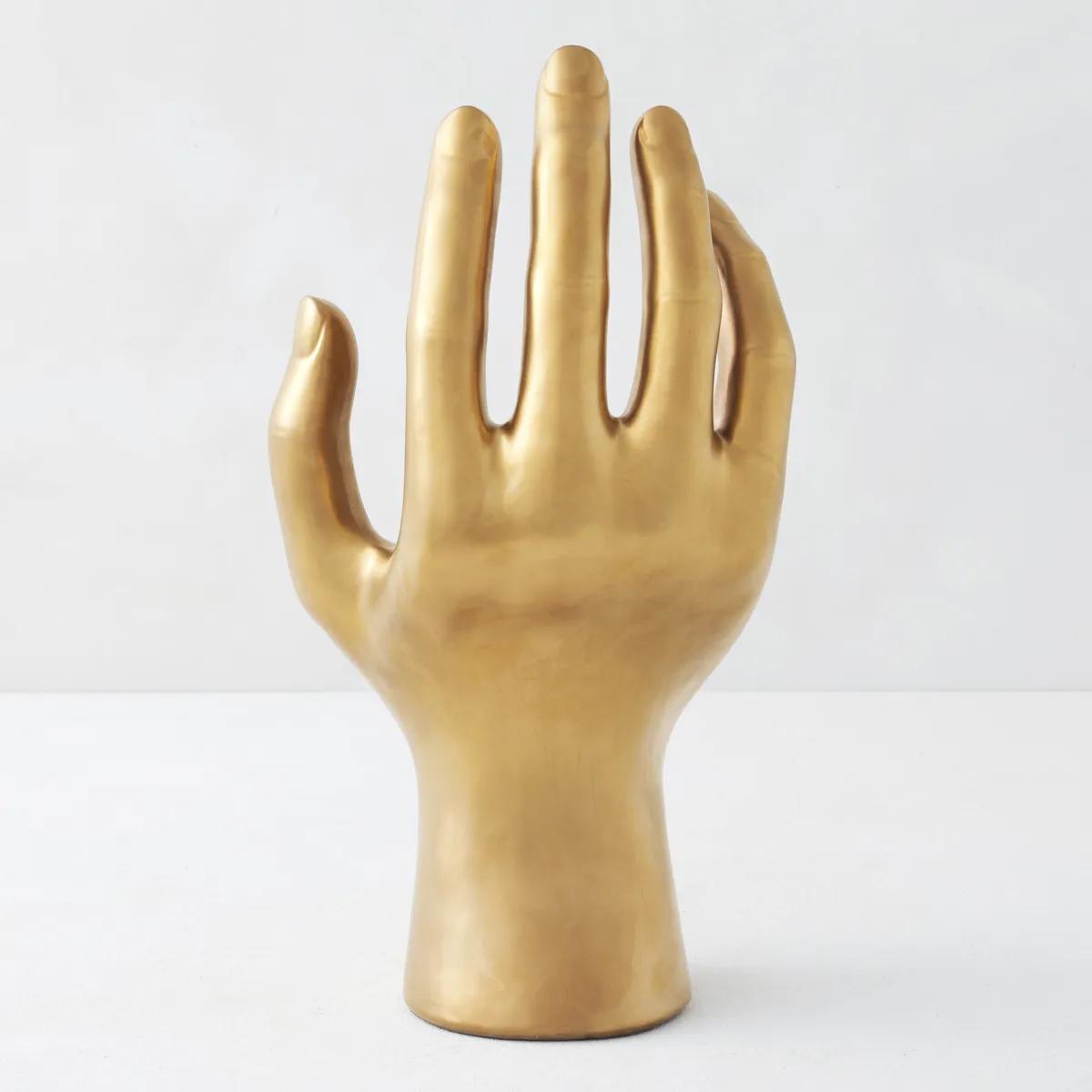 Ceramic Hand Metallic Gold Decorative Object 17.75"$69
A striking ceramic sculpture with a metallic gold finish, perfect for displaying jewelry or as decor.
Add To Cart

Unique Gold Statues For Collectors
Unique gold statues for collectors ignite the imagination and transform any space into a gallery of personal expression. Each piece is a celebration of artistry, gleaming with opulent allure and designed to captivate from every angle. Whether displayed as a striking centerpiece or curated within a sophisticated vignette, these statues invite admiration and spark conversation. For those who crave drama and distinction in their décor, unique gold statues for collectors offer more than ornamentation—they become icons of style, shimmering with possibility and promise.
Unique gold statues for collectors bring sculptural presence, luminous color, and a distinct point of view to an interior. Their appeal rests in the relationship between subject, silhouette, surface, and scale: the poised curve of an animal form, the tension of an abstract composition, or the expressive gesture of a figurative sculpture. Gold draws attention to these details, tracing raised edges with light and allowing recessed areas to settle into shadow. A polished finish creates sharp reflections and a more theatrical presence, while brushed, satin, or antiqued surfaces offer softer radiance and greater visual texture. In decorative sculpture, “gold” often describes a color or finish rather than the material throughout. Gold-tone metal, gold-plated surfaces, gold leaf, and painted finishes are distinct from solid gold, and none should be assumed to contain a particular amount of precious metal without clear documentation. Metal, resin, and ceramic can each serve as the foundation for a gold-finished statue, with different implications for weight, surface detail, and handling. Cast metal can lend substantial presence; molded resin can accommodate elaborate contours; ceramic can bring smooth volume and crisp definition beneath its decorative finish. Construction matters as much as appearance, since hollow and solid forms can feel very different despite sharing similar dimensions. For a collector, distinction may come from an unexpected pose, a compelling proportion, or a surface that reveals something new from another angle. A striking decorative statue does not need to be an antique or a limited edition to deserve a considered place in a collection. Claims of rarity, authorship, precious-metal content, or edition size, however, require supporting information rather than inference from appearance. The most satisfying collection has a recognizable sensibility without becoming repetitive: recurring curves, an affinity for wildlife, or a fascination with the human form can connect sculptures that remain individually expressive. Gold becomes the unifying note, giving varied subjects a shared richness without asking every piece to look alike.
Scale determines how that richness lives in a room. A compact gold figurine can become an intimate discovery within a bookcase, while a broader sculptural form needs sufficient surface area and breathing room to reveal its outline. Height, width, depth, and base dimensions all matter, particularly on a narrow mantel or console where an extended arm, wing, or sweeping curve may project beyond the supporting footprint. Visual weight matters, too. A dense, rounded silhouette can command attention at a modest size, whereas an open composition may feel airy even when its overall dimensions are generous. Against dark wood or a deep painted wall, gold creates a dramatic contrast; beside ivory upholstery, clear glass, or pale stone, it introduces warmth without losing definition. A mirrored backdrop can reveal another view of a sculpture, though the reflection also doubles its visual activity. On a console beneath artwork, a statue with a restrained outline can complement the composition rather than obscure it. Within shelving, a gold form beside a short stack of art books creates a deliberate pause between more densely arranged sections. Collections centered on gesture and anatomy can find a related visual language in Unique Gold Hand Art Pieces, where the hand becomes an expressive sculptural subject. Mixing reflective and matte finishes can add depth, especially when neighboring objects share a similar color. Leaving open space around an intricate silhouette allows its contours to remain legible instead of disappearing into surrounding decoration. Lighting completes the effect: a thoughtfully positioned lamp can graze a textured surface, while an intense beam aimed at a mirror-bright finish may produce distracting glare. A stable, level display surface is essential, and heavier sculptures call for furniture or shelving rated to support their weight. Felt or another suitable protective barrier beneath the base may help protect furniture, provided it is compatible with both surfaces and does not compromise stability. The result is a display that feels composed, with each sculpture given enough room to make its own impression.
Lasting enjoyment depends on treating the finish as carefully as the form. Durability varies with the underlying material, the method of construction, and the surface treatment; a substantial statue can still have delicate projections or a finish vulnerable to abrasion. Gold leaf and thin decorative coatings, for example, require particular care because vigorous polishing can disturb the surface. Material-specific care instructions take priority, and a soft, dry cloth is often the gentlest starting point for routine dust removal when the finish permits it. Abrasive pads, metal polish, solvents, and household sprays should not be used unless explicitly approved for that material and coating. Detailed recesses may need a very soft brush, used lightly and without catching fragile edges. Lifting from the base or main body rather than an extended feature helps reduce stress on narrow connections, while keeping decorative statues away from busy edges, splashing water, and unstable furniture protects both the sculpture and its surroundings. Unless expressly designated for outdoor use, decorative gold statues are best treated as indoor accents; moisture and environmental exposure can alter finishes or damage underlying materials. For collectors who enjoy rearranging displays, retaining care information and protective packaging makes future moves more manageable. Documented maker details, material descriptions, and edition information can also become part of a collection’s record, without implying any guarantee of future value. As gifts, gold statues suit people with a clear affection for sculpture, expressive interiors, or a particular subject. A wildlife enthusiast may appreciate an animal form with a beautifully observed stance, while an admirer of contemporary art may favor an abstract shape that changes character with the viewing angle. Housewarmings, anniversaries, and personal milestones offer meaningful occasions for a sculptural gift, especially when its scale suits the recipient’s home. Chosen with attention to both character and practical fit, a gold statue becomes more than a gleaming accent: it gives a room an unmistakable point of view.
FAQs
Gold statues are celebrated for their luminous presence and ability to instantly elevate any interior with a sense of luxury and artistry. Their reflective surfaces capture and amplify light, creating a dynamic focal point that draws attention and admiration. For collectors, gold figures are not just decorative; they are expressions of personal style and creative vision, often becoming cherished heirlooms that tell a story over time.
Gold figurines are remarkably versatile and can be styled in both modern and classic settings. Place a gold figure atop a stack of coffee table books for a curated look, or let a group of gold figurines create a dramatic vignette on a console or mantel. Pairing gold with rich textures—such as velvet, marble, or glass—enhances its visual impact, while positioning statues near light sources maximizes their radiant effect.
Absolutely. Gold statues make unforgettable gifts for milestone events, such as anniversaries, housewarmings, or birthdays. Their timeless elegance and artistic flair ensure they are treasured by those with an eye for unique, meaningful décor. Choosing a gold figurine that reflects the recipient’s interests or personality adds a thoughtful, personal touch to your gesture.
Collectors are drawn to a wide range of gold statue styles, from abstract and modernist designs to intricate, nature-inspired forms. Sculptures that evoke movement or emotion are particularly sought after, as are those that showcase exceptional craftsmanship and detail. Whether you prefer bold statement pieces or subtle accents, there is a gold figurine to suit every aesthetic sensibility.
To preserve the brilliance of your gold statues, gently dust them regularly with a soft, dry cloth. Avoid using harsh chemicals or abrasive materials, as these can damage the finish. For pieces displayed in high-traffic areas, occasional repositioning can prevent uneven wear and ensure that each gold figure continues to shine in your space for years to come.