Ul Listed Crystal Chandeliers
Ul Listed Crystal Chandeliers
-
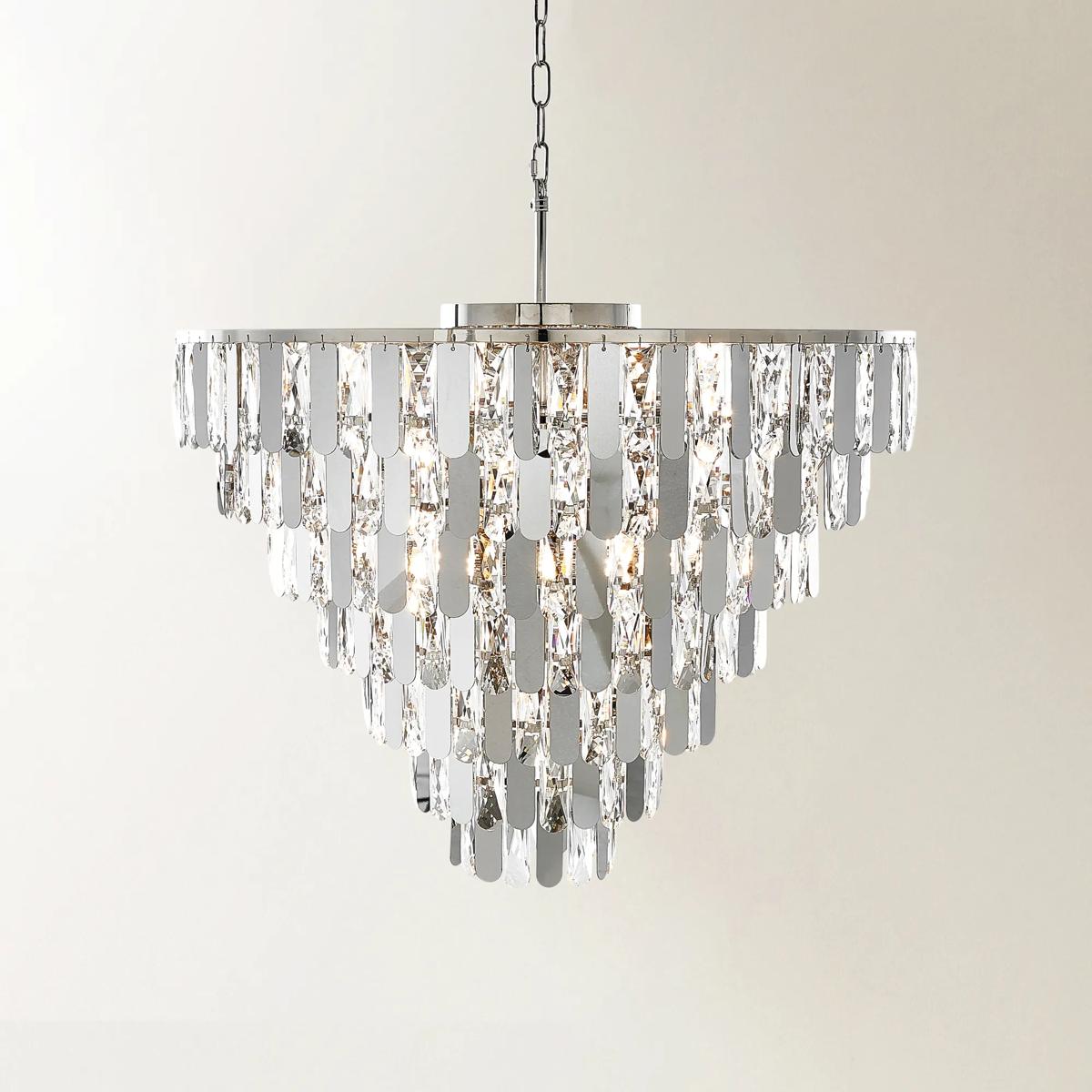
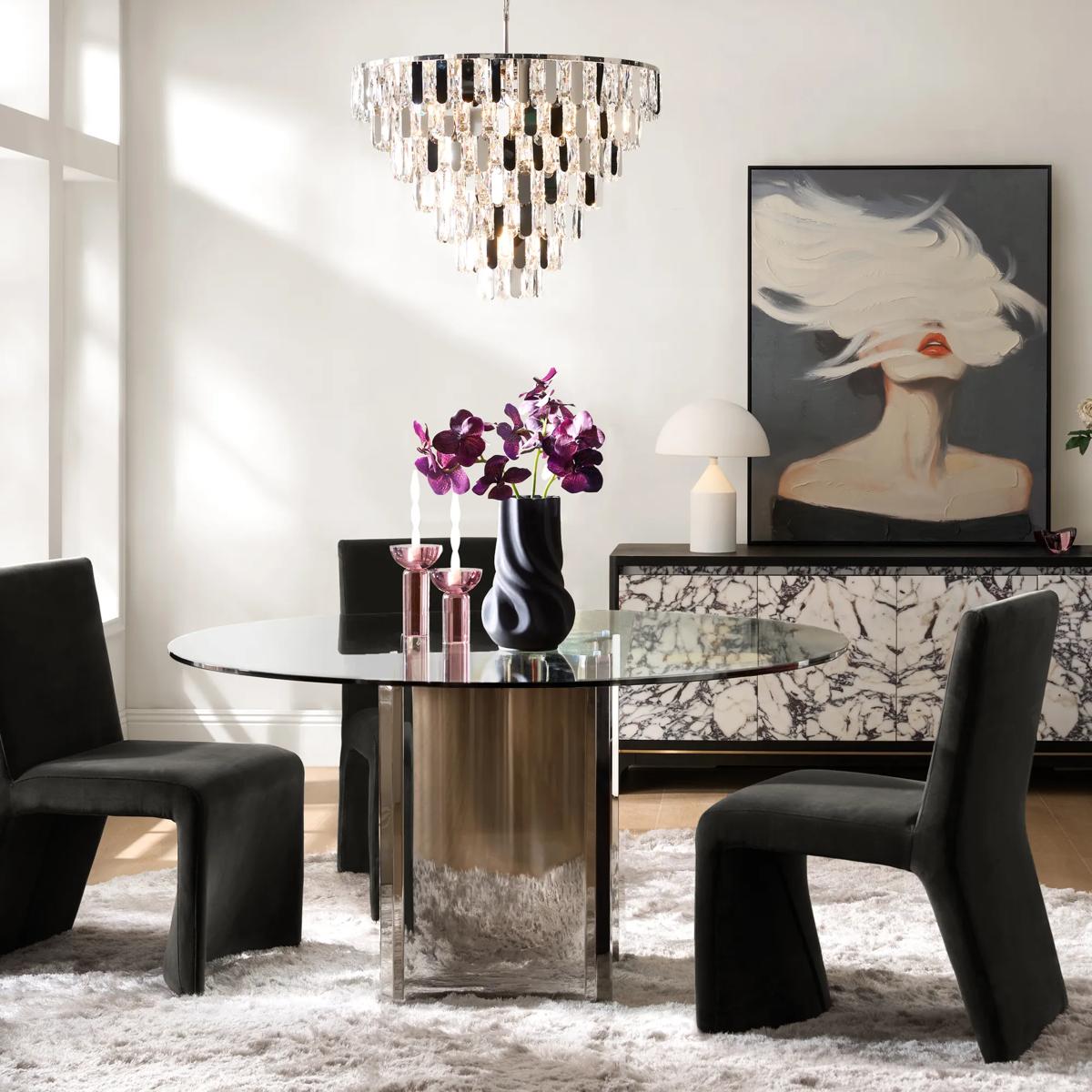 Avenue Crystal Chandelier 28.5"$999
A tiered chandelier crafted from eco-friendly K9 crystal and polished nickel for radiant, modern elegance.
Add To Cart -
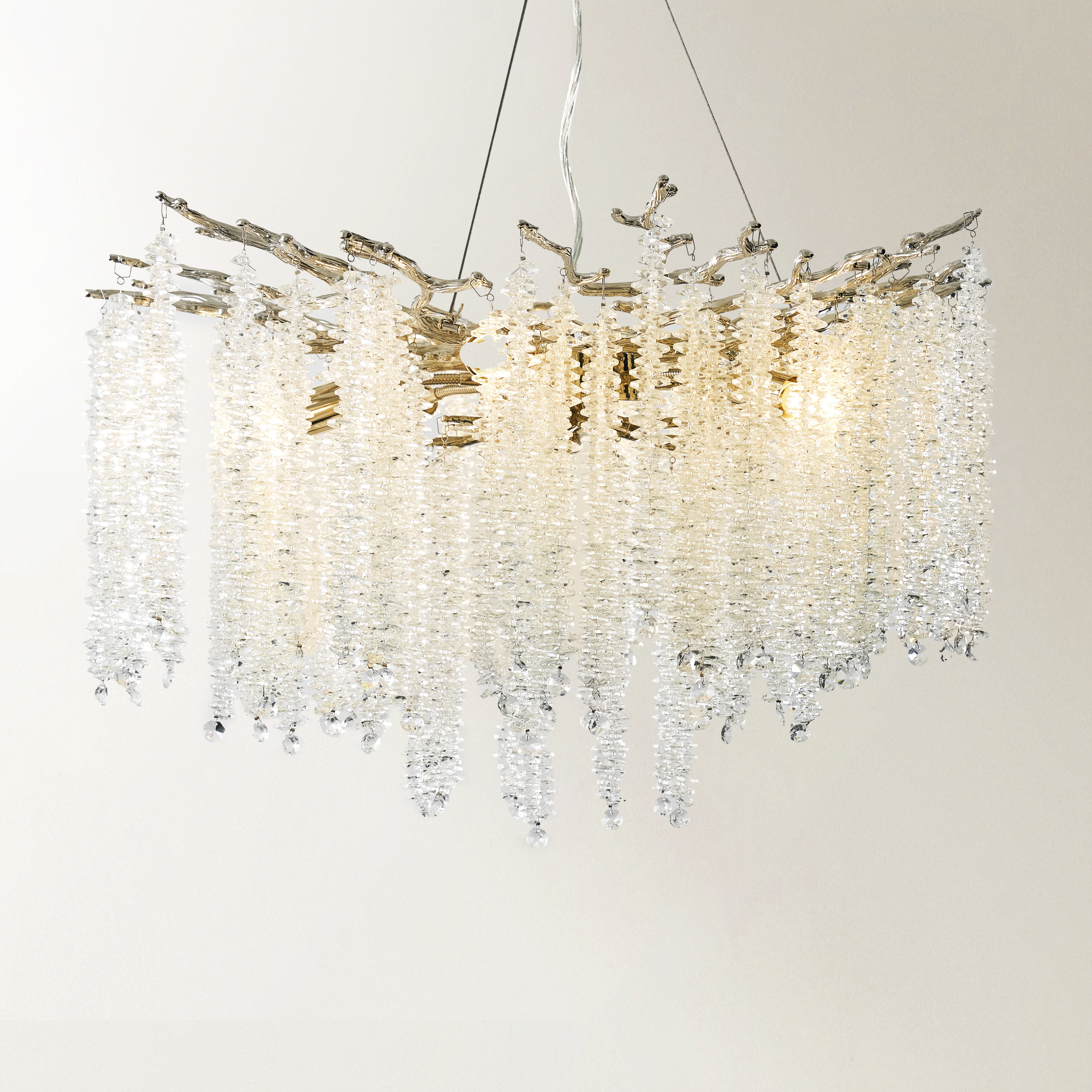
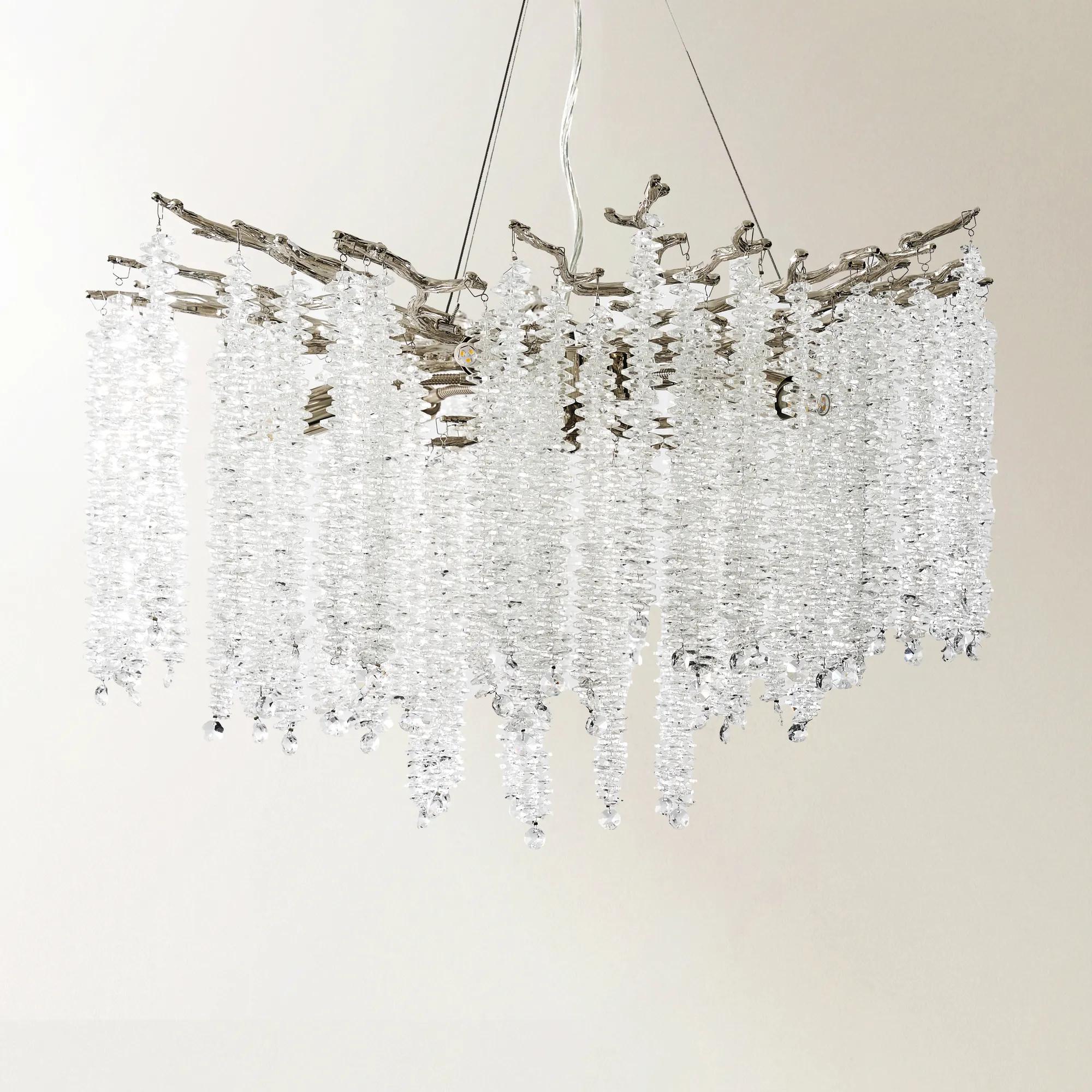 Cassia Clear Cut Crystal Chandelier 23.75"W x 13.75"H$599
A cascading waterfall of clear crystal beads and a nickel frame create a dazzling, contemporary lighting statement.
Add To Cart -
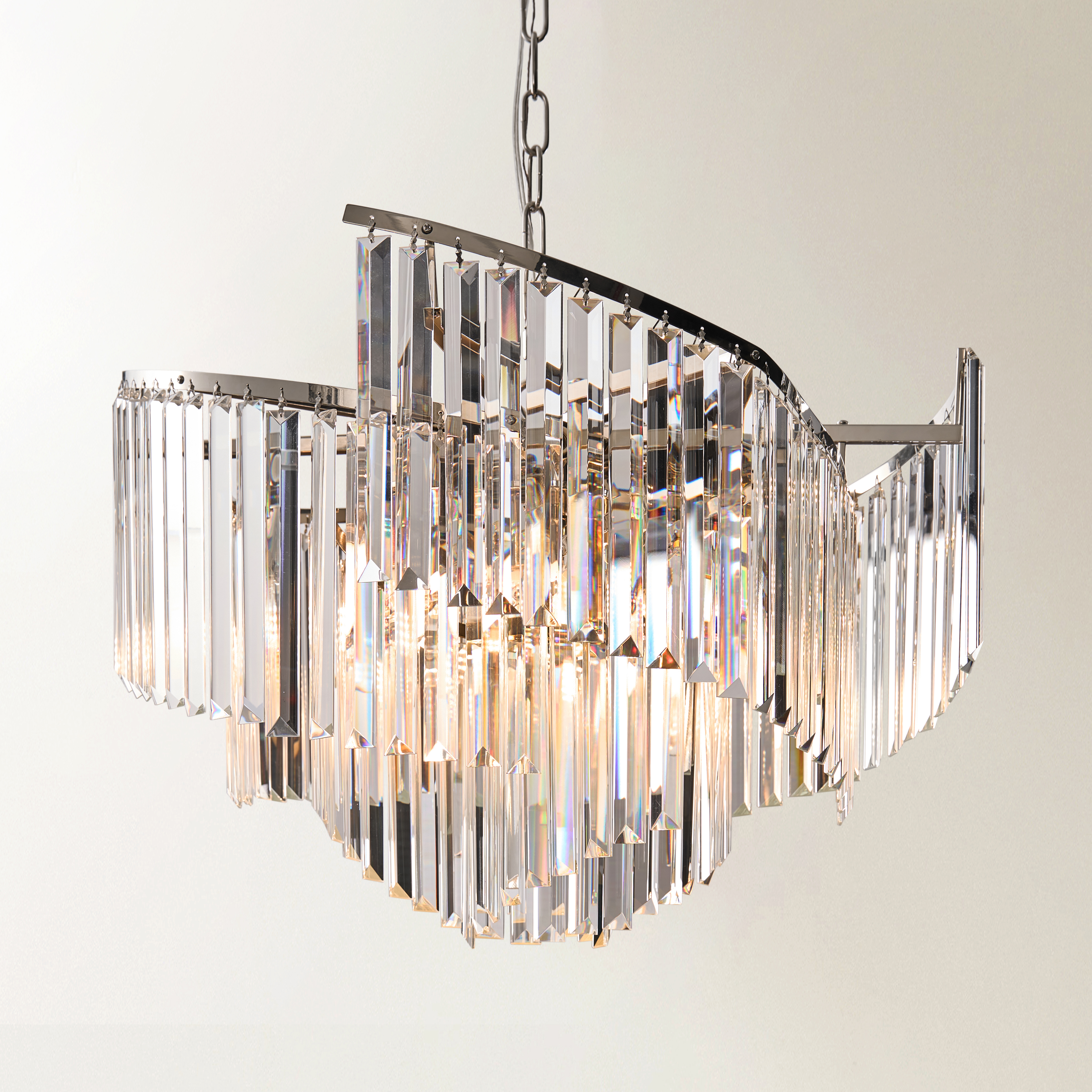
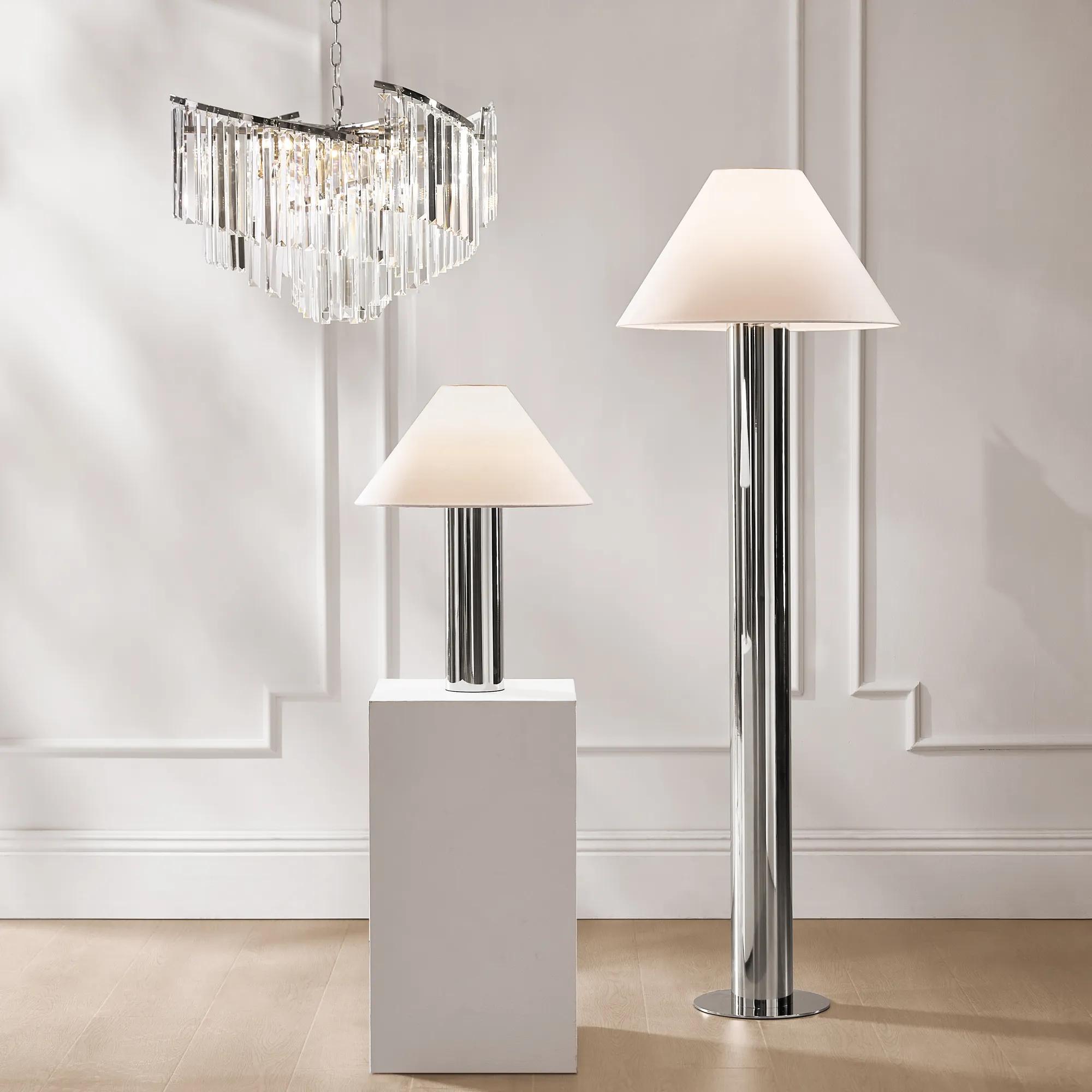 Luxe Spiral Chandelier - Nickel/Clear$999
A dazzling spiral chandelier featuring clear K9 crystal and a polished nickel frame for timeless glamour.
Add To Cart -
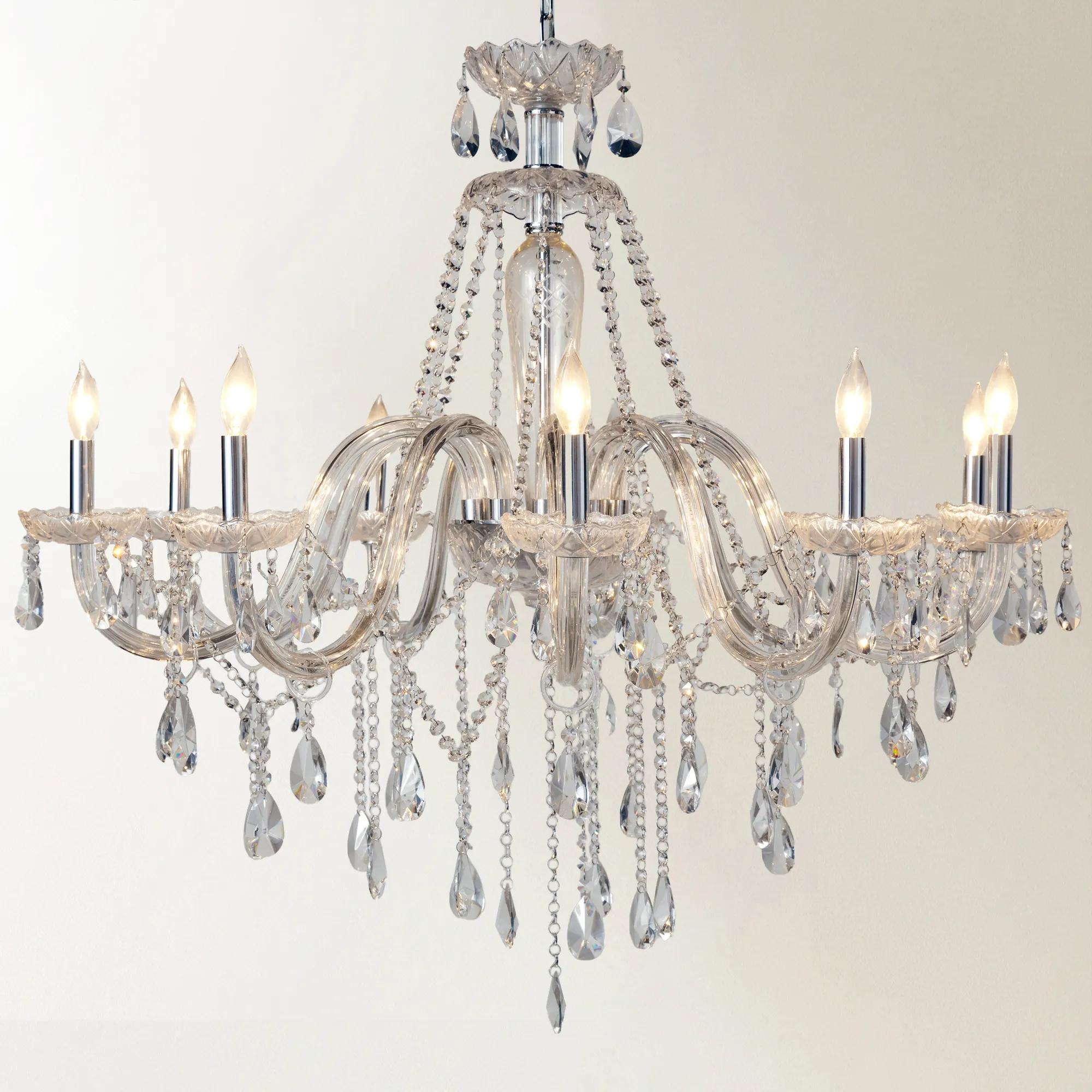
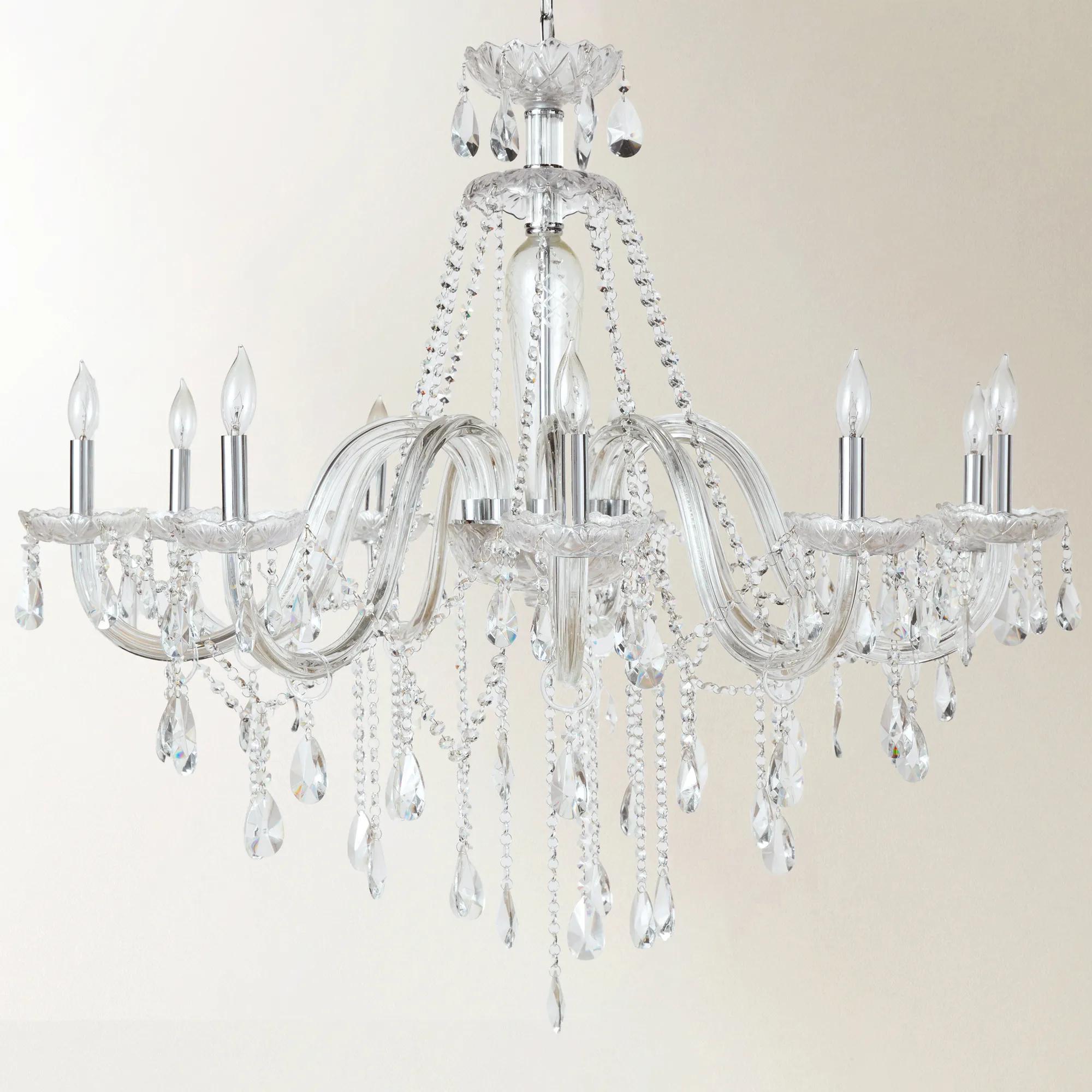 Omni Chandelier 38.5" - Clear$999
A dazzling chandelier featuring hundreds of clear faceted crystals and ten fluted glass arms with nickel hardware.
Add To Cart -
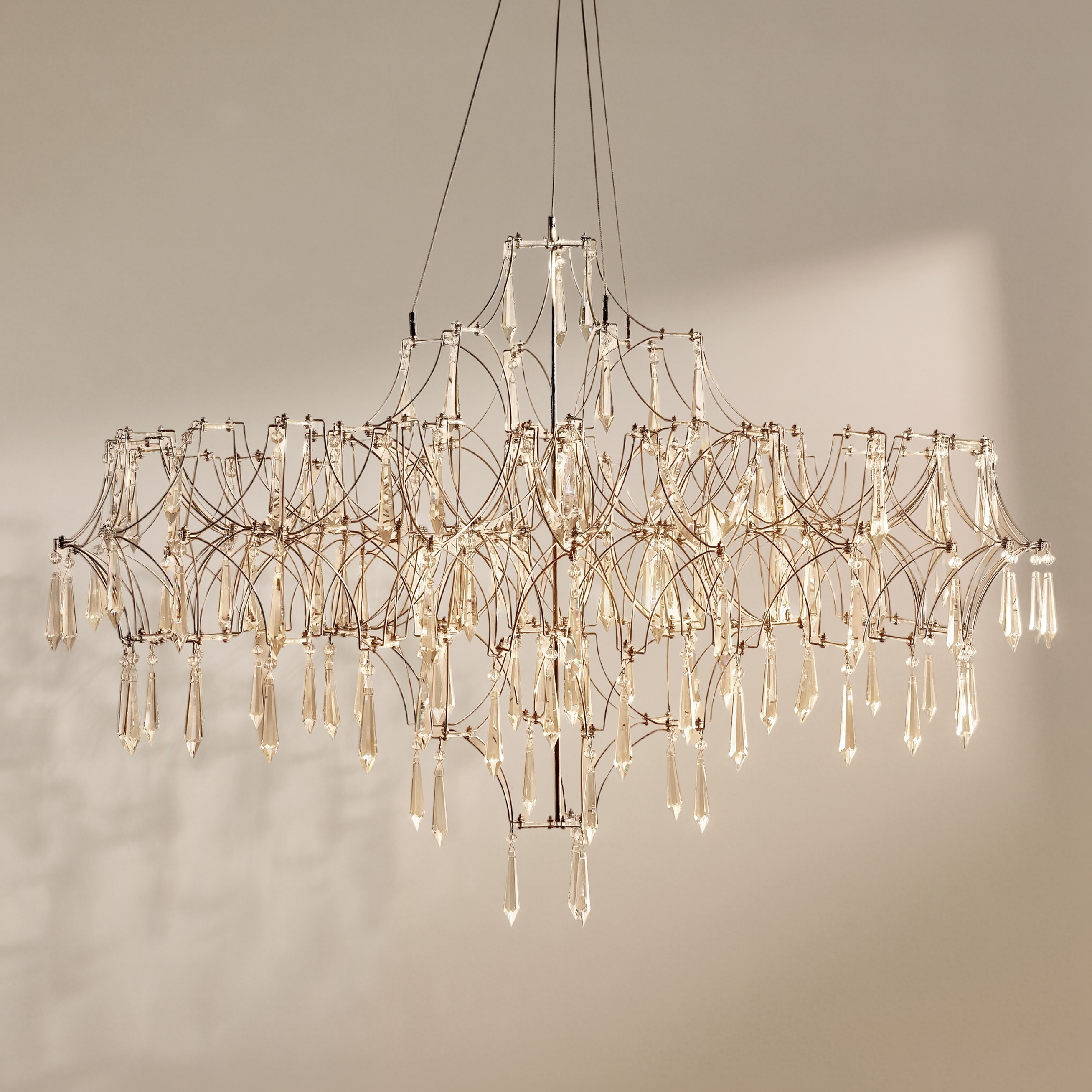
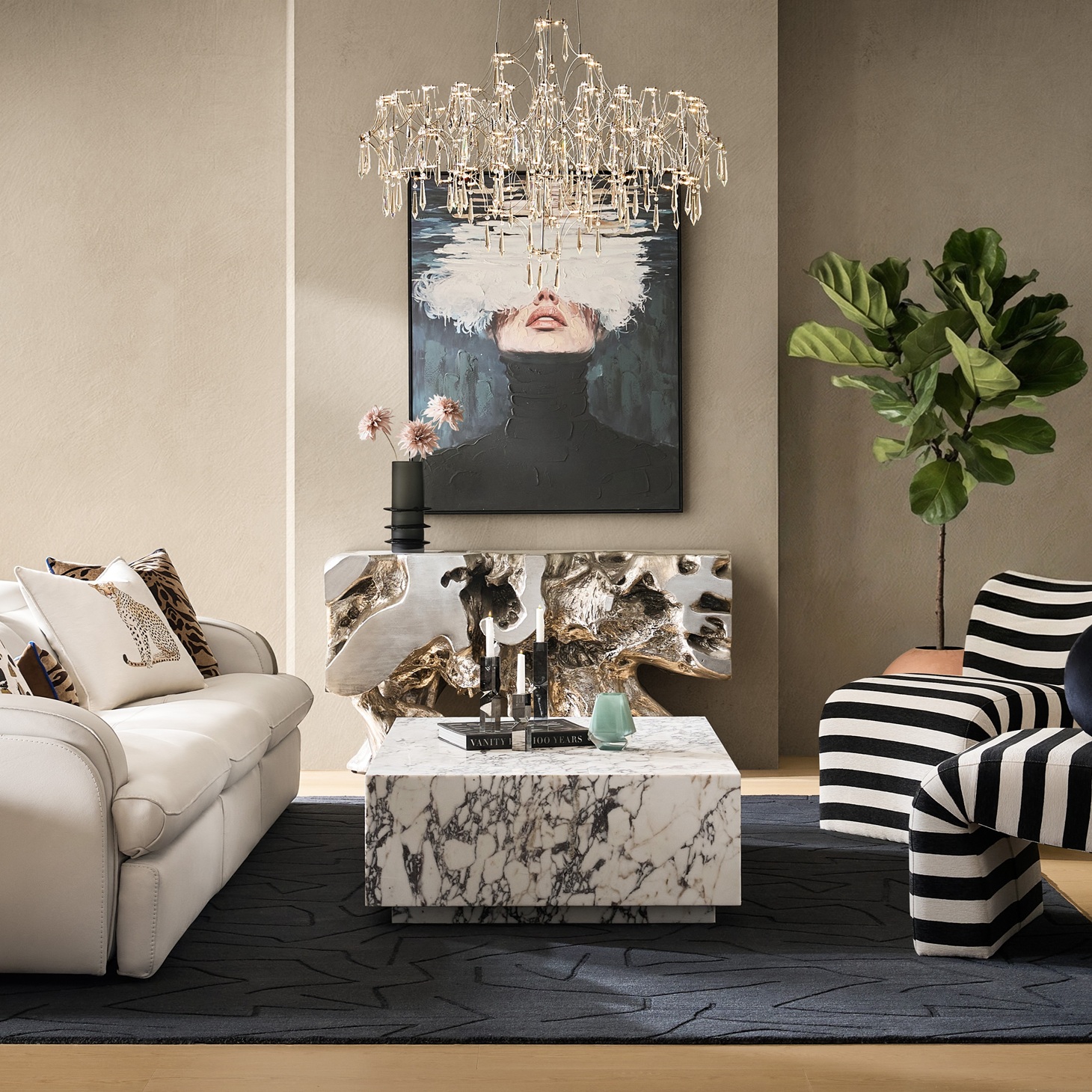 Moderne Grande LED Crystal Chandelier 35.75"W x 28.5"H$1899
A modern crystal chandelier featuring integrated LED lighting and an elegant, glamorous design.
Add To Cart -
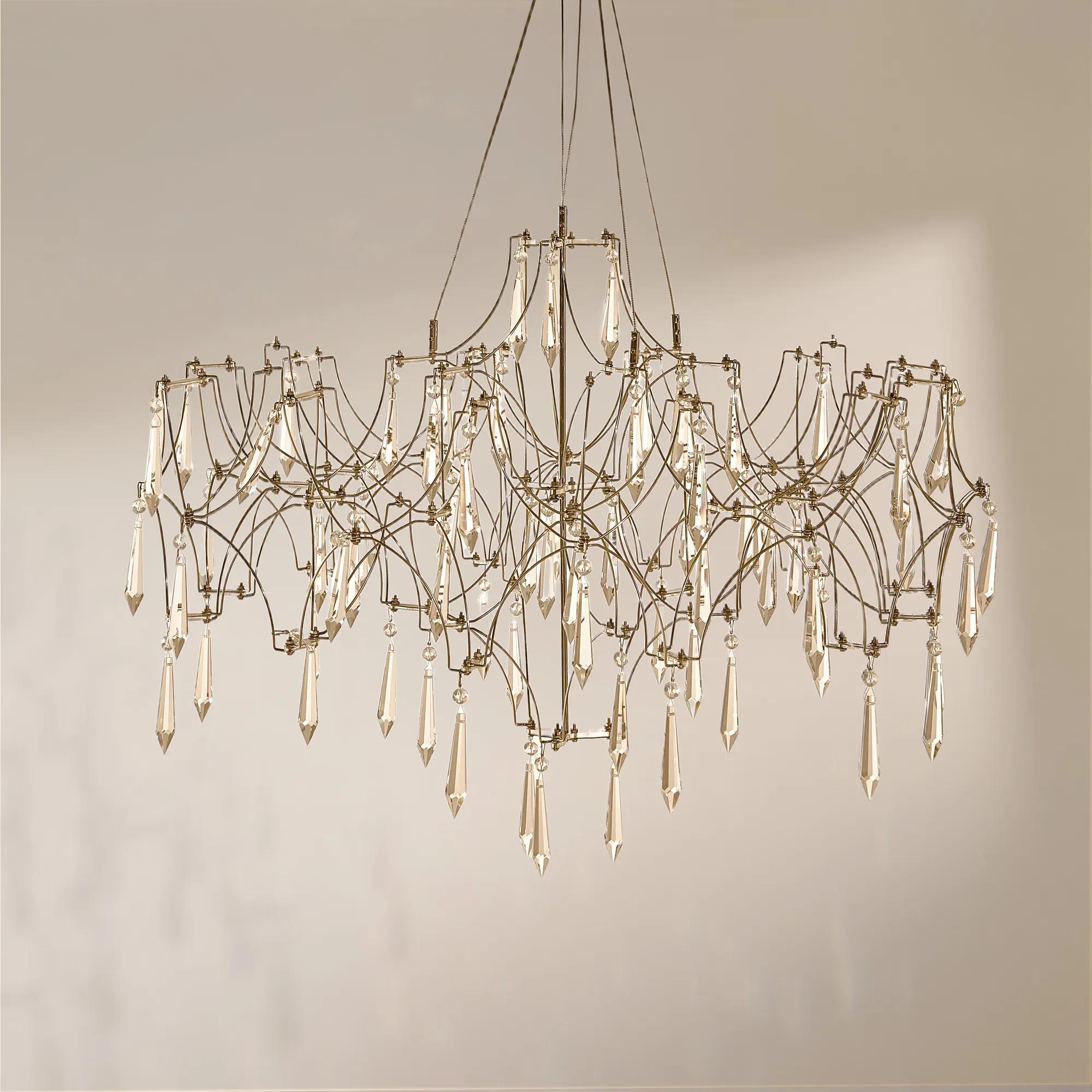
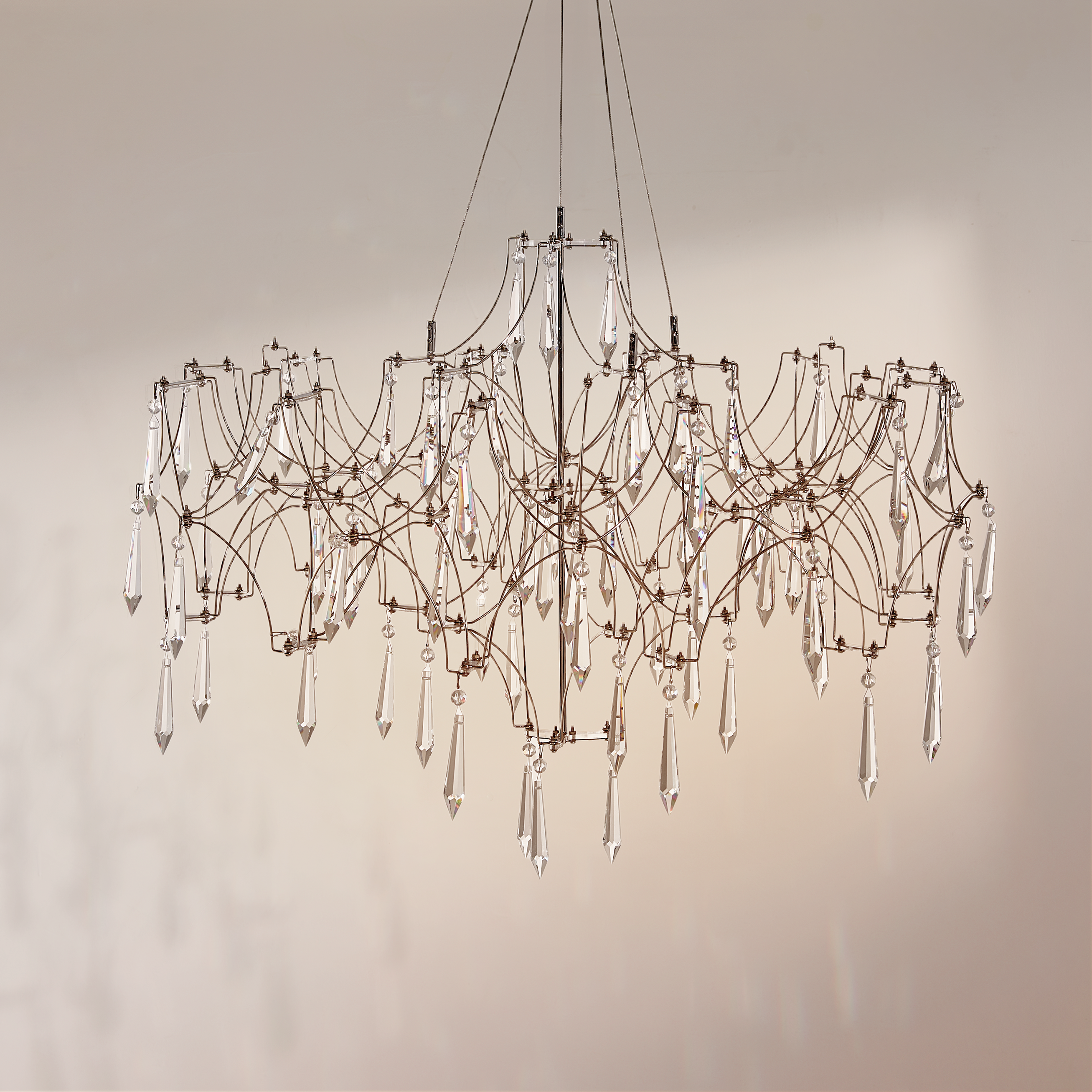 Moderne LED Clear Crystal Chandelier 24.5"W x 19.75"H$899
A faceted clear K9 crystal chandelier with polished nickel wiring and integrated warm LED illumination.
Add To Cart -
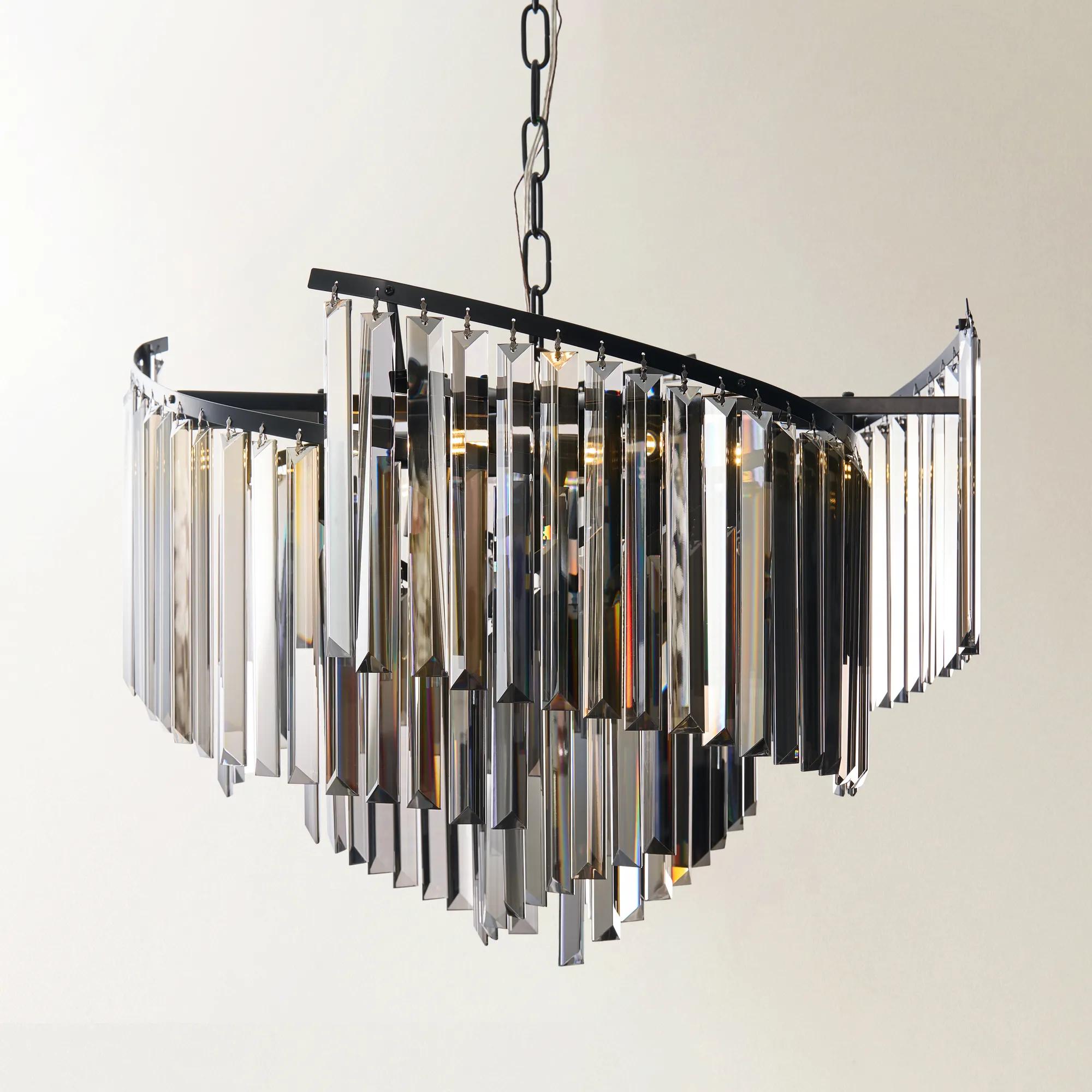 Luxe Spiral Chandelier - Graphite$999
A dramatic chandelier featuring graphite K9 crystals and a matte black iron frame for striking illumination.
Add To Cart -
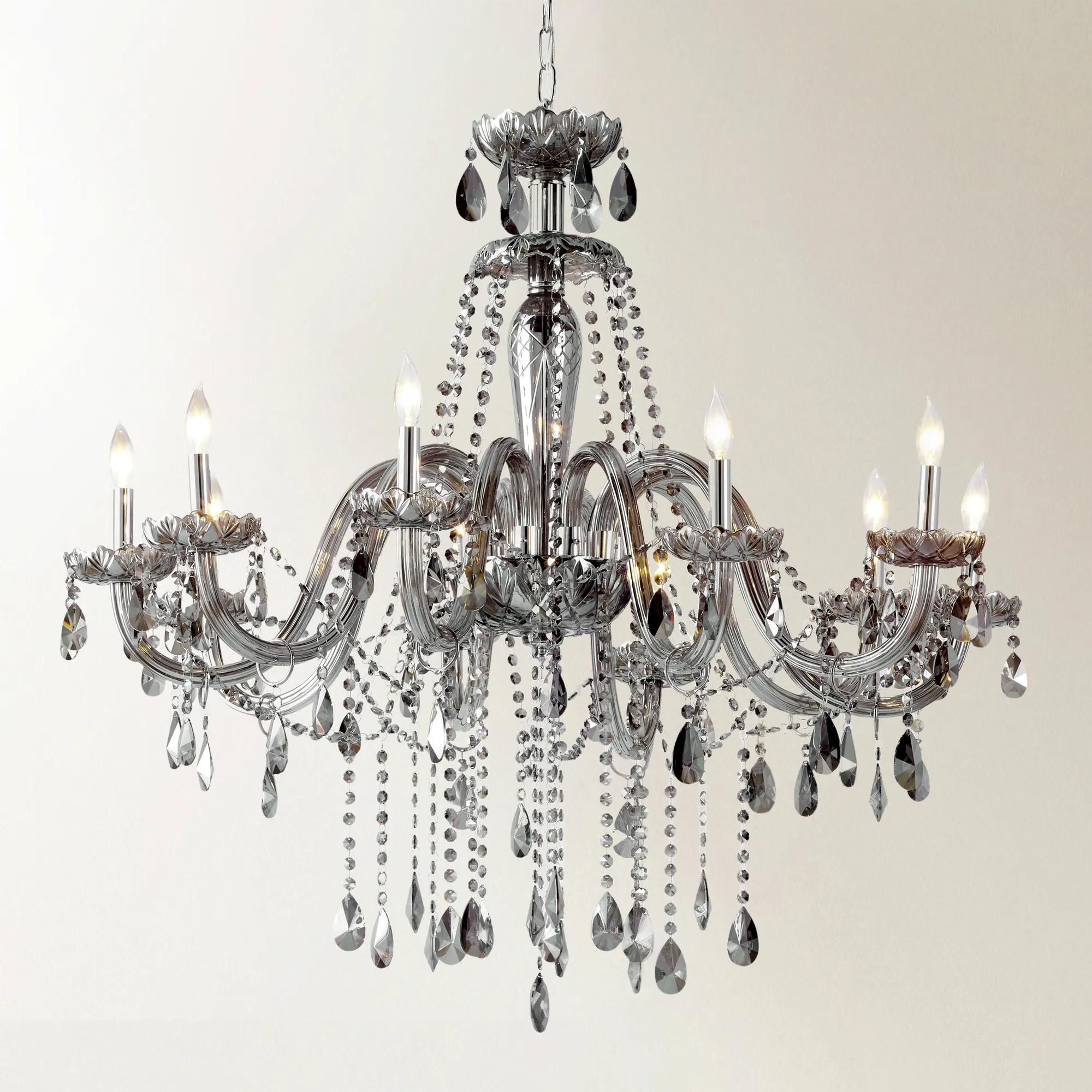
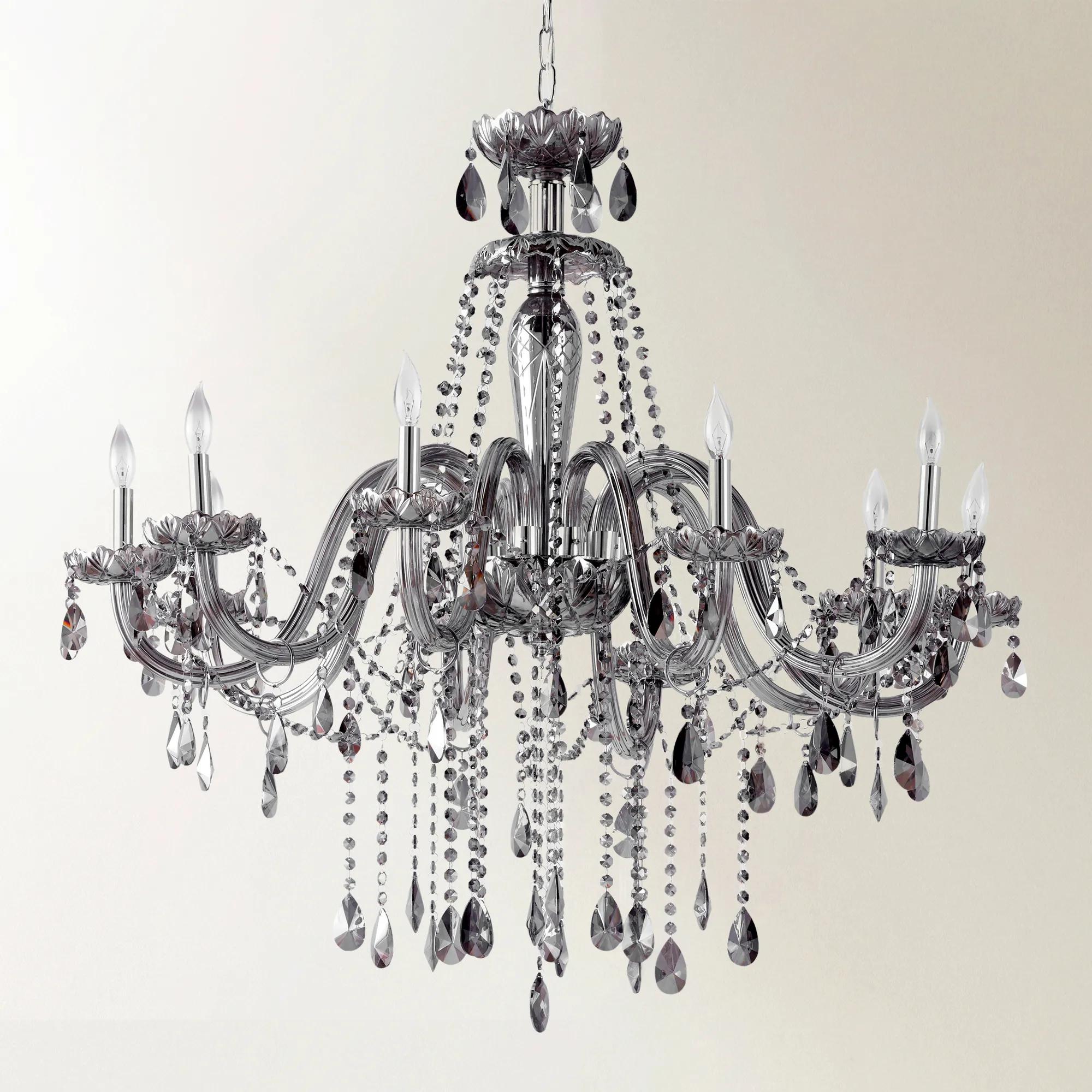 Omni Chandelier 38.5" - Graphite$999
A dazzling chandelier featuring graphite faceted crystals and ten fluted glass arms with nickel hardware.
Add To Cart -
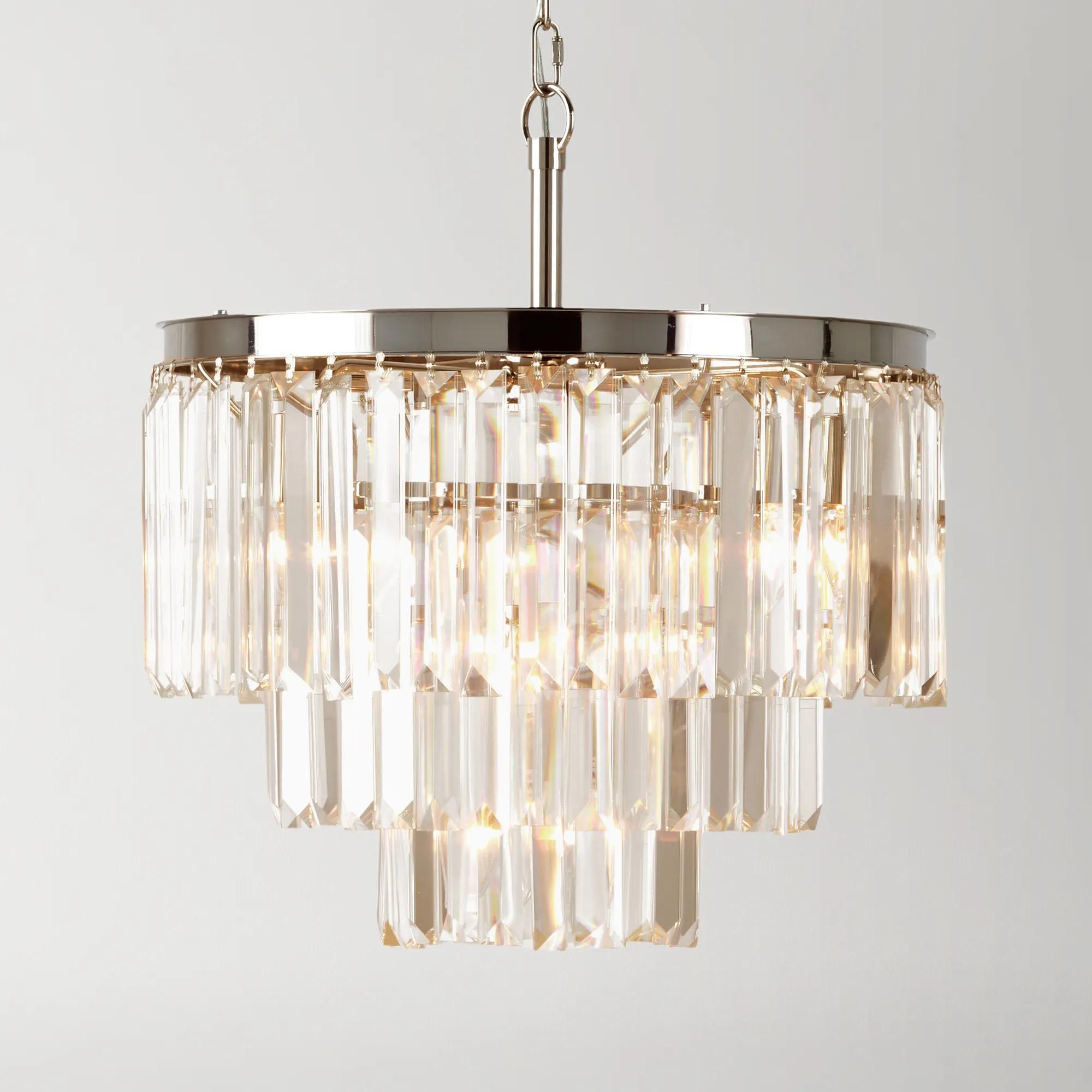 Luxe Chandelier$799
A glamorous chandelier featuring a nickel-plated iron frame and three tiers of faceted crystal accents.
Add To Cart -
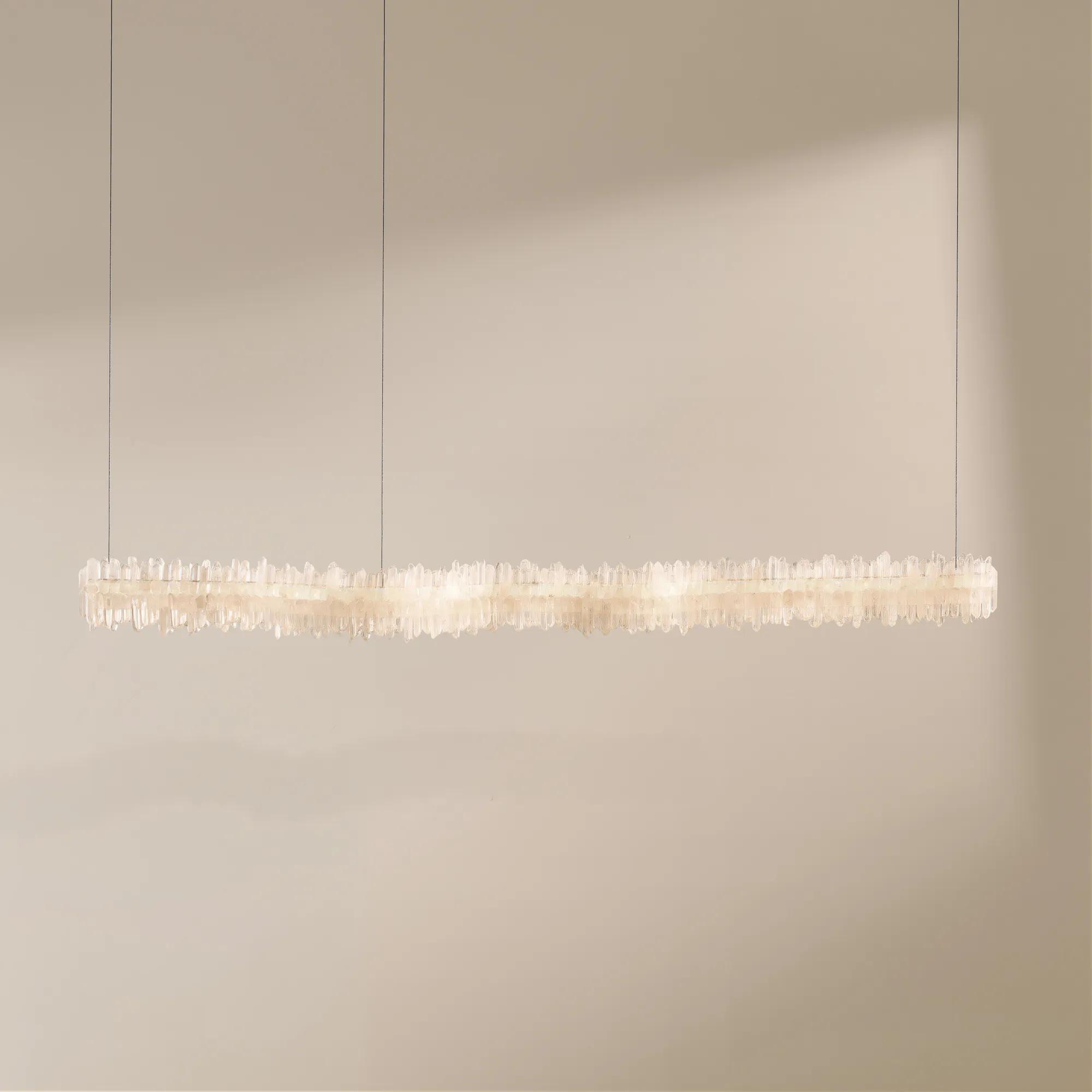 Stella Quartz Crystal LED Chandelier 47.25"$1899
A linear chandelier featuring raw quartz crystals and a rose gold frame with integrated warm LED lighting.
Add To Cart -
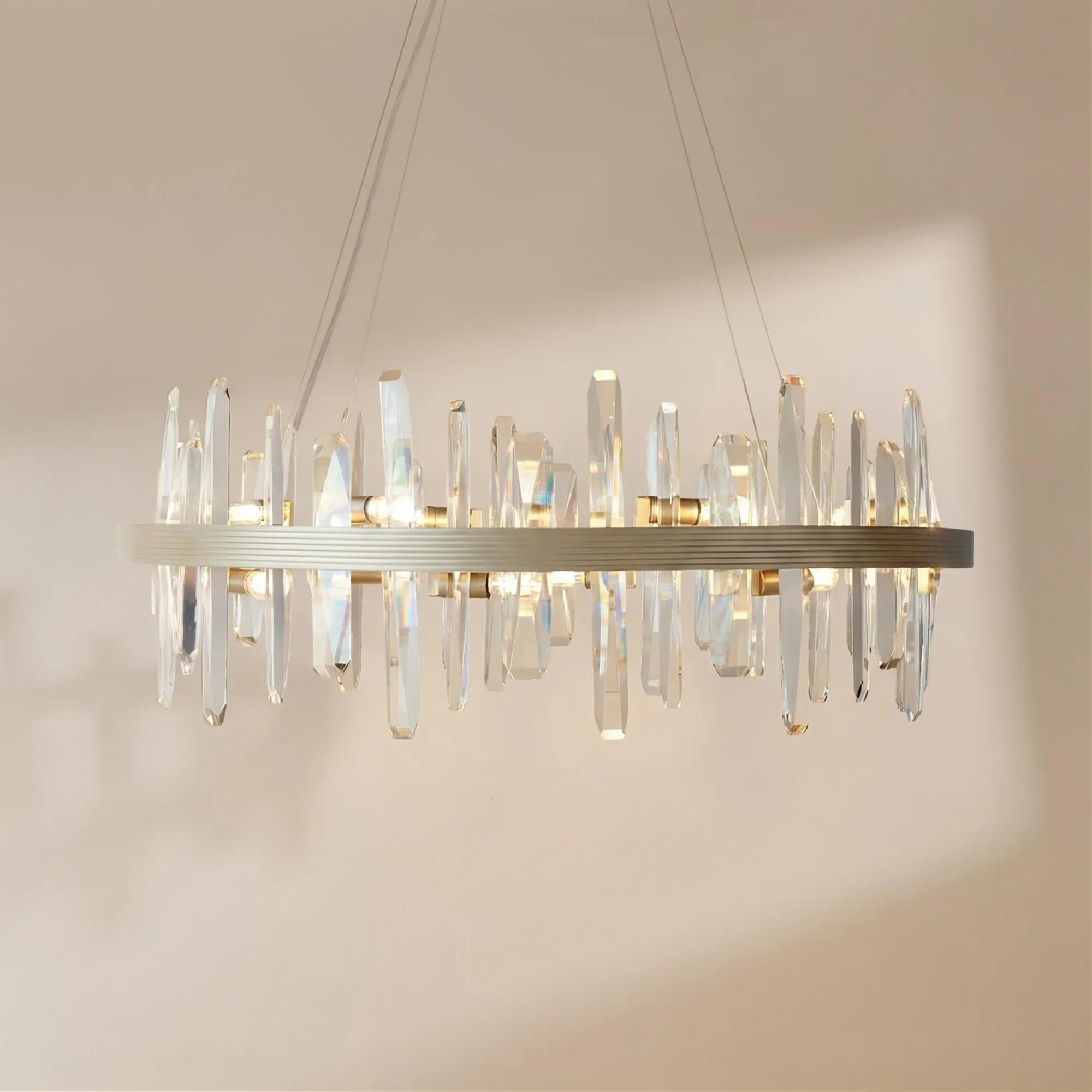
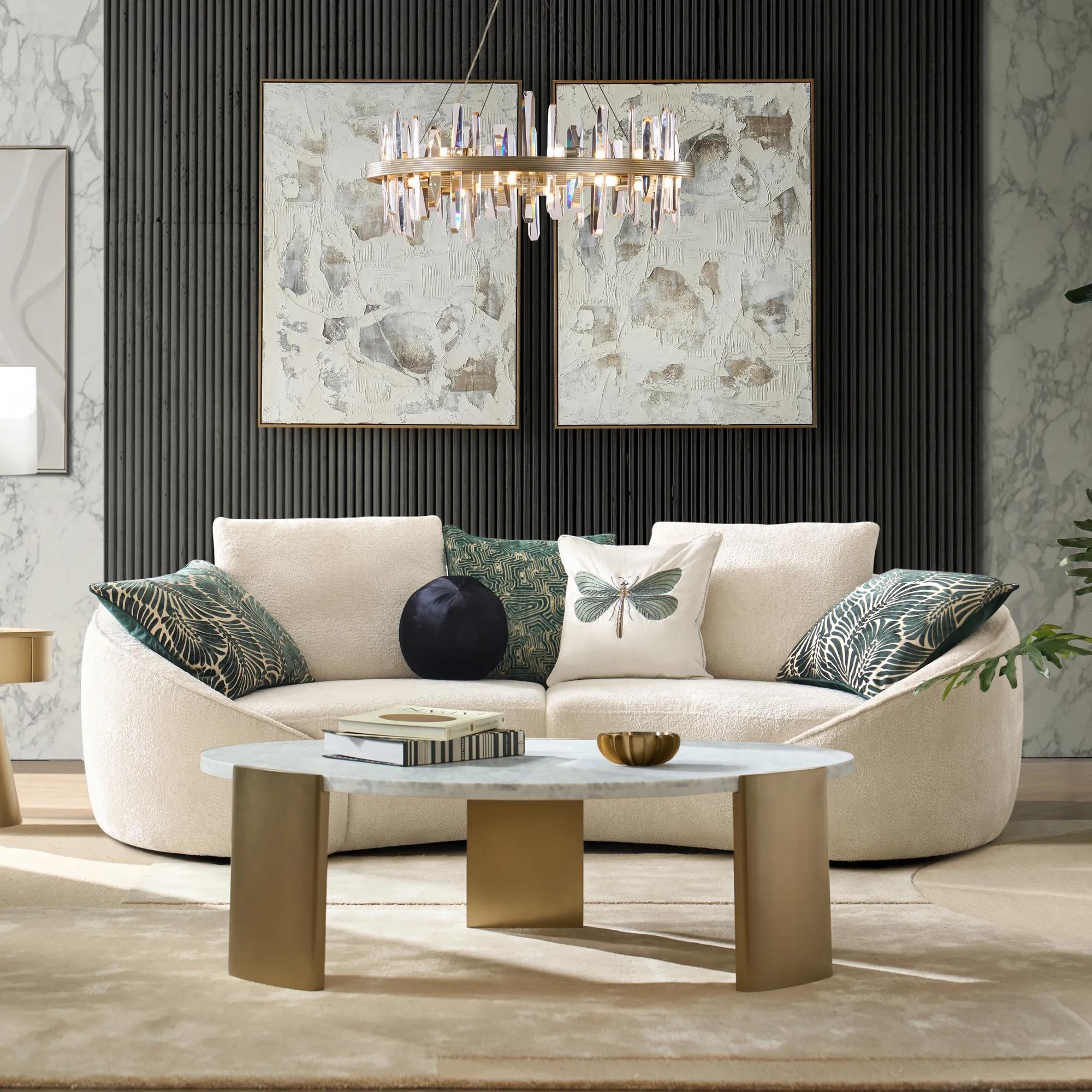 Lumi Clear Beveled Glass Chandelier 31.5"W$929
A deco-inspired chandelier with beveled glass daggers and a champagne-finished iron frame for radiant illumination.
Add To Cart -
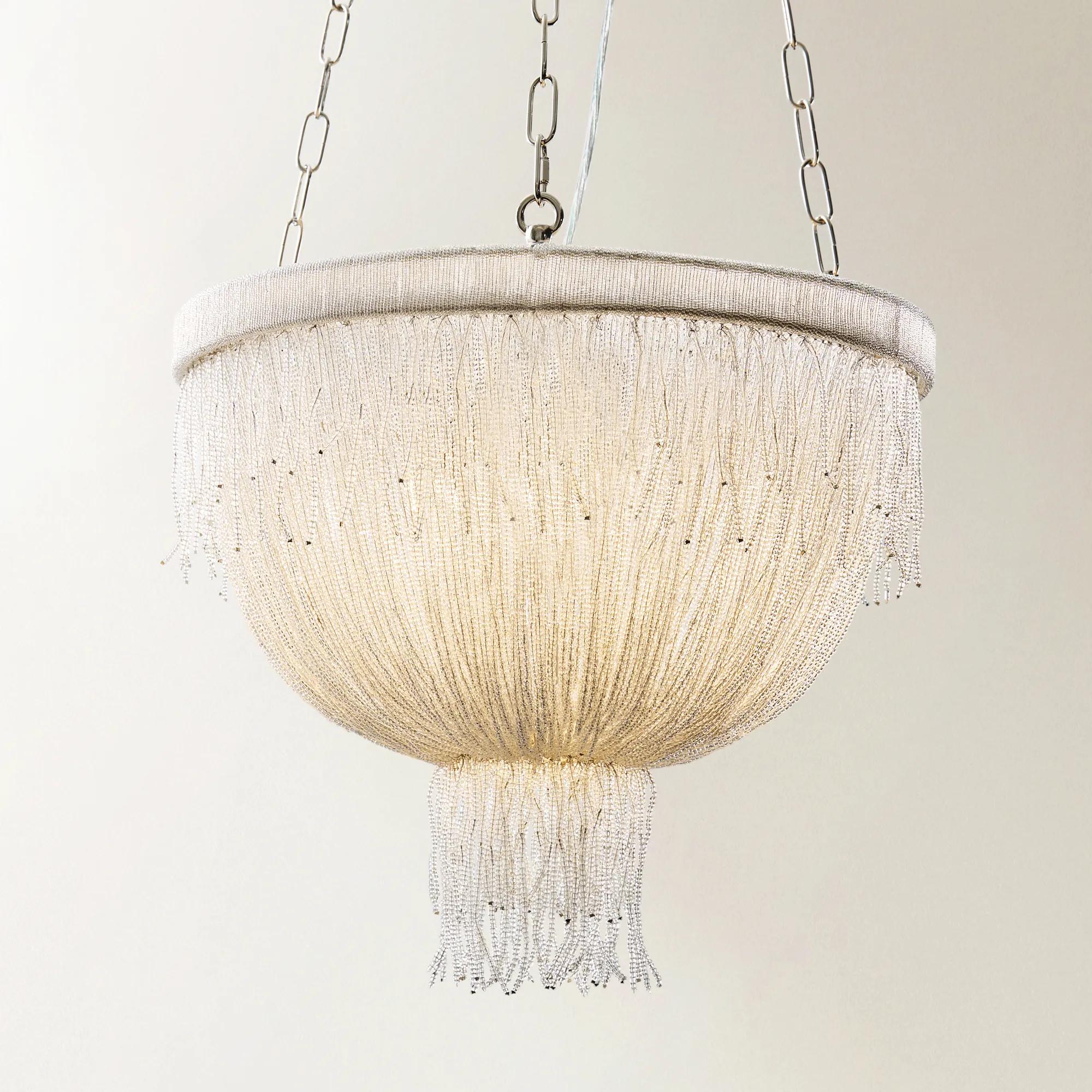 Selene Chandelier$899
A dazzling chandelier featuring cascading clear glass beads and a sleek nickel-finished iron frame.
Add To Cart -
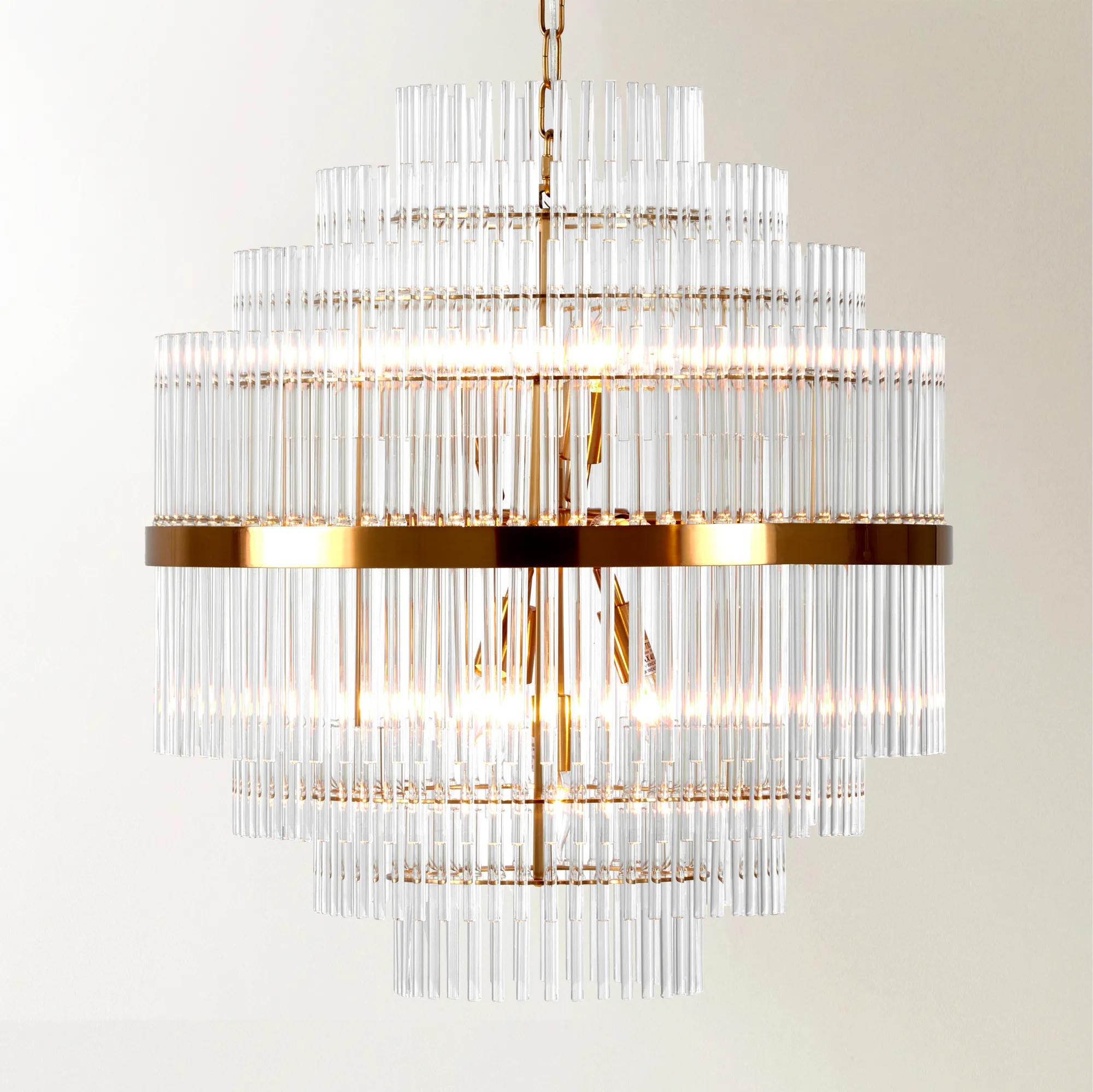
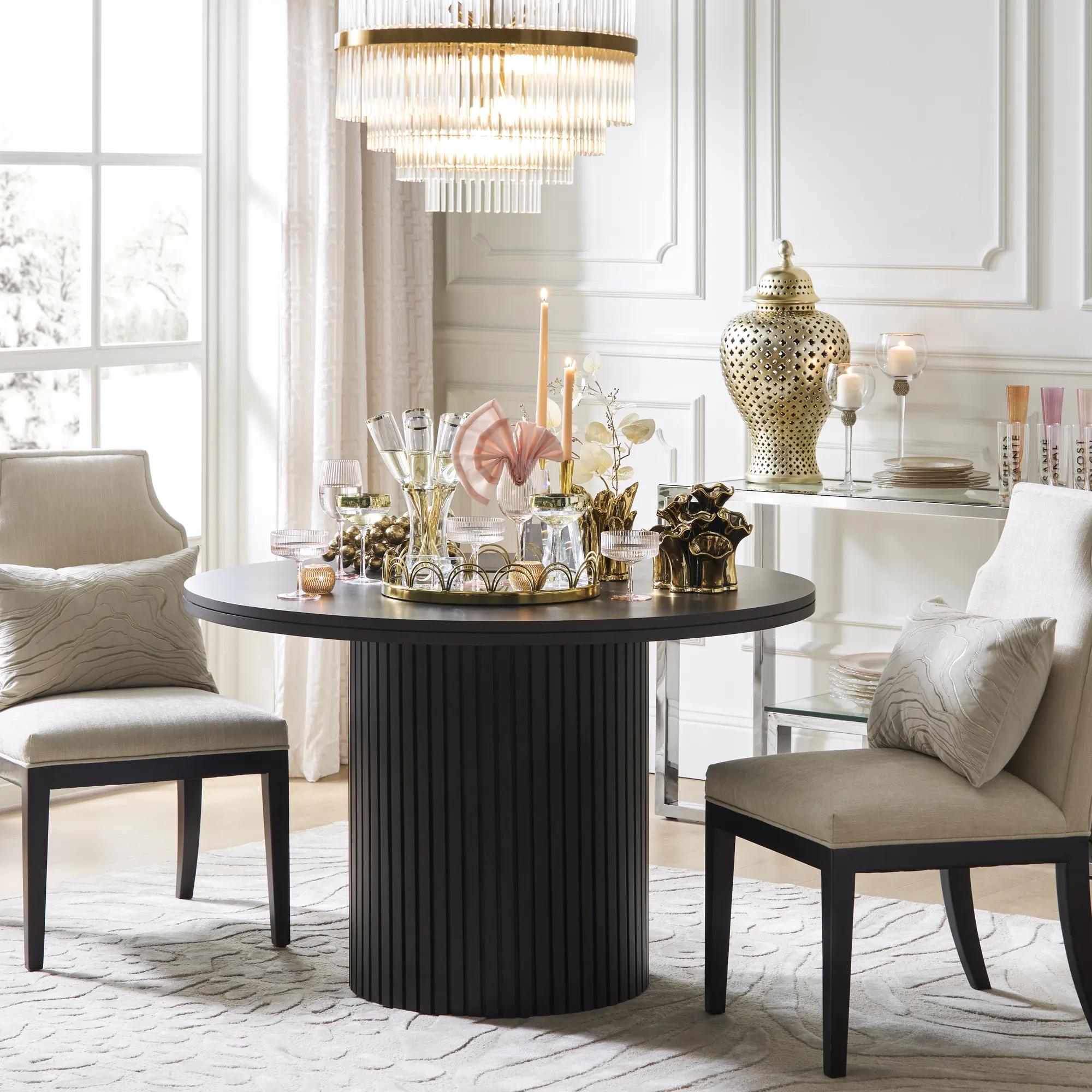 Renata Clear Glass Rod Grand Chandelier 23.6"D x 26.3"H$999
A dramatic chandelier featuring dozens of glass rods and a polished gold iron frame for sophisticated elegance.
Add To Cart -
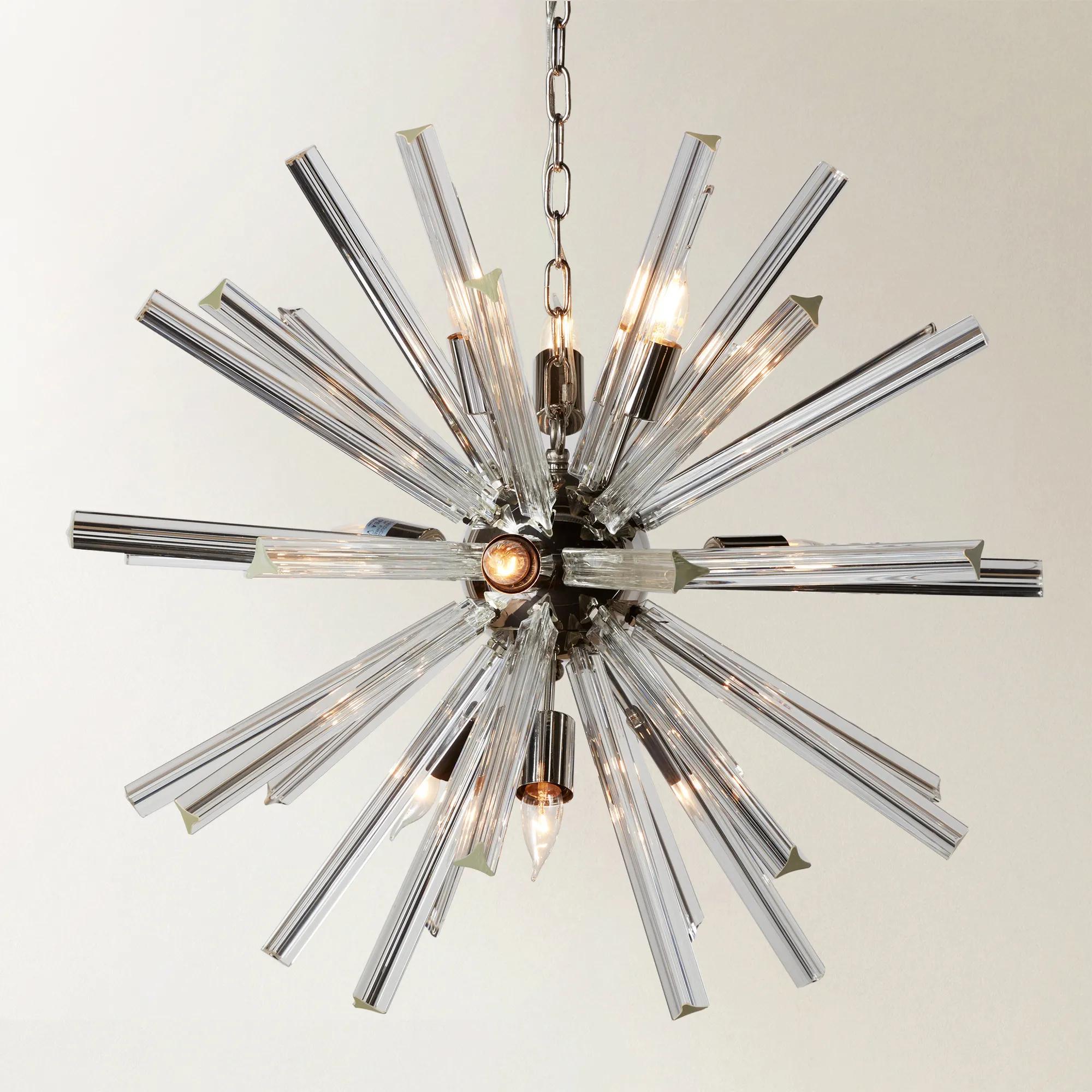
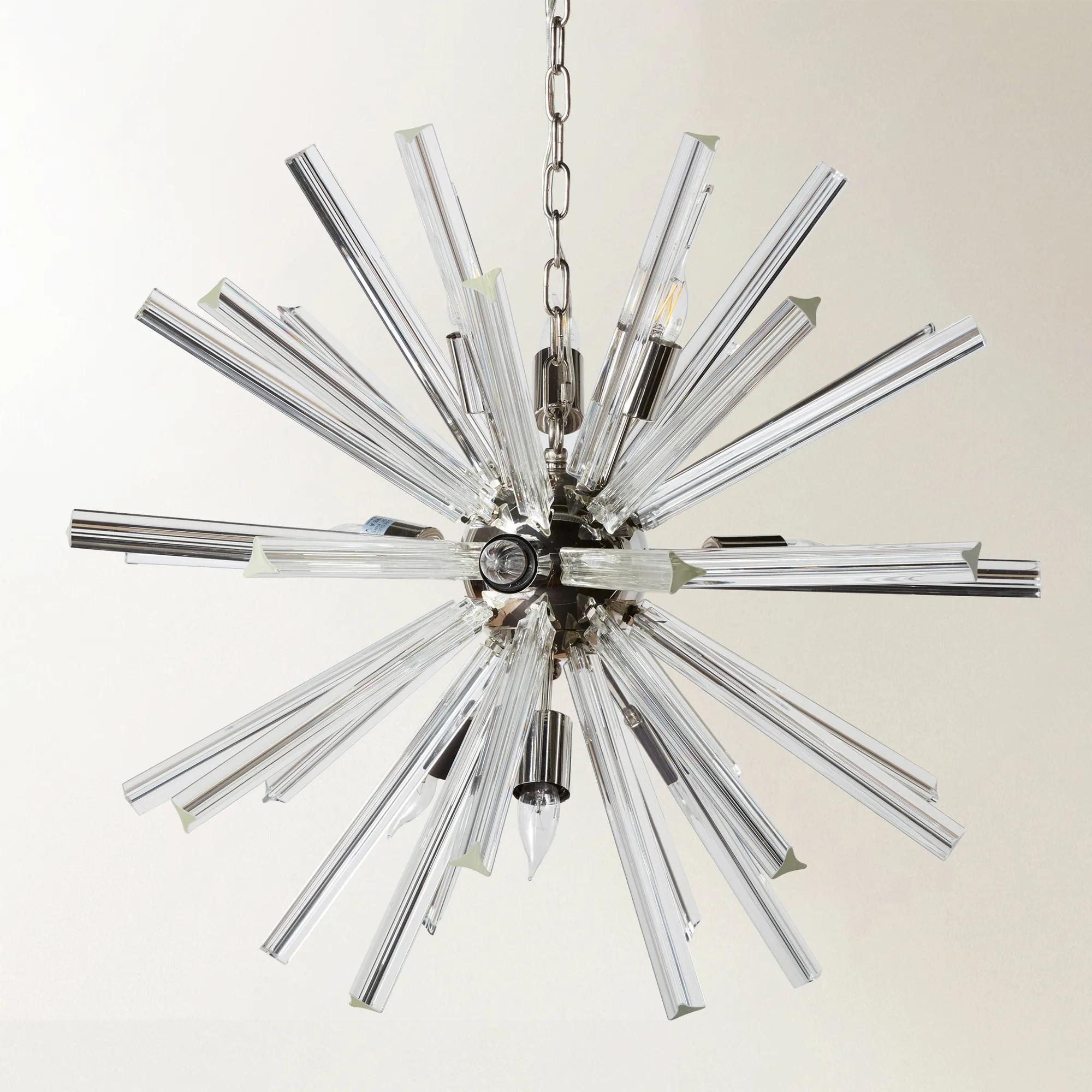 Axis Sputnik Clear Faceted Glass Chandelier 29.5"D$599
A modern chandelier featuring solid triangular glass spokes and iron accents for striking light reflection.
Add To Cart -
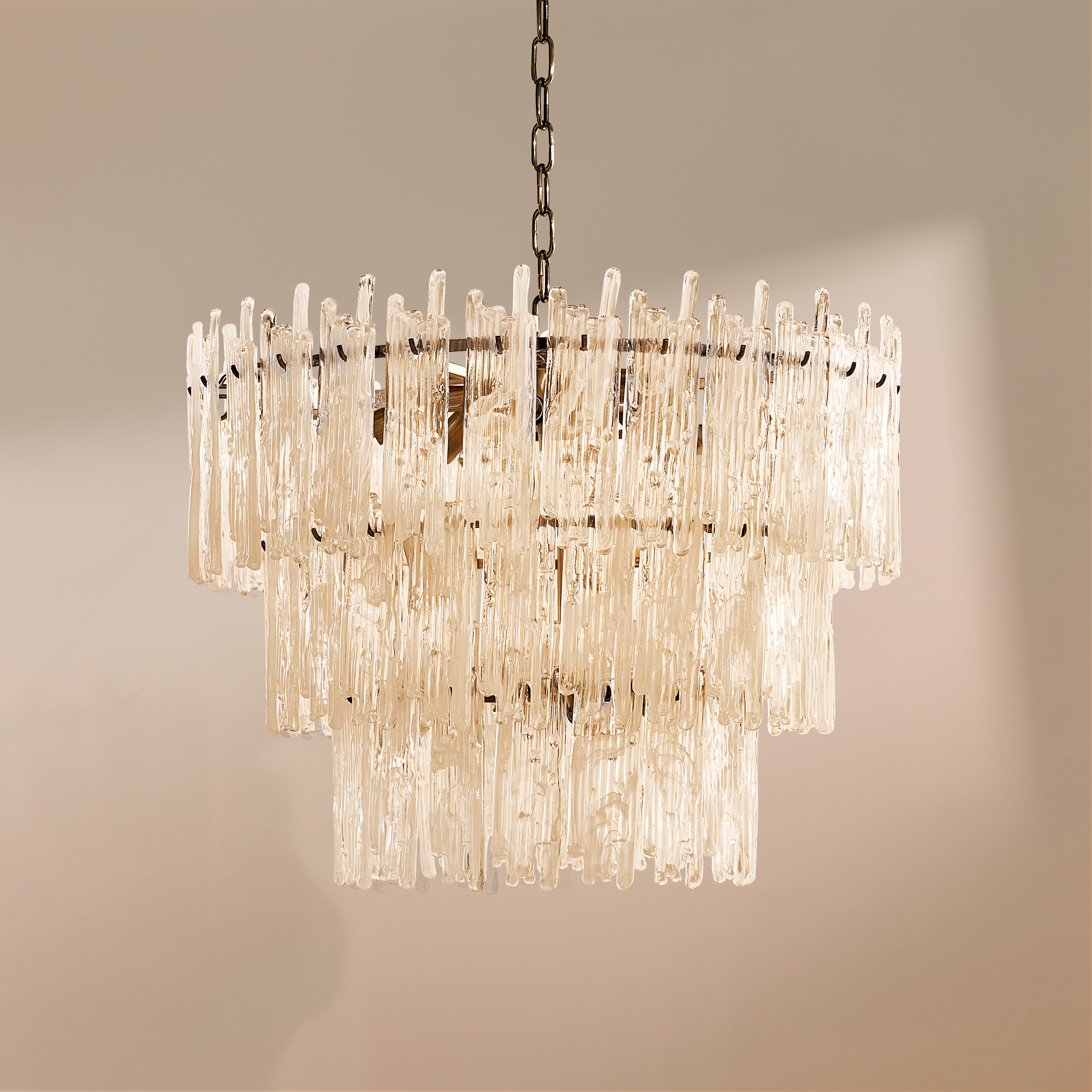 Glacier Clear and Frosted Glass Chandelier 24"$899
A modern chandelier crafted from clear and frosted glass creates an elegant, luminous centerpiece.
Add To Cart -
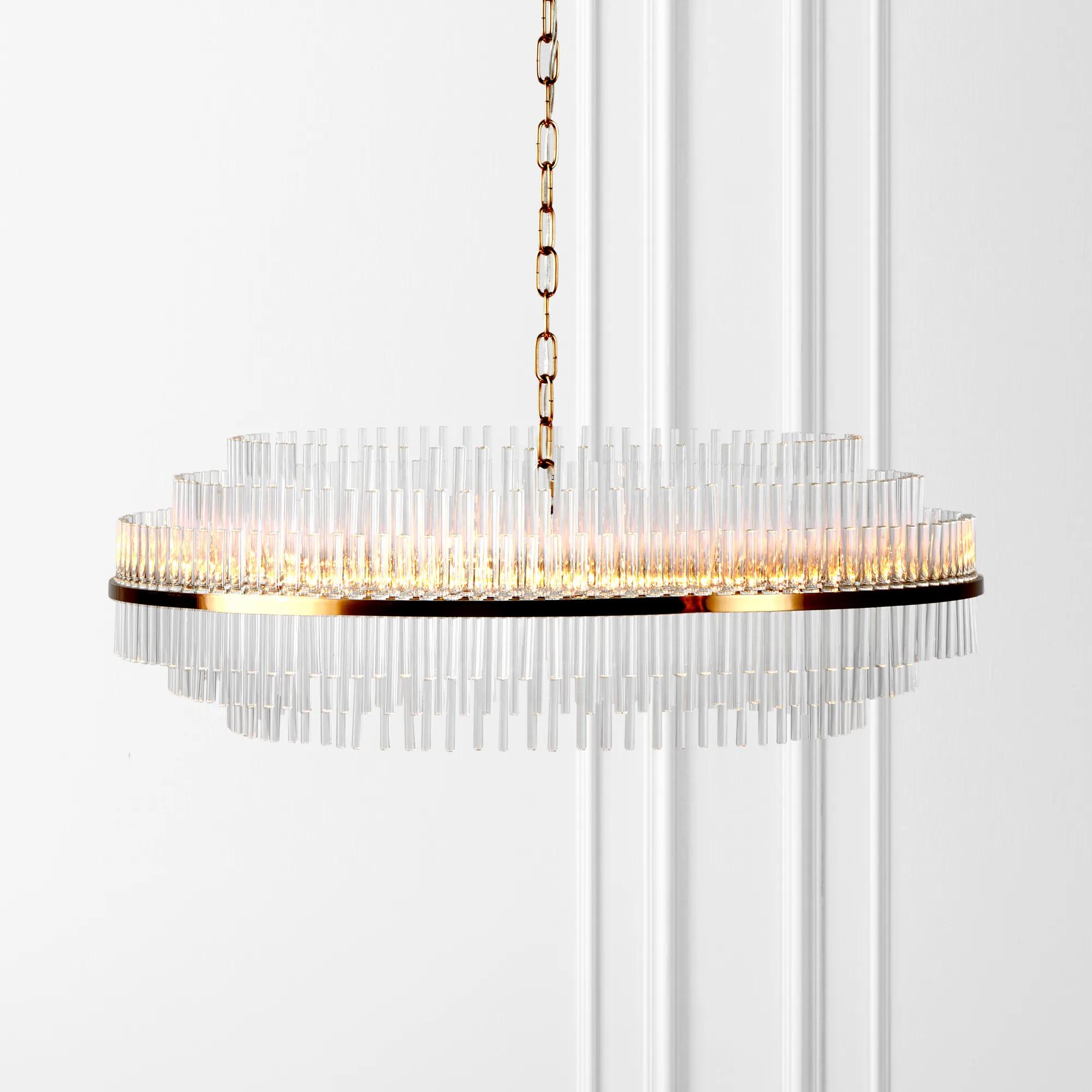
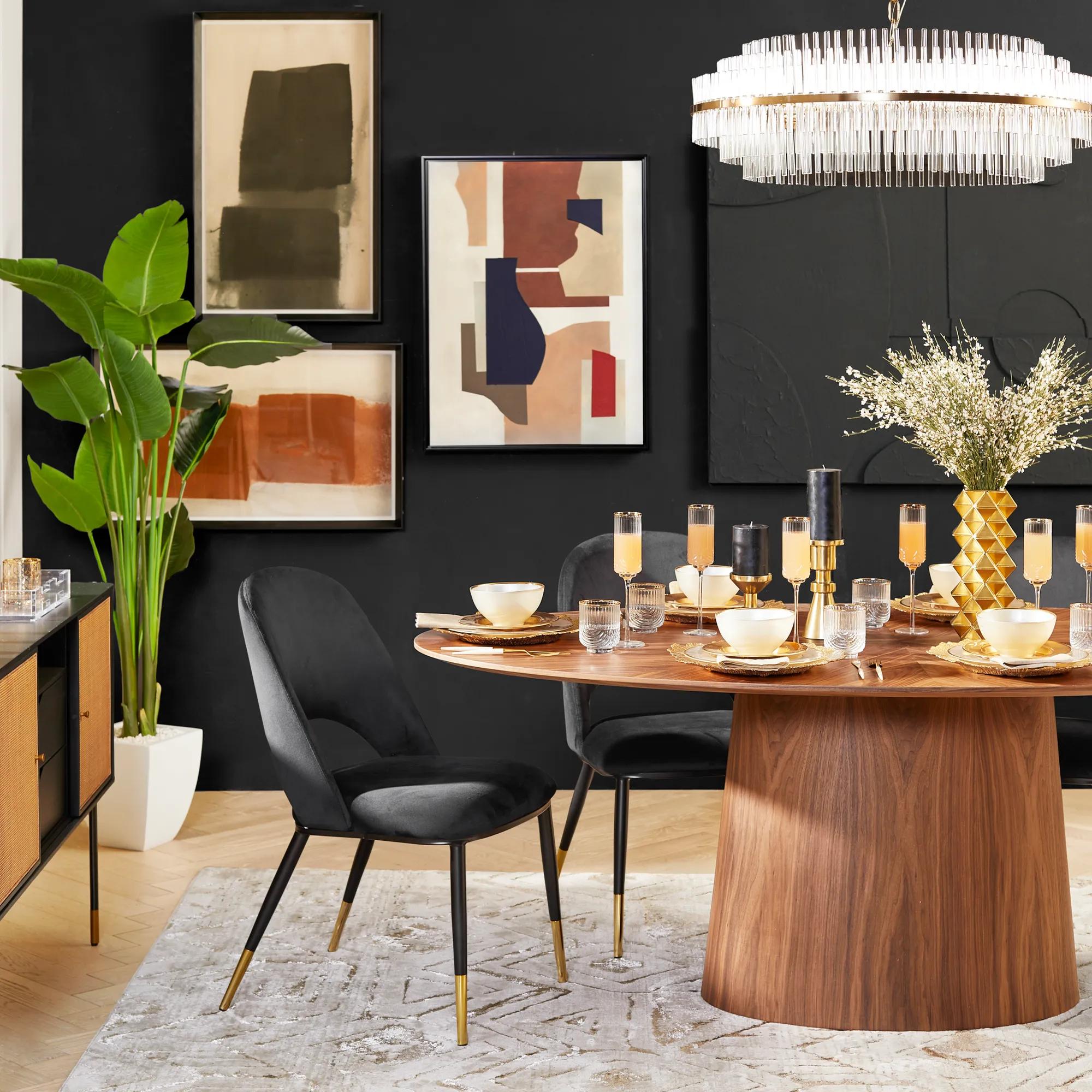 Renata Clear Glass Rod Chandelier 31"W x 10"H$799
A glamorous chandelier featuring glass rods and a brushed brass iron frame for a striking modern look.
Add To Cart -
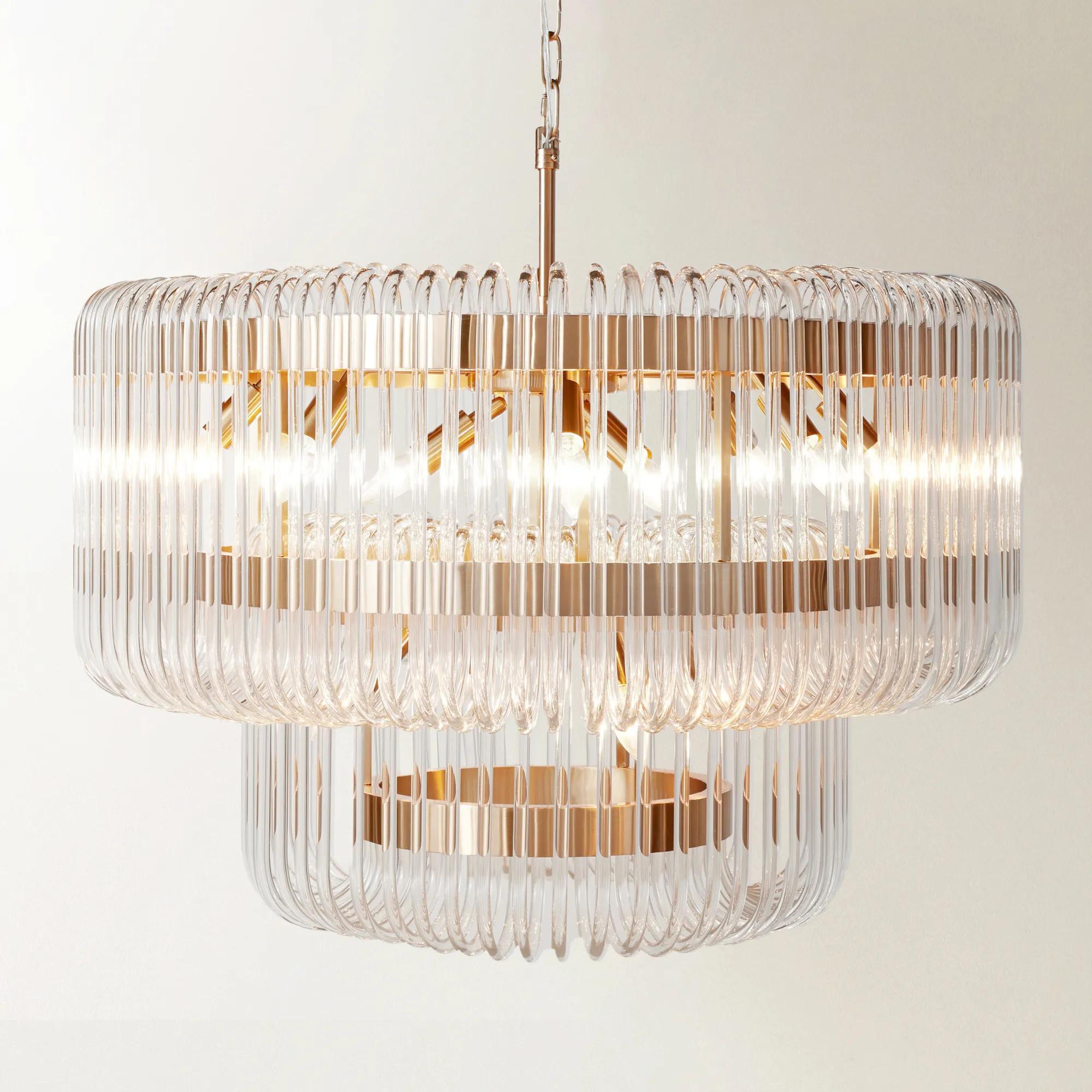 Allure Clear Curved Glass Chandelier 31.5"D x 27.75"H$1499
A dramatic chandelier featuring over 150 clear blown glass rods and brushed brass-finished iron rings.
Add To Cart -
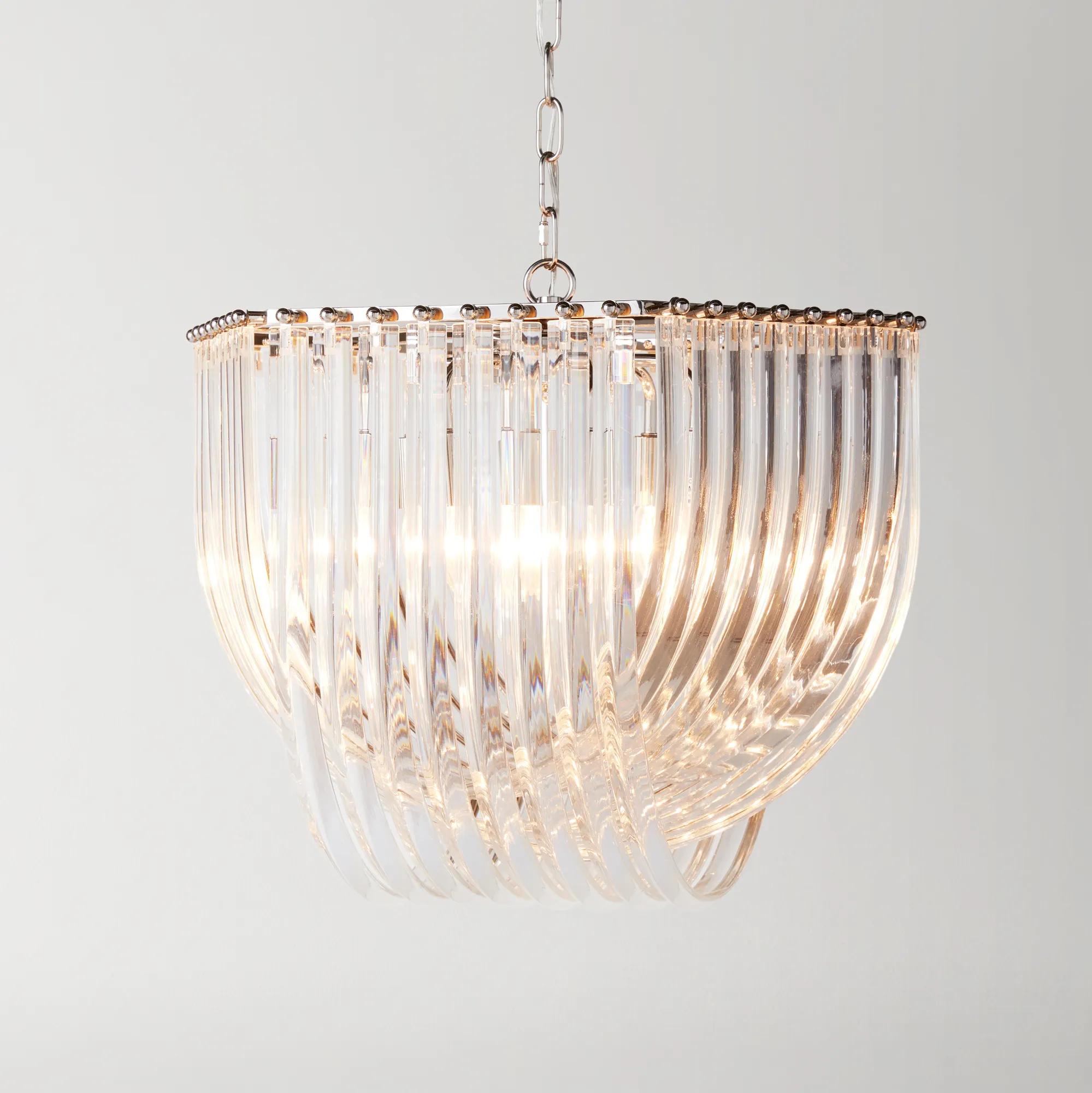 Laval Clear Curved Glass Chandelier 21"D x 18"H$799
A deco-inspired chandelier with crystal-clear curved glass and a polished nickel frame for ambient lighting.
Add To Cart -
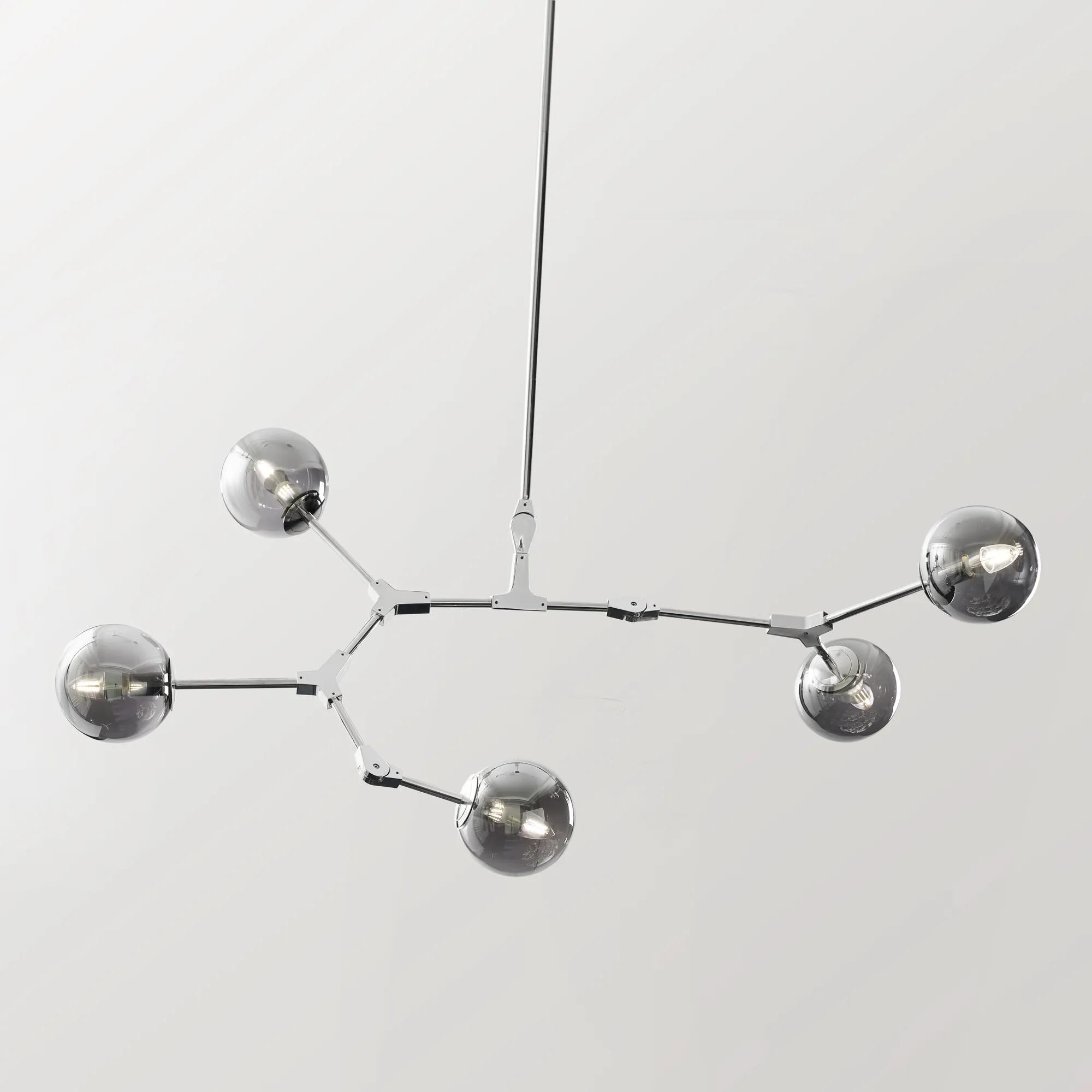
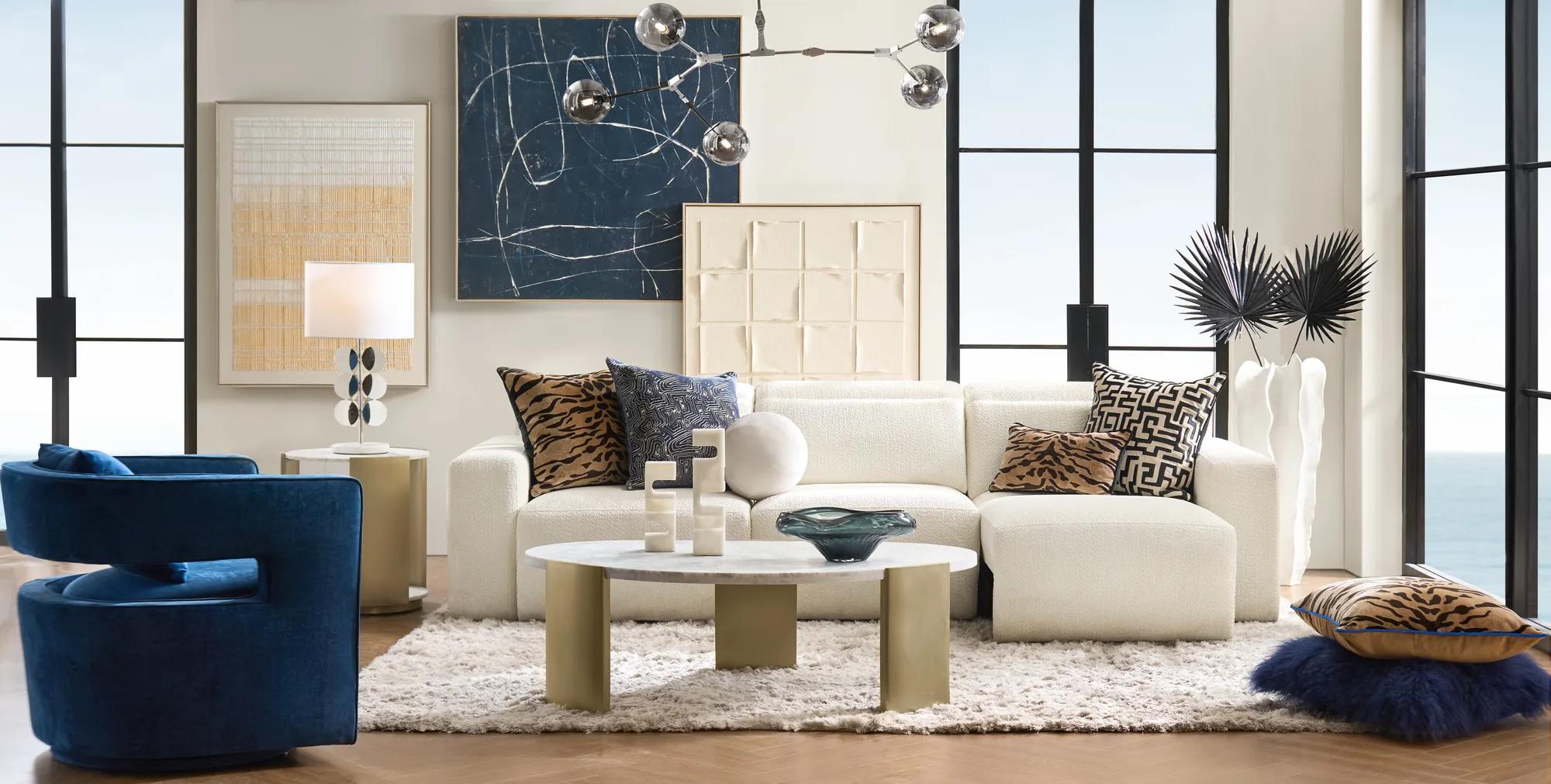 Axel Chandelier$499
A modern chandelier featuring polished nickel arms and smoked glass bulbs for striking, contemporary illumination.
Add To Cart -
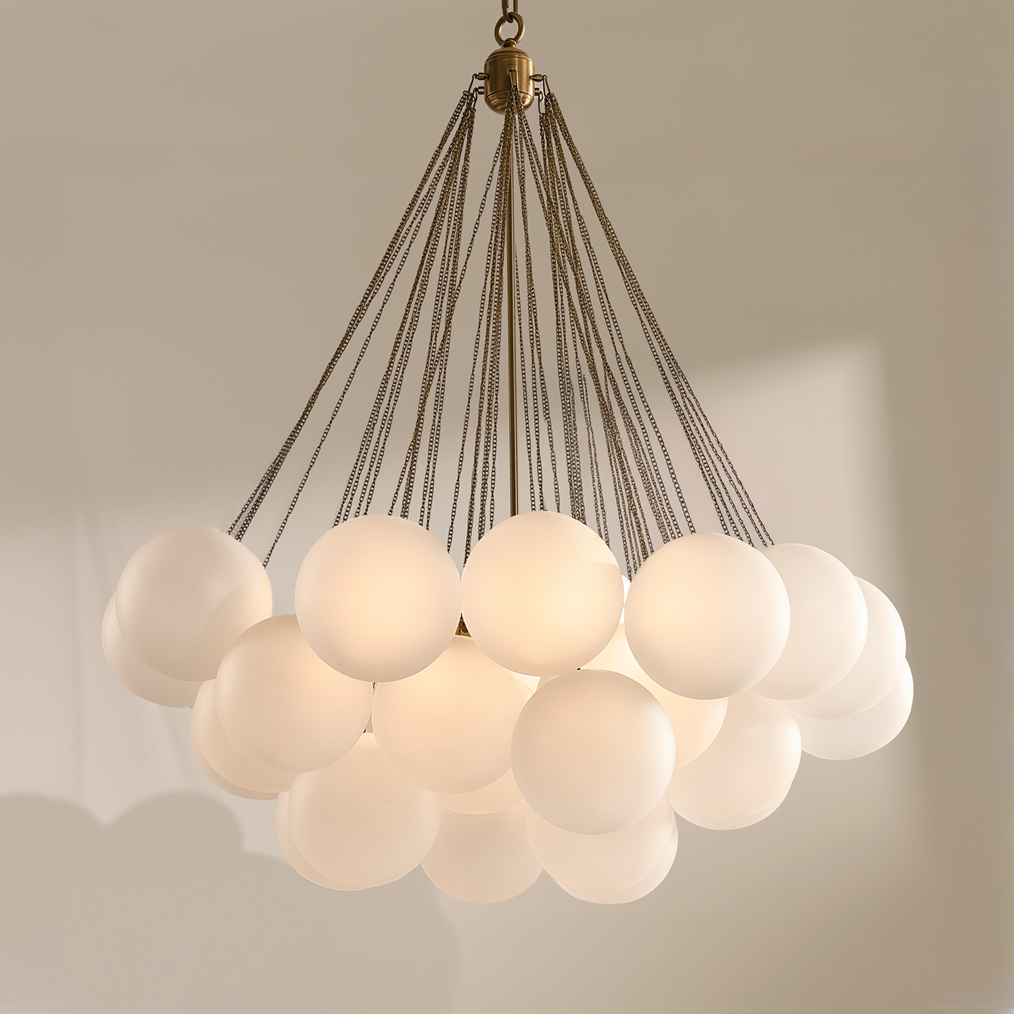
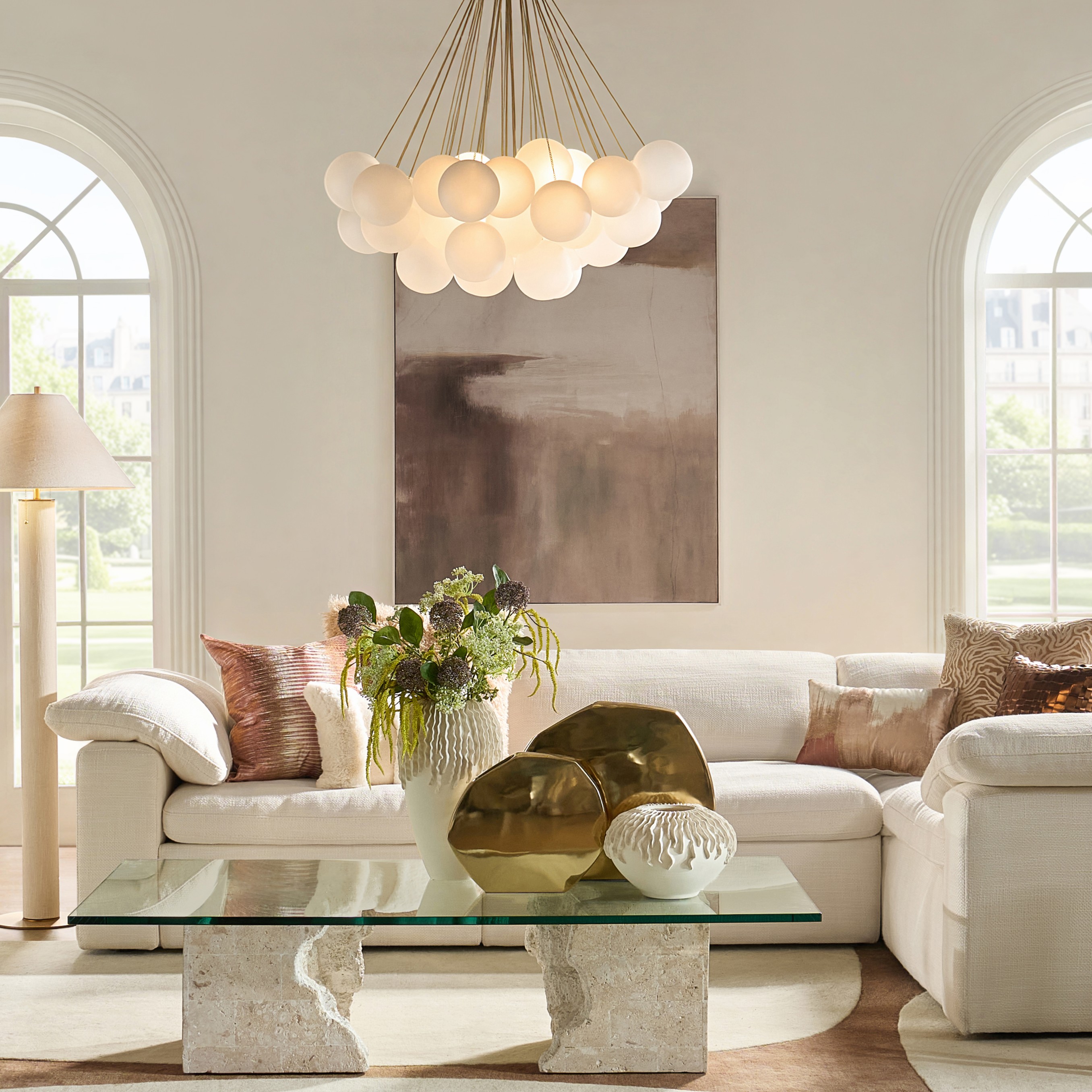 Sanela Frosted Glass Globe Chandelier 39.5"$899
A sculptural chandelier featuring frosted glass globes and an antique brass iron frame for diffused illumination.
Add To Cart -
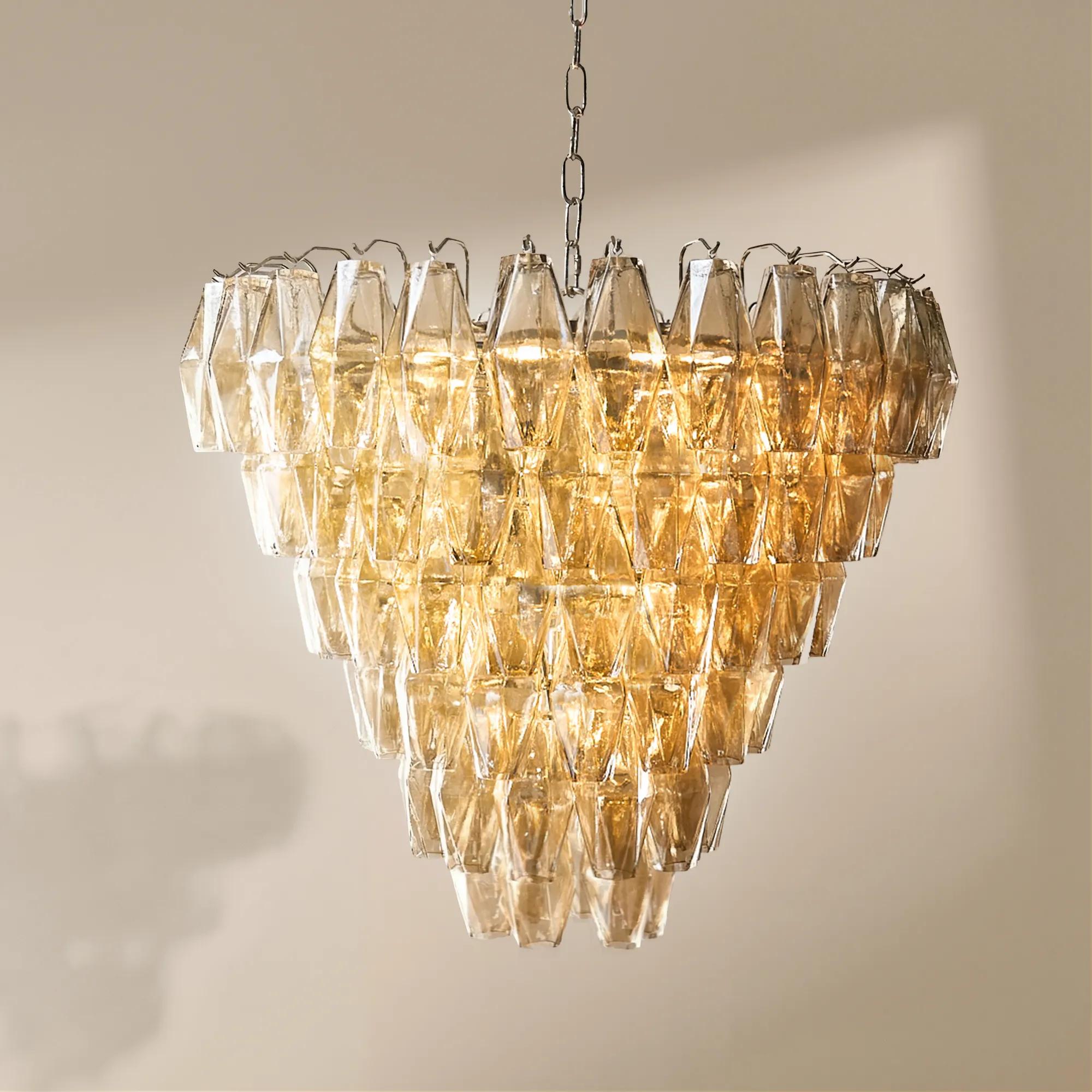
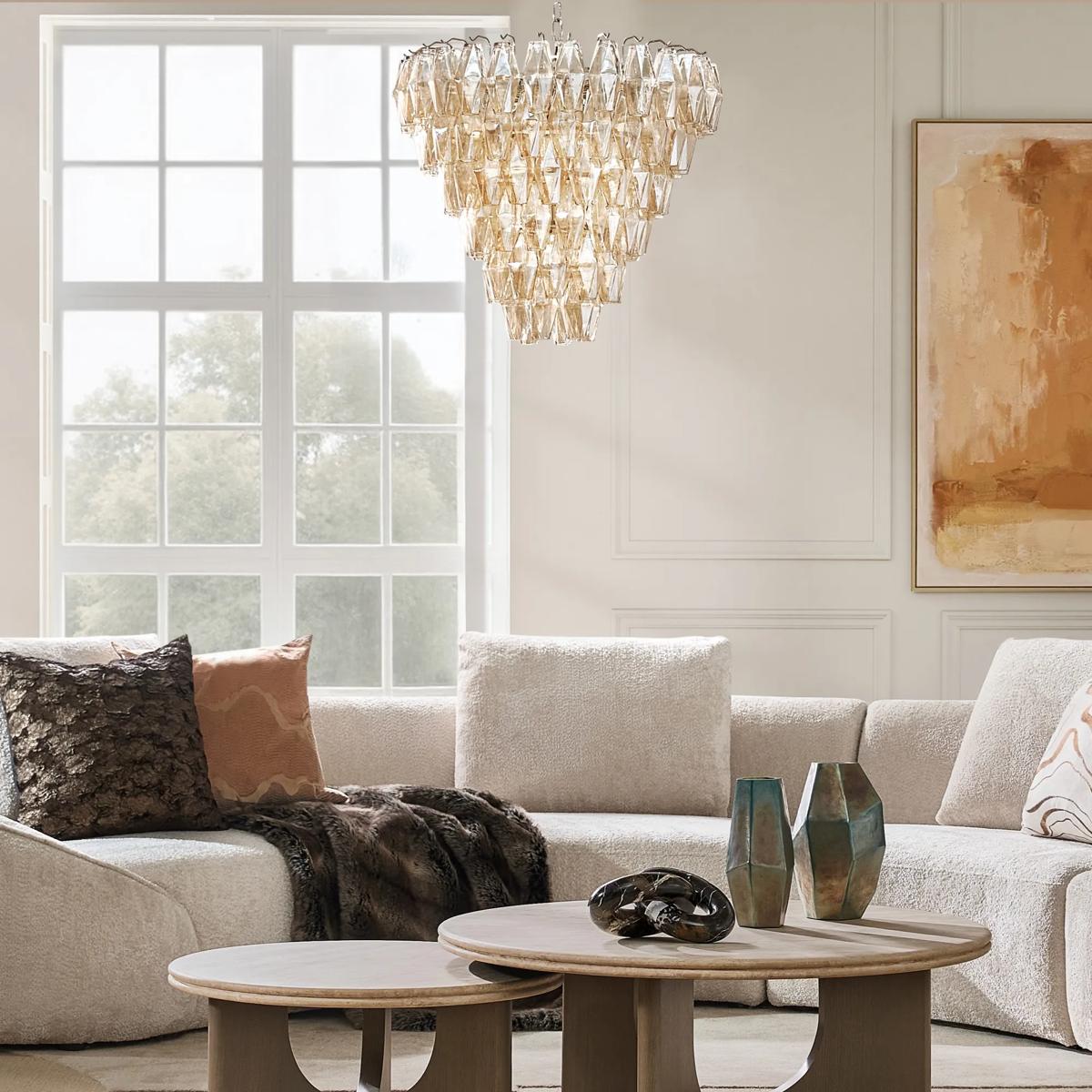 Cosima Champagne Blown Glass Chandelier 25.5"D x 23"H$1299
A sculptural chandelier featuring hand-blown champagne glass and a polished nickel frame for radiant, modern elegance.
Add To Cart -
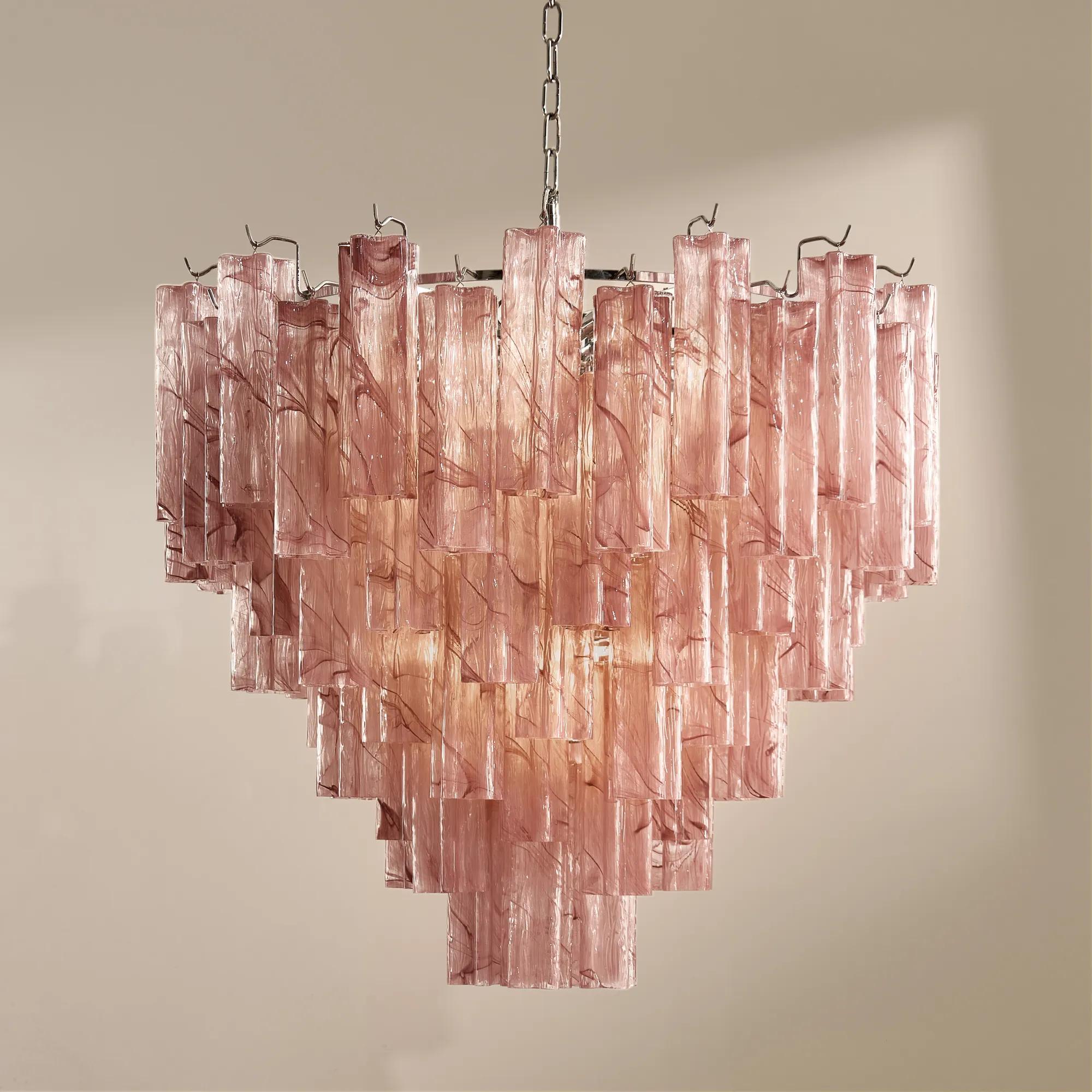 Elodie Rose Glass Chandelier 31.5"$1299
A handcrafted chandelier featuring rose-colored swirled glass and a polished chrome frame for modern elegance.
Add To Cart -
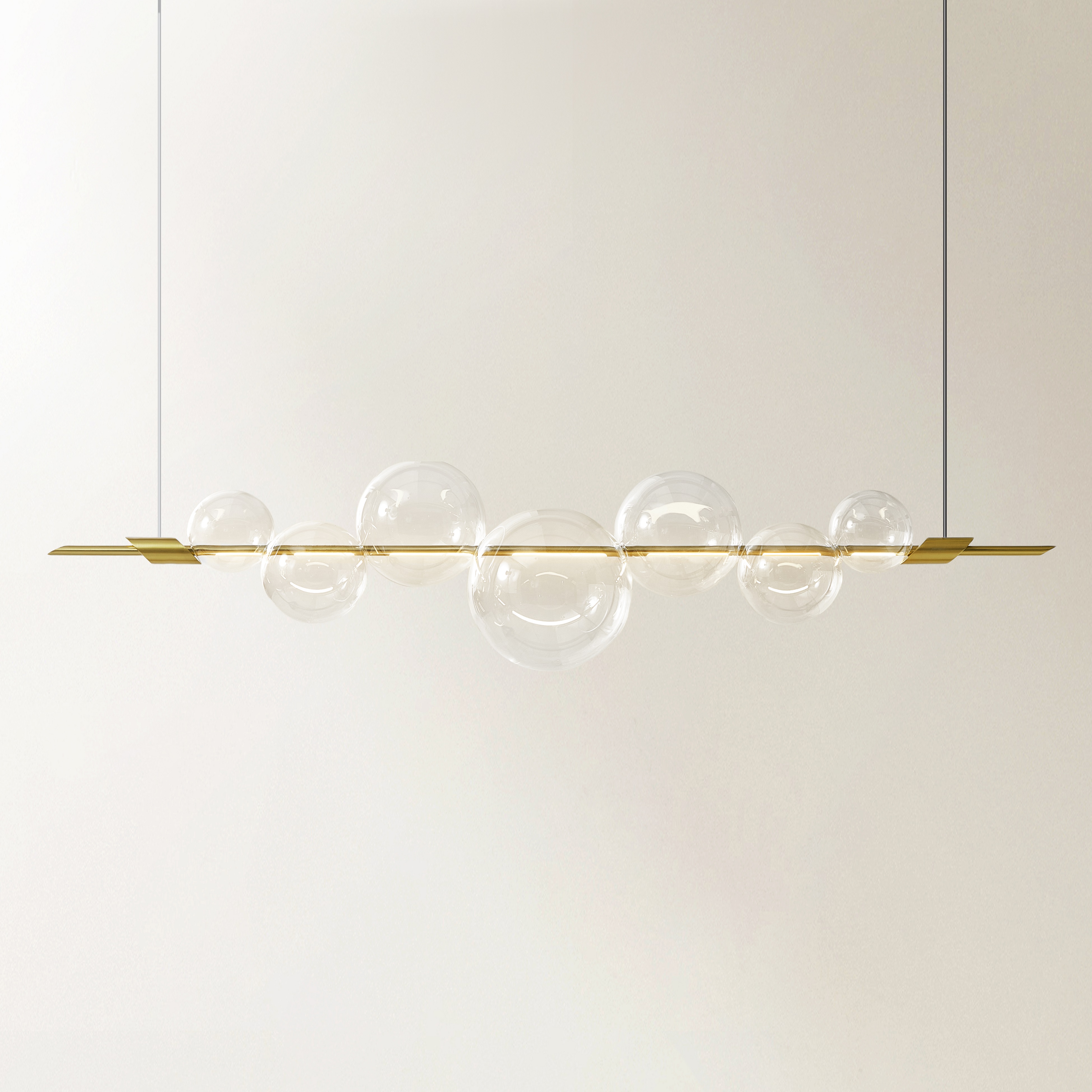 Bolla LED Hand-Blown Glass Bubble Chandelier 60.25"$499
A linear chandelier featuring clear sculptural glass orbs and a matte gold steel frame for modern elegance.
Add To Cart -
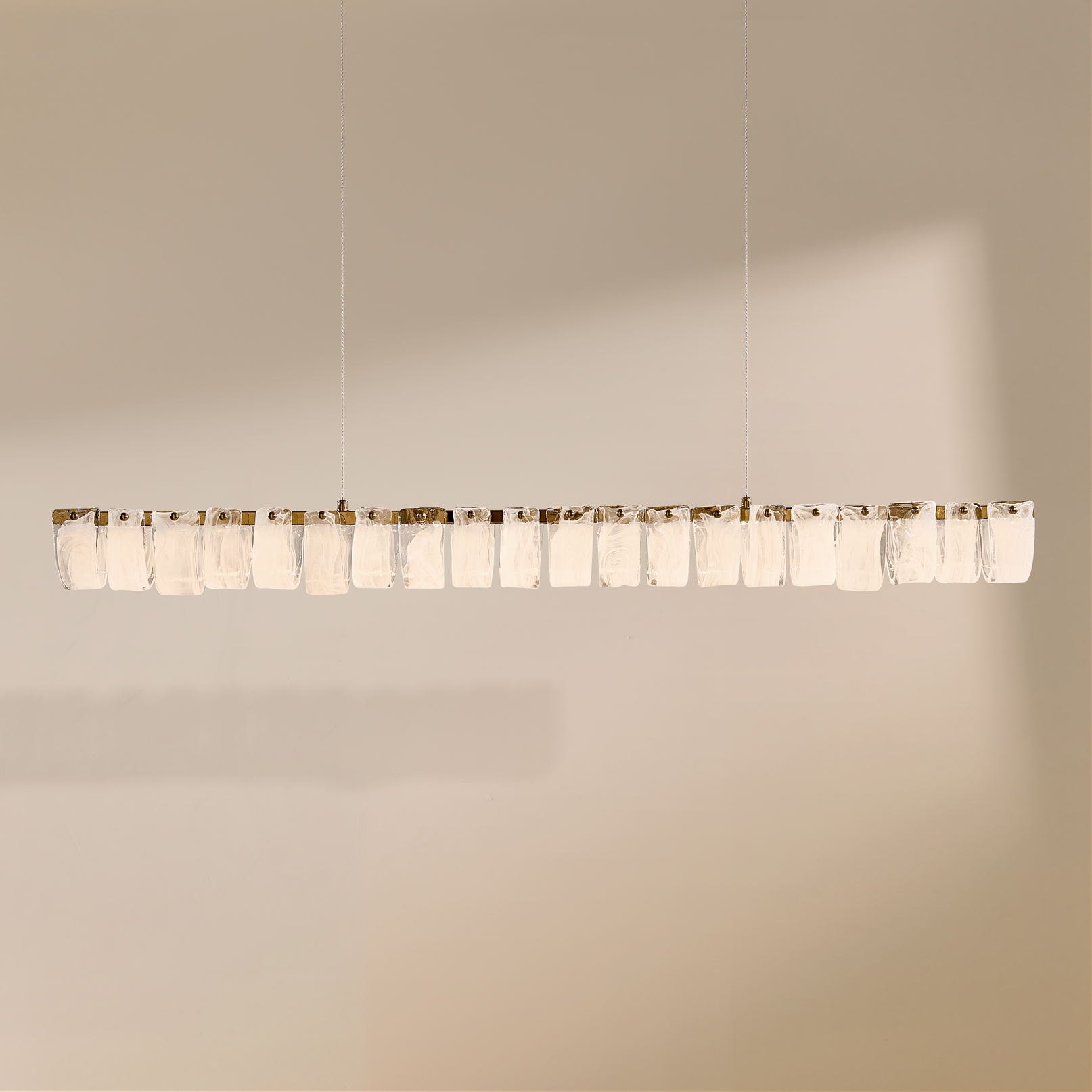 Joliet LED Linear Hand Painted Swirl Glass Chandelier 47"$499
A contemporary LED linear chandelier featuring hand-painted swirl glass for sculptural, ambient illumination.
Add To Cart

Ul Listed Crystal Chandeliers
Illuminate your world with UL listed crystal chandeliers—a symphony of shimmering artistry and certified peace of mind. Each radiant fixture is more than mere lighting; it’s a dramatic centerpiece, designed to drape your interiors in cascades of brilliance while meeting the highest standards of safety. Whether suspended above a grand dining table or gracing an opulent entryway, these chandeliers transform any room into a gallery of light and luxury, inviting you to revel in the glow of exquisite detail and enduring elegance. Let your home become a stage for luminous expression, where every crystal catches the eye and every moment sparkles with possibility.
UL listed crystal chandeliers bring sculptural presence and brilliant light to interiors, pairing faceted crystal accents with lighting fixtures evaluated for compliance with applicable safety standards. A UL listing indicates that a fixture has been evaluated for electrical and fire safety under its specified conditions of use; it does not mean that every chandelier is suitable for every room or installation. The listing, location rating, and manufacturer’s instructions together establish how and where a fixture can be used. Within those practical requirements, crystal offers an extraordinary range of expression. Clear prisms cast sharp points of light across a dining room, while layered strands create a softer, shimmering silhouette above a seating area. Depending on the design, a chandelier might frame its crystal in polished metal, suspend it beneath a restrained circular canopy, or gather it into tiers with the presence of an illuminated sculpture. Traditional branching forms lend ceremony to a room; linear arrangements bring that same richness to long tables and open interiors. Compact chandeliers create an intimate focal point in a bedroom or dressing room, while expansive designs give a tall foyer the visual weight its architecture deserves. The effect depends as much on the shape and arrangement of the crystal as on the number of bulbs. Closely spaced drops can conceal parts of the frame and create a dense curtain of sparkle, while open designs allow the surrounding room to remain visible through the fixture. For those who favor expressive interiors, that interplay of transparency and ornament makes crystal especially compelling: it commands attention without behaving like a solid object overhead. During the cooler months, when gatherings linger into the evening, a crystal chandelier adds dimension to the room long after daylight fades. Its intended role is both decorative and functional, providing ambient illumination while establishing a distinctive center of gravity for family dinners, dressed-up celebrations, and quieter evenings at home.
Materials and proportions shape how convincingly that drama belongs in a space. Crystal composition, cut, clarity, and finish influence the way each accent reflects and refracts light, and the word “crystal” alone does not establish a particular grade or lead content. Material descriptions help distinguish crystal elements from other decorative glass accents and clarify the construction of the frame. Metal finishes contribute their own atmosphere: polished surfaces intensify reflections, warmer tones enrich wood and upholstery, and darker frames give luminous drops a graphic outline. The most compelling combination often draws on an existing detail without repeating every finish in the room. A chandelier with warm metal accents, for example, can echo a narrow picture frame or a table base while clear crystal provides contrast against richly colored walls. Scale deserves equal attention. Above a dining table, the fixture should feel connected to the tabletop rather than sized only to the surrounding room, with enough clearance at the edges to avoid an imposing overhang. A linear chandelier often complements an elongated table, while a round or tiered form can create a balanced composition over a circular one. With an eight-foot ceiling, approximately 30 to 36 inches between the tabletop and the bottom of the chandelier is a common starting point, adjusted for the fixture’s shape, sightlines, and installation requirements. In an entry or other circulation area, generous head clearance matters more than a dining-room measurement. Overall height, canopy dimensions, adjustable suspension, and compatibility with sloped ceilings can determine whether a design fits as beautifully in practice as it does in a photograph. In connected spaces, UL listed pendant lights can carry a complementary lighting language over an island or smaller table without repeating the chandelier’s full silhouette. Coordinating the finish, geometry, or quality of light creates continuity while allowing the principal fixture to remain the room’s defining gesture. That restraint gives elaborate crystal room to shine.
Lasting enjoyment also rests on the details that are less visible once the chandelier is illuminated. Crystal and metal can retain their beauty for years with appropriate handling and care, but suspended drops remain vulnerable to chips, and decorative finishes may be damaged by abrasive cloths or harsh cleaners. An accessible installation makes routine dusting more manageable, especially on designs with many individual prisms. Cleaning should follow the manufacturer’s directions, with power turned off and bulbs allowed to cool before any work begins. A soft, lint-free cloth is often appropriate for gentle dusting; liquid cleaners should not be sprayed into sockets, wiring, or electrical components. Removing crystal elements is suitable only when the construction and care instructions allow it, and noting their placement beforehand helps preserve the intended pattern. Installation requires similar attention. A qualified electrician can confirm that the ceiling box and supporting structure are appropriate for the chandelier’s weight and that the fixture is connected according to its instructions and local requirements. A UL listing does not replace those checks, nor does it automatically establish suitability for damp or wet locations. Bathrooms, covered exterior areas, and other moisture-exposed settings require the appropriate location rating and compliance with applicable placement rules. For everyday comfort, bulb choice deserves consideration alongside crystal shape. Where replaceable bulbs are used, the specified bulb base, type, and maximum wattage govern compatibility. Warm-white light often flatters wood, velvet, and richly layered table settings, while a dimmable fixture with compatible bulbs and controls can shift from lively entertaining to a lower evening glow. Dimming capability should be confirmed rather than assumed, particularly with integrated LED designs. A chandelier also works best as part of a layered lighting arrangement: sconces, table lamps, and task lighting can illuminate faces and useful surfaces while crystal supplies the overhead spectacle. For homeowners furnishing a dining room, couples shaping a shared interior, or hosts refining a favorite gathering space, these considerations make the distinction between a striking object and a fixture that feels fully at home. Beauty becomes more persuasive when it serves the room as gracefully as it commands attention.
FAQs
A crystal chandelier acts as a dramatic focal point, casting intricate patterns of light and shadow that infuse your room with warmth, elegance, and a sense of occasion. Its reflective surfaces and sculptural form create visual interest, transforming even everyday moments into experiences drenched in sophistication.
Crystal chandeliers are astonishingly versatile, complementing everything from classic, ornate interiors to modern, minimalist spaces. In a traditional setting, they amplify grandeur and timeless charm; in contemporary rooms, their bold sparkle offers an unexpected twist, making a striking statement against clean lines and neutral palettes.
Absolutely. Crystal chandeliers bring glamour and artistry to bedrooms, home offices, walk-in closets, and even luxurious bathrooms. Their transformative power can turn any space—no matter how unexpected—into a showcase of personal style and expressive design.
Pairing a crystal chandelier with complementary lighting, such as wall sconces or table lamps, creates a layered, multidimensional ambiance. This approach allows you to balance dramatic overhead illumination with softer accent lighting, ensuring both functionality and a curated, gallery-inspired aesthetic.
Z Gallerie chandeliers are distinguished by their bold artistry, meticulous craftsmanship, and a flair for drama. Each piece is designed to evoke emotion and wonder, serving as both a practical light source and a stunning work of art that elevates the character and story of your home.