
Tabletop Decorative Boxes
Tabletop Decorative Boxes
-
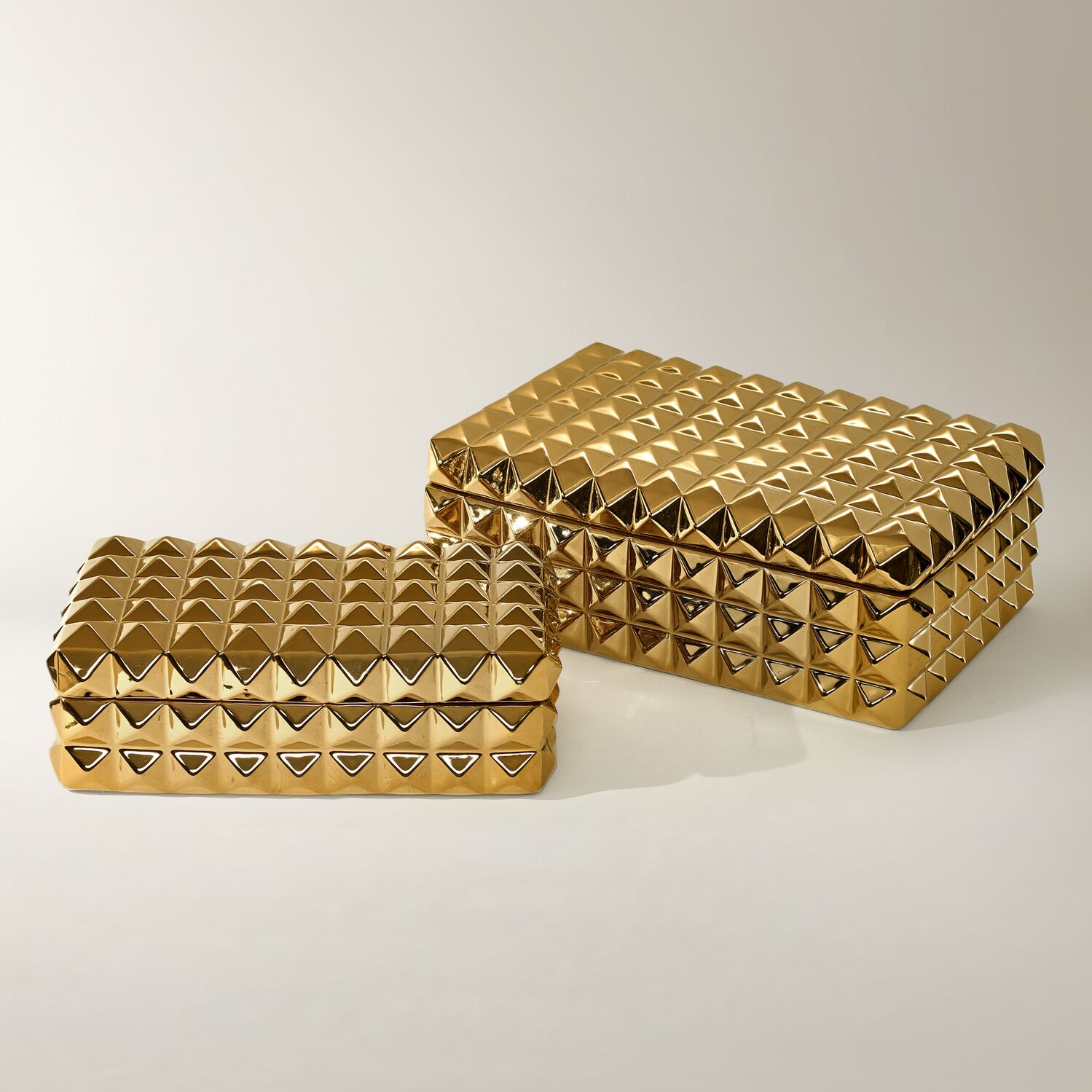 Studded Gold Ceramic Box Large$79
A chic gold-finished box with a studded design, perfect for dressers, vanities, or consoles.
Add To Cart -
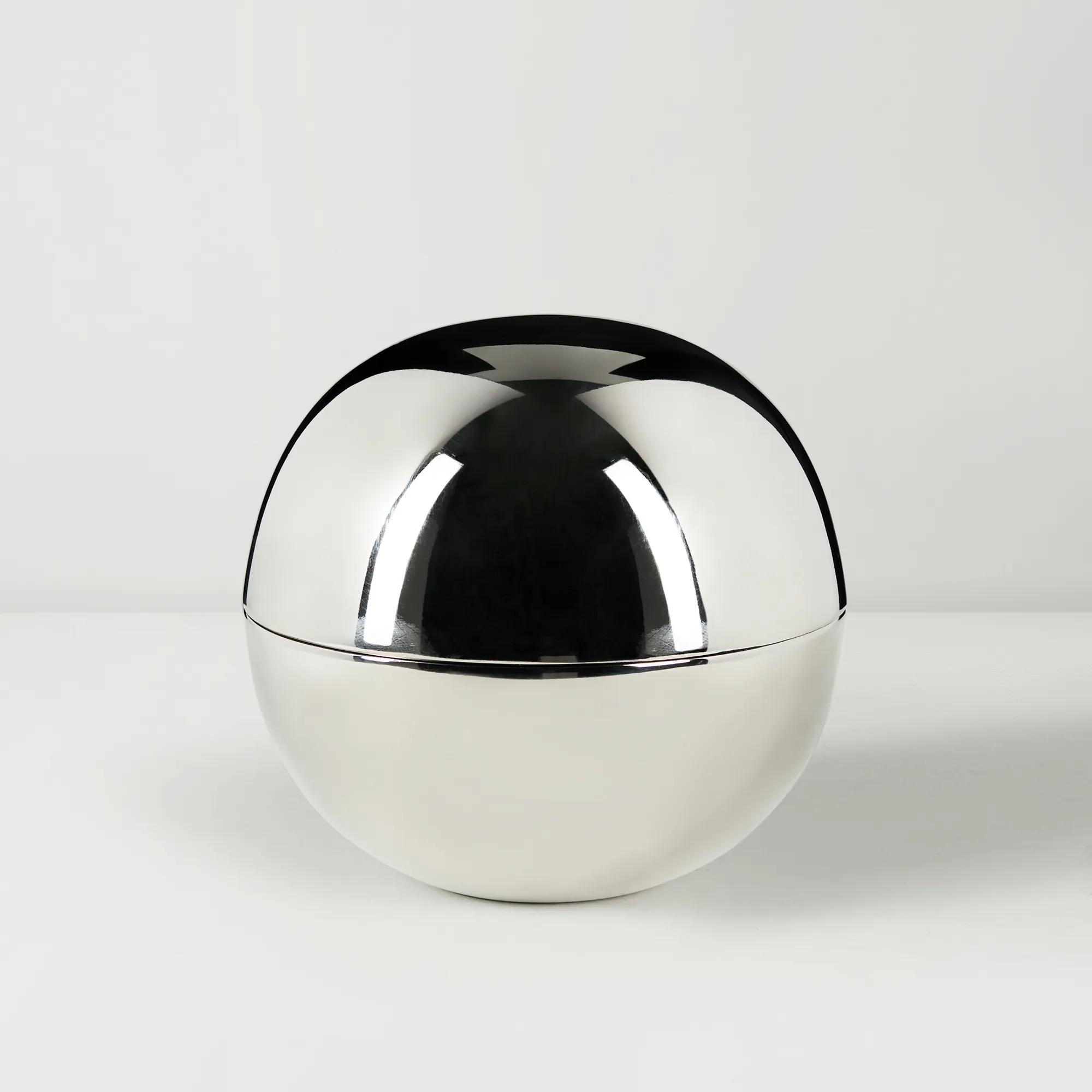
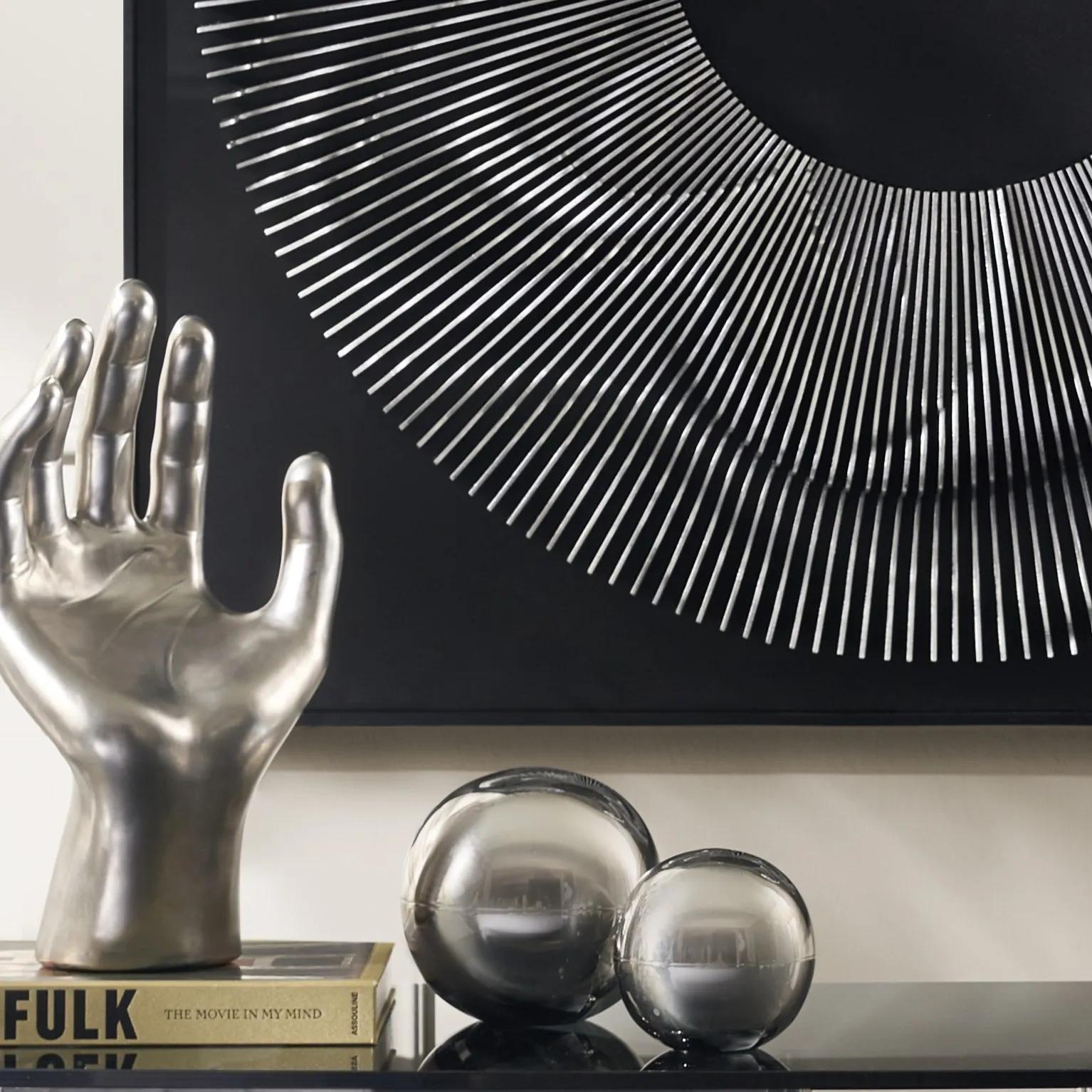 Orion Box$39
A sleek silver aluminum orb box that seamlessly combines modern style with practical storage.
Add To Cart -
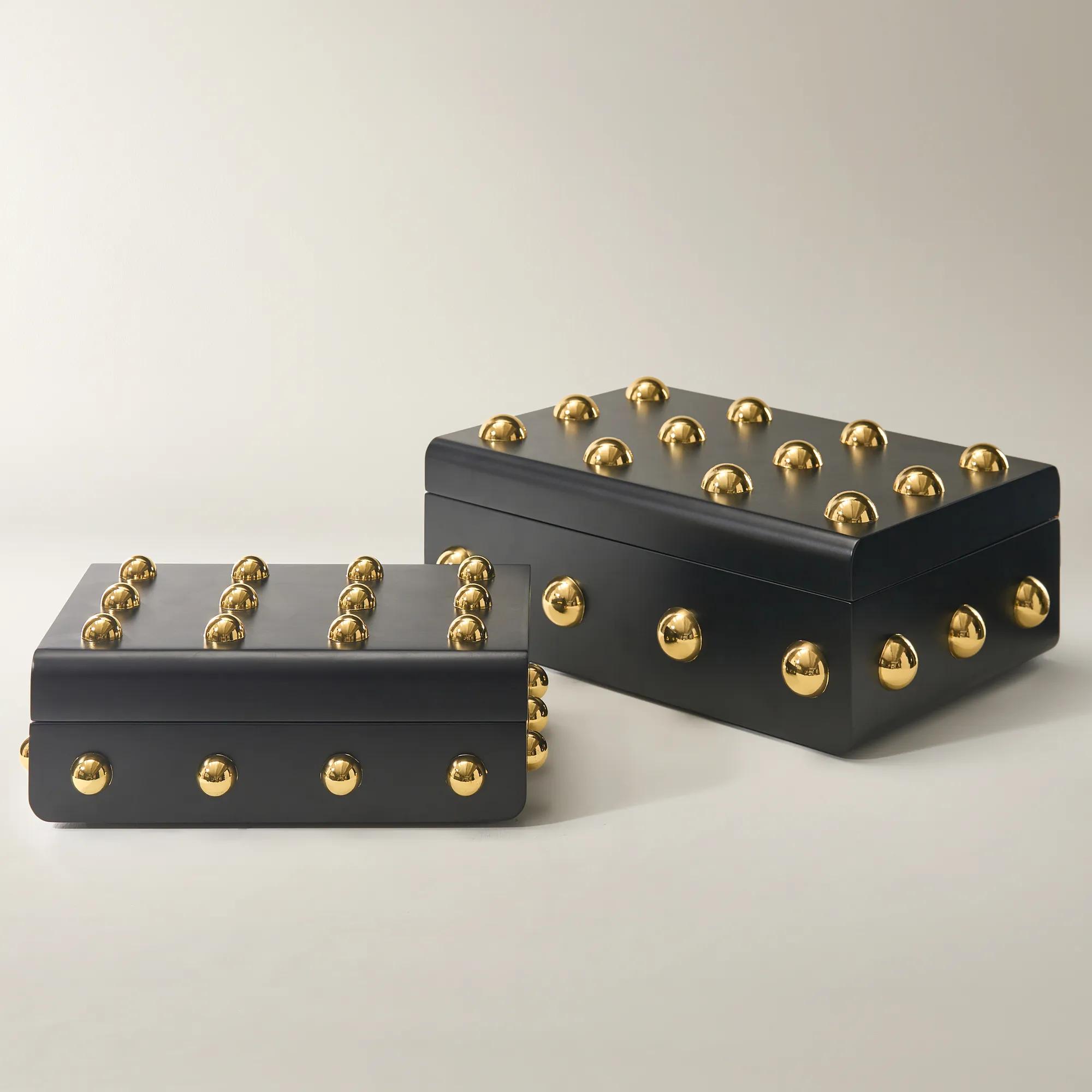 Paxton Box Black/Gold$119
A high-gloss black lacquer box with gold dome accents and a soft velvet-lined interior for keepsakes.
Add To Cart -
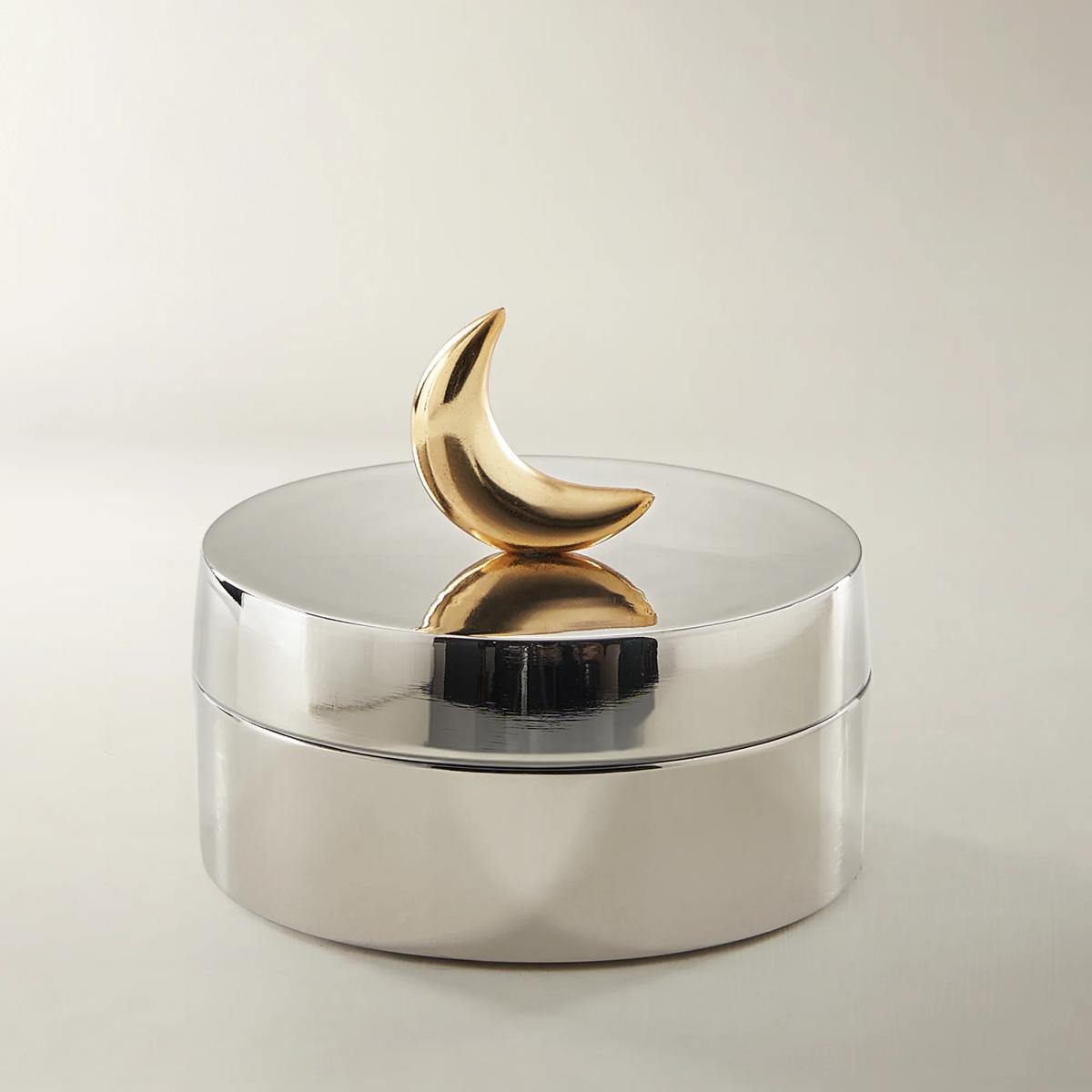
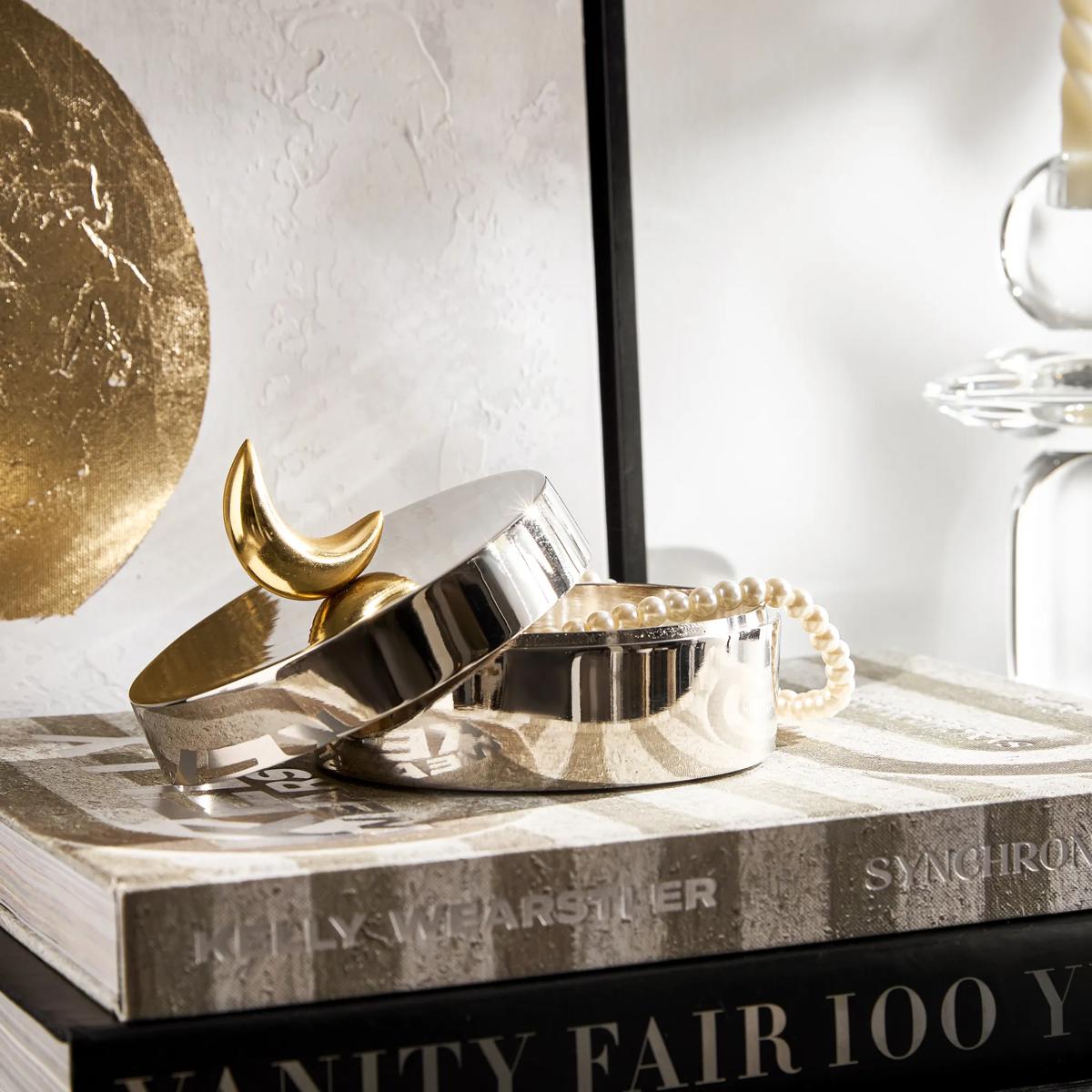 Crescent Moon Chrome Gold Aluminum Box$39
A polished silver aluminum box featuring a sculptural gold crescent for celestial-inspired jewelry storage.
Add To Cart -
Studded Gold Ceramic Box Small$59
A chic gold-finished box with a studded design, perfect for dressers, vanities, or consoles.
Add To Cart -
 Studded Black Ceramic Box Large$79
A black ceramic box with raised studded texture, offering bold, modern style for decorative storage.
Add To Cart -
 Trove Soft Gold Marble Stainless Steel Decorative Box$129
A soft gold stainless steel and MDF box that adds modern glamour and artful storage to any space.
Add To Cart -
Studded Black Ceramic Box Small$59
A black ceramic box with raised studded texture, offering bold modern style for jewelry or decor.
Add To Cart -
 Black Gold Ceramic Book Box$59
A gold and black ceramic box with hidden storage, adding modern glamour and literary charm to décor.
Add To Cart

Tabletop Decorative Boxes
Tabletop Decorative Boxes are the secret to elevating every surface into a curated work of art. These sculptural accents invite intrigue and elegance, transforming side tables, consoles, and vanities into showcases of personal style. Whether stacked in a dramatic vignette or displayed as a singular statement, each box offers a tactile moment of luxury that captivates the eye and stirs the imagination. With Tabletop Decorative Boxes, your home becomes a gallery of treasures—each detail carefully chosen, every corner brimming with character.
Tabletop decorative boxes bring concealed storage and sculptural presence to coffee tables, consoles, desks, and nightstands. More than a place to tuck away small essentials, a decorative box creates a finished moment: a gleaming rectangle against richly veined stone, a textured lid beside a clear glass vase, or a dark lacquered silhouette resting on a stack of art books. Its appeal lies in that balance of expression and purpose. A room can feel beautifully composed without requiring every remote, charging cable, or set of keys to remain on display. On a living room coffee table, a generously proportioned box can gather everyday necessities while giving a grouping of objects a strong visual anchor. On an entryway console, a smaller design establishes an elegant landing place for keys and other pocket essentials. Beside the bed, a covered box can keep a watch or reading glasses close at hand without competing with a lamp or crowding the surface. Scale makes the difference between an accent that feels intentional and one that seems misplaced. Consider the tabletop’s depth, the surrounding furniture, and the space needed to lift or open the lid comfortably. A broad, low profile can complement a substantial coffee table, while a compact square or narrow rectangular shape may suit a slender side table. Leave enough exposed surface for a drink, a book, or the routines that make the room feel lived in. Color and finish can either connect a vignette or introduce a deliberate contrast. Ivory against espresso, polished metal against matte ceramic, or an intricate pattern beside a solid upholstered chair gives the eye somewhere compelling to pause. Repeating one finish elsewhere in the room creates continuity; contrasting textures keeps the arrangement from feeling overly matched. The most persuasive tabletop accents do not demand an elaborate display. A single distinctive box, given a little breathing room, can hold its own with the confidence of a small work of art.
Materials give decorative storage boxes much of their character, influencing their weight, texture, care needs, and suitability for everyday handling. Wood introduces grain and tonal depth, from restrained linear patterns to the expressive swirls associated with burl veneers. Solid wood and veneered construction have different characteristics, and neither should be judged by appearance alone; well-fitted edges, a stable base, and a smoothly seated lid are useful details to examine. Lacquered surfaces create a crisp, reflective finish that can make even a compact box feel architectural, though gloss also reveals fingerprints and benefits from gentle handling. Marble and other natural stone bring substantial weight and individual variations in veining. They can create a striking counterpoint to upholstered furniture or warm wood, but stone is not immune to chips, staining, or damage from acidic cleaners. Mirrored glass reflects neighboring colors and light, adding dimension to a tabletop without introducing another opaque block of color. Its edges deserve particular care, especially on frequently used surfaces. Metal accents contribute a precise line of shine, whether expressed through a frame, an inset detail, or a sculptural handle; cleaning requirements depend on the metal and its protective finish. Faux shagreen and other textured coverings offer a tactile alternative to high gloss, while woven fibers lend a more relaxed contrast to polished furnishings. Shell and inlay work can introduce delicate pattern and subtle iridescence, with intricate joins that call for careful treatment. For routine care, follow the material-specific instructions and begin with a soft, nonabrasive cloth. Avoid spraying cleaner directly onto a box, soaking seams, or assuming that a surface is washable because it looks smooth. Place boxes away from persistent moisture and strong direct sunlight when their materials or finishes are vulnerable to discoloration or movement. A protective base or suitable felt pads can help prevent scratches on the furniture beneath, particularly with heavier designs. Durability depends as much on construction and use as on material: a decorative lid is not a handle, and a beautifully finished box is best lifted from its base.
The interior deserves as much attention as the exterior, especially when a decorative box will become part of a daily ritual. Exterior measurements do not reveal usable capacity, so check interior dimensions against the objects intended for storage. A remote needs enough length to lie flat, eyeglasses need clearance beneath the lid, and coasters should be easy to remove without catching on the sides. For jewelry, a soft lining can reduce contact with hard surfaces, while separate compartments help prevent chains from tangling or pieces from rubbing together. A general-purpose decorative box should not be assumed to provide specialized protection for fine jewelry, heirlooms, or moisture-sensitive belongings. Hinged lids keep the top attached, although they need room to open; lift-off lids offer a clean silhouette but require a nearby place to rest when the box is in use. For surfaces where visual calm matters, decorative boxes with lids bring an especially polished solution, concealing small necessities while allowing the exterior finish to become part of the room’s composition. On a home office desk, a compact box can hold sticky notes, spare earbuds, or small stationery supplies, leaving the work surface poised rather than crowded. On a dresser, a longer shape can establish a graceful horizontal line beneath a mirror. These pieces also make thoughtful housewarming, wedding, or milestone gifts for someone who enjoys expressive interiors, collects beautiful objects, or appreciates storage that feels personal rather than purely practical. Match the scale to the recipient’s space and the finish to a material or color already present in their home. A box intended for frequent use should open comfortably and feel secure on its supporting surface; one chosen chiefly as an ornamental accent can place greater emphasis on unusual texture or silhouette. In either role, the strongest choice connects beauty with a clear purpose, giving everyday belongings a discreet home and the tabletop a distinctive point of view.
FAQs
Tabletop decorative boxes serve as both functional storage and exquisite design accents, adding layers of texture, color, and artistry to any space. Whether displayed solo as a sculptural focal point or grouped for a curated collection, these boxes can anchor a vignette, introduce a pop of pattern, or reflect ambient light for added drama. Their presence elevates surfaces and invites a sense of intentional, expressive style.
Luxury decorative boxes are crafted from a range of sophisticated materials, including lacquered wood, marble, glass, mirrored finishes, velvet, metal, and inlays of bone or mother-of-pearl. Each material brings its own unique allure—marble offers timeless elegance, mirrored glass adds gleam and dimension, while velvet or inlaid designs create a sense of tactile richness and artistry.
Decorative boxes make exceptional gifts for birthdays, anniversaries, housewarmings, or simply as tokens of appreciation. Their versatility and timeless appeal ensure they’re cherished by recipients of all tastes and ages. Each box becomes a vessel for memories, keepsakes, or personal treasures, making it a thoughtful gesture that combines beauty with meaning.
Decorative boxes are perfect for keeping small essentials elegantly out of sight, whether on coffee tables, desks, nightstands, or entryway consoles. Use them to store remote controls, jewelry, stationery, or sentimental mementos. By choosing boxes that complement your décor, you seamlessly blend organization with visual intrigue, ensuring every surface tells a story.
Black and white decorative boxes are remarkably versatile, pairing beautifully with modern, contemporary, art deco, and even eclectic interiors. Their graphic contrast brings sophistication to minimalist settings, while their boldness can anchor maximalist or glam arrangements. Whether used as a statement piece or as part of a layered display, they offer timeless elegance with a dramatic edge.


