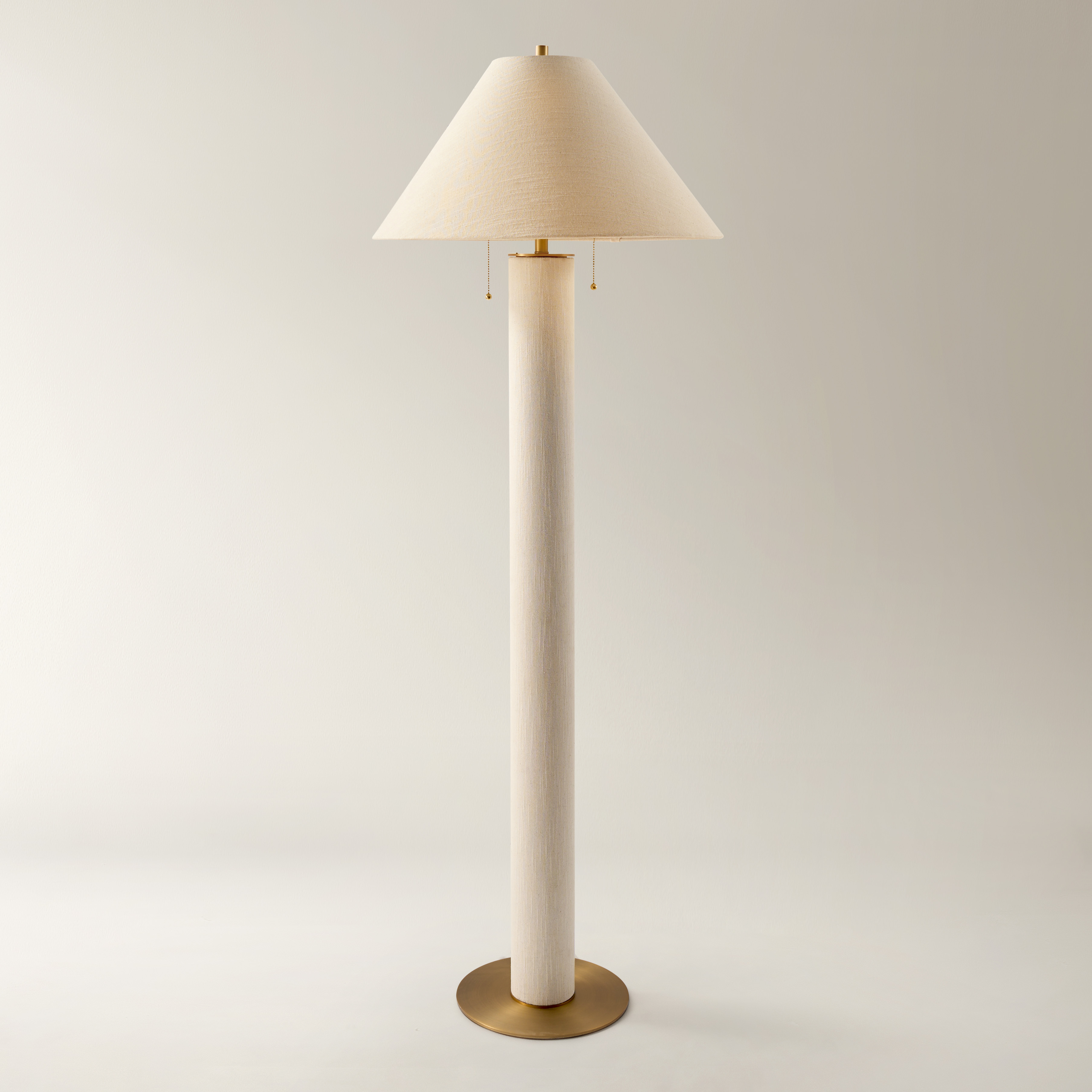
Table Lamps With Clear Cords
Table Lamps With Clear Cords
-
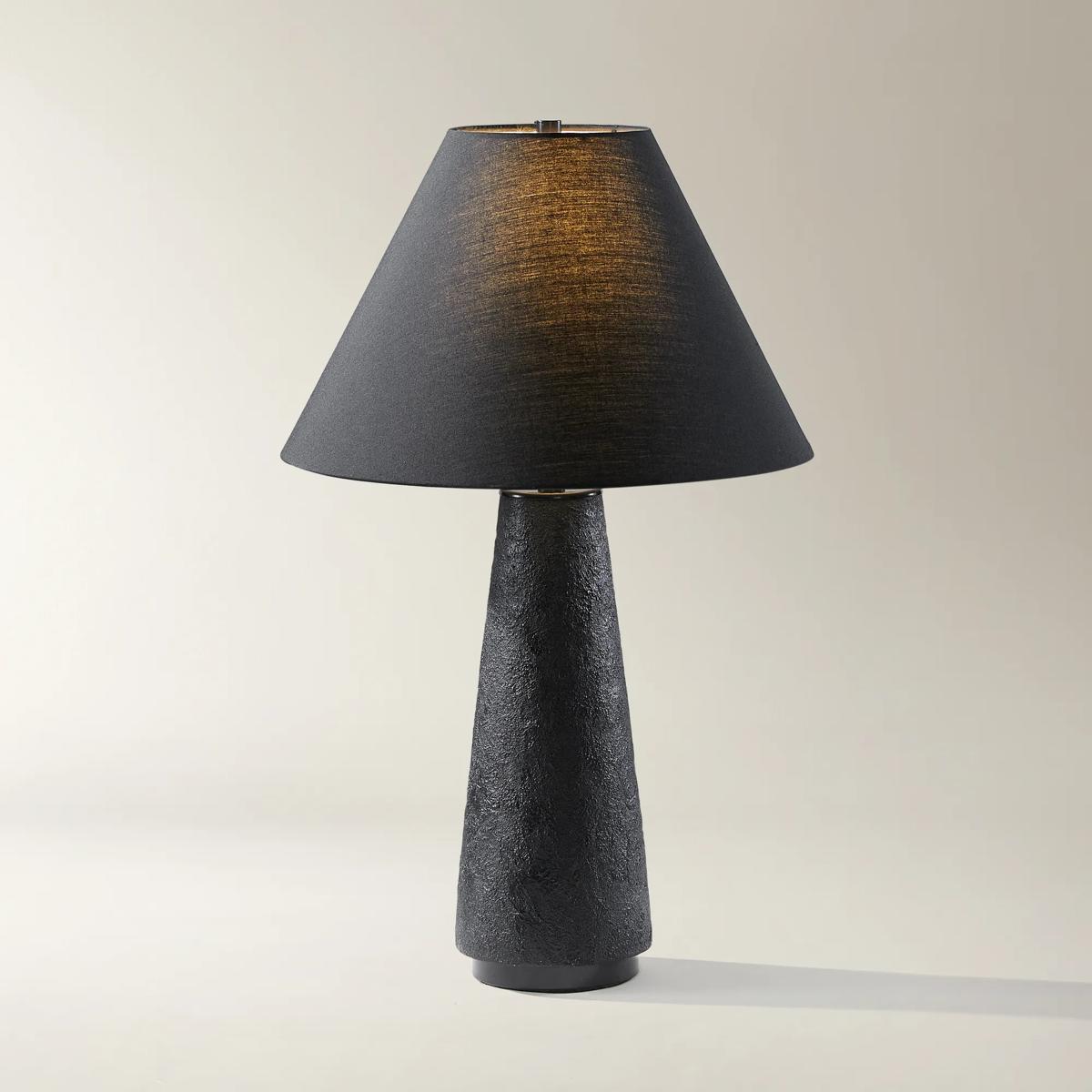 Beton Black Textured Concrete Table Lamp 25"$299
A sculptural table lamp featuring textured black concrete, matte black metal accents, and a black cotton shade.
Add To Cart -

 Blair Mouth Blown Sea Glass Blue Glass Table Lamp 25"$229
A mouth-blown glass lamp in soft blue sea glass with antique brass accents and an ivory linen shade.
Add To Cart -
 Edin Mouth Blown Slate Blue Glass Table Lamp 17.5"$99
A sculptural slate blue mouth-blown glass lamp with brushed nickel accents and an ivory linen shade.
Add To Cart -
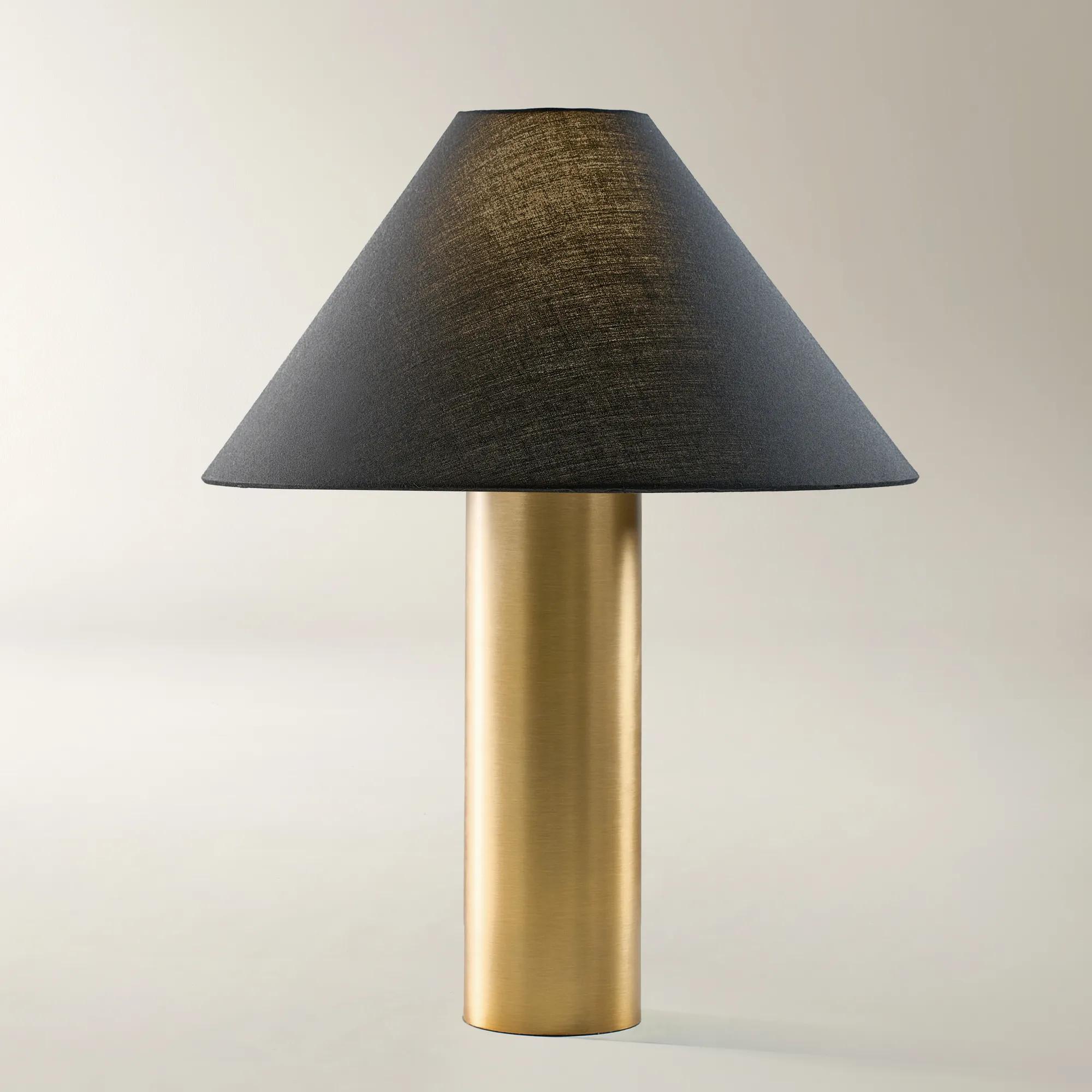 Tova Brushed Brass/Black Table Lamp 20.5"$249
A sculptural brushed brass iron base pairs with a tailored black cotton shade for bold, modern contrast.
Add To Cart -
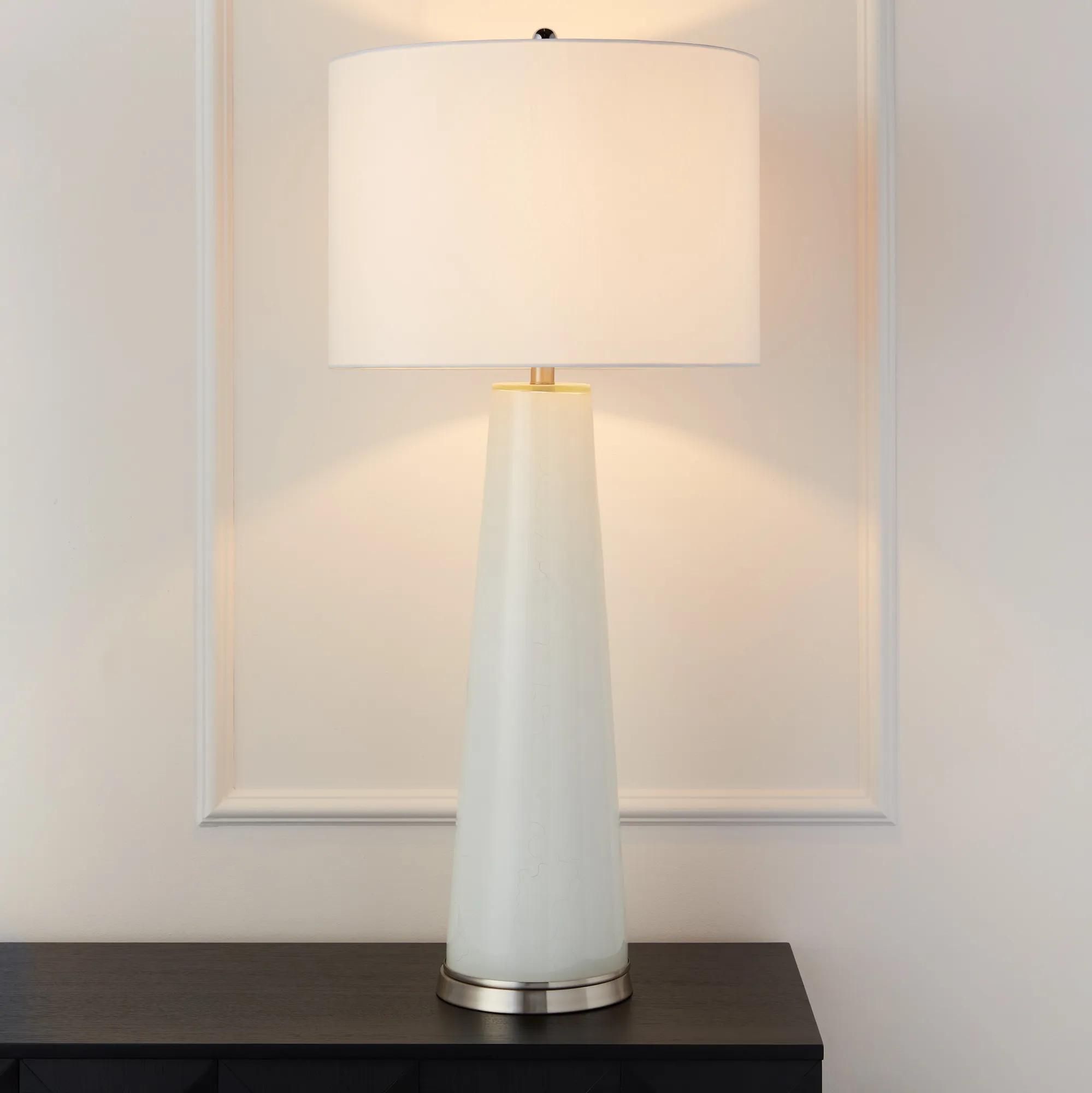 Century White Glass High Gloss Table Lamp 40"$299
A modern glass lamp with a high-gloss white interior and a crisp white drum shade.
Add To Cart -

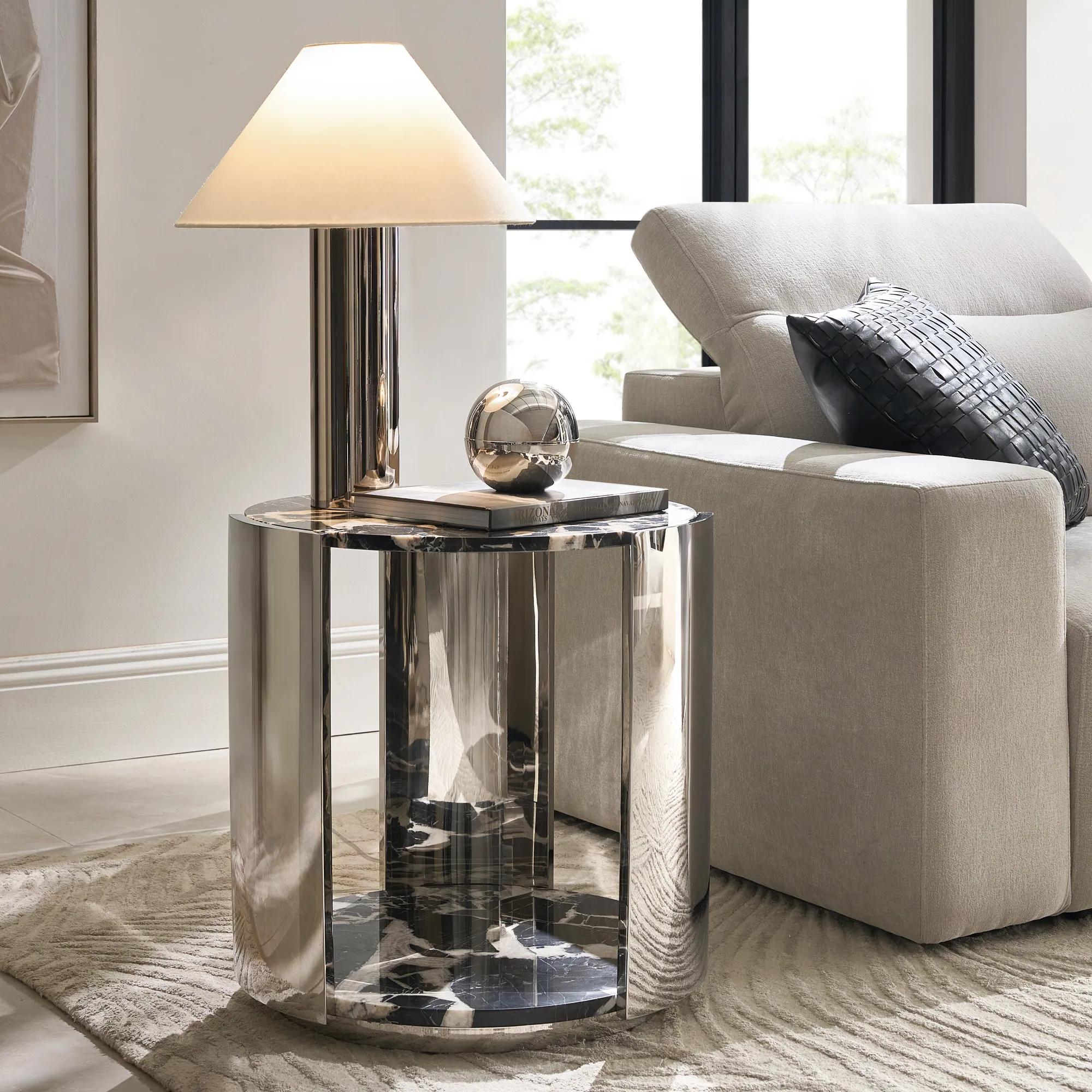 Tova Polished Nickel/White Table Lamp 20.5"$249
A polished nickel iron lamp with a white cotton tapered shade brings sleek, modern style to any room.
Add To Cart -
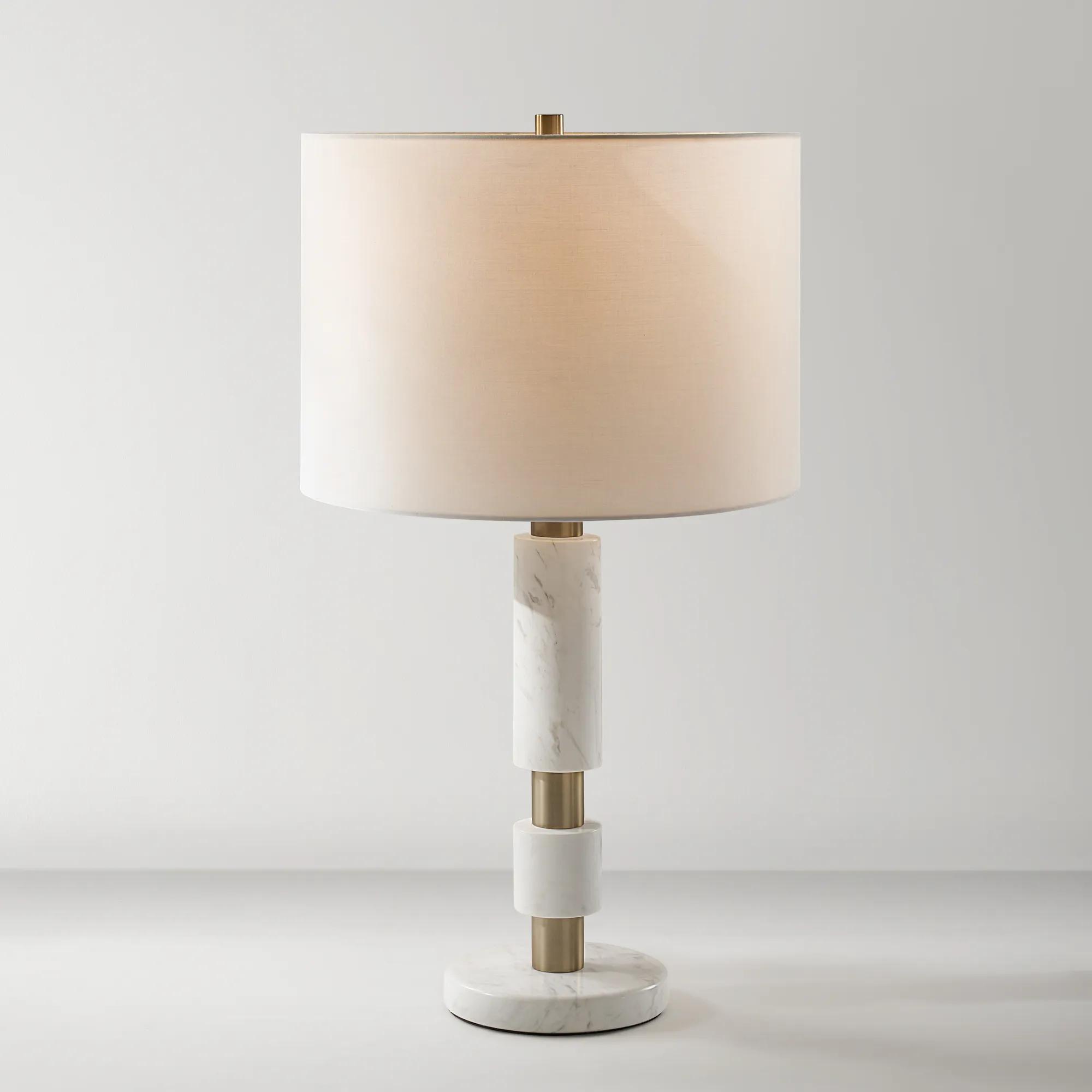 Thea Table Lamp$379
A luxurious table lamp featuring a white marble base, champagne metal accents, and a crisp cotton drum shade.
Add To Cart -
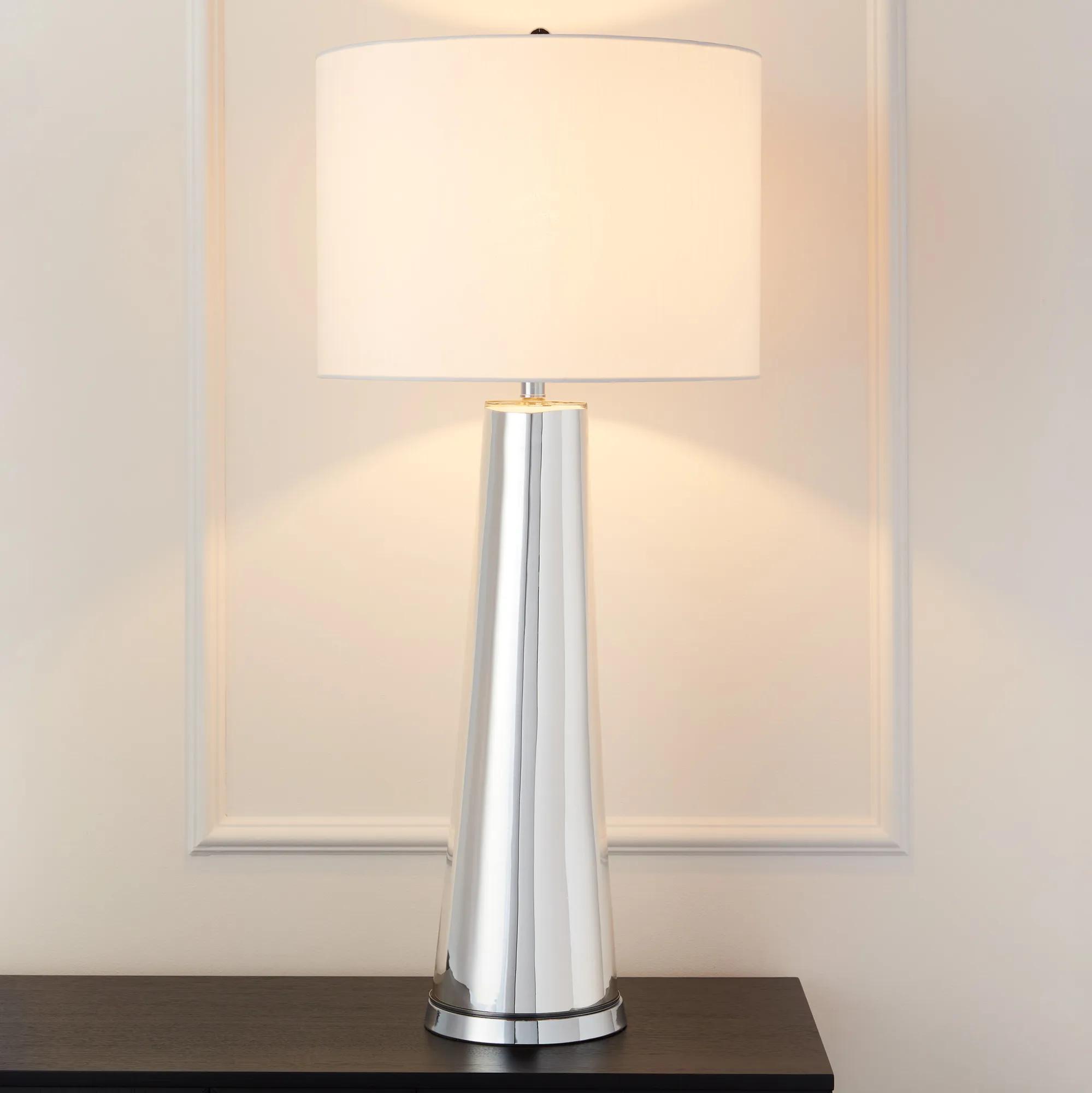 Century Silver Mirrored Glass Table Lamp 40"$299
A modern table lamp featuring a mirrored glass base and white drum shade with brushed chrome accents.
Add To Cart -
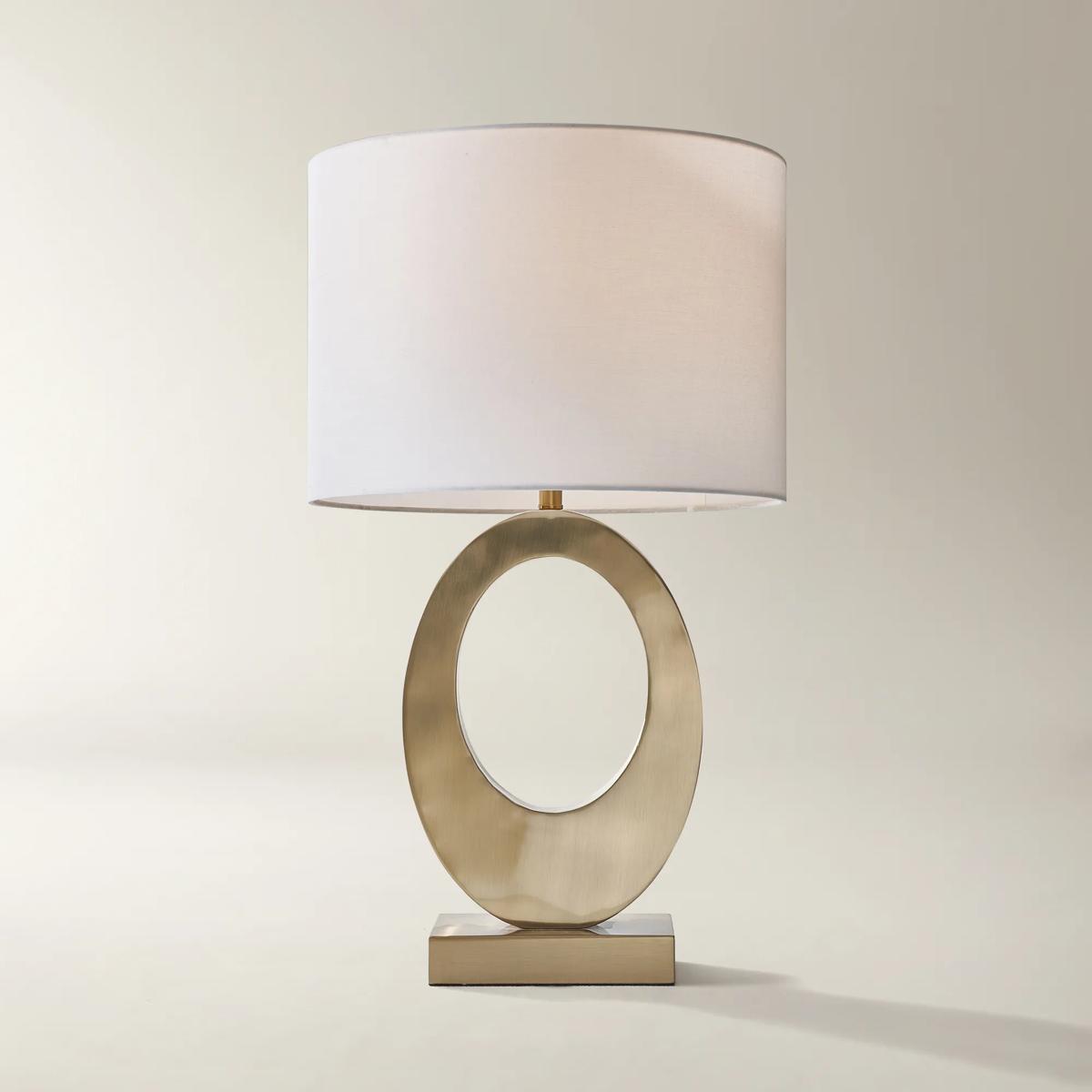 Loop Champagne Gold Metal Table Lamp 26.25"$399
A sculptural iron lamp in champagne gold with a beige cotton drum shade for warm, diffused lighting.
Add To Cart -
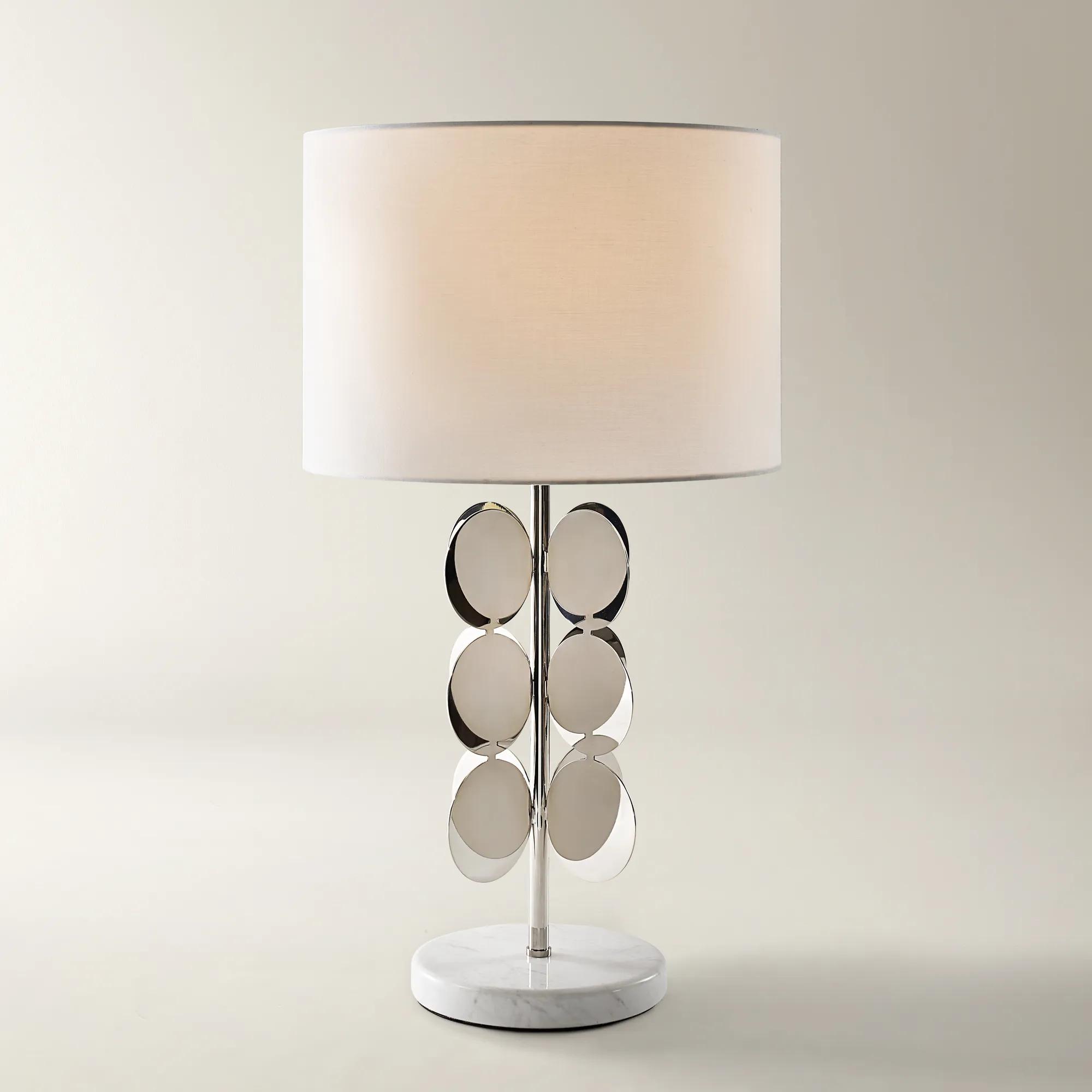 Orion Table Lamp$329
A polished nickel iron lamp with a white marble base and crisp white cotton drum shade.
Add To Cart -
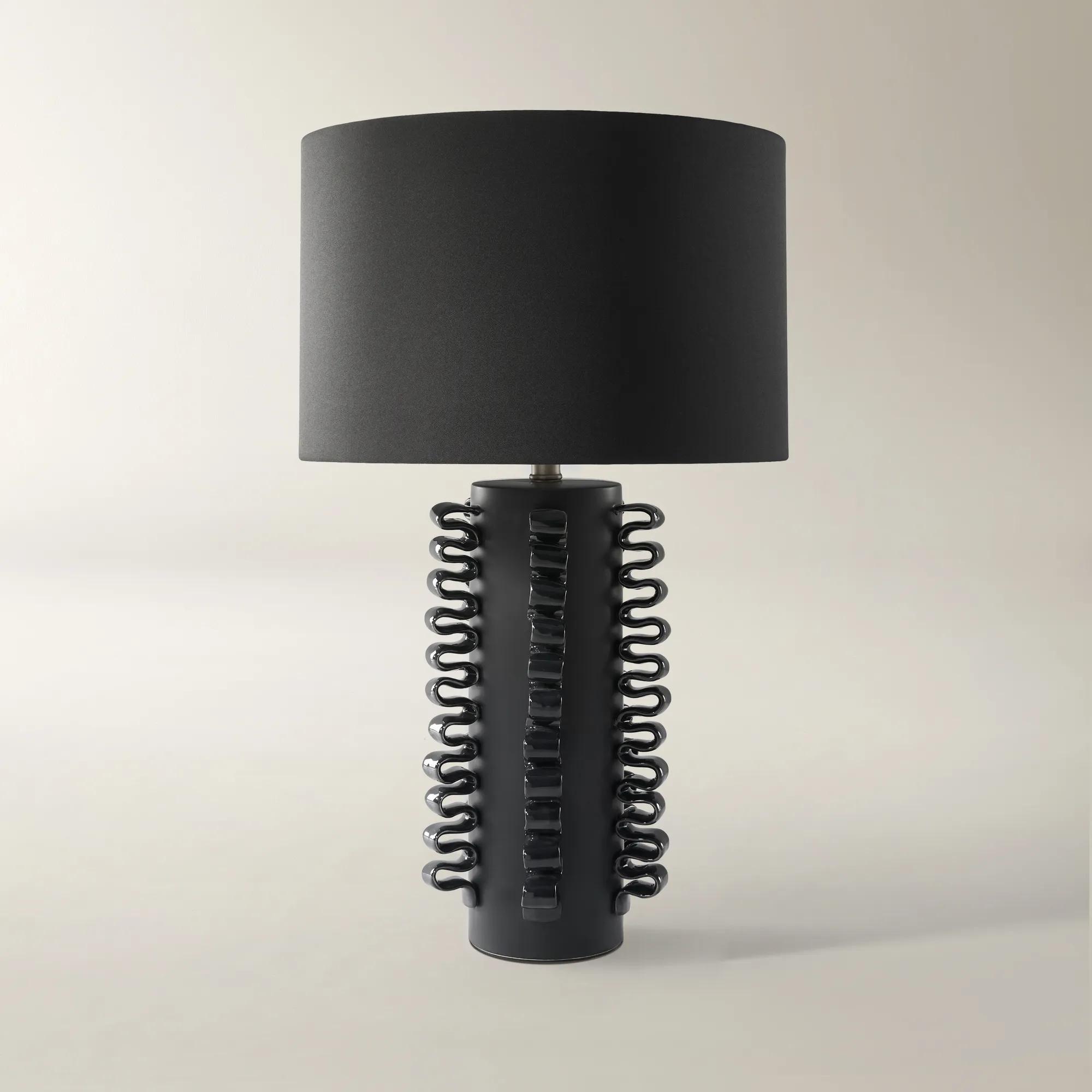
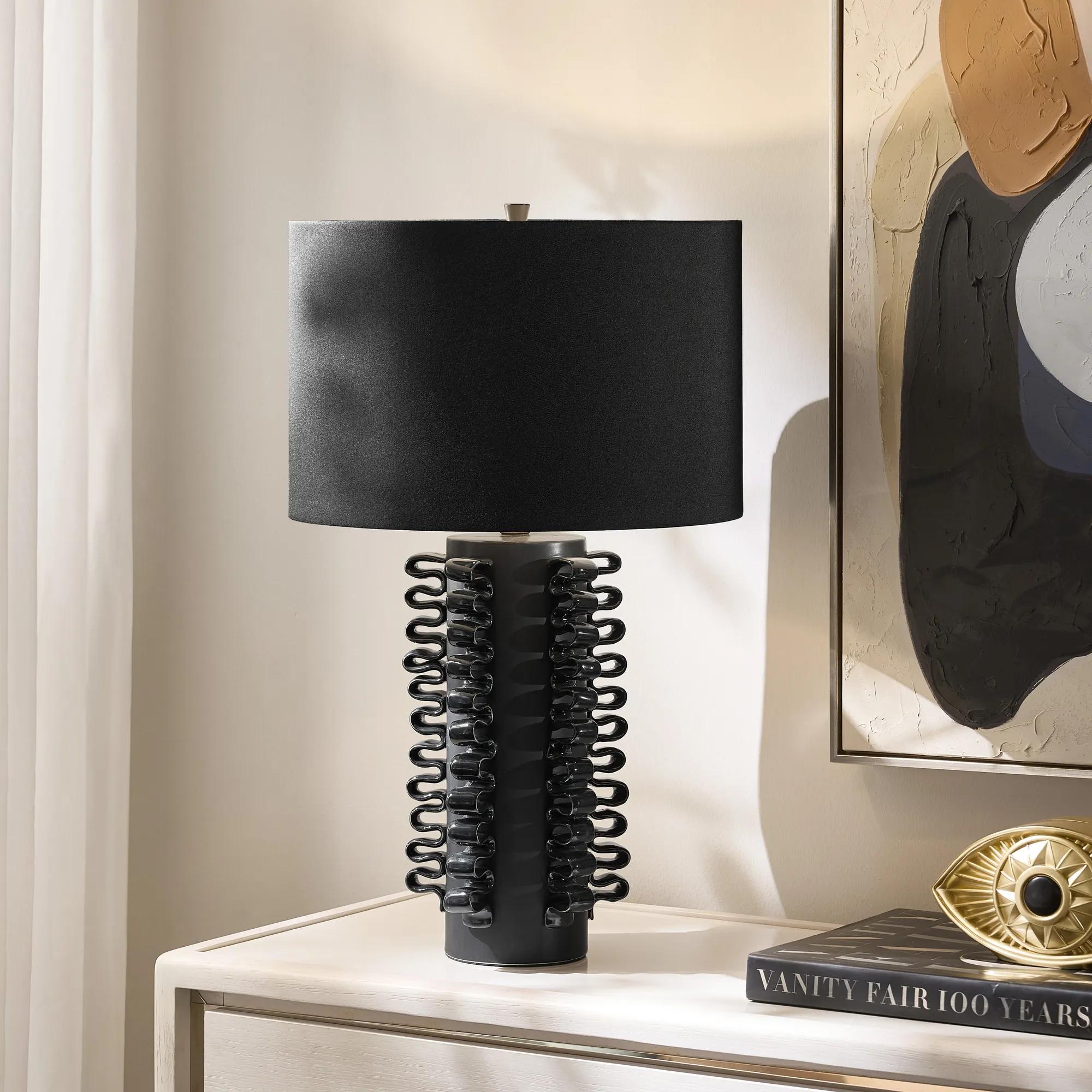 Anello Ruffle Black Ceramic Table Lamp 27"$249
A sculptural matte black ceramic lamp with glazed ribbon accents and a matching black cotton shade.
Add To Cart -
 Blair Mouth Blown Tortoise Brown Glass Table Lamp 25"$229
A mouth-blown glass lamp in a brown tortoise finish with antique brass accents and an ivory linen shade.
Add To Cart -
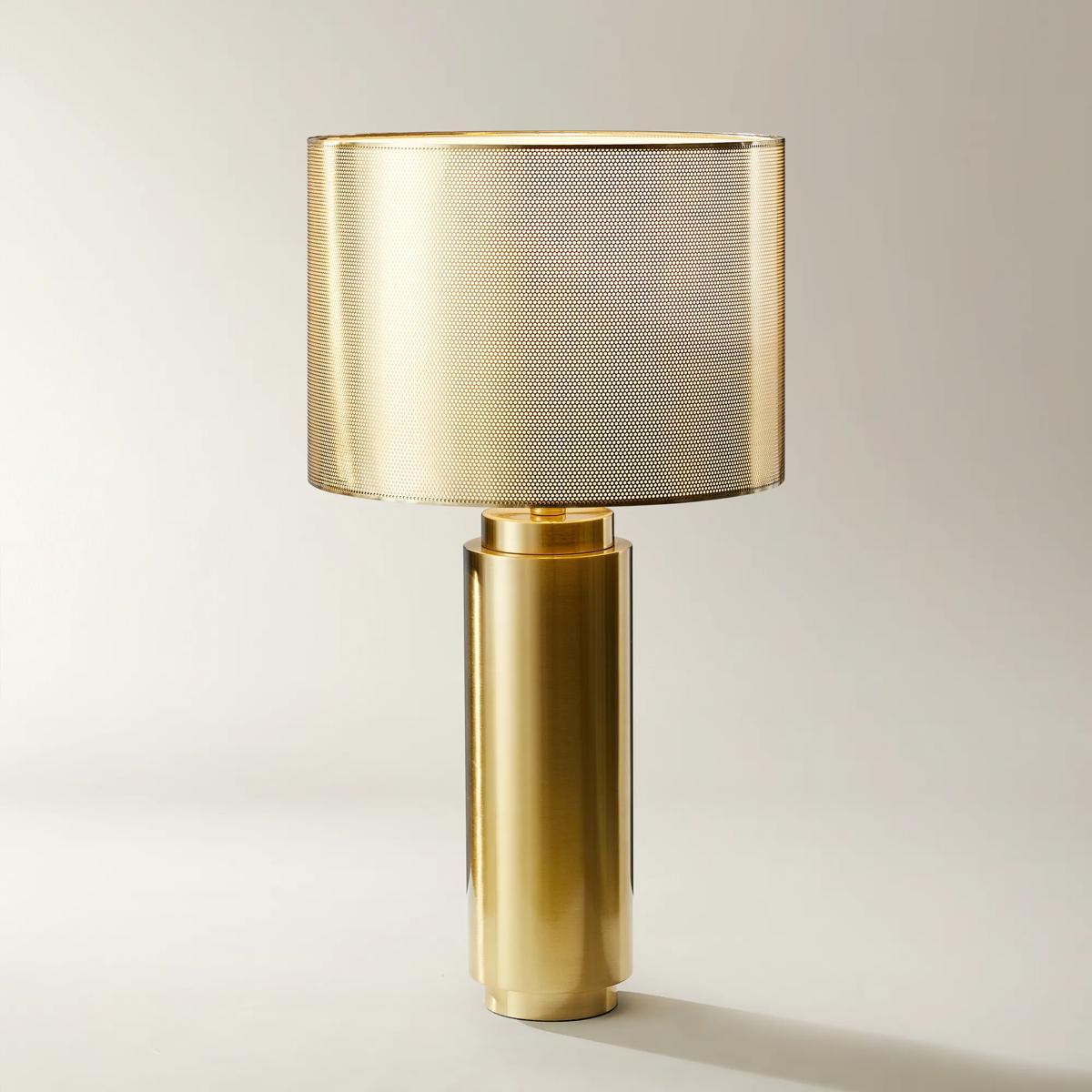
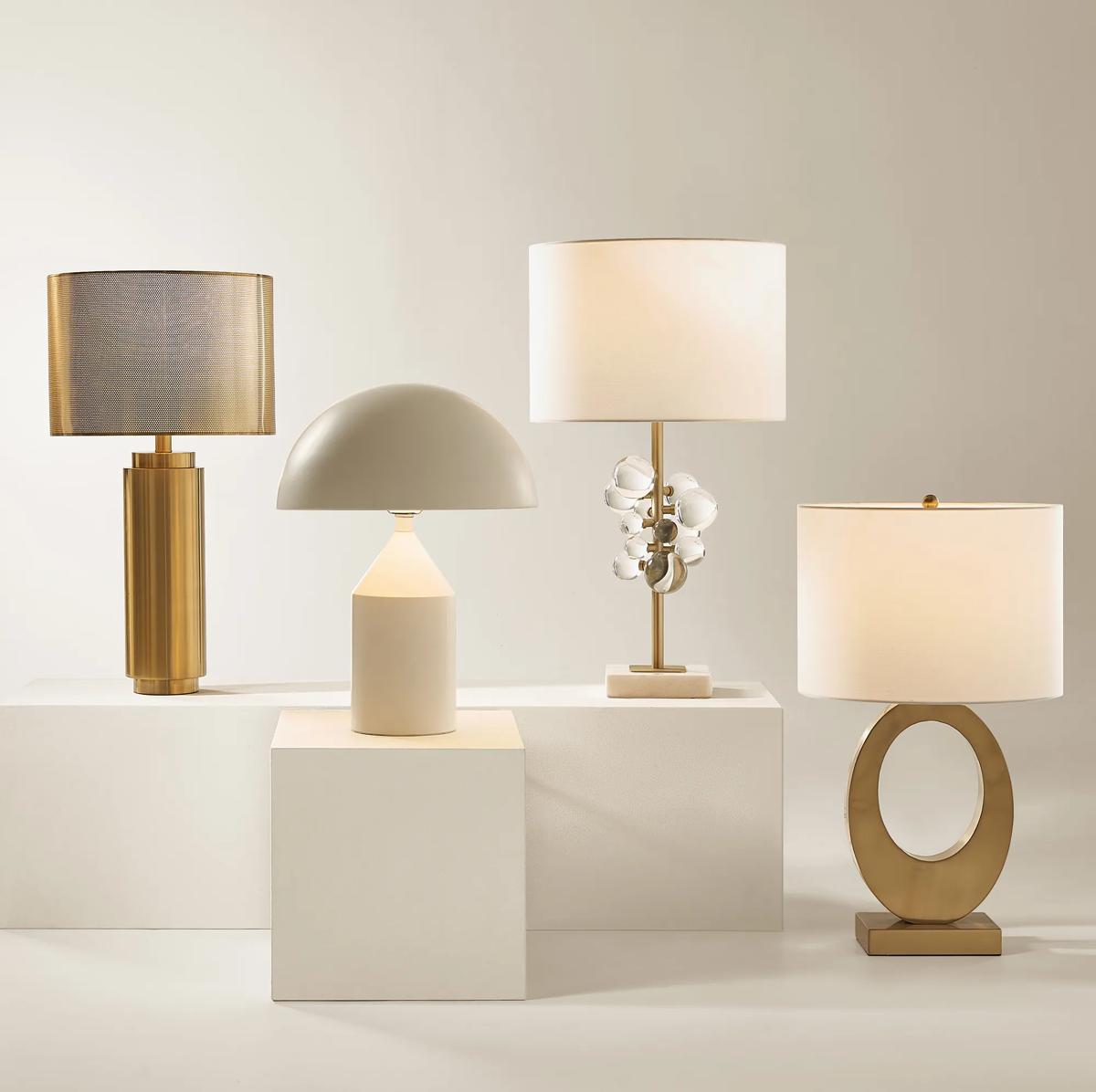 Sibyl Metal Aged Brass Finish Table Lamp 26"$399
A modern table lamp featuring an aged brass iron base and a perforated metal-over-cotton shade.
Add To Cart -
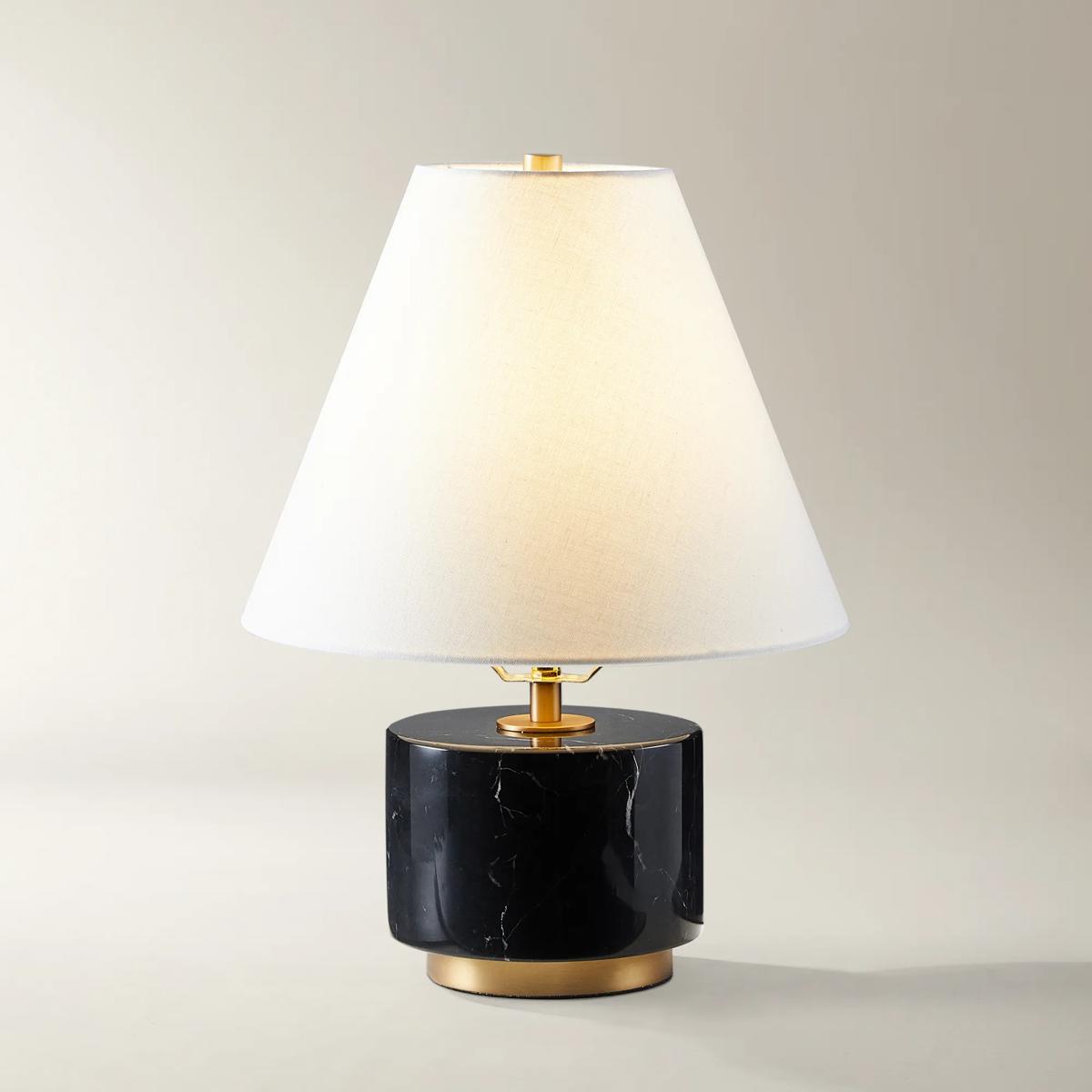
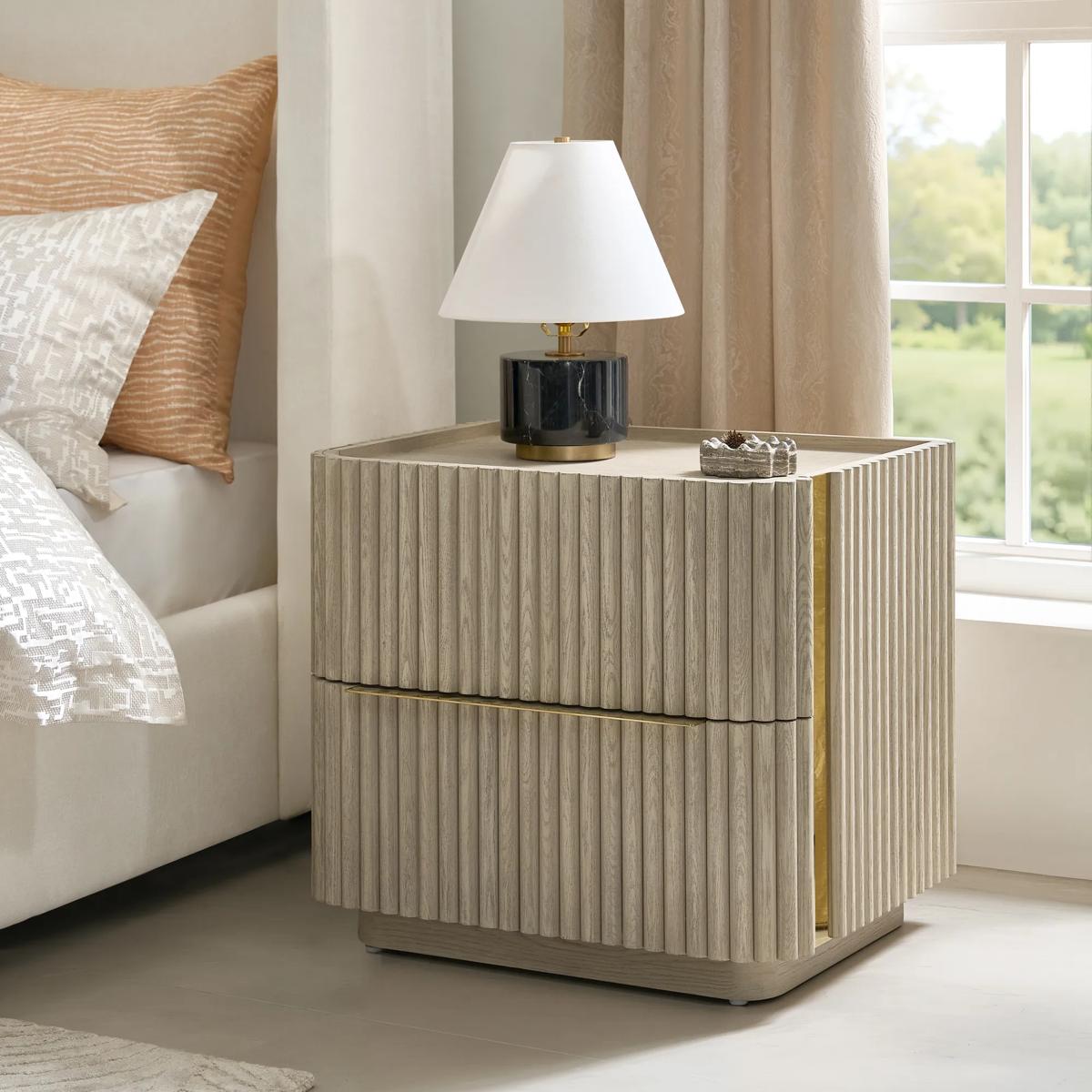 Arden Black Marble Table Lamp 14"$249
A sculptural black marble lamp with brushed brass accents and a warm white linen tapered shade.
Add To Cart -
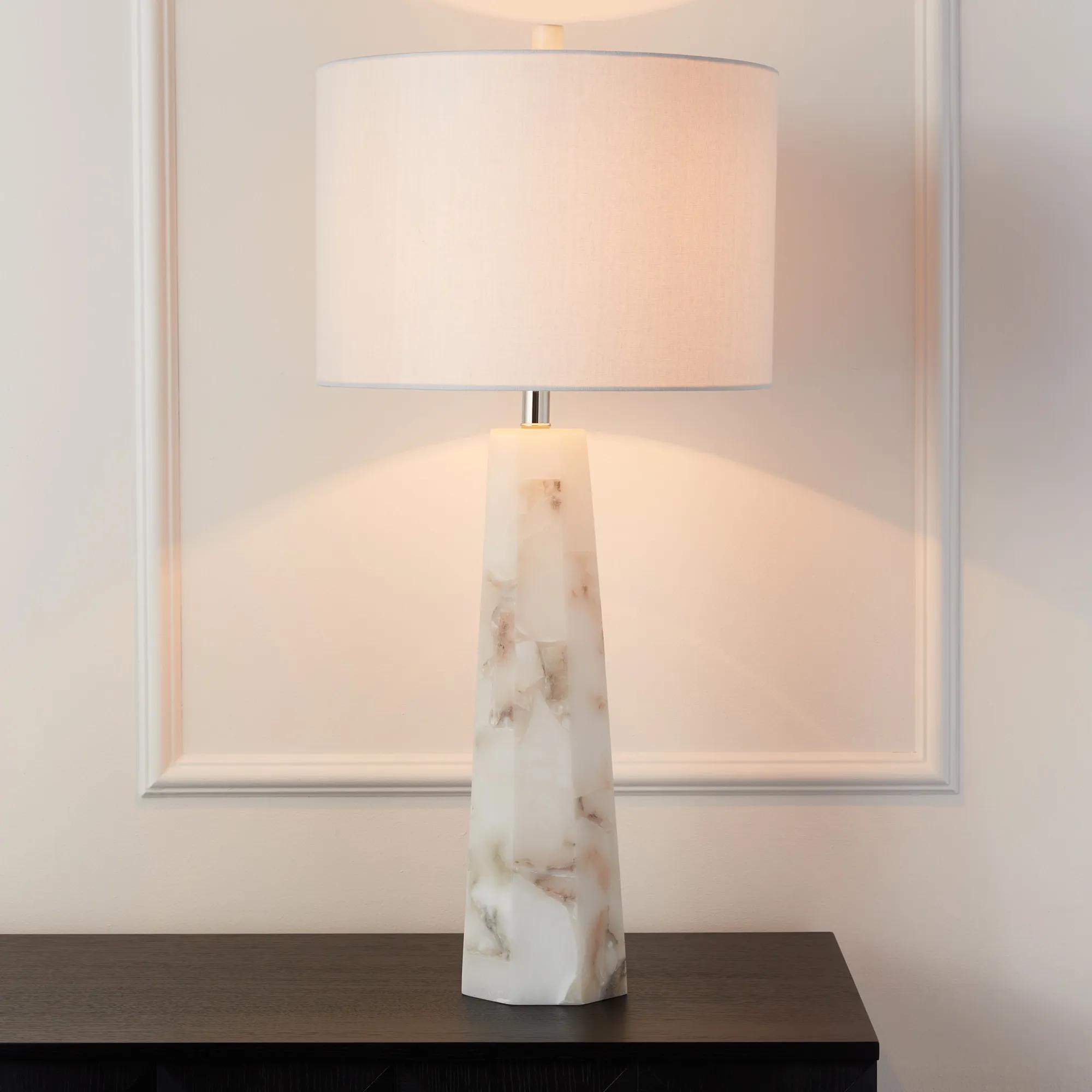 Aurora Alabaster Table Lamp 34"$499
An alabaster stone lamp with a tapered silhouette, white linen shade, and matching alabaster finial.
Add To Cart -
 Le Cube Fig Ceramic Table Lamp 18"$139
A glazed ceramic lamp in rich fig with sculpted grid texture and a matching tonal shade.
Add To Cart -

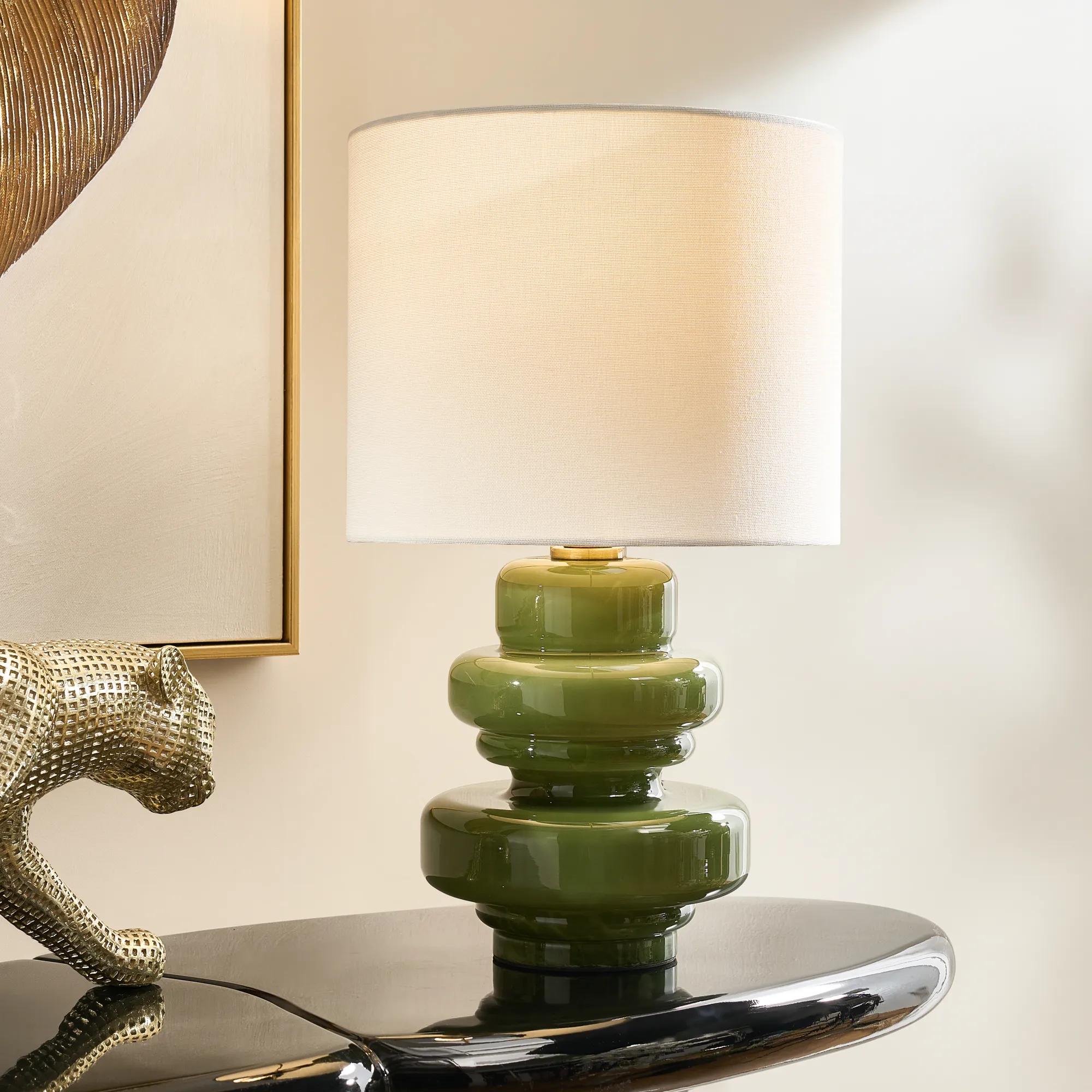 Edin Mouth Blown Pistachio Green Glass Table Lamp 17.5"$99
A sculptural table lamp featuring mouth-blown pistachio green glass and brushed nickel accents with an ivory linen shade.
Add To Cart -
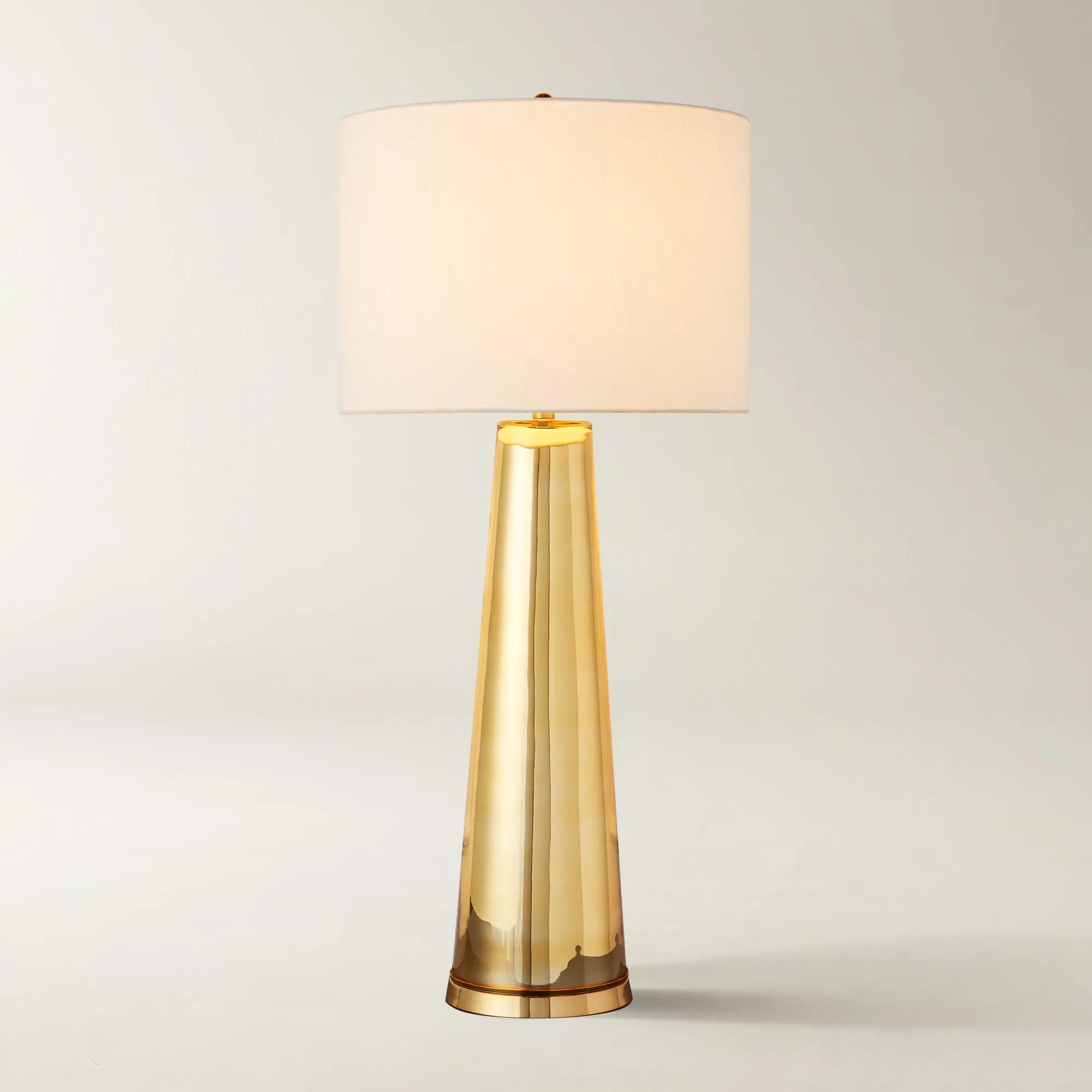
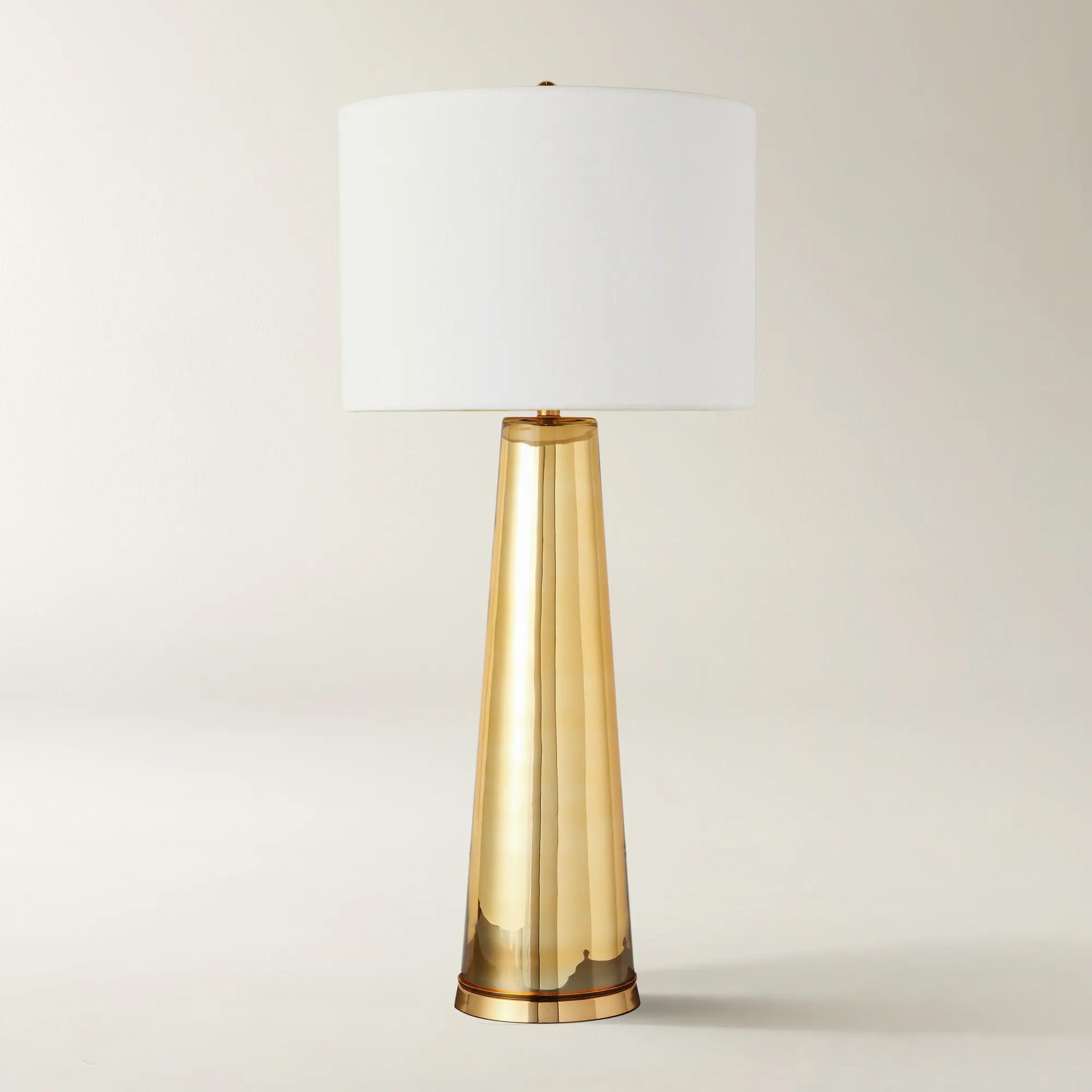 Century Gold Mirrored Glass Table Lamp 40"$299
A modern lamp featuring a mirrored glass base and white drum shade, accented with gold or silver details.
Add To Cart -
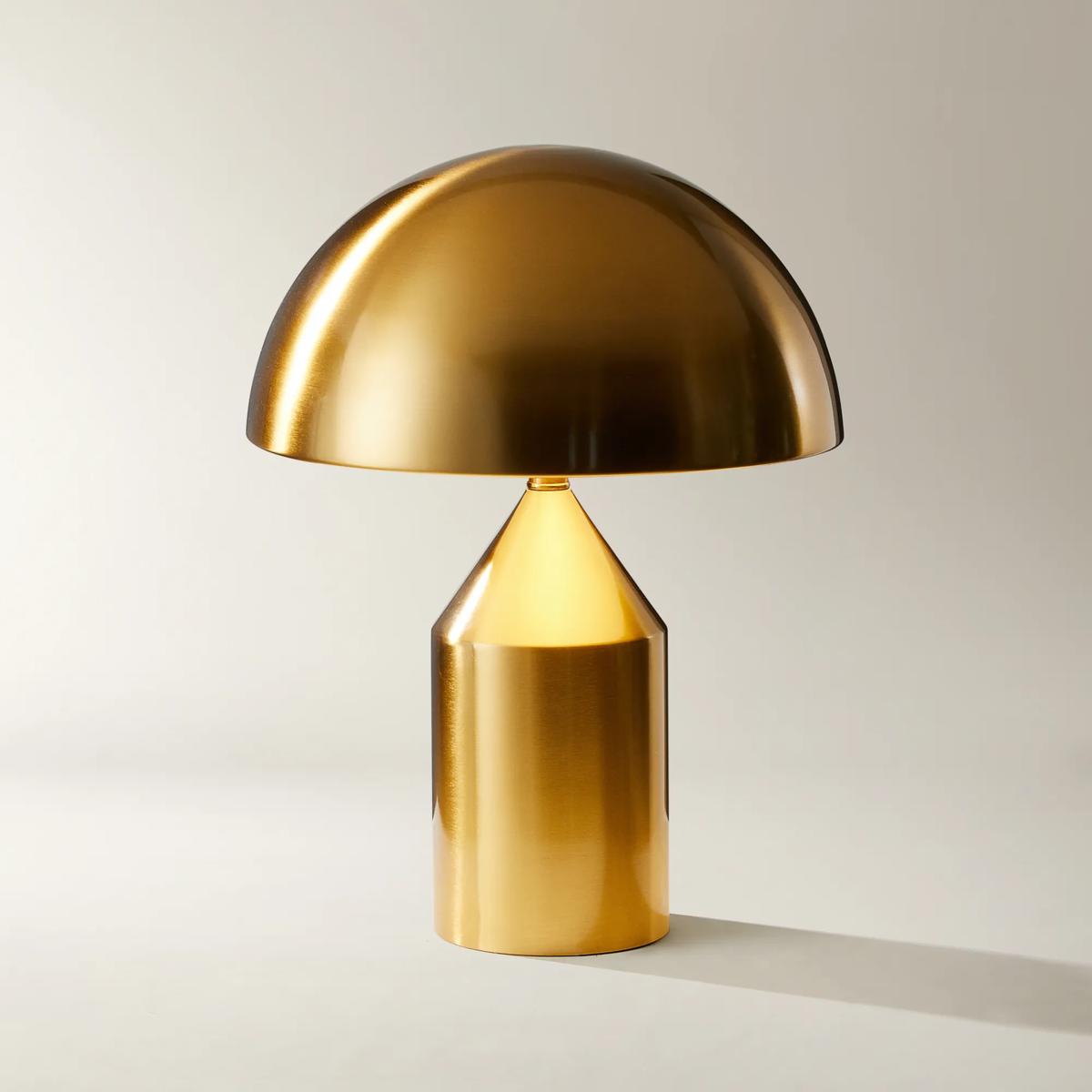 Arlen Gold Metal Table Lamp 19"$249
A modern iron table lamp in brushed gold with a bold dome shade and clean cylindrical base.
Add To Cart -
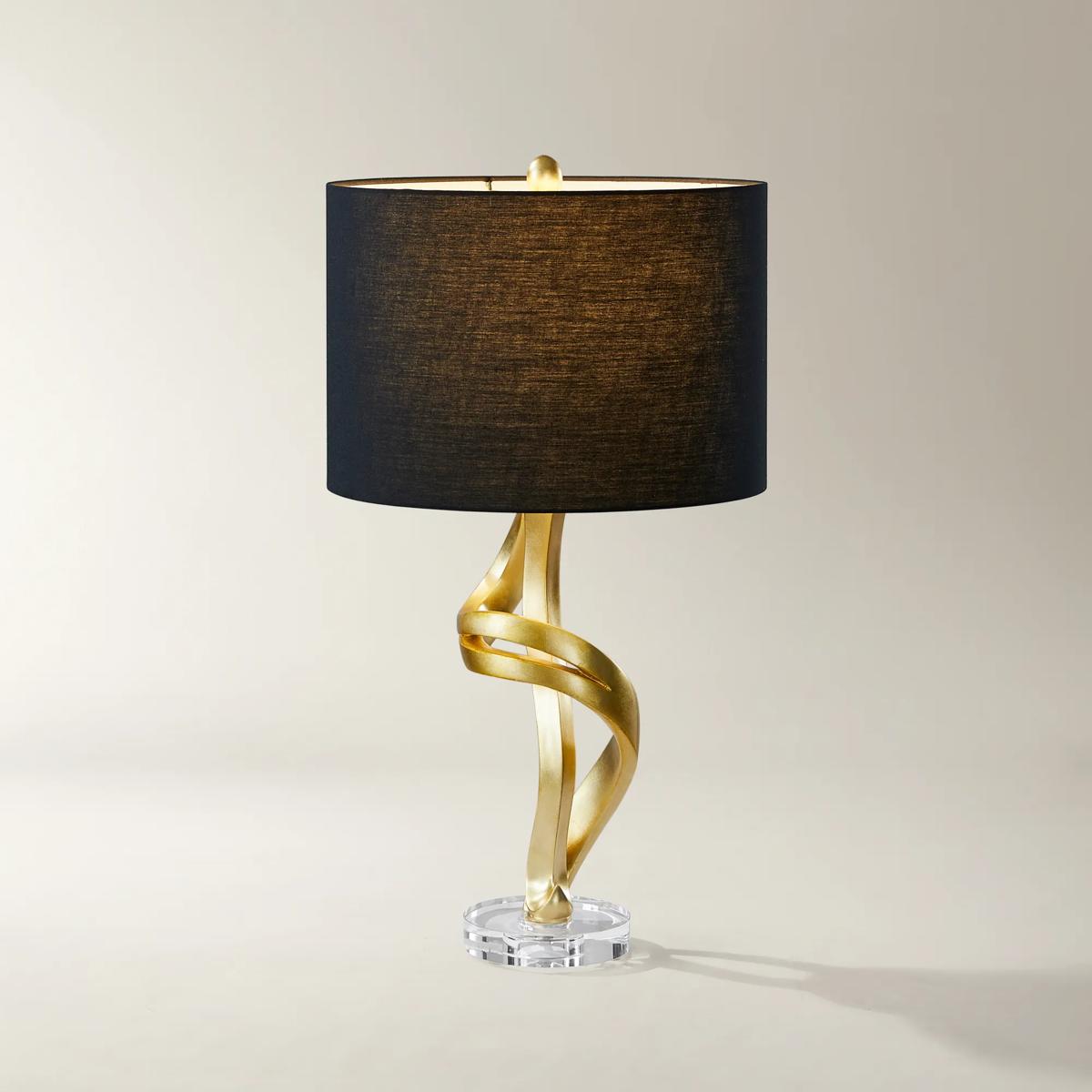
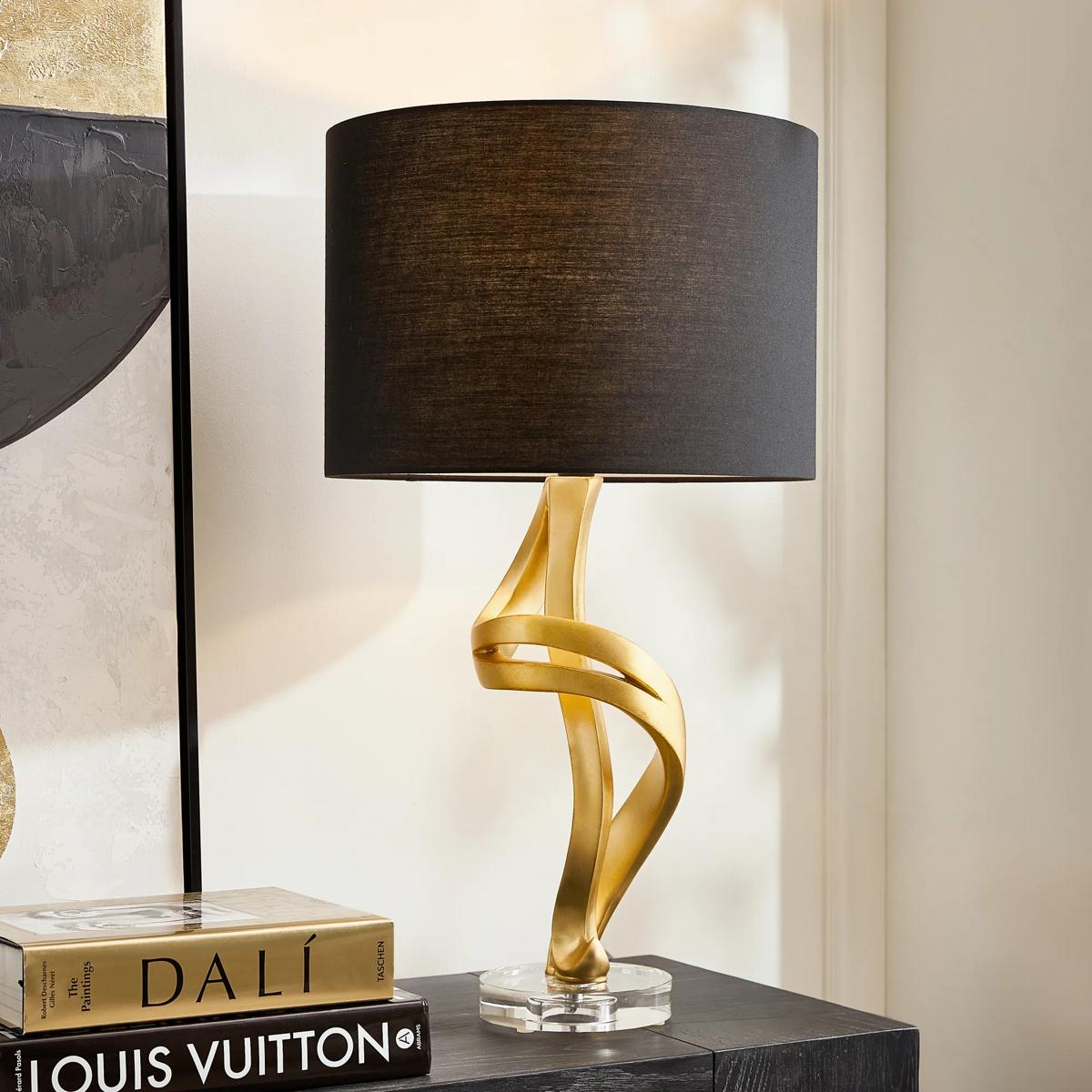 Nisa Sculptural Champagne Resin Table Lamp 28.25"$399
A sculptural resin lamp in champagne gold with a black cotton drum shade and clear acrylic base.
Add To Cart -
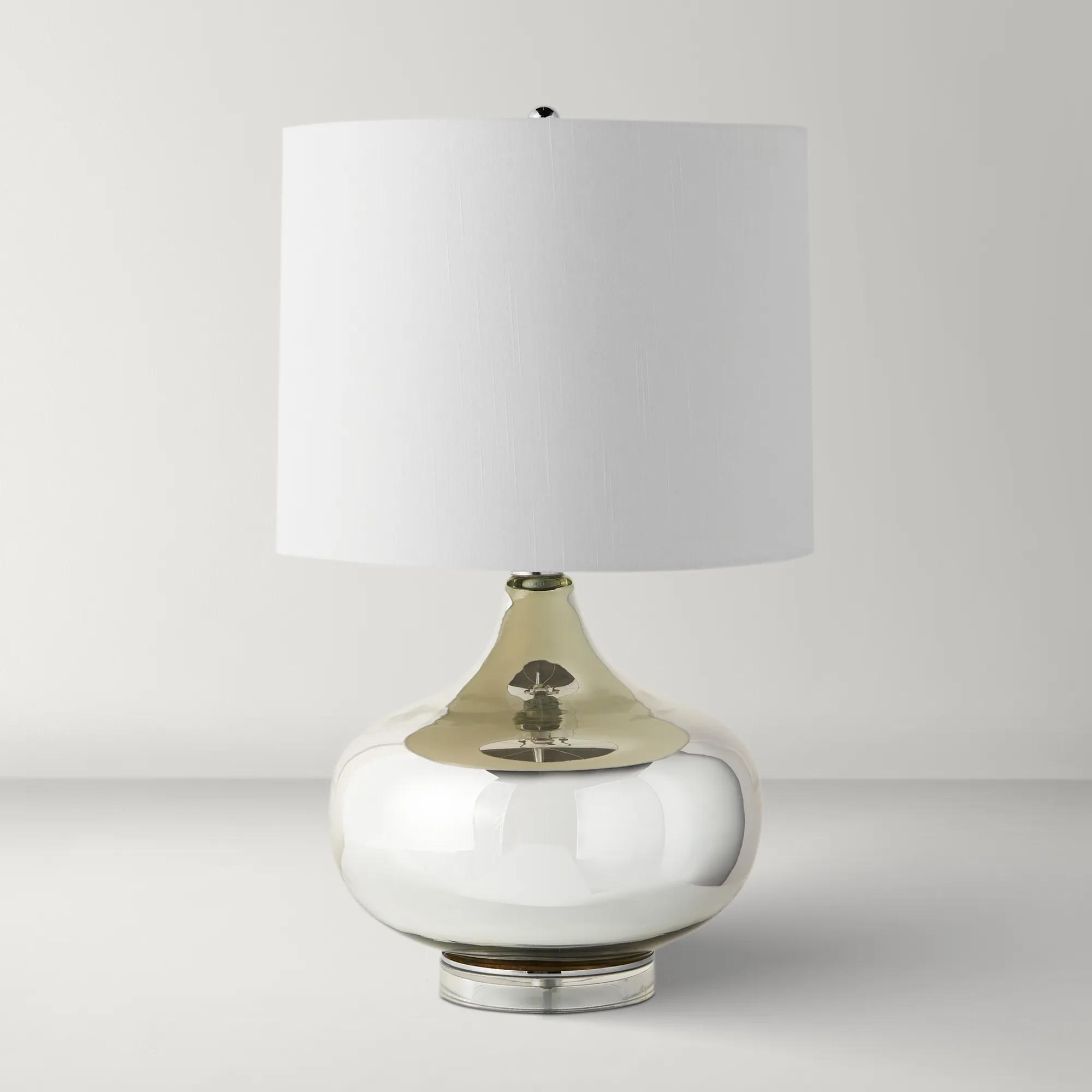 Sabrina Mirrored Silver Glass Table Lamp 27.5"$199
A contemporary lamp featuring a silver mirrored glass base, clear acrylic accents, and a white fabric shade.
Add To Cart -
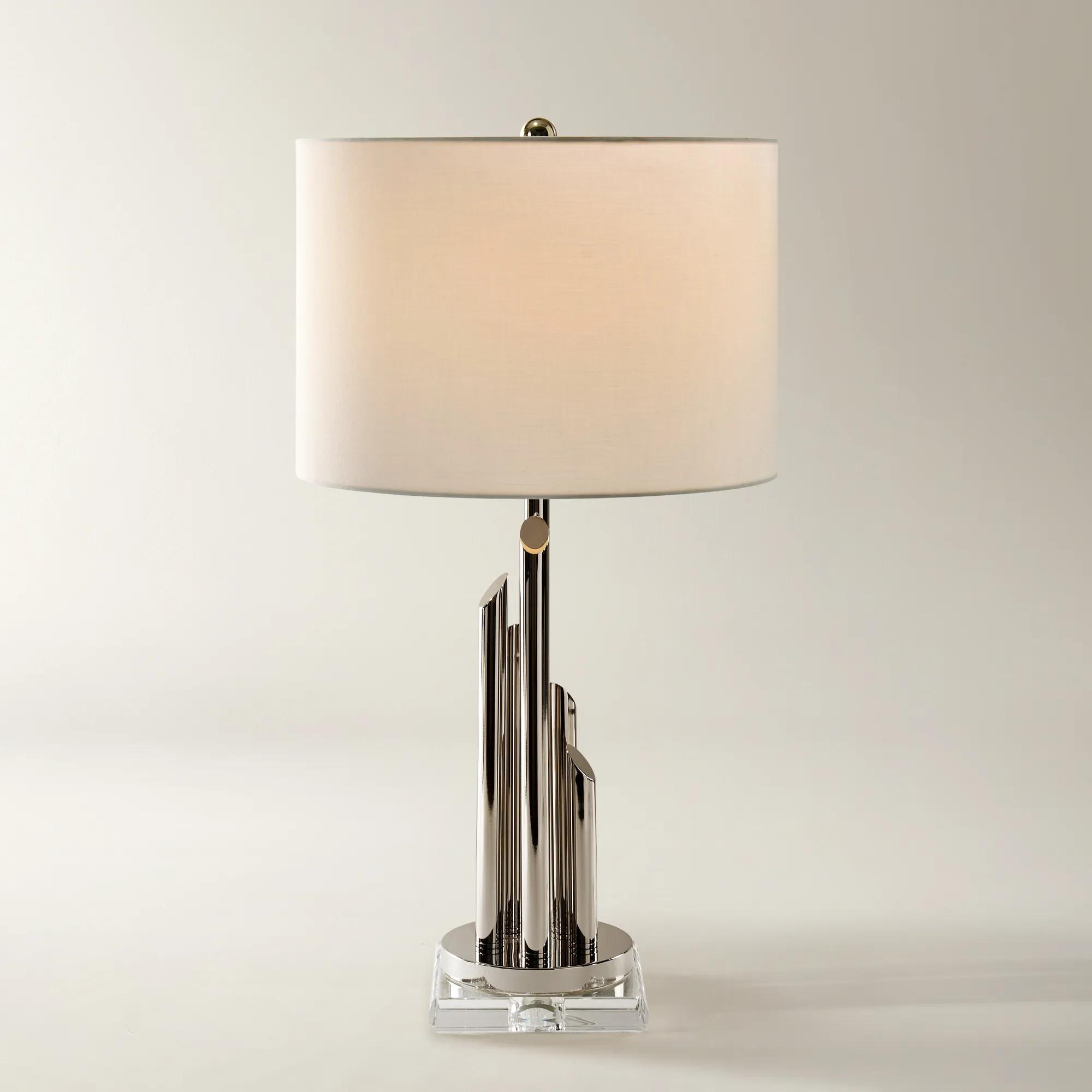
 Jagger Table Lamp$329
A modern table lamp featuring a polished nickel iron frame, clear crystal base, and white cotton drum shade.
Add To Cart -
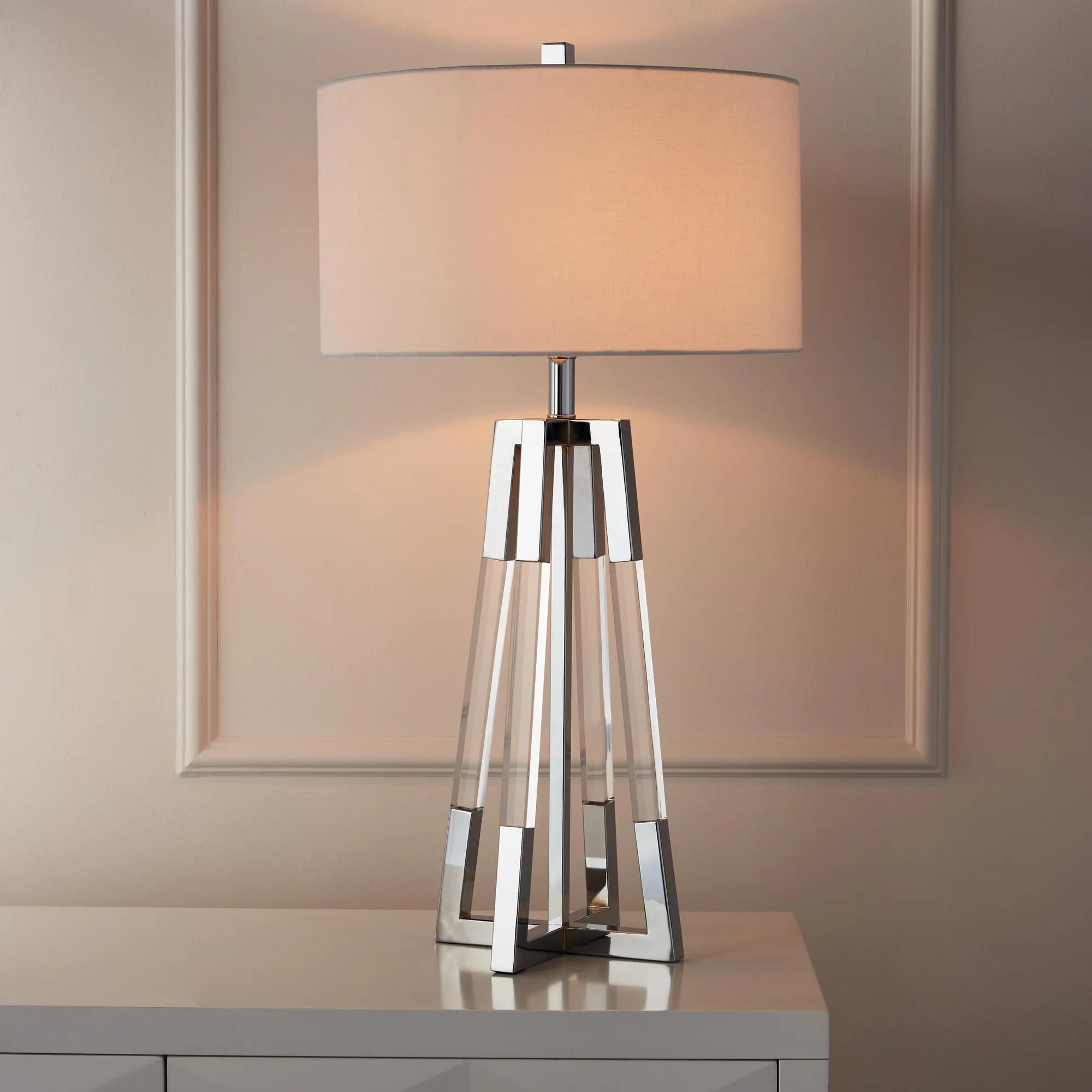 Rollins Table Lamp$439
A sophisticated table lamp featuring clear acrylic and polished nickel accents with a crisp white shade.
Add To Cart -
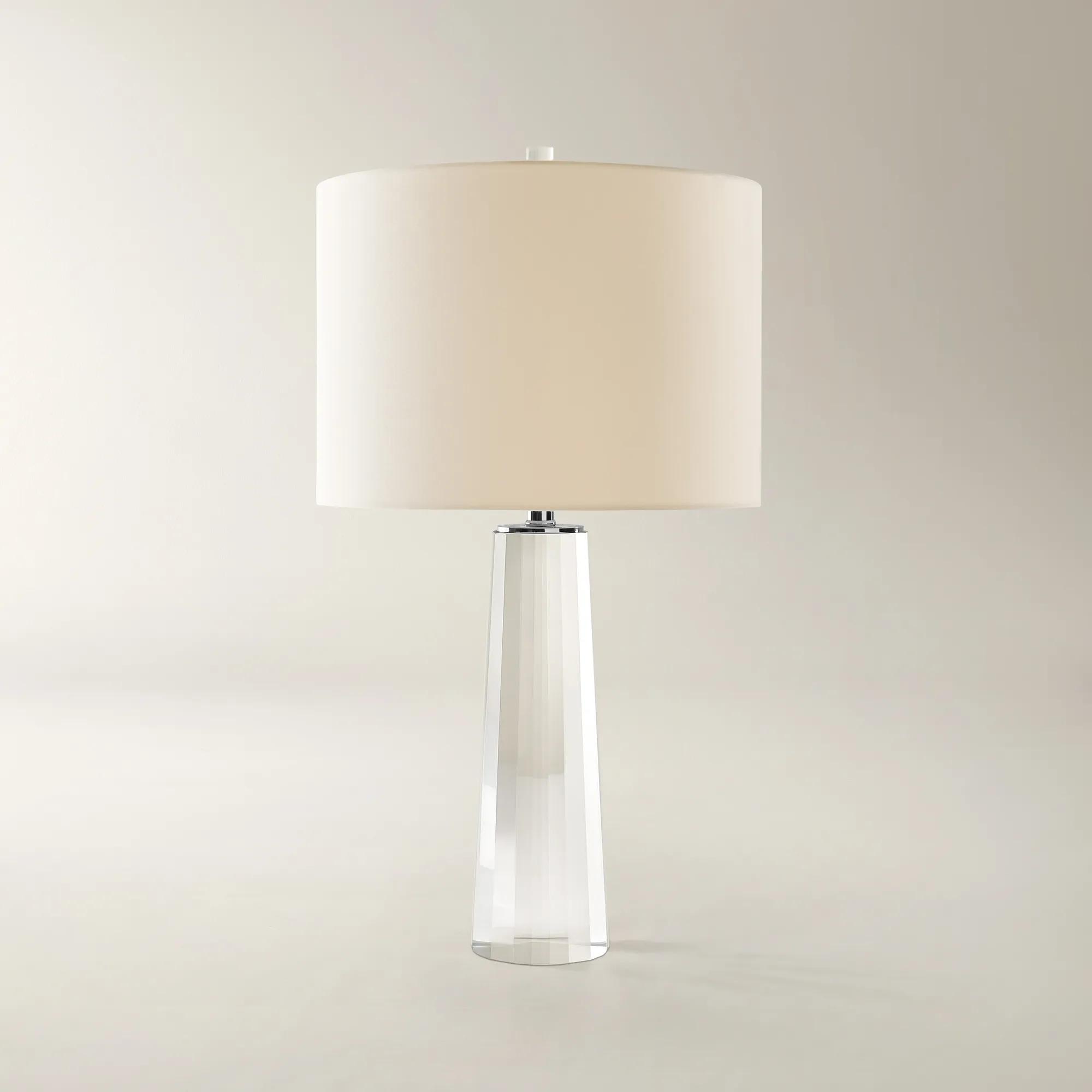
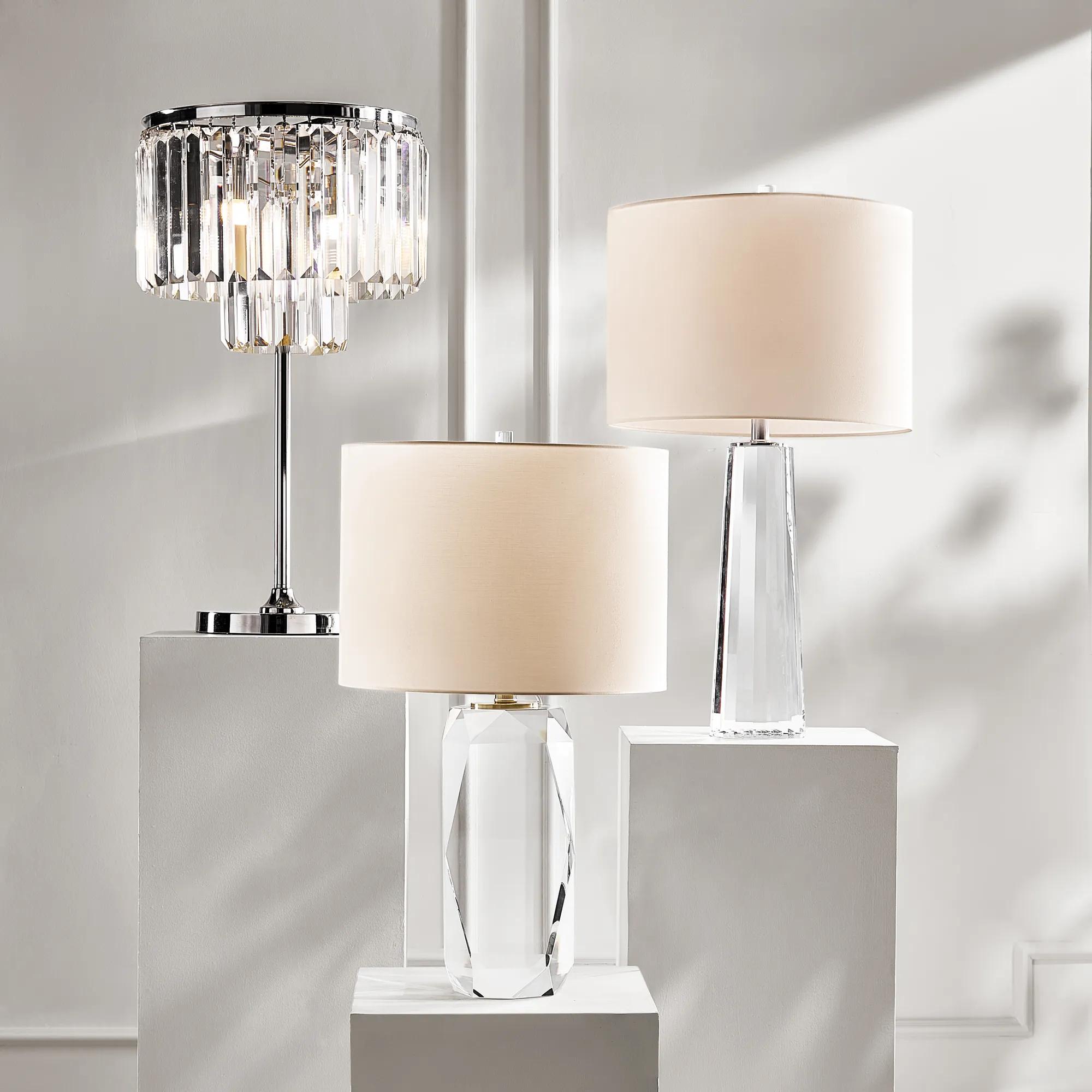 Sasha Faceted Clear K9 Crystal Table Lamp 28"$499
A refined table lamp featuring a clear crystal base, white drum shade, and polished nickel accents.
Add To Cart

Table Lamps With Clear Cords
Illuminate your world with table lamps with clear cords—where artistry meets intention in every luminous detail. These radiant accents are designed to captivate, casting a sculptural glow while allowing your décor to take center stage. The nearly invisible cords create a sense of effortless elegance, letting each lamp float like a jewel atop your side tables and consoles. Perfect for those who crave clarity and sophistication, these table lamps transform ordinary moments into scenes of pure enchantment, ensuring that every corner of your home is aglow with possibility.
Table lamps with clear cords use a transparent outer covering around their electrical wiring to make the power cord less visually prominent. The wiring may still be visible, but the clear covering can create less contrast than an opaque cord against pale walls, glass furniture, and reflective finishes. That small detail matters in a carefully composed room: a sculptural lamp should command attention for its silhouette and glow, not for a dark line trailing behind the table. Clear cords are especially complementary to glass and crystal bases, where transparency is part of the design, yet they can also provide a discreet finish for lamps made from ceramic, metal, or resin. A clear cord and a clear base are separate features; a transparent lamp body does not automatically mean the electrical cord is clear. Together, these details can preserve the airy appearance of a bedside arrangement, an entryway console, or a living room vignette layered with polished objects. Picture a faceted base catching light beside a velvet sofa, or a luminous ceramic form resting on a lacquered chest. A less conspicuous cord allows those textures and reflections to remain the focus. Shade materials bring another dimension to the composition. Linen and other woven fabrics can lend visible texture to the glow, while a smooth, pale shade creates a crisp contrast with an ornate base. An opaque shade directs more light above and below, producing a different effect from a translucent fabric that allows light through its sides. The result depends on the entire lamp, not the cord alone: the proportions of the base, the shape of the shade, and the character of the bulb all contribute to its presence. For interiors with generous ornament, a discreet cord keeps the arrangement from feeling visually crowded. For rooms built around a few dramatic furnishings, it helps preserve the distinction of each piece.
Scale gives table lamps their confidence, particularly when they share a surface with artwork, books, or decorative objects. A substantial base can hold its own on a broad console, while a narrower silhouette leaves more room on a compact nightstand for a book and a glass of water. The shade deserves as much attention as the base: a sweeping drum may look beautifully proportioned in an open living area yet extend awkwardly beyond a shallow bedside table. Overall height also influences comfort. Beside a sofa or reading chair, a shade positioned to shield the bulb from a seated view helps reduce direct glare, while the lamp’s light output determines how comfortably the space supports reading. On a nightstand, the relationship between mattress height, tabletop height, and the shade matters more than any single universal measurement. Table lamps with clear cords can serve as decorative accents, reading lights, or part of a layered lighting arrangement, but their performance depends on the fixture’s specifications. A translucent shade generally contributes more ambient light than a heavily lined or opaque one. Bulb compatibility, maximum wattage, and socket type should match the manufacturer’s requirements; dimming and three-way operation are features to confirm rather than assume. Warm-white light often flatters plush upholstery and warm metallic finishes, while the right brightness keeps an intimate setting from becoming too dim for its intended use. Cord length is another practical distinction. Enough reach allows a lamp to sit where it belongs without pulling the cord taut, though a transparent covering does not make exposed wiring disappear or eliminate a trip hazard. A route behind furniture, clear of walkways and pinch points, preserves both the room’s composition and everyday comfort. Convenient switch placement matters, too, especially when the lamp will be used from bed or an upholstered chair. These details allow a striking design to feel as considered in use as it looks across the room.
Materials and construction shape how gracefully a lamp lives with daily use. Glass and crystal can introduce brilliance and visual depth, but they benefit from a secure surface away from busy edges where a passing bag or sleeve could catch the shade. Ceramic offers expressive possibilities, from smooth glazed curves to richly textured forms, while metal can lend architectural definition through slender profiles or bold sculptural volumes. The finish determines much of the care: polished surfaces may show fingerprints, textured details can collect dust, and fabric shades need gentle attention to retain their appearance. Manufacturer-specific care directions take priority, particularly for plated metals, specialty coatings, and delicate shade fabrics. With the lamp unplugged and cool, light dusting with a soft cloth is often appropriate for the base; liquid cleaners should never be sprayed toward sockets, switches, or electrical components. Clear cords also deserve occasional inspection, since transparency is a visual feature rather than a promise of greater electrical durability. Fraying, cracking, or other damage calls for the lamp to be taken out of use until properly assessed or repaired. A stable base and a well-secured shade support lasting enjoyment, especially on frequently used side tables. In more intimate settings, clear base table lamps for bedrooms extend this interplay of transparency and illumination, allowing bedding, wall treatments, and bedside accessories to retain their richness without adding visual weight. A pair can establish a balanced frame around a bed, while a single expressive lamp gives an asymmetrical arrangement its own assured character. For a housewarming or wedding gift, a table lamp can be a meaningful choice when the recipient’s room dimensions, preferred finishes, and lighting needs are familiar. The most successful choice feels personal rather than prescribed: a source of useful light, an object with artistic presence, and a detail that makes the surrounding space feel fully realized.
FAQs
Table lamps with clear cords are exceptionally versatile, complementing a range of design aesthetics from modern minimalism to glamorous maximalism. Their subtle wiring allows them to blend seamlessly into contemporary, industrial, or even classic interiors, ensuring the lamp's form and finish remain the star of your decor.
Clear cords virtually disappear against most surfaces, creating an uninterrupted visual flow. This design detail allows the lamp itself—whether it's crafted from glass, metal, or ceramic—to command attention, making your lighting choice a true statement piece within your space.
Absolutely. Table lamps with clear cords make thoughtful, sophisticated gifts for housewarmings, weddings, or milestone celebrations. Their universal appeal and ability to complement any decor style make them a luxurious yet practical present for design enthusiasts and new homeowners alike.
Consider placing your table lamp with a clear cord on mirrored or glass-topped surfaces to amplify its luminous effect. Pair it with a clear lamp shade for an ethereal, airy look, or use it to anchor a bold vignette with layered textures and metallic accents for added drama.
Clear cords minimize visual distractions, allowing surfaces to remain uncluttered and polished. This subtle feature is especially valuable in open-concept spaces or rooms where every detail matters, ensuring your carefully curated decor remains the focal point.