Summer Home Window Curtains
Summer Home Window Curtains
-
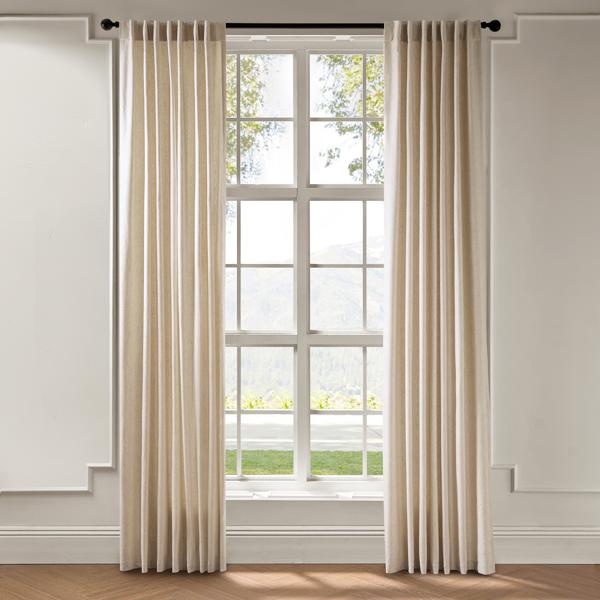
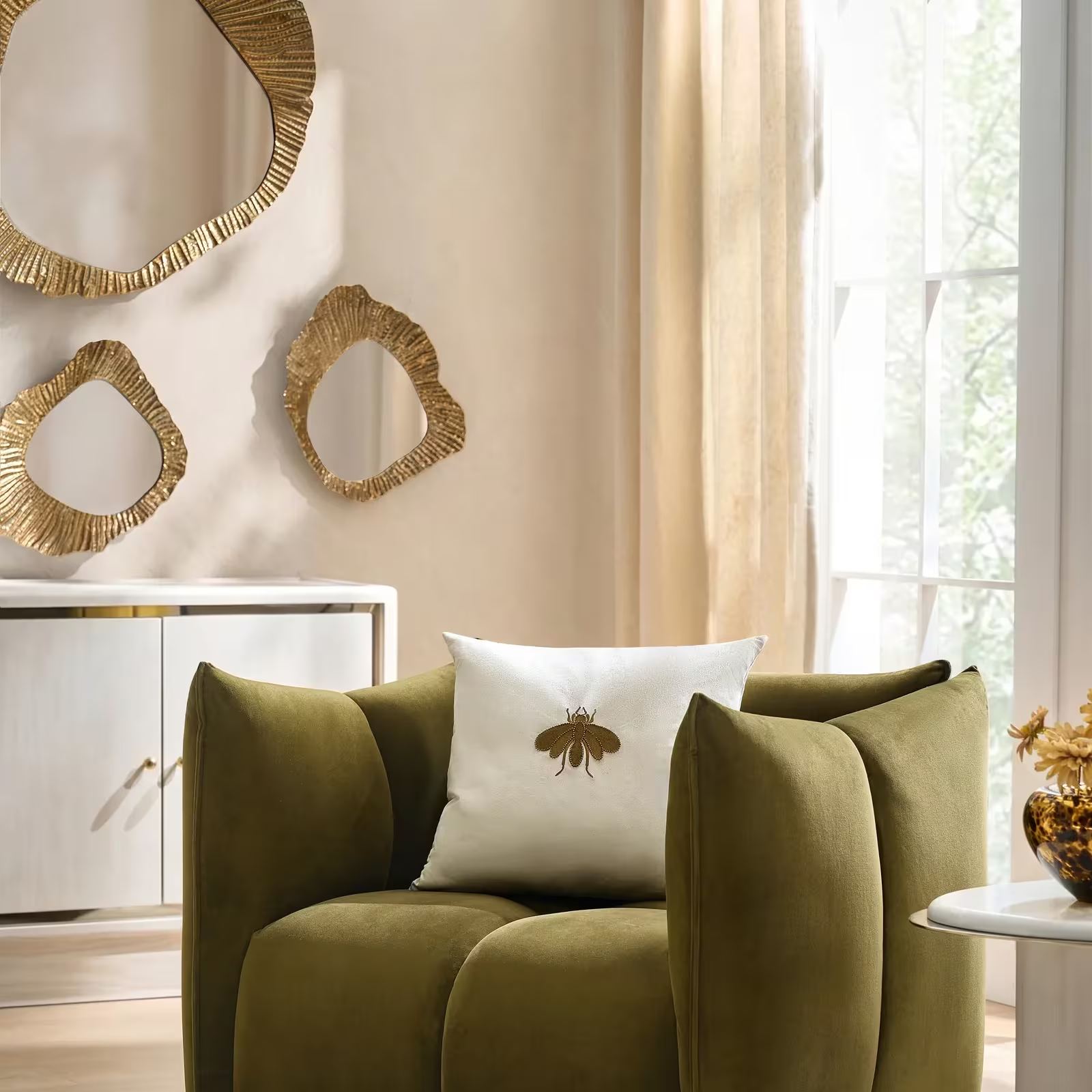 Anson Ivory Textured Window Curtain Panel$109
An elegant ivory curtain with a crushed, light-reflective texture and versatile dual hanging options.
Add To Cart -
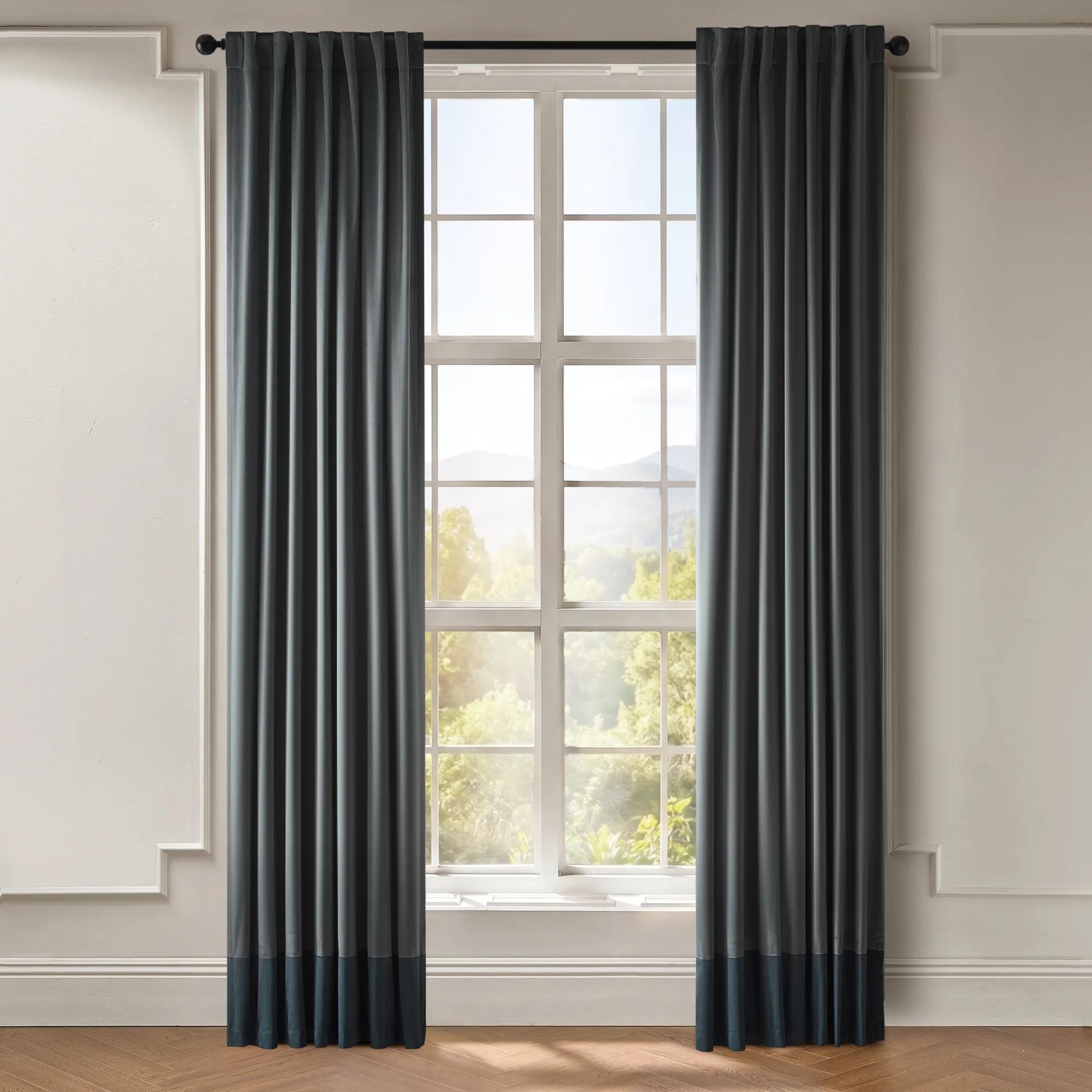
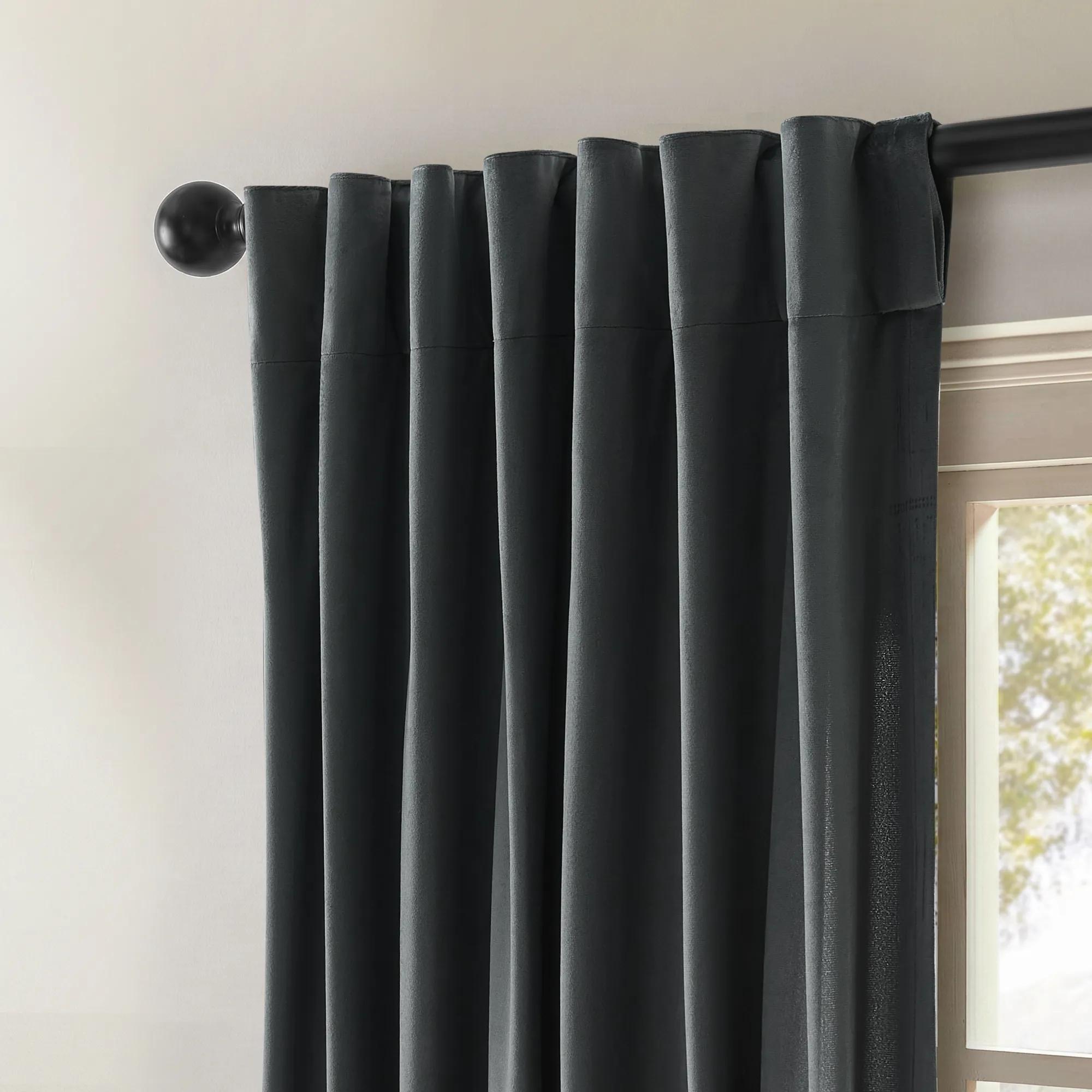 Bastien Blue/Midnight Velvet Border Window Curtain Panel$109
A two-tone dusty blue and midnight blue velvet curtain panel with room-darkening design and dual hanging options.
Add To Cart -
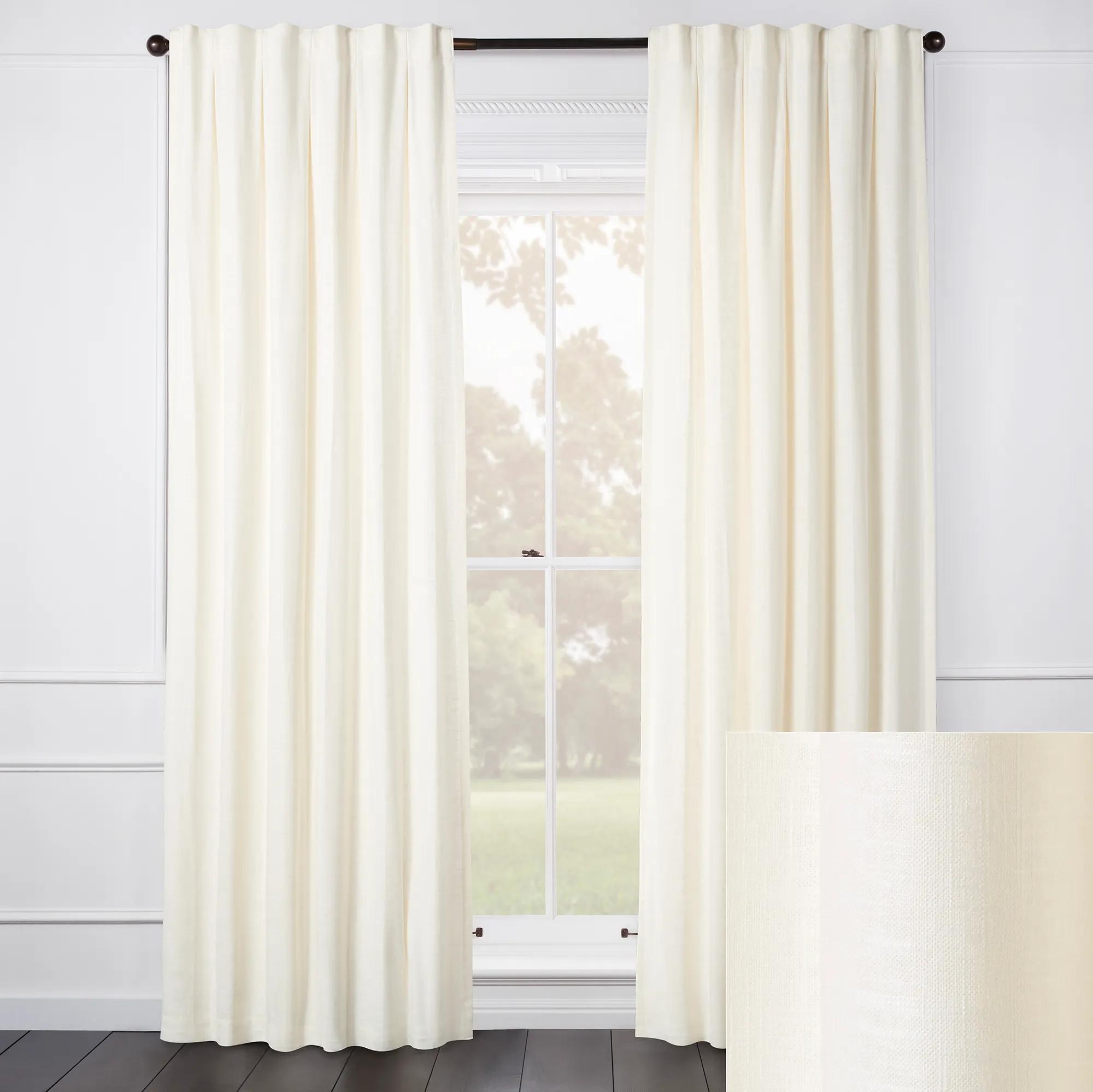
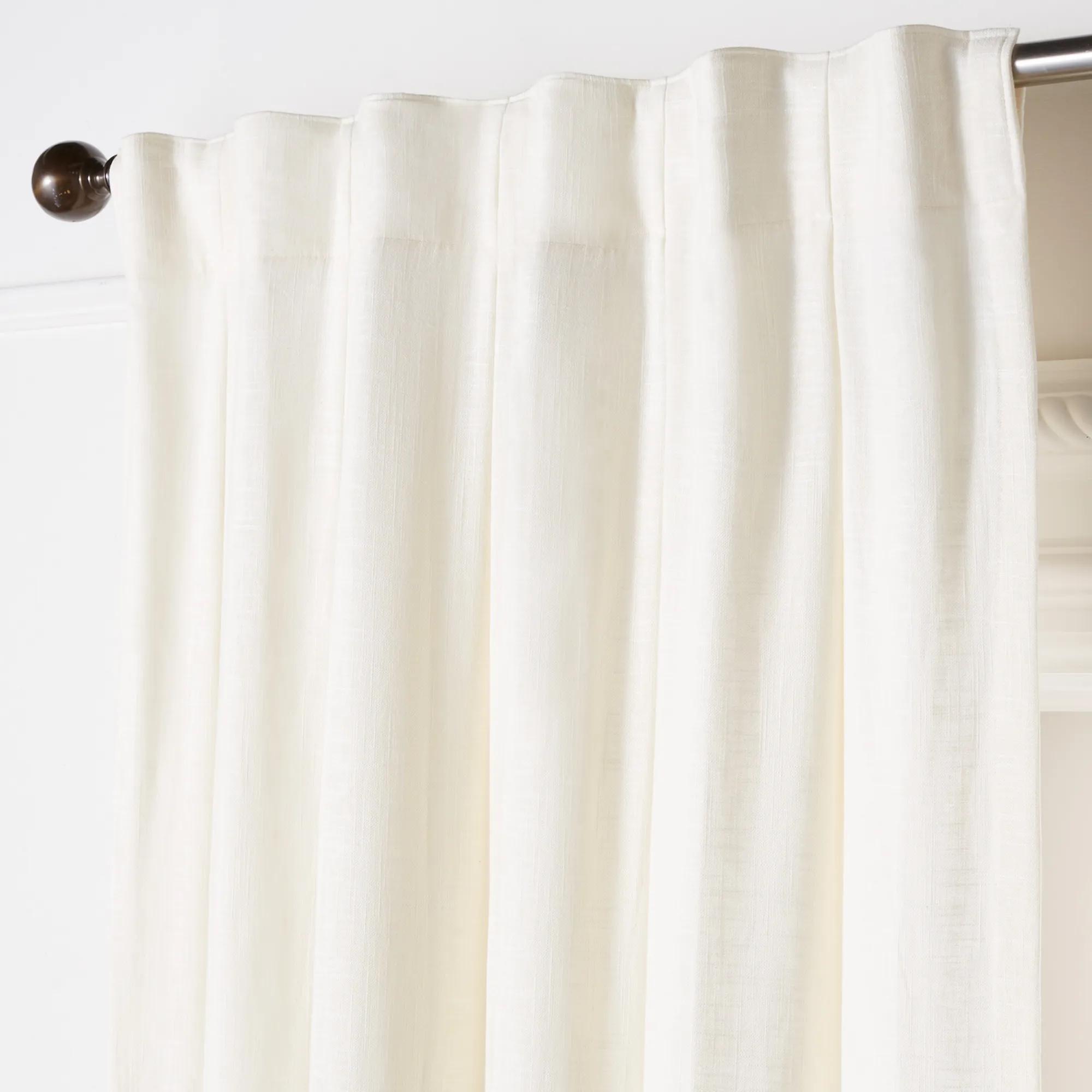 Audrey Linen Ivory Curtain - Custom$269
An ivory linen-blend curtain panel with lining, offering customizable lengths and two elegant header styles.
Add To Cart -
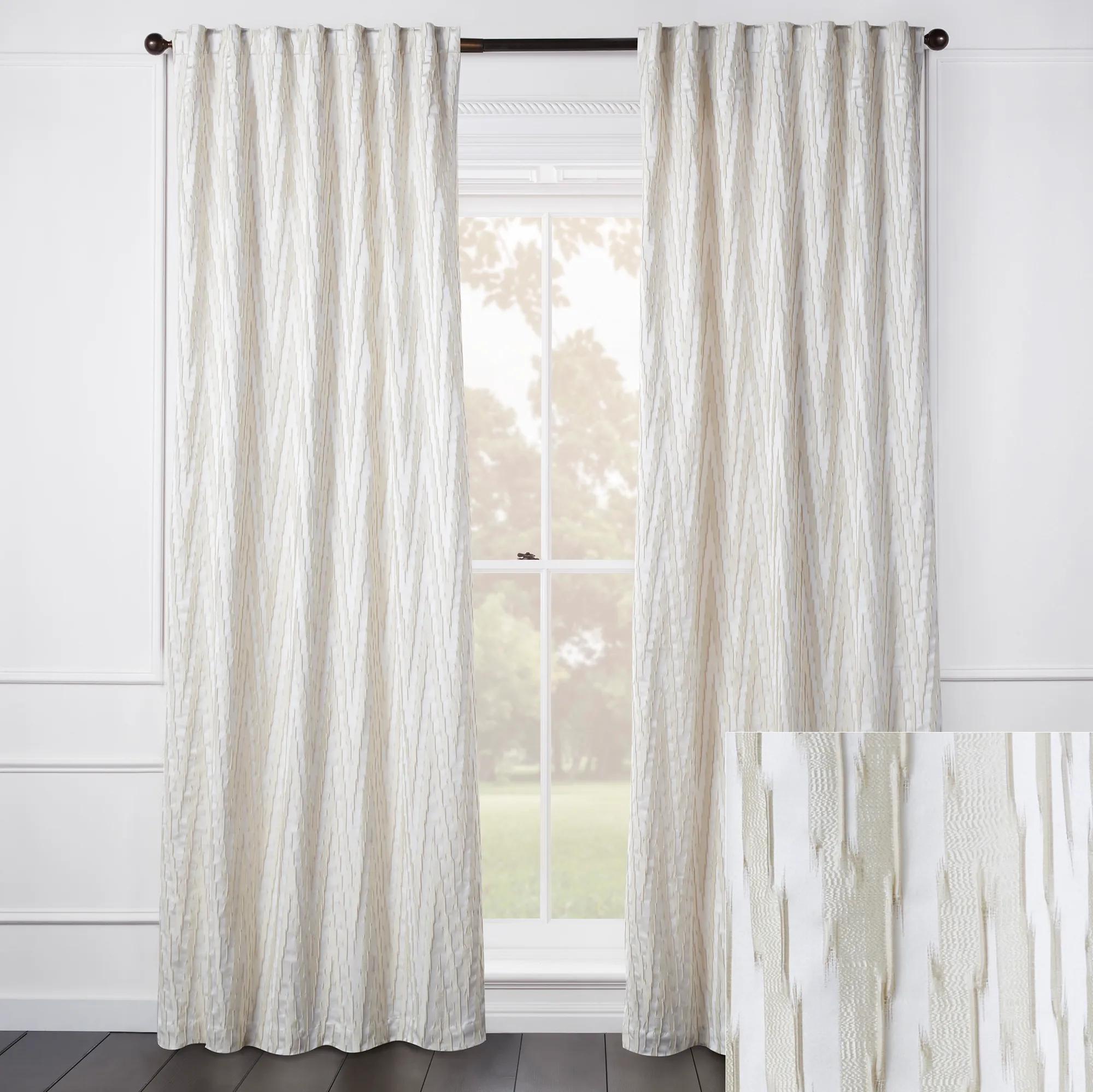
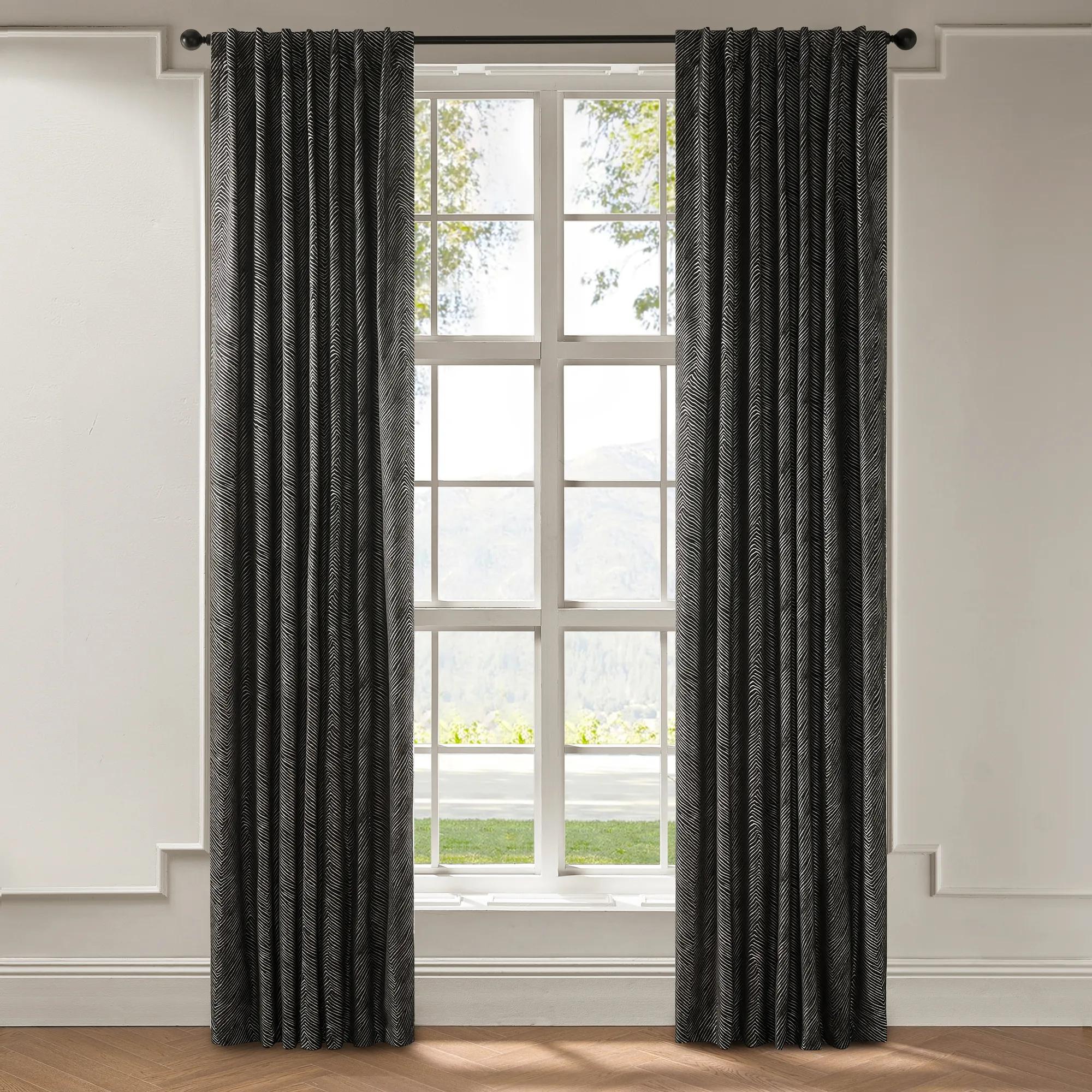
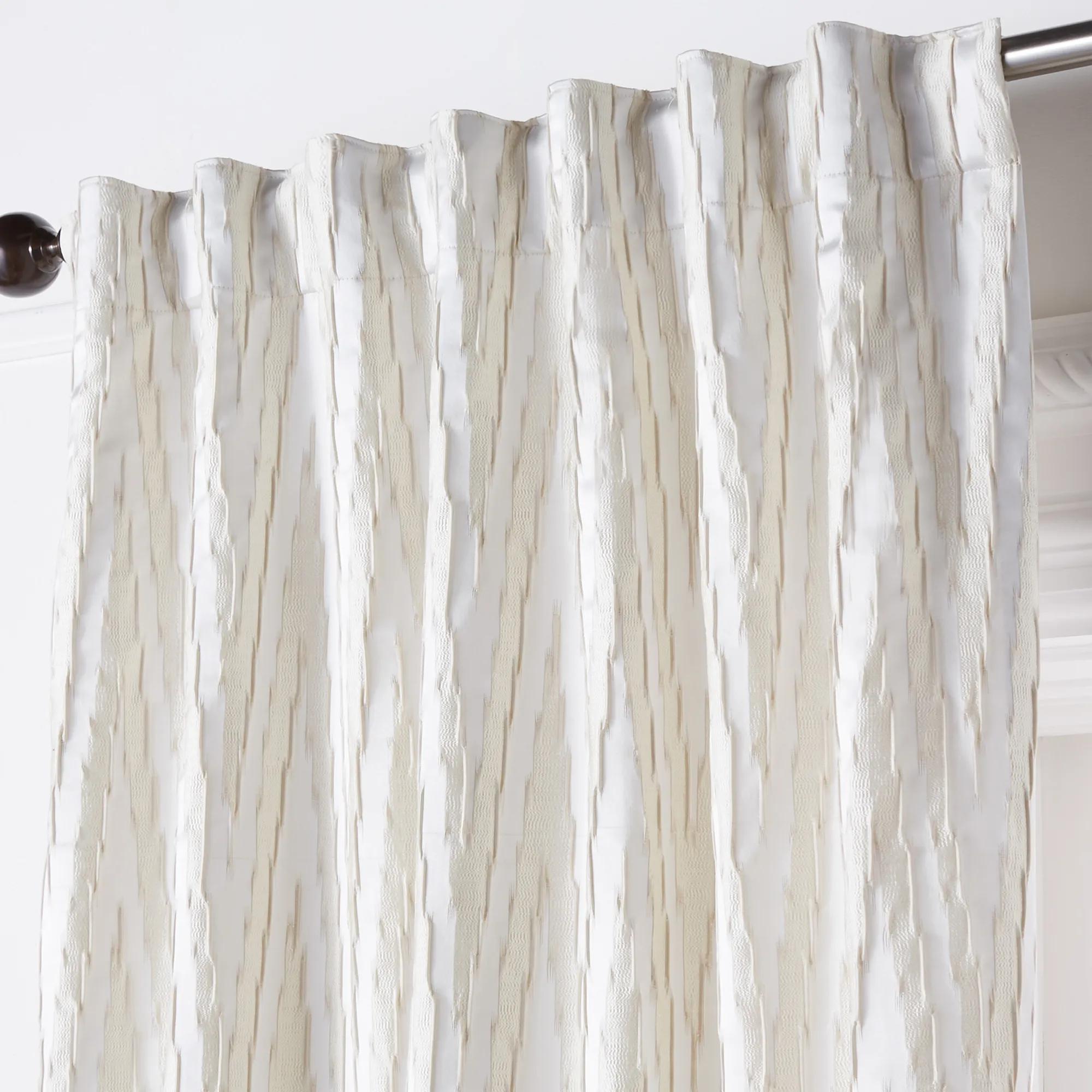 Minka Jacquard Pearl Window Curtain Panel Custom$319
A highly textured chevron curtain panel in pearl, grey, or natural polyester with customizable hanging options.
Add To Cart -
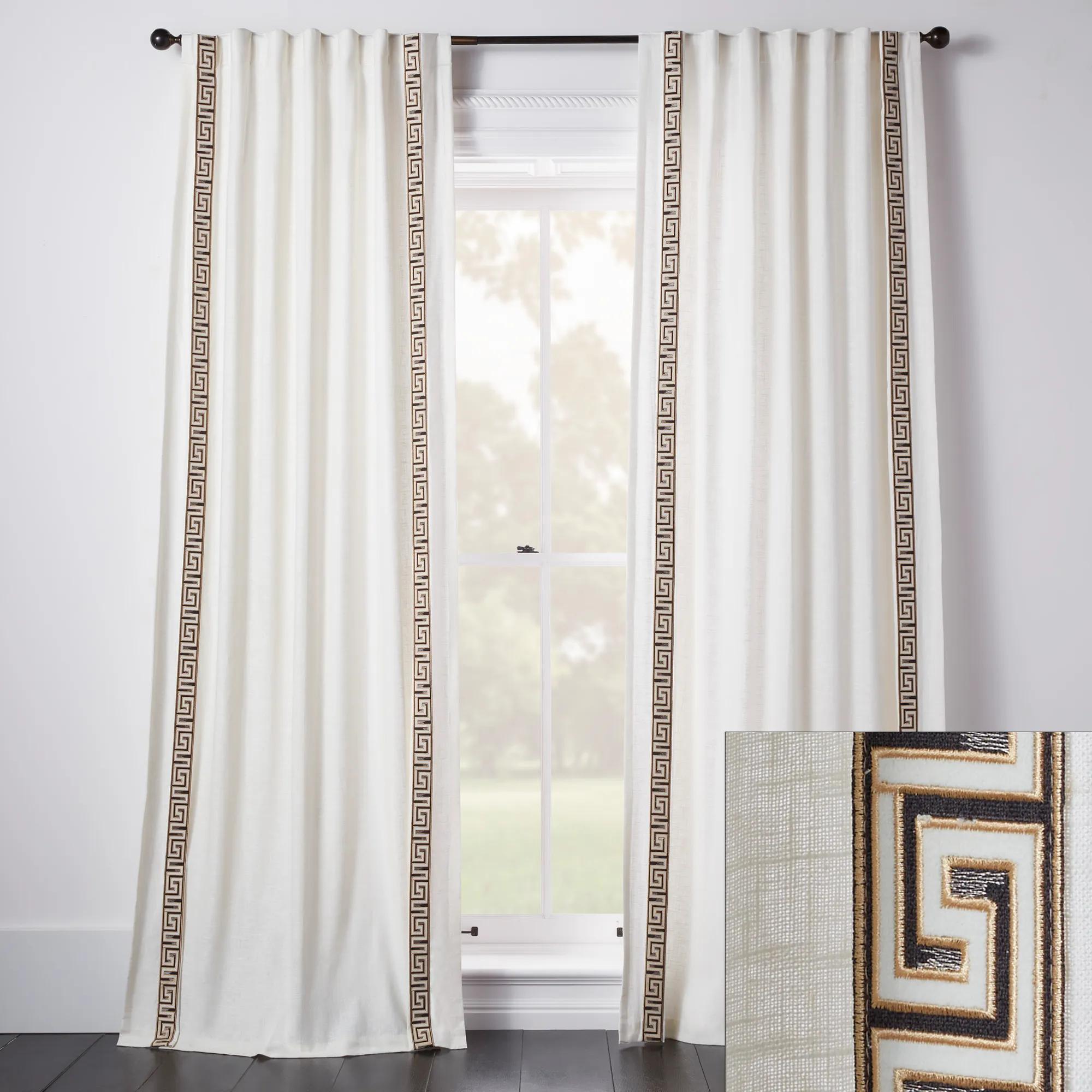 Chole Greek Key Border Velvet Widow Curtain Panels Custom$419
A linen-blend curtain panel with plush black and gold velvet Greek key border and customizable options.
Add To Cart -
.jpeg?w=1200&h=1200)
 Mabel Natural Velvet Swirl Window Curtain Panel$99
Mabel Natural Velvet Swirl Window Curtain Panel$99A warm neutral velvet curtain with a tonal swirl pattern, offering room-darkening privacy and versatile hanging options.
Add To Cart -
.jpeg?w=1200&h=1200)
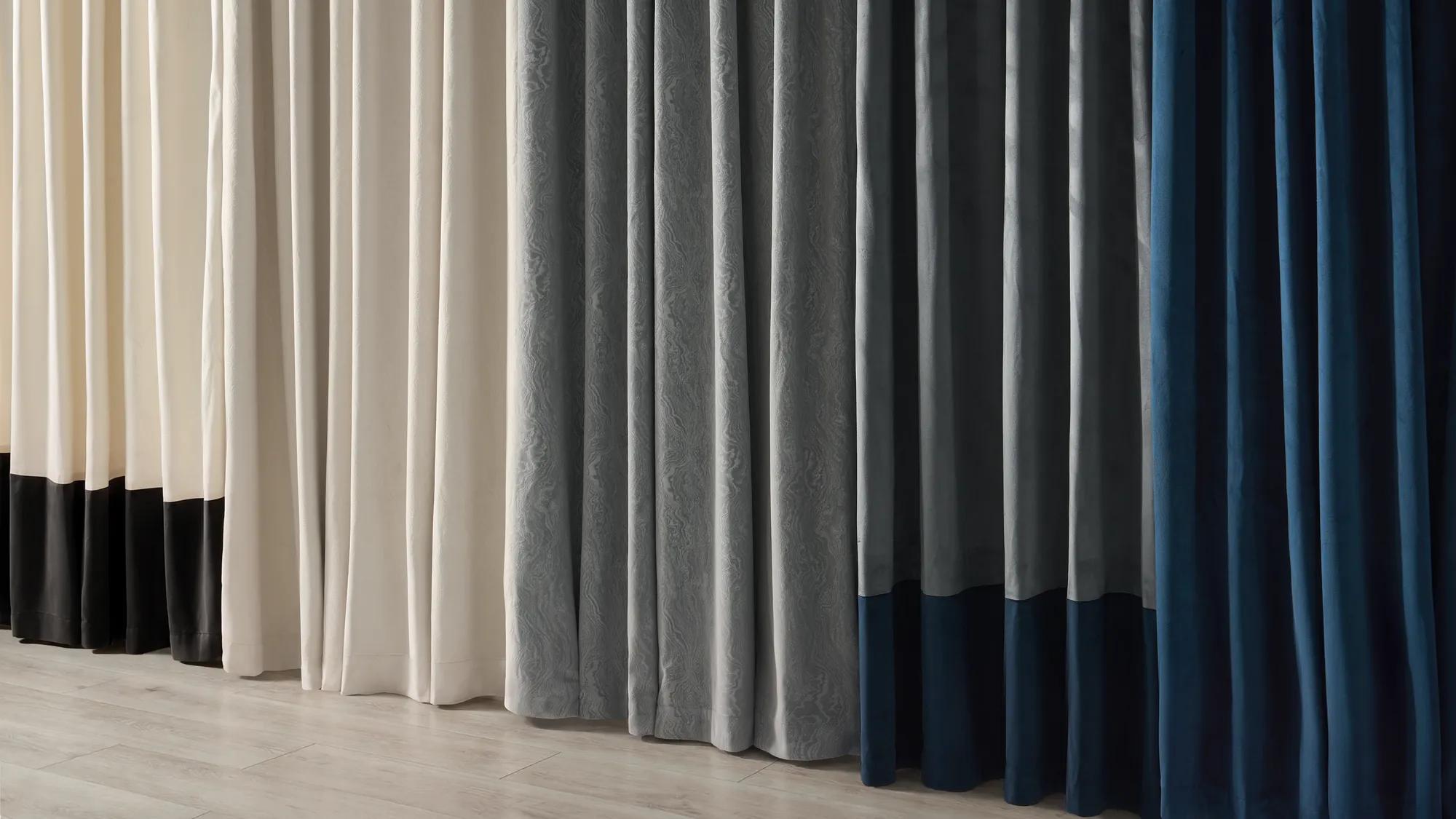 Mabel Velvet Swirl Curtain - Grey Blue$99
A grey blue velvet curtain featuring a tonal swirl pattern and versatile dual hanging options.
Add To Cart -
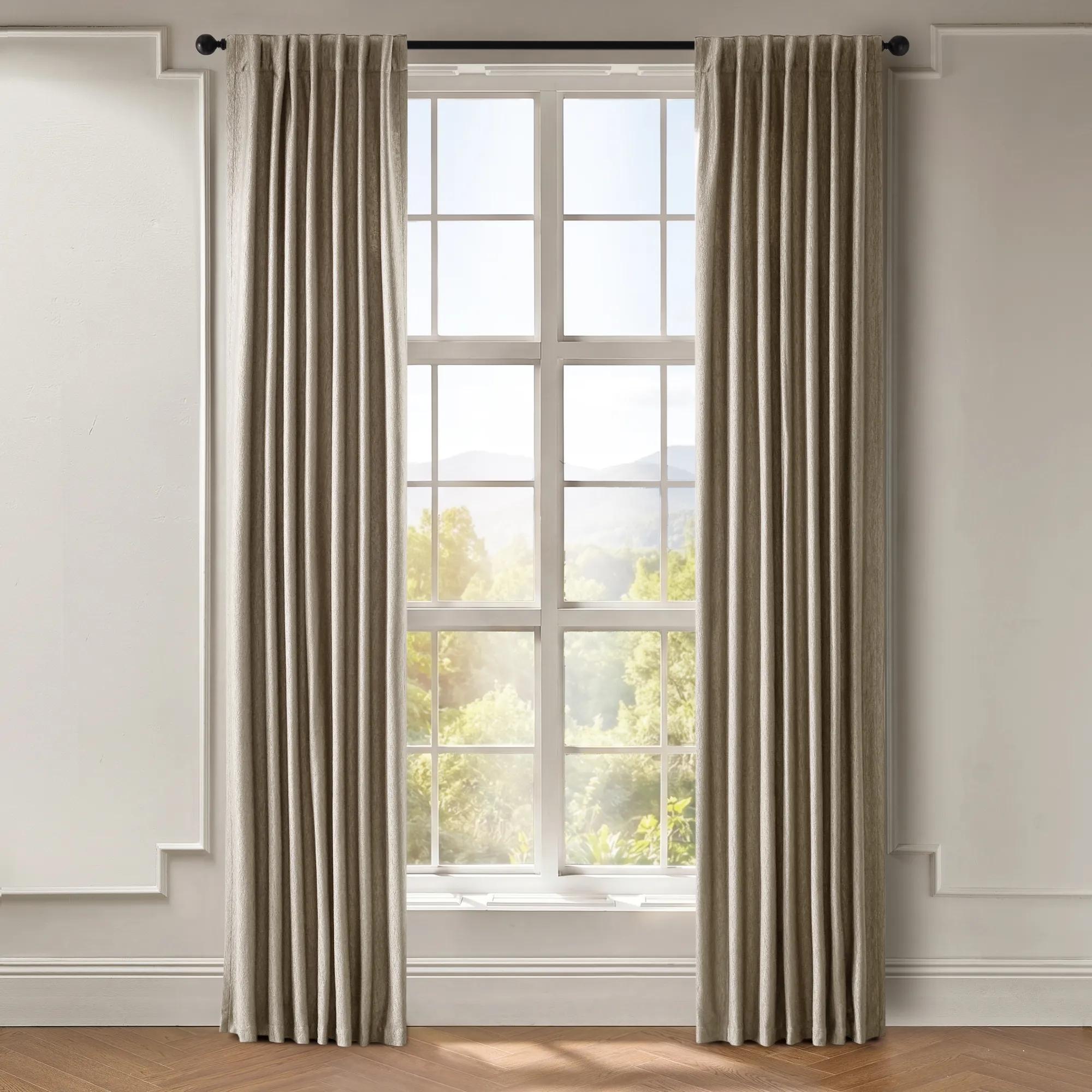
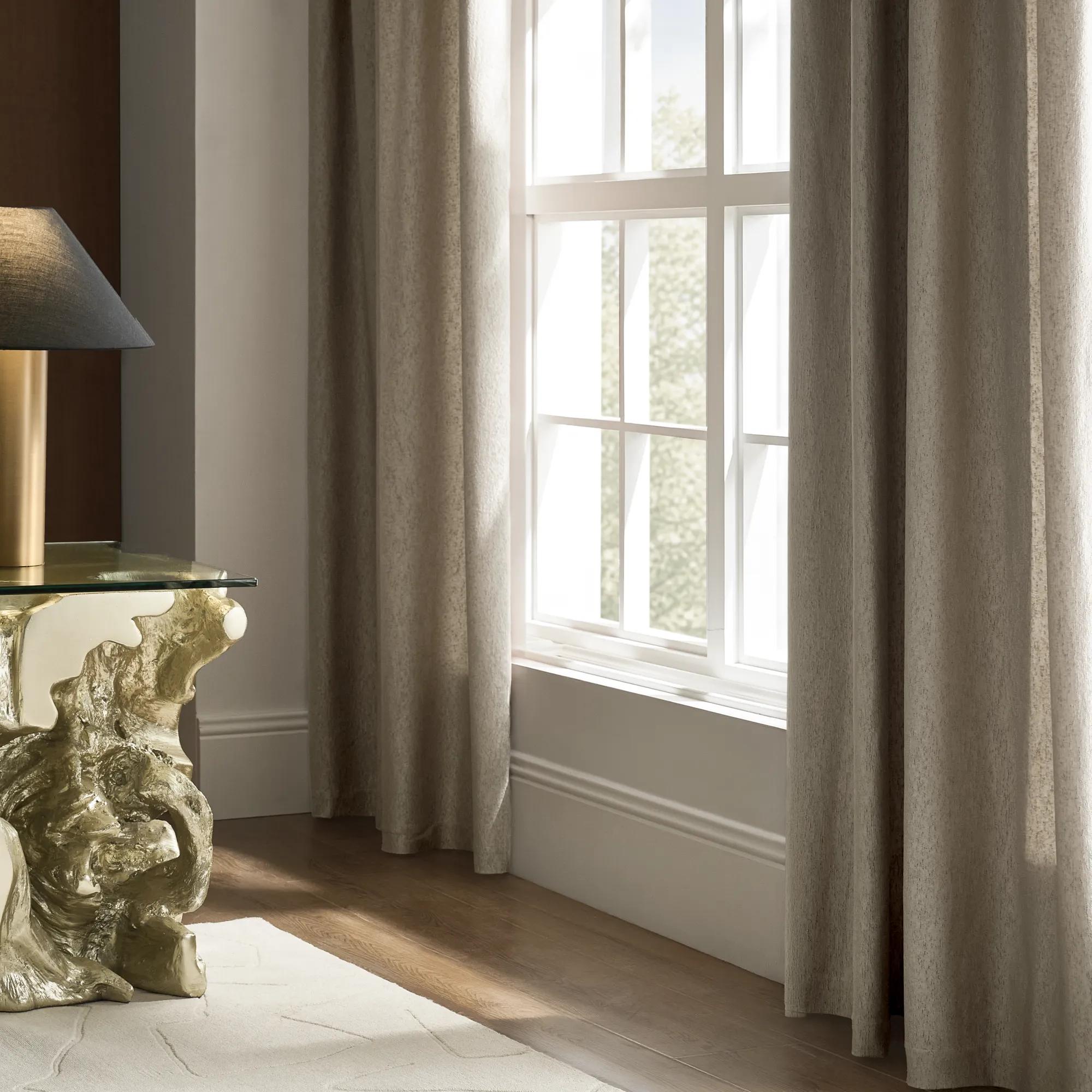 Anson Taupe Textured Window Curtain Panel$109
A taupe curtain panel featuring a crushed sheen texture and room-darkening, dual hanging design in 100% polyester.
Add To Cart -
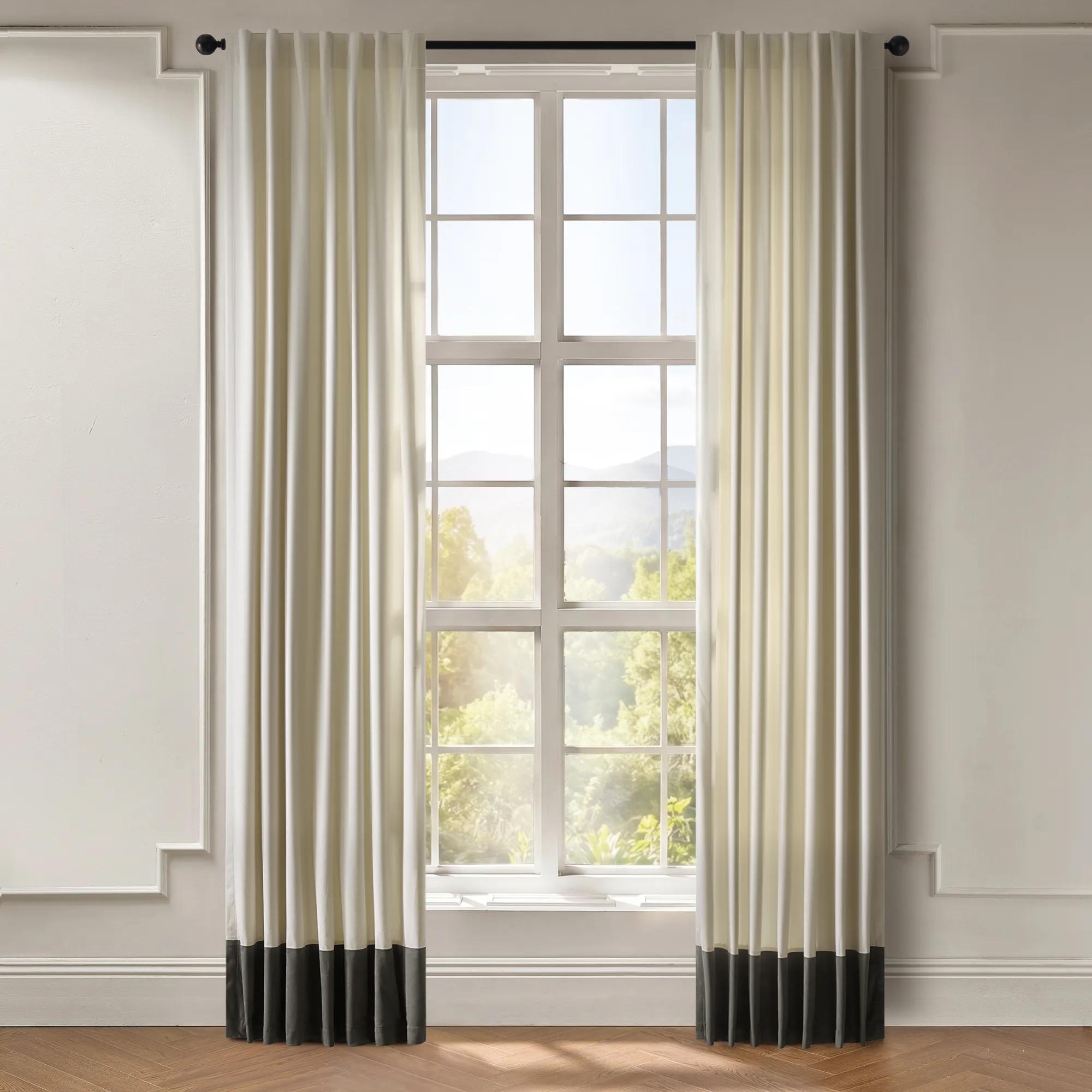
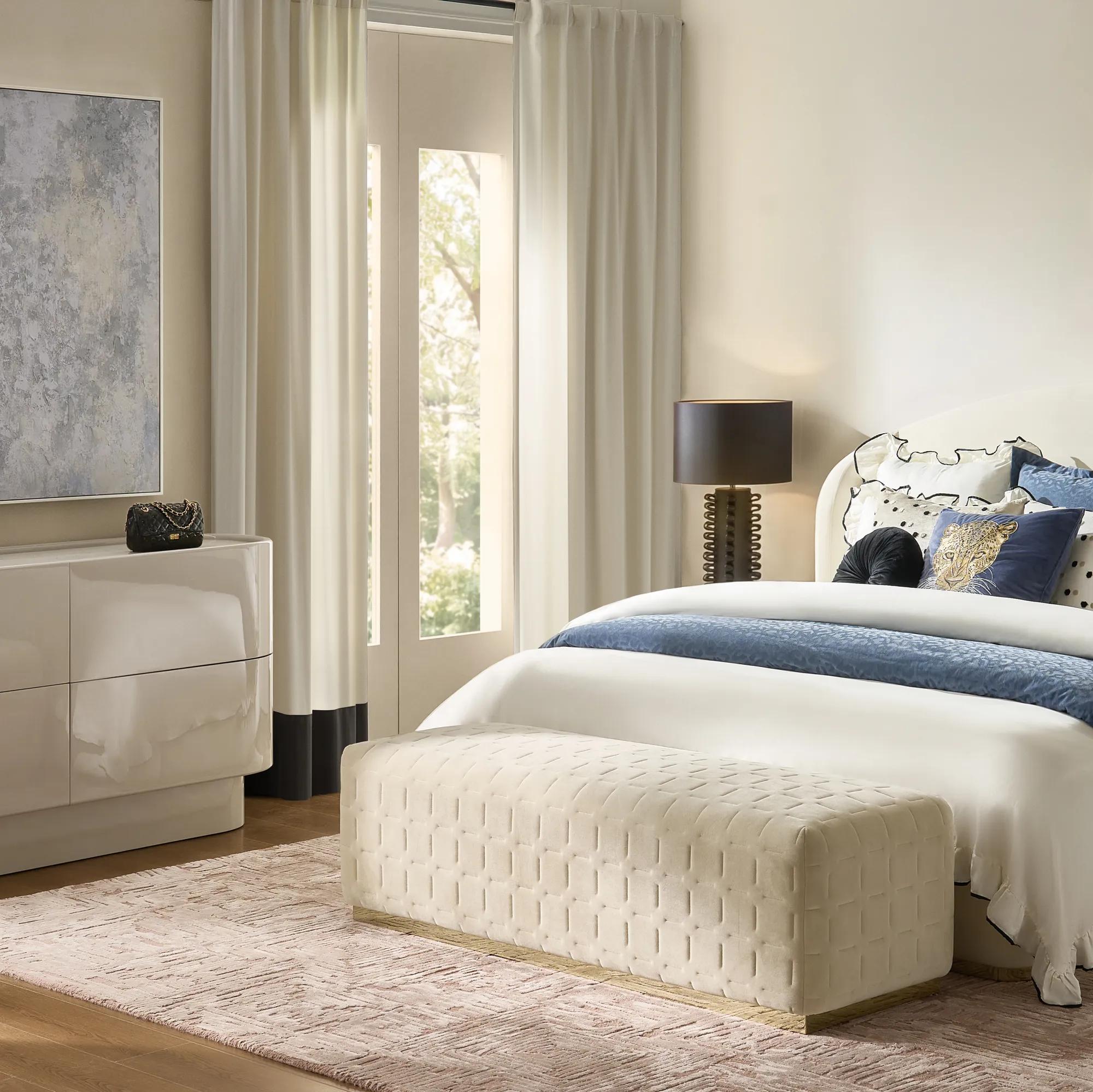 Bastien Ivory/Graphite Velvet Border Window Curtain Panel$109
A two-tone ivory and graphite velvet curtain panel with a Deco-inspired border and room-darkening design.
Add To Cart -
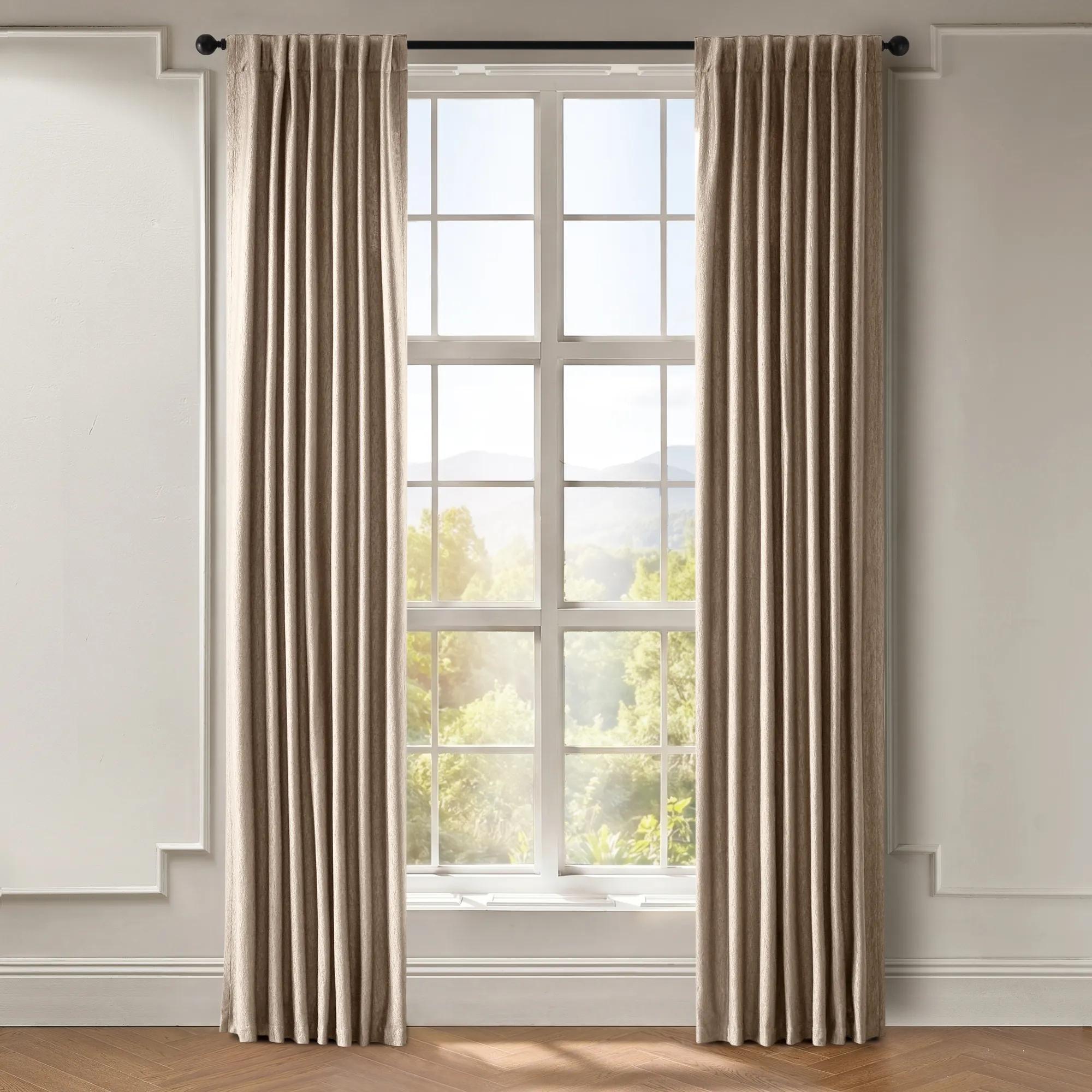 Anson Mocha Rose Textured Window Curtain Panel$89
A light mocha rose curtain panel with crushed sheen texture and room-darkening, dual hanging design.
Add To Cart -
.jpeg?w=1200&h=1200)
 Anson Charcoal Textured Window Curtain Panel$89
Anson Charcoal Textured Window Curtain Panel$89A moody charcoal curtain with crushed polyester texture and subtle sheen for stylish, room-darkening appeal.
Add To Cart -
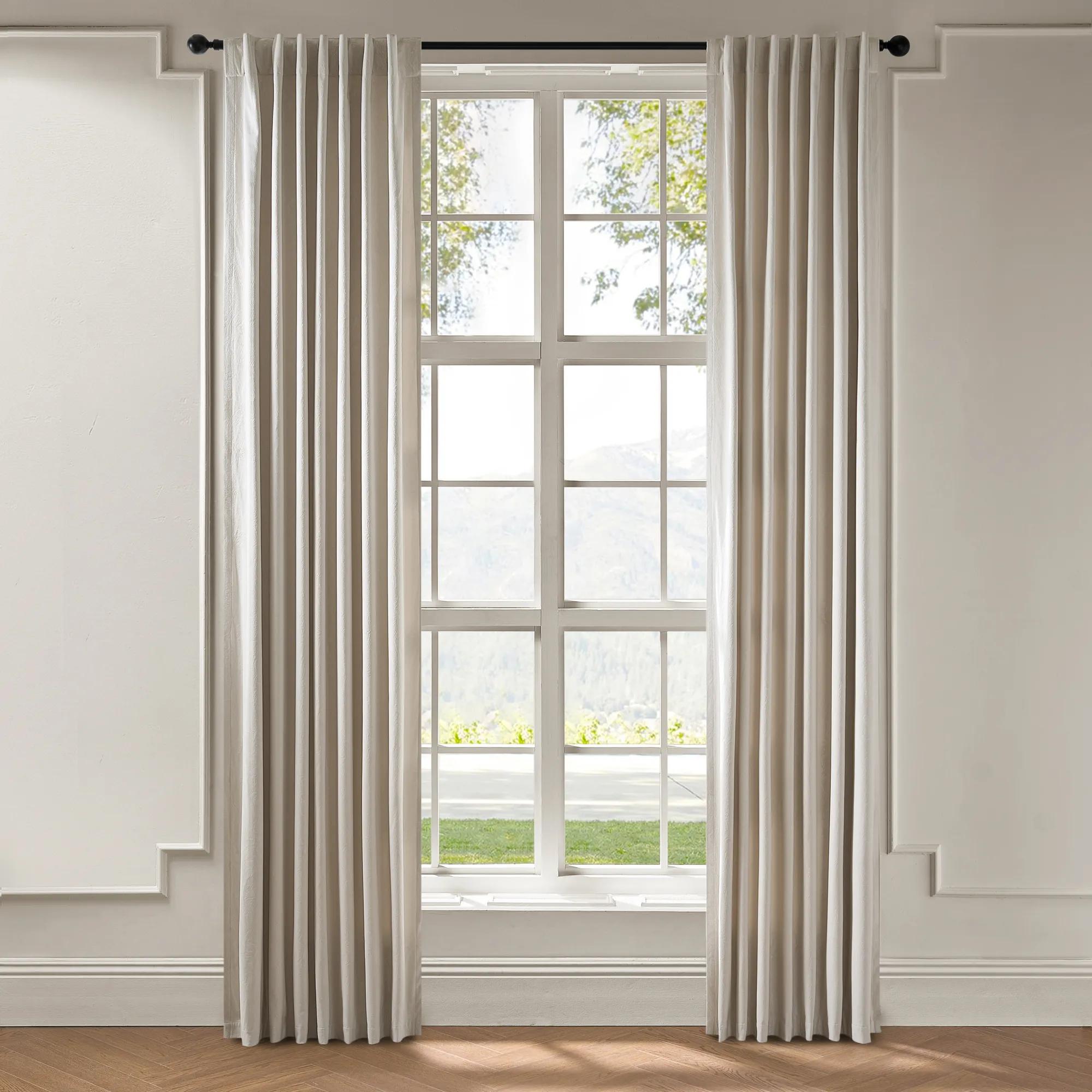
.jpeg?w=1200&h=1200) Mabel White Velvet Swirl Window Curtain Panel$99
Mabel White Velvet Swirl Window Curtain Panel$99A crisp white velvet curtain featuring a tonal swirl texture and versatile dual hanging options.
Add To Cart -
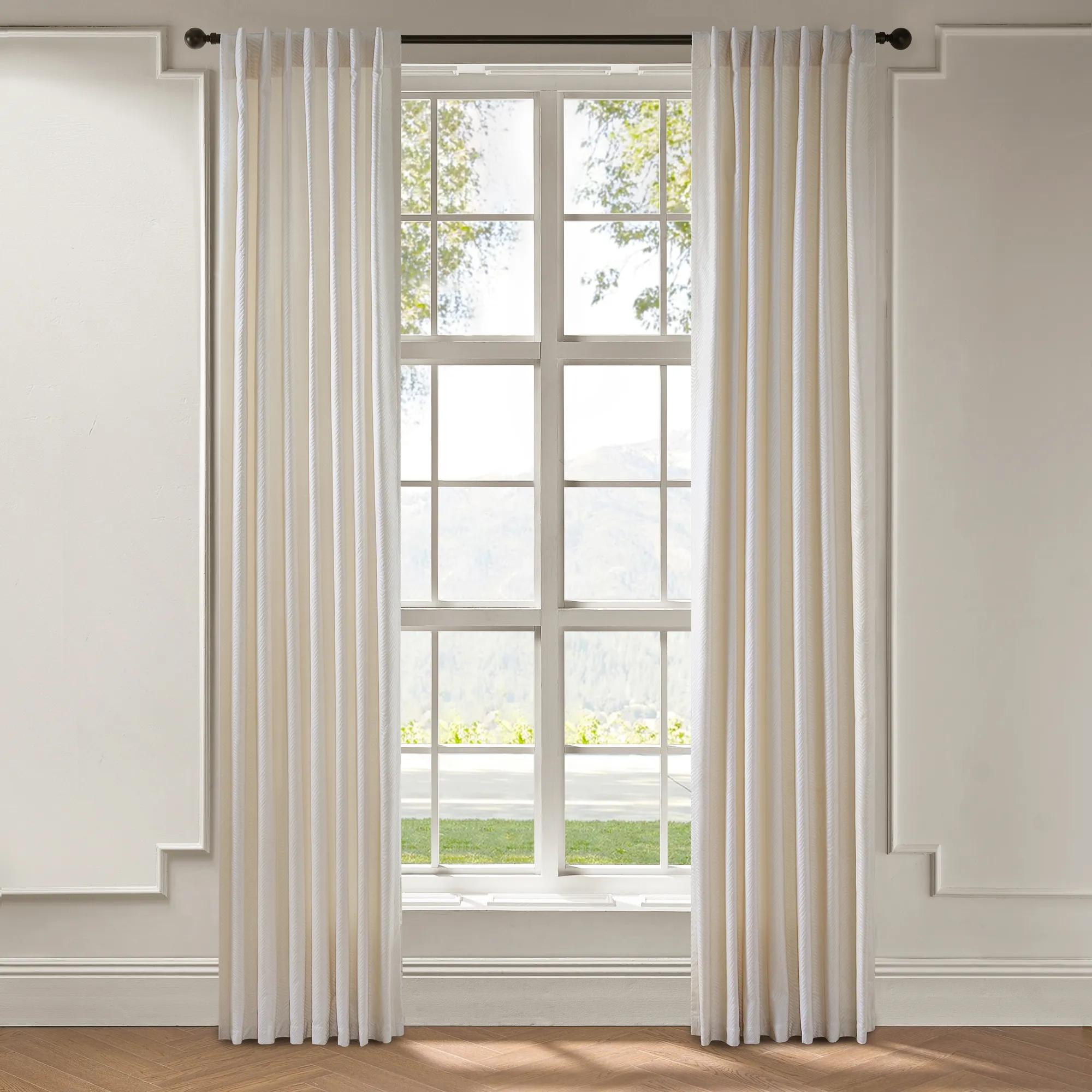
.jpeg?w=1200&h=1200) Kenzo Chenille Curtain - White$139
Kenzo Chenille Curtain - White$139A luxe white chenille jacquard curtain featuring a subtle high-contrast pattern and versatile dual construction.
Add To Cart -
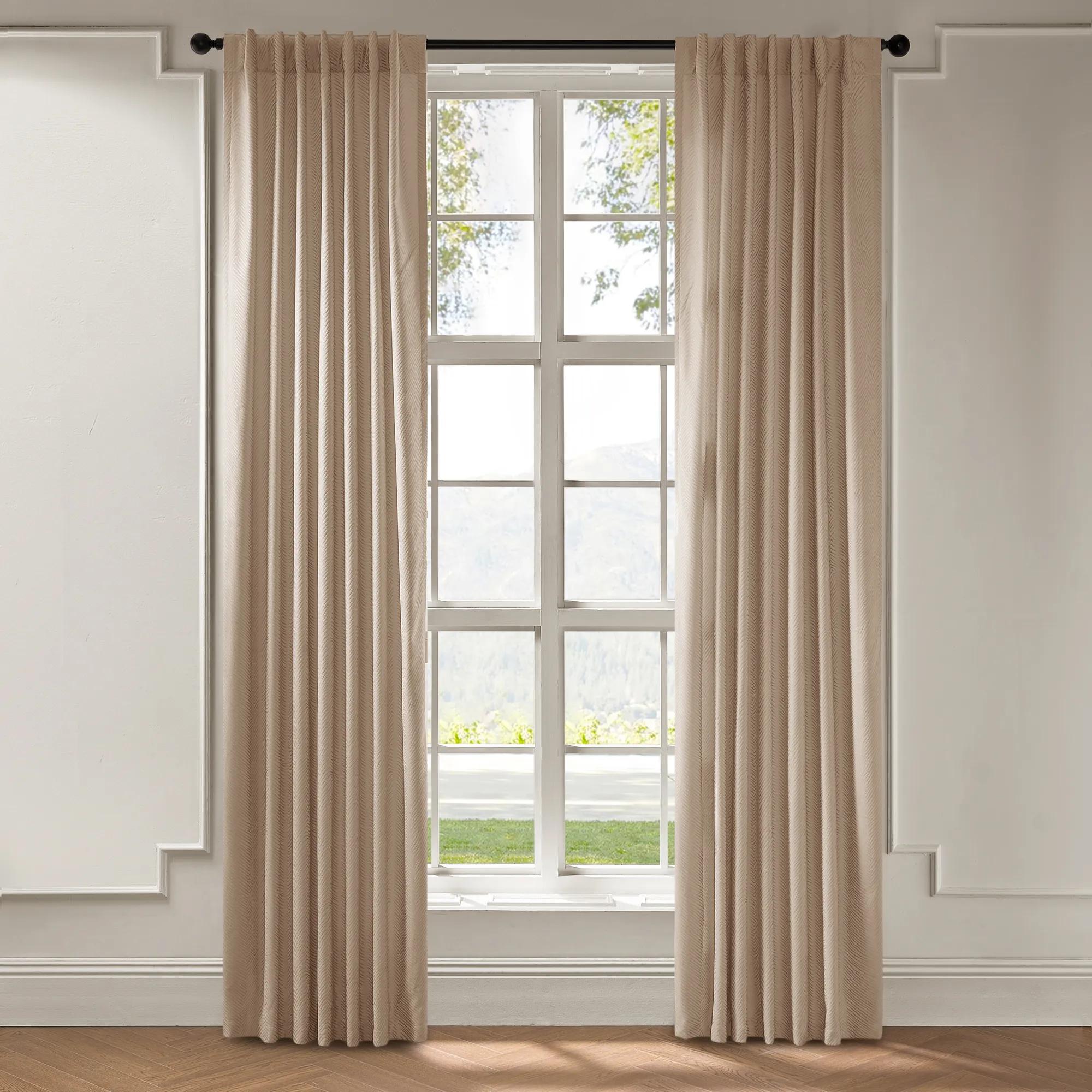 Kenzo Jacquard Beige Chenille Window Curtain Panel$139
A warm beige chenille jacquard curtain with a subtle sheen and versatile rod pocket or back tab hanging.
Add To Cart -
.jpeg?w=1200&h=1200)
 Adair Sand Solid Velvet Window Curtain Panel$69
Adair Sand Solid Velvet Window Curtain Panel$69A sand-colored velvet curtain offering room-darkening privacy and versatile hanging options for refined interiors.
Add To Cart -
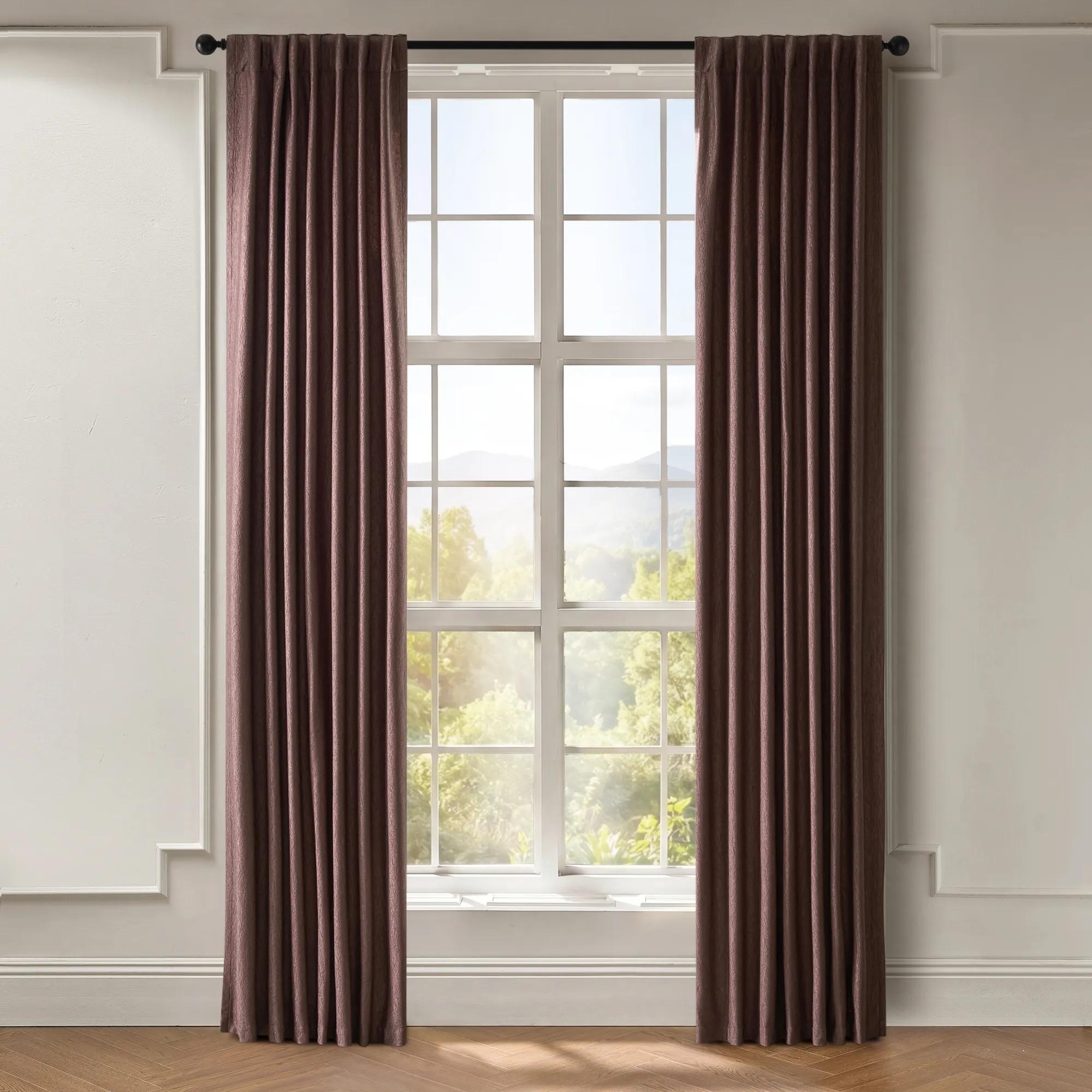
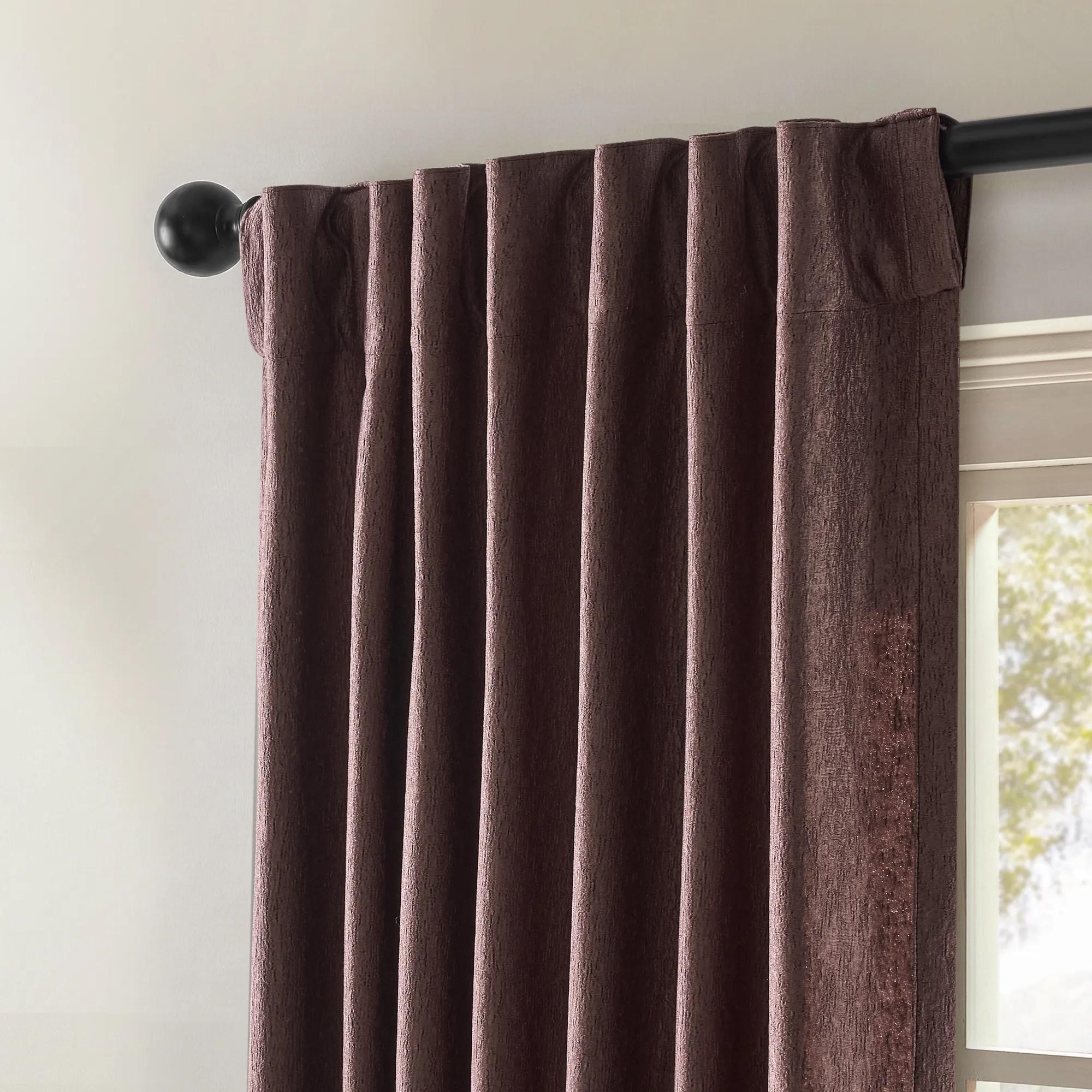 Anson Fig Textured Window Curtain Panel$109
A room-darkening fig curtain panel with a crushed sheen texture and versatile dual hanging options.
Add To Cart -
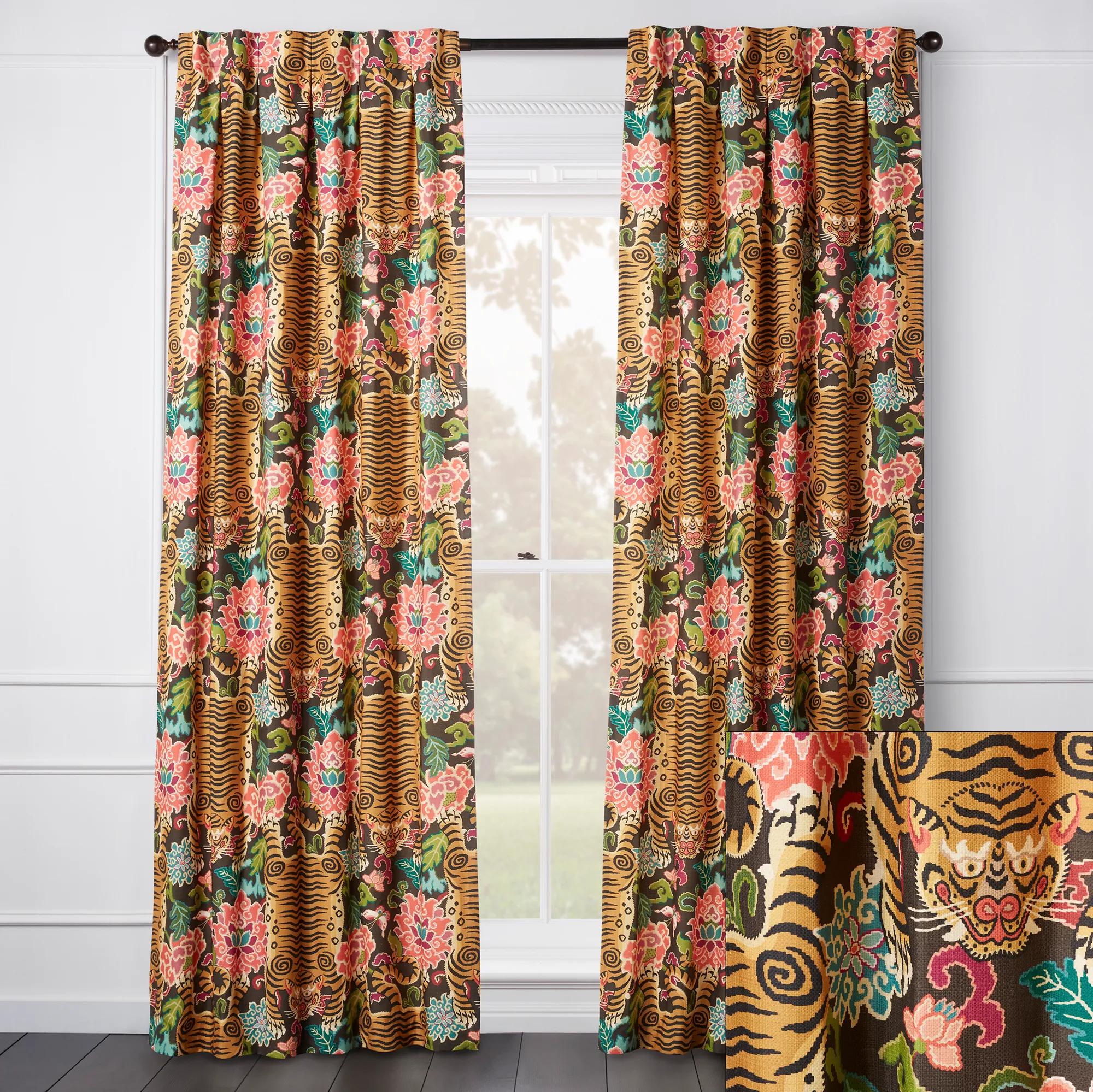
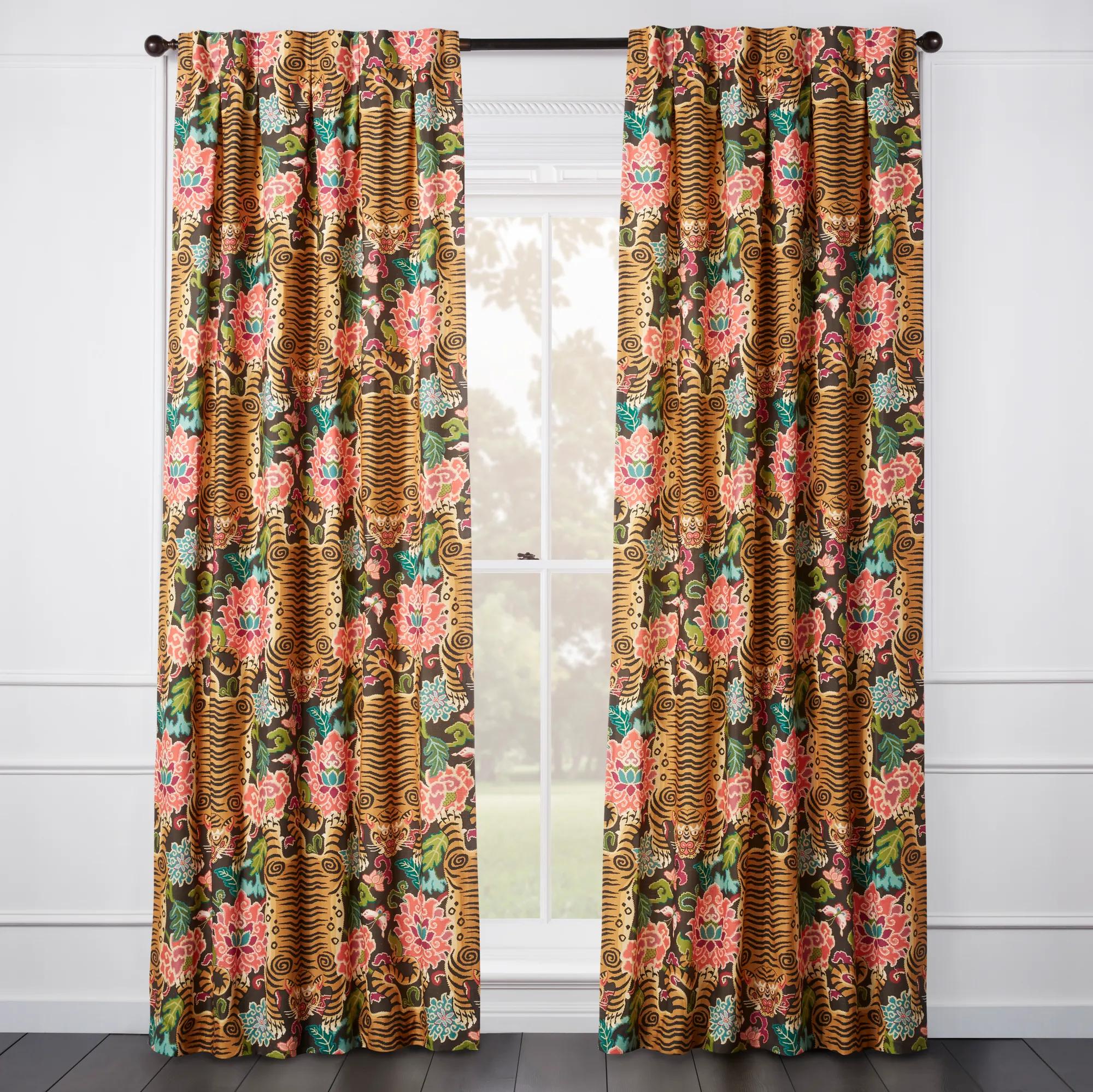 Nimer Gold/Multi Printed Slubbed Cotton Window Curtain Panel$319
A bold gold and multi-colored cotton curtain panel featuring a lively tiger print and customizable options.
Add To Cart

Summer Home Window Curtains
Bask in the brilliance of summer with window curtains designed to transform sunlight into pure artistry. Summer home window curtains from Z Gallerie invite a sense of effortless glamour, draping your rooms in luminous elegance and airy sophistication. Each panel becomes a brushstroke—softening light, framing views, and infusing every corner with the season’s vibrant energy. Whether you crave a whisper of sheer romance or a cascade of bold pattern, these curtains set the scene for unforgettable moments under the summer sun. Let your windows become the backdrop for your most radiant spaces.
Summer home window curtains shape the light, privacy, and visual rhythm of a room, bringing an airy sensibility to interiors without sacrificing presence. Lightweight linen, cotton, and voile soften direct sunlight, while lined curtains offer greater control over brightness and privacy. The distinction matters: a sheer panel creates a luminous veil across a window, but it generally does not provide reliable nighttime privacy when interior lights are on. For a living room with expansive glass and a sculptural sofa, ivory sheers can temper the view and let the furniture’s silhouette command attention. In a bedroom, a similarly pale fabric paired with an opaque lining delivers a more sheltered mood. Linen has an expressive weave and a naturally relaxed drape, with subtle creases that become part of its character. Cotton can feel crisp or softly tailored depending on its construction, while voile offers a finer, more transparent finish. Polyester and blended fabrics may offer easier care and greater wrinkle resistance, though the fabric weight, weave, and care label remain more useful than fiber content alone when comparing performance. These materials give summer window treatments their range, from barely there layers that catch the light to substantial panels that frame a room with quiet grandeur. Color adds another dimension. Chalk white and warm ivory keep the composition luminous; sand and champagne introduce depth beside polished stone or gleaming metal. Muted aqua, mineral blue, and pale green suggest a coastal palette without relying on literal seaside motifs. For a more expressive interior, oversized botanical patterns or tonal geometric designs can turn a window into a deliberate focal point. Consider how a print looks with the curtains gathered as well as closed: a broad leaf motif becomes an abstract sweep of color in folds, while a small repeat reads more like texture from across the room. Summer curtains need not make a space feel informal. Generous fabric, considered proportion, and a beautifully resolved palette can give even the lightest treatment an architectural sense of polish.
The most compelling window treatments balance that visual effect with the way a room is used. A sunlit sitting area may benefit from translucent curtains that soften bright light while preserving an open atmosphere. A bedroom used by a daytime sleeper usually needs more substantial light control, making blackout curtains or layered treatments a stronger choice than unlined sheers. Room-darkening and blackout are not interchangeable descriptions: room-darkening fabric reduces light, while blackout fabric is designed to block light through the panel itself. Light can still enter around the top, sides, and center, so coverage and installation influence the result. Lined or thermal curtains may also help reduce solar heat gain when closed against direct sun, but their effect depends on construction, window exposure, and fit; an airy appearance alone does not indicate insulating performance. Layering a sheer curtain beneath an opaque drape offers flexibility, allowing filtered daylight for an afternoon gathering and more enclosure after sunset. When comparing Summer Window Curtain Panels, look at panel dimensions, fabric opacity, lining, and header style together rather than treating color as the only deciding detail. Measure from the intended hanging point to the desired hem position, accounting for rings, hooks, or rod placement. For many gathered styles, a combined panel width of roughly one and a half to two times the rod width creates fullness, although pleated designs and manufacturer specifications may call for a different calculation. A hem that just clears the floor feels tailored and is easier to maintain near frequently used doors. Extra fabric pooled on the floor creates drama, but it also collects dust and can interfere with walking paths. Wider windows and sliding glass doors require particular attention to how much space the curtains occupy when open. Panels should draw back far enough to preserve access, with rods and brackets rated to support the full fabric weight. Those practical choices let the finished treatment feel effortless rather than constrained.
Finishing details determine whether summer window curtains simply cover glass or become part of a room’s design language. Grommet headers form broad, regular folds with a contemporary profile, while pleated headings create a more structured rhythm. Rod pockets gather fabric into a softer outline but can be less convenient for curtains opened and closed frequently. Rings or a suitable track may offer smoother movement for daily use. Hardware deserves the same attention as the fabric: a slender warm-metal rod can echo a mirror frame, while a darker finish gives pale curtains a crisp boundary. In a dining room, translucent panels can soften strong daylight across glassware and glossy surfaces without competing with an expressive chandelier. In a guest bedroom, a layered arrangement lets visitors choose between a bright morning atmosphere and greater seclusion. Curtains intended for indoor use should remain indoors unless their specifications explicitly identify them as suitable for outdoor conditions; a covered terrace still exposes fabric to moisture, sunlight, and wind. Durability also depends on the setting. Strong, sustained sun can fade colors and weaken fibers over time, so lining and documented fade resistance deserve consideration for highly exposed windows. In active households, floor-clearing hems and washable fabrics can be especially practical, provided the care instructions support machine washing. Linen and cotton may shrink, and some lined, embellished, or structured panels require professional cleaning. Follow the label for washing, drying, ironing, or steaming, since heat and moisture can affect finishes and linings differently. Gentle dust removal between cleanings helps preserve the fabric’s appearance; use a method appropriate to its weave and embellishments. Keep fabric clear of cooking surfaces and heaters, and ensure long panels do not obstruct vents or doorways. With those details resolved, the decorative possibilities become richer: sheer ivory beside a lacquered console, pale blue framing a textured rug, or a botanical print set against restrained upholstery. The result is a summer-inspired interior where daylight feels composed, privacy feels considered, and the window carries as much intention as the art on the wall.
FAQs
For a breezy, sun-soaked ambiance, opt for summer curtains crafted from lightweight fabrics such as sheer voile, linen, or cotton blends. These materials allow natural light to filter gently into your space while maintaining a sense of privacy and elegance. Their soft drape and subtle texture evoke the effortless sophistication that defines summer interiors.
Summer curtains have the transformative power to shift the mood of any space—whether you desire a tranquil sanctuary bathed in soft light or a vibrant, energetic setting with playful patterns and colors. By carefully selecting textures, hues, and layering techniques, you can create a room that feels open, refreshed, and tailored to your personal sense of style.
Absolutely. Summer curtains offer remarkable versatility, seamlessly complementing both formal living rooms and relaxed, casual spaces. Choose sumptuous fabrics with a subtle sheen for a touch of glamour, or embrace relaxed linens and organic textures for a laid-back, coastal-inspired vibe. Their adaptability makes them a design staple for every room in your home.
Yes, gifting summer curtains is a sophisticated way to celebrate housewarmings, weddings, or milestone moments. Their luxurious textures and expressive designs make them a memorable present, transforming any space into a personal haven of comfort and beauty. Z Gallerie curtains, in particular, offer an elevated touch that recipients will cherish season after season.
To achieve a harmonious look, consider the room’s color palette, furniture style, and overall theme. Select summer curtains that complement or accentuate existing tones, and don’t be afraid to play with patterns or metallic finishes for added dimension. Layering with complementary shades or textures can also create a curated, designer-inspired effect that unifies your space.
.jpeg?w=4130&h=4130)
.jpeg?w=3942&h=3942)
.jpeg?w=4130&h=4130)