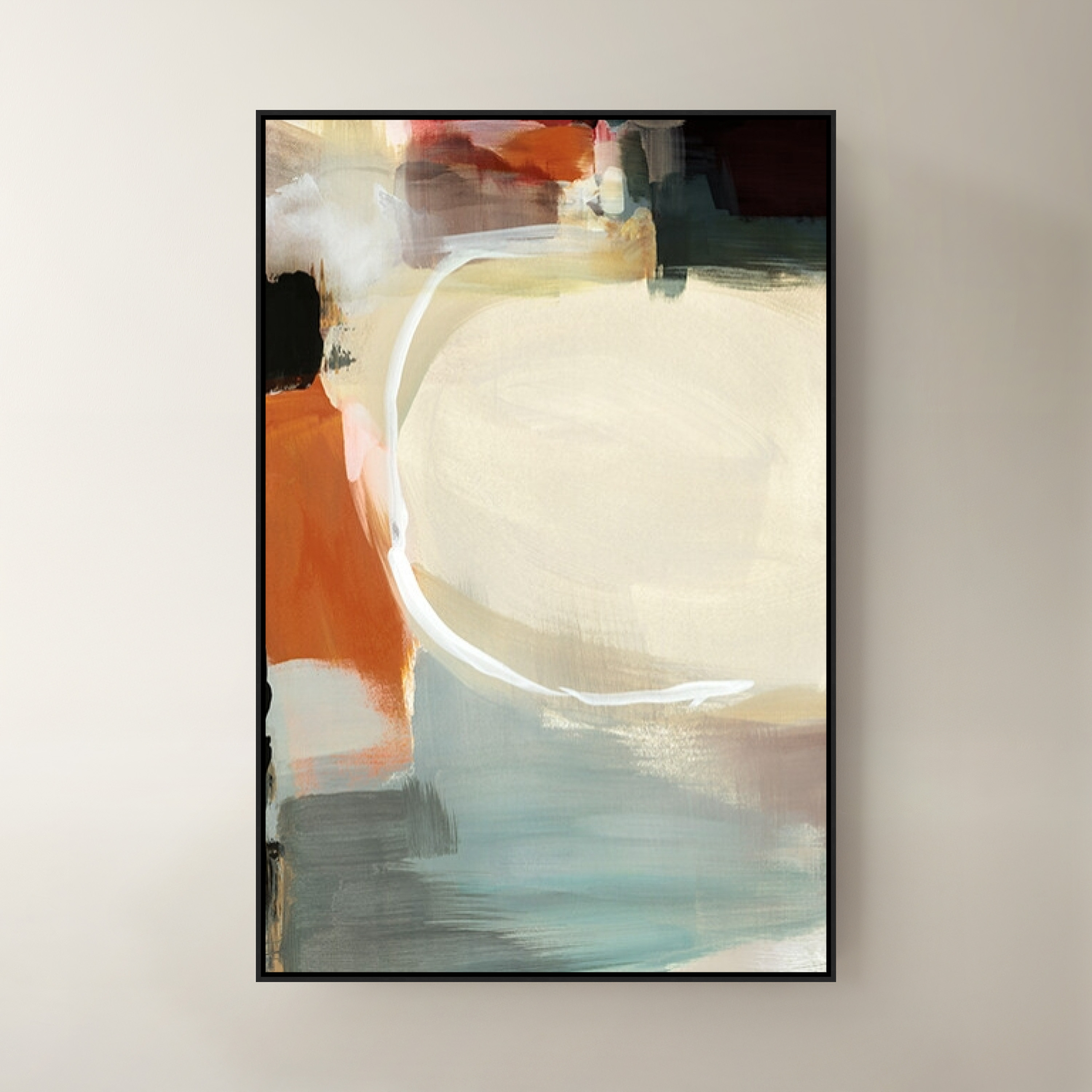
Stylish Home Decor Inspiration
Stylish Home Decor Inspiration
-
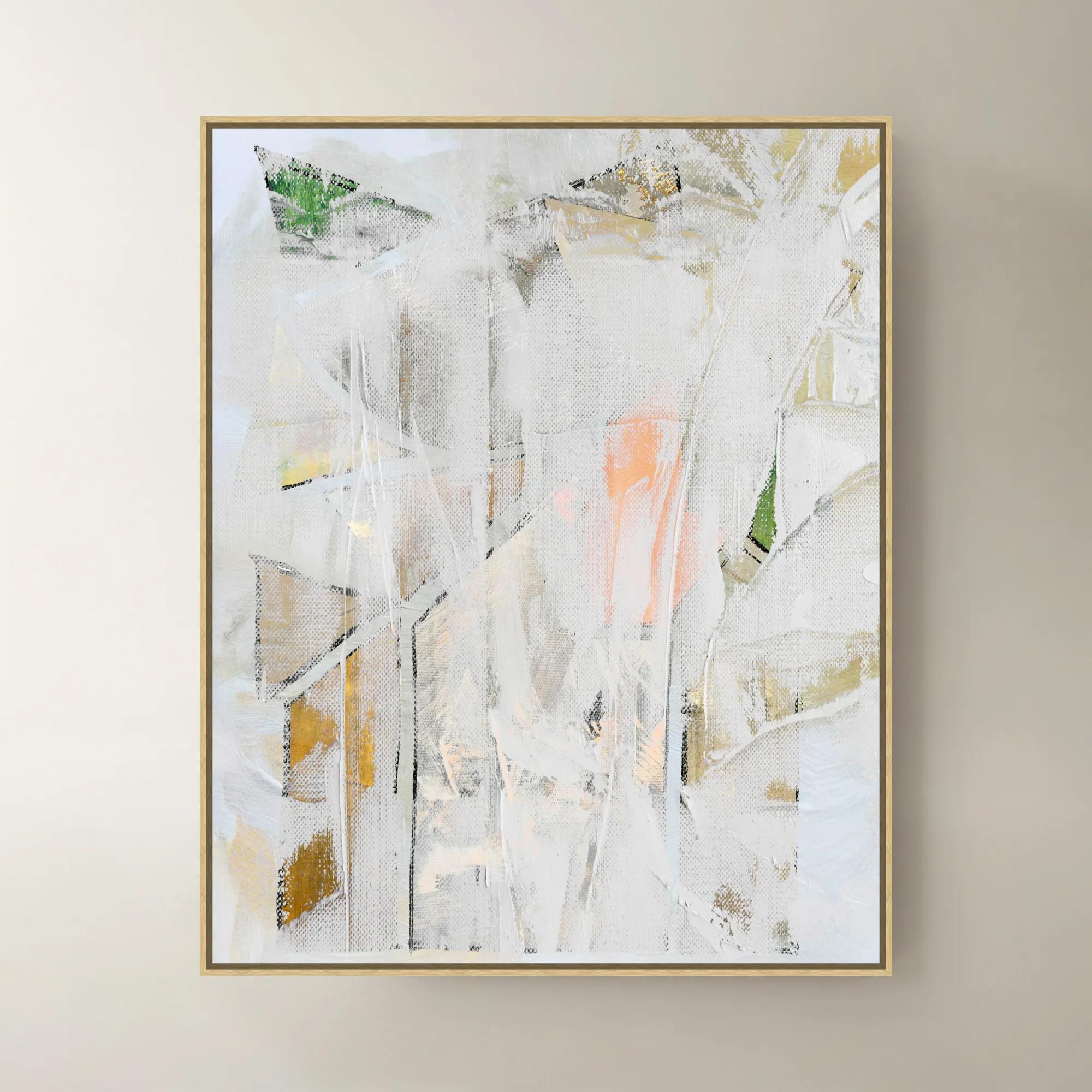
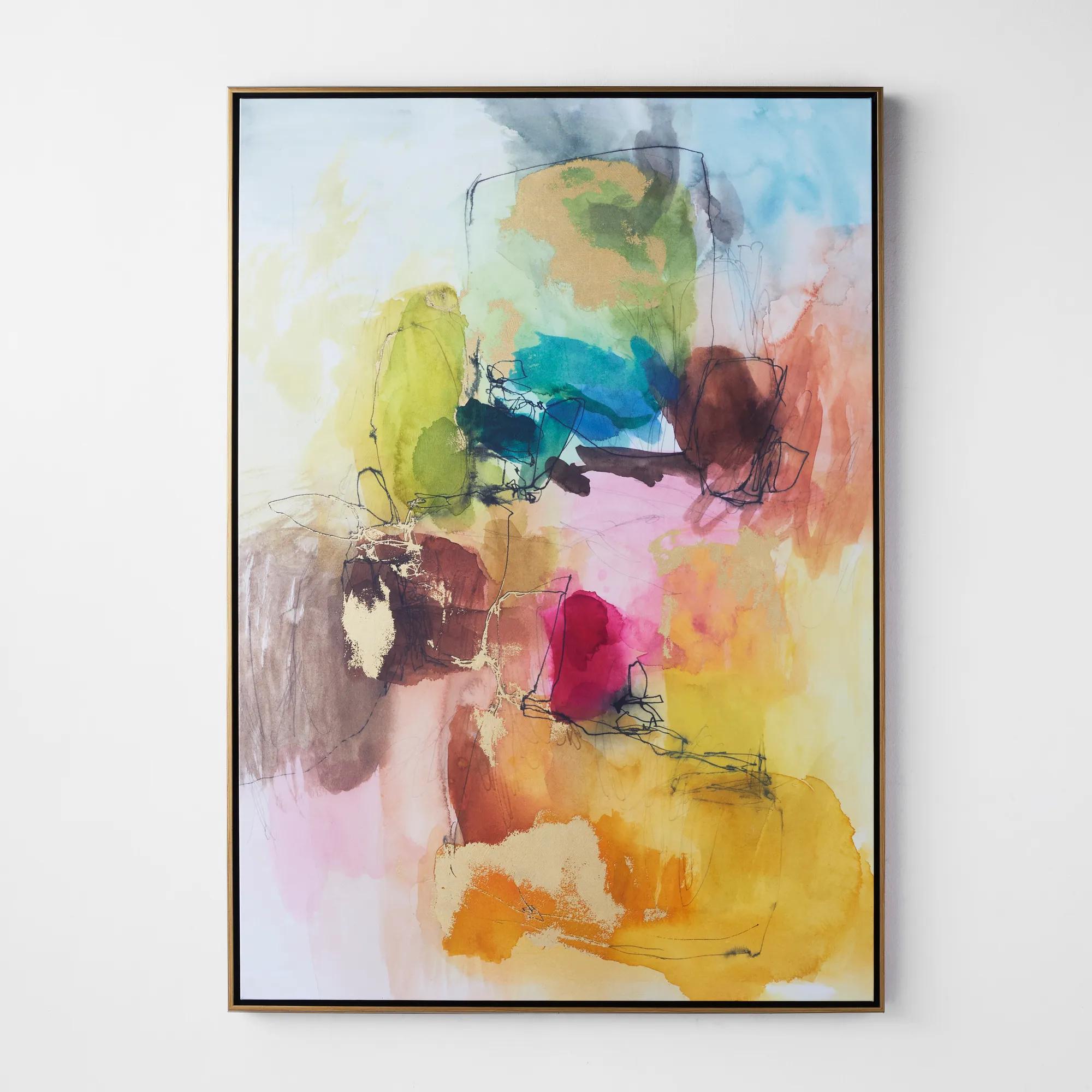 Apricity 3 Framed Wall Art 41" x 58"$899
A vibrant giclee on canvas featuring hand-applied gold gilding and a gold floater frame.
Add To Cart -
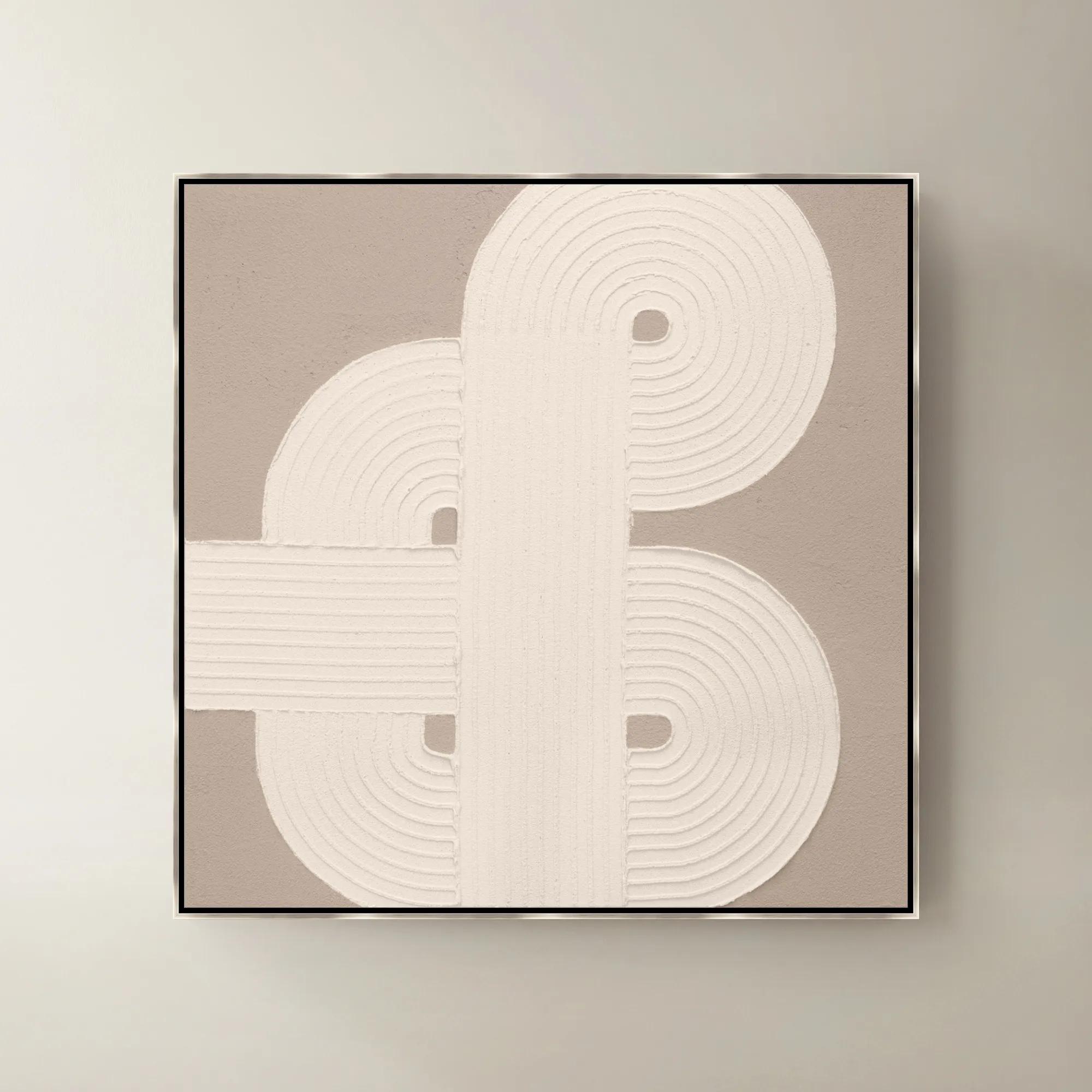
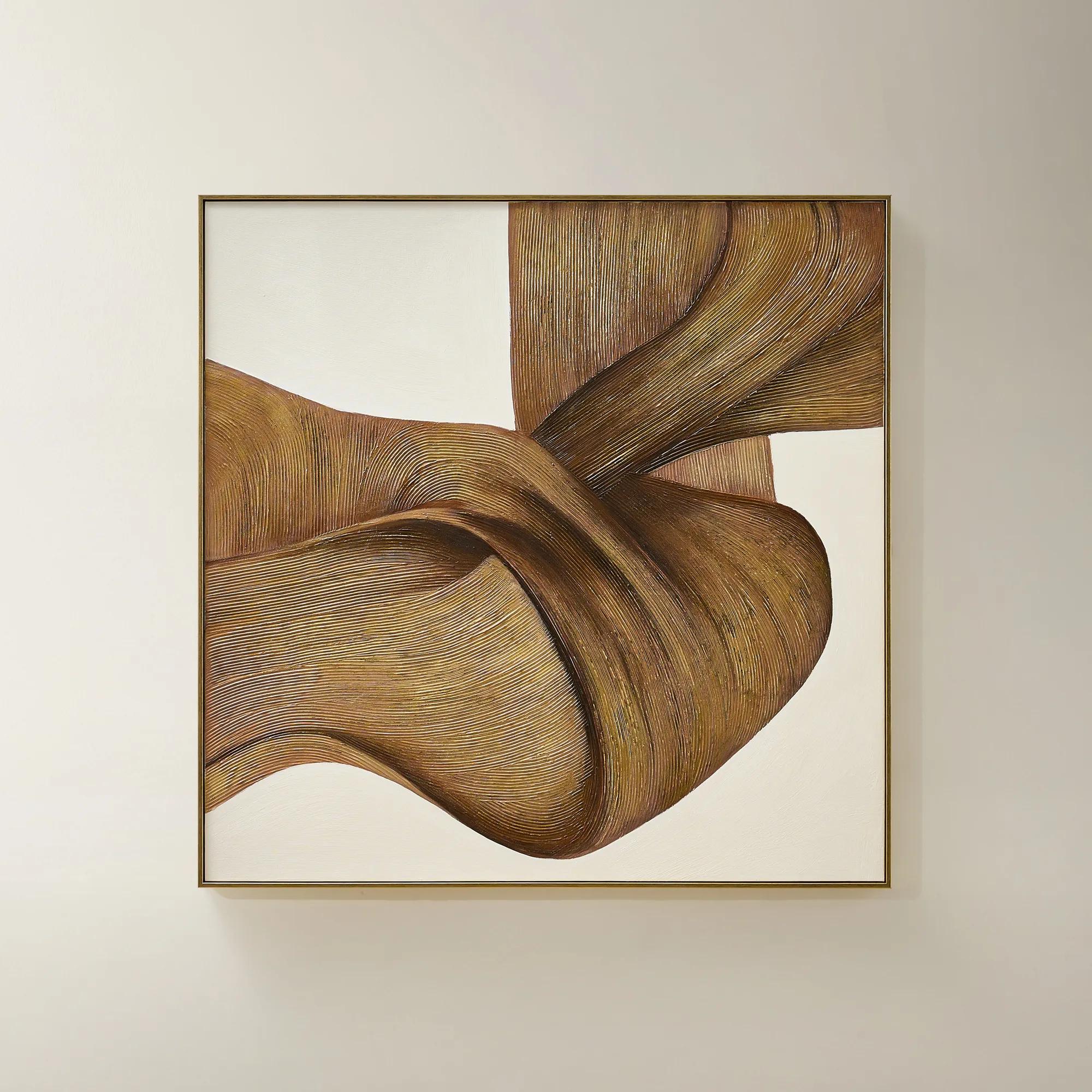
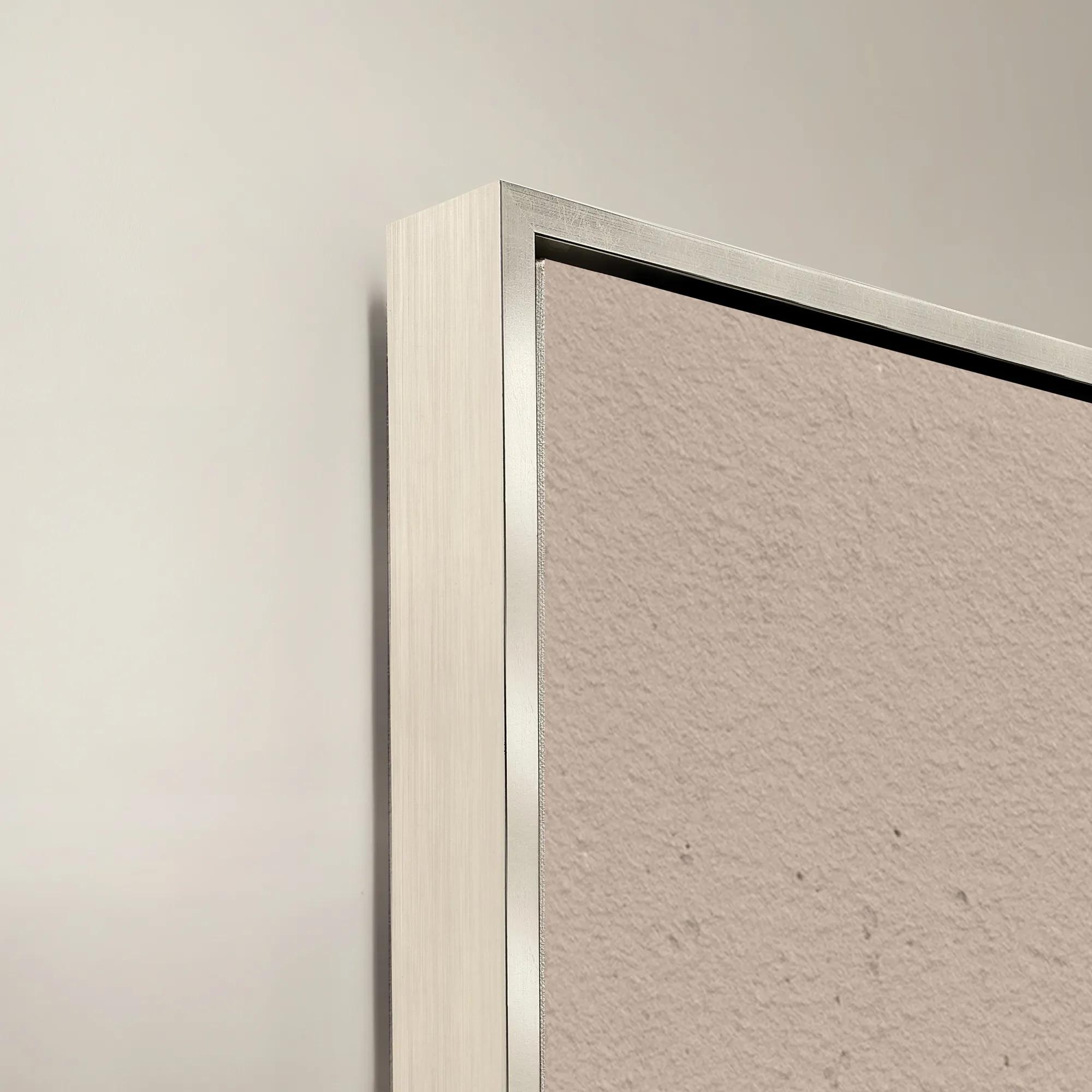 Sacred Geometry IV Framed Painted Wall Art 40" x 40"$1099
A striking abstract art piece featuring bold geometric patterns for a modern, sophisticated touch.
Add To Cart -
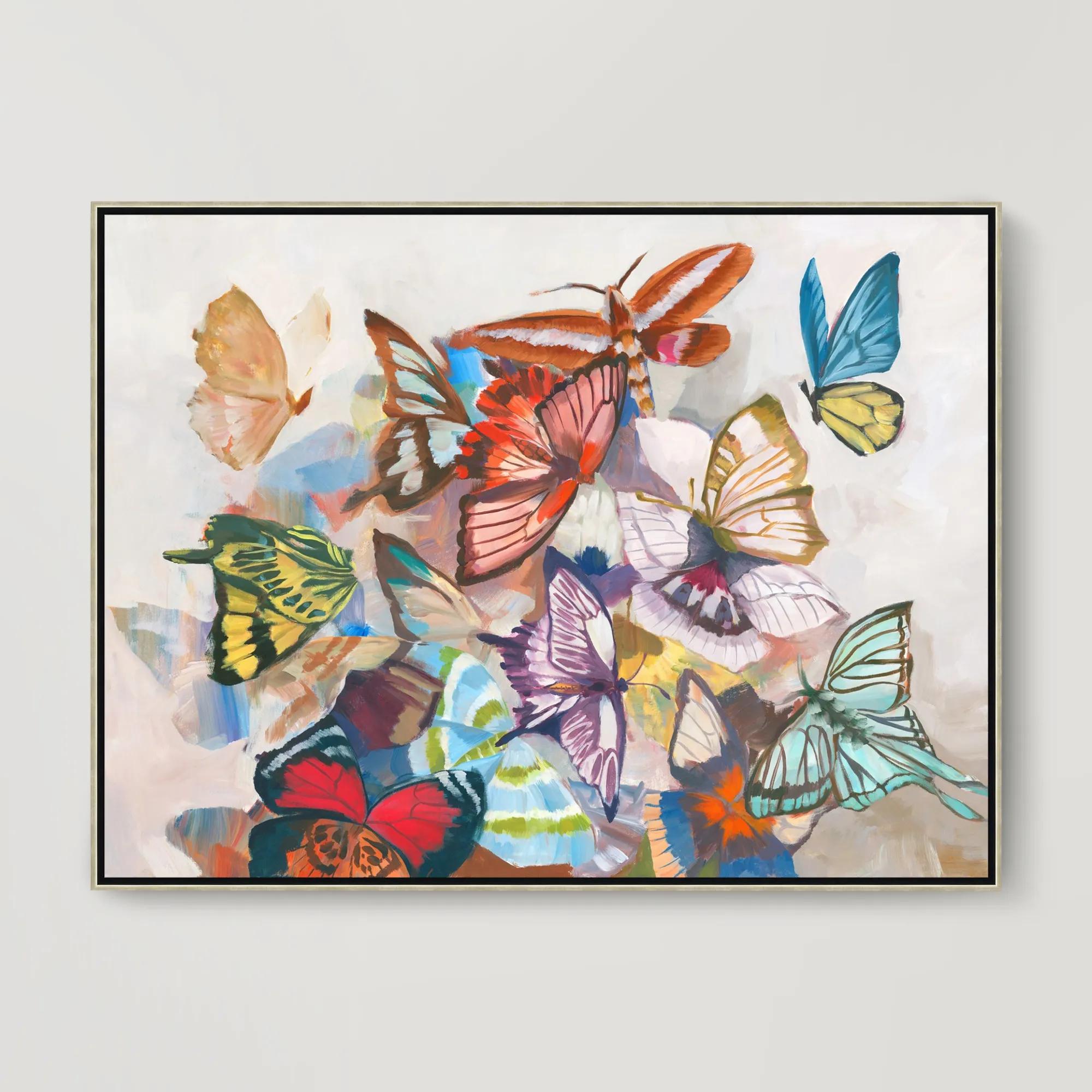 Sugar Wings Framed Wall Art 49.5" x 37.5"$799
A vibrant gallery-wrapped canvas artwork with hand-applied brush gel finish in a sleek silver floater frame.
Add To Cart -
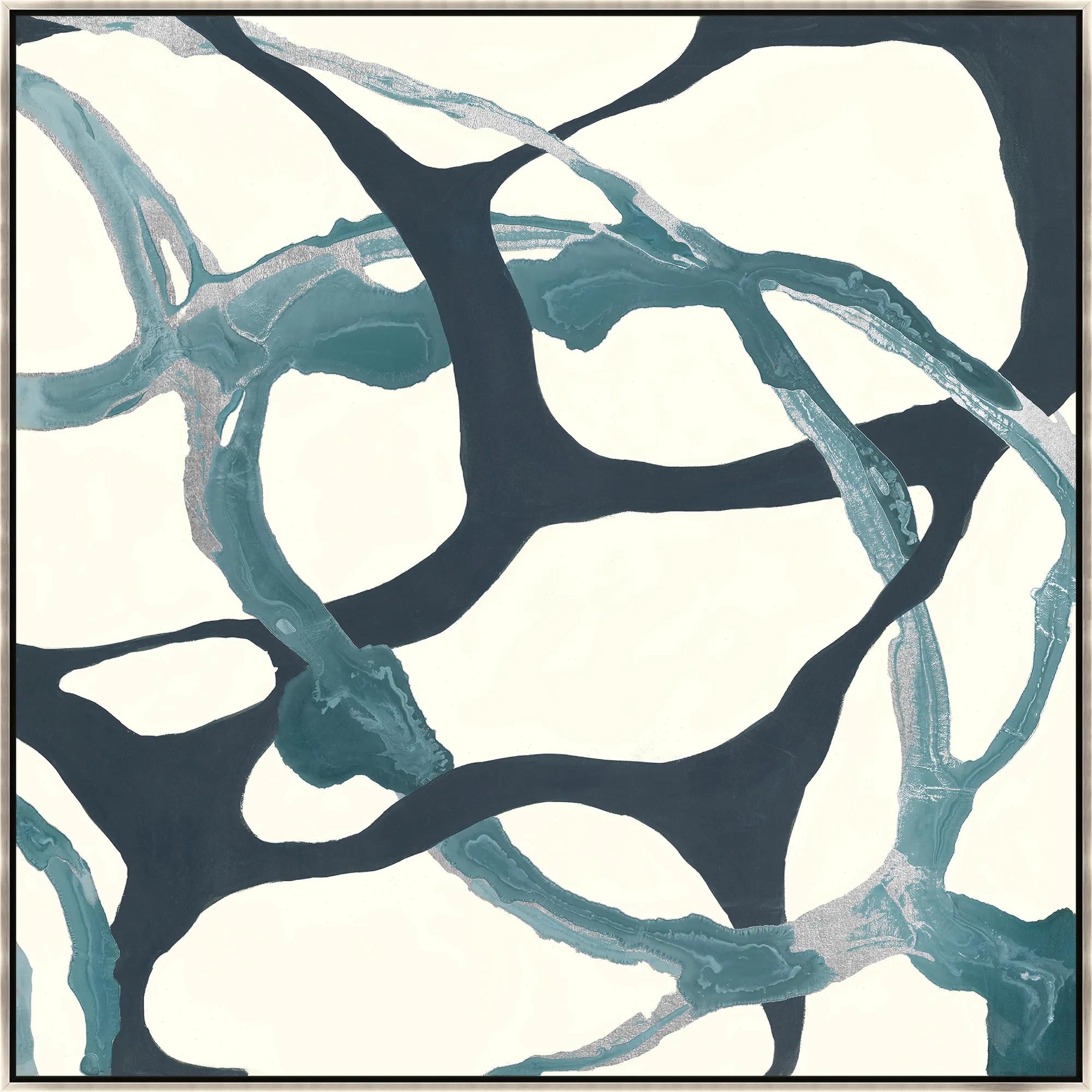
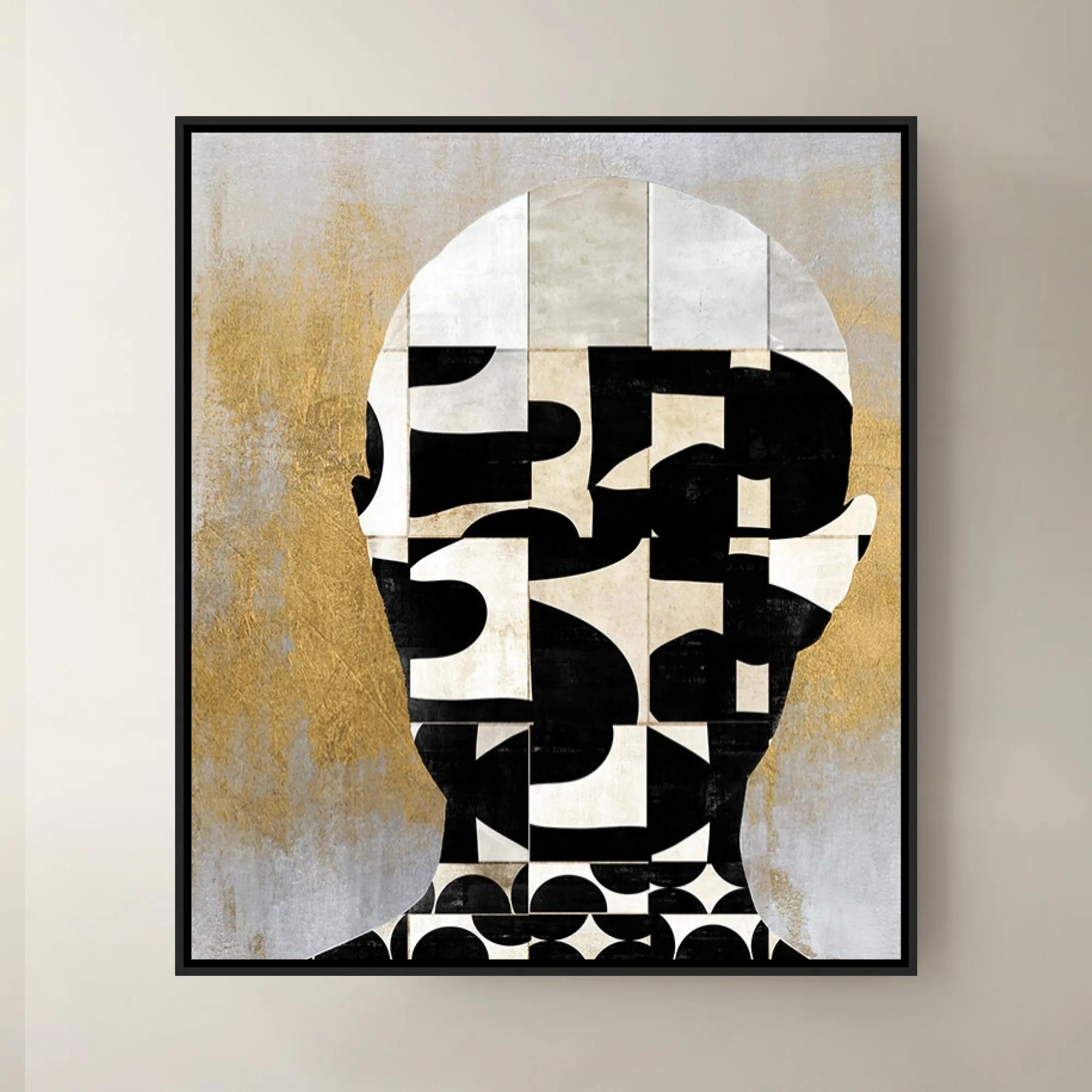
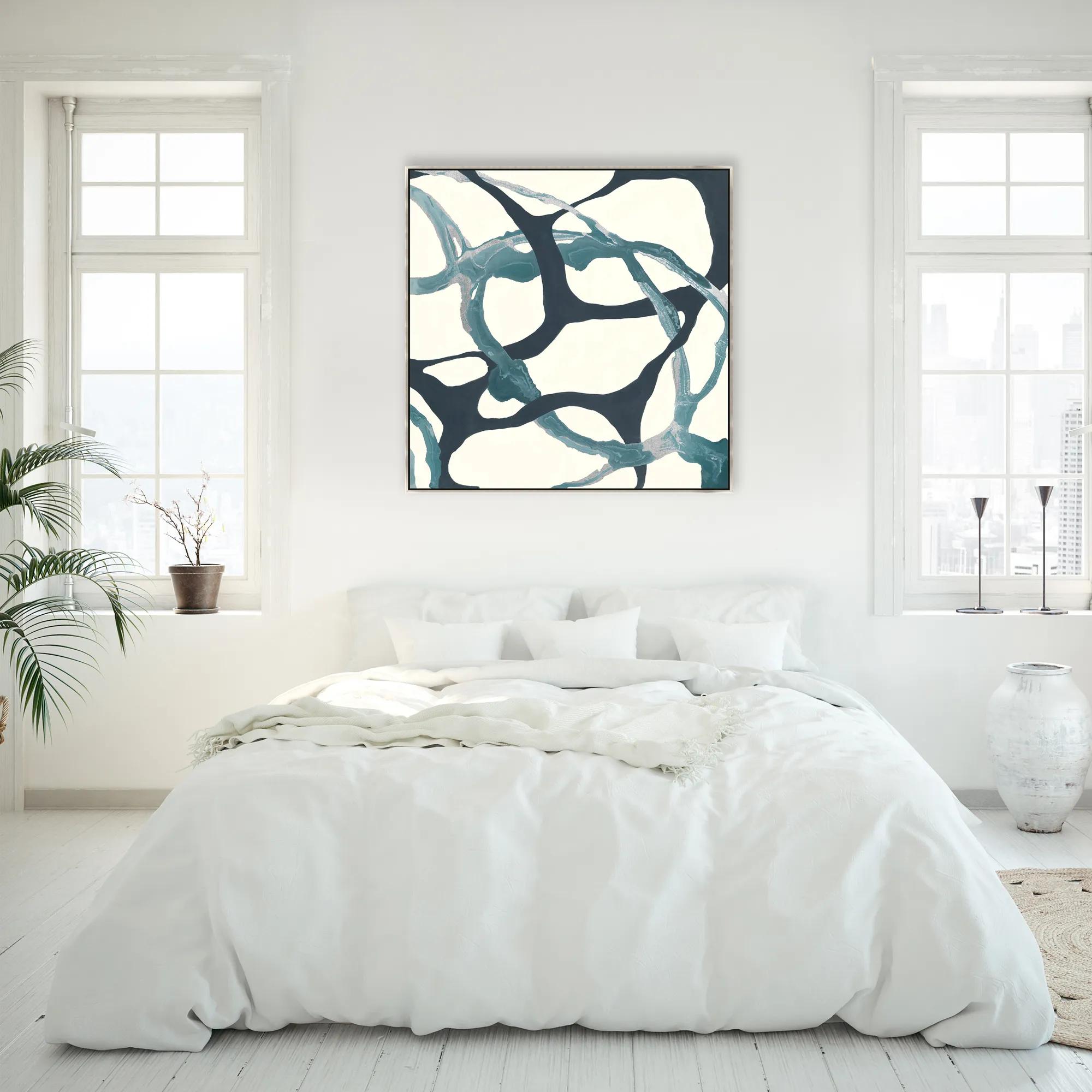 Alignments II Framed Wall Art 40" x 40"$899
A gallery-wrapped canvas featuring gilded silver accents and hand-applied brush gel in a silver floater frame.
Add To Cart -
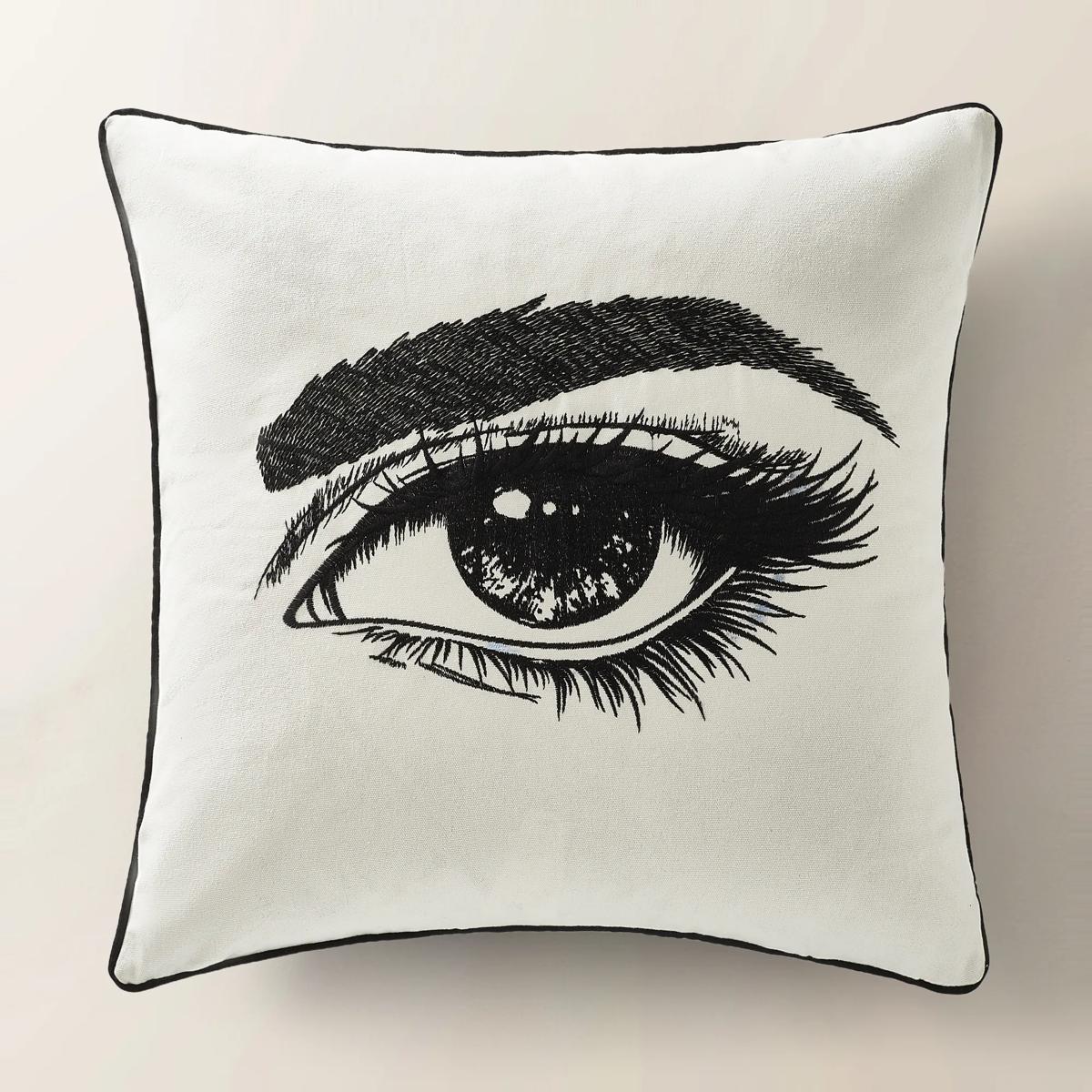
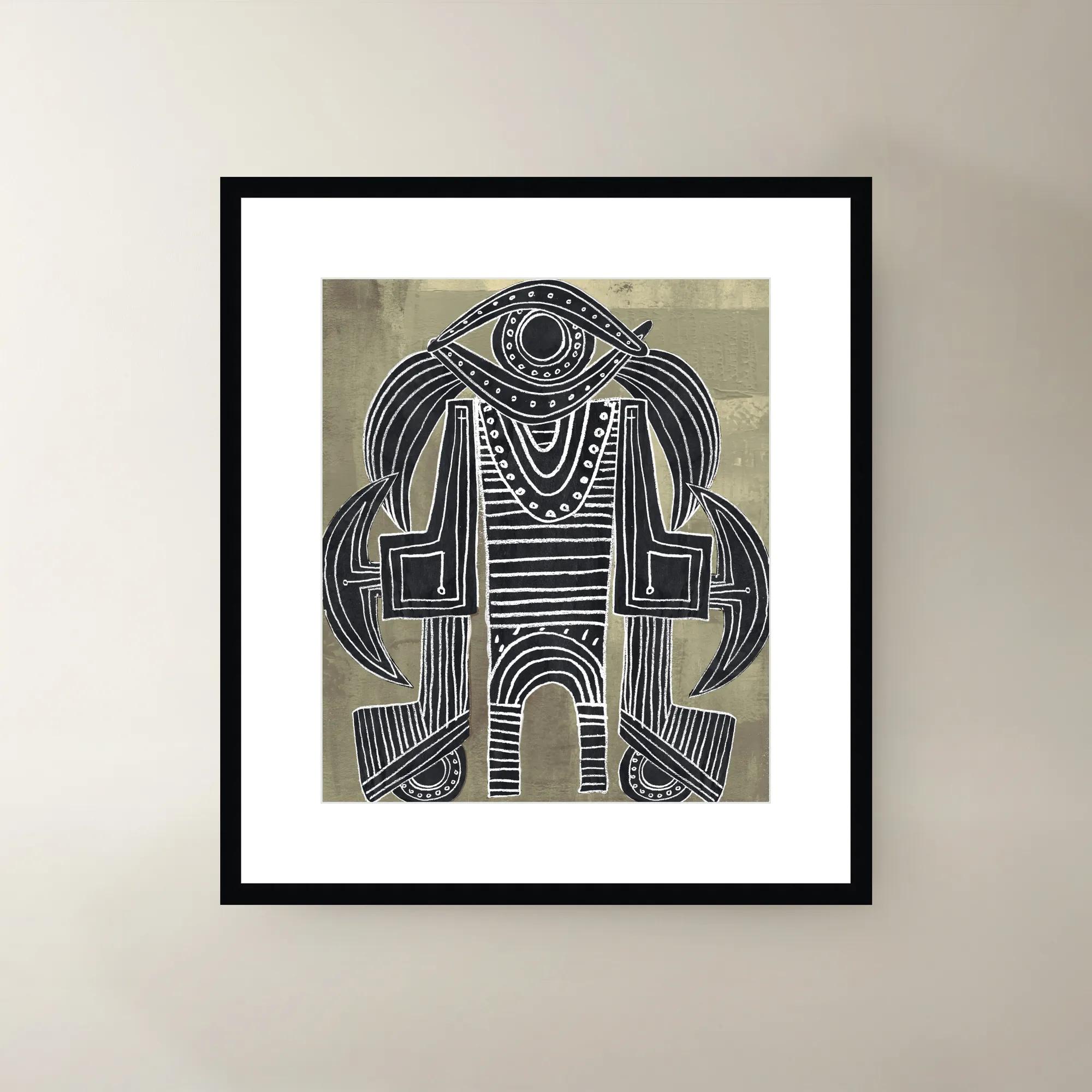
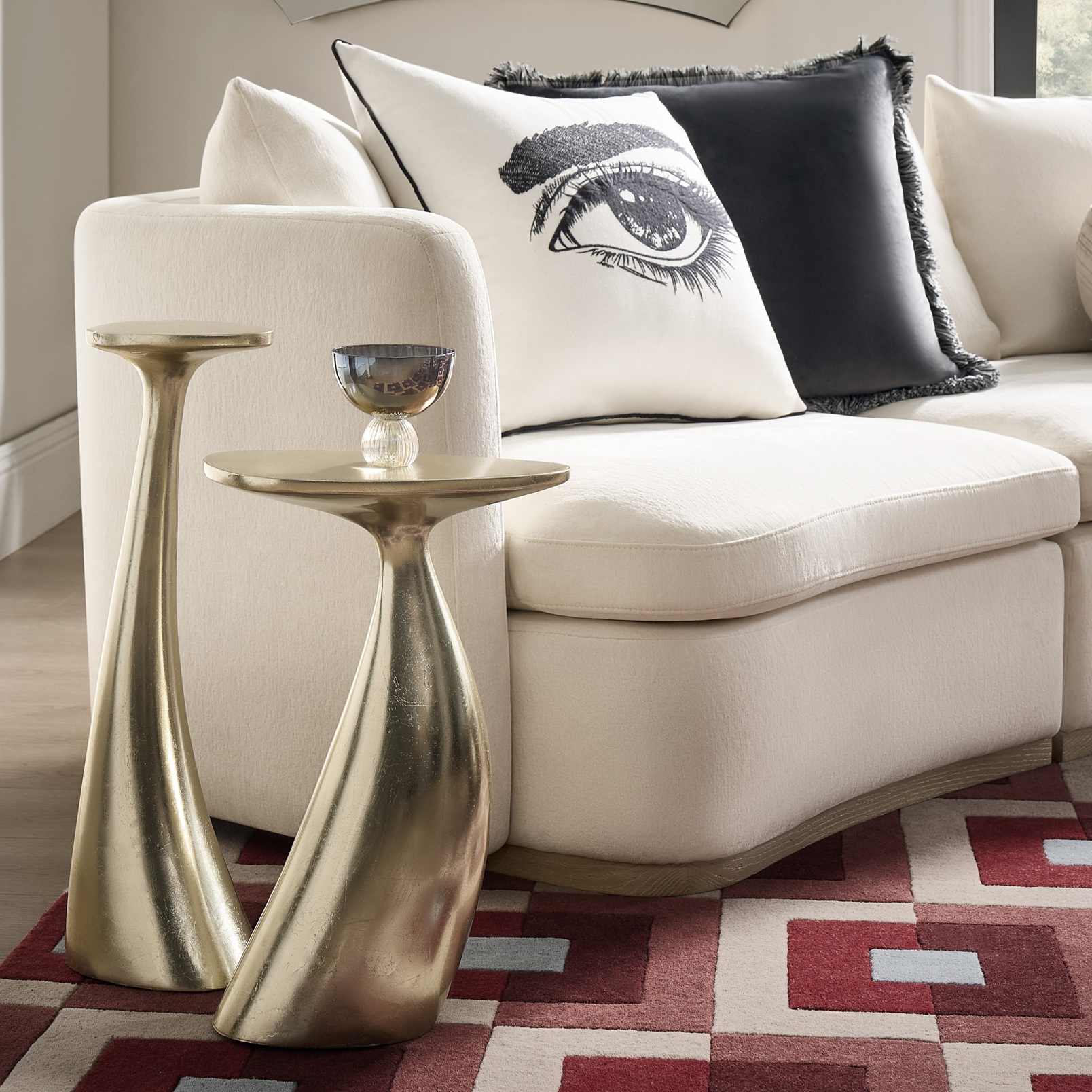 Demure Eye White/Black Embroidered Pillow 22" x 22"$89
A whimsical embroidered eye motif in black thread pops against crisp white cotton with tailored black piping.
Add To Cart -
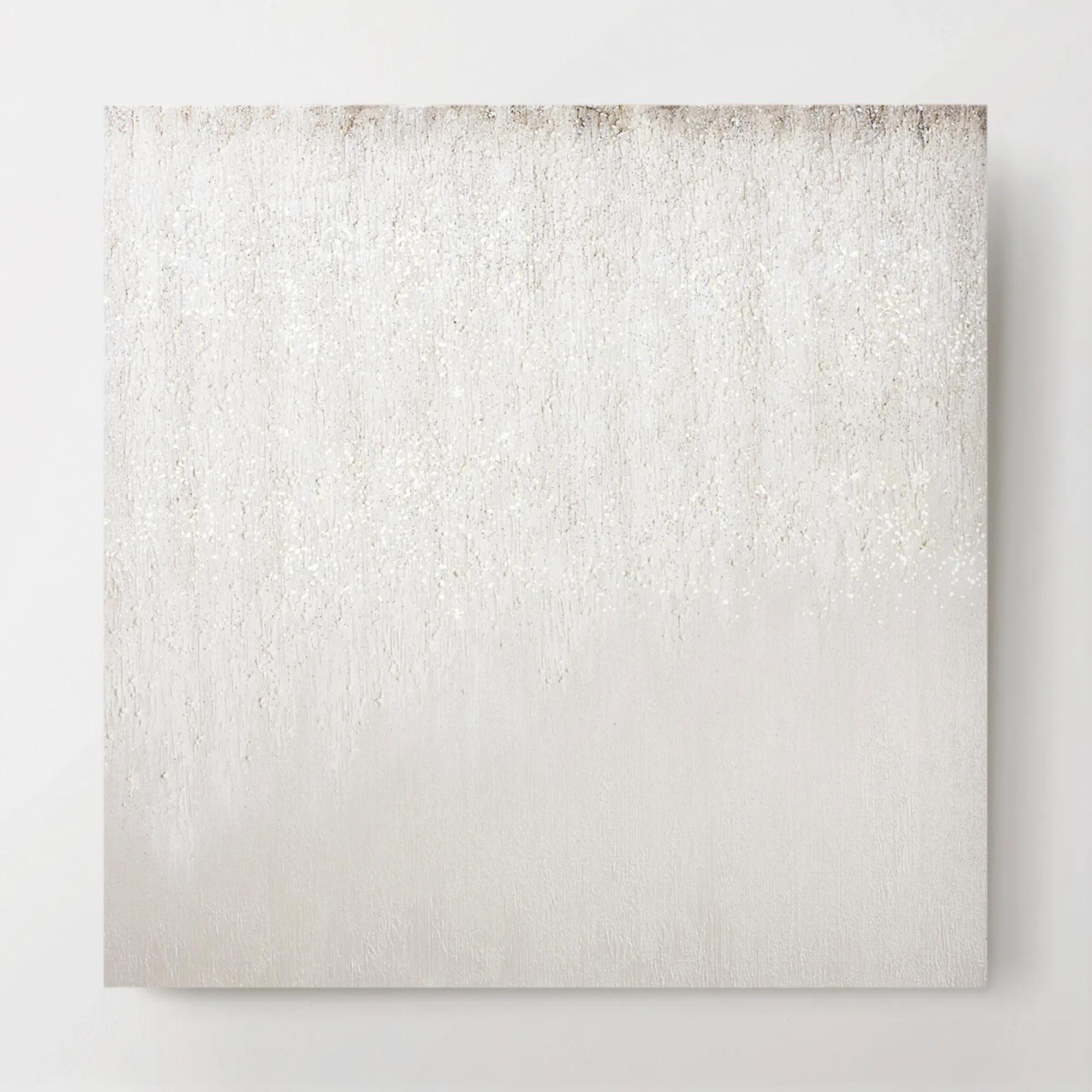 Je T'aime Glitter Painted Wall Art 30" x 30"$499
A hand-painted canvas artwork featuring ethereal hazy brushstrokes and subtle glitter embellishments.
Add To Cart -
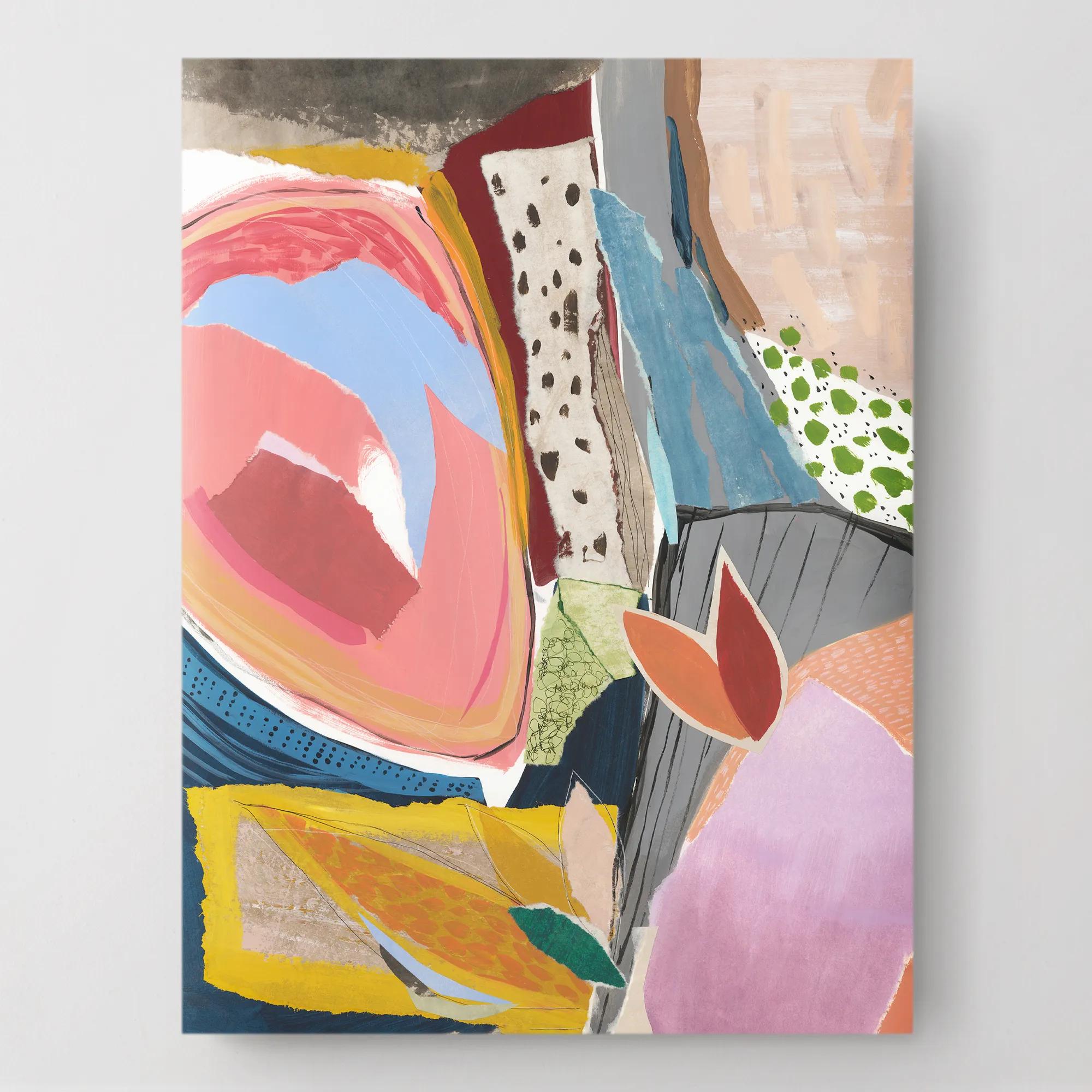
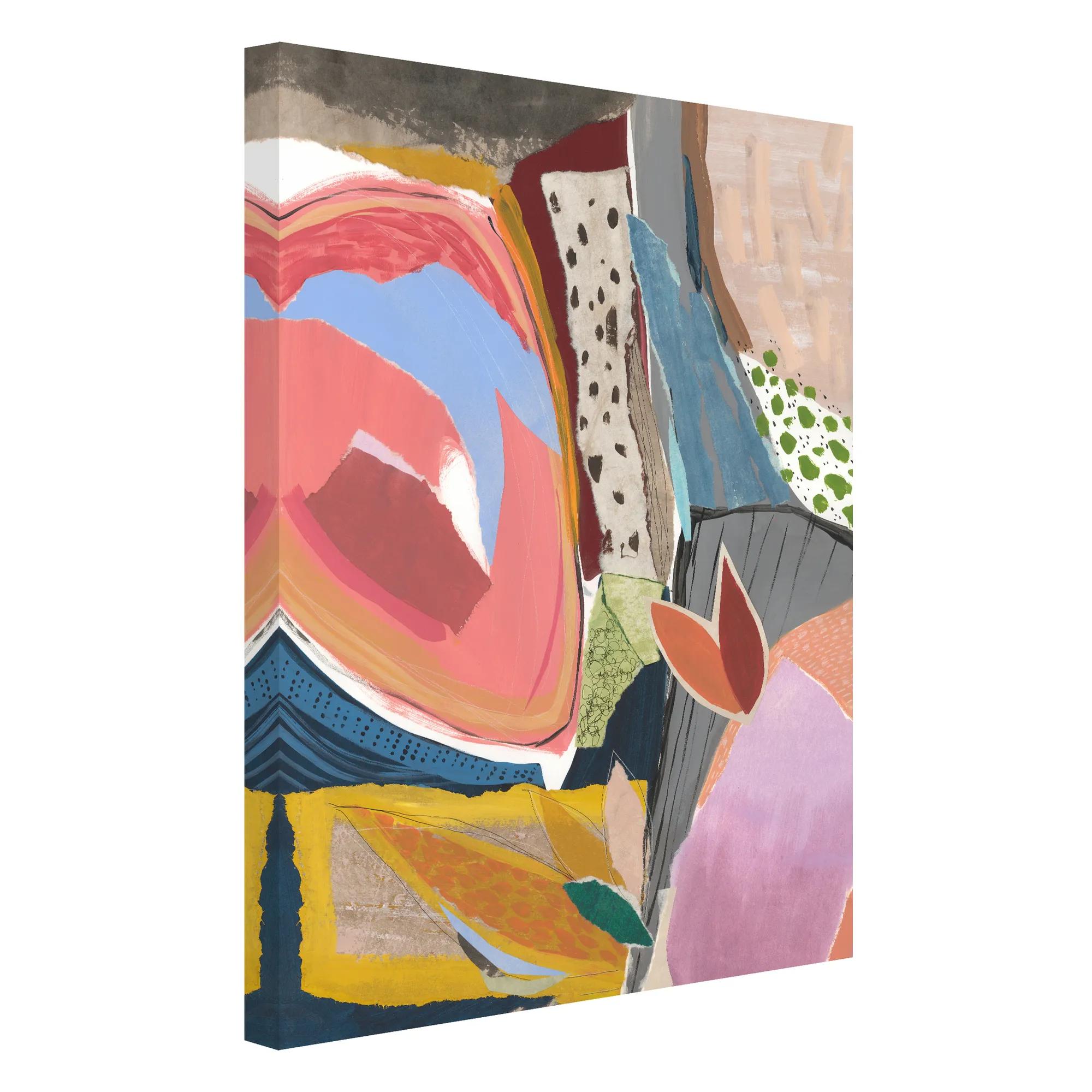 Sunday Vibes 1 Wall Art 30" x 40"$449
A gallery-wrapped canvas artwork featuring a hand-applied image brush gel finish for a textured look.
Add To Cart -
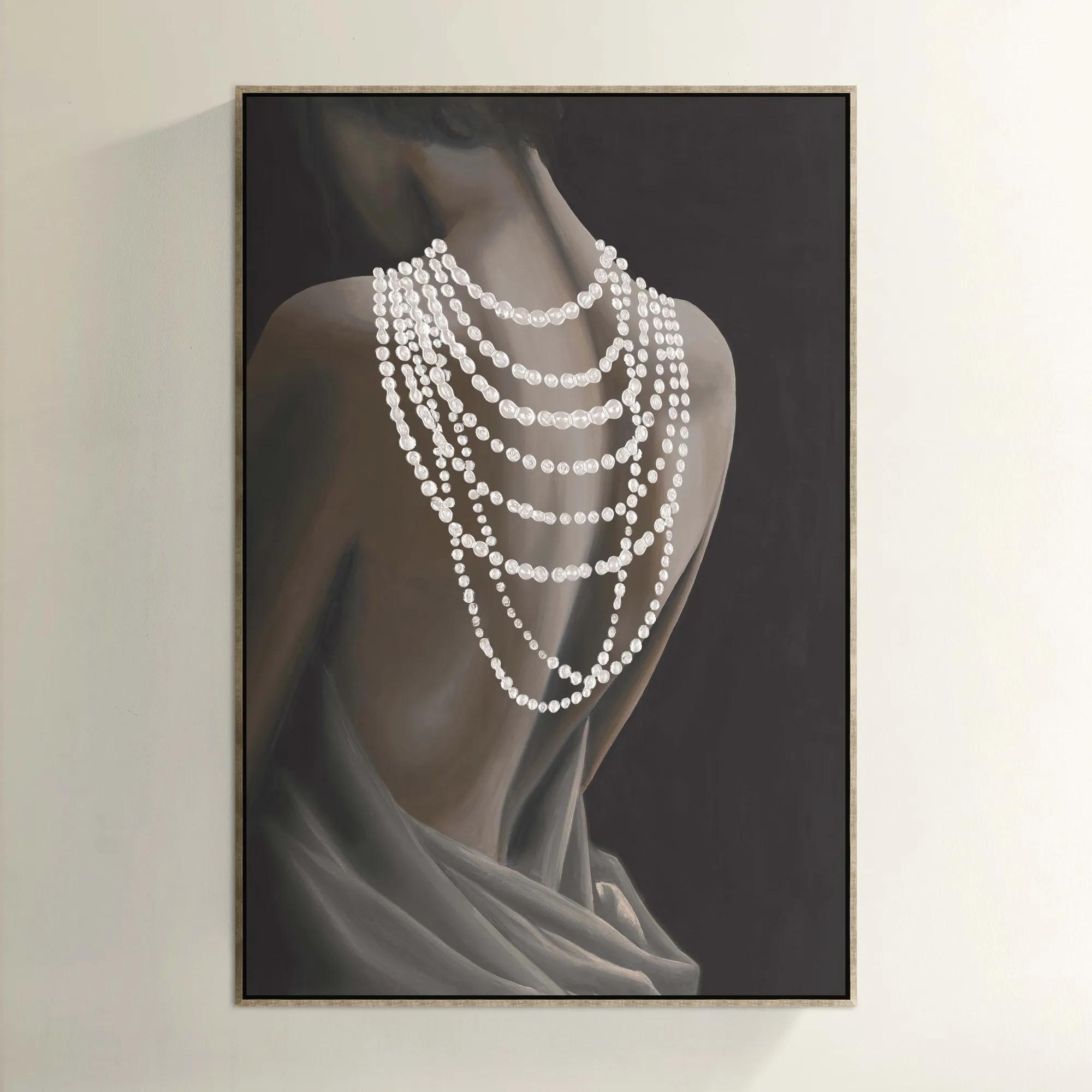 Luminescent Pearls Framed Wall Art 40" x 60"$1119
A hand-embellished canvas artwork featuring textured brush gel, set in a sleek silver floater frame.
Add To Cart -
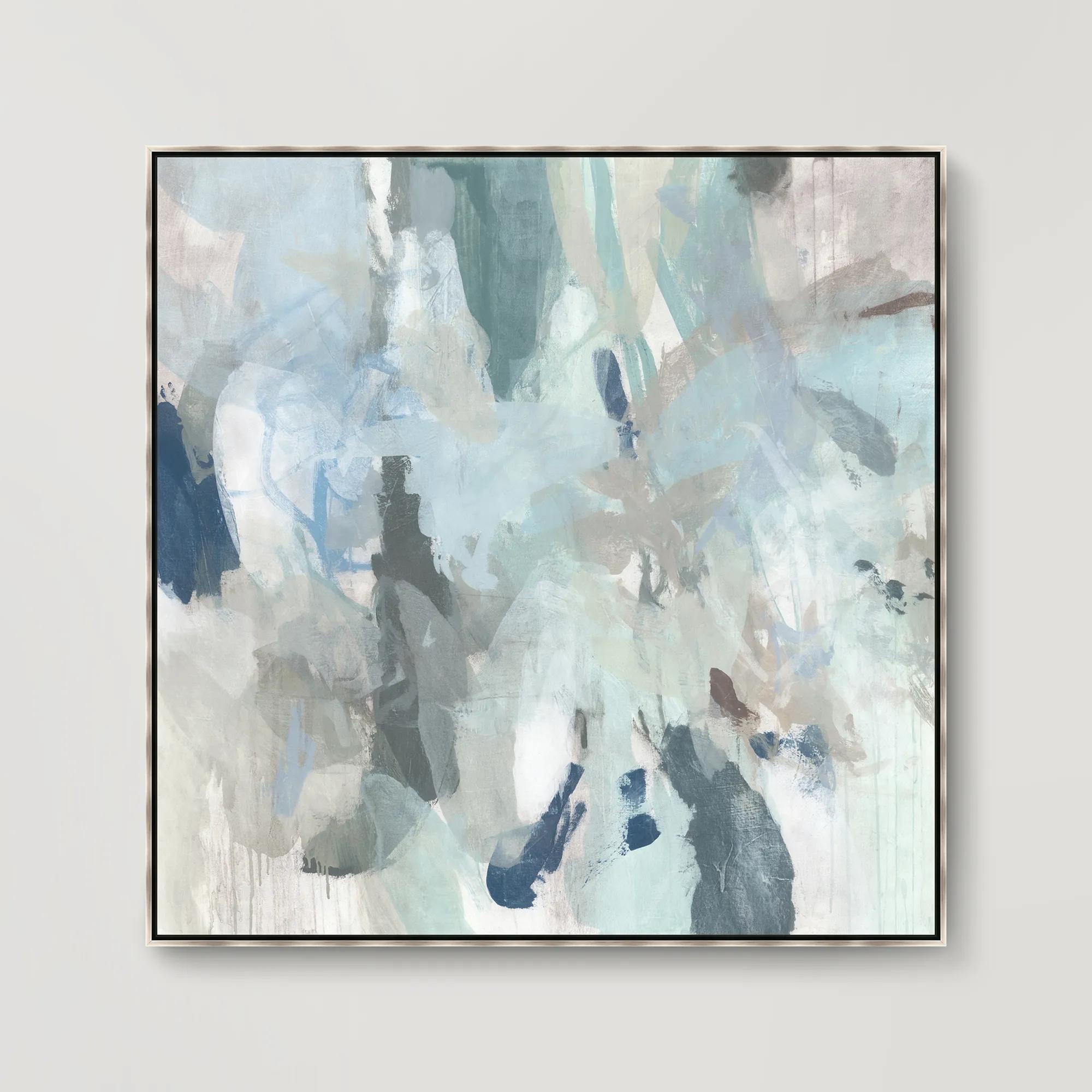
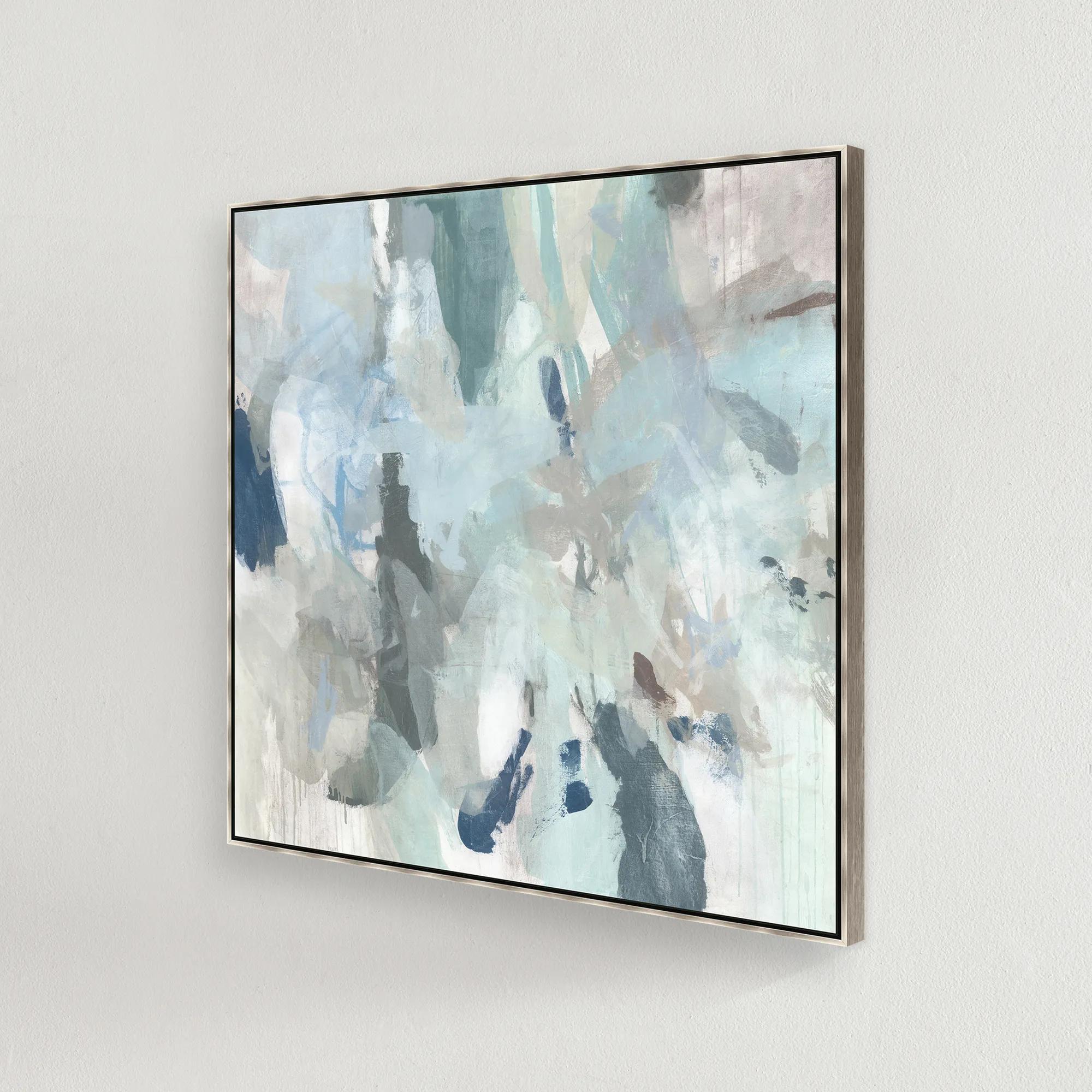 Sage Honey Dew I Framed Wall Art 41.5" x 41.5"$749
A gallery-wrapped abstract canvas featuring hand-applied gel finish in a silver floater frame.
Add To Cart -
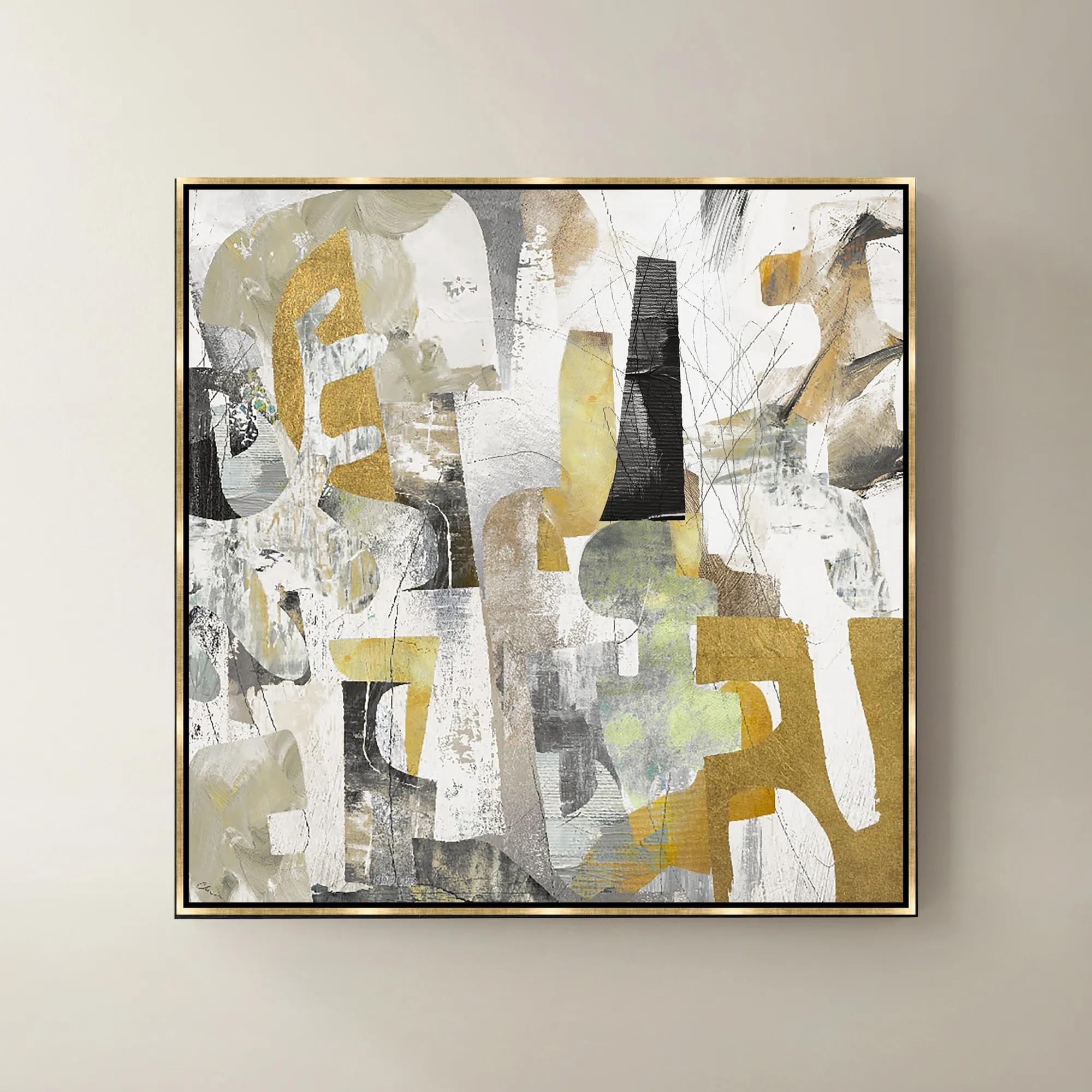
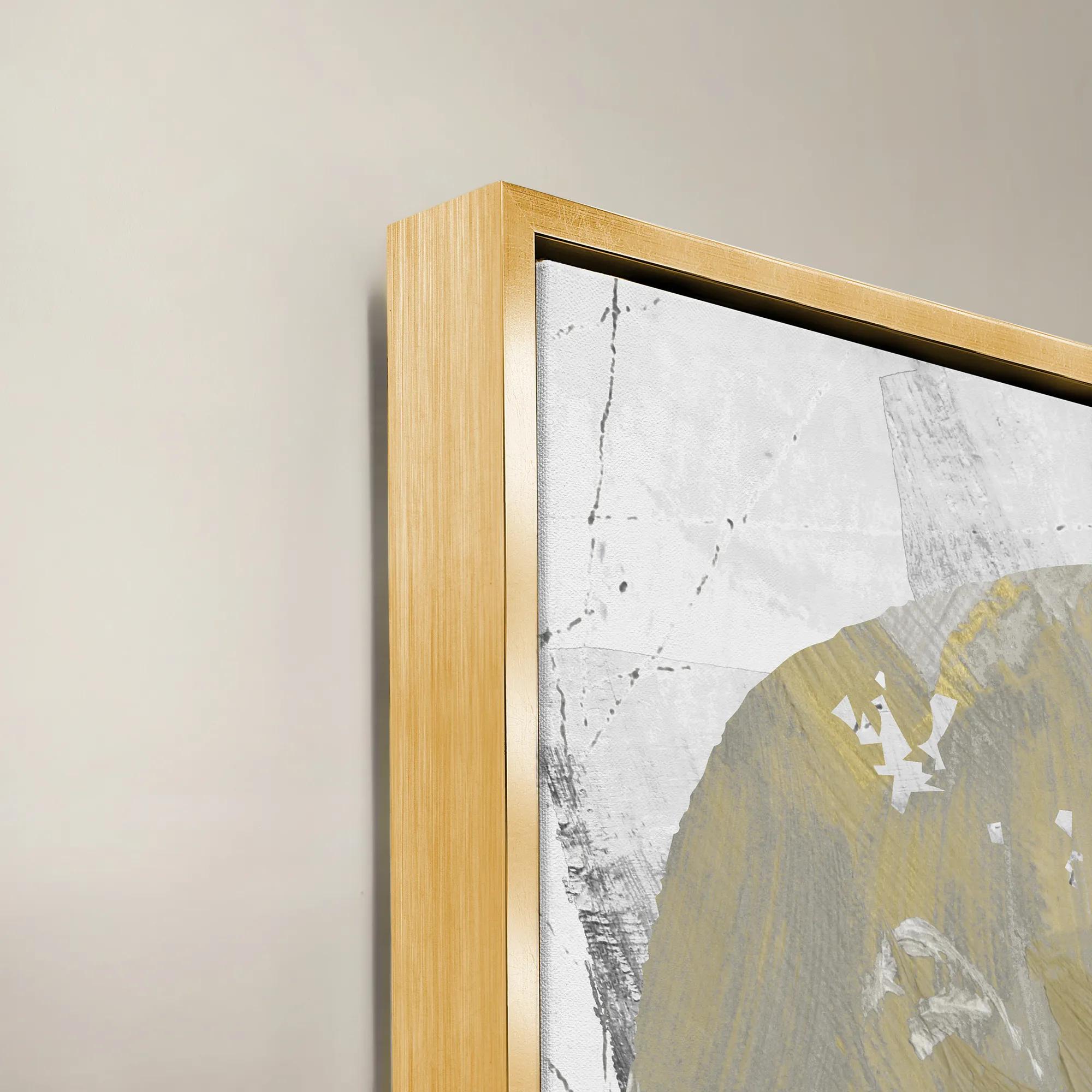 Abby II Framed Wall Art 40" x 40"$849
An abstract art piece inspired by Nikki Chu’s modern design aesthetic and creative expertise.
Add To Cart -
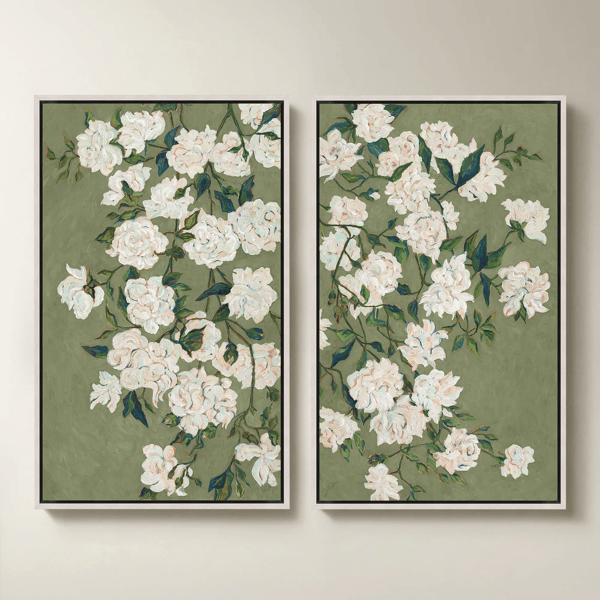
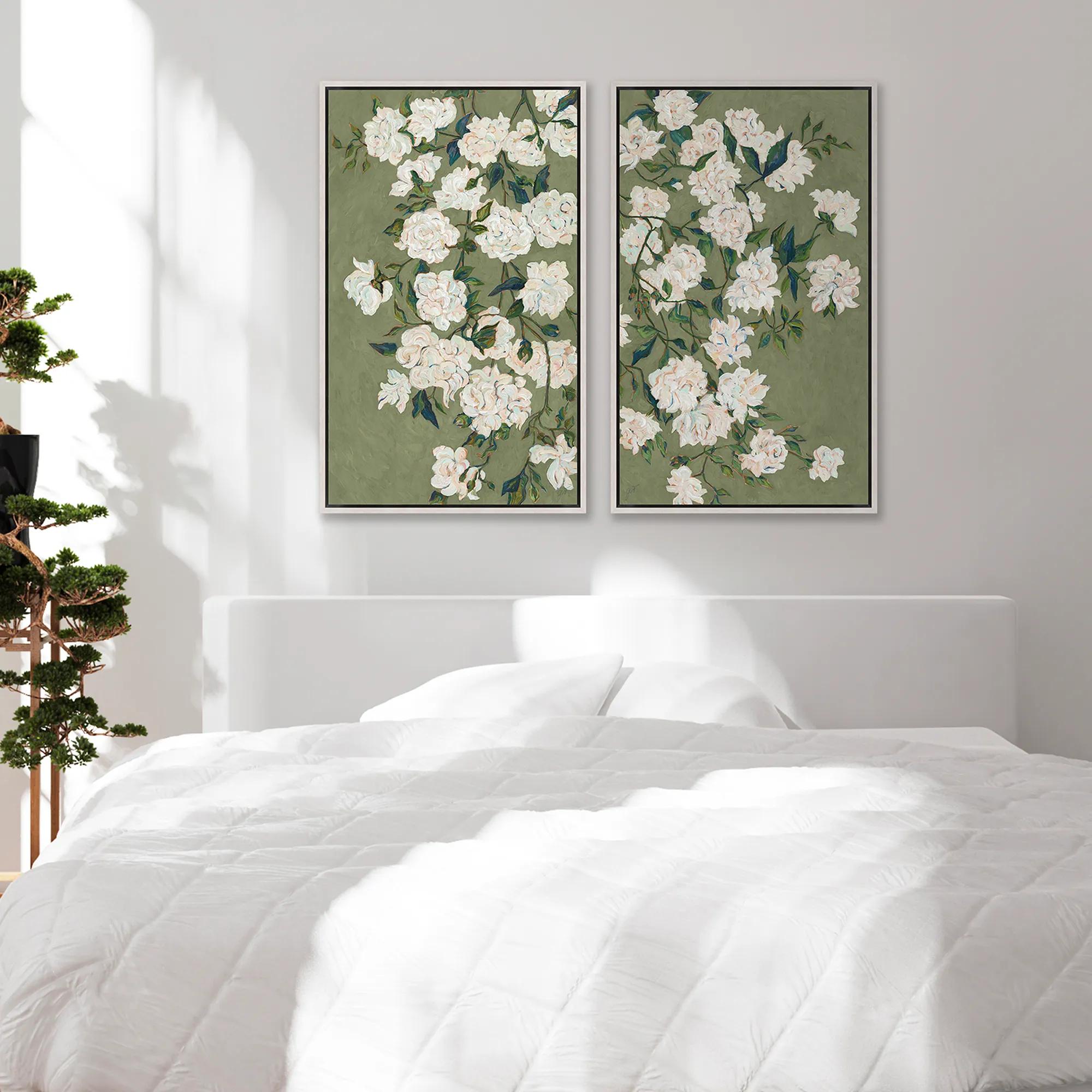 Verdi Vincent Framed Wall Art 21.5" x 41.5" Set of 2$949
A set of two gallery-wrapped fiber texture canvases in white floater frames for modern wall decor.
Add To Cart -
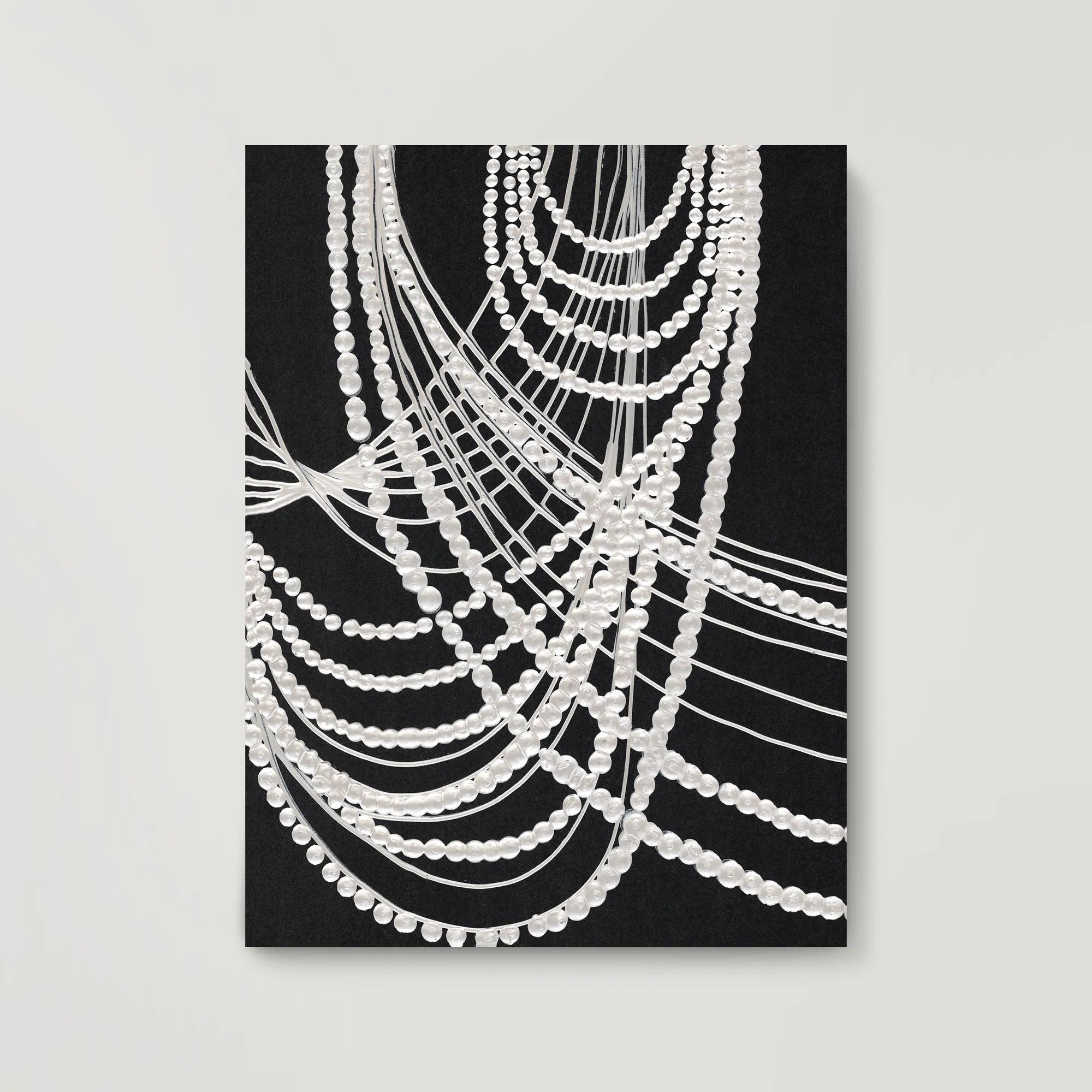 Dripping Pearls Painted Wall Art 36" x 48"$949
A striking hand-painted abstract artwork featuring layered acrylic and watercolor textures in a modern design.
Add To Cart -
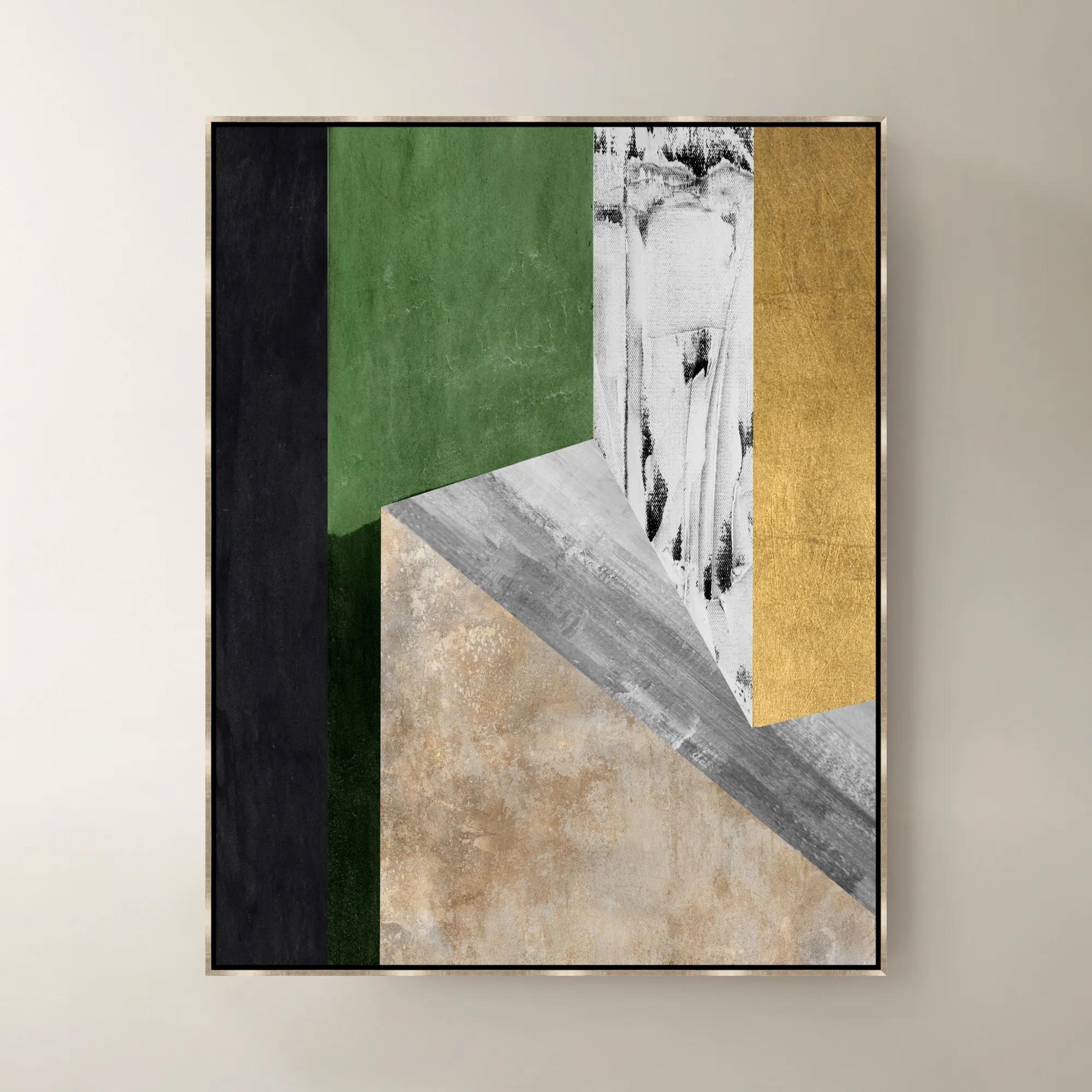
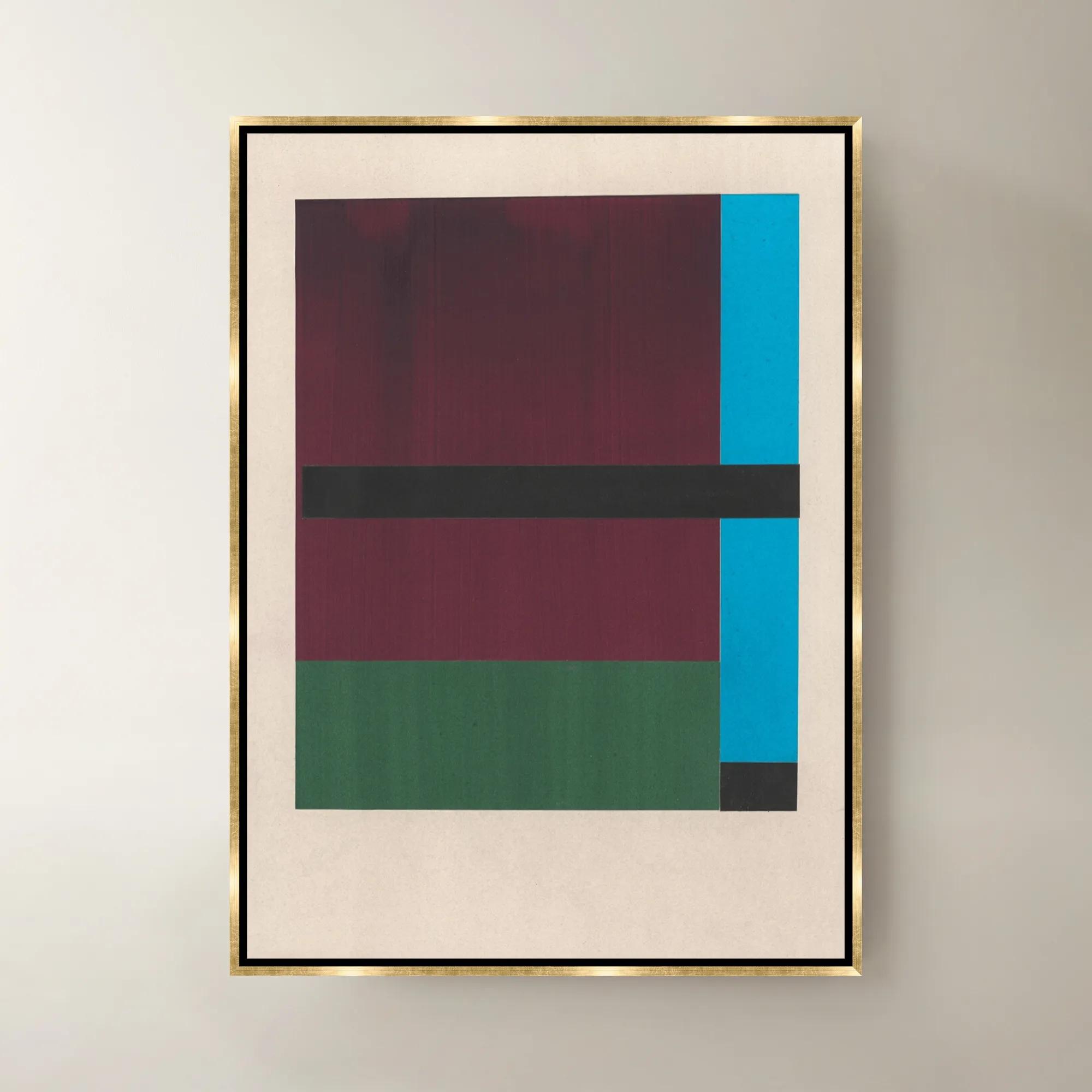
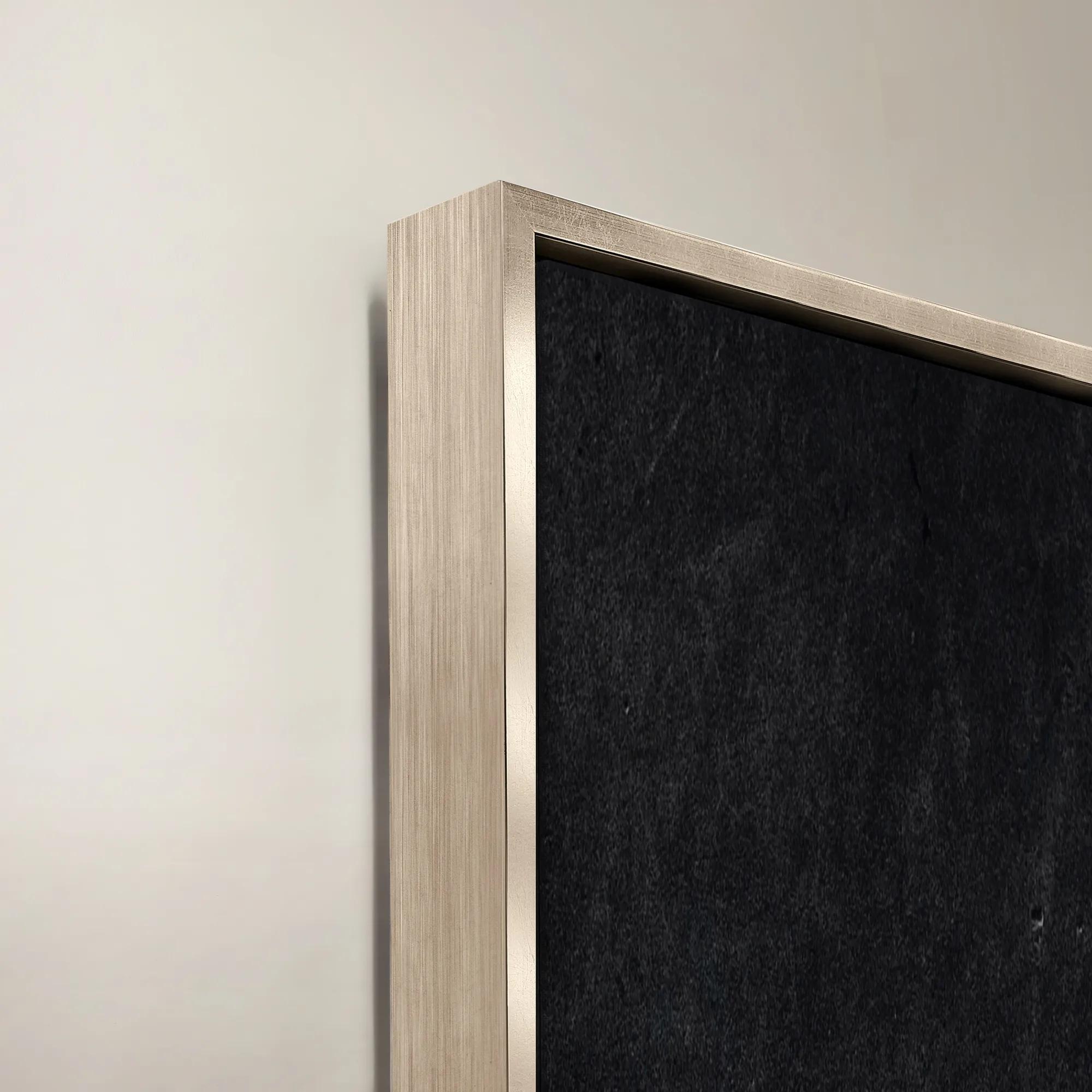 Blocked III Framed Wall Art 42" x 50"$1199
A striking abstract art piece featuring bold geometric shapes and modern design by Nikki Chu.
Add To Cart -
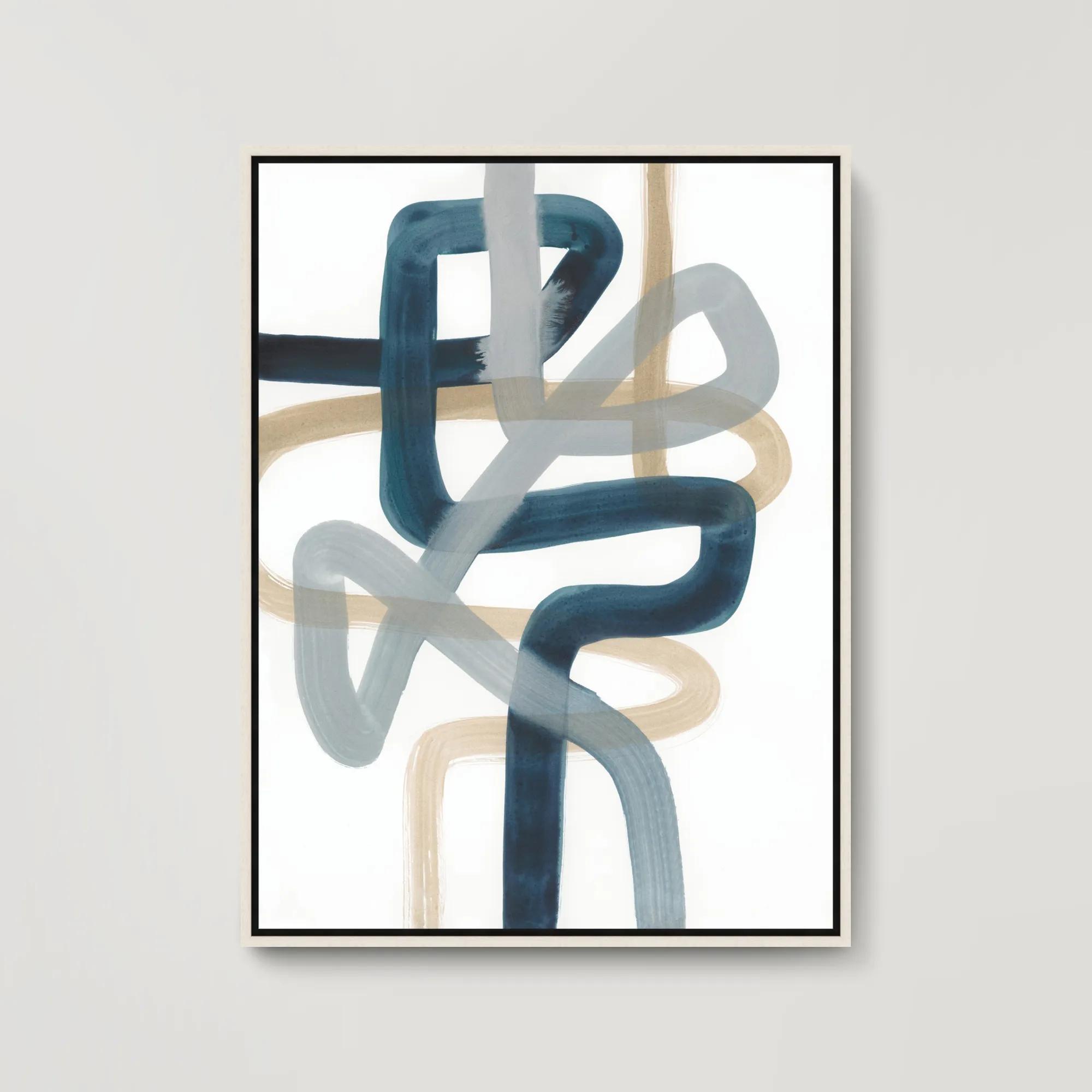
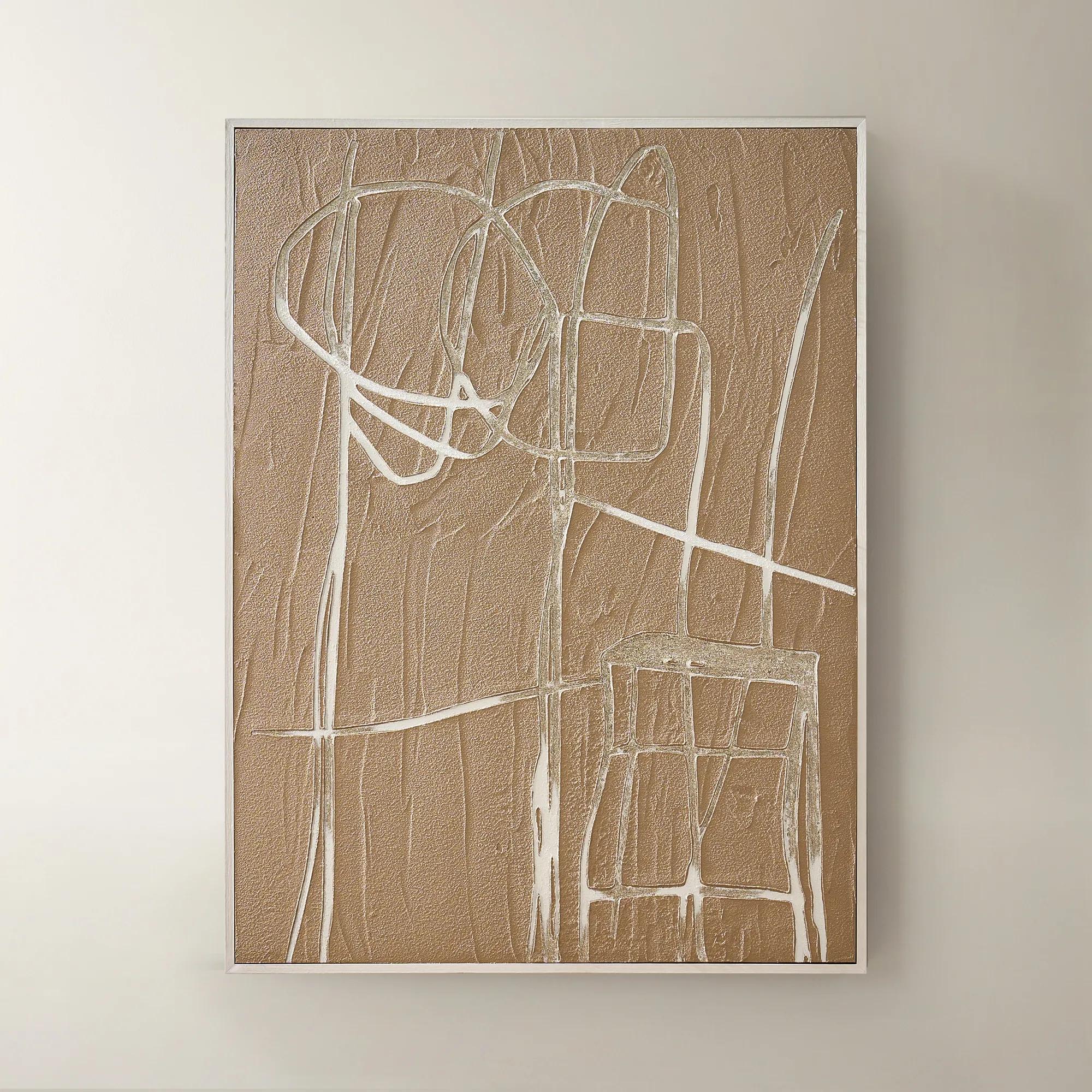
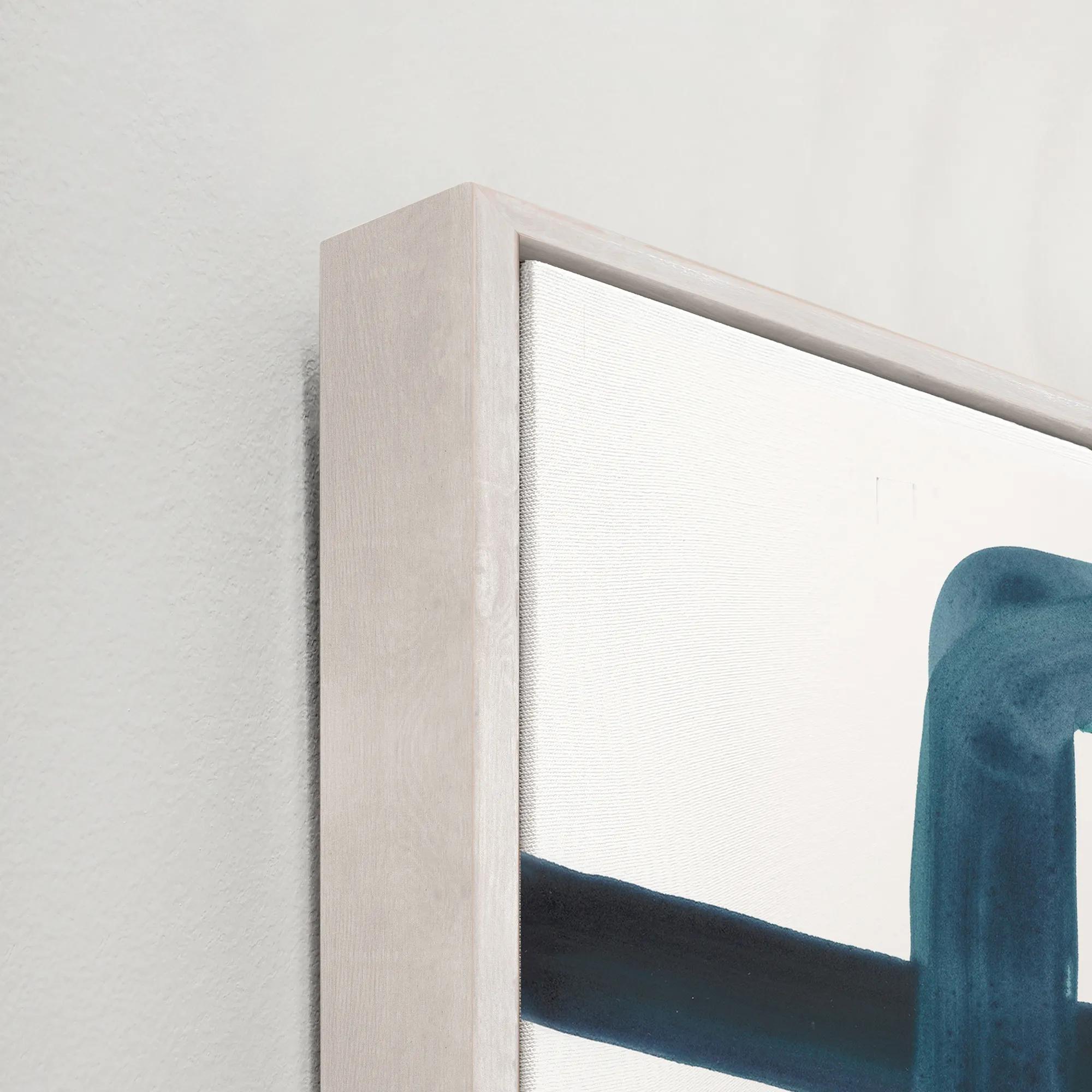 Looped In I Framed Wall Art 31.5" x 41.5"$699
A gallery-wrapped abstract canvas featuring hand-applied brush gel and a sleek white floater frame.
Add To Cart -
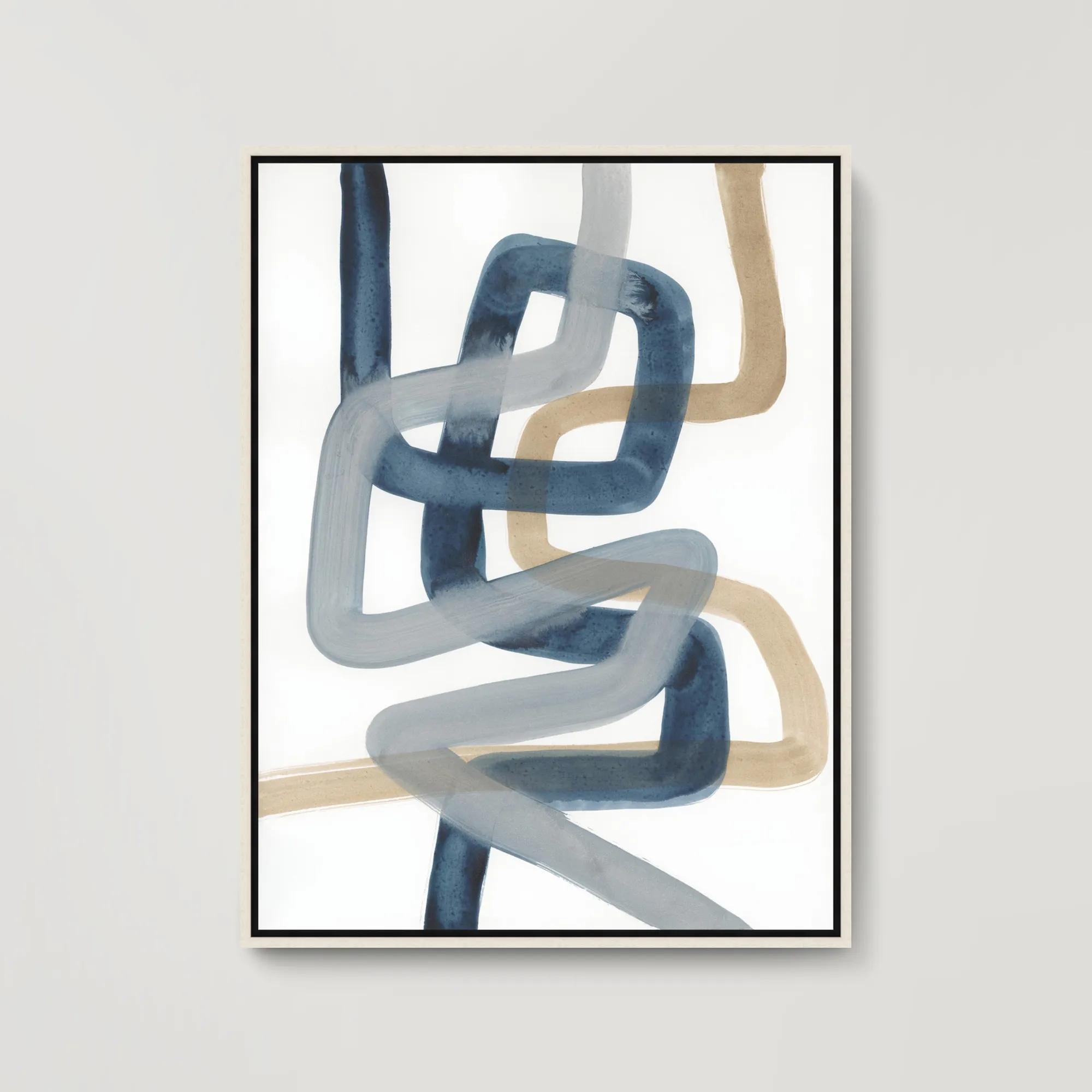 Looped In II Framed Wall Art 31.5" x 41.5"$699
A gallery-wrapped abstract canvas with hand-applied brush gel finish, set in a sleek white floater frame.
Add To Cart -
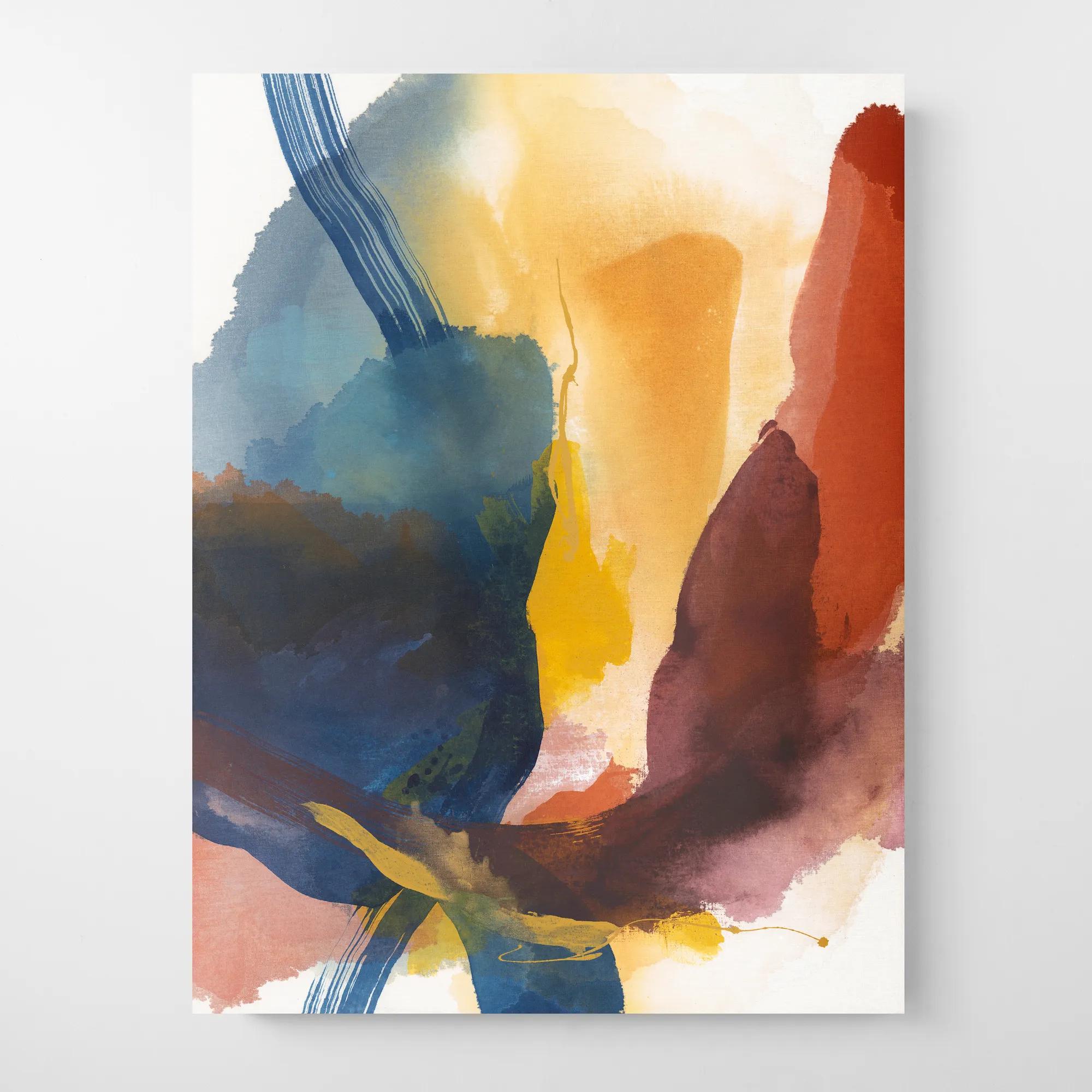
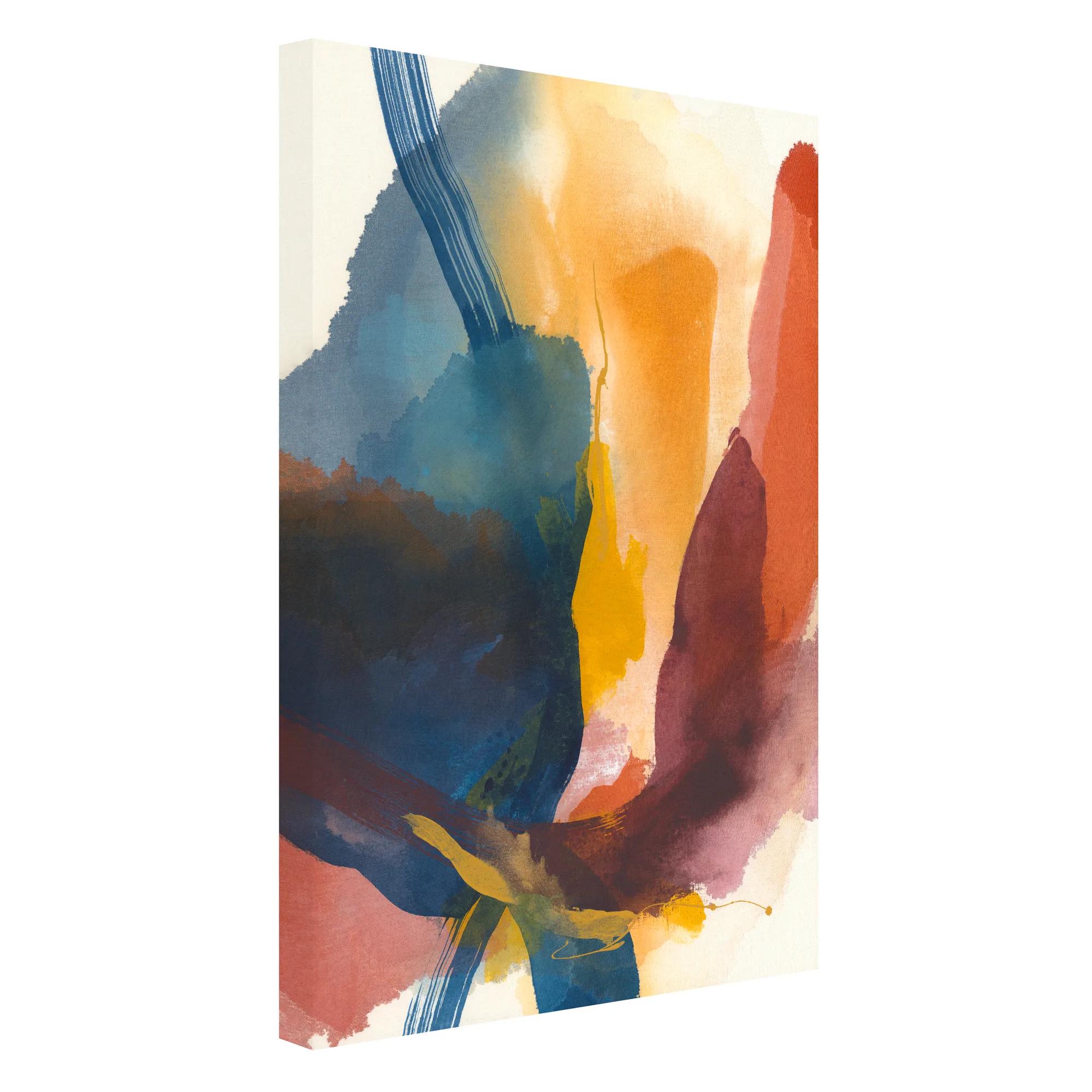 Moon Shower 1 Wall Art 30" x 40"$449
A gallery-wrapped canvas artwork featuring a hand-applied image brush gel finish for versatile display.
Add To Cart -
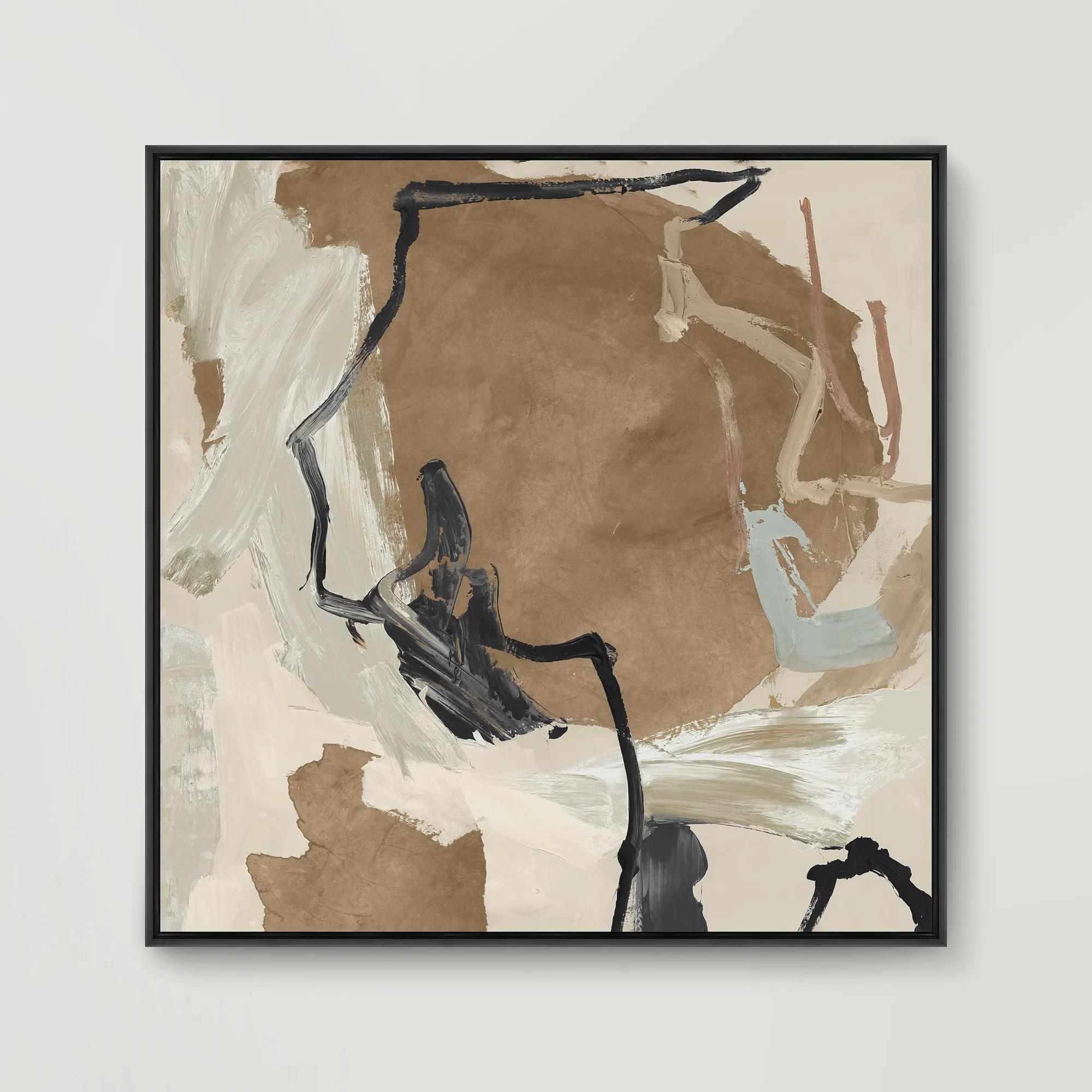
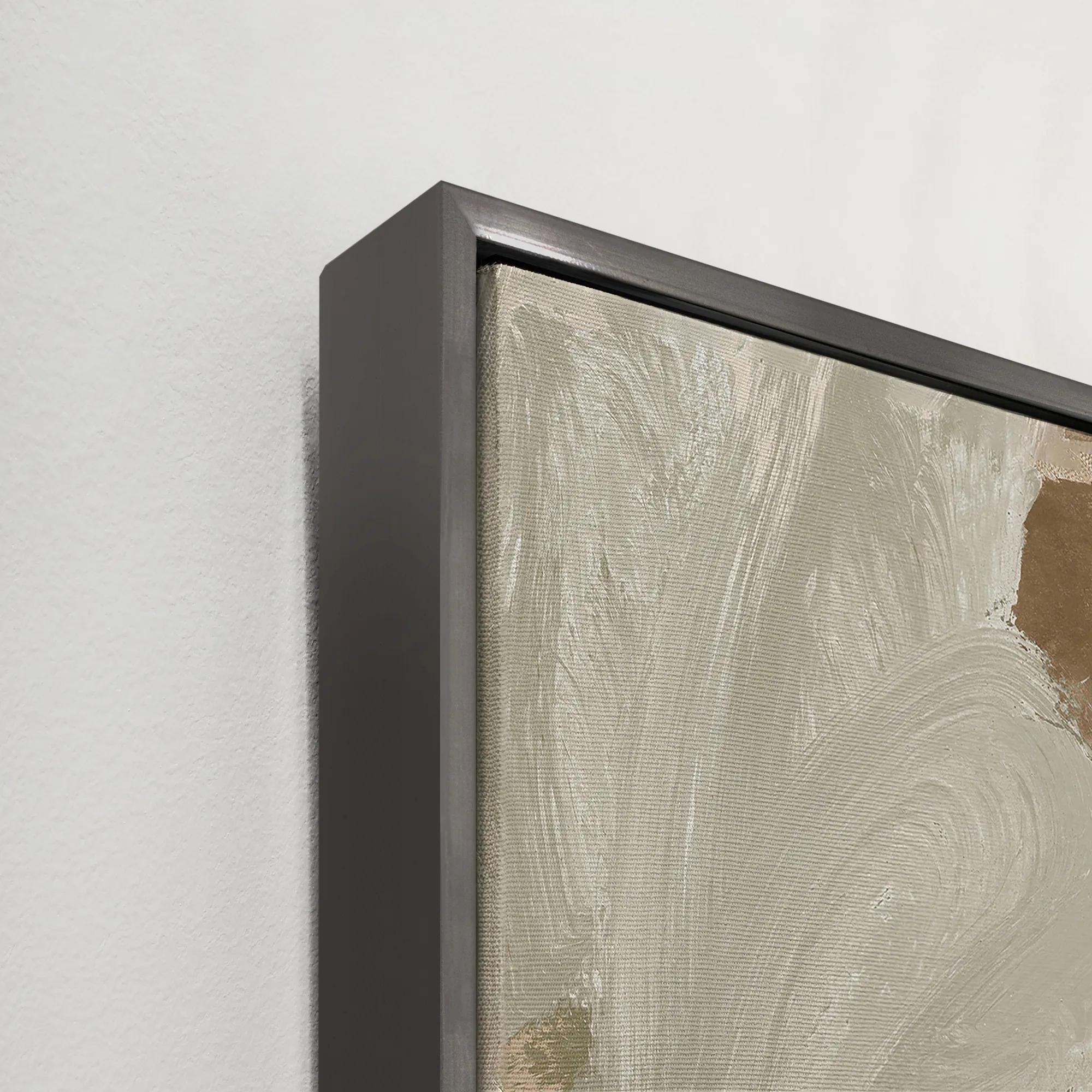 Borderlands IV Framed Wall Art 31.5" x 31.5"$499
A gallery-wrapped canvas artwork with a hand-applied brush gel finish in a sleek gray floater frame.
Add To Cart -
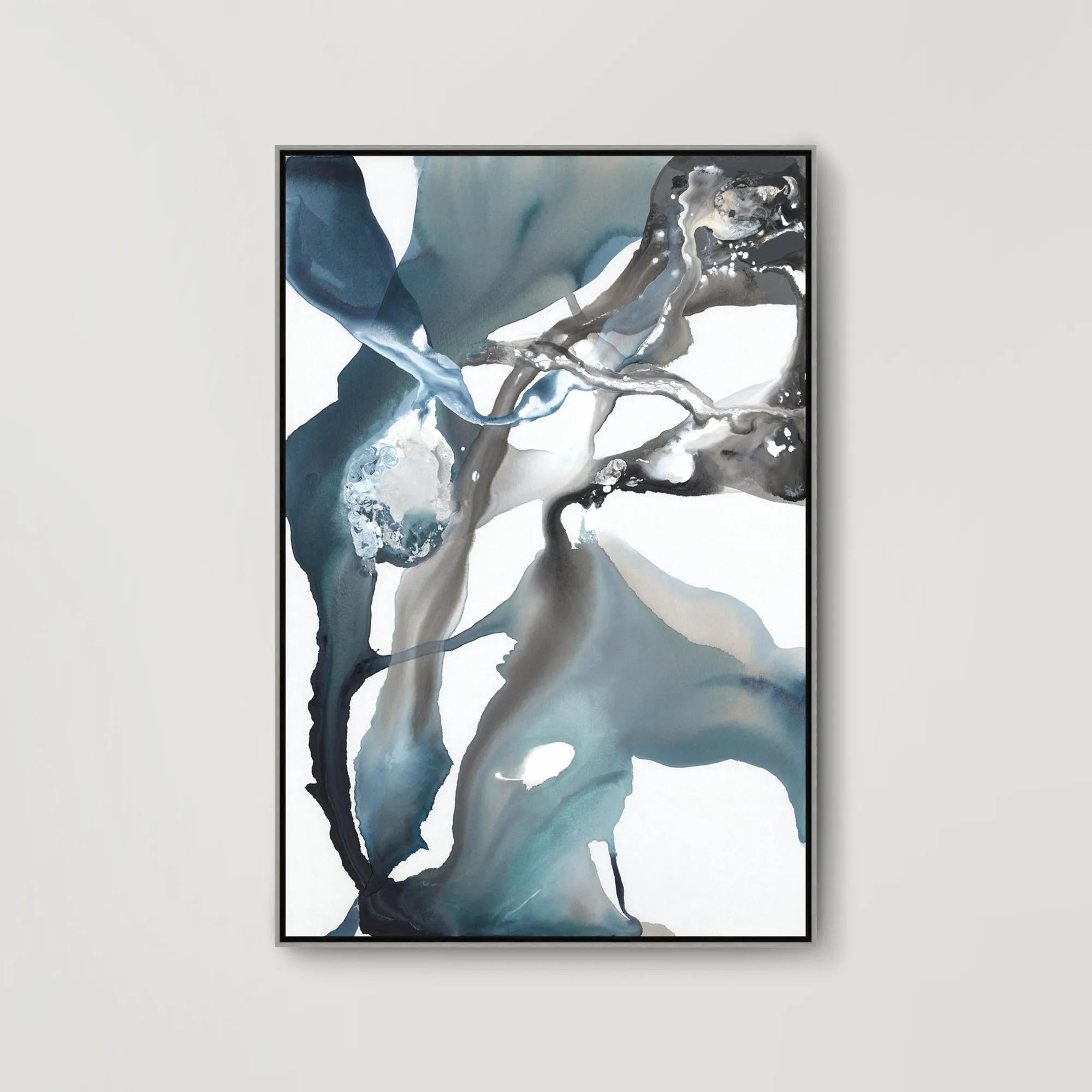
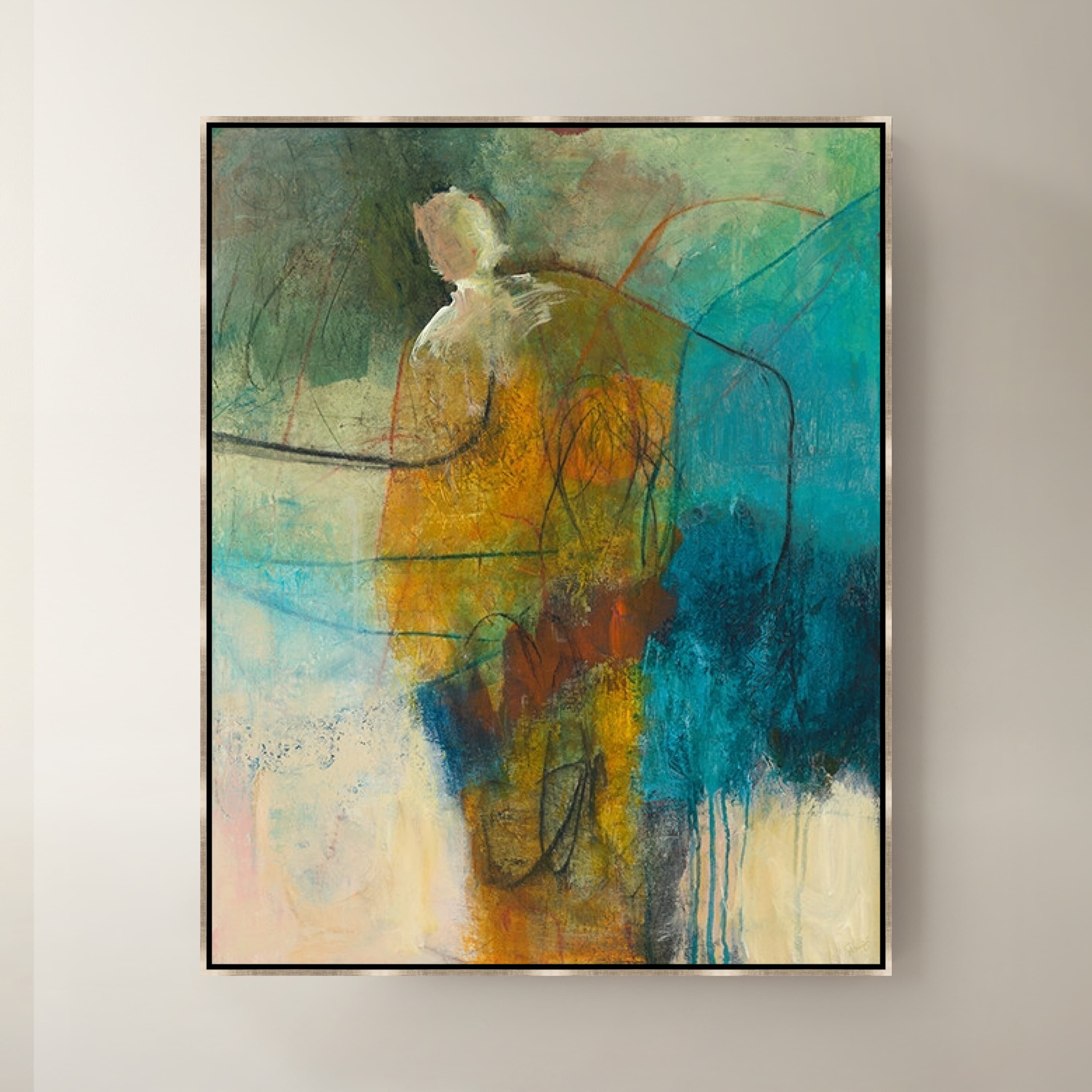
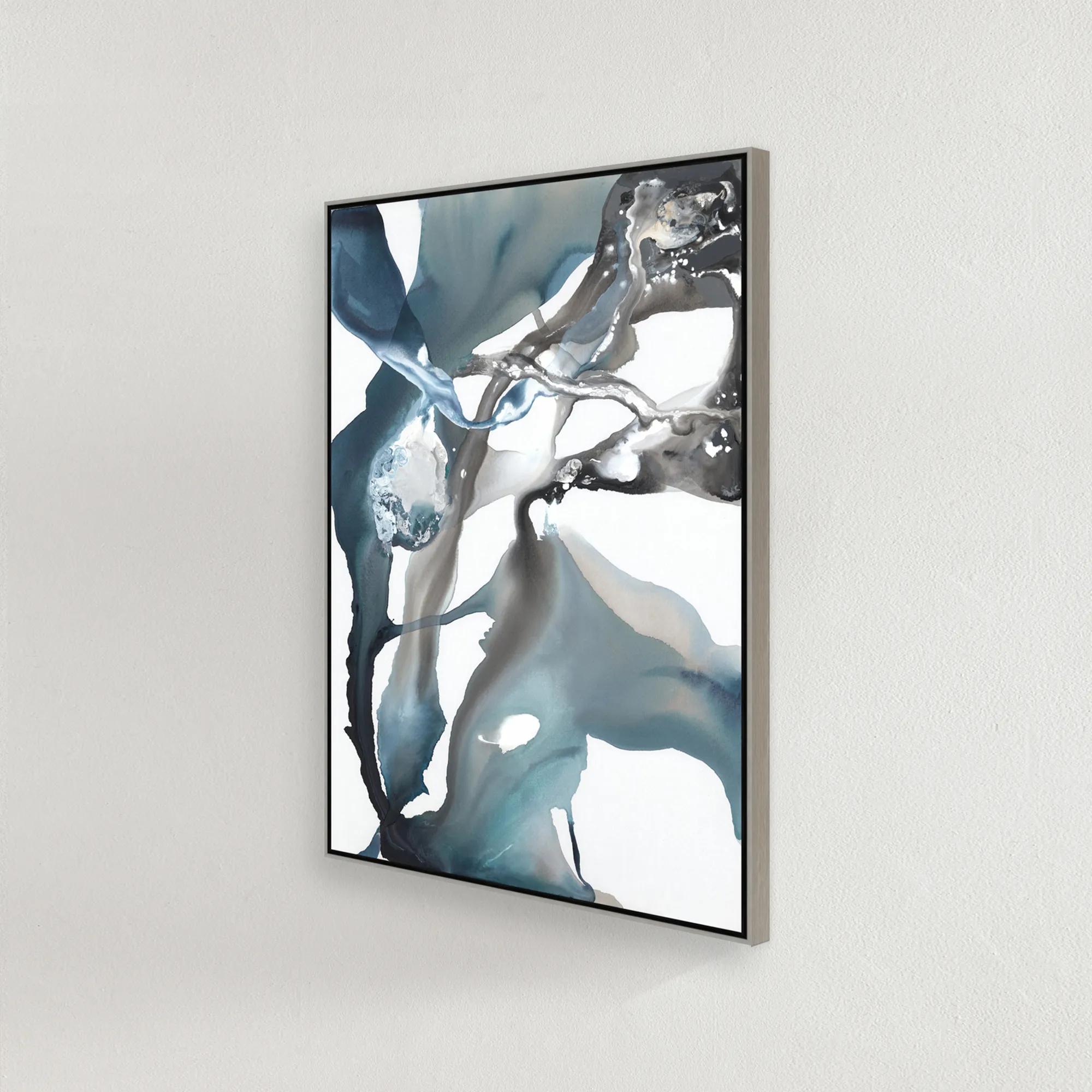 Cool Cascade Framed Wall Art 37.5" x 55.5"$849
A gallery-wrapped canvas artwork featuring expressive colors, hand-applied brush gel, and a gunmetal floater frame.
Add To Cart -
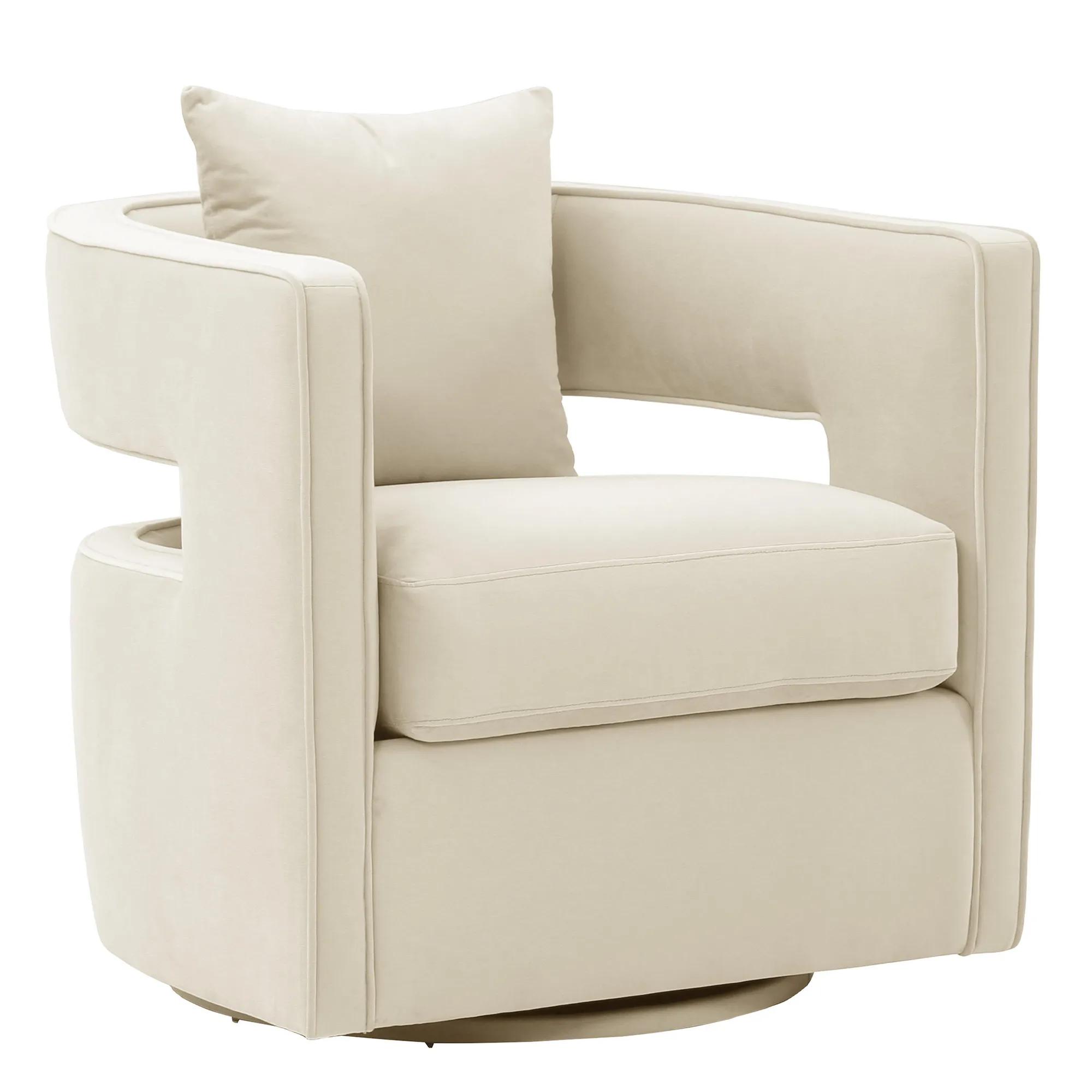
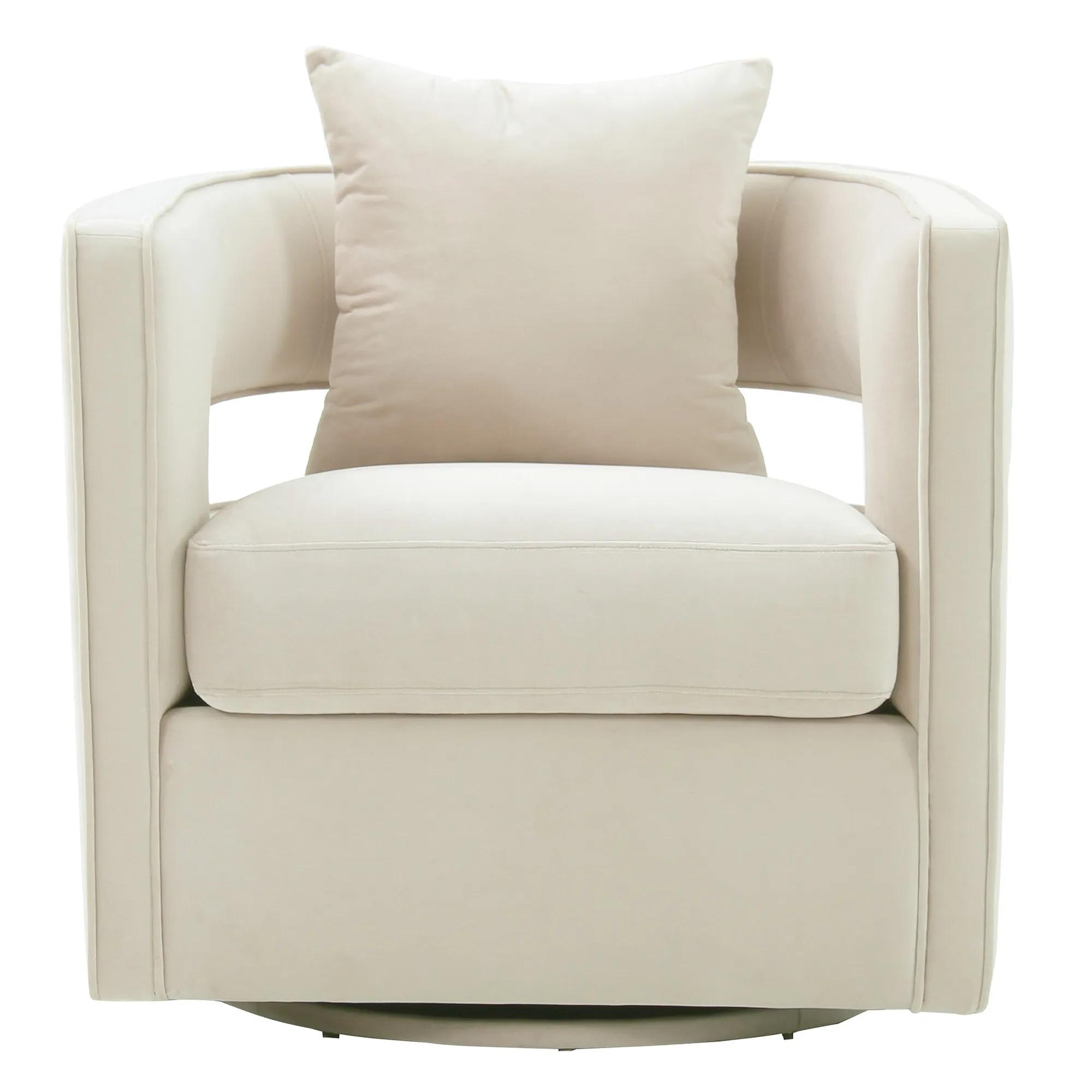 Lottie Cream Velvet Swivel Accent Chair$999
A glamorous cream velvet swivel chair featuring a barrel back, cutout arms, and plush foam cushioning.
Add To Cart -
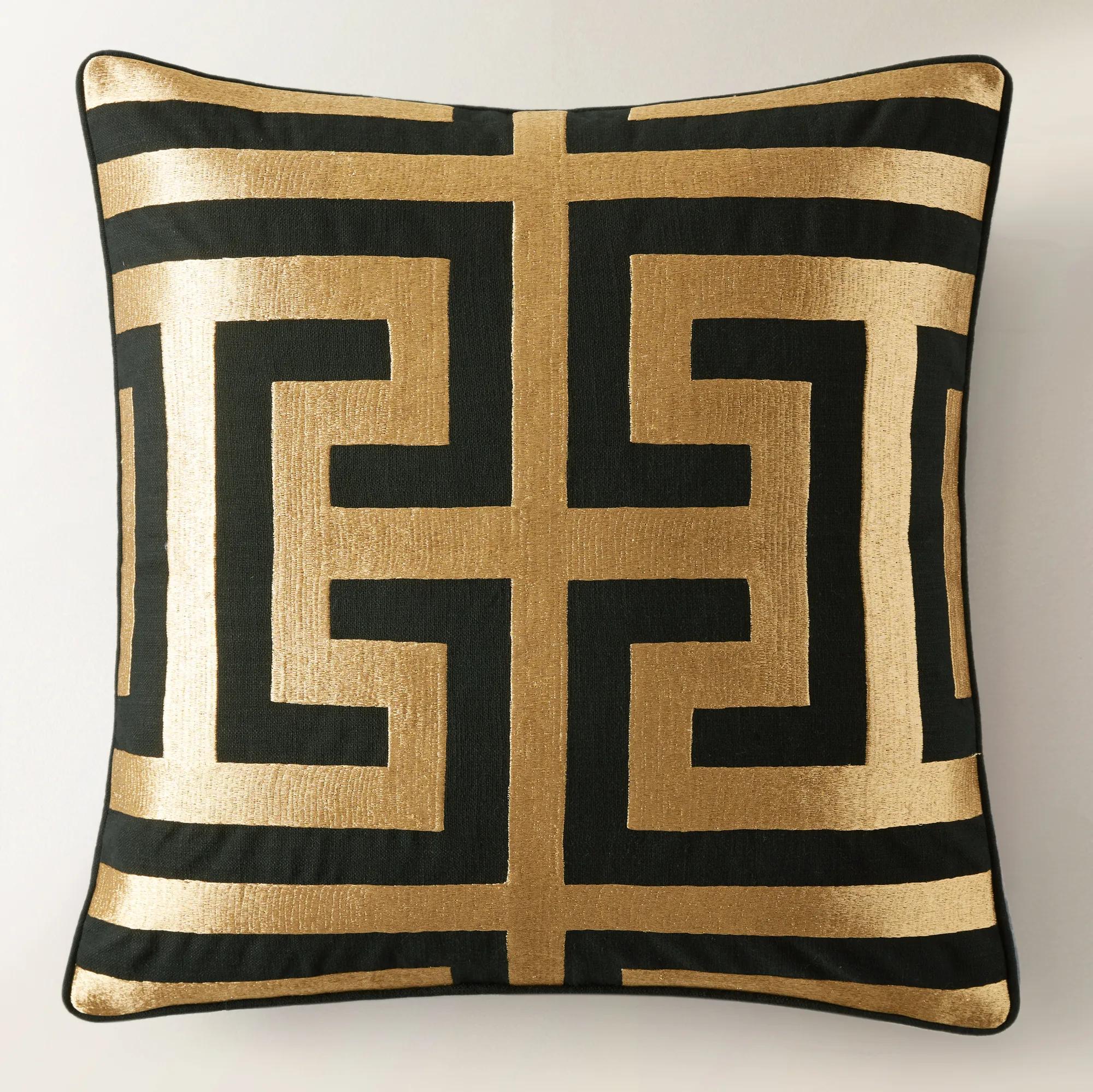
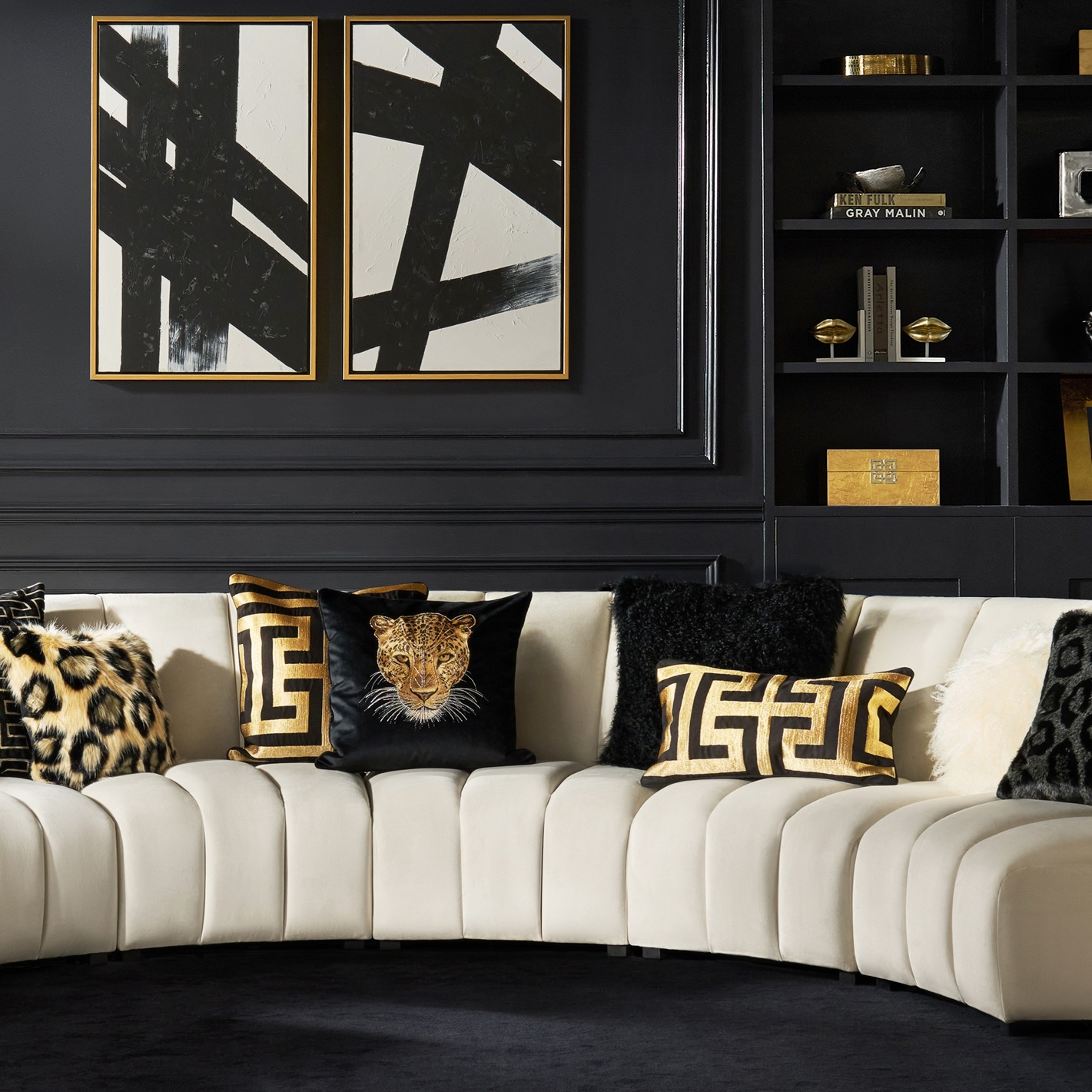 Cace Embroidered Gold/Black Linen Pillow 22" x 22"$129
A cotton-linen pillow in black and gold with metallic Greek key embroidery and feather-down insert.
Add To Cart -
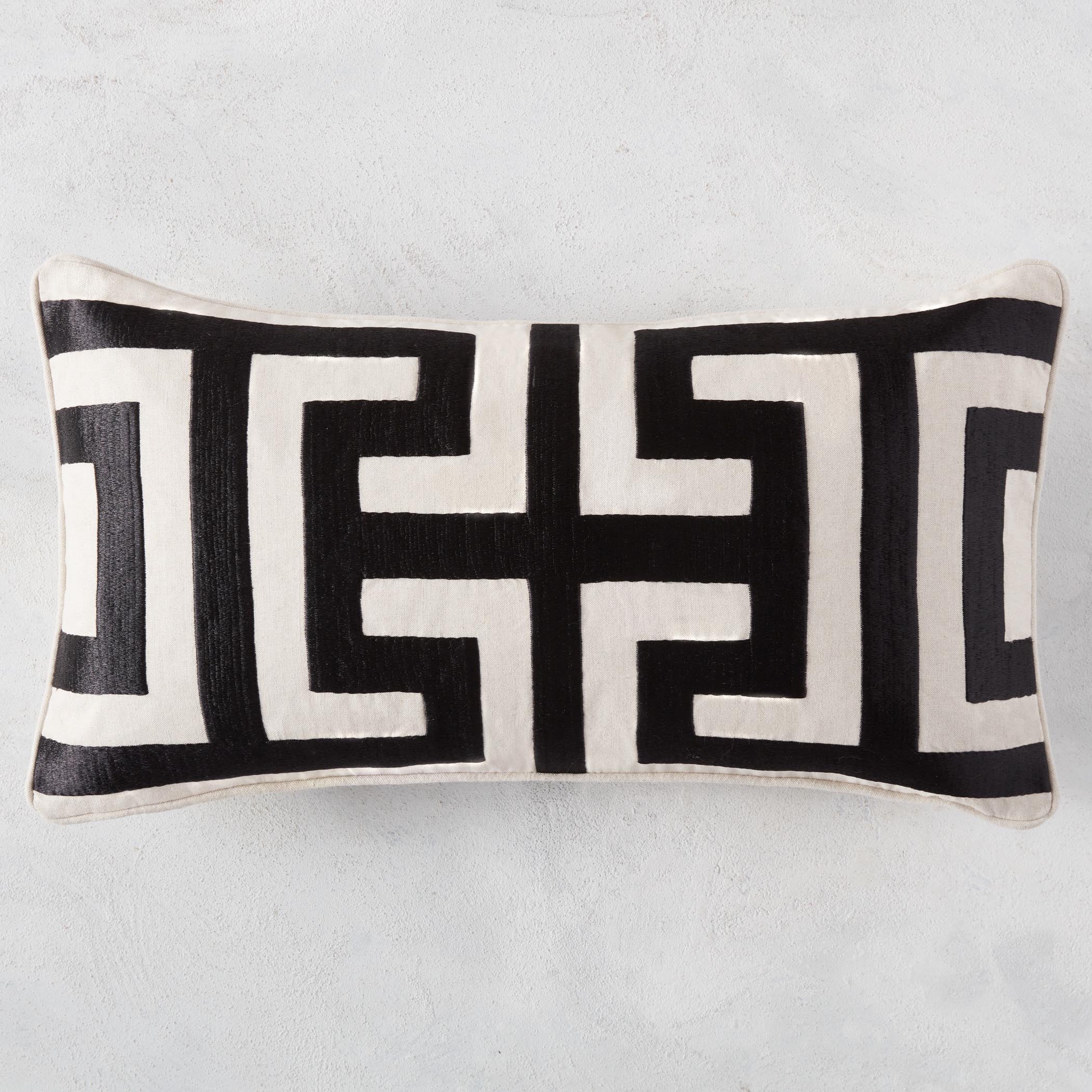 Cace Embroidered Black/Natural Linen Lumbar Pillow 26" x 14"$129
A cotton-linen pillow featuring metallic Greek key embroidery in natural and black with a feather-down insert.
Add To Cart -
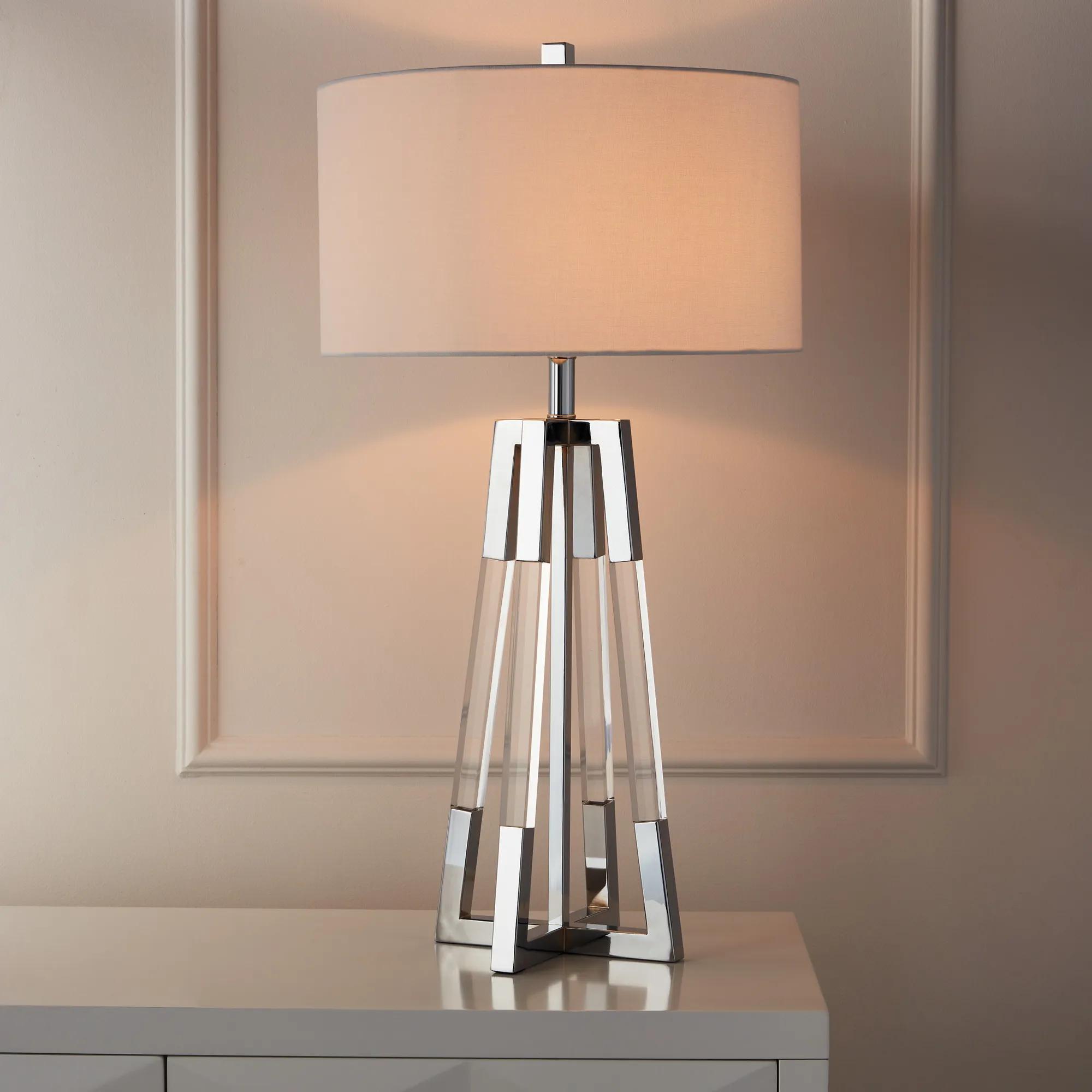 Rollins Table Lamp$439
A sophisticated table lamp featuring clear acrylic and polished nickel accents with a crisp white shade.
Add To Cart -
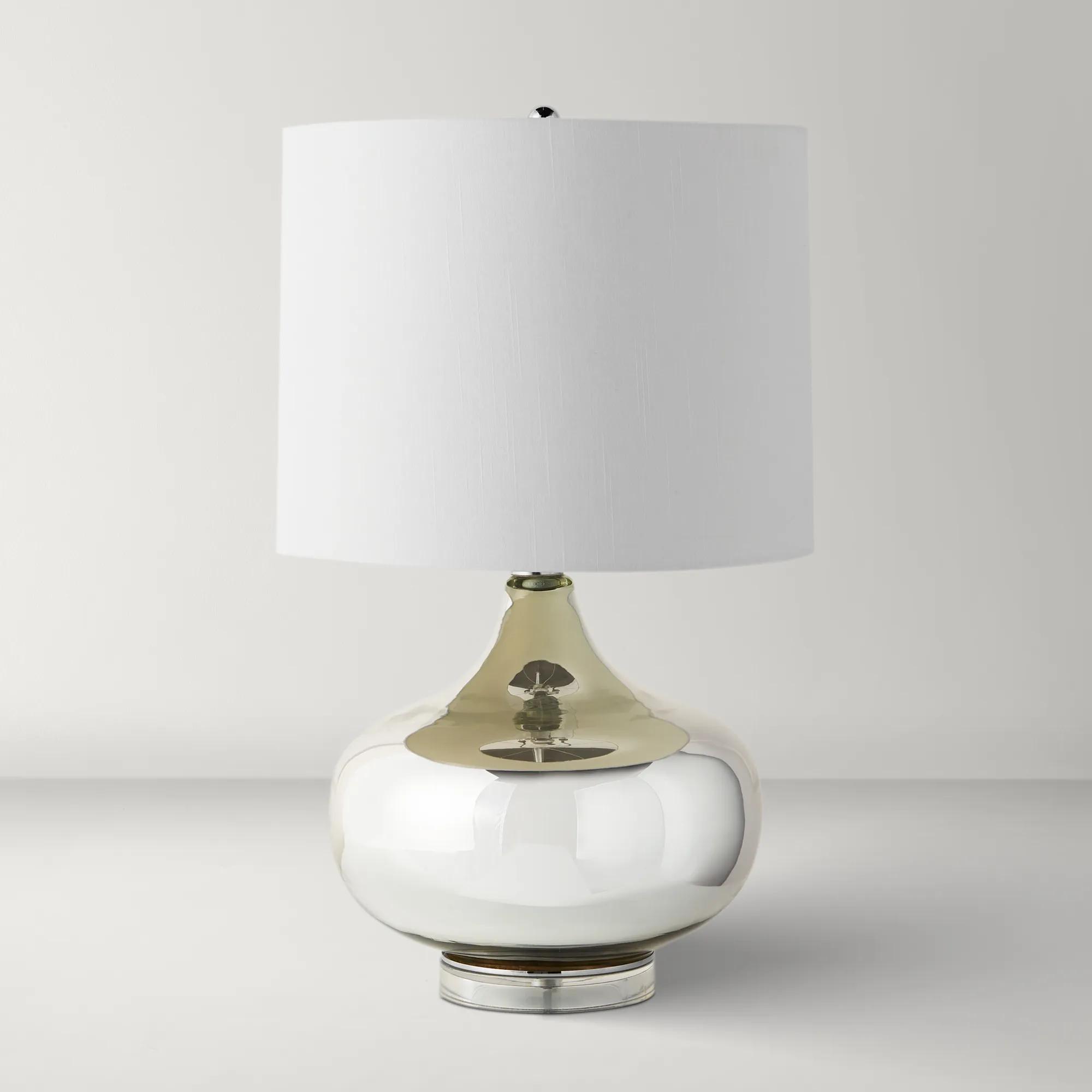 Sabrina Mirrored Silver Glass Table Lamp 27.5"$199
A contemporary lamp featuring a silver mirrored glass base, clear acrylic accents, and a white fabric shade.
Add To Cart -
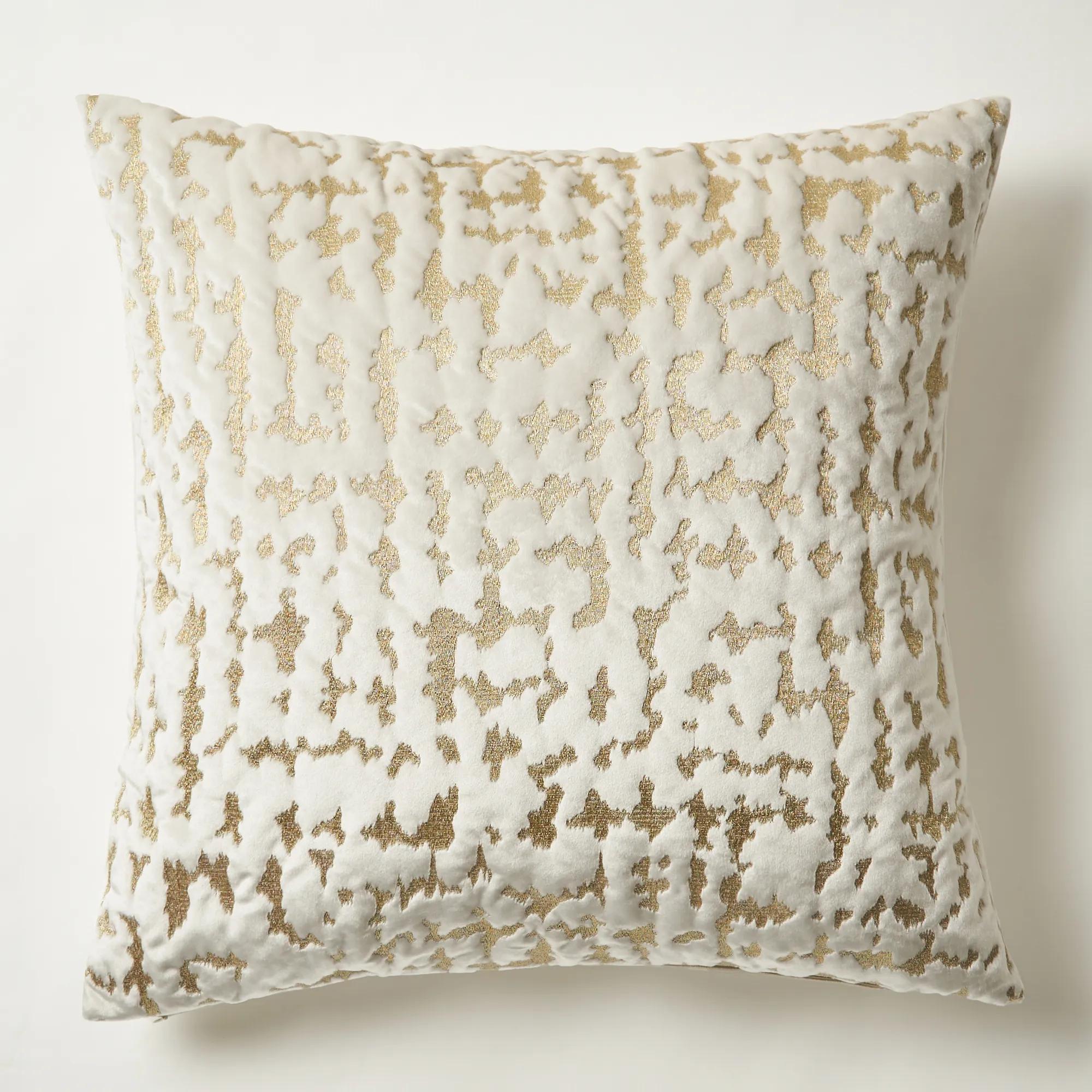
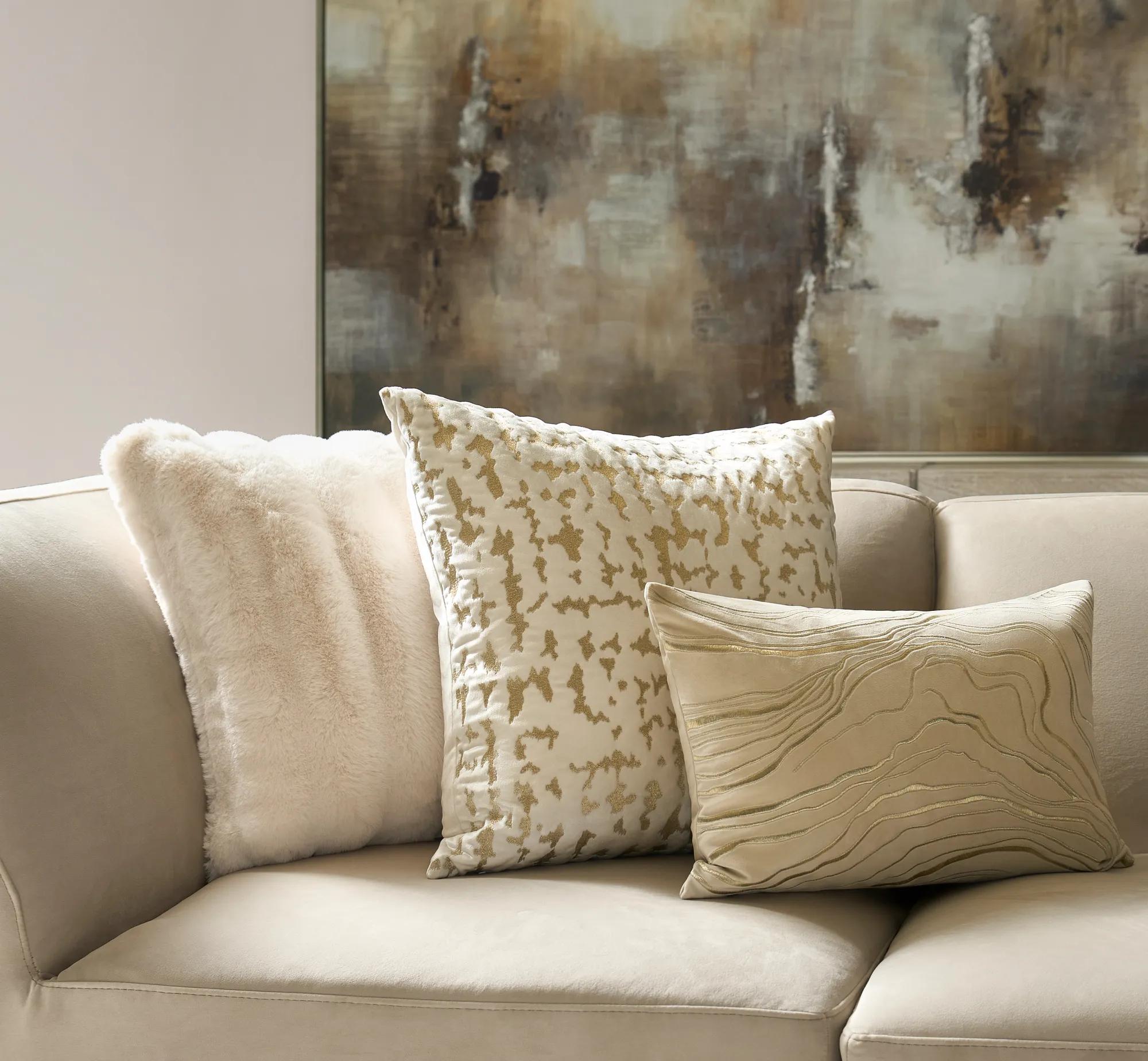 Solenne Embroidered Gold/Ivory Velvet Pillow 22" x 22"$89
An ivory velvet pillow with gold metallic 3D quilting and a plush feather down insert.
Add To Cart

Stylish Home Decor Inspiration
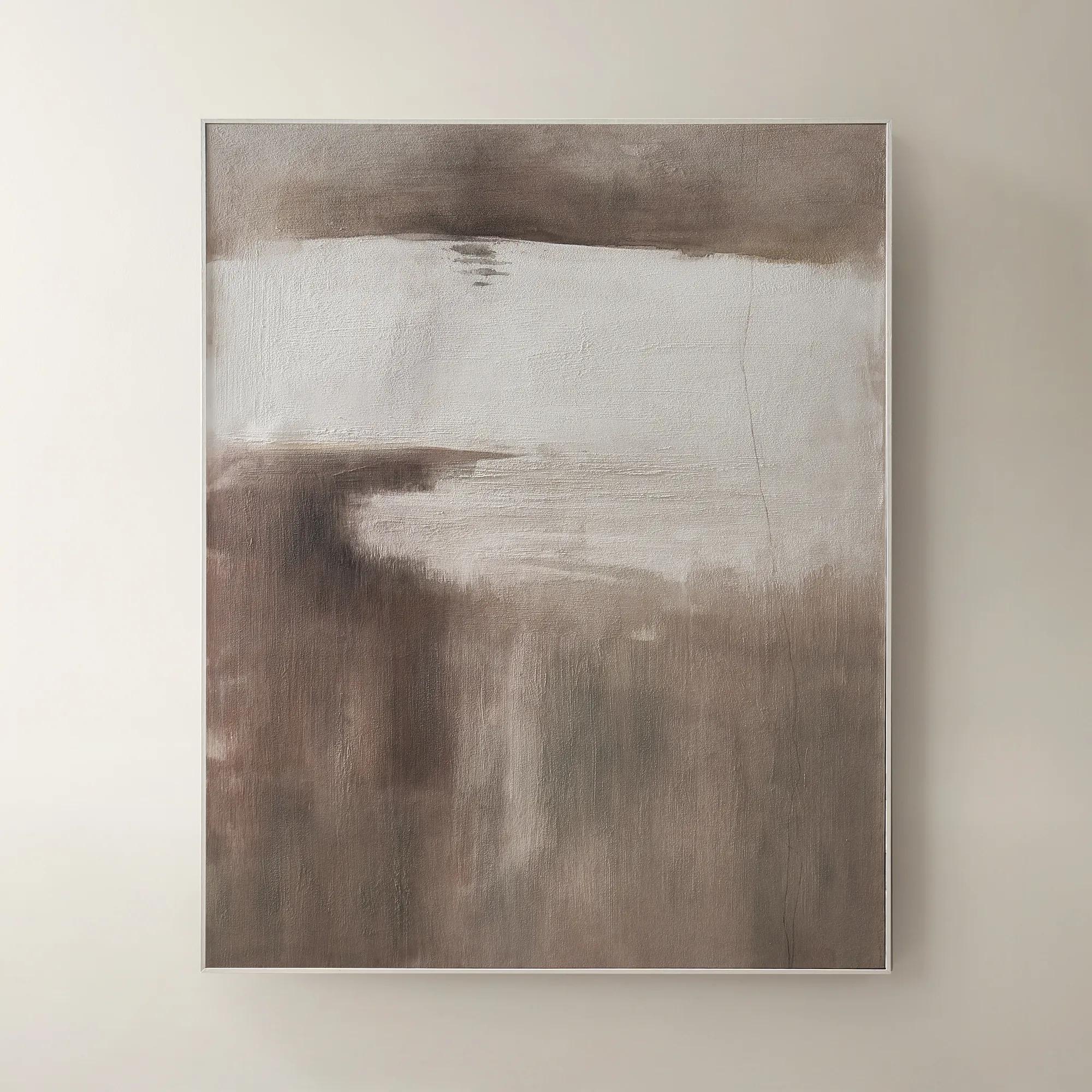
Stylish Home Decor Inspiration begins with a vision—one where every surface shimmers with intention and every corner tells a story. Here, artistry meets ambiance, inviting you to reimagine your living space as a gallery of bold expression and curated elegance. Indulge in sculptural silhouettes, gleaming finishes, and sumptuous textures that transform the ordinary into the extraordinary. Let your home become a canvas for creativity, where each piece is chosen not just for function, but for the drama and delight it brings to daily life. Immerse yourself in inspiration designed to spark wonder and elevate your surroundings with unapologetic flair.
Stylish home decor inspiration takes shape through color, texture, sculptural form, and light—the details that give a room its unmistakable personality. Warm neutrals such as ivory, cream, taupe, and soft gray create an expansive backdrop for expressive accents, while ink black, saturated jewel tones, and gleaming metallic finishes introduce definition and drama. The most compelling rooms balance these elements rather than letting every surface compete for attention. A glossy ceramic silhouette has greater presence beside a tactile woven fabric; a mirrored surface feels more luminous against matte walls or richly grained wood. Decorative accents, wall art, mirrors, pillows, rugs, and accent lighting bring this interplay into everyday spaces, turning a living room into a setting for conversation or giving a bedroom the intimacy of a private retreat. Material choices influence both the look and the experience. Velvet offers plush depth and a subtle change in color as its pile catches the light, while linen and other visibly woven textiles introduce a more relaxed counterpoint to polished finishes. Glass lends visual lightness, ceramic brings depth through glaze and contour, and metal adds a precise flash of reflection. Natural stone and wood contribute individual variations in veining and grain, making their surfaces part of the composition rather than simply a backdrop. These contrasts allow contemporary home decor to feel layered without becoming visually crowded. In a neutral seating area, a restrained palette can still feel sumptuous when smooth, nubby, lustrous, and softly brushed textures share the space. For a more theatrical interior, large-scale abstract artwork or a richly colored textile can establish the mood, with quieter accents giving that statement room to breathe. Stylish decoration is not defined by one prescribed aesthetic; it emerges when the proportions, finishes, and colors feel connected to the people who live with them. A home designed for lively entertaining may favor radiant surfaces and bold conversation pieces, while a personal reading corner may draw its character from enveloping texture, focused light, and a few objects with sculptural weight.
Scale and placement give decorative pieces their authority. A generous wall mirror can make an entry feel more expansive by reflecting an attractive view or an adjacent light source, but its dimensions should relate to the furniture beneath it and the wall around it. Artwork needs a similar relationship: a small composition can feel intimate in a narrow passage, while a broad expanse above a sofa often calls for greater visual presence. Measurements matter beyond width and height. The depth of an accent on a console determines whether there is still space to set down keys, and the footprint of a tabletop arrangement affects whether guests can comfortably place a glass nearby. On a dining table, lower decorative forms preserve sightlines and leave conversation unobstructed; taller arrangements can lend grandeur to a sideboard without occupying the serving area. Groupings gain rhythm from varied heights and silhouettes, especially when one shared material or color ties them together. A rounded form beside a slender vertical shape creates movement, while a little unoccupied surface keeps the composition legible. Rugs provide another essential layer, anchoring furniture and establishing the boundaries of a seating area. Their dimensions should support the arrangement rather than leave them visually isolated at its center, and doors, chair movement, and nearby walkways all influence fit. In bedrooms, decorative pillows and throws introduce dimension without requiring a complete change of furnishings; their scale works best when it complements the bed and leaves everyday comfort intact. Layered lighting brings these details into focus. Ambient light illuminates the room, task lighting supports reading or other close work, and accent lighting draws attention to art, texture, or architectural features. Shade material, bulb compatibility, and fixture placement affect how softly or directly that light falls. For a broader perspective on how color, furniture, and decorative layers relate, Interior Design Inspiration connects individual accents to the character of the whole room. The result is a setting that feels composed from across the doorway and rewarding in its smallest details.
Beauty also has to hold up to the way a home is used. In frequently occupied living spaces, fabric construction, finish, and care requirements deserve as much attention as color. Removable pillow covers can simplify maintenance when their care instructions permit washing, but decorative trims, delicate weaves, and certain fibers may require spot cleaning or professional care. Velvet benefits from handling appropriate to its fiber content and pile, rather than a single cleaning method applied to every fabric. Rugs should suit their location: pile height can affect door clearance and ease of vacuuming, while the fiber, backing, and construction help determine whether a rug is appropriate for a busy passage or a quieter bedroom. A compatible rug pad can improve cushioning and help reduce movement, provided it is suitable for the flooring beneath it. Households with children or pets may prefer stable decorative forms, forgiving textures, and arrangements that keep fragile glass or ceramics away from active pathways. Substantial appearance does not always mean substantial weight, so tall accents and mirrors need secure placement and, where required, properly rated mounting hardware suited to the wall. Surface care protects the expressive qualities that make these materials appealing. Soft, nonabrasive cloths help preserve delicate finishes, while harsh cleaners can damage metallic coatings or leave polished surfaces dulled. Porous stone may absorb spills, wood can react to prolonged moisture, and decorative vessels should be confirmed as watertight before holding fresh flowers. Protective pads beneath accents can help prevent scratches on furniture, and prompt attention to spills reduces the chance of lasting marks. These practical distinctions make home decor more satisfying to live with, especially when a room serves several purposes throughout the day. Decorative pieces can also make thoughtful housewarming, wedding, or host gifts when chosen with the recipient’s space and habits in mind. An adaptable neutral palette or a finish that echoes an existing collection often feels more personal than an imposing statement chosen without context. Whether furnishing a first apartment or refining a long-established home, expressive accents offer a way to make familiar rooms feel deeply individual—rich in texture, deliberate in proportion, and filled with details worth noticing.
FAQs
Achieving a cohesive look while blending various décor styles is all about balance and intentionality. Start with a unifying color palette or a recurring material—such as gleaming brass or rich velvet—to tie disparate pieces together. Layer textures and finishes thoughtfully, and let one or two bold statement items take center stage, while supporting accents provide harmony and depth. The result is a space that feels curated and personal, never chaotic.
Winter is the perfect time to introduce plush textures, layered lighting, and rich, dramatic hues. Swap lightweight throws for sumptuous faux fur or velvet, add metallic accents that catch the low winter light, and incorporate candles or sculptural lamps to create a warm, inviting glow. Consider updating your wall art or decorative accessories to reflect the season’s mood—think deep jewel tones, opulent finishes, and tactile materials.
Stylish home décor makes a thoughtful gift for anyone who takes pride in their living space or enjoys entertaining. It’s especially meaningful for new homeowners, newlyweds, or those celebrating milestones like birthdays or anniversaries. Unique decorative accents also make wonderful hostess gifts, offering a personal touch that elevates any occasion.
Select pieces that speak to your sense of style, whether you gravitate toward bold, sculptural forms or prefer subtle, refined details. Consider what inspires you—art, travel, nature—and look for décor that echoes those passions. Mixing personal mementos with statement pieces creates a layered, authentic look that tells your story and brings character to your home.
Art is the heartbeat of a stylish home, setting the tone for every room and providing a focal point that draws the eye. Whether you choose a dramatic canvas, a striking wall sculpture, or a curated gallery wall, art infuses spaces with energy, sophistication, and a sense of individuality. It’s the ultimate form of self-expression, transforming ordinary walls into extraordinary moments.
.jpg?w=3000&h=3000)