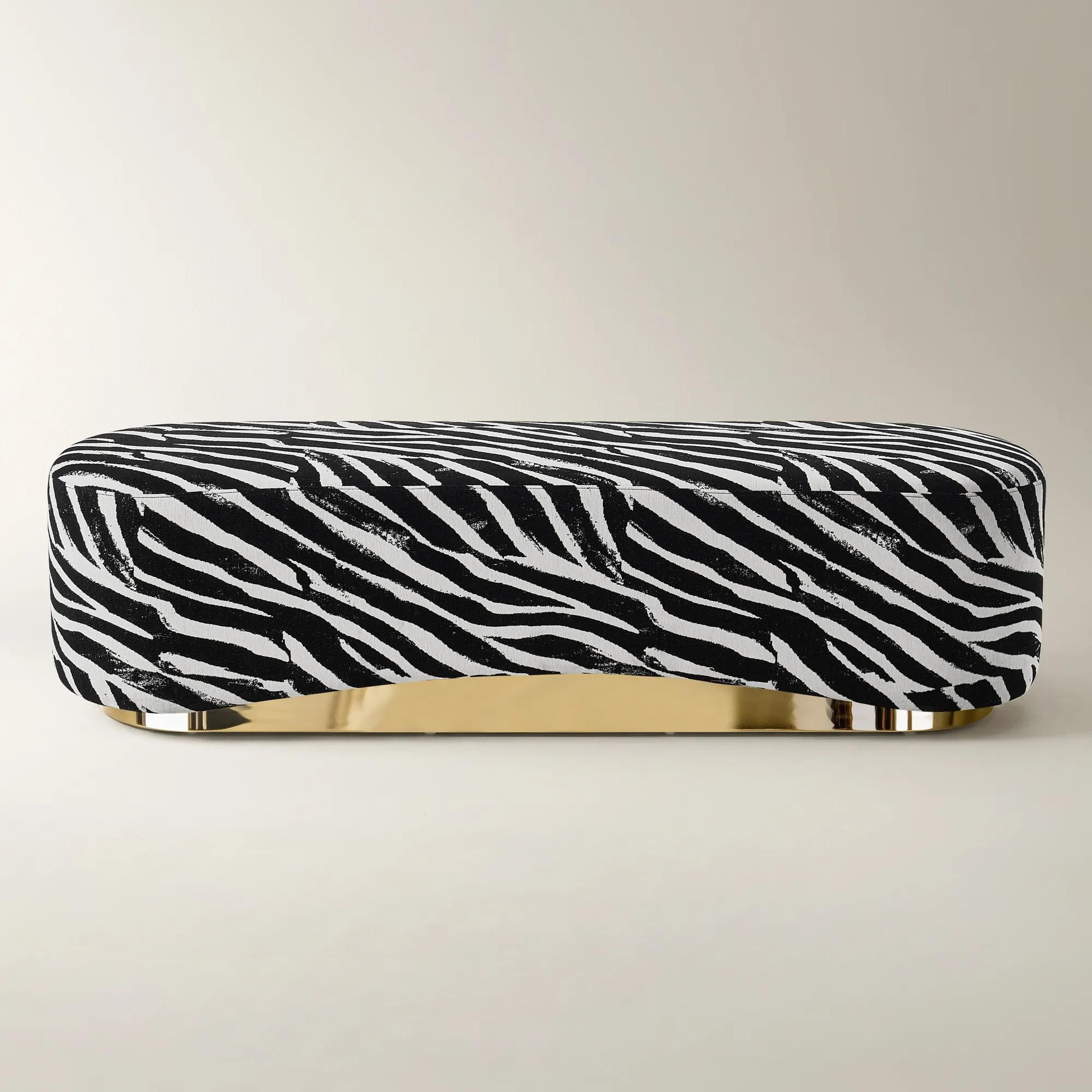
Stylish Accent Stools For Dressing Rooms
Stylish Accent Stools For Dressing Rooms
-
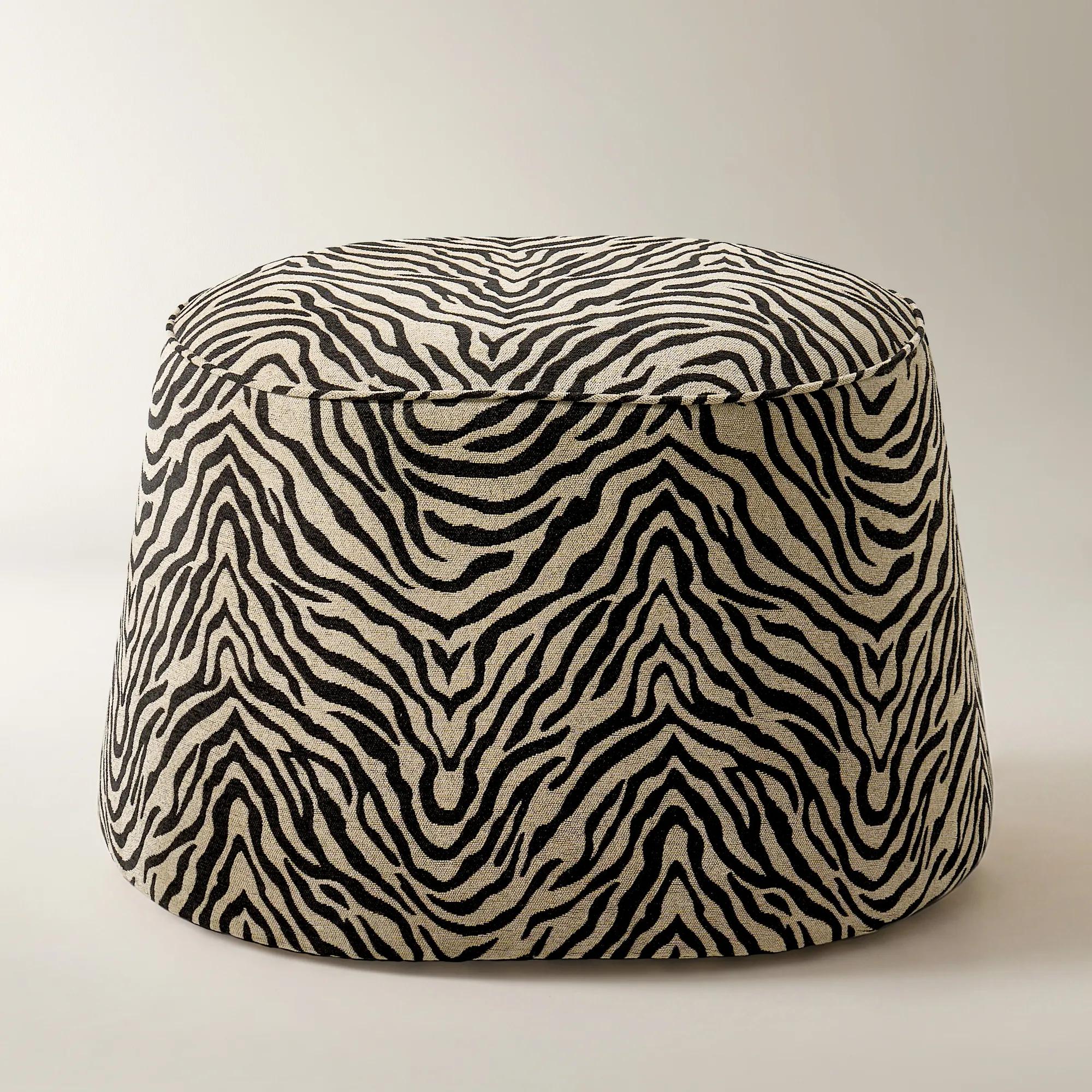
 Avery White/Black Performance Chenille Stool$399
A sculpted drum accent stool in black and white performance chenille with an animal-inspired pattern.
Add To Cart -
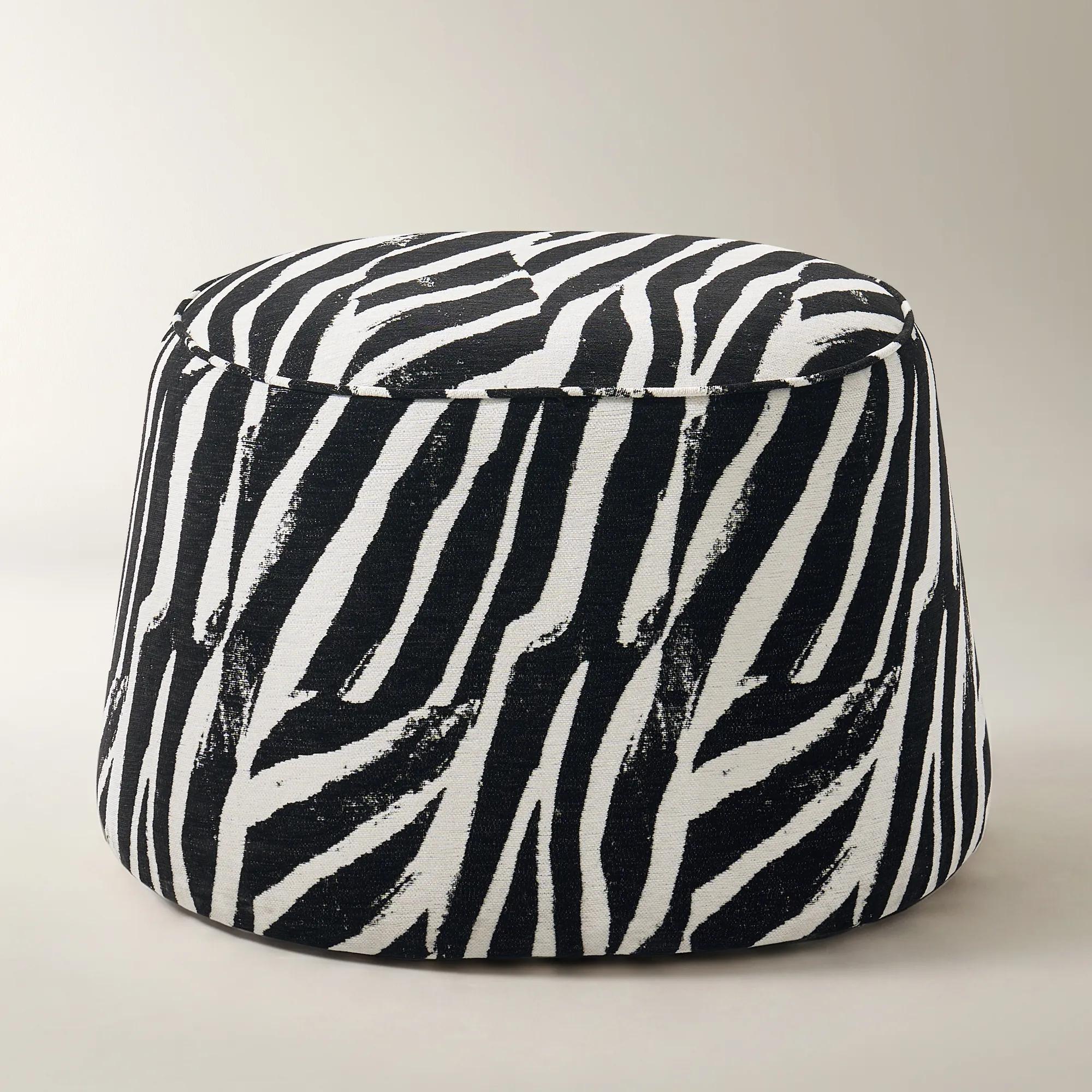
 Avery Zebra Performance Chenille Stool$399
A sculpted drum-shaped accent stool upholstered in zebra-patterned performance chenille for bold, modern style.
Add To Cart -
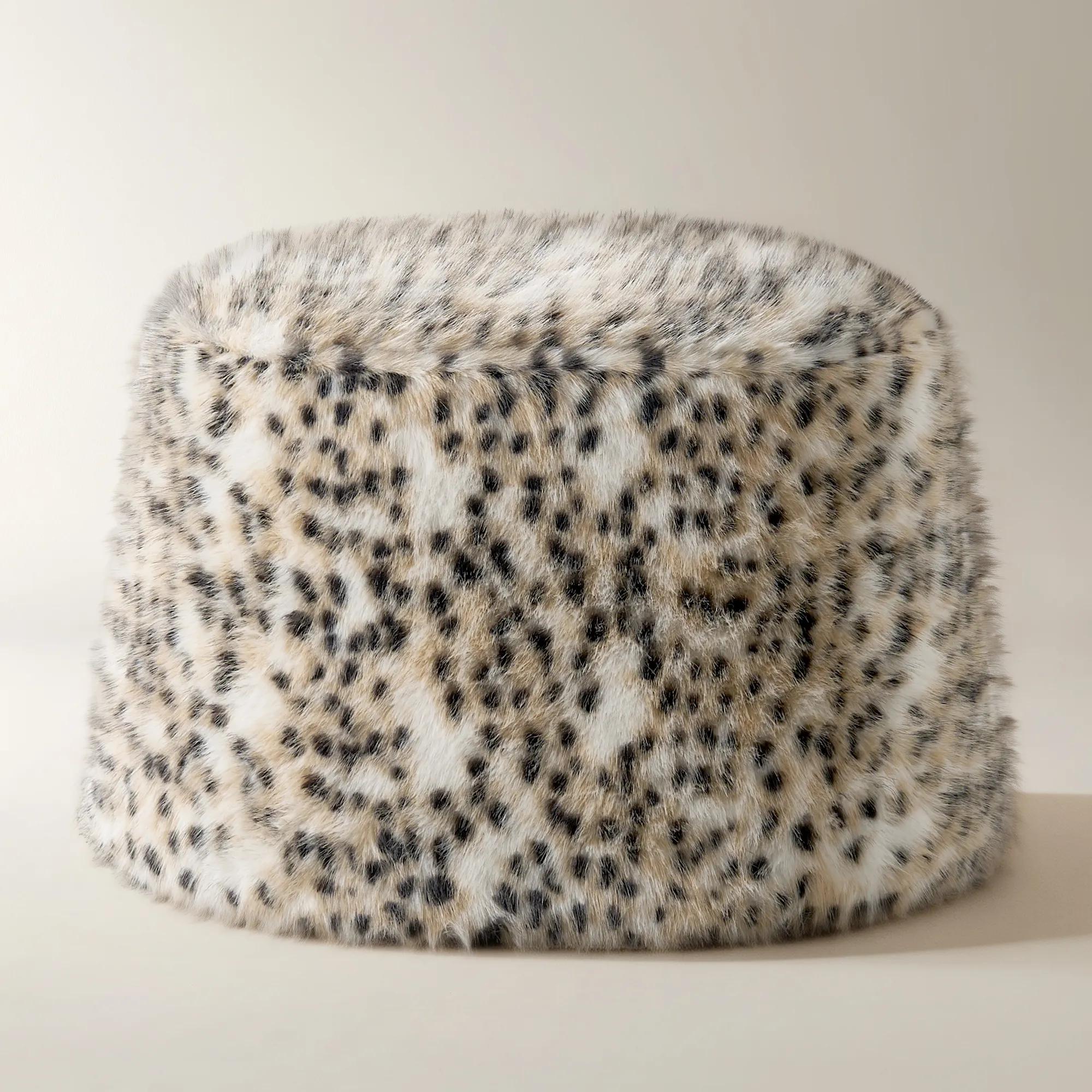
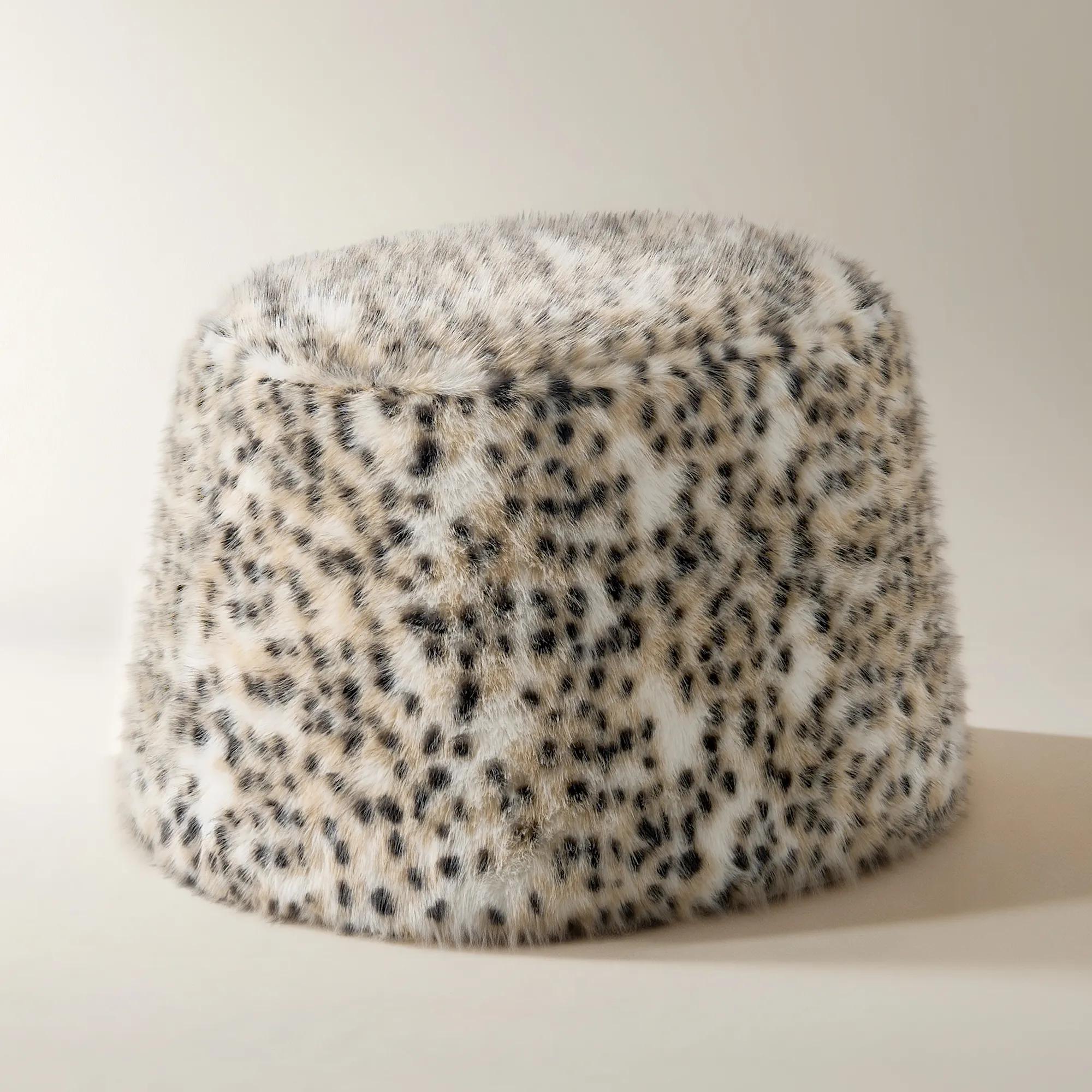 Avery Spotted Faux Fur Stool$399
A sculpted drum stool wrapped in plush spotted faux fur for bold, modern accent seating.
Add To Cart -
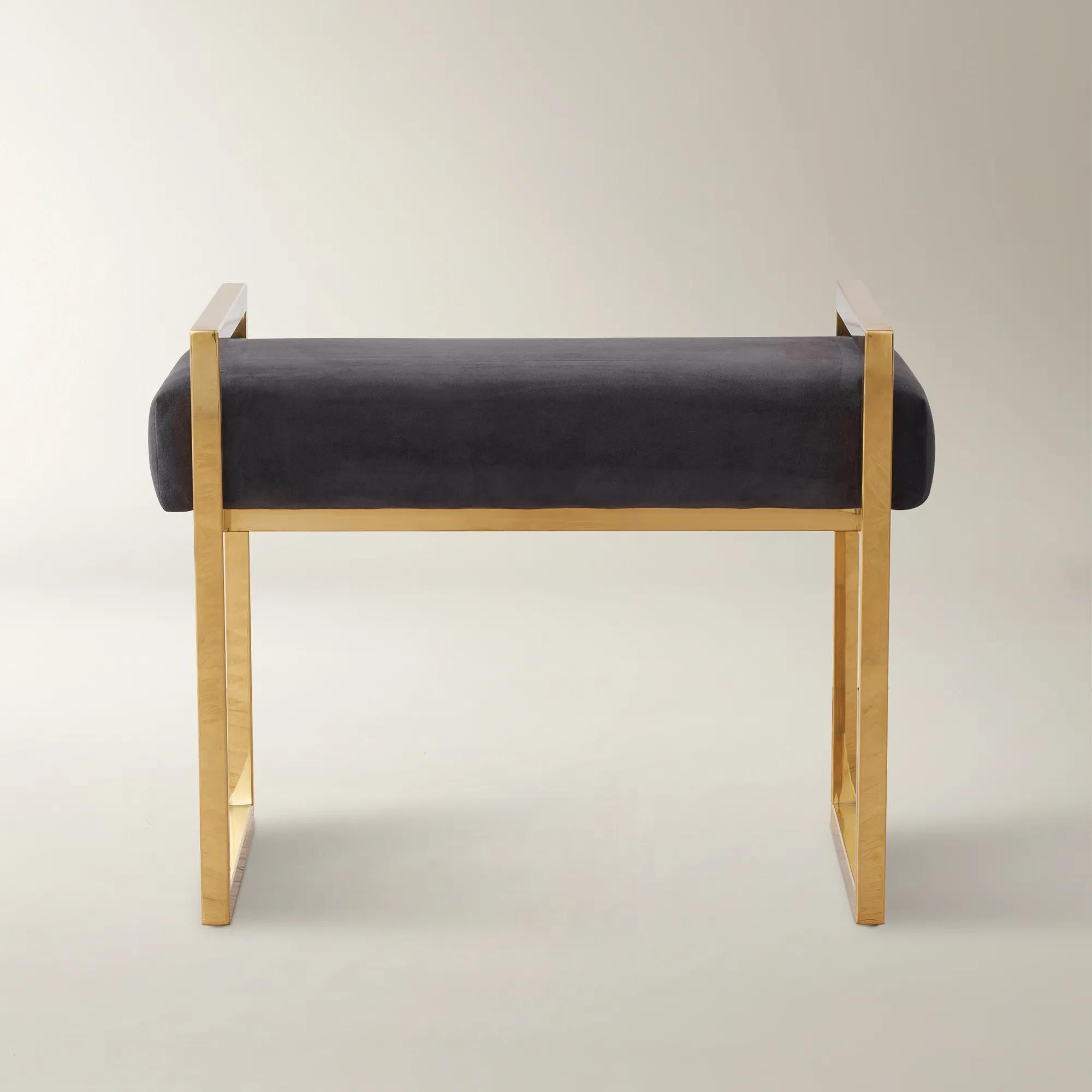
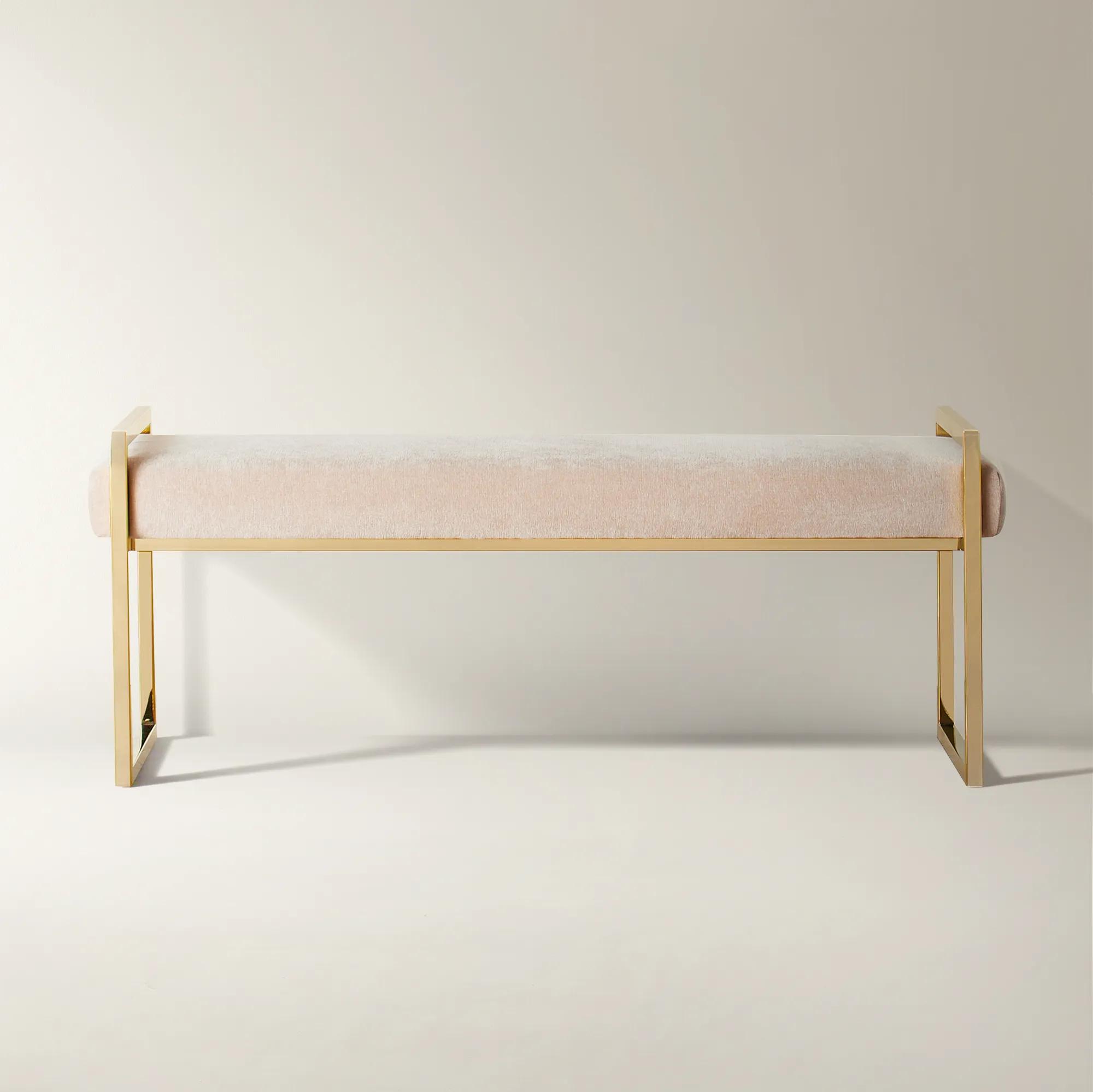
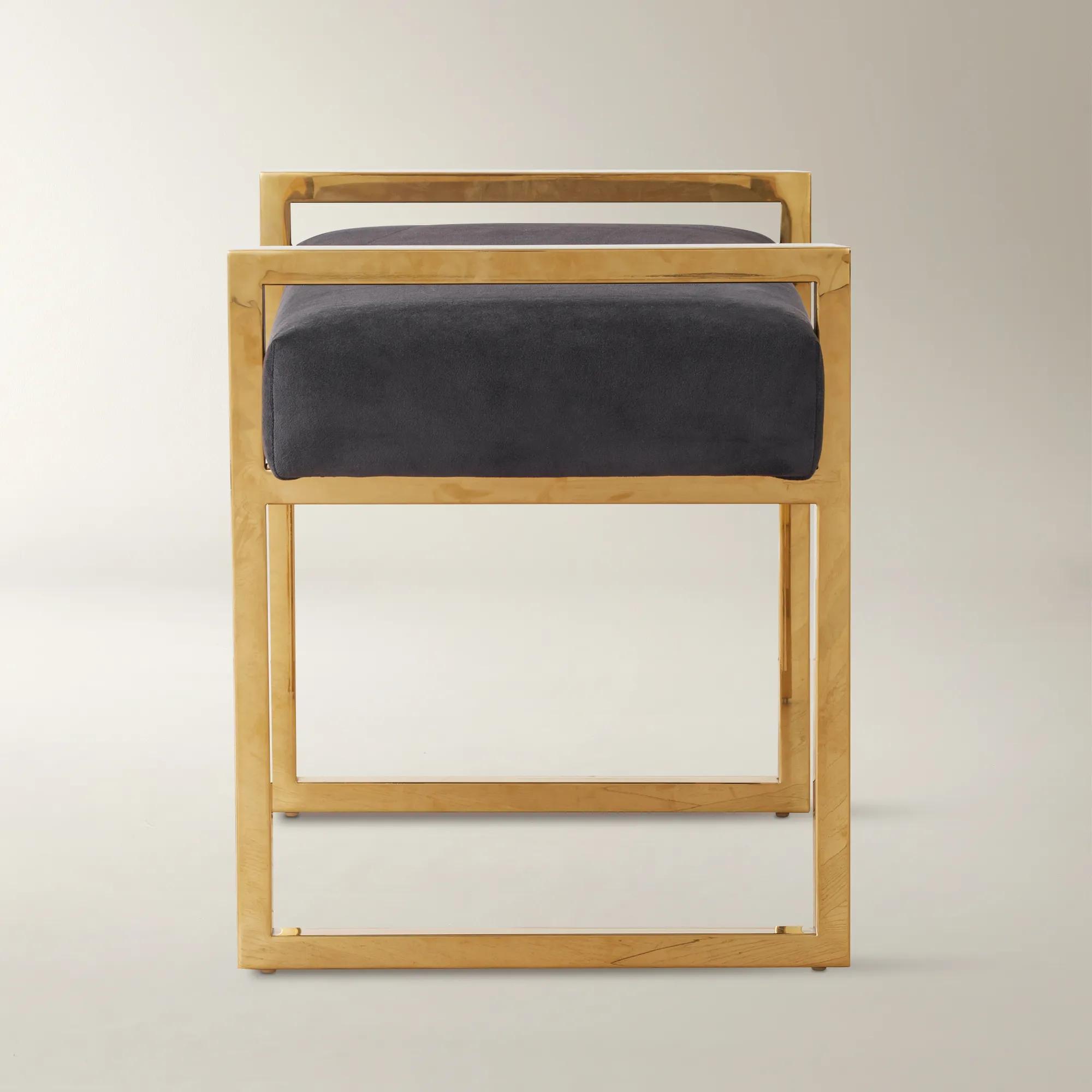 Clara Accent Stool$399
A plush black velvet seat rests on polished gold metal legs for a chic, modern accent piece.
Add To Cart -

 Fleece Fluted Ivory Velvet Stool (15.55'')$229
An ivory ribbed velvet stool offering cozy softness and versatile use as seating, footrest, or accent table.
Add To Cart -
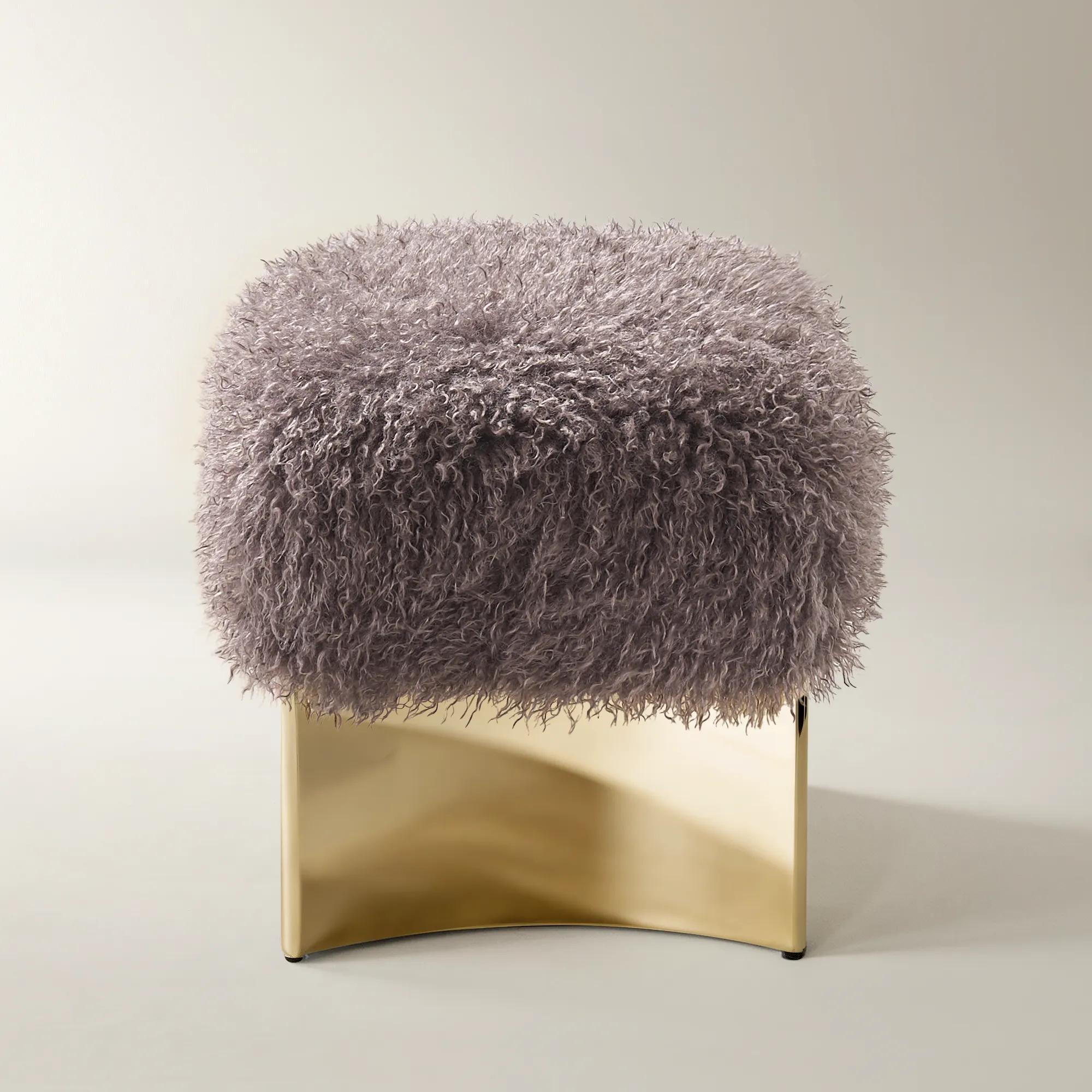 Lush Smoked Plum Faux Fur Stool$499
A sculptural smoked plum faux fur stool with a plush seat and polished gold stainless steel base.
Add To Cart -
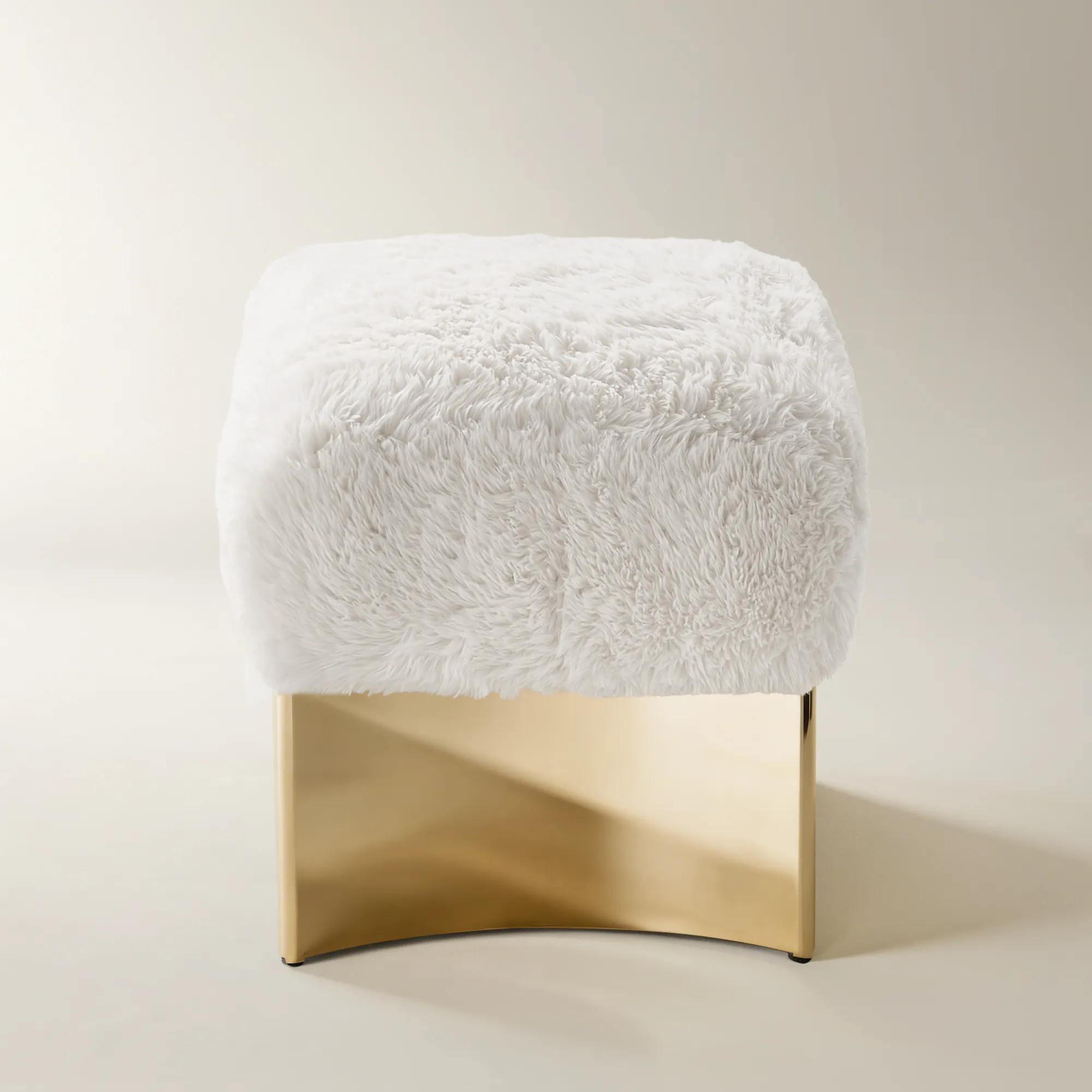 Lush White Faux Fur Stool$499
A sculptural white faux fur stool with a plush seat and polished gold stainless steel base.
Add To Cart -
 Fleece Fluted Gray Velvet Stool (15.55'')$229
A plush grey velvet stool with a unique ribbed texture, perfect for versatile, cozy seating or decor.
Add To Cart -

 Fleece Fluted Black Velvet Stool (15.55'')$229
A plush black ribbed velvet stool offering versatile seating and cozy texture for any modern space.
Add To Cart -
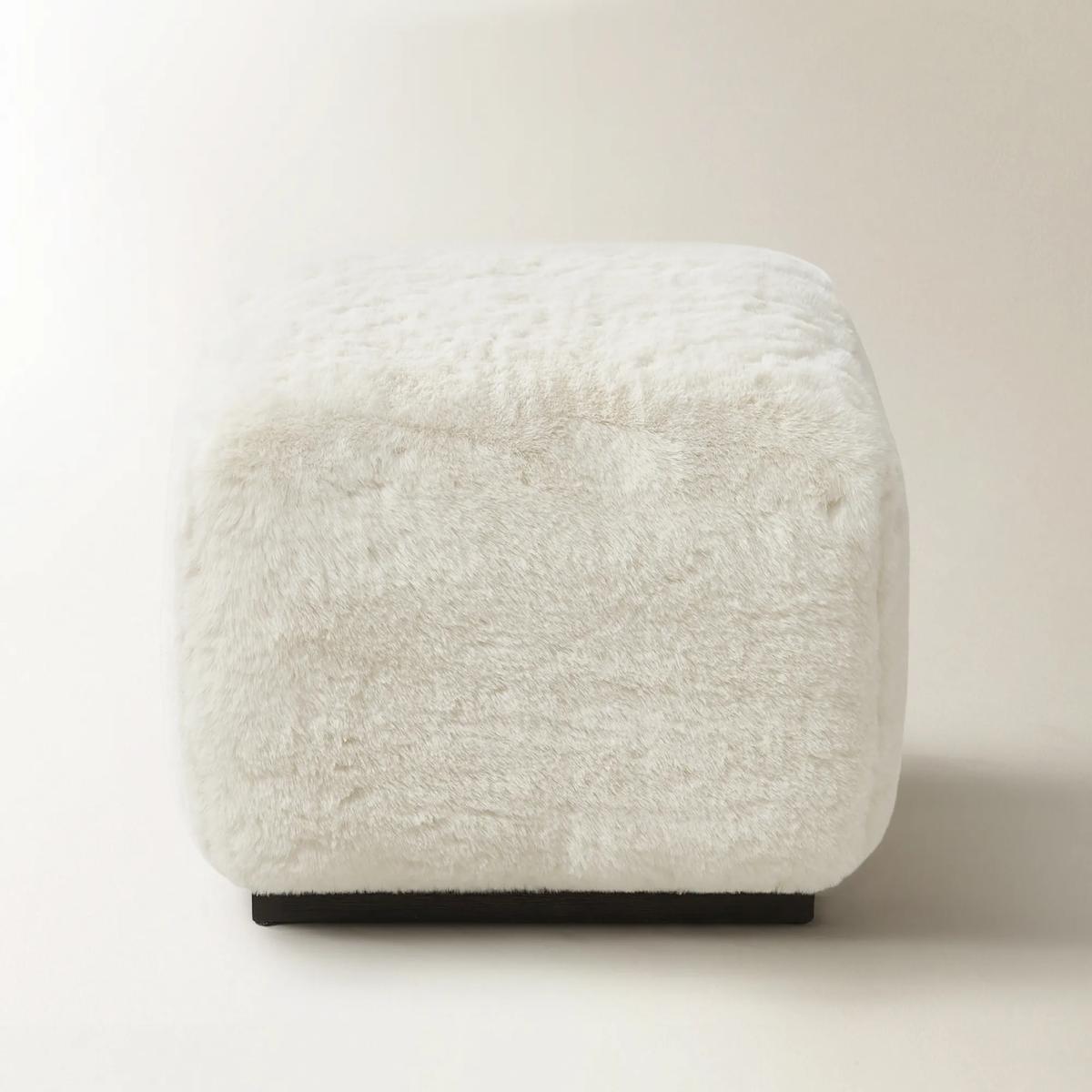
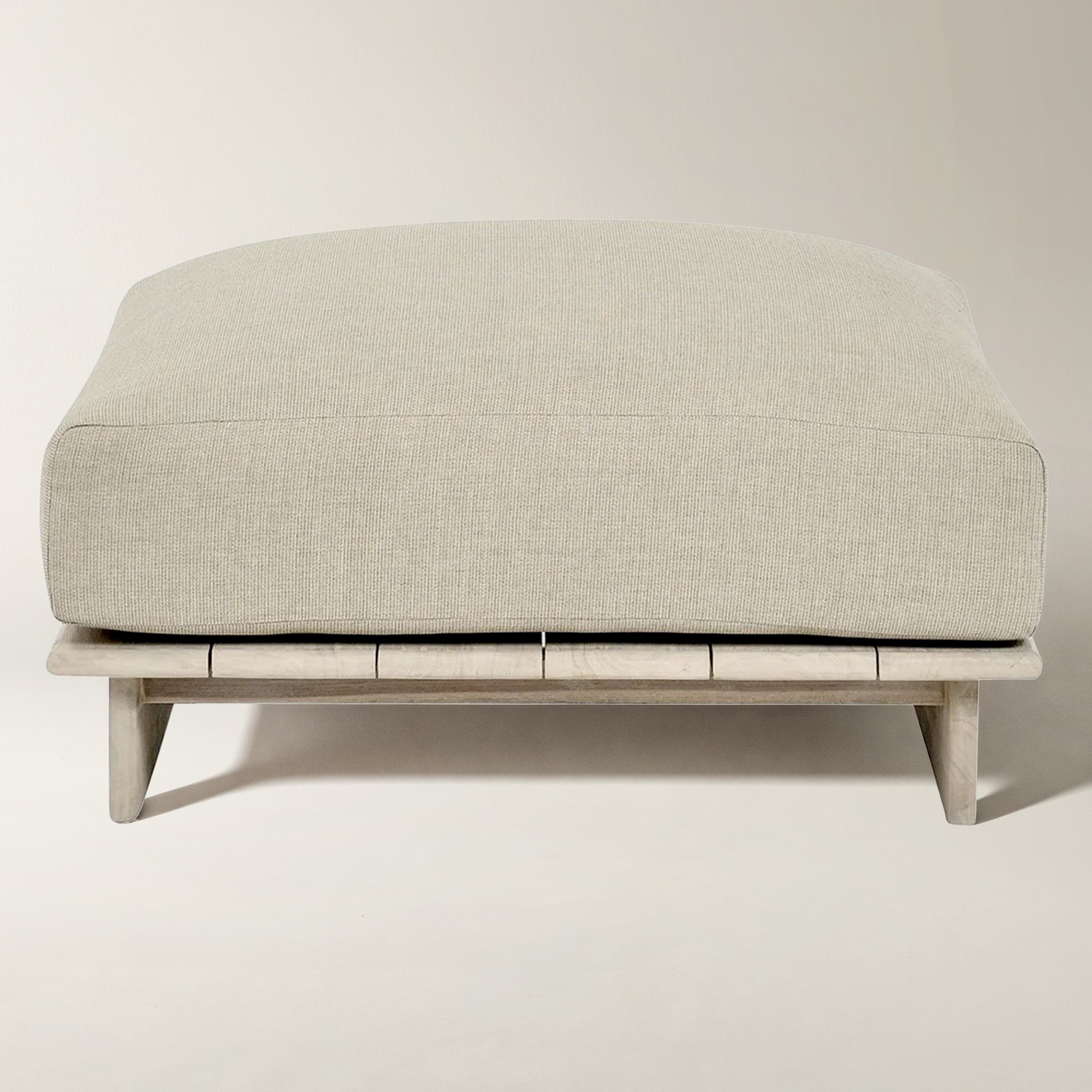
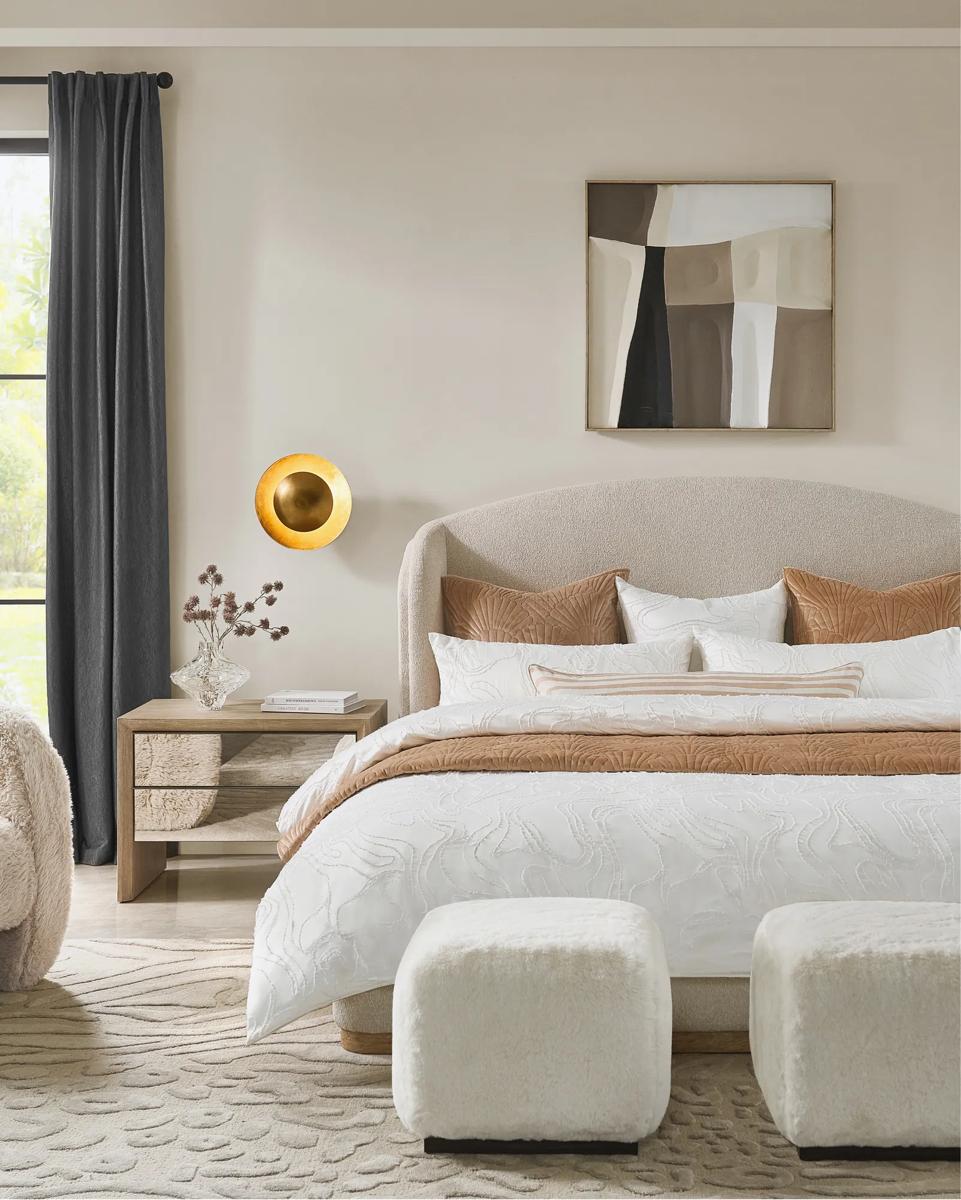 Lris Ivory Faux Fur Stool (21")$299
An ivory faux fur pouf with plush high-density foam and a sturdy, eco-friendly rubberwood base.
Add To Cart -
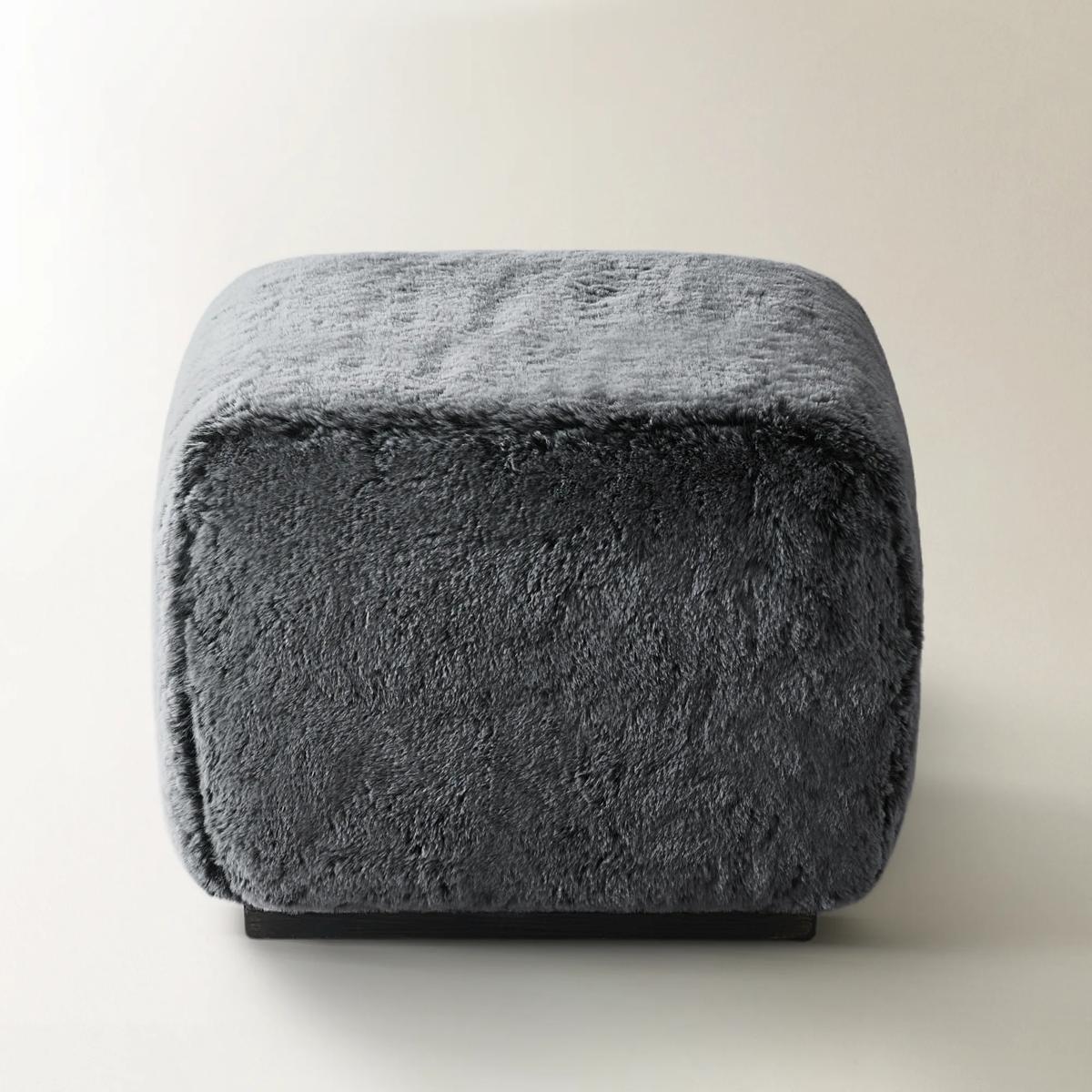
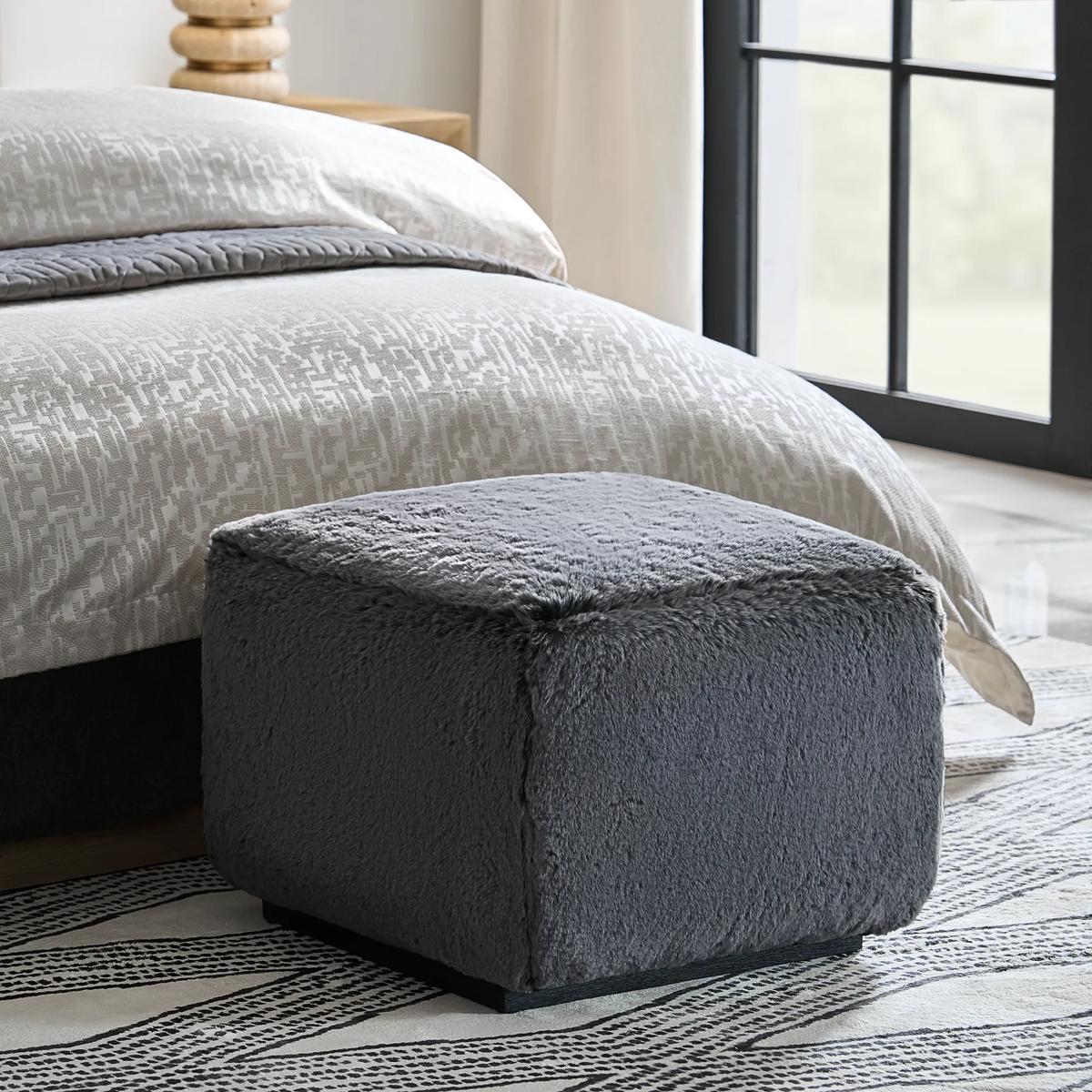 Lris Grey Faux Fur Stool (21")$299
A charcoal grey faux fur pouf with high-density foam and a sturdy rubberwood base for modern comfort.
Add To Cart -

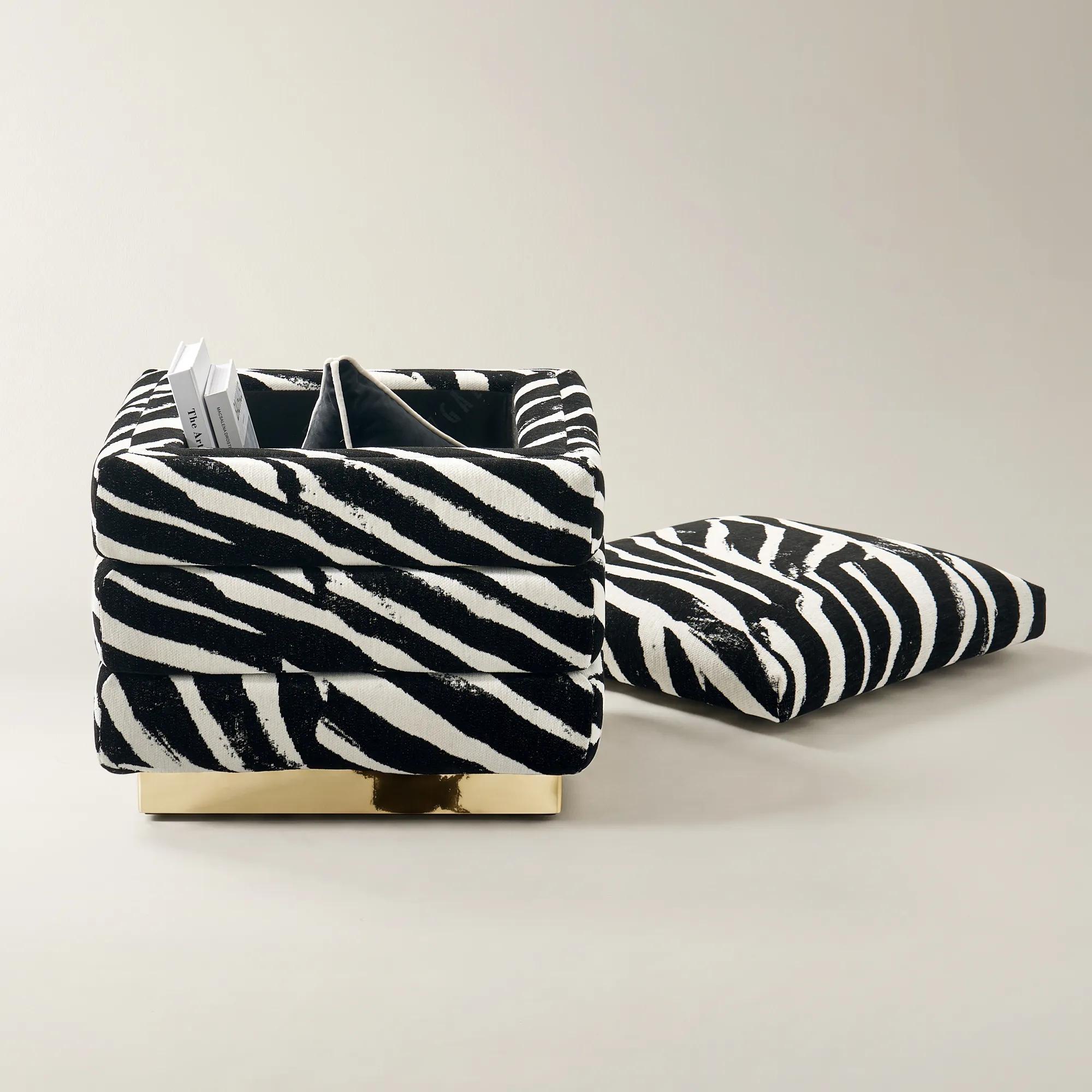 Gable White/Black Performance Chenille Stool$399
A plush white and black chenille stool with hidden storage and a polished gold stainless steel base.
Add To Cart -
 Loopie Ocean Teal Velvet Stool (34.5")$399
A bold sculptural stool featuring plush ocean teal velvet upholstery and an oversized knotted silhouette.
Add To Cart -
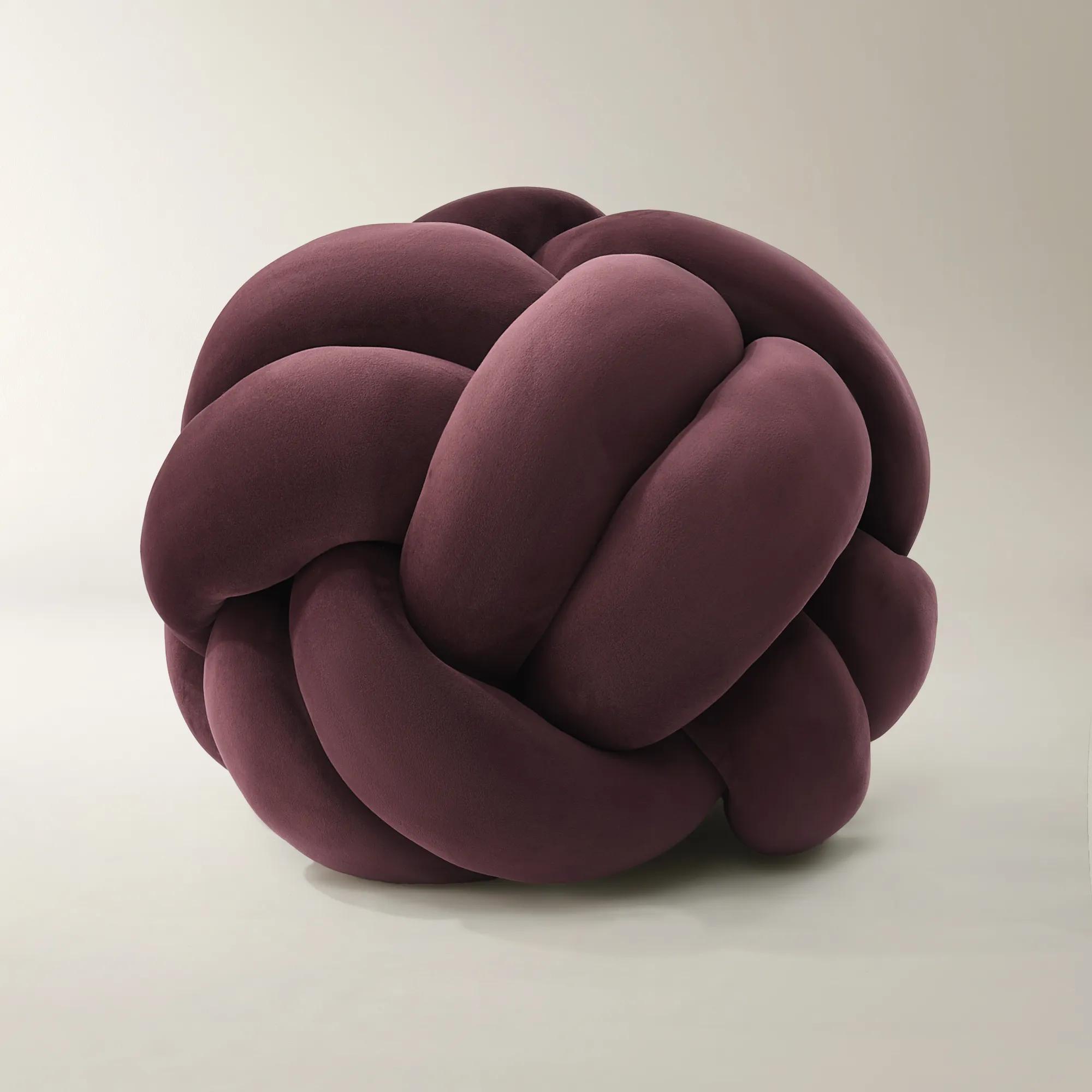
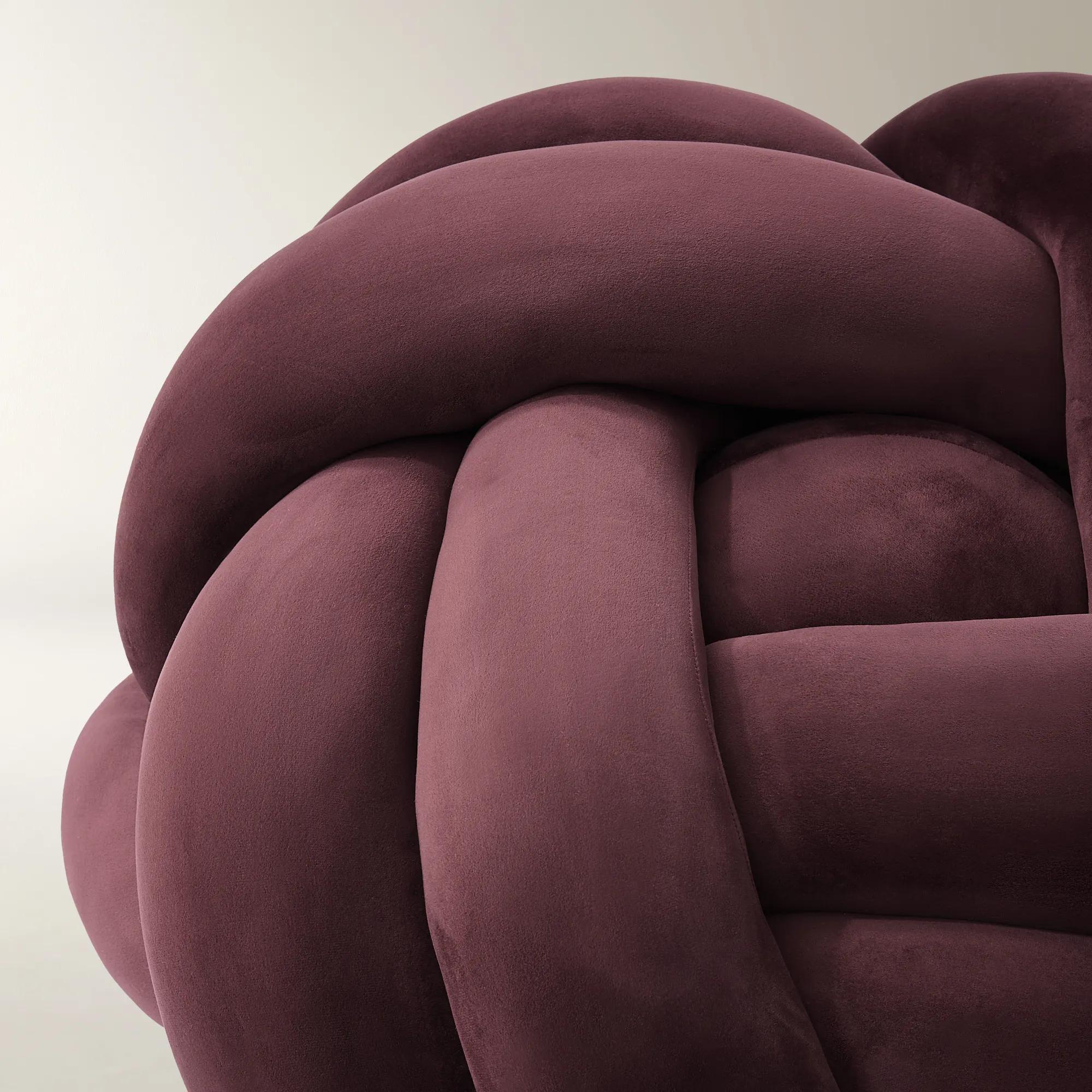 Loopie Fig Velvet Stool (34.5")$399
An oversized, knot-inspired stool hand-upholstered in plush fig velvet for bold sculptural appeal.
Add To Cart -
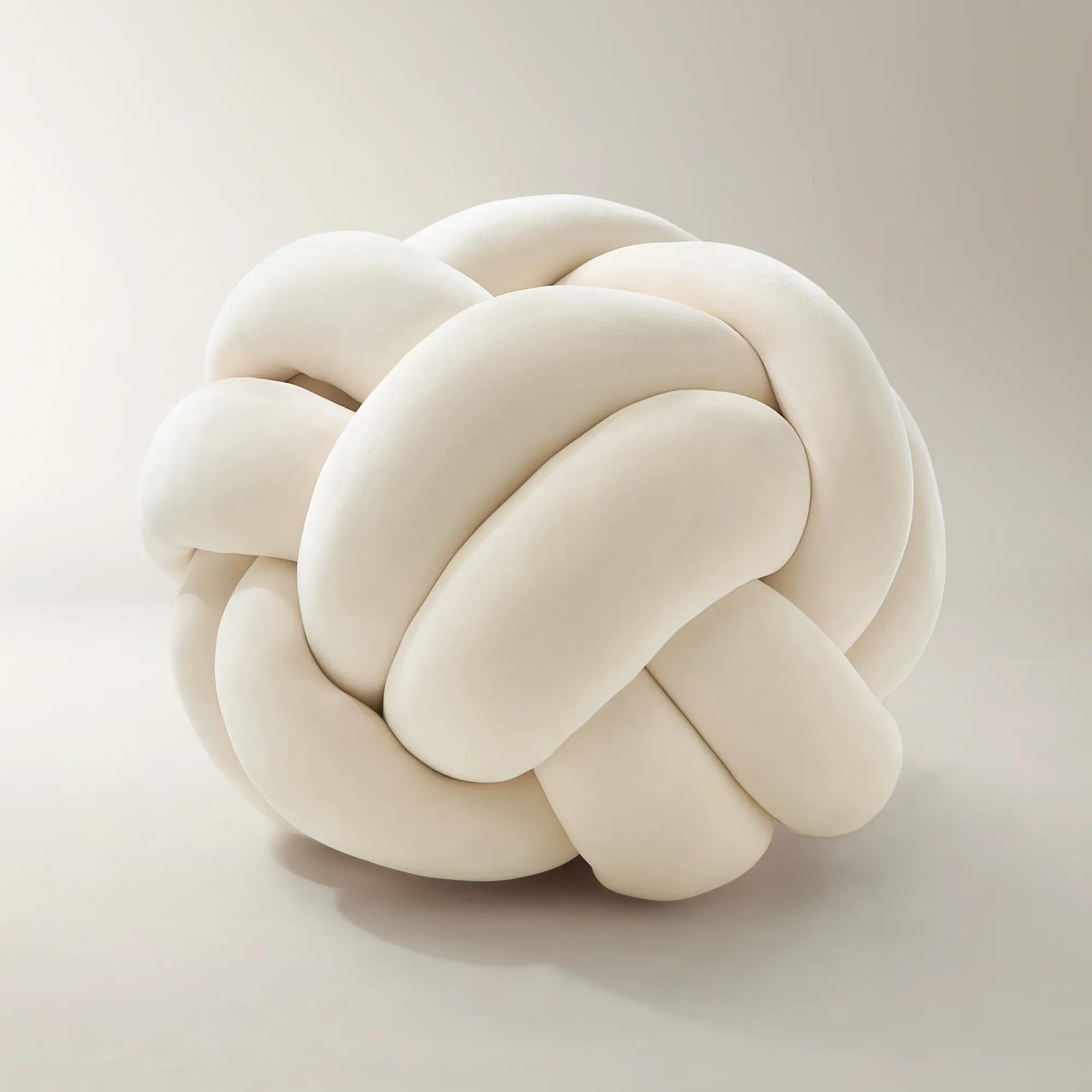 Loopie Oatmeal Velvet Stool (34.5")$399
An oversized oatmeal velvet stool featuring a sculptural knotted silhouette and plush, hand-upholstered finish.
Add To Cart -
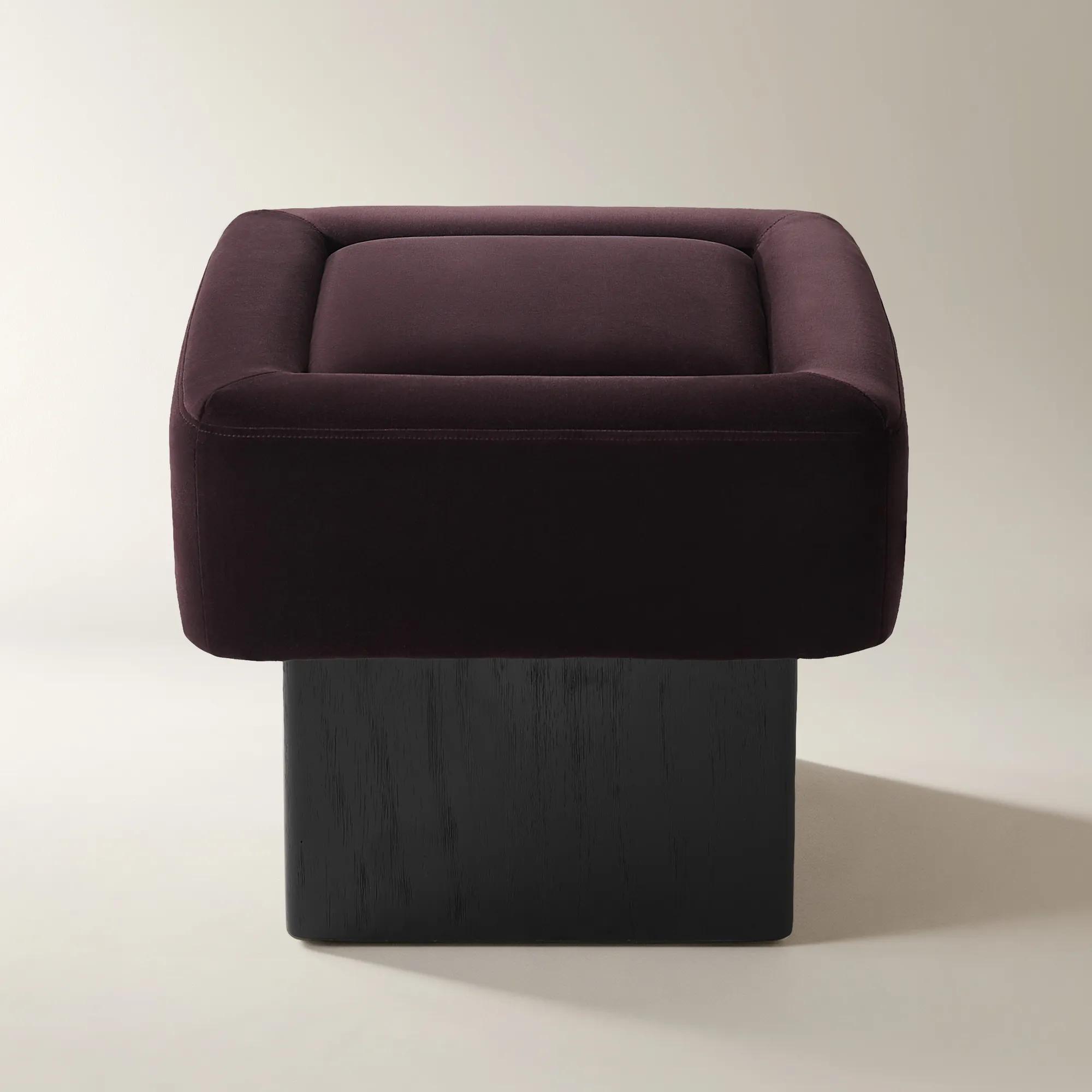 Reims Fig Velvet Stool$399
A plush fig-colored velvet stool featuring a sculpted cushion and a solid rubberwood base for modern contrast.
Add To Cart -
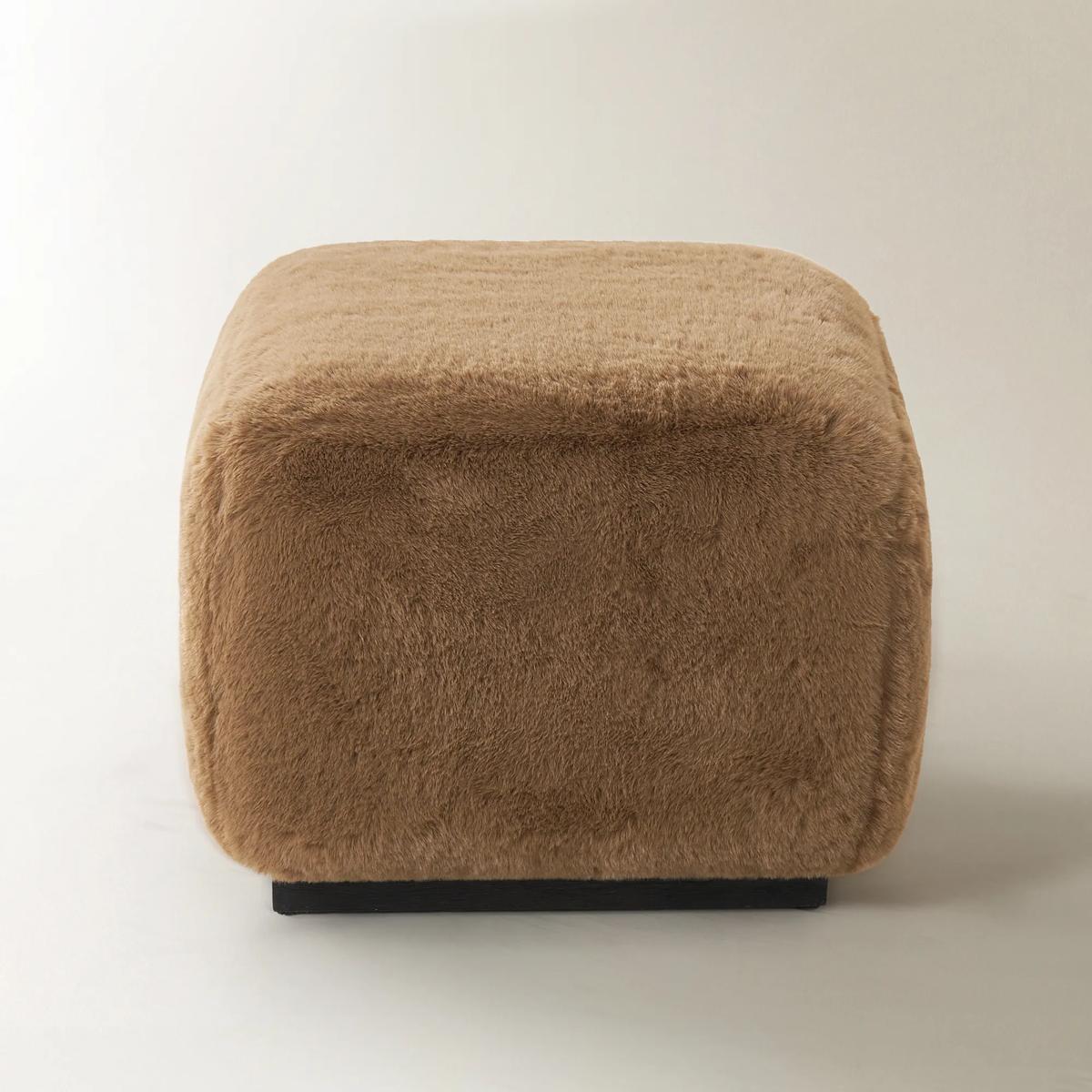
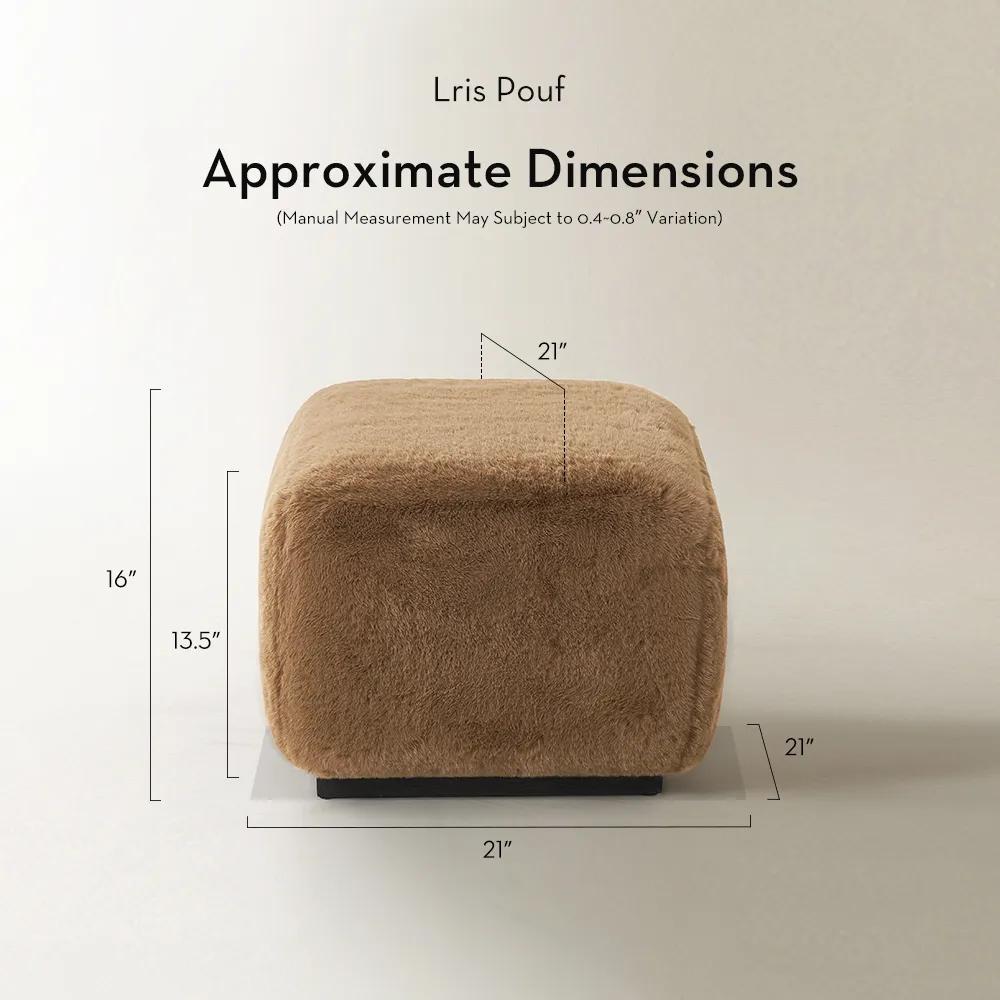 Lris Camel Faux Fur Stool (21")$299
A camel faux fur pouf with a solid rubberwood base, offering cozy warmth and modern sophistication.
Add To Cart -
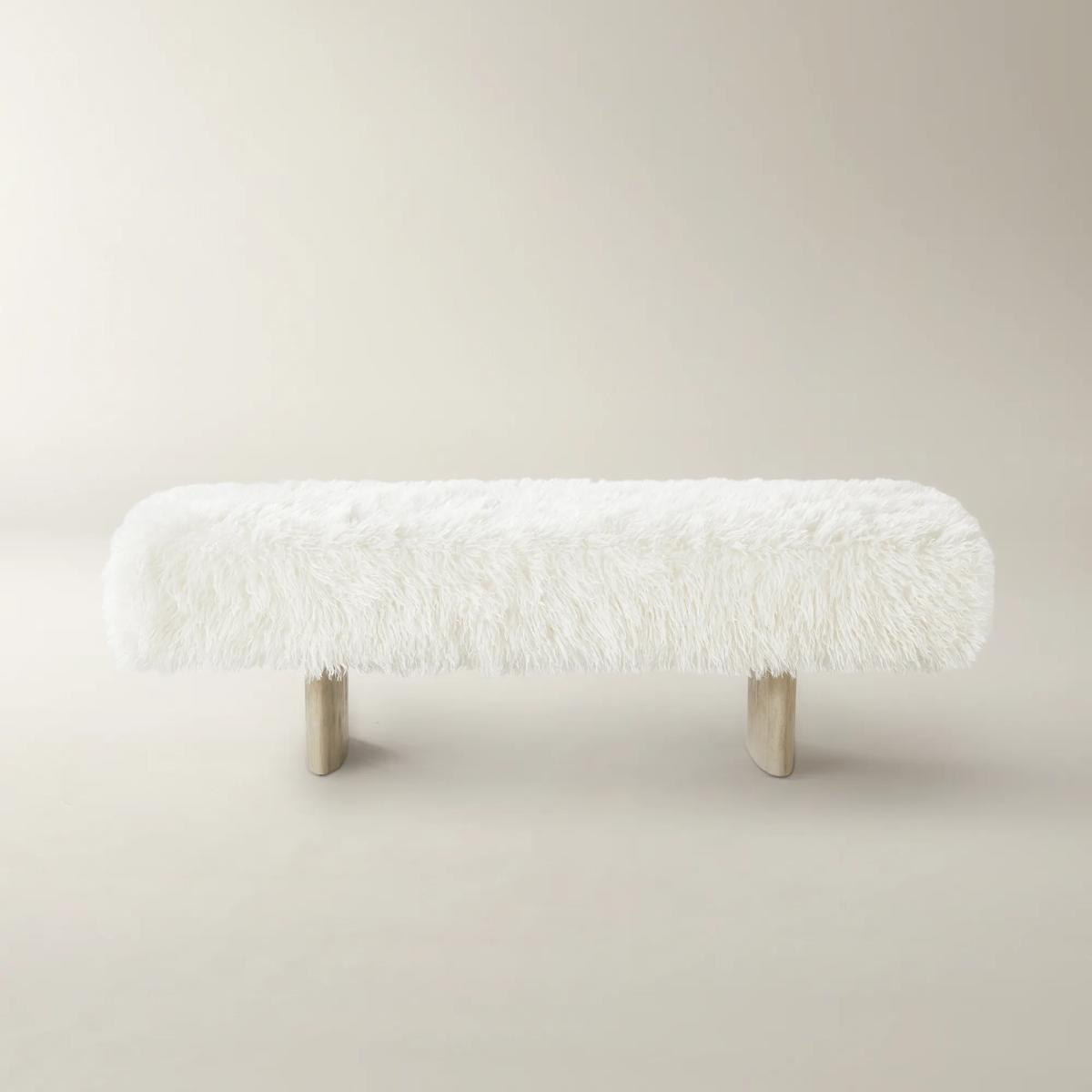
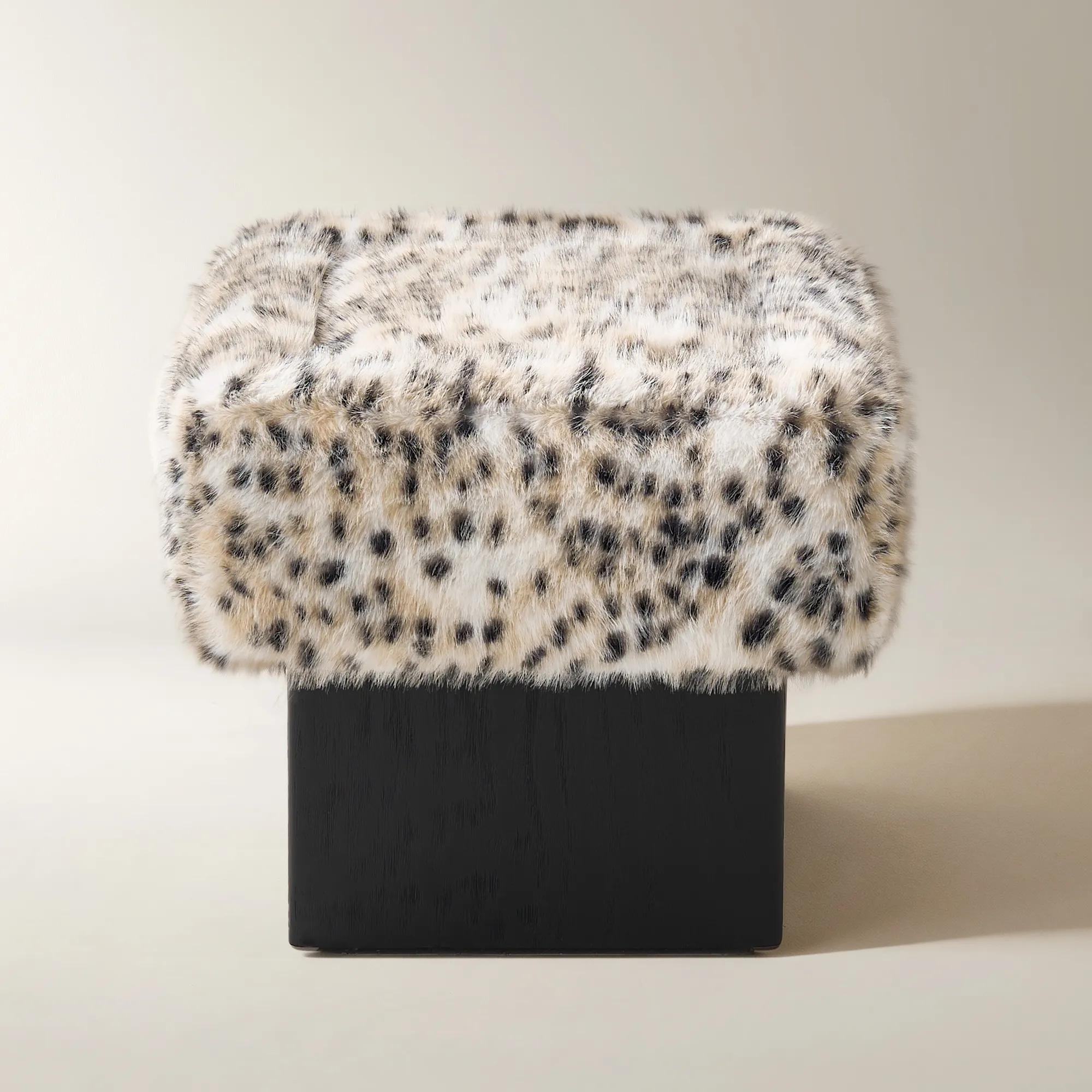 Reims Spotted Faux Fur Stool$399
A plush spotted faux fur stool with a sculpted cushion and solid rubberwood base for modern contrast.
Add To Cart -
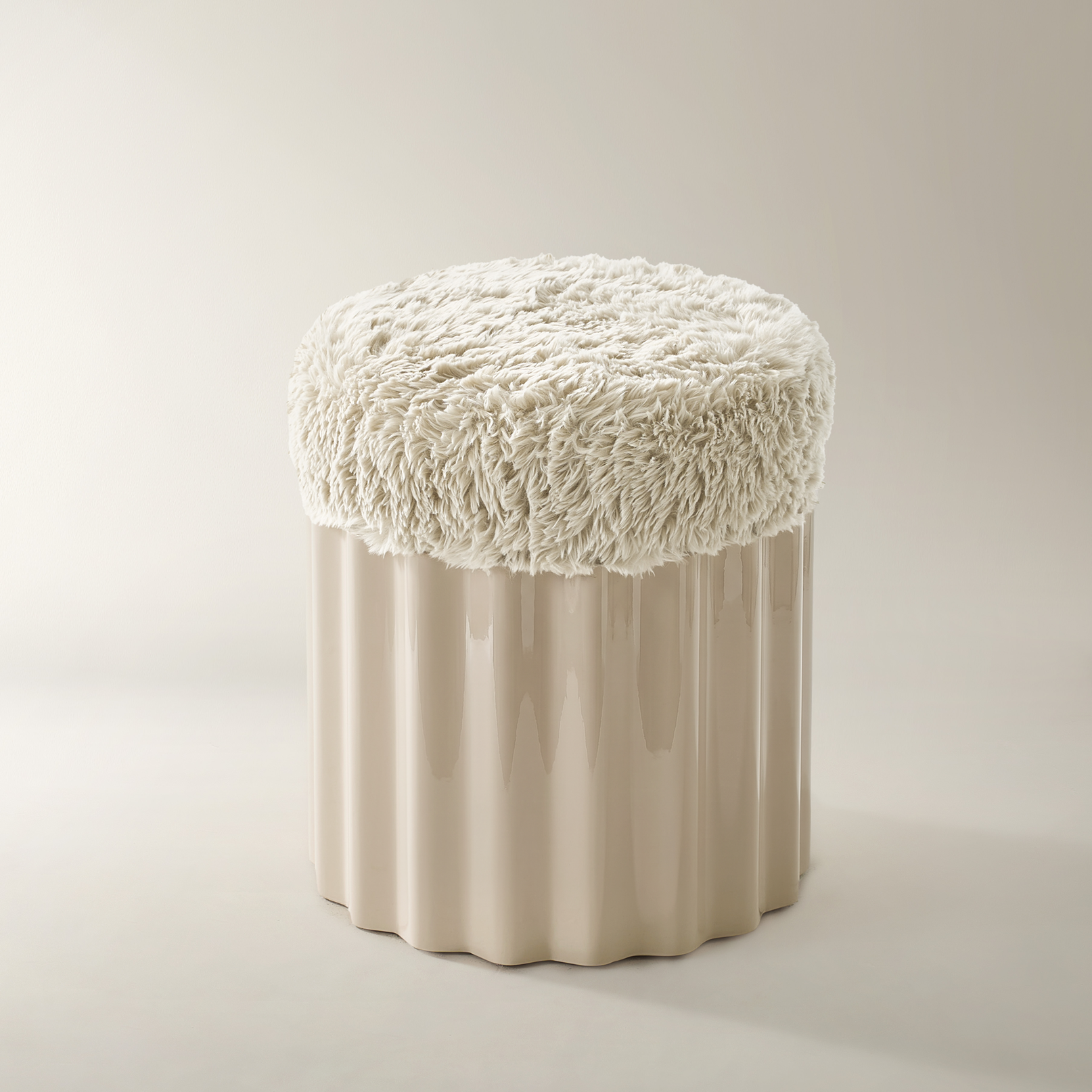
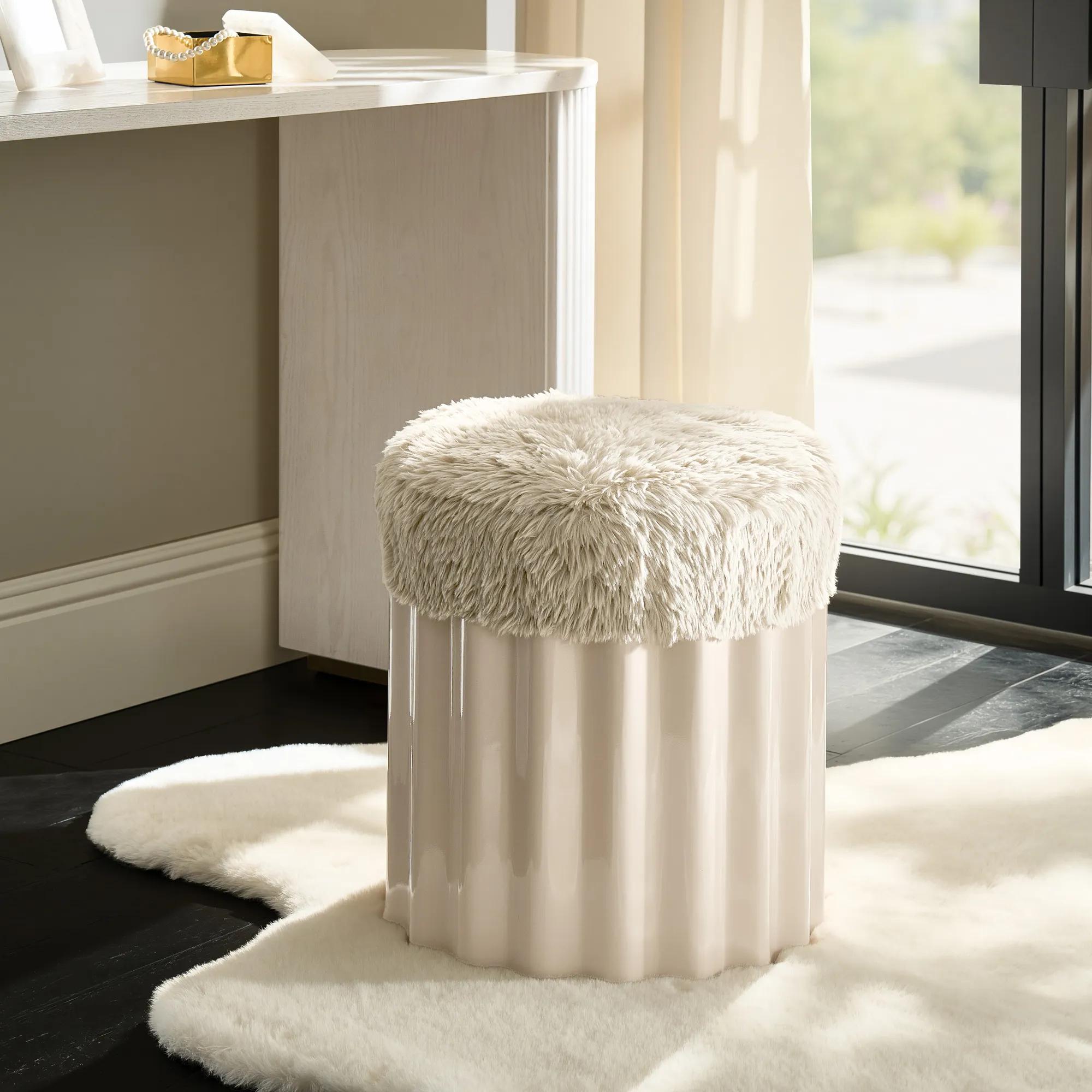 Nia Lacquered Turtle Dove Faux Fur Storage Stool$399
A sculptural fluted stool in warm turtle dove with plush faux fur seat and hidden storage compartment.
Add To Cart -
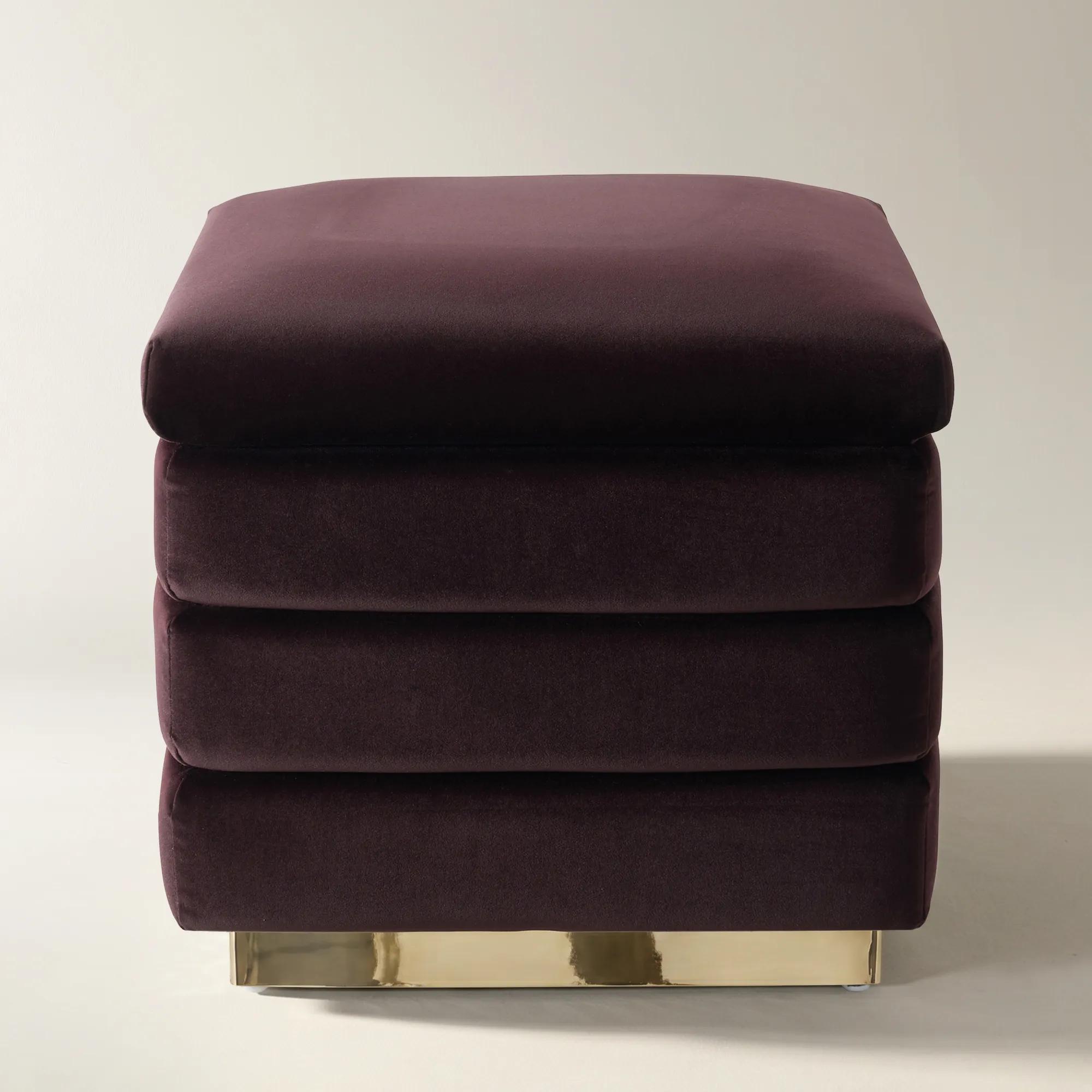
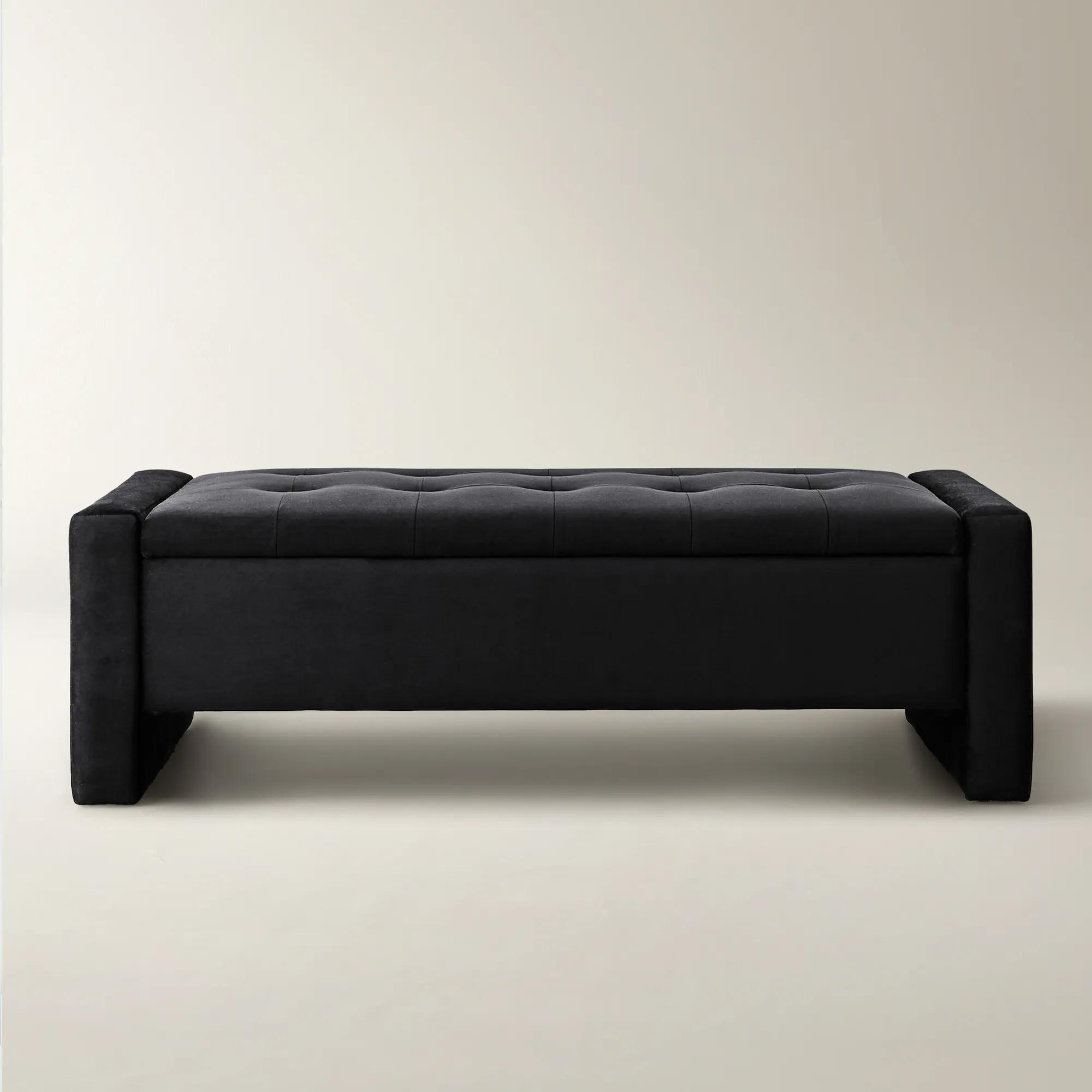
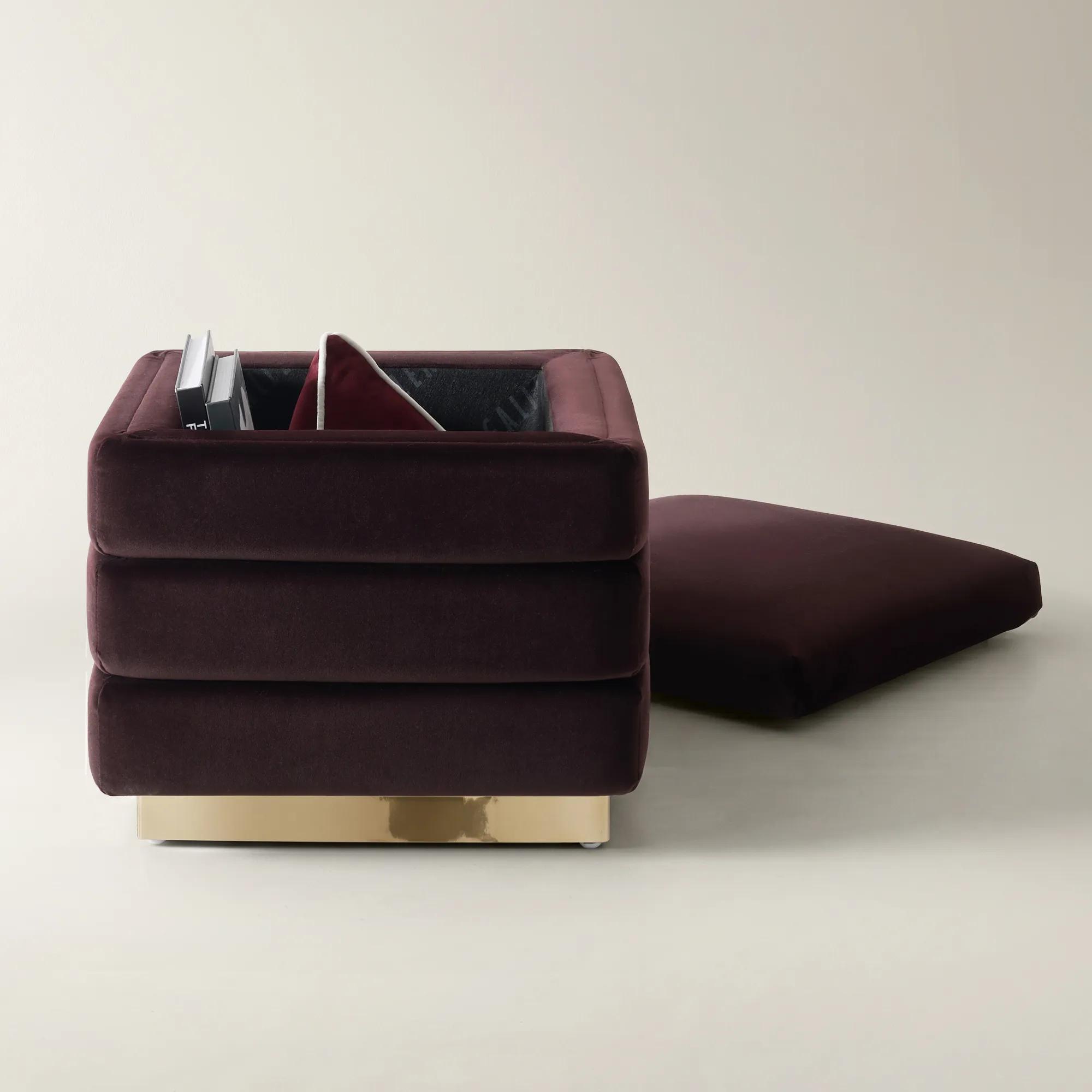 Gable Fig Chenille Storage Stool$399
A plush fig chenille stool with hidden storage, velvet upholstery, and a polished gold stainless steel base.
Add To Cart -
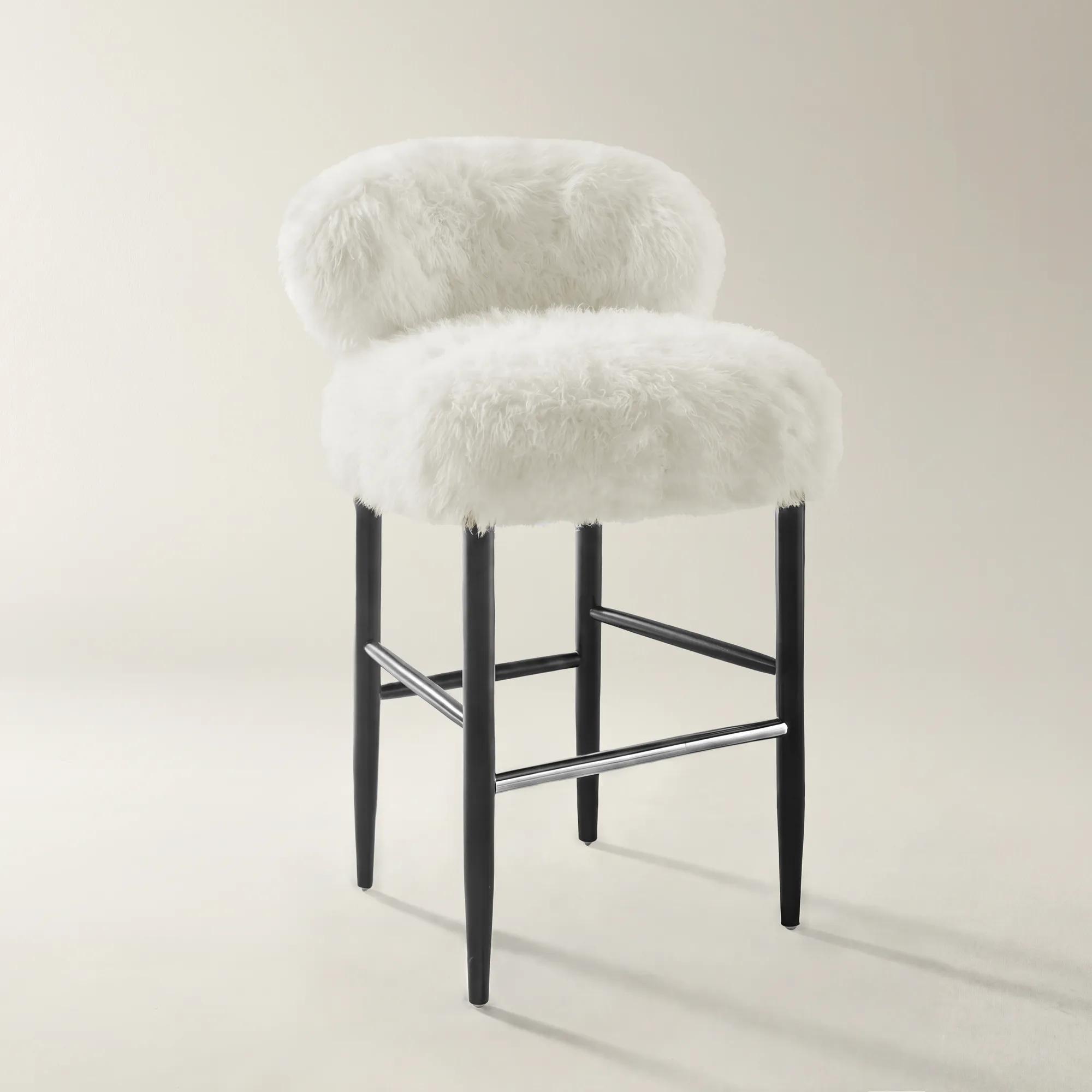 Anna Ivory Faux Fur Bar/Counter Stool$499
An ivory faux-fur stool with a sculpted padded seat and tapered solid rubberwood legs.
Add To Cart -
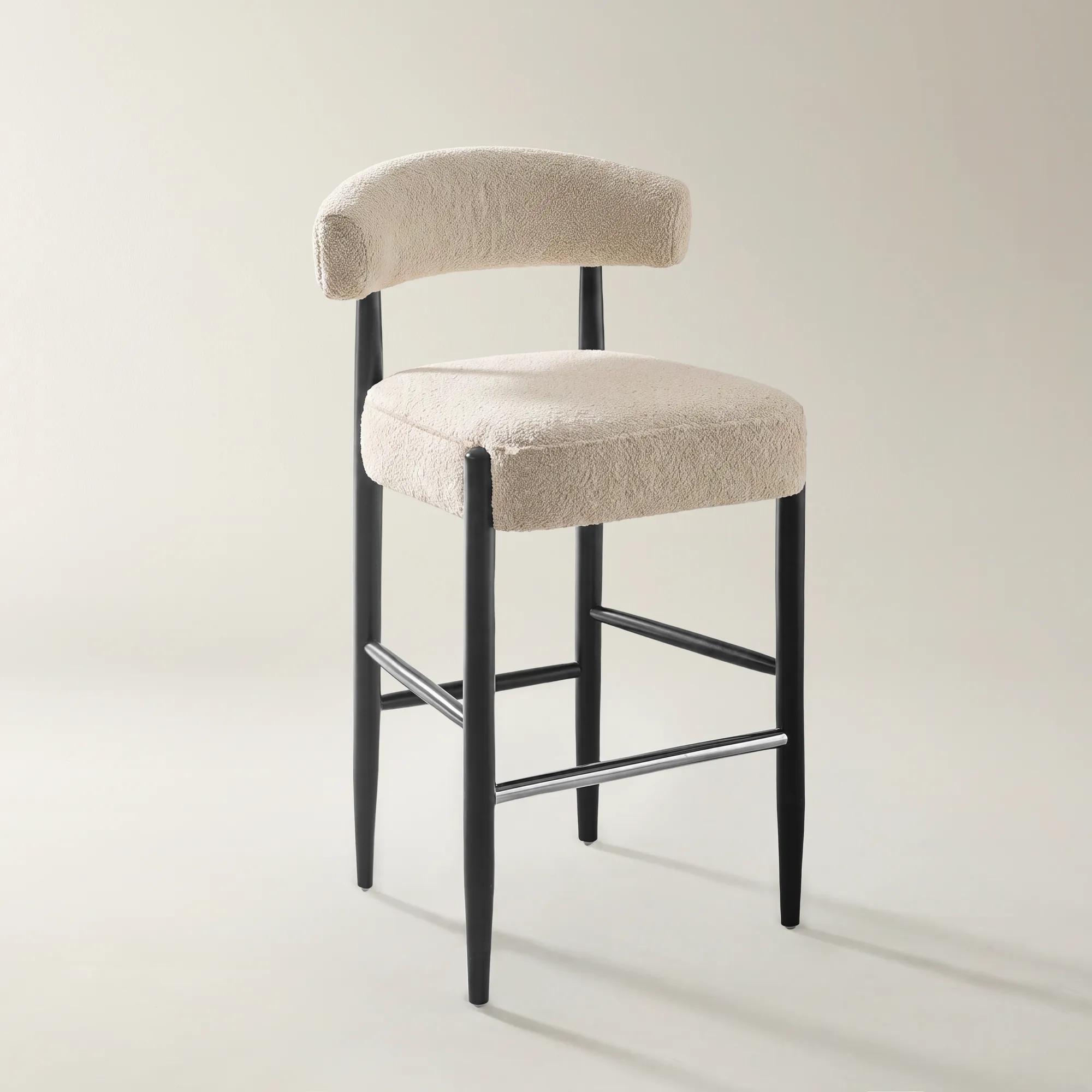 Anna Utopia Sand Chenille Bar/Counter Stool$399
A sand chenille stool with a sculpted padded seat, tailored upholstery, and tapered solid rubberwood legs.
Add To Cart -
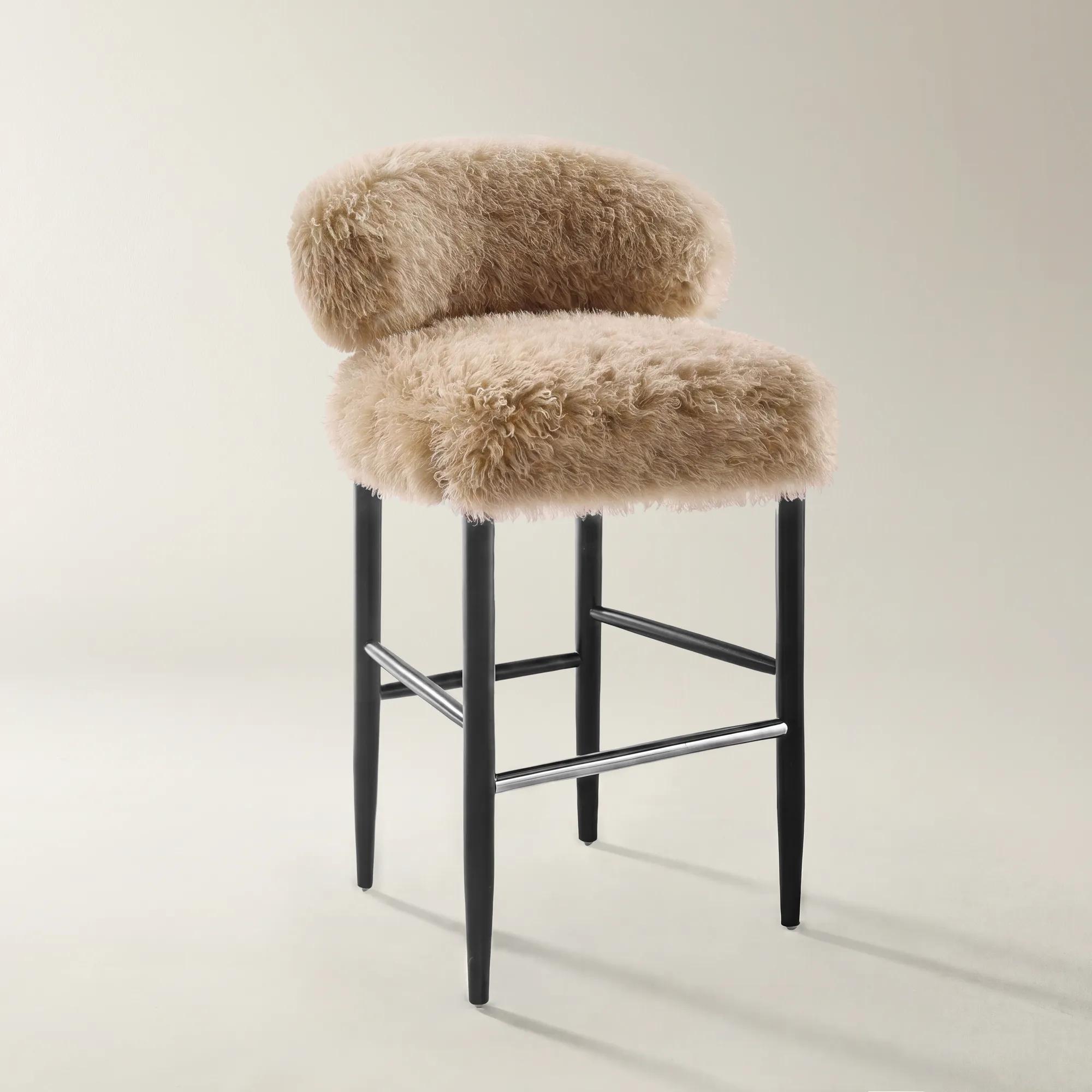 Anna Tan Faux Fur Bar/Counter Stool$499
A tan faux-fur counter stool featuring sculpted support, high-density cushioning, and tapered solid rubberwood legs.
Add To Cart -
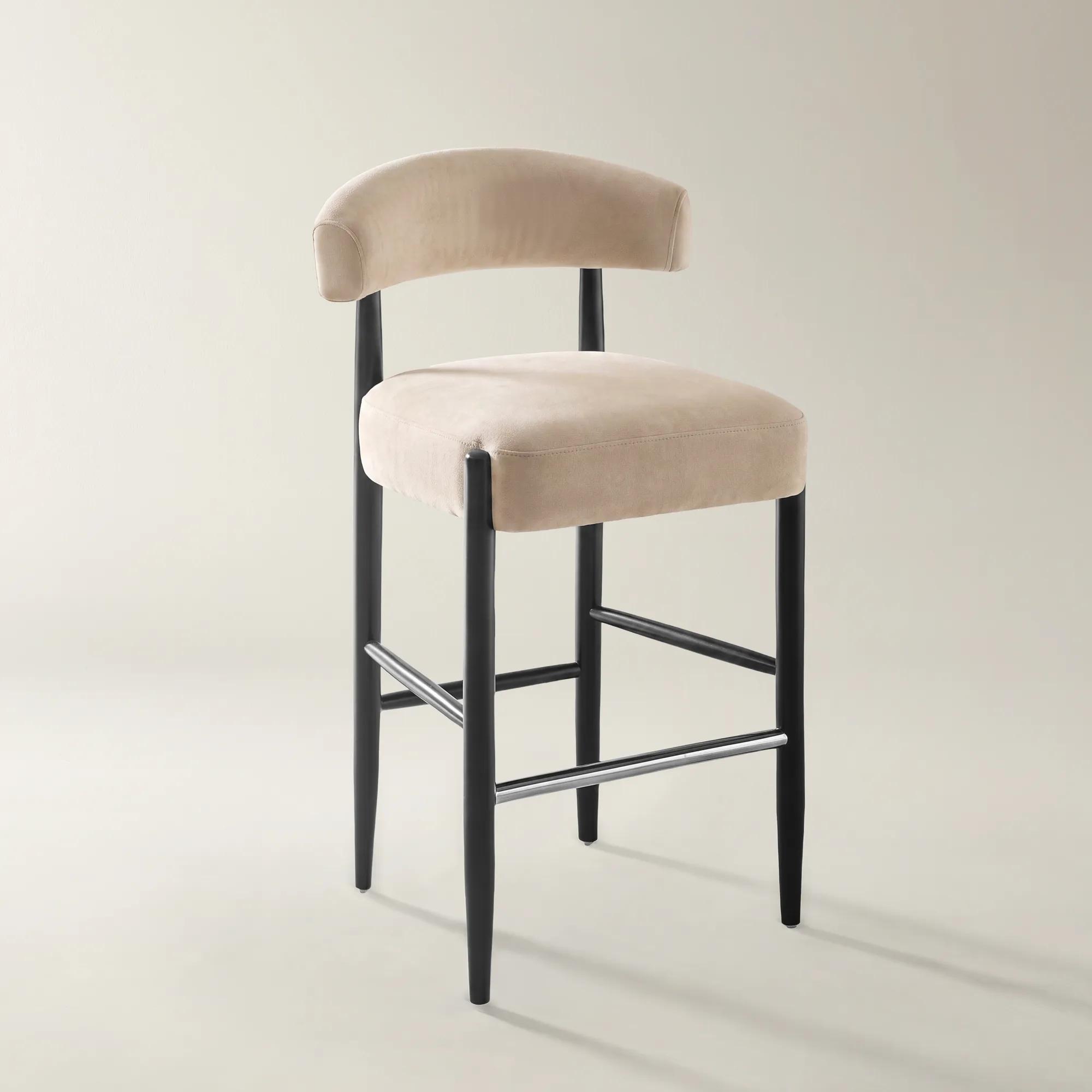 Anna Simply Taupe Velvet Bar/Counter Stool$399
A taupe velvet stool featuring sculpted support, a generously padded seat, and tapered solid rubberwood legs.
Add To Cart

Stylish Accent Stools For Dressing Rooms
Stylish Accent Stools For Dressing Rooms invite a sense of curated luxury to your daily routine, transforming the ordinary into the extraordinary. These sculptural perches are more than mere seating—they’re objets d’art that punctuate your space with personality and poise. Whether nestled beside a vanity or poised beneath a gilded mirror, each stool becomes an invitation to indulge in ritual, beauty, and self-expression. Discover how a thoughtfully chosen accent stool can elevate your dressing room, infusing every moment with confidence, comfort, and undeniable style.
Stylish accent stools for dressing rooms bring sculptural presence and a place to pause into a space devoted to personal expression. Positioned beneath a vanity, beside a full-length mirror, or within a walk-in closet, these compact seats support the small rituals of getting dressed without the visual weight of a larger chair. Their appeal lies in that balance: a beautifully upholstered seat can soften cabinetry and mirrored surfaces, while a gleaming frame introduces a deliberate flash of glamour. Backless silhouettes preserve an open view of the room and can tuck beneath a dressing table when dimensions allow; low-backed designs offer a more defined seat and a little additional support. Upholstery and frame materials establish the mood. Velvet lends depth through its directional pile, giving jewel tones a rich, shifting appearance and bringing subtle dimension to ivory or champagne shades. Bouclé and other textured fabrics create a tactile contrast against smooth drawer fronts, glass, and polished stone. Faux leather offers a tailored look with a surface that is often easier to wipe clean, although its care requirements depend on the finish. Metal frames can add warm gold tones, cool silver tones, or a crisp dark outline, while wood introduces grain and a more grounded character. Clear acrylic can keep the composition visually open, especially around an ornate vanity or a boldly framed mirror. None of these materials dictates a single style: a rounded upholstered stool can temper angular cabinetry, and an architectural base can give a soft, tonal dressing room a sharper point of interest. For someone who enjoys applying makeup, arranging jewelry, or taking a seated moment to fasten shoes, an accent stool makes the dressing area feel considered rather than improvised. The most compelling combinations give the seat a clear relationship to the surrounding finishes while allowing one detail—texture, shape, or shine—to hold attention. A pale seat against dark cabinetry, for example, creates a distinct focal point without requiring another large piece of furniture.
Proportion determines whether a dressing room stool feels inviting in daily use. Seat height matters in relation to the vanity’s underside, not simply its tabletop, because drawers, aprons, and decorative trim can reduce knee clearance. A stool should leave comfortable room for the legs while placing the user at a practical height for the mirror and work surface. The full width and depth deserve equal attention: a seat may fit beneath a table while its splayed legs extend beyond the opening, and a low back may prevent it from sliding fully underneath. In a narrow dressing area, the footprint should also leave room for closet doors and drawers to open and for someone to pass without turning sideways. Round seats offer a softer outline around tight corners, while square or rectangular silhouettes can echo the geometry of built-in cabinetry. Neither shape guarantees comfort; usable seat area, cushioning, and personal proportions are more important than appearance alone. Firm, supportive padding can feel reassuring during a longer makeup routine, whereas a deeply cushioned surface creates a plush impression but may compress enough to change the effective sitting height. A swivel mechanism, where included, can make turning between a vanity and nearby storage easier, though the surrounding area needs clearance for that movement. Durability comes from the whole construction: a stable base, secure joints, suitable upholstery, and a stated weight capacity appropriate for the intended user. A dramatic open frame should still sit evenly on the floor, and decorative trim should not interfere with comfortable seating. Floor protectors suited to the flooring help limit scratches, particularly when a stool moves frequently across wood or tile. Thick rugs may affect stability, so the seat belongs on a level surface where all legs or the entire base make secure contact. These are seats for dressing and grooming, not substitutes for step stools when reaching upper shelves. In a shared dressing room, practical details such as manageable weight, accessible seat height, and room to reposition the stool help a striking design earn its place every day.
Care keeps the defining textures and finishes of an accent stool looking intentional. In a dressing room, upholstery sits close to cosmetics, fragrance, hair products, and freshly applied lotions, making thoughtful placement as important as cleaning. A little distance from the busiest section of the vanity helps reduce accidental contact, while allowing products to dry before sitting can limit residue transfer. Fabric care varies by fiber and construction, so the manufacturer’s cleaning instructions should govern any treatment. Gentle vacuuming with a suitable upholstery attachment can remove dust from textured seats; spills generally call for prompt blotting rather than vigorous rubbing. Velvet may show pressure marks or changes in pile direction, and aggressive scrubbing can alter its appearance. Bouclé’s looped surface benefits from care around jewelry clasps and other objects that could catch the yarns. Faux leather should not be treated automatically with products intended for genuine leather, and acrylic requires compatible cleaning products and a soft cloth to help avoid surface scratches. Metal finishes also differ: a plated or coated frame may be damaged by abrasive polish even when the underlying material seems robust. Keeping a stool away from prolonged direct sunlight can help reduce fading or discoloration, subject to the material’s characteristics. With that attention, the seating becomes part of a composed dressing-room setting rather than an isolated decorative gesture. An upholstered silhouette beside a mirrored vanity can balance brilliance with softness; a darker seat beneath pale cabinetry can lend definition to an otherwise airy palette. Pairing a distinctive mirror and restrained countertop accessories with luxury stools for dressing rooms gives texture and proportion room to make their impression. These pieces can also be thoughtful gifts for someone furnishing a new home or creating a dedicated dressing space, provided the recipient’s measurements, preferred finishes, and seating needs are known. The lasting pleasure is personal: a seat that accommodates the morning routine, complements treasured objects, and gives an intimate corner of the home its own unmistakable character.
FAQs
Stylish accent stools for dressing rooms often feature luxurious materials such as plush velvet, buttery leather, gleaming metals like gold or chrome, and beautifully grained woods. Many designs also incorporate decorative details like nailhead trim, sculptural bases, or hand-applied finishes, each chosen to evoke a sense of artistry and sophistication.
An accent stool can instantly elevate the ambiance of a dressing room by introducing texture, color, and a touch of drama. Whether you opt for a bold, jewel-toned seat or a shimmering metallic base, the right stool becomes a focal point that ties together your décor, adds comfort to your daily rituals, and creates a welcoming, luxurious retreat.
Absolutely. Accent stools make thoughtful and memorable gifts for birthdays, housewarmings, or milestones. Their blend of beauty and utility makes them perfect for anyone who values expressive design and enjoys curating their personal space with distinctive, statement-making pieces.
Yes, accent stools are wonderfully versatile. Beyond serving as a comfortable perch, they can be styled as chic pedestals for handbags, art books, or floral arrangements. Their adaptable design allows them to move seamlessly throughout the space, offering both function and decorative flair.
Accent stools are available in a variety of styles, from glamorous Hollywood Regency to modern minimalist and eclectic bohemian. They can complement mirrored vanities, plush rugs, and dramatic lighting, allowing you to create a cohesive look that reflects your unique sense of style and elevates the overall aesthetic of your dressing room.