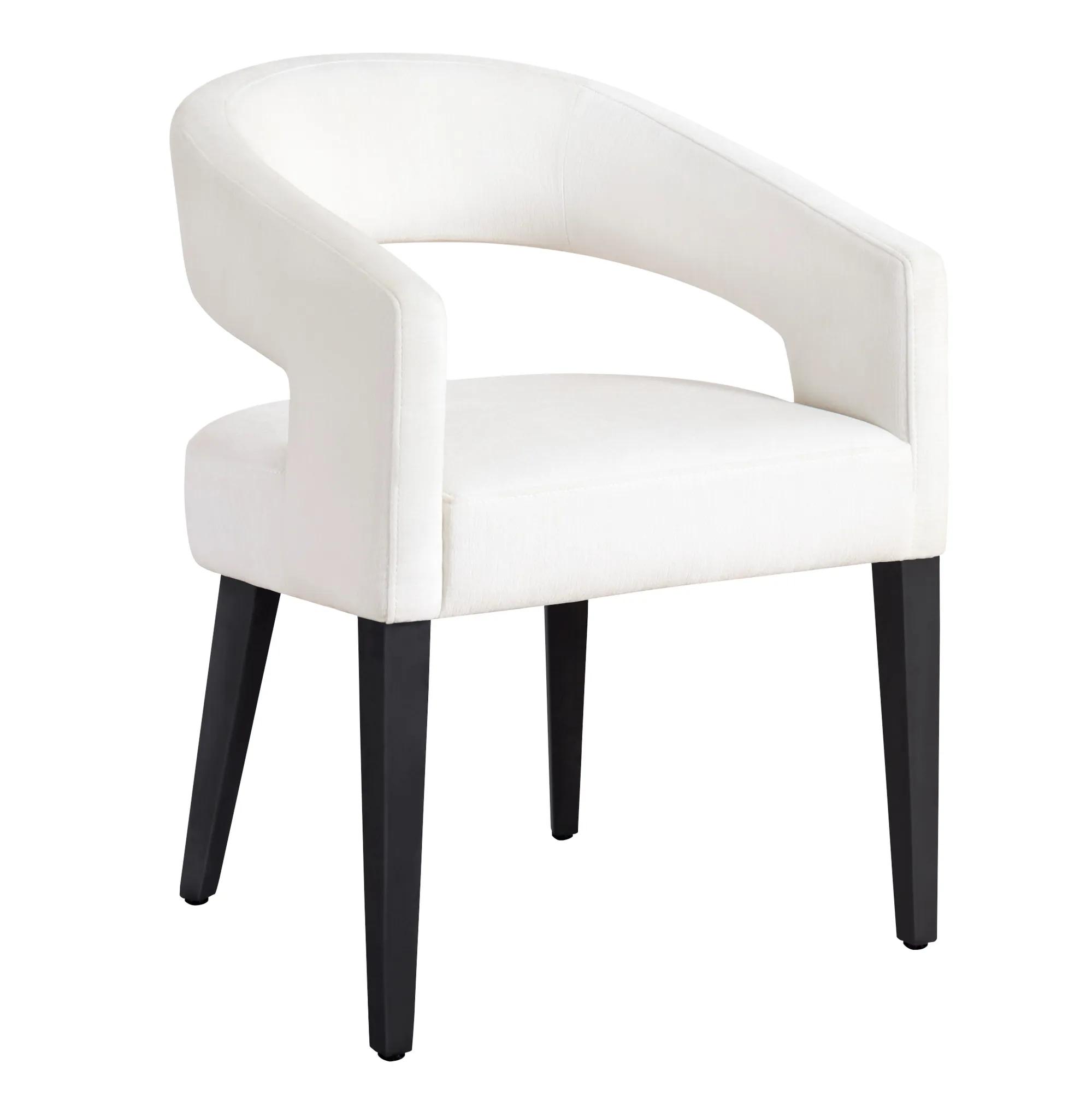
Stainless Steel Leg Dining Chairs
Stainless Steel Leg Dining Chairs
-
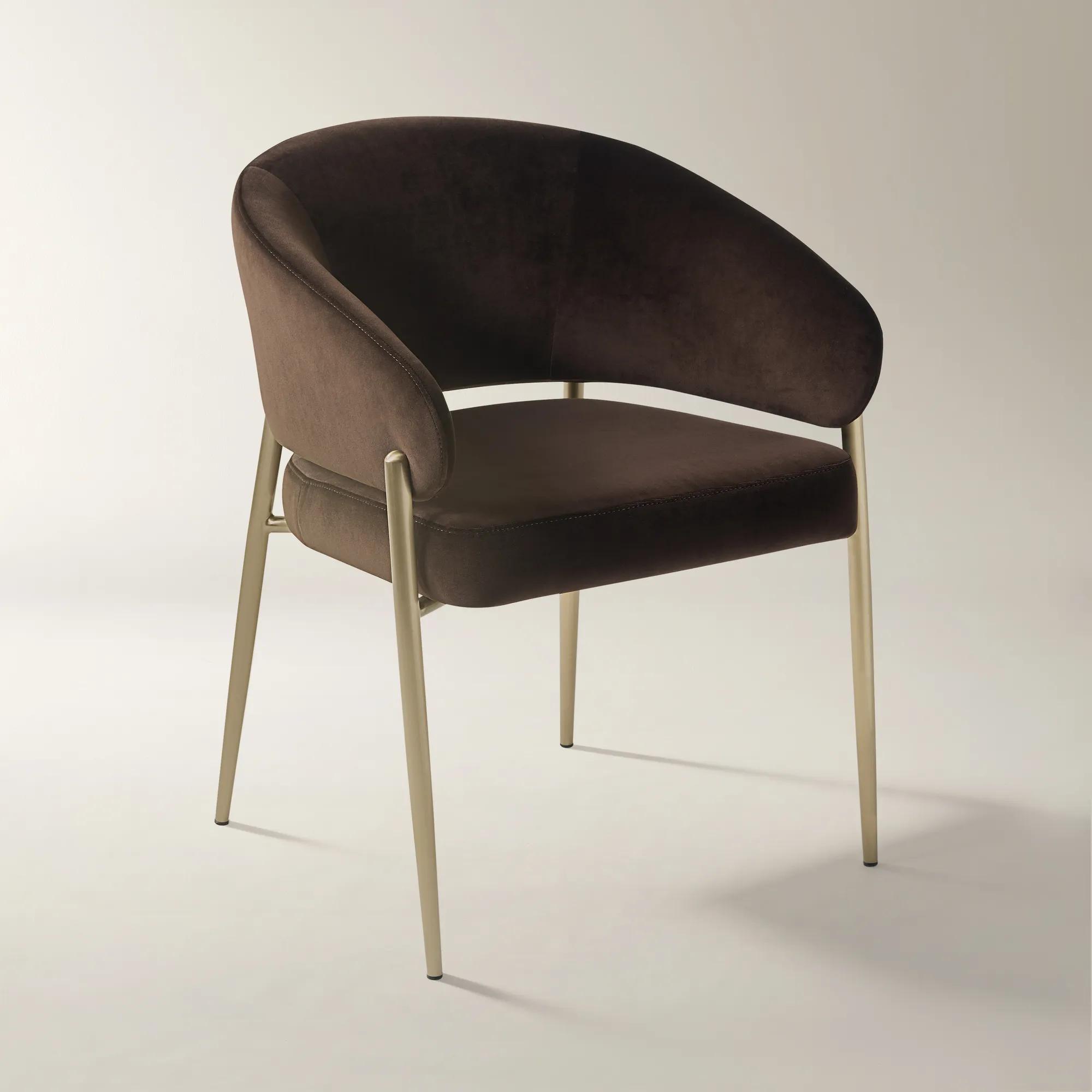 Nara Dark Chocolate Velvet Dining Chair Set Of 2$599
A pair of dark chocolate velvet chairs with curved backs and brushed brass stainless-steel legs for modern elegance.
Add To Cart -
 Elara Burnt Umber Velvet Dining Chair Set Of 2$799
A pair of brown velvet chairs with sinuous curves, ergonomic support, and hand-crafted, sculptural design.
Add To Cart -
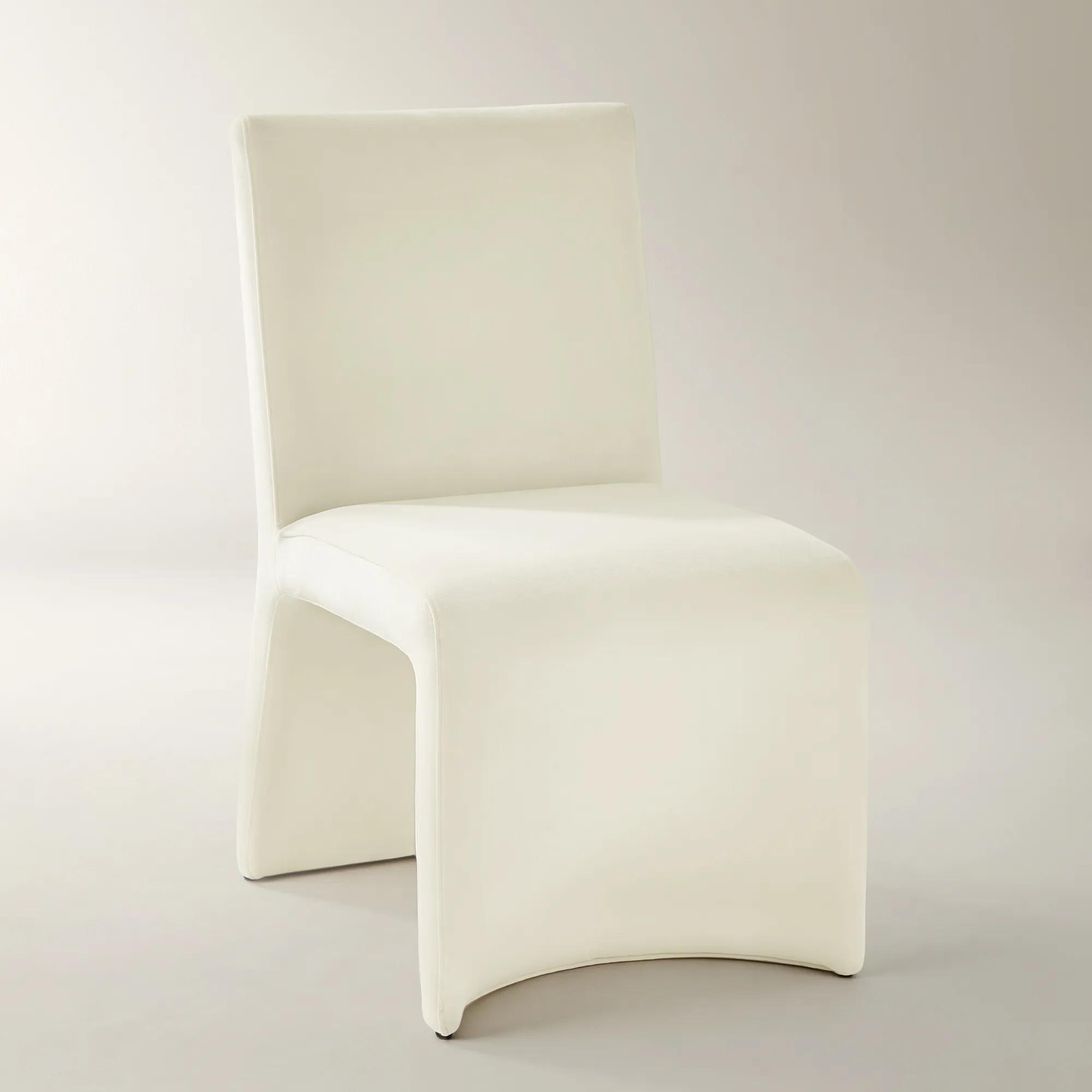 Elara Cloud Velvet Dining Chair Set Of 2$799
A set of two dining chairs featuring plush velvet upholstery, a seamless curved silhouette, and a sturdy steel frame.
Add To Cart -
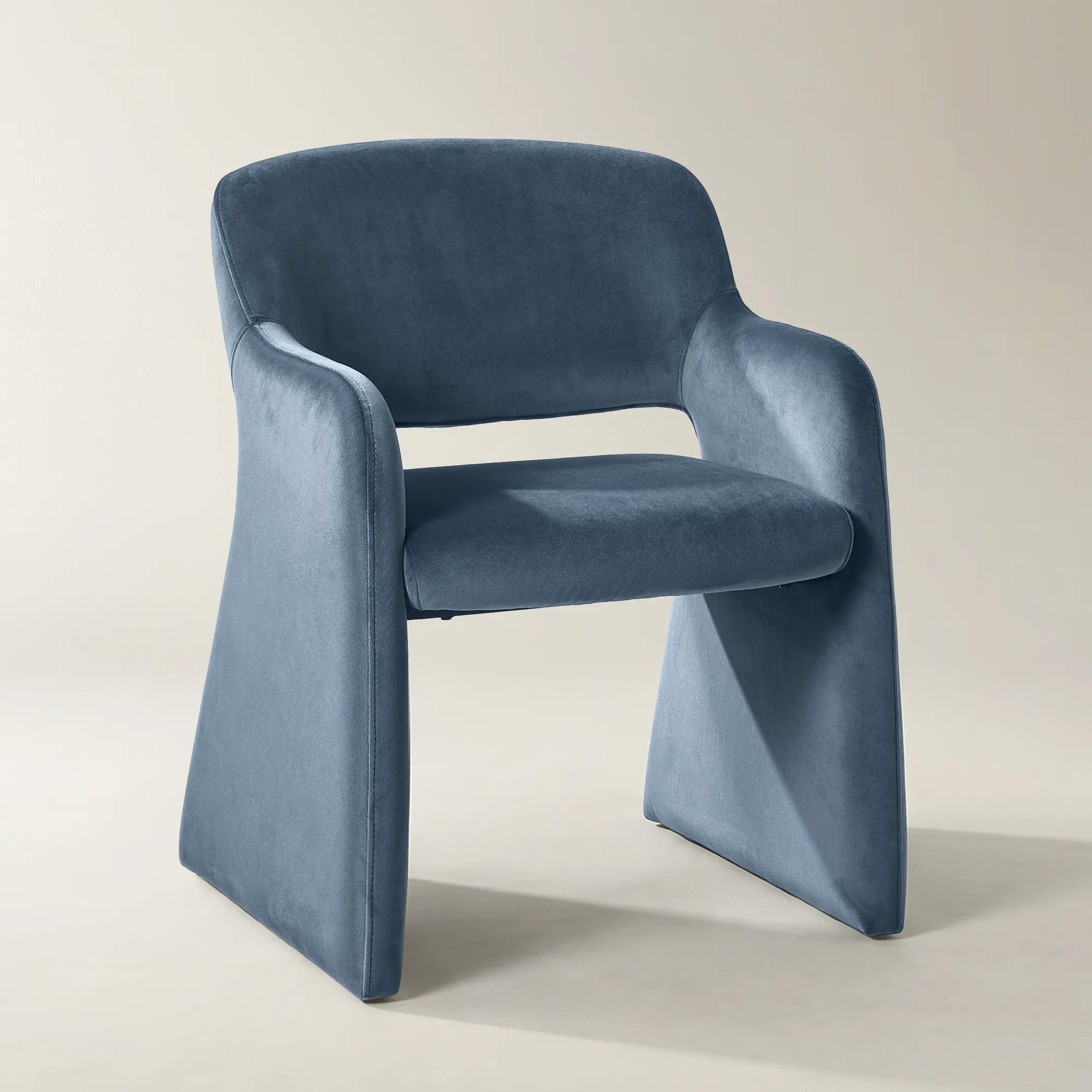 Elara Dusty Blue Velvet Dining Chair$449
A graceful dining chair featuring dusty blue velvet upholstery, integrated arms, and a seamless cantilevered silhouette.
Add To Cart -
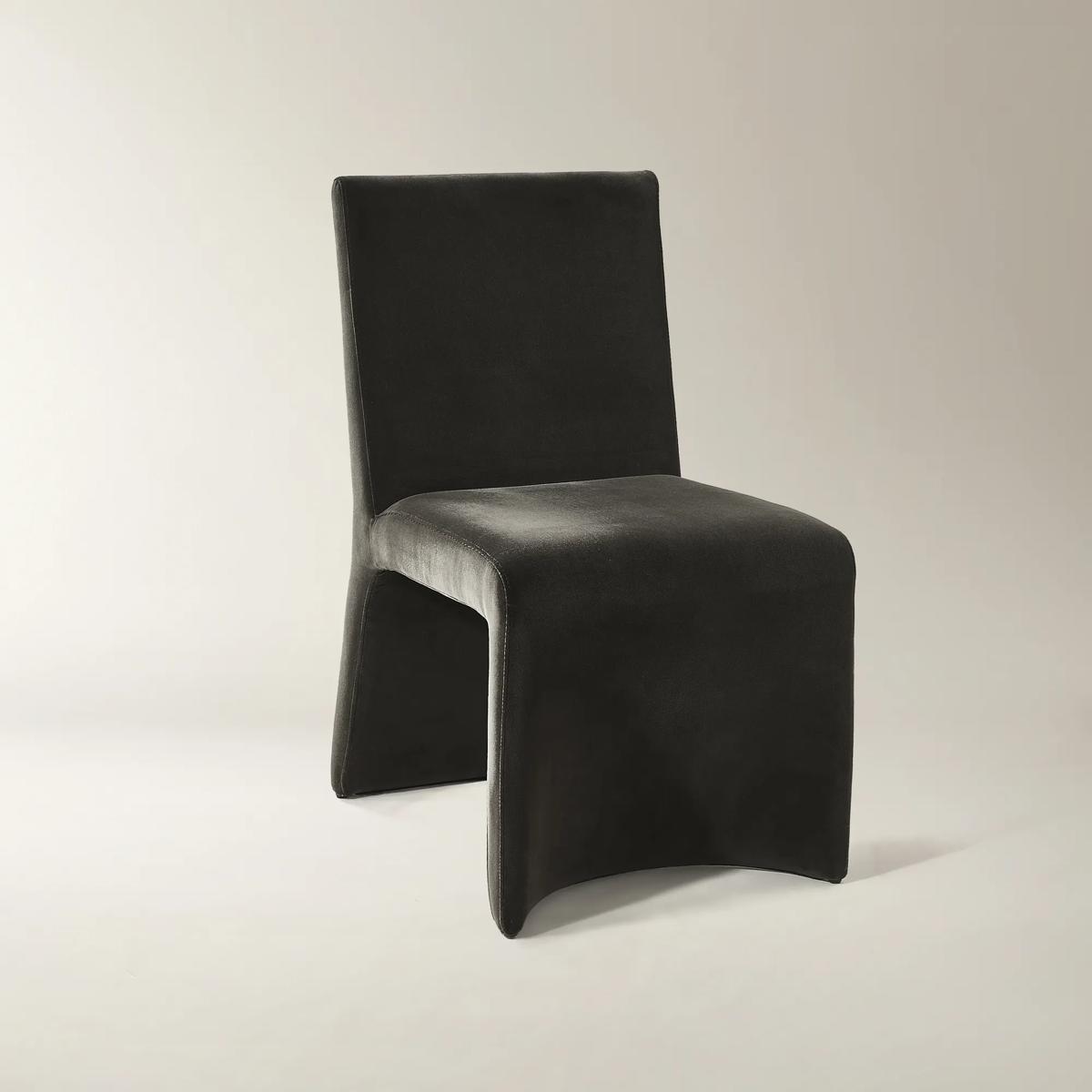
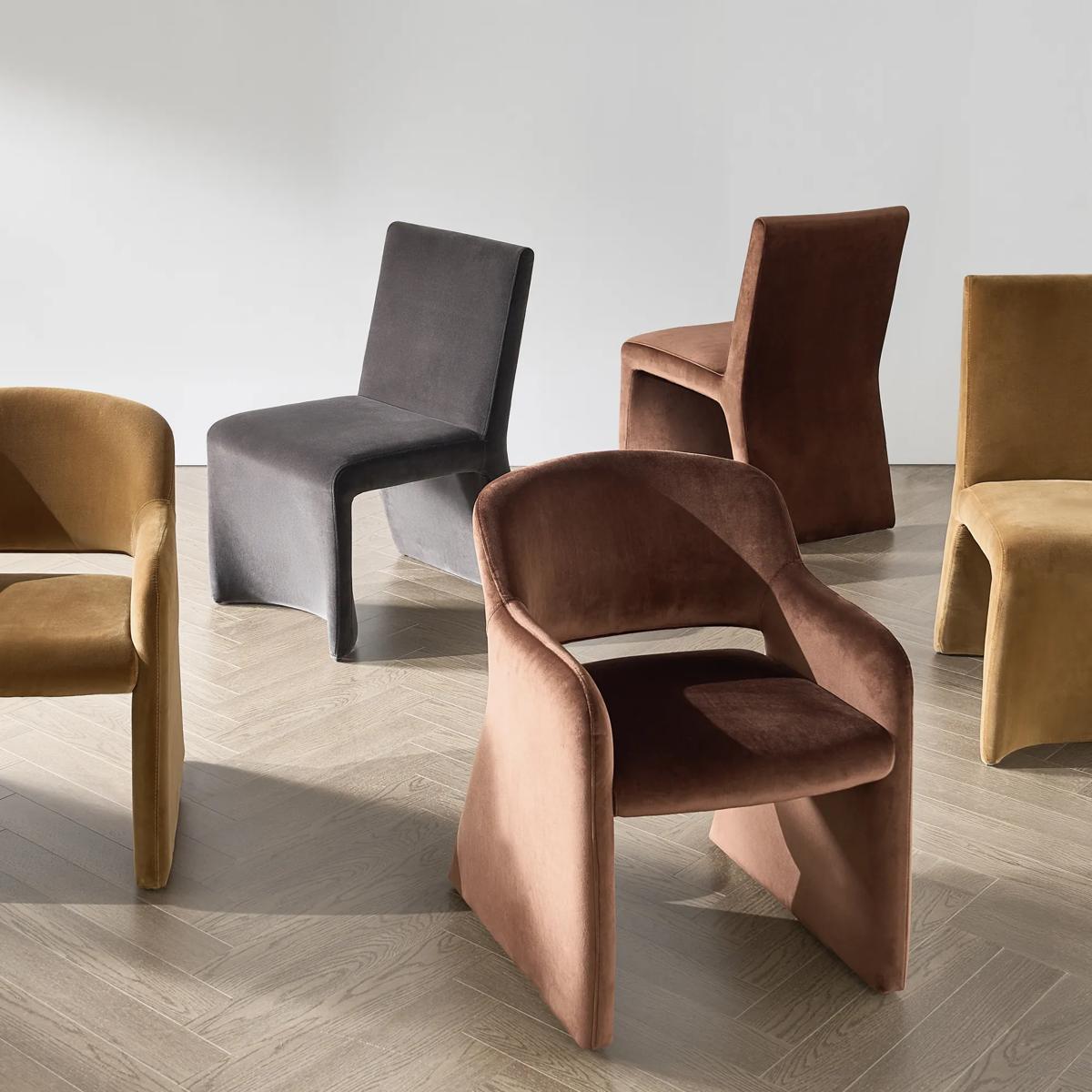 Elara Charcoal Velvet Dining Chair Set Of 2$799
A pair of charcoal velvet dining chairs featuring curved ergonomic silhouettes, plush upholstery, and hand-crafted details.
Add To Cart -
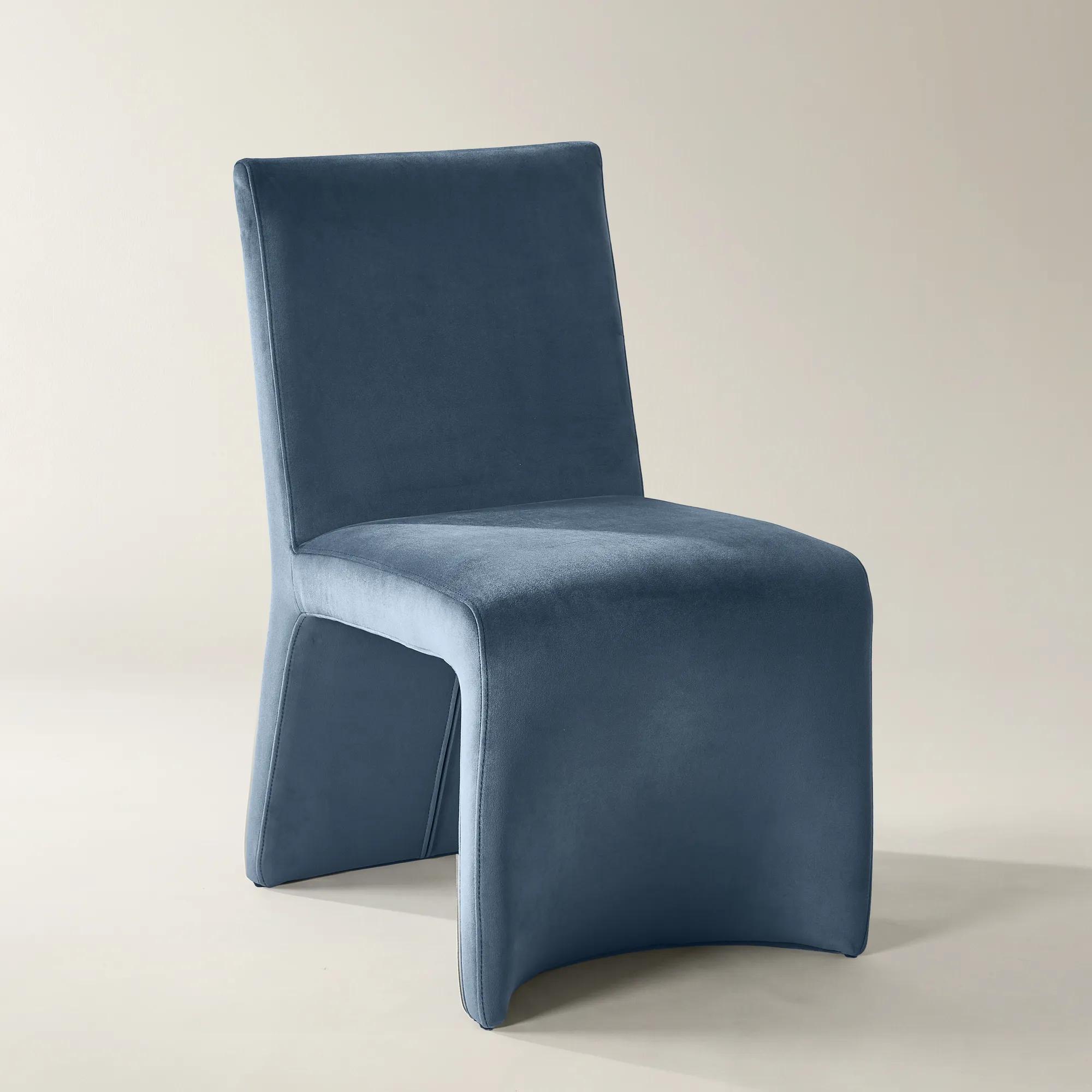 Elara Dusty Blue Velvet Dining Chair Set Of 2$799
A set of two dining chairs featuring plush dusty blue velvet upholstery and a seamless, artful silhouette.
Add To Cart -
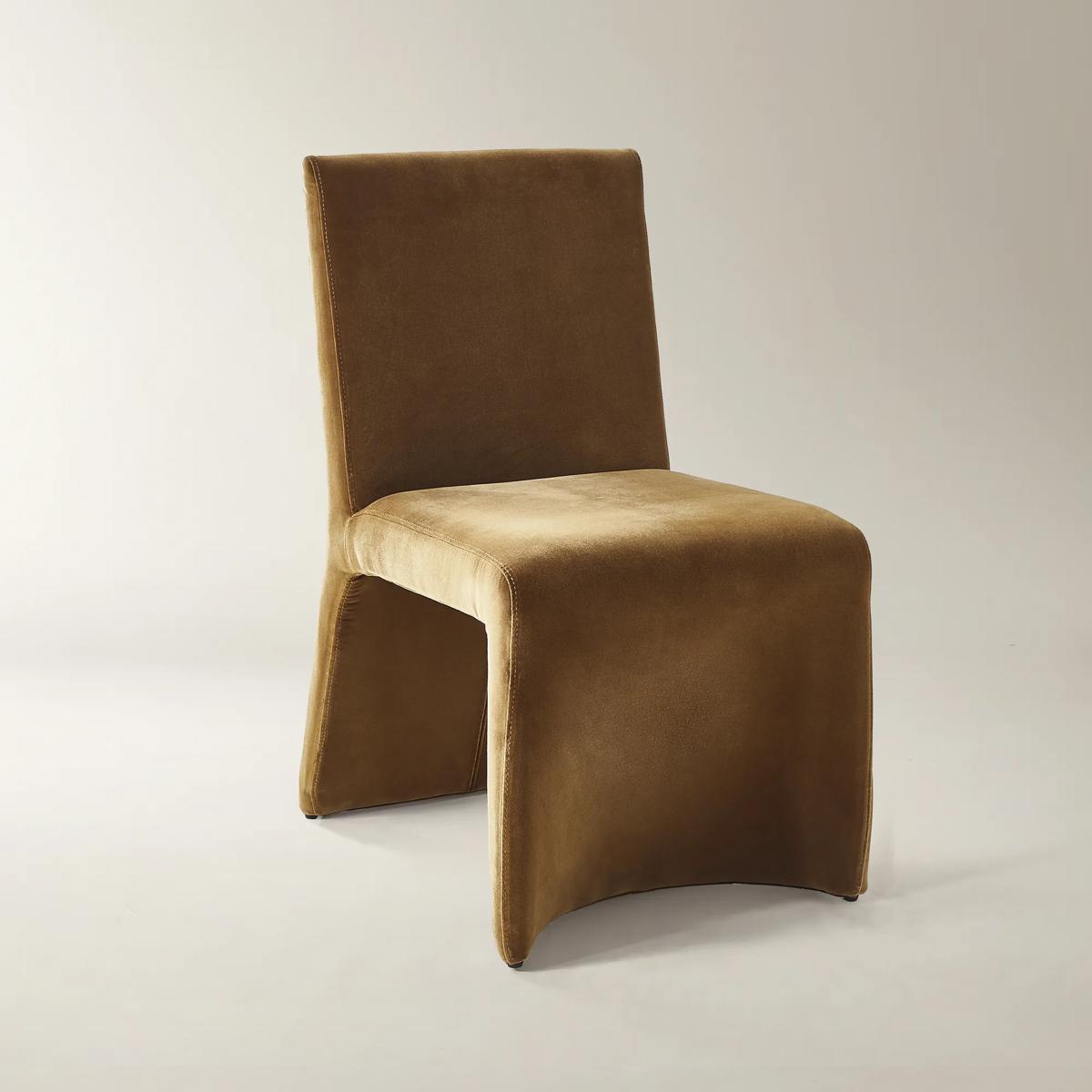 Elara Roasted Pecan Velvet Dining Chair Set Of 2$799
A pair of mustard velvet dining chairs featuring curved ergonomic silhouettes and hand-upholstered, reinforced construction.
Add To Cart -
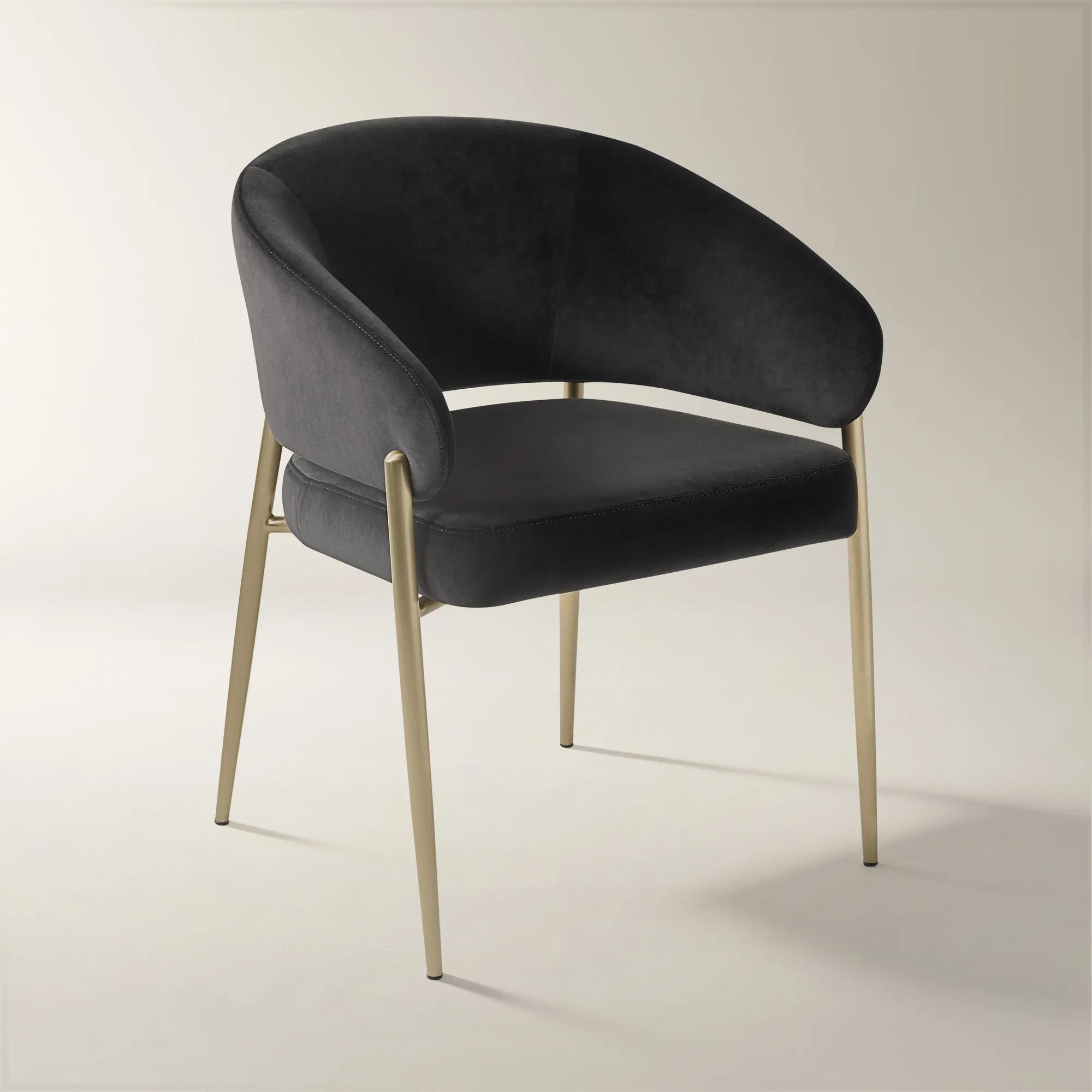 Nara Charcoal Velvet Dining Chair Set Of 2$599
A set of two charcoal velvet chairs featuring curved backs, plush upholstery, and brushed brass metal legs.
Add To Cart -
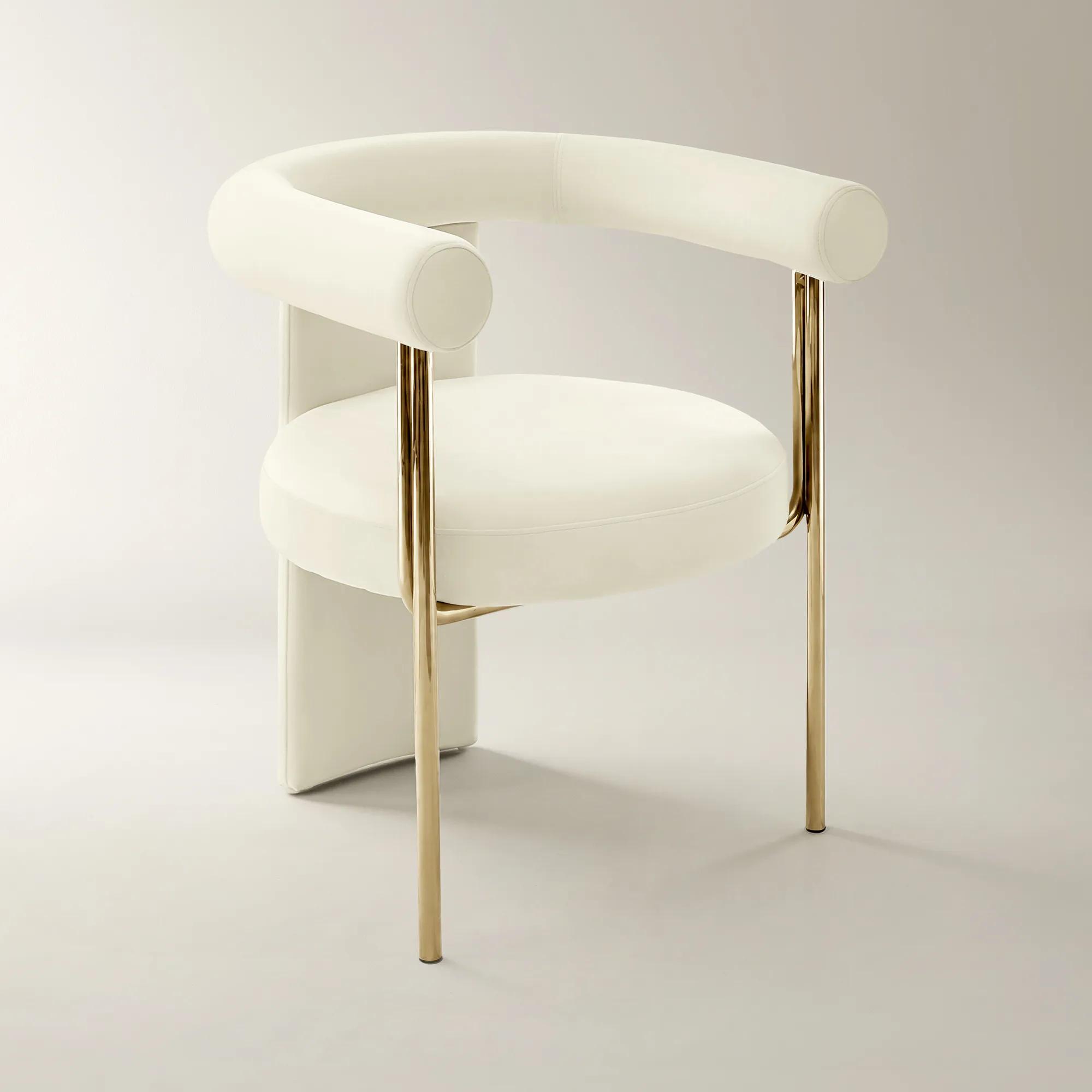 Davina Cloud Velvet Dining Chair Set Of 2$899
A set of two dining chairs featuring plush cloud velvet upholstery and a sculptural gold metal frame.
Add To Cart -
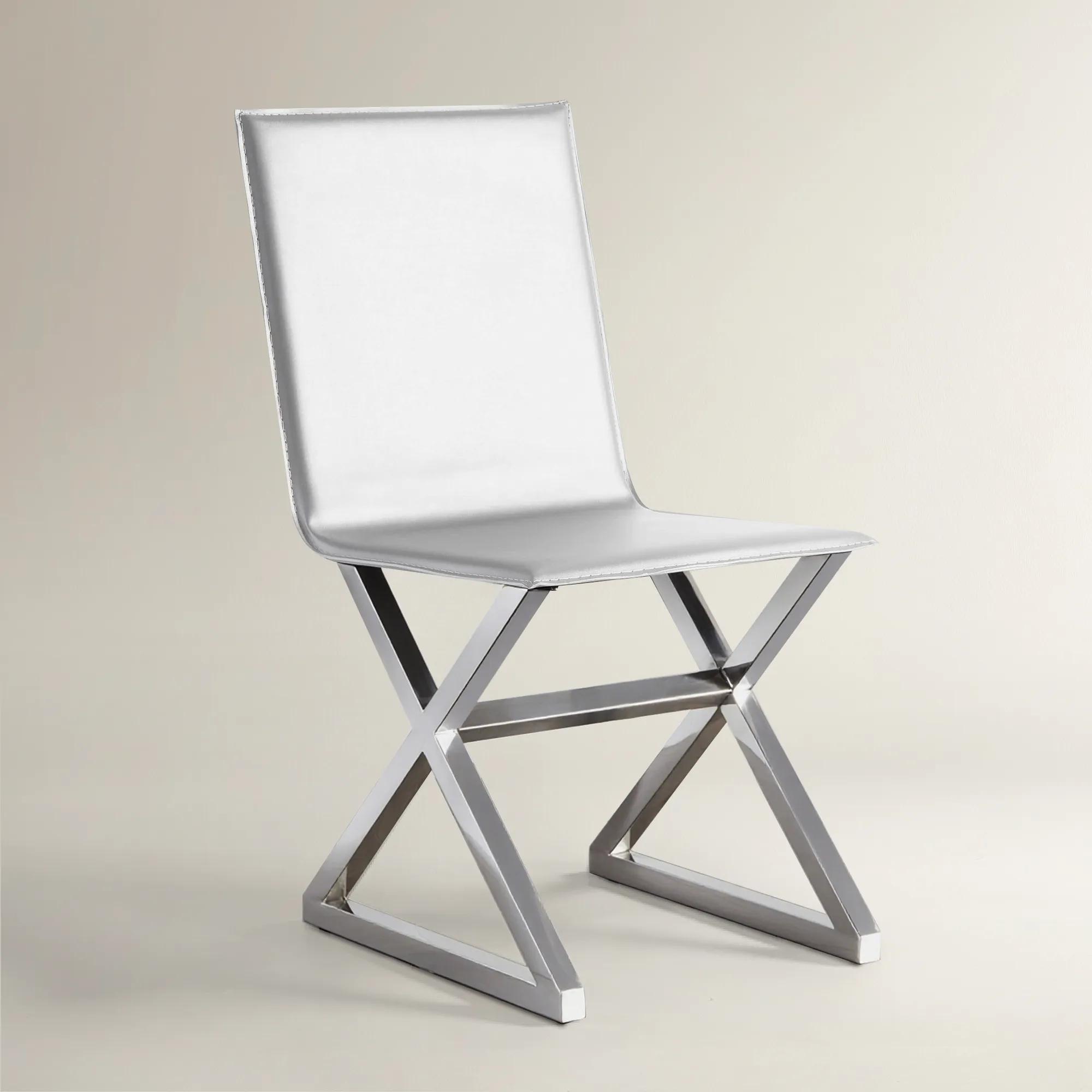
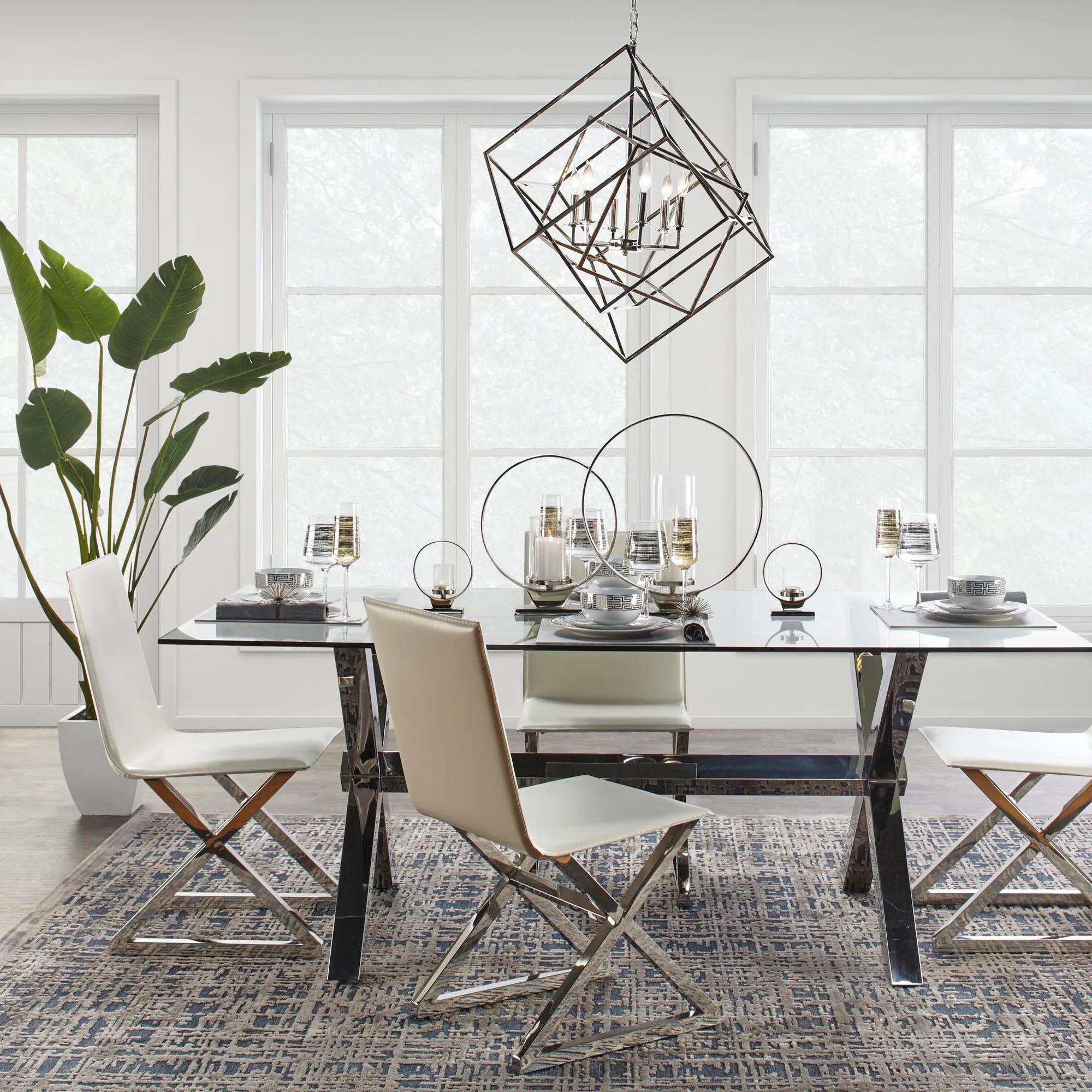 Axis Dining Chair - Set of 2$399
A contemporary chair set featuring white bonded leather upholstery and a polished stainless steel base.
Add To Cart -
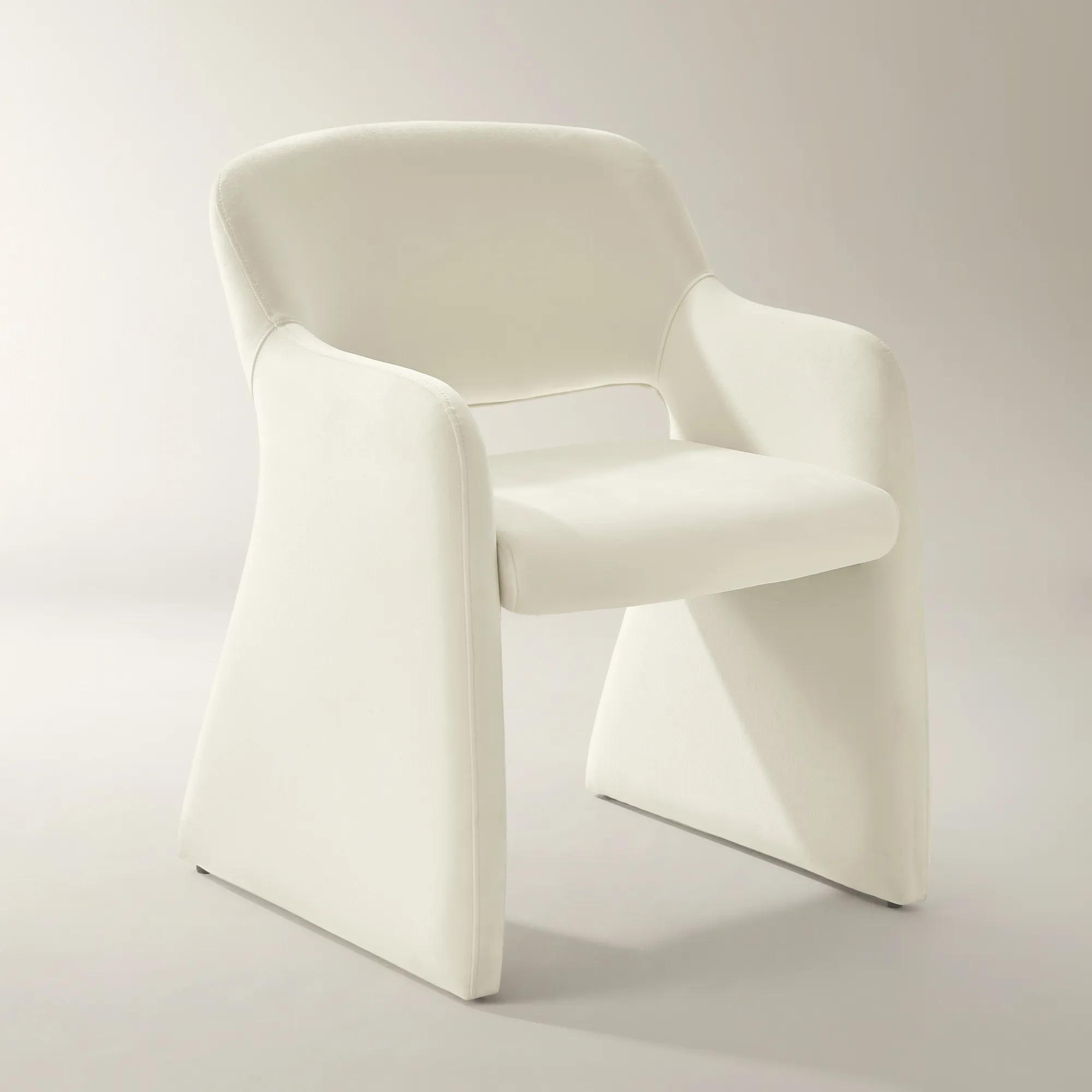 Elara Cloud Velvet Dining Chair$449
A plush velvet dining chair featuring a seamless wraparound silhouette and supportive carbon steel frame.
Add To Cart -
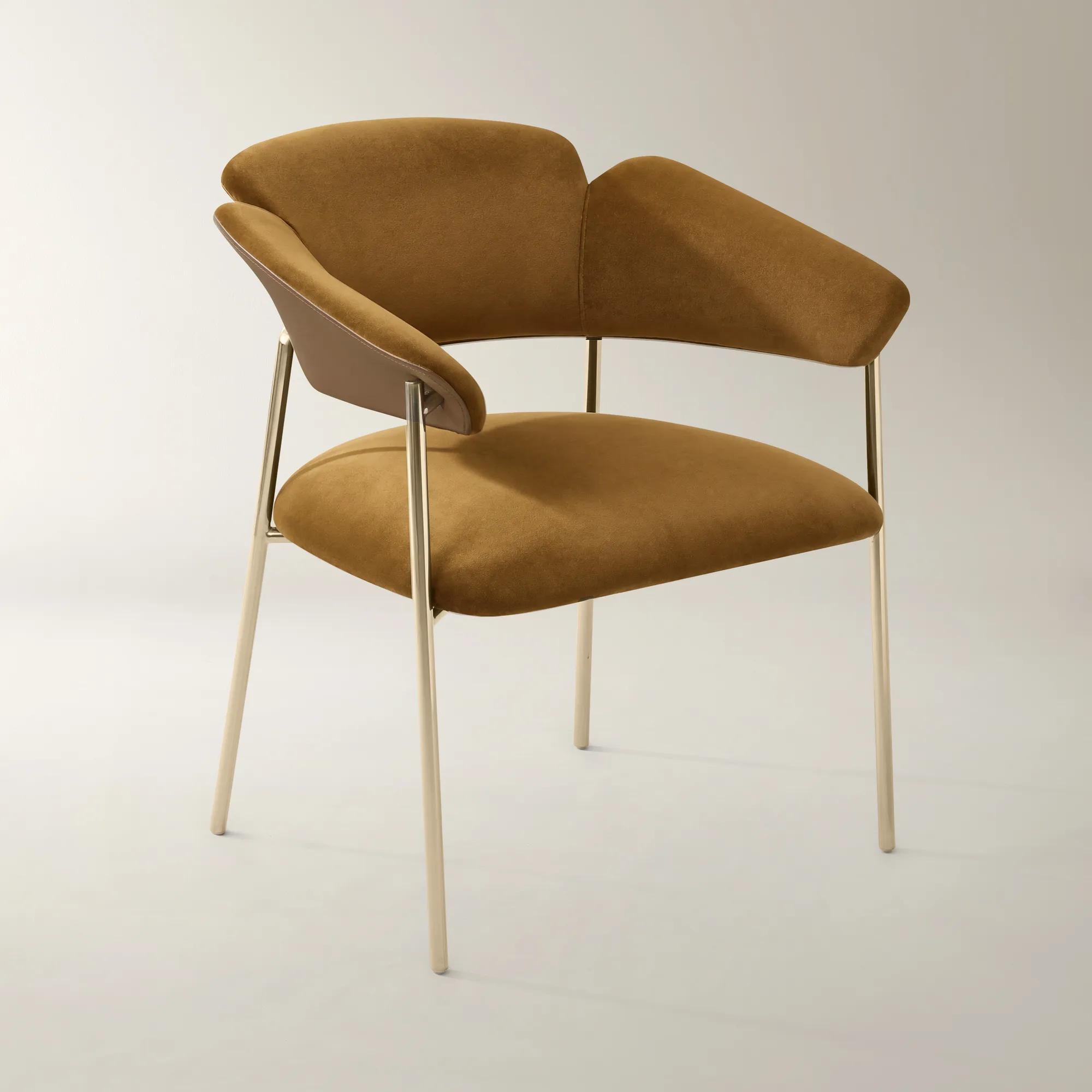 Odette Roasted Pecan Velvet Dining Chair$499
A sculptural dining chair featuring roasted pecan velvet, tonal faux leather accents, and gold stainless steel legs.
Add To Cart -

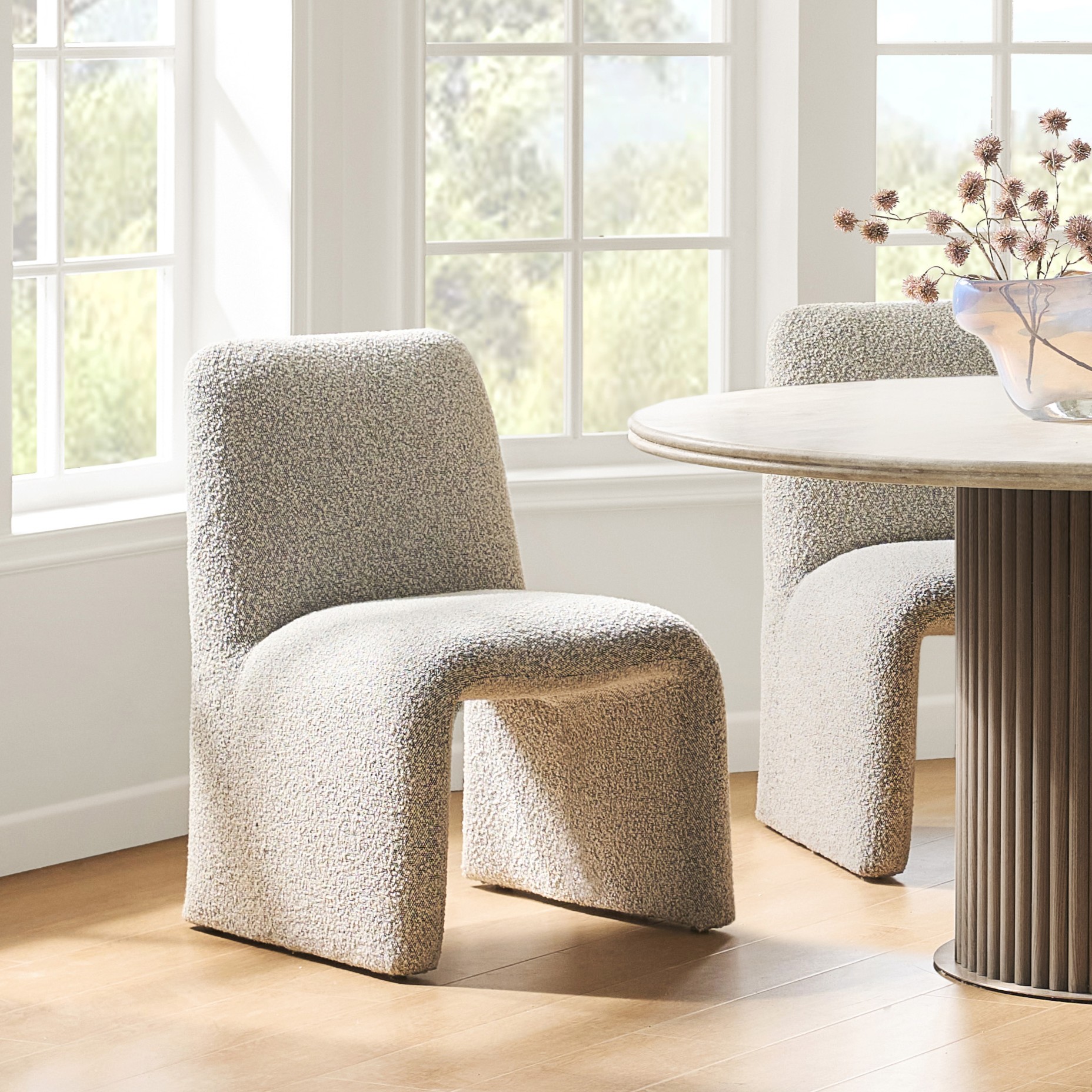 Cayenne Grey Boucle Dining Chair$399
A modern armless chair in grey boucle upholstery with a sleek metal frame and hand-crafted details.
Add To Cart -
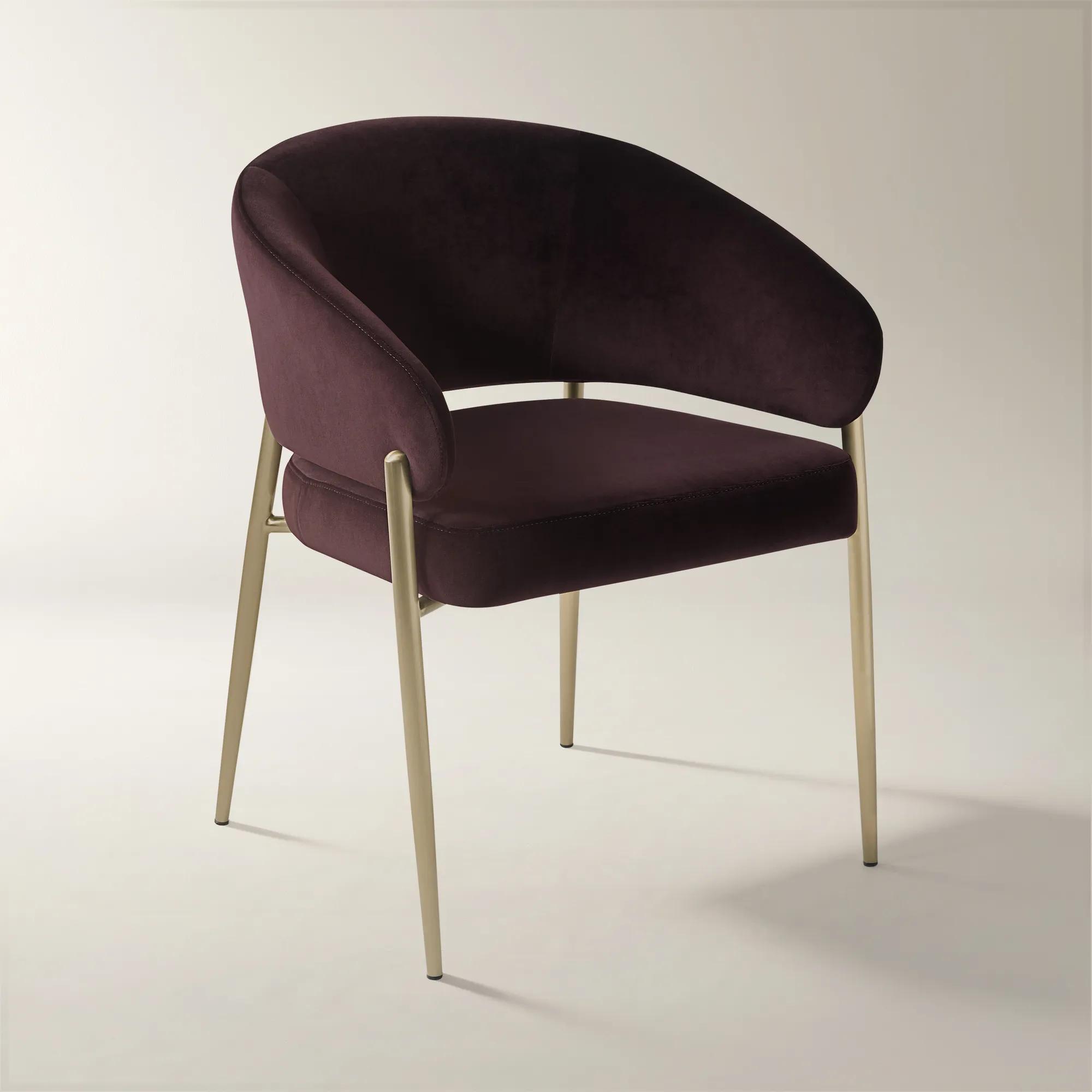 Nara Fig Velvet Dining Chair Set Of 2$599
A set of two dining chairs featuring plush fig velvet upholstery and brushed brass stainless-steel legs.
Add To Cart -
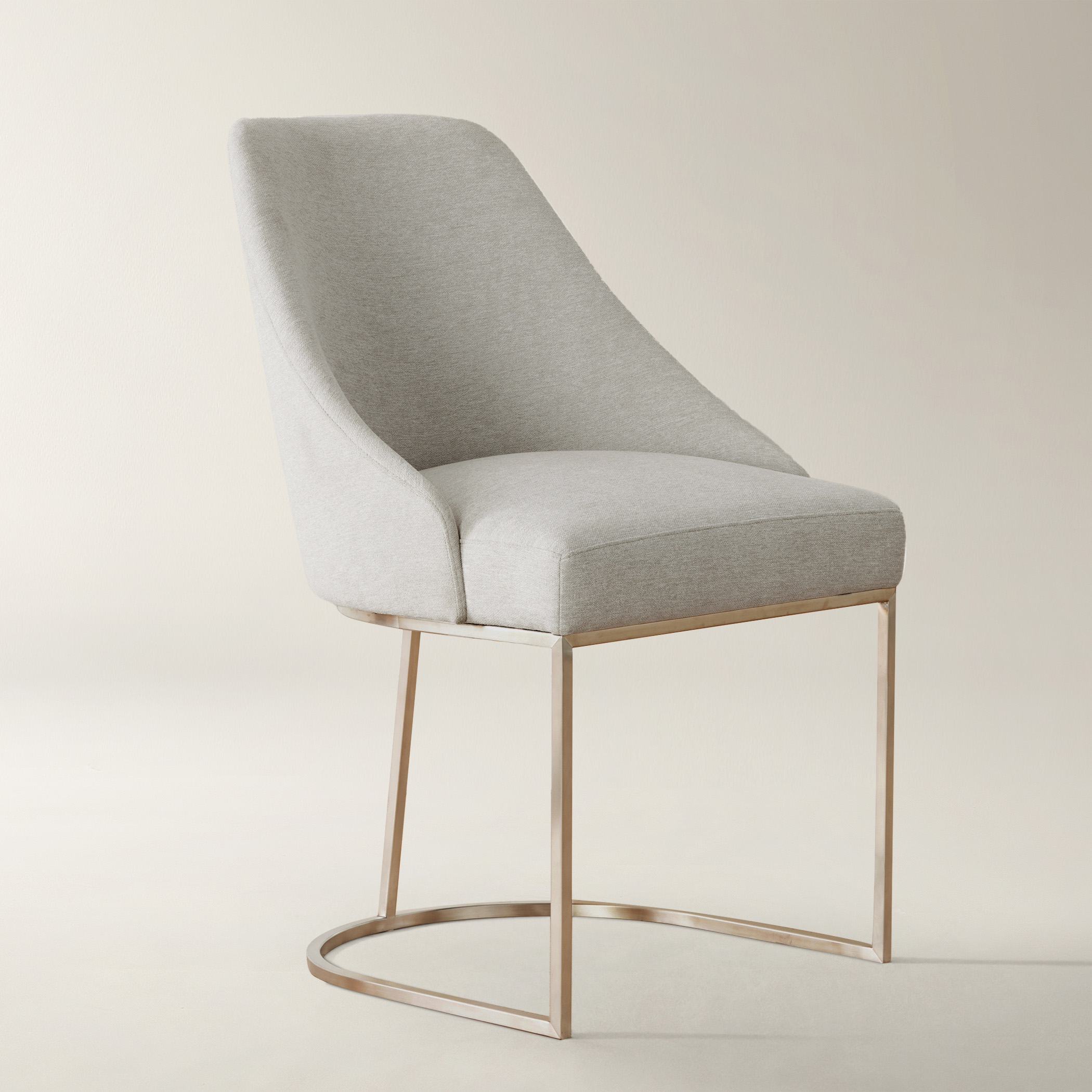
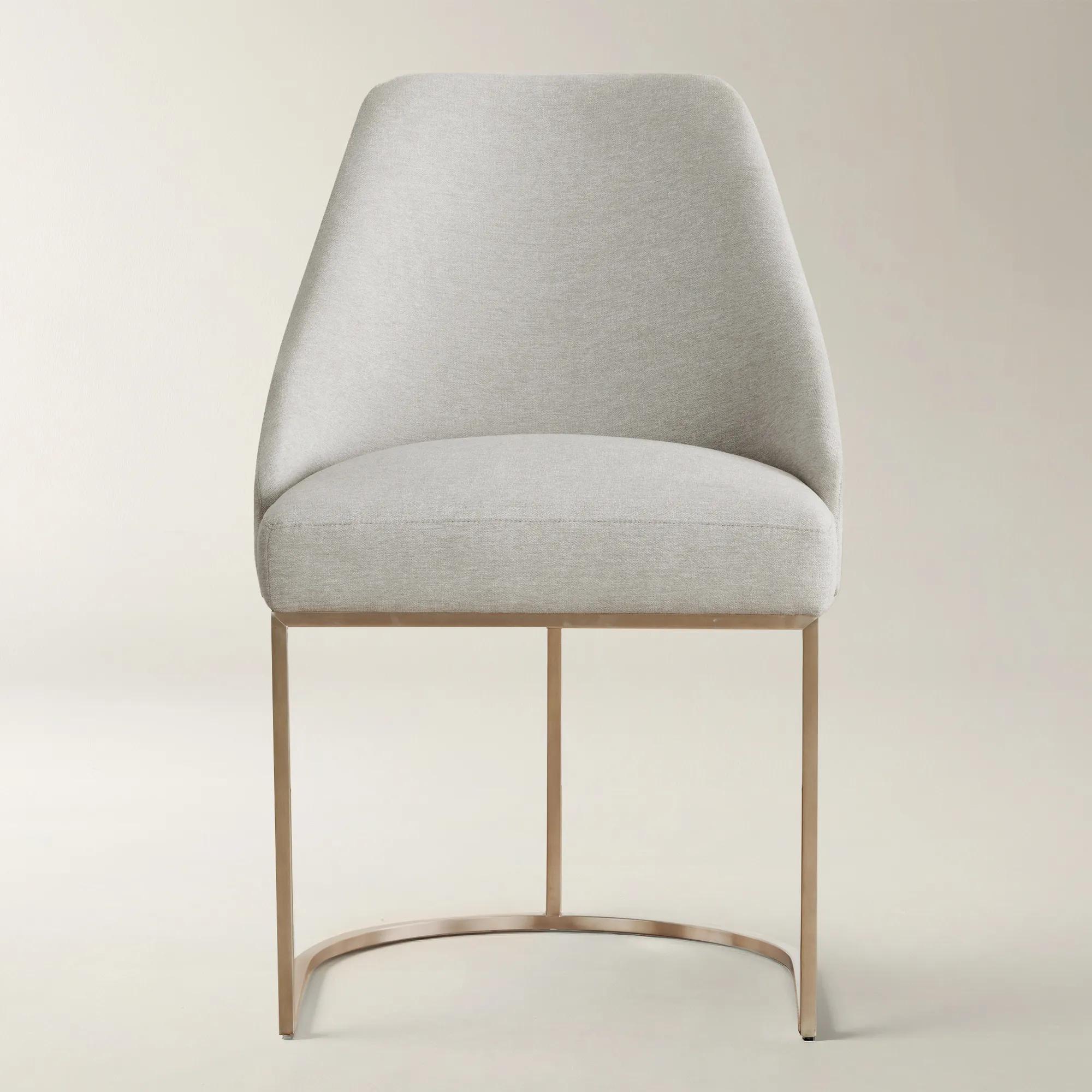 Rowan Ivory Fabric Dining Chair$599
A modern chair featuring brushed stainless steel legs and stain-resistant, water-repellent Roxboro Frost fabric.
Add To Cart -
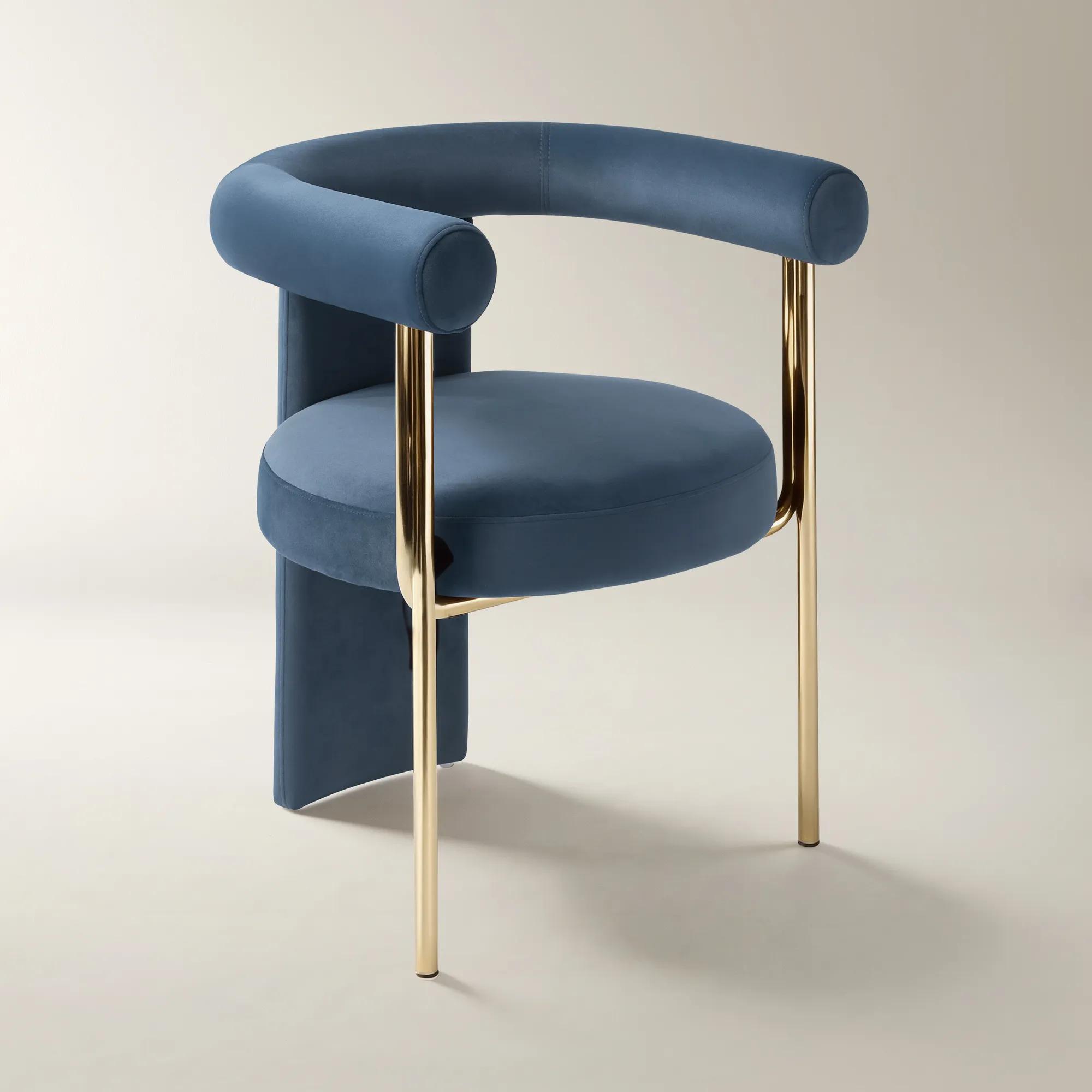 Davina Dusty Blue Velvet Dining Chair Set Of 2$899
A set of two dining chairs featuring dusty blue velvet upholstery and a polished gold metal frame.
Add To Cart -
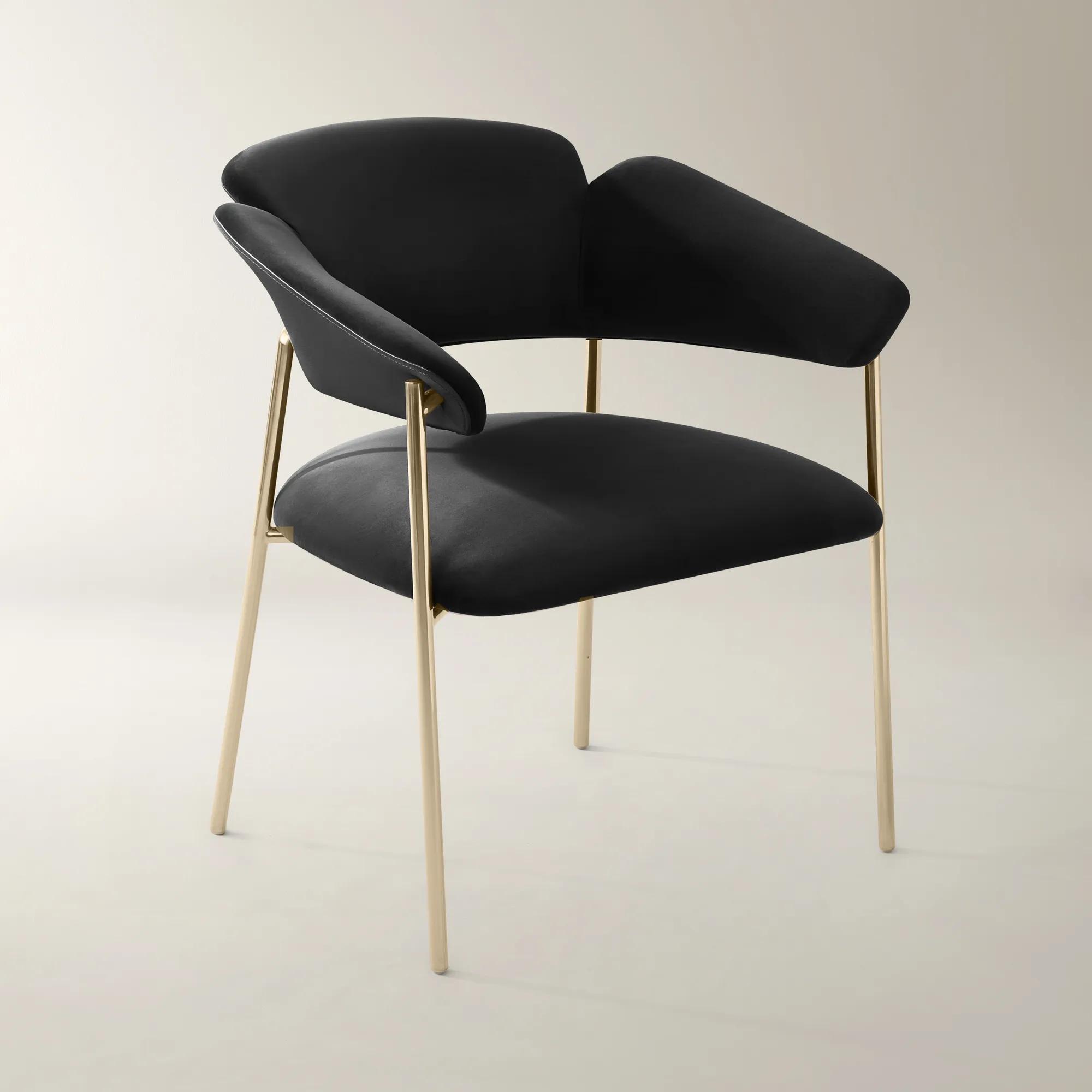 Odette Charcoal Velvet Dining Chair$499
A charcoal velvet chair featuring a wraparound open-back design, tonal faux leather accents, and gold metal legs.
Add To Cart -
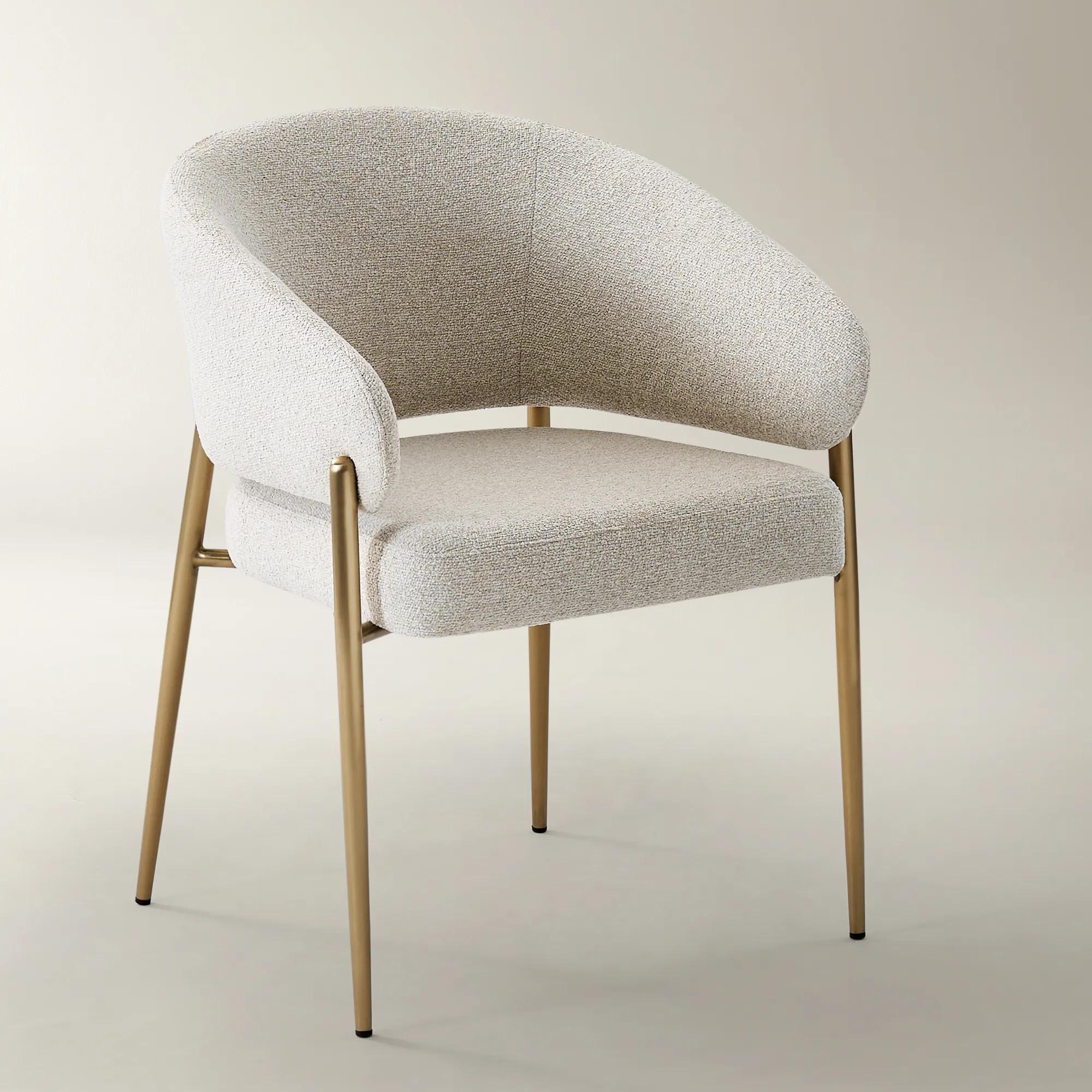
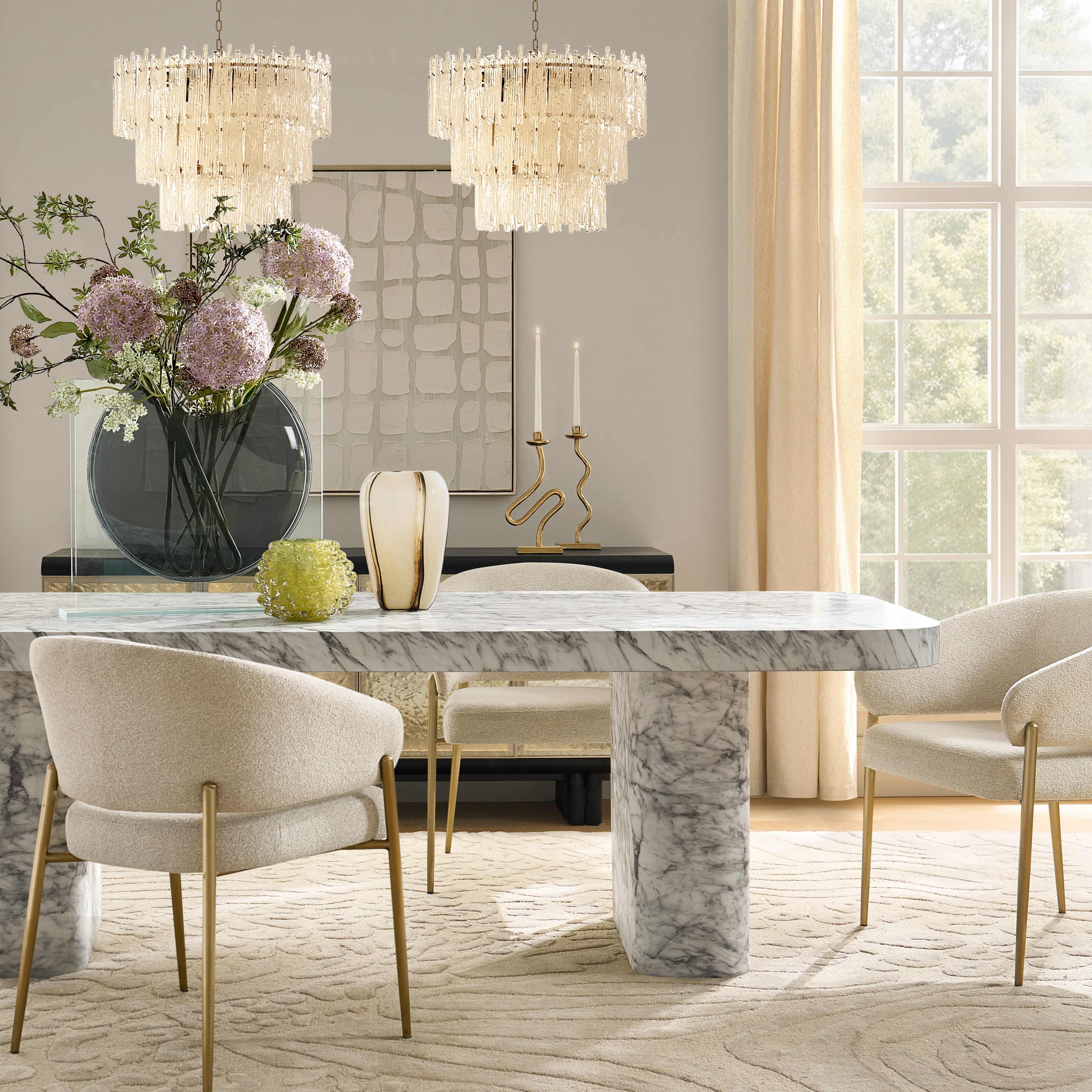 Nara Ivory Boucle Dining Chair Set Of 2$599
An ivory boucle dining chair set with a curved backrest and brushed stainless steel frame for modern elegance.
Add To Cart -
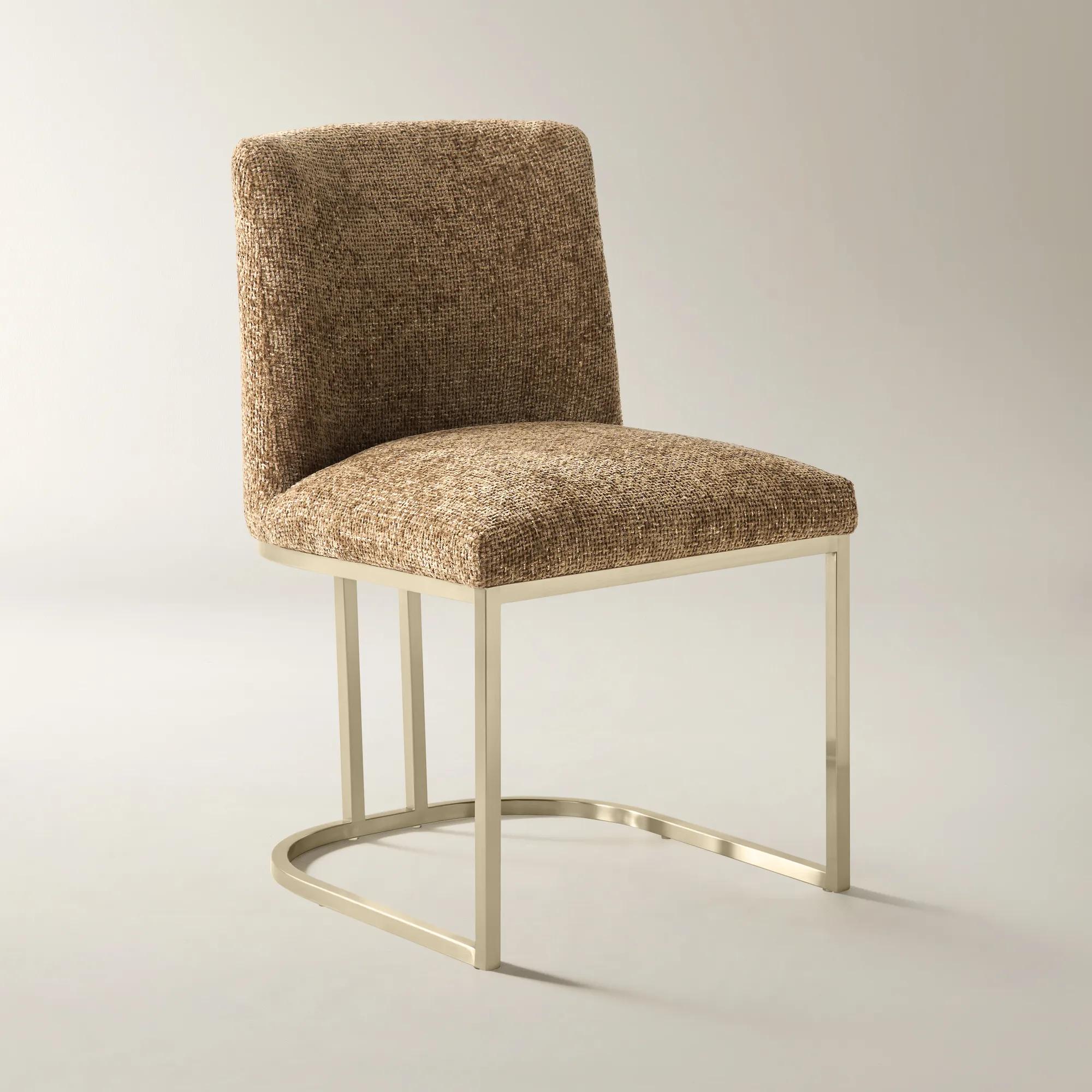 Bergen Bronze Chenille Dining Chair Set Of 2$549
A set of two dining chairs featuring bronze chenille upholstery and a sculptural brushed gold metal base.
Add To Cart -
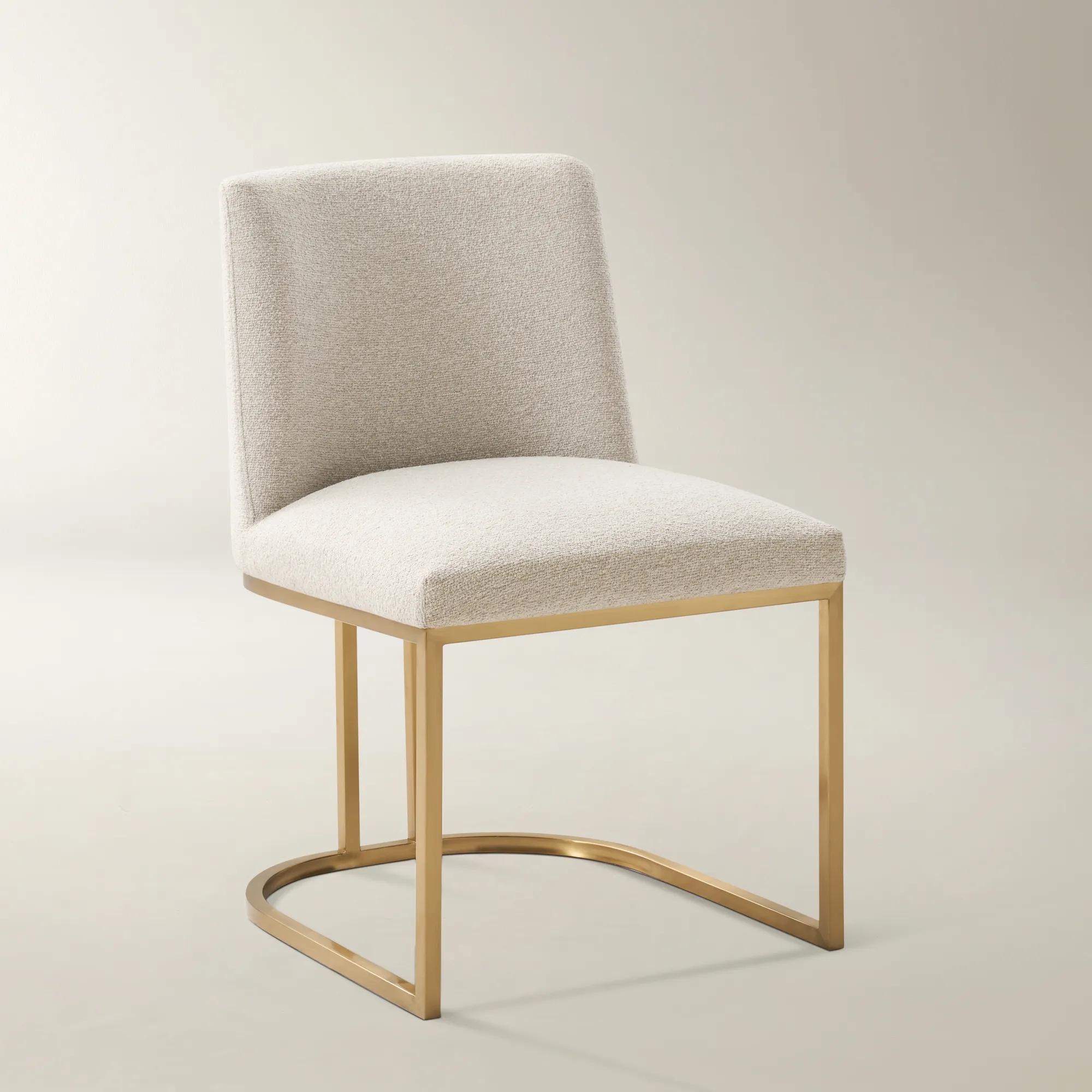 Bergen Ivory Boucle Dining Chair Set Of 2$549
An ivory boucle dining chair set featuring a curved backrest and brushed stainless steel frame for elegance.
Add To Cart -
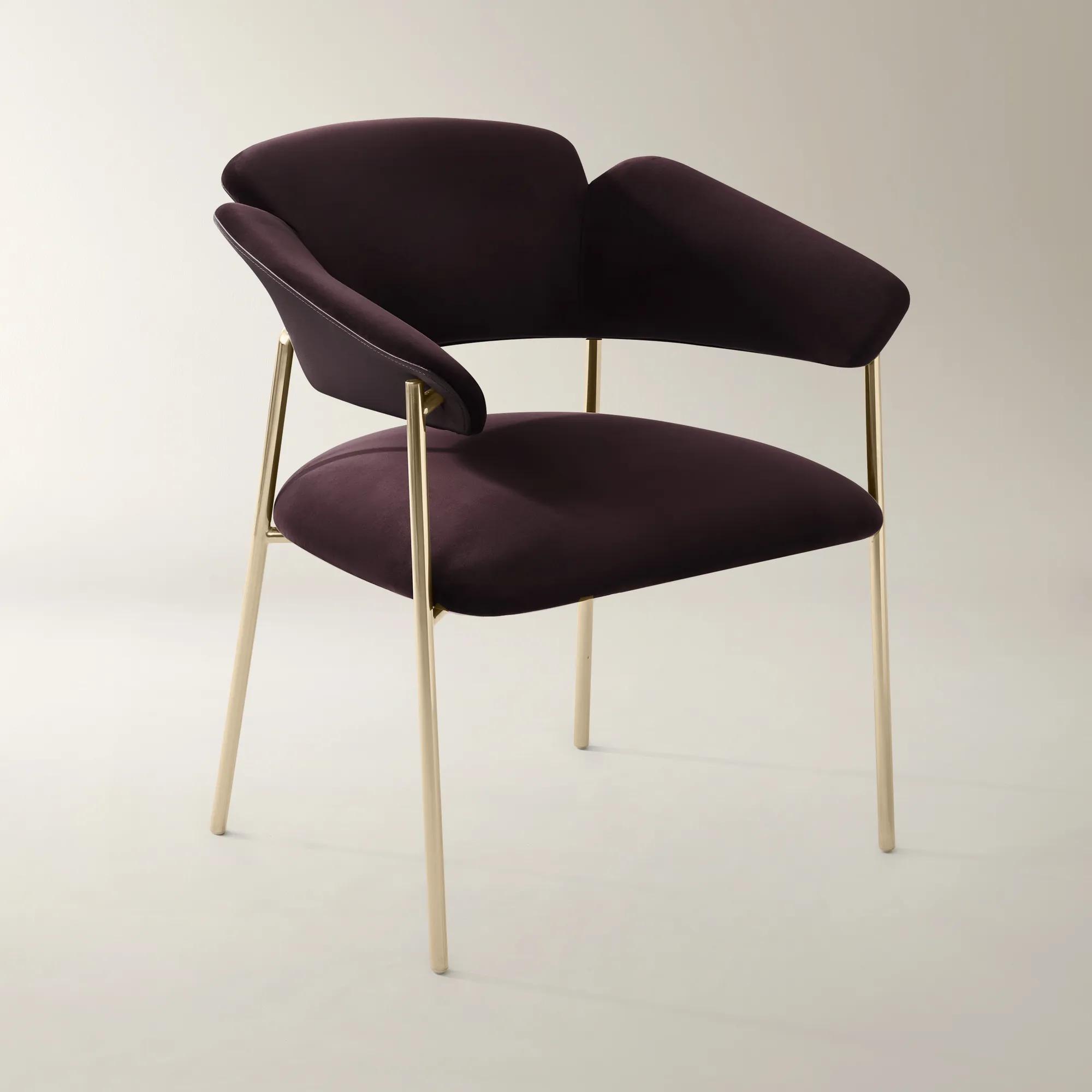 Odette Fig Velvet Dining Chair$499
A sculptural dining chair featuring fig velvet, tonal faux leather accents, and slender gold-finished metal legs.
Add To Cart -
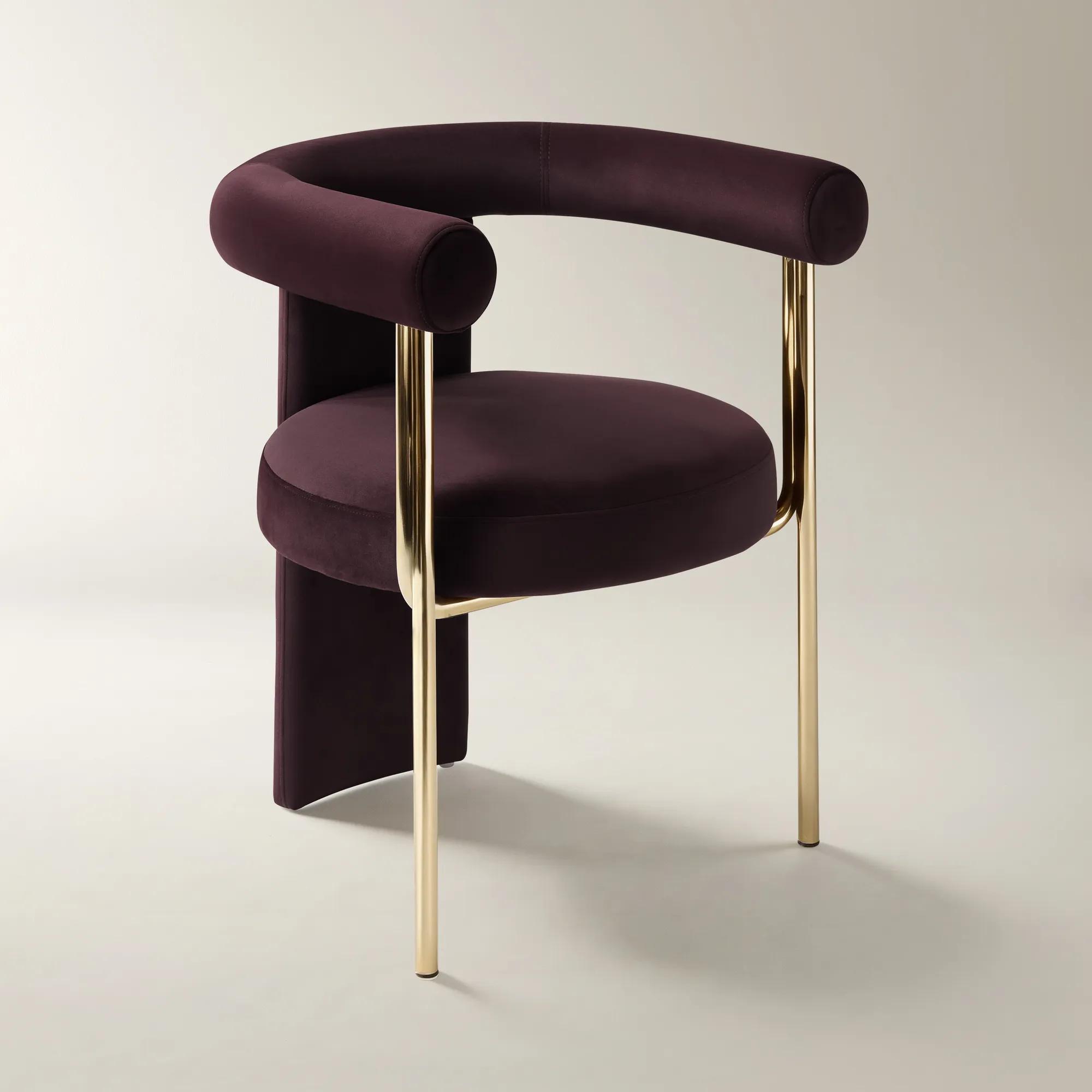 Davina Fig Velvet Dining Chair Set Of 2$899
A set of two dining chairs featuring plush fig velvet upholstery and a sleek gold-finished metal frame.
Add To Cart

Stainless Steel Leg Dining Chairs
Explore stainless steel leg dining chairs for a modern dining setting with an architectural edge. As you compare seating, consider chair proportions, seat height, and clearance beneath your table, along with how the steel legs complement its base for a cohesive look with distinctive presence.
Stainless steel leg dining chairs combine strong, corrosion-resistant metal supports with seating designed to bring comfort and sculptural presence to the dining room. Their appeal lies in the contrast: gleaming legs beneath a richly upholstered seat, a slender frame against a substantial tabletop, or a crisp metallic line beside softly curved wood. Stainless steel contributes structural strength, while the chair’s overall stability depends on its construction, joints, and proportions. A polished finish introduces a reflective accent that catches surrounding light; a brushed finish offers a quieter sheen with subtle directional texture. Neither needs to dominate the room to make an impression. Around a glass dining table, exposed metal legs can become part of the composition, creating an airy arrangement with architectural definition. Beside marble or richly grained wood, they establish a contrast between sleek precision and natural variation. Upholstery adds another dimension to that interplay. Velvet can deepen color and bring a sumptuous softness to a sharply tailored silhouette, while textured woven fabric introduces visual depth without relying on shine. Leather and leather-like upholstery offer distinct appearances and maintenance requirements, so the material description matters as much as the color. A tall, upholstered back creates a more enveloping presence; a lower profile preserves sightlines across an open dining space. Curved backs, angled legs, and tailored seams each change the chair’s character, from restrained glamour to a more expressive statement. For a dining room that also serves as a gathering place, these details help establish an atmosphere that feels considered without feeling untouchable. The result can be intimate and jewel-toned, luminous and tonal, or boldly contrasted, with the stainless steel legs providing a continuous visual thread beneath the table. That repeated metallic detail gives a group of chairs cohesion while allowing the upholstery, table surface, and surrounding artwork to carry their own distinct personalities.
The most compelling dining arrangement balances that visual drama with proportions that feel effortless in use. Seat height should work with the underside of the tabletop, including any apron, rather than the table’s overall height alone. About 10 to 12 inches between the seat and the underside of the table is a common starting point, although cushion compression, table construction, and individual comfort can affect the fit. Seat width deserves equal attention: a generous upholstered chair may look beautifully substantial but needs enough room for guests to sit and move without neighboring frames touching. Around 24 inches of table edge per person is a useful initial allowance, with wider chairs or arms often requiring more. Table legs and pedestal bases also influence placement, particularly at corners where a chair may appear to fit until someone pulls it closer. Armchairs bring a composed, lounge-like quality to the ends of a rectangular table, but their arm height needs to clear the apron if they are intended to tuck underneath. Armless silhouettes can make closer arrangements easier and keep the outline more open. Behind the chairs, roughly 36 inches of clearance from the table edge to a wall or other obstruction offers a practical starting point, with additional space helpful along a frequently used walkway. These measurements preserve the room’s elegance in motion, not just in a photograph. Comfort also depends on the relationship between seat depth, back angle, cushioning, and support. A deeply cushioned seat can feel inviting through a leisurely dinner, while a more structured profile may suit a compact breakfast area or a dining table that occasionally doubles as a workspace. For an open-plan home, consider how the chair backs look from the living area, since that view may be more prominent than the seats themselves. Coordinating the metal with a nearby console or light fixture creates continuity, while contrasting it with warm wood prevents the setting from feeling overly matched.
Stainless steel’s resistance to corrosion makes it well suited to dining furniture, but it is not impervious to scratches, staining, or damage from unsuitable cleaners. A soft cloth and gentle cleaning method appropriate to the finish help preserve its appearance; drying after wiping prevents lingering moisture and reduces visible water marks. Abrasive pads, harsh chemicals, and cleaners not approved for the surface can alter the finish, especially on highly polished legs where fine scratches are more noticeable. Upholstery requires its own approach. Follow the care label, address spills promptly, and blot rather than rub to avoid spreading a mark or disturbing the fabric’s surface. Velvet, woven textiles, genuine leather, and synthetic coverings should not be treated as interchangeable materials, even when their colors or textures look similar. In a dining space used every day, the upholstery’s documented performance characteristics and cleaning requirements can matter more than its appearance at first glance. Homes with children, pets, or frequent dinner guests may benefit from fabrics specified for easier maintenance, though no upholstery should be assumed stain-proof. Floor protection is another small detail with a meaningful effect: suitable glides can help reduce marking, and they should be checked for wear or trapped grit. A dining rug should extend far enough beyond the table for chair legs to remain supported when seats are pulled out. Unless explicitly rated for outdoor use, stainless steel leg dining chairs belong indoors; metal legs alone do not make upholstery, internal components, or joints suitable for exposure. Within the home, their combination of tailored seating and metallic definition suits formal dining rooms, expressive apartment interiors, and everyday gathering spaces where function deserves a distinguished silhouette. The broader collection of Luxury Metal Leg Dining Chairs offers another perspective on the interplay of upholstery, frame shape, and metallic detail. Chosen with attention to scale, construction, and care, stainless steel leg seating gives the dining table a polished foundation for conversation, shared meals, and a room with unmistakable character.
FAQs
Stainless steel legs bring a crisp architectural accent to the dining room, creating contrast beneath the chair’s seat and back. Their metallic character gives the setting a polished edge, making them an expressive choice for interiors that balance sculptural forms with luxurious detail.
Glass dining tables let the chair legs become part of the visual composition, while wood tables introduce warmth against the metal. A stone tabletop creates a richly layered pairing. Look for complementary shapes rather than an exact match to give your dining space a more collected, intentional feel.
Yes. In a modern dining room, stainless steel legs emphasize clean lines and sculptural silhouettes. For a more glamorous setting, surround them with sumptuous textiles, expressive artwork, and dramatic lighting. The overall mood comes from the interplay of the chair’s design and the details around it.
Mixed metals can give a dining room depth and individuality. Establish one dominant finish, then introduce a contrasting metal through lighting, a mirror, or decorative accents. Repeat each finish thoughtfully so stainless steel chair legs feel woven into the room’s composition rather than isolated within it.
Follow the manufacturer’s care instructions for the particular finish. For routine dusting, use a soft, dry cloth; if damp wiping is permitted, dry the legs afterward. Avoid abrasive pads and unapproved cleaners to help preserve the metal’s carefully finished appearance.