
Spring Summer Window Treatments
Spring Summer Window Treatments
-
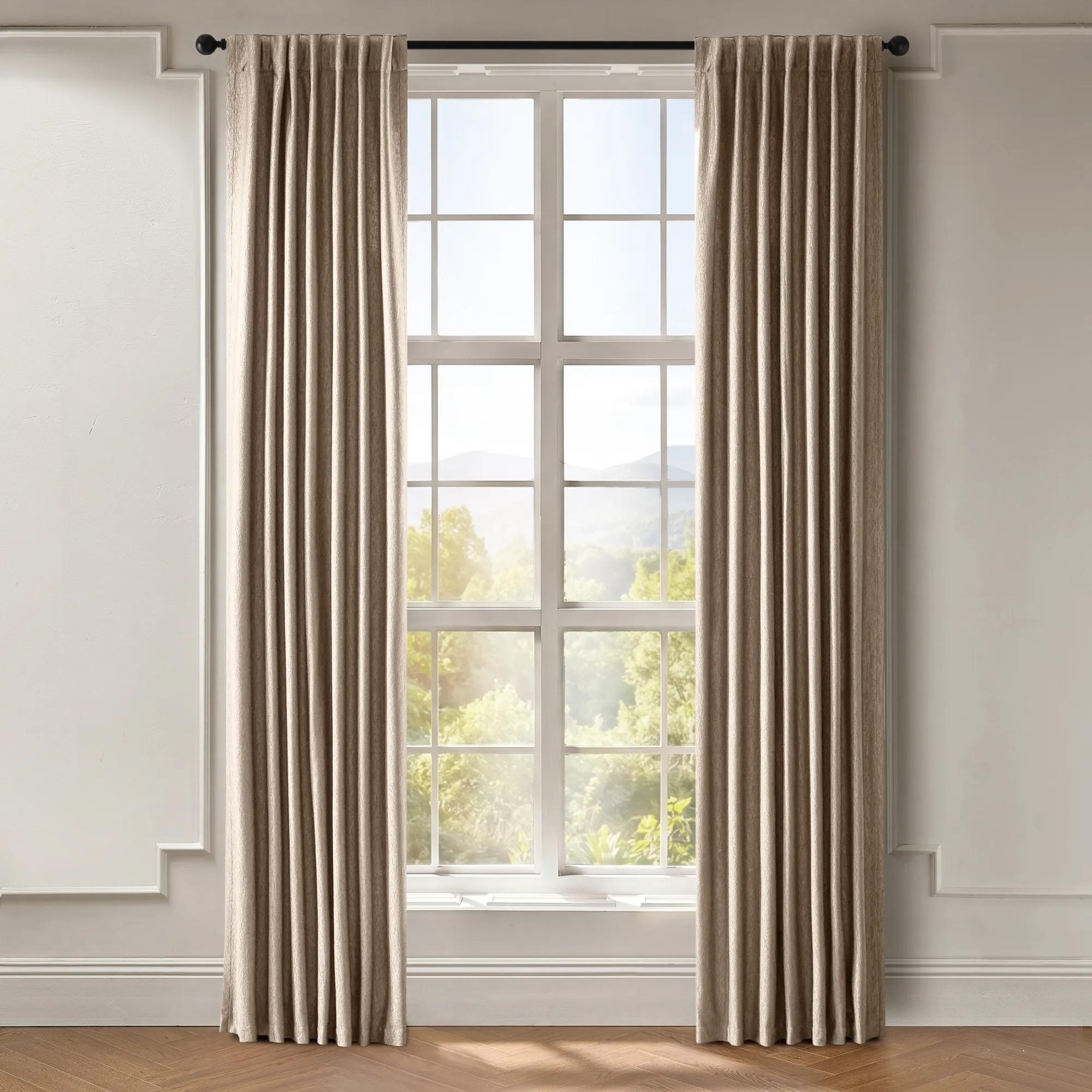 Anson Mocha Rose Textured Window Curtain Panel$89
A light mocha rose curtain panel with crushed sheen texture and room-darkening, dual hanging design.
Add To Cart -
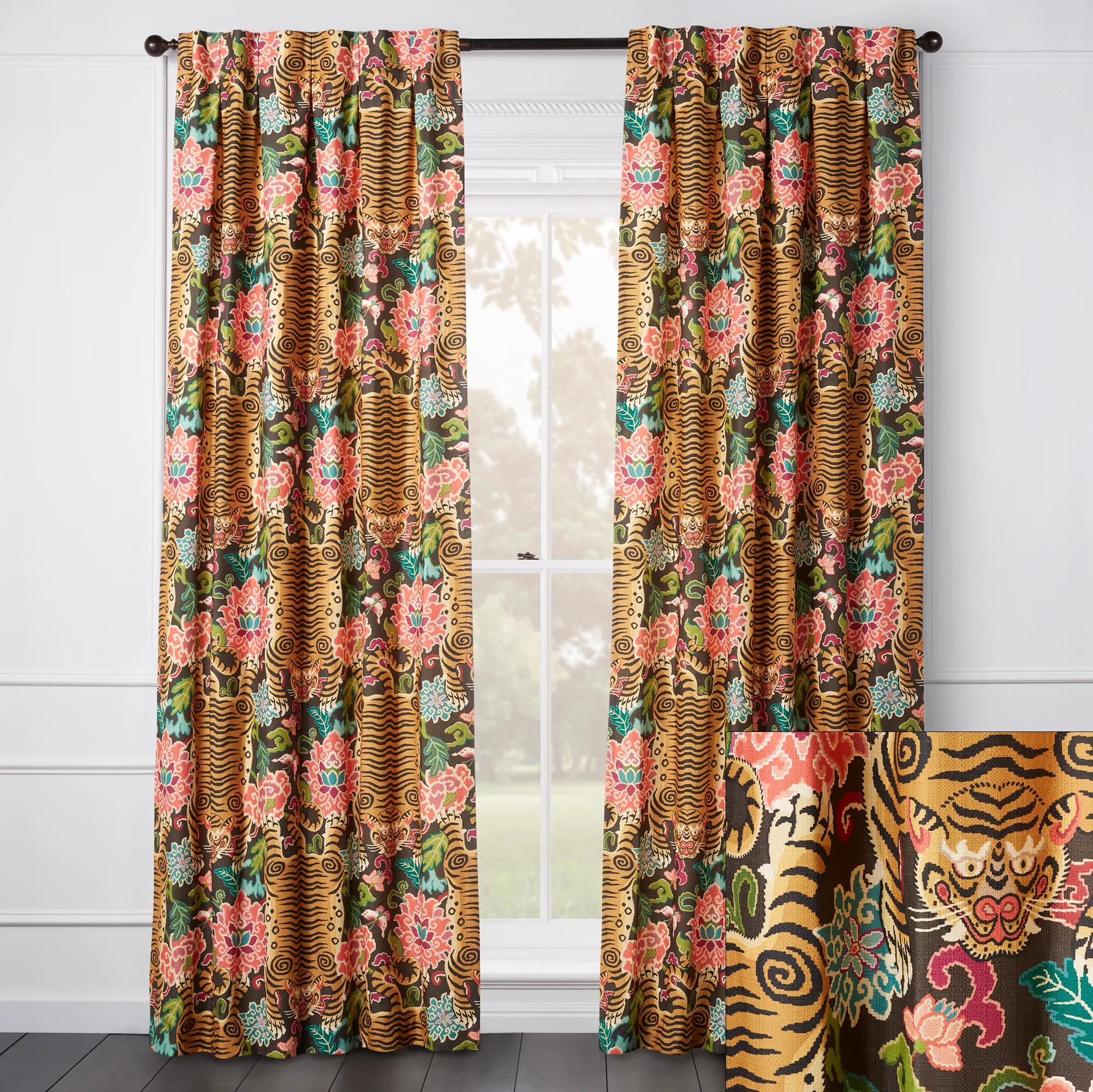
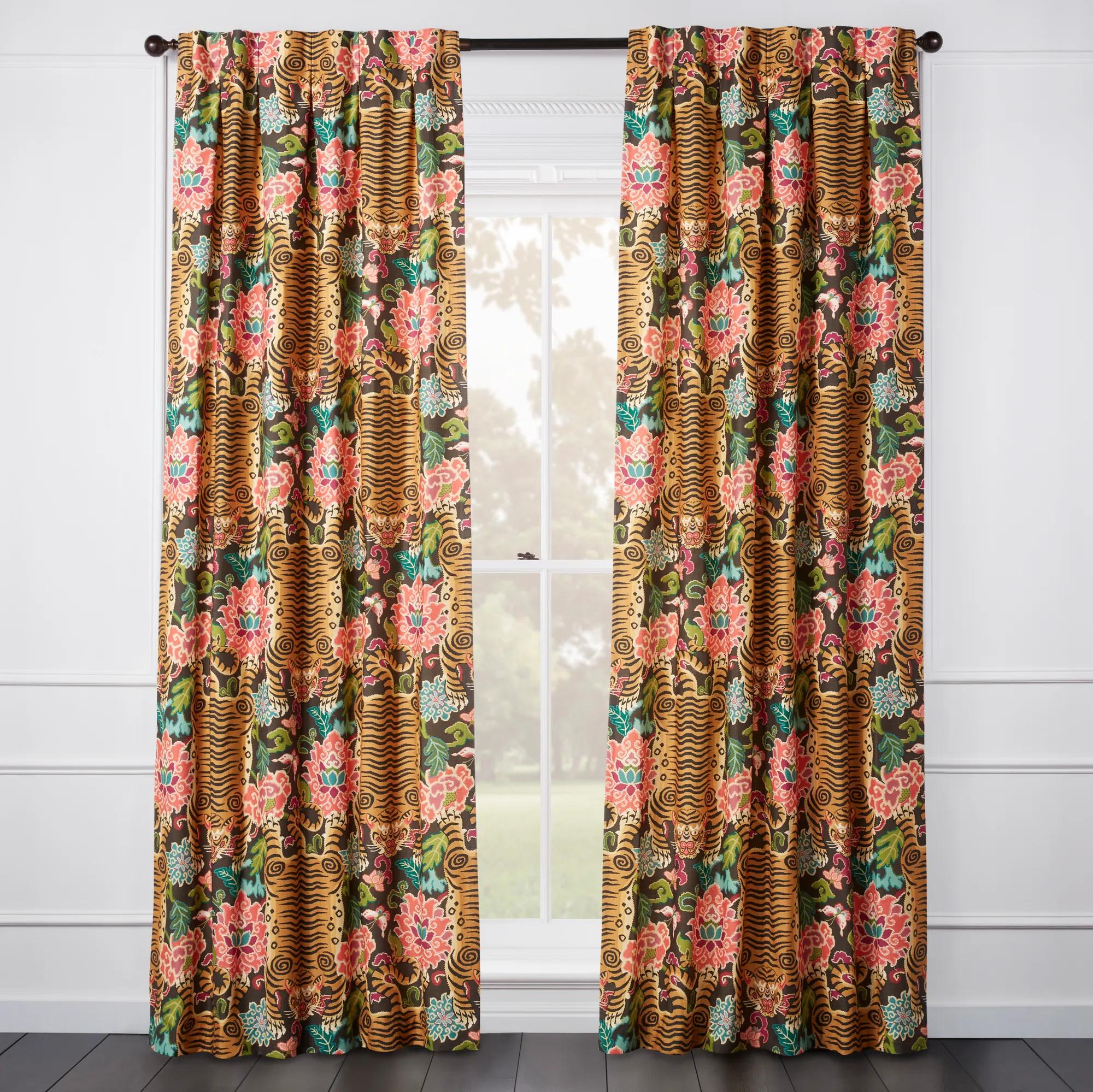 Nimer Gold/Multi Printed Slubbed Cotton Window Curtain Panel$349
A lively gold and multi-colored cotton curtain panel featuring a bold tiger print and customizable options.
Add To Cart -
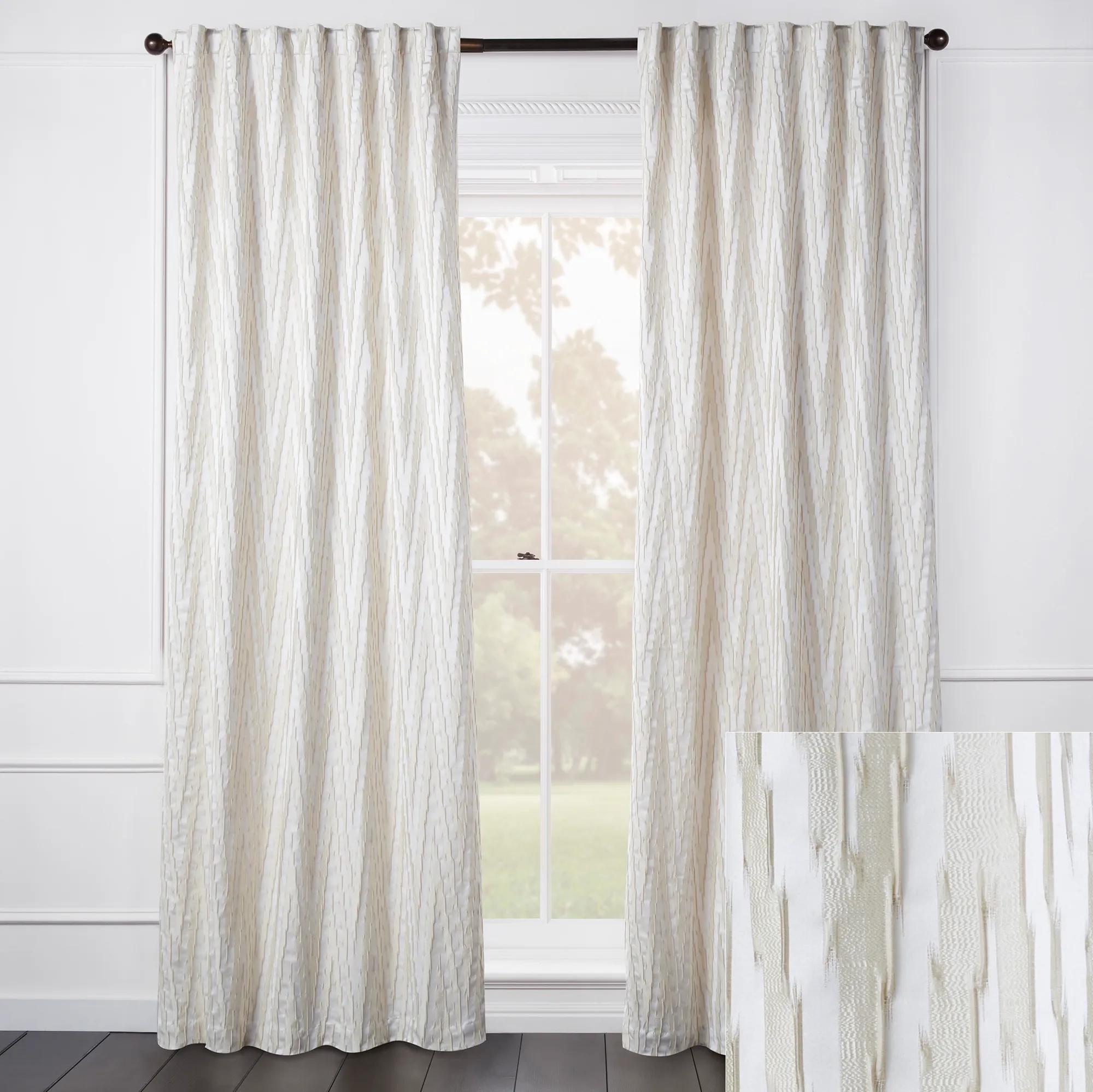
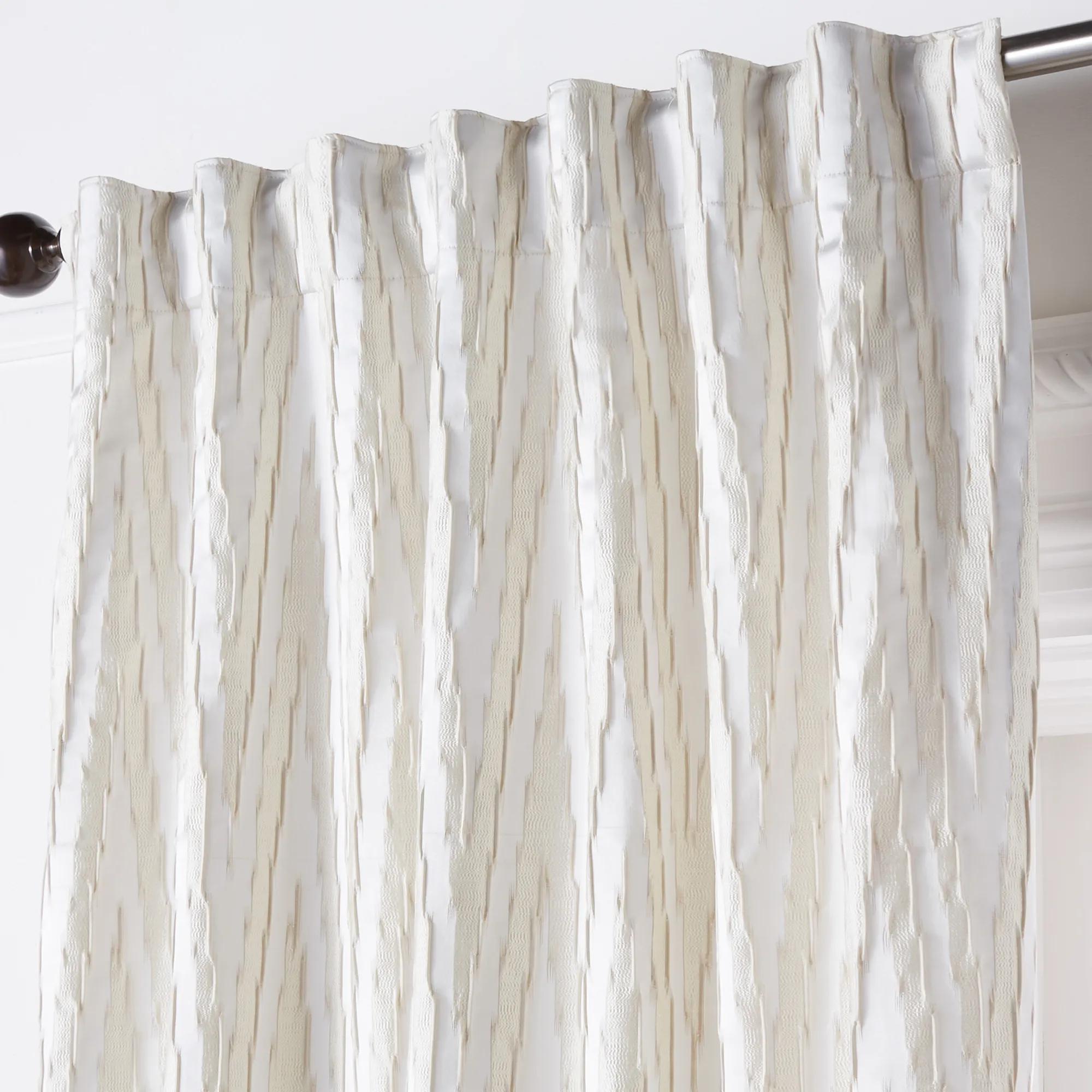 Minka Jacquard Pearl Window Curtain Panel Custom$289
A highly textured chevron curtain panel in pearl, grey, or natural polyester with customizable hanging options.
Add To Cart -
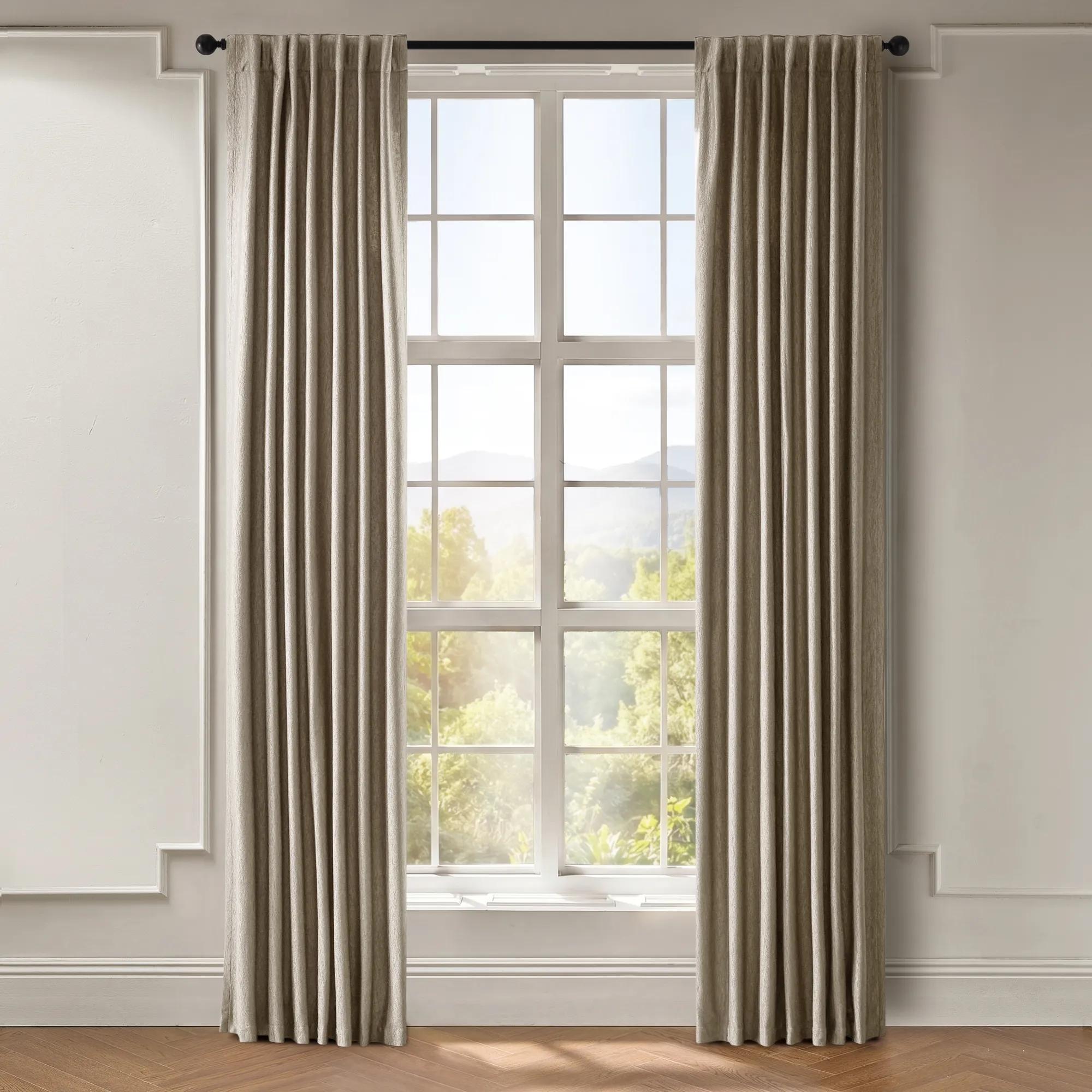
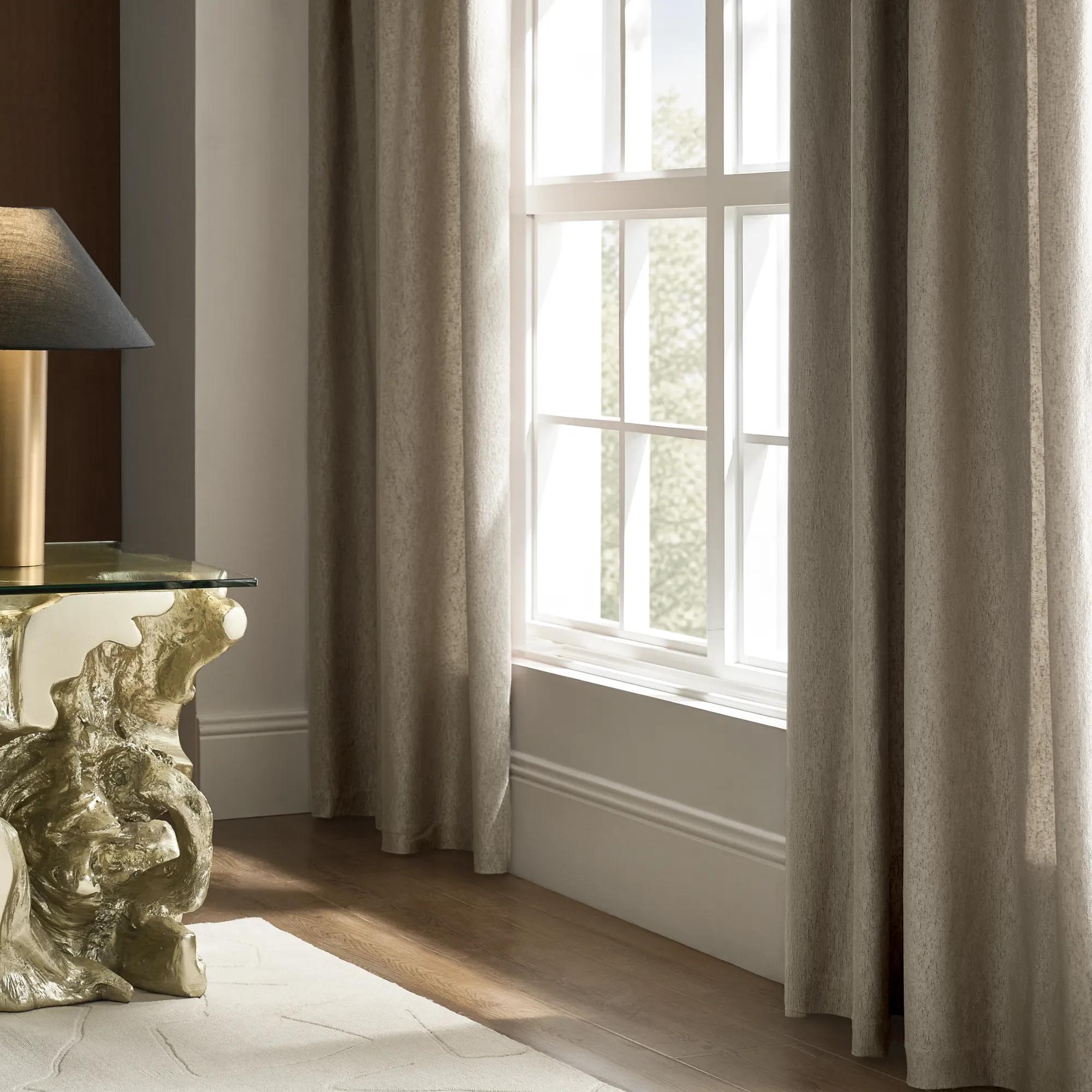 Anson Taupe Textured Window Curtain Panel$99
A taupe polyester curtain panel featuring a crushed sheen texture and versatile room-darkening design.
Add To Cart -
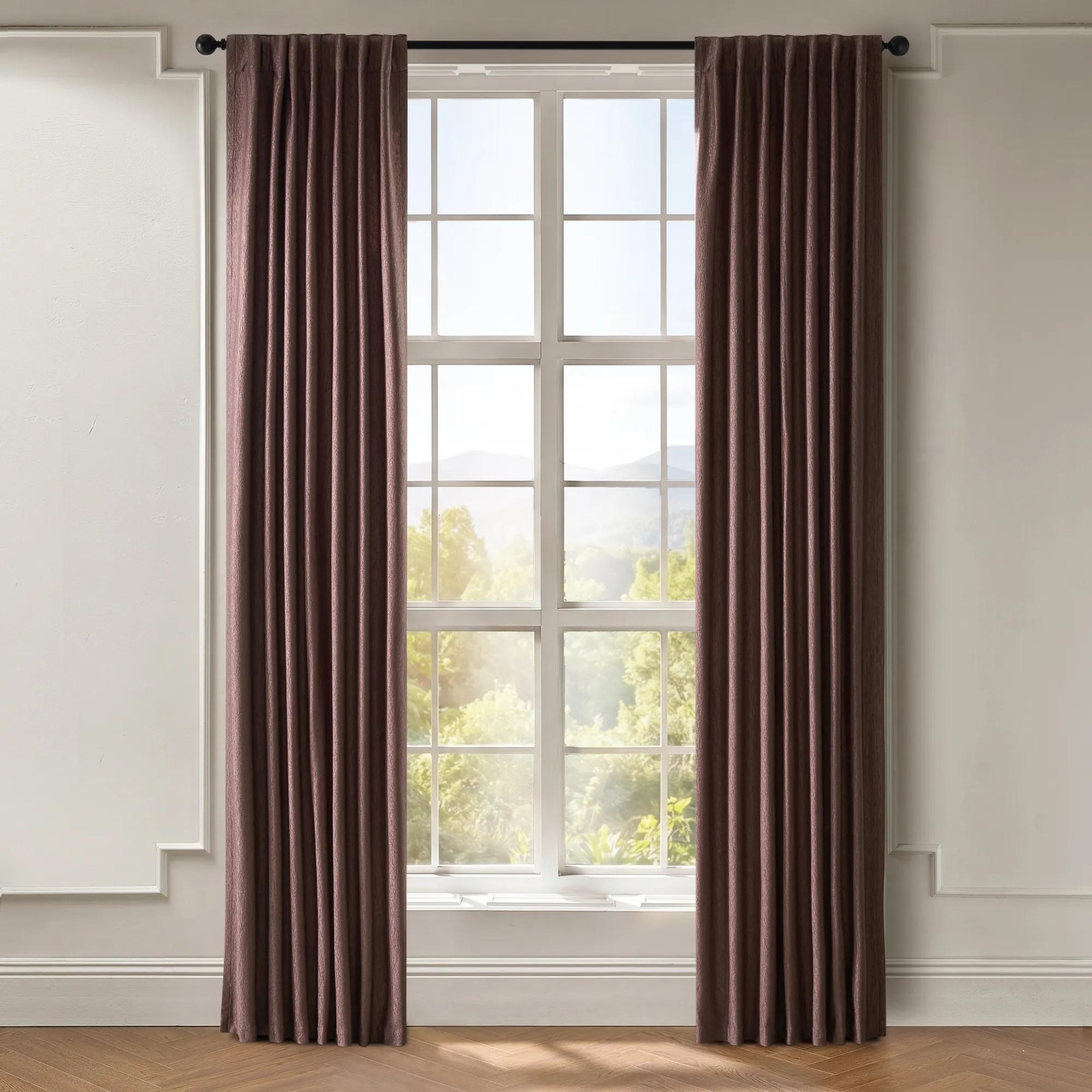
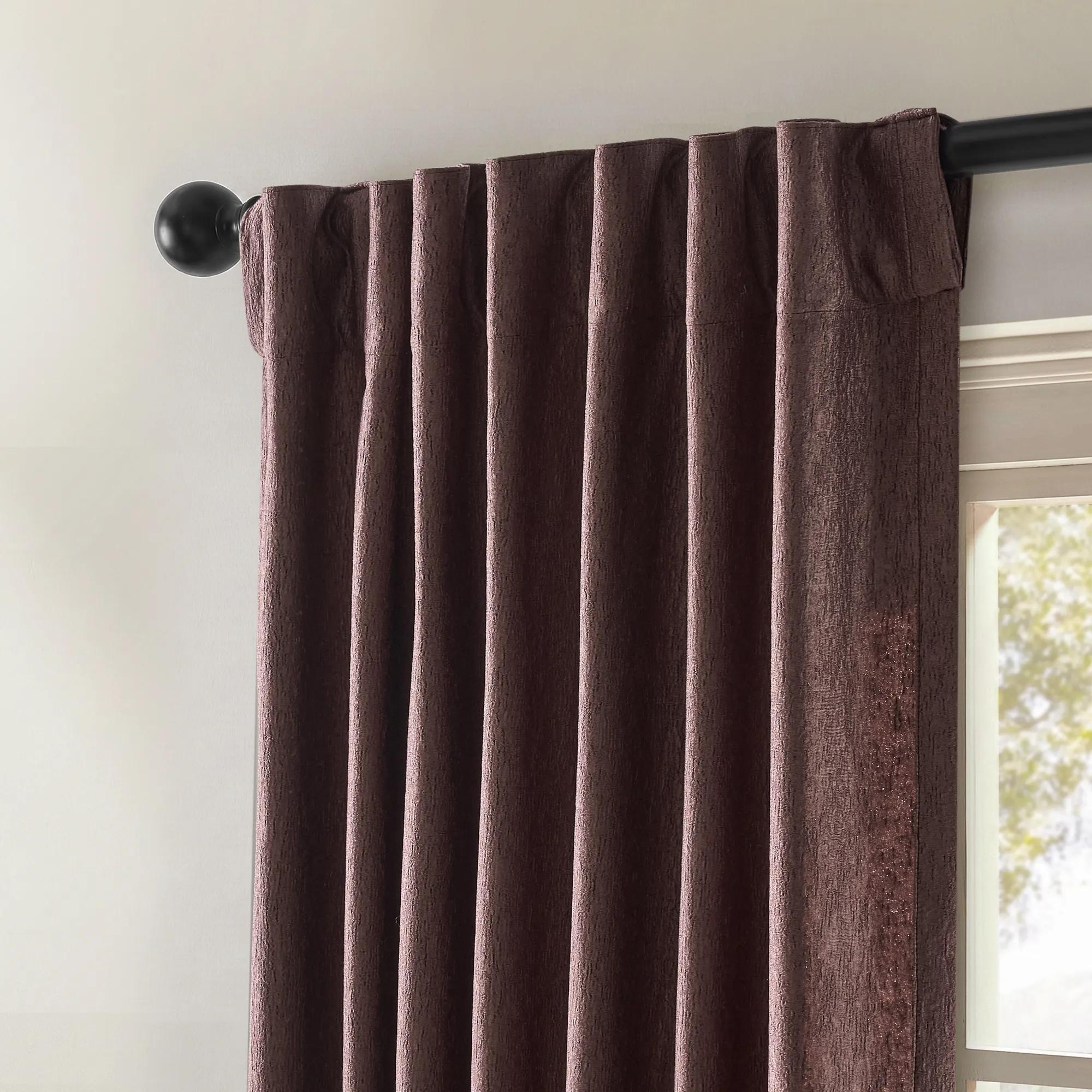 Anson Fig Textured Window Curtain Panel$109
A room-darkening fig curtain panel with a crushed sheen texture and versatile dual hanging options.
Add To Cart -
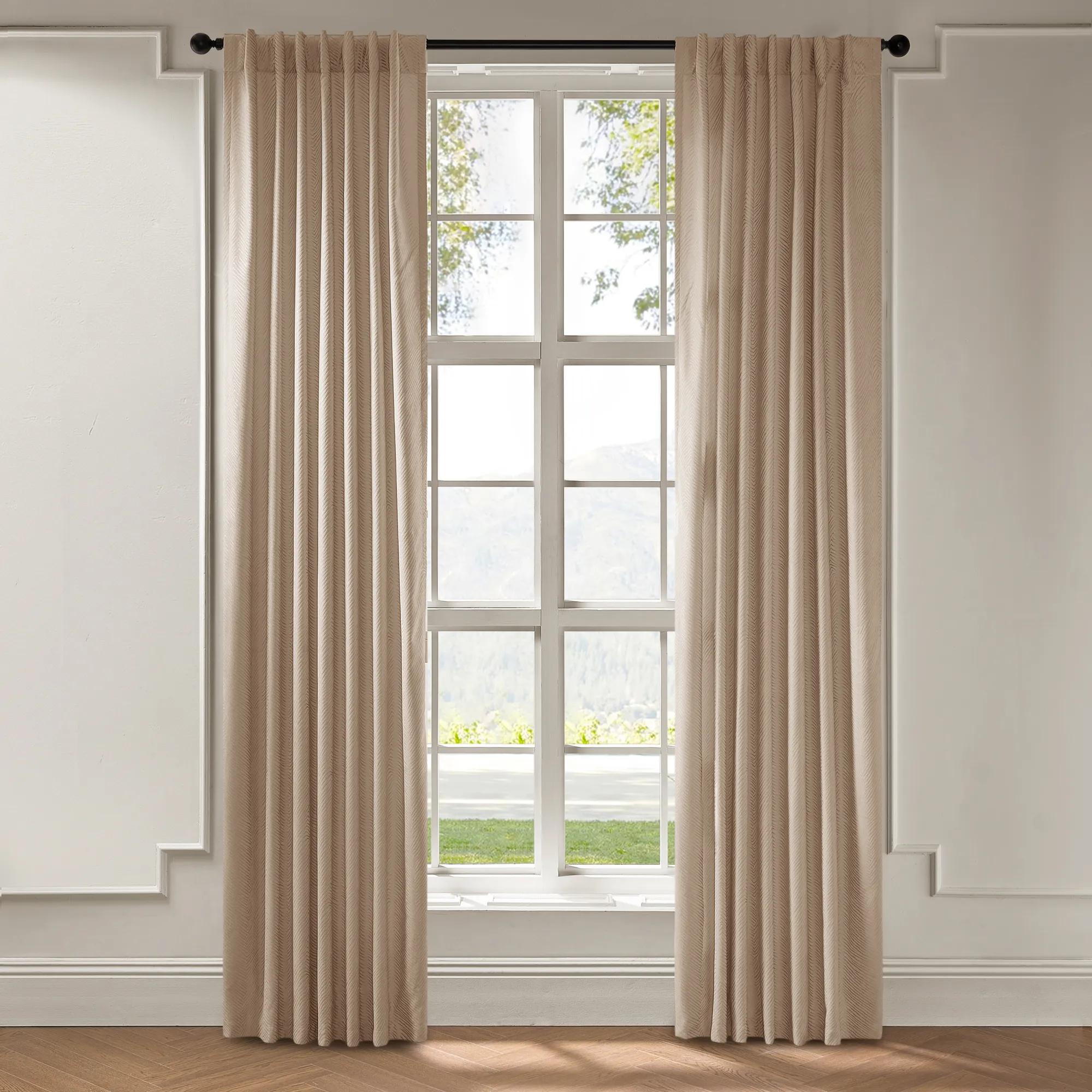 Kenzo Jacquard Beige Chenille Window Curtain Panel$119
A warm beige chenille jacquard curtain with a subtle sheen and versatile rod pocket or back tab hanging.
Add To Cart -
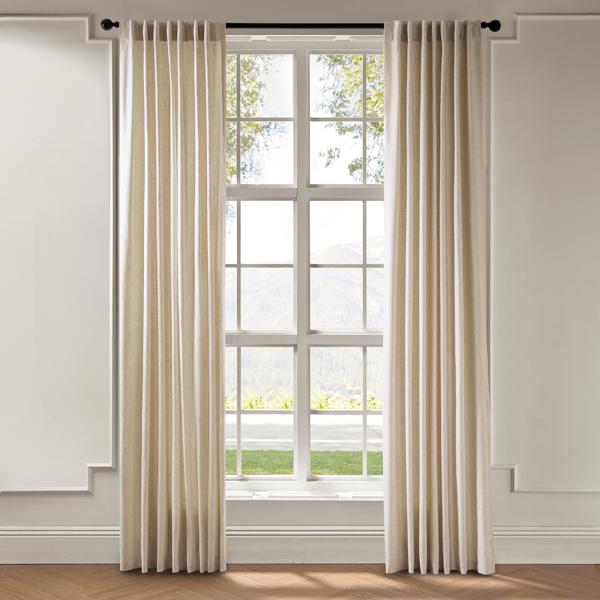
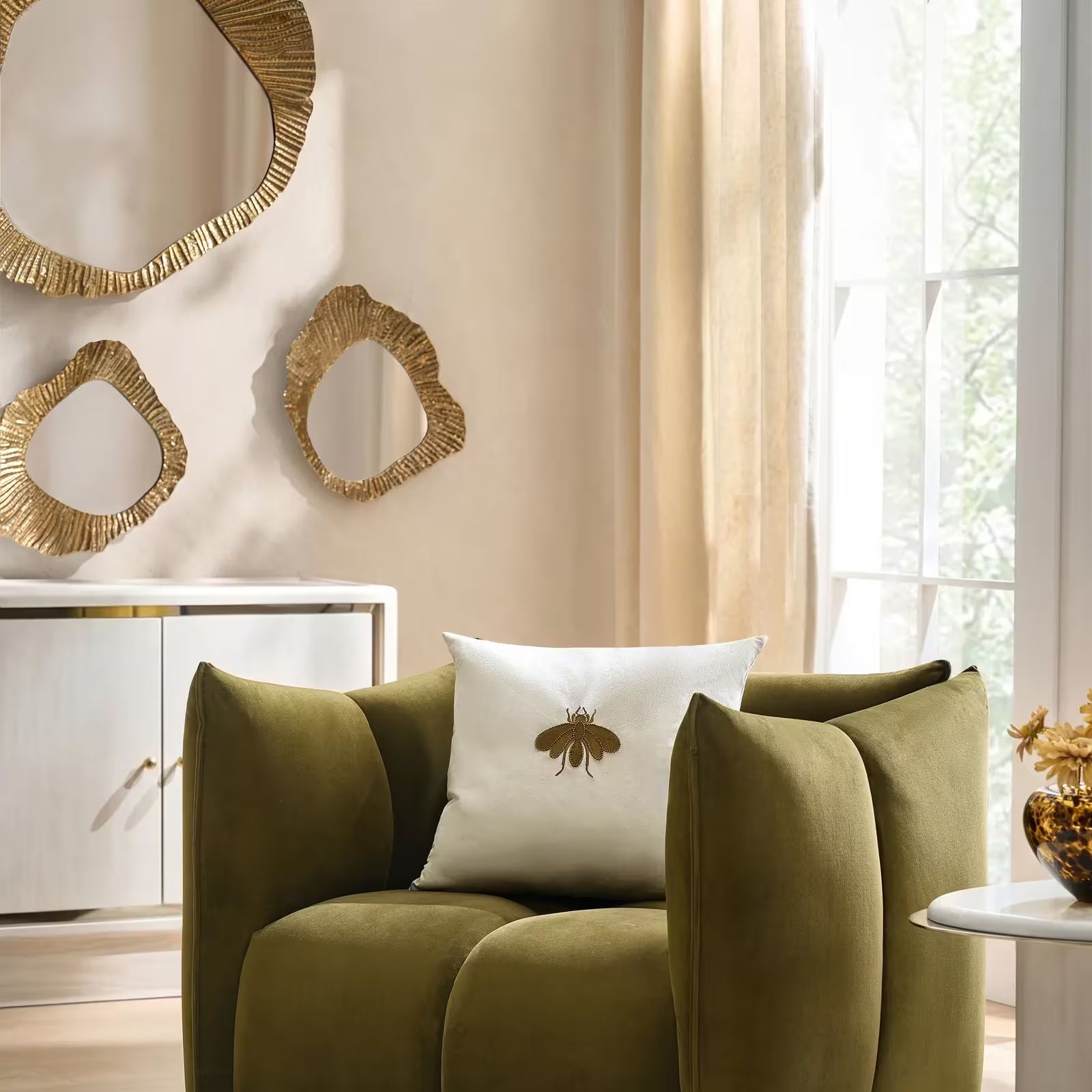 Anson Ivory Textured Window Curtain Panel$89
An ivory polyester curtain with a crushed, light-reflective texture for elegant, room-darkening style.
Add To Cart -

 Adair Sand Solid Velvet Window Curtain Panel$69
A sand-colored velvet curtain offering room-darkening privacy and versatile hanging options for refined interiors.
Add To Cart -

 Mabel Natural Velvet Swirl Window Curtain Panel$109
A warm neutral velvet curtain with a tonal swirl pattern and room-darkening, dual hanging options.
Add To Cart -
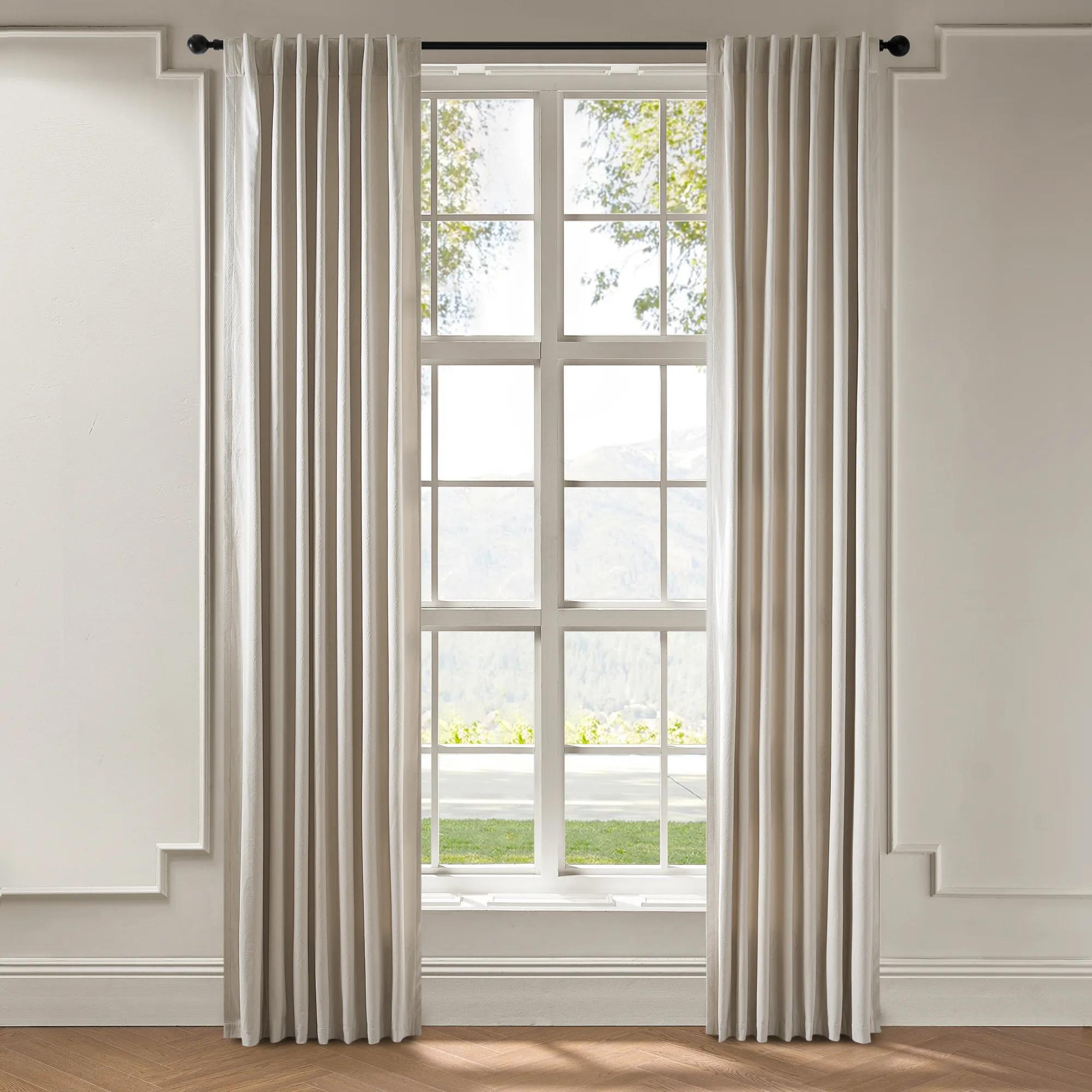
 Mabel White Velvet Swirl Window Curtain Panel$99
A crisp white velvet curtain featuring a tonal swirl texture and versatile dual hanging options.
Add To Cart -
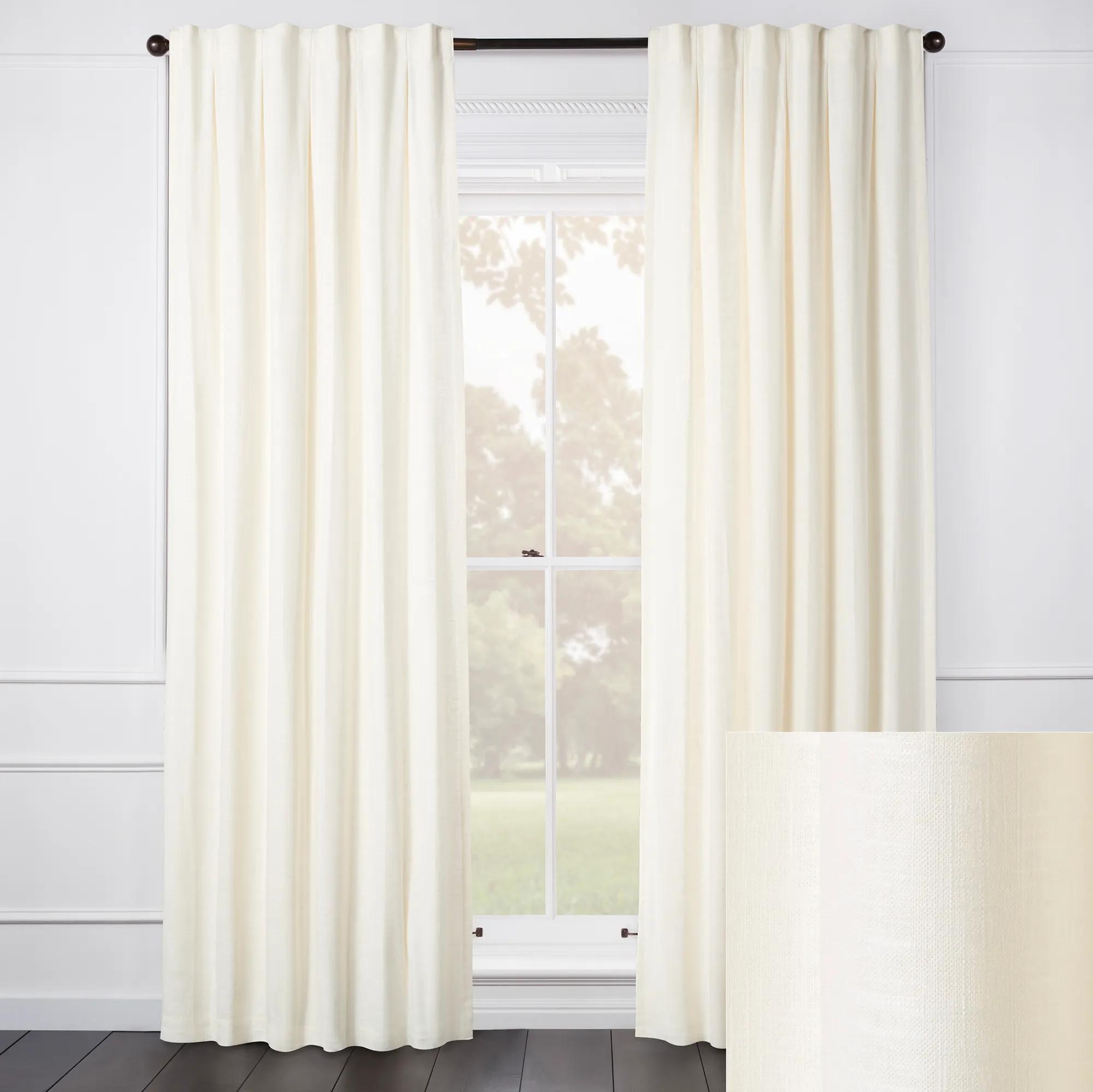
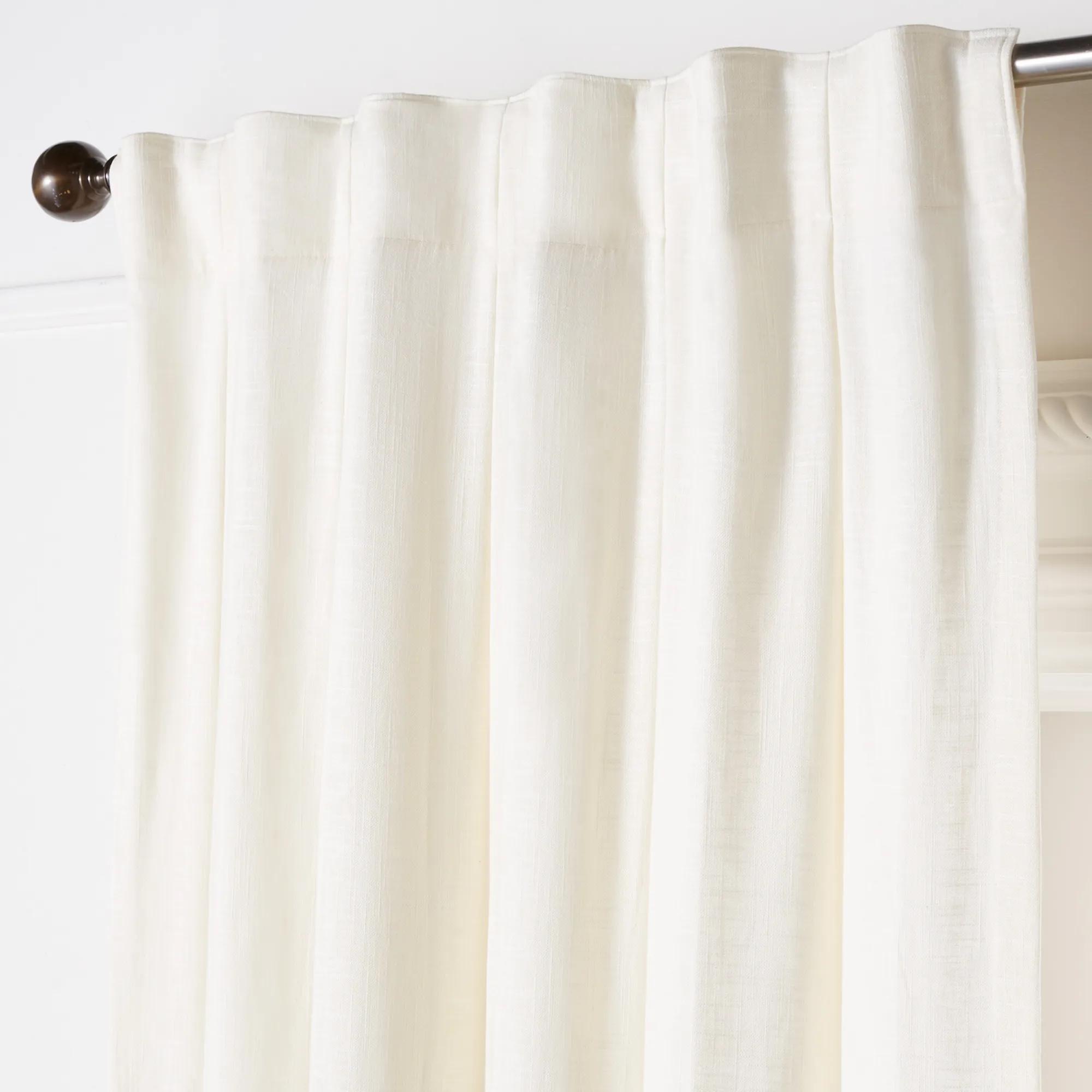 Audrey Linen Ivory Curtain - Custom$269
An ivory linen-blend curtain panel with lining, offering customizable lengths and two elegant header styles.
Add To Cart -
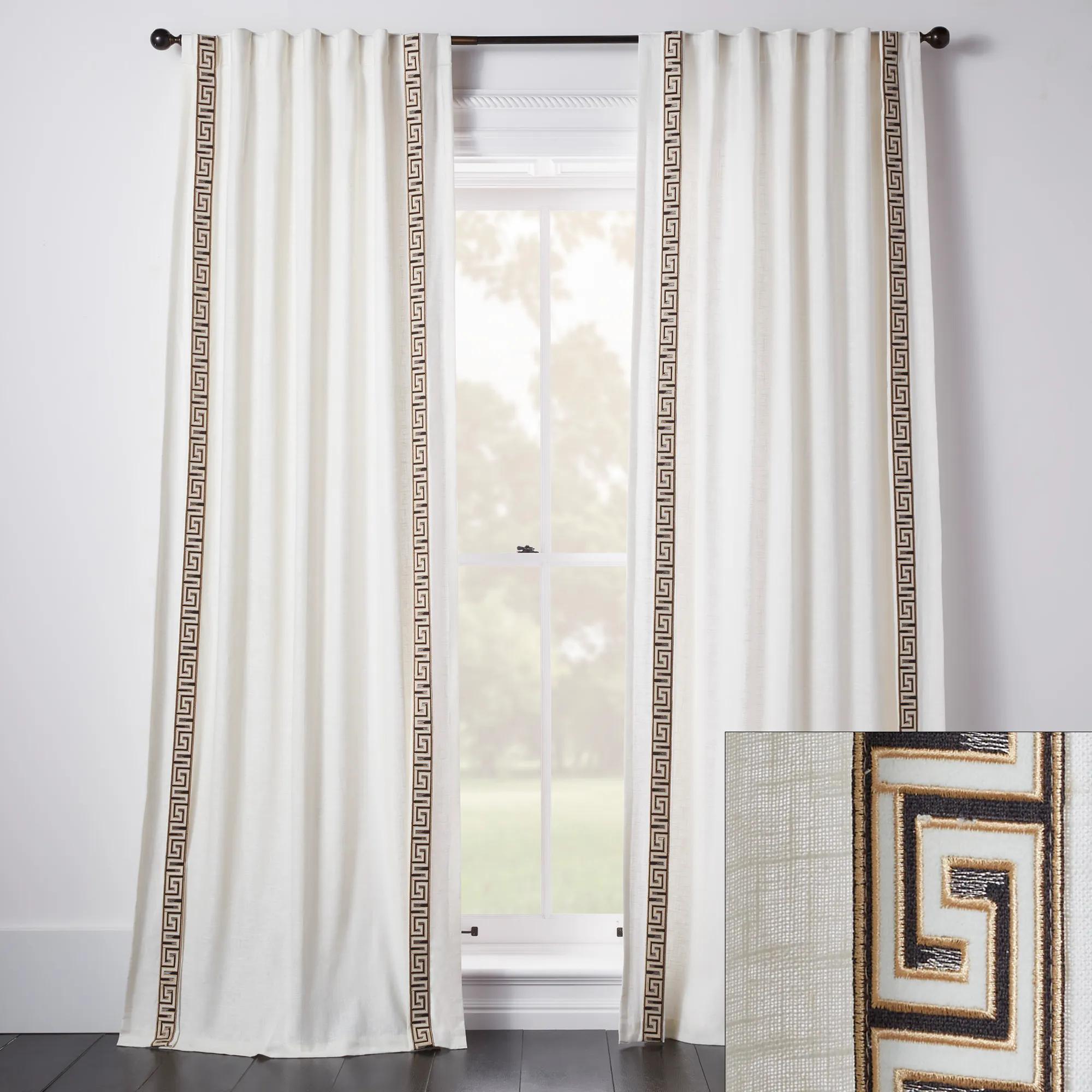 Chole Greek Key Border Velvet Widow Curtain Panels Custom$439
A white linen-blend curtain panel featuring a black and gold velvet Greek key border and customizable options.
Add To Cart -
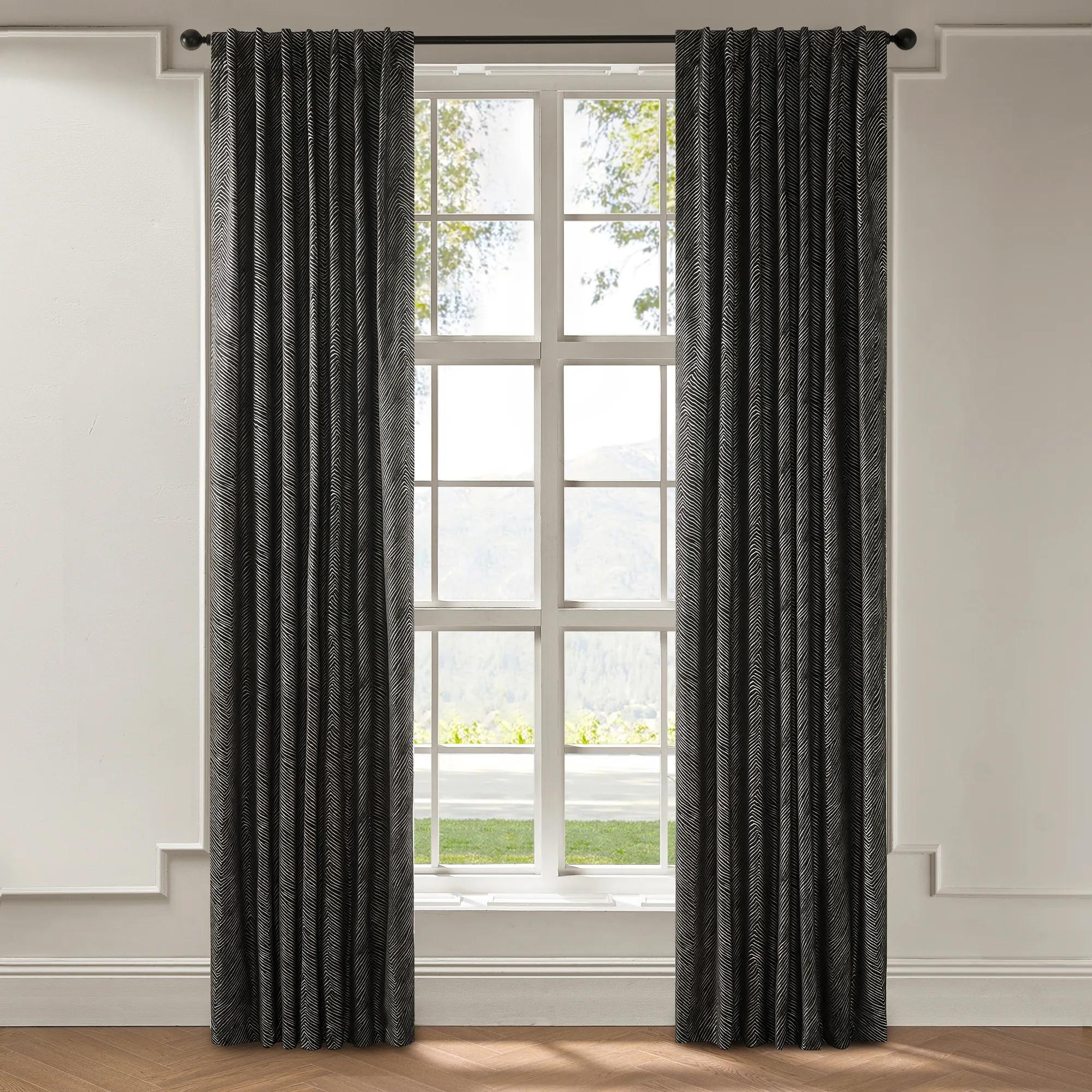
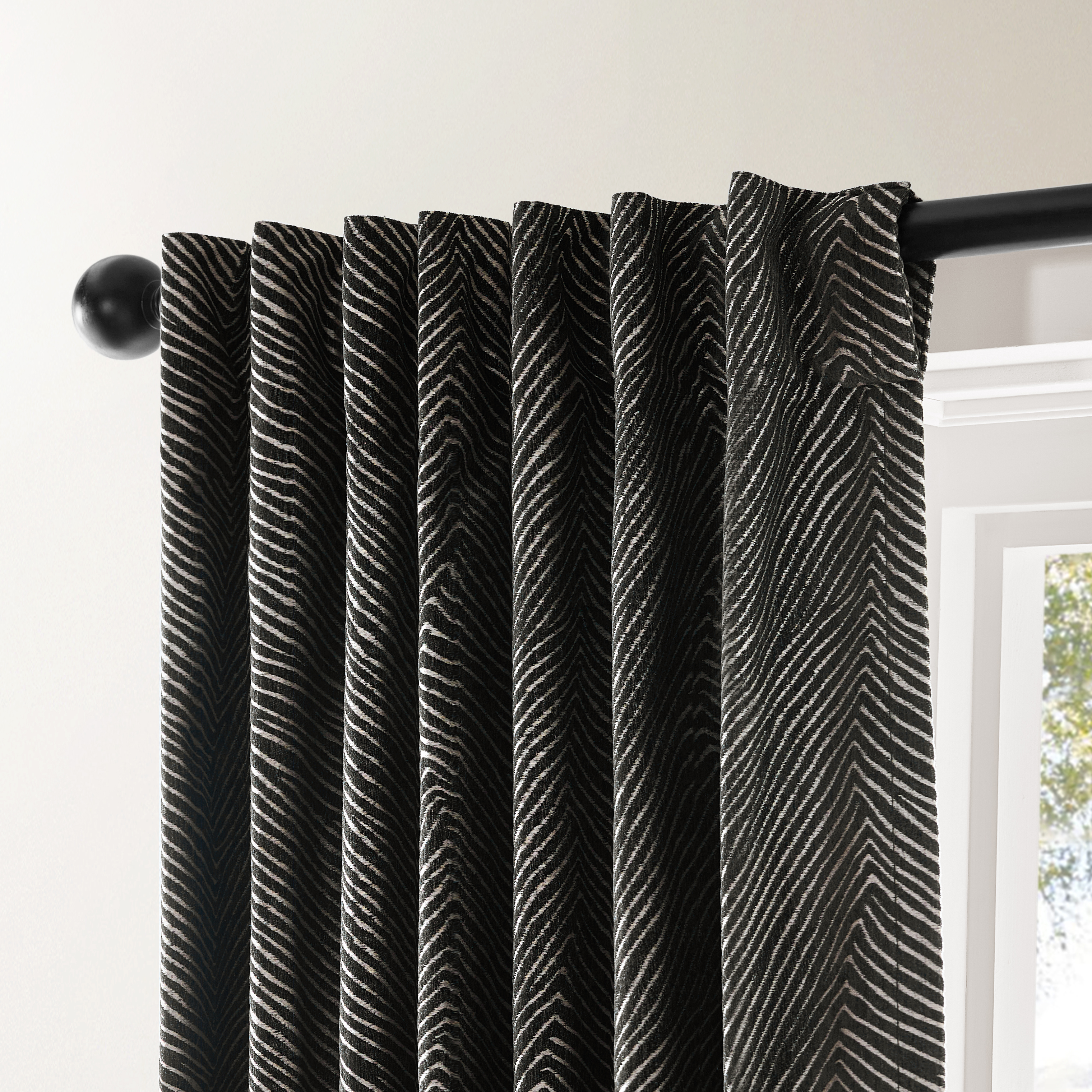 Kenzo Black Chenille Window Curtain Panel$139
A black chenille jacquard curtain with a room-darkening finish and versatile dual hanging options.
Add To Cart -
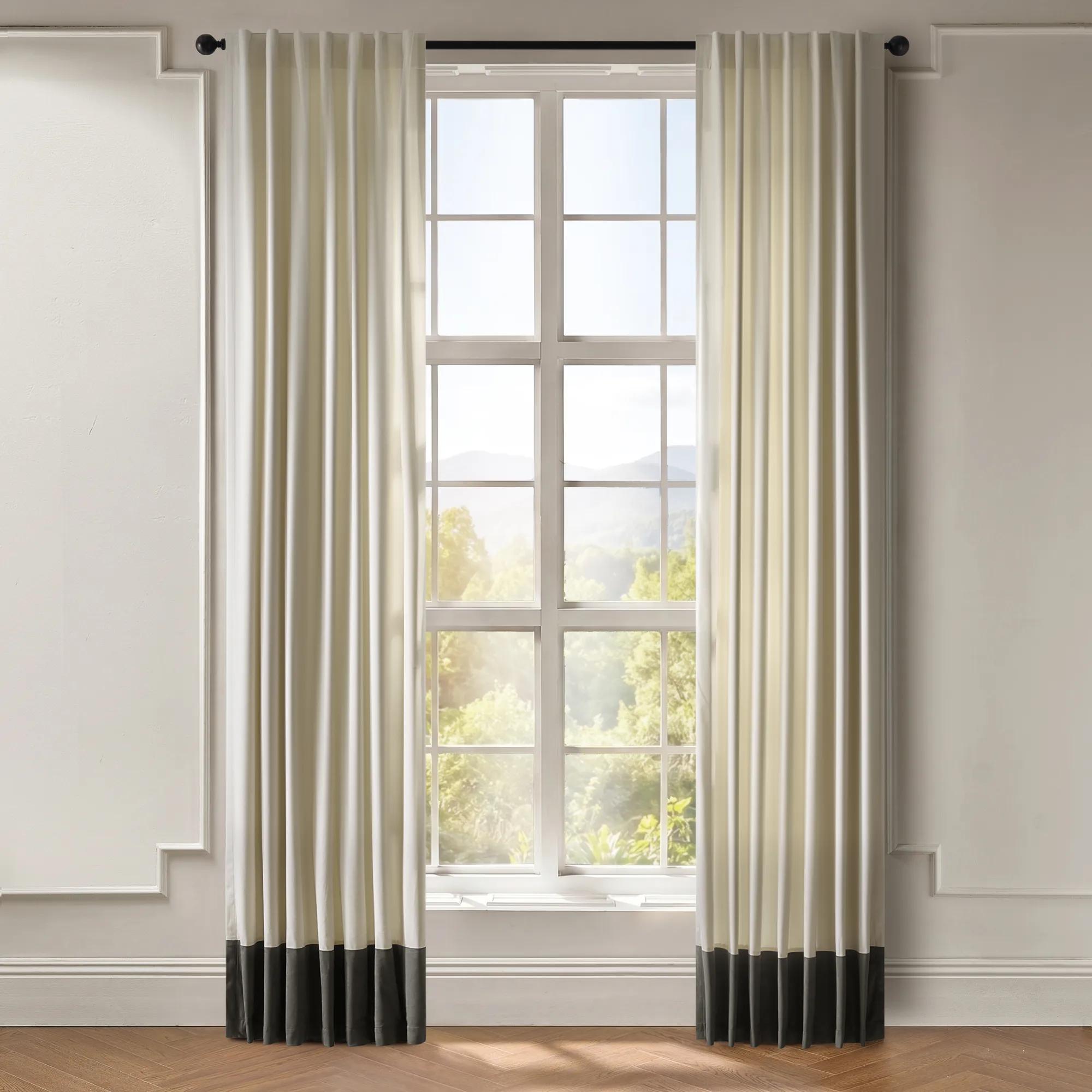
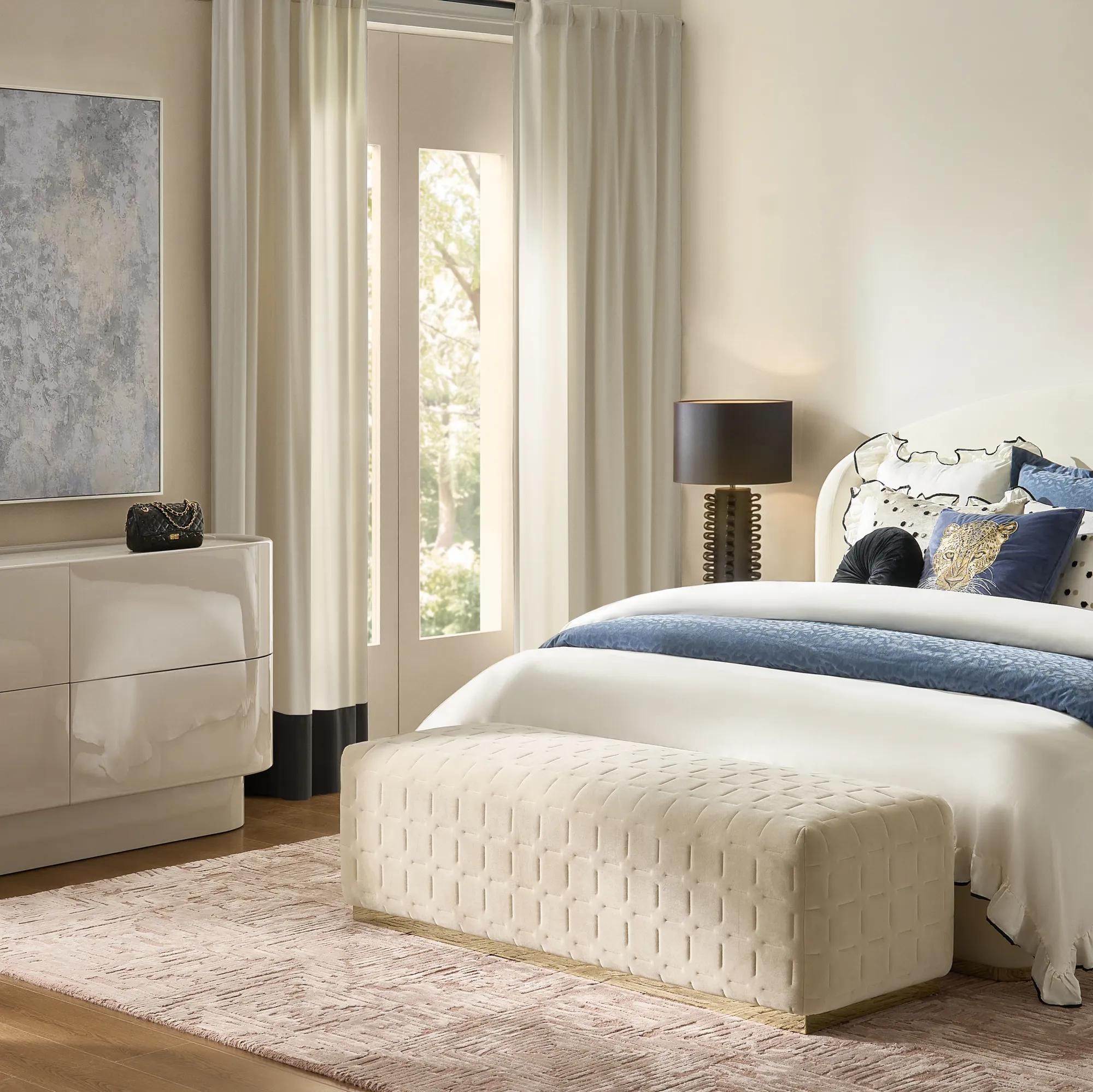 Bastien Ivory/Graphite Velvet Border Window Curtain Panel$89
A two-tone ivory and graphite velvet curtain panel with room-darkening design and versatile hanging options.
Add To Cart -
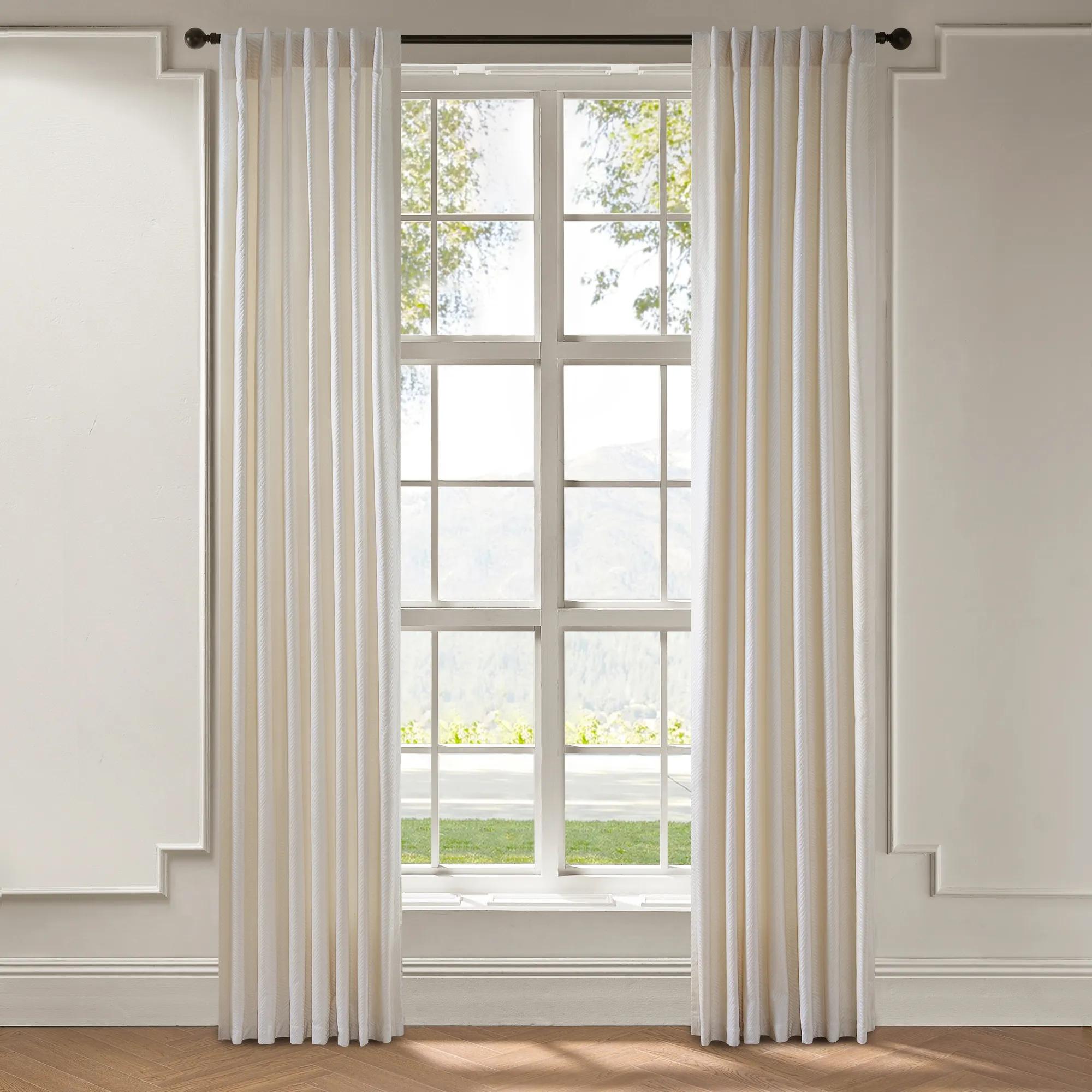
 Kenzo Chenille Curtain - White$139
A luxe white chenille jacquard curtain featuring a subtle high-contrast pattern and versatile dual construction.
Add To Cart -

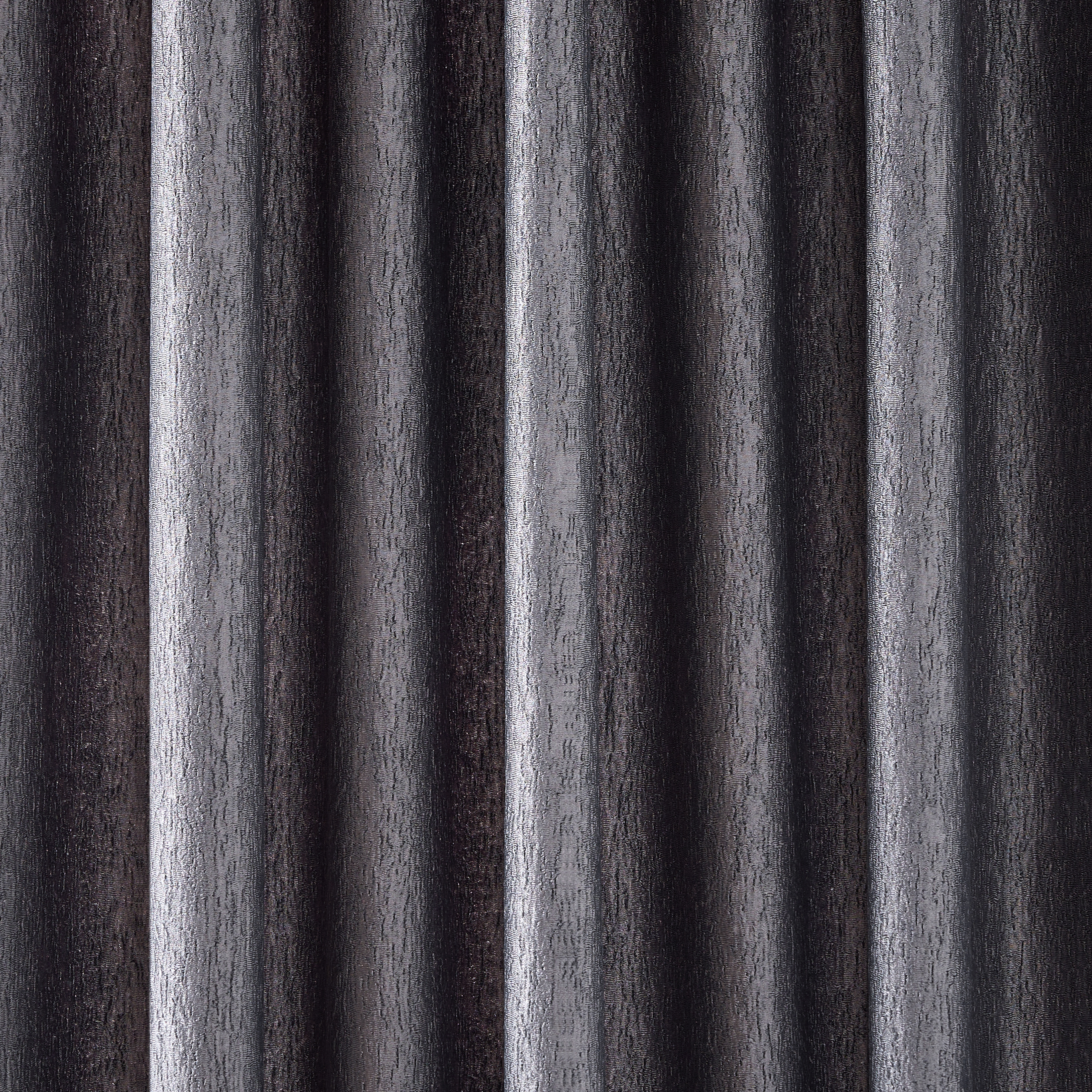 Anson Charcoal Textured Window Curtain Panel$109
A moody charcoal curtain with crushed polyester texture and subtle sheen for stylish, room-darkening appeal.
Add To Cart -
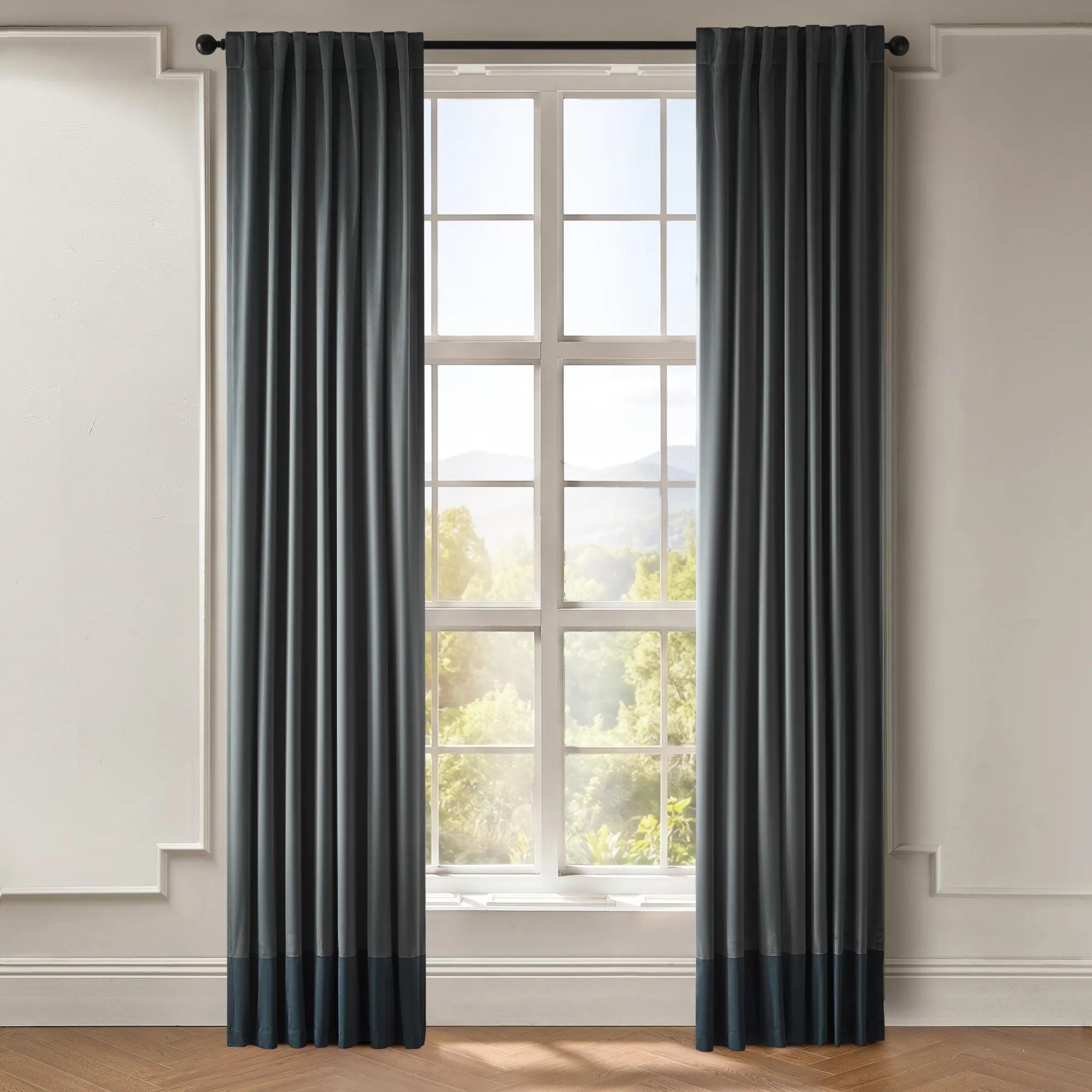
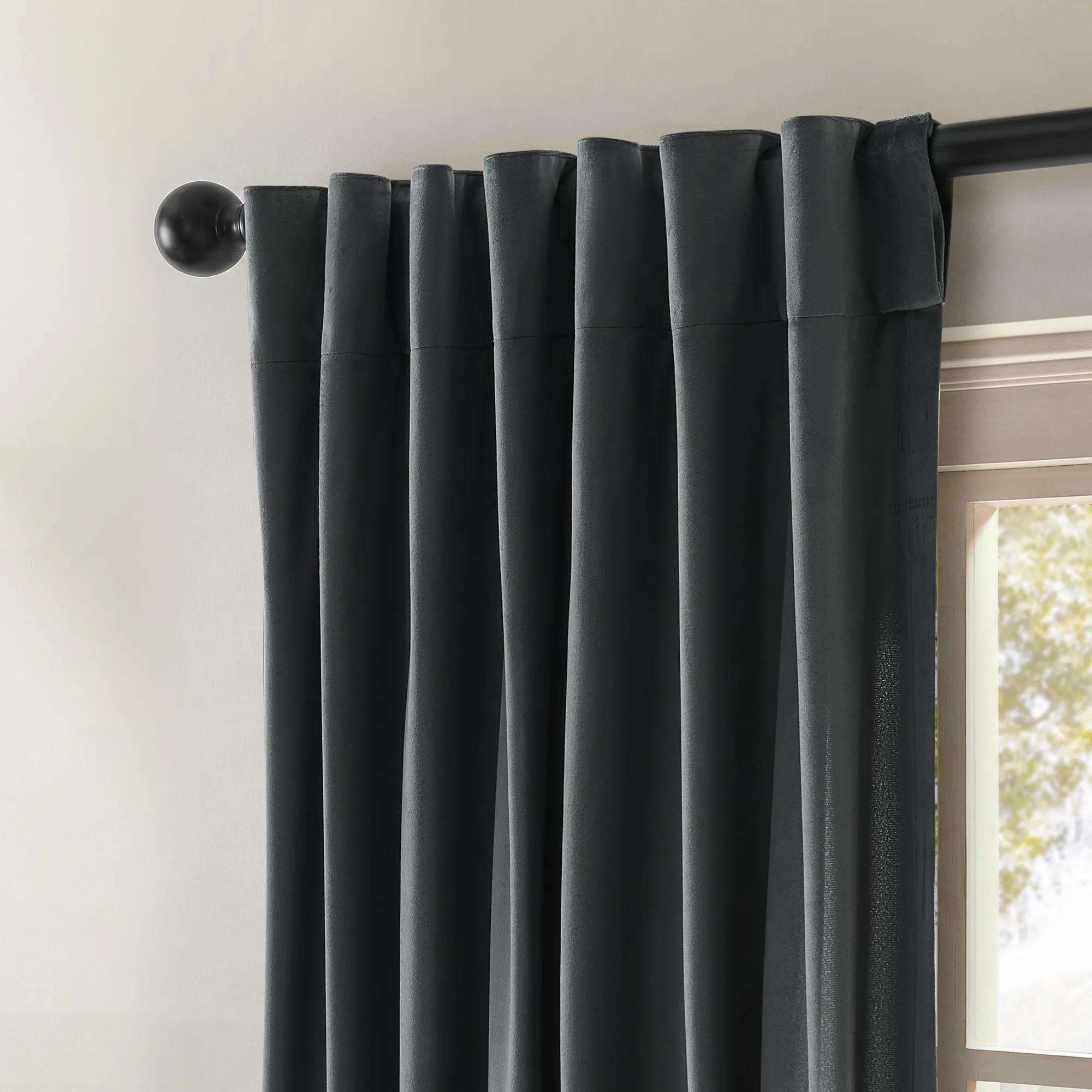 Bastien Blue/Midnight Velvet Border Window Curtain Panel$89
A two-tone dusty and midnight blue velvet curtain panel with a Deco-inspired border and room-darkening design.
Add To Cart -

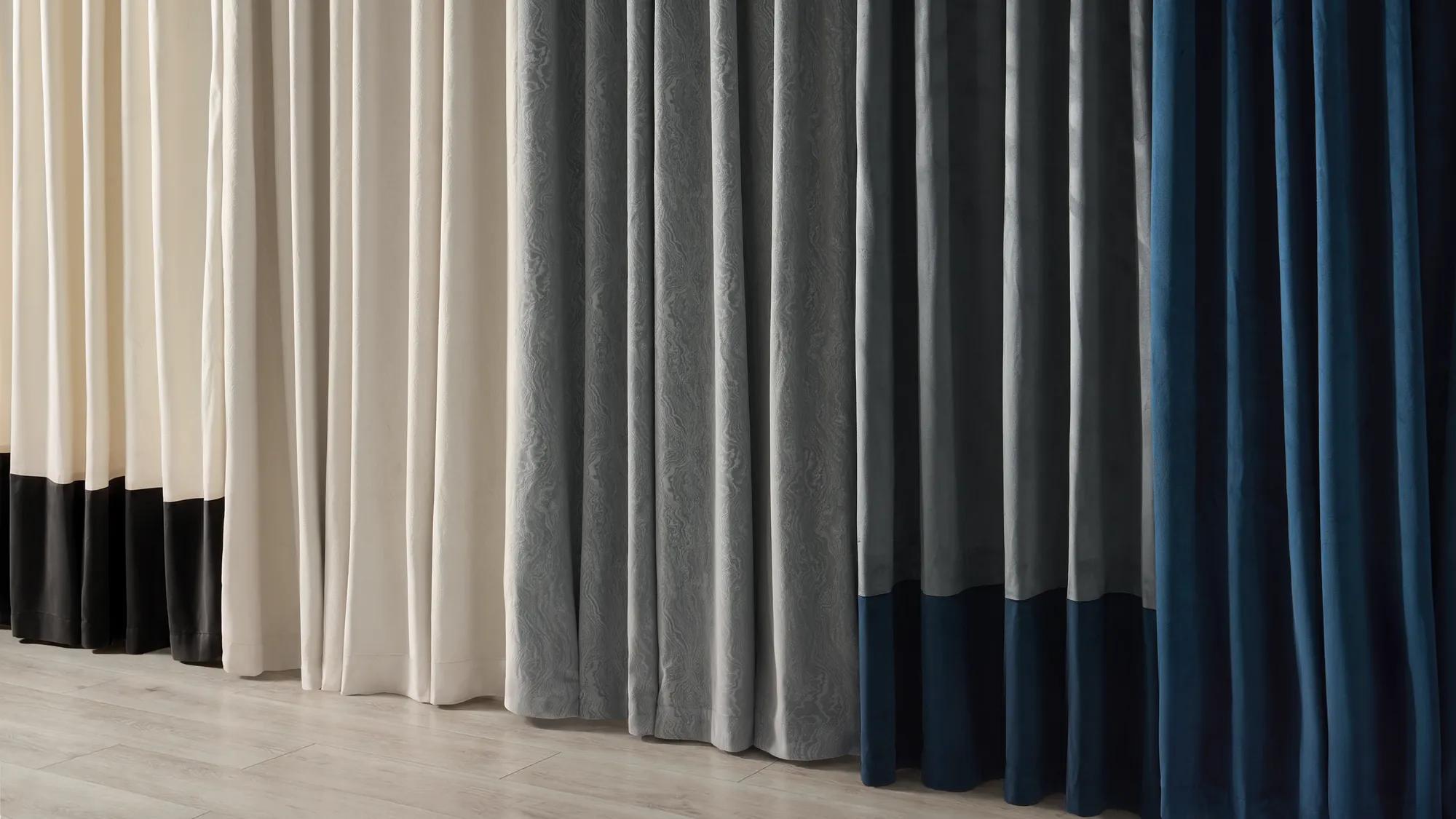 Mabel Velvet Swirl Curtain - Grey Blue$89
A grey blue velvet curtain featuring a tonal swirl pattern and versatile dual hanging options.
Add To Cart -

 Adair Midnight Blue Solid Velvet Window Curtain Panel$69
A sumptuous midnight blue velvet curtain that adds elegance, depth, and room-darkening style to any space.
Add To Cart

Spring Summer Window Treatments
Bask in the season’s radiance with spring summer window treatments that transform every ray into a work of art. Imagine sunlight cascading through sheer drapery, casting luminous patterns and breathing new life into your living spaces. Each panel becomes an invitation to embrace the exuberance of longer days and balmy evenings—curating an atmosphere where light dances, colors sing, and every window frames the beauty of the outdoors. Elevate your home with window treatments designed to capture the essence of spring and summer: fresh, airy, and undeniably chic.
Spring and summer window treatments balance luminous style with practical control over sunlight, glare, and privacy. Sheer curtains soften a bright view, lined drapery adds substance and coverage, and layered treatments allow a room to move between an open, light-filled atmosphere and a more sheltered setting. The most effective choice depends on the window’s exposure, the room’s purpose, and how much light the fabric needs to filter. In a living room with sculptural furniture and gleaming accents, translucent panels can turn direct sunshine into a softer backdrop, allowing texture and silhouette to take center stage. A dining space may call for linen-blend curtains with a generous fold, bringing dimension to the windows without competing with a statement chandelier. Bedrooms often benefit from a sheer layer paired with more opaque panels, preserving the graceful daytime effect while offering greater control when rest requires darkness. Fabric gives each treatment its character: linen has an irregular weave and a relaxed, architectural drape; cotton offers a softer, more understated surface; and polyester or blended fabrics can provide fluid movement and improved resistance to wrinkling, depending on their construction. Voile creates a particularly delicate veil of light, while a textured weave makes even a pale curtain feel richly considered. Ivory, champagne, sand, and soft taupe create a luminous foundation for spring and summer interiors. Muted green, mineral blue, and restrained botanical patterns introduce color with a painterly touch. Against lacquered furniture or metallic finishes, a matte fabric supplies contrast; beside upholstered seating, a subtle sheen adds another dimension. Explore Spring Window Curtains for another expression of softly filtered light and seasonal color. Whether the setting is a polished apartment, an expansive family room, or a serene guest suite, the goal is a window that feels integrated into the room’s composition rather than dressed as an afterthought. The right fabric can frame a garden view, soften a stark architectural opening, or lend a compact room a more expansive presence.
Light control deserves as much consideration as color, particularly in rooms exposed to strong afternoon sun. In many U.S. homes, west-facing windows receive intense late-day light, while south-facing windows can experience prolonged sun exposure; nearby buildings, trees, roof overhangs, and local conditions also influence the effect. Sheer curtains diffuse brightness but generally offer limited protection against heat gain and should not be relied on for nighttime privacy. Once interior lights are on, silhouettes and activity may remain visible from outside. For flexible coverage, a double rod can hold a translucent inner layer and a denser outer panel, allowing each to move independently. A roller or cellular shade behind decorative curtains offers another combination of tailored function and expressive fabric. Cellular shades use air pockets to help slow heat transfer, although their insulating performance depends on construction, fit, and installation. Solar shades can reduce glare and some ultraviolet exposure while retaining a degree of outward visibility; the openness of the fabric affects the view, light transmission, and privacy. They generally do not provide dependable privacy after dark. In a television room or home office, these distinctions matter: a beautiful wash of daylight can become distracting when it reflects across a screen. Room-darkening fabrics reduce incoming light, while blackout constructions are designed to block light through the material itself; gaps around the edges can still admit brightness. A lining may also help protect the decorative face fabric and nearby furnishings from sun exposure, but no curtain should be assumed to prevent all fading. Fit completes the performance. Measure the window width and the intended rod placement, then check the panel’s finished dimensions and heading style before determining quantity. For many gathered curtain styles, a combined fabric width of about twice the rod width creates fullness, though pleated panels and other tailored headings may have different requirements. Extending the rod beyond the frame, where space allows, gives open panels somewhere to gather without covering as much glass. A higher placement can emphasize ceiling height, provided the proportions suit the architecture.
Length, hardware, and care turn an attractive treatment into one that works beautifully over time. Floor-length panels create an elongated line, and a hem that just clears the floor offers a polished finish without collecting as much dust as fabric that pools. Where doors swing, children play, or pets settle beside the window, clearance matters more than a dramatic puddle of material. Shorter curtains can suit a breakfast nook or a window above a built-in surface, but fabric should remain clear of cooking equipment, heaters, vents, and other hazards. Hardware should support the fabric’s weight, with the appropriate brackets and anchors for the wall surface; substantial lined panels need more support than airy sheers. Rings and grommets create distinct folds and should move smoothly along a compatible rod, while rod pockets tend to suit panels that are adjusted less frequently. A brushed metallic finish can echo a nearby lamp, and a darker rod can outline pale fabric with crisp definition. In homes with young children, cordless shades are a safer choice than accessible operating cords, and long drapery tiebacks or loops should be kept out of reach. Care requirements vary considerably, even among fabrics that look similar. Check the care label before laundering: some polyester and cotton blends are machine washable, while embellished, lined, or more delicate constructions may require professional cleaning. Linen can develop natural creasing and may shrink if cleaned incorrectly. Gentle vacuuming with an appropriate attachment helps remove dust between cleanings, and any steaming or ironing should follow the fabric’s temperature guidance. Avoid harsh pulling when opening panels, and periodically check rings, brackets, and hems for wear. For frequently used rooms, washable fabrics and straightforward hanging systems can make upkeep more manageable without sacrificing elegance. For a formal sitting room, a more intricate weave or decorative border may be worth the additional care. Thoughtfully chosen spring and summer curtains bring that balance into focus: expressive enough to shape the room’s mood, practical enough for daily rituals, and beautifully proportioned to let the window become part of the design.
FAQs
For spring and summer, opt for window treatments crafted from breathable, natural materials such as linen, cotton, bamboo, or grasscloth. These fabrics and weaves allow gentle breezes to filter through and diffuse sunlight, creating a soft, inviting ambiance while keeping rooms cool and comfortable.
Layering is a sophisticated way to balance privacy, light control, and visual interest. Pair sheer panels with woven or cellular shades to enjoy filtered sunlight while maintaining seclusion. This approach lets you adjust the mood throughout the day—sheers for daytime luminosity, shades for intimate evenings—all while adding depth and dimension to your décor.
Soft, nature-inspired hues such as crisp whites, gentle creams, pale blues, and fresh greens are ideal for spring and summer. These colors reflect natural light beautifully and evoke a sense of renewal and tranquility, transforming any room into a serene seasonal oasis.
Energy-efficient options like cellular or honeycomb shades help regulate indoor temperatures by trapping air and reducing heat gain, making your home cooler and more comfortable. This not only enhances everyday living but also helps protect your interiors from sun damage and fading, preserving your furnishings’ beauty all season long.
Window treatments are a powerful design tool for setting the tone of a space. Light, flowing fabrics evoke a sense of breezy elegance, while bold textures or layered looks add drama and dimension. Thoughtfully chosen treatments can make a room feel more open, tranquil, or exuberant, reflecting your personal style and celebrating the vibrant spirit of the season.


