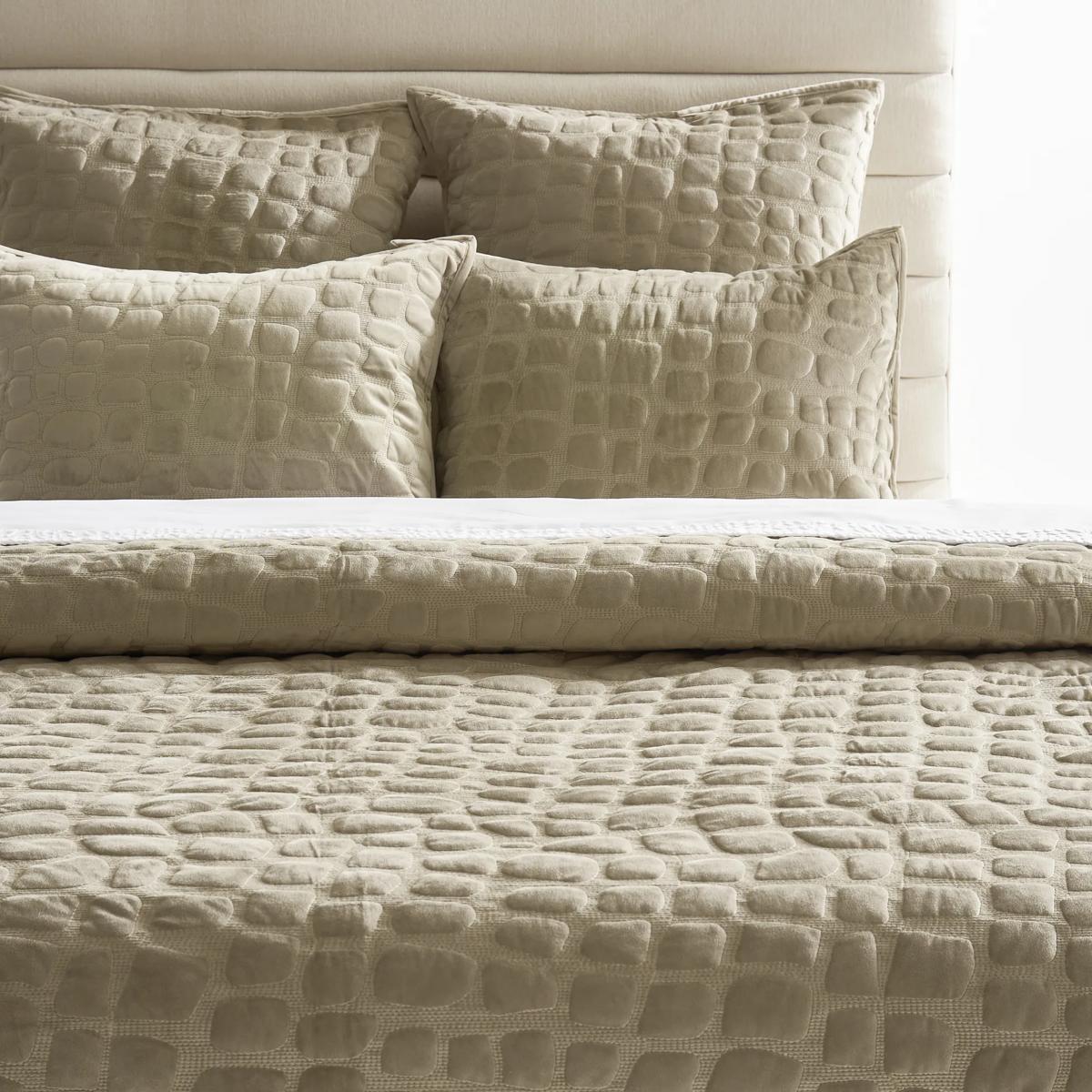
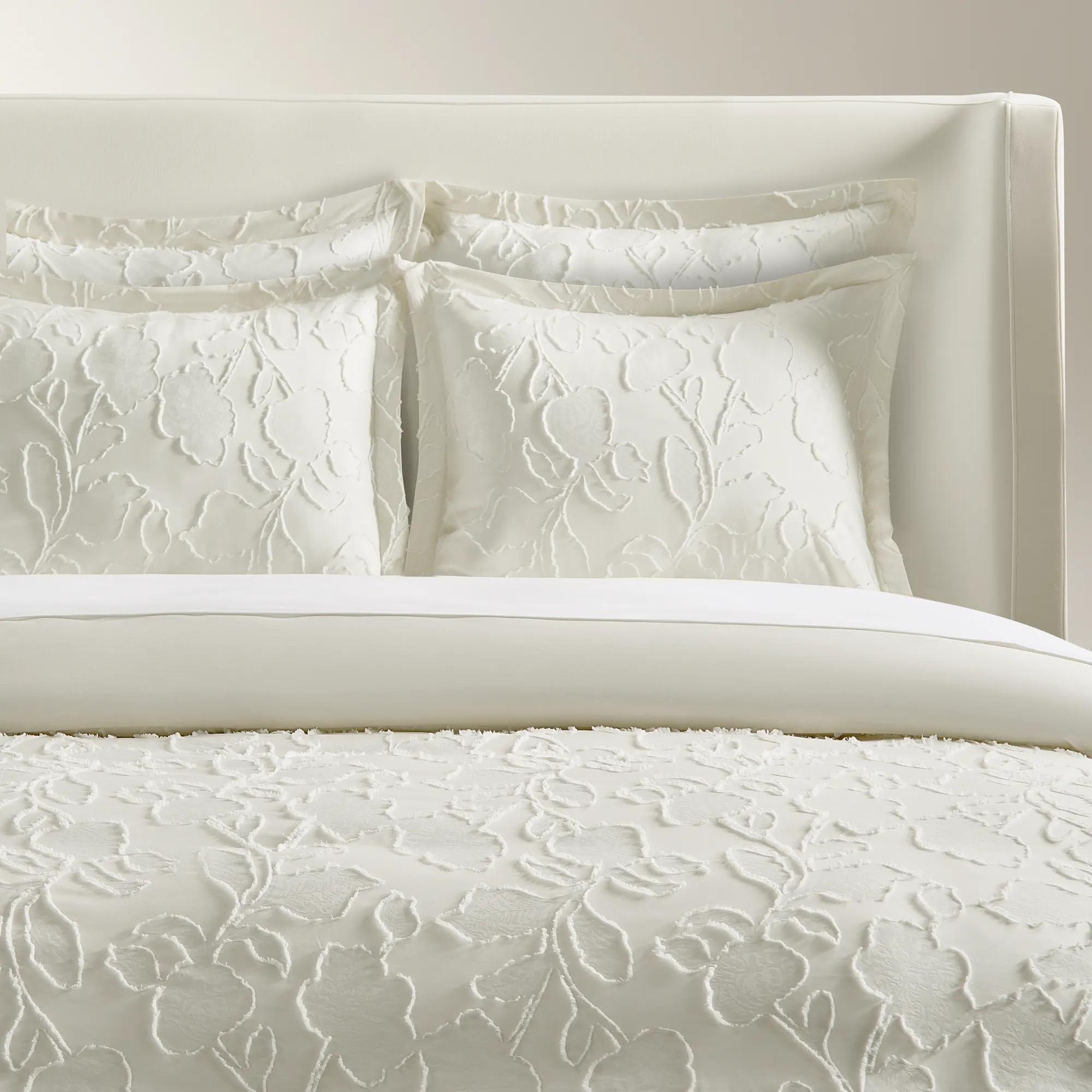
Soft White Duvet Covers
Soft White Duvet Covers
-
 Sarla Contrast Cotton Percale Bedding Set - White/Black$229
A crisp white cotton percale bedding set featuring modern black piping for a refined, graphic contrast.
Add To Cart -

 Noa Embroidered Pearl White Bedding Set$249
A luminous pearl satin bedding set featuring an embroidered swirl pattern for a touch of refined luxury.
Add To Cart -

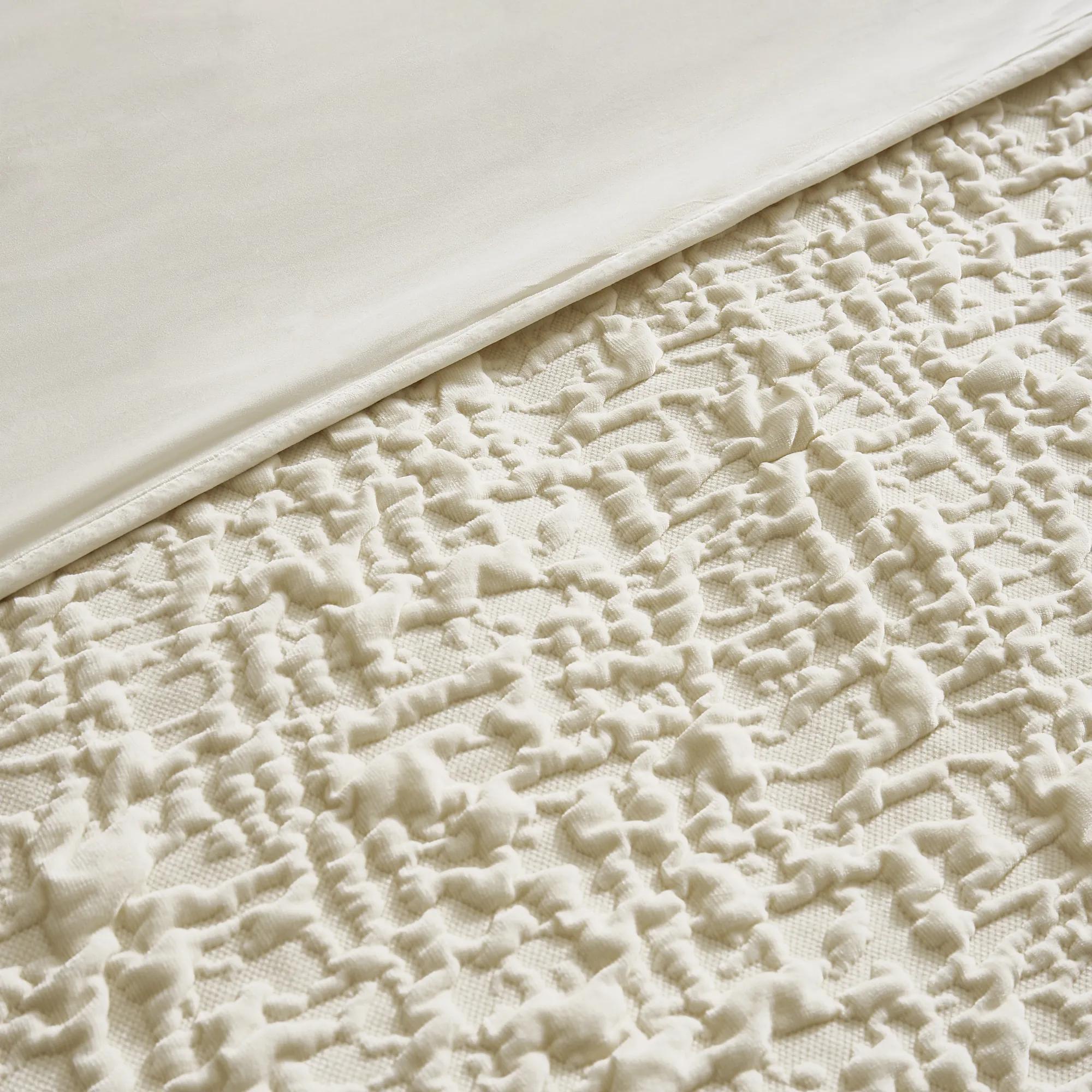 Madera Ivory Textured Velvet Bedding Set$69
A plush ivory velvet coverlet set with crushed embroidered texture and breathable cotton backing for serene style.
Add To Cart -

 Podva Embroidered Pearl/Ivory Bedding Set$249
A satin and cotton bedding set in pearl and ivory, featuring modern embroidery and crisp flange edges.
Add To Cart -
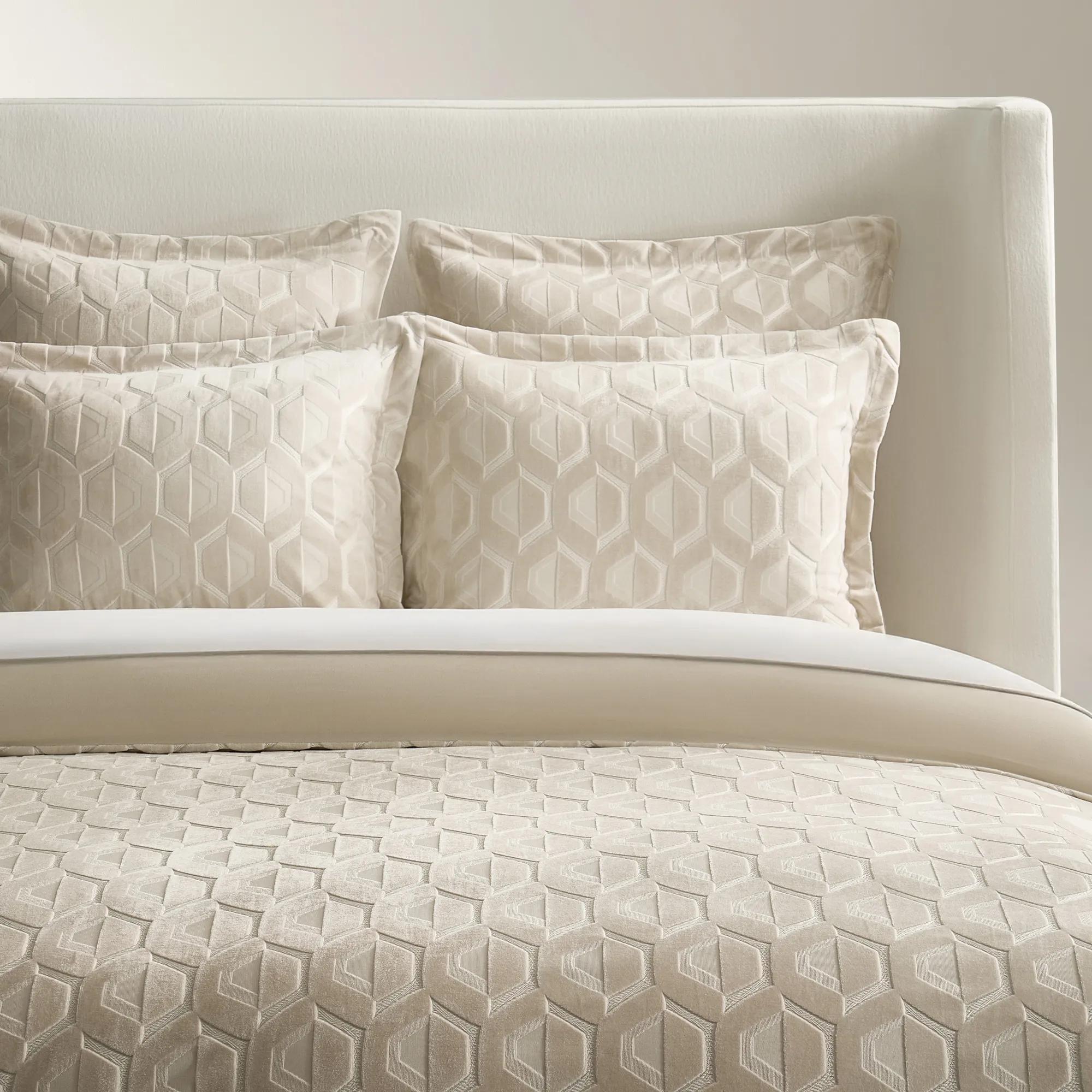 Cielo Alabaster White Geometric Cut Velvet Bedding Set$229
A luxurious alabaster-white bedding set featuring geometric cut velvet texture for sophisticated, layered styling.
Add To Cart -
 Vera Cloud White Soft Pleated Velvet Bedding Set$249
A cloud-white velvet bedding set featuring soft pleated texture and coordinating duvet and sham covers.
Add To Cart -

 Sandhill Ivory/Multi Color Printed Bedding Set$229
An ivory bedding collection featuring earthy tones, gold velvet accents, and a soft cotton-polyester blend.
Add To Cart -
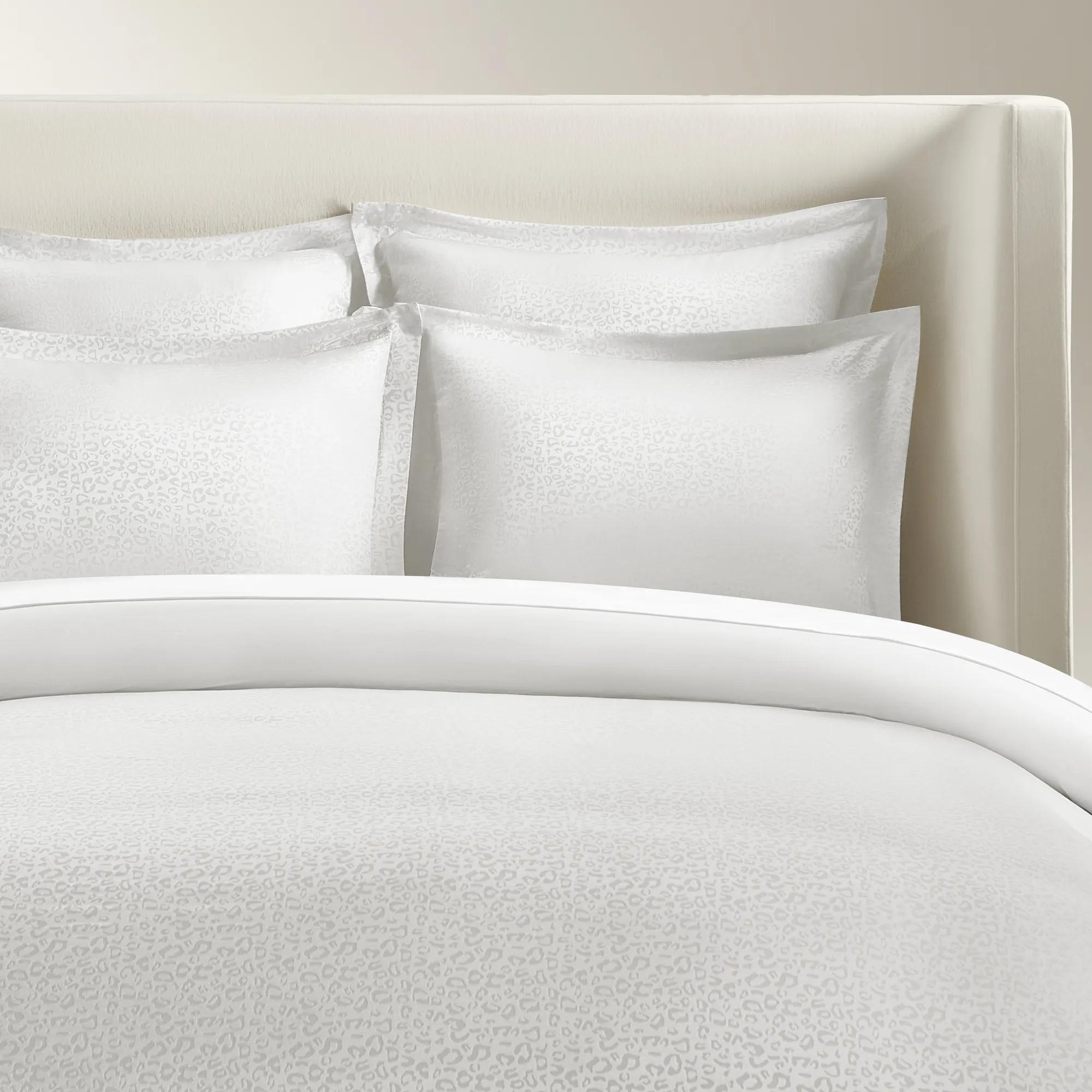
 Abi Leopard Cloud White Tencel Bedding Set$249
A cloud white bedding set featuring a tonal leopard print in a smooth Tencel blend with cotton reverse.
Add To Cart -

 Vittoria Ivory/Black Cotton Percale Ruffle Bedding Set$79
An ivory cotton percale bedding set with dramatic black ruffle trim for a crisp, Deco-inspired look.
Add To Cart

Soft White Duvet Covers
Soft white duvet covers transform the bedroom into a sanctuary of serenity and style, casting every corner in a luminous, cloud-like embrace. These elegant essentials invite you to experience the art of relaxation, where crisp palettes and sumptuous textures converge to create a haven of pure indulgence. With soft white duvet covers, each layer whispers sophistication—an effortless foundation for layering bold accents or embracing minimalist tranquility. Elevate your personal retreat with bedding that celebrates comfort as an act of self-expression, turning every evening into an invitation to dream.
Soft white duvet covers are removable fabric shells that slip over a duvet insert, pairing a soft-touch surface with a luminous white palette. They create a beautifully composed foundation for the bed while helping protect the insert from everyday contact with skin, lotions, and bedding layers. Their appeal is both tactile and visual: a smooth fold beneath the chin, a generous sweep across the mattress, and a pale backdrop that lets sculptural pillows or richly textured throws take focus. Material shapes much of that experience. Cotton is a familiar choice for its breathability and versatility, but its weave makes a meaningful difference. Cotton percale typically has a matte finish and a crisp, lightly structured hand, while cotton sateen feels smoother and carries a subtle sheen that lends white bedding a more fluid, polished appearance. Linen brings a relaxed texture and characteristic creasing, often becoming softer with repeated laundering. Polyester microfiber generally offers a smooth, lightweight feel and resists wrinkling, though breathability and moisture handling vary by fabric construction. For those interested in organic cotton, fiber descriptions and recognized certifications help clarify what a particular textile contains; an organic designation alone does not determine softness or durability. Thread count is also only one detail, rather than a complete measure of quality. Fiber quality, yarn construction, weave, and finishing all influence how a cover feels against the skin and how it holds its appearance. A softly brushed surface can feel inviting from the first touch, while a dimensional weave adds visual depth without requiring a strong pattern. For a primary bedroom designed around expressive art or dramatic furniture, white creates balance rather than competition. In a guest room, it establishes an inviting sense of intention, making the bed feel considered before a single accent is added. The most satisfying choice brings together the desired hand, a pleasing finish, and a fabric suited to the way the room is actually lived in.
Fit gives soft white bedding its finished silhouette. Duvet covers and inserts should be compared by their stated dimensions, not just by labels such as full, queen, king, or California king, because measurements can differ between manufacturers and styles. A cover substantially larger than its insert may leave empty fabric along the edges, while one that is too small can compress the filling or make it bunch. Closely matched dimensions generally help create an even surface, with the insert distributed into the corners. Interior ties, loops, or other attachment points can help limit shifting when they correspond with the insert’s construction. Closure details deserve equal attention: buttons can provide a tailored finish, concealed zippers offer a clean edge, and envelope-style openings create a different approach to securing the insert. The best arrangement is one that feels unobtrusive in use and manageable when changing the bed. Consider the mattress depth and the amount of drape desired, too. A high-profile mattress may need more generous coverage to achieve the same sweeping effect as a lower bed, especially when the duvet is left untucked. White itself has nuance. A clear, bright white creates a graphic contrast against dark upholstery or blackened metal, while a creamier white can sit more gently beside ivory carpeting, natural wood, or champagne-toned accents. Comparing bedding with nearby fabrics in the room’s own lighting helps reveal undertones that may be less apparent on a screen. For a polished, layered bed, repeat a similar white across the largest surfaces, then introduce distinction through texture: a lustrous cover against a nubby throw, or a matte cotton surface beneath embroidered pillows. A restrained palette leaves room for lavish detail. Piped borders, subtle woven patterns, and carefully arranged folds can give the bed definition without overwhelming the serenity of the overall composition. In a shared bedroom, that versatility also makes white a graceful meeting point between different decorating preferences, allowing each person’s accents to feel intentional.
Thoughtful care preserves the softness and clarity that make white duvet covers so appealing. Always follow the sewn-in care label, since fiber blends, decorative trim, embroidery, and surface treatments can change the appropriate washing and drying methods. Many covers are machine washable, but the recommended water temperature, cycle, and drying setting should guide the routine. Give the fabric room to move in the washer rather than packing the drum tightly, and use detergent according to its directions; excess product can leave residue that dulls the surface or affects the hand. Treat marks promptly with a method appropriate for the material, testing stain treatments in an inconspicuous area when needed. White fabric is not automatically safe for chlorine bleach, and whitening products should be used only when the care instructions permit them. Closing fasteners before laundering, where recommended, can help reduce catching, while removing the cover promptly after drying can limit pronounced wrinkles. A lightly rumpled linen bed has a different character from smoothly finished sateen, so maintenance expectations should match the desired look. Durability depends on more than fabric weight: secure seams, neatly finished openings, and well-attached ties all contribute to a cover that stands up to repeated changes and washing. Households with pets may prefer a smoother surface over delicate raised details that claws could catch, while anyone sensitive to tactile distractions may appreciate minimal embellishment near the sleeping area. A washable cover is especially useful for frequently used bedrooms, although it does not eliminate the need to care for the insert itself. For a housewarming or wedding gift, a soft white duvet cover offers a versatile foundation when the recipient’s bed dimensions, fabric preferences, and laundry habits are known. Check whether the purchase includes only the cover or additional bedding pieces, since the insert and pillow shams may be separate. Explore Soft And Stylish Duvet Covers for more ways to bring tactile richness to the bedroom. With considered proportions and an inviting finish, white bedding becomes more than a neutral layer: it gives the room a luminous center and every surrounding detail room to shine.
FAQs
Soft white duvet covers are often crafted from luxurious materials such as Egyptian cotton, sateen, washed linen, or bamboo blends. Egyptian cotton and sateen offer a silky, luminous finish with a smooth hand-feel, perfect for those who love a touch of glamour. Washed linen brings a relaxed, breathable texture with subtle natural charm, while bamboo blends provide exceptional softness and moisture-wicking properties. Each material creates a distinct sensory experience, allowing you to curate the atmosphere and comfort level that best suits your personal sanctuary.
A soft white duvet cover is a versatile foundation that adapts effortlessly to a range of design aesthetics. For a modern, minimalist look, pair it with monochrome accents and streamlined décor. To evoke a sense of opulence, layer with jewel-toned velvet pillows, metallic throws, and statement lighting. If you prefer a cozy, rustic vibe, add chunky knit blankets and natural textures like wood or rattan. The purity of white allows you to change up your look seasonally, making it easy to refresh your space with new accessories and colors.
Yes, soft white duvet covers are designed to be seasonless. Lightweight and breathable options like percale or linen are ideal for warmer months, keeping you cool and comfortable. In the colder seasons, they can be layered with plush blankets, throws, or heavier inserts to create a cocooning effect. Their timeless color and adaptable fabric options ensure they remain a staple in your bedroom, no matter the time of year.
A soft white duvet cover is a universally appreciated gift that exudes elegance and practicality. Its timeless hue complements any décor, and its plush comfort elevates the everyday ritual of rest. Whether given for a wedding, housewarming, or milestone celebration, it’s a gesture that promises relaxation and style, making the recipient feel treasured and indulged every time they slip into bed.
To preserve the pristine beauty of your soft white duvet cover, wash it regularly with gentle, color-safe detergents and avoid overloading your washer. Opt for cool or warm water settings to maintain fabric integrity, and promptly remove it from the dryer to minimize wrinkles. For an extra touch of luxury, consider air-drying or ironing on low heat. With proper care, your duvet cover will retain its radiant white and sumptuous softness, ensuring your bedroom remains a serene retreat.