Soft Roll Arm Chairs
Soft Roll Arm Chairs
-
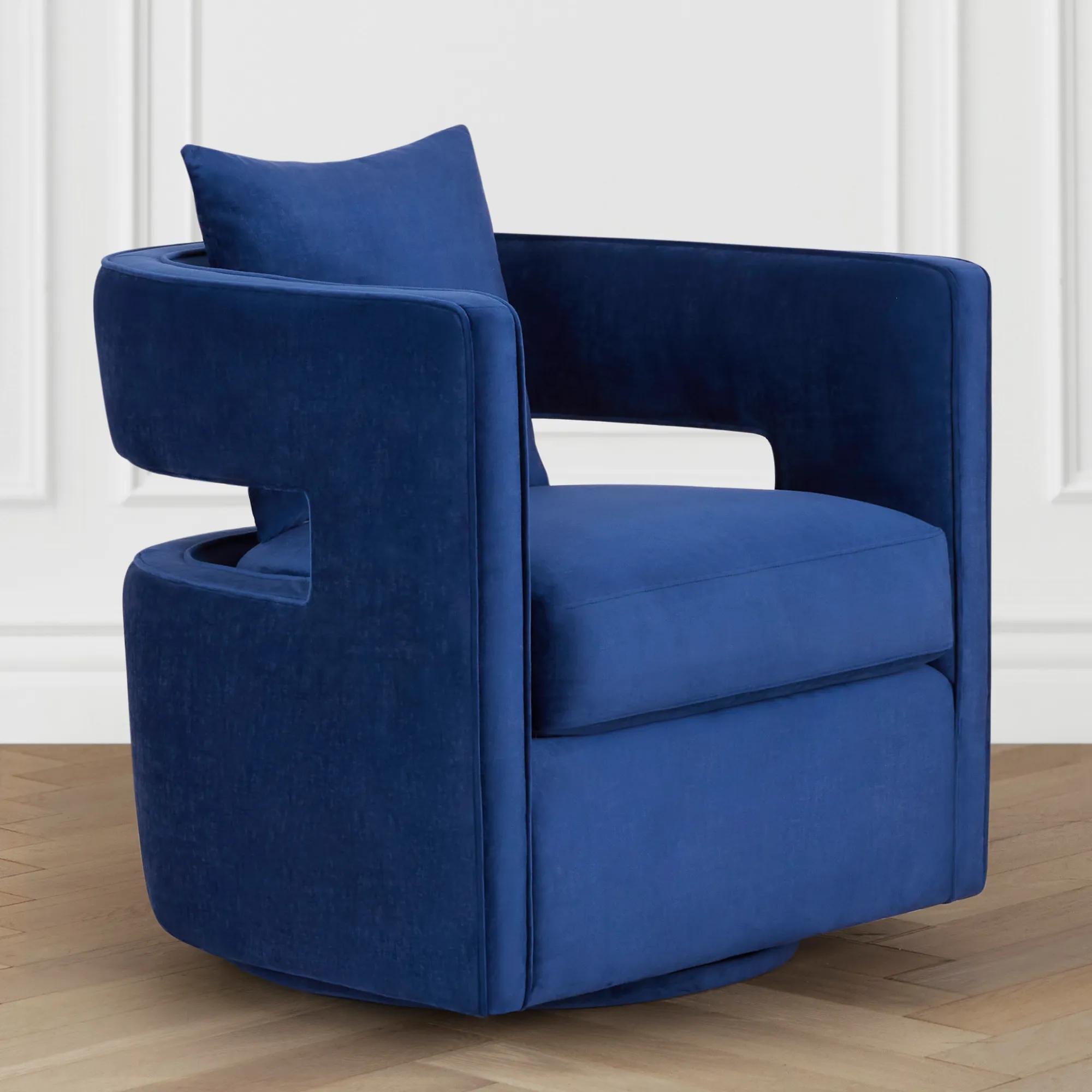
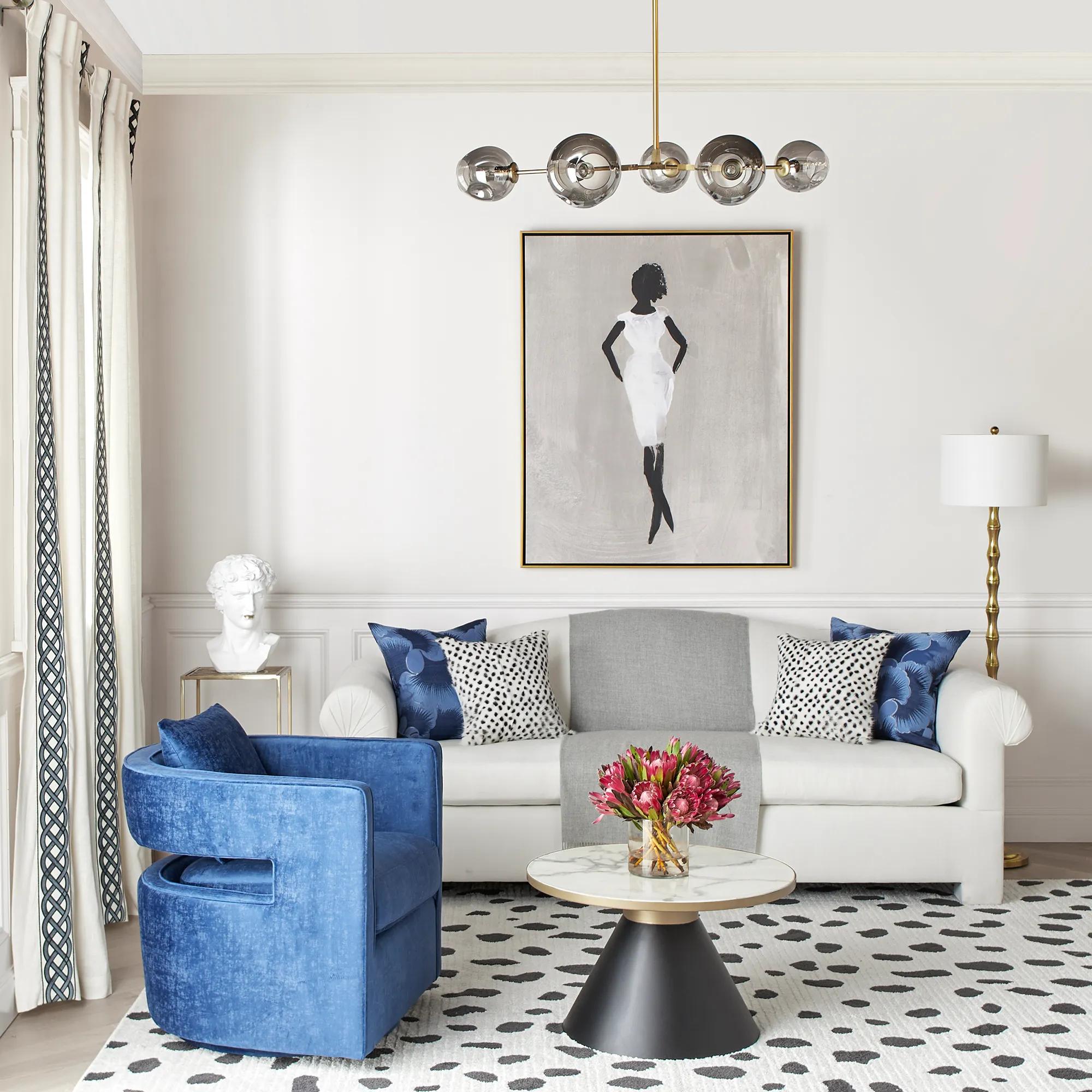 Lottie Navy Velvet Swivel Accent Chair$999
A sculpted navy velvet swivel chair featuring supportive cushioning, open arms, and a kiln-dried hardwood frame.
Add To Cart -
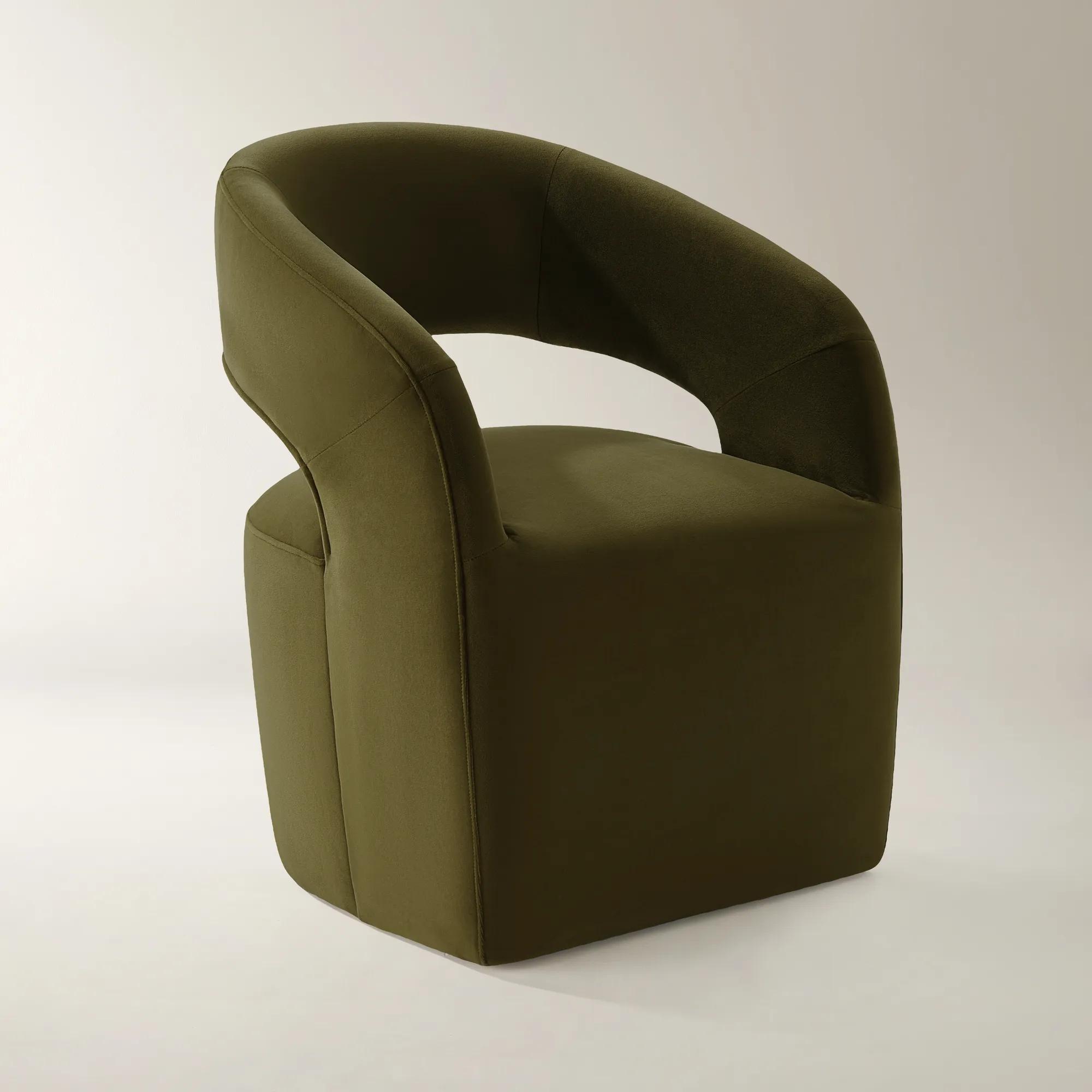 Harrison Deep Olive Velvet Dining Chair$499
A sculptural dining chair in deep olive velvet with a curved back, integrated arms, and plush feather-blend comfort.
Add To Cart -
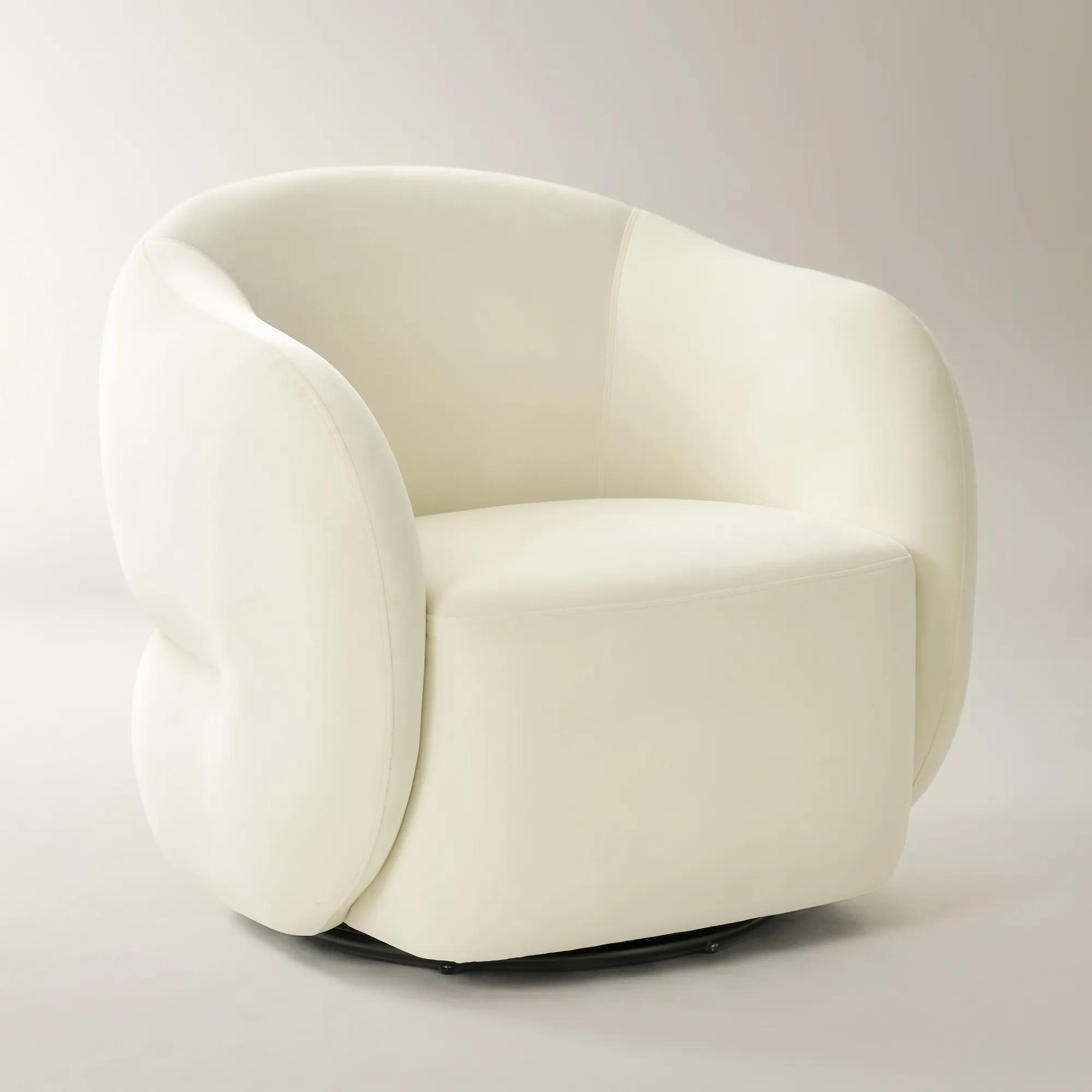
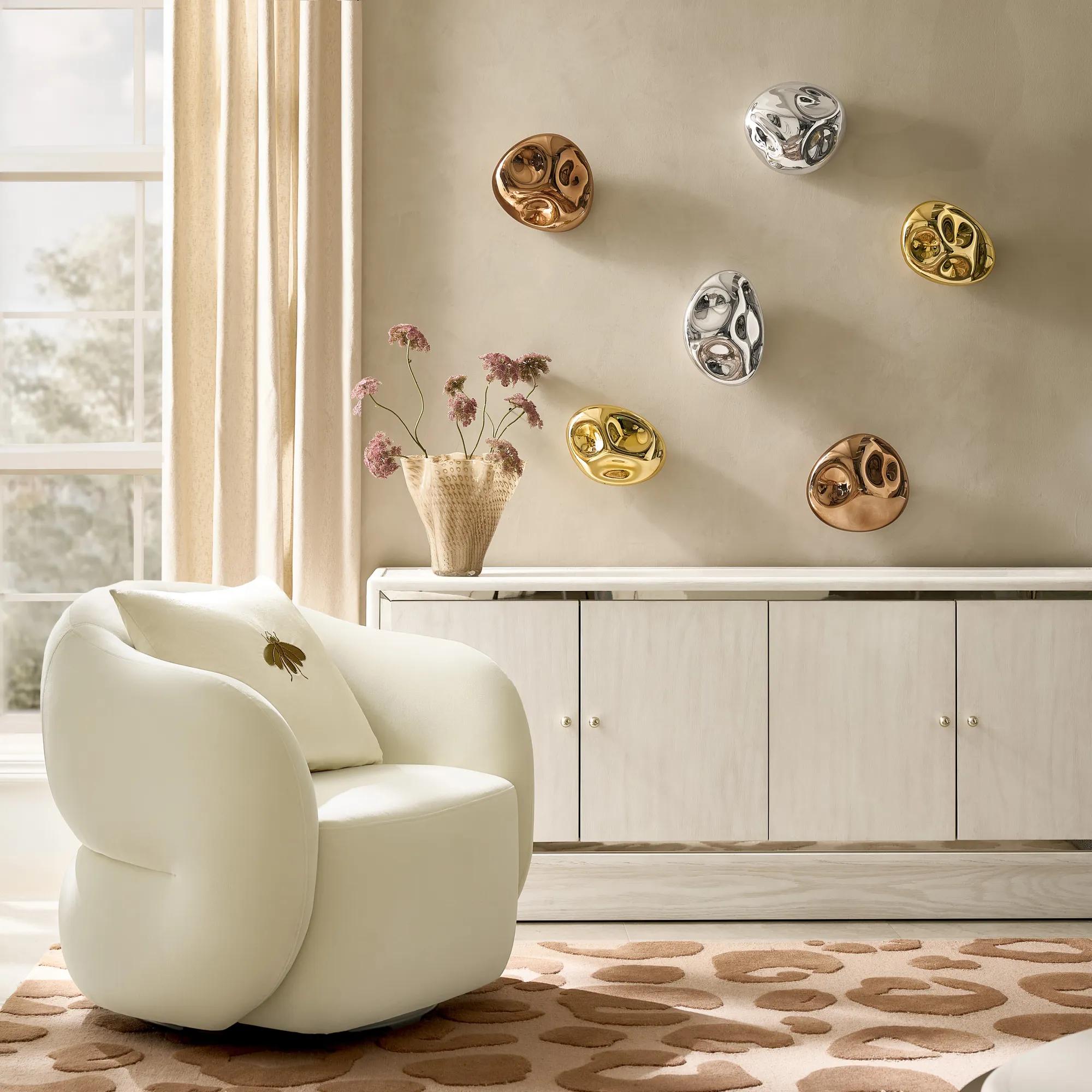 Sierra Cloud Velvet Swivel Accent Chair$899
A plush velvet accent chair featuring a wraparound back, fluid curves, and smooth 360° swivel base.
Add To Cart -

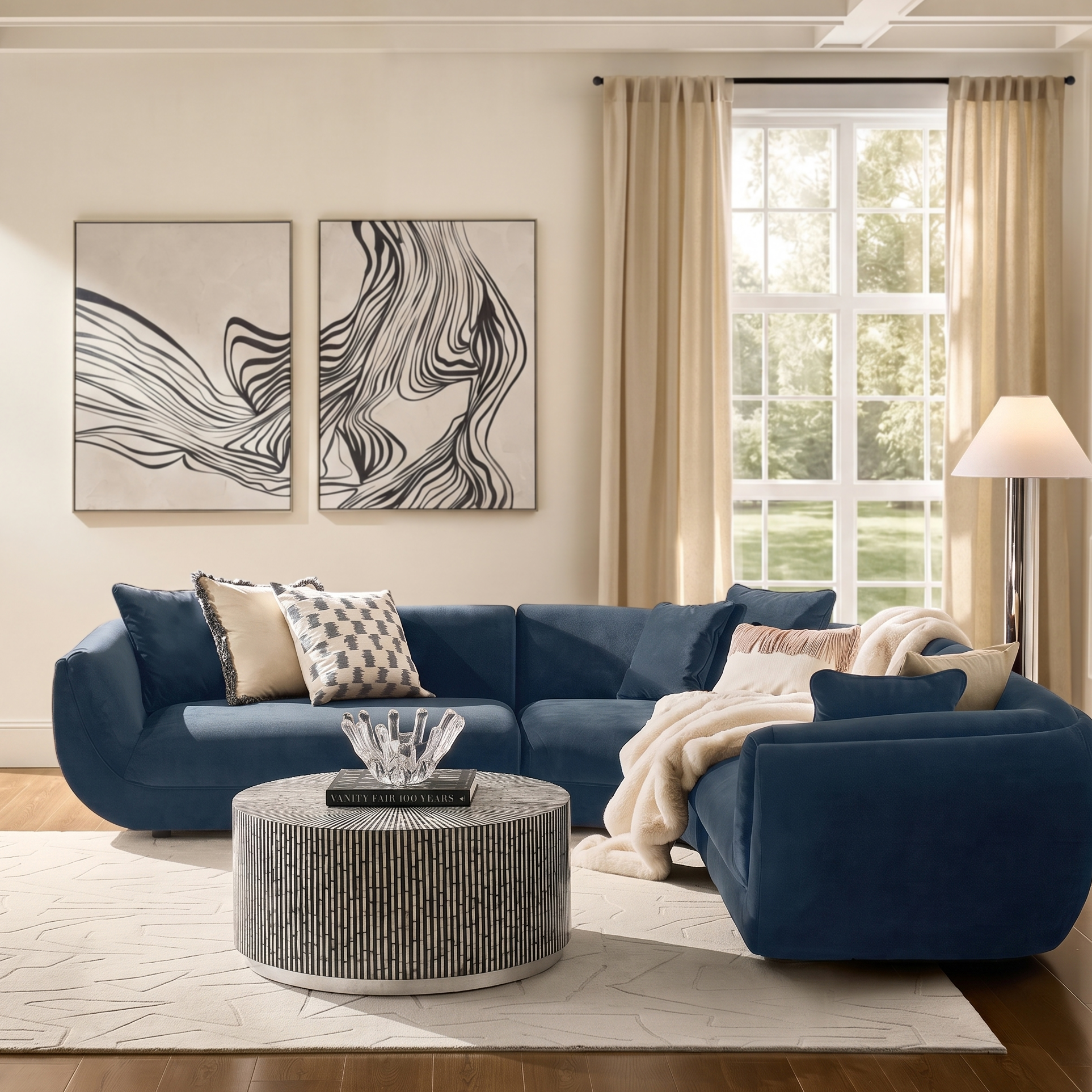 Curvia Dusty Blue Velvet Grand Right-Arm Chair$1499
A sculptural right-arm chair in plush dusty blue velvet with deep lounge comfort and modular versatility.
Add To Cart -
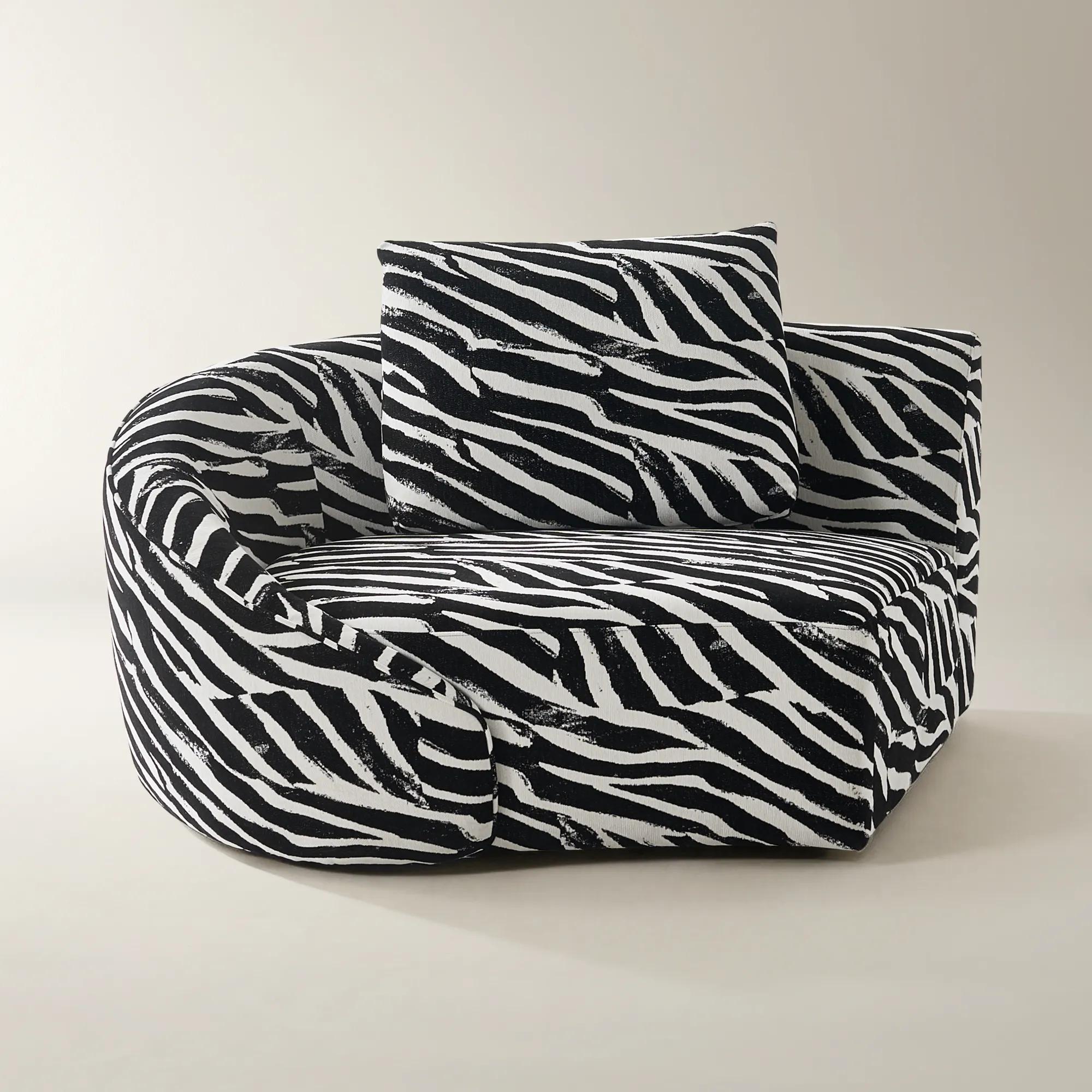
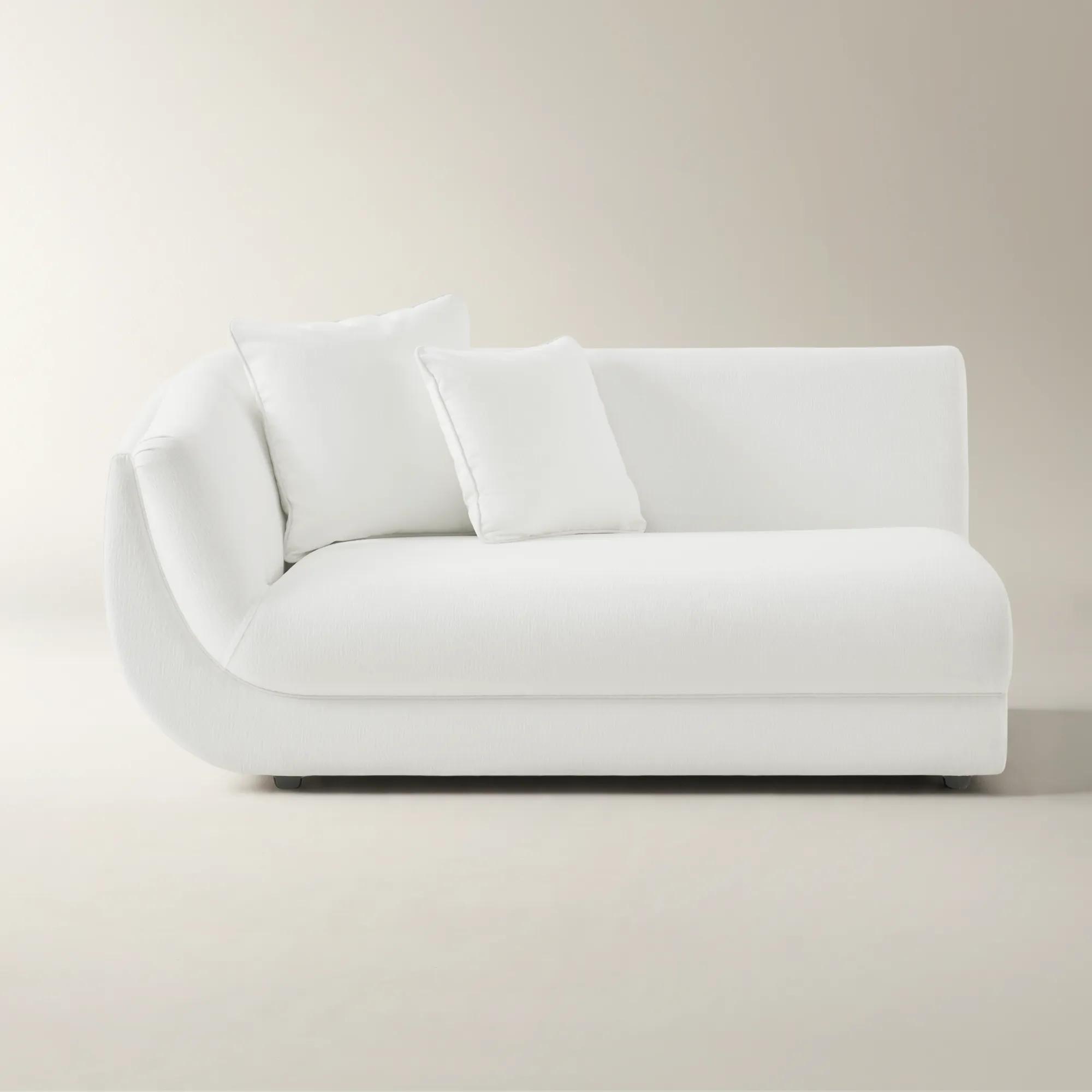
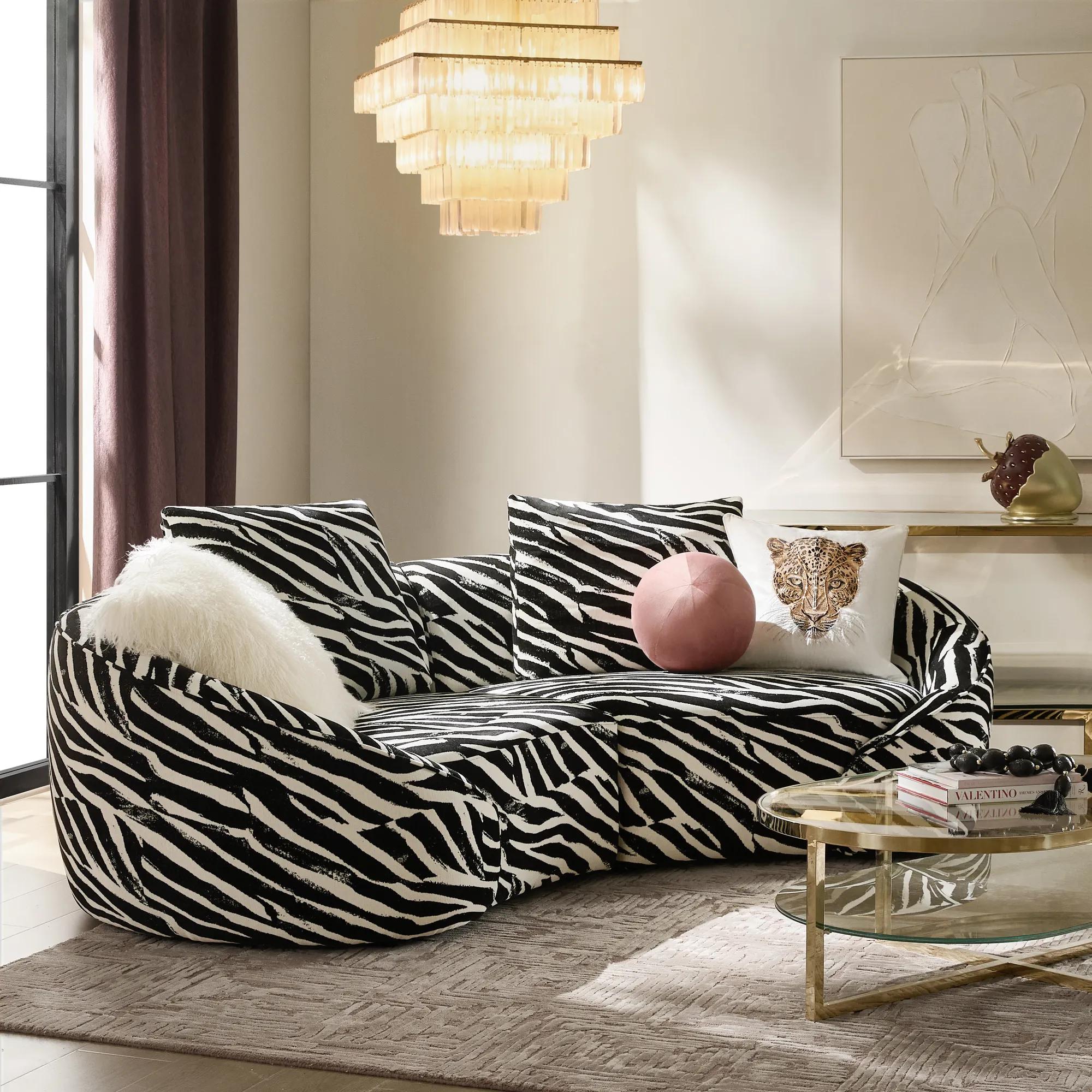 Irene White/Black Performance Chenille Left-Arm Chair$1399
A sculptural left-arm chair in black and white performance chenille with artisan hand-finished upholstery.
Add To Cart -
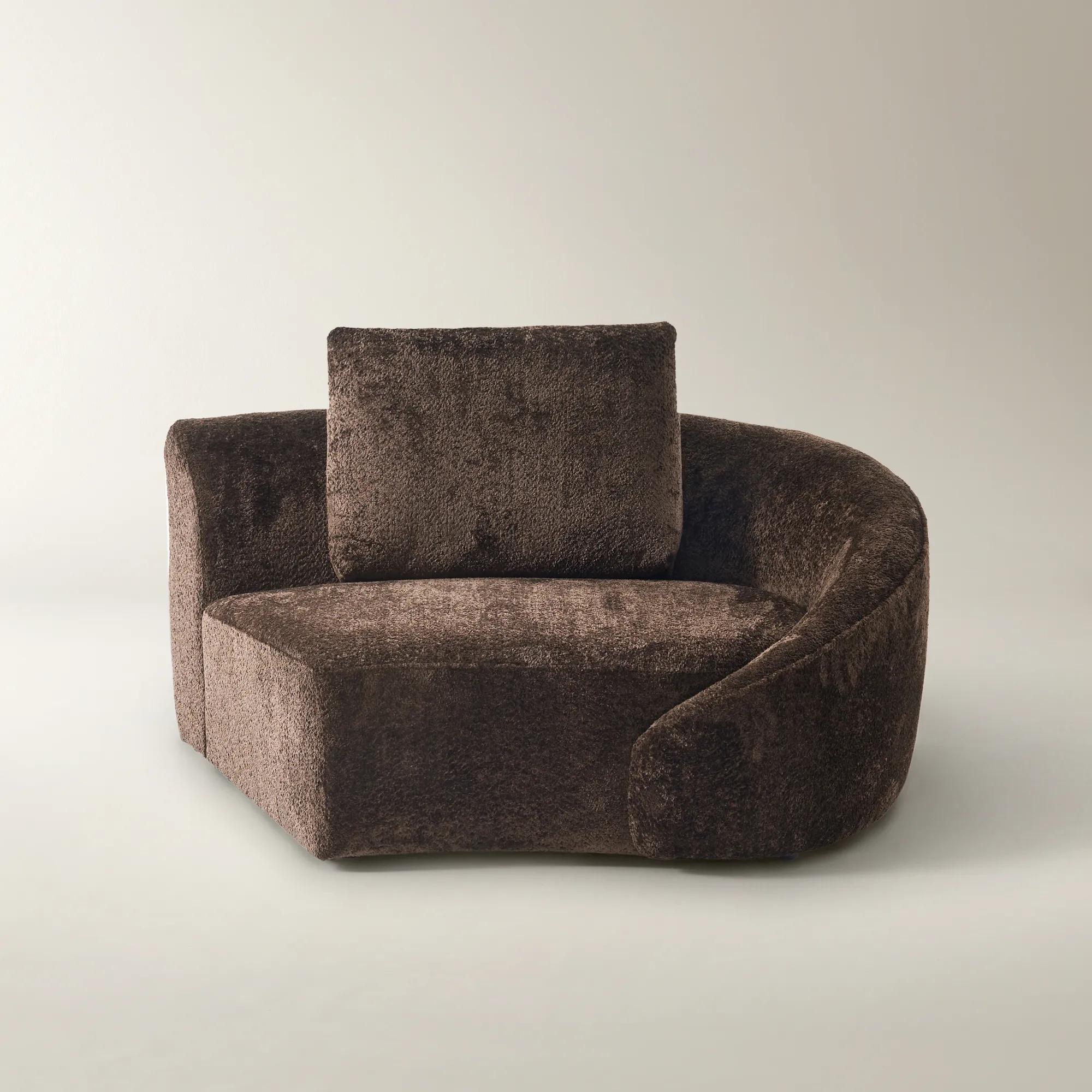
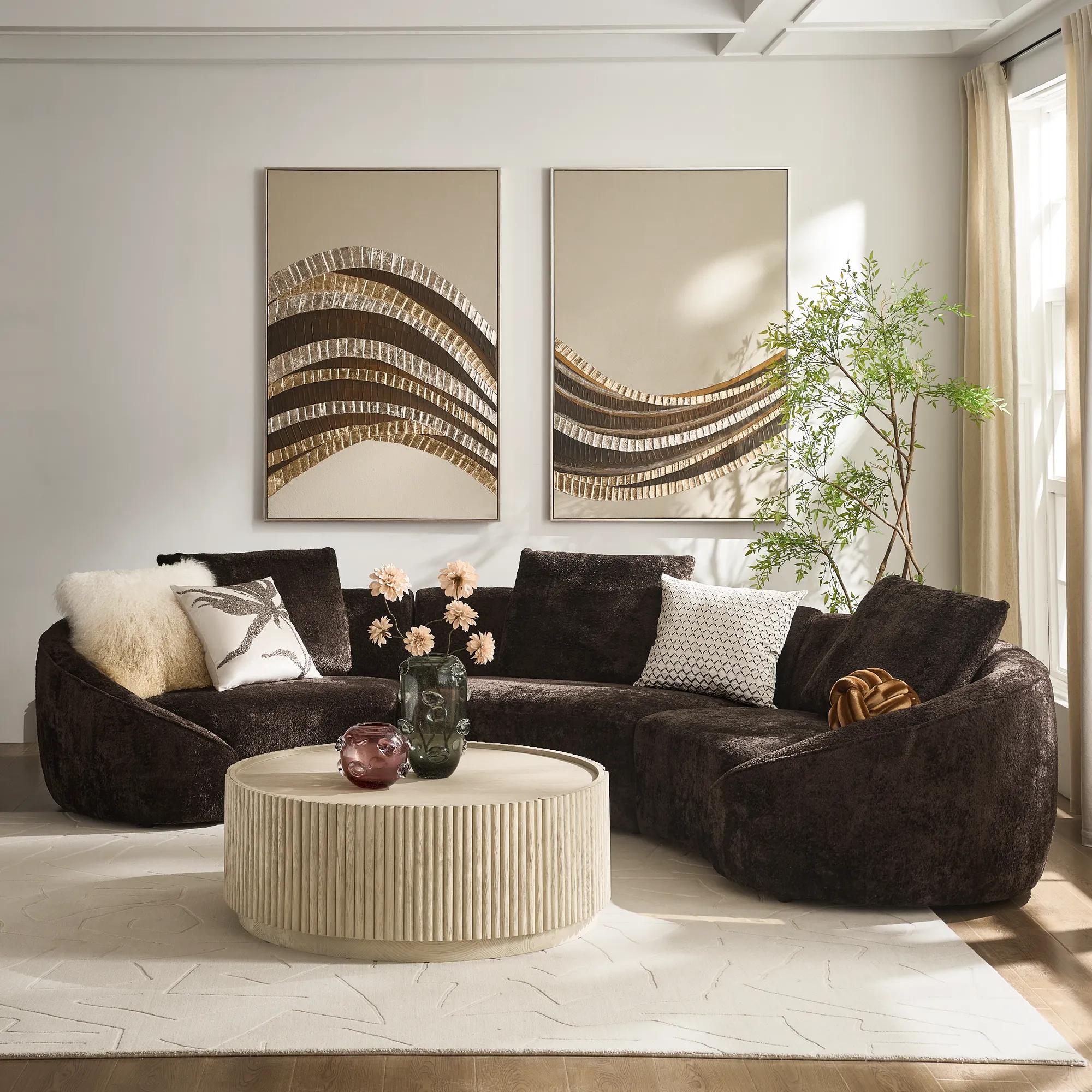 Irene Dark Chocolate Chenille Right-Arm Chair$1399
A sculptural right-arm chair in dark chocolate chenille, featuring plush upholstery and artisan hand-finished details.
Add To Cart -
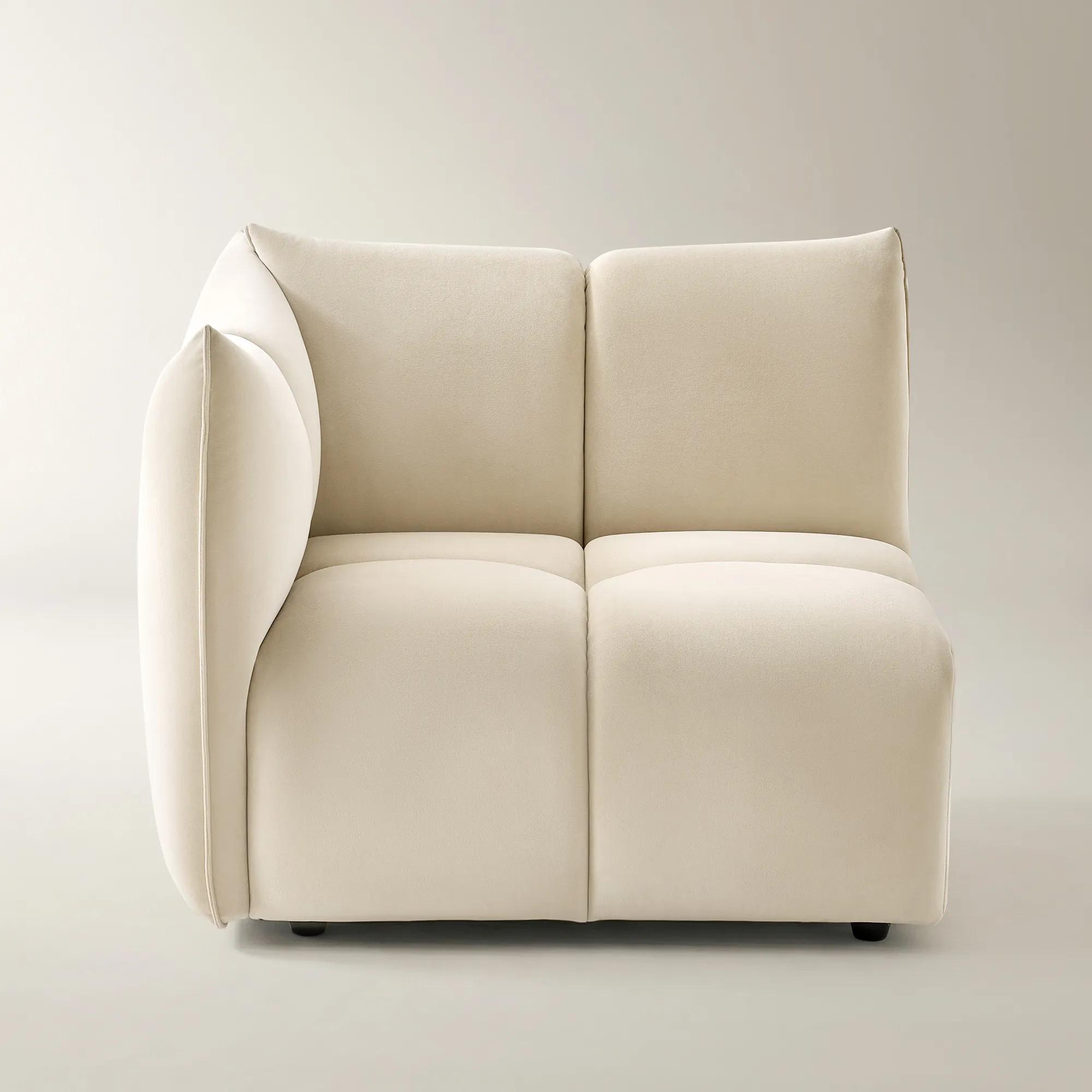 Reina Tufted Oatmeal Velvet Left-Arm Chair$899
A left-arm chair in oatmeal velvet featuring channel tufting, deep seating, and an architectural winged profile.
Add To Cart -
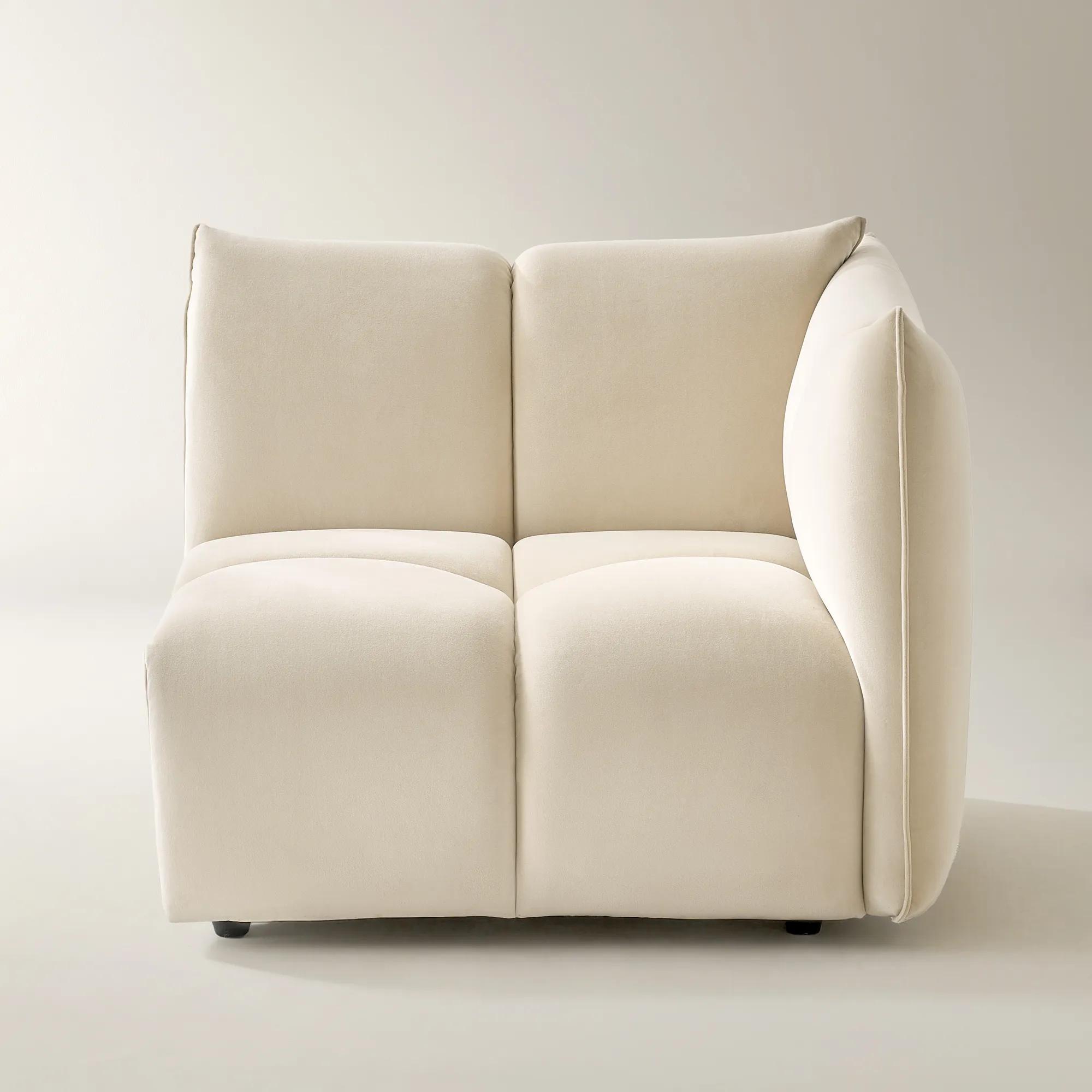
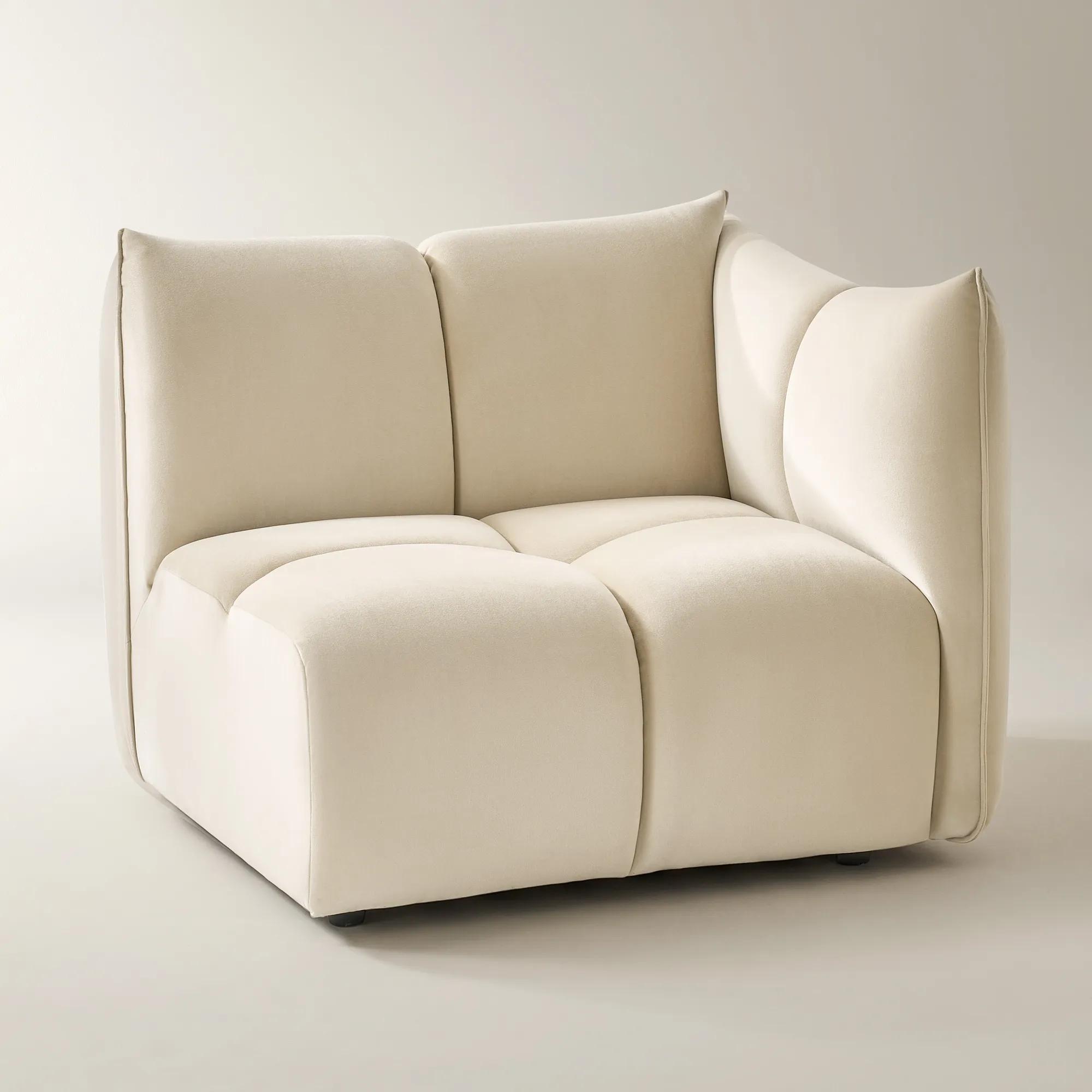 Reina Tufted Oatmeal Velvet Right-Arm Chair$899
A right-arm chair in oatmeal velvet featuring channel tufting, winged sides, and deep, plush seating.
Add To Cart -
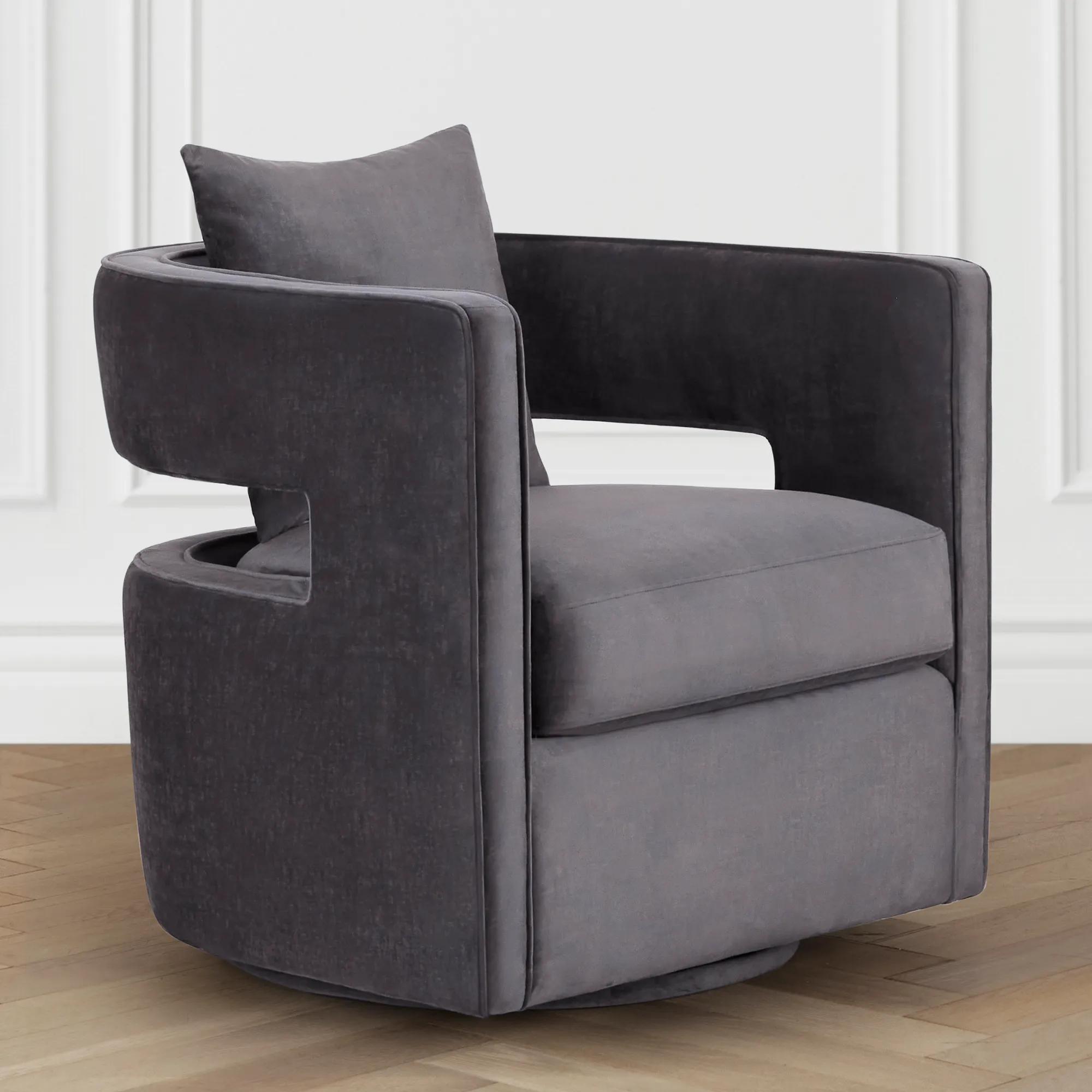 Lottie Grey Velvet Swivel Accent Chair$999
A glamorous grey velvet swivel chair featuring a barrel back, cutout arms, and plush foam cushioning.
Add To Cart -
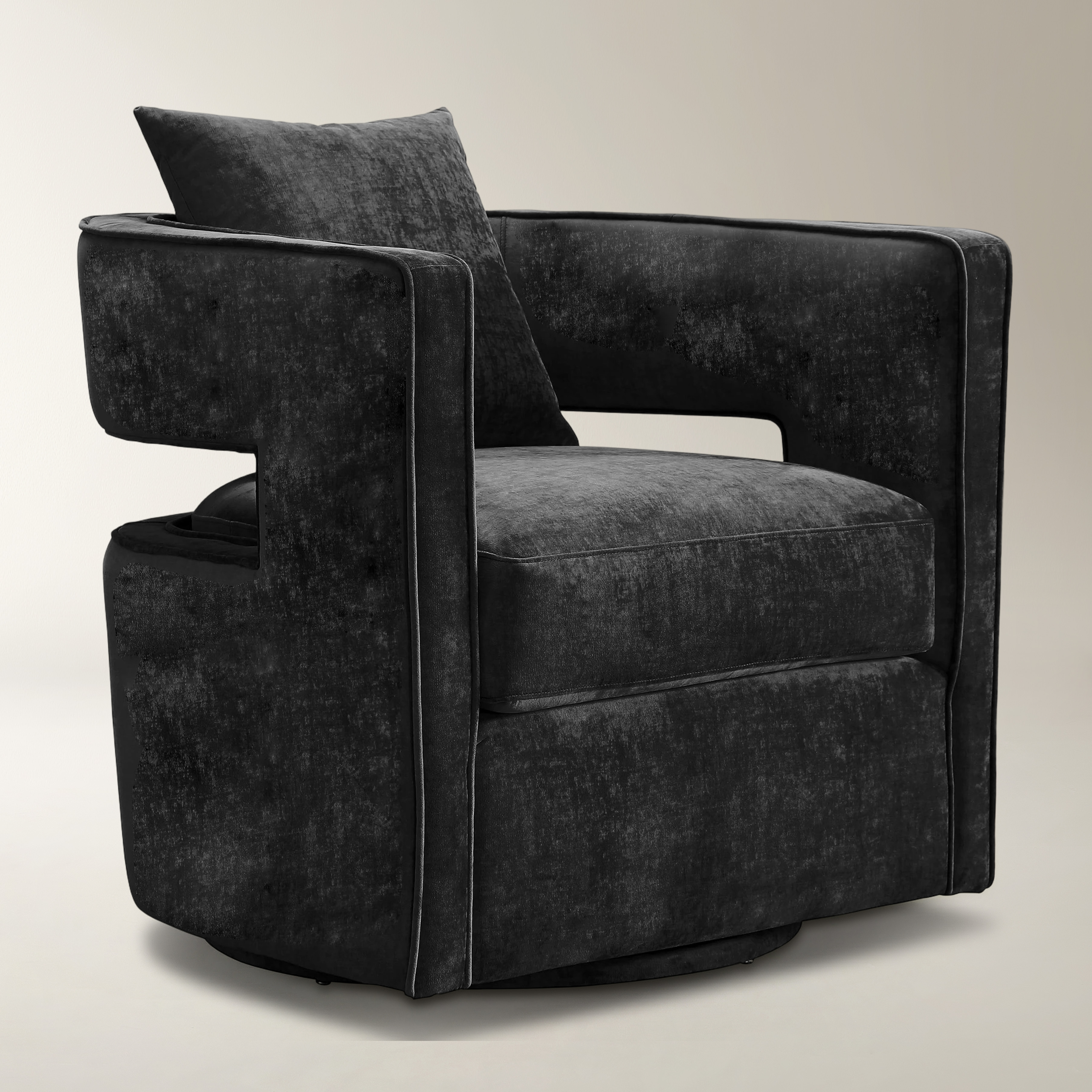 Lottie Black Velvet Swivel Accent Chair$999
A sculpted black velvet swivel chair with rounded barrel styling, supportive cushioning, and smooth movement.
Add To Cart -
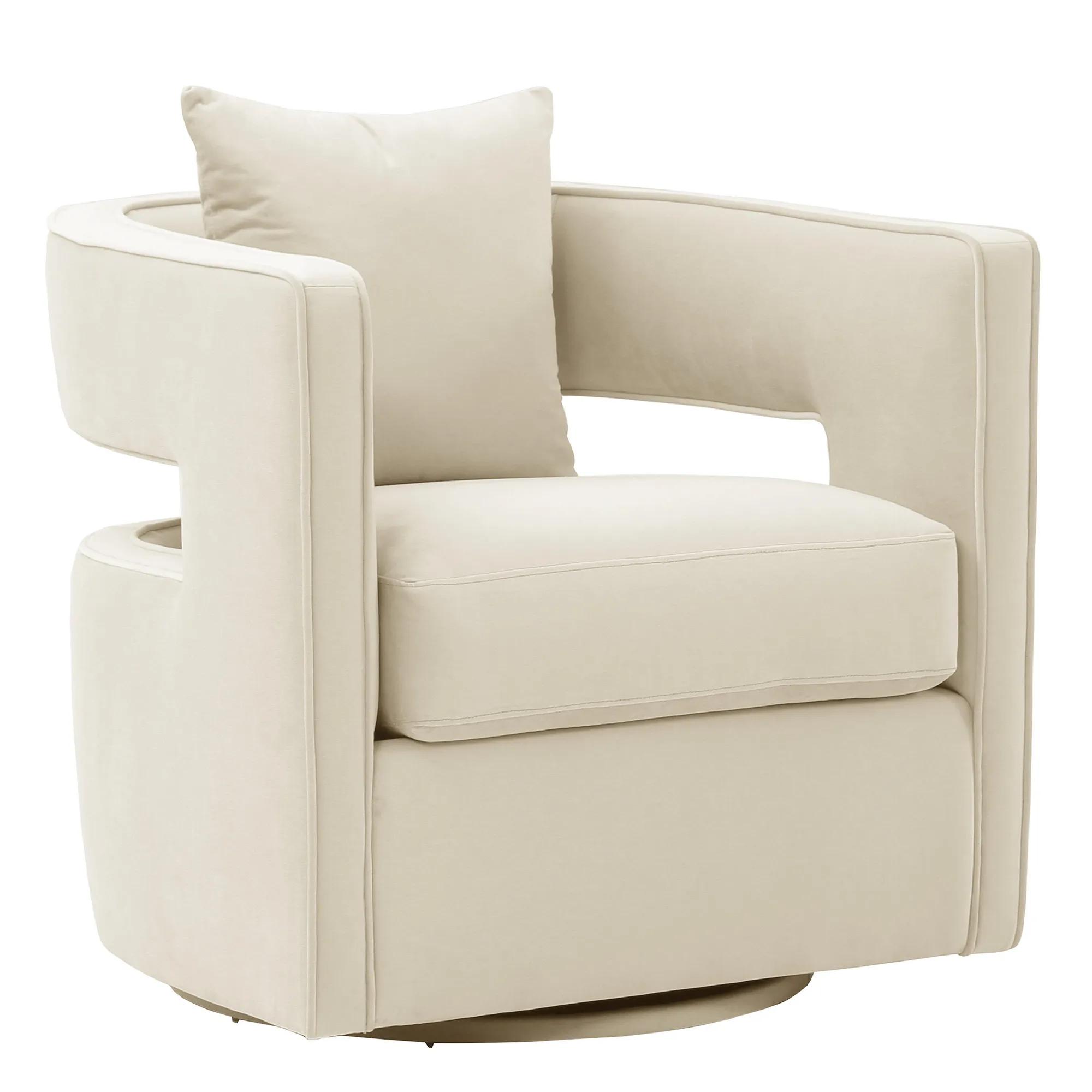
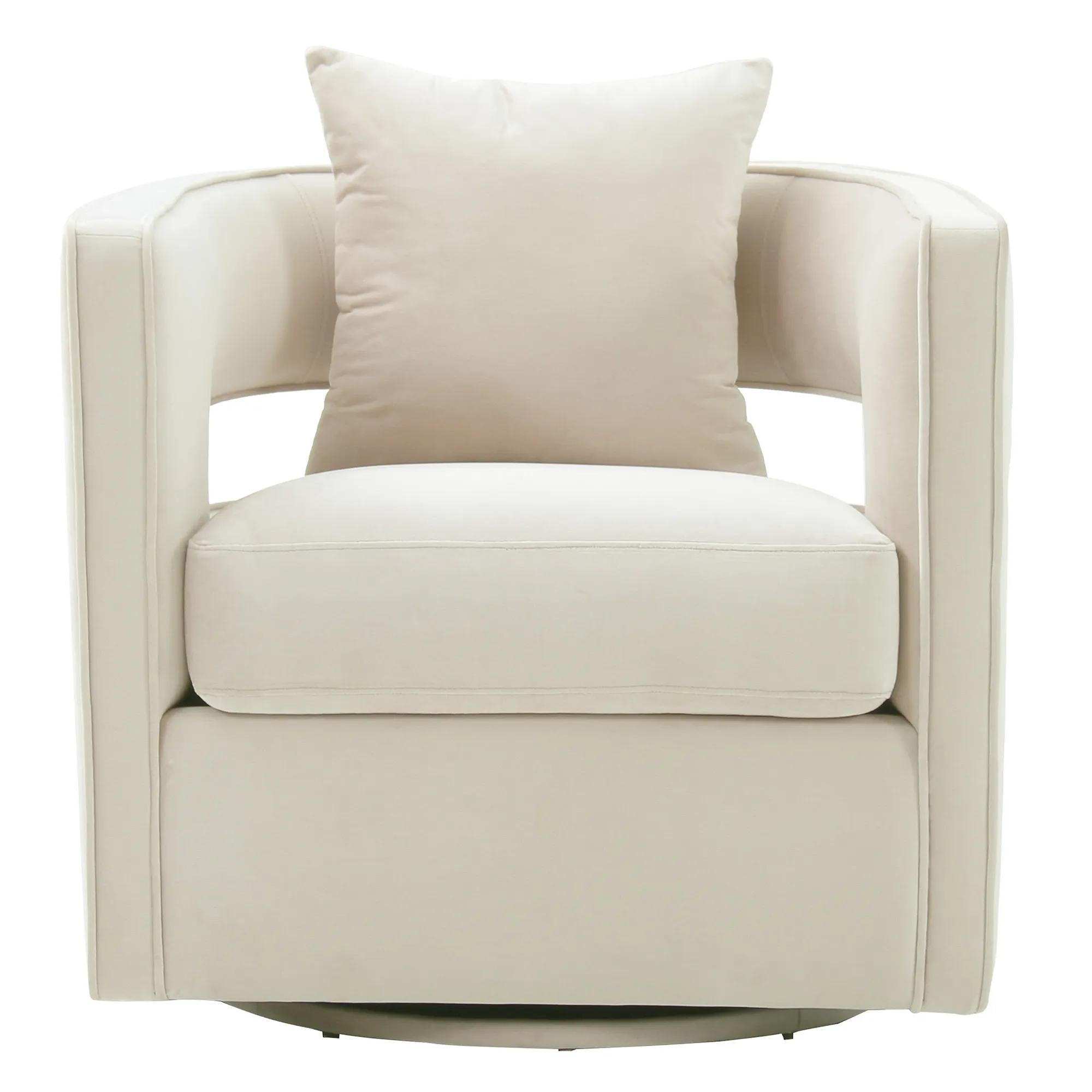 Lottie Cream Velvet Swivel Accent Chair$999
A glamorous cream velvet swivel chair featuring a barrel back, cutout arms, and plush foam cushioning.
Add To Cart -
 Curvia Dusty Blue Velvet Left-Arm Chair$1399
A sculptural left-arm chair wrapped in plush dusty blue velvet with deep, lounge-worthy comfort and modular design.
Add To Cart -
 Curvia Dusty Blue Velvet Right-Arm Chair$1399
A sculptural right-arm chair wrapped in plush dusty blue velvet with deep, lounge-worthy comfort.
Add To Cart -
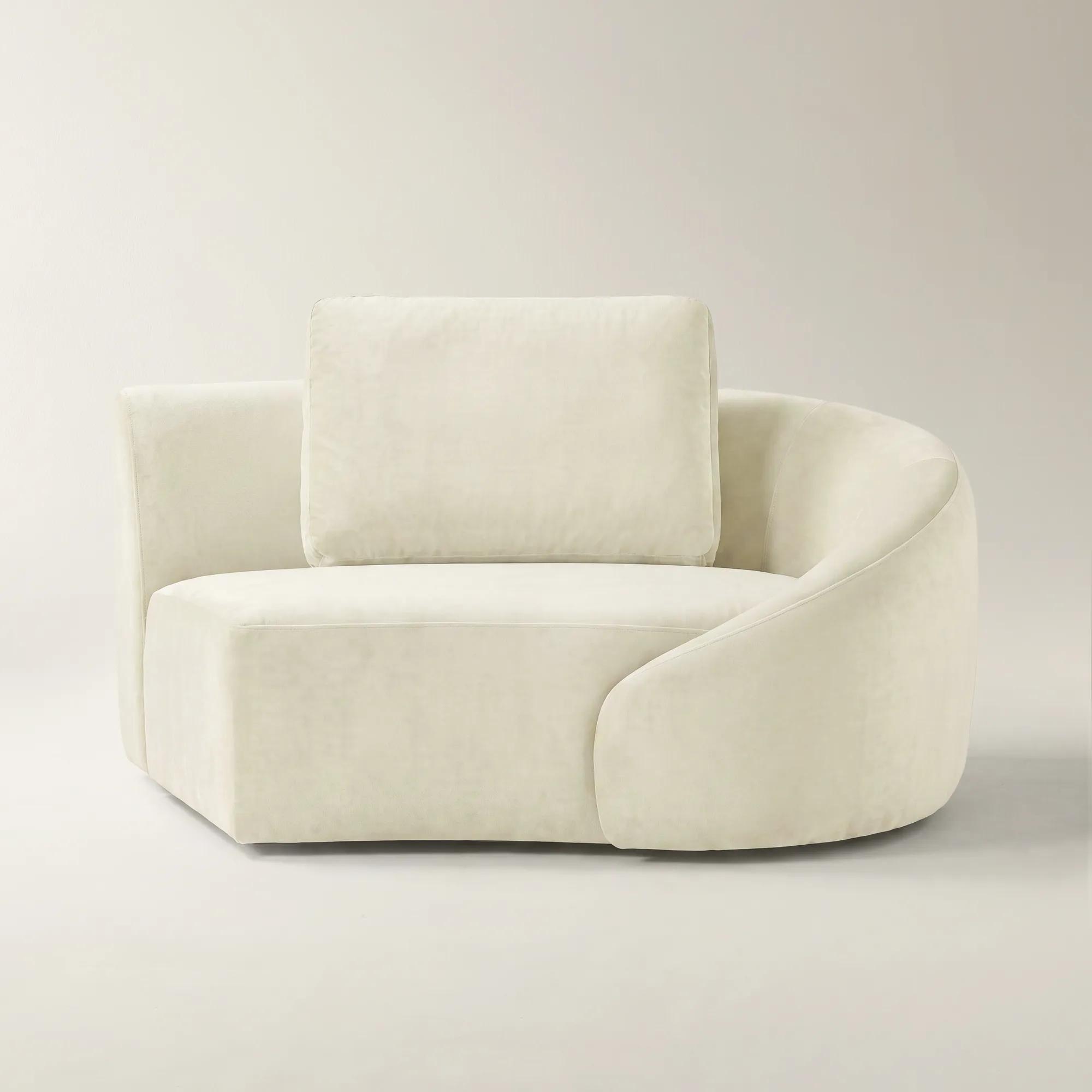
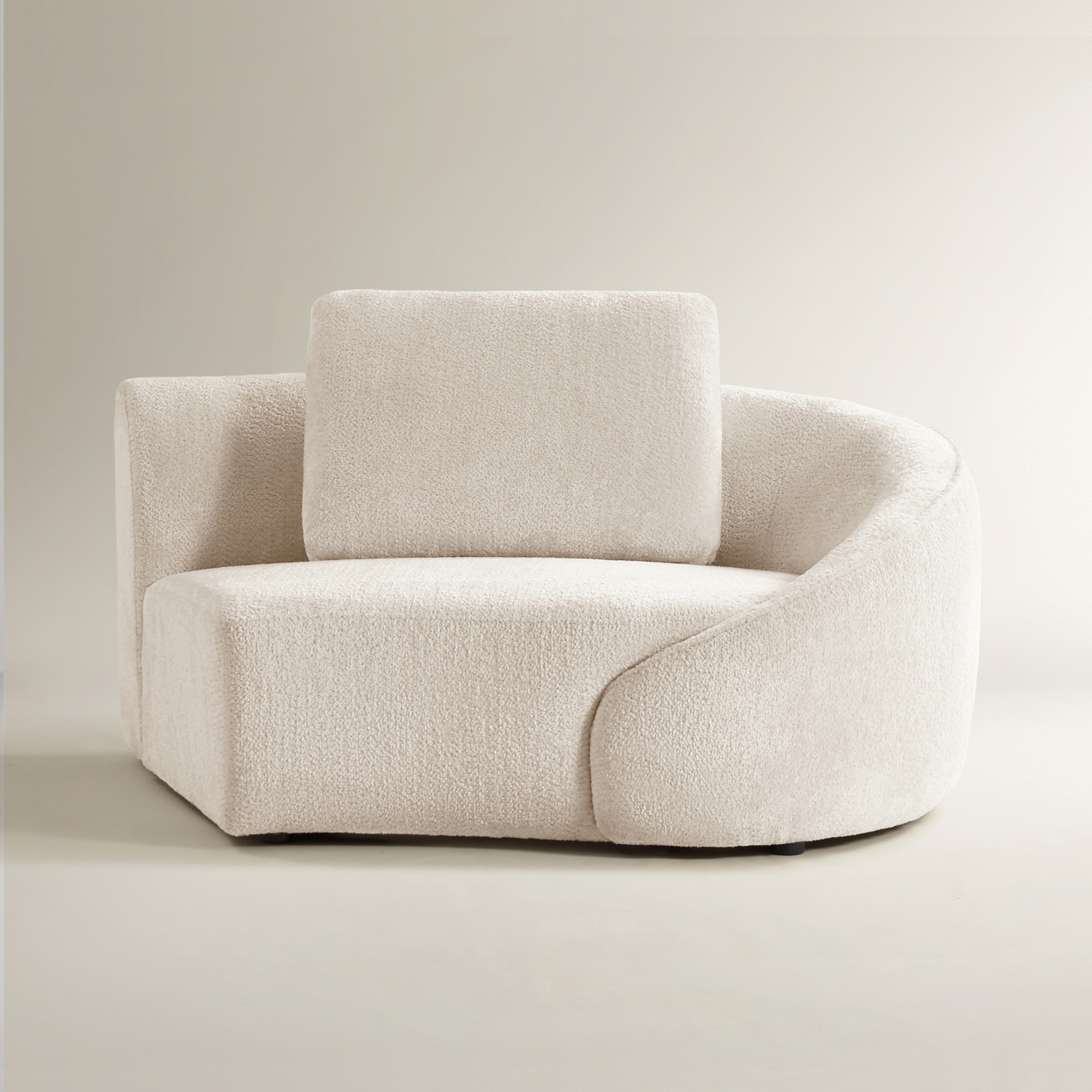 Irene Cloud Velvet Right-Arm Chair$1299
A sculptural right-arm chair upholstered in cloud velvet with high-resiliency foam cushions and artisan detailing.
Add To Cart -

 Curvia Dark Chocolate Velvet Grand Left-Arm Chair$1499
A sculptural left-arm chair wrapped in dark chocolate velvet with plush cushioning and modular design.
Add To Cart -
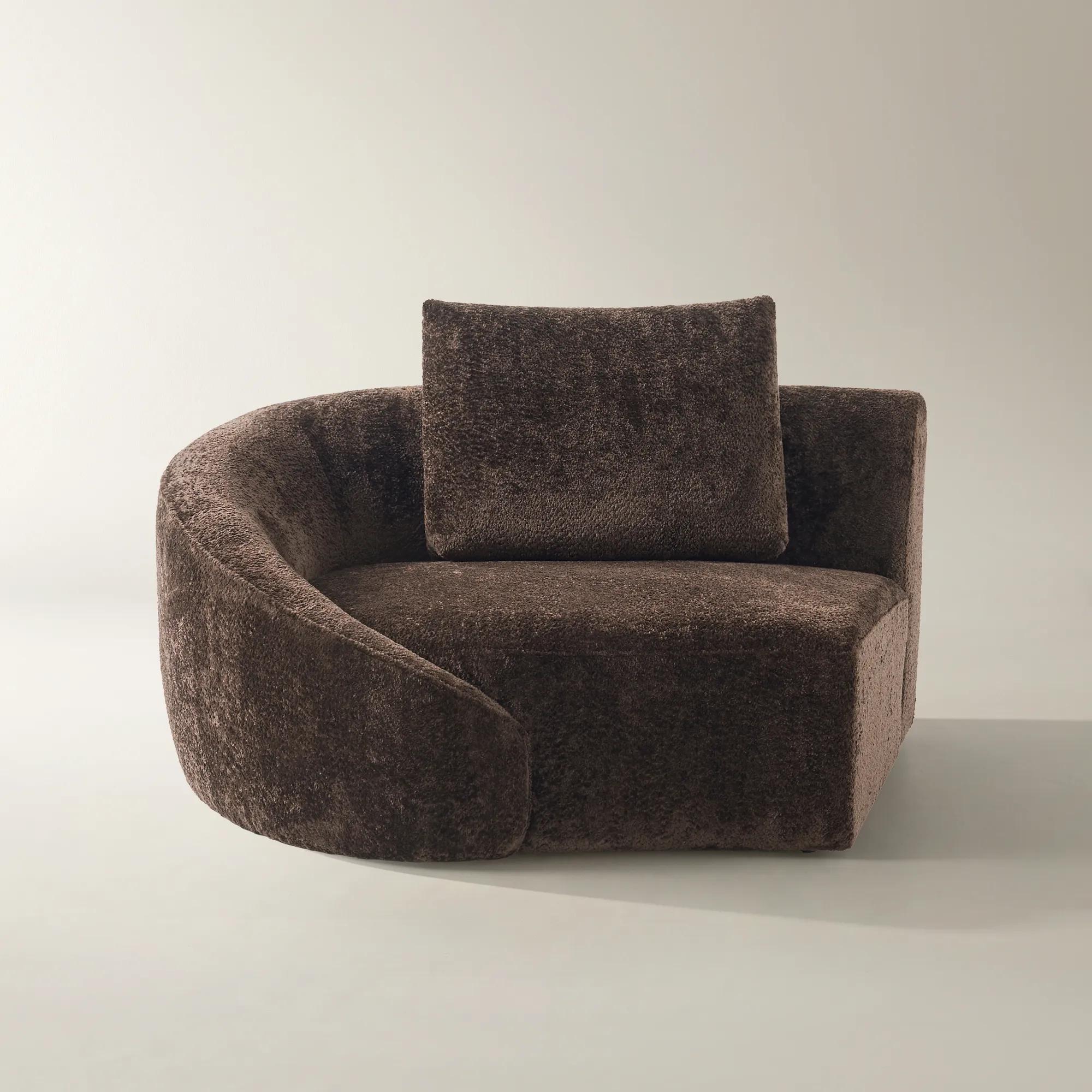
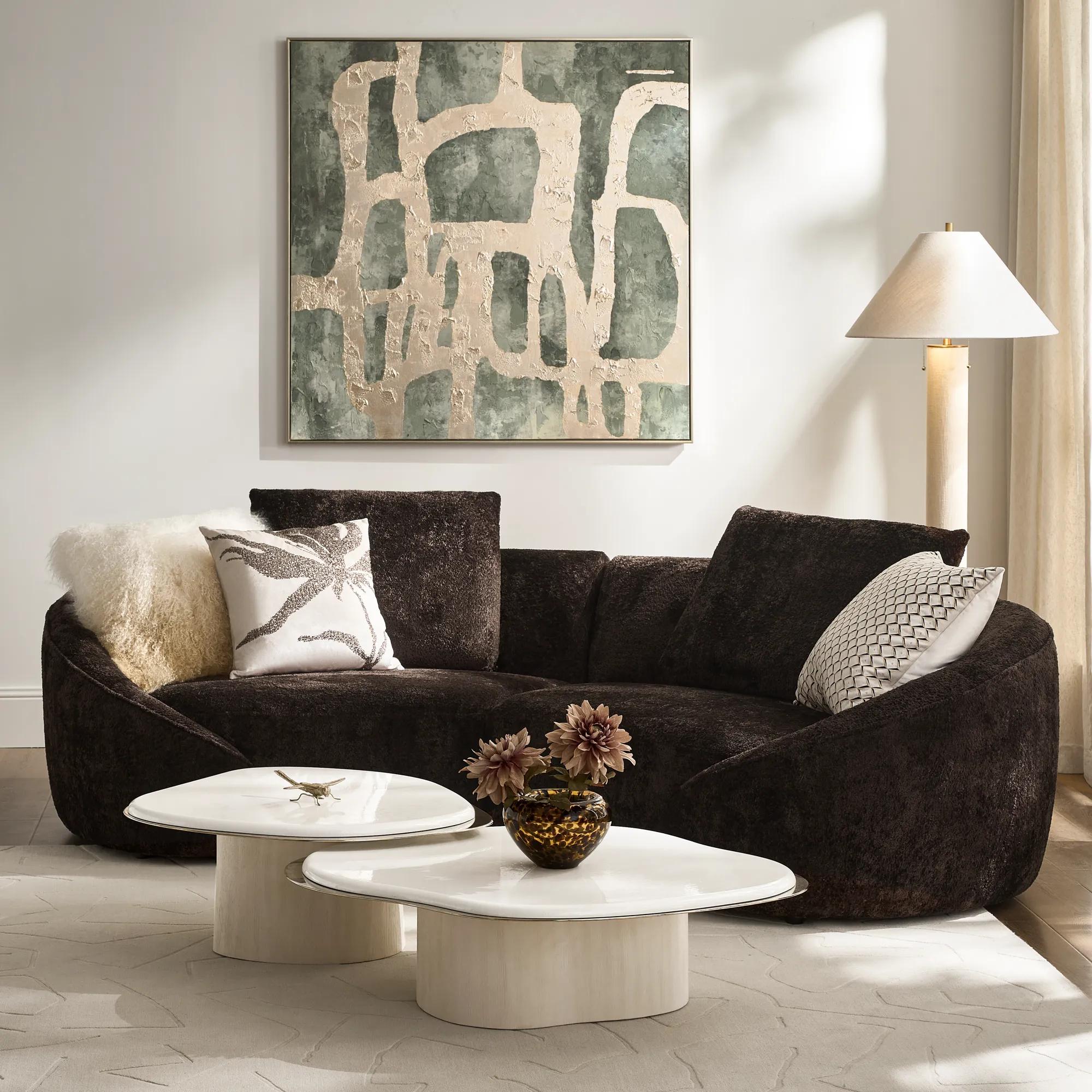 Irene Dark Chocolate Chenille Left-Arm Chair$1399
A sculptural left-arm chair in dark chocolate chenille, featuring plush upholstery and artisan hand-finished details.
Add To Cart -
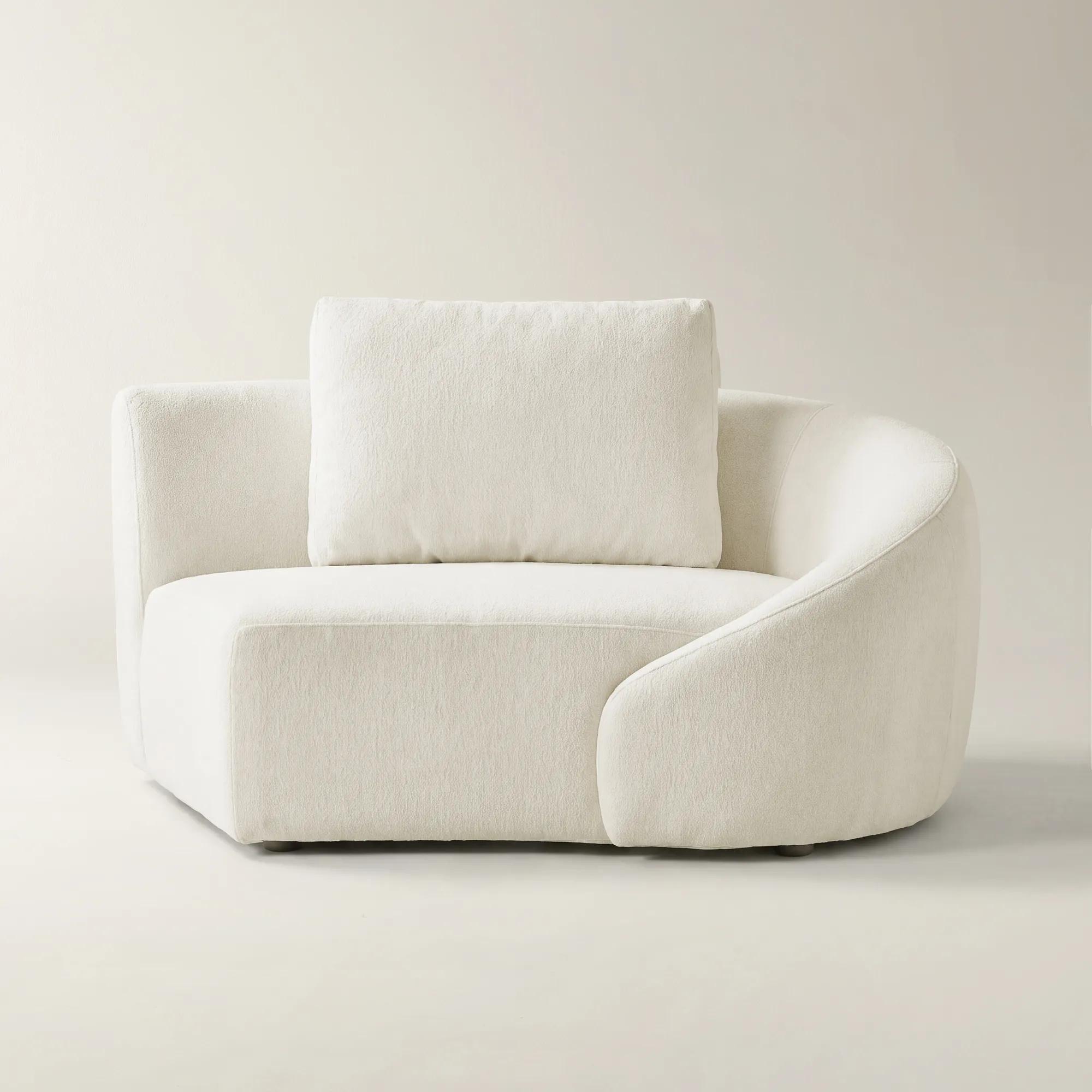 Irene Ivory Performance Chenille Right-Arm Chair$1399
An inviting right-arm chair in ivory performance chenille with sculptural curves and hand-finished upholstery.
Add To Cart -

 Curvia Dusty Blue Velvet Grand Left-Arm Chair$1499
A sculptural left-arm chair in plush dusty blue velvet with deep cushioning and modular versatility.
Add To Cart -
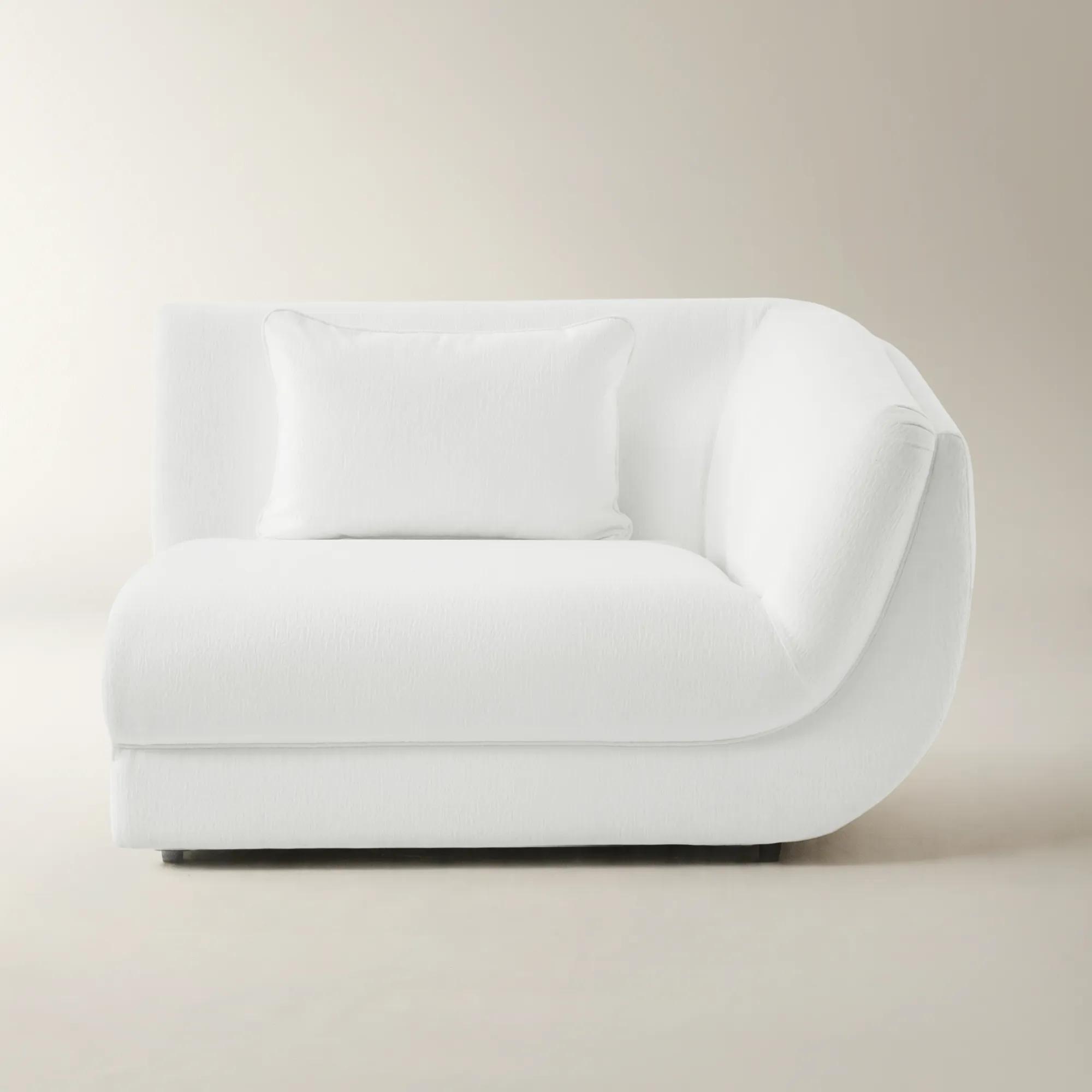
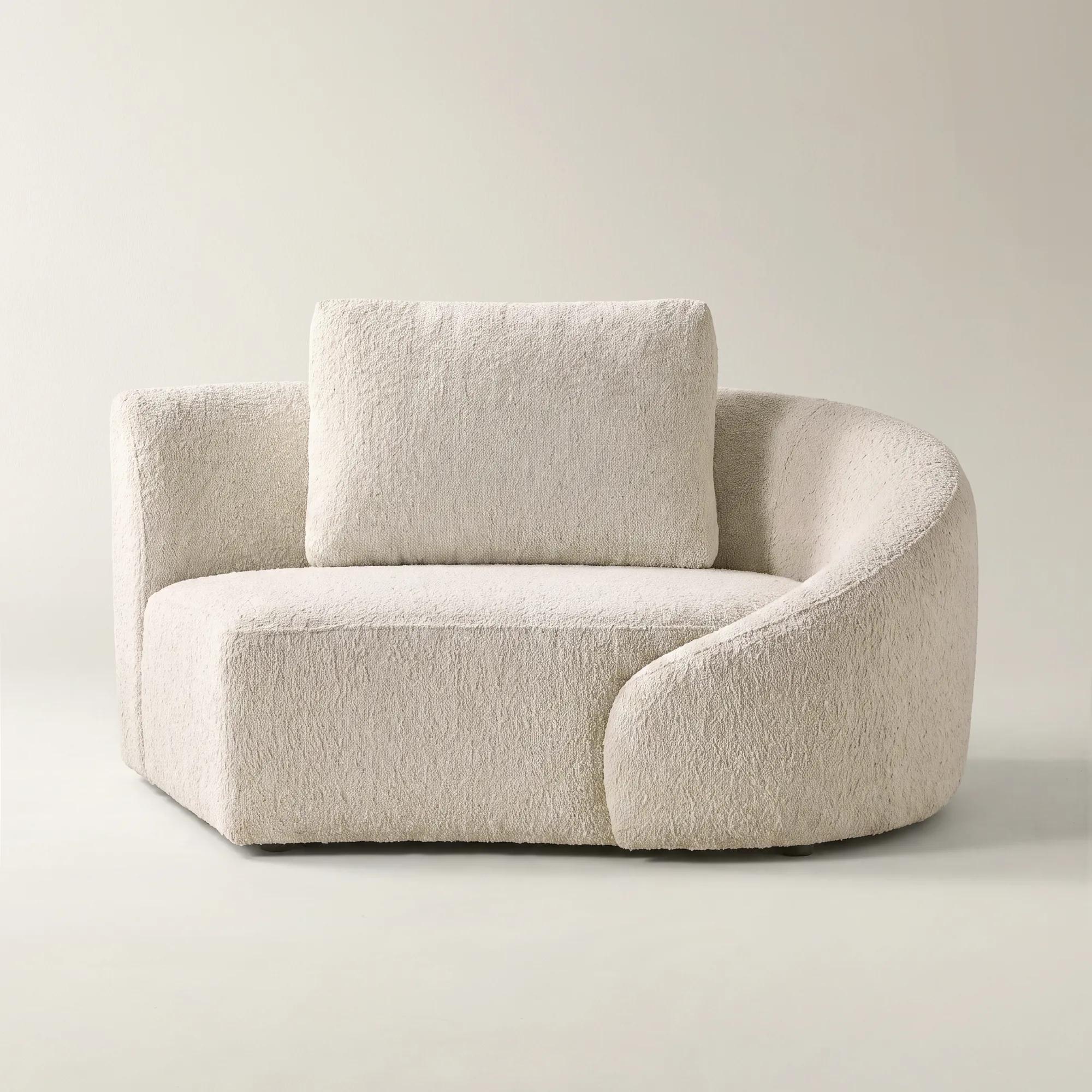 Irene Ivory Performance Boucle Right-Arm Chair$1399
An inviting right-arm chair in ivory performance boucle with sculptural curves and hand-finished artisan detailing.
Add To Cart -
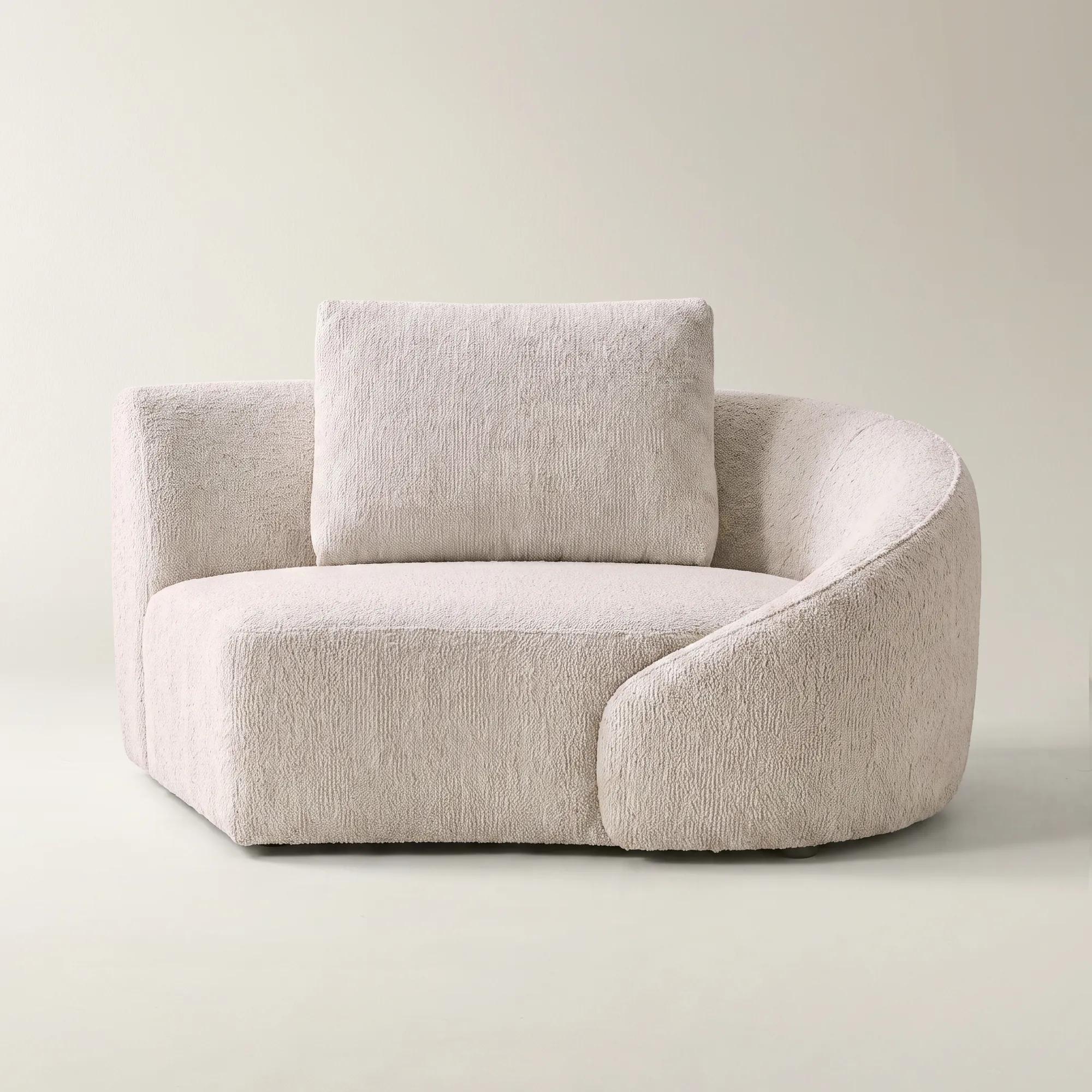 Irene Ivory Performance Boucle Right-Arm Chair$1399
An inviting right-arm chair in ivory performance boucle with sculptural curves and hand-finished artisan details.
Add To Cart -
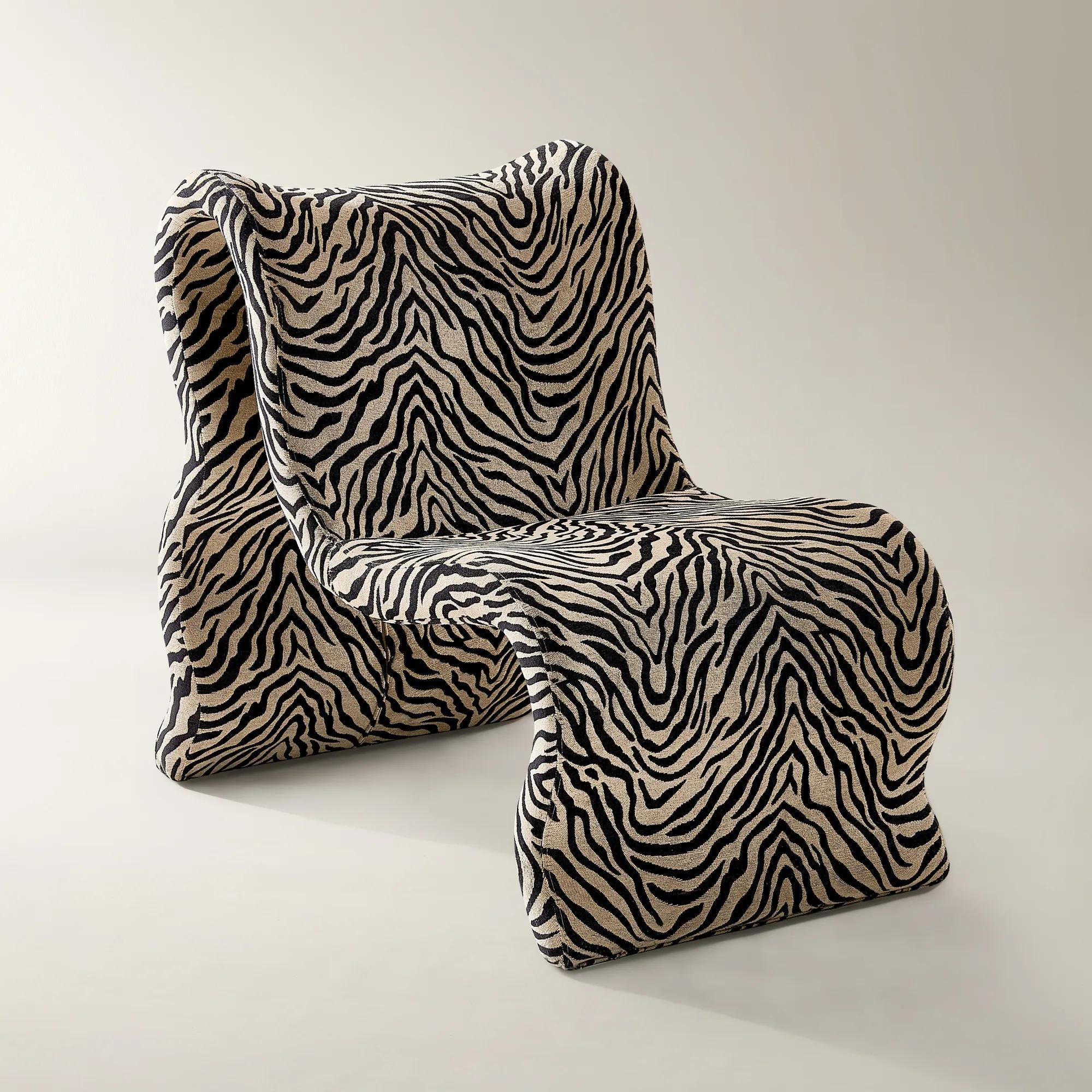
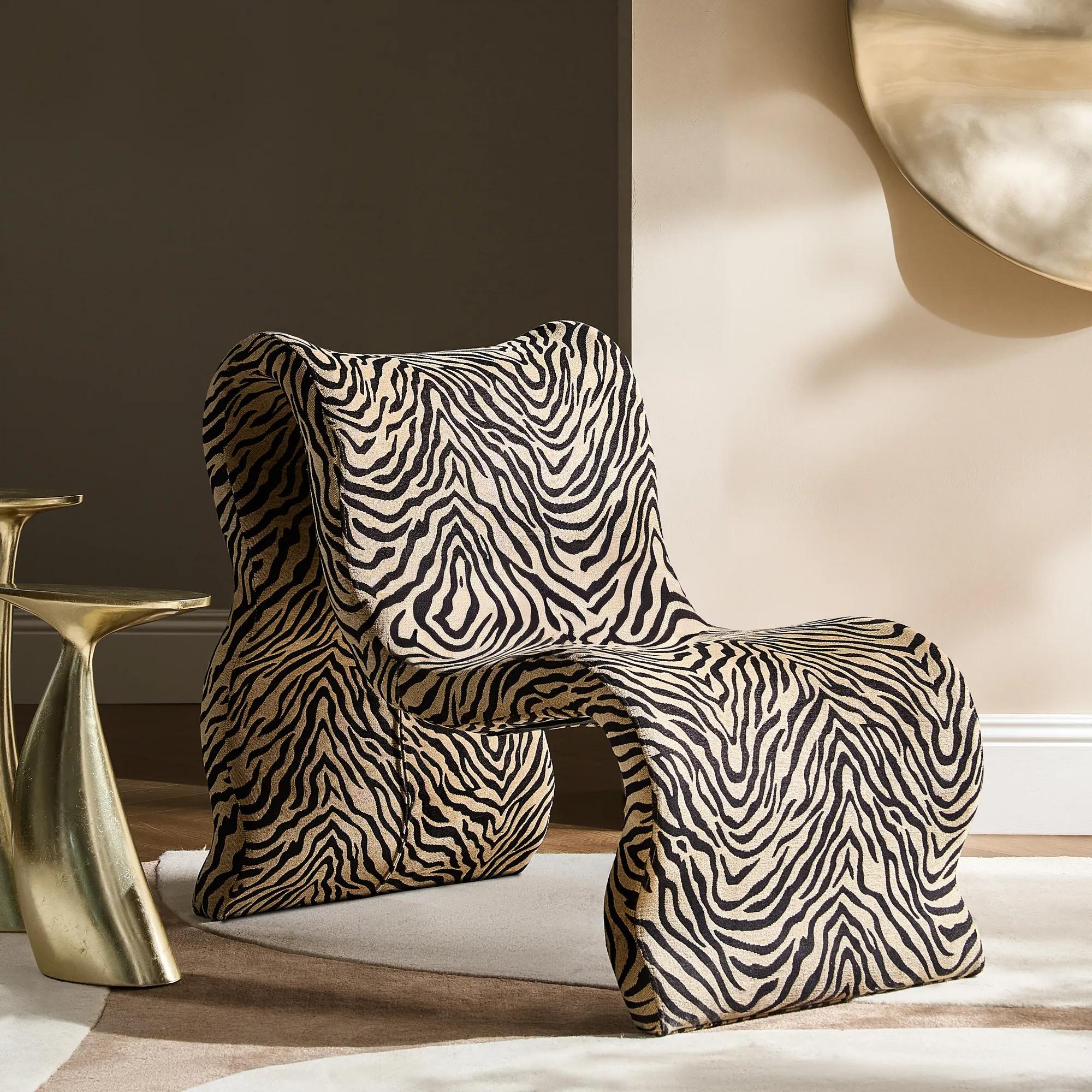 Romy Zebra Chenille Accent Chair$999
A sculptural accent chair featuring bold zebra-print chenille upholstery and a continuous wave-like silhouette.
Add To Cart -
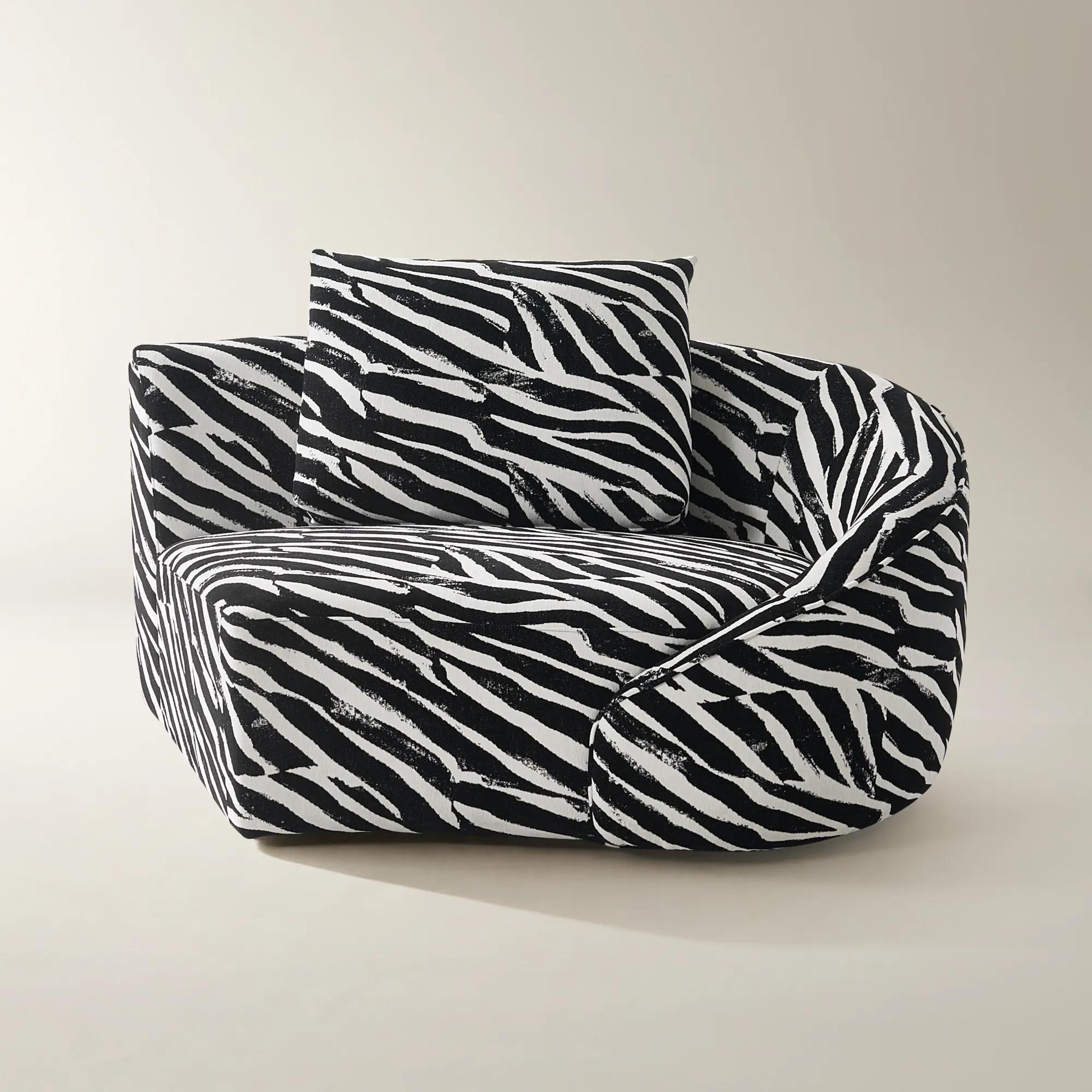
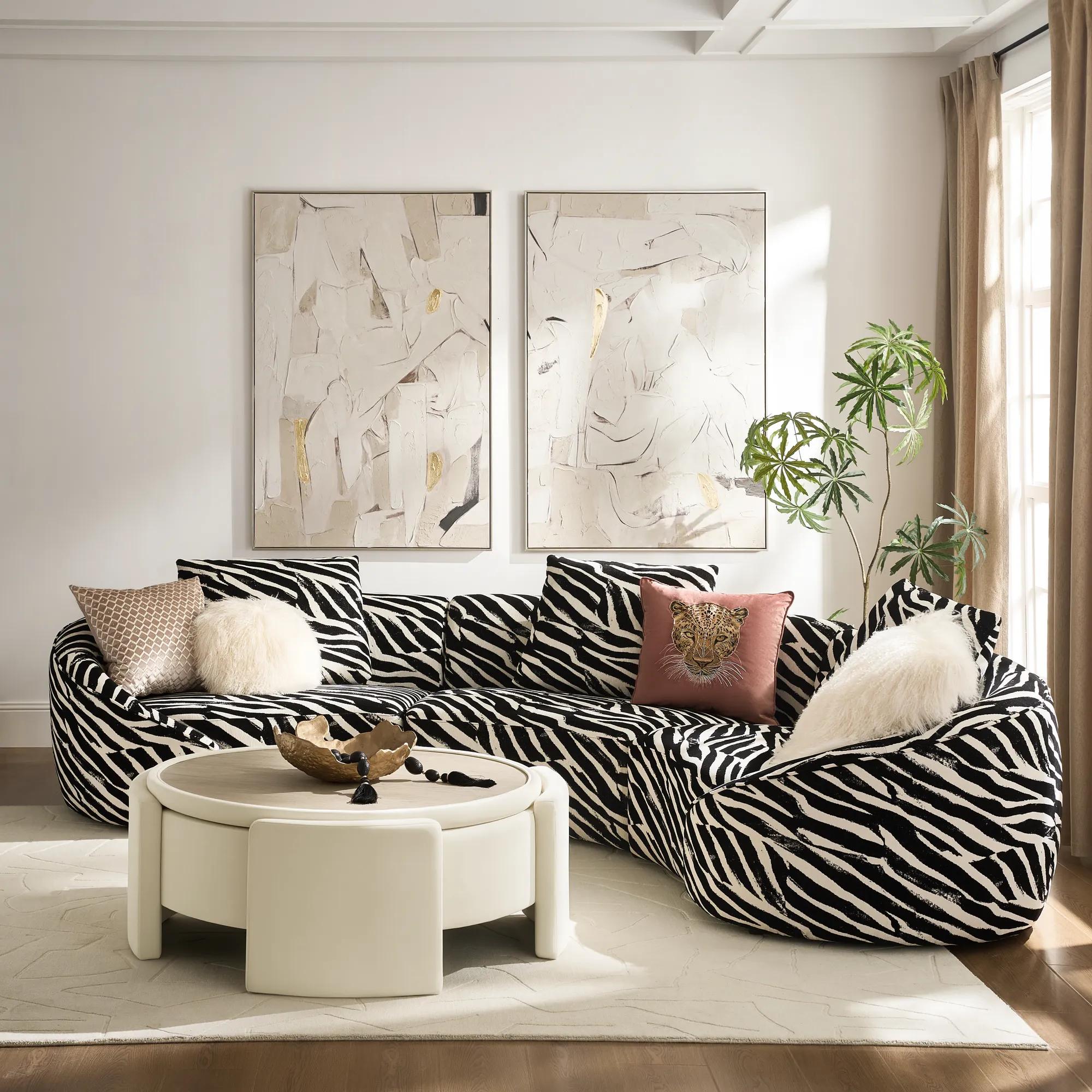 Irene White/Black Performance Chenille Right-Arm Chair$1399
A sculptural right-arm chair in black and white performance chenille with plush foam cushions and artisan detailing.
Add To Cart -
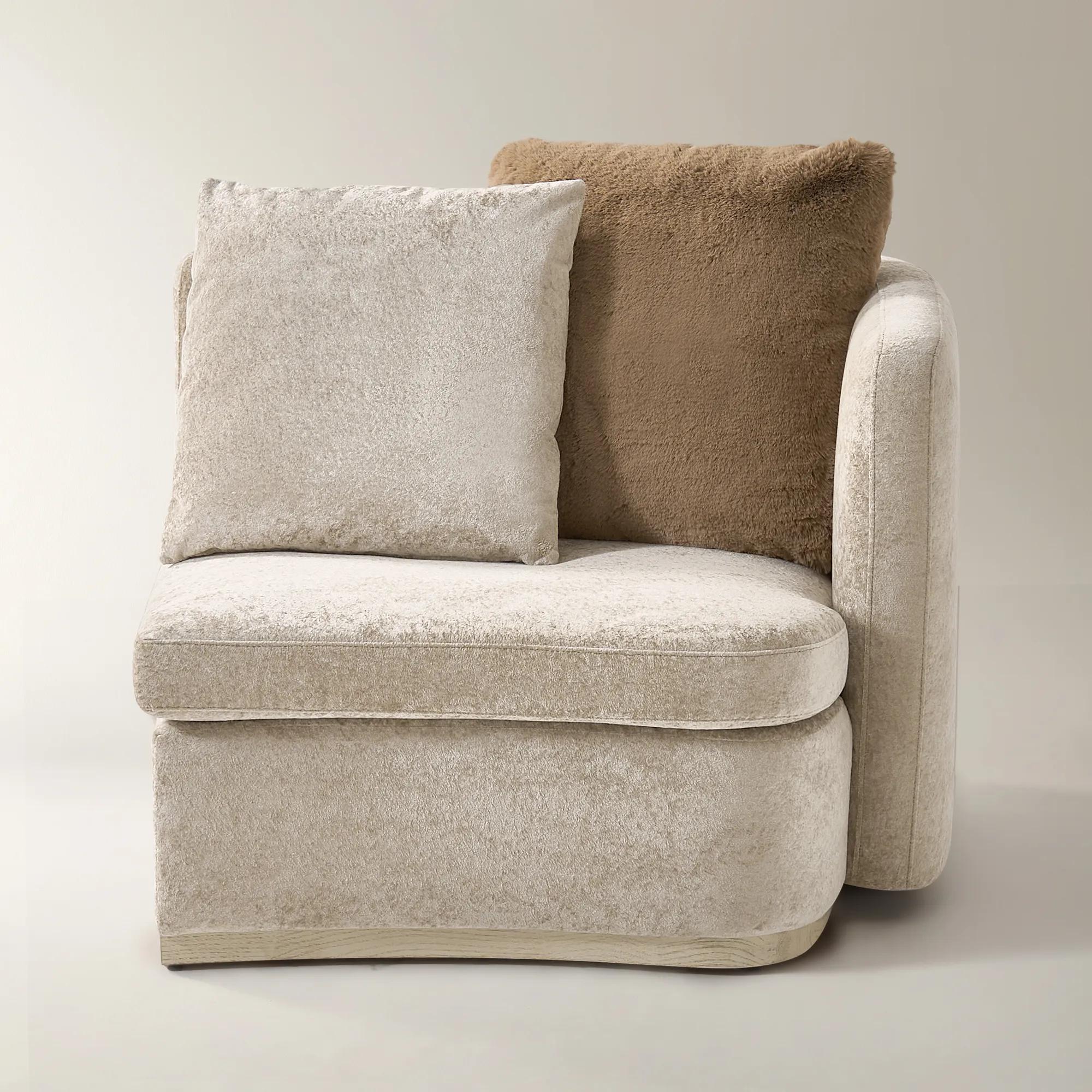 Stria Light Brown Chenille Right-Arm Chair$1199
A light brown chenille sectional features triple-layer cushioning, kiln-dried oak frame, and handcrafted upholstery.
Add To Cart -
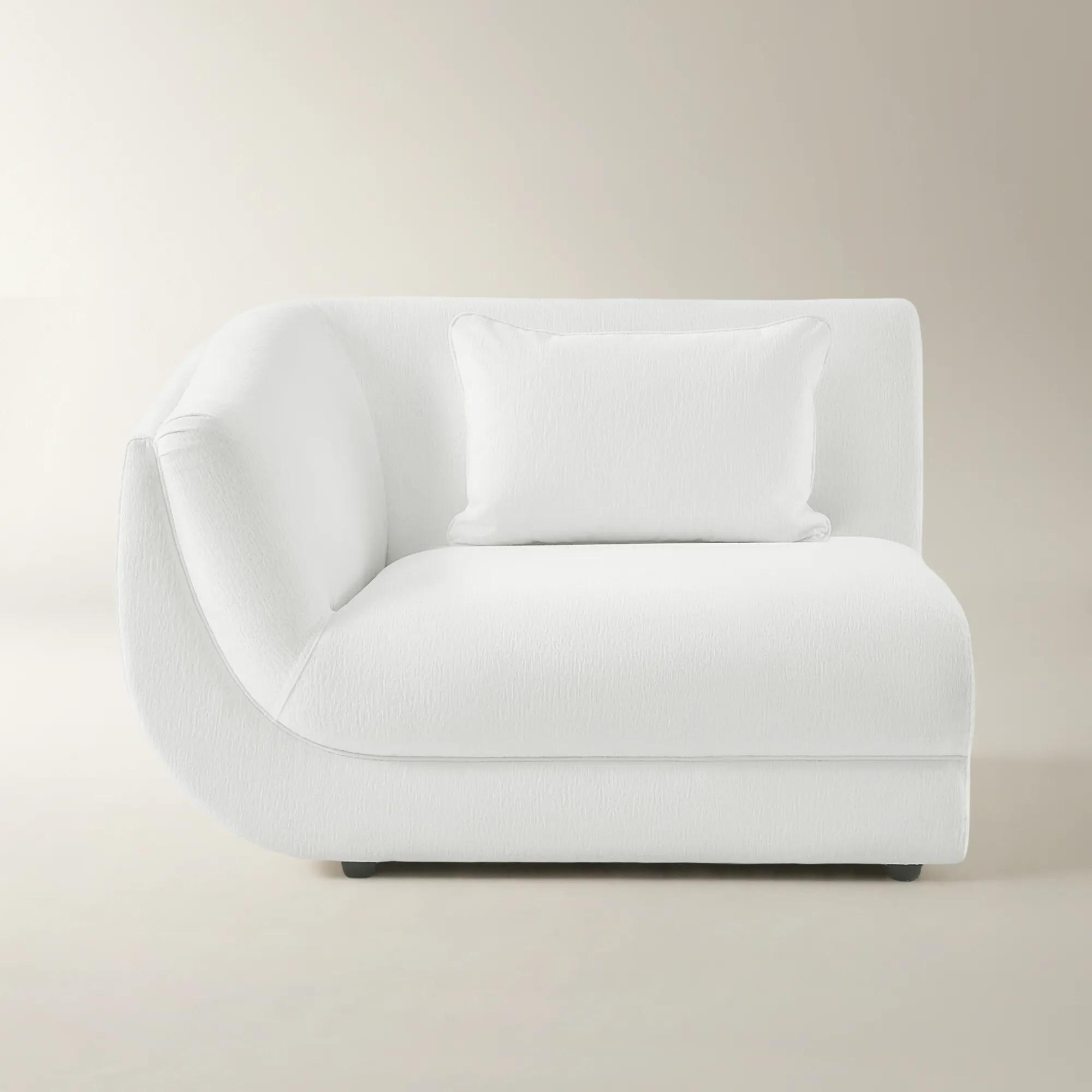 Curvia White Performance Chenille Indoor/Outdoor Left-Arm Chair$1449
A sculptural white chenille chair with plush cushioning, moisture-resistant backing, and indoor/outdoor versatility.
Add To Cart

Soft Roll Arm Chairs
Explore soft roll arm chairs with rounded arms and graceful profiles that bring a gentler silhouette to modern interiors. This selection of upholstered accent seating offers an inviting counterpoint to angular furniture, whether you’re completing a living room arrangement or creating an intimate reading corner. Consider each chair’s dimensions, upholstery, and proportions to find the right balance of presence and comfort for your space.
Soft roll arm chairs give a room a distinctive kind of presence: generous, graceful, and ready to be lived in. Their rounded, upholstered arms soften the outline of a seating arrangement, bringing a sense of ease to interiors layered with gleaming metals, dramatic artwork, or sharply tailored furniture. The rolled arm has a long history in upholstered seating, yet its character changes with the proportions around it. A low, gently curved arm can feel understated and fluid, while a fuller roll creates a more enveloping silhouette. Paired with a clean-lined back or a restrained base, that familiar curve takes on a fresh expression without losing its welcoming quality. These chairs belong wherever comfort deserves a beautiful frame, from a living room conversation area to a bedroom corner reserved for reading. A pair facing a sofa can lend symmetry to a space, while a single chair beside a sculptural table creates a more personal retreat. Soft roll arm chairs share the graceful profiles associated with Elegant Rolled Arm Accent Chairs, with their appeal centered on the meeting of rounded form, upholstery, and inviting proportions. The shape also offers a compelling counterpoint to angular surroundings. Against a rectangular coffee table, a crisp fireplace surround, or a wall of geometric art, curved arms introduce movement without disturbing the room’s composition. Color determines how boldly that movement reads. Ivory and pale taupe allow the silhouette to emerge through subtle shadows, while charcoal, sapphire, or a rich wine tone can turn a chair into a focal point. For someone who enjoys hosting, an upholstered armchair offers a defined seat within the larger gathering. For someone who prefers a quiet moment with a novel, the same shape can make an otherwise unused corner feel intentional and intimate.
Upholstery gives a soft roll arm chair much of its personality, influencing both the visual richness of the piece and the experience of sitting in it. Velvet can reveal the sweep of an arm through shifts in light, lending depth to a solid color and creating a luminous contrast with polished accents. A textured woven fabric offers a different effect, emphasizing the chair’s volume through a tactile surface that feels composed rather than glossy. Smooth upholstery highlights precise tailoring, while a more pronounced weave can bring dimension to a restrained palette. Fiber content and construction matter as much as appearance: fabrics with similar colors may differ substantially in their resistance to abrasion, tendency to show marks, and recommended cleaning methods. In homes with children, pets, or frequent guests, upholstery intended for regular use may be a more suitable choice than a delicate fabric selected primarily for its decorative effect. Performance characteristics vary, so stain resistance, cleaning compatibility, and any care limitations deserve attention in the individual material specifications. Cushion construction creates another meaningful distinction. Foam can provide a more defined seat, while fiber or feather blends may produce a softer feel and require more frequent reshaping. A deeply cushioned chair is not automatically the most comfortable option for every person; support, seat depth, and the relationship between the back and arms all influence how naturally the body settles. Someone who likes sitting upright with a book may appreciate a shallower seat and a supportive back, whereas a person who enjoys reclining into a cushion may prefer a more relaxed proportion. Durable seating also depends on what sits beneath the fabric. Frame construction, joinery, suspension, and cushion quality work together to support repeated use. Well-finished seams and thoughtfully positioned upholstery help the curves look deliberate, especially around the rolled arms, where shaping is particularly visible. Decorative details such as piping, pleating, or exposed legs can sharpen the outline or add contrast, giving the chair a tailored presence without overshadowing its inviting form.
The most successful placement allows a soft roll arm chair to feel generous without overwhelming the room. Overall width includes the arms, so a chair with substantial rolls may occupy more floor space than its usable seat suggests. Seat height and depth are equally important, particularly when the chair will be used daily or by people of different heights. A seat that allows feet to rest comfortably on the floor and arms to settle naturally is often more useful than one chosen for appearance alone. In a living room, enough space around the chair keeps its curved outline visible and preserves an easy path through the seating area. An occasional table should sit within comfortable reach, with a height that works alongside the arm rather than competing with it. In a bedroom, a chair positioned away from dresser drawers and closet doors can create a restful dressing or reading space without interrupting everyday movement. A floor lamp brings purpose to the arrangement, while a rug can connect the chair to nearby furnishings through color and texture. Care preserves that sense of polish. Regular vacuuming with an appropriate upholstery attachment helps remove dust from seams and the creases around the arms, and cushions that permit rotation can benefit from being turned according to the manufacturer’s directions. Removable cushion covers should not be assumed to be machine washable; the upholstery label remains the best reference for approved methods. Spills generally call for prompt attention, gentle blotting rather than rubbing, and a cleaner suited to the fabric’s care code. Prolonged direct sunlight can affect upholstery color, while frequent contact along the armrests may make those areas especially deserving of routine attention. For a shared household, a personal reading space, or a thoughtfully planned furnishing gift, the right chair balances expressive design with the recipient’s habits and available space. Its lasting appeal comes from that balance: a silhouette with enough drama to enrich the room, and enough comfort to become part of daily life.
FAQs
A soft roll arm chair features upholstered arms that curve gently outward, creating a graceful silhouette with an inviting feel. The rounded profile brings a softer counterpoint to angular furniture, lending living rooms and reading corners a sense of tailored luxury.
Soft roll arm chairs complement traditional, transitional, and modern glam interiors. Their sweeping curves feel elegant beside carved wood, while pairings with sculptural metal tables or glossy lacquer create a more expressive contrast. For a collected look, balance the chair’s classic lines with abstract art and richly textured accents.
Velvet accentuates a roll arm chair’s curves with a luminous finish, while chenille introduces plush texture and visual depth. Linen and linen-blend upholstery lend a more relaxed elegance, allowing the sculpted profile to take center stage. Choose a fabric that echoes the mood of your room, from sumptuous and dramatic to softly tailored.
Give a soft roll arm accent chair its own artful setting with a gleaming side table, a sculptural floor lamp, and a thoughtfully chosen pillow. Contrast smooth upholstery with an embroidered cushion or a textured throw. Nearby artwork can draw out the chair’s color, making the entire vignette feel intentional and expressive.
Soft roll arm chairs do not need to match the sofa to create a cohesive room. A shared color undertone, upholstery texture, or leg finish can connect distinct silhouettes. Pair a richly colored chair with a neutral sofa for a dramatic focal point, or layer tonal fabrics for an understated yet luxurious composition.