Sofas For Boutique Hotels
Sofas For Boutique Hotels
-
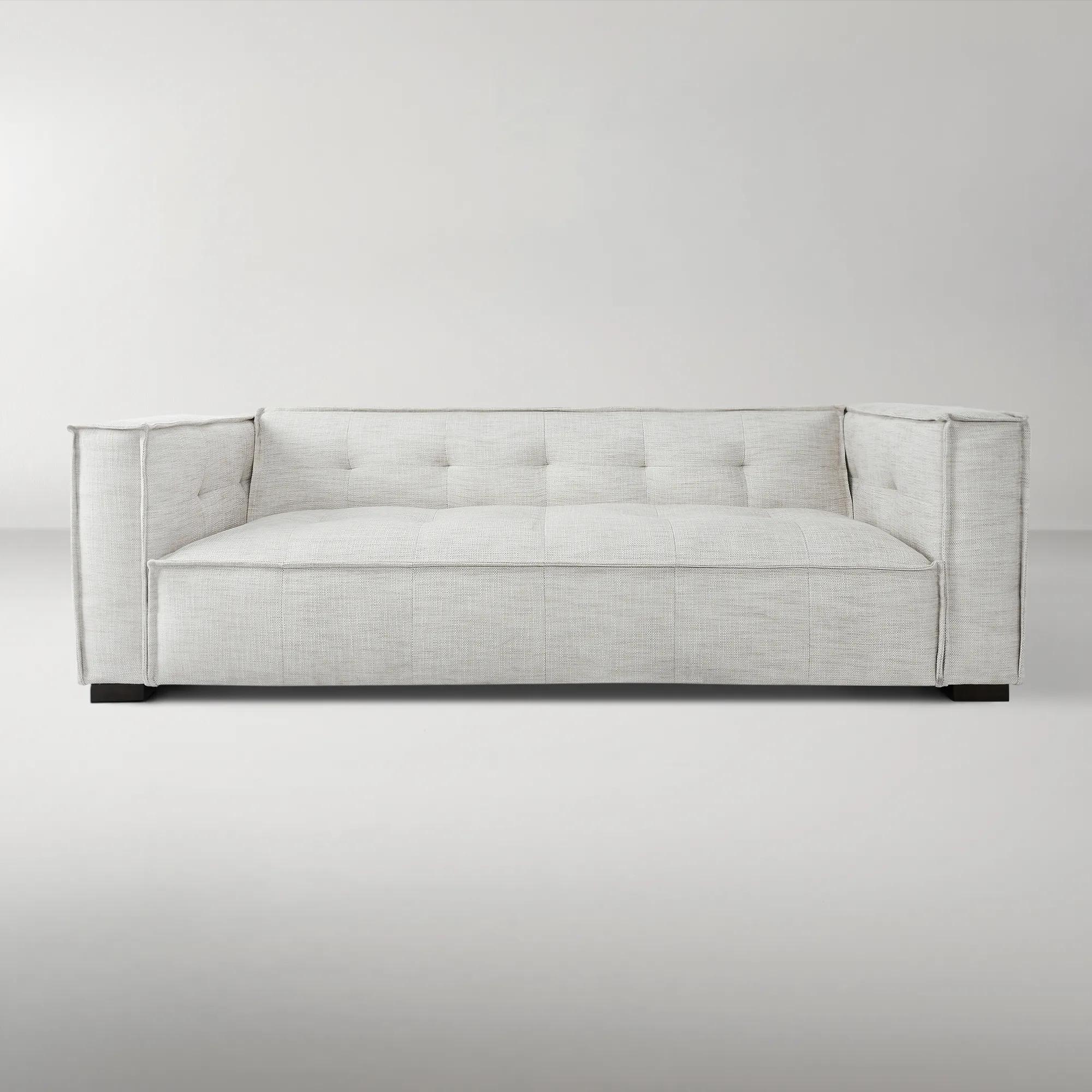
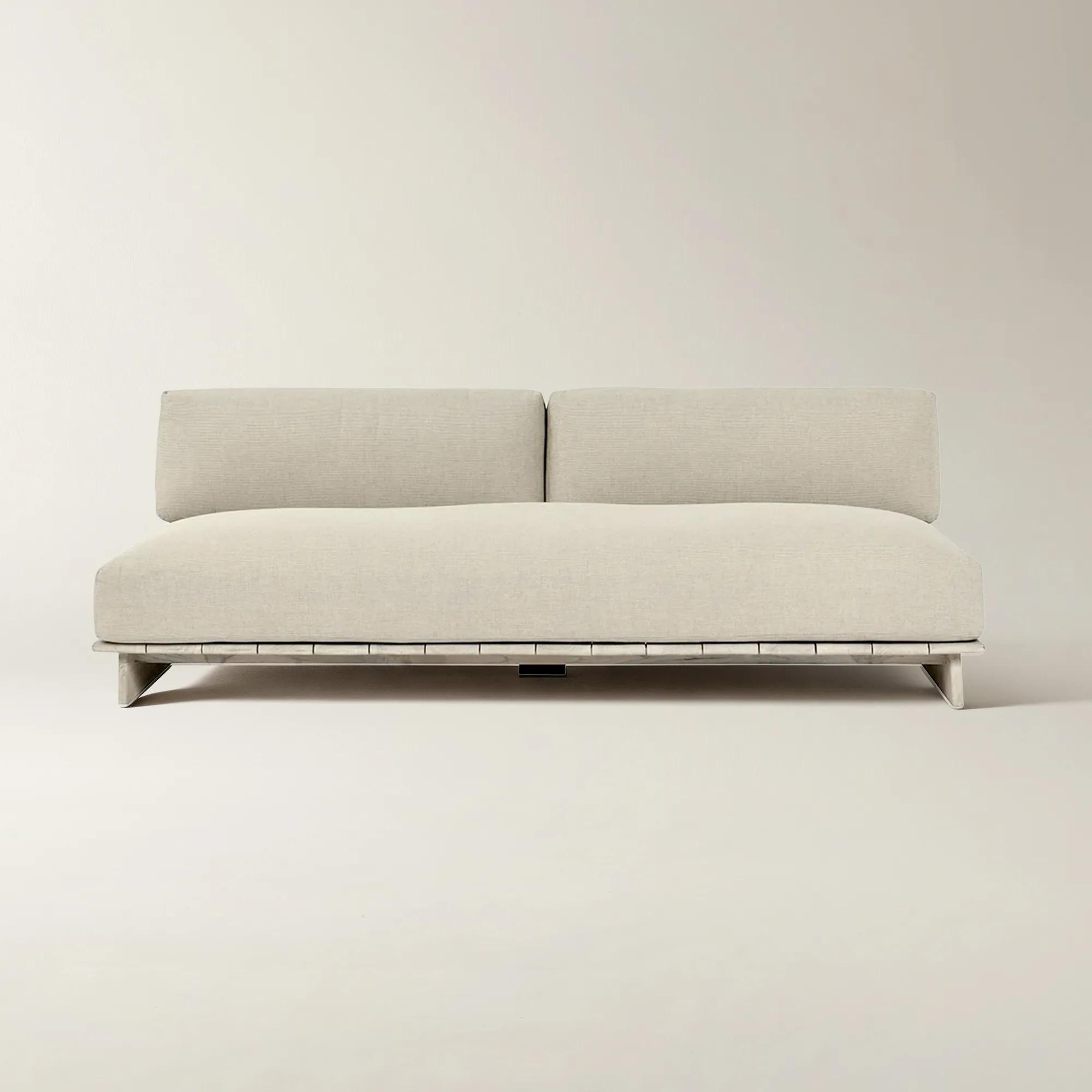
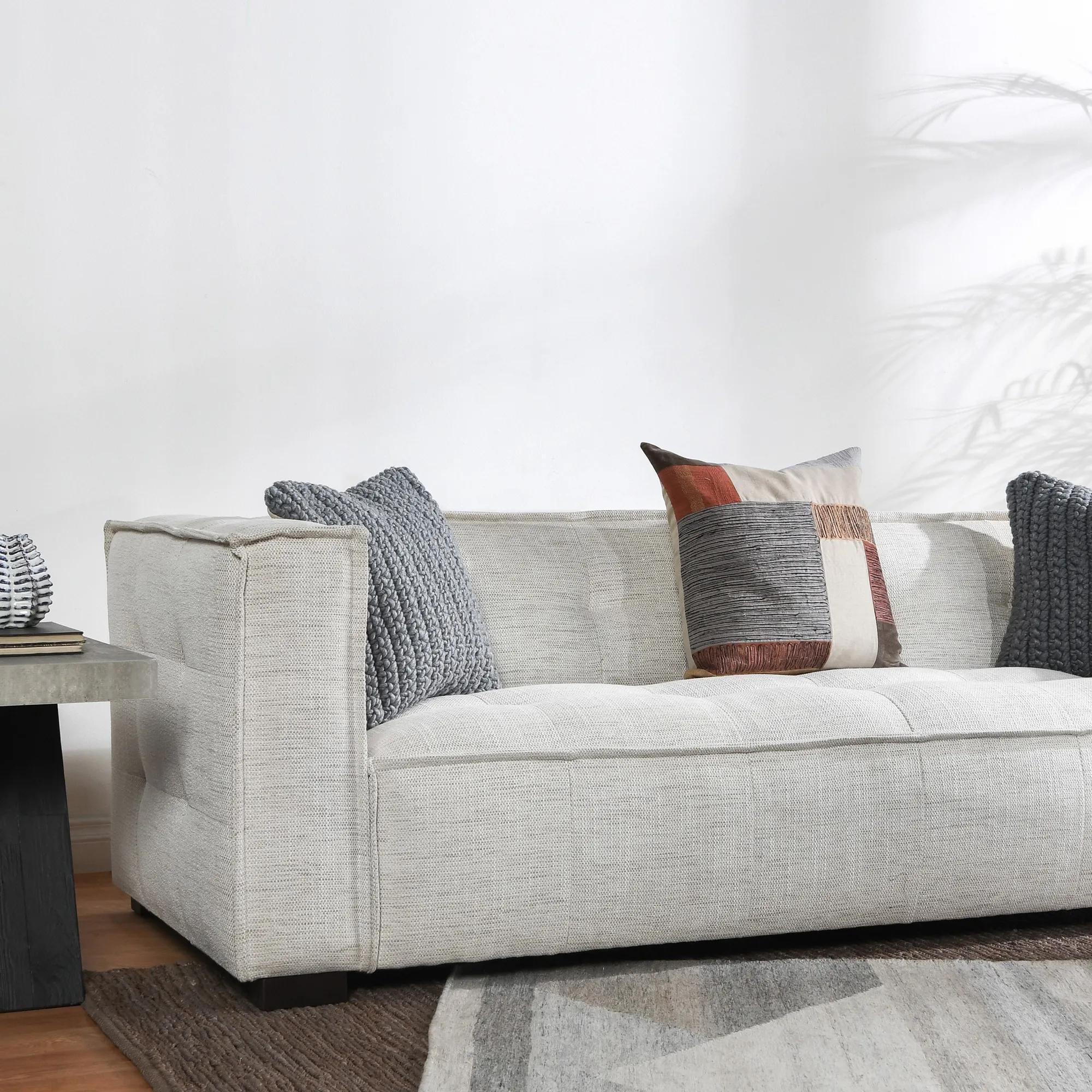 Element Box-Tufted Beige Sofa$2599
A transitional beige sofa handcrafted with a polyester blend and pine wood legs, seating up to four.
Add To Cart -
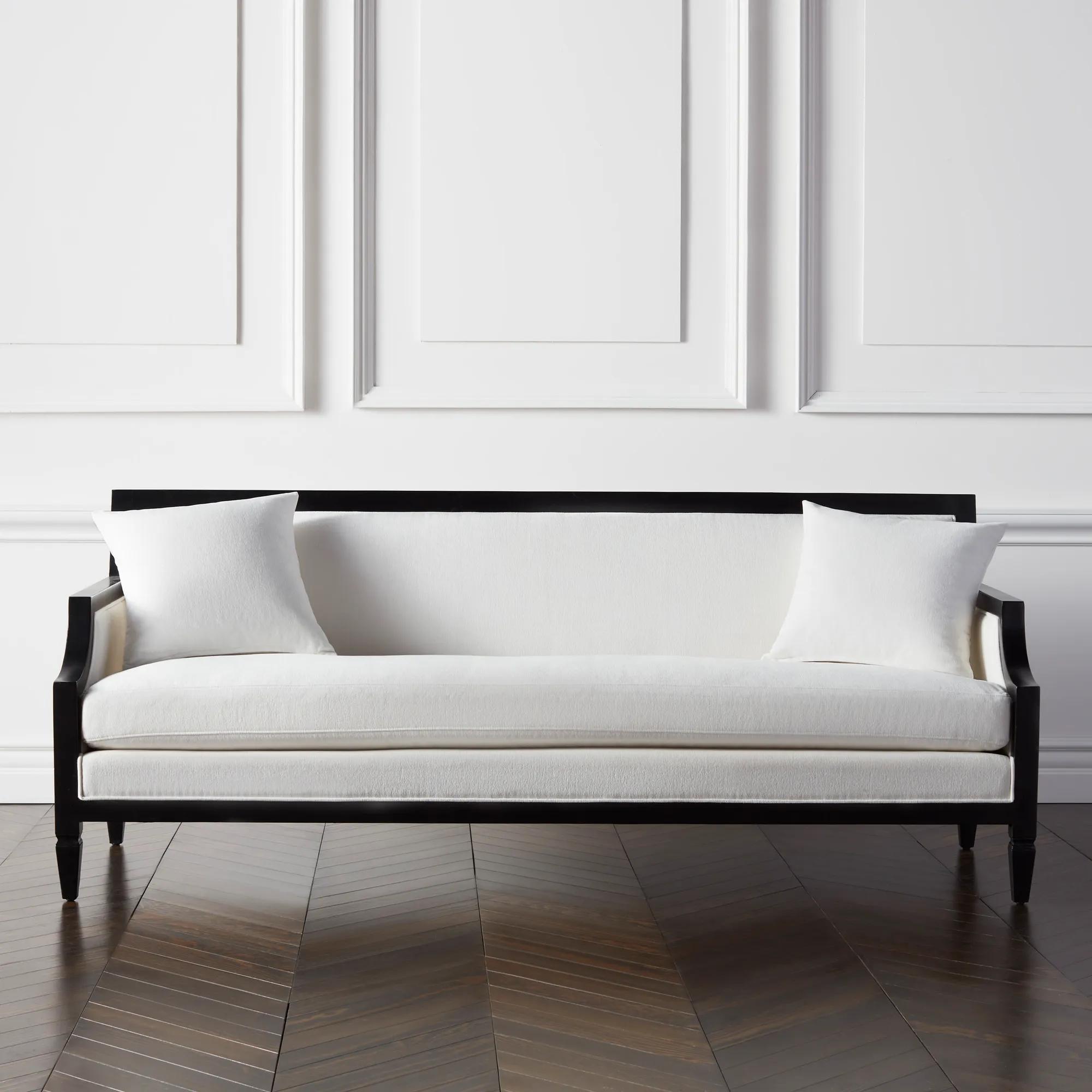
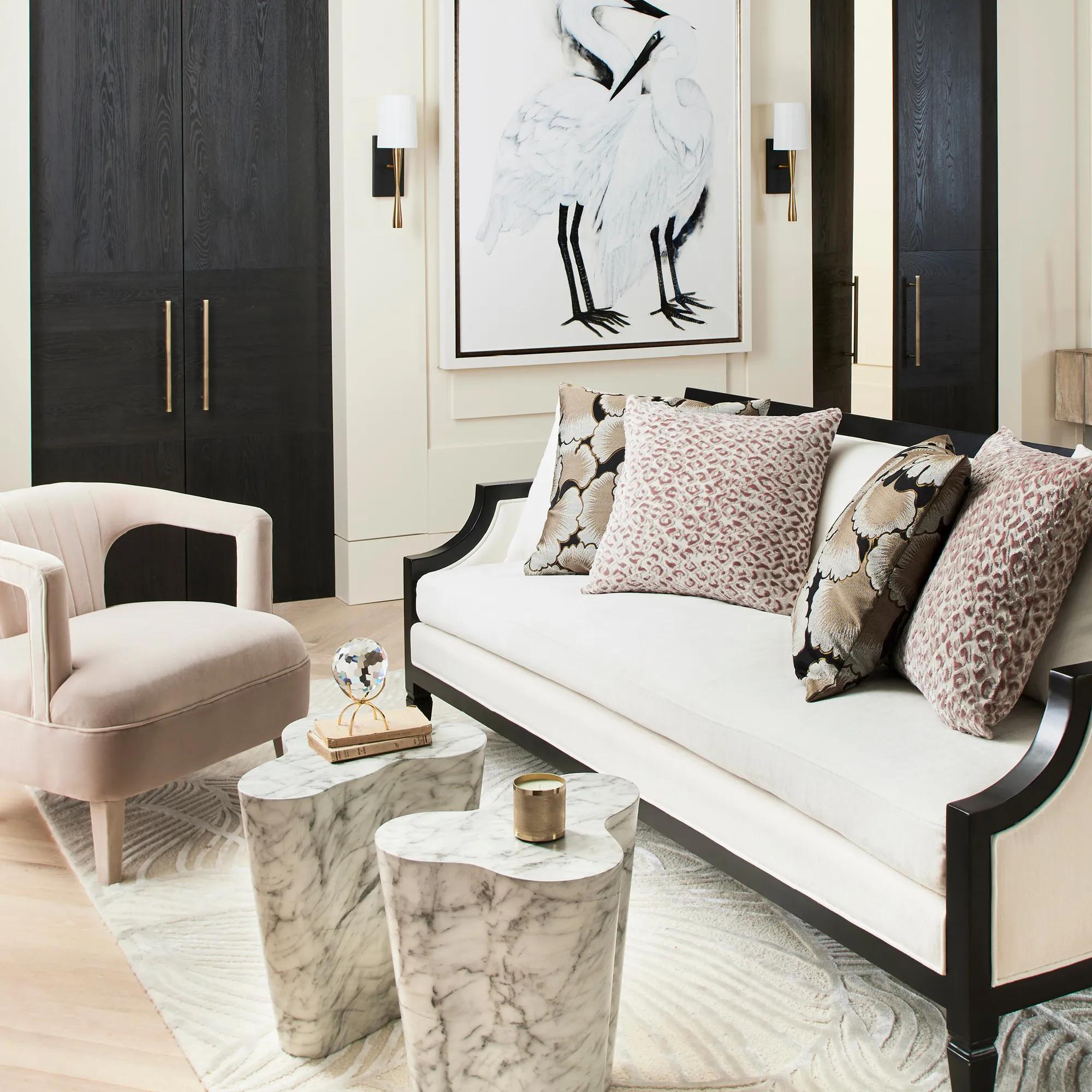 Kayla Sofa$3149
A plush, modern sofa featuring notched arms, matte black wood frame, and Kenley Chenille Snow upholstery.
Add To Cart -
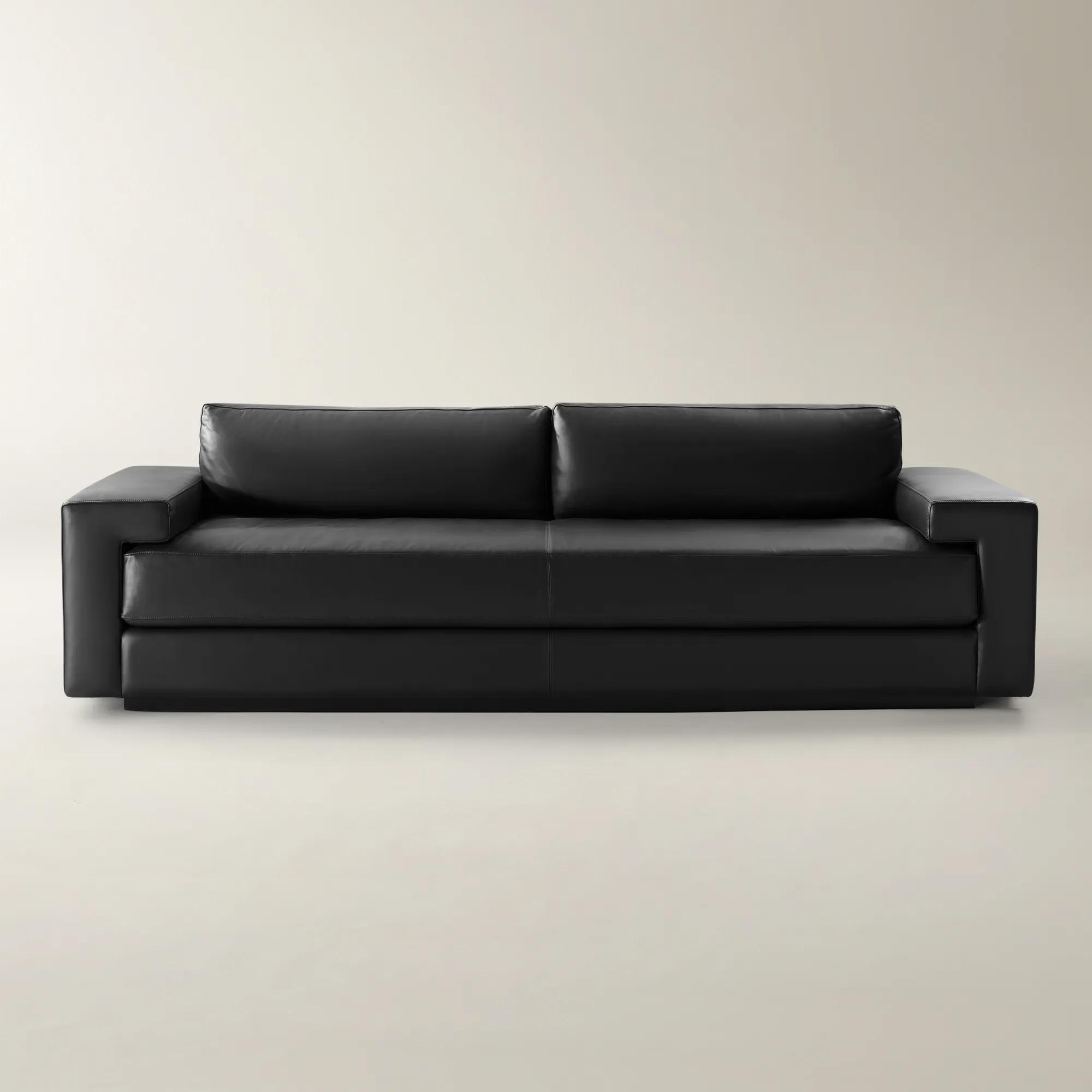 Ariel Black Leather Sofa$4599
A sleek, top-grain leather sofa with plush feather and foam cushions on a kiln-dried rubberwood frame.
Add To Cart -

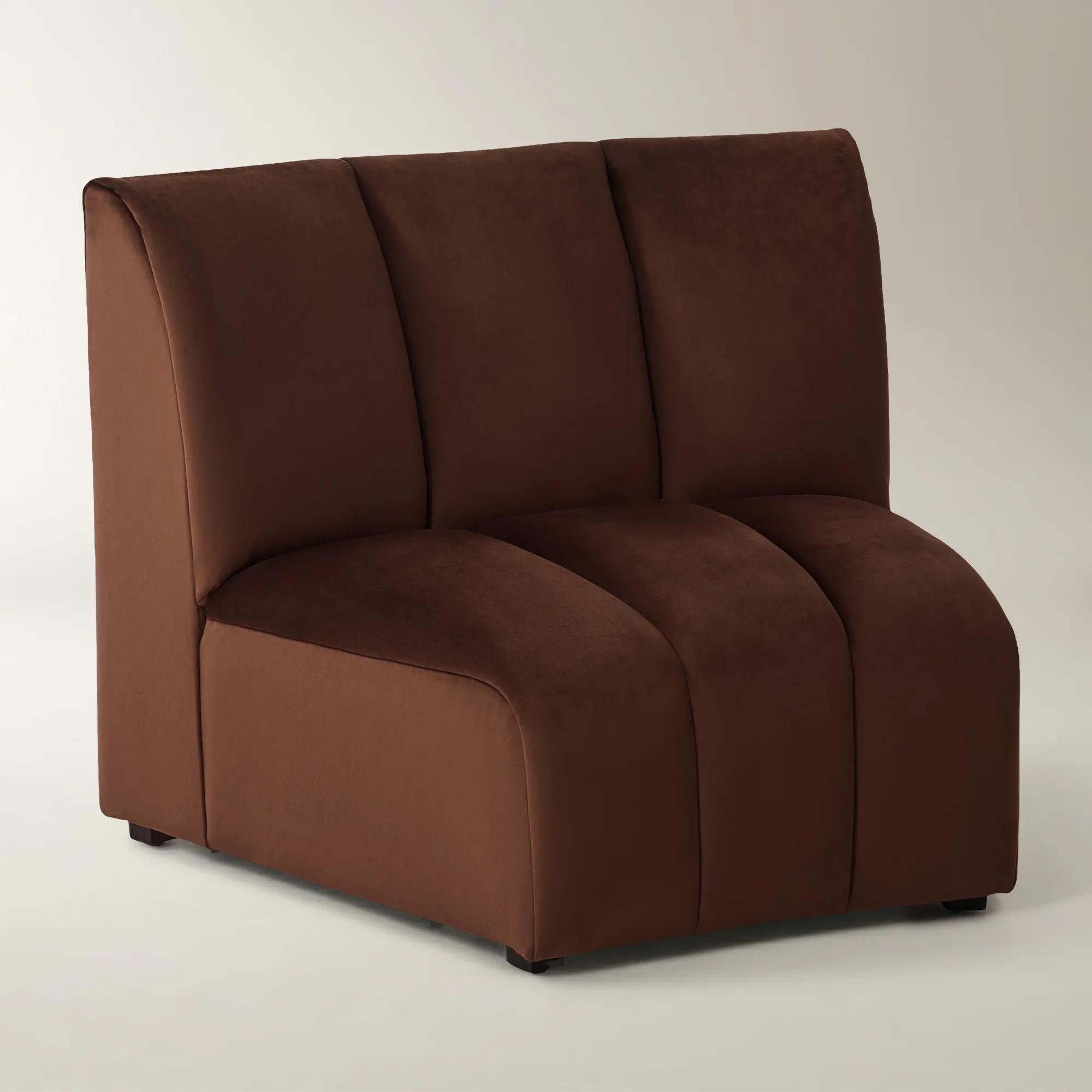
 Reina 3-Piece Tufted Oatmeal Velvet Sectional Sofa$2499
A plush oatmeal velvet sectional featuring channel tufting, deep seating, and an architectural winged silhouette.
Add To Cart -
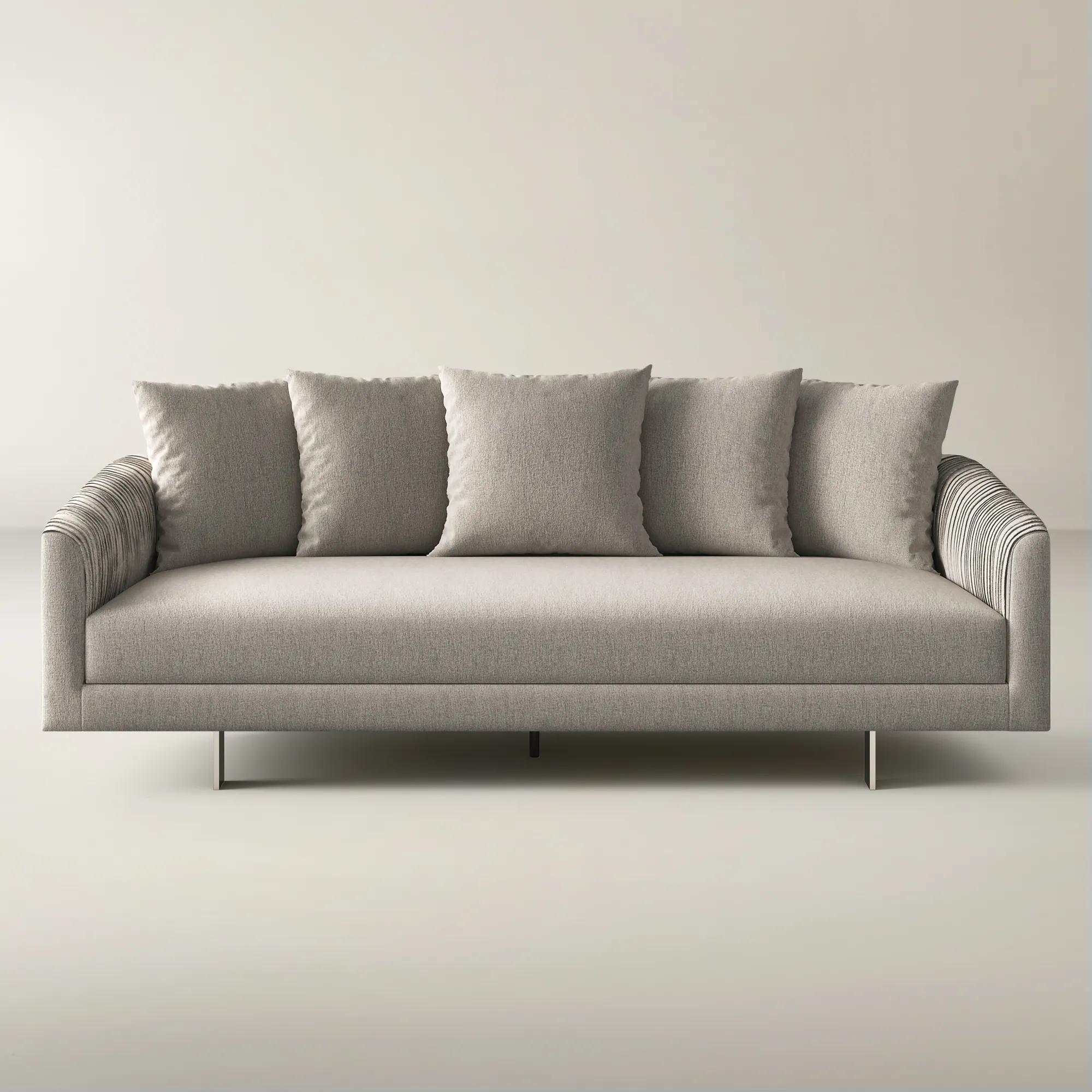 Isabel Moondust Chenille Sofa$2299
A luxurious hand-tufted sofa with plush feather and foam cushions, nickel-brushed legs, and five pillows.
Add To Cart -
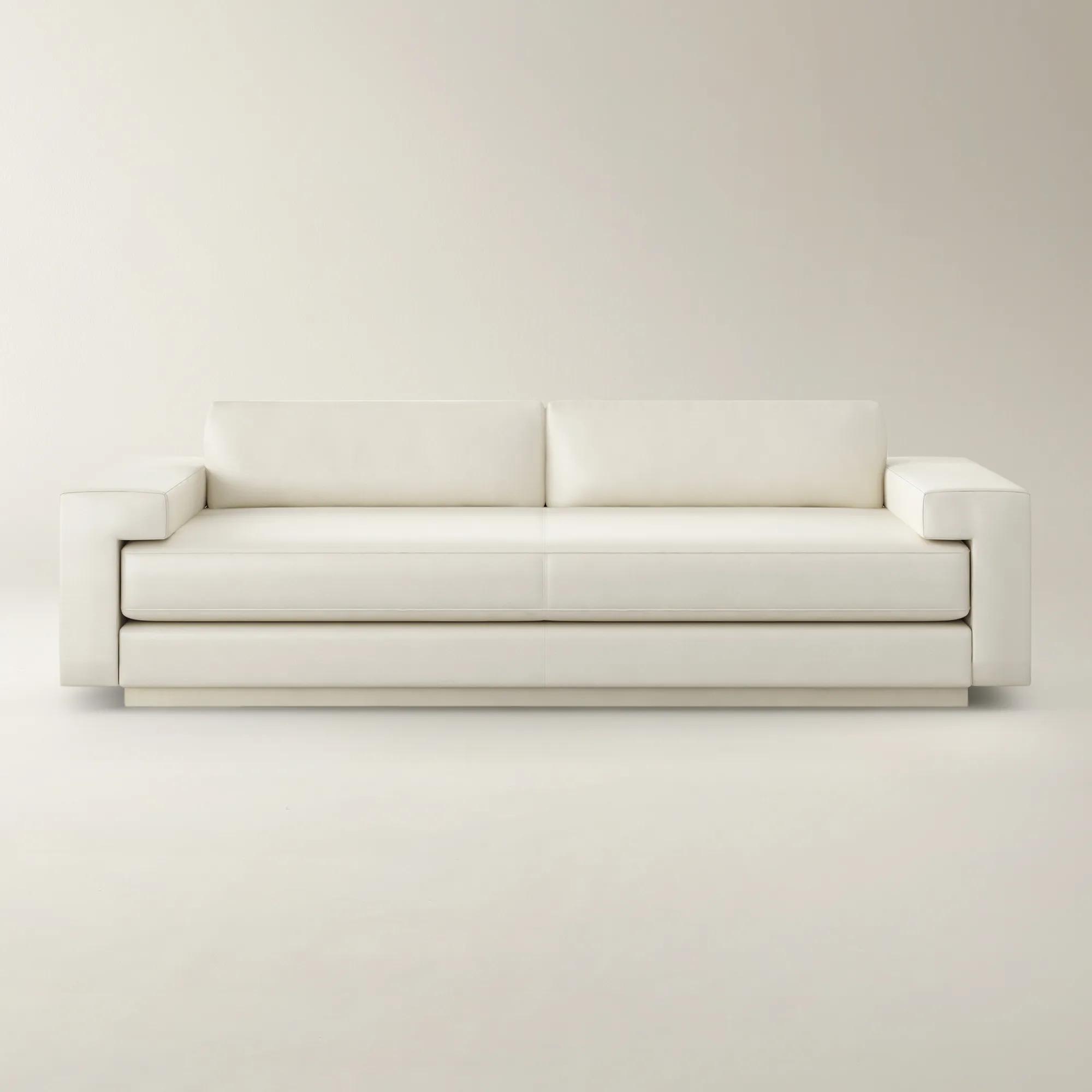 Ariel White Leather Sofa$4599
A sleek, hand-upholstered sofa in top-grain leather with plush feather and foam cushions for comfort.
Add To Cart -
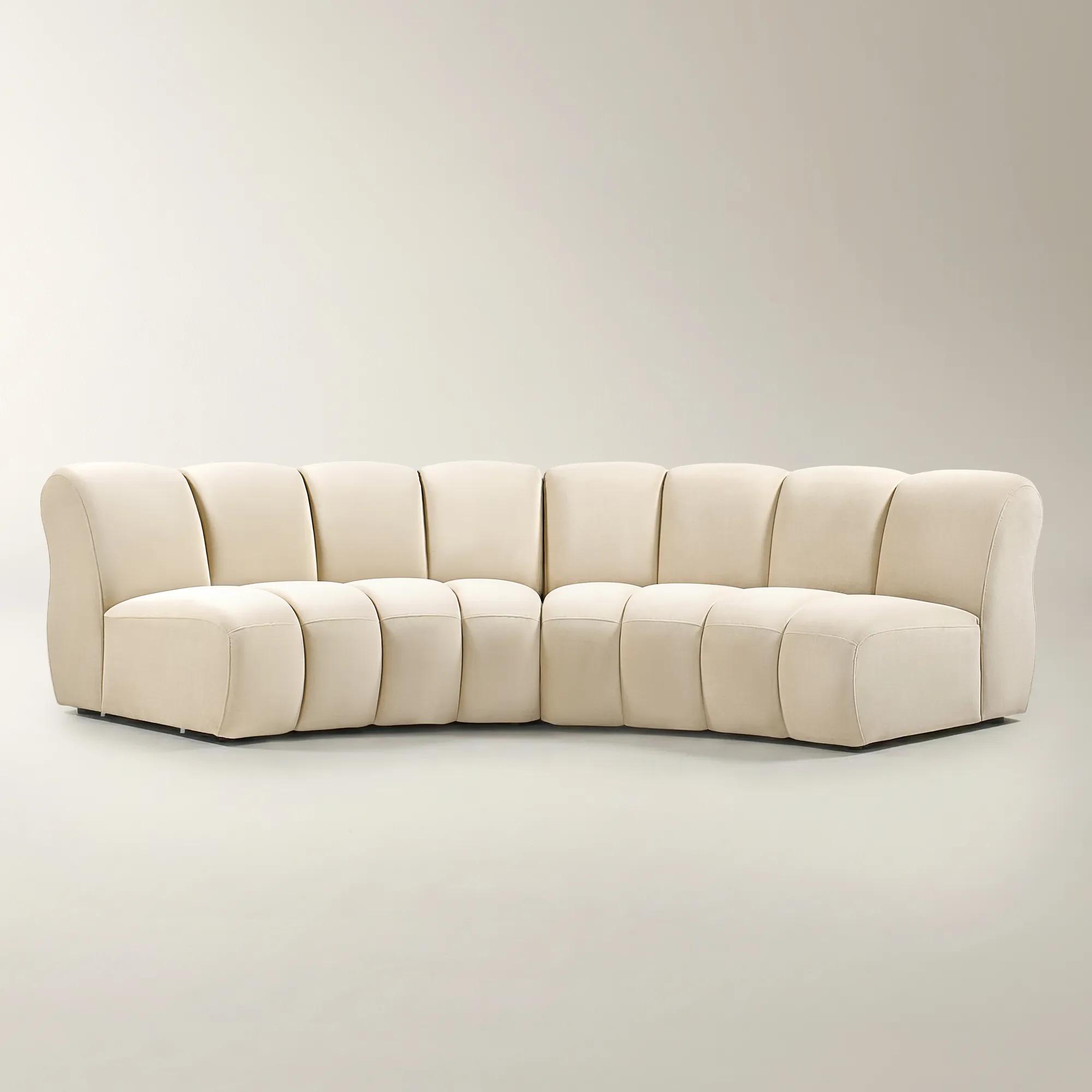
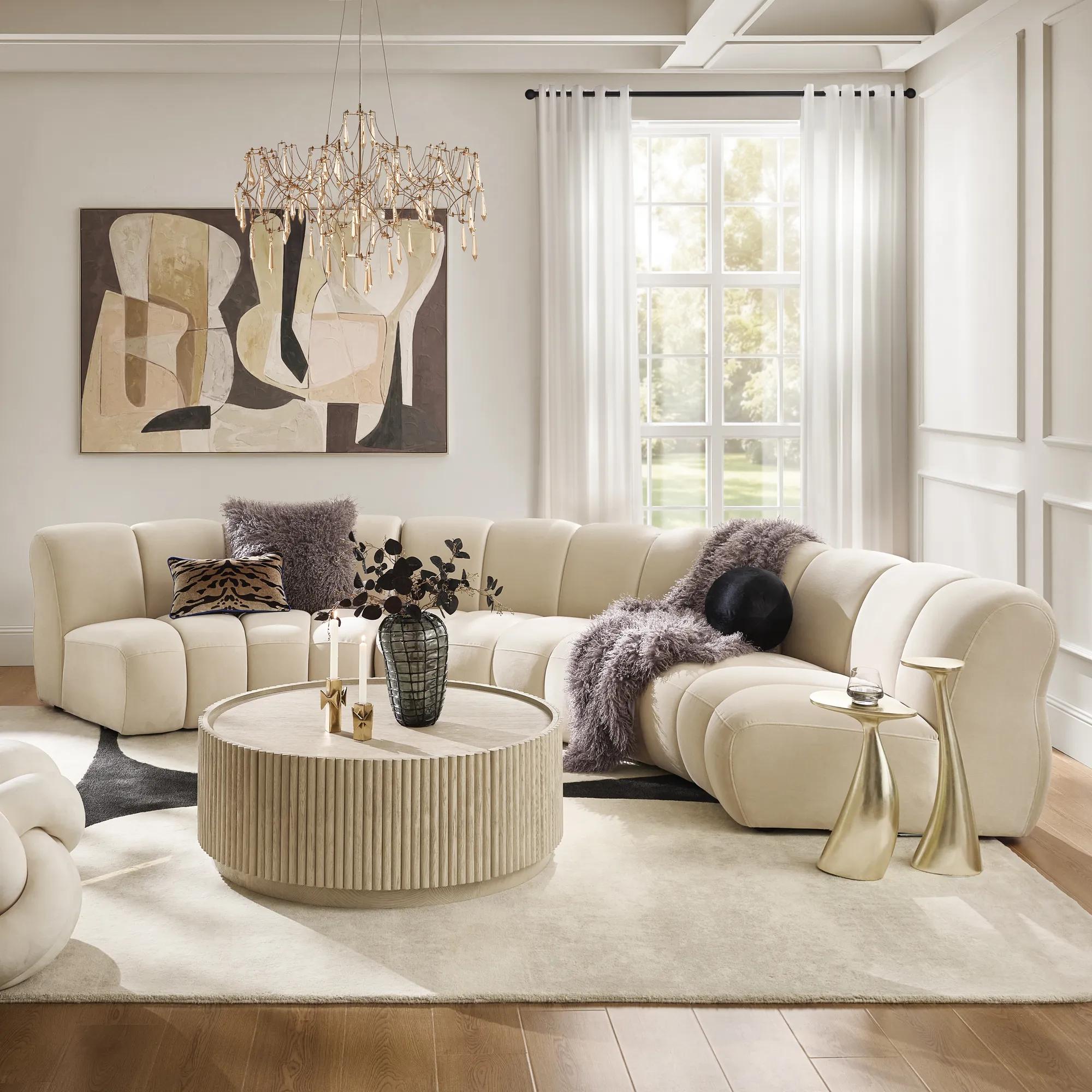 Jocelyn 2-Piece Channel-Tufted Oatmeal Velvet Sectional Sofa$2699
A sculptural oatmeal velvet sectional with deep channel tufting, curved silhouette, and modular, conversation-friendly design.
Add To Cart -
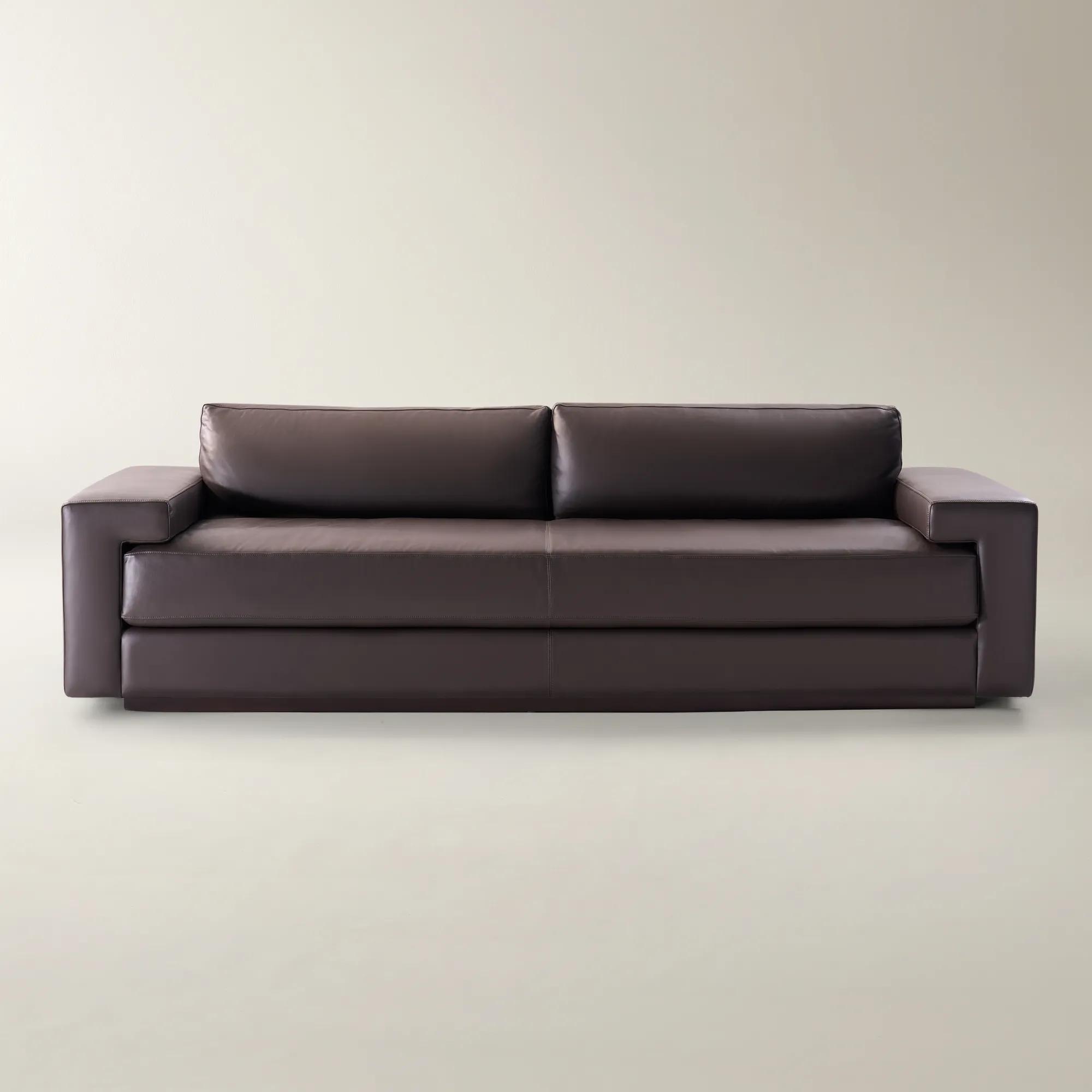
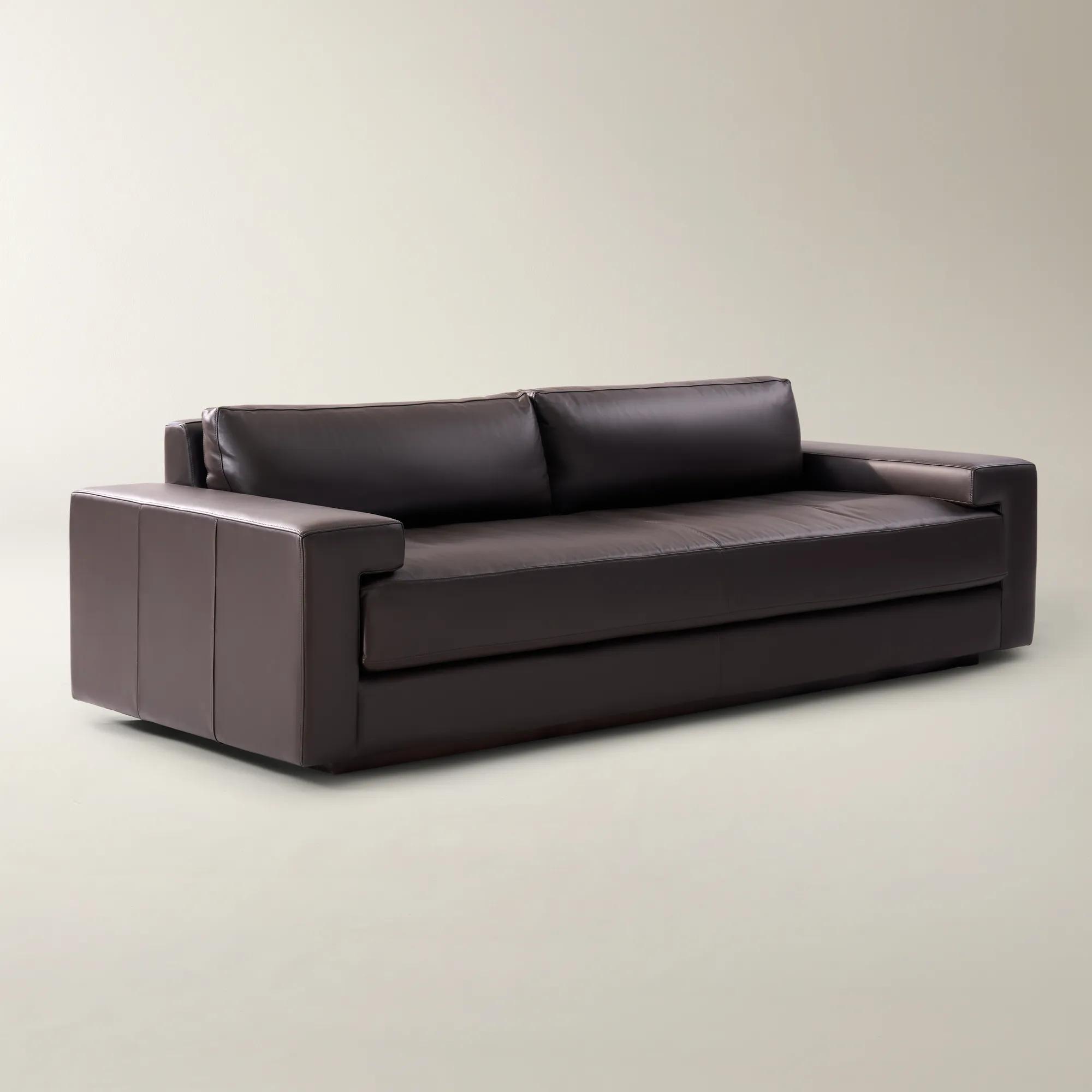 Ariel Brown Leather Sofa$4599
A sleek, hand-upholstered sofa in top-grain leather with plush feather and foam cushions for comfort.
Add To Cart -
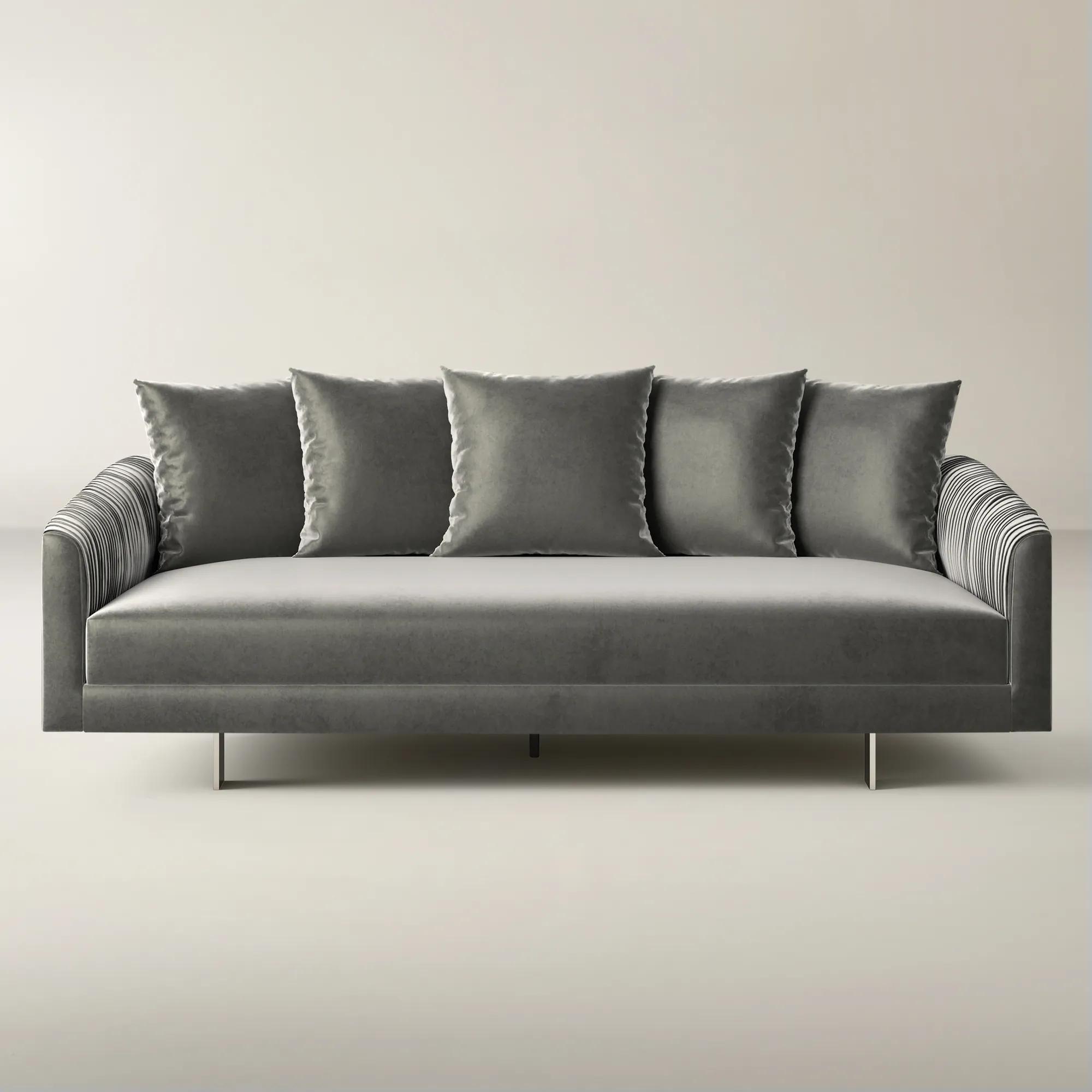 Isabel Ottergrey Velvet Sofa$2599
A luxurious hand-tufted sofa with plush feather-filled cushions, nickel-brushed stainless steel legs, and five decorative pillows.
Add To Cart -
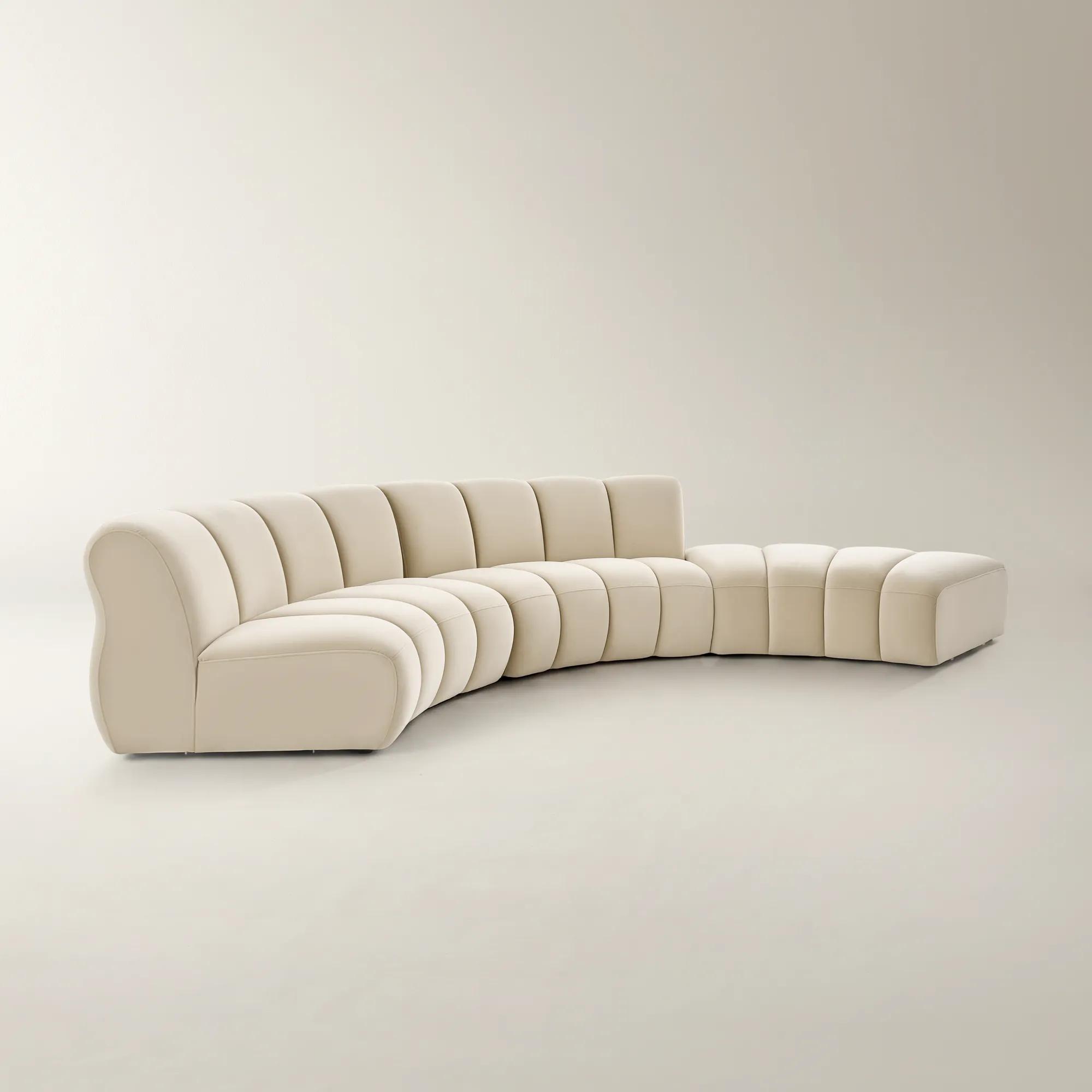 Jocelyn 3-Piece Channel-Tufted Oatmeal Velvet Sectional Sofa With Ottoman$3699
An oatmeal velvet sectional with deep channel tufting, curved silhouette, and modular design for versatile lounging.
Add To Cart -
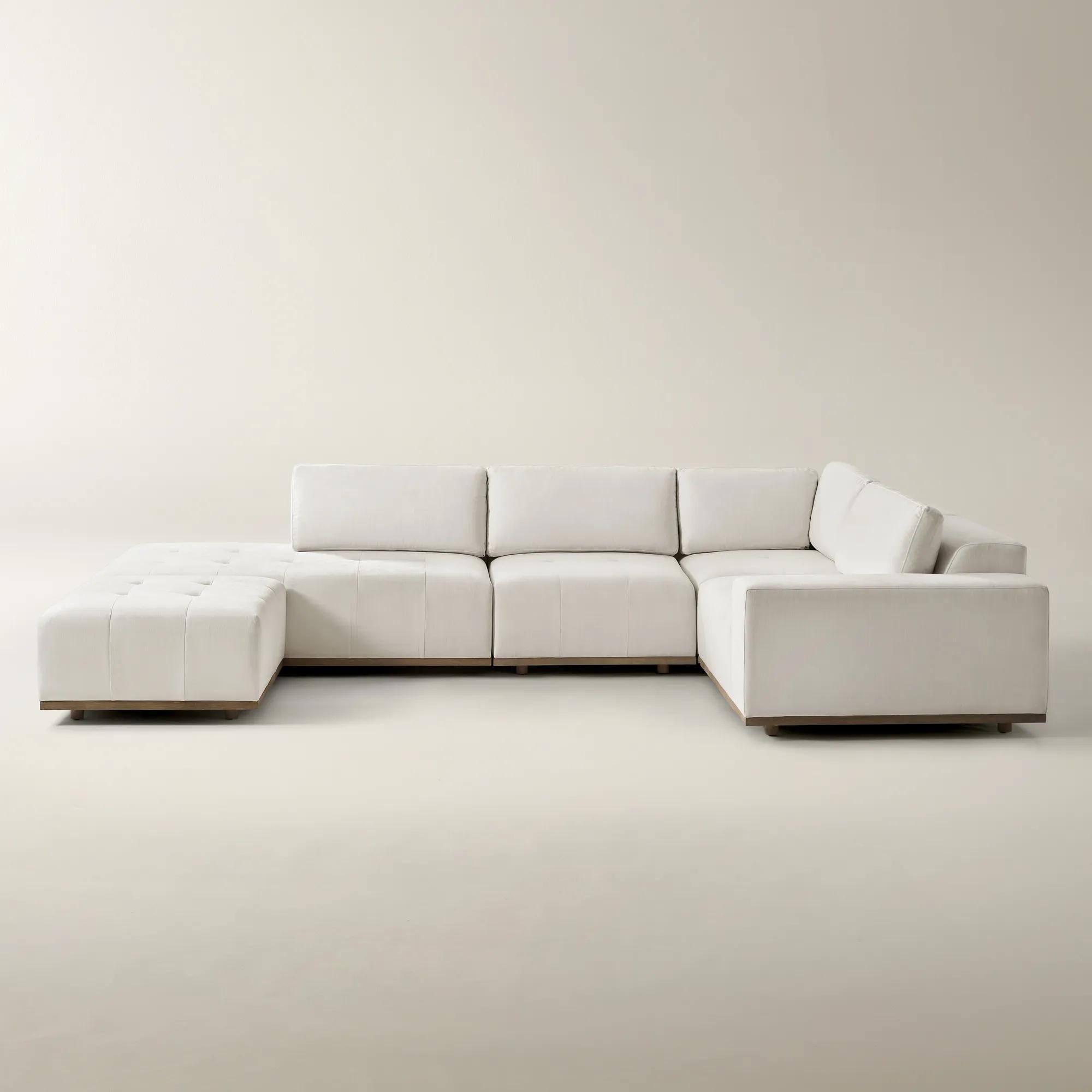
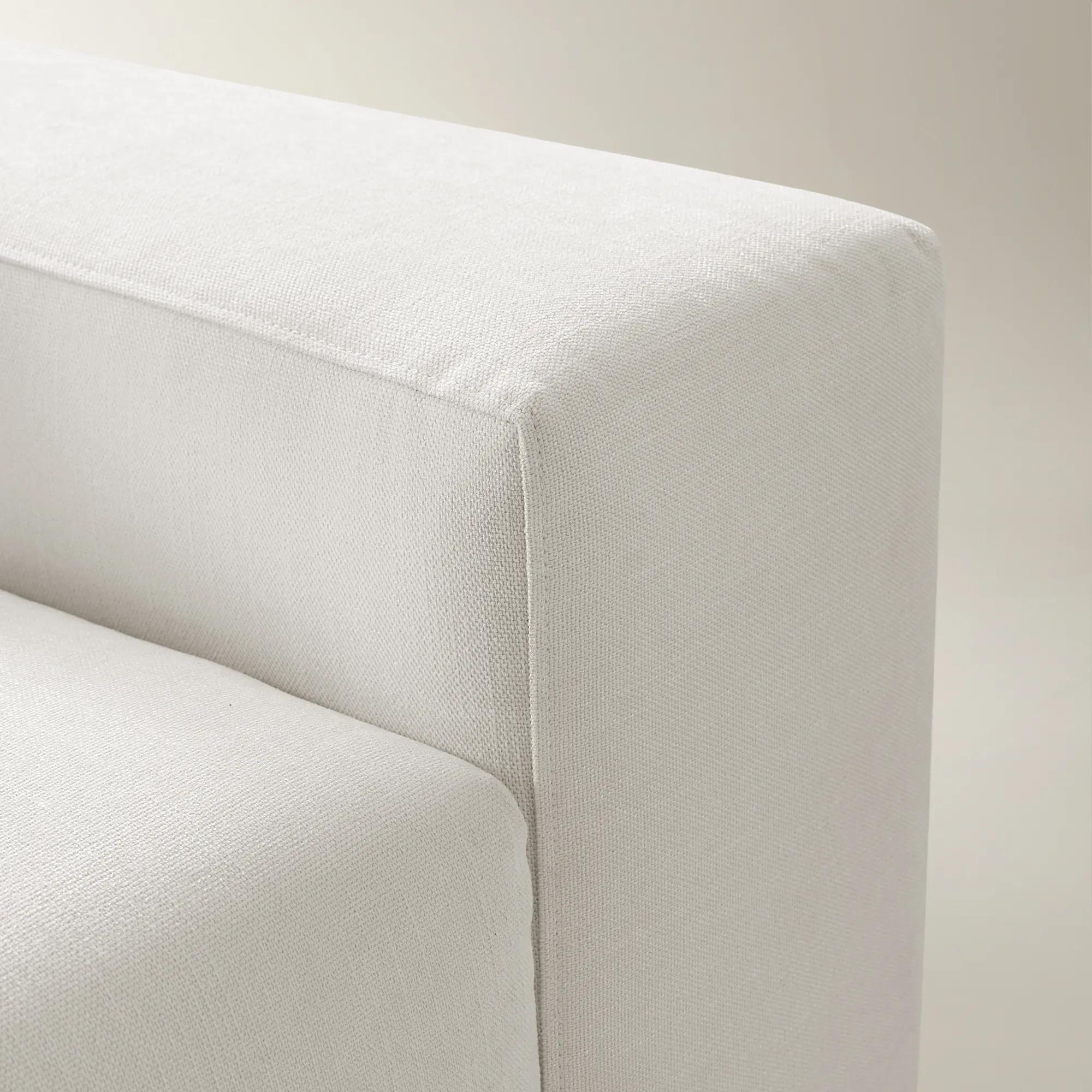 Carlos 5-Piece L-Shaped Oyster Linen Sectional Sofa$6849
A hand-tufted sectional with luxurious linen-blend upholstery and a kiln-dried rubberwood frame for refined comfort.
Add To Cart -
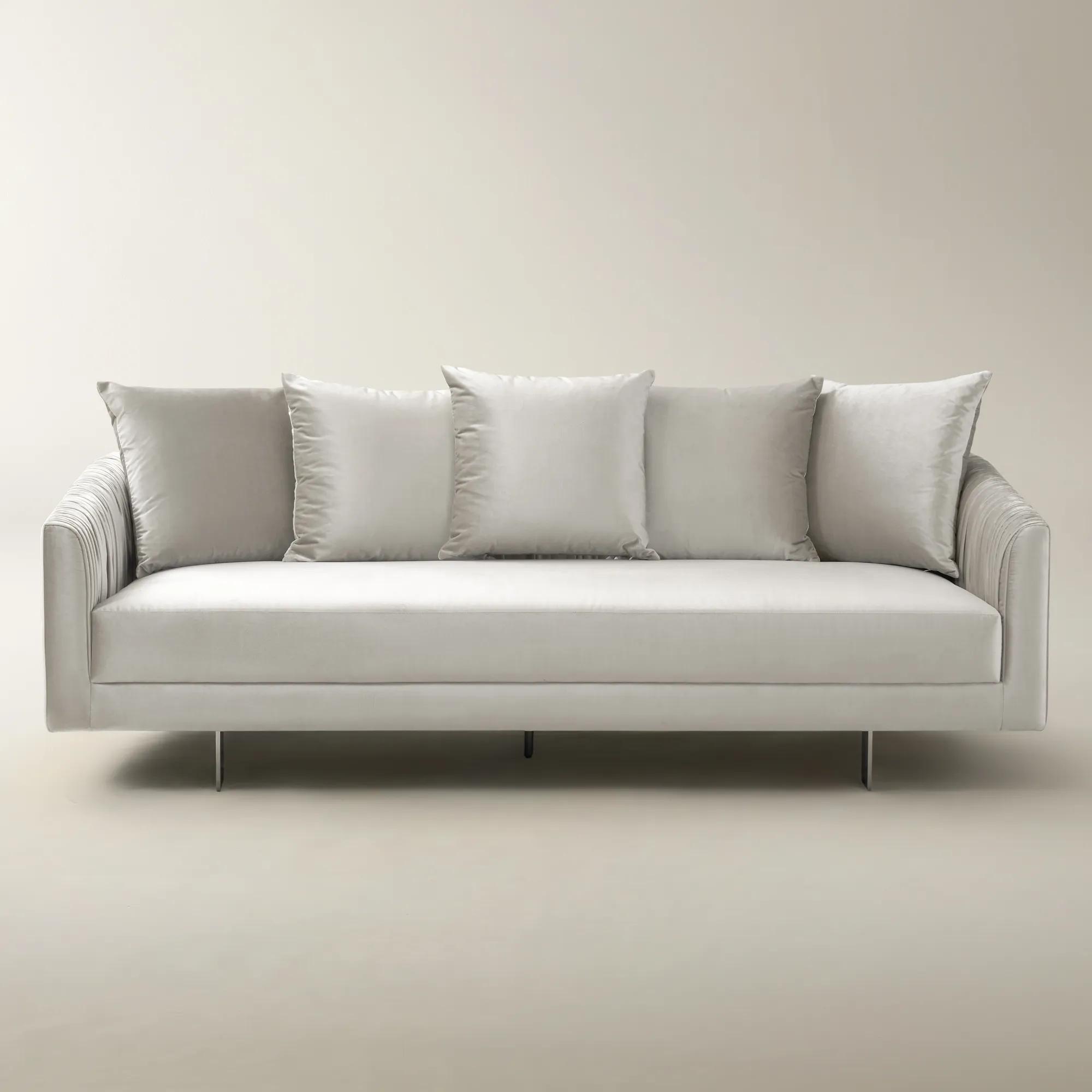
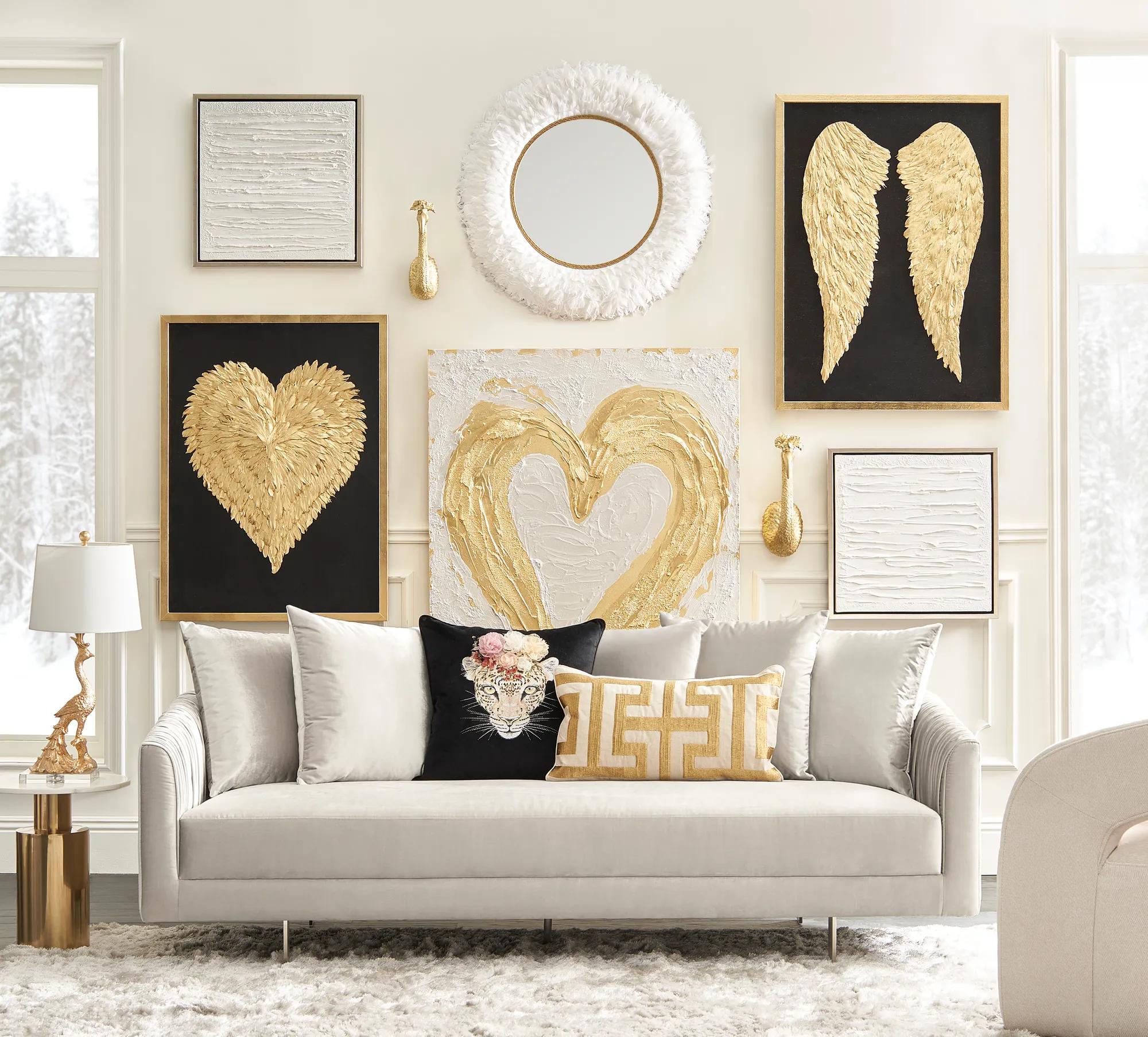 Isabel Softgrey Velvet Sofa$2599
A luxurious hand-tufted sofa with plush feather and foam cushions, nickel-brushed legs, and five pillows.
Add To Cart -
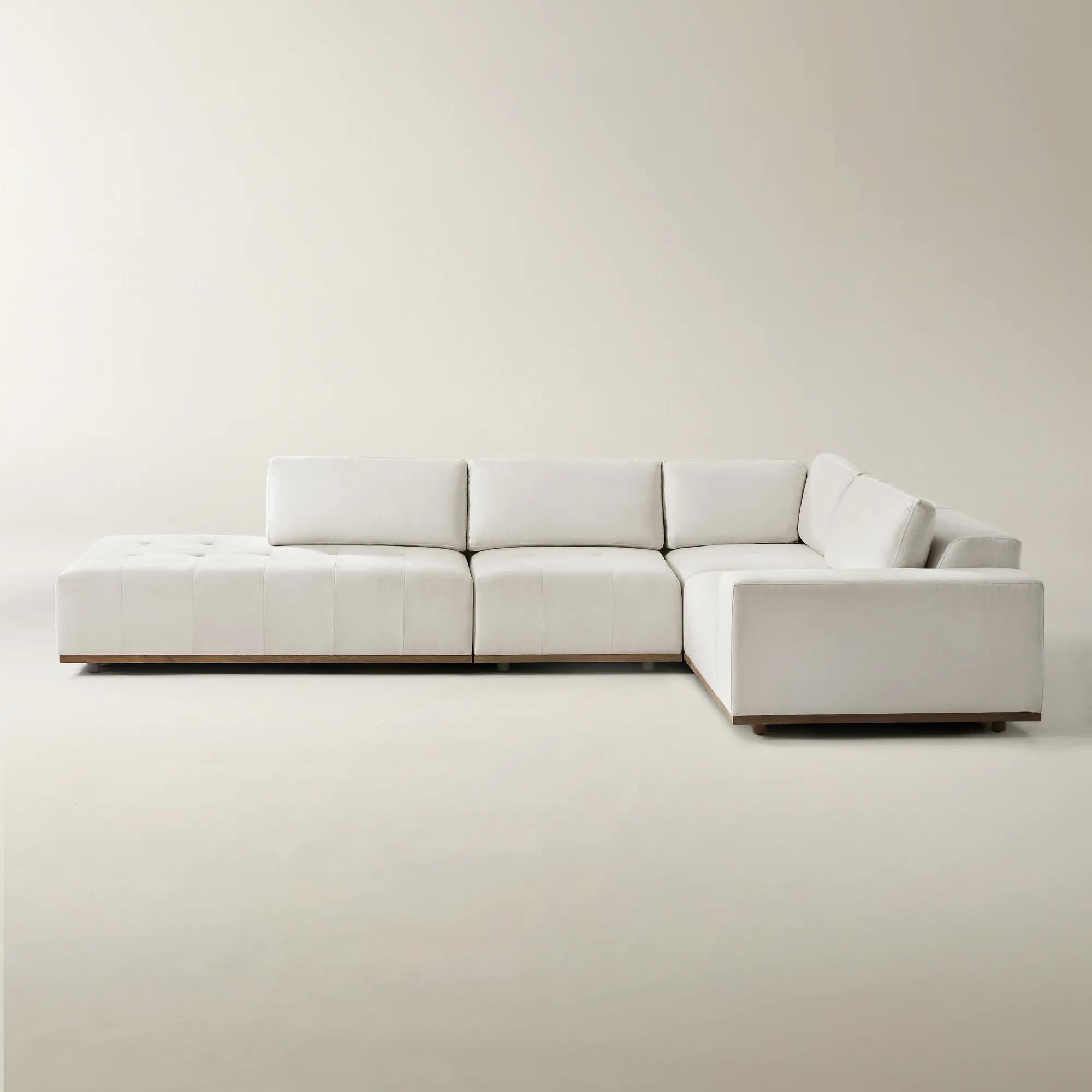 Carlos 4-Piece L-Shaped Oyster Linen Sectional Sofa$5899
A hand-tufted sectional with luxurious linen-blend upholstery, natural grey legs, and plush duck feather cushions.
Add To Cart -
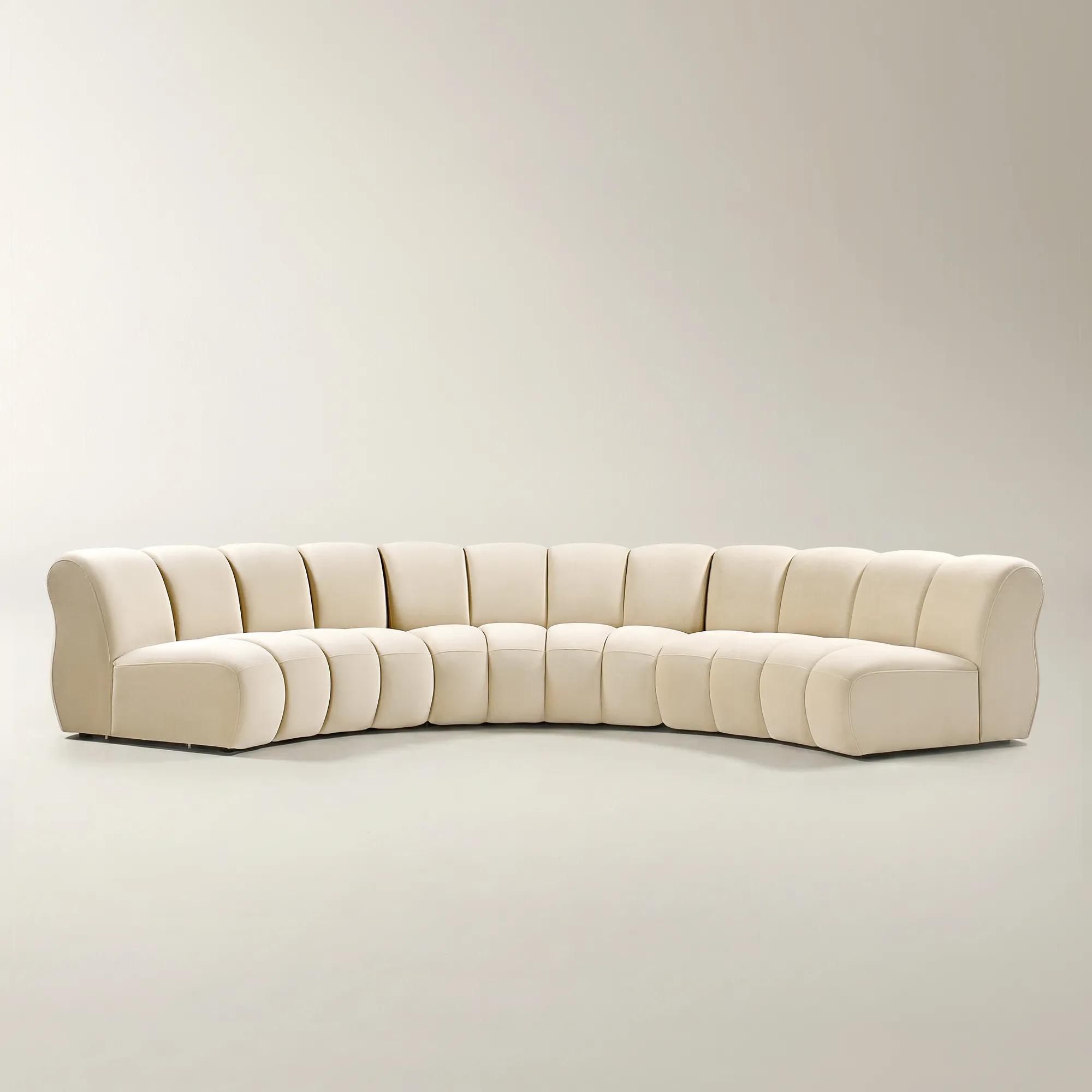
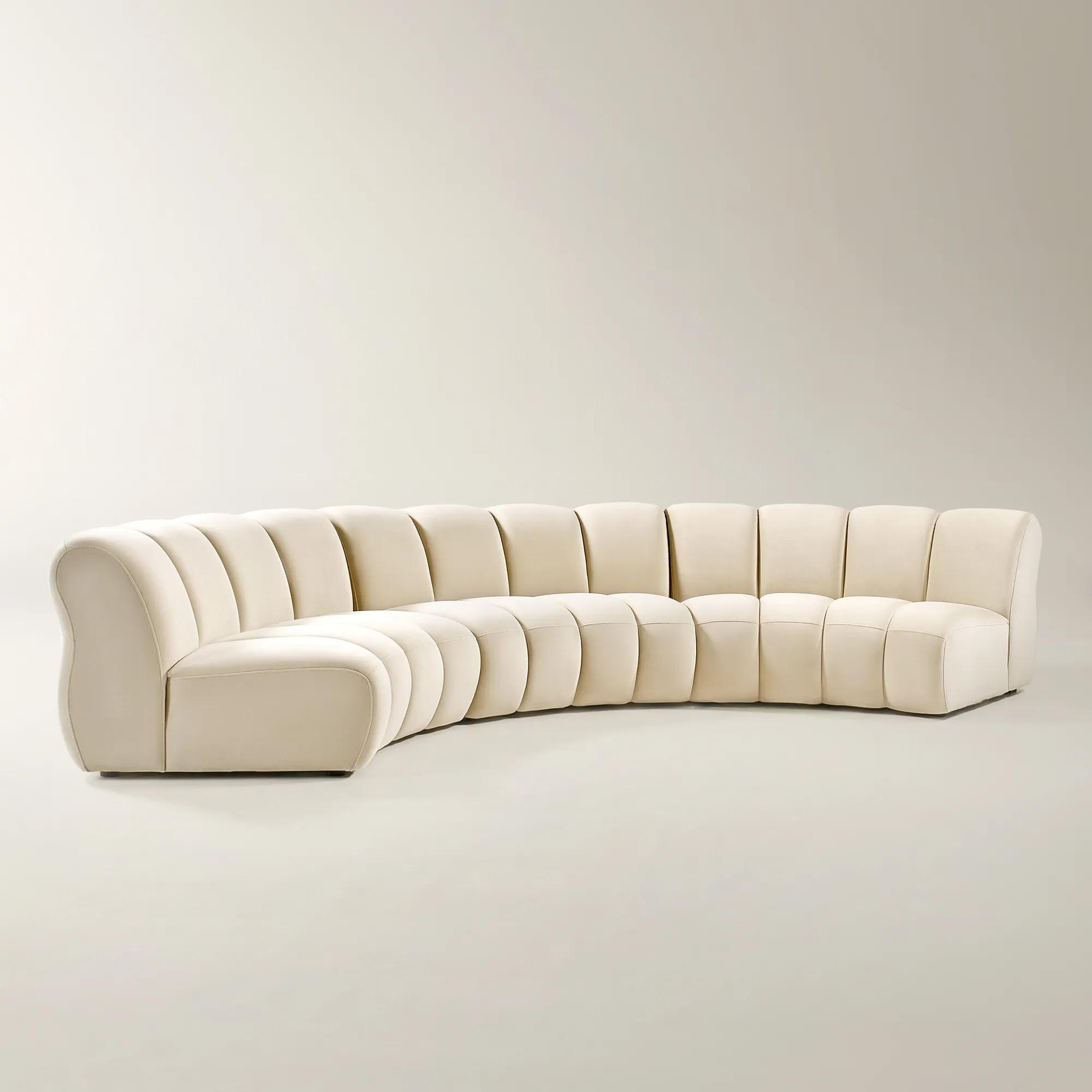 Jocelyn 3-Piece Channel-Tufted Oatmeal Velvet Sectional Sofa$4099
An oatmeal velvet sectional featuring deep channel tufting, sculptural curves, and modular, kiln-dried wood construction.
Add To Cart -
 Asheville Beige Boucle Sofa$2399
A light grey boucle sofa with feather-filled cushions, removable slipcover, and kiln-dried solid oak feet.
Add To Cart -
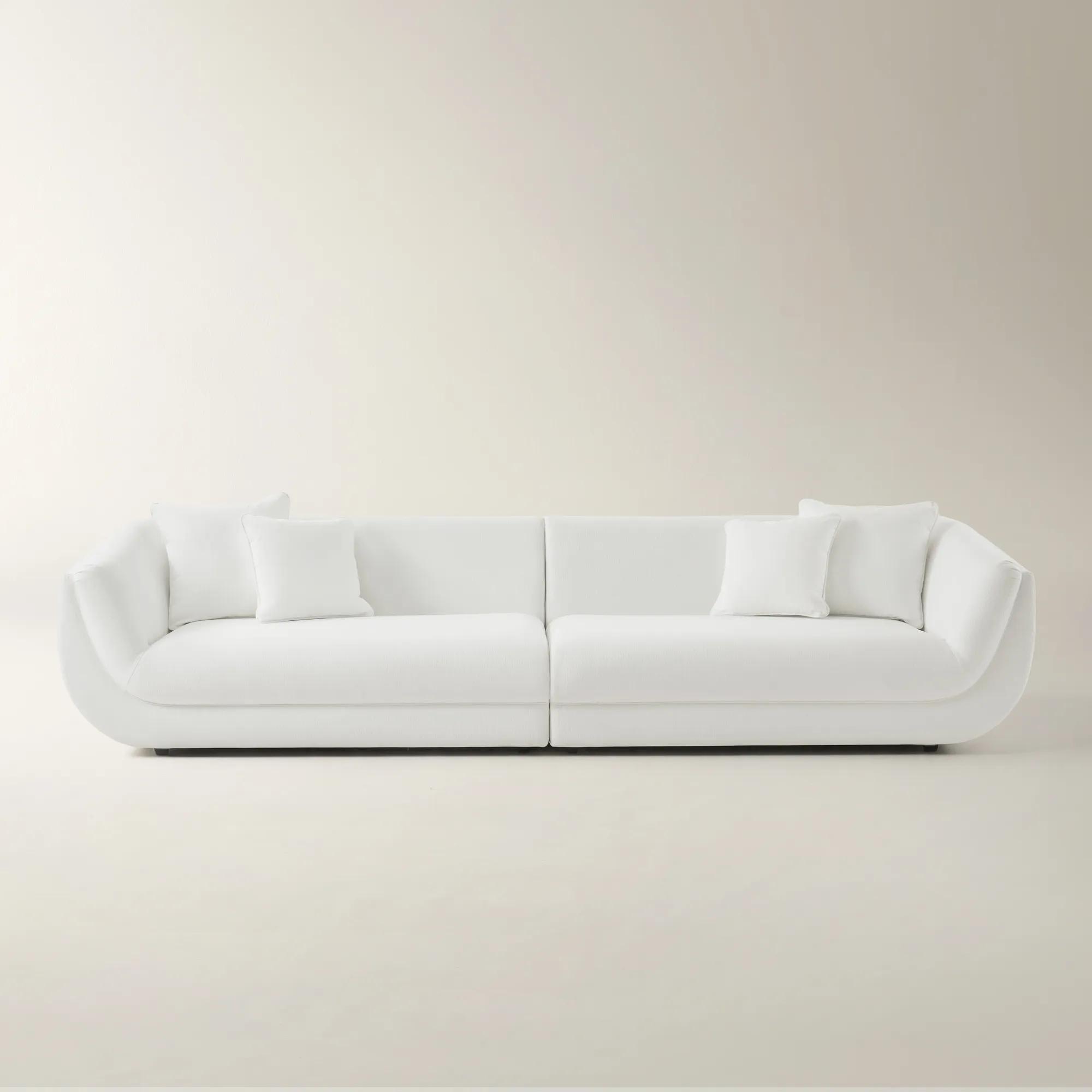
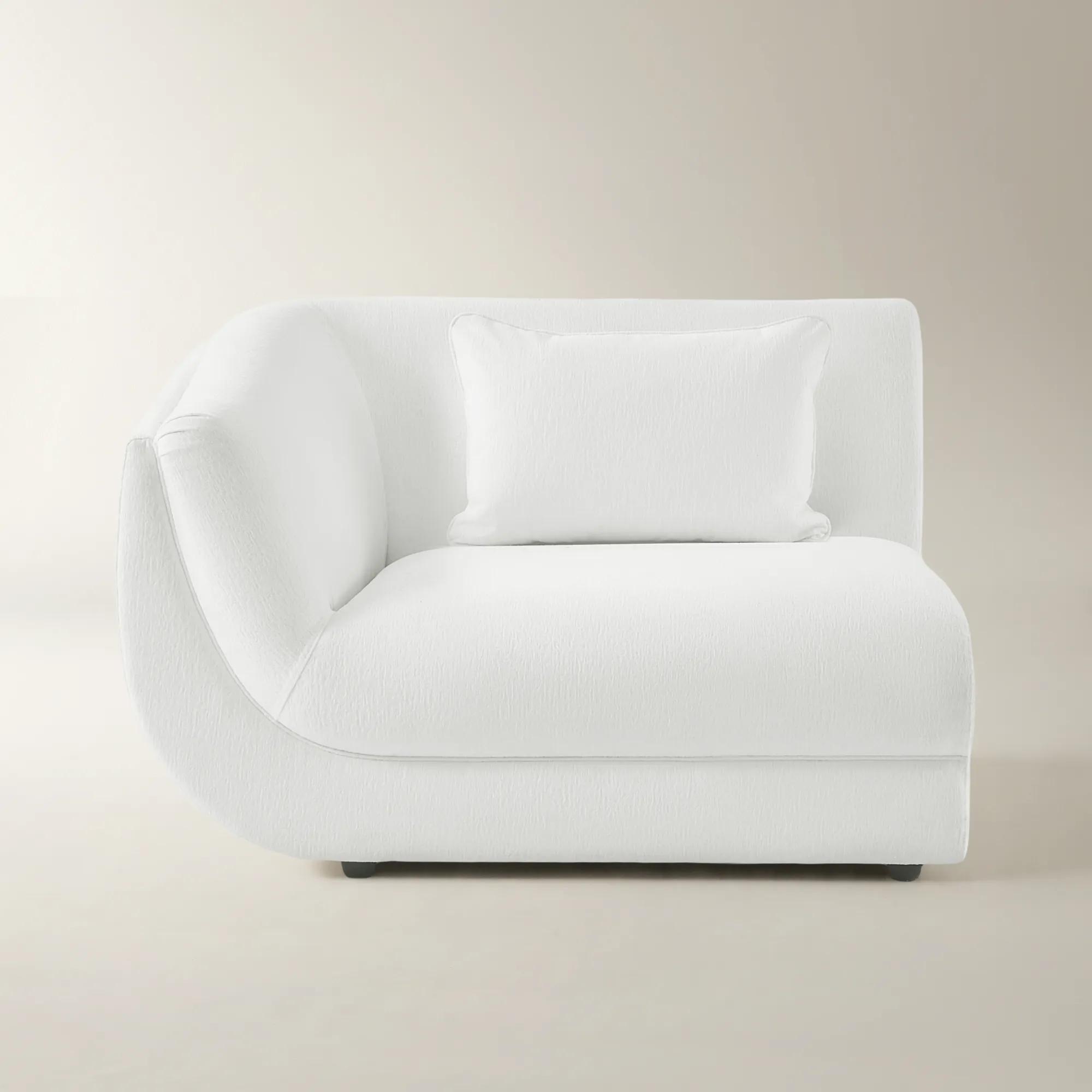
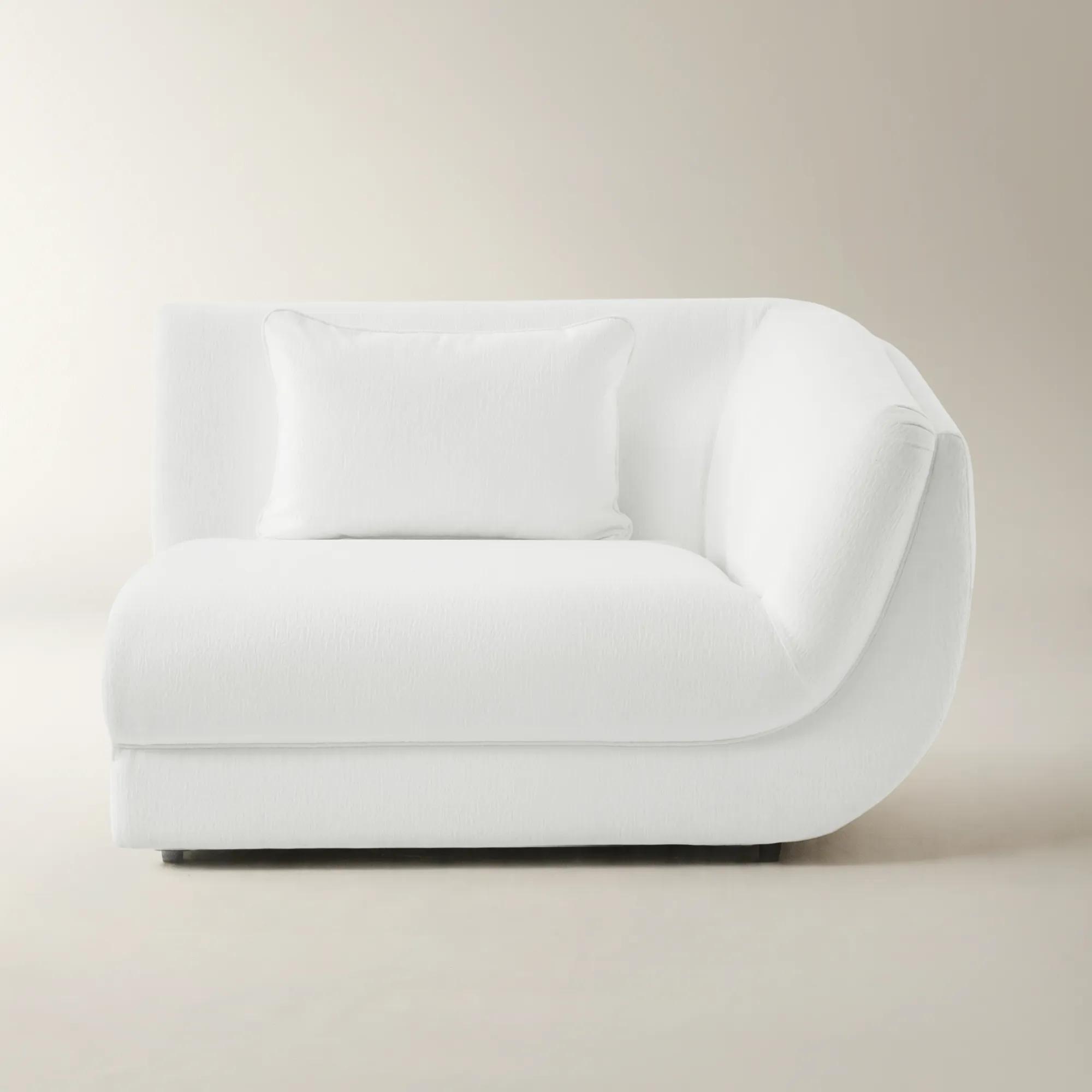
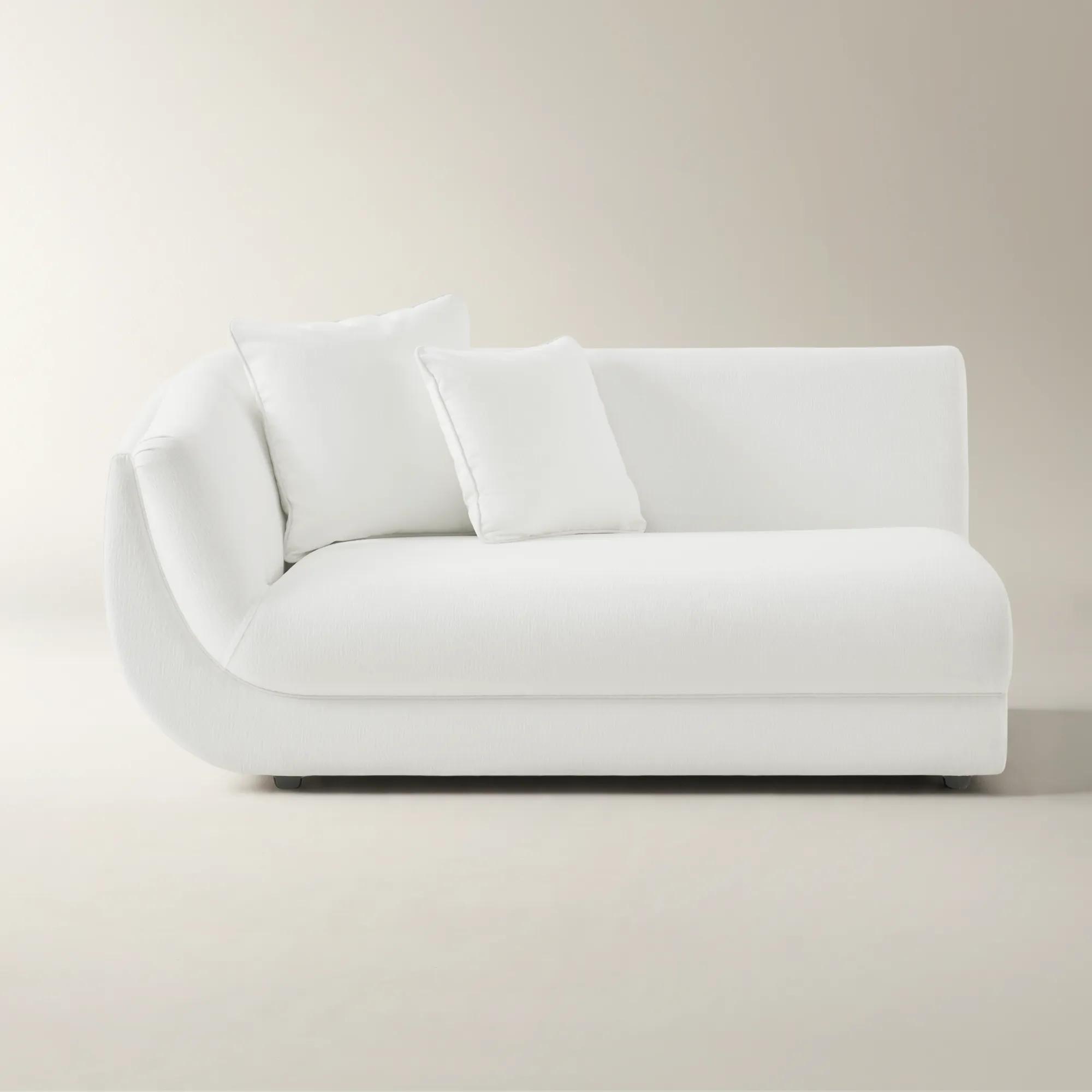
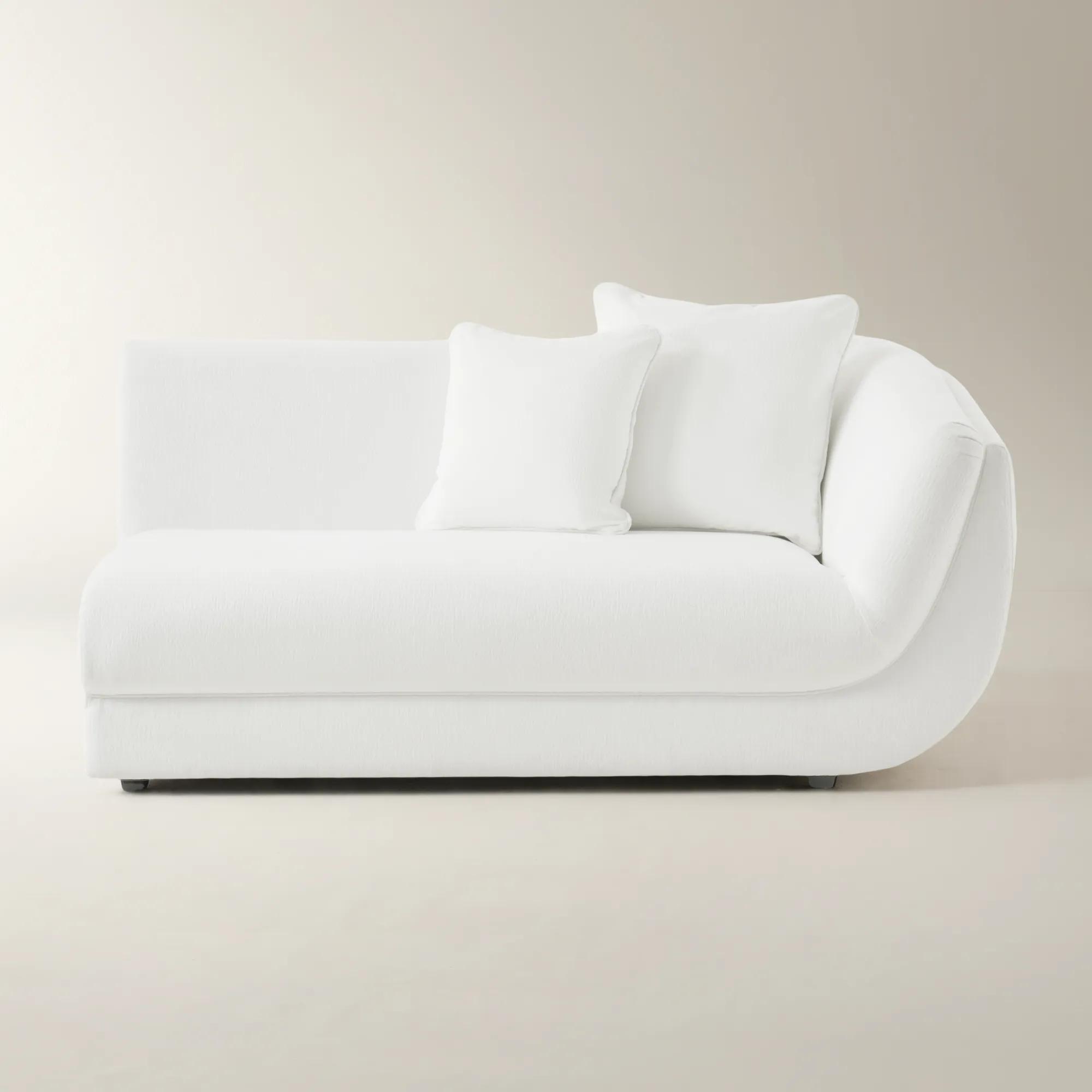
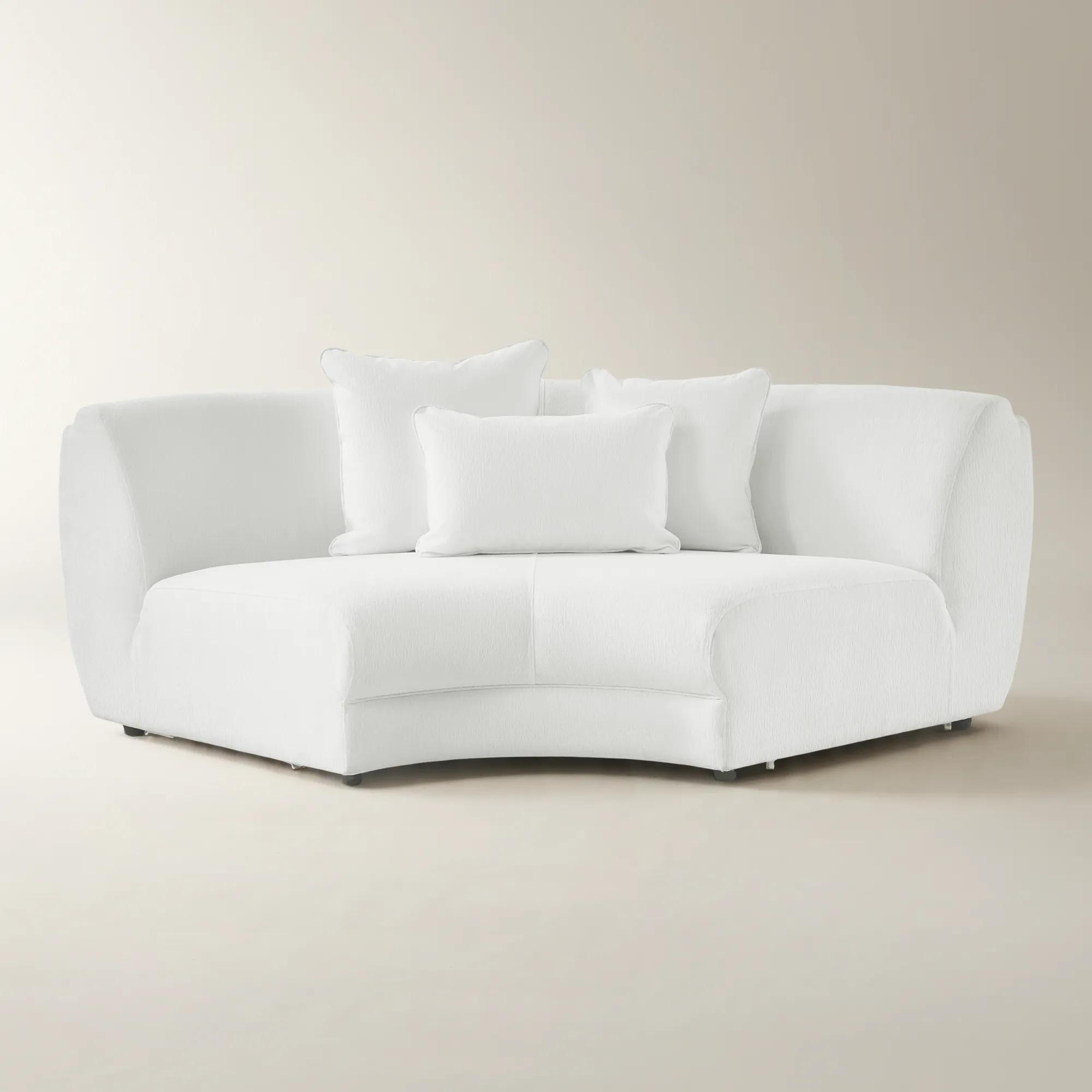
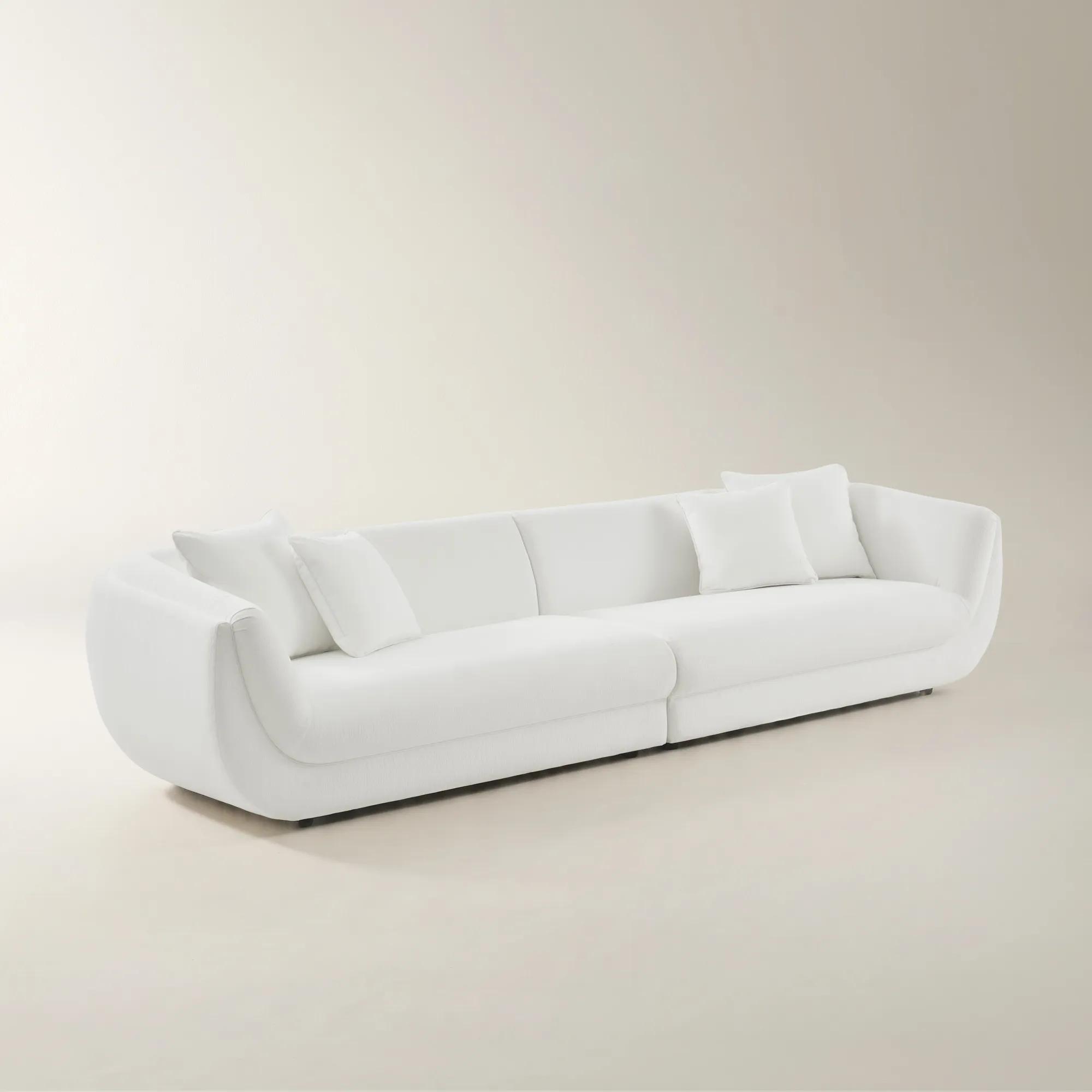 Curvia 2-Piece White Performance Chenille Indoor/Outdoor Grand Sectional Sofa$2999
A sculptural white sectional wrapped in performance chenille, designed for luxurious indoor or outdoor lounging.
Add To Cart -

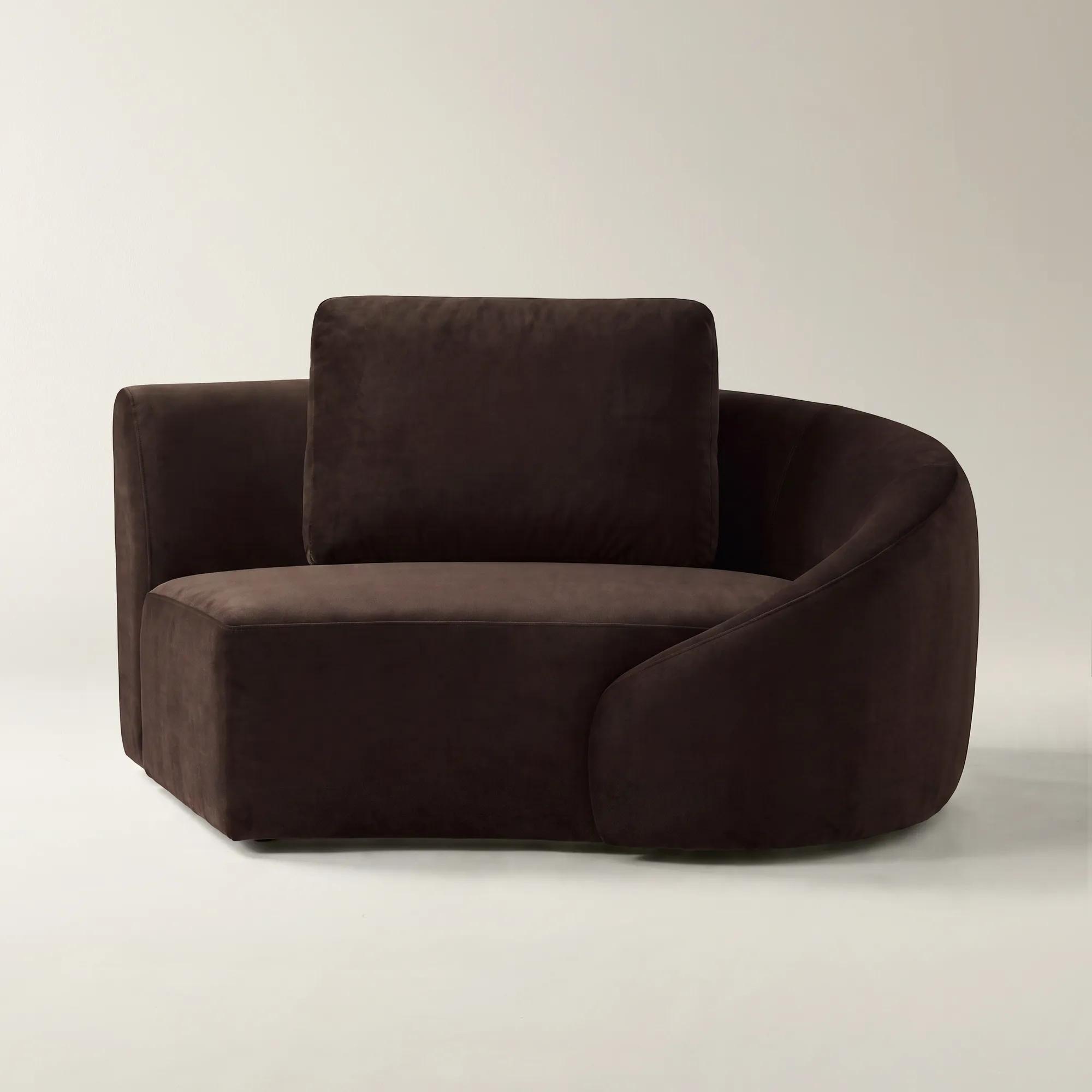
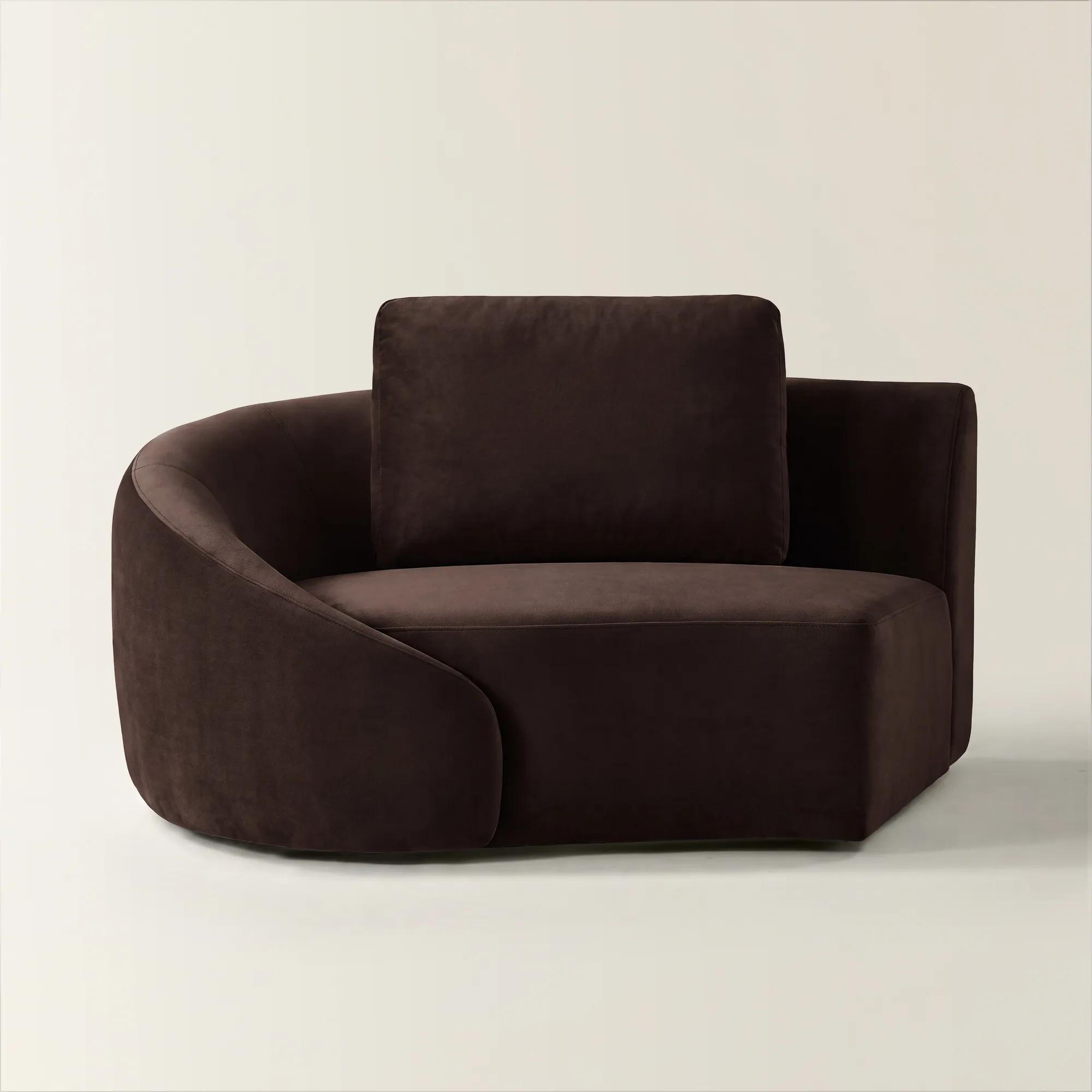
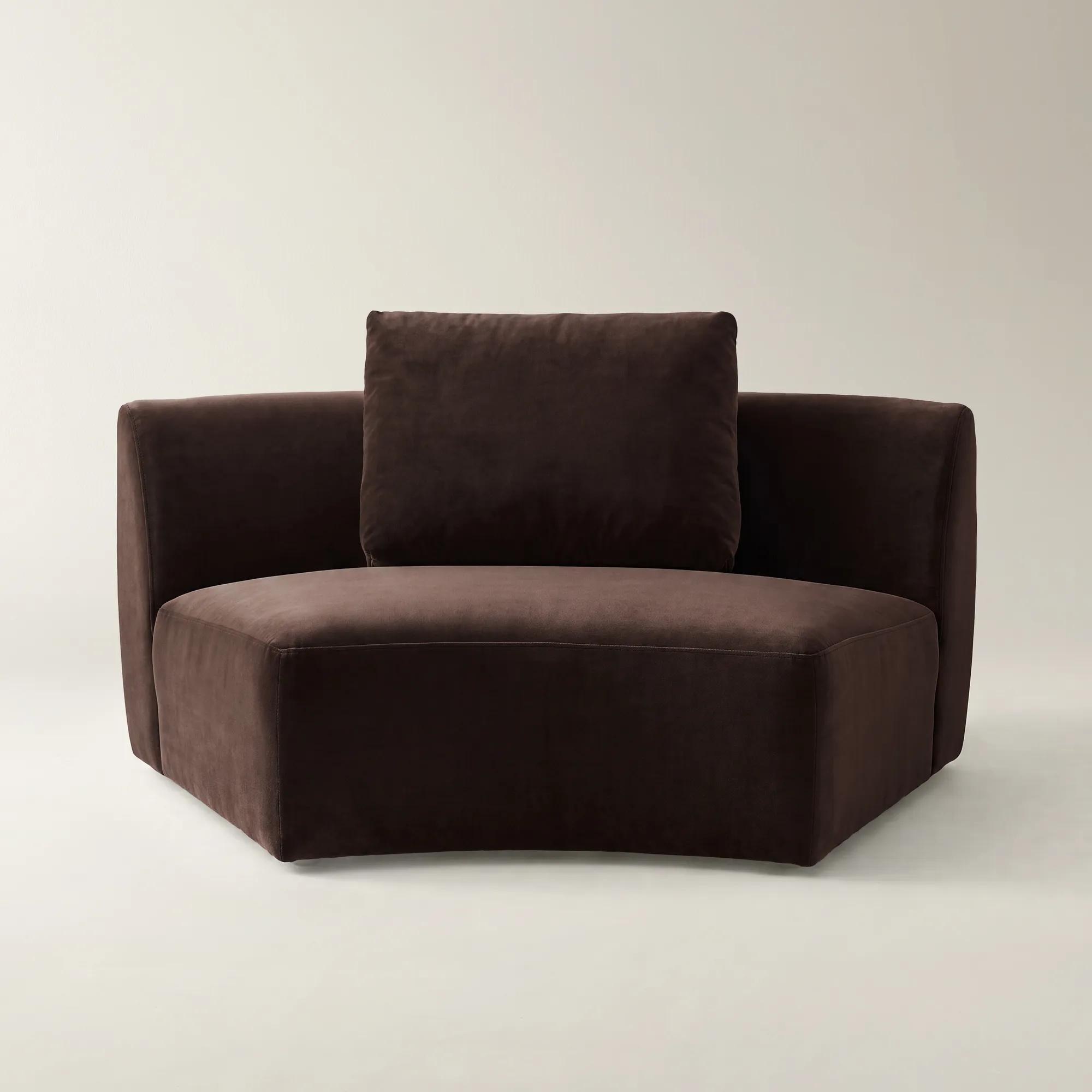
 Curvia 2-Piece Dark Chocolate Velvet Grand Sectional Sofa$2899
A modular sectional wrapped in dark chocolate velvet, featuring sculptural curves and deep, plush lounge seating.
Add To Cart -
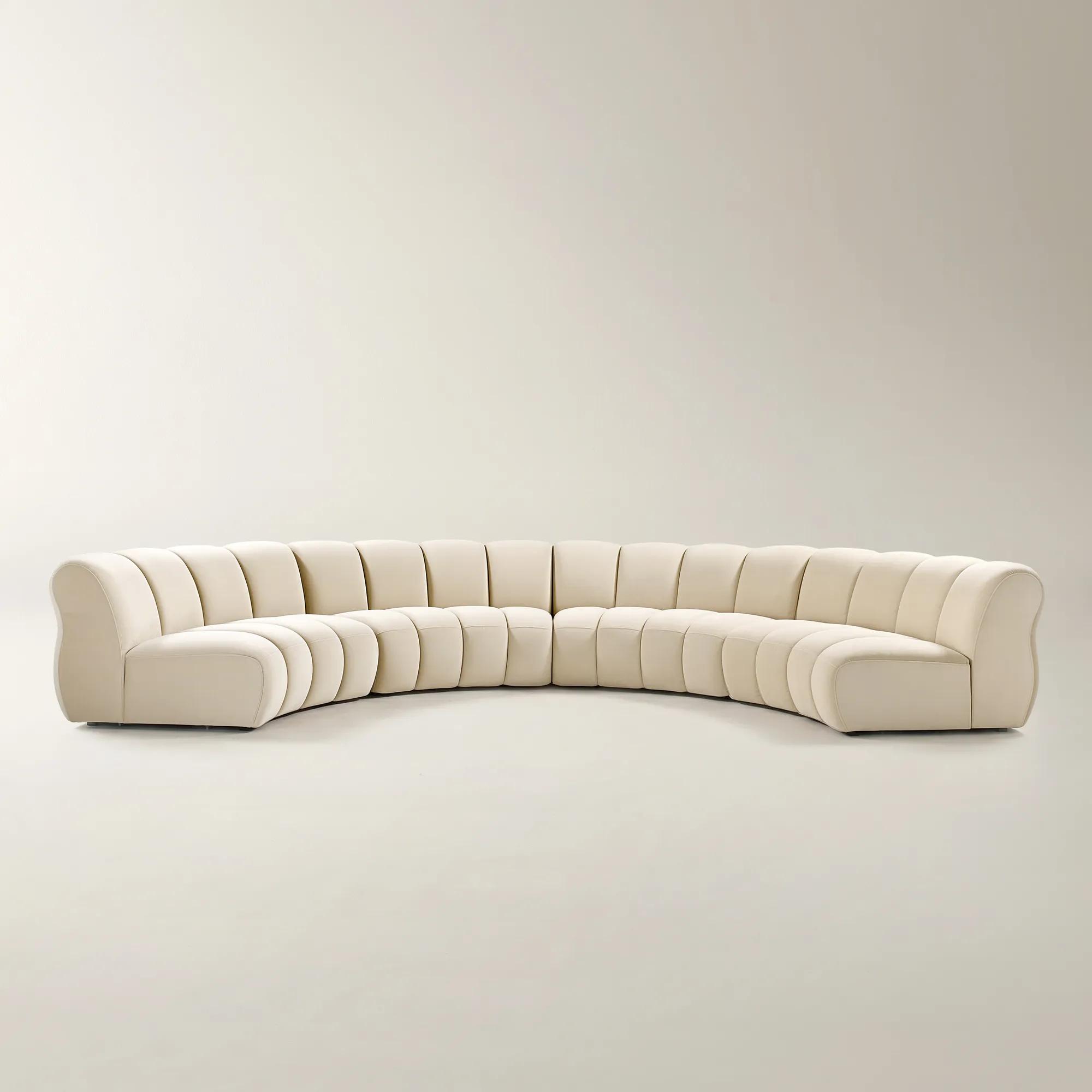
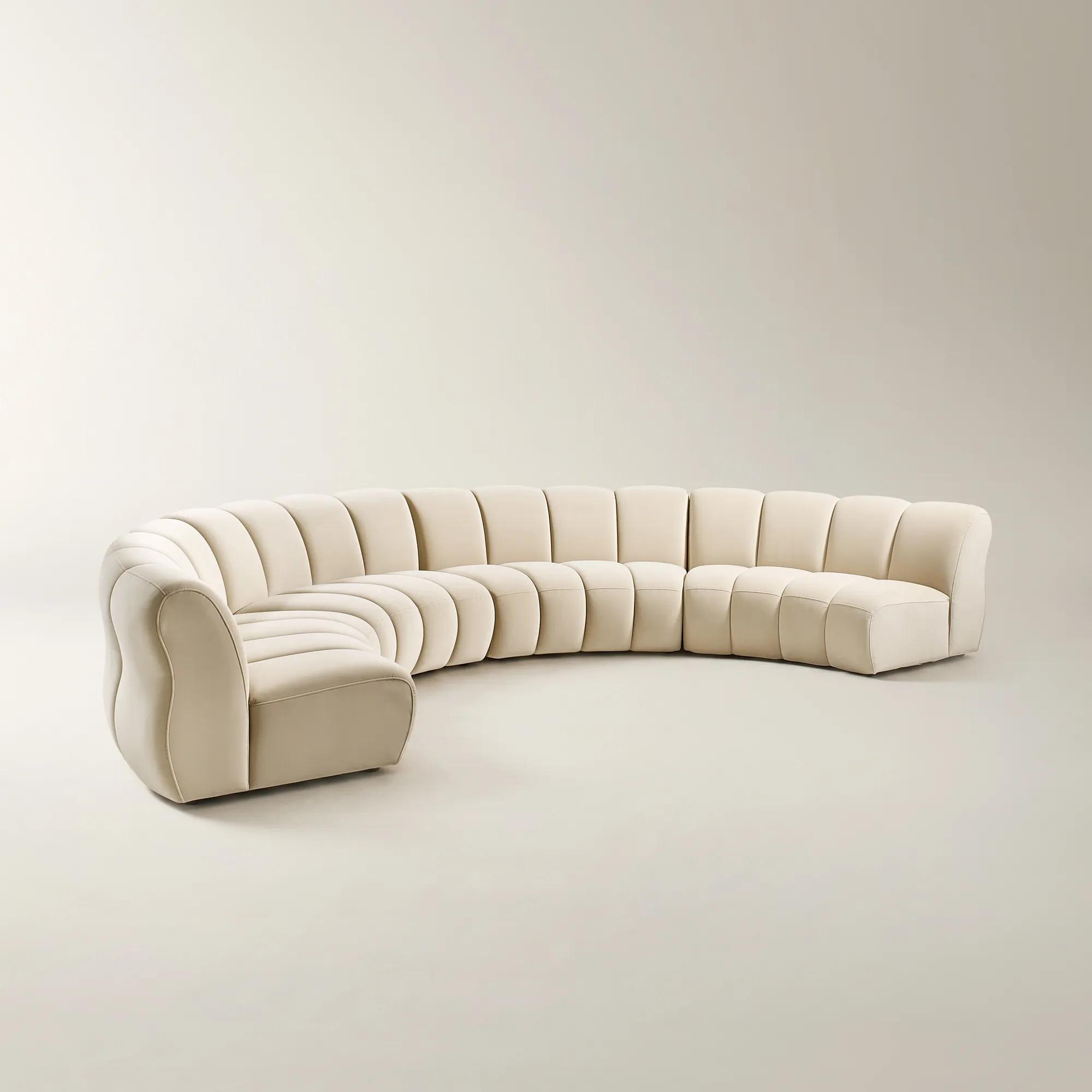 Jocelyn 4-Piece Channel-Tufted Oatmeal Velvet Sectional Sofa$4999
An oatmeal velvet sectional with deep channel tufting, curved silhouette, and modular design for versatile lounging.
Add To Cart -
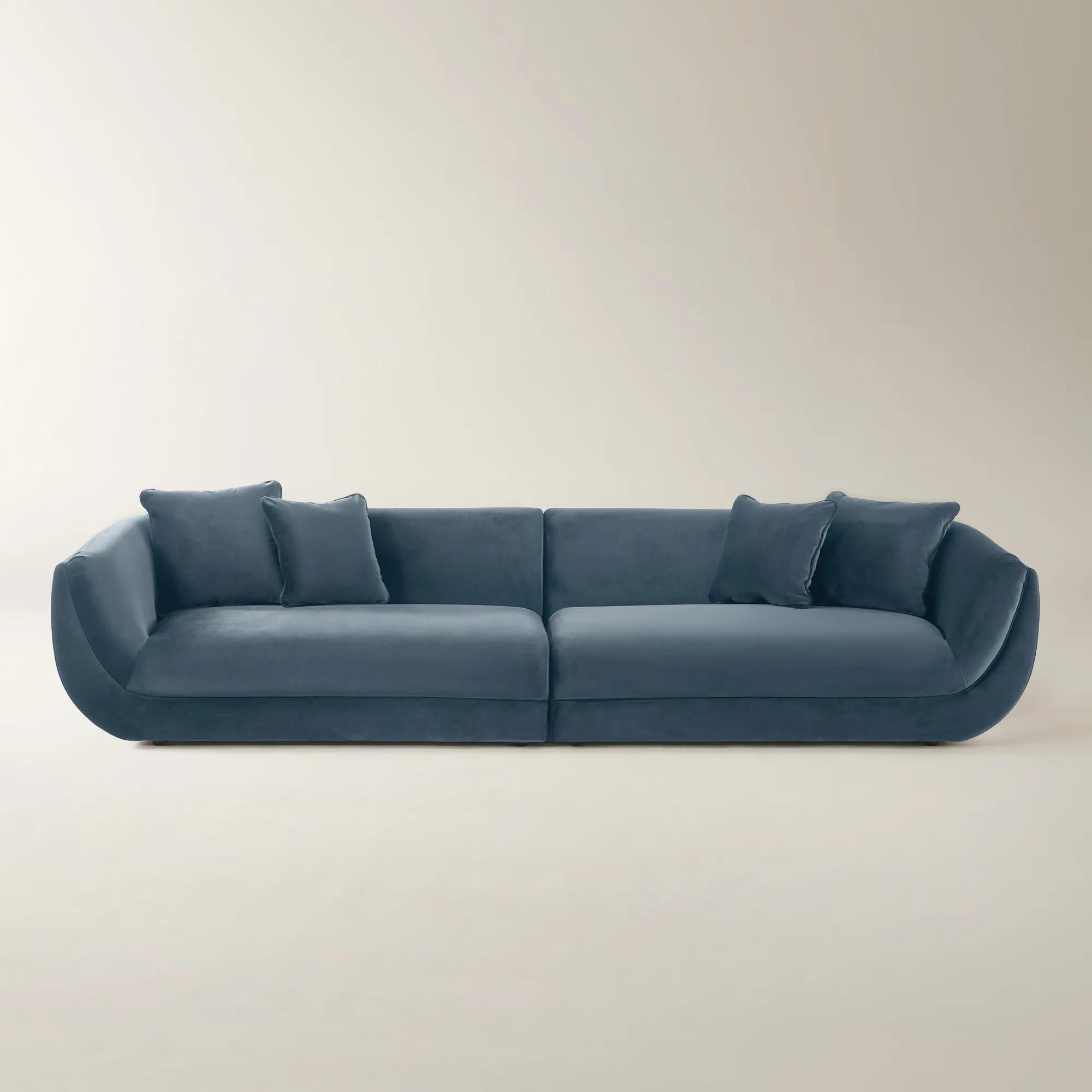
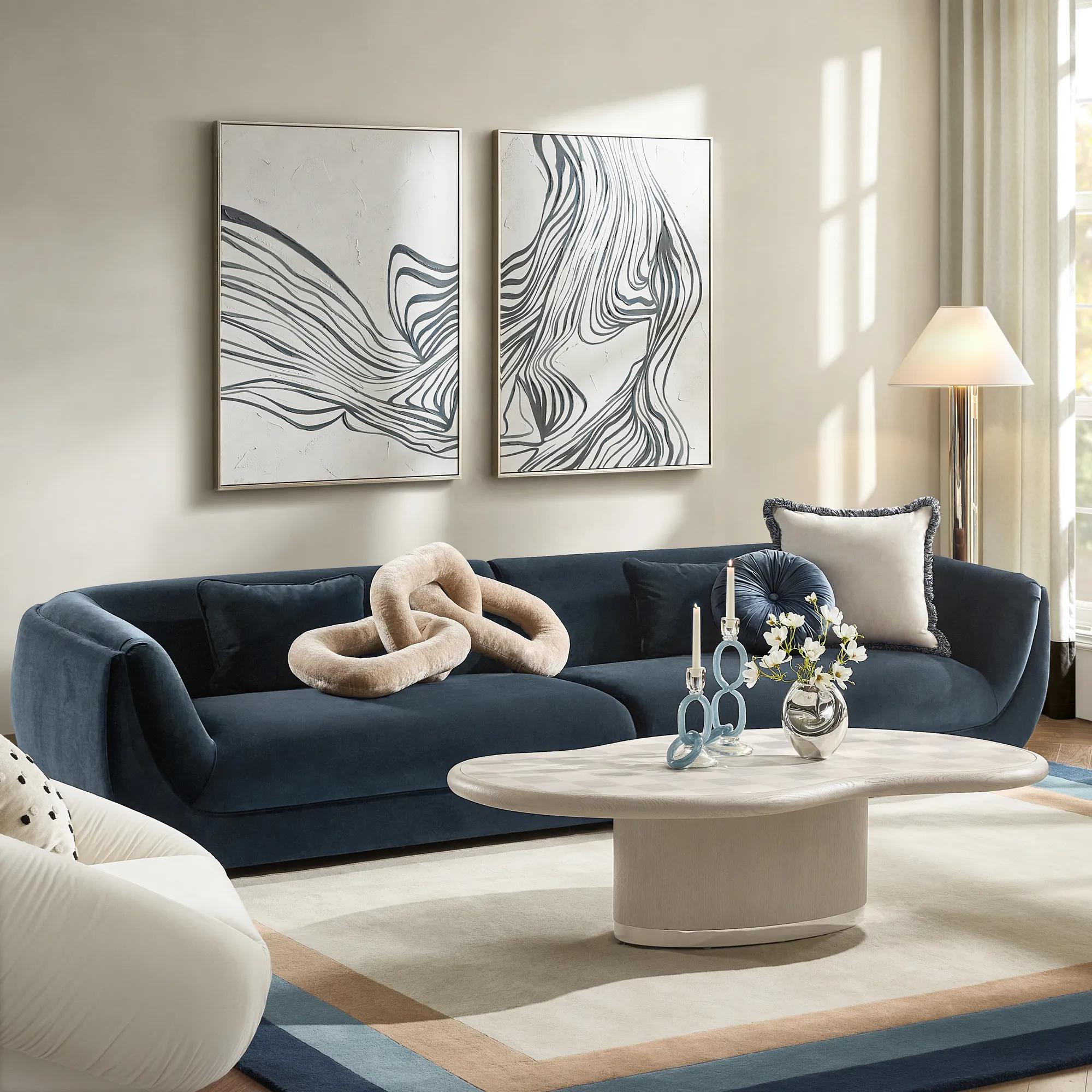 Curvia 2-Piece Dusty Blue Velvet Grand Sectional Sofa$2899
A plush, modular sectional wrapped in dusty blue velvet with sculptural curves and deep, lounge-worthy comfort.
Add To Cart -
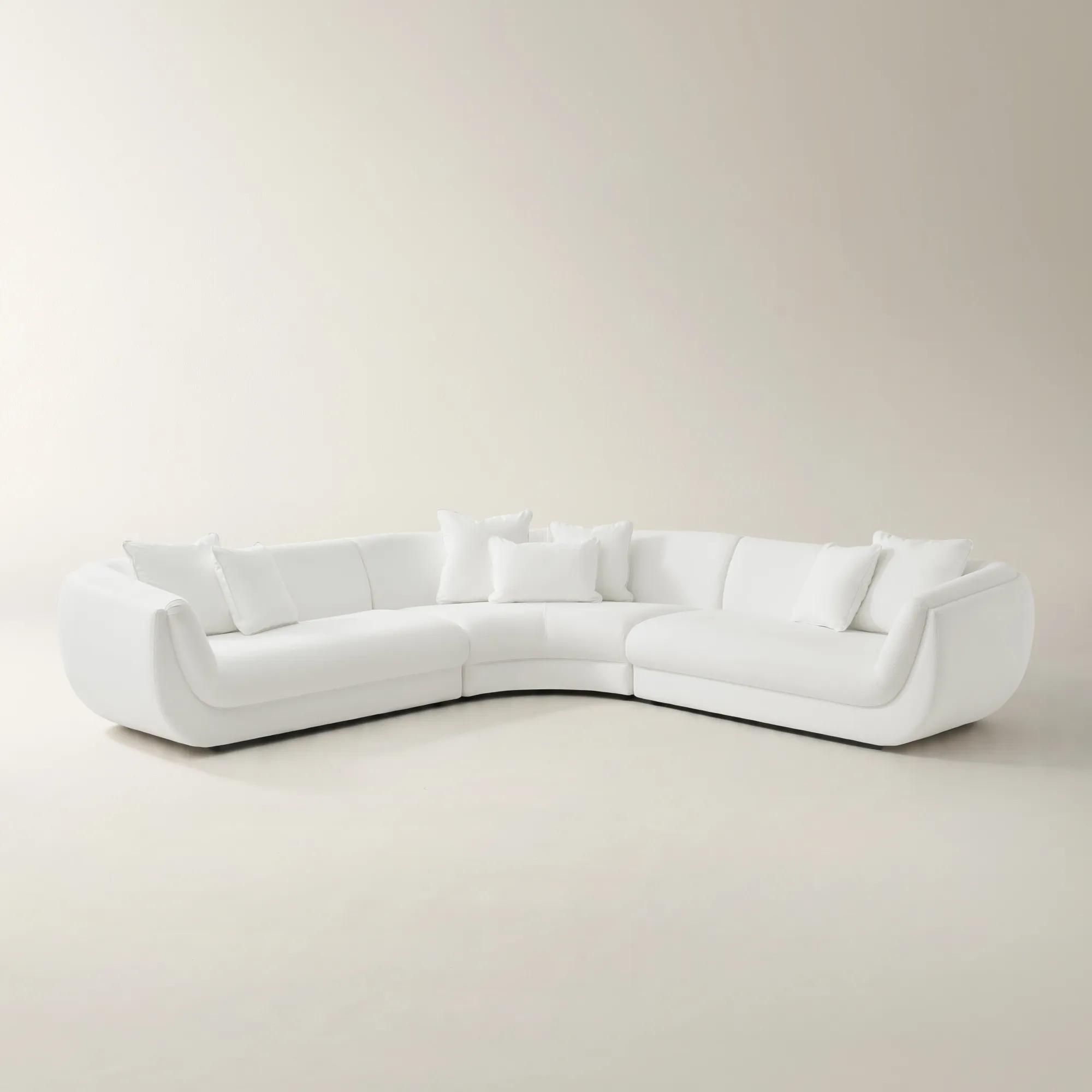 Curvia 3-Piece White Performance Chenille Indoor/Outdoor Sectional Sofa$4599
A sculptural white sectional sofa wrapped in performance chenille for luxurious indoor and outdoor lounging.
Add To Cart -
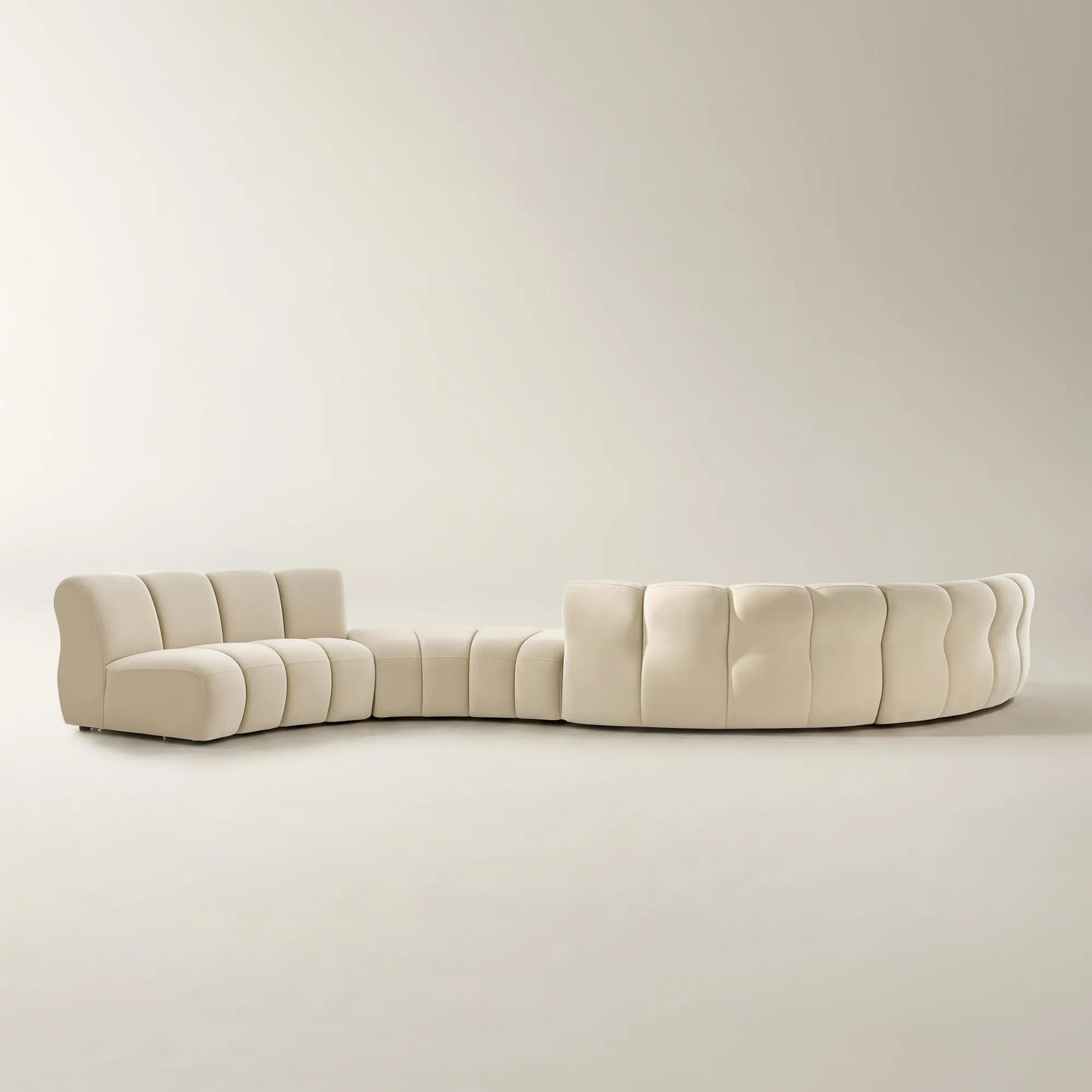 Jocelyn 4-Piece Channel-Tufted Oatmeal Velvet Sectional Sofa With Ottoman$4999
An oatmeal velvet sectional with deep channel tufting, curved silhouette, and modular design for flexible arrangements.
Add To Cart -
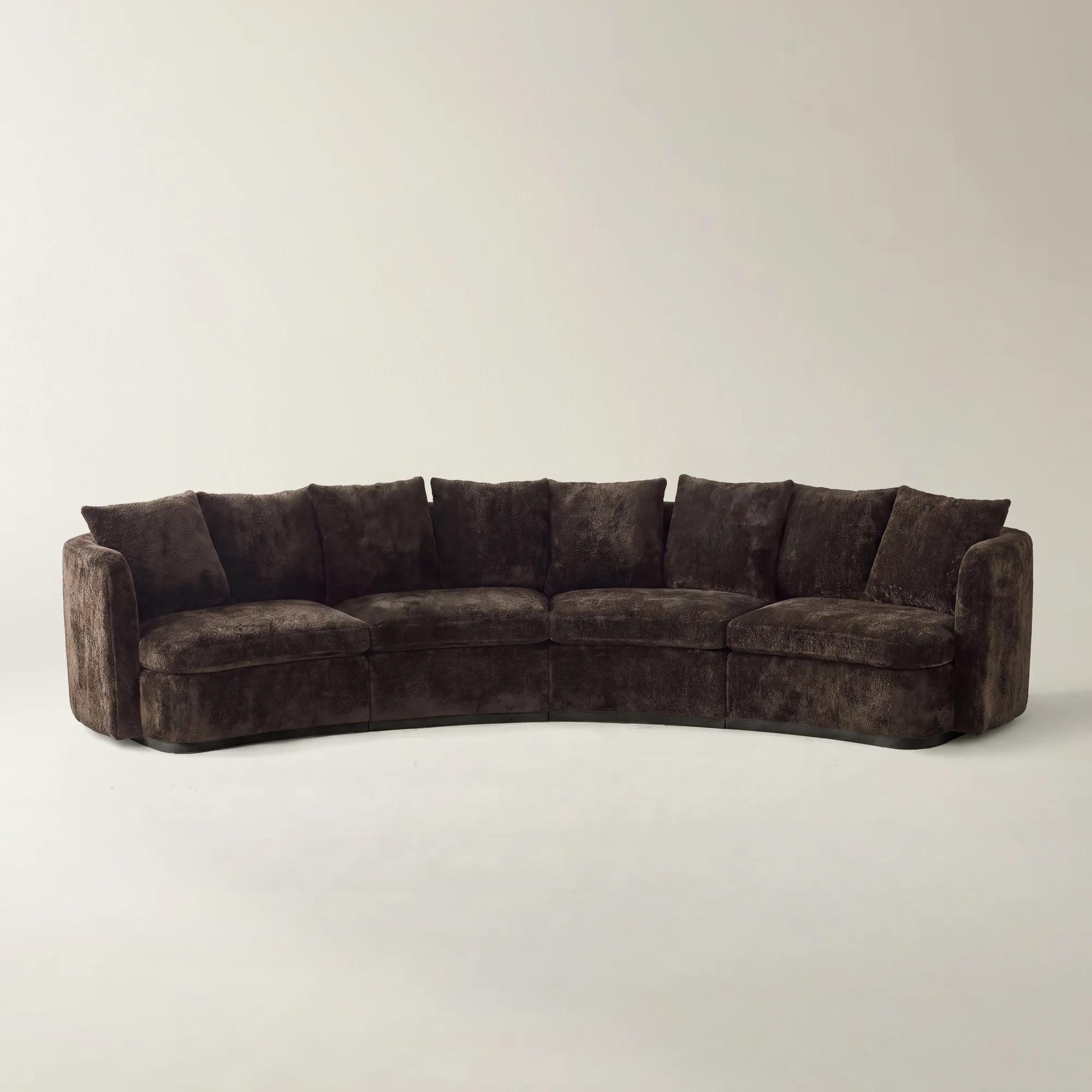
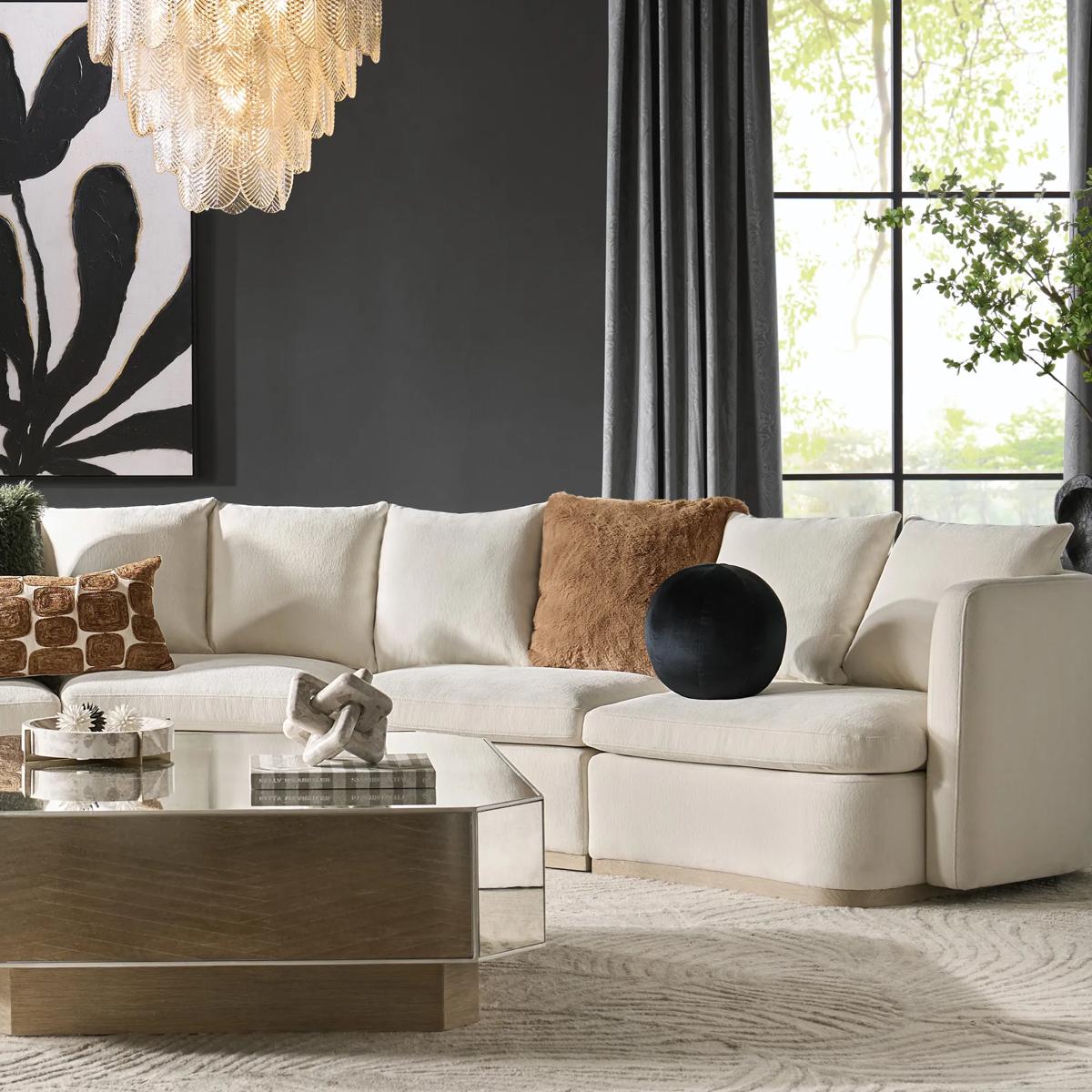 Stria 4-Piece Dark Chocolate Chenille Sectional Sofa$4099
A dark chocolate chenille sectional featuring sculptural curves, layered down-blend cushioning, and modular connectors.
Add To Cart -
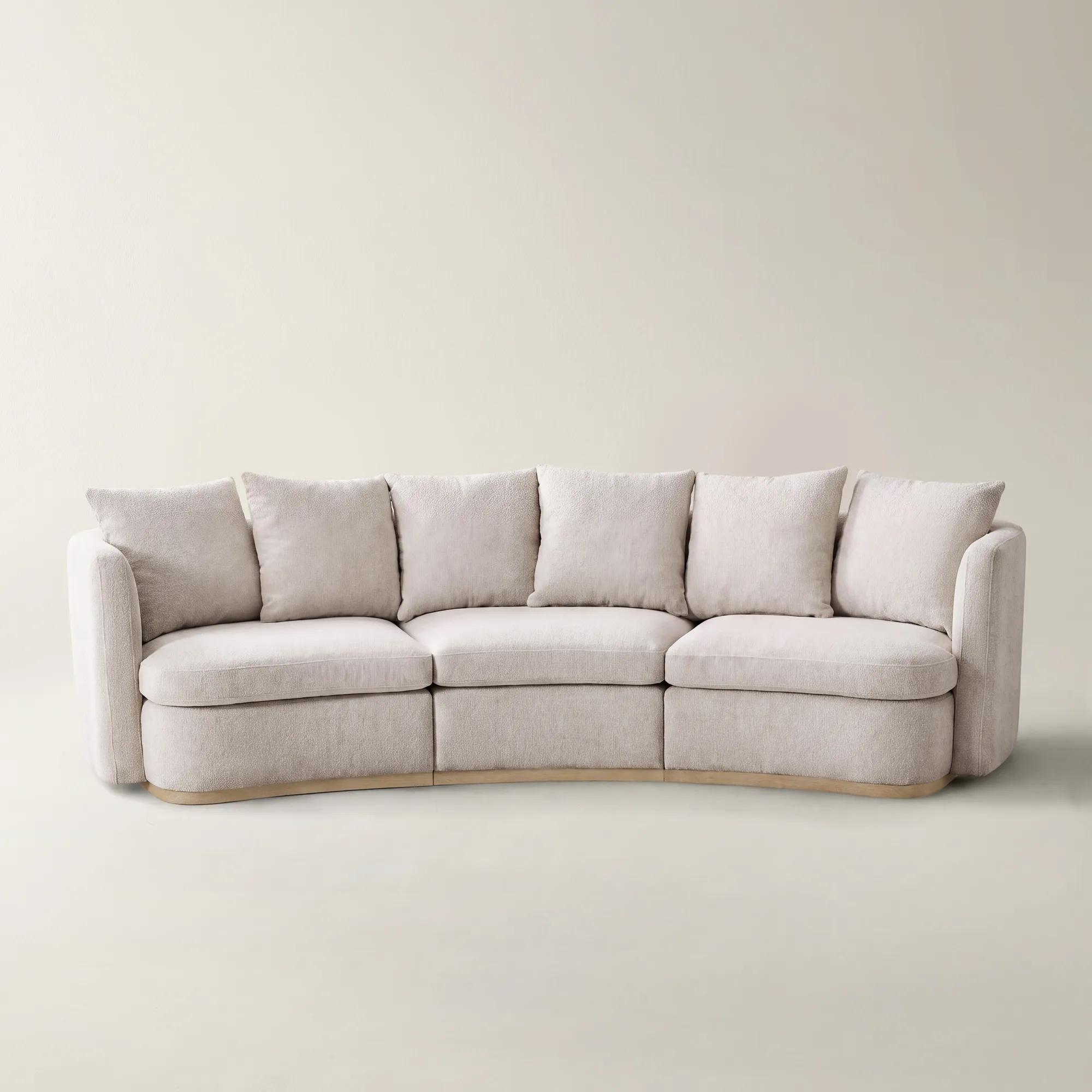 Stria 3-Piece Ivory Performance Boucle Sectional Sofa$3099
An ivory performance boucle sectional with sculptural curves, modular construction, and layered foam-down cushioning for comfort.
Add To Cart -
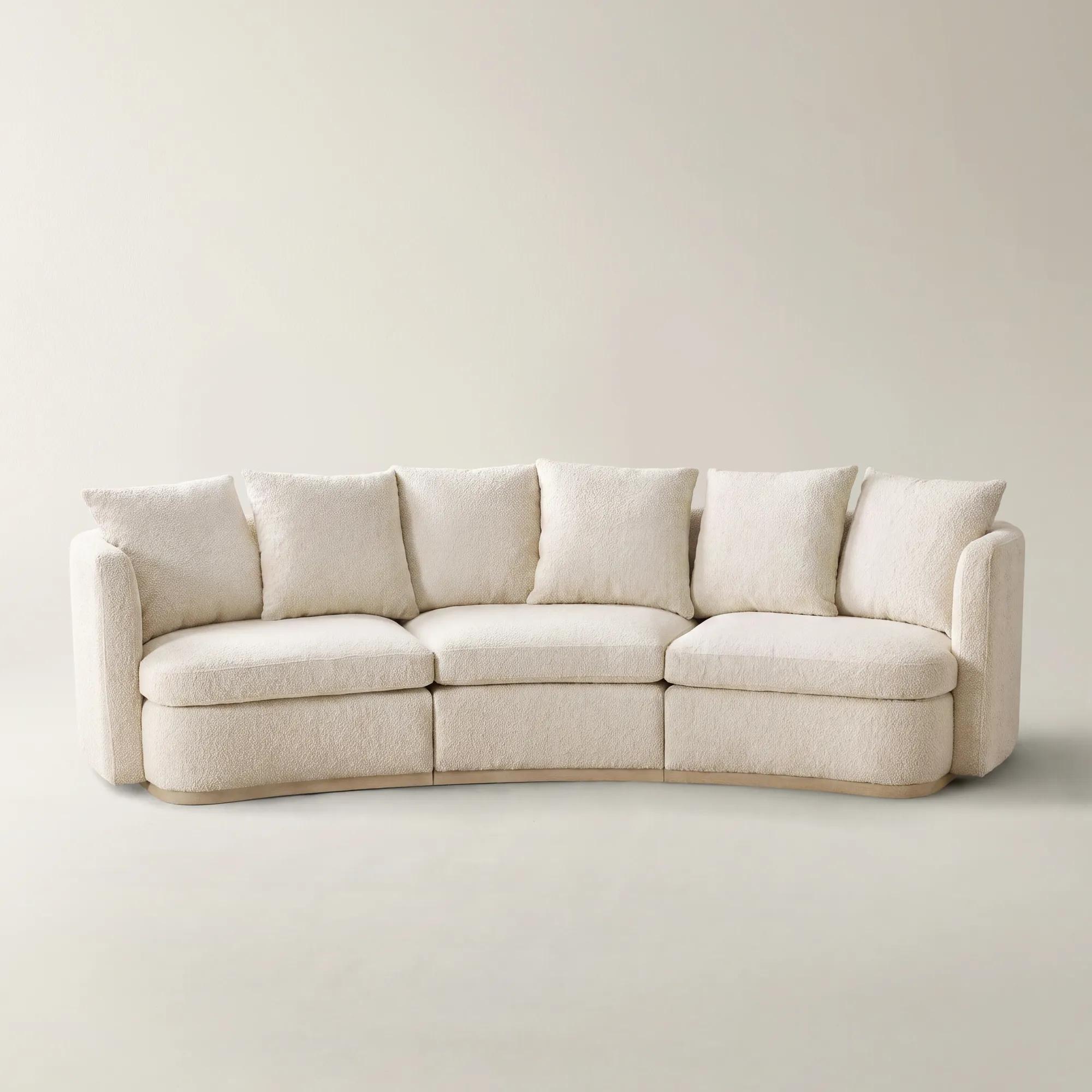 Stria 3-Piece Ivory Performance Boucle Sectional Sofa$3099
A sculptural ivory performance boucle sectional with kiln-dried wood, oak base, modular connectors, and down-blend cushioning.
Add To Cart

Sofas For Boutique Hotels
Sofas for boutique hotels are more than seating—they are the signature flourish that transforms a lobby into a grand entrance and a suite into an unforgettable sanctuary. Each piece is chosen not just for comfort, but to orchestrate an atmosphere of curated luxury, beckoning guests to linger in style. Whether poised beneath a statement chandelier or anchoring an intimate lounge, these sofas invite conversation, inspire admiration, and set the scene for elevated hospitality. For hoteliers who believe every detail speaks volumes, discover silhouettes and textures that turn every space into a story worth savoring.
Sofas for boutique hotels bring together expressive design, inviting comfort, and durability suited to their intended setting. In a property where every room contributes to a distinctive identity, the sofa becomes more than a place to sit: it establishes the mood of arrival, anchors a conversation, and gives guests a reason to linger. A sweeping curved silhouette can soften the geometry of a lobby, while a tailored profile with sculptural arms lends a suite the poise of a private residence. Jewel-toned upholstery creates a saturated focal point against pale walls; ivory, taupe, and charcoal allow artwork, polished metal, and richly veined stone to command attention. The most compelling choice feels connected to the architecture without disappearing into it. Scale matters as much as color. A generous sofa may look magnificent beneath a dramatic chandelier, but its footprint must leave clear routes between the entrance, reception desk, elevators, and adjoining lounge areas. Consider overall width and depth alongside seat height, arm height, and the space needed around nearby tables. In smaller guest rooms, a compact two-seat sofa can create a separate place for reading or conversation without competing with the bed or obstructing luggage storage. Deeper seating encourages an unhurried pause in a lounge, while a more upright seat often serves guests waiting for transportation or meeting colleagues. A gently rounded arrangement supports face-to-face conversation; a straight sofa against a wall can preserve valuable floor space. Measure delivery routes, elevator interiors, doorways, and tight turns as carefully as the final placement. A beautifully proportioned room begins with furniture that can reach it. Boutique hotel owners, interior designers, and hospitality teams can use these details to shape seating that feels intentional, whether the setting is an intimate reception salon, a lively social lounge, or a suite designed for extended stays. The result should offer visual drama without making guests navigate around it.
Upholstery and construction determine how confidently that design holds its presence through repeated use. For hotel lobbies and other high-traffic spaces, look for documented commercial suitability rather than relying on appearance or the word “performance” alone. A fabric’s abrasion rating can help indicate resistance to wear, but test methods differ, and a high double-rub count does not establish stain resistance, seam strength, or overall sofa longevity. Review abrasion results alongside pilling, colorfastness, cleaning requirements, and the manufacturer’s guidance for hospitality use. Performance textiles may offer easier stain management, while tightly woven fabrics can deliver a refined surface with less pronounced texture. Velvet introduces luminous depth, catching light differently across its pile and giving even a restrained silhouette a more theatrical presence. Its care requirements vary by fiber and finish, so confirm whether the chosen velvet suits frequent use and the property’s cleaning routine. Textured upholstery can disguise minor visual variation, although pronounced loops may be vulnerable to snagging from jewelry, bags, or hardware. Leather offers a rich, tactile alternative, but finishes behave differently: some show scratches and develop patina, while others have protective treatments that support easier surface cleaning. Commercial vinyl may provide a wipeable option when its specifications match the application, though cleaning-product compatibility still needs verification. Beneath the upholstery, a well-built frame, secure joints, supportive suspension, and resilient cushions help preserve comfort and shape. Frame material alone is not a complete measure of quality; construction details and the suitability of the entire seating system matter. Firm, supportive cushions can make rising easier, while softer cushions create a more enveloping experience and may require more frequent reshaping. Removable cushion covers are not necessarily washable, and removable cushions do not automatically indicate commercial-grade construction. For hospitality installations, confirm warranty coverage, applicable accessibility requirements, and local fire-safety requirements before selecting seating. Where California TB 117-2013 is relevant, recognize that it addresses smolder resistance in specified upholstered-furniture components, not a promise that a sofa is fireproof. These practical distinctions protect the atmosphere as well as the investment in a carefully composed interior.
Care should be considered part of the design from the beginning, especially when a sofa will welcome many different guests throughout the day. Elevated legs can make it easier to clean beneath seating, provided the clearance accommodates the property’s equipment; lower profiles create a grounded, architectural presence but may require a different housekeeping approach. Smooth, accessible surfaces and fewer hard-to-reach crevices can simplify routine maintenance without sacrificing elegance. Follow the upholstery care label and manufacturer’s instructions, remove loose debris with an appropriate vacuum attachment, and address spills promptly using the recommended method. Test permitted cleaning products in an inconspicuous area, and avoid assuming that a disinfectant suitable for hard surfaces is safe for fabric or leather. Velvet may need gentle attention to its pile, leather may require finish-specific care, and cushion rotation should follow the sofa’s construction and care guidance. Placement also influences long-term appearance: sustained direct sunlight can affect some upholstery colors, while repeated contact with luggage can mark exposed legs and trim. In a reception lounge, a nearby table gives guests a deliberate place for a handbag or beverage instead of balancing it on an upholstered arm. In a suite, seating positioned beside a reading light and within reach of a side table creates a comfortable retreat that remains distinct from the sleeping area. Decorative pillows can add dimension and echo the hotel’s palette, but keep enough usable seating for guests to settle in comfortably. For interiors with a similarly residential sense of polish, Sofas For Luxurious Apartments connects that same appreciation for statement silhouettes with spaces designed for everyday living. In a boutique hotel, the final composition should feel personal rather than standardized: upholstery that enriches the room’s color story, proportions that respect its architecture, and comfort that supports the way guests actually spend their time. Beautiful seating earns its place when the experience is as considered as the silhouette.
FAQs
Boutique hotel sofas often showcase a blend of bold modern silhouettes, classic tufted designs, and unique custom shapes. From sculptural, low-profile forms that evoke urban sophistication to plush, velvet-clad pieces reminiscent of Art Deco glamour, the goal is to create a striking focal point that complements the hotel’s overall aesthetic and narrative.
Opt for performance fabrics that combine tactile richness with durability. Stain-resistant velvets, treated leathers, and high-end woven textiles offer sumptuous texture and color while withstanding frequent use. Easy-to-clean materials and removable covers can also make maintenance effortless, ensuring the sofa retains its beauty season after season.
Absolutely. Many boutique hotels choose to customize sofas to reflect their unique brand identity, selecting everything from fabric and color to leg finish and silhouette. Customization allows designers to create truly one-of-a-kind pieces that elevate the ambiance and set the property apart.
A well-chosen sofa serves as both a visual statement and a haven for relaxation. It anchors the room, encourages conversation, and invites guests to unwind in style. Whether in a dramatic lobby or a private suite, the sofa shapes the mood and enhances the sense of welcome and indulgence.
Yes, the function and atmosphere of each space should guide the sofa selection. For example, a grand, tufted velvet piece may create a sense of drama in the lobby, while sleek modular designs offer flexibility for lounges or cocktail areas. In guest suites, comfort-focused sofas with refined details help create a restful, residential feel.