Small Luxury Gifts
Small Luxury Gifts
-

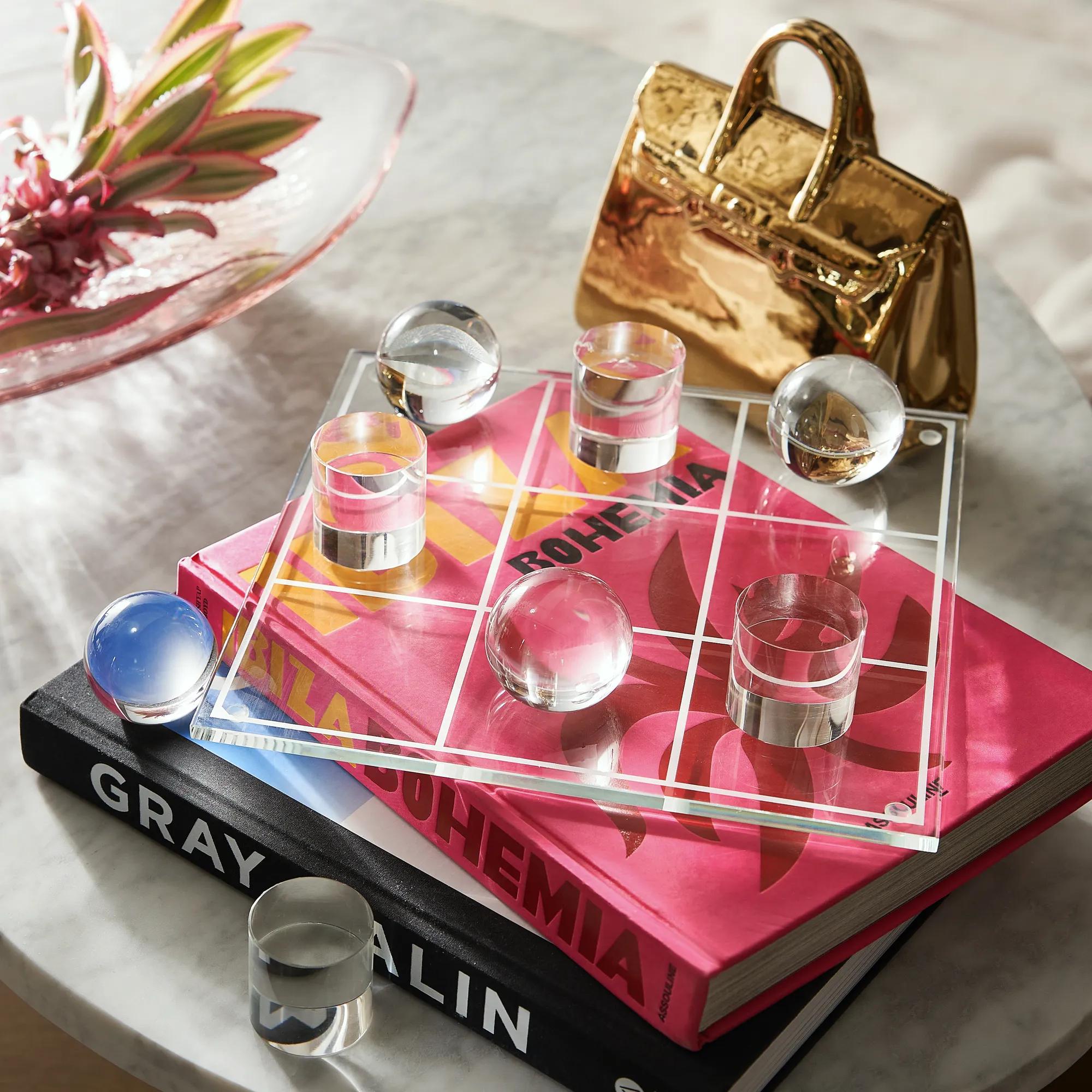 Handbag Gold Ceramic High Gloss Coin Bank Small$39
A stylish gold ceramic coin bank designed to resemble a chic handbag for decorative savings.
Add To Cart -

 Josie Soft Gold Shot Glass Gift Set$89
A soft gold glass and alloy shot glass set featuring sculptural wavy loop details and elegant gift-boxed presentation.
Add To Cart -
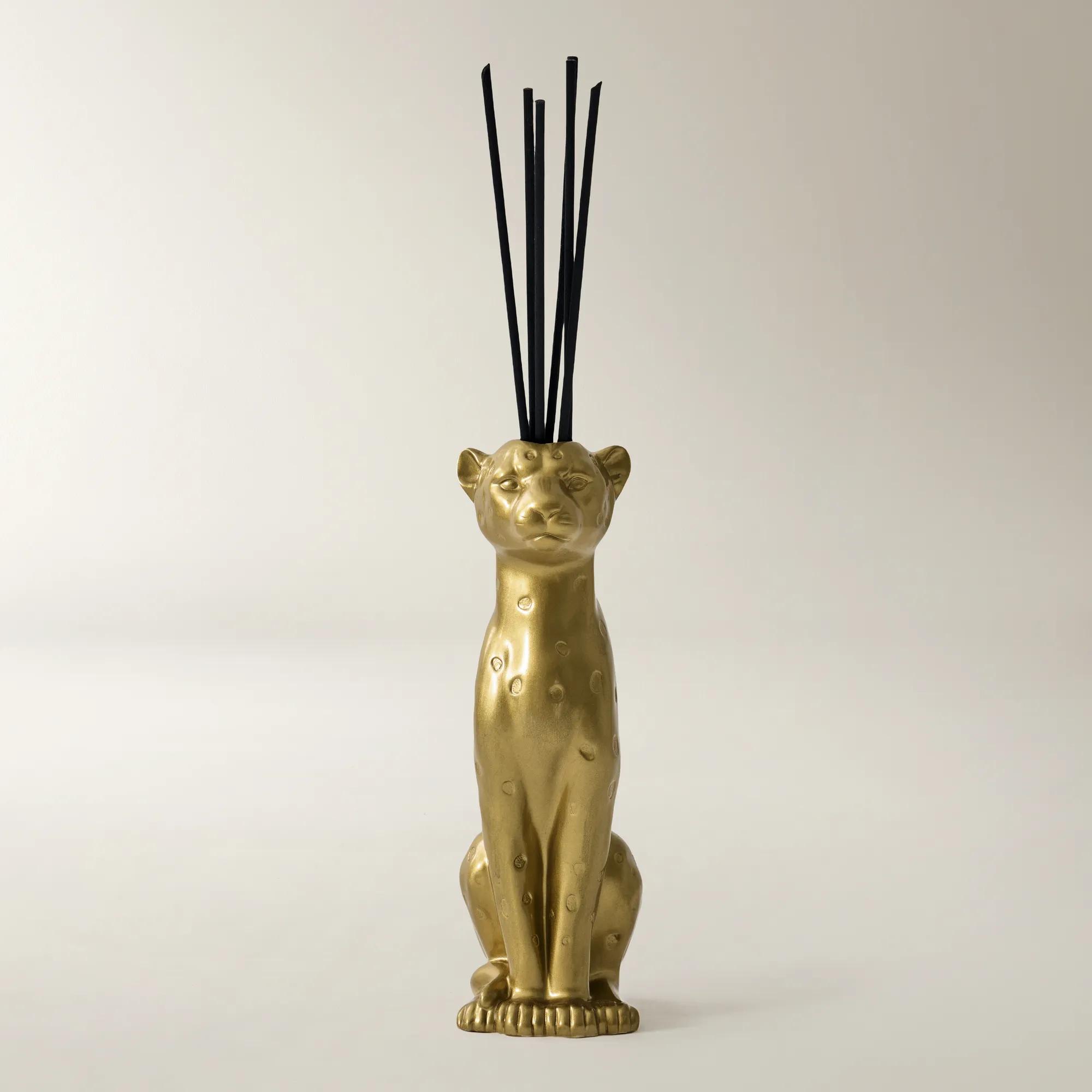
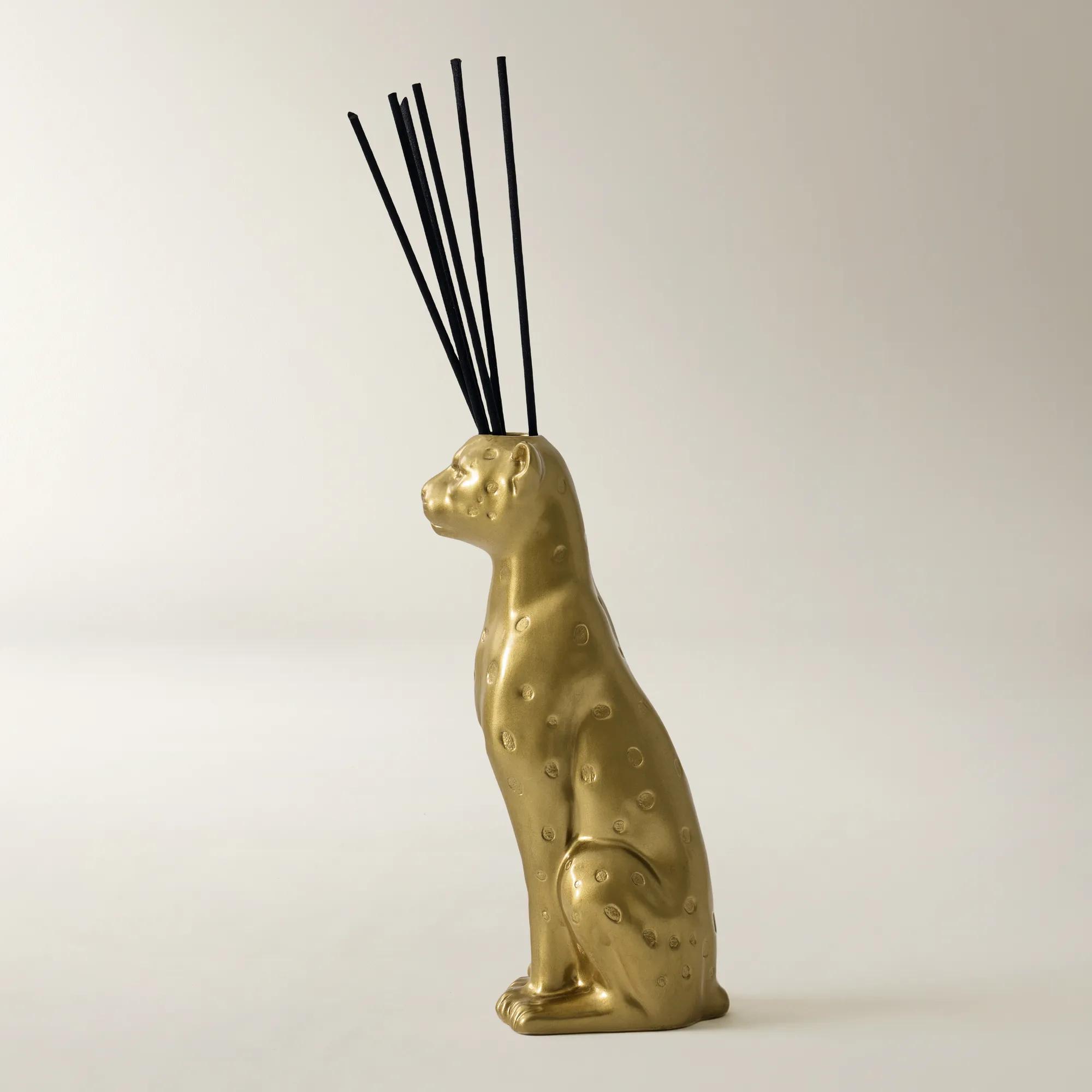 Leo Soft Gold Ceramic Diffuser Gift Set$99
A sculptural porcelain reed diffuser in soft gold, featuring sandalwood and amberwood notes for warm, radiant fragrance.
Add To Cart -
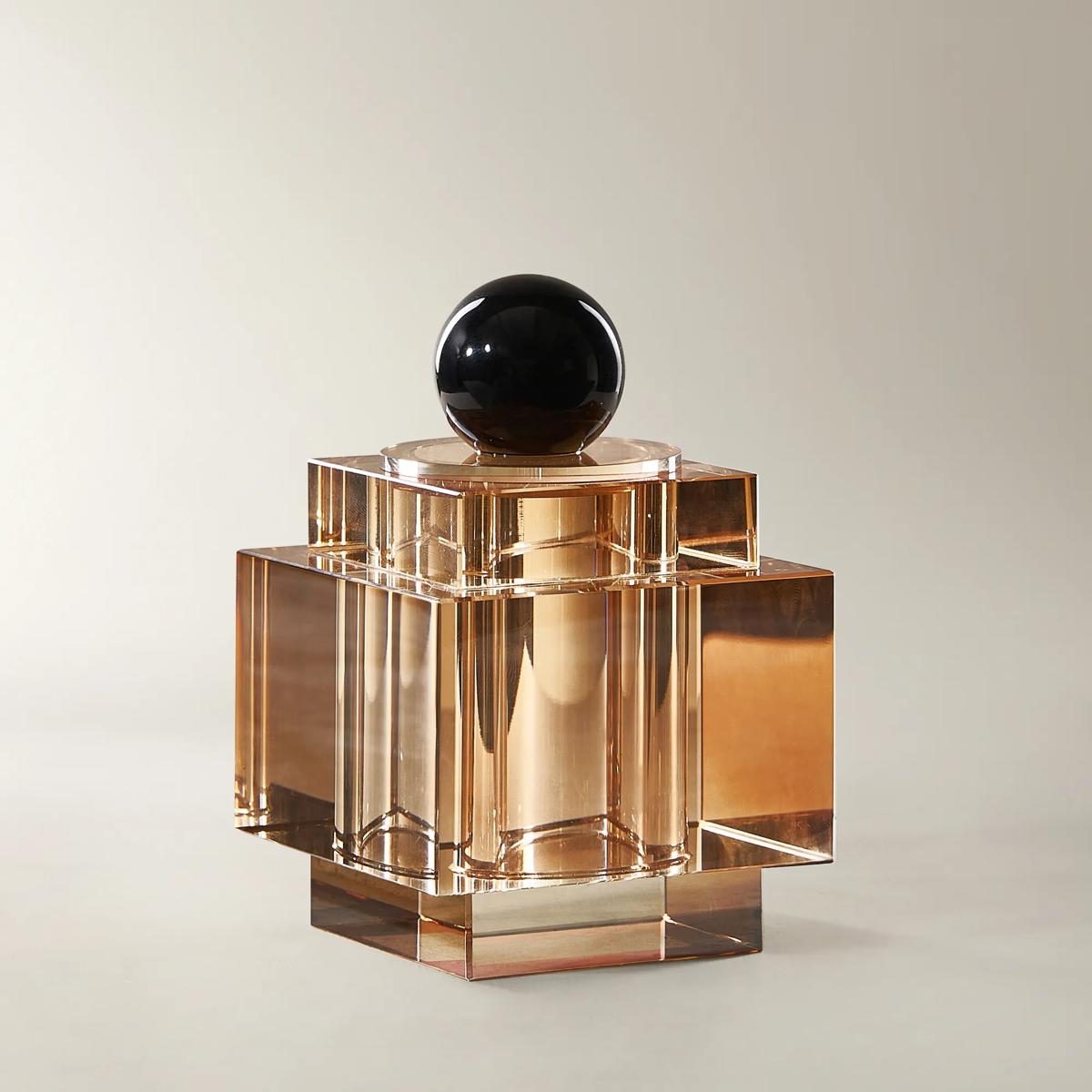
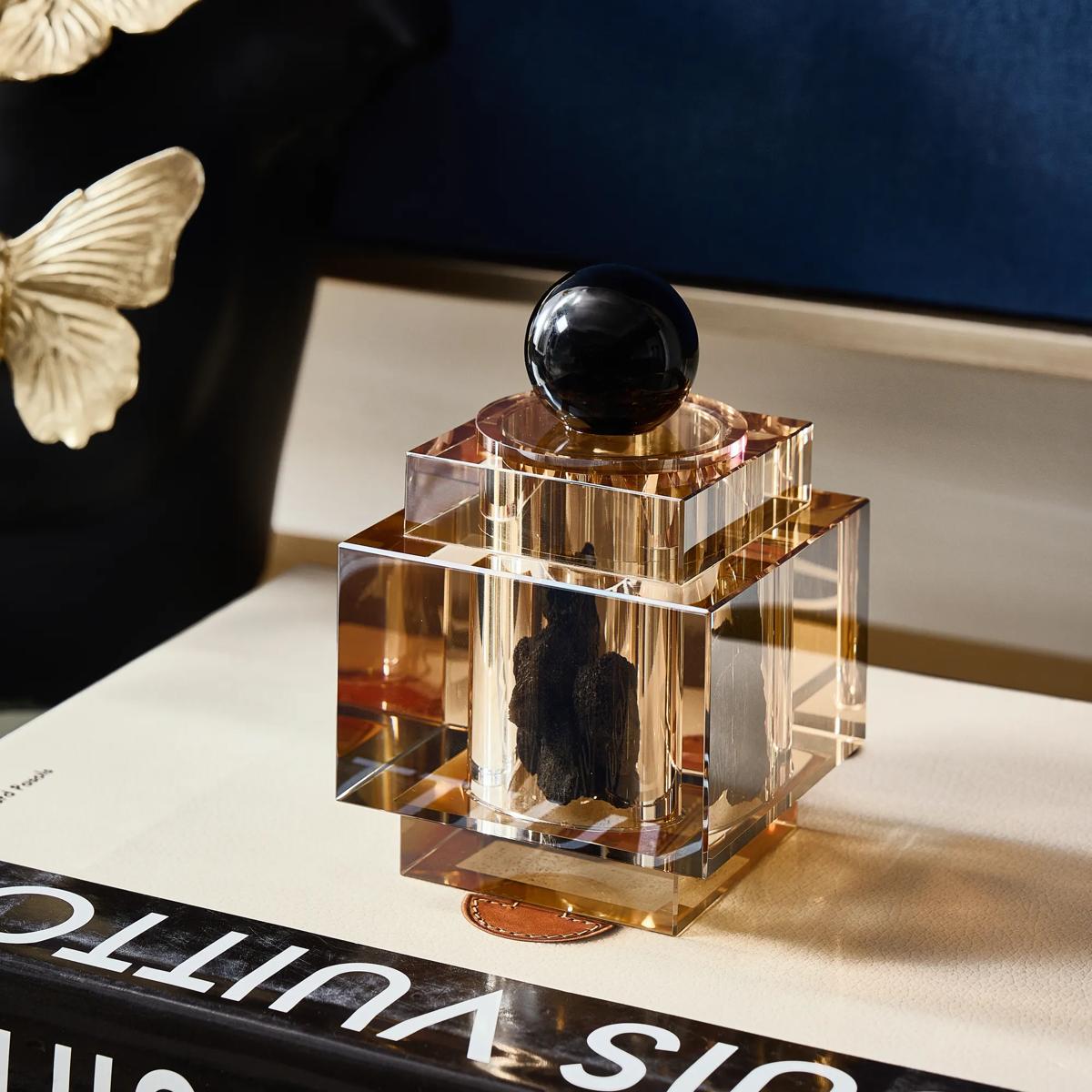 Deco Amber Crystal Glass Perfume Bottle$89
A faceted amber crystal glass accent topped with a glossy black sphere for vintage-inspired glamour.
Add To Cart -
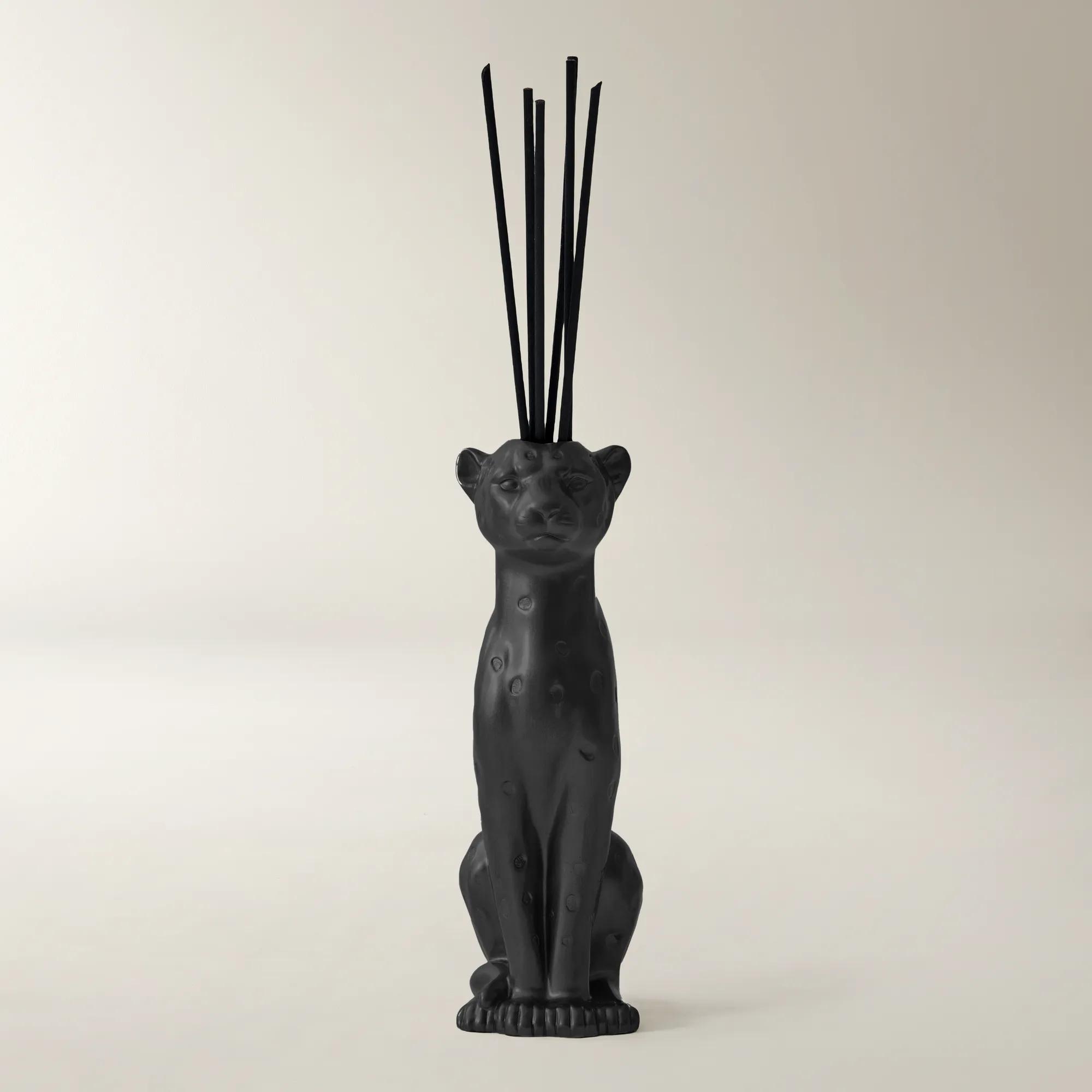
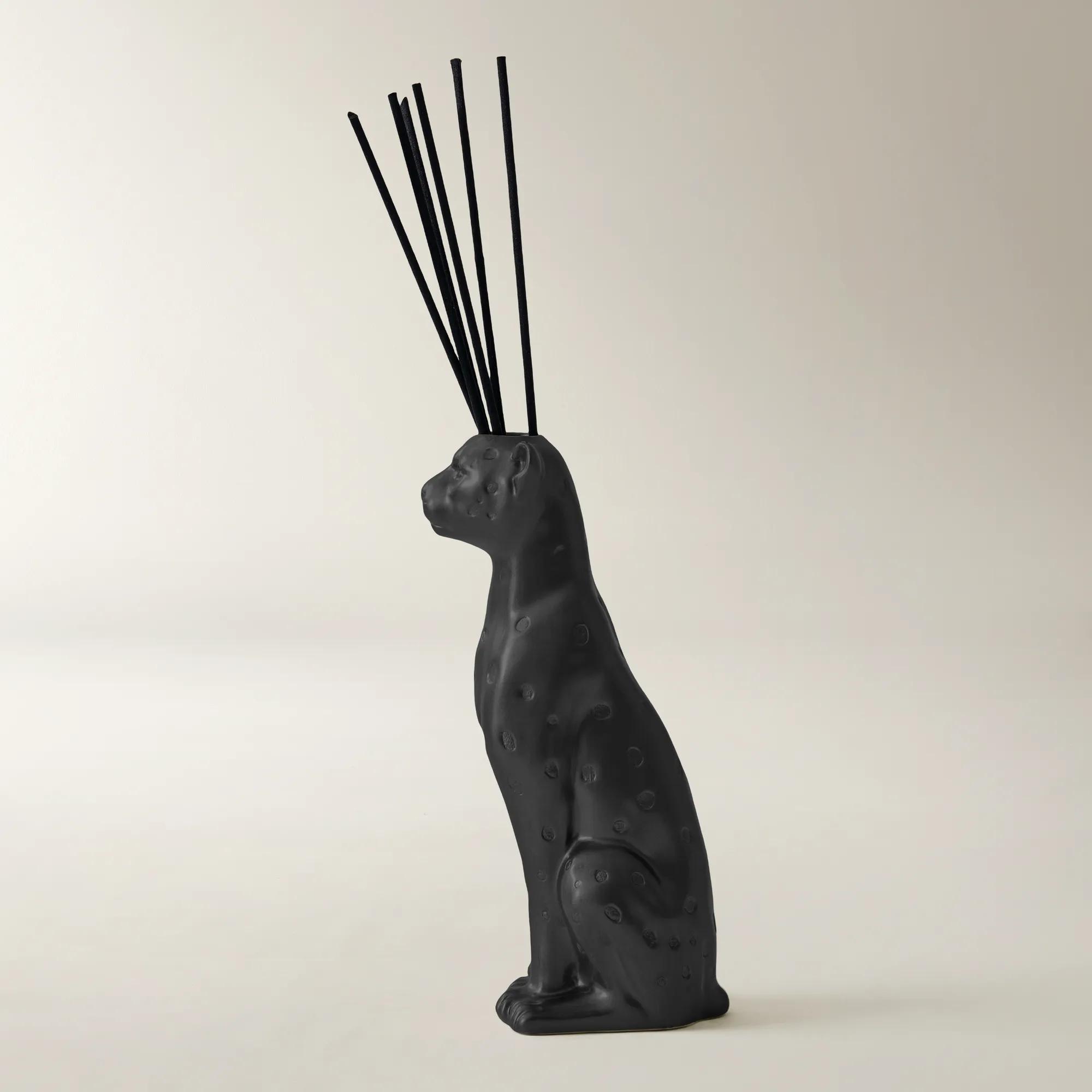 Leo Charcoal Ceramic Diffuser Gift Set$99
A charcoal porcelain reed diffuser featuring a warm, rich Santal Obscur scent and sculptural leopard design.
Add To Cart -
 Sophie Charcoal With Confetti Pearls Toasting Flute Gift Set$109
A charcoal glass toasting flute set of six featuring light-catching pearl accents and polished gift-boxed presentation.
Add To Cart -
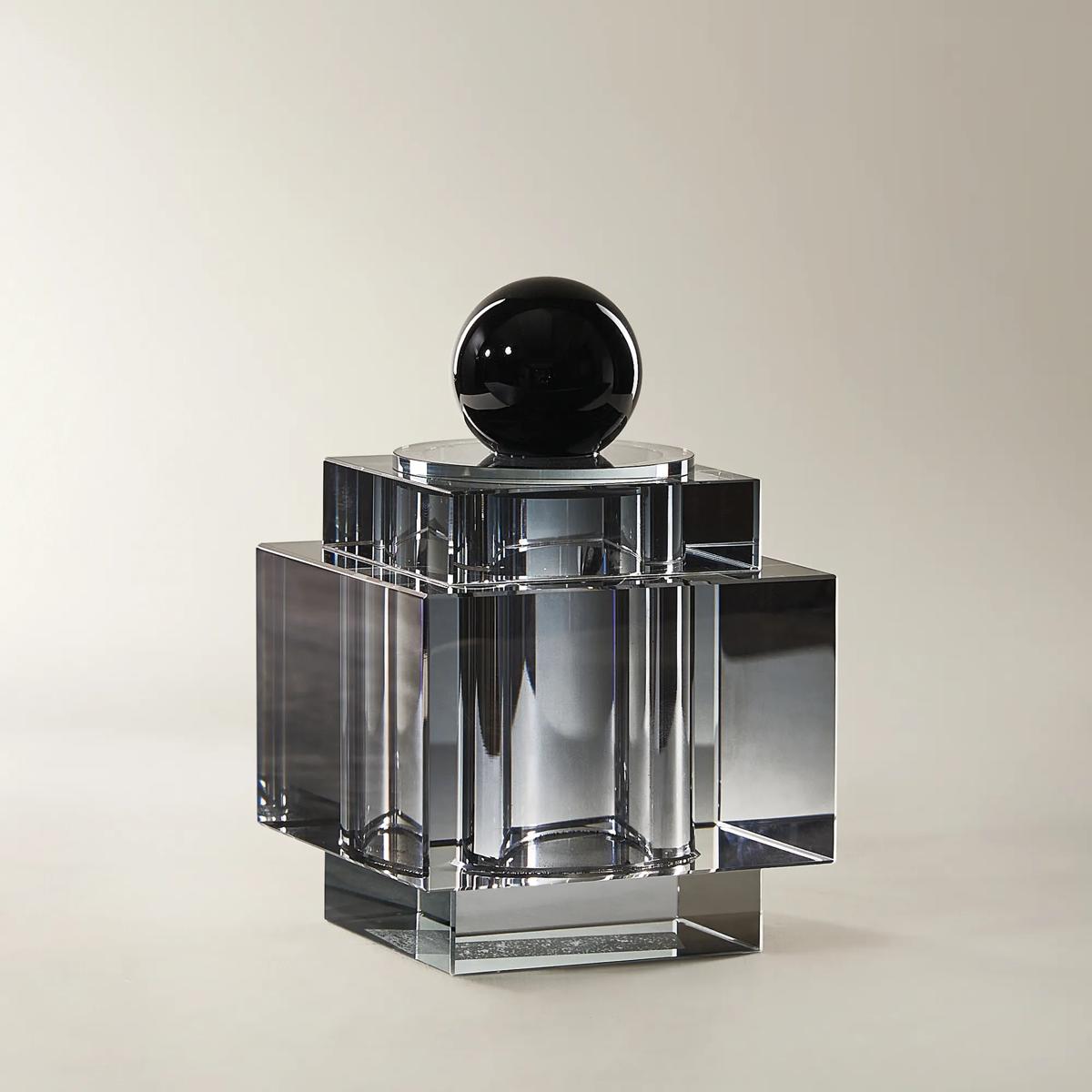 Deco Graphite Crystal Glass Perfume Bottle$89
A faceted crystal glass accent in deep graphite, topped with a high-gloss black sphere for glamour.
Add To Cart -
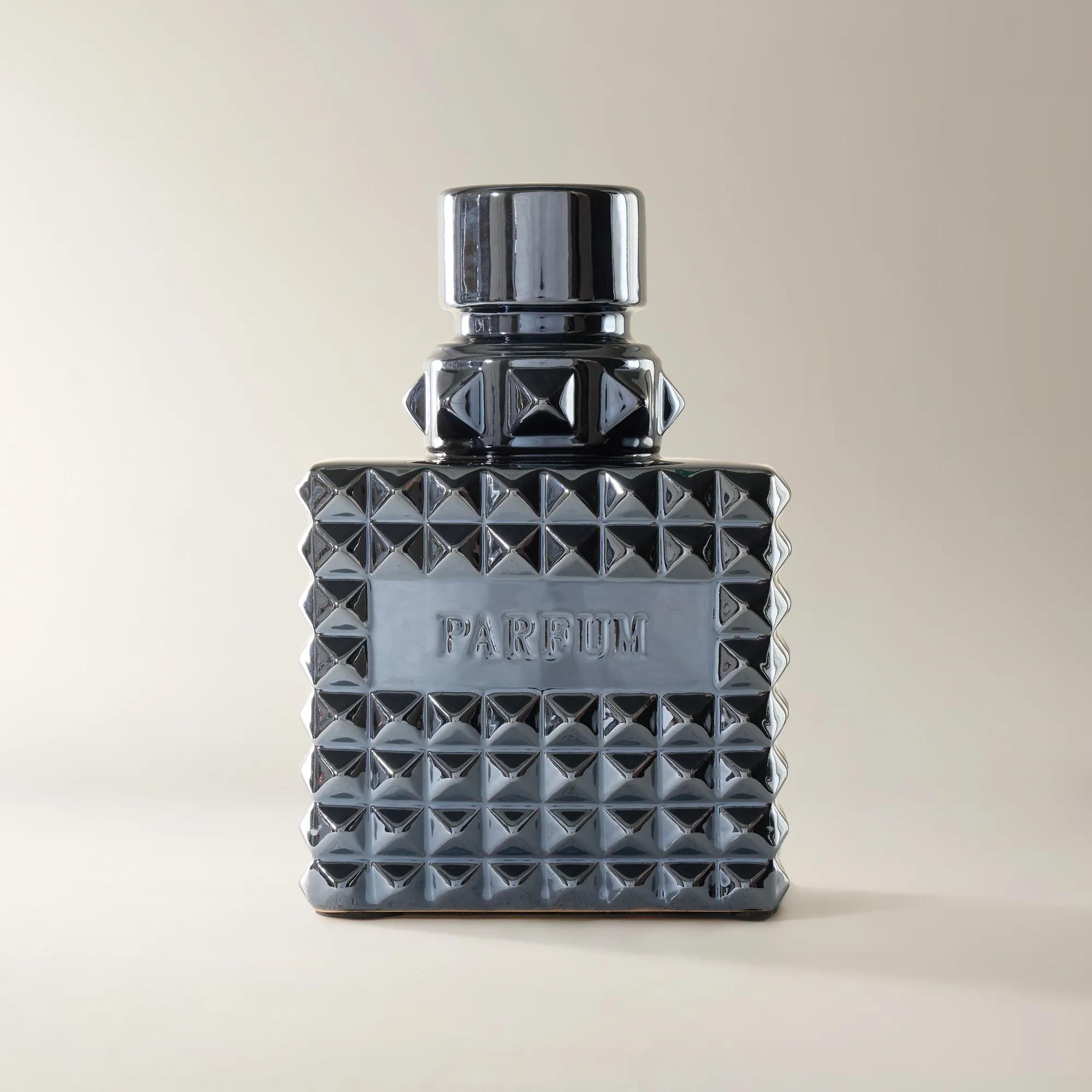
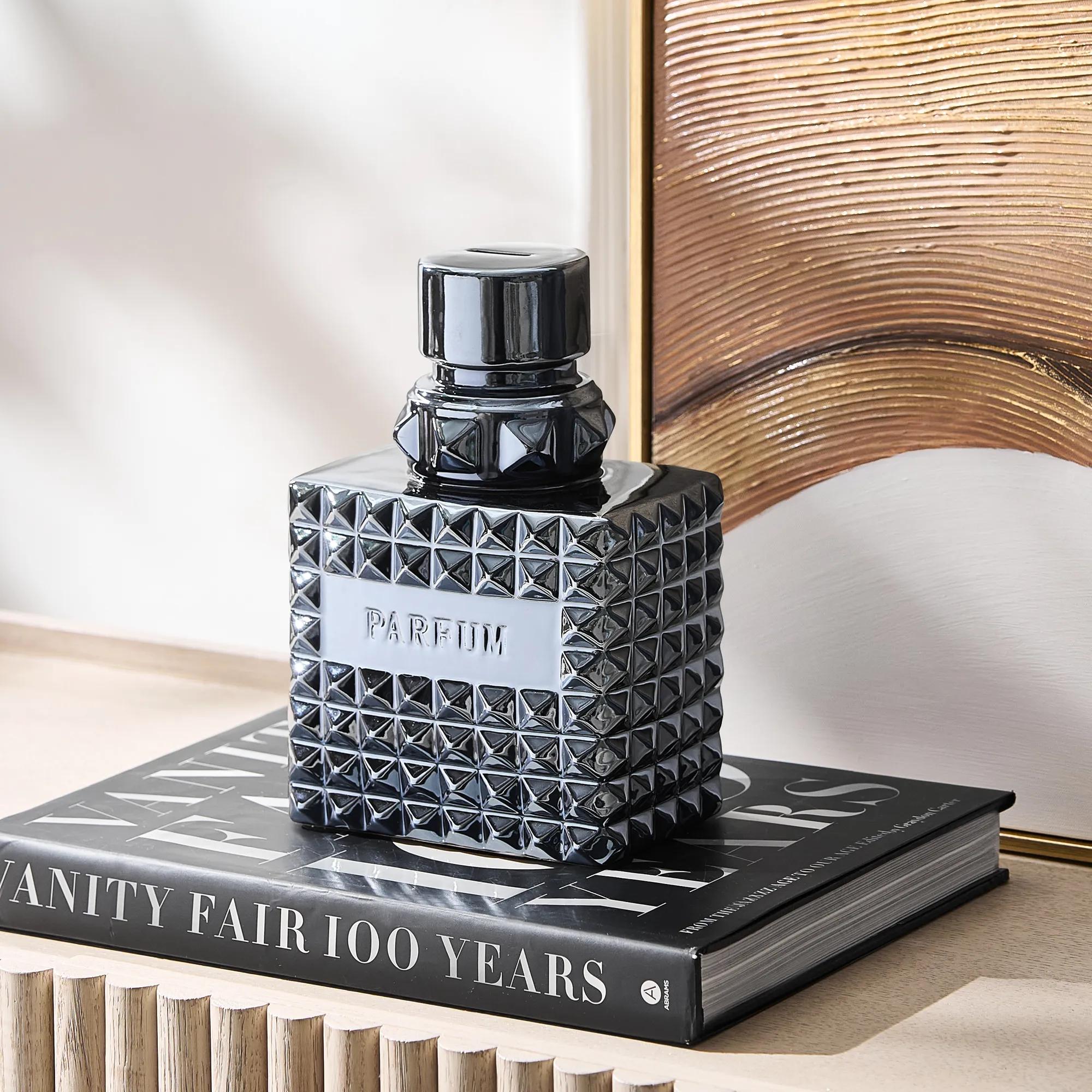 Studded Perfume Black And Blue Ceramic Coin Bank 10.25"$59
A decorative perfume bottle-inspired coin bank with studded detailing, perfect for stylish spaces.
Add To Cart -

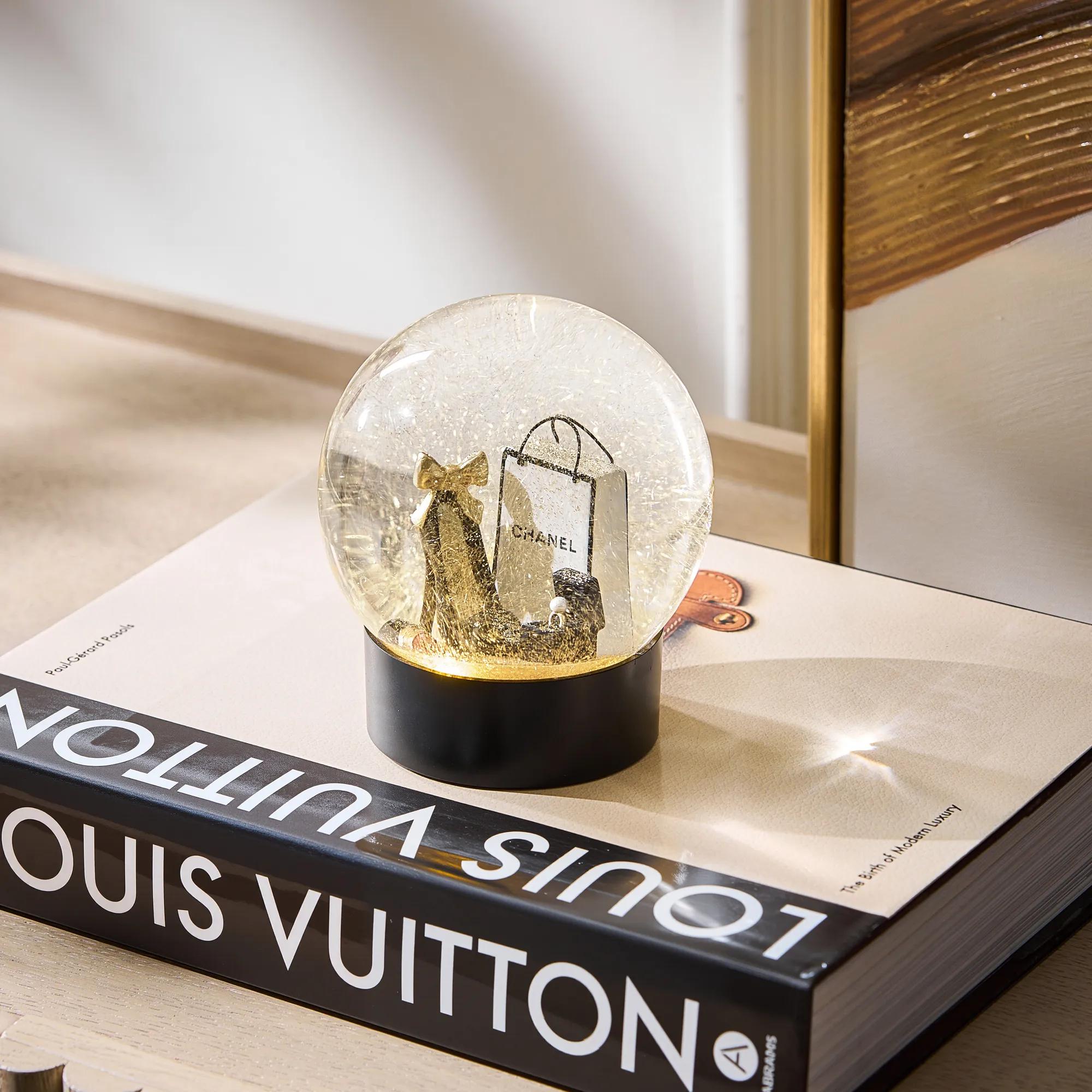 Shopping Black Resin Glitter Globe 5.25"$59
A whimsical shopping-themed snow globe adding festive charm to decorative displays.
Add To Cart -

 Z Carved Faux Fur Pillow 22“- Ivory$89
An ultra-soft ivory faux fur pillow with a sculptural carved design and silky velvet backing.
Add To Cart -
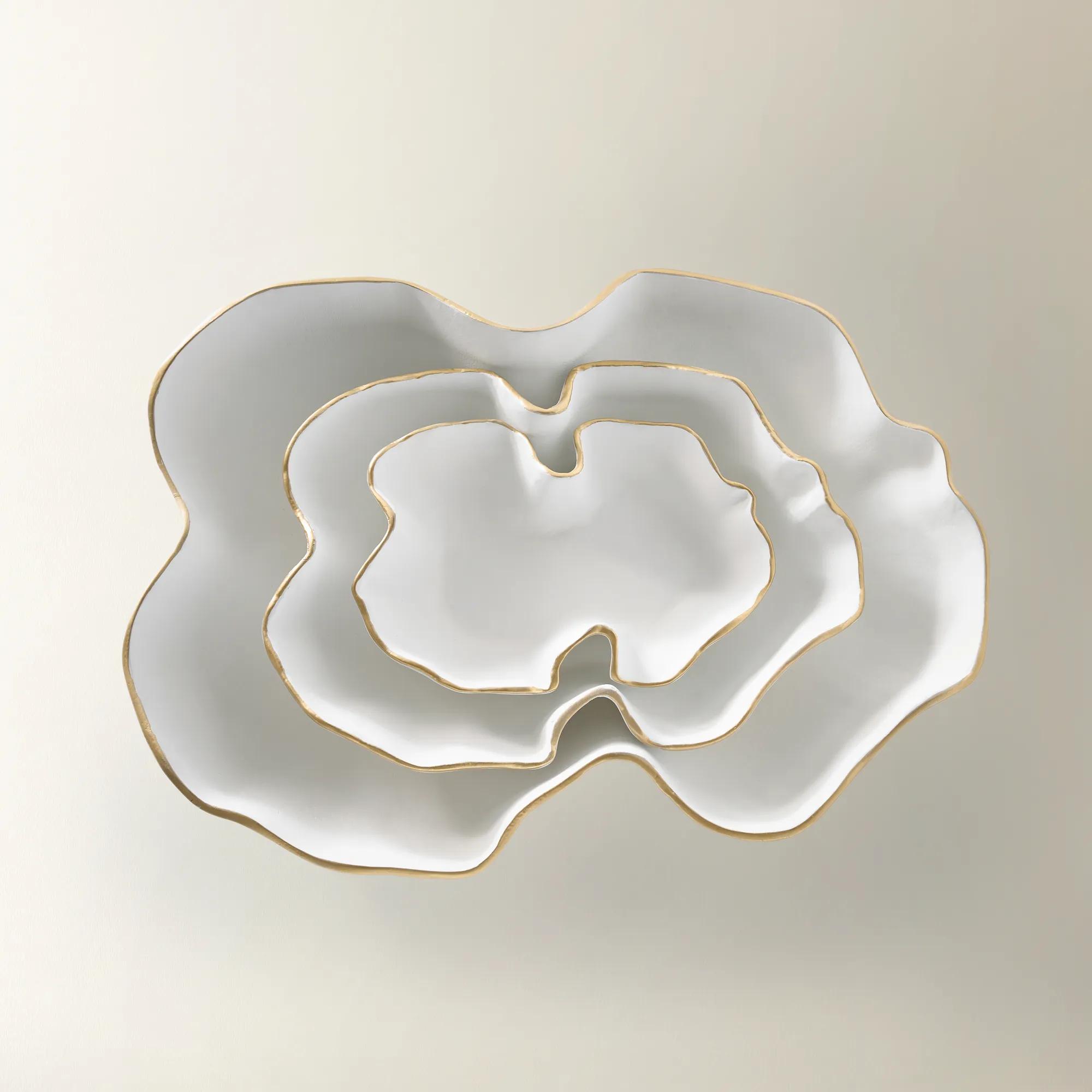 Lava White Gold Aluminum Decorative Nesting Bowls$99
A glossy white aluminum bowl with a golden rim, offering modern elegance for decorative display.
Add To Cart -
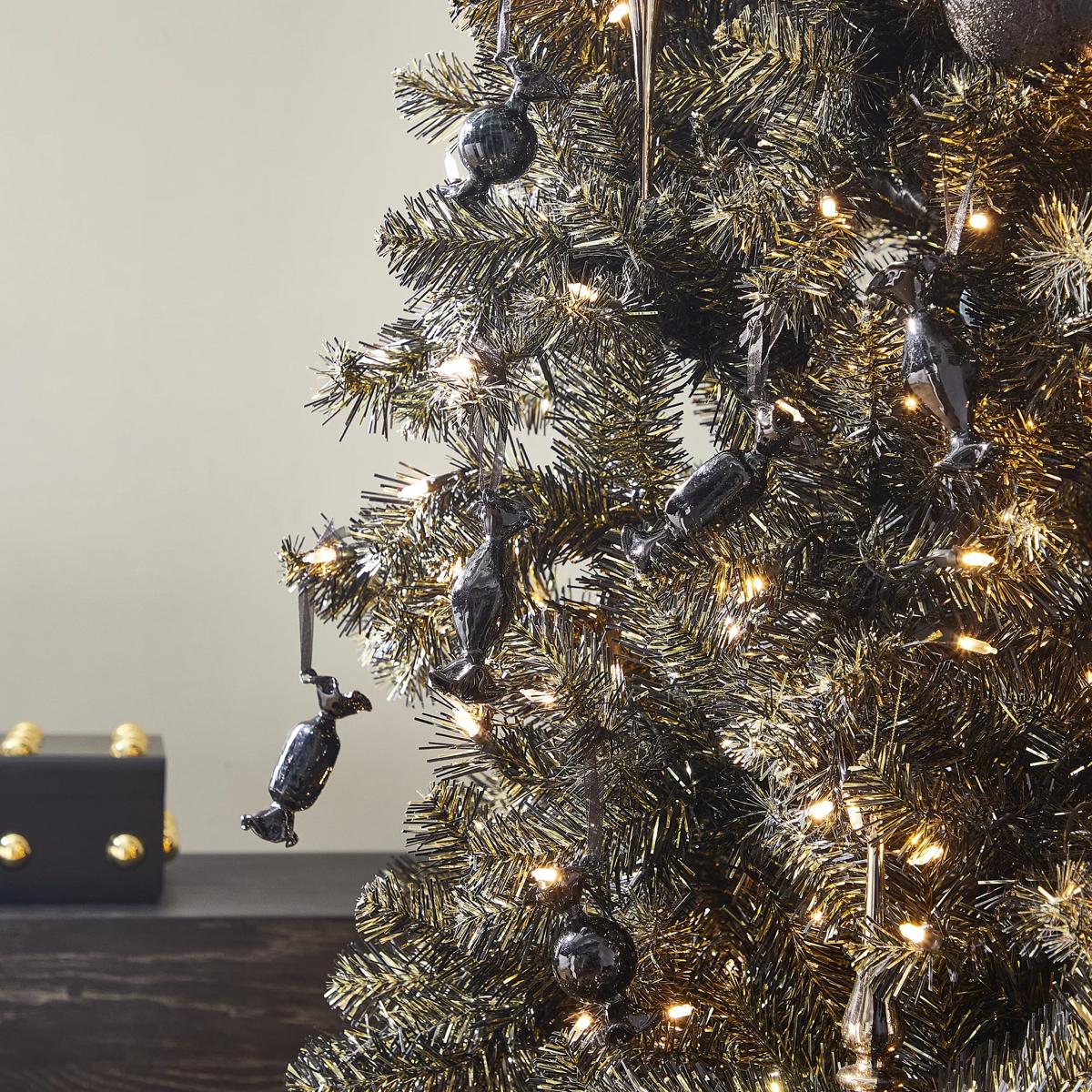
 Black Glass Candy Ornament - Set of 6$39
A set of six glossy black glass ornaments shaped like wrapped candies for a modern, playful holiday touch.
Add To Cart -
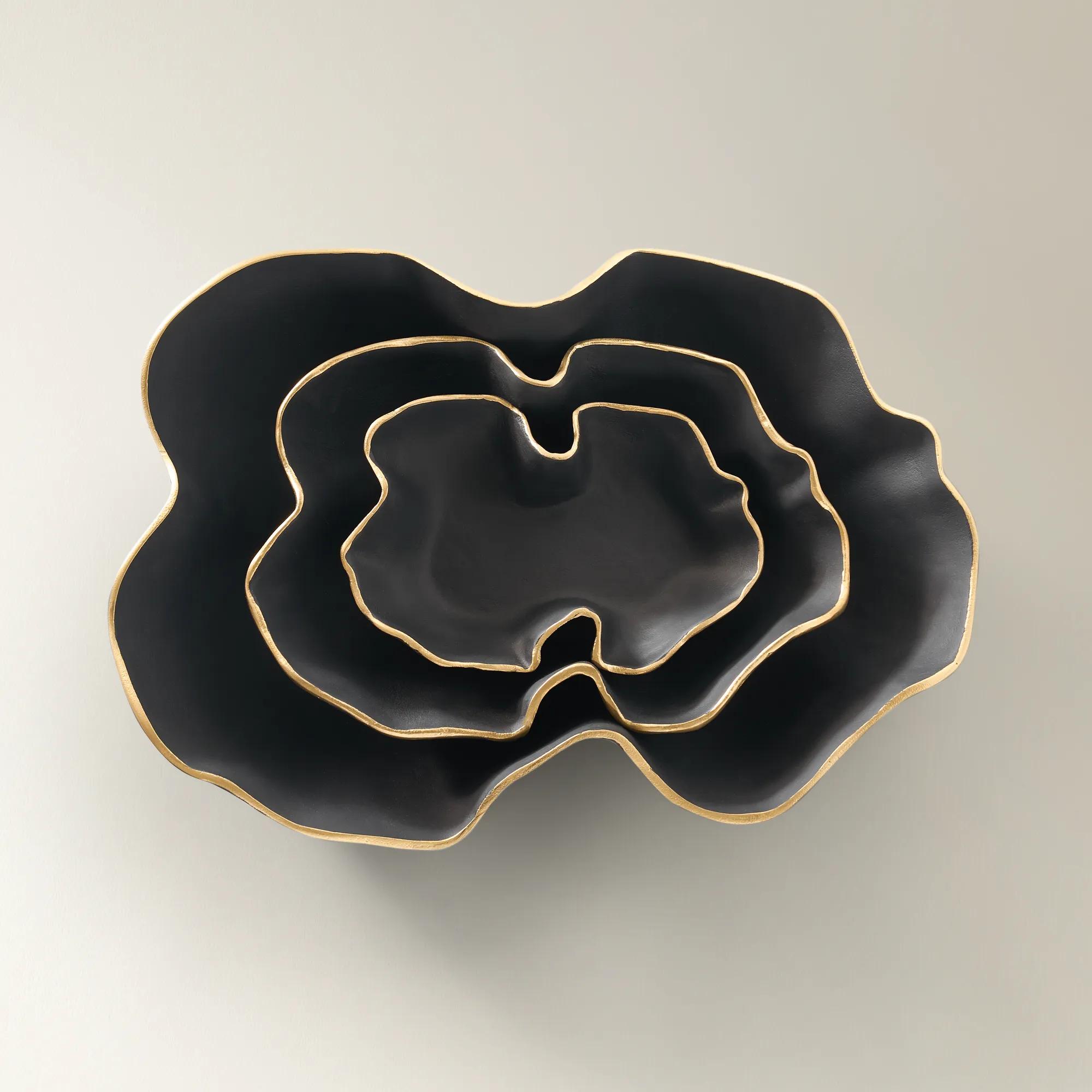 Lava Black Gold Aluminum Decorative Nesting Bowls$49
A deep black aluminum bowl with golden edges, featuring an organic, volcanic rock-inspired design.
Add To Cart -
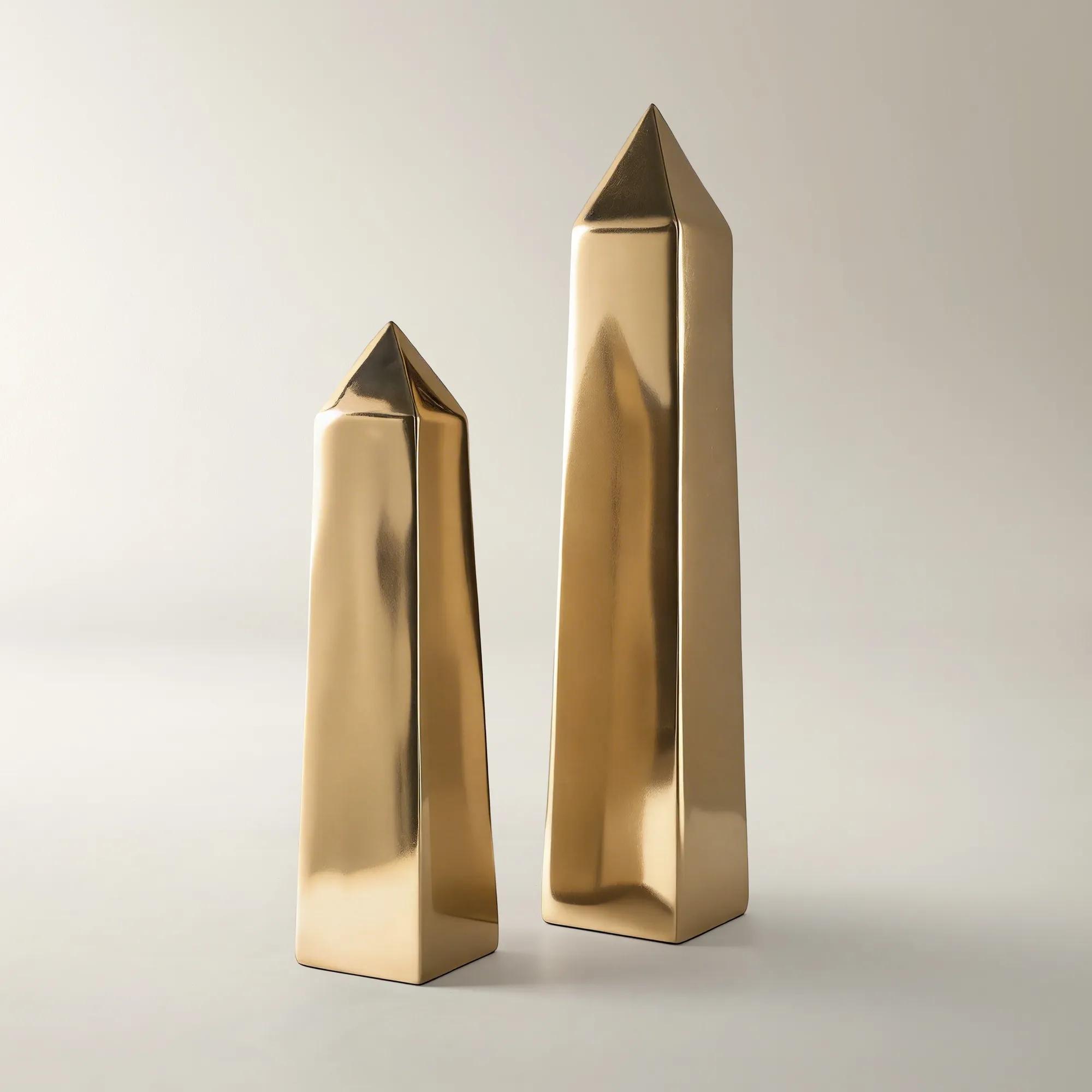
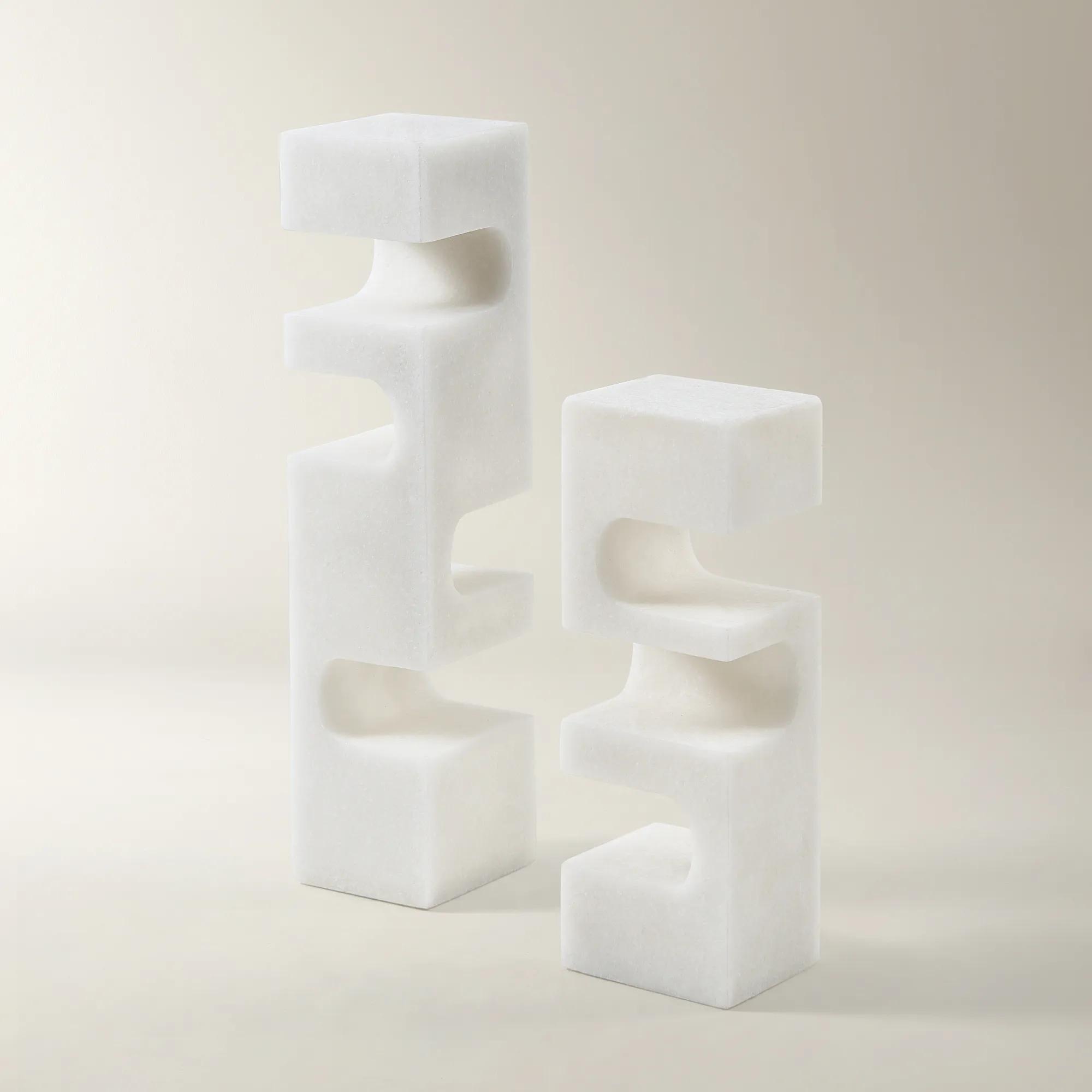
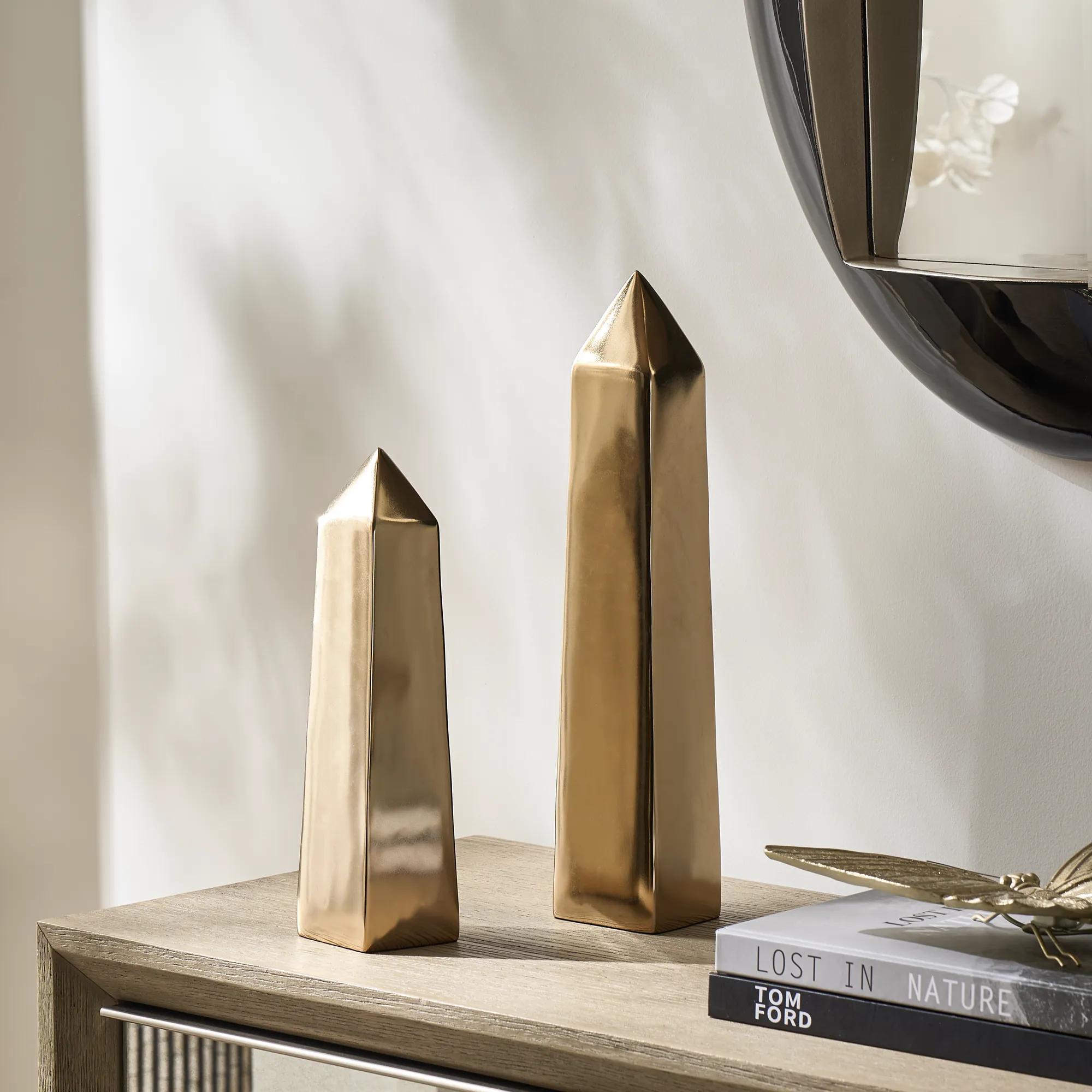 Golden Aluminum Obelisks$59
A sculptural aluminum accent in a soft gold finish that adds modern glamour and architectural drama.
Add To Cart -
 Cace Embroidered Gold/Black Linen Pillow 22" x 22"$129
A cotton-linen pillow in black and gold with metallic Greek key embroidery and feather-down insert.
Add To Cart -

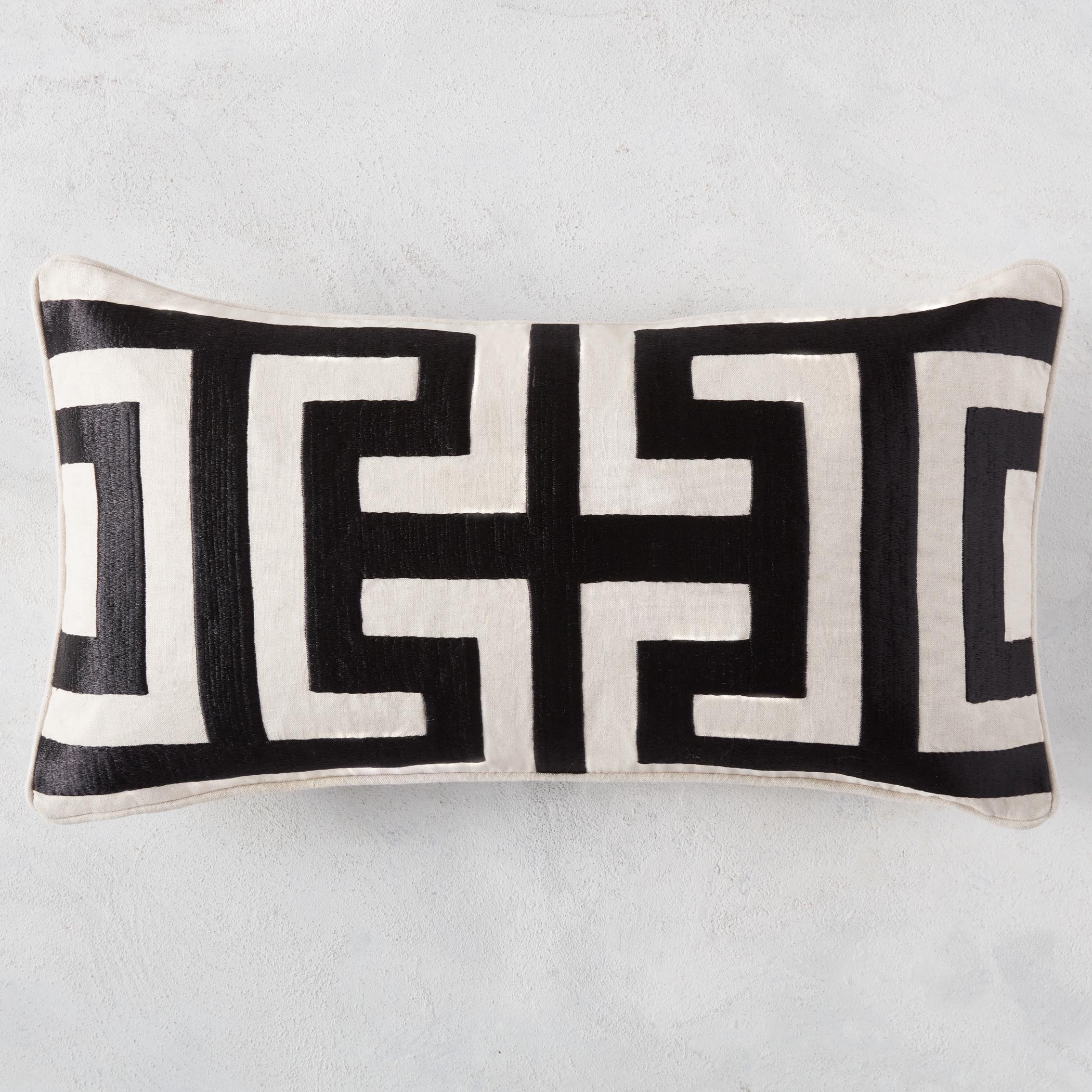 Cace Embroidered Black/Natural Linen Lumbar Pillow 26" x 14"$129
A cotton-linen pillow featuring metallic Greek key embroidery in natural and black with a feather-down insert.
Add To Cart -
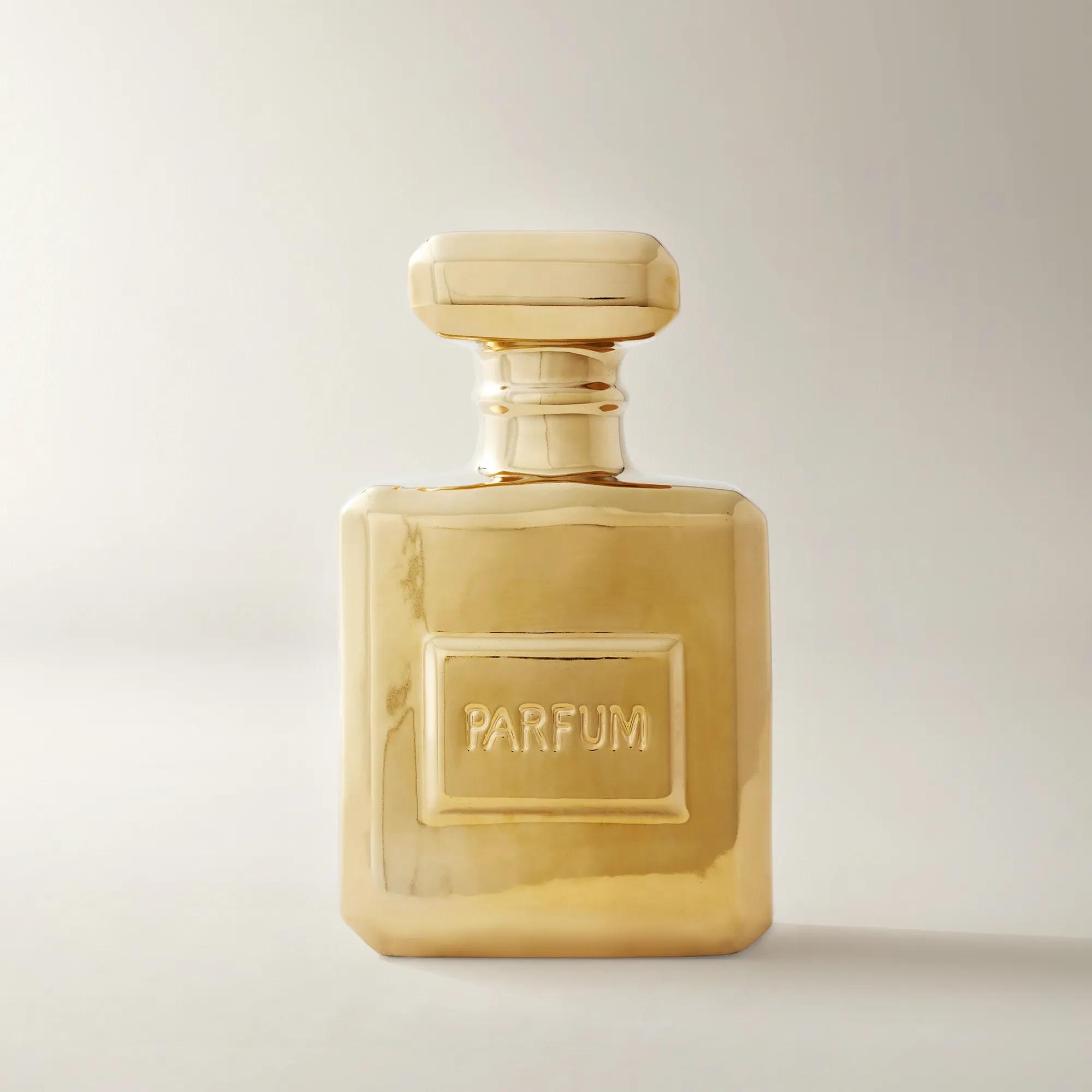 Parfum Bottle Gold Ceramic High Gloss Coin Bank$39
A chic ceramic coin bank in a metallic gold finish, styled like an elegant perfume bottle.
Add To Cart -
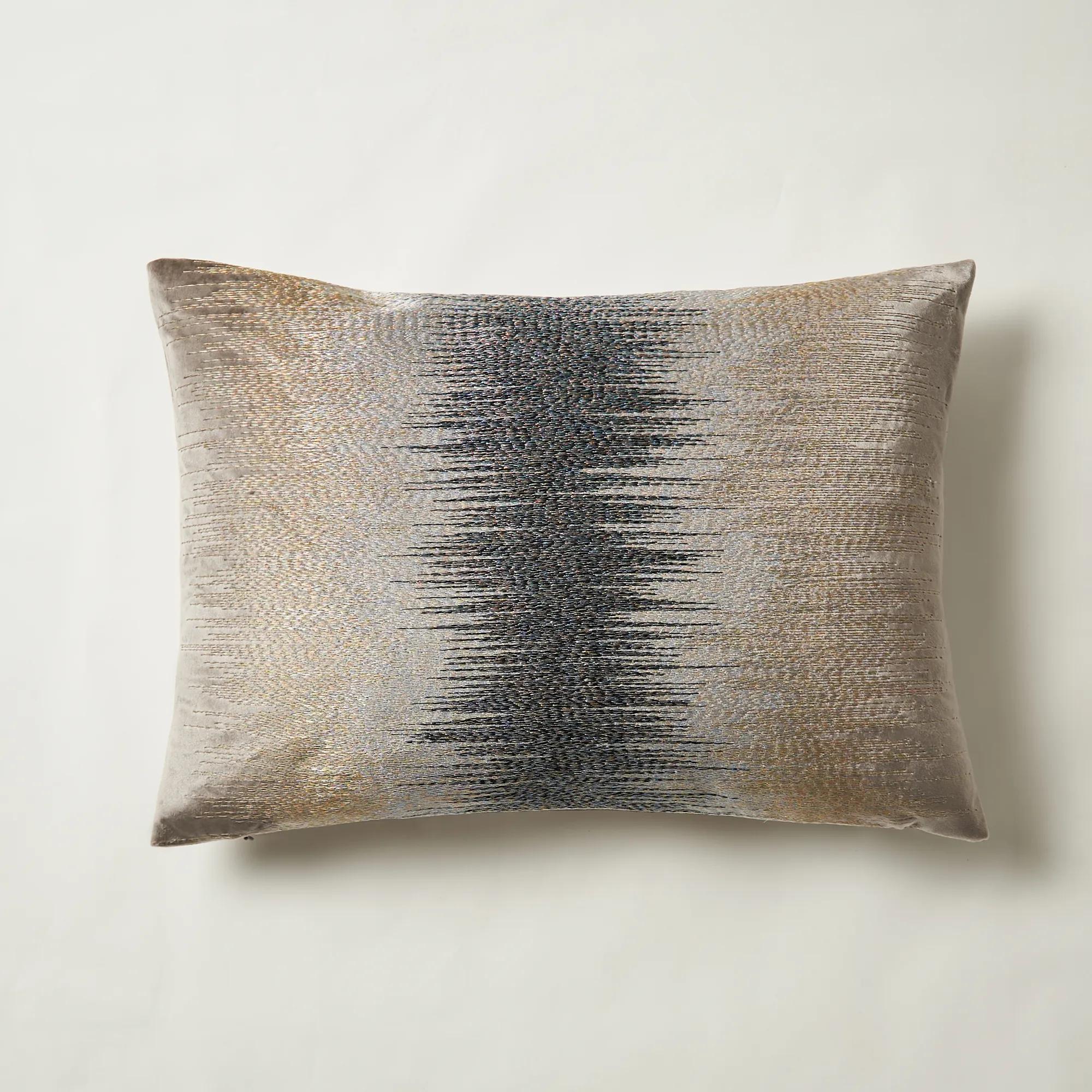
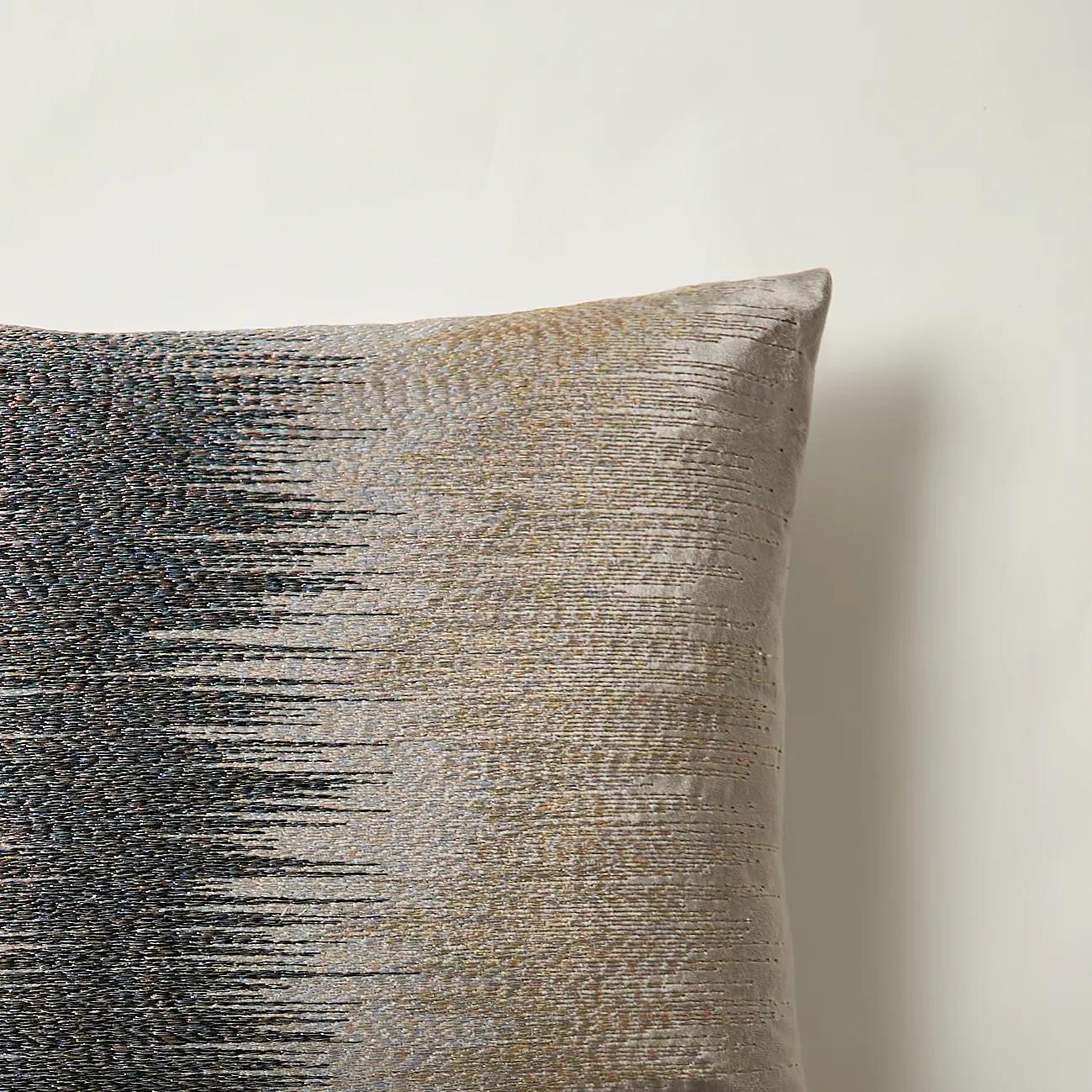 Leon Metallic Embroidered Grey/Charcoal/Silver Velvet Lumbar Pillow 14" x 20"$59
A soft grey, black, and silver velvet pillow featuring gradient metallic embroidery and a plush feather-down insert.
Add To Cart -
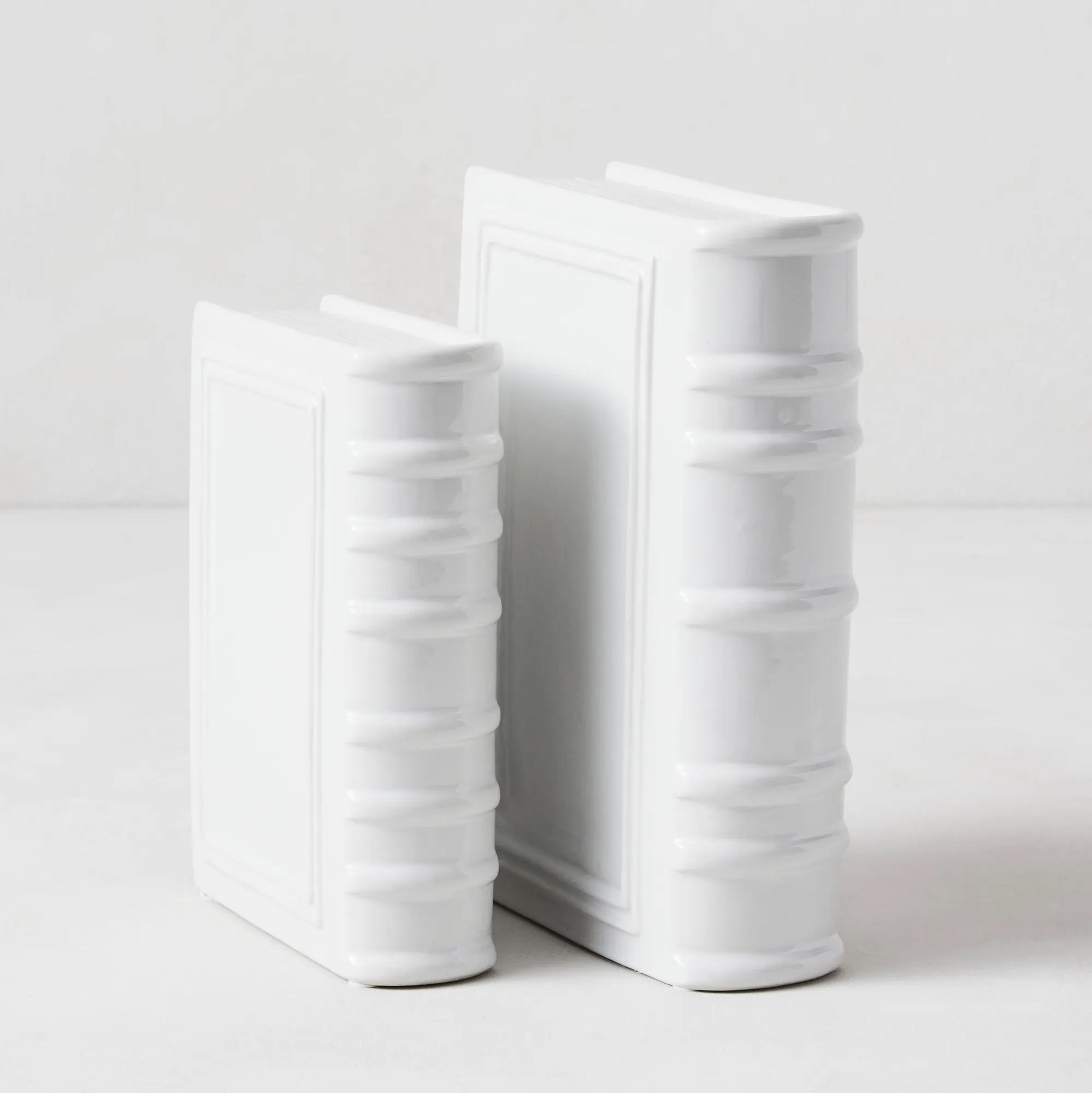
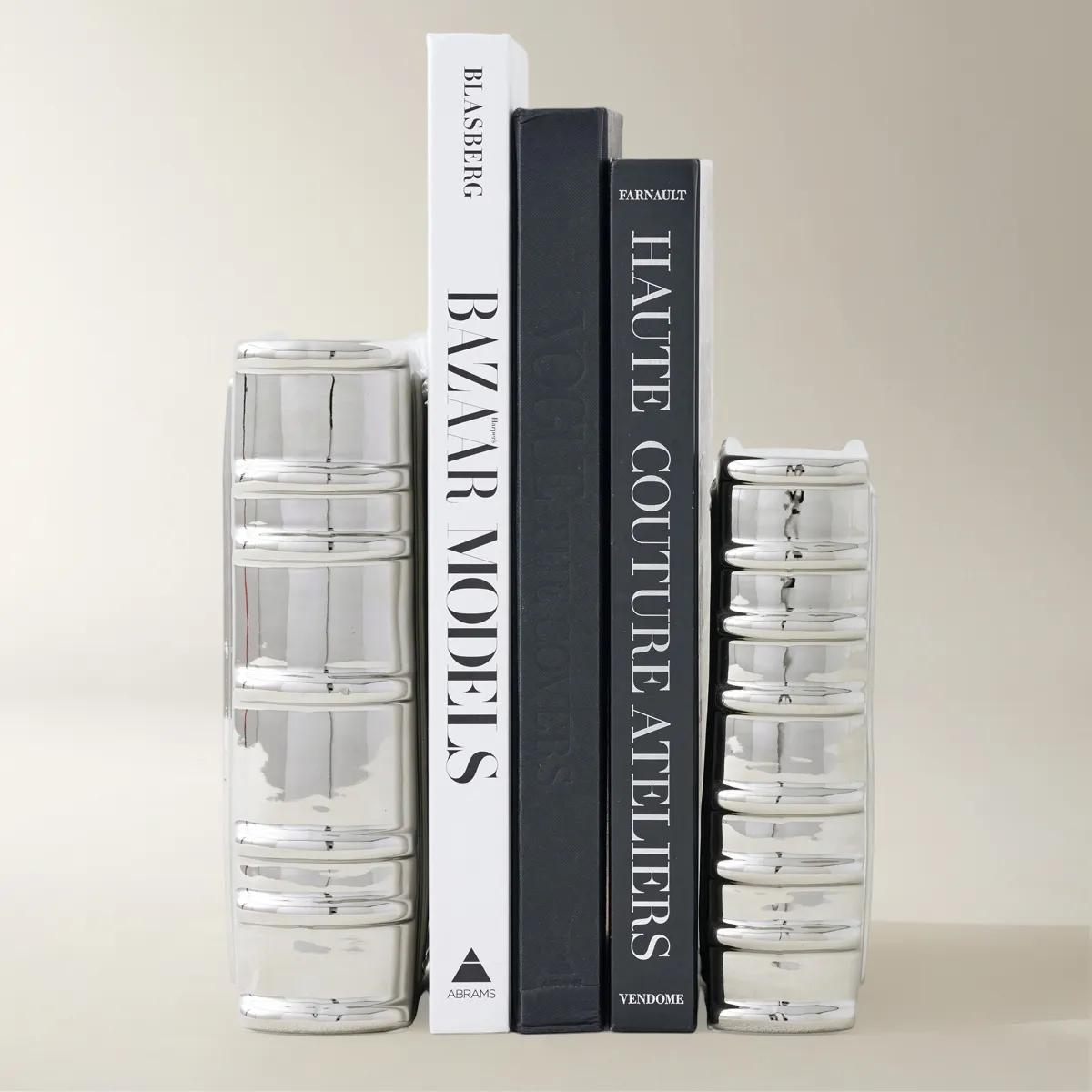
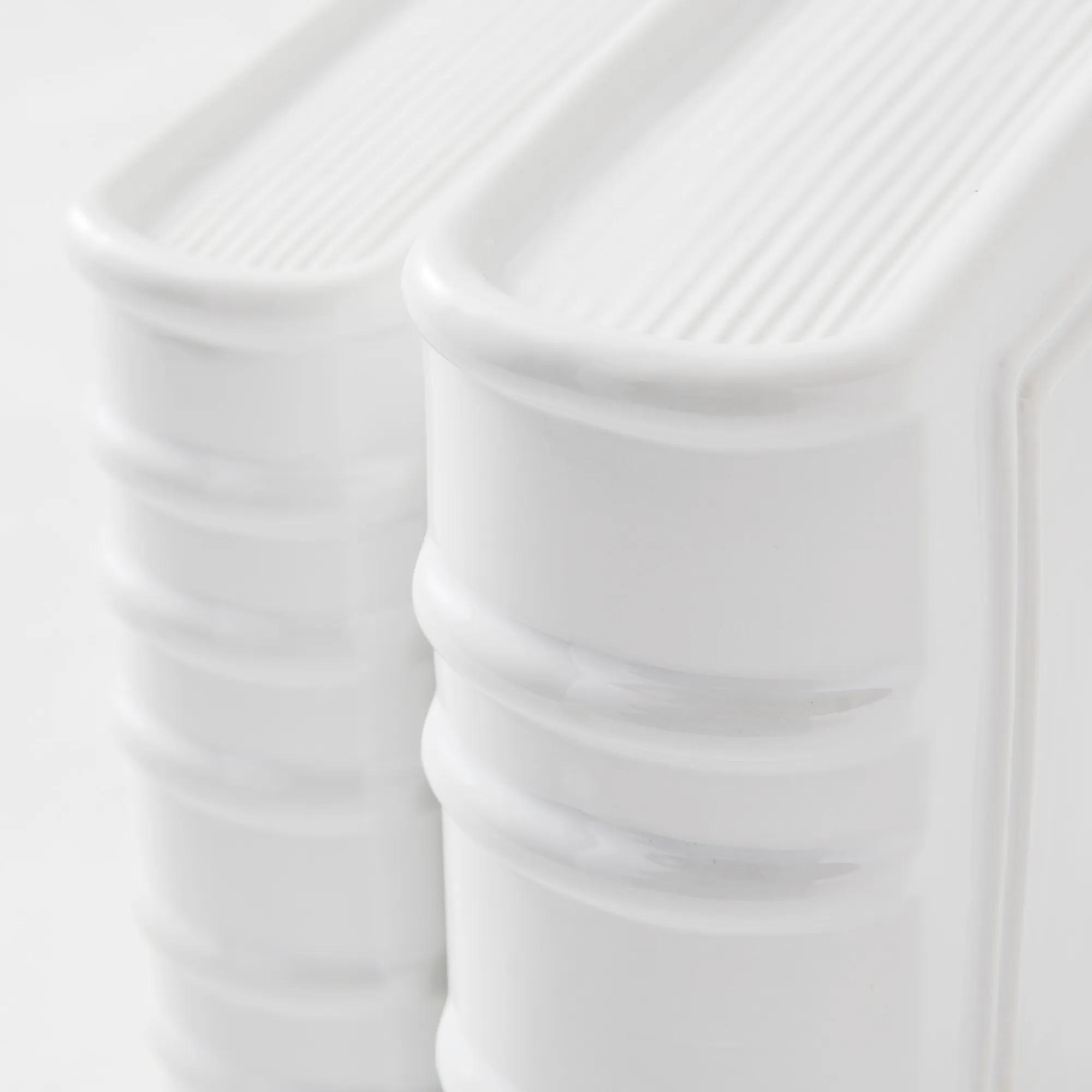 Ceramic Bookends - White$49
A pair of cream ceramic book accents that double as minimalist bookends or decorative console pieces.
Add To Cart -
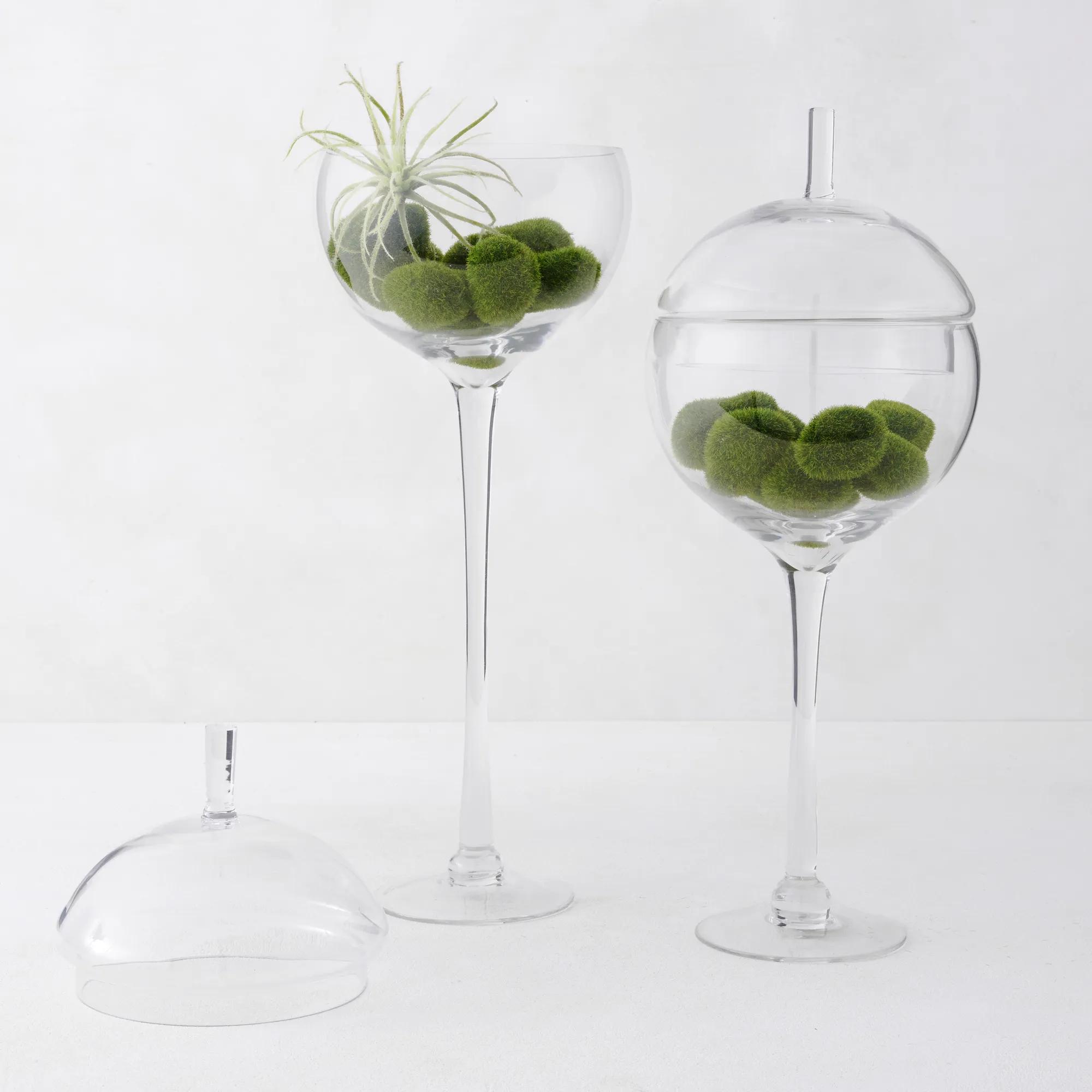 Jules Glass Decorative Canisters$89
A mouthblown glass terrarium perfect for showcasing decorative objects or cherished keepsakes.
Add To Cart -
 Metallic Panther Print Ivory/Gold Velvet Pillow 20" x 20"$109
A handmade ivory velvet pillow featuring a gold foil panther print for a touch of opulent glamour.
Add To Cart -
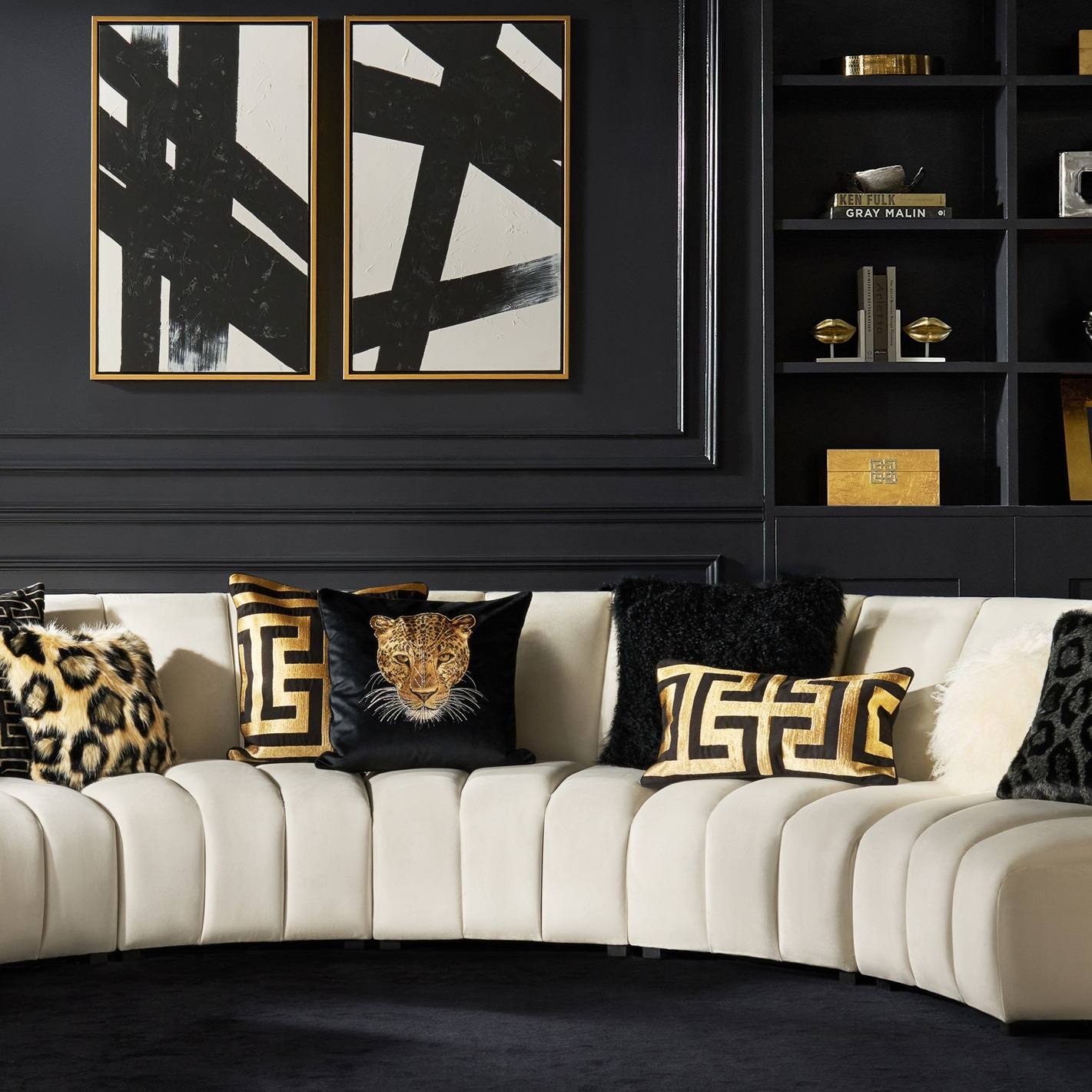 Cace Embroidered Gold/Black Linen Lumbar Pillow 26" x 14"$129
A cotton-linen pillow featuring metallic gold Greek key embroidery and a plush feather-down insert.
Add To Cart -
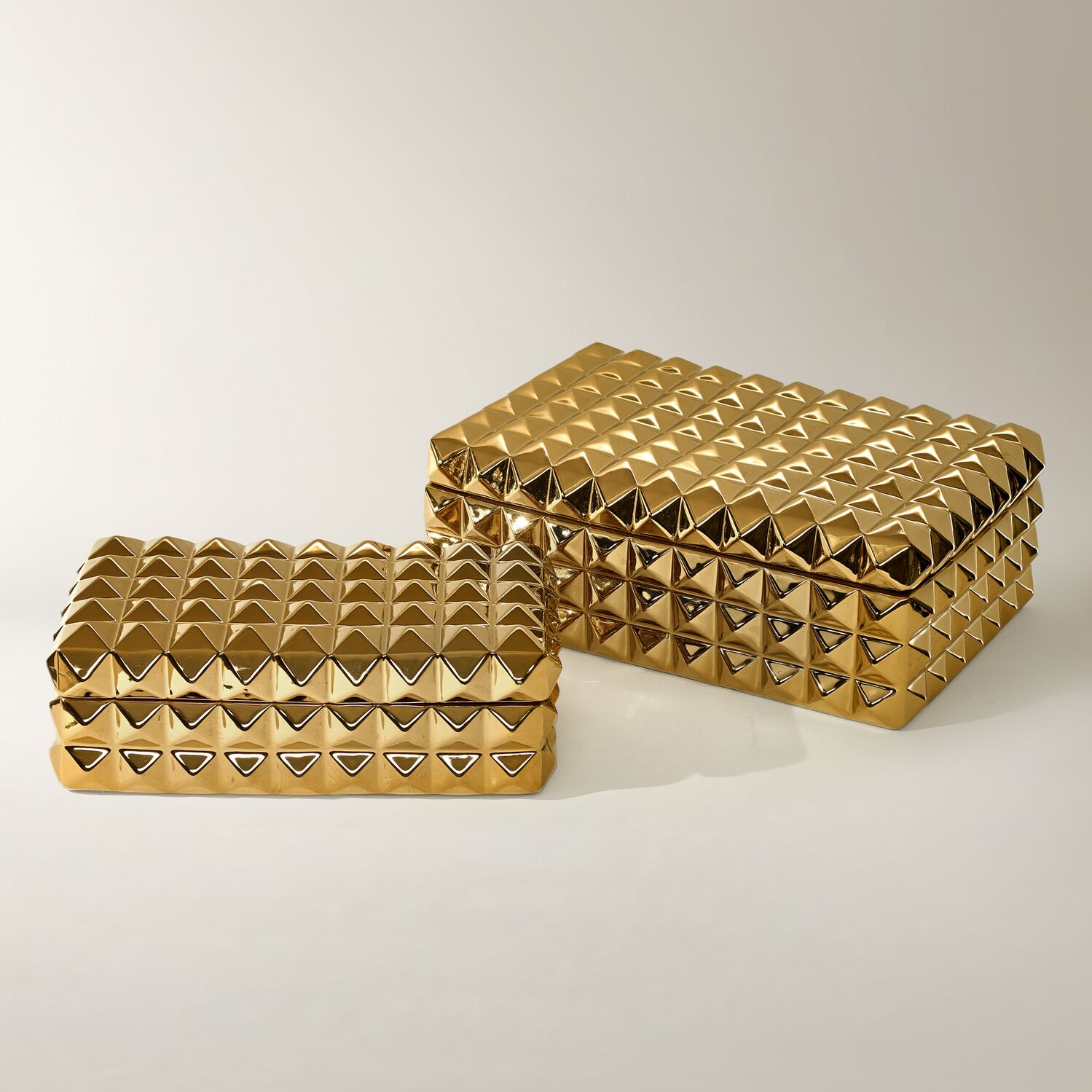 Studded Gold Ceramic Box Small$59
A chic gold-finished box with a studded design, perfect for dressers, vanities, or consoles.
Add To Cart -
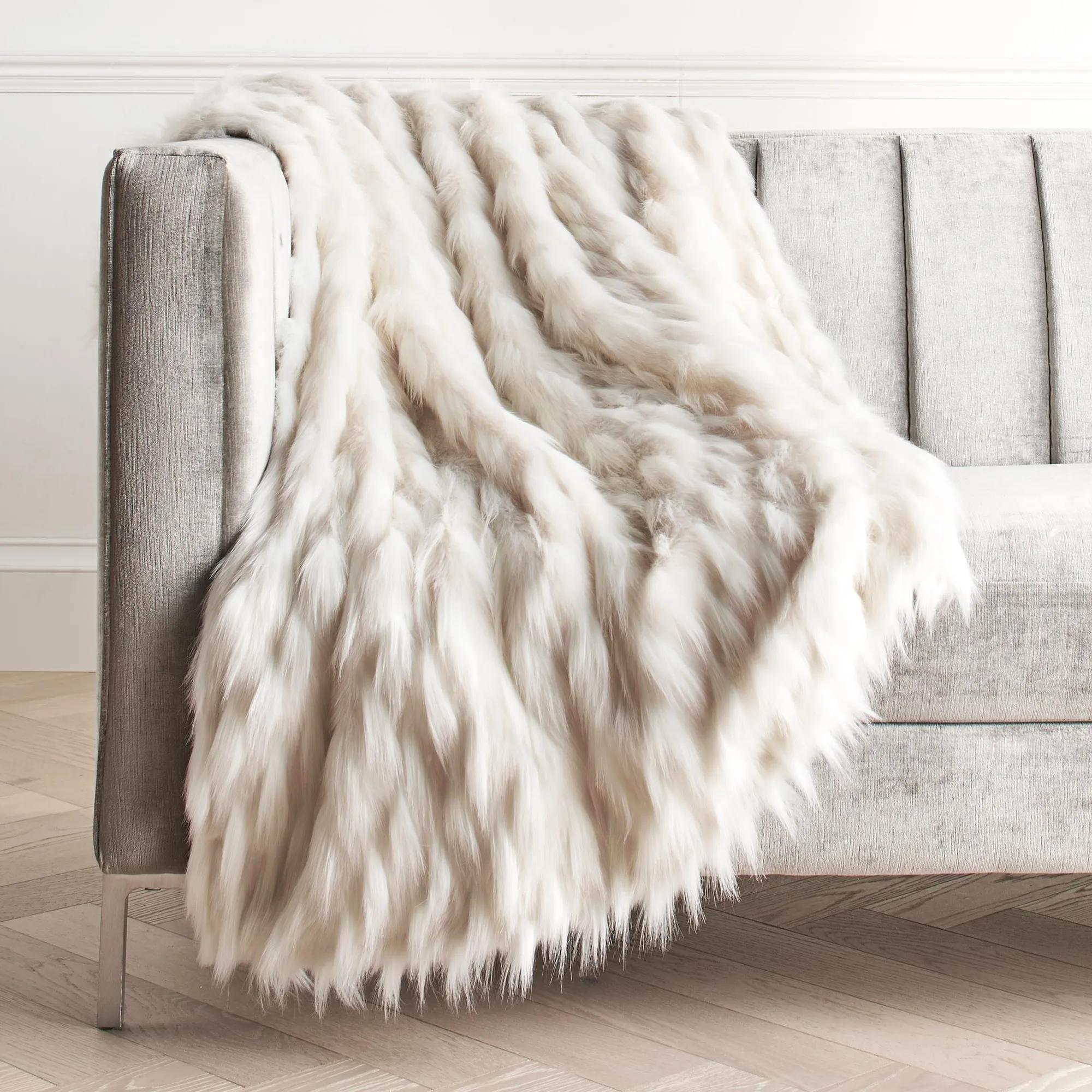 Corseca Throw - Ivory$129.95
An ultra-soft ivory faux-fur throw with silky acrylic front and luxurious velvet reverse for cozy warmth.
Add To Cart

Small Luxury Gifts
Find small luxury gifts for birthdays, host thank-yous, and thoughtful surprises. Explore a selection with an eye for expressive design and distinctive details, choosing a gift that reflects the recipient’s personal style and brings a touch of glamor to the occasion.
Small luxury gifts are compact, thoughtfully designed home accents that elevate everyday rituals through beautiful materials, distinctive finishes, and expressive detail. Their appeal lies in the pleasure of something considered: the weight of polished stone in the hand, the shimmer of textured glass beside a lamp, or the sculptural outline of a decorative vessel against a stack of books. These are gifts that make familiar spaces feel more personal without requiring a room to be rearranged. A small accent can bring artistry to a bedside table, lend polish to an entryway, or turn a quiet corner of a desk into a composed vignette. For someone who delights in interiors, that modest footprint leaves room for a bold point of view. Luxury is not determined by size; it emerges in balanced proportions, carefully finished edges, intriguing surfaces, and the way an object rewards a closer look. Small decorative gifts are especially suited to recipients with established homes, where a substantial addition might compete with existing furnishings. A gleaming accent can complement a dramatic room, while a richly textured piece can introduce depth to a restrained palette. The recipient’s habits offer a more meaningful starting point than a passing trend. Someone who gathers friends around a beautifully arranged table may appreciate an elegant entertaining accent, while a collector of personal keepsakes may favor a refined place to display or contain them. Scale matters here: a narrow shelf calls for a shallow silhouette, and a busy nightstand benefits from an object that leaves room for a book and a glass of water. Pieces with confident shapes and adaptable colors can settle naturally into different interiors, yet still carry the unmistakable feeling of a gift chosen with care. The result is an intimate kind of glamour, visible in the places a person reaches for, passes by, and enjoys every day.
Materials give small luxury gifts much of their character, shaping both their visual presence and their suitability for daily use. Glass can feel luminous and delicate, with clear surfaces catching the surrounding light and textured finishes creating a more layered glow. Ceramic introduces another expression, from a smooth, lustrous glaze to a dimensional surface that invites closer attention. Marble and other natural stones offer satisfying weight and individual veining, making subtle variations part of their beauty rather than an imperfection. Metallic finishes contribute a sharper note of drama, whether their effect is softly brushed or highly reflective. The strongest impression comes from the relationship between material and form: a substantial base beneath a slender silhouette, a pleasing curve at the rim, or a lid that sits neatly against its container. These details also influence durability and ease of use. An accent intended for a frequently used surface benefits from a stable shape and a base that will not scratch the furniture beneath it; protective pads may be appropriate where the material or setting requires them. Care should always follow the individual piece’s instructions, since a finish that looks resilient may still be vulnerable to abrasive cleaners, soaking, or prolonged moisture. A soft cloth is often suitable for routine dusting, while stone, gilded surfaces, and decorative coatings may need more specialized treatment. Direct sunlight can alter some colors and finishes over time, and damp environments are not suitable for every material. Decorative vessels and trays should not be assumed safe for food, water, or heat unless their stated use confirms it. Likewise, washable textiles should be cared for according to their fiber content and construction rather than appearance alone. Such practical distinctions preserve the gift’s appeal long after it is unwrapped. A beautiful object feels even more luxurious when it suits the recipient’s home naturally, with care requirements that complement rather than complicate a familiar routine. Its dimensions, weight, and intended placement deserve as much attention as its finish, especially in a home shared with children or pets.
The most personal small luxury gifts often connect to a ritual the recipient already loves. For a devoted reader, a polished bedside accent can enrich the setting around a favorite novel. For someone who dresses with care, a beautiful resting place for jewelry can make the end of the evening feel considered rather than hurried. A decorative frame gives a meaningful photograph an enduring presence, while a sculptural tabletop accent brings personality to a work space without taking over the desk. Home fragrance can create another kind of atmosphere, although scent is intimate: familiar preferences are a better cue than intensity, and fragrance-free decorative pieces may be more suitable for shared spaces or sensitive recipients. Candles, when appropriate, require a heat-safe surface, adequate clearance, and attentive use according to their safety instructions. Gifts centered on softness and restful surroundings offer a different expression of indulgence, with Luxury Comfort Gifts bringing tactile richness to moments of repose. Across these expressions, an understanding of the person makes the gesture resonate. A housewarming gift can acknowledge a new space without dictating its style; an anniversary gift can give a cherished memory a beautiful setting; a birthday gift can celebrate an unmistakable taste for color, shine, or sculptural form. A thoughtful host gift might find its place on a console after the gathering ends, becoming part of the home rather than belonging only to the occasion. For a colleague or someone whose interior style is less familiar, a compact silhouette and versatile finish can feel gracious without being overly personal. For a close friend, an unexpected texture or daring shape may be precisely the detail that makes the gift feel understood. Presentation can echo that intention through a considered color palette and a handwritten sentiment, allowing the object’s craftsmanship to remain the focus. Small luxury gifts succeed when they bring beauty into reach, adding a moment of pleasure to an ordinary gesture and giving even the smallest surface a distinctive sense of occasion.
FAQs
A small luxury gift makes an impression through thoughtful design and a personal connection. Look for expressive details, an artful silhouette, or a captivating finish that reflects the recipient’s taste. The distinction lies in choosing something they will love making part of their everyday surroundings.
Take inspiration from the colors, shapes, and decorative details they already embrace. For someone drawn to dramatic interiors, consider an accent with sculptural presence; for a more restrained space, seek a refined design with one striking detail. Choose a gift that complements their aesthetic while offering a fresh point of interest.
A beautifully chosen home accent can express appreciation long after the gathering ends. Let the host’s entertaining style guide you, whether they favor polished tablescapes or richly layered decorative moments. Keep the choice personal without assuming it needs to become the centerpiece of their home.
Small luxury gifts bring a personal touch to birthdays, anniversaries, housewarmings, and holiday celebrations. They also offer a graceful way to mark a professional milestone or thank someone whose generosity deserves recognition. Connect the design to the occasion, such as an expressive accent for someone beginning a new chapter at home.
Create a deliberate reveal with coordinated wrapping, a sculptural bow, and a handwritten note. Draw the wrapping colors from the gift’s palette or the recipient’s signature style for a thoughtful finishing touch. A few words about why you chose the piece make the presentation feel distinctly theirs.