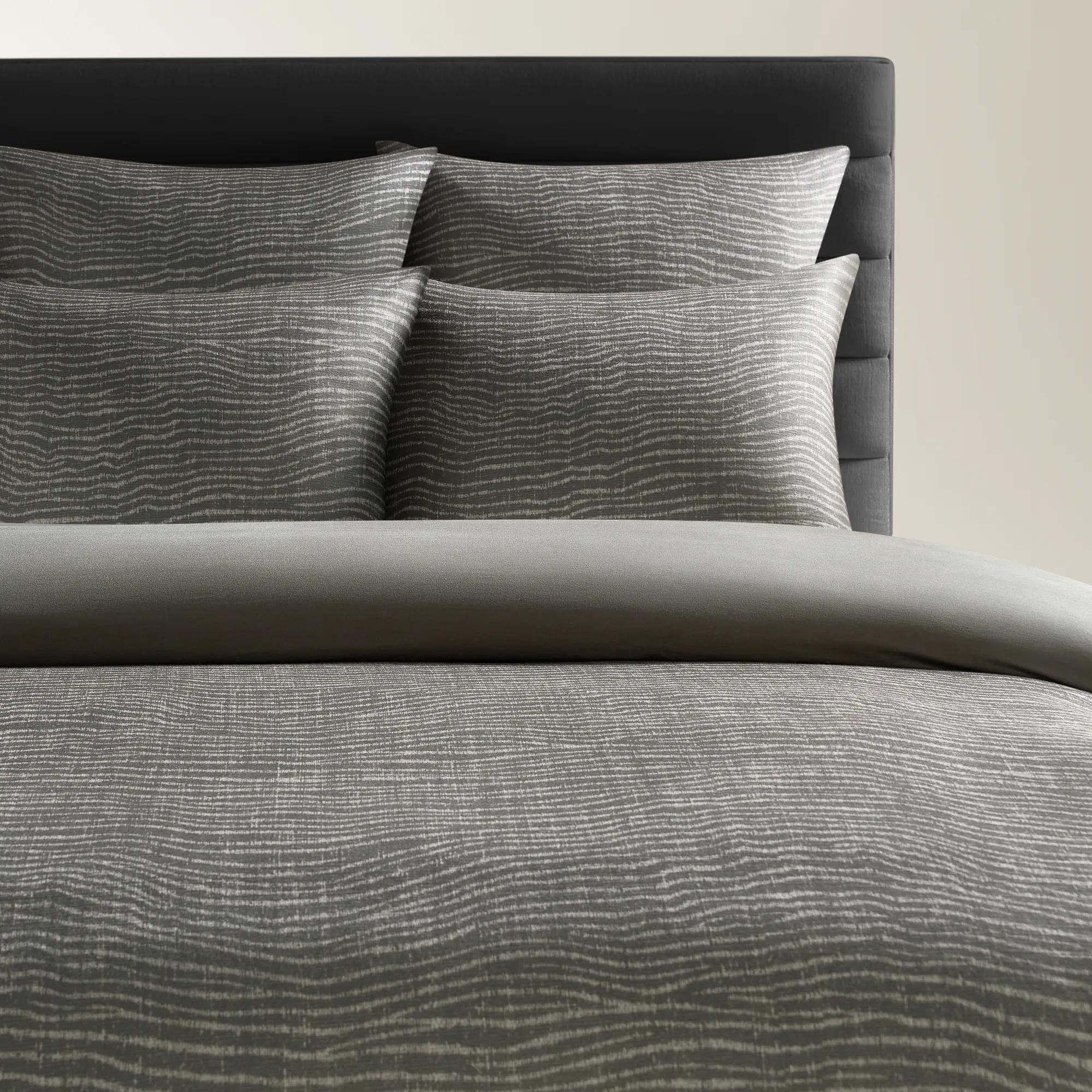
Silver Bedding For Designer Bedrooms
Silver Bedding For Designer Bedrooms
-
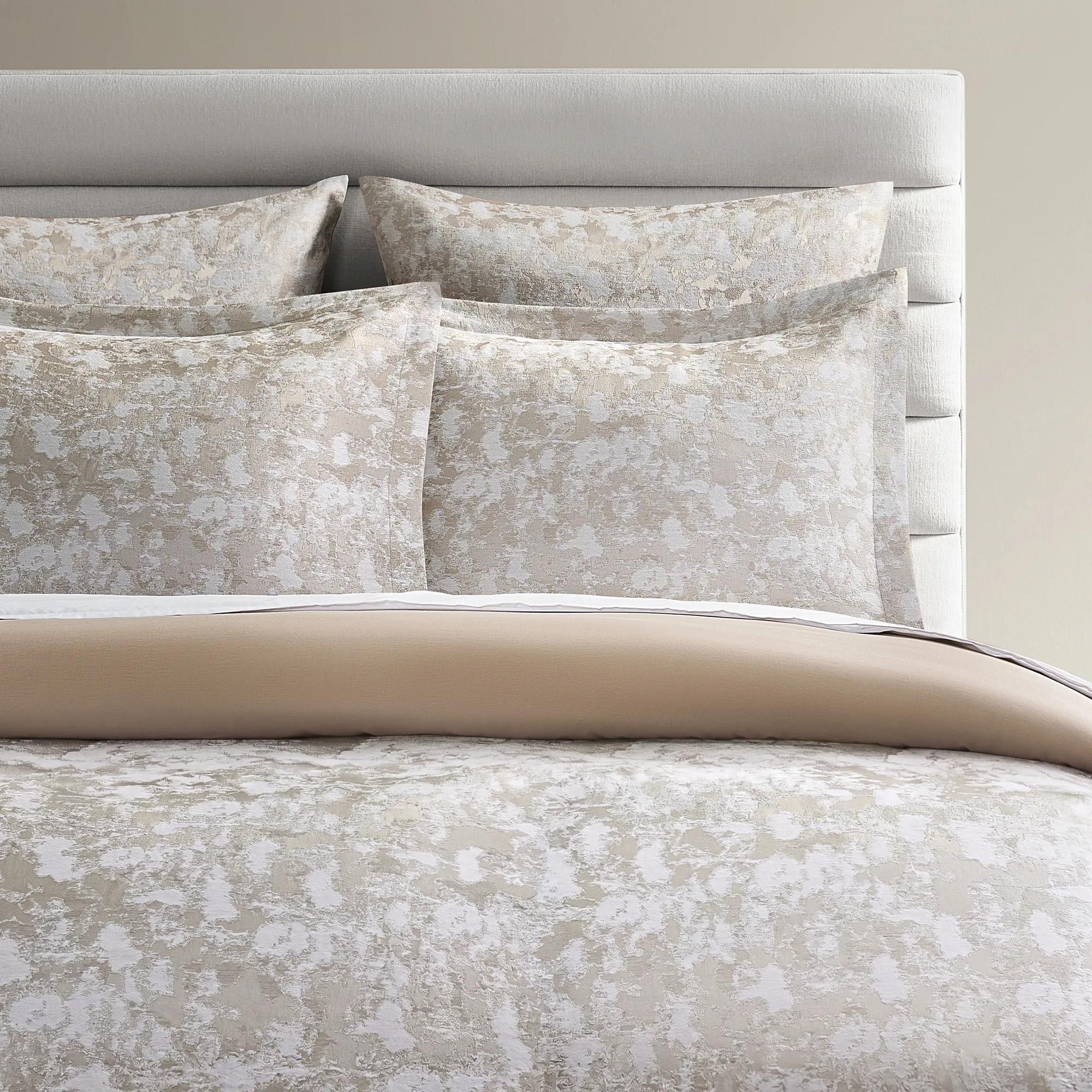 Nimbus Jacquard Metallic Champagne and Silver Bedding Set$279
A cloud-inspired bedding set in champagne and silver metallic jacquard with a soft shimmer and marbled pattern.
Add To Cart -
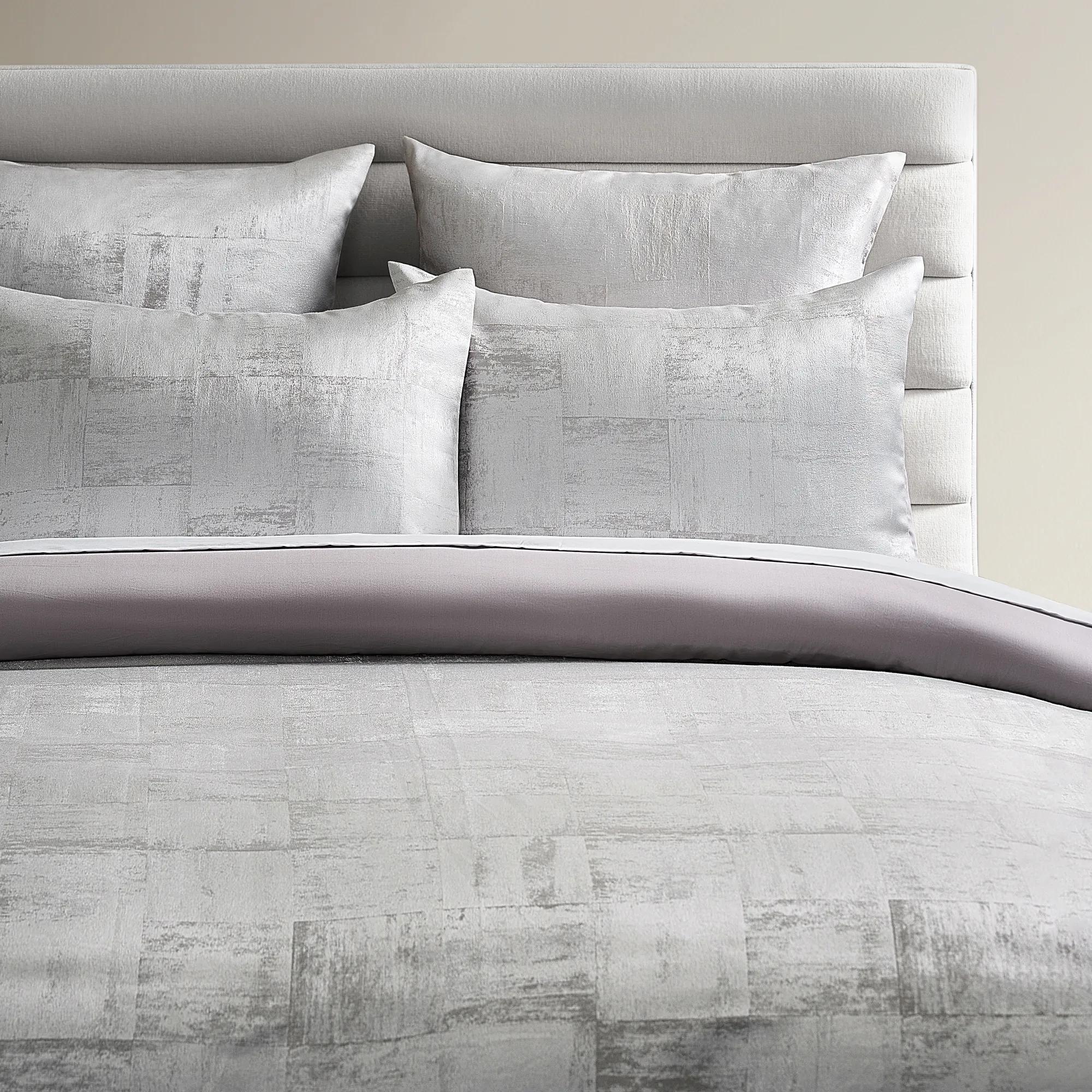 Auden Bedding Set - Platinum$229
A platinum jacquard bedding set featuring a subtle block pattern, knife-edge detail, and polished button closures.
Add To Cart -
 Cora Crane Multicolor Satin Bedding Set$179
A smooth satin bedding set featuring a whimsical fig, white, and charcoal crane print with tailored flange edges.
Add To Cart -
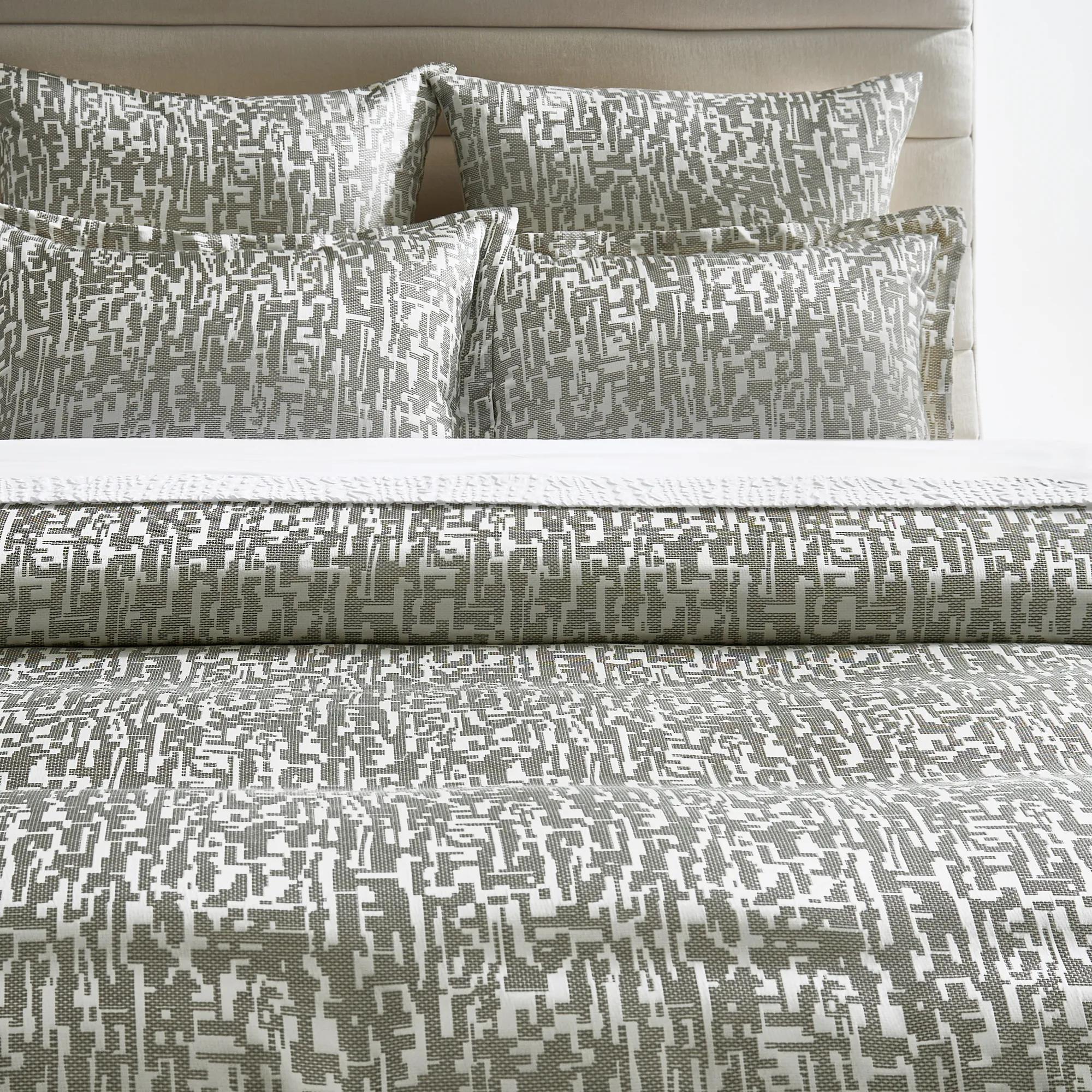
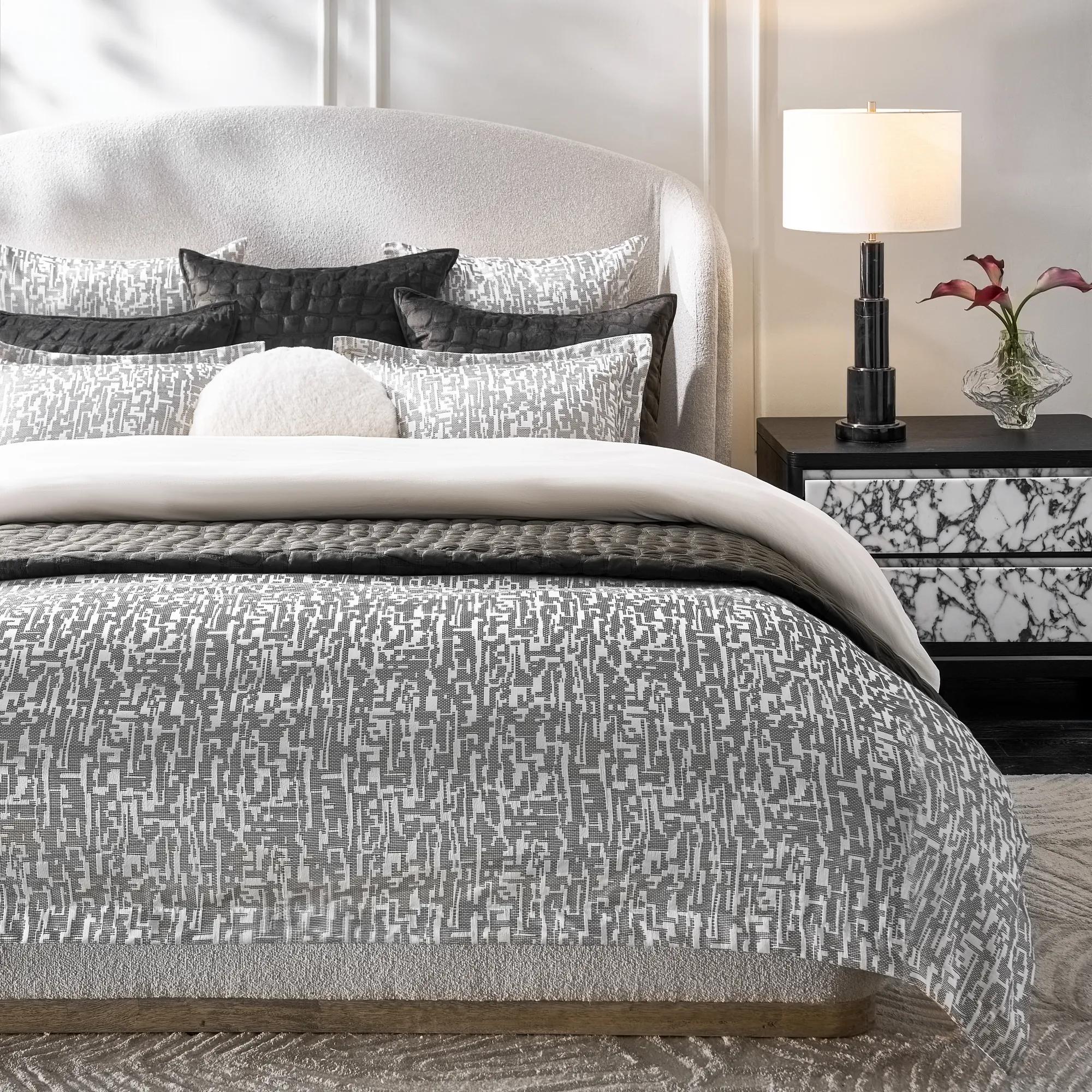 Podva Embroidered Bedding Set - Pearl/ Charcoal$279
A smooth satin bedding set in pearl and charcoal, featuring abstract embroidery and tailored flange edges.
Add To Cart -
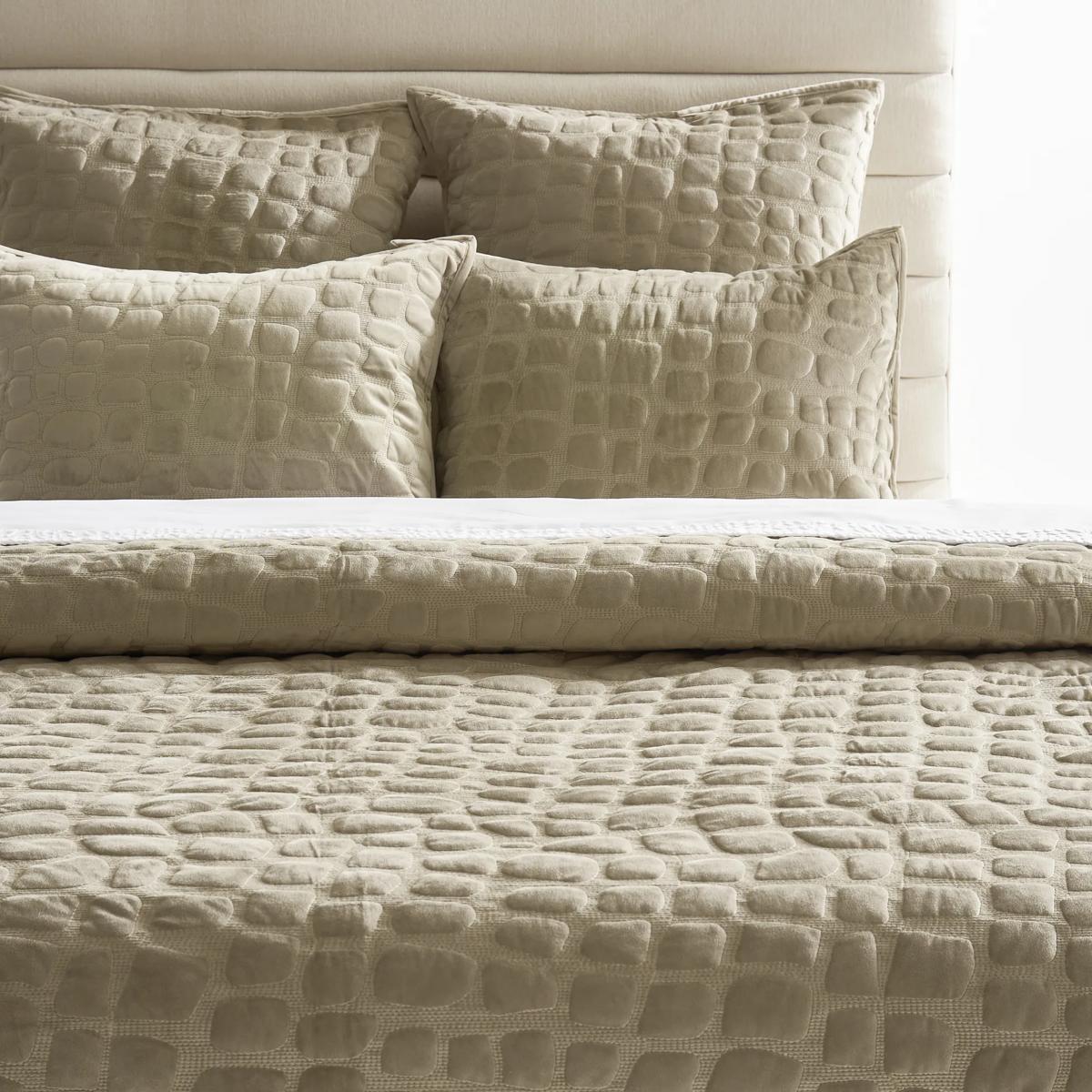
 Glam Grey Shiny Viscose Velvet Quilt Bedding Set$109
A lustrous grey velvet bedding collection featuring modern quilted stitching and refined piped edges.
Add To Cart -
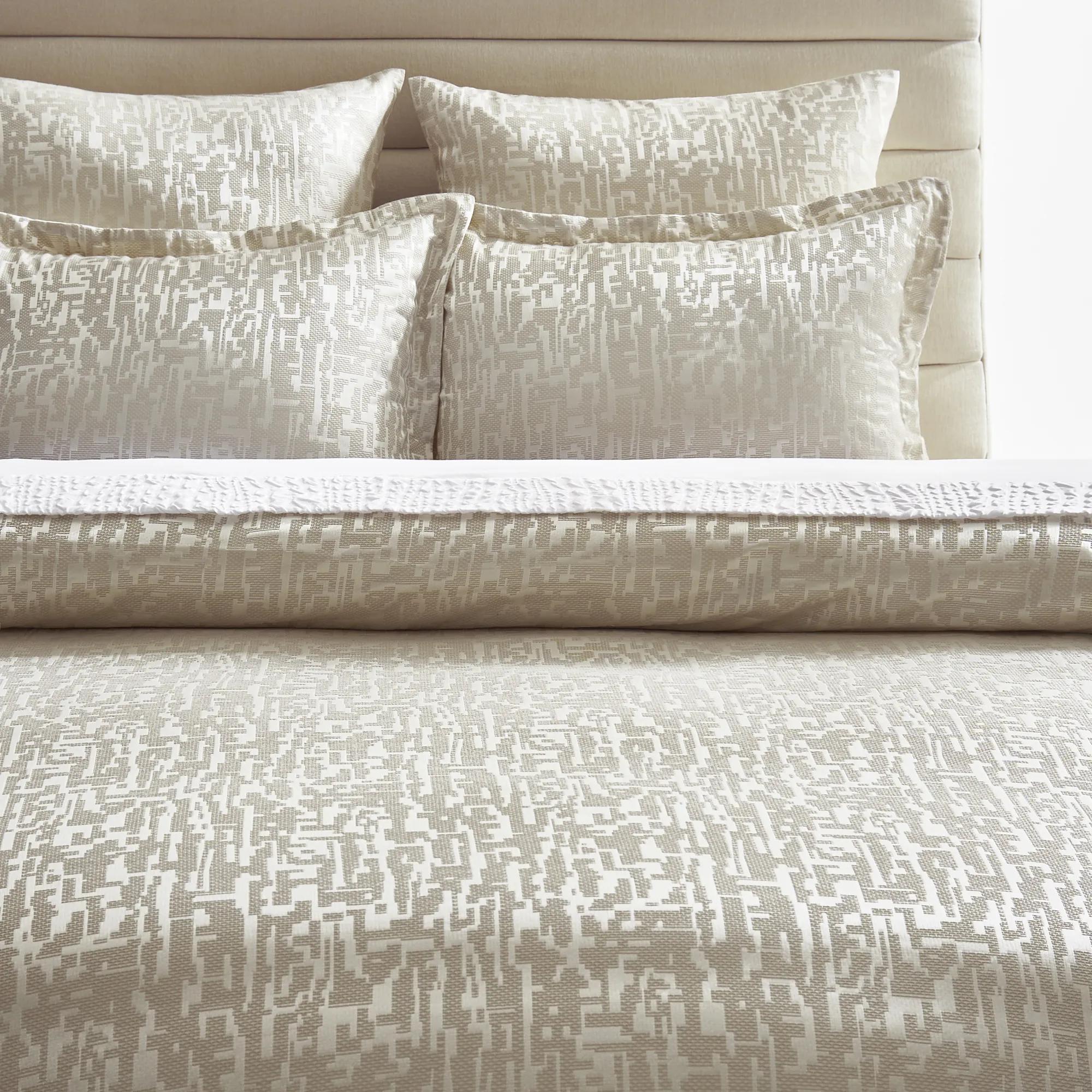
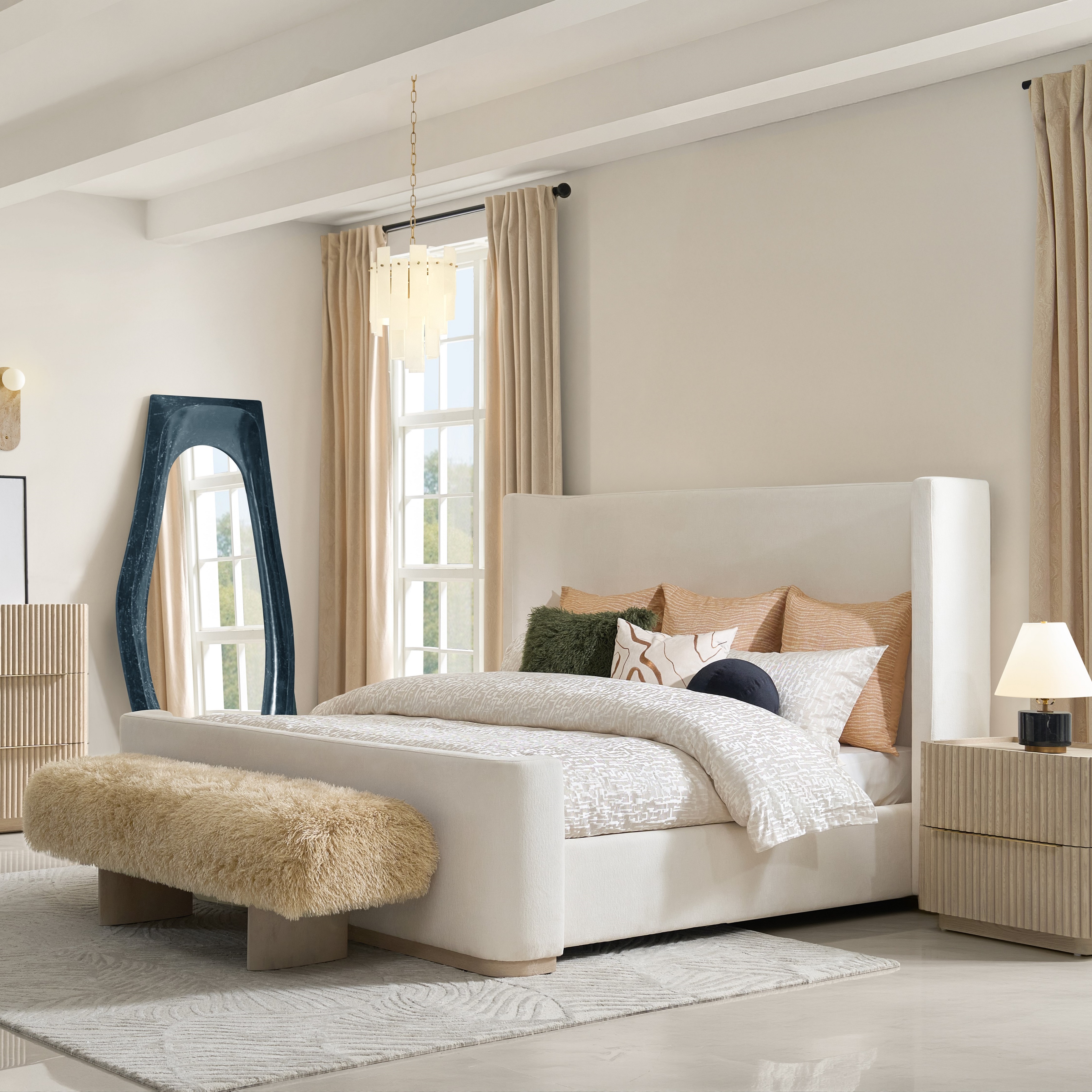 Podva Embroidered Pearl/Ivory Bedding Set$279
A serene pearl and ivory bedding set featuring a modern embroidered motif on smooth satin and cotton.
Add To Cart -
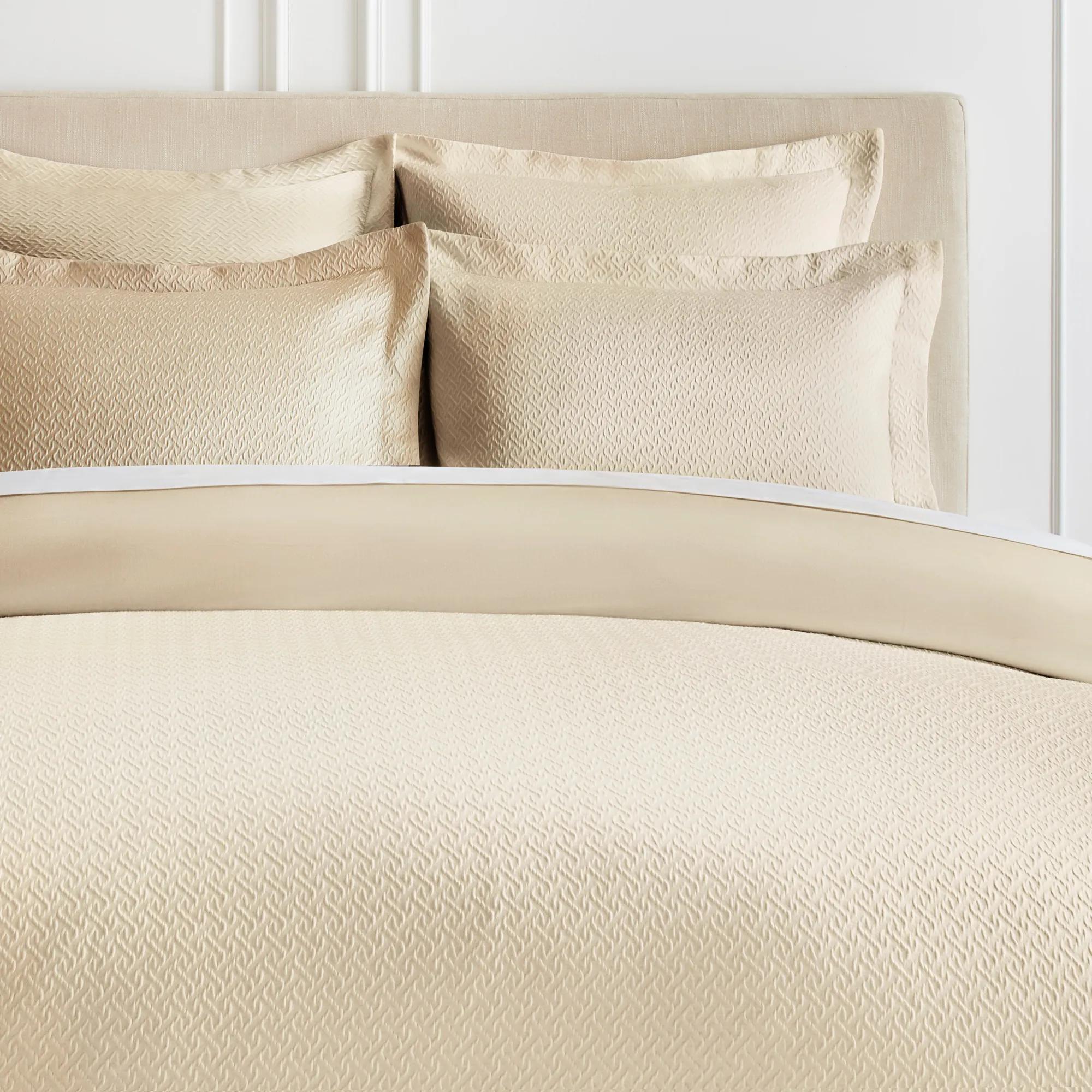
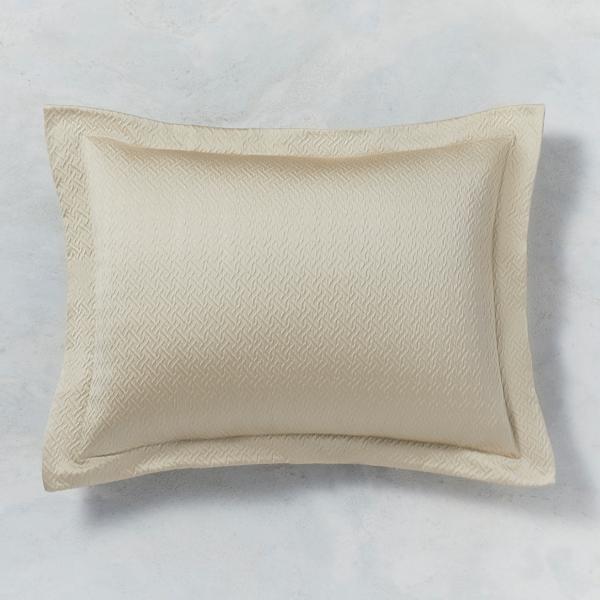 Marlowe Jacquard Gold Bedding Set$169
A jacquard-woven bedding collection in gold, offering subtle texture and year-round comfort.
Add To Cart -

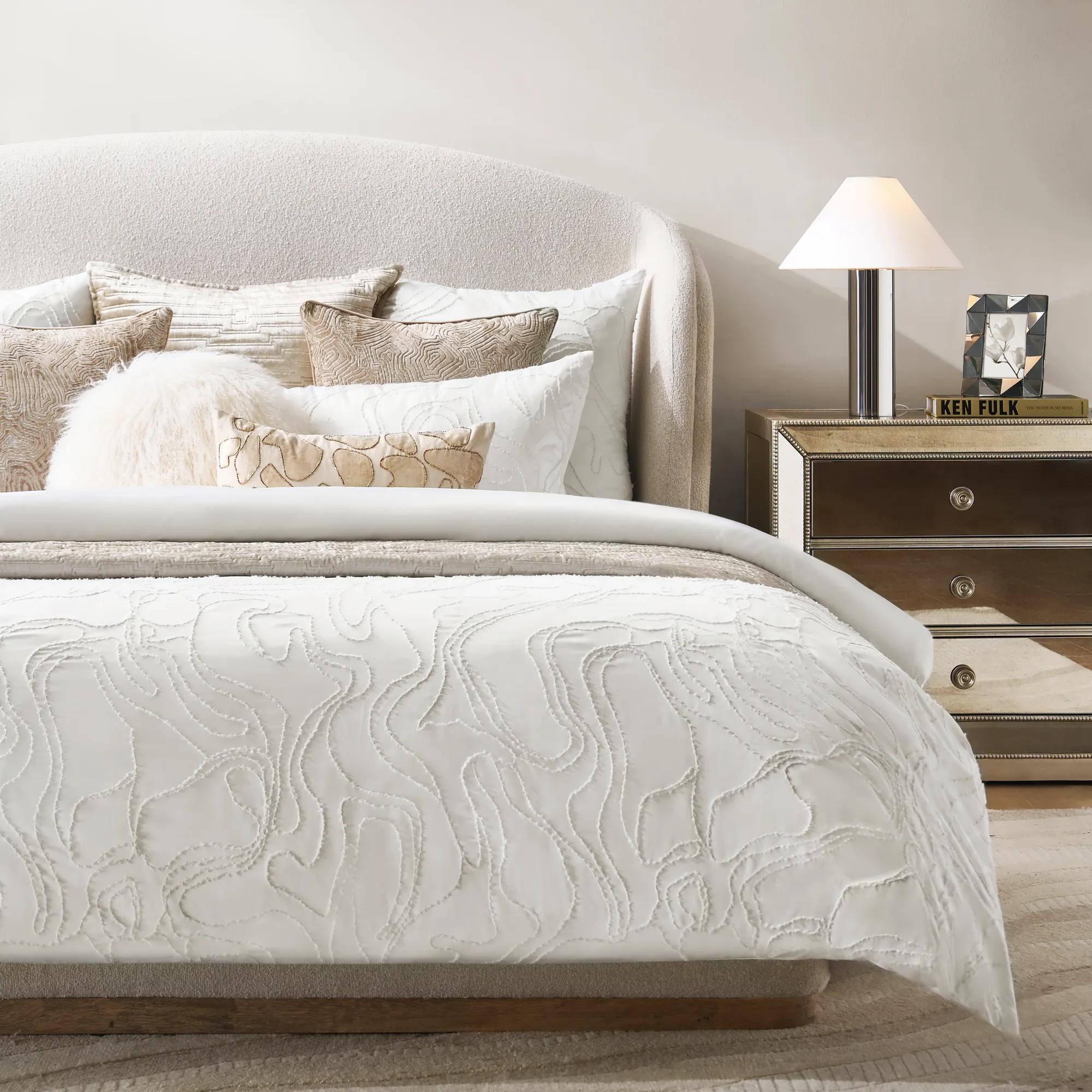 Noa Embroidered Pearl White Bedding Set$229
A luminous pearl satin bedding set featuring an embroidered swirl pattern for a touch of sophisticated elegance.
Add To Cart

Silver Bedding For Designer Bedrooms
Silver bedding for designer bedrooms transforms the ordinary into the extraordinary, infusing your sanctuary with a luminous elegance that captivates at every glance. Imagine layers of shimmering textiles reflecting light in subtle, sophisticated ways—each fold and contour adding depth, drama, and a whisper of modern glamour. Whether draped across a grand tufted headboard or cascading over a sleek platform frame, silver bedding becomes the centerpiece of a space designed for those who crave artistry and allure in every detail. Elevate your retreat with a touch of metallic magic, and let your bedroom become the ultimate canvas for bold self-expression.
Silver bedding gives designer bedrooms a luminous focal point, combining the versatility of gray with the visual richness of pewter, platinum, and softly reflective finishes. Its appeal is not simply shine: silver can look fluid and understated in a smooth cotton weave, dimensional in jacquard, or deeply sumptuous in velvet. That range makes silver bedding equally compelling against an upholstered headboard, dark wood furniture, or a sculptural bed frame with metallic detailing. Pale silver creates a gentle contrast with white sheets, while deeper graphite and pewter shades give a bed more visual weight. A tonal arrangement of several silver-gray shades often feels richer than an exact color match because each surface catches light differently. The distinction between color and finish matters, too. Silver-colored bedding does not necessarily contain metallic fibers; a lustrous effect can come from the yarn, weave, or surface treatment. Cotton offers a familiar, breathable foundation, while cotton sateen combines a smooth hand with a subtle sheen. Satin describes a weave rather than a particular fiber, so its feel and care requirements depend on whether it is made from polyester, silk, or another material. Velvet introduces a plush pile that shifts in appearance as its direction changes, giving even a solid shade depth. Jacquard brings patterns into the woven structure, allowing damask, geometric, or abstract designs to emerge through texture and contrast. For a bedroom with large-scale artwork or an elaborate headboard, a quieter bedding surface gives those elements room to command attention. Where the furnishings are more restrained, a dimensional weave or pronounced luster can make the bed the room’s defining gesture. The most convincing designer effect comes from a deliberate balance: one expressive surface, a few supporting textures, and enough visual breathing room for the details to register. Silver rewards that restraint without sacrificing drama, creating a foundation that can feel tailored, romantic, or distinctly glamorous depending on the layers surrounding it.
The construction beneath that surface determines how silver bedding feels and functions in everyday use. A duvet cover provides a removable outer layer for a separate insert, making it useful for households that value the flexibility of changing or laundering the cover independently. Corner ties or other interior attachments can help keep a compatible insert positioned, while the closure should feel secure without becoming uncomfortable along the edge. A comforter combines an outer shell and filling in one piece; its loft, stitching, and fill distribution influence whether the bed looks gently relaxed or more sculptural. Quilts and coverlets generally offer a lower-profile finish, either as the main decorative layer or folded across the foot of a fuller bed. These distinctions matter more than the name of a coordinated set, since included components and dimensions can vary. Queen, king, and California king labels are starting points rather than guarantees of the same drape. Actual bedding measurements, mattress height, and the amount of exposed bed frame determine how the finished arrangement sits. A deep mattress or substantial topper needs adequate coverage, while a low upholstered frame may look more intentional with a controlled drop that leaves its detailing visible. Fitted sheets should accommodate the combined mattress and topper depth, and shams should correspond to the dimensions of their pillow inserts. Durability also deserves attention, especially for bedding that will be handled daily rather than reserved for occasional guest use. Secure seams, evenly distributed filling, neatly finished edges, and reliable closures support lasting performance. Decorative embroidery, raised yarns, fringe, and metallic accents may require more careful handling than a smooth, unembellished surface. Care labels remain the authority for washing, drying, ironing, and professional cleaning; a silver appearance alone says nothing about which methods are appropriate. A generously sized piece also needs enough room to move during laundering, and some bedding may require larger-capacity equipment. Following those requirements helps preserve the intended texture and finish, rather than allowing an initially striking bed to become difficult to maintain.
A designer bedroom feels personal when its silver bedding relates to the surrounding materials rather than repeating the same finish everywhere. Against charcoal upholstery, pale silver creates a crisp outline; beside ivory, taupe, or champagne accents, it takes on a softer, more layered character. Dusty rose introduces a muted contrast, while deep blue or aubergine gives the palette greater intensity without competing with its luster. Mixing metal finishes can be equally expressive when the proportions are deliberate. A room anchored in silver and brushed nickel may need only a restrained touch of brass to add complexity. Mirrored furniture and glass accents amplify reflection, so matte textiles provide an important counterbalance, keeping the room from becoming a continuous field of shine. Diffused bedside lighting helps reveal woven detail without producing the hard glare that can flatten a reflective surface. Pattern scale influences the composition as well: an expansive motif benefits from a broad, uninterrupted area, while smaller designs can bring definition to shams or a folded layer. A pair of substantial pillows can establish symmetry, with a single contrasting accent adding a more individual note. The softer interpretation found in Silver Bedding For Cozy Bedrooms places particular emphasis on inviting textures and a less formal arrangement. In a primary bedroom, the most satisfying balance is often a polished presentation that remains easy to live with, without requiring an elaborate pillow arrangement every evening. In a guest bedroom, straightforward layers and clear care requirements can make the space feel generous without complicating upkeep. Silver bedding can also make a thoughtful wedding or housewarming gift when the recipient’s mattress size, preferred fabrics, and laundering needs are known. Its lasting appeal lies in that combination of expression and versatility: a beautifully considered surface that gives the room presence while leaving space for the people, artwork, and cherished details that make it distinctive.
FAQs
Silver bedding effortlessly complements a variety of design aesthetics, from modern minimalist to glamorous maximalist. In contemporary spaces, its reflective sheen adds a crisp, sophisticated edge, while in more opulent settings, silver’s luminous quality enhances drama and allure. Pair with crisp whites and soft greys for a serene, monochromatic look, or introduce deep jewel tones and metallic accents for a bold, layered effect.
To achieve a harmonious look, layer your silver bedding with complementary tones and textures. Consider pairing silver bed linen with plush throws, velvet or embroidered pillows, and accent pieces in mirrored or chrome finishes. Incorporate soft blues, blush pinks, or charcoal greys to add depth and warmth, and use metallic accessories—like lamps, trays, or decorative mirrors—to tie the space together.
Yes, silver bedding can be enjoyed year-round. For winter, opt for rich fabrics like velvet or sateen that offer warmth and a sense of indulgence. In warmer months, choose breathable options such as cotton or linen in silver tones to maintain a cool, inviting atmosphere while still embracing the luxe aesthetic.
Luxury silver bedding makes a thoughtful and sophisticated gift for newlyweds, new homeowners, or anyone with a flair for interior design. Its versatile palette and sumptuous feel suit a wide range of tastes, making it a memorable choice for milestone occasions or simply as a gesture of appreciation for someone who values beauty and comfort in their living space.
Elevate your bedroom by accessorizing silver bedding with textured throws, decorative pillows in metallic or jewel tones, and statement lighting that enhances the bedding’s reflective qualities. Add mirrored trays, crystal vases, or silver-framed artwork to create a cohesive, gallery-worthy atmosphere. The interplay of different materials and finishes will bring depth and artistry to your designer bedroom.