Satin Bedding For Master Bedrooms
Satin Bedding For Master Bedrooms
-
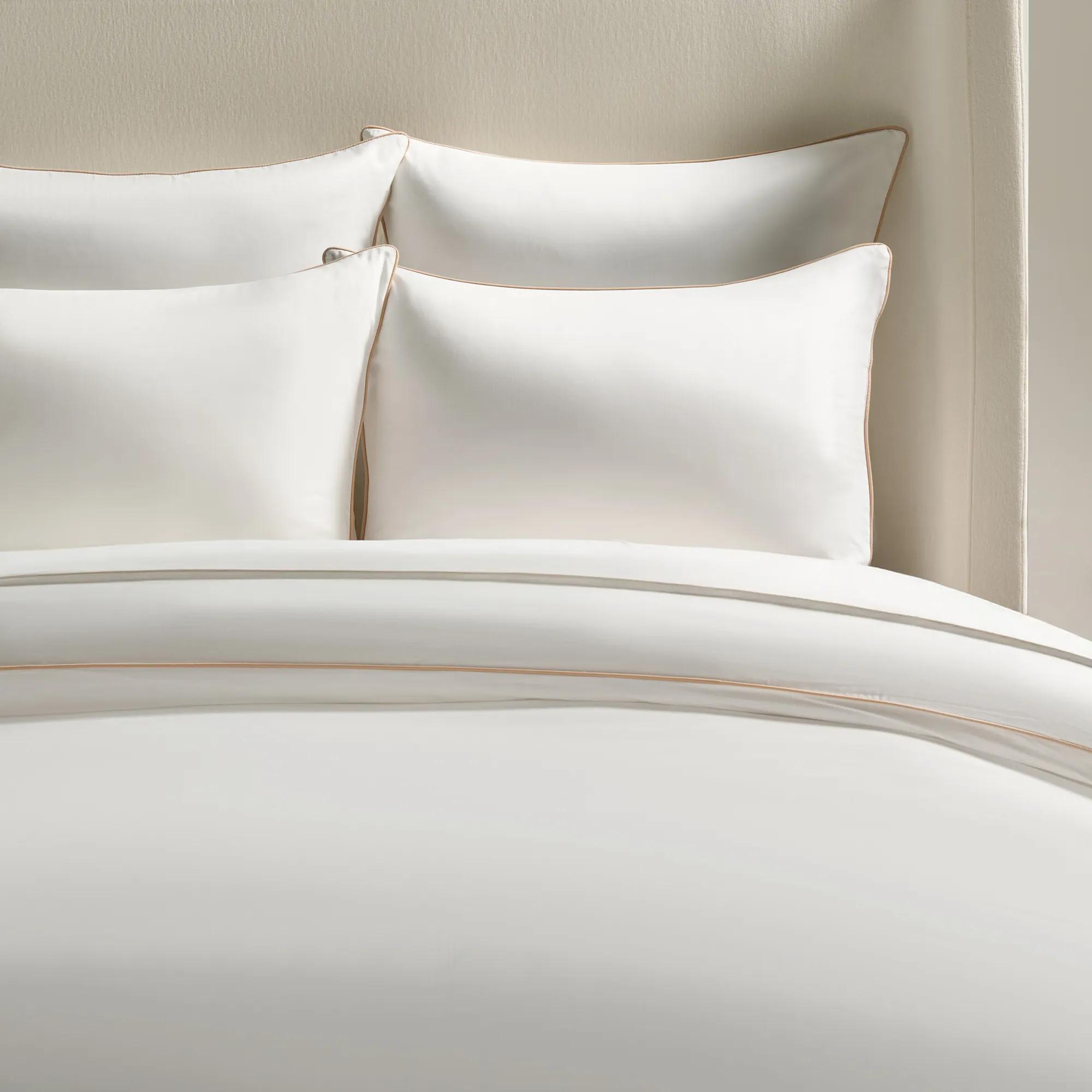
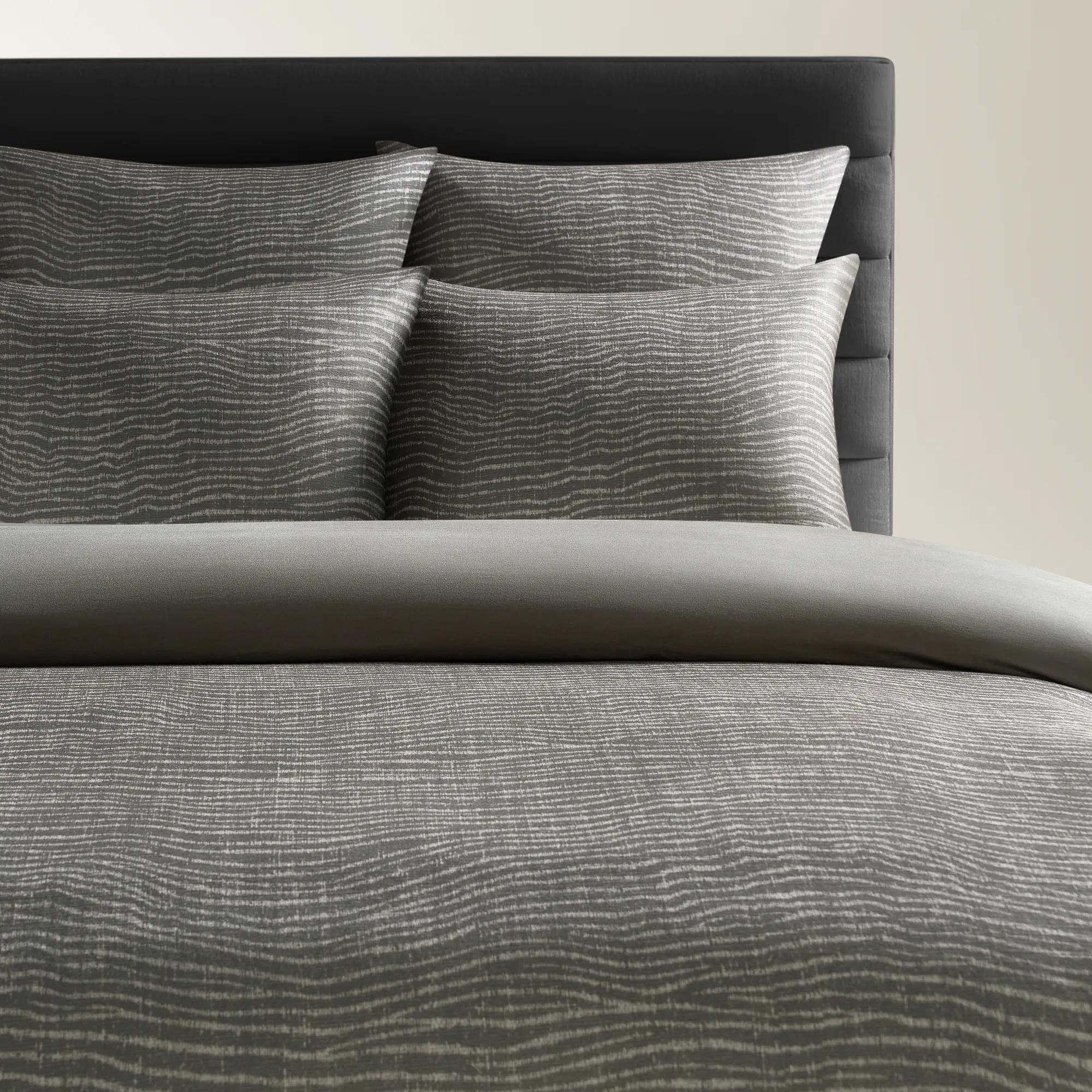
 Cora Crane Multicolor Satin Bedding Set$179
A smooth satin bedding set featuring a whimsical fig, white, and charcoal crane print with tailored flange edges.
Add To Cart -
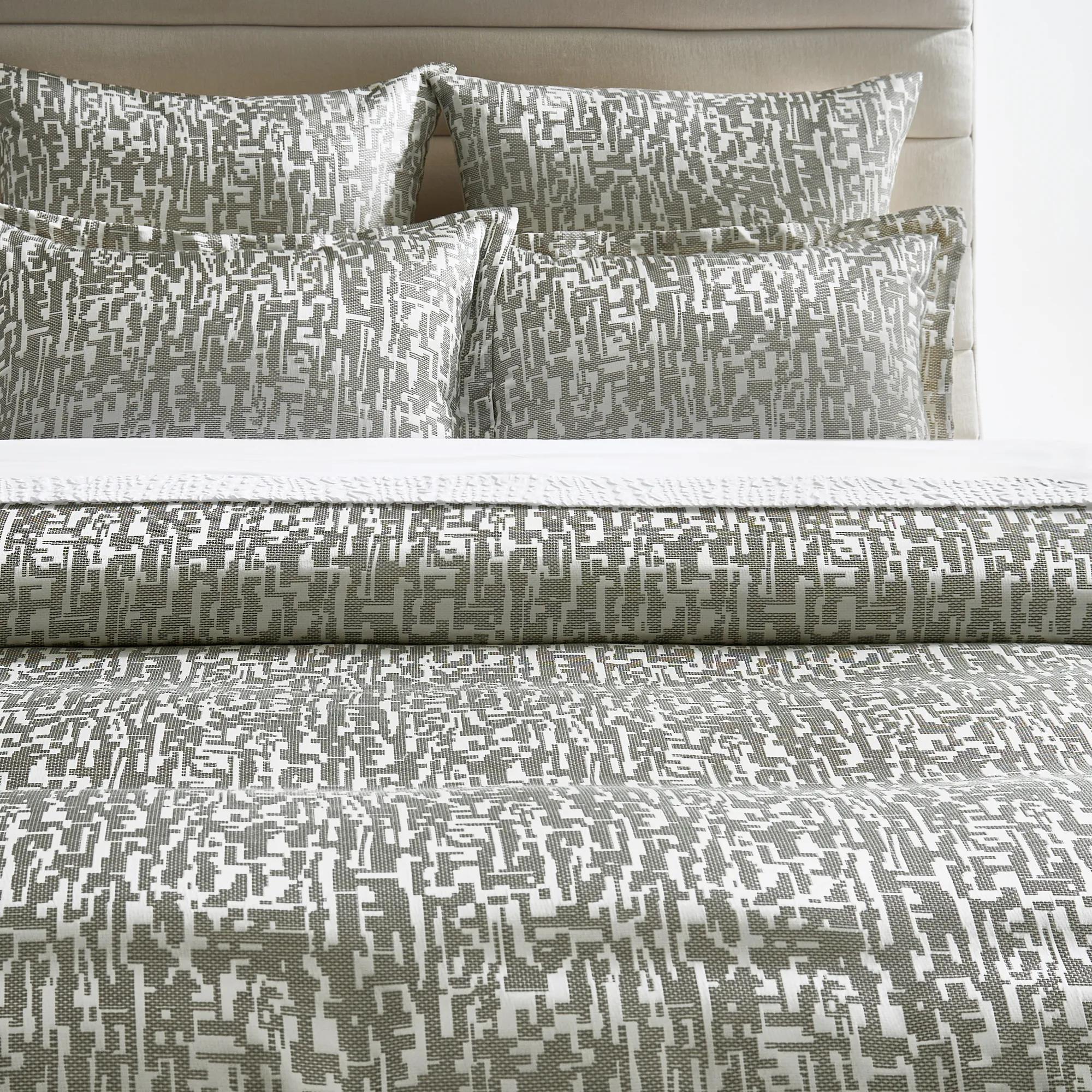
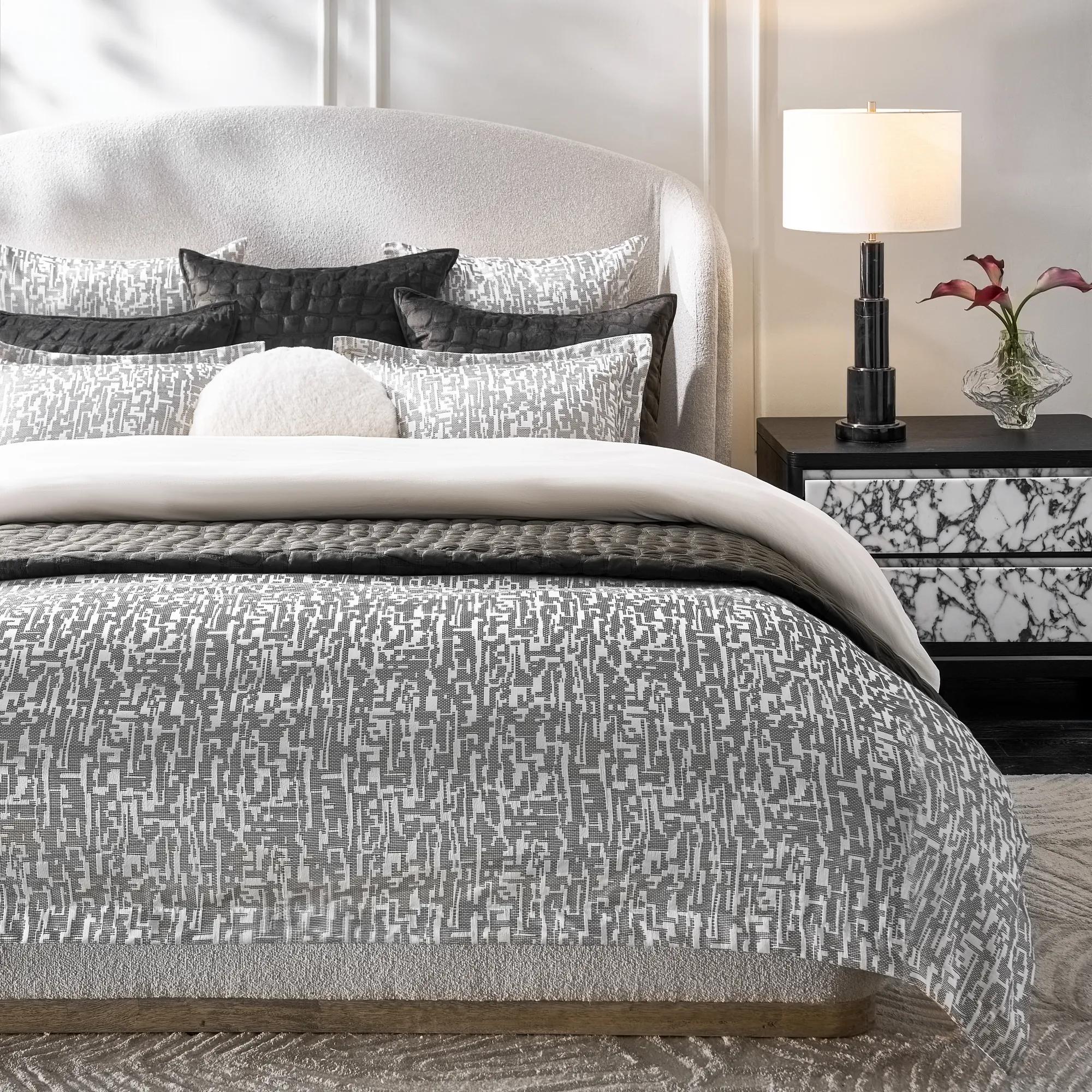 Podva Embroidered Bedding Set - Pearl/ Charcoal$249
A satin bedding set in pearl and charcoal with abstract embroidery and a polished flange edge.
Add To Cart -

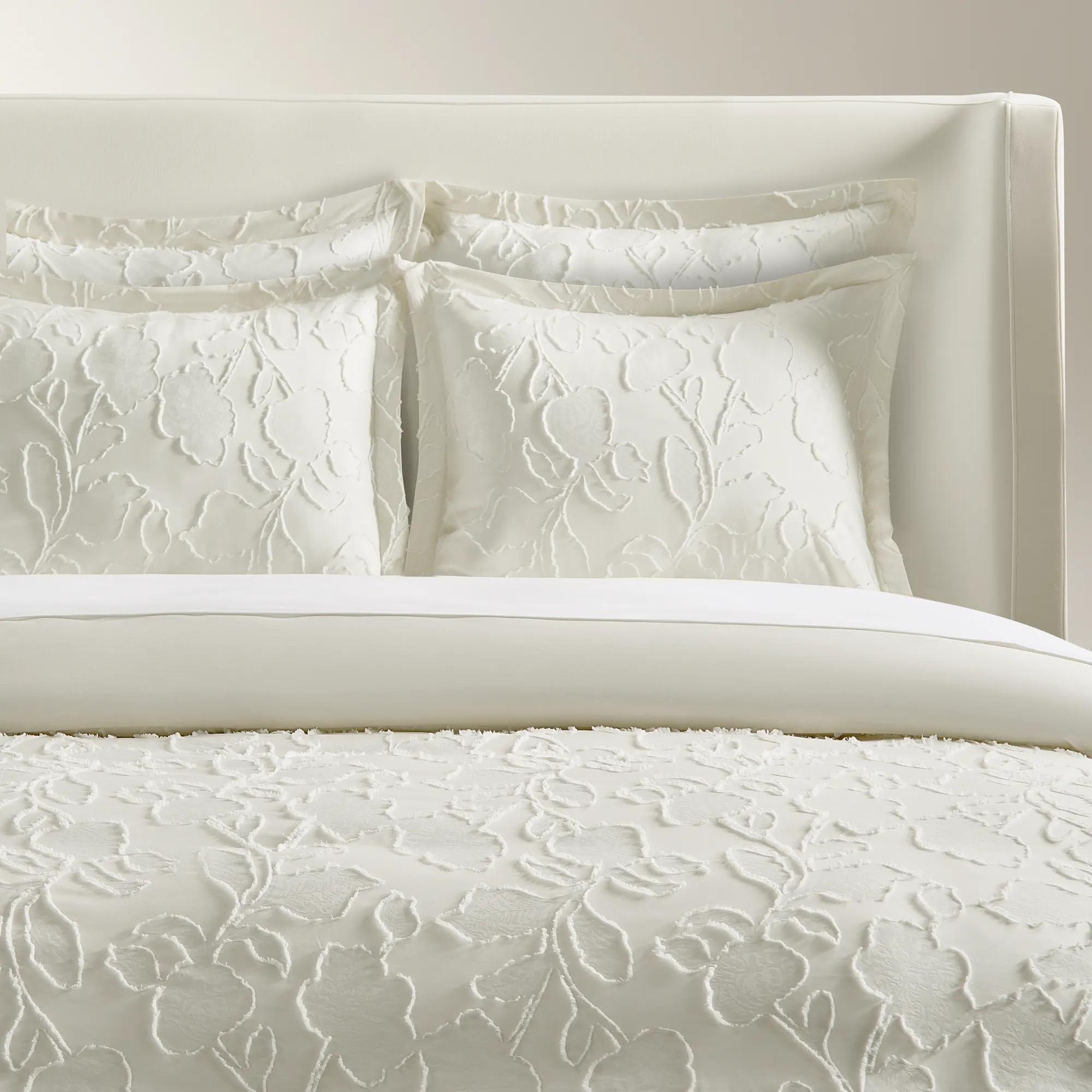
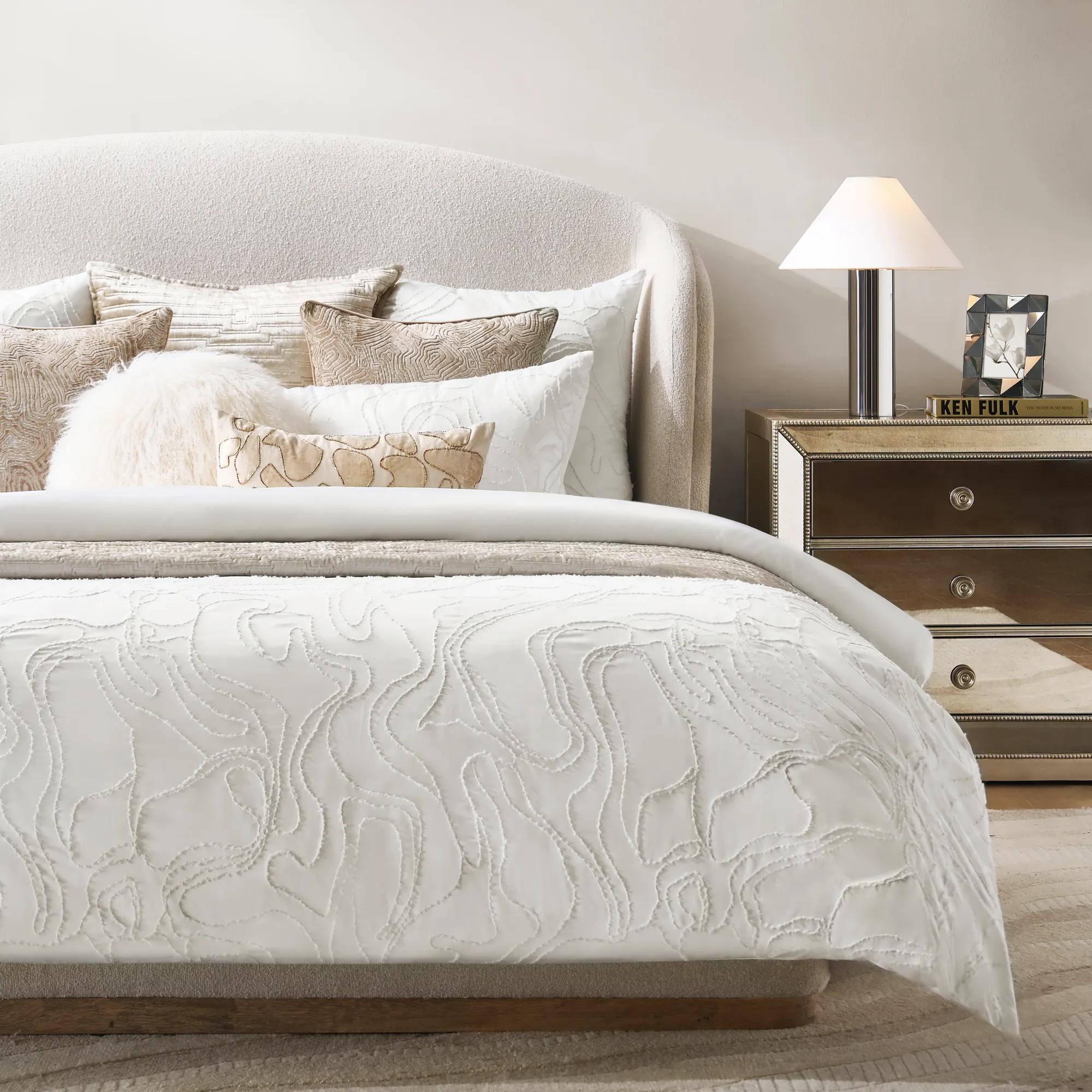 Noa Embroidered Pearl White Bedding Set$229
A luminous pearl satin bedding set featuring an embroidered swirl pattern for a touch of sophisticated elegance.
Add To Cart -
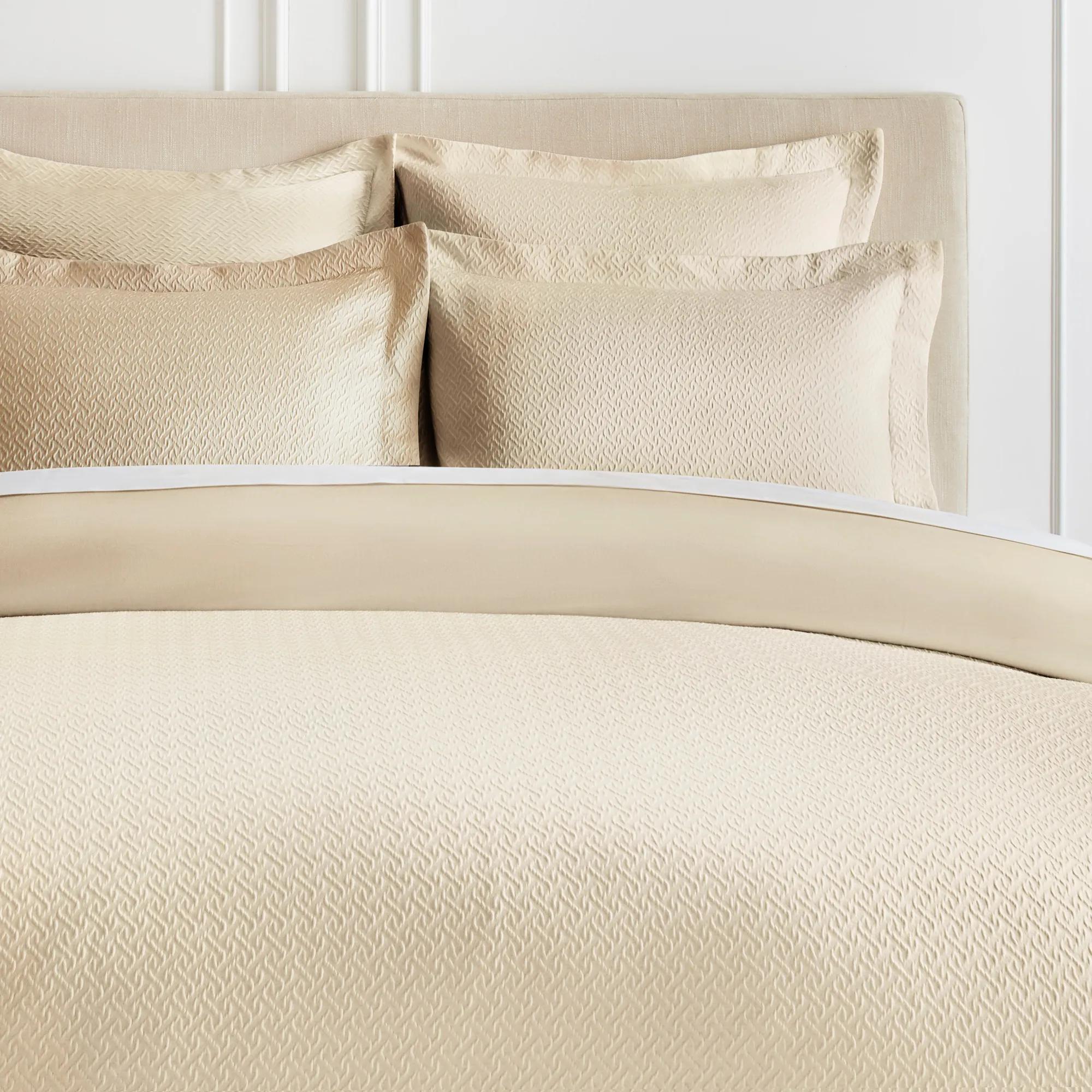
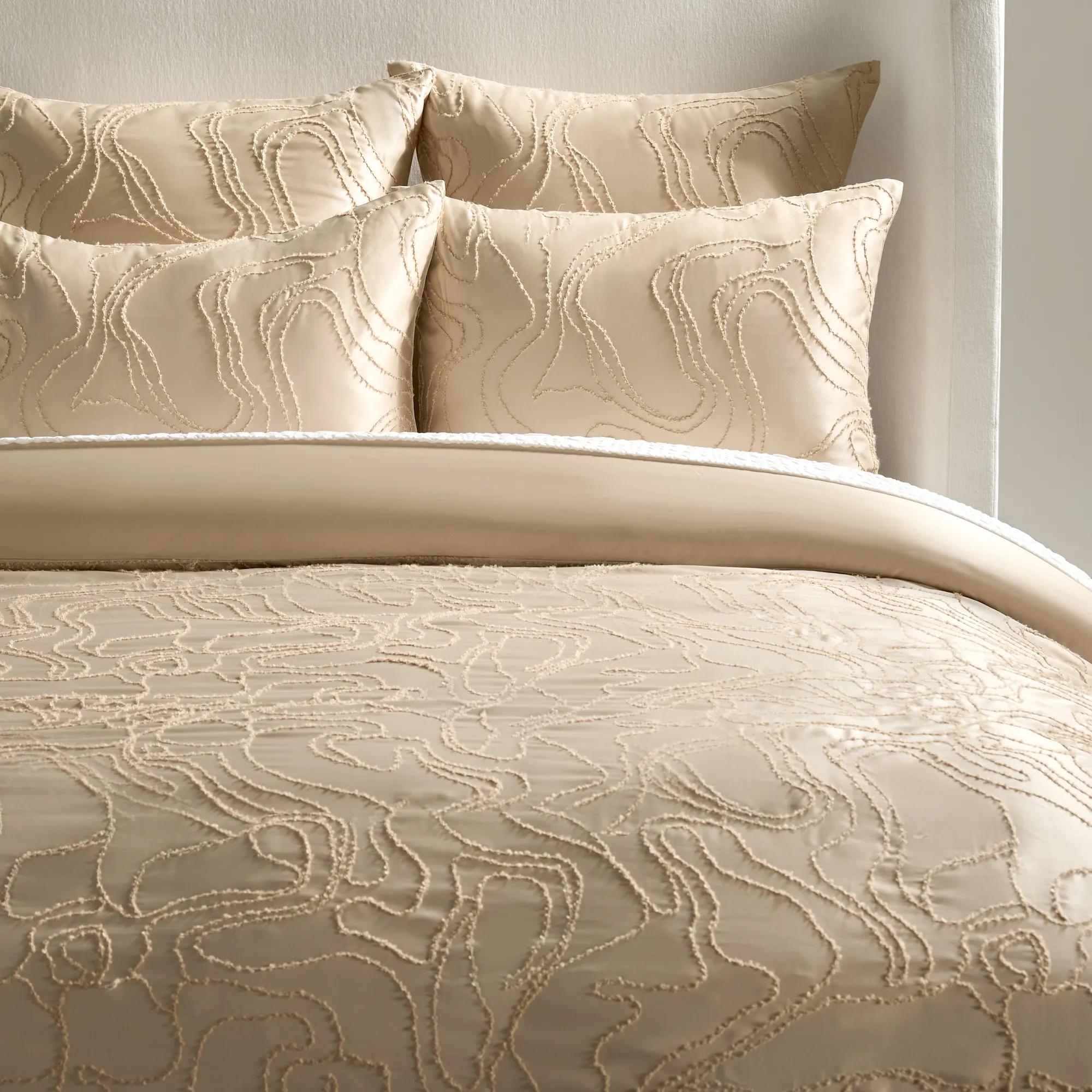 Noa Embroidered Champagne Beige Bedding Set$249
A champagne beige bedding set featuring elegant embroidered detailing for a refined bedroom aesthetic.
Add To Cart -
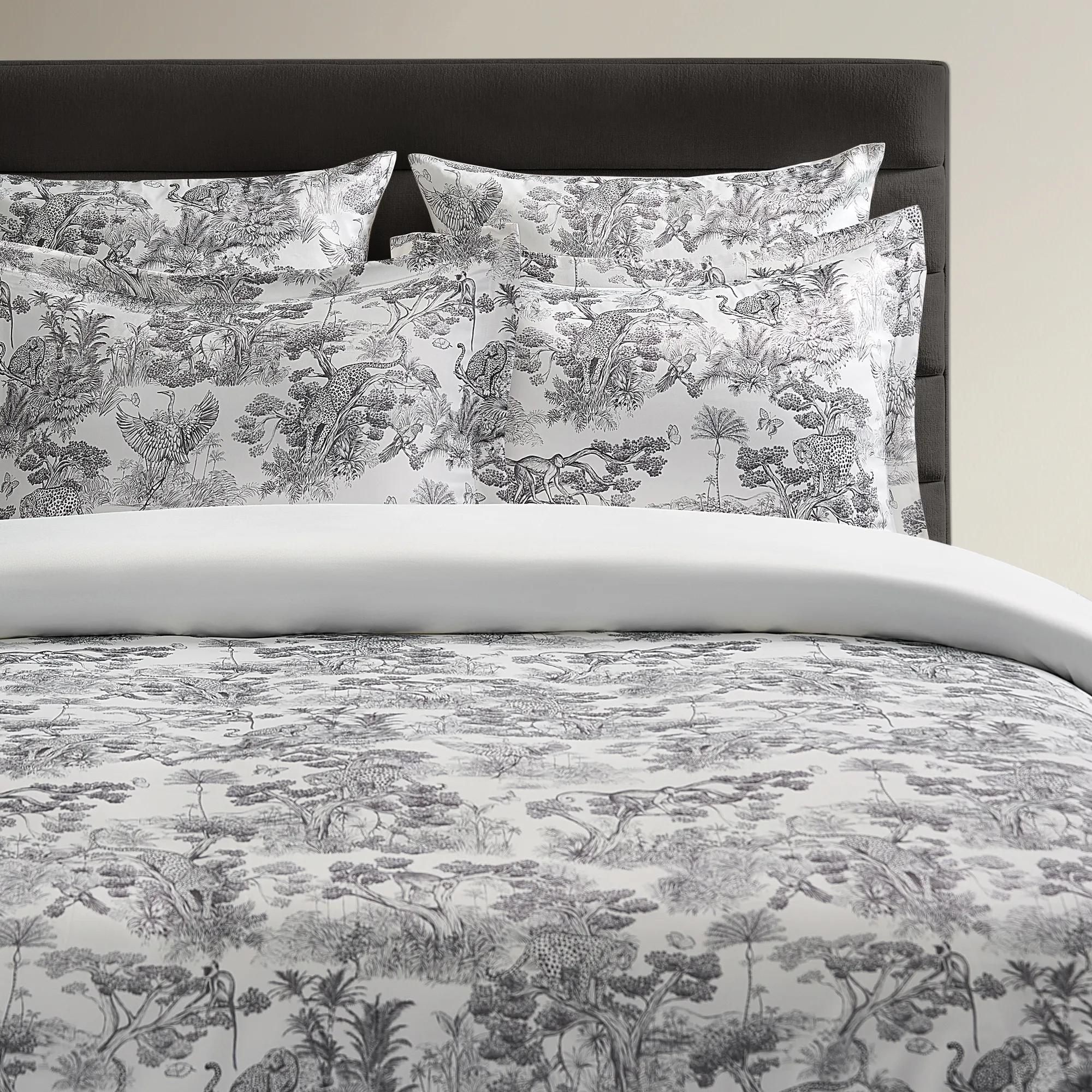
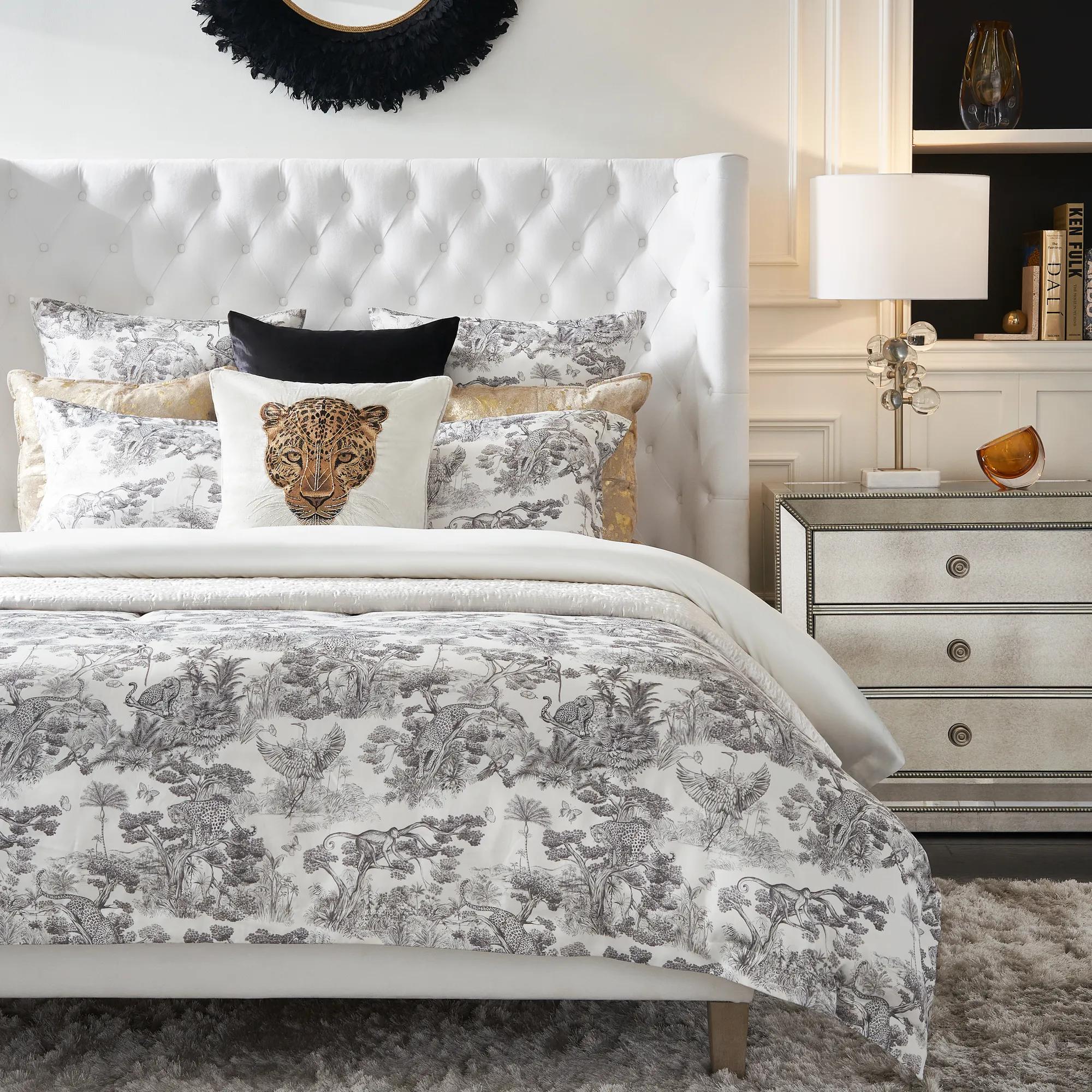 Jungle Toile Bedding Set - Ivory/Black$169
An elegant ivory and black satin bedding set featuring a delicate jungle print and refined flange edges.
Add To Cart -
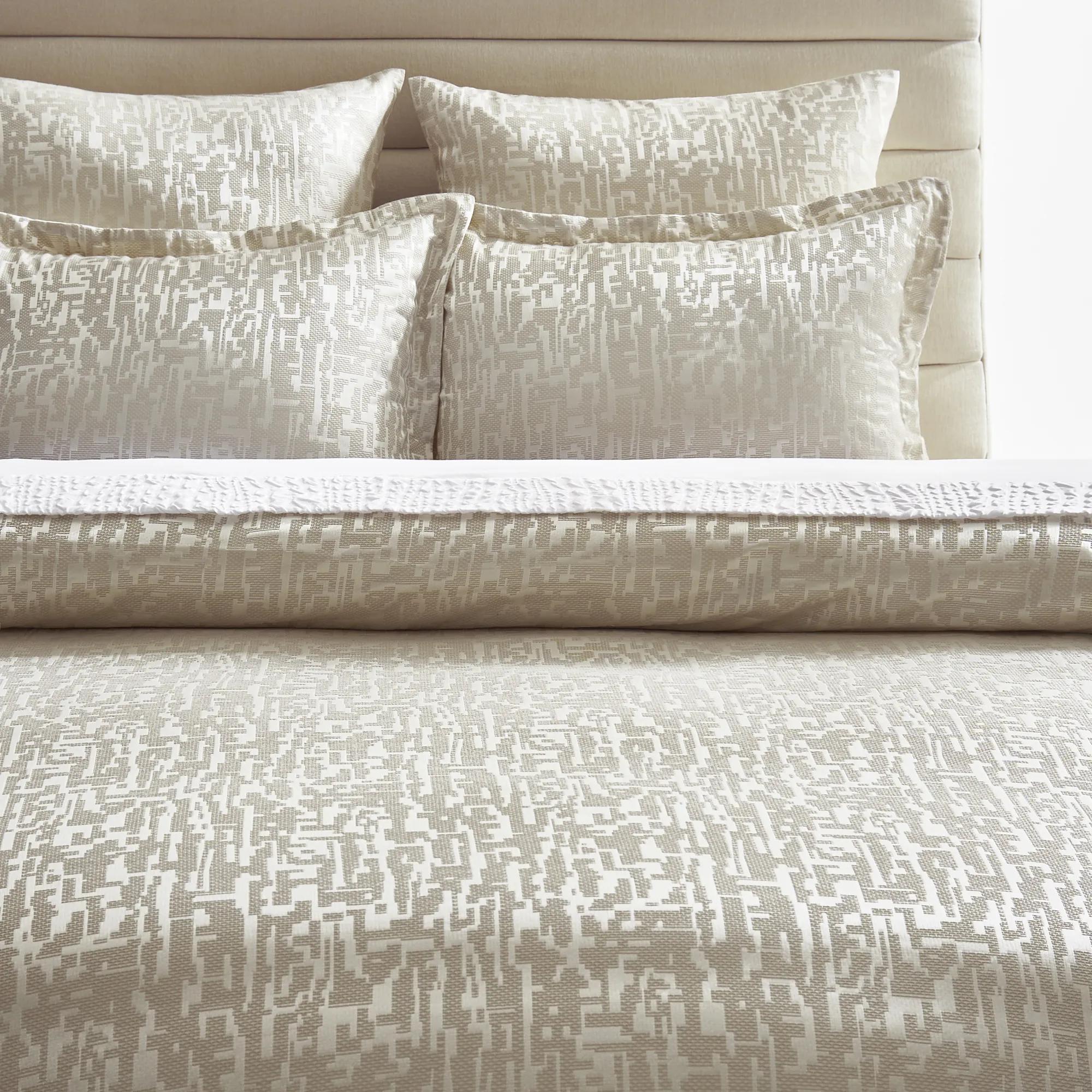
 Podva Embroidered Pearl/Ivory Bedding Set$249
A satin and cotton bedding set in pearl and ivory, featuring modern embroidery and crisp flange edges.
Add To Cart -

 Jungle Toile Bedding Set - Pale Pink$189
A luxurious satin bedding set featuring a delicate black jungle print on a pale pink background.
Add To Cart -
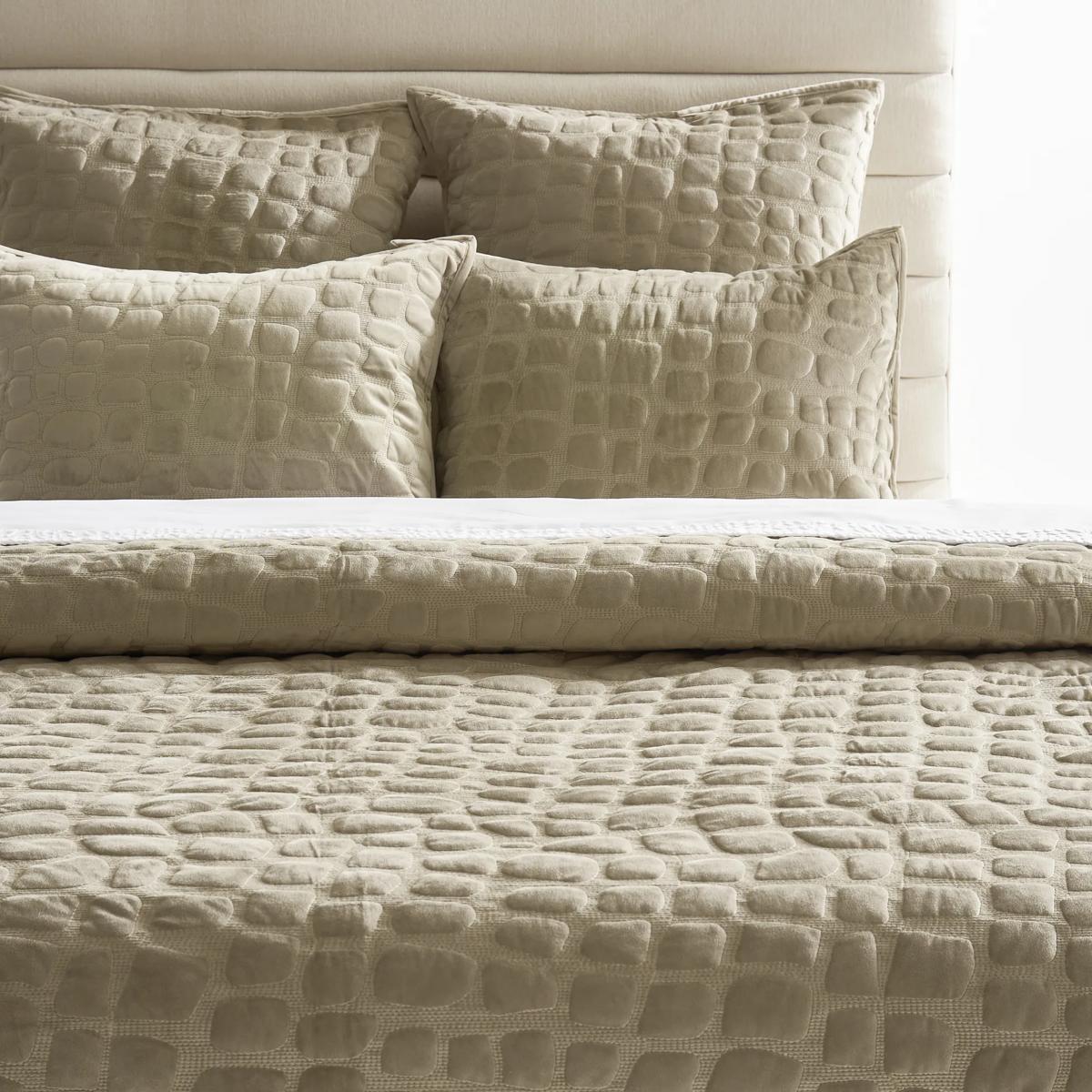
 Glam Grey Shiny Viscose Velvet Quilt Bedding Set$89
A lustrous grey velvet bedding collection featuring modern quilted stitching and refined piped edges.
Add To Cart -
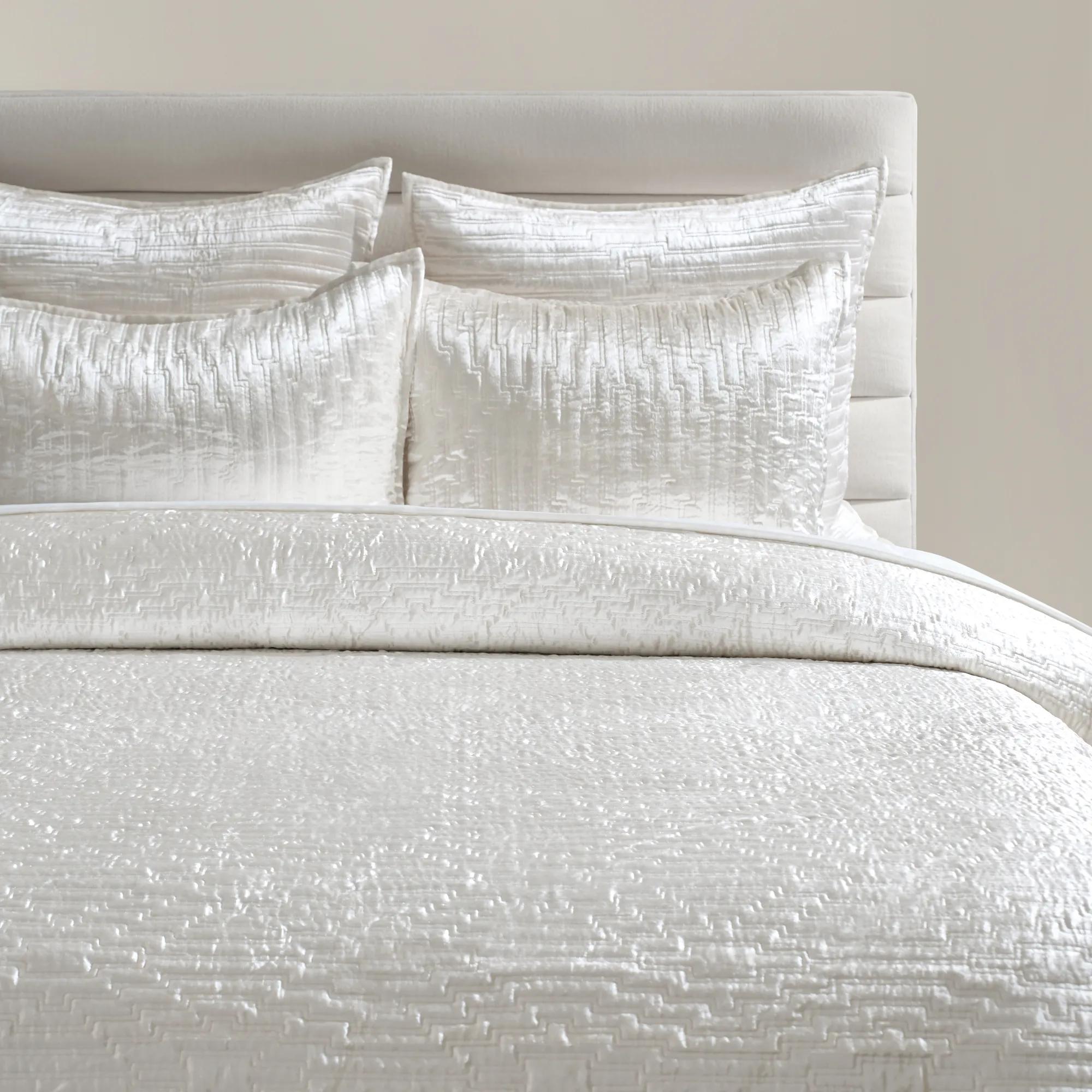
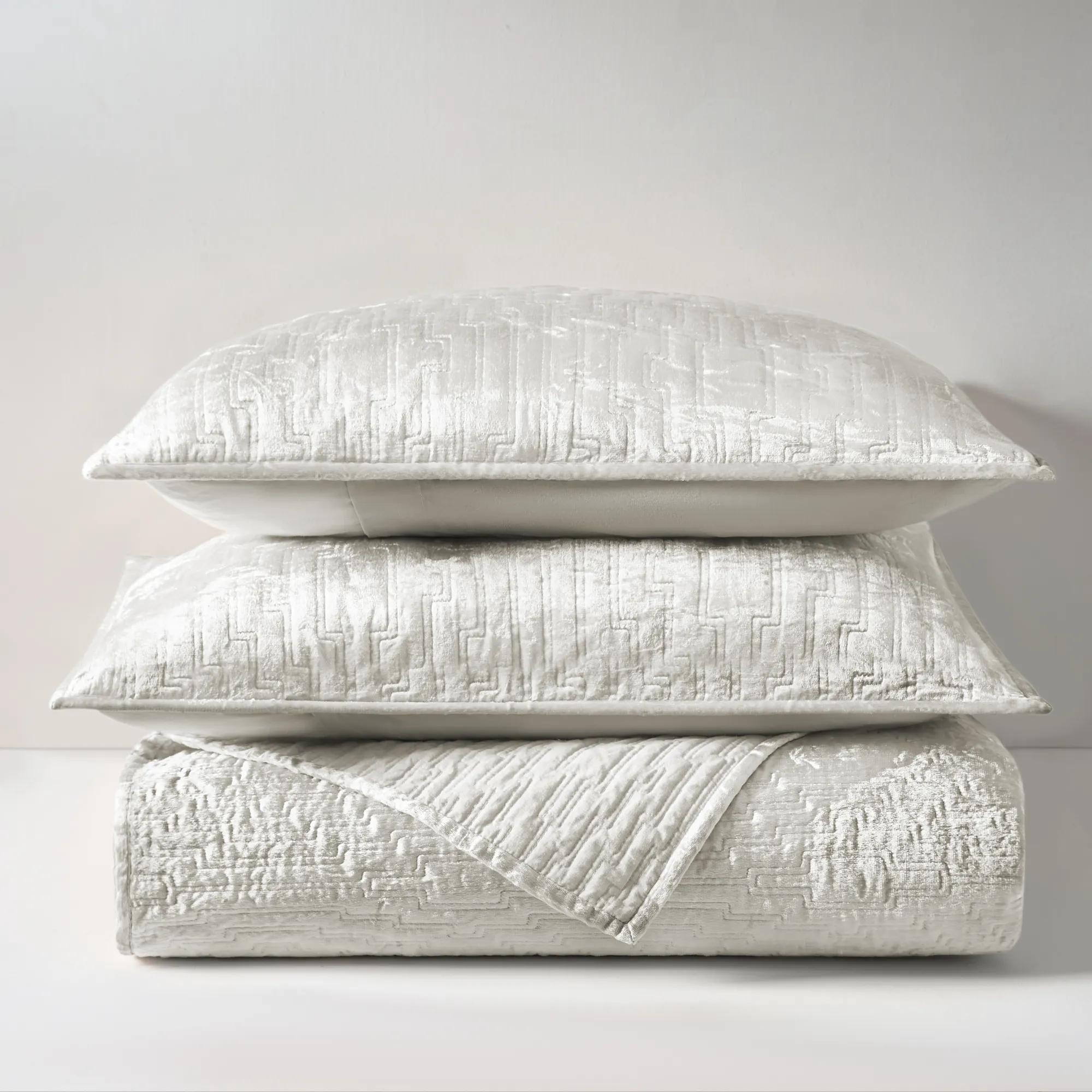 Glam Cloud White Shiny Viscose Velvet Quilt Bedding Set$109
A lustrous cloud-colored velvet bedding collection with modern quilted stitching and refined piped edges.
Add To Cart -
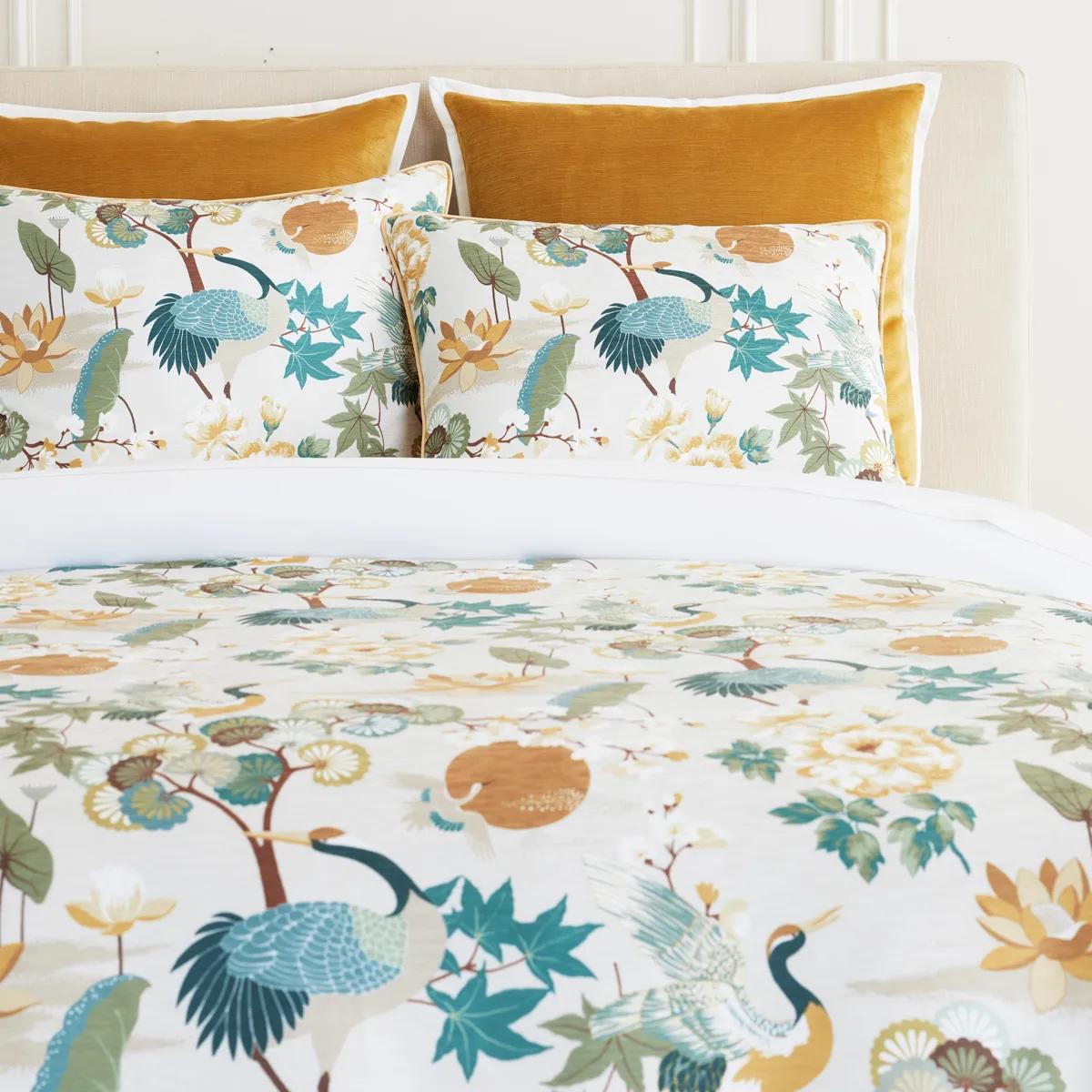
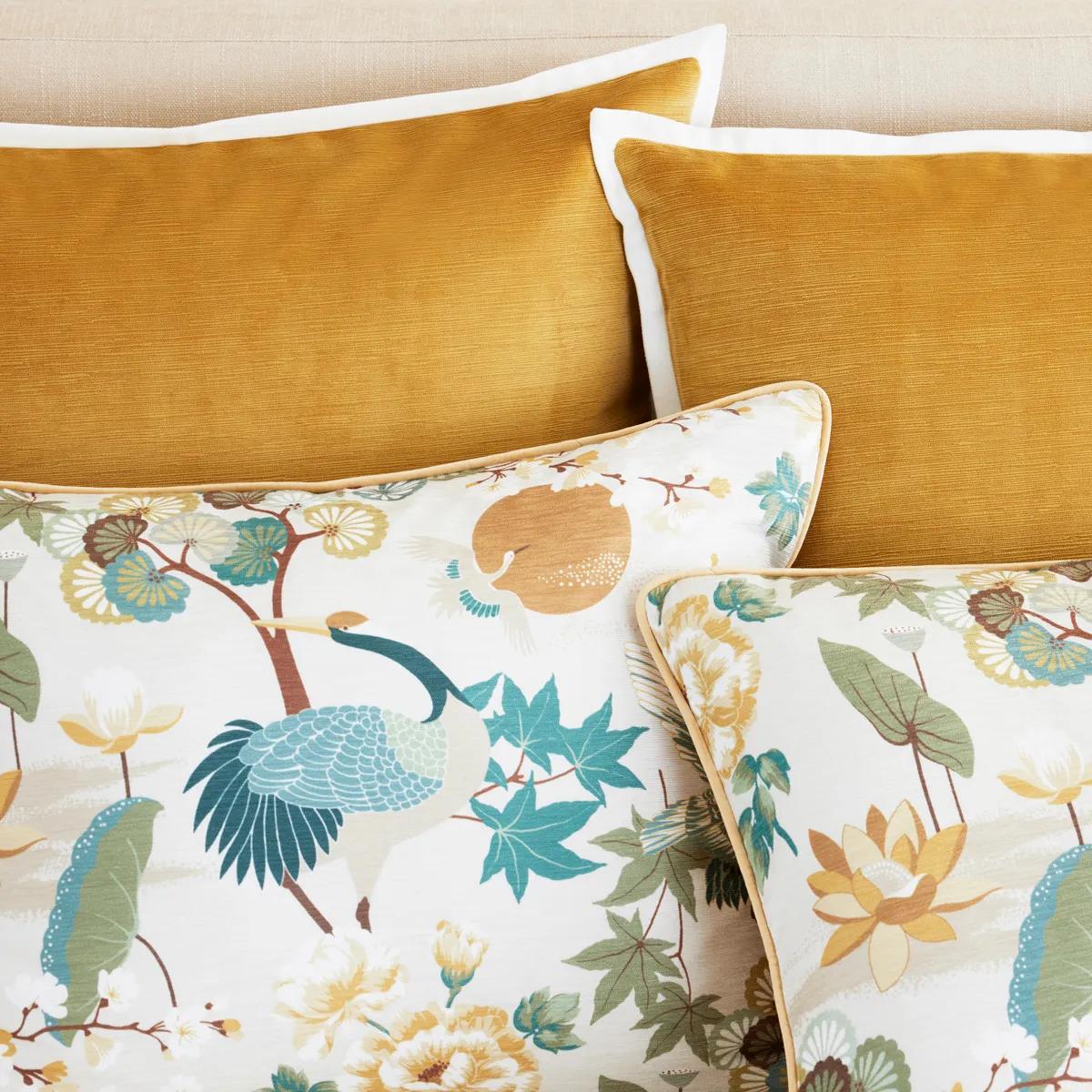 Sandhill Ivory/Multi Color Printed Bedding Set$639
An ivory bedding collection featuring earthy tones, gold velvet accents, and a soft cotton-polyester blend.
Add To Cart -

 Silk Pillowcase & Mask Set Black$129
A luxurious black 100% Mulberry silk set featuring a pillowcase, scrunchie, and blackout eye mask.
Add To Cart -
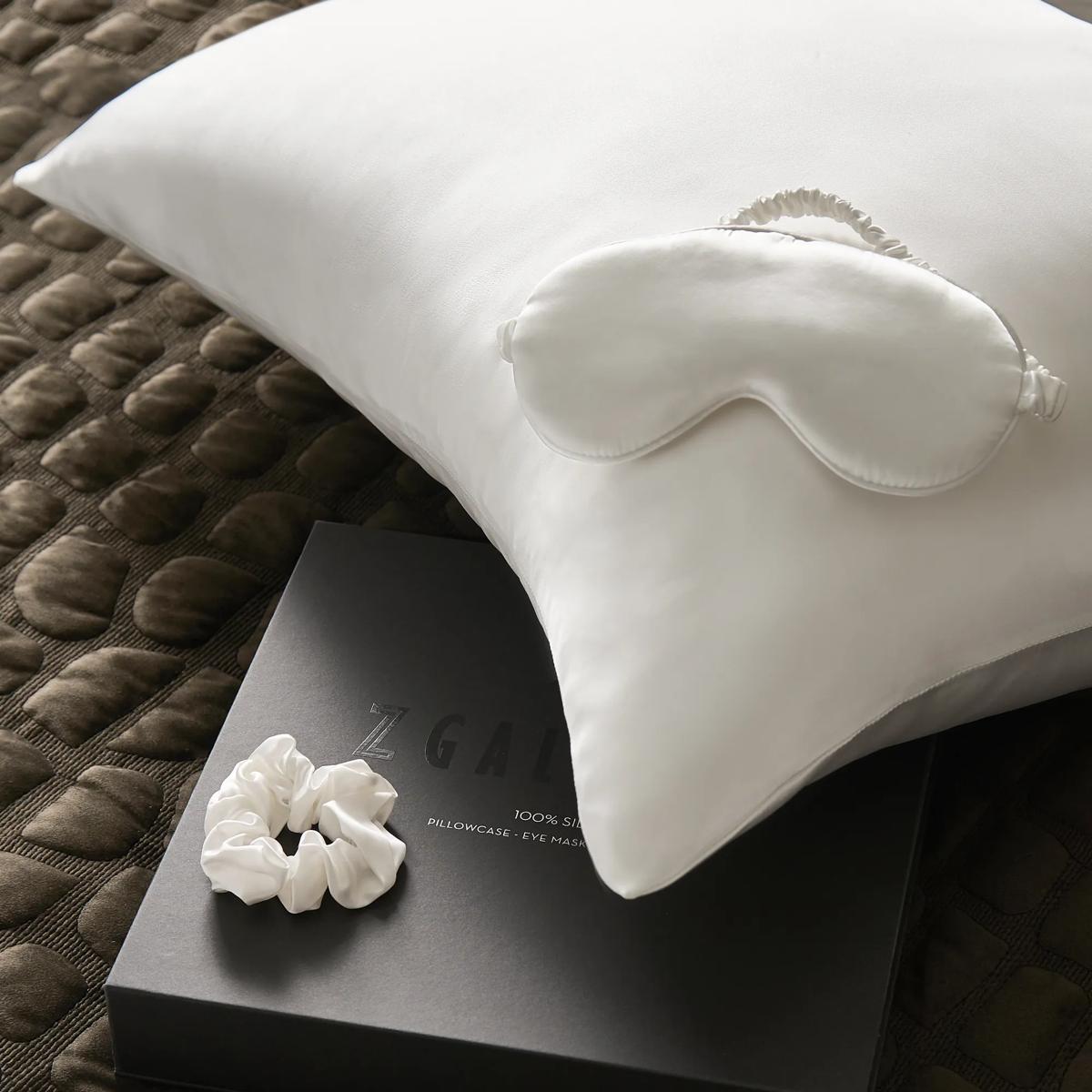 Silk Pillowcase & Mask Set Ivory$149
An elegant ivory sleep set crafted from 100% Mulberry silk, including pillowcase, eye mask, and scrunchie.
Add To Cart -
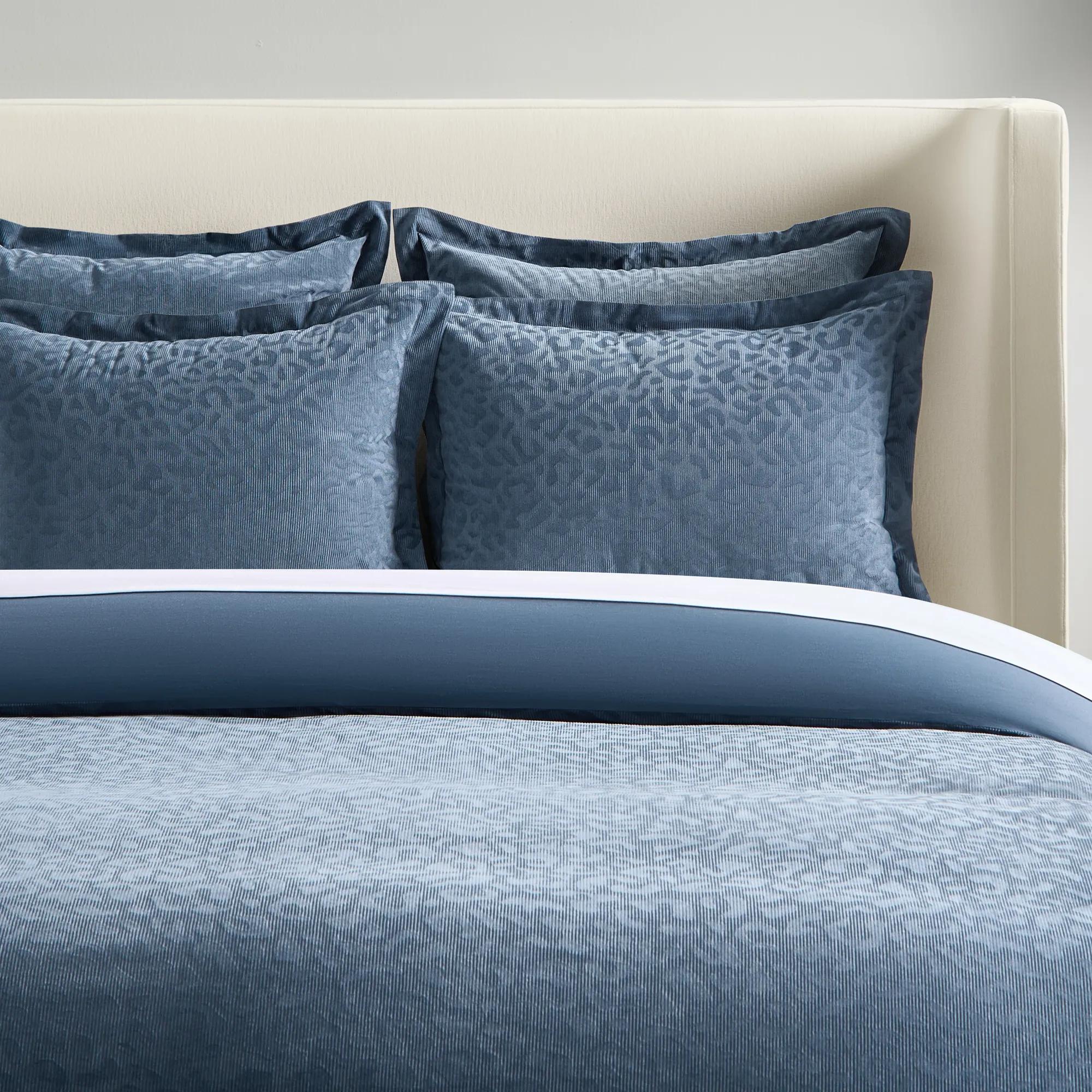
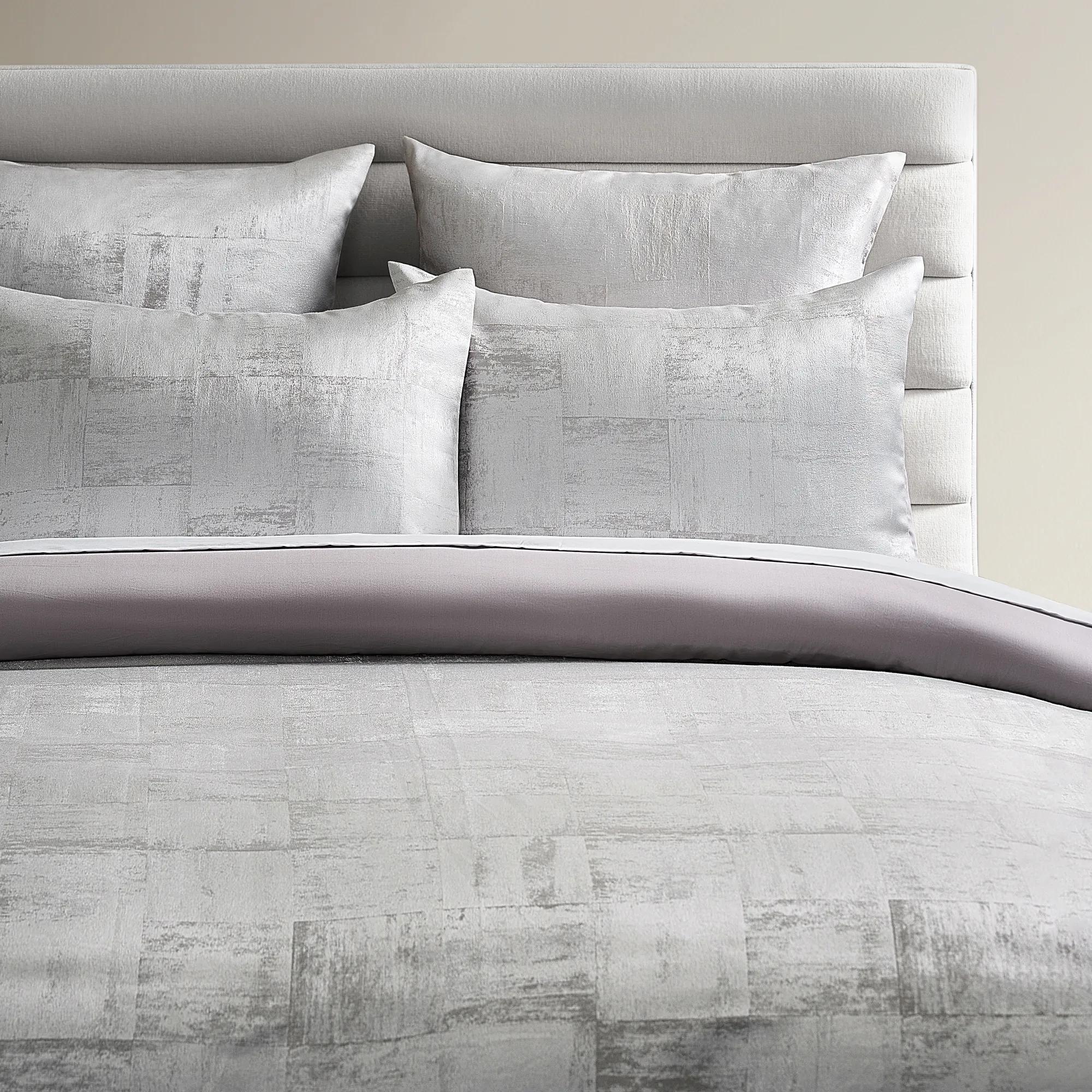 Auden Bedding Set - Platinum$49
A platinum jacquard bedding set featuring a subtle block pattern and refined, modern detailing.
Add To Cart

Satin Bedding For Master Bedrooms
Satin bedding for master bedrooms transforms the everyday into the extraordinary, enveloping your sanctuary in a symphony of luster and allure. Imagine drifting into a world where every night feels like a lavish escape—where sumptuous textures catch the light and invite touch, and every detail whispers decadence. Perfect for those who believe their bedroom should be nothing short of spectacular, satin bedding is the ultimate expression of glamour and artistry. Elevate your retreat with layers that shimmer, setting a mood that is both sophisticated and undeniably indulgent.
Satin bedding for master bedrooms combines a smooth surface, a light-catching finish, and fluid drape to give the bed a distinctly polished presence. Its appeal is both visual and tactile: folds catch the light, colors gain depth, and the fabric feels sleek against the skin. On a generously proportioned bed, that movement creates a striking focal point without requiring an elaborate pattern. Ivory and champagne offer a luminous foundation for an upholstered headboard, while silver, charcoal, and jewel tones introduce a more dramatic mood. A restrained palette can feel just as expressive as a richly layered one when the surfaces are thoughtfully contrasted. Satin beside velvet brings together two very different kinds of softness; against linen or a textured coverlet, its sheen becomes more pronounced. The result can be romantic, architectural, or boldly glamorous, depending on the surrounding finishes and the amount of shine carried through the room. Coordinated Satin Bedding Sets can establish a unified foundation, while separately chosen layers allow more variation in texture, color, and proportion. Sheets and pillowcases place the smooth finish closest to the sleeper, while satin duvet covers, comforters, quilts, and shams give the surface of the bed its decorative character. These categories serve different purposes: a duvet cover encloses a separate insert, a comforter contains its own fill, and a quilt generally provides a flatter, stitched layer. A sheet set does not necessarily include the decorative pieces shown in a styled bedroom, and a bedding ensemble may not include sheets. The listed contents matter as much as the photograph when creating a complete arrangement. For a room shared by two people, a consistent base color can bring together different preferences, leaving accent pillows or a folded coverlet to introduce individual expression. The most compelling arrangement gives the satin room to move, allowing broad folds and uninterrupted stretches of fabric to reveal its distinctive finish.
The feel and performance of satin bedding depend on its fiber content as well as its construction. Satin describes a weave, not a single material, so a glossy surface alone does not establish whether the fabric is silk, polyester, or a blend. The weave places longer yarn floats across the face of the fabric, producing its characteristic smoothness and reflected light. Silk satin offers the drape and softness associated with silk fibers and generally calls for more attentive care. Polyester satin offers a similarly lustrous appearance with different handling and maintenance requirements, while blended fabrics vary according to their composition. Cotton sateen, although related in appearance and weave structure, is not interchangeable with every fabric labeled satin; the fiber description gives a clearer picture of what will touch the skin. Breathability, weight, and softness should be considered separately from shine, especially for bedding intended for nightly use rather than a decorative finishing layer. A fluid, lightweight fabric may fall closely around the mattress, while a filled comforter or structured quilt creates more volume. Neither effect is inherently more luxurious; the right silhouette depends on the bed frame, the mattress height, and the desired proportions. Standard queen mattresses typically measure 60 by 80 inches, standard kings 76 by 80 inches, and California kings 72 by 84 inches, but bedding dimensions still vary. Fitted sheets need sufficient pocket depth for the full mattress profile, including any topper. Flat sheets and top layers need enough width for the preferred side drop and comfortable coverage for both sleepers. A deep mattress can make an otherwise generous cover appear unexpectedly short, particularly on a platform bed where the edges remain visible. Pillowcases and shams also deserve separate attention: standard, queen, and king pillows require compatible dimensions, and decorative flanges add visual width beyond the pillow itself. A duvet cover should correspond closely to its insert, with closures and interior ties considered where present. These details help preserve the intended silhouette, preventing a beautifully reflective fabric from looking strained, underfilled, or out of scale with the bed.
Satin rewards thoughtful handling because the same long surface floats that create its sheen can also be vulnerable to snagging. Jewelry, rough fingernails, exposed zippers, and pets’ claws may catch delicate yarns, making fabric construction and household routines important considerations. For a bedroom where pets regularly settle on the bed, a protective coverlet across the lower portion can preserve the satin beneath while adding another dimension of texture. Bedding used every night also benefits from sound seams, securely finished edges, and closures suited to repeated use. Thread count alone cannot establish durability or comfort; fiber quality, yarn construction, weave, and finishing all contribute to how the fabric wears. Care requirements should come from the individual label, since silk satin and polyester satin may need very different treatment. Where machine washing is permitted, a gentle cycle and mild detergent may be appropriate, with delicate pieces separated from abrasive fabrics and items with hooks or fasteners. Bleach, fabric softeners, stain treatments, and drying methods should be used only as directed. Thorough drying before storage and a clean, dry linen space help keep bedding ready for its next use. For anyone drawn to expressive interiors, satin offers a way to make an everyday ritual feel more considered: turning back a gleaming cover, smoothing a pillowcase, or settling into a bed whose layers feel as intentional as the room around it. It can also make a thoughtful wedding, anniversary, or housewarming gift when the recipient’s mattress size, color preferences, and care habits are known. A complete ensemble suits someone establishing a new bedroom, while pillowcases or a decorative top layer allow a smaller introduction to the finish. Whether the room centers on sculptural furniture, mirrored accents, or a richly upholstered bed, satin contributes a distinctive play of softness and light. Its strongest expression comes from balance: enough sheen to command attention, enough texture to give that sheen depth, and proportions that make the bed feel inviting rather than staged.
FAQs
Satin bedding is renowned for its lustrous finish and silky-smooth feel, instantly elevating the ambiance of a master bedroom. Its glamorous sheen adds visual drama, while the fabric’s gentle touch pampers the skin and hair, creating a luxurious retreat that feels both indulgent and inviting.
The smooth surface of satin bedding reduces friction, which helps prevent hair breakage, frizz, and tangles while minimizing sleep lines on the skin. This makes it a favorite among those who prioritize nightly self-care and wish to wake up feeling refreshed and radiant.
Satin bedding’s naturally cool-to-the-touch texture is perfect for warmer months, but with thoughtful layering, it can be enjoyed year-round. Its versatility allows for a comfortable and stylish sleep environment, regardless of the season.
Satin bedding is available in a range of captivating hues, from classic neutrals that evoke timeless elegance to bold jewel tones that make a statement. This variety makes it easy to find a shade that complements your personal style and master bedroom décor.
Absolutely. Satin bedding makes a memorable and sophisticated gift, perfect for occasions like weddings, anniversaries, or housewarmings. Its luxurious feel and striking appearance are sure to delight anyone who appreciates artistry and comfort in their home.