Rearrangeable Sectional Sofas
Rearrangeable Sectional Sofas
-
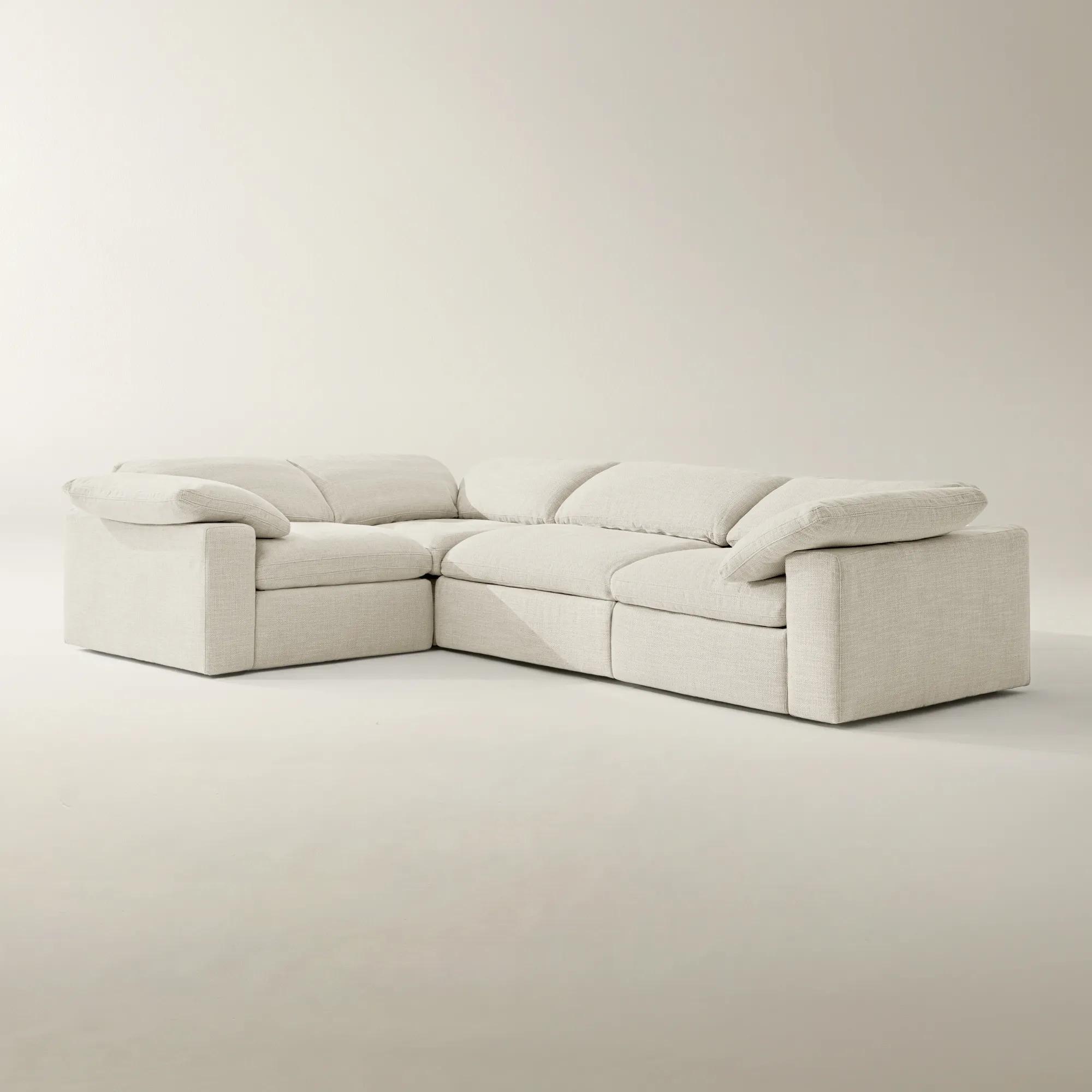
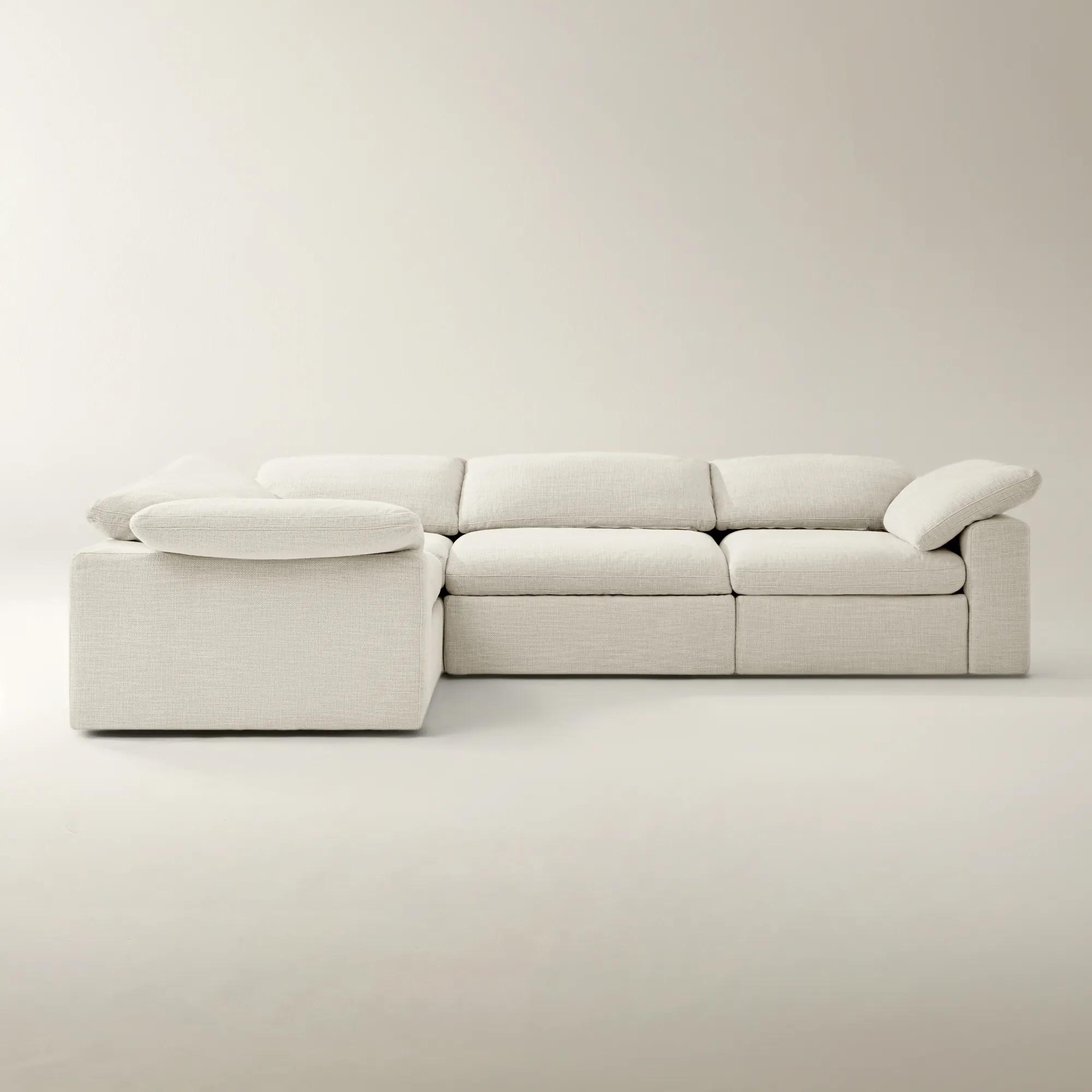 Milo 4-Piece L-Shaped Reclining Ivory Performance Fabric Sectional Sofa With Left-Arm Chair$4399
A modular sectional in beige or dove grey with plush feather cushions and power reclining footrests.
Add To Cart -
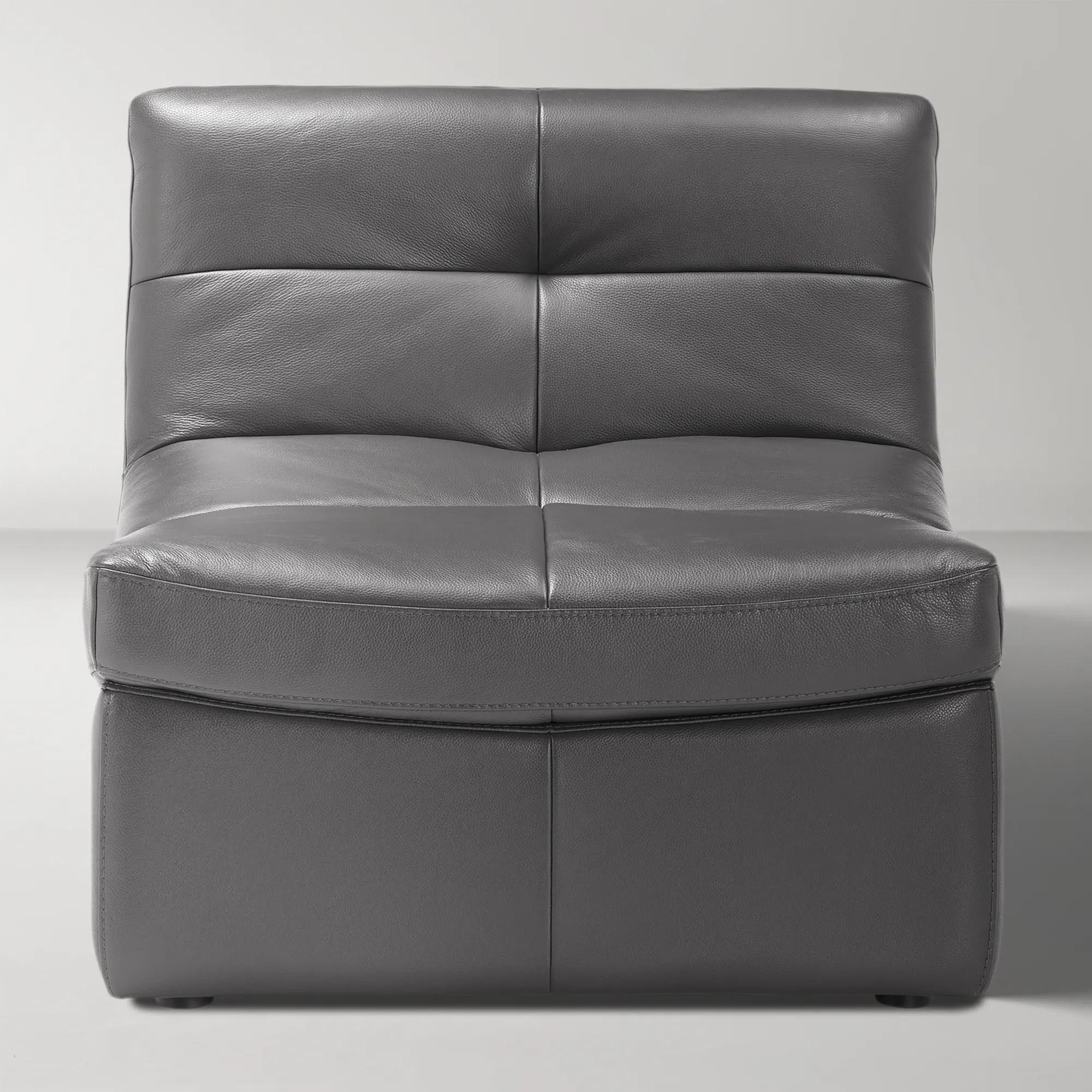
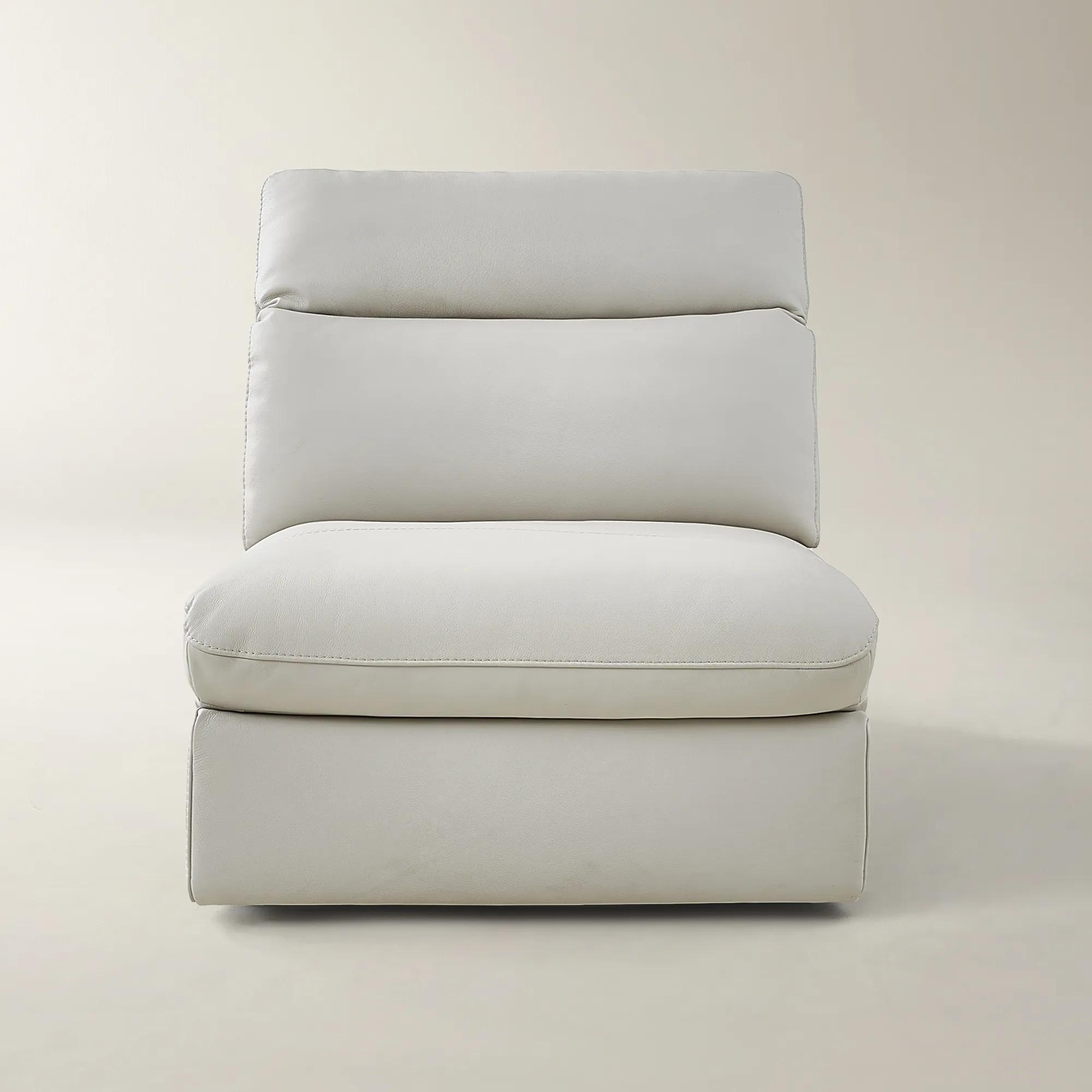
 Convo Charcoal Leather Armless Chair$1199
A modular sectional with kiln-dried hardwood frame and charcoal semi-aniline leather upholstery for modern versatility.
Add To Cart -
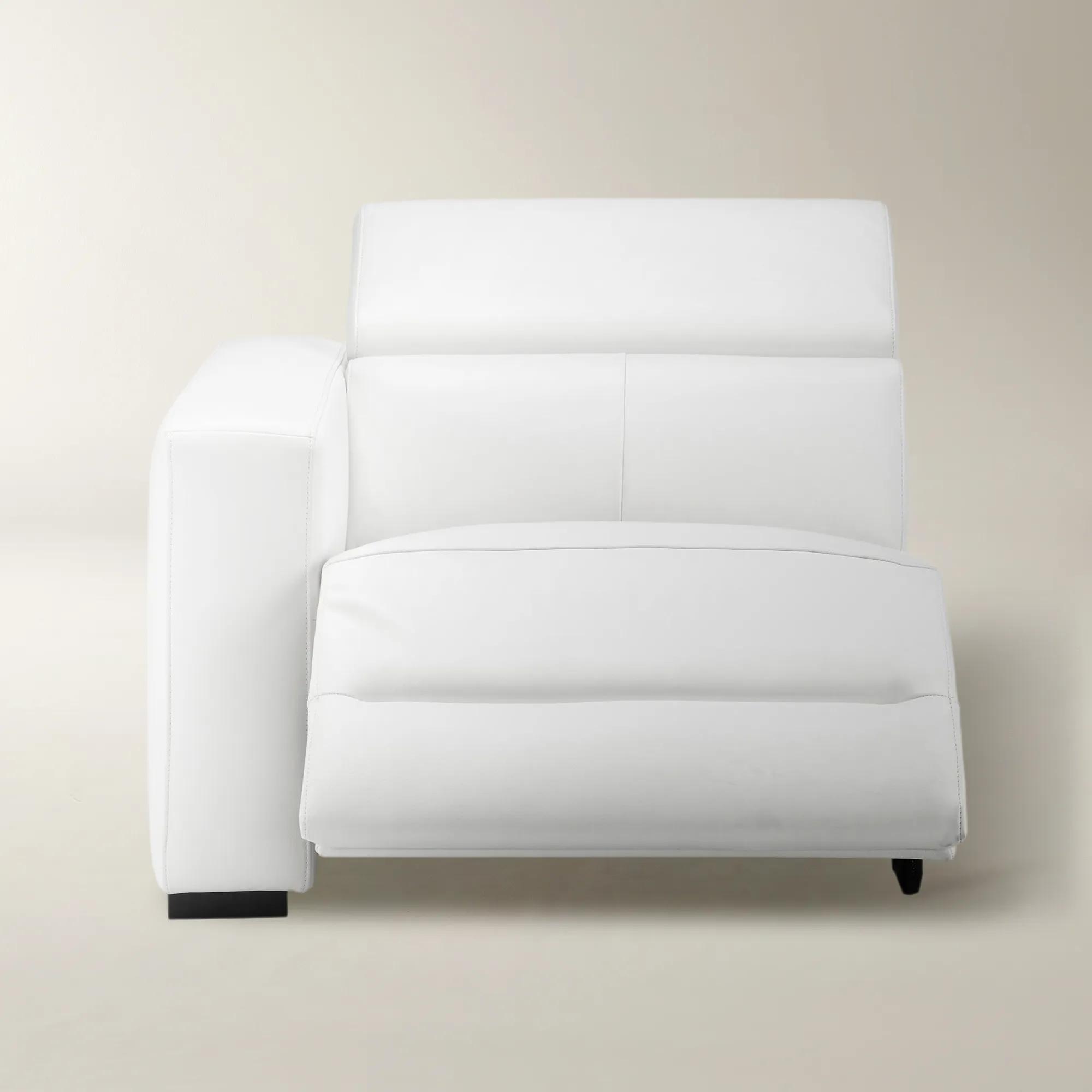
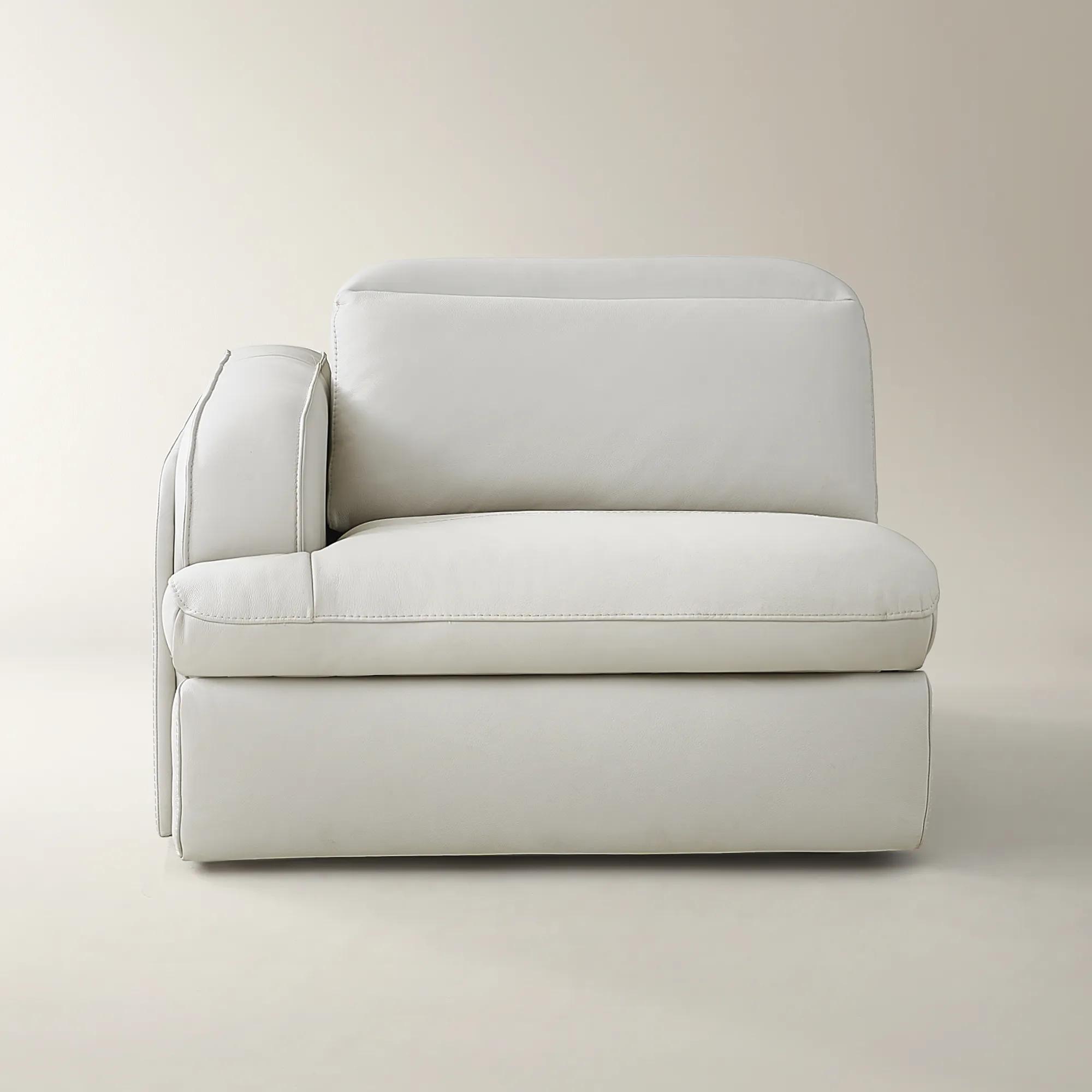
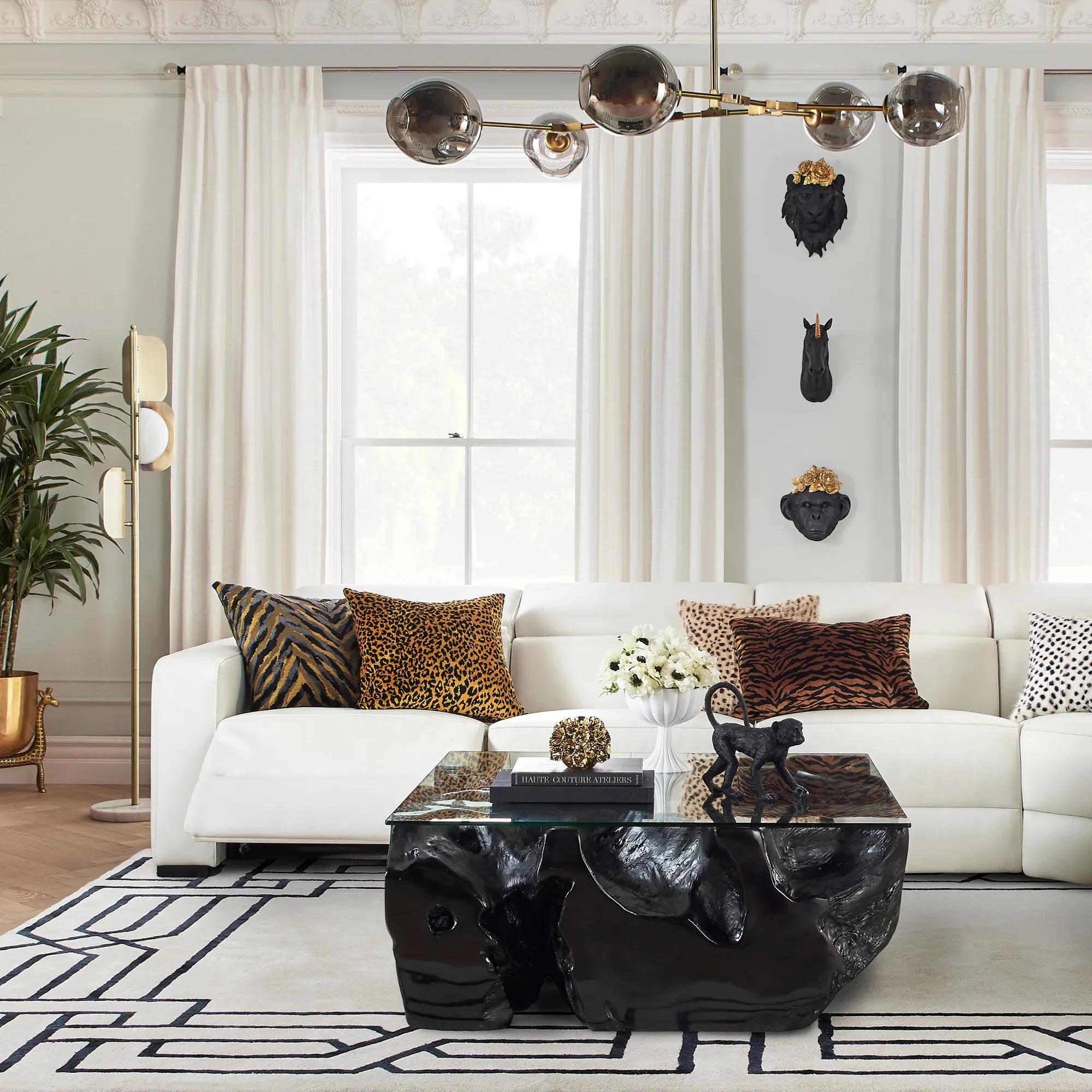 Verona Reclining White Leather Left Arm Chair With Power$1599
A modern white sectional upholstered in supple semi-aniline leather with adjustable headrests and power-reclining seats.
Add To Cart -
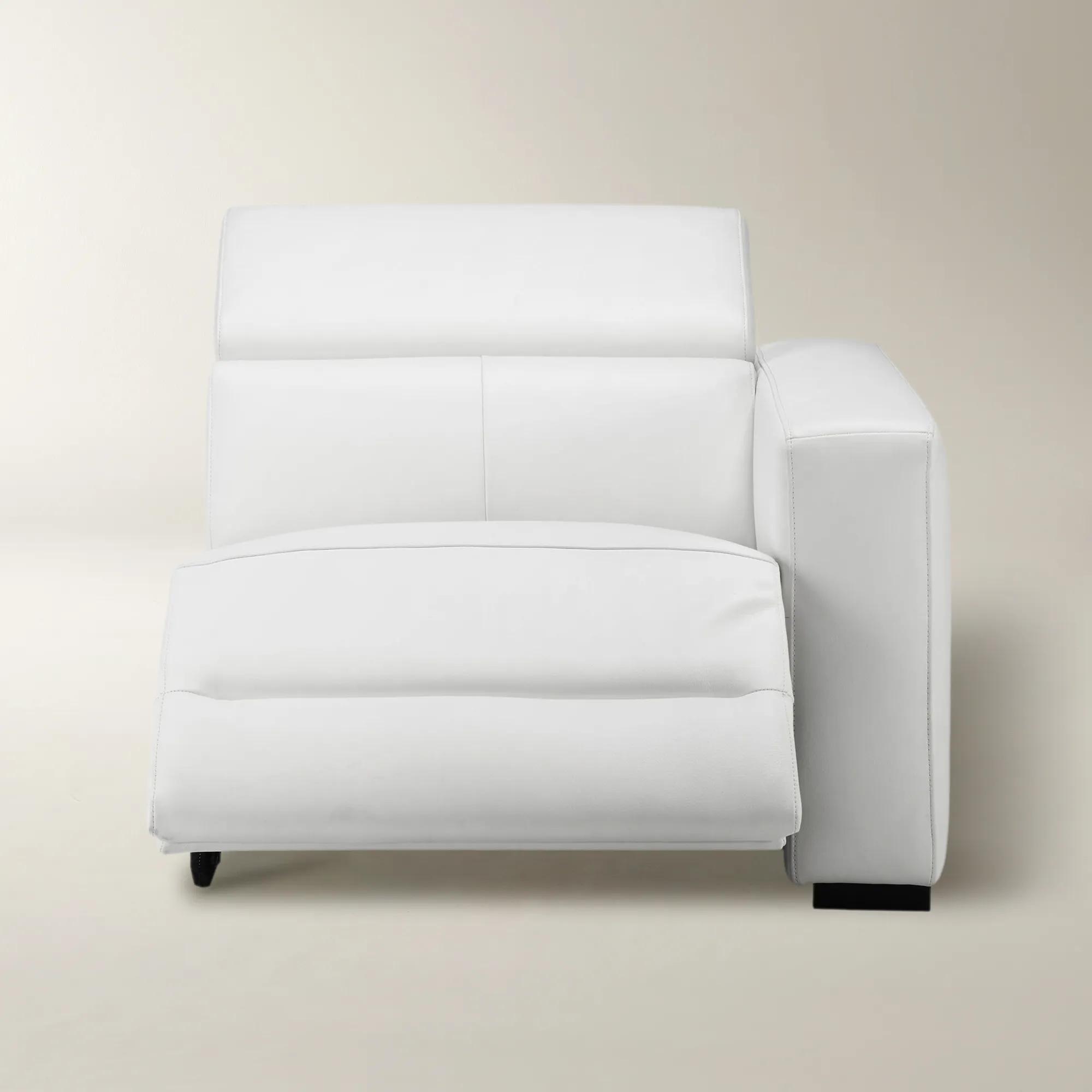 Verona Reclining White Leather Right Arm Chair With Power$1599
A modern white sectional upholstered in supple semi-aniline leather with adjustable headrests and power-reclining options.
Add To Cart -
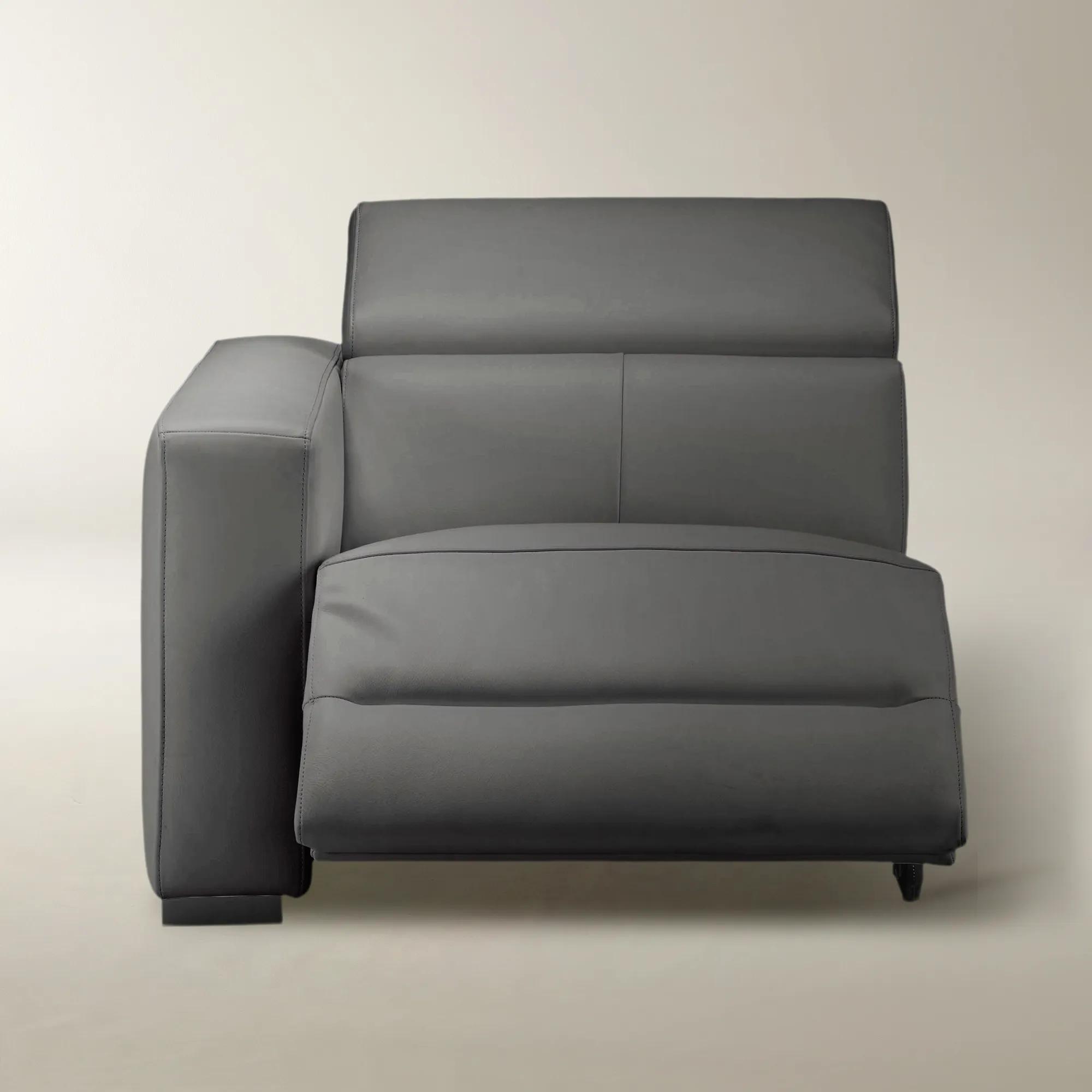
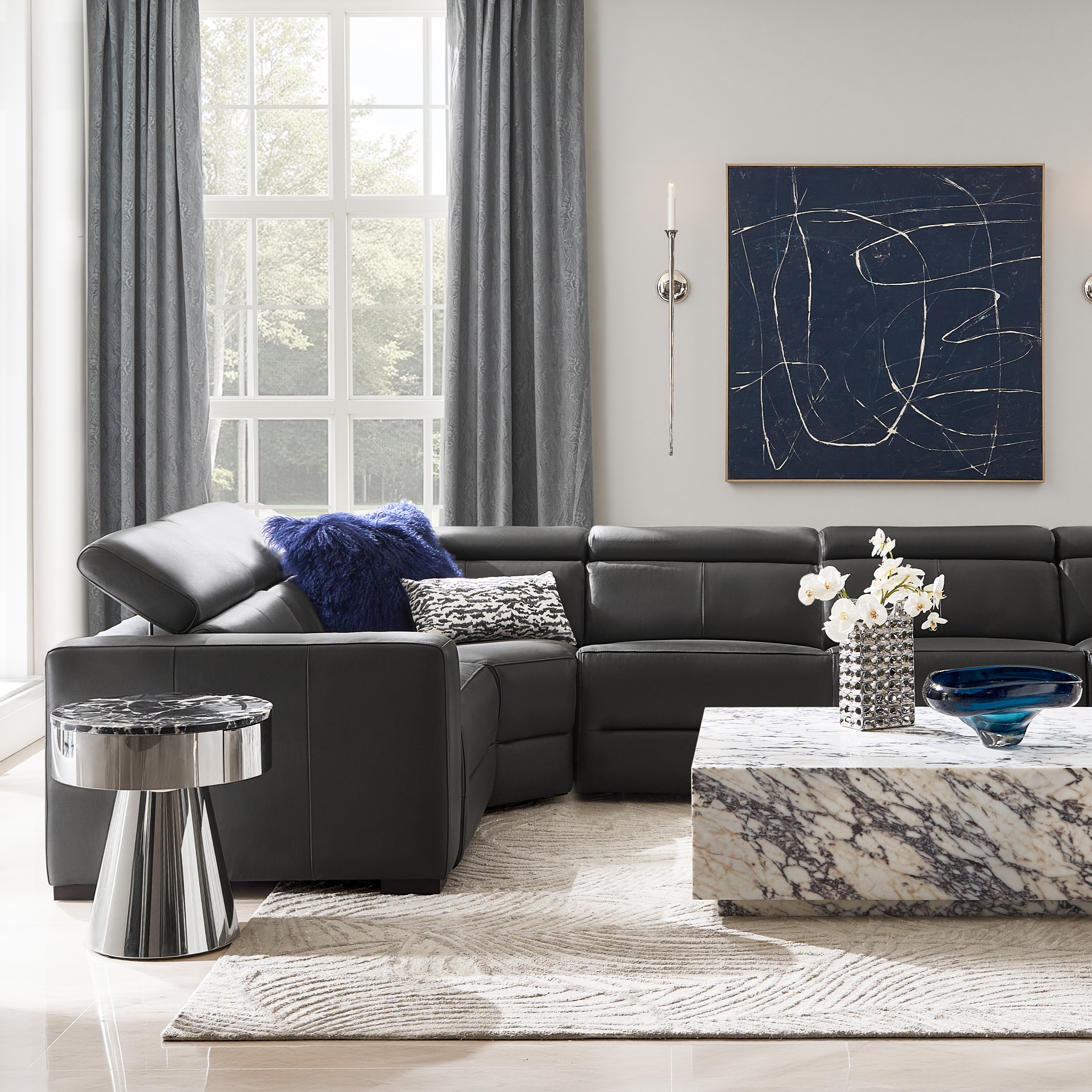 Verona Reclining Charcoal Leather Left Arm Chair With Power$1599
A charcoal semi-aniline leather sectional with adjustable headrests, power-reclining seats, and kiln-dried hardwood frame.
Add To Cart -
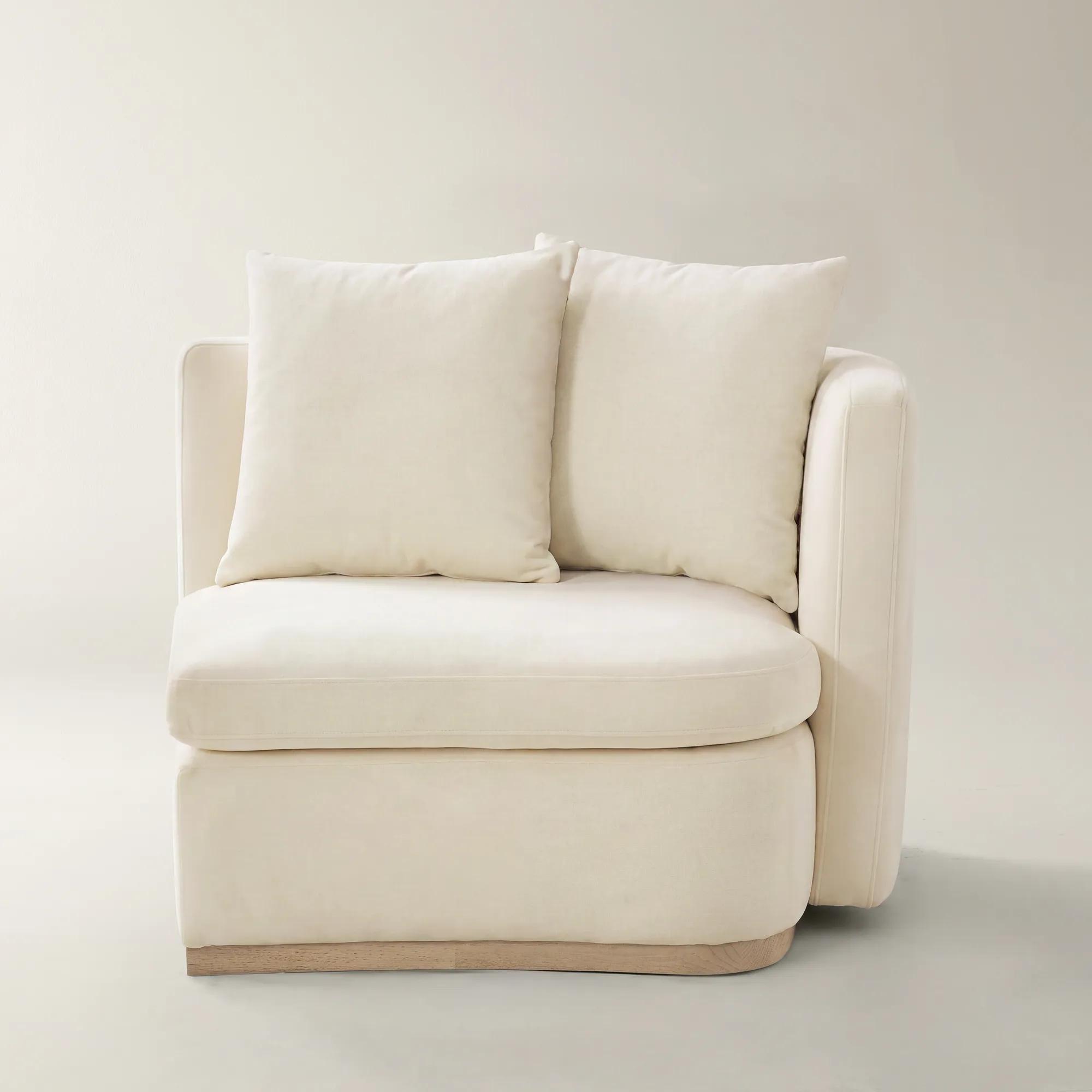
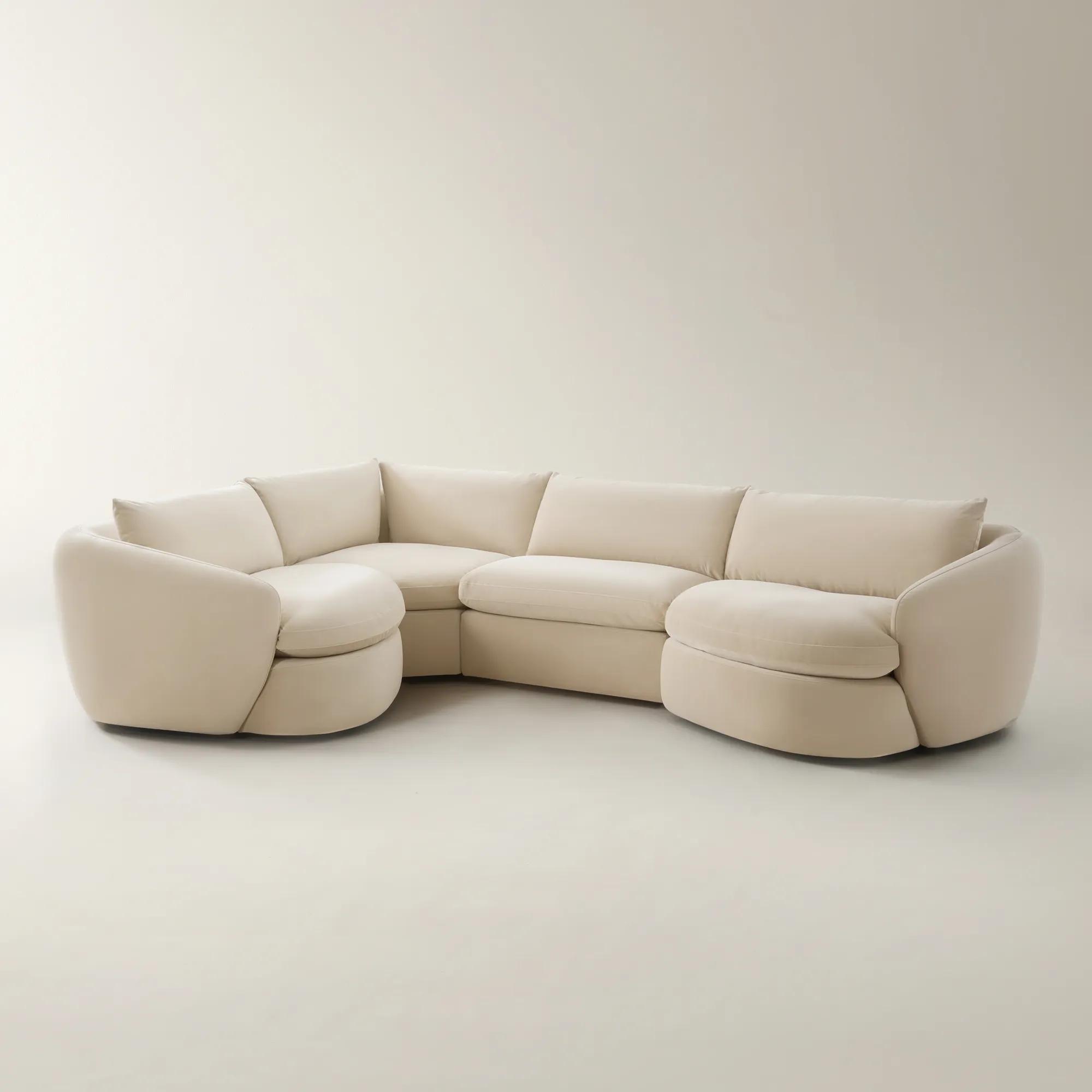 Sabrina 4-Piece Oatmeal Velvet Sectional With Left-Arm Chair$4999
An inviting L-shaped sectional in soft oatmeal velvet with feather-blend cushions and a modular, curved silhouette.
Add To Cart -
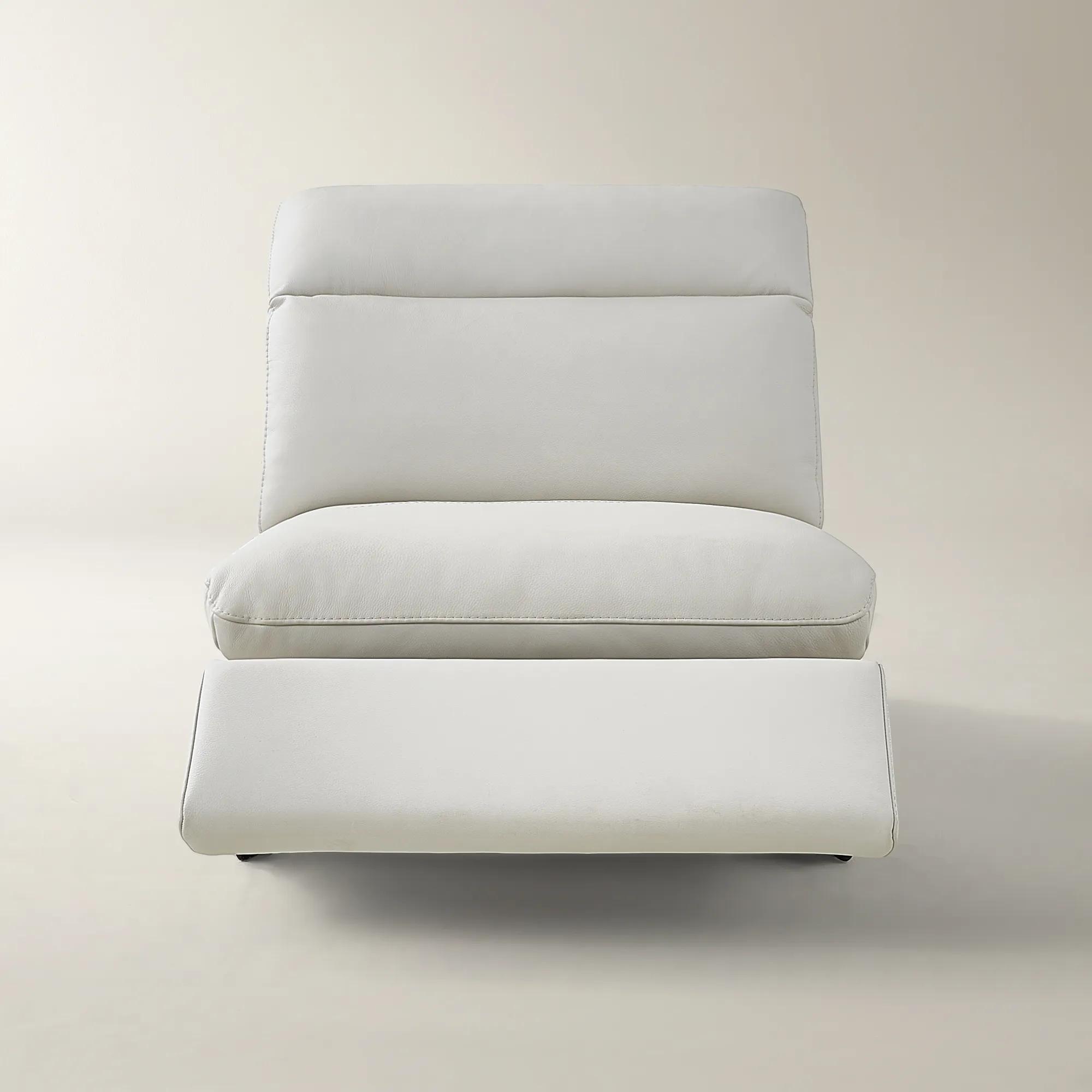
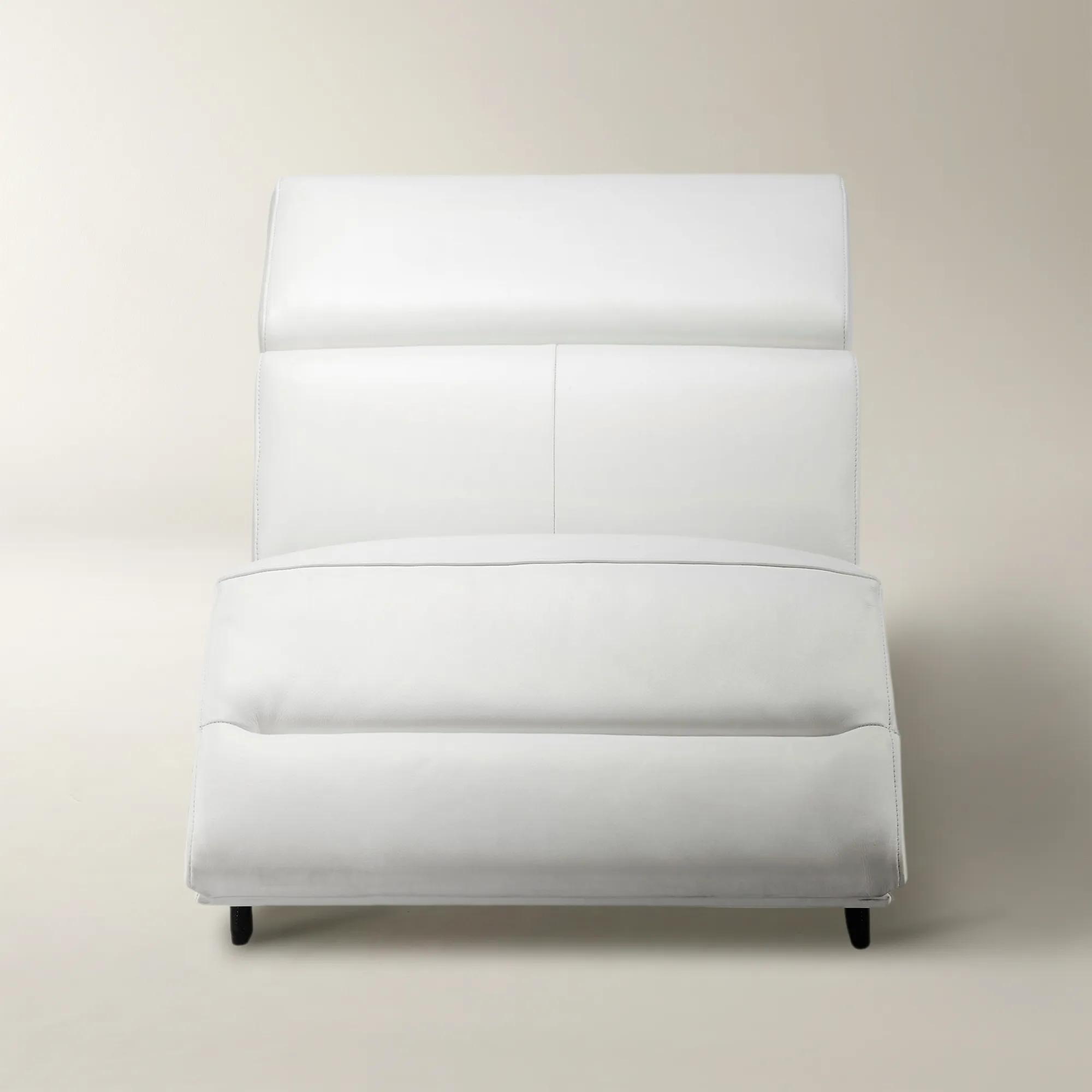 Verona Reclining White Leather Armless Chair With Power$1299
A modern white sectional upholstered in supple semi-aniline leather with adjustable headrests and power-reclining options.
Add To Cart -
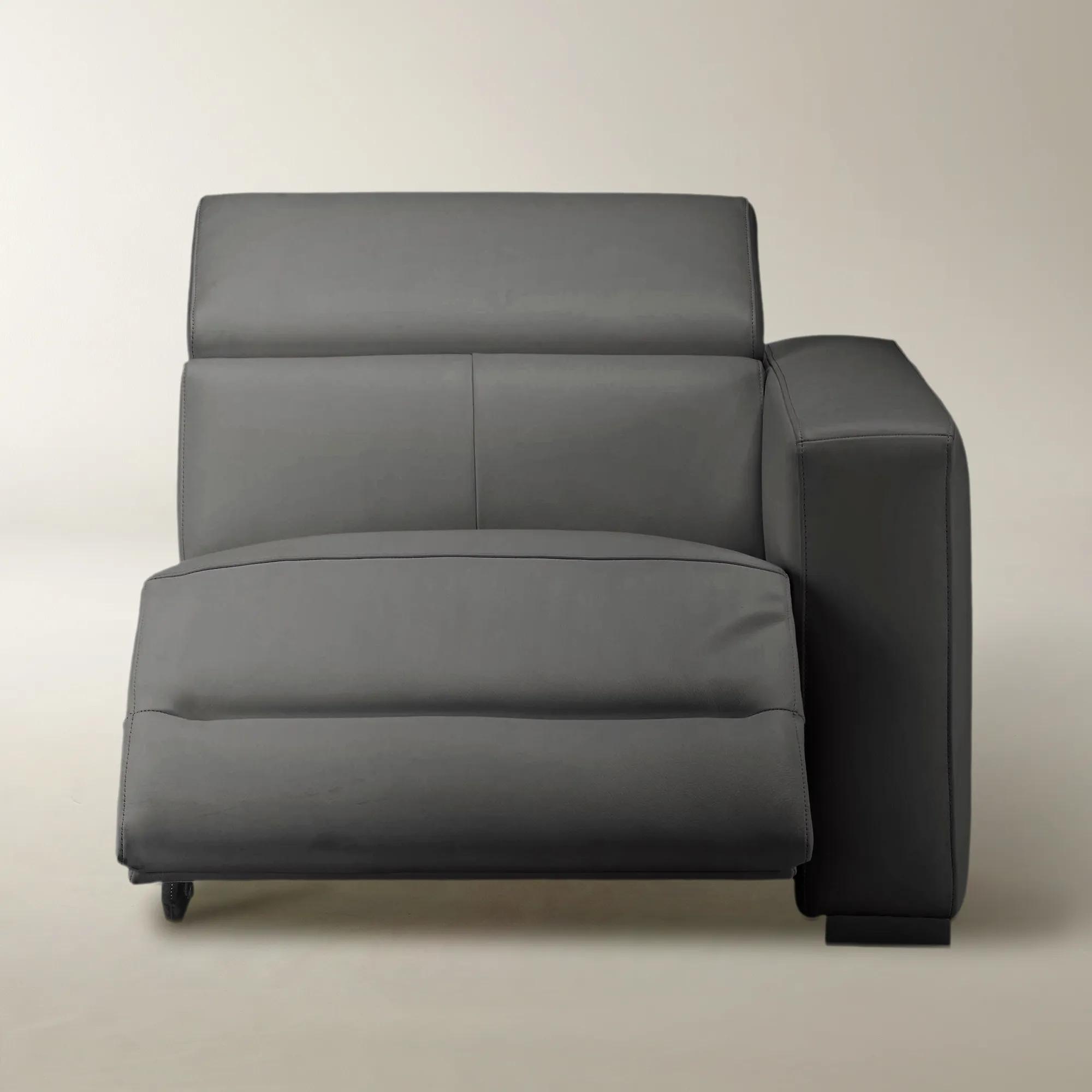 Verona Reclining Charcoal Leather Right Arm Chair With Power$1599
A charcoal semi-aniline leather sectional with adjustable headrests and optional power-reclining seats for comfort.
Add To Cart -
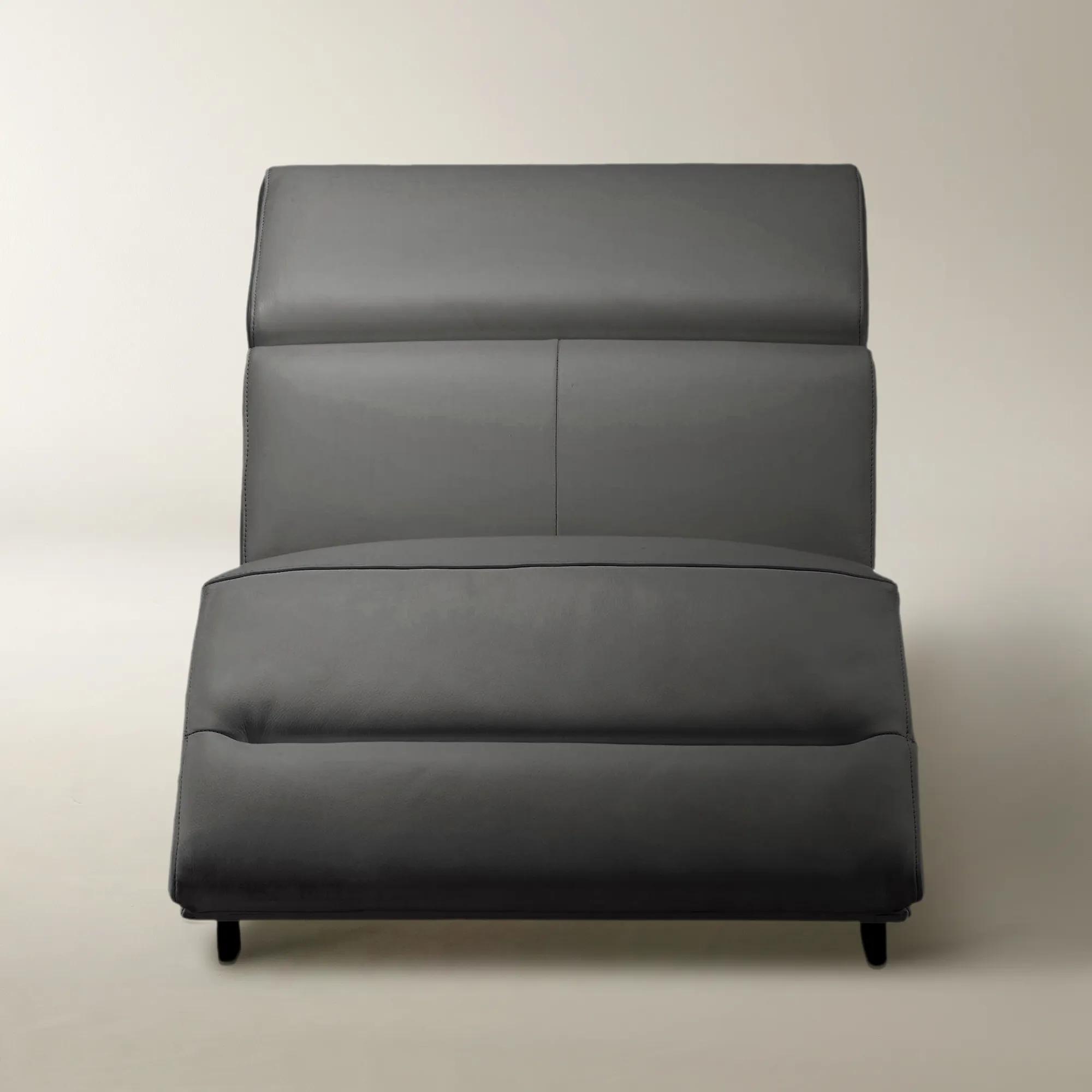 Verona Reclining Charcoal Leather Armless Chair With Power$1299
A charcoal semi-aniline leather sectional with adjustable headrests, power-reclining seats, and kiln-dried hardwood frame.
Add To Cart -
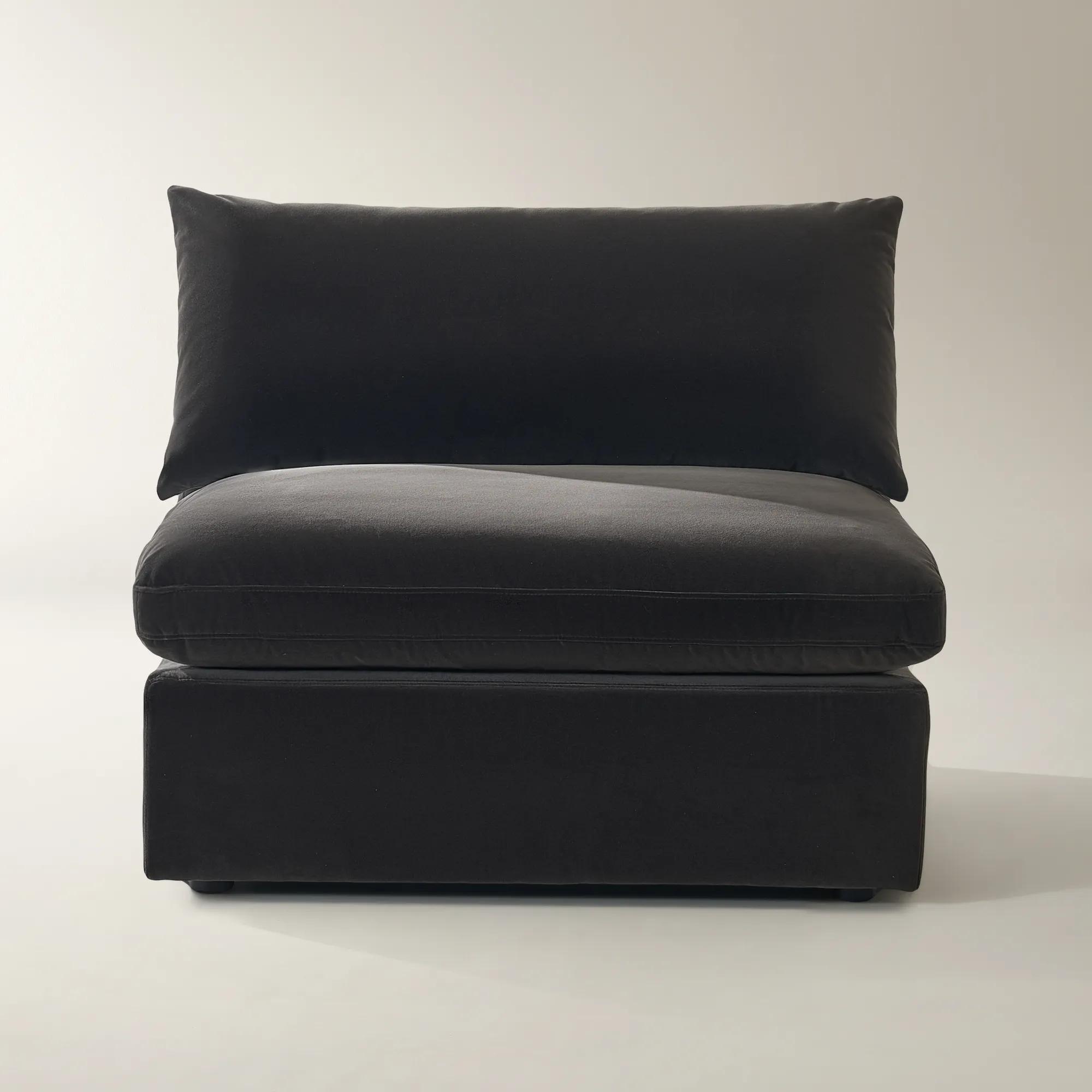
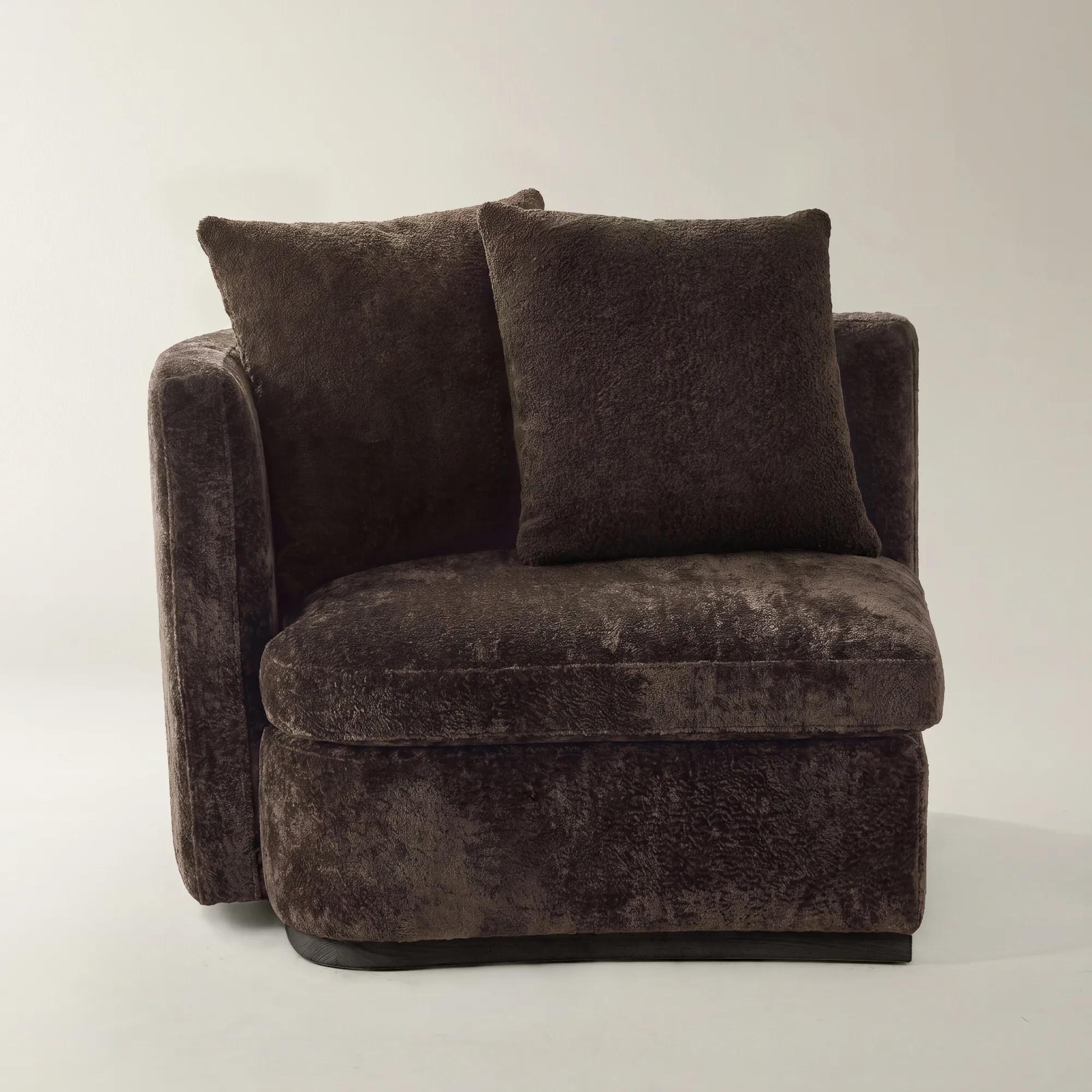
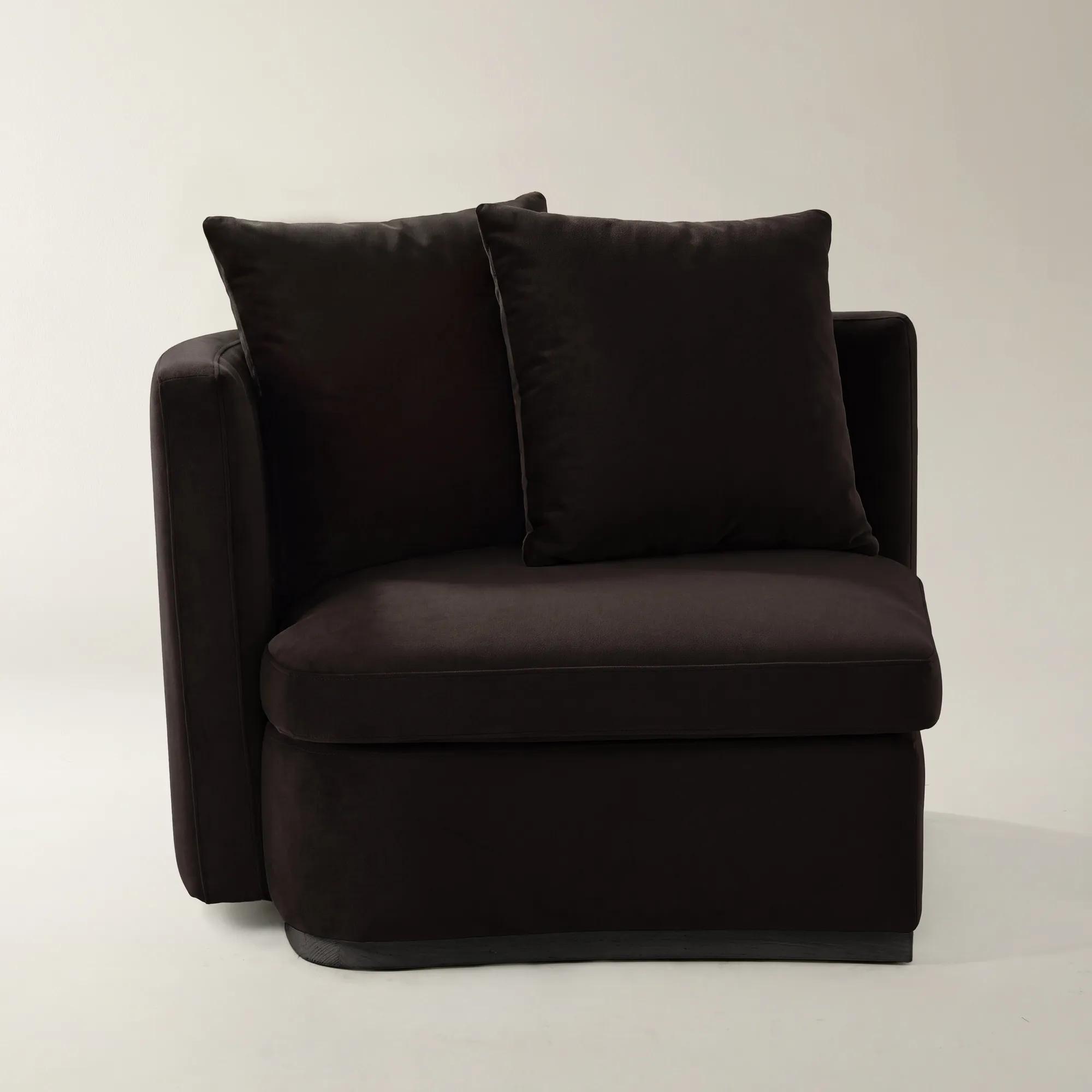
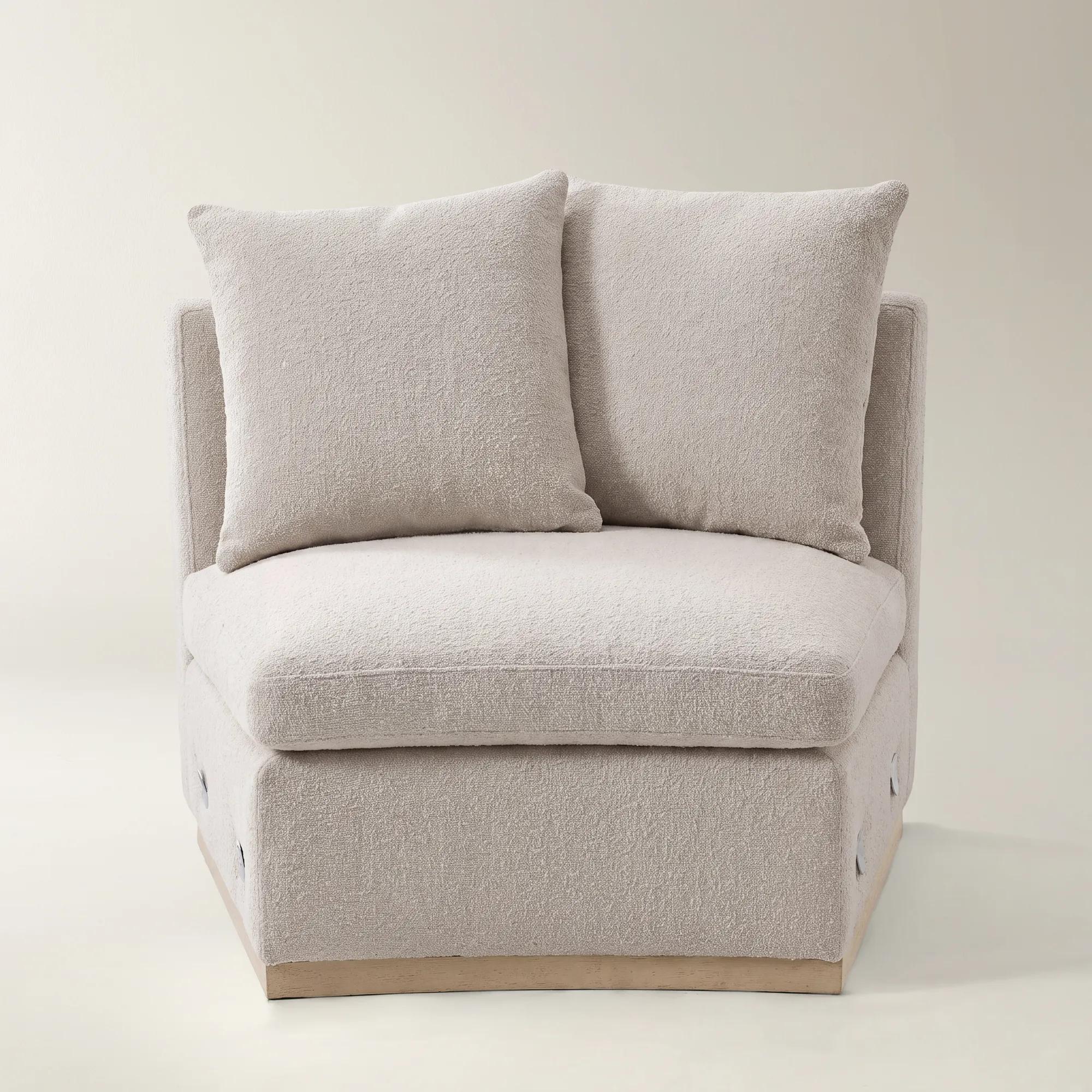
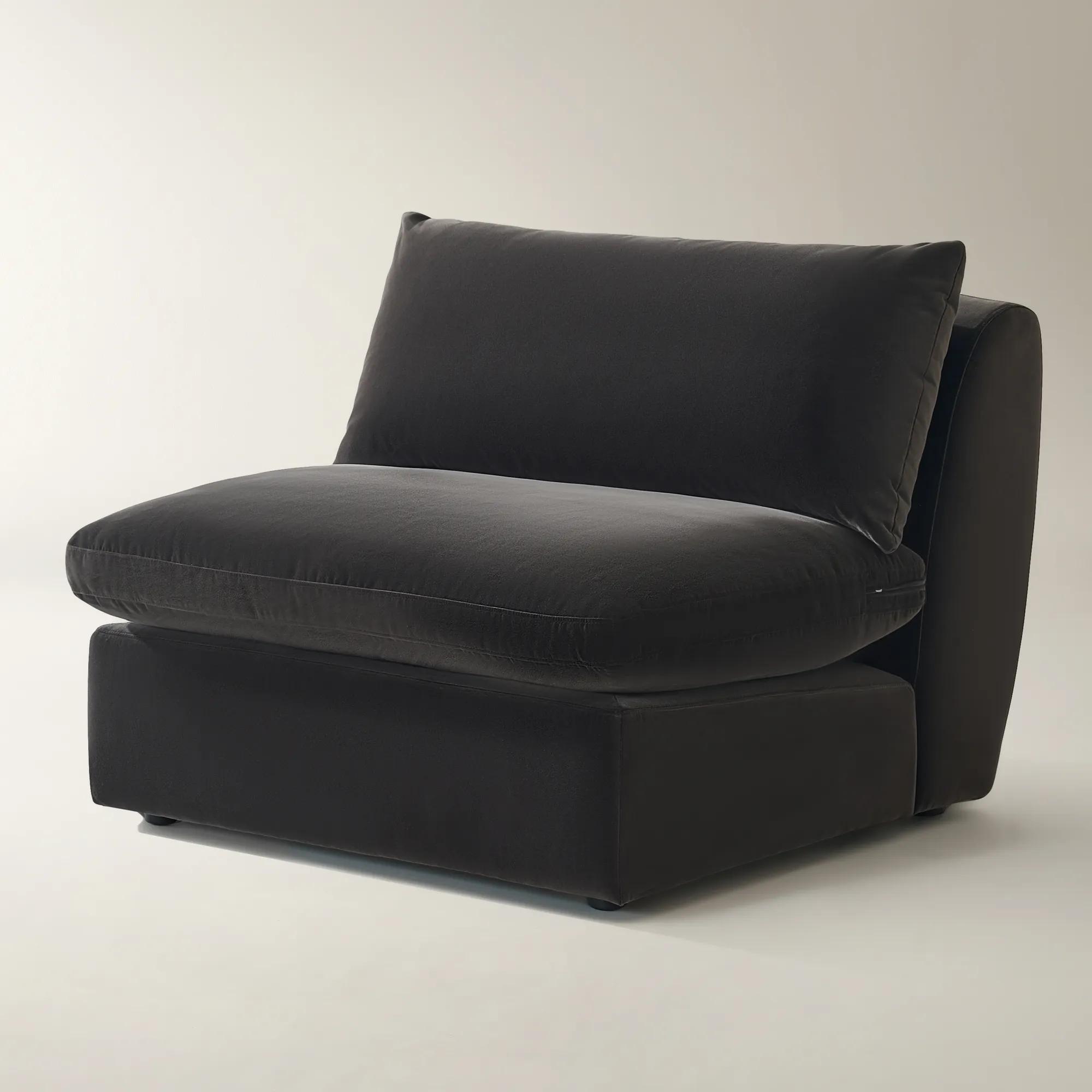 Sabrina Charcoal Velvet Armless Chair$999
A modular charcoal velvet sectional featuring curved lines, feather-blend cushions, and hand-crafted solid wood construction.
Add To Cart -
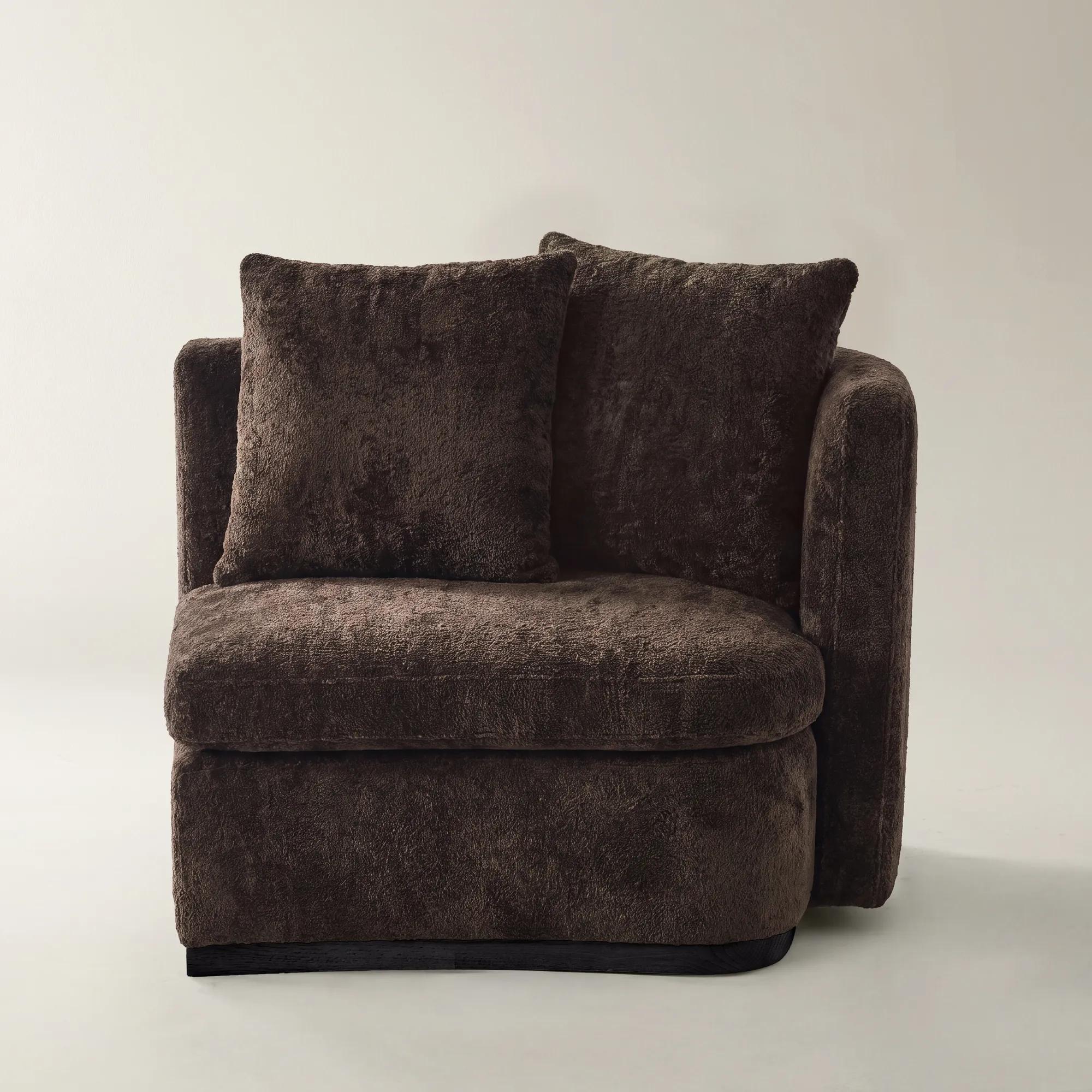
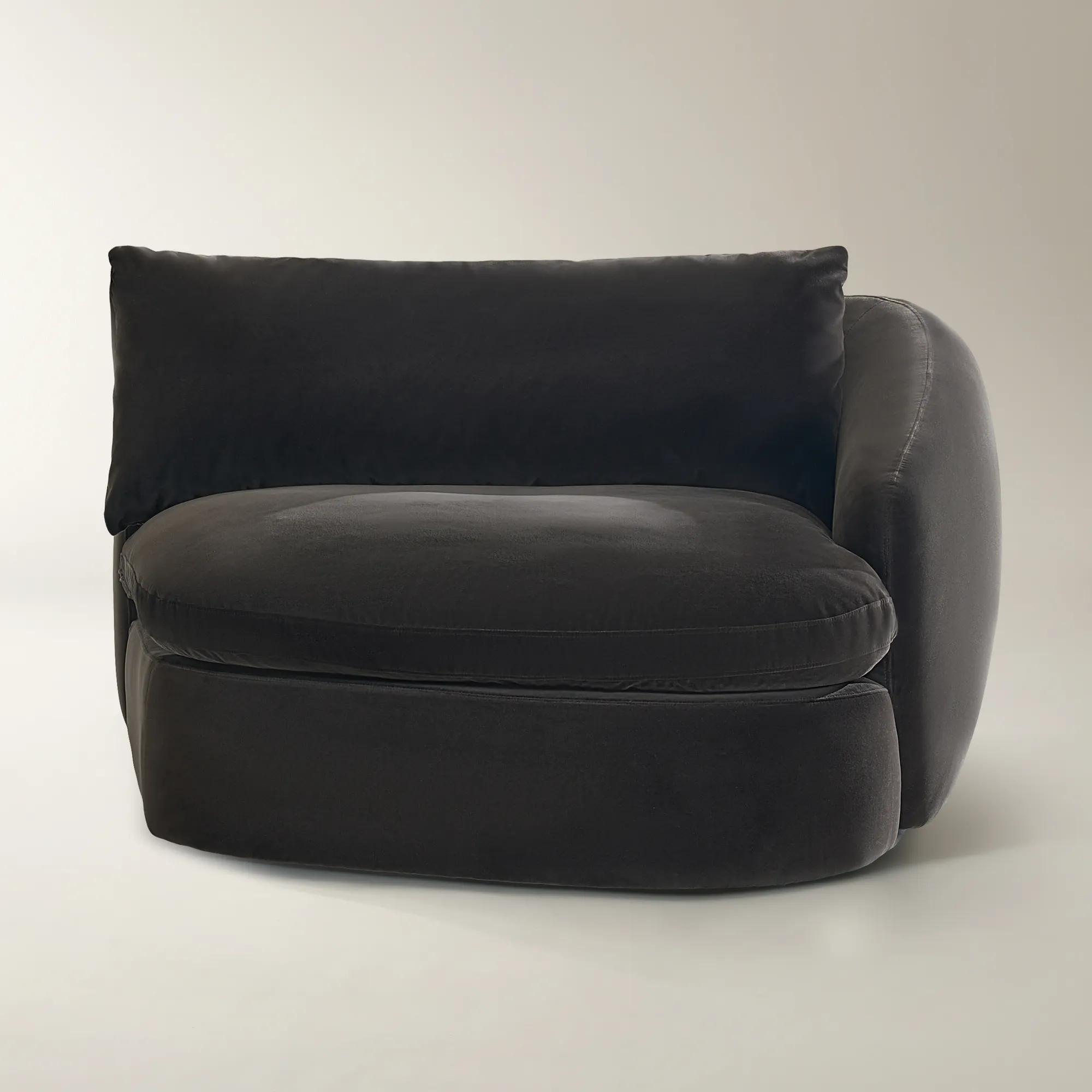 Sabrina Charcoal Velvet Right-Arm Chair$1399
A modular charcoal velvet sectional featuring curved lines, feather-blend cushions, and hand-crafted solid wood construction.
Add To Cart -
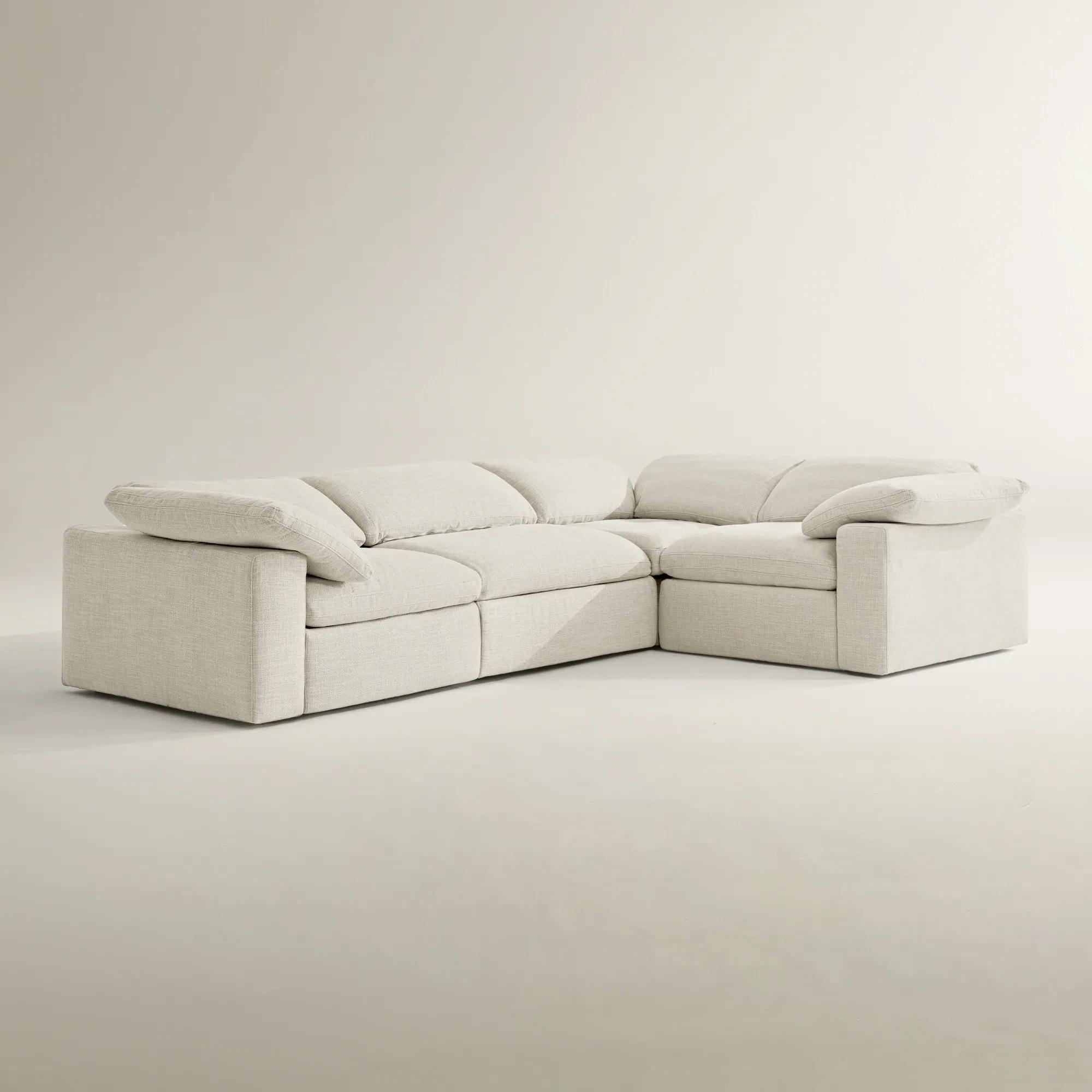
 Milo 4-Piece L-Shaped Reclining Ivory Performance Fabric Sectional Sofa With Right-Arm Chair$4399
A modular sectional in beige or dove grey with plush feather cushions and power reclining footrests.
Add To Cart -
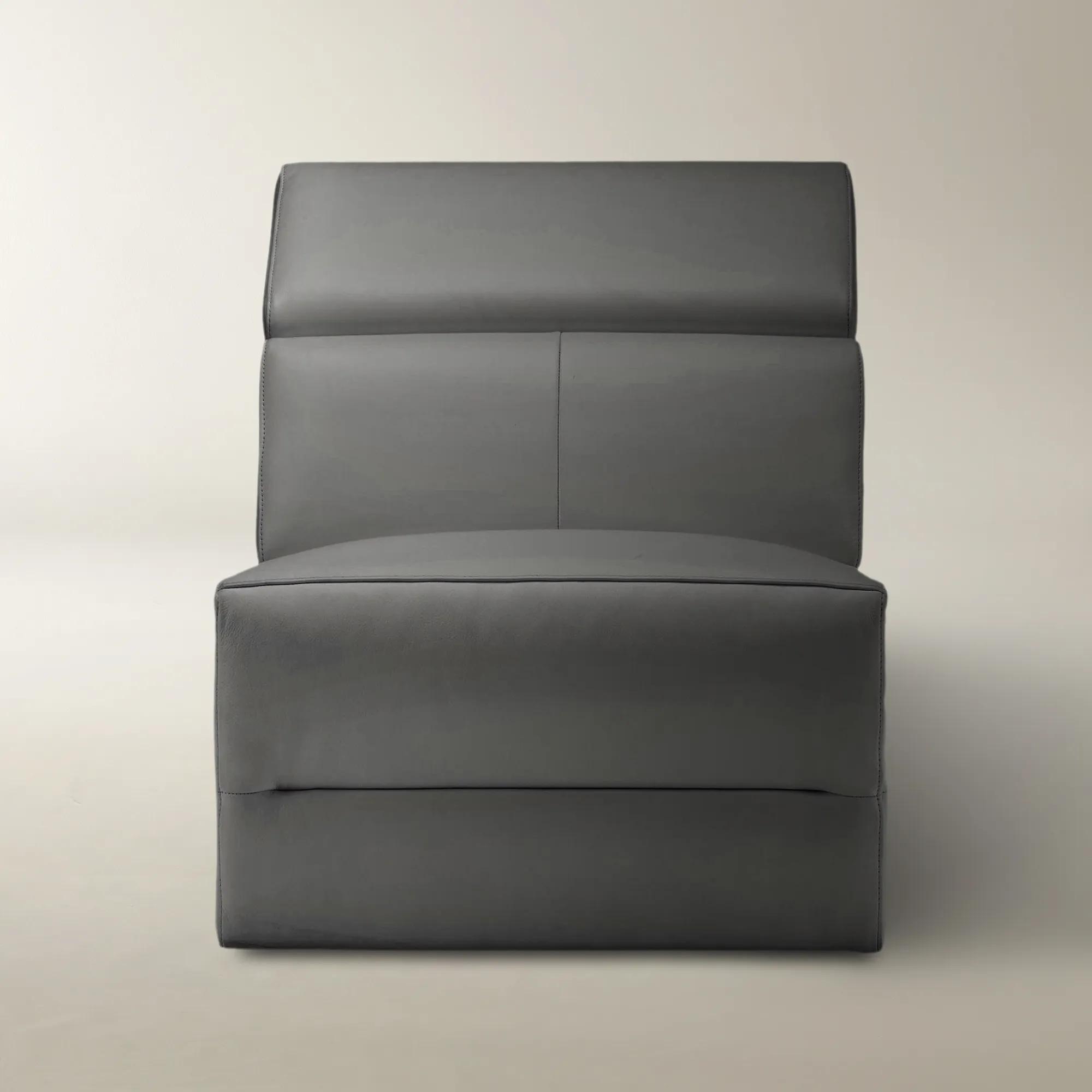 Verona Charcoal Leather Armless Chair$1099
A charcoal semi-aniline leather sectional featuring adjustable headrests and optional power-reclining seats for comfort.
Add To Cart -
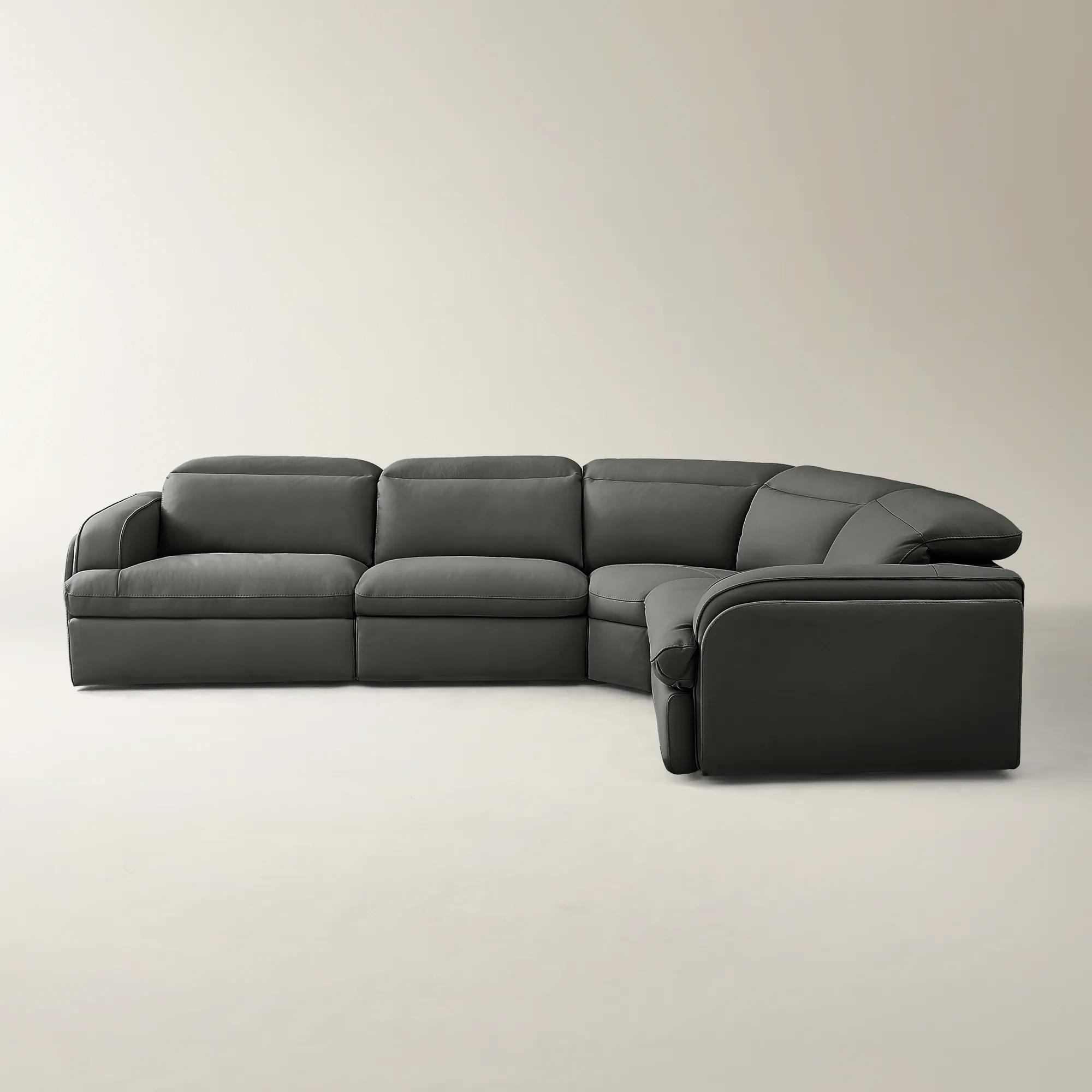
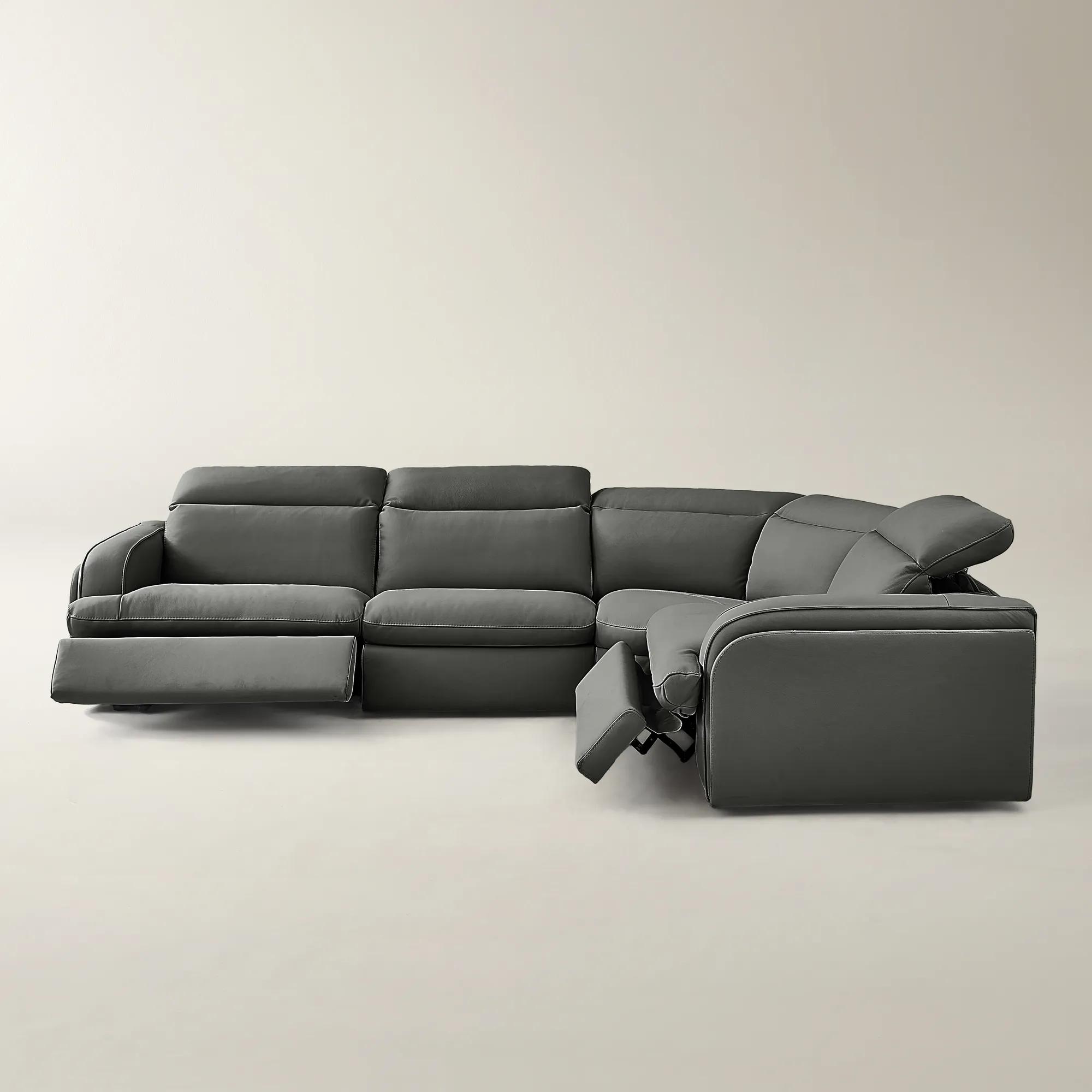 Terra 4-Piece Reclining Charcoal Leather Sectional With Right-Arm Chair$5999
A modular charcoal leather sectional with powered reclining headrests and footrests, tailored seams, and foam-down cushioning.
Add To Cart -
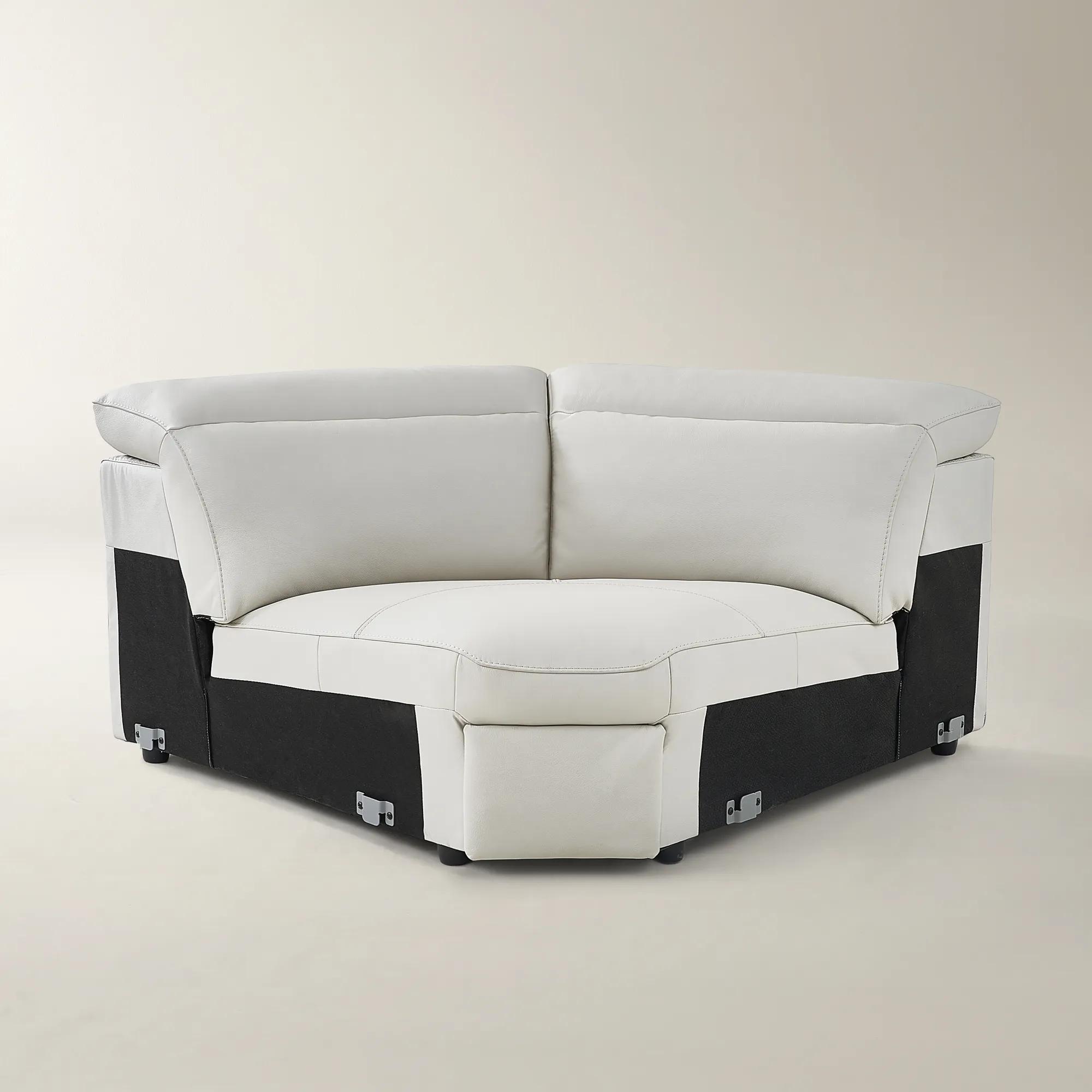
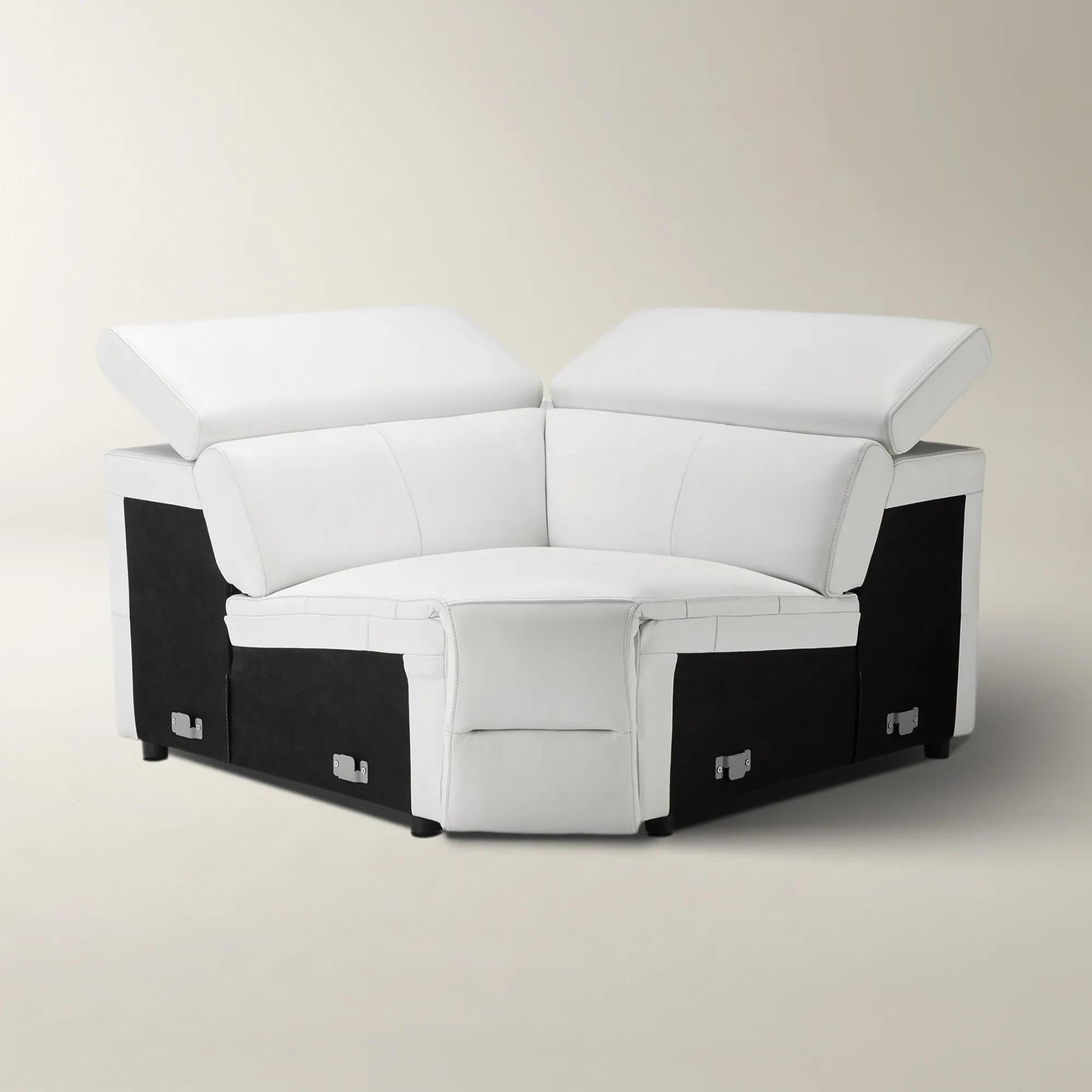 Verona White Leather Corner Chair With Power$1699
A modern sectional upholstered in supple white semi-aniline leather with adjustable headrests and power-reclining seats.
Add To Cart -

 Terra 4-Piece Reclining Frost Leather Sectional With Right-Arm Chair$5999
A contemporary frost genuine-leather sectional with powered reclining, modular configuration, and plush down-blend cushioning.
Add To Cart -
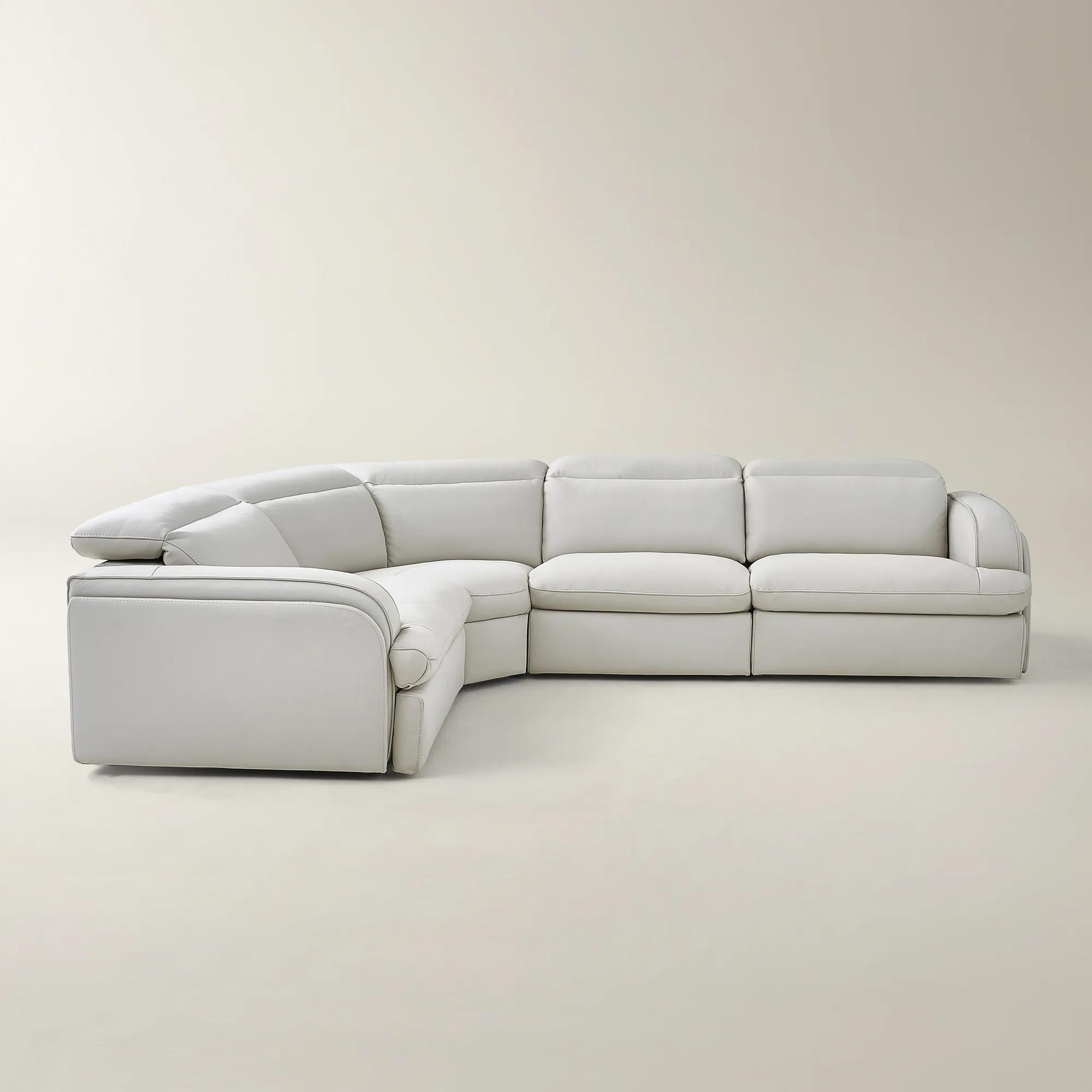
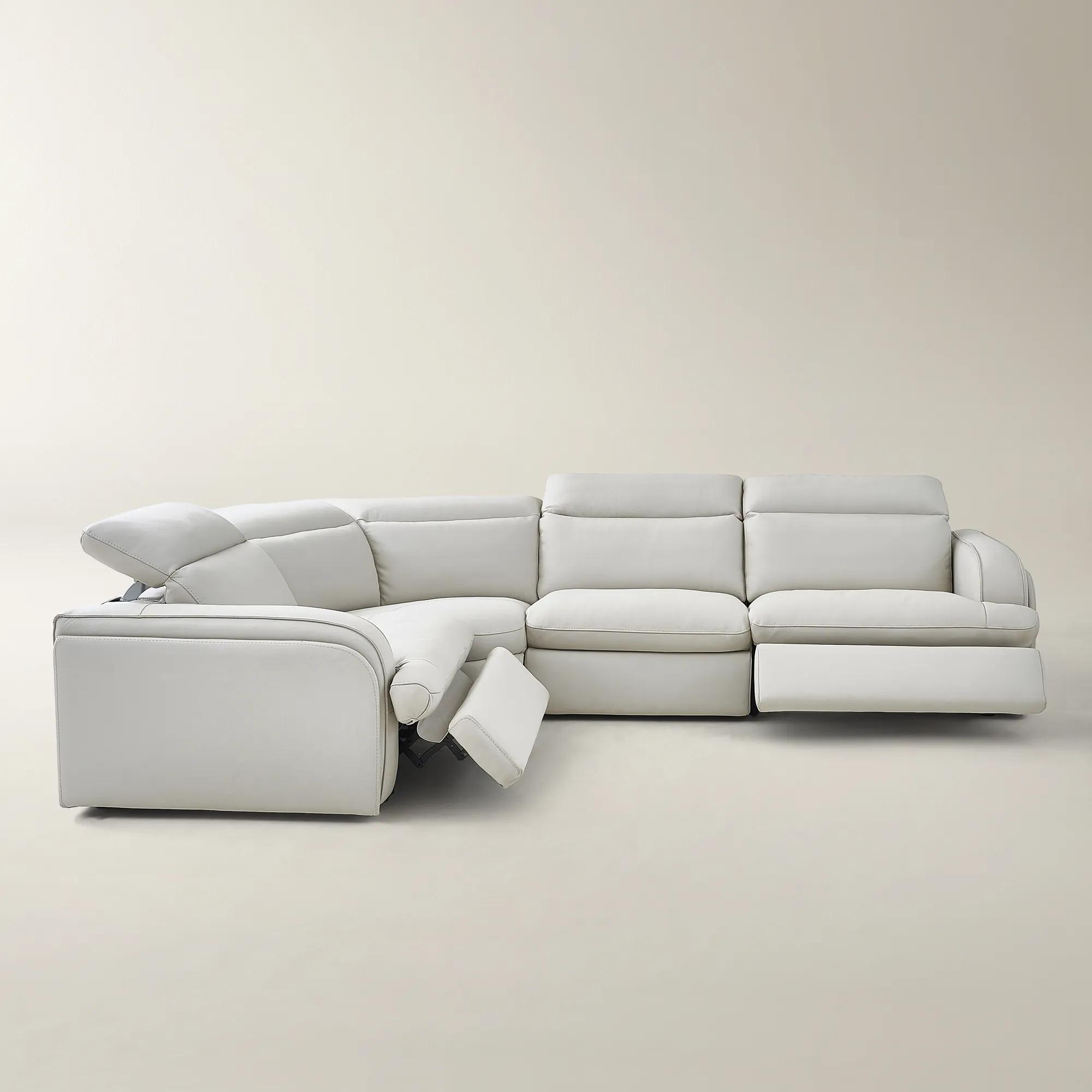 Terra 4-Piece Reclining Frost Leather Sectional With Left-Arm Chair$5999
A modular Frost leather sectional with powered reclining headrests and footrests, tailored seating, and plush down-blend cushioning.
Add To Cart -
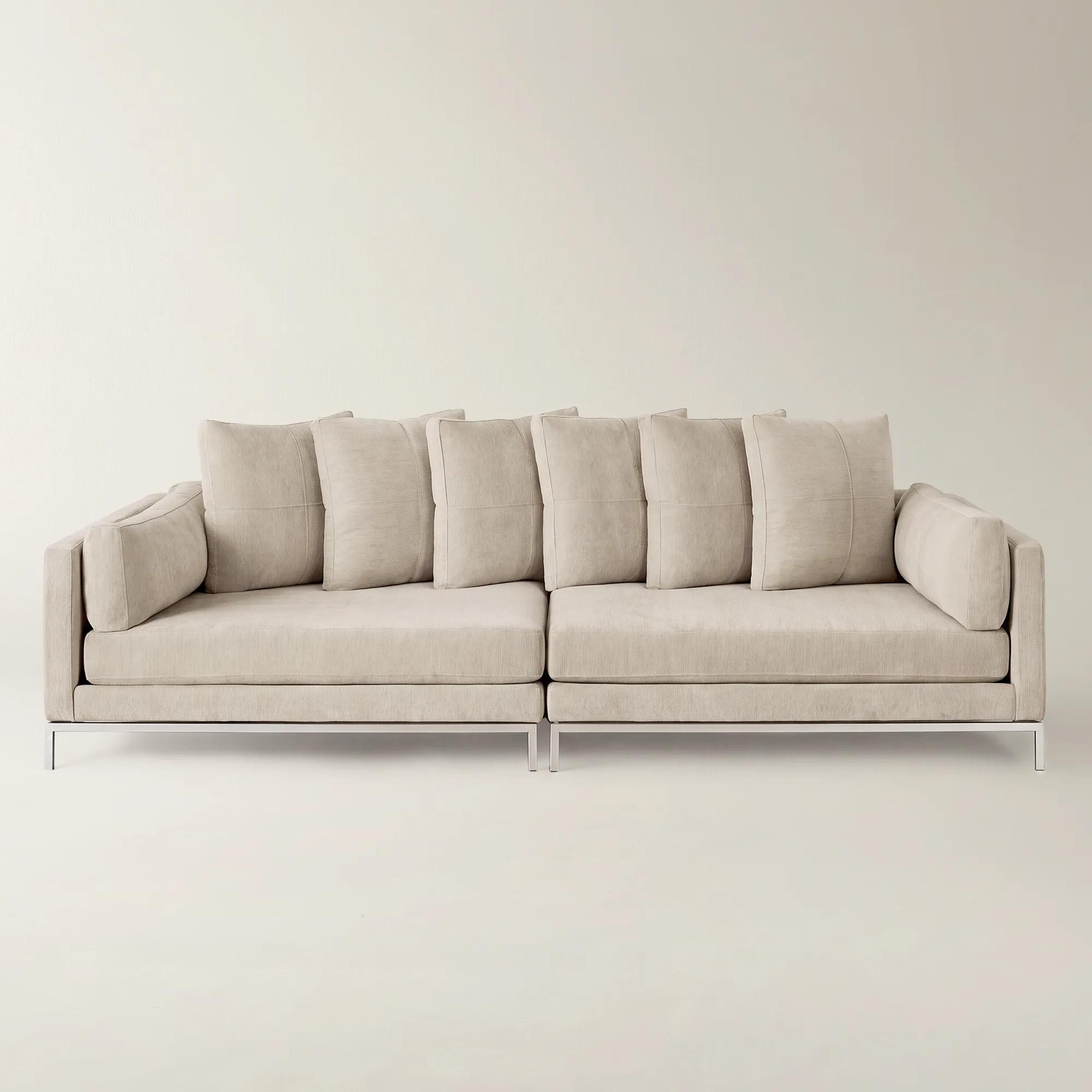
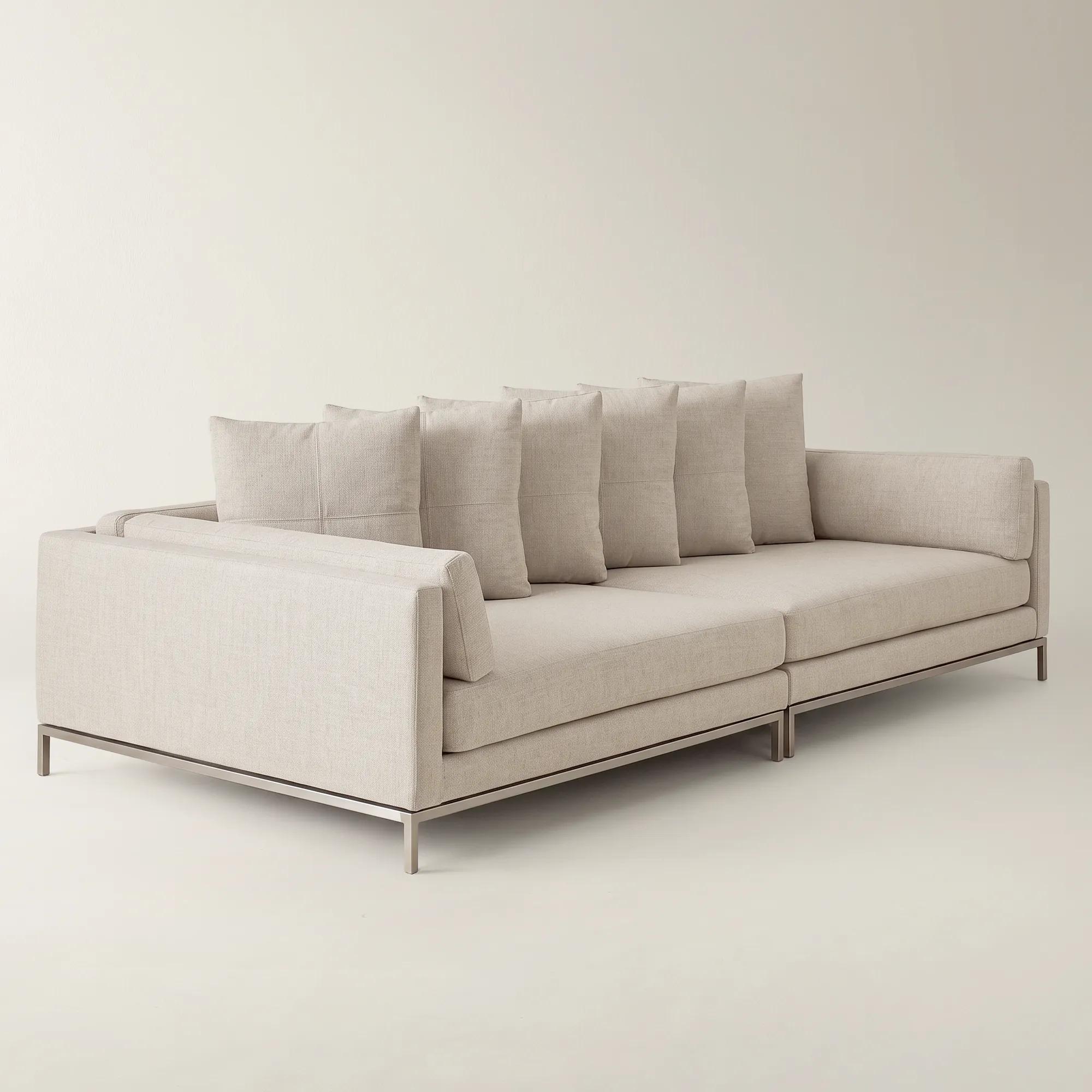 Ventura 2-Piece Square Snow Chenille Sectional Sofa$4299
A modern snow chenille sectional with a floating stainless-steel base, plush feather-filled pillows, and versatile configurations.
Add To Cart -
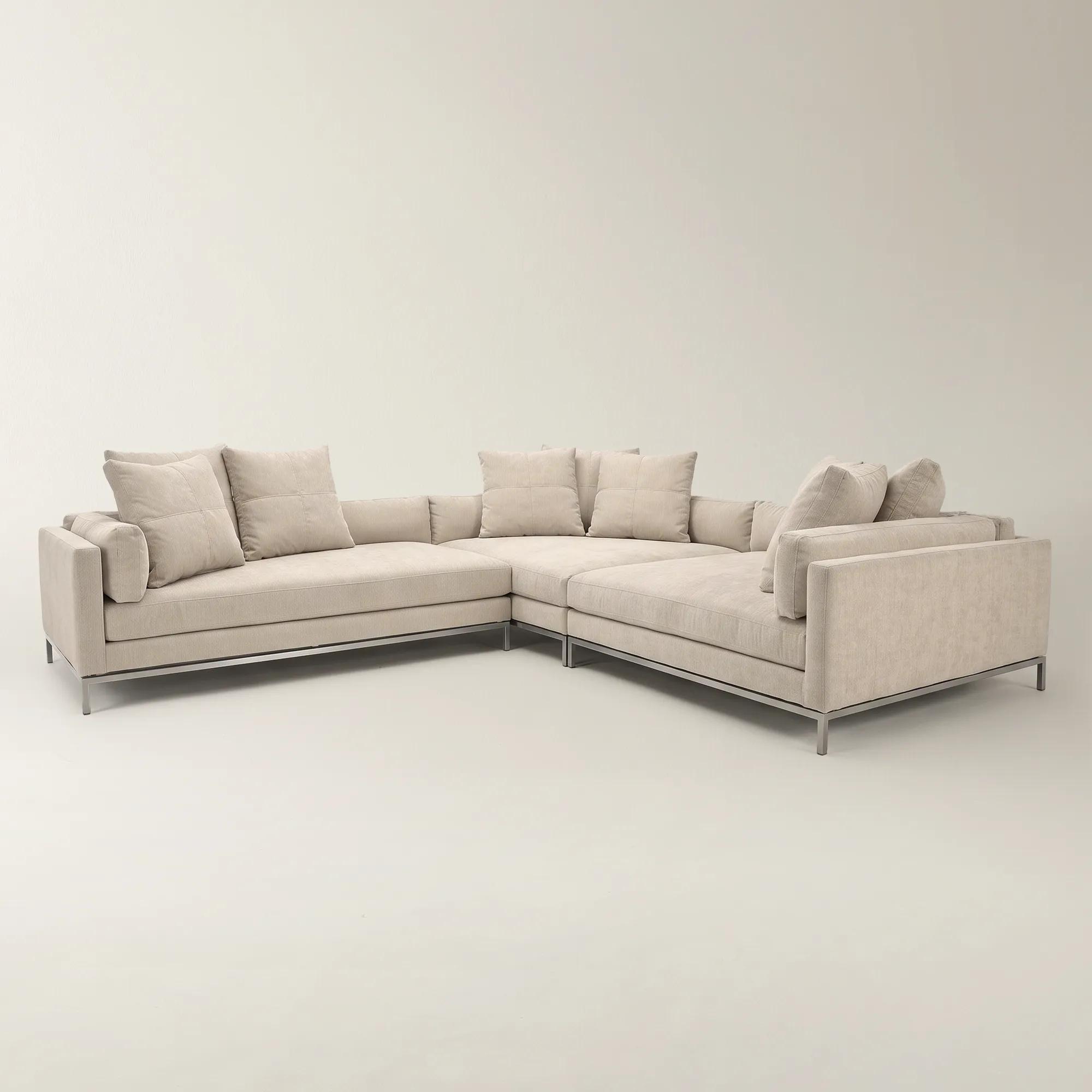
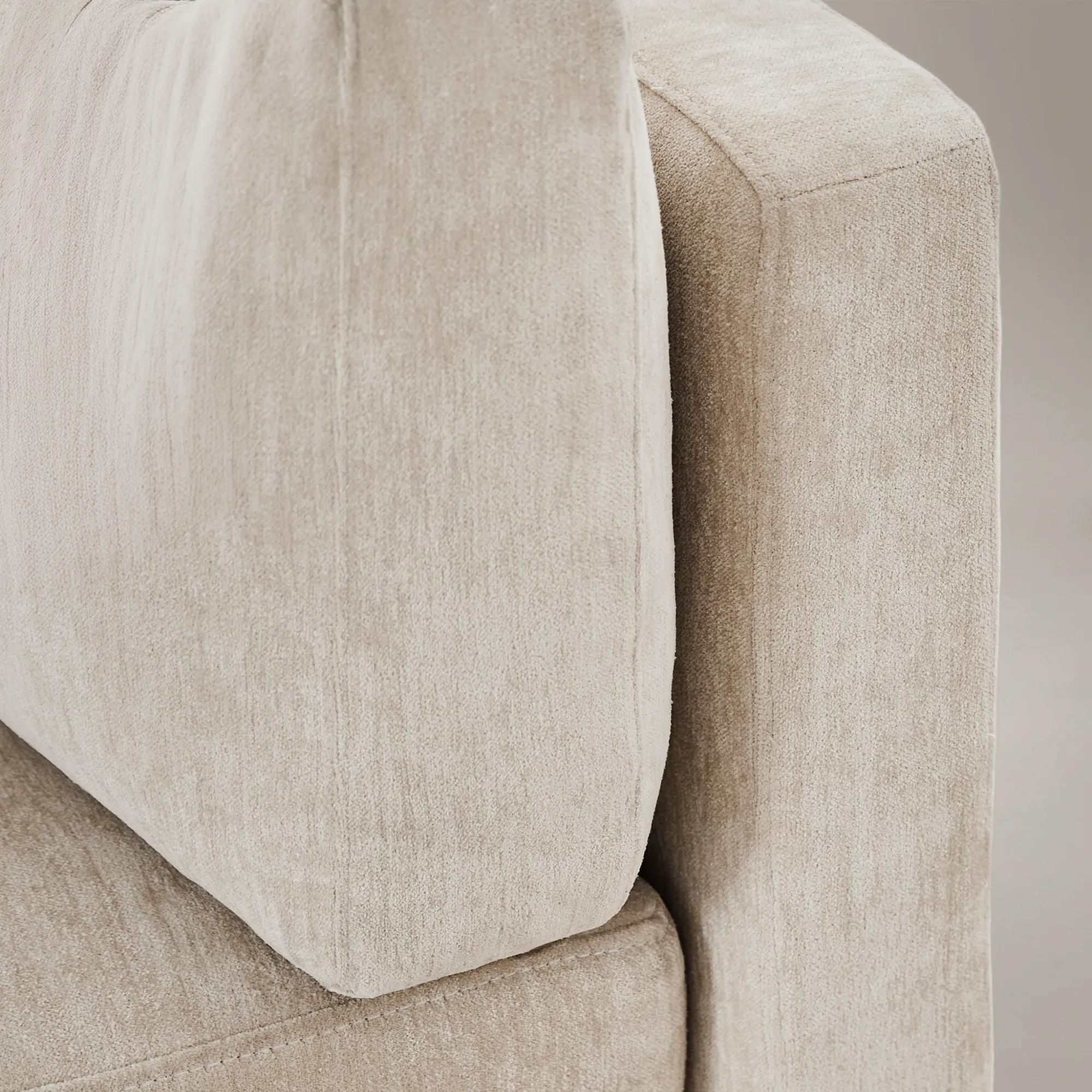 Ventura 3-Piece L-Shaped Snow Chenille Sectional Sofa With Left-Arm Chair$5999
A modern Snow chenille sectional with a stainless-steel base, plush feather pillows, and deep-seated comfort.
Add To Cart -
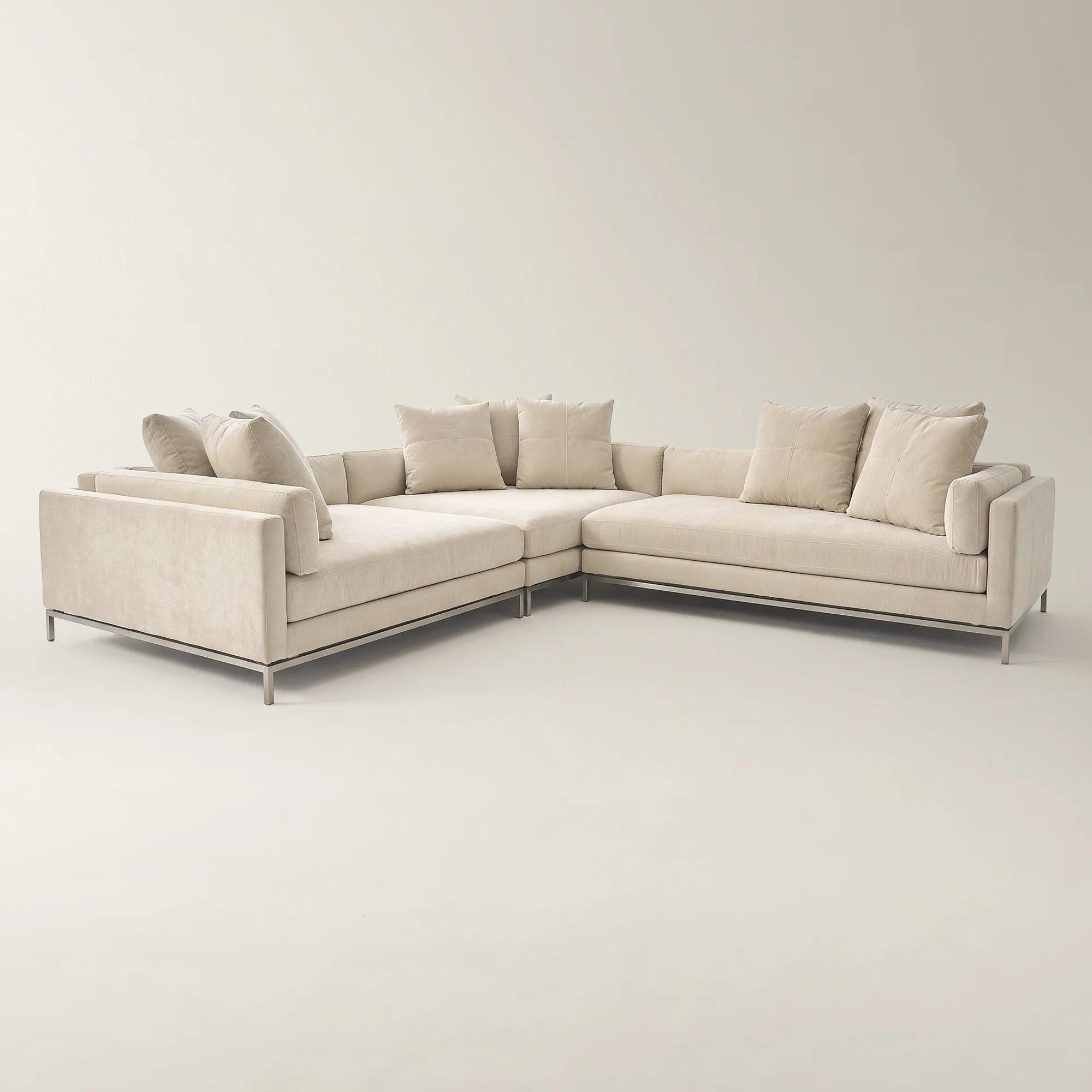 Ventura 3-Piece L-Shaped Snow Chenille Sectional Sofa With Right-Arm Chair$5999
A snow chenille sectional with a streamlined floating silhouette, plush feather-filled cushions, and versatile L-shaped seating.
Add To Cart -
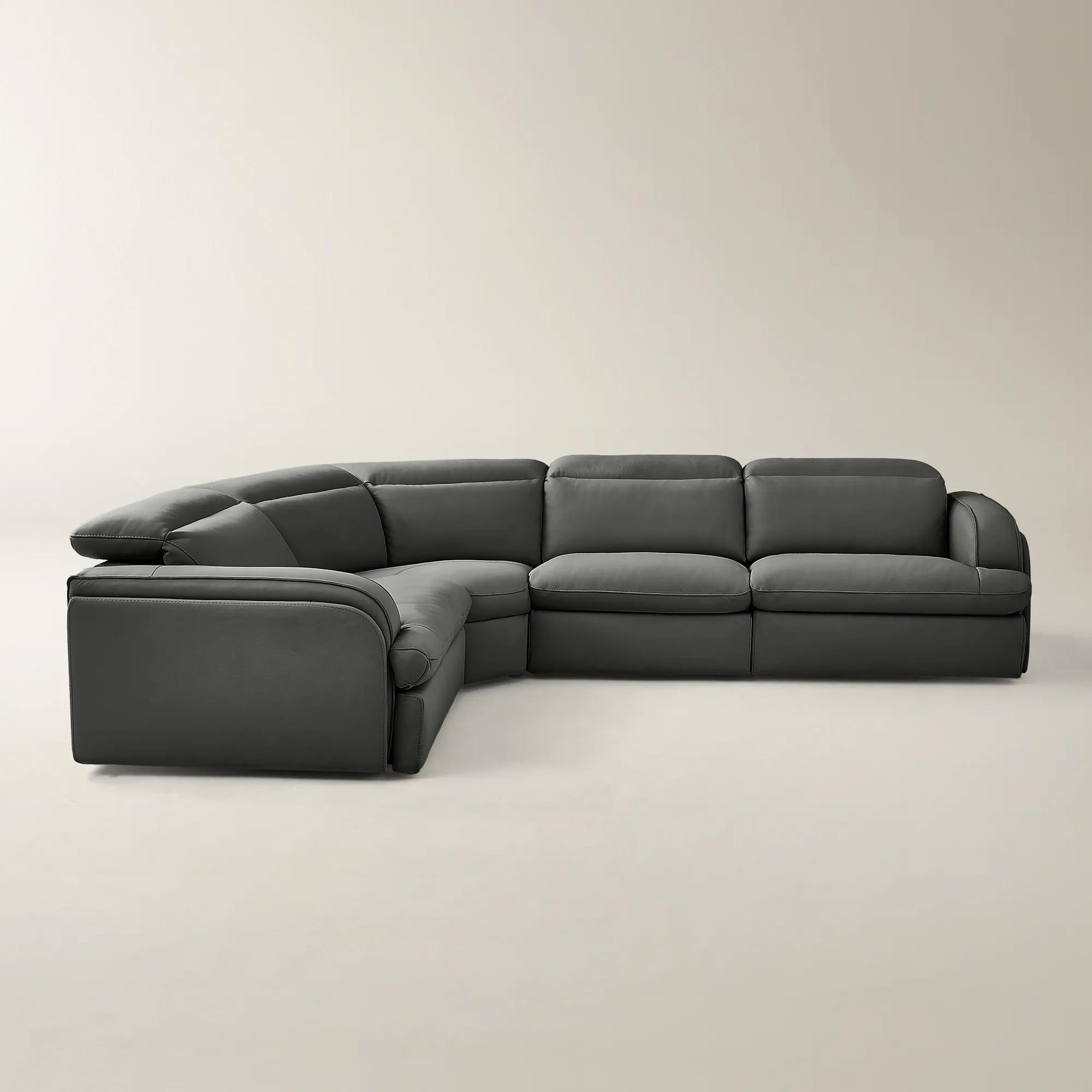
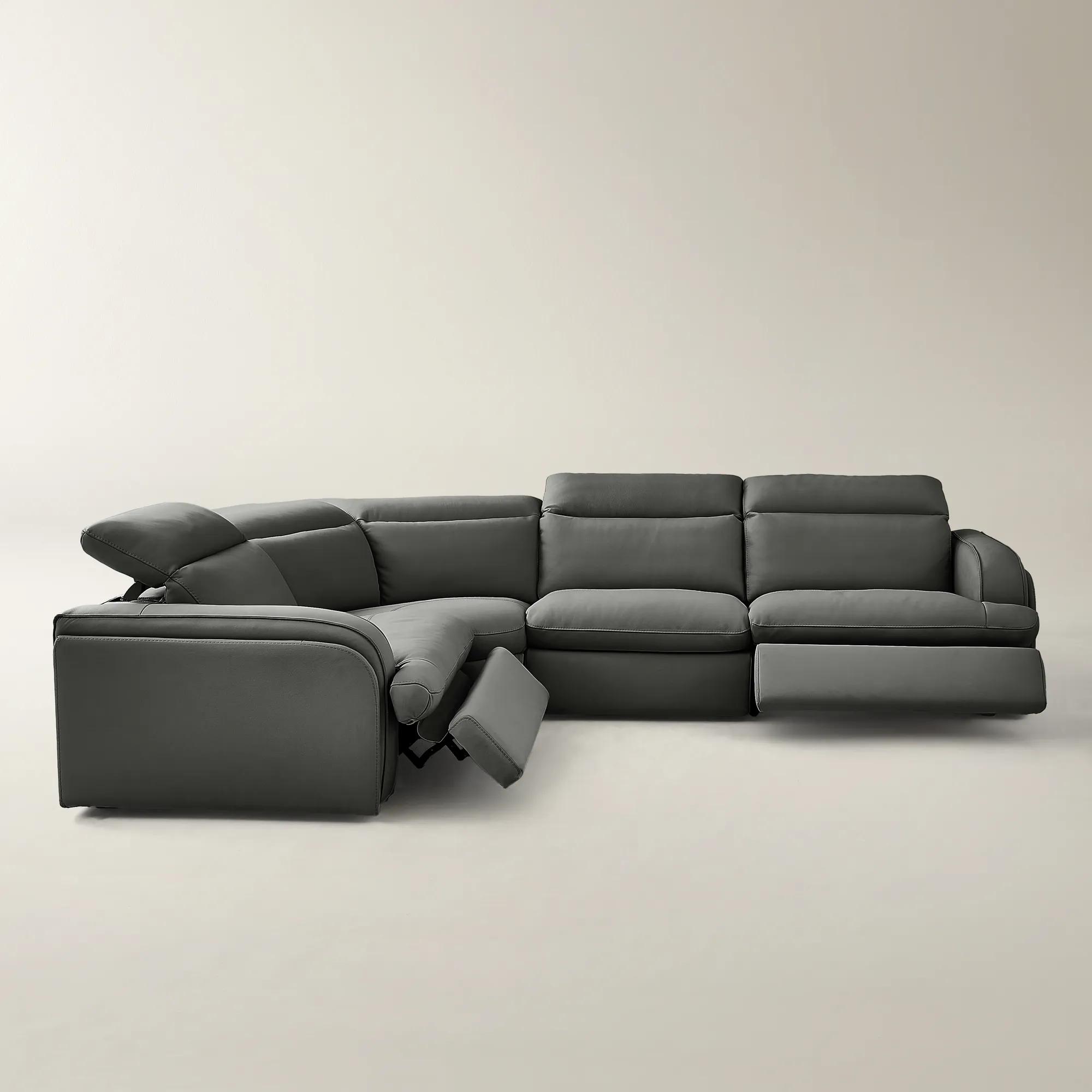 Terra 4-Piece Reclining Charcoal Leather Sectional With Left-Arm Chair$5999
A charcoal genuine leather modular sectional with powered headrests, footrests, tailored seams, and plush foam-down cushioning.
Add To Cart -
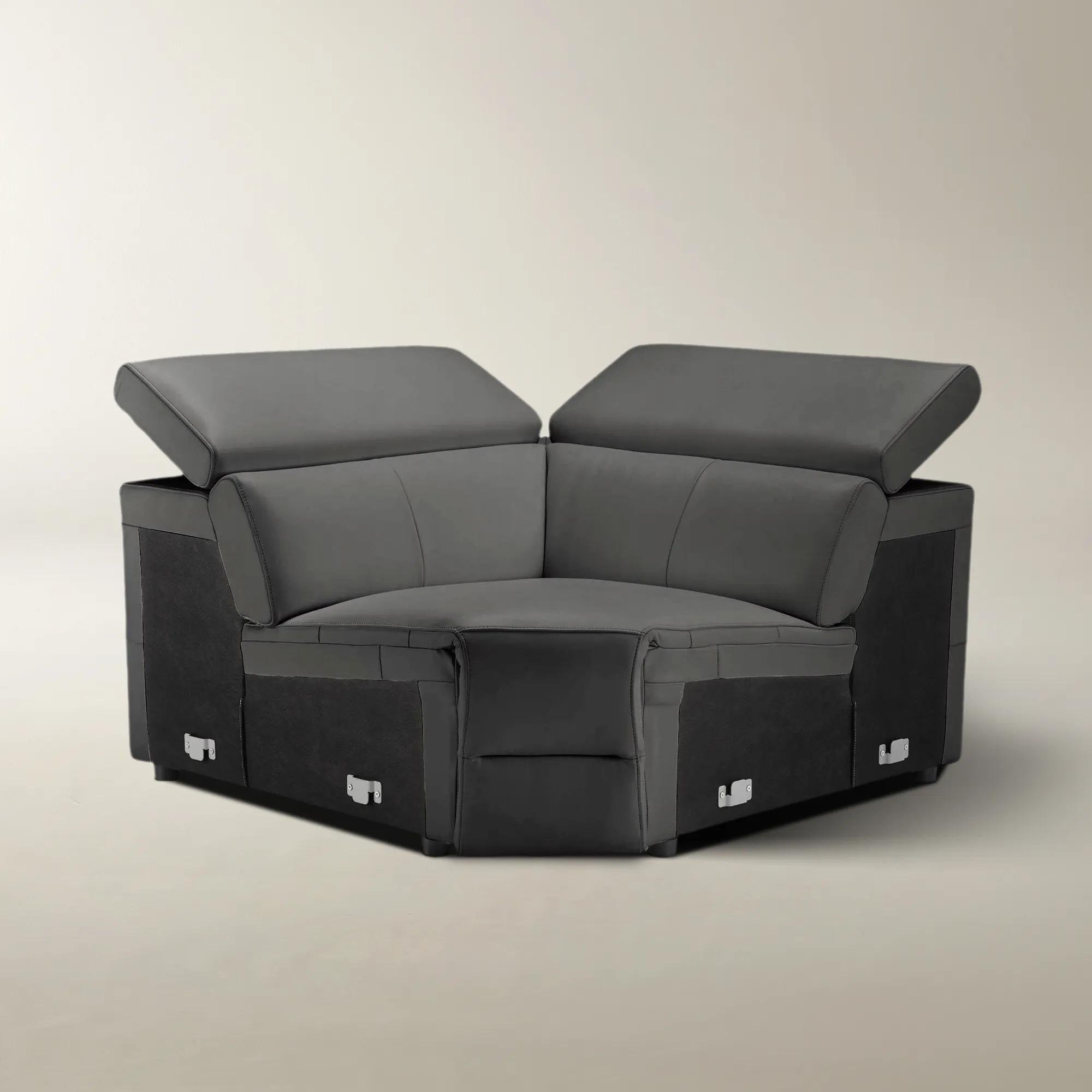 Verona Charcoal Leather Corner Chair With Power$1699
A modern charcoal sectional upholstered in supple semi-aniline leather with adjustable headrests and optional power recline.
Add To Cart -
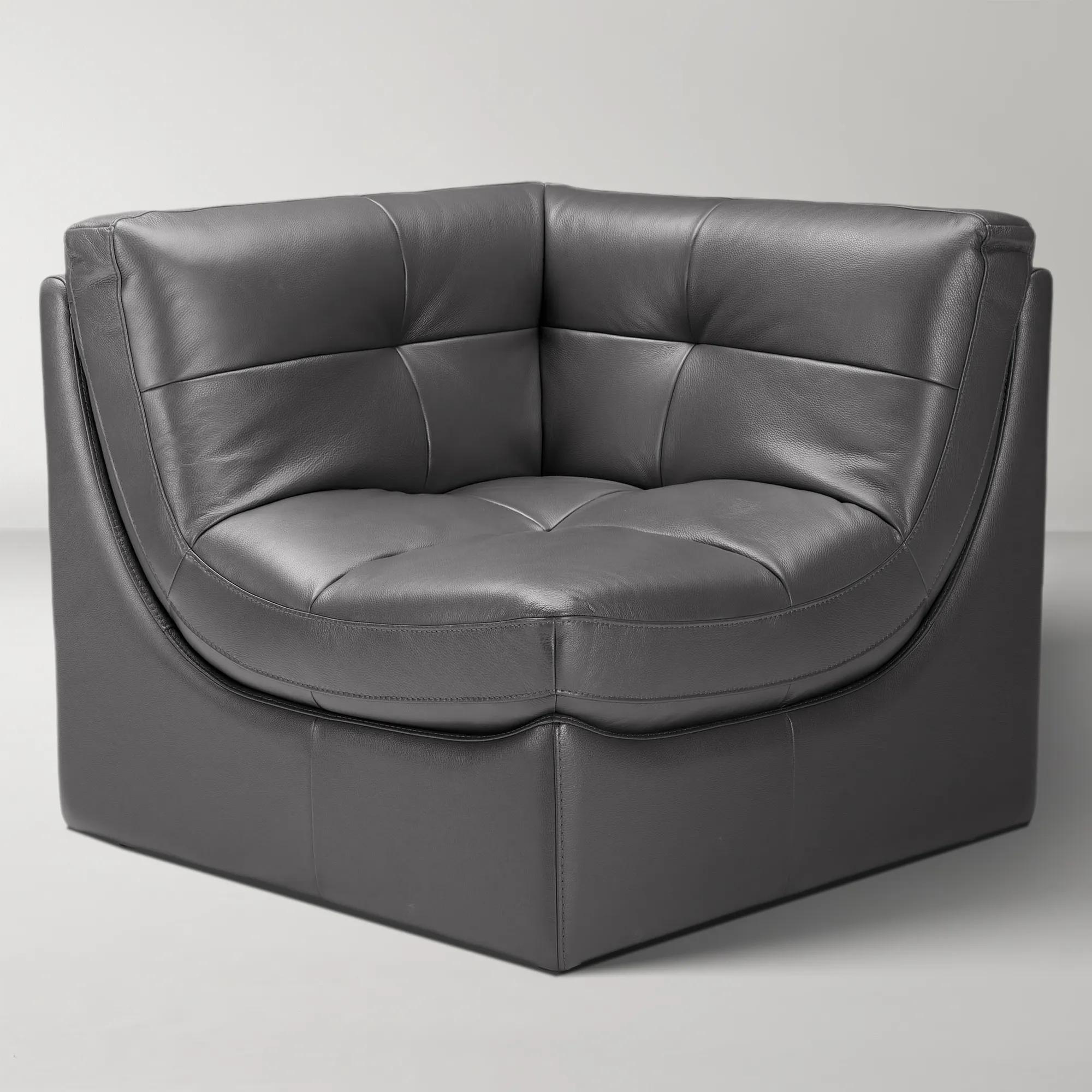
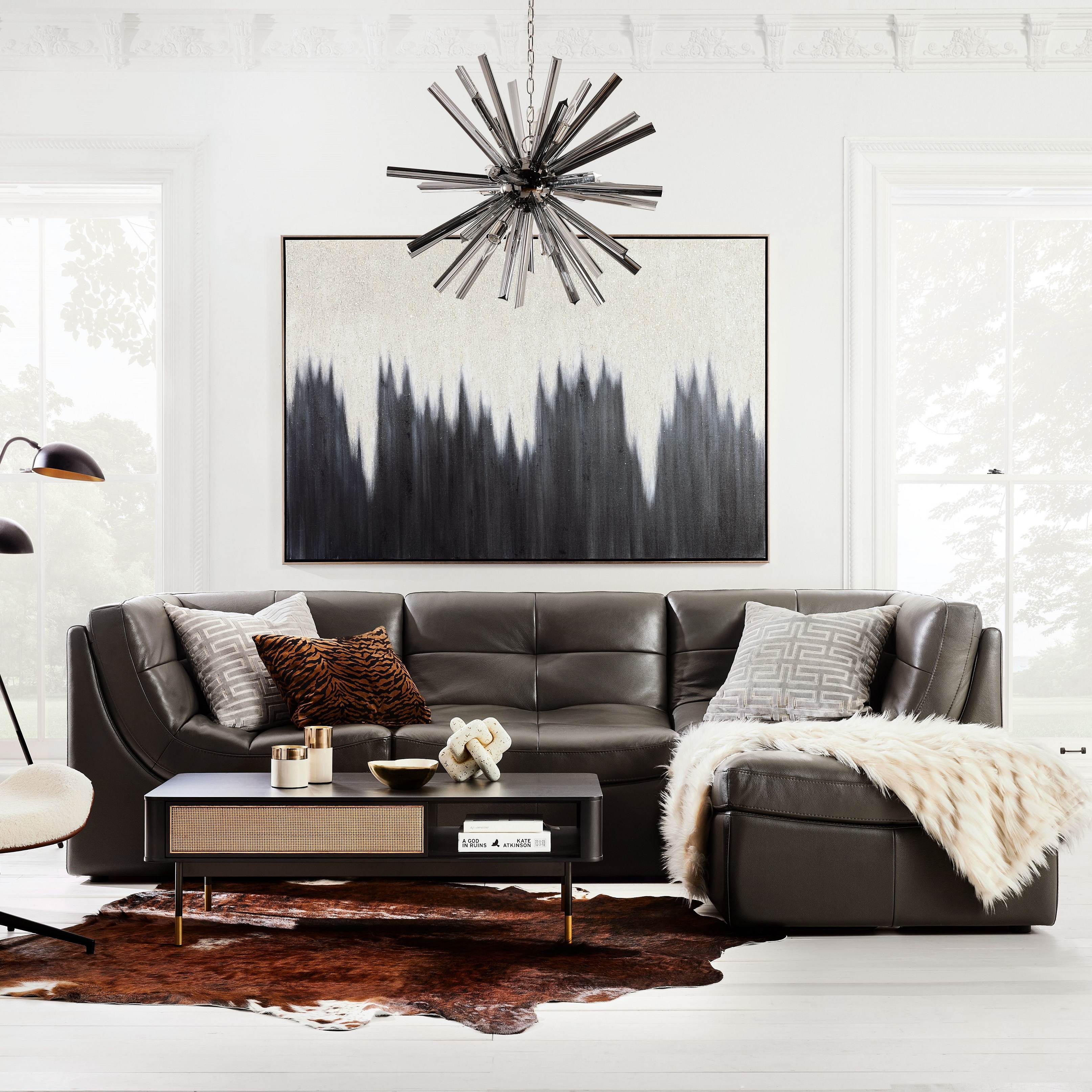 Convo Charcoal Leather Corner Chair$1399
A modular sectional featuring kiln-dried hardwood frames and charcoal semi-aniline leather upholstery for modern versatility.
Add To Cart -
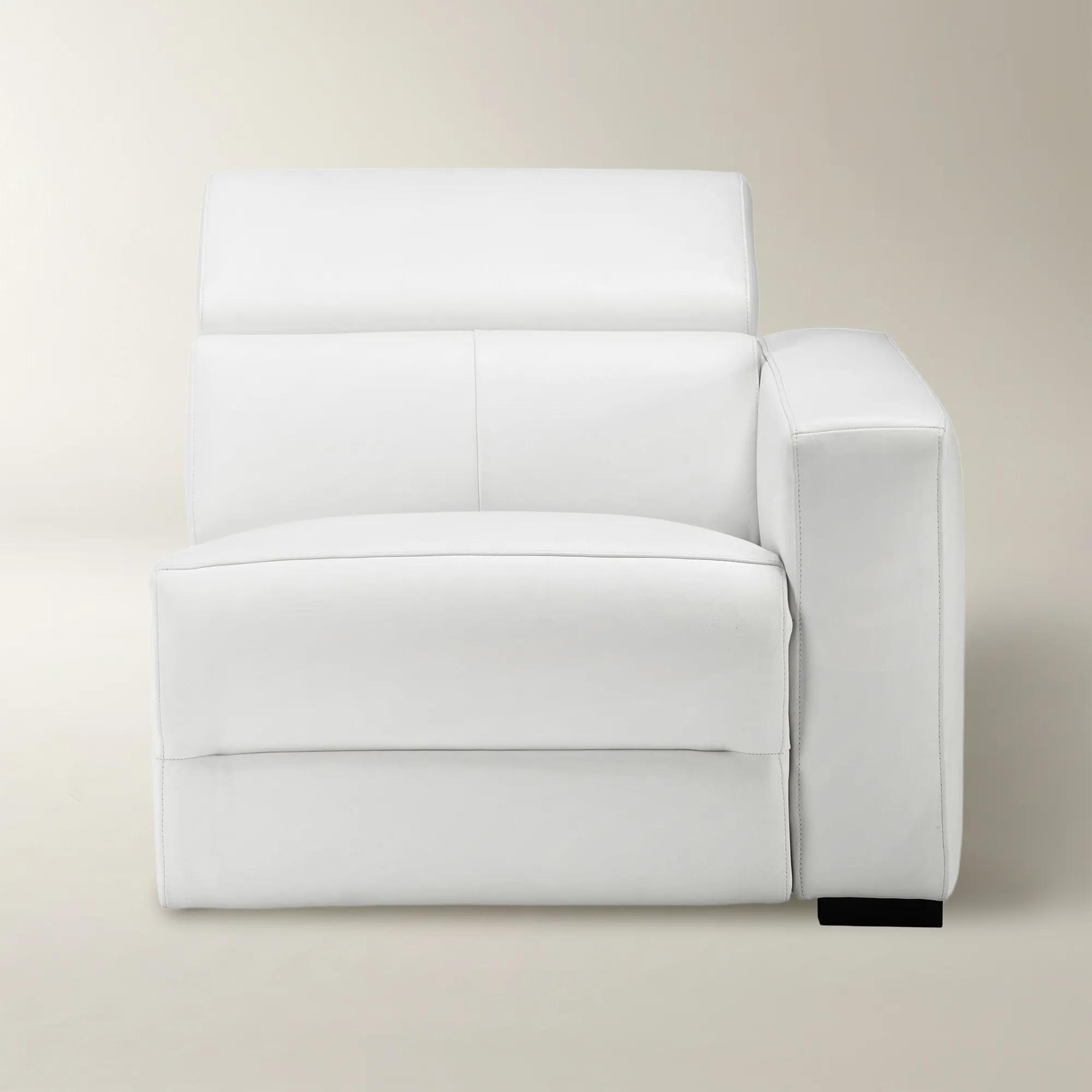 Verona White Leather Right Arm Chair$1399
A modern white sectional upholstered in supple semi-aniline leather with adjustable headrests and power-reclining options.
Add To Cart

Rearrangeable Sectional Sofas
Explore rearrangeable sectional sofas that let you rethink your seating layout without losing a sense of drama. This modular seating selection puts flexible configurations at the center of your living room design, whether you’re creating an intimate conversation area or a sweeping focal point. Compare overall dimensions and individual sections to find an arrangement that complements your space and the way you gather.
Rearrangeable sectional sofas, often called modular sofas, are made from individual seating units that can be repositioned into different configurations. Depending on the design, those units may include armless seats, corner sections, end pieces with arms, chaises, and ottomans. Together, they create a sofa with a distinctly personal silhouette: an L-shaped sectional that frames a conversation area, a generous U-shaped arrangement for gathering, or a straight configuration that gives a narrow room a more tailored presence. The flexibility comes from the individual modules and their compatible connections, rather than simply from a sectional arriving in several pieces. Not every system supports every layout, and a reversible chaise does not necessarily offer the same freedom as a fully modular design. That distinction matters in a home where furniture needs to accommodate both intimate evenings and lively entertaining. A corner arrangement can draw guests toward a sculptural cocktail table, while an extended run of seats creates an elegant setting for conversation beneath expressive artwork. In an open living space, the back of a sectional can establish a graceful boundary between lounging and dining without interrupting the room’s visual flow. For households that move, frequently refresh their interiors, or share a living room across several activities, adaptable seating offers a way to preserve a favorite design while reconsidering its shape. An ottoman may extend the lounging surface or sit separately as a footrest, provided its dimensions and construction suit that purpose. A chaise invites a more relaxed posture; an upright end seat can feel better suited to reading or hosting. These differences give a modular sectional its character beyond the floor plan. Upholstery, cushion proportions, and the rhythm of repeated seats determine whether the finished arrangement feels sleek and architectural or sumptuous and enveloping. Rearrangeability adds freedom to that expression, allowing the sofa to anchor the room without making its layout feel permanent.
Scale gives that freedom its practical foundation. The overall width and depth of a sectional describe its footprint, but individual module dimensions reveal how convincingly it will work in a particular room. A deep chaise can project farther into a walkway than expected, and a broad corner section may consume space without providing the same seating experience as a straight seat. In a living room with several entrances, an L-shaped layout along two sides can preserve a clear route through the center. In a dedicated gathering space, a U-shaped arrangement can bring more people into the conversation, as long as the open center leaves comfortable room for a table and movement. Collections of large modular sectional sofas speak to interiors where an expansive seating composition is part of the room’s visual identity, with proportions that deserve attention alongside the surrounding furnishings. A sofa should relate to the rug, tables, lighting, and architectural features rather than compete with each of them. Low backs can keep sightlines open across a loft, while taller backs and substantial arms create a more enclosed, lounge-like atmosphere. Seat depth and height also influence daily comfort: deeper seats favor reclining, whereas a shallower seat may offer more support for someone who prefers to sit upright with feet resting on the floor. Cushion firmness remains a separate consideration from those measurements. Delivery access is equally important, including doorways, stairs, elevators, and turns between rooms; separate modules can simplify access, but each piece still needs adequate clearance. Clips, brackets, or other connectors may secure adjoining sections, while some designs rely on their weight and placement to remain together. Connection details affect how easily a layout can change and how stable it feels afterward. Compatibility matters as well: additional seats, arms, or ottomans must belong to a system that supports them. A rearrangeable sectional offers possibilities within its construction, not unlimited interchangeability between unrelated pieces.
Materials bring another layer of personality to modular seating, shaping both its appearance and the attention it needs over time. Velvet lends depth to color as its pile catches the light, giving a generously proportioned sectional a rich, almost sculptural presence. A textured woven fabric introduces dimension with a subtler sheen, while leather can emphasize clean lines and develop a distinctive surface character with use. Performance upholstery may provide enhanced resistance to certain stains or wear, but the term does not mean every fabric is waterproof, scratch-resistant, or suitable for the same cleaning methods. For homes with children, pets, or frequent guests, the specific upholstery specifications and care instructions are more useful than a broad durability label. A tightly woven surface may be less prone to snagging than an open weave, though no upholstery is immune to claws or abrasion. Removable covers are not automatically machine washable; laundering should follow the manufacturer’s directions for that exact fabric and component. Beneath the upholstery, frame construction, joinery, suspension, and cushion fill contribute to long-term comfort and shape retention. Foam can offer a more structured seat, while fiber or feather blends may create a softer, relaxed profile that requires regular fluffing. These qualities are especially noticeable on the seat used every day for reading, watching a film, or stretching out after dinner. Gentle vacuuming with an appropriate attachment helps remove dust from seams and the spaces between modules, and prompt blotting can limit the spread of a spill without forcing it deeper into the upholstery. Cleaning products should match the listed care code rather than the fabric’s appearance alone. Where permitted, rotating cushions can help distribute wear, while protecting upholstery from prolonged direct sunlight can reduce uneven fading. When rearranging the sofa, moving each module according to its handling instructions helps protect connectors, frames, and flooring. This balance of expressive design and considered construction makes rearrangeable seating compelling for shared lounges, family living rooms, and interiors built around entertaining. The result is a generous place to settle in, with a composition that can evolve while retaining its poise, texture, and unmistakable presence.
FAQs
A rearrangeable sectional sofa features separate seating modules that can be arranged in different configurations. Unlike a fixed sectional, its composition can evolve with your decorating vision, creating a sculptural centerpiece for a room that feels distinctly yours. The possible arrangements depend on the sectional’s individual components and design.
A modular sectional typically consists of individual seating pieces that can be repositioned into different layouts. A reversible sectional generally allows a chaise or another designated component to switch sides without making every section independently rearrangeable. Both invite creative freedom, but modular designs usually offer more ways to reimagine the composition.
Let the mood of the room guide the arrangement. An L-shaped composition can frame a polished lounge, while a U-shaped arrangement creates an inviting setting for conversation. Where the design allows, separating modules into distinct seating moments gives the room a more curated feel. Consider the fireplace, artwork, or another focal point, then arrange the seating to complement it.
Treat the sectional as an upholstered canvas, then layer in contrast. Pair richly textured pillows with a fluid throw, introduce a sculptural coffee table, and use metallic accents to catch the light. A considered palette gives expressive details room to shine, while statement artwork lends the entire seating vignette an unmistakable point of view.
Yes. A rearrangeable sectional can anchor a range of interiors, with its silhouette, upholstery, and surrounding accents shaping the overall expression. Architectural lines pair beautifully with modern art and gleaming finishes, while softer profiles complement layered textiles and curved accent pieces. Choose a visual direction, then use the arrangement to bring that story into focus.