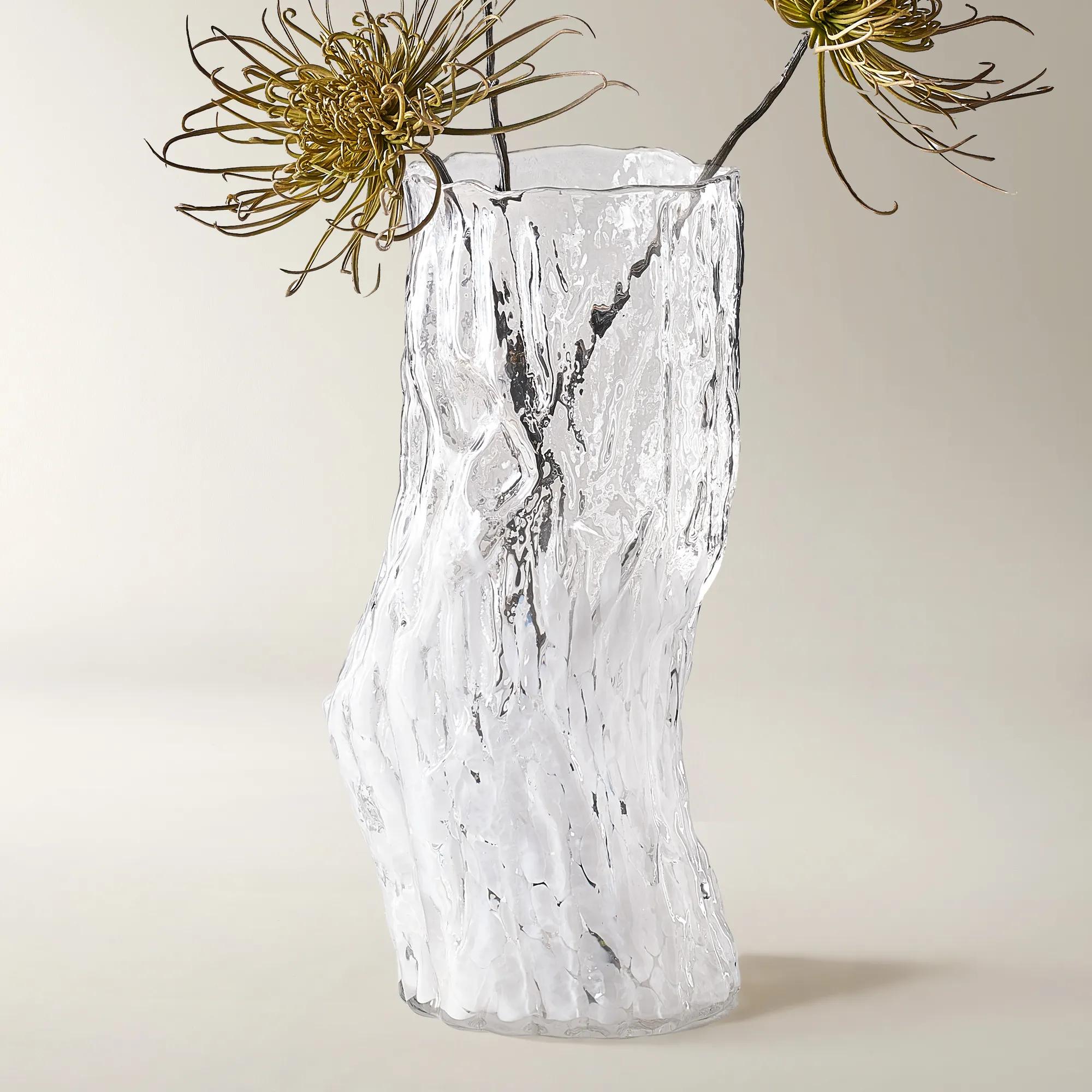
Polished Dining Room Glassware
Polished Dining Room Glassware
-
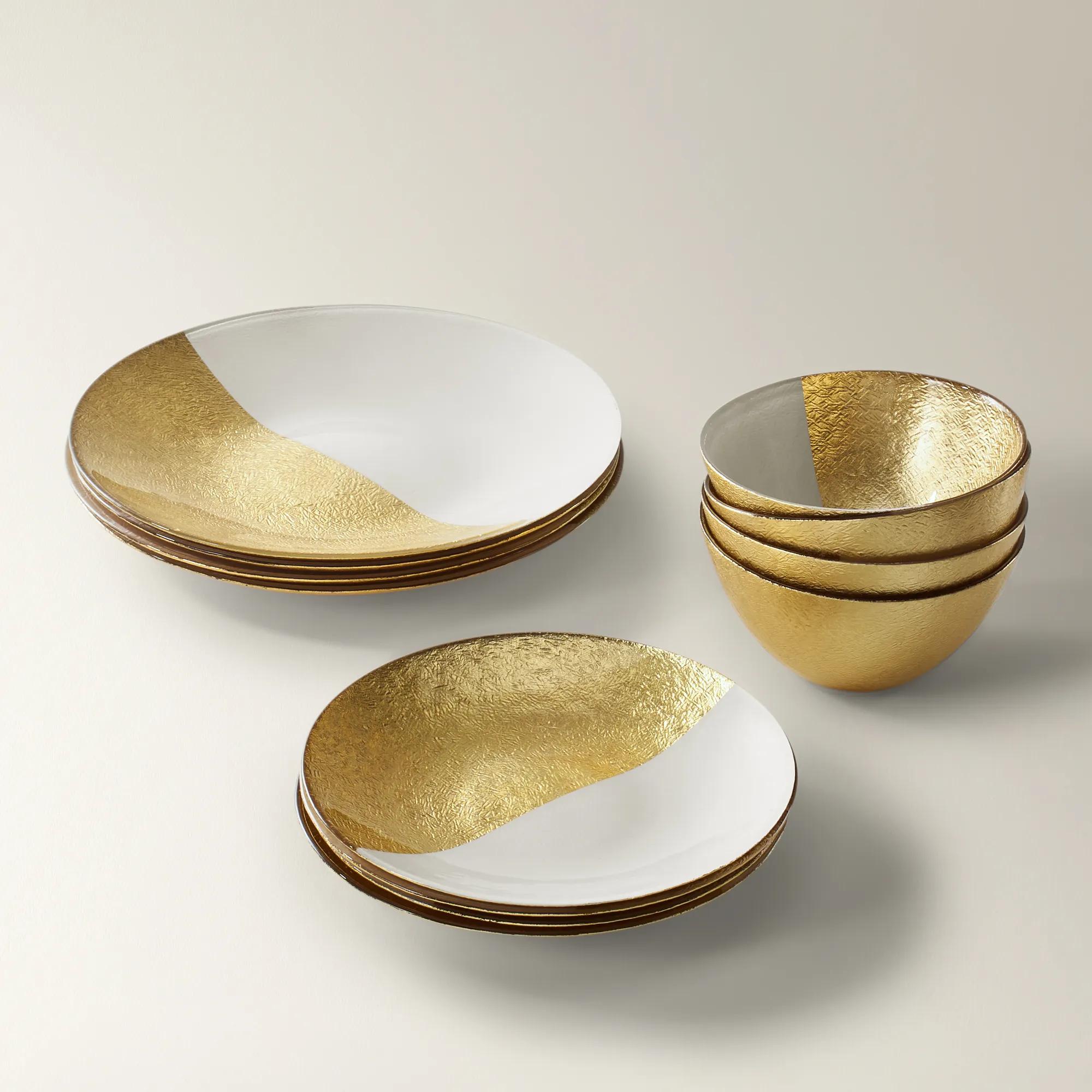
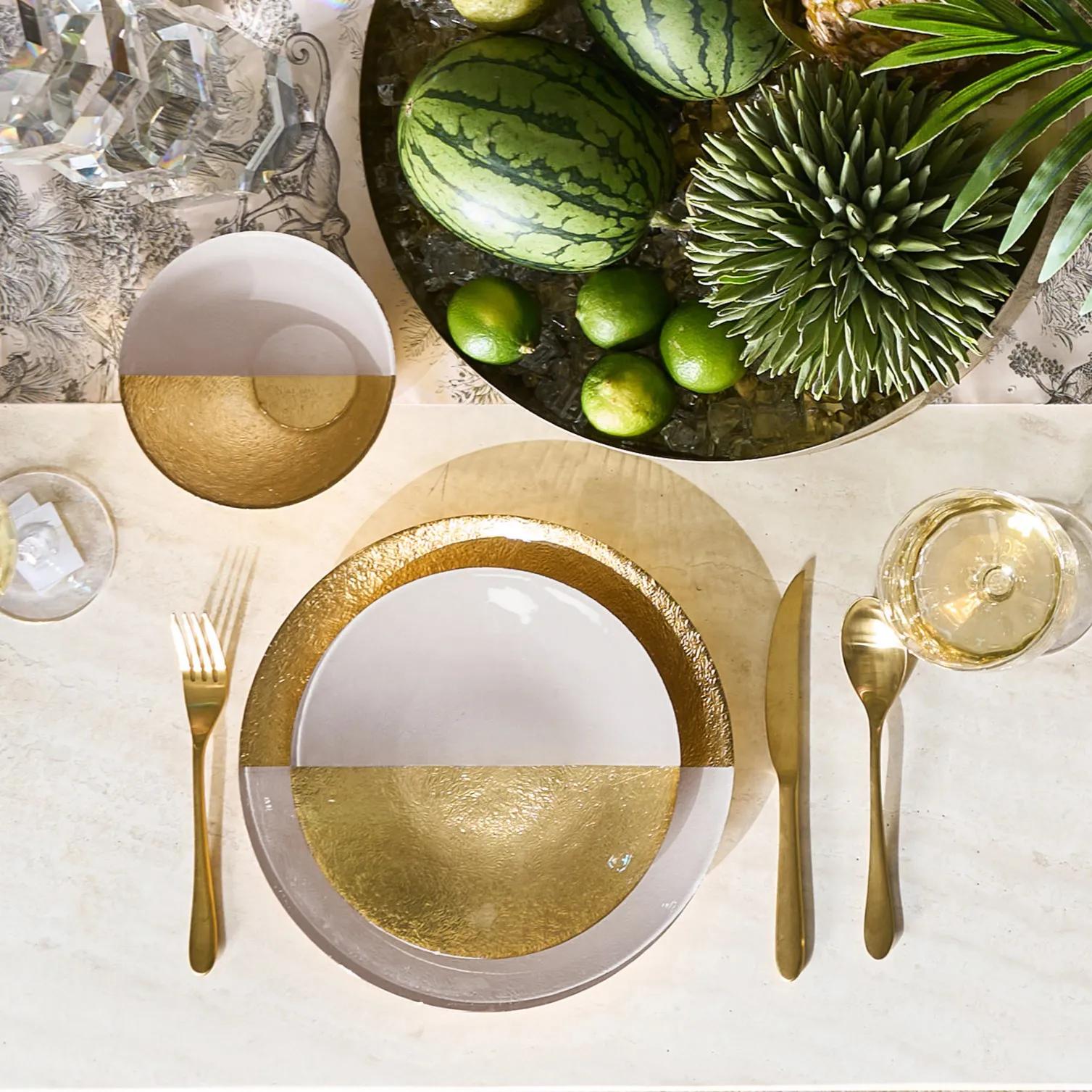 Gemini White and Gold Leaf Dinnerware Sets$79
A sophisticated glass dinnerware set featuring a sleek two-toned white and gold design.
Add To Cart -
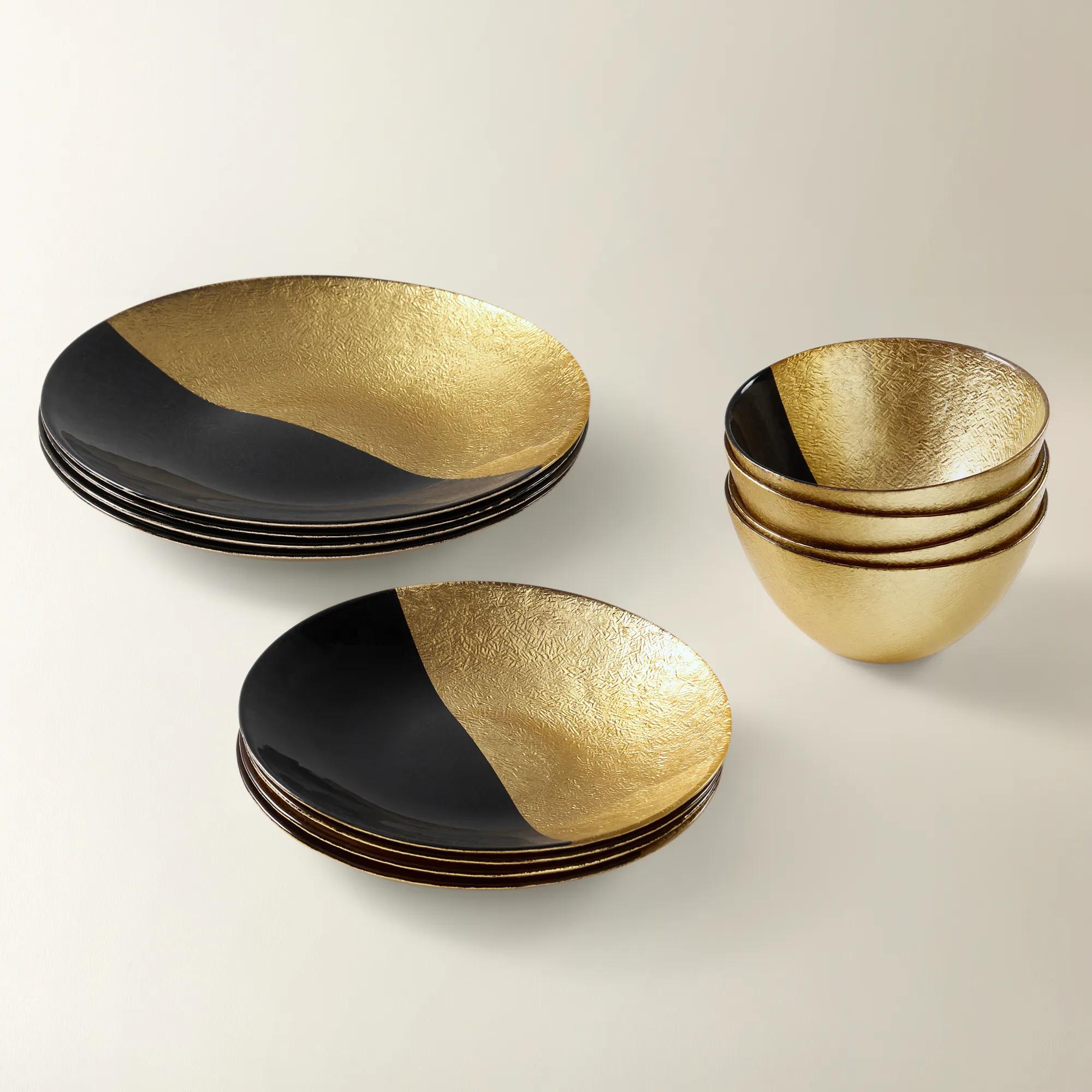 Gemini Black and Gold Leaf Dinnerware Sets$59
A striking set of black and gold glass dinnerware that brings modern elegance to any table.
Add To Cart -
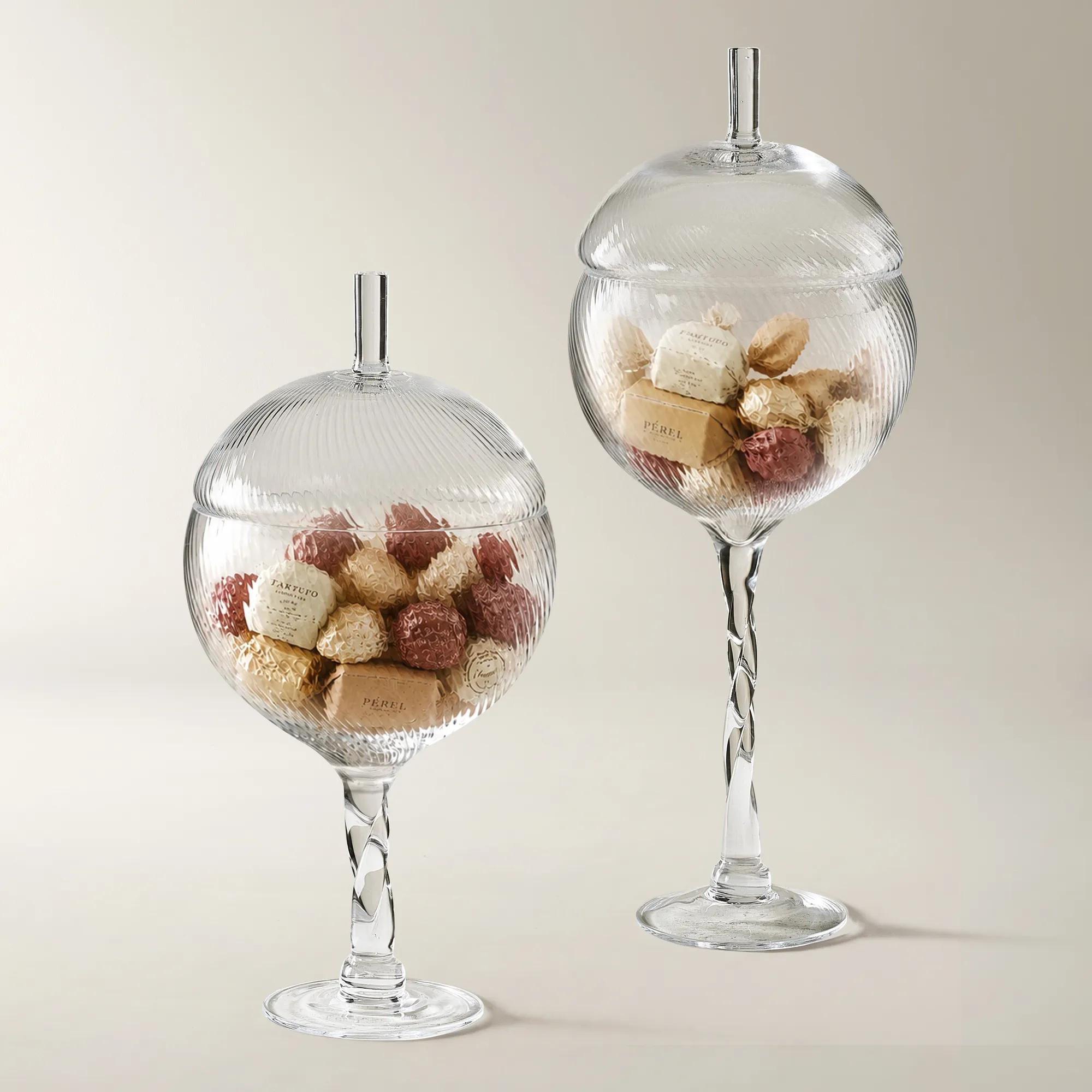
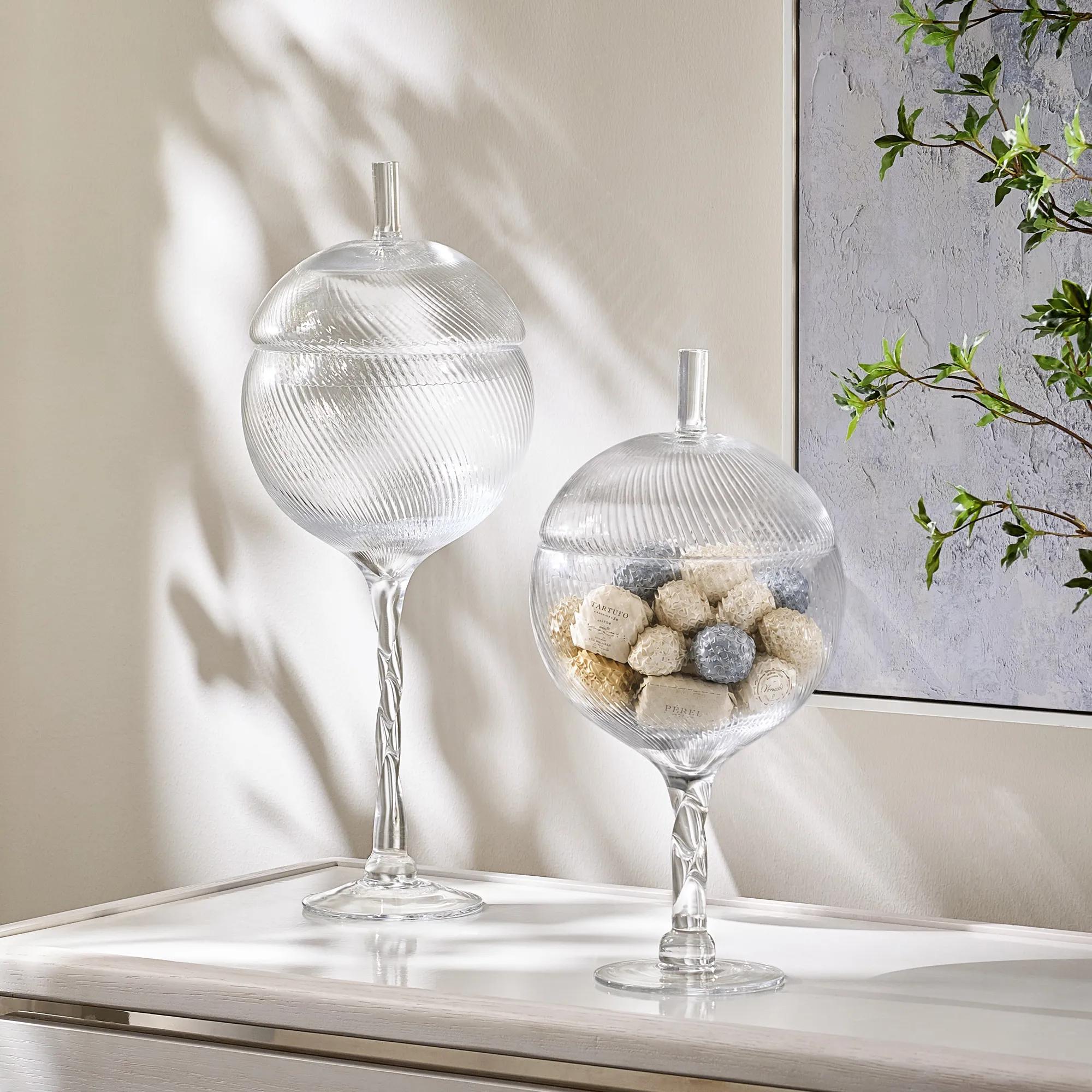 Opal Mouth Blown Clear Glass Canisters$89
A clear handblown glass canister with a sculptural twisted design, offering food-safe decorative storage.
Add To Cart -
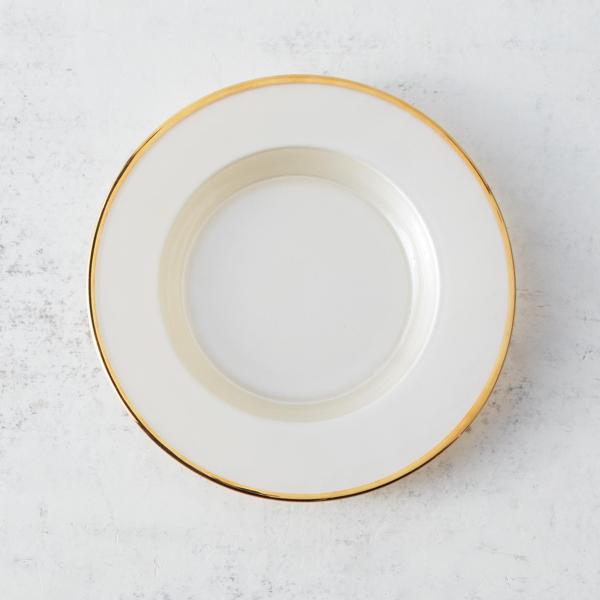
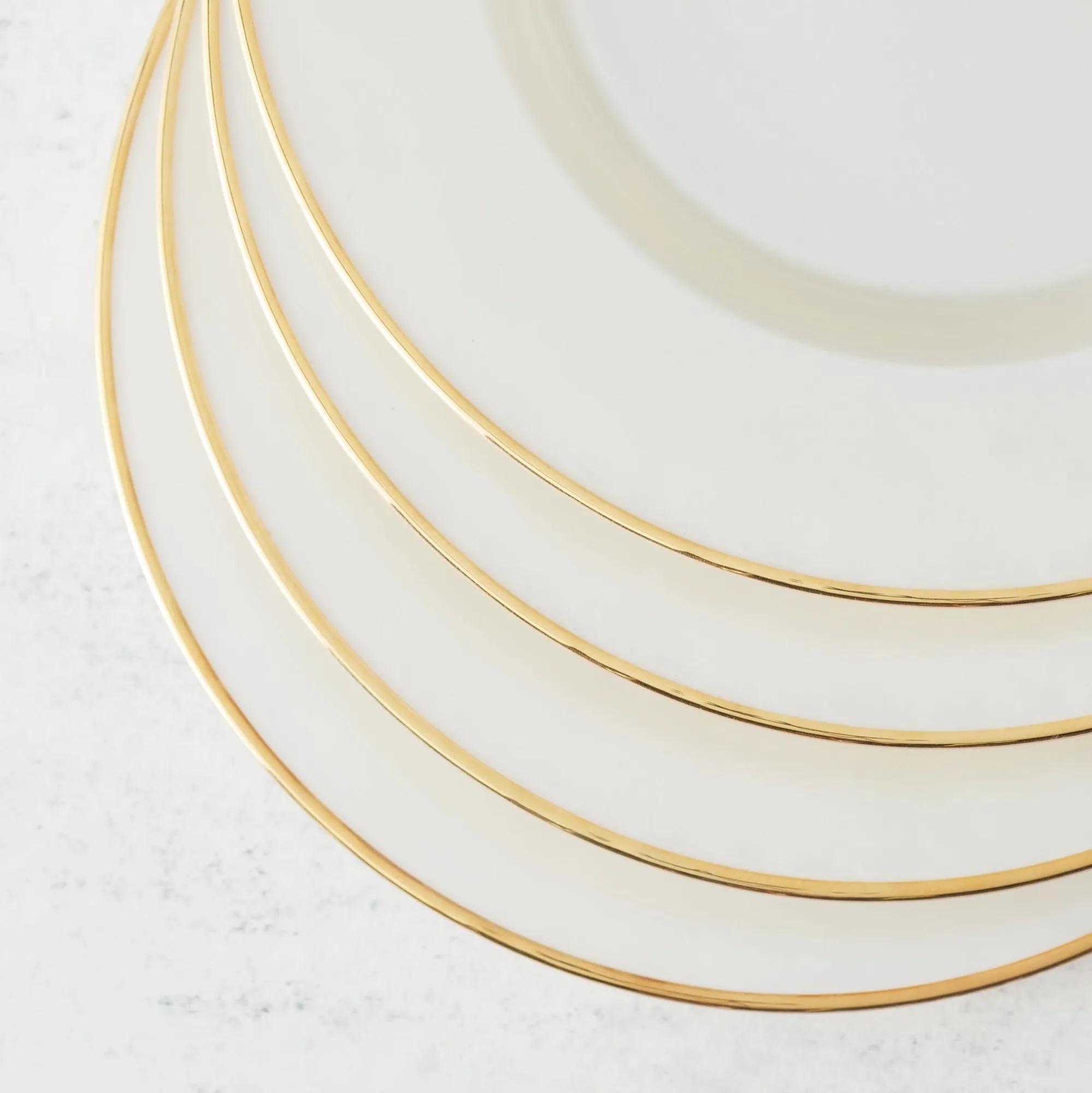 Paramount Dinnerware Sets$59.8
A sophisticated glass dinnerware set featuring a dreamy metallic finish in Alabaster, Champagne, or Gold.
Add To Cart -
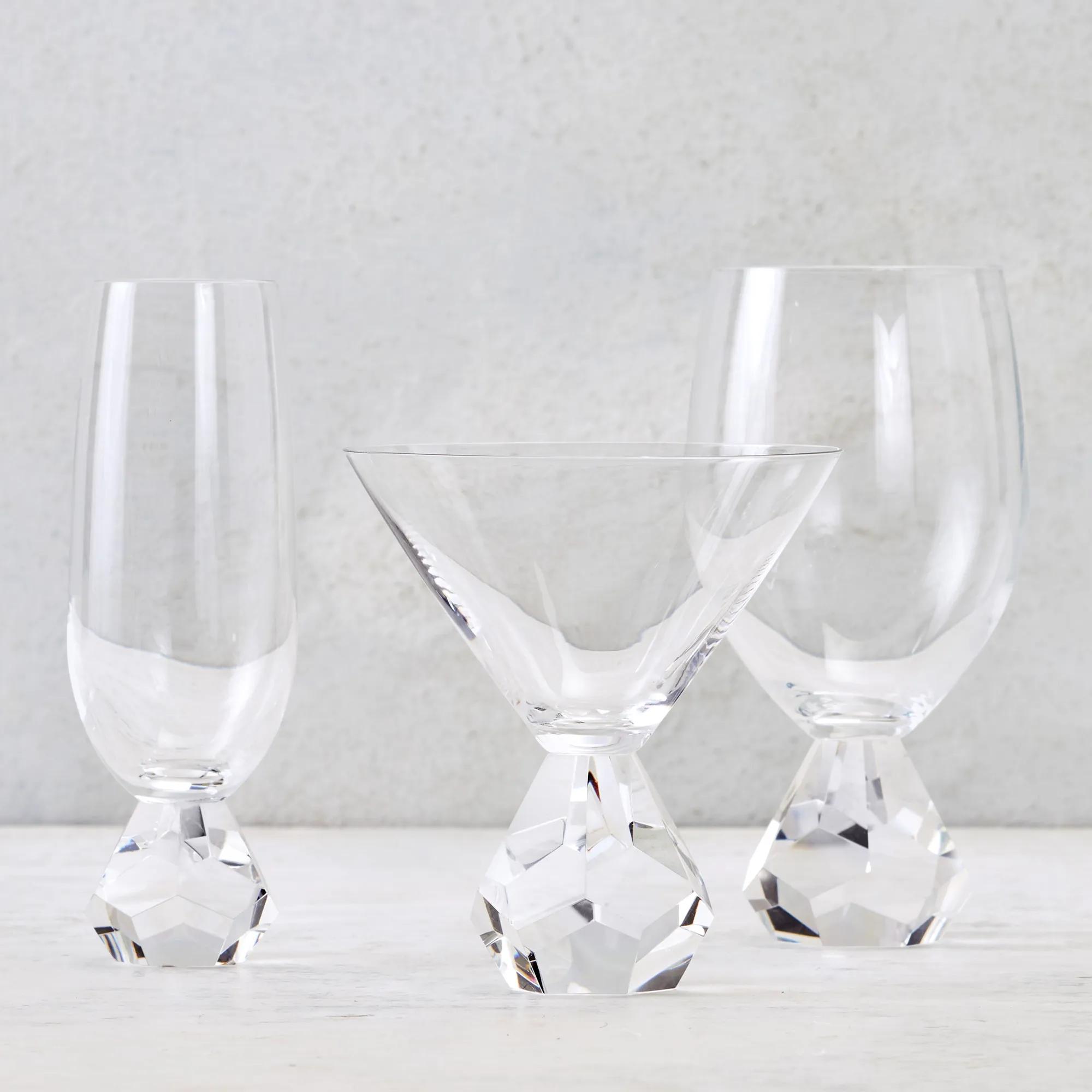 Dioptre Mouthblown Clear Glass Stemware Sets$79
A mouthblown clear glass set featuring a prism base for a sophisticated, light-catching tabletop accent.
Add To Cart -
 Sophie Charcoal With Confetti Pearls Toasting Flute Gift Set$109
A charcoal glass toasting flute set of six featuring light-catching pearl accents and polished gift-boxed presentation.
Add To Cart -
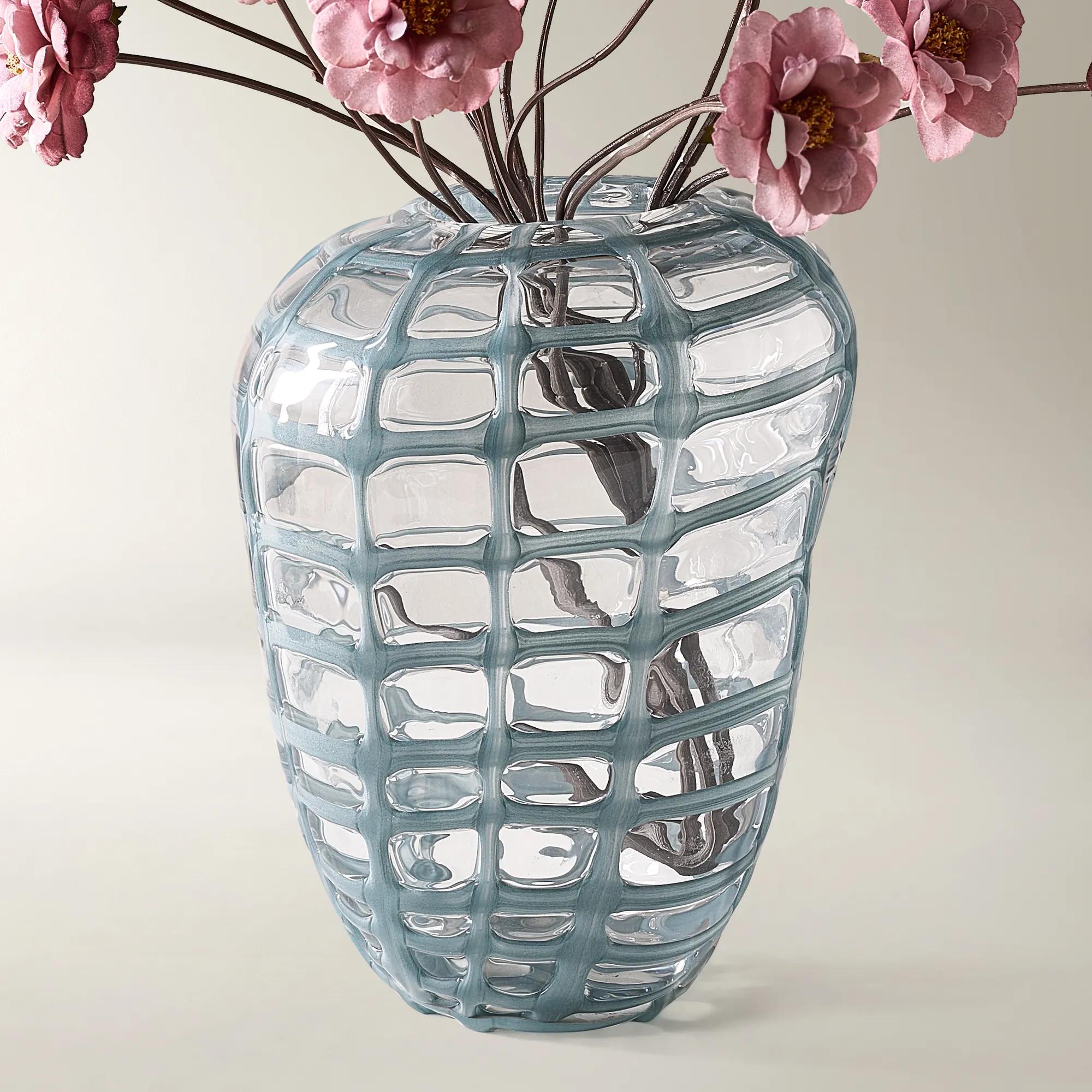 Contra Mouth Blown Dusty Blue Grid Glass Vase 10.25"$79
A handblown dusty blue glass vase featuring a graphic grid pattern and softly organic silhouette.
Add To Cart -
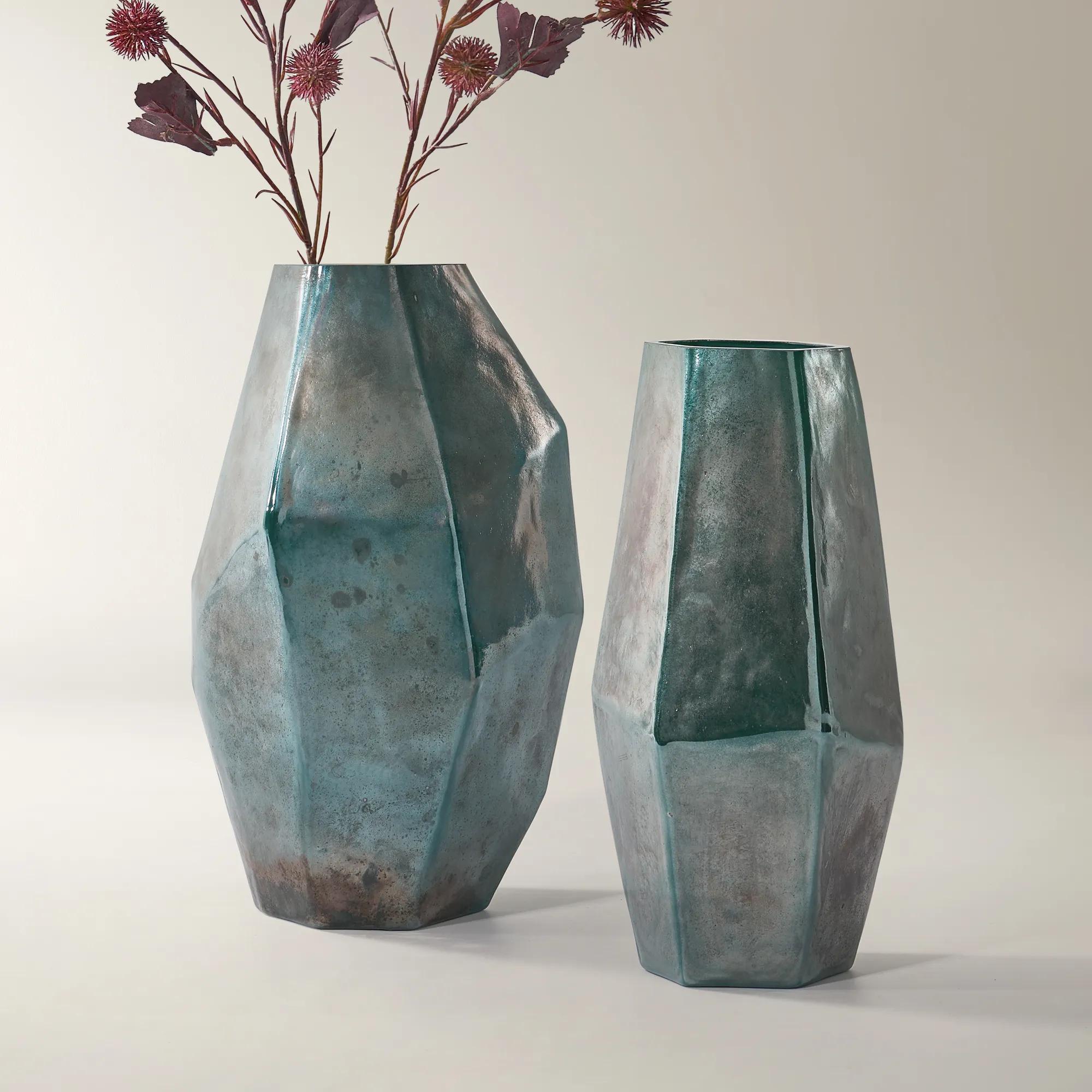
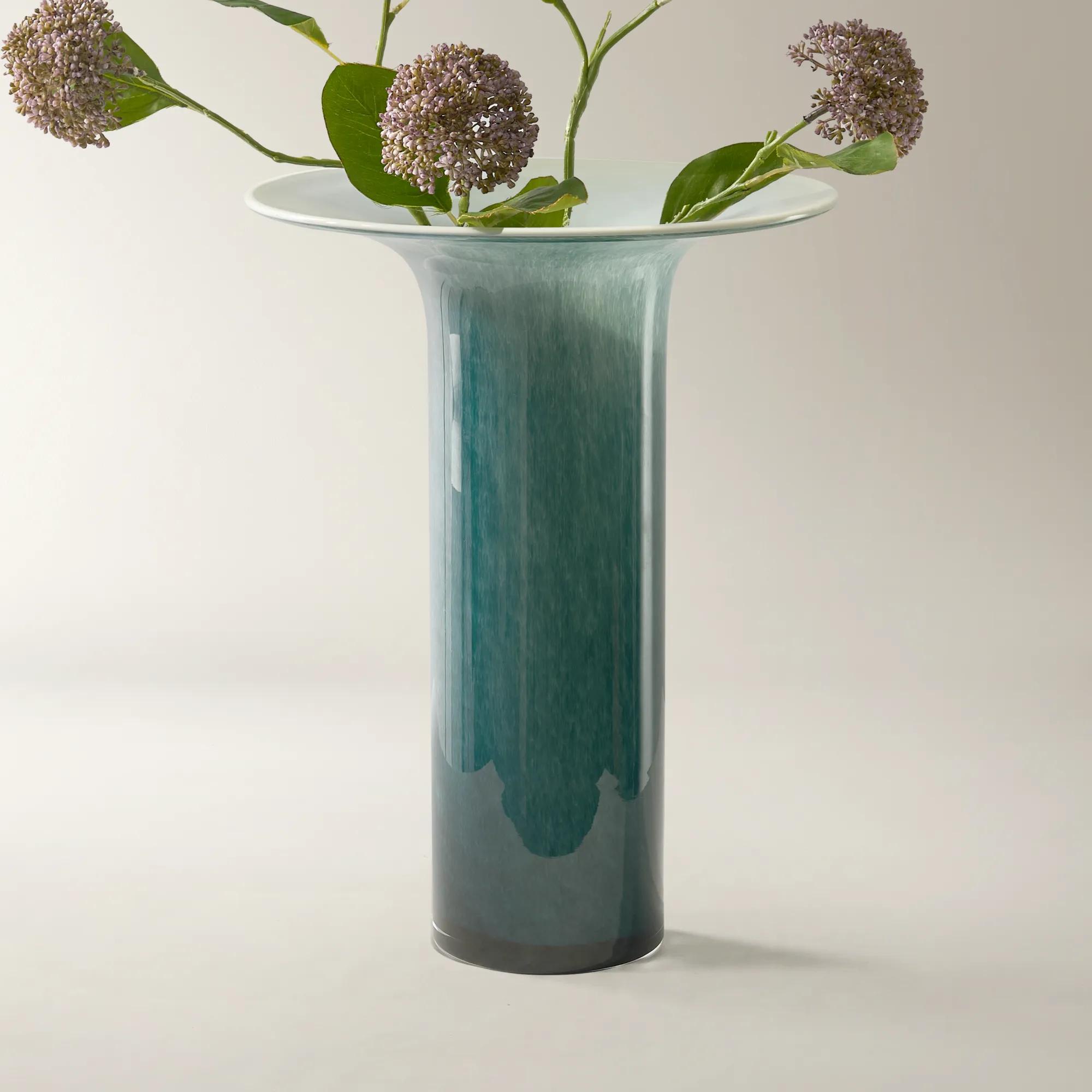 Loft Mouth Blown Deep Teal Glass Vase 15.75"$129
A handblown glass vase in deep teal with a sculptural column silhouette for bold, artful impact.
Add To Cart -
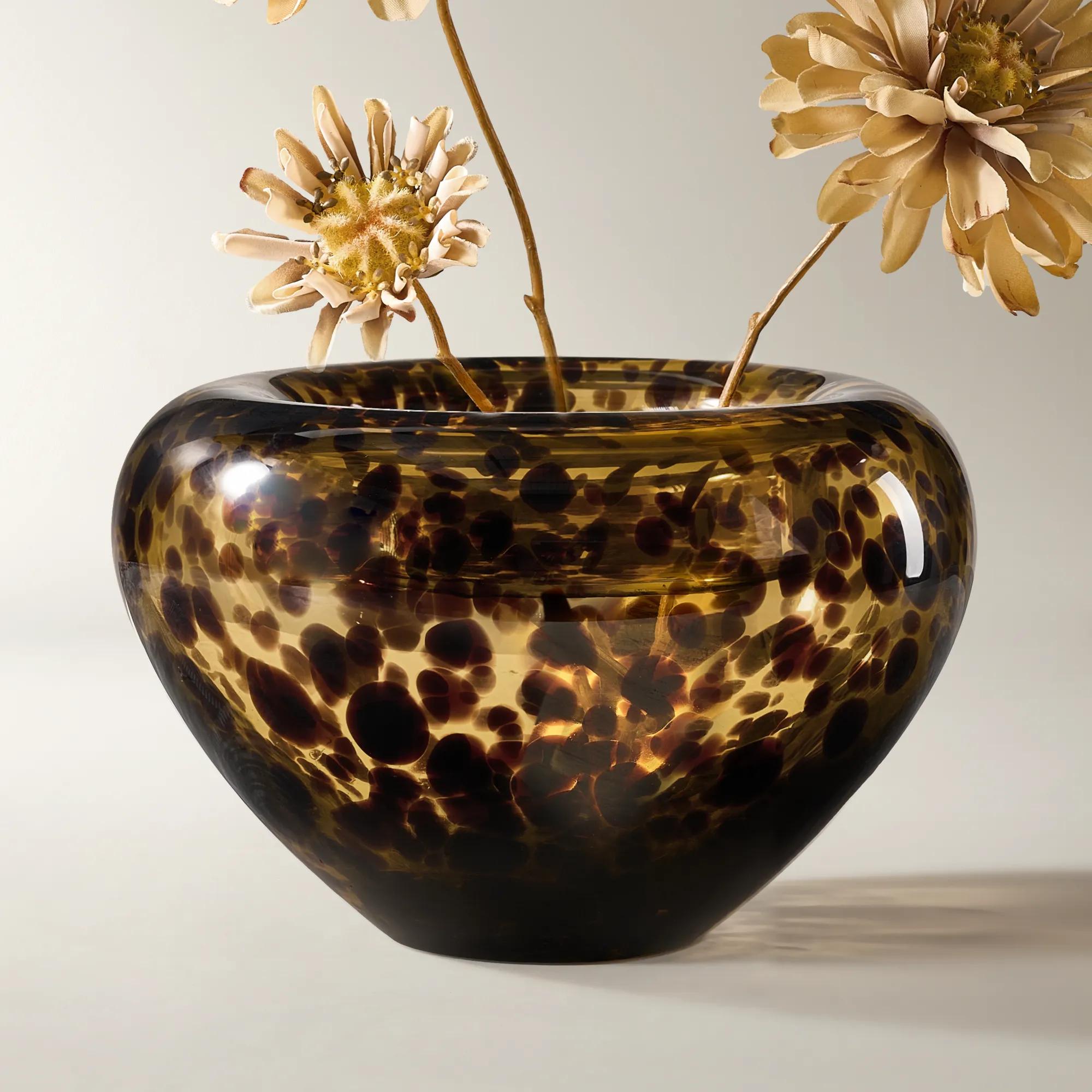 Tortoise Mouth Blown Brown Glass Decorative Bowl 8.25" x 4.25"$69
A handblown glass bowl featuring a warm brown tortoise pattern and a sculptural, rounded silhouette.
Add To Cart -
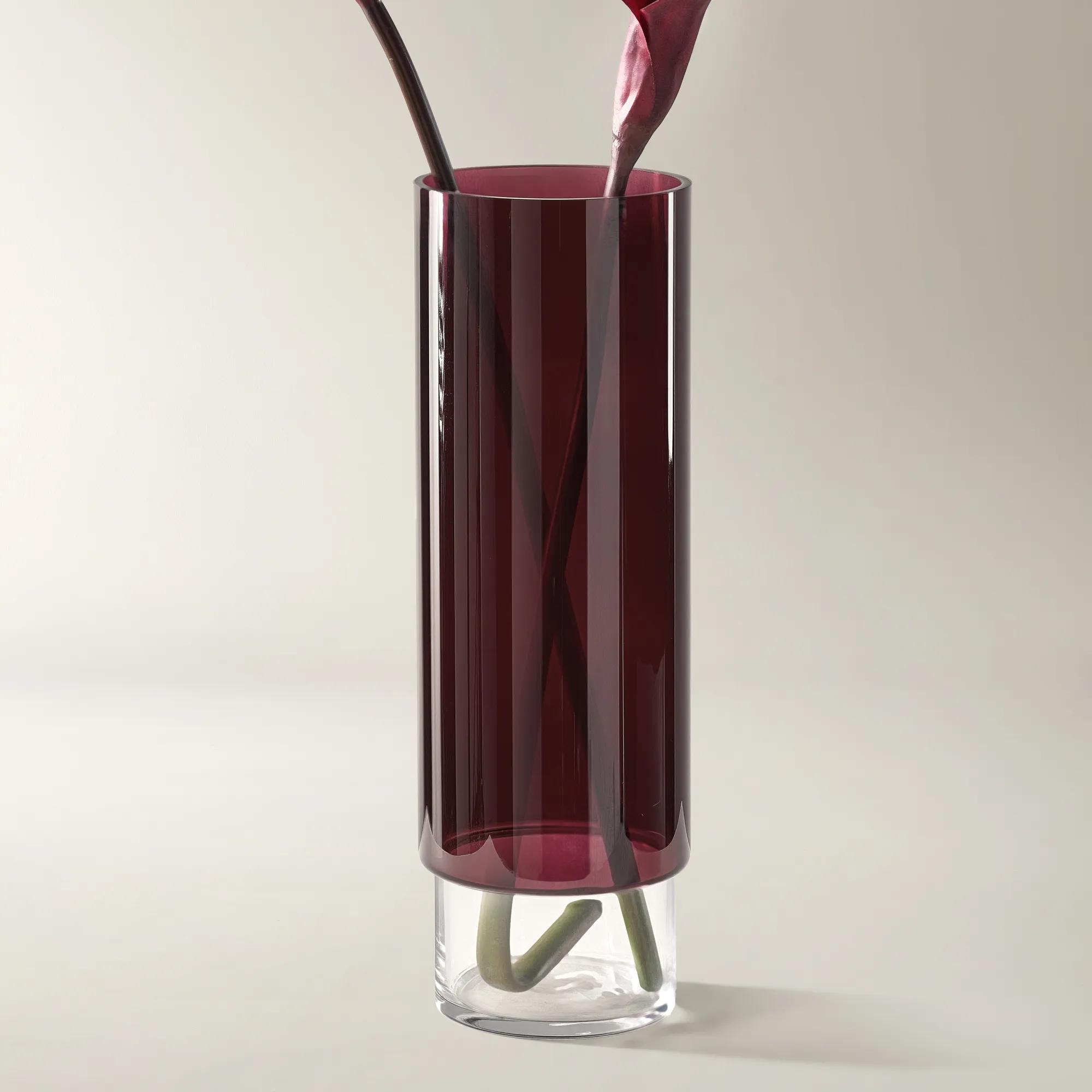 Bennet Mouth Blown Burgundy Glass Vase 19.5"$99
A handblown glass vase in rich burgundy with a sculptural Deco-inspired column silhouette.
Add To Cart -
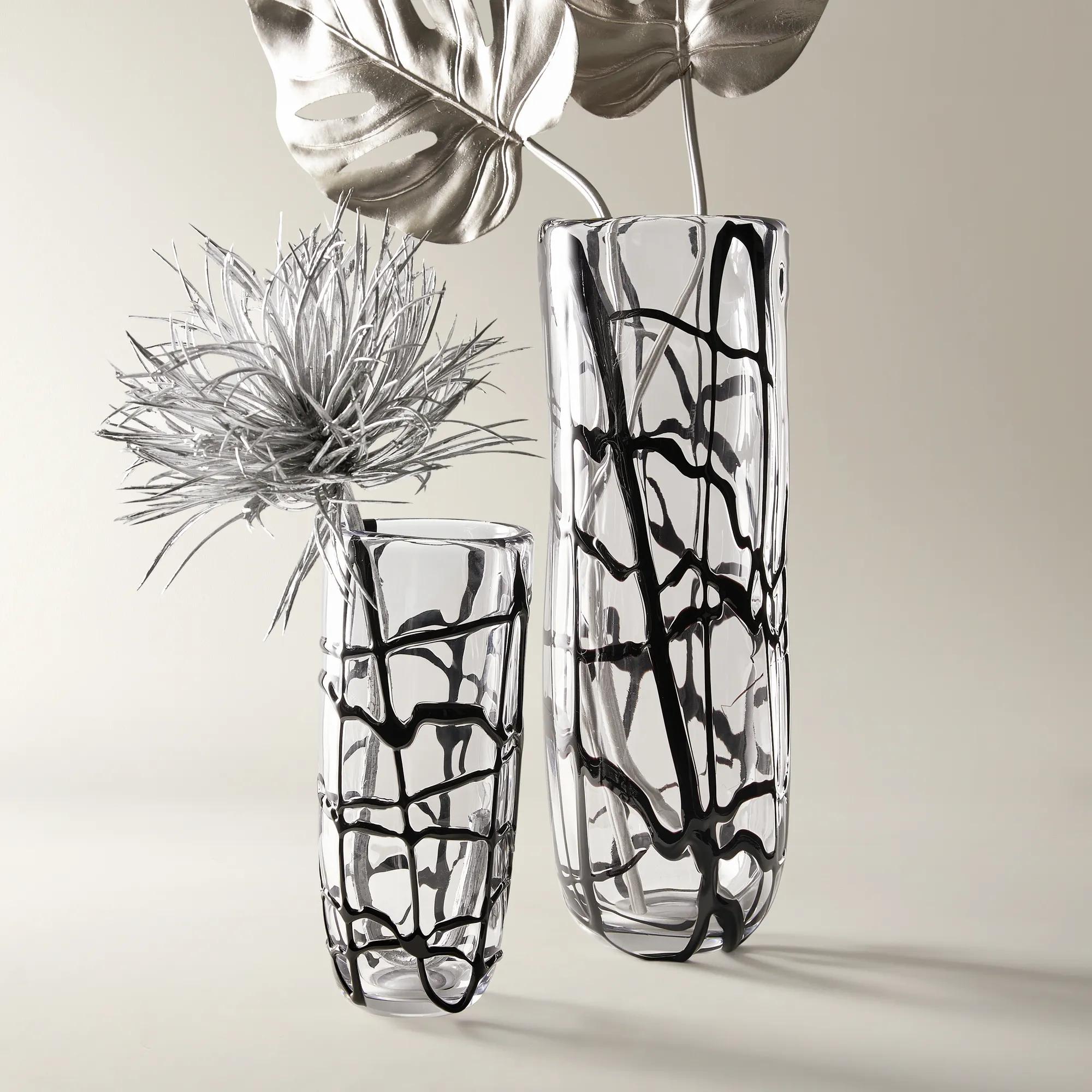
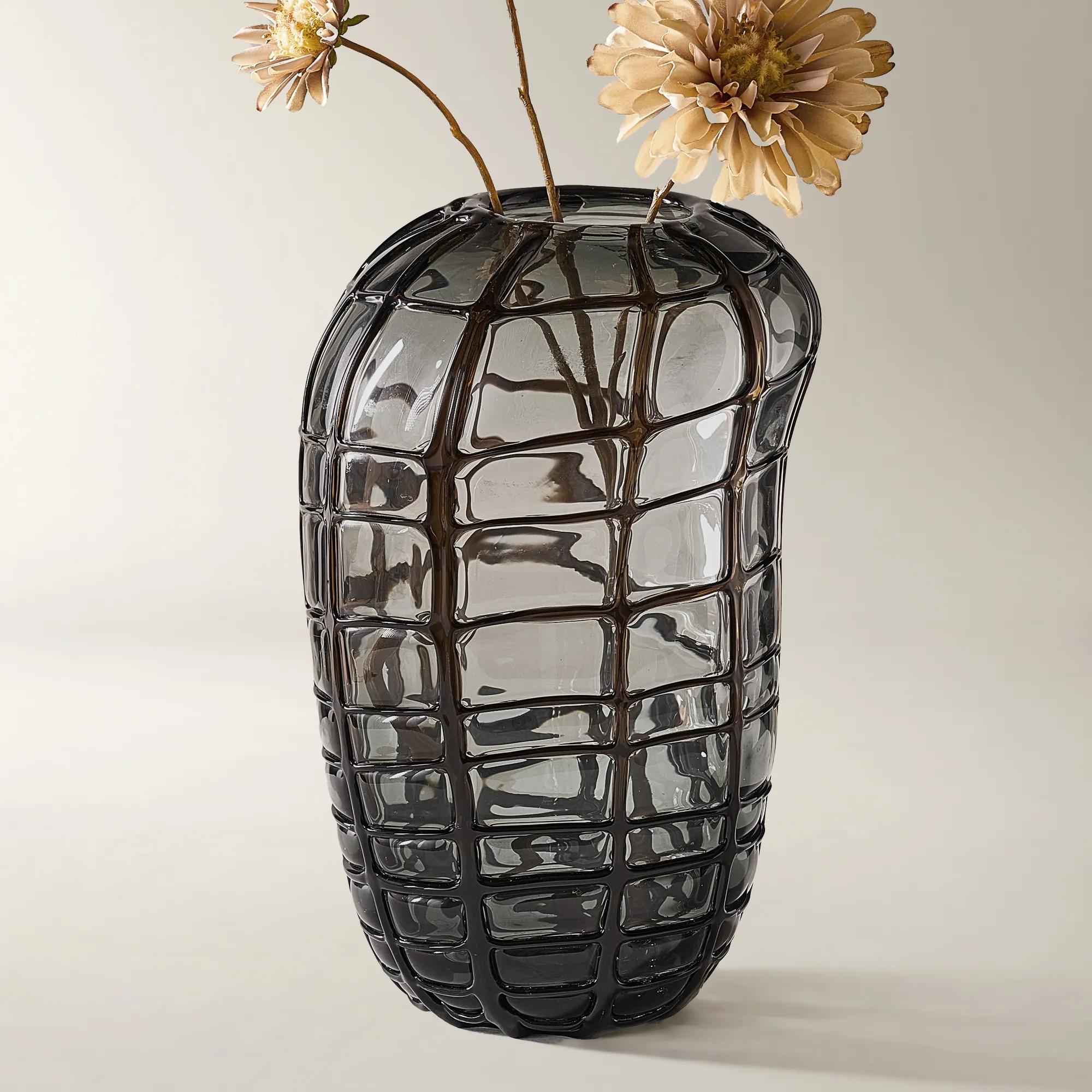 Contra Mouth Blown Black Grid Glass Vase 13"$89
A handblown black glass vase featuring a graphic grid pattern and an organically sculpted silhouette.
Add To Cart -
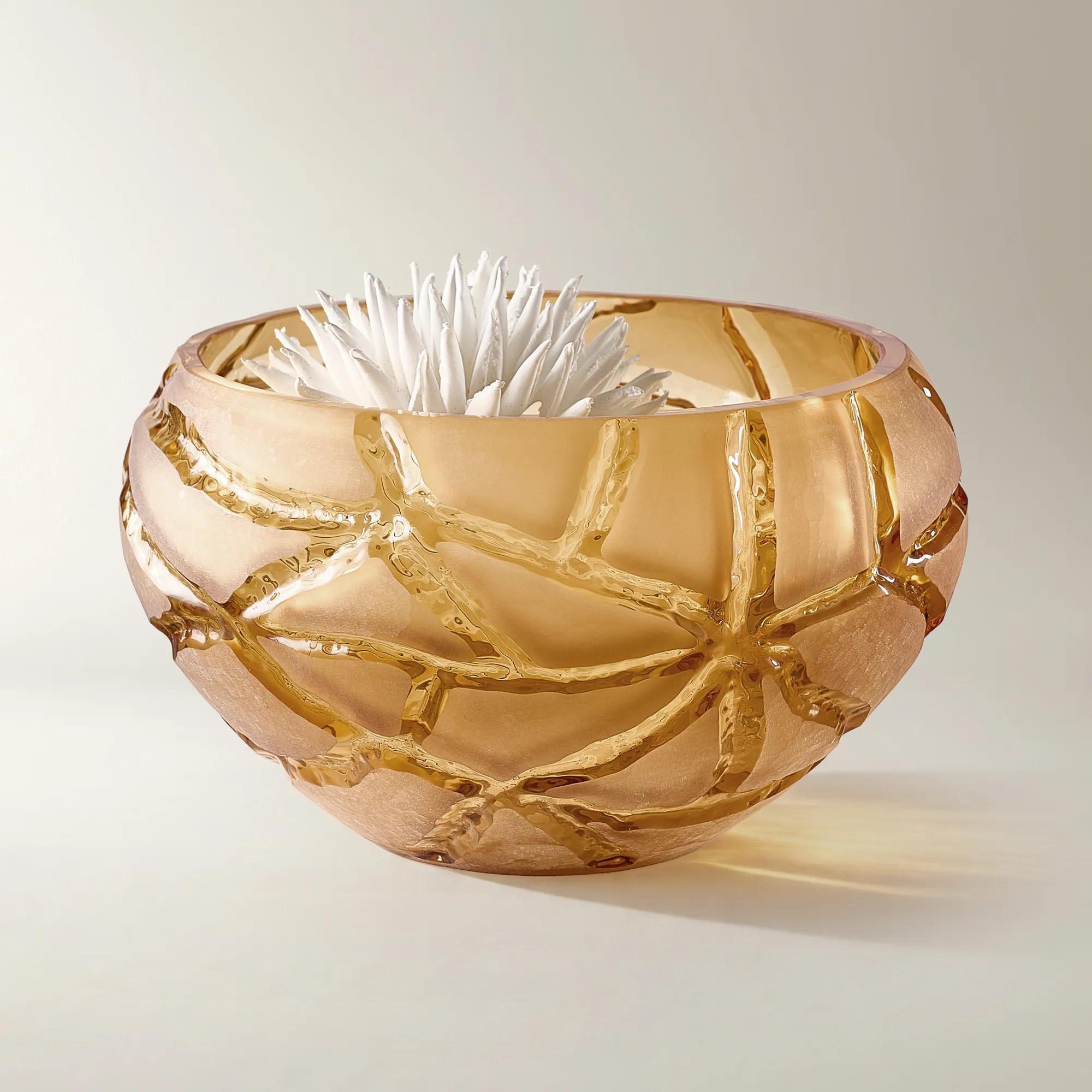 Rowen Mouth Blown Honey Gold Glass Decorative Bowl 11" x 6.25"$129
A handblown glass bowl in honey gold with a textured surface for a luminous, sculptural accent.
Add To Cart -
 Speckled Mouth Blown Brown And White Glass Vase 14.75"$129
A handblown glass vase featuring a brown and white speckled pattern for modern, artful appeal.
Add To Cart -
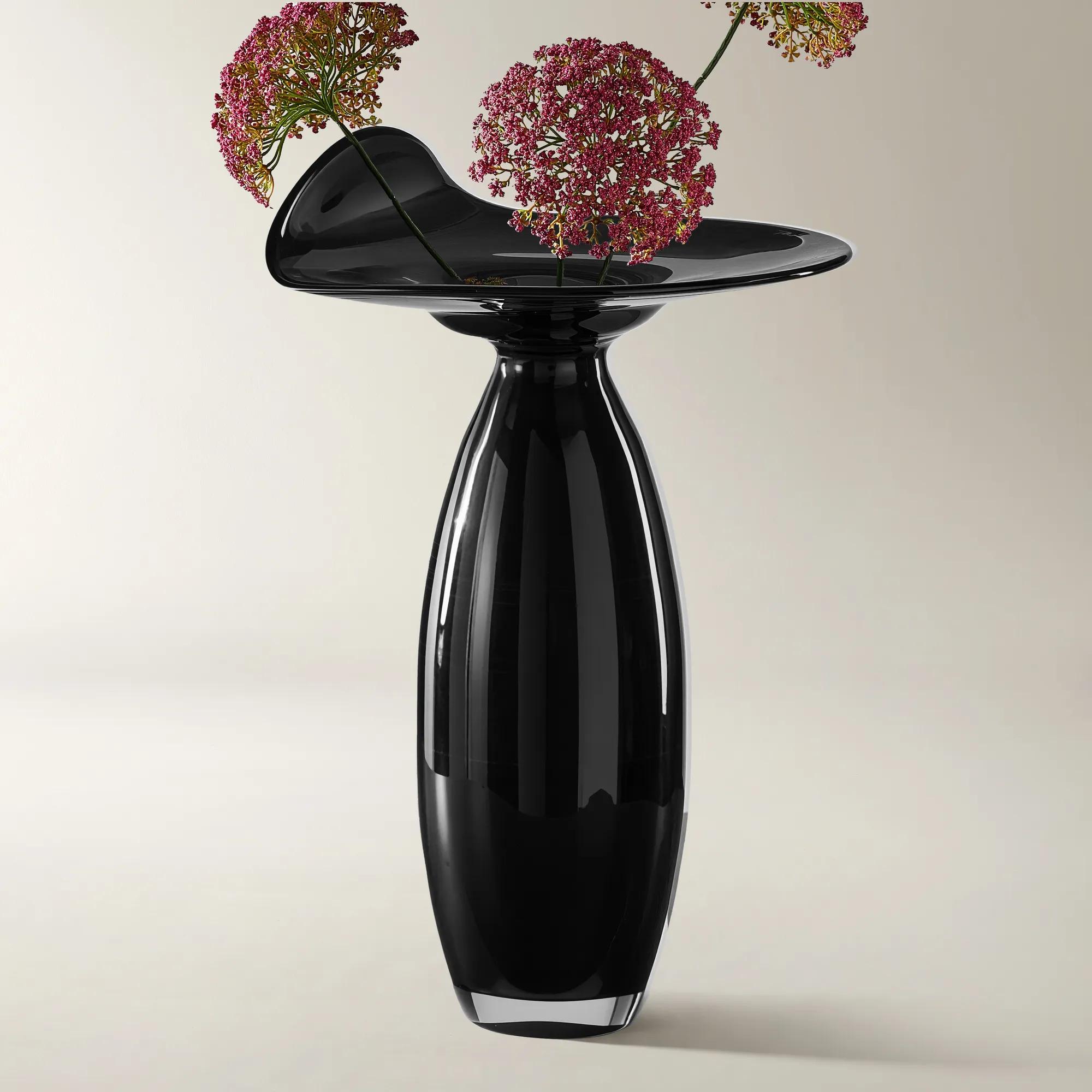 Folia Mouth Blown Glossy Black Glass Vase 22"$199
A handblown glass vase with a glossy black finish and organic sculptural silhouette for modern decor.
Add To Cart -
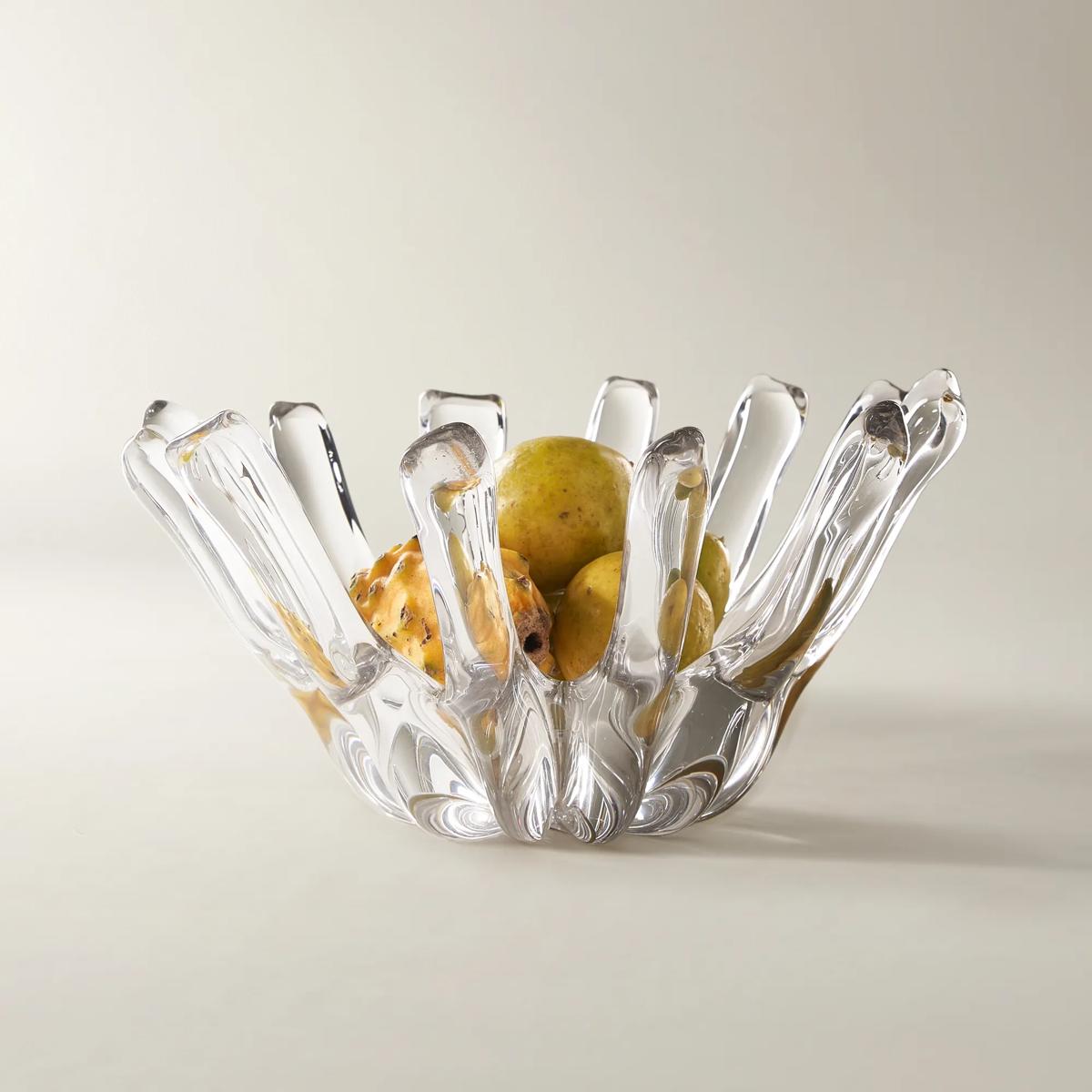
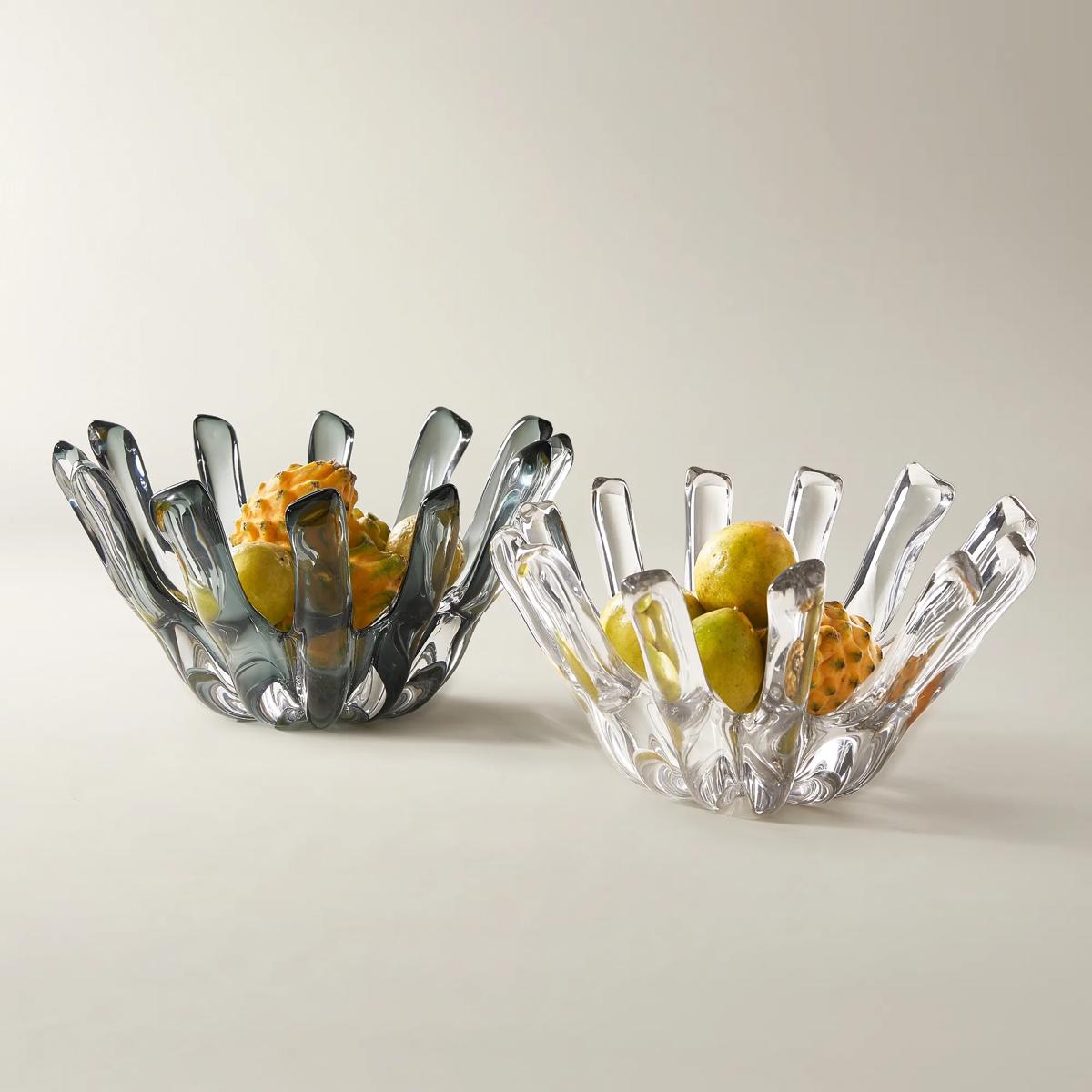 Bossa Clear Handblown Glass Decorative Bowl 13" x 7"$129
A hand-blown clear glass bowl featuring an expressive, sculptural form for modern decorative displays.
Add To Cart -
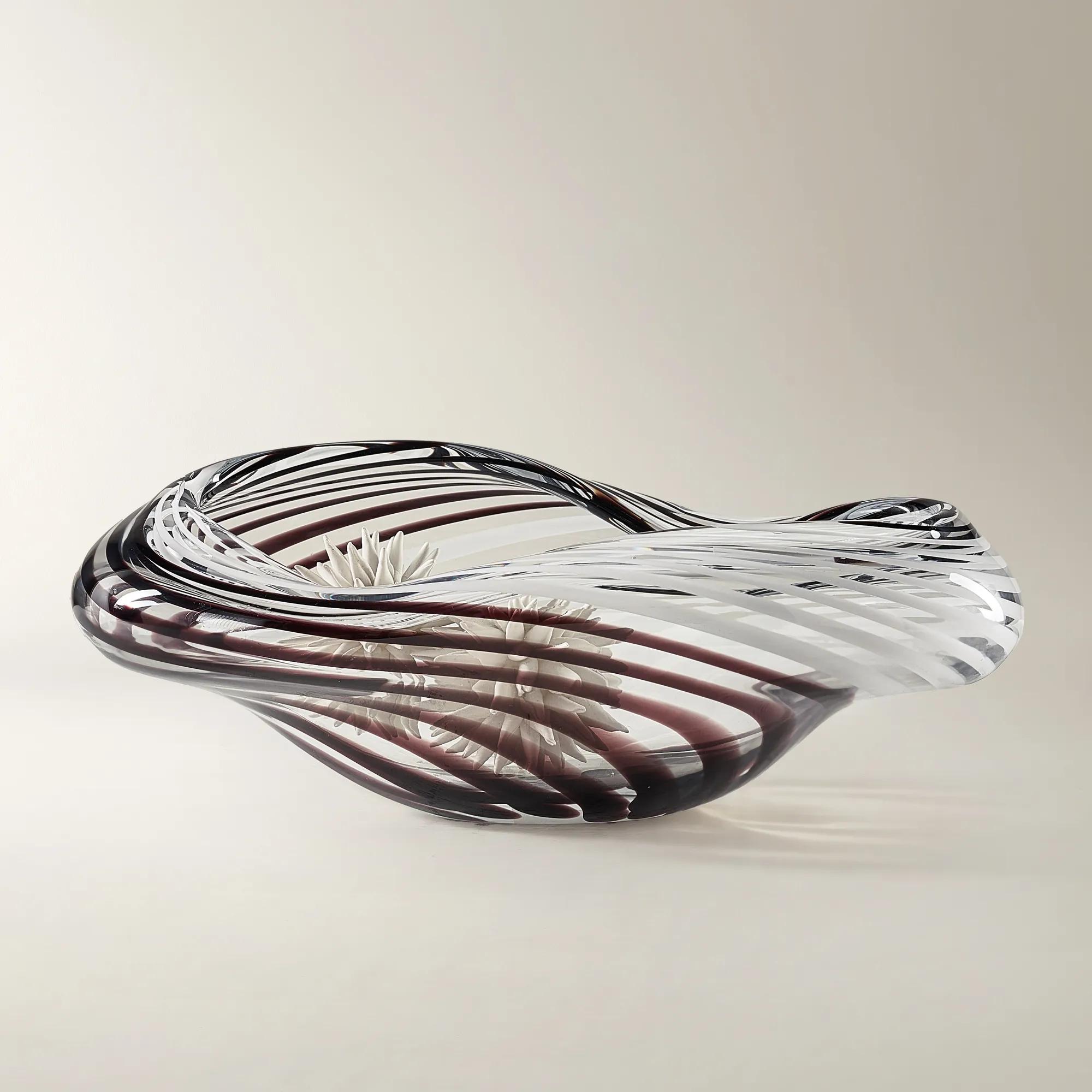 Optic Mouth Blown Black/White Glass Decorative Bowl 17.25" x 5.5"$99
A handblown glass bowl featuring charcoal stripes and a sculptural, Deco-inspired silhouette for decorative display.
Add To Cart -

 Josie Soft Gold Shot Glass Gift Set$89
A soft gold glass and alloy shot glass set featuring sculptural wavy loop details and elegant gift-boxed presentation.
Add To Cart -
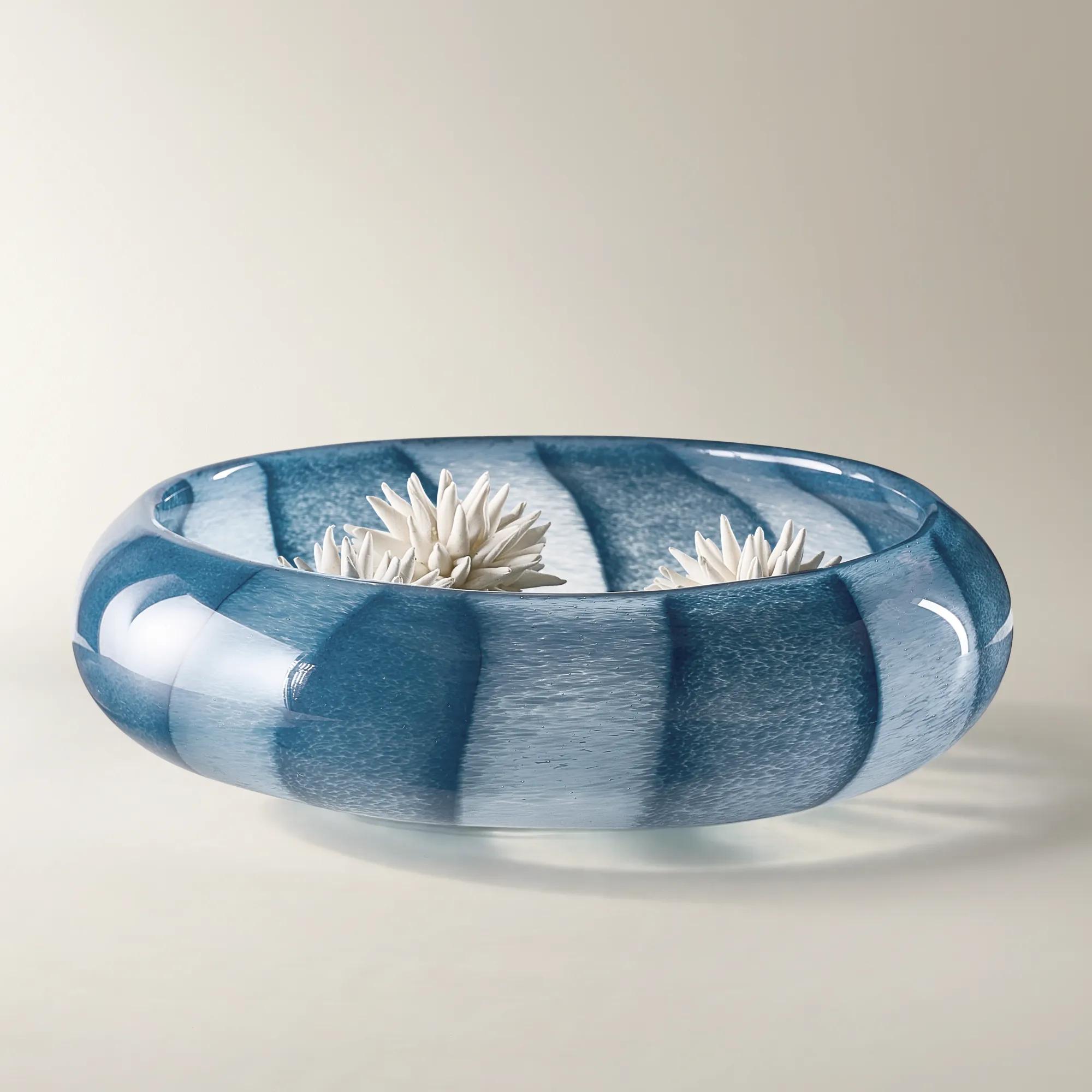 Jonah Mouth Blown Dusty Blue Glass Decorative Bowl 11.75" x 3.5"$89
A handblown glass bowl featuring dusty blue stripes and a sculptural, low rounded silhouette for decor.
Add To Cart -
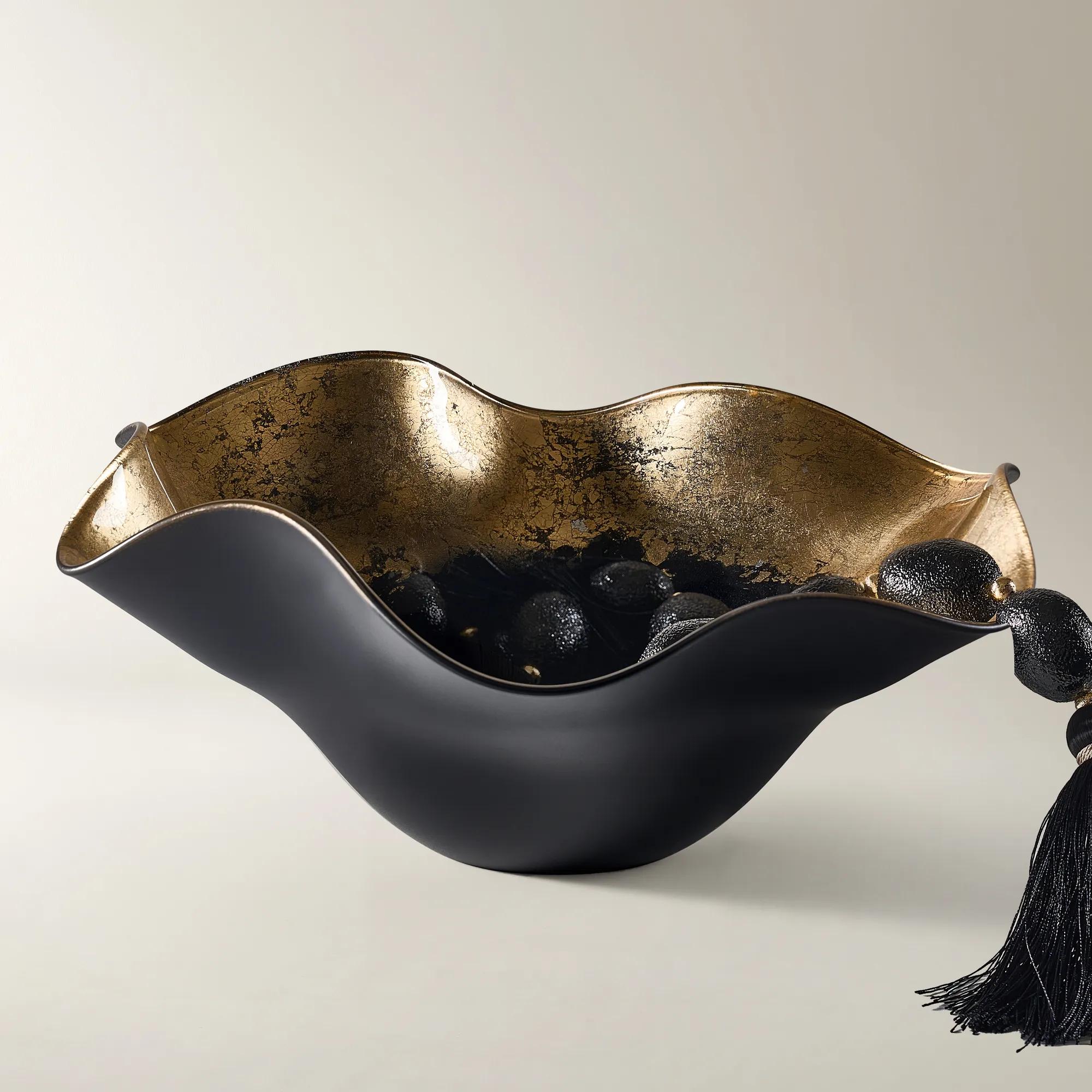
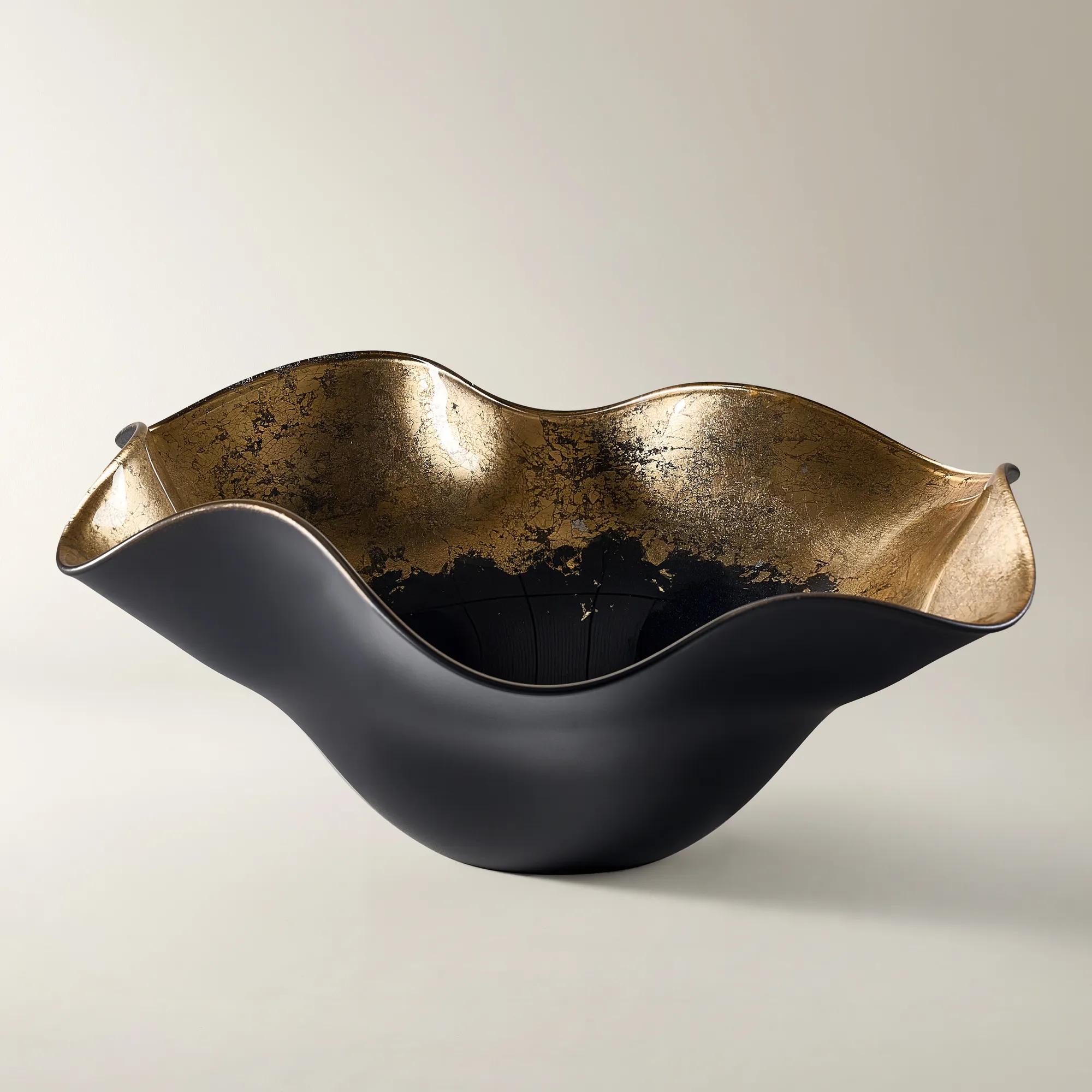 Goldie Mouth Blown Gold Black Glass Decorative Bowl 15.5" x 8.75"$199
A handblown glass bowl in soft gold and black with an organic, sculptural silhouette for modern decor.
Add To Cart -
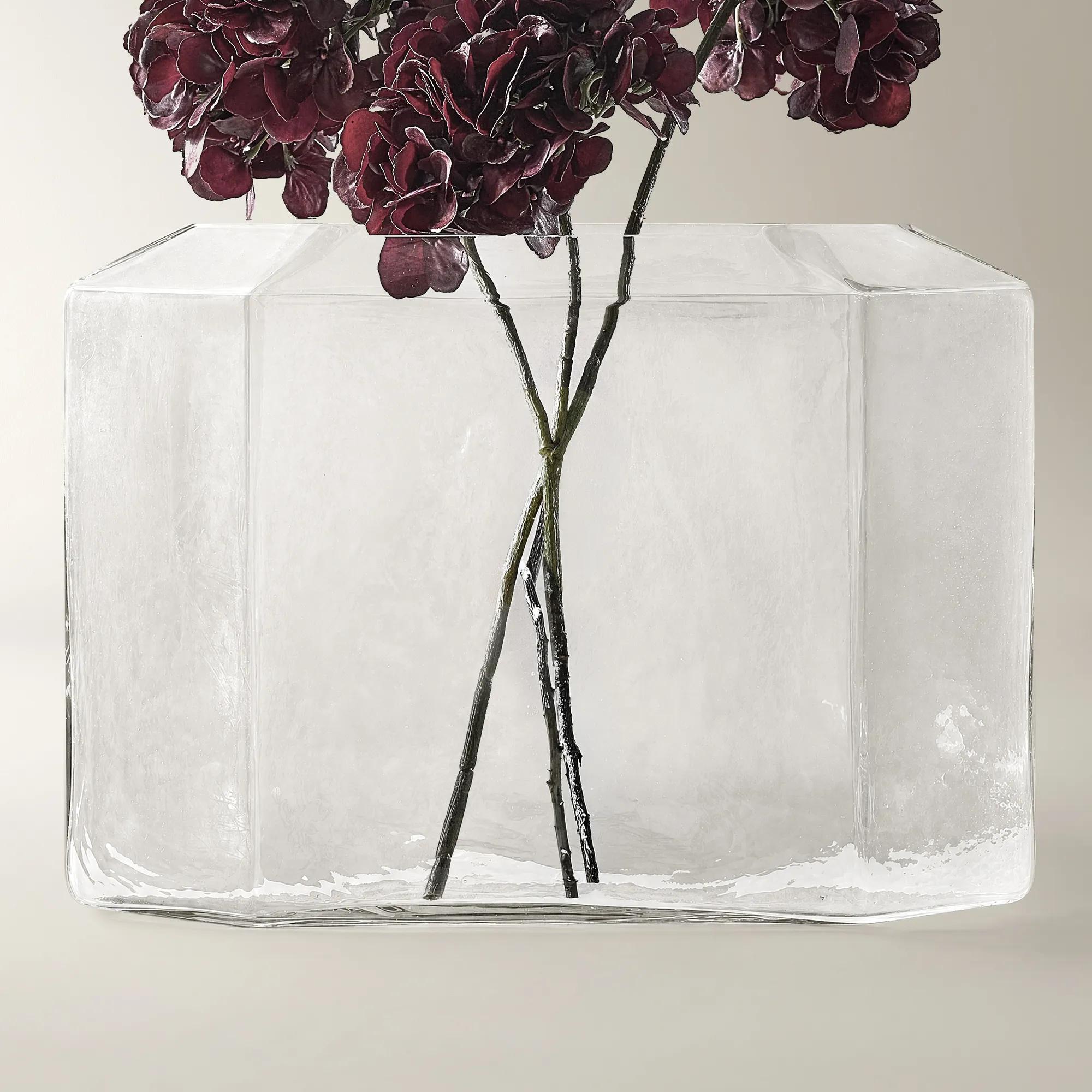 Studio Mouth Blown Clear Glass Vase 13.75"$199
A handblown clear glass vase with faceted detailing that beautifully reflects light for modern elegance.
Add To Cart -
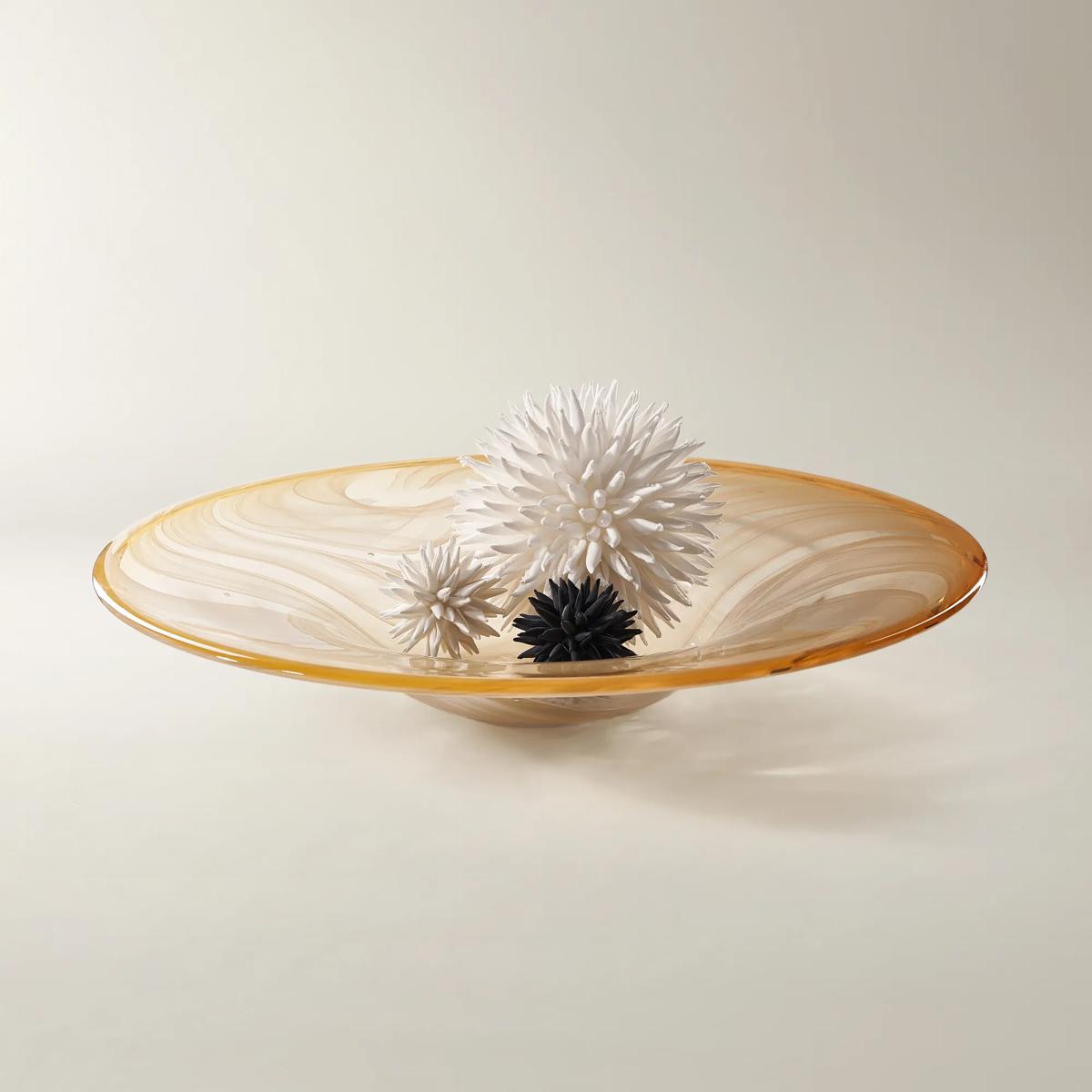
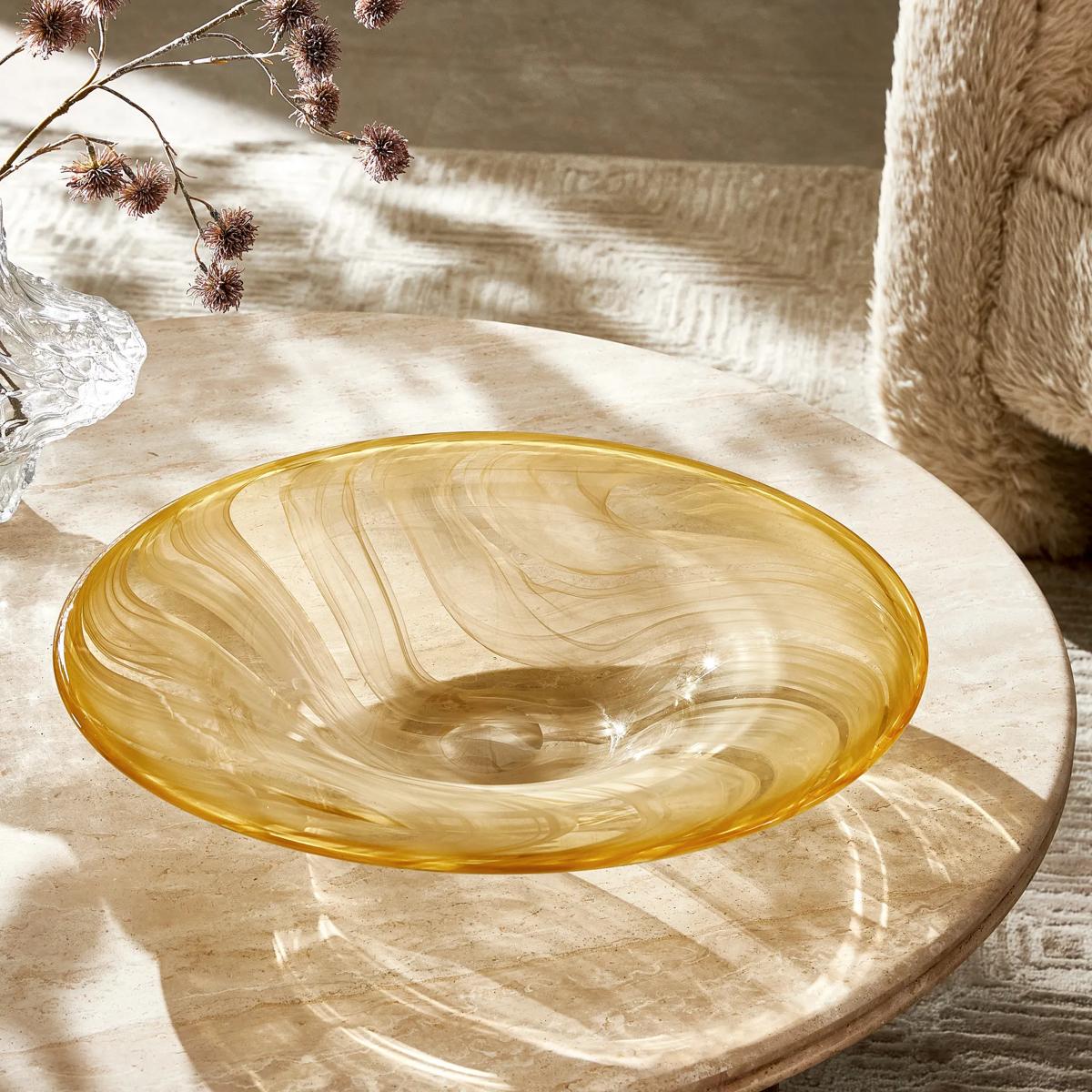 Paradis Glass Plate$239
A hand-blown amber glass plate featuring a swirling, organic design for a radiant decorative accent.
Add To Cart -
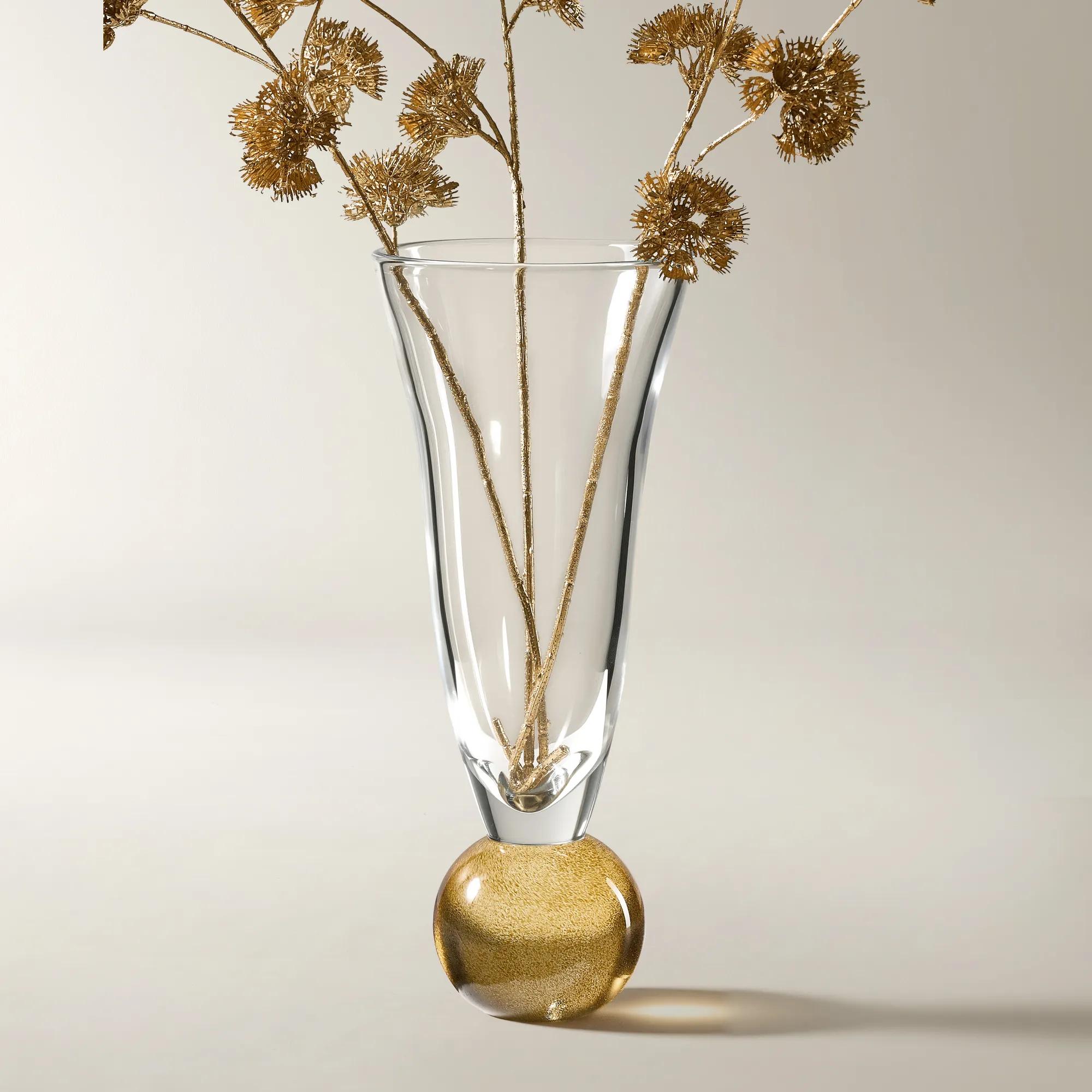 Palazzo Mouth Blown Honey Gold Clear Glass Vase 17.25"$119
A handblown glass vase in luminous honey gold with a sculptural, bauble-inspired silhouette.
Add To Cart -
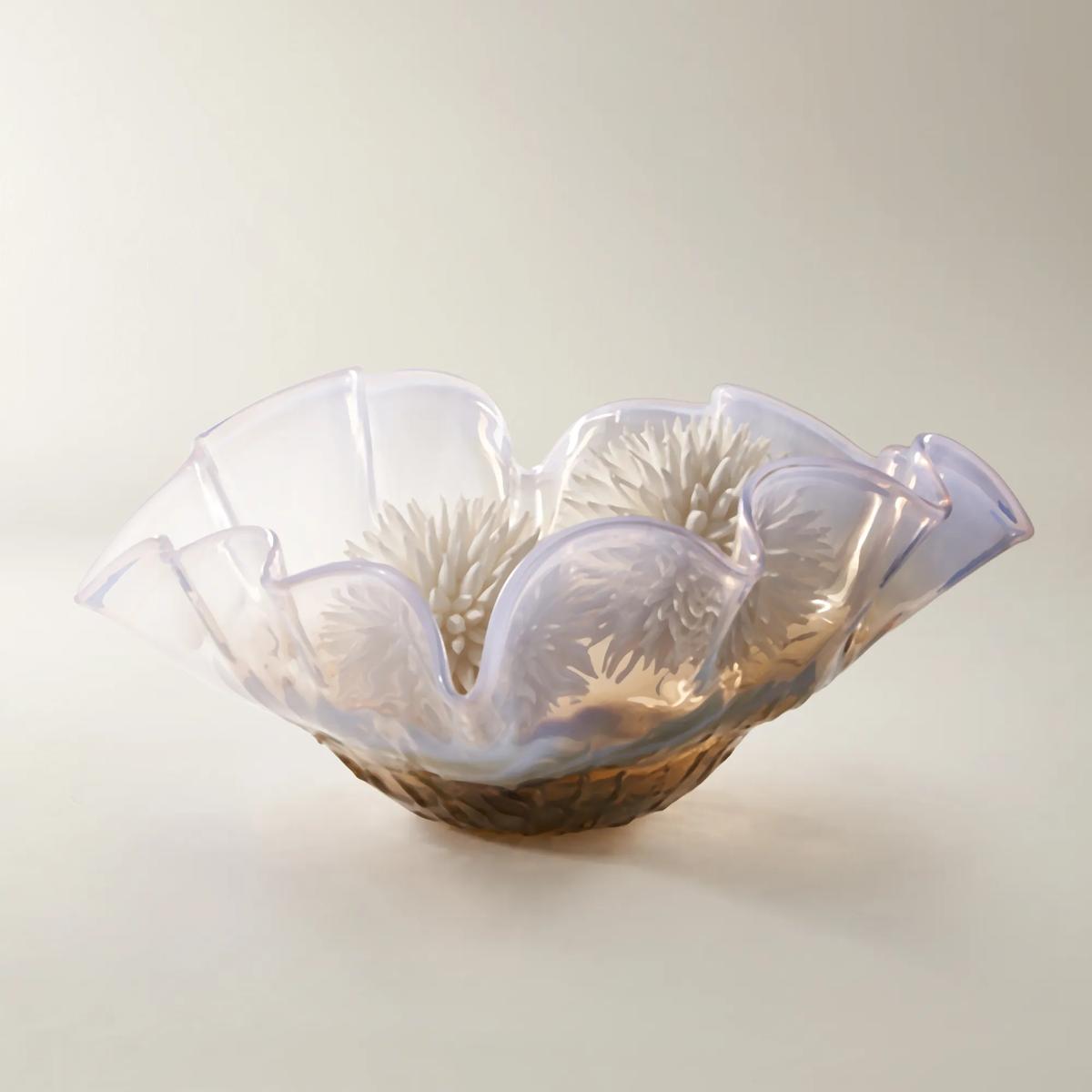
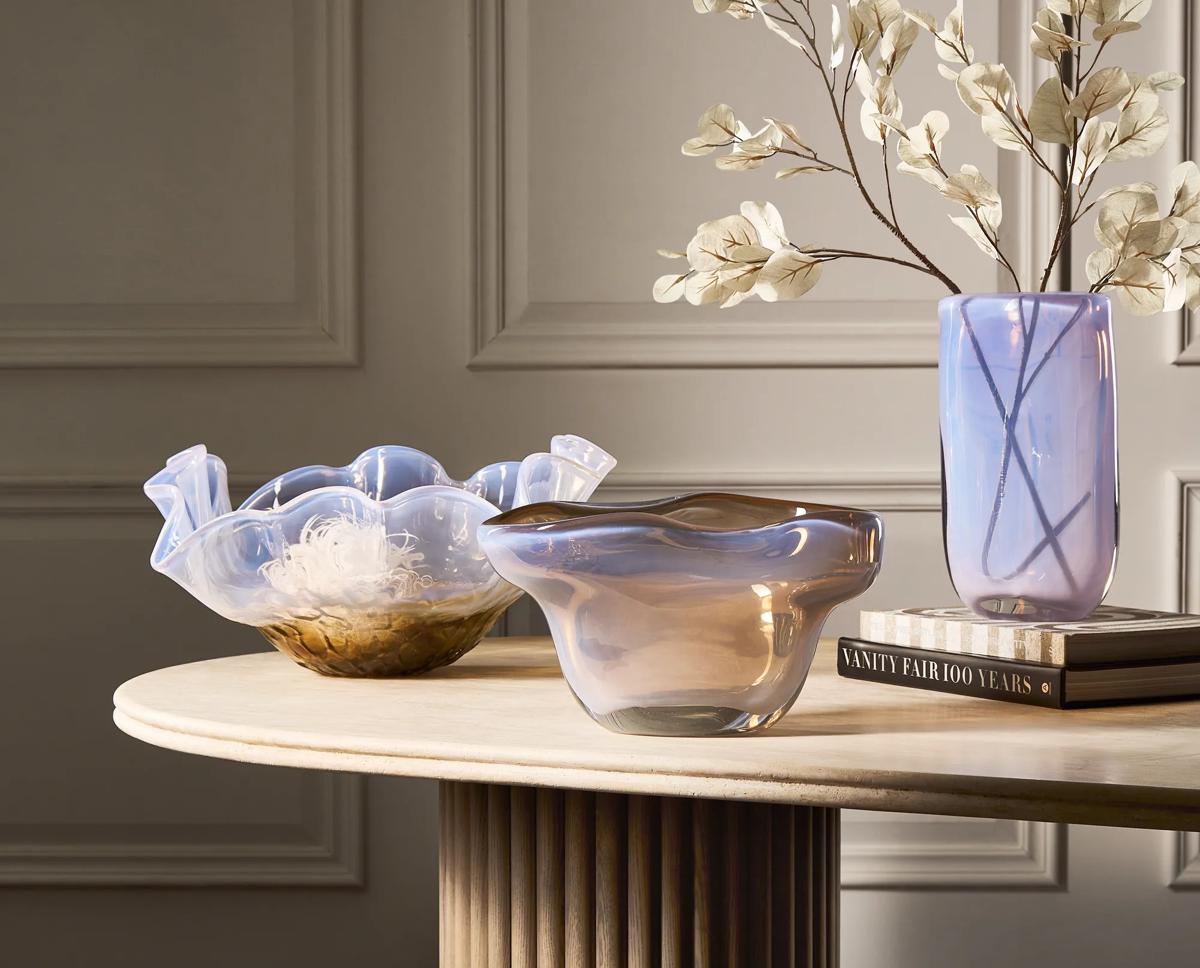 Glacier Glass Bowl$269
A hand-blown glass bowl featuring scalloped edges and swirling lavender and amber hues for artistic elegance.
Add To Cart -
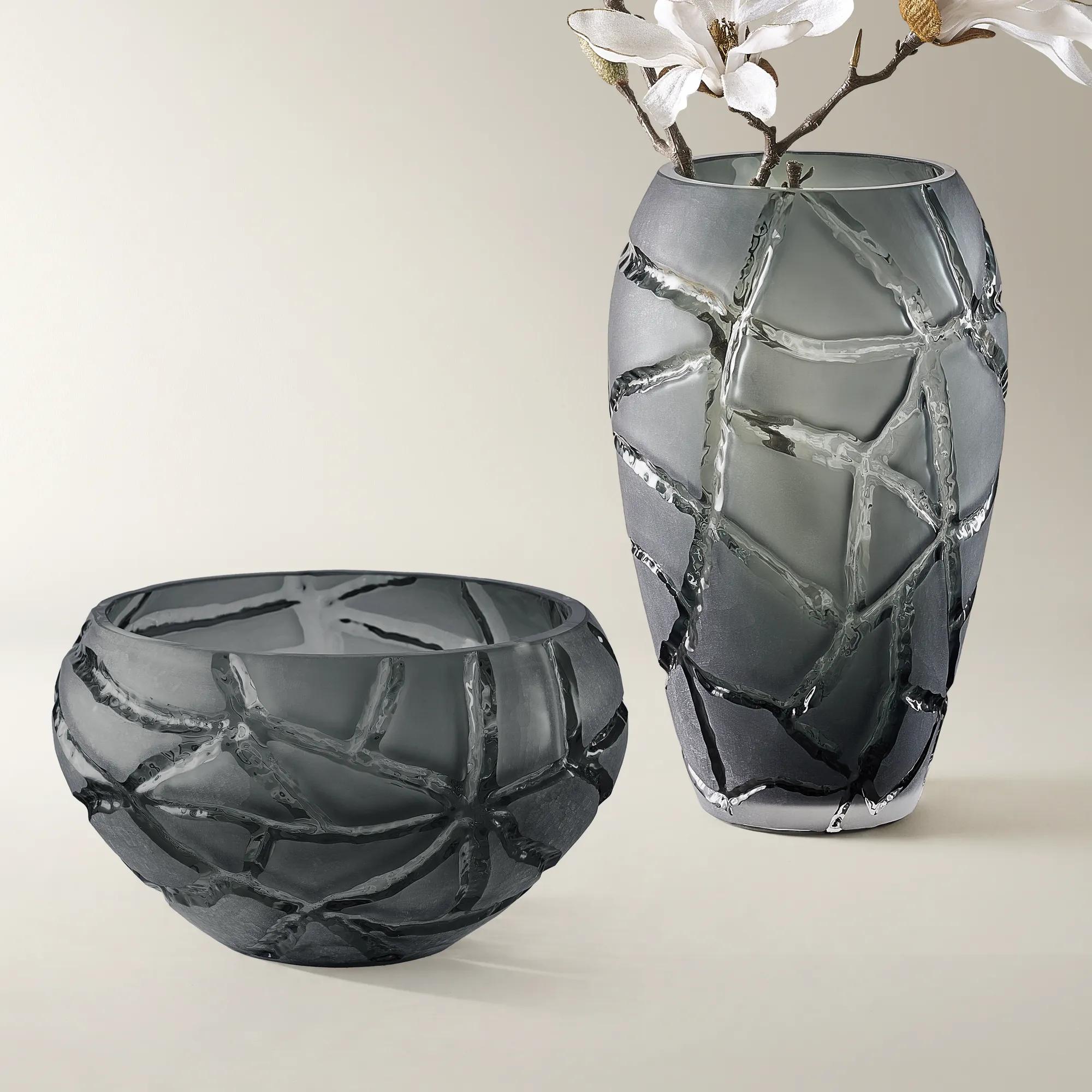 Rowen Mouth Blown Charcoal Glass Vase & Bowl$149
A handblown charcoal glass vase featuring a textured surface for moody sophistication and sculptural appeal.
Add To Cart

Polished Dining Room Glassware
Polished dining room glassware transforms every meal into an occasion, infusing your table with a sense of grandeur and luminous allure. Each piece is designed to catch the light and captivate the eye—elevating gatherings from everyday to extraordinary. Whether you’re hosting an opulent soirée or savoring a quiet evening in, these gleaming vessels invite guests to linger, toast, and indulge in the artistry of entertaining. Let your dining room shimmer with the sophistication and expressive style that only polished glassware can provide—a true reflection of your taste for the remarkable.
Polished dining room glassware pairs luminous surfaces with refined silhouettes, giving water, wine, and cocktails an elegant presence at the table. Its appeal lies in clarity, proportion, and the way glass captures surrounding light: a slender stem beneath a generous bowl, a substantial tumbler with a gleaming base, or a faceted goblet that scatters reflections across a linen tablecloth. These details lend depth to a place setting without competing with the meal itself. Clear glass creates a particularly versatile foundation, allowing the color of a beverage, the pattern of a dinner plate, and the texture of a placemat to remain visible. Subtly tinted glass introduces another layer of expression, while etched or cut surfaces bring intricate detail to an otherwise restrained arrangement. Against dark dinnerware, brilliant glass creates a striking contrast; beside ivory porcelain, it adds dimension through light rather than color. Materials shape both this visual effect and the experience of holding each vessel. Traditional soda-lime glass is widely used for drinkware and can provide appealing clarity with a reassuring weight. Lead-free crystal uses alternative mineral ingredients to achieve its characteristic brilliance and may allow for elegantly thin walls, depending on the formulation and construction. Neither the word “crystal” nor a delicate appearance alone establishes durability; wall thickness, rim design, manufacturing quality, and care requirements all matter. Handcrafted glass may show subtle variations that give each piece an individual character, while machine-made glass often offers consistent proportions across a coordinated table. A smooth rim makes sipping comfortable, a balanced base helps the glass sit securely, and a well-proportioned bowl feels graceful rather than cumbersome. The polished effect is not limited to one decorative style, either. Clean contours complement sculptural dining furniture, while more elaborate surfaces echo the richness of upholstered chairs and ornate accents. Together, material and form turn glassware into an expressive part of the dining room, equally at home beside a simple supper or a carefully composed celebration.
The most compelling dining table glassware balances a dramatic impression with proportions that suit the room and the way it is used. Tall stems can create an elegant rhythm along a spacious table, but they need enough room between place settings to avoid crowding plates, serving dishes, and centerpieces. More compact glasses offer a composed alternative on a smaller table, where every inch contributes to the arrangement. A comfortable grip matters as much as height: a broad tumbler may feel substantial and sculptural, while a narrower silhouette can be easier to hold during a leisurely meal. Capacity deserves similar attention, since a glass’s full volume is not necessarily its intended serving size. A wine bowl generally needs open space above the pour for swirling and aroma, whereas a water glass should hold a useful amount without feeling unwieldy when filled. Larger, rounded wine bowls give wine room to move; narrower shapes present a more streamlined profile. Slender flutes emphasize the rising bubbles of sparkling wine, while stemless shapes bring a grounded elegance to a less formal setting. For cocktails, the vessel should accommodate the intended pour, ice, and garnish without feeling crowded or top-heavy. These distinctions help create a table that looks deliberate and feels comfortable throughout the meal. Matching every glass is not essential to achieving that effect. A shared detail—a curved bowl, a geometric base, or a consistent tint—can unite different shapes while preserving their individual roles. Faceted water glasses beside smooth wine stems, for example, introduce contrast without making the setting feel fragmented. For another entertaining-focused expression of this luminous aesthetic, explore Modern Glassware For Dinner Parties. Beyond the tabletop, glassware should suit the surrounding storage: cabinet shelves need clearance for taller stems, and a sideboard should allow glasses to stand securely without rims touching. That relationship between display, storage, and service helps beautiful glassware become a natural part of dining rather than something reserved solely for special occasions.
Lasting brilliance depends on care that respects the glass, particularly at the rim, stem, and any decorative detailing. Cleaning instructions vary by material and finish, so dishwasher suitability should be confirmed rather than assumed from appearance. Some undecorated glasses are designed for machine washing, while delicate stems, applied finishes, and metallic accents may require hand washing. When hand washing is recommended, warm water, a mild detergent, and a soft sponge help remove residue without abrasive contact. Sudden changes in water temperature can stress glass, and crowded sinks make accidental knocks more likely. Supporting the bowl while cleaning or drying a stemmed glass reduces strain on the slender connection beneath it; twisting the bowl and base in opposite directions can place unnecessary pressure on that joint. A clean, lint-free cloth can lift remaining droplets and fingerprints, allowing the surface to regain its clear, reflective finish. Persistent cloudiness may come from mineral deposits or surface damage, and those causes do not respond to cleaning in the same way. Gentle care appropriate to the material is preferable to aggressive scrubbing that could compromise the finish. Storage also contributes to longevity: glasses should rest securely with room between them, and stacking is best reserved for shapes specifically designed for it. A chipped rim or cracked bowl is a reason to retire a glass from beverage use, regardless of how subtle the damage appears. Thoughtful care makes polished glassware especially rewarding for people who enjoy setting a beautiful table, whether they host intimate dinners, gather friends for cocktails, or bring a sense of occasion to everyday meals. It also gives the category enduring appeal as a wedding, anniversary, or housewarming gift. The strongest gift choices reflect the recipient’s habits and surroundings: streamlined forms for a contemporary dining room, richly textured surfaces for an expressive table, or versatile silhouettes for someone establishing a collection. Beautiful glassware becomes more personal through use, carrying the visual signature of a home into shared meals and conversations. Its lasting distinction is that balance of presence and purpose: an object made to serve, with enough artistry to transform the setting around it.
FAQs
To achieve a flawless, polished finish, start by gently steaming your glassware to loosen any water spots or smudges. Using a high-quality microfiber cloth, polish each piece with downward strokes, paying special attention to the bowl, stem, and base. Always hold stemmed glasses by the top of the stem to avoid breakage, and use a second cloth to prevent fingerprints. For perfect clarity, check each glass against the light before setting your table.
A sophisticated dining room collection typically includes wine glasses, champagne flutes, water goblets, and cocktail coupes. Each type serves a unique purpose, enhancing both the presentation and enjoyment of your chosen beverages. Consider adding specialty glasses, such as those for aperitifs or digestifs, to elevate your entertaining repertoire and create a sense of occasion.
Polished glassware acts as a canvas for light, reflecting candlelight and chandeliers to create a sense of atmosphere and drama. The clarity and brilliance of each piece add a touch of luxury to your table, making every meal feel like a special event. This attention to detail not only impresses guests but also transforms the dining experience into an artful celebration.
Absolutely. Polished glassware is a thoughtful and elegant gift for weddings, anniversaries, housewarmings, or any milestone celebration. Its timeless appeal and practical beauty make it a cherished keepsake that recipients will enjoy using for years to come, whether for festive gatherings or intimate dinners.
Store your glassware upright in a clean, dust-free cabinet with enough space between each piece to prevent contact and scratches. Avoid stacking glasses, as this can cause chipping. Before your next gathering, give each glass a quick polish with a microfiber cloth to restore its luster and ensure it’s ready to dazzle your guests.