Neutral Textured Throw Pillows
Neutral Textured Throw Pillows
-

 Minka Jacquard Ivory Pillow 22" x 22"$89
A highly textured ivory chevron pillow with a removable cover and plush feather down insert.
Add To Cart -
 Lark Taupe Textured Velvet Ball Pillow 12"D$69
A taupe textured velvet ball pillow adding tactile softness and sculptural style to modern spaces.
Add To Cart -
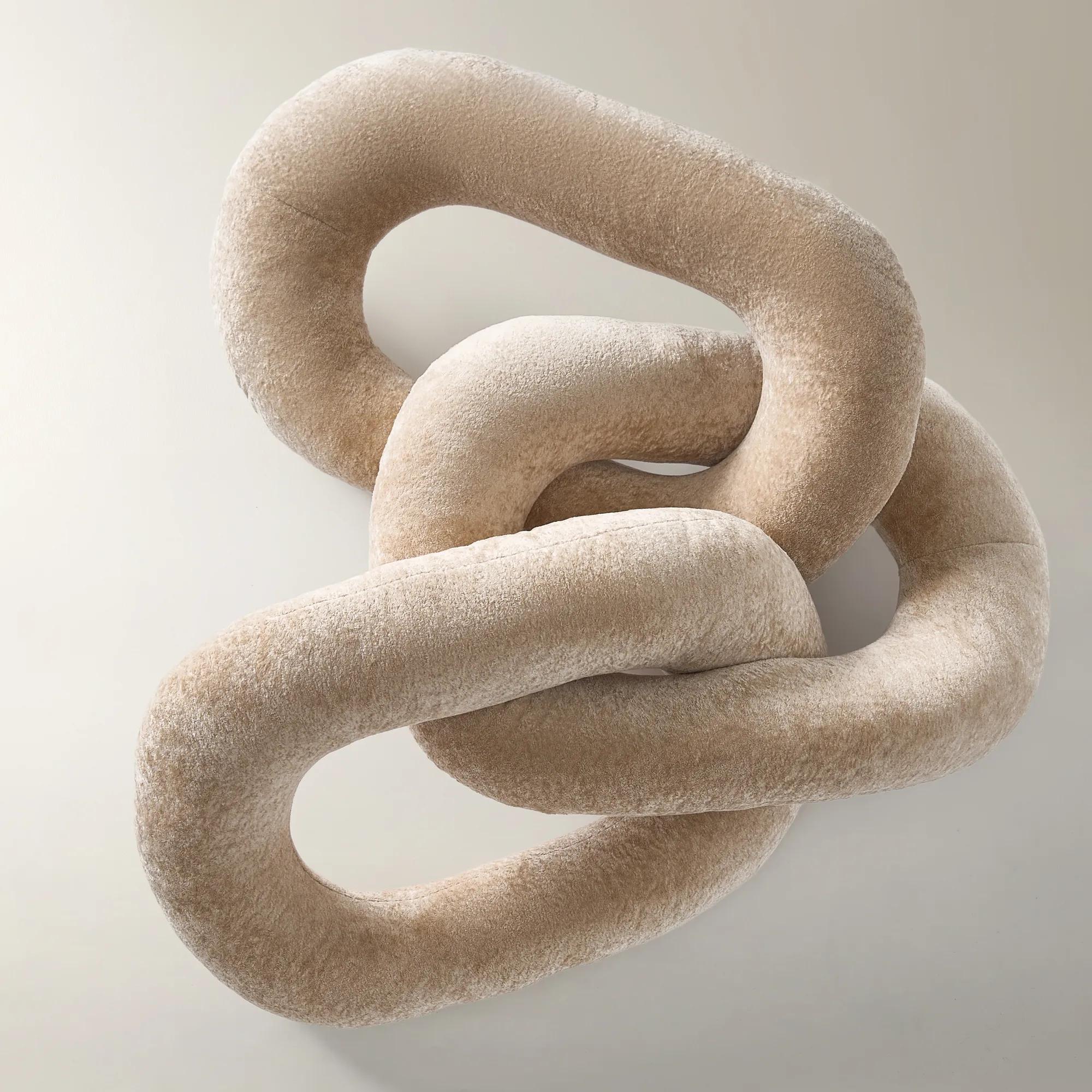
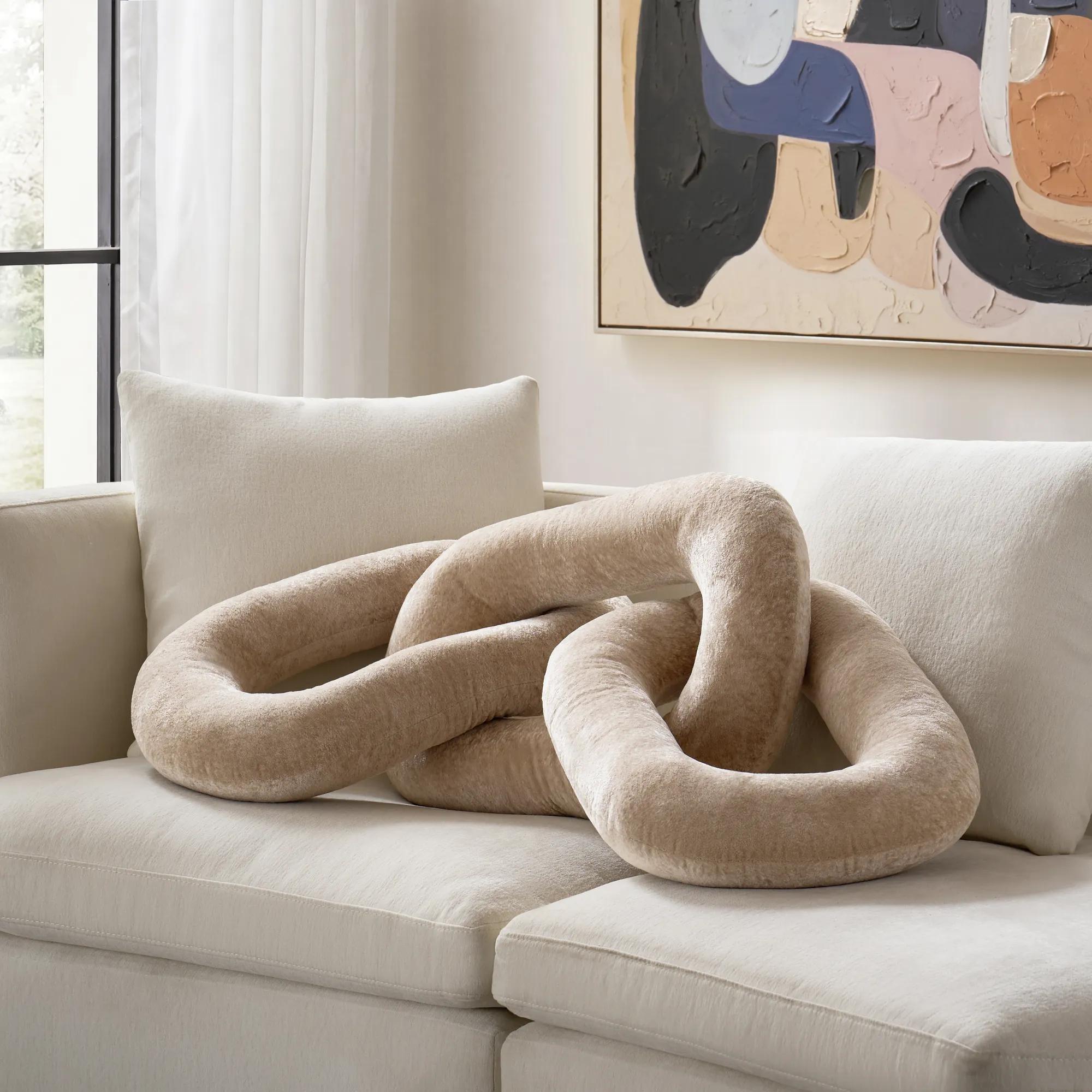 Oversized Taupe Velvet Chenille Links Pillow 46"$109
An oversized taupe velvet chenille pillow featuring a sculptural chain-link design and plush polyester fill.
Add To Cart -
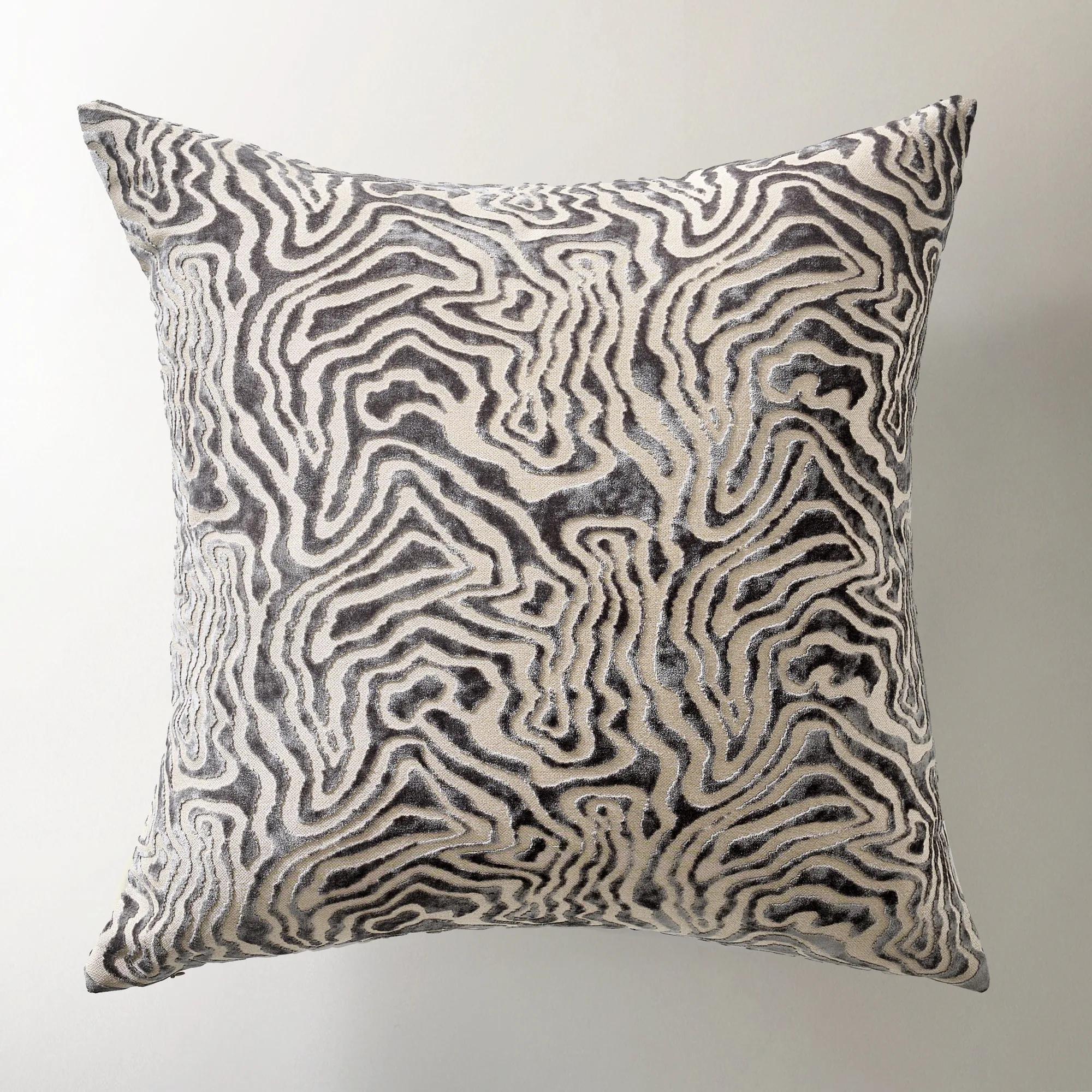
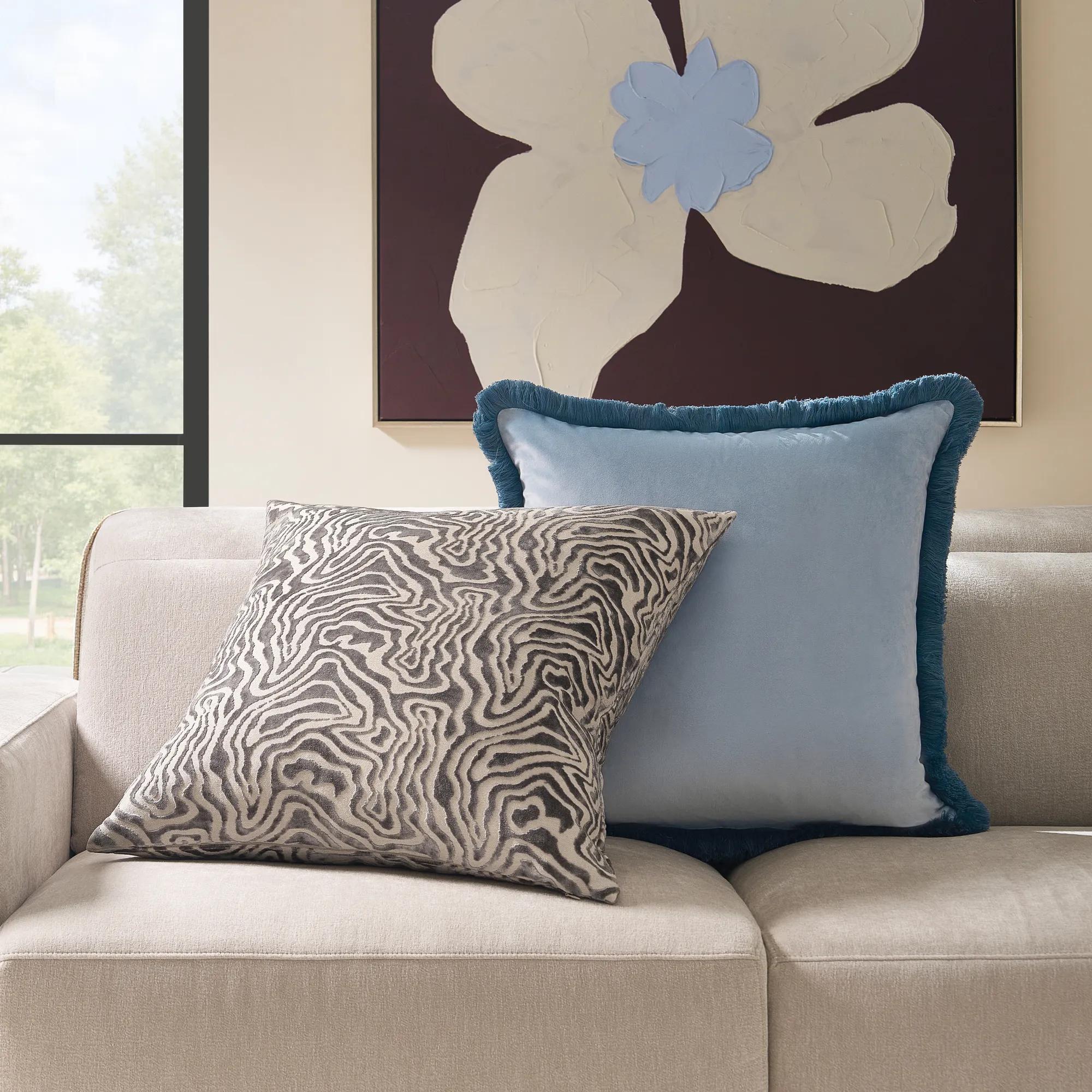 Echo Smoked Pearl Cut Velvet Pillow 24" x 24"$99
A sculpted cut velvet pillow in smoked pearl grey with a feather-down insert and hidden zipper.
Add To Cart -
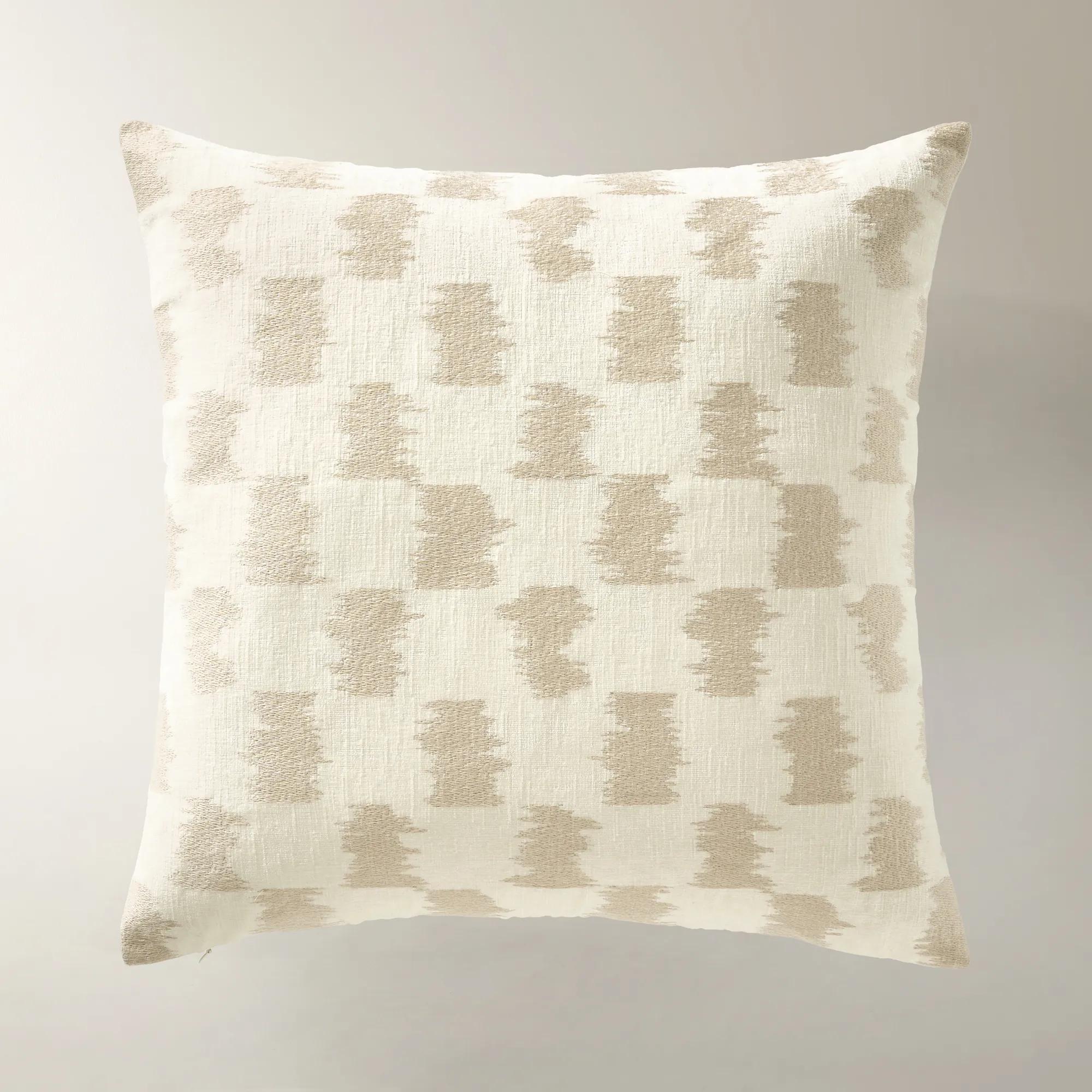
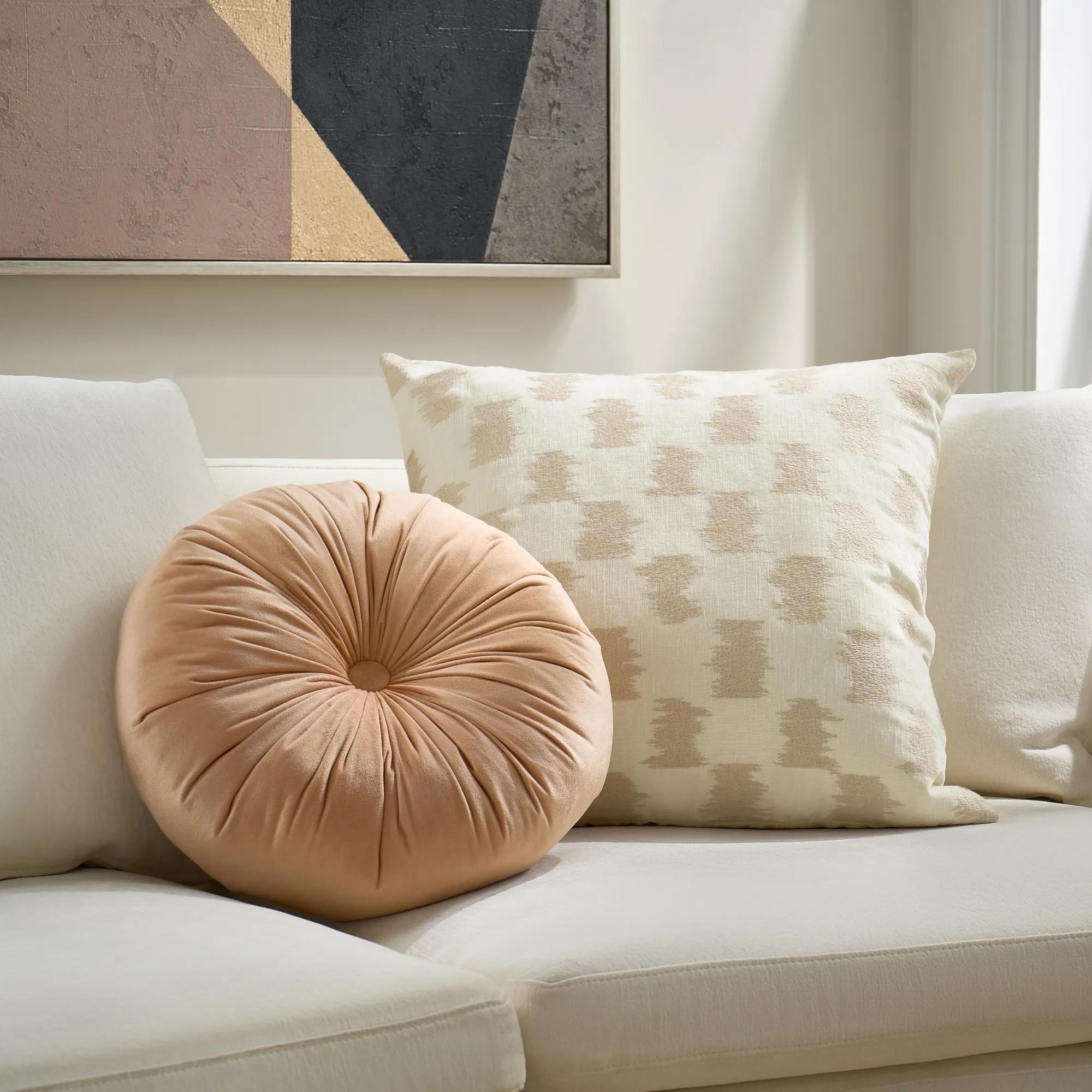 Scacco Check Embroidered Taupe/Ivory Pillow 22" x 22"$89
A taupe and ivory velvet pillow featuring an embroidered geometric checker pattern and feather-down insert.
Add To Cart -
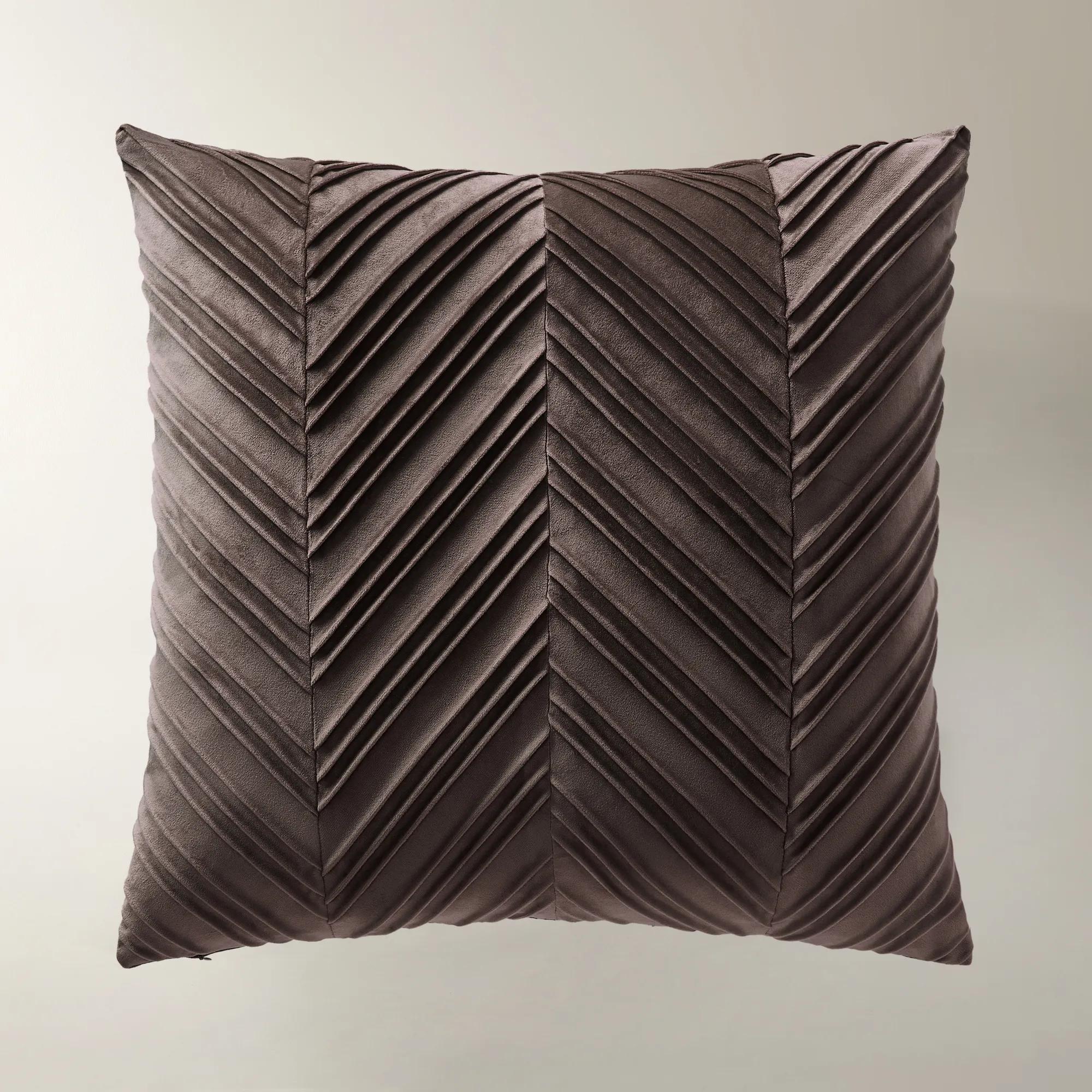 Lowry Pleated Dark Chocolate Brown Velvet Pillow 22" x 22"$89
A hand-pleated dark chocolate velvet pillow with a feather-down insert and hidden zipper closure.
Add To Cart -
 Encina Embroidered Rust/Ivory Velvet Pillow 22" x 22"$89
A plush velvet accent pillow in rust and ivory with metallic embroidery and a removable feather-down insert.
Add To Cart -
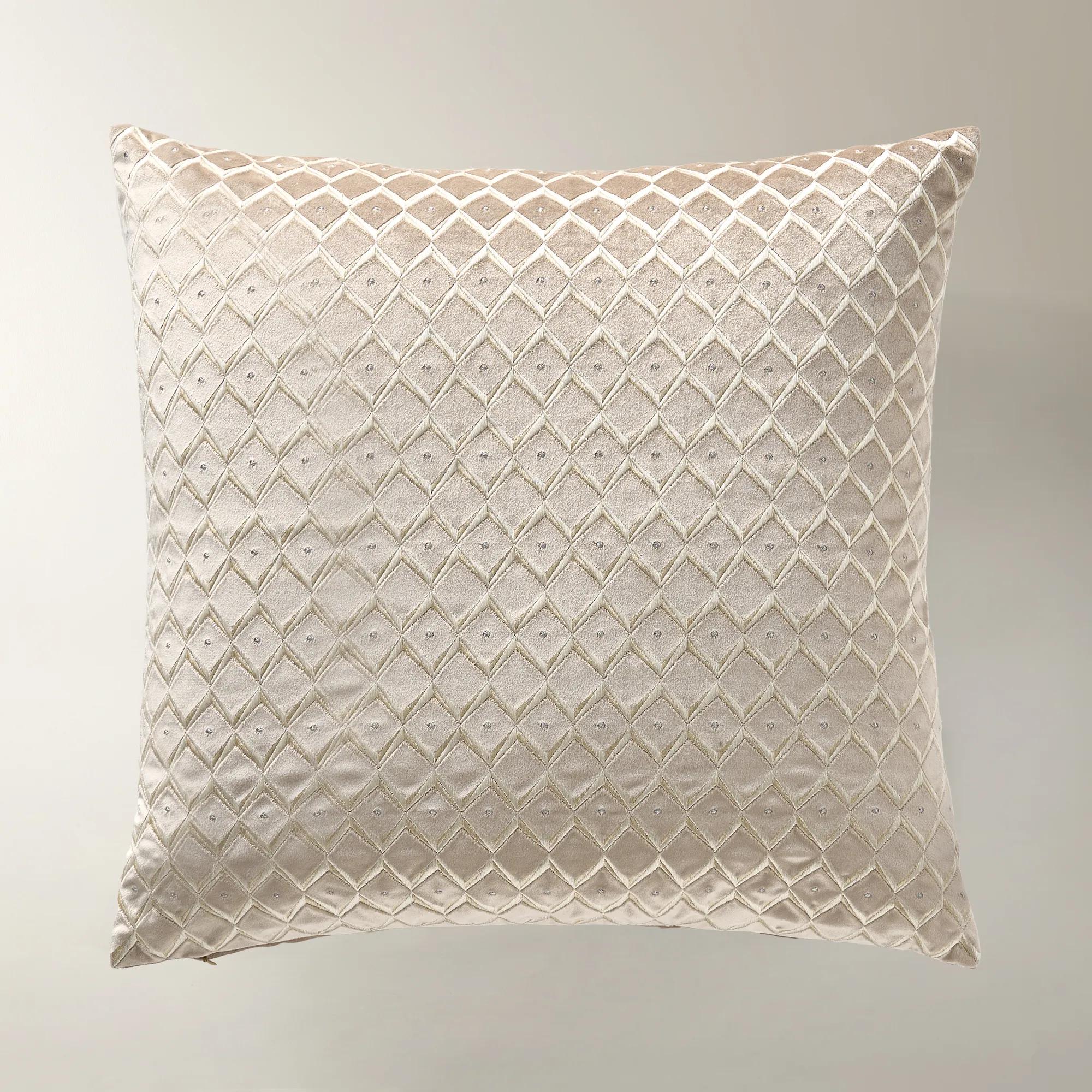
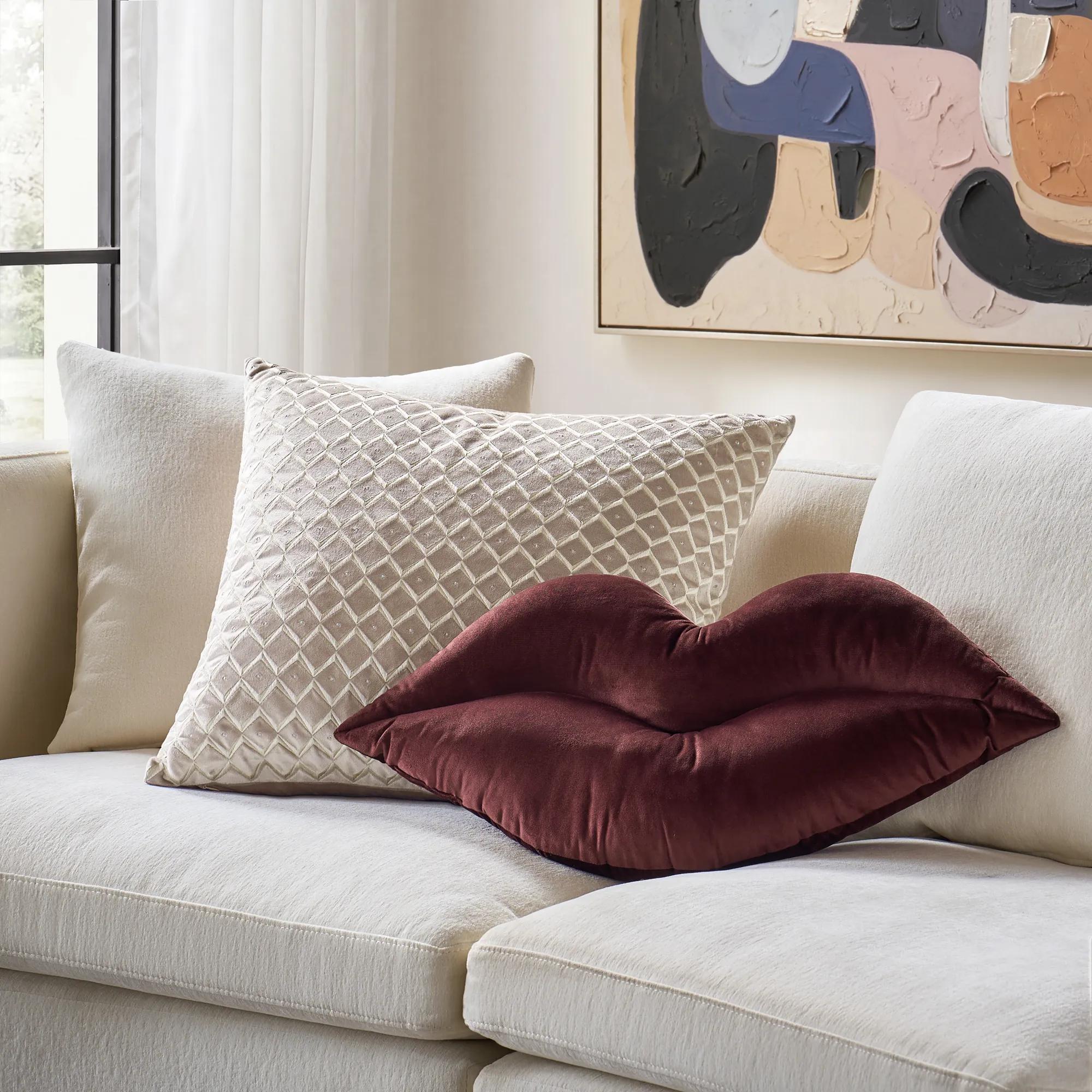 Boucard Diamond Check Embroidered Taupe Pillow 22" x 22"$119
A taupe velvet pillow featuring champagne and ivory metallic diamond embroidery with a feather-down insert.
Add To Cart -
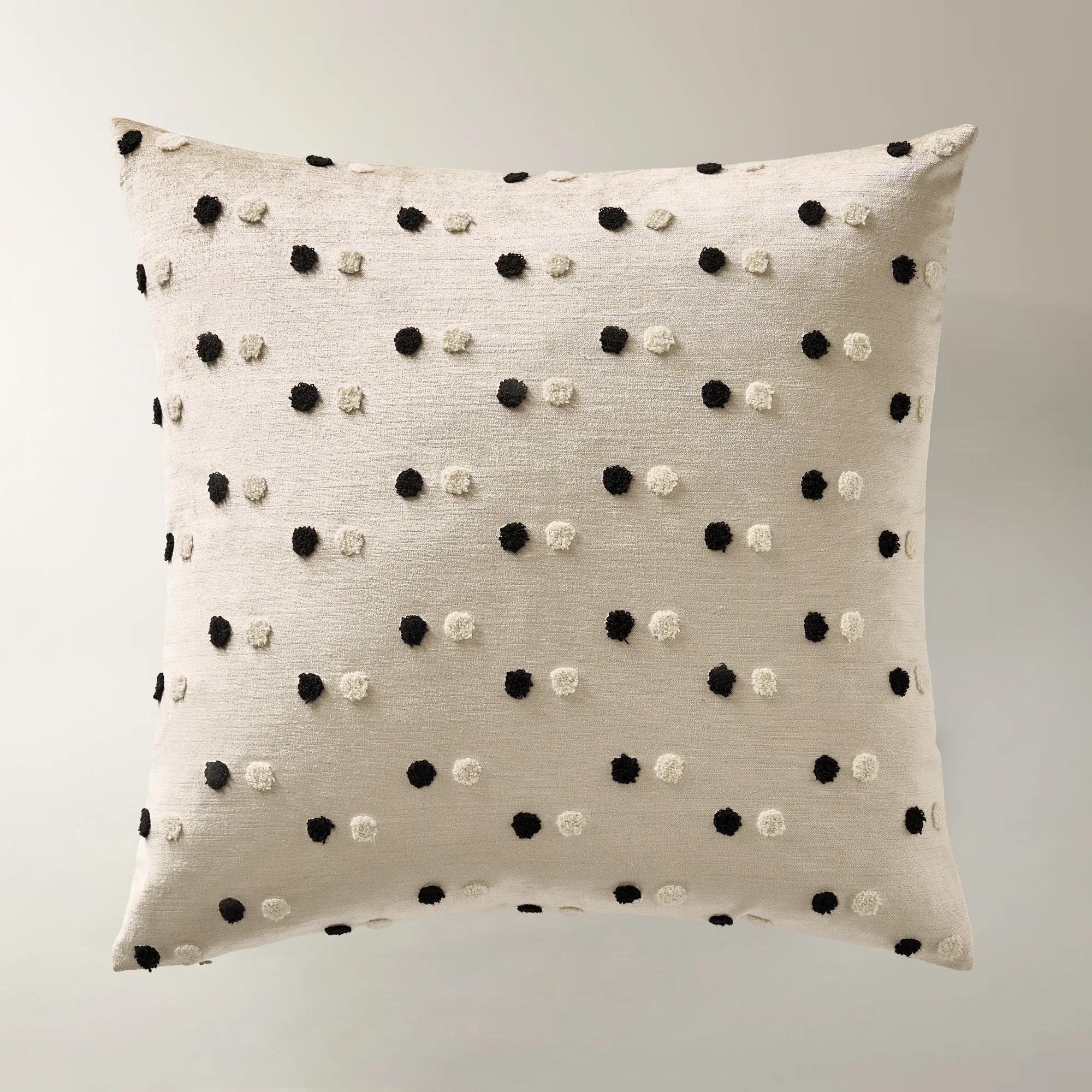
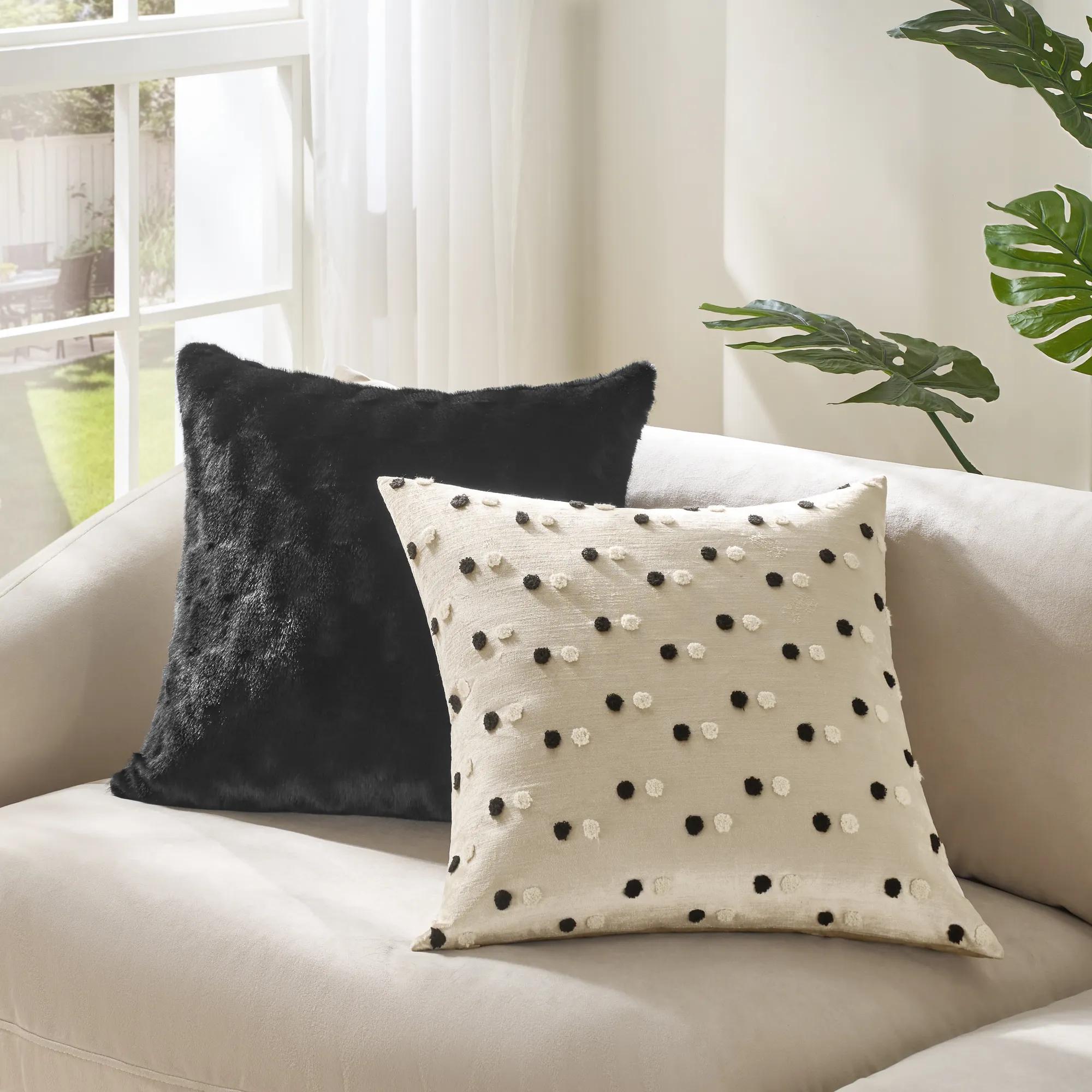 Dionne Polka Dot Embroidered Platinum Taupe Velvet Pillow 22" x 22"$99
A platinum taupe velvet pillow featuring embroidered ivory and black polka dots with a feather-down insert.
Add To Cart -
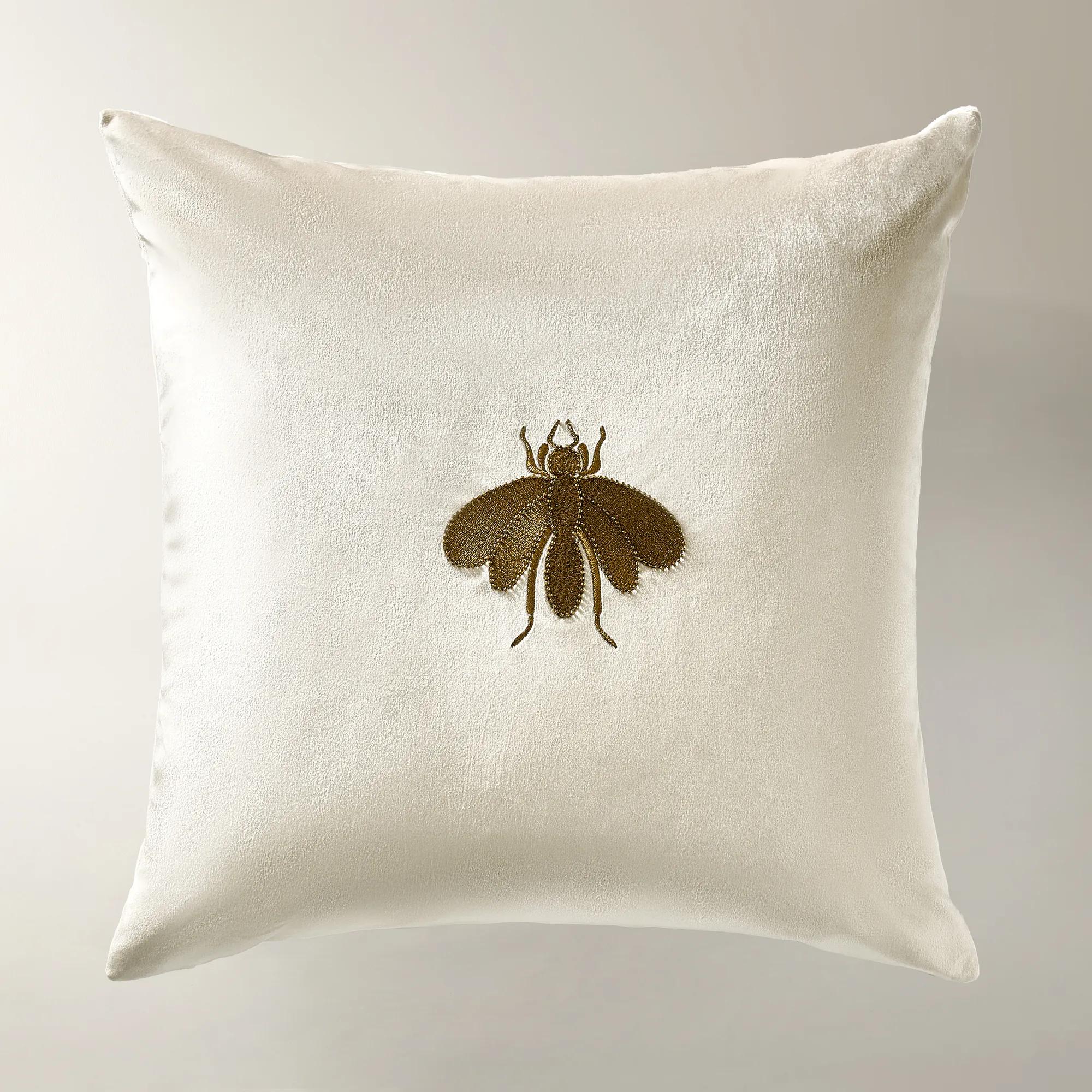
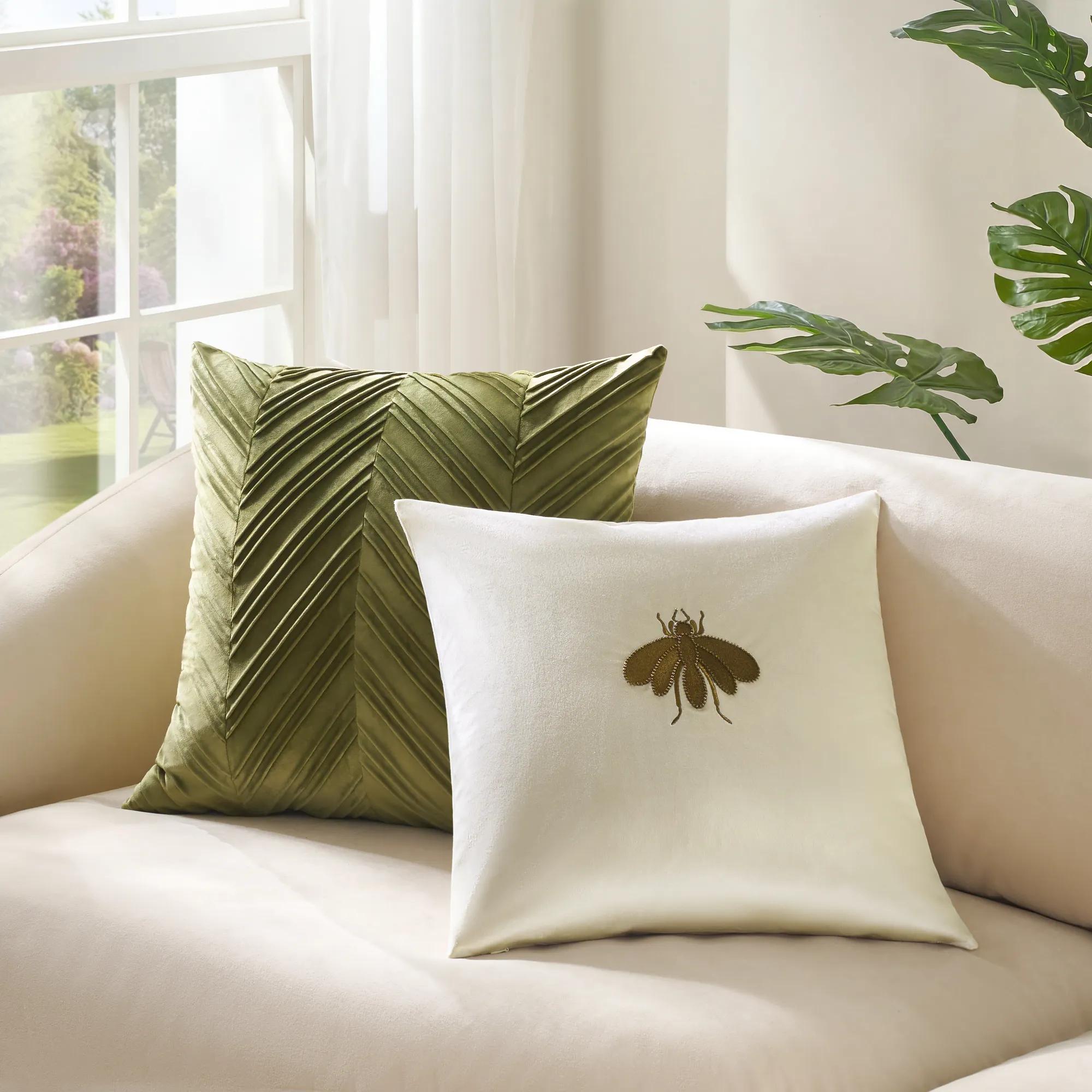 Bee Embroidered Cloud White/Bronze Velvet Pillow 20" x 20"$99
A cloud white velvet pillow featuring bronze metallic bee embroidery and a plush feather-down insert.
Add To Cart -
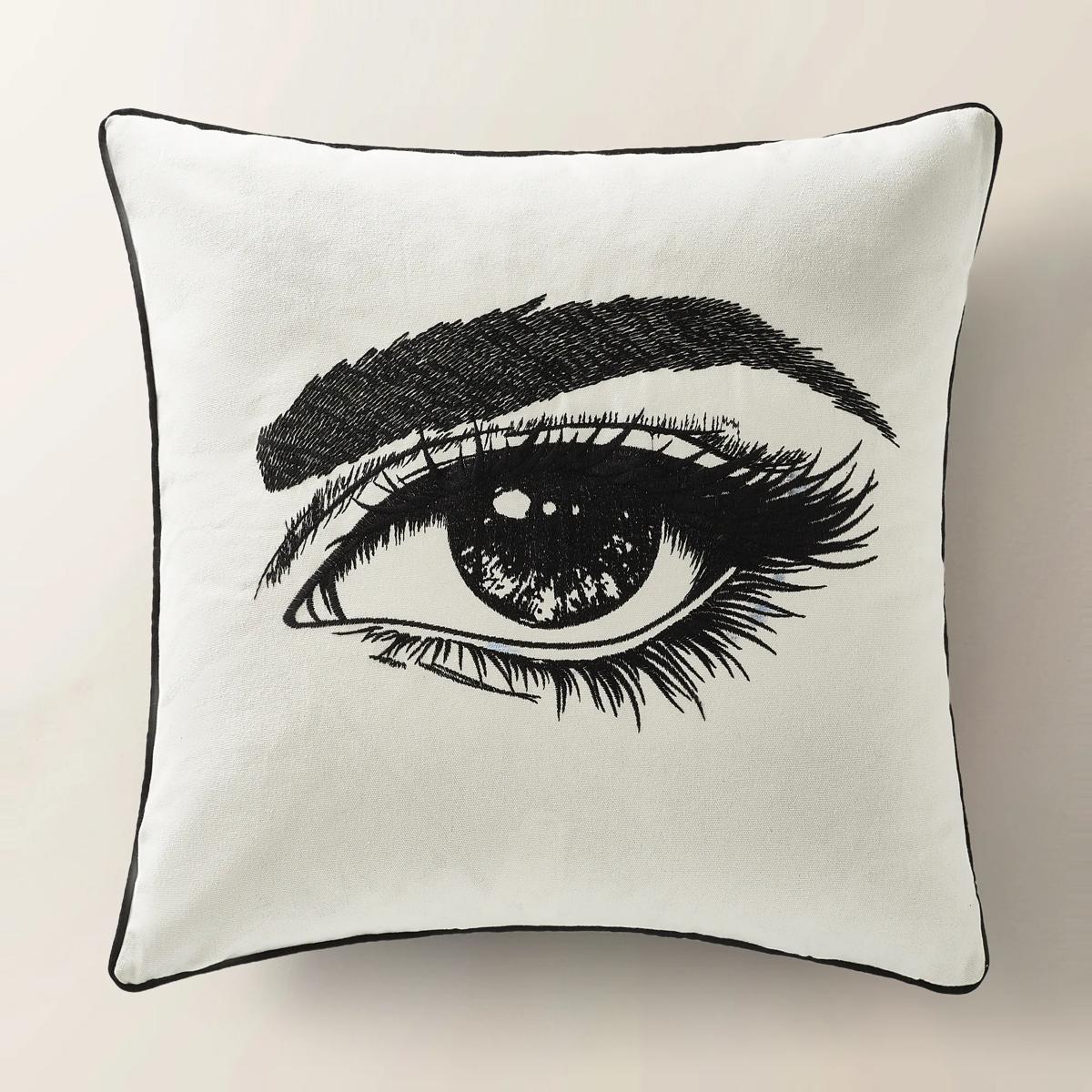
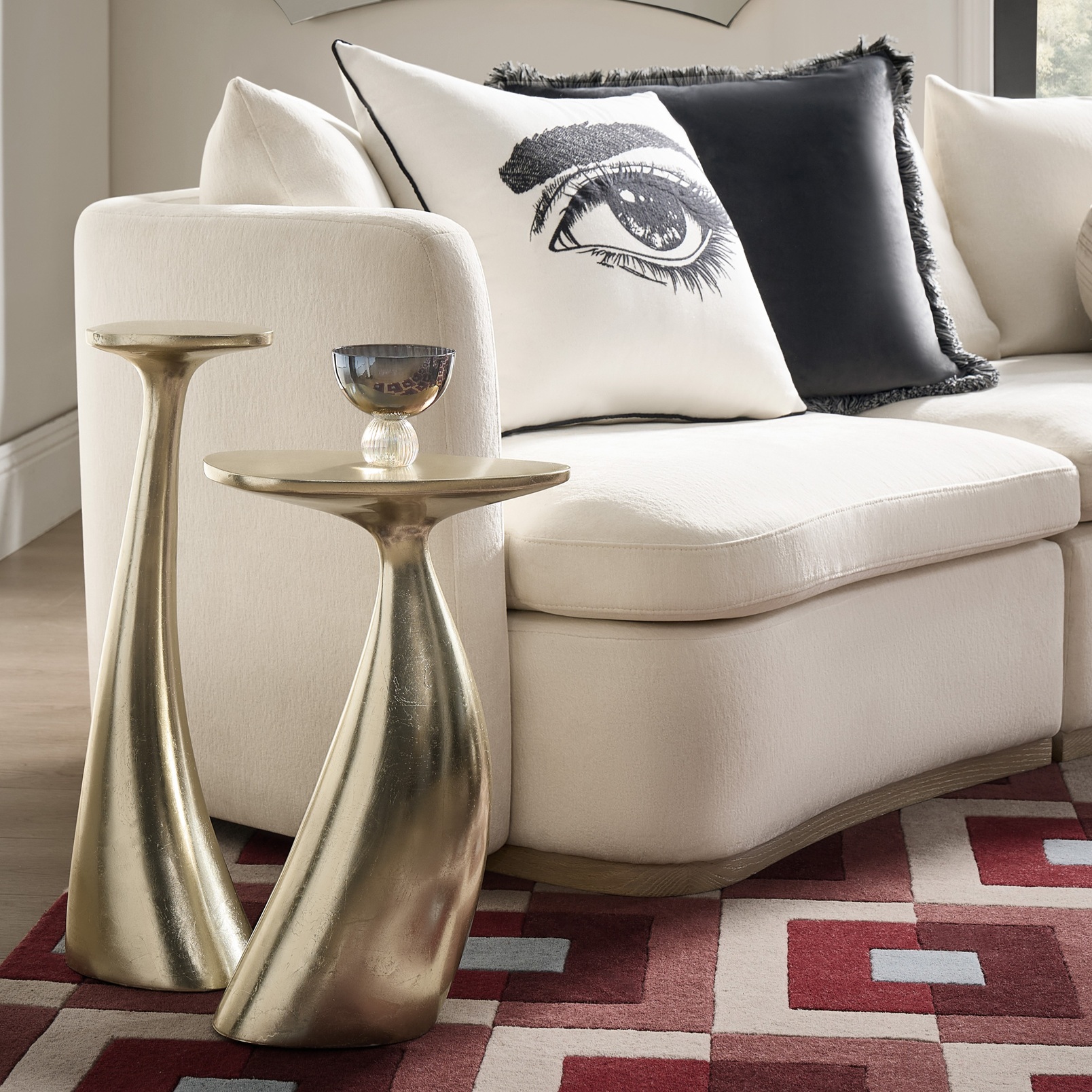 Demure Eye White/Black Embroidered Pillow 22" x 22"$89
A whimsical embroidered eye motif in black thread pops against crisp white cotton with tailored black piping.
Add To Cart -

 Nova Beaded Ivory/Gold/Black Velvet Pillow 20" x 20"$89
An ivory velvet pillow with bold black and gold swirls, gold bead accents, and feather-down comfort.
Add To Cart -
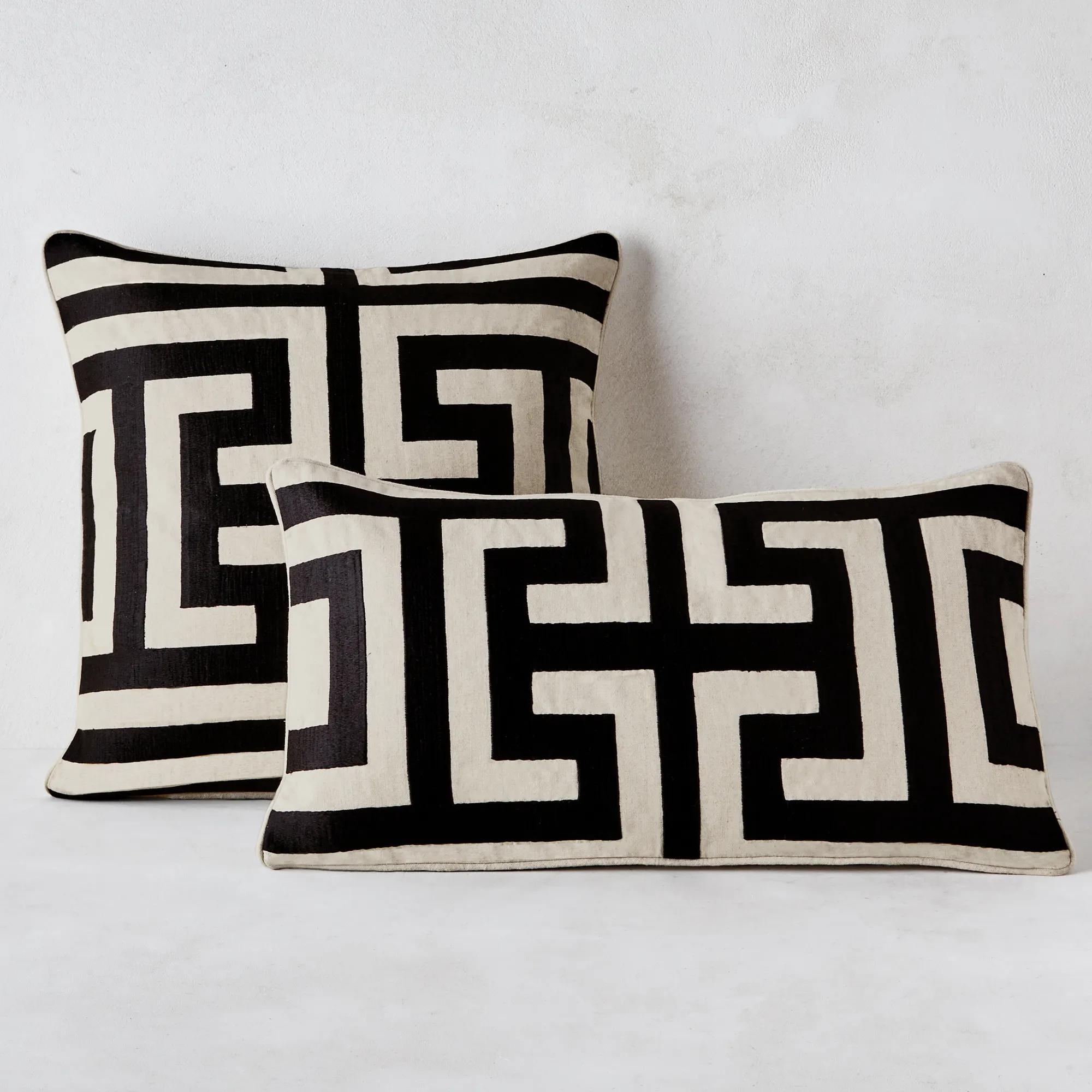 Cace Embroidered Black/Natural Linen Pillow 22" x 22"$129
A cotton-linen pillow featuring metallic Greek key embroidery in natural and black with a feather-down insert.
Add To Cart -
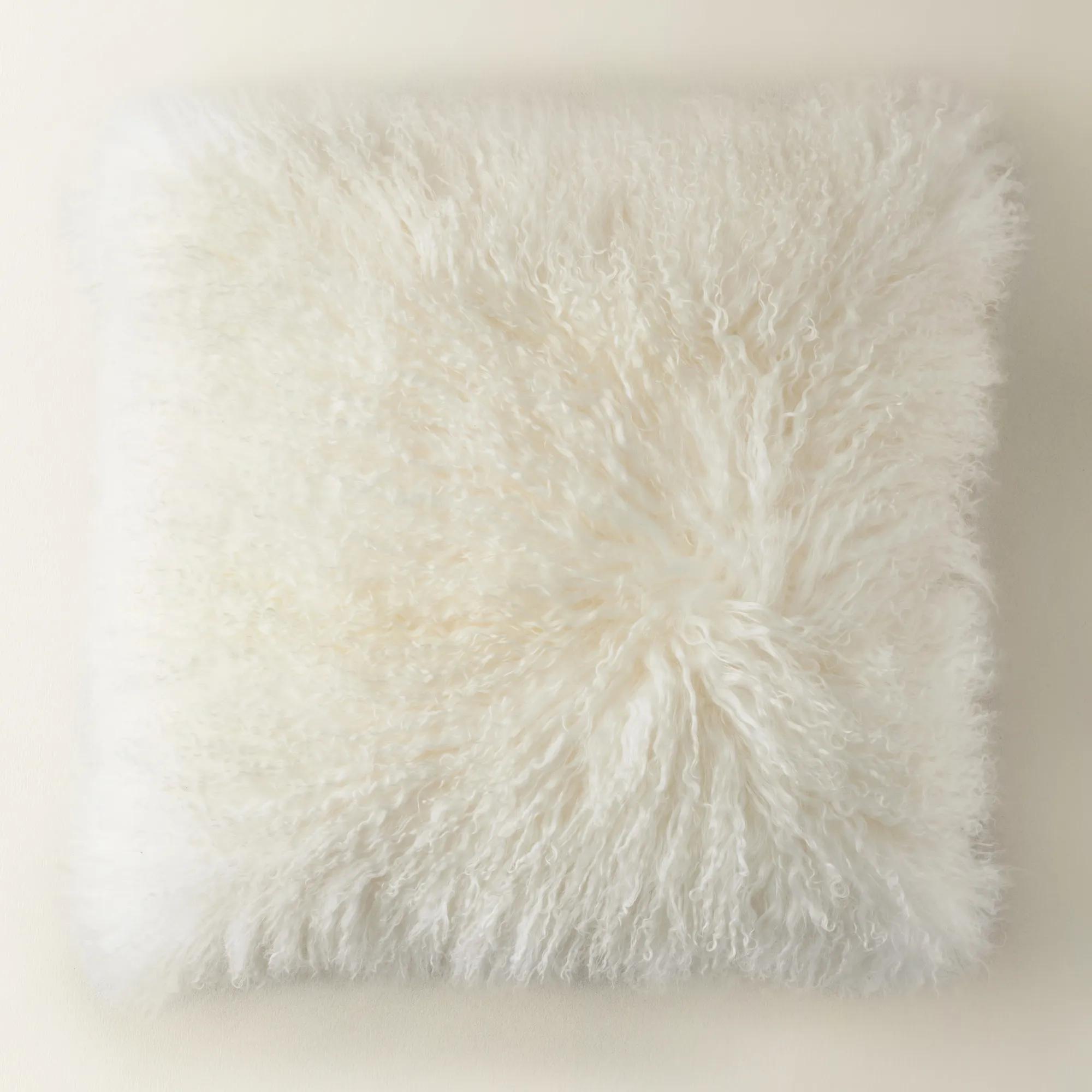
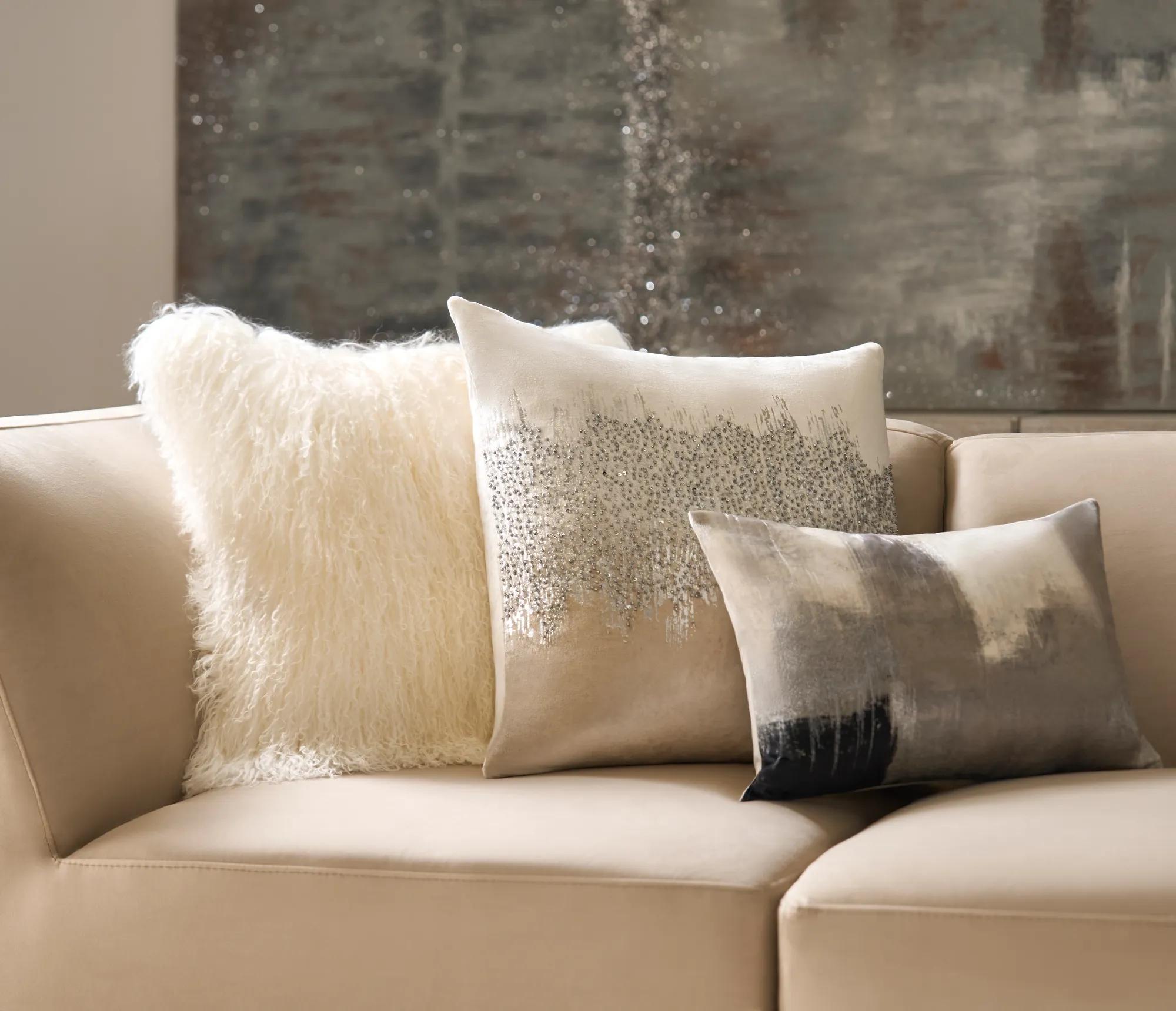 Mia White Mongolian Lamb Fur Pillow 22" x 22"$169
A luxurious white pillow featuring genuine Mongolian lamb fur front and faux suede back for elegant texture.
Add To Cart -

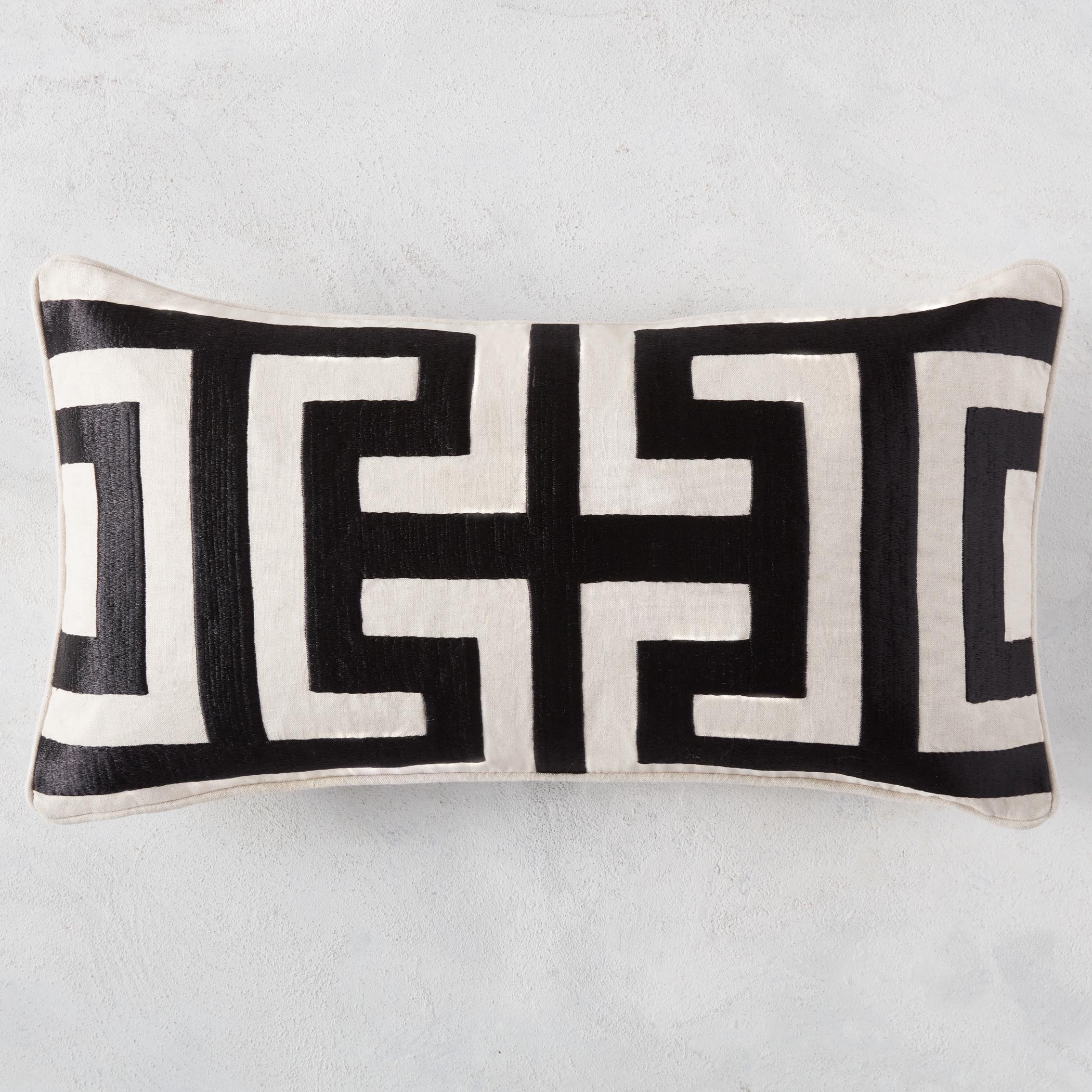 Cace Embroidered Black/Natural Linen Lumbar Pillow 26" x 14"$129
A cotton-linen pillow featuring metallic Greek key embroidery in natural and black with a feather-down insert.
Add To Cart -
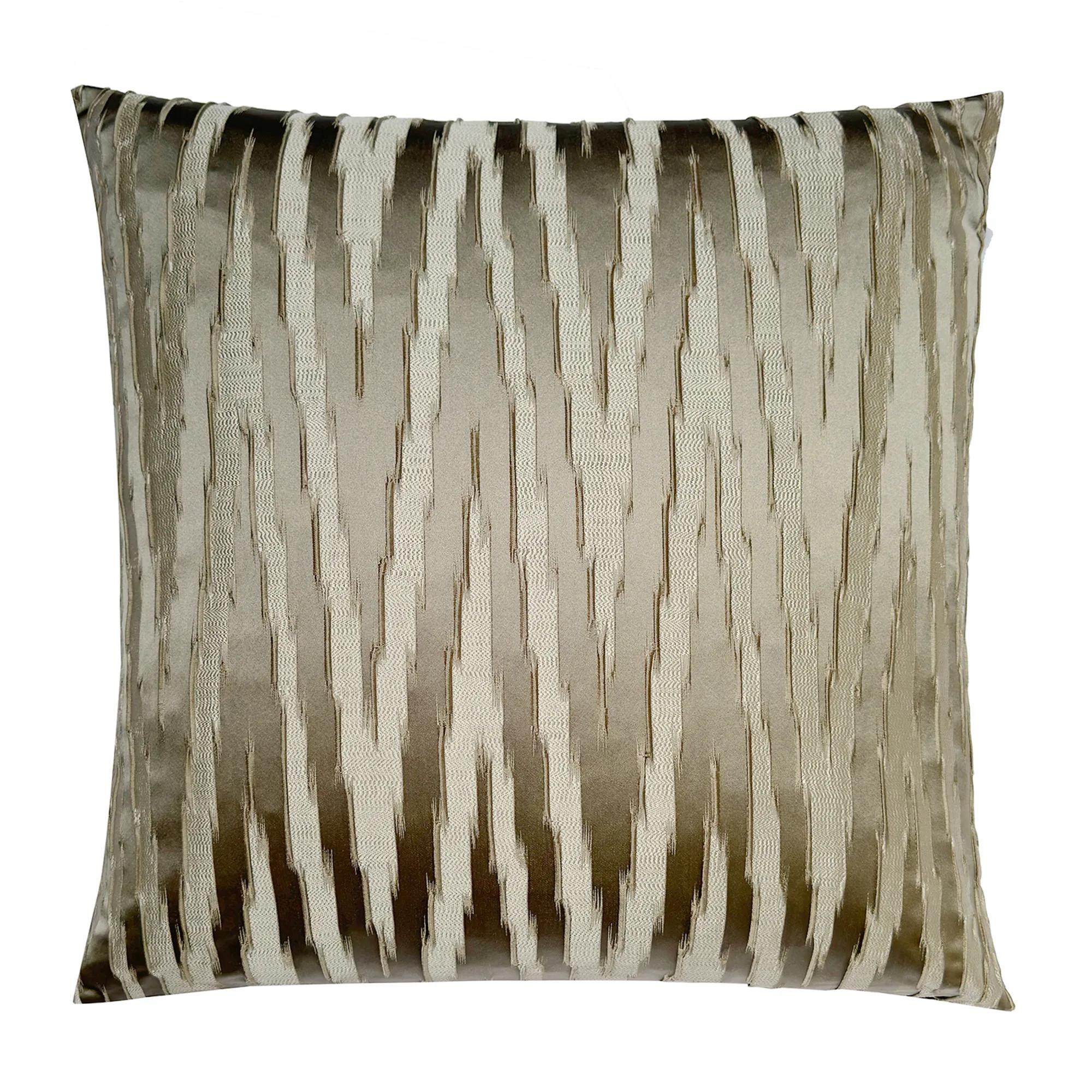
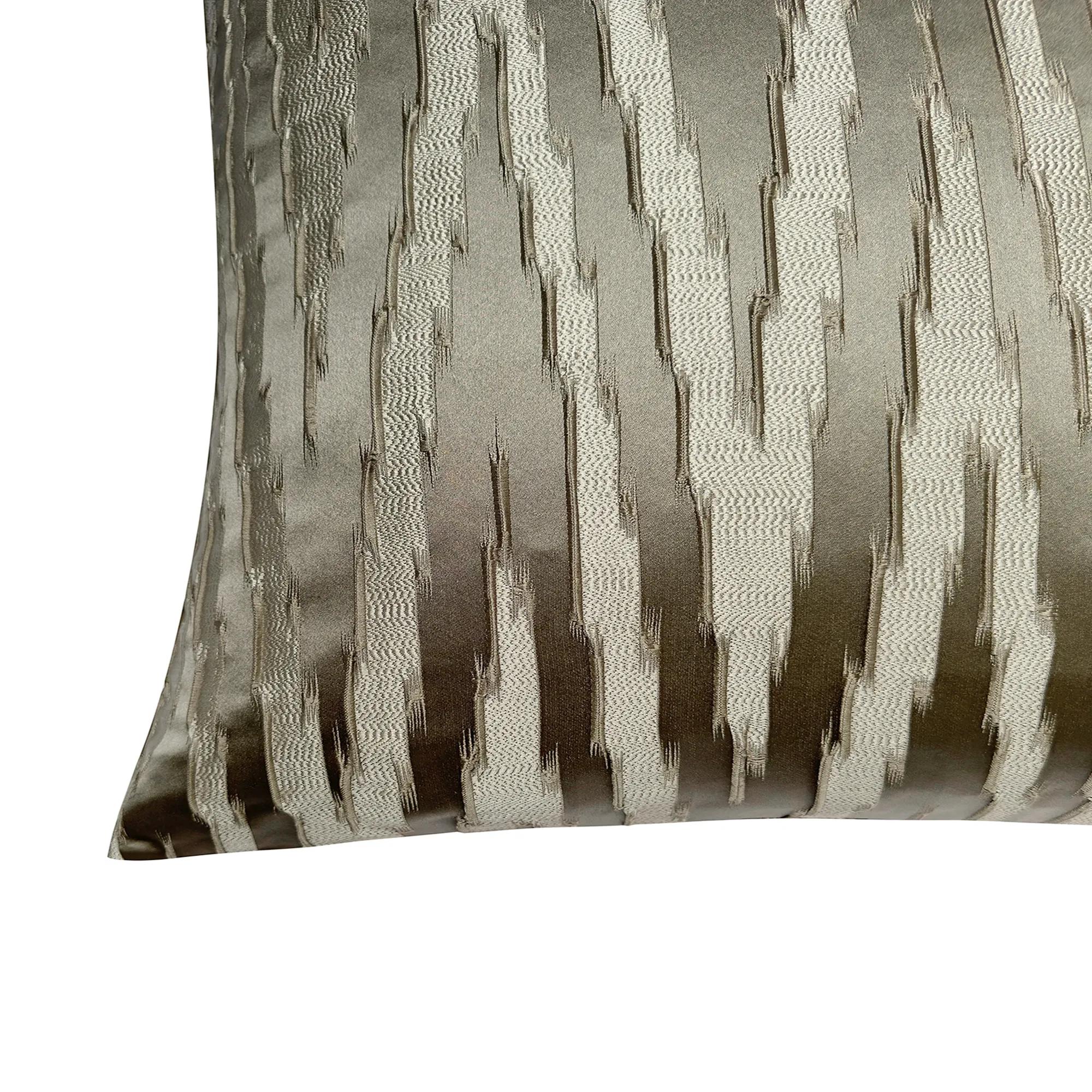 Minka Jacquard Charcoal Pillow 22" x 22"$89
A handmade charcoal pillow featuring a textured chevron jacquard design and plush feather down insert.
Add To Cart -
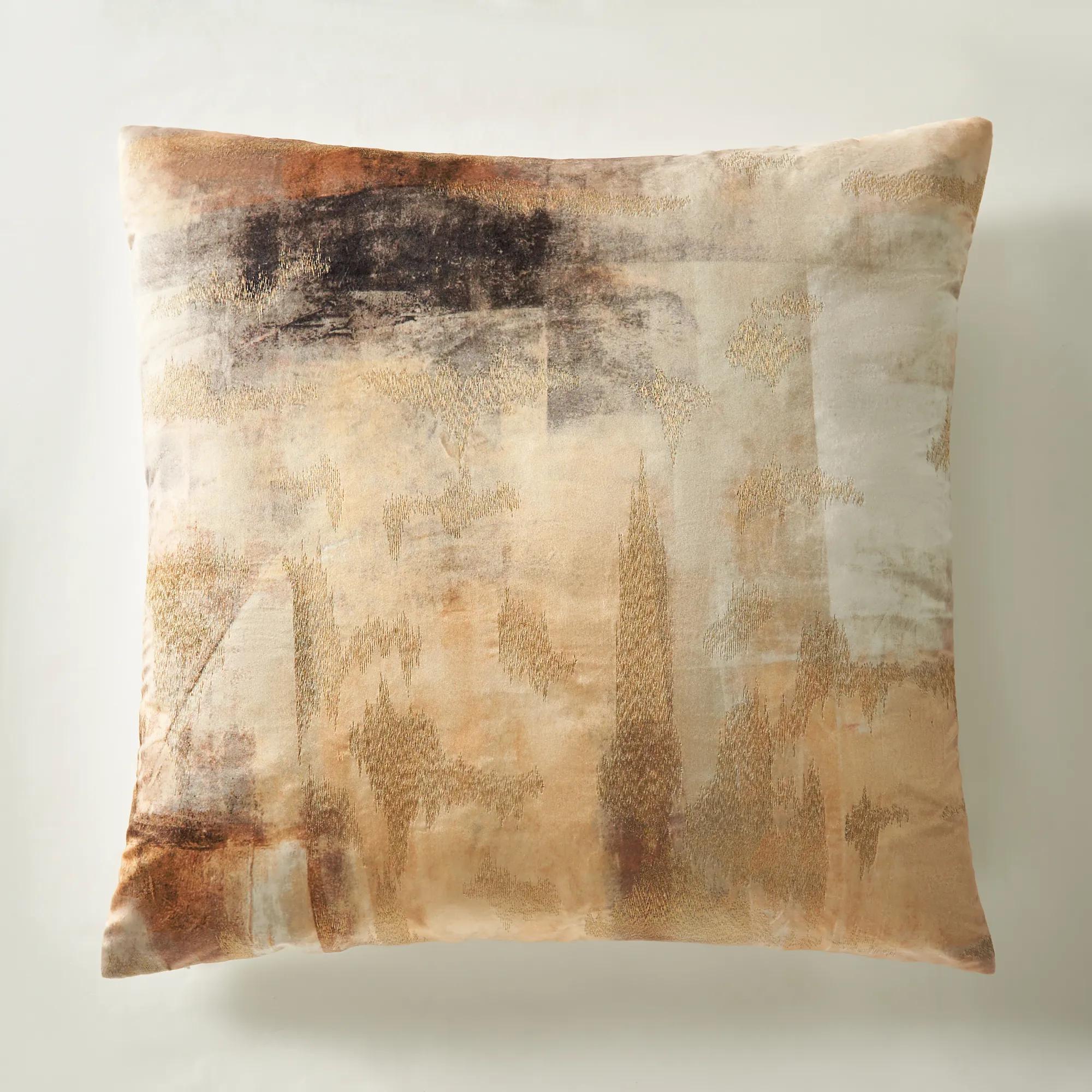
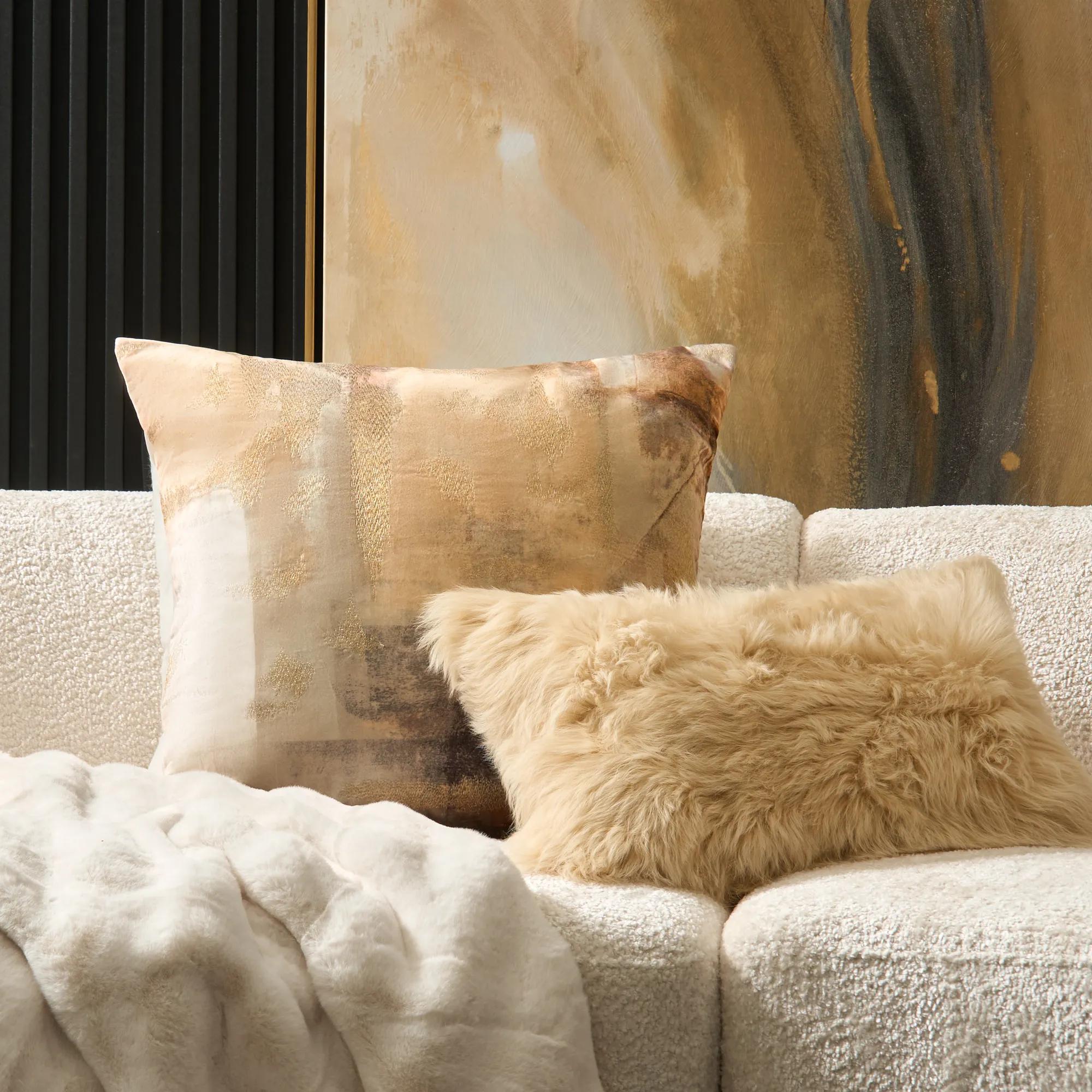 Riya Abstract Gold Embroidered Velvet Pillow 24" x 24"$79
A plush ivory, gold, and grey velvet pillow with metallic embroidery and a feather down insert.
Add To Cart -
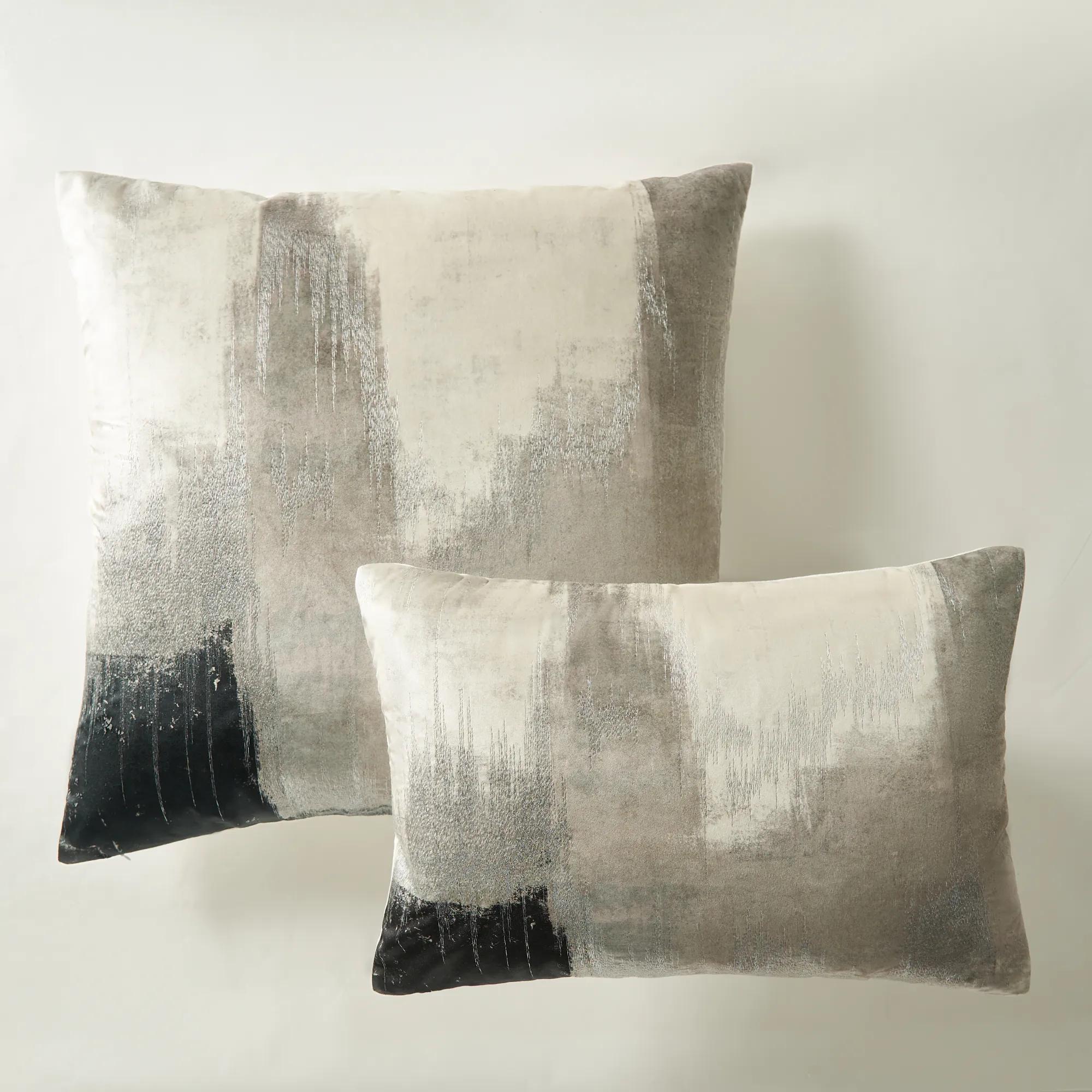
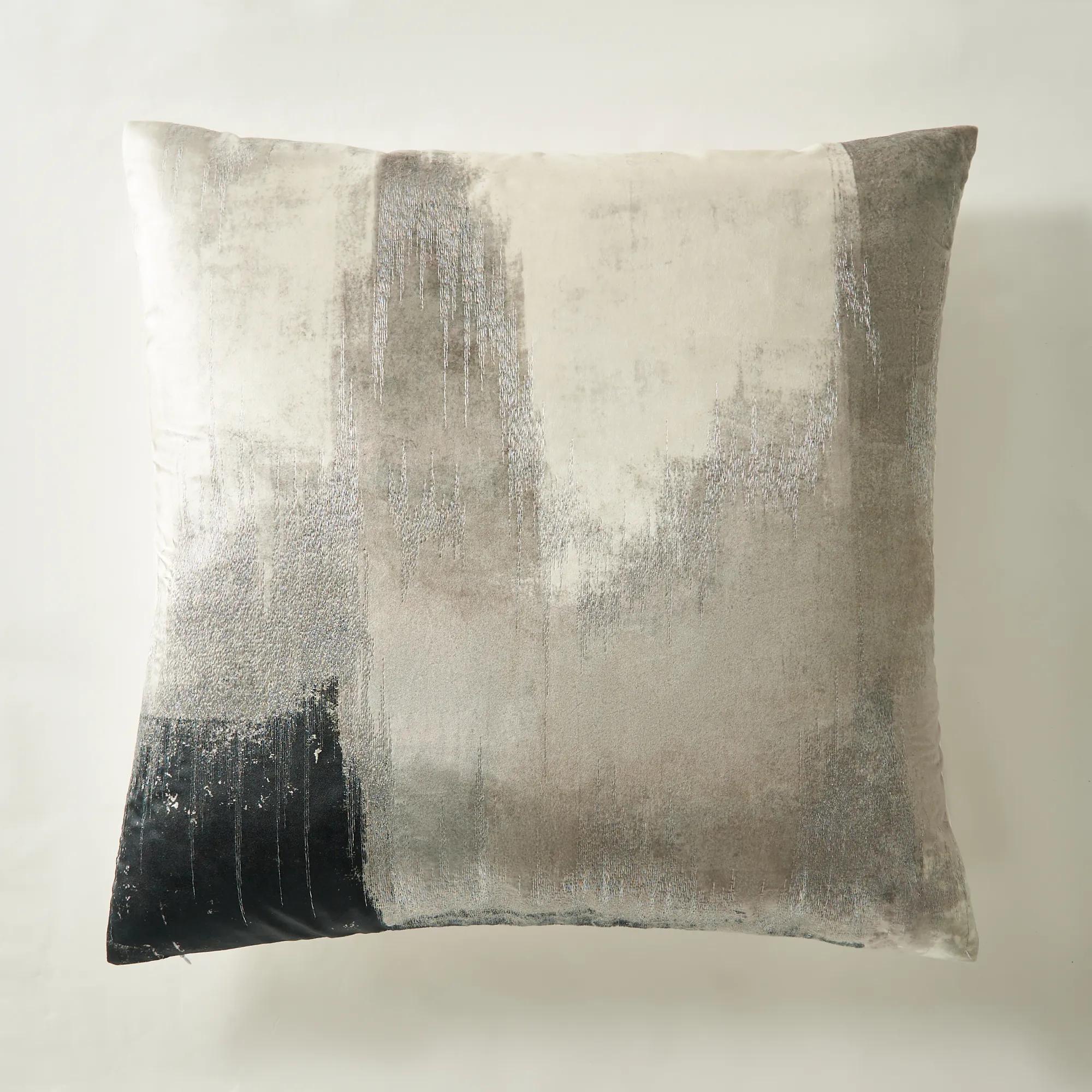 Nya Grey/Black Embroidered Velvet Pillow 24" x 24"$79
A plush black and grey velvet pillow featuring metallic silver embroidery and a feather-down insert.
Add To Cart -

 Channel Chocolate Brown Faux Fur Pillow 20" x 20"$79
A chocolate-hued faux fur pillow with a plush feather down insert and removable velvet-backed cover.
Add To Cart -
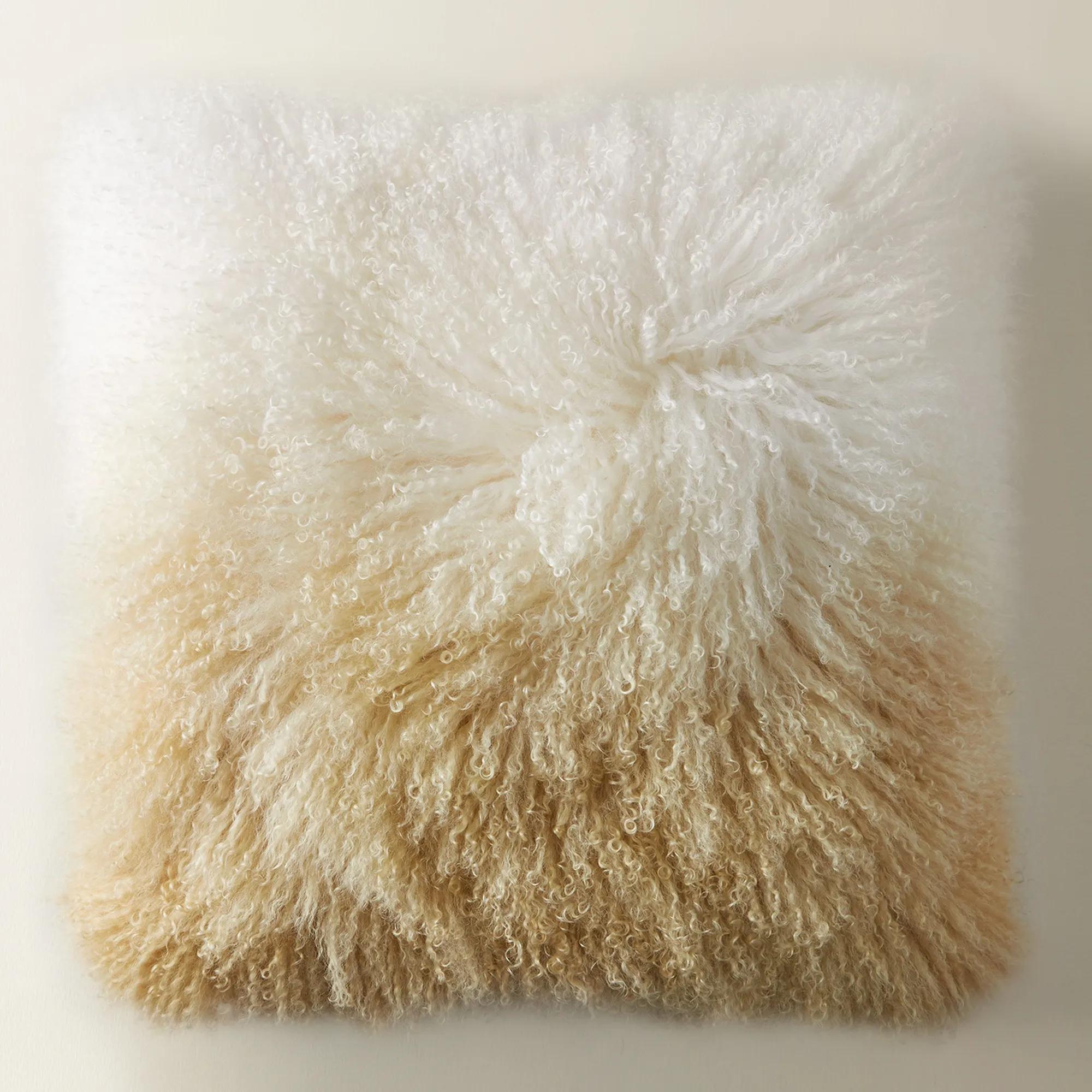
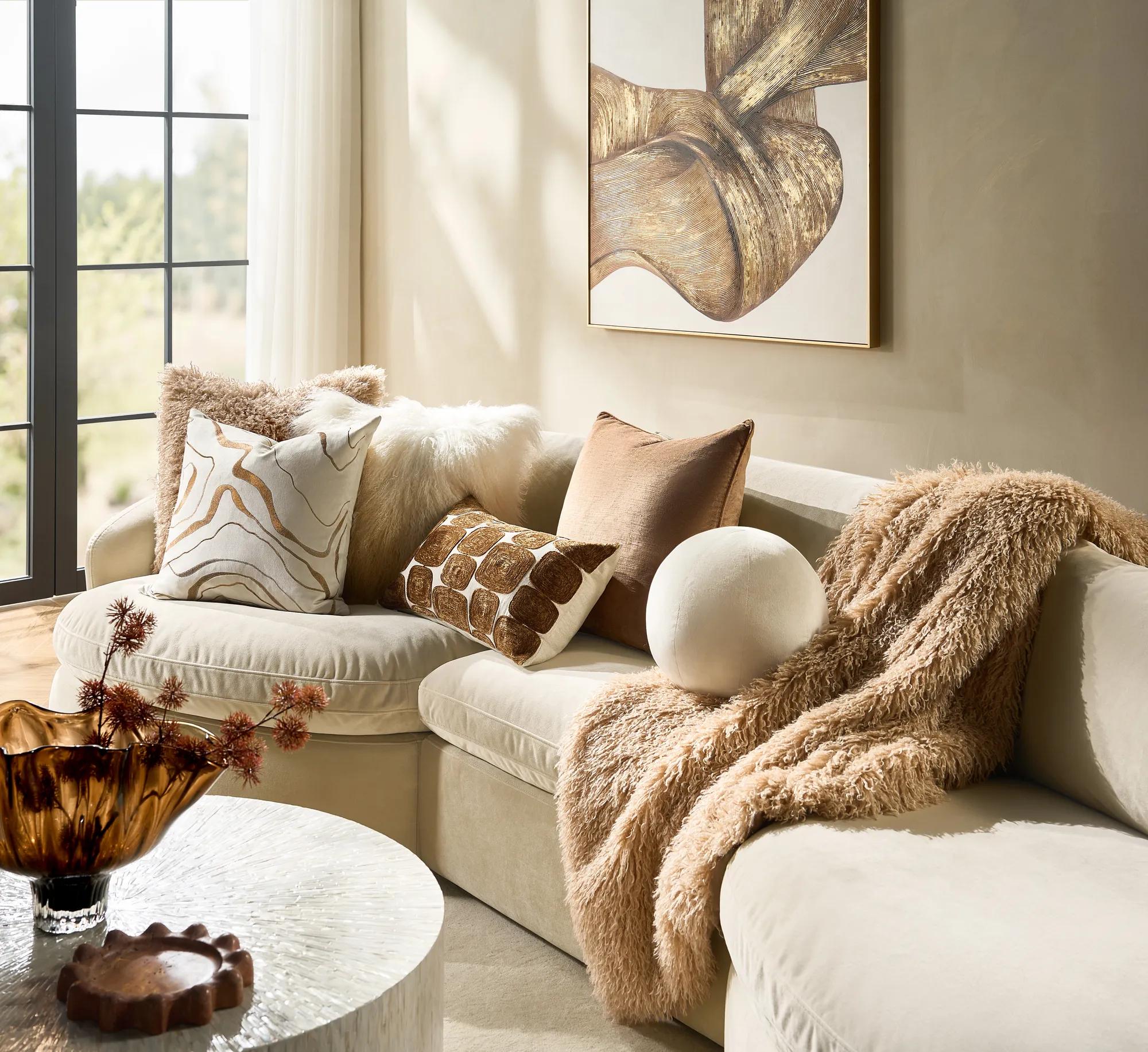 Mia Gold Ombre Mongolian Lamb Fur Pillow 22" x 22"$169
An ombre pillow featuring plush white and gold Mongolian lamb fur with a faux suede back.
Add To Cart -
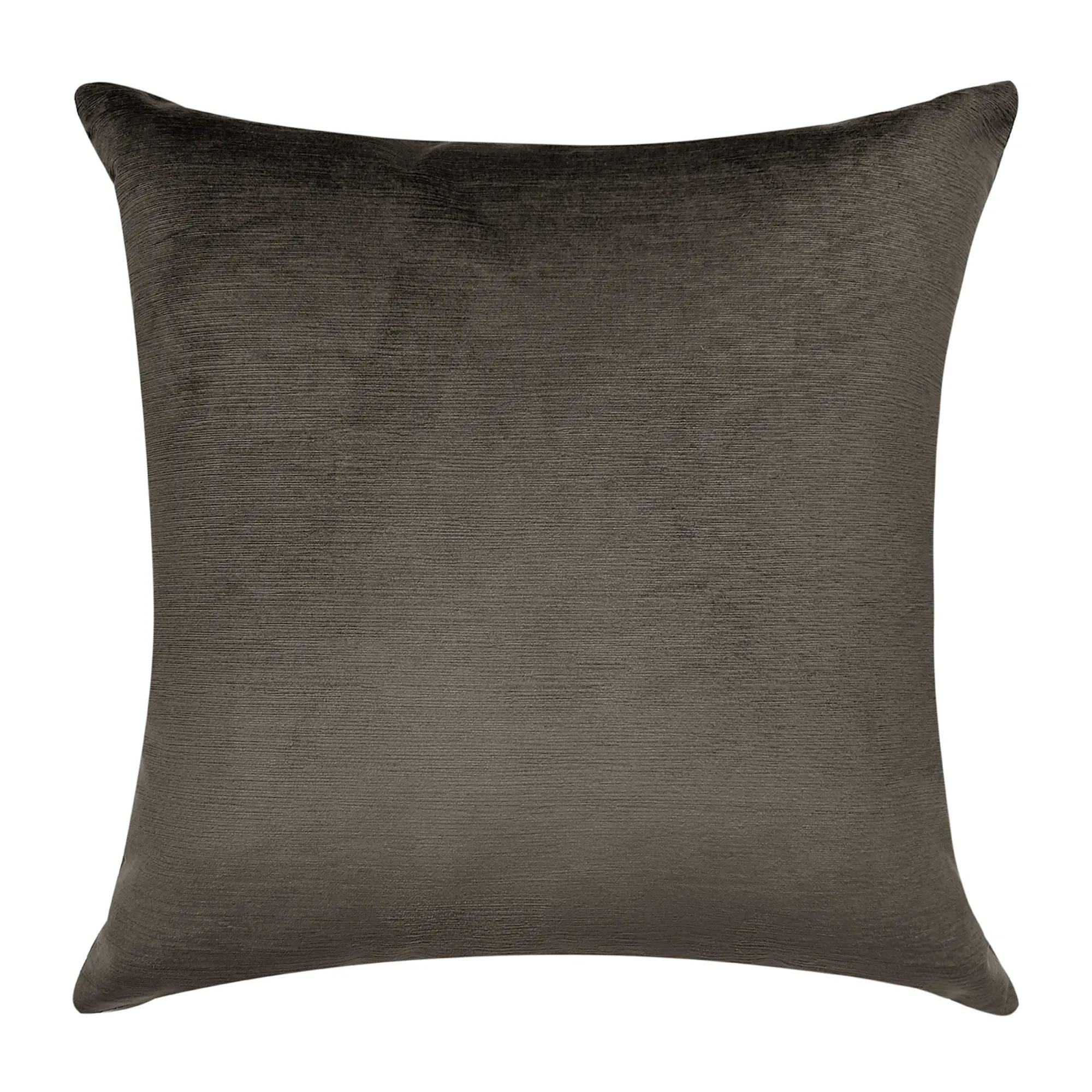
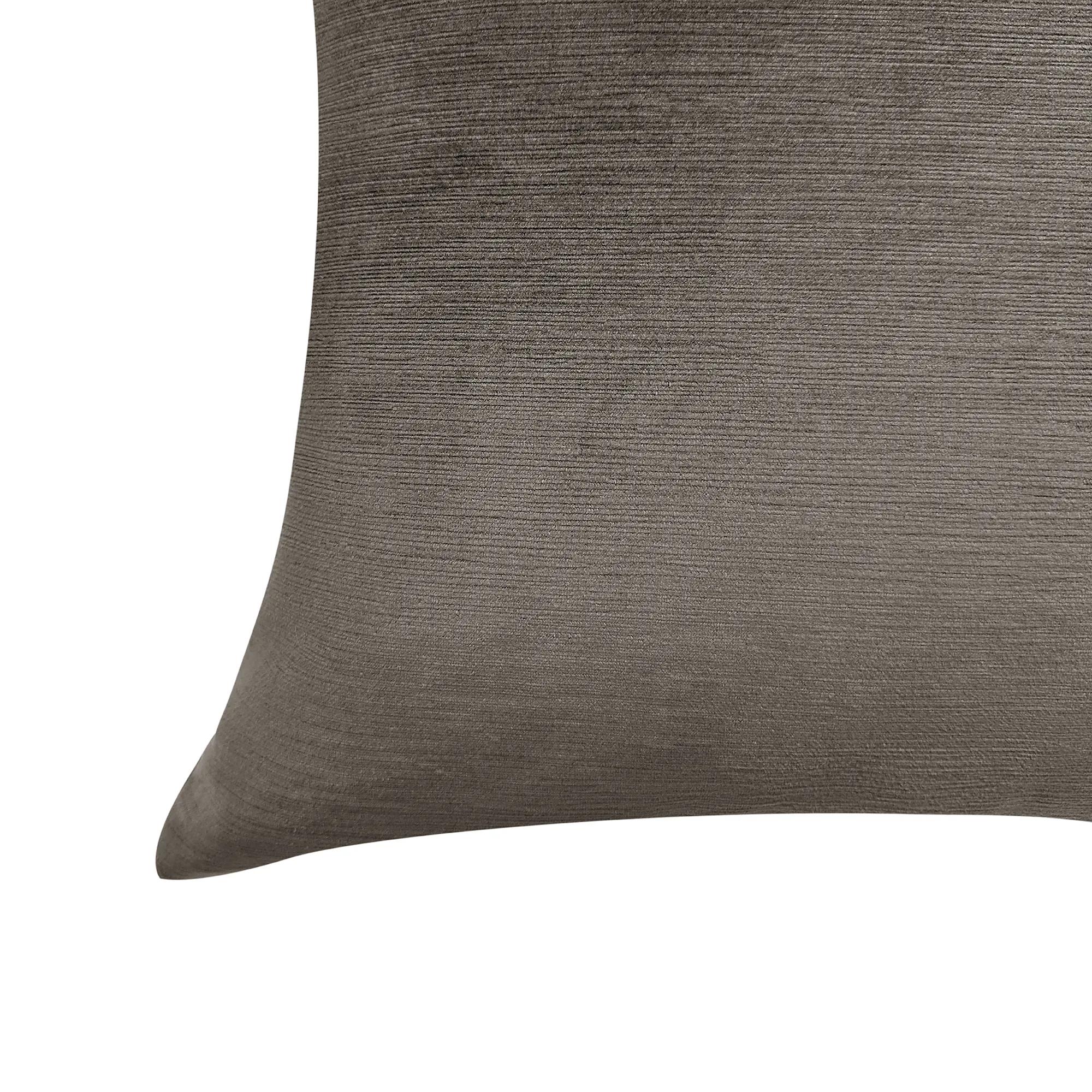 Solid Otter Grey Velvet Pillow 20" x 20"$79
A plush feather-down pillow in otter grey striated velvet with a removable, textured polyester cover.
Add To Cart -

 Dylan Onyx Black Genuine Leather Pillow 22" x 22"$179
A sleek onyx leather pillow with double-stitched panels, feather-down insert, and cotton back.
Add To Cart -

 Dylan Chesnut Genuine Leather Pillow 22" x 22"$179
A supple chestnut leather pillow with double-stitched panels, feather-down insert, and cotton back.
Add To Cart -
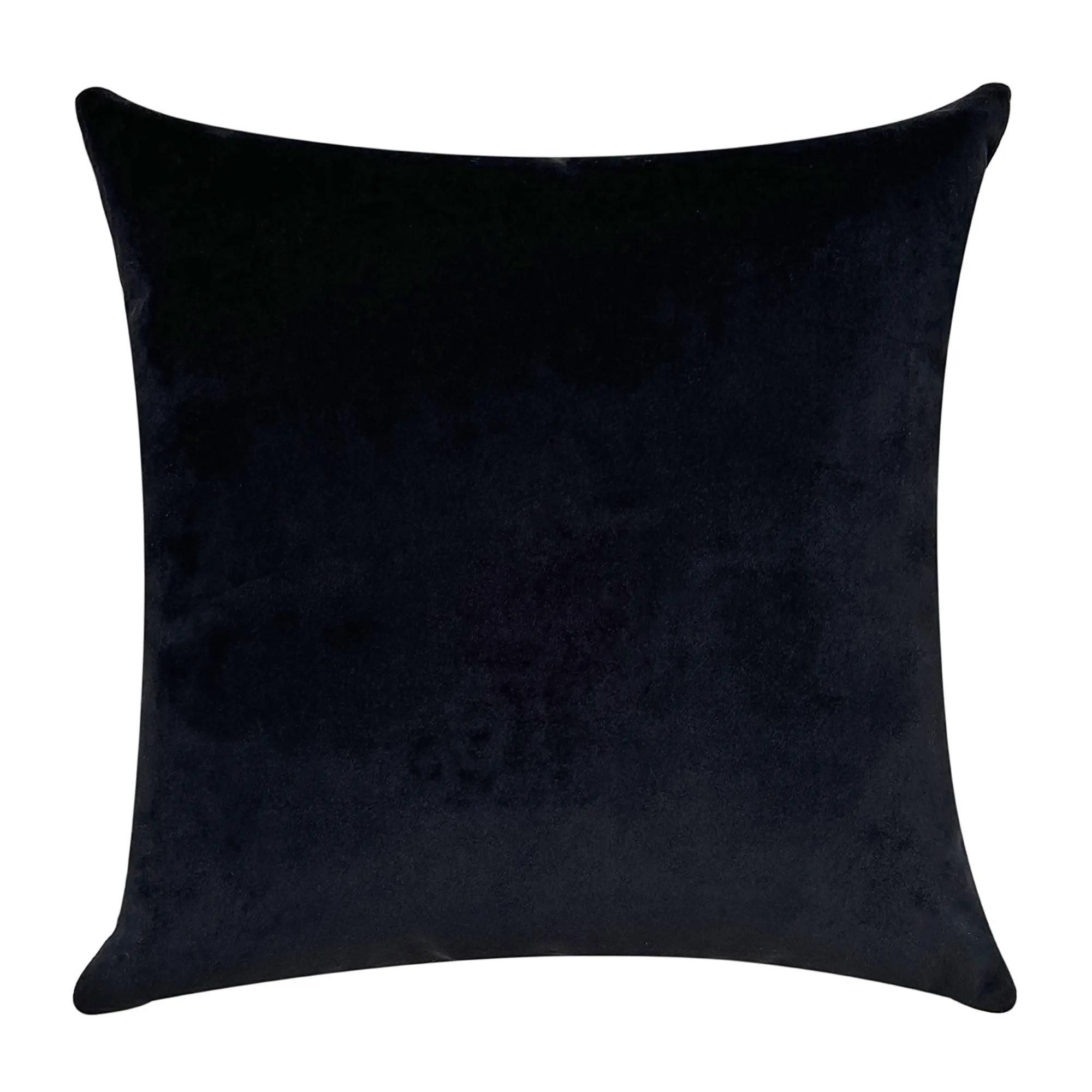 Solid Caviar Black Velvet Pillow 20" x 20"$79
A plush feather-down pillow with striated caviar velvet and a removable, textured polyester cover.
Add To Cart

Neutral Textured Throw Pillows
Explore neutral textured throw pillows that bring tactile depth and quiet drama to sofas, accent chairs, and beds. With understated tones and dimensional surfaces, these decorative pillows let texture take center stage—ideal for building a richly layered neutral arrangement or offering a subtle counterpoint to bold patterns.
Neutral textured throw pillows bring dimension to sofas, beds, and accent chairs through tactile fabrics and understated color. In shades of ivory, cream, beige, taupe, and soft gray, they add depth without competing with a room’s artwork, upholstery, or architectural details. Their impact comes from the surface: a raised weave catches light differently from smooth velvet, while a nubby bouclé creates soft shadows that make a pale pillow feel richly layered rather than flat. This interplay gives neutral decorative pillows their expressive range. They can soften the sharp silhouette of a contemporary sofa, lend intimacy to a sculptural lounge chair, or bring a sumptuous finish to tailored bedding. Color remains important even within a restrained palette. Cream and oatmeal often have warm undertones, while pearl gray and some stone shades lean cooler; taupe can bridge the two, depending on its particular cast. Against bright white upholstery, an ivory pillow creates a subtle contrast, while deeper mushroom or sand tones give the arrangement more definition. Materials add another layer of character. Cotton and linen offer visible weave and a relaxed hand, velvet brings a light-catching pile, and wool blends can introduce a substantial, softly irregular surface. Bouclé describes a looped texture rather than a single fiber, so its feel and care requirements depend on the fabric’s composition. Embroidery, tufting, ribbing, and dimensional stitching create additional relief, allowing a monochromatic arrangement to feel intricate without relying on bold color. The result is especially compelling in interiors where a few deliberate details carry the room: a pale sofa beneath oversized art, a dark wood bench with a single tactile accent, or a bedroom where upholstered panels and crisp linens frame layers of cream. Neutral does not have to mean barely there. With a pronounced weave or sculpted surface, a throw pillow becomes a small but unmistakable design statement.
The most convincing arrangements connect the scale of the pillows to the furniture around them. A deep sofa can accommodate generous square cushions with enough presence to hold their own against broad arms and substantial seat cushions. A compact settee or occasional chair benefits from a more edited composition that leaves room to sit comfortably. Common square sizes range from approximately 18 to 24 inches, but the dimensions listed for an individual pillow or cover should guide the fit; texture, fill, and edge construction also affect how large it appears. A rectangular lumbar pillow introduces a contrasting proportion and can sit neatly in front of taller squares without concealing all their detail. On a bed, larger pillows establish height against the headboard, while a lower rectangular shape gives the foreground a tailored finish. On a sofa, two related neutral shades with noticeably different surfaces often create more depth than several nearly identical pillows. Think of creamy velvet beside an oatmeal weave, or a fine rib balanced by a bolder raised texture. The connection is color; the distinction is touch. A restrained border, flange, or softly fringed edge can sharpen or relax the overall impression, depending on the room’s other finishes. Where a space needs more visual rhythm, neutral patterned throw pillows can complement tactile solids with tonal geometry or other understated motifs. Keeping some surfaces relatively smooth gives the more elaborate textures room to register. A heavily tufted pillow feels especially deliberate beside sleek upholstery, while a finely woven cushion can provide welcome contrast against a deeply textured chair. Leaving visible space between accents preserves the furniture’s silhouette and keeps the seating inviting. These pieces suit both confidently layered interiors and rooms built around a few dramatic forms, giving each setting a softer, more personal dimension without obscuring its character.
Construction and care determine how well that tactile appeal suits everyday living. A densely woven surface may be a more practical choice for frequently used seating than loose loops or long decorative fringe, particularly in households where jewelry, pet claws, or enthusiastic play could catch on raised threads. No decorative fabric is immune to wear, and delicate embellishments deserve a placement that matches their needs. Pillows used mainly to finish a bed or accent an occasional chair may experience less friction than those moved and leaned against throughout the day. Fill also changes the experience. Feather-and-down inserts generally offer a yielding feel and can be reshaped for a relaxed silhouette, while many synthetic fills provide a fuller appearance with a different degree of resilience. Anyone with sensitivities should review the stated fill composition rather than assume that a particular insert will be suitable. For pillow covers sold separately, matching the insert to the recommended dimensions helps preserve the intended shape without straining seams or leaving corners underfilled. A removable cover can make upkeep more convenient, but a zipper does not mean the fabric is machine washable. Care labels remain the deciding reference: some materials require spot cleaning, others professional cleaning, and some permit laundering under specified conditions. Promptly blotting spills rather than rubbing can help limit their spread, while gentle surface care should follow the fabric’s instructions, especially for loops, pile, embroidery, and applied details. Rotating and reshaping pillows also helps keep a well-used arrangement looking considered. As a housewarming or wedding gift, neutral textured accent pillows can feel thoughtful when the recipient’s palette, seating proportions, and care preferences are known; a versatile color still benefits from a personal eye. Whether chosen for a reading chair, a guest bedroom, or a living room designed for conversation, their purpose extends beyond decoration. They bring softness within reach and give restrained color a richer voice, turning an expanse of upholstery into a composition of light, texture, and sculptural detail.
FAQs
Neutral textured throw pillows bring dimension to a restrained palette, allowing surface detail and subtle shifts in tone to take center stage. Shades of ivory, taupe, and stone create an elegant backdrop for sculptural furniture, expressive artwork, and gleaming accents.
Build a layered composition with contrasting textures and closely related neutrals. Pair a richly dimensional pillow with a smoother accent, then introduce a deeper tone for definition. The result feels thoughtfully collected rather than perfectly matched.
Cream and beige feel luminous alongside warm browns and golden accents, while gray and stone create a striking dialogue with black, silver, and deep blue. For a more expressive setting, let neutral pillows balance jewel-toned upholstery without competing for attention.
Yes—neutral texture gives bold patterns room to command attention while adding its own quiet drama. Choose a neutral shade echoed in the pattern, then contrast the surfaces. A dimensional neutral beside a graphic motif creates a layered, artful arrangement.
Let neutral pillows serve as a consistent foundation while surrounding accents shift with the season. Pair them with airy tones and glass accents in spring, then introduce richer colors and warm metallic details in fall. Texture keeps the composition expressive throughout the year.