Neutral Rugs For Apartments
Neutral Rugs For Apartments
-
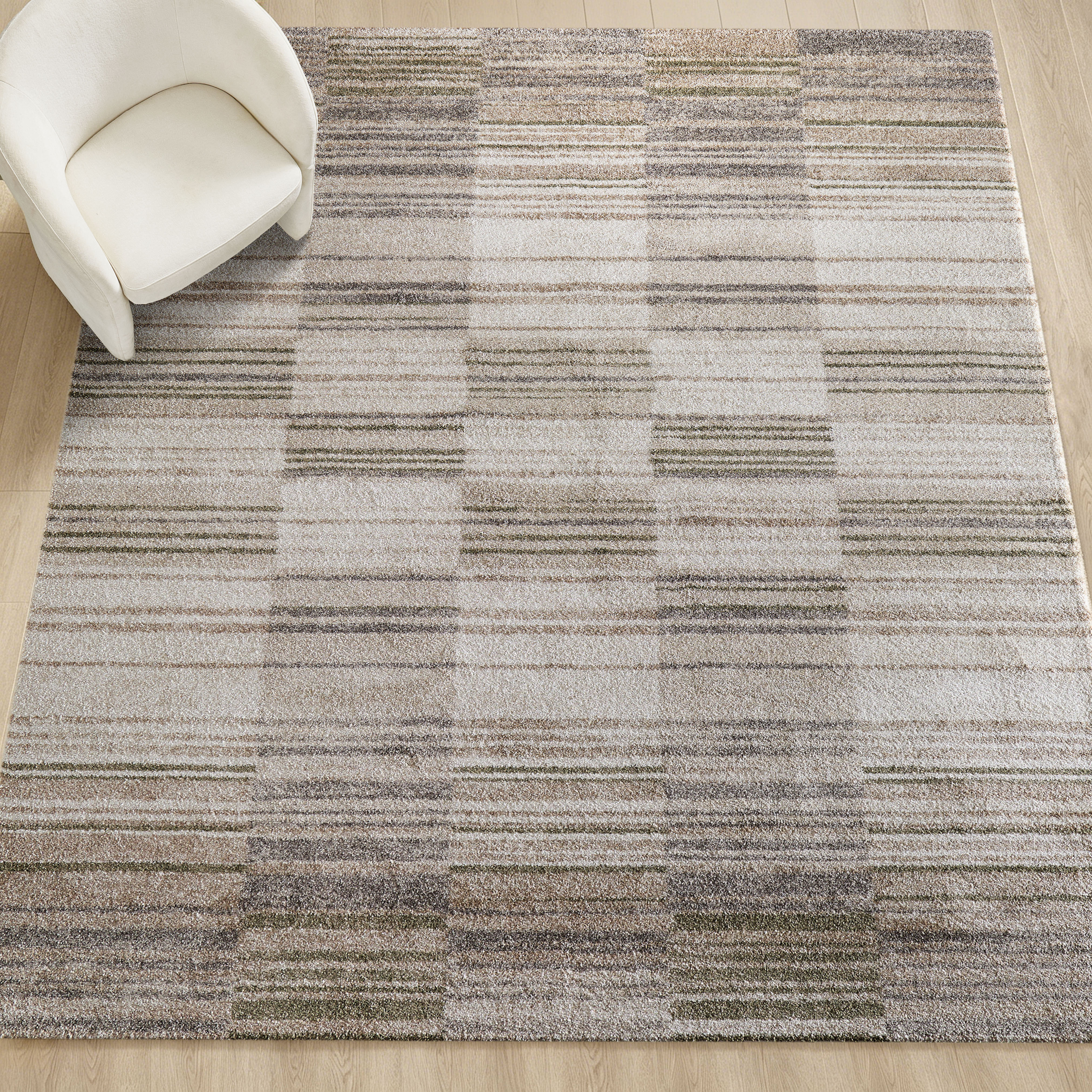
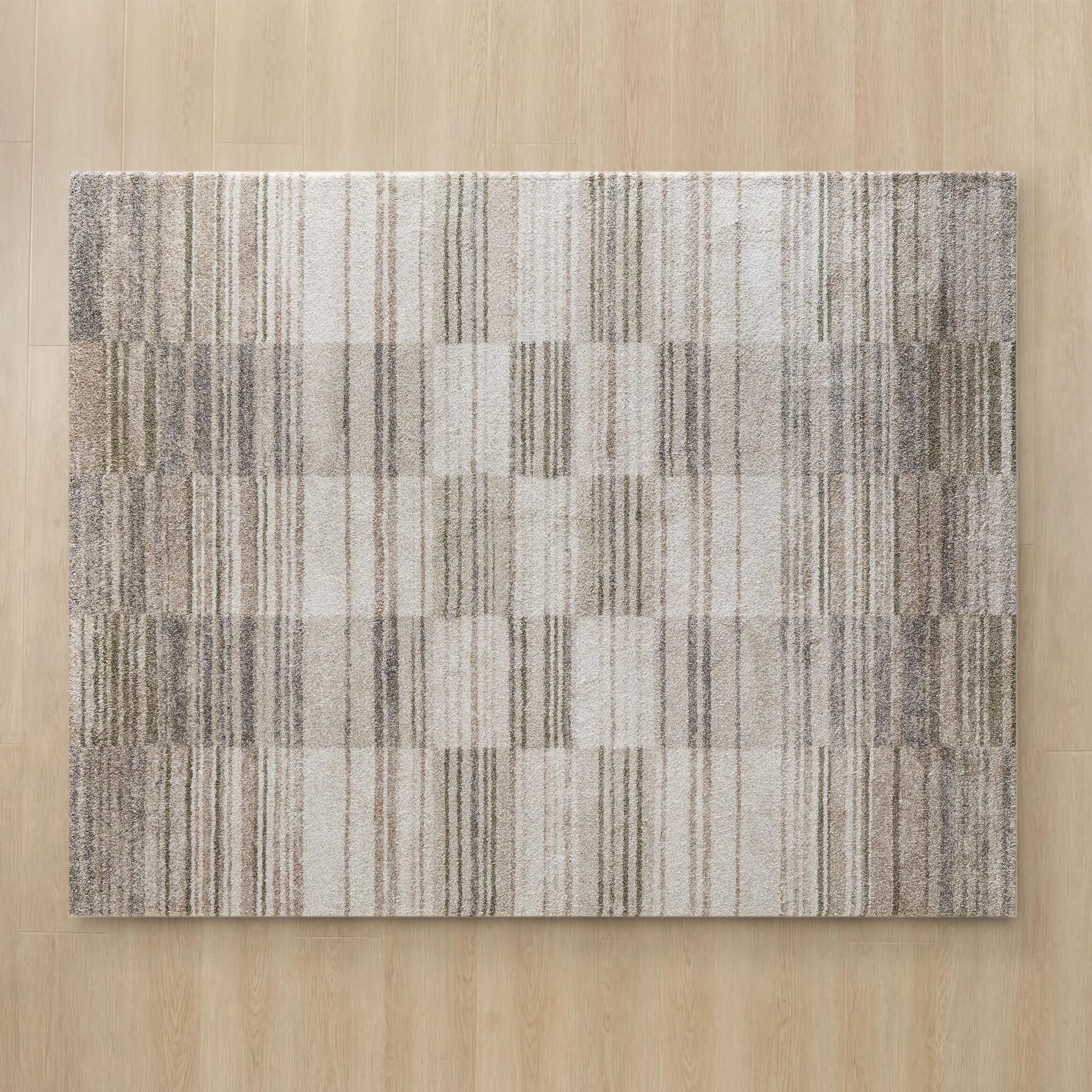 Checka Grey/Tan/Ivory/Soft Green Performance Power Loomed Rug$1649
A plush, power-loomed rug featuring a soft check pattern in grey, tan, ivory, and green.
Add To Cart -
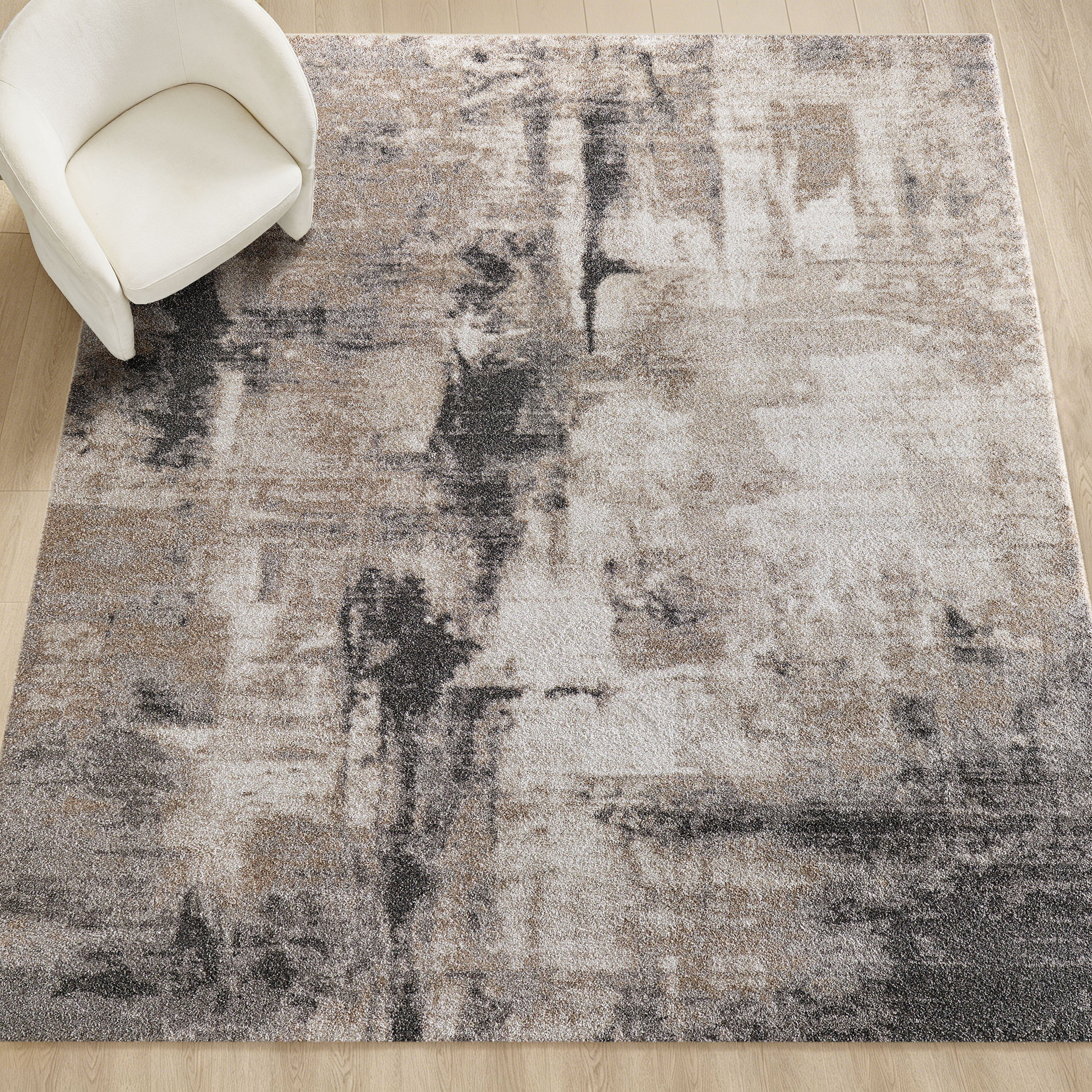
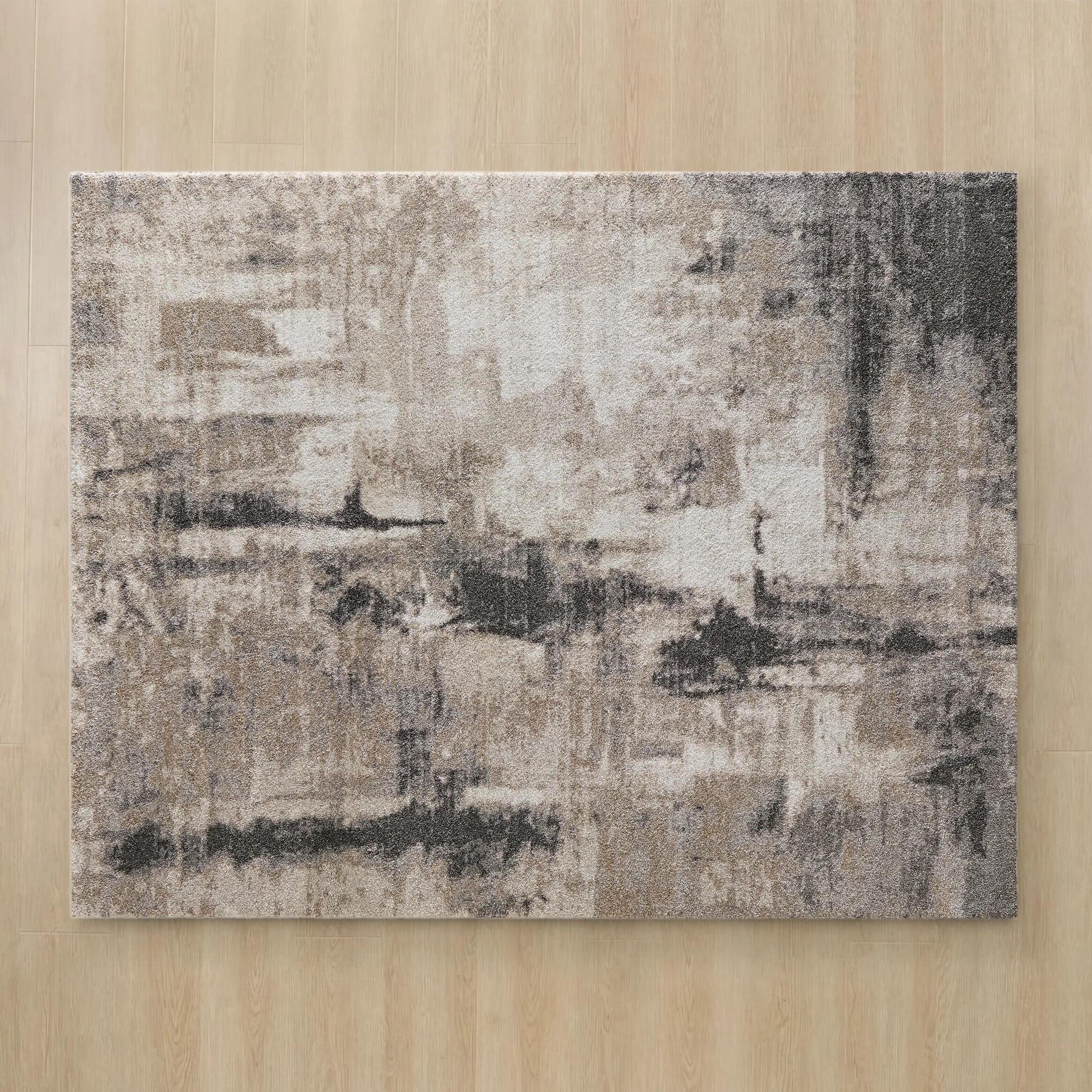 Atlas Abstract Grey/Taupe/Ivory/Charcoal Performance Power Loomed Rug$399
An abstract rug in grey, taupe, ivory, and charcoal with a plush, stain-resistant polypropylene blend.
Add To Cart -
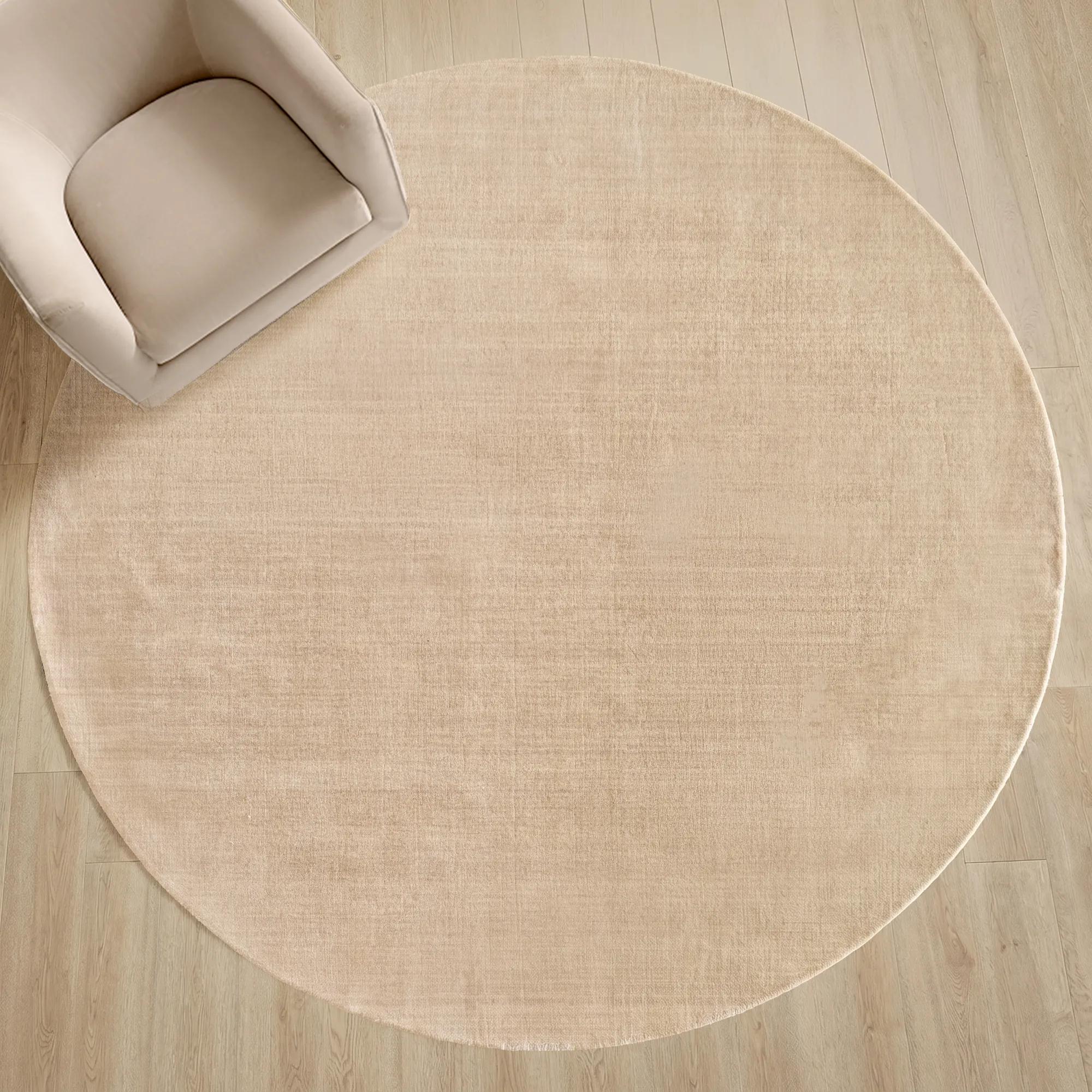 Juni Hand Woven Heathered Warm Beige Round Rug$1399
A handwoven round wool rug in heathered warm beige, offering refined texture and everyday durability.
Add To Cart -
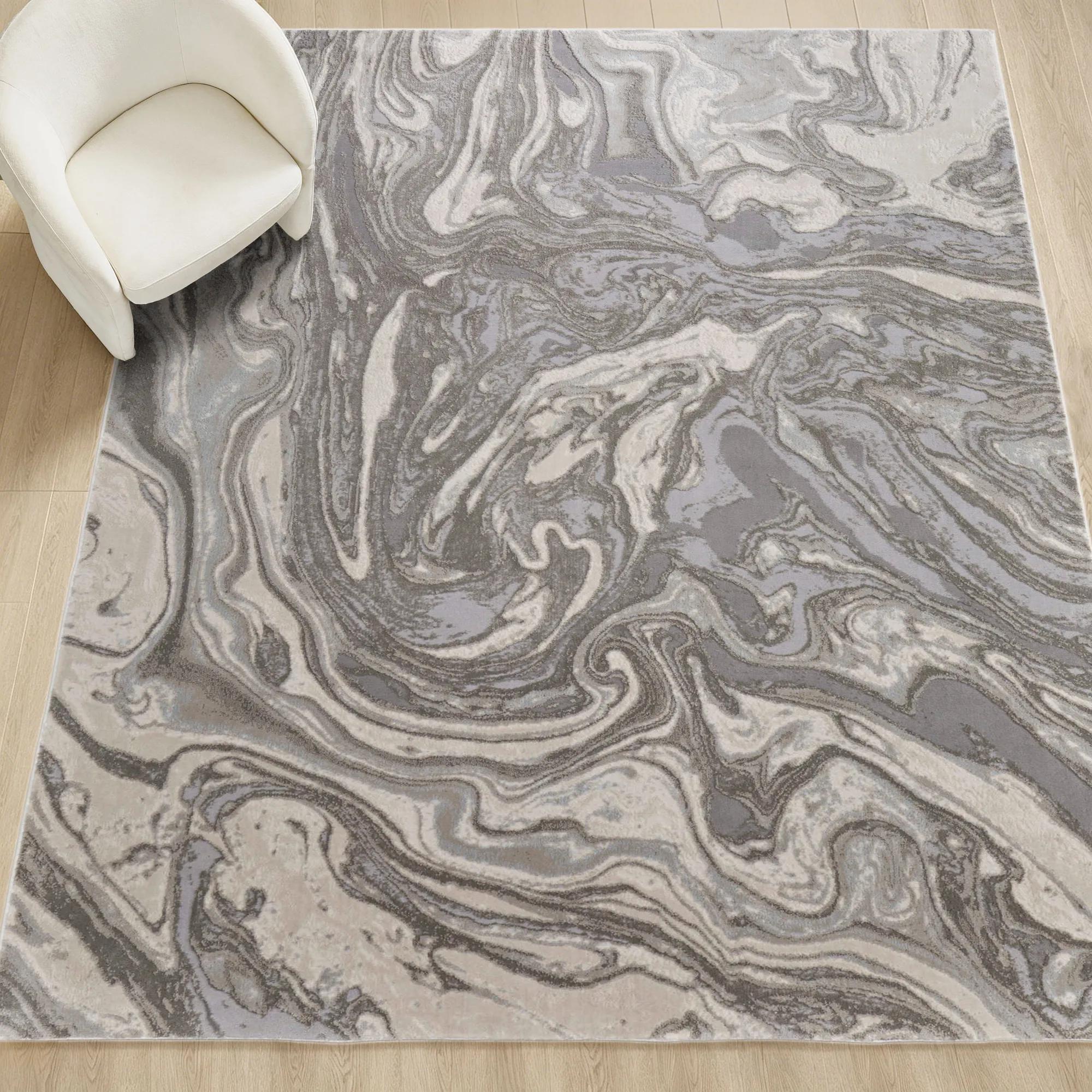
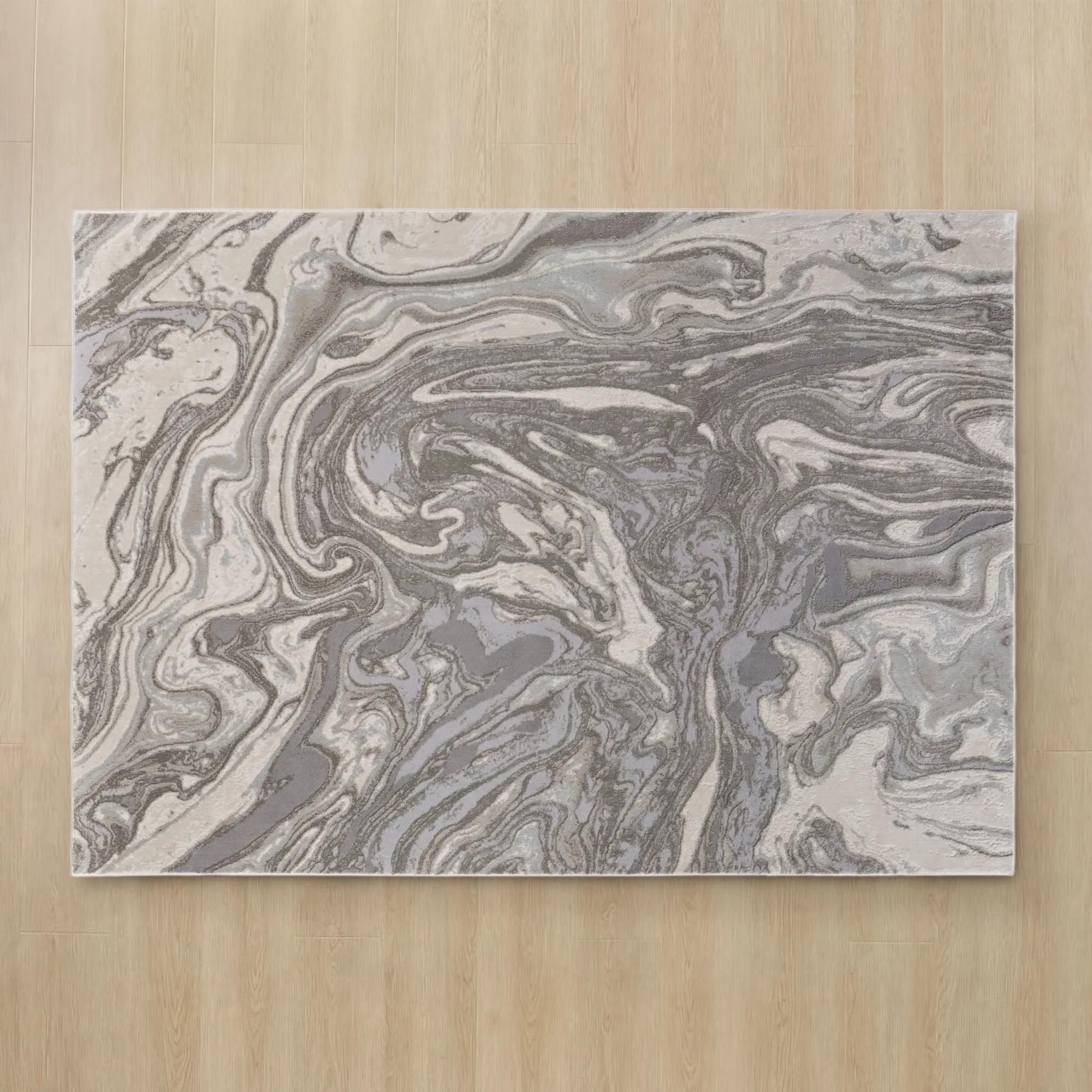 Marbre Marbled Grey/Taupe/Powder Blue Performance Power Loomed Rug$379
A softly marbled rug in grey, taupe, and powder blue with a textured, stain-resistant polypropylene blend.
Add To Cart -
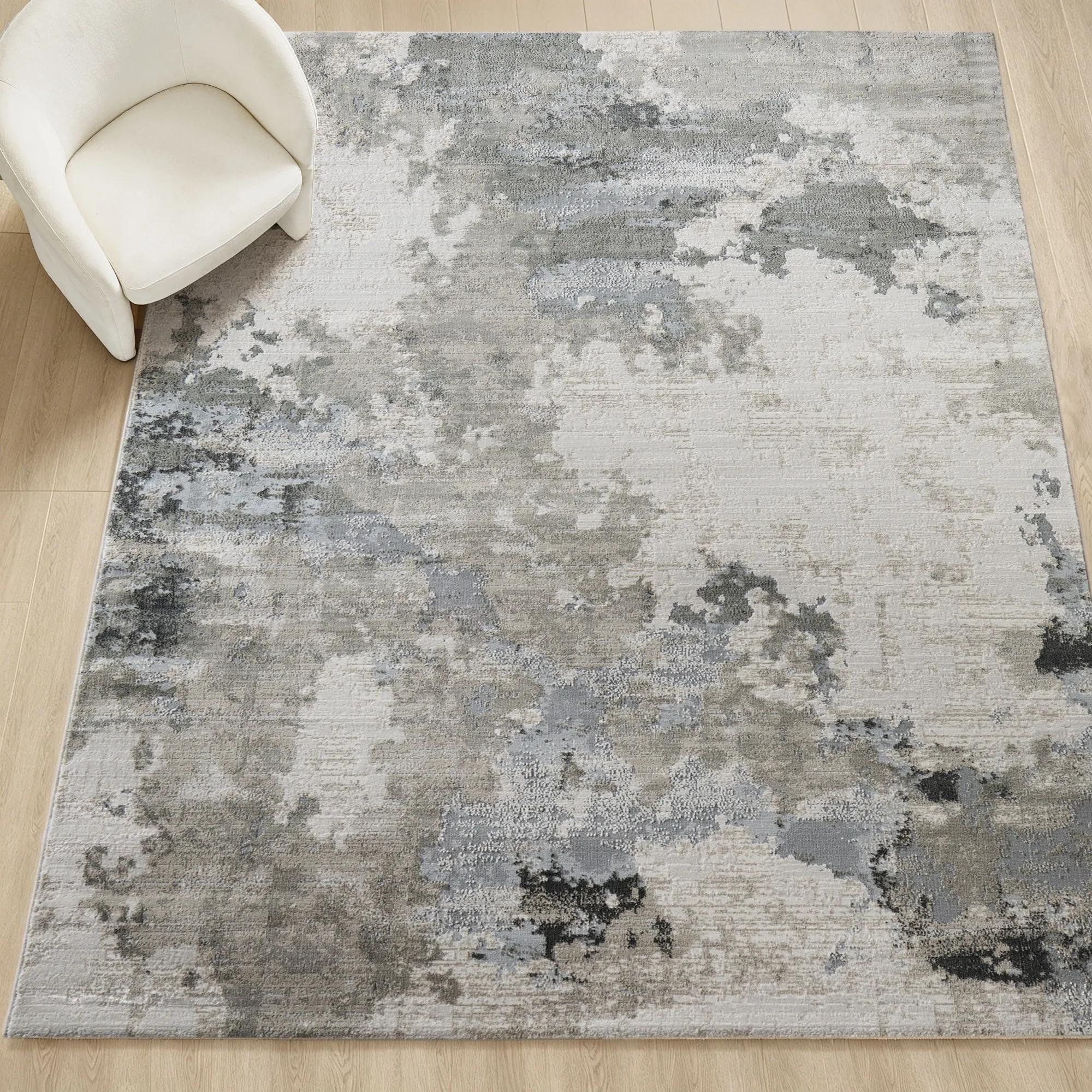 Alarion Abstract Grey/Muted Blue/Ivory Performance Power Loomed Rug$379
A power-loomed rug featuring a grey, muted blue, and ivory abstract pattern with stain-resistant durability.
Add To Cart -
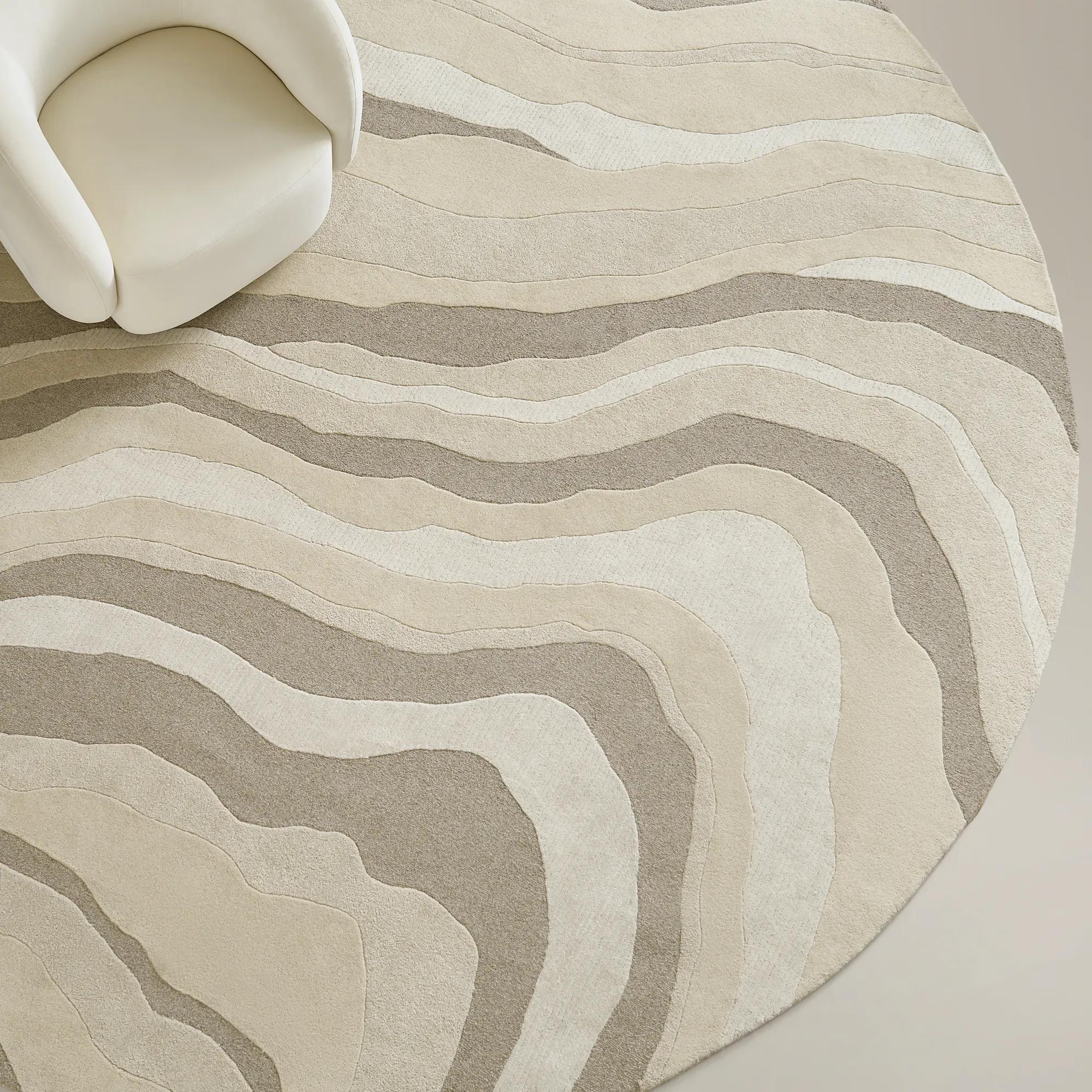 Kadence Hand-Tufted White/Ivory/Tan Wool Round Rug 12"$1799
A hand-tufted round rug in white, ivory, and tan, crafted from 100% wool for natural warmth.
Add To Cart -
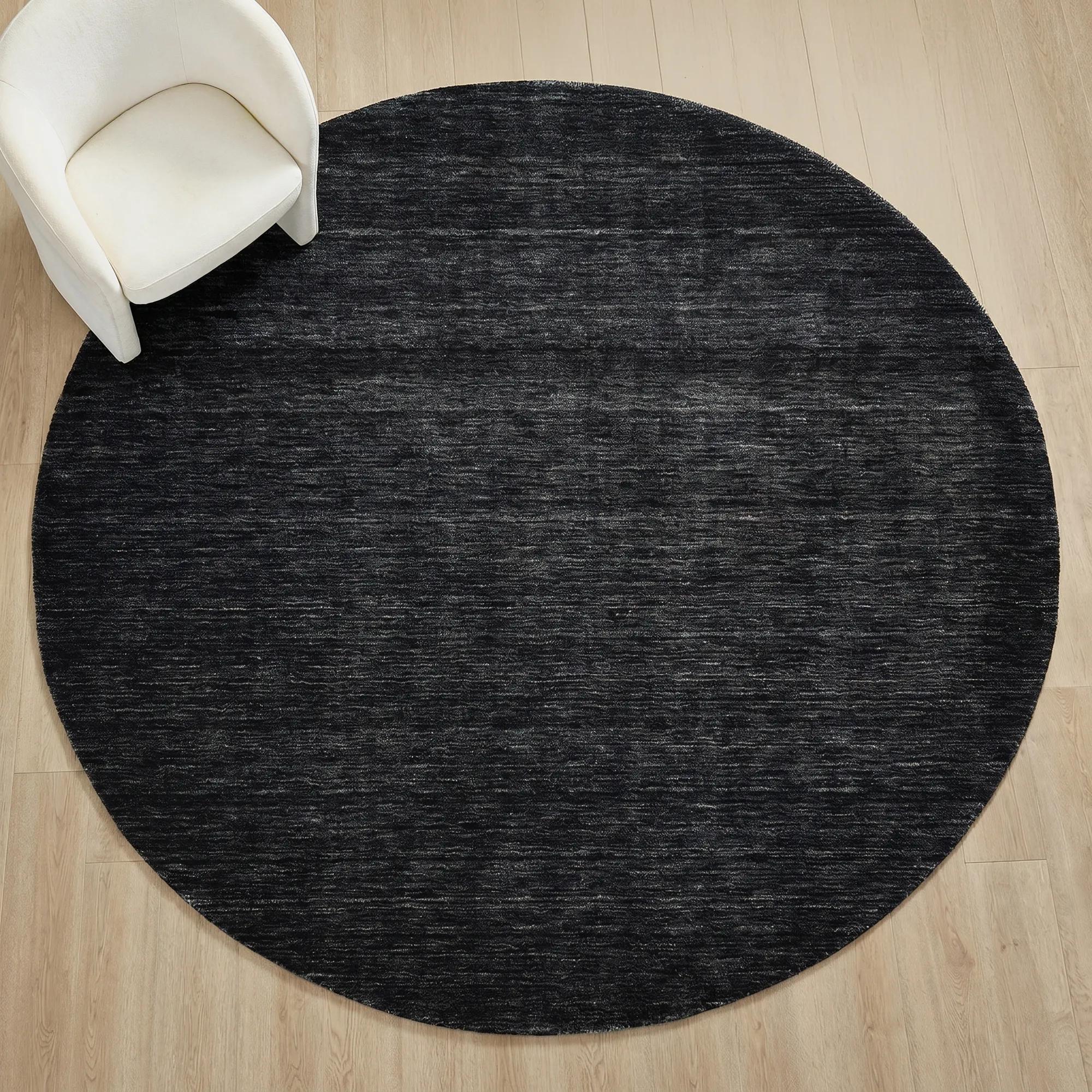 Juni Hand Woven Heathered Black Rug$799
A handwoven round wool rug in heathered black, offering durable texture and moody, contemporary style.
Add To Cart -
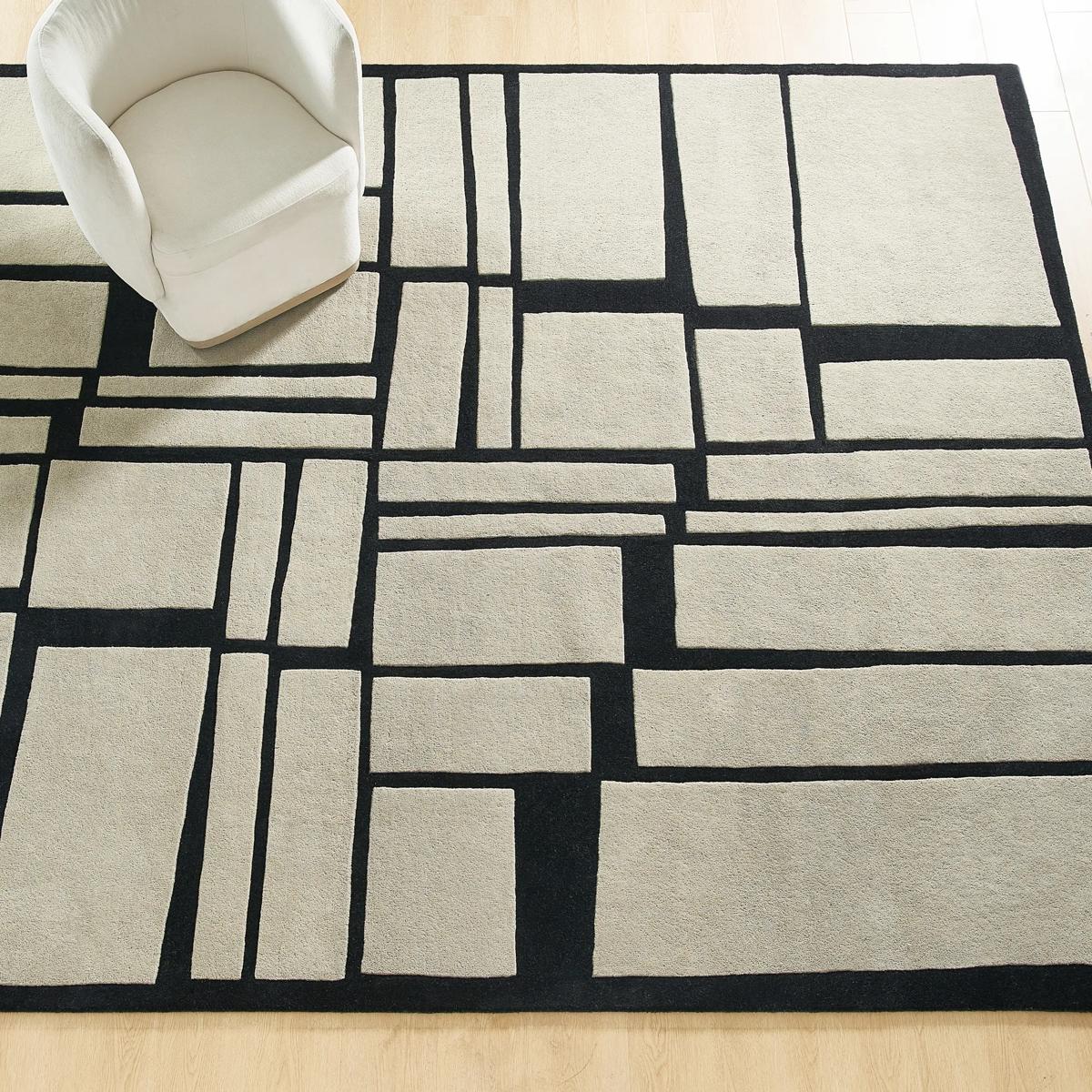 Novak Hand-Tufted Natural/Black Wool Rug$449
A hand-tufted wool rug featuring a bold black and natural grid design for modern visual impact.
Add To Cart -
 Fiona Hand-Tufted Ivory/Beige/Black Border Fringe Rug$1099
A hand-tufted ivory, beige, and black rug featuring a framed border and decorative fringe.
Add To Cart -
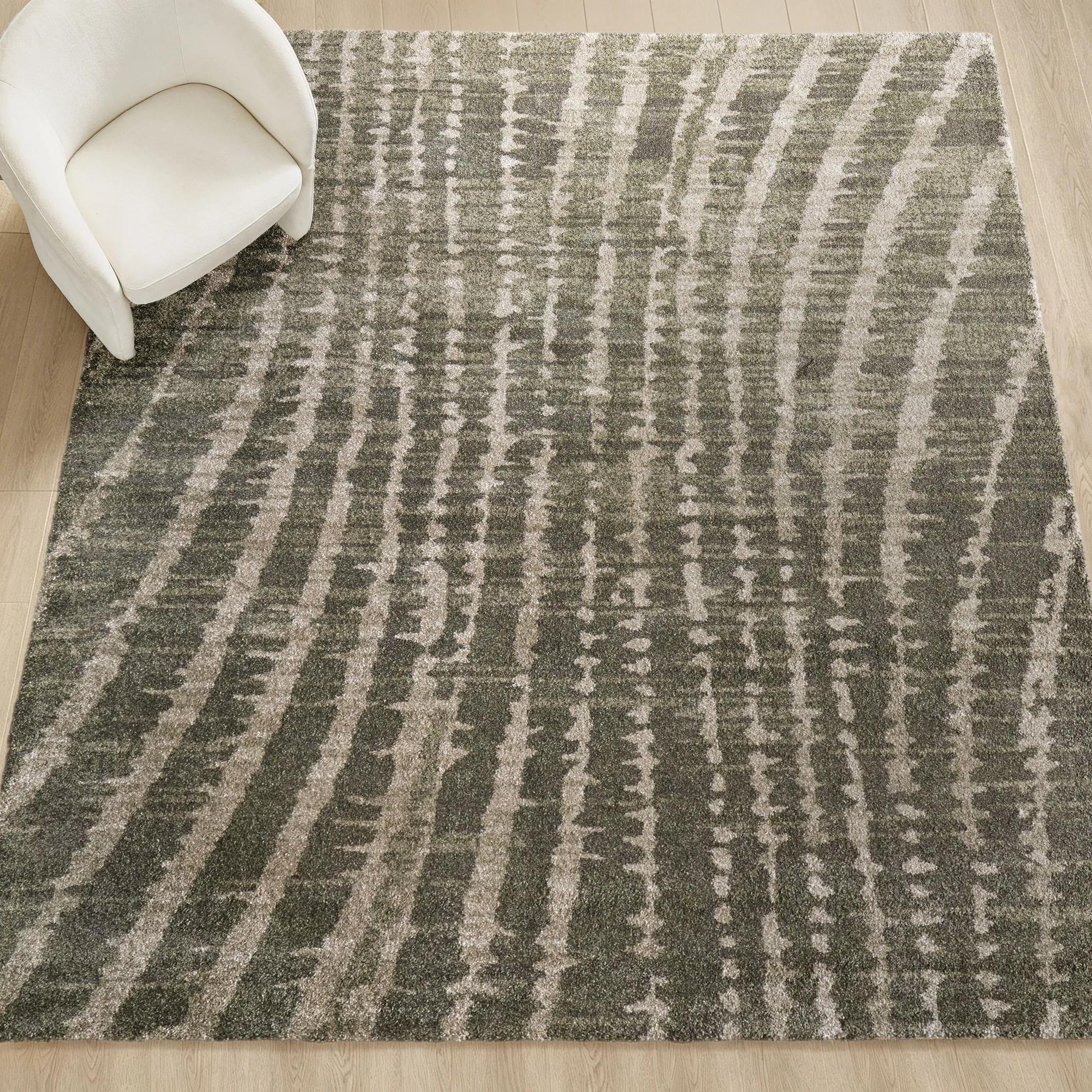
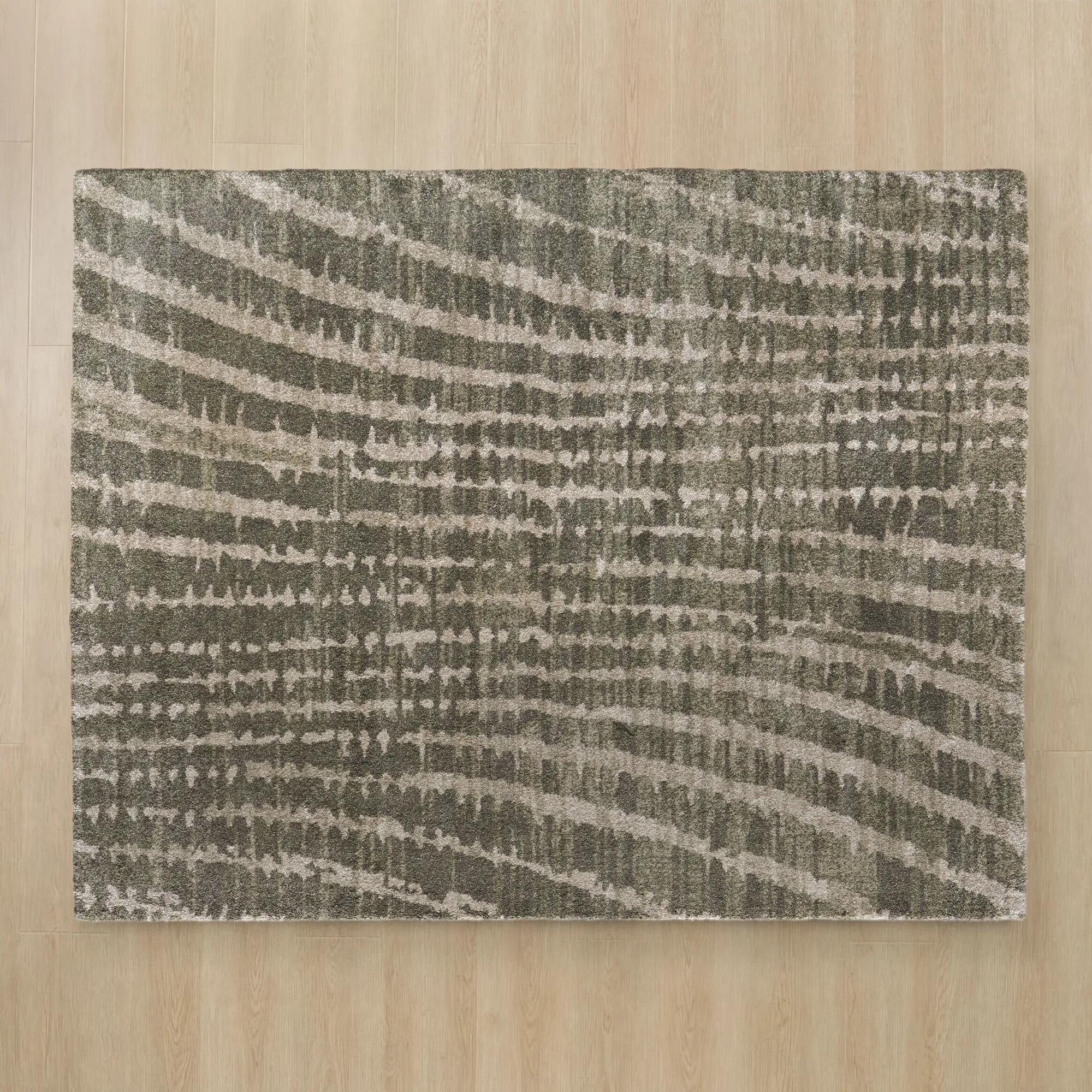 Tempo Green/Grey/Beige Performance Power Loomed Rug$1649
An abstract charcoal grey and beige rug with plush cut pile and durable, stain-resistant polypropylene-polyester construction.
Add To Cart -
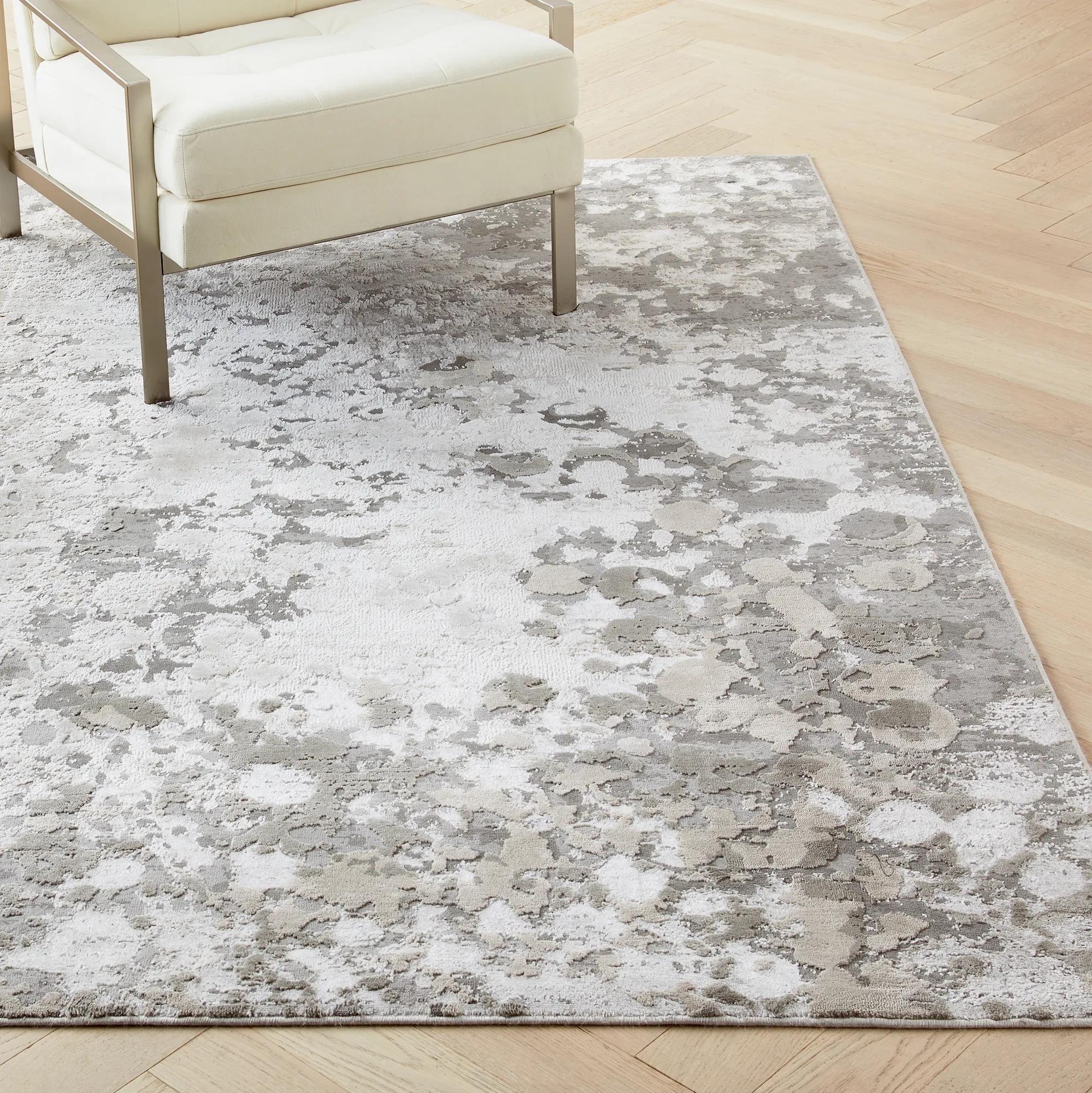 Mercury Power-Loomed Silver/Grey/Beige Rug$1649
A textured rug in silver, grey, and beige crafted from polyester, polypropylene, jute, and cotton.
Add To Cart -
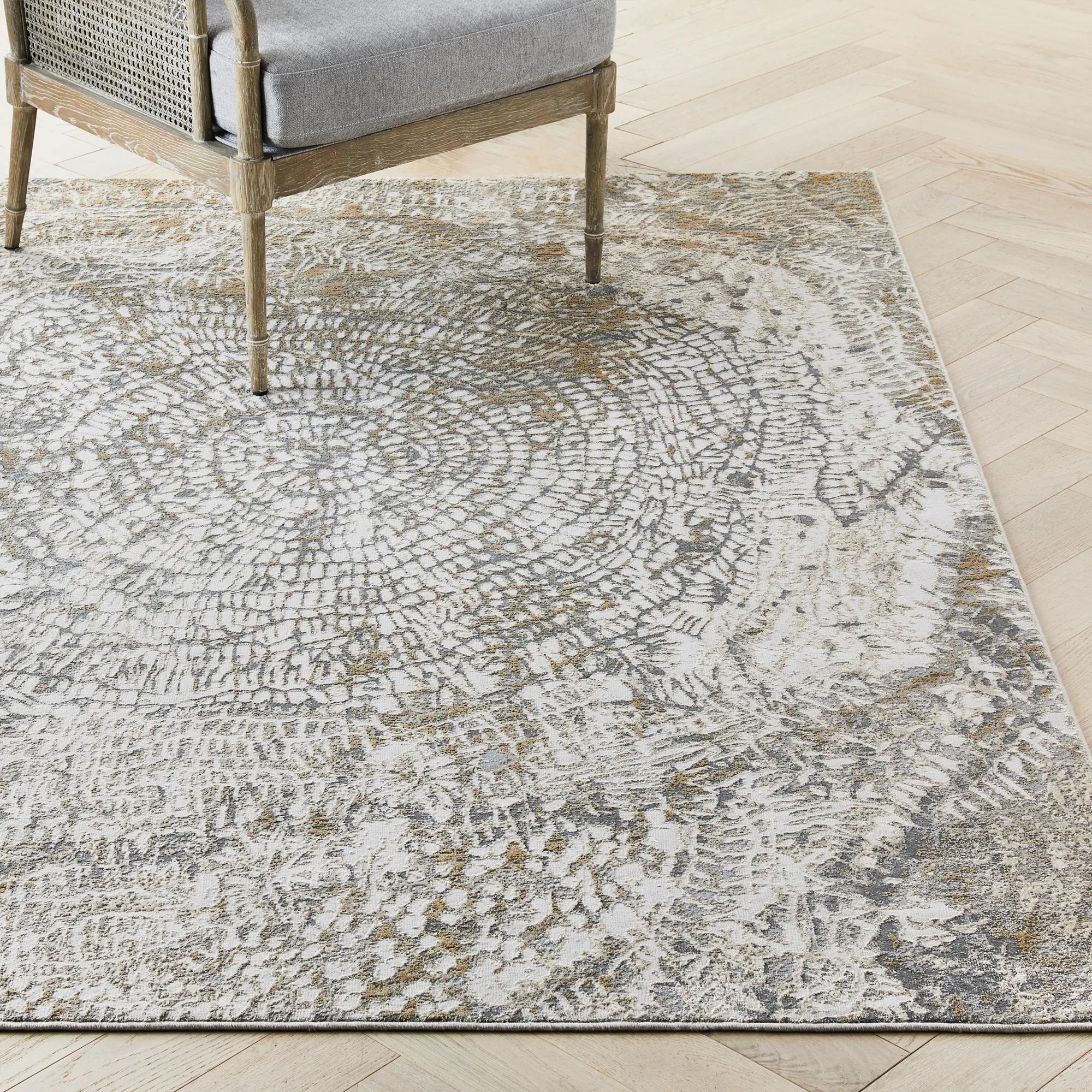 Nautilus Power-Loomed Silver/Grey/Natural Rug$999
A machine-woven ivory rug featuring subtle tonal variations and a durable polypropylene blend construction.
Add To Cart -
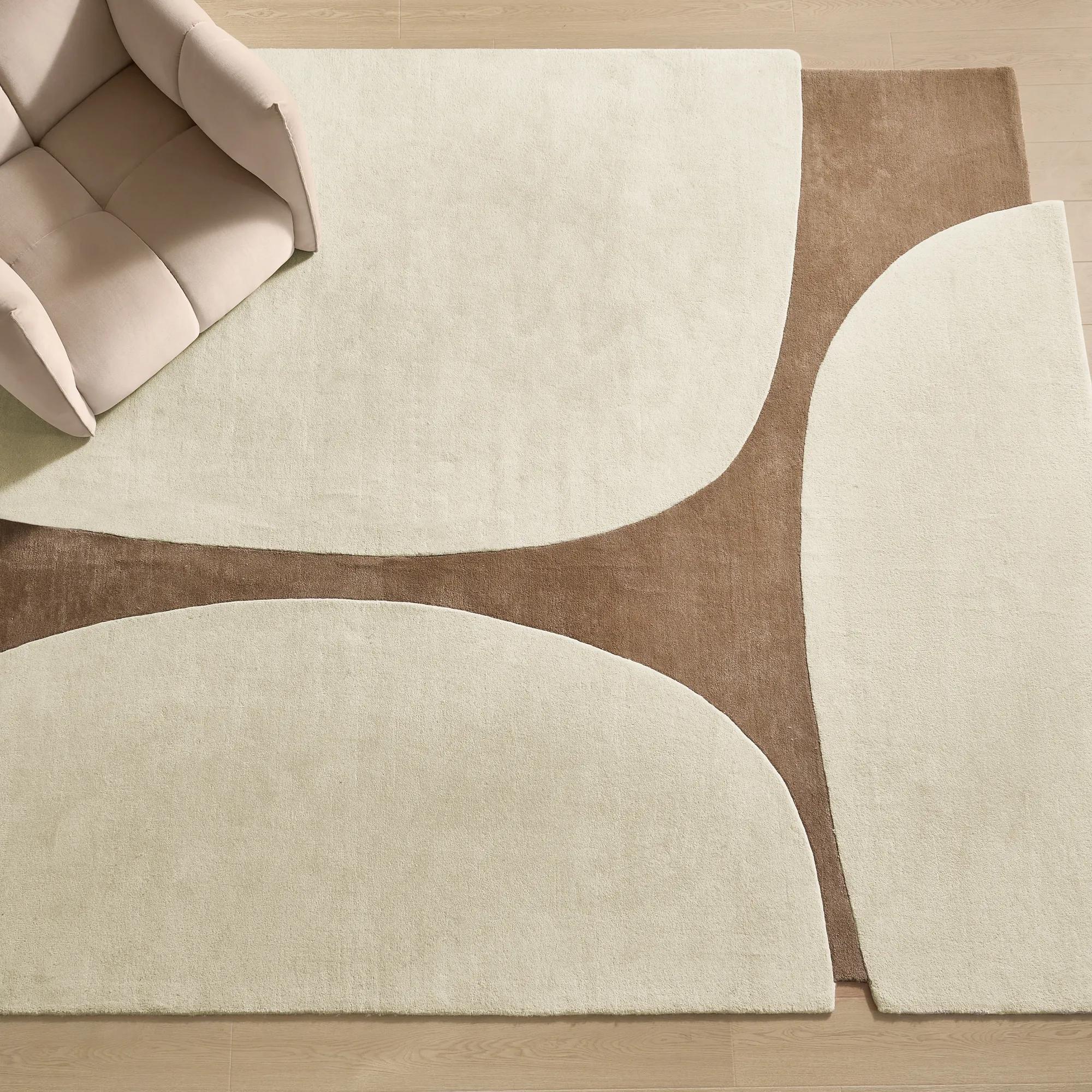
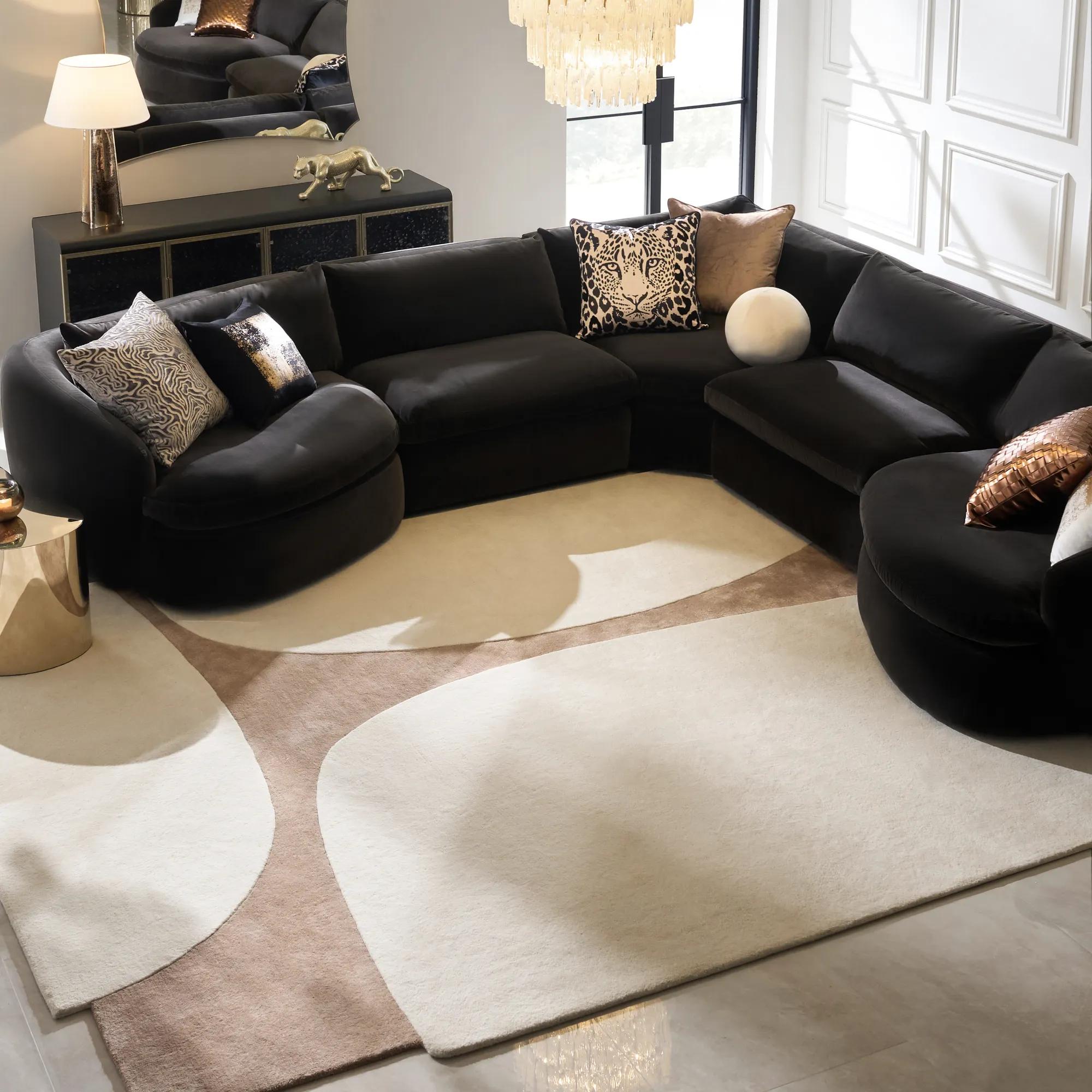 Contour Hand-Tufted Ivory/Ginger Root Wool Blend Rug$1499
A hand-tufted wool rug featuring an ivory and ginger root palette with a contoured, modern design.
Add To Cart -
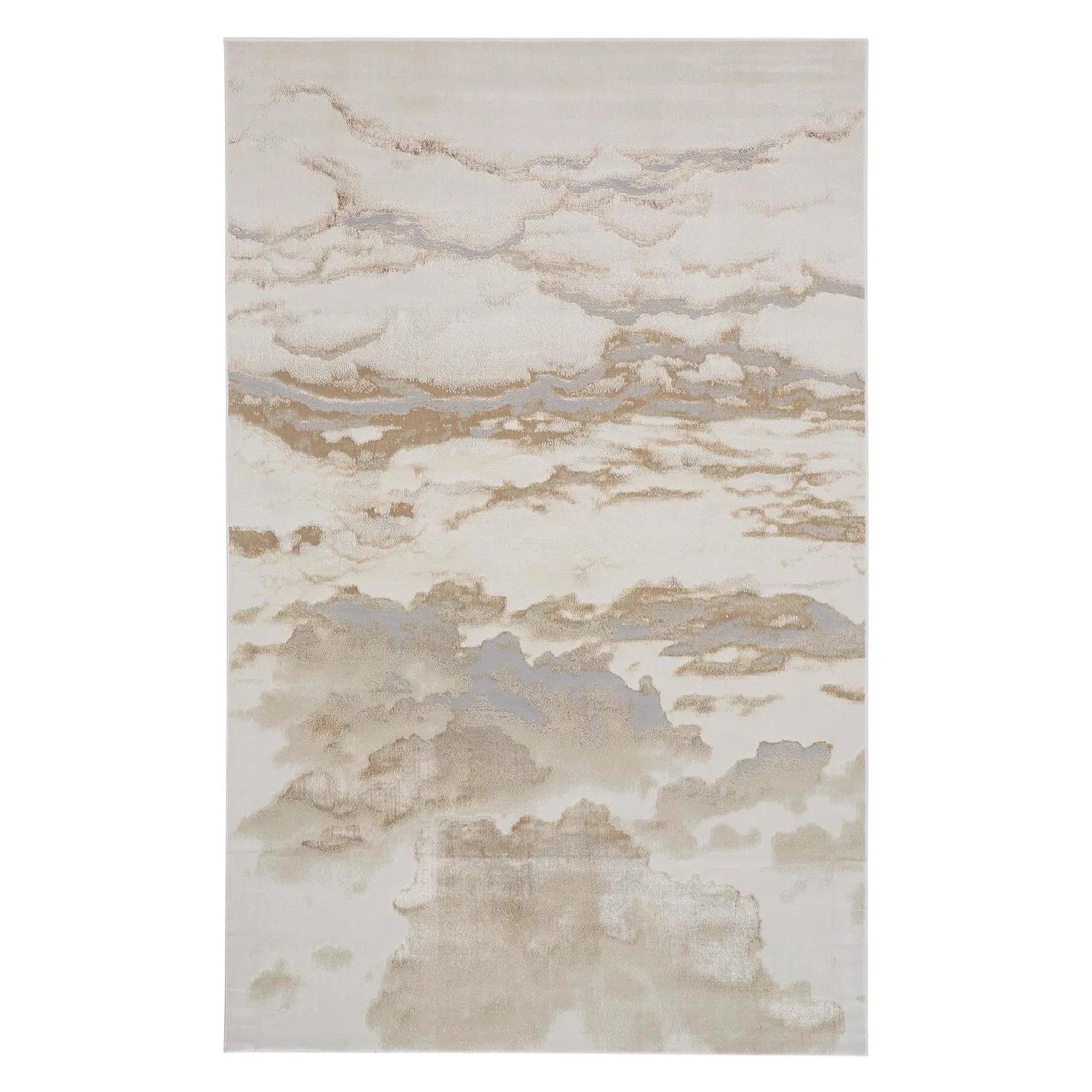
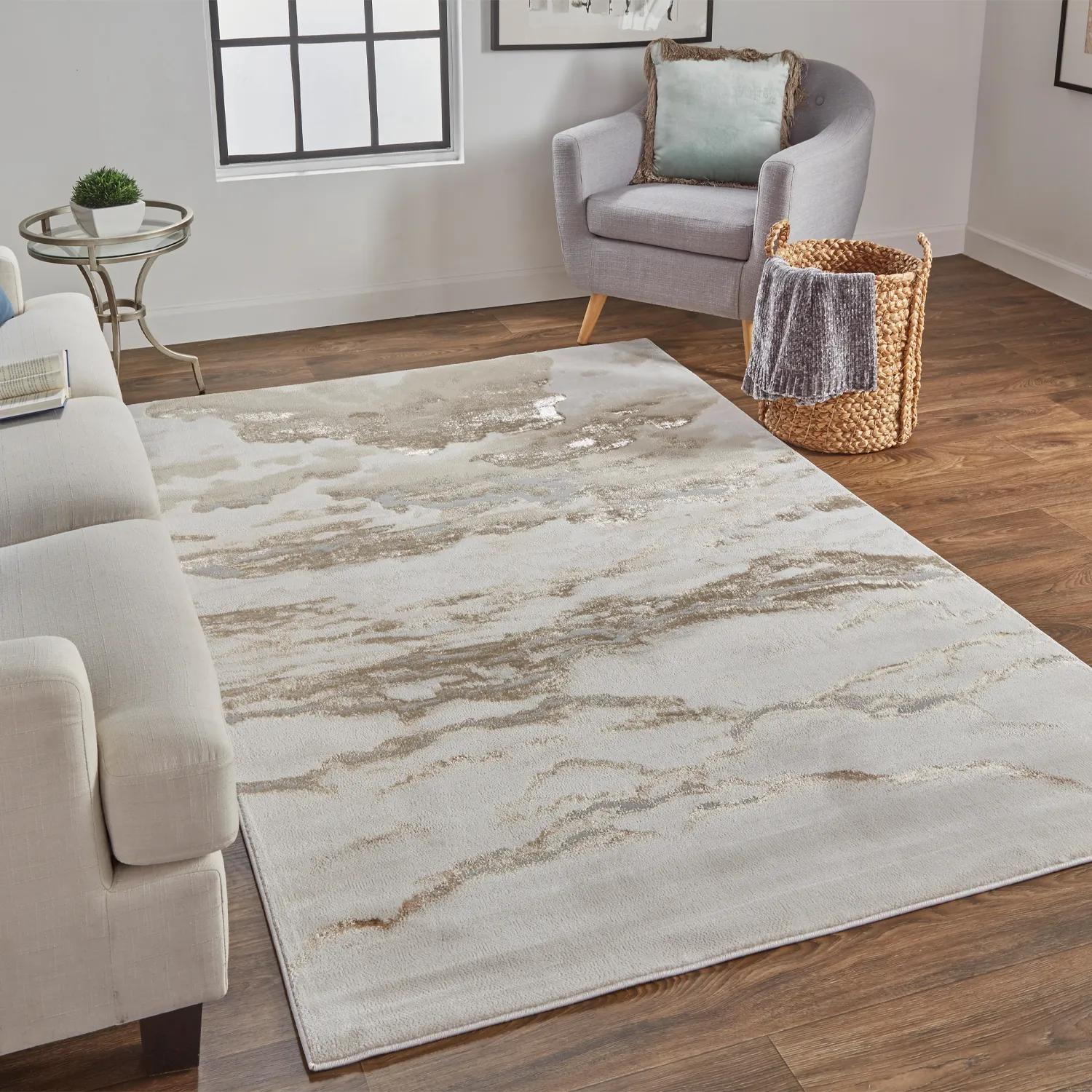 Tide Power-Loomed Beige/Gold/Ivory Rug$449
A machine-made rug in beige and gold, crafted from ultra-soft polyester and polypropylene for elegant appeal.
Add To Cart -
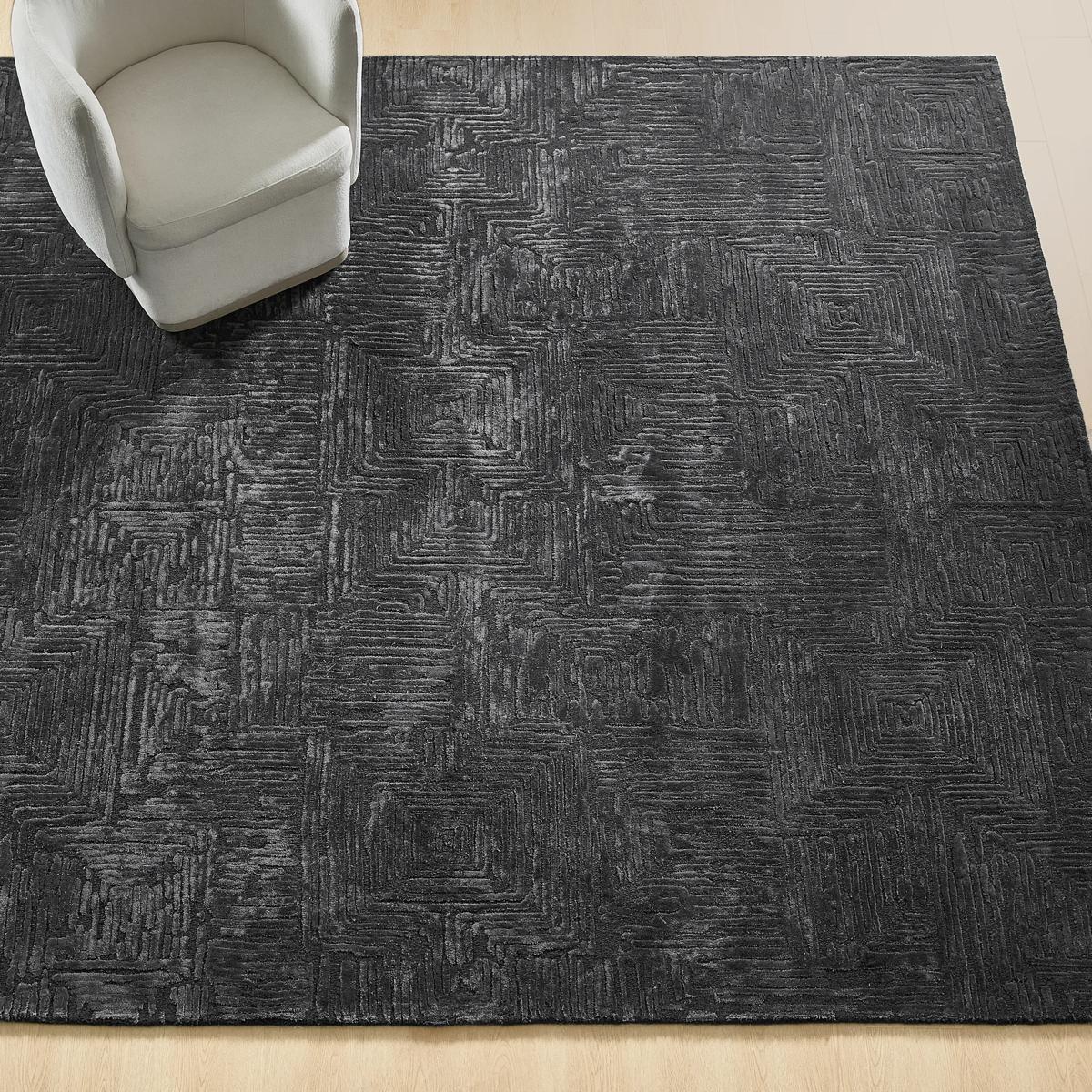
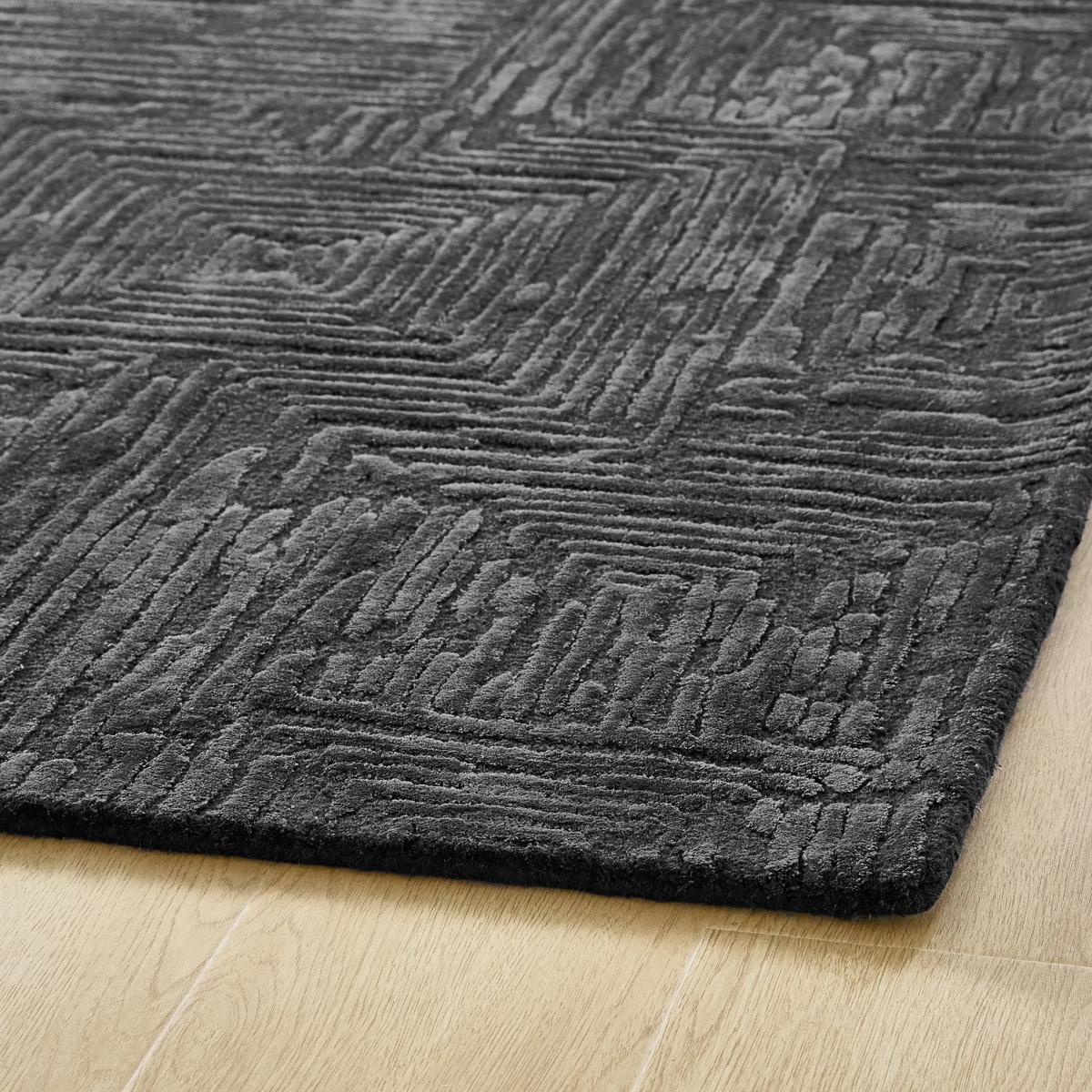 Andra Charcoal Hand-Tufted Wool Blend Dimensional Rug$499
A hand-tufted viscose-wool rug in rich charcoal, featuring a sculptural, dimensional pattern for modern spaces.
Add To Cart -
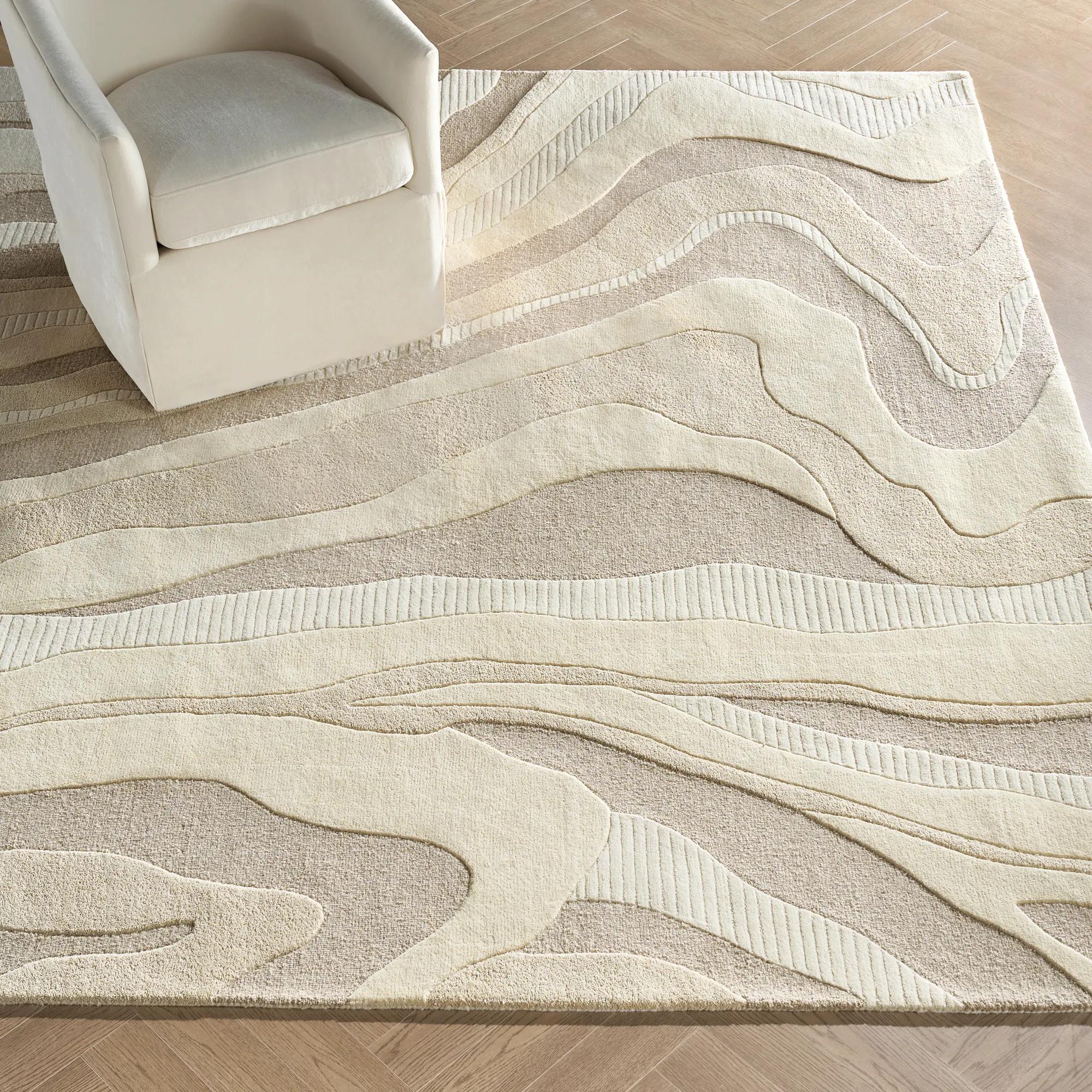 Kadence Hand-Tufted Ivory/Tan Wool Rug$1499
A hand-tufted wool rug featuring a multi-textured swirl design in ivory and tan for timeless elegance.
Add To Cart -
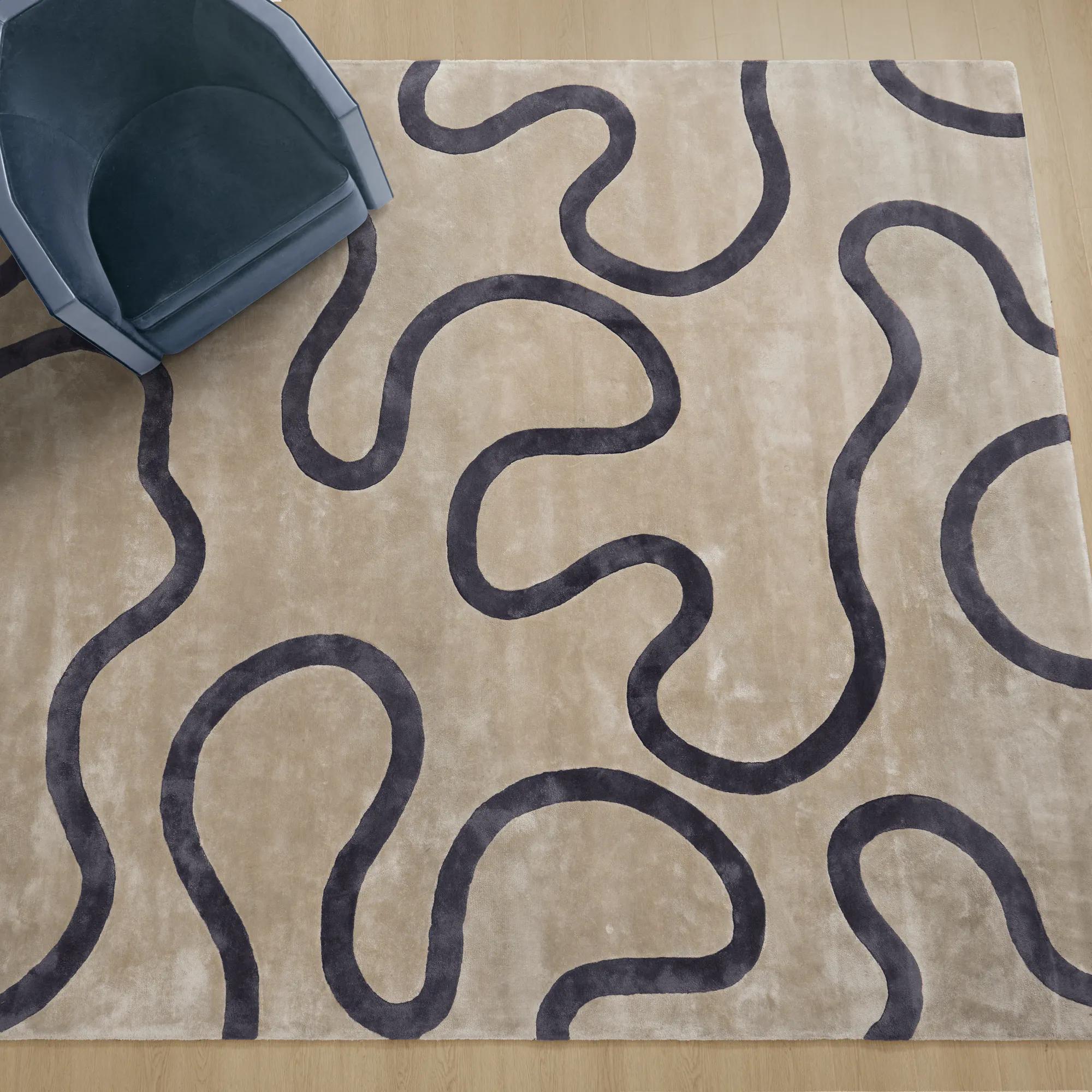 Seraphine Hand-Tufted Smoked Pearl/Taupe Viscose Loop Rugs$1199
A hand-tufted viscose rug featuring bold loop patterns in smoked pearl and taupe for modern elegance.
Add To Cart -
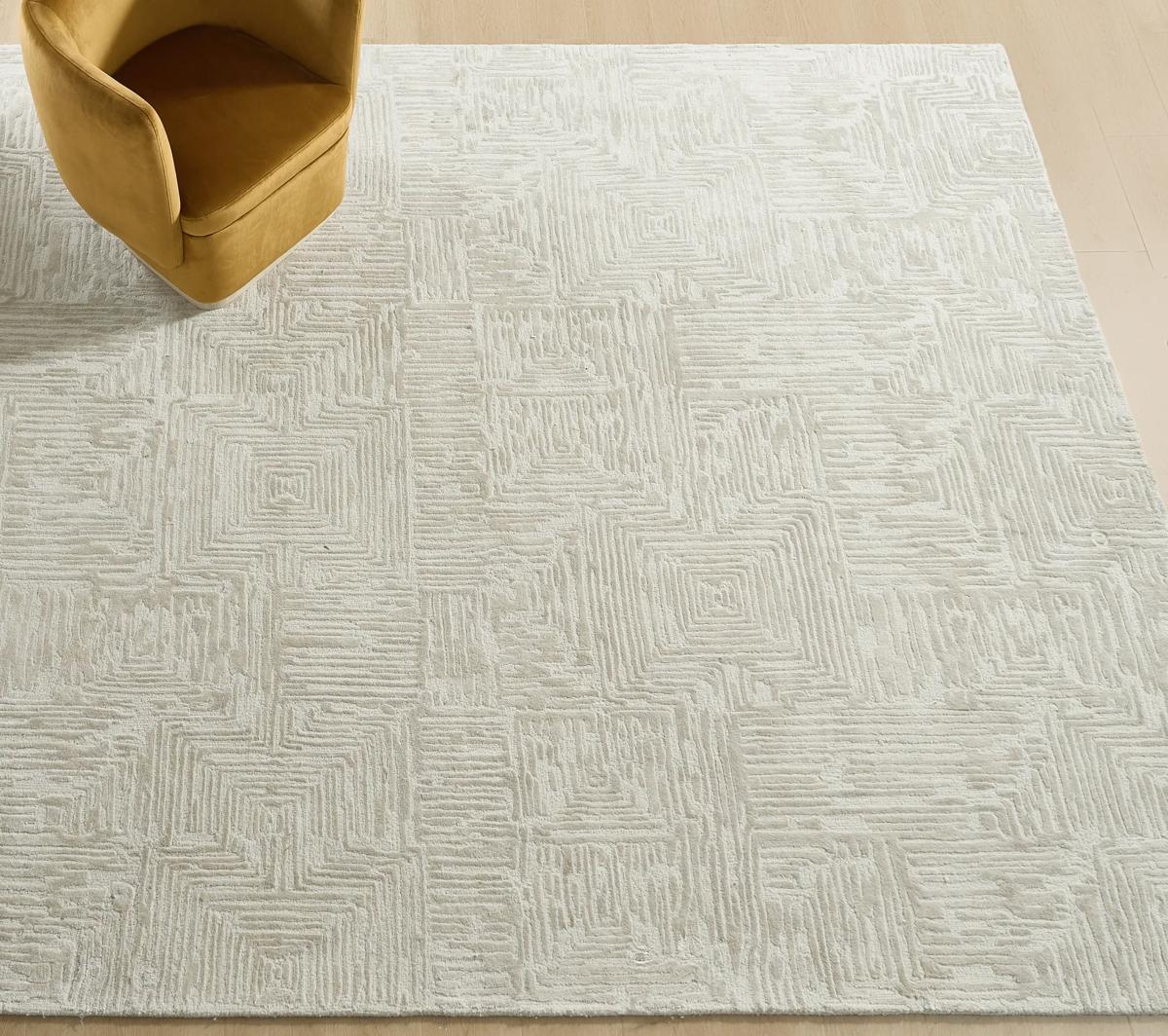 Andra Ivory Hand-Tufted Wool Blend Dimensional Rug$499
A hand-tufted ivory rug in a viscose-wool blend with raised textural detailing and subtle sheen.
Add To Cart -
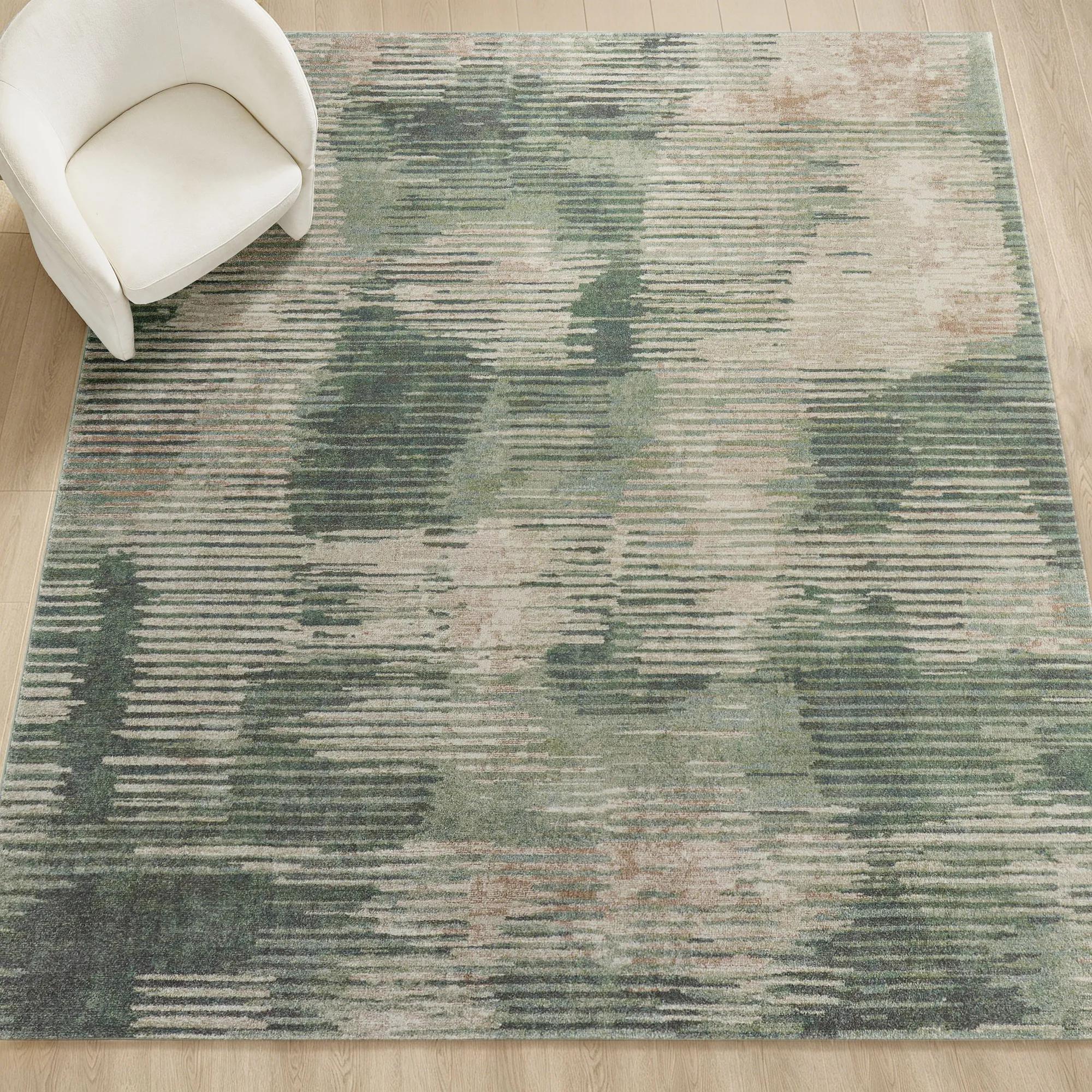
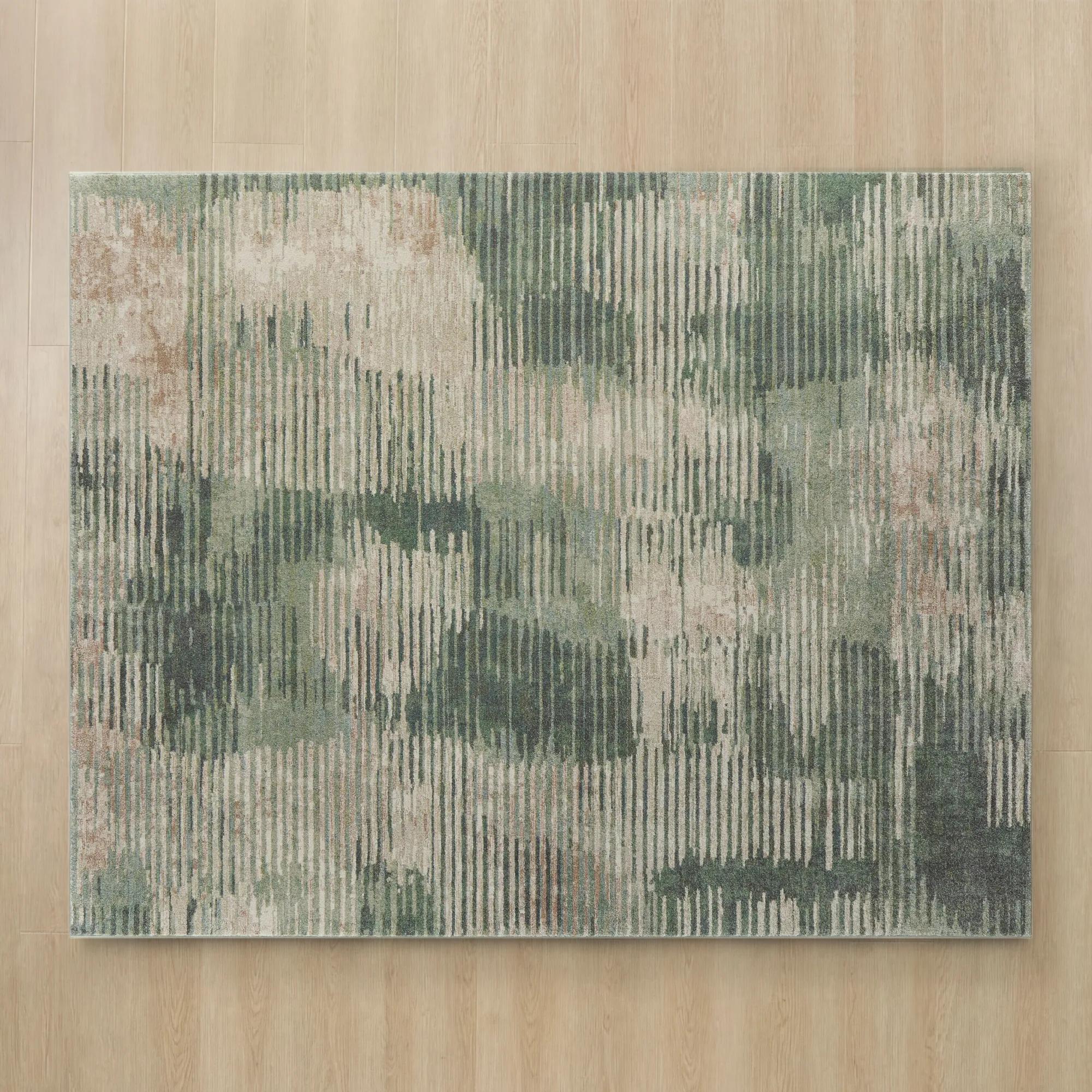 Sylvan Green/Beige Power Loomed Rug$689
A contemporary rug featuring a smoked olive green and beige organic pattern with a soft, power-loomed polypropylene pile.
Add To Cart -
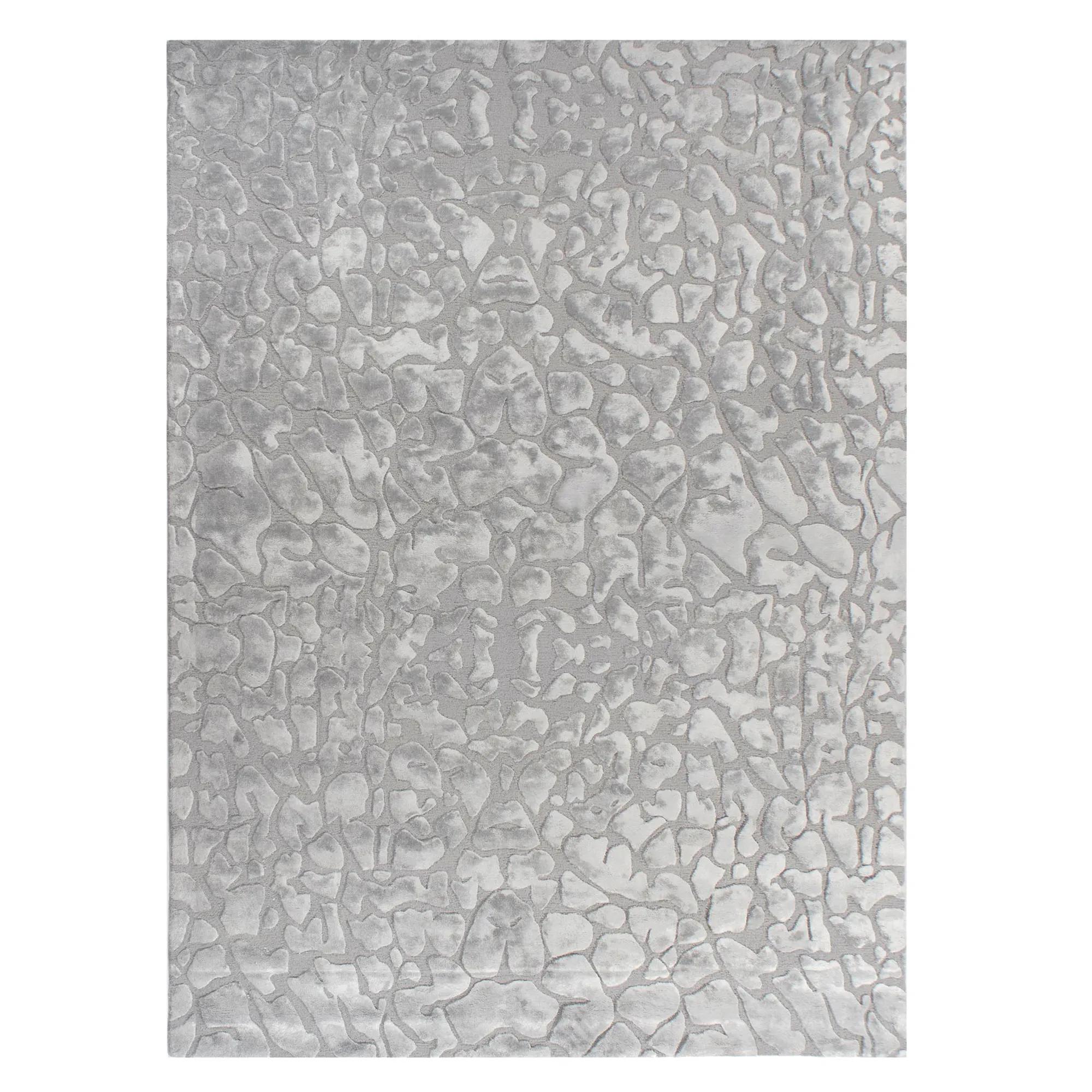
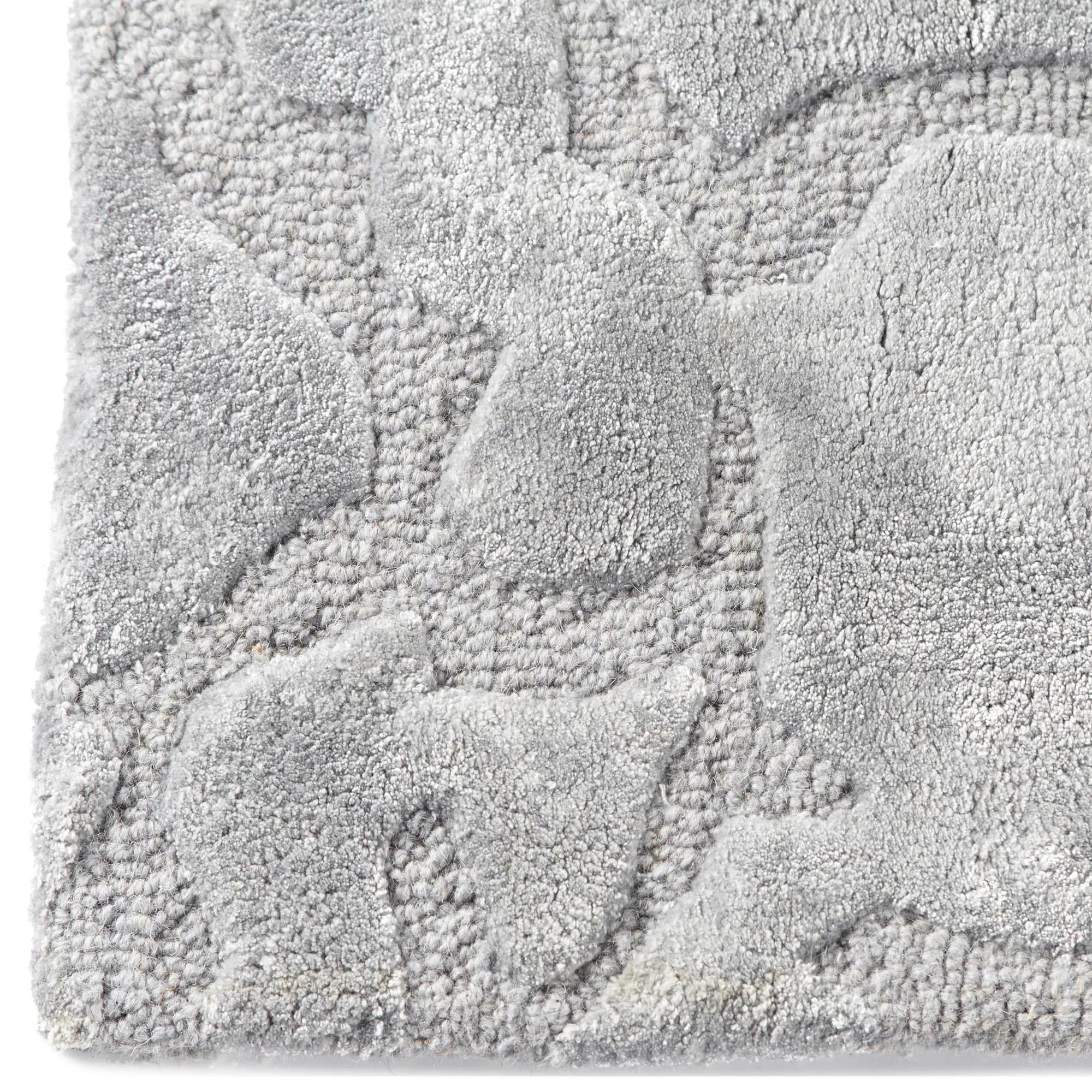 Nola Hand-Tufted Cool Grey Wool Blend Rug$849
A hand-tufted silver rug with contrasting pile heights, crafted from wool and viscose for plush texture.
Add To Cart -
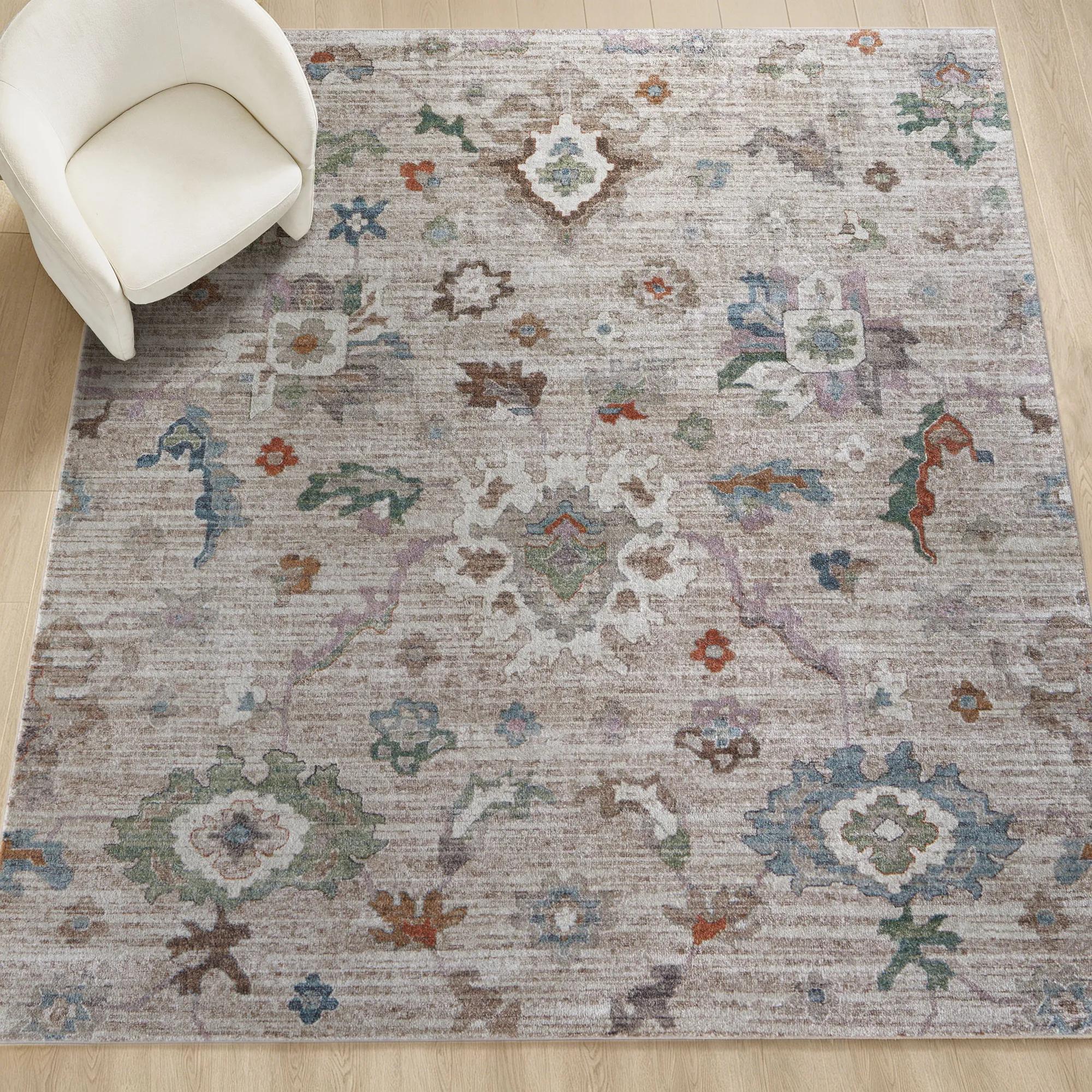
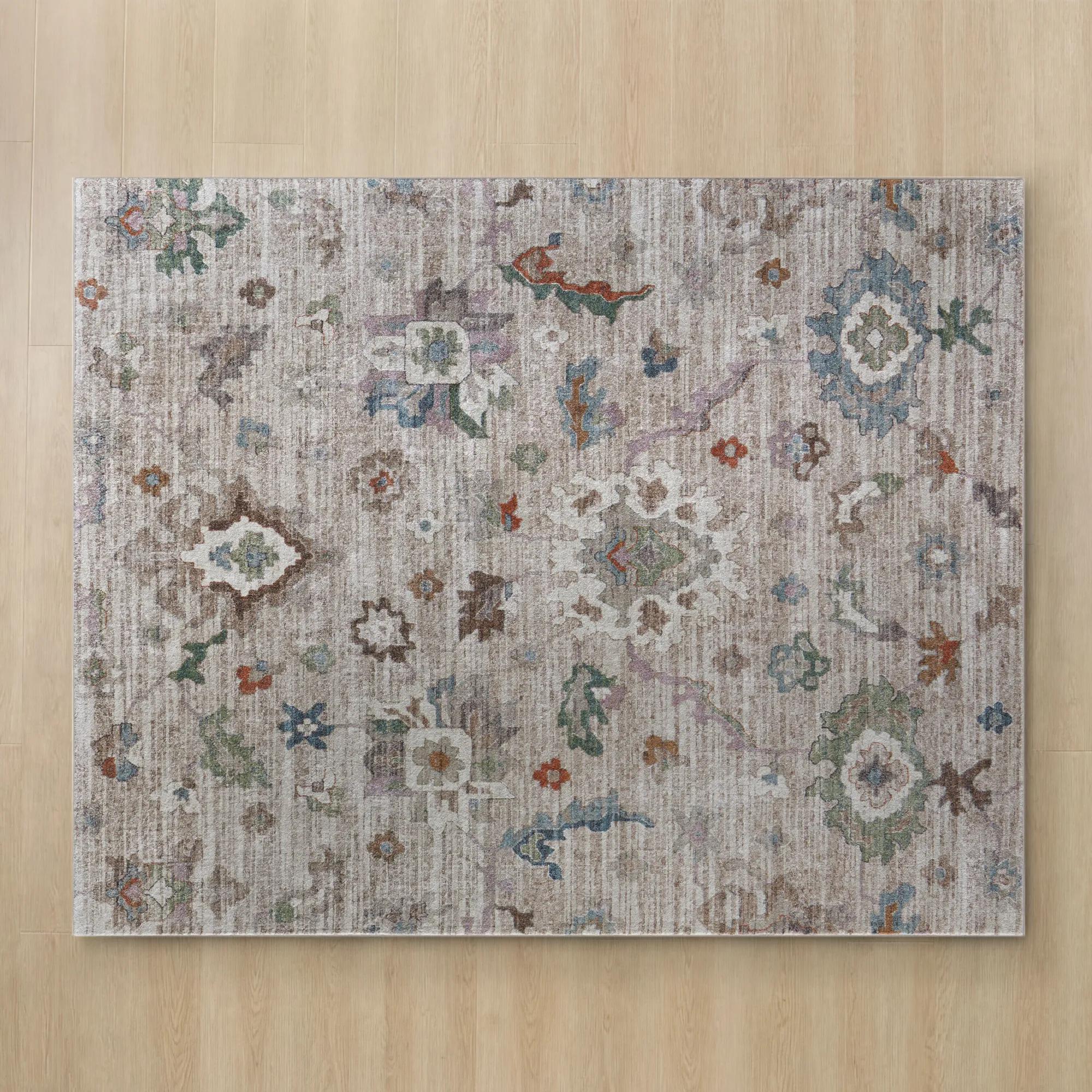 Ariella Floral Taupe/Ivory/Beige/Blue/Green Performance Power Loomed Rug$349
A Persian-inspired rug in taupe, ivory, beige, blue, and green with a plush, power-loomed polypropylene pile.
Add To Cart -
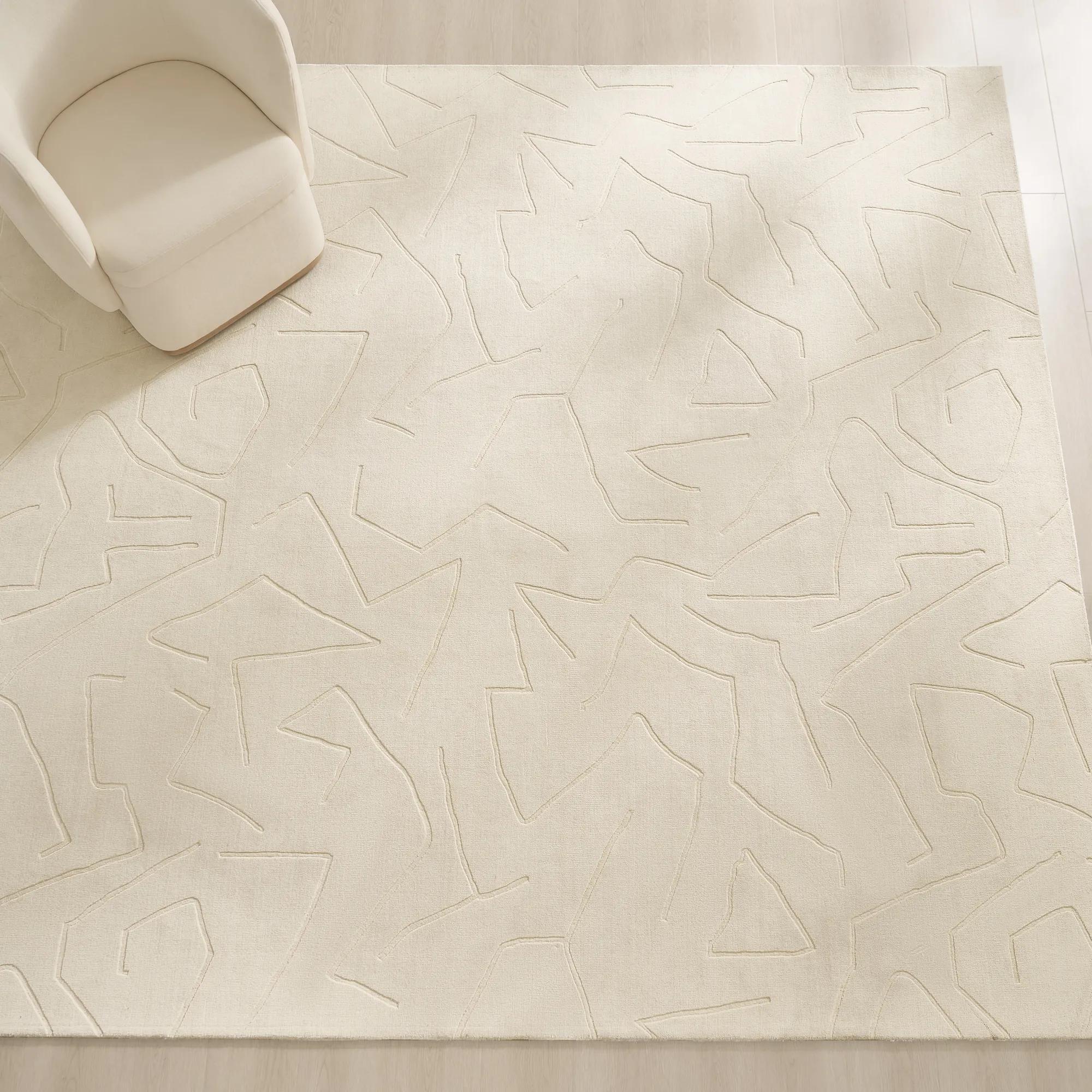 Carved Maze Ivory Hand-Loomed Wool Blend Rug$699
A hand-loomed ivory wool-blend rug featuring a carved maze pattern for modern, textural appeal.
Add To Cart -
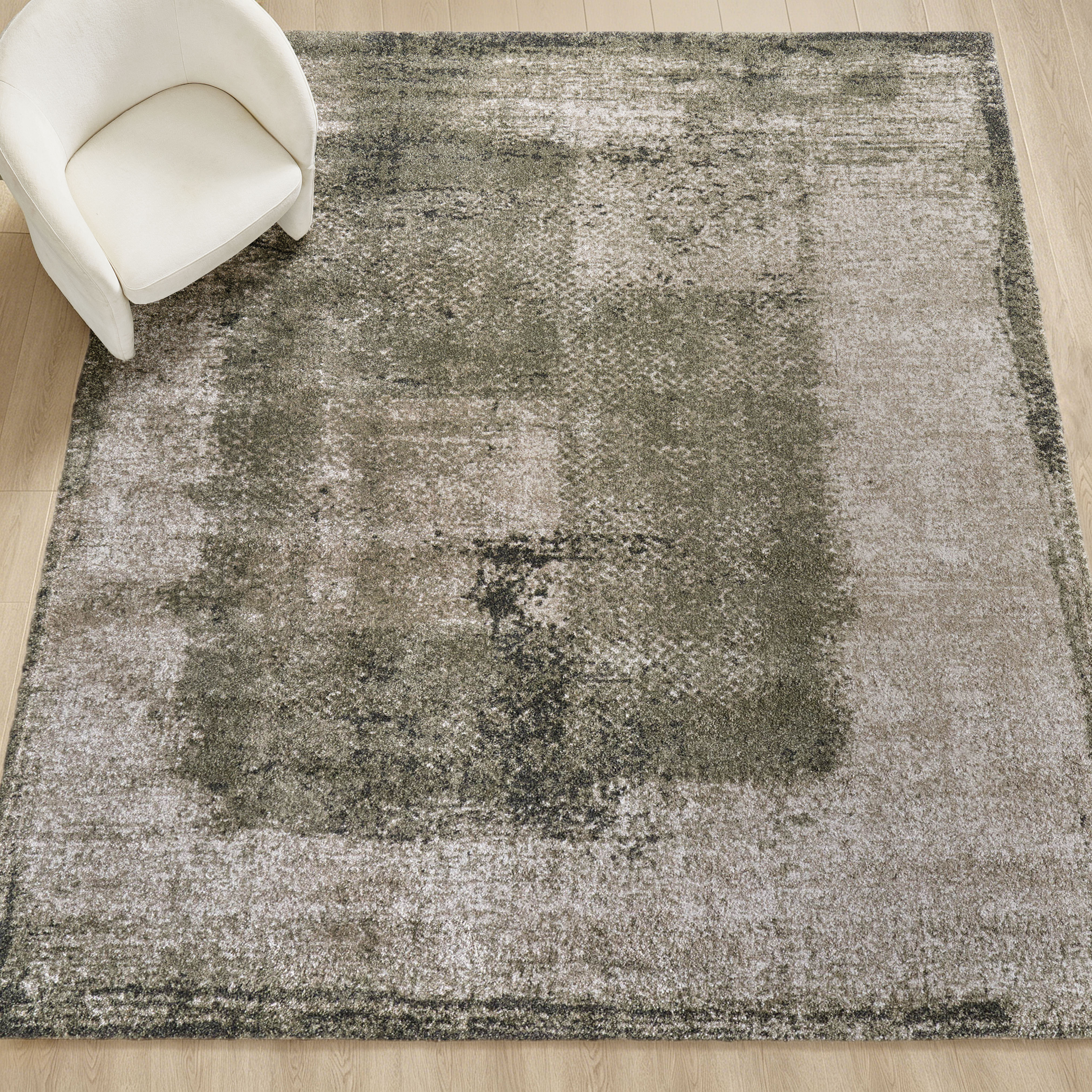
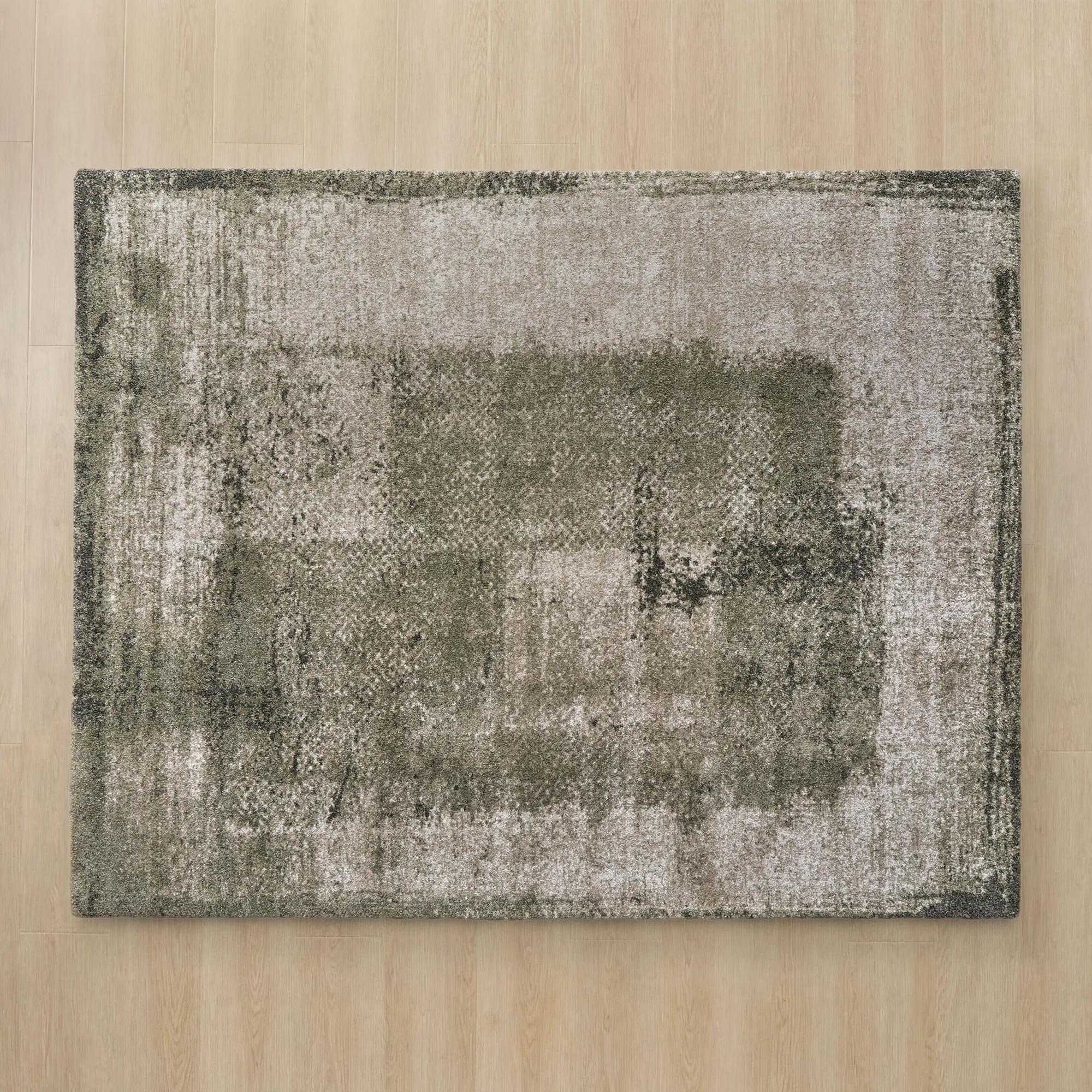 Irving Abstract Moss Green/Beige/Grey Performance Power Loomed Rug$849
An abstract rug in moss green, beige, and grey with plush, durable power-loomed polypropylene and polyester.
Add To Cart -
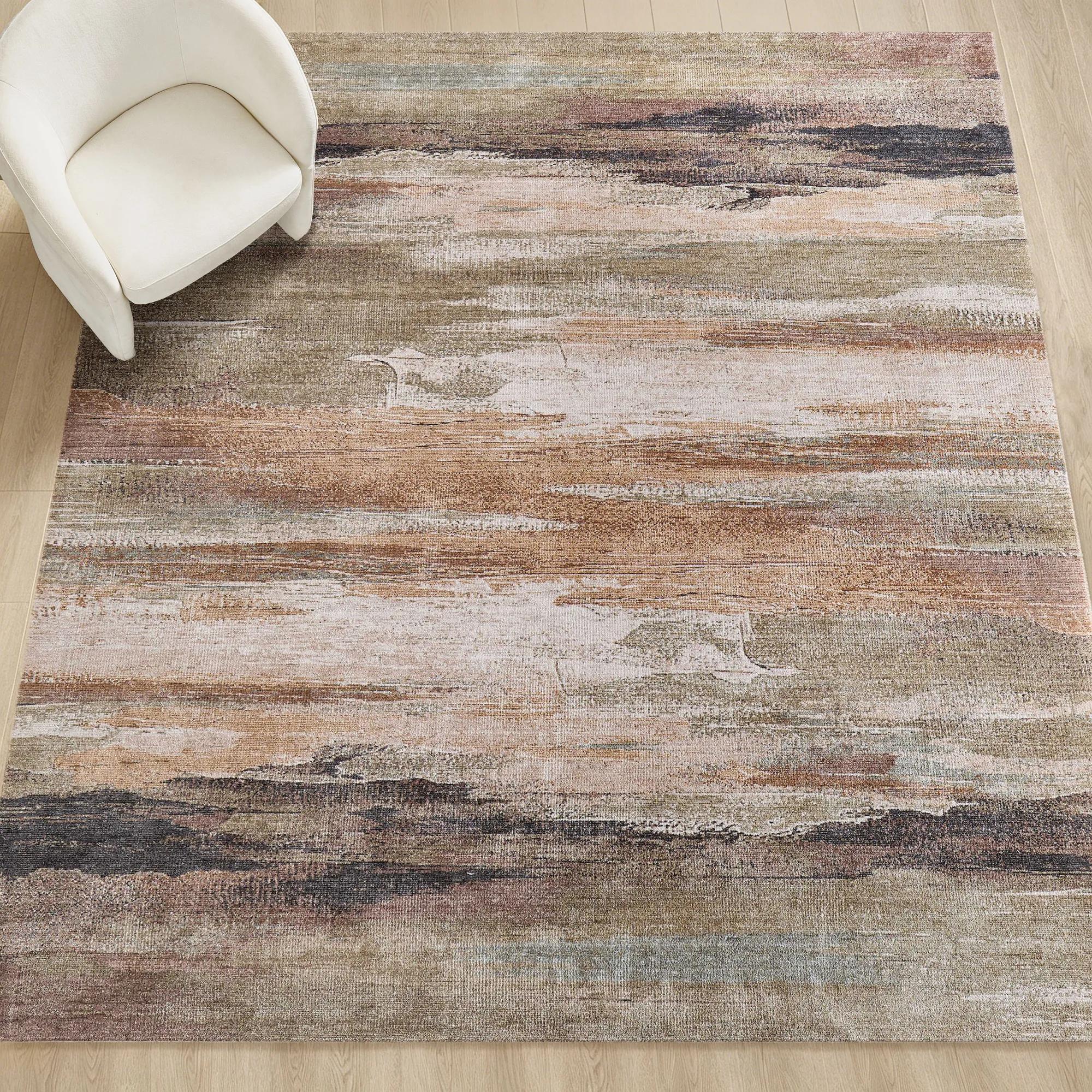
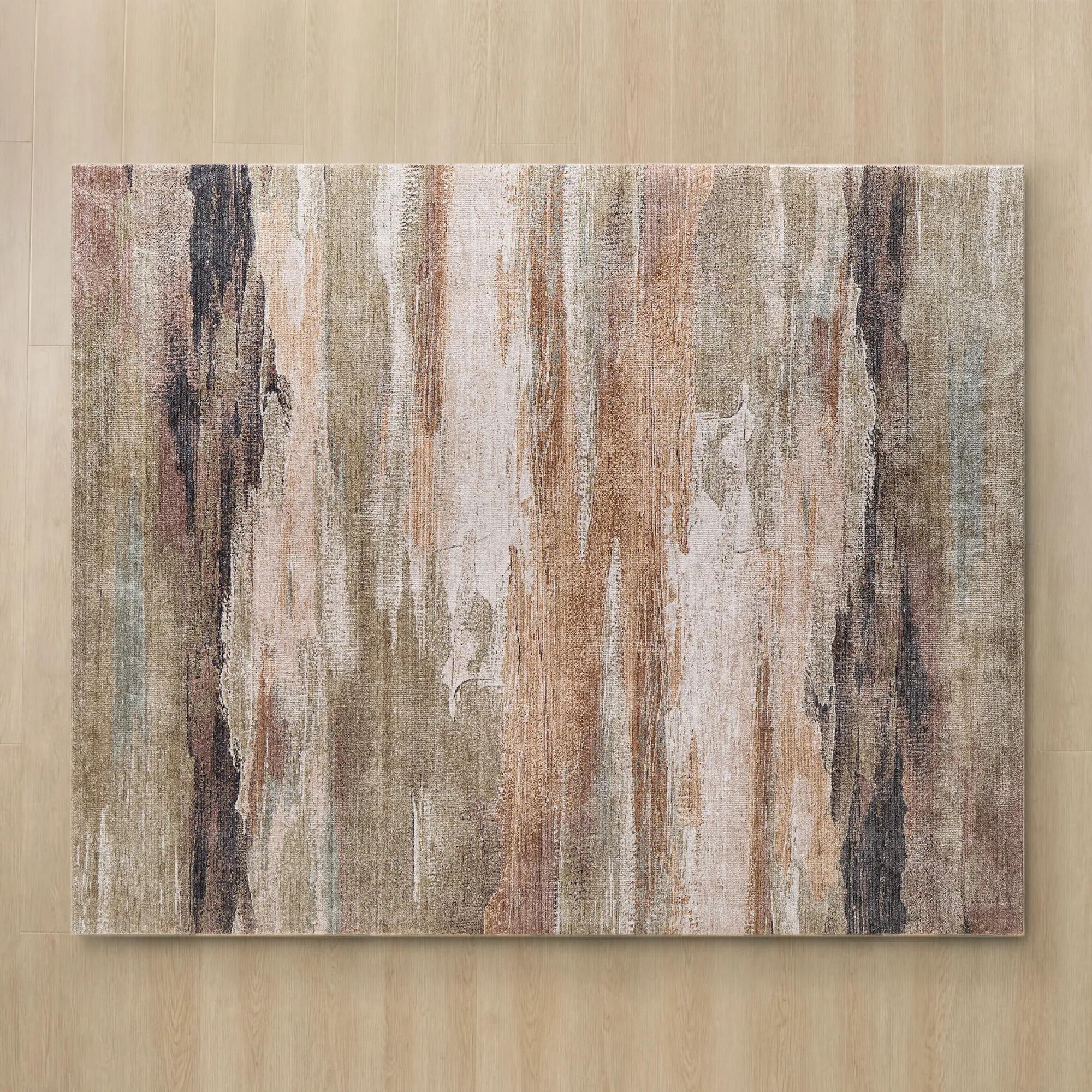 Sedona Rust/Beige/Moss Green/Charocal/Blue Performance Power Loomed Rug$599
A plush, power-loomed polyester rug featuring a rich abstract pattern in rust, beige, moss green, charcoal, and blue.
Add To Cart

Neutral Rugs For Apartments
Effortlessly elegant and endlessly versatile, neutral rugs for apartments are the secret to crafting a living space that feels both curated and inviting. These sophisticated foundations set the stage for artistic expression, allowing every accent and furnishing to shine against their understated beauty. With their subtle hues and refined textures, neutral rugs for apartments ground your décor in serenity while providing a canvas for bold design moments—transforming compact spaces into showcases of style and individuality. Let your apartment become a gallery of modern comfort, where each step is cushioned in quiet luxury and every detail is an opportunity for self-expression.
Neutral rugs for apartments bring softness, definition, and visual continuity to rooms where every square foot contributes to the composition. Shades of ivory, oatmeal, beige, taupe, and pale gray create a composed foundation without competing with statement furniture or treasured art. Their appeal is not simply their restraint: a sculpted surface, a tonal geometric motif, or a subtle variation in yarn can give a quiet palette remarkable depth. In a compact living room, an ivory rug with a raised pattern introduces dimension beneath a streamlined sofa, while a warm greige design can connect honey-toned flooring with cream upholstery and dark metal accents. Pale colors can help a room feel more open, especially when they relate closely to the walls, but neutral does not have to mean light. Mushroom, stone, and deeper taupe offer a richer grounding effect and a beautiful counterpoint to gleaming finishes. The undertone matters as much as the color name. A beige with golden undertones creates a different mood from a gray with a blue cast, particularly beside existing flooring and upholstery. Apartment interiors often bring several functions into one uninterrupted space, making a rug an important part of the architecture of the room. Beneath a seating arrangement, it establishes a place to gather; beside a bed, it introduces a softer landing; along a narrow entry, it creates a deliberate arrival. Tonal patterns and textured solids can provide this definition without adding the visual density of a high-contrast print. For an interior with sculptural lighting, expressive artwork, or a jewel-toned accent chair, a neutral rug gives those elements space to command attention. In a quieter setting, the rug itself can supply the drama through carved lines, irregular geometry, or a lustrous finish. This ability to anchor both exuberant and restrained interiors gives neutral rugs for stylish homes their enduring versatility, even when the floor plan changes.
Scale and construction determine how comfortably that visual effect translates into apartment living. A rug that accommodates the front legs of the sofa and nearby chairs usually creates a more connected seating arrangement than one that sits entirely beneath the coffee table. An 8-by-10-foot rug may establish a generous living area in one apartment, while a smaller footprint may better suit a compact loveseat arrangement; the relationship to the furniture matters more than the room label alone. Visible flooring around the perimeter helps preserve a clear outline, and measuring door swings, closet access, and walking routes prevents a luxurious texture from becoming an obstruction. Beneath a dining table, sufficient coverage for chairs to remain on the rug when pulled back makes daily use more comfortable. A bedroom rug can extend beyond the sides and foot of the bed, while a runner offers a more focused accent where floor space is limited. Material brings another layer of distinction. Wool offers natural resilience and a rich hand, although some constructions shed and require regular attention. Polyester can provide softness and color clarity, while polypropylene is often chosen for moisture resistance and straightforward maintenance; the performance of either still depends on construction, backing, and the manufacturer’s care instructions. Cotton offers a different, often more relaxed texture, but a cotton rug should not be assumed machine washable unless its label specifically allows it. Viscose and similar lustrous fibers introduce a luminous surface that shifts with the light, yet they can be sensitive to moisture and demanding to clean. Jute and sisal lend organic texture and earthy variation, with a firmer feel that may be less inviting for bare feet or floor seating. Low-pile and flatwoven constructions generally accommodate dining chairs and frequent movement more easily than deep pile, while a plush surface can be especially inviting in a bedroom or a seating area away from heavy traffic. Texture creates the atmosphere; construction supports the way the room is actually used.
A neutral apartment rug should feel as considered on an ordinary evening as it does when the room is arranged for guests. For a living area shared with children or pets, a gently mottled beige or taupe pattern may make everyday debris less conspicuous than a uniform ivory field, though no color replaces proper cleaning. Tightly constructed, lower-pile surfaces can also be easier to vacuum than long, loose fibers, and looped textures deserve consideration in homes where claws might catch. In a dining nook, resistance to spills and practical cleaning requirements may matter more than a silky finish; in a reading corner, a sumptuous hand may take precedence. The rug pad deserves equal attention. A properly fitted pad can reduce shifting, add cushioning, and help protect the floor from friction, provided its material is compatible with both the rug backing and the flooring finish. In rental apartments, checking flooring-care requirements is particularly important, since some pad materials can discolor certain surfaces. Rug edges should lie flat, and the combined thickness of rug and pad should leave adequate clearance beneath doors. Soft floor coverings can help soften footfall and reduce some reflected sound within a room, but they are not a substitute for building-specific sound-control requirements. Care begins with the fiber and construction rather than the color alone. Regular vacuuming with the settings recommended for the rug, prompt blotting rather than rubbing of spills, and periodic rotation can help manage soil and uneven wear. Beater bars may be unsuitable for delicate fibers, fringe, or certain textured surfaces. Cleaning solutions should be checked against the care label and tested discreetly, while moisture-sensitive fibers or difficult stains may call for professional attention. With the right balance of proportion, texture, and maintenance, a neutral rug becomes more than a background layer. It lends definition to an open studio, richness to a compact sitting room, and a sense of permanence to a home that may change addresses—a composed foundation for an interior with unmistakable character.
FAQs
Neutral rugs offer unmatched versatility because their understated color palettes blend seamlessly with a wide range of décor styles. Whether your apartment is modern, classic, or eclectic, a neutral rug provides a sophisticated foundation that can be easily updated with seasonal accents, bold furniture, or vibrant artwork.
A neutral rug helps to visually expand a small apartment by reflecting natural light and creating a sense of openness. Its subtle tones unify the space, reduce visual clutter, and set a serene, inviting mood—making even compact rooms feel airy and welcoming.
Absolutely. Many neutral rugs are crafted from durable, stain-resistant materials like wool blends or advanced synthetics, making them ideal for busy households with pets or children. Their easy-care construction means everyday spills and messes can be managed with minimal effort.
Neutral rugs for apartments are often made from high-quality materials such as wool, jute, sisal, and advanced synthetic fibers. Each material offers unique benefits—wool is plush and resilient, jute and sisal bring organic texture, and synthetics provide durability and easy maintenance.
Yes, layering neutral rugs with other textiles like throws or patterned accent rugs is a stylish way to add dimension and warmth to your apartment. This approach allows you to experiment with texture and tone while maintaining a cohesive, elegant look.