Natural Floater Frame Canvas Arts
Natural Floater Frame Canvas Arts
-
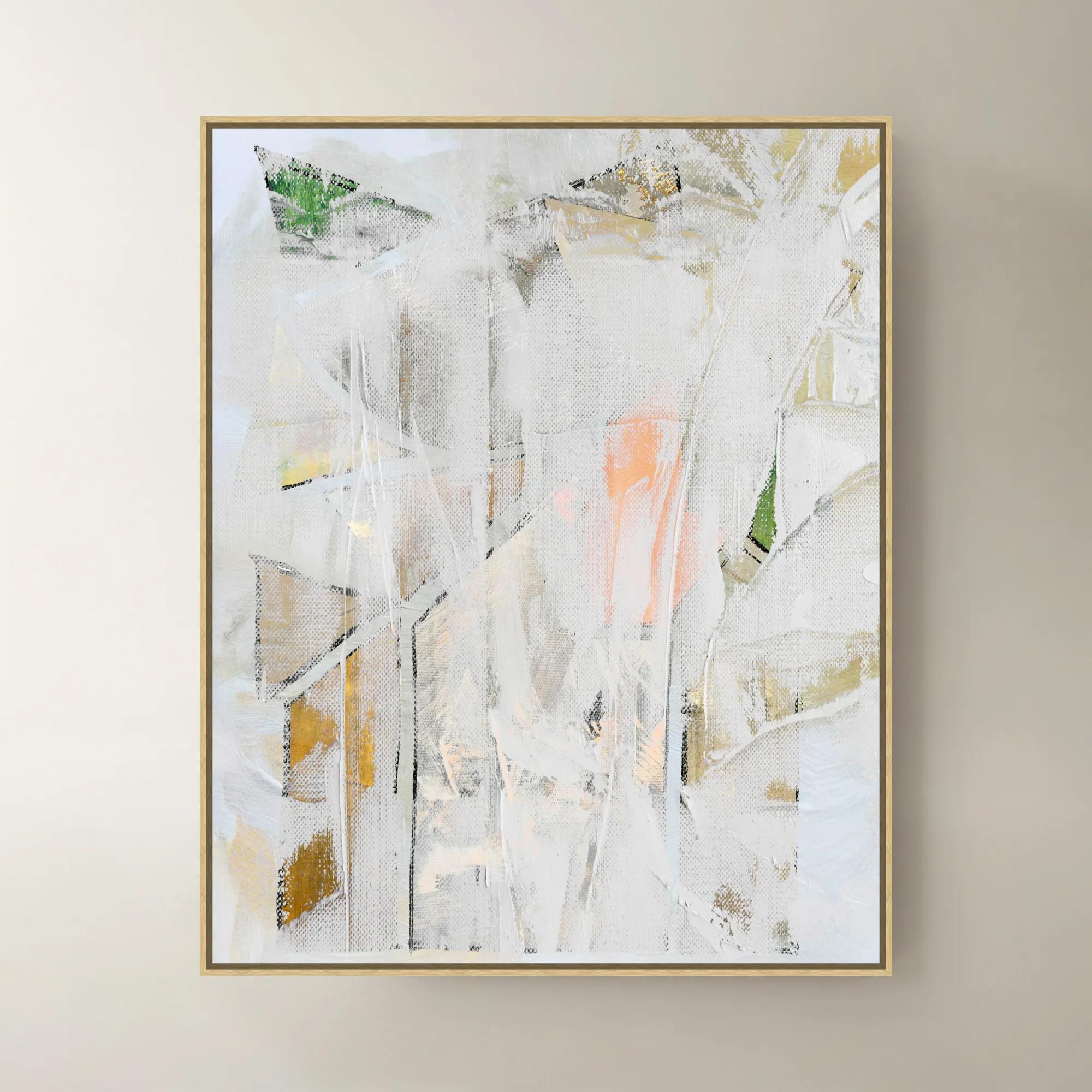
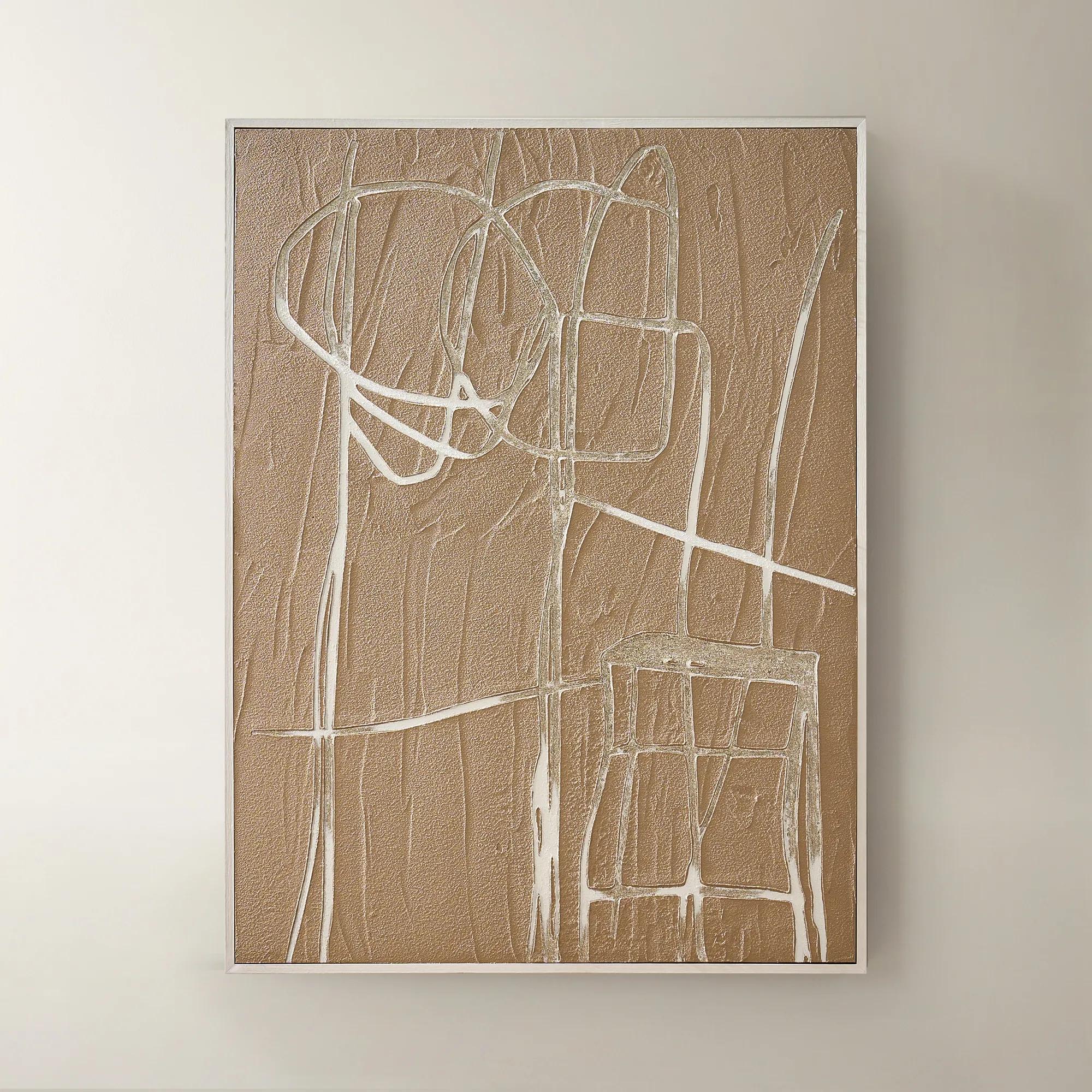
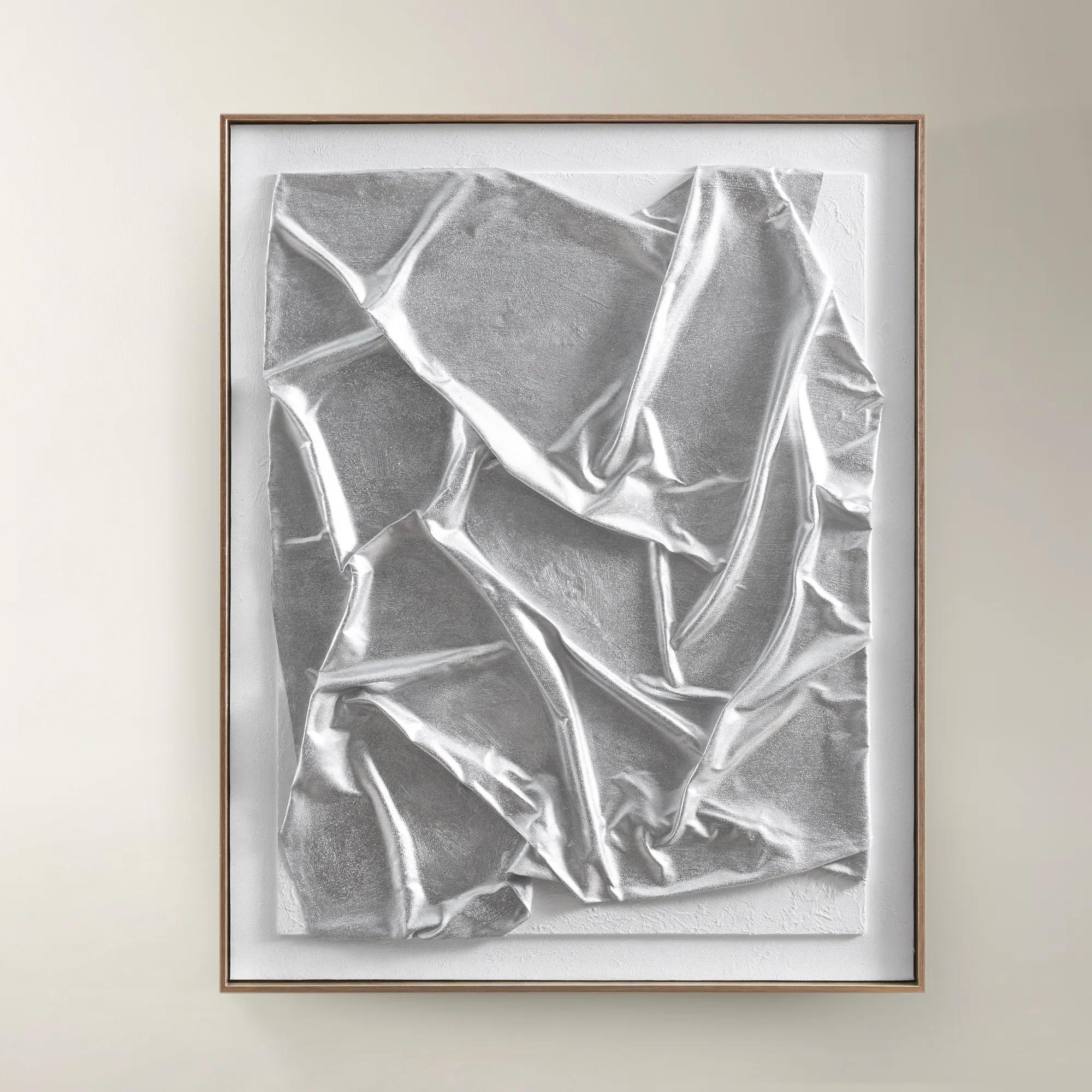 In the Mood Framed Painted Wall Art 31.5" x 39.5"$199
A hand-painted abstract canvas in shimmering silver tones, set in a warm champagne floater frame.
Add To Cart -
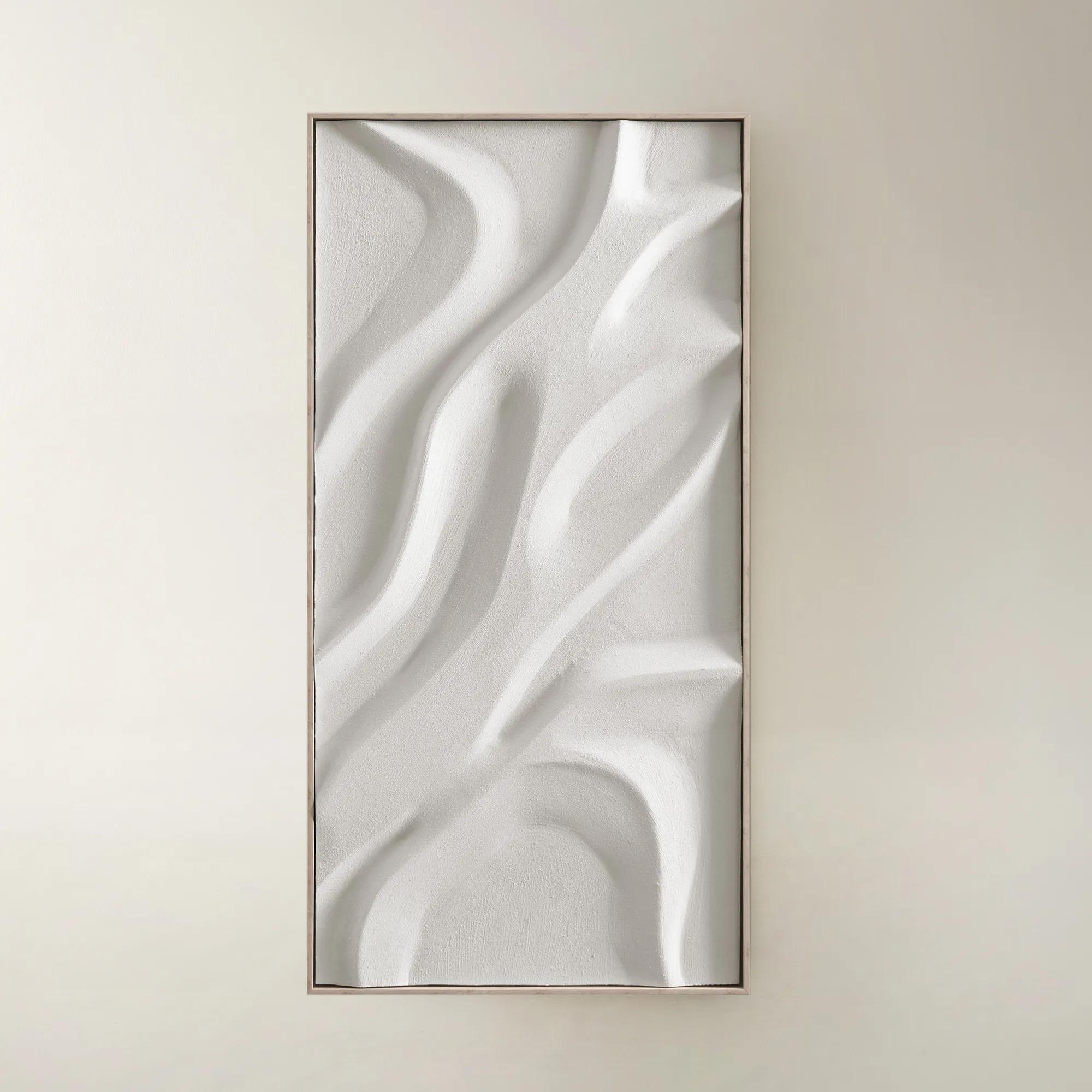
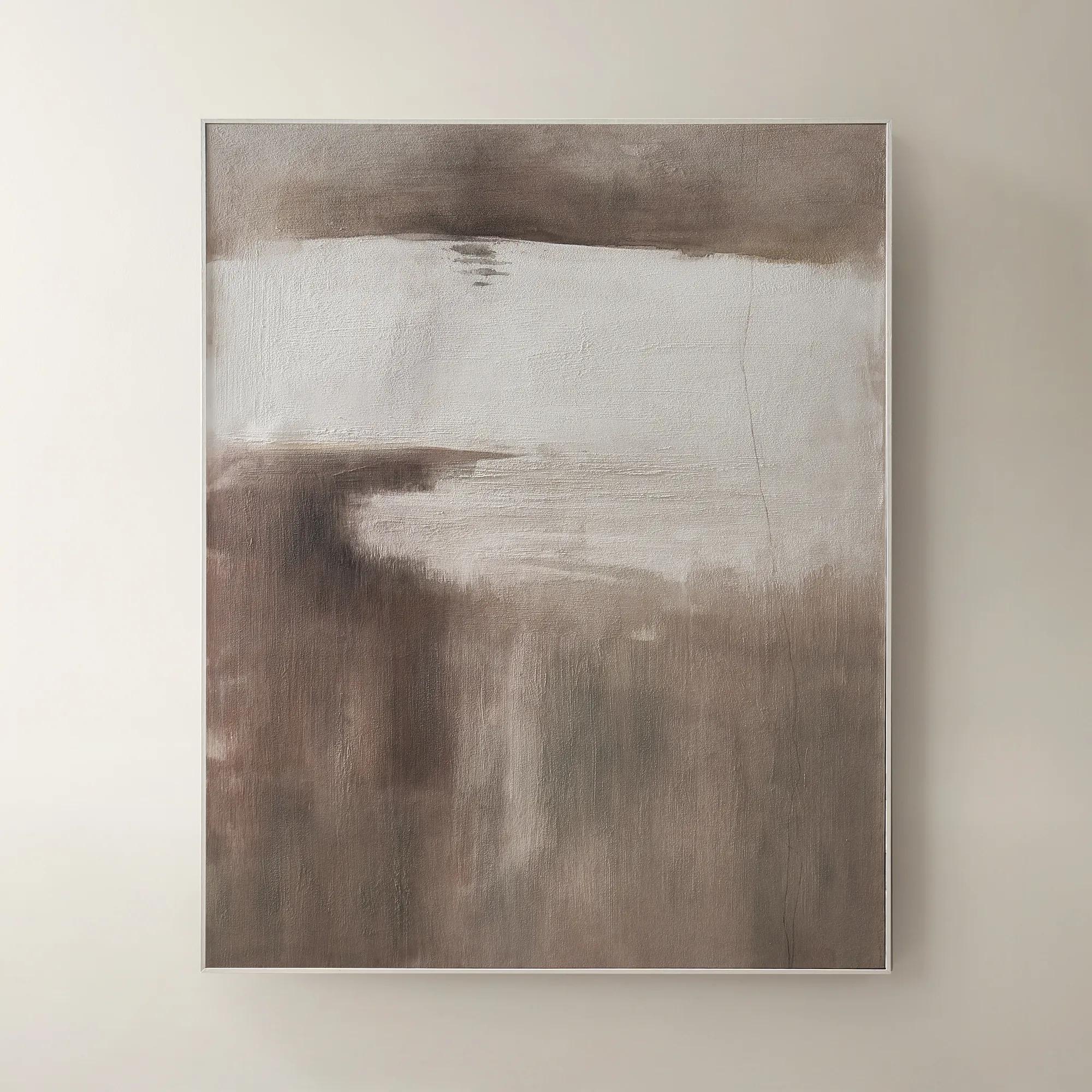
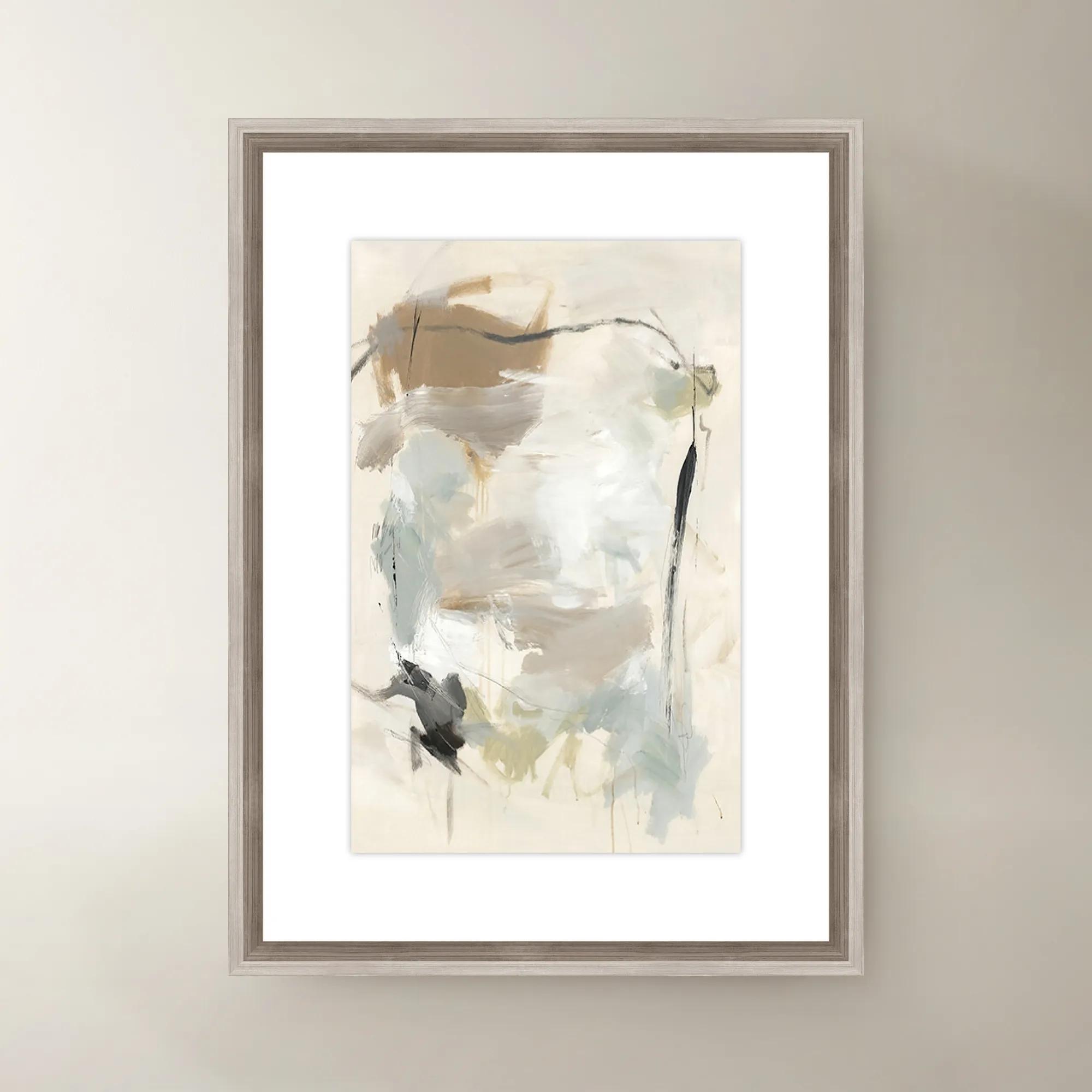
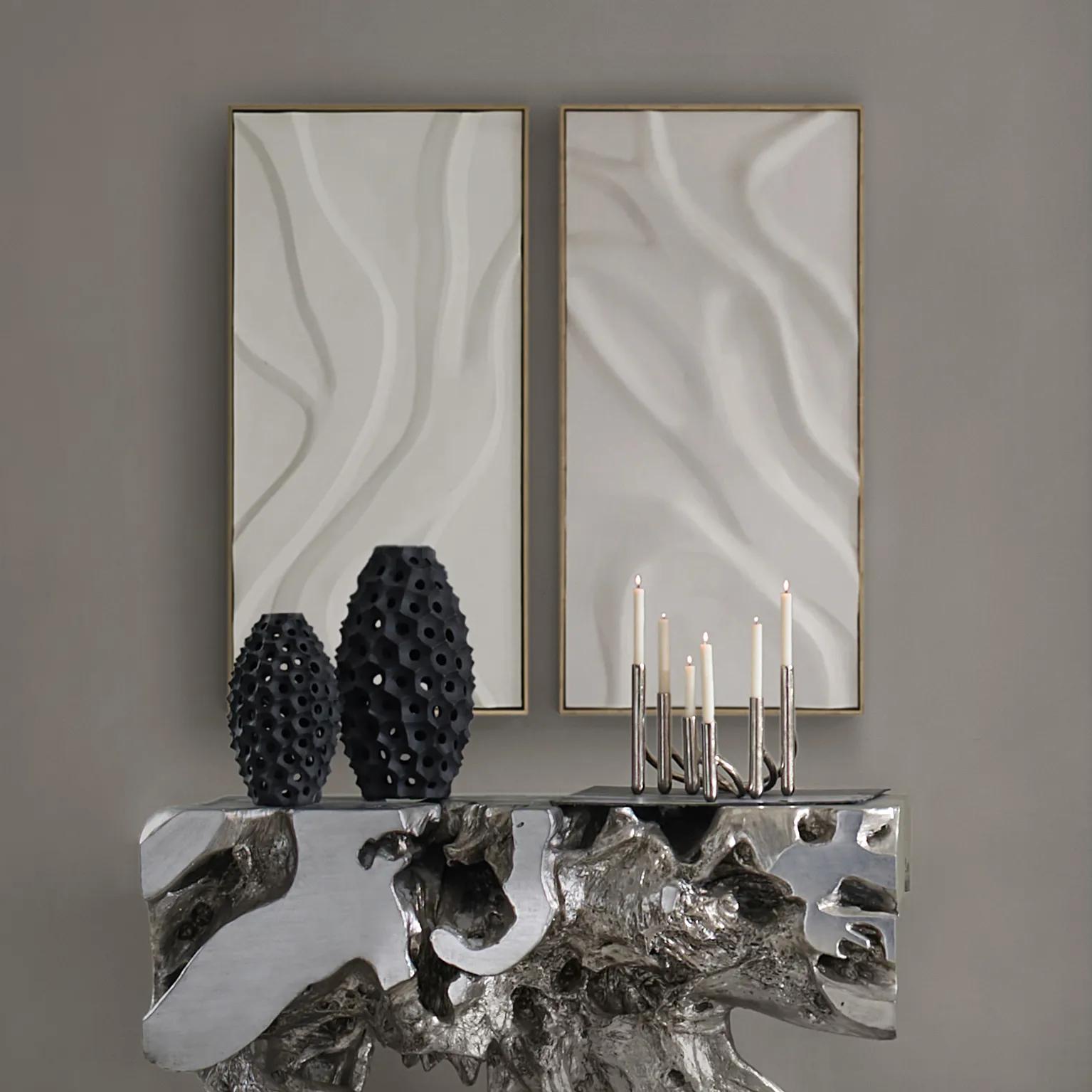 Au Lait Framed Painted Wall Art II 47.2" x 23.6"$199
A serene hand-painted canvas in beige, set in a warm whitewash floater frame for modern interiors.
Add To Cart -
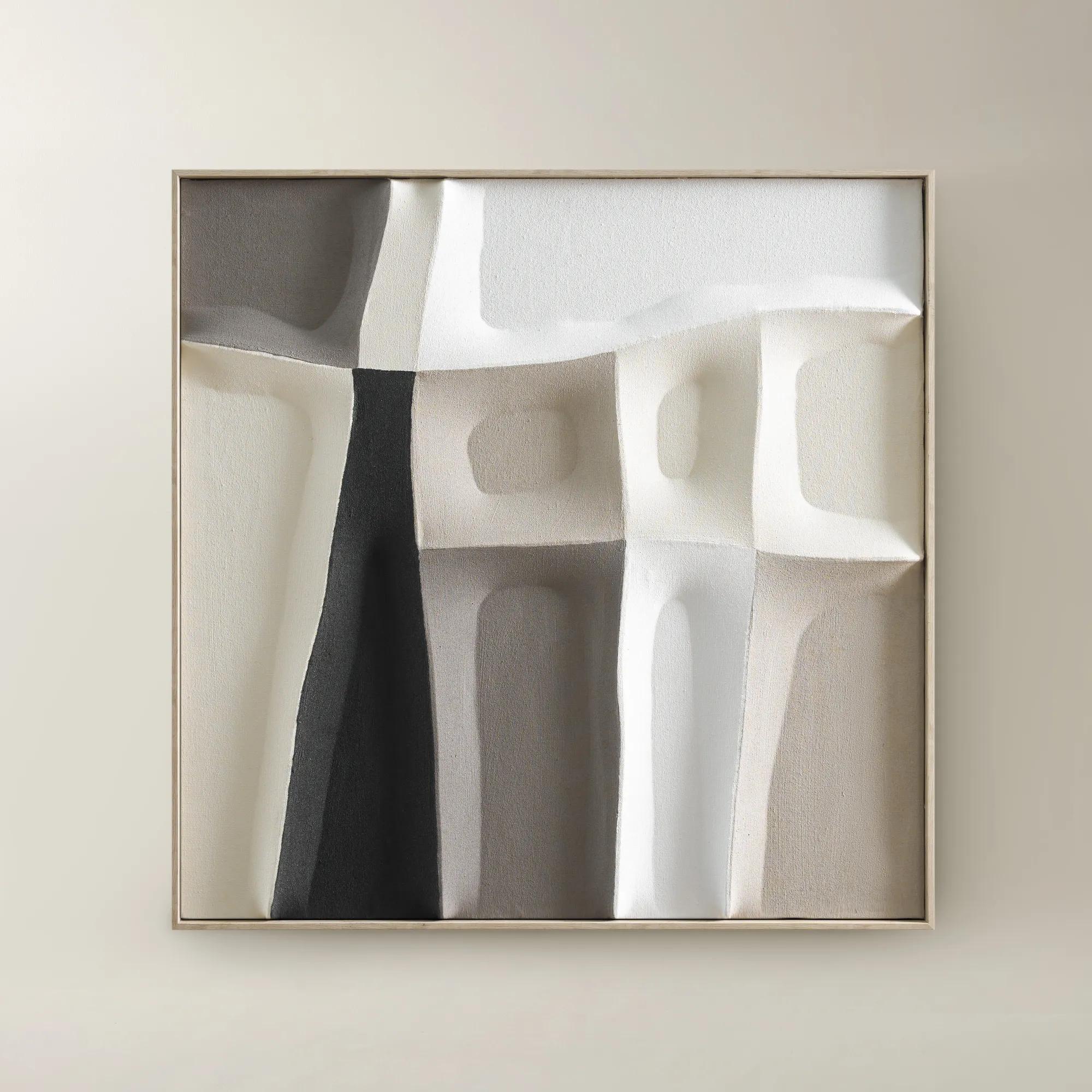 Shadow Painting 1$179
A hand-painted canvas featuring bold colors and sculptural textures in a warm whitewash floater frame.
Add To Cart -
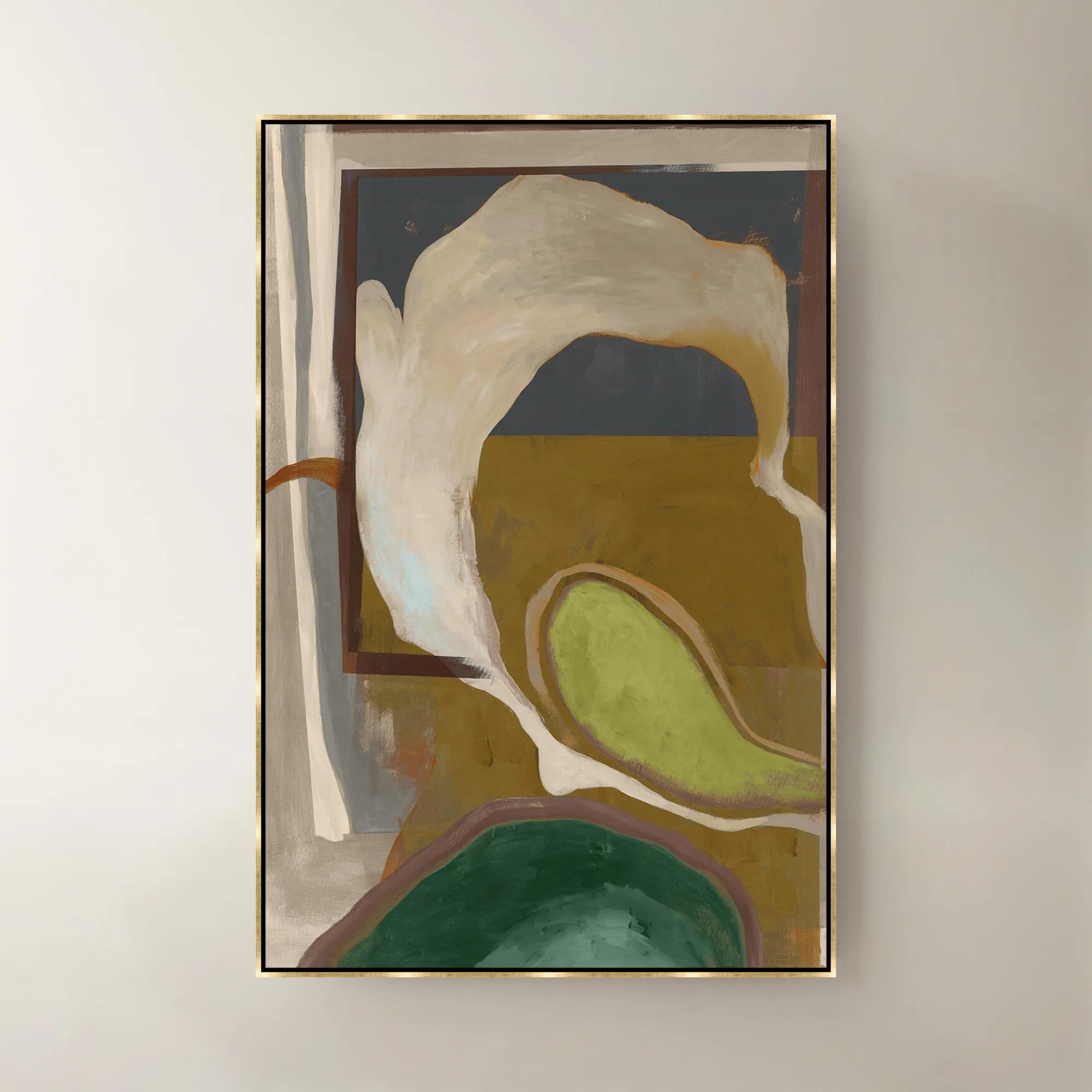
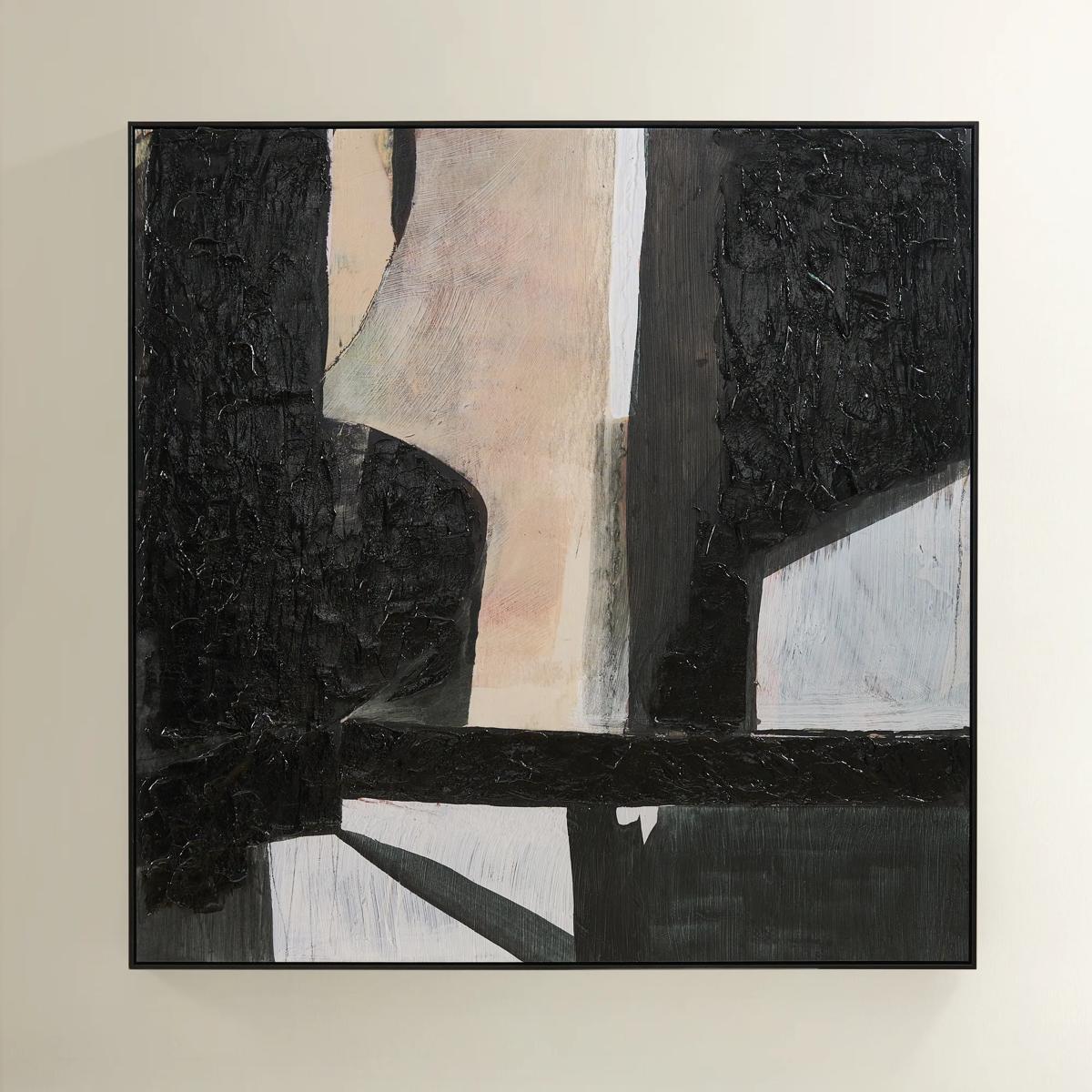 Grounded Painting$699
A hand-painted abstract canvas featuring black, cream, and earth tones in a sleek black floater frame.
Add To Cart -
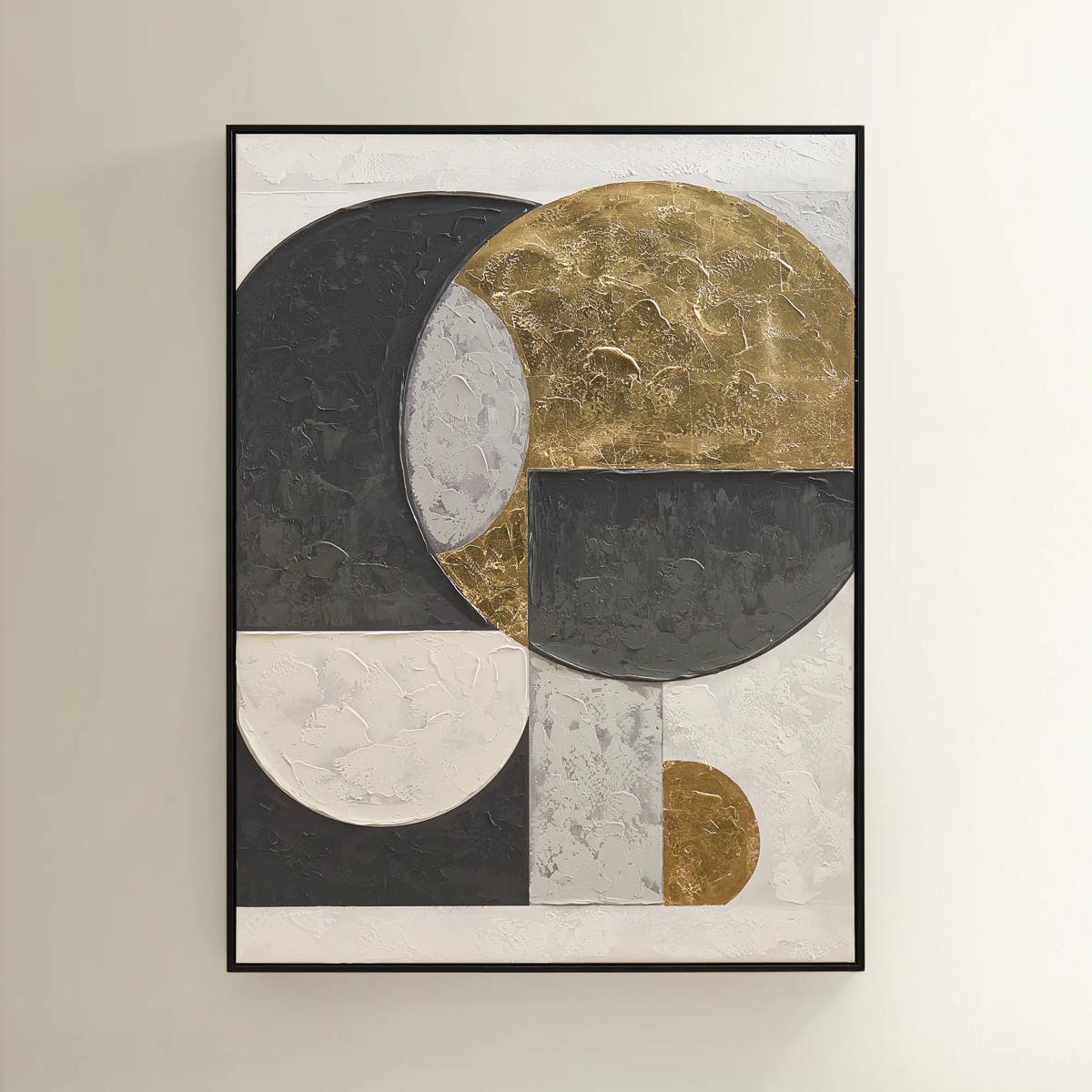
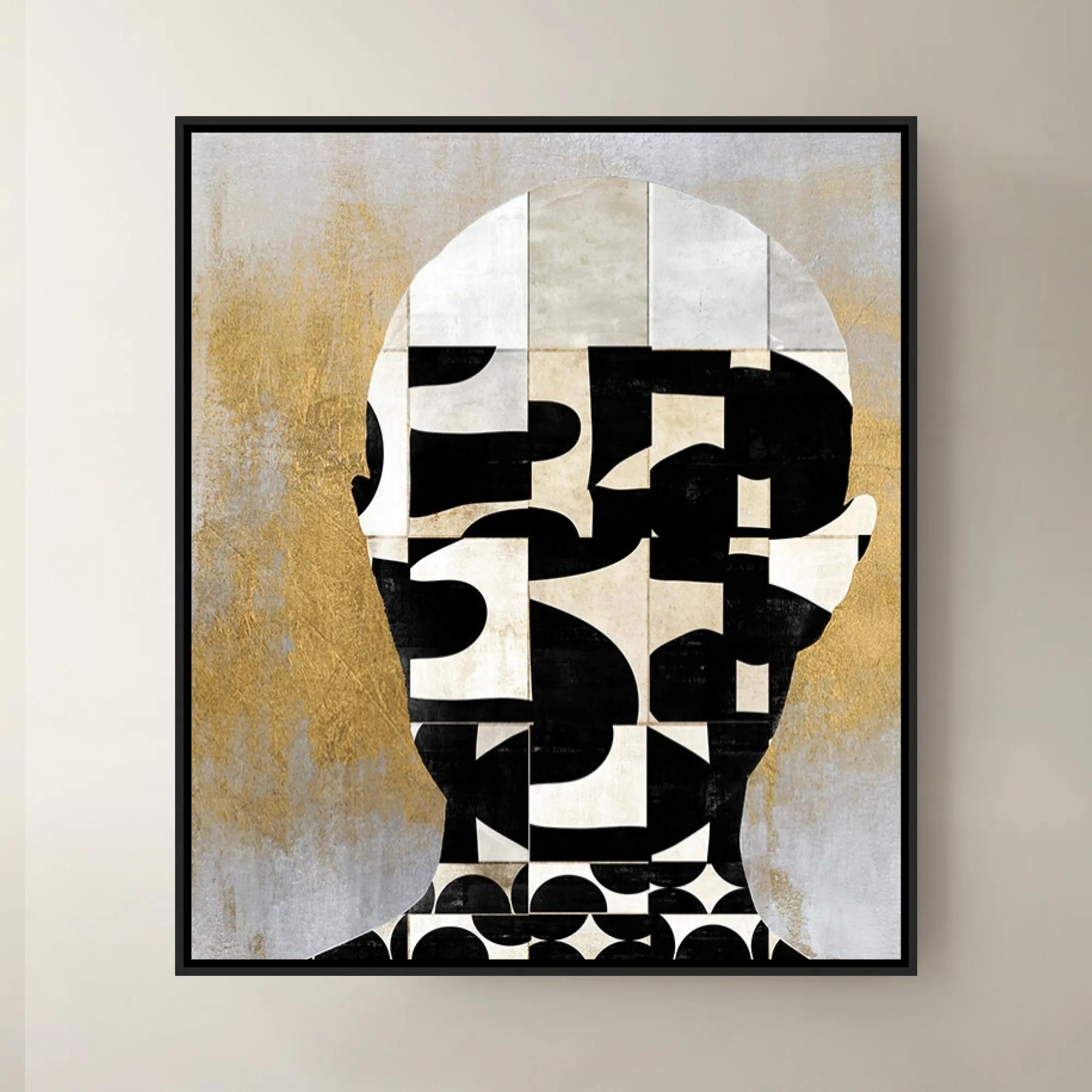
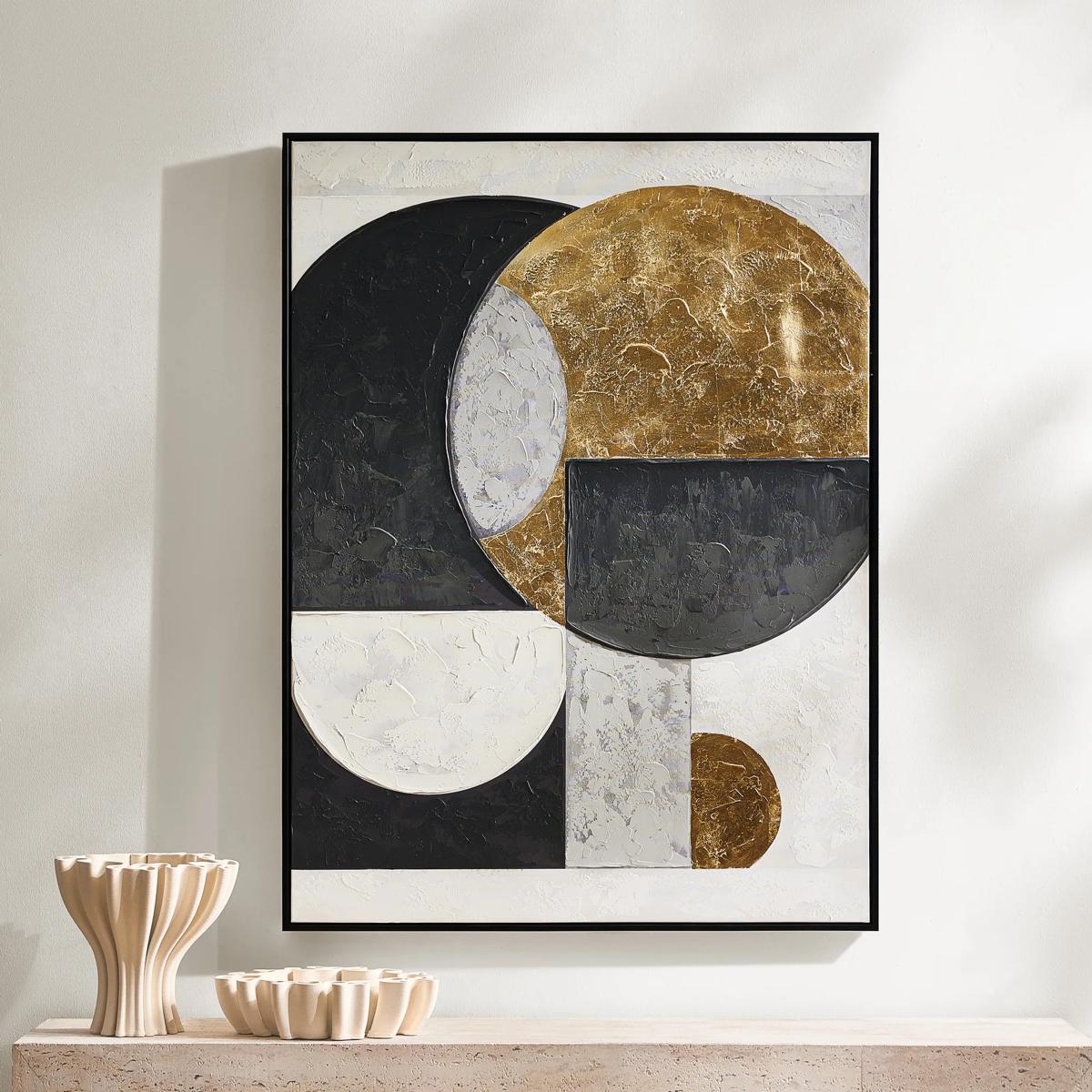 Eclipse Framed Gold Leaf Painted Wall Art 35.25" x 47.25"$449
A hand-painted canvas featuring bold black, grey, and gold geometric shapes with shimmering gold leaf accents.
Add To Cart -
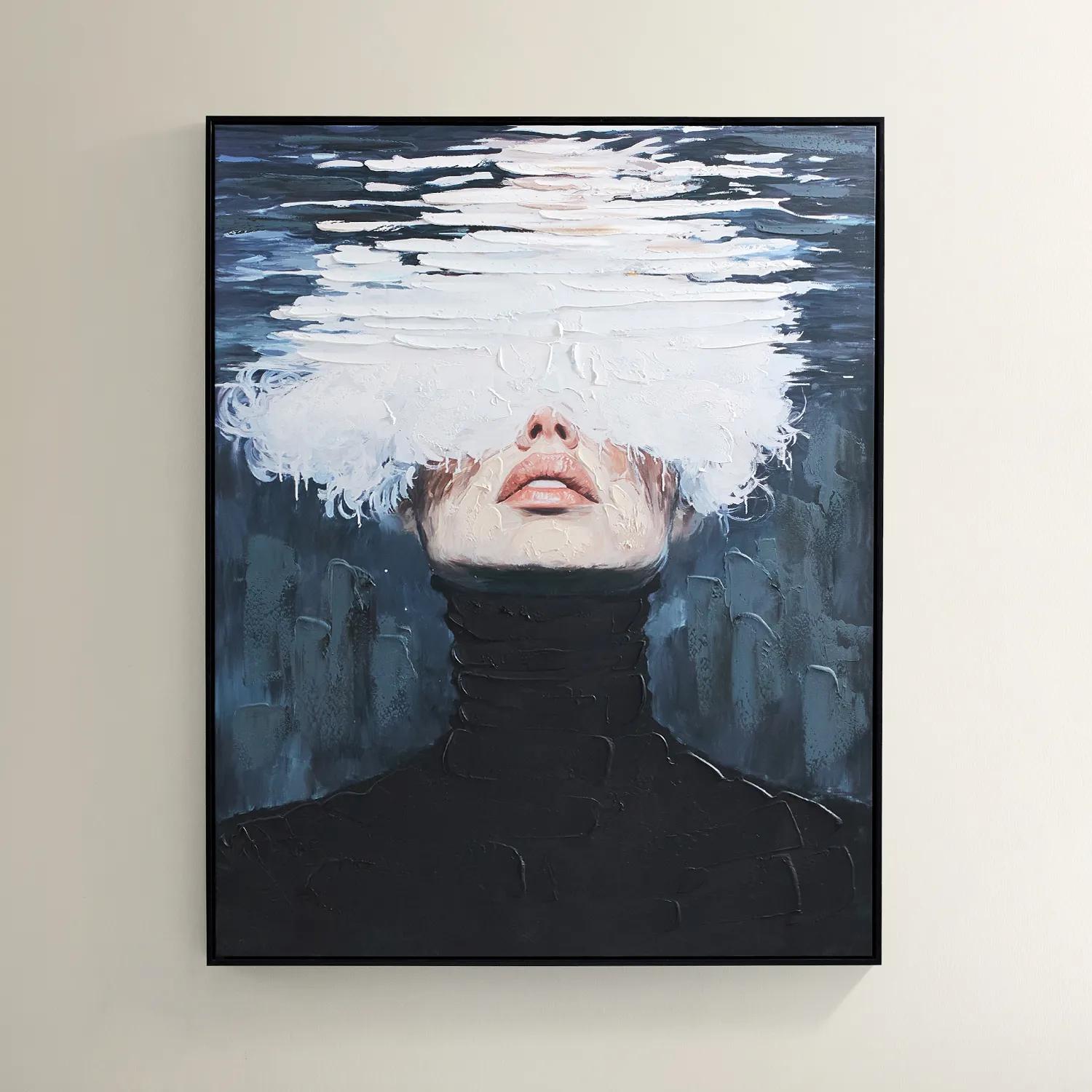
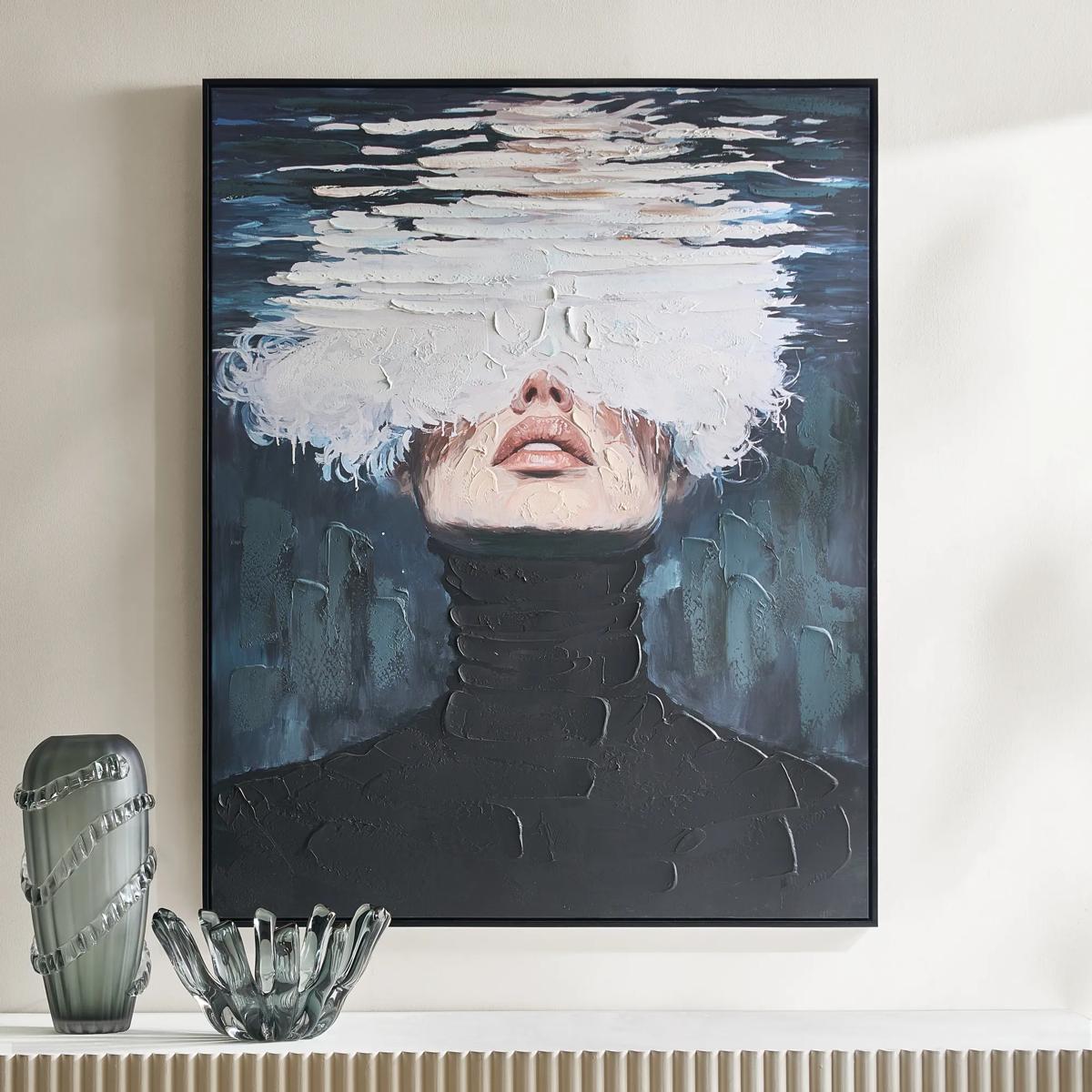 Submerged Framed Painted Wall Art 40" x 50"$599
A hand-painted canvas featuring a surreal portrait in black, blue, and white with a black floater frame.
Add To Cart -
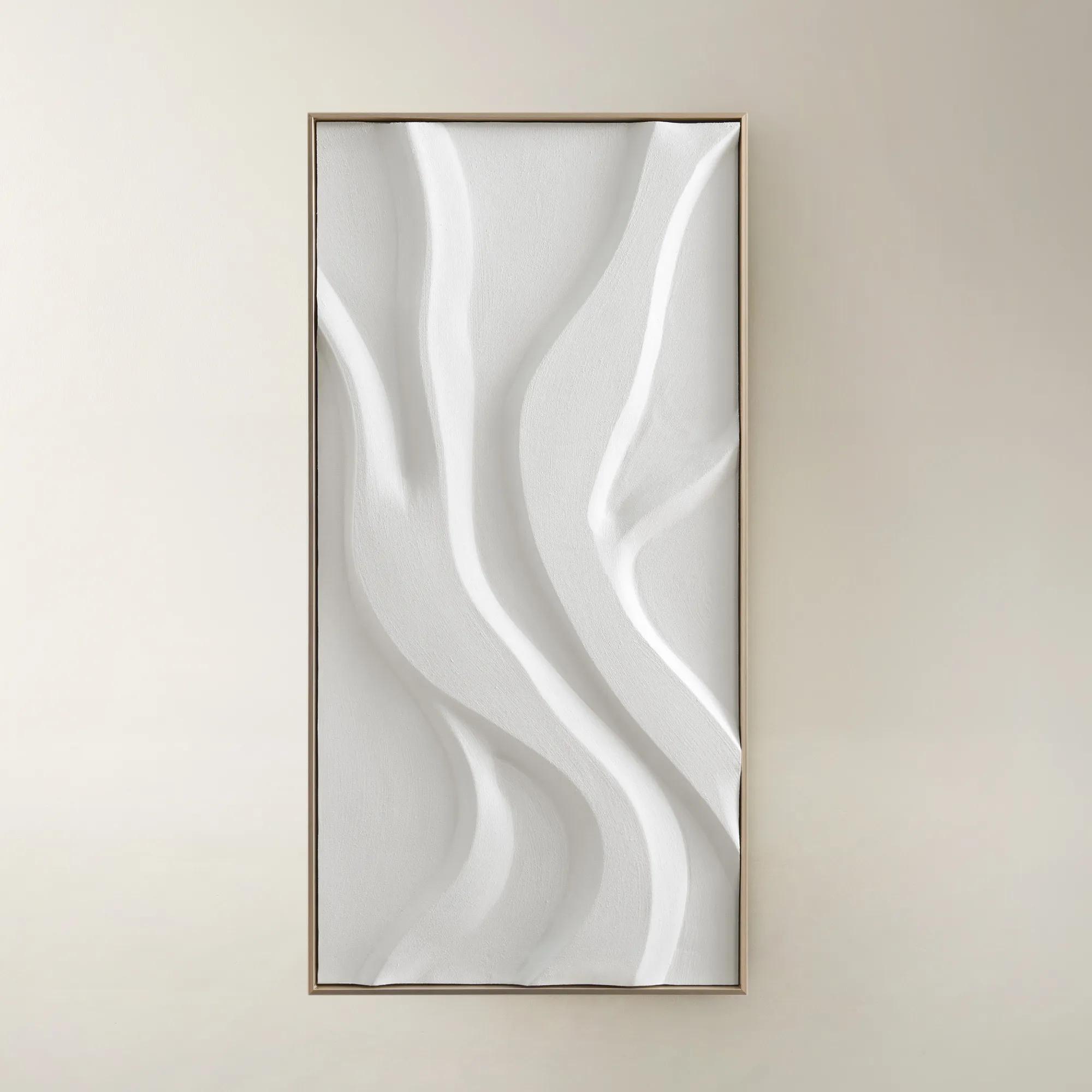
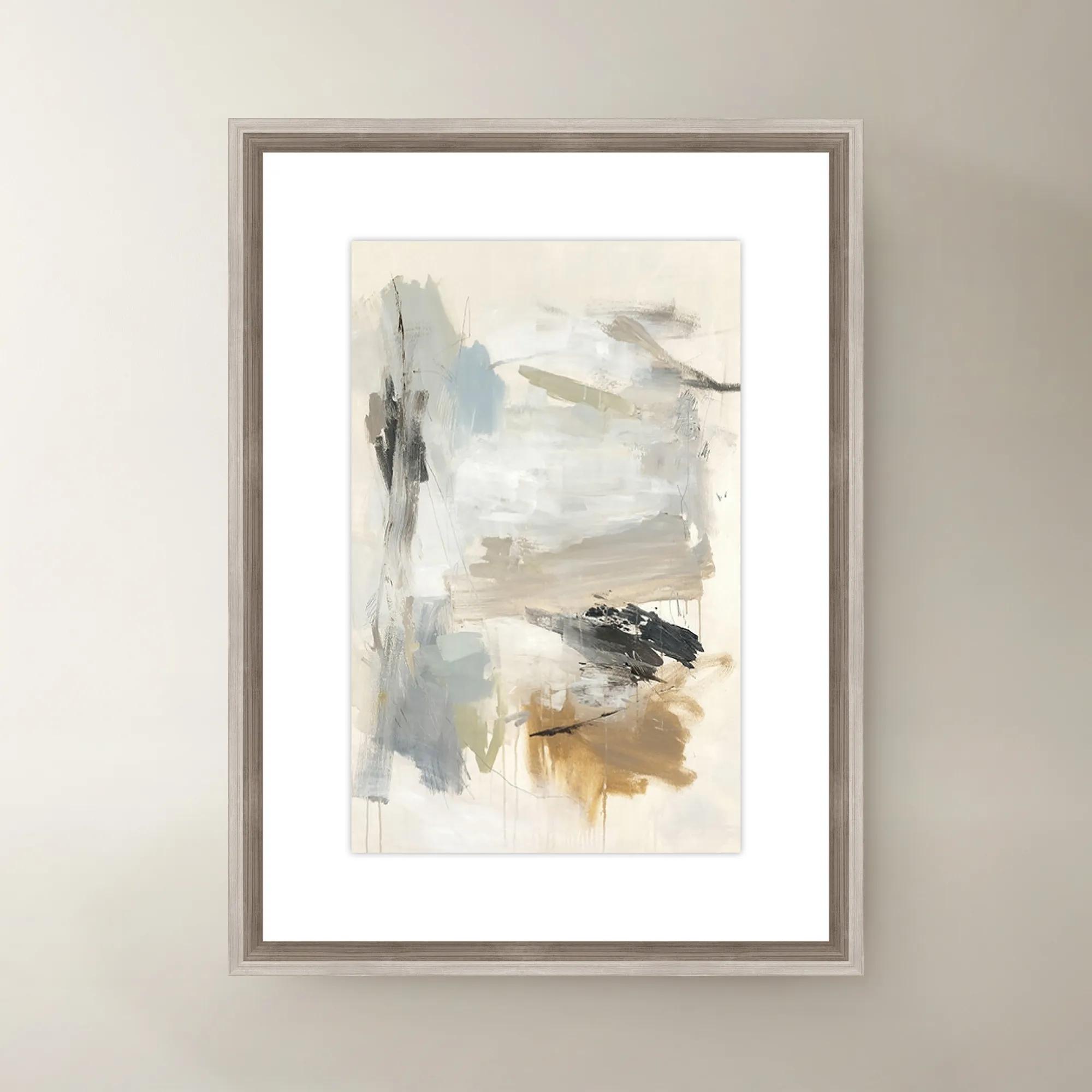
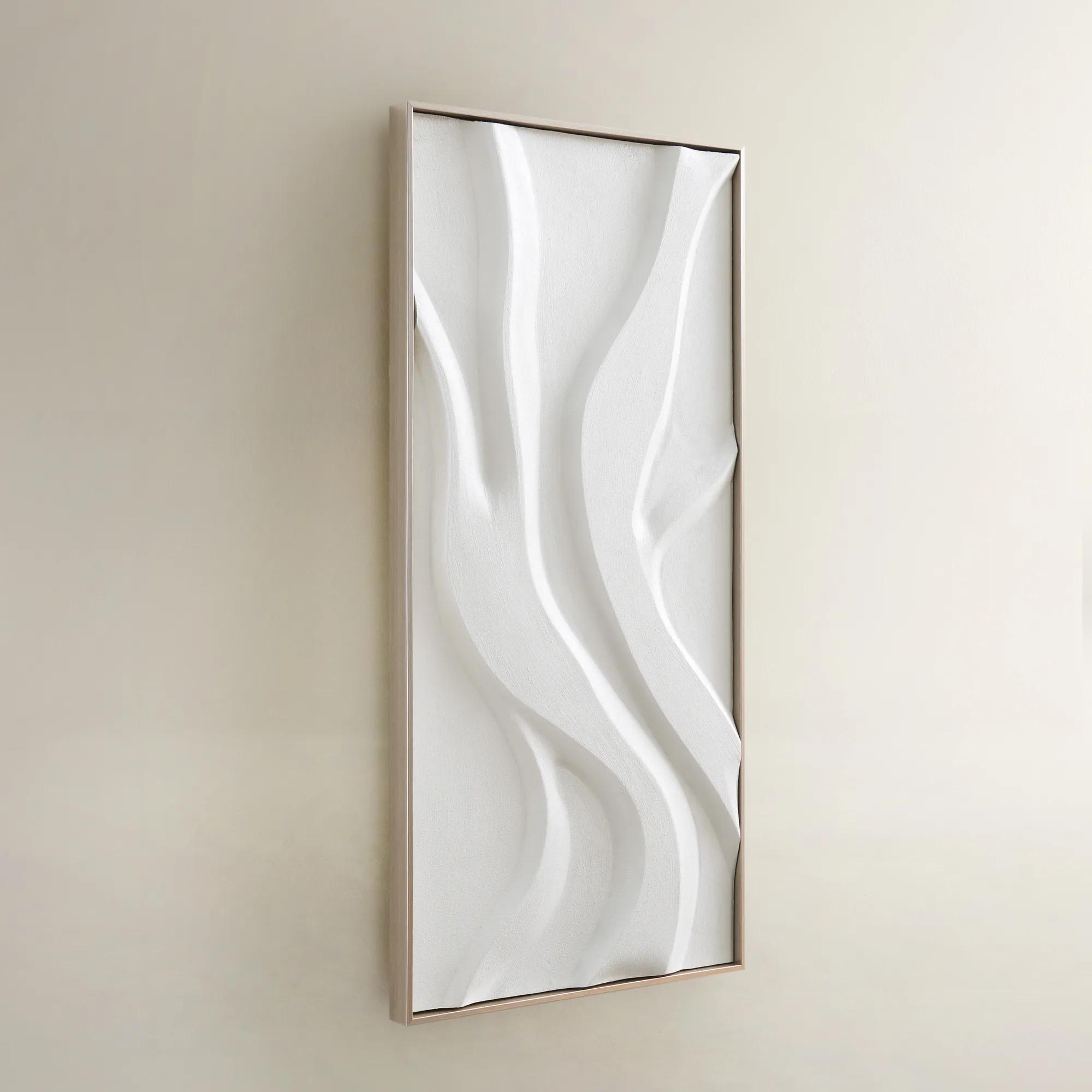 Au Lait Framed Painted Wall Art I 47.2" x 23.6"$199
An organic hand-painted canvas featuring flowing white forms in a warm champagne finish floater frame.
Add To Cart -
-0.jpeg?w=1200&h=1200)
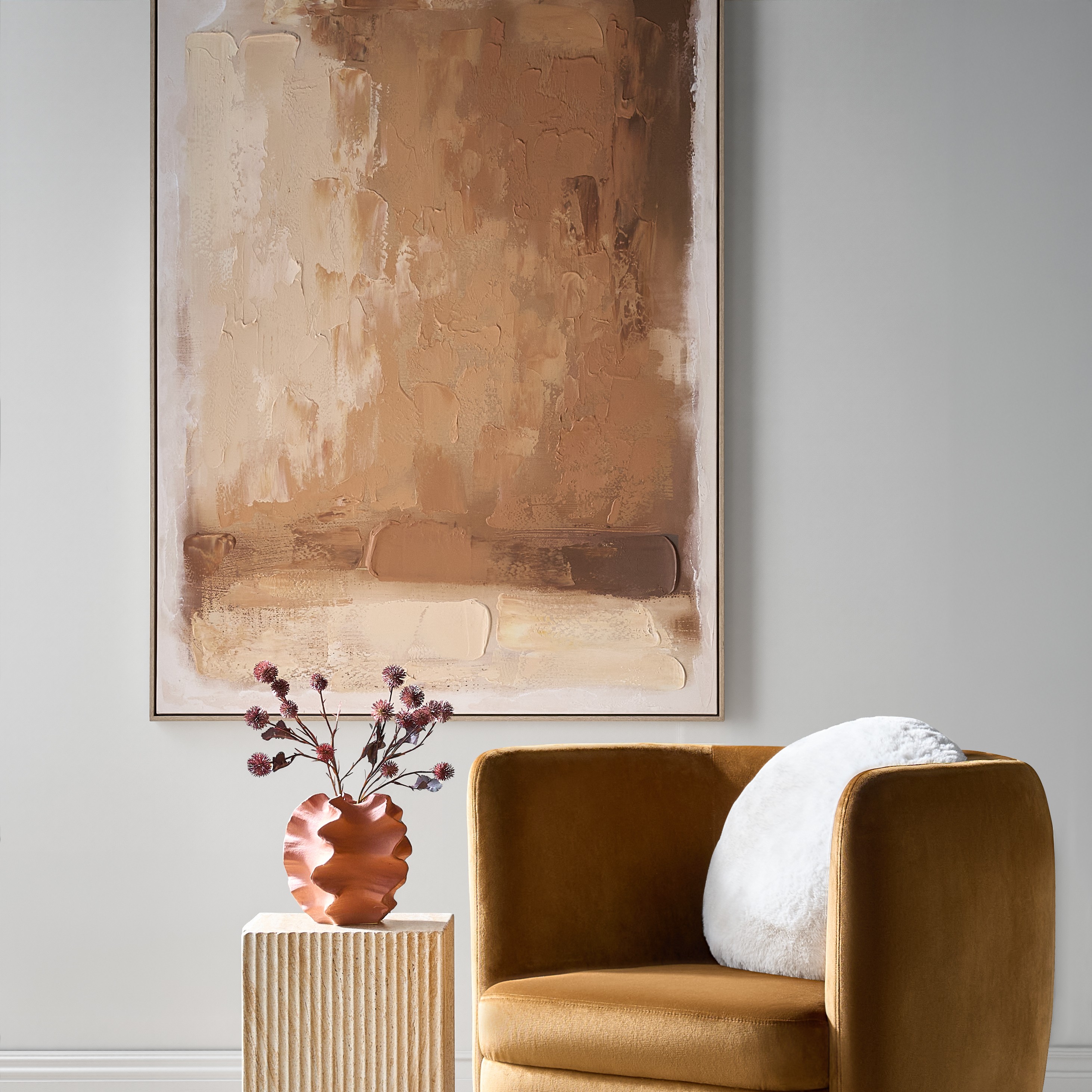 Ember Glow Framed Painted Wall Art 39.25" x 55"$499
A hand-painted abstract canvas blending ochre, terracotta, and golden clay hues in a light natural frame.
Add To Cart -
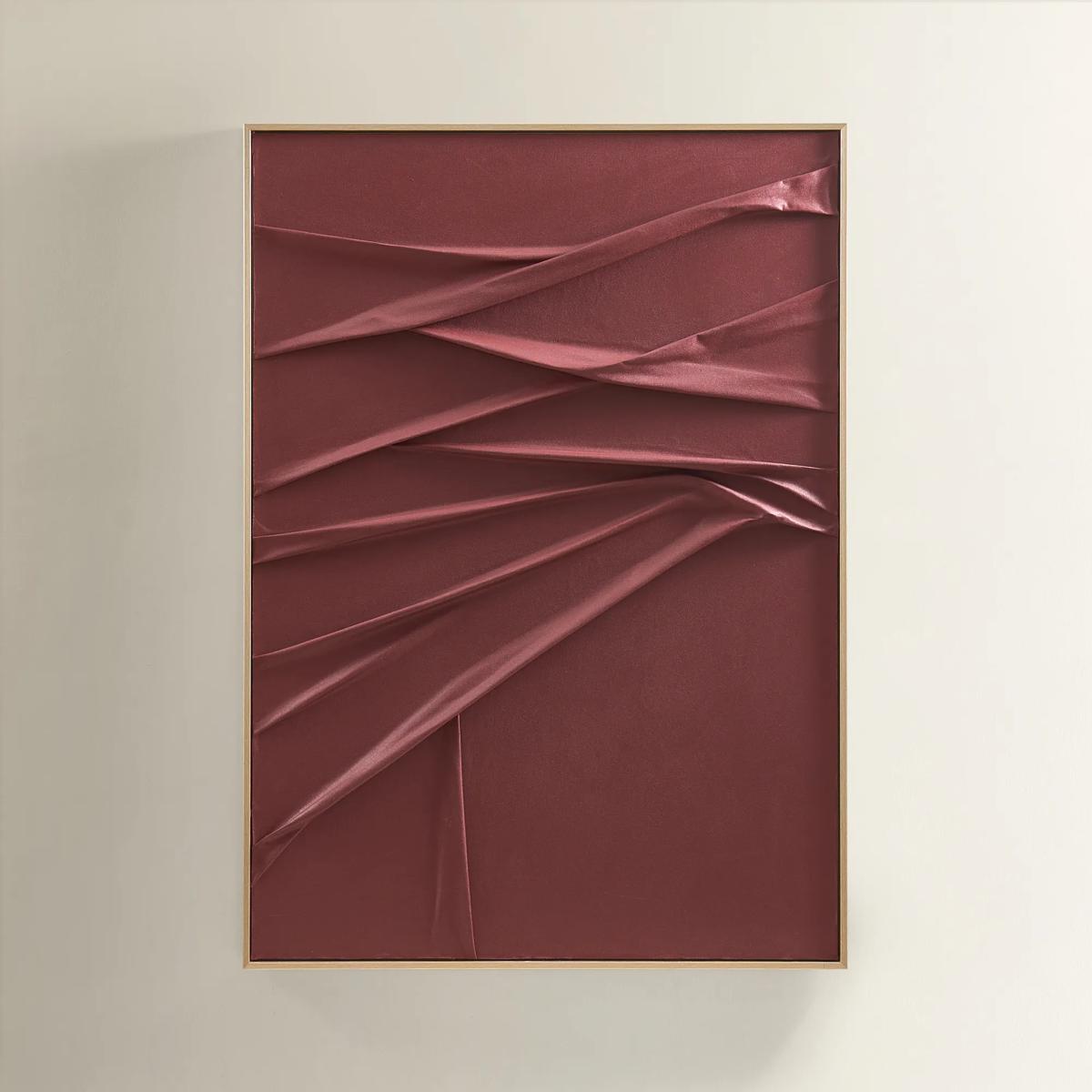
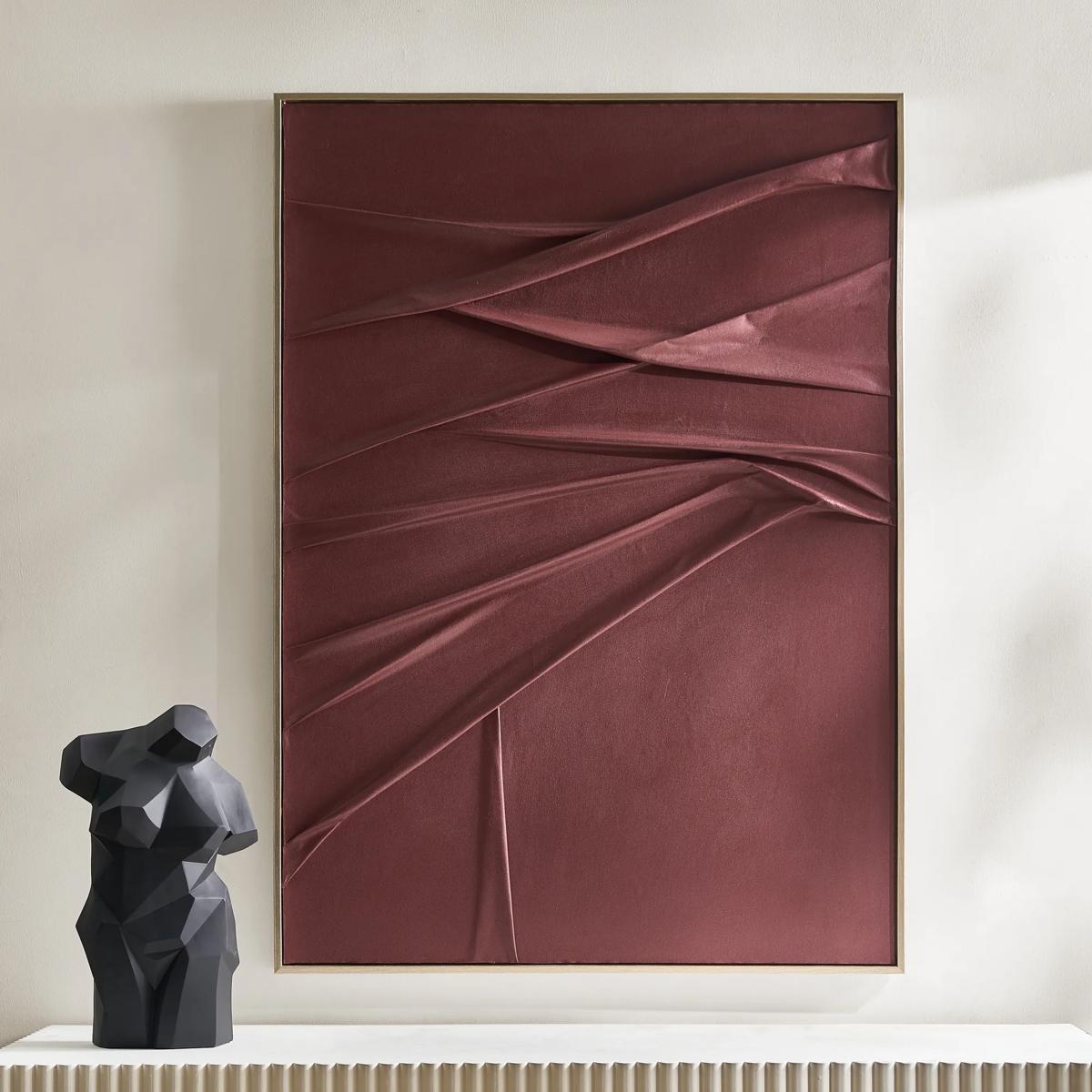 Crimson Painting$599
A handcrafted burgundy canvas artwork with sculptural folds, framed in champagne for a dramatic, textured effect.
Add To Cart -
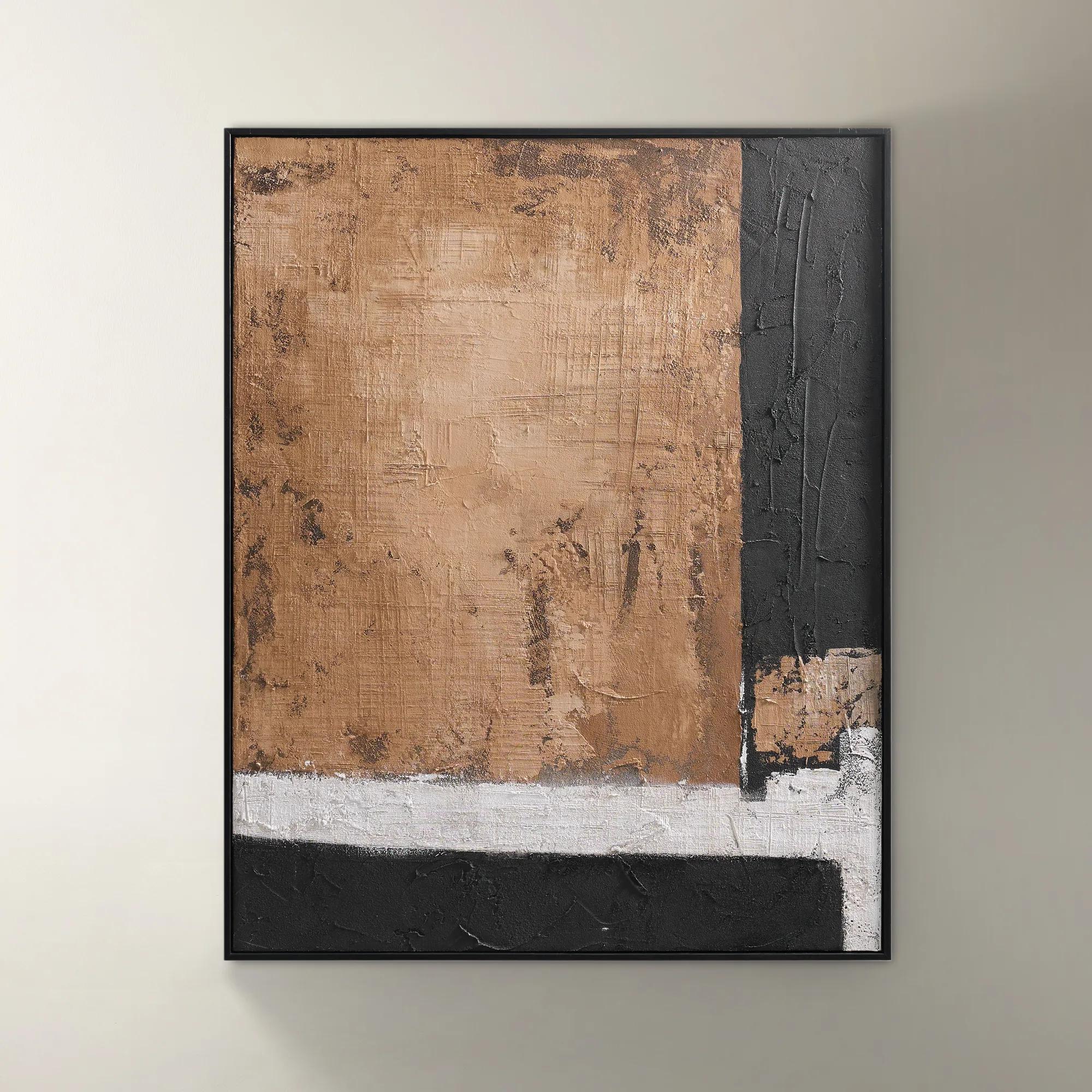 Drift Framed Painted Wall Art I 39.4" x 31.5"$299
A bold hand-painted abstract artwork featuring layered brown tones in a sleek black floater frame.
Add To Cart -
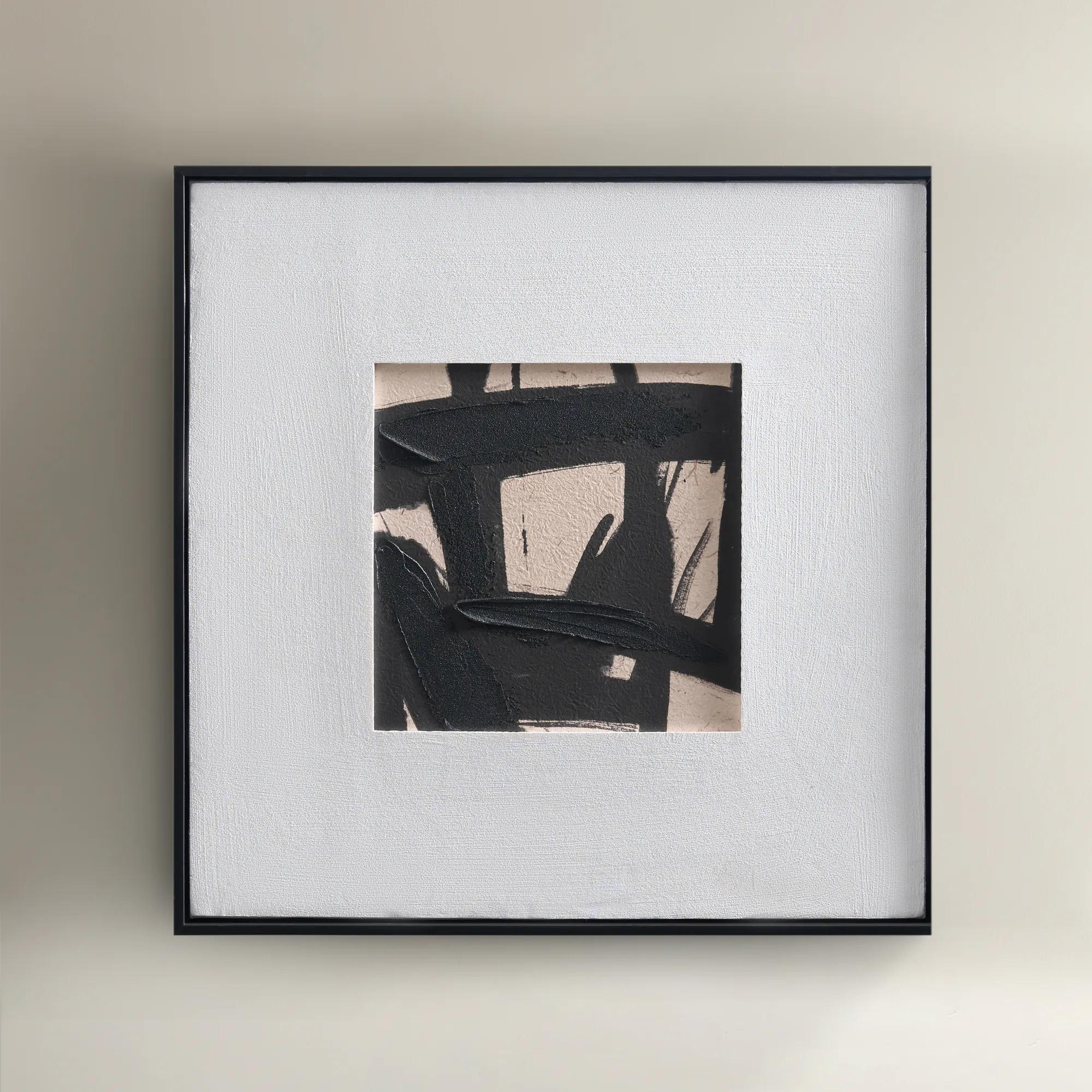
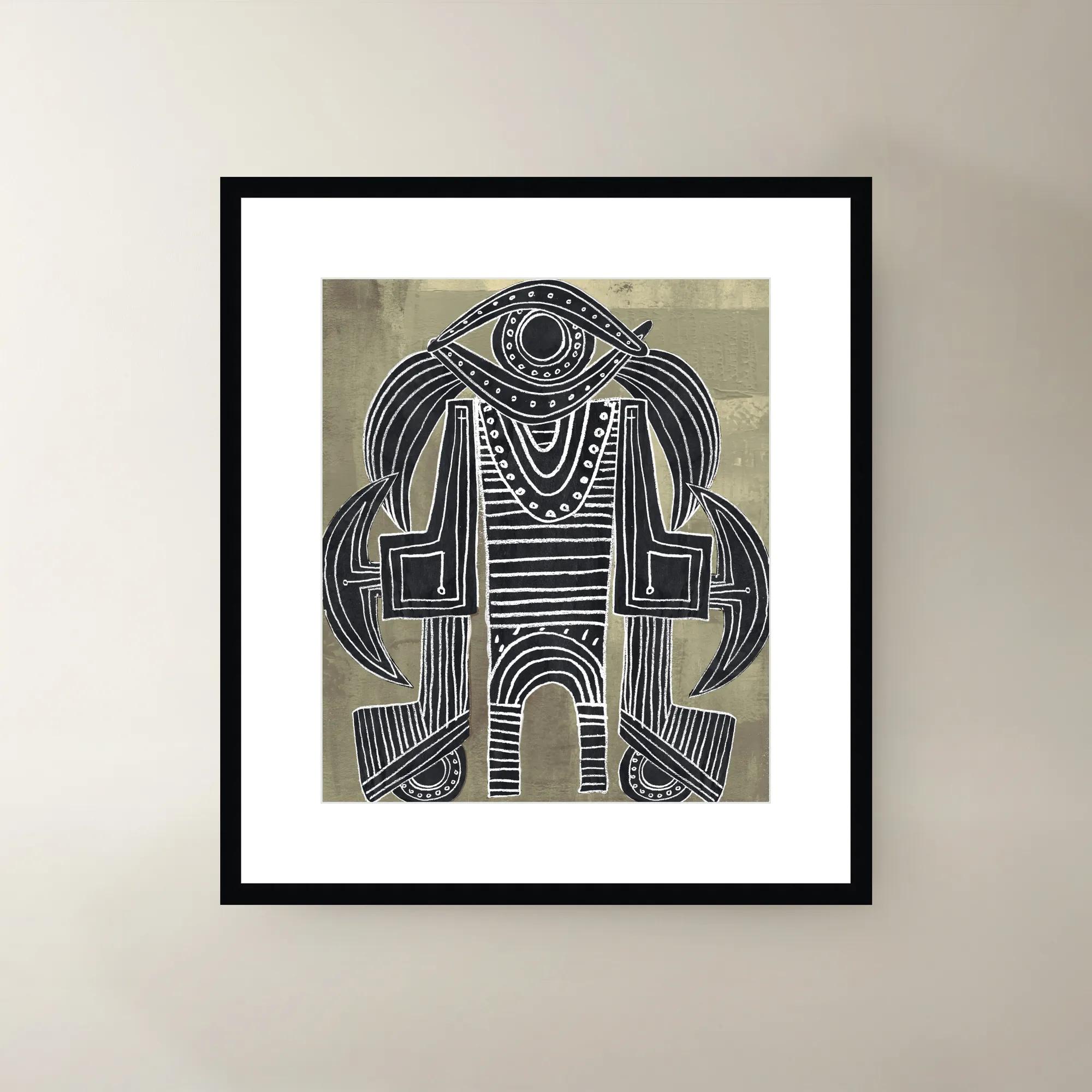
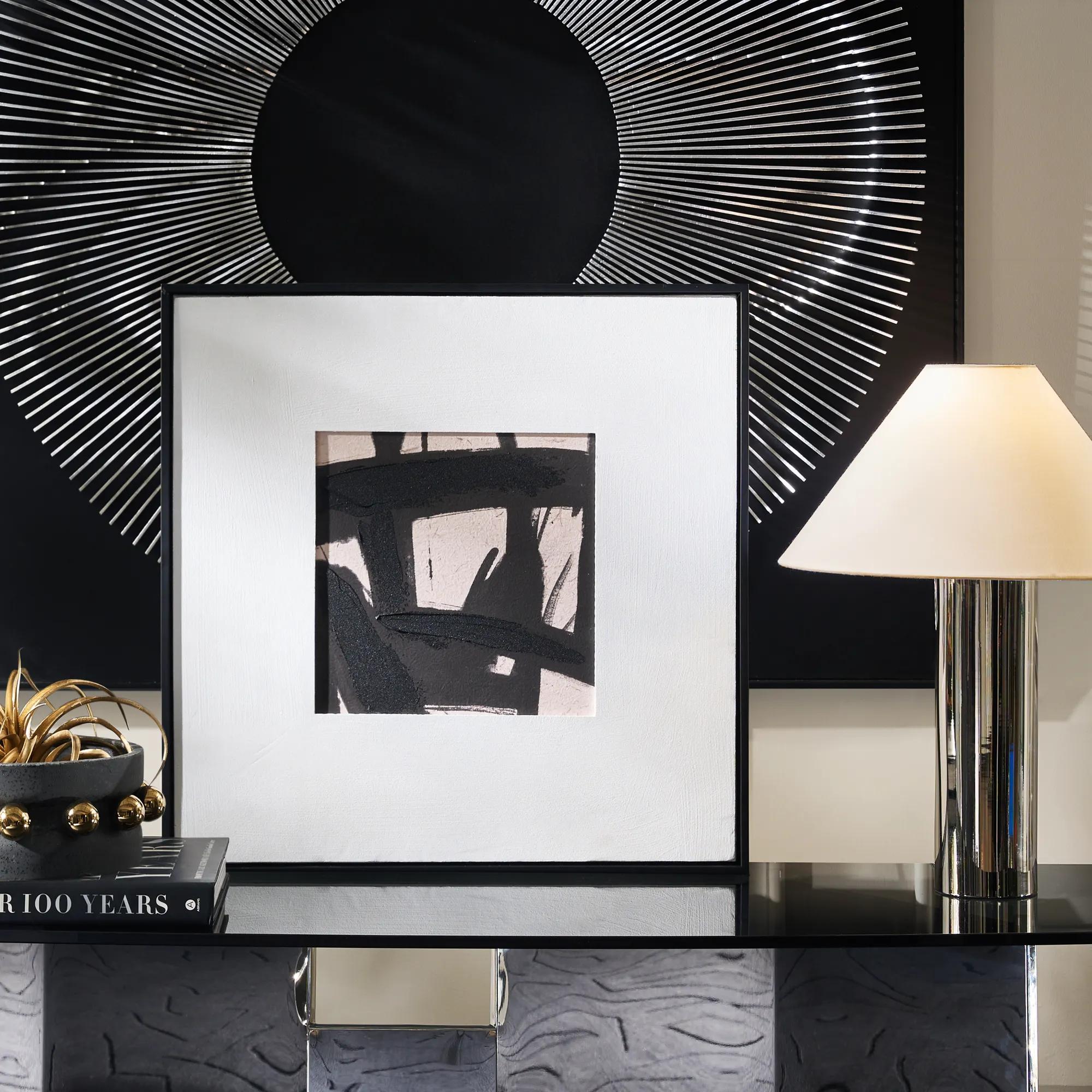 Ink Maze Painting$89
A hand-painted canvas featuring bold black and beige contrasts, set in a sleek black floater frame.
Add To Cart -
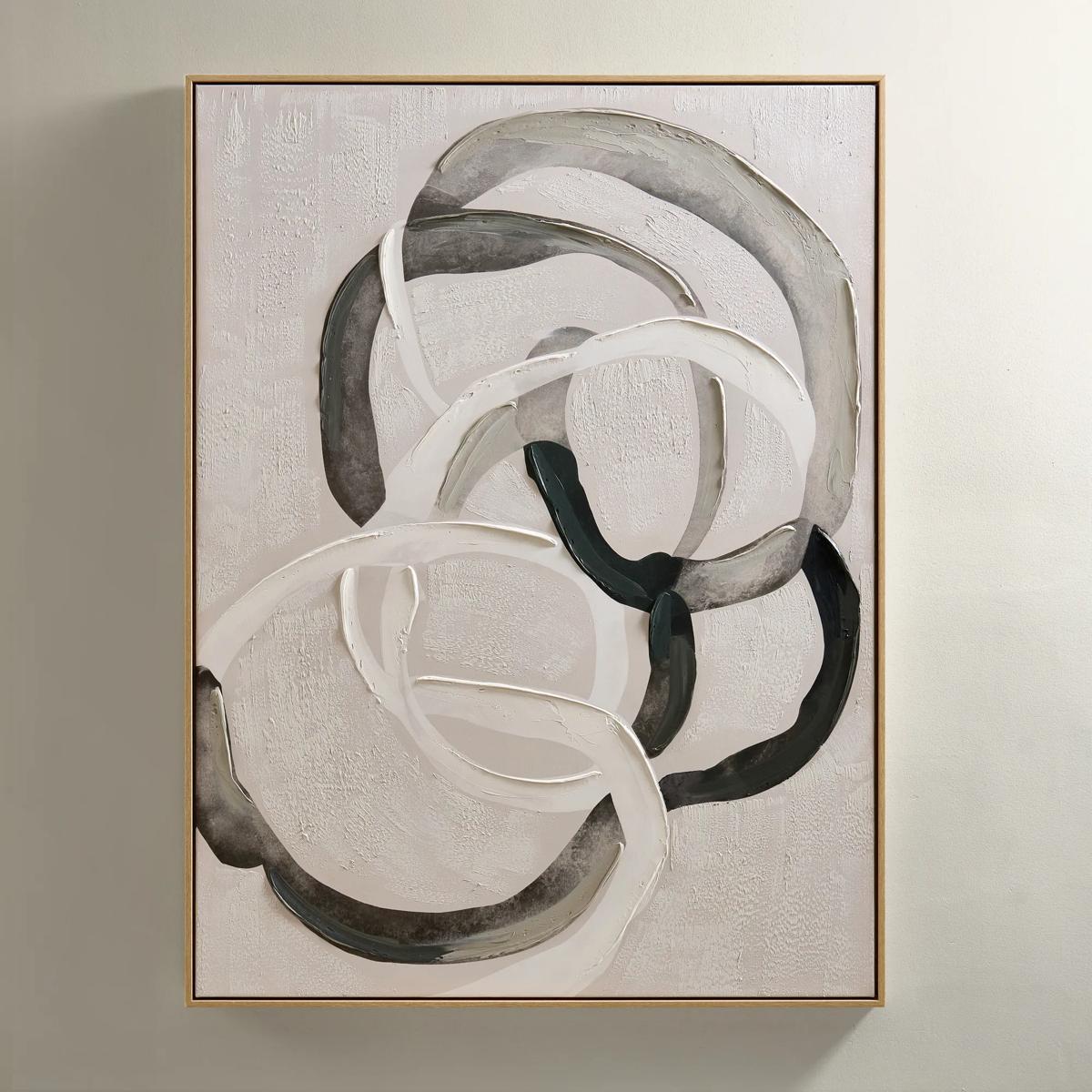
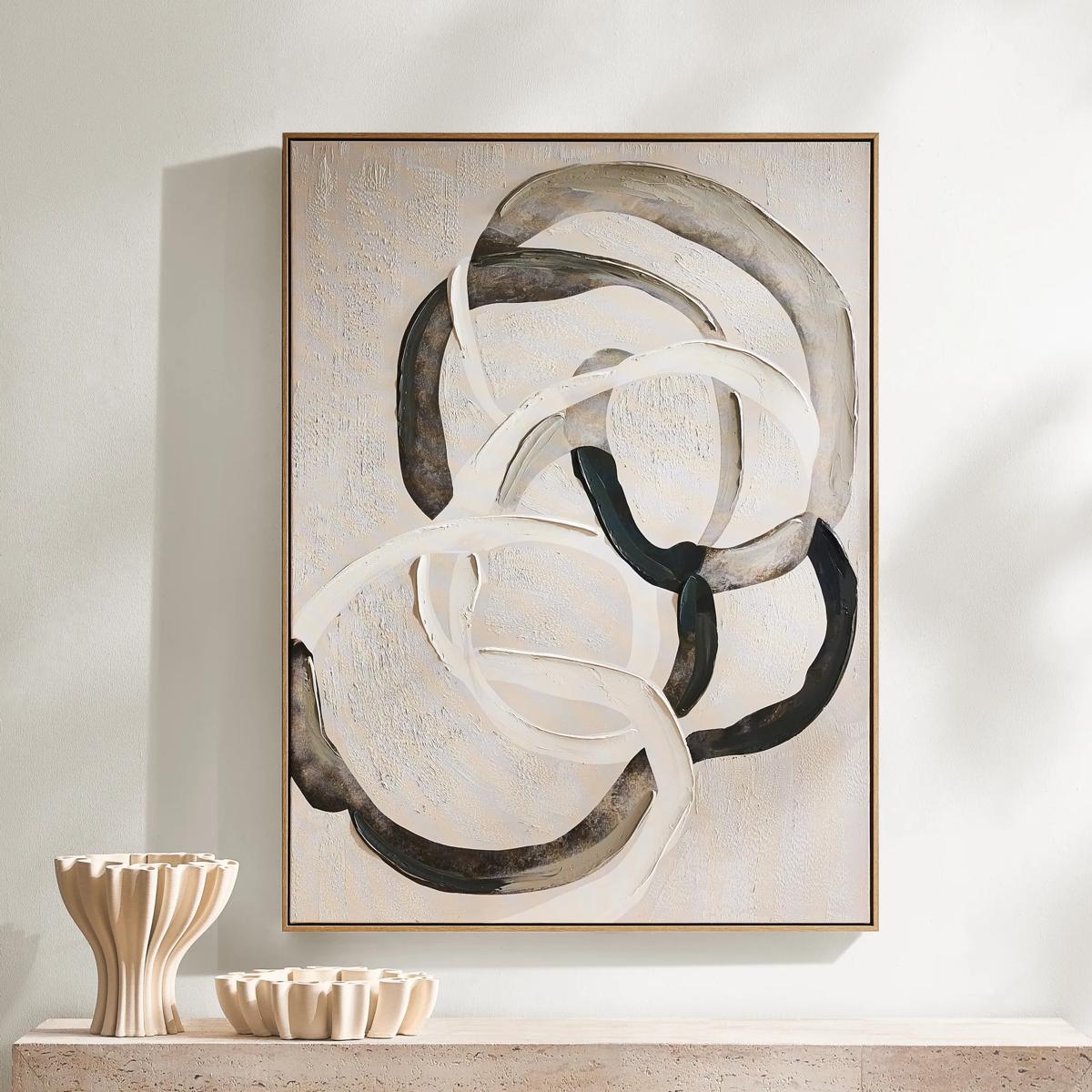 Round About Framed Painted Wall Art 35.25" x 47.25"$349
An abstract hand-painted canvas with tonal whites, charcoals, and taupes in a light wood floater frame.
Add To Cart -
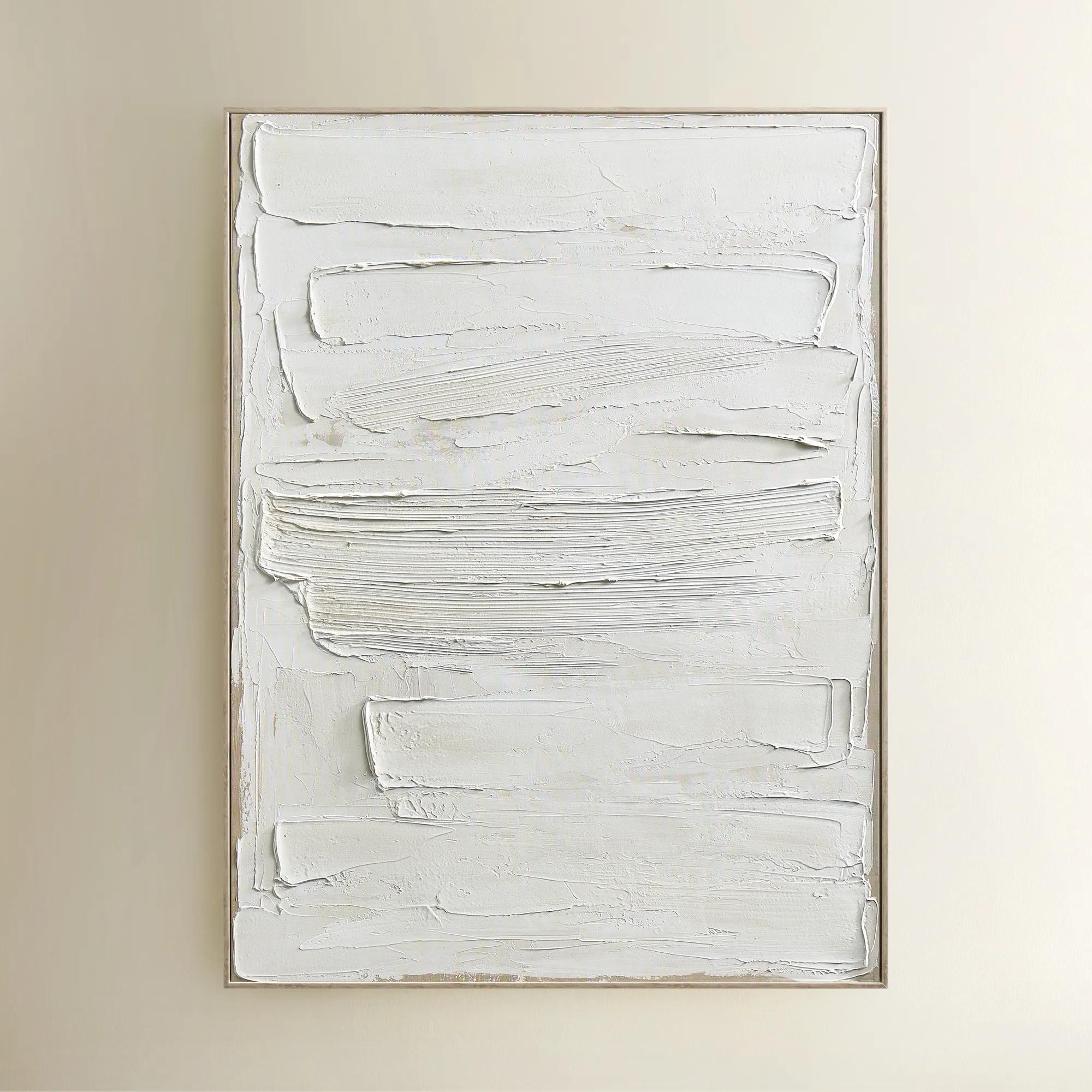
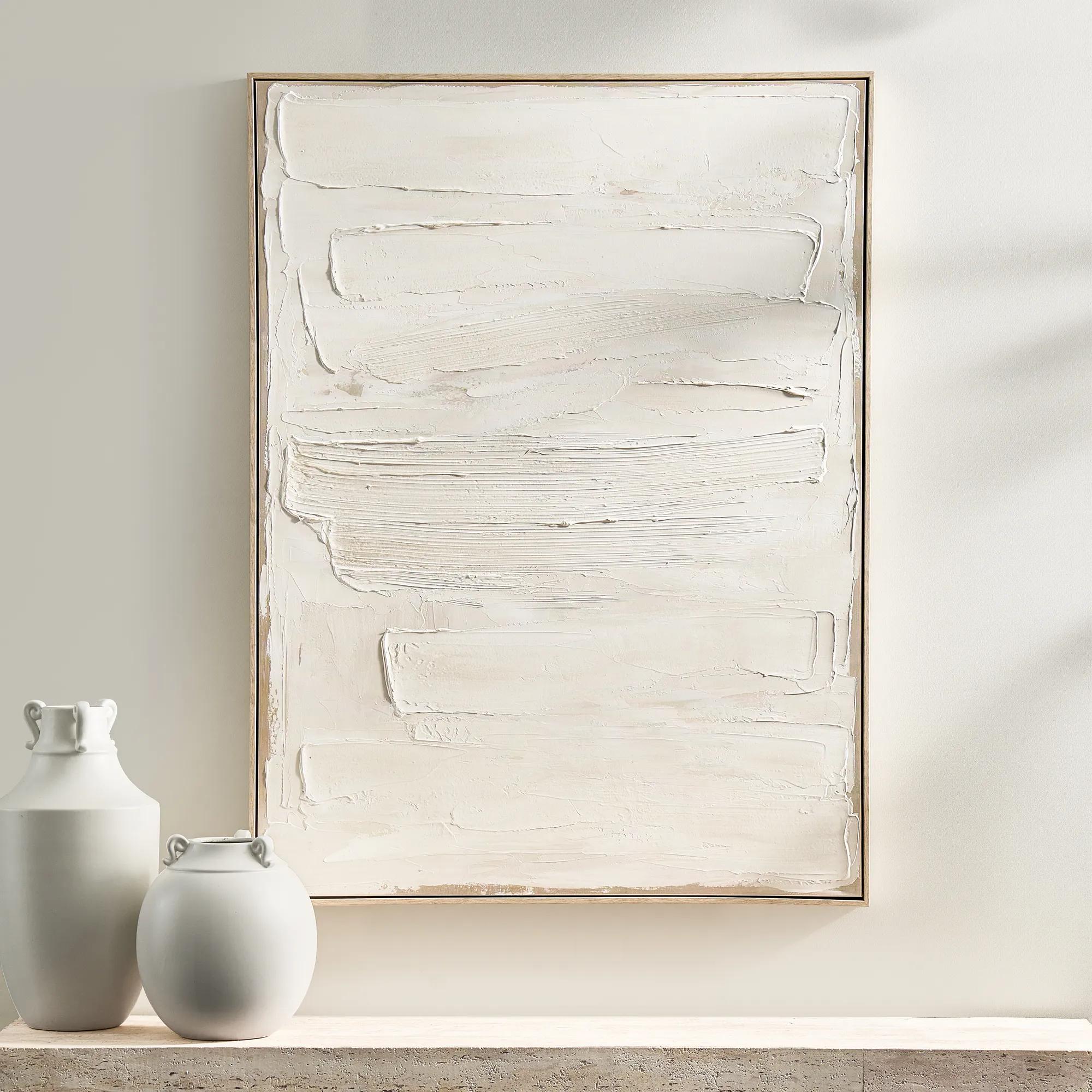 Monotype Canvas 1$399
A hand-painted abstract canvas featuring layered white tones and textured paint in a whitewashed wood frame.
Add To Cart -
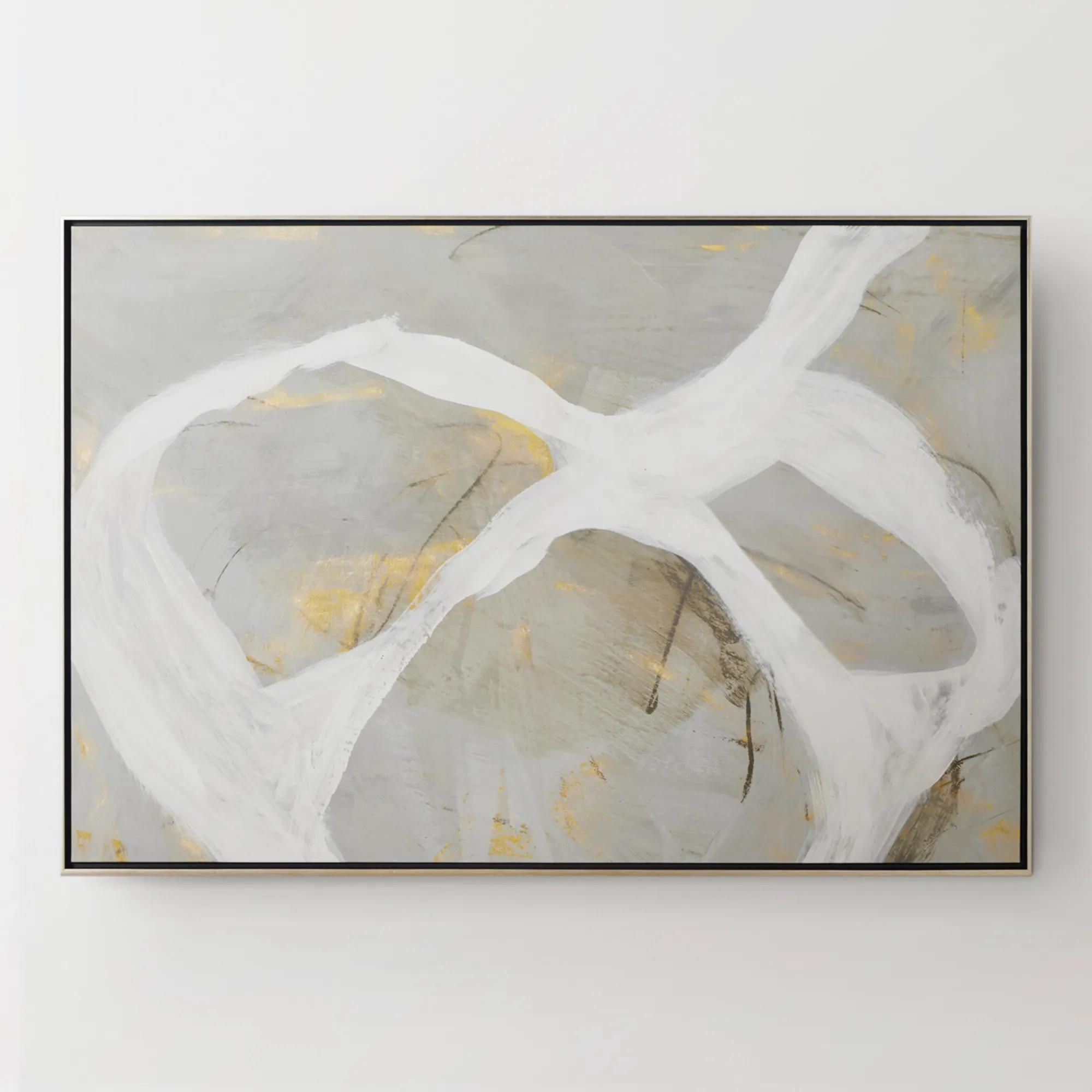
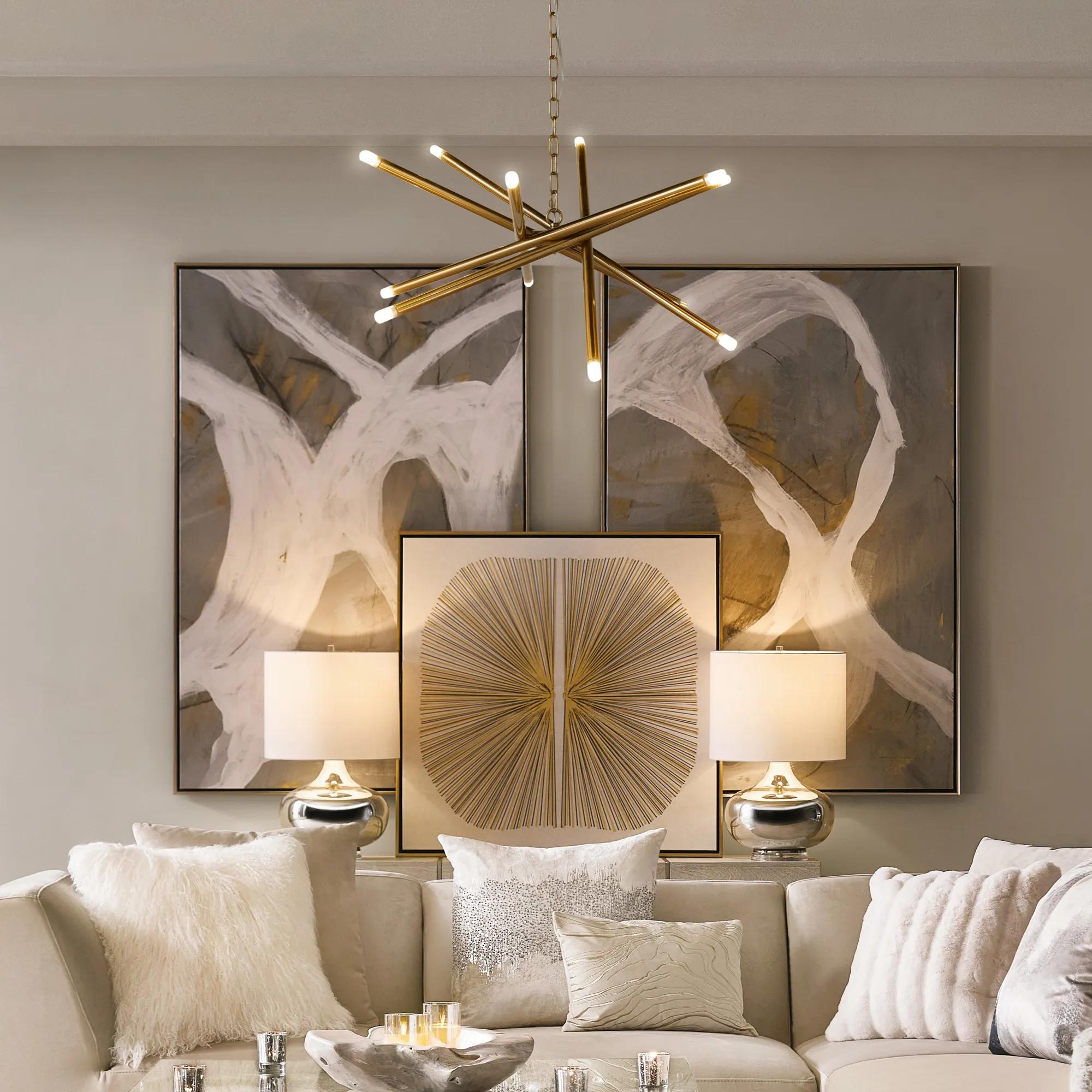 Les Series Framed Painted Wall Art I 61" x 41"$1099
An abstract canvas artwork featuring bold brushstrokes, hand-applied gold accents, and a silver floater frame.
Add To Cart -
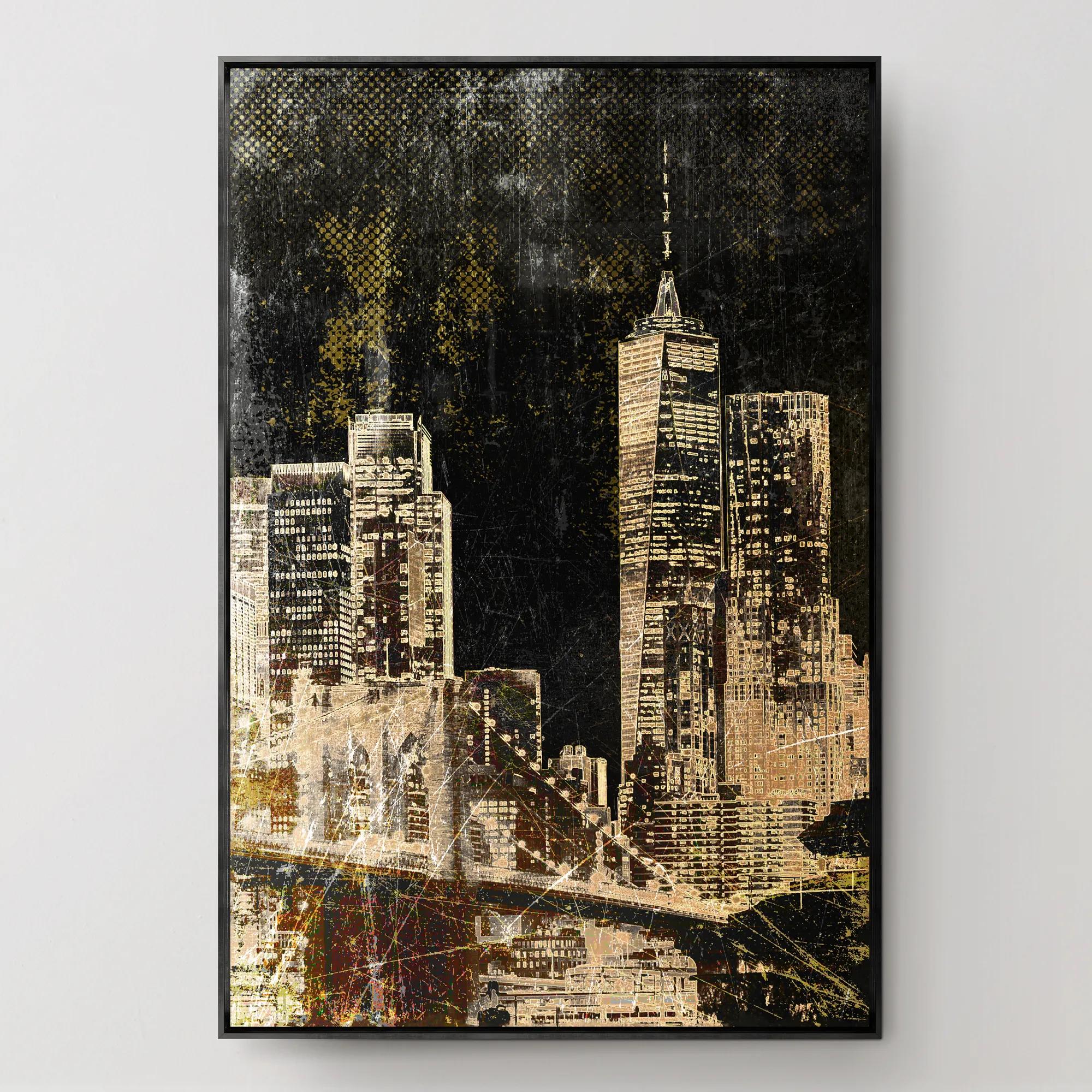
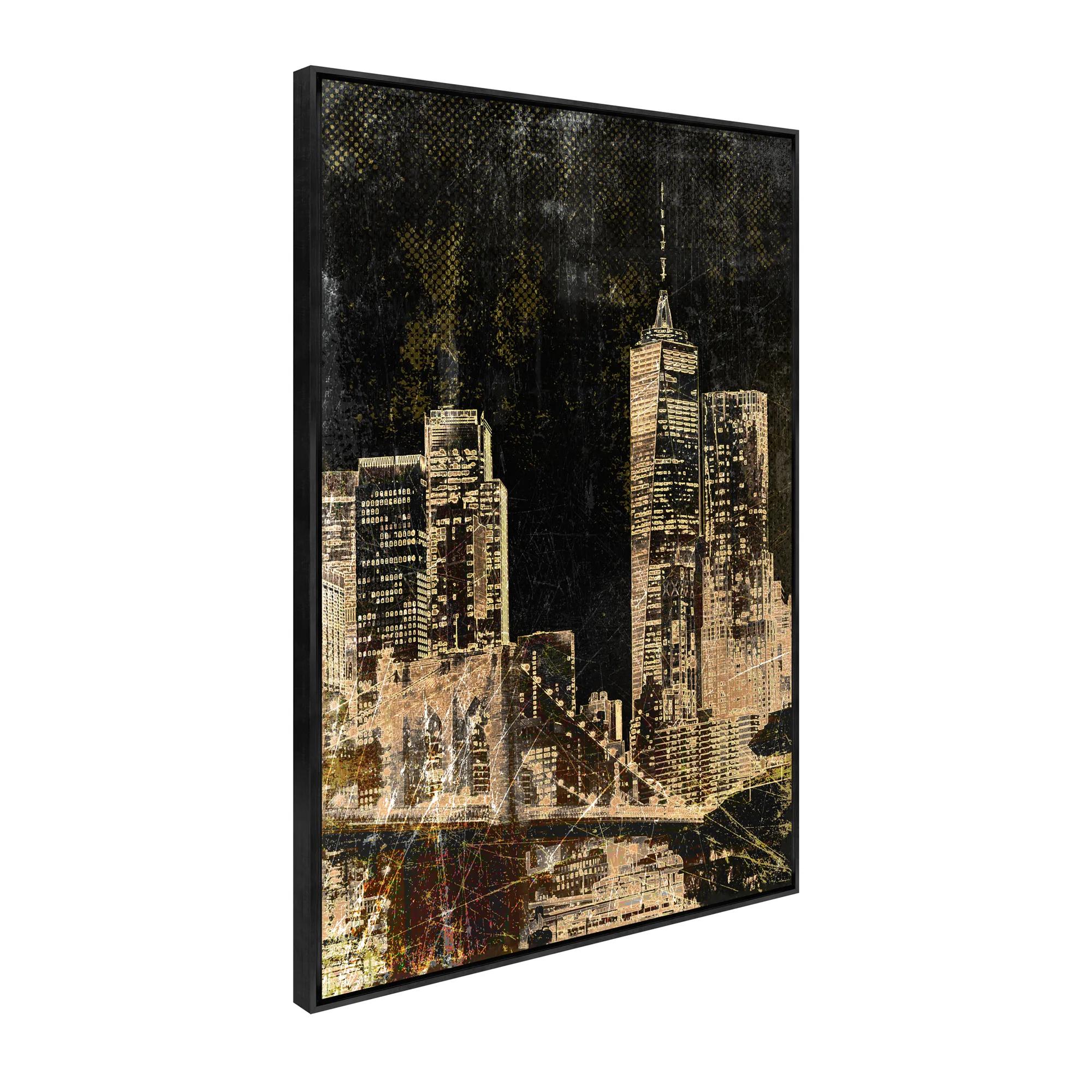 New York Lights Framed Wall Art 30" x 45"$649
A gallery-wrapped canvas artwork featuring a hand-applied gel finish and sleek black floater frame.
Add To Cart -
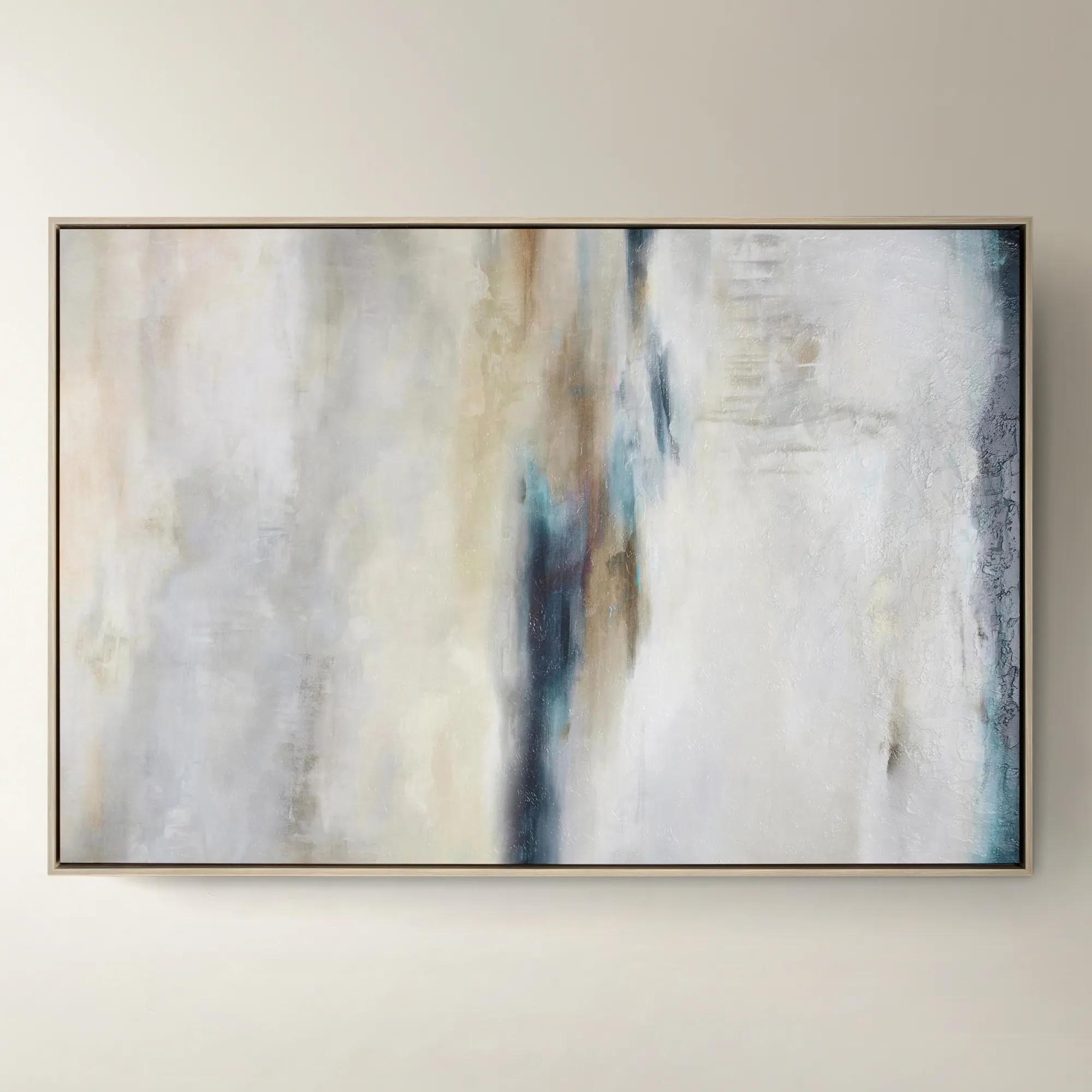
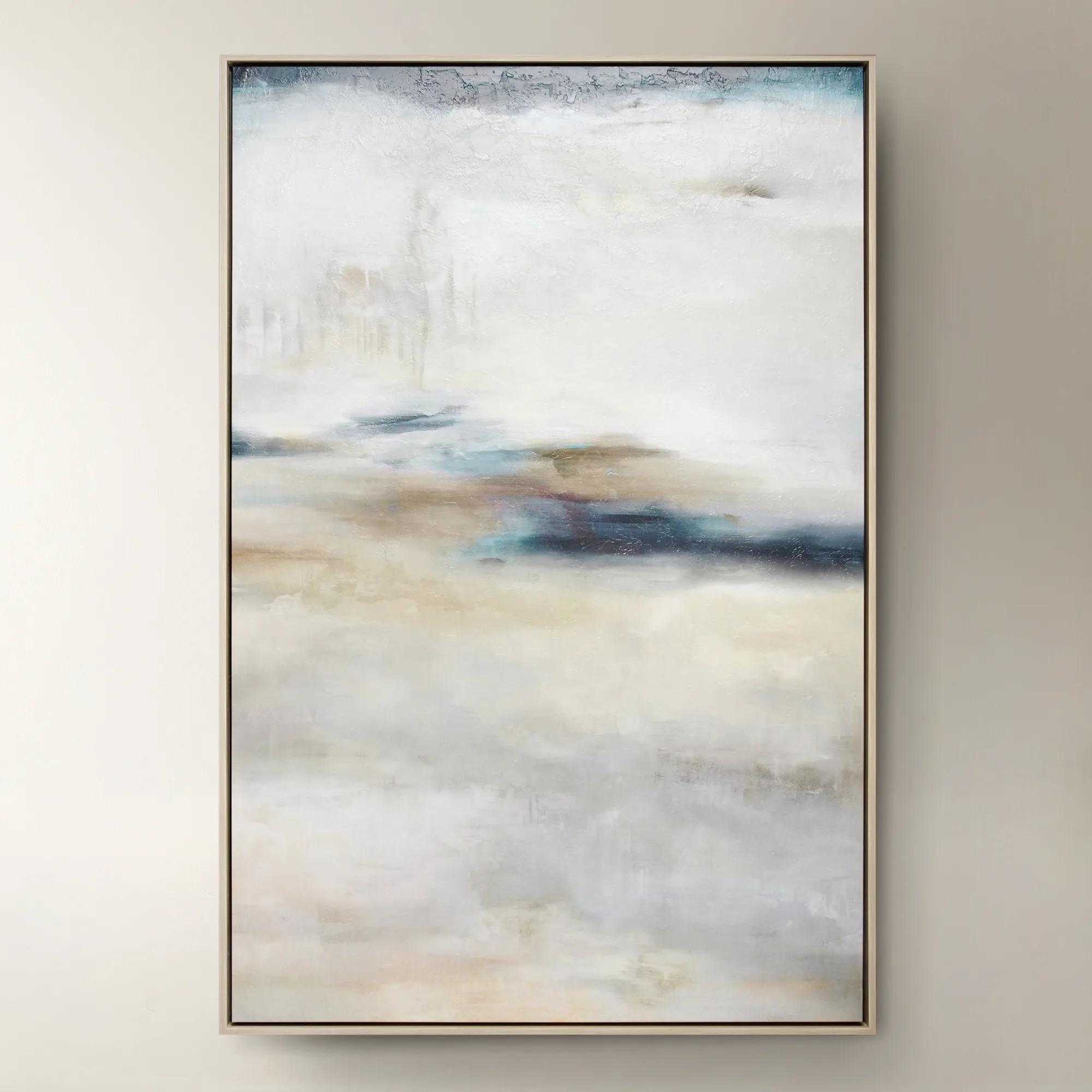 Forward Looking$1299
A softly layered abstract canvas print with a gel finish, set in a natural-hued floater frame.
Add To Cart -
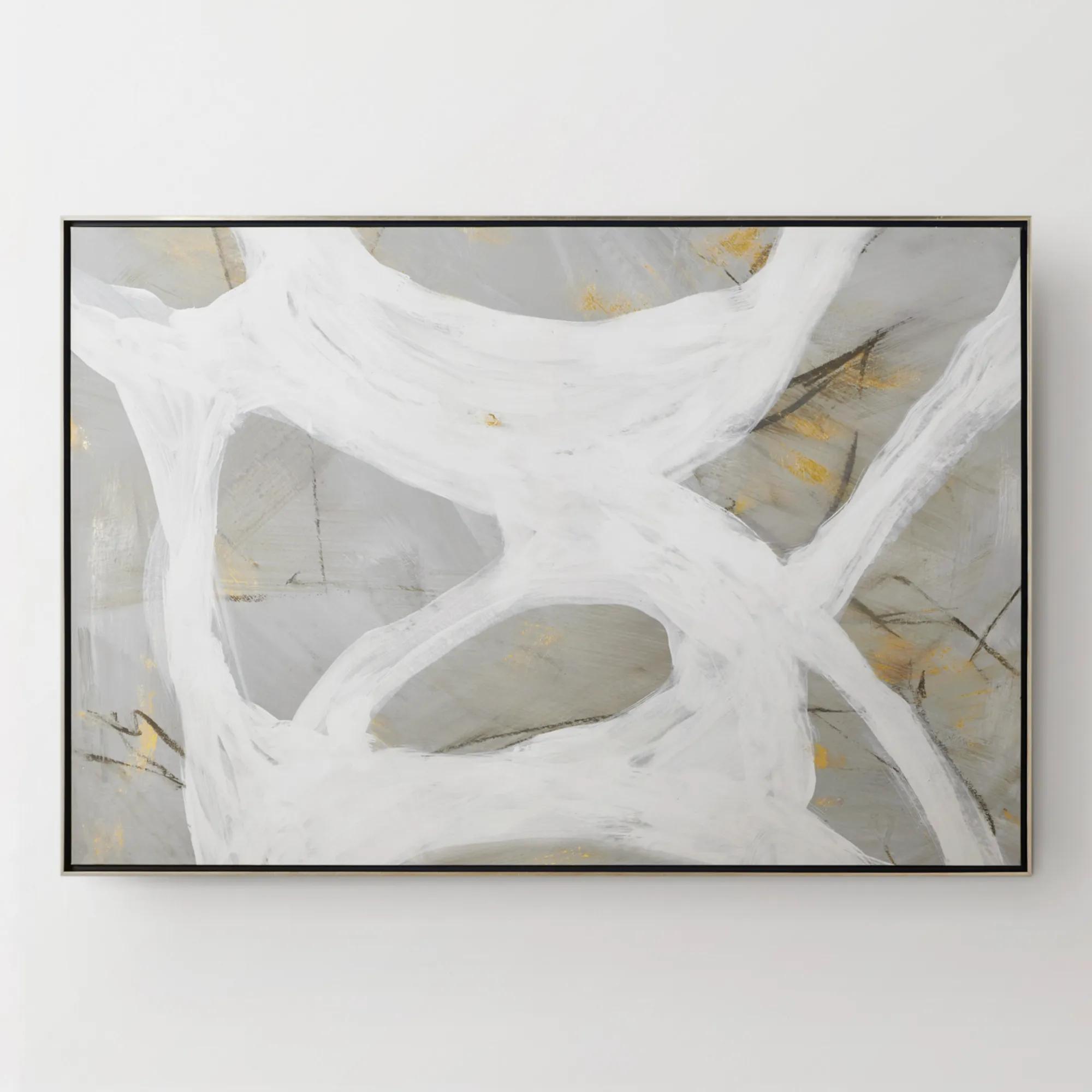
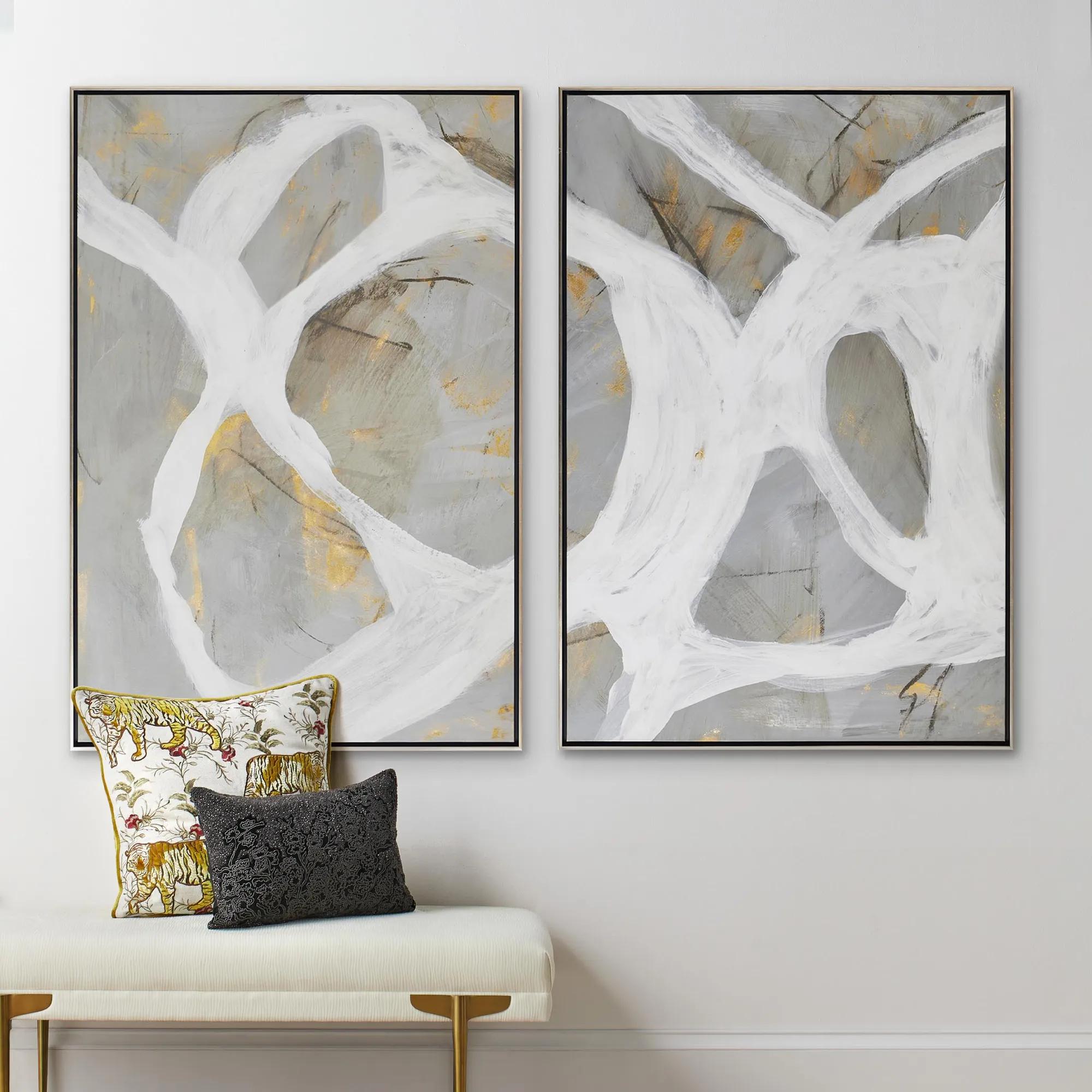 Les Series Framed Painted Wall Art II 61" x 41"$1099
An abstract canvas artwork featuring bold brushstrokes, hand-applied gold accents, and a silver floater frame.
Add To Cart -
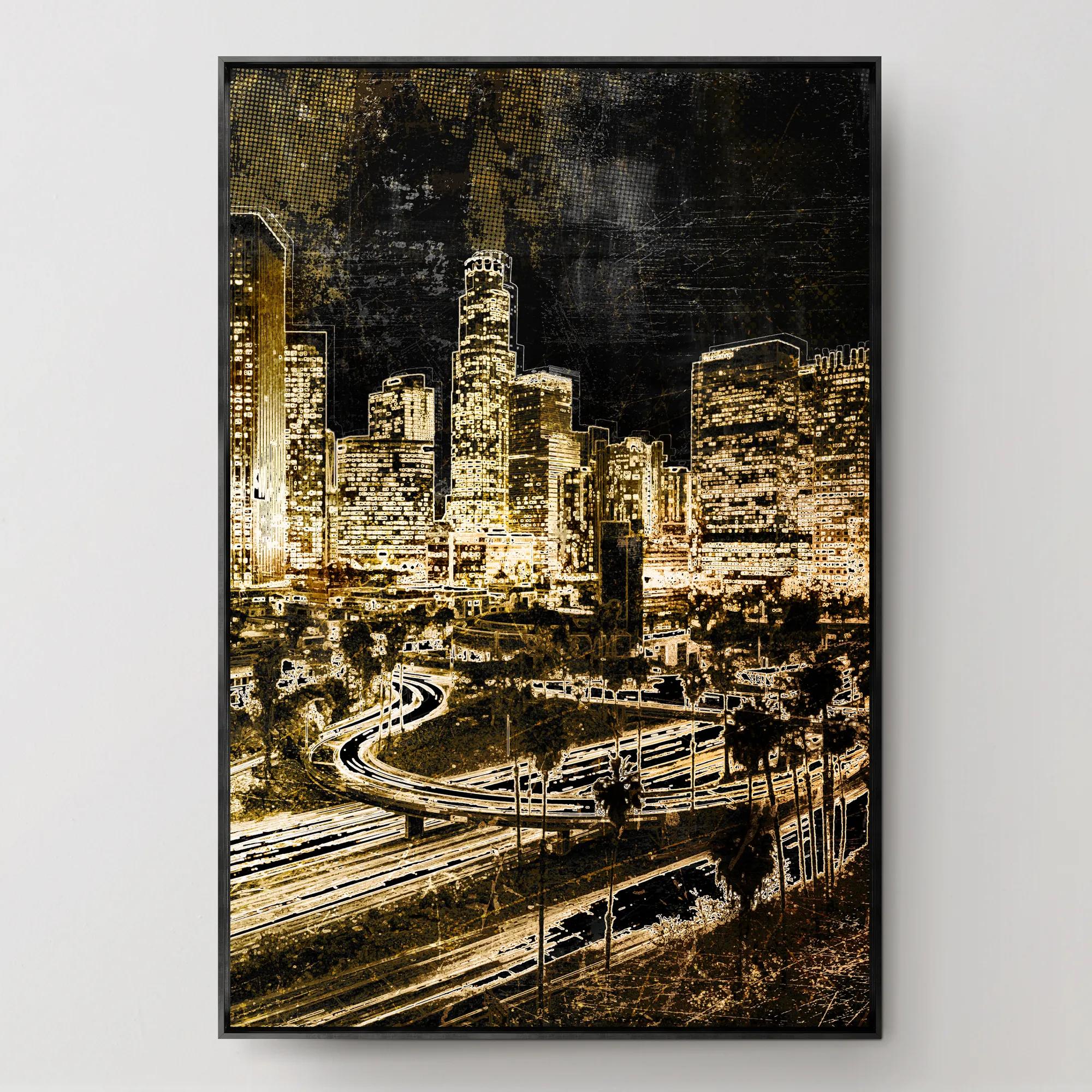 LA Lights Framed Wall Art 30" x 45"$649
A gallery-wrapped canvas artwork featuring a hand-applied brush gel finish in a sleek black floater frame.
Add To Cart -
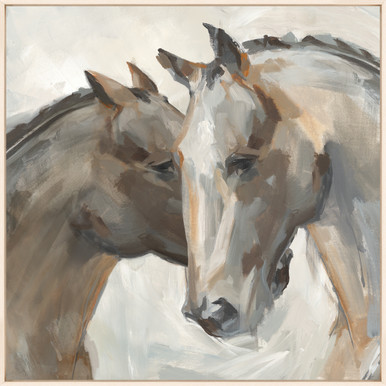
 Equine Duo Framed Wall Art 40" x 40"$699
A gallery-wrapped canvas featuring hand-applied brush gel and set in a natural floater frame.
Add To Cart -
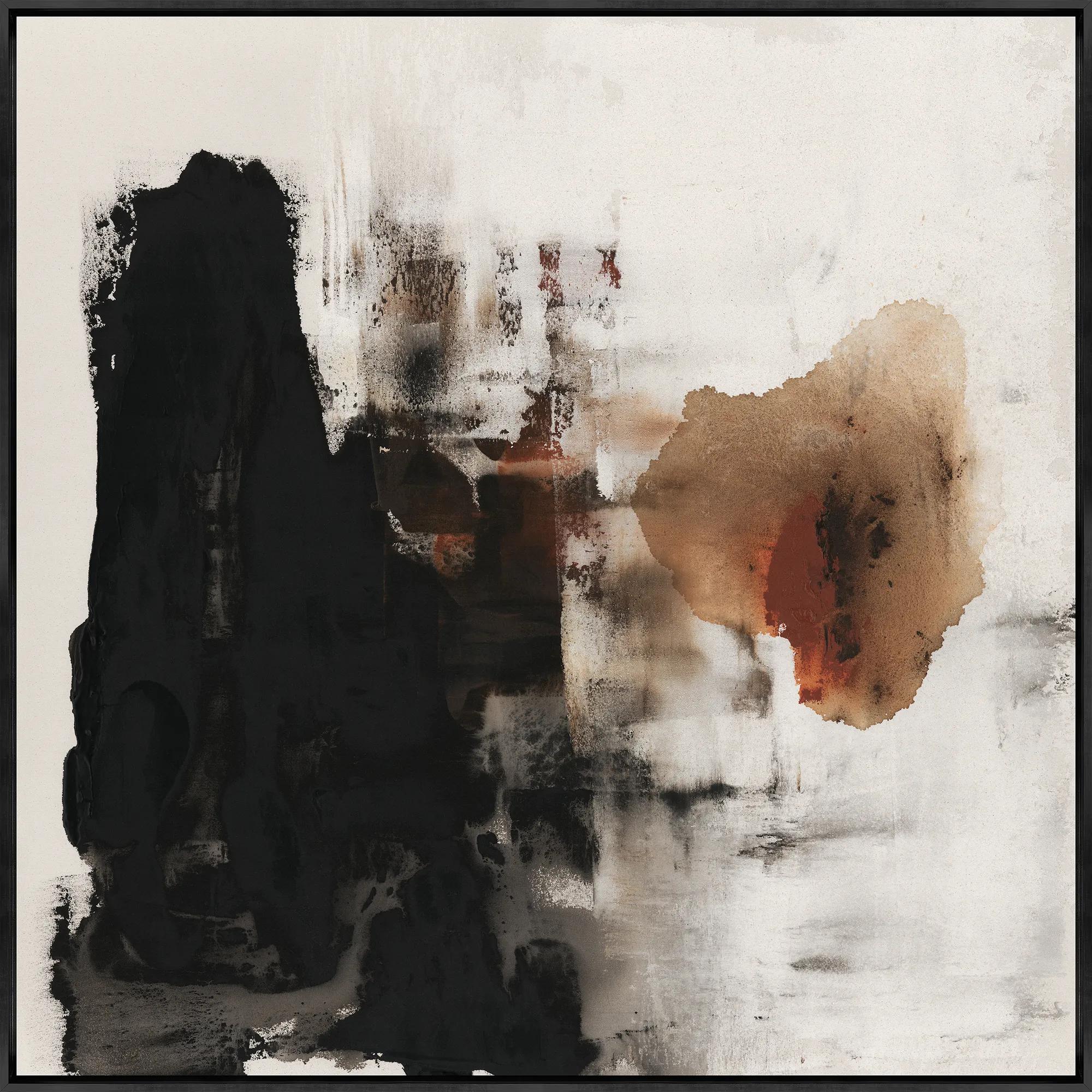 Burning for You I Framed Wall Art 40" x 40"$799
A gallery-wrapped canvas artwork with hand-applied brush gel, set in a sleek black floater frame.
Add To Cart -
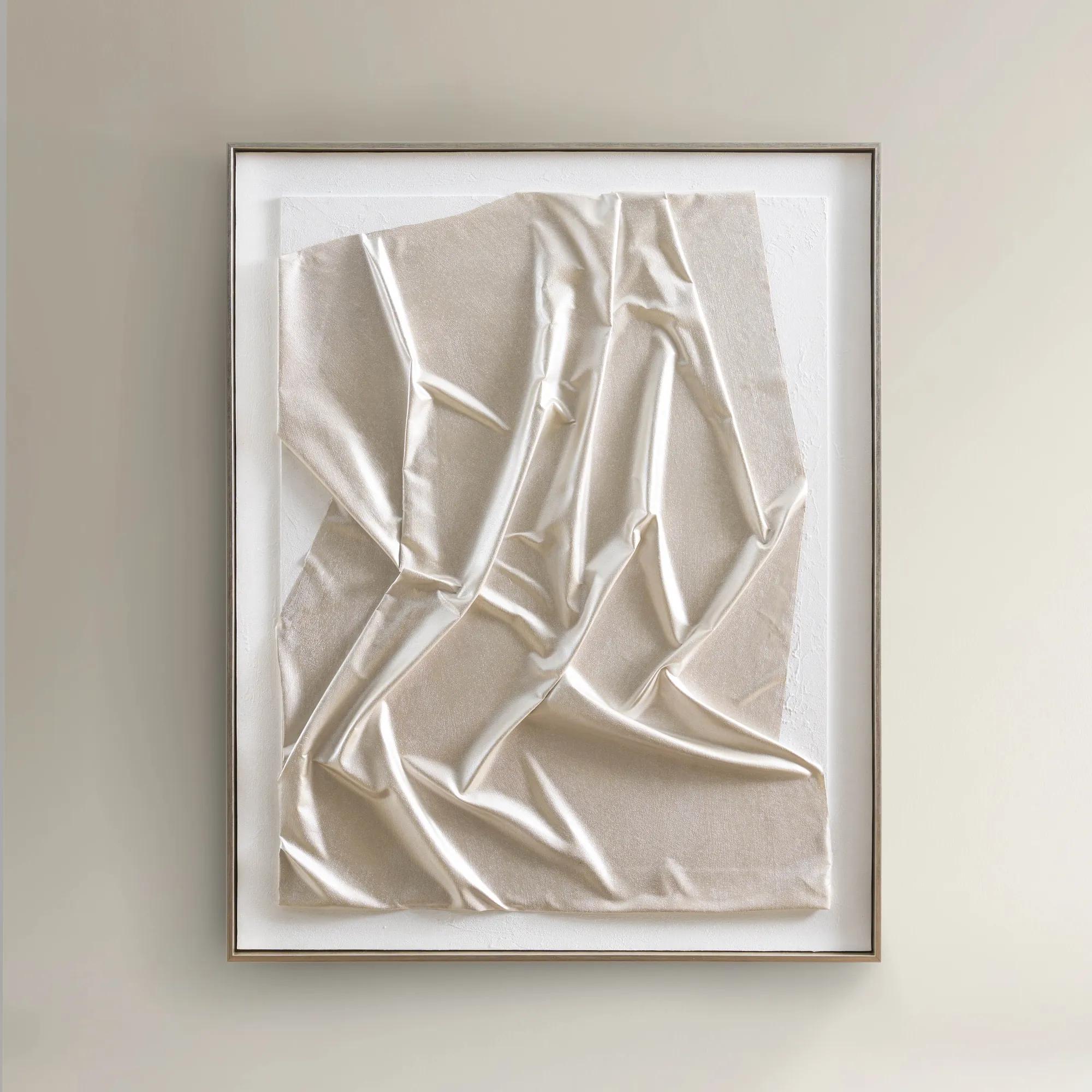 In the Mood Framed Painted Wall Art 31.5" x 39.5"$199
A hand-painted gold canvas artwork featuring textured surfaces and fluid forms in a champagne floater frame.
Add To Cart -
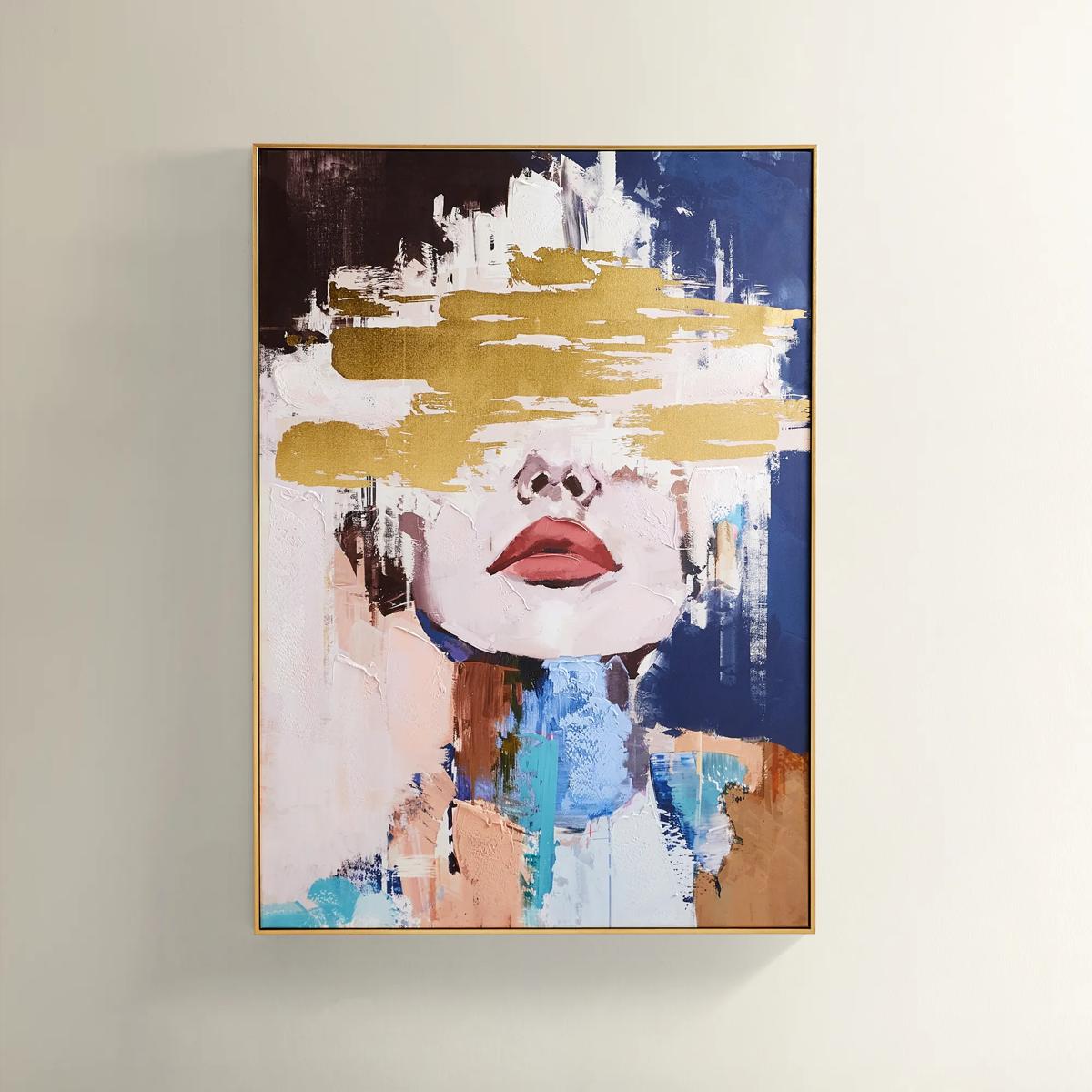
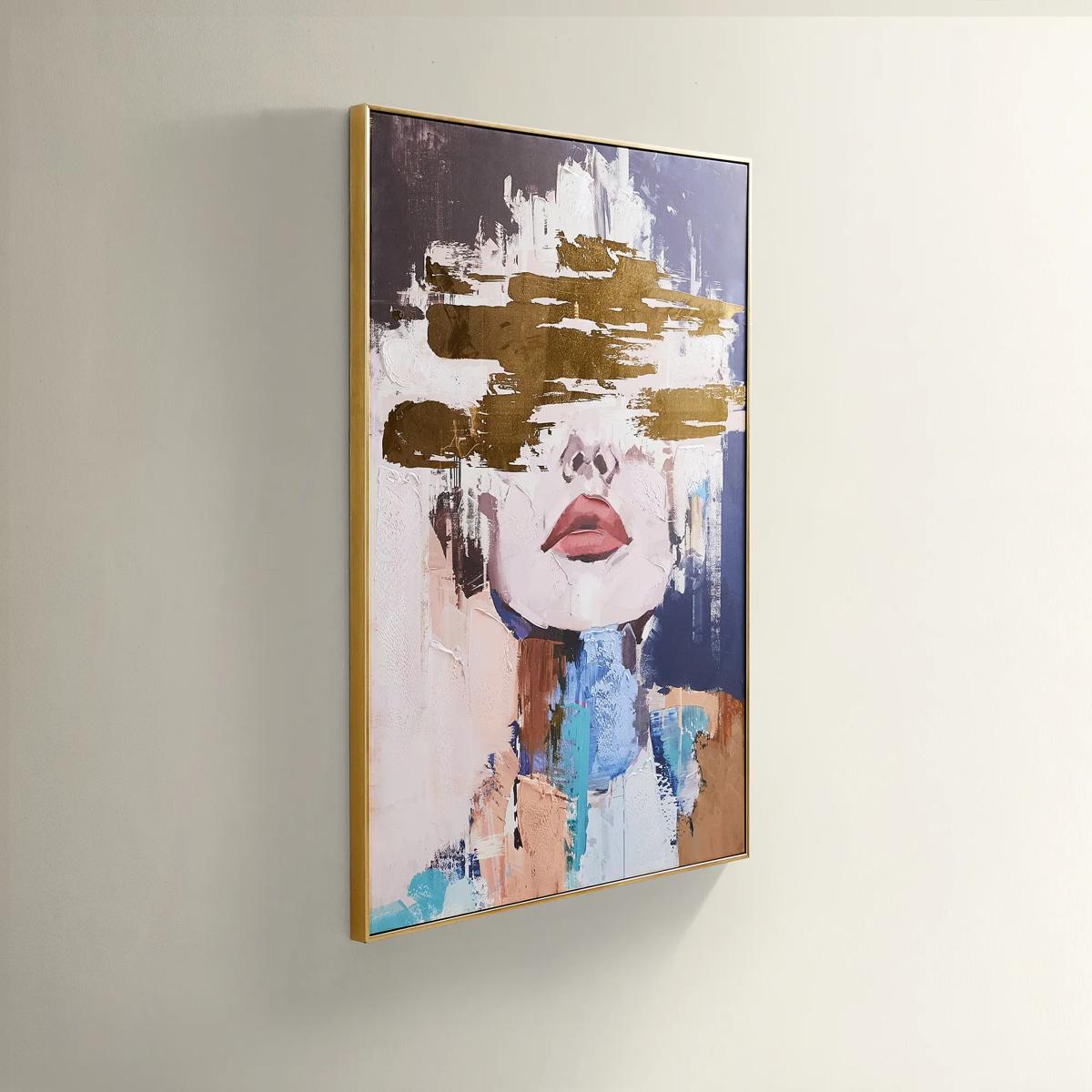 Waiting in Color Gold Foil Painted Wall Art 39.25" x 55"$499
A hand-painted abstract portrait in vivid blue, blush, and gold foil, framed in luxe gold.
Add To Cart -
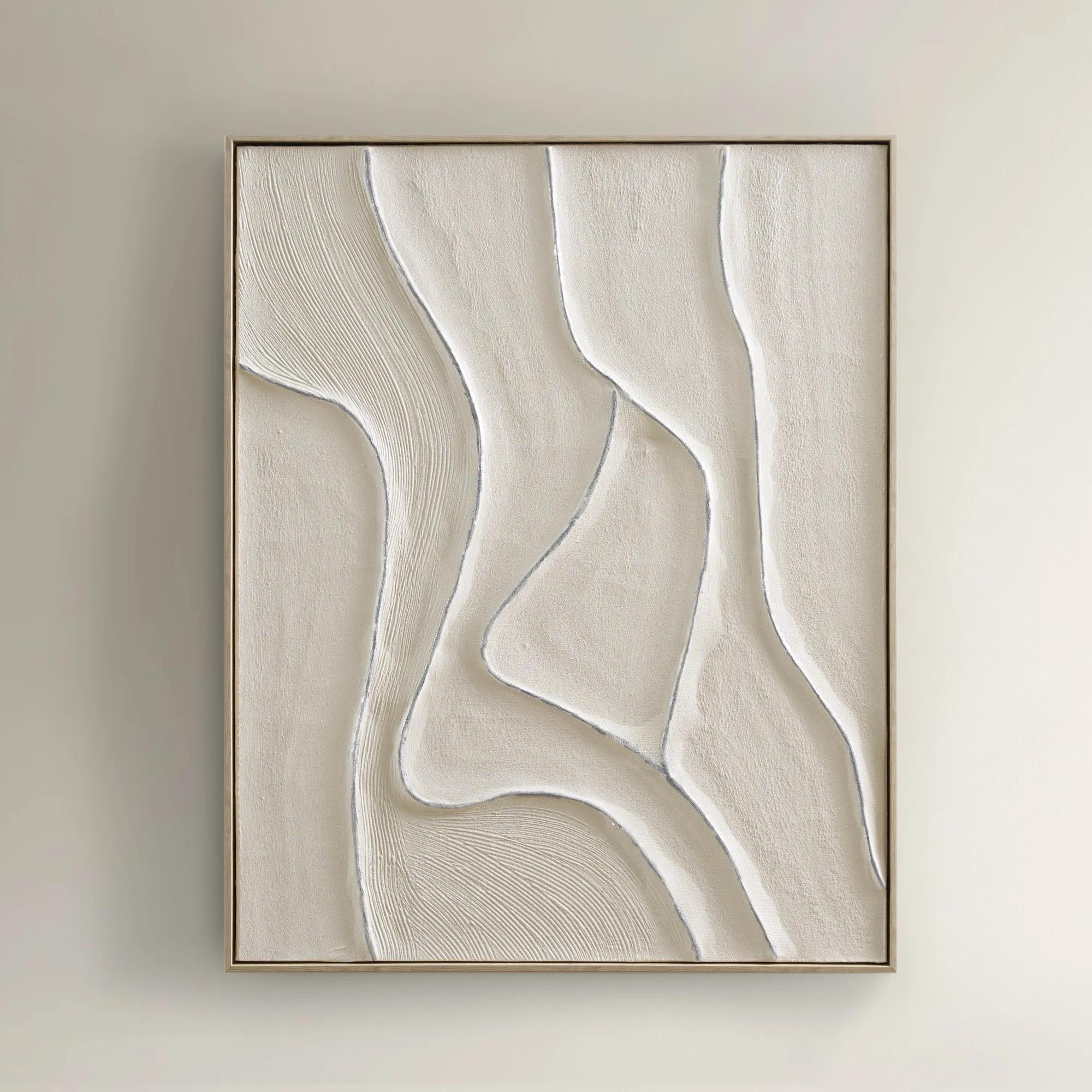
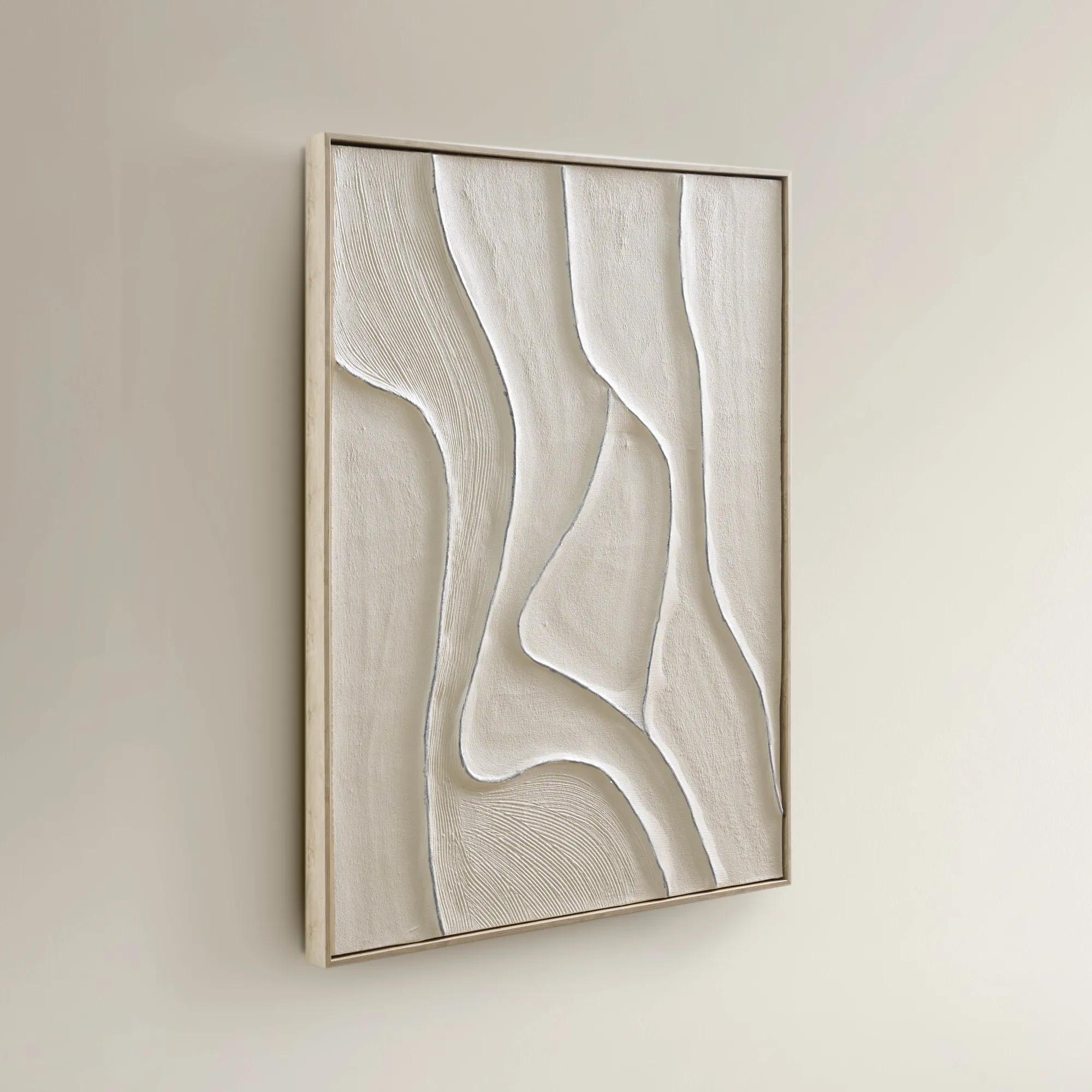 Vivre Framed Painted Wall Art 39.25" x 31.5"$199
A hand-painted canvas featuring tranquil beige hues and flowing lines in a warm whitewash floater frame.
Add To Cart -
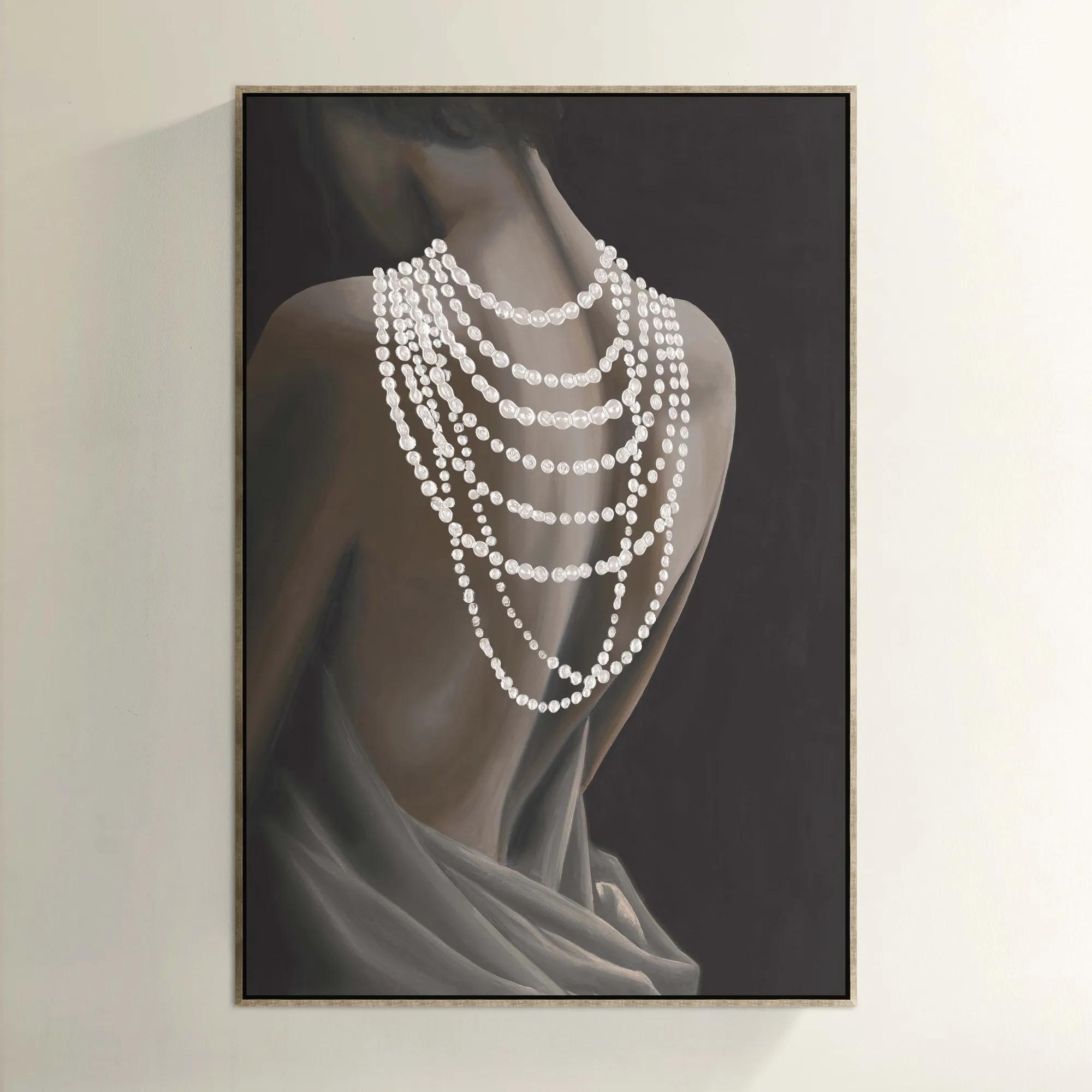 Luminescent Pearls Framed Wall Art 40" x 60"$1119
A hand-embellished canvas artwork featuring textured brush gel, set in a sleek silver floater frame.
Add To Cart

Natural Floater Frame Canvas Arts
Natural floater frame canvas arts transform blank walls into curated galleries, offering a seamless fusion of organic warmth and modern sophistication. Each piece is elevated by the subtle elegance of its frame, creating the illusion of art suspended in space—a visual ballet of texture, depth, and dimension. Whether you crave serene landscapes or expressive abstracts, these masterpieces invite you to indulge your senses and cultivate a home that feels both effortless and extraordinary. Let every glance become an experience as natural floater frame canvas arts infuse your interiors with artistry, balance, and undeniable allure.
Natural Floater Frame Canvas Arts bring the warmth of organic wood together with the polished presence of gallery-style presentation. Unlike a traditional frame that meets the edge of an artwork, a floater frame is designed with a narrow, even reveal between the stretched canvas and the frame on every side. That subtle gap creates the signature “floating” effect, allowing the artwork to appear suspended within its surround while preserving the dimension of the canvas edges. The result feels architectural yet expressive: a composed finish that gives an abstract composition, atmospheric landscape, botanical study, or richly layered scene the attention it deserves. Natural wood finishes such as oak, maple, ash, and walnut introduce visible grain, tonal variation, and an inviting sense of craftsmanship, making these frames especially compelling in rooms where texture matters. A pale wood frame can brighten a collected vignette with an airy, sculptural finish, while a deeper walnut tone can anchor jewel-toned furnishings, moody neutrals, and dramatic metallic accents. In a living room, natural floater frame canvas art can establish the visual rhythm above a sofa or console; in a bedroom, it can soften the atmosphere with an organic note; in an entryway, it can turn an everyday arrival into a more considered moment. The style also suits offices, dining areas, reading corners, and hospitality-inspired spaces where artwork should feel intentional without appearing overly formal. For a layered gallery wall, a natural floater frame can act as a textural counterpoint to mirrors, photography, and decorative objects. For a single large canvas, it provides enough presence to complete a wall without competing with the image itself. During the warmer seasons, its wood tones echo sunlit floors, woven accents, and open windows; through the cooler months, the same warmth pairs beautifully with velvet, boucle, stone, and softly glowing lamps.
Choosing the right Natural Floater Frame Canvas Arts begins with understanding the canvas itself. Measure the artwork’s finished width and height, then confirm the depth of the stretched canvas before selecting a frame. Many canvases are approximately 3/4 inch deep, while gallery-style canvases may extend closer to 1 1/2 inches; a frame made for one profile may not accommodate the other properly. The frame should be slightly larger than the canvas so the intended reveal remains visible along all four sides. A common float gap is about 1/4 inch on each side, though the exact spacing can vary by design. The frame’s outside dimensions will therefore be larger than the canvas by the width of the frame plus the reveal, an important detail when planning wall placement or arranging several pieces together. If the canvas measures 24 by 36 inches, for example, allow additional room for the frame and gap when mapping the composition with painter’s tape. This simple step can prevent an artwork from feeling crowded against nearby lighting, shelving, or architectural details. Consider the visual relationship between the artwork and the wood as well. Light natural finishes highlight soft neutrals, coastal-inspired palettes, pale abstracts, and artwork with generous negative space. Medium oak and ash bring a balanced, versatile character to colorful imagery, while walnut adds contrast to lighter walls and complements spaces styled with black accents, brass, or rich upholstery. Look closely at the grain and finish, too: natural wood is meant to possess variation, and those subtle shifts are part of its appeal. Depending on the construction, a frame may be made from solid wood or wood veneer, each offering a distinctive look and feel. Hardware may include hanging wire, pre-drilled holes, offset clips, or screws, but the exact components can differ, so review the frame specifications before installation. When securing a canvas, use the appropriate clips or brackets, align the artwork carefully, and hand-tighten fasteners rather than forcing them. Pilot holes can help reduce the risk of splitting wood, while a level and a second set of hands make larger pieces easier to position with precision.
Natural Floater Frame Canvas Arts are an elegant choice for anyone who sees the home as a canvas for self-expression. They make a thoughtful gift for a design-minded host, a newlywed couple building a first shared space, a graduate furnishing a new apartment, or a family marking a move into a home with walls ready for personality. Art can be deeply personal without requiring exact knowledge of someone’s style when the frame has a versatile natural finish; it offers a refined foundation that can complement evolving interiors and a range of color palettes. For a memorable presentation, pair framed canvas art with a handwritten note describing the feeling the piece evokes—a sun-washed escape, a quiet corner, a burst of movement, or the grounded calm of natural texture. At home, hang artwork so its center sits at a comfortable viewing height, taking furniture into account rather than measuring from the floor alone. Above a sofa or console, leave enough breathing room for the composition to feel connected without allowing the artwork to appear crowded; over a bed or dining sideboard, consider the width of the furniture and the scale of surrounding decor. Larger canvases can create a dramatic focal point, while smaller formats are ideal for intimate pairings, narrow walls, or layered arrangements. Avoid placing delicate canvas art where it may be exposed to persistent moisture, direct sunlight, or abrupt temperature changes, and use suitable wall hardware based on the artwork’s weight and the wall material. A soft cloth is generally preferable for dusting the frame, while the canvas should be handled gently and kept free from abrasive cleaning products. Whether displayed alone or woven into a gallery arrangement, natural wood framing gives artwork a finished edge and a sense of permanence. For a brighter interpretation of the same elevated silhouette, explore White Floater Frame Artworks, then curate the surrounding room with confidence: a sculptural lamp, a gleaming accent, a tactile rug, or a statement mirror can transform the framed piece from wall decoration into the defining note of the entire space.
FAQs
A natural floater frame canvas art piece stands apart for its seamless blend of organic texture and modern sophistication. The floating frame technique creates the illusion that the artwork is suspended within the frame, adding depth and dimension while showcasing the natural wood’s warmth. This design detail elevates the art, making it a striking focal point that feels both refined and inviting.
Natural floater frame canvas art brings versatility to a wide range of aesthetics, from coastal and bohemian to contemporary and transitional spaces. The organic wood frame complements soft neutrals, bold colors, and layered textures alike, making it easy to mix with metallics, glass, or plush textiles. Whether hung as a statement piece or grouped in a gallery wall, these artworks add a touch of refined artistry to any room.
Absolutely. Natural floater frame canvas art makes a thoughtful and enduring gift for occasions such as weddings, anniversaries, housewarmings, or milestone birthdays. Its timeless appeal and universal elegance ensure it resonates with a variety of tastes, while its craftsmanship and artistry make it a gift that will be cherished for years to come.
A wide array of artwork flourishes within a natural floater frame, from serene landscapes and botanical studies to bold abstracts and photographic prints. The natural wood’s subtlety enhances both vibrant and muted palettes, allowing the subject matter to truly shine while adding an extra layer of texture and sophistication to the presentation.
Lighting plays a transformative role in highlighting the nuances of natural floater frame canvas art. Sunlight accentuates the wood’s grain and the canvas’s texture, while ambient or accent lighting can create dramatic shadows and depth. Thoughtful illumination not only draws attention to the artwork but also enhances the atmosphere of the entire room.