Natural Color Bedding Sets
Natural Color Bedding Sets
-
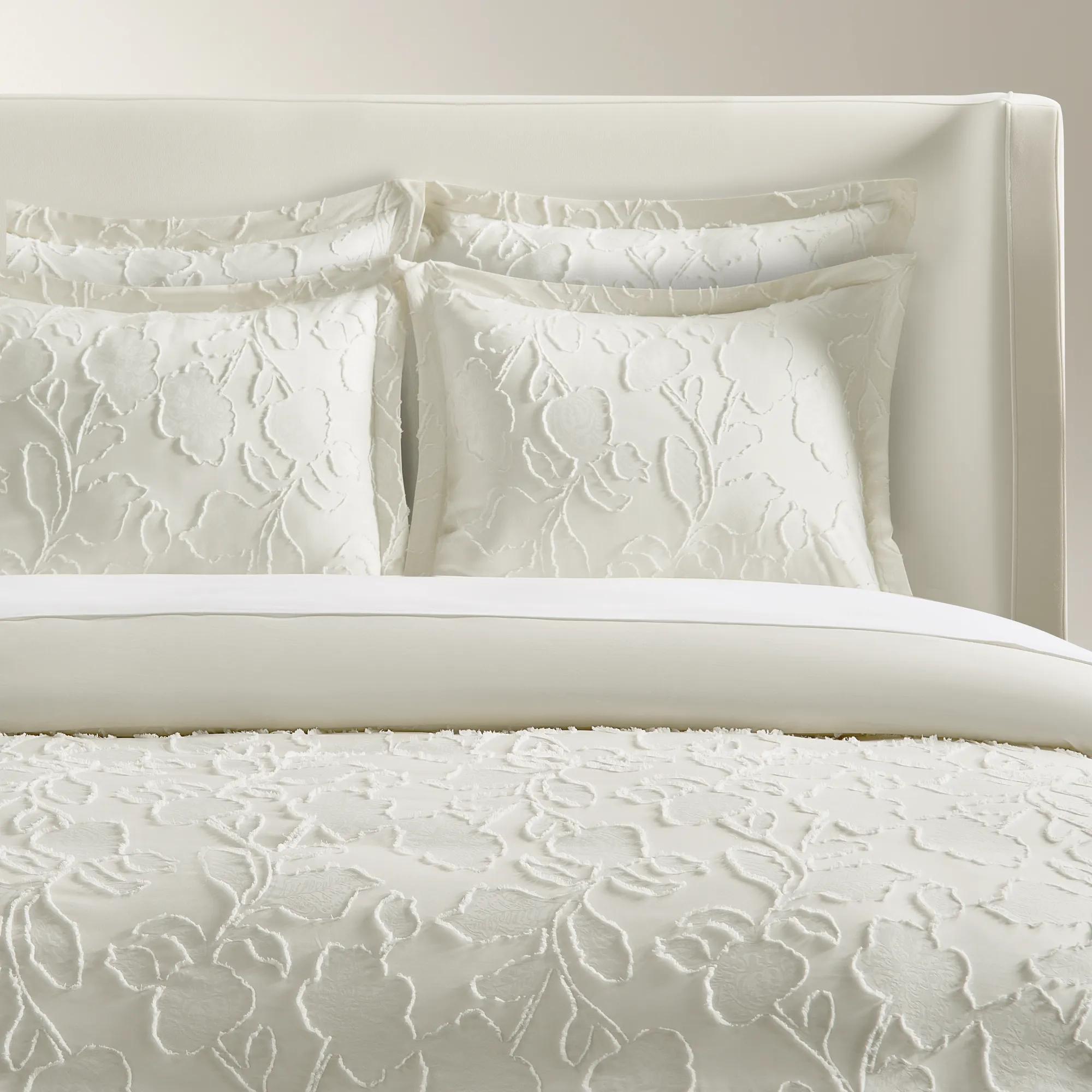
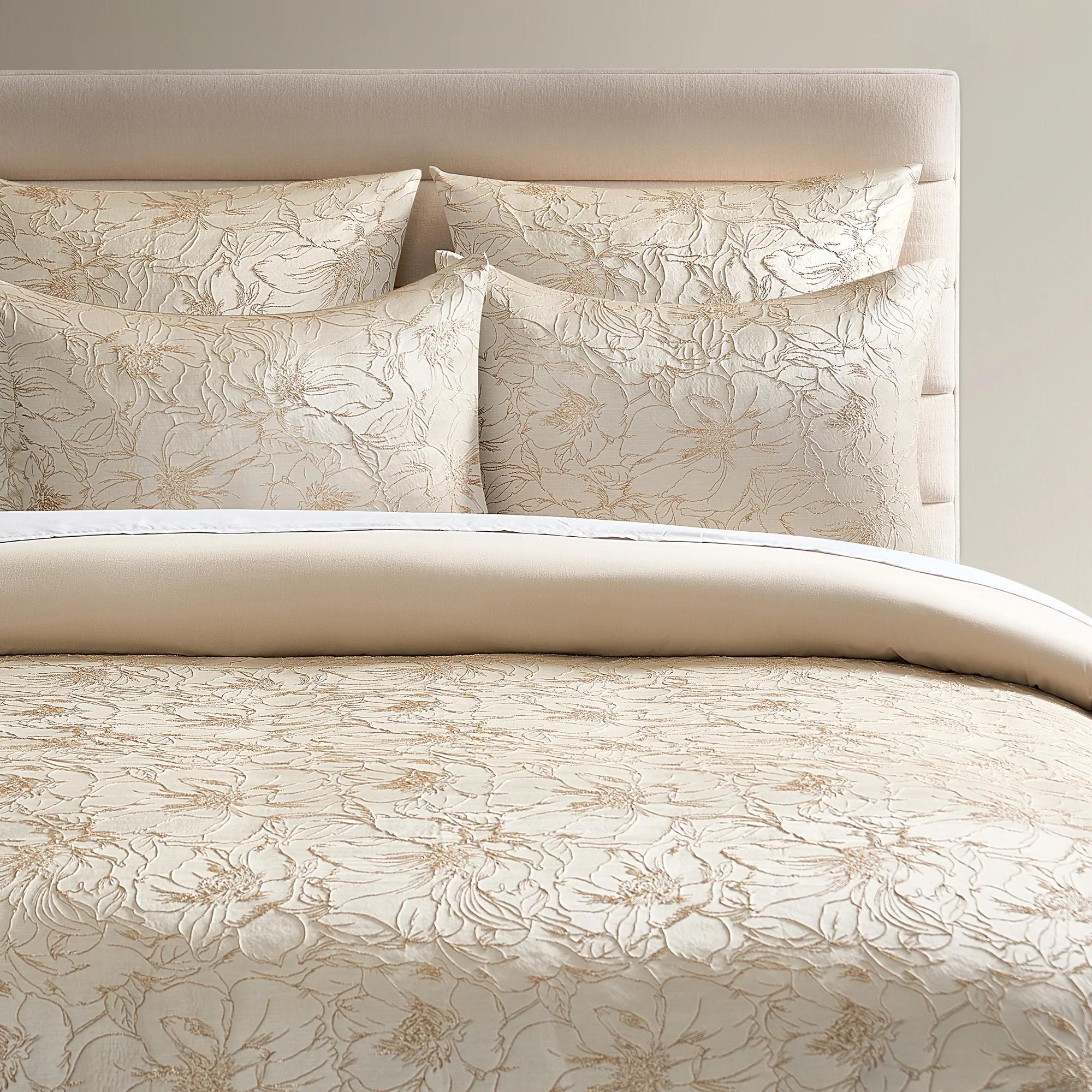
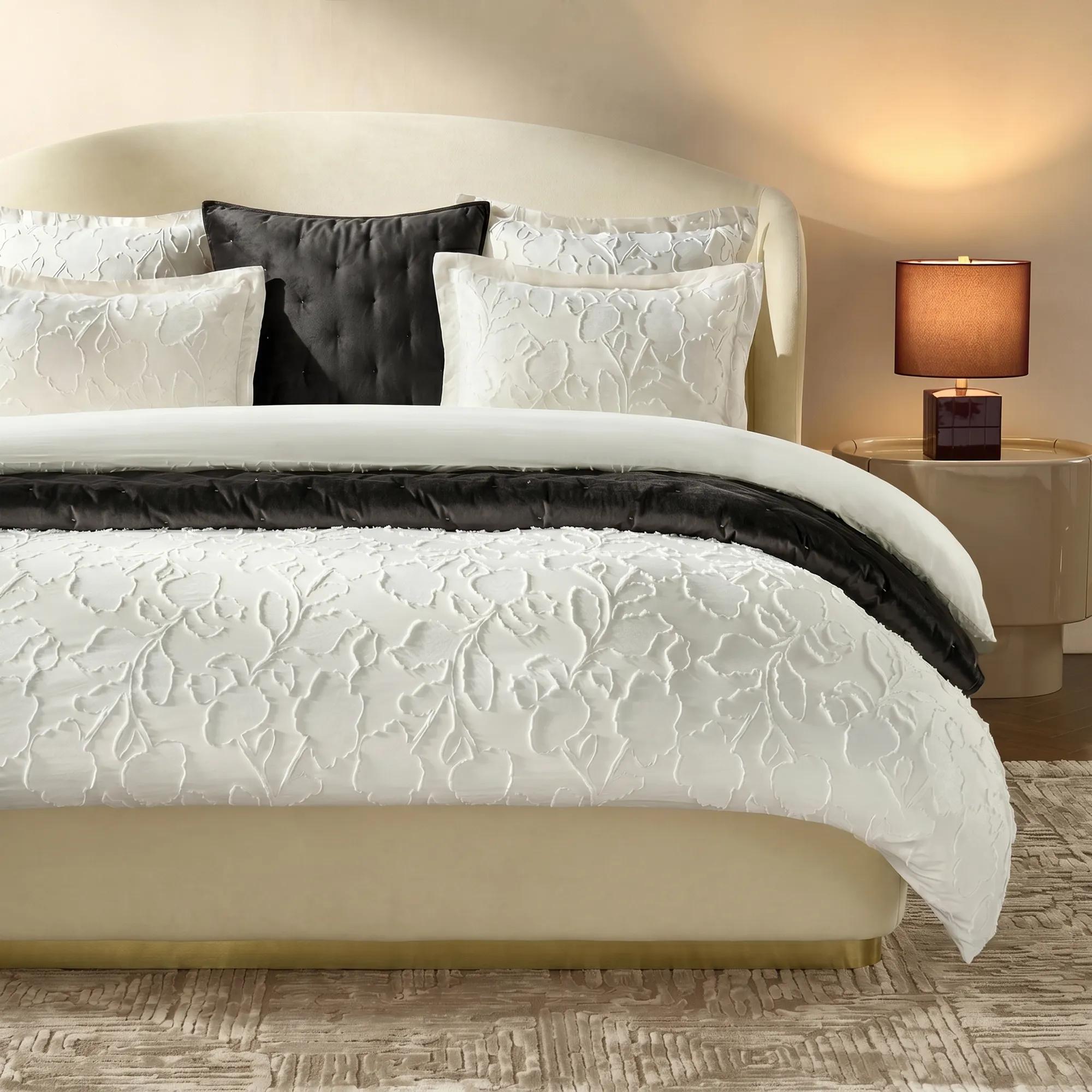 Cosette Ivory Cotton Floral Jacquard Bedding Set$229
A warm ivory bedding set featuring a tonal floral jacquard, eyelash fringe, and soft cotton backing.
Add To Cart -
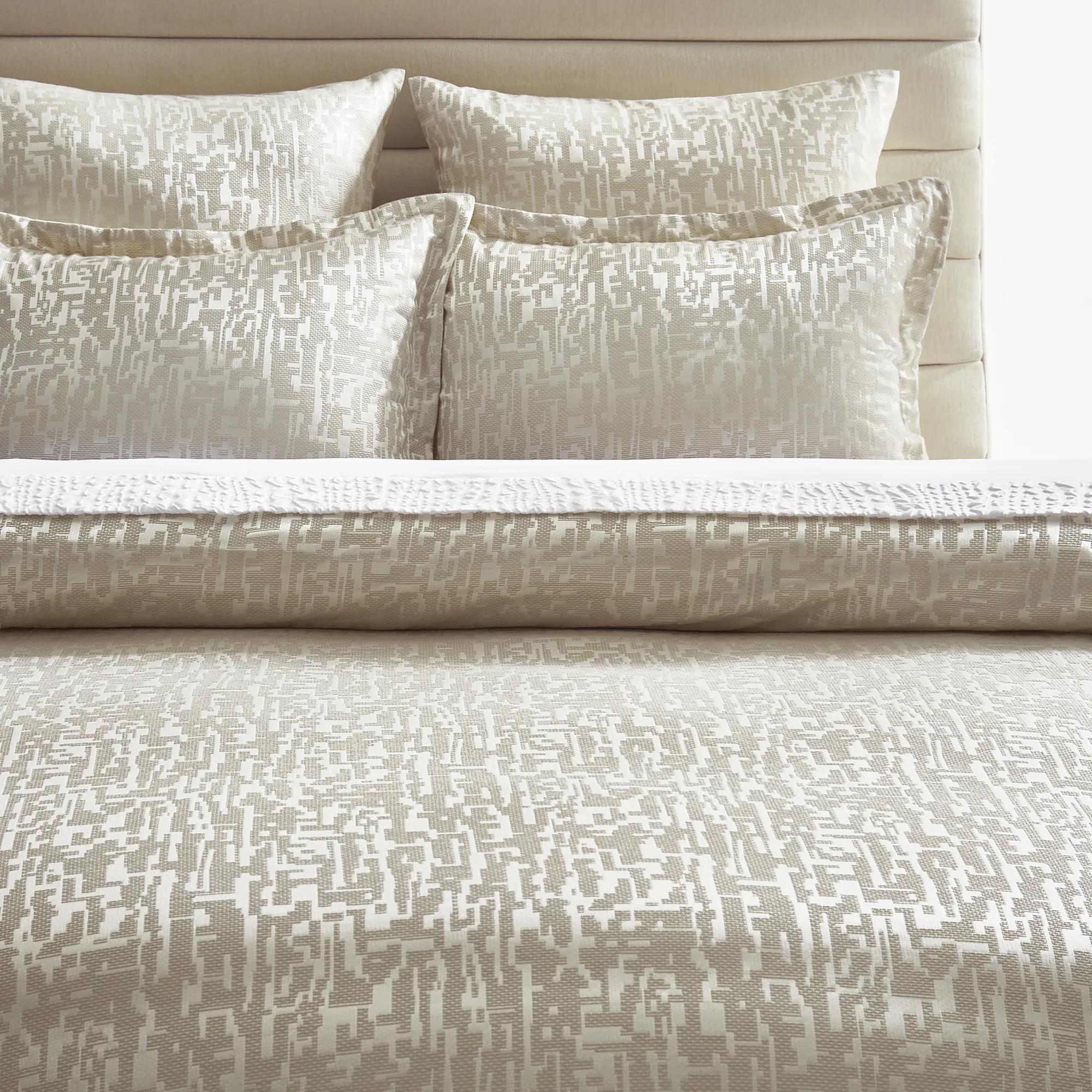
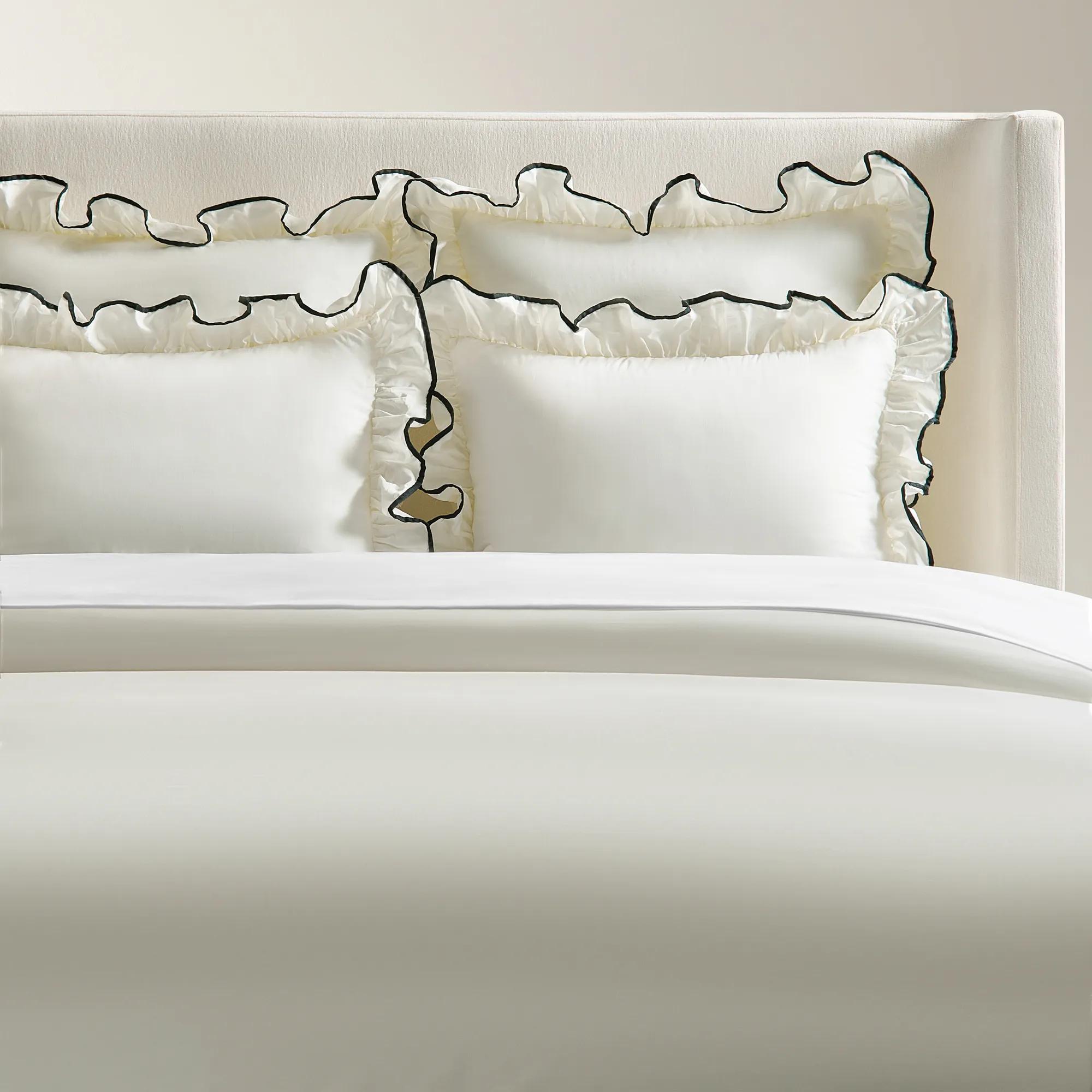
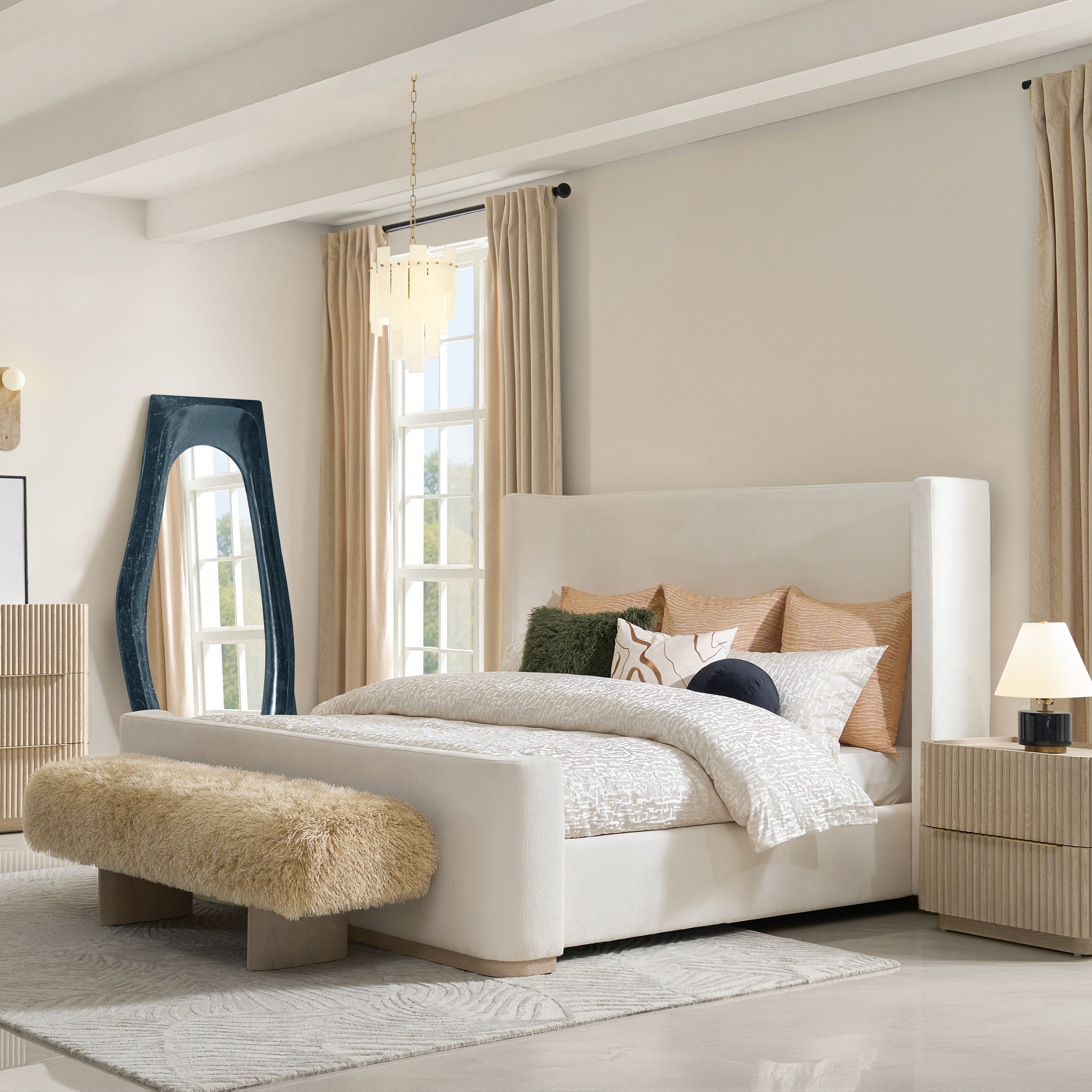 Podva Embroidered Pearl/Ivory Bedding Set$279
A serene pearl and ivory bedding set featuring a modern embroidered motif on smooth satin and cotton.
Add To Cart -
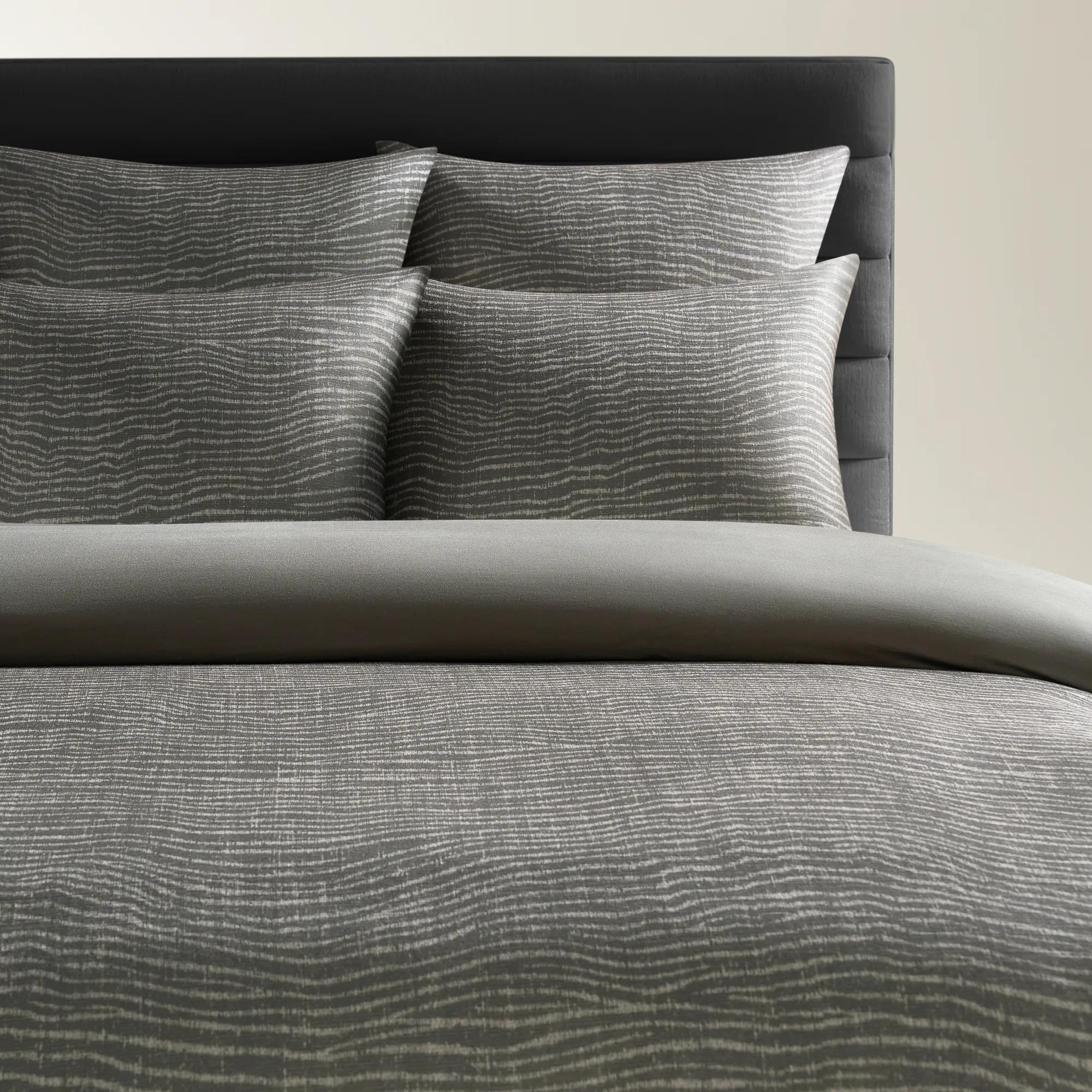
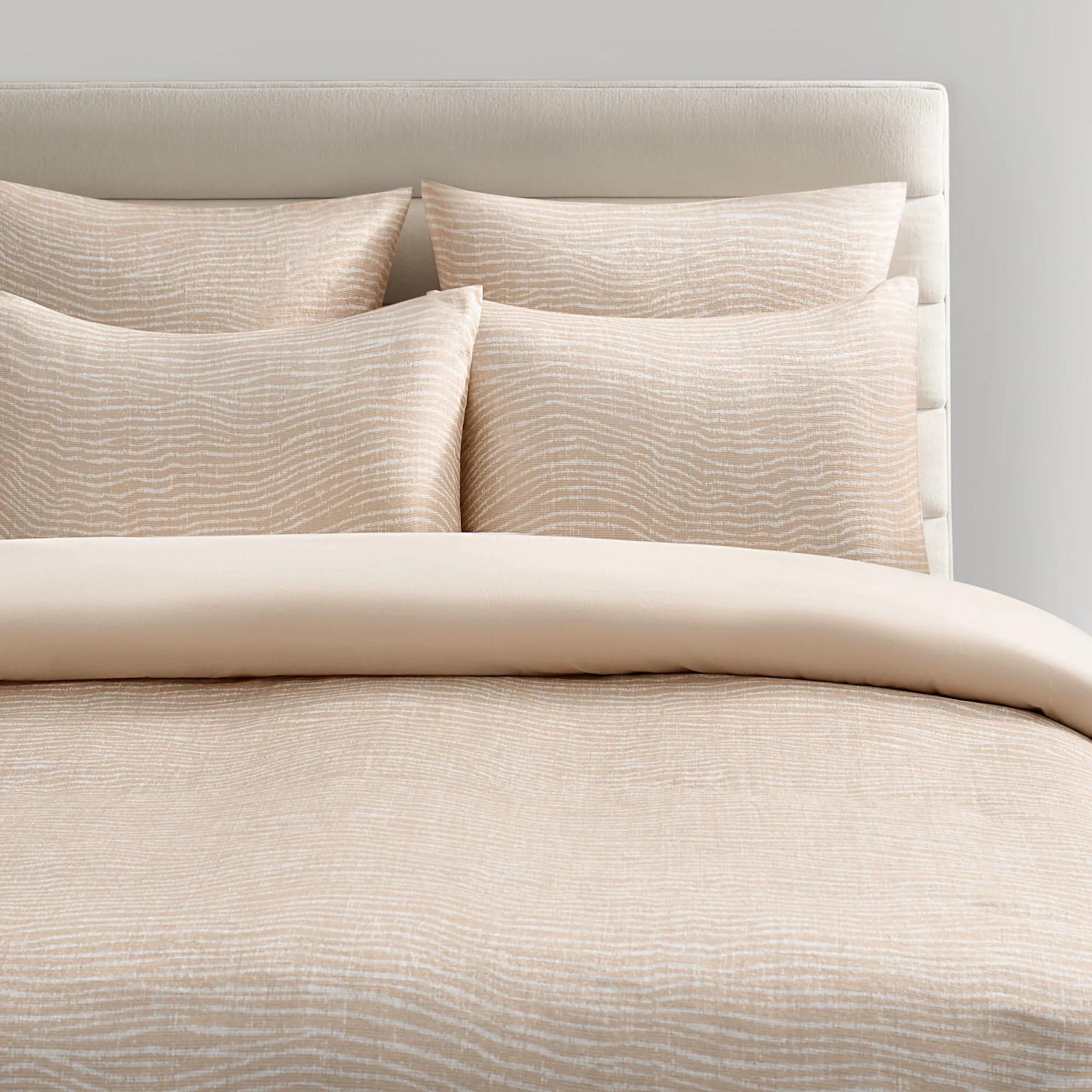 Sahara Bedding Set - Tan/Cream$199
A soft jacquard bedding set in tan and cream with a subtle wave-inspired zebra print and button closure.
Add To Cart -
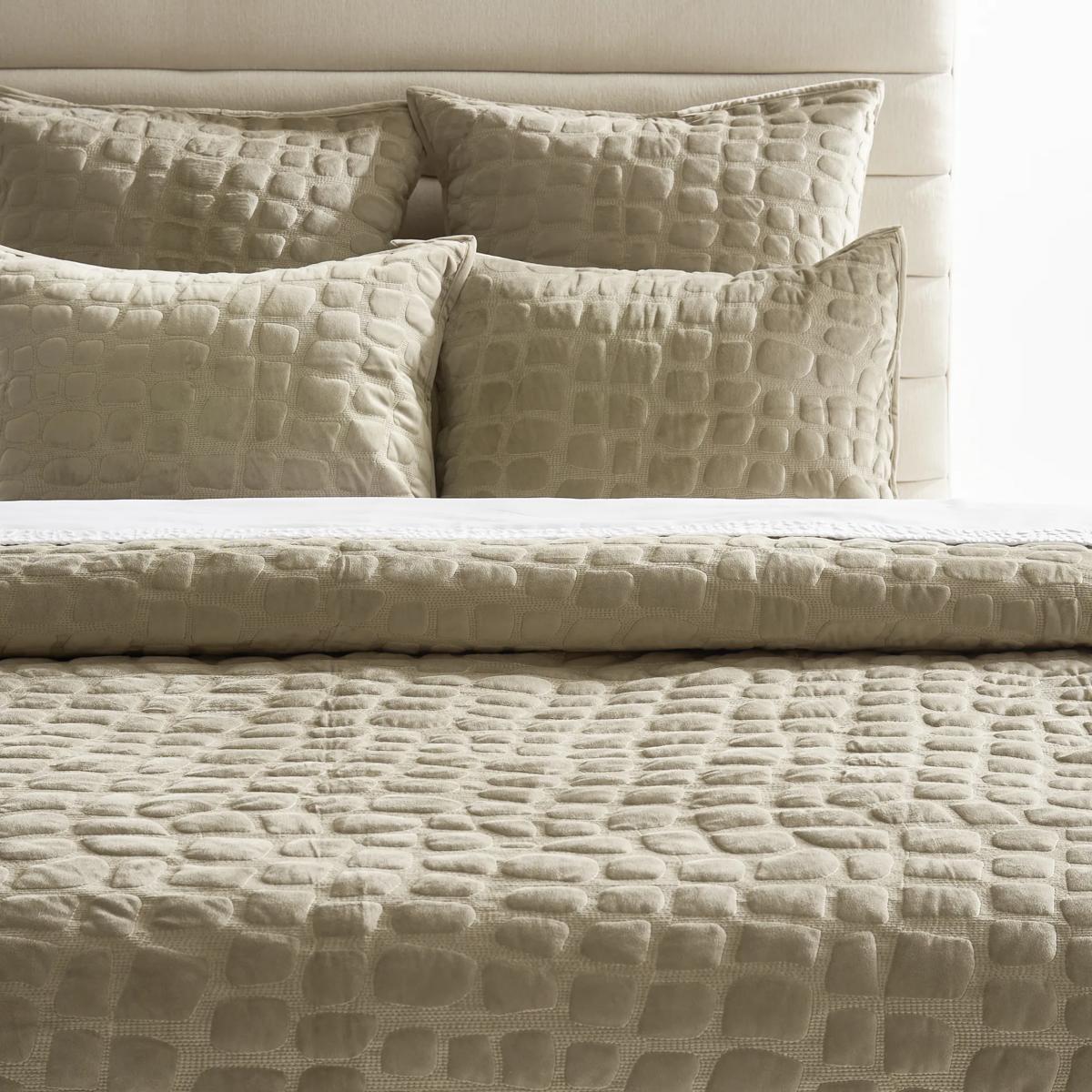
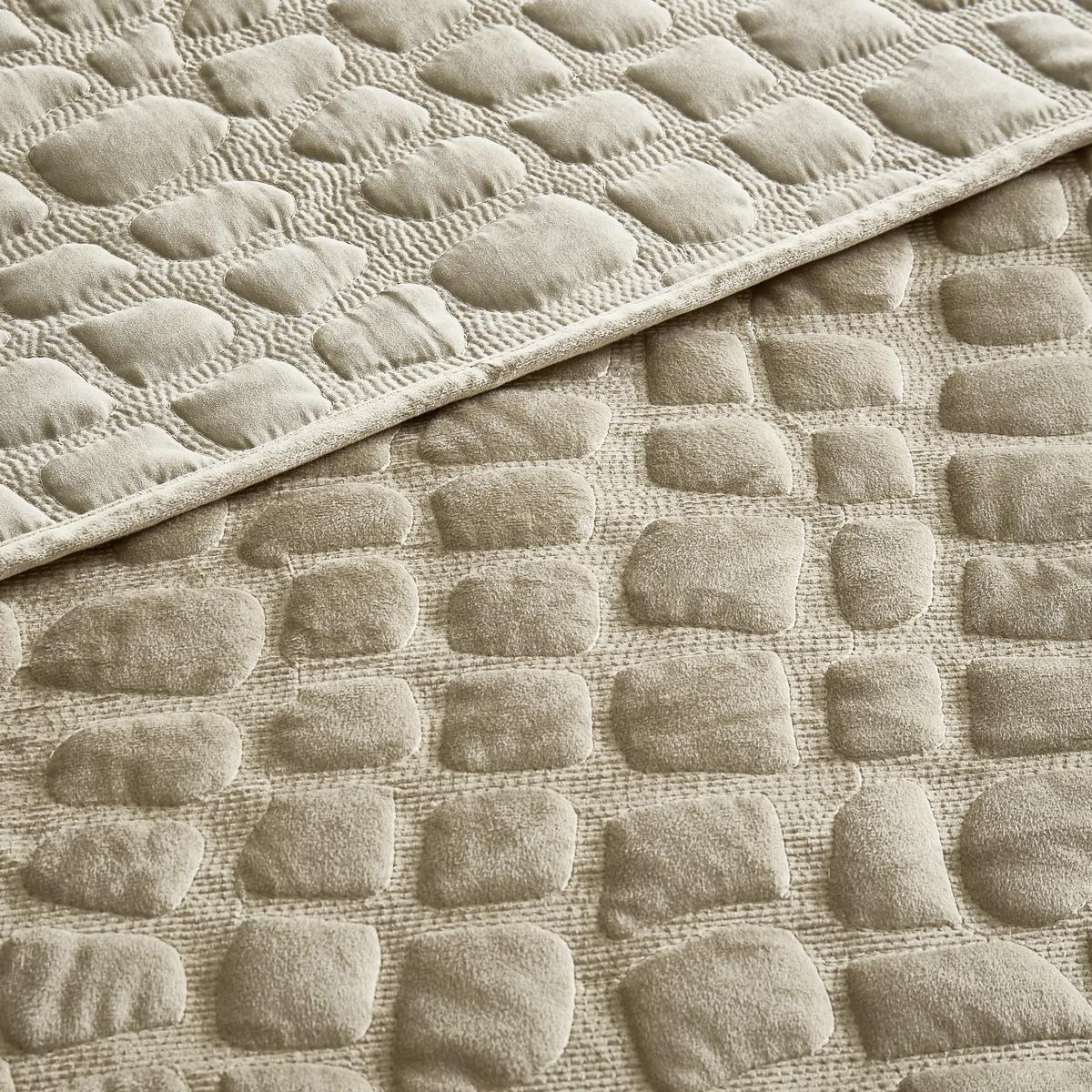 Valen Velvet Quilt Set - Sand$229
A plush sand velvet quilt set featuring a croc-embossed pattern and tailored piped edges.
Add To Cart -
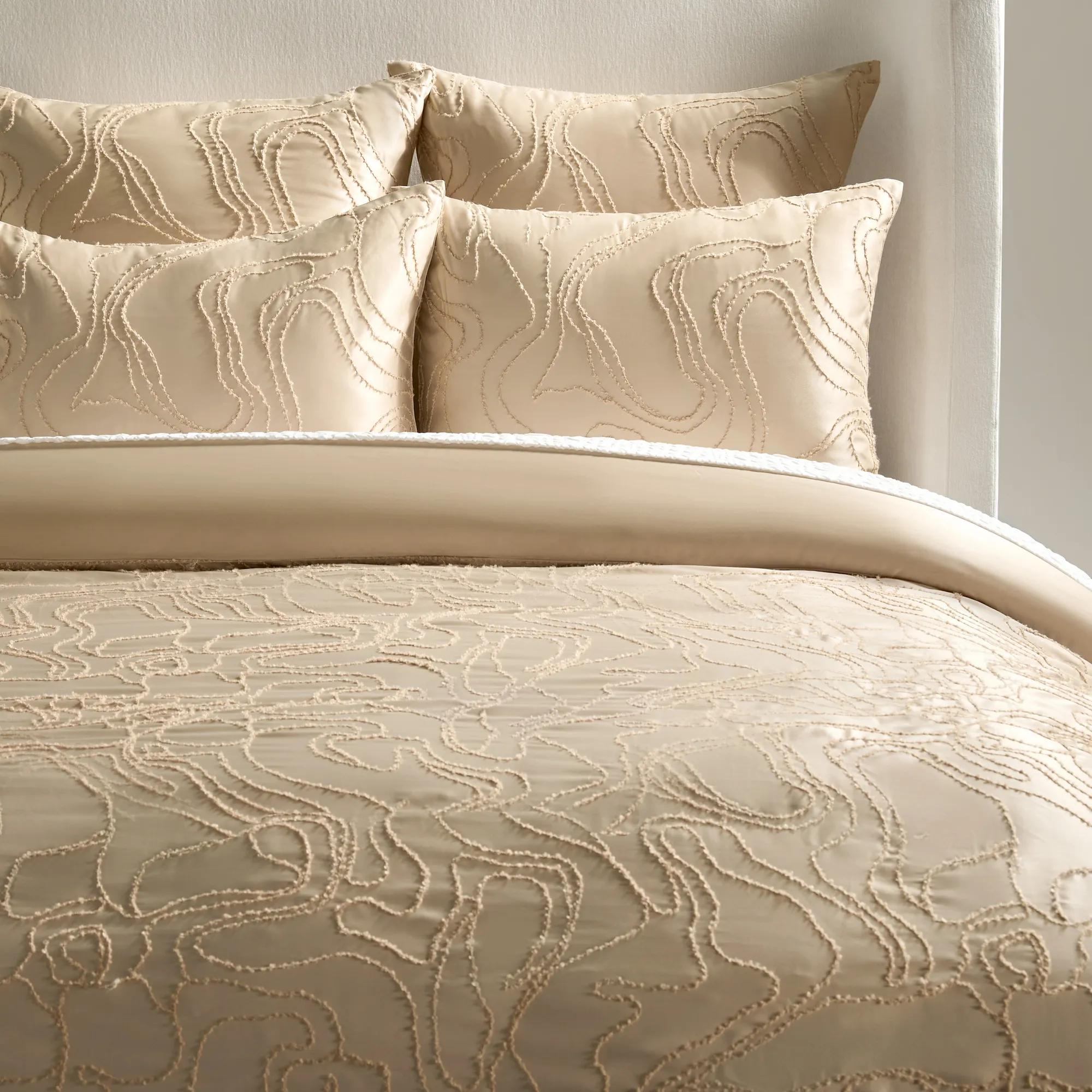 Noa Embroidered Champagne Beige Bedding Set$249
A champagne beige bedding set featuring elegant embroidered detailing for a refined bedroom aesthetic.
Add To Cart -
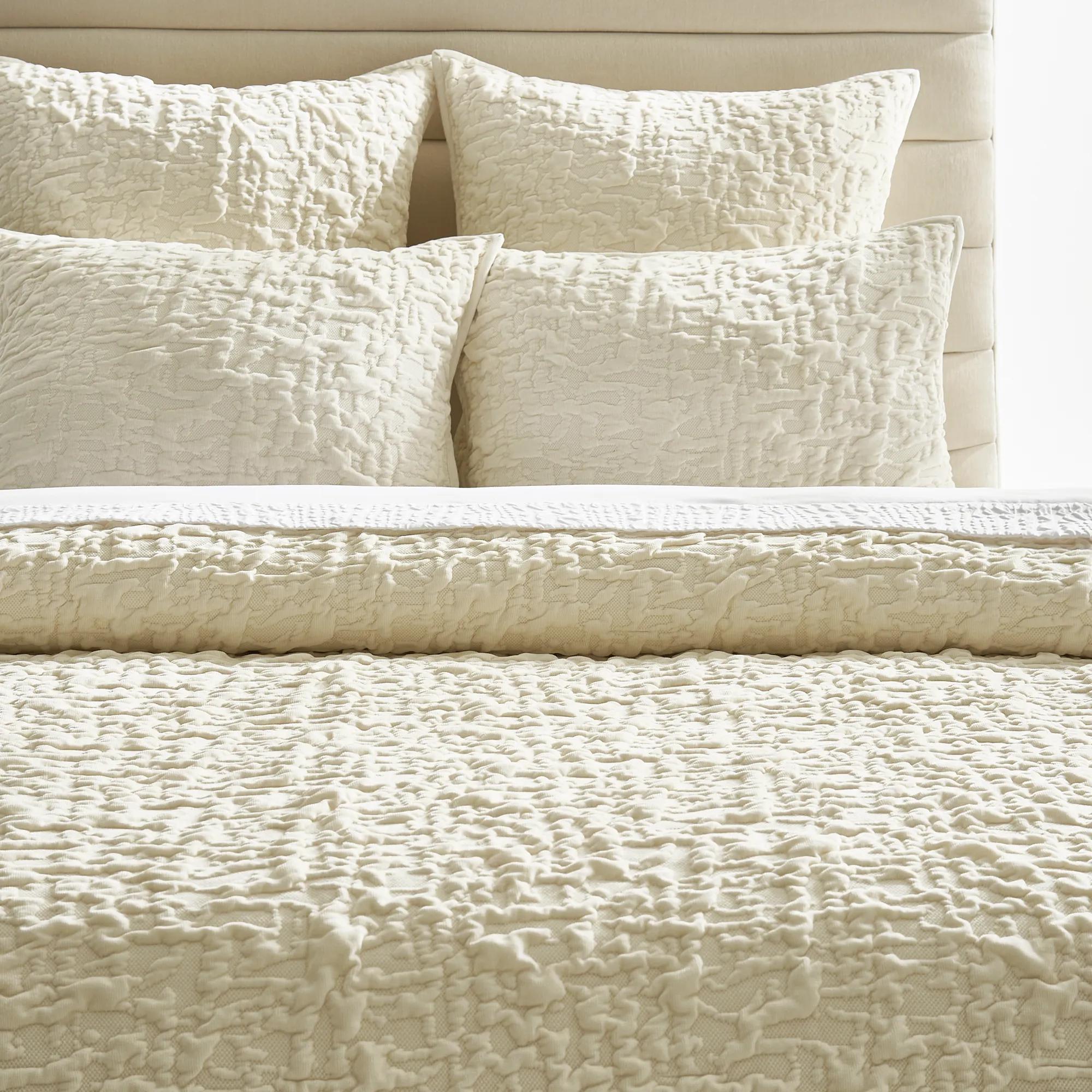
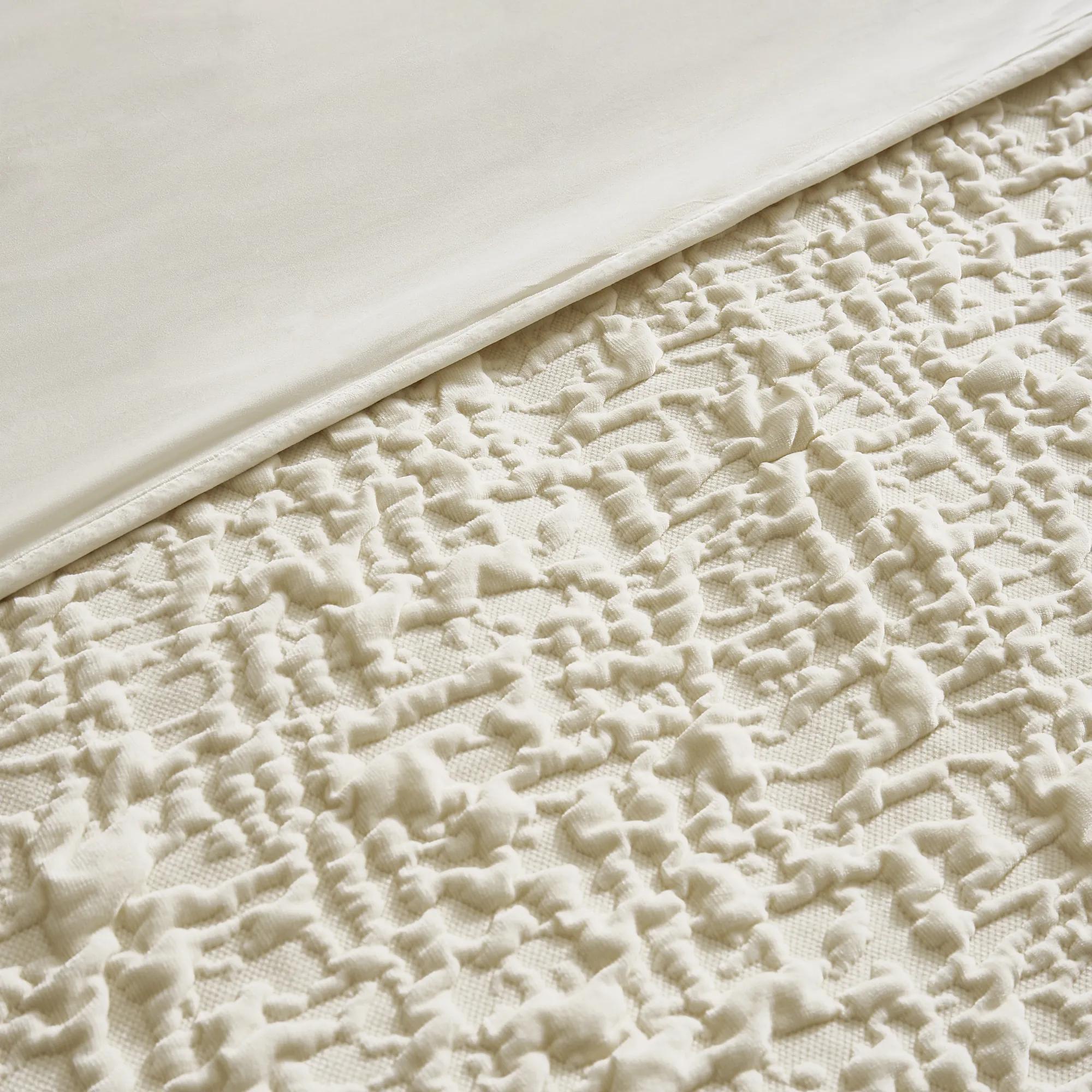 Madera Ivory Textured Velvet Bedding Set$249
A plush ivory velvet coverlet set with crushed embroidered texture and breathable cotton backing for serene style.
Add To Cart -
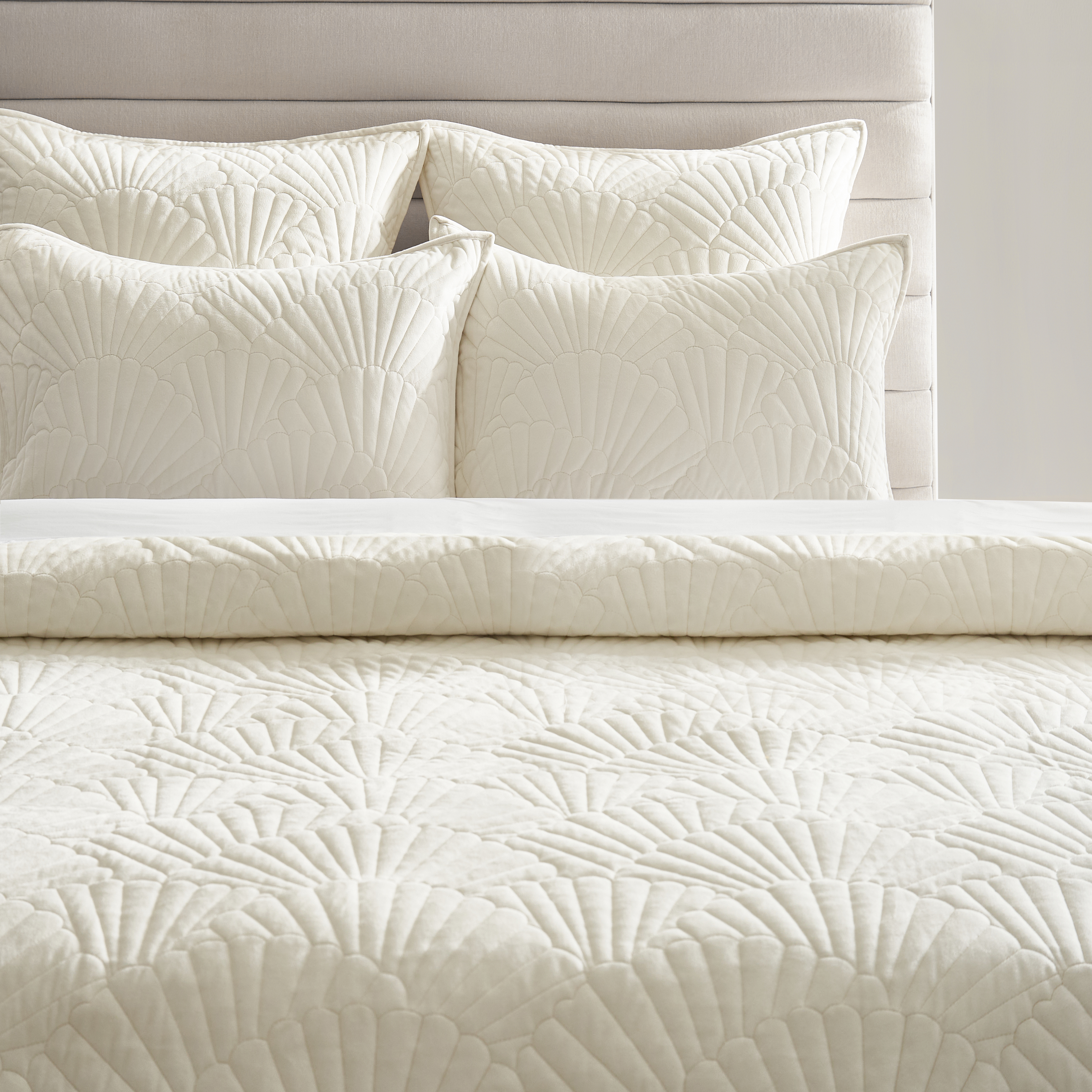
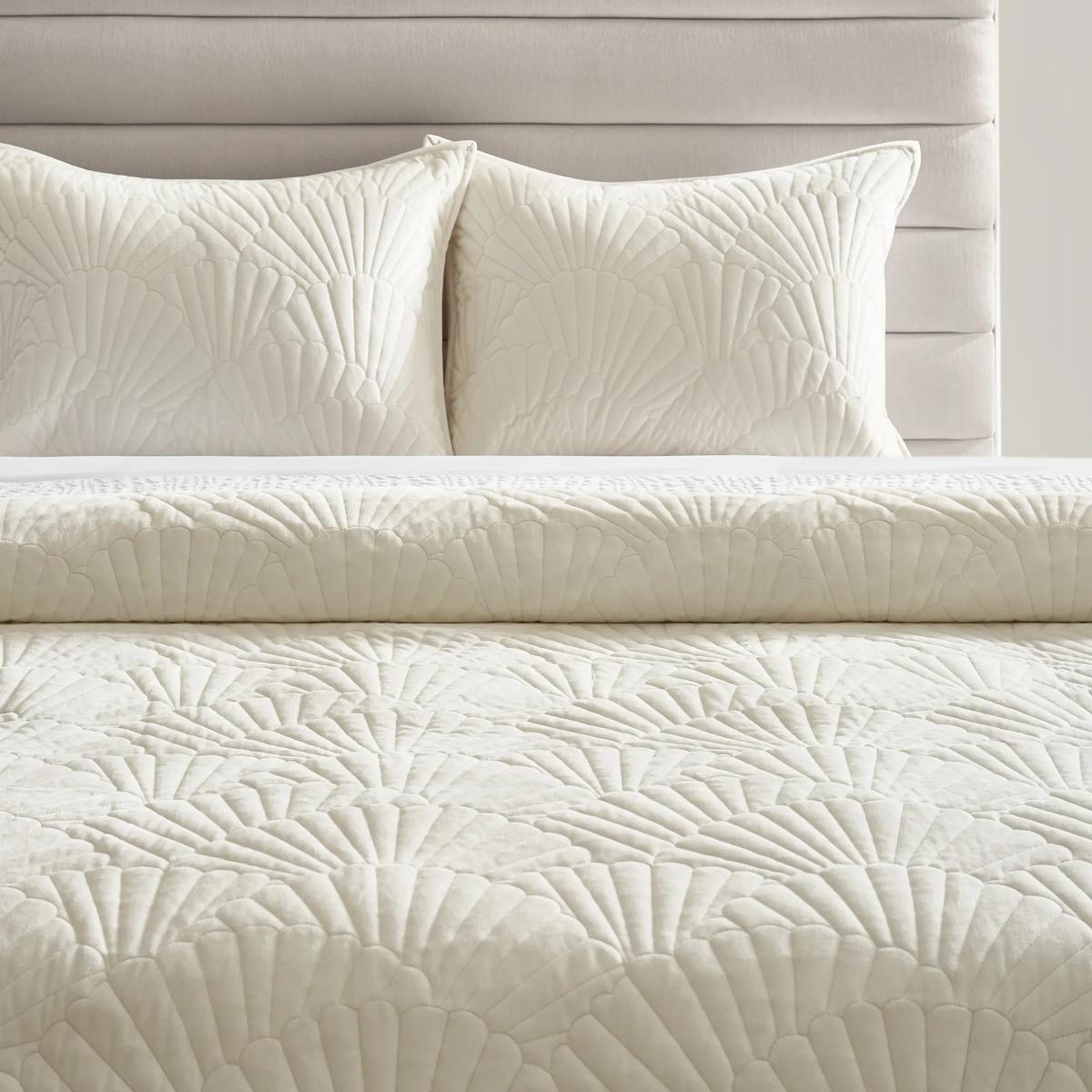 Fan Velvet Quilt Set - Ivory$69
An airy ivory velvet quilt set featuring sculpted fan quilting, piped edges, and plush polyester fill.
Add To Cart -
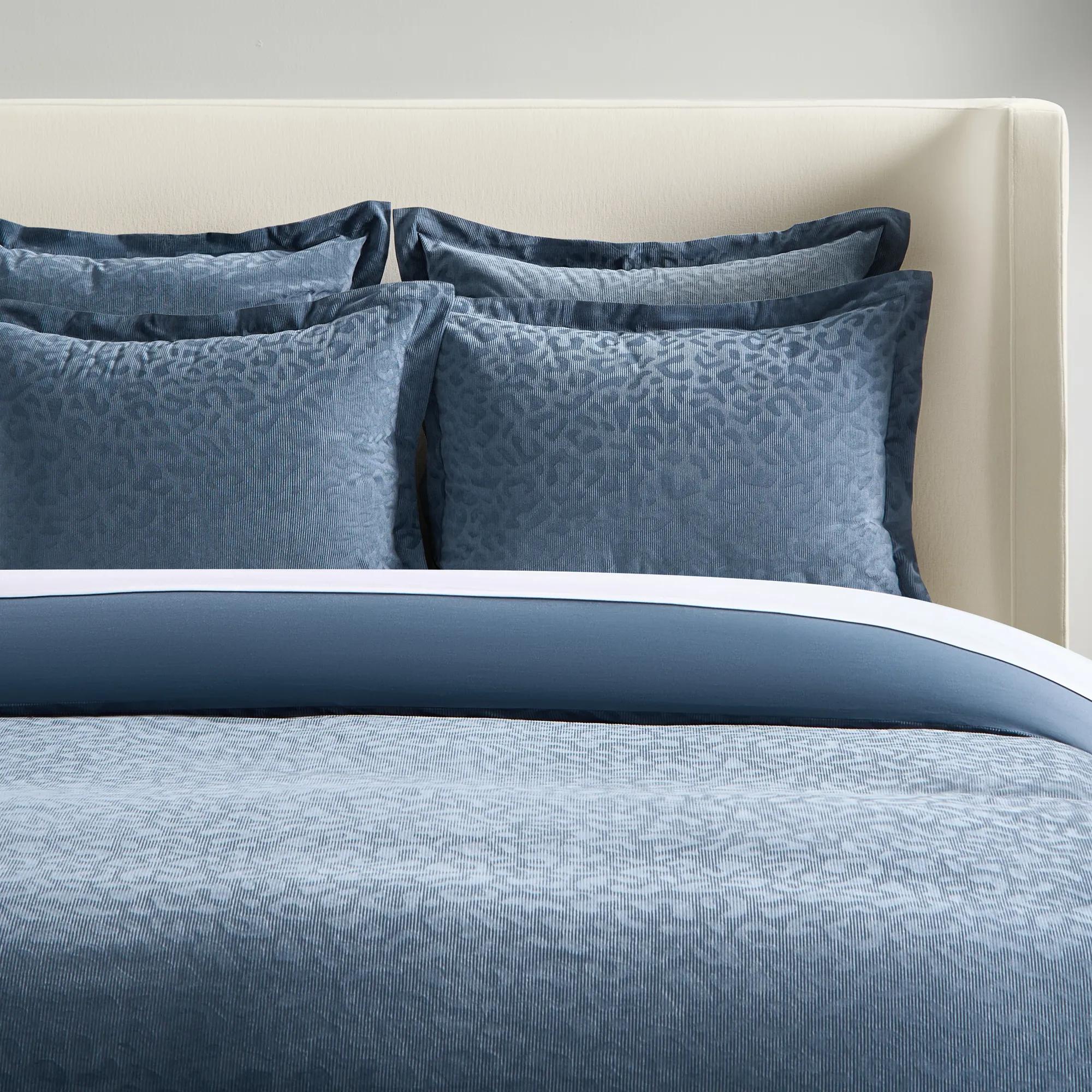
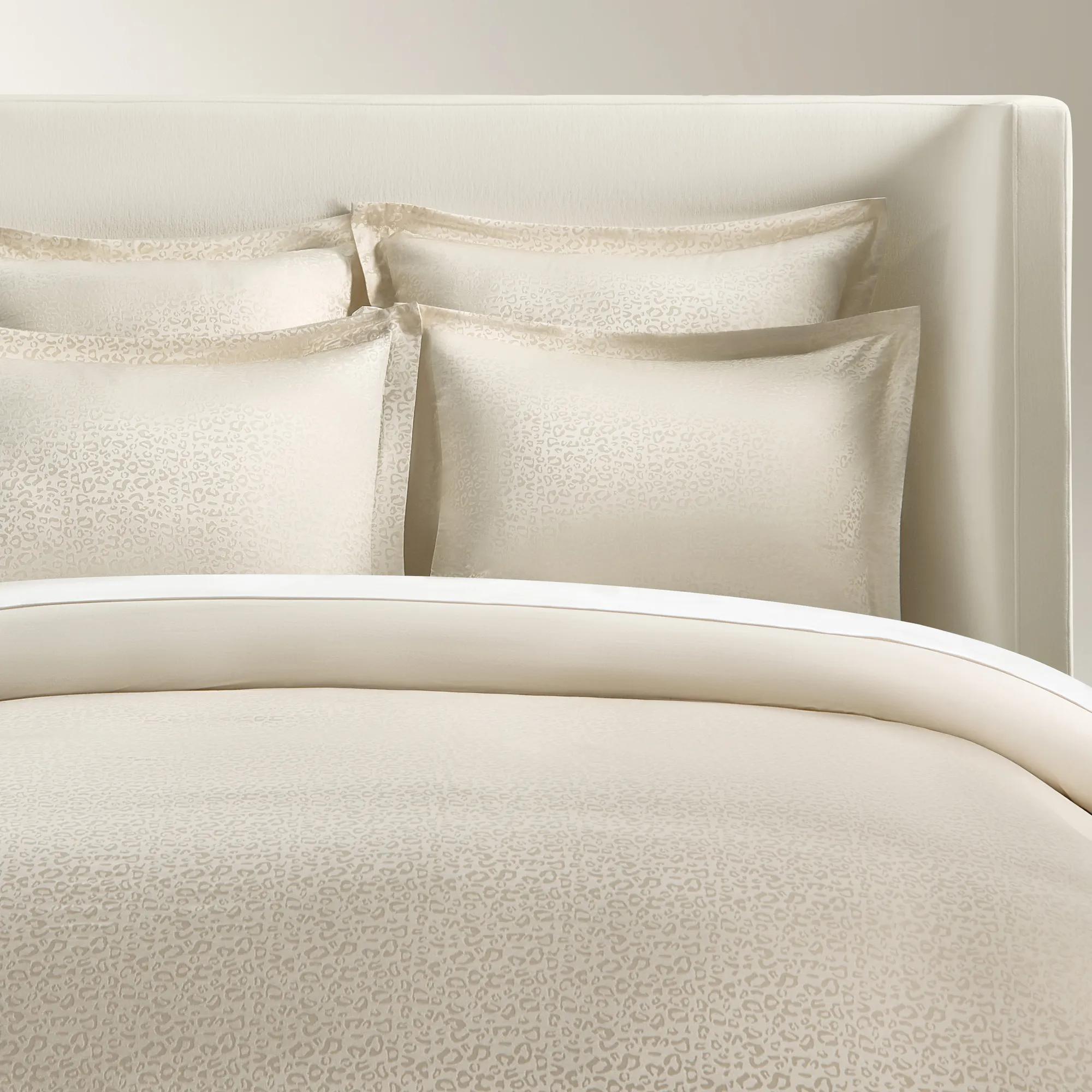 Abi Leopard Soft Nude Tencel Bedding Set$299
A soft nude bedding set featuring a tonal leopard print in a smooth Tencel blend with cotton reverse.
Add To Cart -
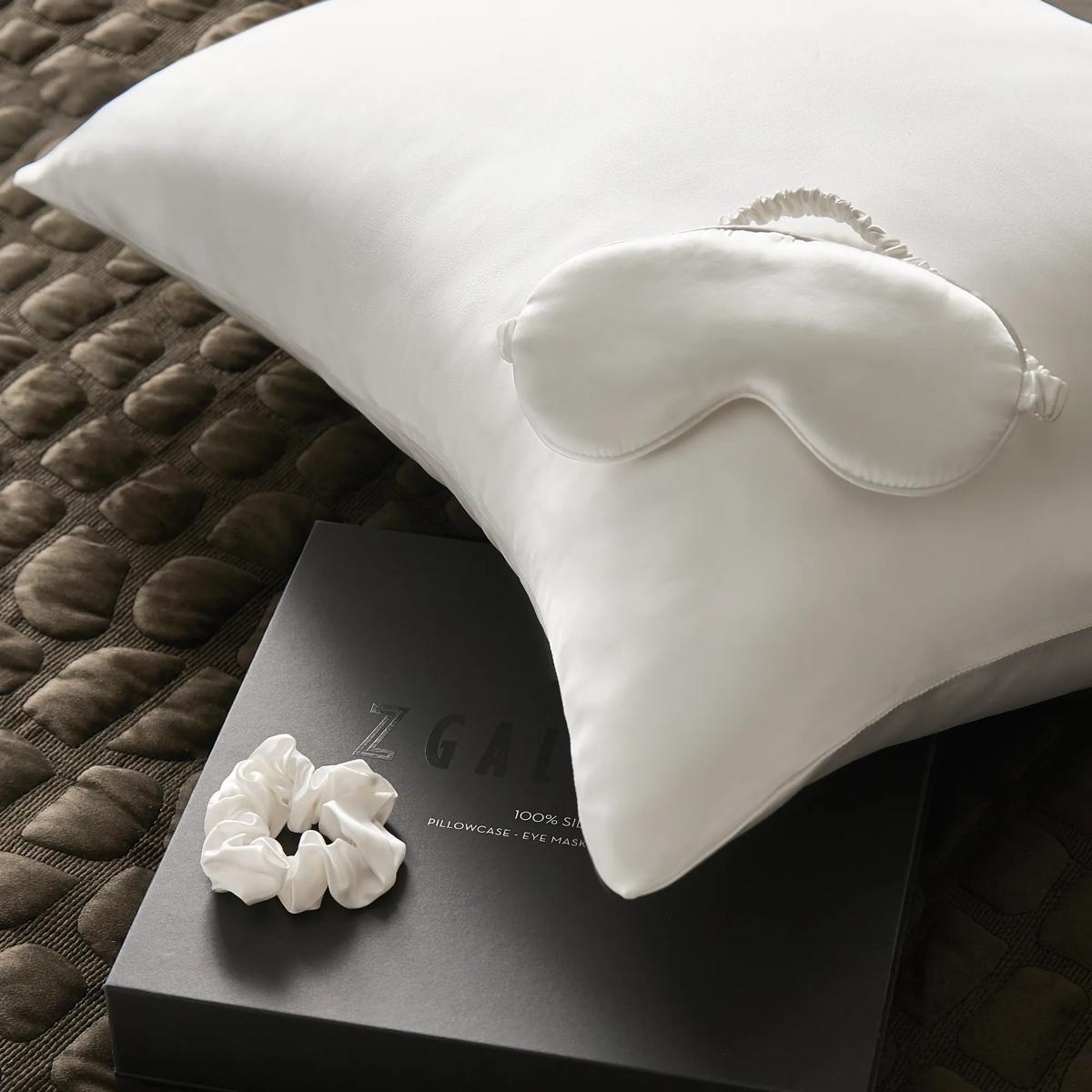 Silk Pillowcase & Mask Set Ivory$149
An elegant ivory sleep set crafted from 100% Mulberry silk, including pillowcase, eye mask, and scrunchie.
Add To Cart -
.jpeg?w=1200&h=1200)
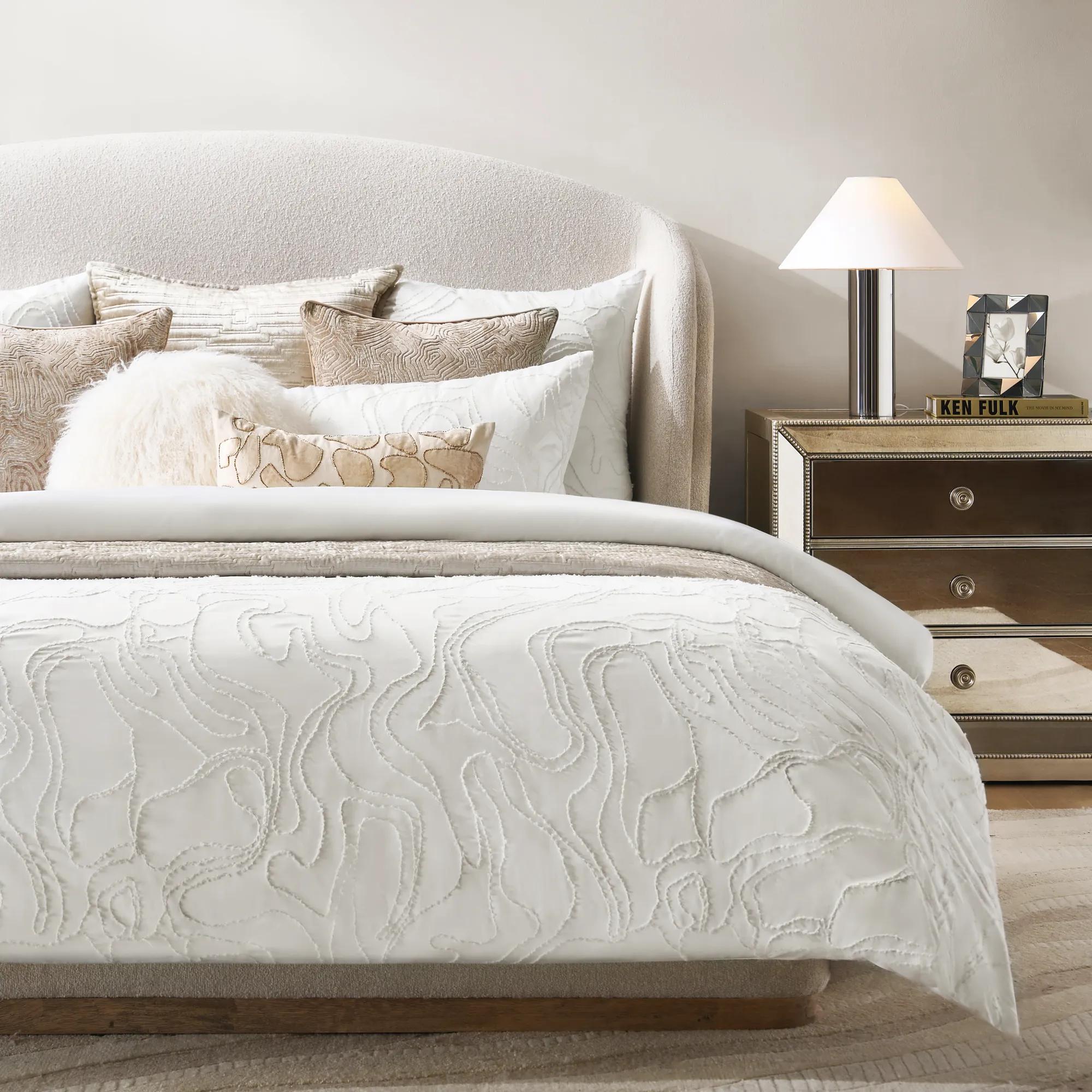 Noa Embroidered Pearl White Bedding Set$249
A luminous pearl satin bedding set featuring an embroidered swirl pattern for a touch of refined luxury.
Add To Cart -
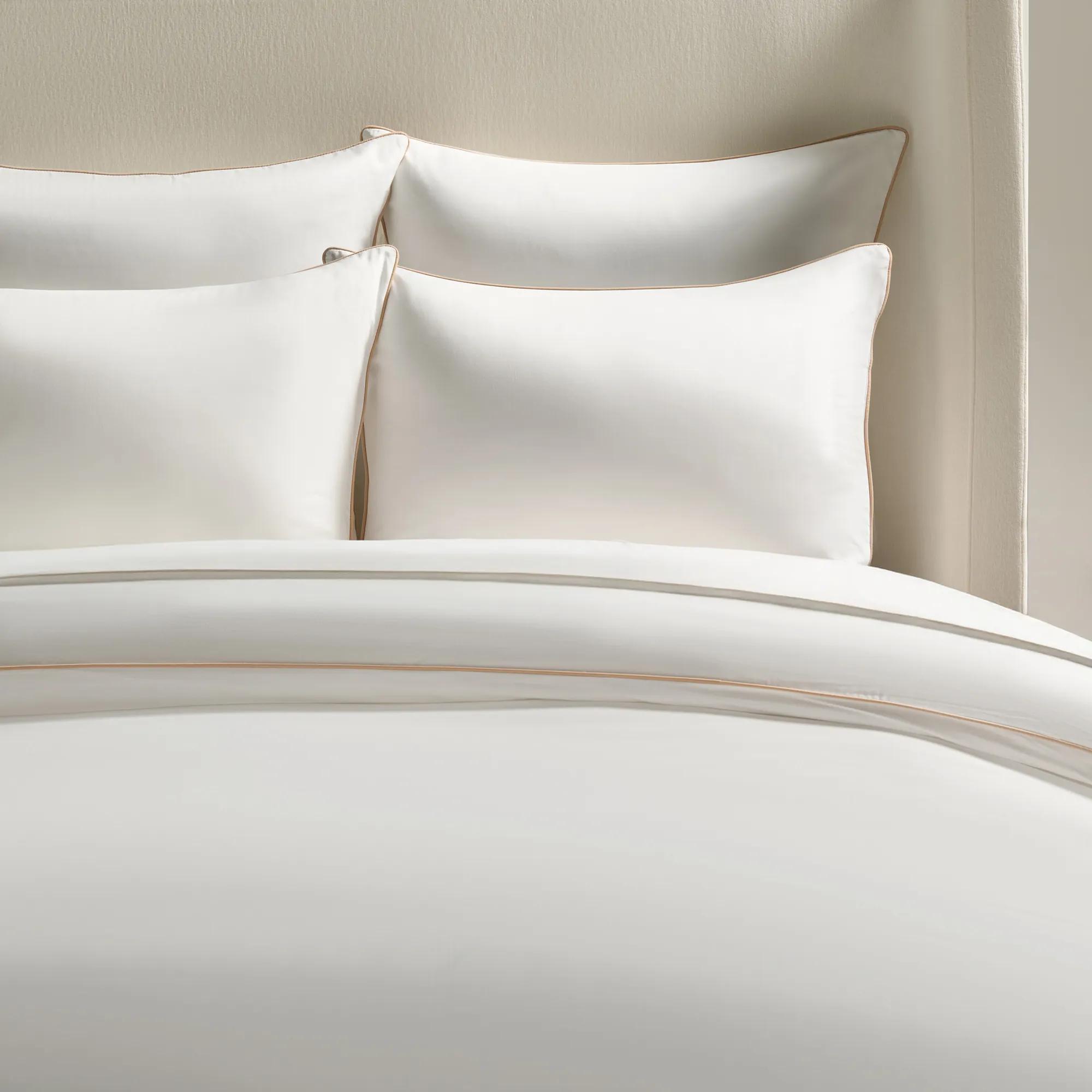
 Sarla Contrast Cotton Percale Bedding Set - White/Tan$229
A crisp cotton percale bedding set in white and tan, featuring coordinating duvet and sham covers.
Add To Cart -
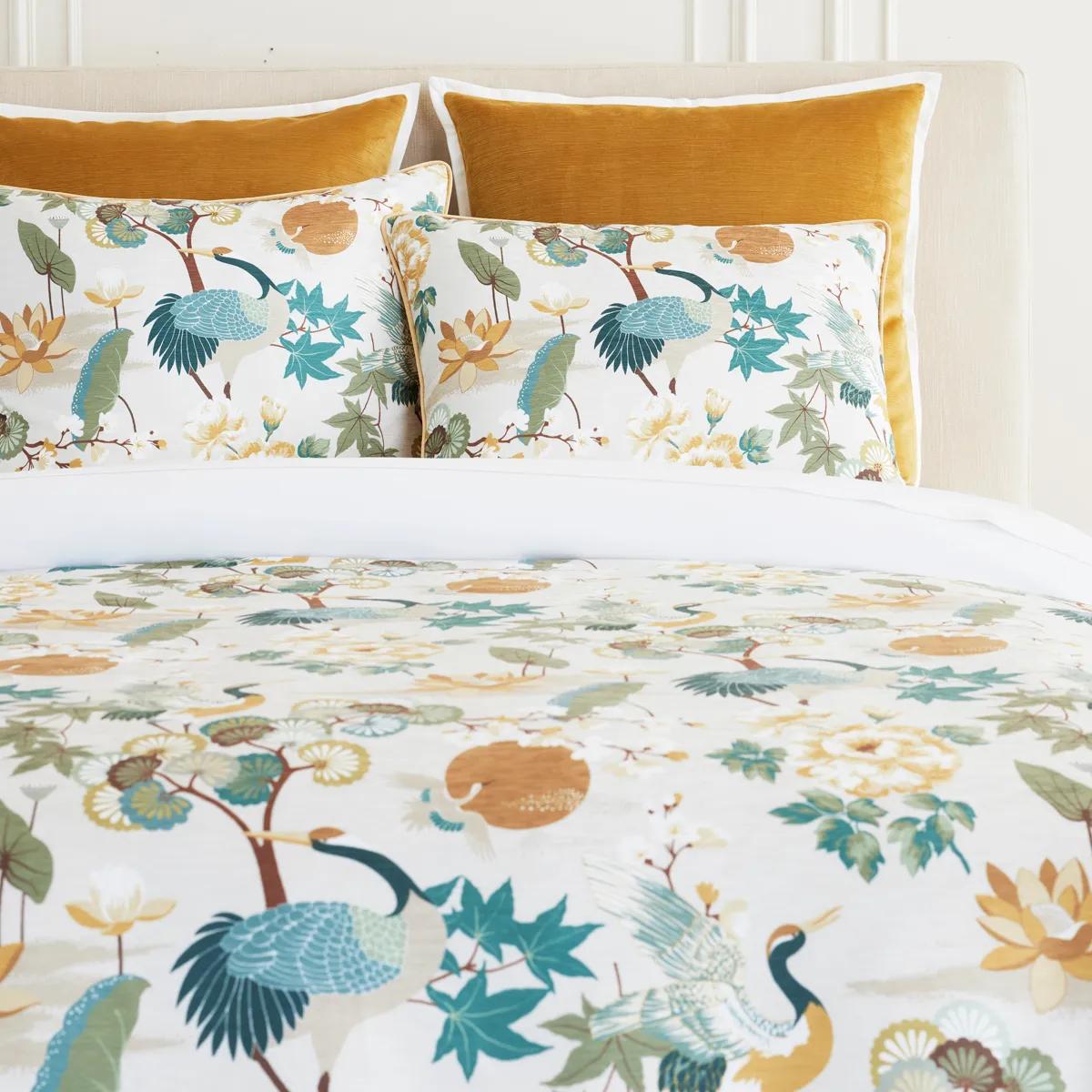
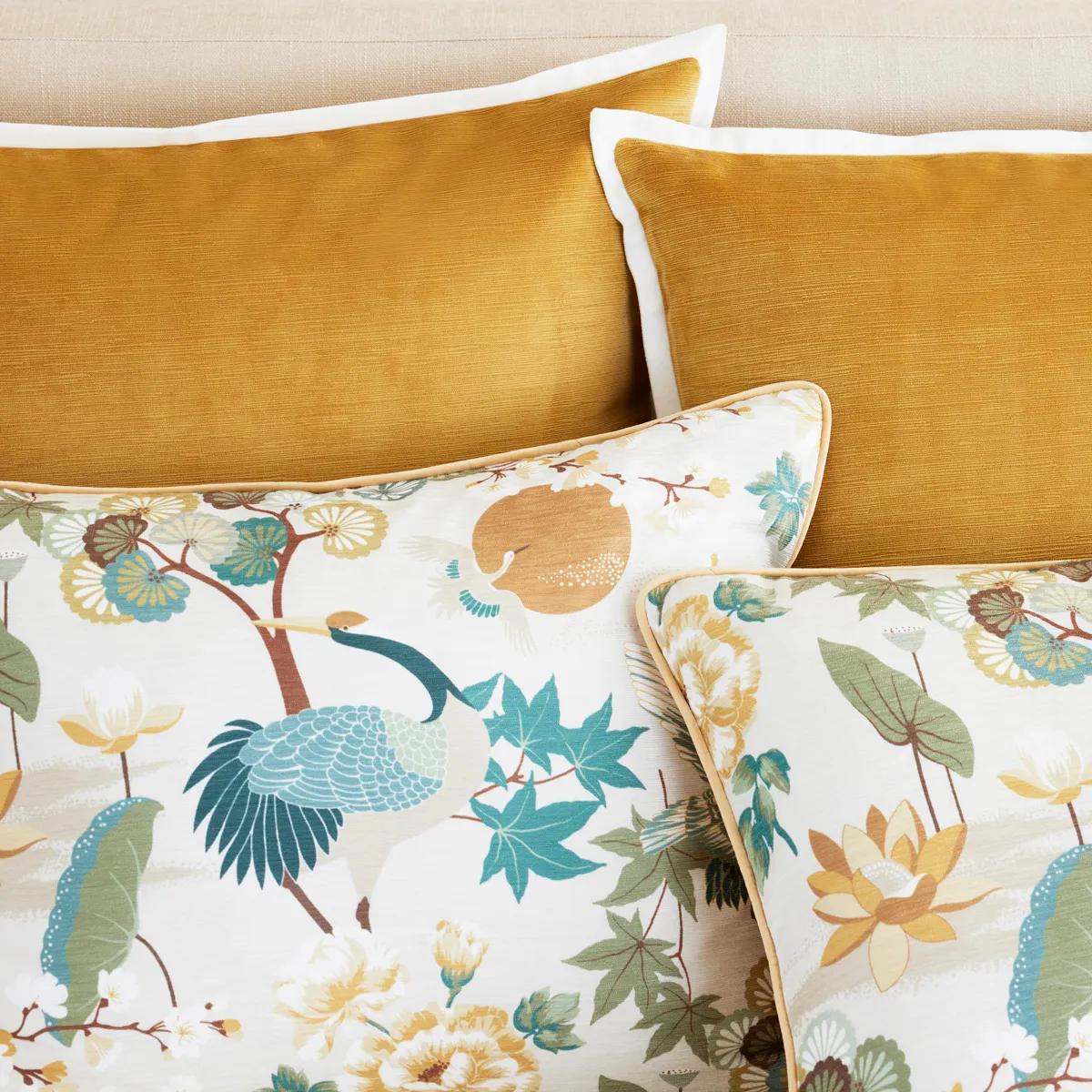 Sandhill Ivory/Multi Color Printed Bedding Set$639
An ivory bedding collection featuring earthy tones, gold velvet accents, and a soft cotton-polyester blend.
Add To Cart

Natural Color Bedding Sets
Natural color bedding sets invite tranquility and effortless sophistication into your sanctuary, transforming the bedroom into a serene canvas for self-expression. Subtle earth tones and creamy neutrals conjure a sense of calm, offering the perfect backdrop for both bold accents and quiet luxury. Discover how layers of understated elegance can cocoon you in comfort while elevating every detail—because with natural color bedding sets, even simplicity becomes a statement.
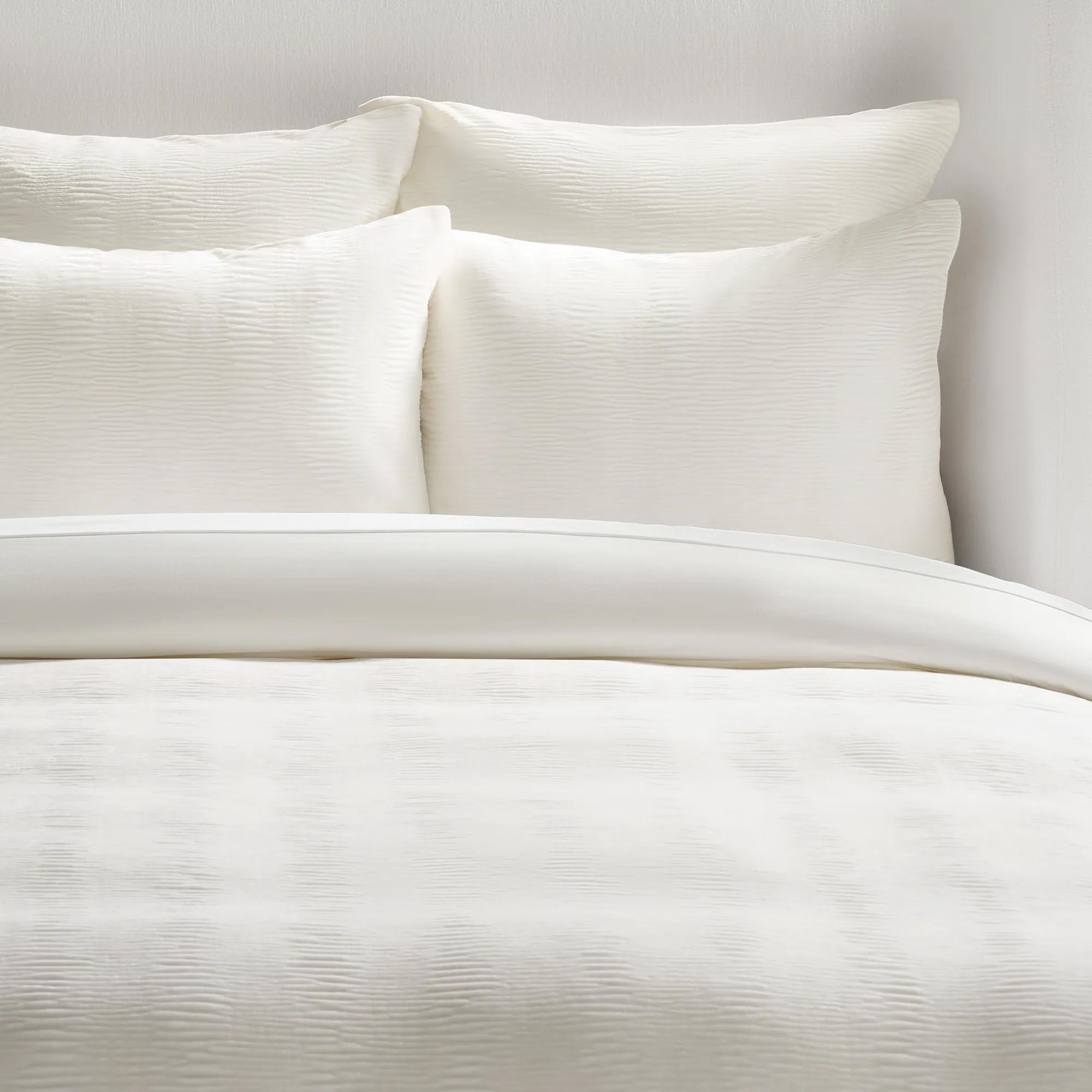
Natural color bedding sets bring together earthy neutrals such as ivory, cream, oatmeal, sand, beige, and taupe, creating a bedroom palette with softness, dimension, and quiet grandeur. These shades take their cues from stone, undyed fibers, and pale wood, giving a bed an organic appearance without sacrificing polish. “Natural color” describes the palette rather than the fiber content: a beige bedding set is not necessarily made from natural fibers, and an earthy shade alone does not indicate organic certification. The visual appeal lies in subtle variation. Oatmeal can introduce a gently flecked effect, cream lends a luminous foundation, and taupe adds depth that feels especially sumptuous against an upholstered headboard. Together, these tones allow texture and silhouette to command attention. A generous fold of fabric, a tailored sham, or a softly raised woven pattern becomes more expressive when bold color is not competing for the eye. For a bedroom with dark wood furniture, sand or ivory bedding creates striking contrast while preserving a sense of ease. Against pale oak, layered beige and mushroom tones produce a more enveloping composition, particularly when balanced with a sculptural lamp or a gleaming metallic accent. Undertones matter as much as the color name: some beiges lean golden or pink, while taupe may reveal gray or violet notes. Consider those nuances alongside the flooring, wall color, and largest upholstered pieces, since surrounding finishes and bedroom lighting can change how a neutral reads. Natural color bedding can anchor a richly decorated primary suite, soften a guest bedroom, or bring visual coherence to a space shared by people with different tastes. The result need not be restrained. An oversized headboard, dramatic artwork, and a bed dressed in tactile neutrals can feel richly expressive, with the bedding providing a poised backdrop for the room’s most distinctive details. The palette offers continuity, allowing decorative accents to evolve while the bed remains a beautifully composed focal point.
Fabric and construction give natural color bedding sets their character, influencing everything from surface sheen to the way a cover settles around the mattress. Cotton is a familiar choice for its breathable feel, with the weave shaping the experience: percale typically feels crisp and looks matte, while sateen has a smoother hand and a subtle luster that gives cream and champagne-adjacent neutrals particular richness. Linen offers a more relaxed drape and visible texture, with creasing that becomes part of its expressive, lived-in appearance. Cotton-linen blends can balance those qualities, though their feel depends on the proportions and construction. Polyester microfiber often has a smooth, softly brushed surface and resists wrinkling, but its feel and breathability differ from cotton or linen. For bedding described as bamboo, check the fiber label; many such textiles are rayon or viscose made from bamboo rather than mechanically processed bamboo fiber. This distinction helps clarify what is touching the skin and how it should be cared for. Color alone cannot communicate softness, weight, or performance, and thread count is only one detail rather than a universal measure of quality. Fiber quality, yarn, weave, stitching, and finishing all contribute to how bedding feels and wears. A smooth sateen surface can give a tailored room a fluid, almost liquid sheen, while a nubby weave brings depth to an otherwise tonal setting. Raised patterns and decorative stitching add dimension, though heavily textured surfaces may be less appealing to someone who prefers an uninterrupted, smooth feel. Intended use also matters. Bedding for an everyday primary bedroom should suit the sleeper’s preferences and laundering routine; a guest room benefits from comfortable fabrics and straightforward care. In homes where pets share the bed, closely woven surfaces without loose embellishments may be more practical than open textures that can catch claws. A considered material choice makes the visual promise of an inviting bed tangible, turning a handsome arrangement into a place that feels as satisfying as it looks.
Fit, set contents, and care complete the picture, ensuring that a beautifully layered bed works beyond the first impression. Bedding sets vary in what they include: a duvet cover set generally contains a removable cover and coordinating shams, while a comforter set typically centers on a filled bed covering; sheets, inserts, and decorative pillows may be separate. Check the listed components rather than assuming every layer shown is included. Match dimensions as well as size names, since queen, king, and California king bedding can differ between manufacturers, and a particularly deep mattress changes the amount of fabric visible along the sides. For fitted sheets, pocket depth should accommodate the mattress and any topper. For duvet covers, compare the cover measurements with the insert to reduce empty edges or bunching, and look for interior ties if keeping the insert positioned is a priority. Sham dimensions deserve the same attention, especially when arranging standard, king, or square pillows across a broad headboard. A balanced composition might place ivory sleeping pillows behind oatmeal shams, with a taupe cover providing a deeper foundation below. Keeping the colors related gives contrasting textures room to shine; browsing solid color bedding sets can also help establish a more uniform backdrop when a room already features patterned wallpaper or an expressive rug. To preserve the finish, follow each piece’s care label, including instructions for washing, drying, and any professional cleaning. Avoid assuming that every neutral textile tolerates bleach, since dyes, fibers, and decorative details respond differently. Prompt attention to spills, appropriate detergent, and sufficient room in the washer help support regular care, while thorough drying before storage helps prevent musty odors. Reinforced seams, secure closures, and neatly finished edges are useful construction details to examine for repeated use. Natural-toned bedding can also make a thoughtful wedding or housewarming gift when the recipient’s bed size, preferred fabrics, and care habits are known. With those details considered, the appeal is enduring: a bed with depth, softness, and a deliberate sense of luxury, ready to become the room’s most inviting gesture.
FAQs
Natural color bedding sets are remarkably versatile, complementing a wide range of design aesthetics. Whether your space leans toward modern minimalism, classic elegance, farmhouse chic, or even eclectic maximalism, the understated hues of neutral colored bedding provide a sophisticated foundation. Layer with textured throws, metallic accents, or jewel tone pillows to create a look that is uniquely yours.
To create depth and dimension with natural color bedding, play with a mix of textures and finishes. Combine crisp percale sheets with a quilted coverlet or a plush velvet throw. Add decorative pillows in complementary shades or subtle patterns. Incorporating different materials—like linen, cotton, or faux fur—will make the bed feel inviting and visually dynamic.
Absolutely. The timeless appeal and universal elegance of natural color bedding make it a thoughtful gift for weddings, housewarmings, or special milestones. Their neutral palette ensures they blend seamlessly into any decor, making them a cherished and practical present for anyone looking to refresh their bedroom sanctuary.
Natural color bedding serves as the perfect year-round foundation. In winter, layer with chunky knit throws and faux fur accents for warmth and coziness. As the seasons shift, swap in lighter coverlets and breezy linen shams for a fresh, airy feel. The adaptability of neutral hues makes it easy to update your space with just a few thoughtful changes.
Personalize your sanctuary by incorporating statement art, sculptural lighting, or bold accent pieces that reflect your unique style. Consider layering in jewel tone bedding sets or patterned pillows for a dramatic pop of color. The beauty of neutral colored bedding is that it acts as a canvas, allowing your creativity and personality to shine through in every detail.
.jpg?w=2100&h=2100)