Multiple Arm Style Sectionals
Multiple Arm Style Sectionals
-
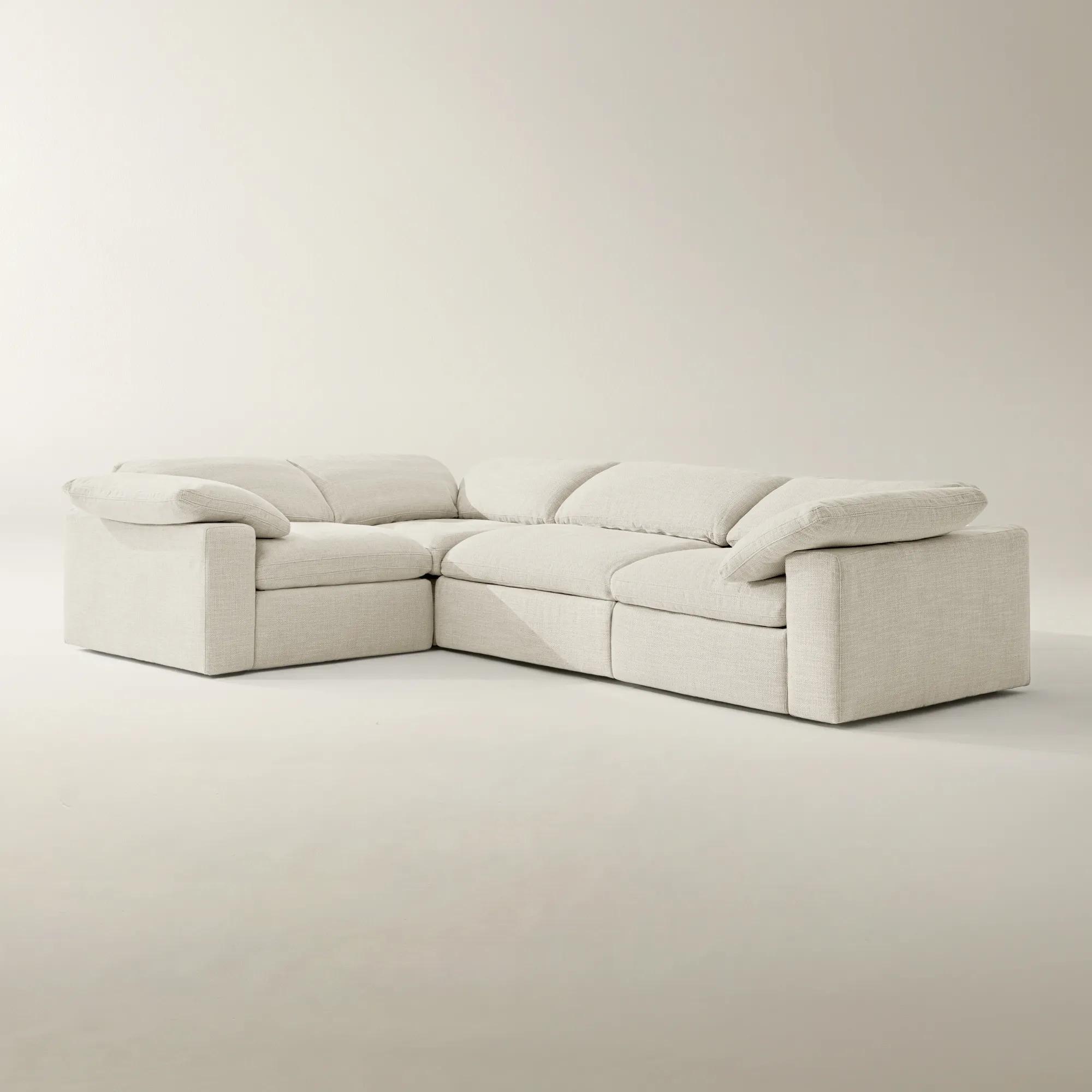
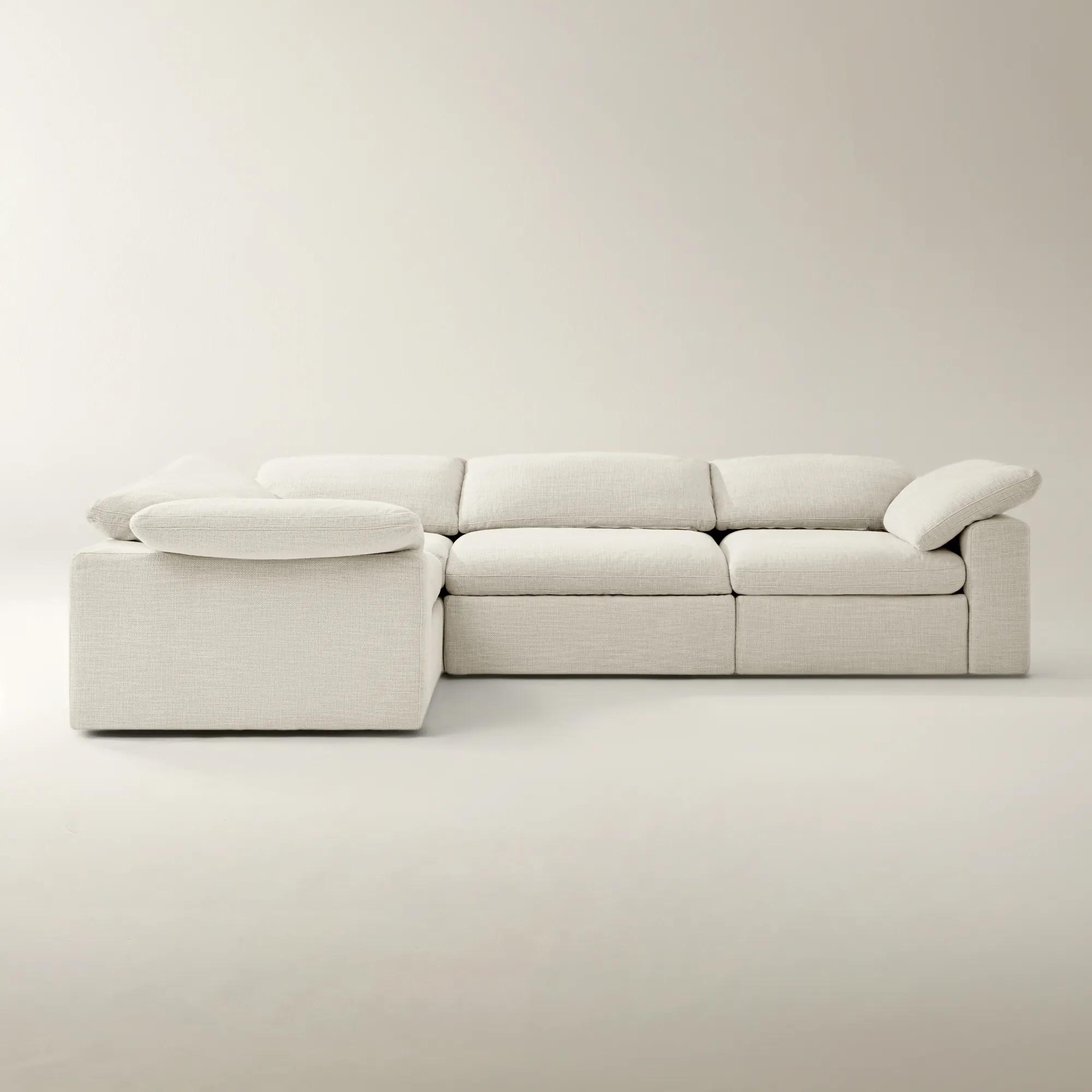 Milo 4-Piece L-Shaped Reclining Ivory Performance Fabric Sectional Sofa With Left-Arm Chair$3999
A modular sectional in beige or dove grey with plush feather cushions and power reclining footrests.
Add To Cart -
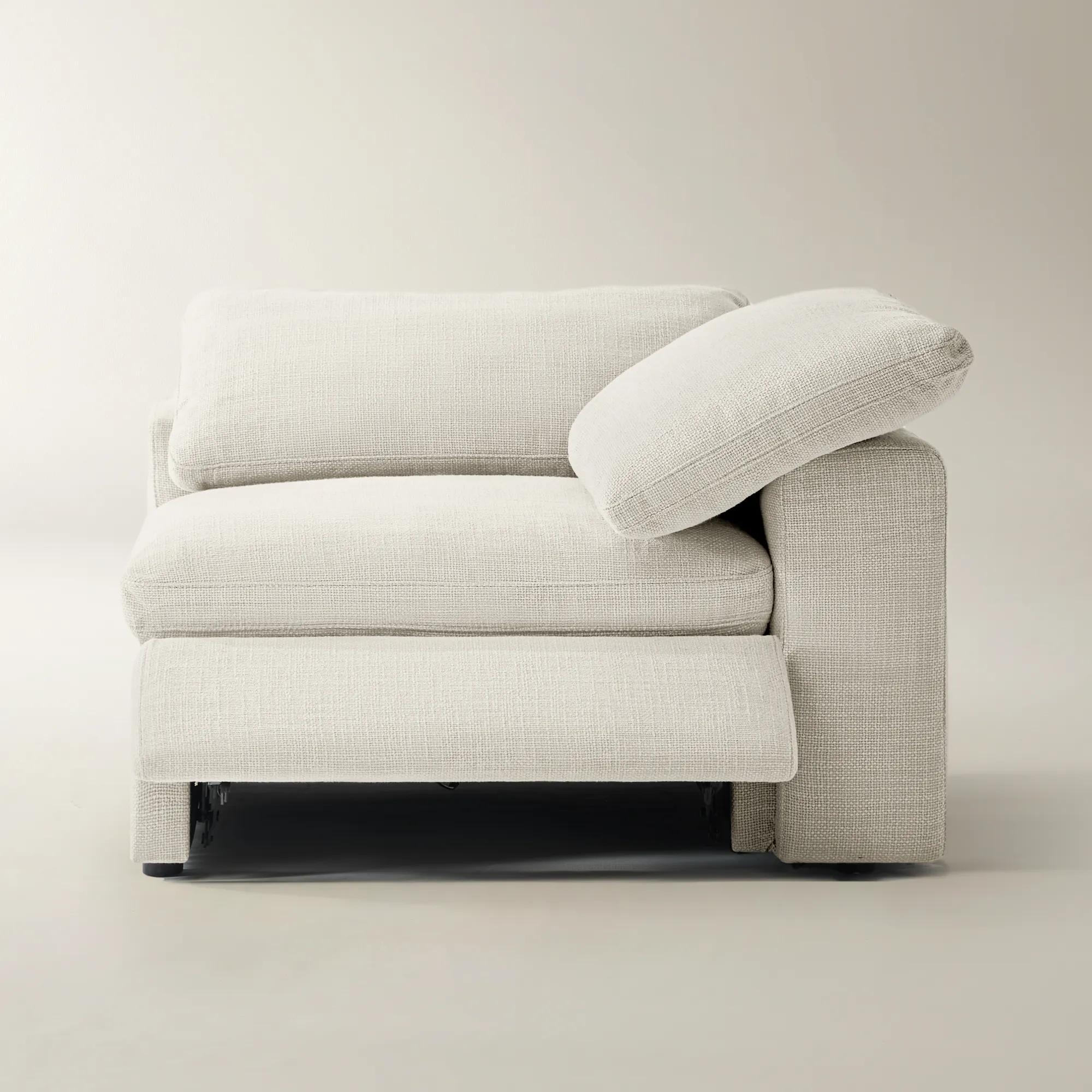
 Milo Ivory Performance Fabric Right-Arm Chair With Power Footrest$1099
A modular sectional in beige textured polyester with plush feather cushions and power reclining footrests for ultimate comfort.
Add To Cart -
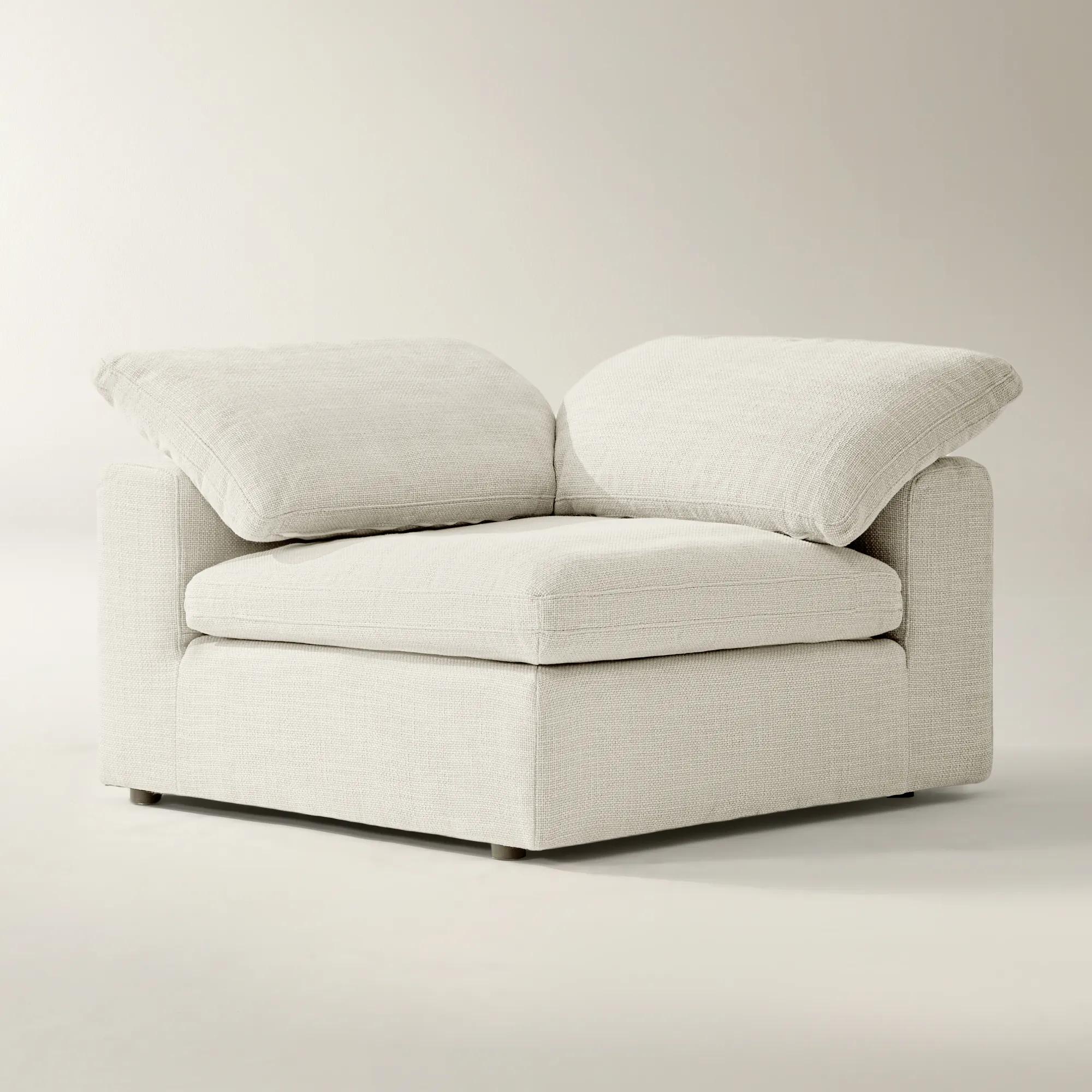 Milo Ivory Performance Fabric Corner Chair$949
A modular sectional in beige textured polyester with plush feather cushions and power reclining footrests for ultimate comfort.
Add To Cart -
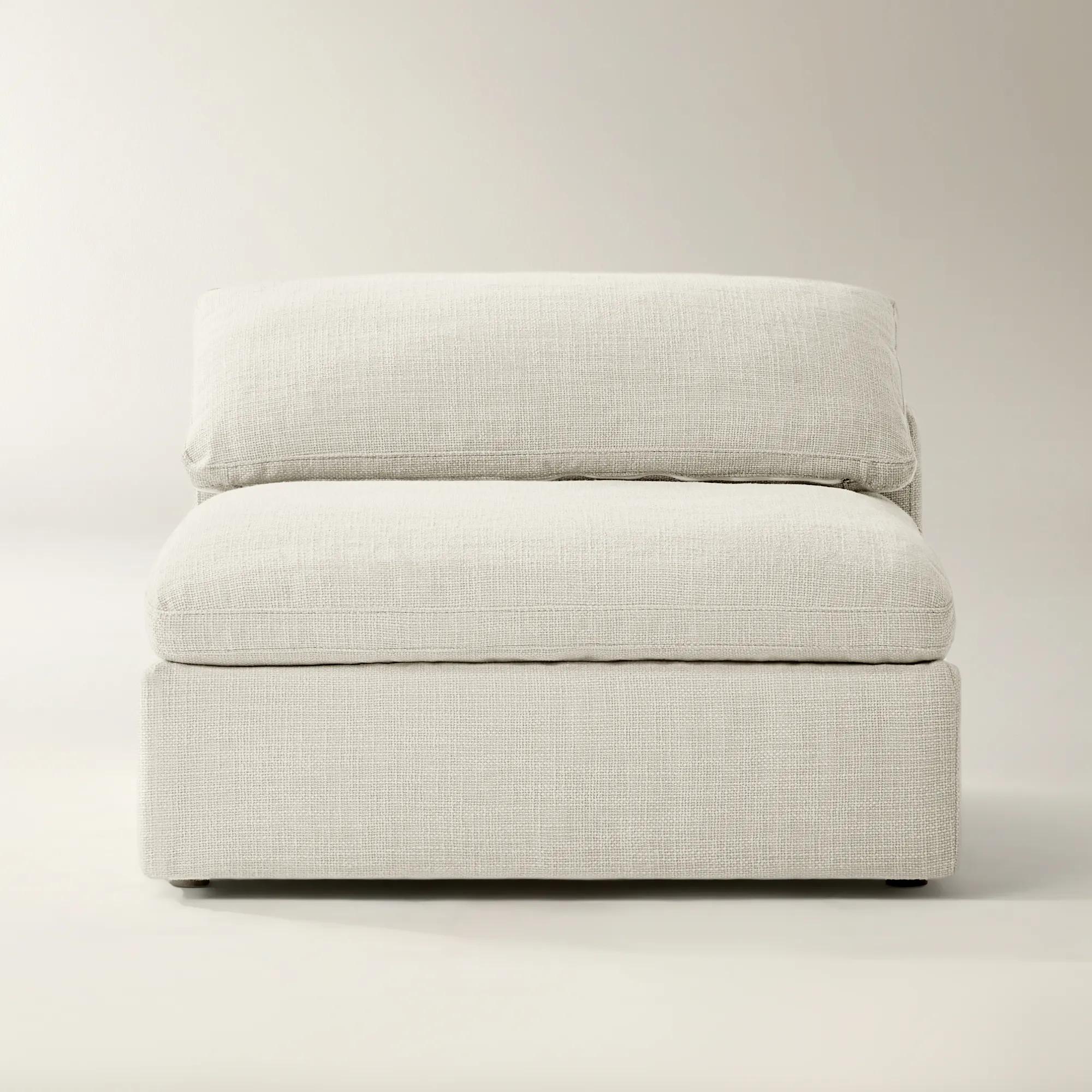 Milo Ivory Performance Fabric Armless Chair$899
A modular sectional in beige or dove grey textured polyester, featuring plush feather cushions and power recliners.
Add To Cart -
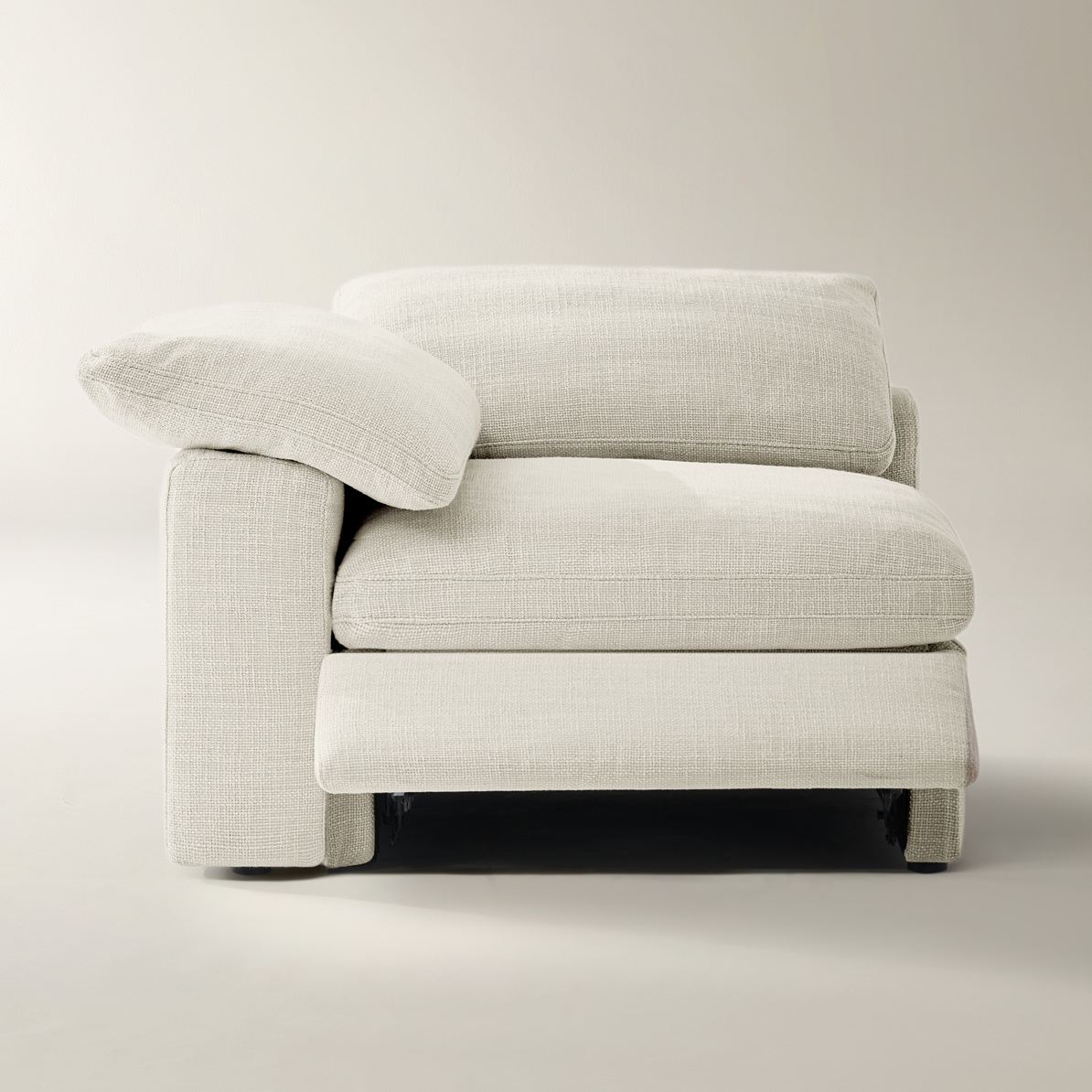 Milo Ivory Performance Fabric Left-Arm Chair With Power Footrest$1099
A modular sectional in beige textured polyester with plush feather cushioning and power reclining footrests for tailored comfort.
Add To Cart -
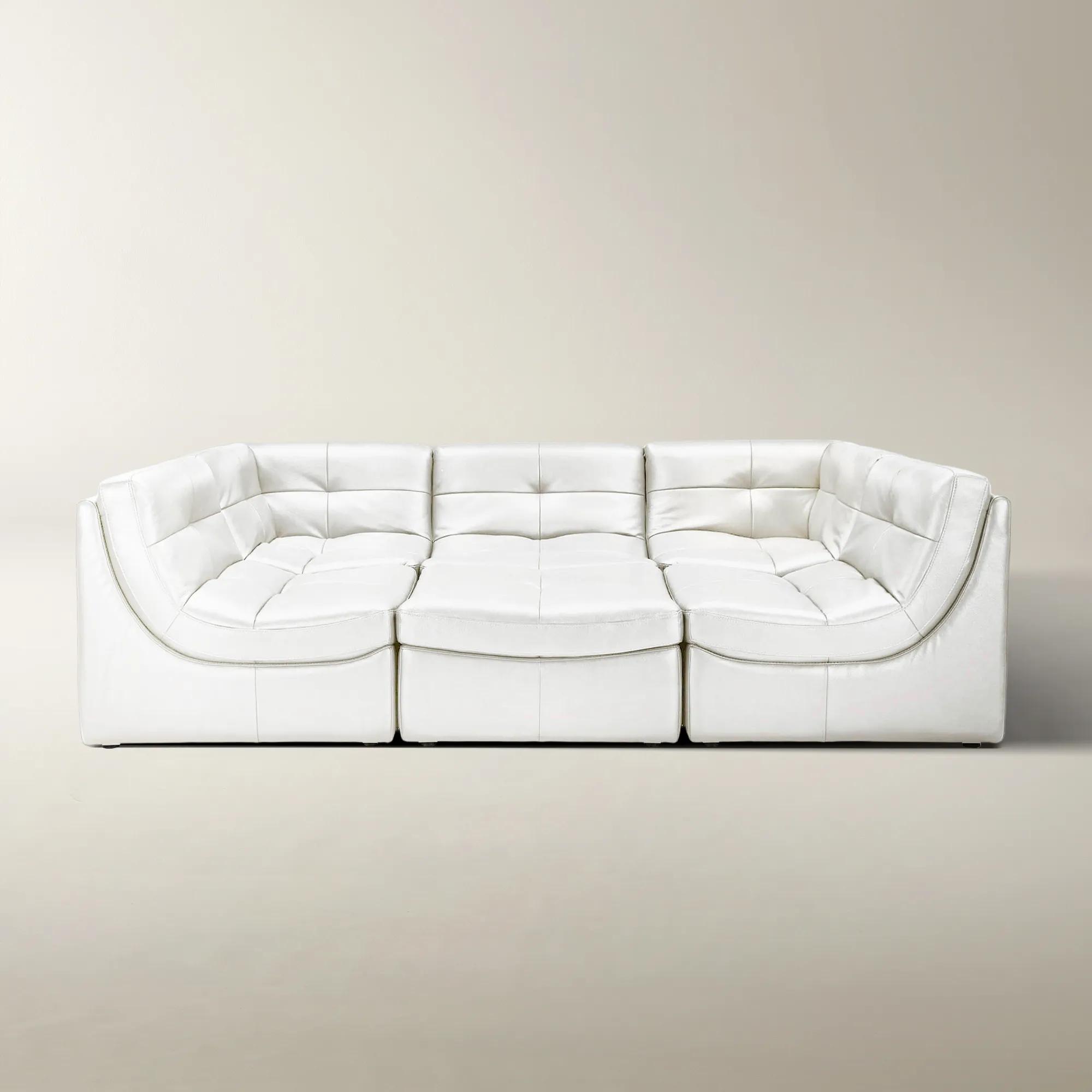 Convo 6-Piece White Leather Sectional Sofa$7249
A modular charcoal leather sectional with kiln-dried hardwood frame and gently curved, blind-tufted seats.
Add To Cart -
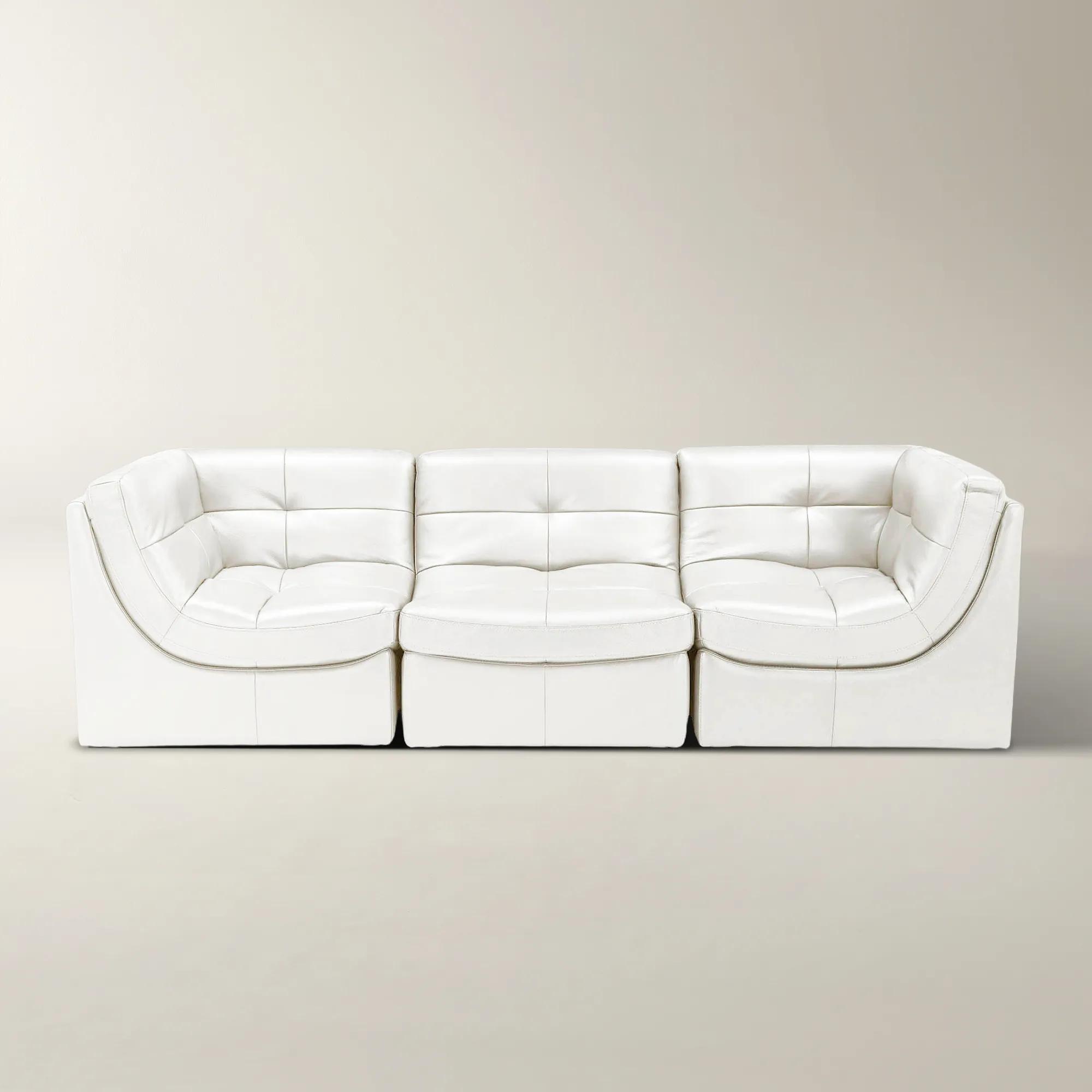
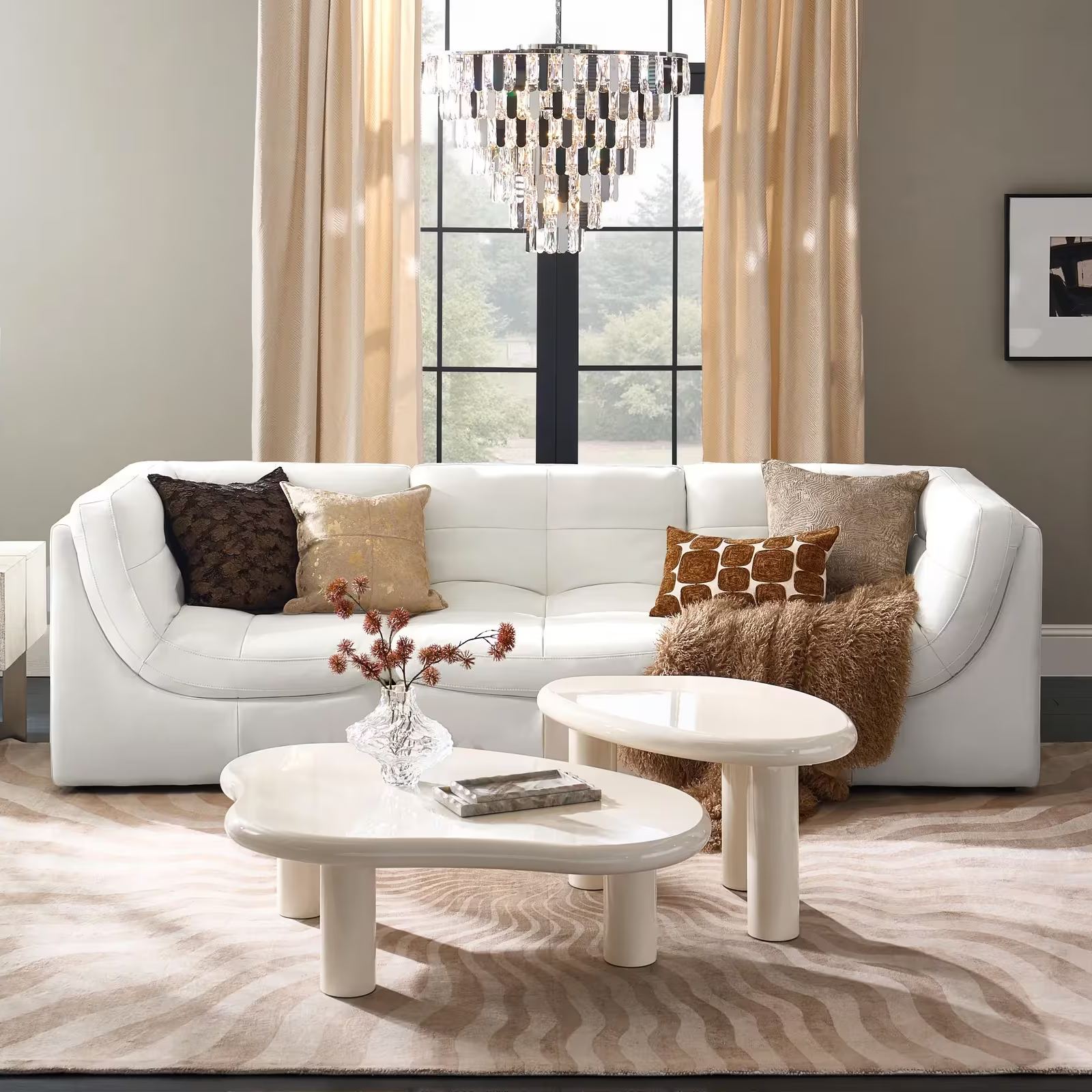 Convo 3-Piece White Leather Sectional Sofa$3999
A modular charcoal leather sofa with kiln-dried hardwood frame and blind-tufted, semi-aniline upholstery.
Add To Cart -
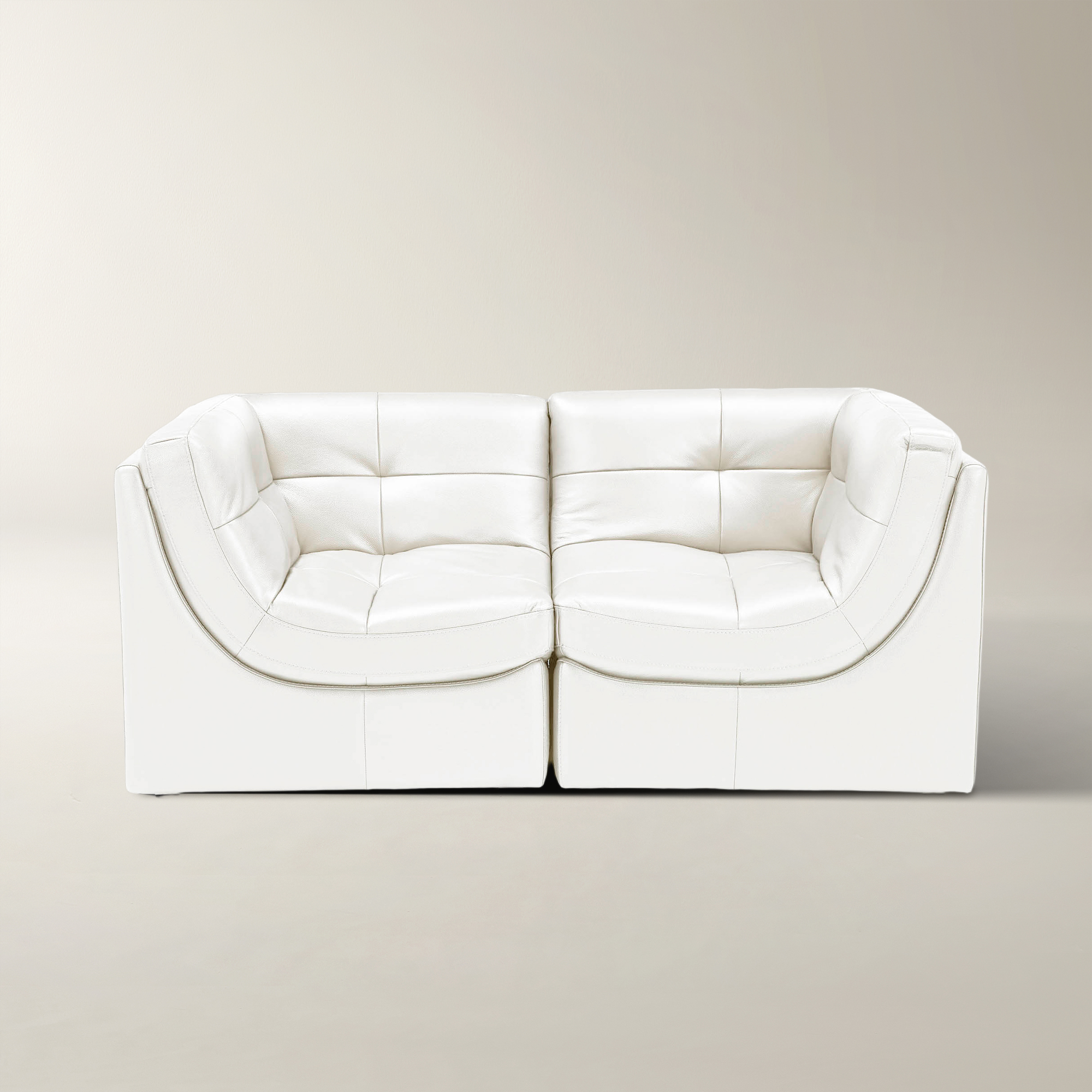 Convo 2-Piece White Leather Sectional Sofa$2799
A modular charcoal leather sofa with kiln-dried hardwood frame and blind-tufted, semi-aniline upholstery.
Add To Cart -
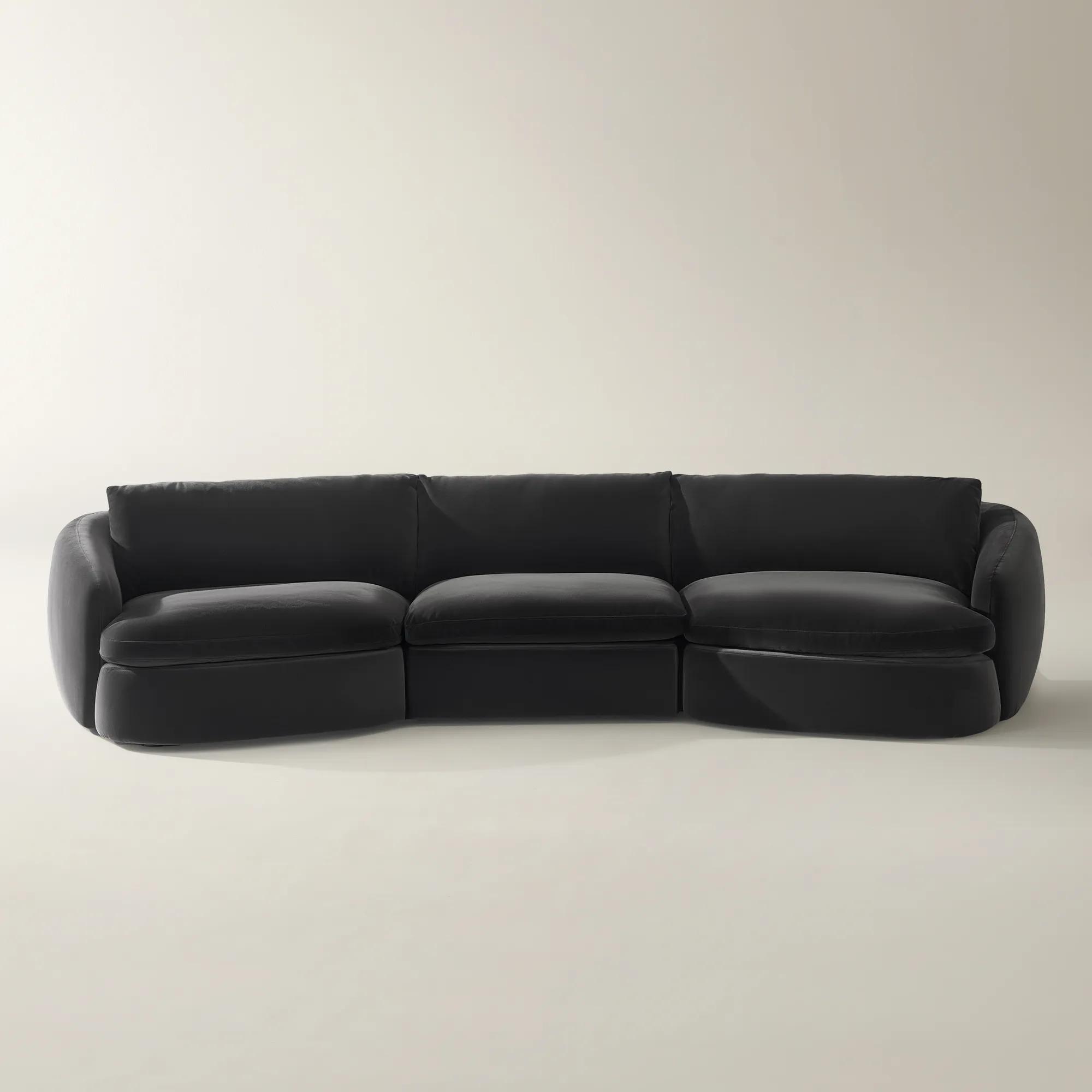 Sabrina 3-Piece Charcoal Velvet Sectional$3599
A charcoal velvet modular sofa featuring a curved silhouette, feather-blend cushions, and hand-built craftsmanship.
Add To Cart -
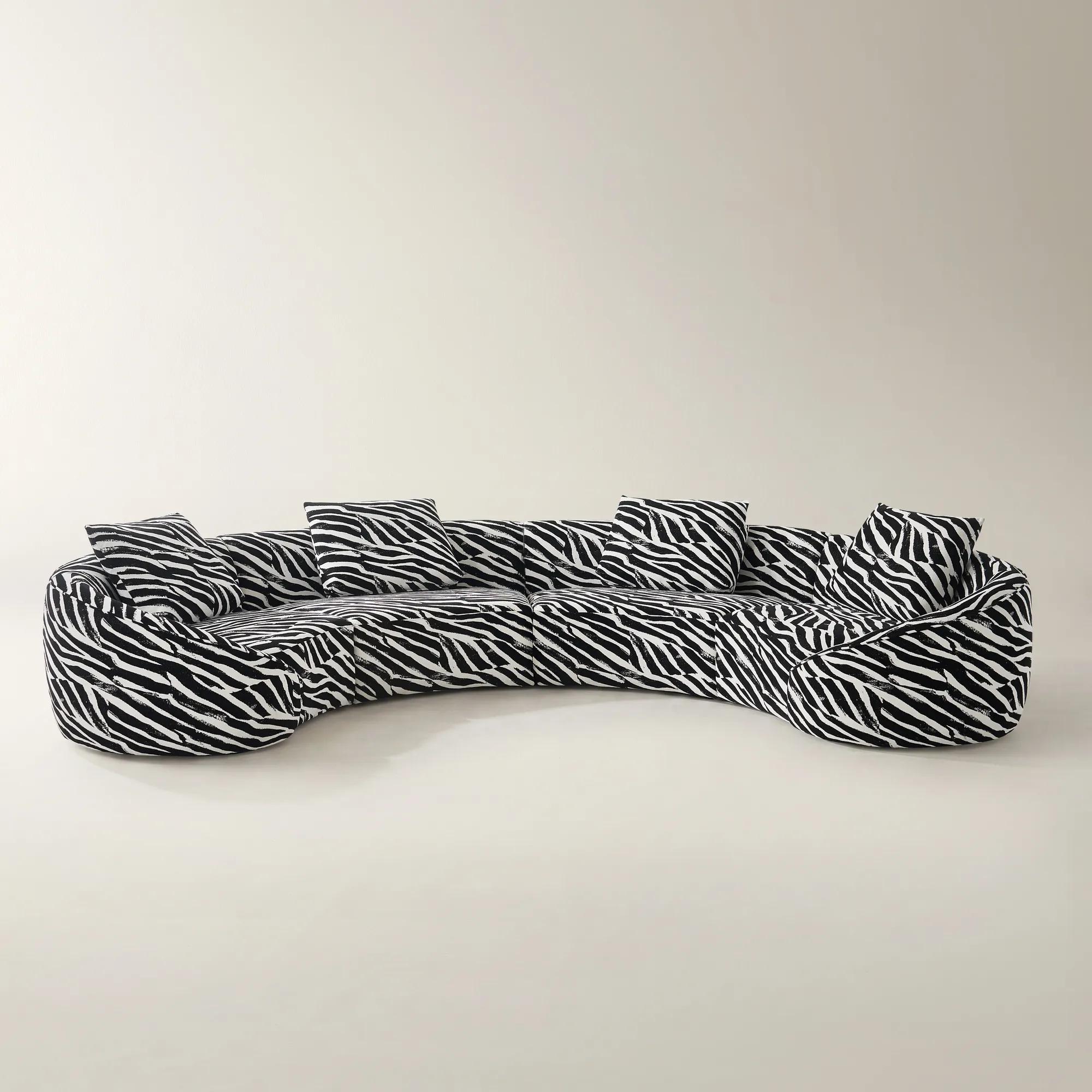 Irene 4-Piece White/Black Performance Chenille Sectional Sofa$4799
A sculptural sectional wrapped in white and black performance chenille with high-resiliency foam cushions.
Add To Cart -
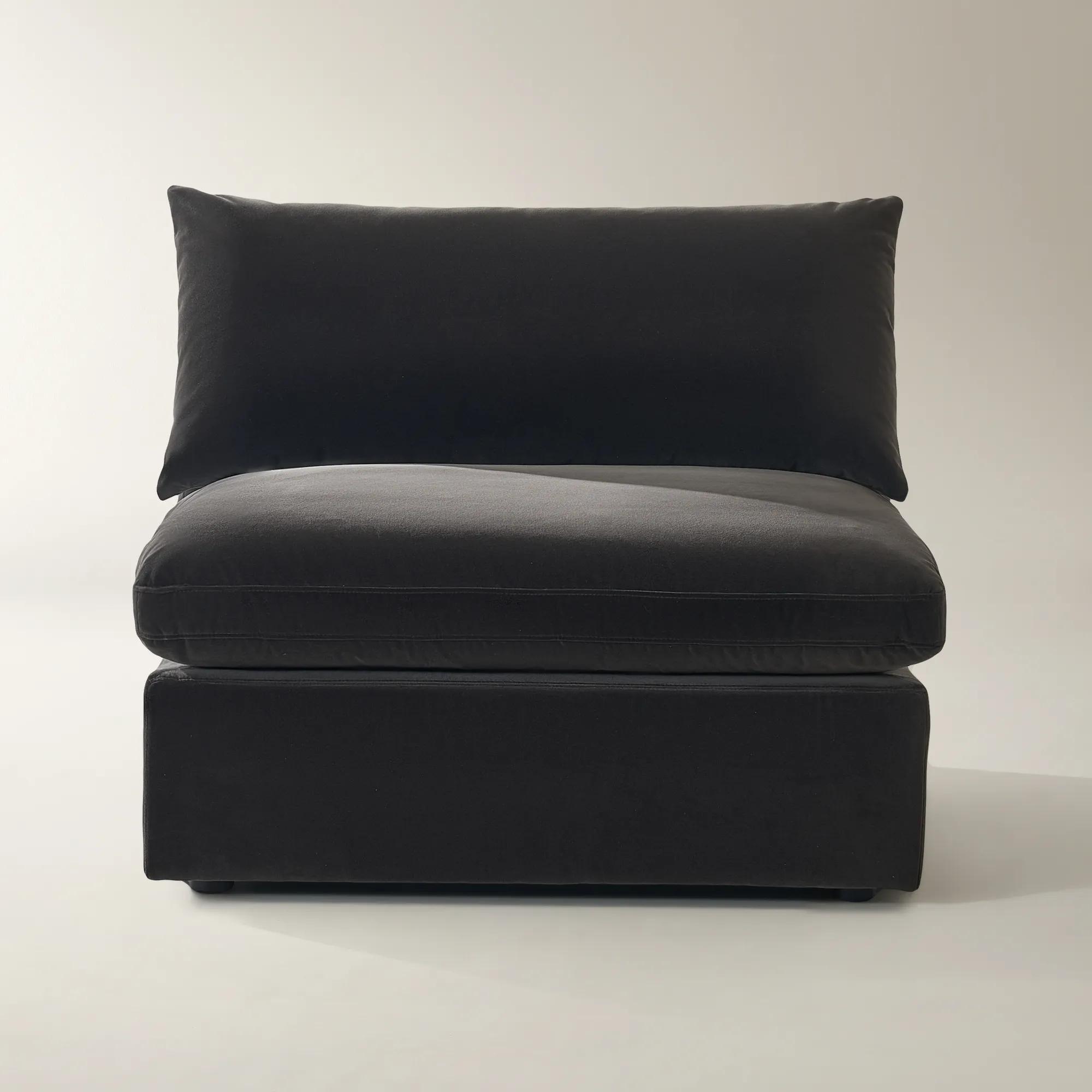
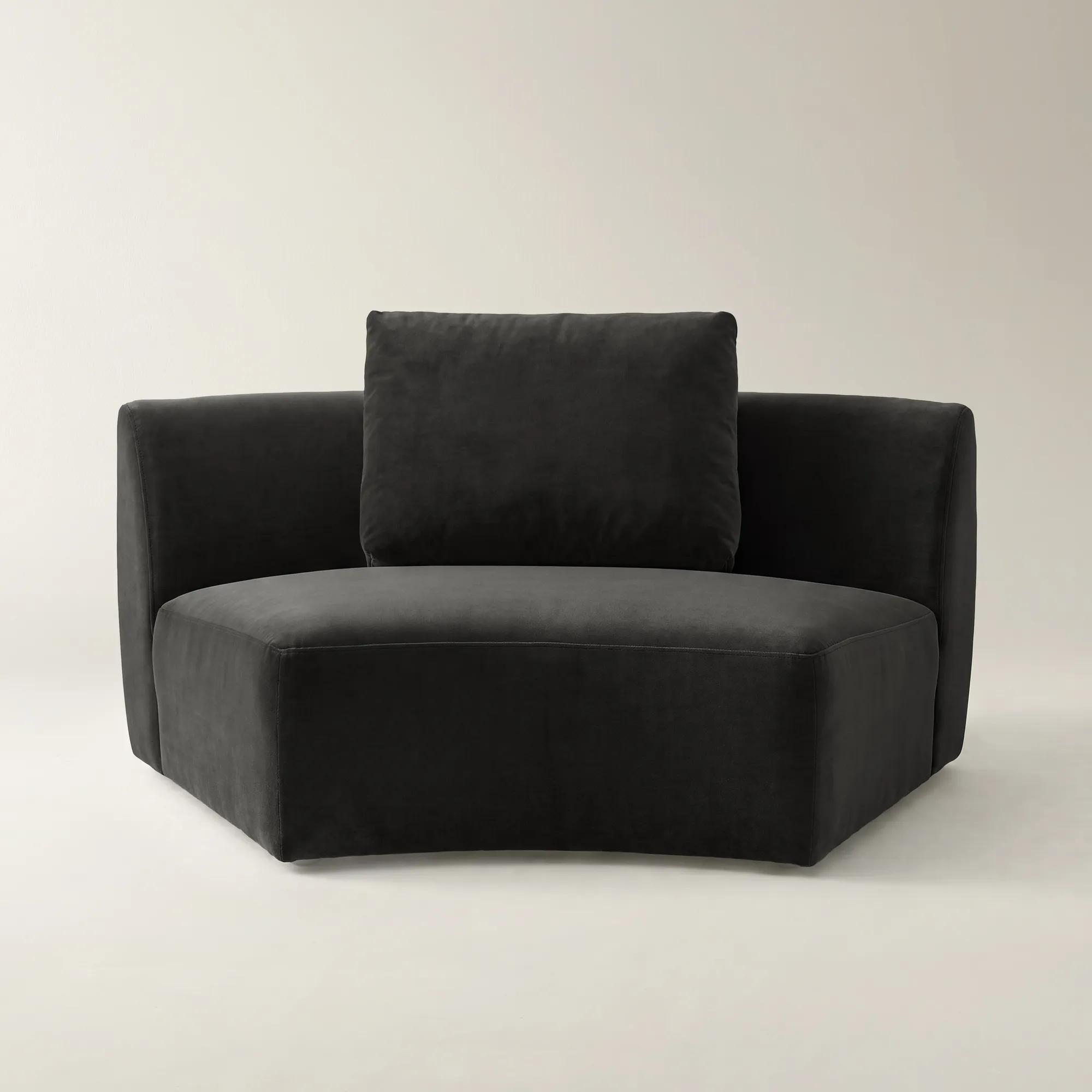
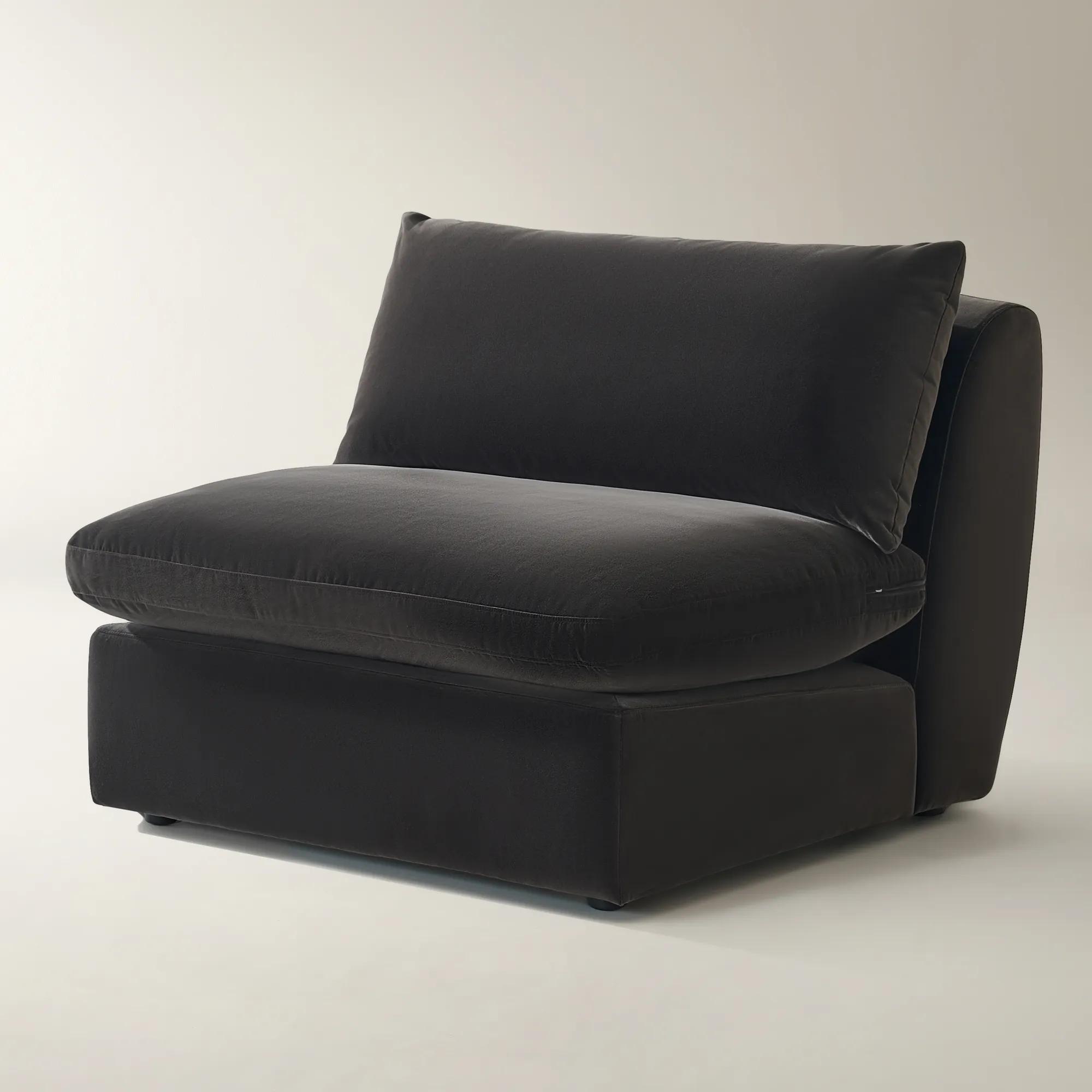 Sabrina Charcoal Velvet Armless Chair$999
A modular charcoal velvet sectional featuring curved lines, feather-blend cushions, and hand-crafted solid wood construction.
Add To Cart -
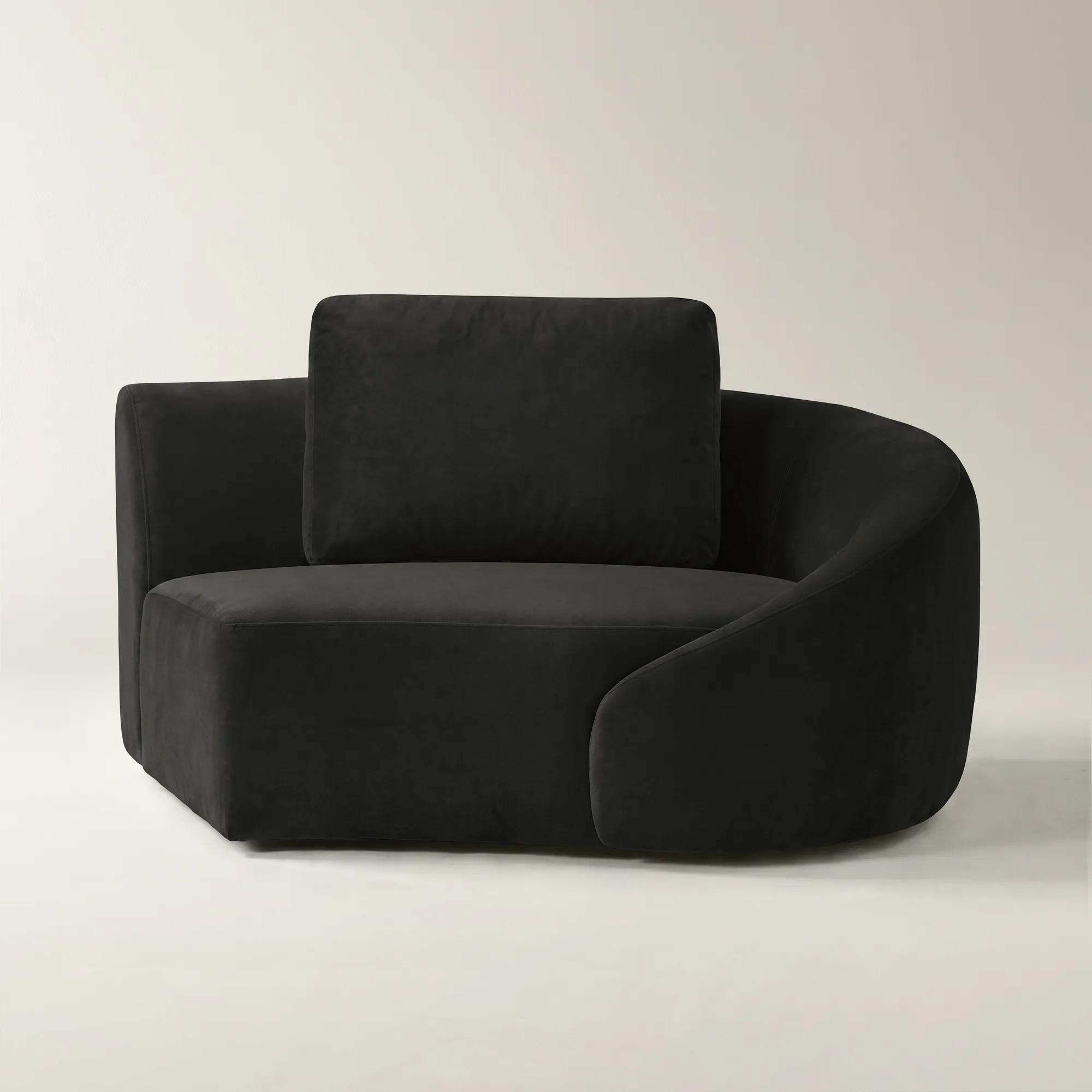
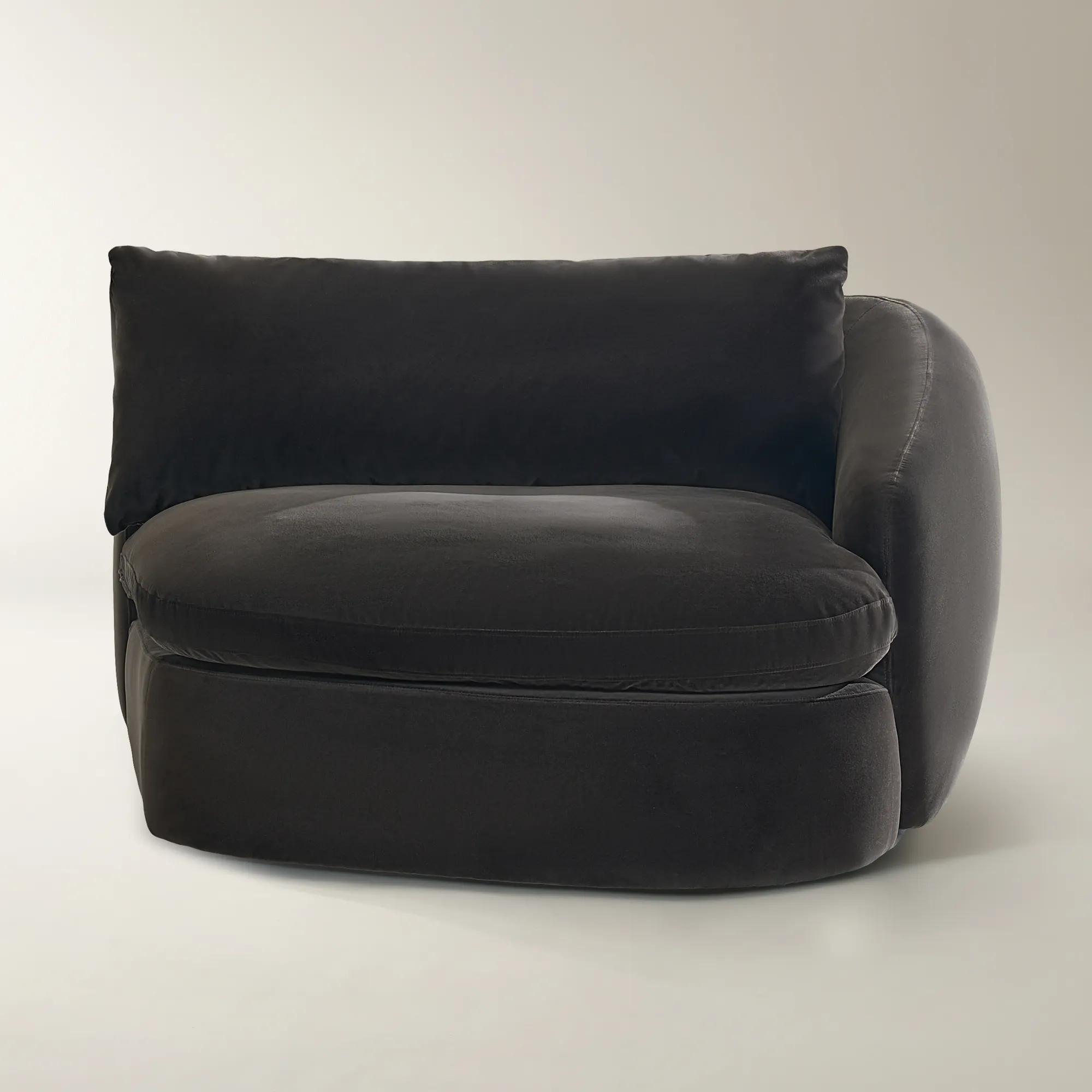 Sabrina Charcoal Velvet Right-Arm Chair$1299
A modular charcoal velvet sectional featuring curved lines, feather-blend cushions, and hand-crafted solid wood construction.
Add To Cart -
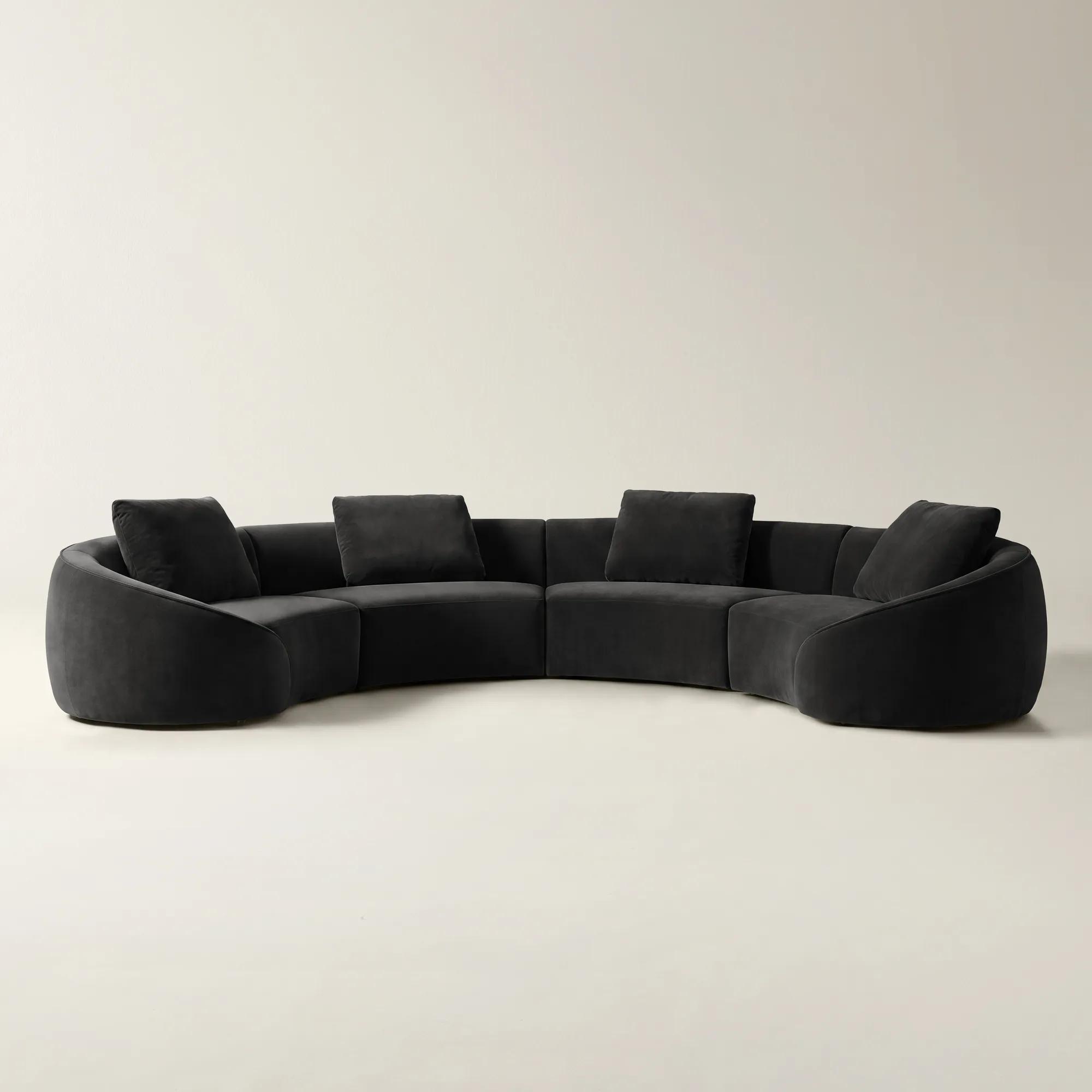
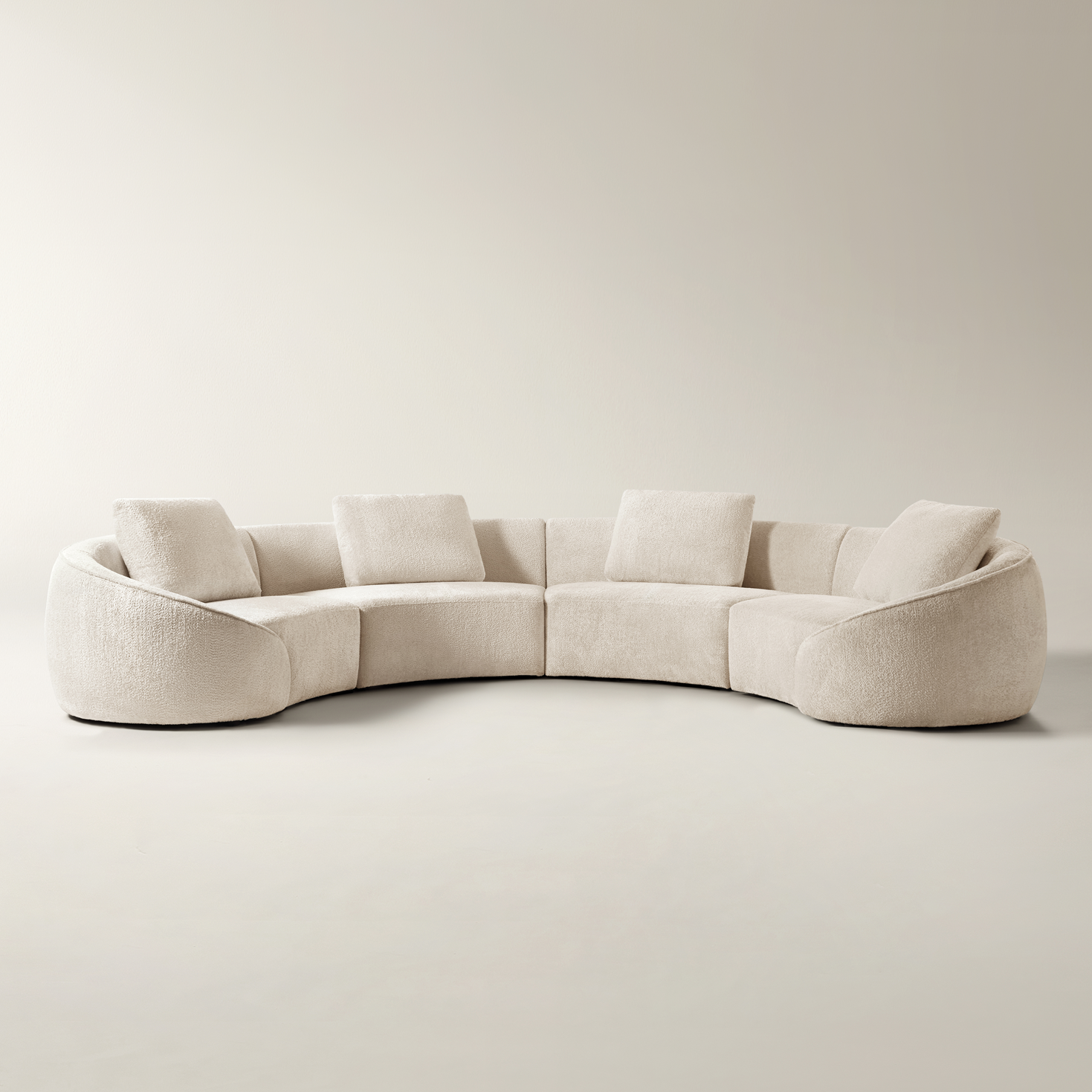 Irene 4-Piece Charcoal Velvet Sectional Sofa$4599
A sculptural charcoal velvet sectional with high-resiliency foam cushions and hand-finished artisan upholstery.
Add To Cart -
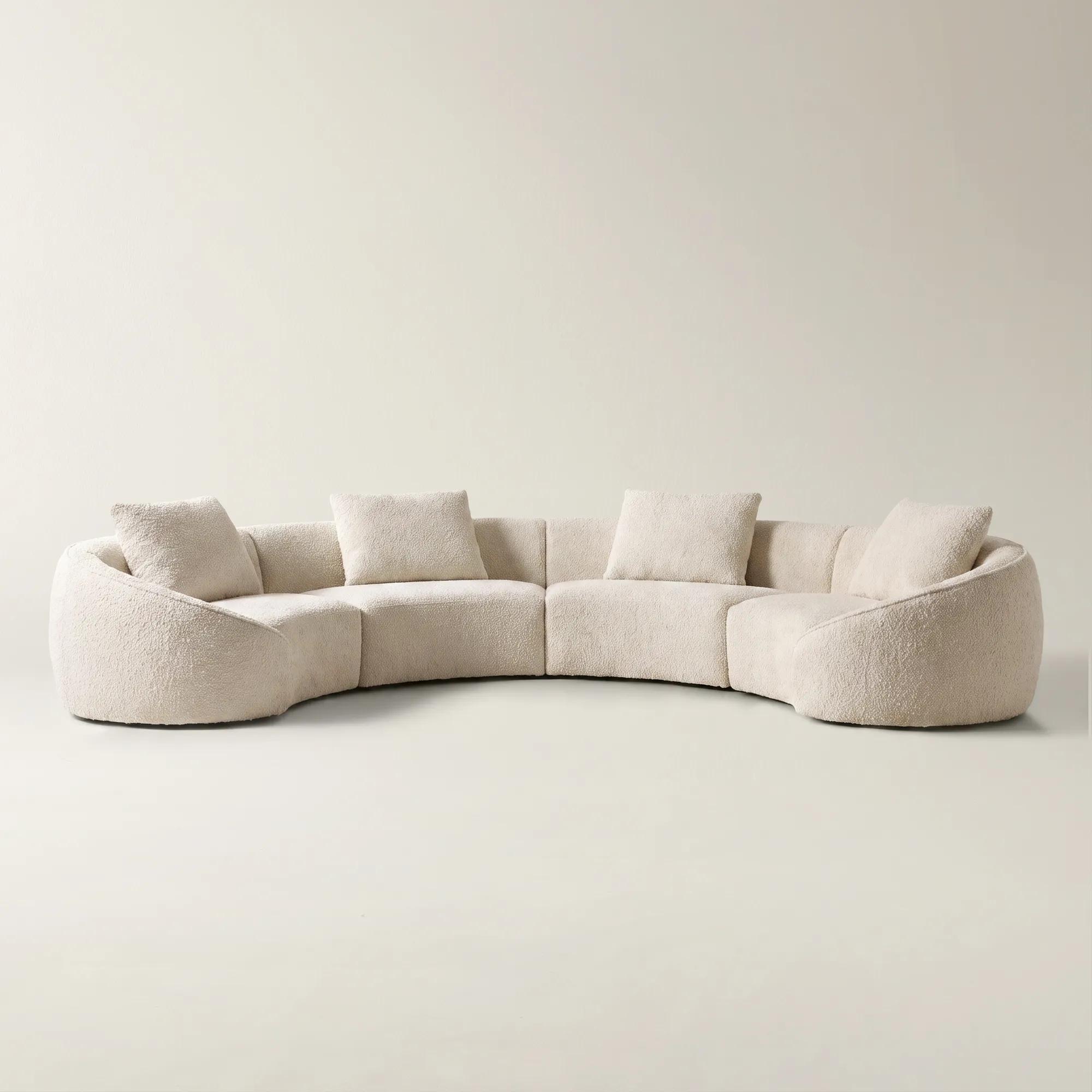 Irene 4-Piece Ivory Performance Boucle Sectional Sofa$4799
A sculptural ivory performance boucle sectional featuring hand-finished upholstery and high-resiliency foam cushions.
Add To Cart -

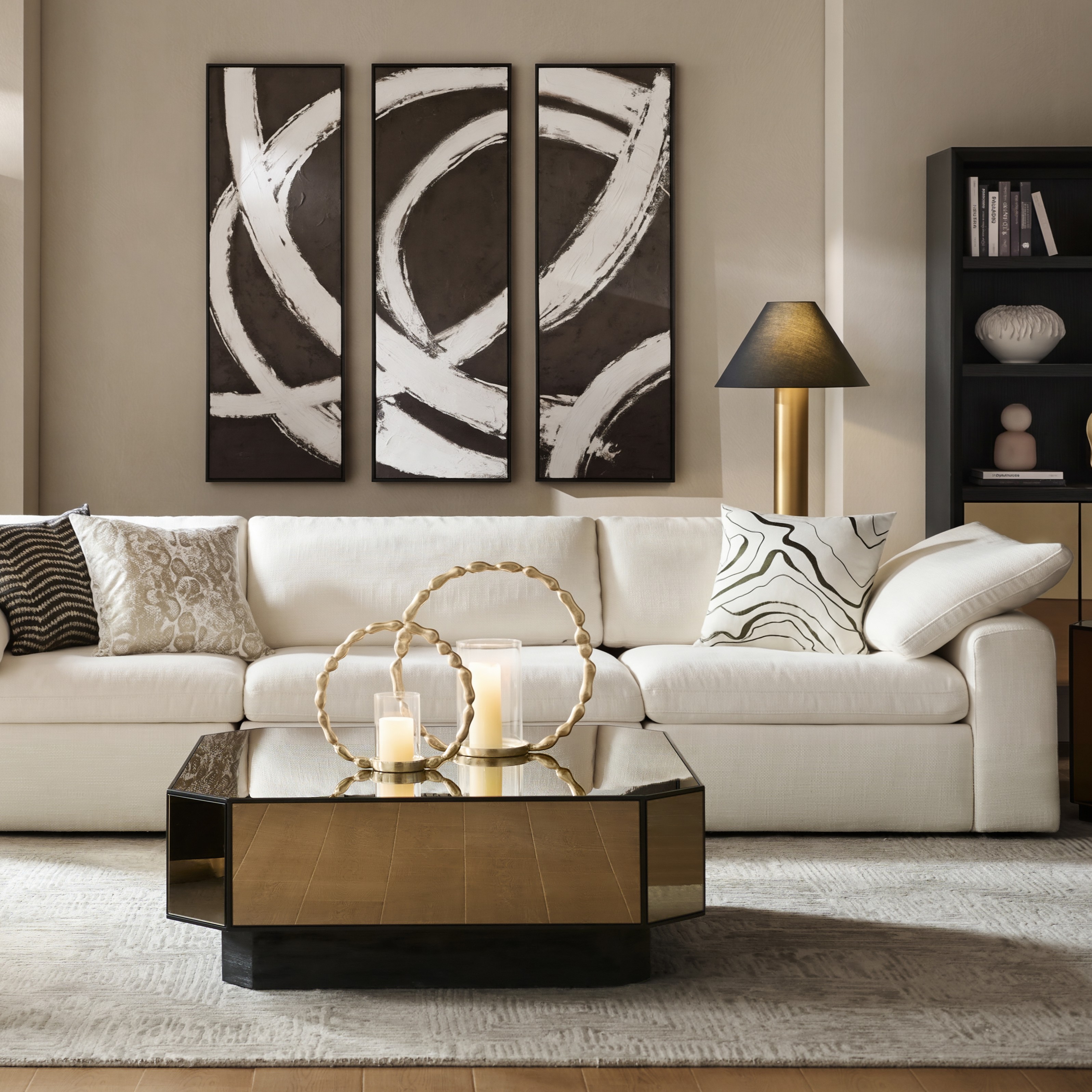 Milo 3-Piece Reclining Ivory Performance Fabric Sectional Sofa$2999
A modular, power-reclining sofa in beige textured polyester with plush feather-blend cushions for ultimate comfort.
Add To Cart -
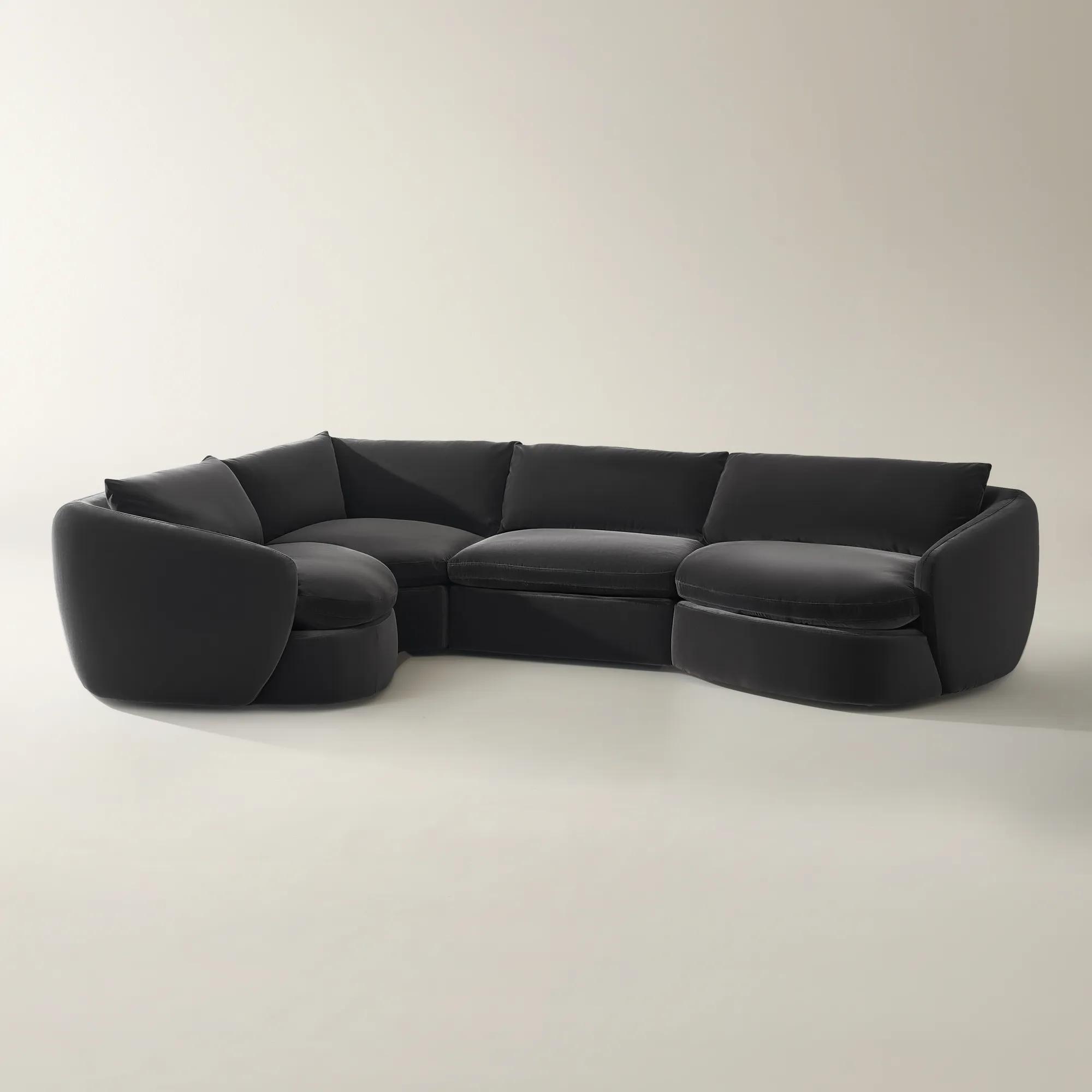
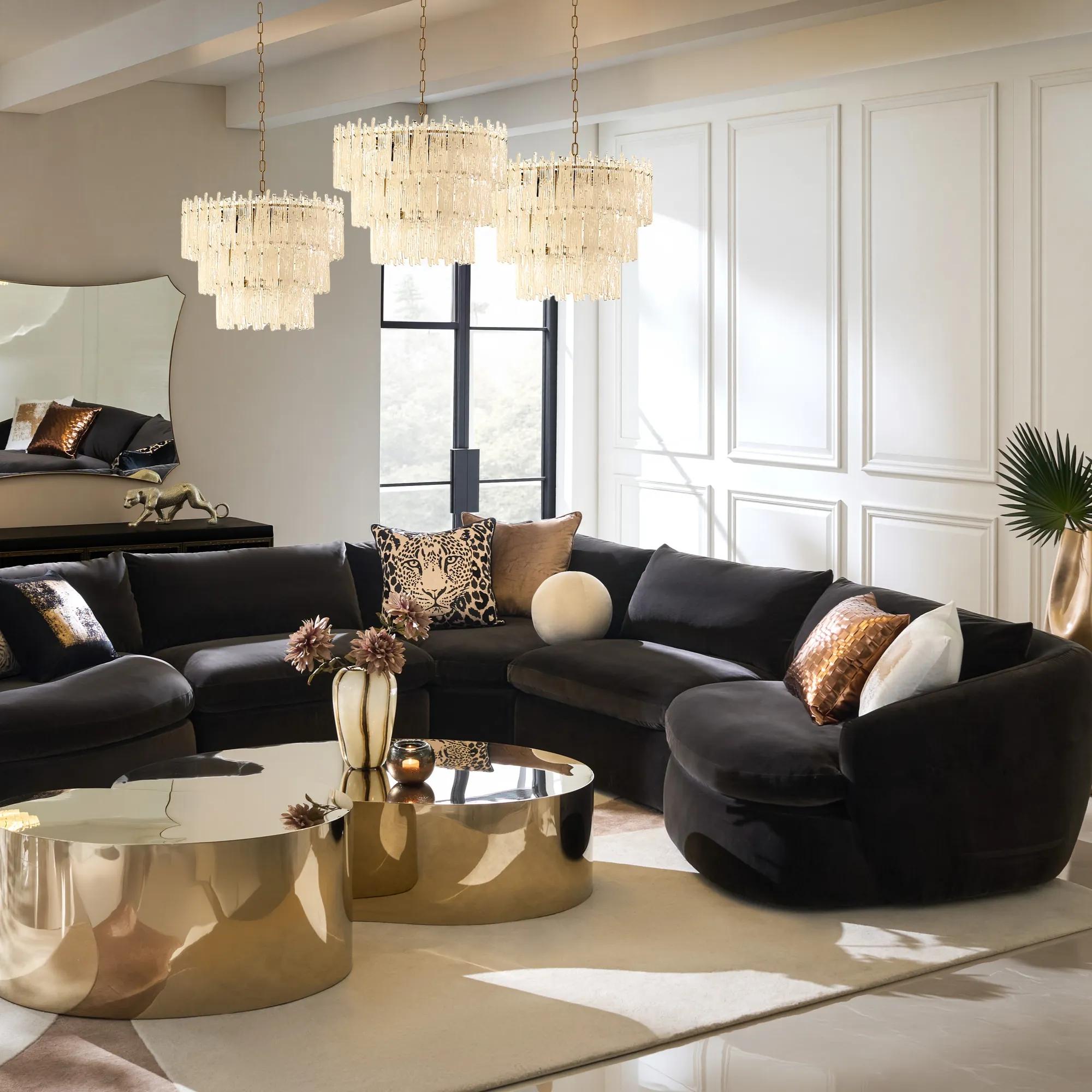 Sabrina 4-Piece Charcoal Velvet Sectional With Left-Arm Chair$4599
A modular charcoal velvet sectional with plush feather-blend cushions and a softly curved, modern silhouette.
Add To Cart -
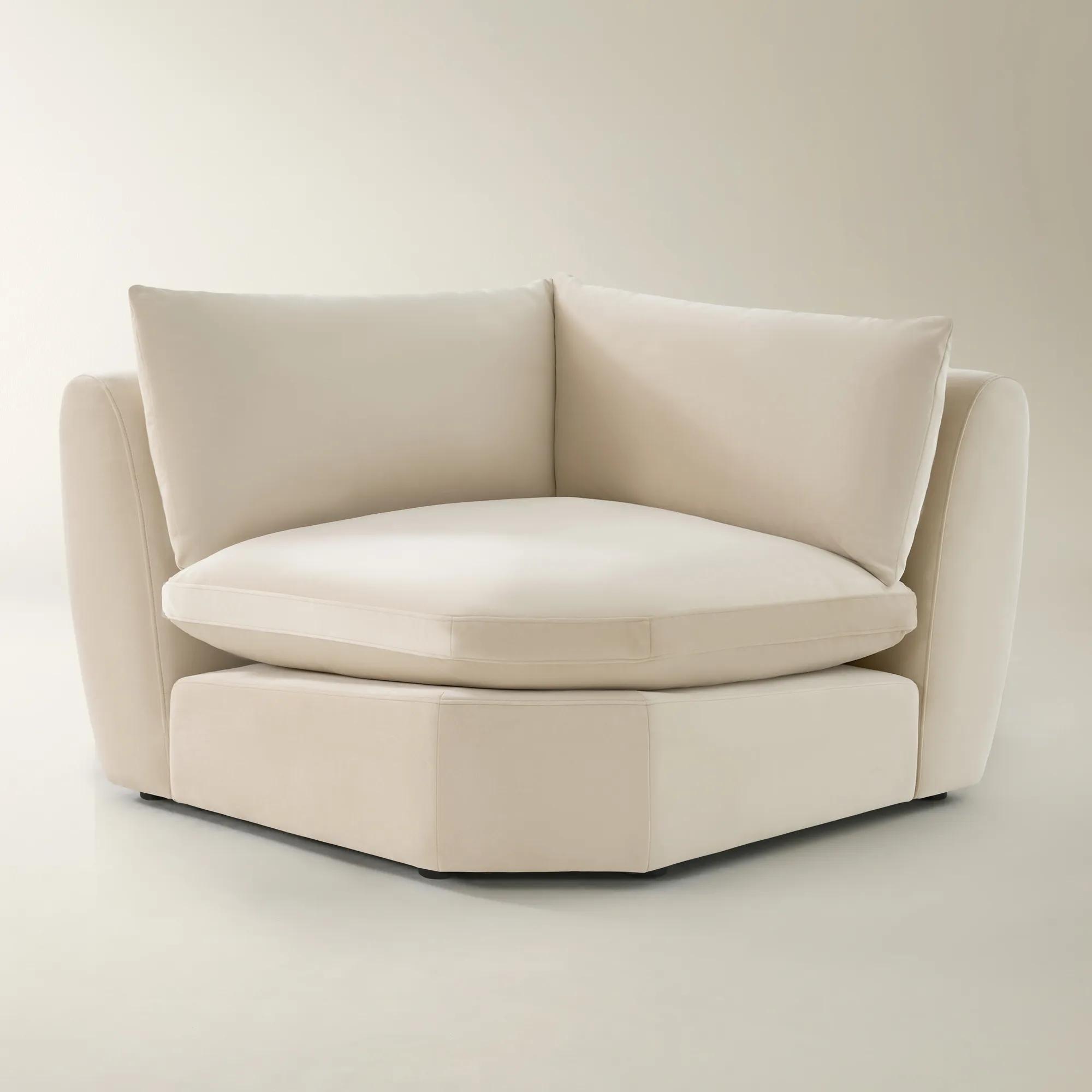
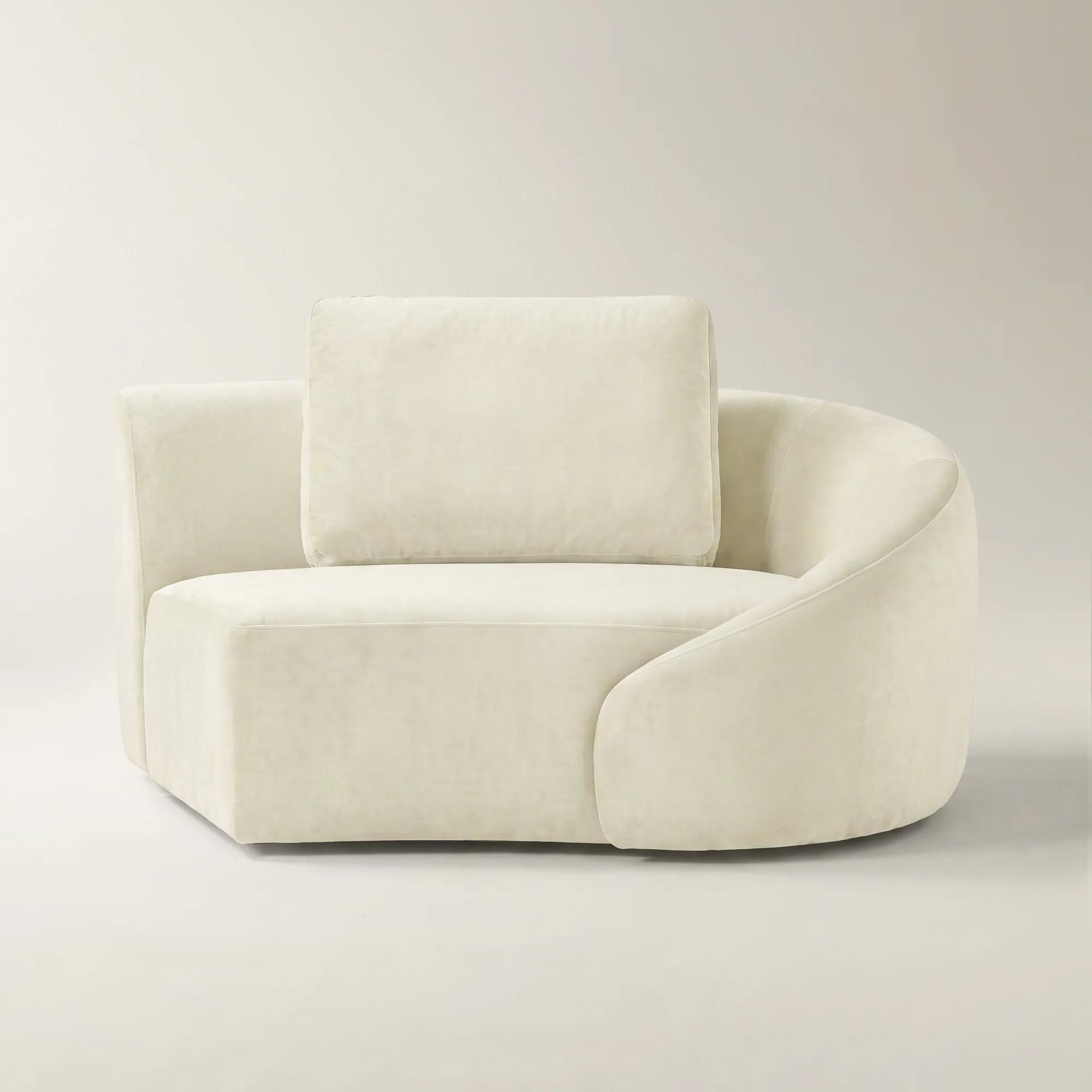
 Sabrina Oatmeal Velvet Corner Chair$1090
A modular sectional component in soft oatmeal velvet with feather-blend cushions and a sculptural curved silhouette.
Add To Cart -
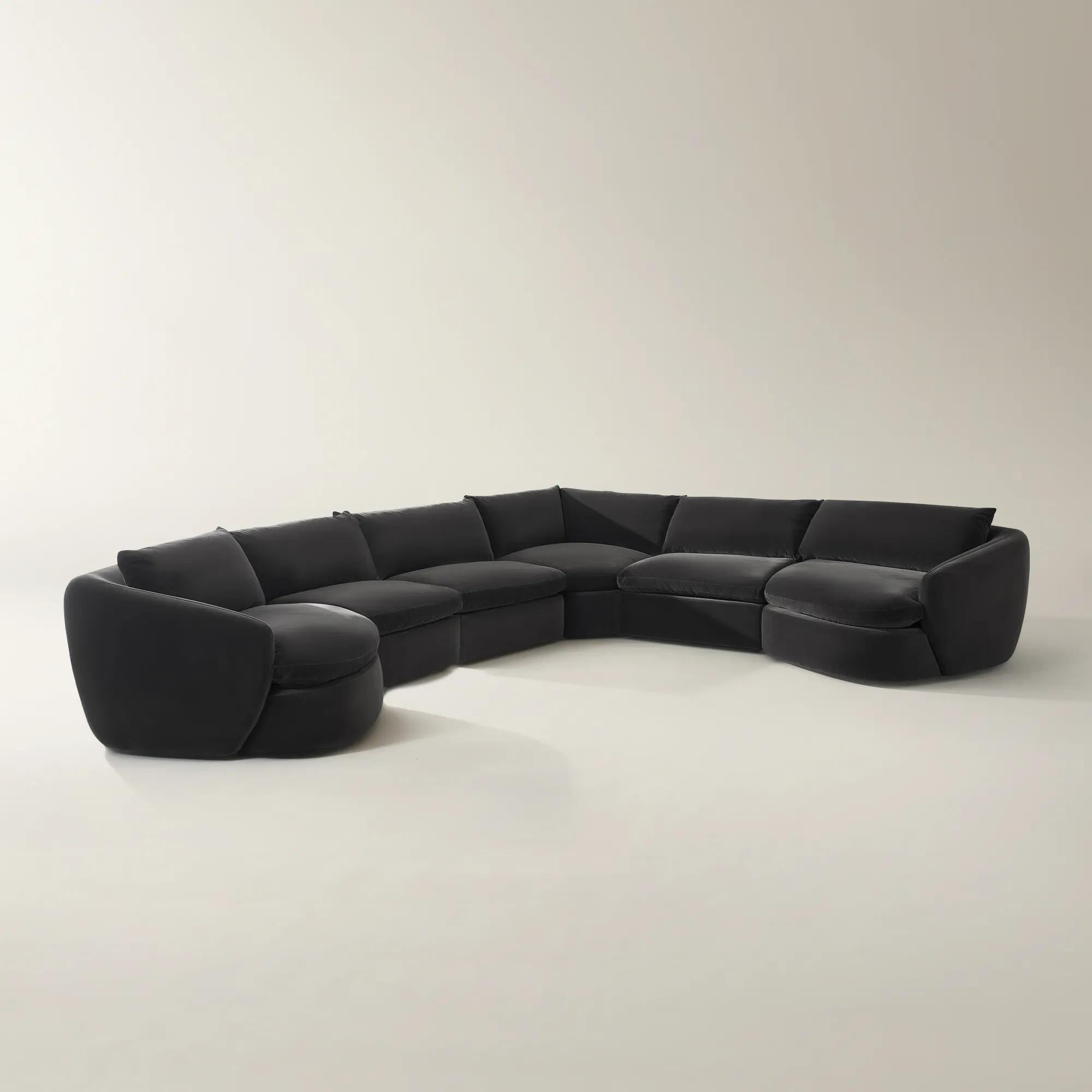 Sabrina 6-Piece Charcoal Velvet Sectional$6599
A modular L-shaped sectional in charcoal velvet with plush feather-blend cushions and a softly curved silhouette.
Add To Cart -
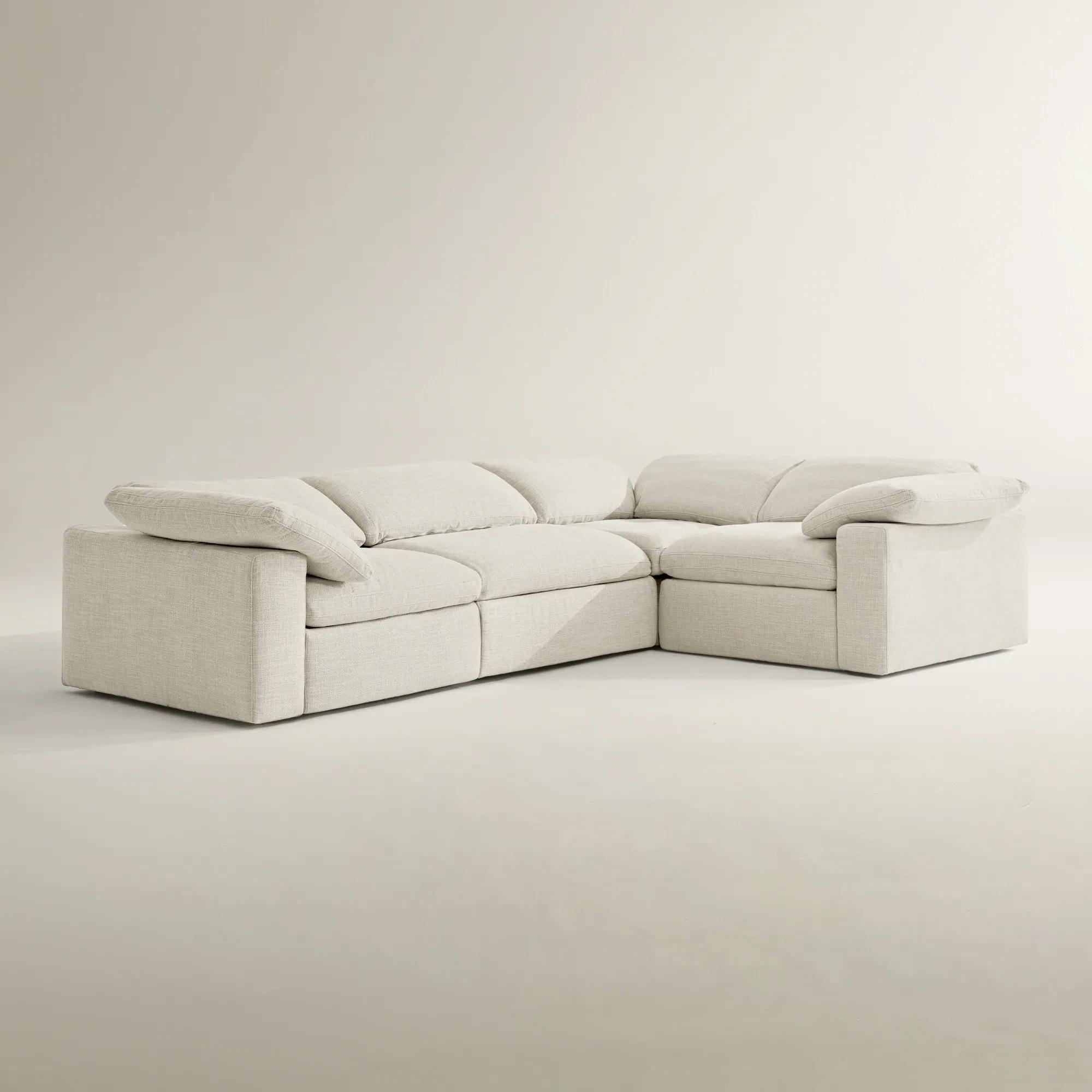 Milo 4-Piece L-Shaped Reclining Ivory Performance Fabric Sectional Sofa With Right-Arm Chair$3999
A modular sectional in beige or dove grey with plush feather cushions and power reclining footrests.
Add To Cart -
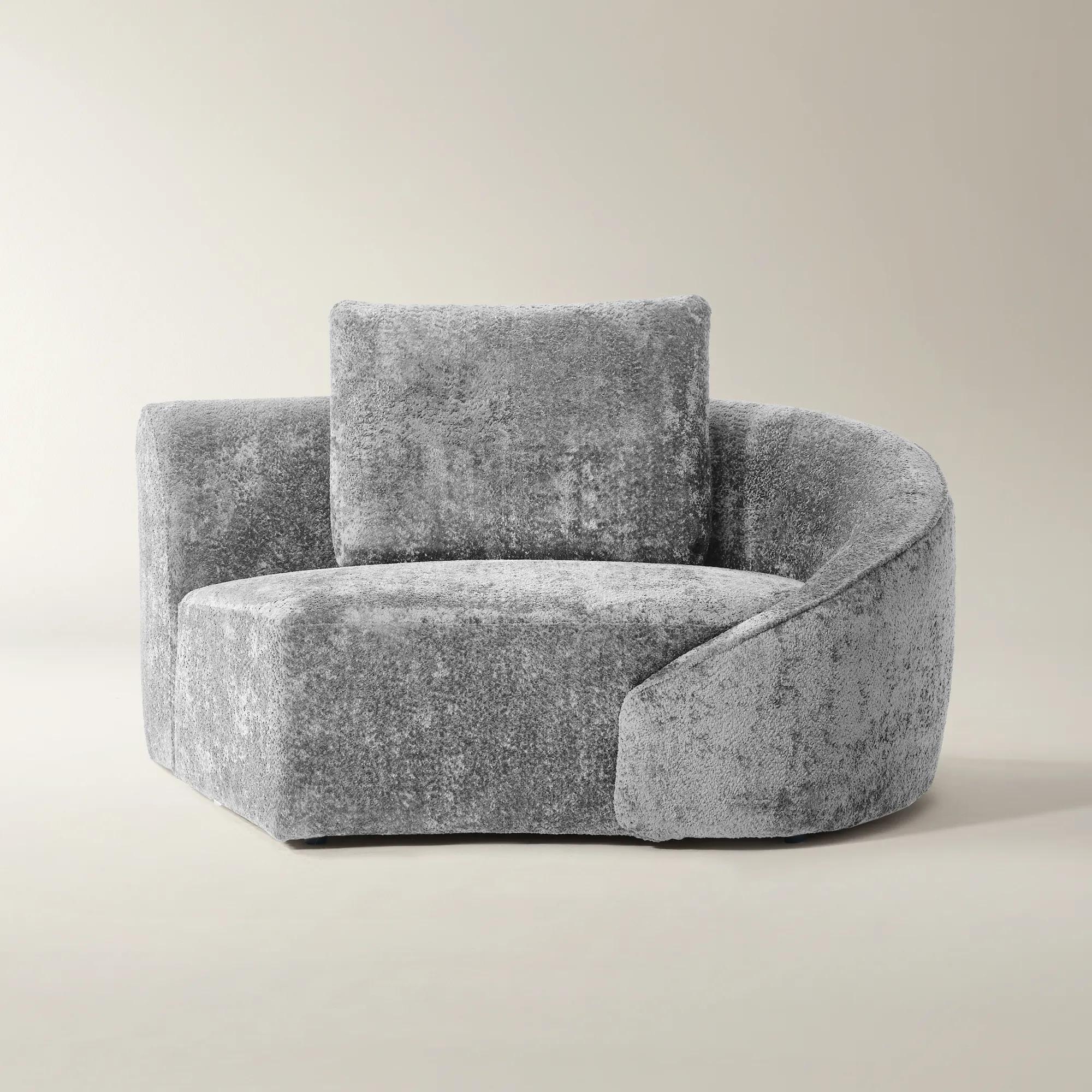 Irene Grey Chenille Right-Arm Chair$1299
A customizable seating collection featuring left arm, right arm, and armless chair components for versatile arrangements.
Add To Cart -
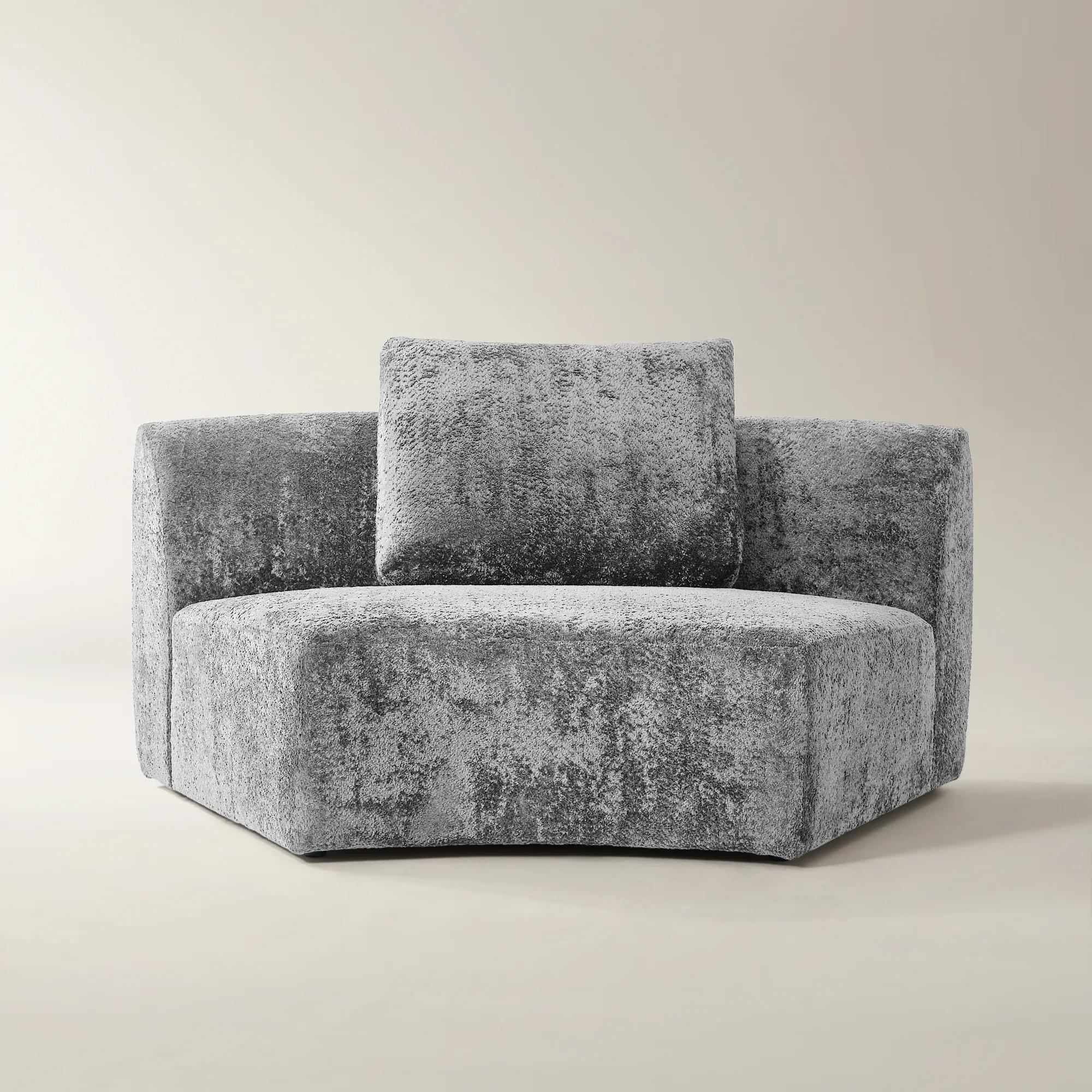 Irene Grey Chenille Armless Chair$1049
A customizable seating solution featuring left, right, and armless chair components for modern living rooms.
Add To Cart -
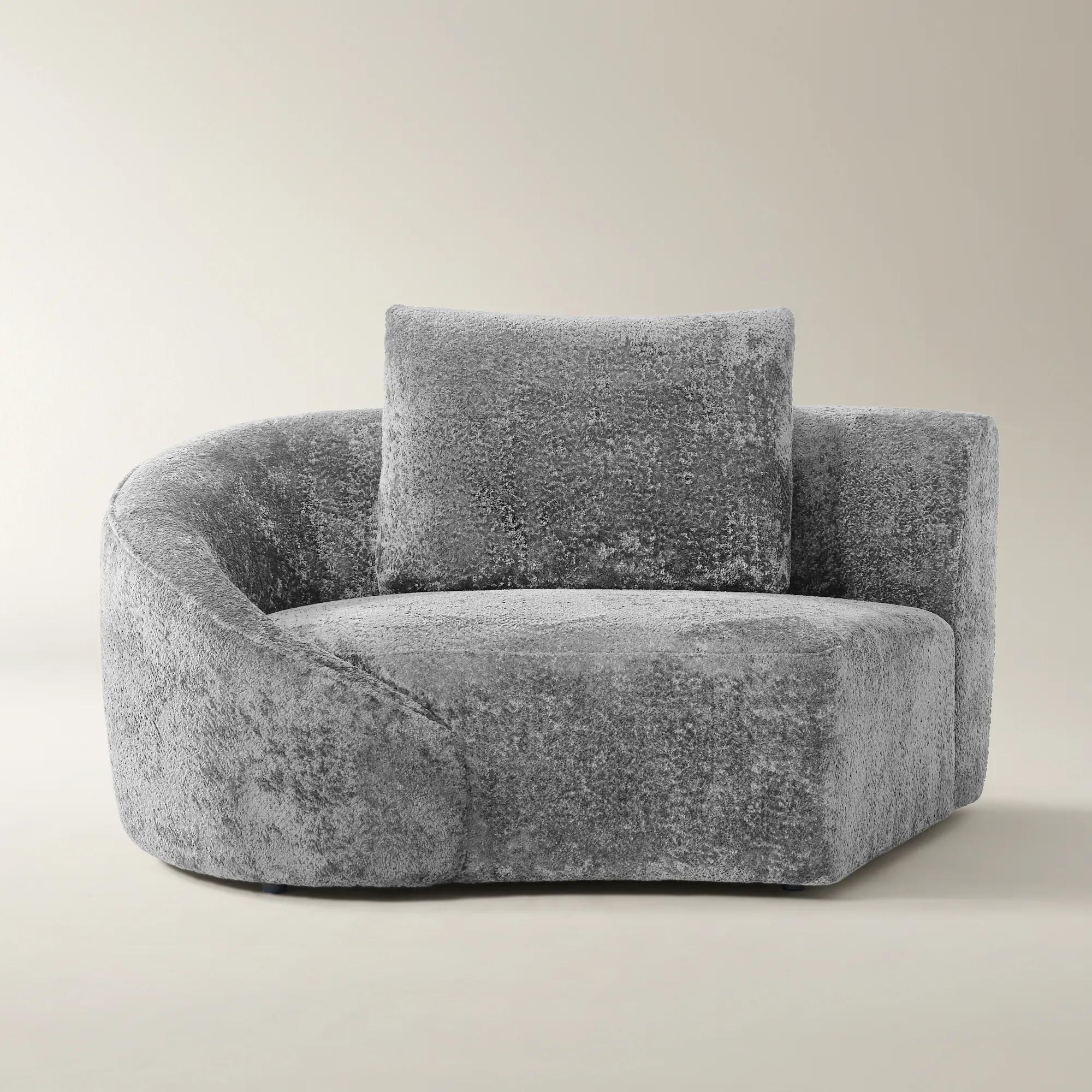 Irene Grey Chenille Left-Arm Chair$1299
A customizable seating collection featuring left arm, right arm, and armless chair components for versatile arrangements.
Add To Cart -
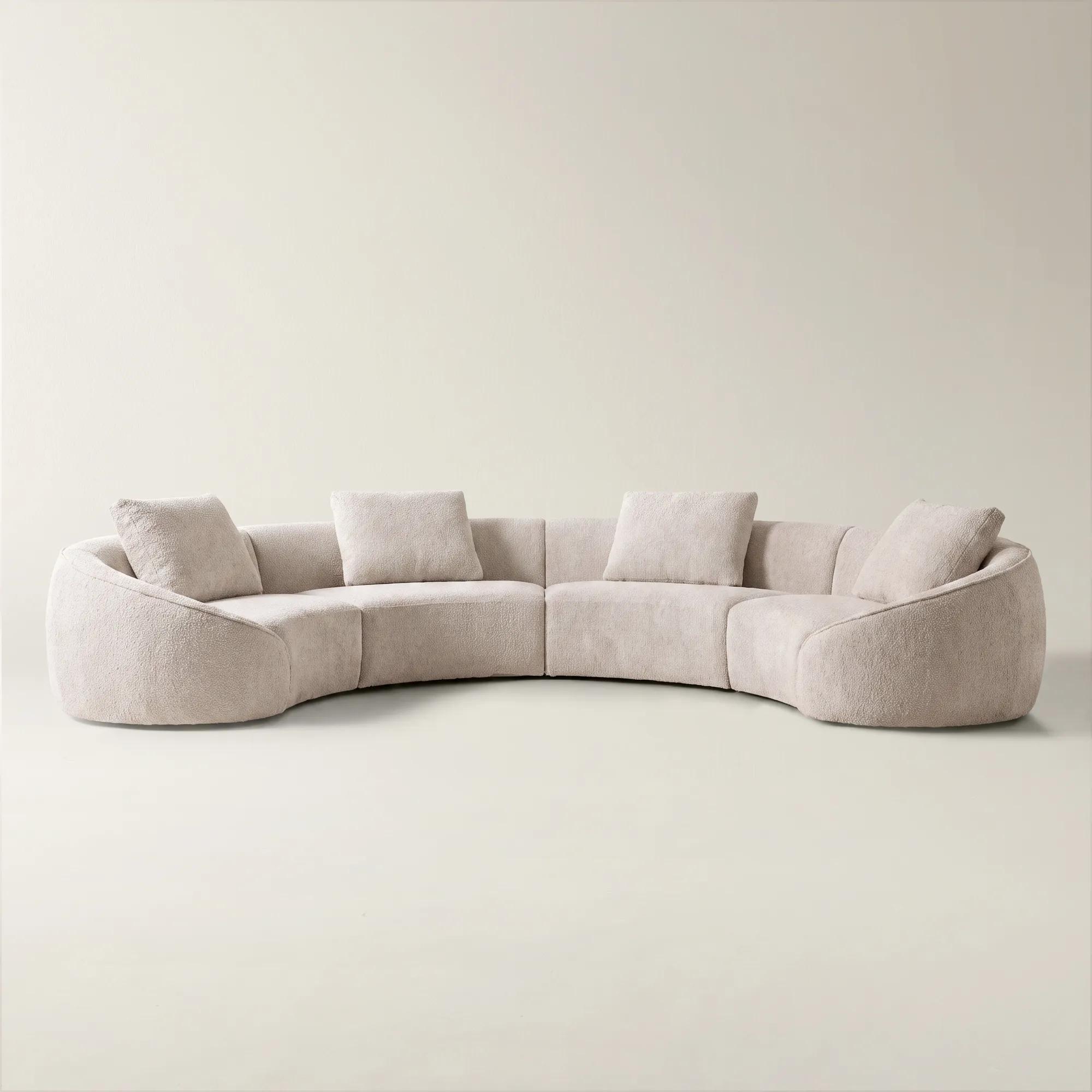 Irene 4-Piece Ivory Performance Boucle Sectional Sofa$4799
An inviting ivory performance boucle sectional featuring sculptural curves, high-resiliency foam, and artisan hand-finished upholstery.
Add To Cart -
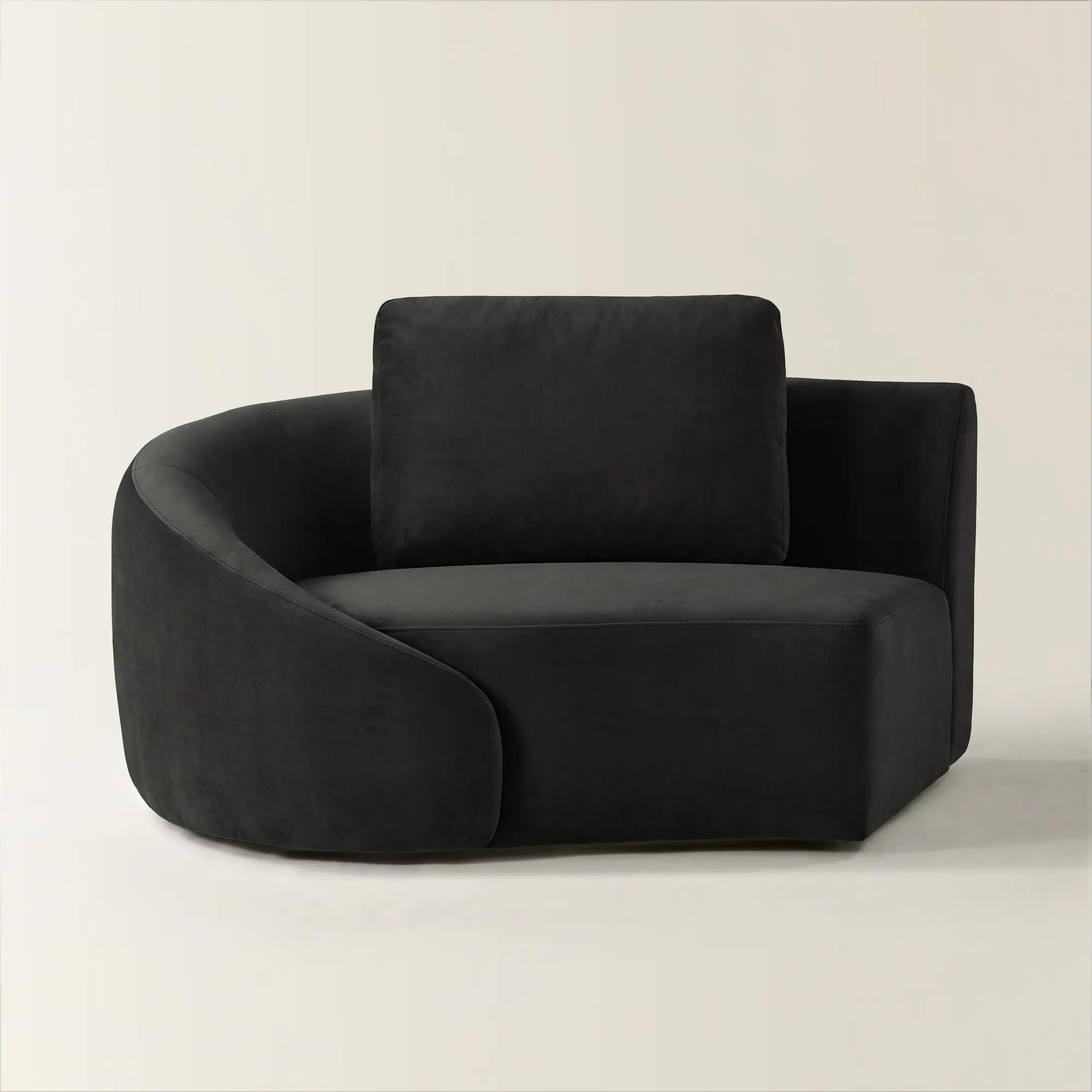
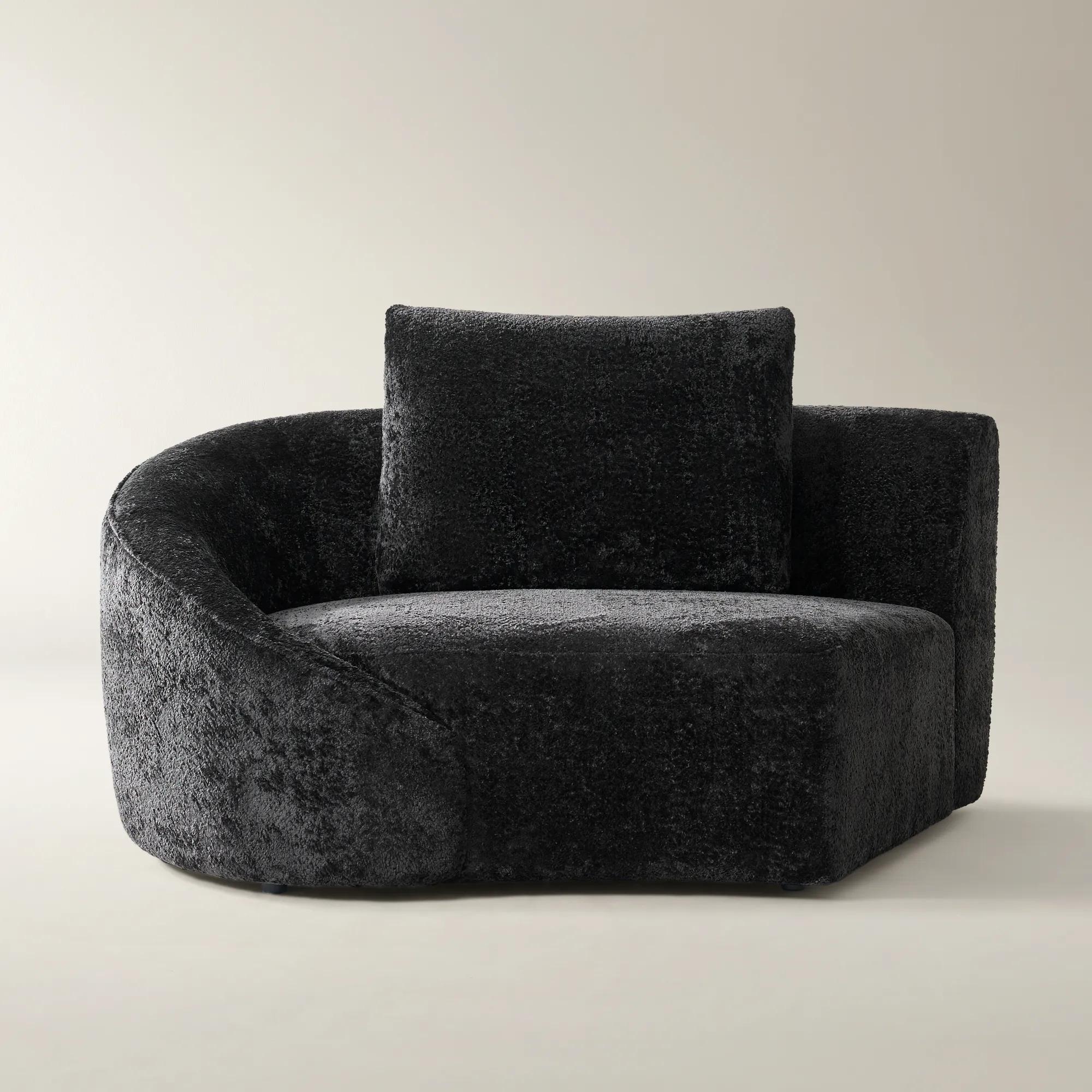 Irene Black Chenille Left-Arm Chair$1299
A customizable seating solution featuring left, right, and armless chair components for modern living rooms.
Add To Cart

Multiple Arm Style Sectionals
Multiple arm style sectionals command attention, transforming any living space into a stage for sophisticated lounging and lively gatherings alike. Each silhouette is a study in sculptural artistry, offering sweeping lines and dramatic contours that invite both conversation and relaxation. Whether you’re curating an intimate retreat or a grand entertaining haven, these sectionals set the tone with their confident presence and expressive design. Let your seating arrangement become a bold statement—where every angle inspires, and every detail delights. With multiple arm style sectionals, your home becomes a gallery of comfort and creativity, ready to reflect your most daring visions.
Multiple arm style sectionals bring a distinctive layer of expression to upholstered seating: the shape of the arm helps define both the silhouette and the way a room feels. This category encompasses sectionals offered with different arm profiles, from crisp square and track arms to generous rolled, sloped, or wide arms. Some designs allow an arm style to be selected when ordering; certain modular systems use removable or interchangeable components. Those features are not universal, so the distinction between a choice of upholstery silhouettes and a genuinely reconfigurable sectional matters. A track arm creates a tailored outline, framing plush cushions with an architectural edge. Square arms lend similar definition, while wider versions give the entire composition a more substantial presence. Rolled arms introduce graceful curves and a fuller profile, pairing beautifully with sculptural lighting or a richly textured rug. Sloped arms draw the eye from the back toward the seat, softening the outline without sacrificing its sense of structure. For a room built around precise proportions and expressive accents, Customizable Track Arm Sectionals offer a related direction to explore. Beyond appearance, arm height, width, and padding affect everyday comfort. A lower, cushioned arm may feel inviting when reclining with a pillow, while a taller arm creates a more enclosed seat at the end of the sectional. A broad arm can look sumptuous but takes up floor space that might otherwise contribute to seating; a narrow arm can preserve a generous sitting area within a smaller overall footprint. The most compelling choice balances that visual gesture with how the sectional will be used, whether it anchors lively conversation, frames a quiet reading corner, or gives a household room to stretch out together. Arm shape is more than a finishing detail. It establishes the boundary between the sectional and the room, influencing whether that boundary feels crisp and composed, softly enveloping, or deliberately grand.
Scale gives that silhouette its purpose. An L-shaped sectional can define a living area within an open floor plan, while a U-shaped arrangement creates an expansive setting for conversation, with seats facing toward a shared center. A chaise extends the lounging surface without adding another full row of backs, making it especially appealing for reading, watching a film, or reclining beside someone seated upright. Modular construction can offer additional layout flexibility, but not every sectional is modular, and not every modular component works in every position. Confirm which pieces connect, whether the chaise is reversible, and whether arm components are fixed, removable, or interchangeable within the same system. Left-facing and right-facing descriptions also deserve attention: check the layout diagram and the stated viewing orientation rather than relying on the name alone. In a room with an adjacent dining area, a sectional’s outer arm may sit beside a frequently used walkway; a slimmer profile can help keep that passage comfortable. In a broad living room, a wider arm can lend the seating arrangement enough visual weight to hold its own against tall windows or a large-scale artwork. Measure the complete footprint, including projecting arms, chaise depth, and any reclining clearance where applicable. Painter’s tape on the floor makes those dimensions tangible, revealing whether a coffee table, side table, and walking routes can coexist without crowding. Doorways, elevators, stair turns, and the dimensions of individual delivered sections are equally important. Inside the seating area, seat height and depth shape the experience as much as the overall size. Deep cushions encourage a relaxed posture, while a shallower seat may better suit someone who prefers to sit upright with feet supported. Households that entertain often may value several distinct sitting positions; those who lounge together may favor a longer uninterrupted stretch. A thoughtfully proportioned sectional accommodates those habits while allowing the surrounding furniture, art, and lighting to retain their own presence.
Upholstery brings the final dimension of drama, turning an arm profile into something tactile and personal. Velvet gives angular forms a luminous softness, with a pile that catches light differently across the seat, back, and arms. Chenille can create a plush, richly textured surface, while woven fabrics offer anything from a fine, tailored finish to a more pronounced interplay of yarns. Leather, where offered, gives sculptural arms a distinctive surface whose appearance and care needs depend on the type and finish. Material names alone do not establish durability: fiber content, weave, backing, finish, and construction all influence how upholstery responds to daily use. Performance fabrics may offer particular stain-resistance or cleaning benefits, but those claims should be checked against the fabric specifications; performance does not mean impervious to spills, abrasion, or pet claws. Requesting a swatch when possible helps reveal texture, undertone, and the way a fabric looks beside existing flooring and drapery. On a wide arm, a lustrous textile creates a striking expanse of color; on a slender track arm, a closely woven fabric can emphasize the precision of the outline. Beneath the upholstery, frame construction, suspension, cushion fill, and secure sectional connectors help determine support and long-term stability. Firmer cushions tend to preserve a more composed appearance, while softer fills may need regular fluffing to maintain their loft. Care should follow the upholstery’s cleaning code and the manufacturer’s instructions, including whether removable covers are actually washable. Vacuuming with an appropriate upholstery attachment helps remove loose dust before it settles into textured surfaces, and prompt blotting rather than rubbing can limit the spread of a spill. Arms deserve particular attention because they frequently contact hands, sleeves, and the occasional leaning shoulder. Rotating or flipping cushions, only where their construction permits, can help distribute wear. Avoid treating upholstered arms as extra seats unless the design specifically supports that use. With the right balance of expressive shape, considered construction, and manageable care, a multiple arm style sectional becomes a lasting foundation for the room’s personality: substantial enough to anchor the setting, comfortable enough for daily rituals, and distinctive enough to make the entire composition feel intentional.
FAQs
Multiple arm style sectionals offer a curated blend of form and function, featuring a variety of arm silhouettes—from sleek track arms to classic rolled arms. Unlike traditional sofas, these sectionals are designed to anchor a space with sculptural presence while providing tailored comfort. The diverse arm styles allow for greater personalization, letting you create a seating arrangement that reflects both your aesthetic and the way you live.
The arm style is a defining element that shapes the sectional’s personality. Track arms lend a modern, architectural edge, making a space feel open and contemporary. Rolled or sloped arms evoke classic elegance and a sense of welcoming softness. Shelter or pillow arms introduce a cozy, enveloping vibe. Each style not only influences the visual atmosphere but also affects how you interact with the piece, whether you’re leaning in for conversation or lounging with a good book.
Absolutely. The versatility of multiple arm style sectionals makes them a striking choice for both formal living rooms and relaxed family spaces. Choose a sectional with refined details and luxe upholstery for a sophisticated setting, or opt for plush fabrics and modular configurations to create a laid-back, inviting retreat. Their adaptability ensures that, regardless of your decor, the sectional becomes a seamless extension of your lifestyle.
Styling a sectional for the season is all about layering and texture. In winter, drape sumptuous throws and velvet pillows over the arms to create a cocoon of warmth and glamour. As spring arrives, swap in lighter textiles and metallic accents to refresh the look. The arm style provides a perfect stage for decorative touches—wide arms can display art books or trays, while rolled arms enhance the plushness of layered cushions.
A multiple arm style sectional makes an extraordinary gift for new homeowners, newlyweds, or anyone embarking on a new chapter in life. It’s a thoughtful gesture for those who value both comfort and artistry in their living space. Whether it’s for a family that loves to entertain or a design enthusiast eager to make a statement, this type of sectional is a gift that transforms a house into a home.