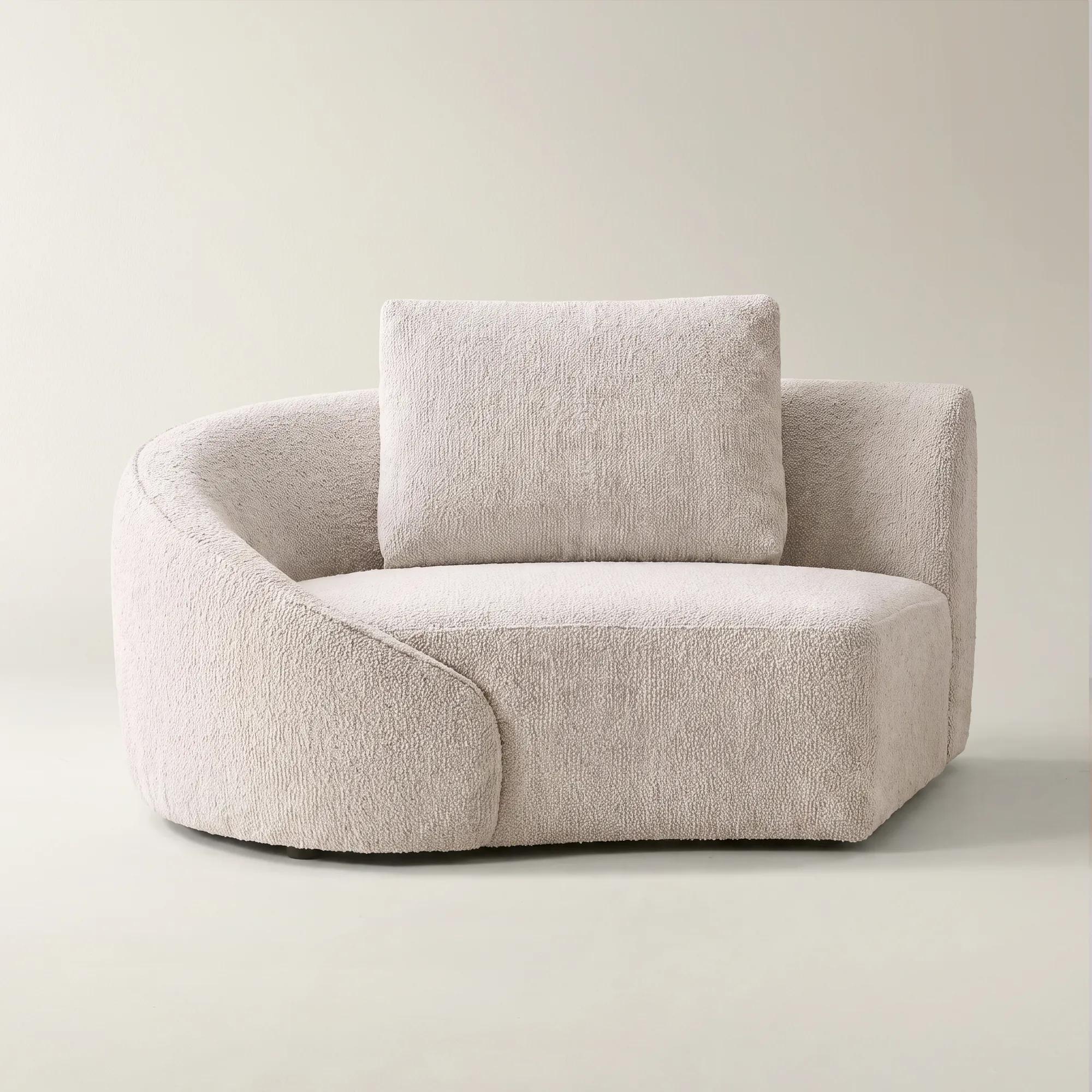
Moody Velvet Sectionals For Winter Living Room Styling
Moody Velvet Sectionals For Winter Living Room Styling
-
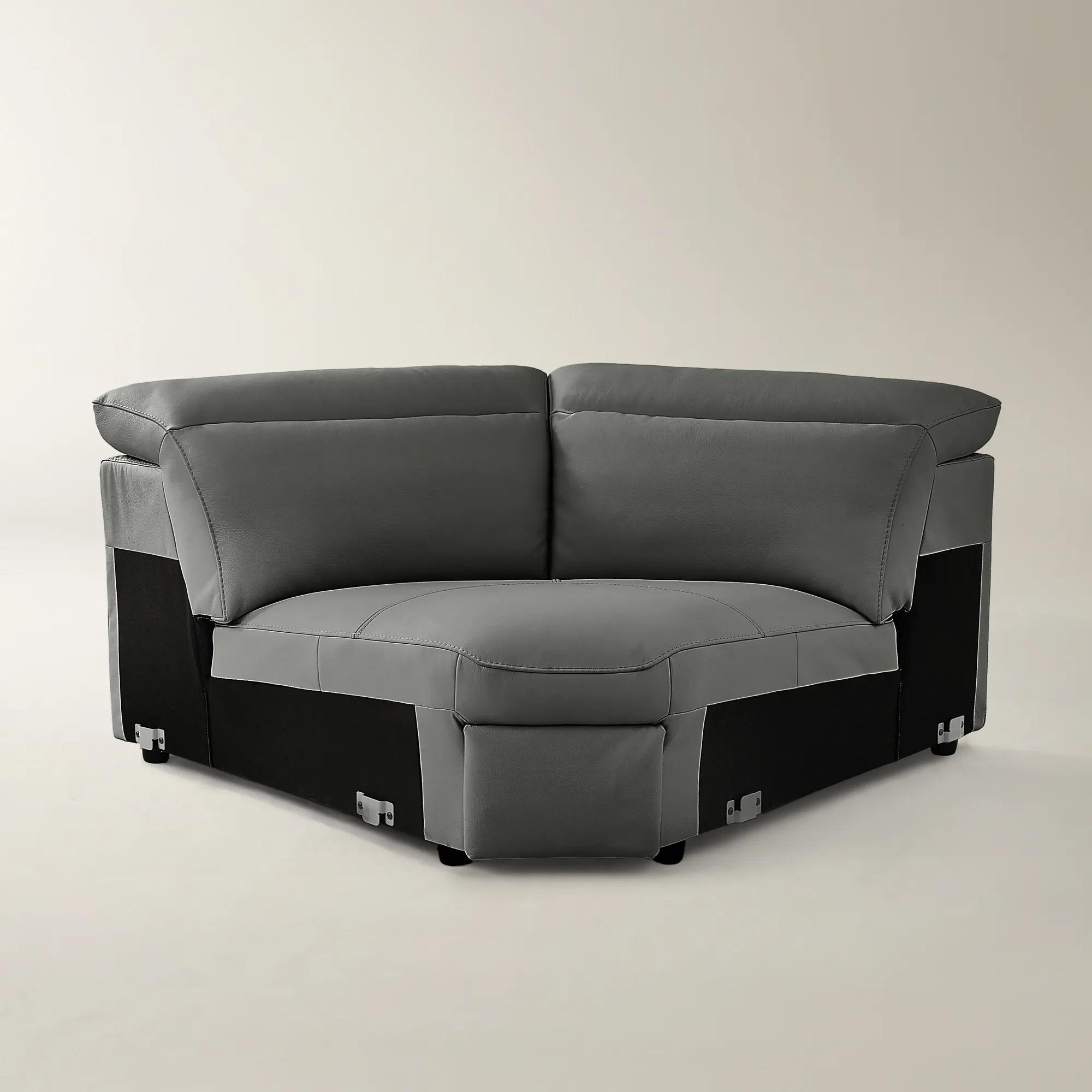
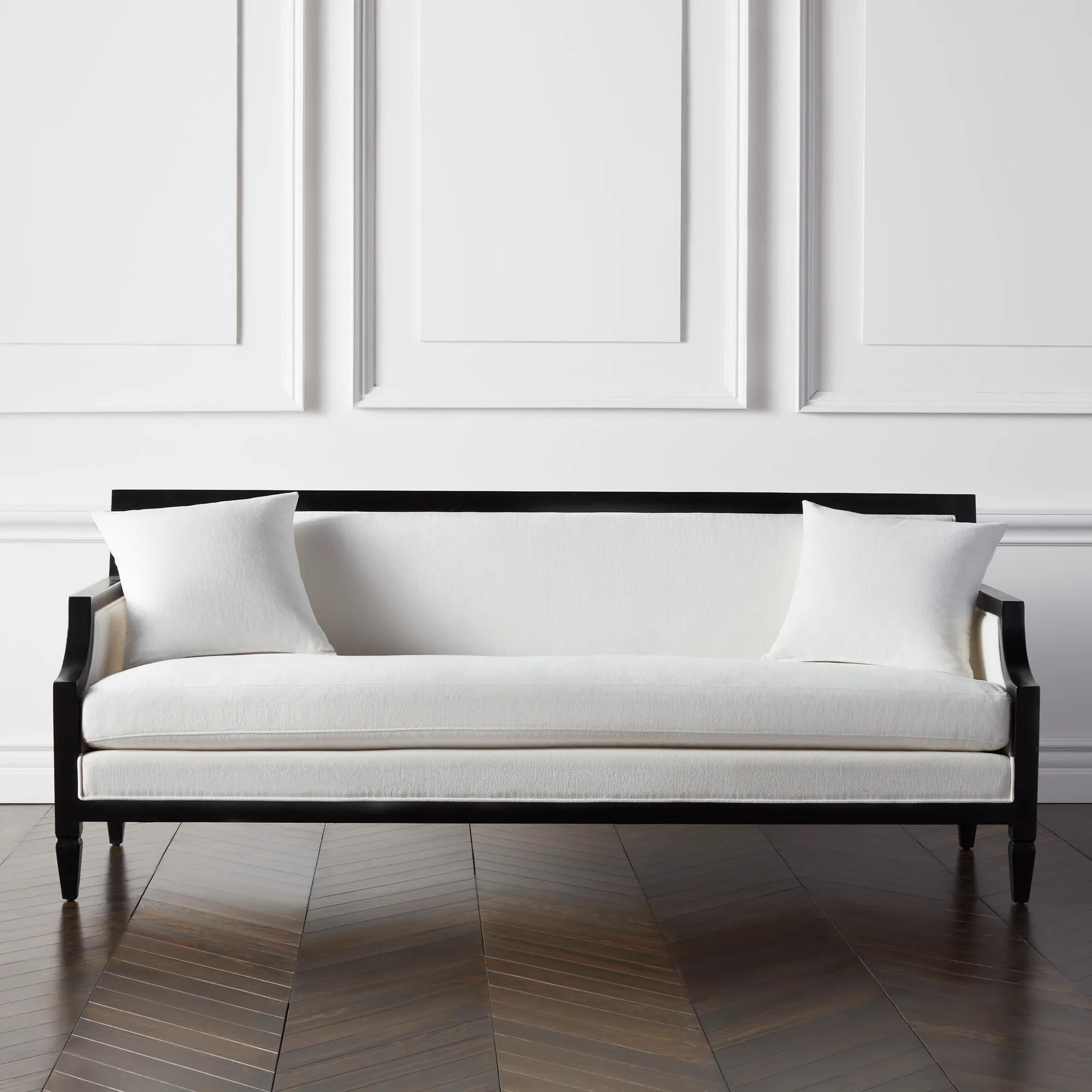
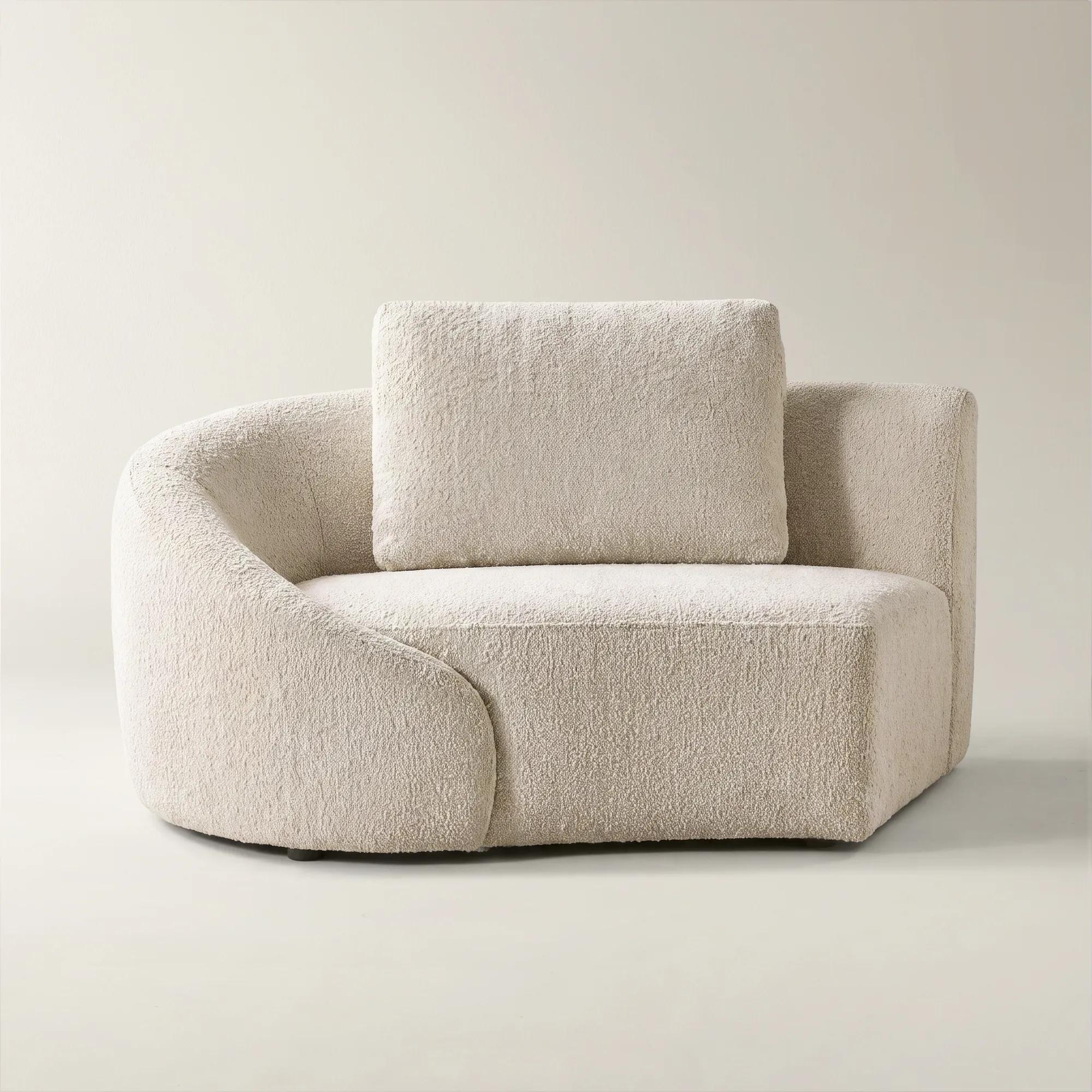
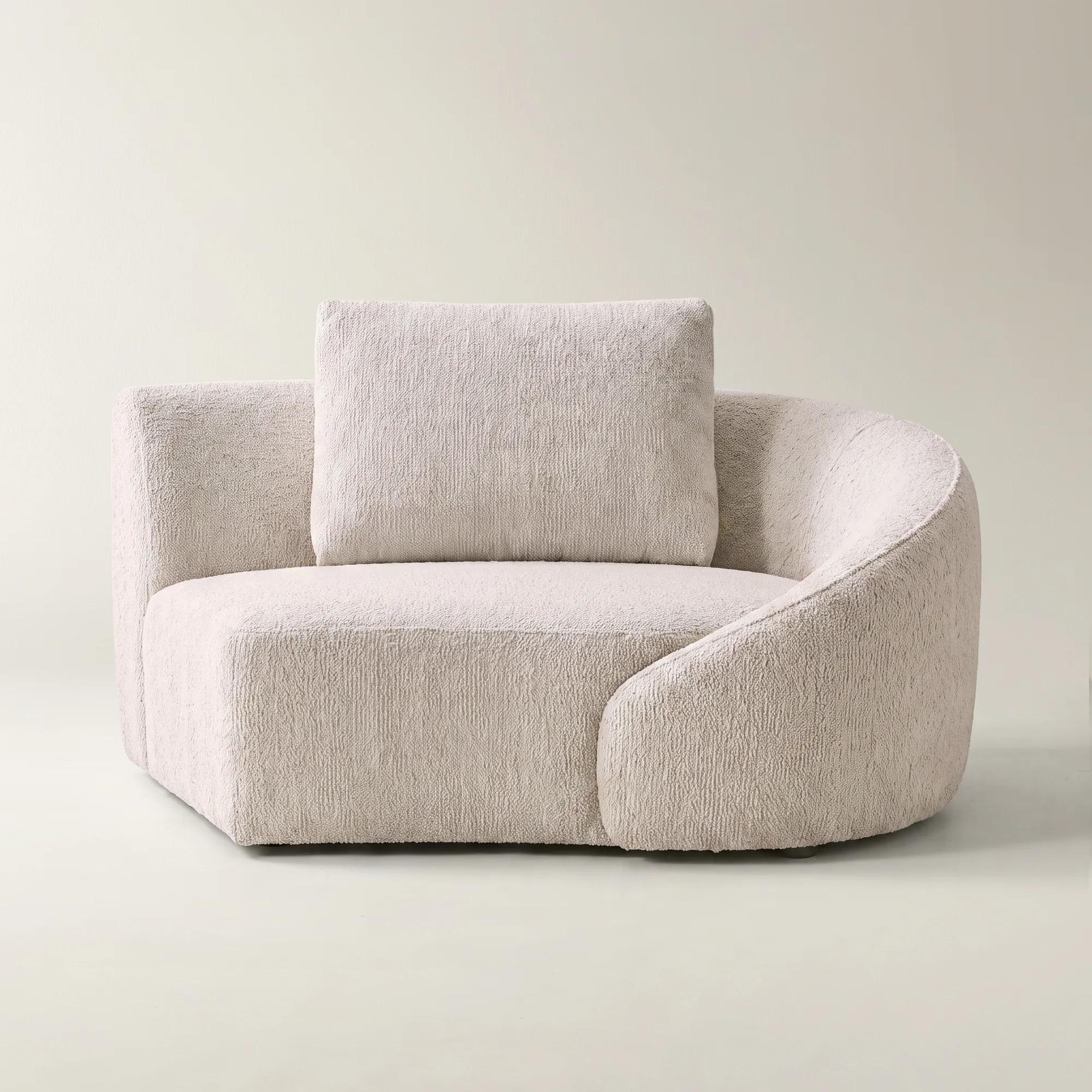
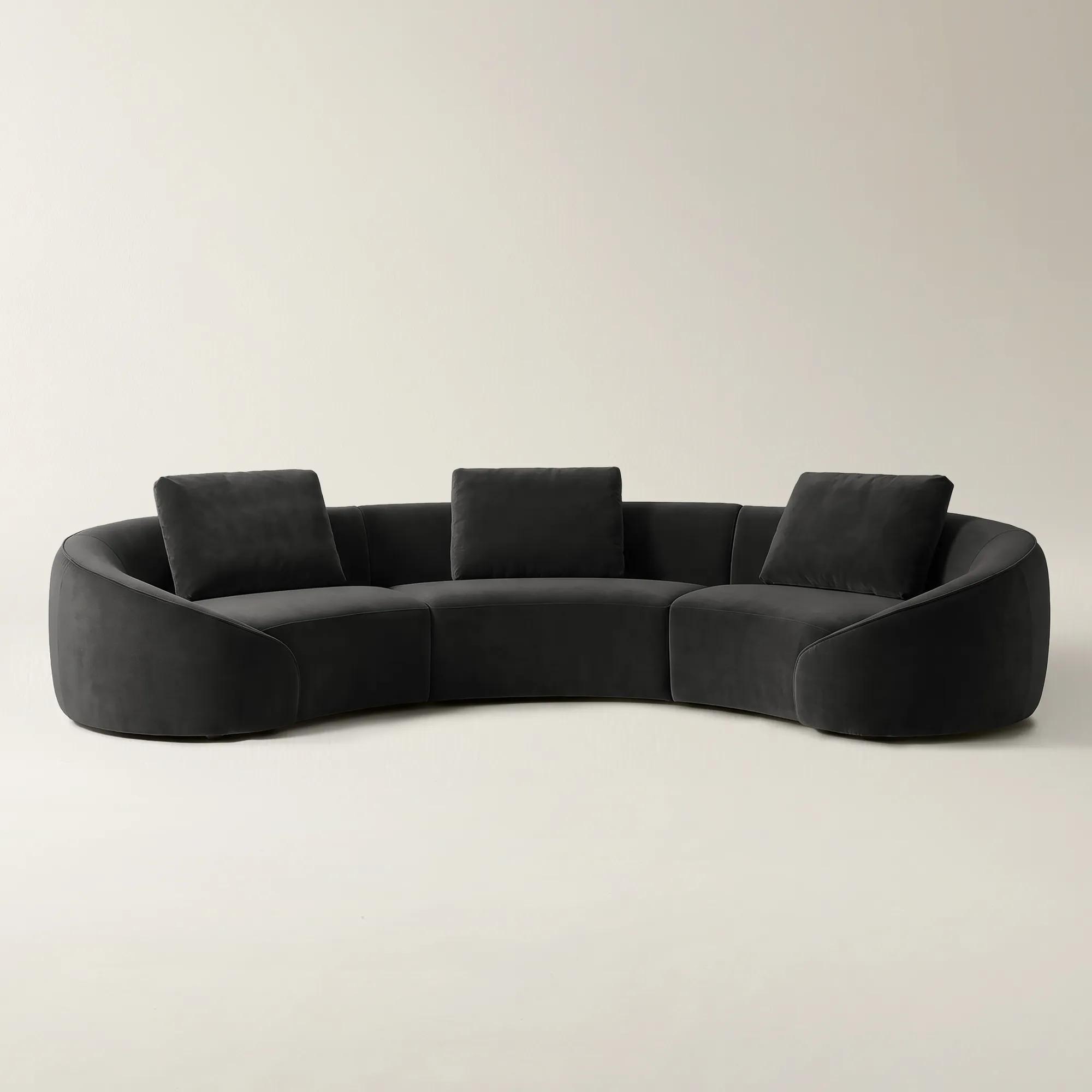 Irene 3-Piece Charcoal Velvet Sectional Sofa$3899
A sculptural charcoal velvet sectional featuring high-resiliency foam cushions and hand-finished artisan upholstery.
Add To Cart -
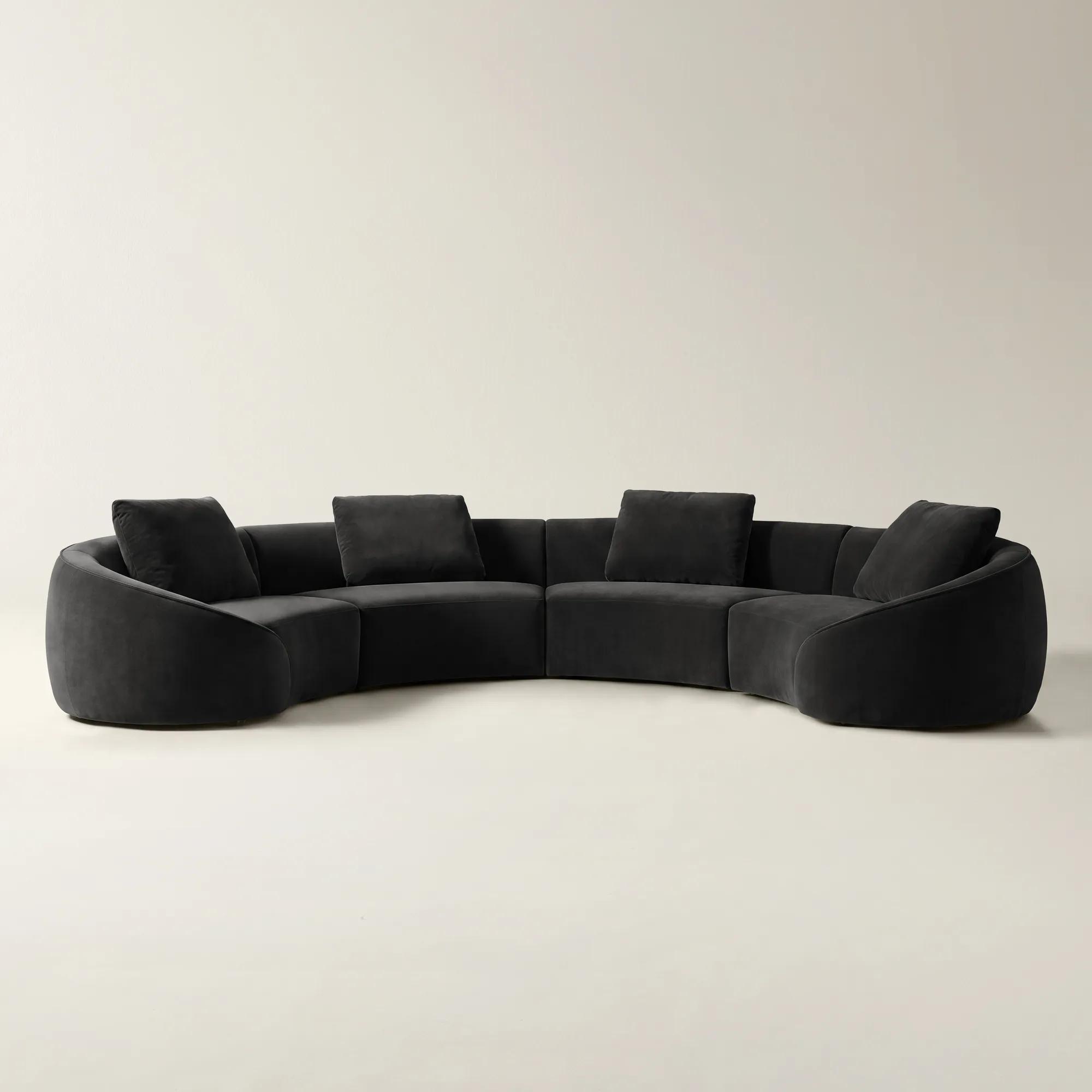
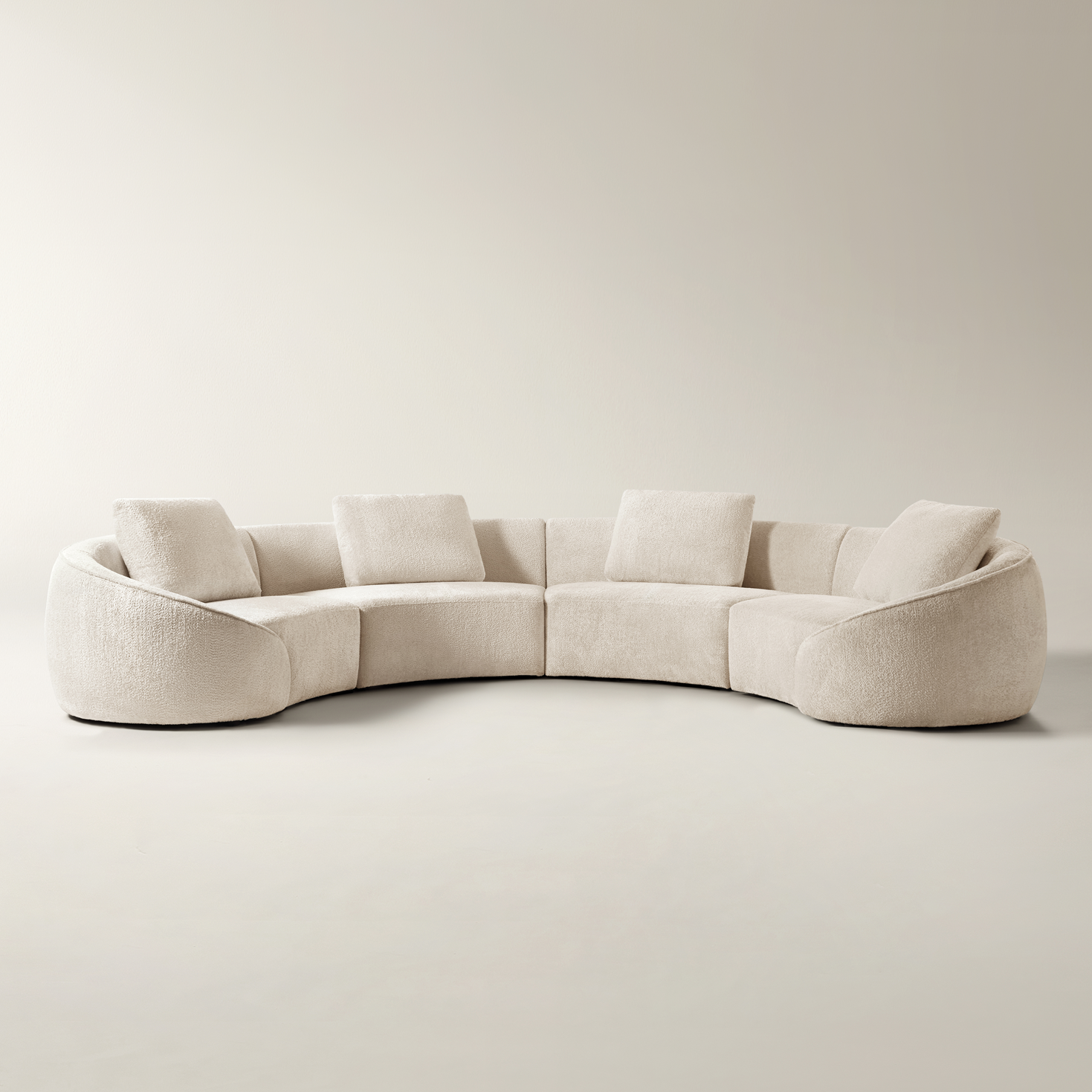 Irene 4-Piece Charcoal Velvet Sectional Sofa$4999
A sculptural charcoal velvet sectional with high-resiliency foam cushions and hand-finished artisan upholstery.
Add To Cart -
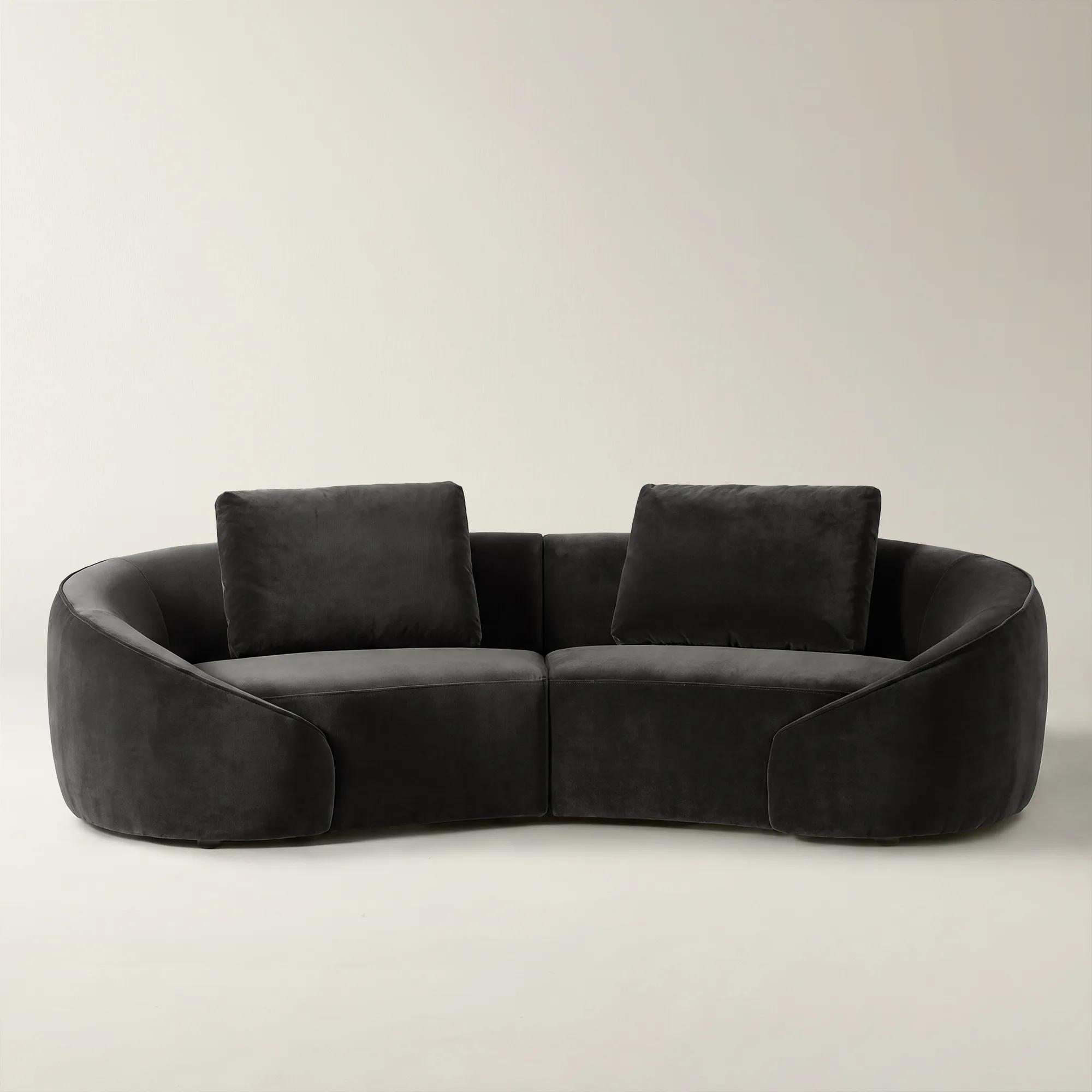
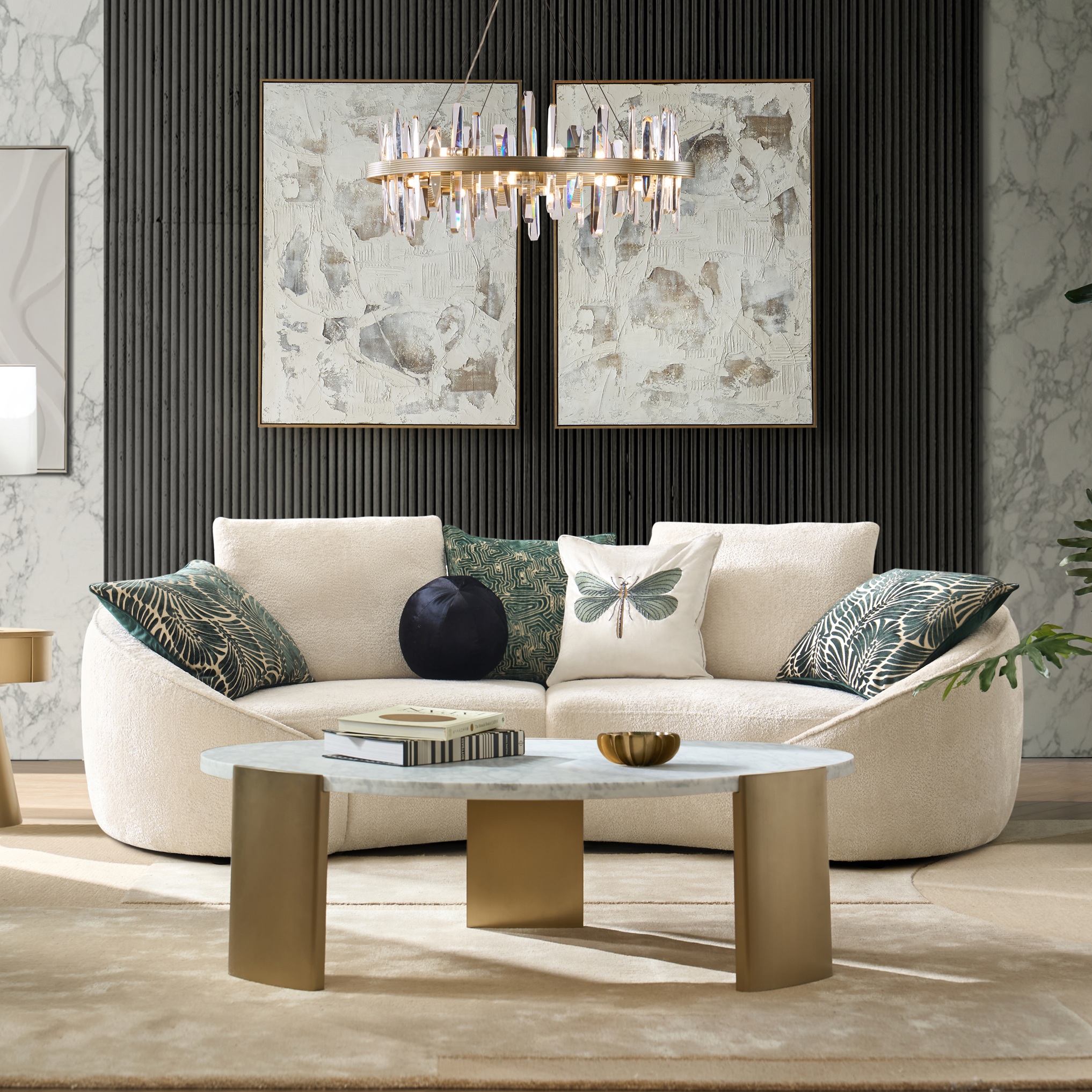 Irene 2-Piece Charcoal Velvet Sectional Sofa$2699
A sculptural charcoal velvet sectional with high-resiliency foam cushions and artisan hand-finished upholstery.
Add To Cart -
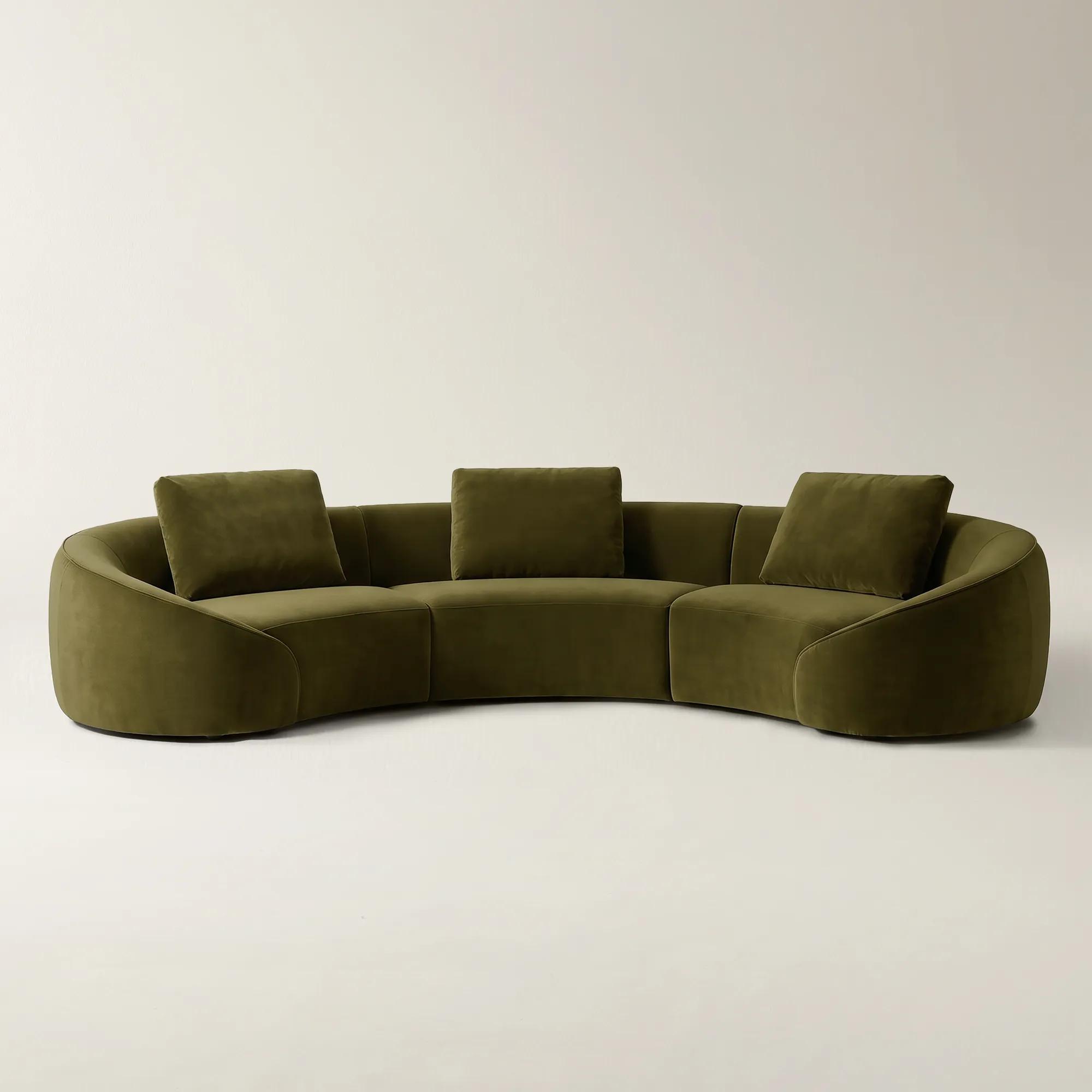
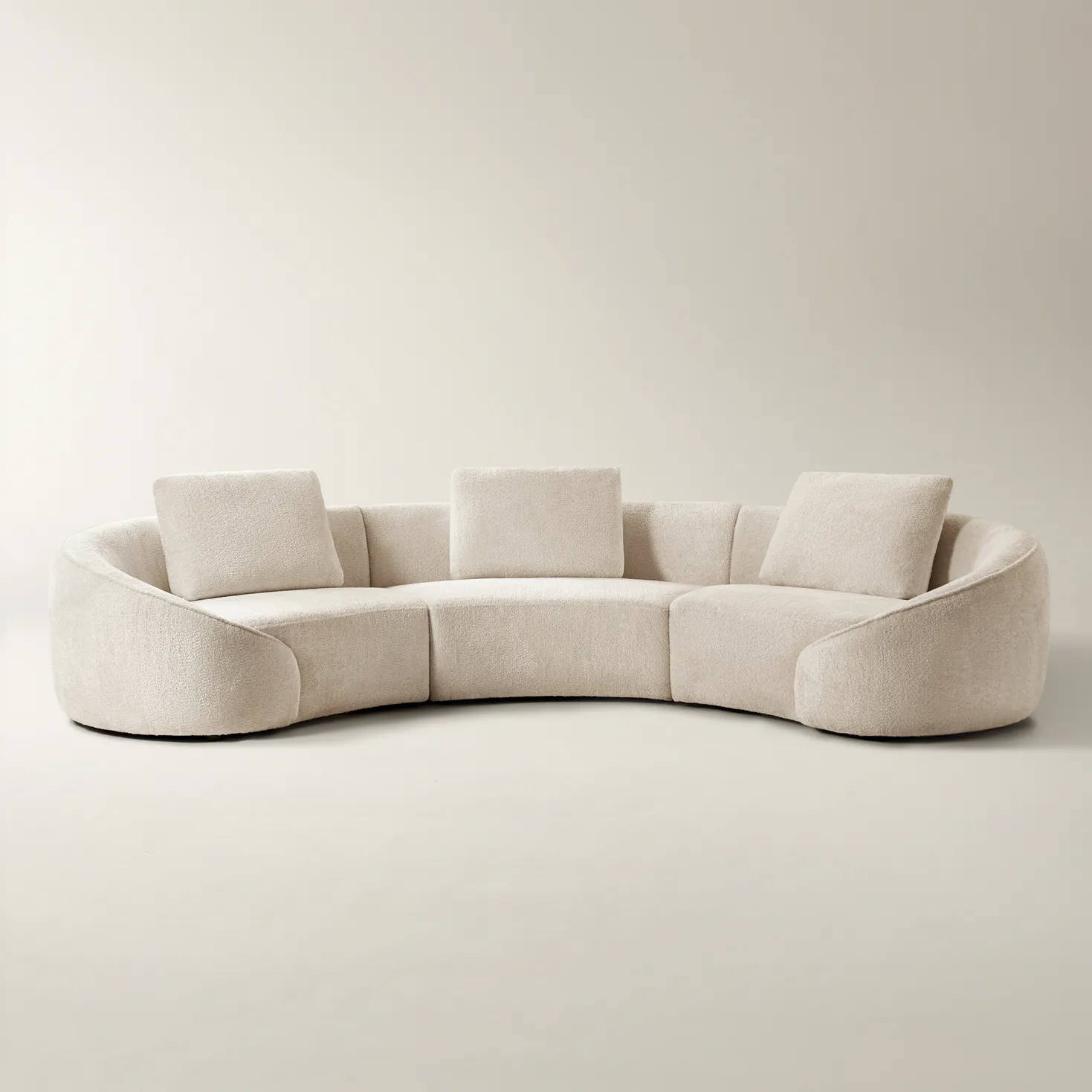 Irene 3-Piece Deep Olive Velvet Sectional Sofa$3899
A sculptural deep olive velvet sectional featuring high-resiliency foam cushions and hand-finished artisan detailing.
Add To Cart -
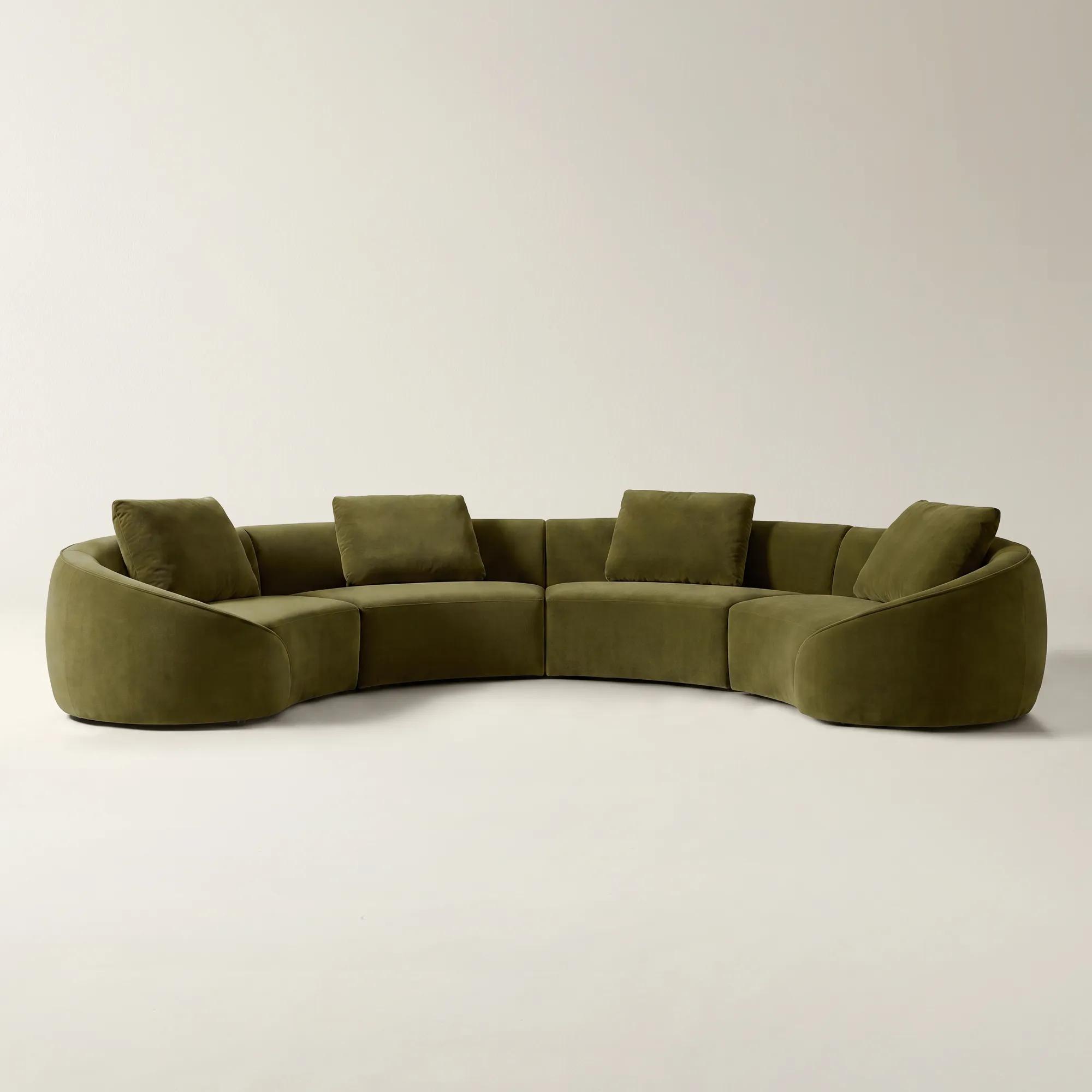 Irene 4-Piece Deep Olive Velvet Sectional Sofa$4999
A sculptural sectional in deep olive velvet with high-resiliency foam cushions and hand-finished upholstery.
Add To Cart -
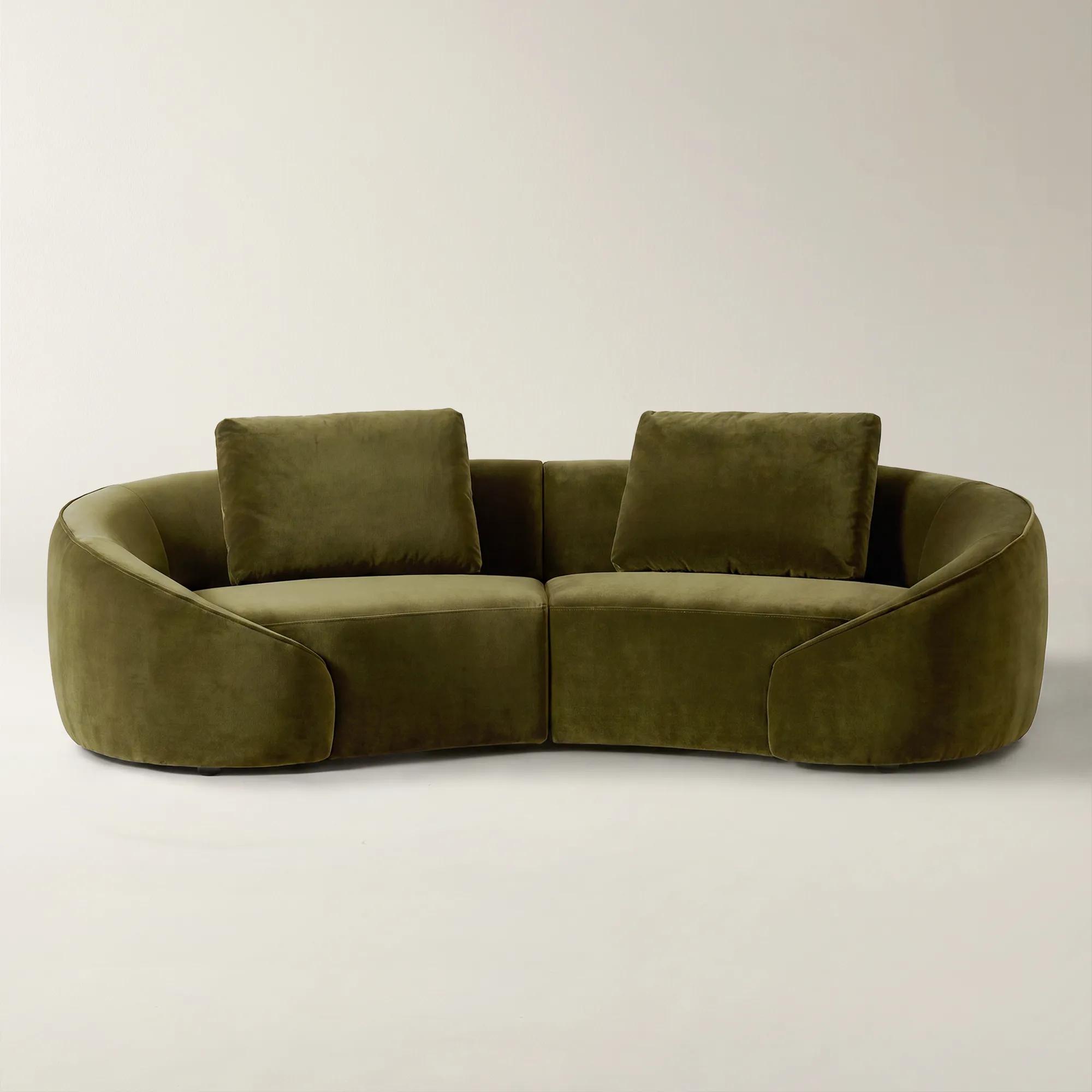
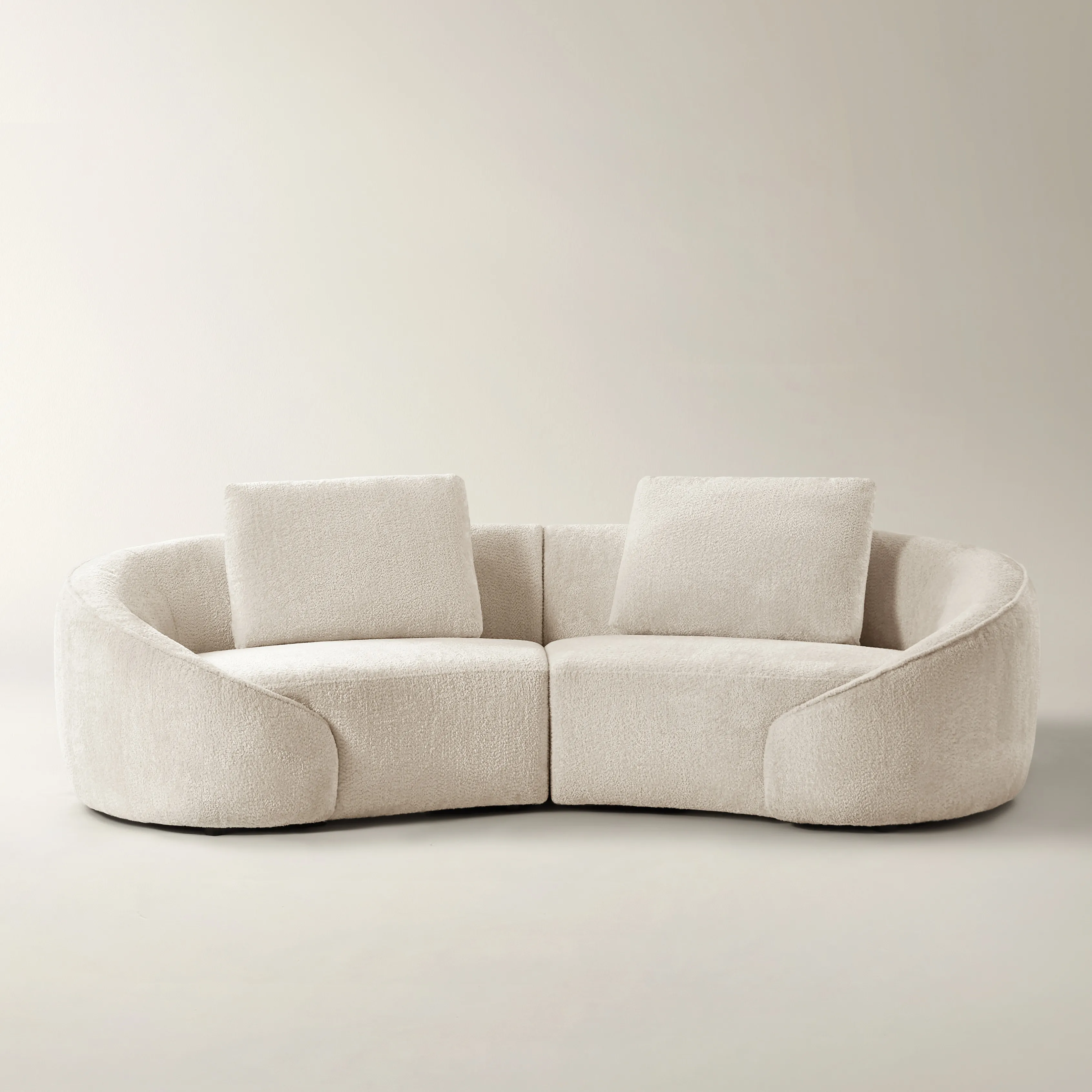 Irene 2-Piece Deep Olive Velvet Sectional Sofa$2699
A sculptural deep olive velvet sectional featuring high-resiliency foam cushions and artisan hand-finished upholstery.
Add To Cart -
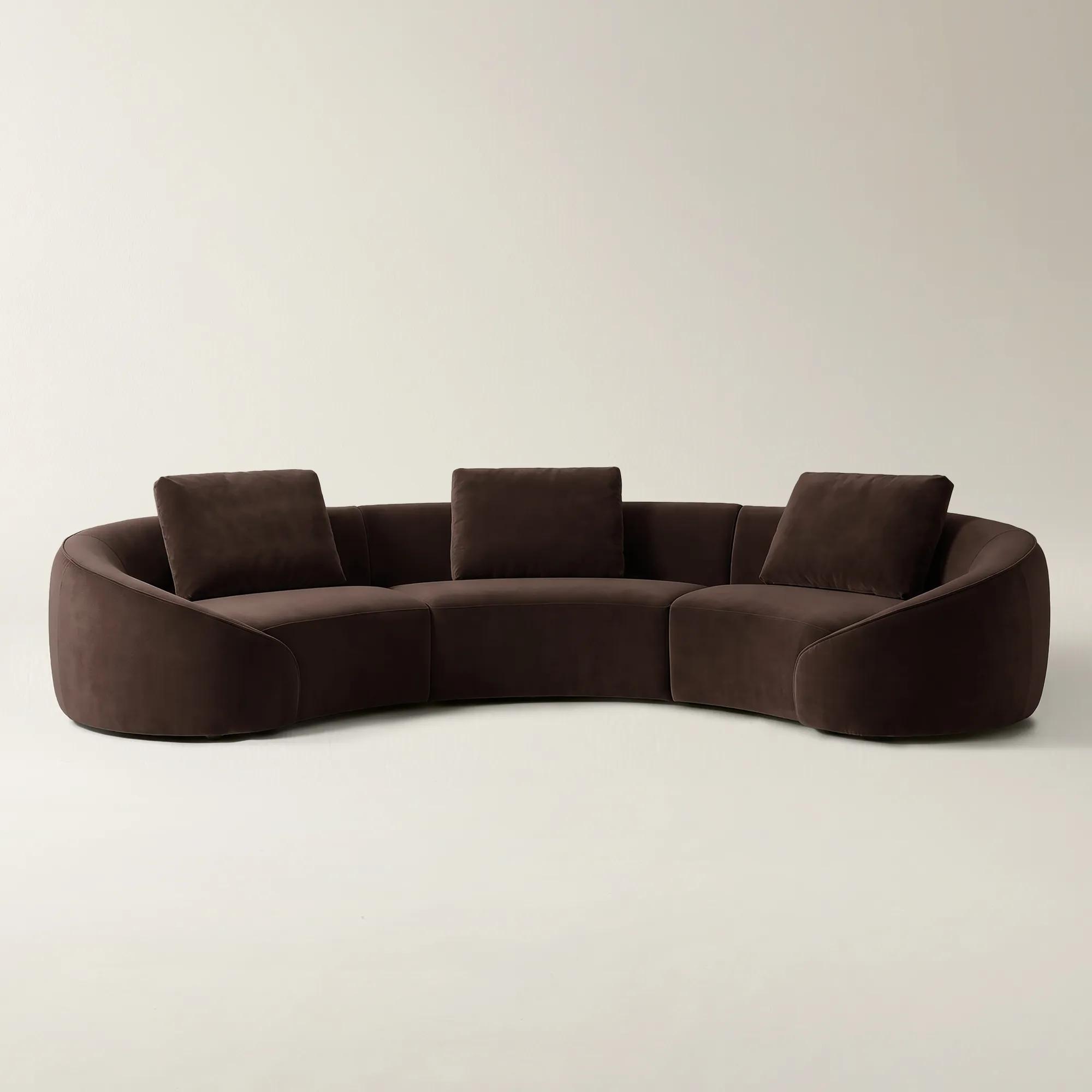 Irene 3-Piece Dark Chocolate Velvet Sectional Sofa$3899
A sculptural, hand-finished sectional in dark chocolate velvet with high-resiliency foam cushions and tailored detailing.
Add To Cart -
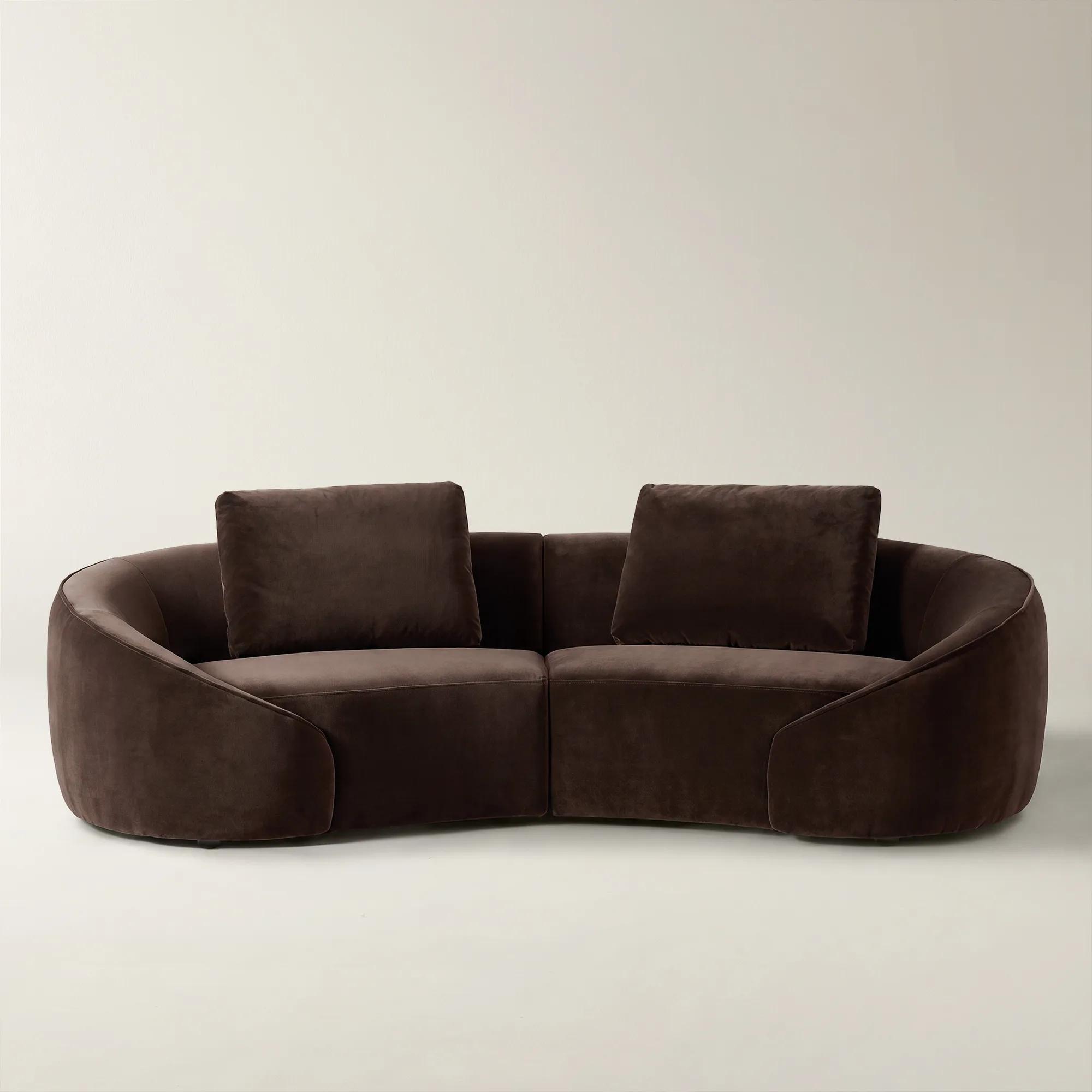
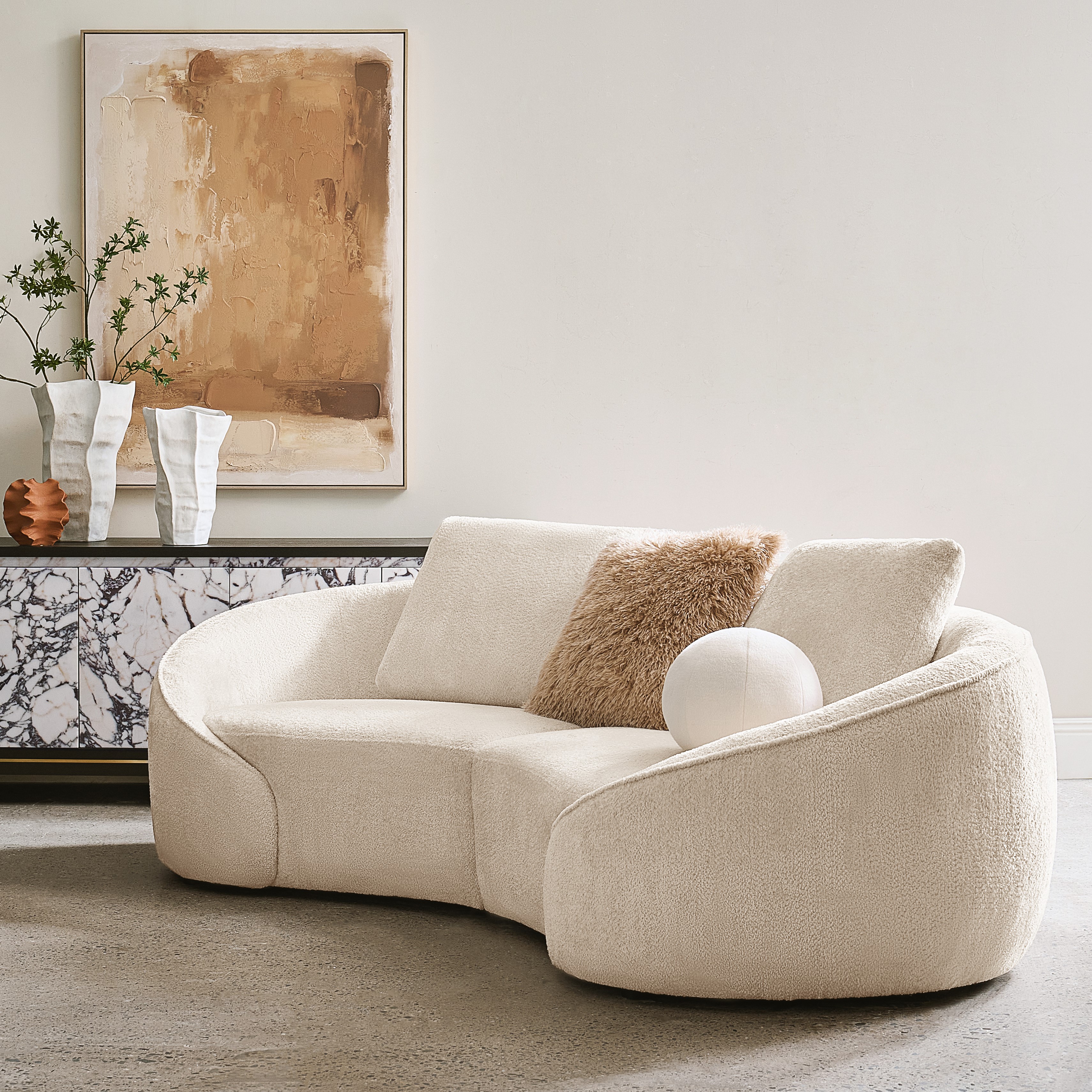 Irene 2-Piece Dark Chocolate Velvet Sectional Sofa$2699
A sculptural, hand-finished sectional in dark chocolate velvet with high-resiliency foam cushions and tailored detailing.
Add To Cart -

 Curvia 2-Piece Dark Chocolate Velvet Grand Sectional Sofa$2899
A modular sectional wrapped in dark chocolate velvet, featuring sculptural curves and deep, plush lounge seating.
Add To Cart -
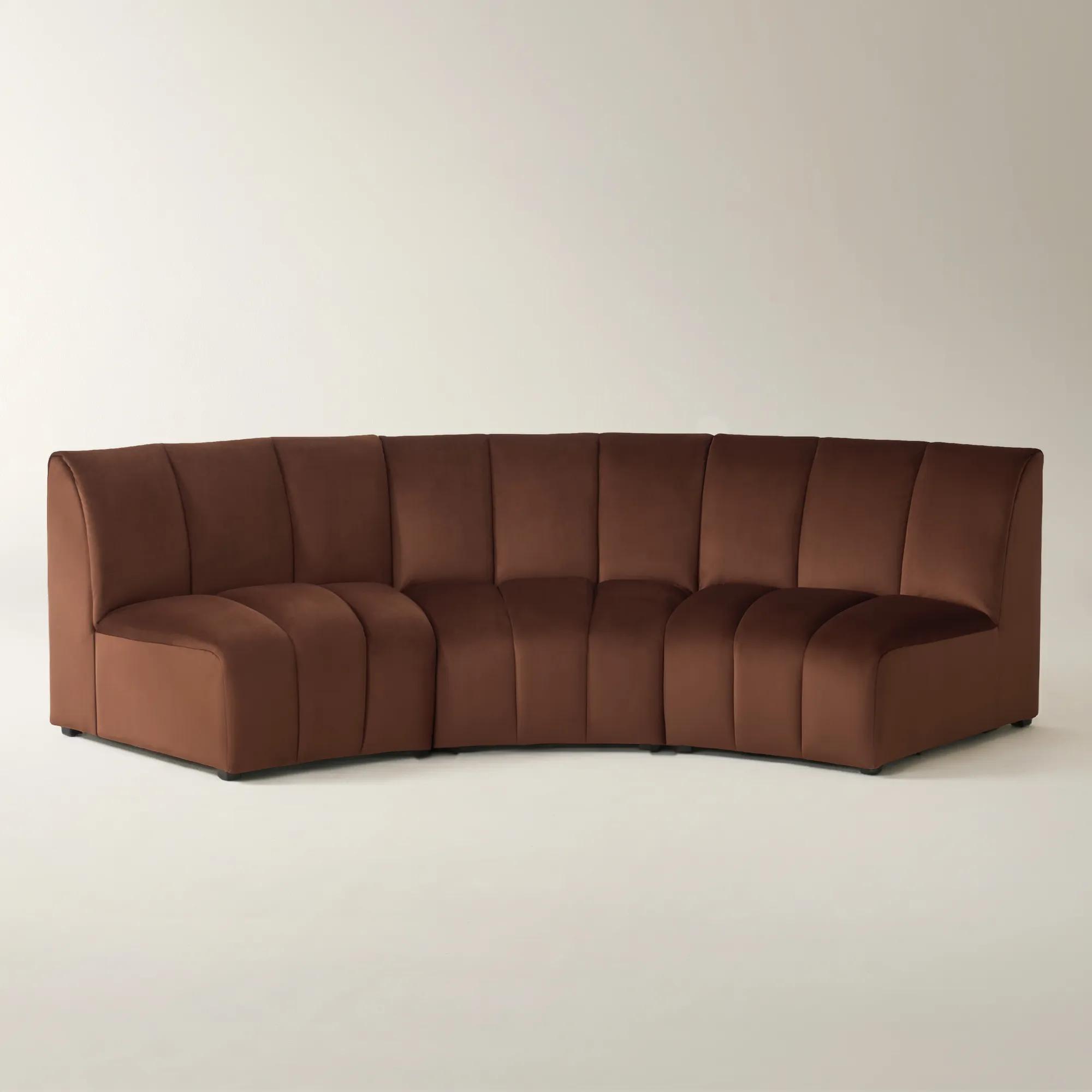 Jayce 3-Piece Channel-Tufted Burnt Umber Velvet Sectional Sofa$2799
A modern curved sectional in silver grey velvet with deep channel tufting and plush, water-repellent upholstery.
Add To Cart -
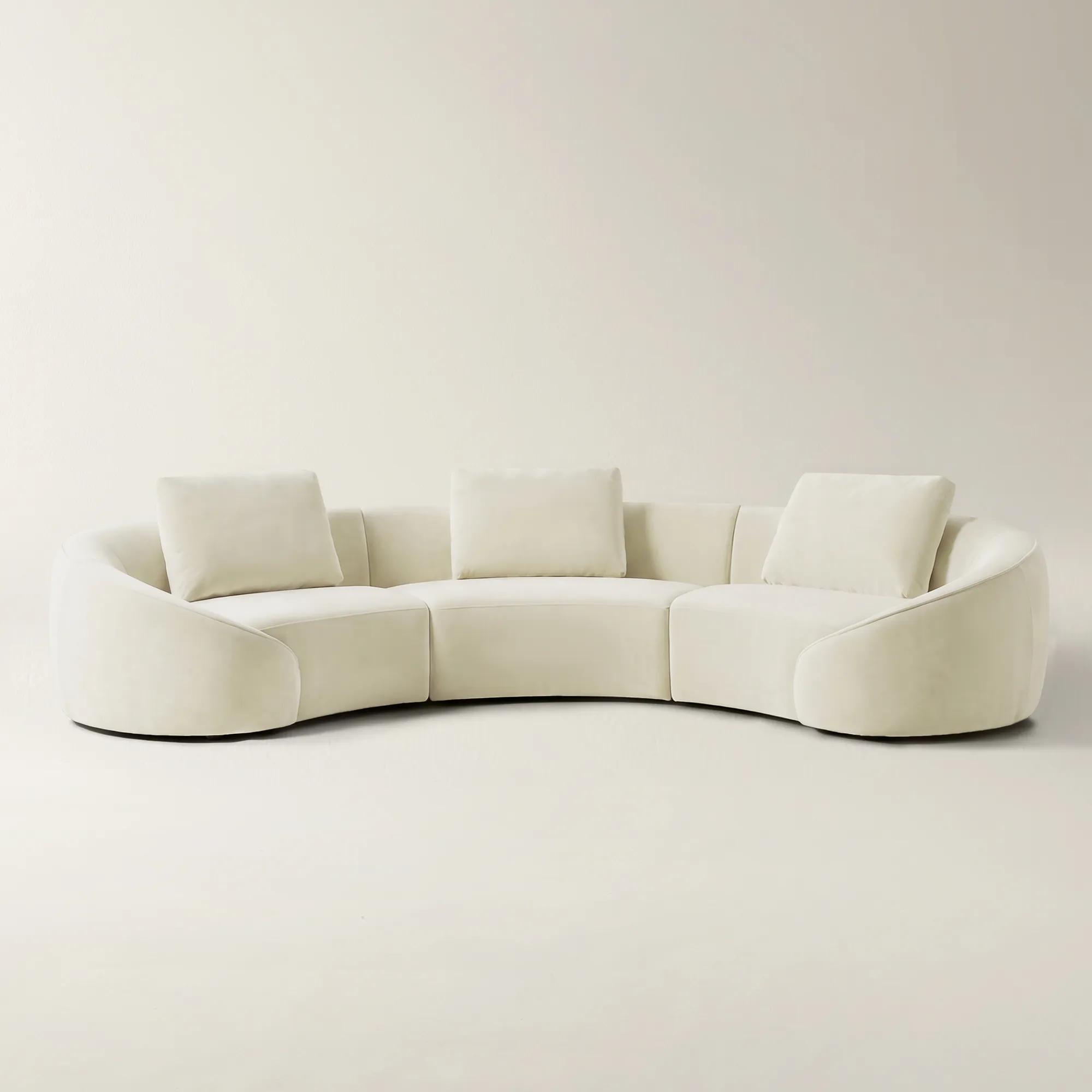 Irene 3-Piece Cloud Velvet Sectional Sofa$3899
A sculptural, hand-finished sectional with plush velvet upholstery, high-resiliency foam cushions, and modular design.
Add To Cart -
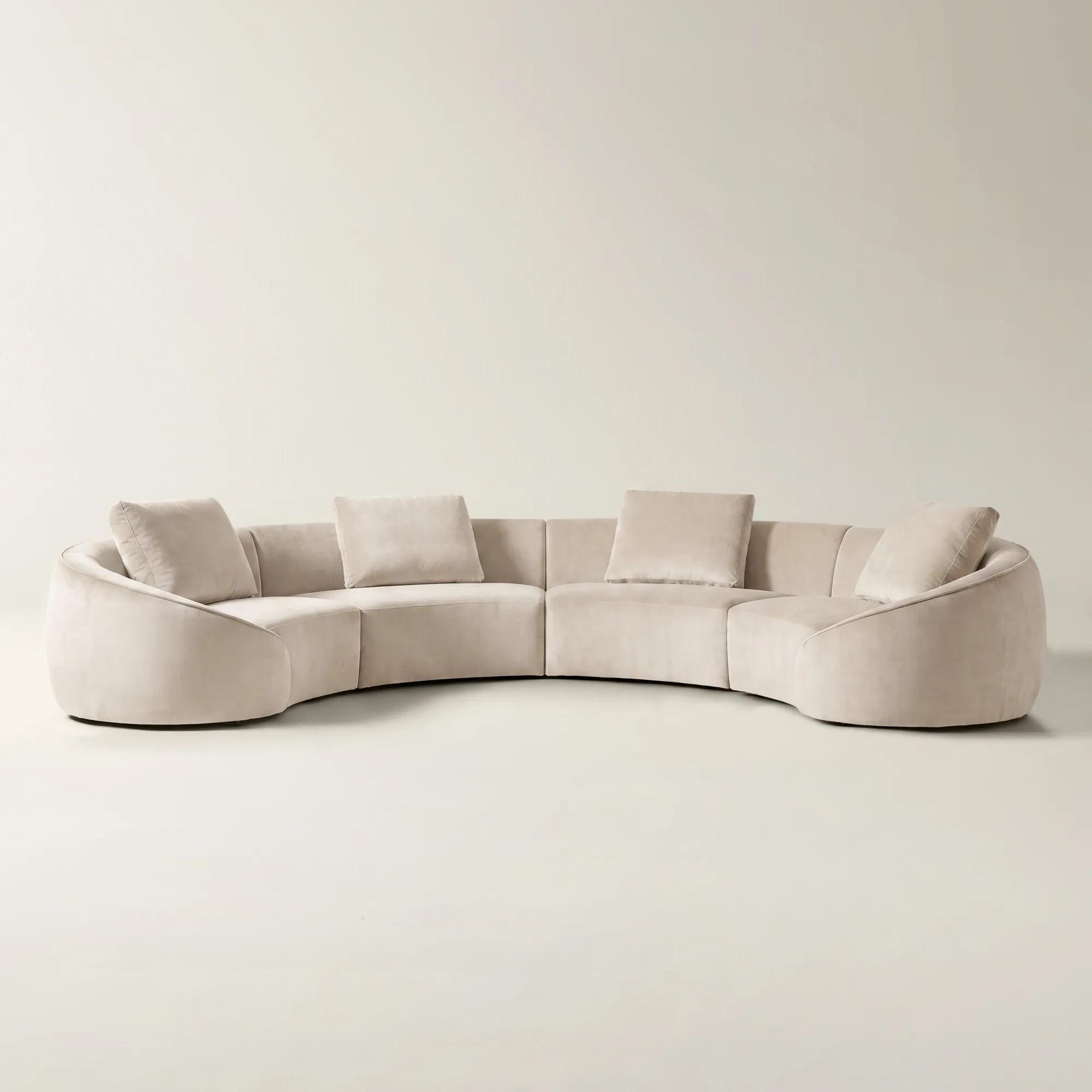 Irene 4-Piece Oatmeal Velvet Sectional Sofa$4999
A sculptural oatmeal velvet sectional featuring hand-finished upholstery, high-resiliency foam cushions, and modular design.
Add To Cart -
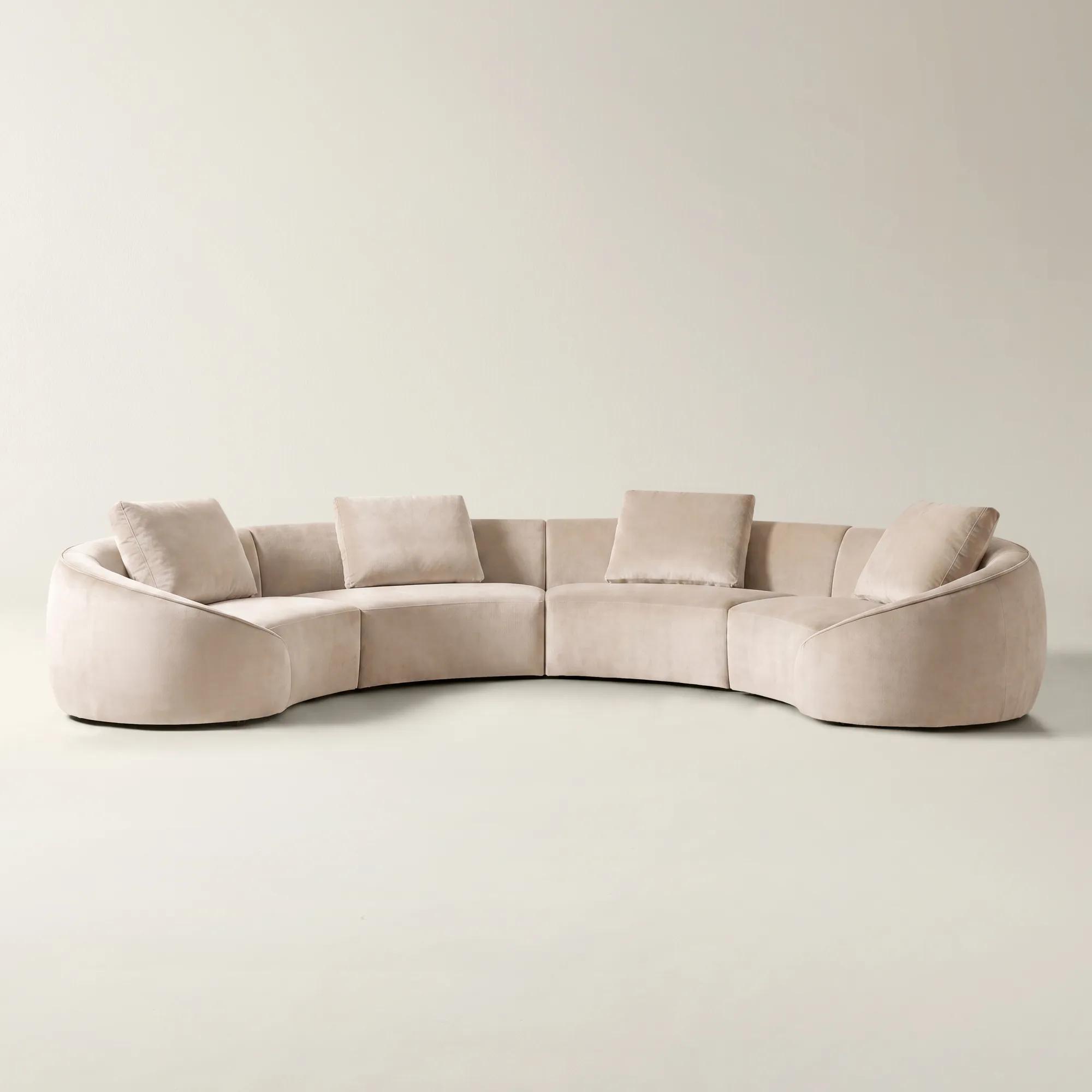 Irene 4-Piece Simply Taupe Velvet Sectional Sofa$4999
A sculptural taupe velvet sectional featuring high-resiliency foam cushions and hand-finished artisan upholstery.
Add To Cart -
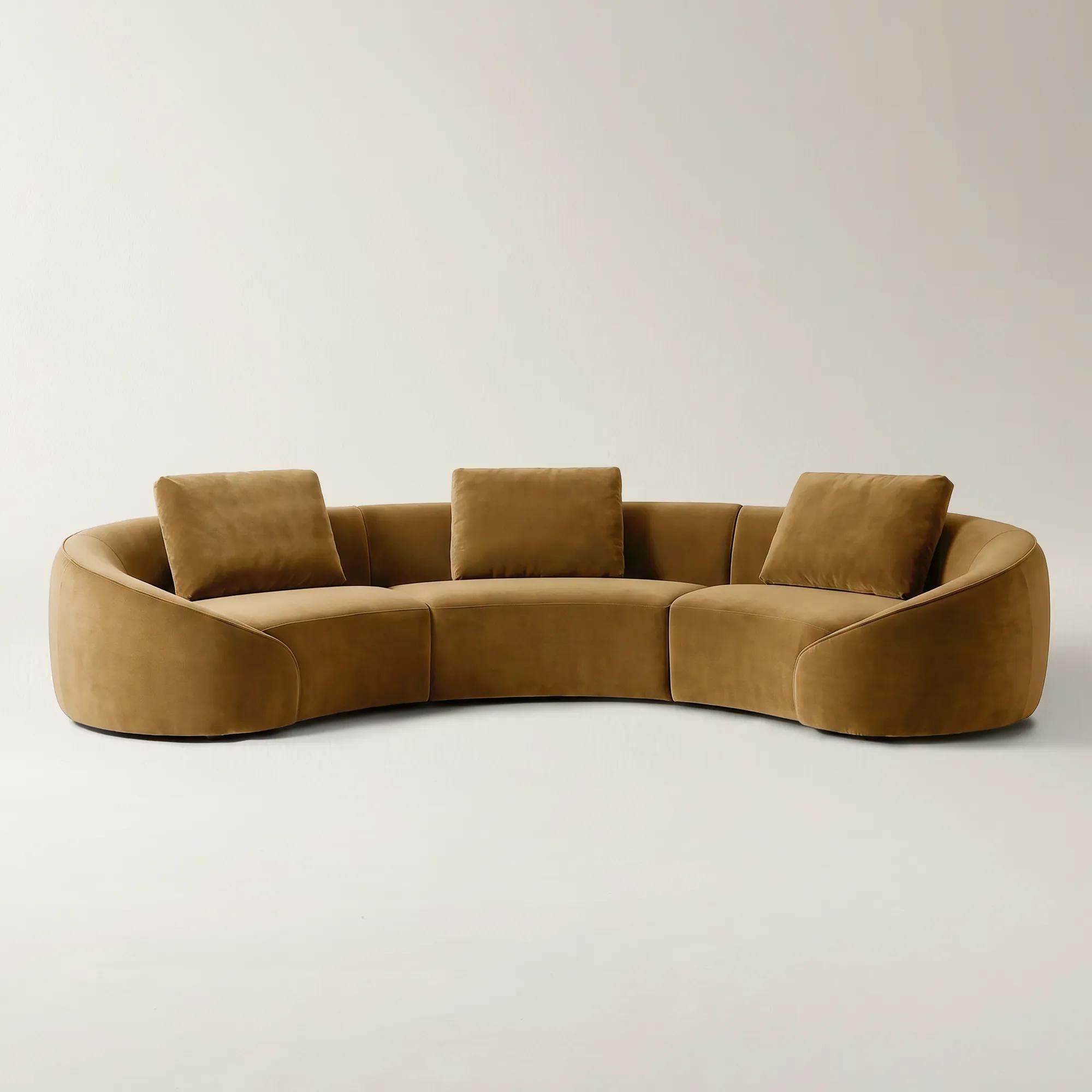 Irene 3-Piece Roasted Pecan Velvet Sectional Sofa$3899
A sculptural, hand-finished sectional in roasted pecan velvet with high-resiliency foam cushions and artisan detailing.
Add To Cart -
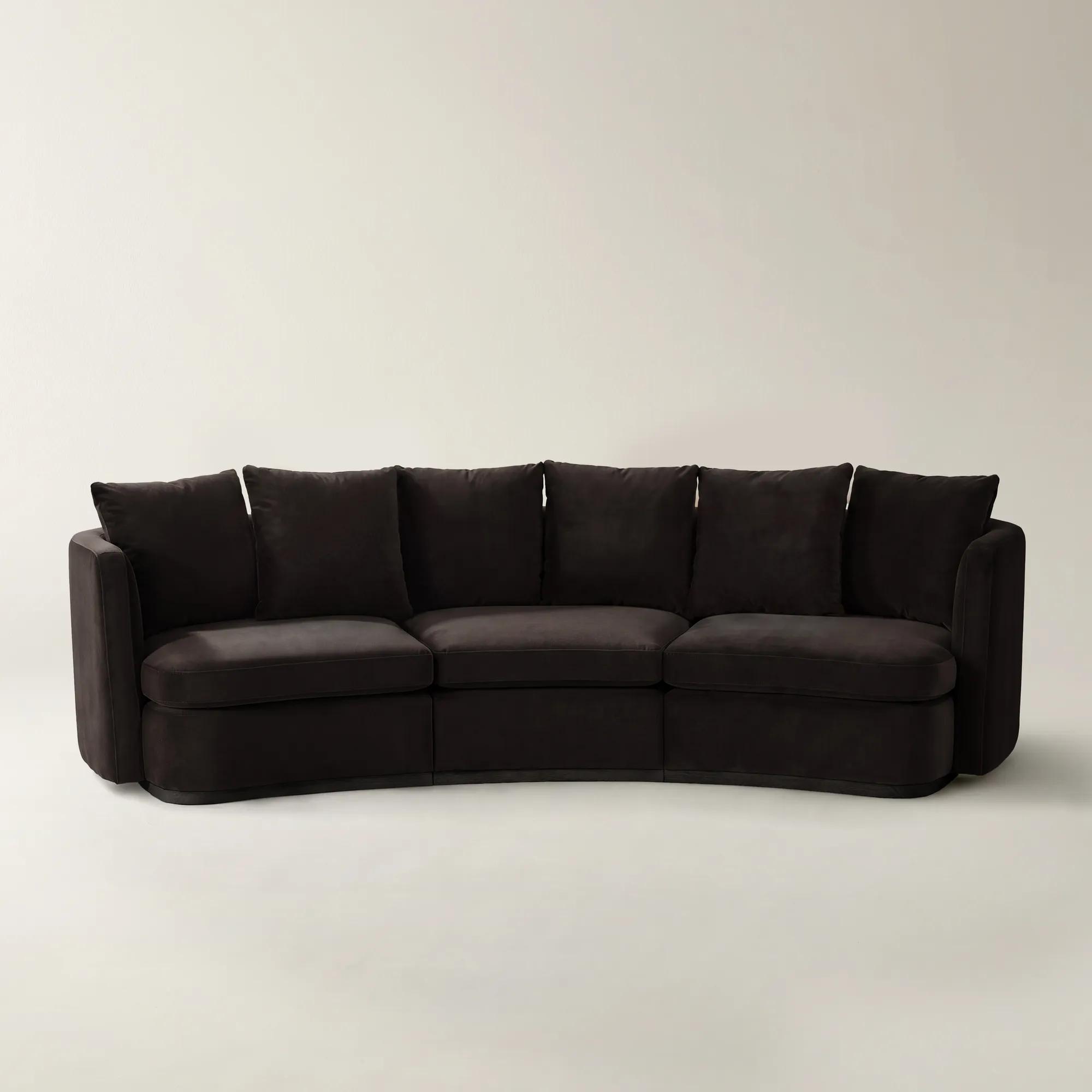 Stria 3-Piece Dark Chocolate Velvet Sectional Sofa$3399
A sculptural dark chocolate velvet sectional with curved styling, layered cushioning, and adaptable modular construction.
Add To Cart -
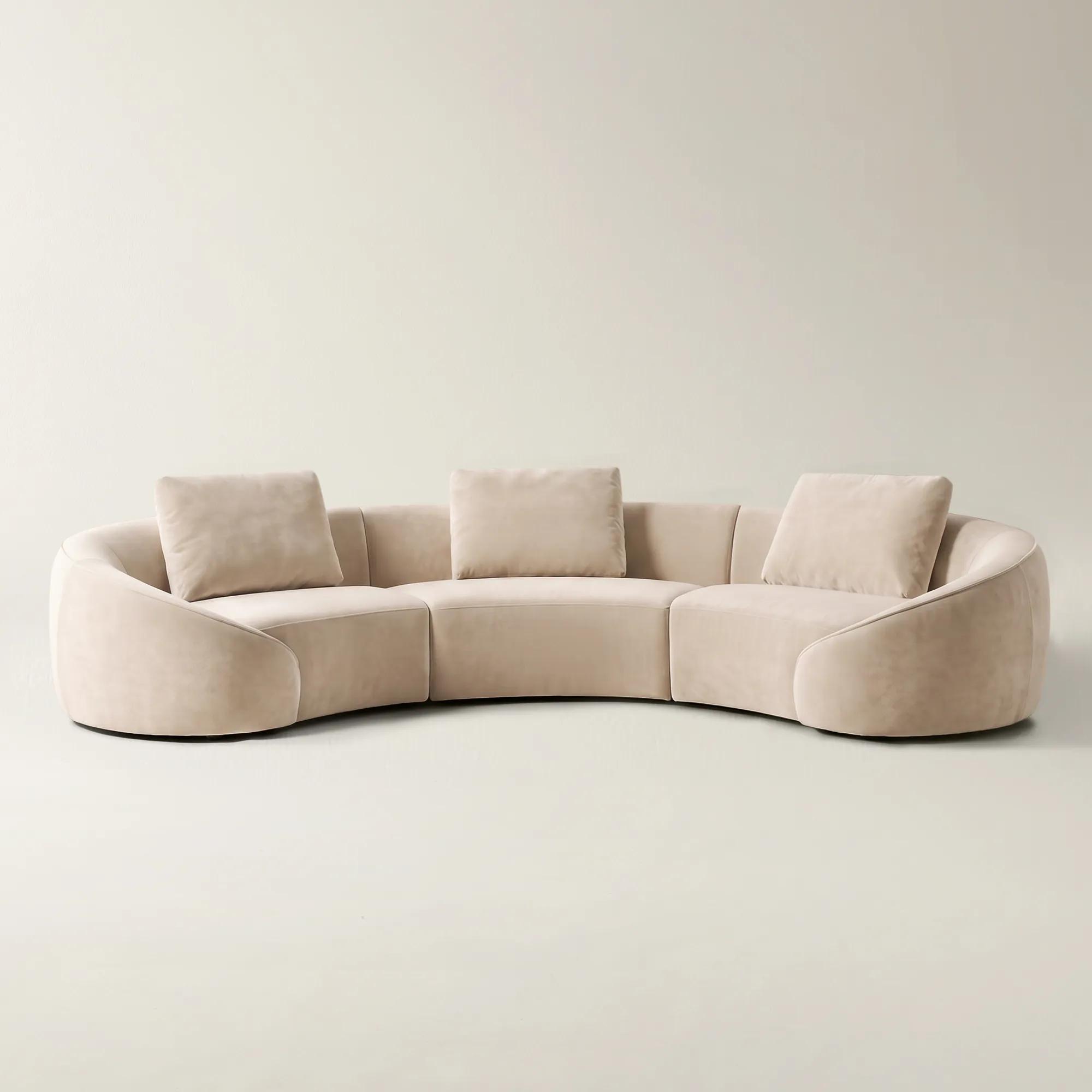 Irene 3-Piece Simply Taupe Velvet Sectional Sofa$3899
A sculptural, hand-finished sectional in simply taupe velvet with high-resiliency foam cushions and accent pillows.
Add To Cart -
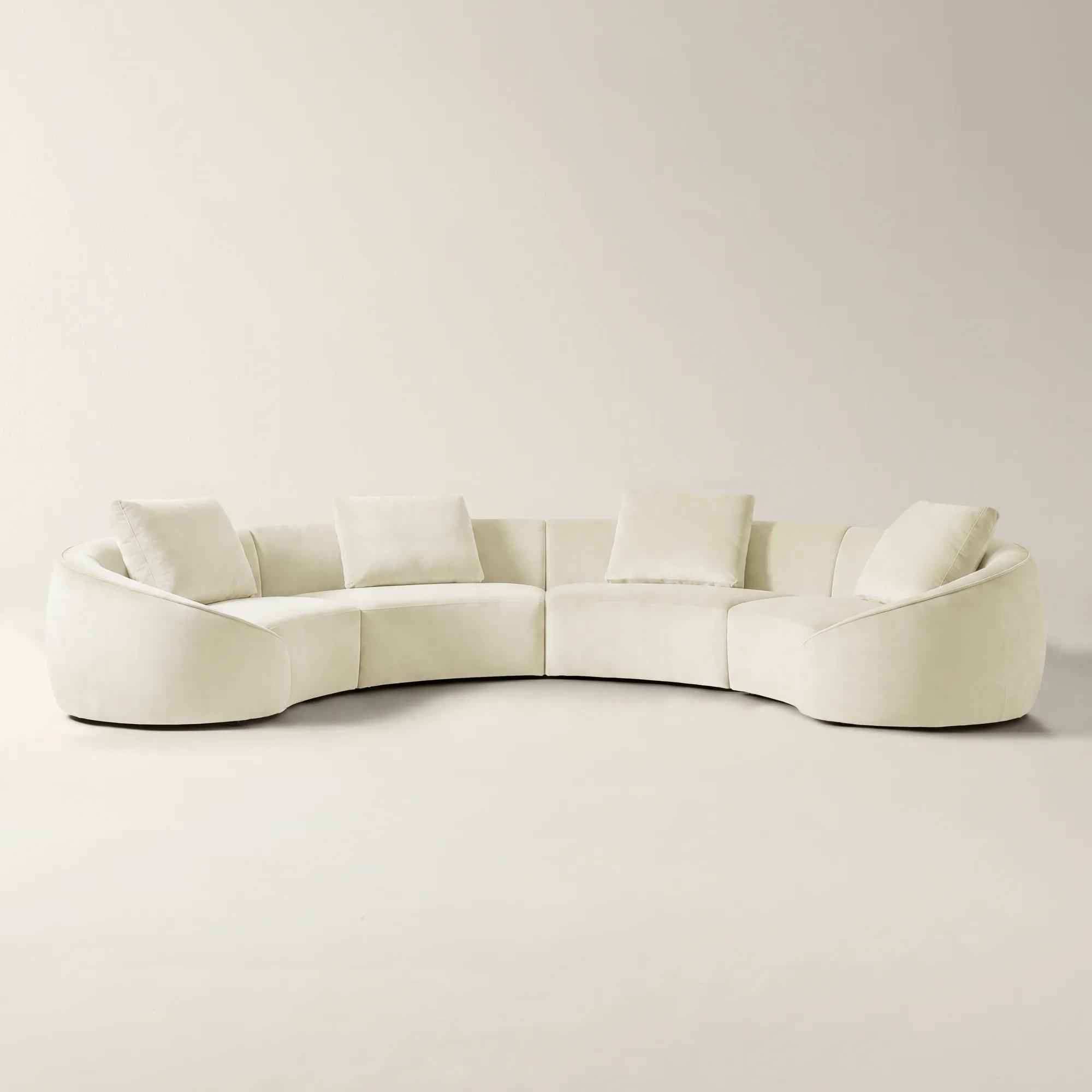 Irene 4-Piece Cloud Velvet Sectional Sofa$4999
A sculptural, hand-finished velvet sectional featuring high-resiliency foam cushions and customizable upholstery options.
Add To Cart -
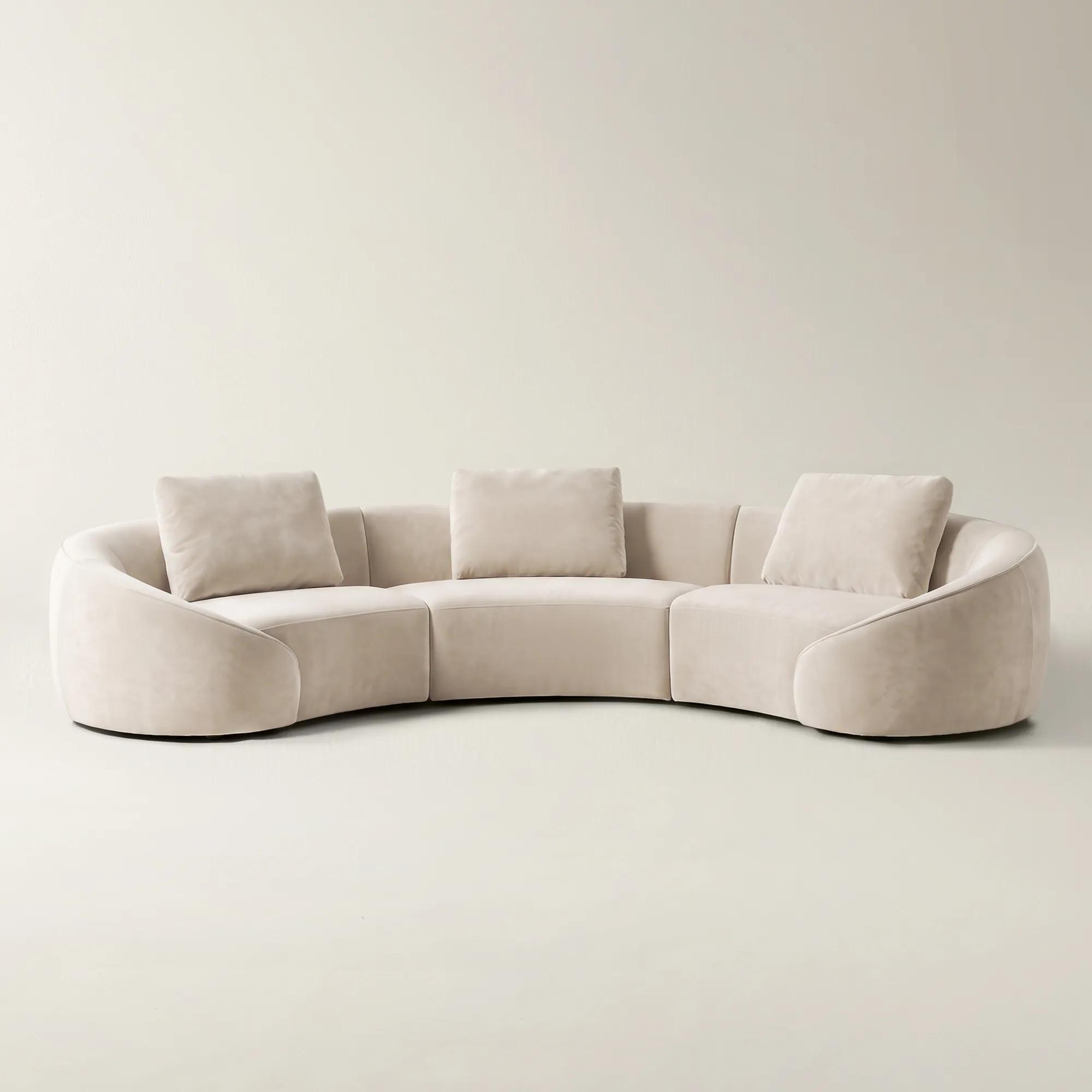 Irene 3-Piece Oatmeal Velvet Sectional Sofa$3899
An inviting oatmeal velvet sectional featuring sculptural curves, high-resiliency foam cushions, and artisan hand-finished upholstery.
Add To Cart -
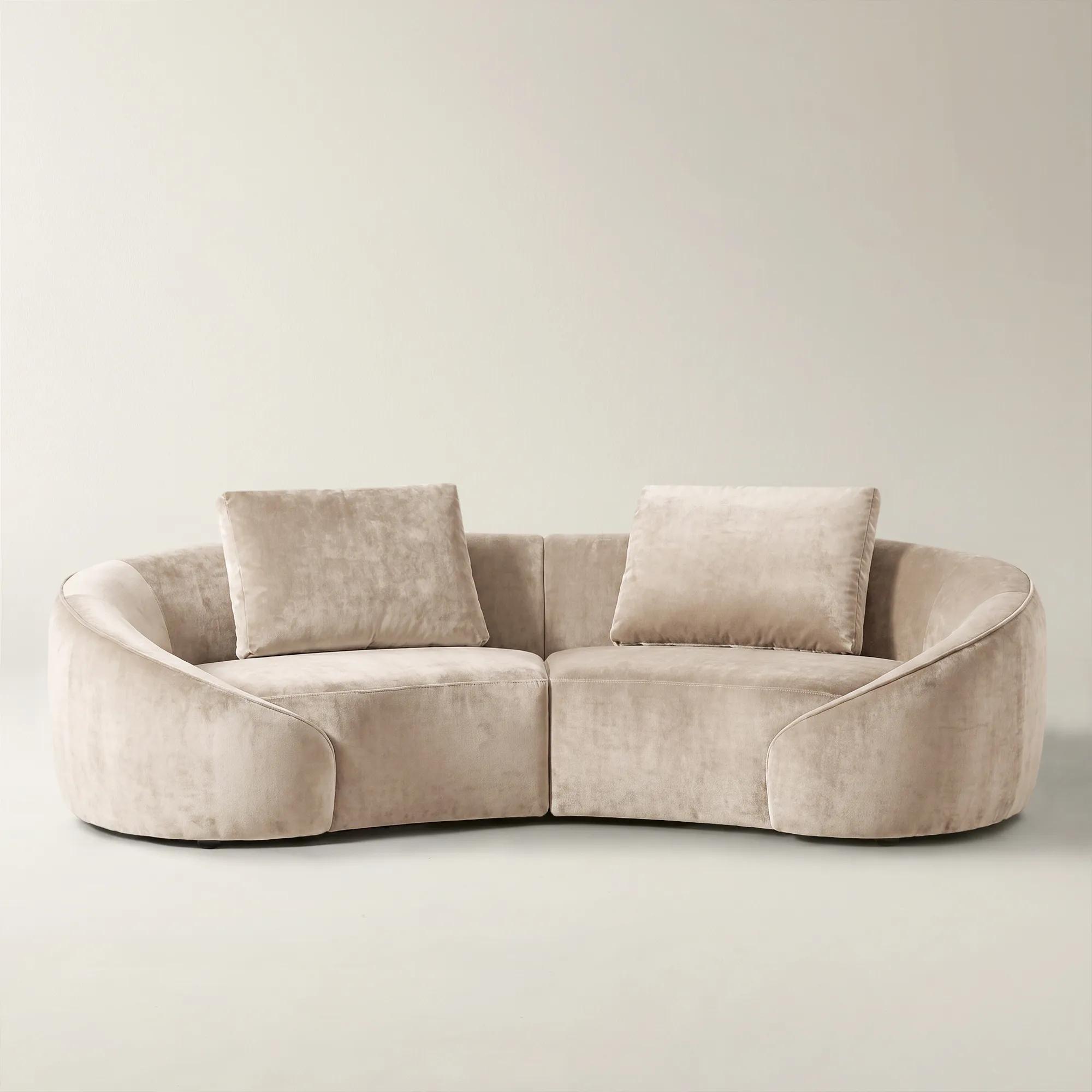 Irene 2-Piece Simply Taupe Velvet Sectional Sofa$2699
A sculptural taupe velvet sectional featuring high-resiliency foam cushions and artisan hand-finished upholstery.
Add To Cart -
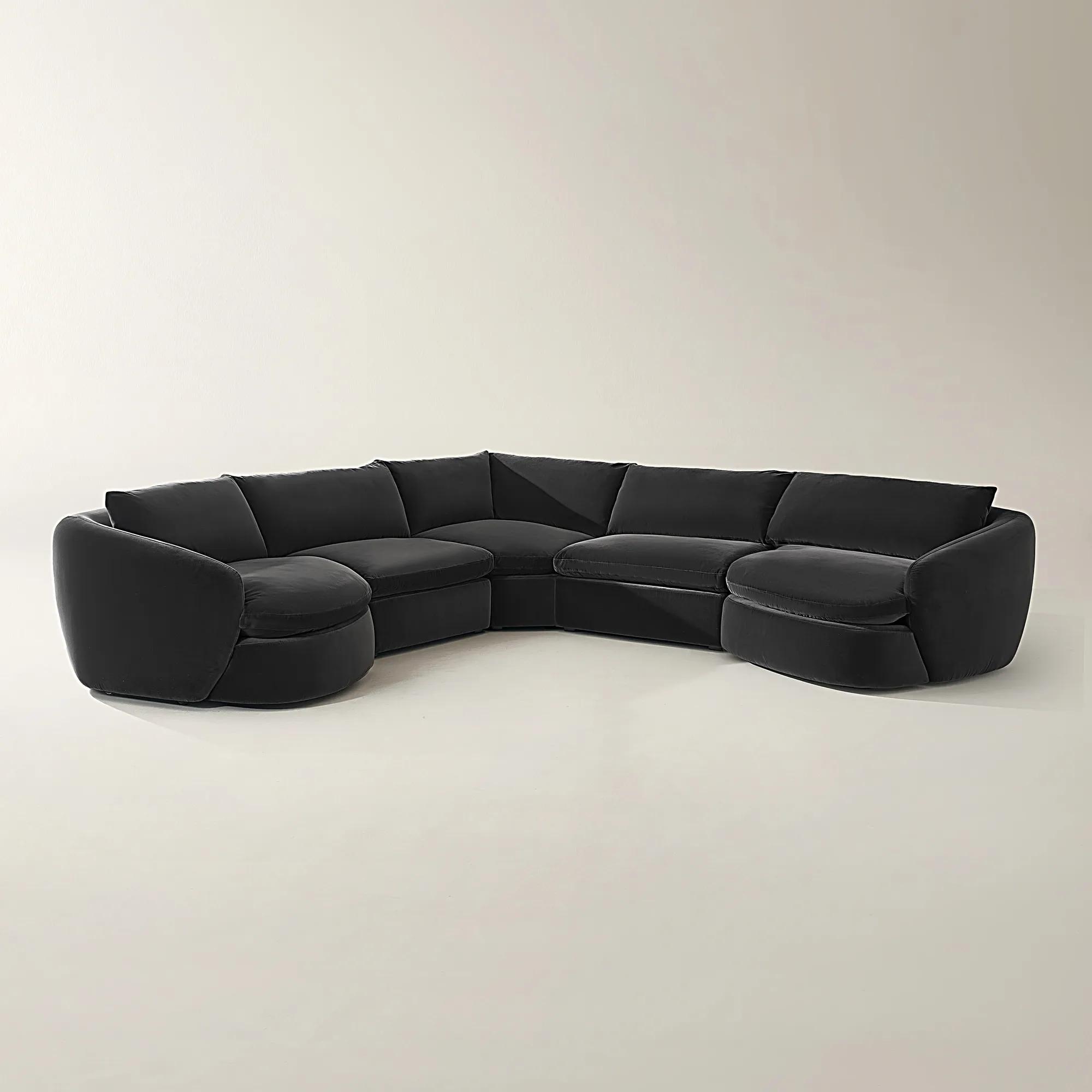
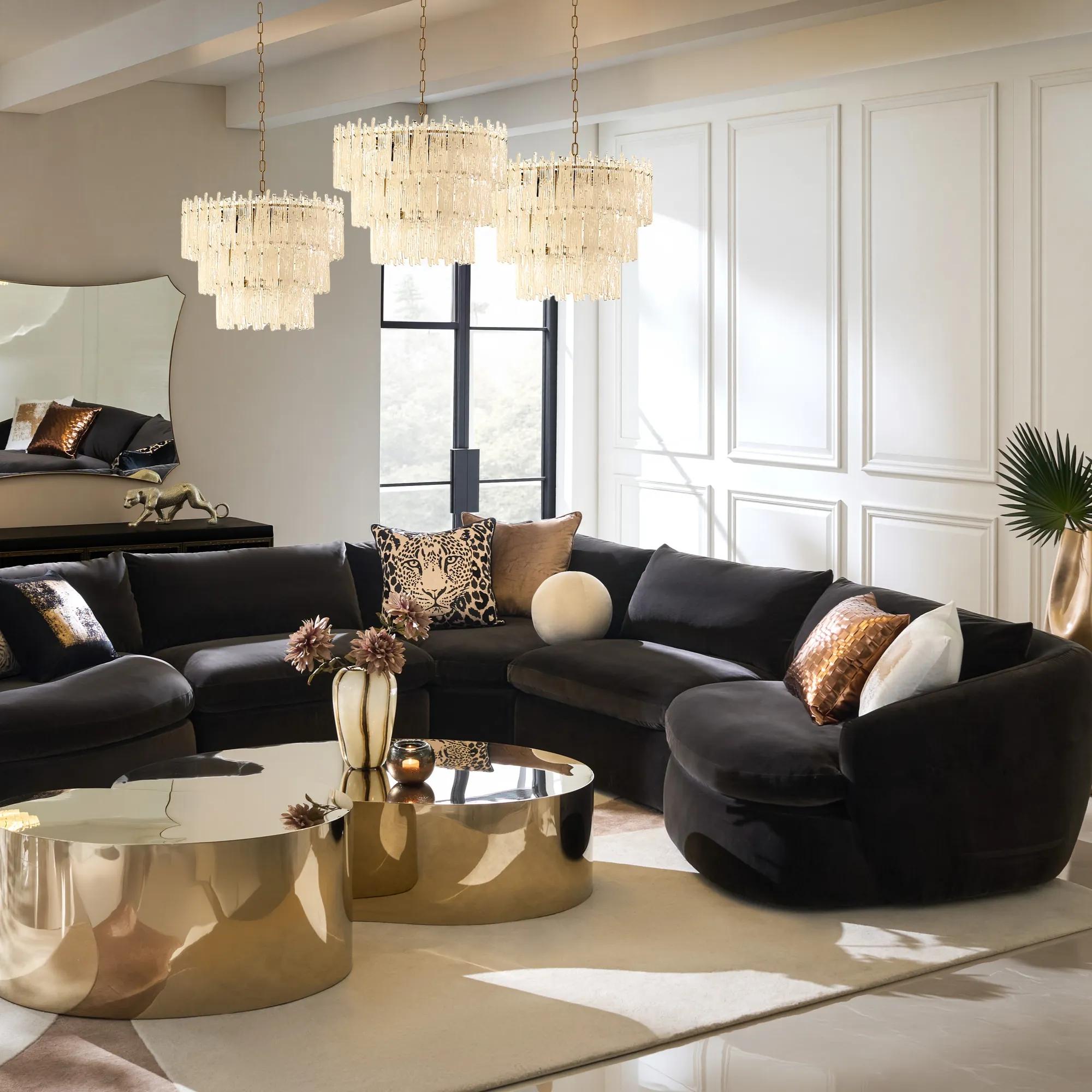 Sabrina 5-Piece Charcoal Velvet Sectional$5999
A modular charcoal velvet sectional with plush feather-blend cushions and a softly curved, modern silhouette.
Add To Cart -
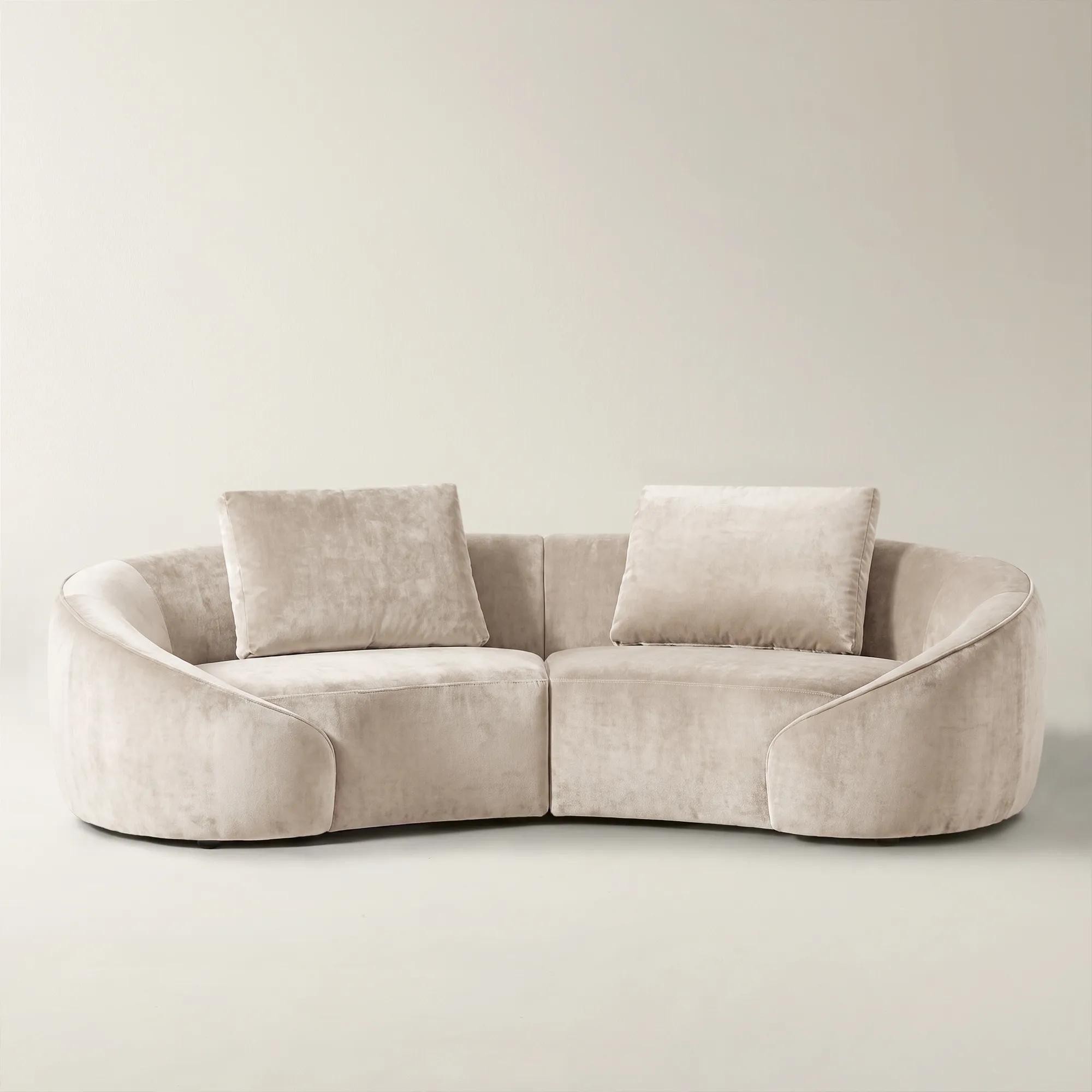 Irene 2-Piece Oatmeal Velvet Sectional Sofa$2699
A sculptural oatmeal velvet sectional featuring hand-finished upholstery, high-resiliency foam cushions, and accent pillows.
Add To Cart -
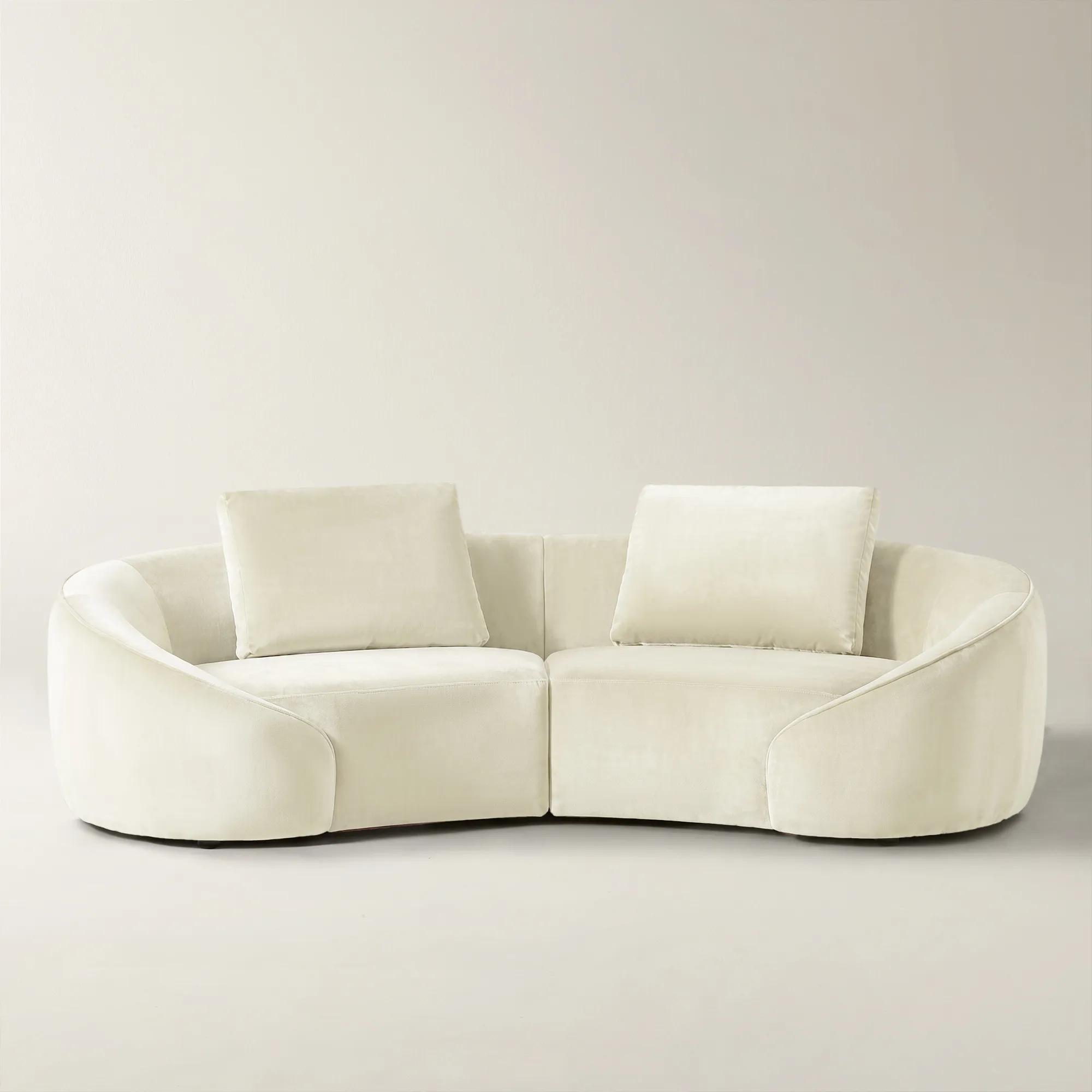 Irene 2-Piece Cloud Velvet Sectional Sofa$2699
A sculptural, curved sectional upholstered in plush velvet with high-resiliency foam cushions and artisan detailing.
Add To Cart -
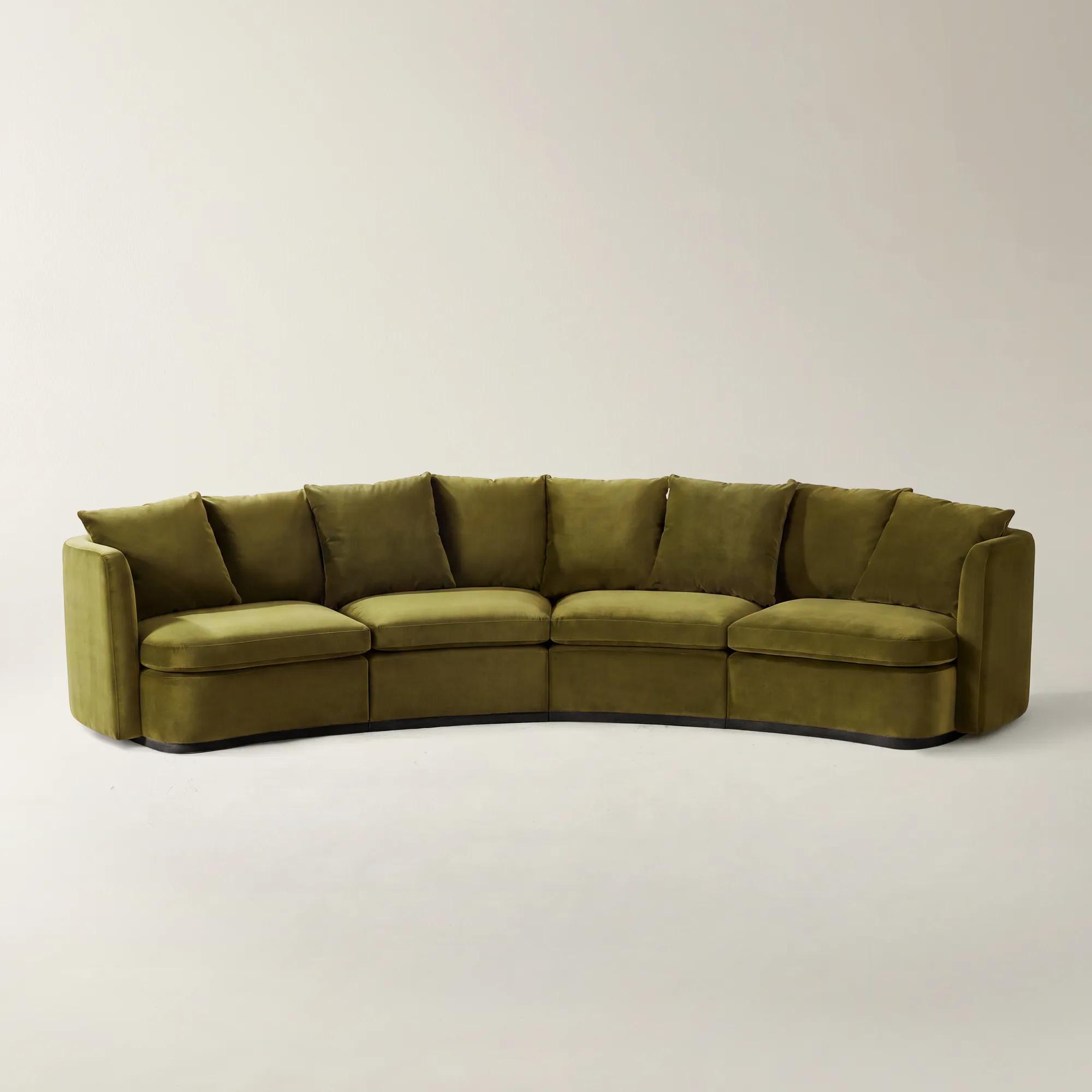
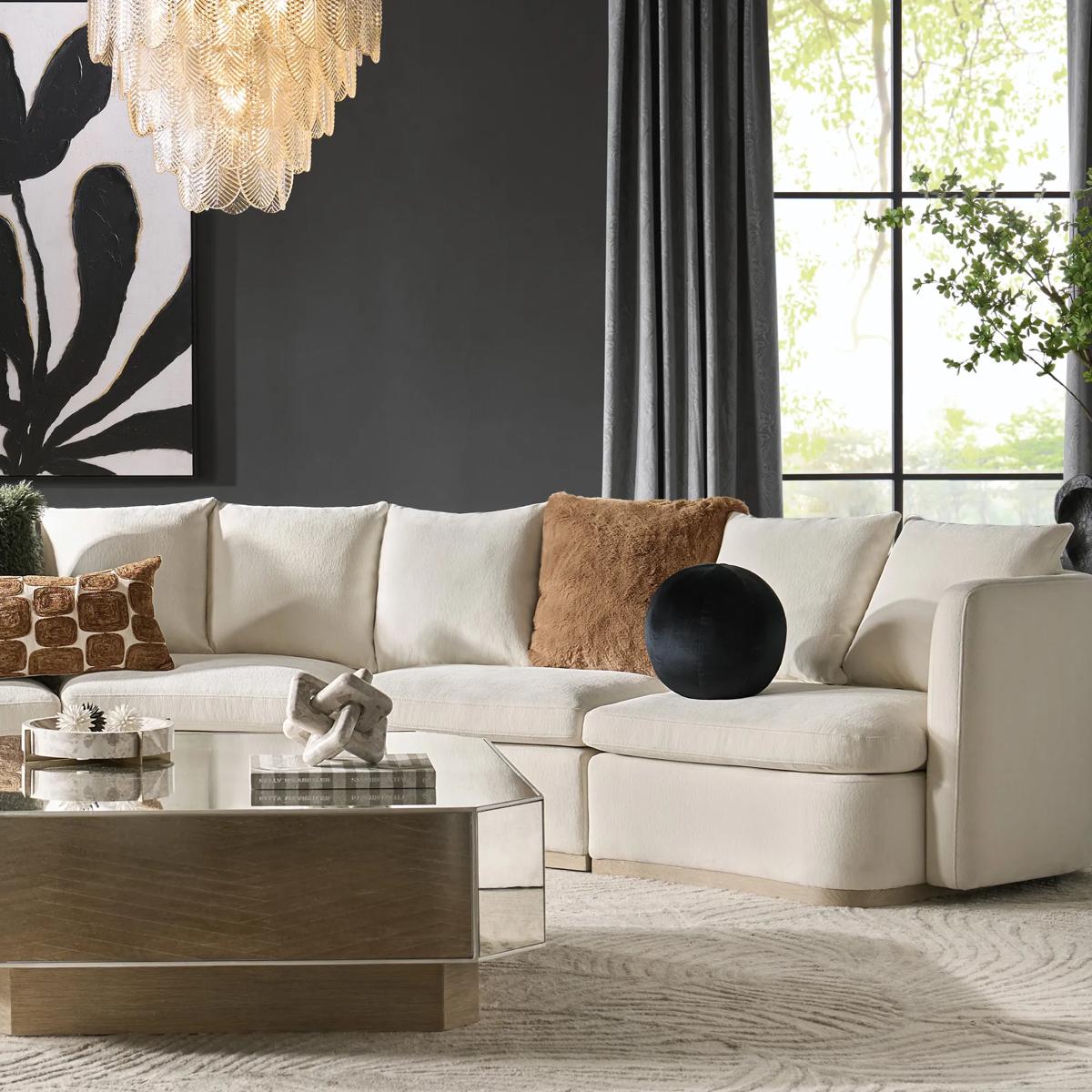 Stria 4-Piece Deep Olive Velvet Sectional Sofa$4499
A sculptural deep olive velvet sectional with modular connectors, kiln-dried wood construction, and layered foam-down cushioning.
Add To Cart -
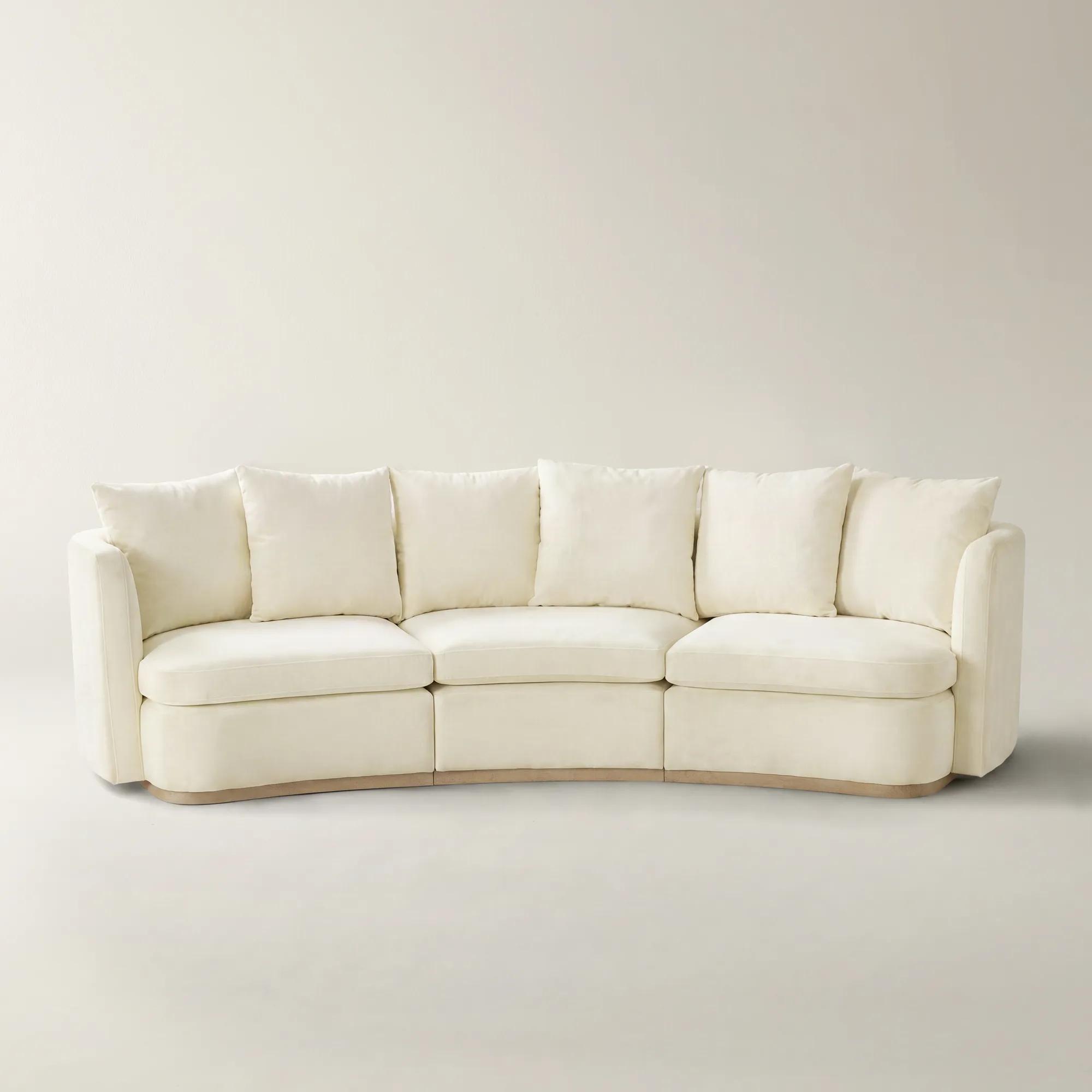 Stria 3-Piece Cloud Velvet Sectional Sofa$3399
A sculptural cloud velvet sectional with a curved silhouette, modular design, layered cushioning, and oak base.
Add To Cart

Moody Velvet Sectionals For Winter Living Room Styling
Moody velvet sectionals for winter living room styling bring sumptuous texture, rich color, and sculptural comfort to the season’s most inviting spaces. Explore a curated selection of contemporary silhouettes designed to anchor layered interiors, whether you’re creating an intimate lounge for fireside evenings or a dramatic centerpiece for entertaining.
Moody velvet sectionals give a living room a rich visual center, pairing expansive seating with color that feels especially inviting during the cooler months. Their appeal begins with the fabric: velvet’s dense, upright pile catches light from one direction and holds shadow from another, creating subtle movement across cushions, arms, and curved silhouettes. Deep emerald, ink blue, plum, and burgundy bring jewel-toned intensity to a room, while charcoal and black offer a more architectural backdrop for luminous accents. Olive and dark sage introduce an earthy alternative, particularly alongside walnut, pale stone, and softly textured ivory textiles. The effect is intimate without needing to feel dark or enclosed. A charcoal velvet sectional beside a light rug can look crisp in daylight, then take on a softer, more enveloping presence beneath shaded lamps after sunset. Within the broader world of Living Room Velvet Sectional Sofas, these deeper palettes emphasize the relationship between generous proportions, tactile upholstery, and expressive color. They suit living rooms where conversation stretches into the evening, weekend reading claims an entire chaise, and a beautifully composed space still needs to accommodate everyday lounging. Velvet adds a sense of occasion to those ordinary rituals, but the sectional shape keeps the atmosphere welcoming rather than formal. Low, broad arms create a sweeping horizontal line; taller backs give the seating a more enclosed character; rounded profiles soften rooms dominated by rectangular windows and angular tables. Tailored seams and restrained tufting lend definition, while fuller cushions suggest a more relaxed mood. Each detail changes how the piece occupies the room, making silhouette as important as shade. For winter living room styling, a moody sectional offers a lasting foundation rather than a narrowly seasonal statement: its depth works with plush layers when temperatures drop and remains compelling with lighter accessories as the room evolves.
The most successful fit balances that visual presence with the way people actually move, sit, and gather. An L-shaped velvet sectional can define a seating area in an open-plan room, while a chaise configuration offers a place to stretch out without requiring a second large piece of furniture. A U-shaped arrangement creates a more encompassing conversation setting, provided the room has enough space for its additional return. Modular designs may offer flexibility, although the permitted arrangements depend on their connectors, finished sides, and individual components. Overall width alone does not tell the full story: depth, back height, arm thickness, and chaise projection determine both usable seating and how comfortably the furniture sits within the architecture. A deep seat can feel sumptuous for reclining, but someone who prefers an upright position may find a shallower seat or supportive back cushion more comfortable. In a shared living room, those differences matter as much as the number of guests the sectional might accommodate. Measuring doorways, stair turns, elevators, and the intended placement helps establish whether a generous silhouette belongs in the space before delivery becomes a challenge. Allowing roughly 30 to 36 inches for a main walking route, wherever the layout permits, keeps dark, substantial seating from creating a crowded passage; about 14 to 18 inches between the seat edge and a coffee table often provides a useful balance of reach and legroom. The surrounding materials then shape the mood. A pale stone table introduces a cool, luminous contrast to burgundy or navy velvet, while a wood table adds grain and warmth. Brushed brass accents reflect small pools of light without requiring an entire room of metallic finishes. An area rug large enough to sit beneath the sectional’s front legs visually connects the seating arrangement, and cream bouclé, woven wool, or a plush faux-fur throw brings variation to the velvet’s smooth surface. Warm, shaded lighting reveals its tonal shifts more gently than a single harsh overhead source, giving the room dimension rather than simply making it darker.
Material and construction deserve the same attention as color, especially when a velvet sectional will serve as the primary seating for movie nights, visiting friends, or a household with children and pets. Velvet describes a fabric construction, not a single fiber, so its feel, appearance, and maintenance requirements vary. Cotton velvet often has a softer, more matte character; polyester velvet may offer a more resilient, easy-living surface, depending on its construction and finish; blends can combine different qualities. A performance designation is worth examining closely rather than treating as a promise of stain-proof upholstery. Published cleaning instructions, abrasion-test information, and any documented stain resistance provide a clearer picture of suitability for frequent use. A tightly woven backing and secure seams matter, as do frame construction, suspension, and cushion fill. Foam cushions generally offer a more defined shape, while fiber or feather-blend fills may create a softer sit that requires regular fluffing; actual support depends on the complete cushion construction. Removable cushion covers are not necessarily machine washable, and a smooth pile does not make any upholstery immune to scratching or pet hair. For a frequently used family sectional, accessible cleaning instructions and a fabric suited to the household are practical forms of luxury. Routine care usually begins with gentle vacuuming using an appropriate upholstery attachment, following the manufacturer’s directions. Spills call for prompt blotting with a clean, absorbent cloth rather than rubbing, which can spread moisture and disturb the pile. Cleaning products and water should only be used when the upholstery care code permits them, with any approved treatment tested in an inconspicuous area first. Pressure from sitting can temporarily change the direction of velvet’s pile, producing lighter or darker patches that are not necessarily stains; brushing or steaming should only follow fabric-specific guidance. Protection from prolonged direct sunlight and close heat sources helps preserve the upholstery over time. With a suitable fabric, thoughtful proportions, and consistent care, a moody velvet sectional can remain both visually commanding and genuinely comfortable—a generous place to gather, framed by rich color and the quiet shimmer of fabric in lamplight.
FAQs
A moody velvet sectional brings instant depth, warmth, and theatrical polish to winter interiors. Its plush texture creates an inviting sense of comfort, while rich tones such as emerald, charcoal, navy, or plum turn the seating area into a dramatic focal point. Layer it with sculptural lighting, gleaming accents, and tactile textiles for a room that feels both sumptuous and artfully composed.
Dark velvet sectionals pair beautifully with warm neutrals, jewel tones, and luminous metallics. Layer ivory, camel, or taupe through pillows and throws to soften the palette, or heighten the drama with accents in sapphire, aubergine, or emerald. Brass, gold, and mirror-finish details add a radiant contrast that keeps the winter living room feeling glamorous rather than heavy.
Create an editorially layered look by combining pillows in varied shapes, patterns, and textures. Pair velvet with boucle, faux fur, woven textiles, or silky accents, then drape a sumptuous throw across one corner for an effortless invitation to linger. Keep the palette cohesive while mixing scale, allowing the sectional’s rich upholstery to remain the star of the room.
Choose a coffee table that balances the sectional’s plush, enveloping presence with a touch of structure or shine. Glass, marble, polished metal, and mirrored finishes introduce lightness, while sculptural wood creates a warmer, more grounded composition. Look for expressive silhouettes that echo the room’s drama without competing with the velvet’s luxurious texture.
Lighting is the finishing gesture that brings a moody velvet living room to life. Use layered illumination, including a statement chandelier, sculptural floor lamp, and softly glowing table lamps, to create pools of golden warmth across the room. Metallic finishes and reflective surfaces amplify the glow, revealing the velvet’s dimension and giving the entire setting an atmospheric, intimate allure.