Modern Upgrades For Primary Bedrooms
Modern Upgrades For Primary Bedrooms
-
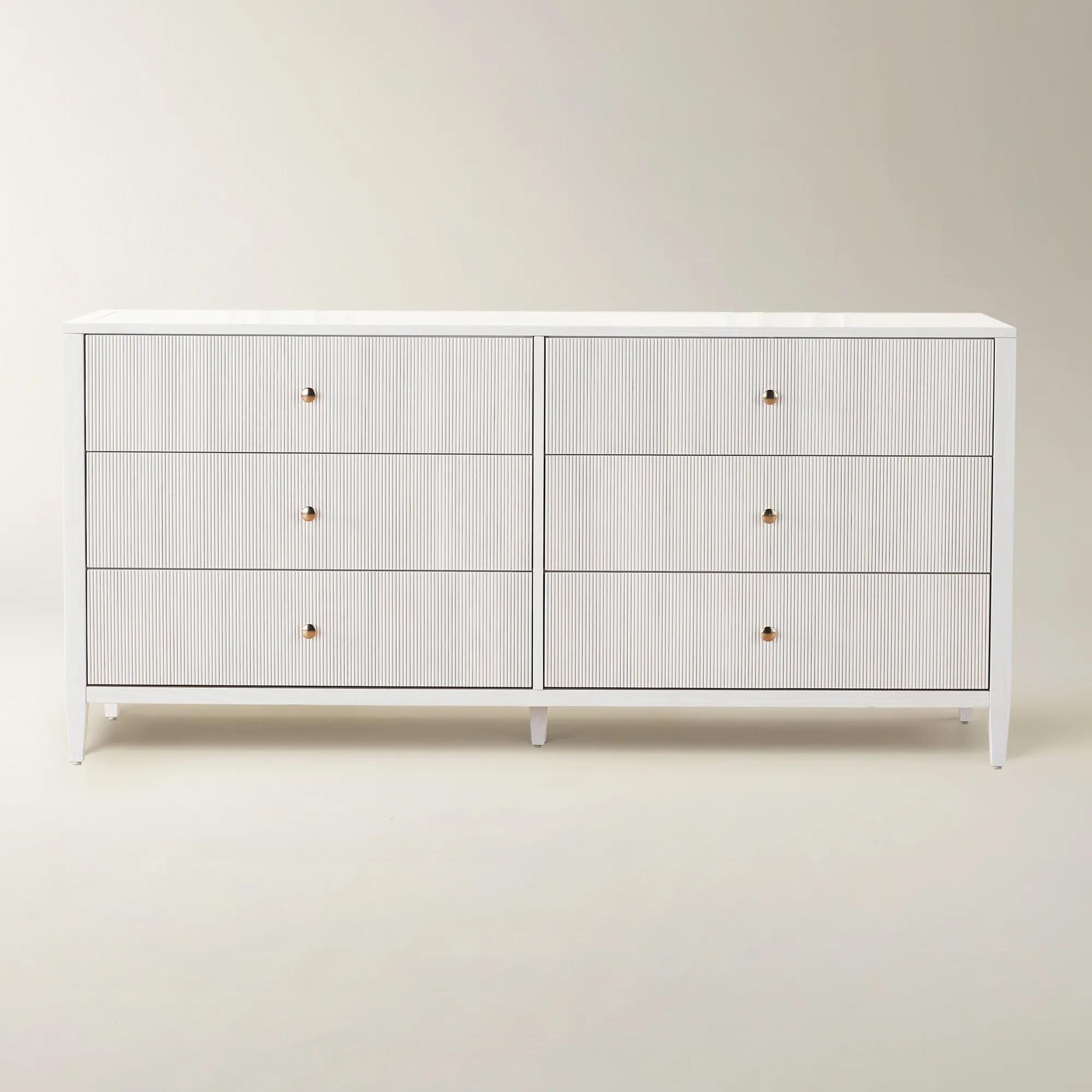
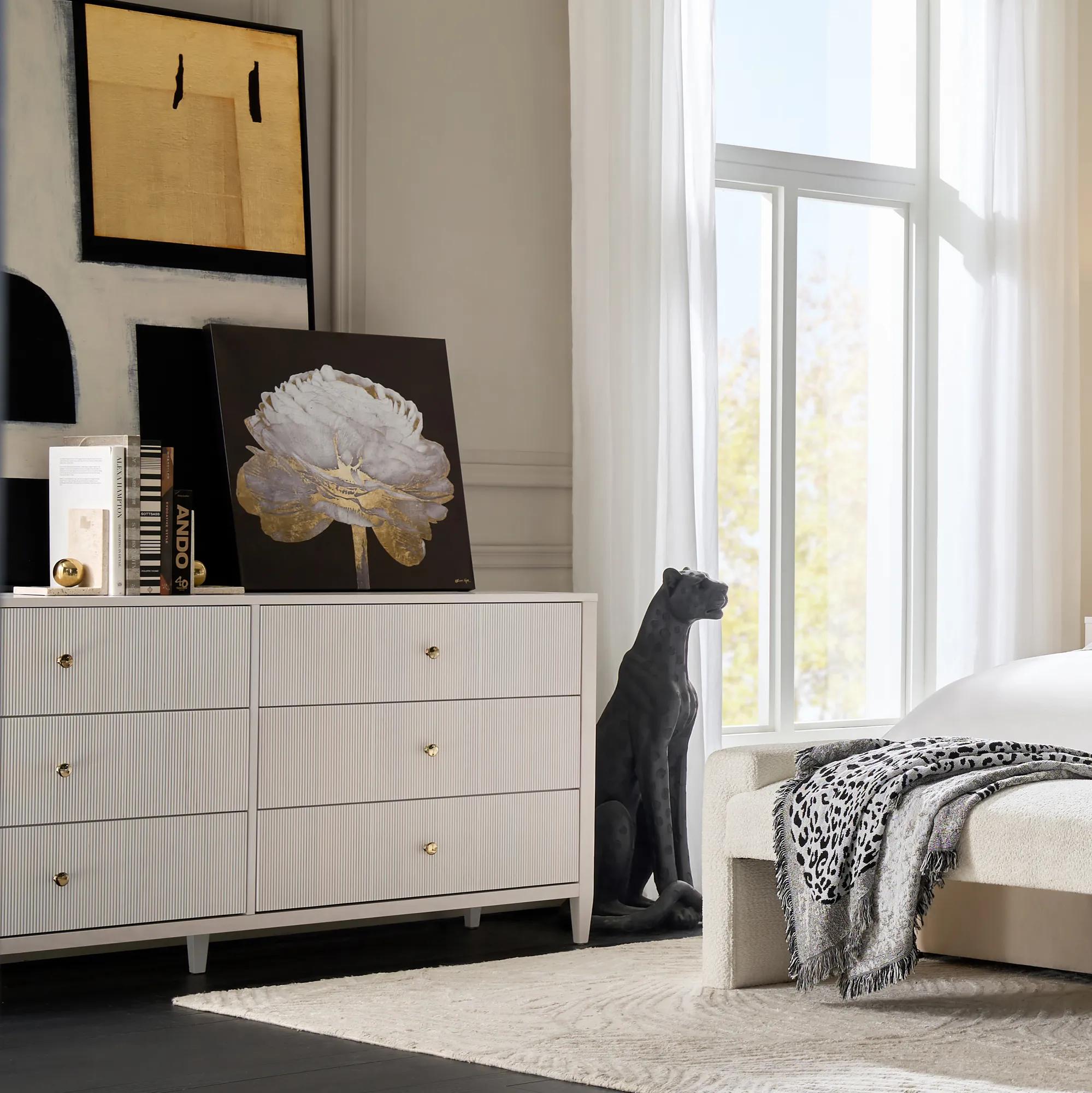 Viola Reeded White Ash Wood 6-Drawer Dresser (70")$1899
A modern dresser in bone white ash wood with reeded fronts and brass hardware for a luxe touch.
Add To Cart -
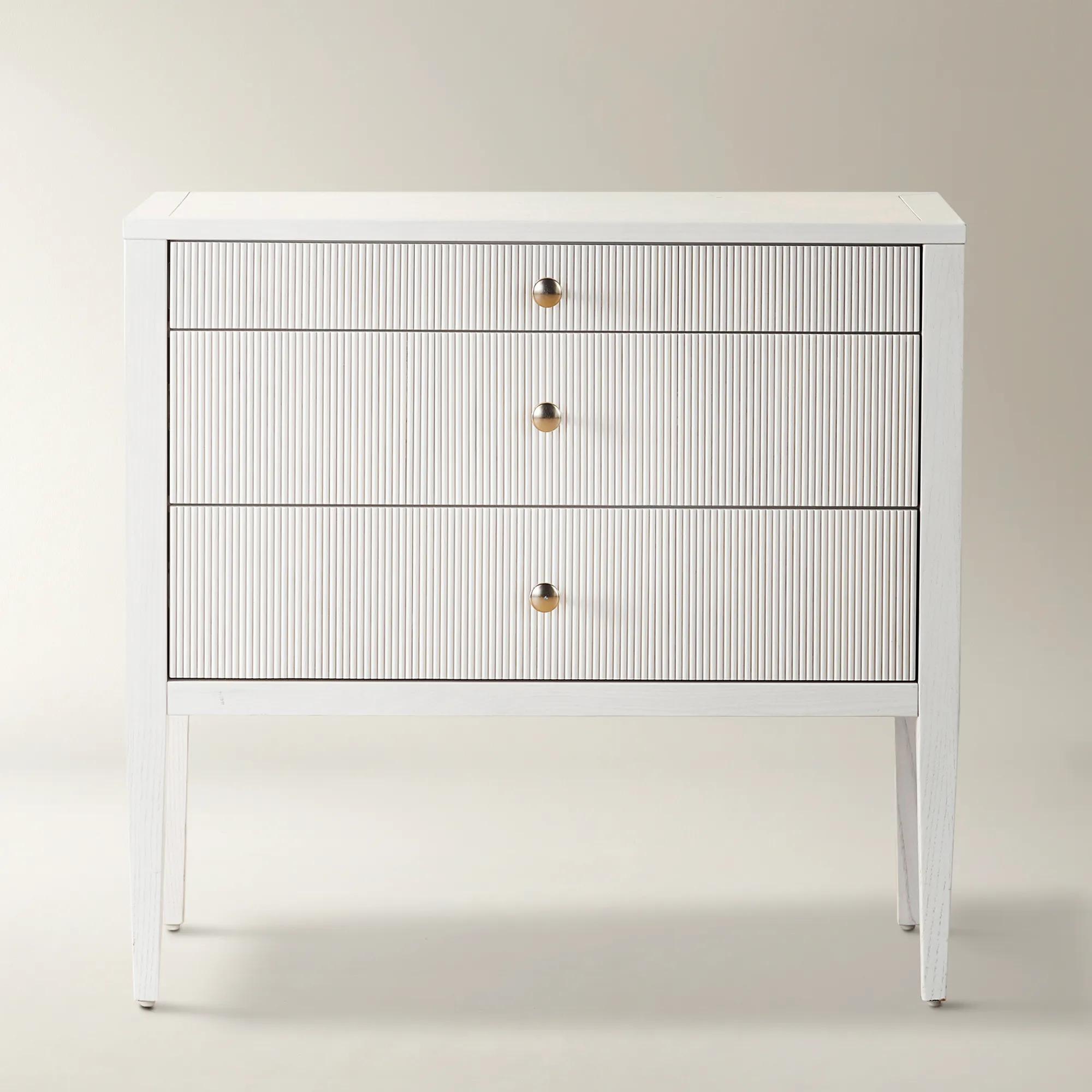 Viola Reeded White Ash Wood 3-Drawer Nightstand (31")$899
A modern nightstand in bone white ash wood with reeded drawers and brass hardware for a luxe touch.
Add To Cart -

 Tenley Bed$2599
A modern bed with a kiln-dried hardwood frame and plush, high-density foam headboard in oyster linen.
Add To Cart -
 Glimmer Set of 4 Bedroom$5696
A sophisticated bedroom suite featuring an ivory or grey bed with coordinating nightstands and dresser.
Add To Cart -
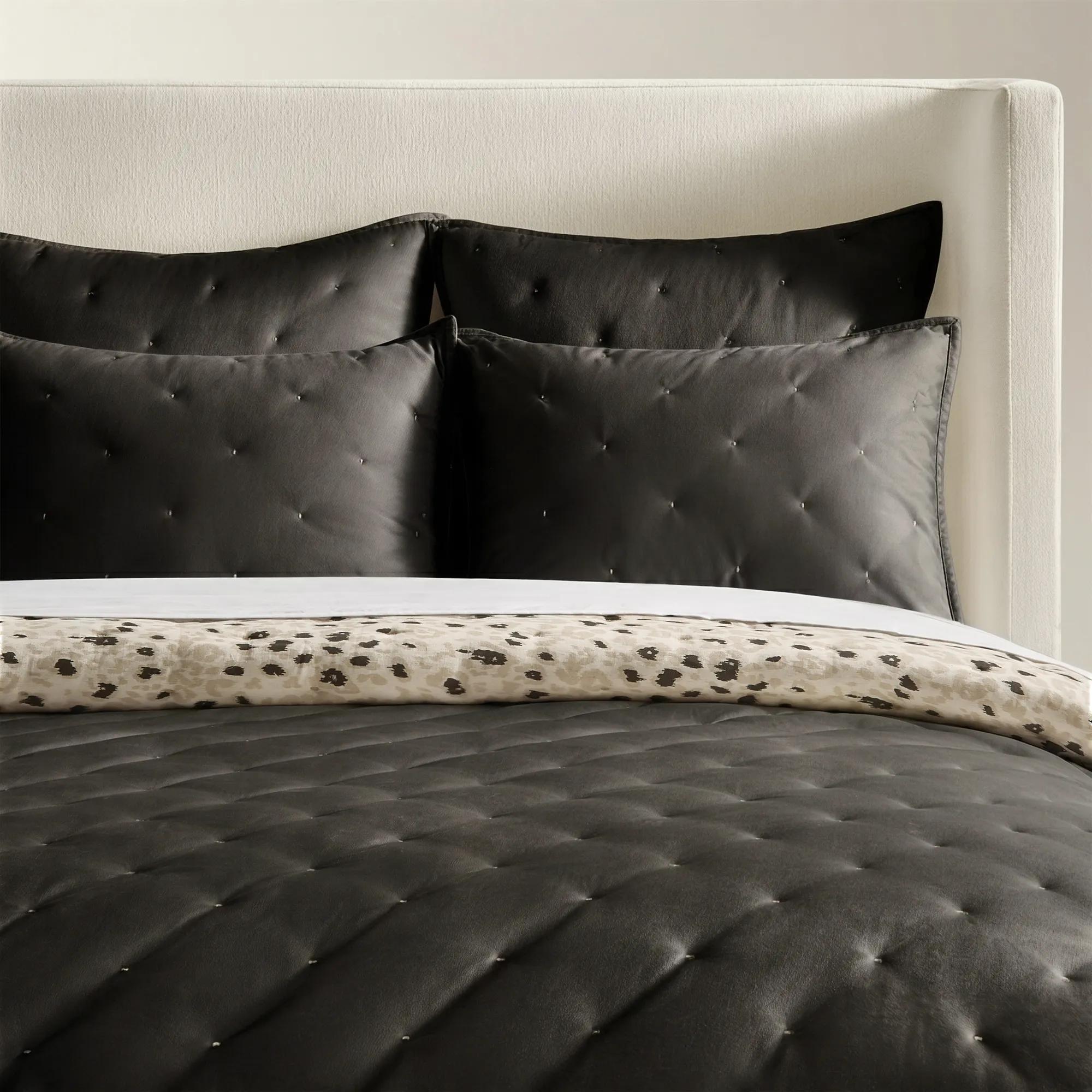
 Nemera Graphite/Leopard Reversible Velvet & Cotton Linen Quilt Set$299
A reversible quilt set featuring plush graphite velvet on one side and bold leopard print cotton-linen on the other.
Add To Cart -
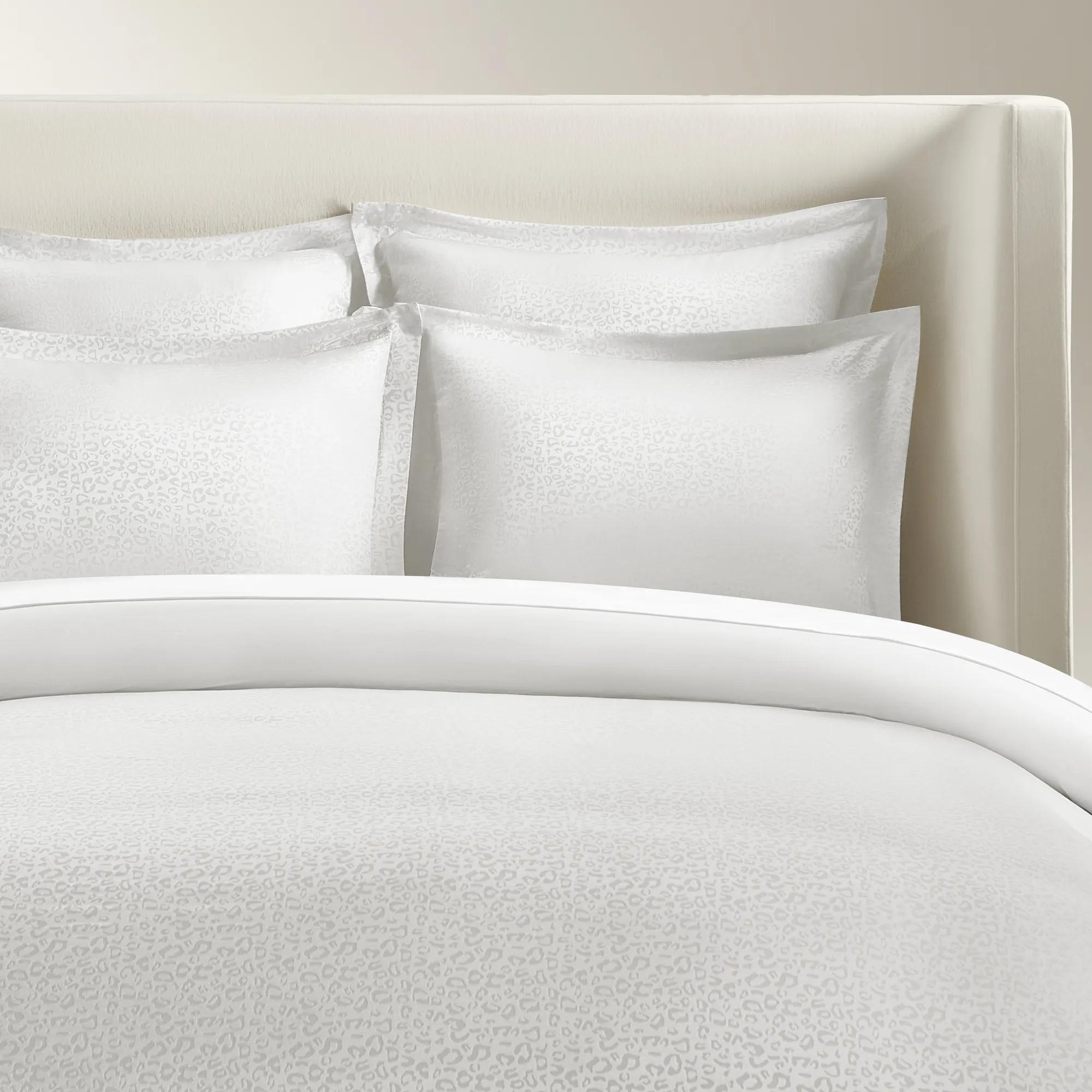
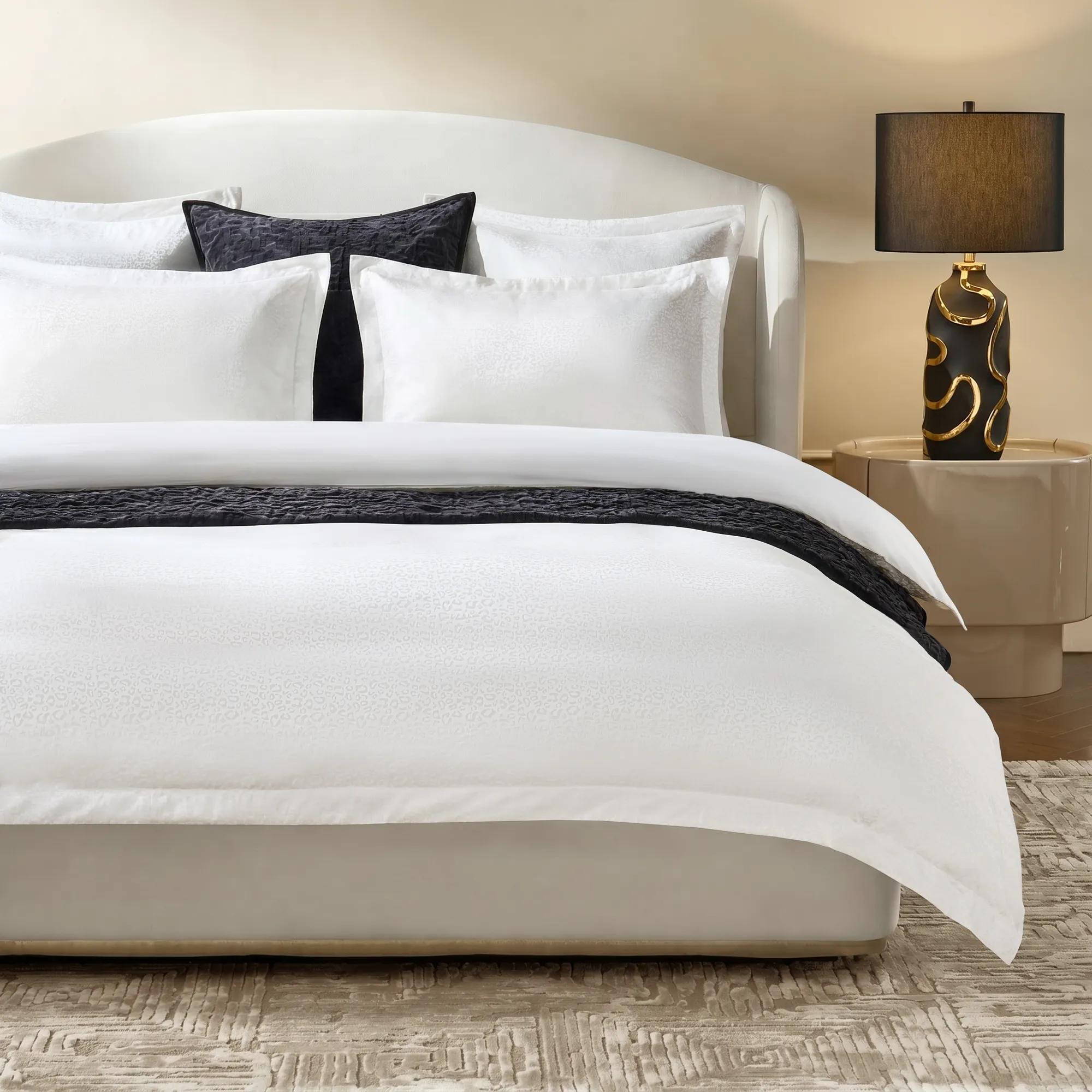 Abi Leopard Cloud White Tencel Bedding Set$249
A cloud white bedding set featuring a tonal leopard print in a smooth Tencel blend with cotton reverse.
Add To Cart -
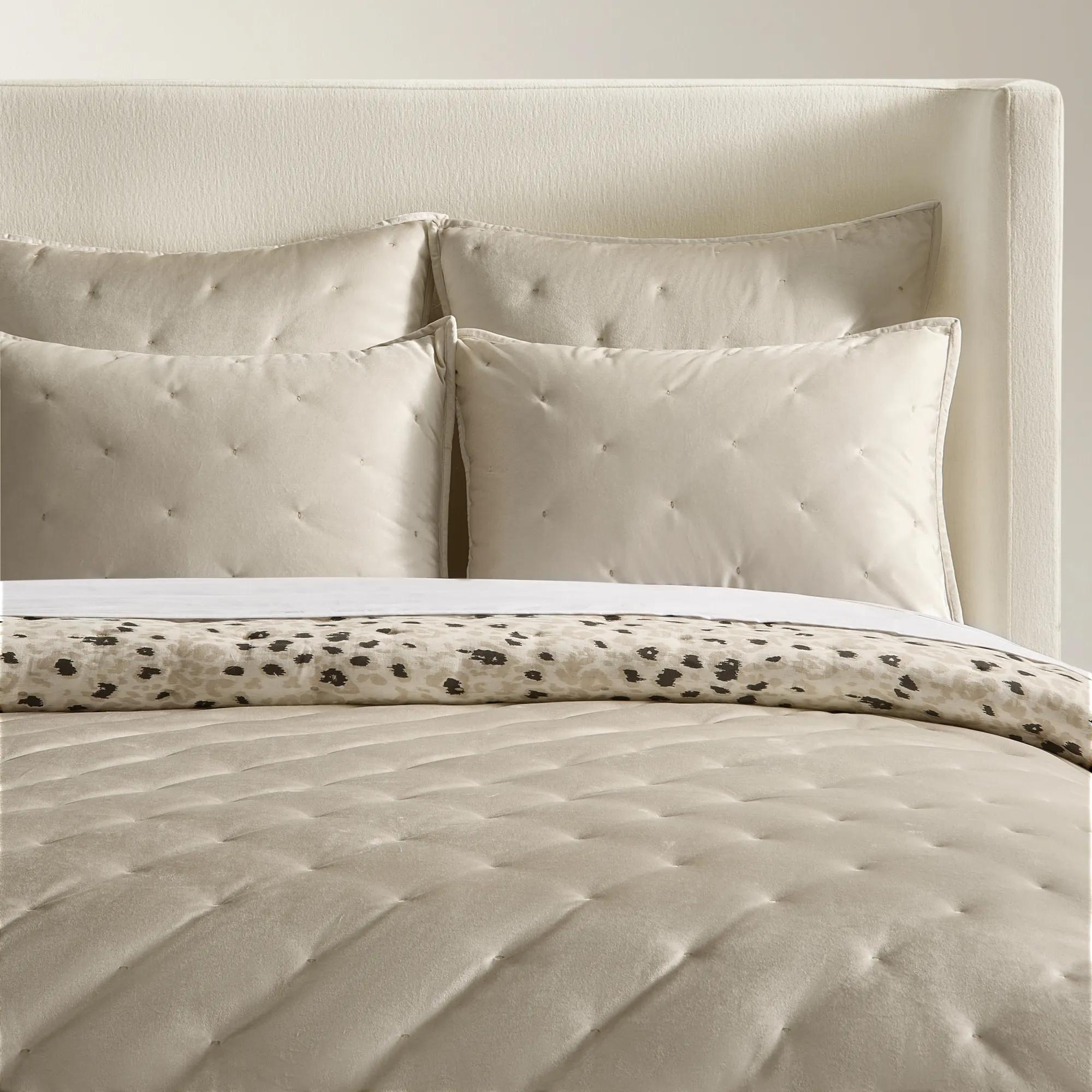 Nemera Alabaster/Leopard Reversible Velvet & Cotton Linen Quilt Set$349
A reversible quilt set featuring plush alabaster velvet on one side and bold leopard print cotton-linen on the other.
Add To Cart -
 Sarla Contrast Cotton Percale Bedding Set - White/Black$229
A crisp white cotton percale bedding set featuring modern black piping for a refined, graphic contrast.
Add To Cart -
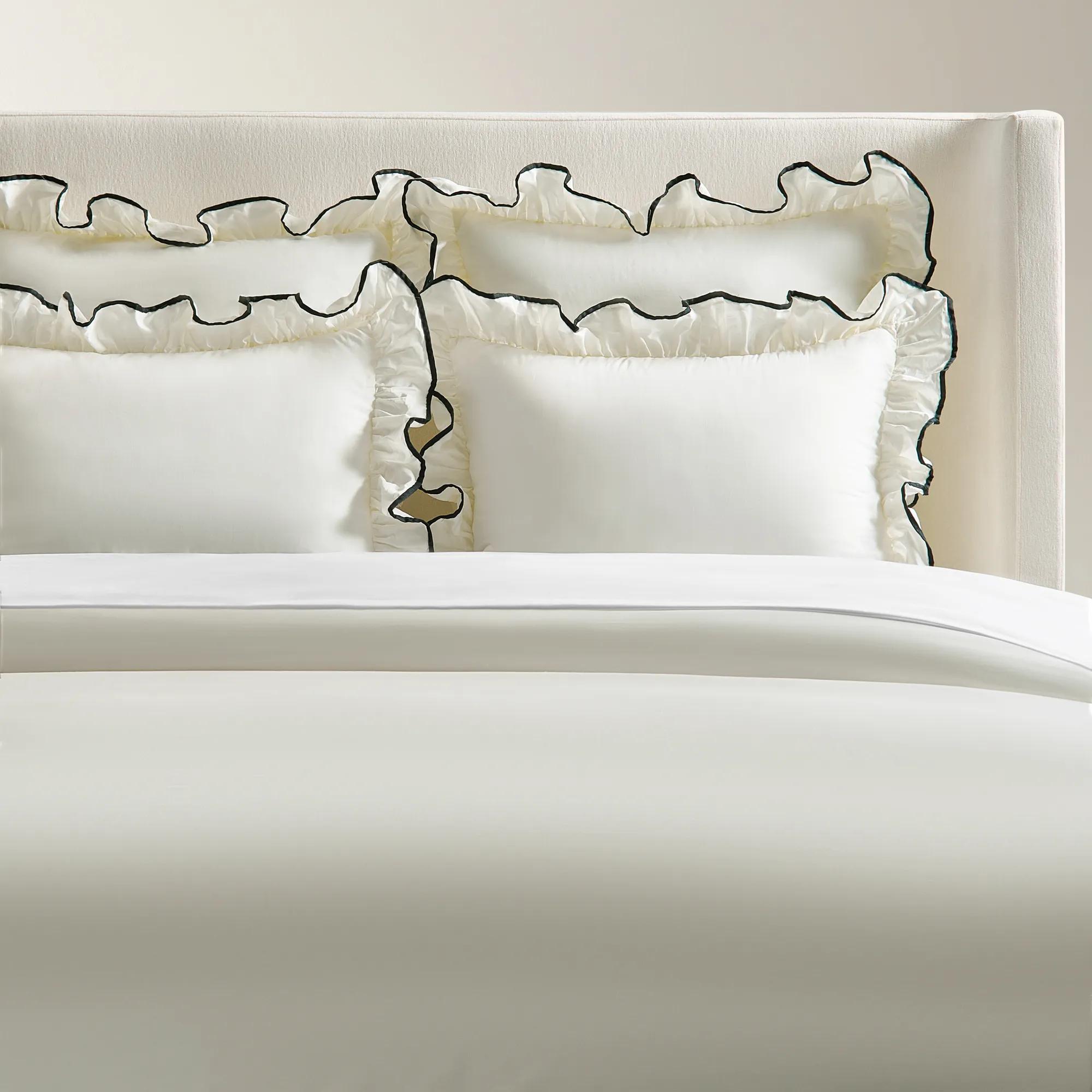
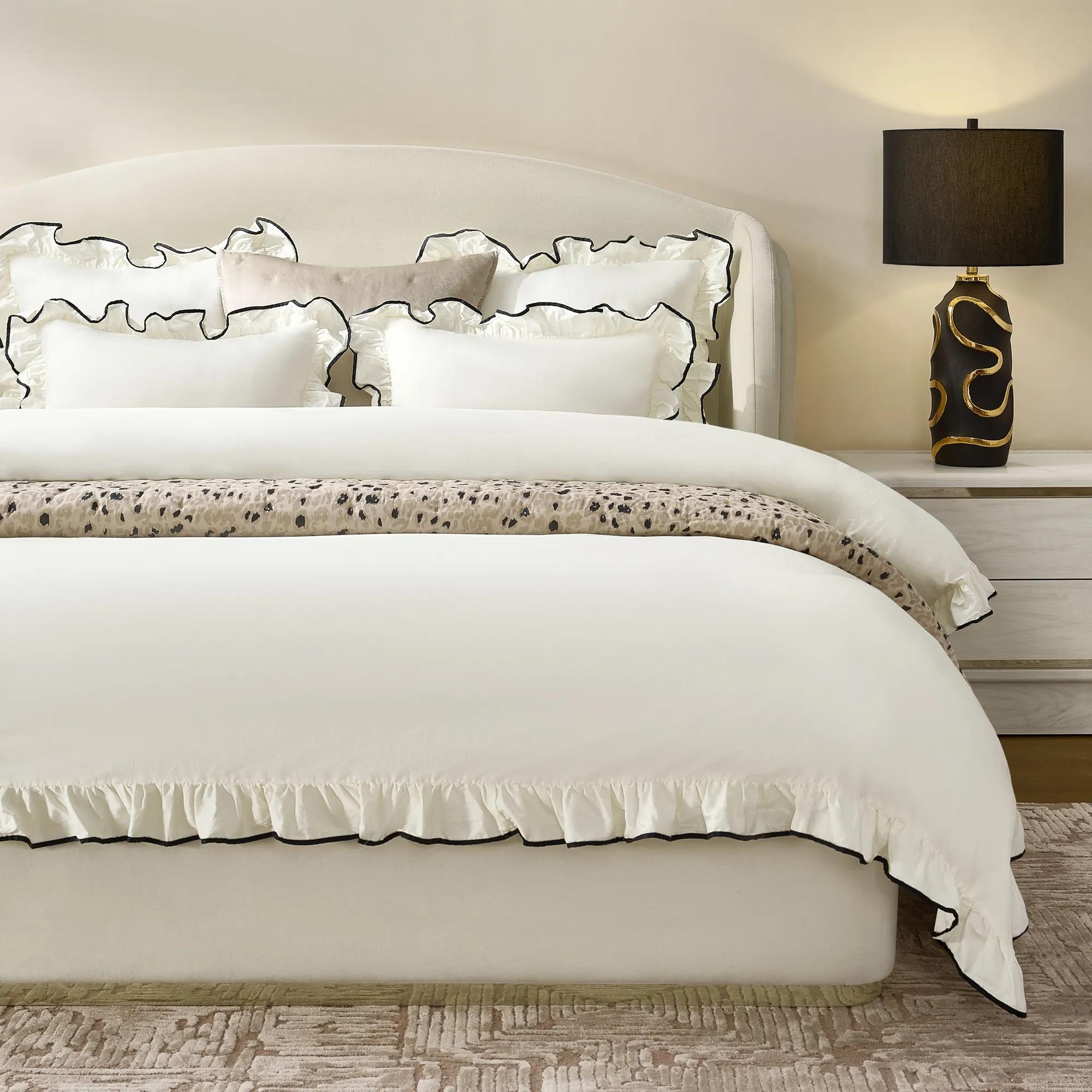 Vittoria Ivory/Black Cotton Percale Ruffle Bedding Set$79
An ivory cotton percale bedding set with dramatic black ruffle trim for a crisp, Deco-inspired look.
Add To Cart -
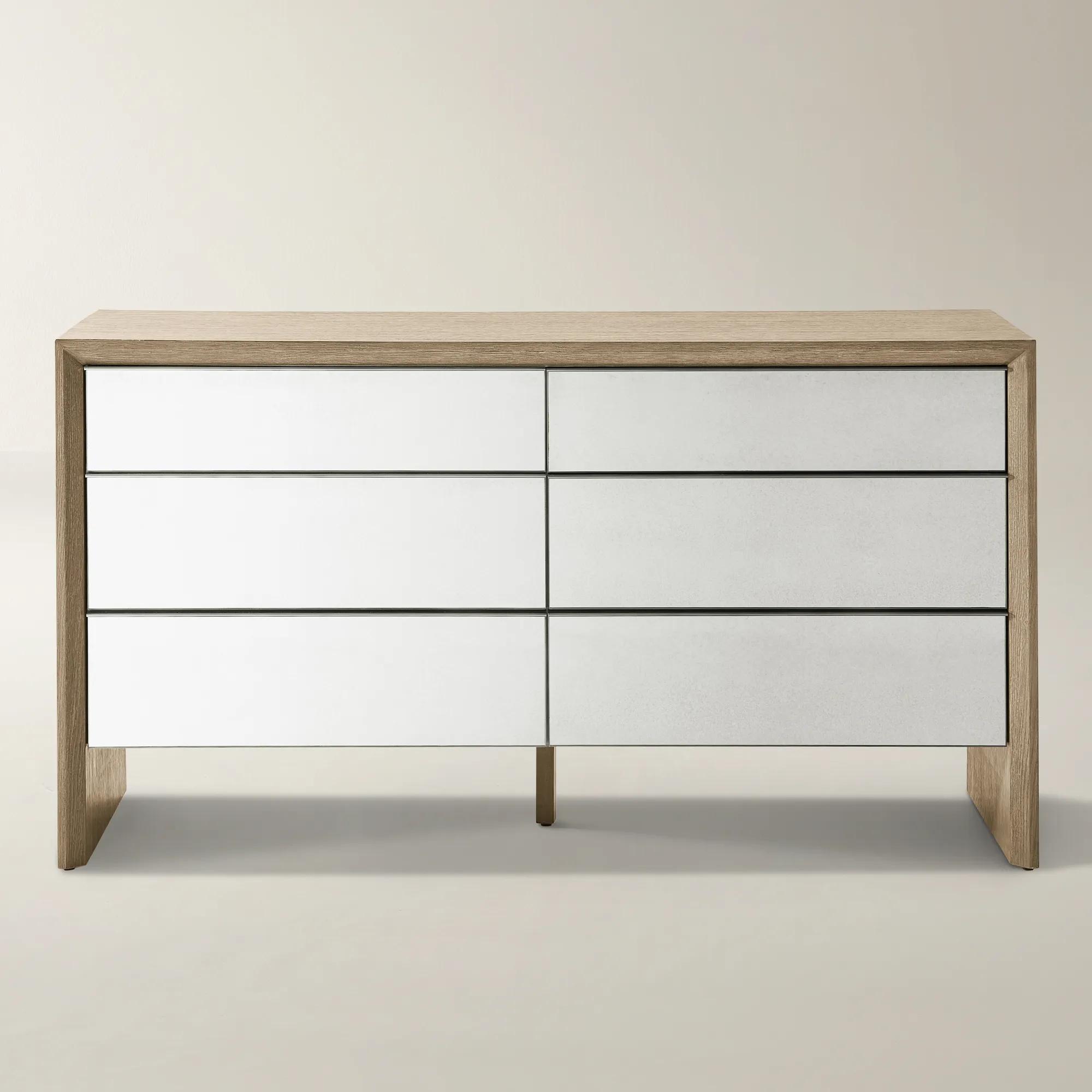 Glimmer Mirrored Seadrift Oak 6-Drawer Dresser (65")$2099
A sophisticated dresser featuring sea drift oak veneer and antique mirrored drawer fronts with soft-close drawers.
Add To Cart -
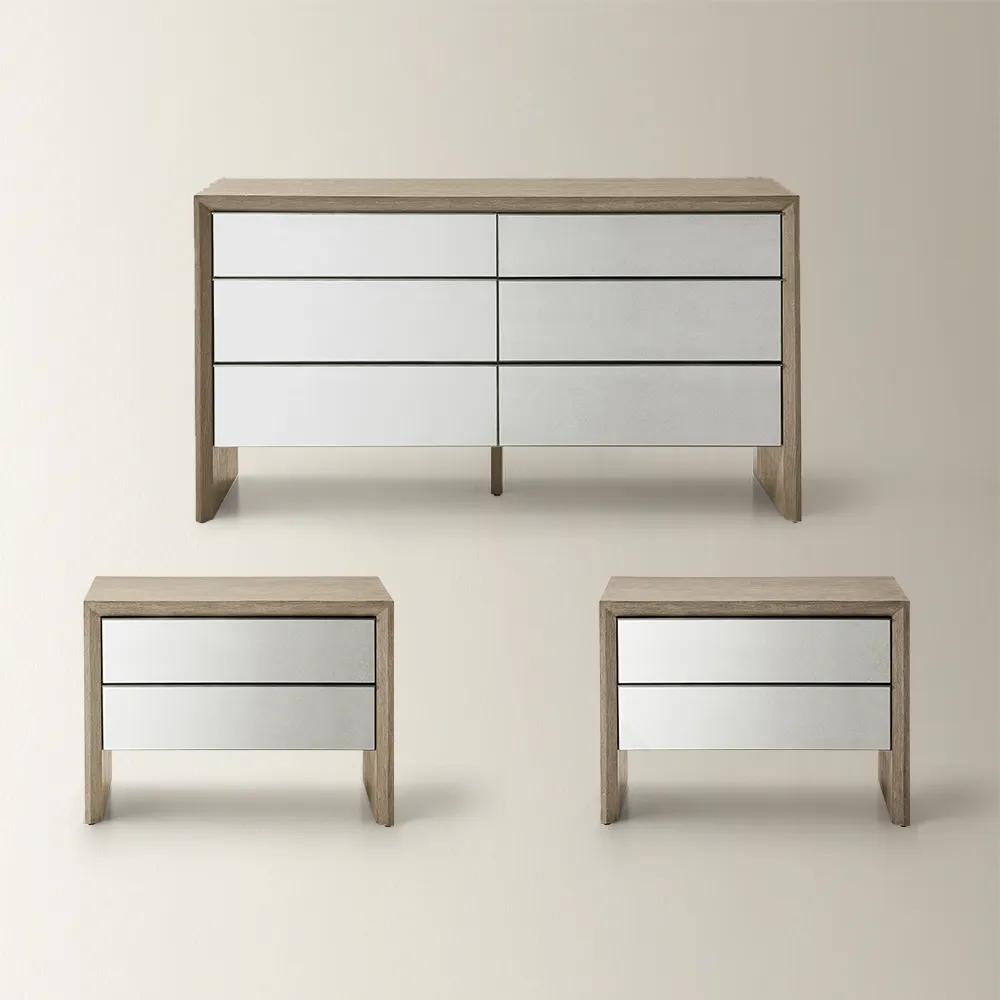 Glimmer Set of 3 Bedroom$3697
A coordinated bedroom furniture set featuring one dresser and two nightstands for a polished, cohesive space.
Add To Cart -
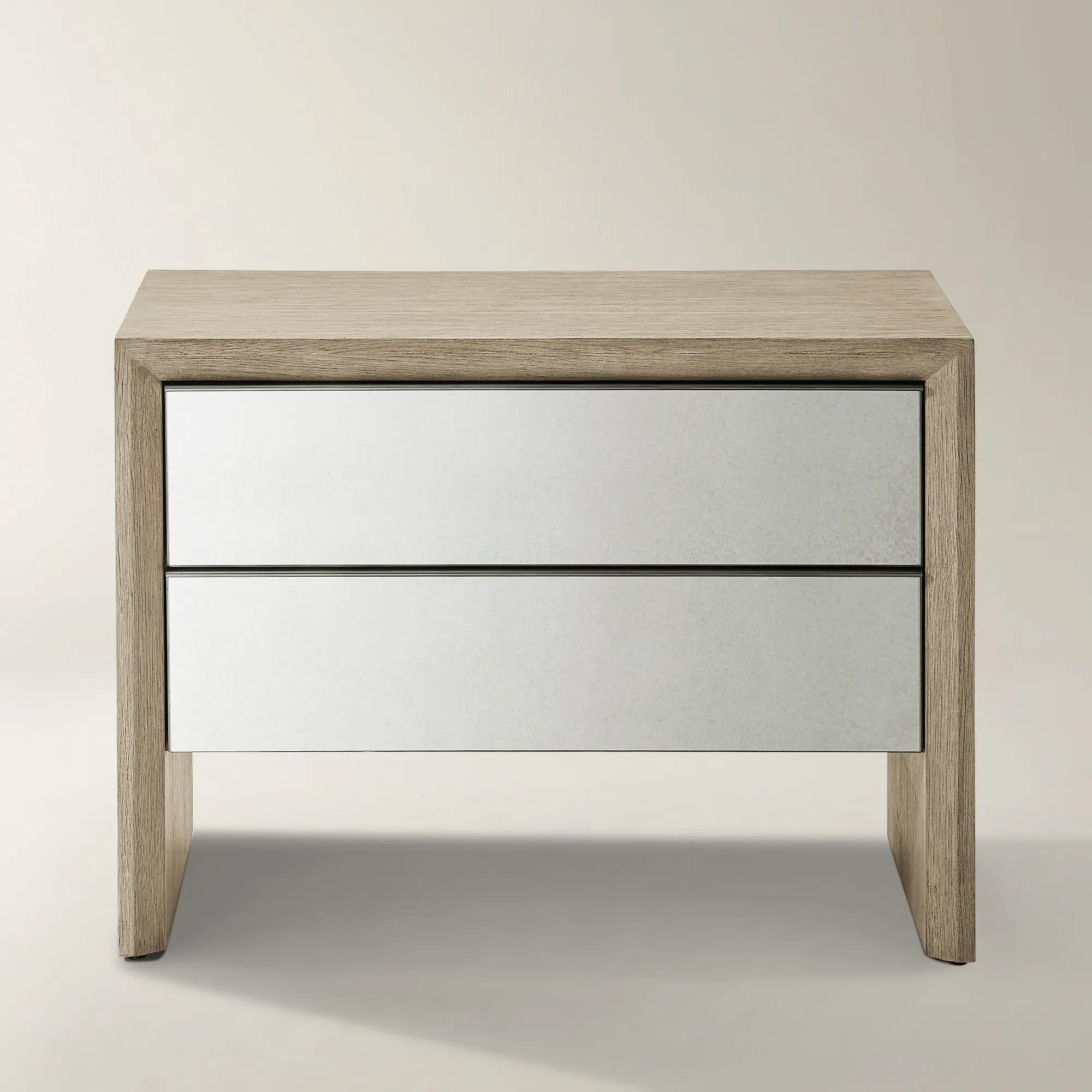
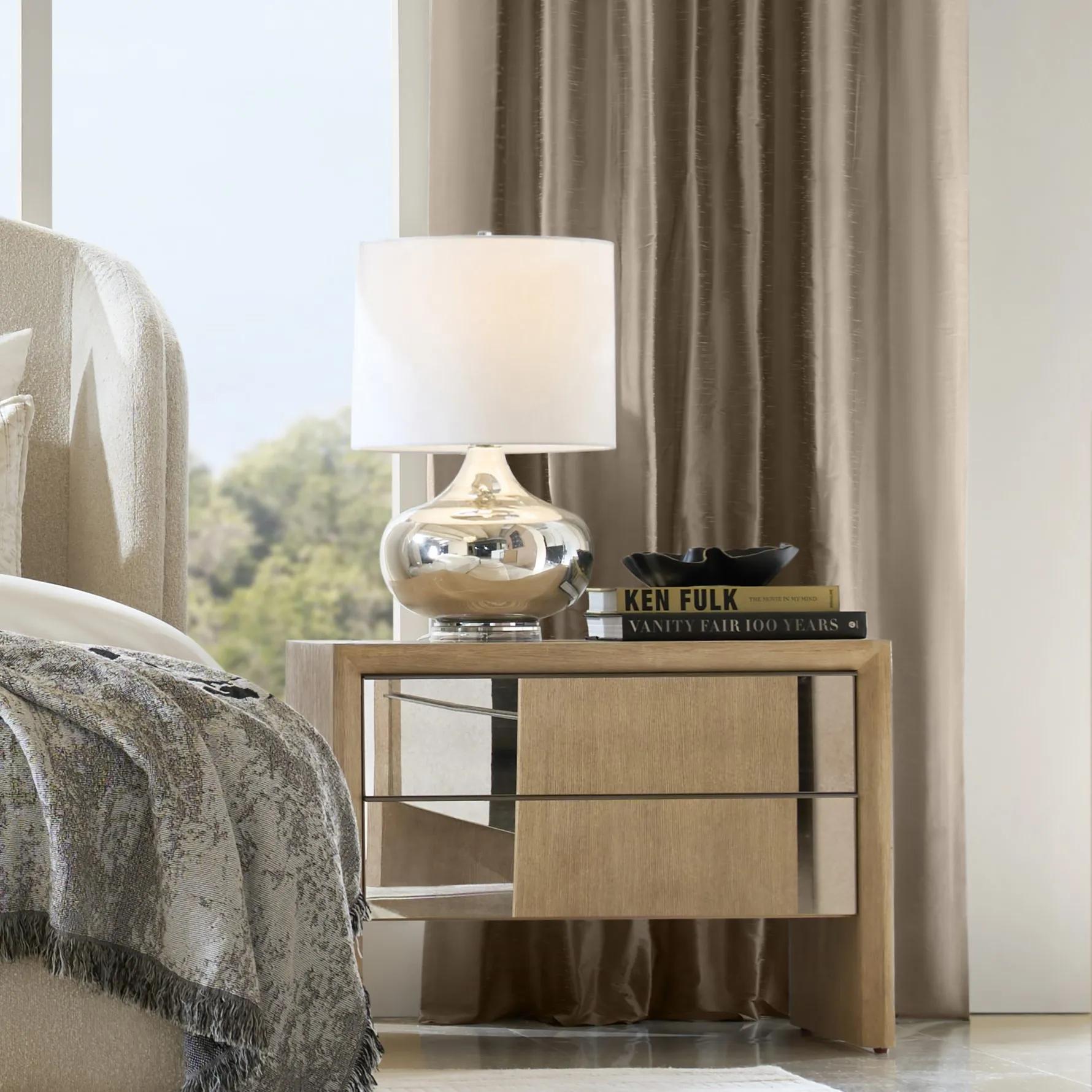 Glimmer Mirrored Seadrift Oak 2-Drawer Nightstand (32")$799
A glamorous nightstand featuring sea drift oak veneer, antique mirrored drawers, and soft-close storage.
Add To Cart -
 Glimmer Set of 3 Bedroom$3797
A sophisticated bedroom set pairing an ivory or grey bed with two coordinating nightstands.
Add To Cart -
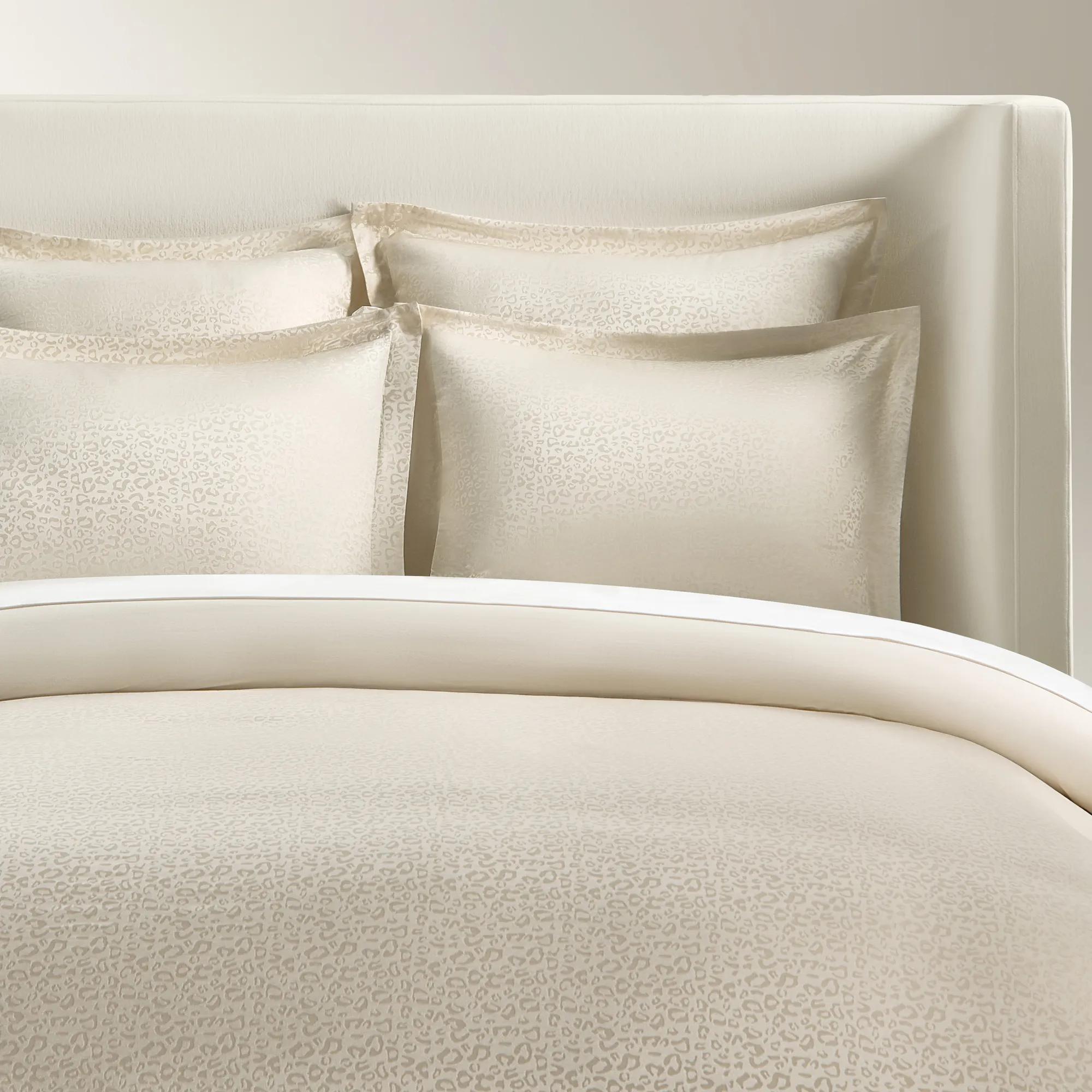 Abi Leopard Soft Nude Tencel Bedding Set$79
A soft nude bedding set featuring a tonal leopard print in a smooth Tencel blend with cotton reverse.
Add To Cart -
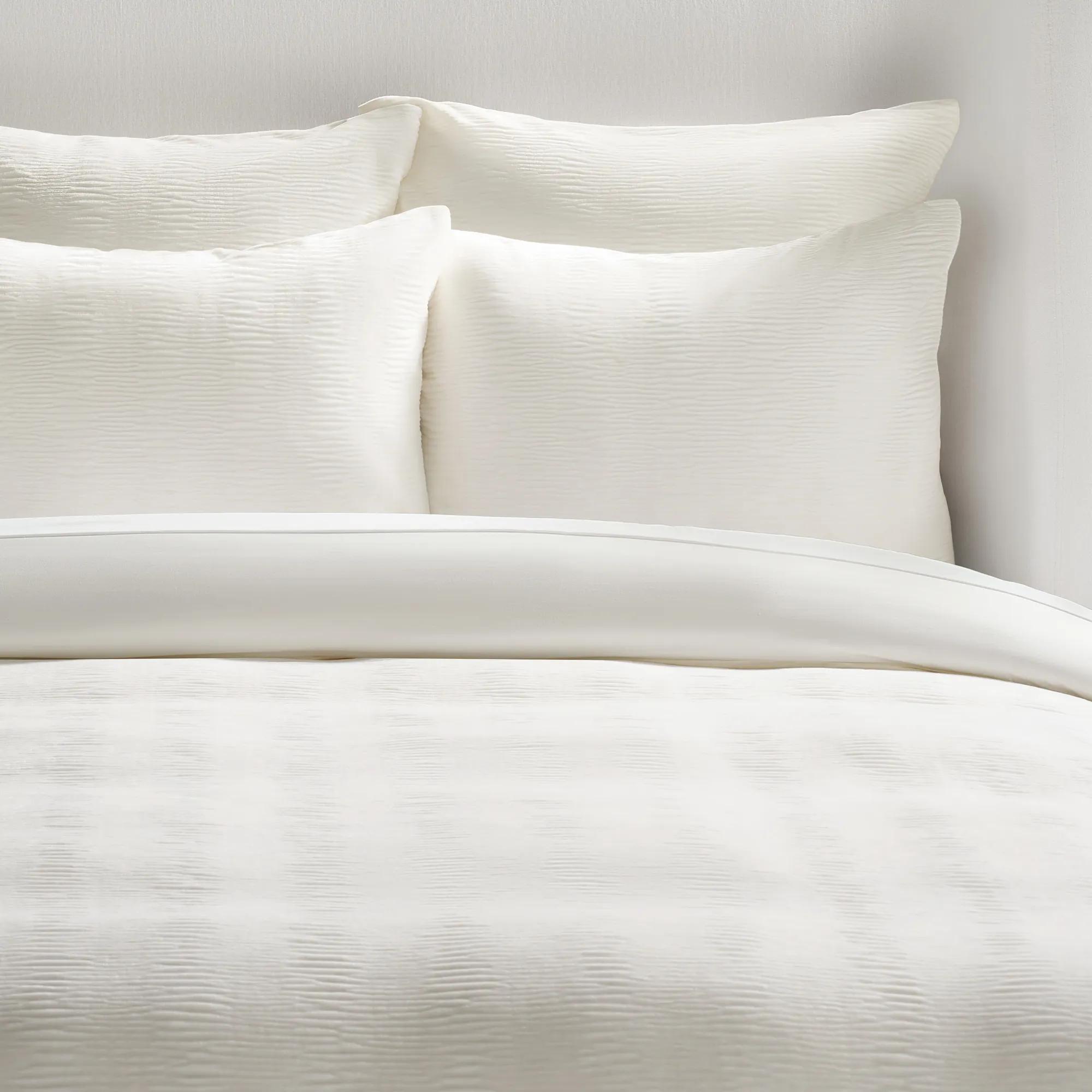
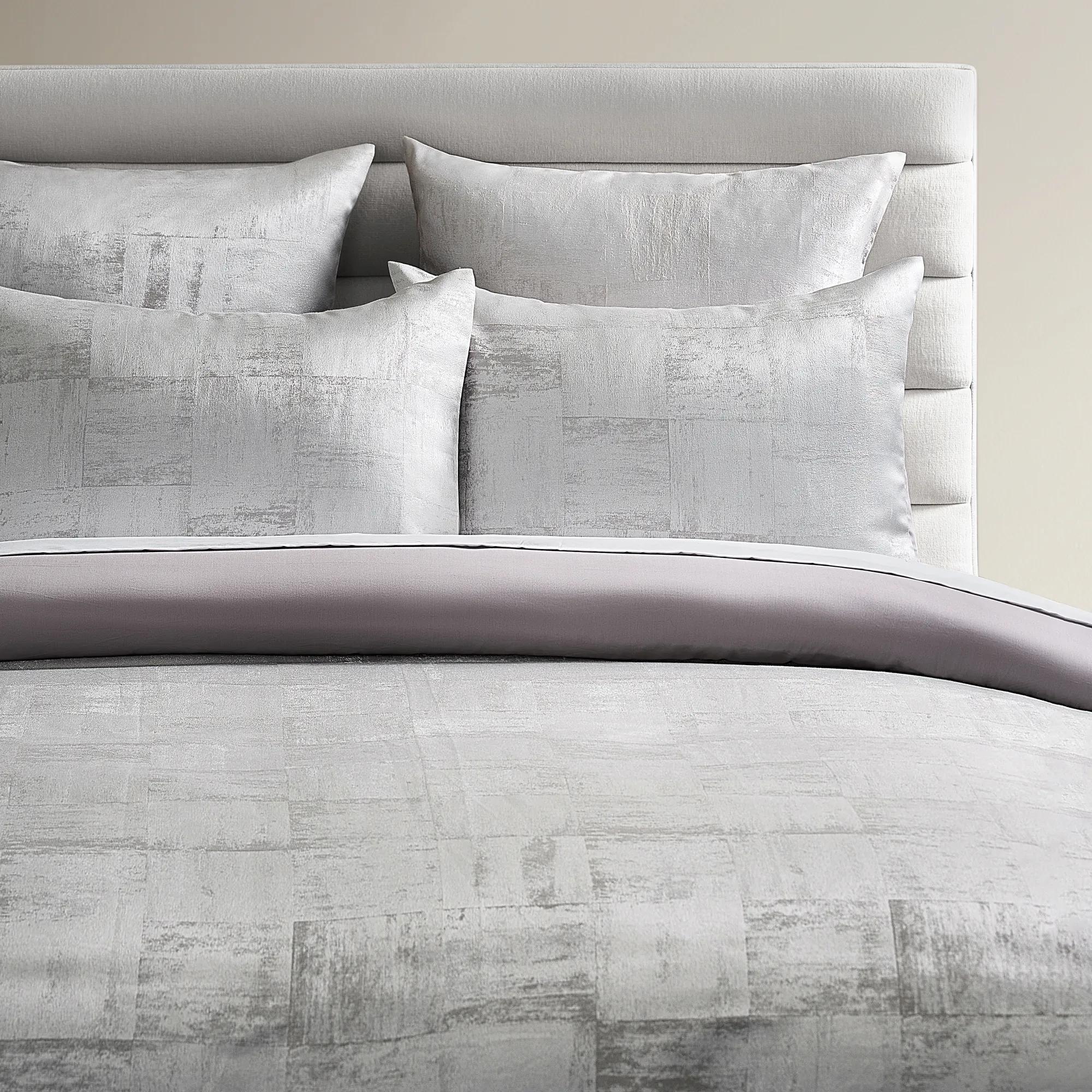 Auden Bedding Set - Platinum$49
A platinum jacquard bedding set featuring a subtle block pattern and refined, modern detailing.
Add To Cart -
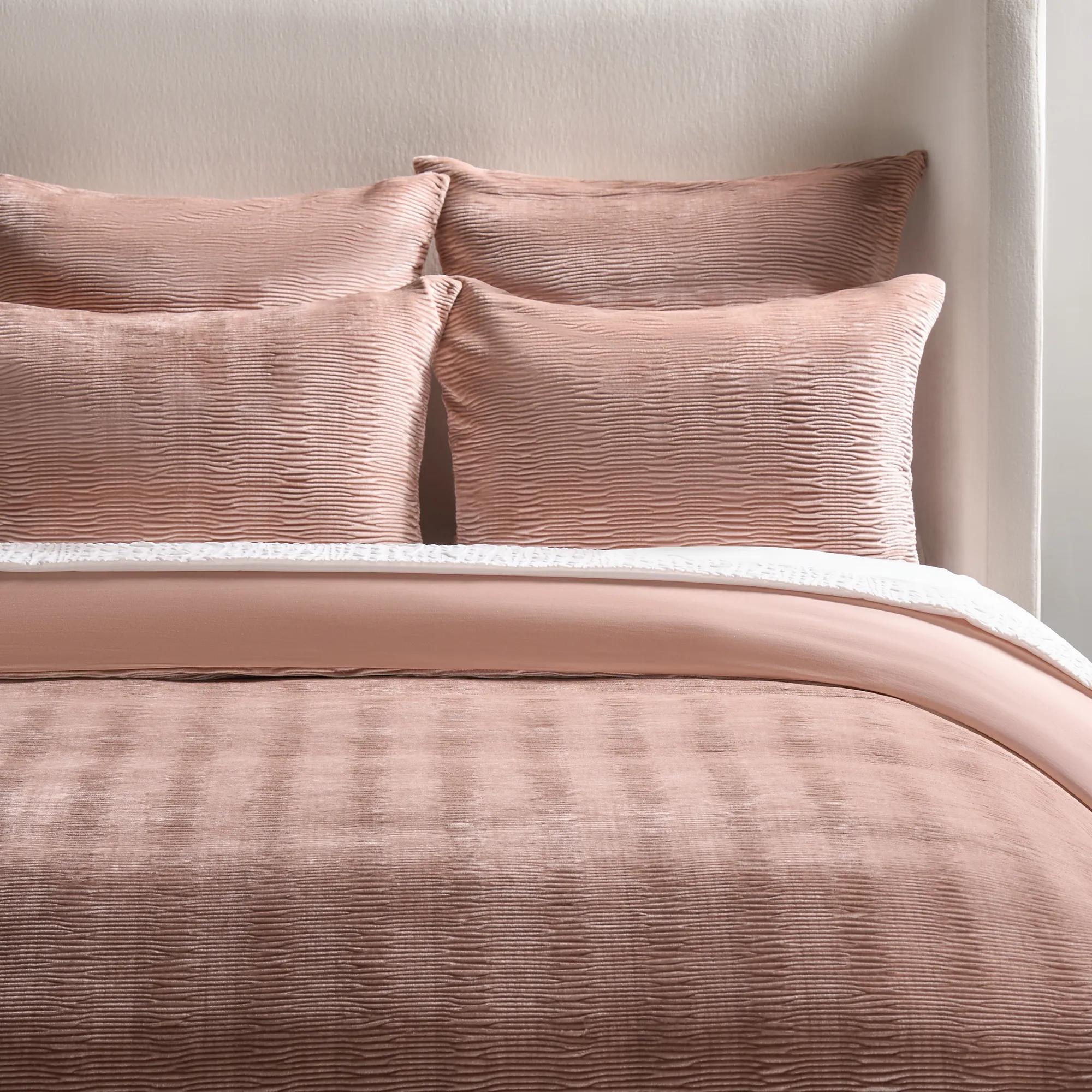
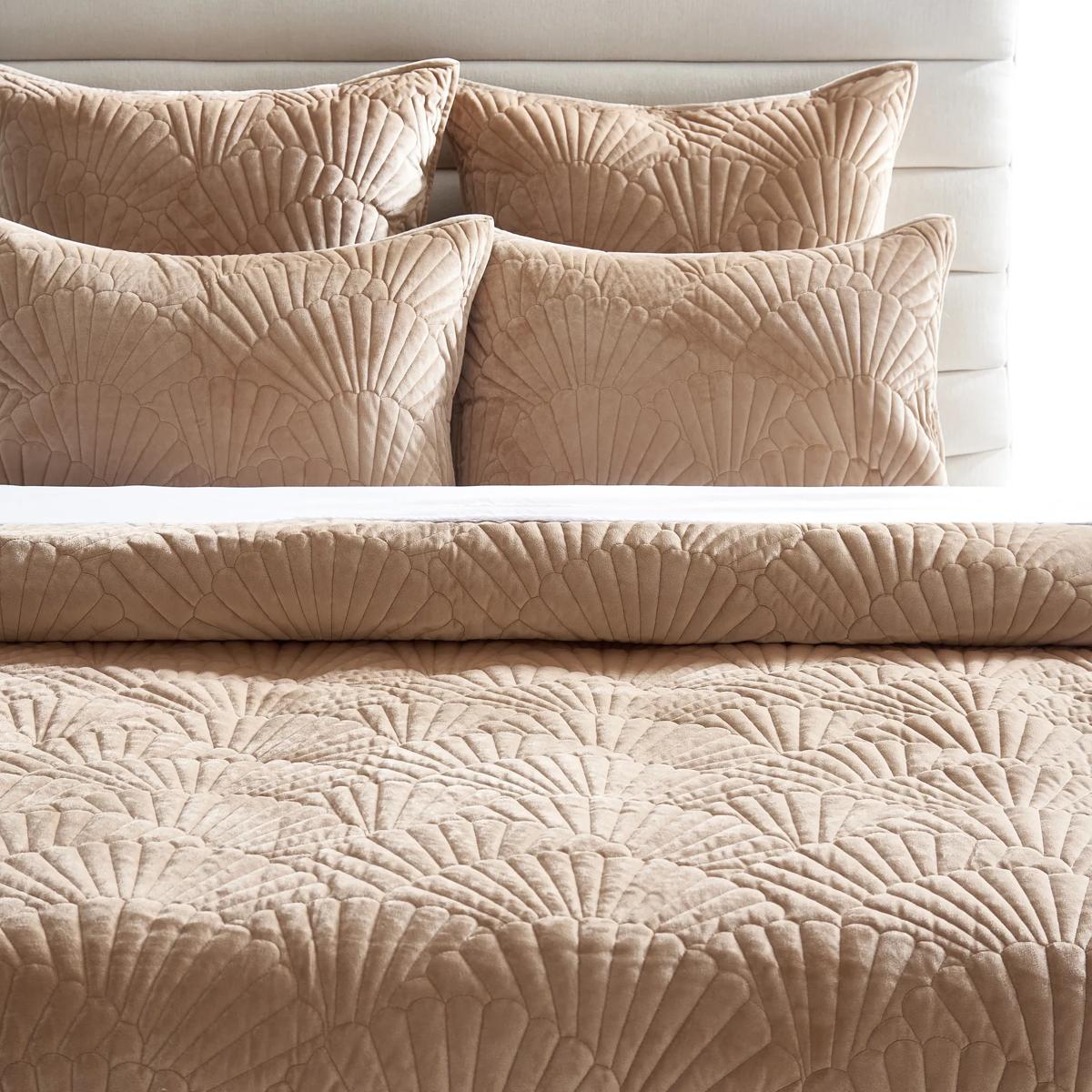 Fan Velvet Quilt Set - Muted Coral$199
A plush muted coral velvet quilt set featuring a sculptural fan motif and piped edges for modern elegance.
Add To Cart -
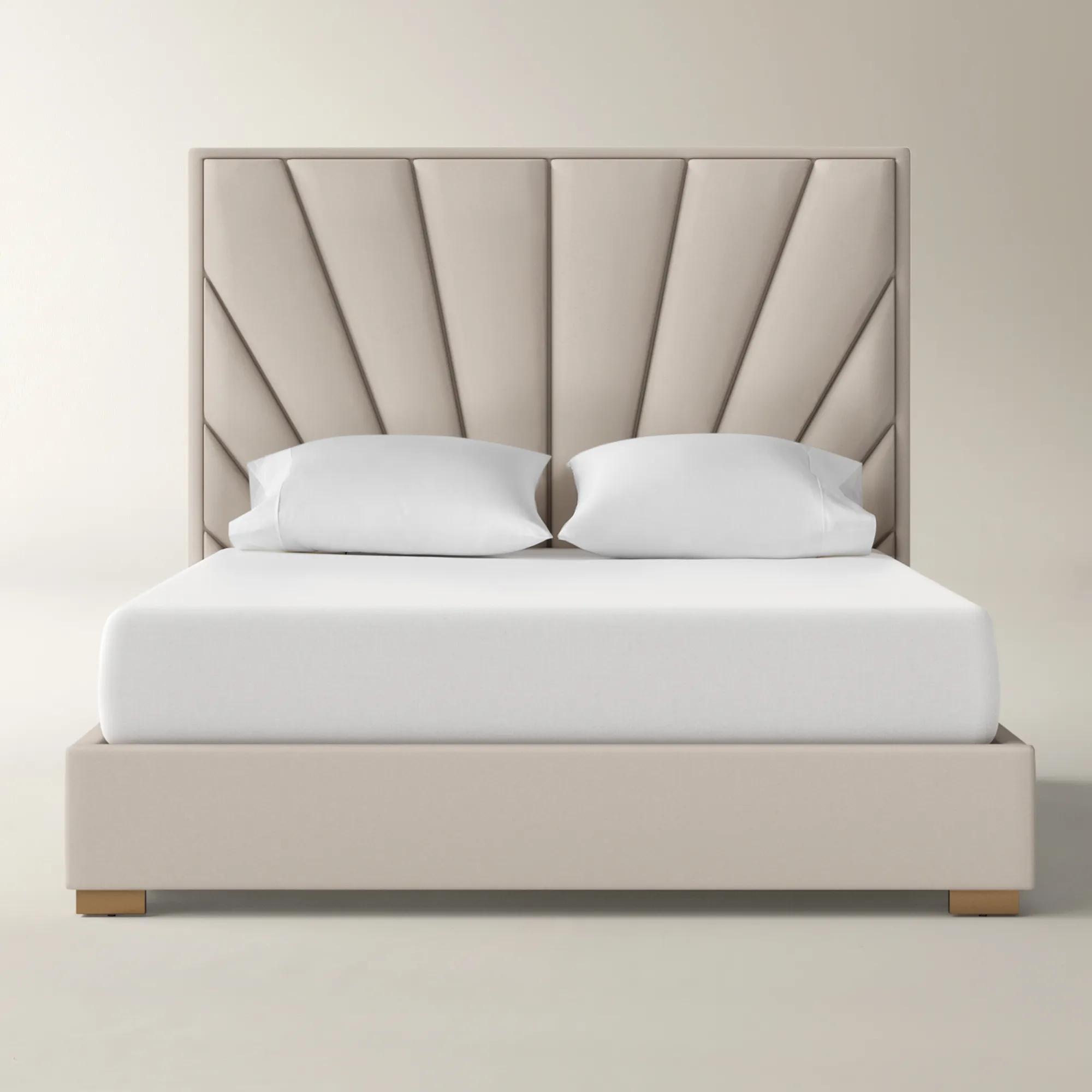 Adriana Platform Bed - 68"H$2899
A hand-crafted platform bed featuring a fan-patterned, upholstered headboard in plush velvet or chenille fabric.
Add To Cart -
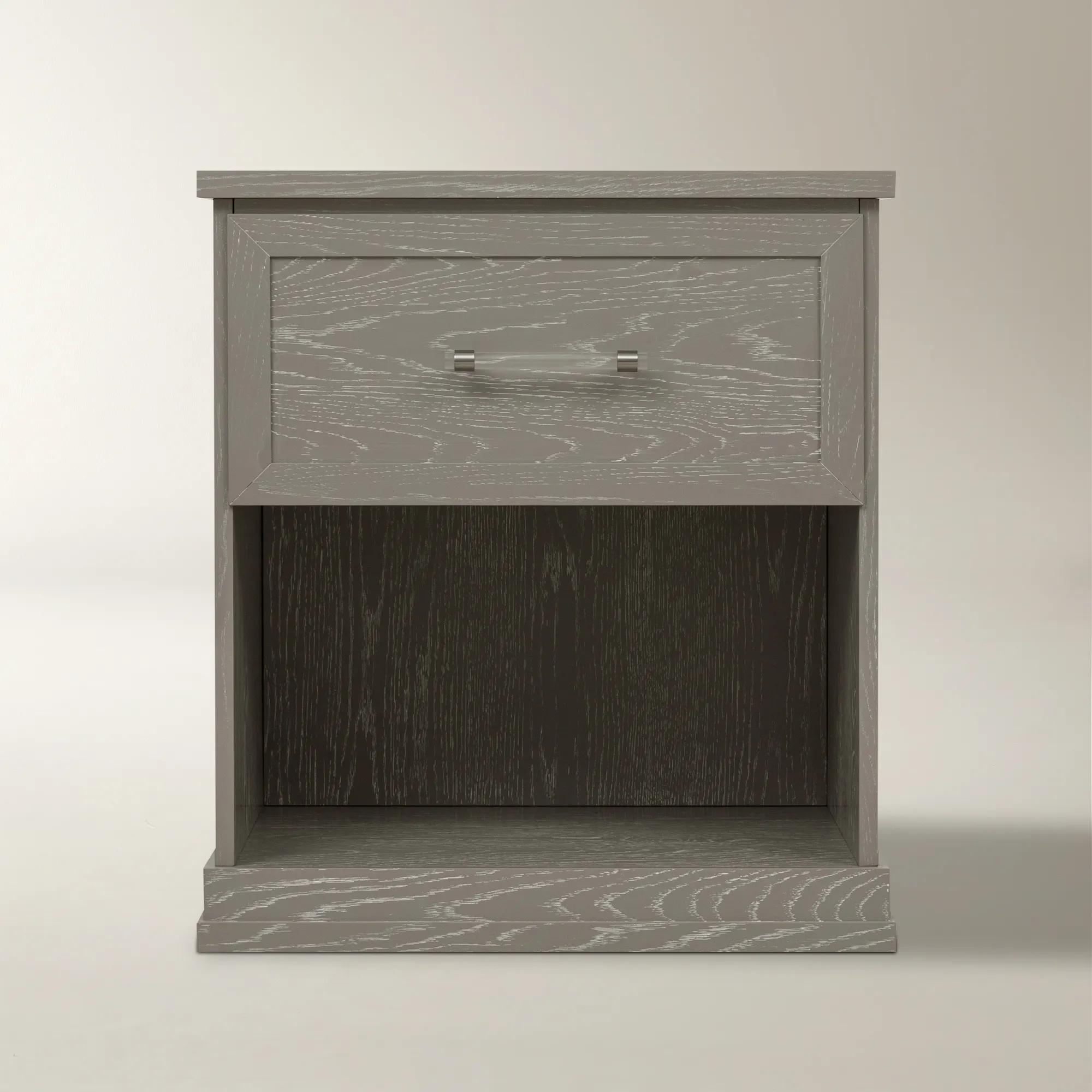
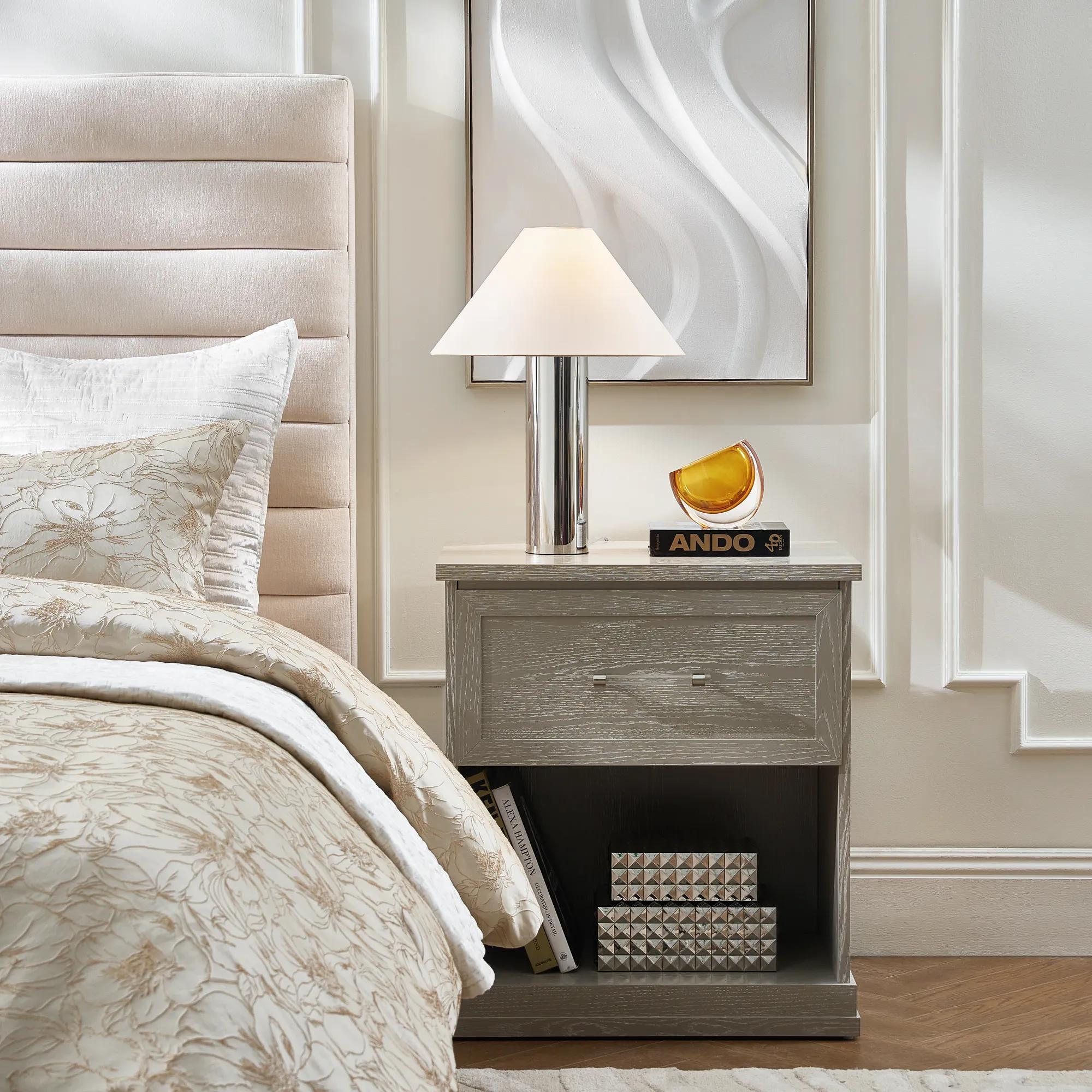 Arwin Grey Oak 1-Drawer Nightstand (26")$699
A contemporary grey hardwood veneer nightstand featuring acrylic and brushed silver handles with soft-closing drawers.
Add To Cart -
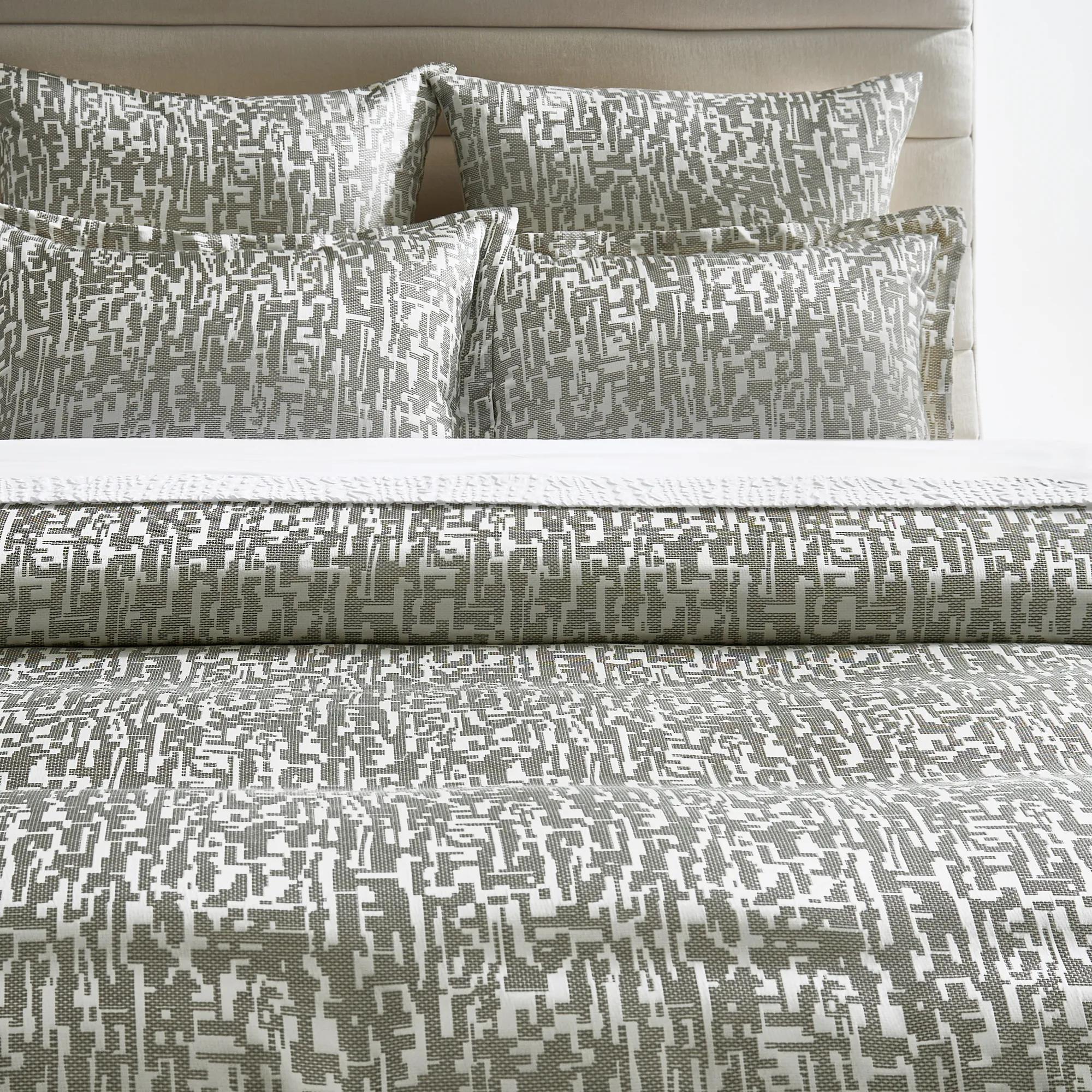
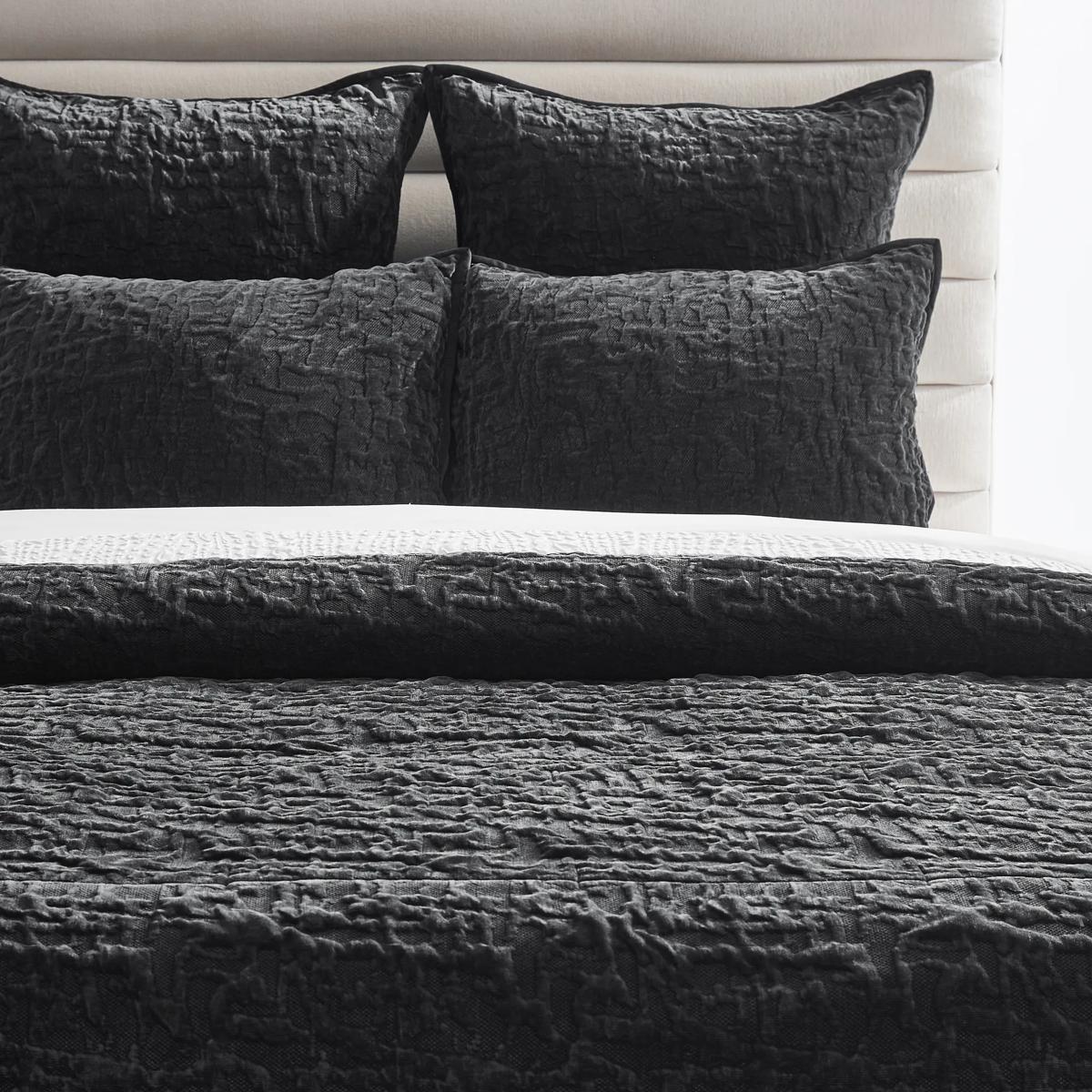
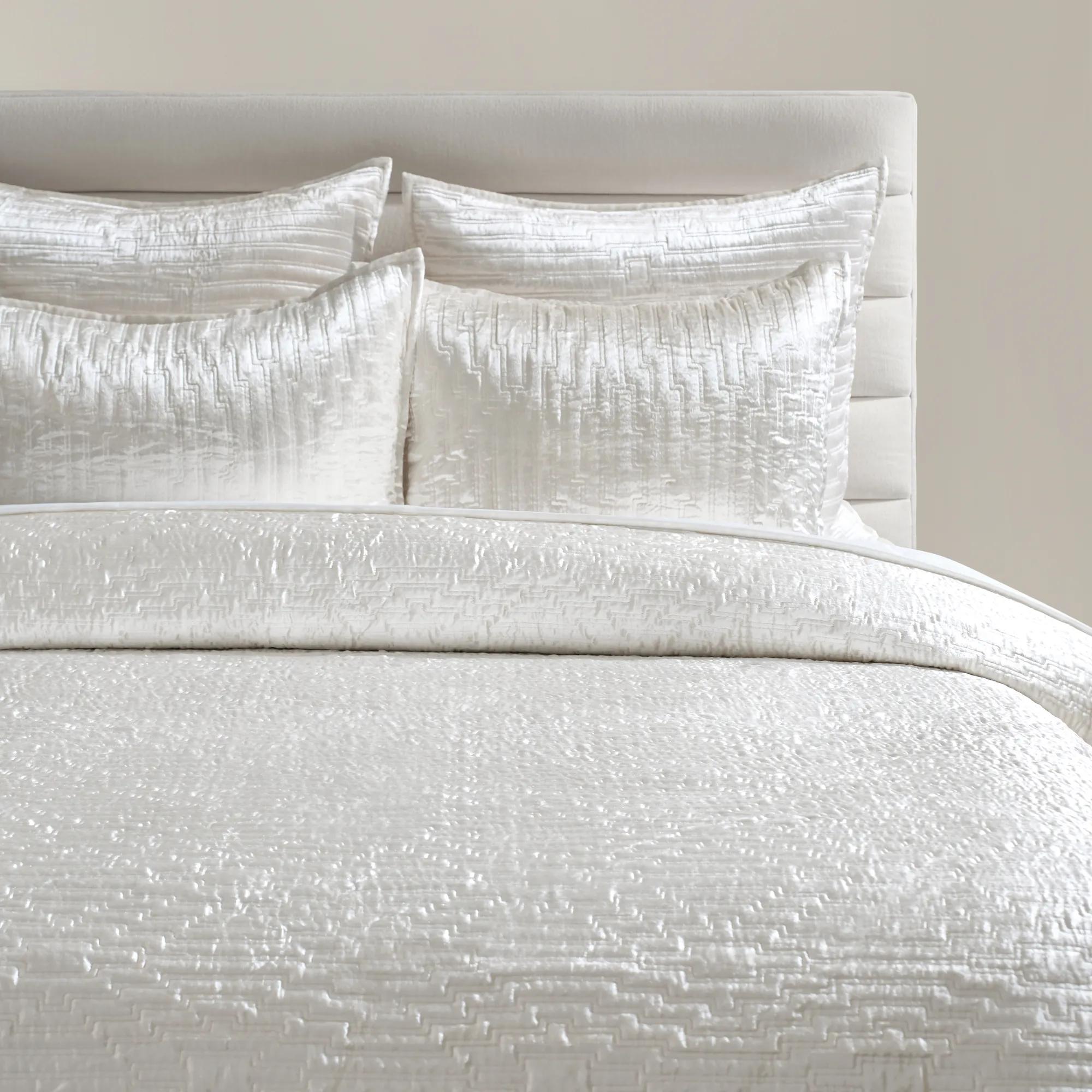
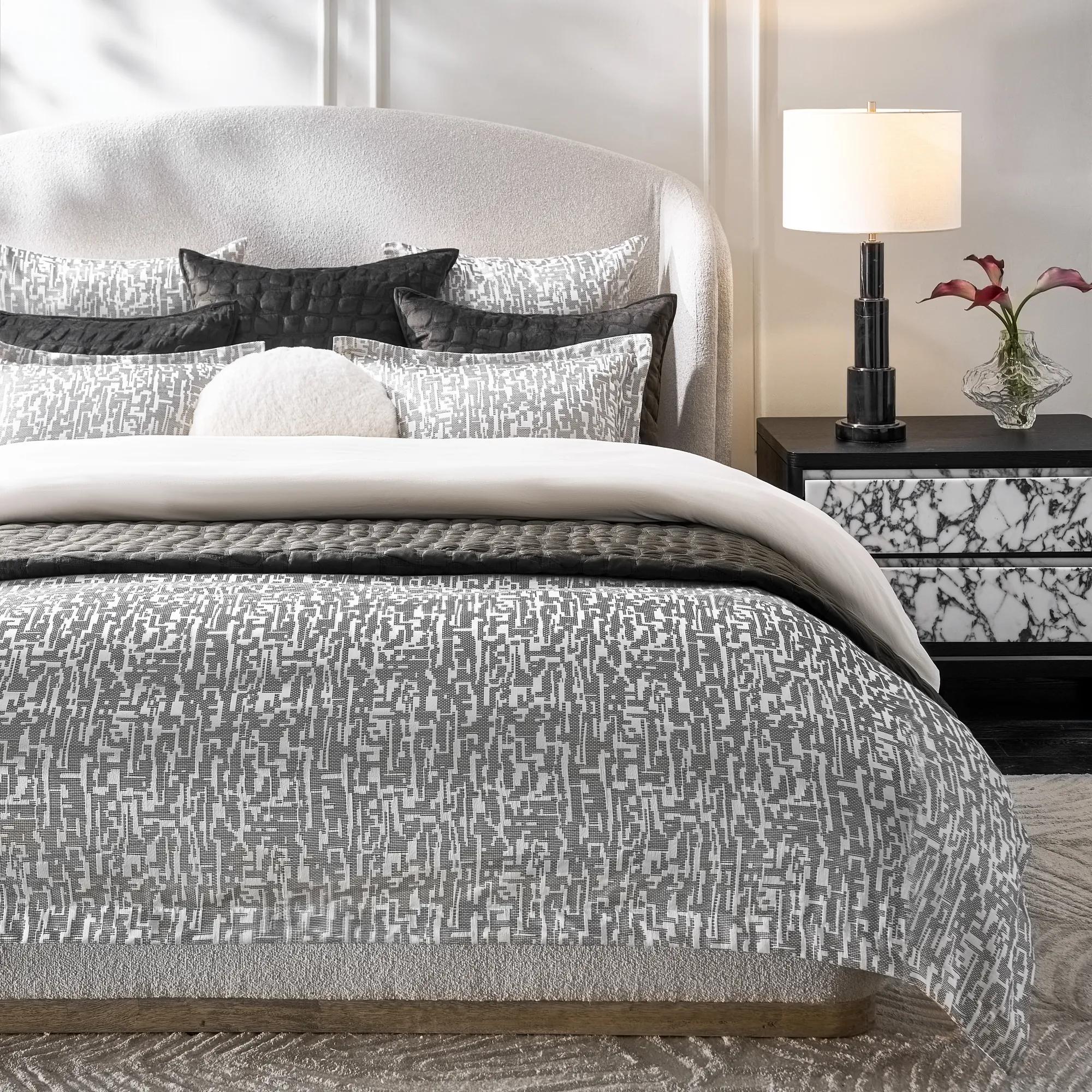 Podva Embroidered Bedding Set - Pearl/ Charcoal$279
A smooth satin bedding set in pearl and charcoal, featuring abstract embroidery and tailored flange edges.
Add To Cart -
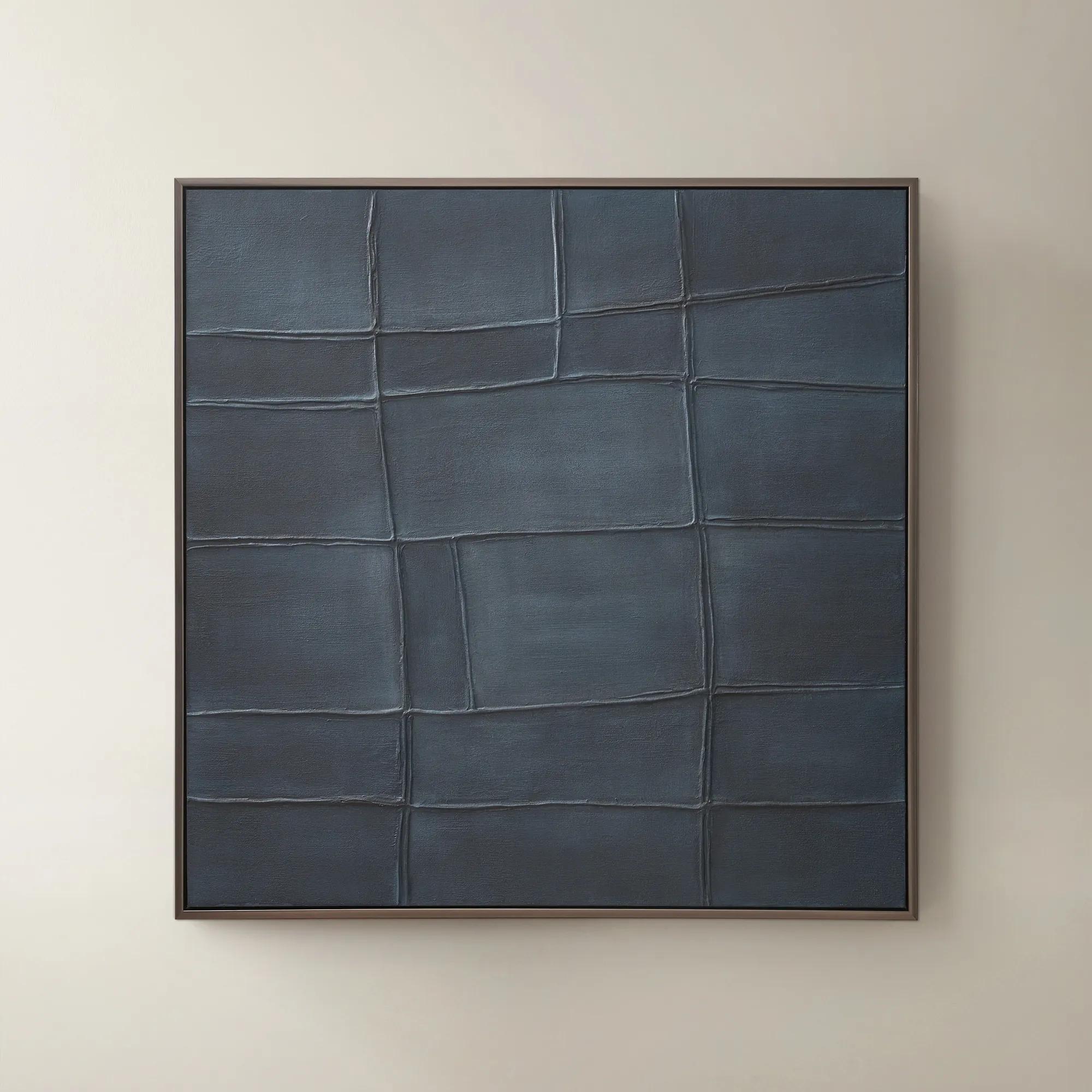
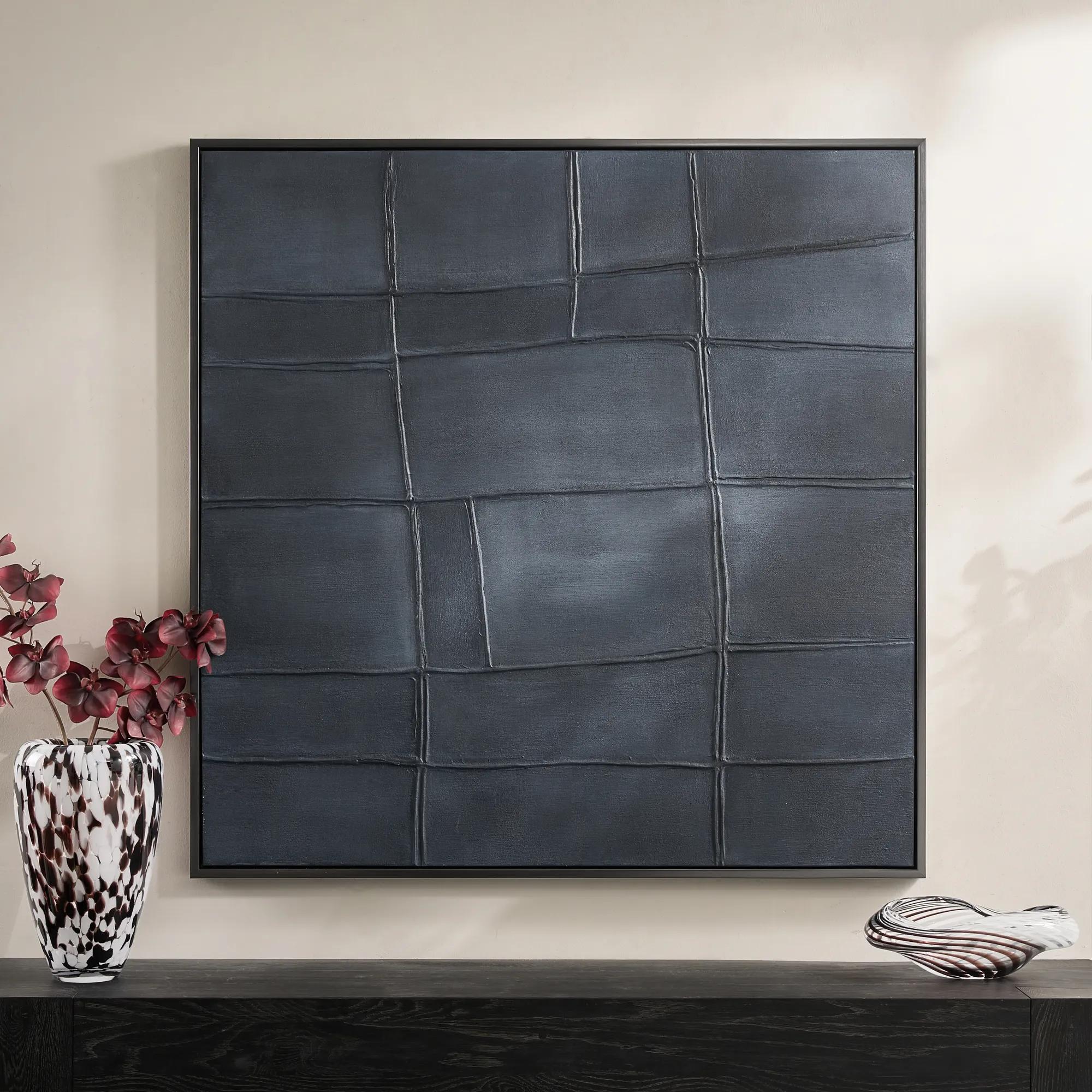 Ink Blue Interval Framed Painted Wall Art 48" x 48"$599
A hand-painted abstract canvas in deep ink blue, finished with a sleek gunmetal frame for modern appeal.
Add To Cart -
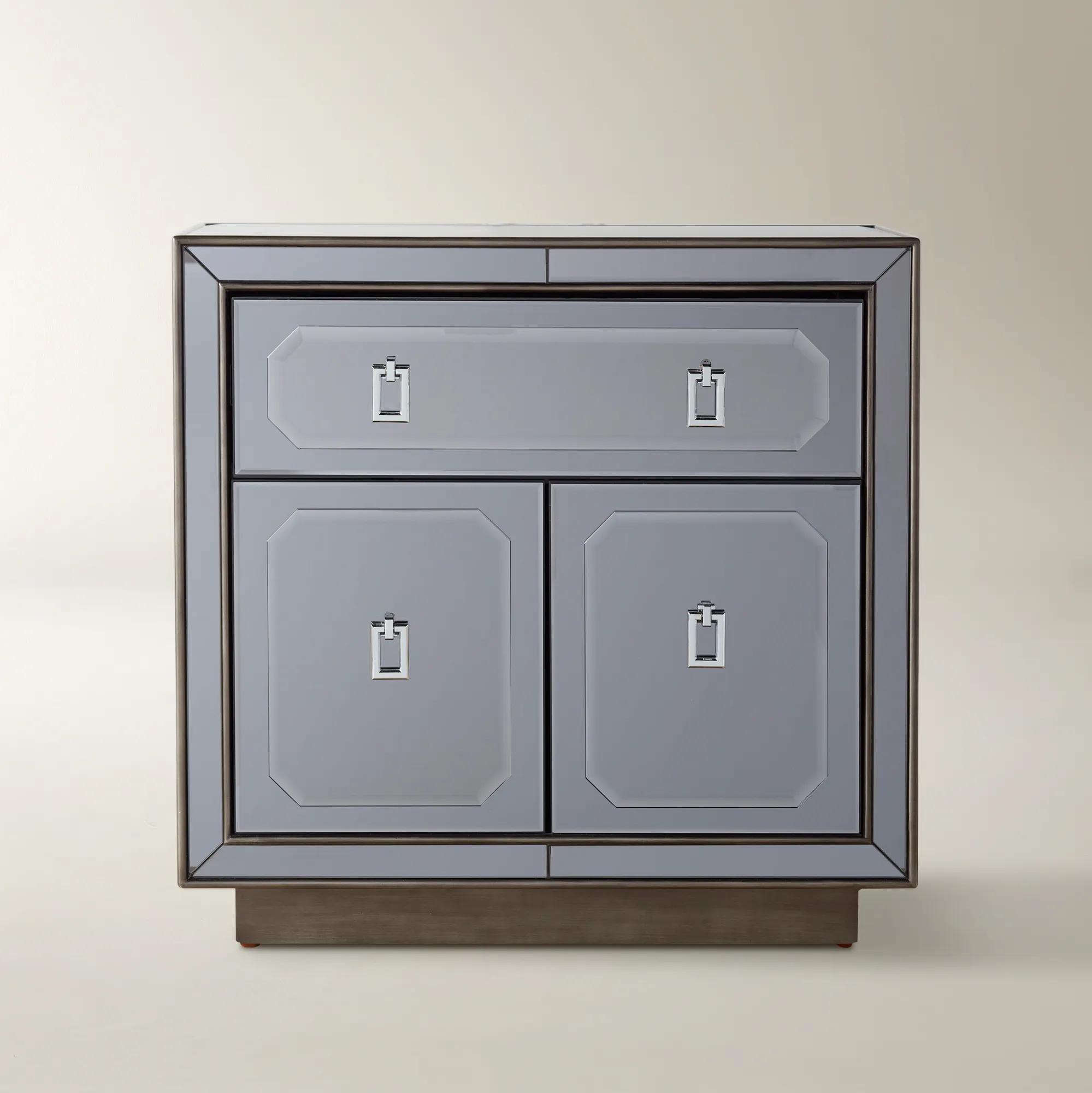
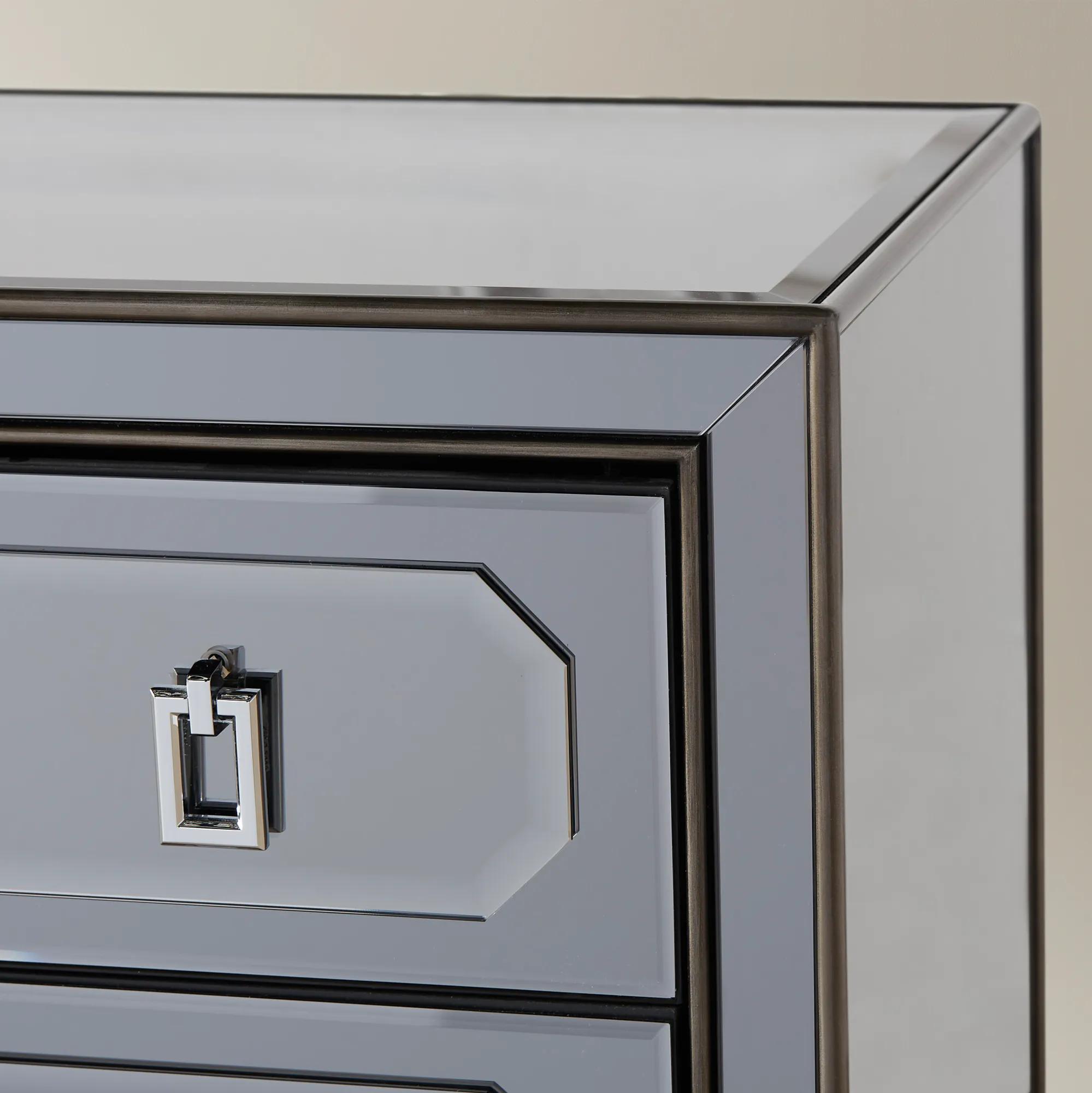 Maddox Mirrored Grey 1-Drawer Nightstand (30")$1099
A modern nightstand featuring beveled mirror paneling, graphite finish, and polished nickel hardware for a luxe touch.
Add To Cart -
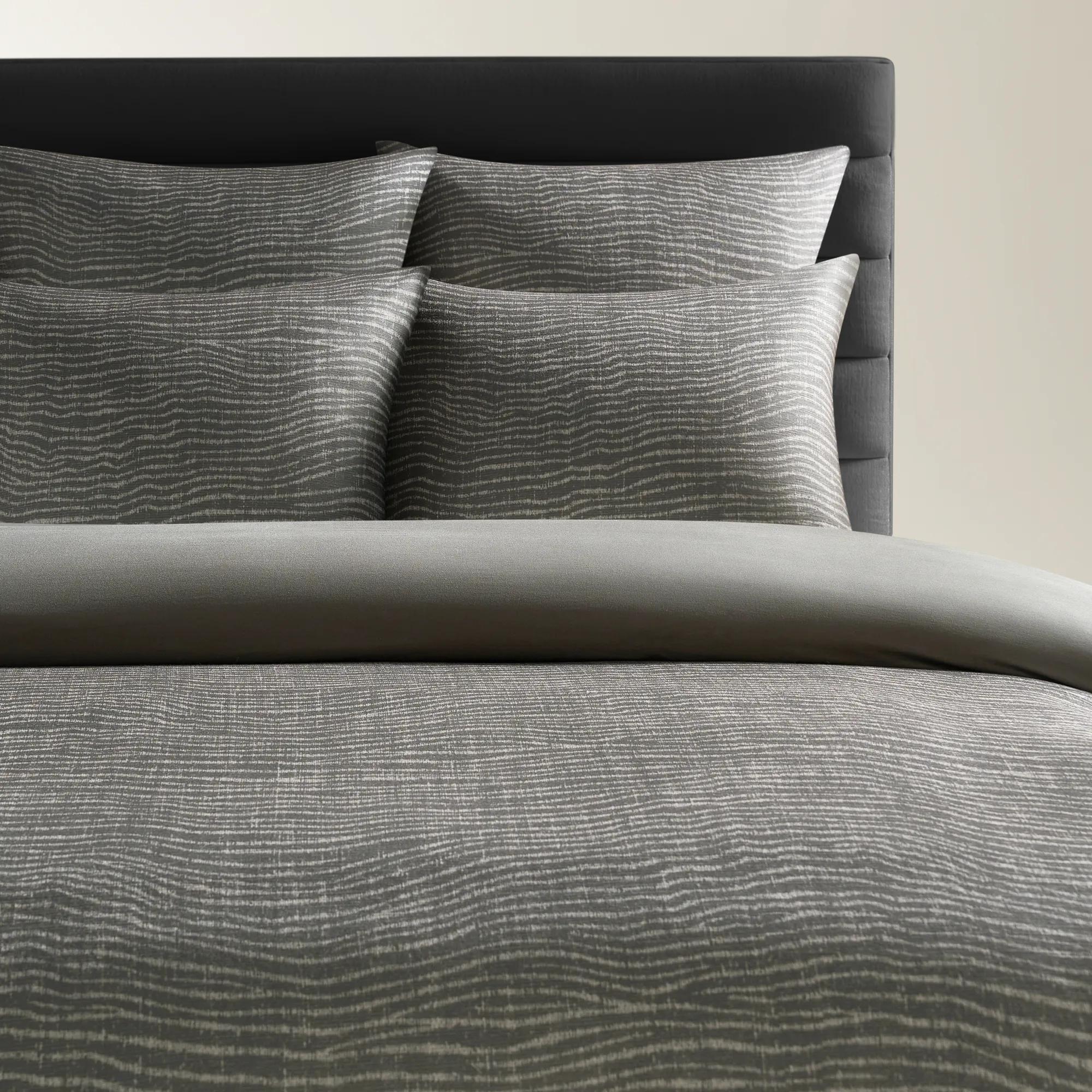 Sahara Bedding Set - Charcoal$229
A soft jacquard bedding set in calming charcoal with a subtle wave-inspired zebra print and refined details.
Add To Cart -
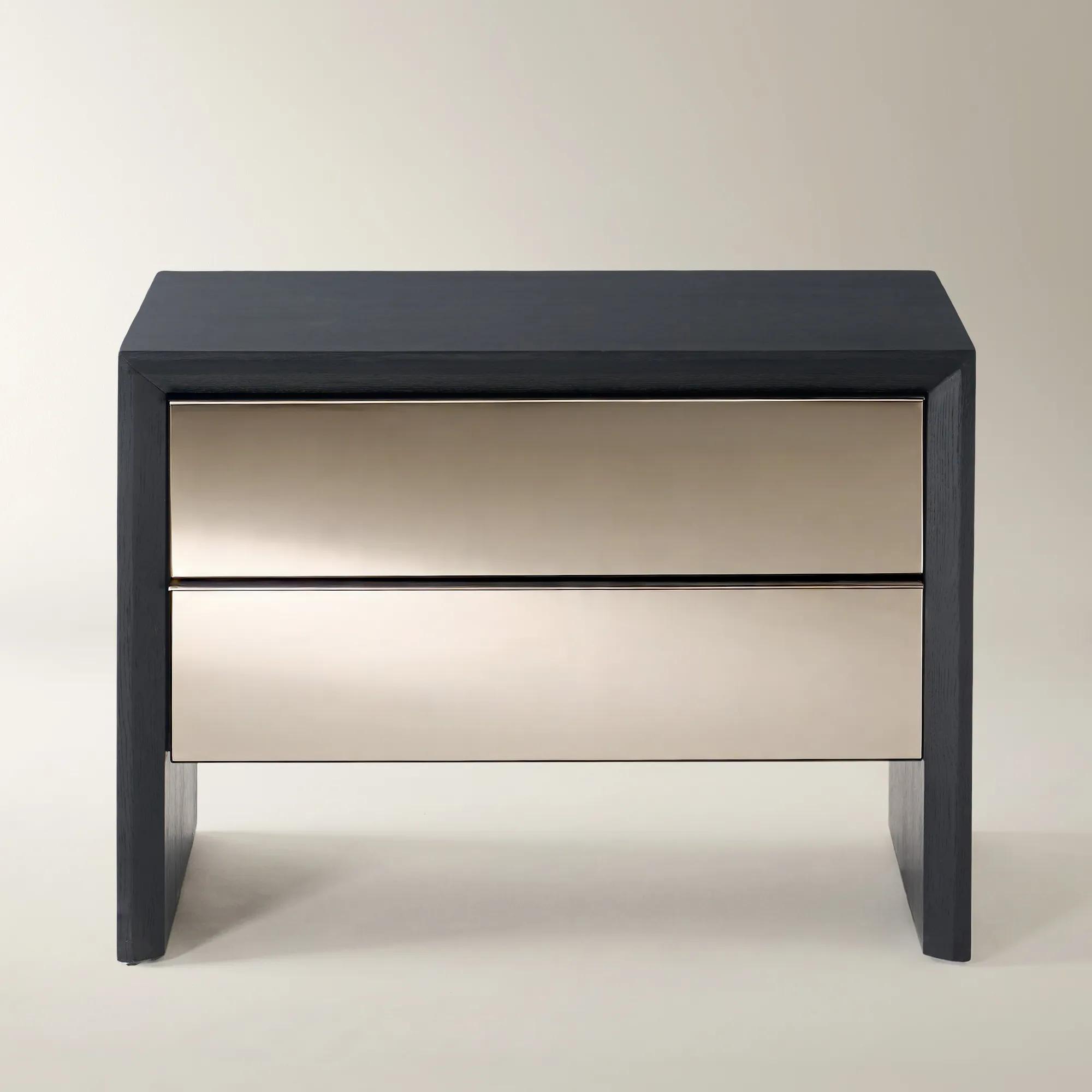
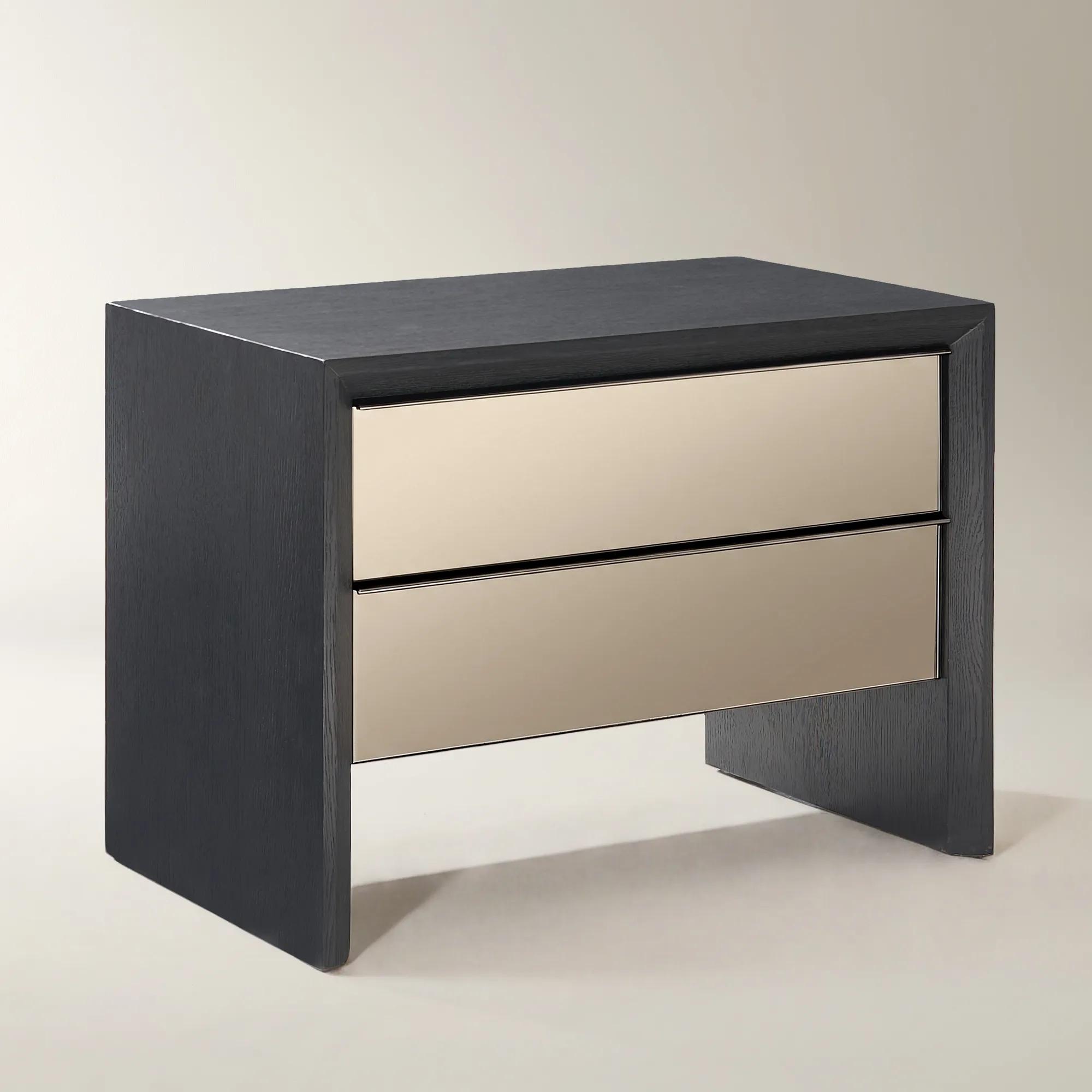 Glimmer Mirrored Black Oak 2-Drawer Nightstand (32")$799
A modern nightstand featuring black oak veneer, bronze mirrored drawer fronts, and soft-close velvet-lined drawers.
Add To Cart -
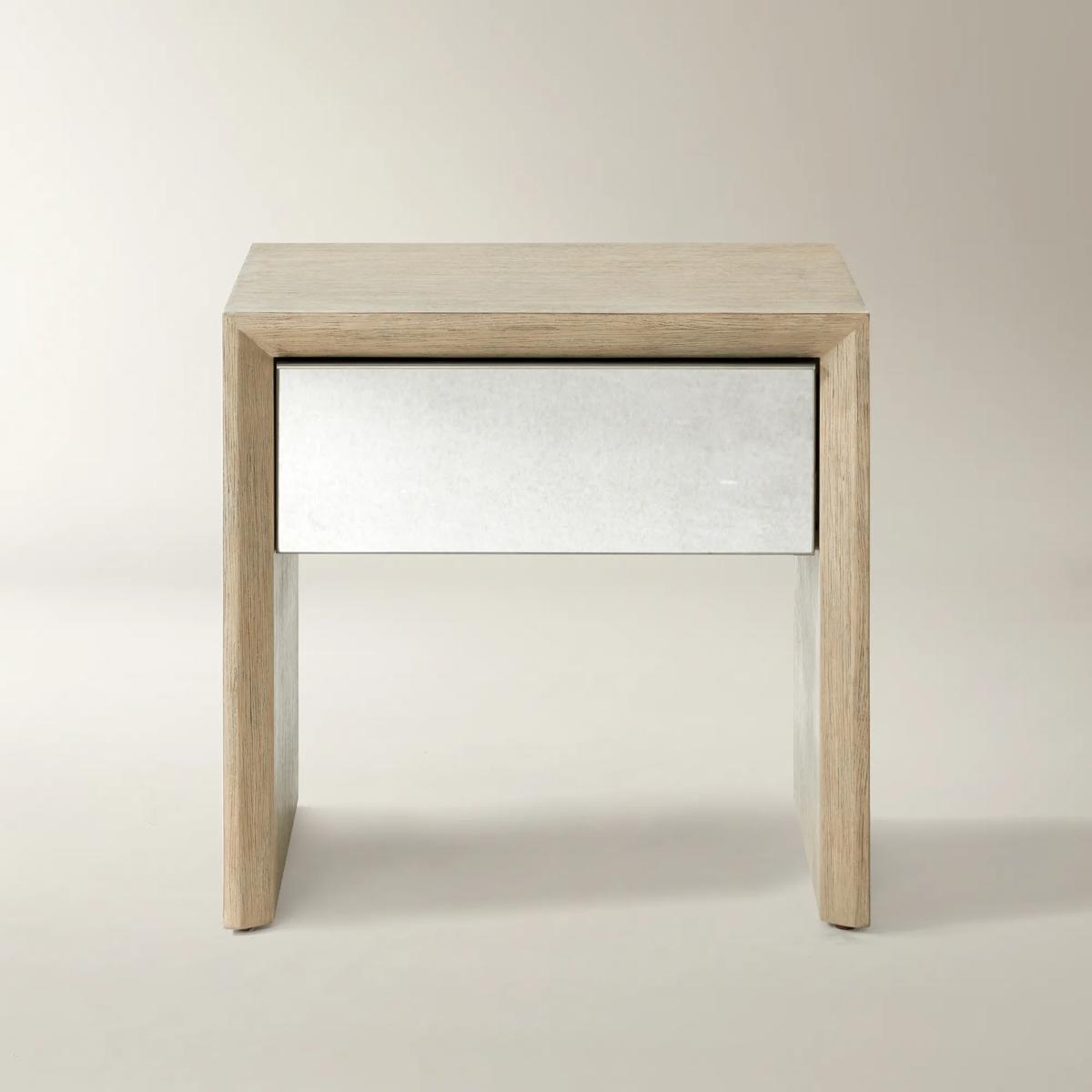 Glimmer Mirrored Seadrift Oak 1-Drawer Nightstand (23")$549
A sophisticated nightstand featuring a sea drift oak veneer frame and antique mirror-faced soft-close drawers.
Add To Cart

Modern Upgrades For Primary Bedrooms
Modern Upgrades for Primary Bedrooms transform the everyday sanctuary into a stage for self-expression and sumptuous comfort. Imagine waking each morning enveloped in layers of luxe texture, gleaming surfaces, and sculptural silhouettes—each detail curated to elevate not just your space, but your state of mind. Here, artistry meets innovation, inviting you to reimagine the heart of your home with bold accents and refined drama. Let every piece become part of your personal masterpiece, where modern glamour and expressive design set the mood for rest, rejuvenation, and inspired living.
Modern upgrades for primary bedrooms combine statement-making furniture, layered textiles, versatile lighting, and thoughtful storage to create a retreat that feels polished, personal, and comfortable to use. The strongest spaces balance visual drama with the practical details of daily life: a supportive bed, a place to set down a book, drawers that open freely, and lighting that moves gracefully from getting dressed to winding down. An upholstered bed introduces softness on an architectural scale, while a wood frame brings definition through grain, proportion, and finish. Channel tufting, curved headboards, and sculptural silhouettes can give the bed a commanding presence without requiring an elaborate room. A taller headboard creates a focal point against an expansive wall; a lower profile preserves sightlines beneath windows or within a room with lower ceilings. Mattress dimensions are only part of the fit. The complete frame, including projecting rails and headboard wings, determines how much room remains for bedside furniture and comfortable movement. Platform construction may support a mattress without a box spring, but the bed’s specifications and the mattress manufacturer’s support requirements should agree. Bed height matters, too, especially for anyone who prefers an easier transition from sitting to standing. Alongside the bed, nightstands with drawers conceal chargers, reading glasses, and nighttime essentials, leaving their surfaces composed rather than crowded. A bedside surface close to the top of the mattress keeps those essentials comfortably within reach. For shared bedrooms, complementary nightstands can accommodate different storage needs while maintaining harmony through matching heights, finishes, or hardware. Dressers and chests extend that balance of beauty and purpose, with broad drawers suited to folded clothing and taller profiles making better use of limited wall space. Solid wood, veneers, metal, and engineered materials each offer different aesthetic and maintenance considerations; sturdy joinery, well-supported drawers, stable bases, and smoothly operating hardware deserve as much attention as the exterior finish. Mirrored or high-gloss surfaces bring luminous definition, while visible wood grain offers a quieter counterpoint to sumptuous upholstery.
Textiles give a modern primary bedroom its intimacy, turning clean-lined furniture into a setting with depth and touchable richness. Warm white, ivory, taupe, and charcoal establish a versatile foundation, but a contemporary palette need not retreat into anonymity. An inky blue coverlet, a sculptural black accent, or a sweep of jewel-toned velvet can give neutral furnishings a more expressive identity. The most compelling combinations vary texture as deliberately as color: crisp cotton against plush upholstery, relaxed linen beside a smooth lacquered surface, or a subtly patterned rug beneath a tailored bed. Cotton bedding offers a familiar, breathable feel, while linen brings a naturally textured appearance that embraces a less formal finish. Fabric weight, weave, and finishing influence the experience as much as fiber content, so softness and care requirements deserve consideration alongside appearance. A coverlet provides a composed layer without the visual volume of a thick comforter; a duvet creates a fuller silhouette and allows its cover to be removed for cleaning. Bedding should fit the mattress depth as well as its stated size, particularly when a topper adds height. Decorative pillows and a folded throw introduce dimension without overwhelming the space needed for sleep. In a frequently used bedroom, removable covers and washable layers make an expressive arrangement easier to maintain. Upholstered furniture also benefits from fabric choices that suit the household: pronounced loops and delicate weaves may be less forgiving around pets that scratch or snag. Window treatments complete the envelope of the room, framing daylight and adding softness around hard architectural edges. Panels mounted above the window frame can emphasize height, provided their length, fullness, and hardware placement suit the wall. Privacy linings or room-darkening layers are useful where neighboring windows or exterior lighting interrupt the desired atmosphere. Beneath the bed, a generously proportioned rug creates a soft landing and visually connects the surrounding furniture. Its edges should extend into the areas where feet meet the floor, with a suitable rug pad helping limit movement and protect compatible flooring.
Lighting and finishing accents bring the room’s individual elements into focus. A sculptural ceiling fixture gives the space an overhead centerpiece, while bedside lamps or wall-mounted sconces provide more targeted illumination for reading. Layering these sources offers greater flexibility than relying on one bright fixture, allowing the room to feel luminous without flattening every texture. Diffused shades soften visible glare, and warm-white bulbs tend to flatter wood tones, rich fabrics, and metallic finishes. Dimmable lighting adds another level of control when the fixture, bulbs, and dimmer are compatible. Bedside switches should be easy to reach, and lamp proportions should leave room for everyday essentials rather than consume the entire nightstand. Where outlets are limited, cord routing deserves attention before furniture placement; concealed paths can preserve a tailored appearance without pinching wires behind heavy pieces. A mirror can reflect daylight or a beautiful focal point, though its placement should account for glare and what appears in the reflection. Large artwork offers a confident alternative above a dresser, bringing scale and personality without requiring numerous small accessories. A bench at the foot of the bed adds a place to sit while dressing, provided enough clearance remains to pass comfortably. An accent chair can create a private reading corner when the room allows, with seat depth, back support, and nearby lighting shaping its usefulness. Lasting polish depends on appropriate care: follow upholstery cleaning codes, address spills promptly, and use finish-safe cleaning methods on wood, glass, metal, and mirrored surfaces. Protect dresser tops from moisture and abrasive objects, and secure furniture or wall-mounted pieces as directed by their manufacturers. For a related selection, explore Bedroom Upgrades For Master Bedrooms. Whether the transformation centers on a dramatic bed or a more considered arrangement of lighting and textiles, the result should feel expressive without sacrificing the ease of a room designed for everyday life.
FAQs
The most transformative modern upgrades include layering sumptuous textiles like velvet, bouclé, and linen; incorporating statement lighting such as sculptural chandeliers or sleek bedside lamps; and introducing accent walls with textured wallpaper or wood paneling. Thoughtful additions like plush rugs, curated artwork, and elegant mirrors can further elevate the space, creating a harmonious blend of comfort and sophistication.
Start with a neutral base—think warm whites, soft grays, or taupes—and layer in a mix of tactile materials such as velvet, linen, and wool for bedding and upholstery. Introduce metal accents in finishes like brushed brass or matte black, and balance them with natural elements like wood or stone. The key is to repeat certain tones or materials throughout the space while varying their application, ensuring a unified yet visually interesting atmosphere.
Layered lighting is essential for both function and ambiance. Combine overhead fixtures, such as a dramatic chandelier, with bedside lamps and wall sconces to create multiple sources of light. Incorporate dimmers for adjustable mood lighting, and consider tactile materials like glass, metal, or fabric shades to add visual interest. This approach allows you to tailor the atmosphere for relaxation, reading, or getting ready for the day.
Accent walls serve as a focal point, adding depth and character to a primary bedroom. They can be achieved through textured wallpaper, bold paint colors, wood paneling, or decorative molding. A well-chosen accent wall draws the eye and anchors the room’s design, providing an opportunity to showcase personal style while maintaining a sense of modern elegance.
Modern bedroom upgrades make exceptional gifts for newlyweds, new homeowners, or anyone embarking on a new chapter in life. They are also perfect for those who value self-care, love to entertain overnight guests, or simply enjoy surrounding themselves with beautiful, expressive design. Gifting a luxurious throw, elegant lighting, or statement décor piece offers both comfort and a sense of artistry that will be cherished for years to come.