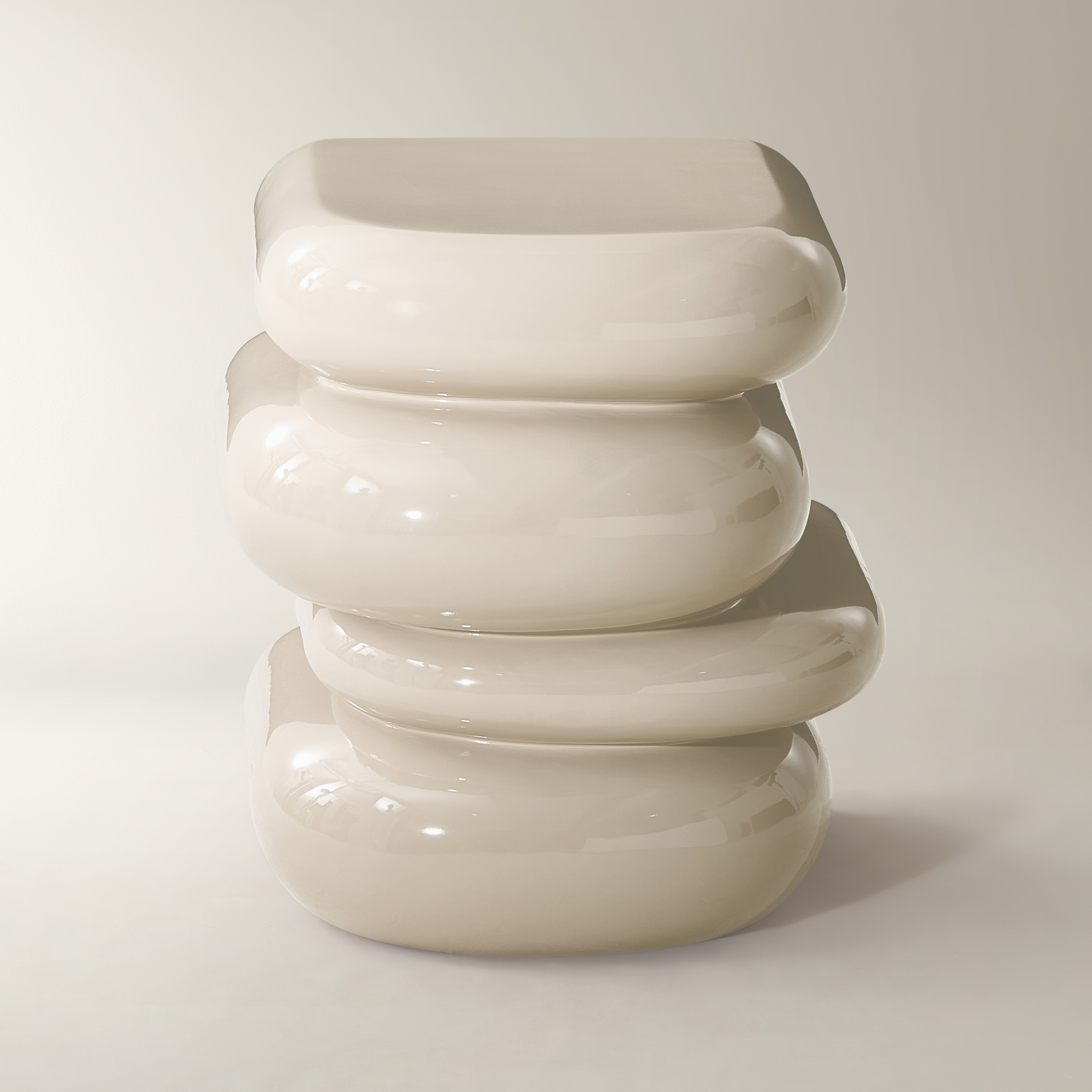
Modern Silver Leaf Tables
Modern Silver Leaf Tables
-
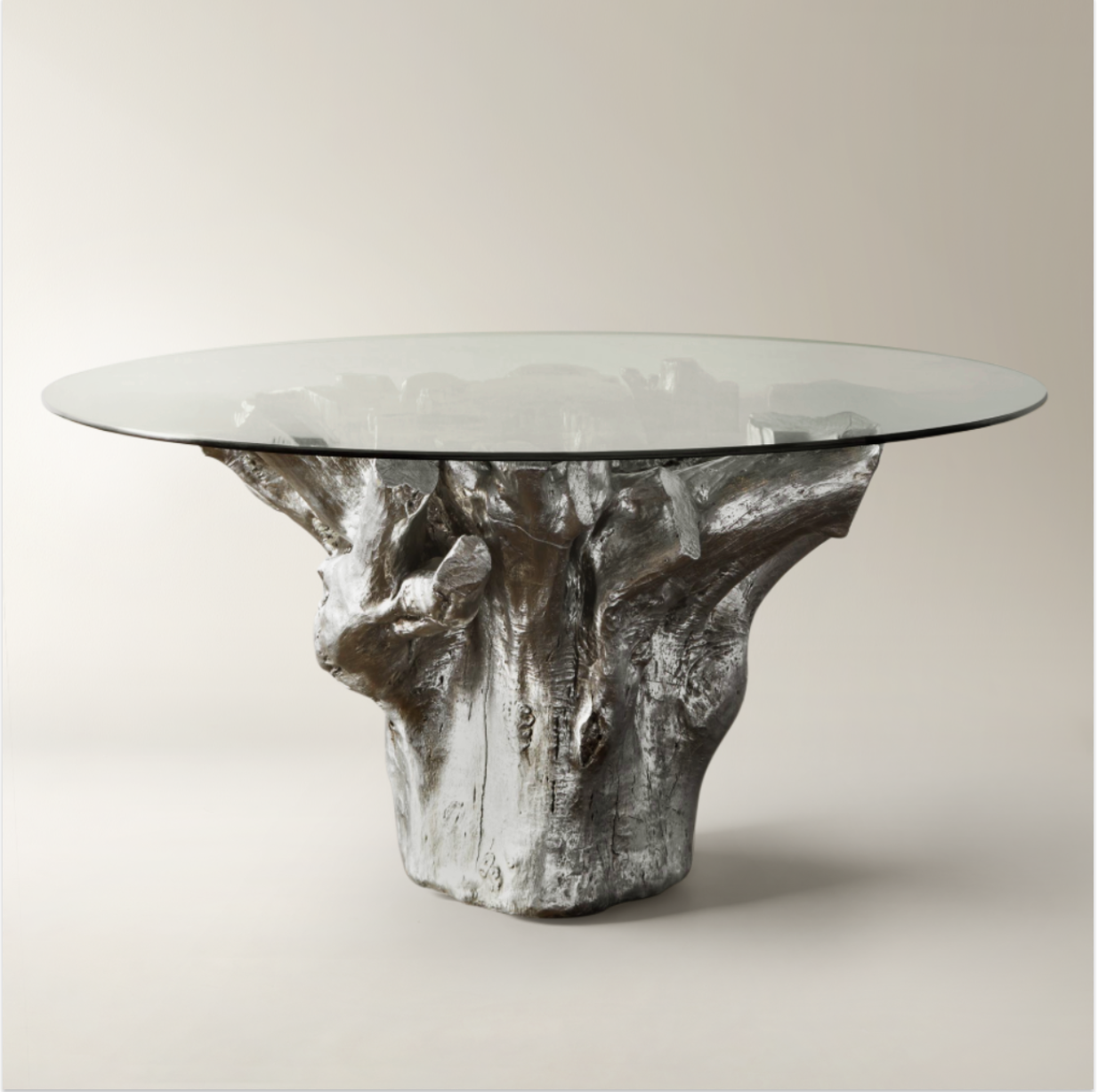 Sequoia Silver Resin Dining Table With Glass Top (60")$2199
A sculptural resin base with hand-applied silver leaf supports a round tempered glass top for modern elegance.
Add To Cart -
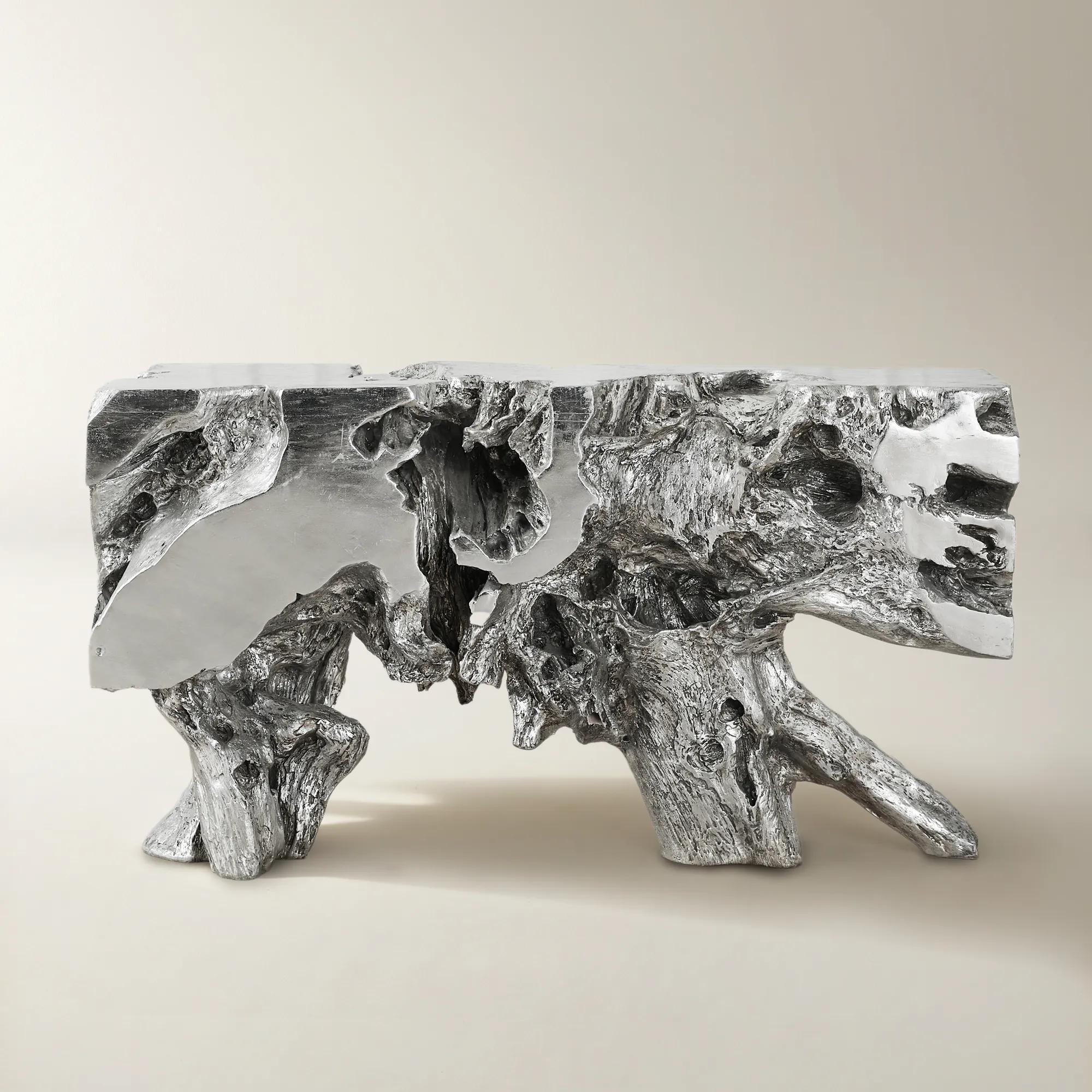
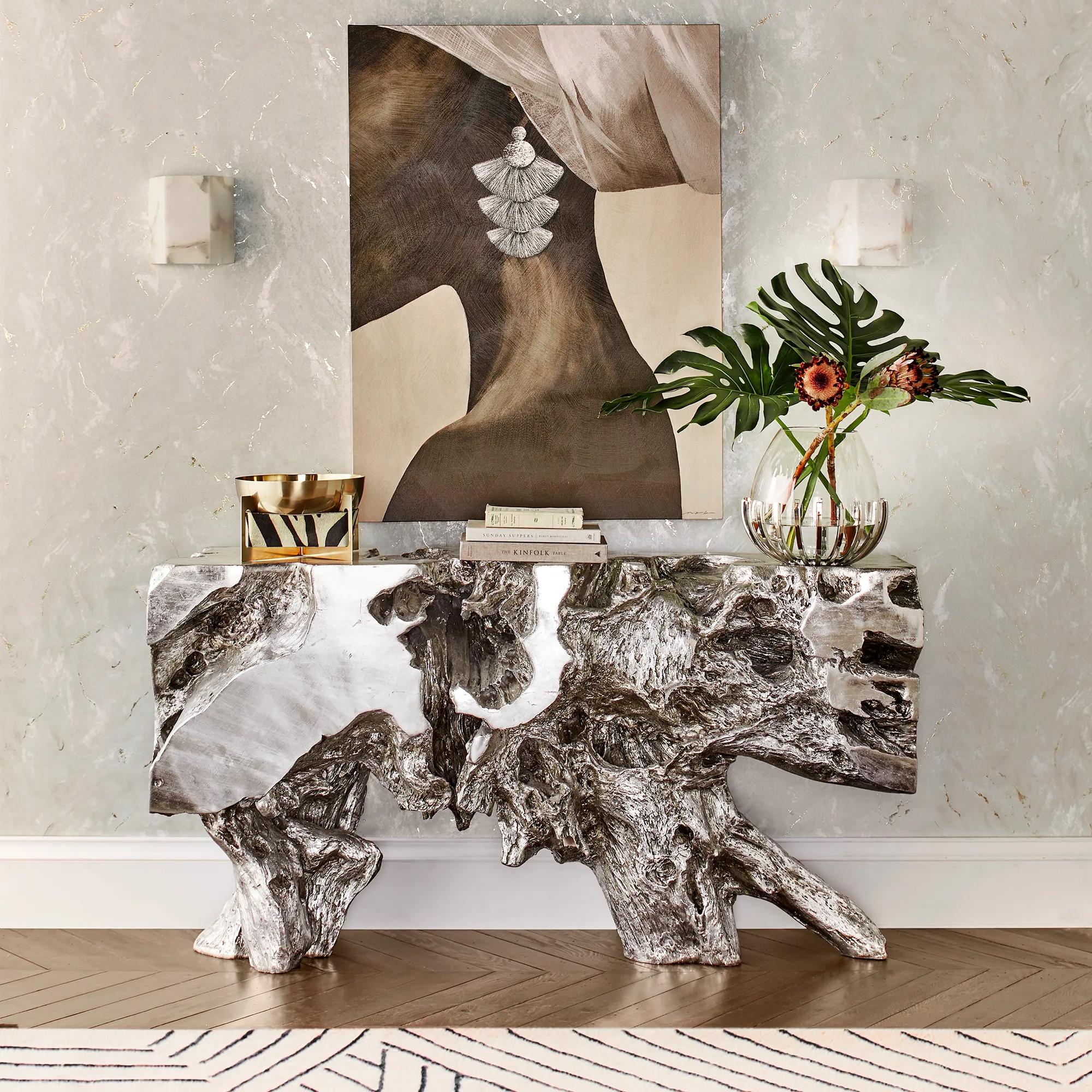 Sequoia Silver Resin Console Table (58")$1999
A sculptural console table featuring hand-applied silver leaf over resin and fiberglass with an iron core.
Add To Cart -
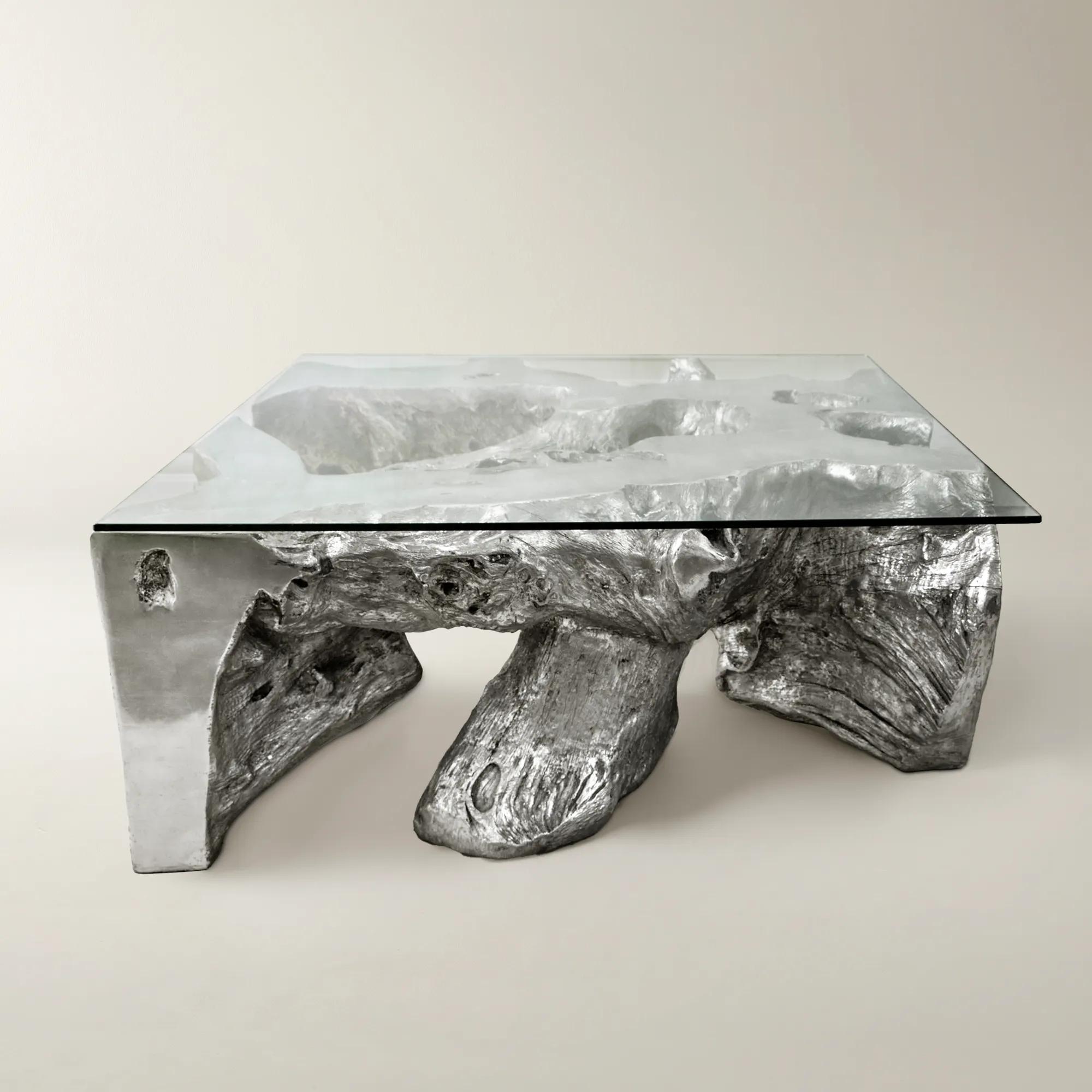 Sequoia Silver Resin Coffee Table With Glass Top (44")$2299
A sculptural coffee table featuring a hand-applied silver leaf resin base and a tempered glass top.
Add To Cart -
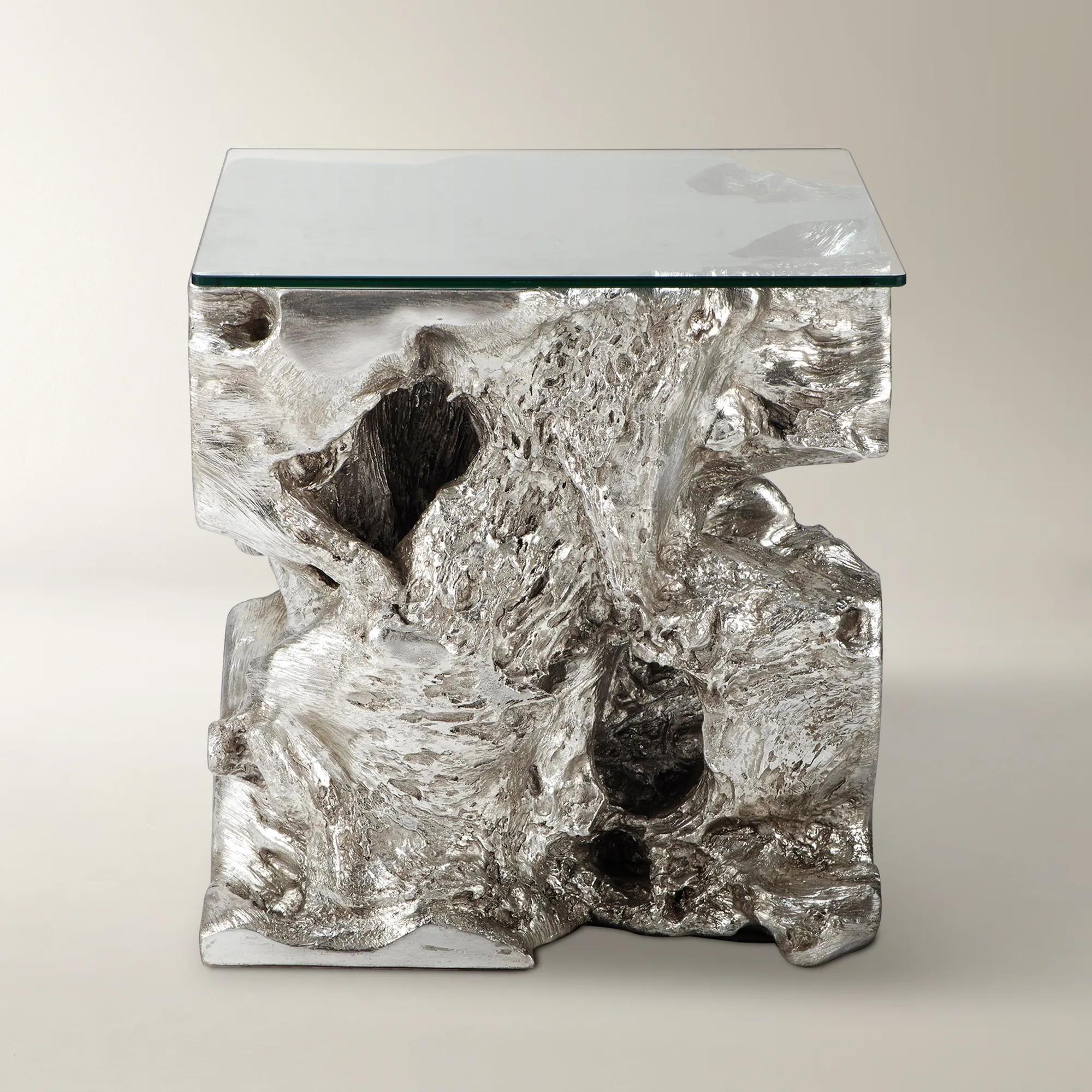 Sequoia Silver Resin End Table With Glass Top (22")$999
A sculptural end table featuring a silver leaf resin base and tempered glass top for modern elegance.
Add To Cart -
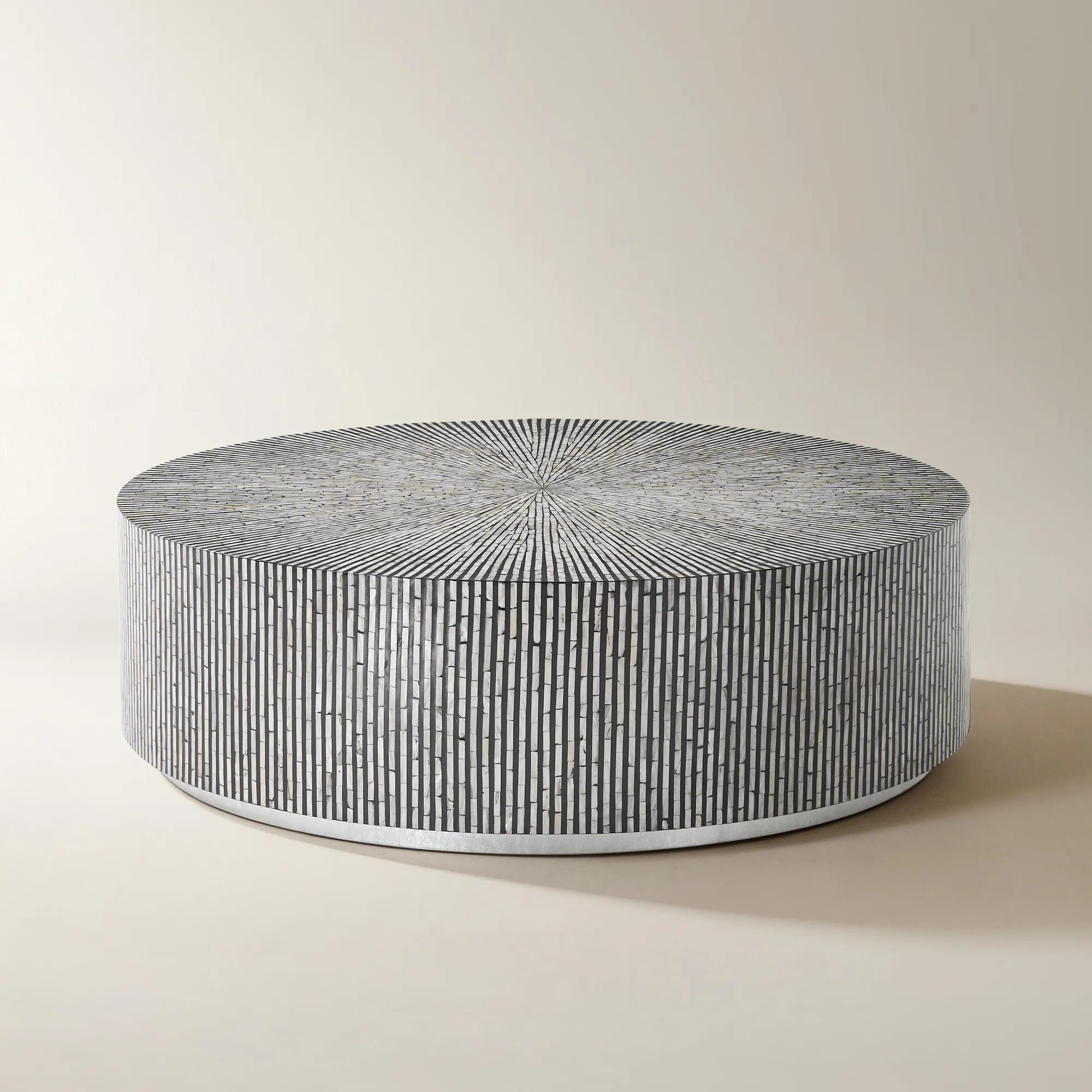
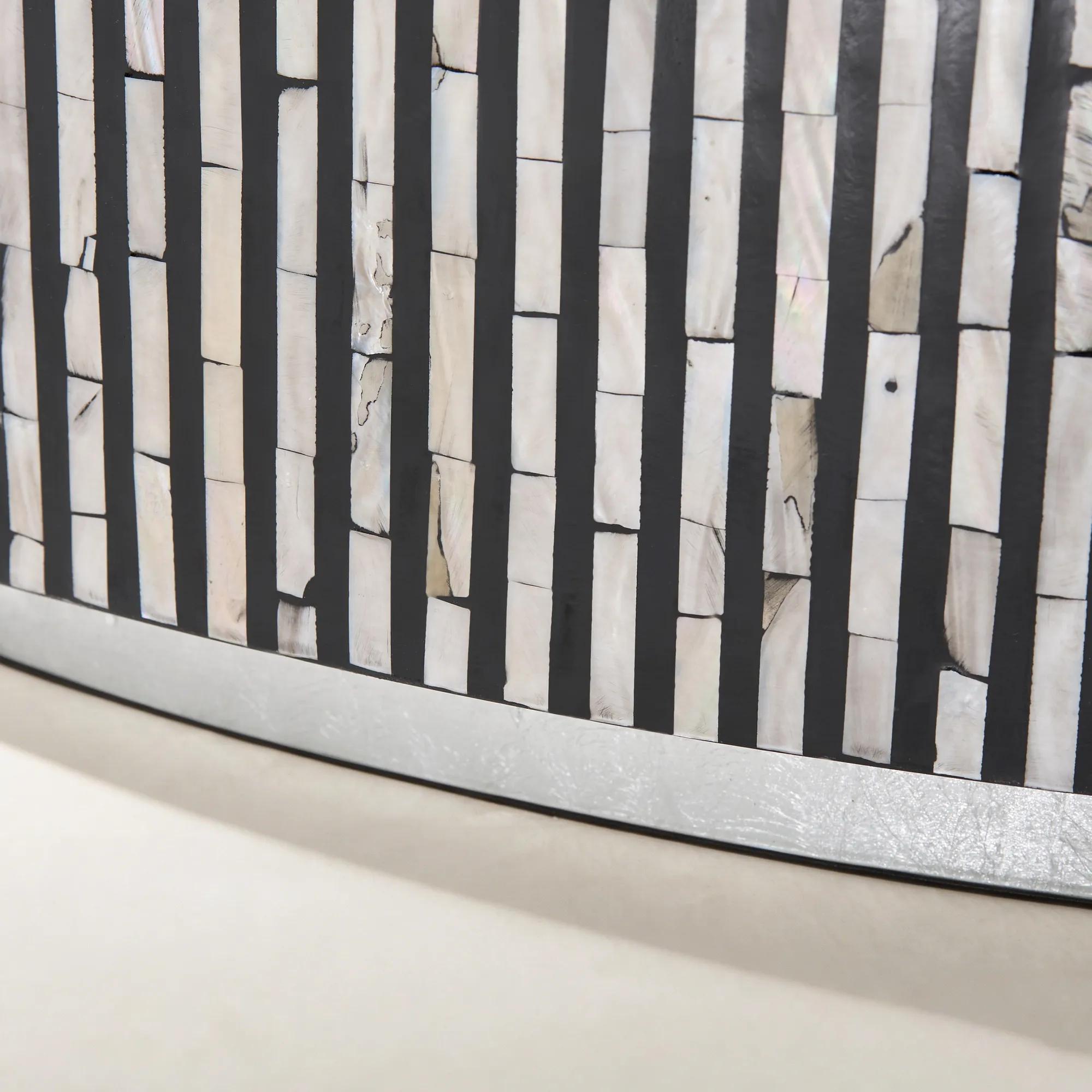 Marina Round Mosaic Black Coffee Table (52")$1399
A sculptural black coffee table featuring hand-applied mother-of-pearl mosaic and a silver leaf base.
Add To Cart -
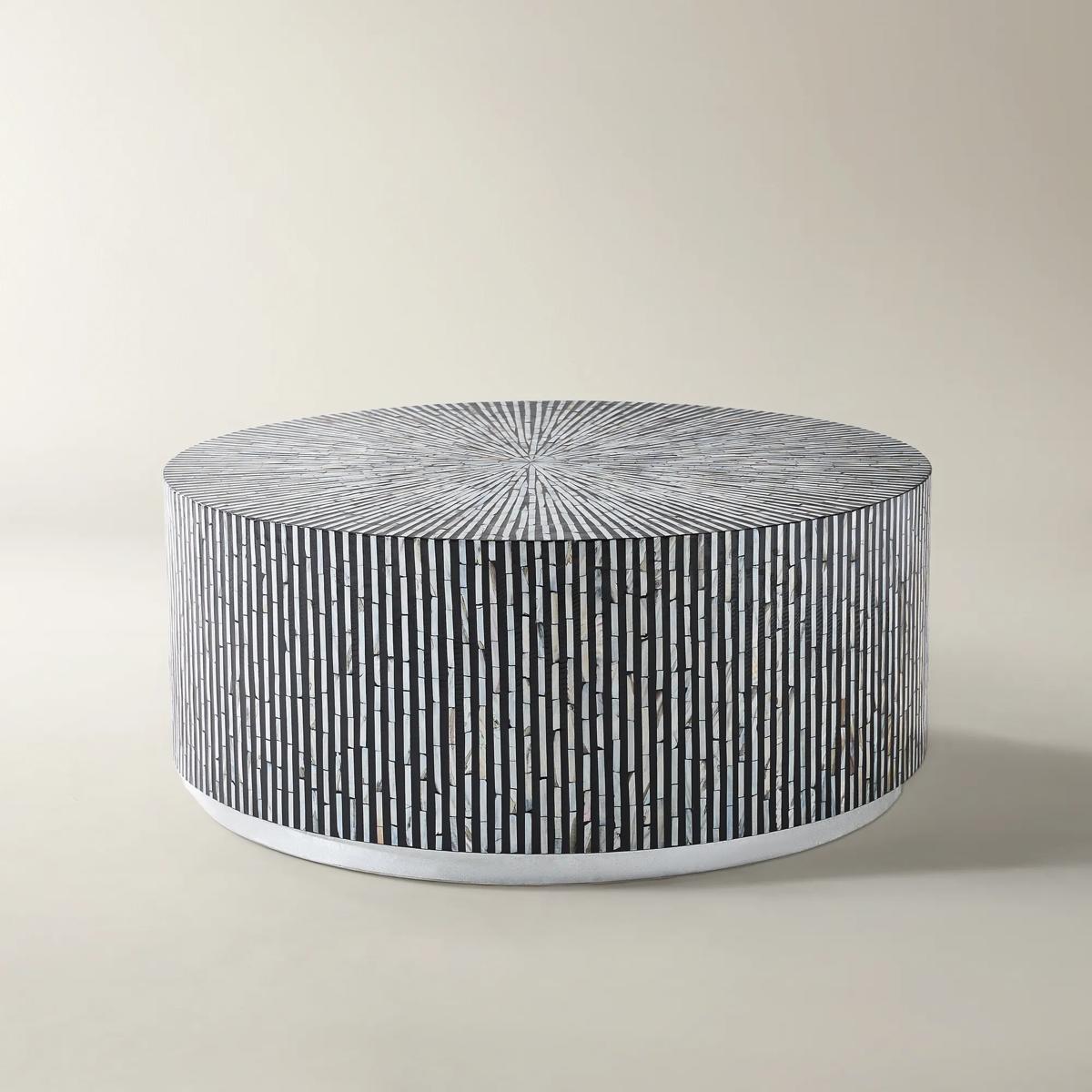
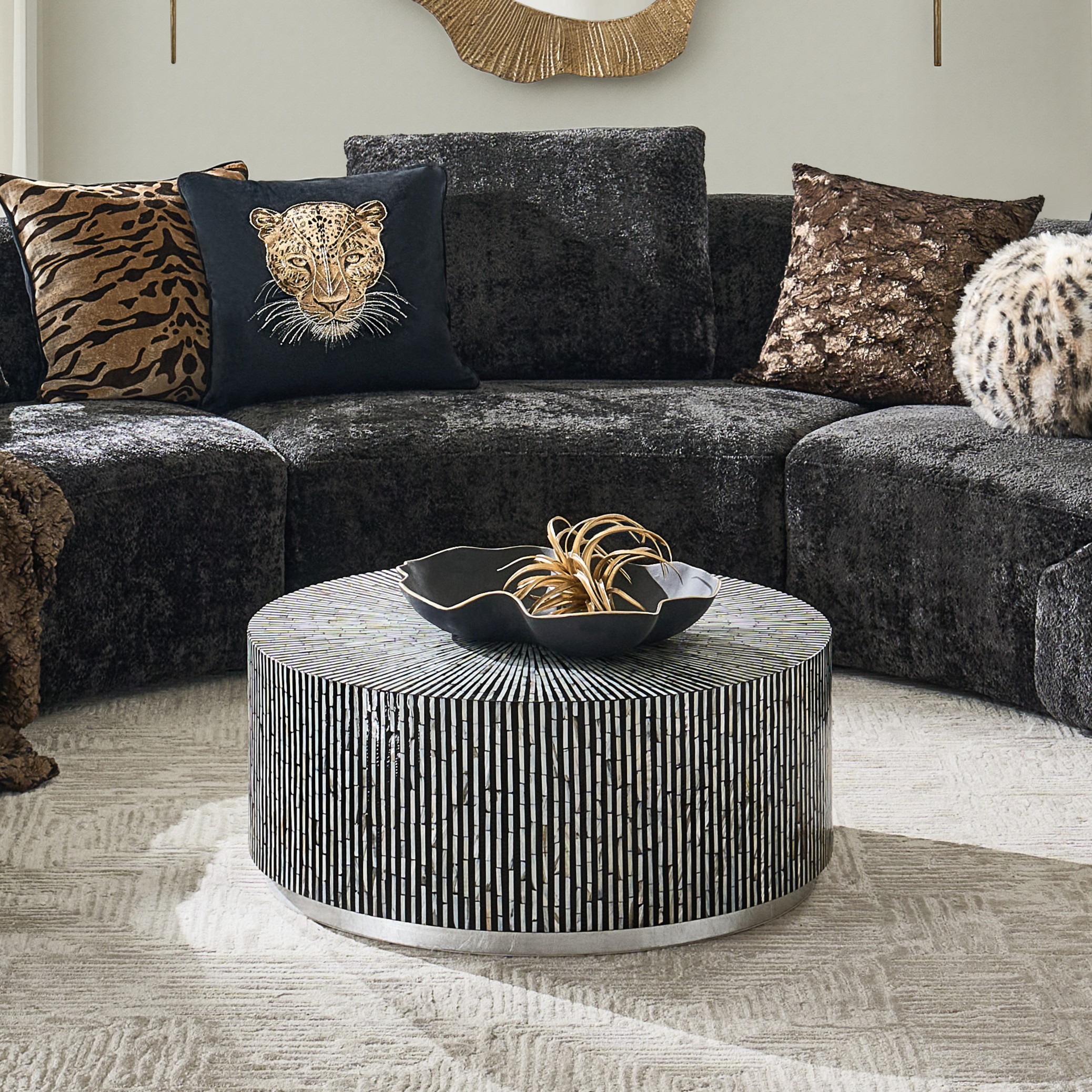 Marina Round Mosaic Black Coffee Table (35.8")$799
A handcrafted round coffee table featuring iridescent mother-of-pearl inlay and a silver leaf base.
Add To Cart -
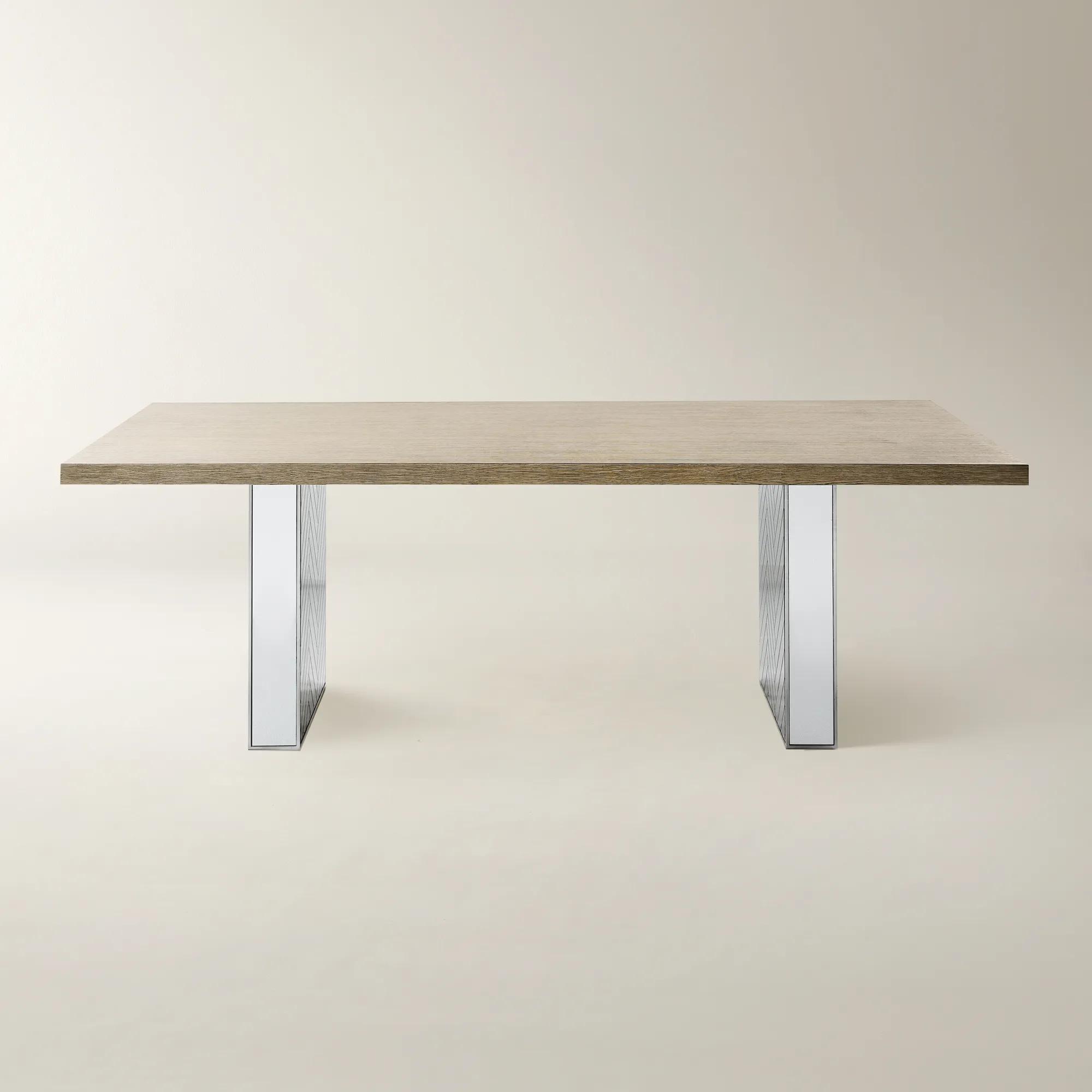
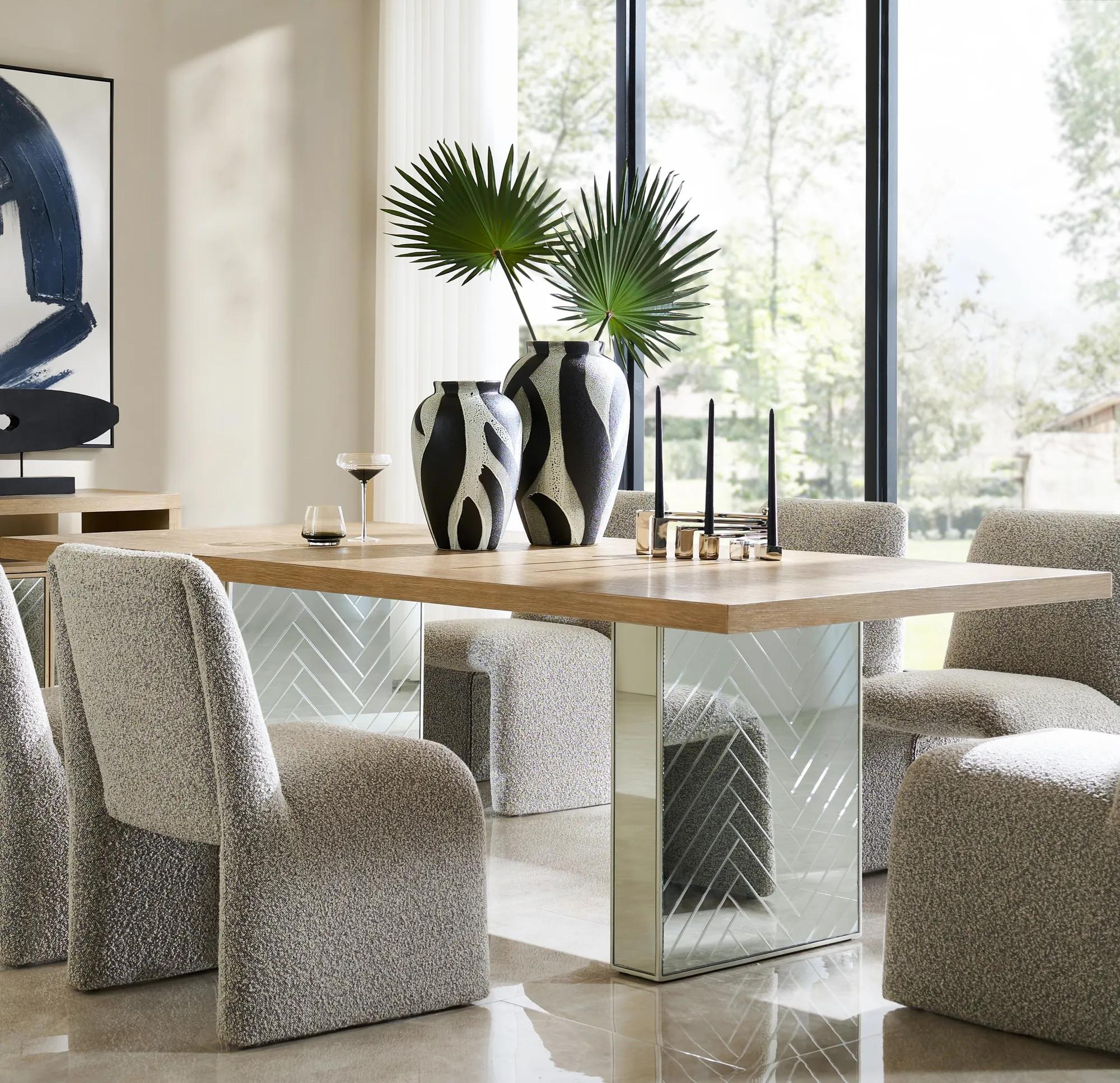 Glimmer Rectangular Seadrift Oak Dining Table With Mirrored Base (90.5")$1799
A modern dining table featuring a warm oak veneer top and a silver mirror-faced parquet base.
Add To Cart -
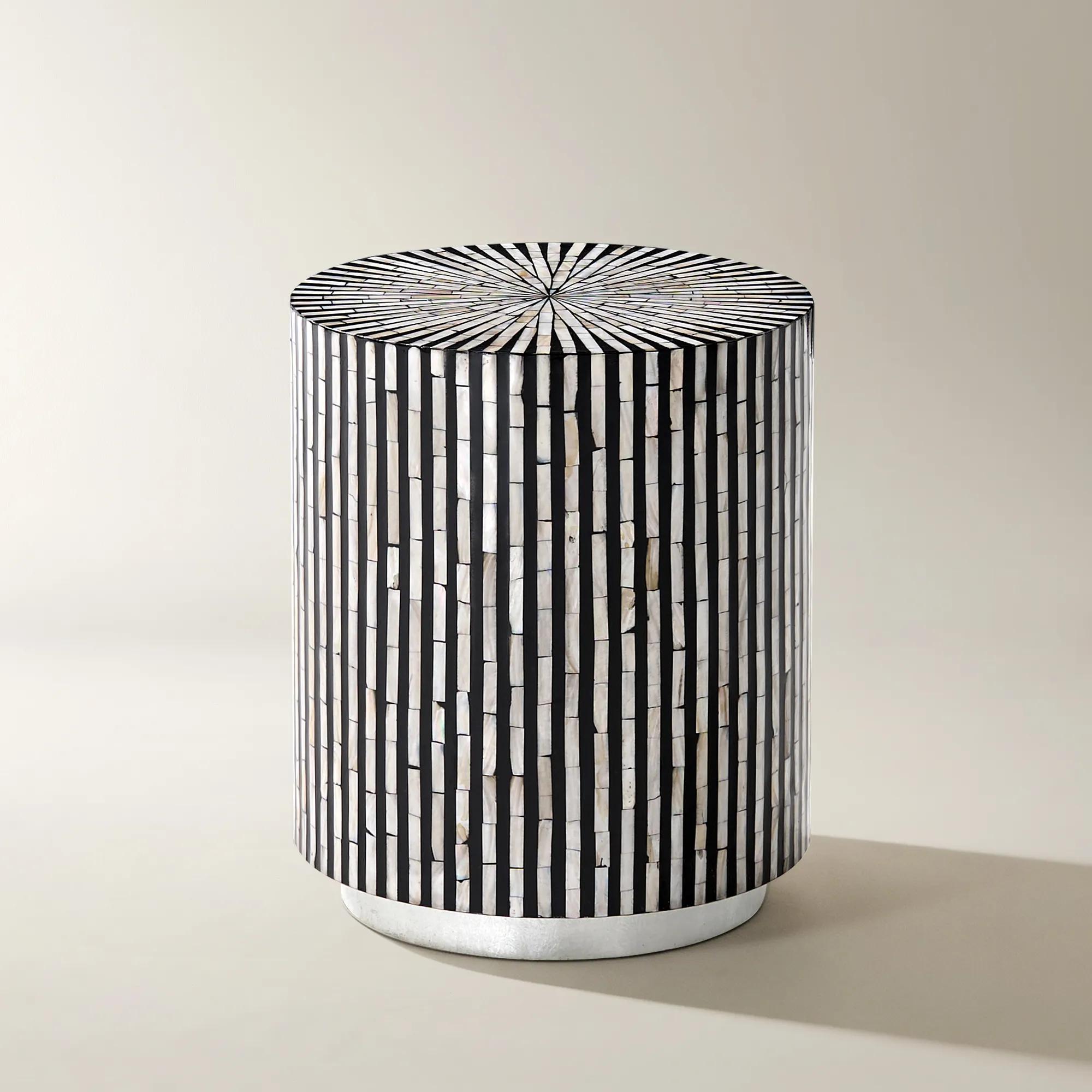
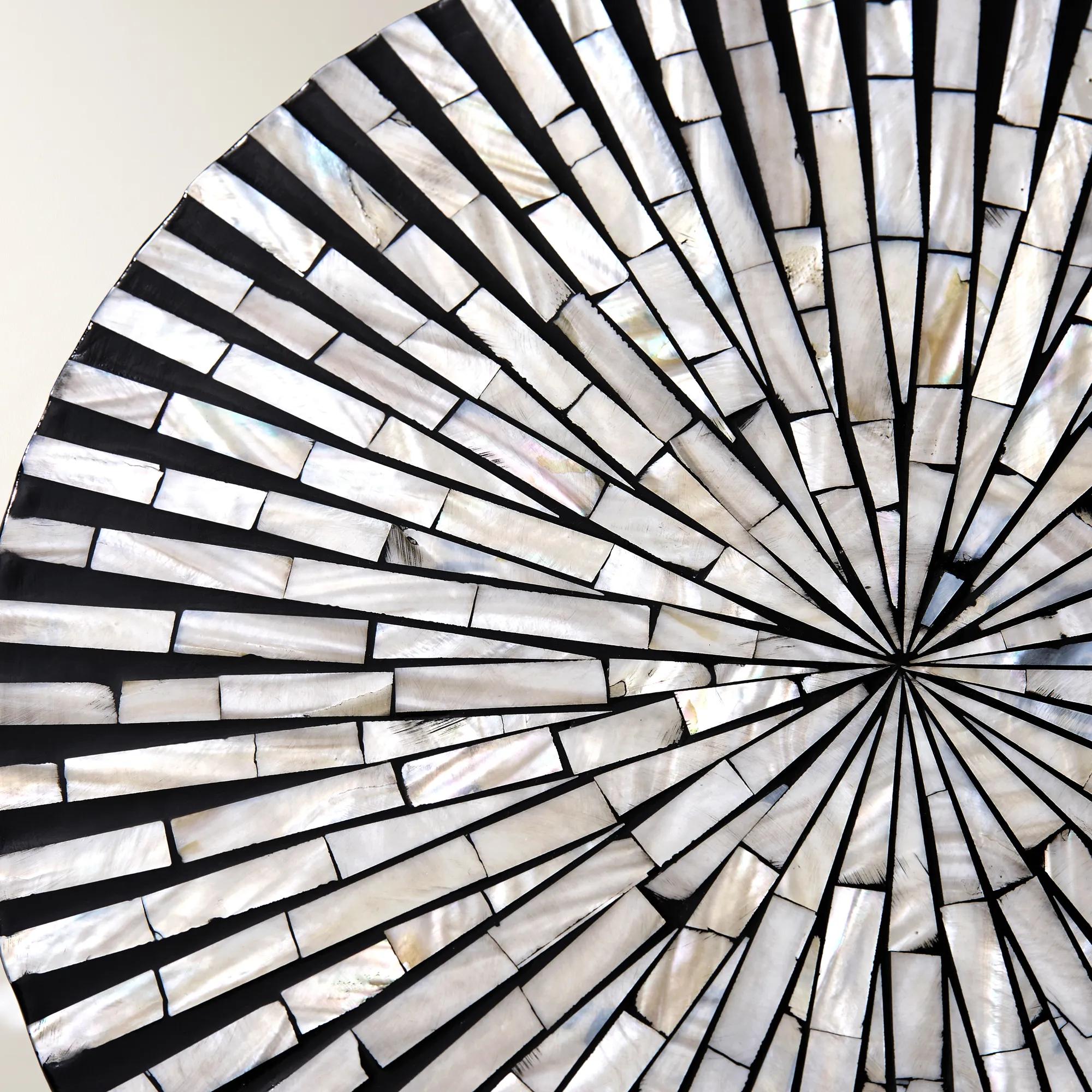 Marina Round Mosaic Black End Table (13.75")$299
A sculptural black end table featuring hand-applied mother-of-pearl mosaic and a silver leaf–accented base.
Add To Cart -
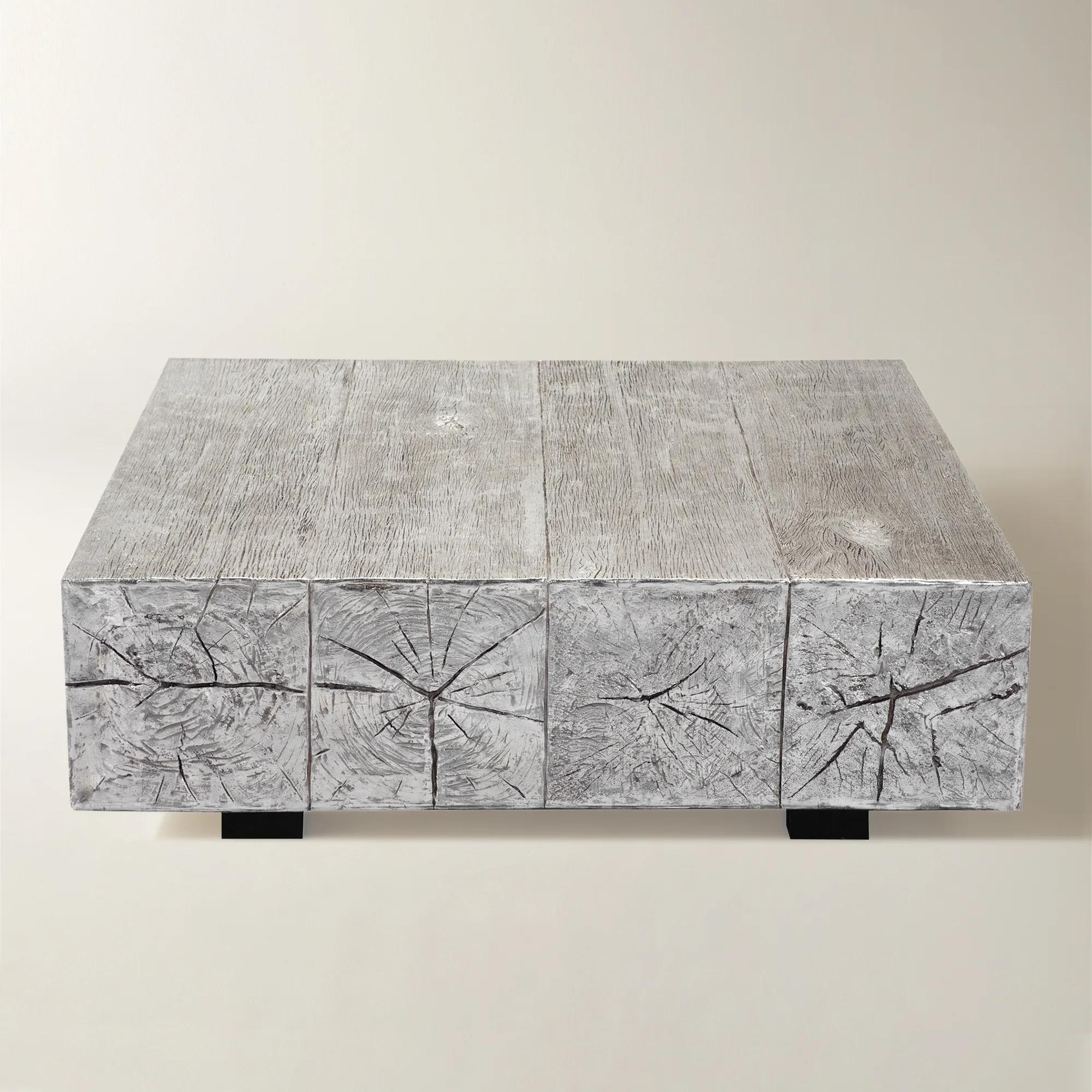
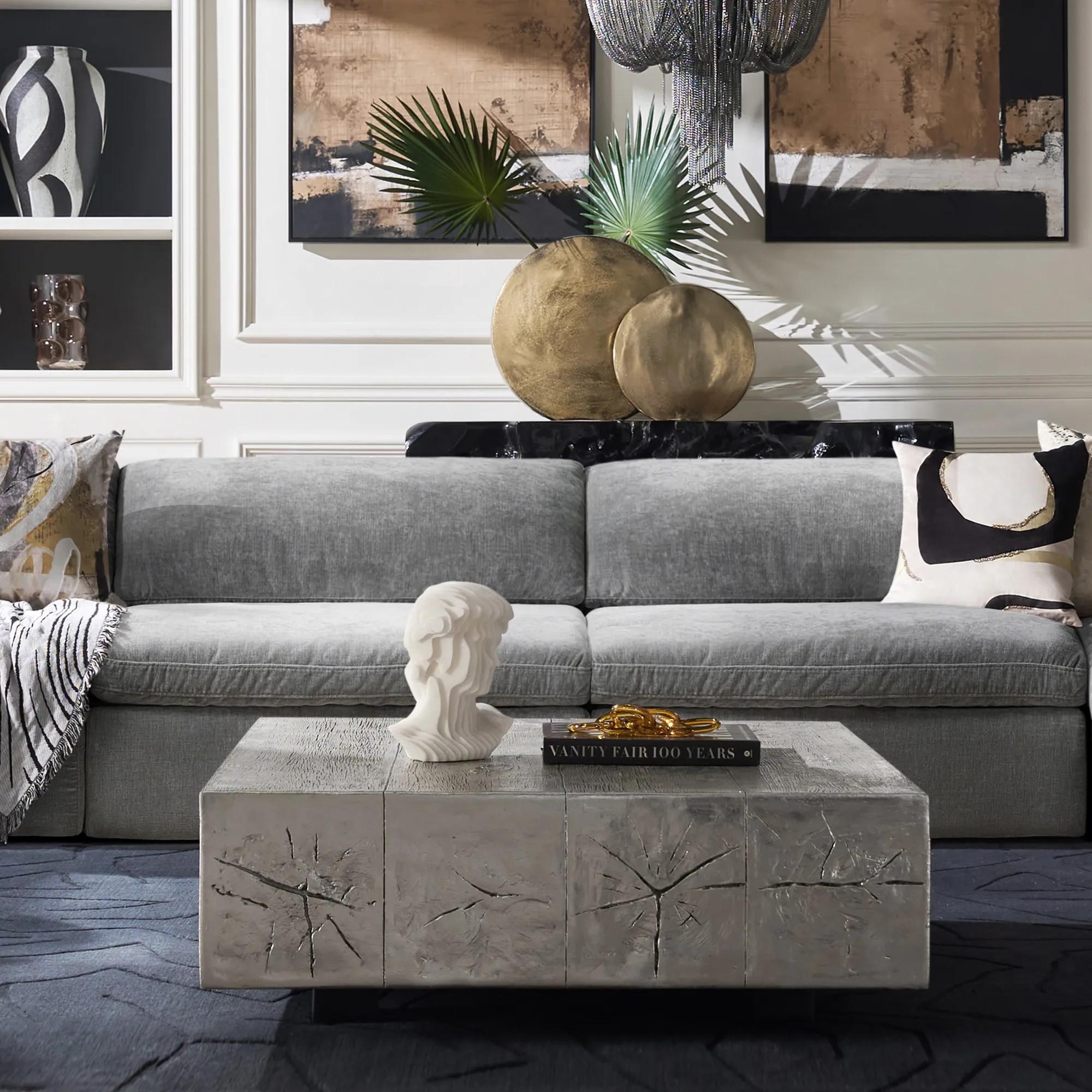 Timber Square Silver Resin Coffee Table (44")$1299
A hand-painted silver resin coffee table featuring authentic silver leaf and an antiqued, hand-rubbed oil finish.
Add To Cart -
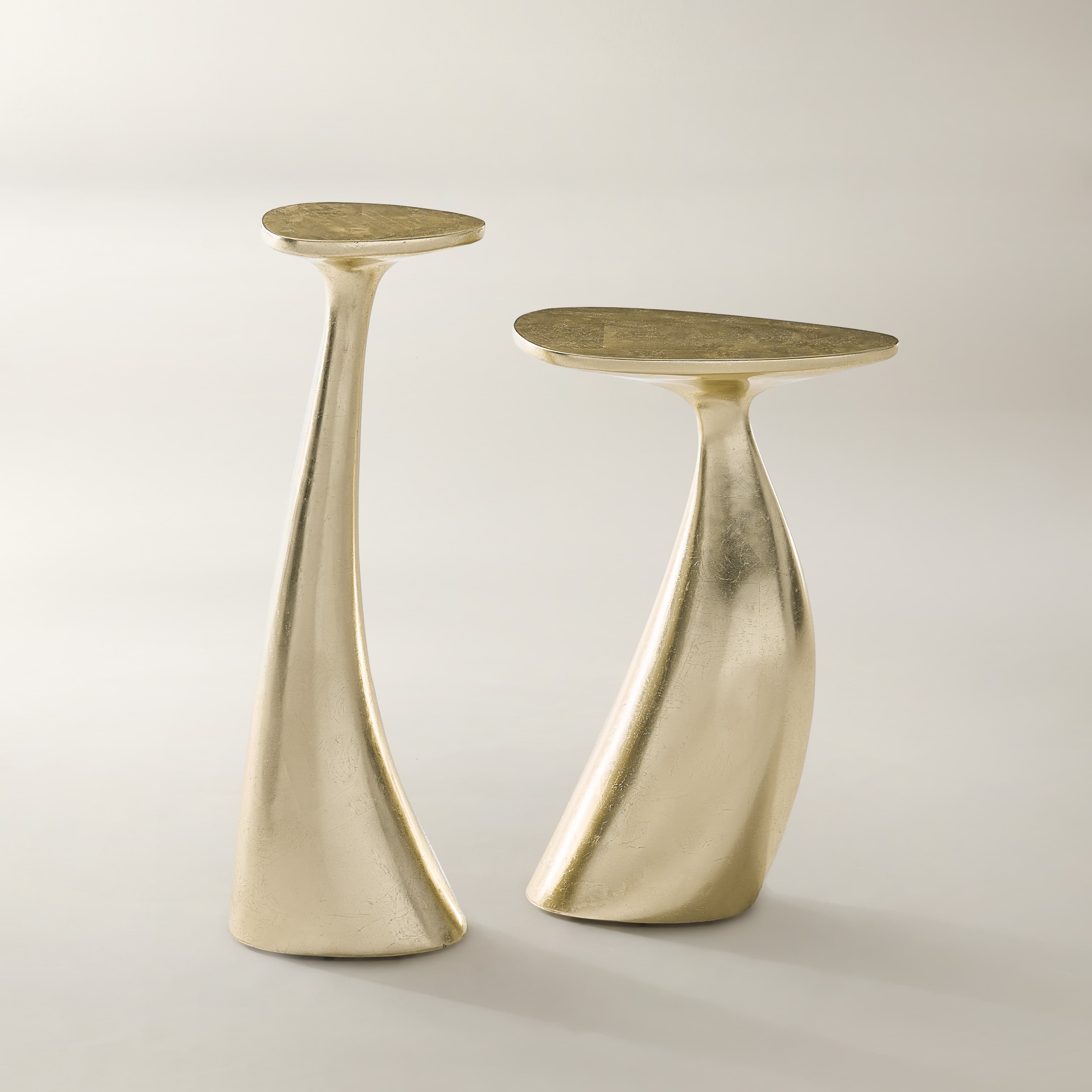 Thalia Soft Gold Side Table Set Of 2 (8"-12.5")$699
A sculptural duo of gold leaf fiberglass tables with fluid lines and a warm, luminous finish.
Add To Cart -
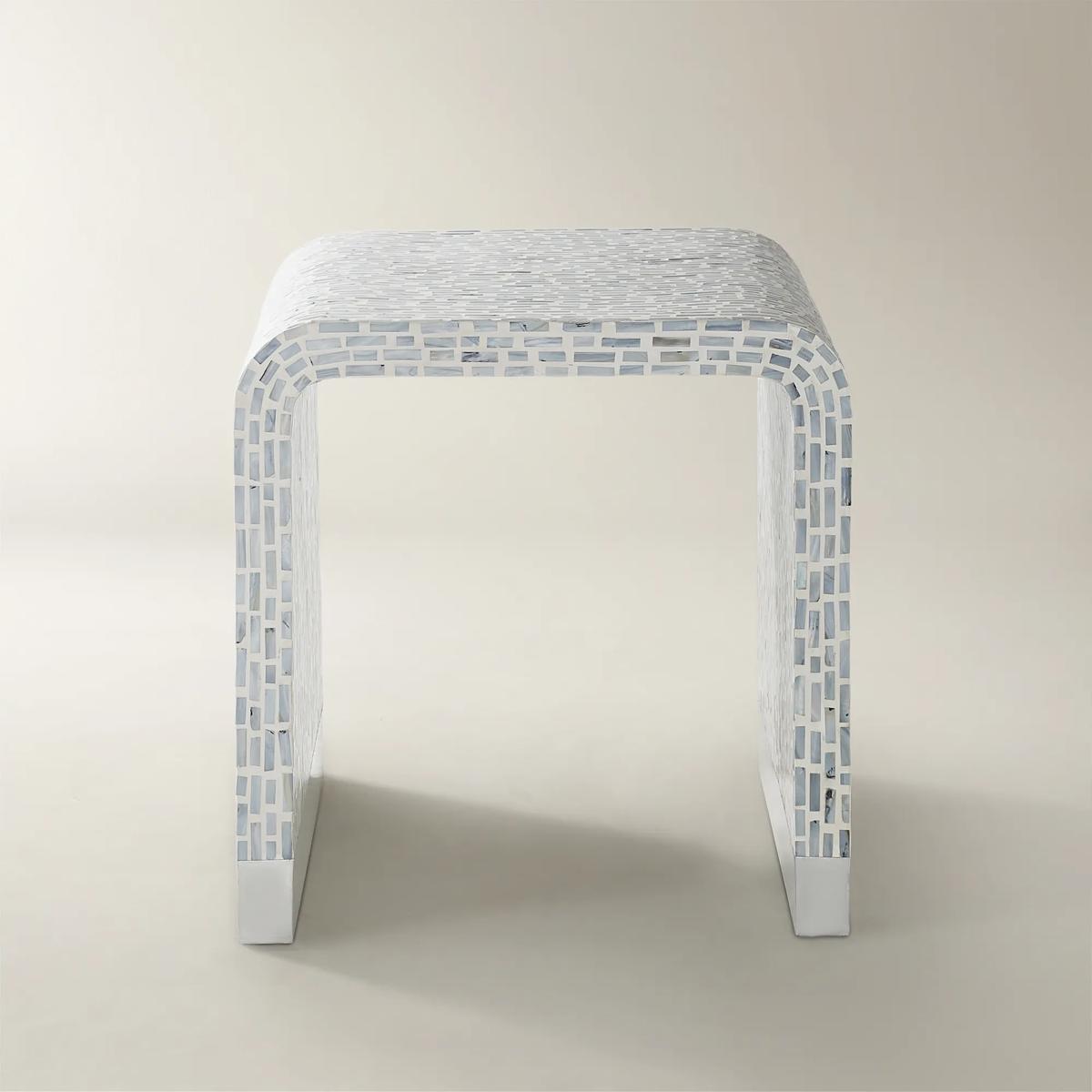
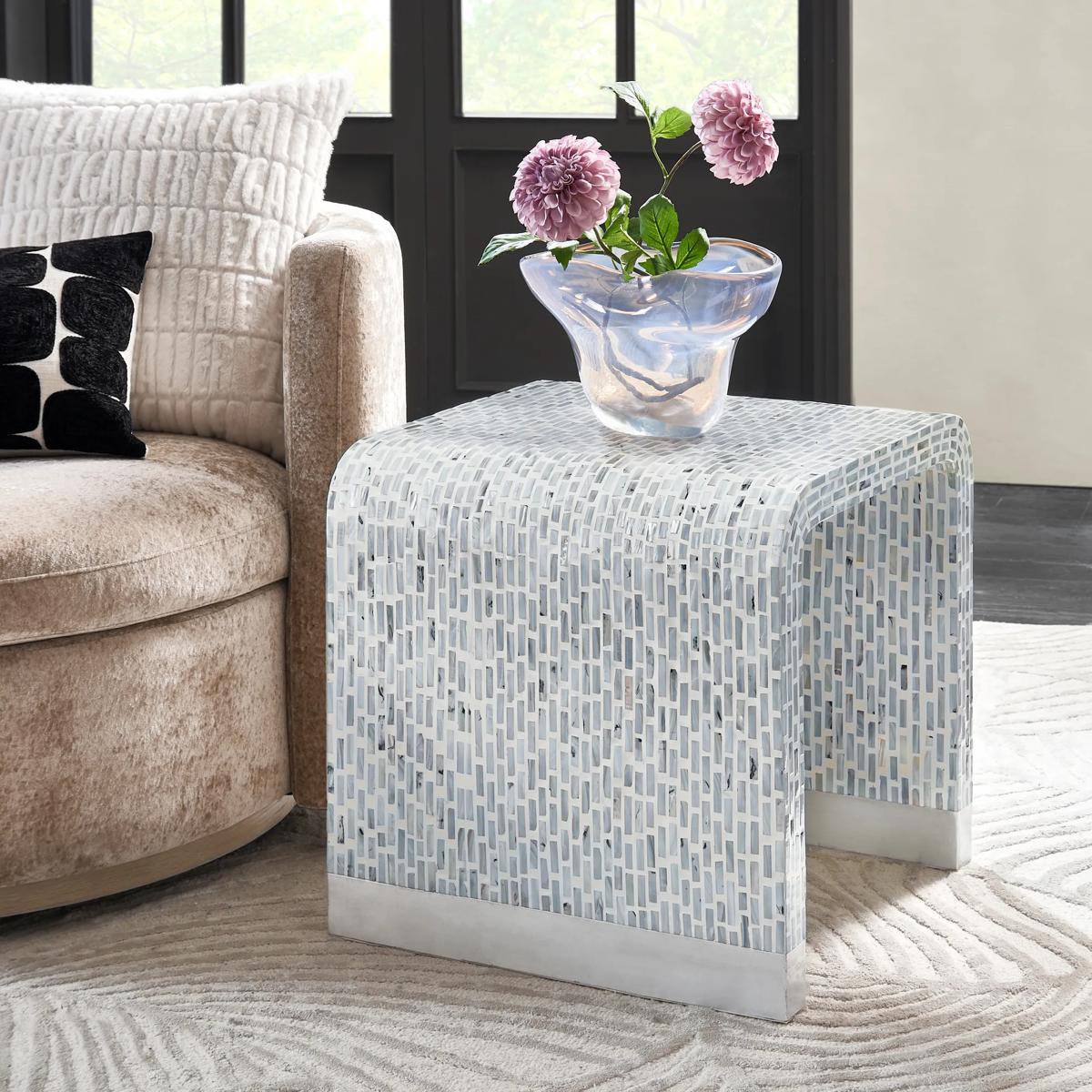 Iridia Blue Side Table (21.6")$399
A handcrafted end table featuring iridescent blue mother-of-pearl inlay and a silver leaf base.
Add To Cart -
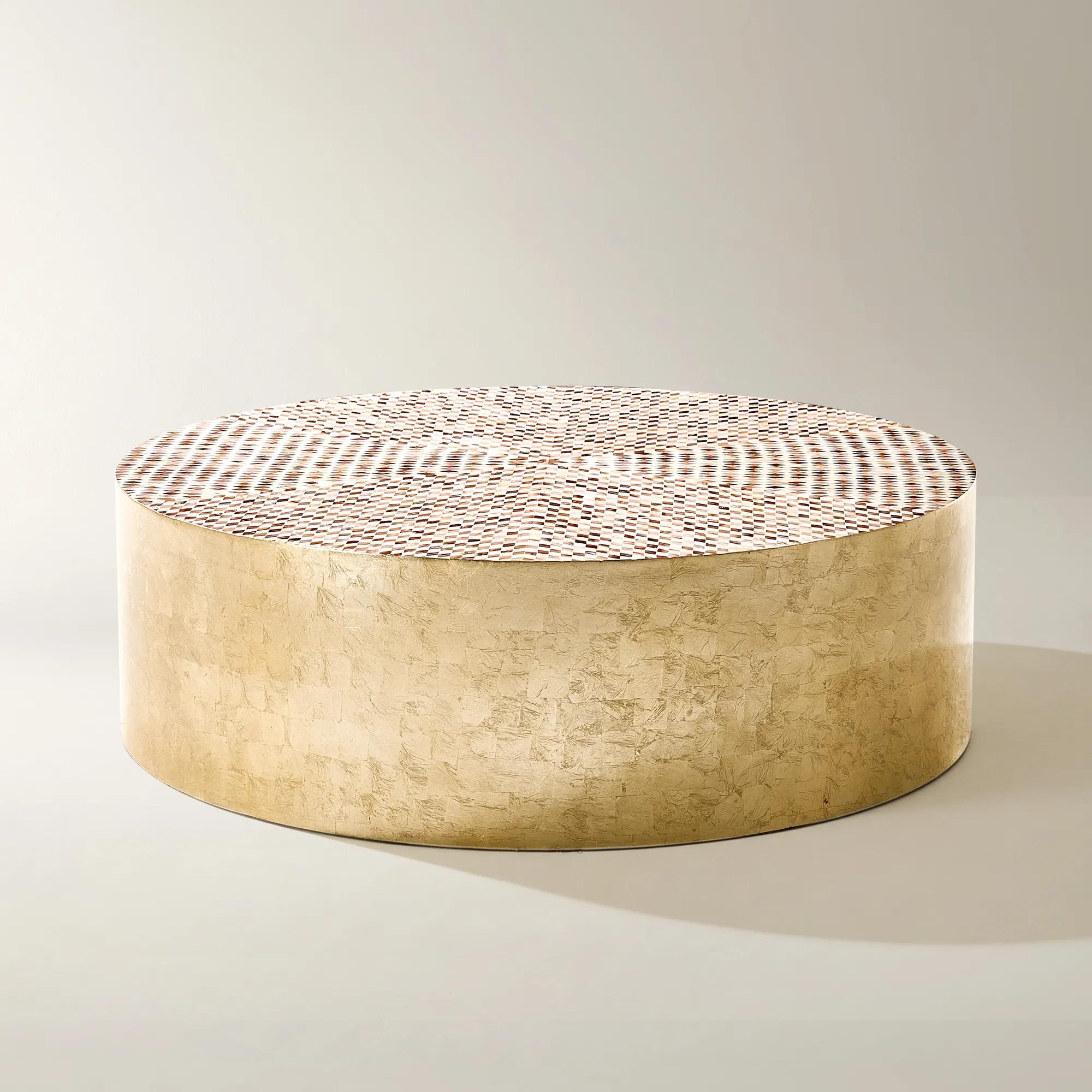
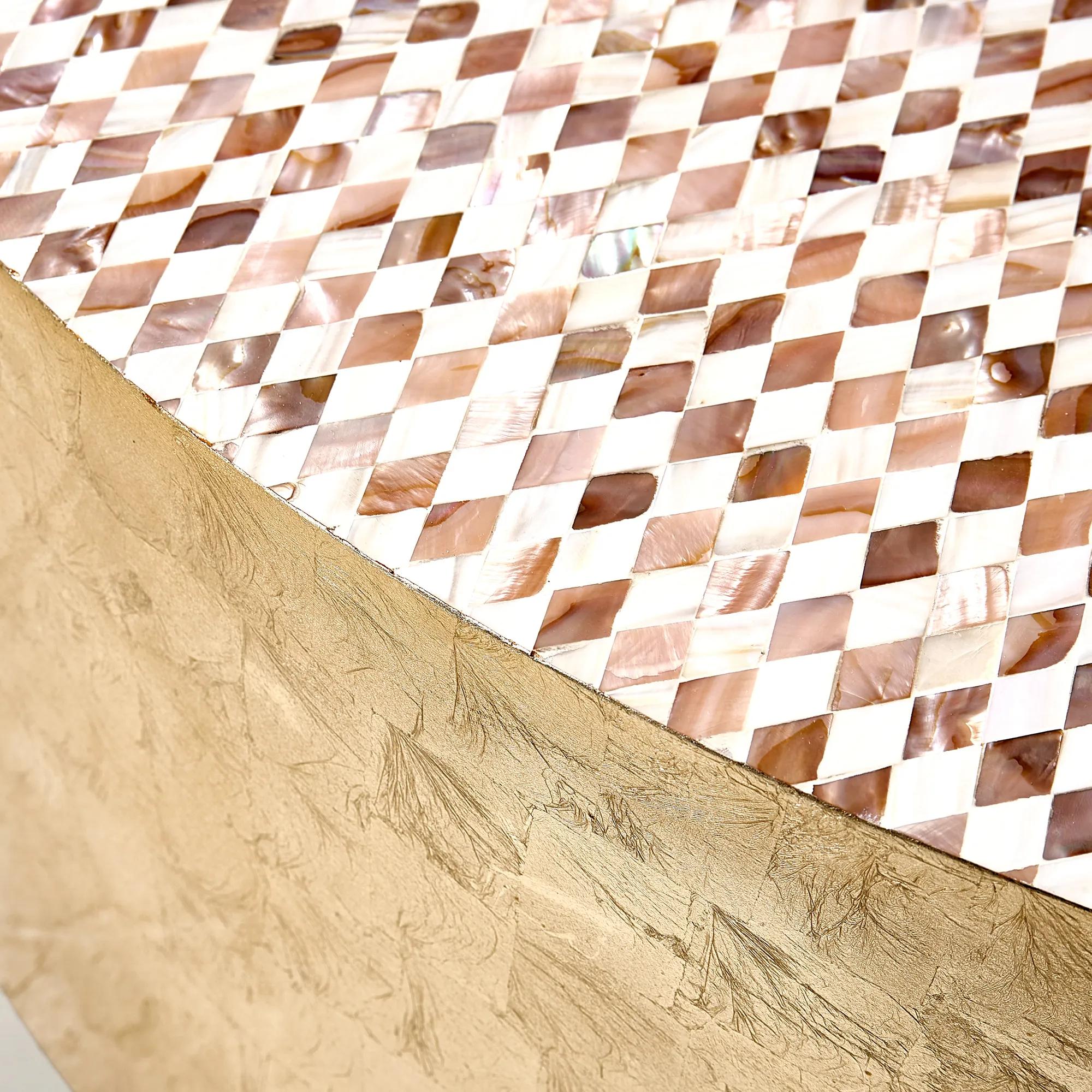 Lucien Round Diamond Coffee Table (47.24")$1299
A sculptural round coffee table featuring a hand-laid mother-of-pearl diamond mosaic and gold leaf sides.
Add To Cart -
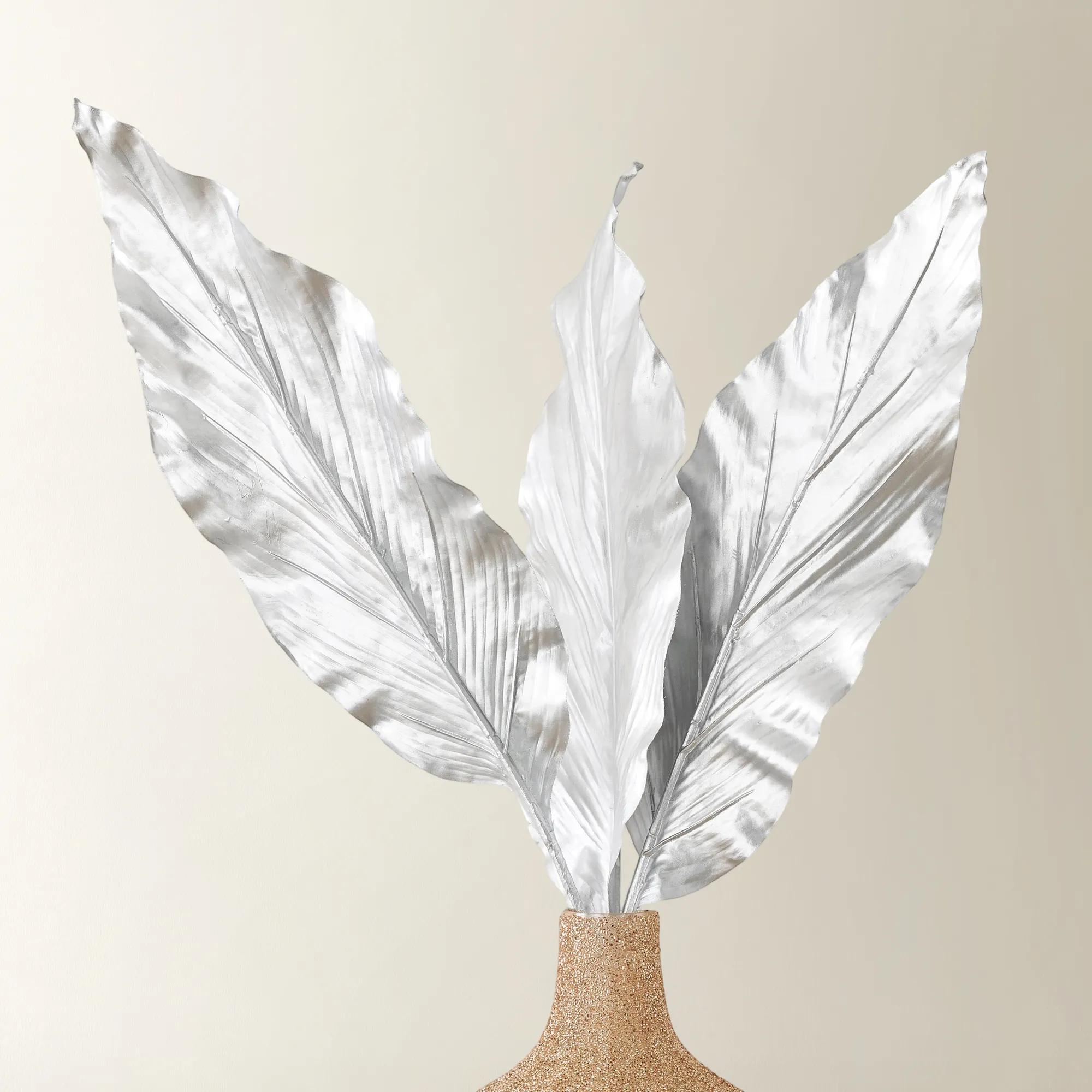
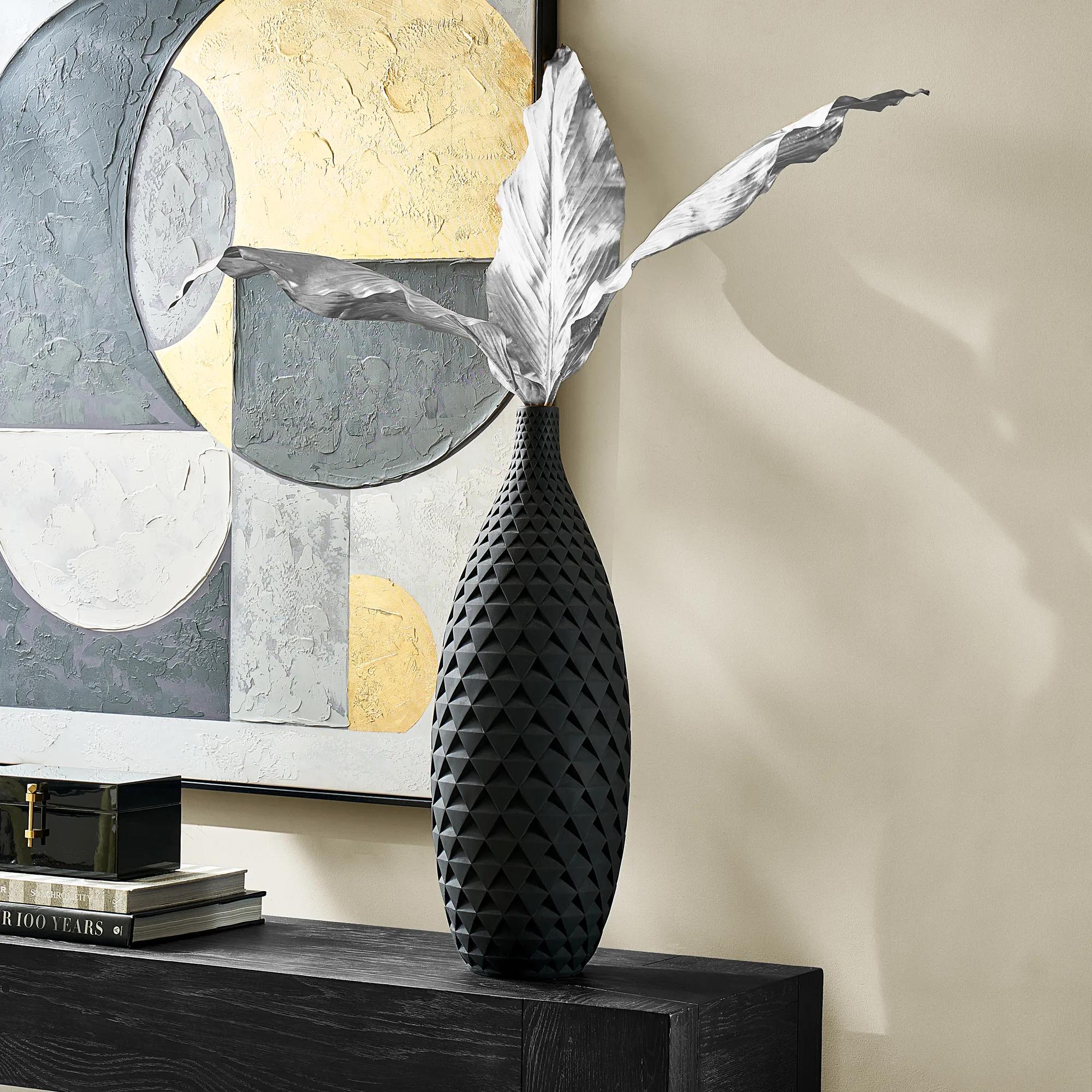 Faux Silver Canna Leaf Branch 38" Set of 3$49
A set of three silver metallic leaves inspired by the Canna plant for modern seasonal décor.
Add To Cart -
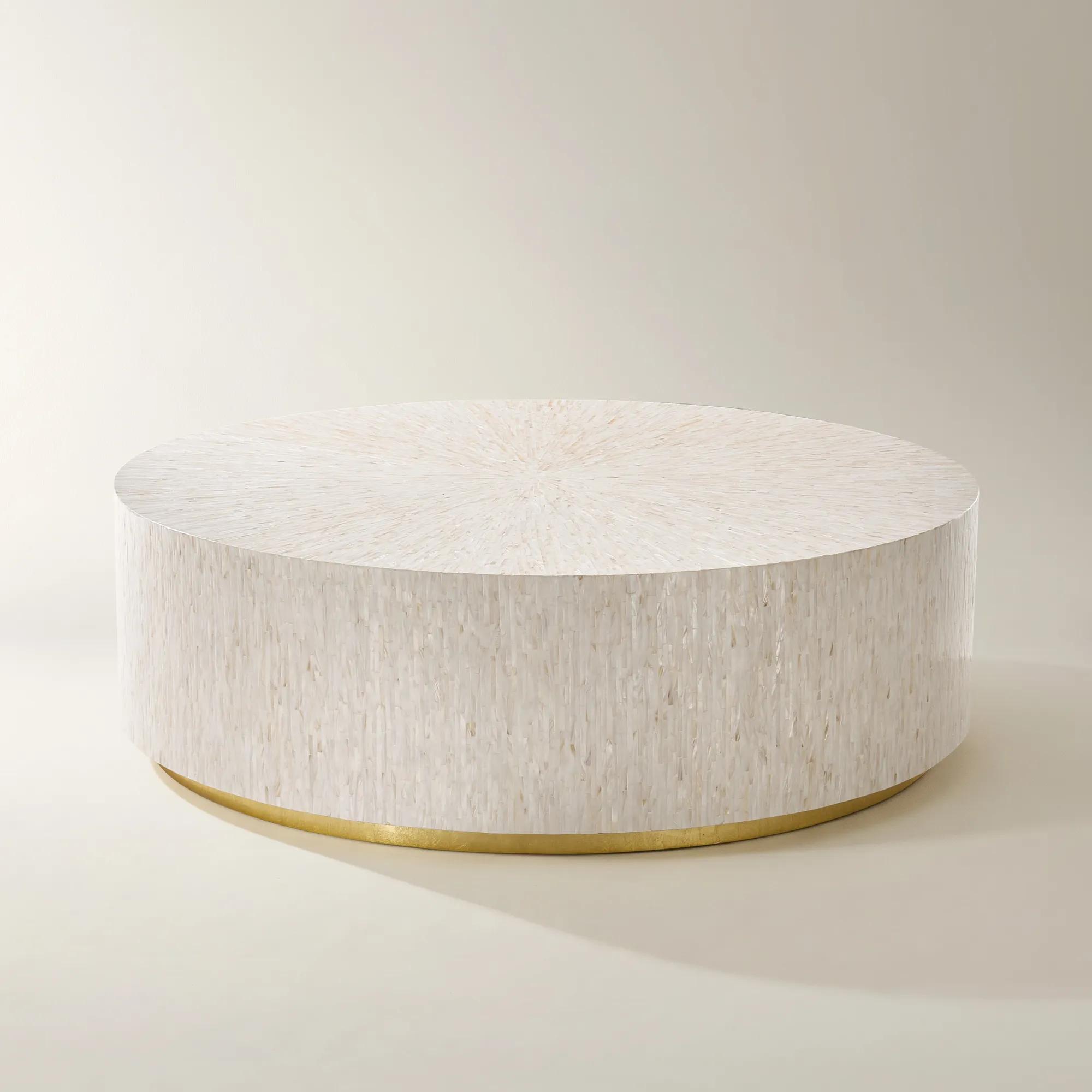 Alexandria Round Mosaic Platinum Coffee Table (52")$1399
A luminous mother-of-pearl mosaic coffee table with a sculptural round form and gold leaf–accented base.
Add To Cart -
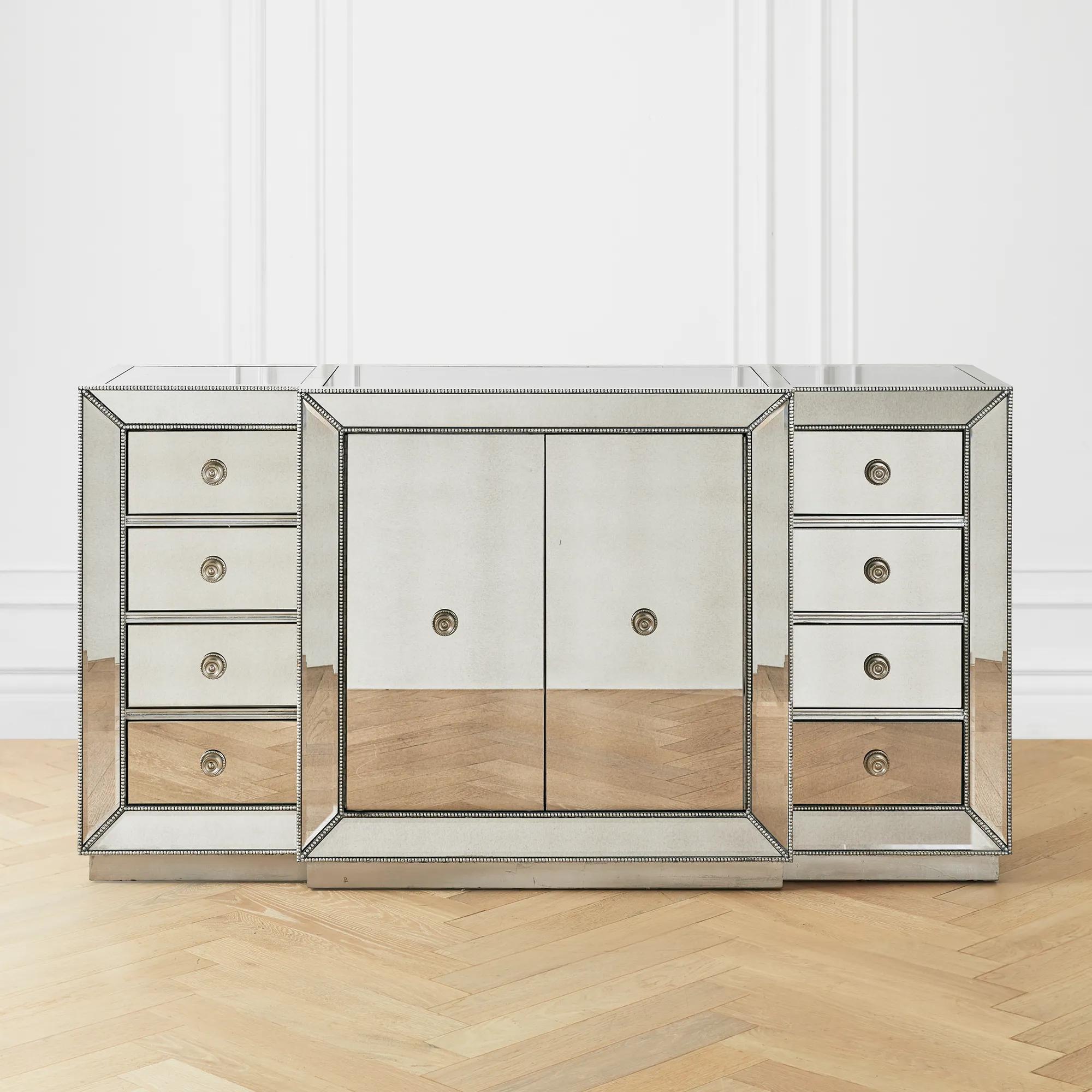 Omni Mirrored Silver 8-Drawer Buffet (72")$2499
A glamorous buffet featuring antique beveled mirrored panels, hand-applied silver leaf, and silver beaded trim.
Add To Cart -
 Thalia Glossy Black Side Table Set Of 2 (8"-12.5")$599
A sculptural duo of glossy black fiberglass tables with fluid lines and mirror-like lacquered finish.
Add To Cart -
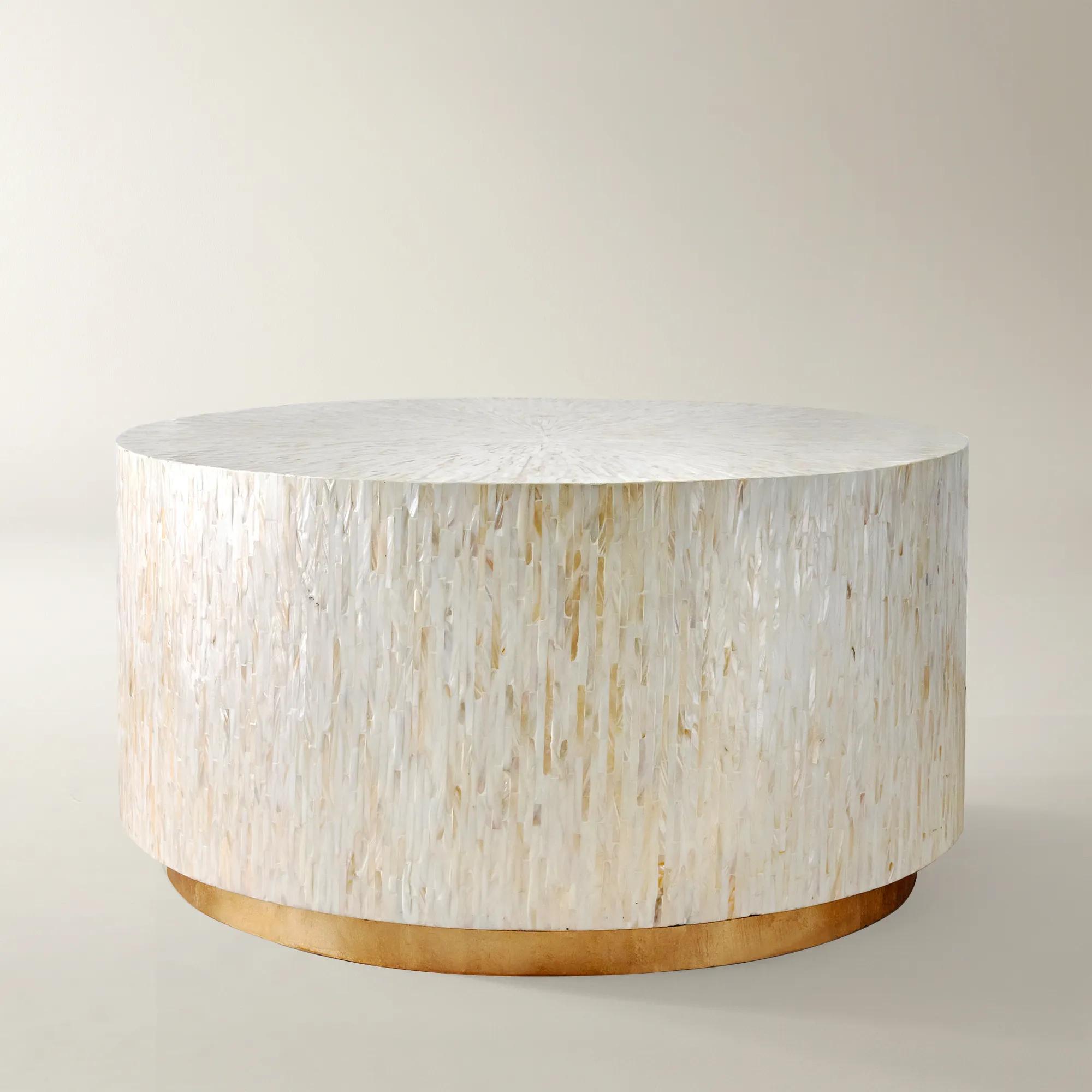
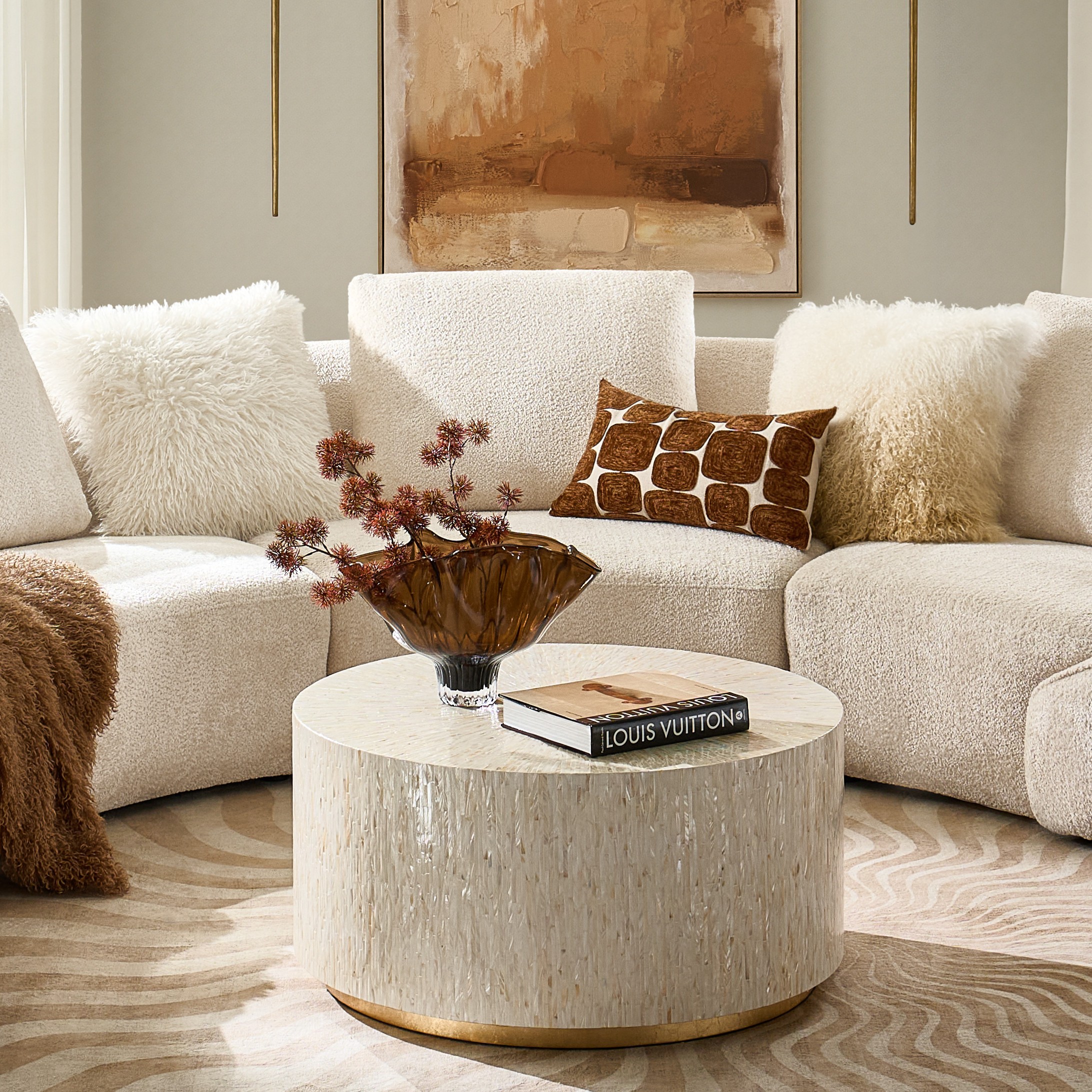 Alexandria Round Mosaic Platinum Coffee Table (36")$799
A luminous ivory coffee table featuring hand-applied mother-of-pearl mosaic and a gold leaf-accented base.
Add To Cart -
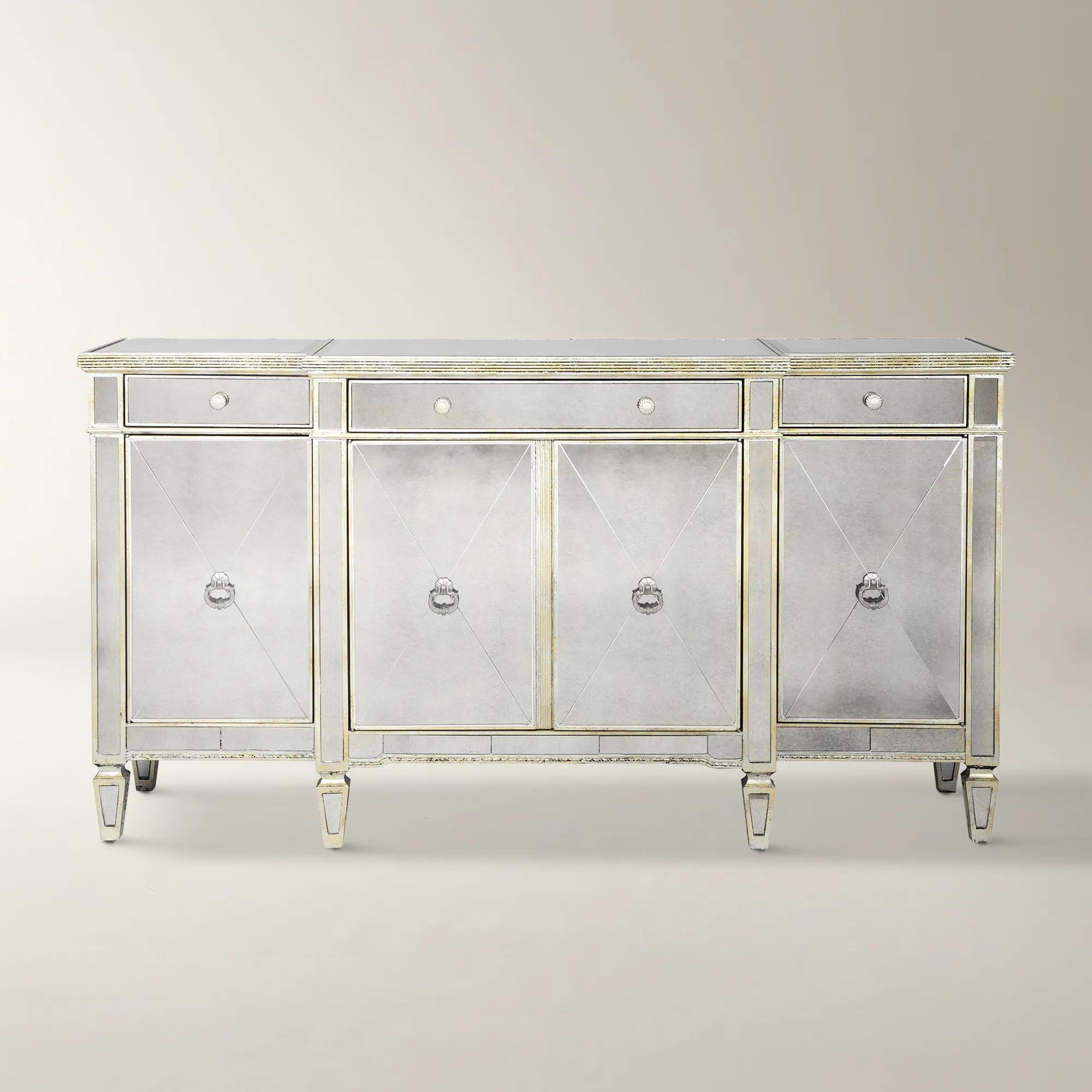
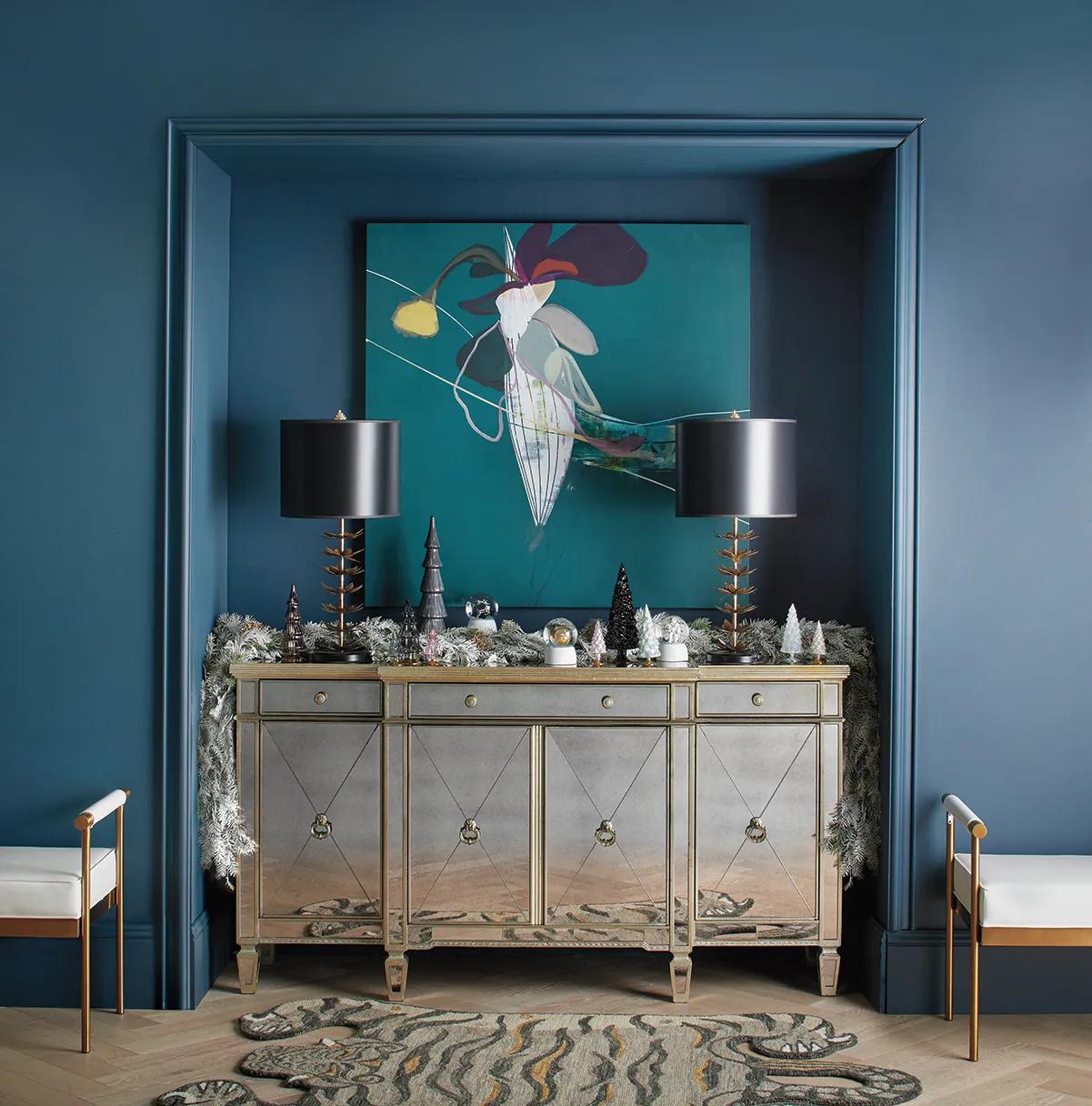 Borghese Mirrored Silver 3-Drawer Buffet (70")$2499
A sophisticated mirrored buffet featuring antique beveled glass, champagne gilt wood trim, and hand-applied silver leaf.
Add To Cart -
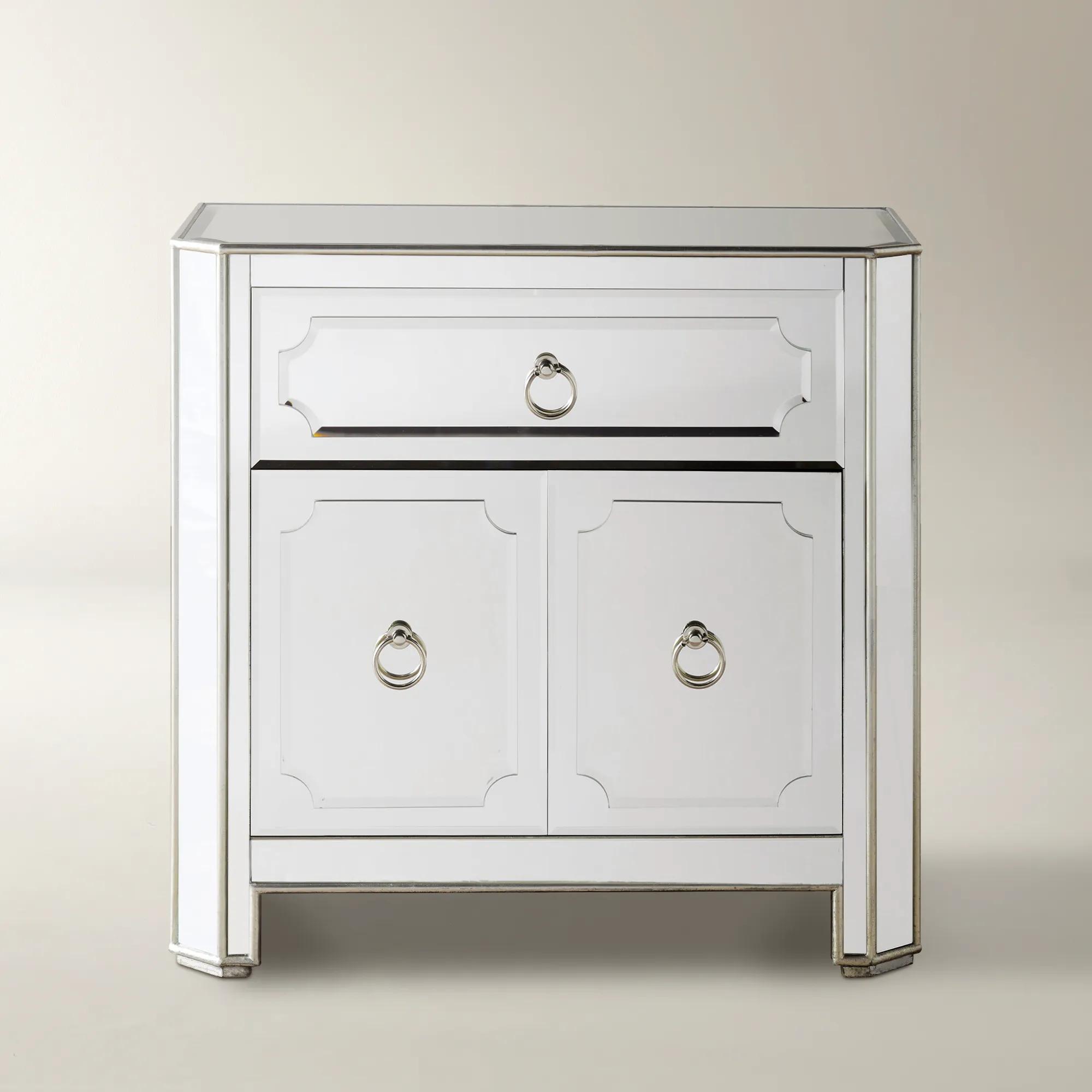
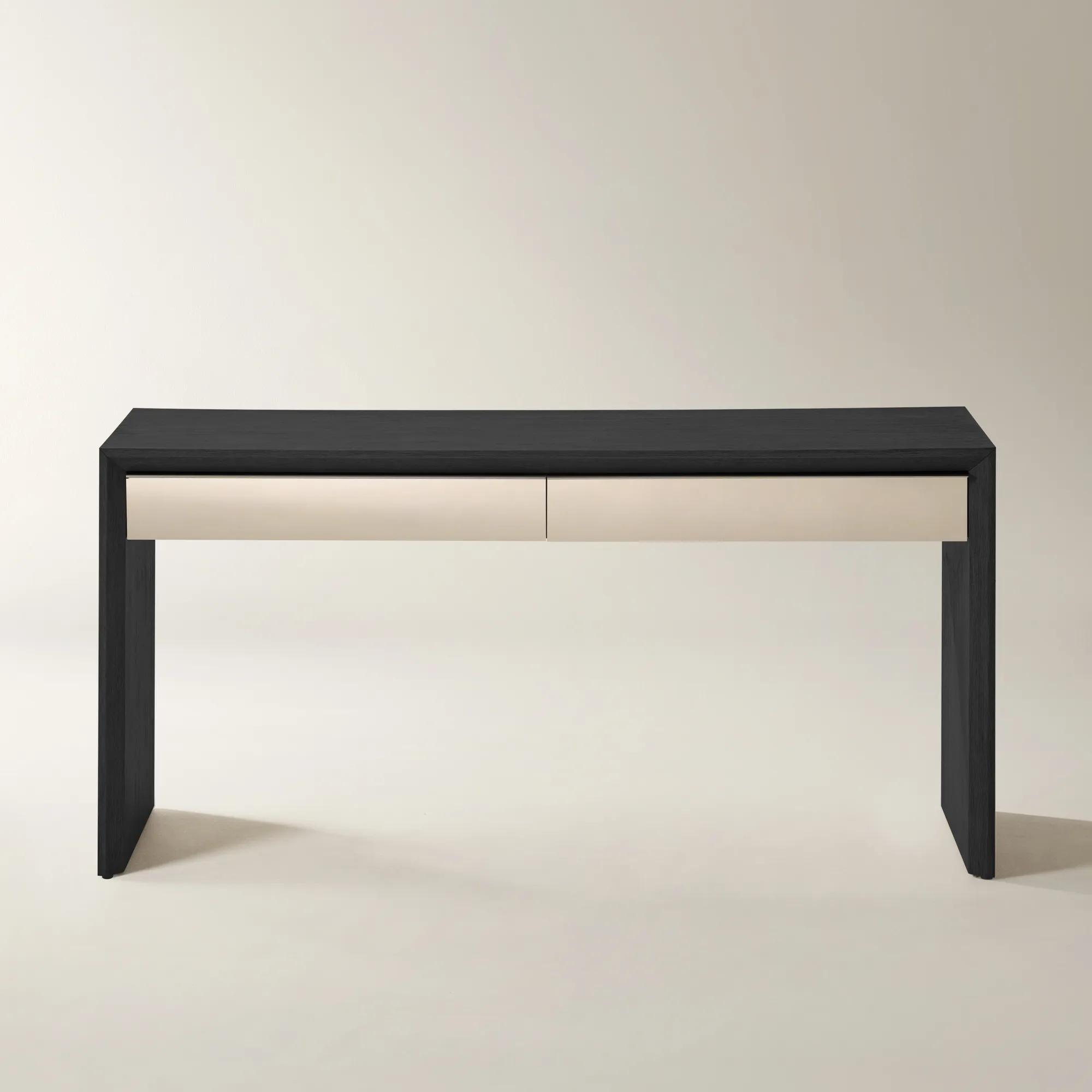
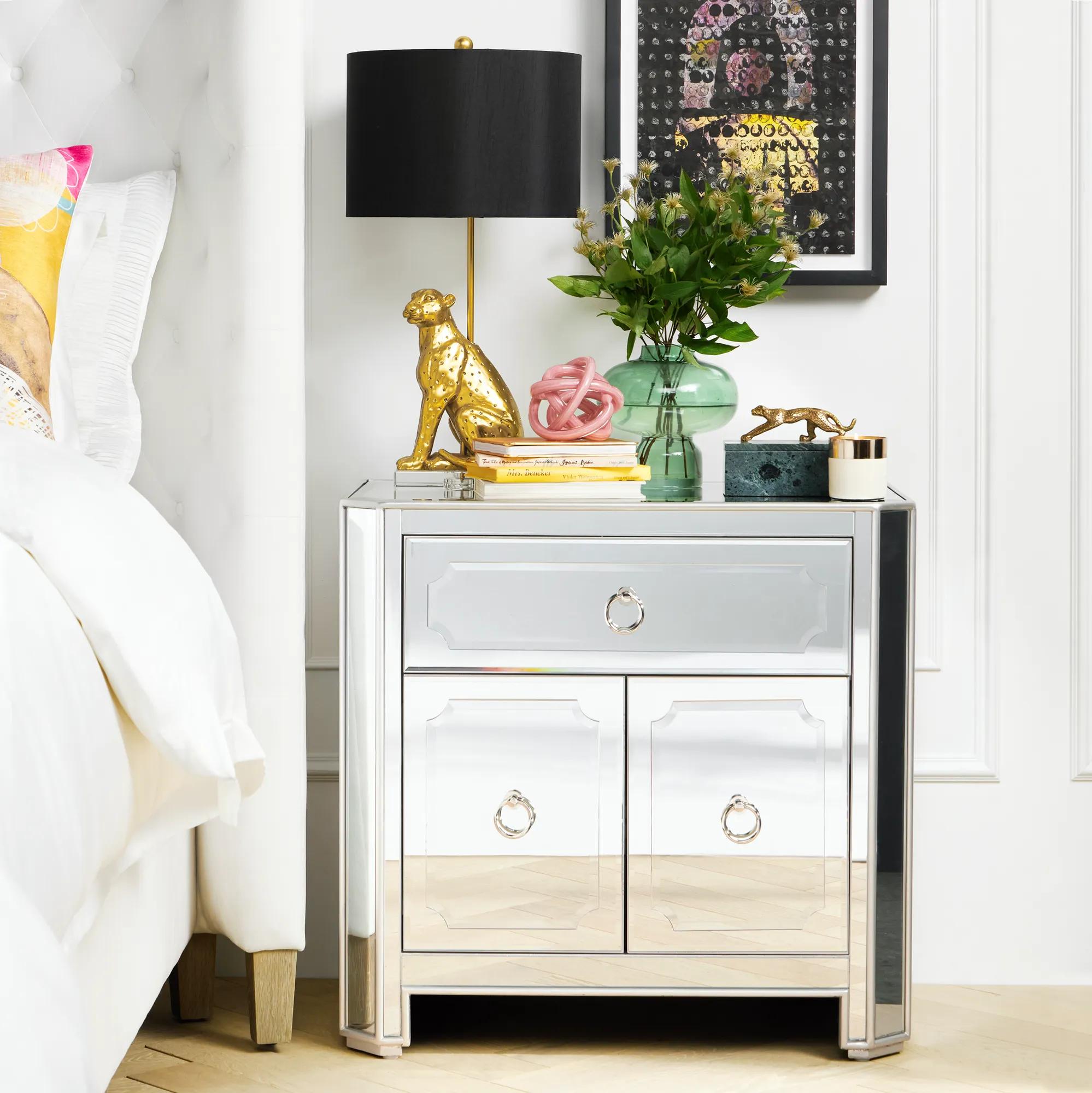 Simplicity Mirrored Silver 1-Drawer Nightstand (30")$899
A glamorous nightstand featuring beveled mirrored panels, hand-applied silver-leaf trim, and polished nickel hardware.
Add To Cart -

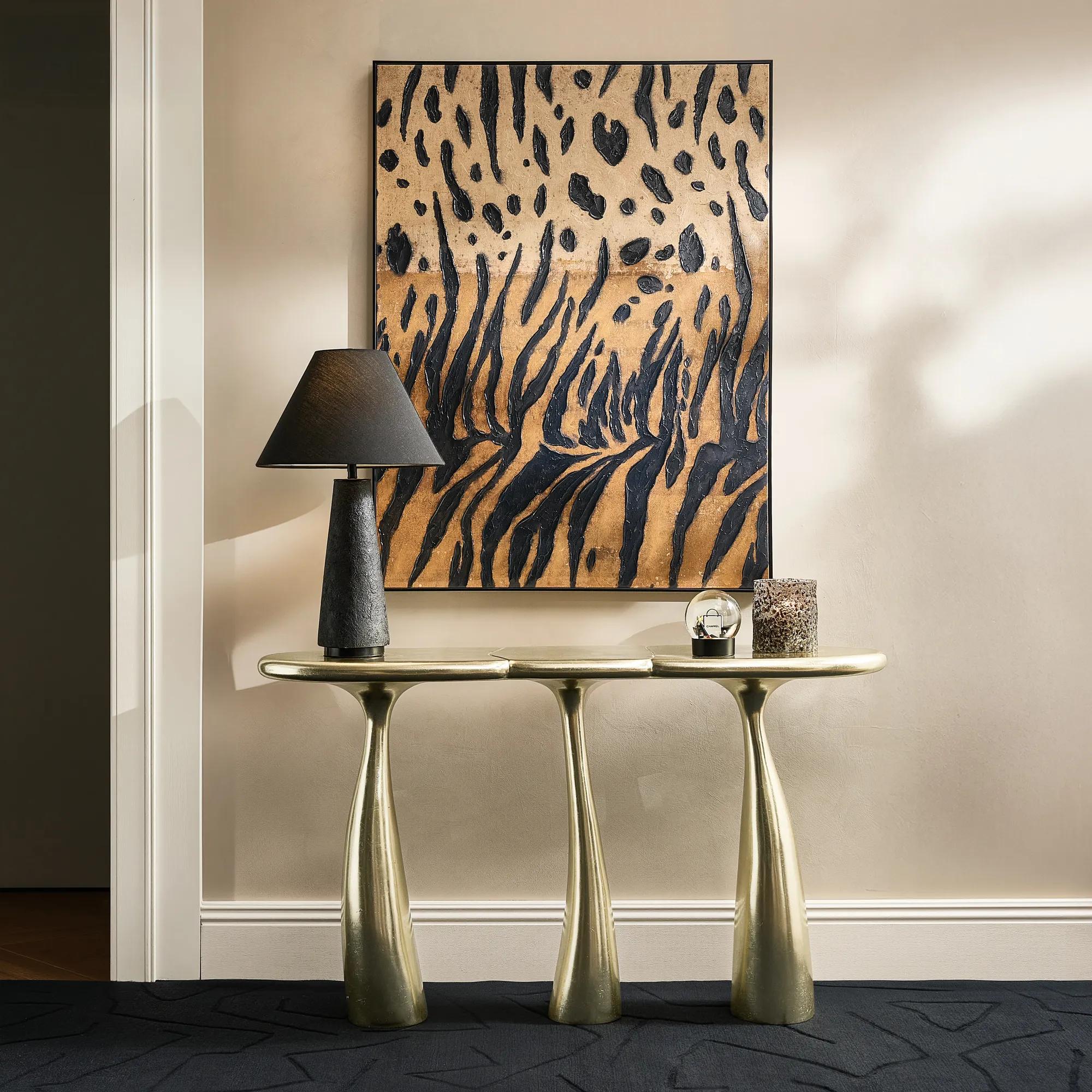 Thalia Soft Gold Console Table (52.4")$999
A sculptural console table hand-molded from fiberglass with a luminous, hand-applied gold leaf finish.
Add To Cart -
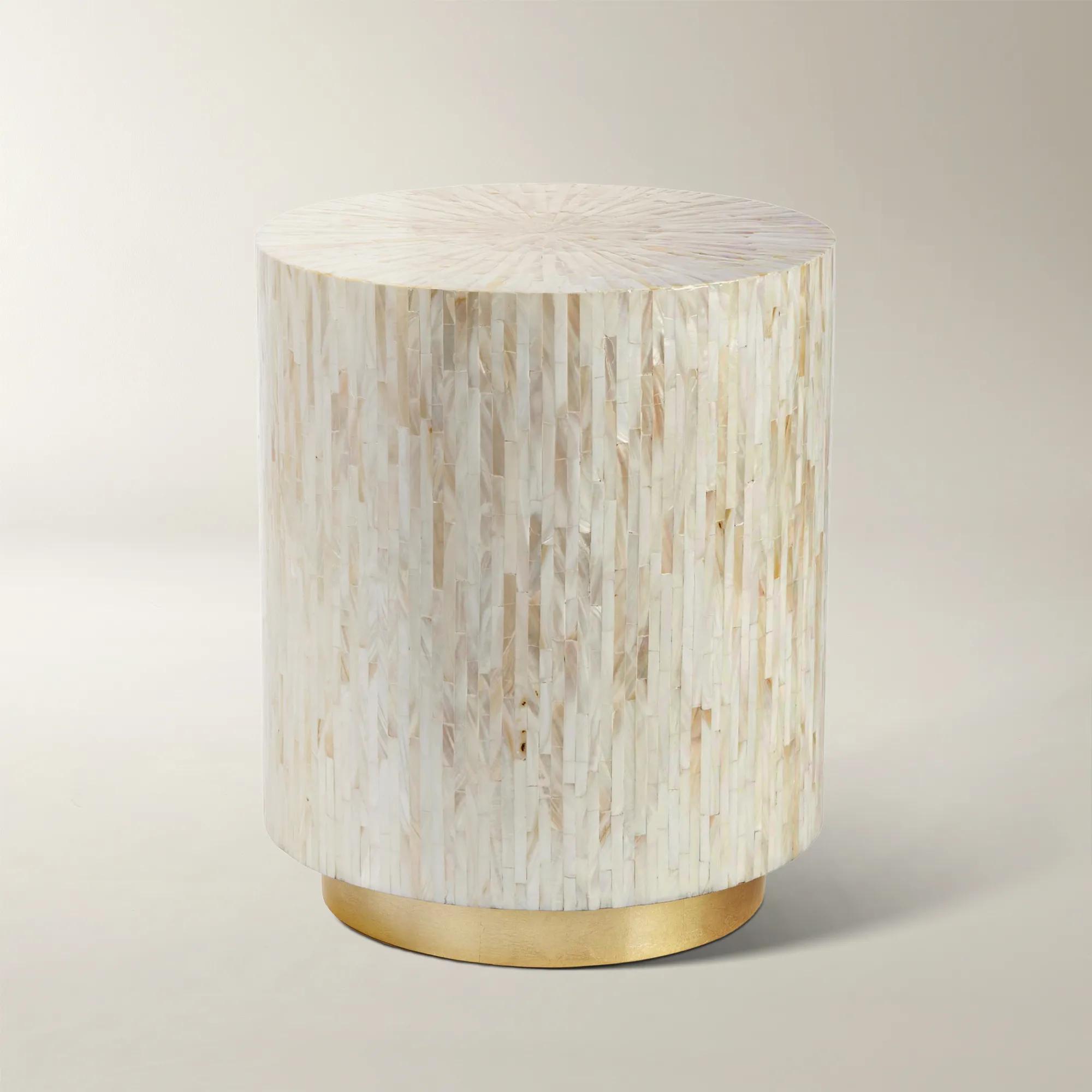 Alexandria Round Mosaic Platinum End Table (13.75")$299
A glamorous accent table featuring hand-applied mother-of-pearl mosaic and a gold leaf-accented base.
Add To Cart -
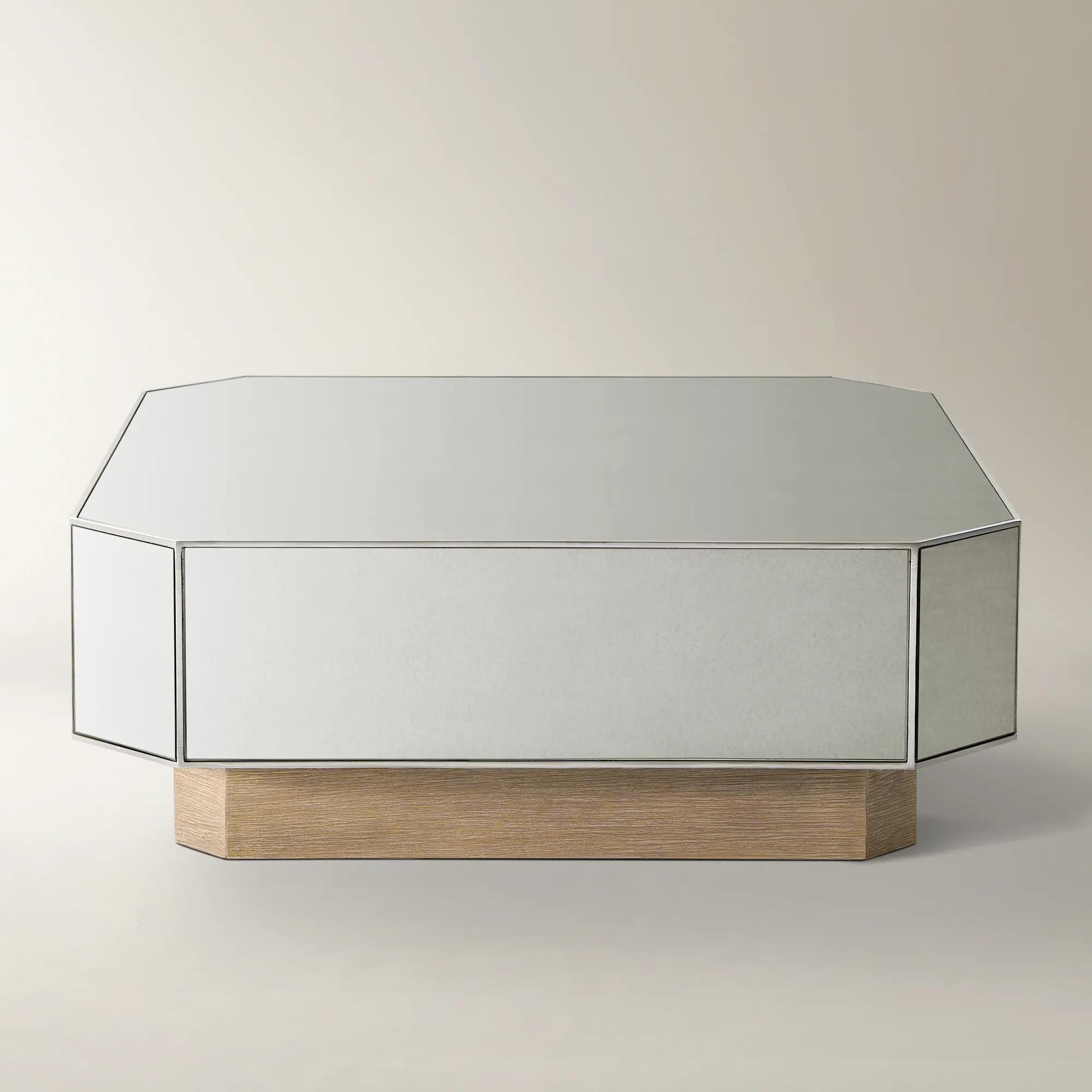 Glimmer Silver Mirrored Coffee Table (44")$1699
A luminous coffee table featuring an antique silver mirror top and warm oak veneer base with handcrafted details.
Add To Cart -
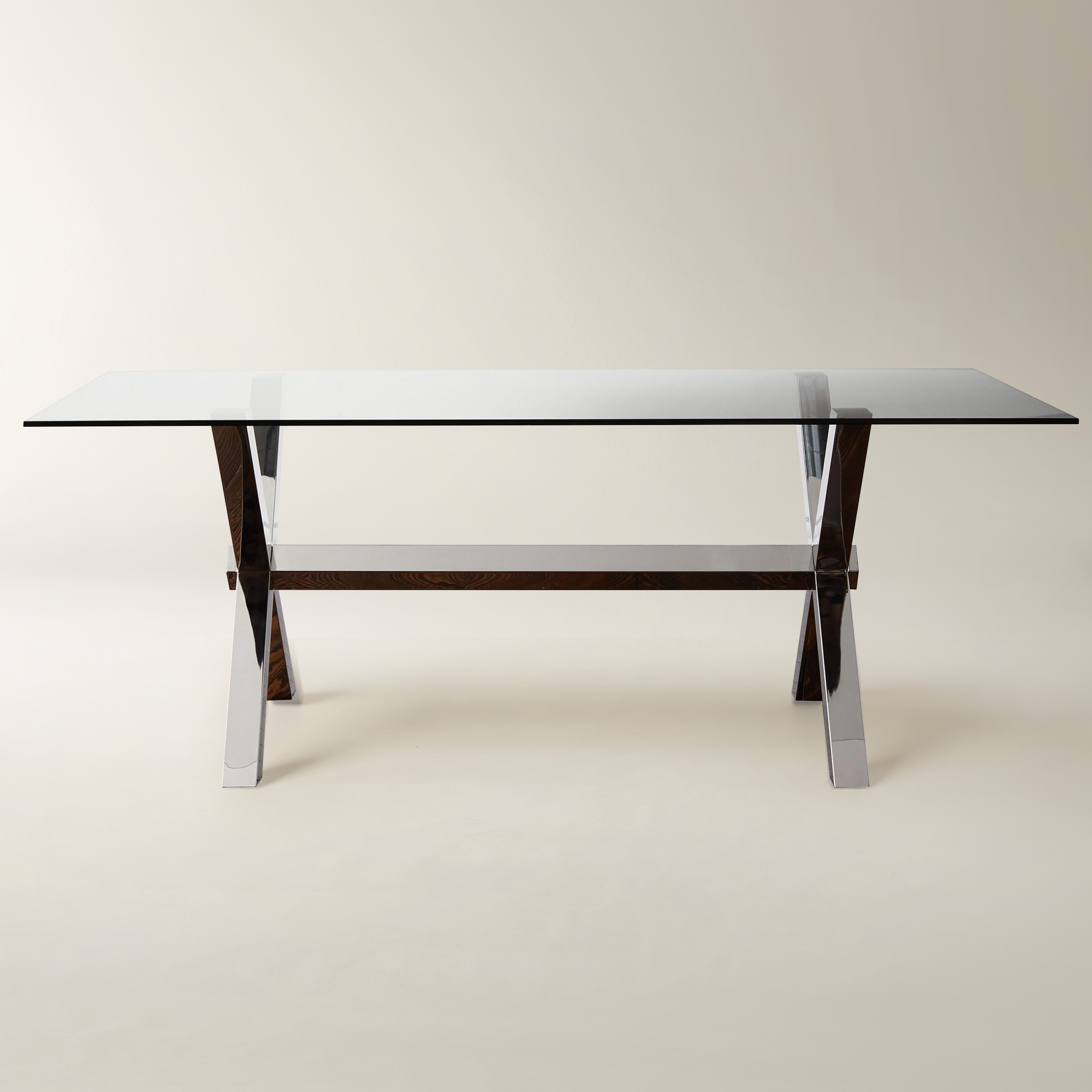
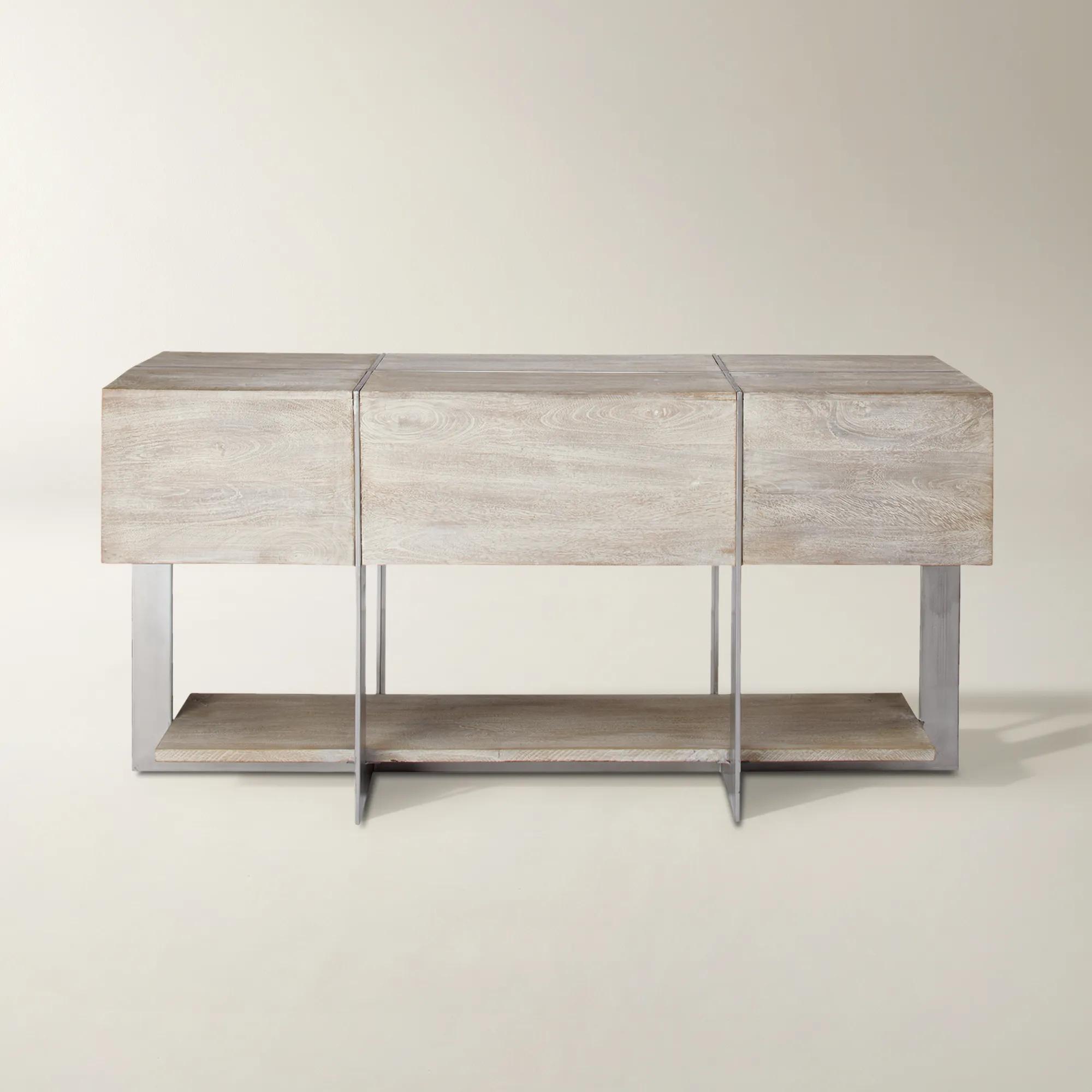
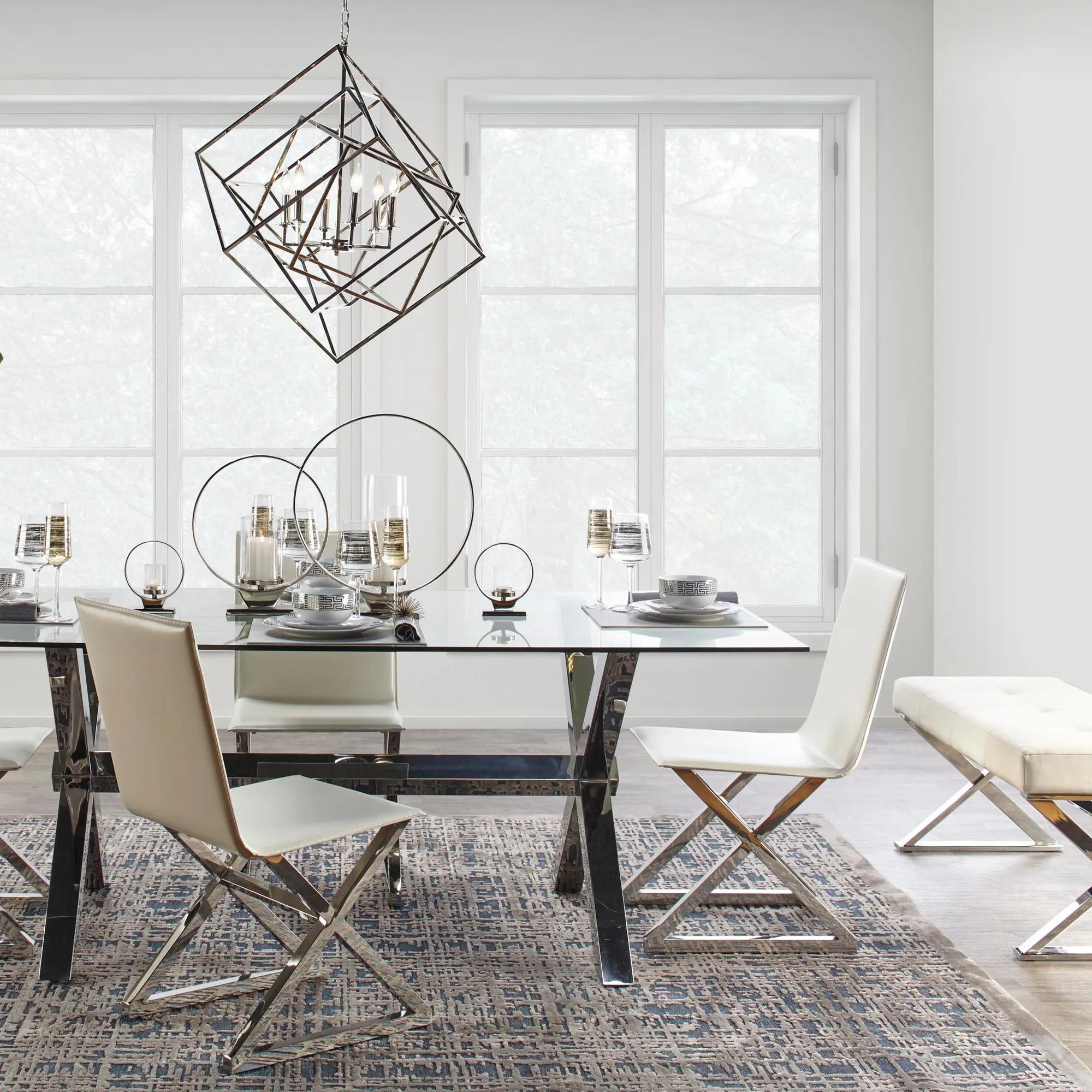 Axis Rectangular Silver Dining Table With Glass Top (78")$1199
A contemporary dining table featuring a polished stainless steel base and durable tempered glass top.
Add To Cart -
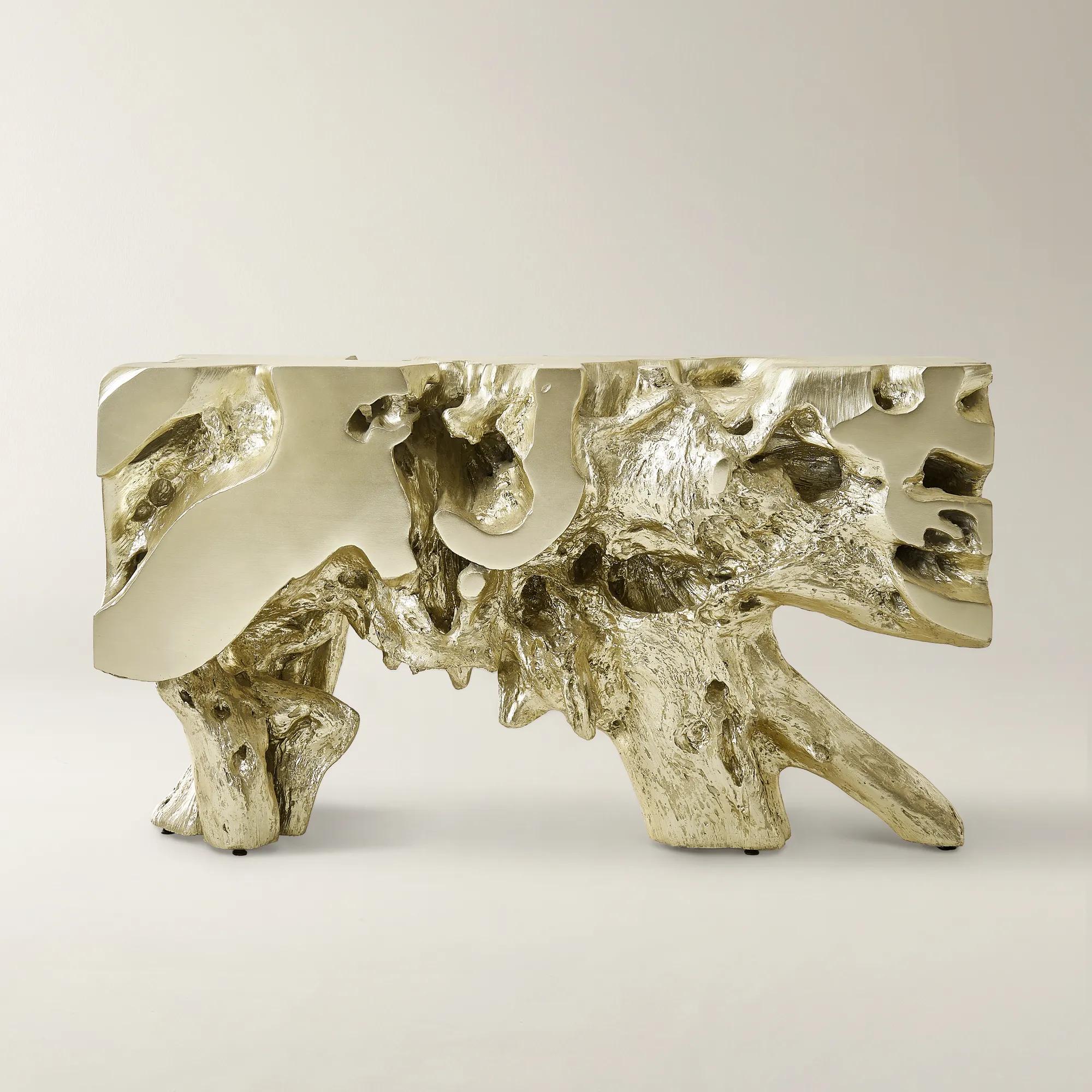 Sequoia Champagne Gold Resin Console Table (58")$1999
A sculptural resin console table finished in luminous champagne gold leaf with organic, root-inspired texture.
Add To Cart

Modern Silver Leaf Tables
Modern silver leaf tables are the embodiment of luminous sophistication—each piece a dazzling interplay of artistry and allure. With their gleaming, mirrored surfaces and sculptural silhouettes, these tables invite intrigue and elevate every moment, reflecting light and life in spectacular fashion. Whether anchoring a dramatic living room or punctuating a chic entryway, modern silver leaf tables transform ordinary spaces into showcases of contemporary glamour. Let your home radiate with the unmistakable opulence and expressive spirit that only silver leaf can provide—a bold statement for those who believe every detail deserves to shine.
Modern silver leaf tables pair contemporary silhouettes with a metallic leaf finish, bringing a softly reflective surface to furniture designed for everyday living. Unlike solid silver furniture or a uniformly plated metal surface, silver leaf describes a decorative treatment in which extremely thin sheets of metal are applied over a prepared base. Depending on the design, the leaf may be genuine silver or a silver-toned alternative, making the stated finish composition an important distinction. Fine overlaps, subtle shifts in tone, and delicate surface texture can give leafing its distinctive character; the effect is often more layered than the crisp reflection of chrome. A protective topcoat may help preserve that appearance, although the finish and its care requirements vary. On a sculptural coffee table, this treatment emphasizes curves and contours, catching light across a broad surface. On a slender side table, it creates a concentrated flash of luminosity beside a deeply upholstered chair. Silver leaf console tables introduce the same artistry along an entry wall or behind a sofa, where their narrower proportions leave room for movement while providing a stage for lamps, ceramics, or an expressive arrangement of branches. The appeal lies in that balance of practical purpose and visual presence: a table can hold a drink, anchor a seating arrangement, and still read like an object chosen for its form. Contemporary profiles keep the metallic detail from feeling overly ornate, whether the shape is rounded, angular, open-framed, or deliberately substantial. Antiqued treatments can soften the brilliance, while brighter finishes make the geometry more pronounced. For interiors built around tactile fabrics, dramatic artwork, and carefully composed displays, modern silver leaf tables offer a luminous counterpoint without introducing another dominant color. Their silver tone can feel serene against ivory upholstery, striking against charcoal, or particularly rich beside saturated blue and green. Each combination gives the finish a different expression, allowing the table to participate in the room’s palette rather than simply sit within it.
The material beneath a silver leaf finish matters as much as the surface itself. Wood and engineered wood can support substantial geometric forms, metal can lend itself to slender frameworks, and molded resin can accommodate fluid, sculptural shapes. These materials differ in weight, construction, and response to daily use; the metallic appearance alone does not establish how sturdy or durable a table will be. Joinery, base stability, top material, and any stated weight limit all contribute to its intended role. A silver leaf coffee table at the center of a frequently used seating area needs enough usable surface for the objects that genuinely live there, not just a decorative arrangement. A tray, a few books, and space to set down a glass can coexist beautifully when the proportions are generous enough. As a general starting point, a coffee table approximately two-thirds the length of the sofa often feels balanced, with roughly 14 to 18 inches between the table and seating for comfortable reach and legroom. Those dimensions should bend to the room, especially where recliners, deep seats, or a busy passage require additional clearance. Round and oval tables can ease movement around a compact conversation area, while rectangular profiles often relate naturally to a long sofa. Nesting forms offer flexibility where an extra surface is useful during gatherings but unnecessary afterward. Beside an armchair, a side table close to the height of the arm makes a drink or reading lamp easier to reach; a substantial lamp also calls for a stable base and an appropriately sized top. Consoles require their own attention to depth, door swings, and any manufacturer-specified anchoring. Silver leaf dining tables, where designed for that use, must also accommodate chairs, knee clearance, and the demands of meals. For a broader expression of this metallic palette, Living Room Tables With Silver Finish brings the focus to silver-toned tables within the living room. Coordinating pieces need not match precisely: repeating a curve, a frame detail, or a similar degree of sheen can create a more nuanced composition than duplicating every finish.
Silver leaf rewards thoughtful placement and a gentle approach to care. Its decorative surface is not inherently scratchproof, waterproof, or resistant to heat, even when a protective coating is present. Manufacturer instructions should govern cleaning, with a soft, dry cloth often appropriate for routine dusting and only approved products used for more involved care. Abrasive pads, metal polish, and strong household cleaners can damage leafing or its sealant; a finish that looks metallic should not automatically be treated like bare metal. Coasters beneath beverages, protection under planters, and soft pads under decorative objects help reduce contact marks. Spills deserve prompt attention using the recommended method, rather than being left to settle along seams or edges. A glass-topped design may separate everyday use from a leafed base, but glass still needs protection from impact, and cleaner should not be allowed to drip onto the decorative finish. Genuine silver can tarnish if insufficiently protected, while other silver-toned leaf materials behave differently, so changes in appearance depend on composition and sealing rather than color alone. In a household with children, pets, or frequent entertaining, a stable form, softened edges, and a suitably protected top may matter more than an intricate silhouette. Unless explicitly rated otherwise, these tables belong indoors rather than in exposed outdoor settings. Their everyday surroundings can be just as considered as their care: a matte ceramic vessel allows the leaf’s fine texture to remain visible, a velvet sofa deepens the contrast, and a single translucent glass object lets light travel through the arrangement. Leaving part of the tabletop uncovered gives the finish space to express itself. For a design-minded recipient celebrating a new home, a compact accent table can be a meaningful gift when its dimensions and finish suit the space. Whether chosen as a personal statement or a thoughtful addition to someone else’s interior, a modern silver leaf table brings useful surface area and a distinctive decorative gesture into the same composition—furniture with a purpose, and a presence worth noticing.
FAQs
Silver leaf tables are distinguished by their artisanal application of delicate silver sheets, resulting in a luminous, multi-dimensional surface. Unlike painted or plated finishes, silver leafing creates a subtle texture and depth, capturing and reflecting light in a way that feels both glamorous and timeless. This handcrafted process ensures each table is uniquely expressive, with gentle variations that enhance its character and allure.
To create a striking focal point, style your silver leaf coffee table with a mix of bold and refined accents. Layer a sculptural tray with crystal vases or metallic candleholders to echo the table’s shimmer, and add a stack of art books for sophistication. A dramatic floral arrangement or a piece of abstract sculpture can further elevate the scene, allowing the table’s reflective surface to amplify the artistry of your chosen décor.
Absolutely. Silver leaf tables effortlessly bridge the gap between modern minimalism and classic opulence. In contemporary spaces, their sleek lines and reflective surfaces add a touch of glamor and visual intrigue. In more traditional settings, the heritage craft of silver leafing complements ornate details and rich textures, creating a harmonious blend of old-world elegance and modern sensibility.
A silver leaf side table is remarkably versatile—use it as a chic nightstand in the bedroom, a luminous accent in a hallway, or a stylish perch for cocktails in a home bar. Its gleaming finish adds a layer of sophistication to any setting, making it perfect for showcasing art, floral arrangements, or treasured keepsakes wherever you desire a touch of drama.
To preserve the radiant finish of your silver leaf table, dust regularly with a soft, dry cloth and avoid harsh cleaners that could dull the surface. For spills, gently blot with a damp cloth and dry immediately. With thoughtful care, your table will continue to dazzle, its artistry and luster enduring as a centerpiece in your home’s evolving story.