Mirrored Vases
Mirrored Vases
-
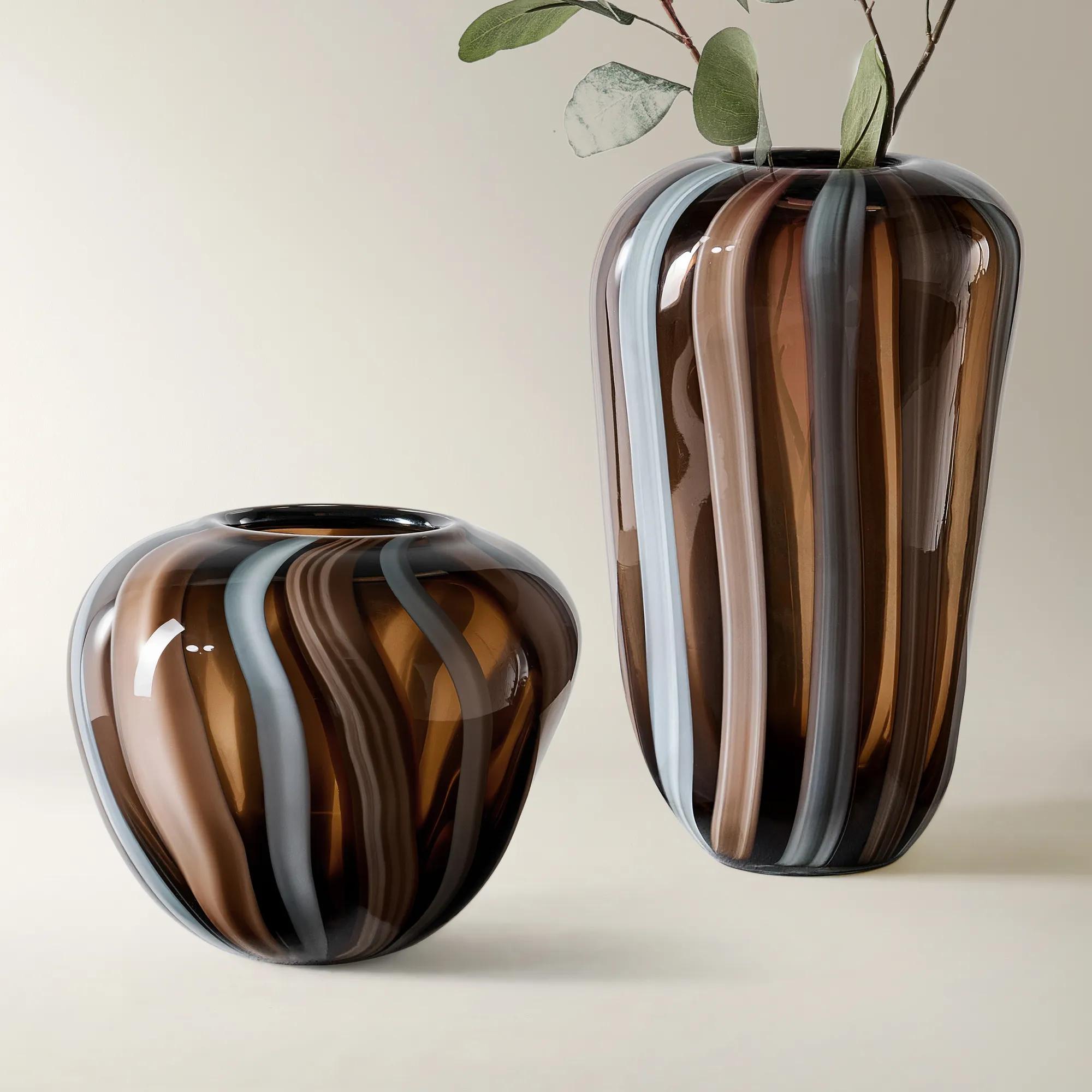
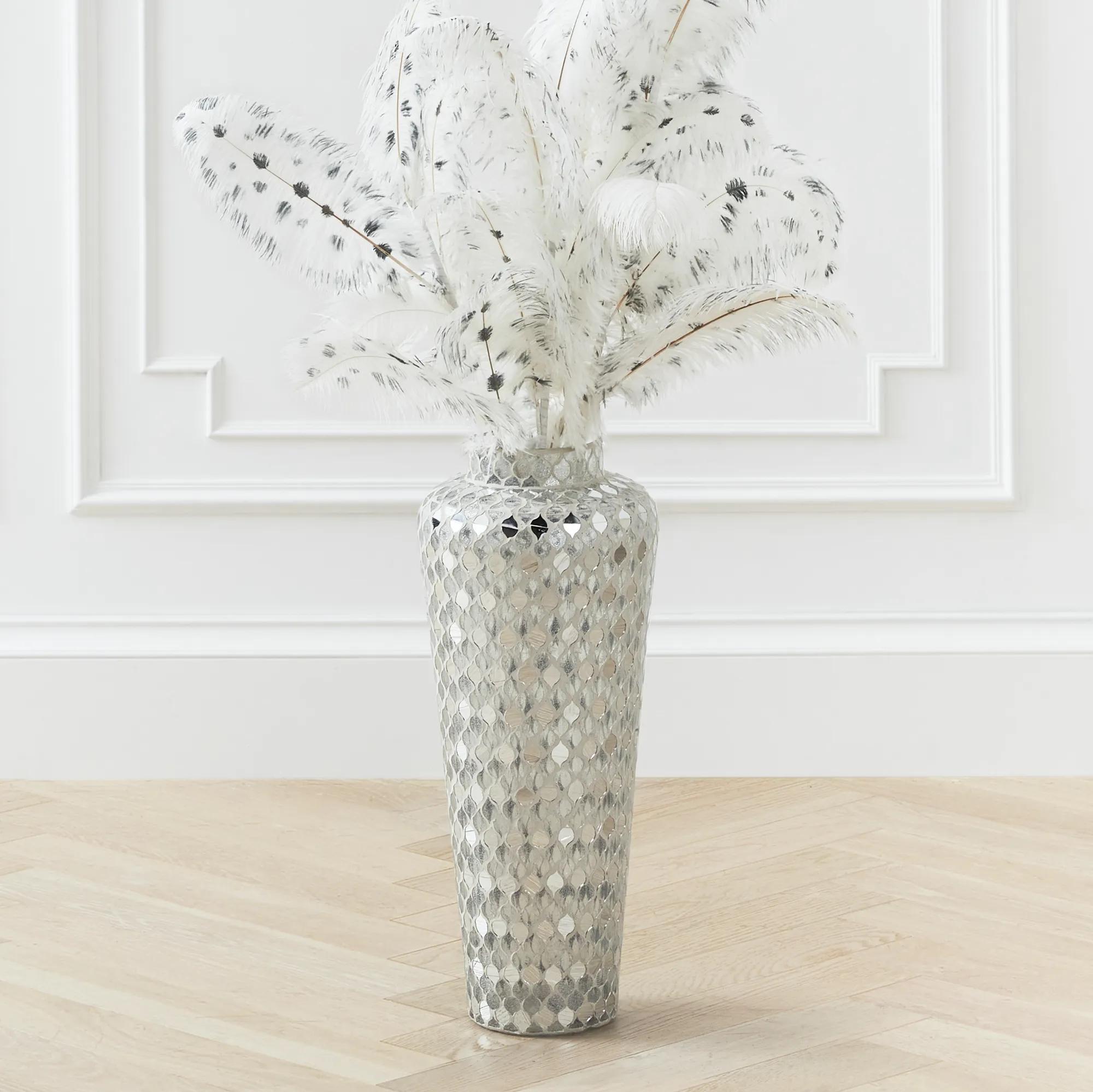 Fez Vase$139
A dazzling glass vase adorned with iridescent mirror and clear tiles for a glamorous decorative accent.
Add To Cart -
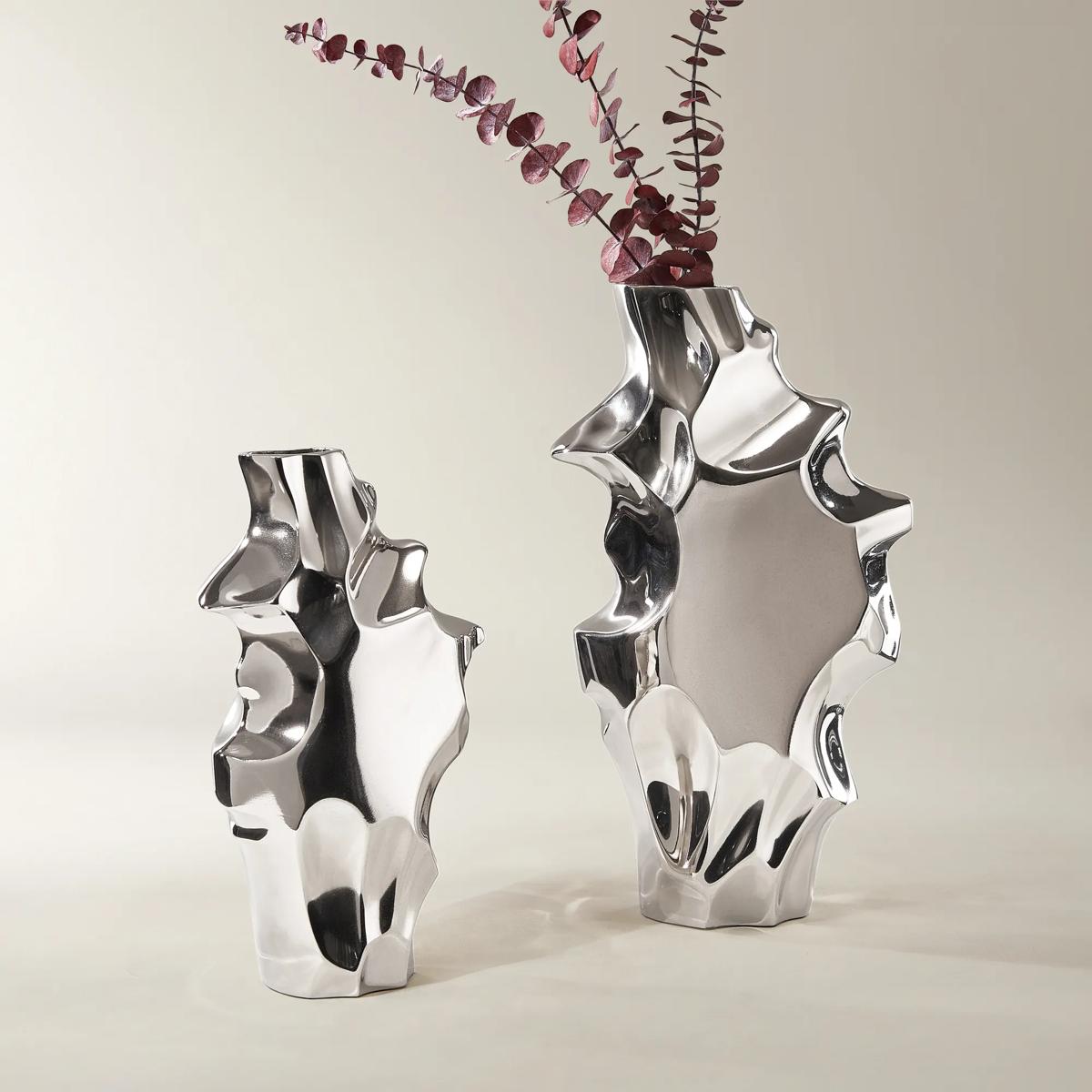
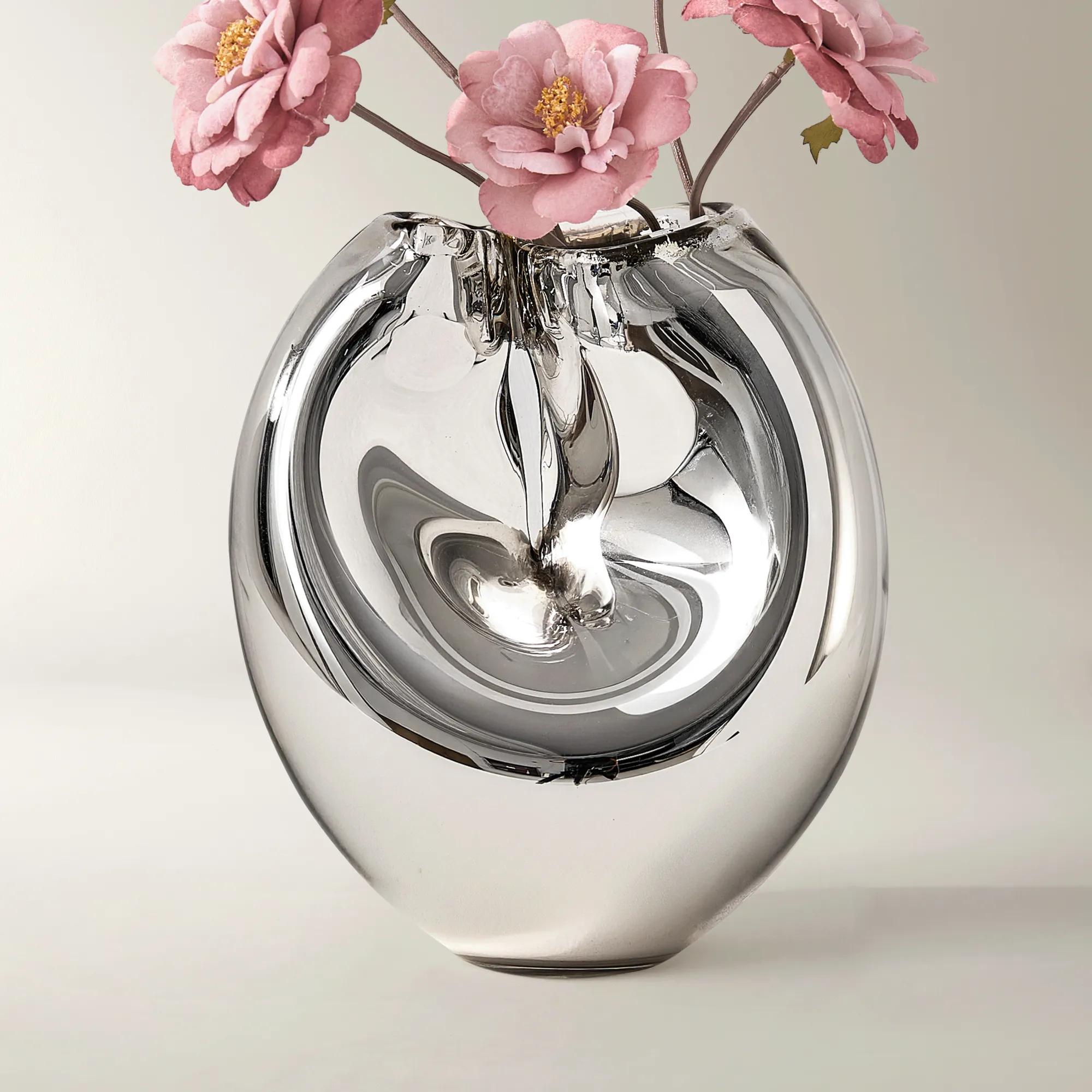 Ono Mouth Blown Mirrored Silver Glass Vase 7.75"$79
A handblown glass vase with a mirrored finish and organic silhouette for modern, artful display.
Add To Cart -
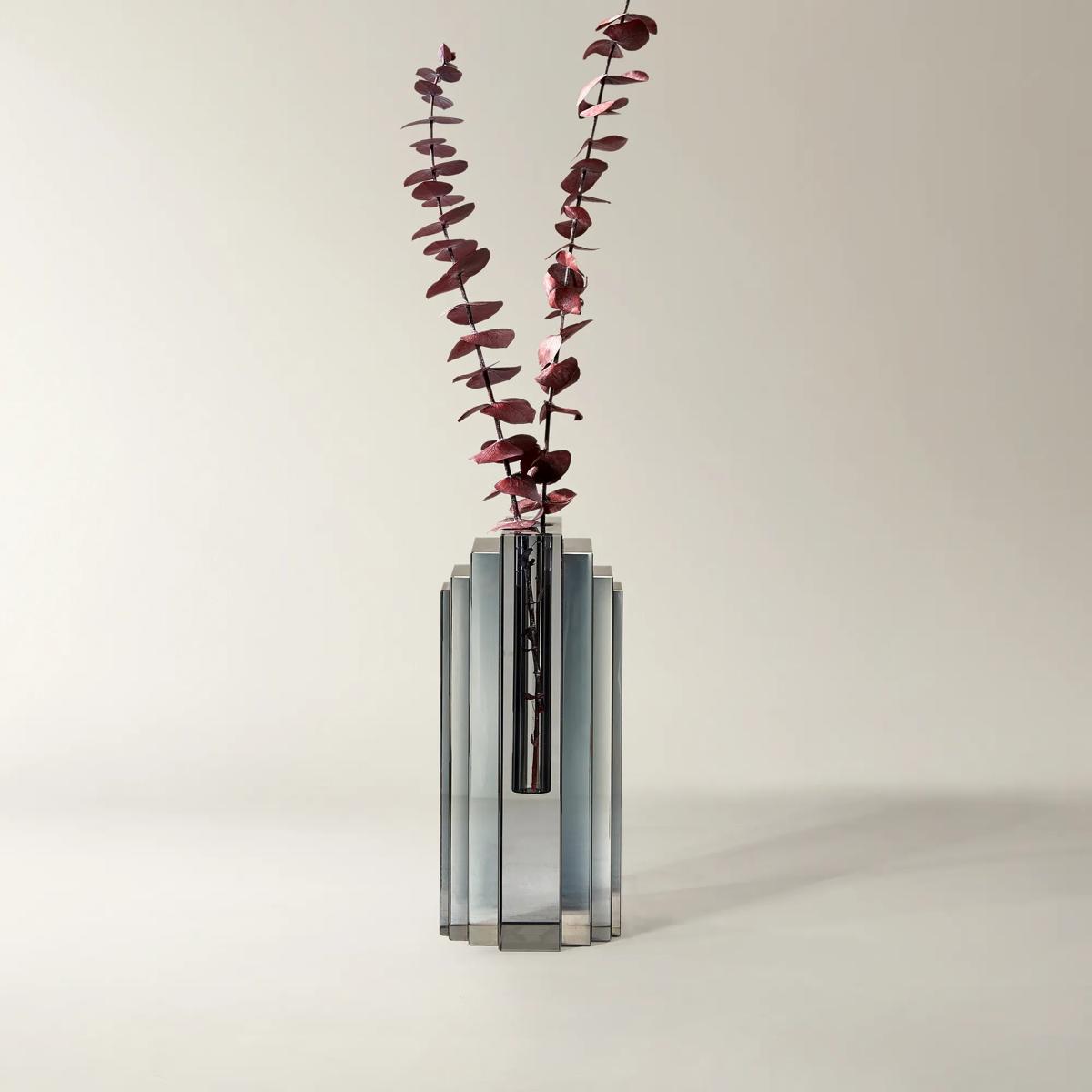 Lucca Crystal Vase - Mirrored Graphite$109
A mirrored graphite crystal vase with a multifaceted geometric design that reflects light for sculptural brilliance.
Add To Cart -
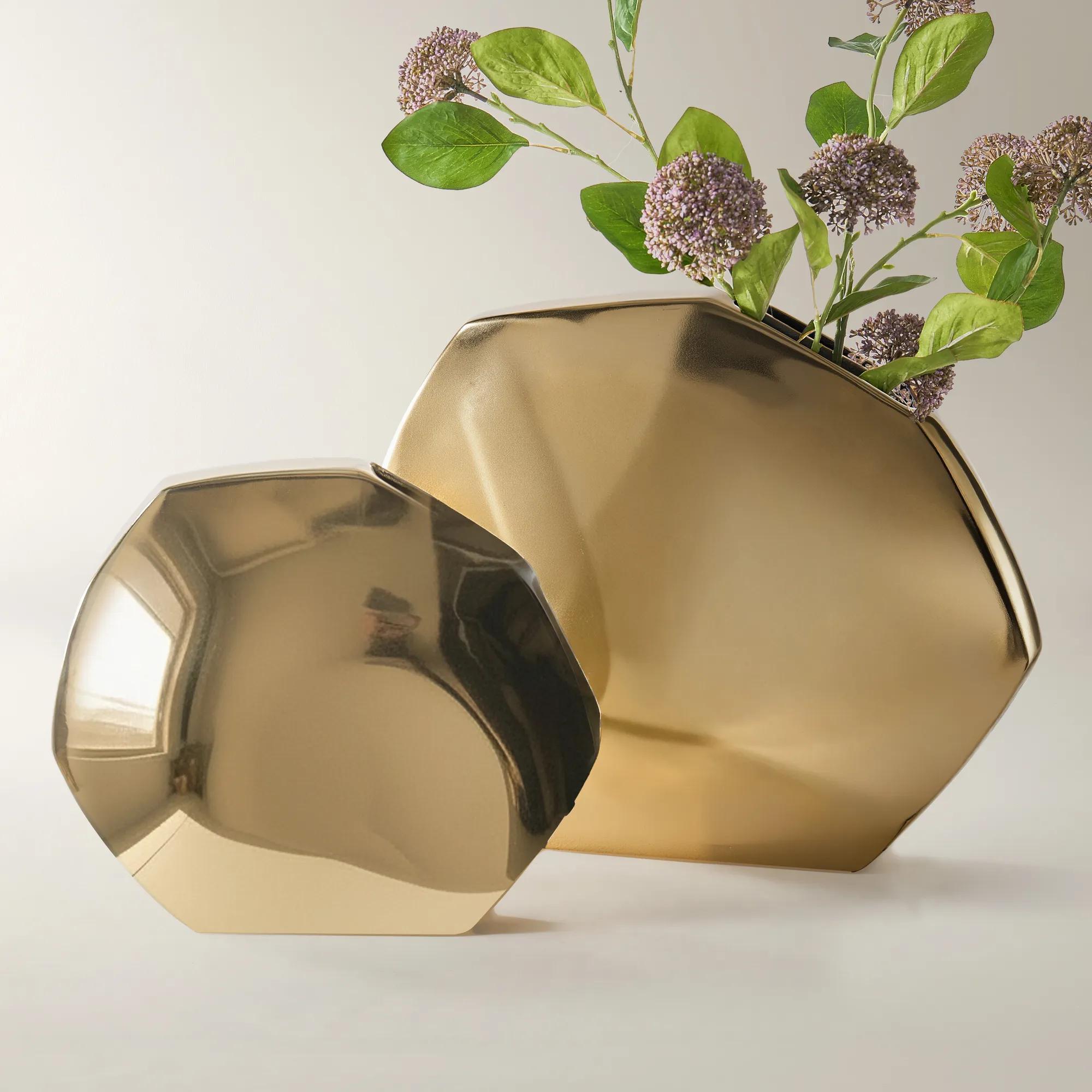
 Lucca Crystal Vase - Mirrored Amber$129
A geometric mirrored crystal glass vase in warm amber, reflecting light for a sculptural, modern statement.
Add To Cart

Mirrored Vases
Mirrored vases bring sculptural form and light-catching glamour to consoles, mantels, and festive tables. Choose by silhouette, surface texture, and finish to create a striking focal point or a layered display. For Christmas and New Year’s Eve, their reflective allure lends a distinctly 1970s-inspired mood—expressive enough for a celebration, artful enough for every day.
Mirrored vases bring sculptural form and light-reflecting brilliance to a room, giving floral arrangements a dramatic foundation and standing beautifully on their own. Their reflective surfaces pick up surrounding colors, architectural details, and nearby lighting, making the vase feel connected to the space rather than simply placed within it. On an entryway console, a slender mirrored silhouette can echo the gleam of a chandelier; on a dining table, a low, broad vessel lends presence without competing with the conversation. The effect ranges from crisp and architectural to richly ornamental, depending on the shape, finish, and treatment of the surface. Smooth mirrored panels create clear reflections and strong lines, while beveled edges introduce subtle changes in light around each facet. Mosaic mirror tiles produce a more fragmented shimmer, and antiqued finishes soften the reflection with variations in tone and pattern. These distinctions matter as much as the overall silhouette: a geometric cube feels tailored beside a structured arrangement, while an elongated or curved form brings movement to an otherwise angular vignette. Depending on their construction, mirrored decorative vases may combine glass panels or tiles with a supporting base, or use a reflective finish over another material. The appearance alone does not reveal the underlying construction, weight, or suitability for flowers, so material descriptions and care information deserve attention. Mirrored glass offers distinctive clarity but requires careful handling; textured or tiled designs have additional edges and seams that benefit from a gentle touch. For modern, contemporary, and glamorous interiors, these vessels offer an expressive counterpoint to velvet upholstery, richly grained wood, veined stone, and brushed metal. They can also introduce a deliberate flash of contrast into a room dominated by softer, matte textures. A single piece may supply all the brilliance a small console needs, while a larger surface can accommodate several complementary forms with enough space between them for each silhouette to remain distinct.
Scale gives mirrored flower vases their sense of purpose, whether the setting calls for an intimate tabletop arrangement or an expressive floor-standing accent. Height alone is only part of the equation; the width of the base, size of the opening, and visual weight of the floral arrangement all influence how comfortably a vase belongs in its setting. A compact cube or rounded vessel suits a side table where room is also needed for a lamp or a glass, while a taller form can lend proportion to a generous console beneath artwork. For dining centerpieces, a lower arrangement helps preserve views across the table. On a mantel or shelf, the available depth matters just as much as height, particularly when stems extend beyond the vessel. Floor vases need a level, stable position away from busy walking paths, and larger designs should not be assumed suitable for the floor unless their dimensions and intended use support that placement. The opening shapes the arrangement, too: a narrow neck gathers a few branches into a sculptural gesture, while a wider mouth gives fuller bouquets room to spread. White blossoms create a luminous pairing with reflective glass, deep burgundy florals add saturated contrast, and green foliage lets the mirrored surface take a more prominent role. Fresh flowers, however, require more than a beautiful exterior. A mirrored finish describes appearance, not water resistance, and decorative vessels with panel seams, bonded tiles, wood-based cores, or embellished surfaces may be intended only for dry use. Water should go directly into a vase only when its product information identifies it as watertight and suitable for fresh arrangements. Where the care instructions permit a separate liner, a properly fitted, removable watertight container can hold the flowers and water without exposing the decorative structure to moisture. Otherwise, dried botanicals and artificial stems offer expressive alternatives without the risk of leaks. Lightweight stems also help keep a narrow vessel balanced, while an especially broad or top-heavy arrangement calls for a base proportionate to its spread.
The strongest mirrored vase displays feel composed rather than crowded. A reflective vessel beside a matte ceramic bowl or a stack of art books creates a contrast in texture, allowing the polished surface to register without requiring every surrounding accent to shine. Paired with Mirrored Accent Pieces, a vase can establish a repeated detail across a console, coffee table, or open shelving arrangement; variation in height and silhouette keeps that repetition expressive. Placement also determines what appears in the reflection. A vase facing a favorite artwork or a richly colored chair picks up those details, while one beside a collection of small objects may reflect more visual activity than intended. For lasting clarity, gentle maintenance matters. A soft, dry microfiber cloth is often appropriate for routine dusting, but the manufacturer's instructions should guide any cleaning beyond that. Abrasive pads, harsh chemicals, and vigorous rubbing can damage reflective coatings, embellishments, or finished edges. Spraying cleaner directly onto a paneled or tiled vase can allow liquid to reach seams and adhesives; a lightly dampened cloth should be used only when the care directions allow it. Mirrored glass can chip or crack if struck, and decorative finishes may scratch when dragged against hard objects. Lifting the vessel from its base rather than pulling it across furniture helps protect both surfaces, while a suitable protective pad can reduce contact with a delicate tabletop. These considerations make mirrored vases especially rewarding for people who enjoy arranging a room with intention. As a housewarming, wedding, or anniversary gift, a thoughtfully proportioned vase offers both decorative presence and flexibility, particularly when its size and intended use suit the recipient's home. Presented empty, it celebrates form and reflection; styled with compatible stems, it becomes a personal composition of color, texture, and light.
FAQs
Depending on the design, a mirrored vase may feature reflective glass, a mirrored finish, or individually arranged mirror tiles. Smooth surfaces create broad reflections, while facets and tiles scatter them into smaller flashes of light.
Mirrored vases complement glamorous, Art Deco-inspired, and contemporary interiors. Pair reflective surfaces with velvet, richly grained wood, or textured textiles to create contrast and give the arrangement depth.
Yes. A mirrored vase can serve as a sculptural accent on its own. Give its silhouette room to stand out, or place it against a contrasting backdrop that makes the reflective form more pronounced.
Check the individual vase’s product details before adding water. A mirrored finish does not establish that a vessel is watertight, and some decorative vases are intended only for decorative flowers or foliage.
Follow the care instructions for the individual vase. A soft, dry cloth is often recommended for decorative mirrored surfaces; confirm the appropriate method before using water or cleaning products.