Metal And Velvet Dining Chairs
Metal And Velvet Dining Chairs
-
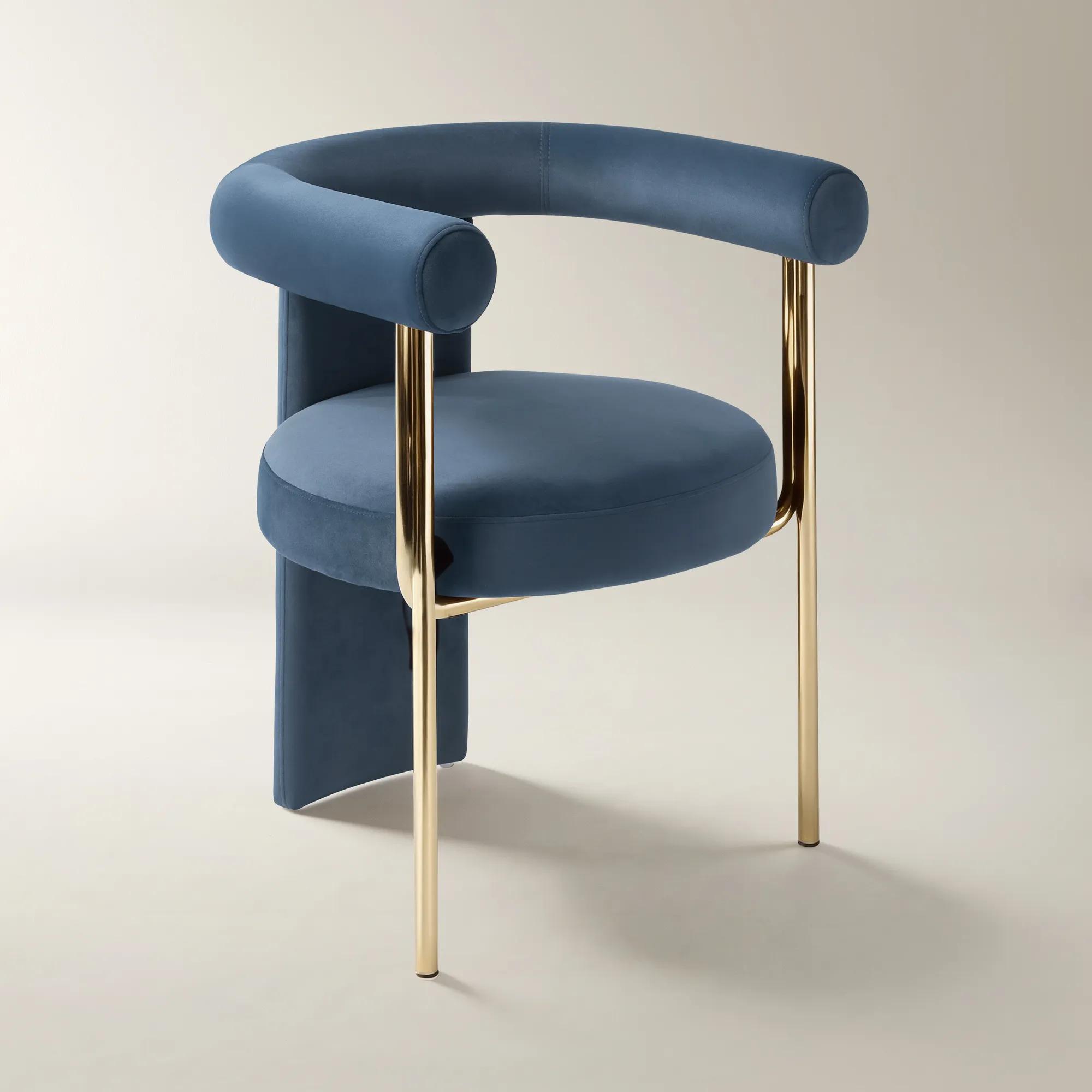 Davina Dusty Blue Velvet Dining Chair Set Of 2$899
A set of two dining chairs featuring dusty blue velvet upholstery and a polished gold metal frame.
Add To Cart -
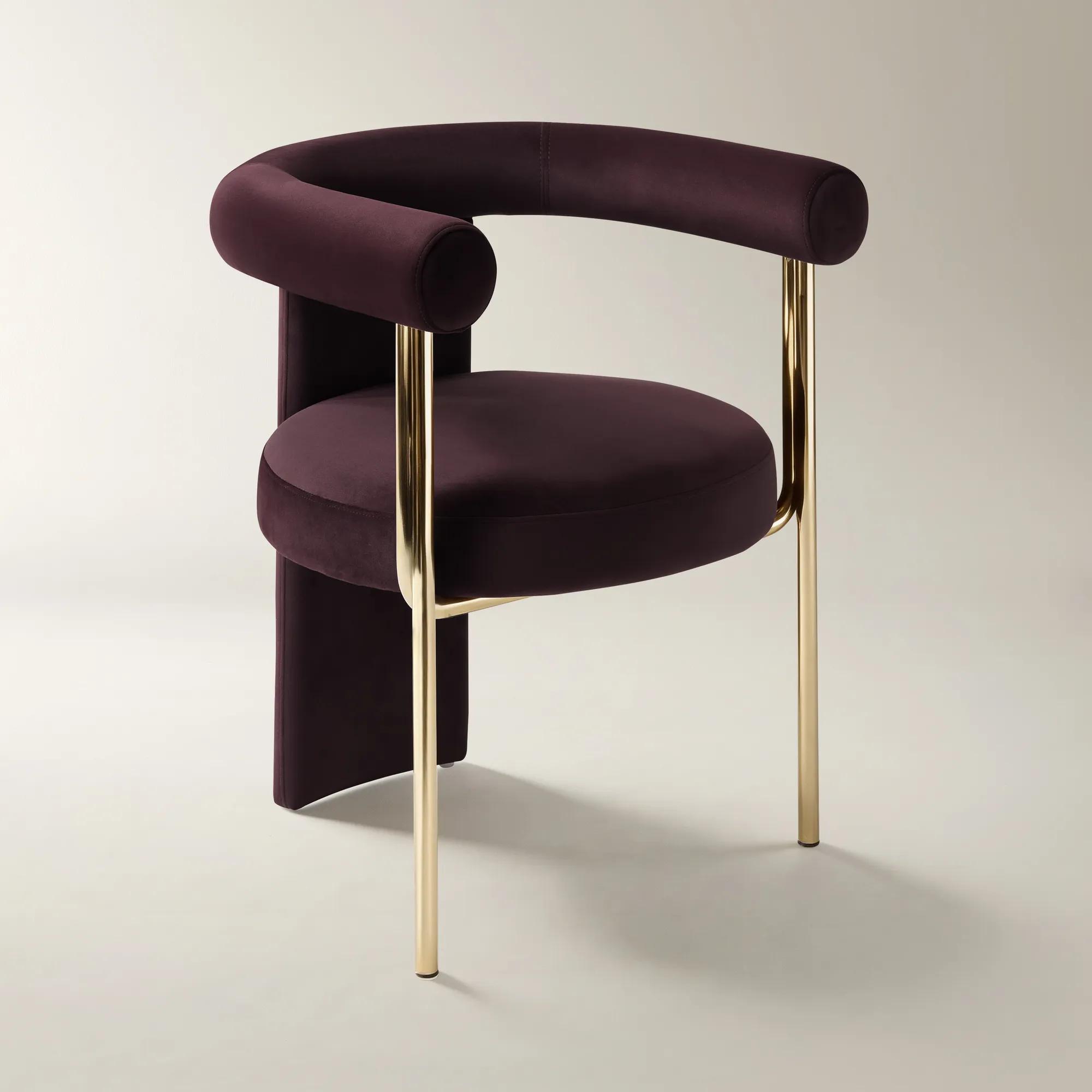 Davina Fig Velvet Dining Chair Set Of 2$899
A set of two dining chairs featuring plush fig velvet upholstery and a sleek gold-finished metal frame.
Add To Cart -
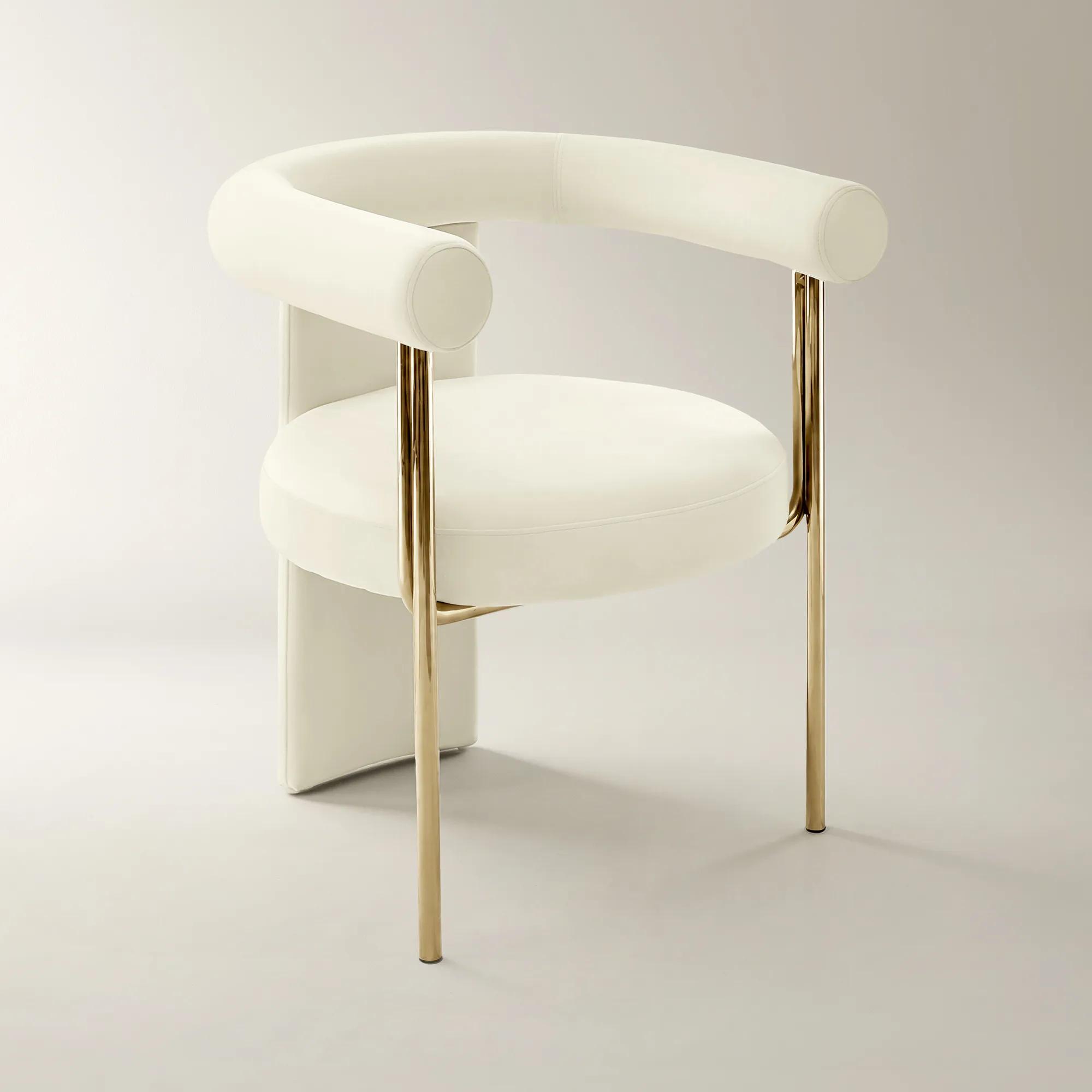 Davina Cloud Velvet Dining Chair Set Of 2$899
A set of two dining chairs featuring plush cloud velvet upholstery and a sculptural gold metal frame.
Add To Cart -
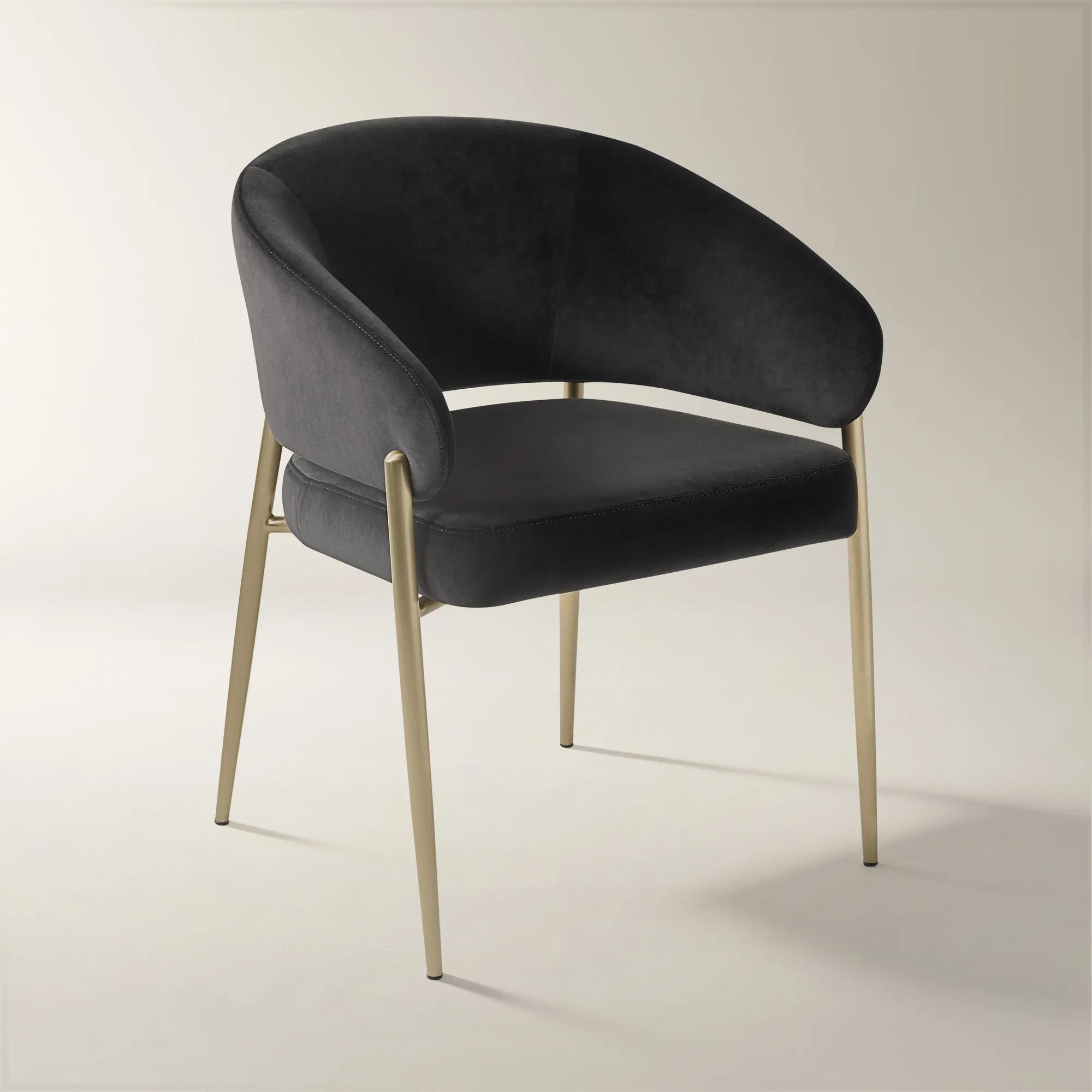 Nara Charcoal Velvet Dining Chair Set Of 2$599
A set of two charcoal velvet chairs featuring curved backs, plush upholstery, and brushed brass metal legs.
Add To Cart -
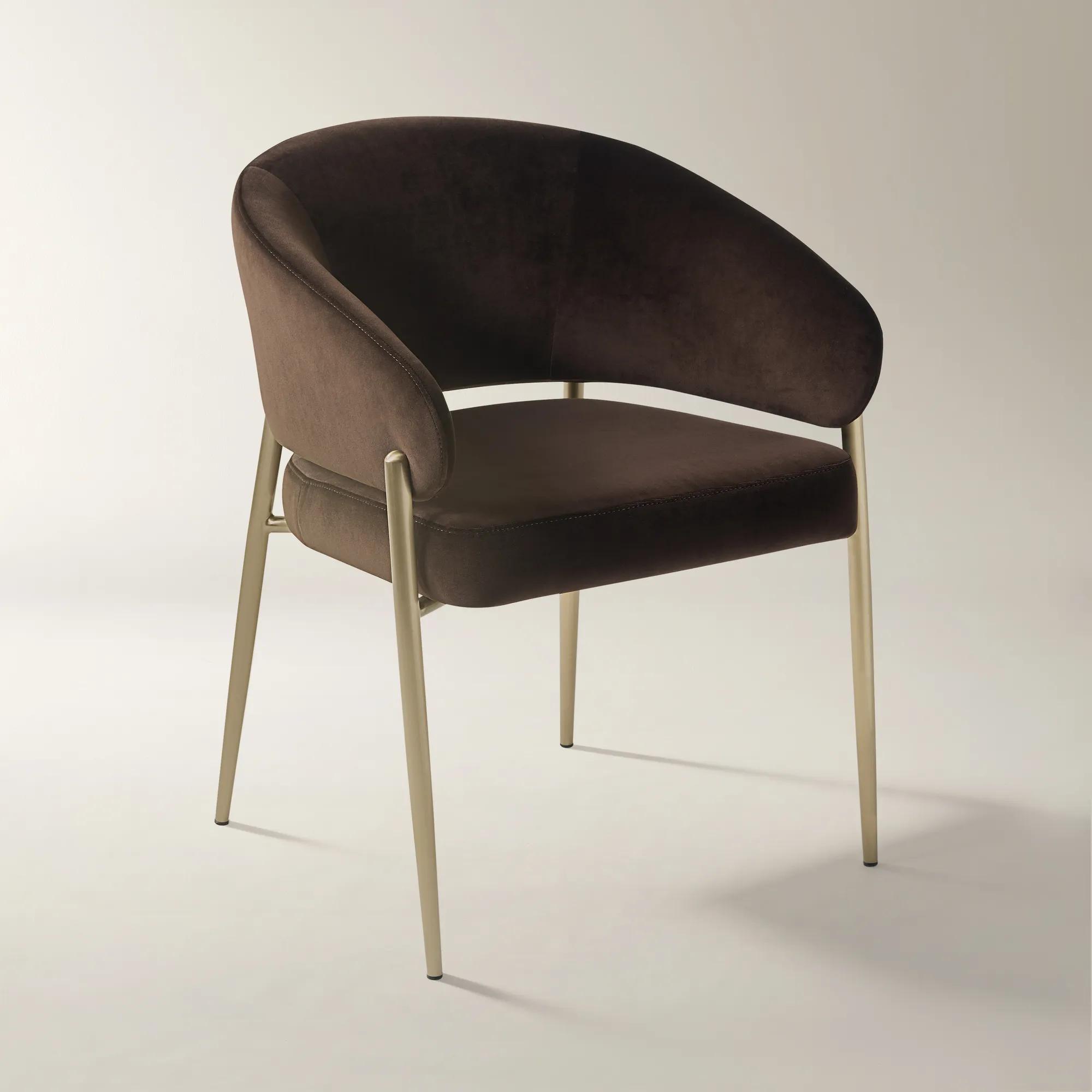 Nara Dark Chocolate Velvet Dining Chair Set Of 2$599
A pair of dark chocolate velvet chairs with curved backs and brushed brass stainless-steel legs for modern elegance.
Add To Cart -
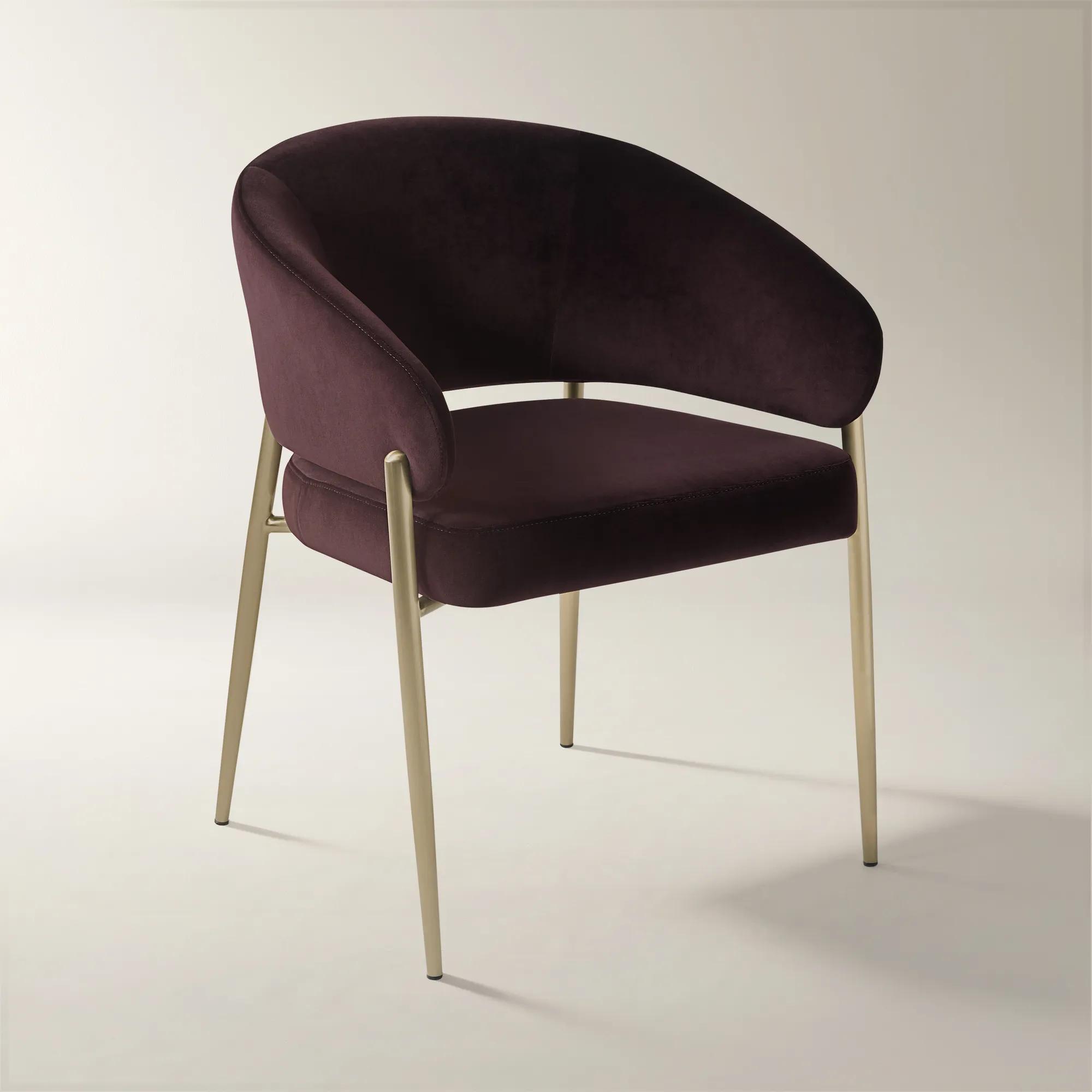 Nara Fig Velvet Dining Chair Set Of 2$599
A set of two dining chairs featuring plush fig velvet upholstery and brushed brass stainless-steel legs.
Add To Cart -
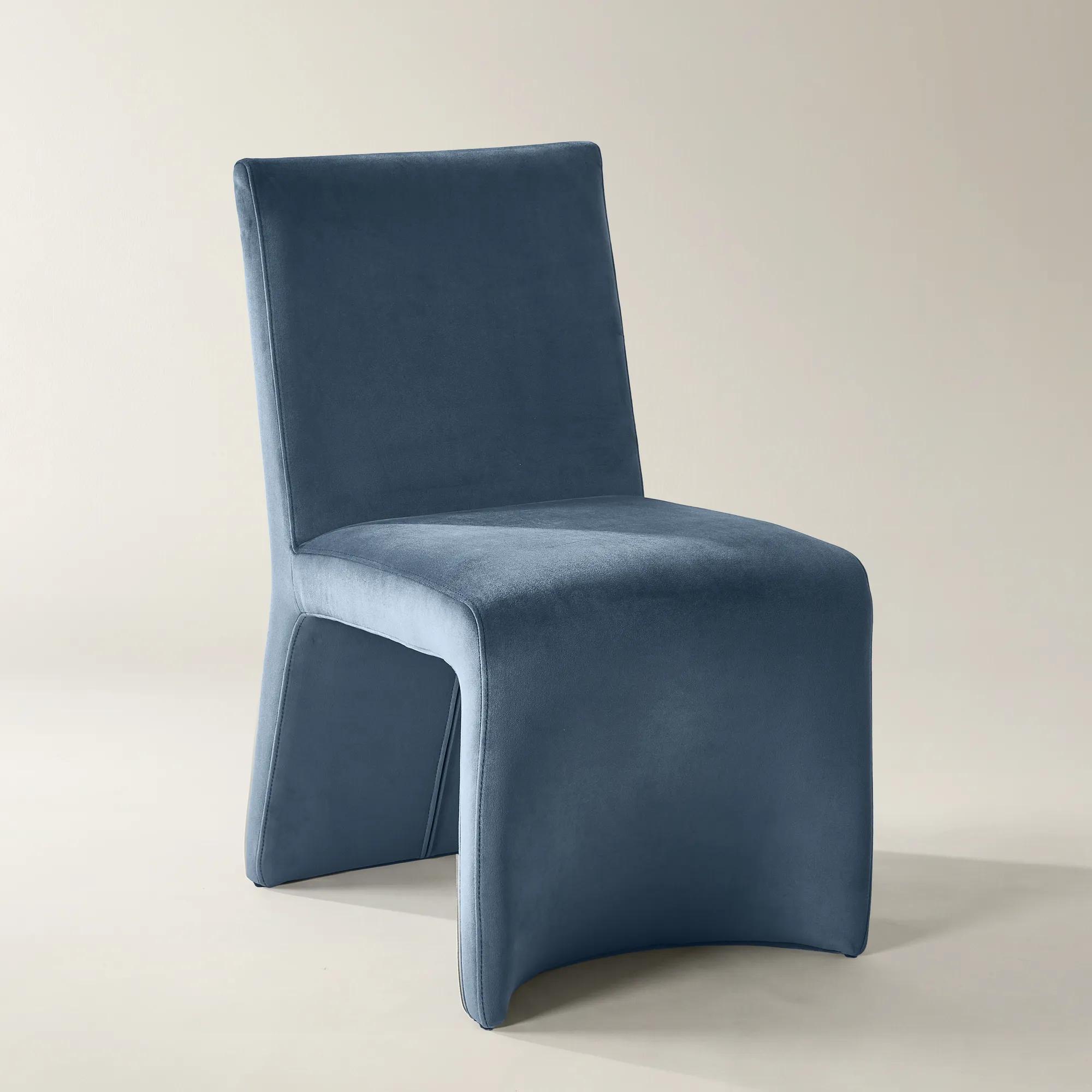 Elara Dusty Blue Velvet Dining Chair Set Of 2$799
A set of two dining chairs featuring plush dusty blue velvet upholstery and a seamless, artful silhouette.
Add To Cart -
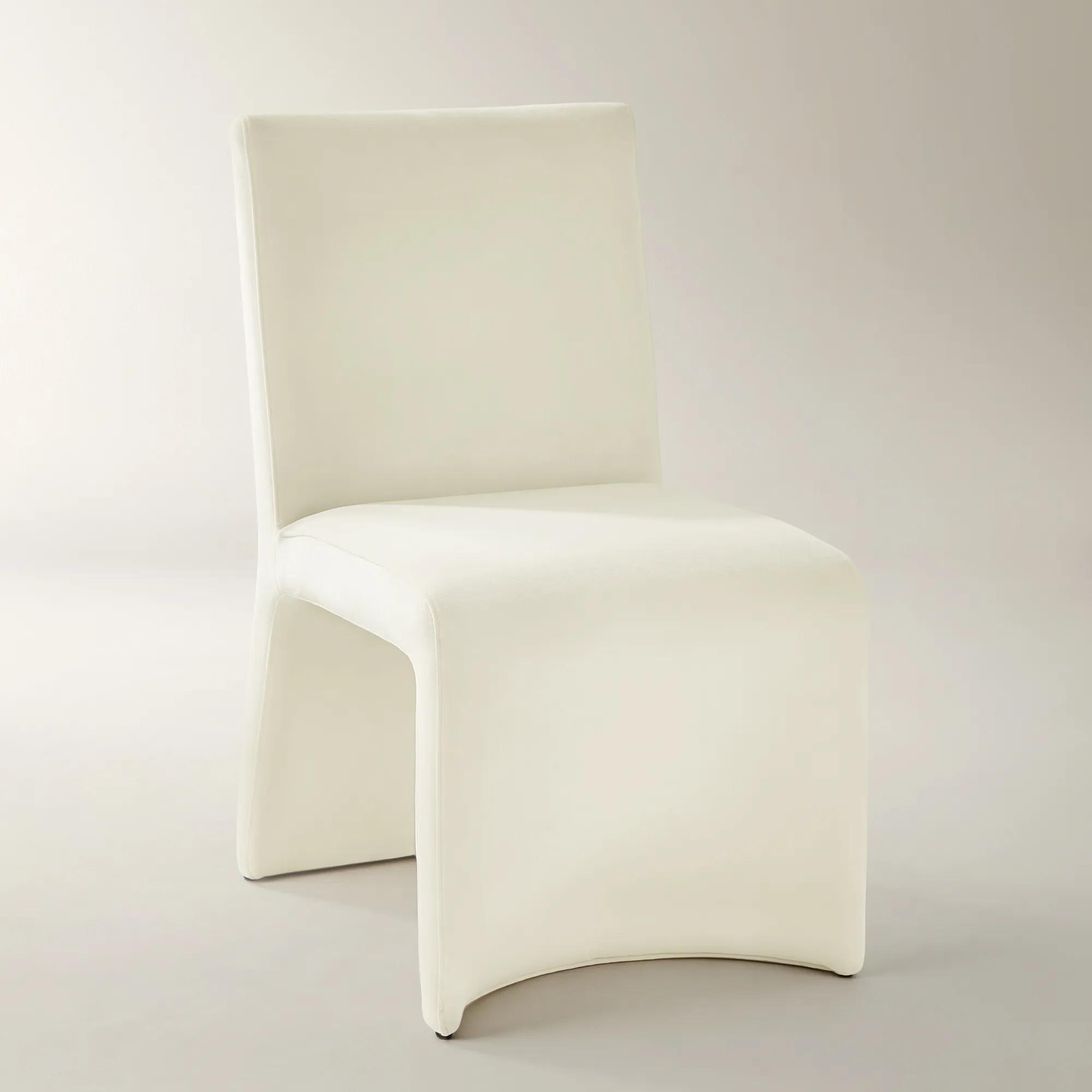 Elara Cloud Velvet Dining Chair Set Of 2$799
A set of two dining chairs featuring plush velvet upholstery, a seamless curved silhouette, and a sturdy steel frame.
Add To Cart -
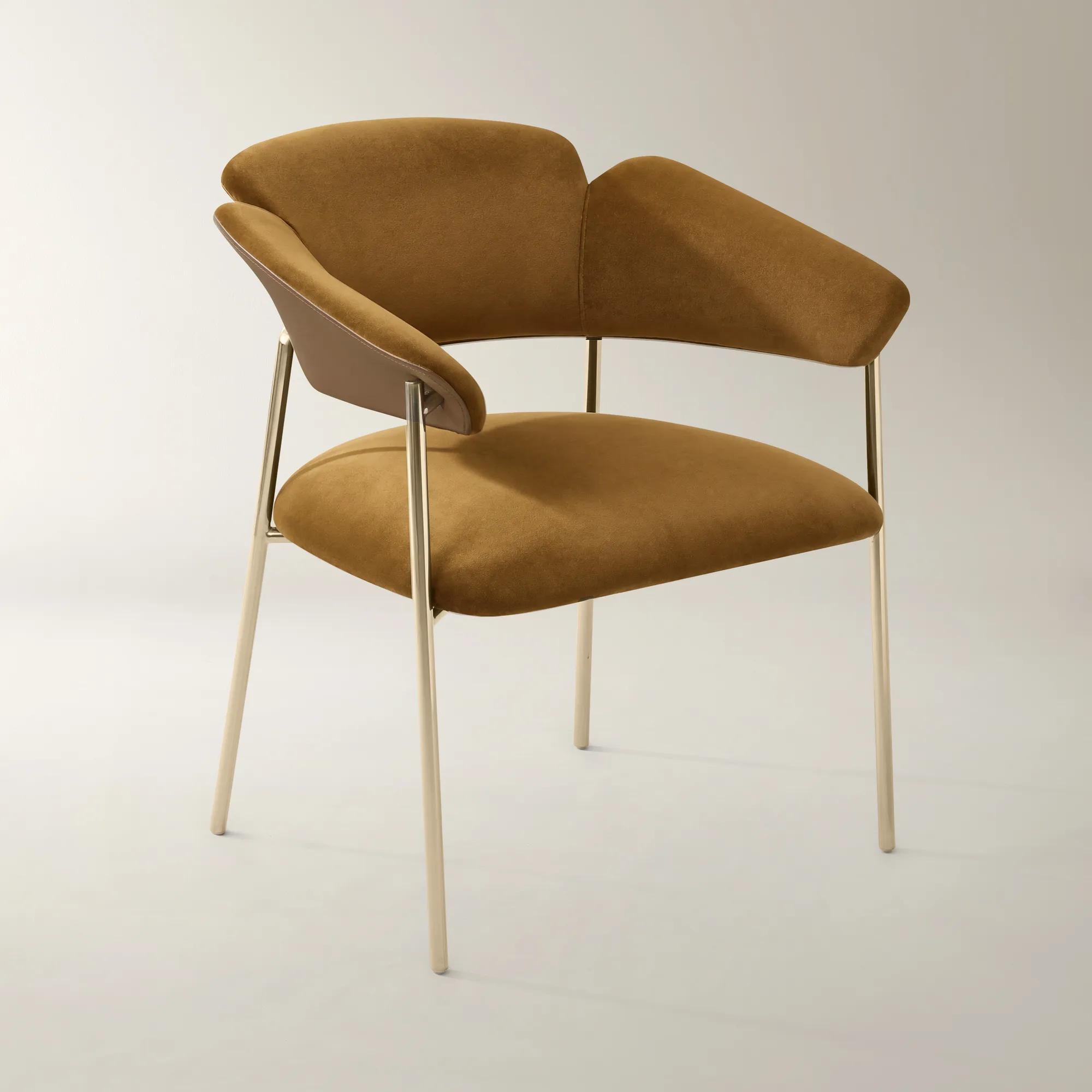 Odette Roasted Pecan Velvet Dining Chair$499
A sculptural dining chair featuring roasted pecan velvet, tonal faux leather accents, and gold stainless steel legs.
Add To Cart -
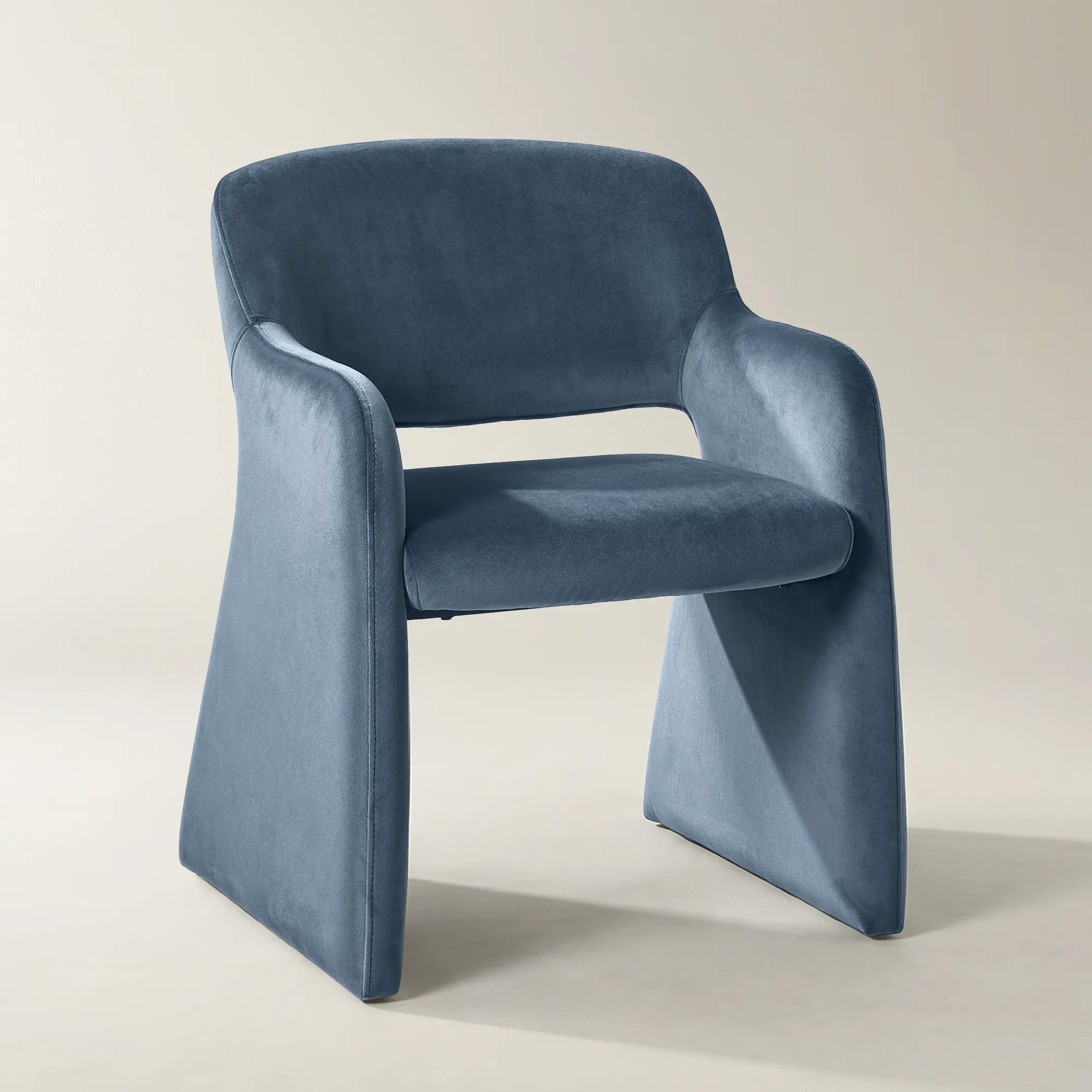 Elara Dusty Blue Velvet Dining Chair$449
A graceful dining chair featuring dusty blue velvet upholstery, integrated arms, and a seamless cantilevered silhouette.
Add To Cart -
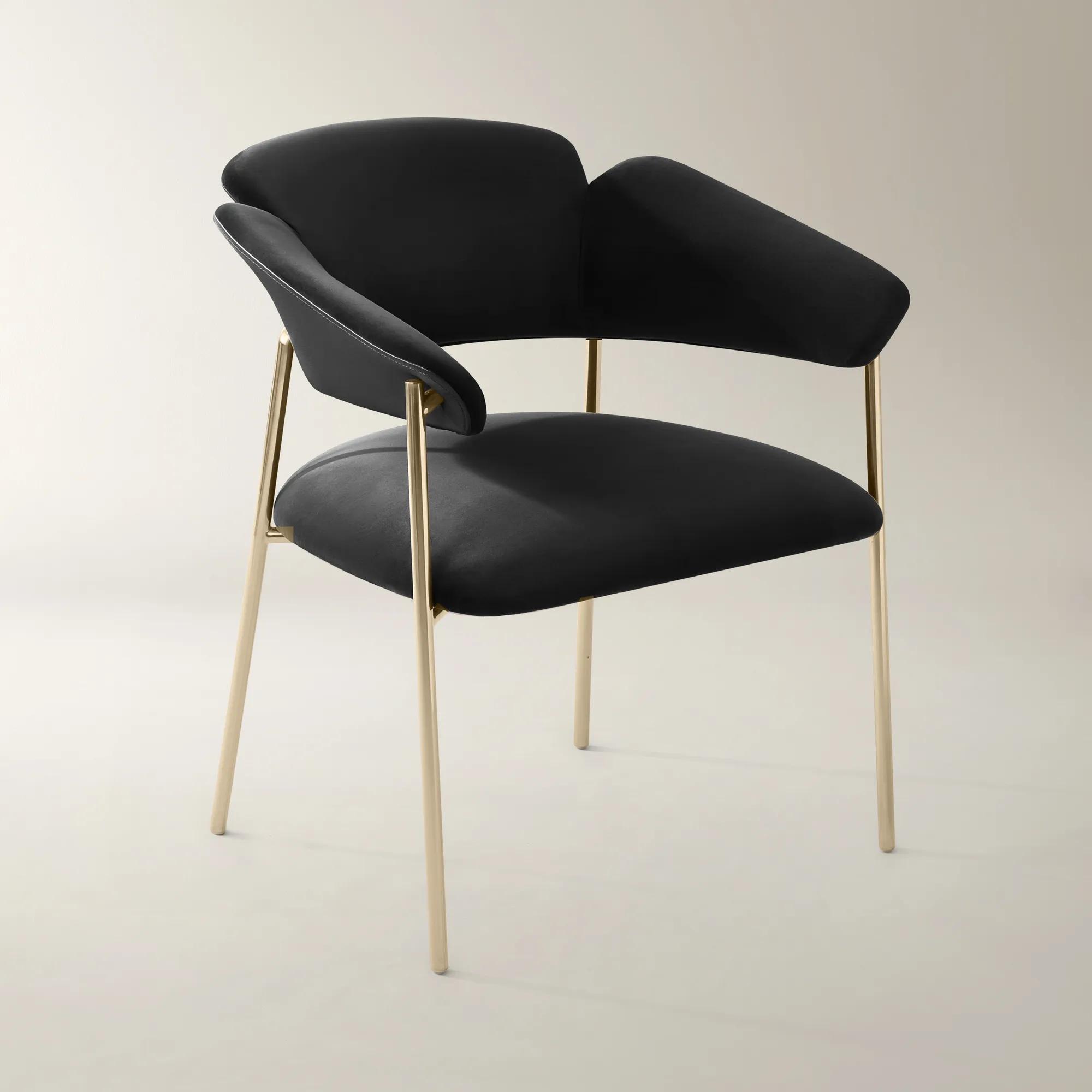 Odette Charcoal Velvet Dining Chair$499
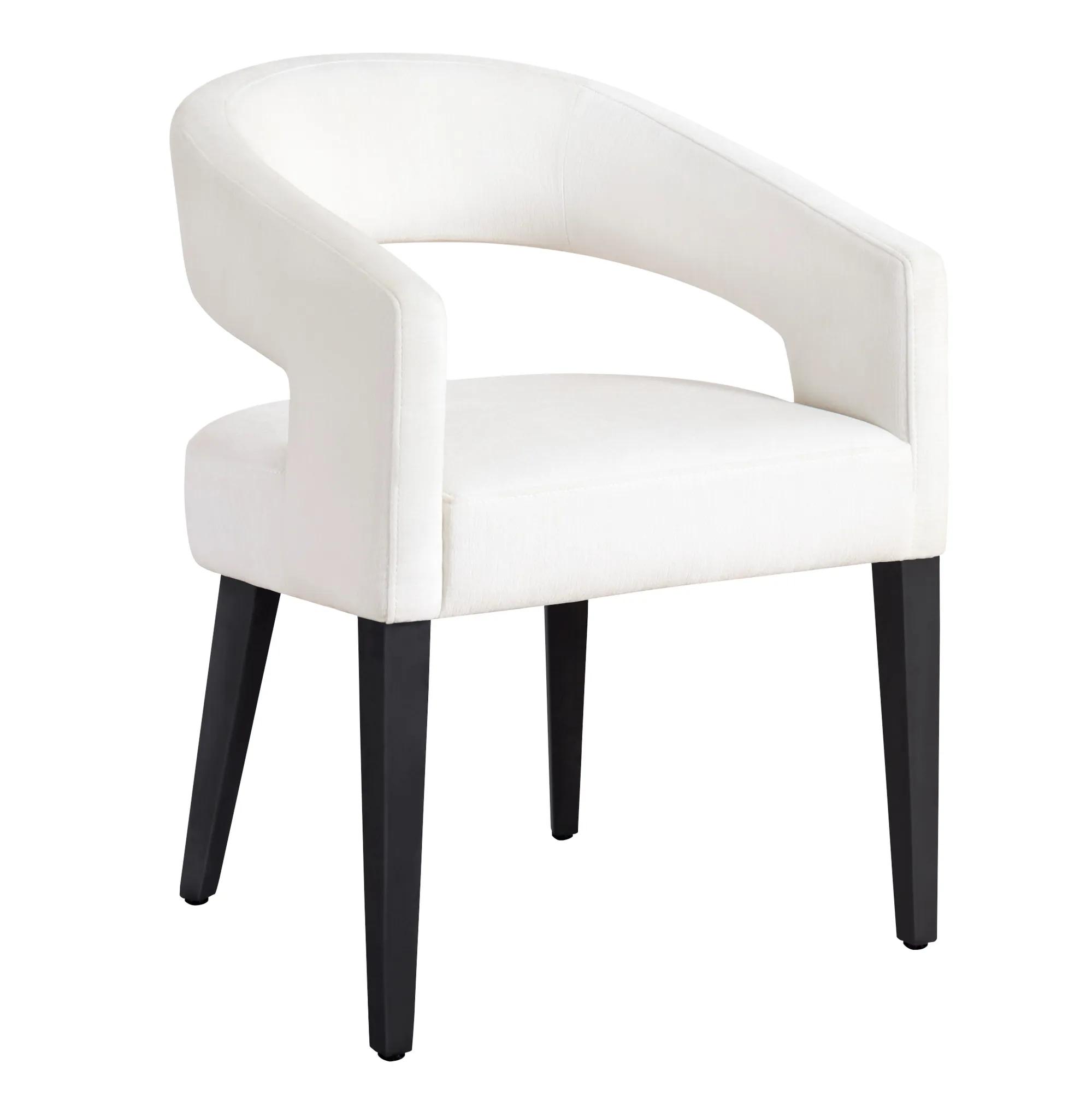
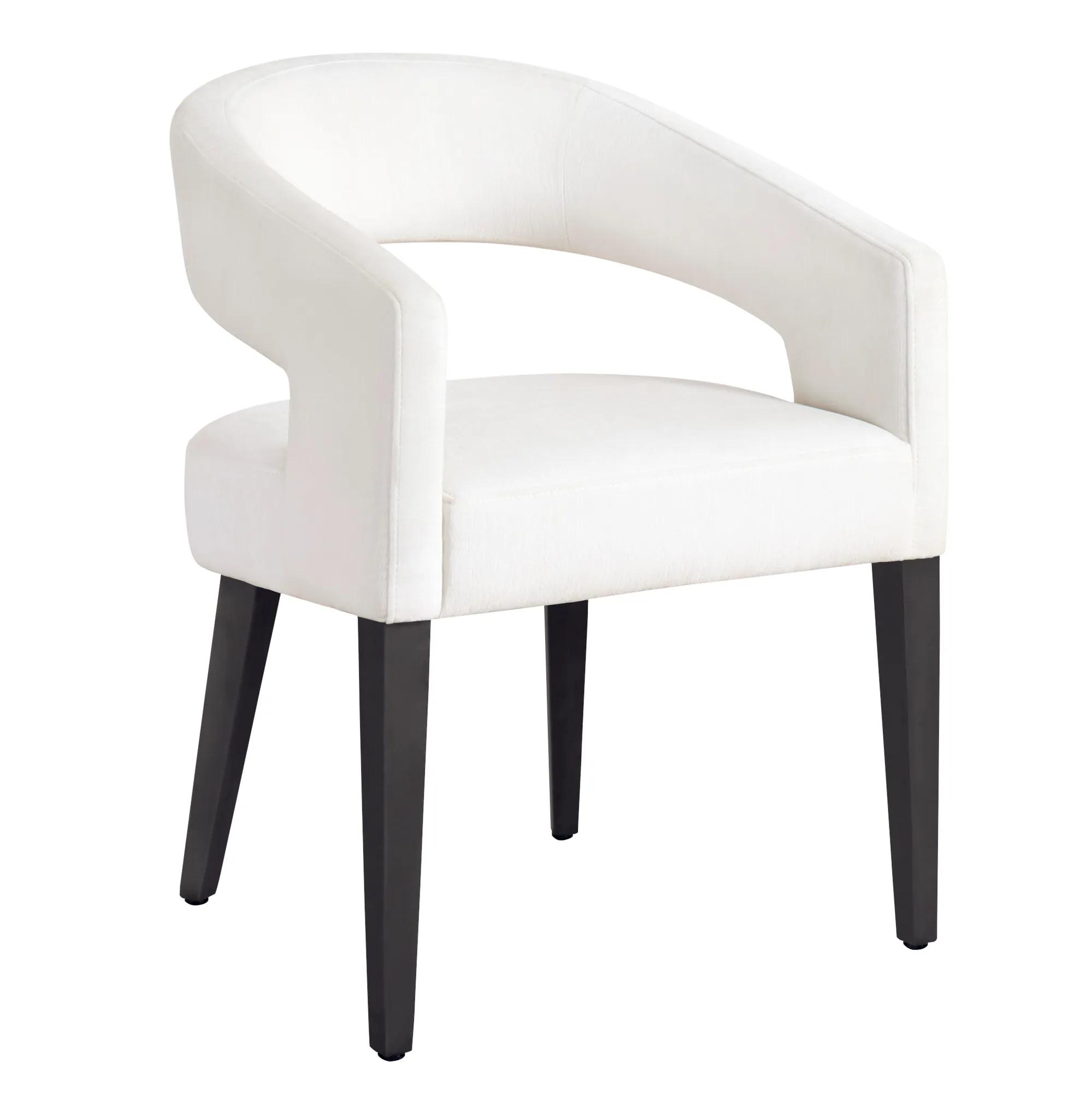
A charcoal velvet chair featuring a wraparound open-back design, tonal faux leather accents, and gold metal legs.
Add To Cart -
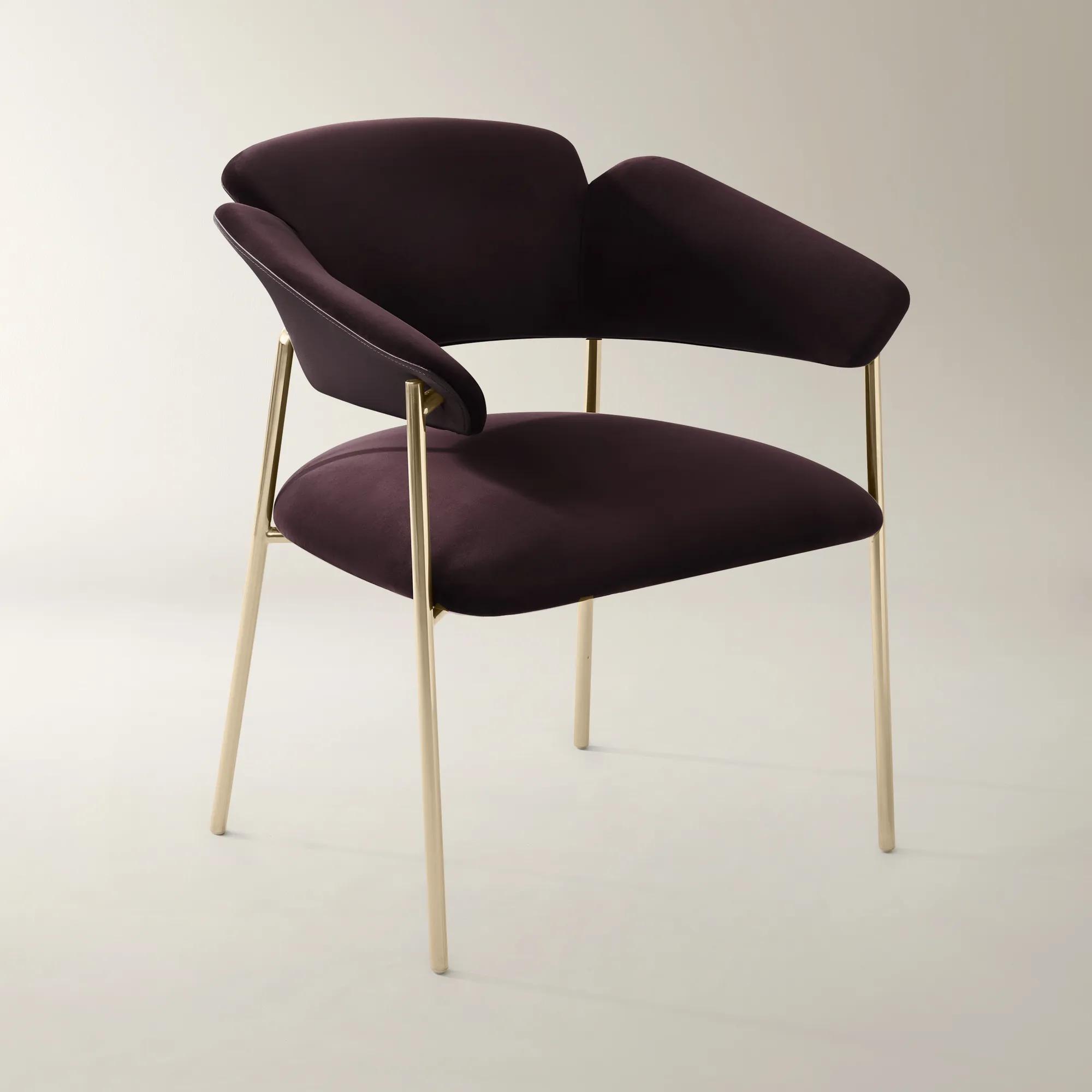 Odette Fig Velvet Dining Chair$499
A sculptural dining chair featuring fig velvet, tonal faux leather accents, and slender gold-finished metal legs.
Add To Cart -
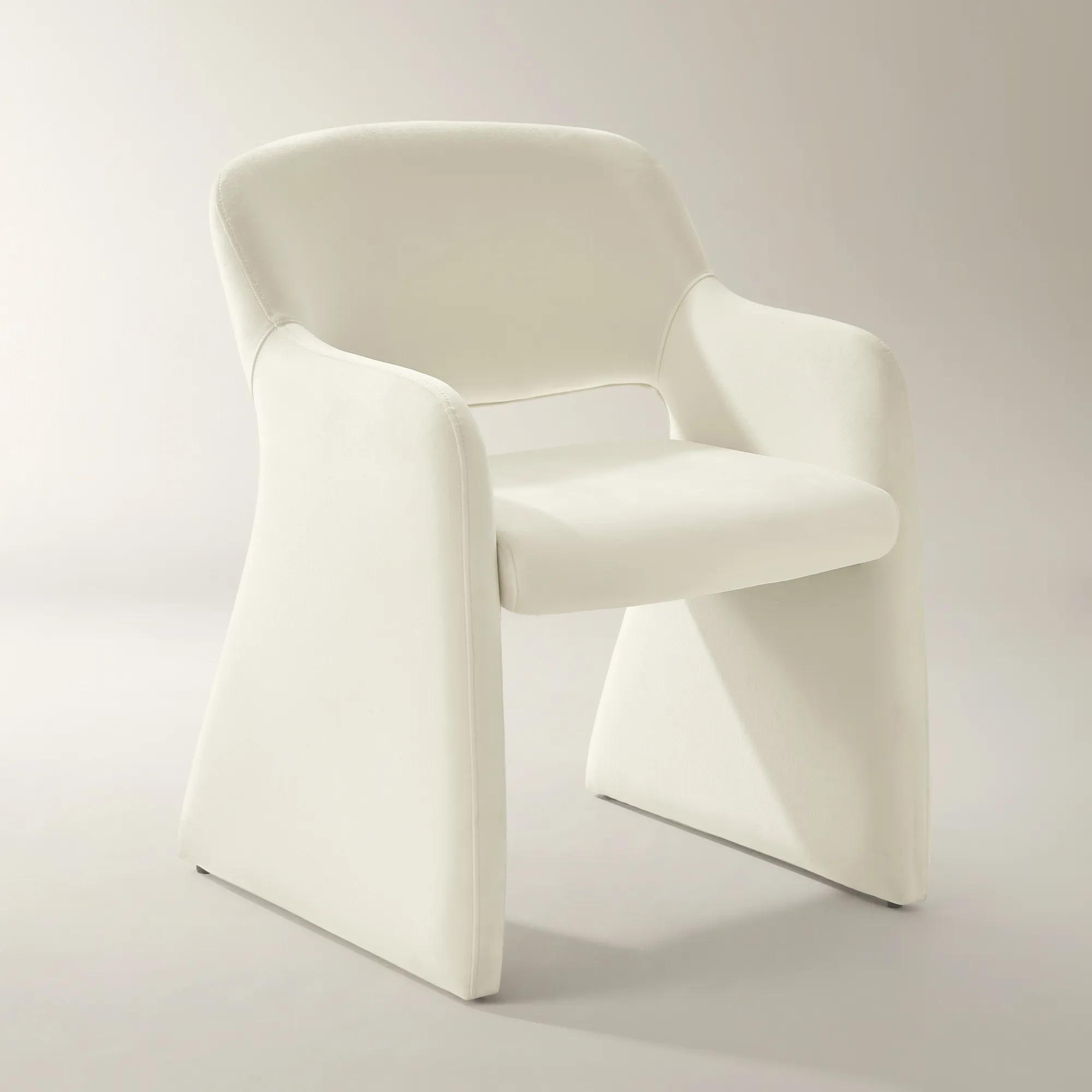 Elara Cloud Velvet Dining Chair$449
A plush velvet dining chair featuring a seamless wraparound silhouette and supportive carbon steel frame.
Add To Cart -
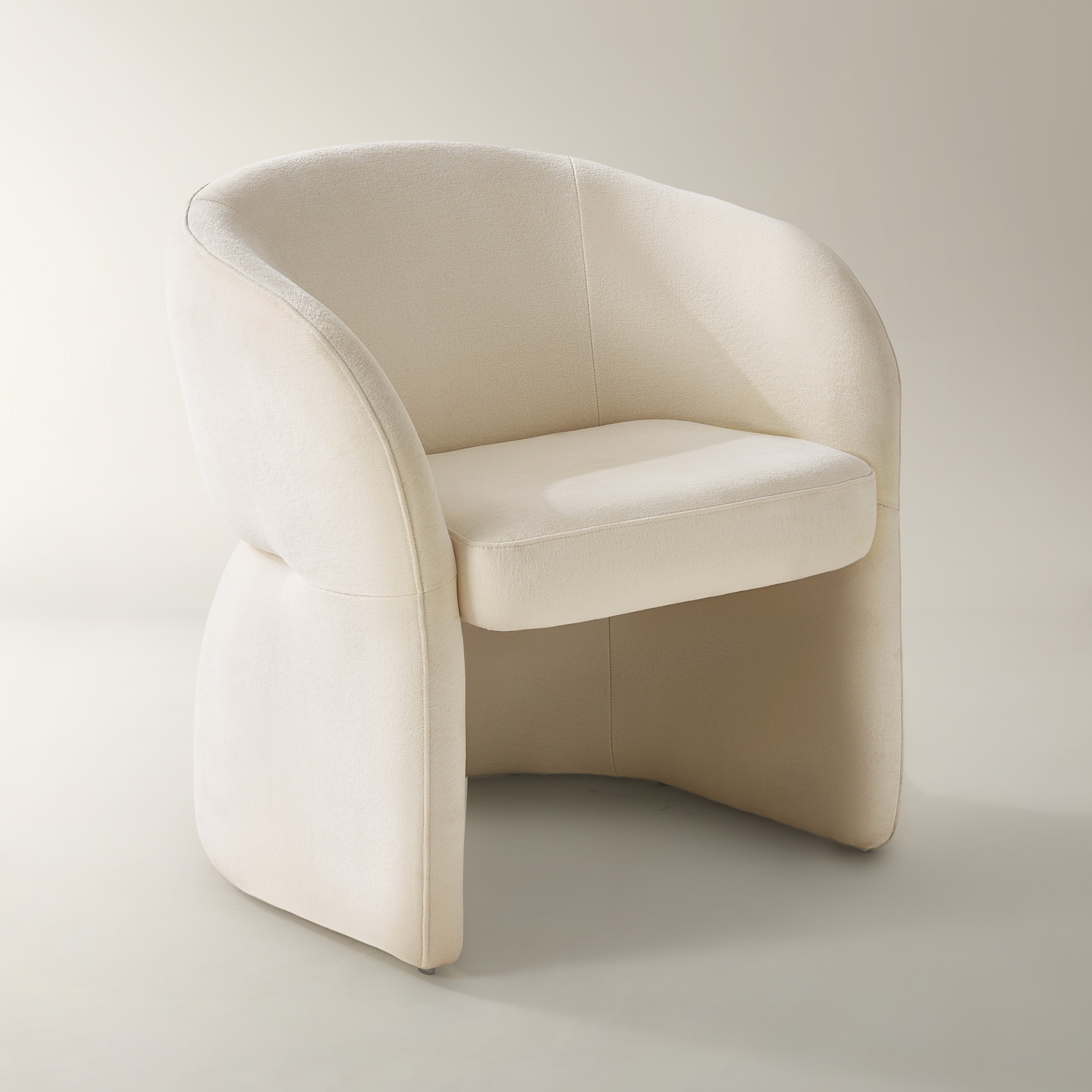
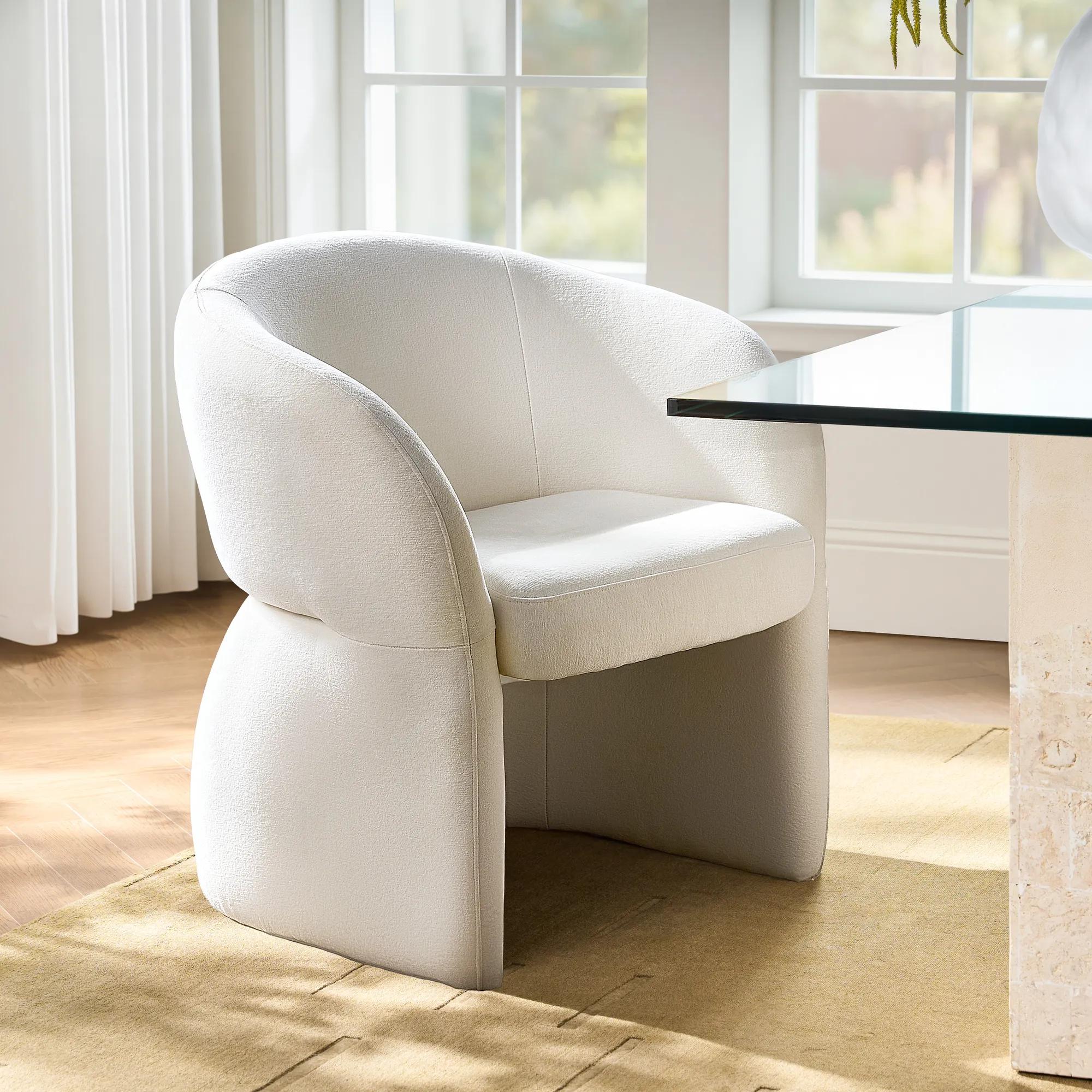 Sierra Oatmeal Velvet Dining Chair$599
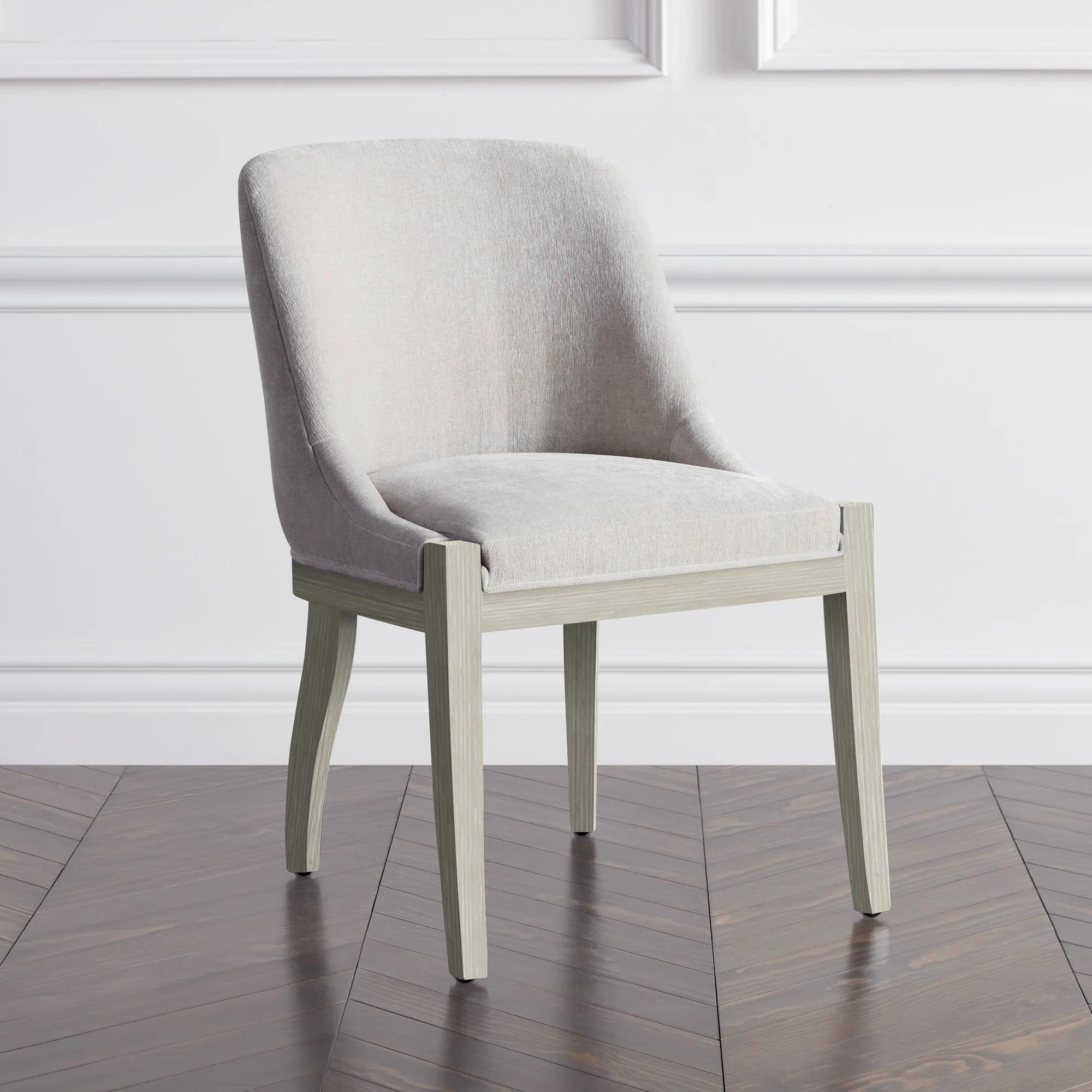
An elegant accent chair in oatmeal velvet with gracefully arched arms, curved back, and plush cushioning.
Add To Cart -
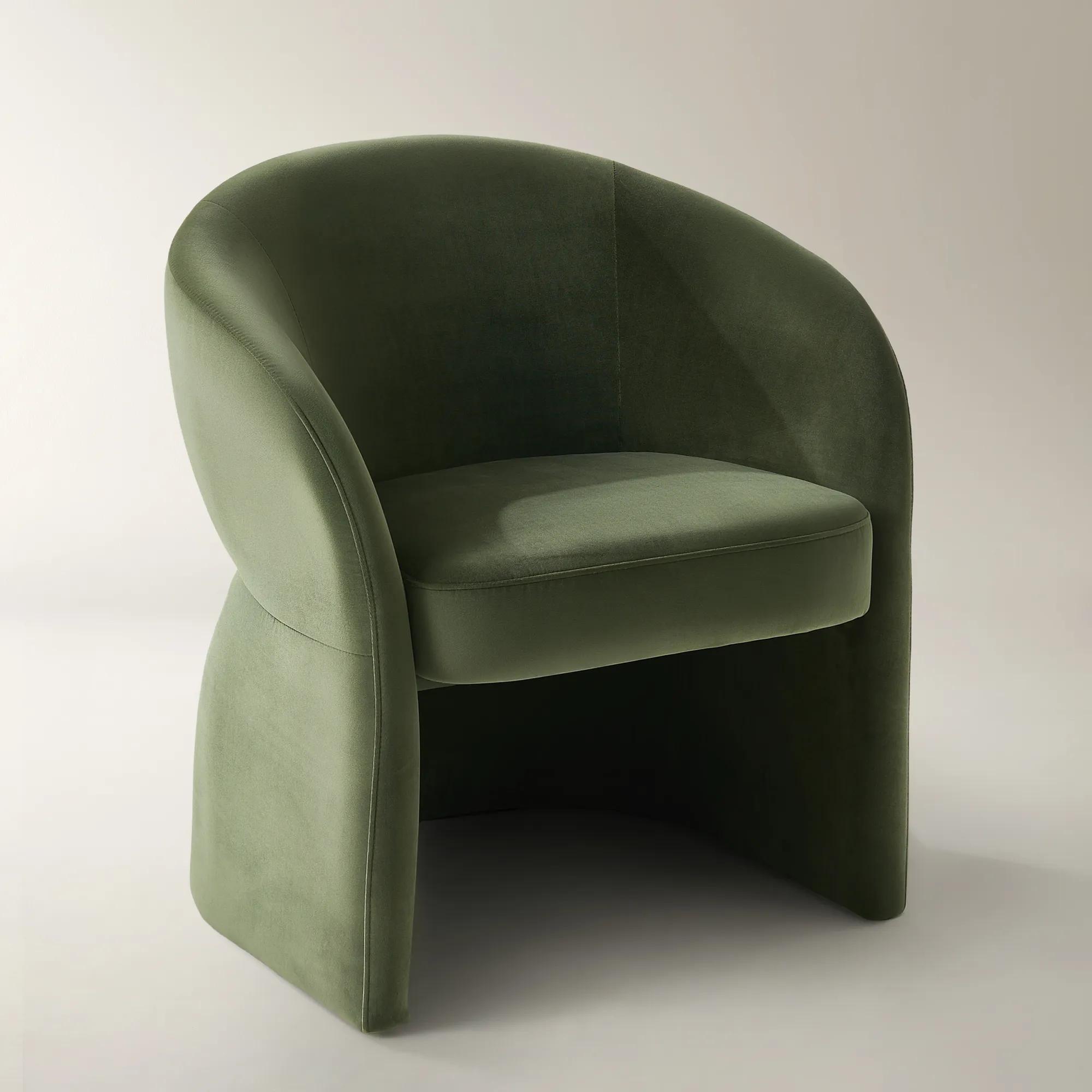
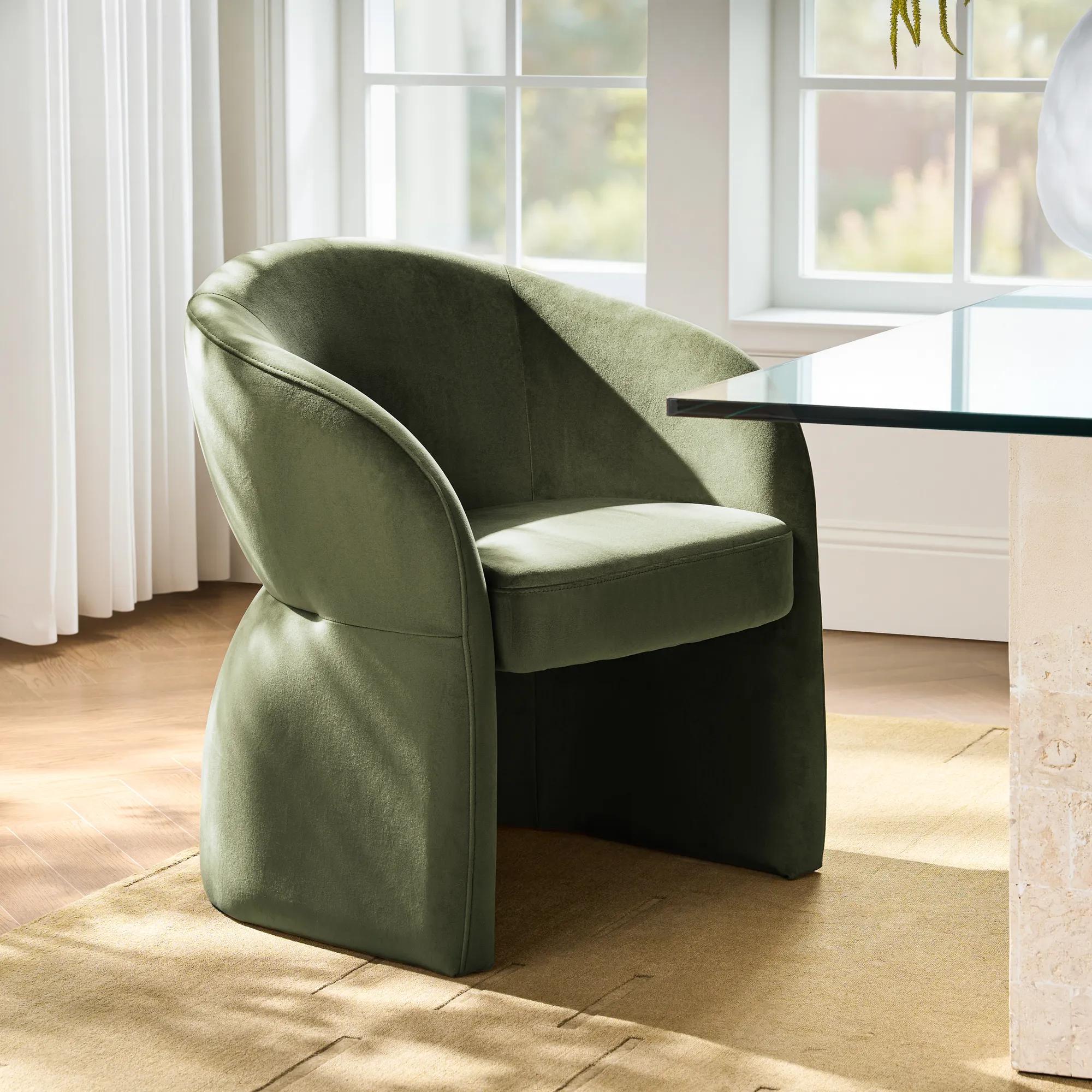 Sierra Jade Green Velvet Dining Chair$599
A sculptural accent chair in jade green velvet with gracefully arched arms and plush, supportive cushioning.
Add To Cart -
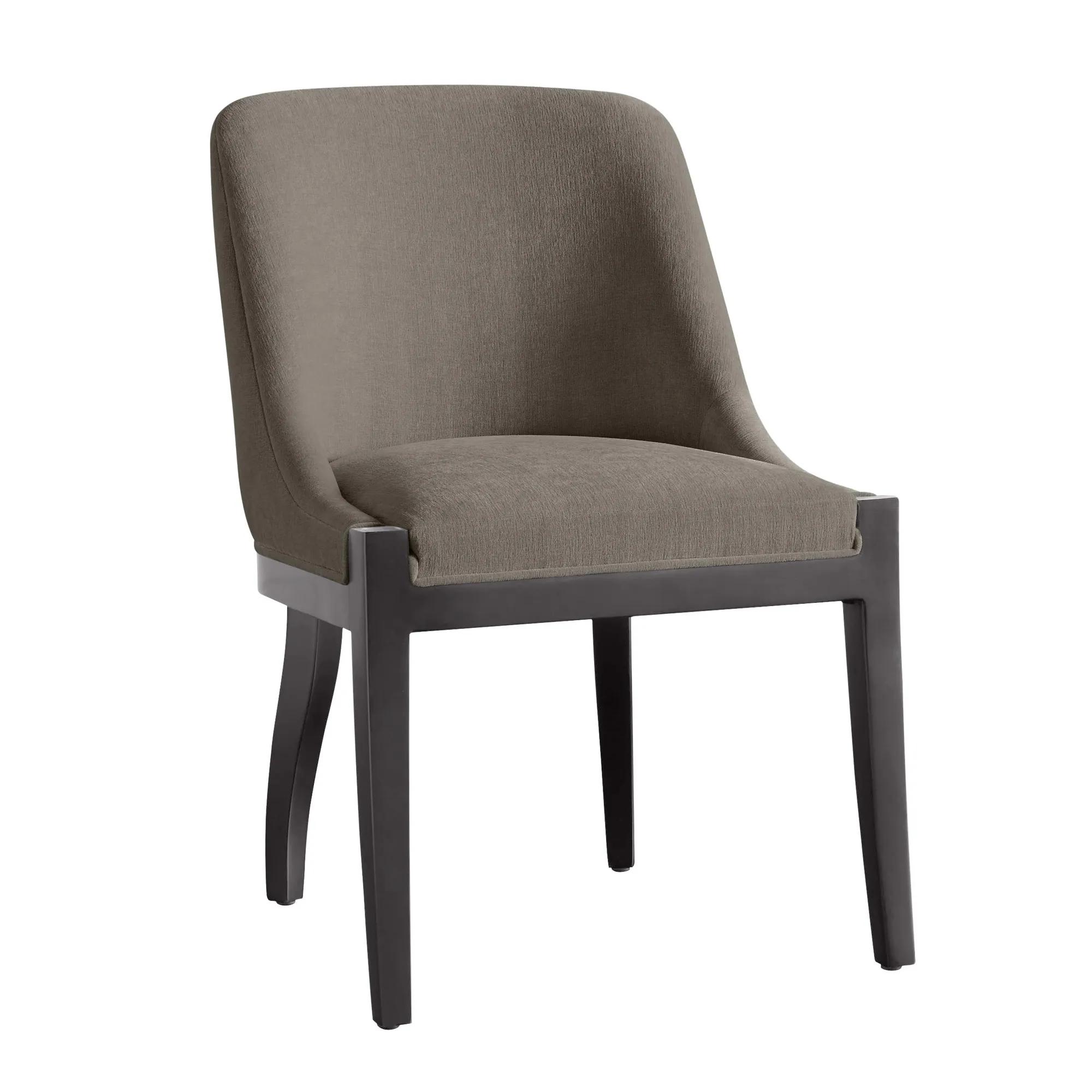
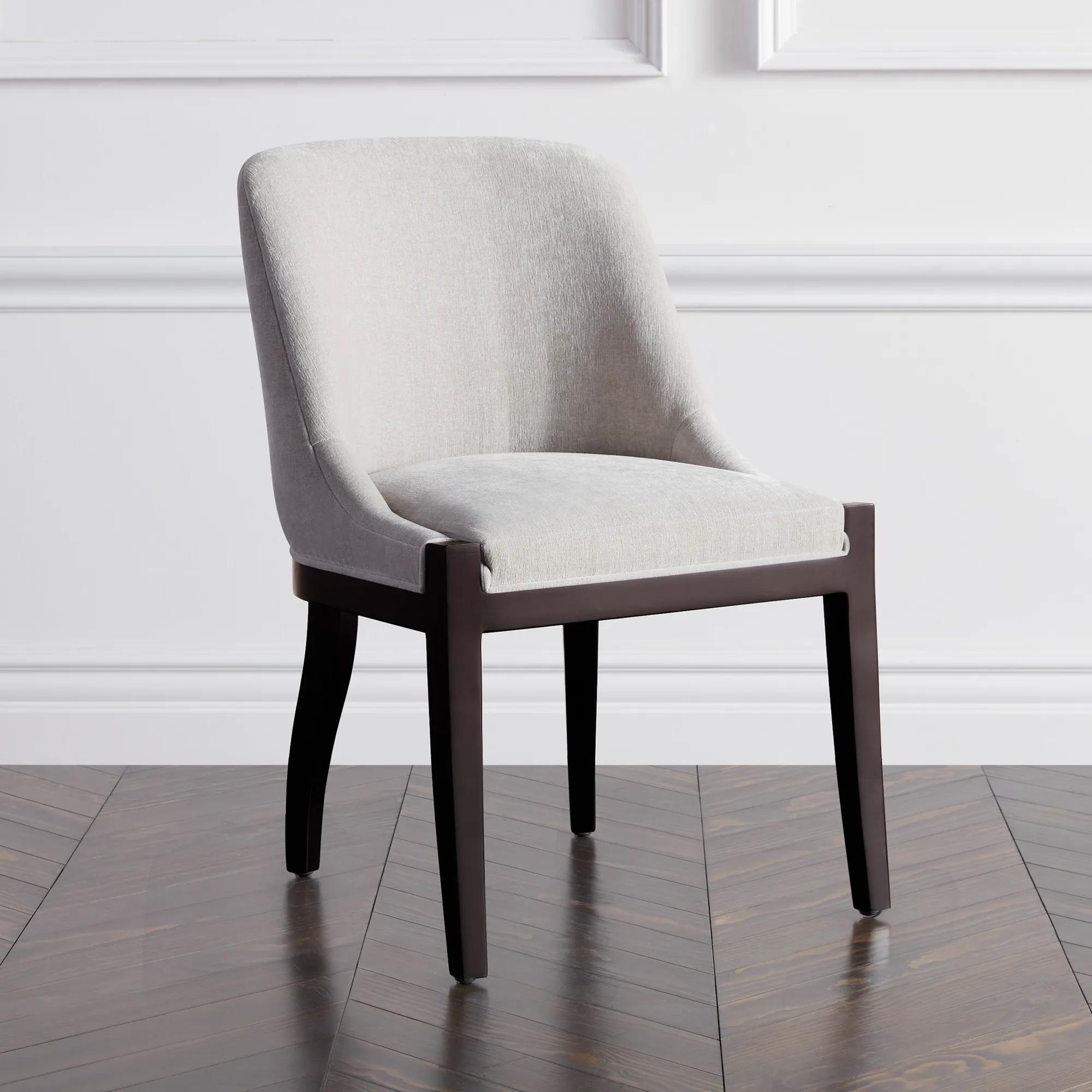 Lily Dining Chair - Espresso$649
A modern dining chair featuring espresso-finished hardwood, curvaceous silhouette, and plush tailored upholstery.
Add To Cart -
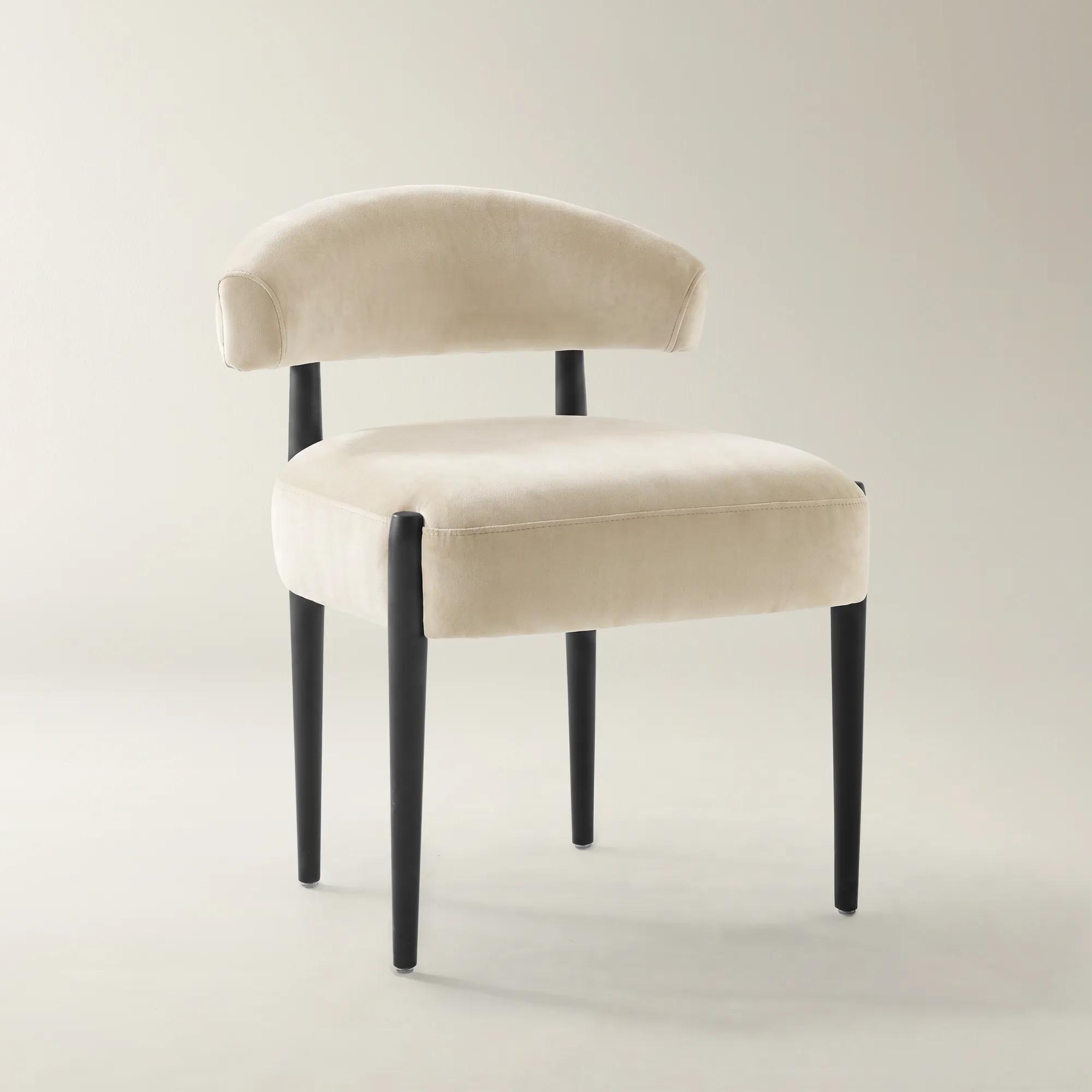
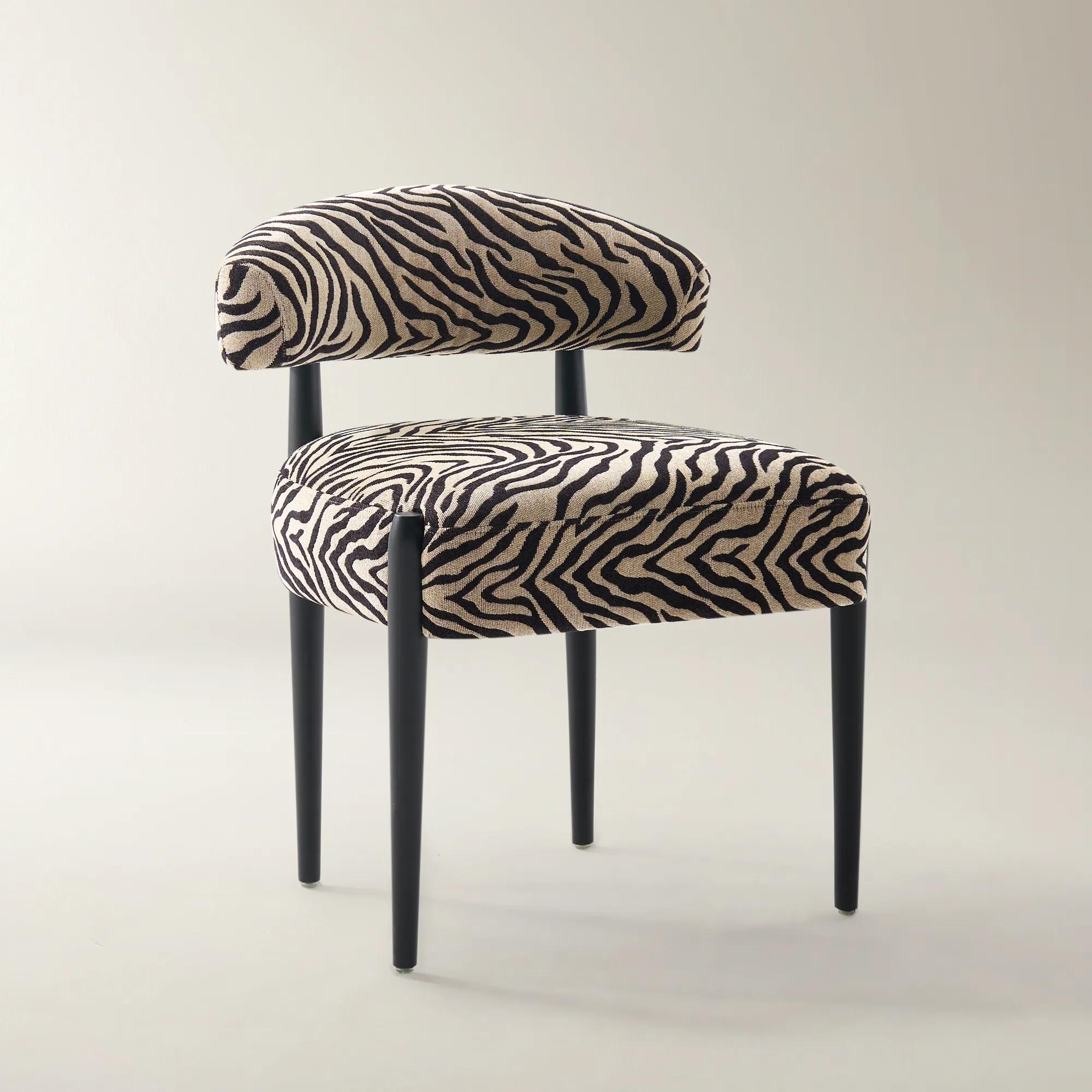 Anna Oatmeal Velvet Dining Chair Set of 2$599
A pair of oatmeal velvet dining chairs with arched backs, supportive foam cushioning, and rubberwood legs.
Add To Cart -
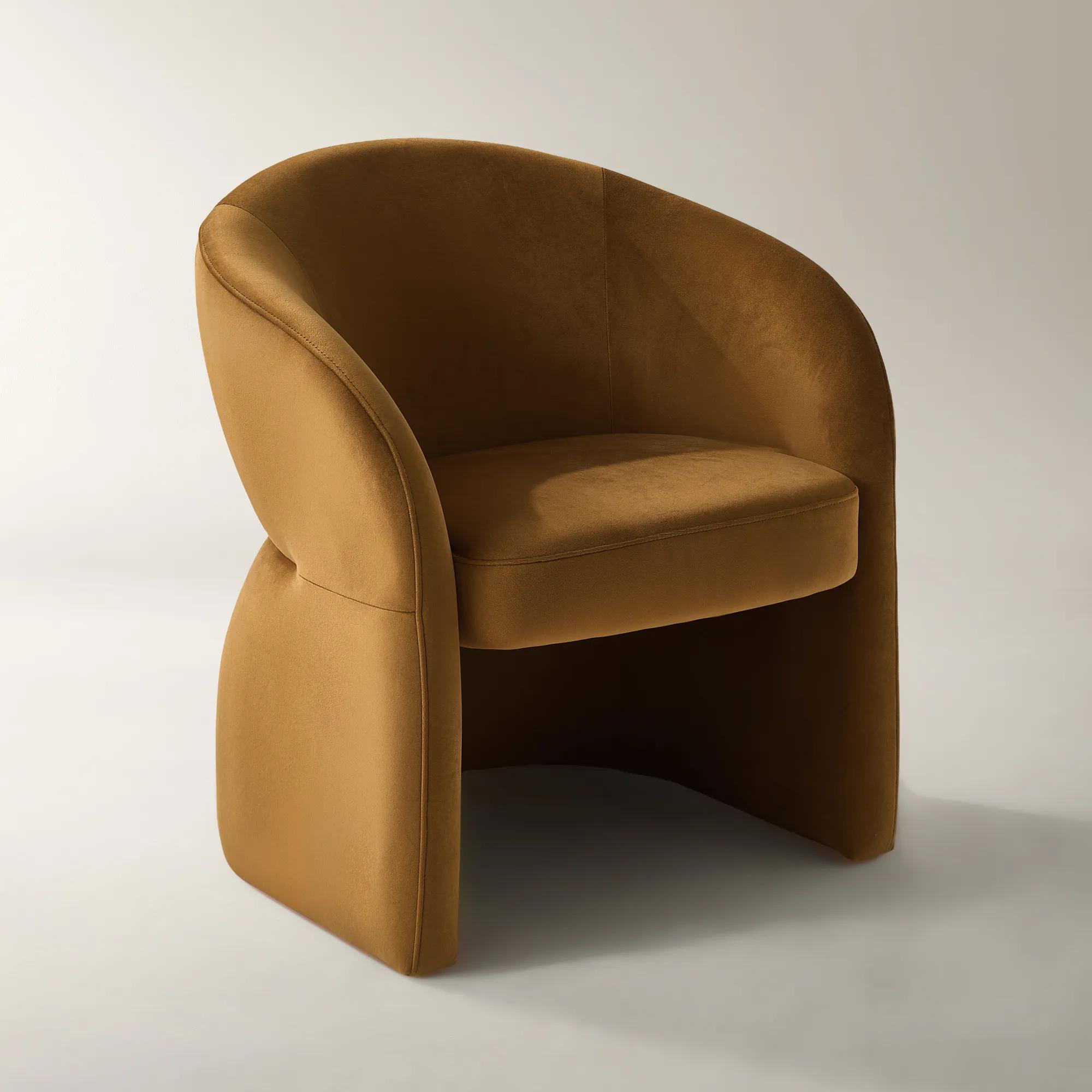
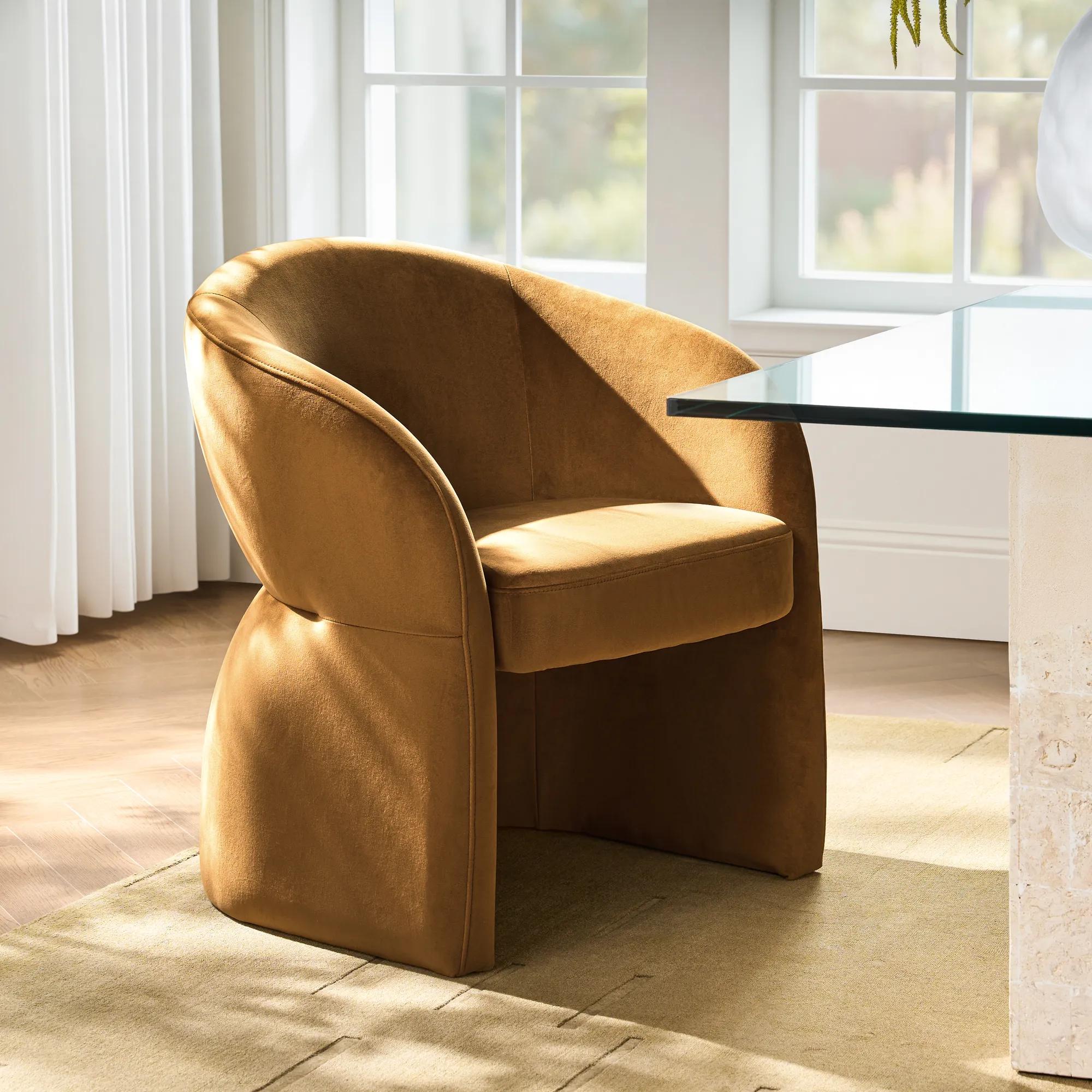 Sierra Roasted Pecan Velvet Dining Chair$599
A sculptural accent chair in roasted pecan velvet with arched arms, curved back, and plush cushioning.
Add To Cart -
 Elara Burnt Umber Velvet Dining Chair Set Of 2$799
A pair of brown velvet chairs with sinuous curves, ergonomic support, and hand-crafted, sculptural design.
Add To Cart -
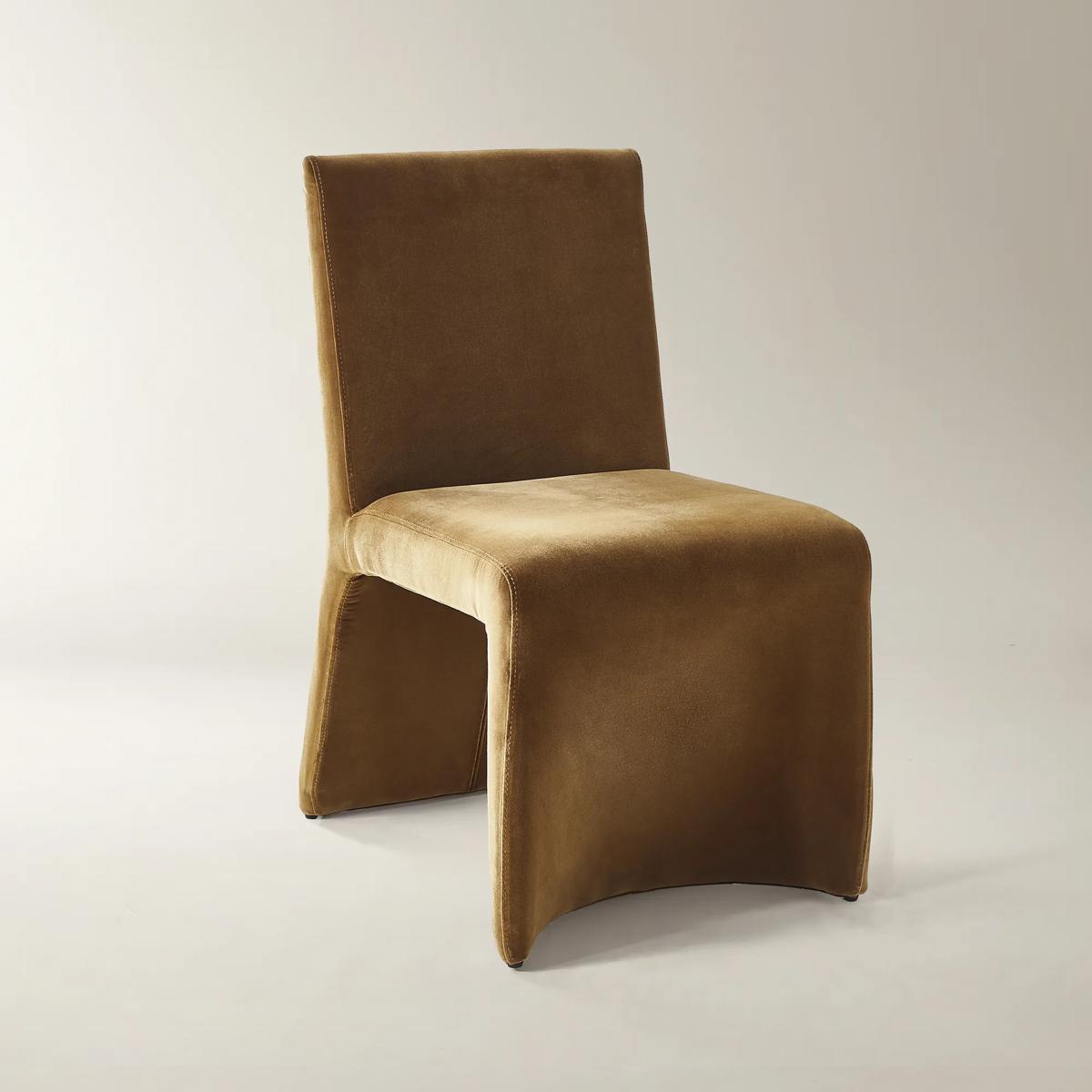 Elara Roasted Pecan Velvet Dining Chair Set Of 2$799
A pair of mustard velvet dining chairs featuring curved ergonomic silhouettes and hand-upholstered, reinforced construction.
Add To Cart -
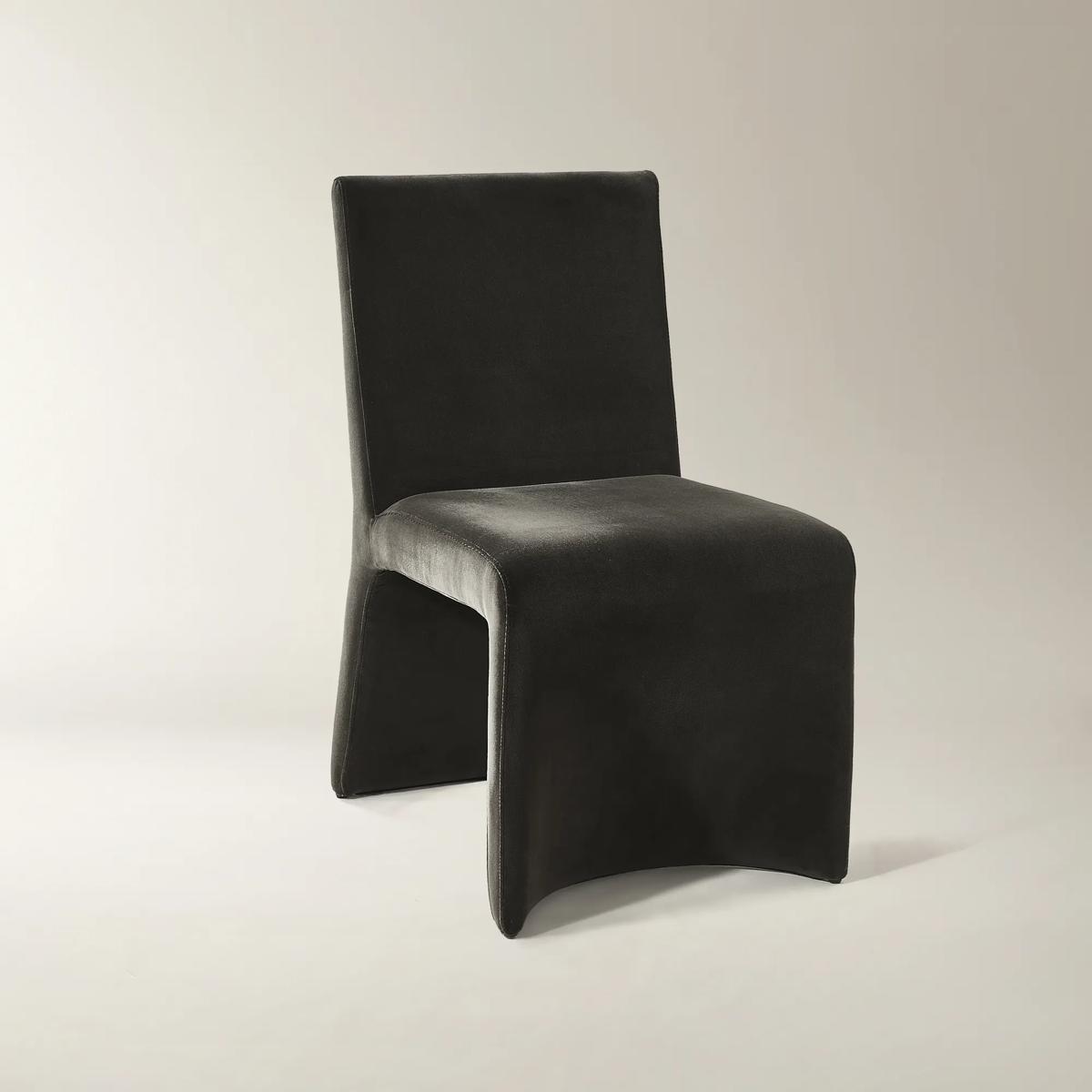
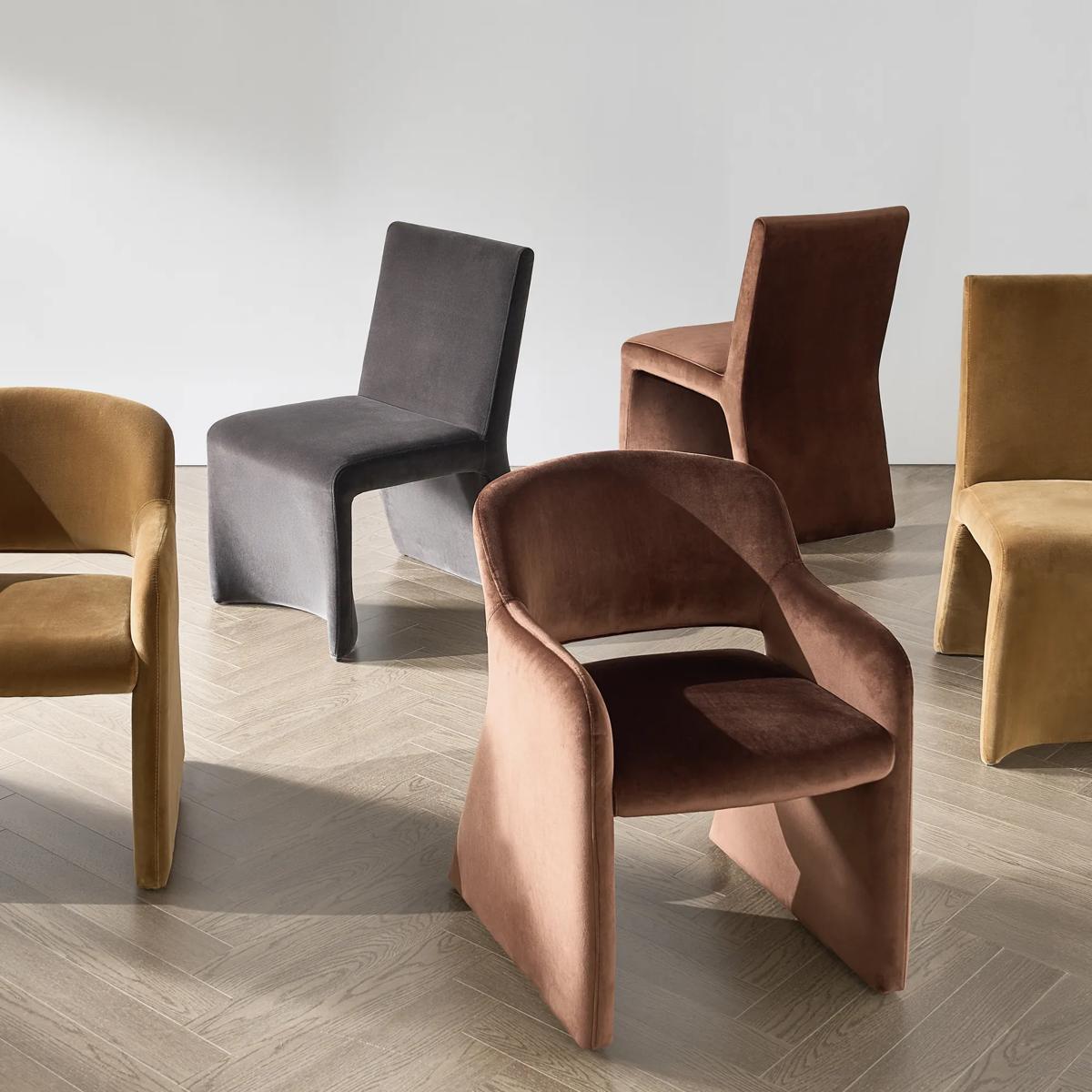 Elara Charcoal Velvet Dining Chair Set Of 2$799
A pair of charcoal velvet dining chairs featuring curved ergonomic silhouettes, plush upholstery, and hand-crafted details.
Add To Cart -
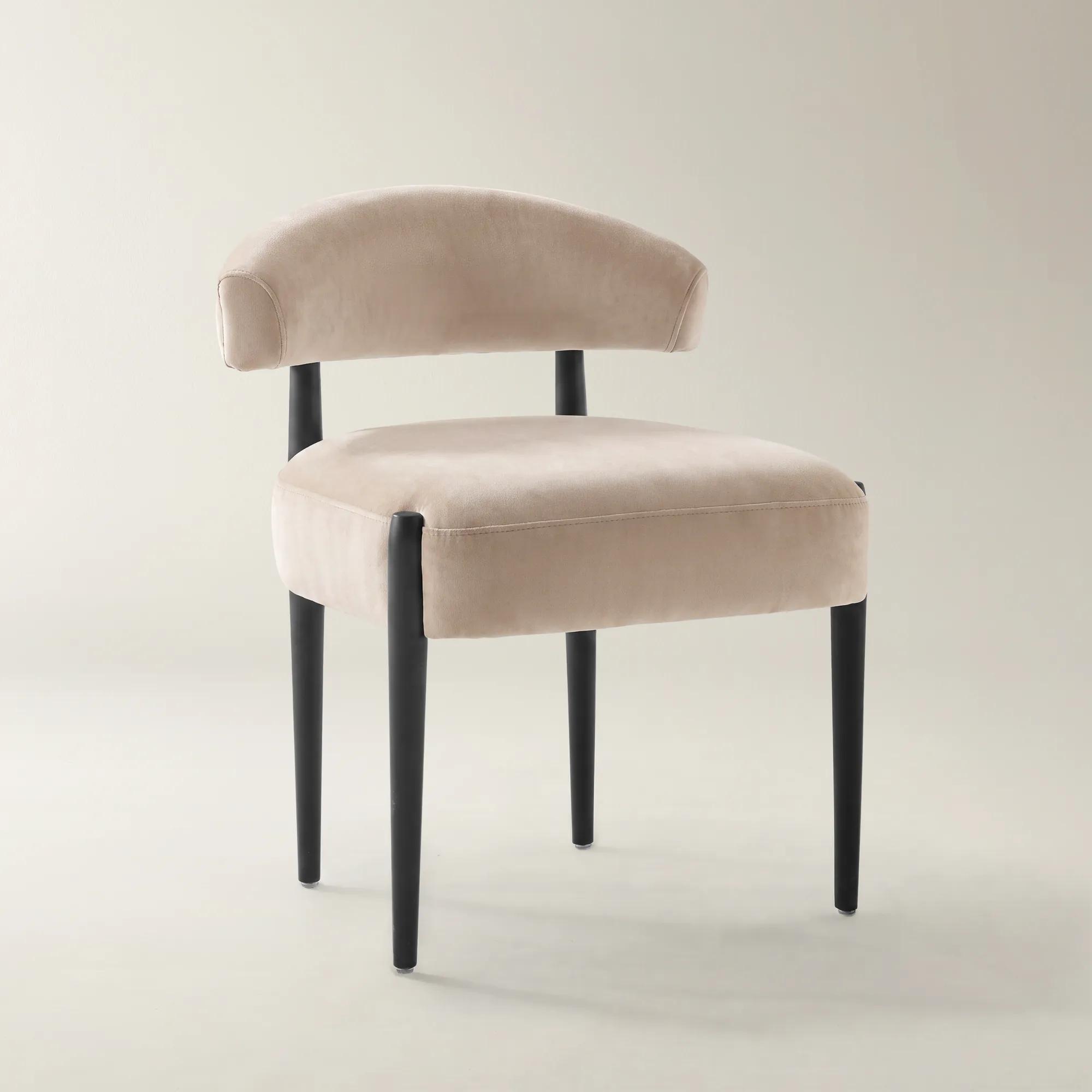 Anna Simply Taupe Velvet Dining Chair Set of 2$599
A taupe velvet dining chair featuring a tailored arched back, high-density foam cushioning, and rubberwood legs.
Add To Cart -
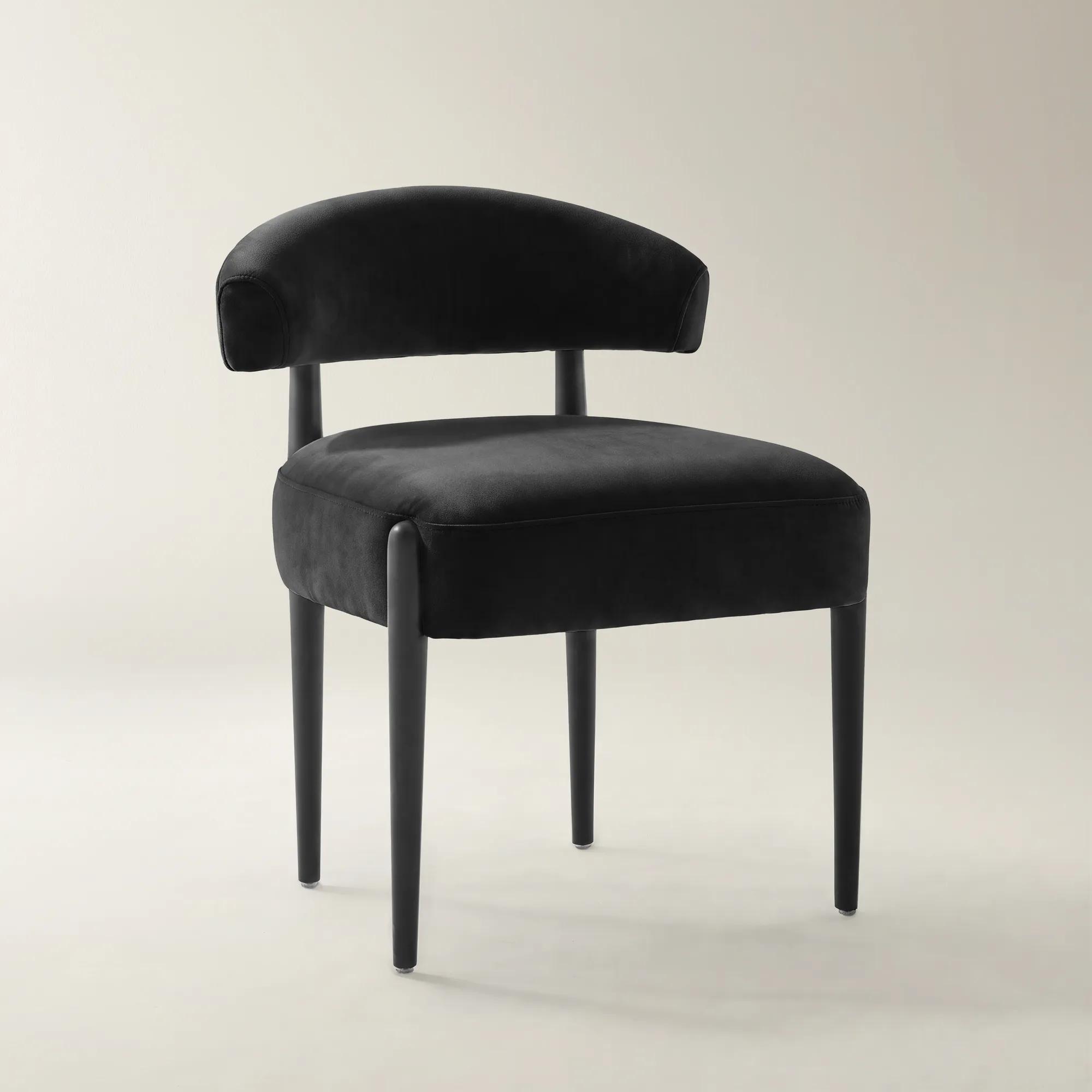 Anna Charcoal Velvet Dining Chair Set of 2$599
A charcoal velvet dining chair with an arched back, supportive foam cushioning, and solid rubberwood legs.
Add To Cart -
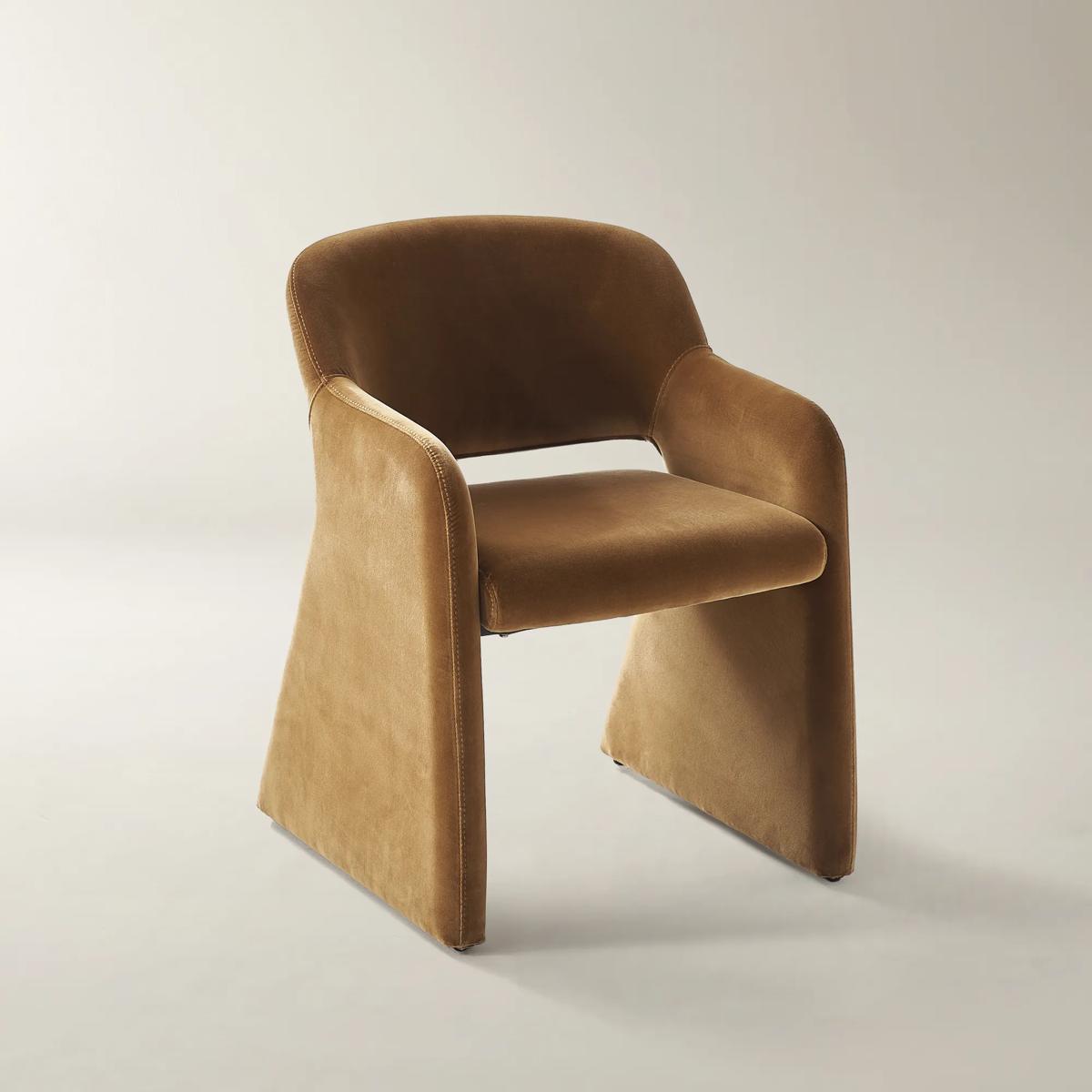
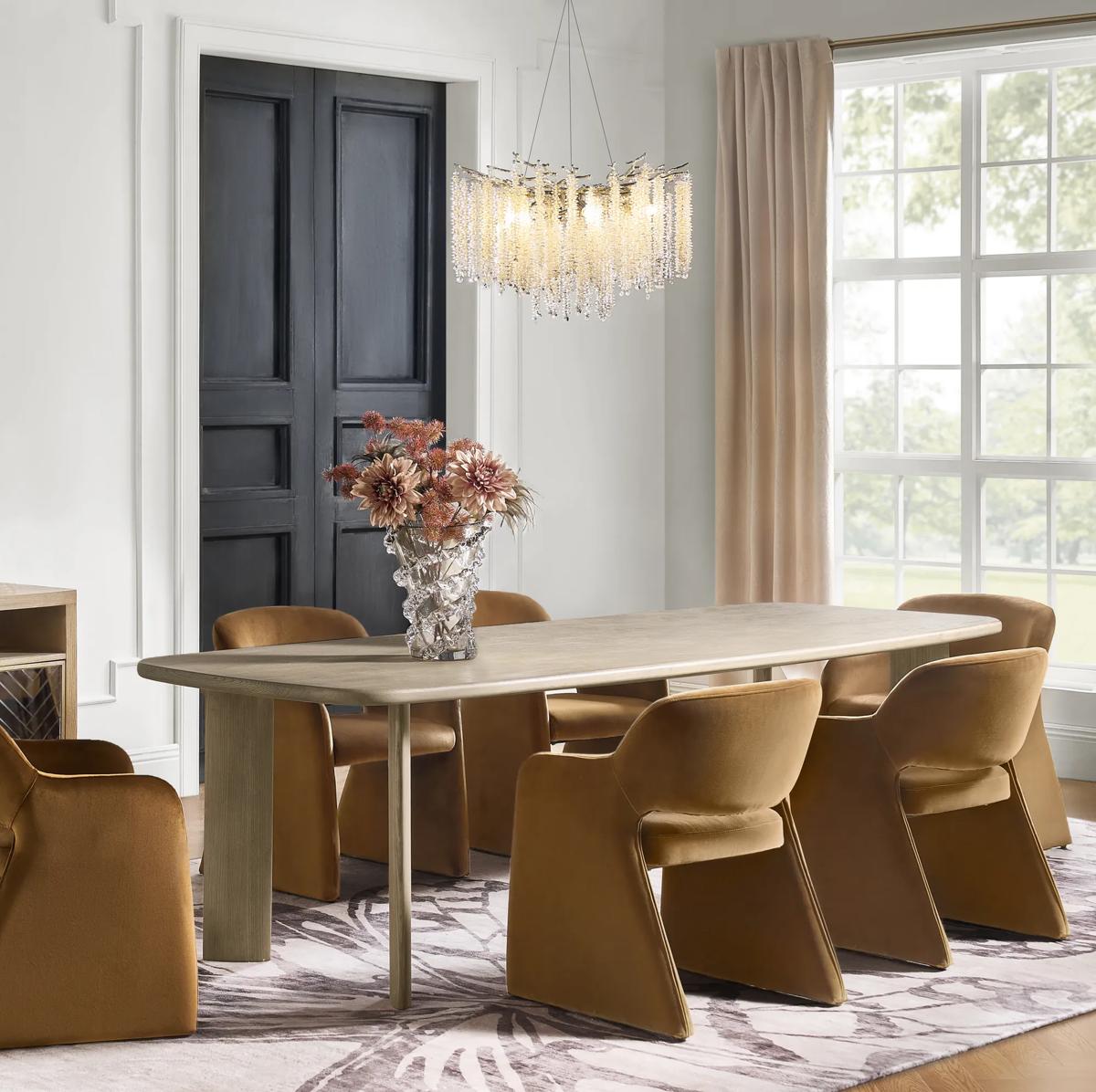 Elara Roasted Pecan Velvet Dining Chair$449
A sculptural armchair in mustard velvet with ergonomic curves, metal frame, and hand-crafted detailing.
Add To Cart

Metal And Velvet Dining Chairs
Metal and velvet dining chairs are where bold artistry meets everyday indulgence—inviting you to transform your dining space into a stage set for unforgettable moments. Imagine the luminous sheen of sculpted metal paired with the sumptuous embrace of velvet, each chair a statement in contrast and harmony. These pieces don’t merely provide a seat; they command attention, infusing your dining room with a sense of drama and sophistication that lingers long after the last toast. Elevate every gathering with silhouettes that dazzle and textures that delight—because your home deserves nothing less than extraordinary.
Metal and velvet dining chairs pair plush upholstery with the crisp definition of metal legs or frames, bringing softness and architectural presence to the dining table. The appeal lies in contrast: velvet catches light across its pile, while metal outlines each seat with a gleaming accent or a dark, sculptural edge. Together, these materials lend depth to a dining room without requiring elaborate ornament. Common silhouettes include curved bucket seats, tailored armless chairs, enveloping armchairs, and backs detailed with channel tufting. Each creates a different rhythm around the table. A row of slender, upholstered side chairs feels composed and open; a pair of generously curved armchairs at the table ends adds a more commanding note. Gold-tone and brass-tone finishes introduce warmth, chrome and polished silver-tone finishes offer a cooler reflection, and matte black creates a graphic contrast against luminous fabric. These finish names describe appearance rather than necessarily indicating solid brass, gold, or another underlying metal, so individual material descriptions matter. Velvet colors also shape the atmosphere. Ivory and champagne tones emphasize the fabric’s subtle shading, charcoal brings a smoky richness, and jewel tones such as emerald, sapphire, or garnet give the dining area a saturated focal point. Against a glass tabletop, the chair’s base remains part of the composition; beside dark wood, velvet adds a soft counterpoint to pronounced grain. A stone table can feel more inviting when surrounded by generously upholstered seats. For spaces that favor a more traditional expression of plush seating, Classic Velvet Dining Chairs offer a related style direction. Metal and velvet designs are especially compelling for interiors that balance expressive accents with clean outlines, from a polished apartment dining nook to a dedicated room arranged for lingering conversation. Their beauty is not limited to the front view: curved backs, exposed metal supports, and carefully placed seams become part of the room’s visual character when the chairs are tucked beneath the table.
Proportion gives this material pairing its poise, and the most inviting dining arrangements allow the chairs to look substantial without crowding the room. Overall width determines how many seats fit comfortably along a table, while seat height, arm height, and back depth affect how naturally each chair works with its surroundings. Many standard dining tables are approximately 28 to 30 inches high, with dining-chair seats often around 17 to 19 inches high; the actual relationship between the two matters more than either measurement alone. About 10 to 12 inches between the seat and the underside of the tabletop is a common starting point for legroom, although a deep table apron can reduce usable clearance. Upholstered arms need enough space to slide beneath that apron if the chairs are intended to tuck in fully. Allowing approximately 24 inches of table edge per diner is another useful starting point, with wider chairs and broad armrests requiring more room. In a compact dining area, an armless profile can preserve elbow space and make entry easier, while a rounded back can give a smaller chair a generous visual presence. Around a larger table, taller backs and fuller upholstery help establish scale. Clearance behind the chairs deserves equal attention: roughly 36 inches from the table edge to a wall or nearby furnishing generally provides room to pull out a seat, and an active walkway may need more. Comfort depends on more than velvet’s soft hand. Cushion density, seat depth, back angle, and the placement of supportive curves all influence how a chair feels through a leisurely dinner. A shorter diner may prefer a shallower seat, while someone who enjoys resting their arms between courses may appreciate upholstered armrests. Metal and velvet dining chairs can also make an elegant occasional seat beside a console or at a writing table, provided the seat height and footprint suit that use. This versatility is particularly valuable in homes where a dining space shares its setting with the living room and every visible chair contributes to the larger composition.
The lasting appeal of velvet dining chairs with metal legs depends on the construction beneath the surface as much as the finish on display. Steel and iron are common base materials, but metal legs do not necessarily mean the entire internal chair frame is metal. Secure connections, sound joinery, stable leg placement, and upholstery tailored cleanly around the seat and back all contribute to a well-resolved design. Weight capacities vary by construction and should be confirmed in the individual specifications rather than assumed from the thickness or appearance of the legs. For everyday meals, frequent entertaining, or a dining table that doubles as a place for conversation and projects, upholstery composition is especially relevant. Velvet describes a pile fabric, not a single fiber: it may be made from polyester, cotton, viscose, or blends, and each construction can respond differently to moisture, friction, and cleaning. Performance claims, stain resistance, and approved cleaning methods should be verified rather than inferred from the word velvet. The pile naturally reflects light in different directions, creating the shaded, almost brushed appearance that gives the fabric its dimension. Pressure can temporarily flatten that pile, while repeated rubbing may affect its appearance over time. Gentle vacuuming with an upholstery attachment, when permitted by the care instructions, helps remove crumbs and dust before they settle into seams or tufting. Spills call for prompt blotting with a clean, absorbent cloth rather than vigorous rubbing; any cleaning solution should follow the upholstery care code and be tested in an inconspicuous area. Metal finishes also benefit from restrained care, typically a soft cloth and manufacturer-approved cleaning methods rather than abrasive pads or harsh chemicals. Protective glides suited to the flooring can help limit scratches, while adjustable levelers, where included, can address minor unevenness. Chairs are best lifted rather than dragged, and prolonged direct sunlight may affect fabric color. With materials and proportions chosen thoughtfully, these seats bring a distinctive pleasure to daily dining: a soft place to settle, a luminous line beneath the table, and a richly textured backdrop for gathering.
FAQs
Velvet and metal dining chairs are remarkably versatile, complementing a wide range of design aesthetics. They shine in glamorous Art Deco-inspired spaces, add a luxe touch to modern and contemporary interiors, and bring unexpected elegance to industrial or eclectic dining rooms. Their blend of rich texture and metallic sheen allows them to serve as bold focal points or sophisticated accents, depending on your vision.
Yes, velvet and metal dining chairs are designed with both comfort and style in mind. The plush velvet upholstery offers a soft, inviting seat, while the sturdy metal frame provides reliable support. Many designs feature ergonomic contours or padded backs, encouraging guests to relax and linger around the table through every course and conversation.
Velvet is a luxurious yet resilient fabric. To maintain its beauty, gently vacuum the upholstery with a soft brush attachment to remove dust and crumbs. For spills, blot immediately with a clean, dry cloth—avoid rubbing, which can crush the pile. For deeper cleaning, consult care instructions specific to your chair, as some velvets may benefit from professional cleaning.
Most velvet and metal dining chairs are thoughtfully designed with protective glides or caps on the feet to prevent scratching or scuffing. For added peace of mind, you may wish to place felt pads under each leg, especially on hardwood or delicate flooring. This small step preserves both your floors and the graceful movement of your chairs.
Absolutely. Today’s velvet fabrics are crafted for durability, and metal frames are built to last. These chairs are not just reserved for special occasions—they’re made to elevate daily dining experiences, withstand the bustle of family meals, and maintain their allure for years to come.