Marble Effect Side Tables
Marble Effect Side Tables
-
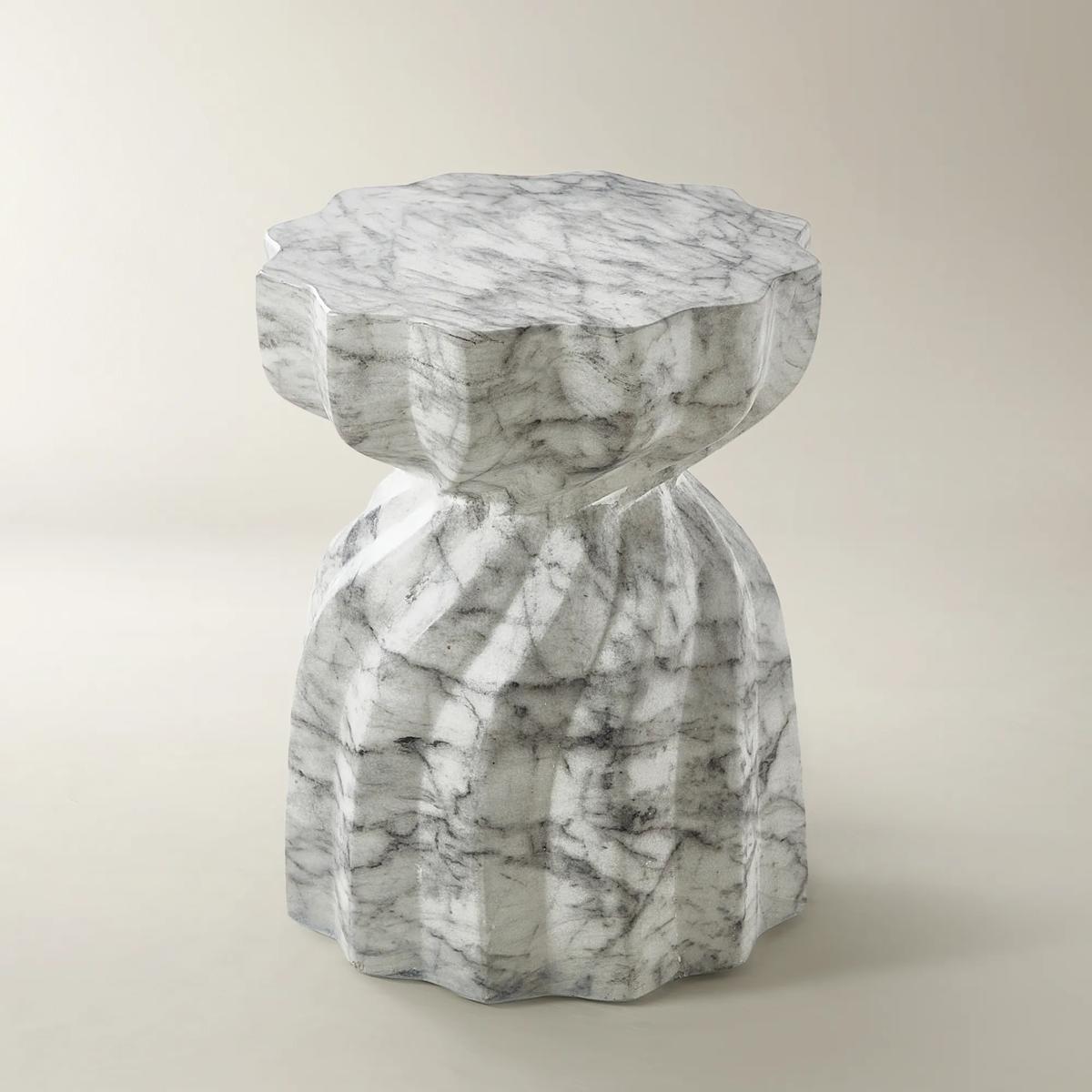
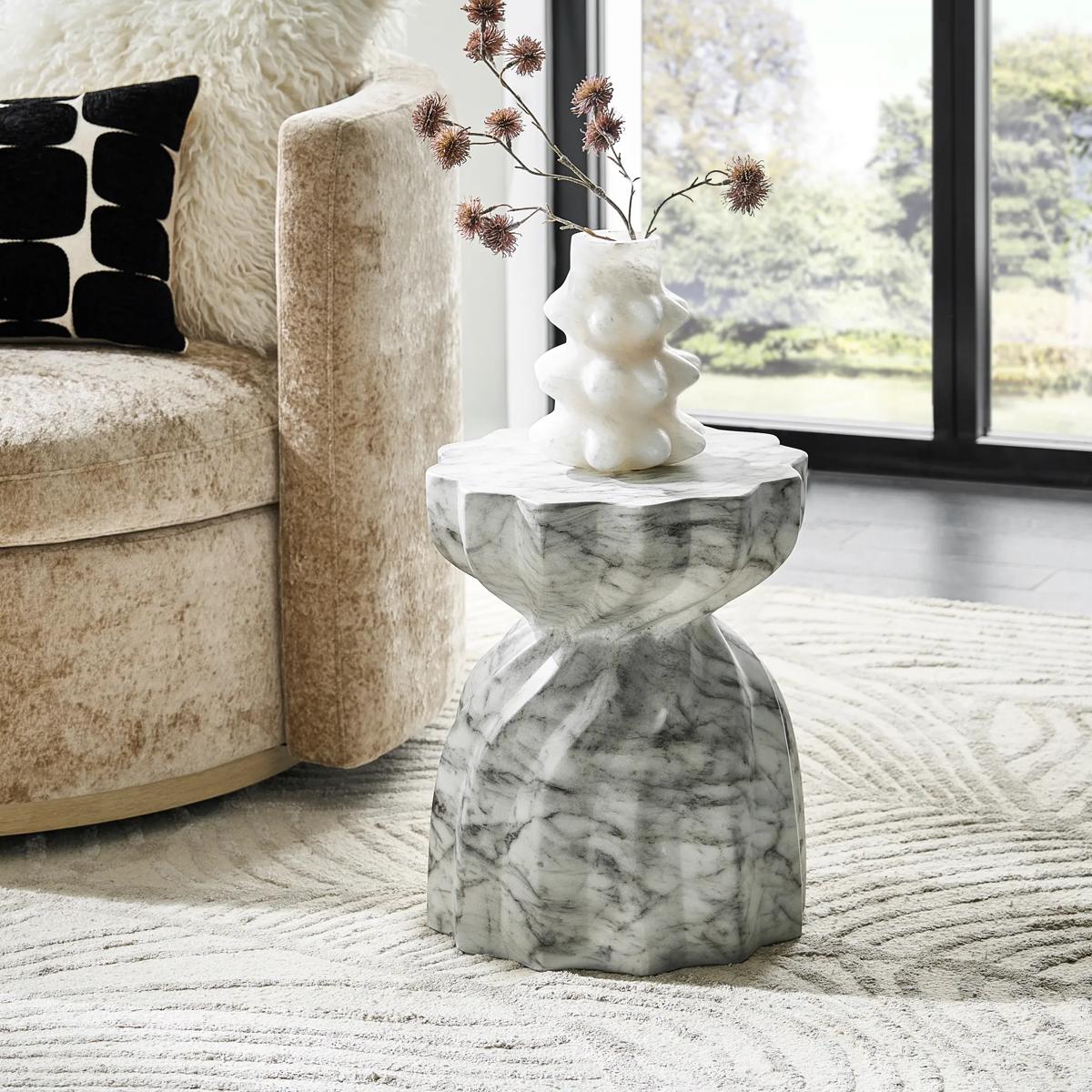 Lithia Scalloped White Concrete Indoor/Outdoor Side Table (15")$349
A white concrete side table with a scalloped silhouette and marble-look finish for indoor-outdoor living.
Add To Cart -
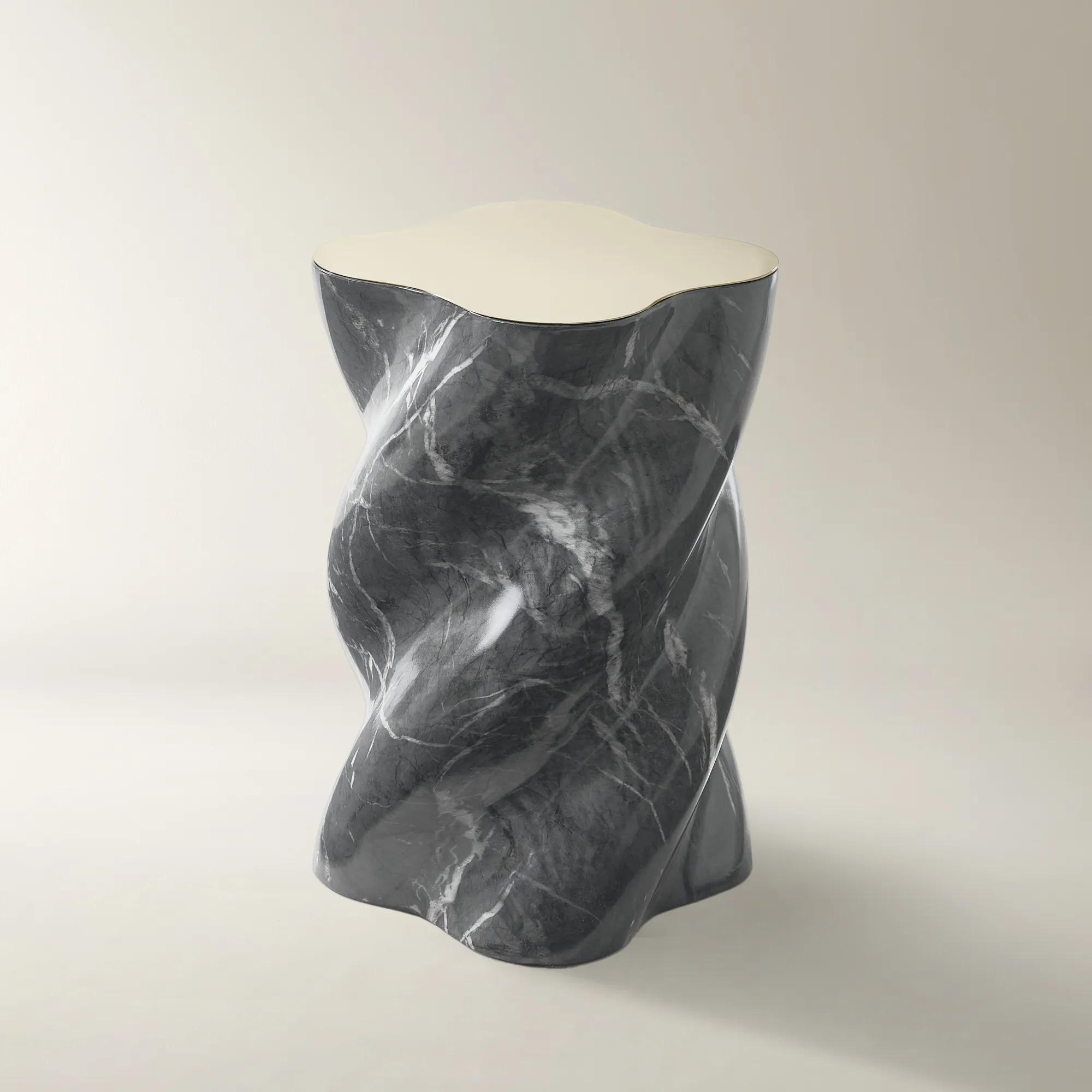 Vega Bvlgary Black Concrete Indoor/Outdoor Side Table With Stainless Steel Top (13.8")$459
A black concrete side table with a sculptural pedestal, removable stainless-steel top, and marble-inspired finish.
Add To Cart -
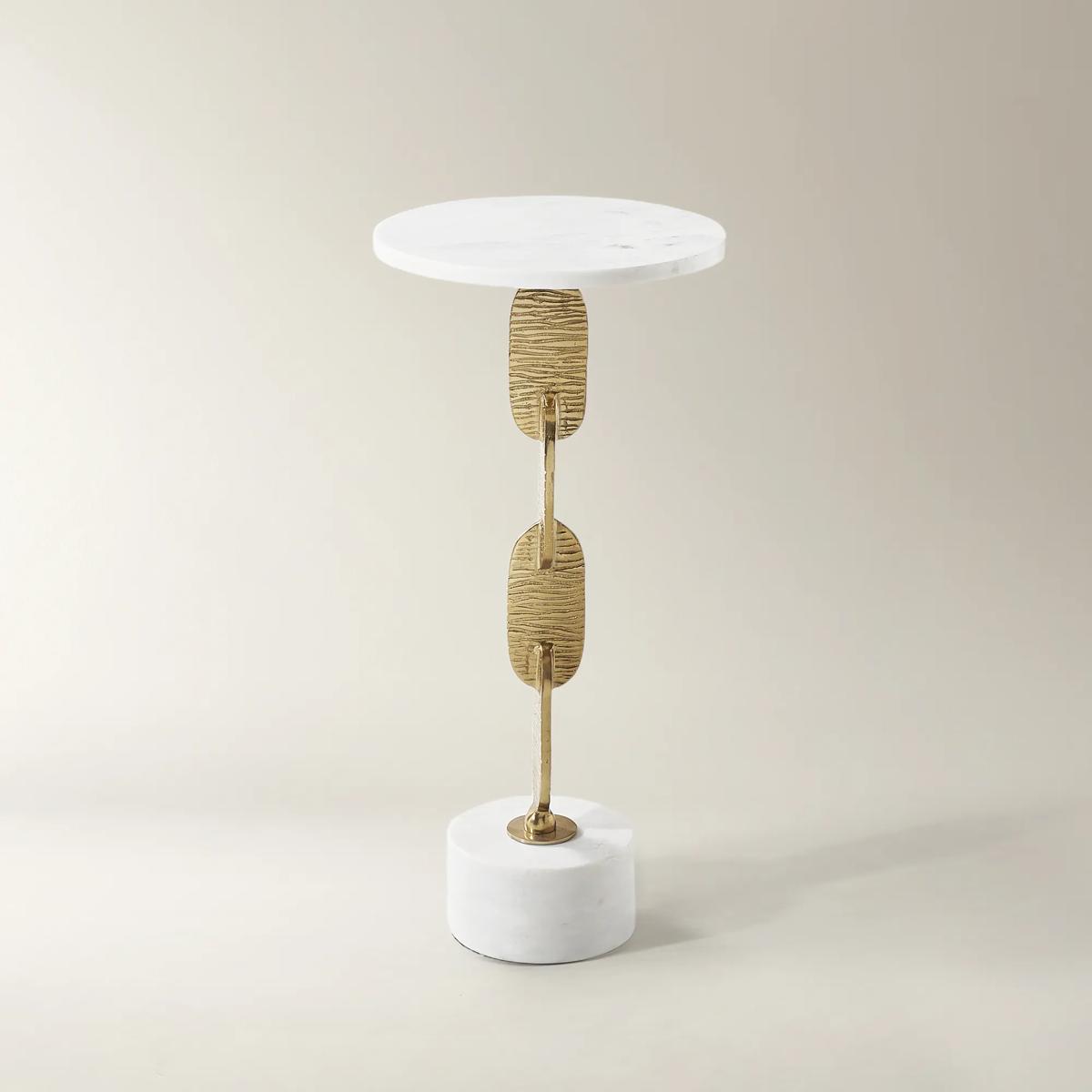
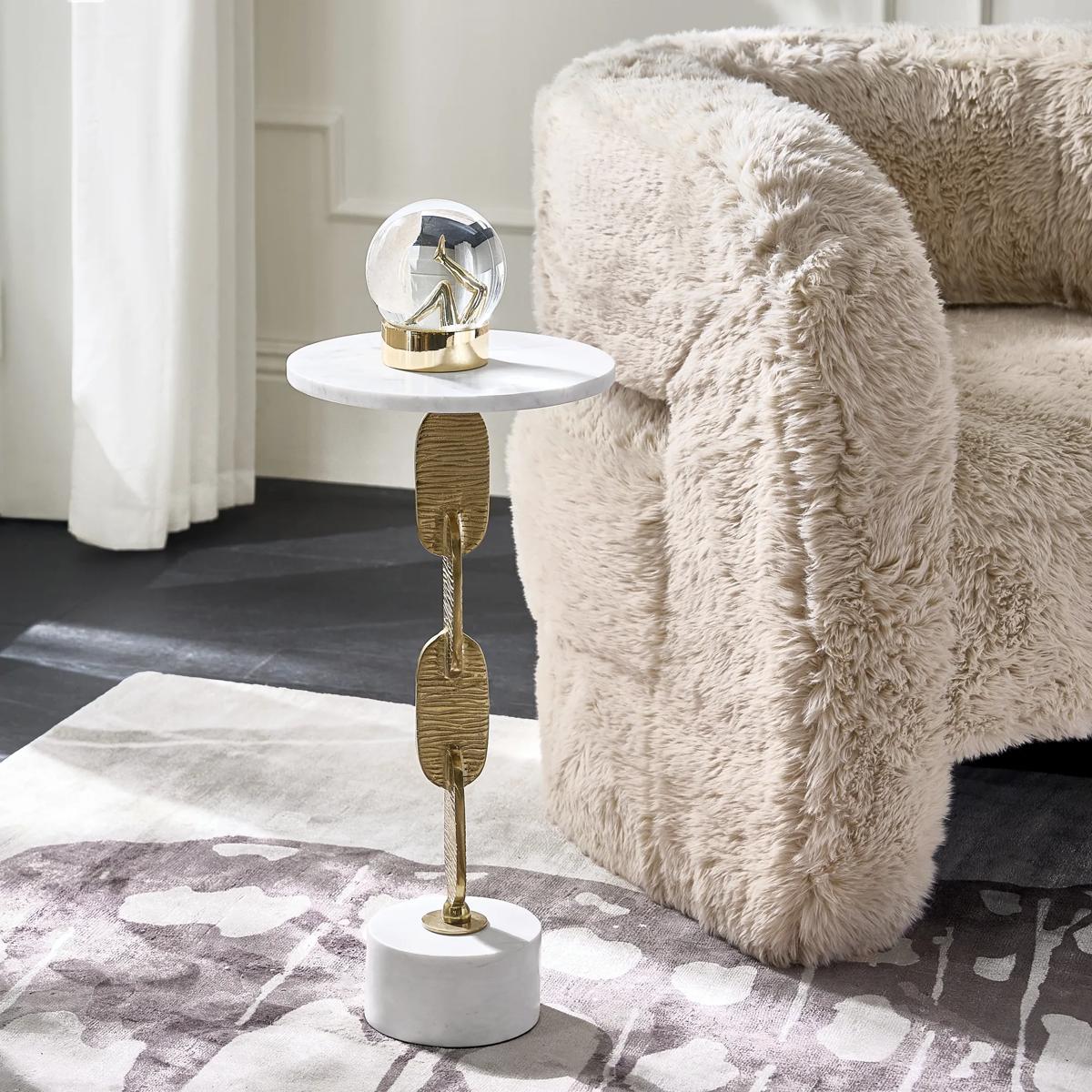 Luna Round White Marble Side Table (11.25")$199
A sculptural side table featuring a genuine white marble top and an open gold-finished metal frame.
Add To Cart -
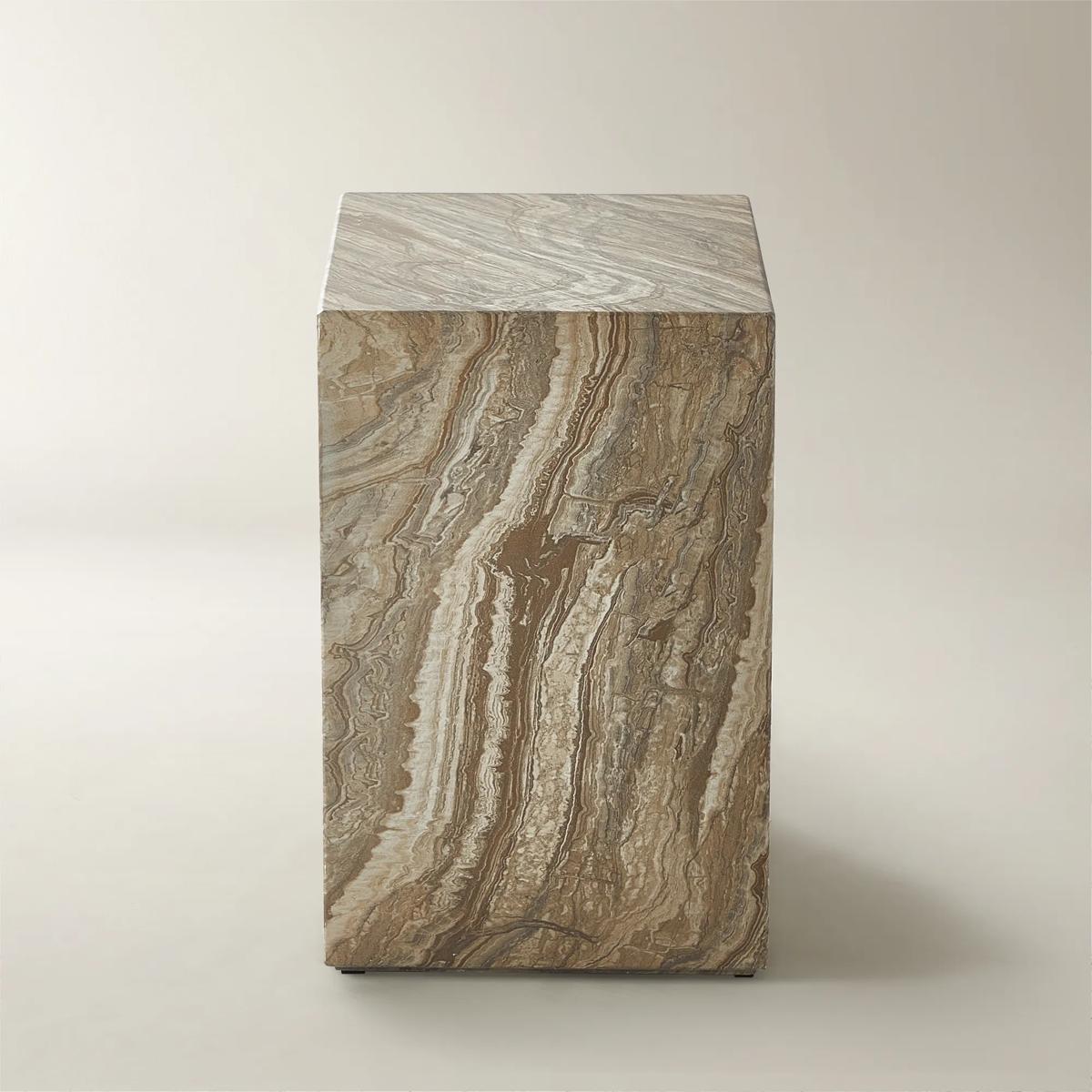
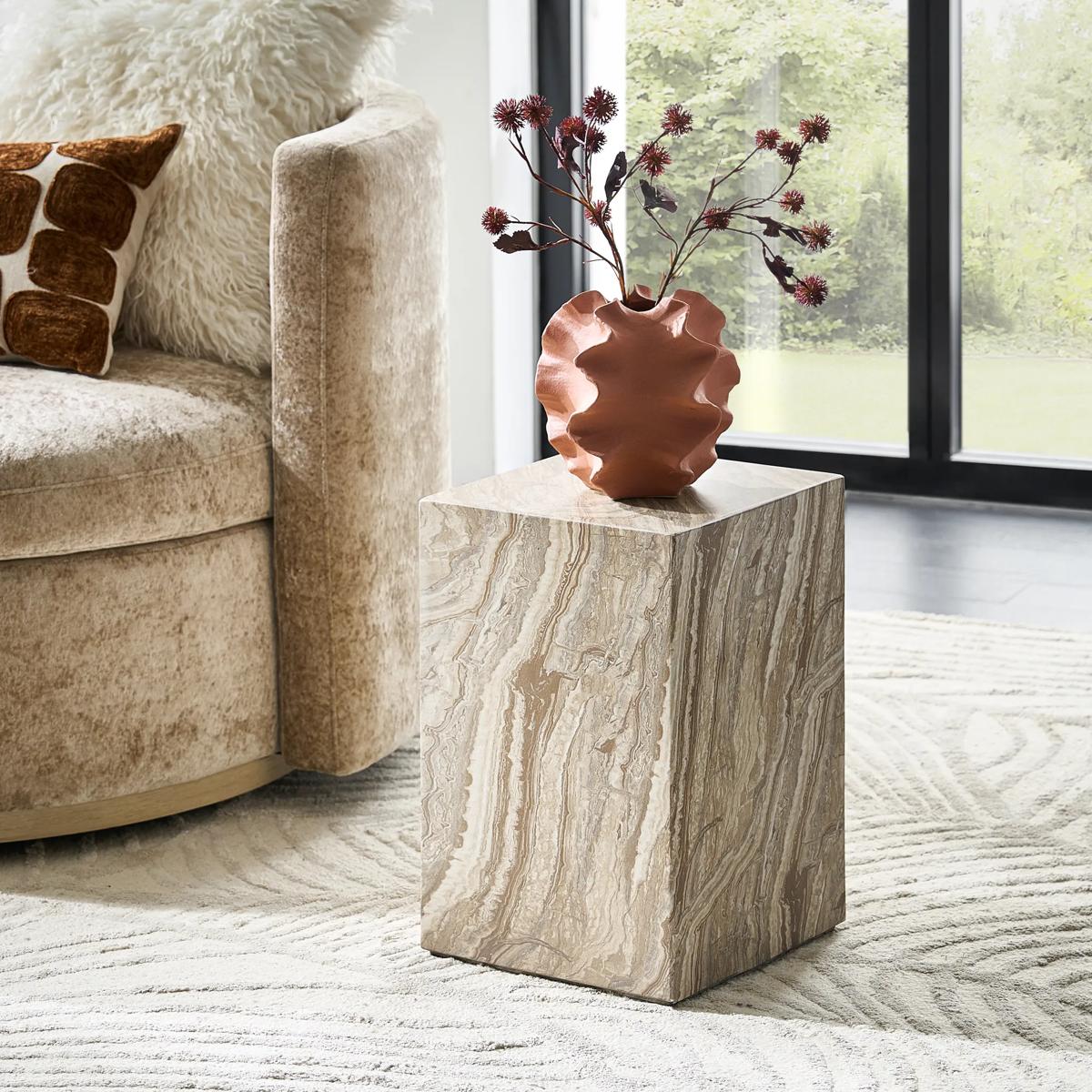 Strata Square Brown Concrete Indoor/Outdoor Side Table (11.8")$299
A brown concrete side table with a sculptural cuboid profile and marble-look finish, indoors or outdoors.
Add To Cart -
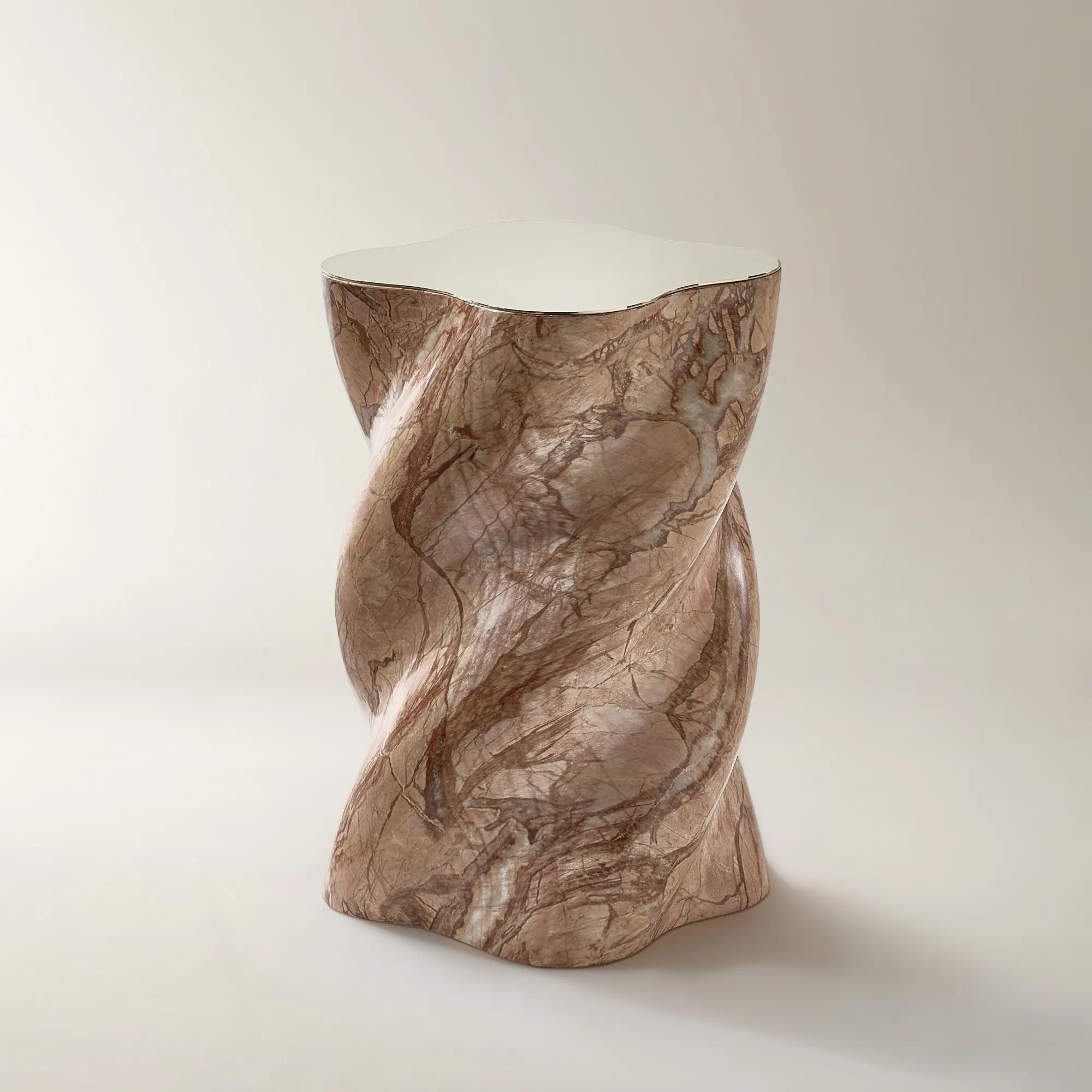
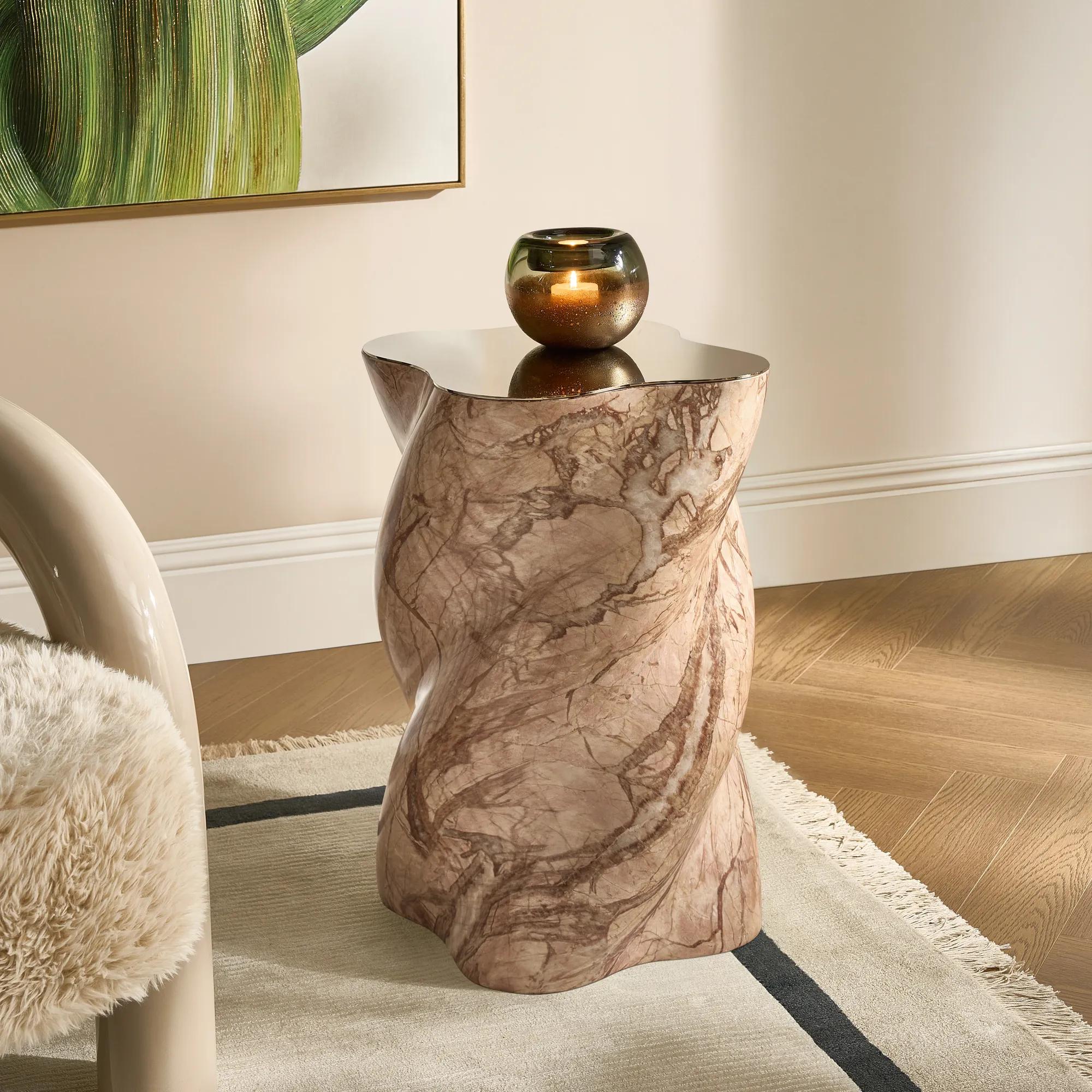 Vega Concrete Indoor/Outdoor Side Table With Stainless Steel Top (13.8")$459
A black, orange, or green concrete side table with removable stainless-steel top and marble-inspired veining.
Add To Cart -
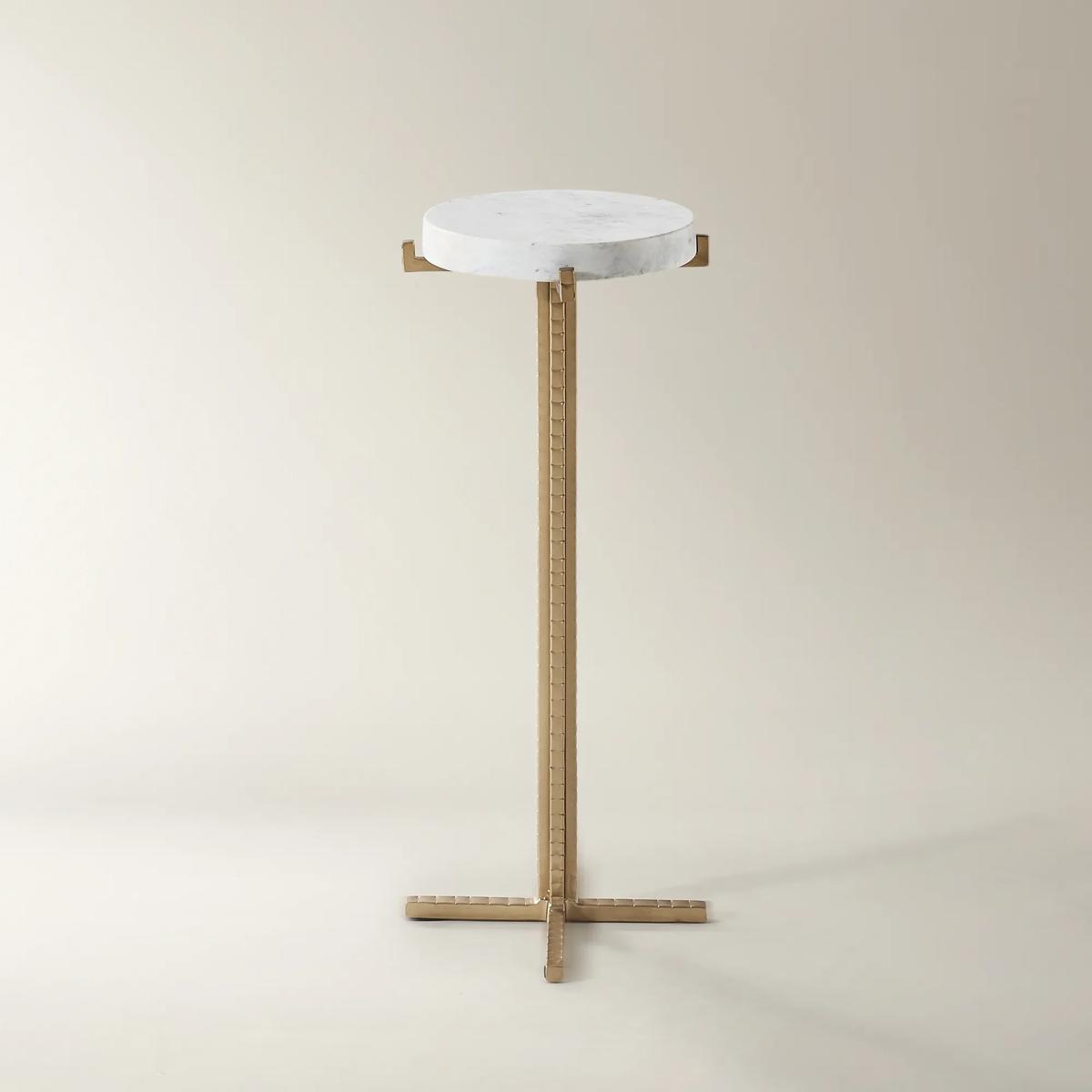 Anya Round White Marble Side Table (10")$199
A sculptural side table featuring a genuine white marble top and gold-finished metal pedestal base.
Add To Cart -
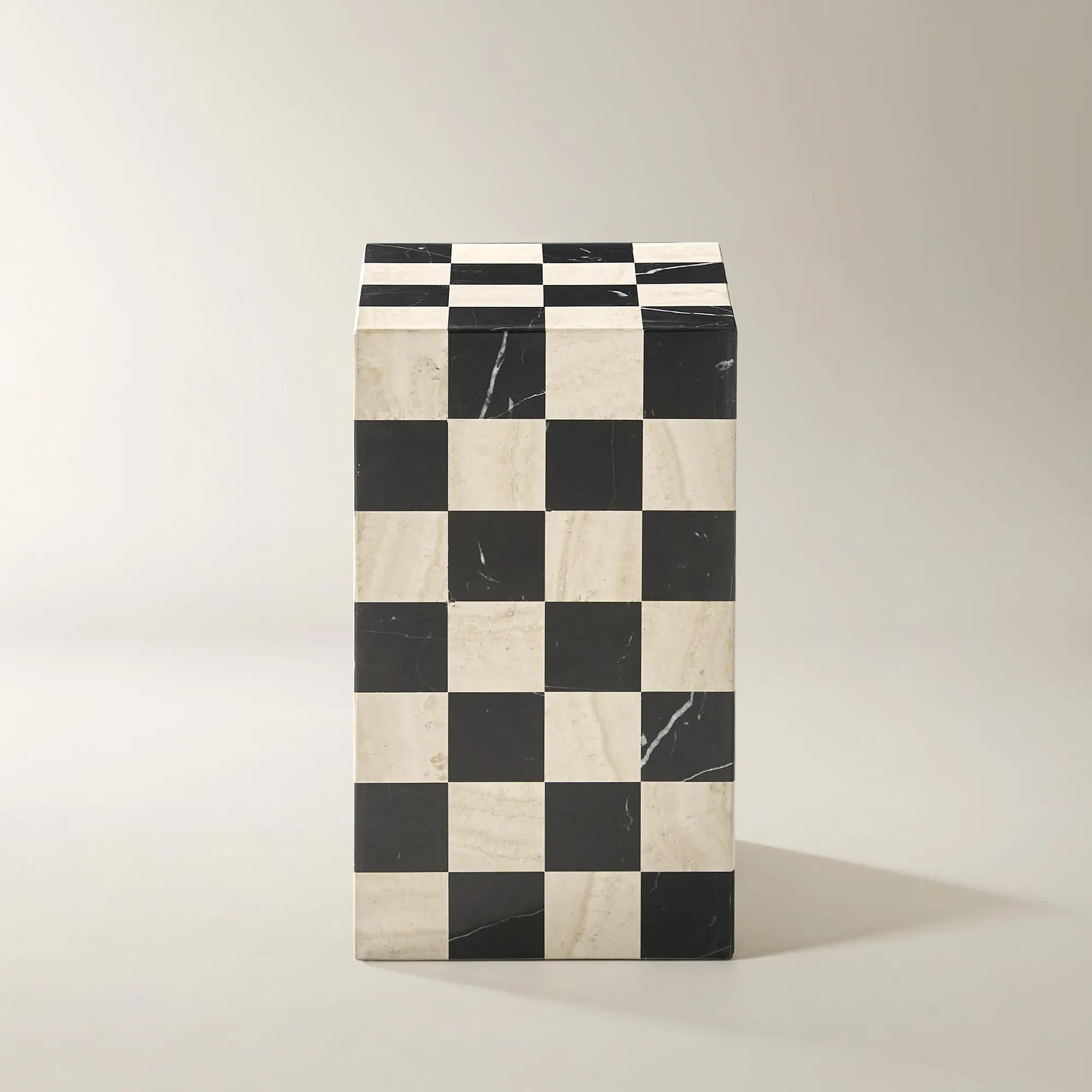 Chessa Square Chequered Marble End Table (12")$999
A sculptural end table featuring a bold black marble and travertine checkerboard mosaic design.
Add To Cart -
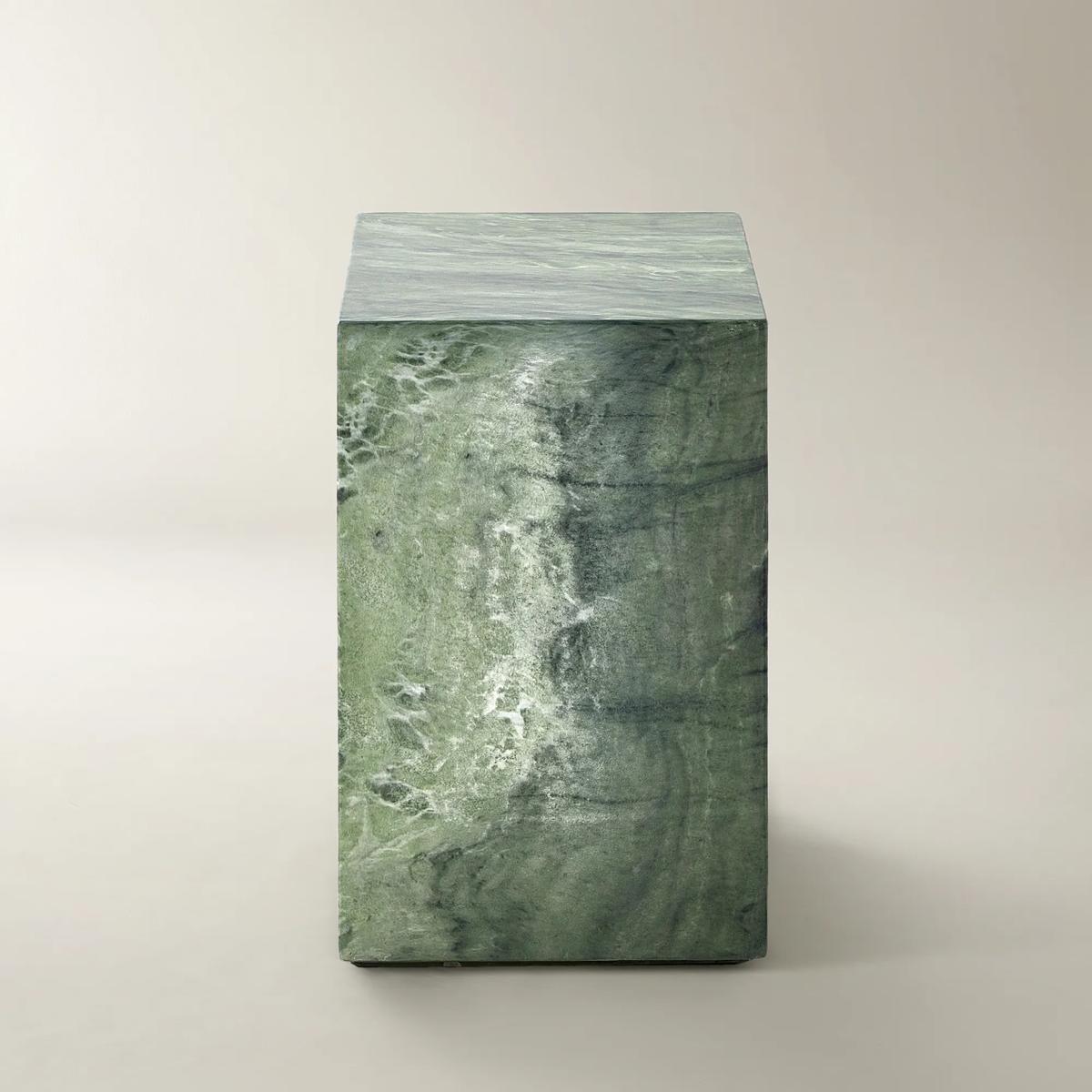
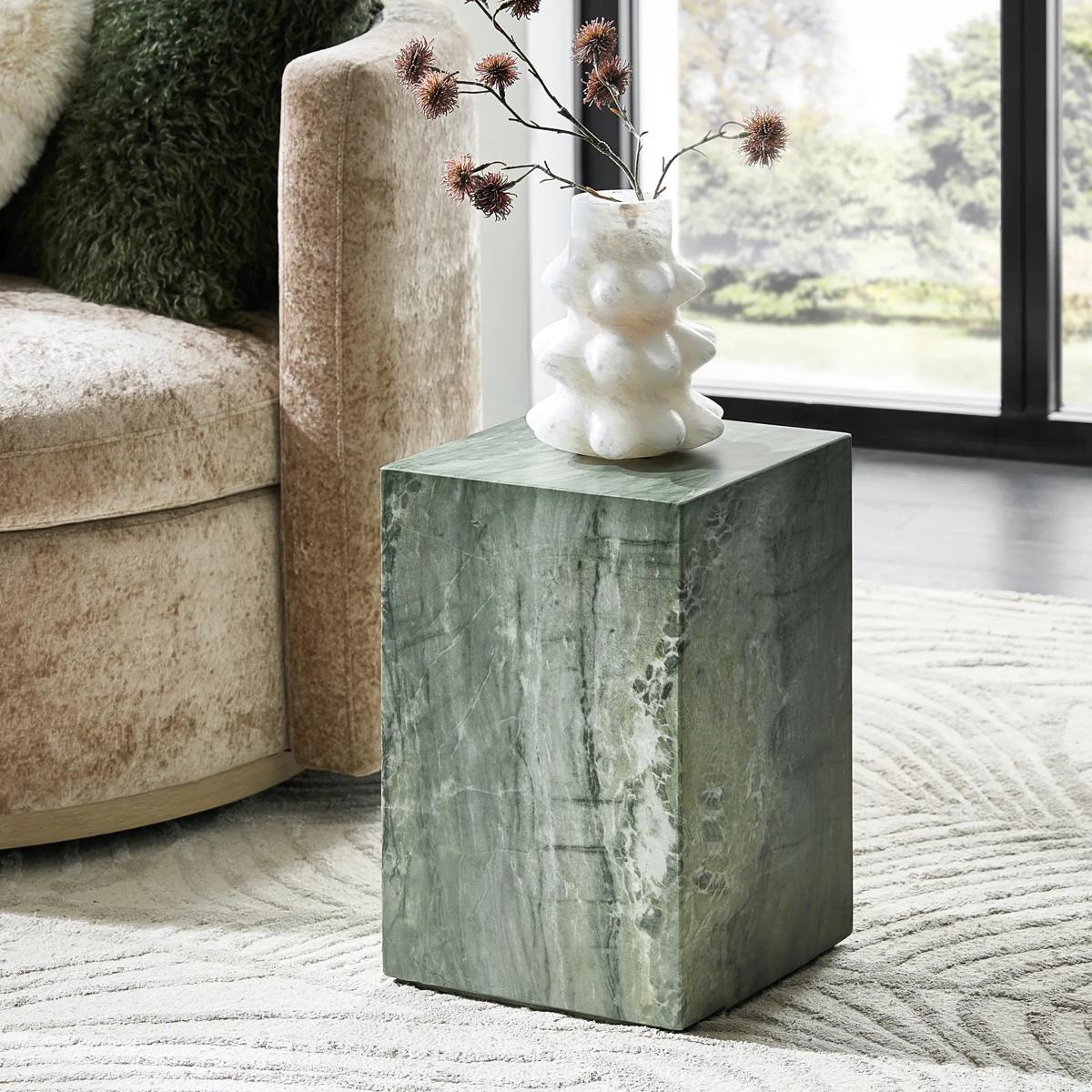 Strata Square Green Concrete Indoor/Outdoor Side Table (11.8")$299
A green concrete side table with marble-look veining and a sculptural cuboid form for indoor use.
Add To Cart -
 Strata Round Green Concrete Indoor/Outdoor Side Table (15")$349
A green concrete side table with rounded geometry and a marble-look finish for indoor-outdoor use.
Add To Cart -
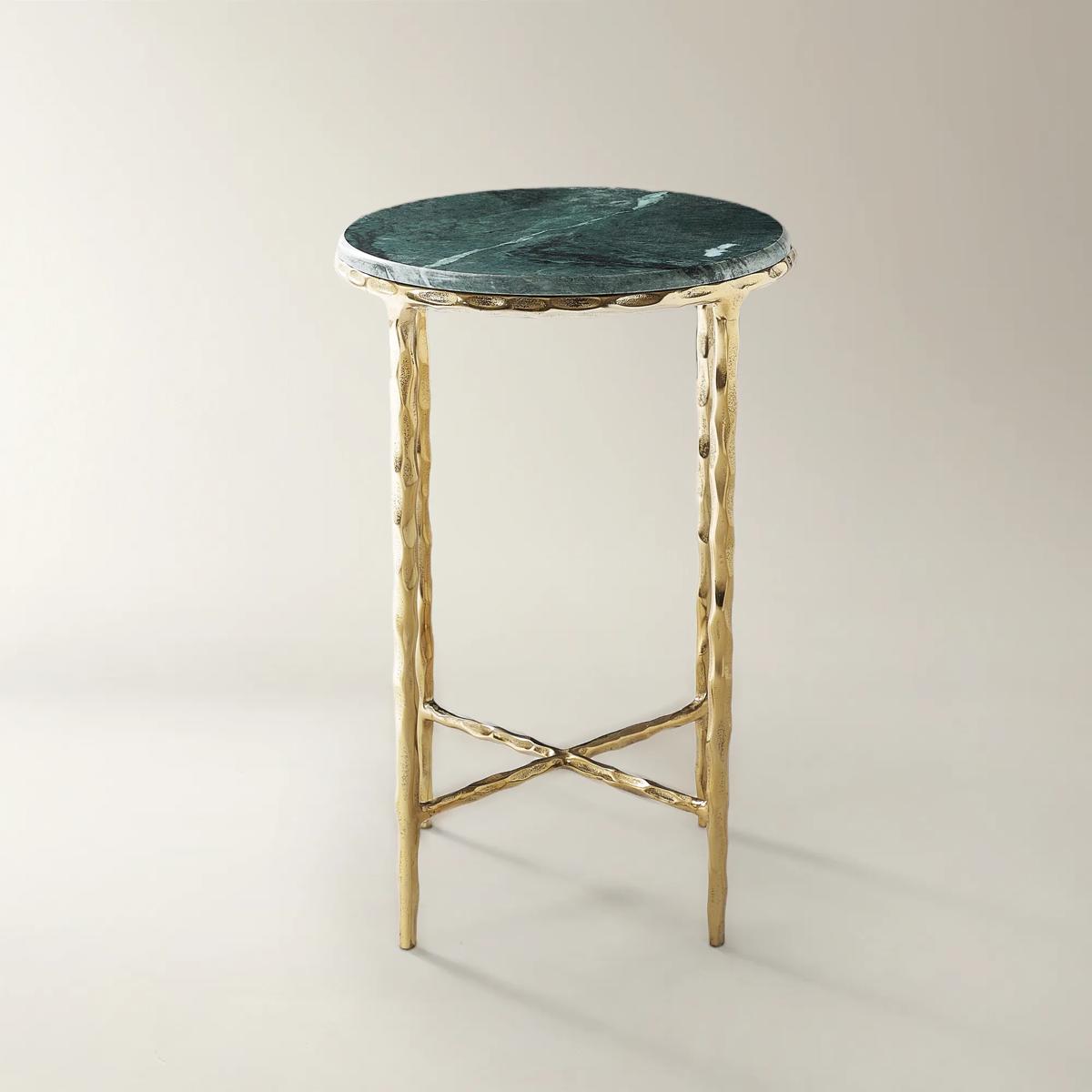
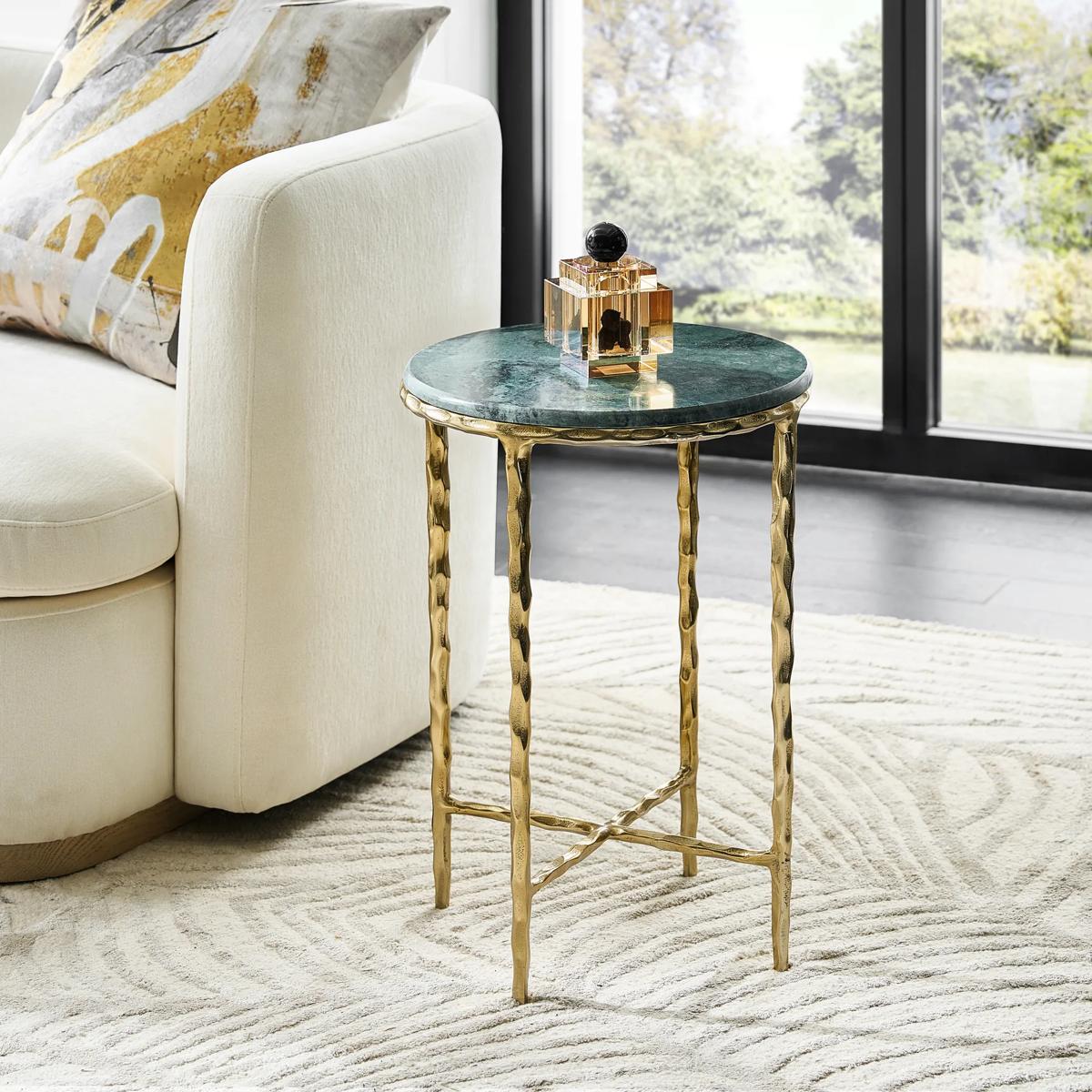 Juliet Round Green Marble Side Table (15")$269
A striking side table featuring a deep green Indian marble top and a hand-hammered metal base.
Add To Cart -
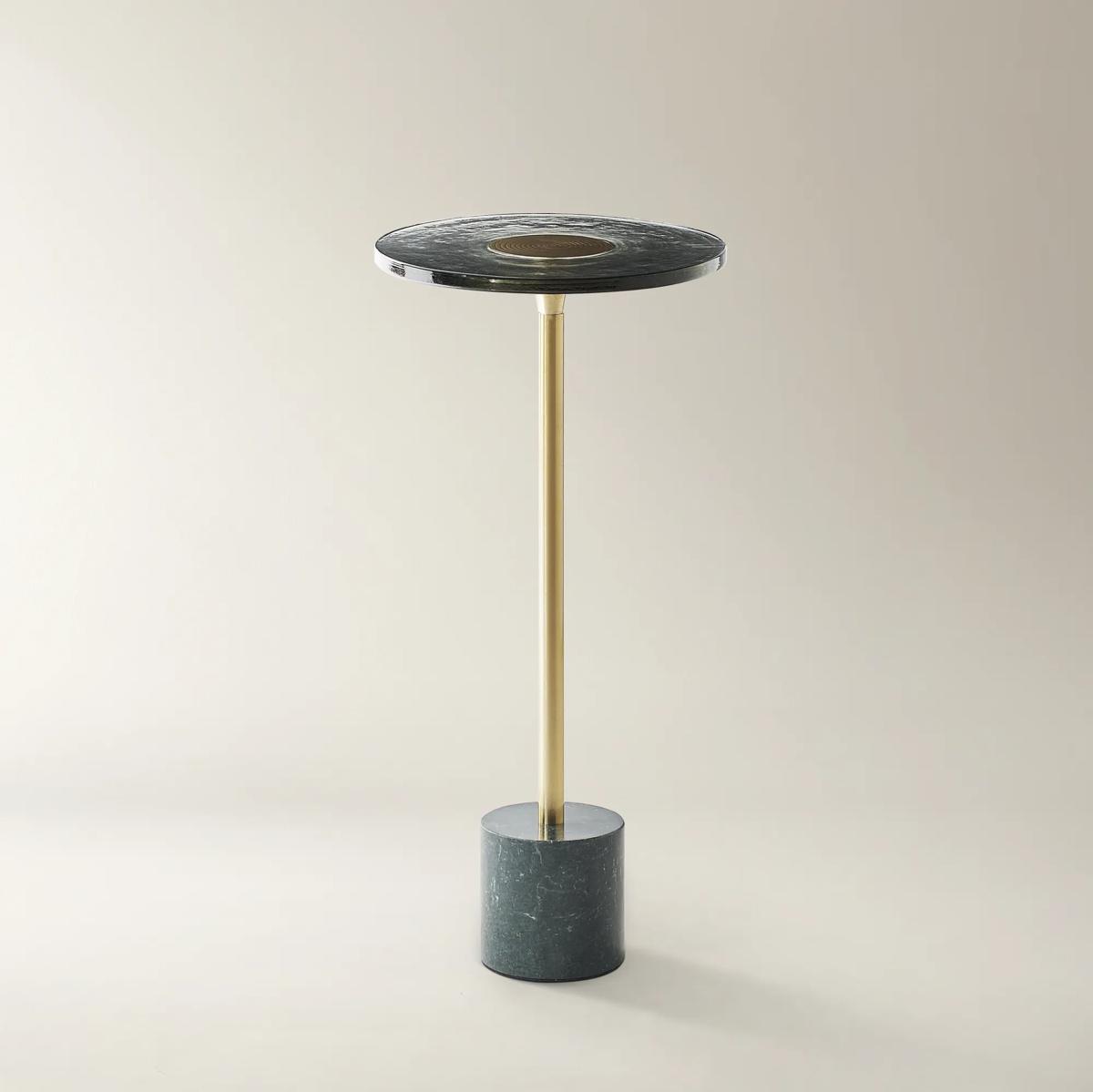
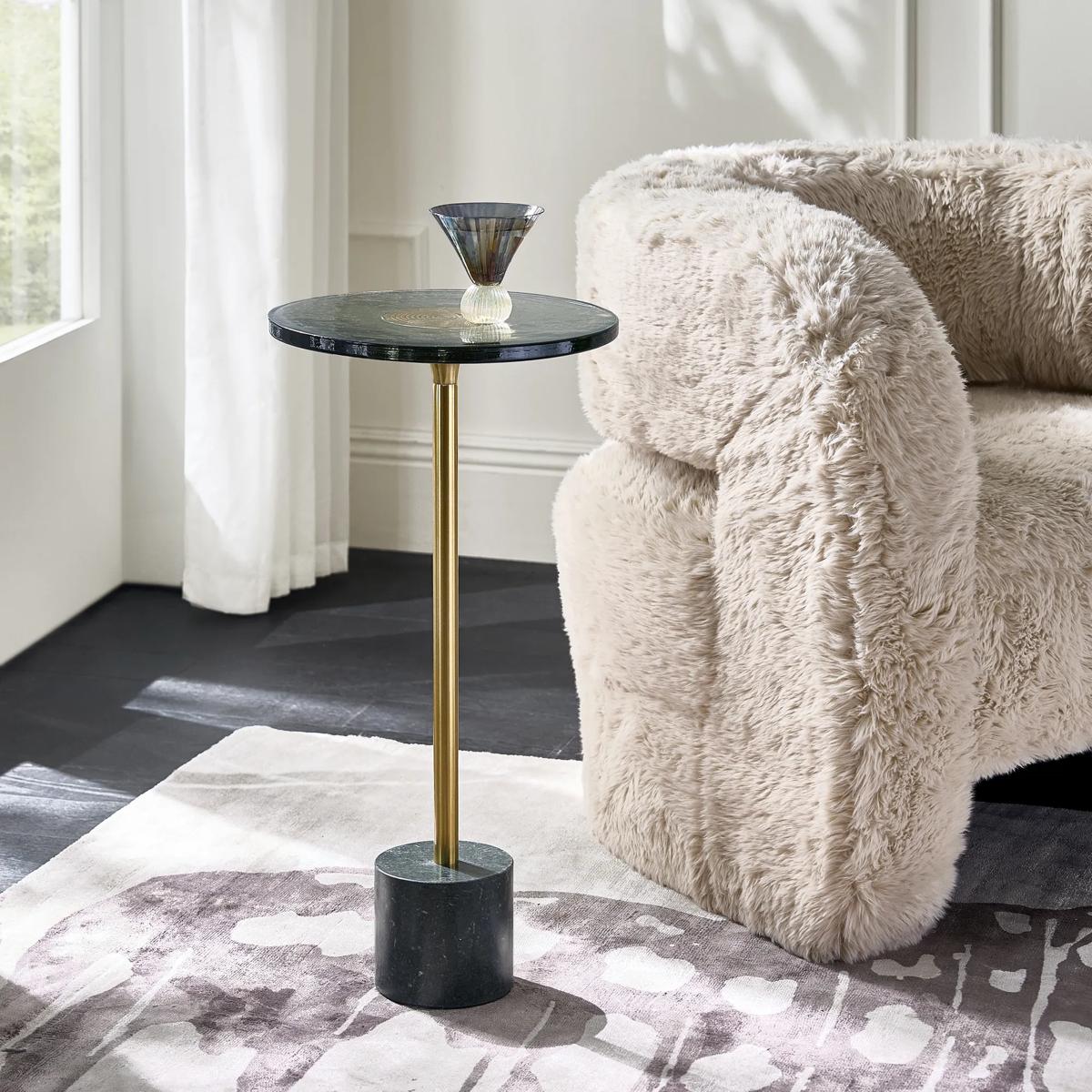 Seraphy Round Green Metal Side Table With Glass Top (13.75")$179
A modern side table featuring a green cast glass top, brass-finished post, and Indian green marble base.
Add To Cart -

 Flare Round White Marble End Table (21.5")$799
A sophisticated end table featuring a natural white marble top and polished stainless steel base.
Add To Cart -
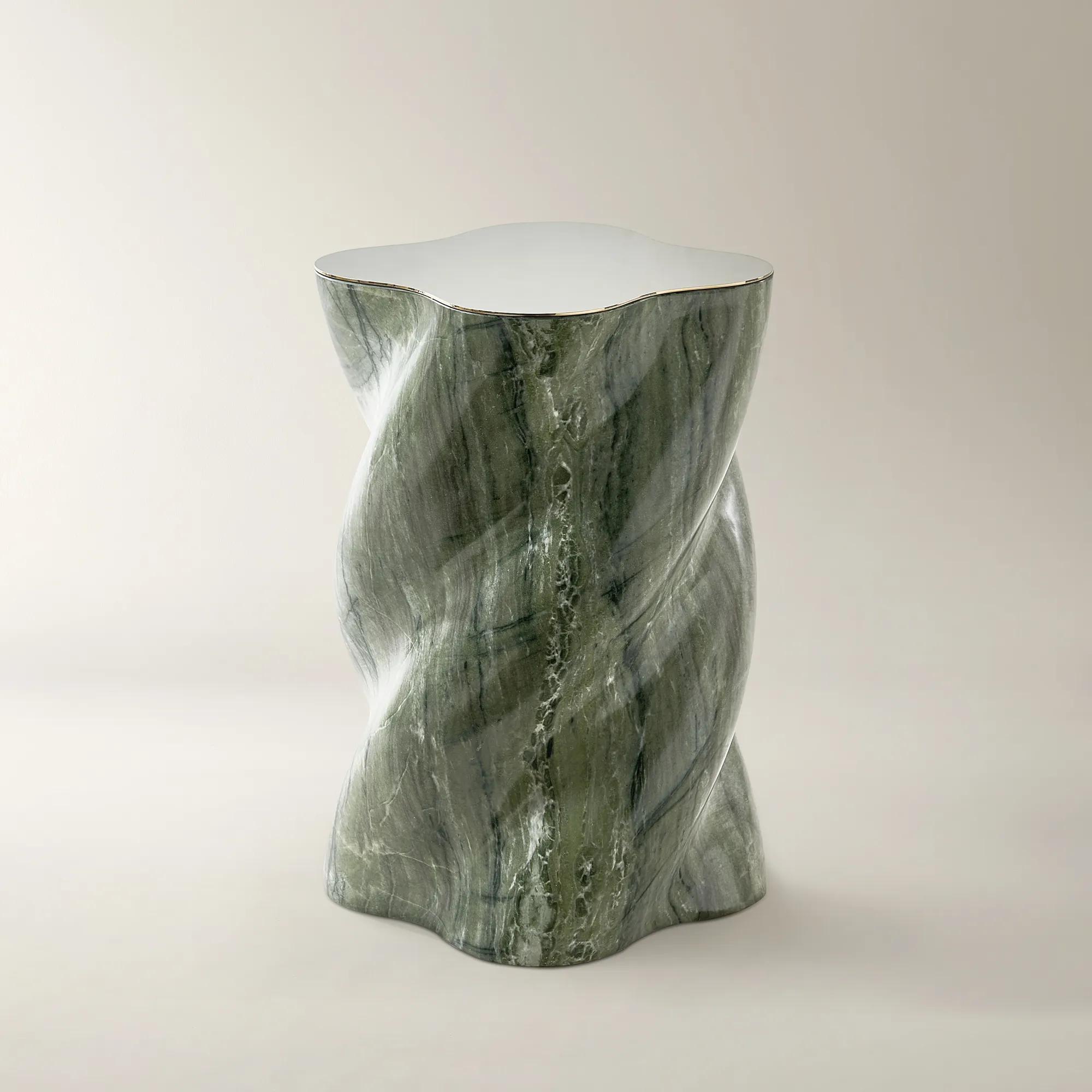 Vega Malachite Green Concrete Indoor/Outdoor Side Table With Stainless Steel Top (13.8")$459
A green concrete side table with a sculptural pedestal, marble-inspired finish, and removable stainless-steel top.
Add To Cart -
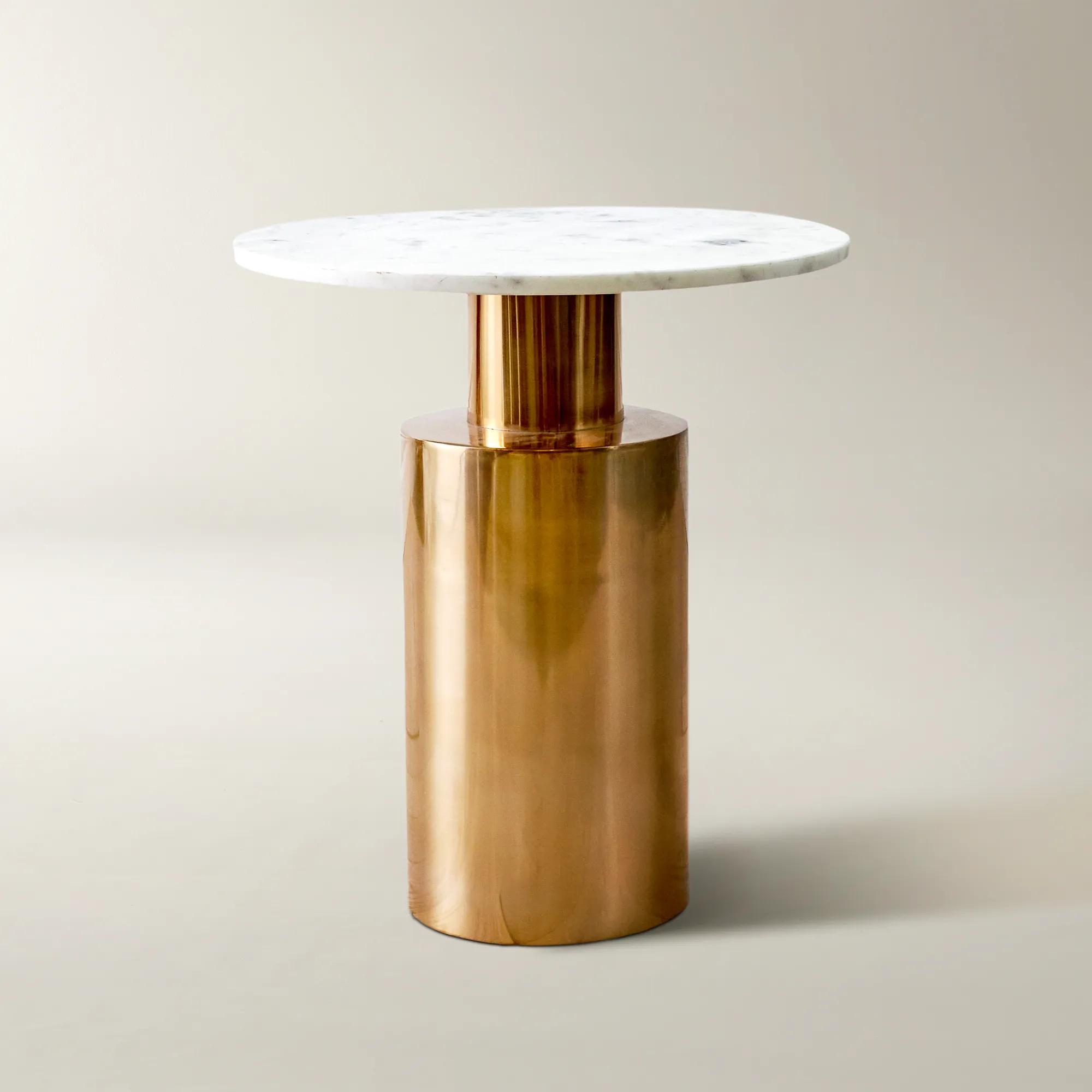 Capri Round White Marble Accent Table (16")$299
A striking accent table featuring a white marble top and gold-finished stainless steel base.
Add To Cart -
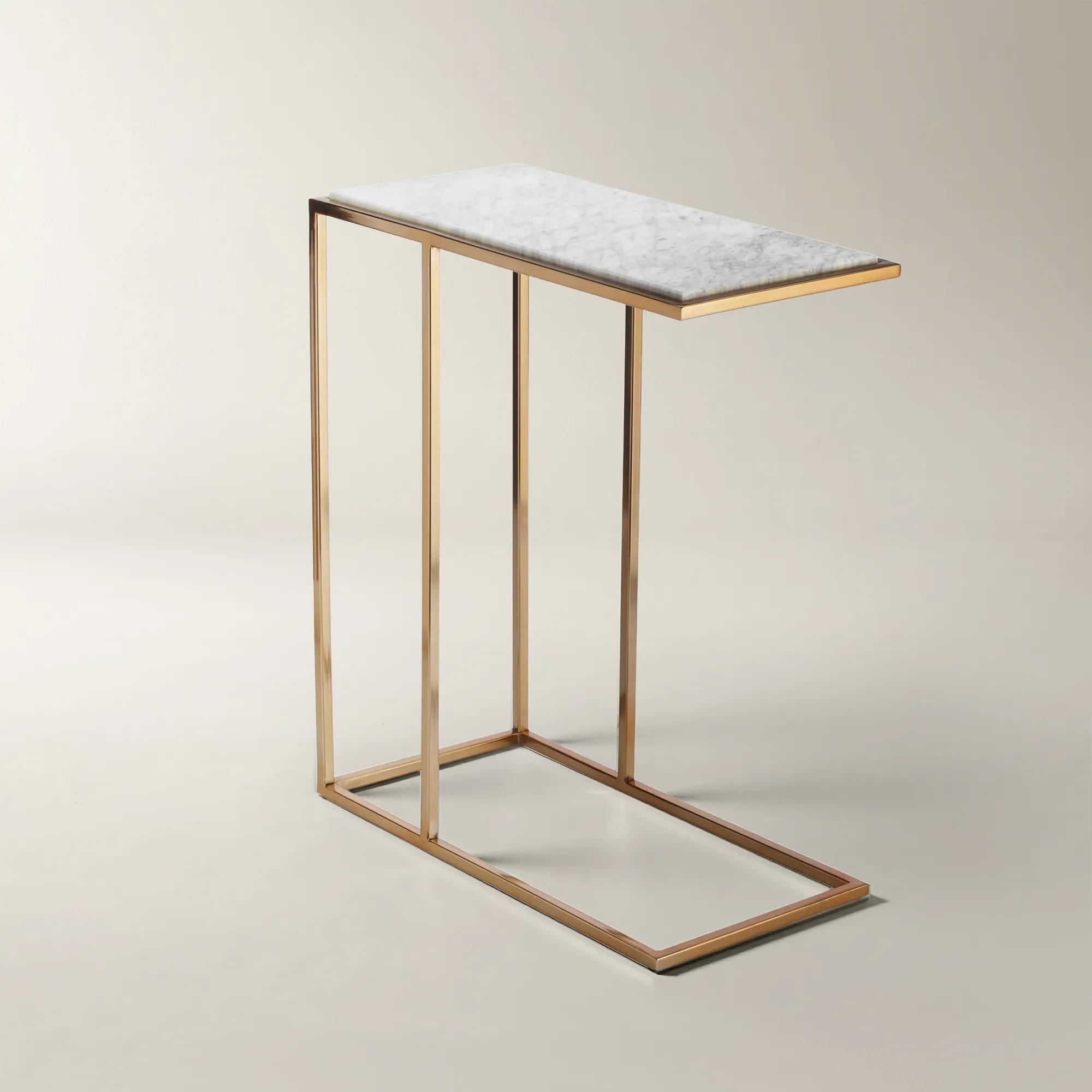
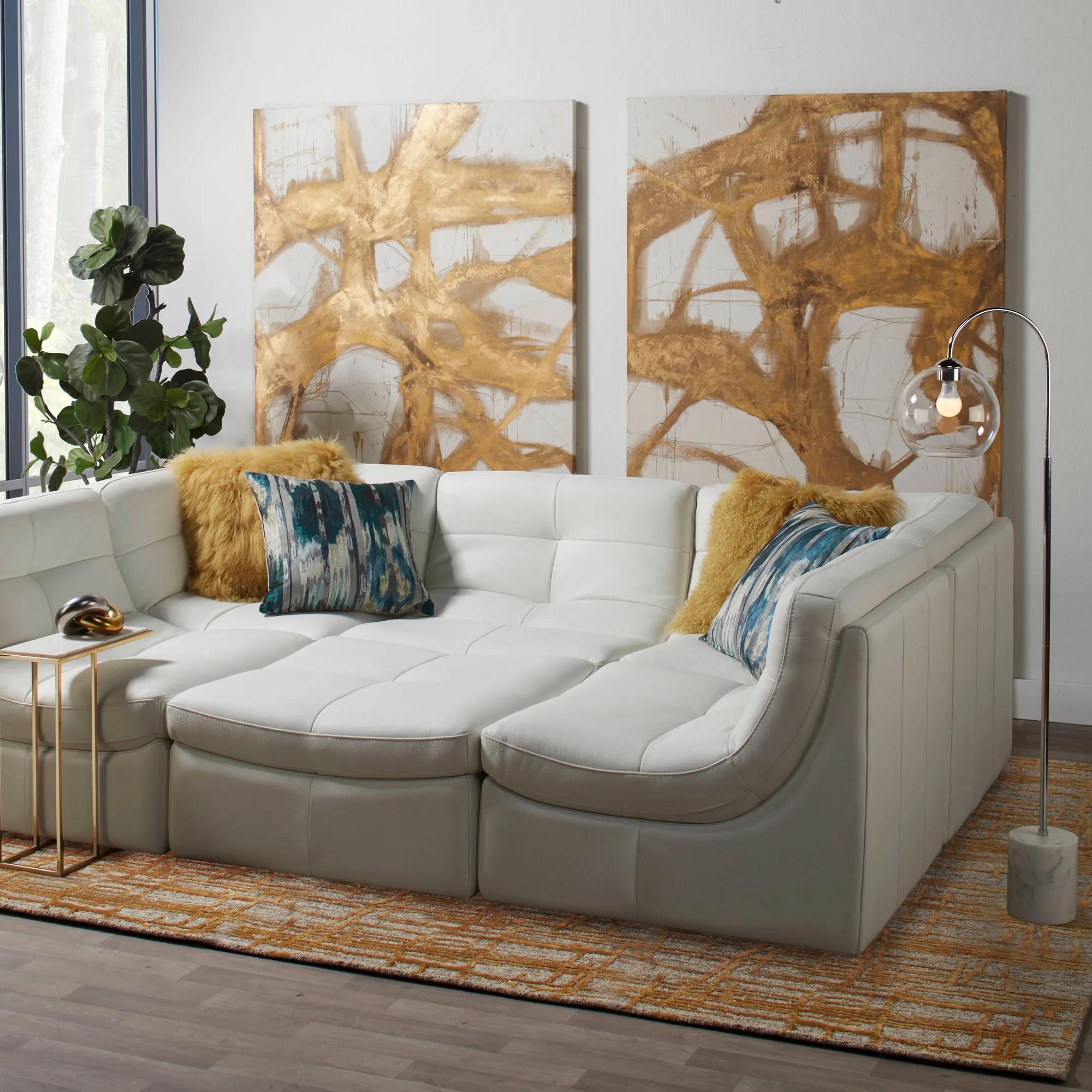 Lawton Rectangular Gold Stainless steel Accent Table With Marble Top (19.75")$259
A space-saving table featuring a white marble top and gold-finished stainless steel base.
Add To Cart

Marble Effect Side Tables
Marble effect side tables bring the visual drama of stone-inspired pattern to the space beside a sofa or accent chair. Explore marble-look designs with an eye to tabletop height, floor space, and room for a lamp or decorative accent, choosing proportions that complement your seating without crowding the room.
Marble effect side tables bring the expressive veining and polished presence of marble into a compact accent piece, creating a place for everyday essentials that feels as considered as the rest of the room. Also called faux-marble side tables, these designs recreate the appearance of stone rather than necessarily using a slab of natural marble. The term describes a look, not a single material: a marble-inspired surface may be achieved through printed finishes, laminates, coated composites, porcelain, ceramic, or other constructions. That distinction matters because weight, texture, durability, and care depend on the actual tabletop and base, not simply on the pattern. Pale backgrounds traced with gray veining can lend a space an airy, gallery-like quality, while charcoal tones crossed by pale mineral markings introduce a more theatrical contrast. Fine, restrained lines offer a quieter expression; broad, sweeping veins turn even a small tabletop into a striking composition. Paired with a gleaming metal frame, a marble-look top creates a tailored accent beside velvet upholstery. Set on a sculptural pedestal or substantial geometric base, the same visual language becomes more architectural. These tables suit living rooms, bedrooms, reading corners, and intimate seating areas where a full-size surface would overwhelm the arrangement. Their appeal lies in the balance between useful scale and visual richness: a lamp, a drink, and a treasured object can have a dedicated place without requiring a large piece of furniture. A single table can sharpen the silhouette of an accent chair, while a coordinated pair can give a sofa arrangement a composed, symmetrical finish. For interiors that mix polished surfaces with tactile fabrics, marble-inspired pattern provides another layer of depth without introducing a new upholstery color or an elaborate decorative motif. It is an especially compelling choice for someone who wants an accent with presence, but prefers the material and construction options offered by a marble-look finish.
Color, proportion, and base design determine how a marble effect side table settles into a room. In a light-filled seating area, white marble look side tables can echo pale upholstery while their veining adds definition; against a deep-toned sofa, they create a crisp focal point. Darker marble effects offer a different kind of drama, connecting beautifully with smoky glass, dark wood, or richly colored textiles. The base adds another layer to that palette. A gold-tone finish can bring warmth to a cool stone-inspired pattern, polished silver-tone metal reinforces its luminous character, and a black frame gives the composition a graphic outline. Round tops soften arrangements dominated by rectangular sofas and angular cabinetry, while square tops can align neatly with the end of a sectional or the lines of a bed. Oval and nesting designs offer other ways to balance surface area with a compact footprint, although the space required depends on the complete dimensions rather than the tabletop alone. Beside a sofa or lounge chair, a top near the height of the arm generally makes a drink or book easier to reach. In a bedroom, the relationship to the mattress matters more, especially when the table serves as a bedside surface. A slender pedestal may leave more visible floor around the piece, but its base still needs room beyond nearby furniture legs. An open frame can feel visually delicate, while a solid drum shape delivers a stronger sculptural statement. Styling works best when the tabletop retains some breathing room. A shaded lamp and a shallow dish can be enough; a broad vase may look magnificent but leave little space for daily use. Where the veining is particularly expressive, simple accessories allow the pattern to remain visible. The result feels deliberate rather than crowded, with the table contributing to the room even when it holds very little.
The beauty of a marble-look finish is best considered alongside the demands of the home it will inhabit. A table used mainly to display a sculpture has different requirements from one that holds coffee every morning or supports a bedside lamp each evening. Some laminated or coated surfaces offer straightforward everyday maintenance, but exposed seams, damaged edges, and prolonged moisture can be vulnerable points. Ceramic and porcelain surfaces may provide strong resistance to wear depending on their construction, yet edges can still chip under impact. Resin-based and other composite tops vary in their response to heat, staining, and cleaning products. No marble effect should be assumed to be scratchproof, heatproof, or suitable outdoors solely because it resembles stone. Product-specific care instructions remain the most reliable reference, particularly when a tabletop combines several materials or has a high-gloss protective finish. For many finishes, a soft cloth and prompt attention to spills help preserve the surface; abrasive pads and harsh cleaners can dull or damage coatings. Coasters provide a discreet barrier beneath drinks, and a protective pad beneath a decorative vessel can help prevent marks when accessories are moved. The base deserves equal attention: metal finishes may need different care from wood, and felt protection can help reduce scuffing where furniture meets the floor. Stability is especially important in busy living spaces, so the balance of the top and base, stated weight capacity, and secure assembly matter as much as appearance. A compact table can be a thoughtful housewarming or wedding gift when the recipient’s room dimensions and taste are known, offering a distinctive accent without the commitment of a large furniture piece. For personal spaces, shared living rooms, and carefully composed guest bedrooms alike, the strongest choice pairs a captivating surface with proportions and maintenance needs that suit daily life. Marble-inspired beauty then becomes more than decoration: it gives an ordinary pause—a book set down, a lamp switched on, a glass within reach—a beautifully defined setting.
FAQs
A marble effect side table captures the visual drama of marble through stone-inspired patterns, tonal variation, and expressive veining. The term describes the appearance rather than confirming solid marble construction, bringing a richly layered look to a seating arrangement.
Marble effect side tables complement modern glamour, Art Deco-inspired interiors, and contemporary spaces with an artistic edge. Pair their fluid patterns with sumptuous upholstery for a dramatic mood, or place them alongside clean-lined furniture to let the marble-inspired detail take the spotlight.
Create a considered vignette with a sculptural object, a favorite design book, or a vase of expressive stems. Leave some of the tabletop visible so its marble-inspired pattern remains part of the composition. A few distinctive accents create an editorial moment without competing for attention.
Metallic accents offer a striking counterpoint to marble-inspired patterns. Gold-toned accessories introduce warmth and opulence, while silver-toned details lend a cooler, luminous note. Repeat your chosen metallic tone elsewhere in the room to create a deliberate visual connection.
Connect patterns through a shared color rather than trying to match every detail. Pair flowing marble-inspired veining with structured geometric textiles or richly textured solids for a layered composition. Let one pattern lead while the others provide contrast, giving the room drama with a sense of intention.