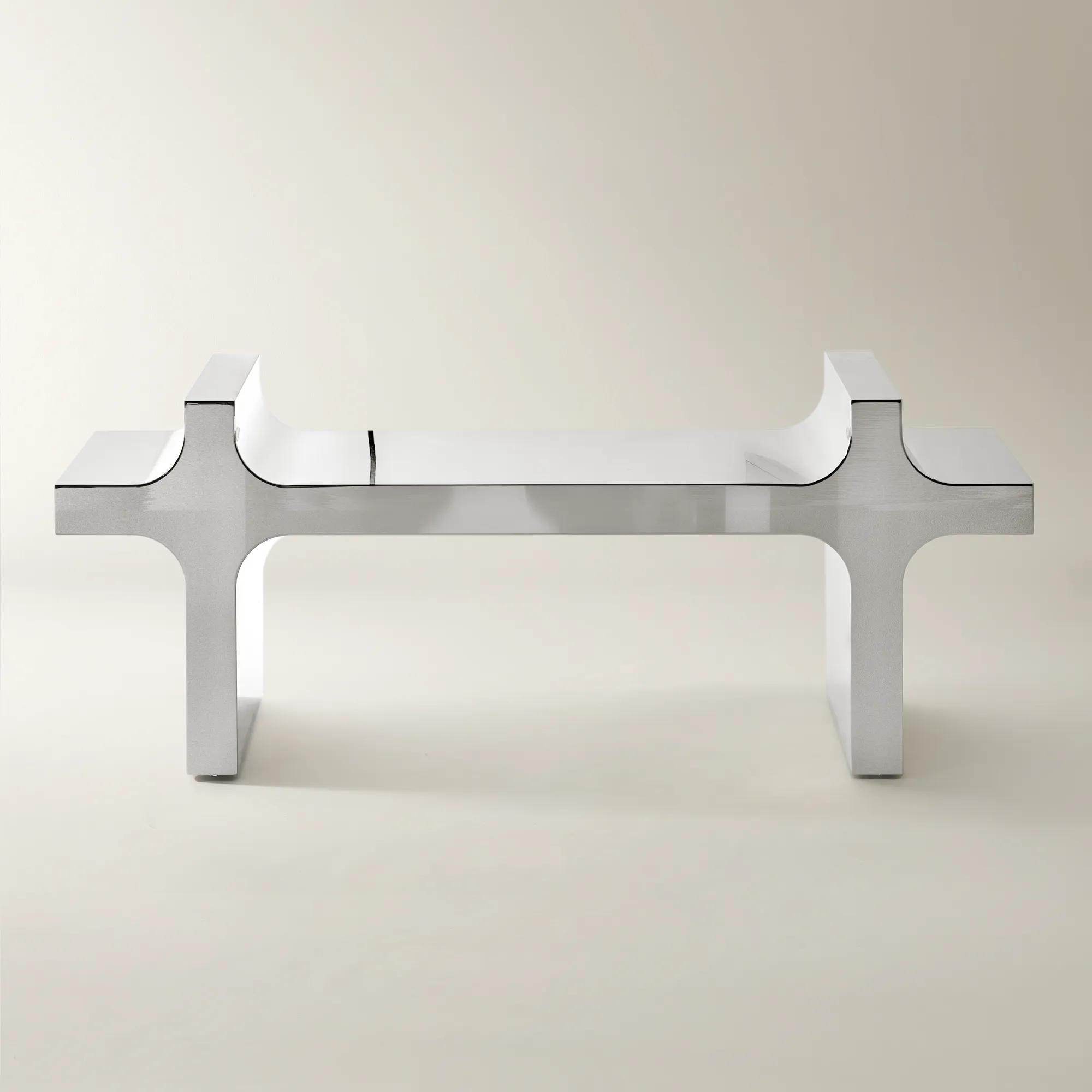
Luxury Stools For Entryway
Luxury Stools For Entryway
-
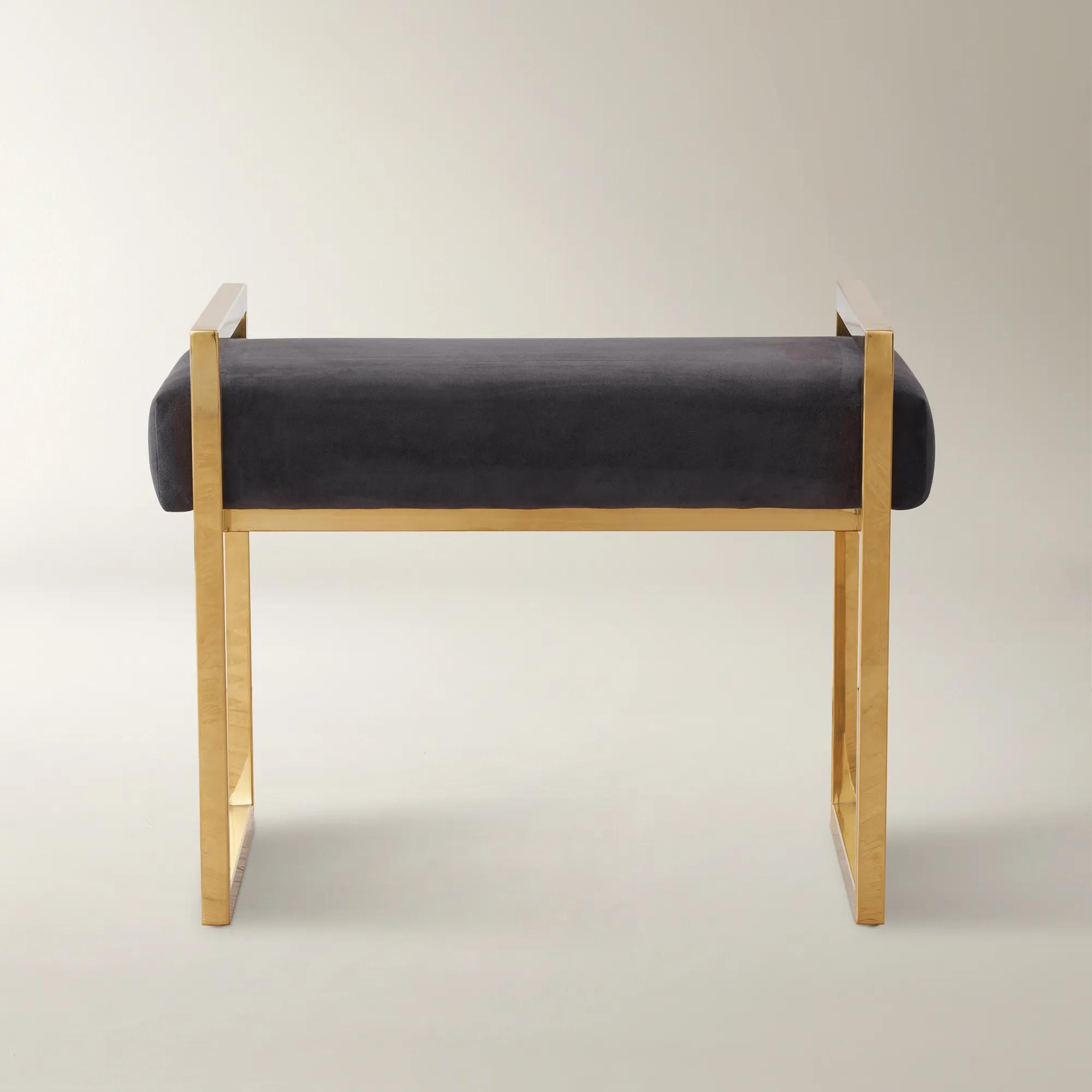
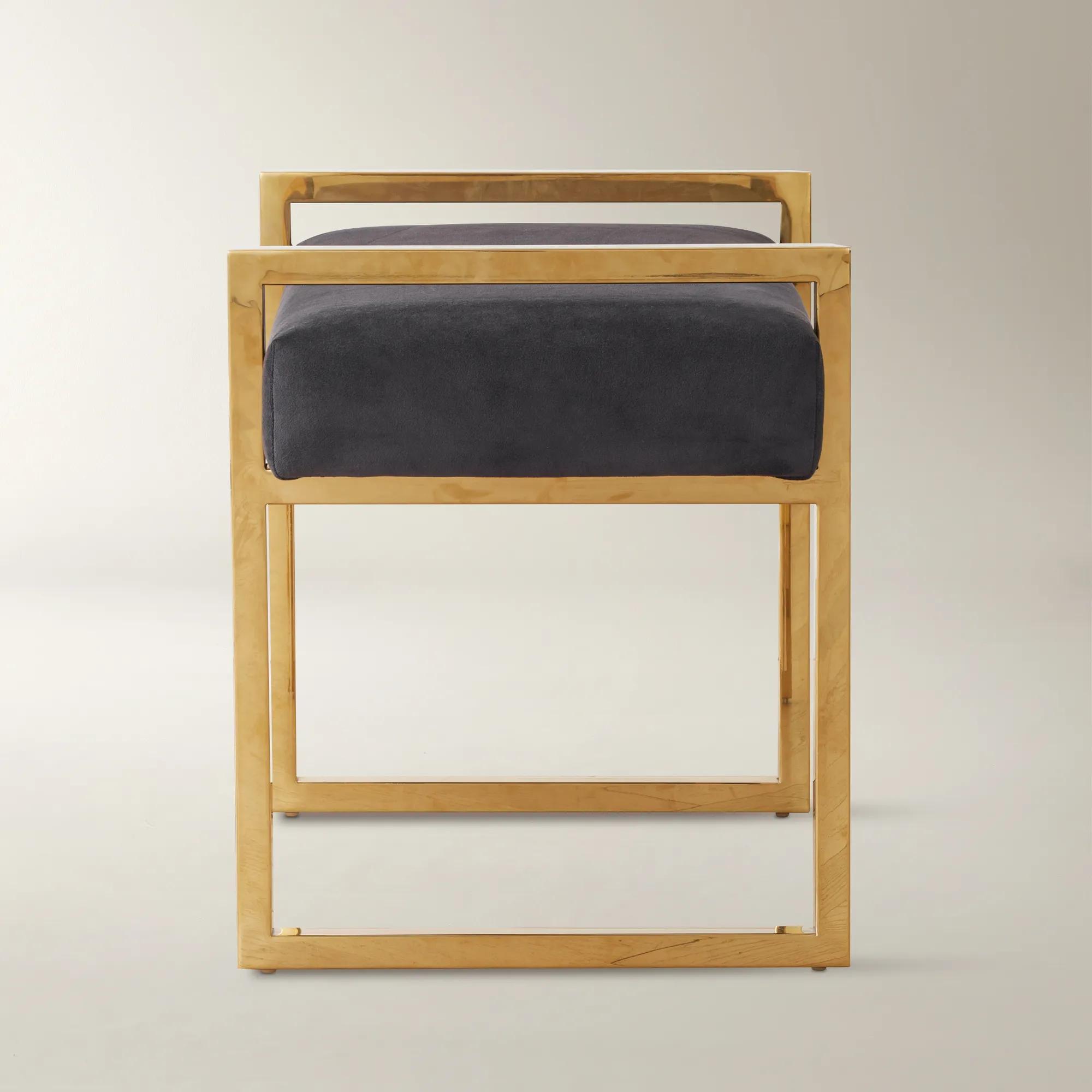 Clara Accent Stool$399
A plush black velvet seat rests on polished gold metal legs for a chic, modern accent piece.
Add To Cart -
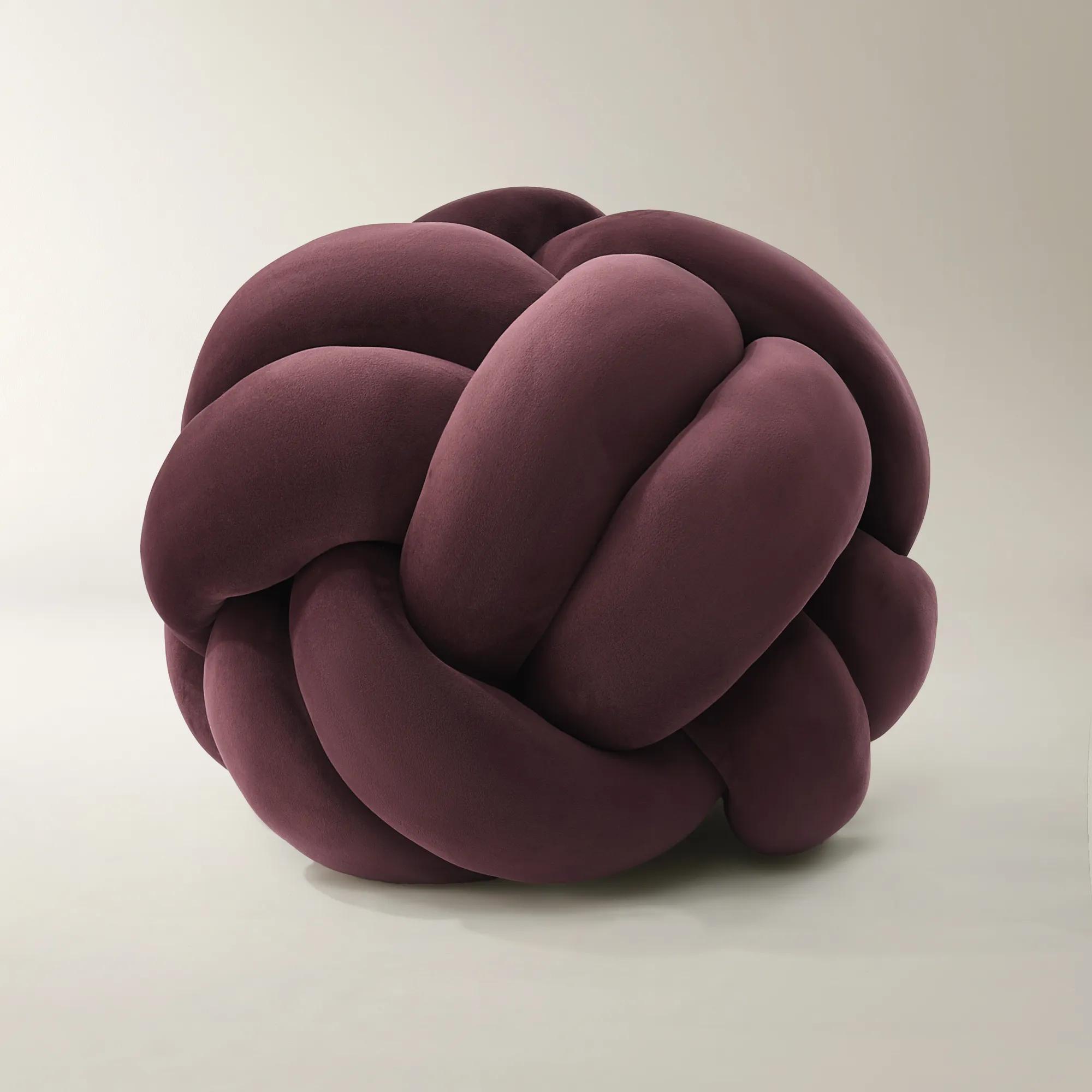
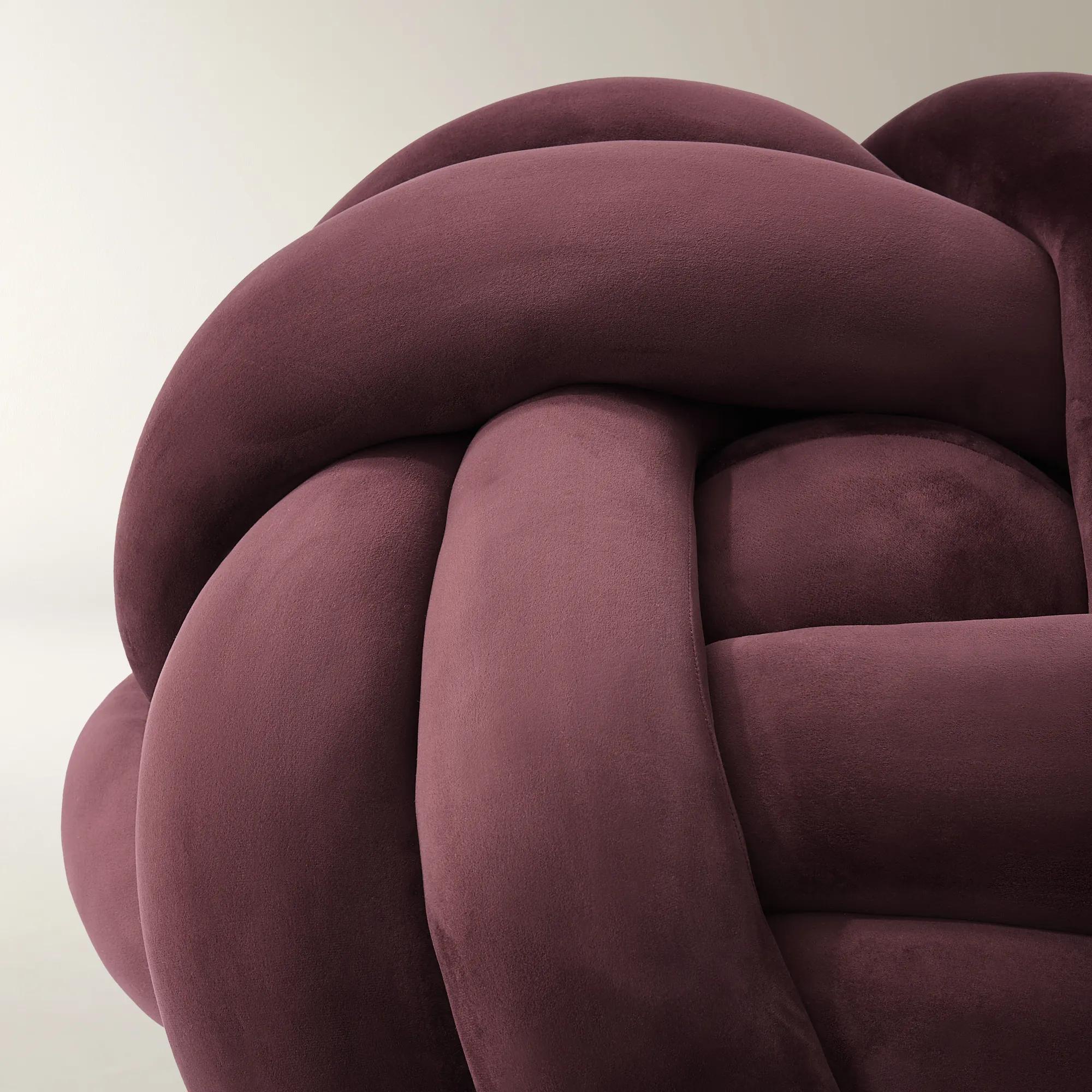 Loopie Fig Velvet Stool (34.5")$349
An oversized, knot-inspired stool hand-upholstered in plush fig velvet for bold sculptural appeal.
Add To Cart -
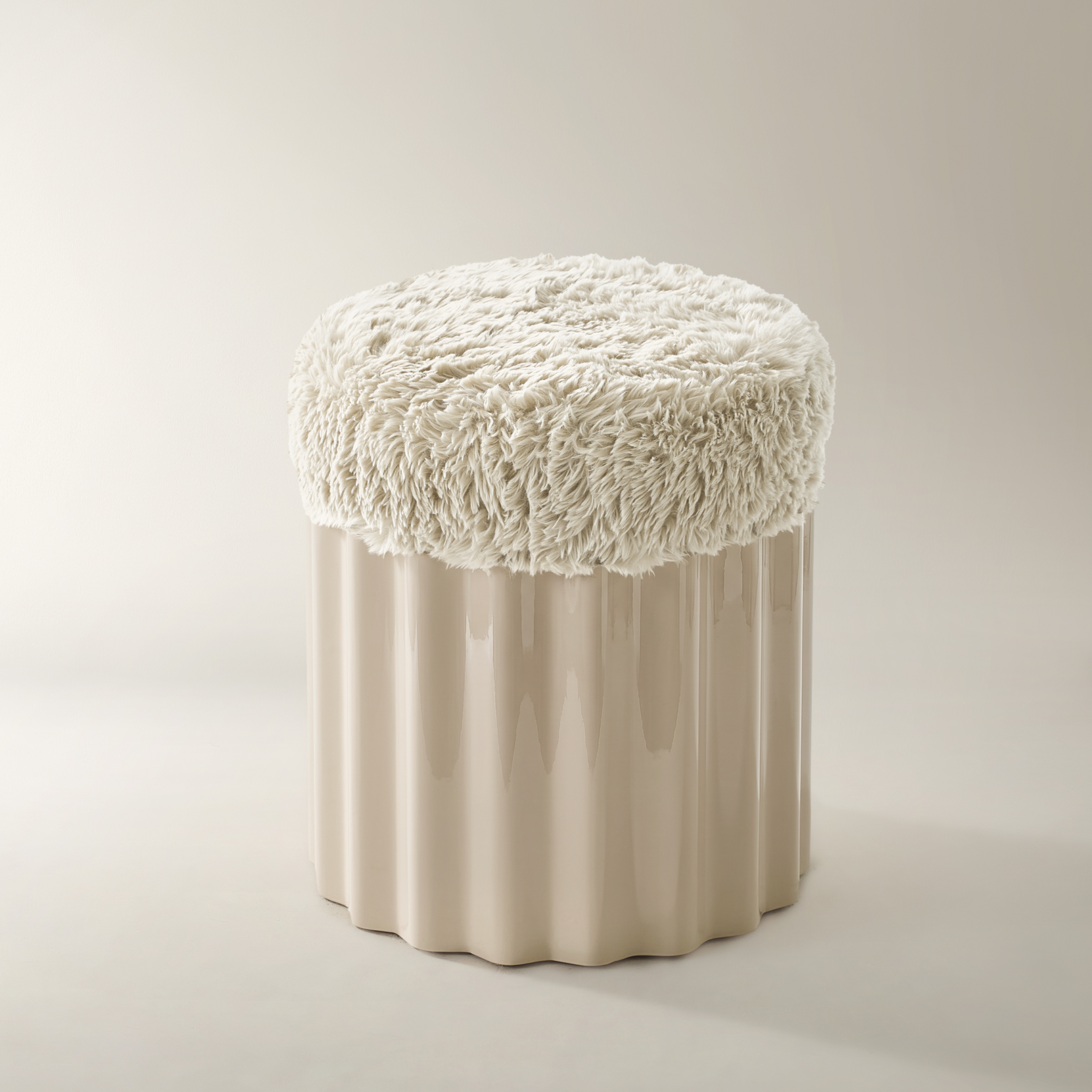
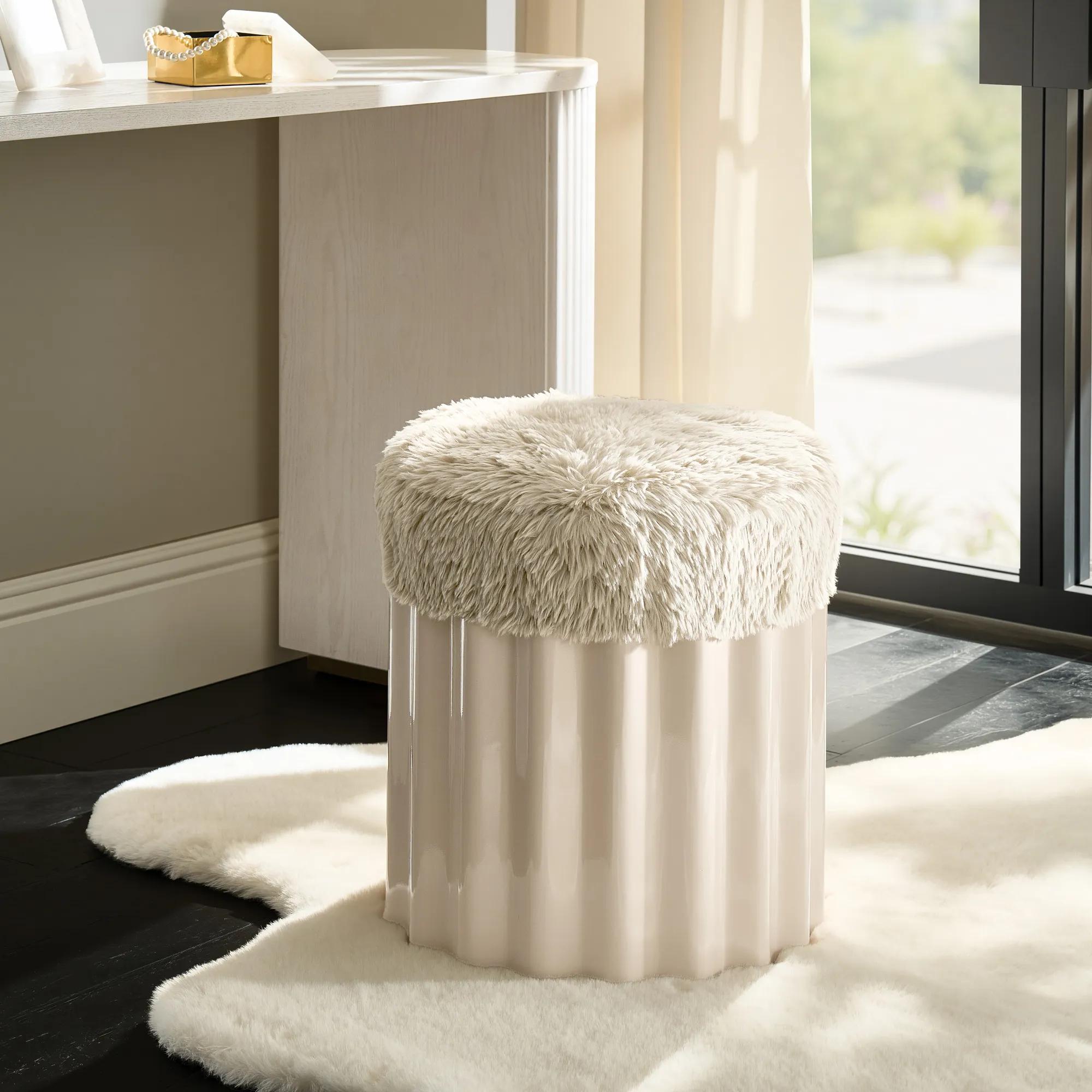 Nia Lacquered Turtle Dove Faux Fur Storage Stool$399
A sculptural fluted stool in warm turtle dove with plush faux fur seat and hidden storage compartment.
Add To Cart -
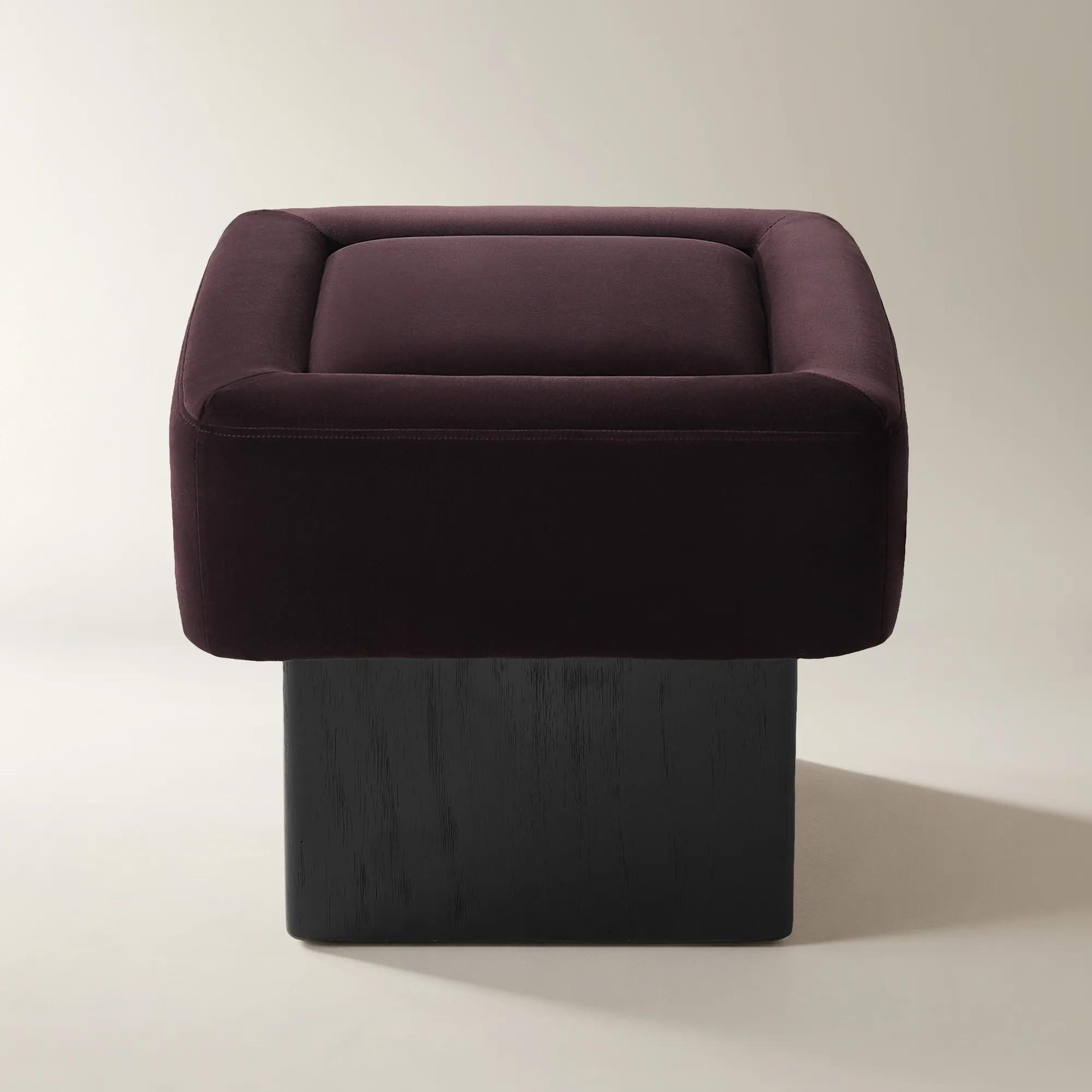 Reims Fig Velvet Stool$349
A plush fig-colored velvet stool featuring a sculpted cushion and a solid rubberwood base for modern contrast.
Add To Cart -
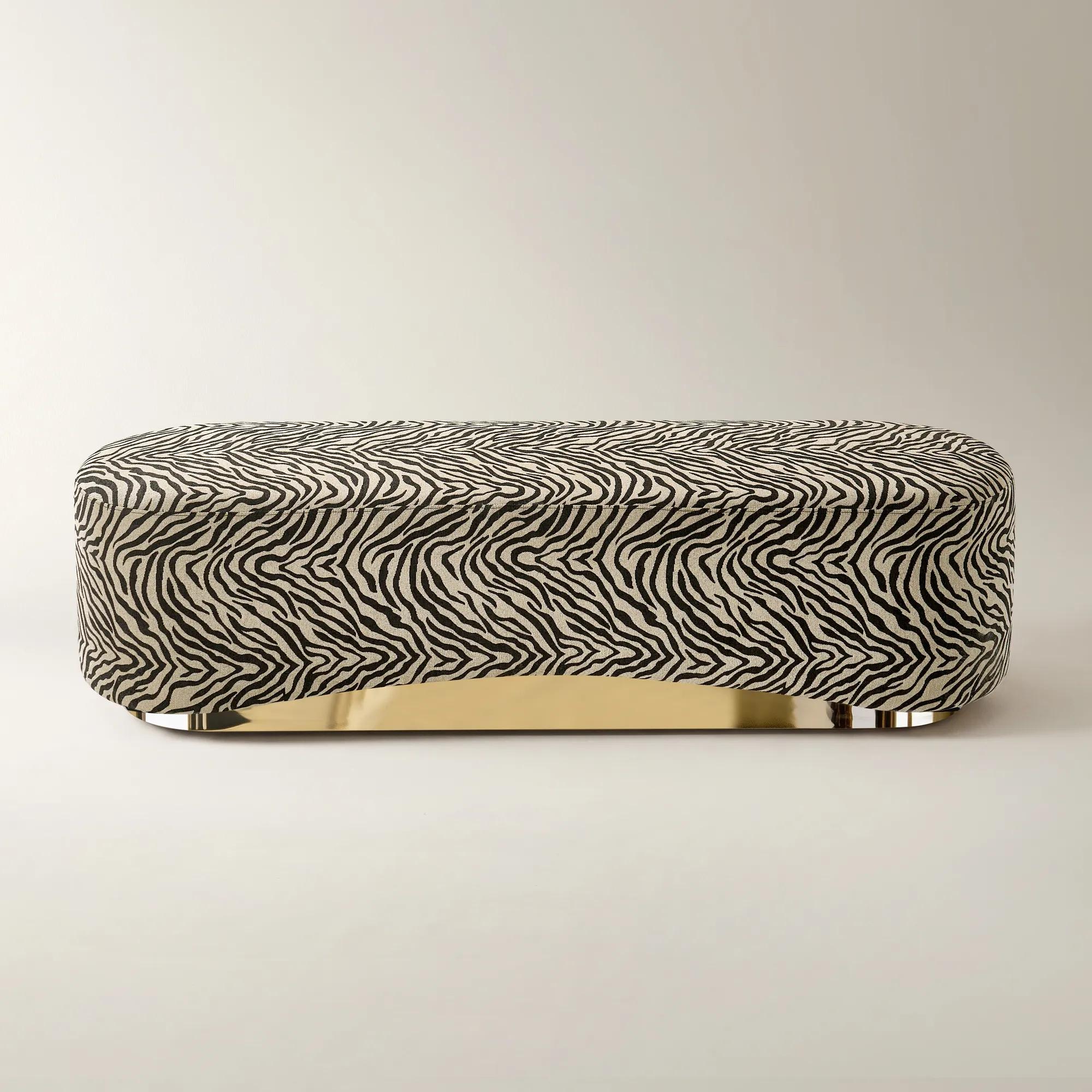
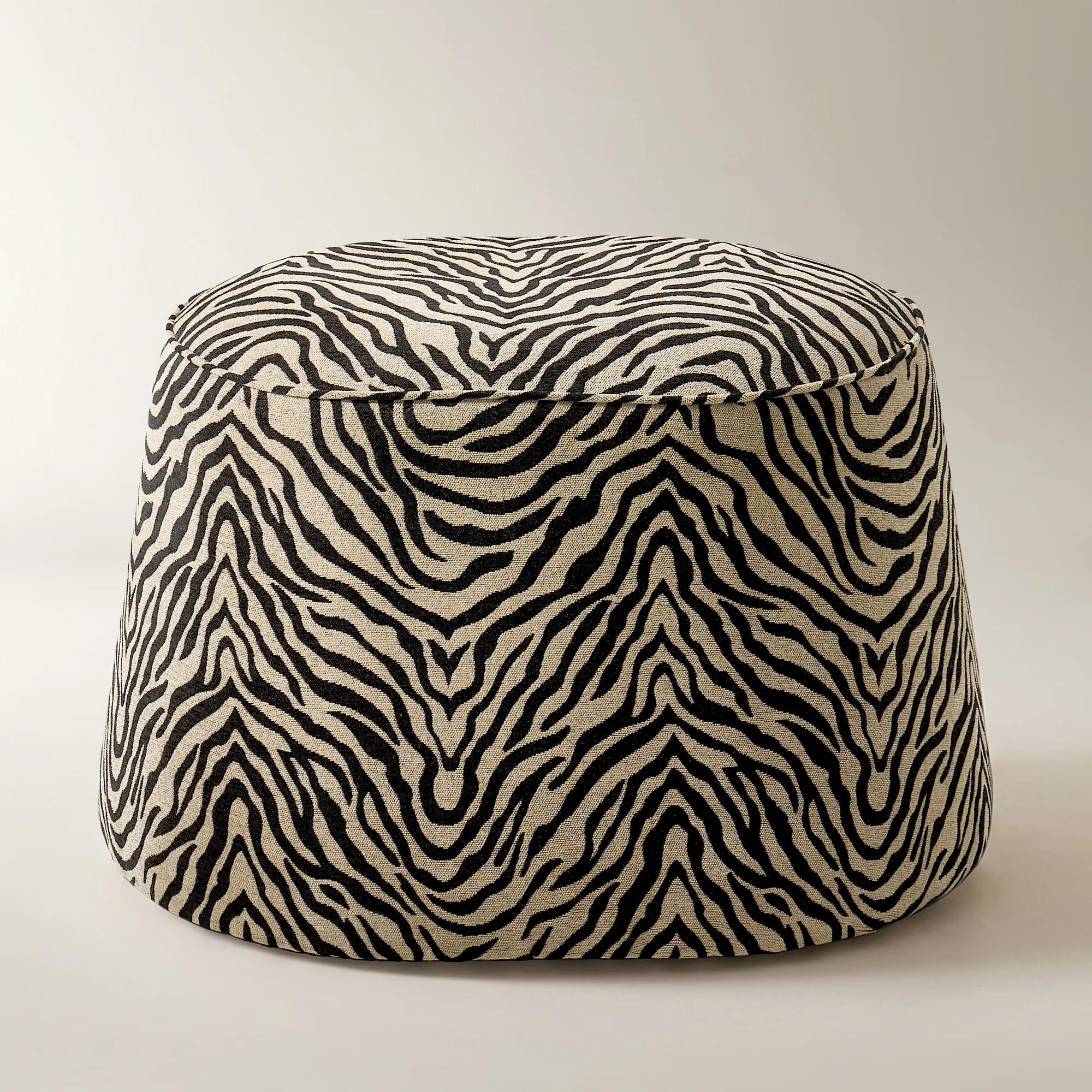
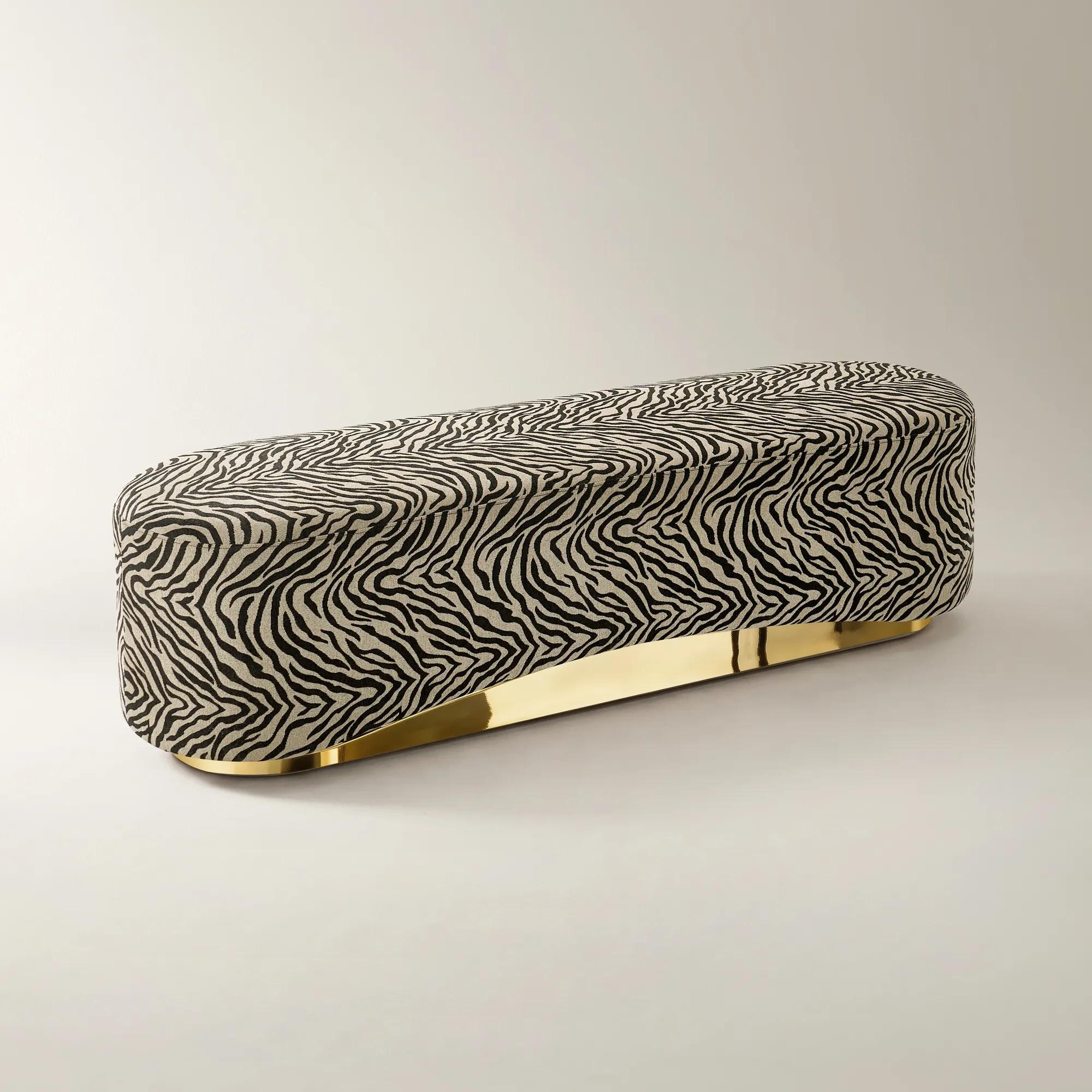 Kendra Zebra Performance Chenille Bench (70.47")$799
An elongated oval bench upholstered in textured zebra-pattern chenille with a polished gold stainless steel base.
Add To Cart -
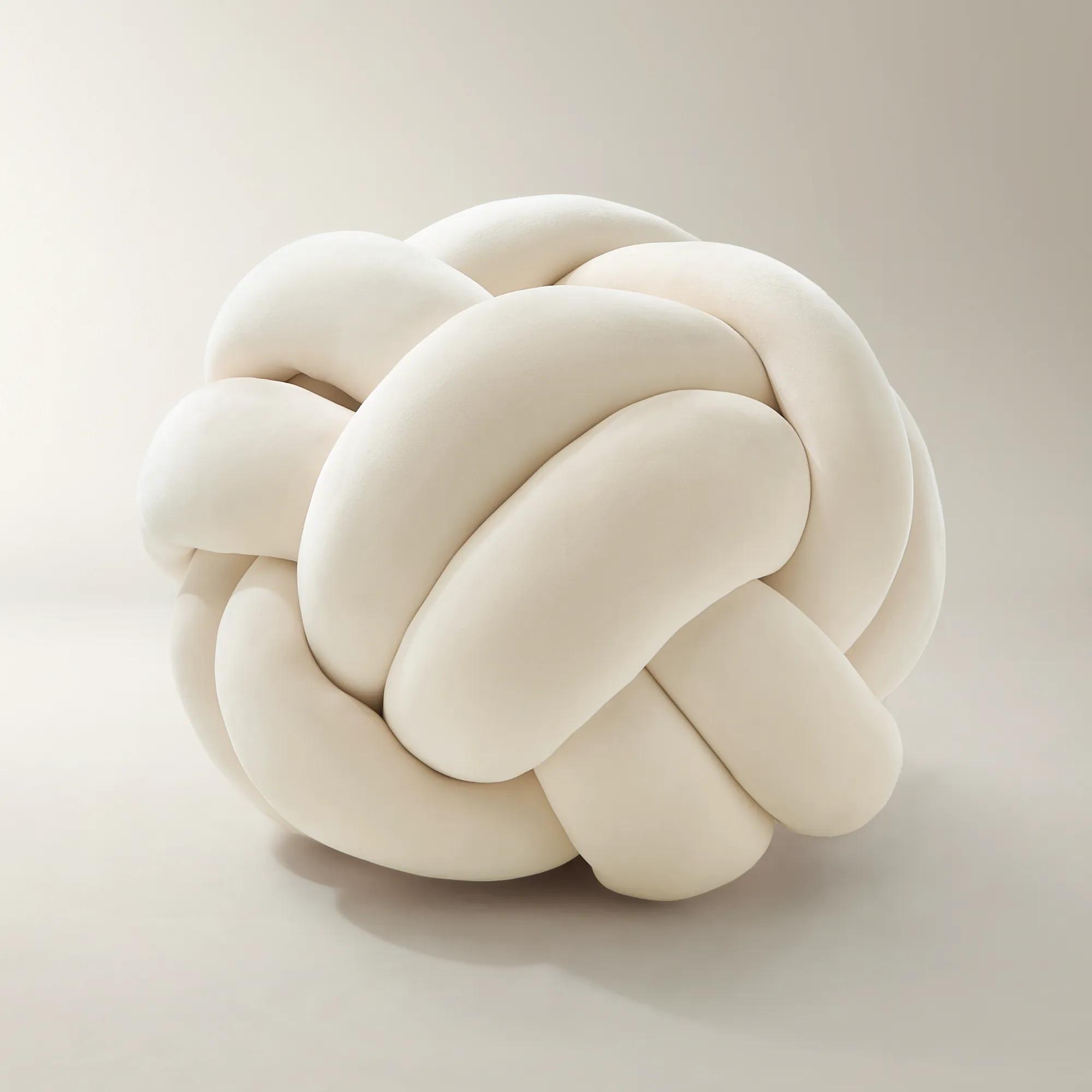 Loopie Oatmeal Velvet Stool (34.5")$349
An oversized oatmeal velvet stool featuring a sculptural knotted silhouette and plush, hand-upholstered finish.
Add To Cart -
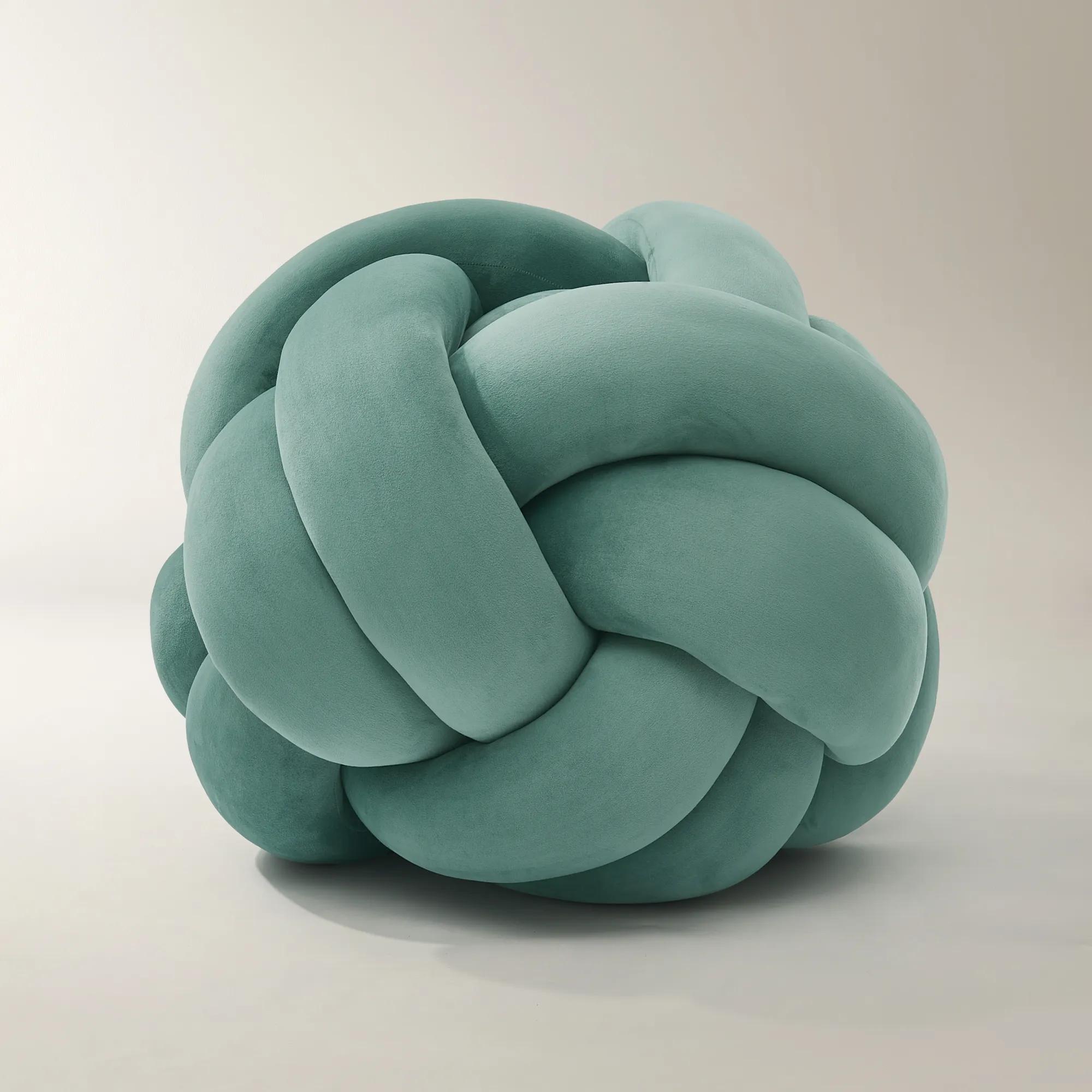 Loopie Ocean Teal Velvet Stool (34.5")$349
A bold sculptural stool featuring plush ocean teal velvet upholstery and an oversized knotted silhouette.
Add To Cart -
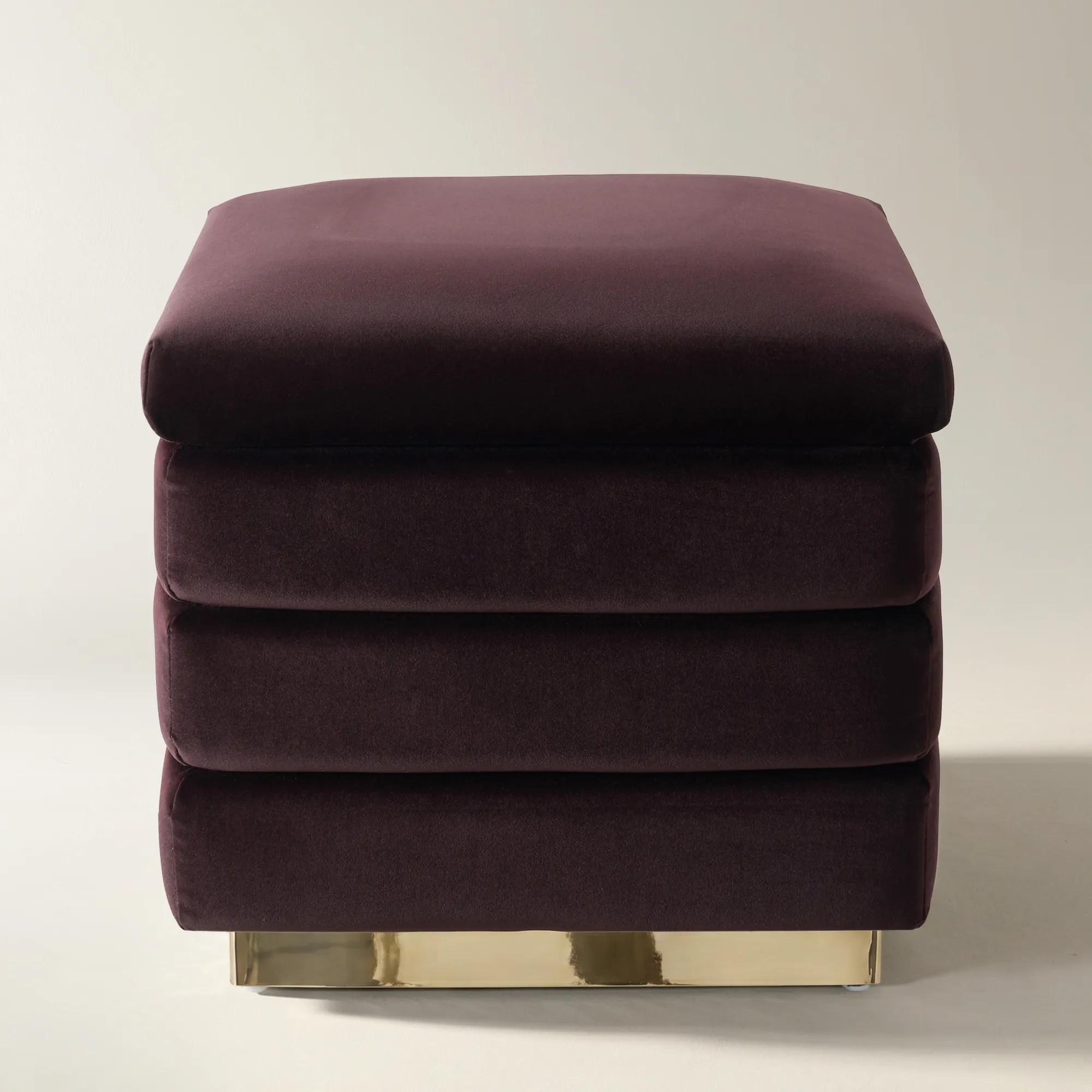
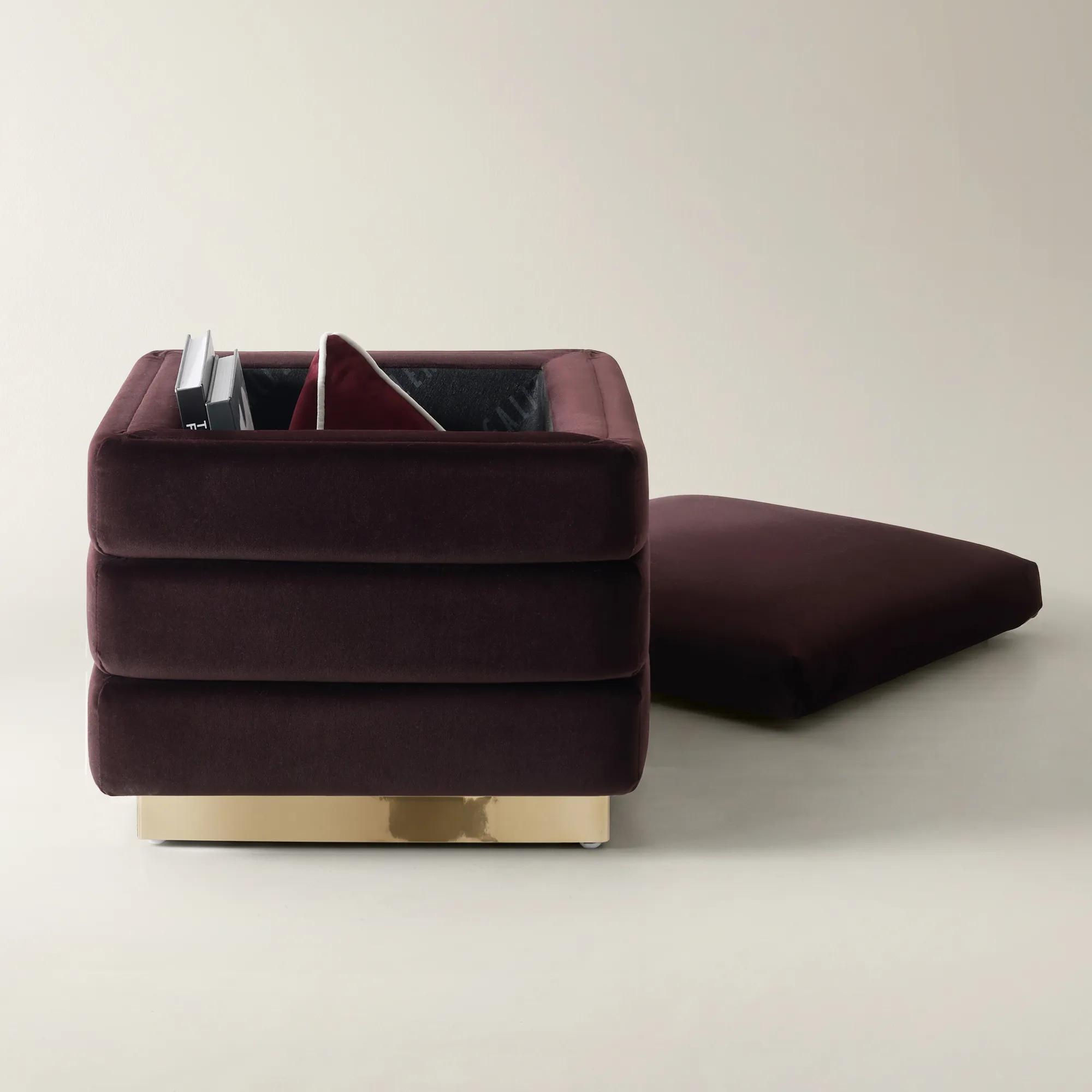 Gable Fig Chenille Storage Stool$399
A plush fig chenille stool with hidden storage, velvet upholstery, and a polished gold stainless steel base.
Add To Cart -
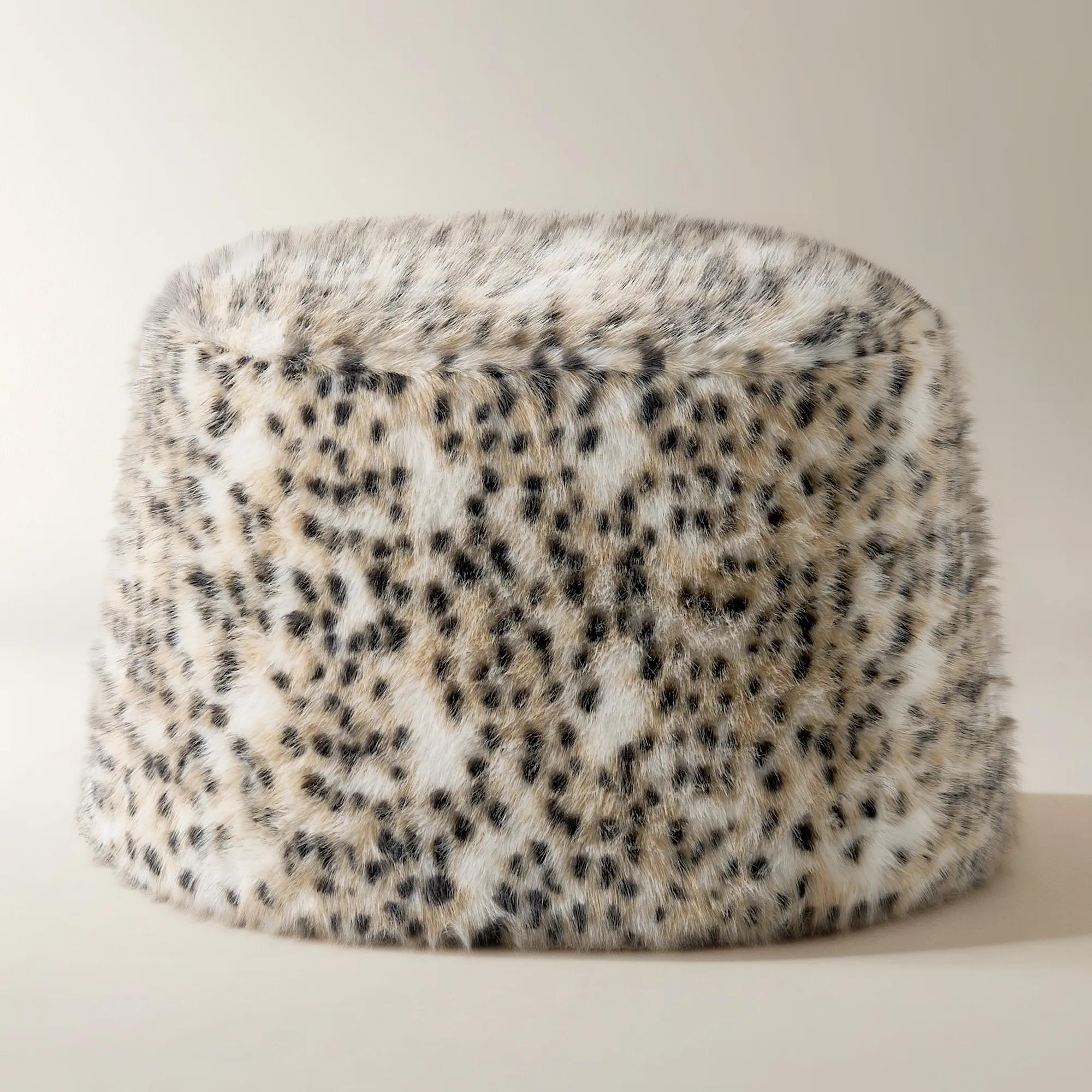
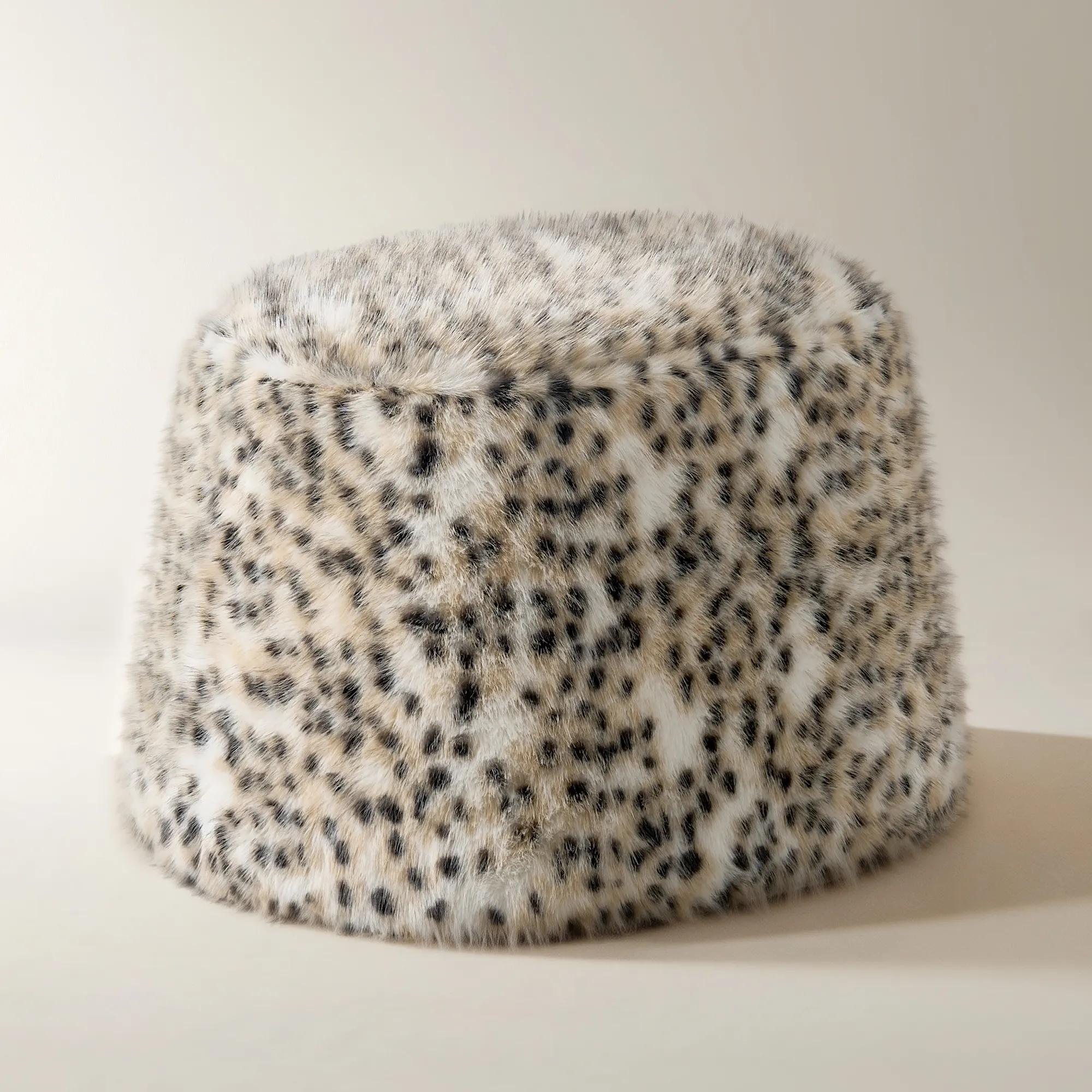 Avery Spotted Faux Fur Stool$399
A sculpted drum stool wrapped in plush spotted faux fur for bold, modern accent seating.
Add To Cart -
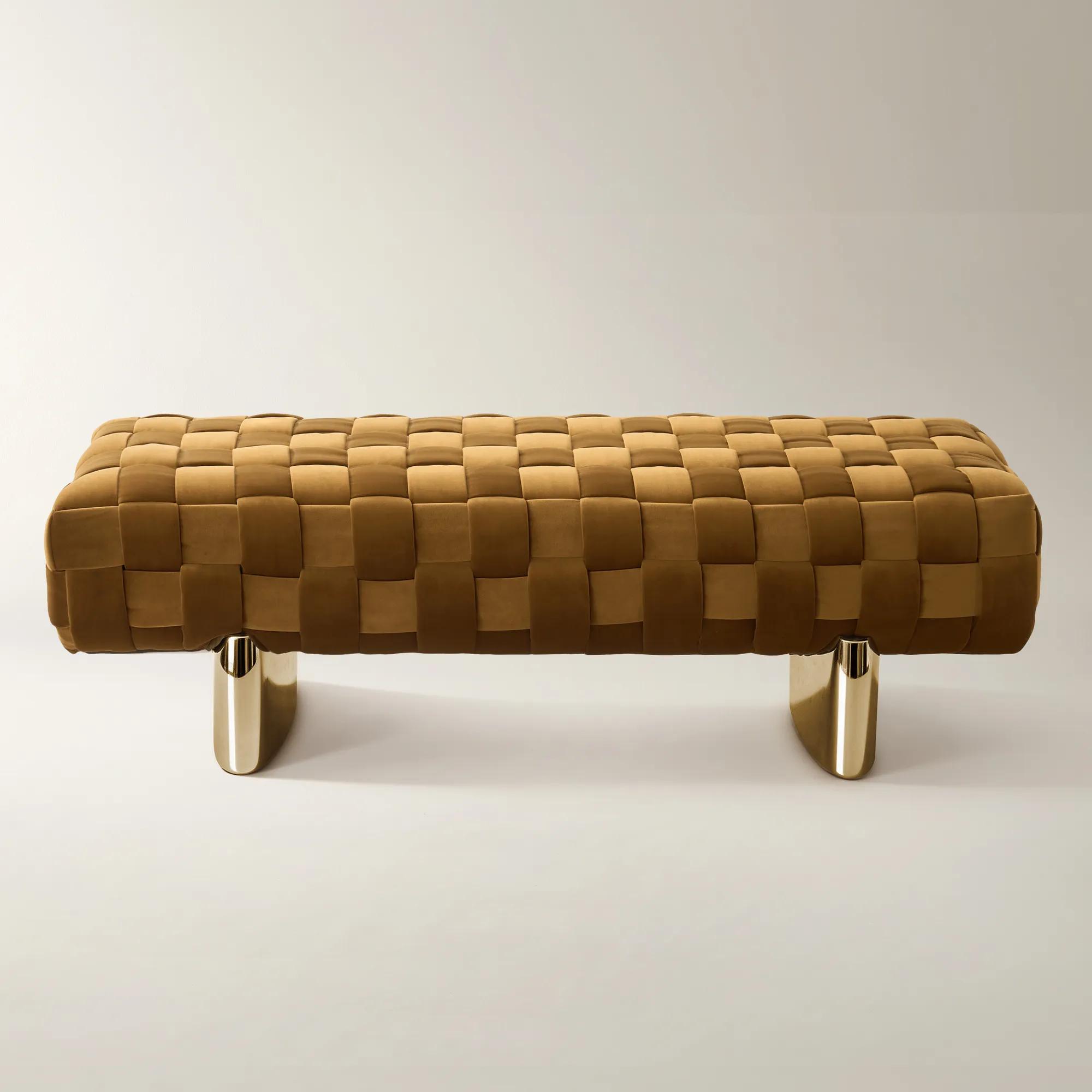
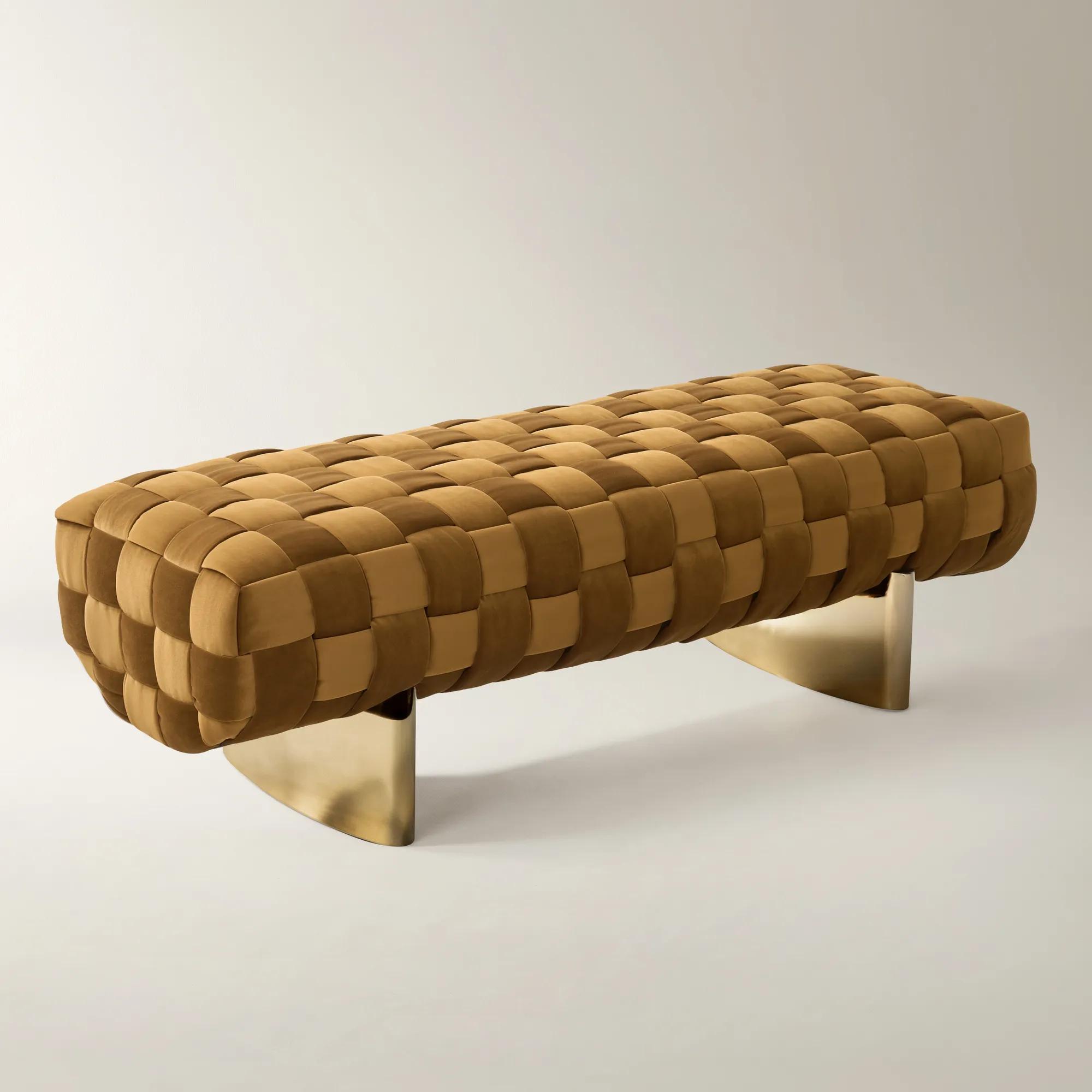 Dexter Woven Roasted Pecan Velvet Bench (64.2")$999
A woven roasted pecan velvet bench featuring plush upholstery and polished gold stainless steel legs for modern elegance.
Add To Cart -
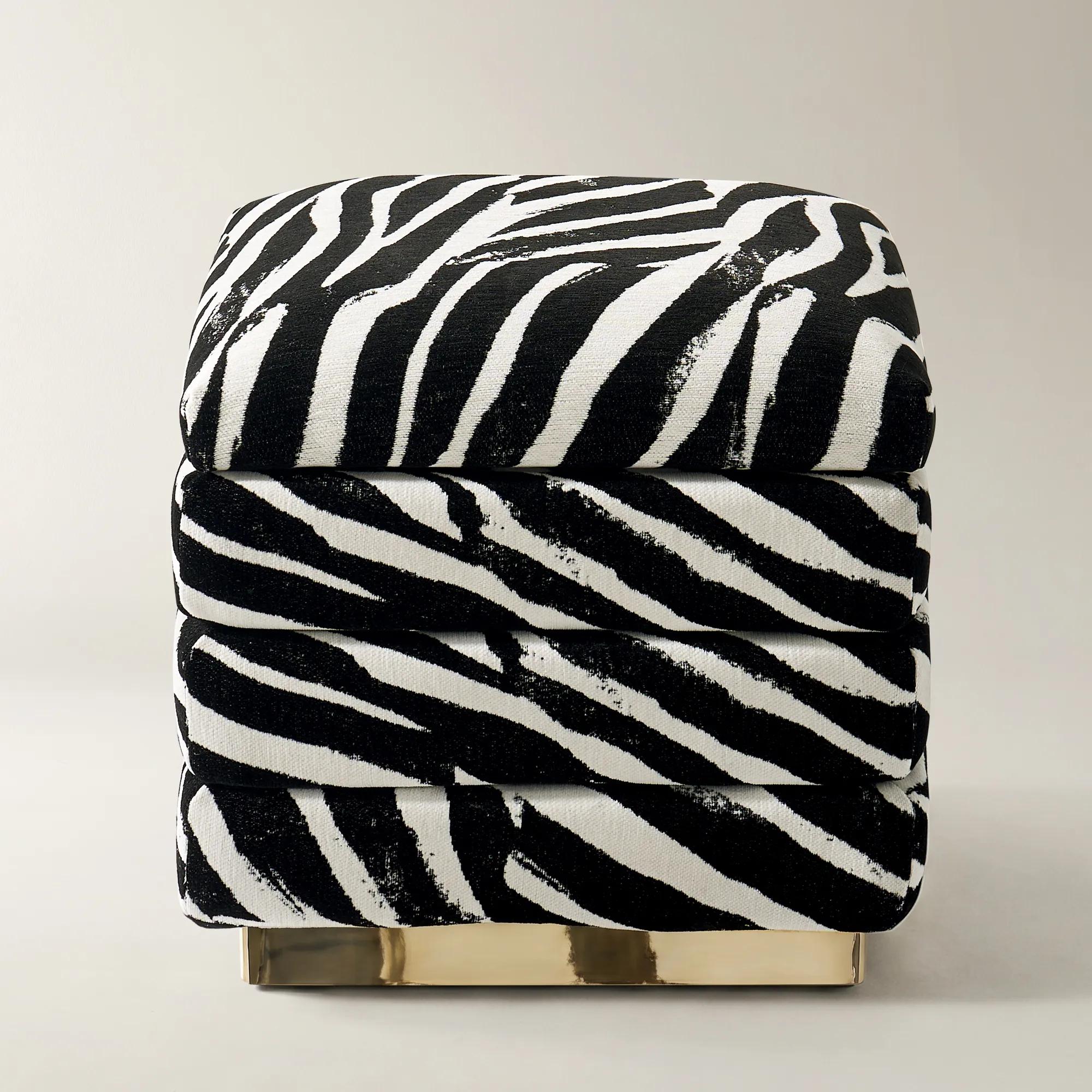
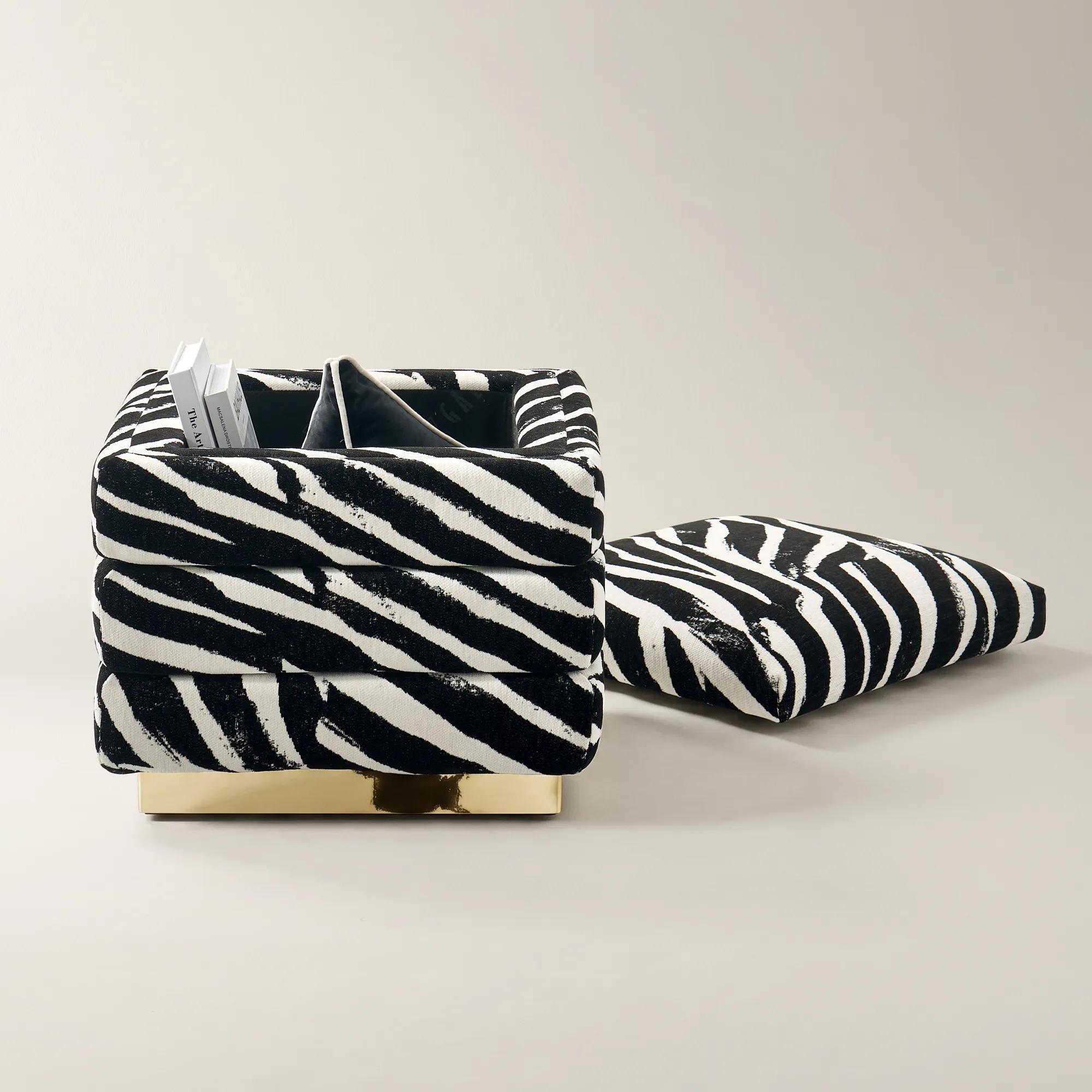 Gable White/Black Performance Chenille Stool$399
A plush white and black chenille stool with hidden storage and a polished gold stainless steel base.
Add To Cart -
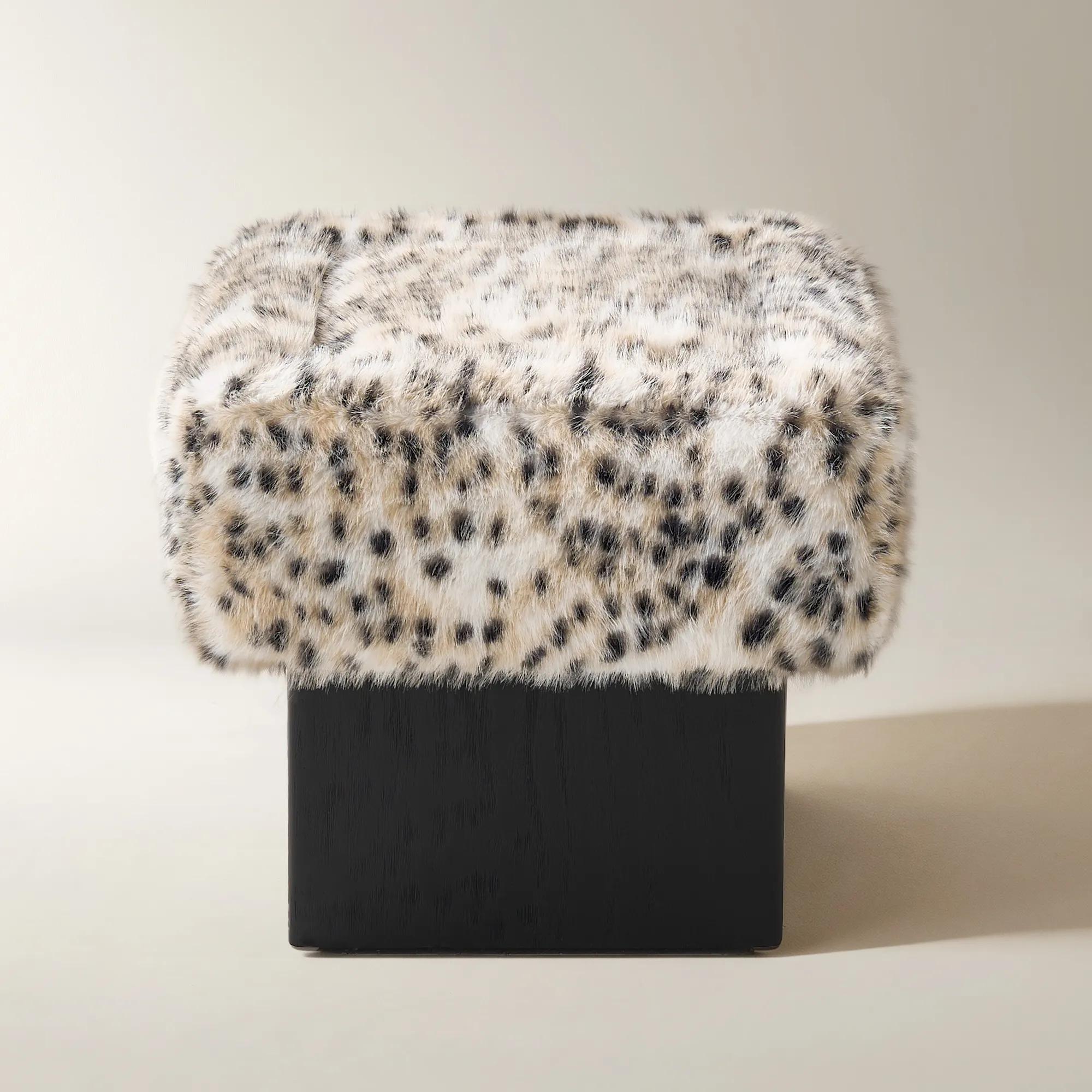 Reims Spotted Faux Fur Stool$349
A plush spotted faux fur stool with a sculpted cushion and solid rubberwood base for modern contrast.
Add To Cart -
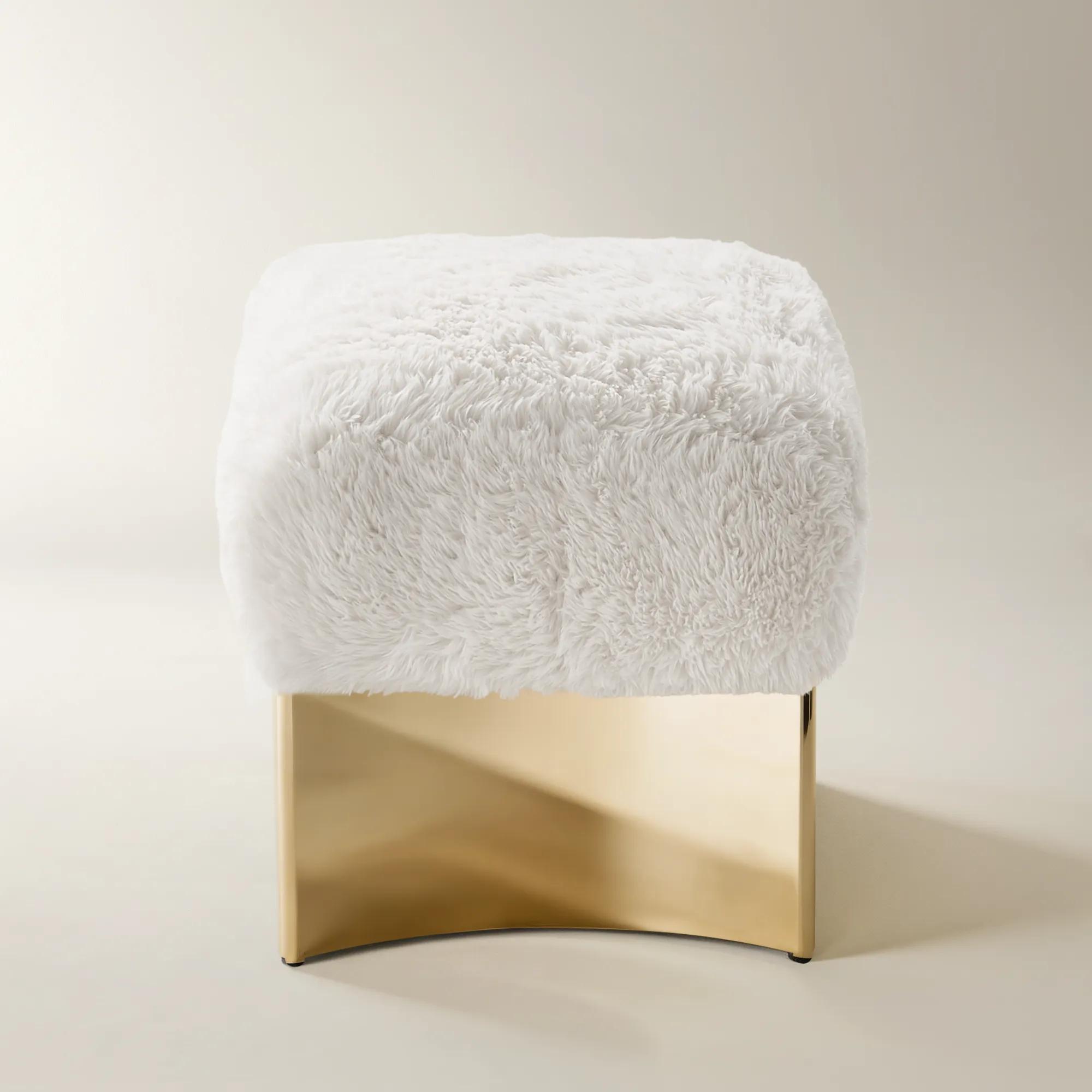 Lush White Faux Fur Stool$499
A sculptural white faux fur stool with a plush seat and polished gold stainless steel base.
Add To Cart -
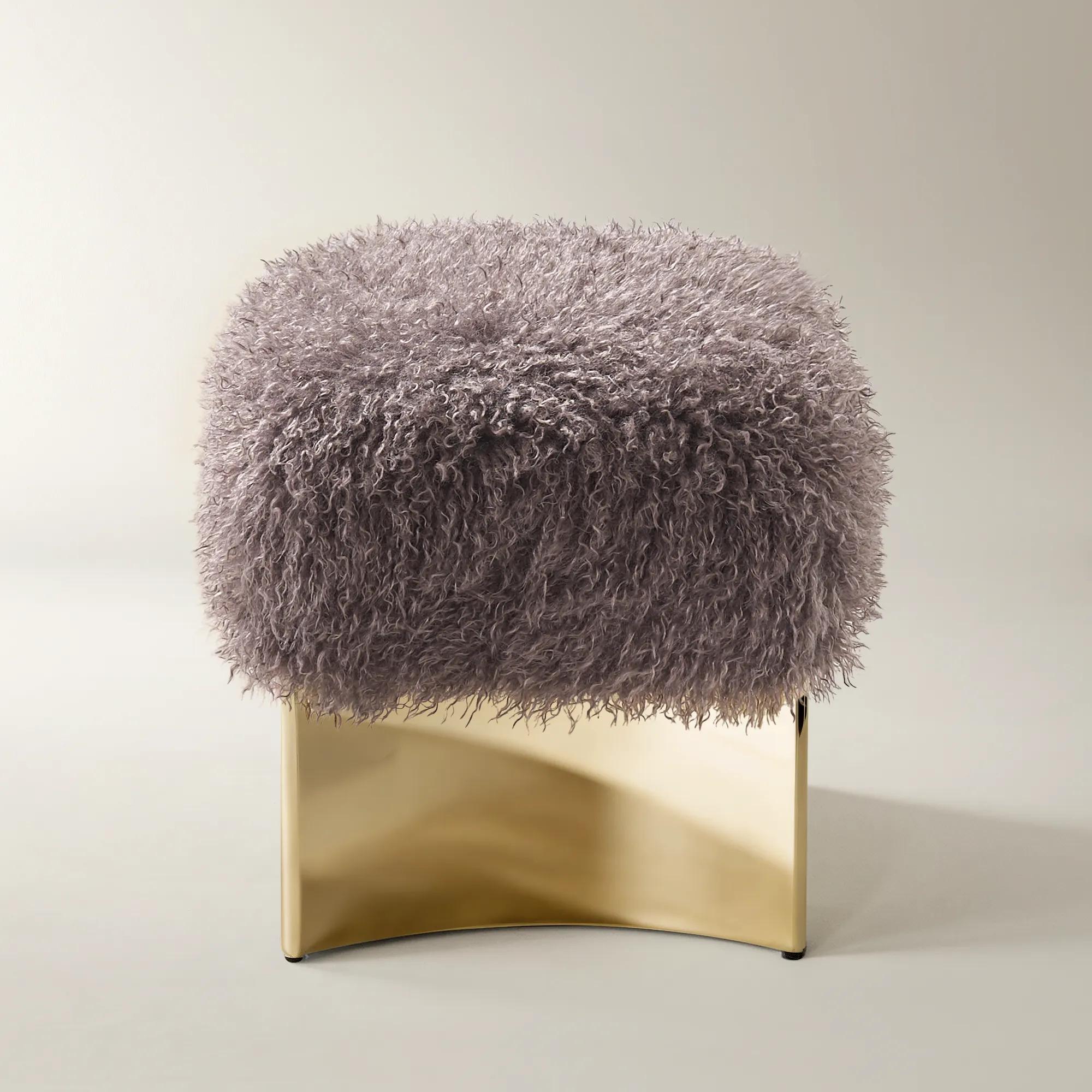 Lush Smoked Plum Faux Fur Stool$499
A sculptural smoked plum faux fur stool with a plush seat and polished gold stainless steel base.
Add To Cart -
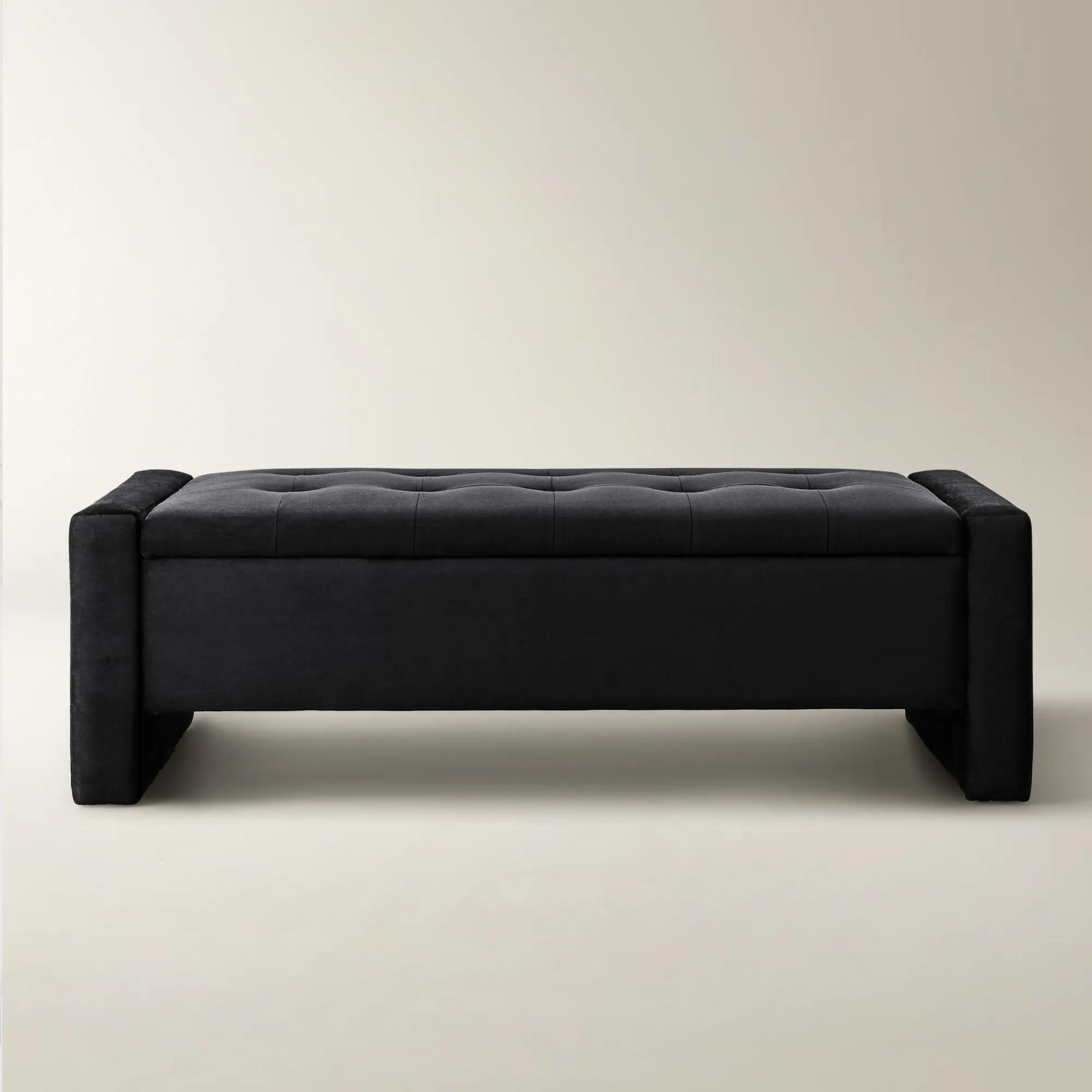
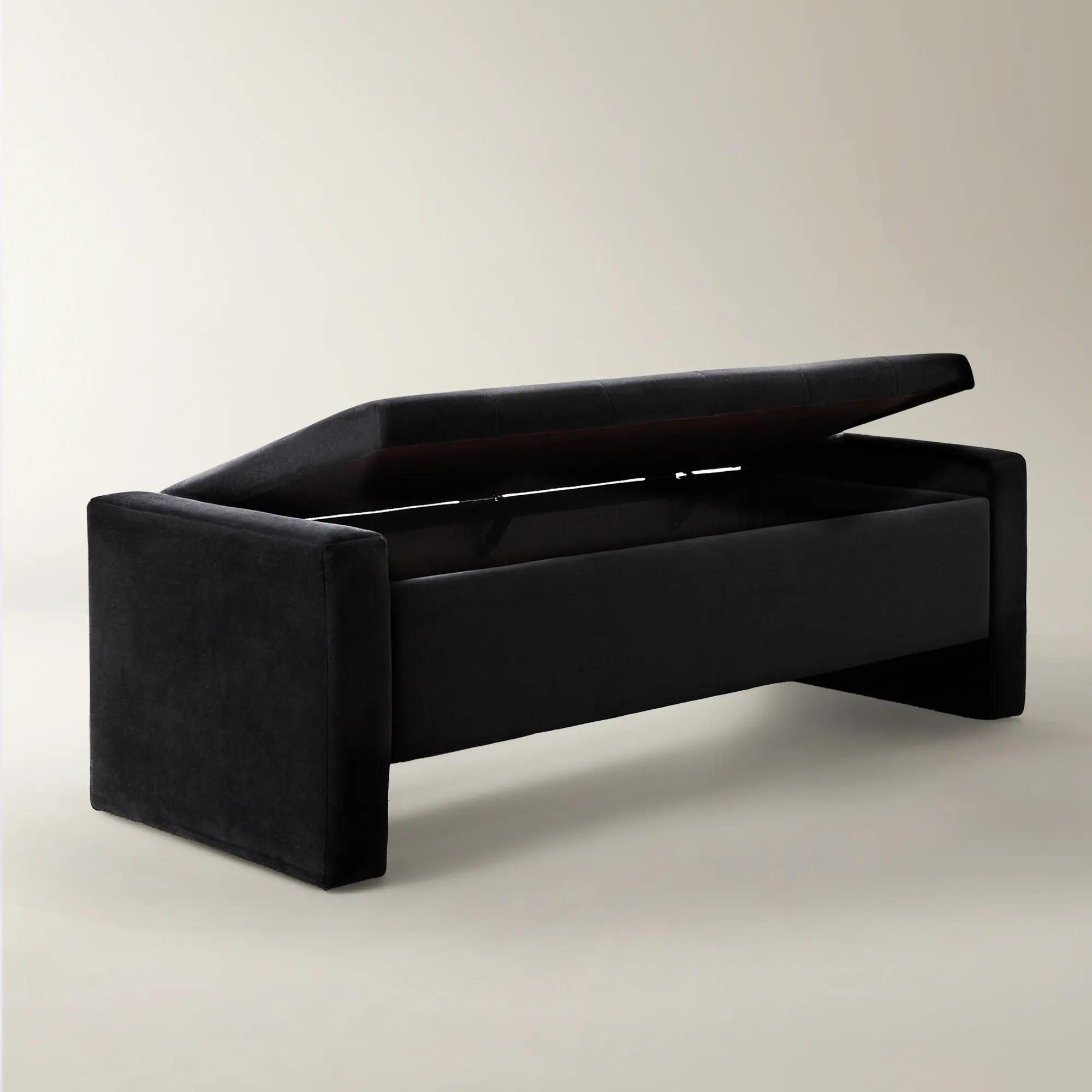 Maeve Storage Bench$849
A modern velvet-upholstered bench with hidden storage, sturdy kiln-dried hardwood frame, and plush cushioning.
Add To Cart -
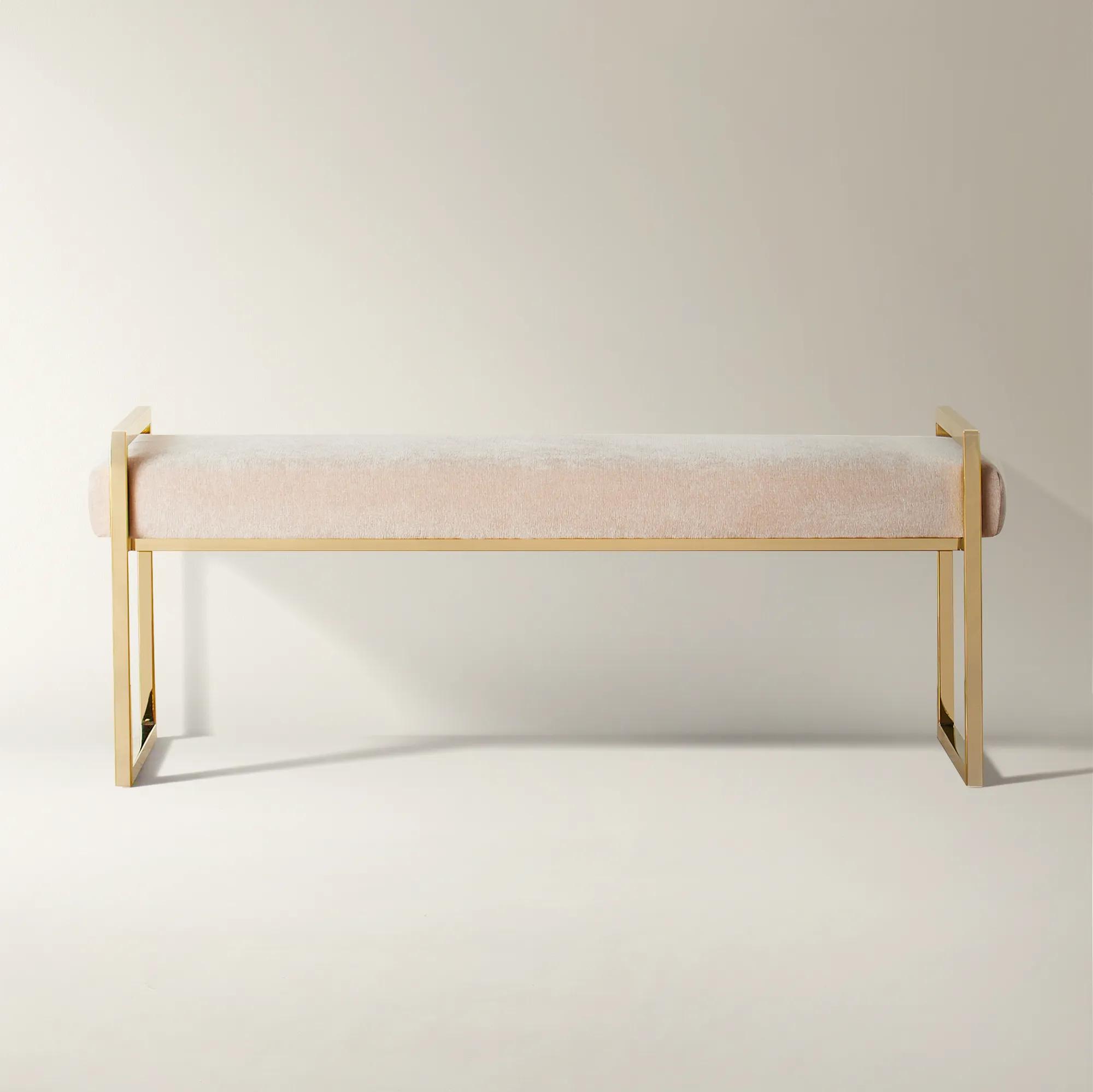 Clara Bench$699
A chic bench featuring a plush chenille seat and polished gold metal legs for modern elegance.
Add To Cart -
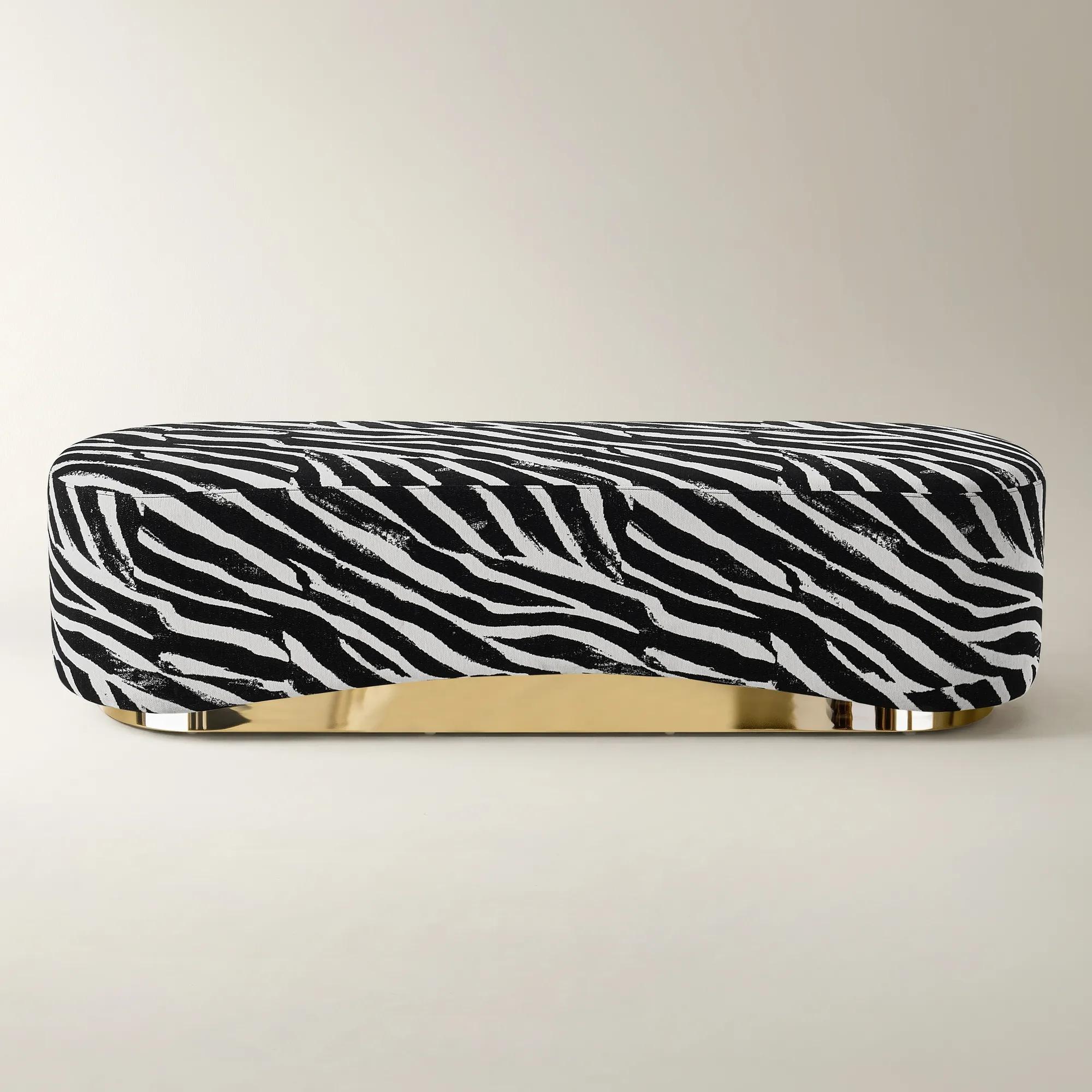
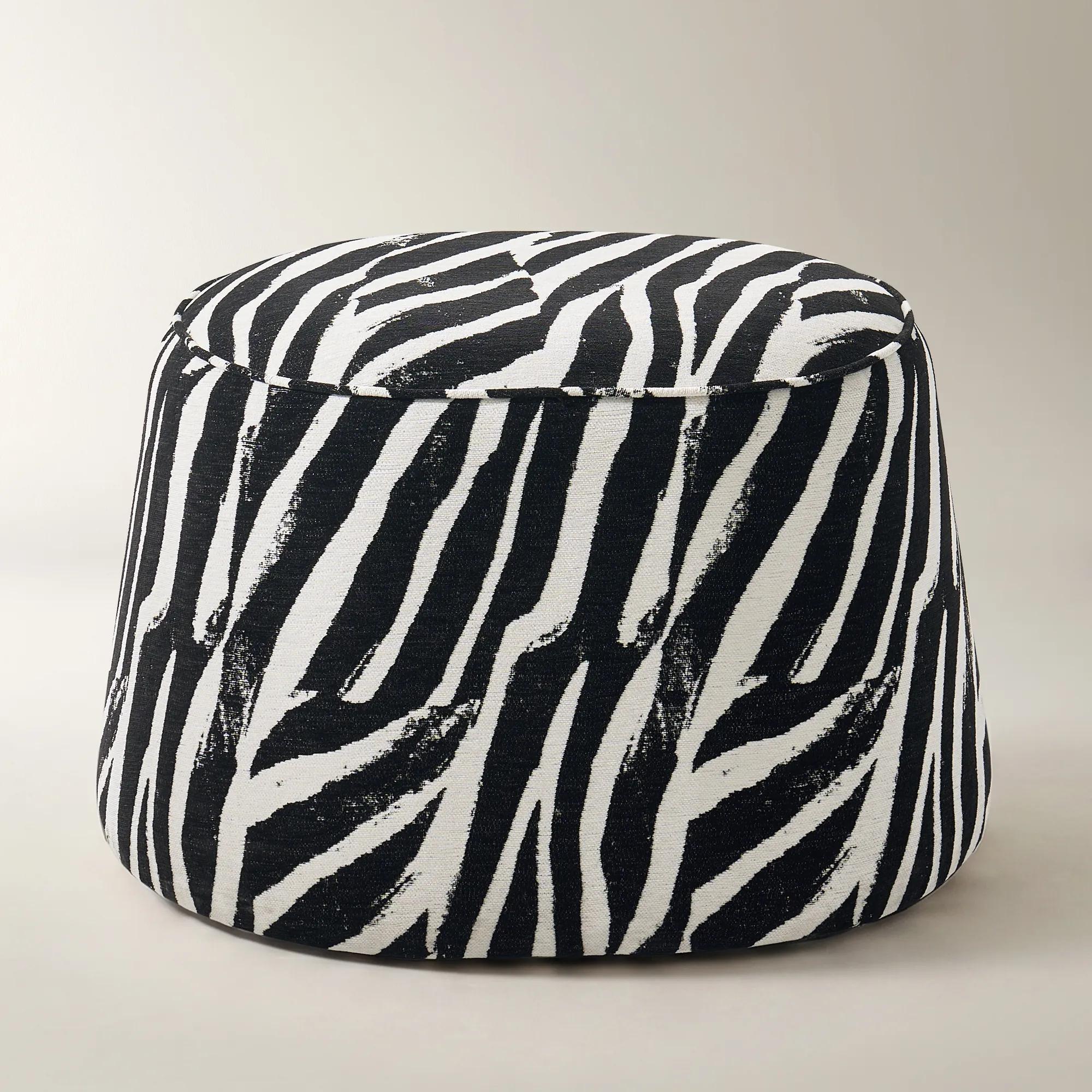
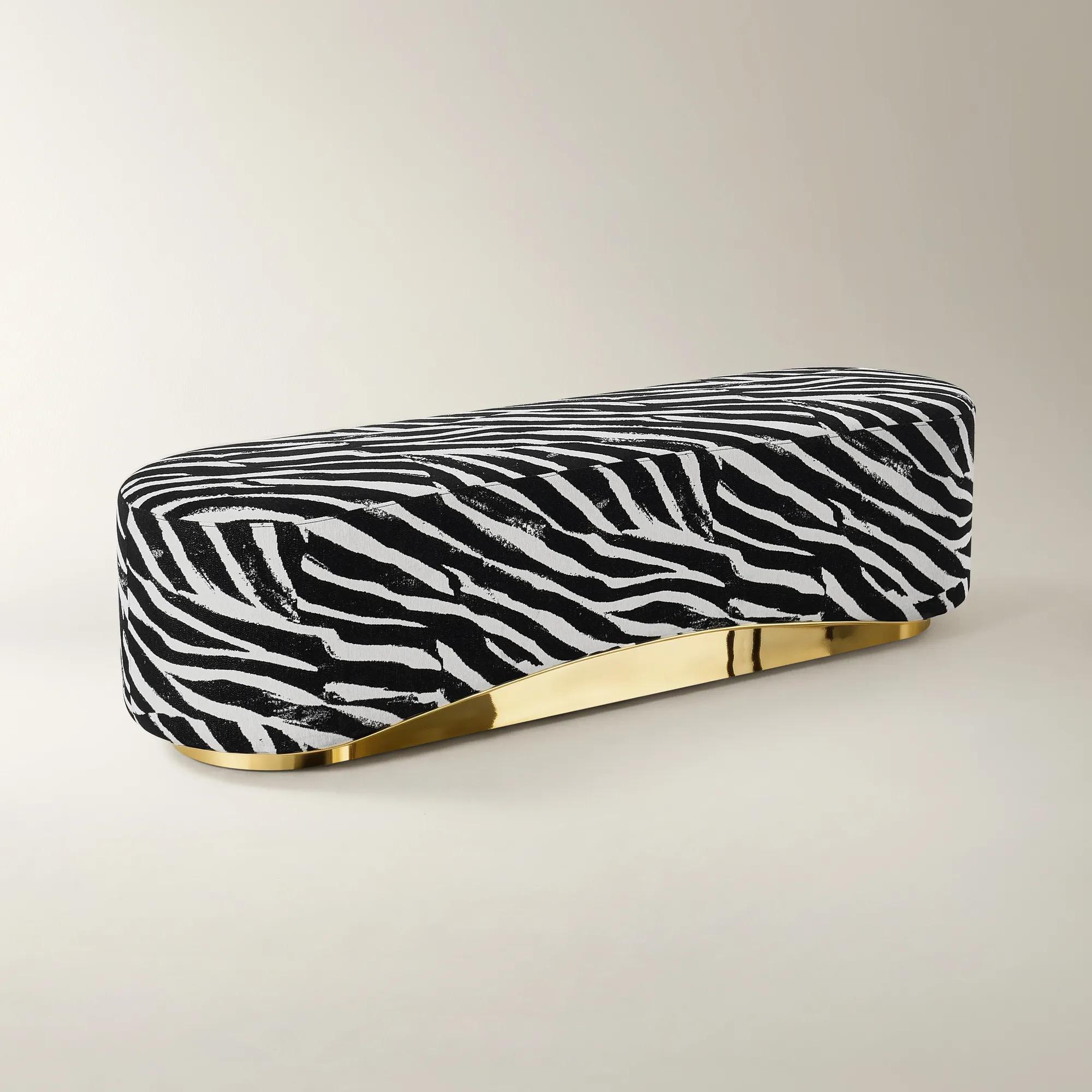 Kendra White/Black Performance Chenille Bench (70.47")$799
An elongated oval bench upholstered in white and black performance chenille with a polished gold stainless steel base.
Add To Cart -
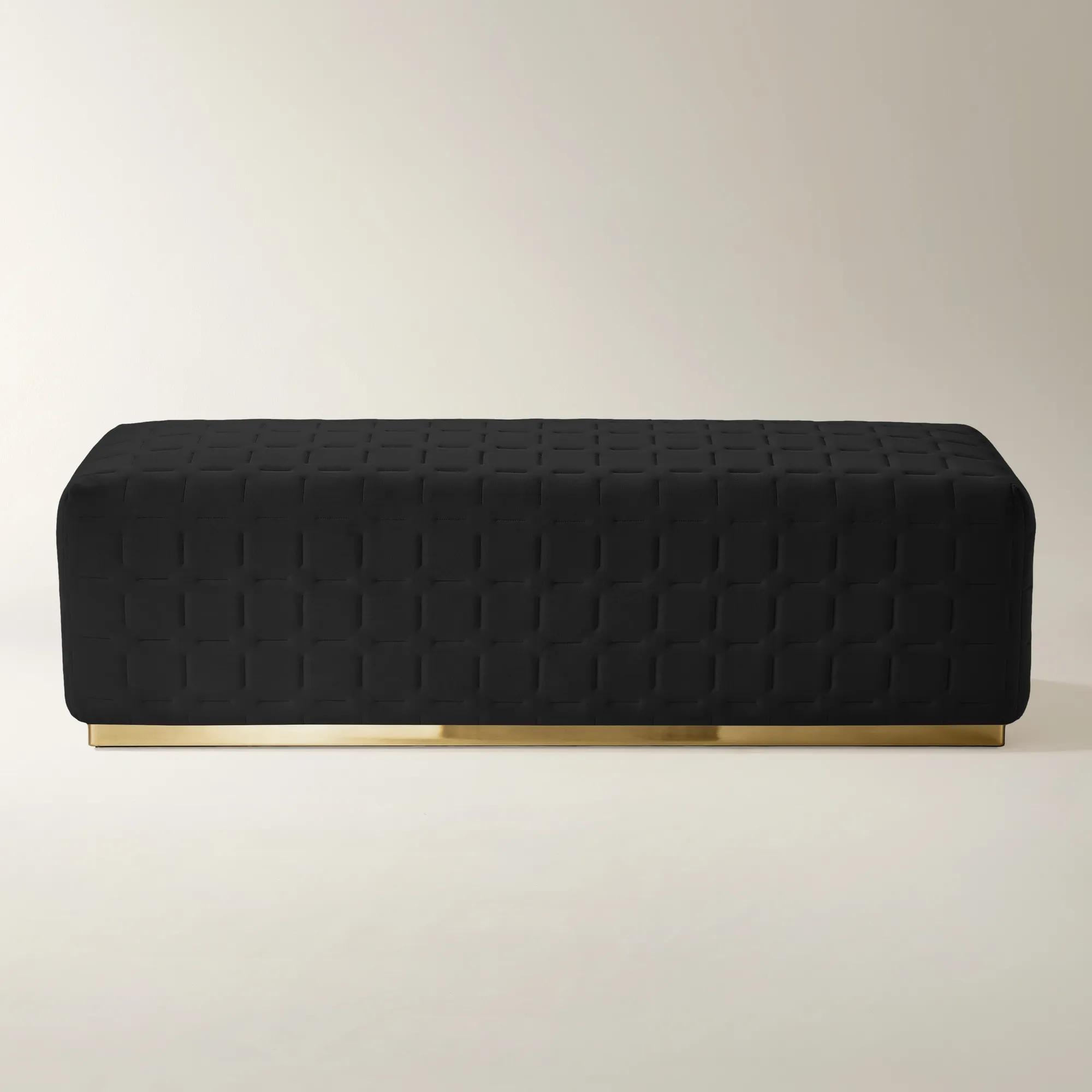 Vanta Quilted Charcoal Velvet Bench (64.6")$899
A charcoal velvet bench featuring checker quilted tufting and a gold stainless steel base for modern elegance.
Add To Cart -
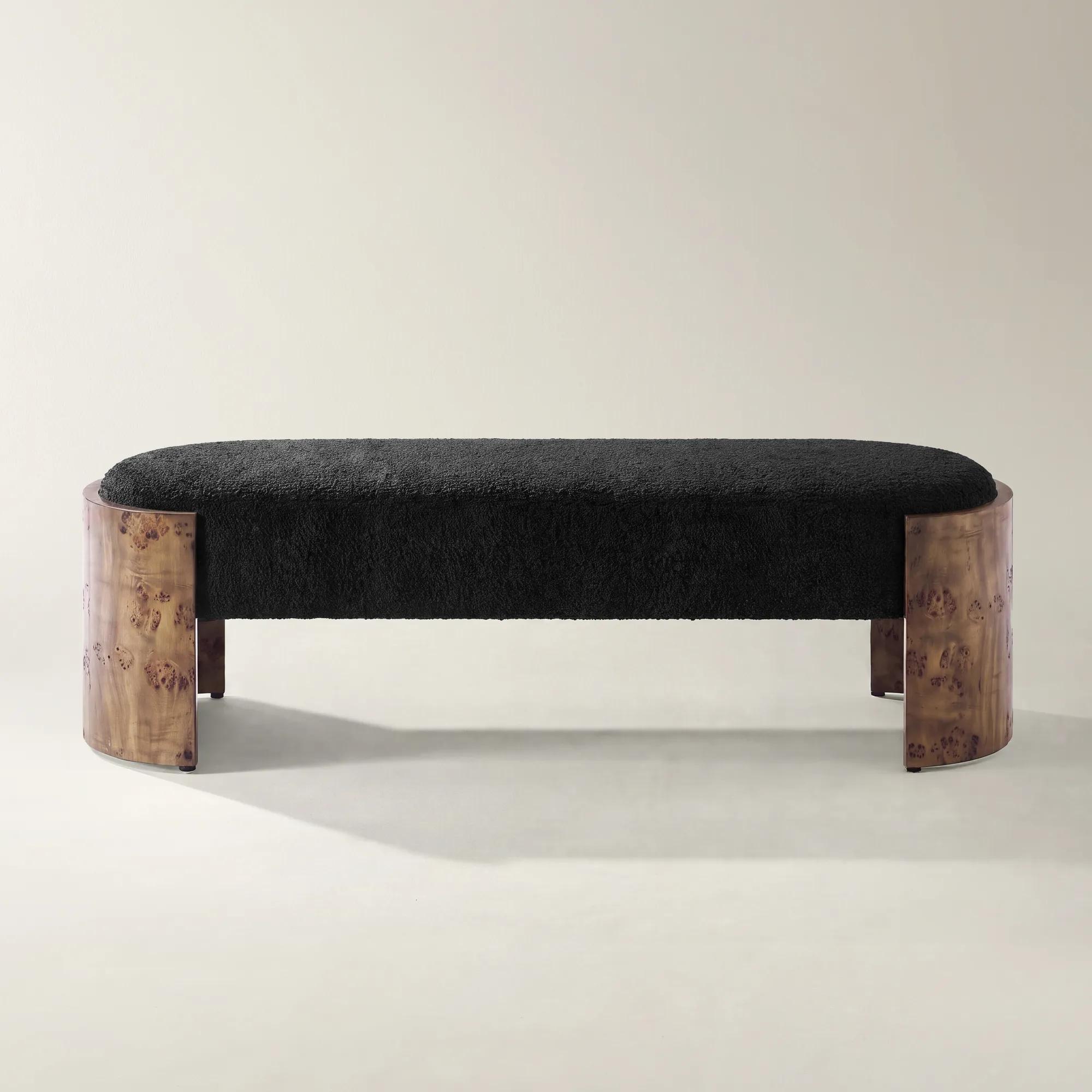
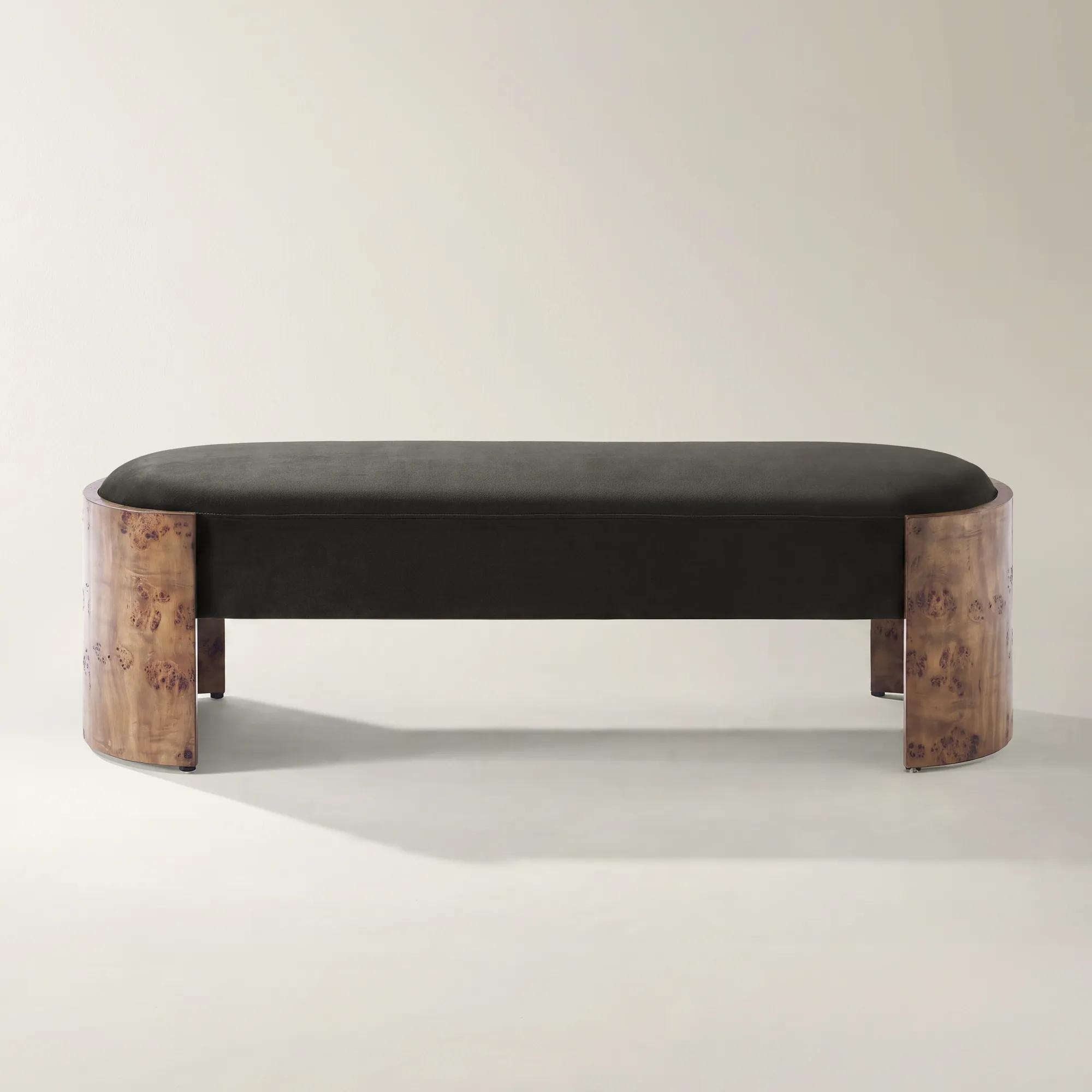
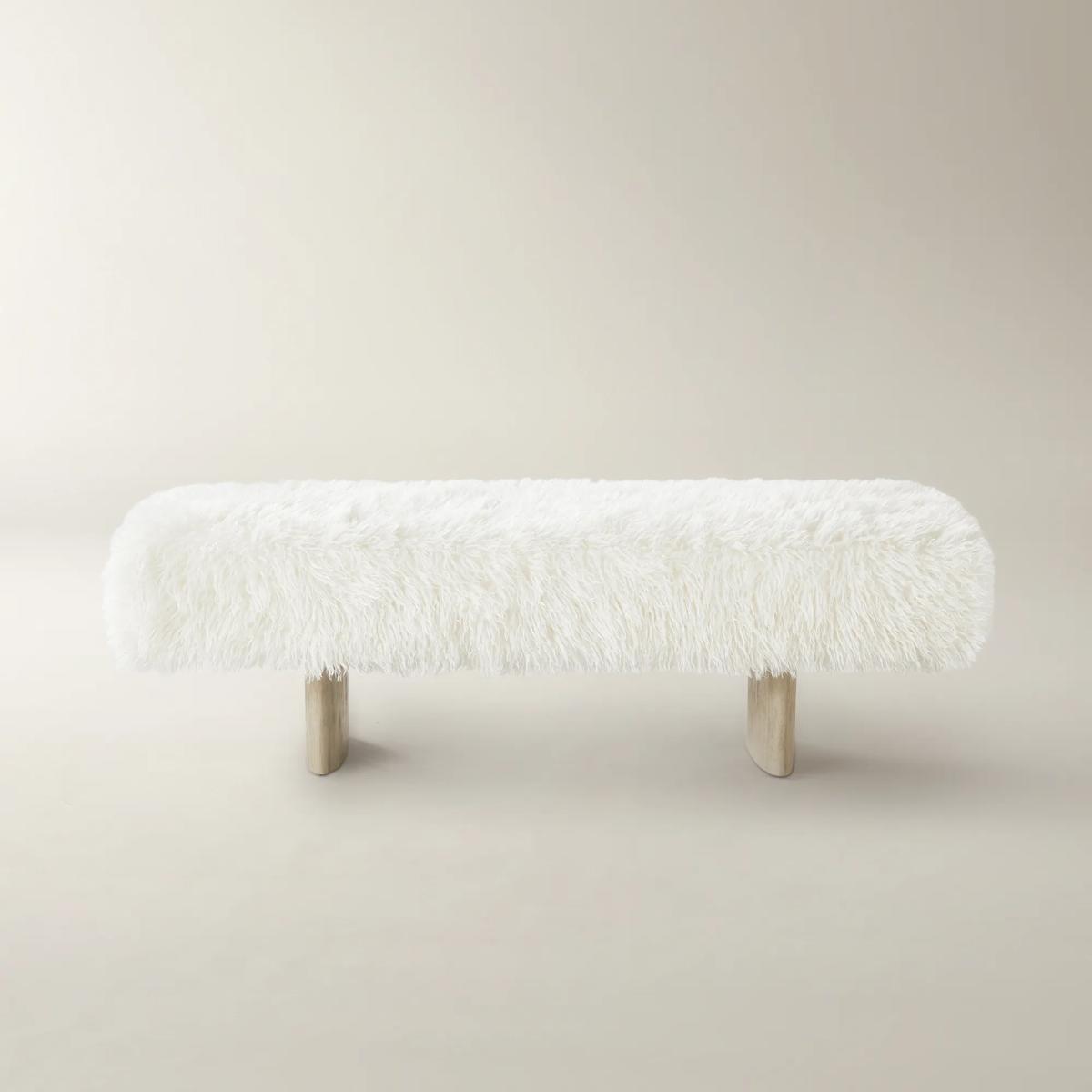 Micah Ivory Mongolian Faux Fur Bench With Rubberwood Legs (62.6")$699
An ivory faux Mongolian fur bench with high-density foam and sculptural solid rubberwood base for modern coziness.
Add To Cart -
.jpg?w=1200&h=1200)
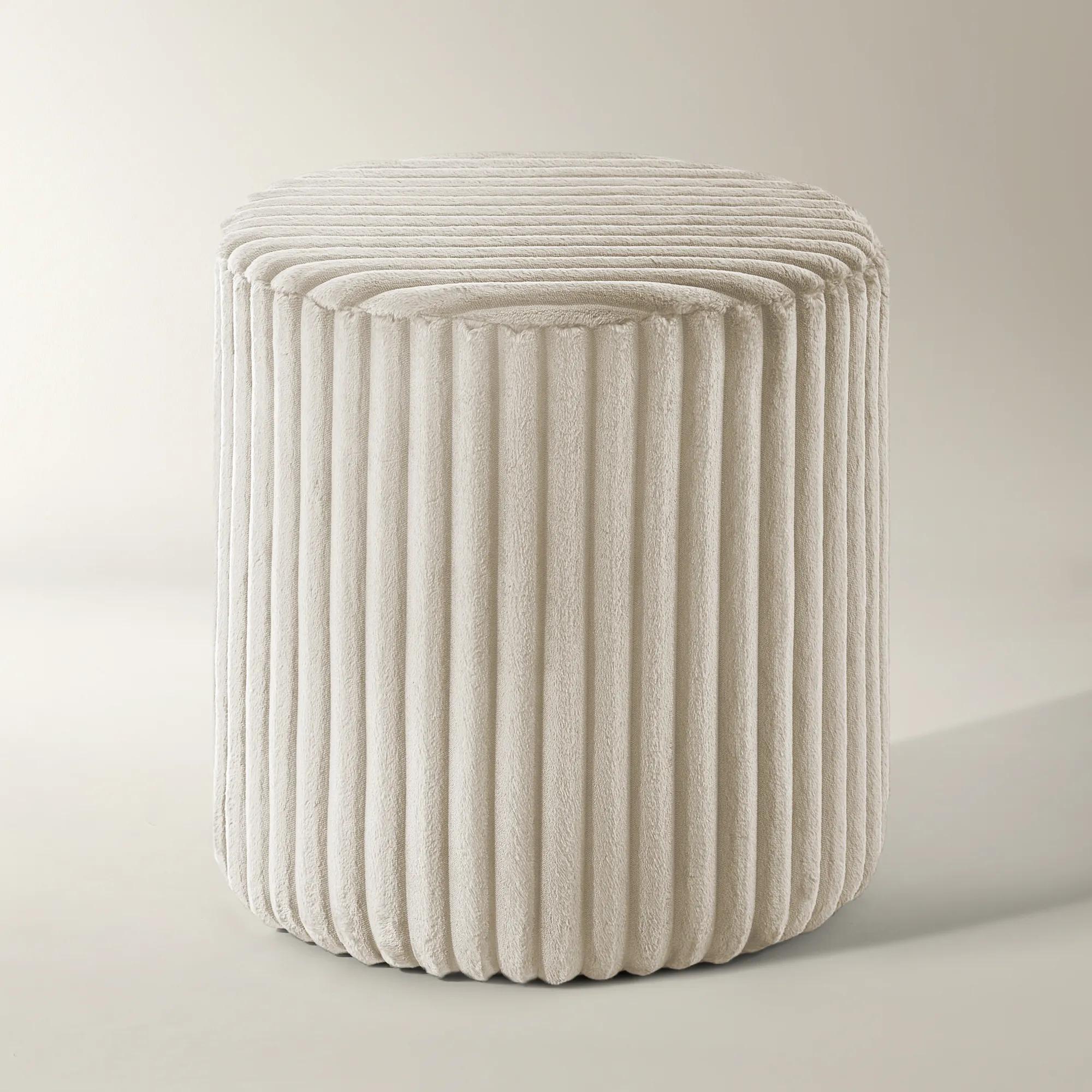 Fleece Fluted Ivory Velvet Stool (15.55'')$229
An ivory ribbed velvet stool offering cozy softness and versatile use as seating, footrest, or accent table.
Add To Cart -
.jpg?w=1200&h=1200) Fleece Fluted Gray Velvet Stool (15.55'')$229
Fleece Fluted Gray Velvet Stool (15.55'')$229A plush grey velvet stool with a unique ribbed texture, perfect for versatile, cozy seating or decor.
Add To Cart -
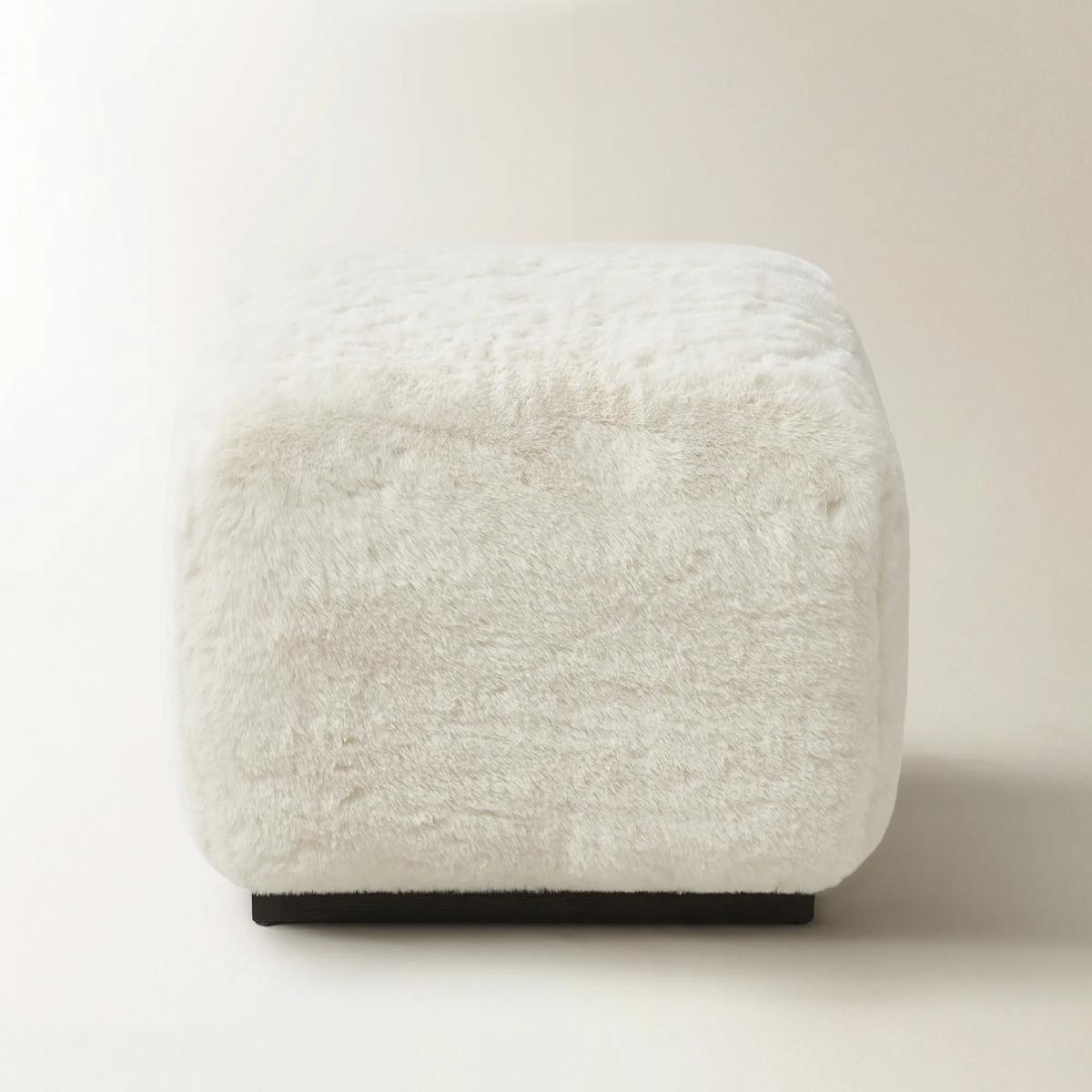
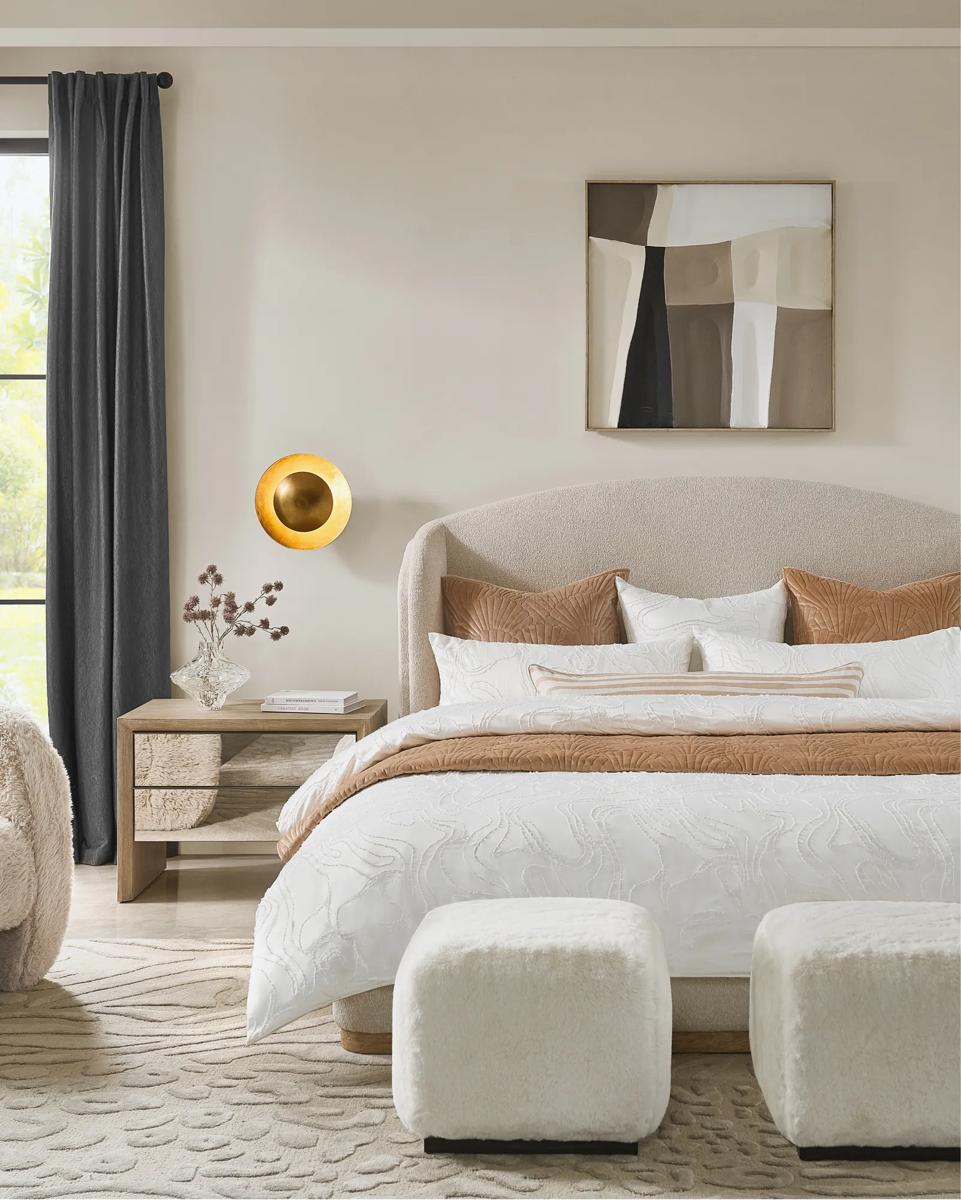 Lris Ivory Faux Fur Stool (21")$299
An ivory faux fur pouf with plush high-density foam and a sturdy, eco-friendly rubberwood base.
Add To Cart -
.jpg?w=1200&h=1200) Micah Tan Mongolian Faux Fur Bench With Rubberwood Legs (62.6")$699
Micah Tan Mongolian Faux Fur Bench With Rubberwood Legs (62.6")$699A light brown faux fur bench with a curved rubberwood base and plush high-density foam cushion.
Add To Cart -
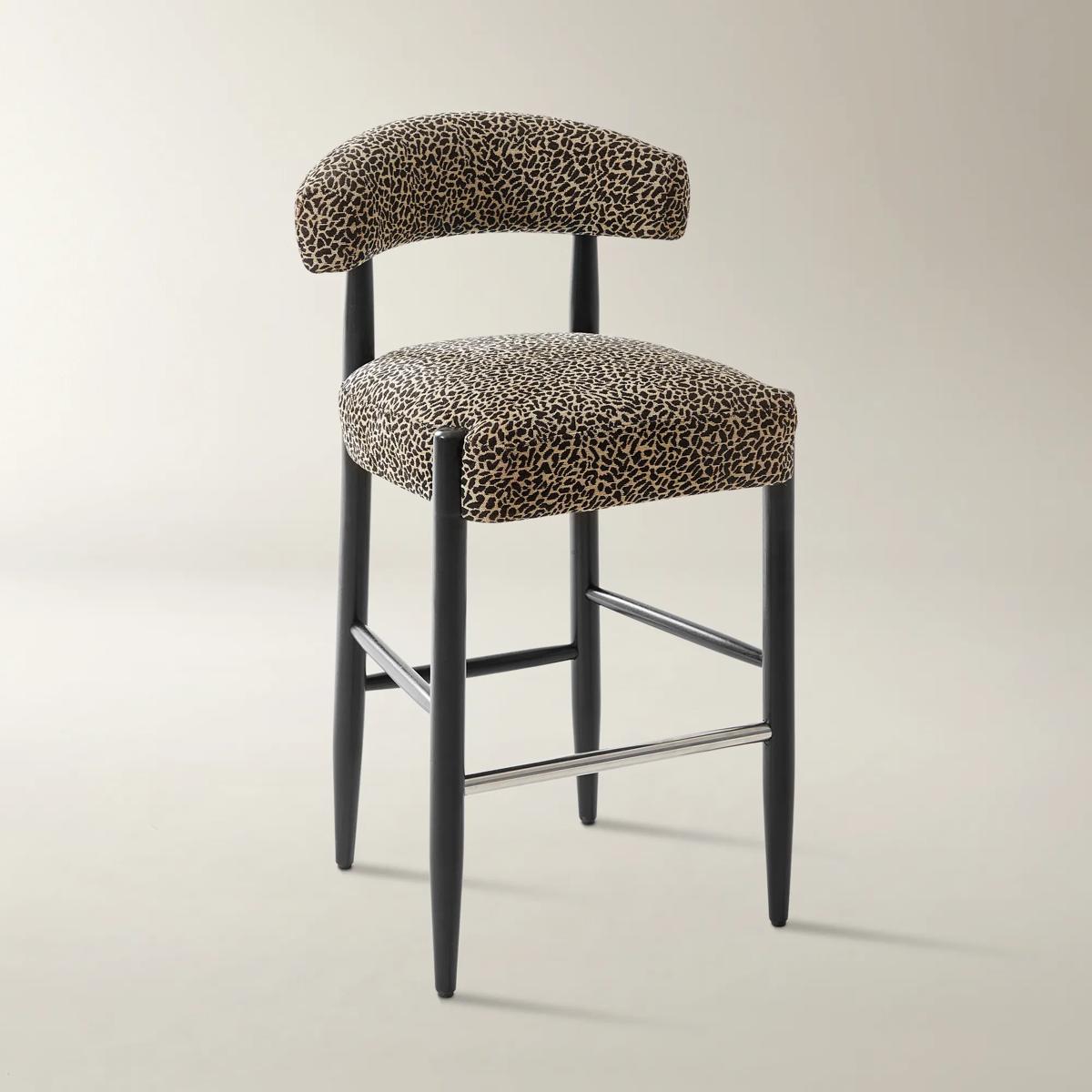 Anna Leopard Chenille Bar/Counter Stool$399
A leopard-print chenille barstool with kiln-dried hardwood legs and supportive, hand-upholstered cushioning.
Add To Cart

Luxury Stools For Entryway
Luxury stools for entryway transform the simple act of coming home into a grand entrance. Each piece is more than a seat—it’s an invitation to linger, a sculptural accent that whispers of curated taste and unapologetic style. Whether perched beneath a gilded mirror or anchoring a dramatic foyer, these stools set the stage for artistry at your threshold. With sumptuous silhouettes and striking finishes, they promise to elevate your entryway from mere passage to unforgettable first impression—where every arrival feels like an event, and every detail is worthy of admiration.
Luxury stools for entryway spaces bring expressive design to one of the home’s most purposeful settings, combining a compact seat with materials and finishes that establish the mood at the door. Velvet upholstery, richly grained wood, embossed leather, and luminous metal accents can turn a brief arrival into a beautifully considered moment. Unlike taller counter or bar seating, an entryway stool is generally intended for sitting close to standard chair height, making it useful for slipping off shoes, fastening a sandal, or offering a guest a place to pause. Its smaller silhouette allows seating to become part of the foyer without the visual weight or length of a full bench. A rounded upholstered form softens the geometry of a console and rectangular mirror; a tailored square seat introduces structure beside flowing drapery or an organically shaped vessel. Open bases reveal more of the floor and lend an airy quality to a narrow passage, while a fully upholstered profile creates a more substantial, sculptural presence. The appeal lies in that balance of function and atmosphere: a place to sit that also contributes color, texture, and shape to the room. In an expansive foyer, a pair of stools beneath a console can create a composed, symmetrical arrangement, provided there is enough clearance to pull each seat forward comfortably. In an apartment entry, a single distinctive silhouette can provide the same sense of intention with a much smaller footprint. Ivory upholstery against dark wood feels crisp and architectural, while deep jewel tones and brushed metallic finishes create a richer, more enveloping impression. Neither approach requires an elaborate setting. A stool positioned beside a wall mirror, with a thoughtfully scaled rug beneath it, can give even a modest entrance a clear design identity. For households that entertain, compact entryway seating also offers guests a graceful place to settle a shoe strap or collect themselves before joining the gathering.
Materials give luxury entryway stools their character, but the way those materials respond to everyday contact matters just as much as their appearance. Velvet catches light across its pile, lending depth to a solid color and a sumptuous contrast to polished stone or gleaming metal. Its surface may show shading or pressure marks with use, so the texture is best appreciated as part of the fabric’s dimensional character rather than expected to remain visually uniform. Woven upholstery brings a different expression, from finely tailored surfaces to more pronounced texture, while leather can introduce a smooth, substantial feel or the decorative rhythm of an embossed pattern. Leather care depends on its finish; protected and more absorbent leathers should not be treated interchangeably. For a softer seating presence, Upholstered Stools For Entryways offer a natural connection between practical comfort and the layered elegance of surrounding furnishings. Padding, seam placement, and seat shape all influence the experience of sitting, particularly when the stool is used daily rather than reserved primarily for visual impact. Wood frames contribute warmth through grain and tone, and their longevity depends on construction, finish, and appropriate care rather than appearance alone. Metal bases can bring crisp definition or a jewelry-like accent, although delicate finishes deserve protection from shoe buckles, cleaning chemicals, and abrasive cloths. Mirrored or glass details introduce reflected light and decorative depth but benefit from placement away from frequent knocks. In homes with children, pets, or frequent visitors, upholstery with documented cleaning guidance and durability information offers a more informed basis for selection than broad claims about easy maintenance. Regular gentle vacuuming with an appropriate attachment helps remove grit from fabric, and spills should be addressed promptly according to the care label. A soft cloth is often suitable for routine dusting of finished frames, with any cleaner chosen specifically for the surface. These small habits preserve the distinction between richly textured furniture and furniture that simply looks worn.
Proportion determines whether an entryway stool feels integrated into the room or interrupts its rhythm. Overall width and depth matter, but so do the reach of splayed legs, the curve of a rounded base, and the room needed to sit without blocking a doorway. A stool tucked beneath a console should clear the underside, including any drawers or support rails, and still slide out without scraping either piece. The entrance also needs to accommodate the door’s full swing, nearby closet access, and the ordinary movement of people carrying bags or walking beside one another. Measuring those relationships is especially valuable in a narrow hallway, where a seemingly compact silhouette may project farther into the path than expected. Seat height deserves equal attention: a low, deeply cushioned form creates a relaxed visual effect, but a firmer seat closer to conventional chair height may be easier for everyday shoe changes. Anyone who needs reliable support when sitting or standing may be better served by seating with a back and arms, since a small backless stool is not designed as a mobility aid. Stability, stated weight capacity, and suitability for sitting should always take priority over decorative appeal; an accent pedestal or occasional table is not automatically a substitute for seating. On wood or tile floors, suitable protective pads can help reduce scratching, while a rug beneath the stool should lie flat and remain secure. Storage designs, where specified, can keep small accessories discreetly contained, though the space needed to open a lid must be considered alongside nearby furnishings. A stool that occasionally moves into a living room offers useful flexibility, provided its weight and intended use suit that role. As a housewarming gift, entryway seating is most thoughtful when the recipient’s measurements and decorating preferences are already known. Ultimately, the strongest choice feels personal as well as purposeful: tactile enough to invite a pause, beautifully proportioned to its surroundings, and distinctive enough to make the entrance feel like the beginning of the home’s story.
FAQs
Luxury stools for entryways often feature sumptuous materials such as velvet, faux fur, rich leather, or hand-finished wood. These materials not only provide a tactile and visual sense of opulence but also elevate the everyday experience of entering your home.
To create a welcoming atmosphere, pair your modern entryway stool with a statement mirror, a decorative tray for keys, or a bold piece of wall art. Layering textures—such as placing a plush throw or accent pillow on the stool—adds warmth and visual interest, making the space feel curated and inviting.
Absolutely. Entryway stools make memorable and thoughtful gifts for housewarmings, weddings, or milestone celebrations. Their blend of beauty and practicality ensures they become beloved fixtures in the recipient’s home, offering both style and daily utility.
Yes, a stool entryway piece is incredibly versatile. Beyond seating, it can serve as a pedestal for bags or decorative objects, a spot to display seasonal florals, or even as an impromptu side table for mail and accessories.
Look for design details that reflect your personal style, such as distinctive silhouettes, gleaming metallic accents, or intricate tufting. Consider how the color and texture will harmonize with your entryway’s décor, and choose a stool that feels both functional and artful.