Luxury Cotton Duvet Sets
Luxury Cotton Duvet Sets
-
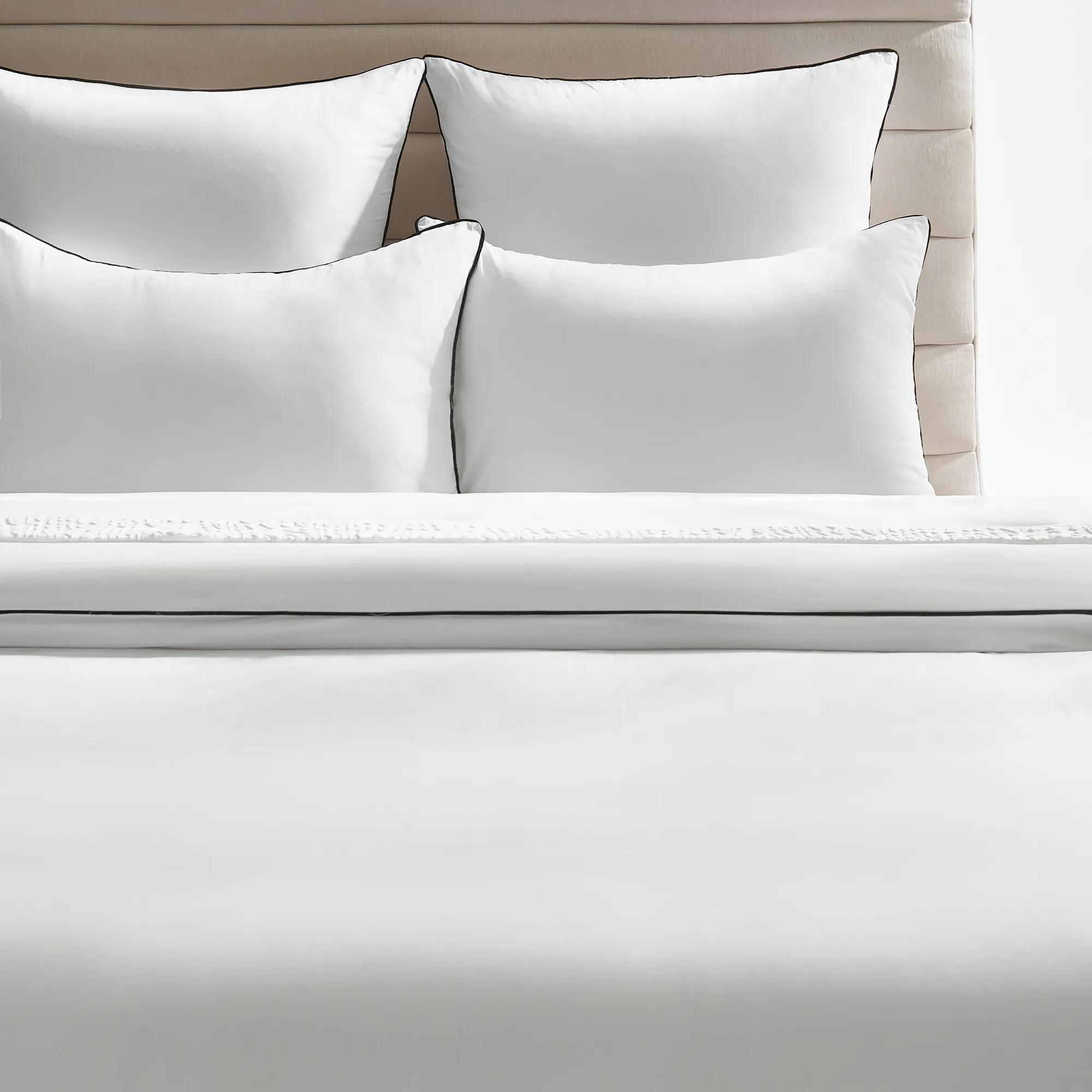 Sarla Contrast Cotton Percale Bedding Set - White/Black$229
A crisp white cotton percale bedding set featuring modern black piping for a refined, graphic contrast.
Add To Cart -
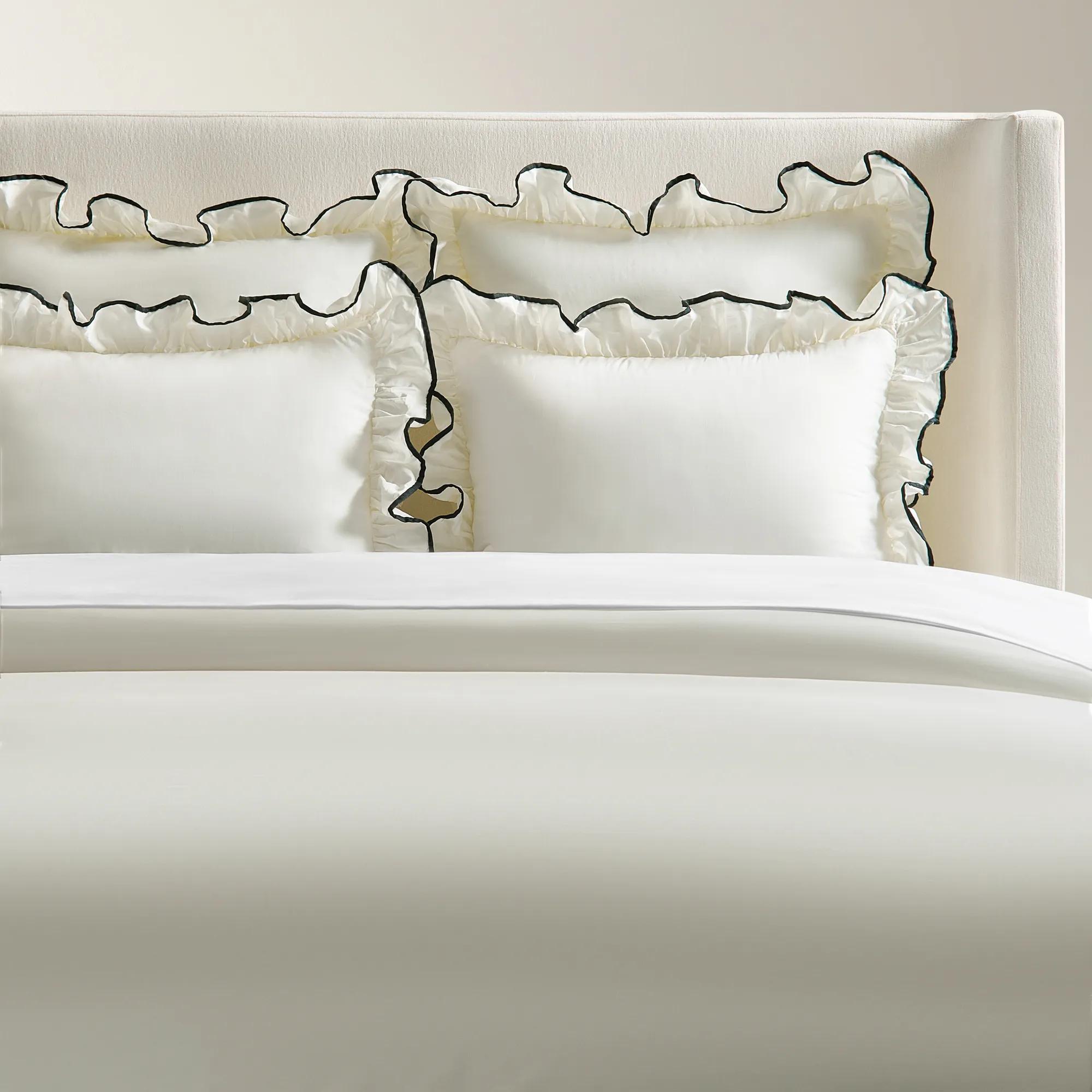
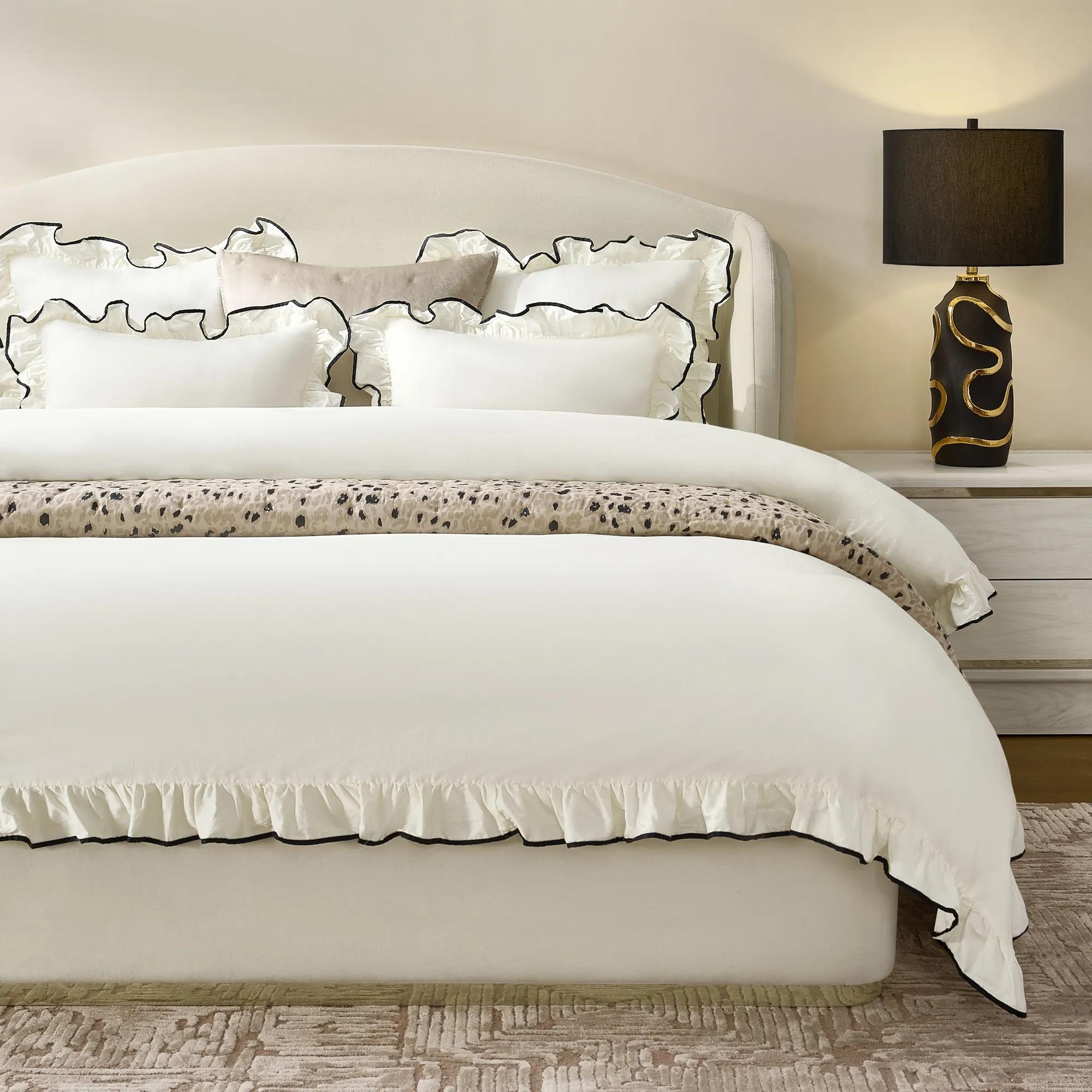 Vittoria Ivory/Black Cotton Percale Ruffle Bedding Set$279
An ivory cotton percale bedding set featuring dramatic black ruffle trim for a timeless, tailored look.
Add To Cart -
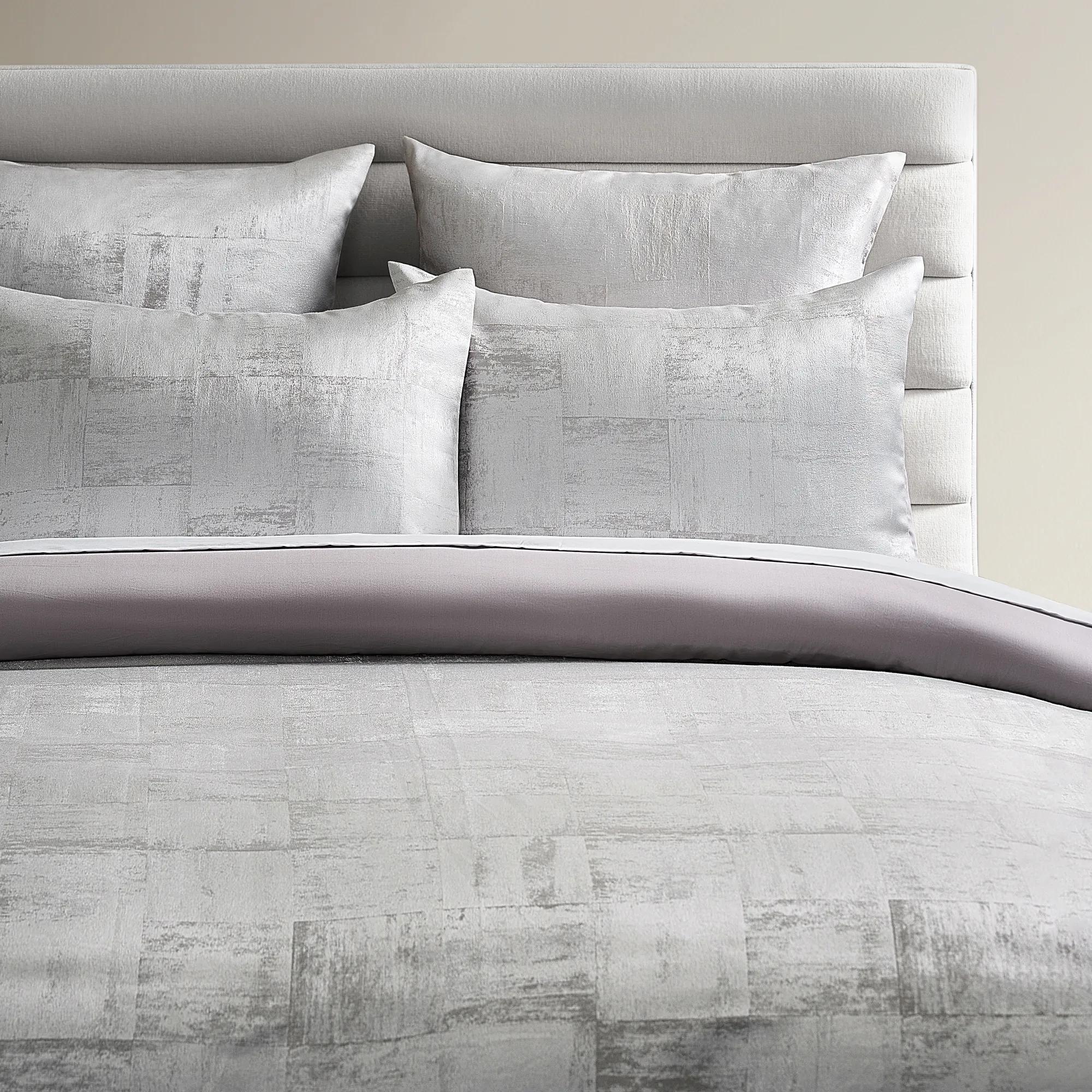 Auden Bedding Set - Platinum$49
A platinum jacquard bedding set featuring a subtle block pattern and refined, modern detailing.
Add To Cart -
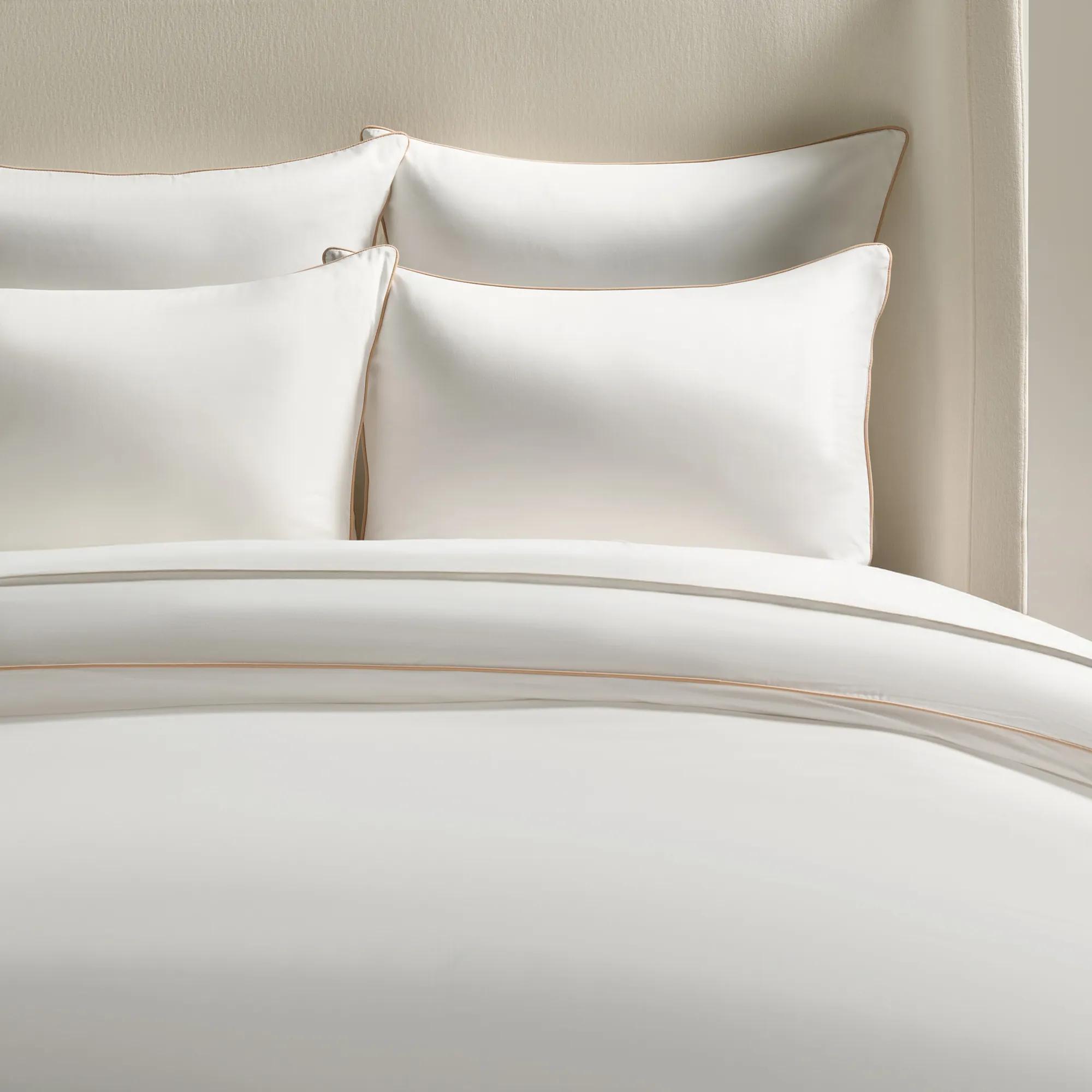
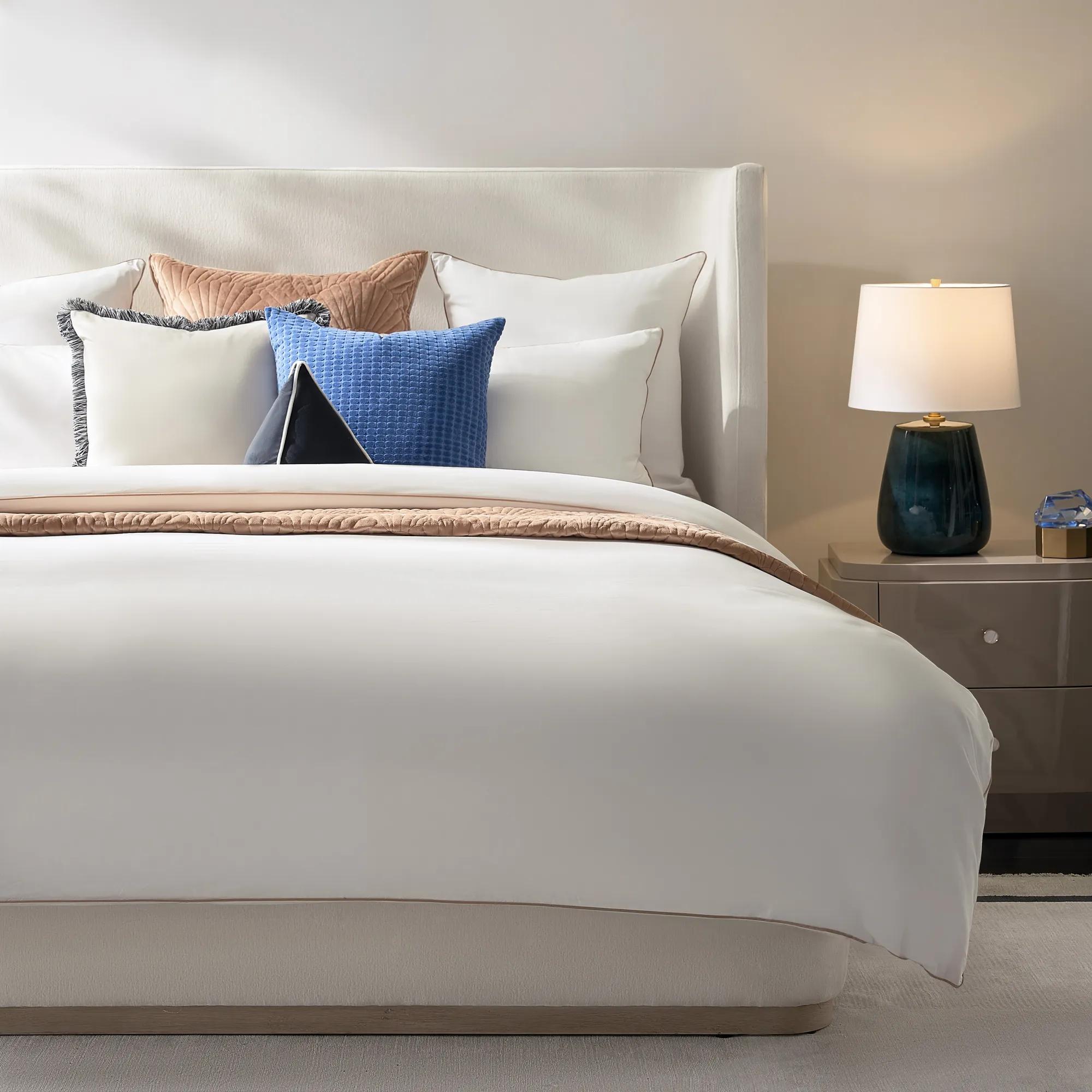 Sarla Contrast Cotton Percale Bedding Set - White/Tan$229
A crisp cotton percale bedding set in white and tan, featuring coordinating duvet and sham covers.
Add To Cart -
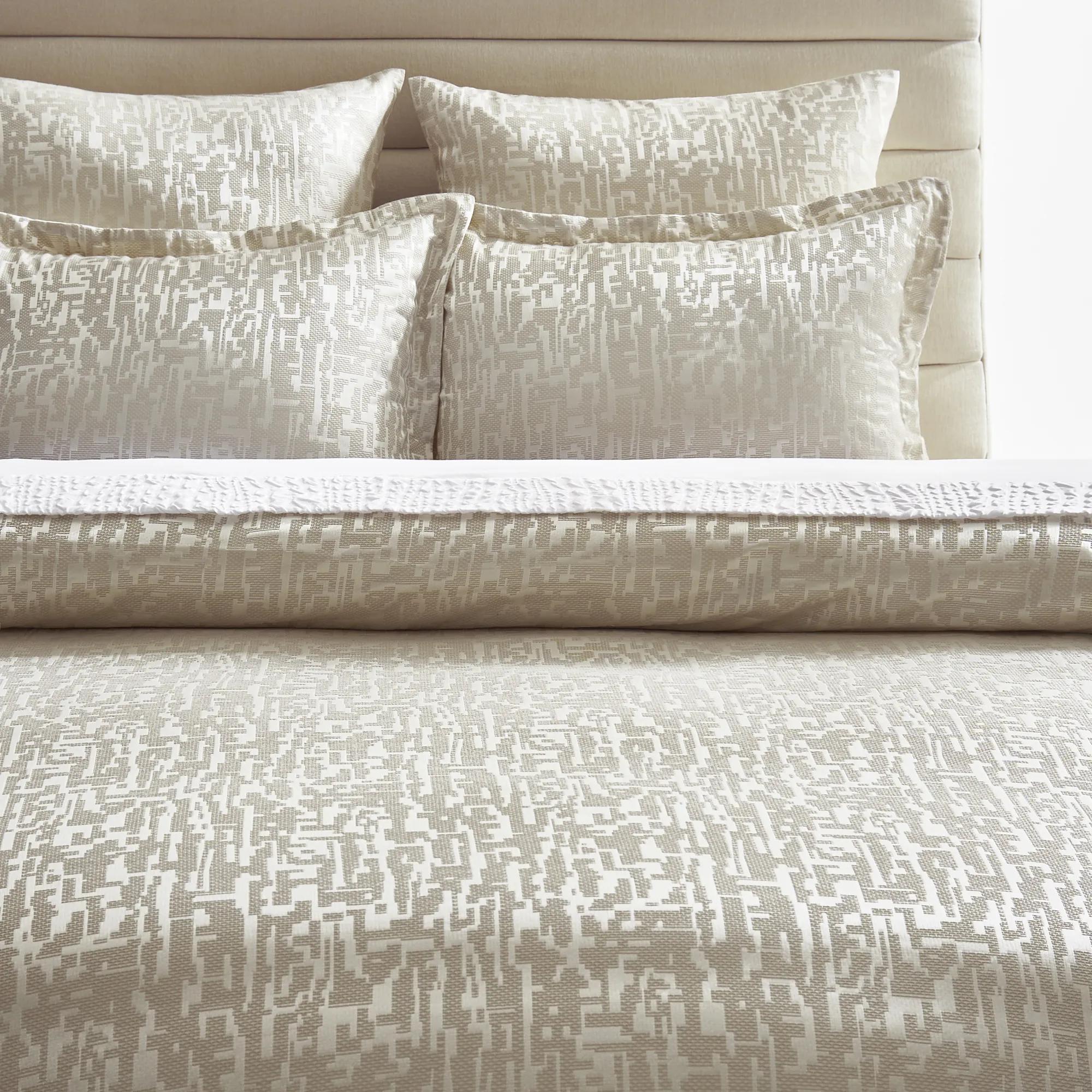
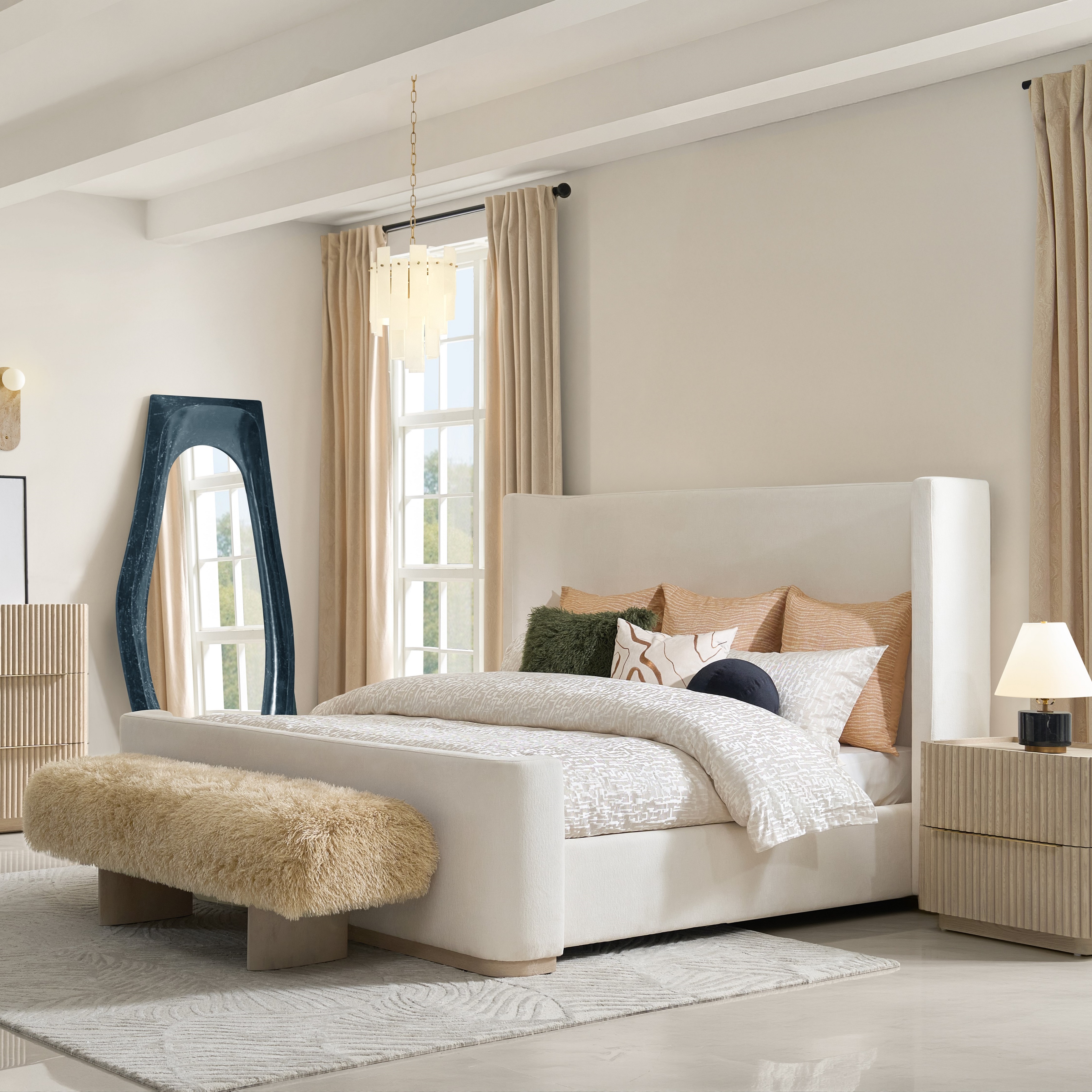 Podva Embroidered Pearl/Ivory Bedding Set$249
A satin and cotton bedding set in pearl and ivory, featuring modern embroidery and crisp flange edges.
Add To Cart -
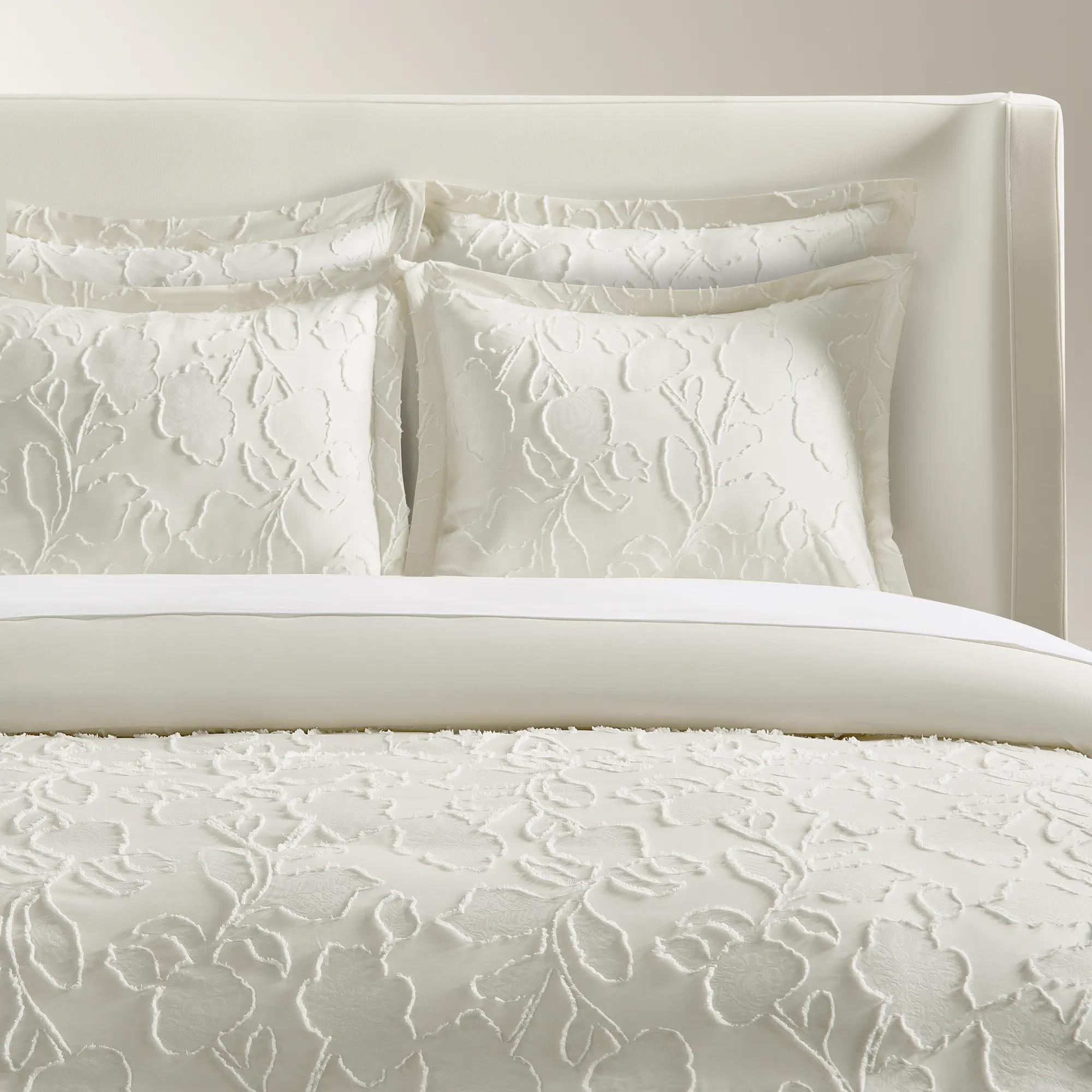
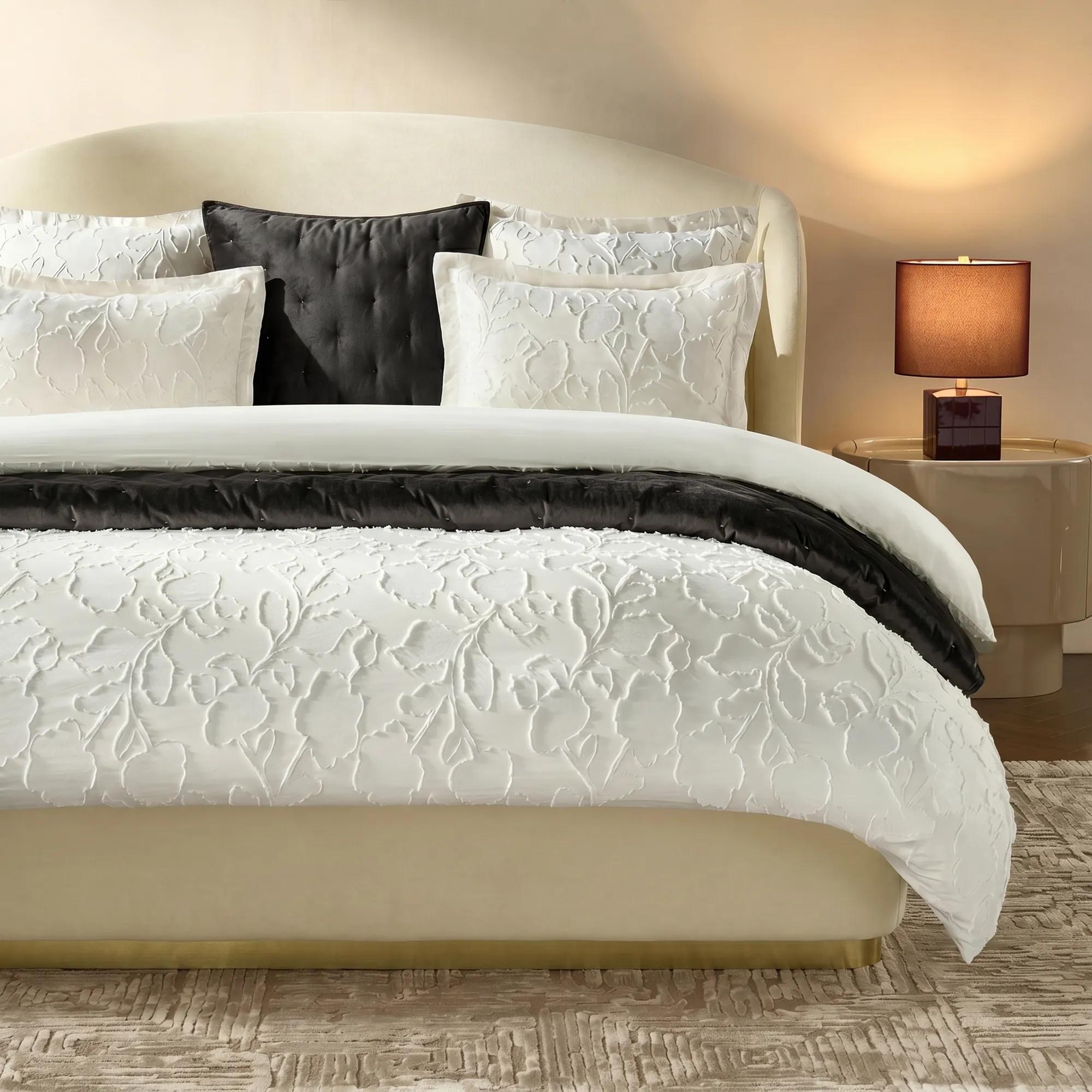 Cosette Ivory Cotton Floral Jacquard Bedding Set$229
A warm ivory bedding set featuring a tonal floral jacquard, eyelash fringe, and soft cotton backing.
Add To Cart -
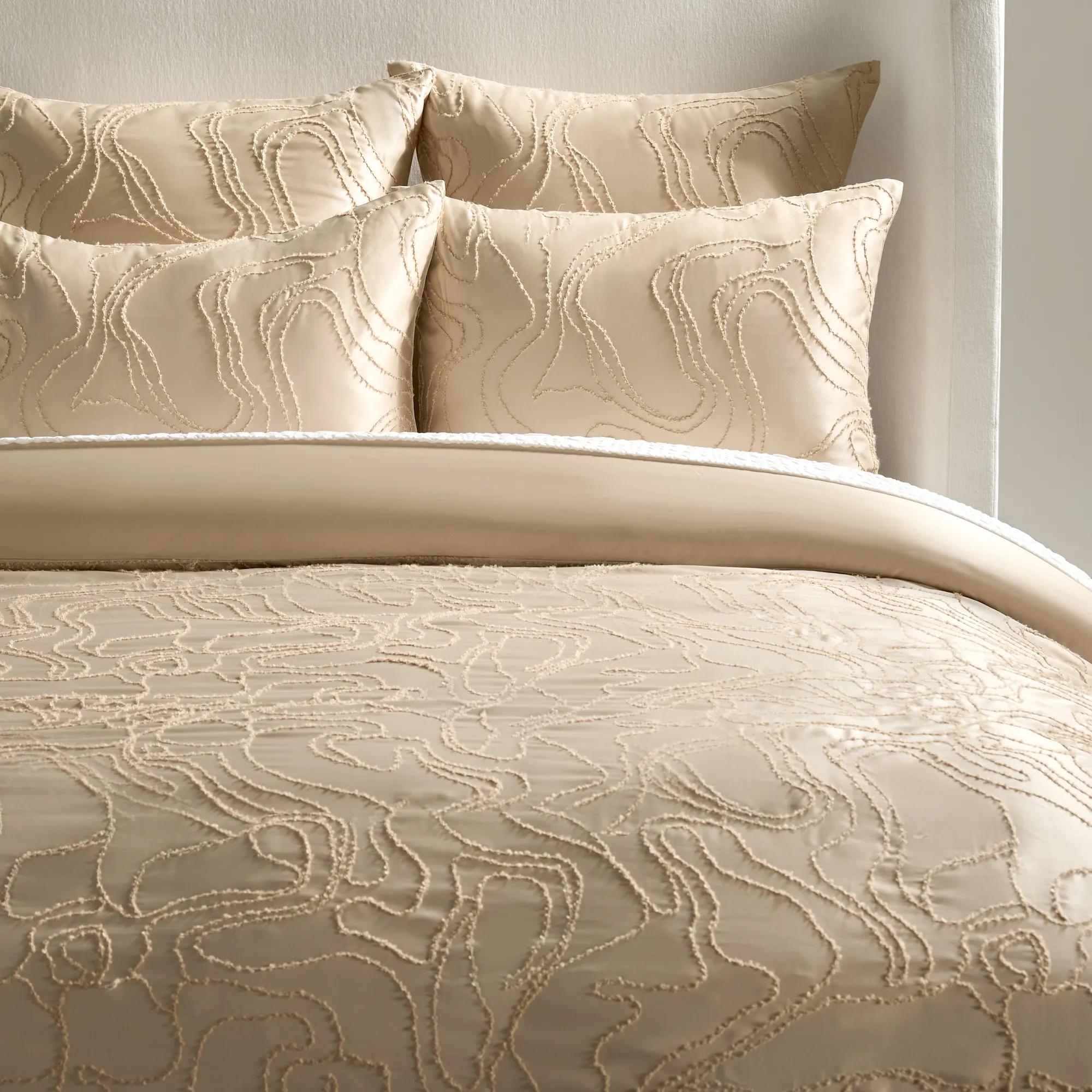 Noa Embroidered Champagne Beige Bedding Set$229
A champagne beige embroidered bedding set with a duvet cover and coordinating sham covers.
Add To Cart -
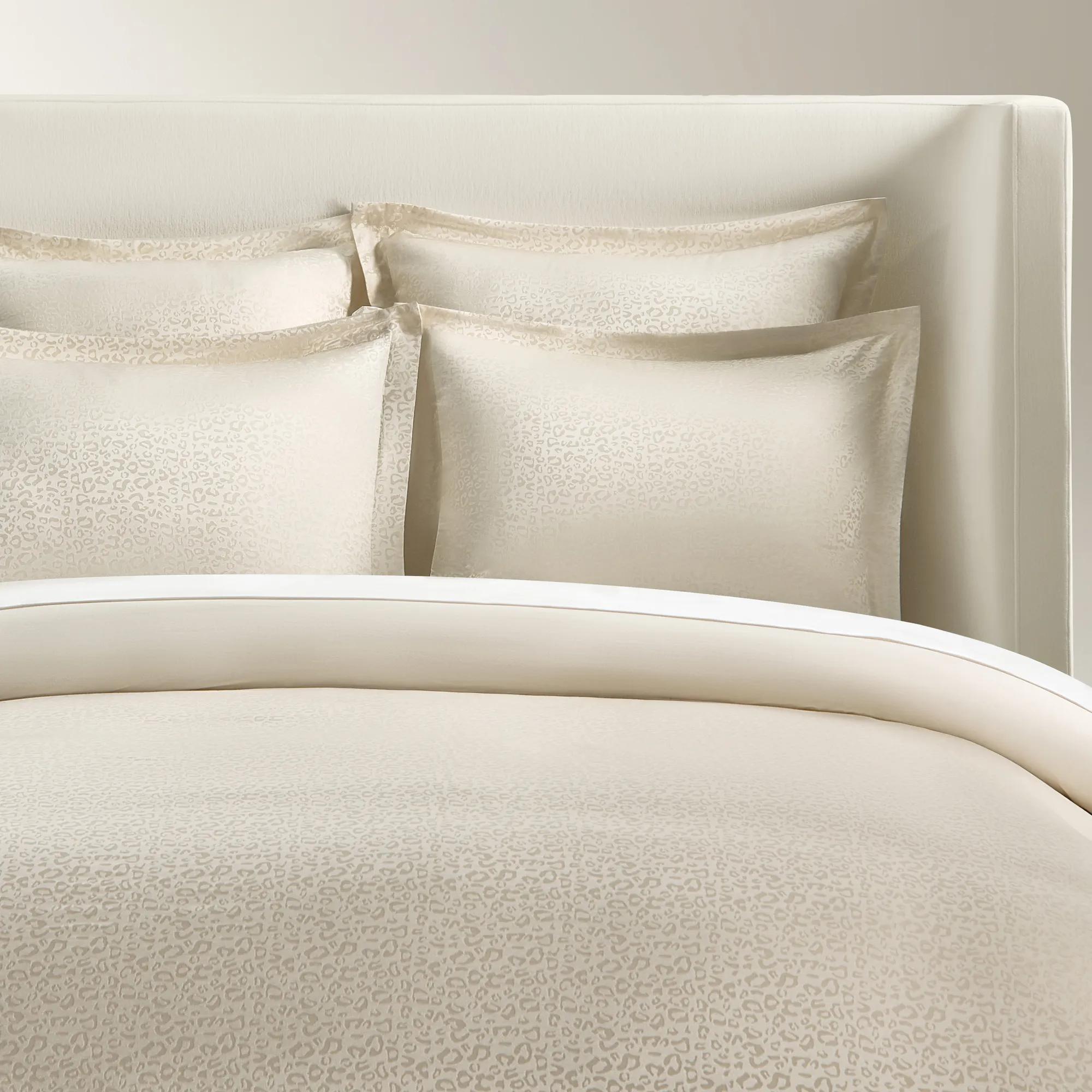 Abi Leopard Soft Nude Tencel Bedding Set$299
A soft nude bedding set featuring a tonal leopard print in a smooth Tencel blend with cotton reverse.
Add To Cart -
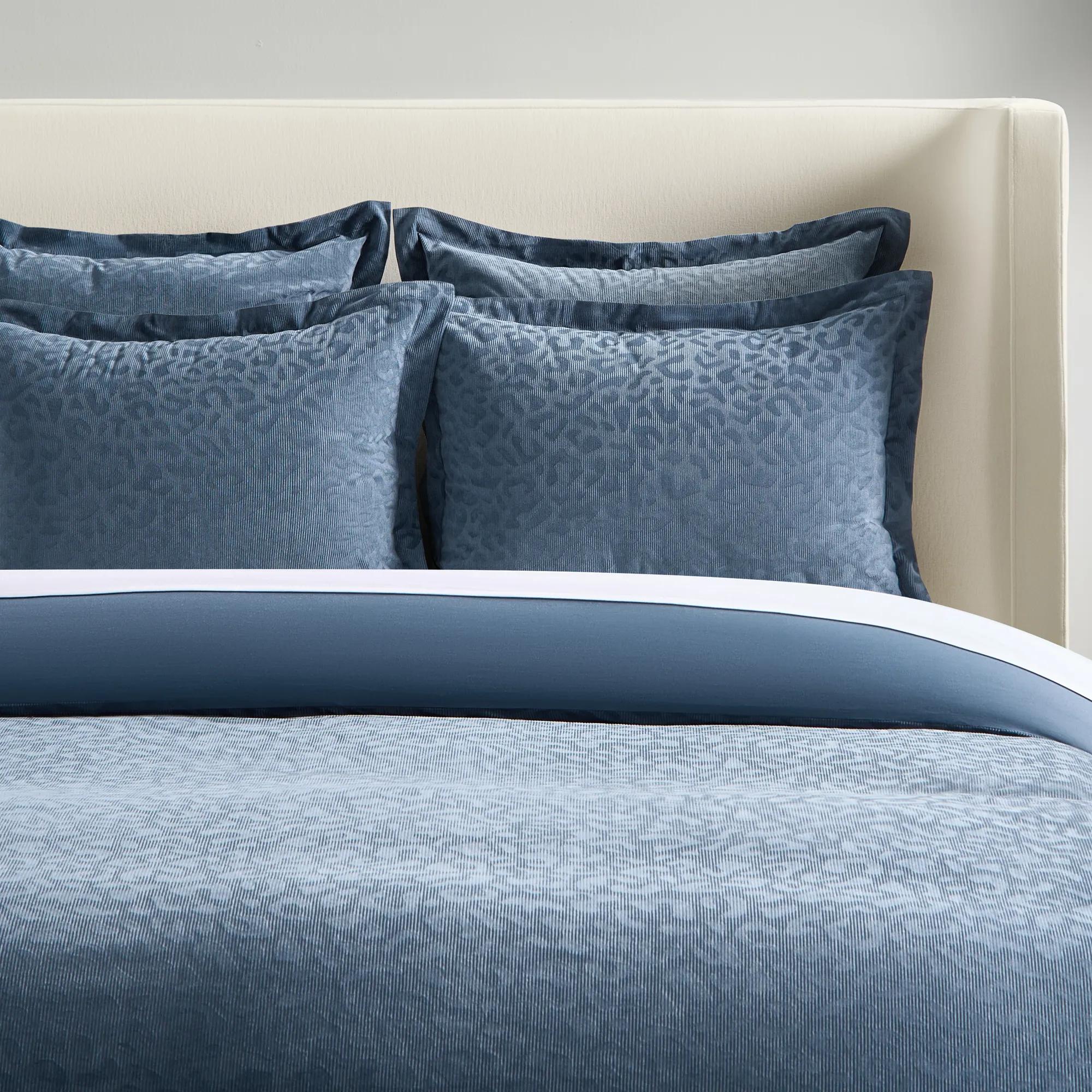
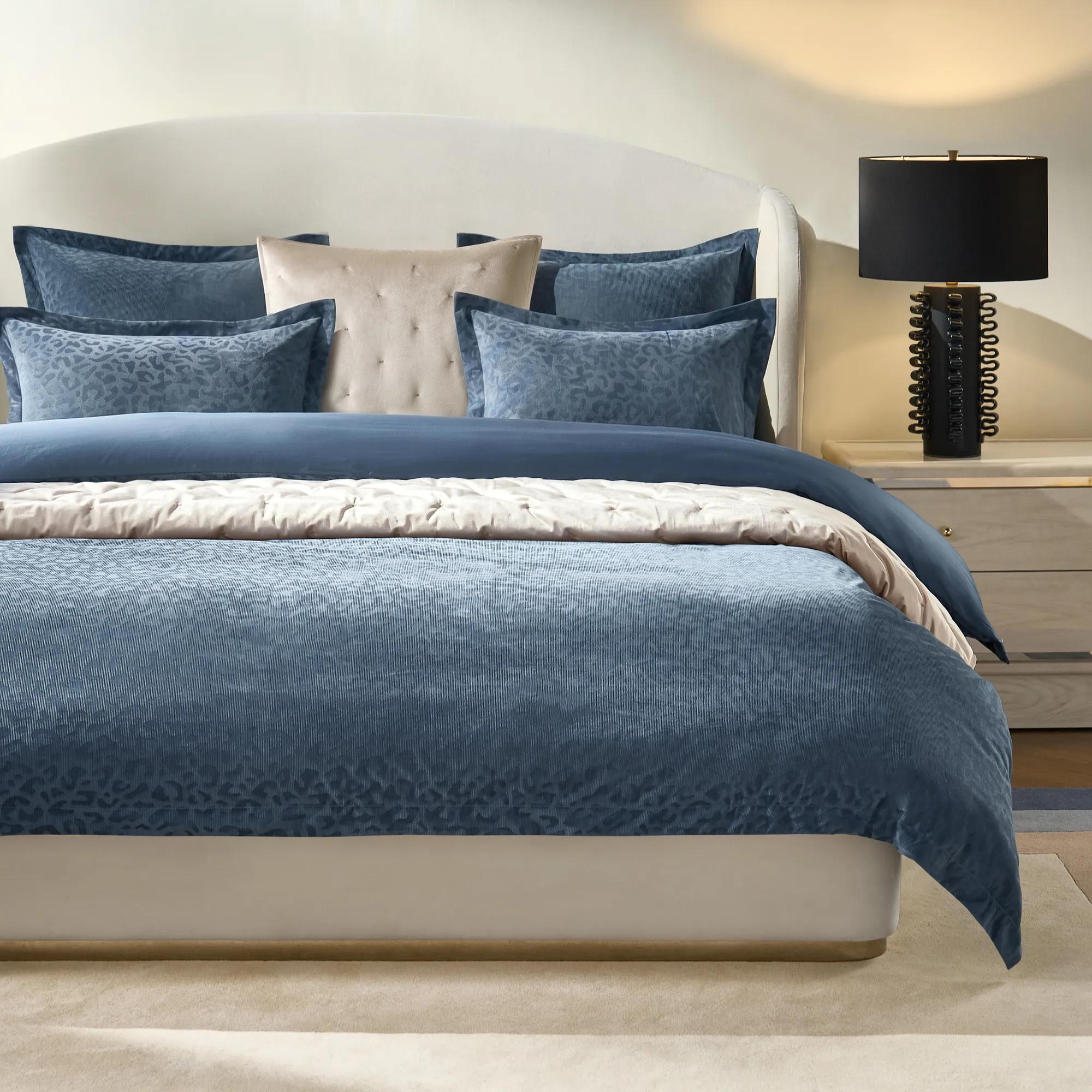 Leopard Dusty Blue Cotton Corduroy Velvet Bedding Set$249
A dusty blue velvet bedding set featuring a tonal leopard print and soft corduroy texture with cotton backing.
Add To Cart -
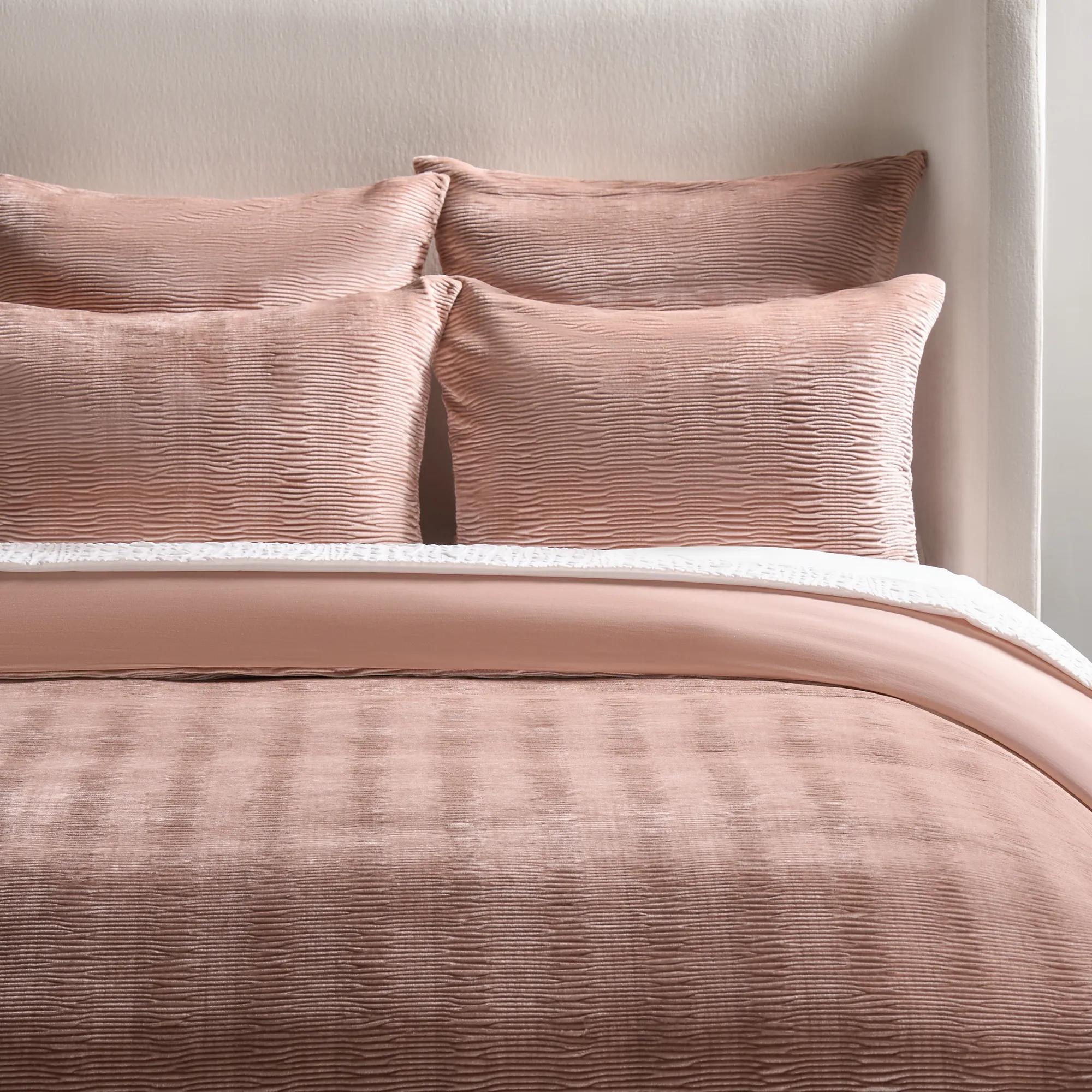
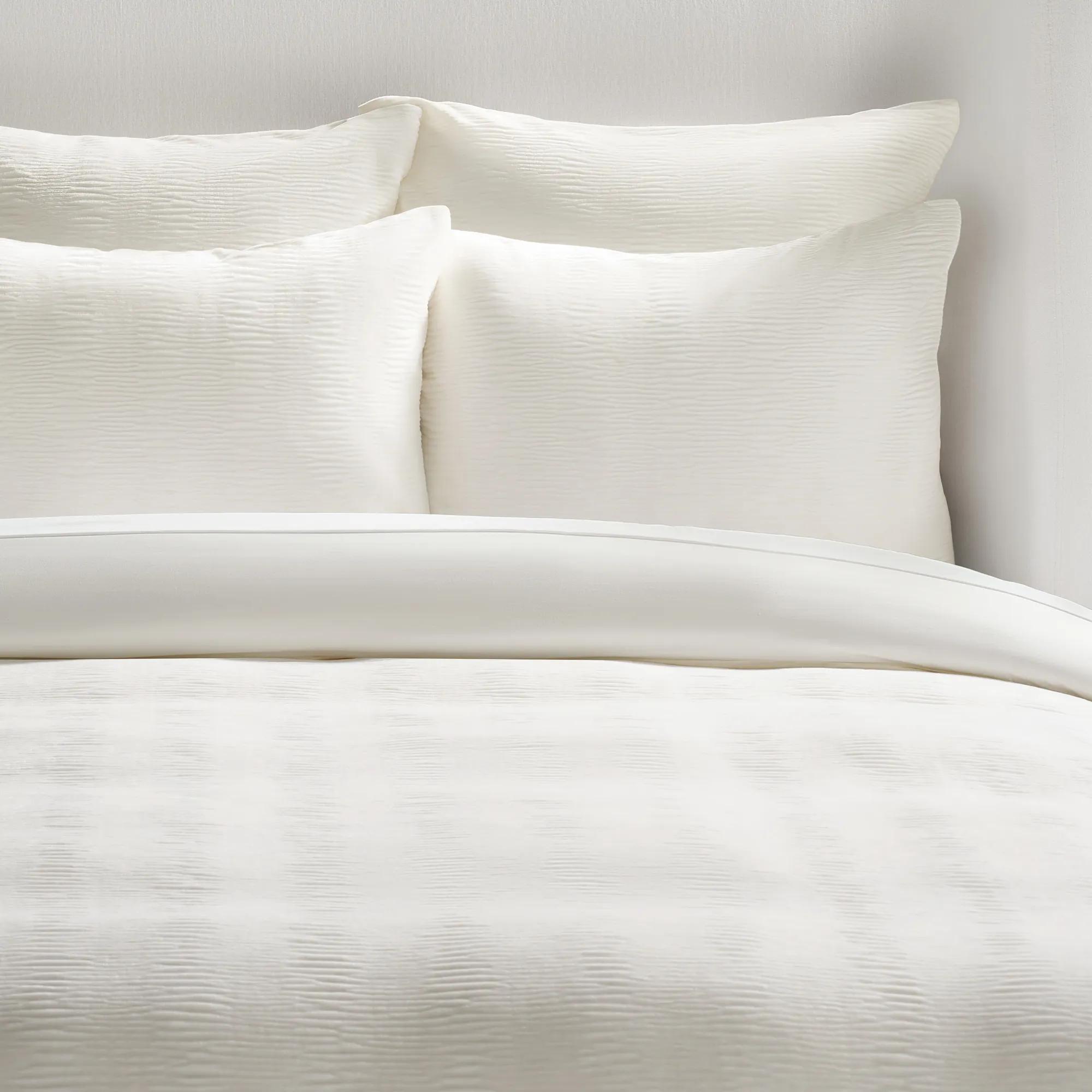 Vera Cloud White Soft Pleated Velvet Bedding Set$229
A cloud-white bedding set crafted from soft pleated velvet for luxurious, textured comfort.
Add To Cart -
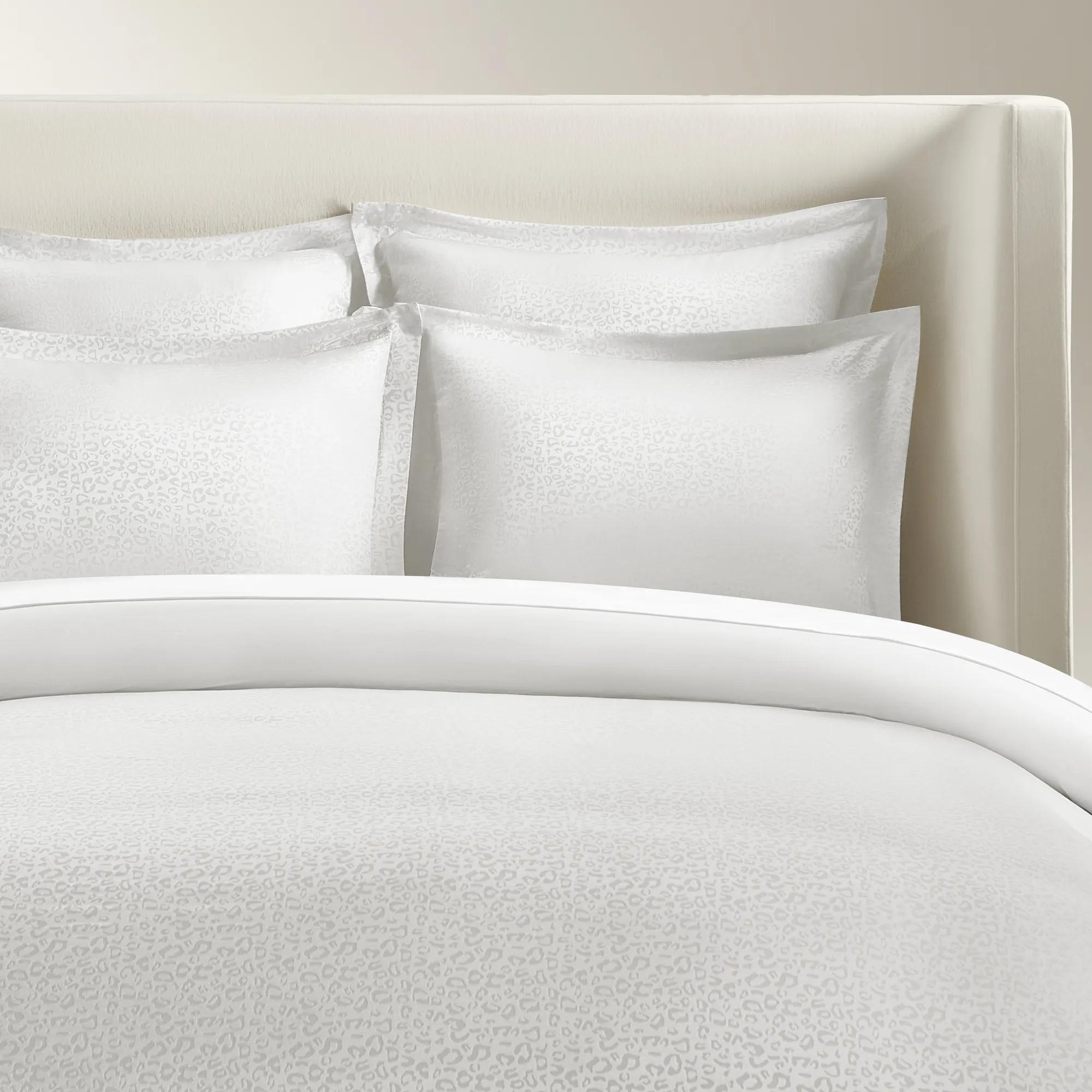
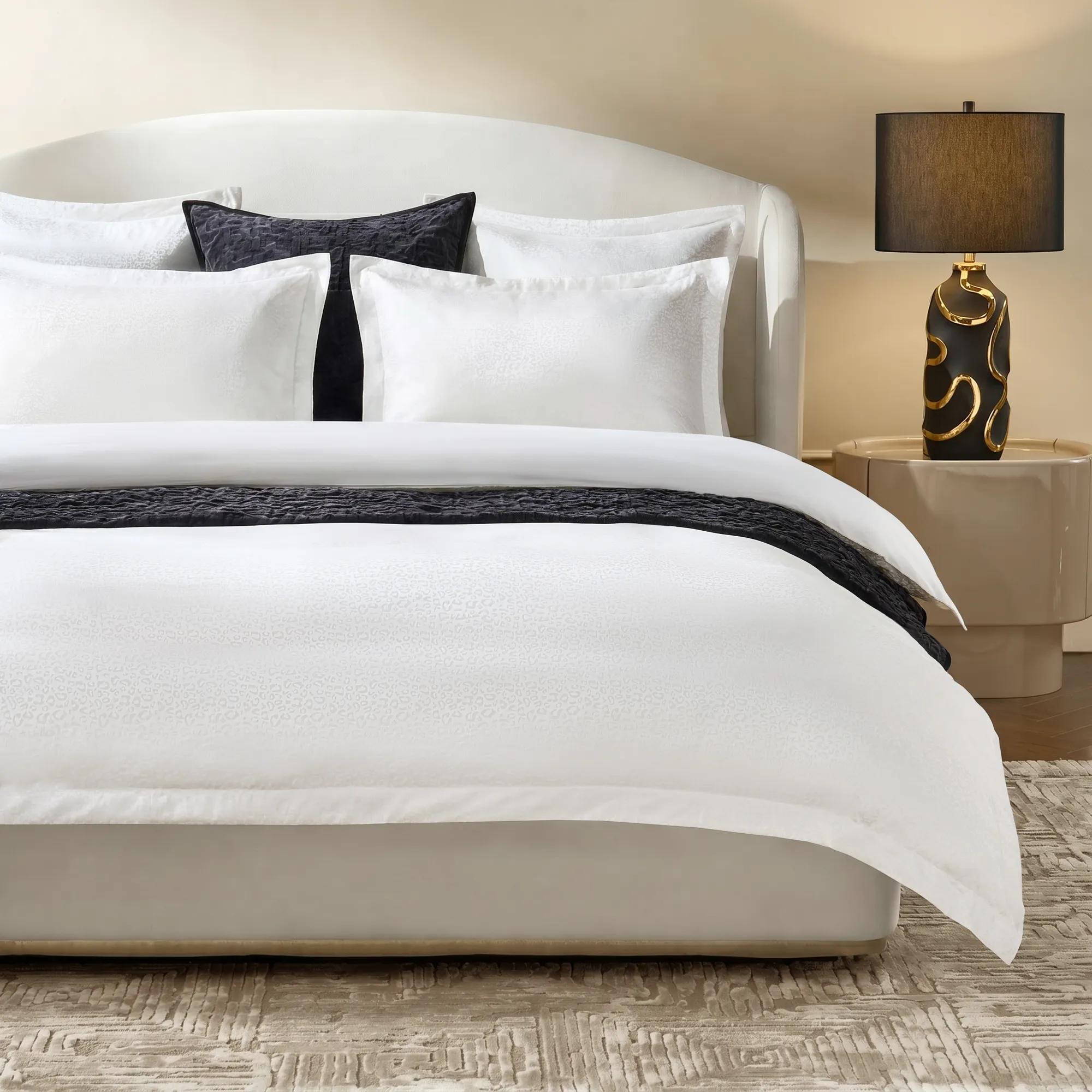 Abi Leopard Cloud White Tencel Bedding Set$299
A cloud white tonal leopard print bedding set crafted from a smooth Tencel blend with cotton reverse.
Add To Cart -
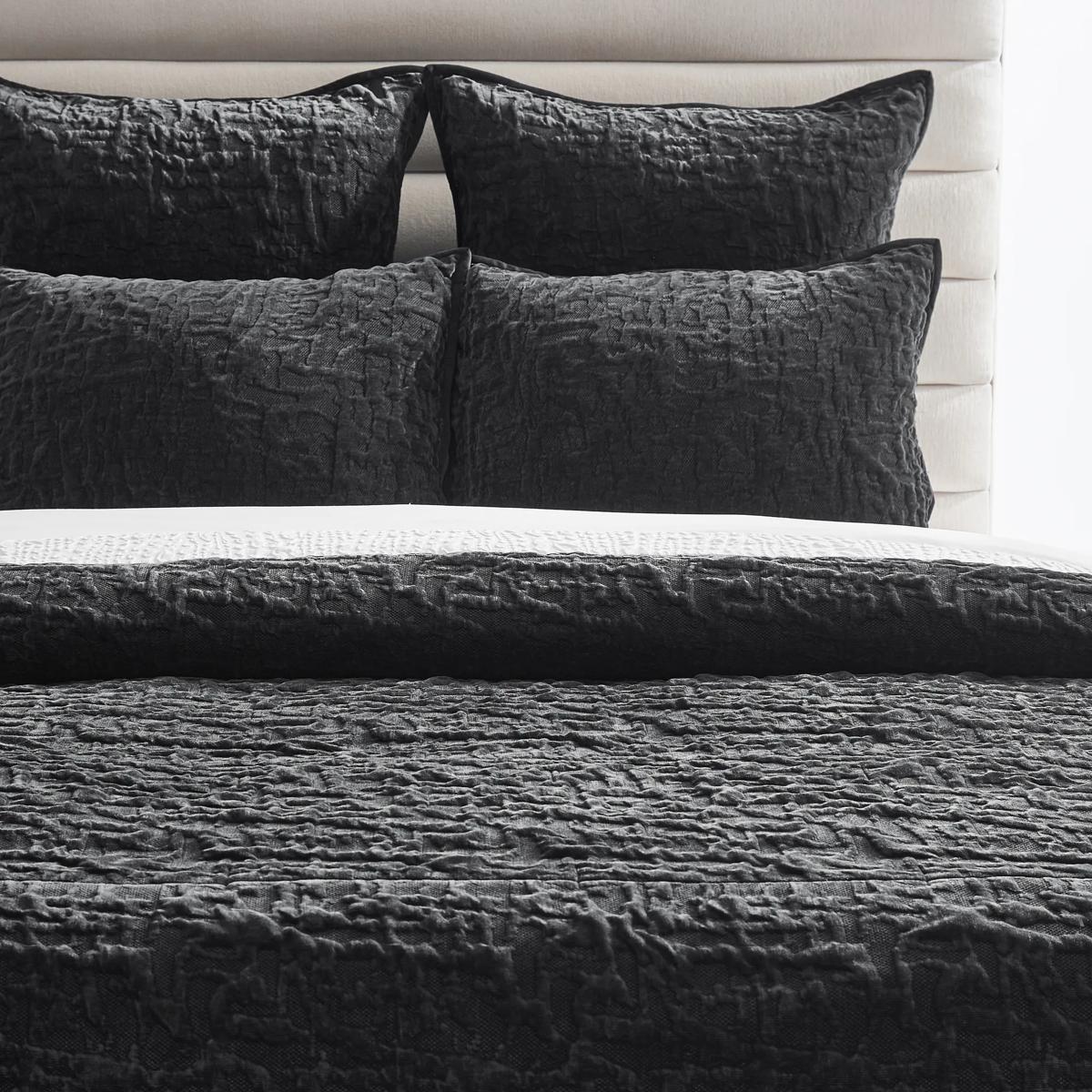
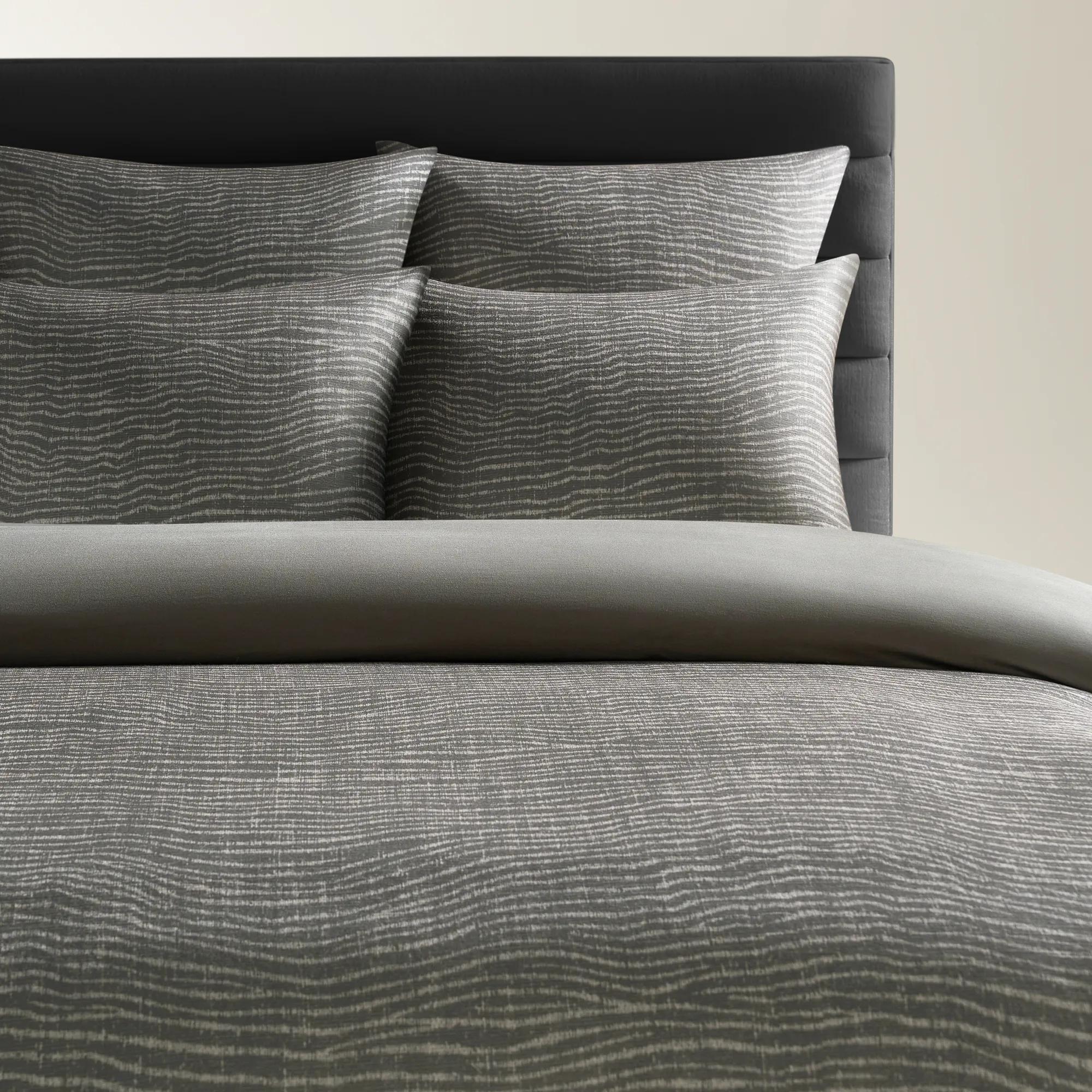 Sahara Bedding Set - Charcoal$59
A soft jacquard bedding set in calming charcoal with a subtle wave-inspired zebra print and refined details.
Add To Cart -
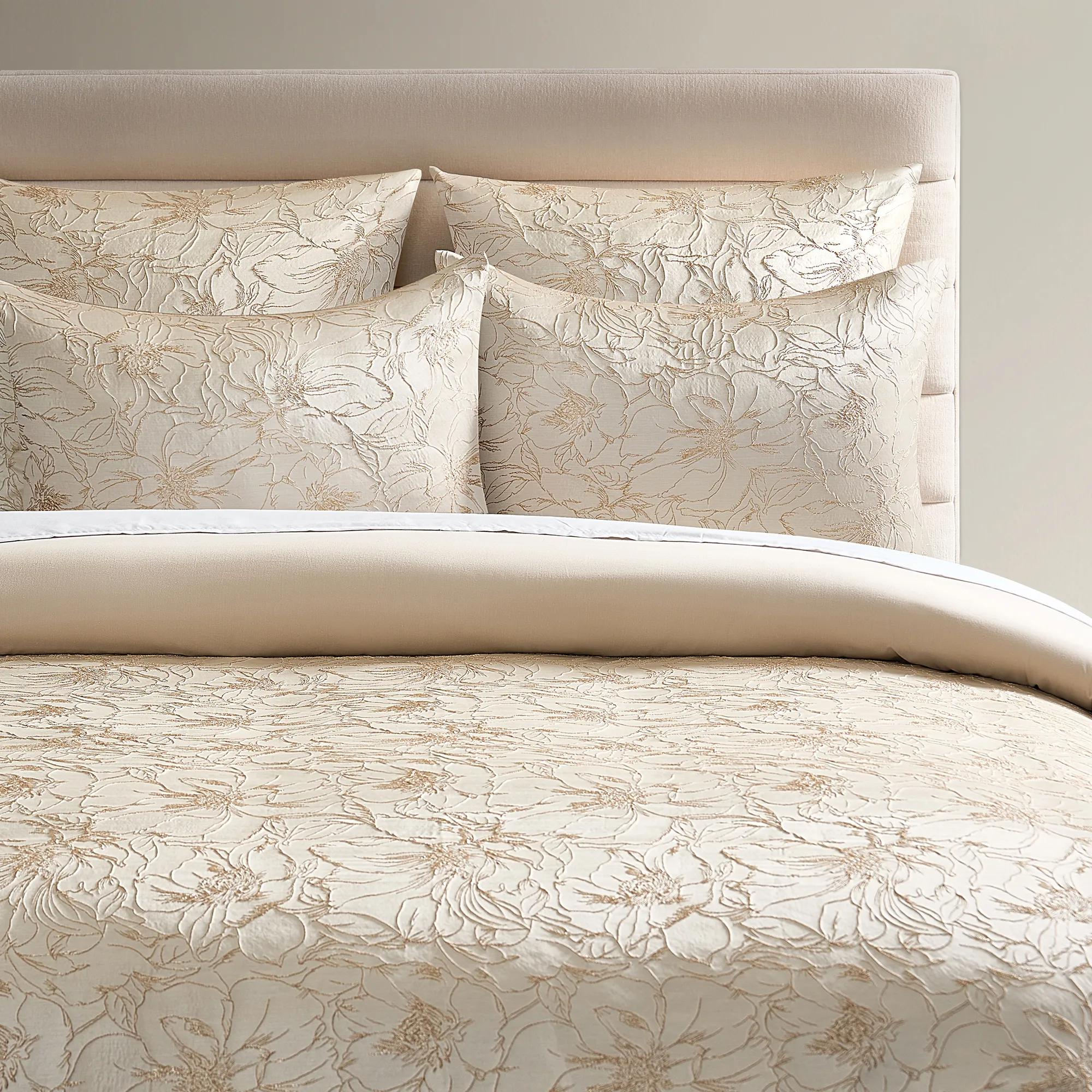 Mimoza Floral Jacquard Champagne Gold Bedding Set$199
A luminous bedding set featuring metallic champagne gold jacquard and delicate tonal floral embroidery.
Add To Cart -
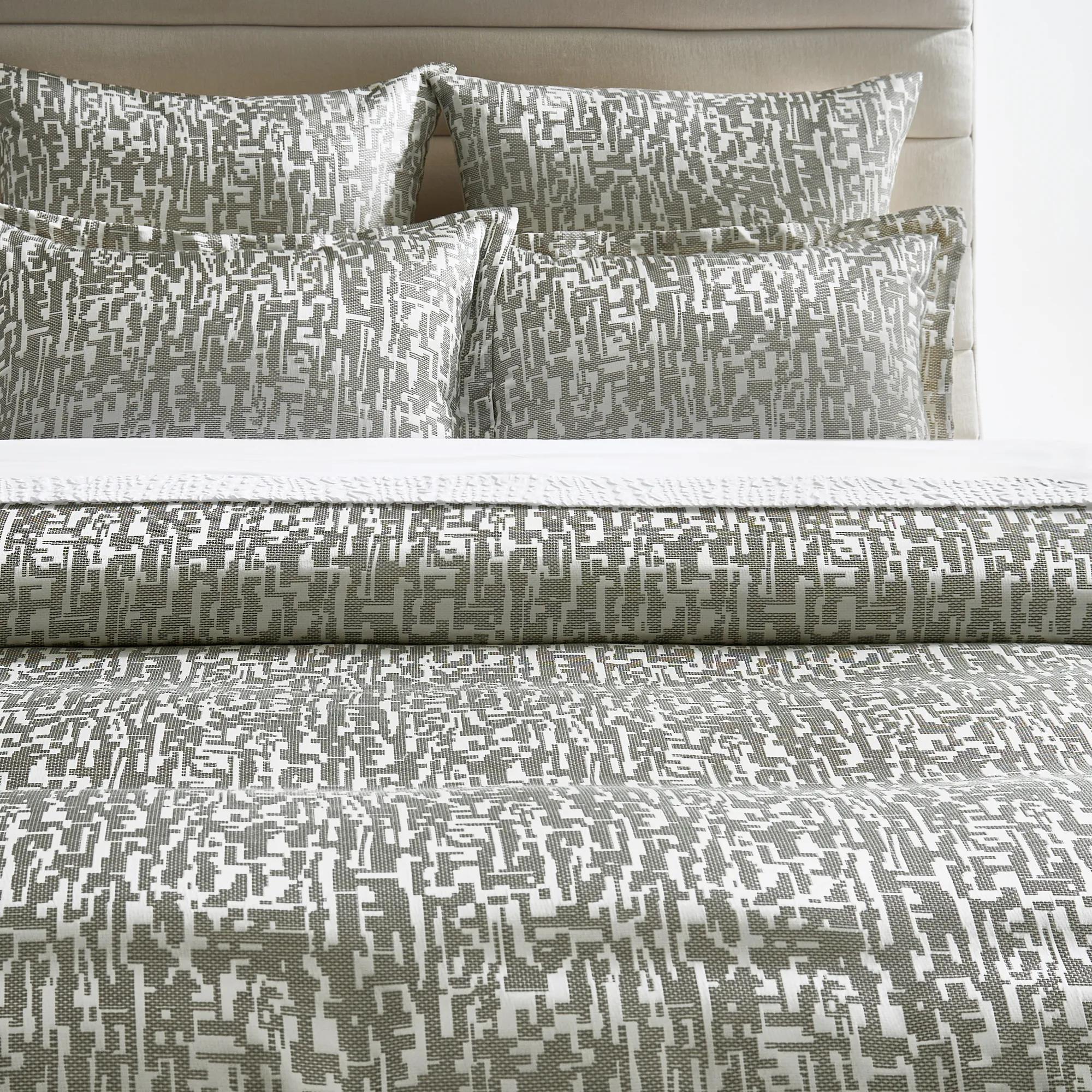
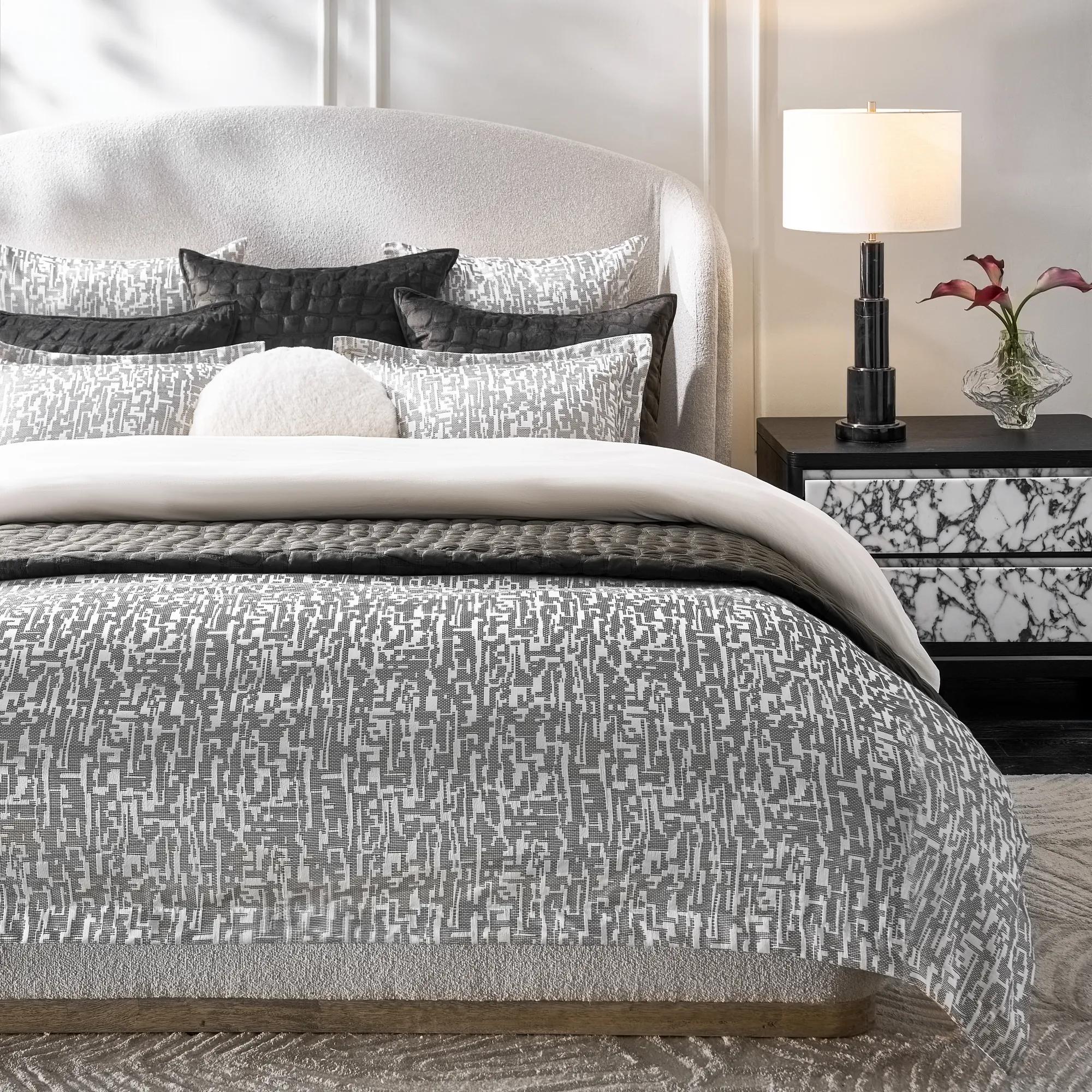 Podva Embroidered Bedding Set - Pearl/ Charcoal$279
A smooth satin bedding set in pearl and charcoal, featuring abstract embroidery and tailored flange edges.
Add To Cart -
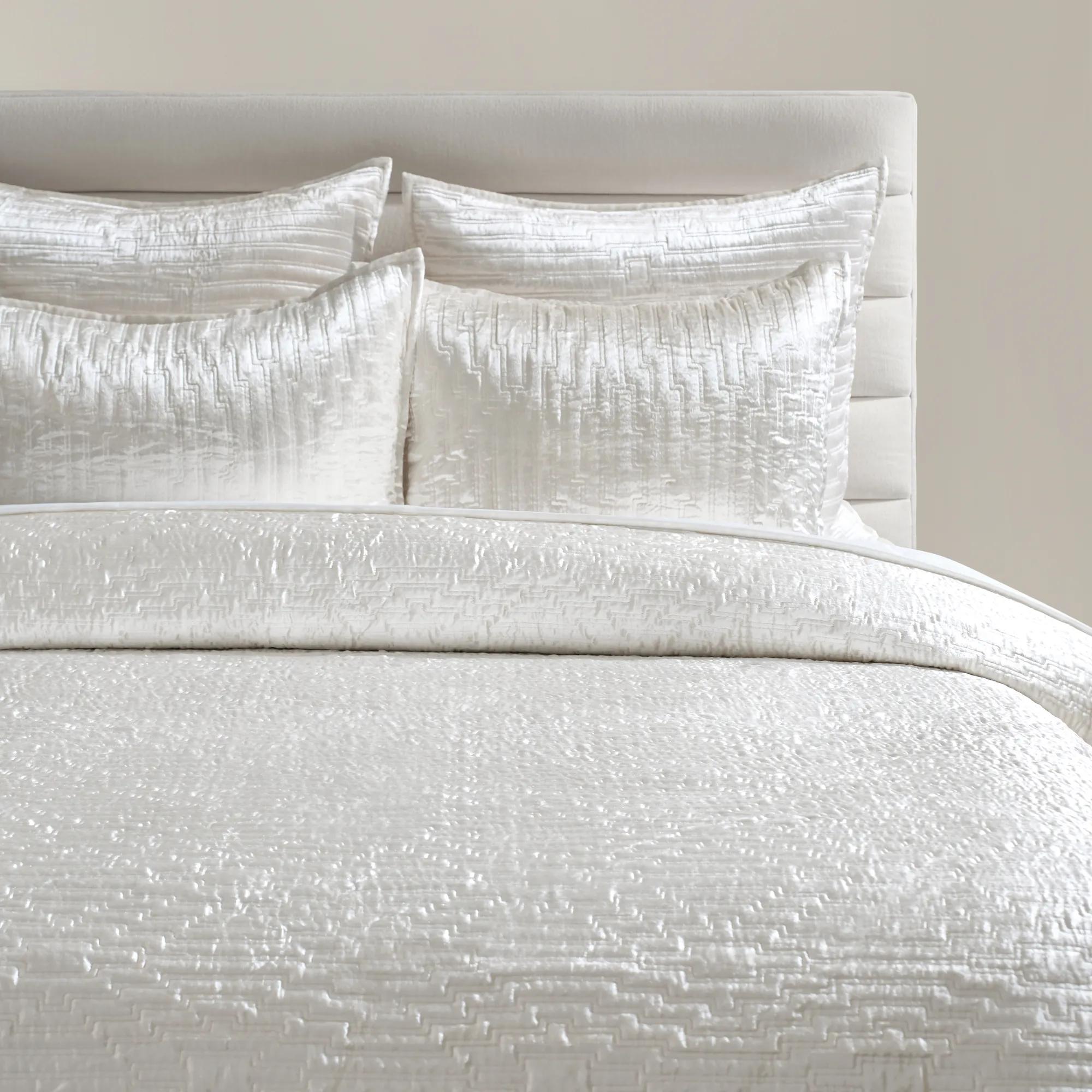
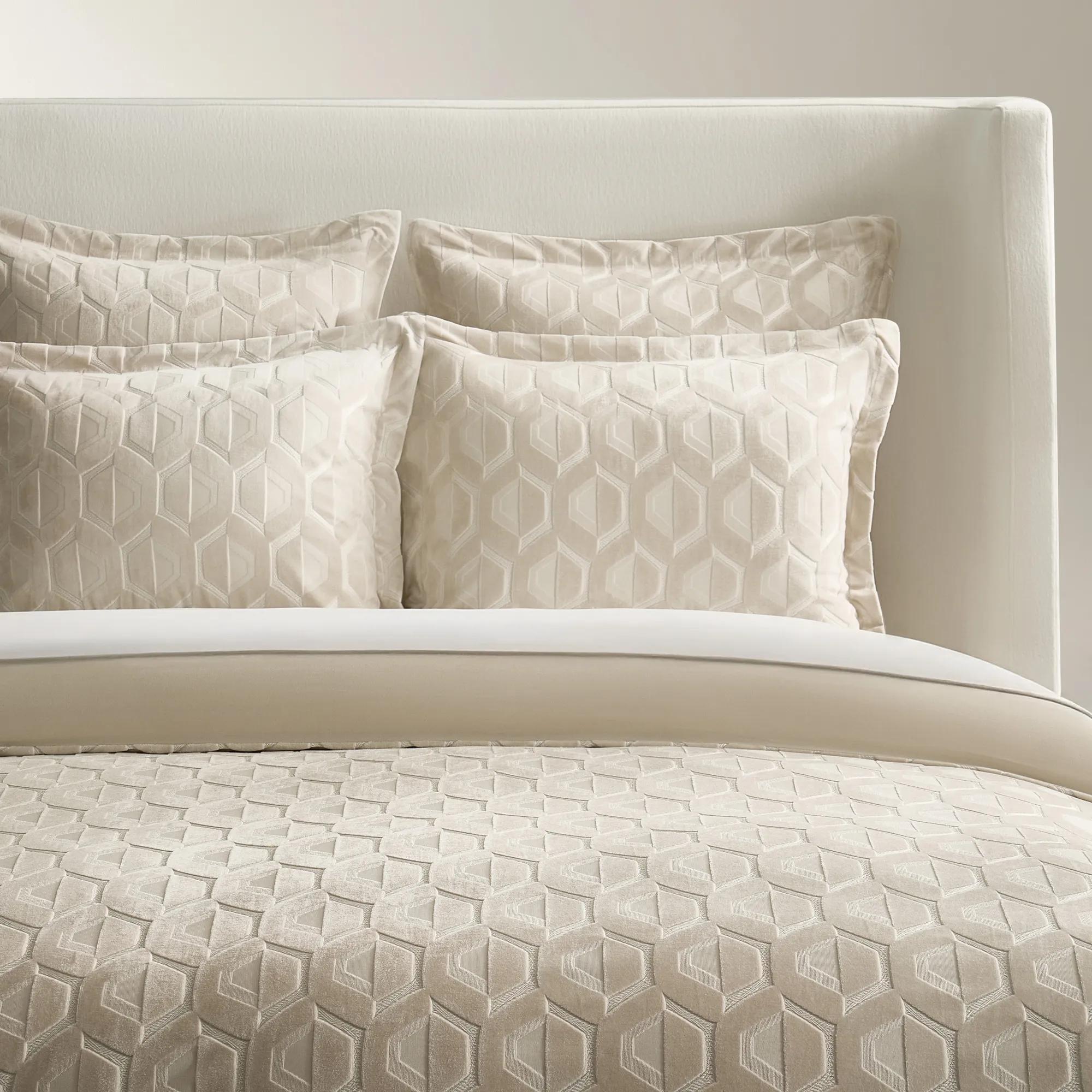 Cielo Alabaster White Geometric Cut Velvet Bedding Set$249
A white cut velvet bedding set with geometric detailing and coordinating duvet and sham covers.
Add To Cart -
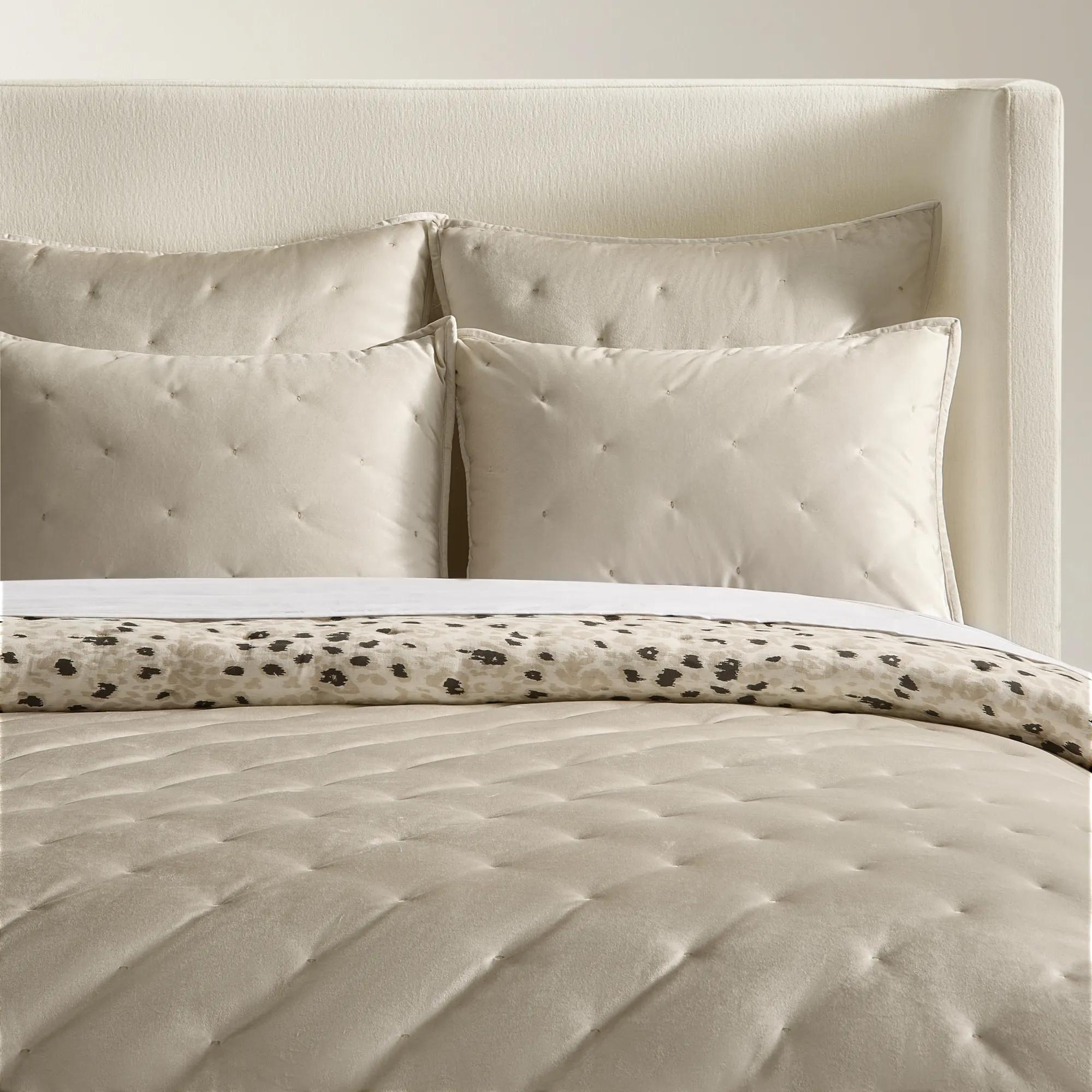 Nemera Alabaster/Leopard Reversible Velvet & Cotton Linen Quilt Set$349
A reversible quilt set featuring plush alabaster velvet on one side and bold leopard print cotton-linen on the other.
Add To Cart -
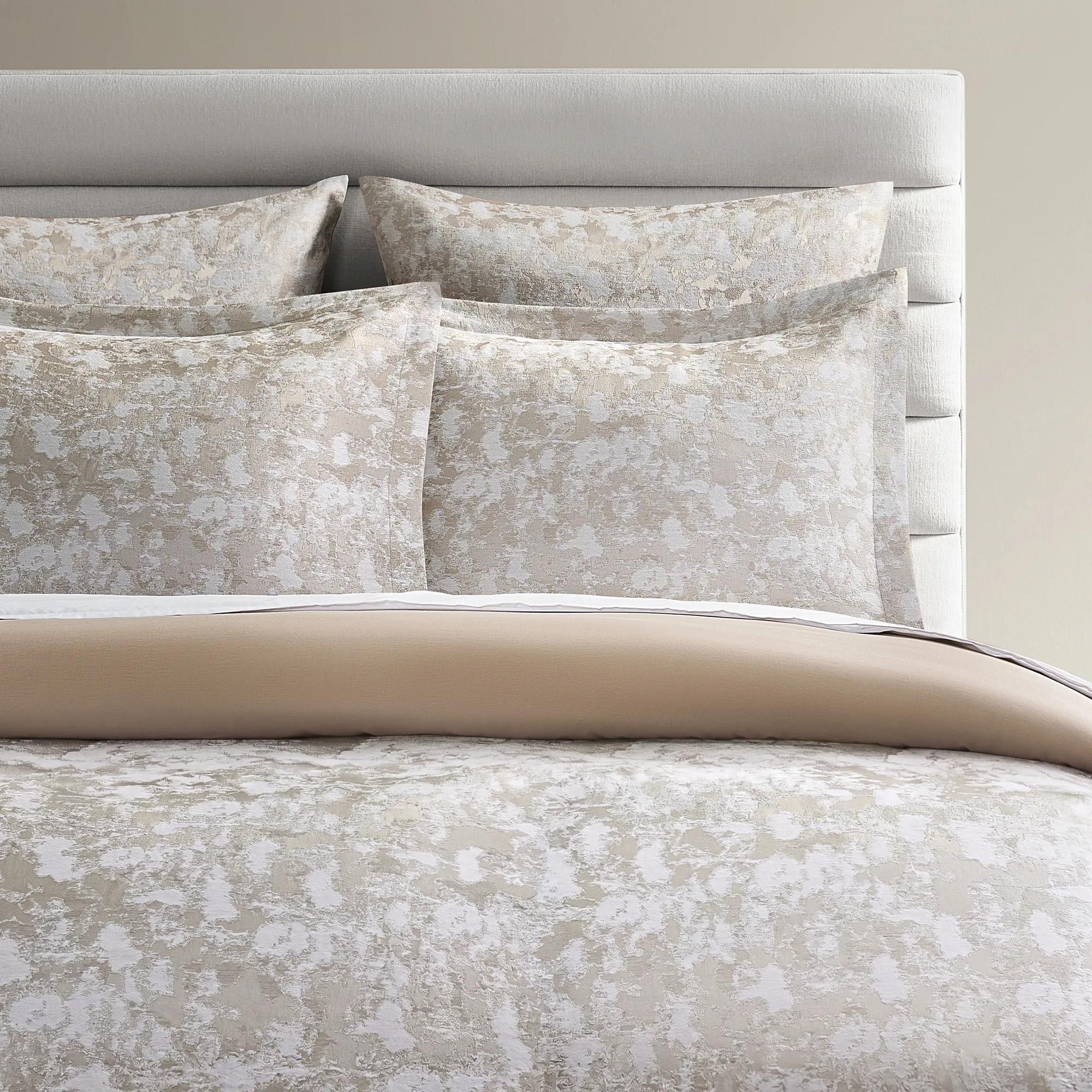 Nimbus Jacquard Metallic Champagne and Silver Bedding Set$229
A cloud-like bedding set in champagne and silver metallic jacquard with a marbled pattern and soft shimmer.
Add To Cart -
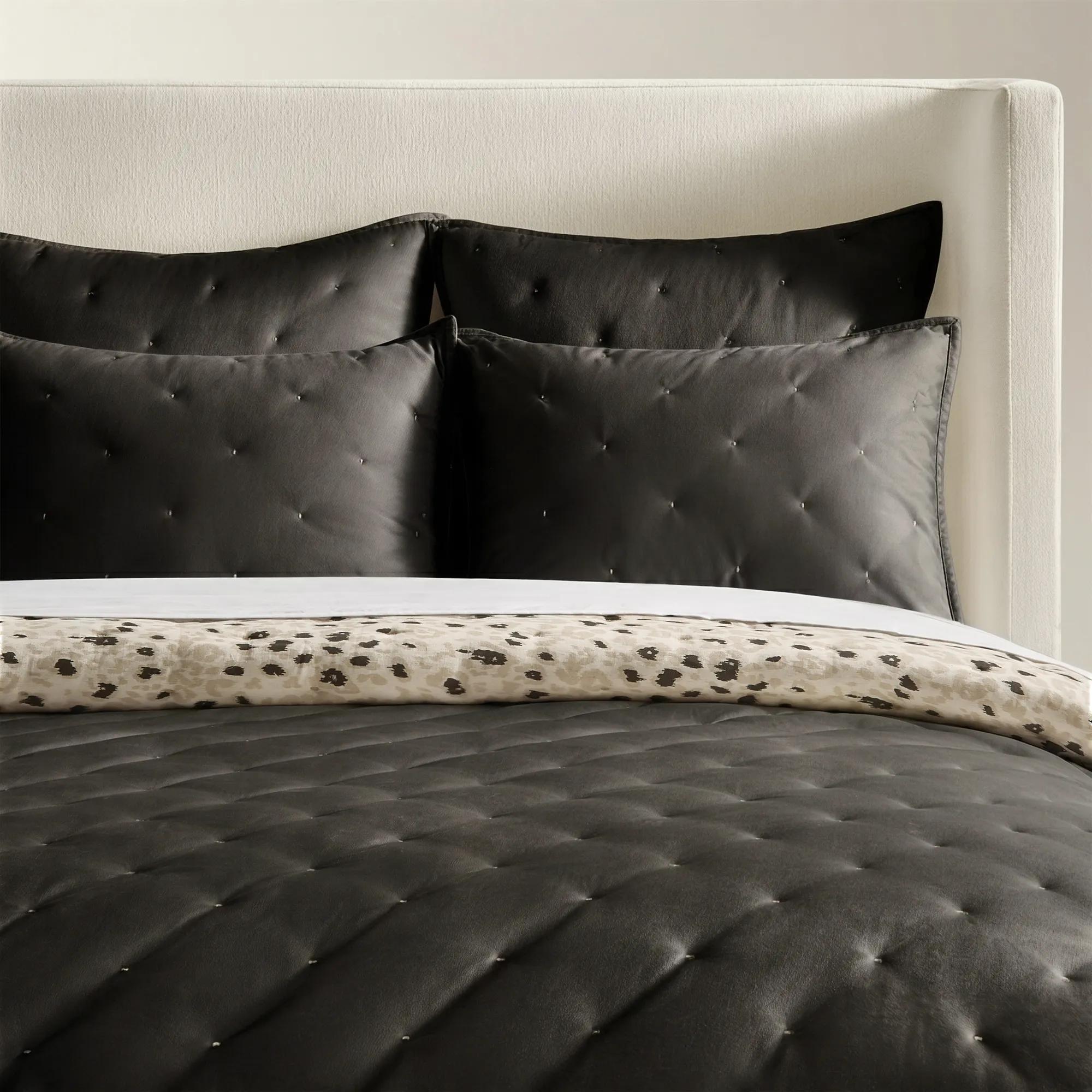
 Nemera Graphite/Leopard Reversible Velvet & Cotton Linen Quilt Set$299
A reversible quilt set featuring plush graphite velvet on one side and bold leopard print cotton-linen on the other.
Add To Cart

Luxury Cotton Duvet Sets
Explore luxury cotton duvet sets for a bed that feels inviting and looks artfully composed. As you choose a duvet cover set, match its dimensions to your duvet insert, check which pieces are included, and consider how the color and design will complement your bedroom’s palette.
Luxury cotton duvet sets bring a richly considered finish to the bed, pairing the natural softness of cotton with the visual presence of coordinated bedding. A duvet set generally includes a removable duvet cover and matching pillow shams, although the number and type of pieces vary; the duvet insert is separate unless expressly included. The cover dresses and protects the insert, while the shams extend the fabric, color, and detailing across the head of the bed. Together, they create a generous canvas for everything from luminous ivory and sculptural texture to saturated color framed by crisp tailoring. Cotton’s appeal begins with its absorbency, breathability, and familiar feel against the skin, but its character changes considerably with the yarn and weave. Percale has a balanced, plain-weave construction with a matte surface and a crisp hand. Cotton sateen uses a weave with longer exposed yarns to create a smoother face, a subtle sheen, and a more fluid drape. Woven patterns, embroidery, and dimensional finishes introduce another layer of artistry, giving an otherwise restrained bed depth and definition. Long-staple cotton can contribute to smoother, stronger yarns with fewer exposed fiber ends, though fiber quality, spinning, weaving, and finishing all influence the finished fabric. Thread count describes the number of threads per square inch; it does not, on its own, establish softness, durability, or luxury. A beautifully balanced fabric has more to offer than a large number on a label. For another expression of luminous bedding, Luxury Satin Duvet Covers provide a related direction, with fiber composition remaining an important distinction between fabrics. Cotton duvet sets have their own expressive range: softly rumpled and inviting, sleek and architectural, or embellished enough to become the room’s defining detail. The most compelling effect comes from the relationship between texture, proportion, and the surrounding furnishings, not from ornament alone.
The silhouette of a dressed bed depends as much on fit as it does on fabric. Twin, full, queen, and king labels provide a starting point, but actual duvet cover dimensions can differ, making the measurements of the cover and insert more useful than the size name alone. A closely matched pairing helps the insert fill the cover without leaving empty edges or gathering into bulky folds. Mattress depth, bed-frame height, and the desired amount of side coverage also influence how the finished bed looks. A deep mattress may reveal more of the bedding beneath a shorter cover, while a generous drop creates a sweeping line beside an upholstered frame. Corner ties or interior loops, when included and compatible with the insert, help maintain that shape through everyday use. Button, zipper, and envelope-style closures each produce a different finish, with secure construction helping keep the insert contained. Pillow shams deserve the same attention to proportion: standard, king, and Euro shapes are not interchangeable, and flange borders add visual width beyond the pillow itself. In a primary bedroom, an expansive cotton duvet cover balanced by full, neatly fitted shams can make a tall headboard feel even more dramatic. In a guest room, a coordinated set offers a welcoming focal point without requiring layers of decorative pillows to feel complete. Color and surface detail give that foundation its personality. An ivory cotton duvet set can soften the gleam of mirrored furniture, while a deeper neutral creates contrast against pale upholstery and polished metal. A textured weave lends dimension to a room with smooth walls and sleek case goods; a quieter fabric allows patterned artwork or an ornate headboard to command attention. Folded back to reveal a complementary sheet, the duvet becomes part of a deliberate composition. The result is sumptuous without feeling crowded, with enough breathing room for each material to register.
Lasting beauty depends on construction and care as well as the initial feel of the fabric. Even stitching, securely attached fastenings, and well-finished seams support repeated use, while delicate embroidery, applied trim, and raised textures may call for more particular handling. Cotton bedding can soften with laundering, but abrasion, unsuitable cleaning products, and excessive dryer heat can shorten its life or alter its finish. The sewn-in care label takes precedence, especially when a set combines cotton with decorative materials. Where machine washing is permitted, a gentle cycle, an appropriate mild detergent, and enough room for the fabric to move help limit unnecessary wear. Overloading a washer can leave large covers tightly twisted and unevenly cleaned. Closing fastenings as directed, keeping bedding away from snagging hardware, and drying according to the label help preserve both the fabric and the details that distinguish it. Prompt removal from the dryer and smoothing while folding can reduce creasing; a relaxed cotton surface may retain gentle wrinkles, while a more tailored presentation can require pressing when permitted. Complete drying before storage matters, and a clean, dry linen cupboard helps protect a freshly laundered set between uses. A second set makes it easier to maintain a beautifully dressed bed while the first is being washed, particularly in a frequently used guest suite. Luxury cotton duvet sets also make thoughtful wedding, housewarming, or anniversary gifts when the recipient’s bed dimensions and design preferences are known. A softly lustrous neutral suits someone building a layered bedroom palette, while distinctive texture can appeal to a recipient whose interiors favor bold, tactile detail. For everyday use, the strongest choice is a set whose feel, maintenance needs, and proportions suit the household as convincingly as its appearance suits the room. Cotton bedding earns its place through that balance: expressive enough to transform the bed, comfortable enough to live with, and beautifully integrated into the rituals of home.
FAQs
Luxury comes from the interplay of cotton quality, weave, and finishing—not thread count alone. Look for a refined feel, graceful drape, and carefully finished seams or closures. Thoughtful details give cotton bedding its polished presence, transforming the bed into a richly layered focal point.
Percale has a matte finish and a crisp feel, lending itself to a sharply tailored bed. Sateen has a subtle sheen and a smoother, more fluid drape for a luminous look. Both are cotton weaves; the choice is about the texture and mood you want to create.
A cotton duvet set centers on a removable cover that dresses a separate duvet insert, while a comforter has its fill enclosed within its outer fabric. Duvet sets may also include coordinating pillow shams. Check the listed contents to understand which pieces complete the ensemble.
Let the duvet establish your palette, then introduce contrast through texture and silhouette. Pair smooth cotton with velvet accent pillows, a sculptural bolster, or a richly textured throw. A restrained mix of tones creates depth, while a statement headboard gives the entire composition an artful frame.
Follow each piece’s care label, since finishes and decorative details can require different treatment. When machine washing is permitted, use a gentle detergent and the recommended water temperature and drying setting. Close fasteners before laundering and remove pieces promptly after drying to help preserve their polished appearance.