Luxury Bedroom Mirrors
Luxury Bedroom Mirrors
-
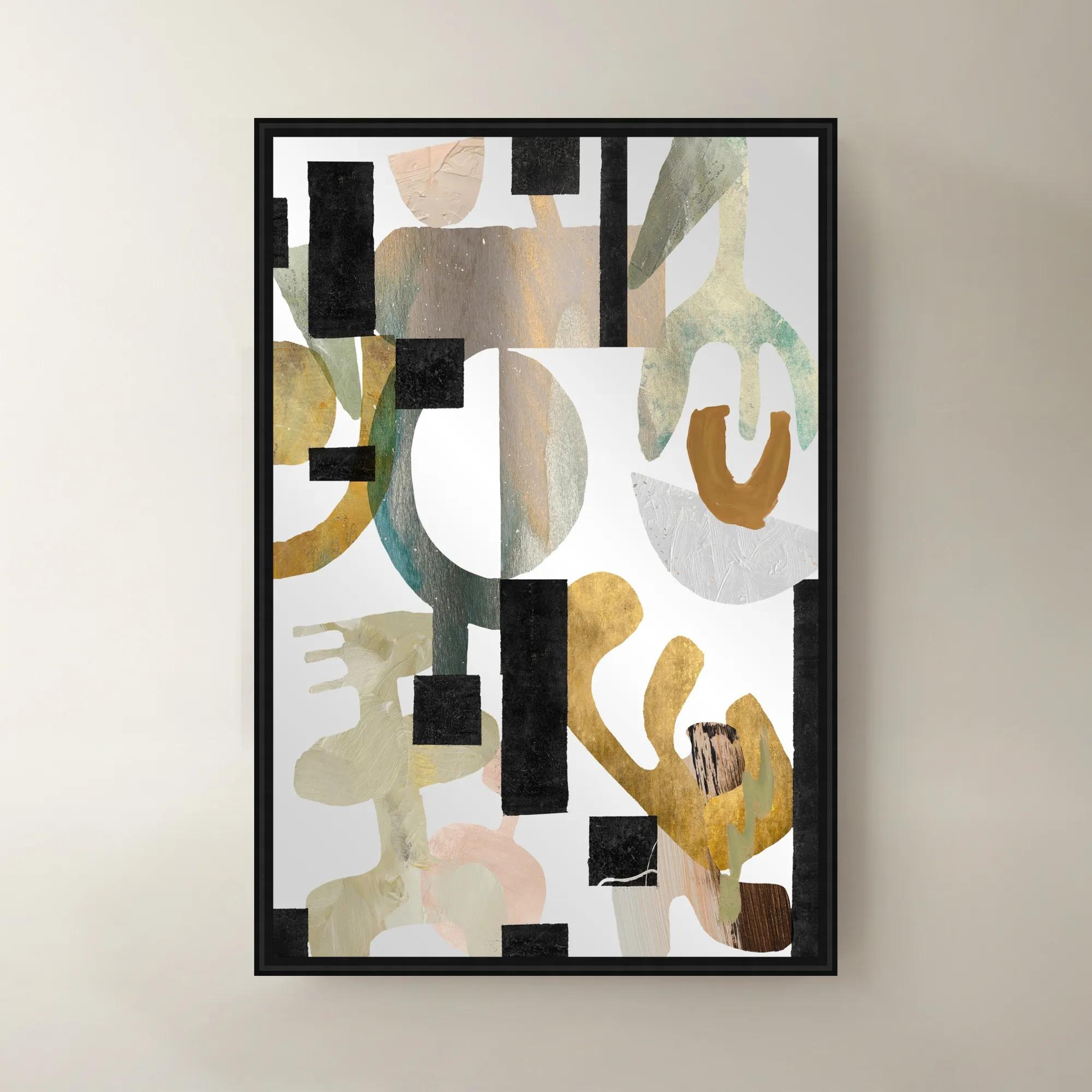
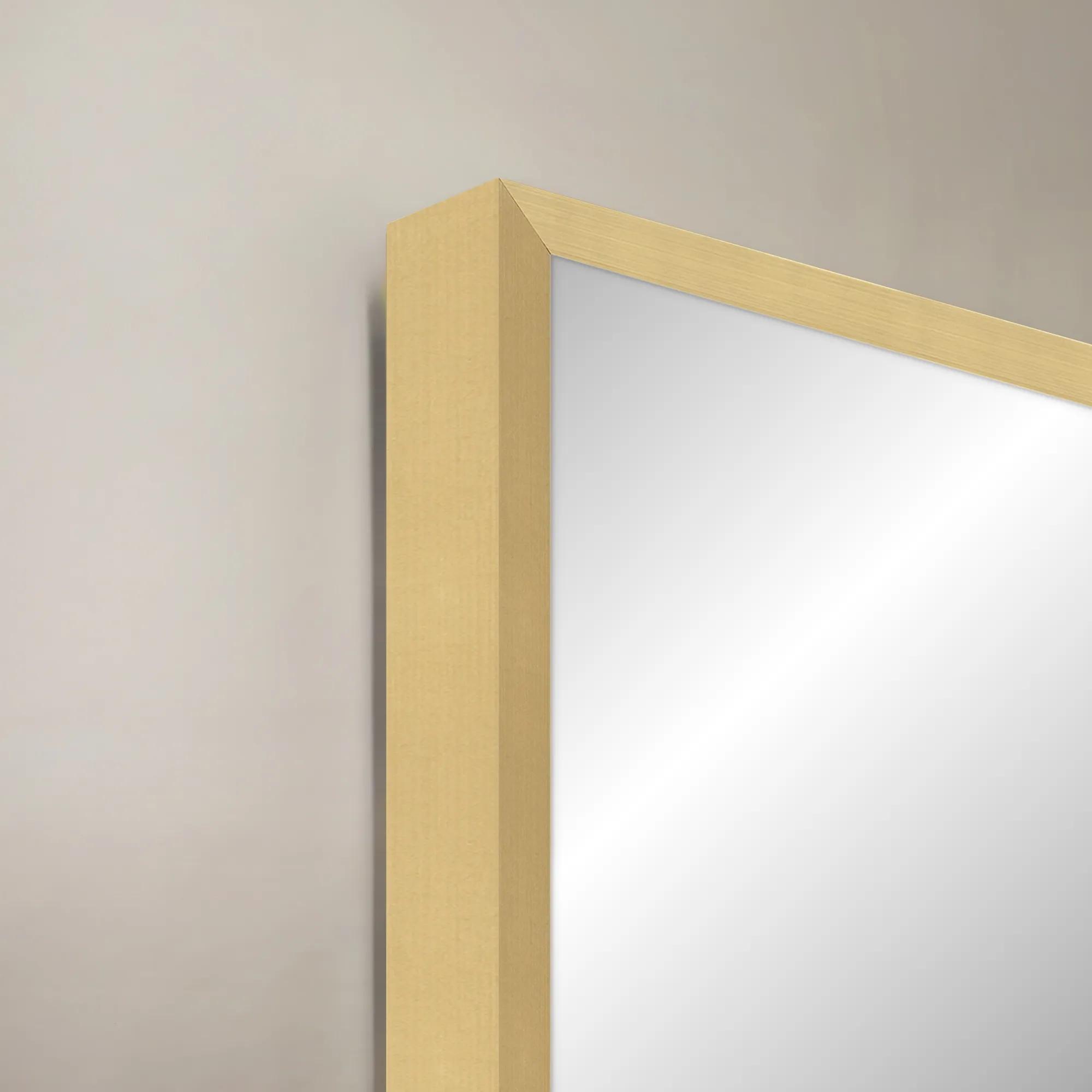 Night Scent III Framed Printed Wall Mirror 40" x 60"$1499
A framed printed wall mirror offering artistic dimension and contemporary style.
Add To Cart -
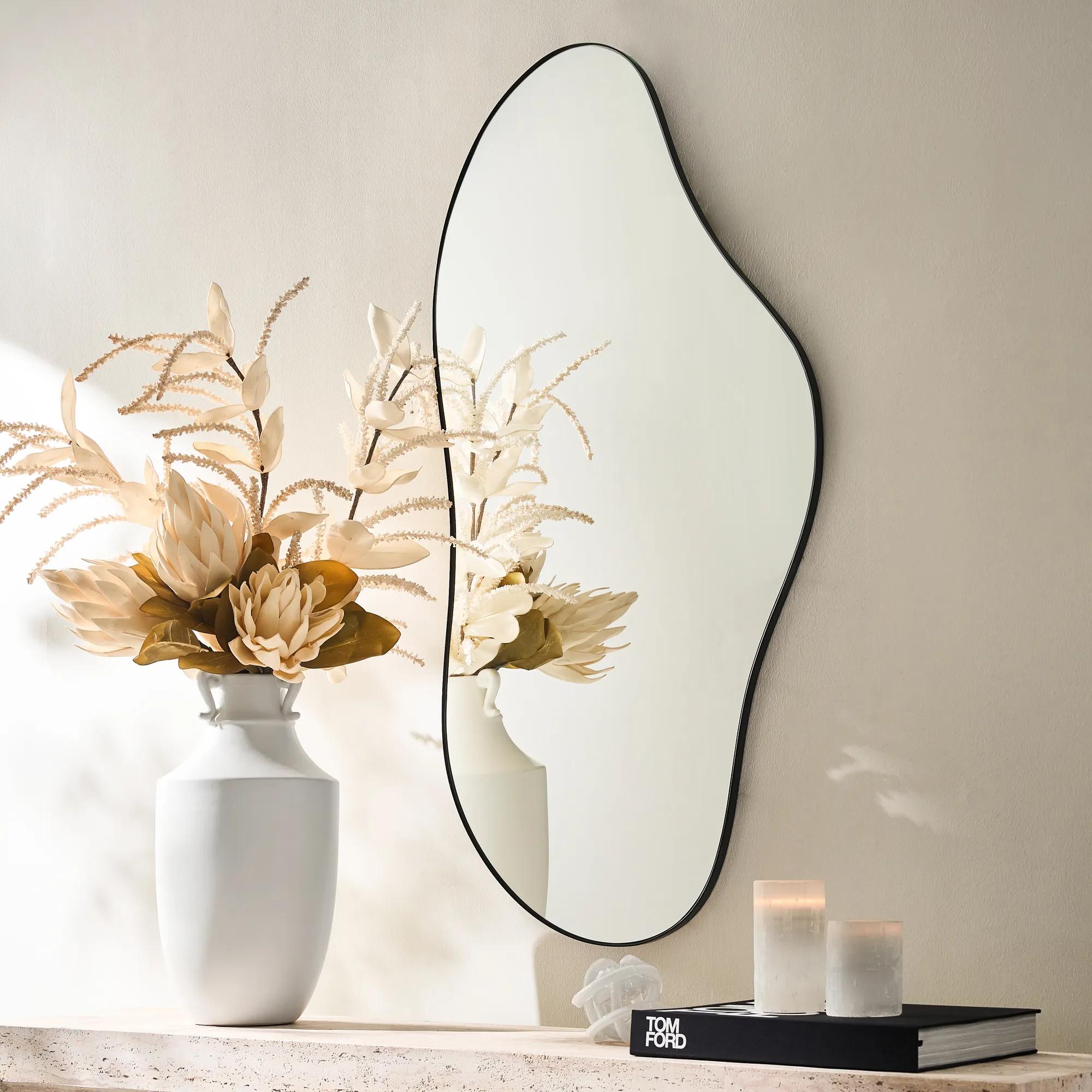
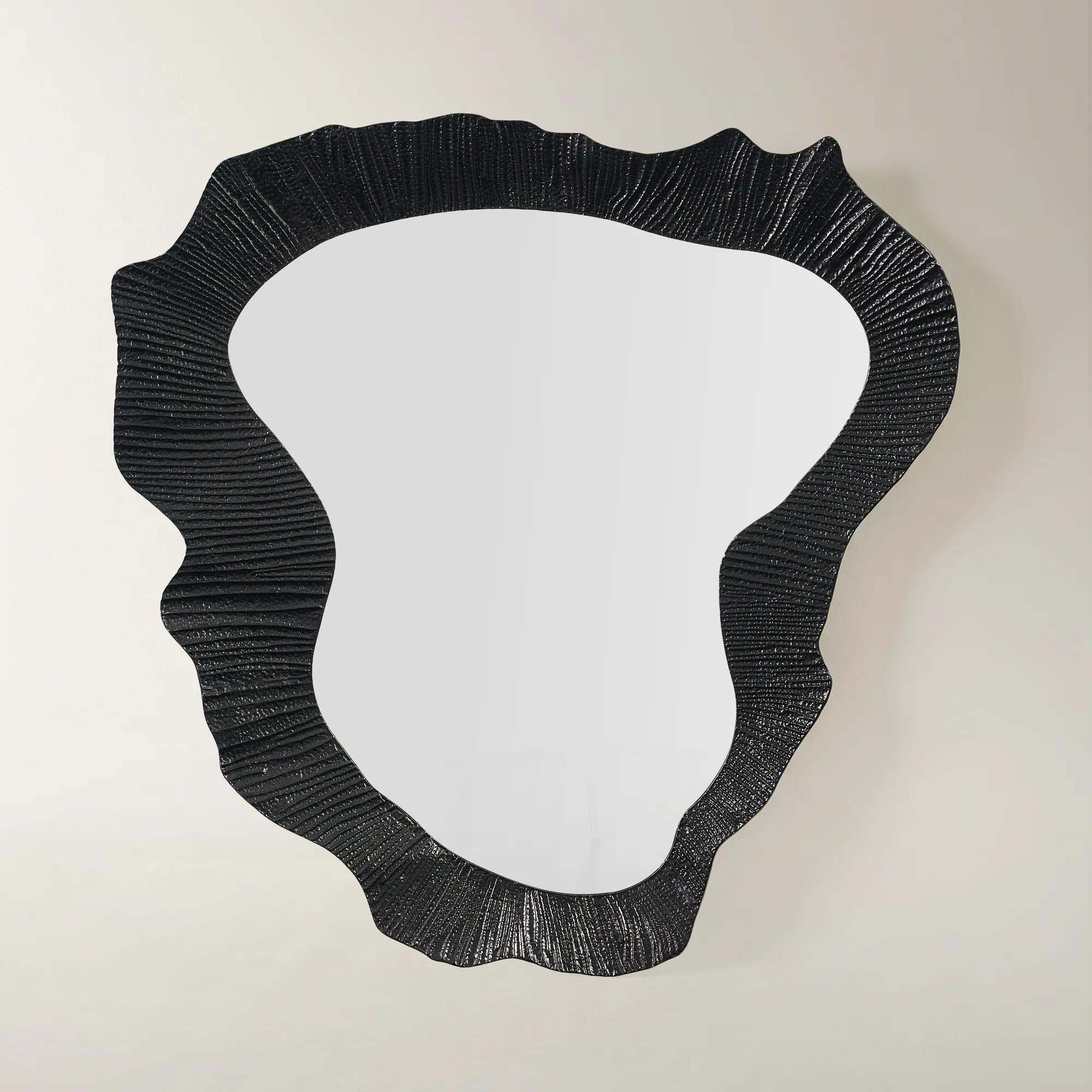 Cara Black Hand-Forged Iron Organic Shaped Wall Mirror 52.5" x 53"$1199
A hand-forged black iron frame and organic silhouette create a bold, sculptural statement for any room.
Add To Cart -
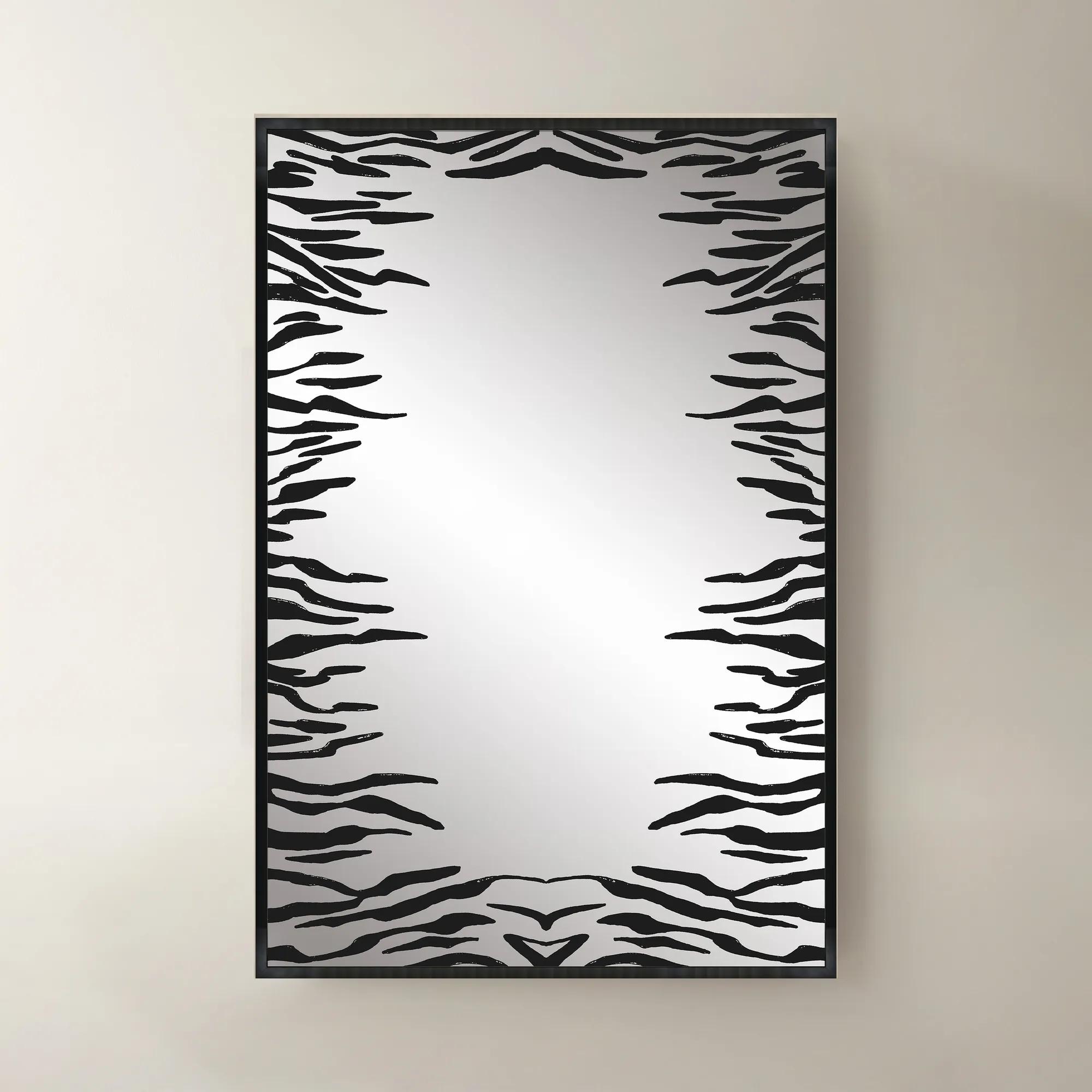
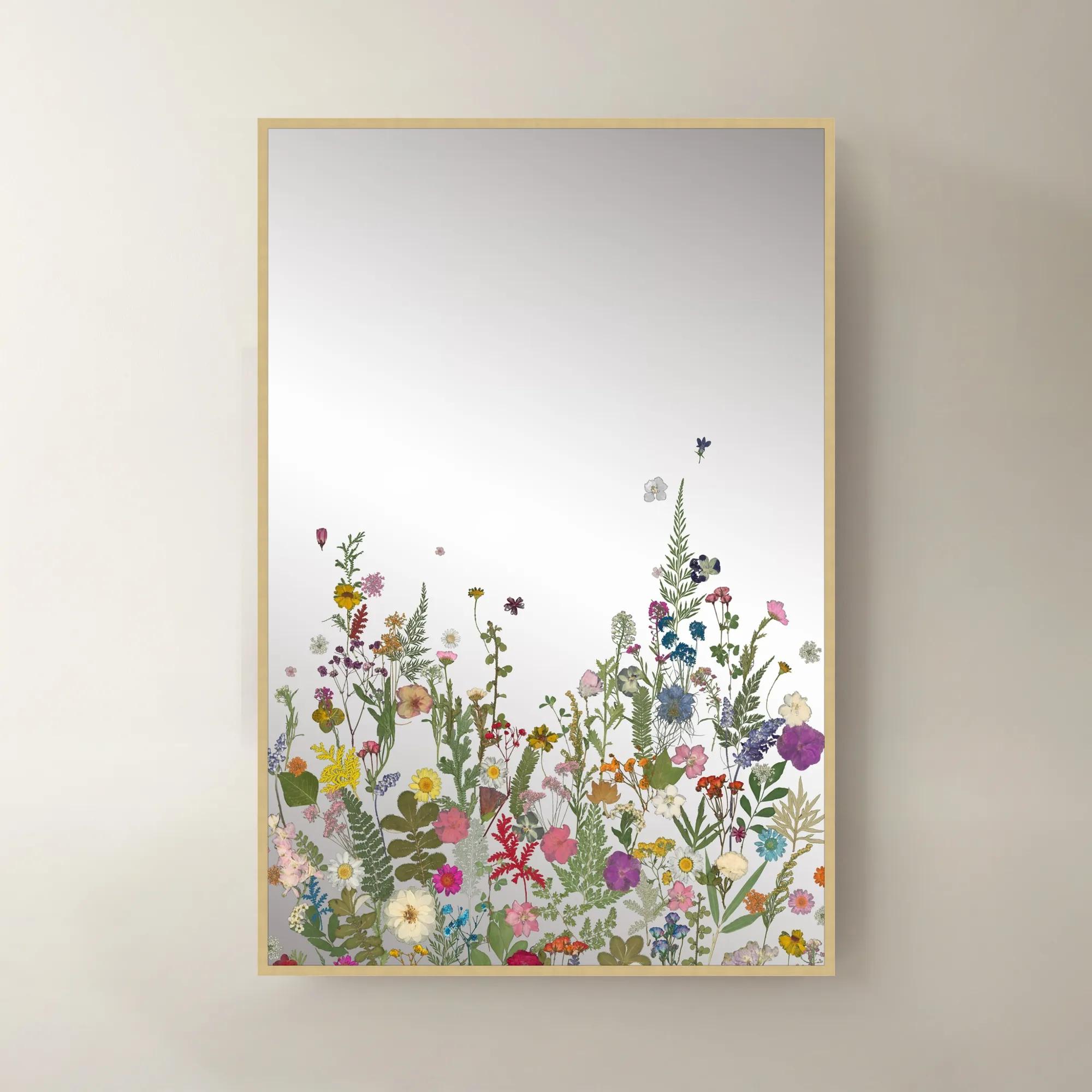
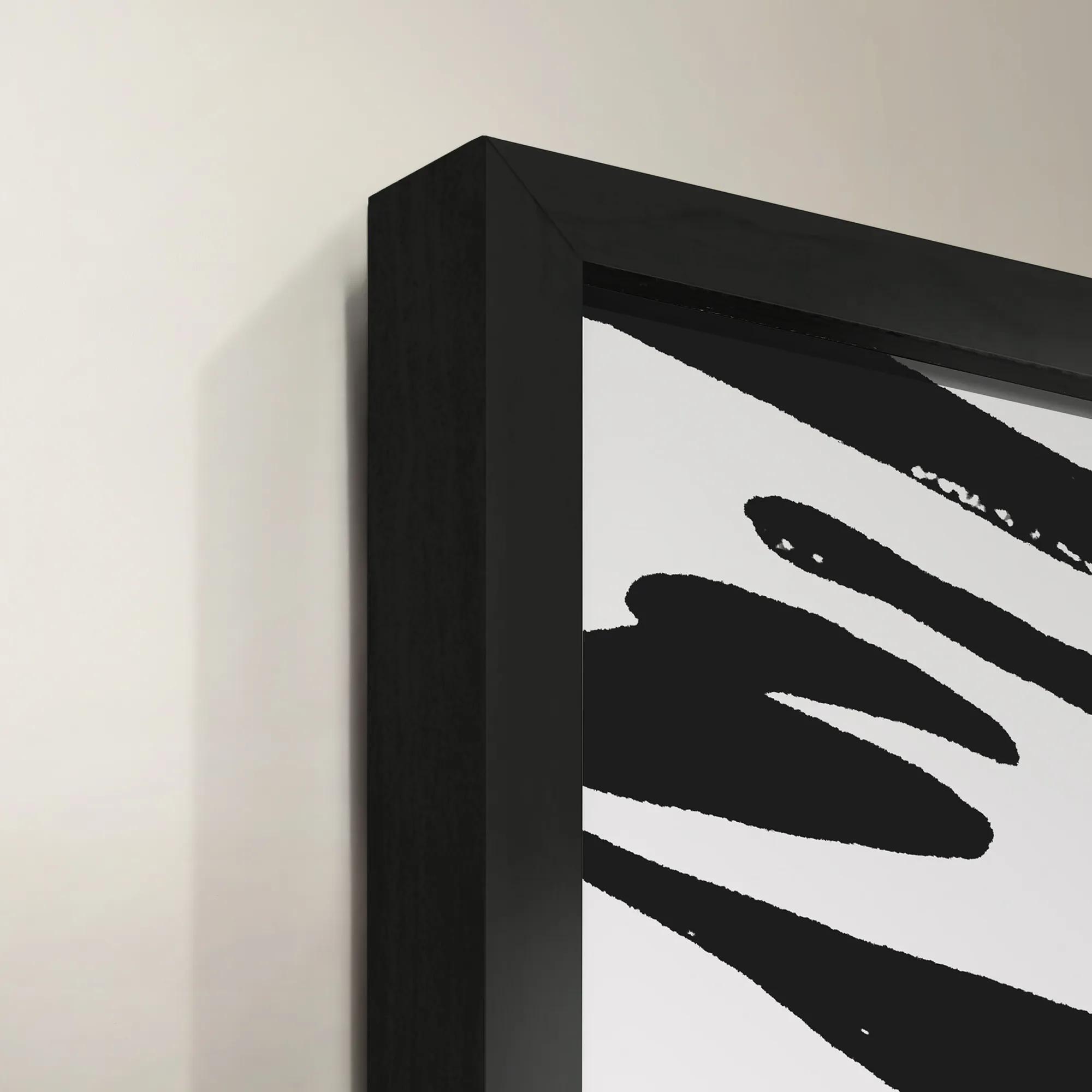 Savanna Veil Framed Printed Wall Mirror 40" x 60"$1499
A black framed printed wall mirror offering artistic dimension and modern sophistication.
Add To Cart -
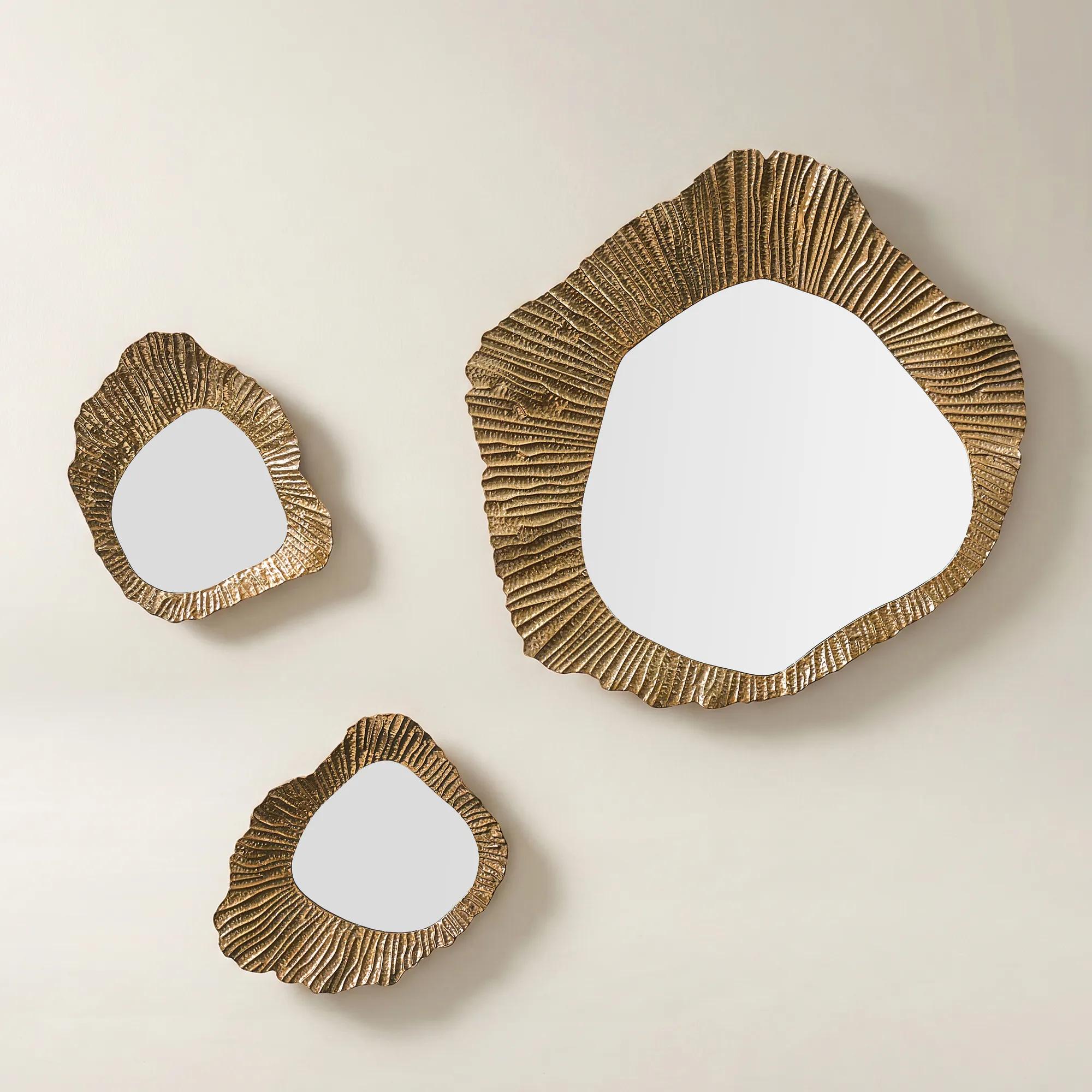 Cara Antique Gold Hand-Forged Iron Organic Shaped Wall Mirror Cluster Trio$1099
A set of three hand-forged iron mirrors in antiqued gold, featuring an organic, sculptural cluster design.
Add To Cart -
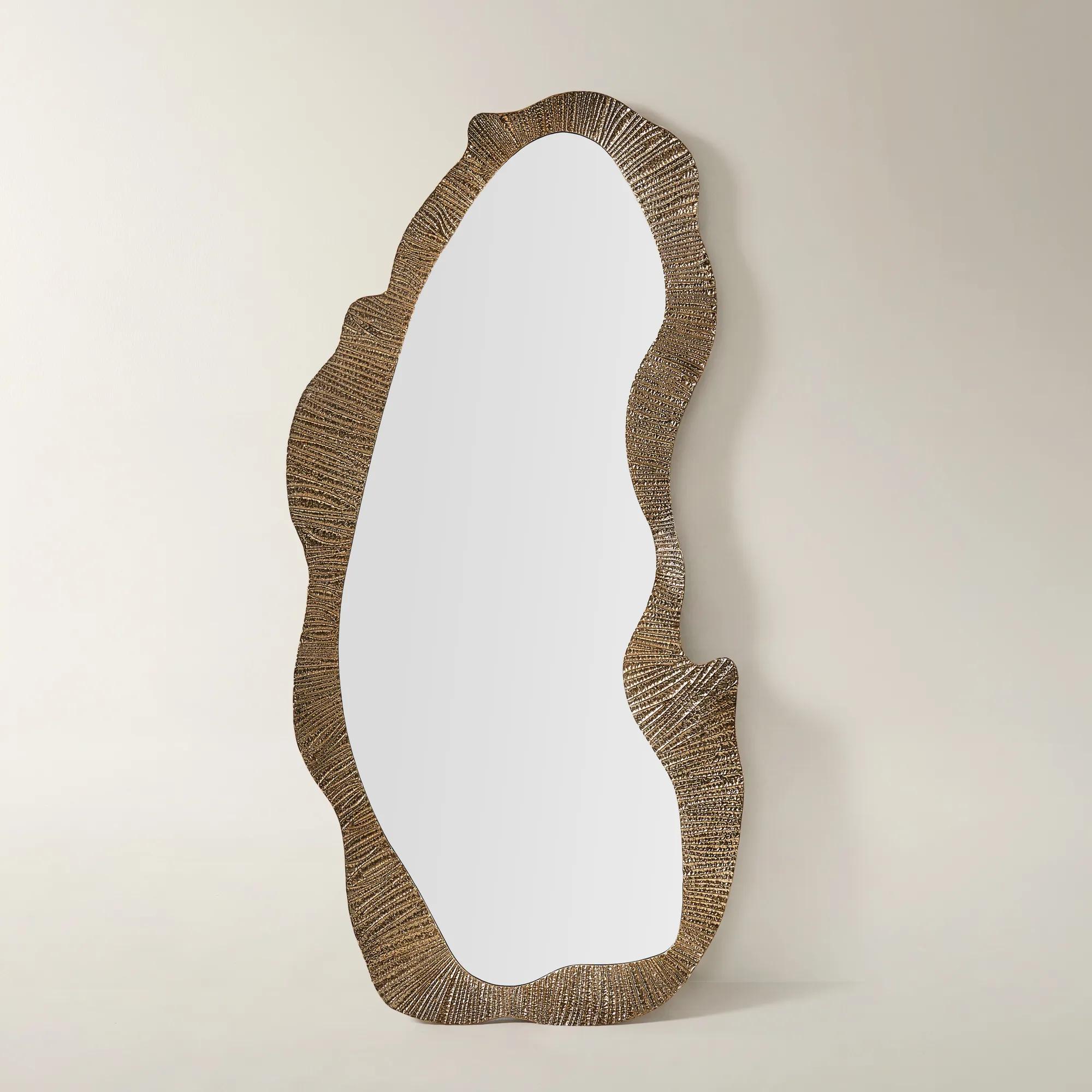 Cara Antique Gold Hand-Forged Iron Organic Shaped Floor Mirror 40.25" x 80.75"$1499
An antiqued gold hand-forged iron frame gives this sculptural floor mirror a refined, artful presence.
Add To Cart -
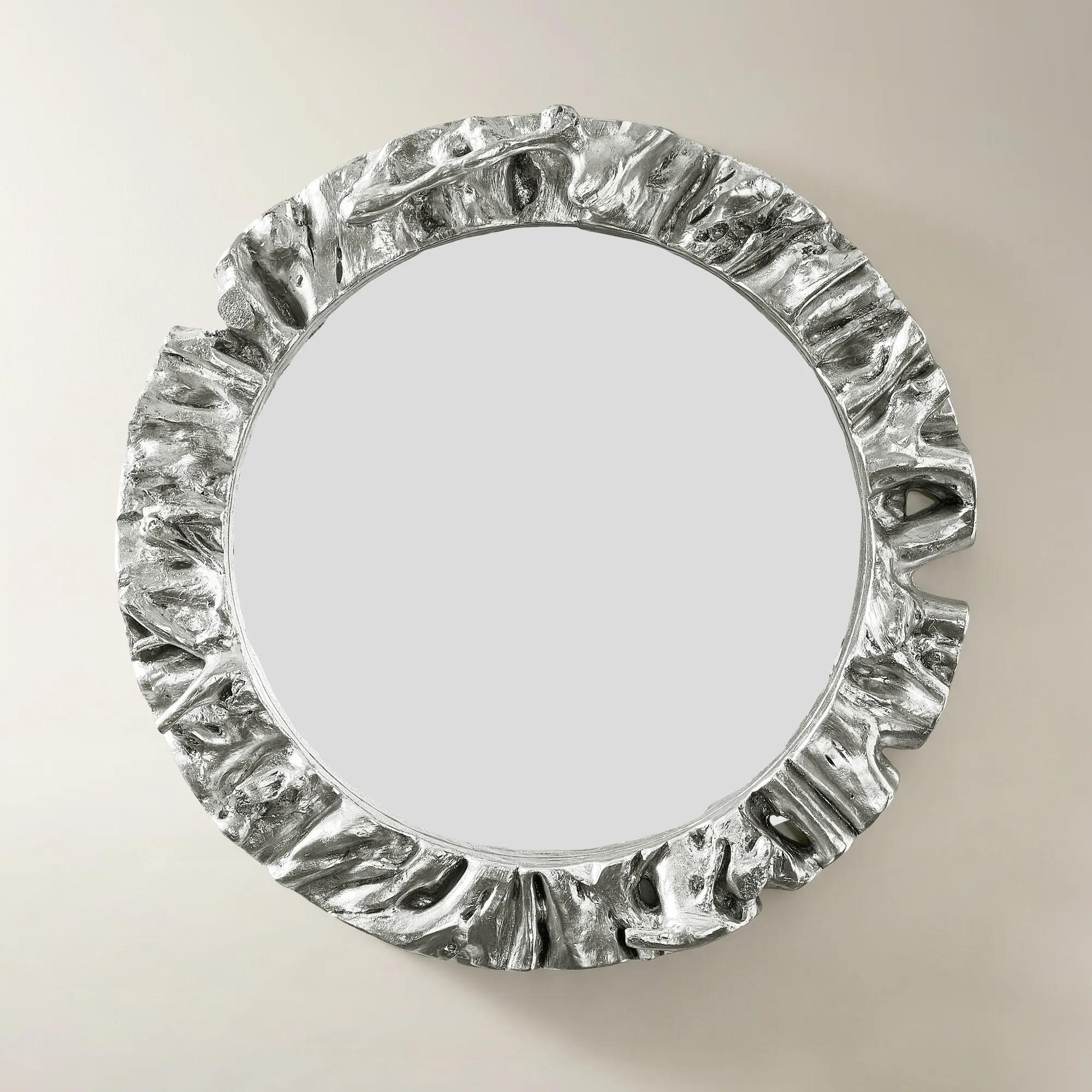
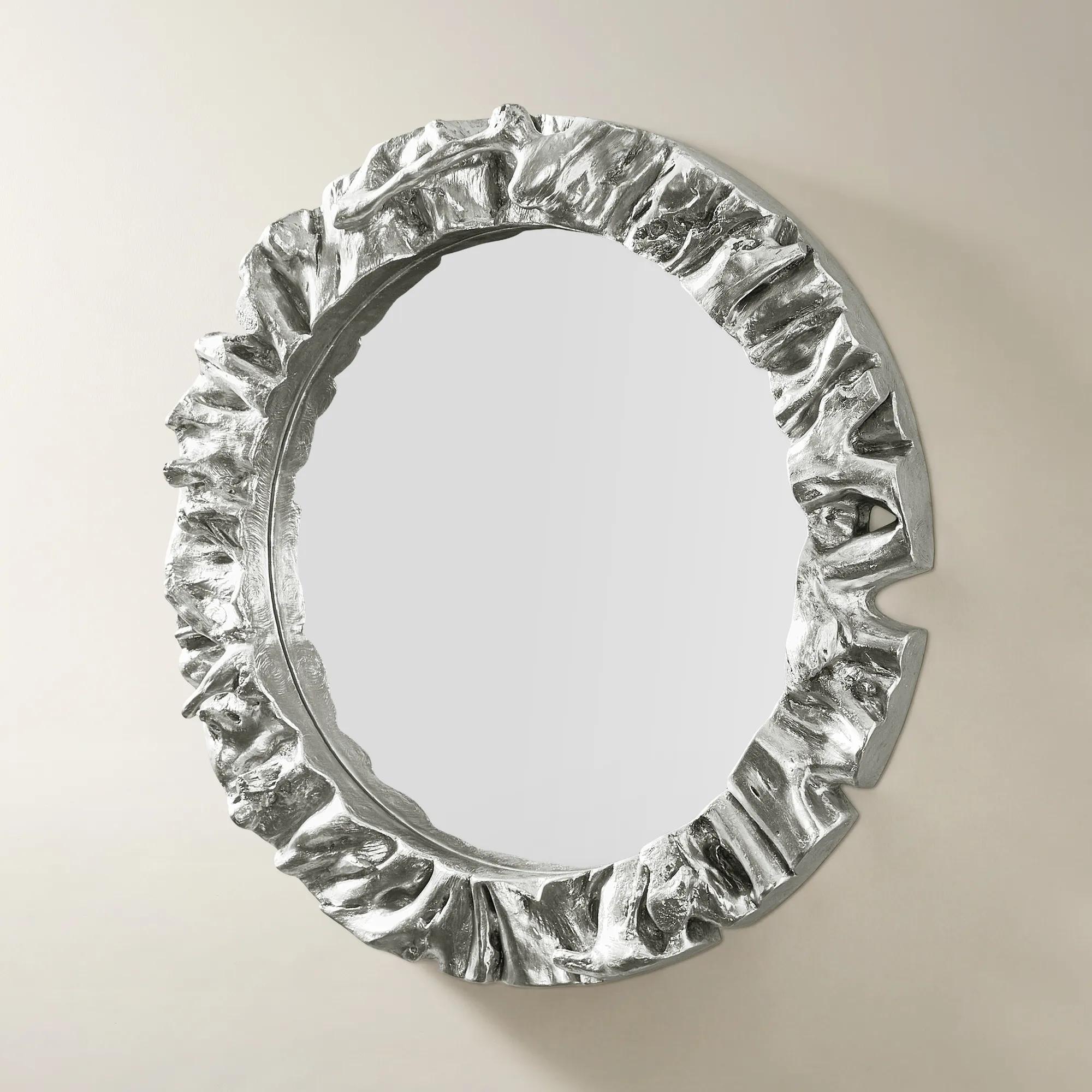 Sequoia Silver Resin Round Wall Mirror 48.25"$1199
A sculptural silver fiberglass resin frame mirror that adds modern polish and reflective brightness to any room.
Add To Cart -

 In a New Light II Framed Printed Wall Mirror 60" x 40"$1499
A contemporary framed printed wall mirror adding artistic dimension and reflective style to modern interiors.
Add To Cart -
 Cara Antique Gold Hand-Forged Iron Organic Shaped Wall Mirror 52.5" x 53"$1199
A sculptural wall mirror featuring a hand-hammered iron frame with radiant gold and organic edges.
Add To Cart -

 Titan II Framed Printed Wall Mirror 40" x 60"$1529
A striking modern mirror designed to elevate contemporary spaces with artistic flair.
Add To Cart -
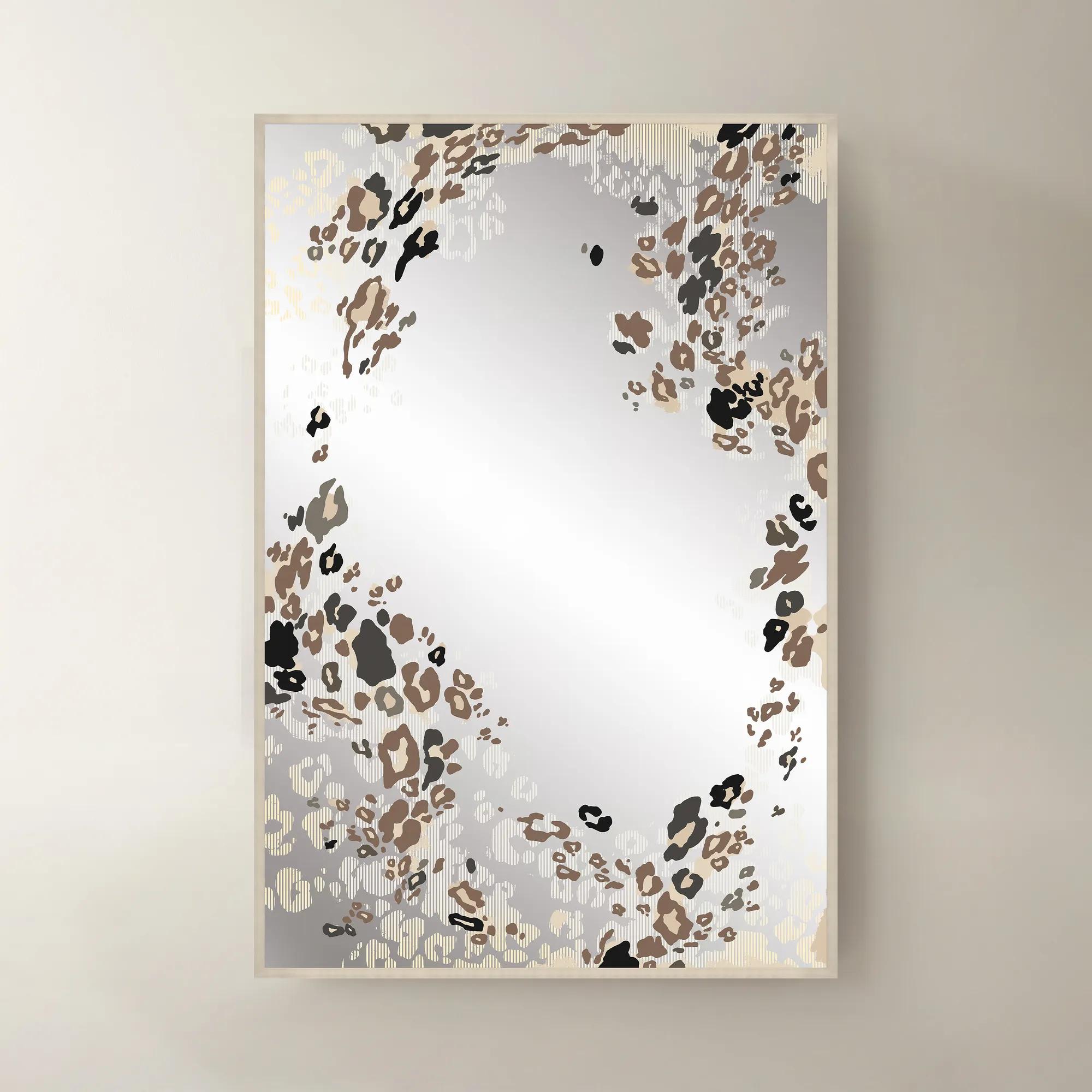
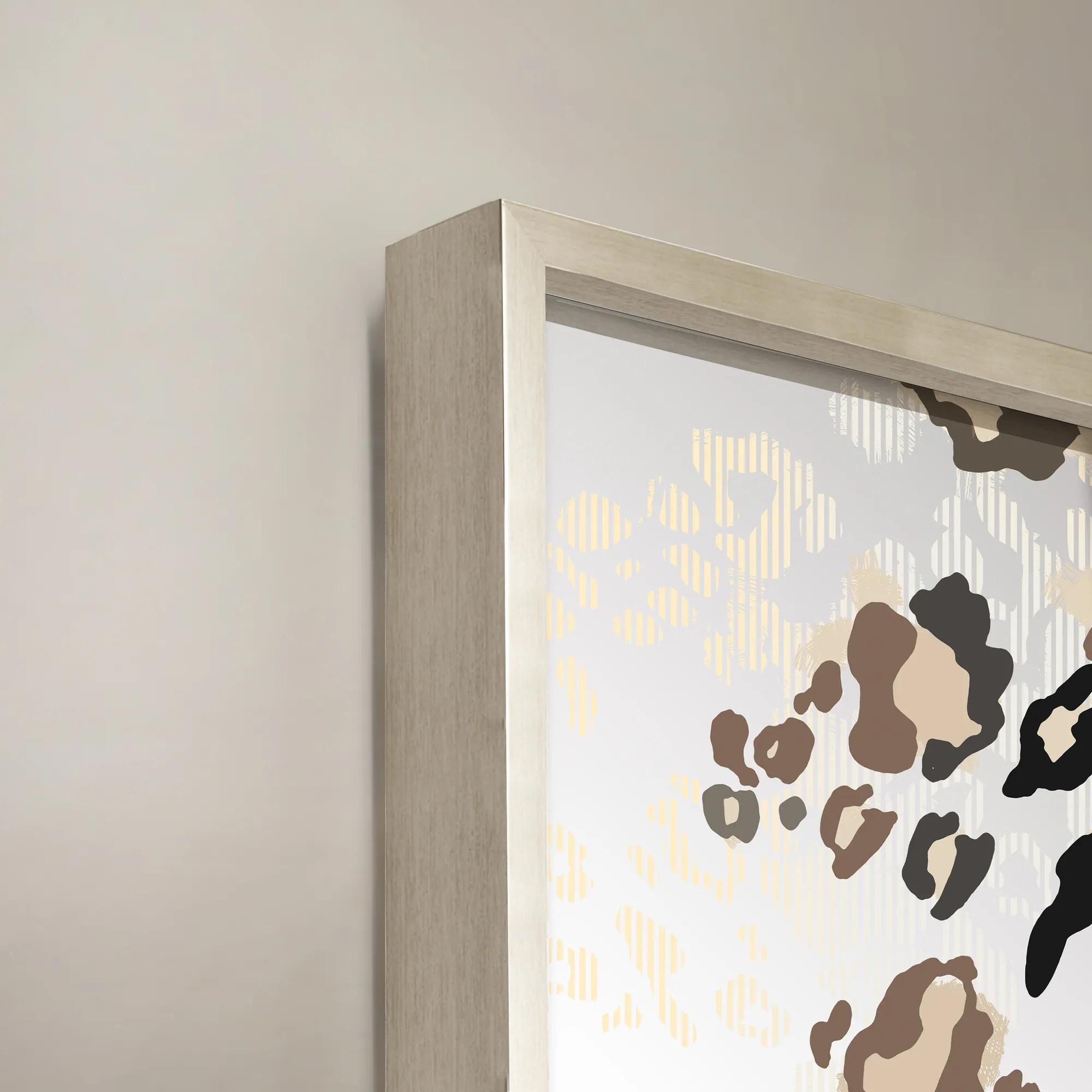 Leopard Luxe Framed Printed Wall Mirror 40" x 60"$1499
A printed mirror featuring Art Deco-inspired leopard artwork, set in a wood silver frame with brown and black tones.
Add To Cart -
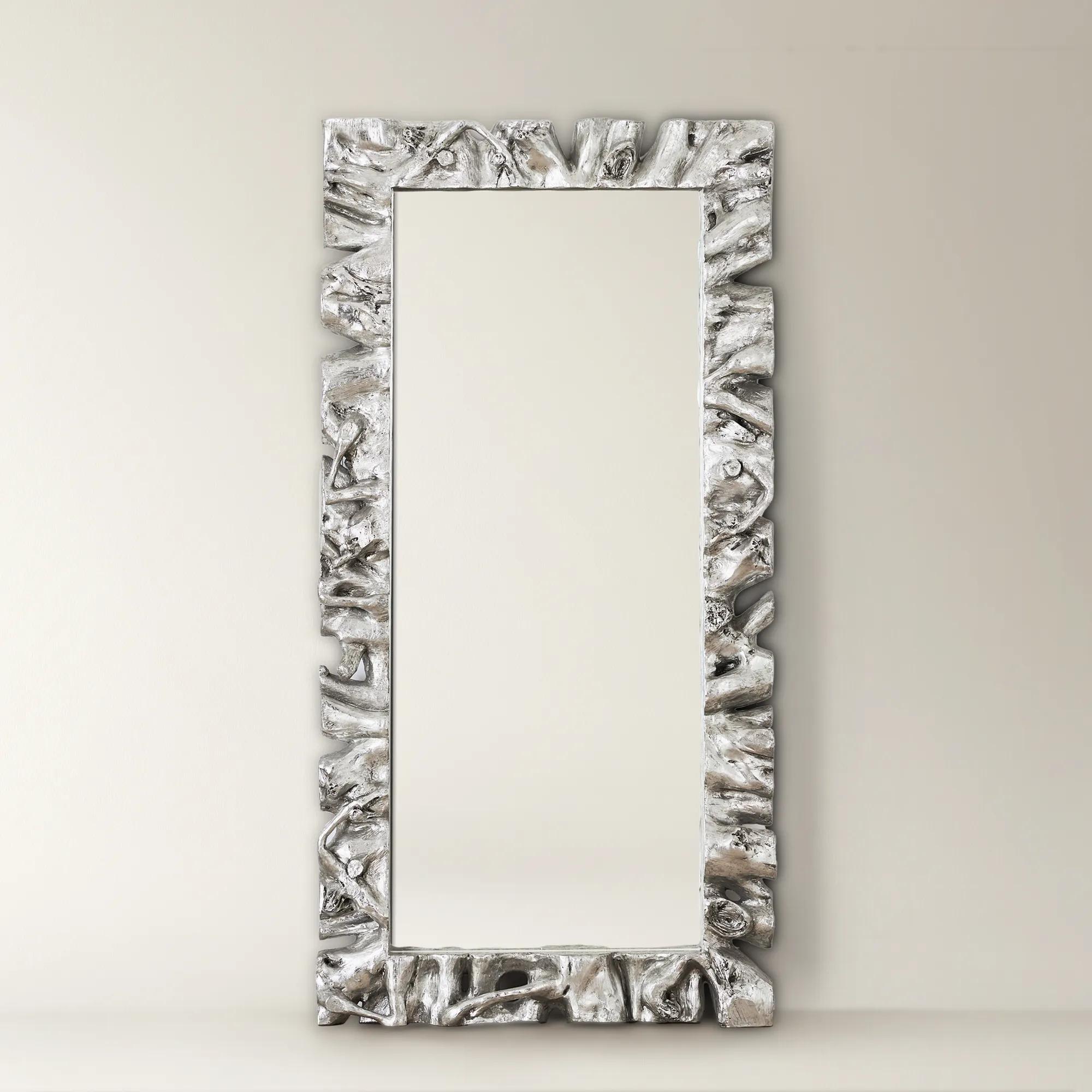 Sequoia Silver Resin Rectangular Floor Mirror 39'' x 78''$1399
A sculptural leaner mirror featuring acacia root-inspired fiber resin and a shimmering metallic leaf finish.
Add To Cart -
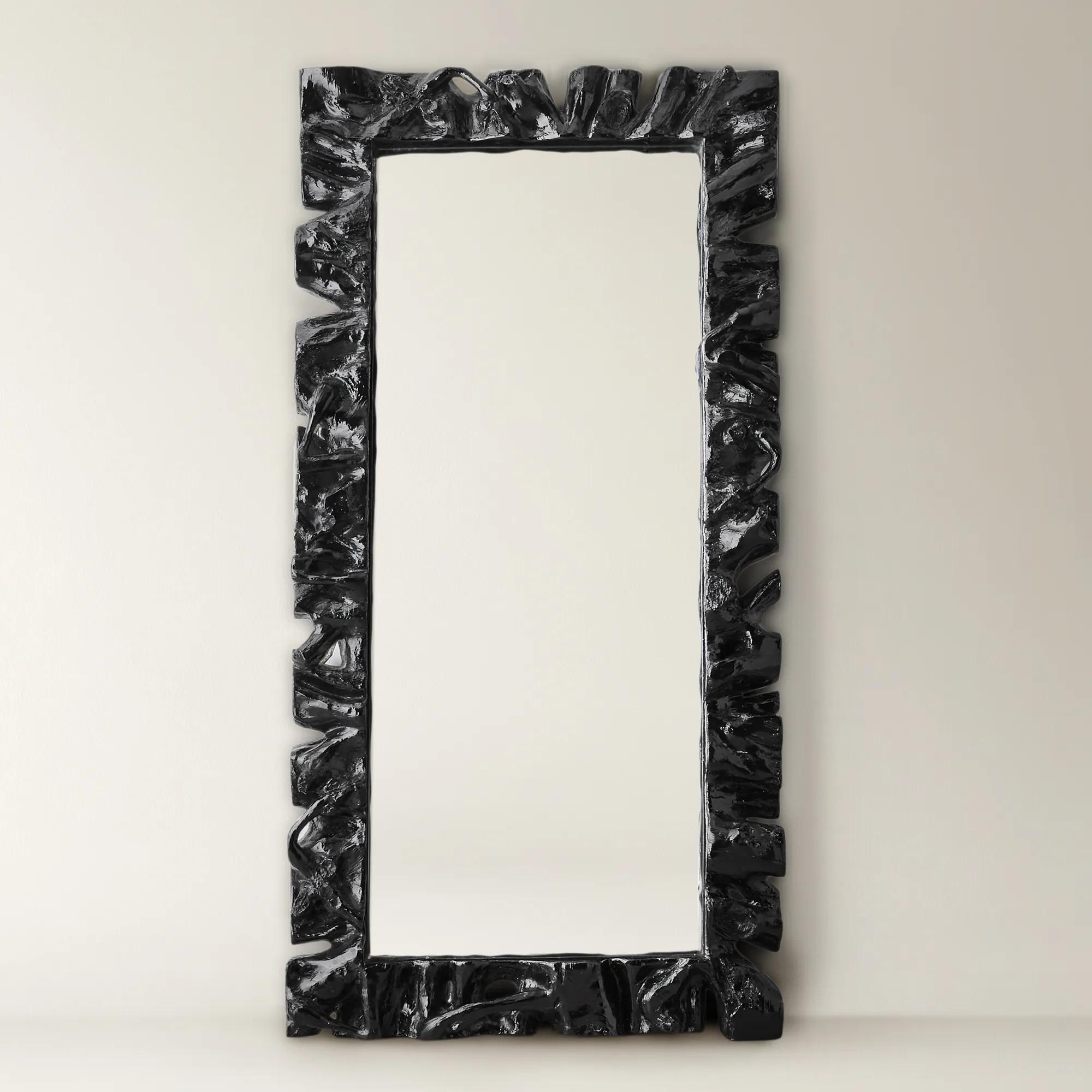
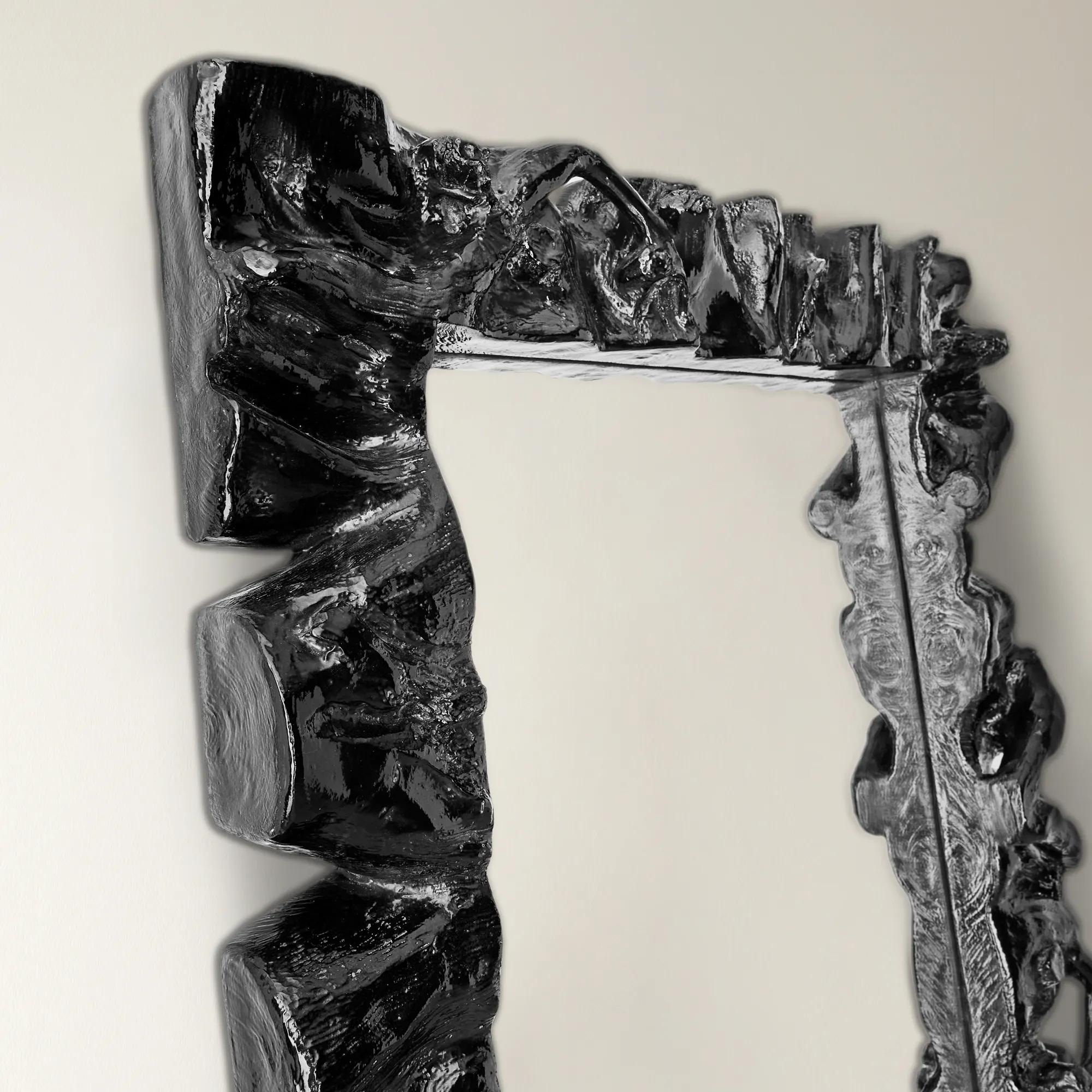 Sequoia Black Resin Rectangular Floor Mirror 39'' x 78''$1399
A sculptural floor mirror featuring acacia root-inspired fiber resin in a sleek black gel finish.
Add To Cart -
 Sway Fig High-Gloss Resin Puddle Shaped Floor Mirror 37" x 78.75"$1499
A sculptural puddle-shaped floor mirror featuring a rich fig-colored, high-gloss resin frame.
Add To Cart -
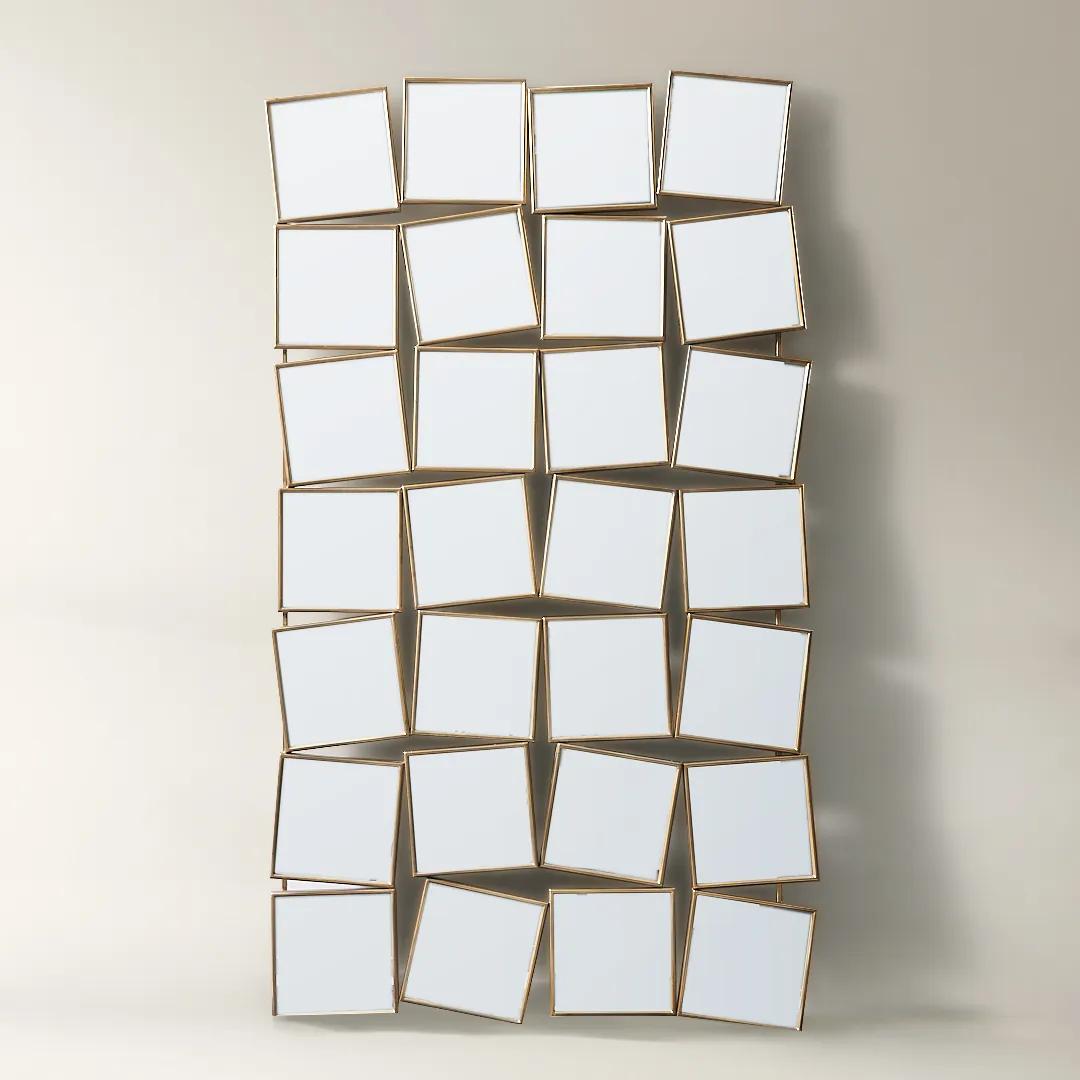 Newberry Gold Hand-Crafted Iron Floor Mirror 44.5" x 77"$1599
A sculptural mirror featuring hand-crafted gold iron panels for a multidimensional, luminous statement in any room.
Add To Cart -
 Forrest Floor Mirror$1499
A sculptural floor mirror featuring a hand-finished dark green MDF frame for a bold, organic accent.
Add To Cart

Luxury Bedroom Mirrors
Explore luxury bedroom mirrors that balance everyday function with an artful focal point. Consider dimensions, shape, and frame details to find a piece that complements your bedroom furniture and suits your space. Whether placed near a dressing area or above a dresser, a thoughtfully chosen mirror adds depth, reflected light, and expressive style.
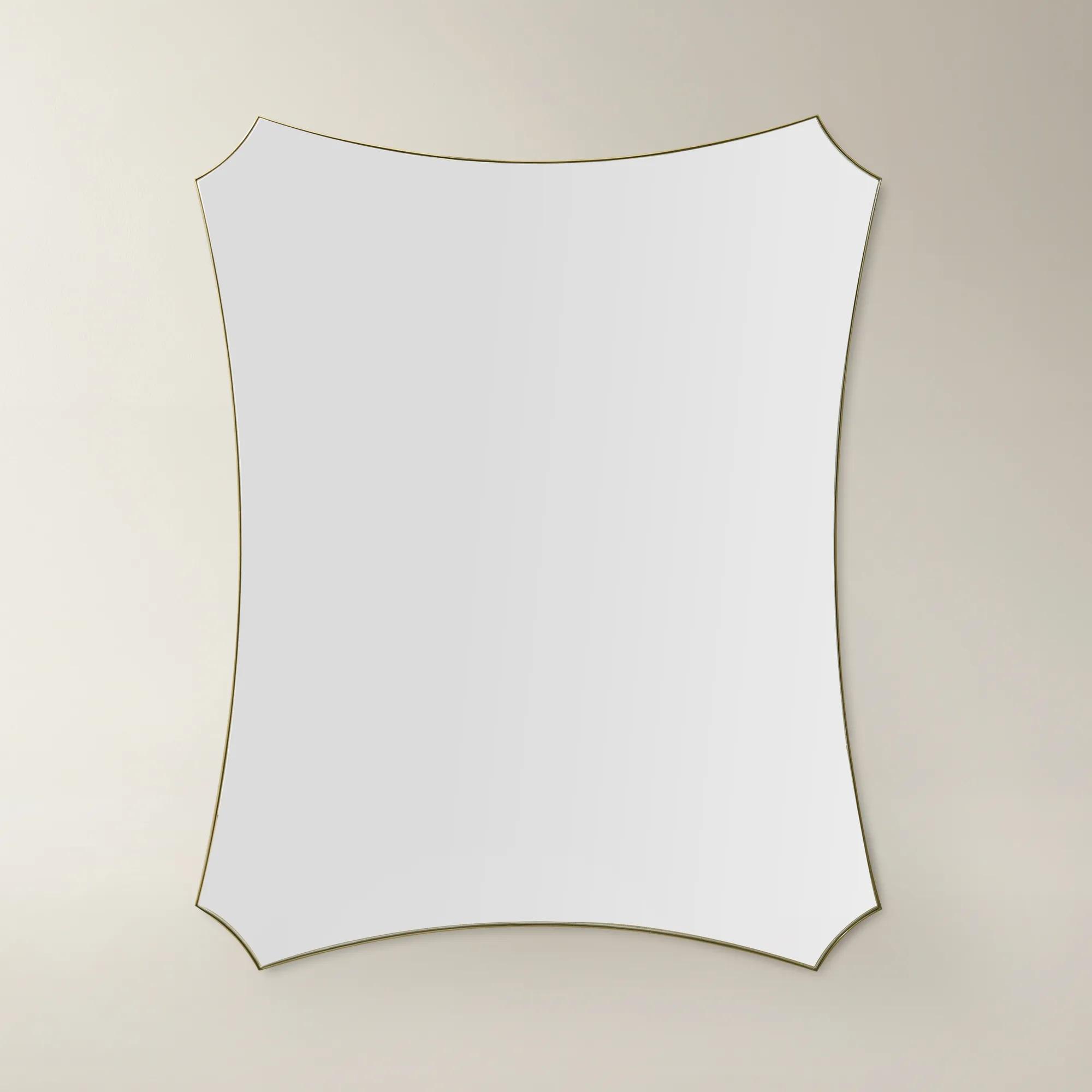
Luxury bedroom mirrors unite reflective glass, expressive frames, and considered proportions to make a private retreat feel more expansive and beautifully composed. Their appeal extends beyond a final glance before leaving the room: a mirror can lend architectural presence to an unadorned wall, reflect the sweep of a chandelier, or draw a favorite piece of art into an unexpected second view. Full-length mirrors support head-to-toe dressing, while wall mirrors create a focal point above a dresser or bring dimension to a bedside arrangement. Smaller framed mirrors suit intimate vanity settings, where reflection becomes part of a personal daily ritual. The distinction lies in how the silhouette, finish, and scale work together. An arched profile introduces a graceful vertical line among low furnishings; a circular mirror softens the geometry of a tailored bed and rectangular nightstands. Broad rectangular frames feel architectural, while irregular outlines introduce an artful, sculptural note. Gleaming metallic finishes can echo polished hardware or lend contrast to richly grained wood. Carved wood brings depth and texture, and layered mirrored borders create a luminous frame around the central reflection. Beveled edges add subtle facets that catch light, giving even a restrained silhouette a sense of dimension. Antiqued glass offers a deliberately softened, decorative effect, although clear glass is generally better suited to dressing and grooming where an accurate reflection matters. Against upholstered walls, lacquered furniture, or sumptuous bedding, the right mirror creates contrast without demanding that every finish match. A narrow metallic border can sharpen a room filled with plush textures, while a substantial sculptural frame gives a quieter palette a confident center of attention. Whether the mood is polished and serene or richly theatrical, luxury bedroom mirrors become part of the room’s visual language, bringing light, depth, and expressive detail into a space designed for both rest and self-expression.
Scale gives that expression its balance. A bedroom mirror should relate to the furniture around it while leaving enough breathing room for its outline to register. Above a dresser, a frame narrower than the furniture beneath it often creates a grounded composition, with space at either side for lamps, sculptural objects, or a carefully edited arrangement. A generous wall mirror can visually extend a compact bedroom without occupying floor space, while a taller silhouette draws attention upward and complements high ceilings. In a dressing area, Luxury Floor Mirrors offer an uninterrupted view of an outfit and the visual presence of a substantial decorative object. Their proportions deserve attention beyond the glass itself: frame depth, base design, and the clearance around nearby doors or drawers all affect how comfortably the piece fits. A full-length reflection also depends on viewing distance and placement, not height alone. Leaving room to step back makes dressing more practical and allows the frame to be appreciated as part of the overall composition. Placement shapes the atmosphere just as strongly as size. Positioned to reflect a window or a softly illuminated corner, a mirror can redistribute existing light and make the room feel more open; it does not create light on its own. A reflected doorway, cluttered surface, or exposed storage area can become equally prominent, making the view within the glass worth considering. In a shared bedroom, the sightline from the bed may call for a more discreet placement near a closet or vanity. Direct reflections from bright lamps or strong sunlight can be uncomfortable, especially in a space intended for winding down. These practical details preserve the drama while allowing daily routines to remain effortless. Wall-mounted mirrors require hardware and anchors suited to their weight and the wall construction. Freestanding and leaning designs should be installed and secured according to their intended use and manufacturer instructions, with appropriate anti-tip protection, particularly in homes with children or pets.
Materials and construction influence how a luxury bedroom mirror looks and how well it holds its character over time. Wood frames can offer carved detail, visible grain, or a smooth painted surface, with the finish determining much of their decorative personality. Metal frames range from slender, crisp outlines to more substantial sculptural forms; their surface treatments may be polished, brushed, painted, or intentionally distressed. Molded materials can create intricate relief and sweeping contours, while mirrored frames emphasize reflection and crisp, luminous edges. No single material guarantees quality. Secure joinery, a stable backing, neatly finished edges, and mounting components appropriate to the design are more useful considerations than ornament alone. For everyday dressing, a clear, even reflection matters as much as the frame; decorative aging or textured glass creates atmosphere but may reduce visual precision. In a frequently used bedroom, accessible placement also makes regular care easier. Gentle dusting with a clean, soft microfiber cloth helps maintain clarity without unnecessary abrasion. When cleaning products are needed, a mirror-safe formula applied sparingly to the cloth rather than sprayed directly onto the surface helps limit moisture reaching the edges, frame, or backing. Abrasive pads and harsh chemicals can scratch glass or damage decorative finishes, and carved, gilded, or specialty surfaces may require different care from the central mirror. Manufacturer care instructions should always take precedence. Keeping moisture from collecting along the lower edge and avoiding repeated knocks from doors or furniture can help preserve both the reflection and its surround. These are pieces for primary bedrooms, welcoming guest rooms, and dedicated dressing spaces, with proportions that can suit a shared suite or a more intimate personal retreat. A thoughtfully chosen mirror can also make a meaningful wedding or housewarming gift when the recipient’s taste, available space, and installation needs are known. Ultimately, the most compelling bedroom mirror feels connected to the life of the room: useful during the morning routine, striking in lamplight, and expressive enough to make a familiar corner feel deliberately, distinctly personal.
FAQs
Luxury bedroom mirrors turn an everyday reflection into an artistic focal point. Look for thoughtfully finished frames, sculptural silhouettes, beveled glass, and expressive details such as fluting or layered borders. The appeal lies in a considered composition that feels as distinctive as the furnishings around it.
Gold and champagne-toned frames bring warmth to sumptuous upholstery, while polished silver and mirrored borders create a cooler, jewel-like mood. For a dramatic contrast, pair a black frame with ivory bedding and metallic accents. Choose a finish that echoes a few details throughout the room without making every element match.
Arched mirrors introduce an architectural note, while round and oval silhouettes offer a graceful counterpoint to angular furniture. Rectangular mirrors lend tailored definition, and irregular shapes bring an artful, sculptural presence. Let the silhouette express your bedroom’s mood, from composed elegance to unapologetic drama.
Connect your mirror to the room through a shared finish, shape, or decorative detail. A curved frame can echo an upholstered headboard, while a metallic border can reference dresser hardware. For a more expressive composition, contrast a richly textured wood dresser with a sleek mirror rather than choosing an exact match.
Treat the mirror as the centerpiece, then compose a few distinctive accents around it: a sculptural vase, a lacquered jewelry box, or a decorative tray. Mix matte and gleaming surfaces for depth, and leave some of the dresser visible so each object has its own presence. Repeat one accent color for a deliberate, collected finish.