Lightweight Bedding Sets
Lightweight Bedding Sets
-

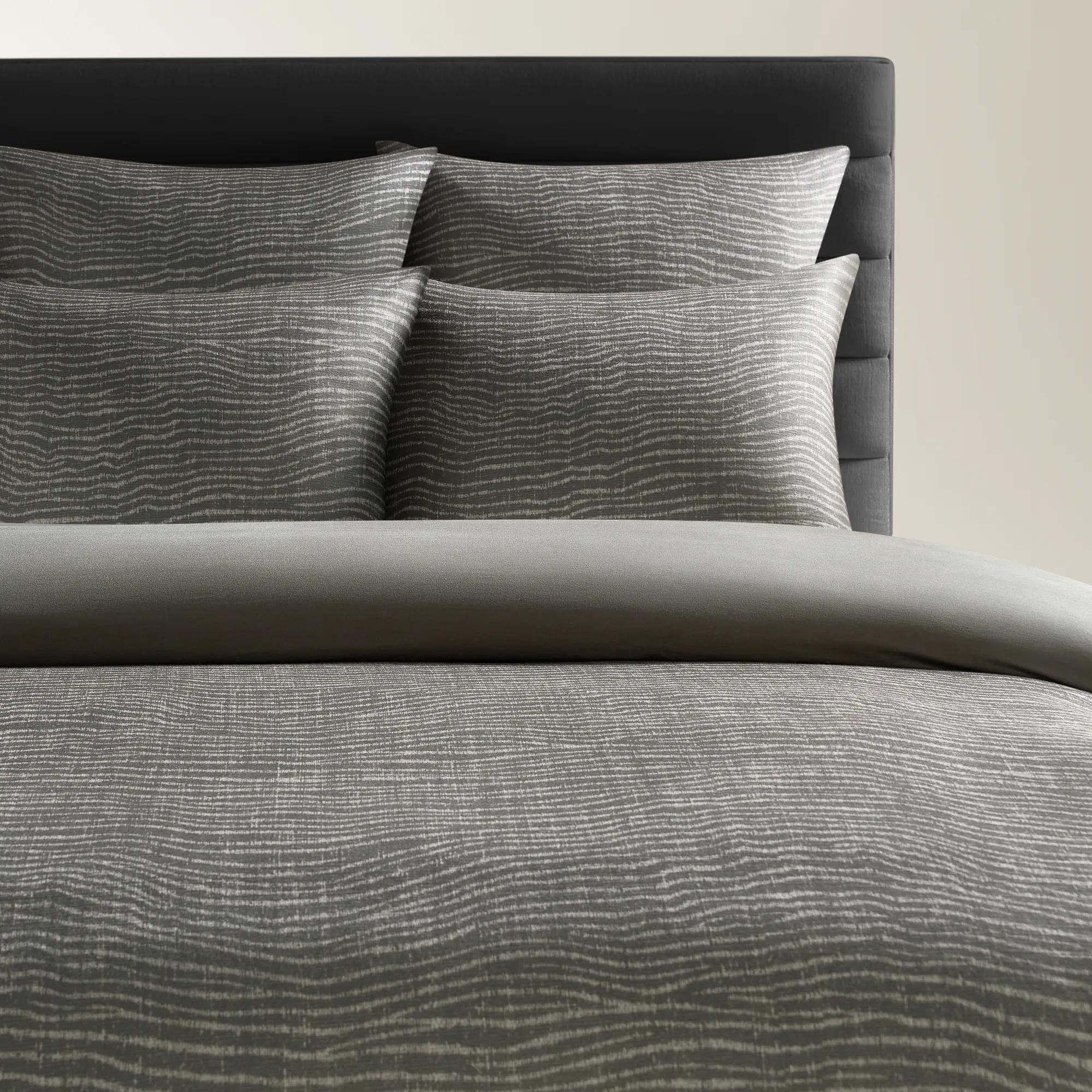
 Fan Velvet Quilt Set - Smoke Grey$69
A luxurious smoke grey velvet quilt set featuring a sculptural fan pattern and polished piped edges.
Add To Cart -
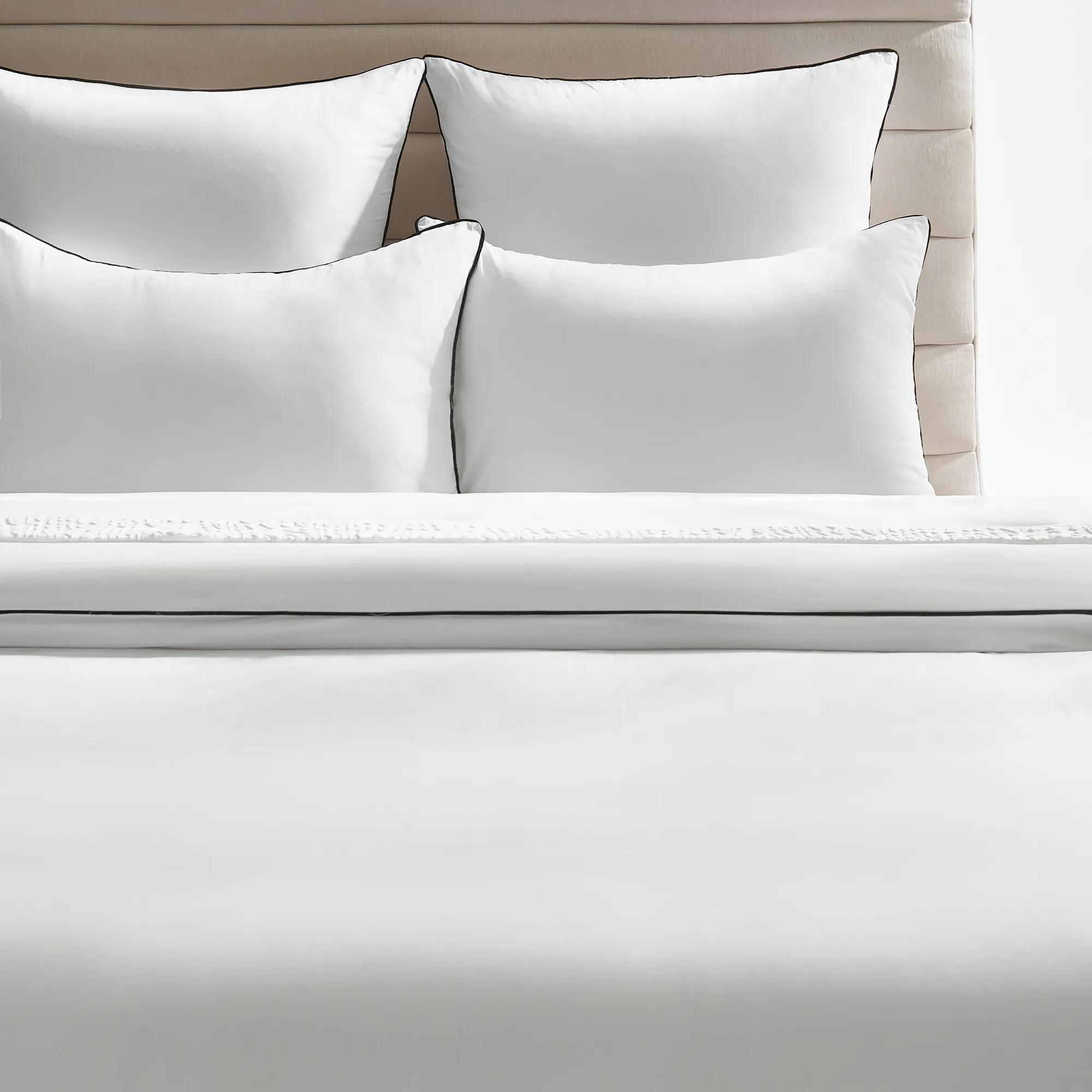 Sarla Contrast Cotton Percale Bedding Set - White/Black$229
A crisp white cotton percale bedding set featuring modern black piping for a refined, graphic contrast.
Add To Cart -
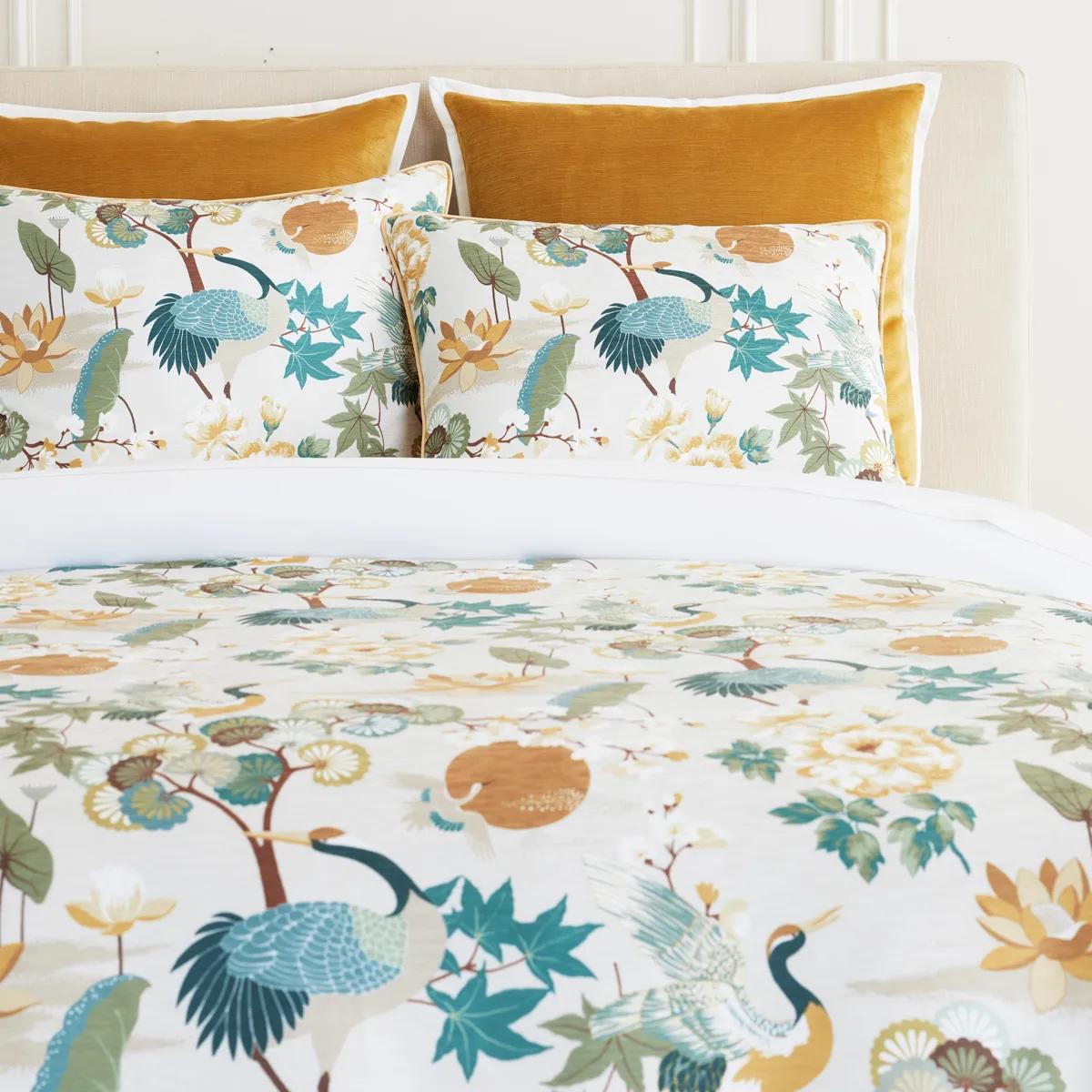
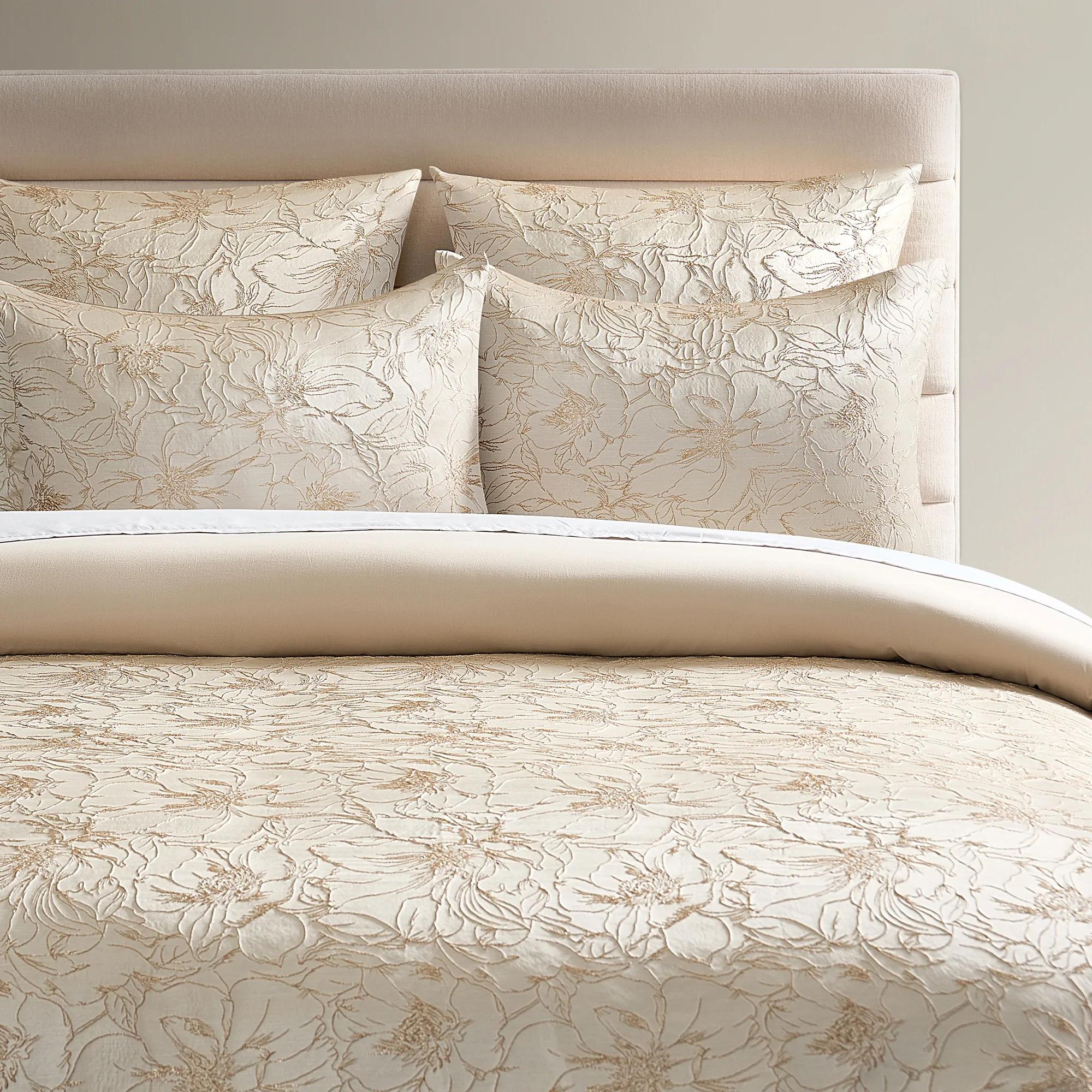
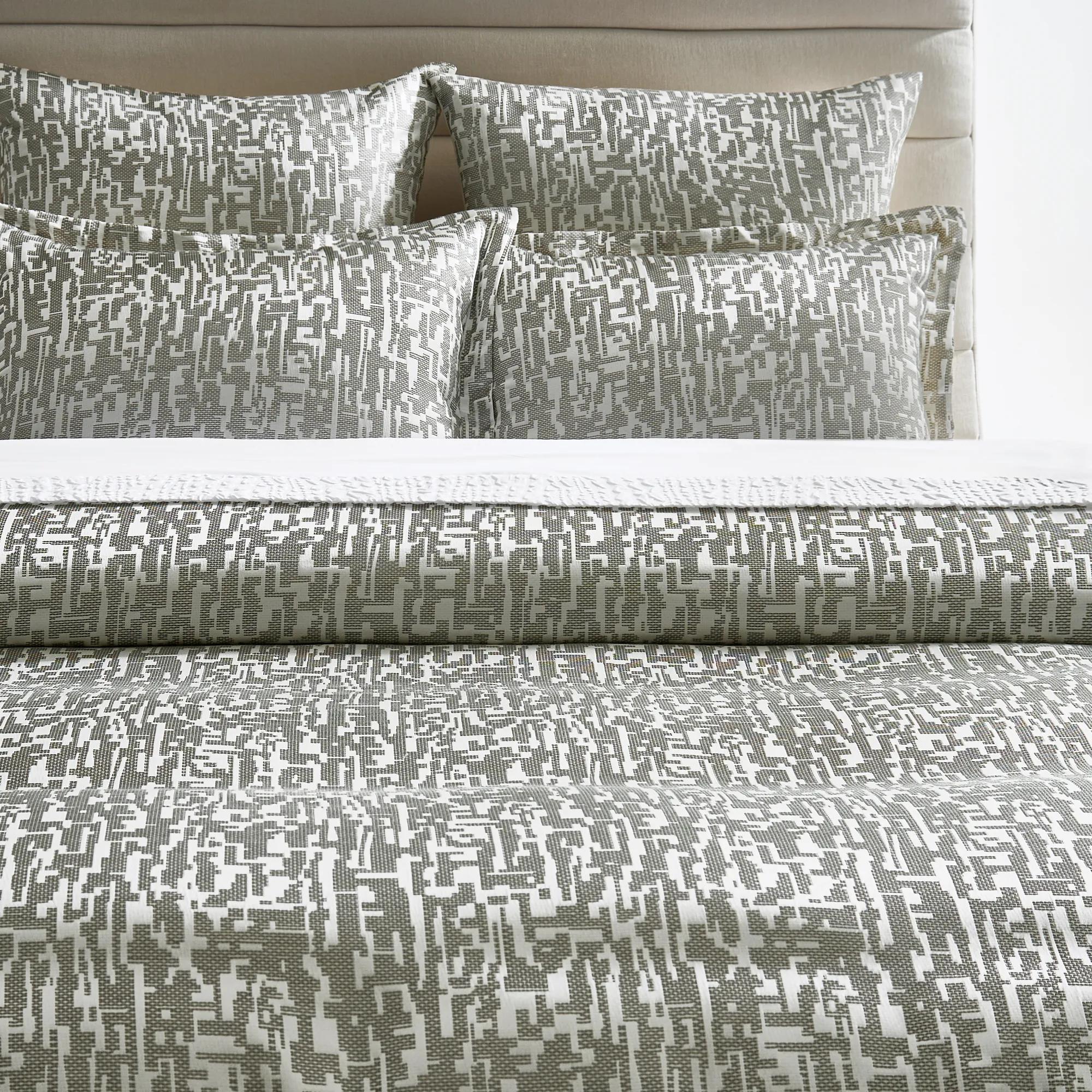
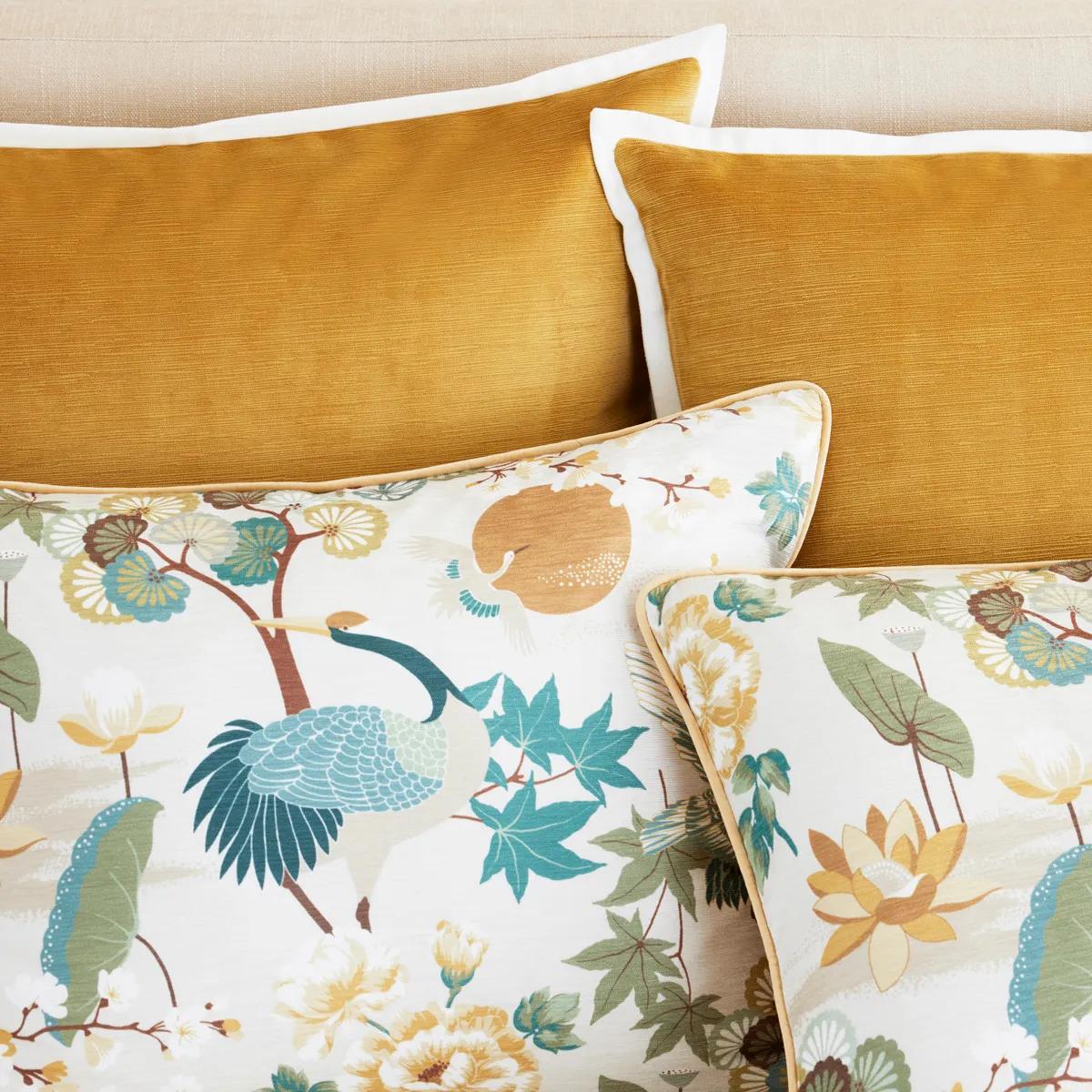 Sandhill Ivory/Multi Color Printed Bedding Set$639
An ivory bedding collection featuring earthy tones, gold velvet accents, and a soft cotton-polyester blend.
Add To Cart -
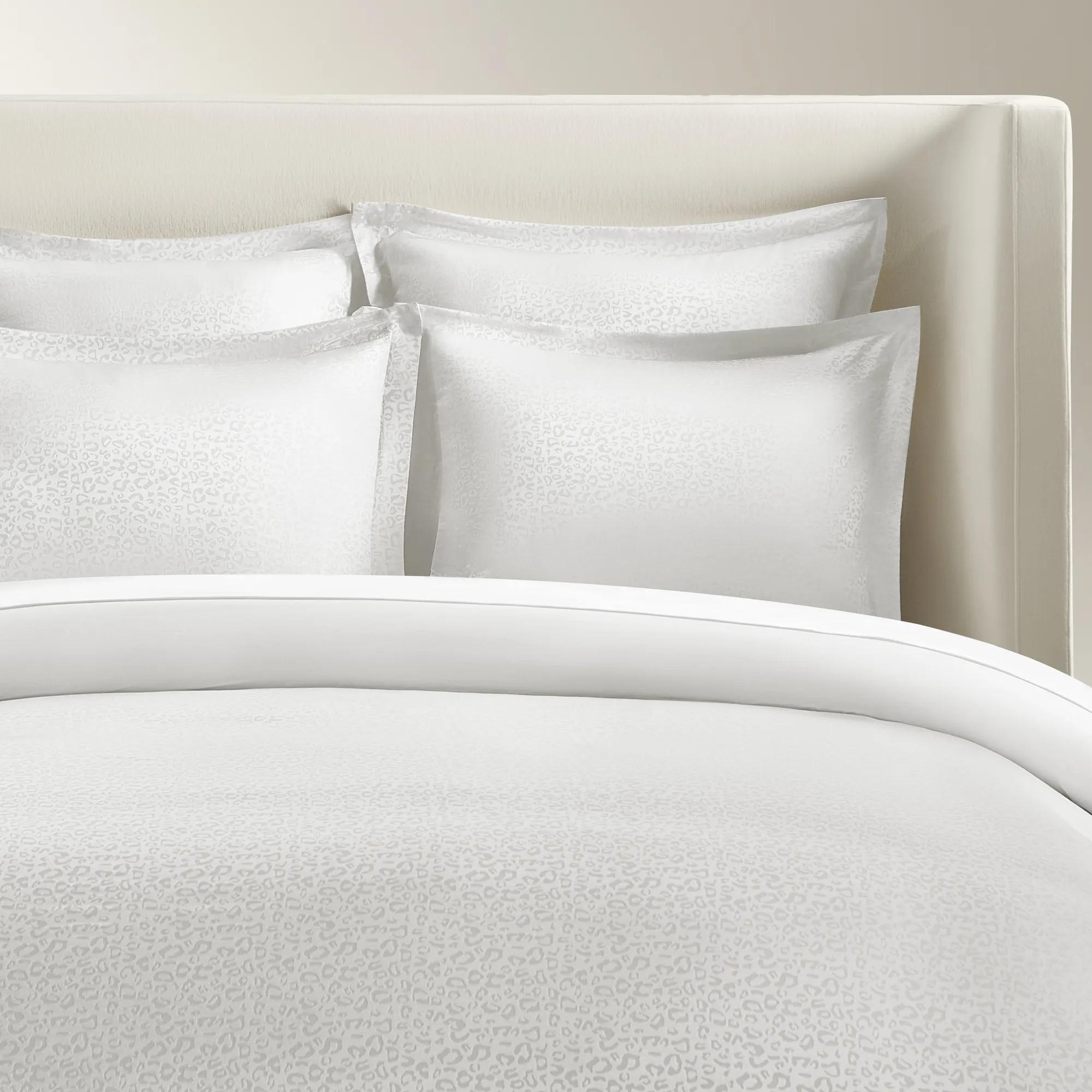
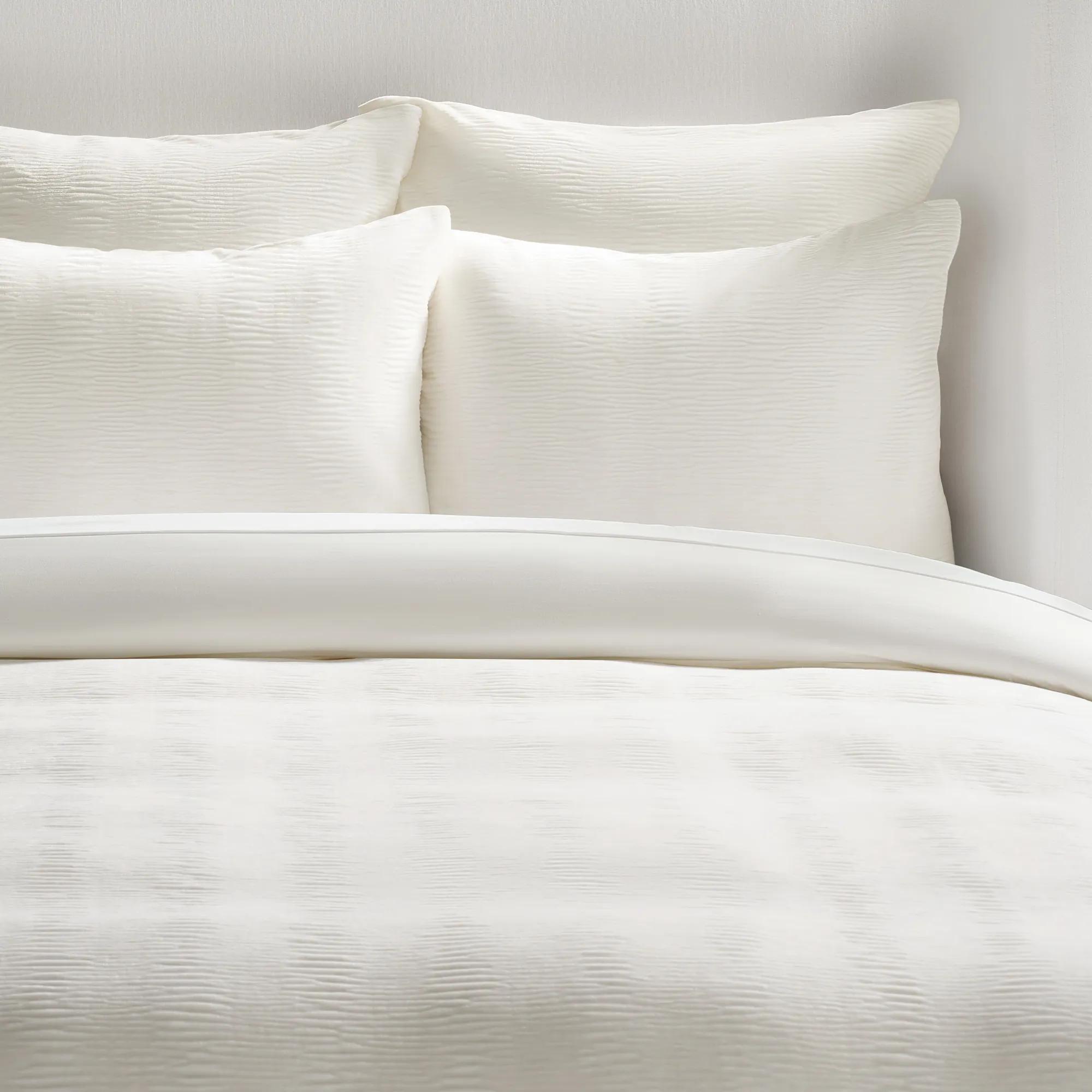
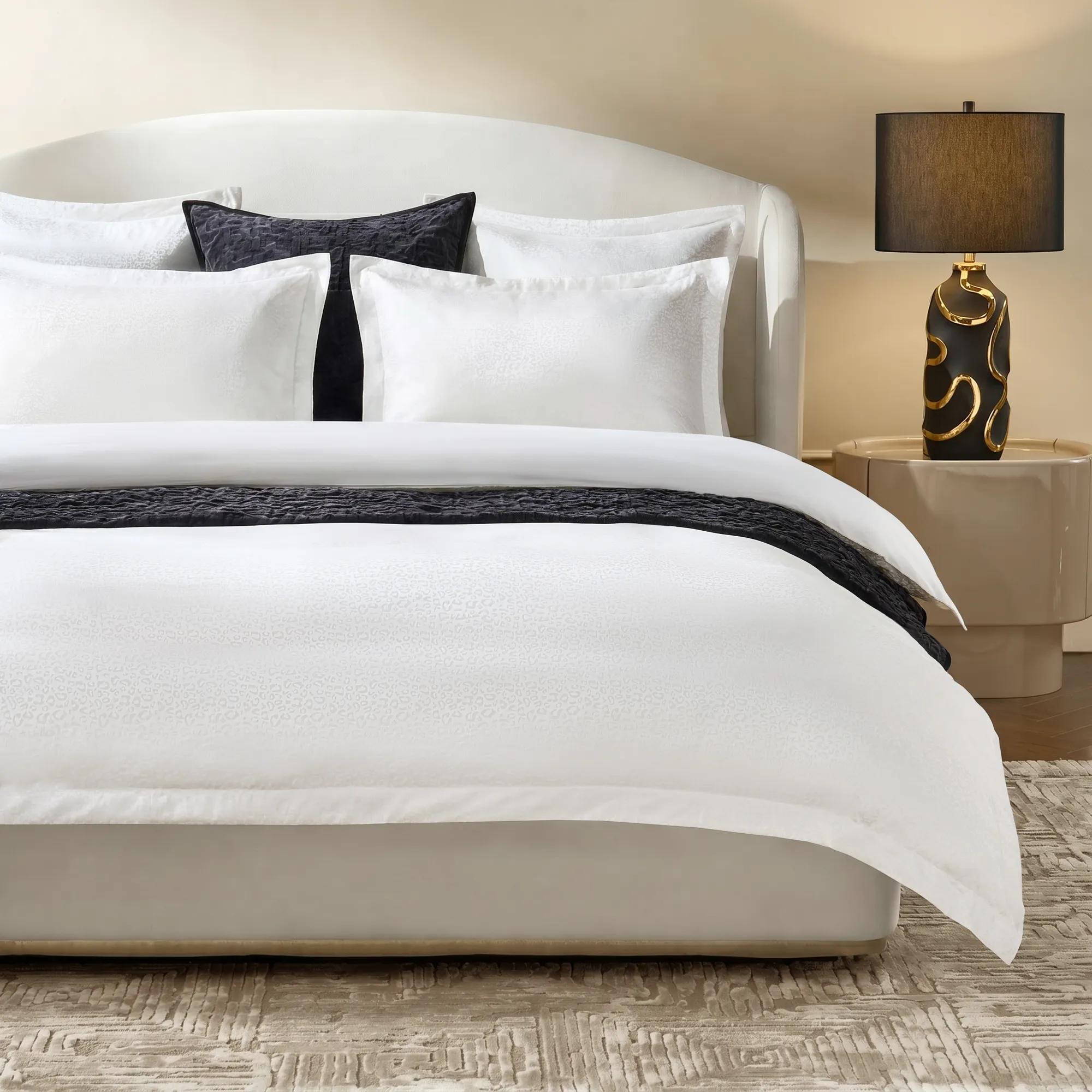 Abi Leopard Cloud White Tencel Bedding Set$249
A cloud white bedding set featuring a tonal leopard print in a smooth Tencel blend with cotton reverse.
Add To Cart -
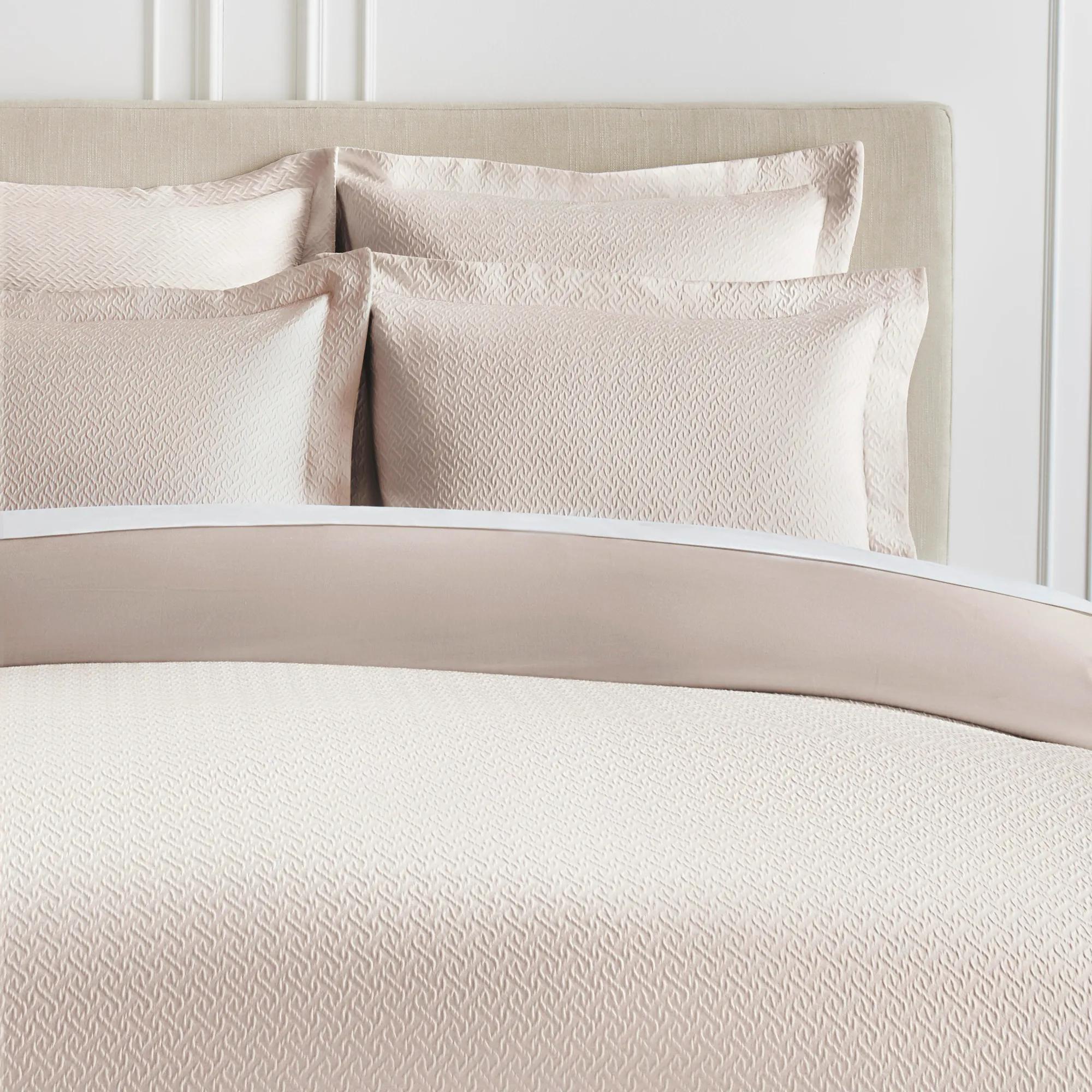
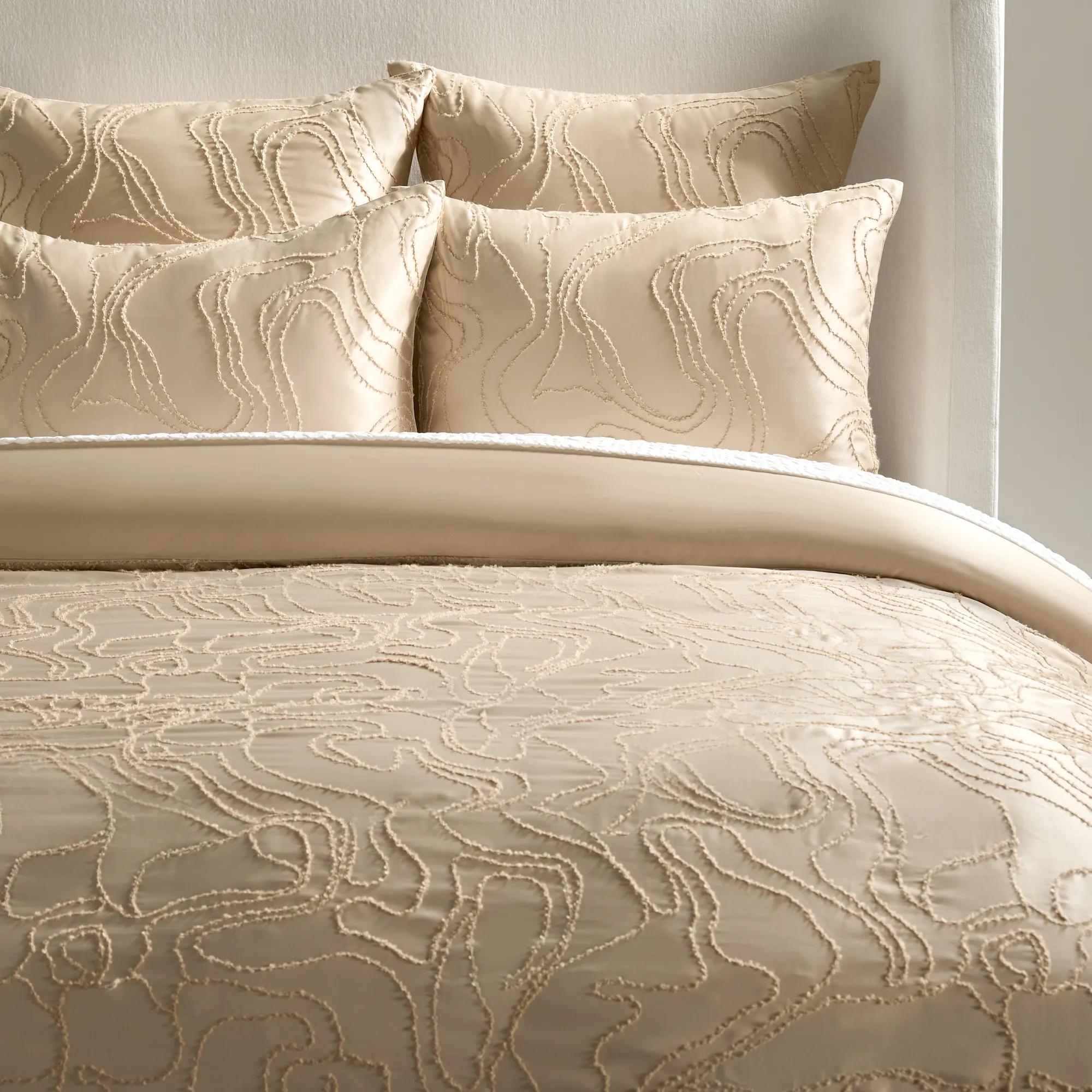 Noa Embroidered Champagne Beige Bedding Set$249
A champagne beige bedding set featuring elegant embroidered detailing for a refined bedroom aesthetic.
Add To Cart

Lightweight Bedding Sets
Lightweight bedding sets invite a sense of effortless elegance into your sanctuary, transforming the ordinary act of rest into a luxurious ritual. Each layer whispers of refined comfort, draping your bed in a soft embrace that feels both airy and indulgent. Perfect for those who crave a balance of sophistication and serenity, these bedding ensembles create a tranquil canvas for self-expression—whether you’re seeking a serene retreat or a backdrop for bold, expressive accents. Elevate your nightly escape with lightweight bedding sets that promise to refresh your space with an artful touch and an undeniable sense of ease.
Lightweight bedding sets bring a coordinated look to the bed with less bulk, typically pairing a quilt, coverlet, or lightly filled comforter with matching pillow shams or other specified pieces. Their appeal lies in the balance: enough texture and coverage to make the bed feel inviting, without the substantial loft of heavier bedding. For sleepers who prefer a lighter covering, guest rooms that need an adaptable foundation, or bedrooms where a tailored silhouette suits the design, these sets create comfort with a polished presence. The distinctions between bedding types matter. Quilts generally combine a fabric face, a thin inner layer, and a backing, held together with stitching that becomes part of the design. Coverlets are typically low-profile decorative bed coverings, though their construction varies. Lightweight comforters have fill enclosed within an outer shell, creating a softer, loftier shape; the amount and type of fill influence their weight and feel. A duvet cover set, by contrast, usually supplies the removable outer cover and coordinating shams, not the insert that determines much of the finished bed’s fullness. Checking the listed components helps establish whether a set includes a bed covering, sheets, pillowcases, decorative shams, or only some of those elements. Once the foundation is clear, the expressive possibilities unfold. A softly quilted surface introduces shadow and dimension beneath an upholstered headboard, while a smooth coverlet gives patterned pillows room to command attention. Ivory and pearl tones can create a luminous composition against dark wood; a deeper neutral can lend depth to mirrored furniture and gleaming accents. A restrained palette need not feel understated when the surface has movement, sheen, or sculptural stitching. Lightweight construction also makes layering more flexible: a folded throw at the foot of the bed adds a deliberate finishing gesture without obscuring the main fabric. The result is a bedroom that feels thoughtfully composed, with comfort built into its visual rhythm rather than added as an afterthought.
Materials shape the experience of lightweight bedding as much as the silhouette. Cotton is a familiar choice for its breathable feel and versatility, but a cotton label alone does not describe the finished texture. A percale weave tends to feel crisp and matte, while cotton sateen generally has a smoother hand and a subtle luster. Linen offers a more relaxed surface, with natural variations in the fibers that give the fabric depth and character. Its softly rumpled appearance can provide an elegant counterpoint to a sharply tailored bed frame or polished bedside lighting. Blended fabrics combine fibers to achieve particular qualities, such as a softer drape or improved wrinkle resistance, so the full fiber content deserves attention. Polyester microfiber can feel smooth and supple, although breathability and moisture comfort vary with its construction and finishing. For those drawn to a more fluid, light-catching surface, Lightweight Satin Bedding Sets offer another direction for an expressive bedroom. Satin describes a weave rather than a single fiber, so checking whether a fabric is made from silk, polyester, or another material is essential to understanding its feel and care requirements. A glossy finish does not, by itself, establish breathability or overall weight. The same principle applies to thread count: a higher number is not a reliable shortcut to a lighter or more comfortable bed. Fabric density, yarn quality, weave, backing, and fill all contribute to how bedding drapes and feels against the body. For hot sleepers, the most useful details are the complete construction and the weight of the assembled covering, not an isolated fabric claim. Lightly filled down-alternative comforters may suit those who enjoy gentle loft, while a thin quilt or unfilled coverlet may appeal to someone who dislikes a puffy top layer. Down alternative describes a fill category, not a guarantee of low weight. Small surface details deserve equal consideration: closely spaced stitching creates a different look and feel from broad quilted channels, and embroidery can introduce raised texture where a smooth finish would otherwise lie.
A beautifully dressed bed also depends on proportion. Start with the actual mattress width and length, then account for mattress depth, a topper if present, and the amount of fabric desired along each side. Size names alone cannot promise the right drape, because dimensions differ between bedding designs. A deep mattress may need more coverage than expected, especially when the goal is to conceal the meeting point between the mattress and the bed frame. Conversely, a low platform bed often benefits from a more controlled drop that keeps decorative edges from pooling on the floor. Pillow shams should suit the pillows placed inside them; a standard sham and a king sham create distinctly different proportions, even when both coordinate with the same covering. In a primary bedroom, two generously filled shams can establish a strong backdrop for a single sculptural accent pillow. In a guest room, a simpler arrangement leaves the sleeping surface easy to access and keeps decorative pieces from overwhelming the space. Practical details preserve that considered effect. Read the care label before washing, because fibers, embellishments, and fill can require different treatment. Machine-washable bedding still needs adequate room to move in the washer, and bulky pieces may call for a larger-capacity machine. Use the recommended cycle, detergent, and drying method rather than assuming that every lightweight fabric tolerates the same routine. Thorough drying matters for filled and layered bedding, while excessive heat can damage certain fibers or finishes. Keep jewelry, rough accessories, and pet claws away from snag-prone surfaces, and consider smoother, closely constructed fabrics for beds that see frequent use. Consistent stitching, secure seams, and an evenly distributed fill are useful construction details to examine when assessing durability. For a housewarming or wedding gift, a coordinated bedding set can feel personal and substantial when the recipient’s bed dimensions, preferred textures, and care habits are known. Whether chosen for a restful personal retreat or a welcoming guest suite, lightweight bedding offers room for both ease and expression: a beautifully proportioned foundation, finished with the texture and detail that make a bedroom unmistakably individual.
FAQs
Lightweight bedding sets often feature natural fibers such as cotton (percale or sateen), linen, bamboo, or Tencel. These materials are celebrated for their superior breathability and moisture-wicking abilities, ensuring a cool, comfortable sleep environment—especially during warmer months or for hot sleepers.
Lightweight bedding sets introduce an effortless elegance to any bedroom, offering crisp textures, subtle sheens, and inviting layers that create a sense of airiness. Their refined drape and soft touch can instantly refresh your space, making it feel more inviting, serene, and tailored to the season.
While lightweight bedding sets are especially popular in spring and summer, their versatility makes them suitable for year-round use. They can be layered with heavier blankets or throws in cooler months, and then enjoyed on their own when temperatures rise, allowing you to adapt your bedding to your comfort needs.
Lightweight bedding sets are a luxurious yet practical gift, perfect for housewarmings, weddings, or anyone seeking a bedroom refresh. Their comfort, breathability, and elegant appearance make them universally appealing, while their ease of care ensures they remain a cherished staple in any home.
To preserve the beauty and longevity of your lightweight bedding, wash with a gentle detergent in cool or warm water, and avoid harsh chemicals or high heat drying. Natural fibers like cotton and linen benefit from being air-dried or tumbled on low, which helps maintain their texture and luster over time.