King Size Duvet Covers
King Size Duvet Covers
-
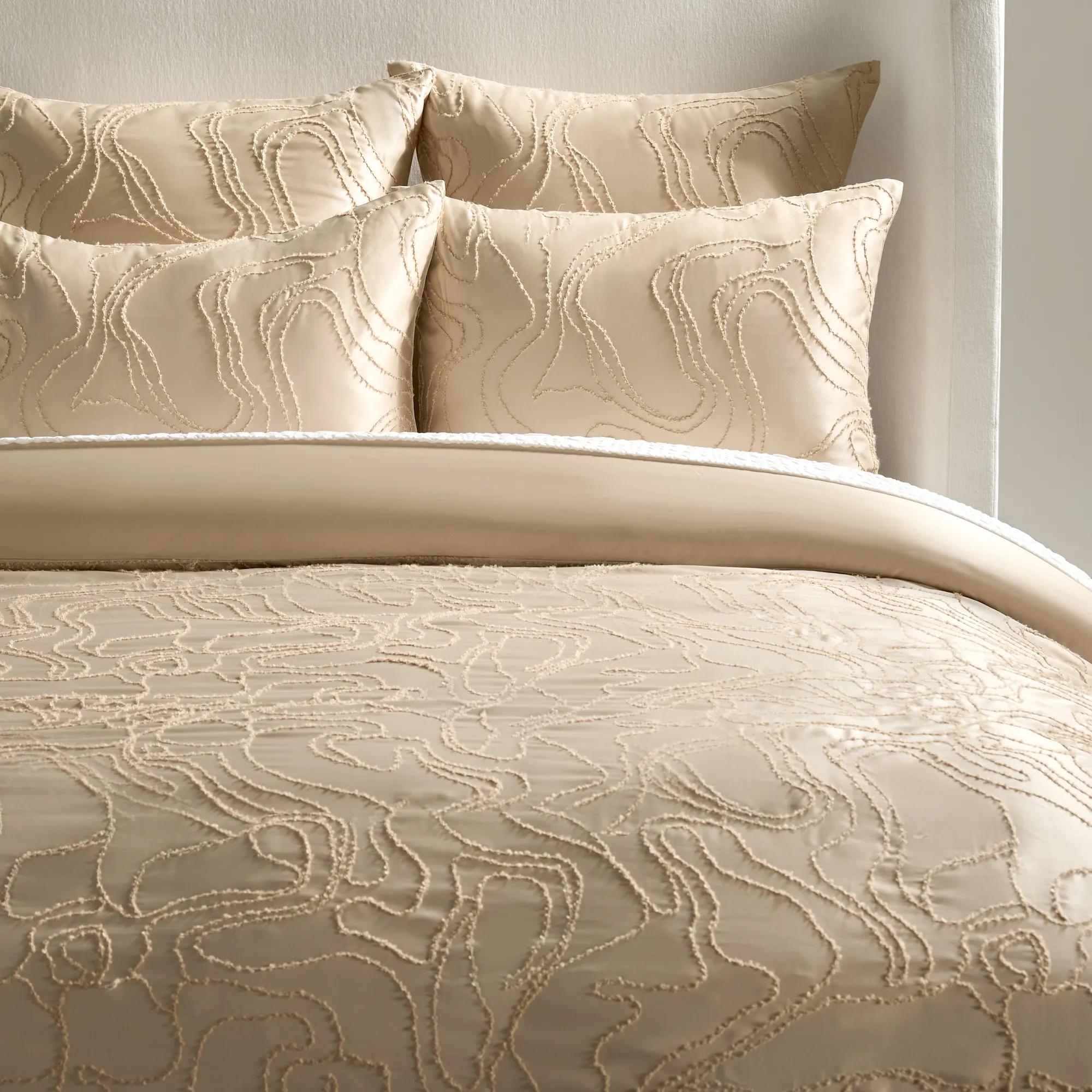 Noa Embroidered Champagne Beige Bedding Set$249
A champagne beige bedding set featuring elegant embroidered detailing for a refined bedroom aesthetic.
Add To Cart -
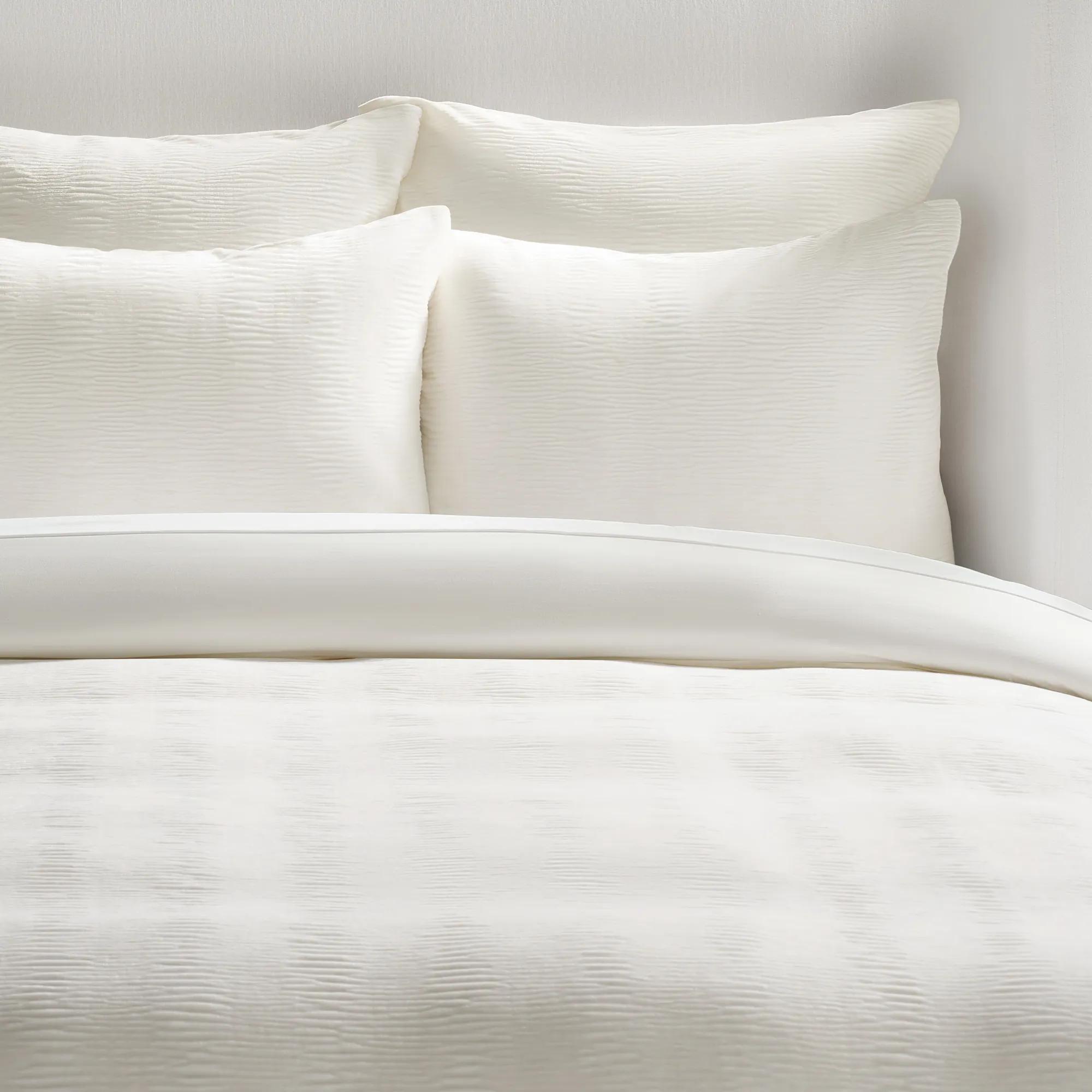 Vera Cloud White Soft Pleated Velvet Bedding Set$69
A cloud-white velvet bedding set featuring soft pleating for an elegant, textured bedroom finish.
Add To Cart -
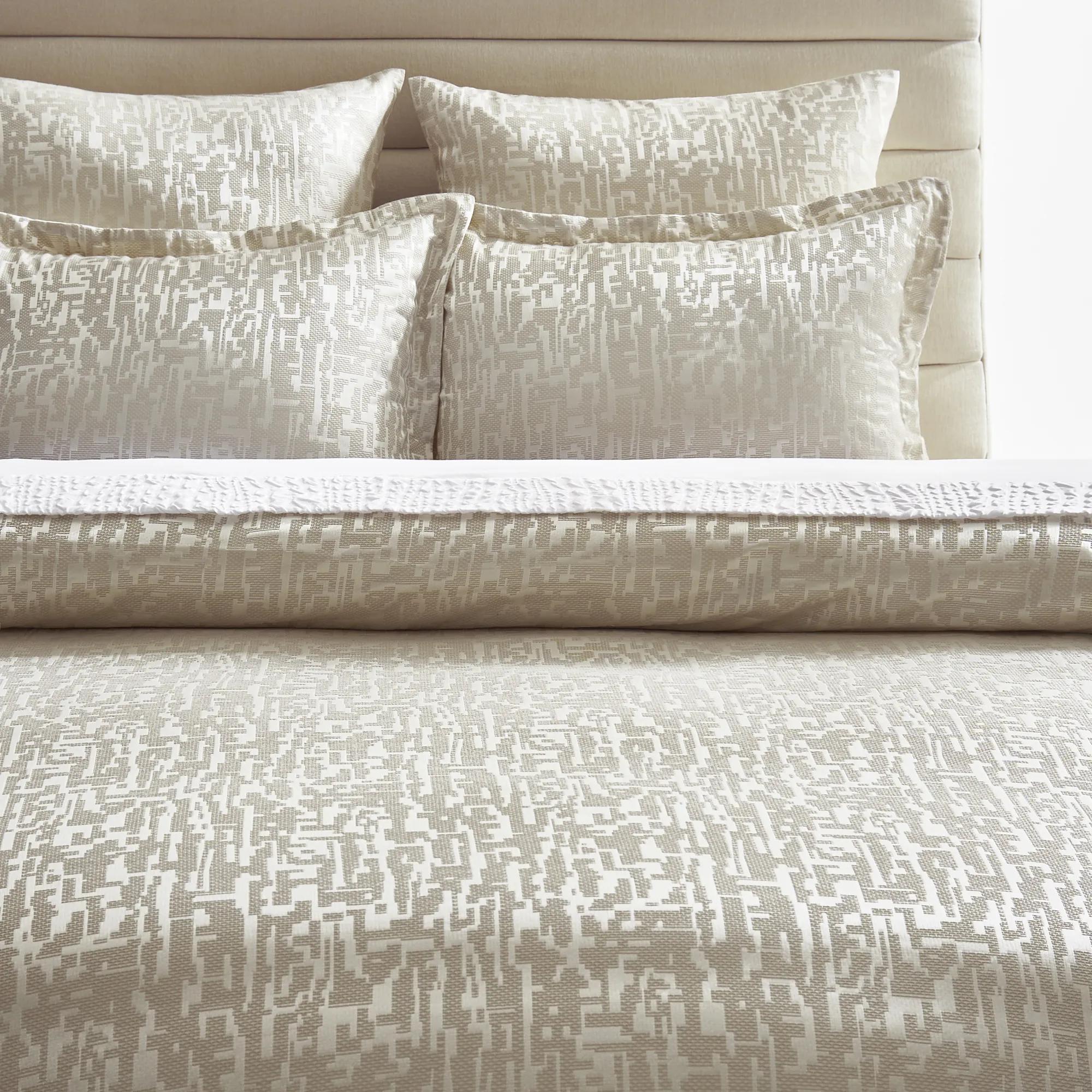
 Podva Embroidered Pearl/Ivory Bedding Set$69
A satin and cotton bedding set in pearl and ivory with modern embroidery and crisp flange edges.
Add To Cart -
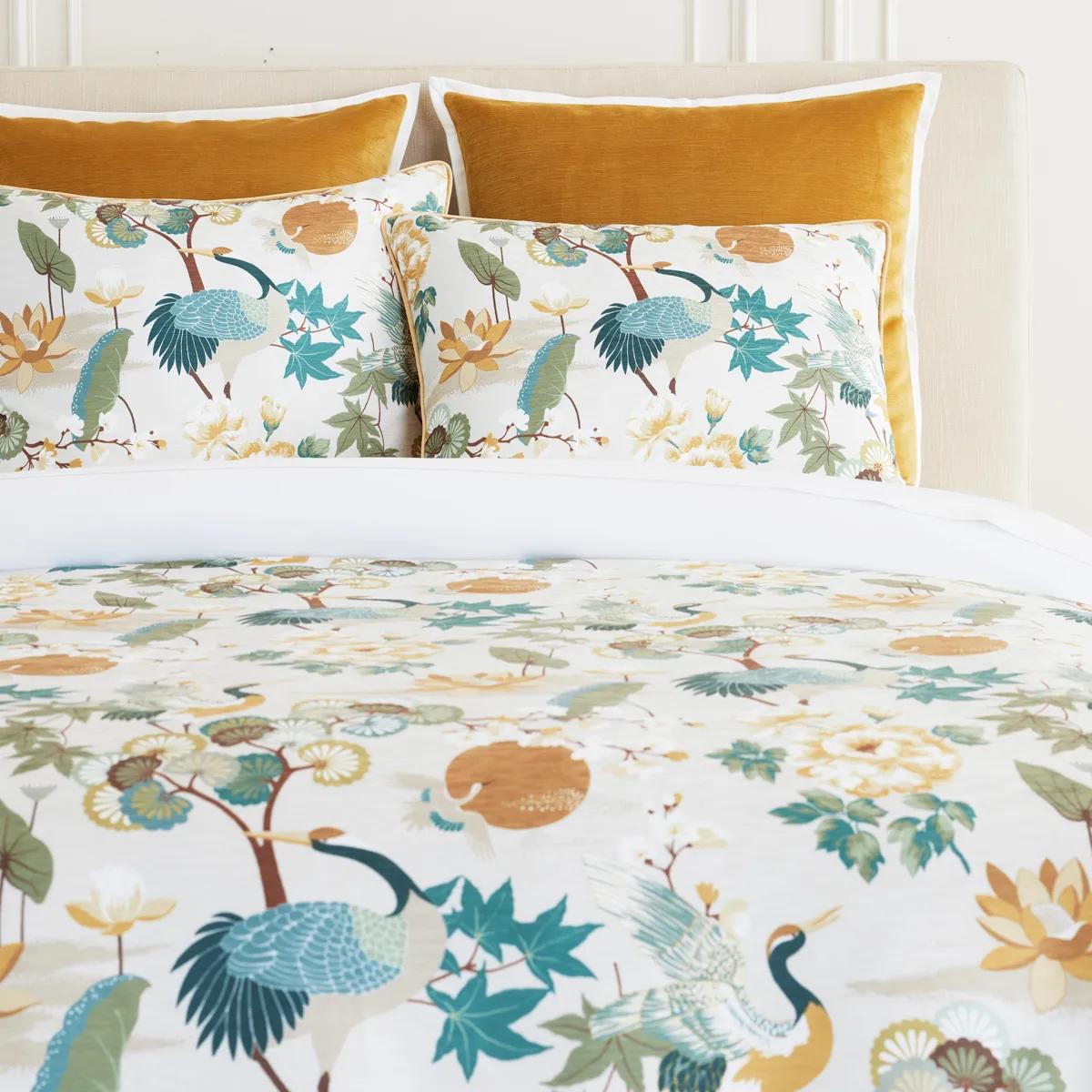
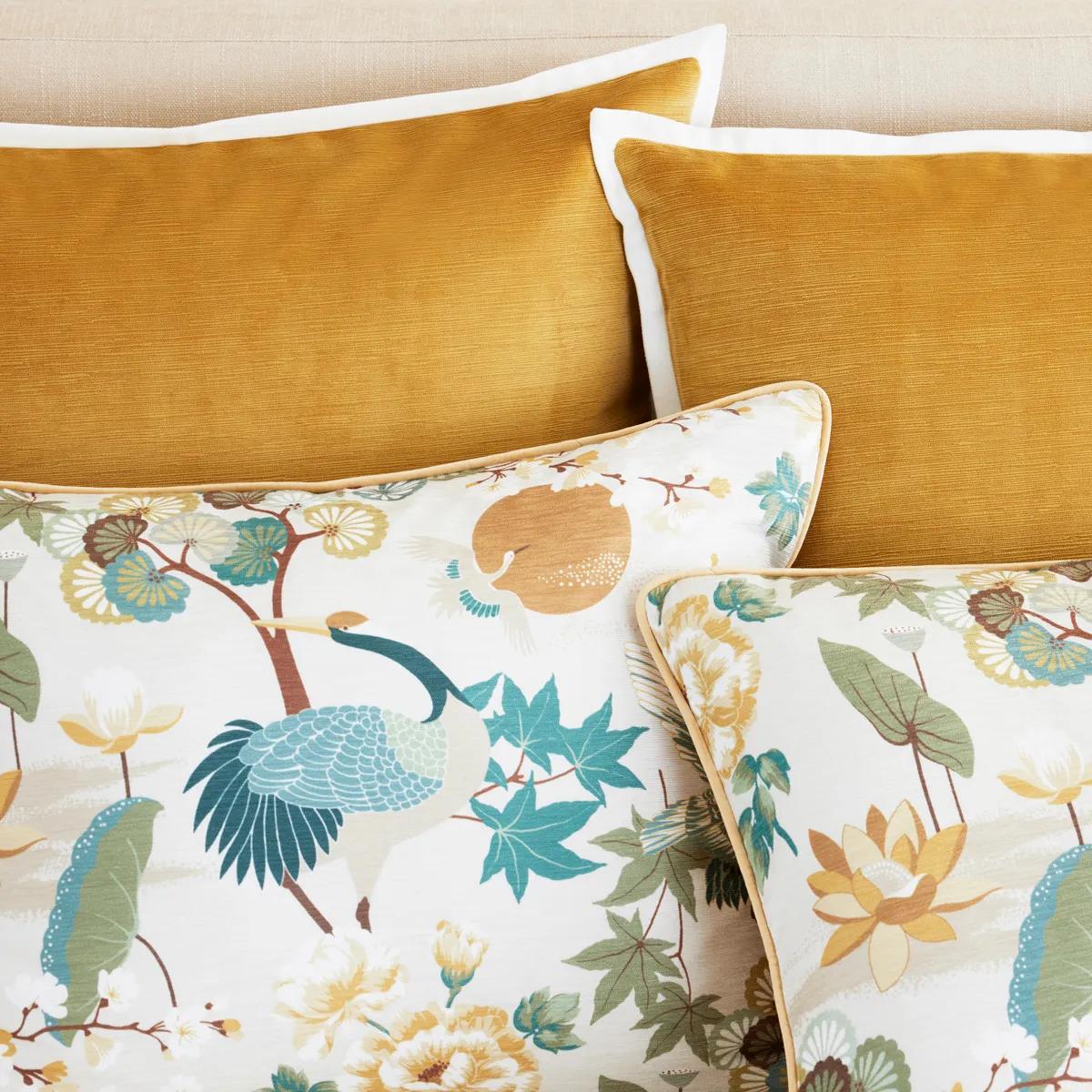 Sandhill Ivory/Multi Color Printed Bedding Set$589
An ivory bedding collection featuring earthy tones, nature-inspired design, and luxurious velvet accents.
Add To Cart -
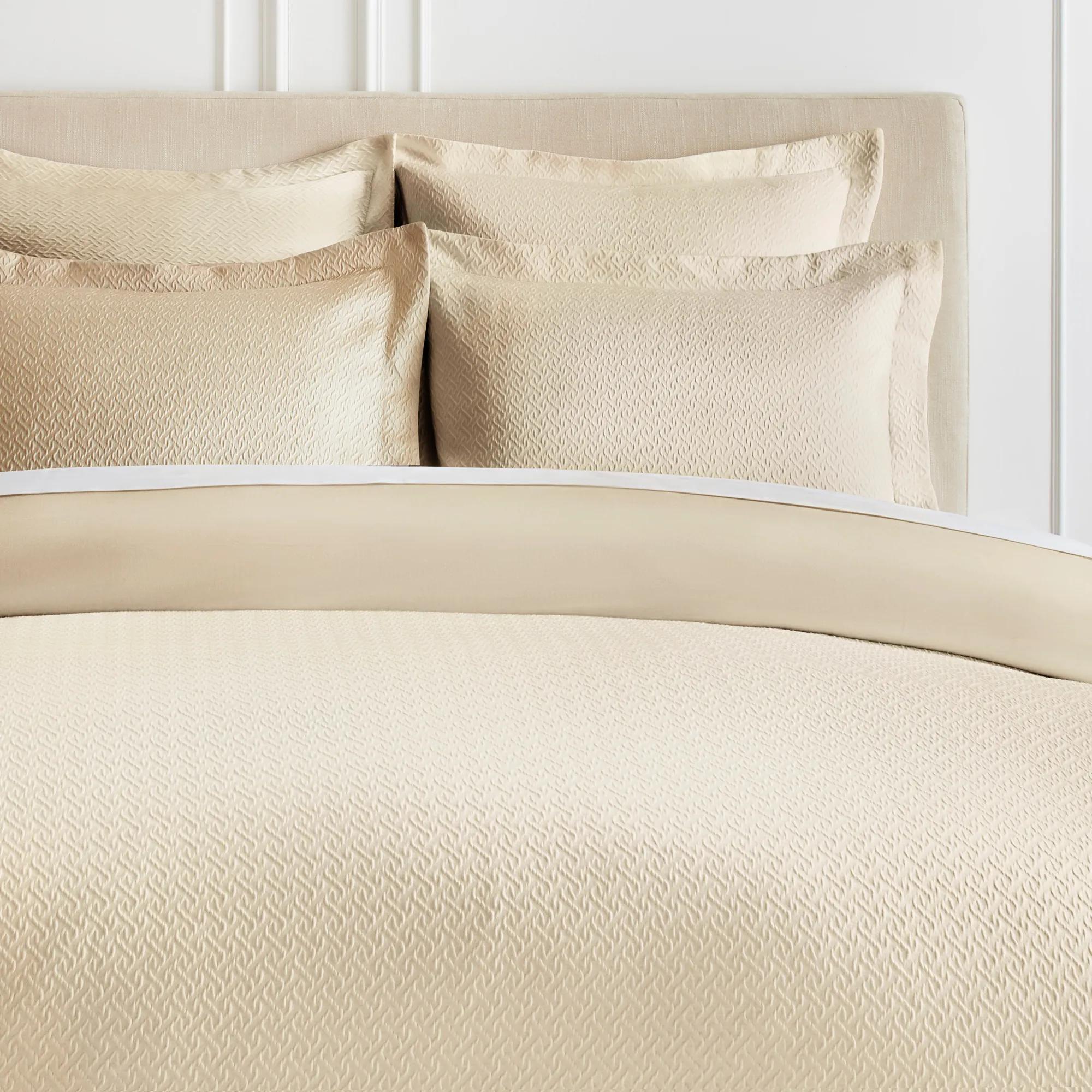
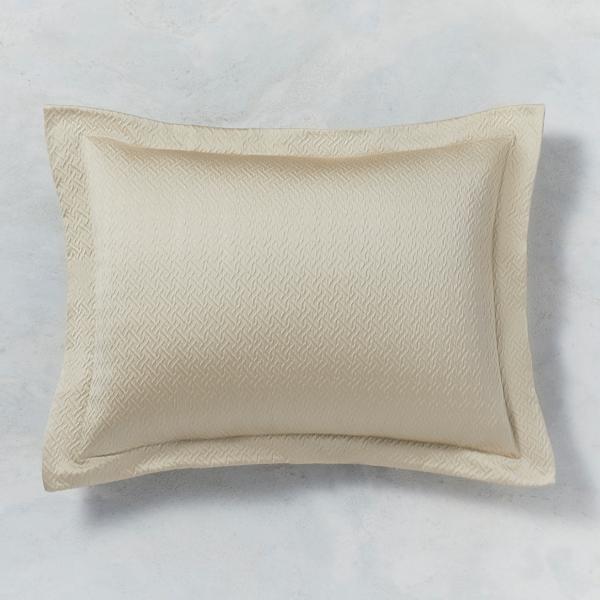 Marlowe Jacquard Gold Bedding Set$549
A jacquard-woven gold bedding collection offering subtle texture and year-round comfort with polyester and cotton.
Add To Cart -
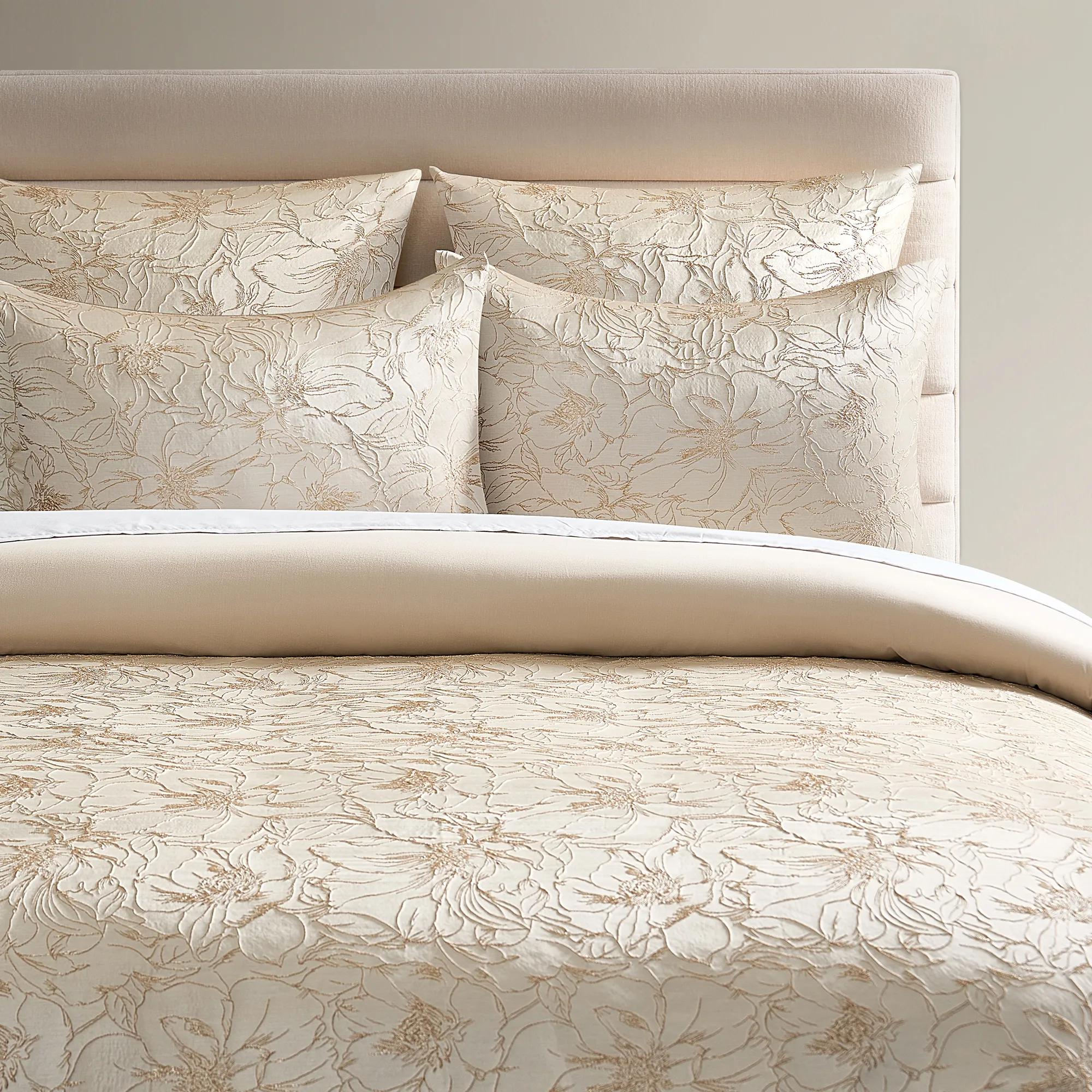 Mimoza Floral Jacquard Champagne Gold Bedding Set$49
A luminous champagne gold jacquard bedding set with delicate floral embroidery and polished knife-edge detailing.
Add To Cart -
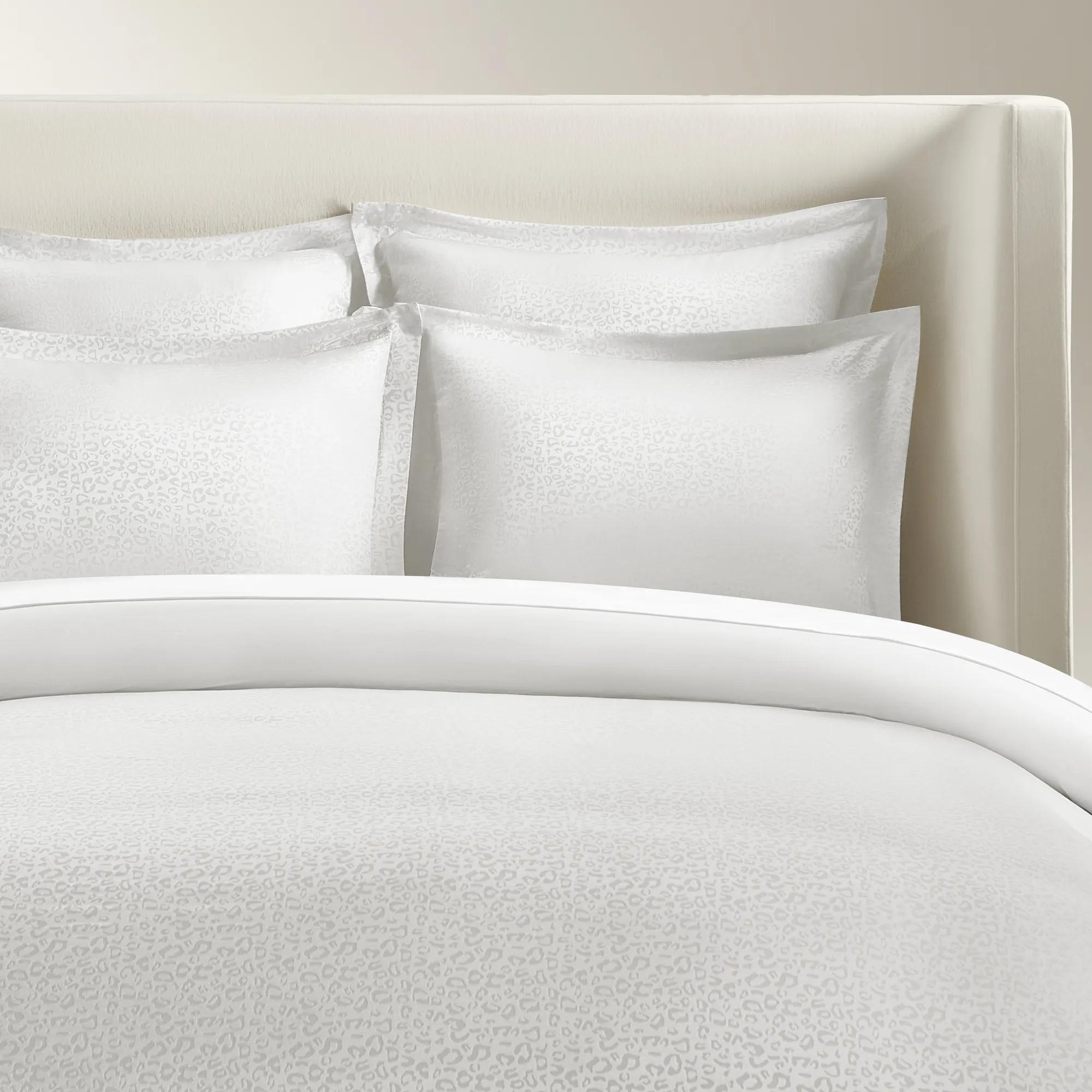
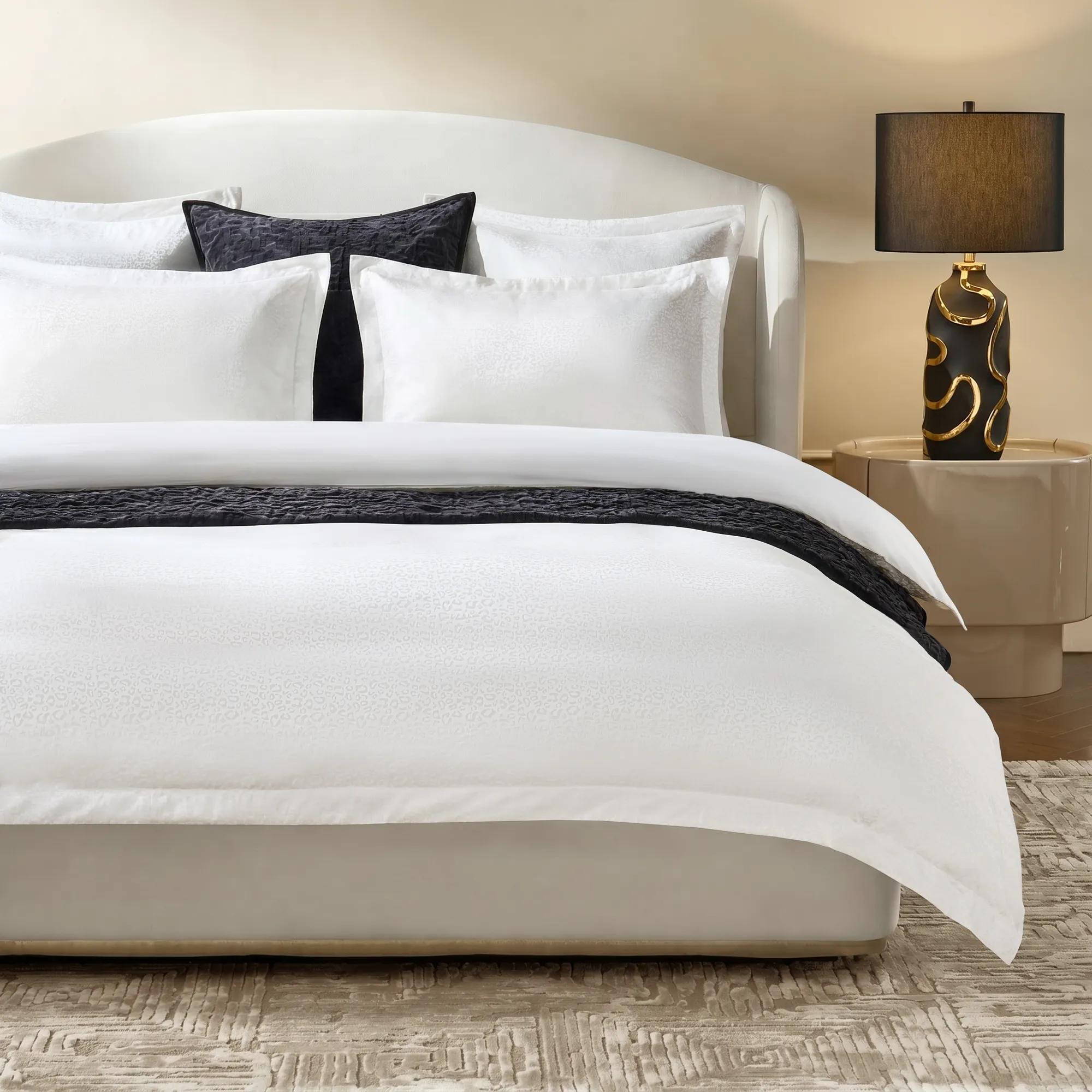 Abi Leopard Cloud White Tencel Bedding Set$249
A cloud white bedding set featuring a tonal leopard print in a smooth Tencel blend with cotton reverse.
Add To Cart -
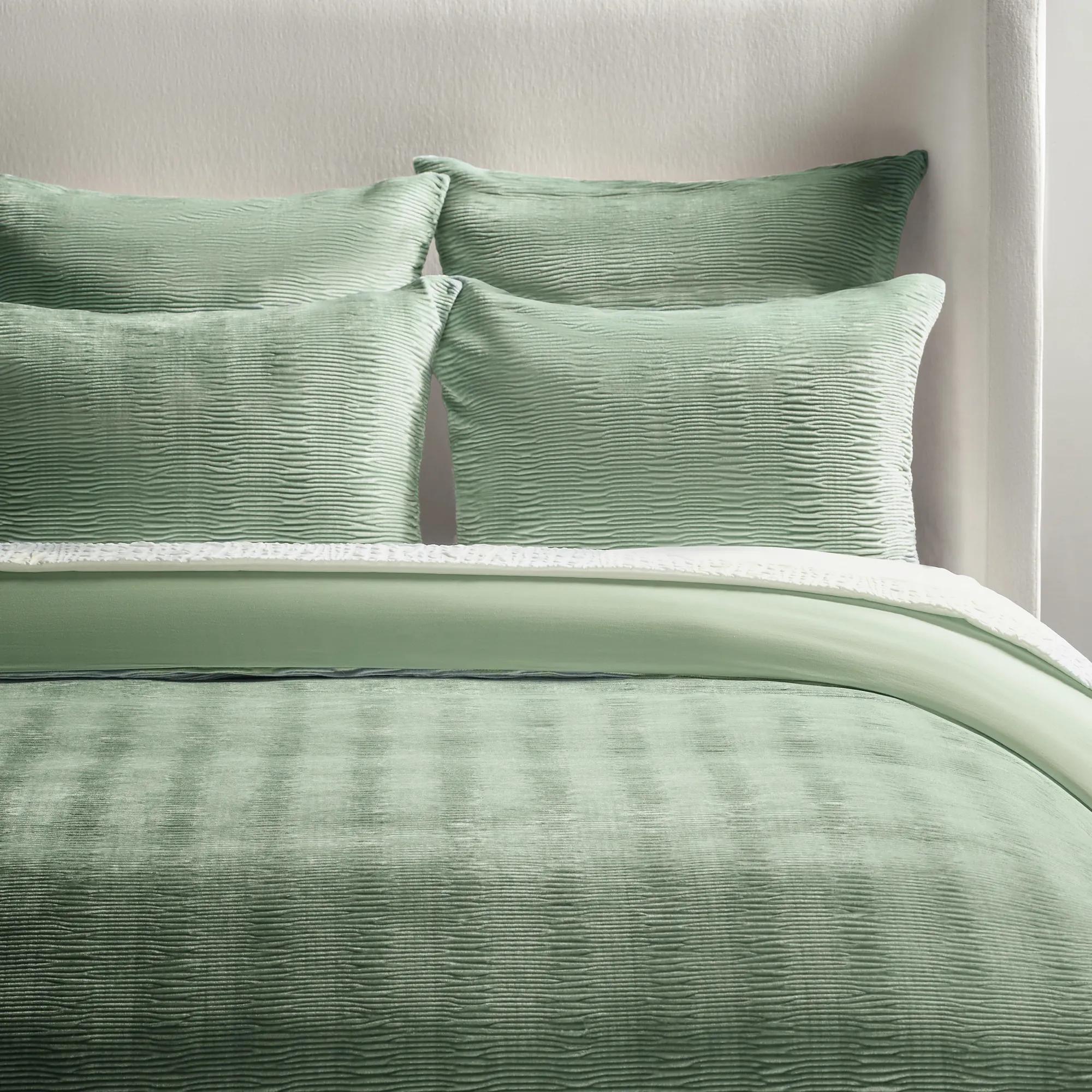
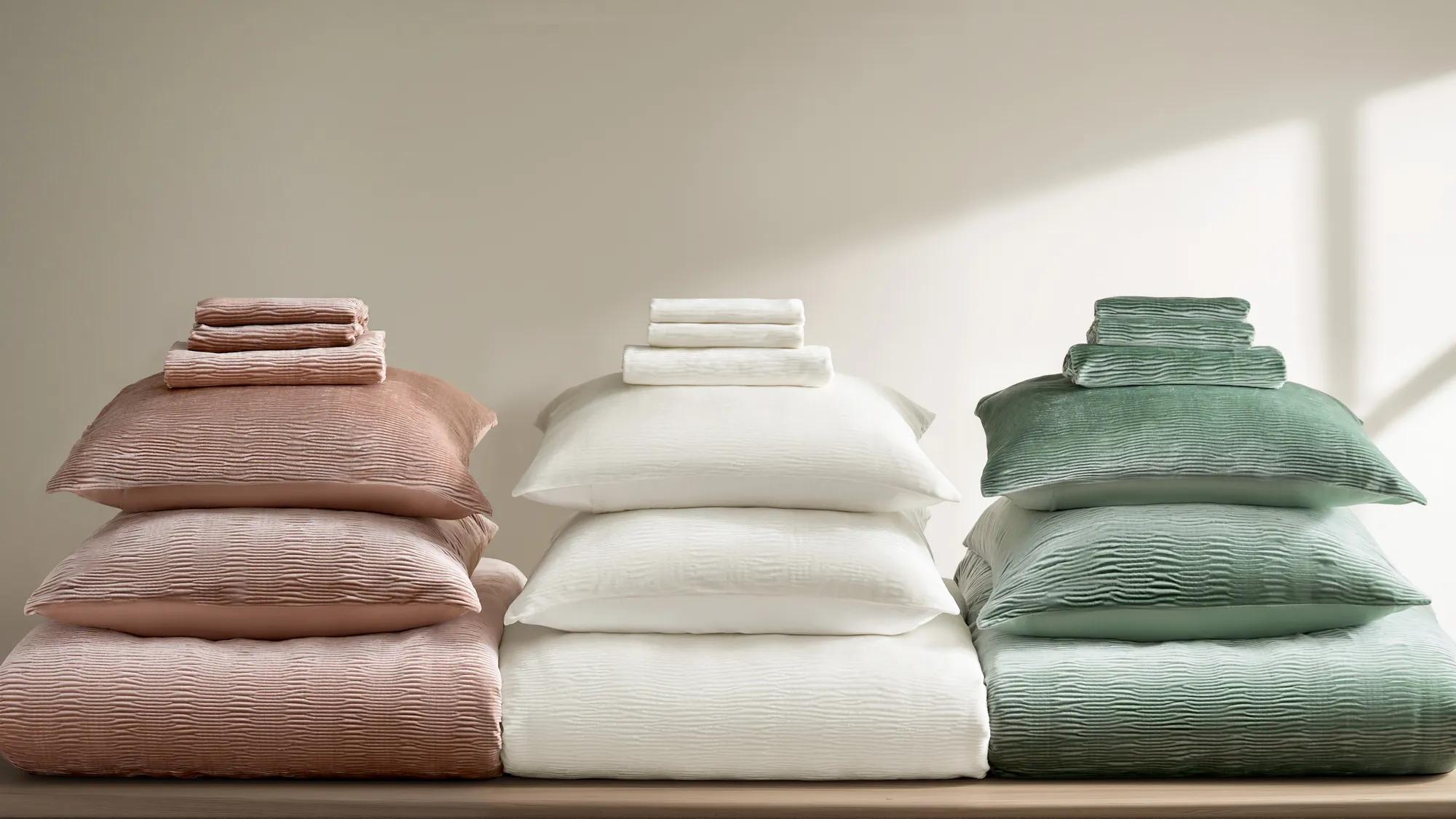 Vera Velvet Bedding Set - Malachite Green$229
A luxurious malachite green velvet bedding set with coordinating duvet and sham covers.
Add To Cart -
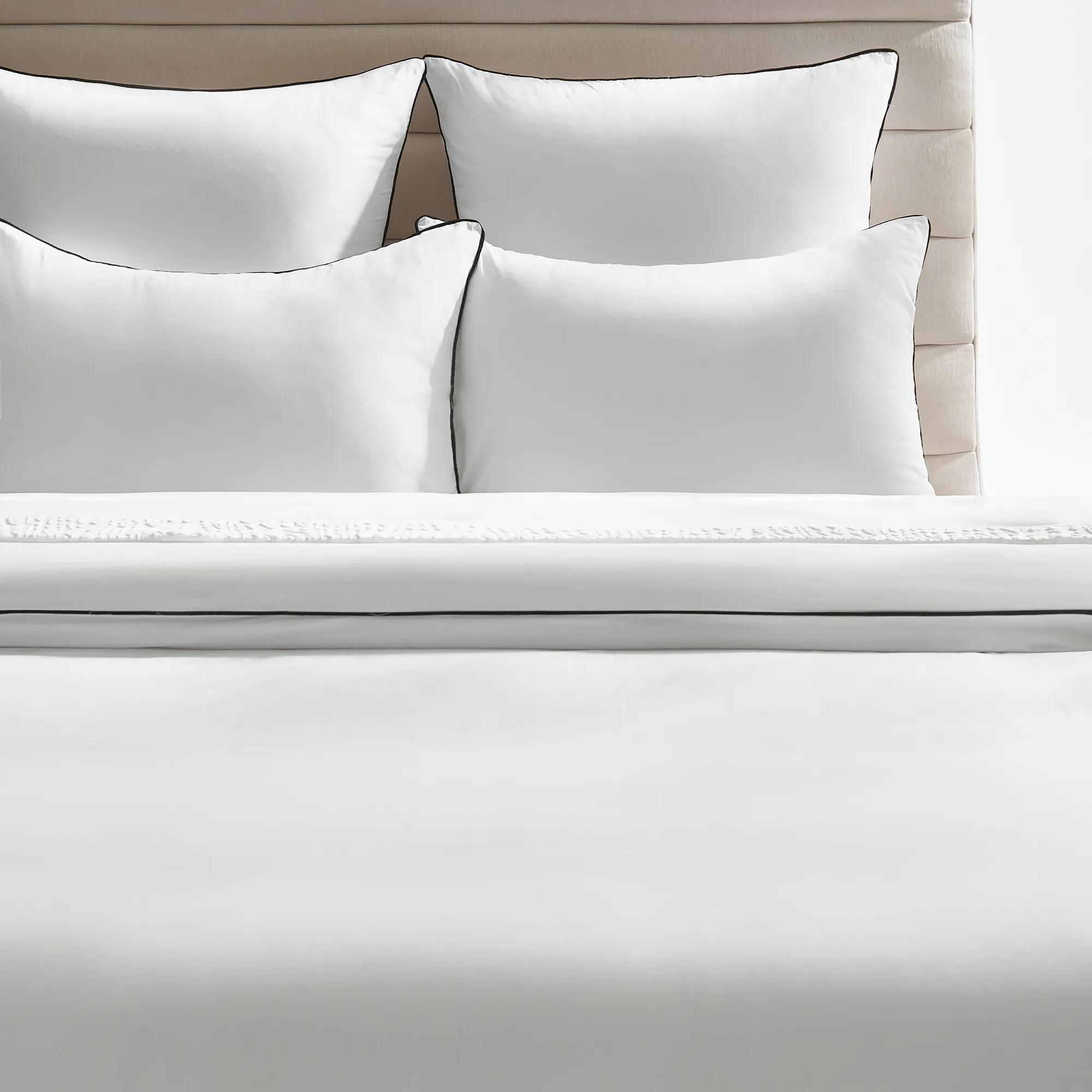 Sarla Contrast Cotton Percale Bedding Set - White/Black$229
A crisp white cotton percale bedding set featuring modern black piping for a refined, graphic contrast.
Add To Cart -

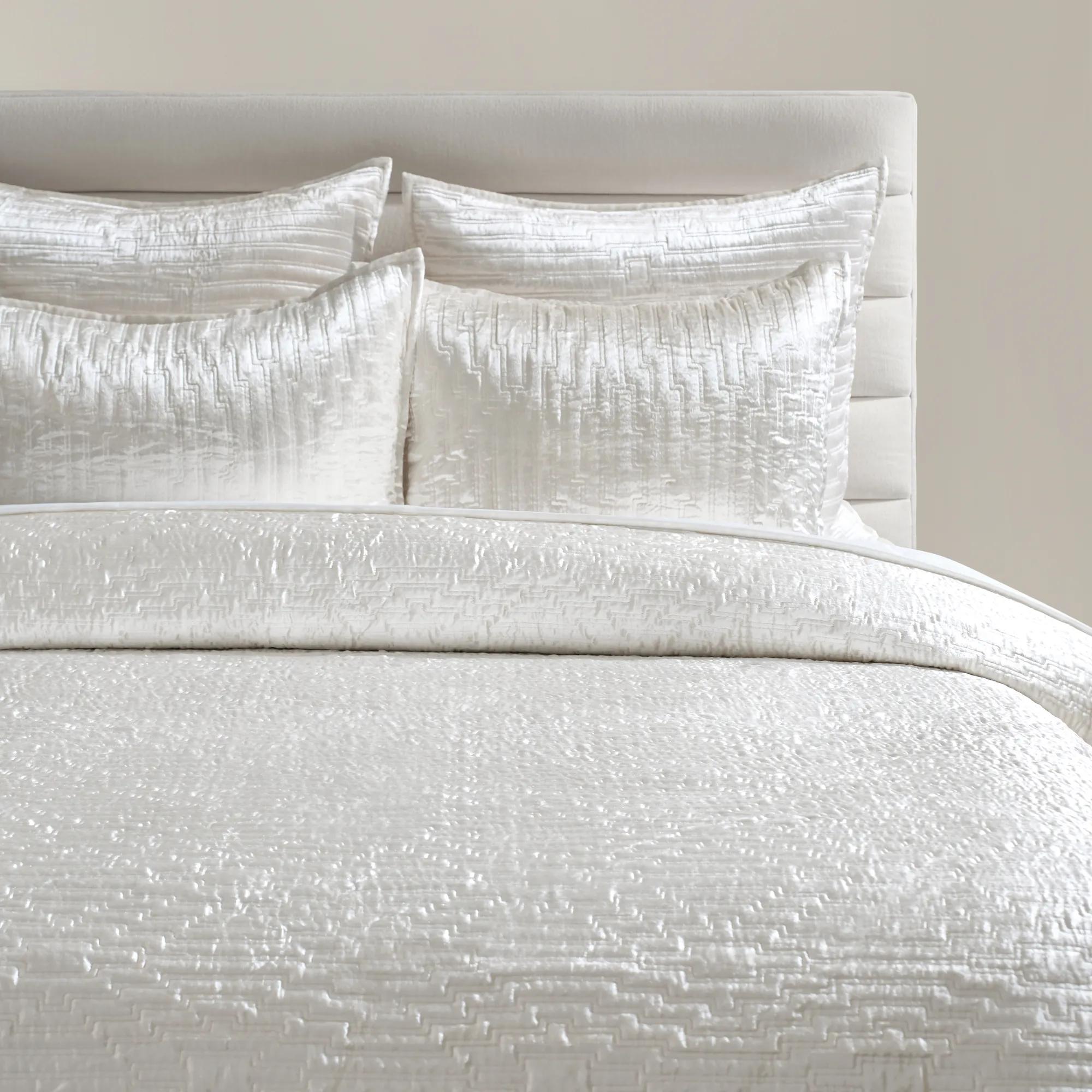
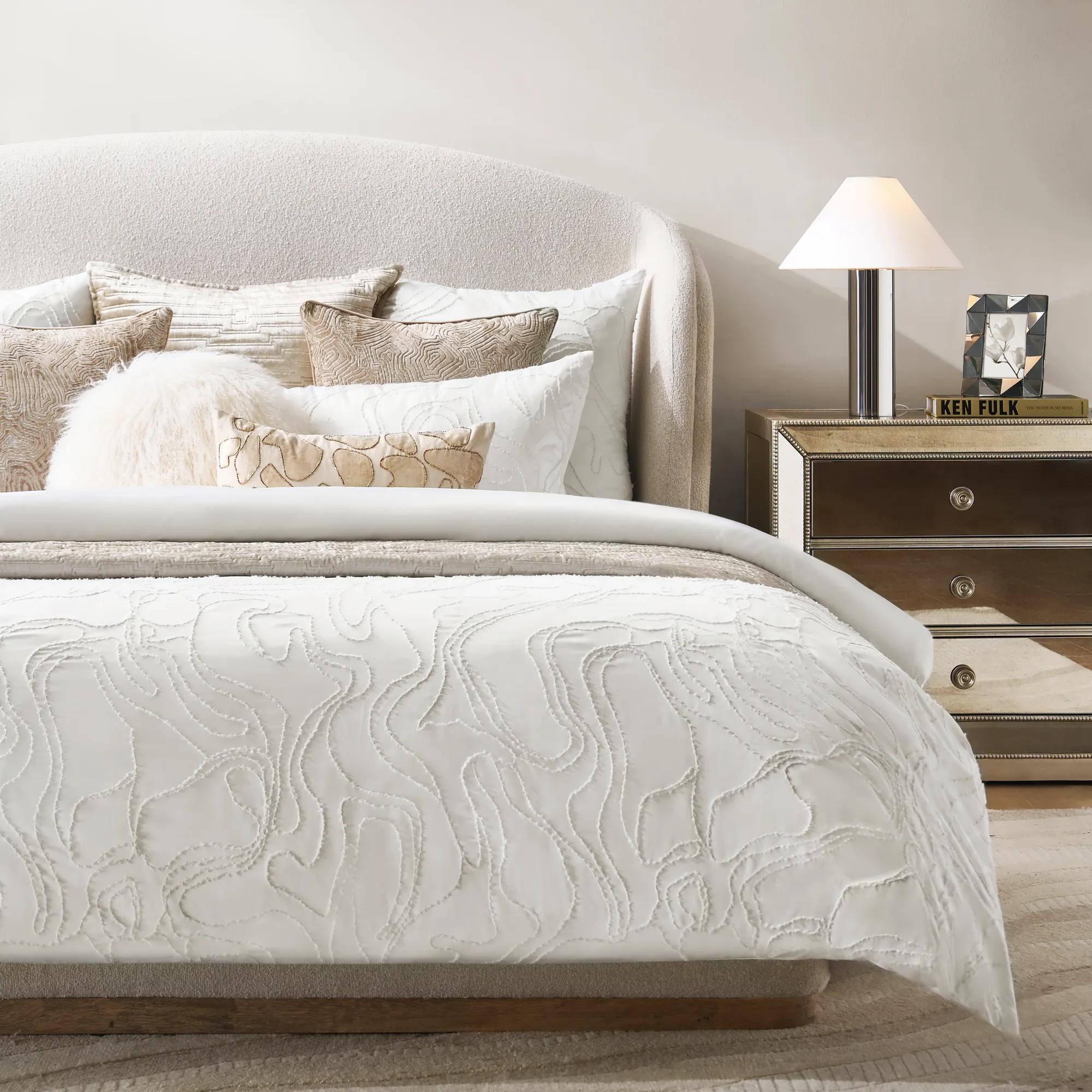 Noa Embroidered Pearl White Bedding Set$229
A luminous pearl satin bedding set featuring an embroidered swirl pattern for a touch of sophisticated elegance.
Add To Cart -
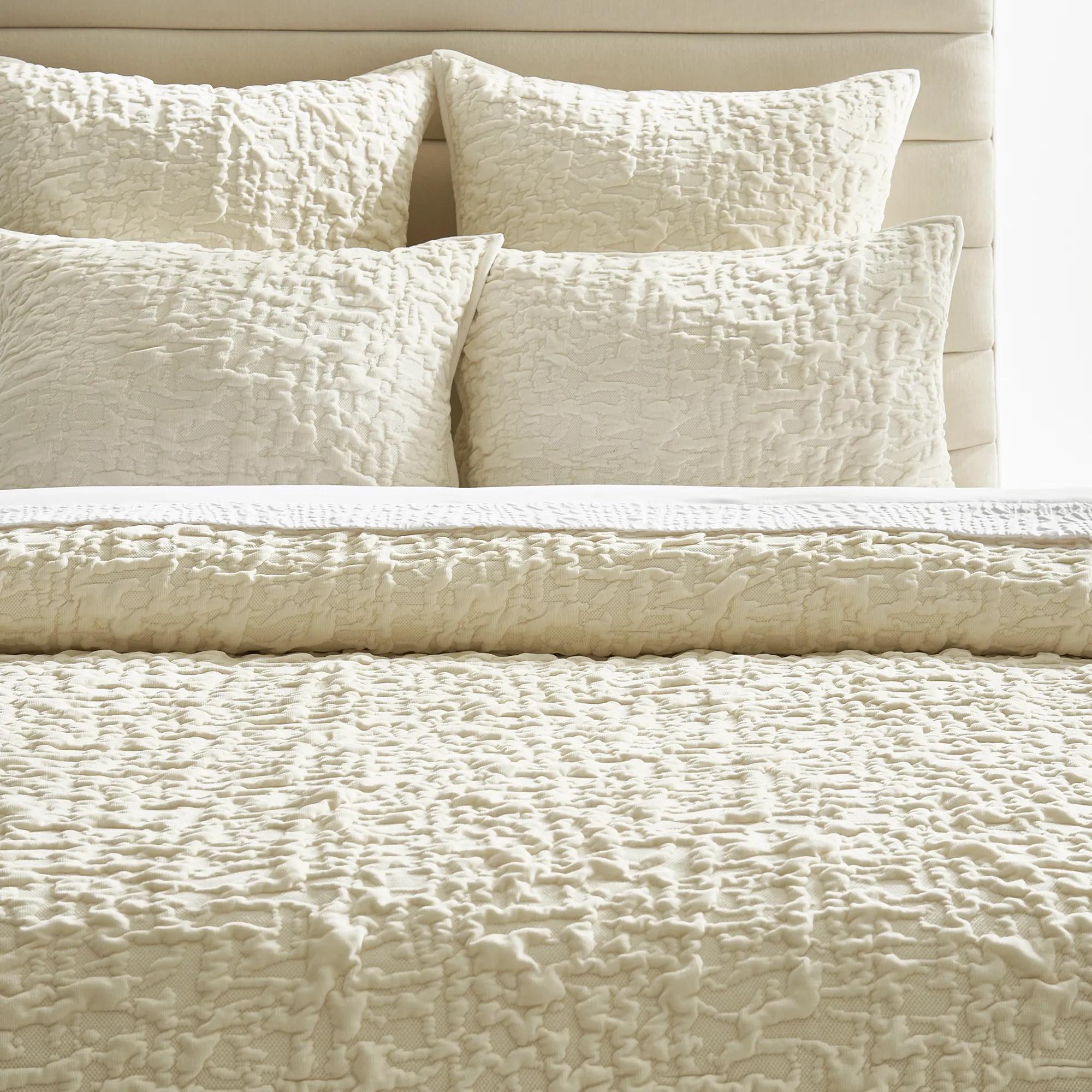
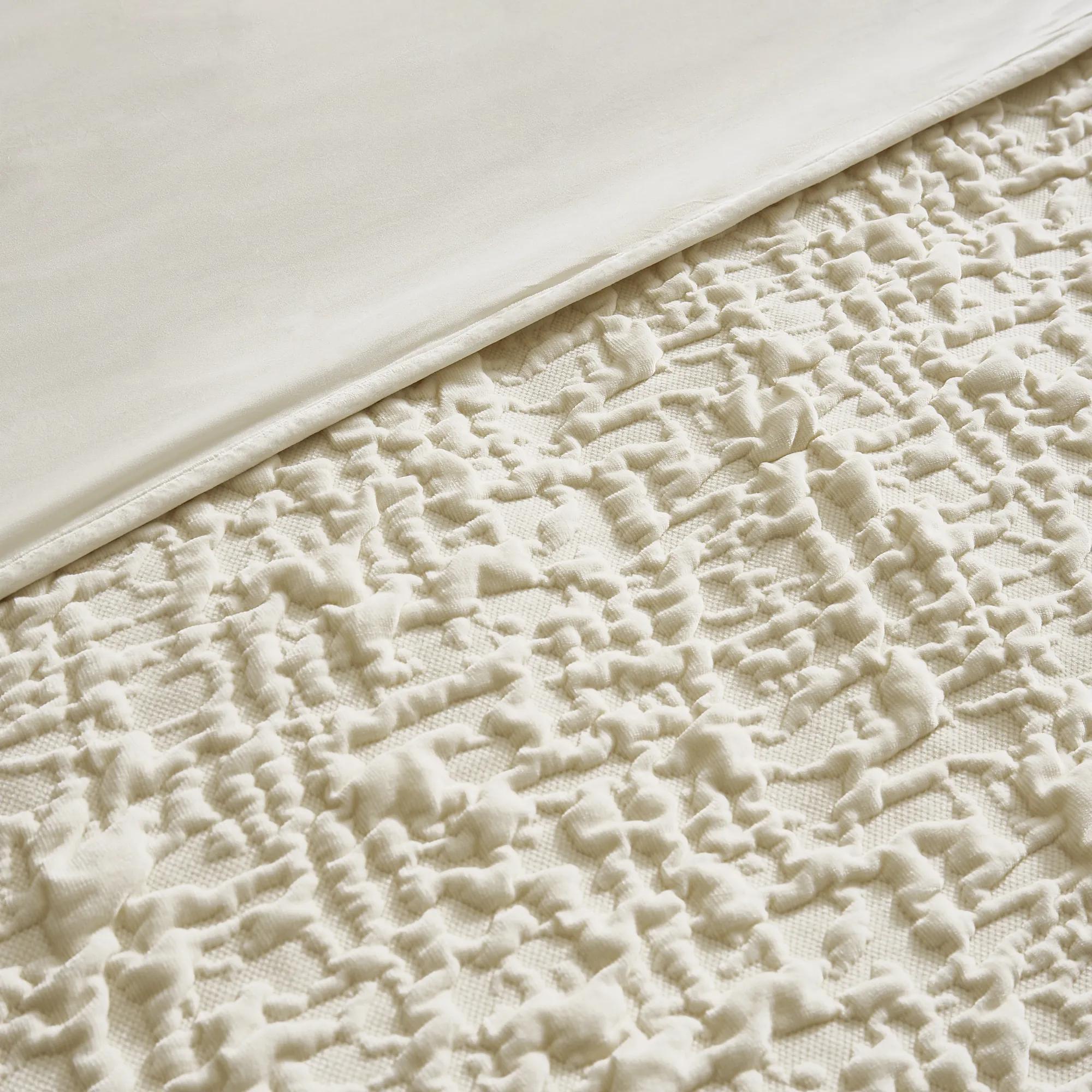 Madera Ivory Textured Velvet Bedding Set$249
A plush ivory velvet coverlet set with crushed embroidered texture and breathable cotton backing for serene style.
Add To Cart -
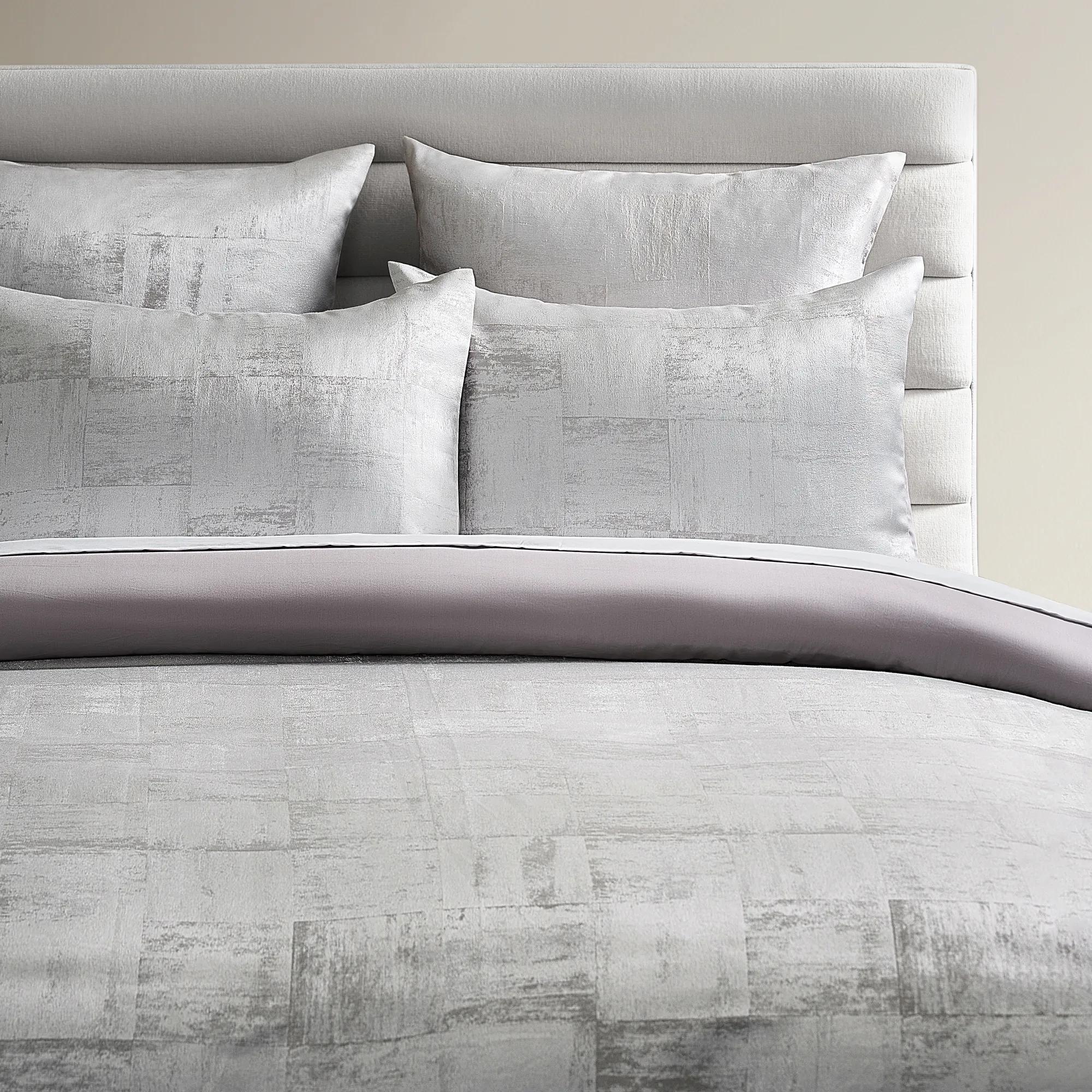 Auden Bedding Set - Platinum$49
A platinum jacquard bedding set featuring a subtle block pattern and refined, modern detailing.
Add To Cart -
 Eve Pistachio Green Textured Velvet Quilt Set$69
A green textured velvet bedding set with coordinating duvet and sham covers for polished comfort.
Add To Cart -
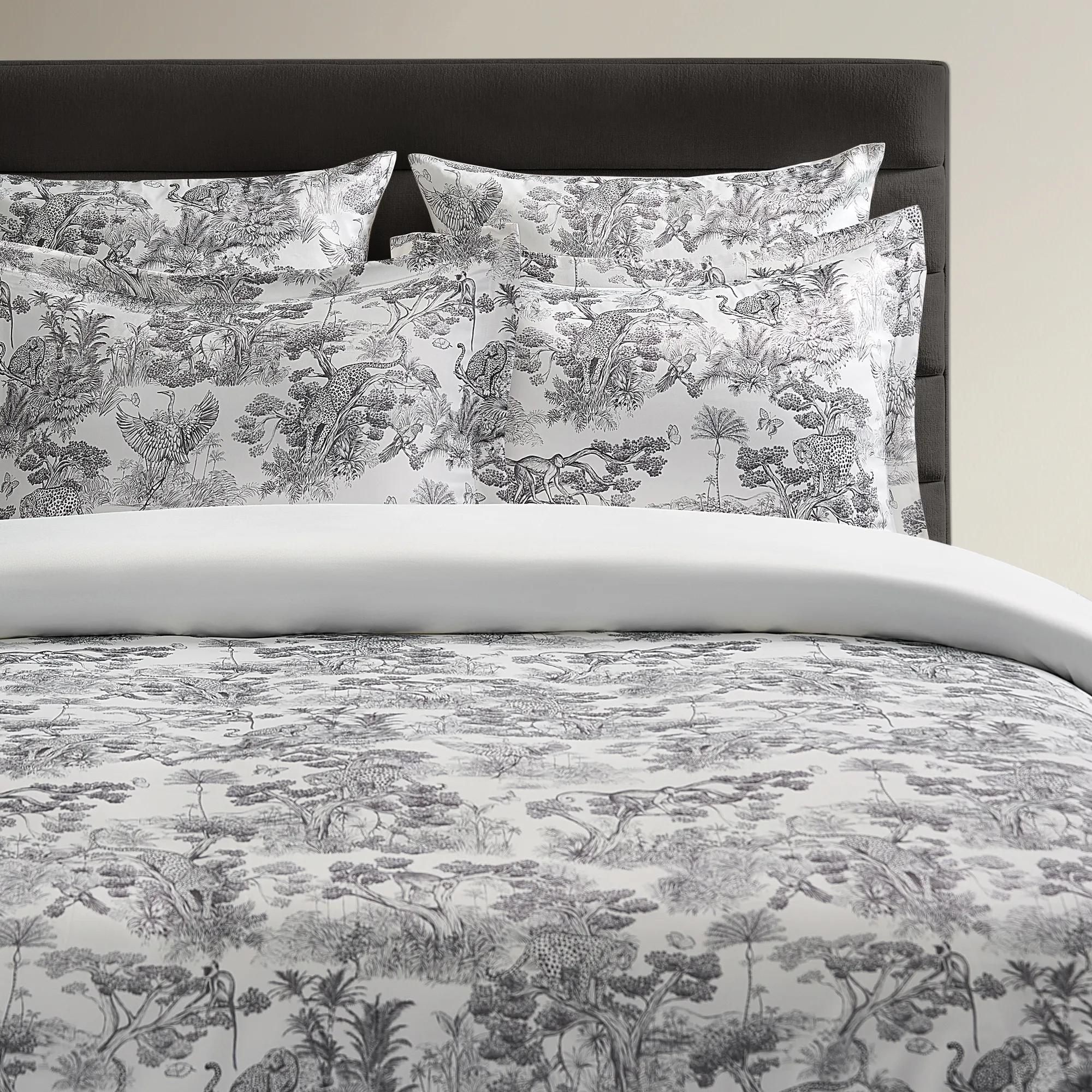
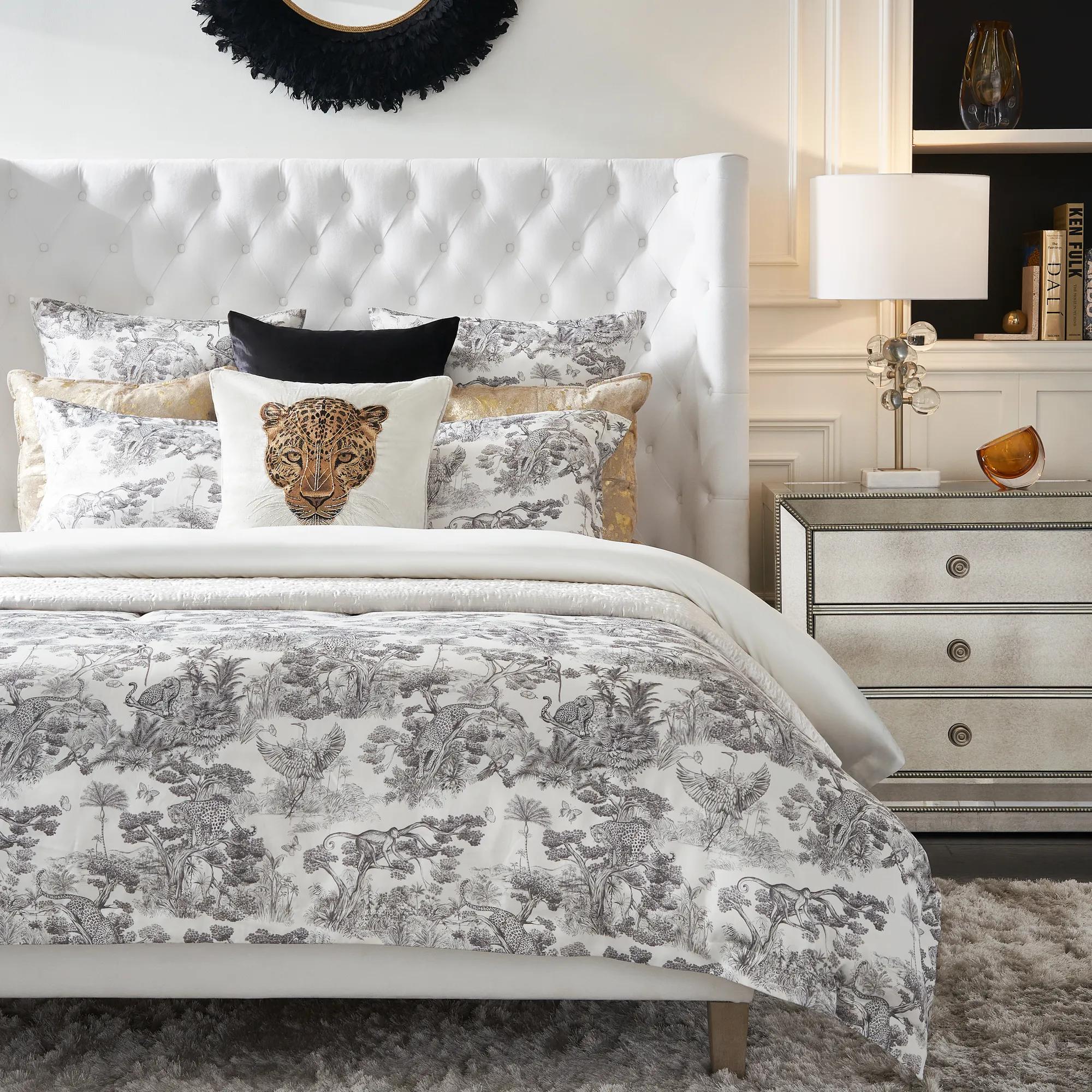 Jungle Toile Bedding Set - Ivory/Black$59
An elegant ivory and black satin bedding set featuring a delicate jungle print and refined flange edging.
Add To Cart -
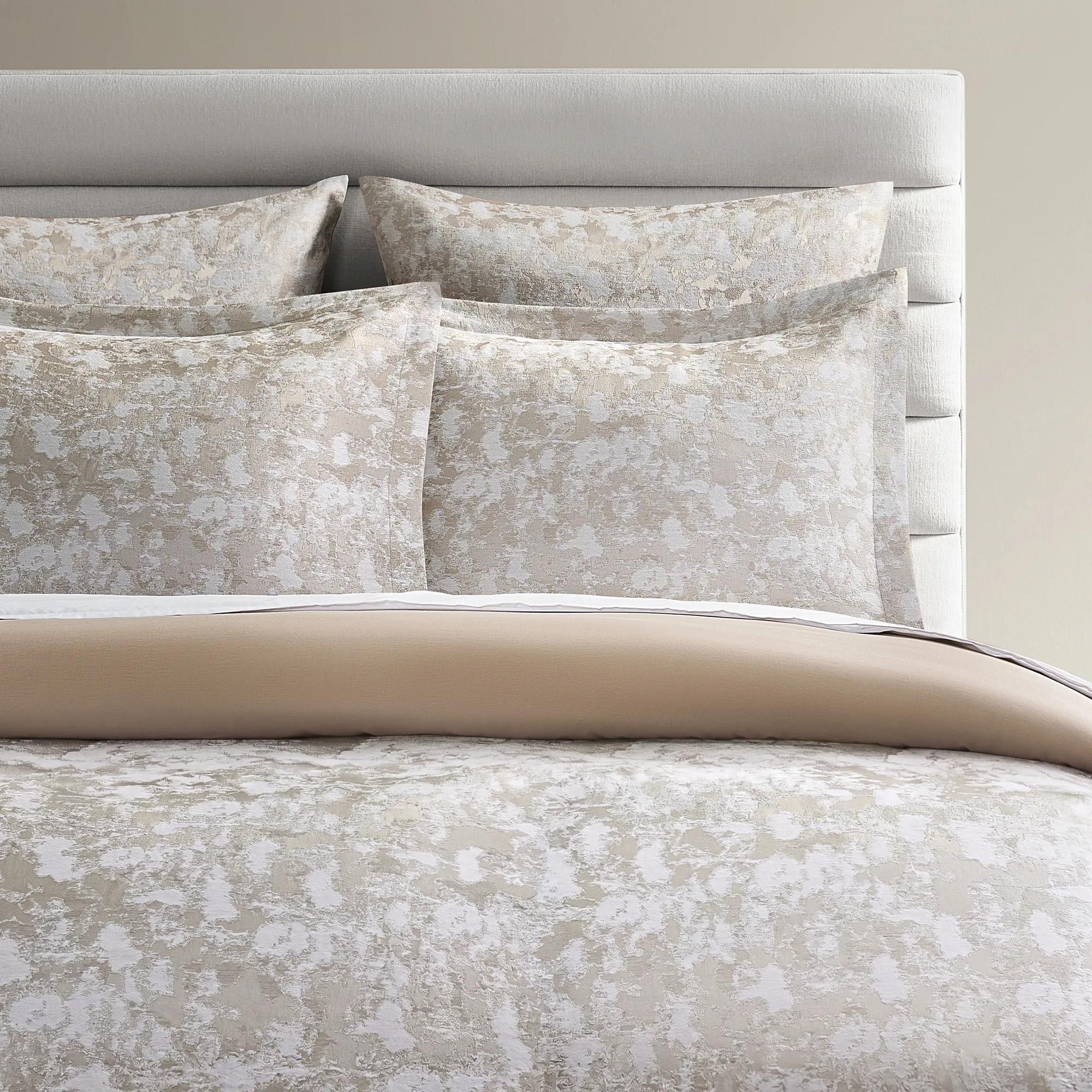 Nimbus Jacquard Metallic Champagne and Silver Bedding Set$49
A cloud-inspired bedding set in champagne and silver metallic jacquard with a soft marbled shimmer.
Add To Cart -
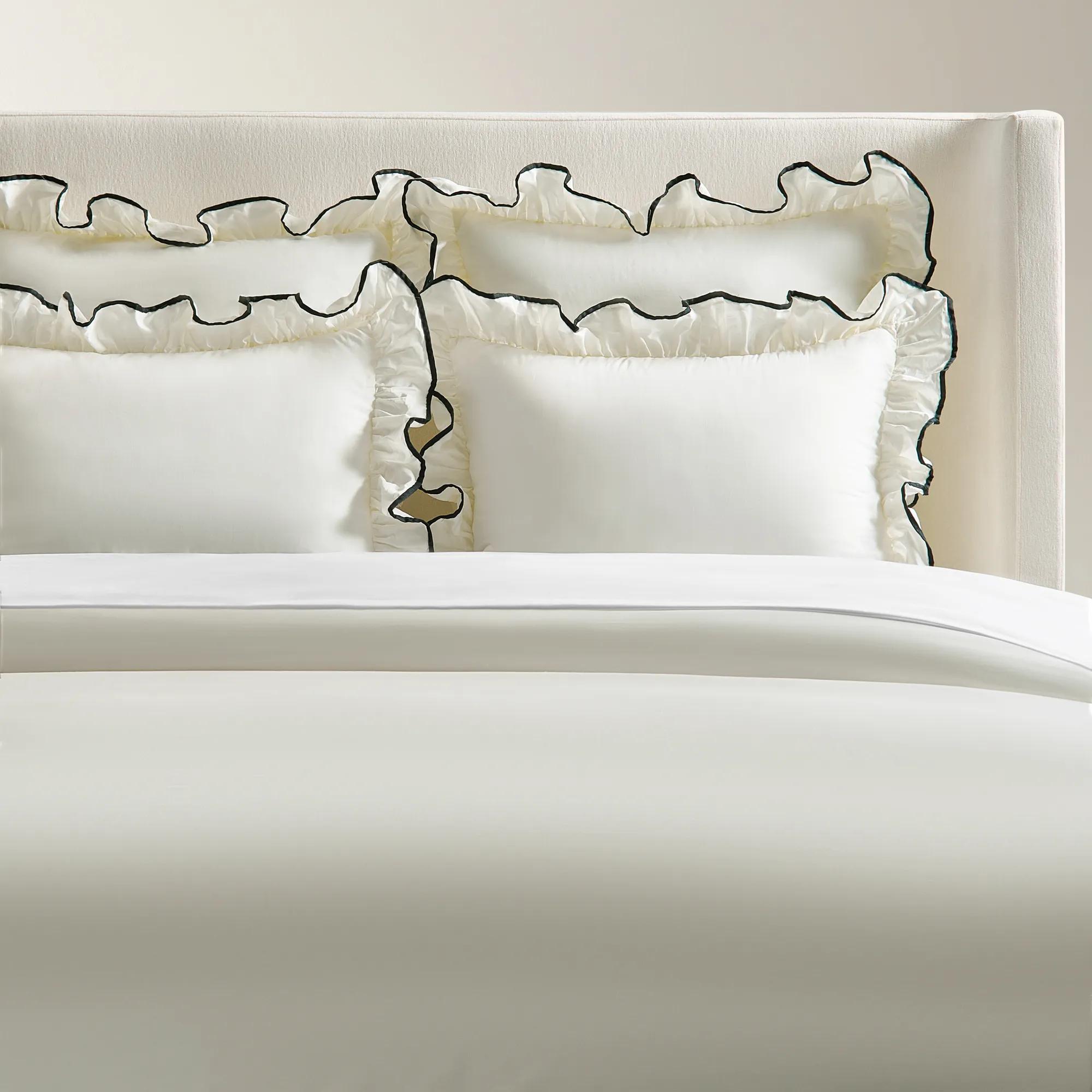
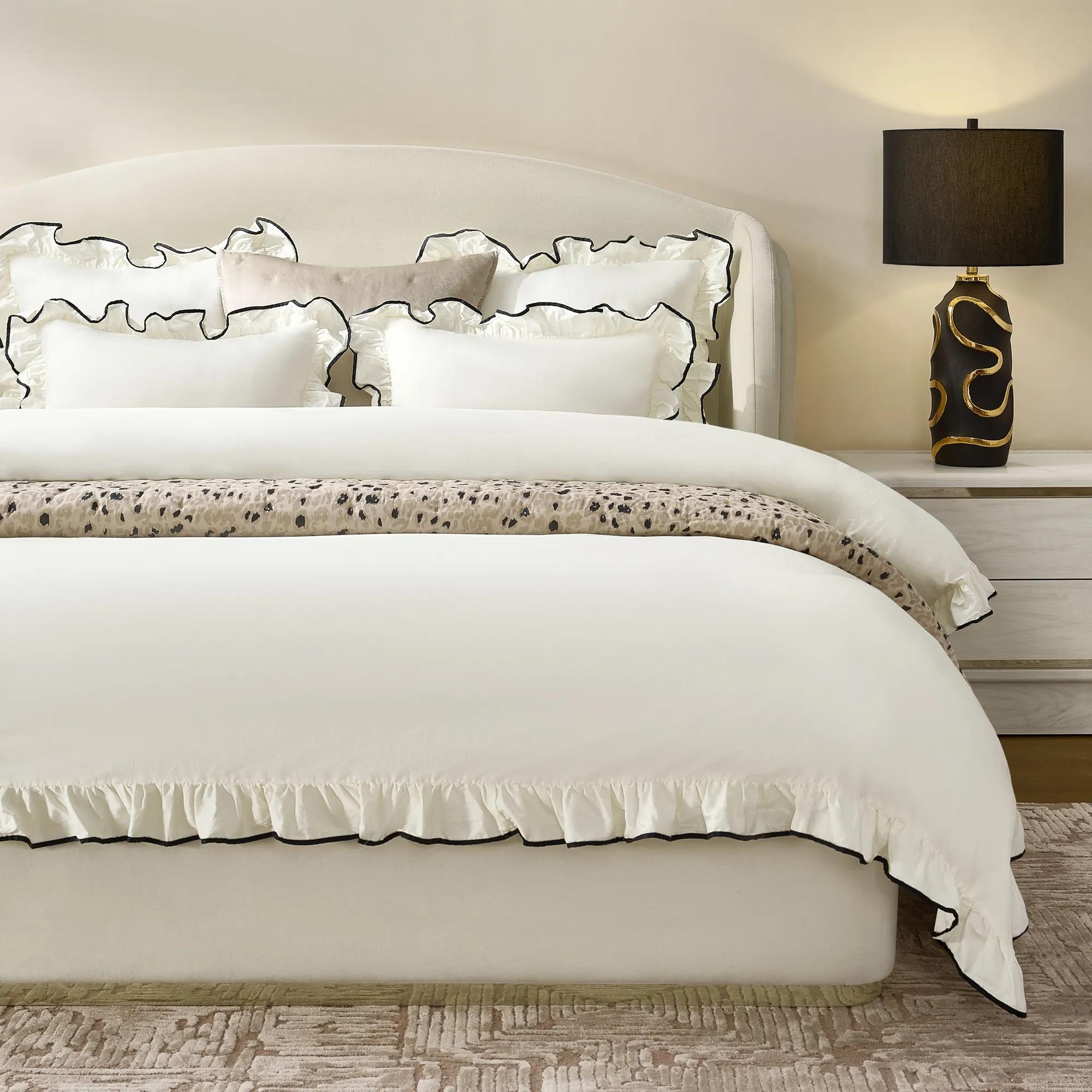 Vittoria Ivory/Black Cotton Percale Ruffle Bedding Set$79
An ivory cotton percale bedding set with dramatic black ruffle trim for a crisp, Deco-inspired look.
Add To Cart -
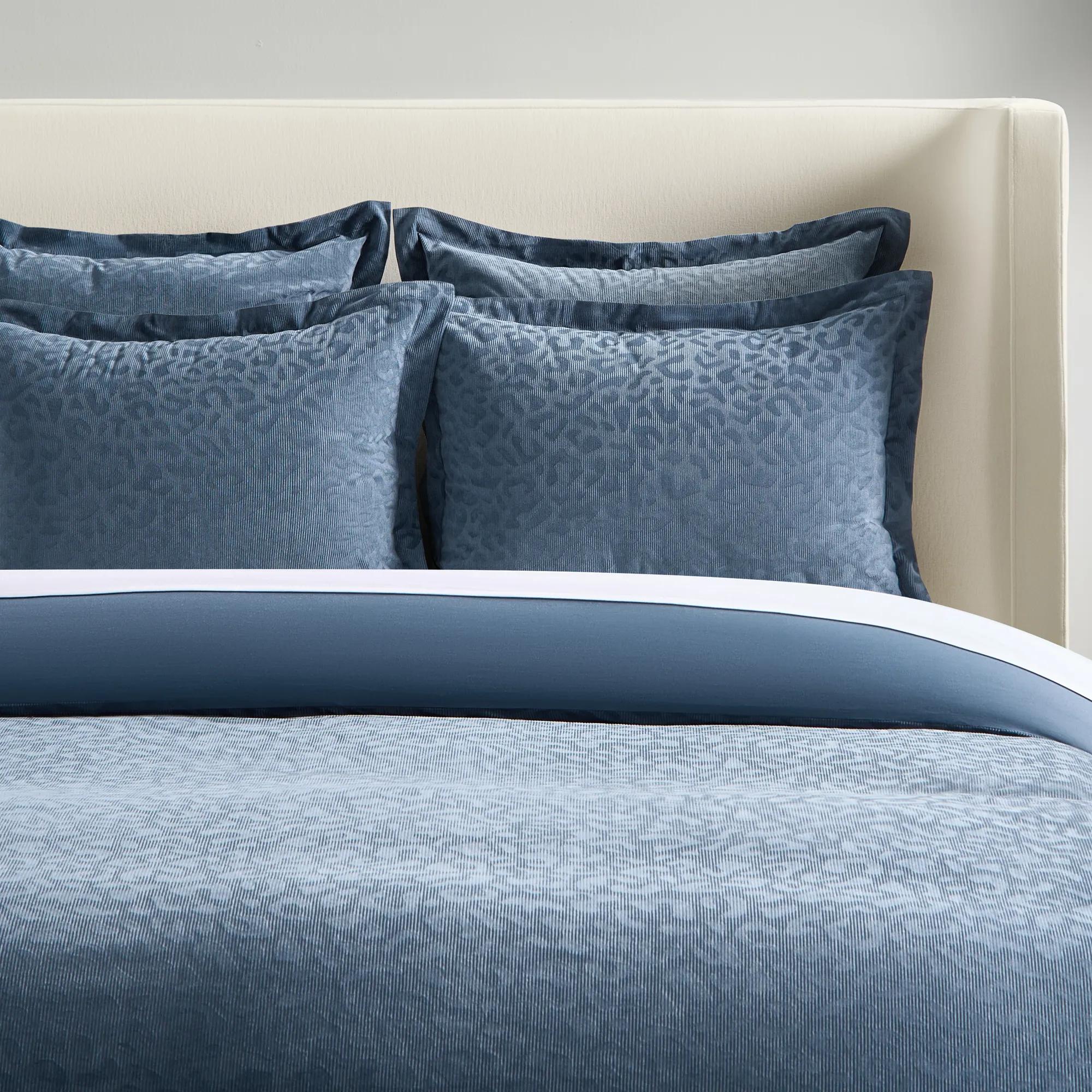
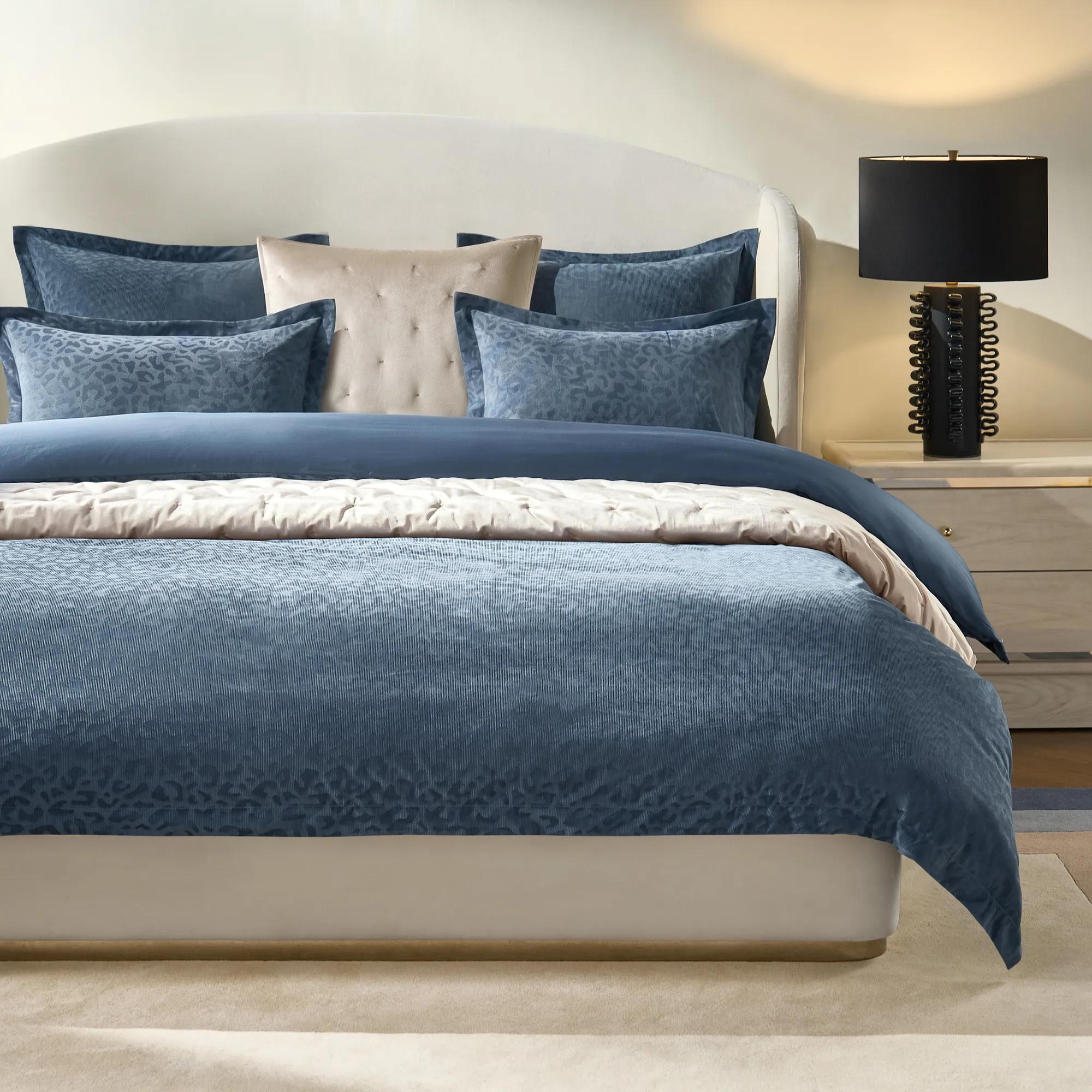 Leopard Dusty Blue Cotton Corduroy Velvet Bedding Set$249
A dusty blue velvet bedding set featuring a tonal leopard print and soft corduroy texture with cotton backing.
Add To Cart -
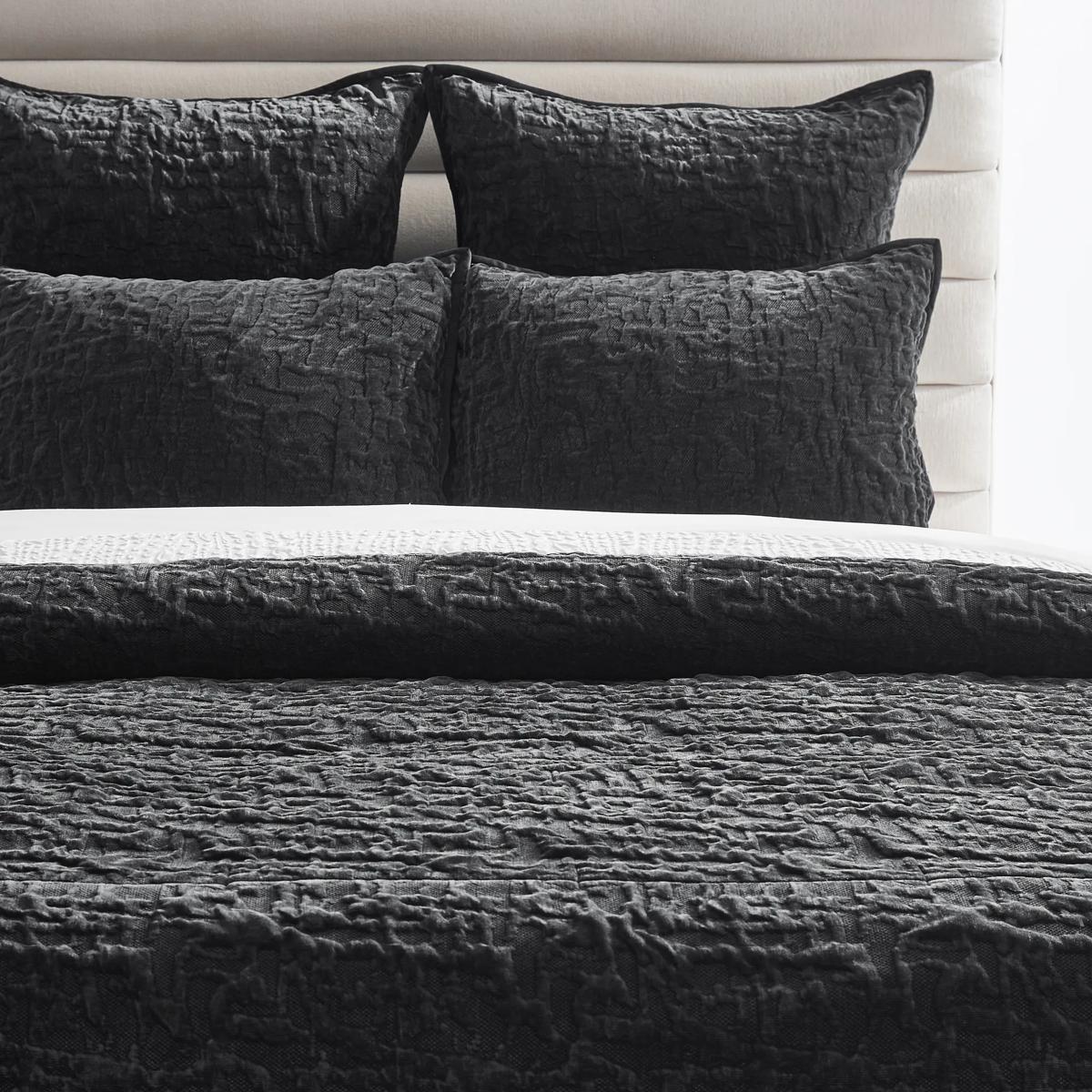
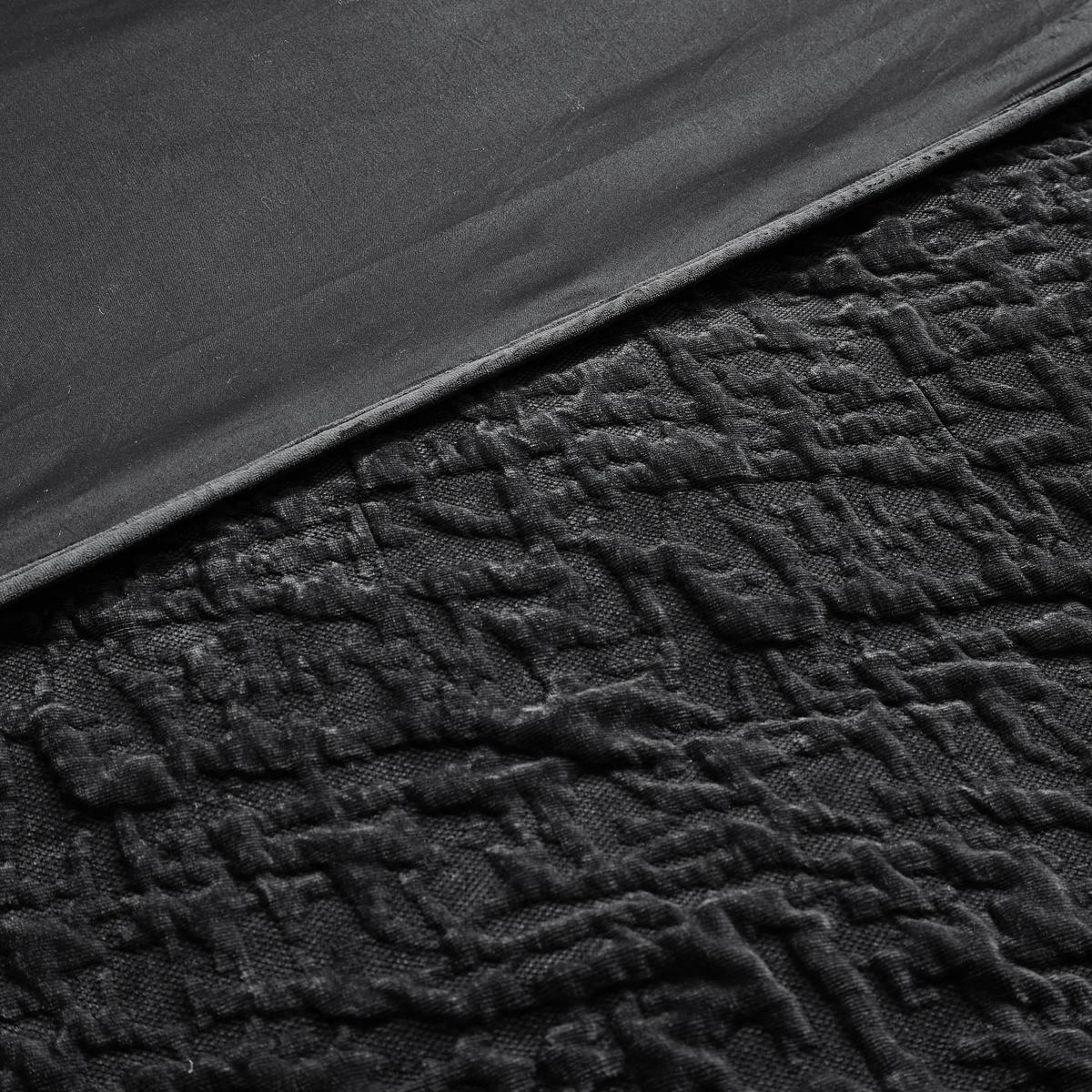 Madera Black Textured Velvet Bedding Set$299
A sophisticated black crushed velvet coverlet set with tonal embroidery and breathable cotton backing for year-round luxury.
Add To Cart -
 Cora Crane Multicolor Satin Bedding Set$179
A smooth satin bedding set featuring a whimsical fig, white, and charcoal crane print with tailored flange edges.
Add To Cart -
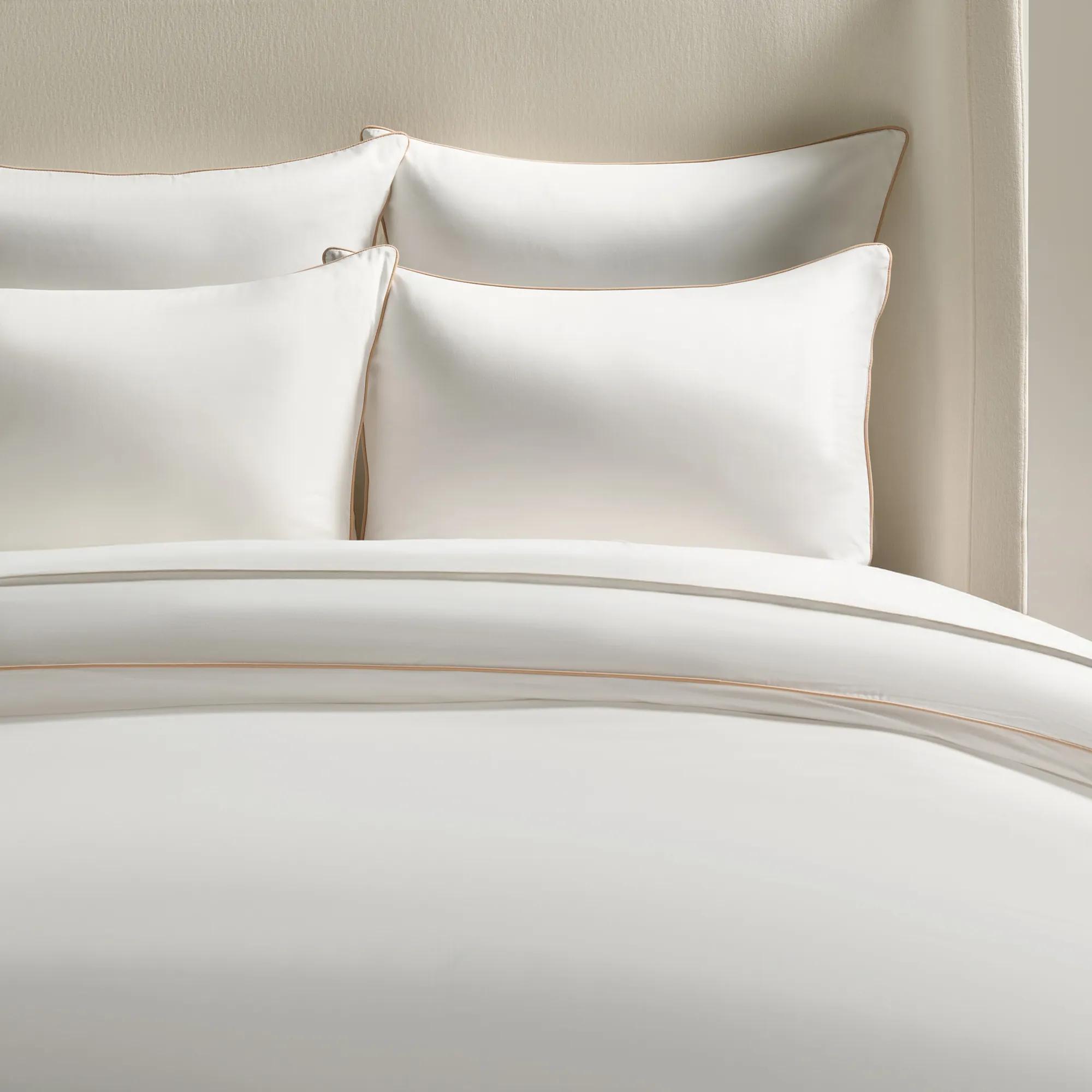
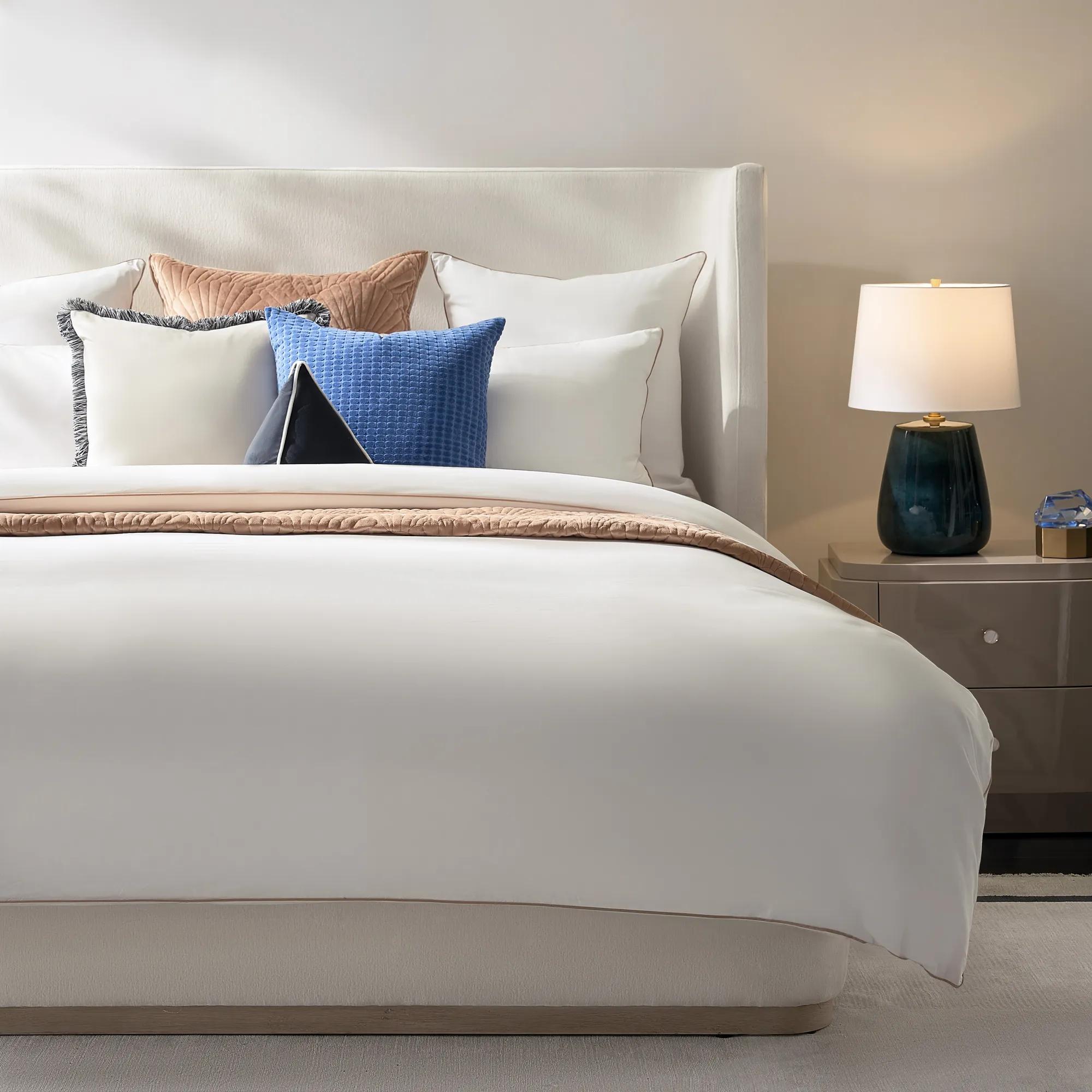 Sarla Contrast Cotton Percale Bedding Set - White/Tan$229
A crisp cotton percale bedding set in white and tan, featuring coordinating duvet and sham covers.
Add To Cart -
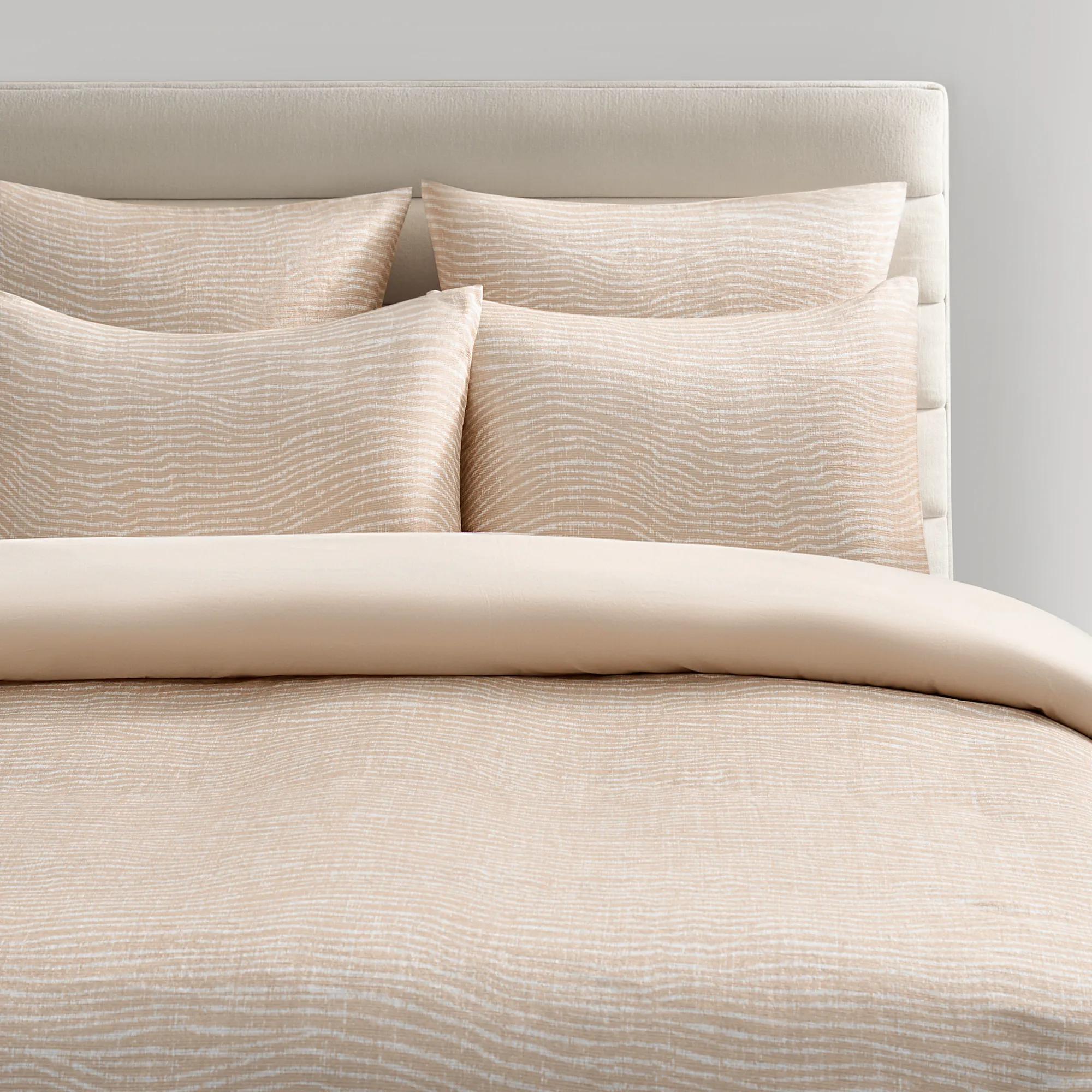 Sahara Bedding Set - Tan/Cream$199
A soft jacquard bedding set in tan and cream with a subtle wave-inspired zebra print and button closure.
Add To Cart -
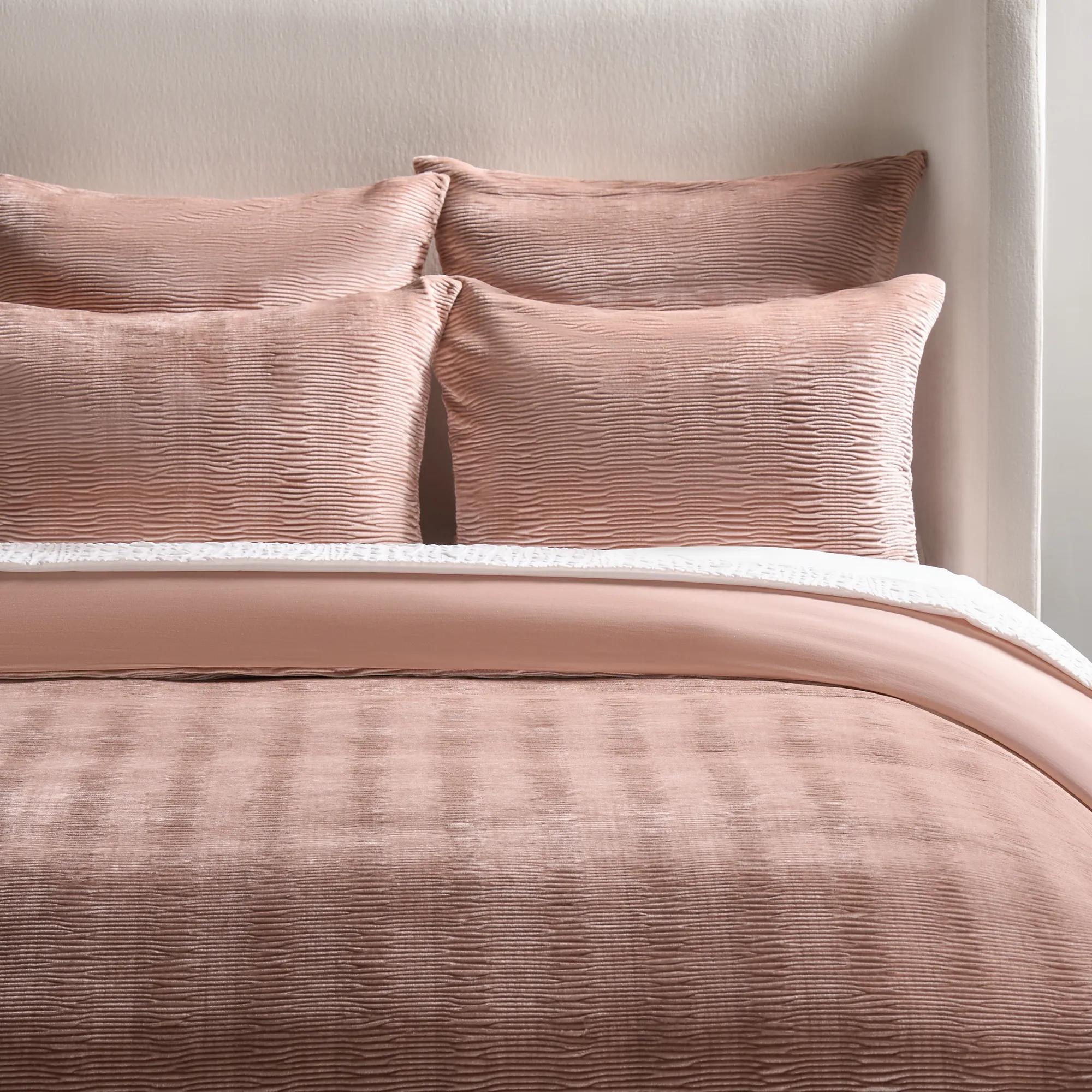
 Vera Velvet Bedding Set - Mocha Rose$69
A luxurious mocha rose velvet bedding set with a duvet cover and coordinating sham covers.
Add To Cart -

 Jungle Toile Bedding Set - Pale Pink$189
A luxurious satin bedding set featuring a delicate black jungle print on a pale pink background.
Add To Cart -
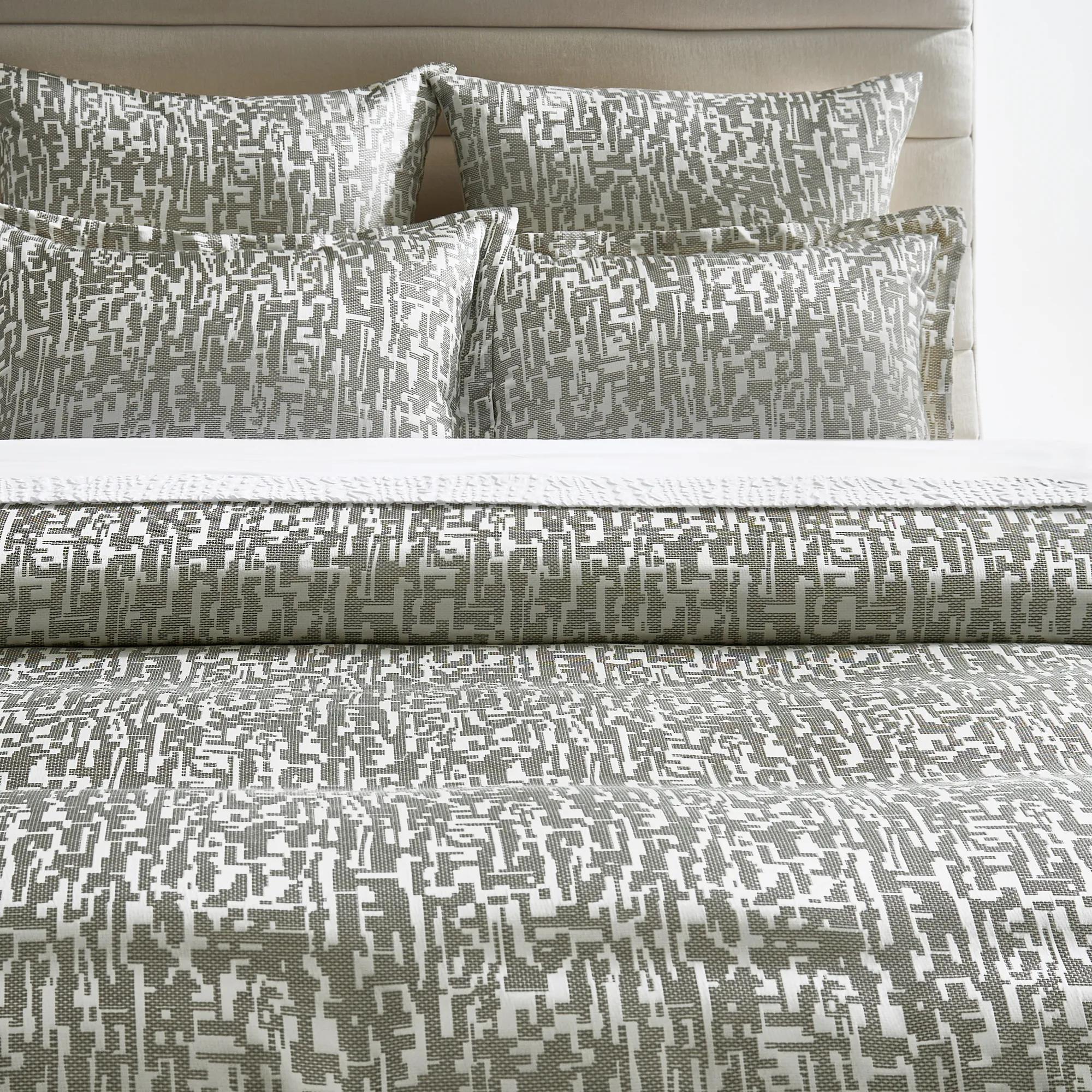
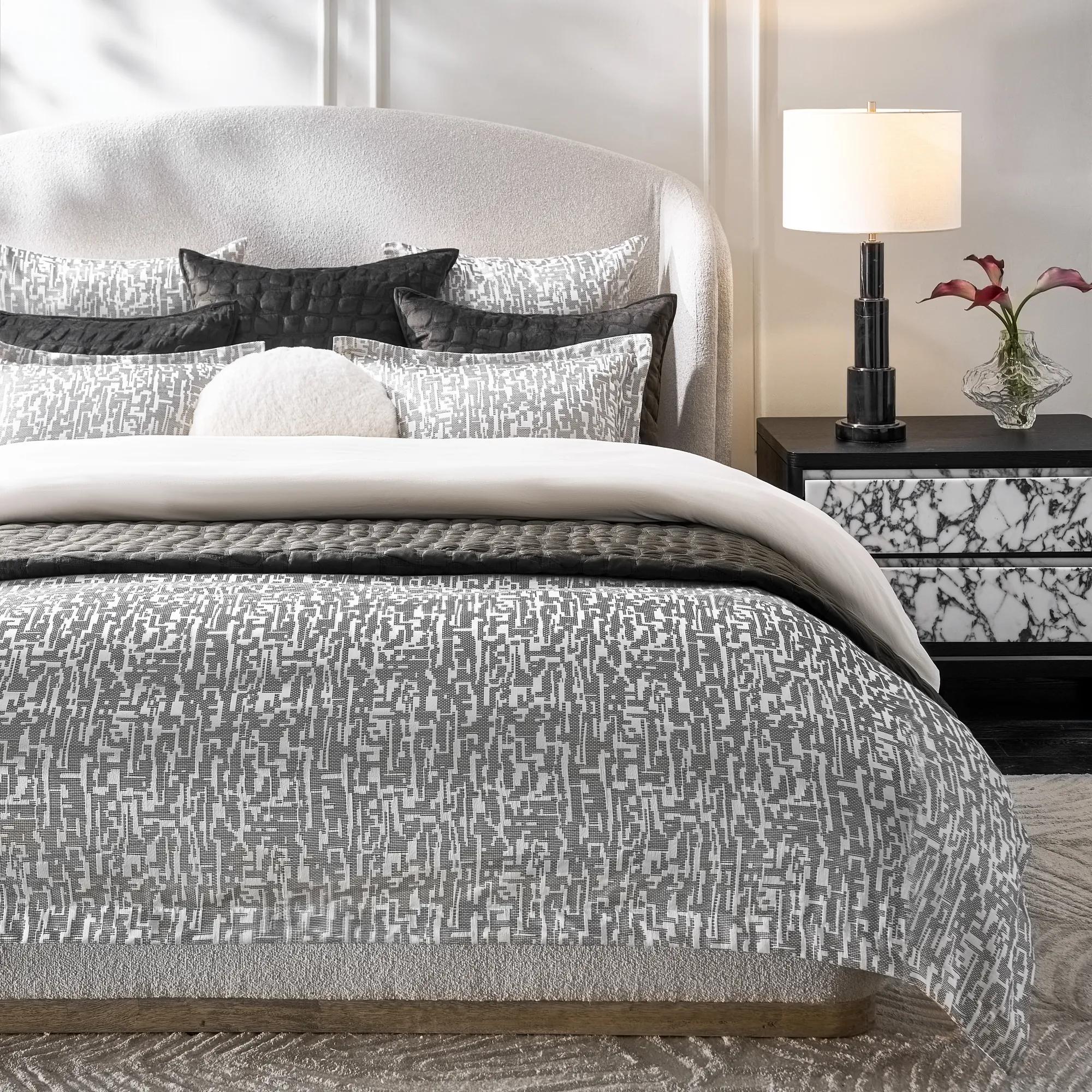 Podva Embroidered Bedding Set - Pearl/ Charcoal$279
A smooth satin bedding set in pearl and charcoal, featuring abstract embroidery and tailored flange edges.
Add To Cart

King Size Duvet Covers
King size duvet covers are the ultimate invitation to indulge in grandeur—where your bedroom transforms into a sanctuary of sumptuous comfort and elevated style. With every artful layer, these oversized canvases set the stage for restful nights and dramatic mornings, enveloping your space in sophistication and allure. Whether your taste leans toward opulent textures or bold, expressive patterns, king size duvet covers become the crowning touch that defines your retreat—inviting you to dream bigger, live bolder, and let your personal style reign supreme.
King size duvet covers give the largest surface in the bedroom a clear design identity, whether the mood is luminous and serene or richly layered with pattern. A duvet cover is a removable fabric shell that encloses a duvet insert, creating a washable outer layer while allowing the look of the bed to change without replacing its filling. The cover contributes color, texture, and finish; the insert supplies most of the loft and weight. Across a king bed, even a restrained detail becomes expressive: a broad border frames the mattress, a tonal jacquard reveals its pattern in the light, and a softly lustrous surface lends depth to an otherwise simple arrangement. Ivory against an upholstered headboard feels expansive, while charcoal or deep blue can anchor a room with pale walls and gleaming accents. For an architectural look, king size modern duvet covers offer a natural starting point for clean geometry, sculptural texture, and deliberate contrast. Proportion matters as much as appearance. King duvet covers commonly measure approximately 104 by 90 inches to 112 by 98 inches, although dimensions vary by manufacturer and design, and oversized versions may extend beyond that range. The listed measurements of the cover and insert are more useful than the size name alone. A close dimensional match helps the insert fill the cover evenly; a substantially larger cover can leave unfilled fabric along the edges. Mattress dimensions also influence the finished silhouette. A standard king mattress measures 76 by 80 inches, while a California king measures 72 by 84 inches, so the same cover will fall differently on each. Mattress depth, a topper, and the height of the bed frame affect how much fabric hangs at the sides. On a deep mattress, generous width can create a graceful drop; on a low platform bed, a more controlled drape keeps the lines intentional. Checking those proportions helps preserve the visual impact of the fabric rather than leaving the bed looking undersized or overwhelmed.
Material determines how a king duvet cover feels in daily use and how its surface interacts with the room. Cotton is a versatile choice, with the weave shaping much of its character. Cotton percale has a crisp, matte finish that suits sharply defined bedding, while cotton sateen typically feels smoother and carries a subtle sheen, giving solid colors greater dimension. Linen brings a more relaxed kind of luxury through visible texture and a naturally rumpled appearance; its creases are part of the aesthetic rather than a flaw to disguise. Cotton-linen blends can balance that textured character with a smoother hand, depending on their composition and construction. Microfiber, usually made from finely spun synthetic fibers, often has a soft, smooth surface, though breathability and long-term feel vary with fabric quality. For a more decorative effect, jacquard weaves create pattern within the fabric itself, while embroidery adds raised detail that invites a closer look. A large-scale motif can hold its own against a tall headboard, whereas a fine repeating pattern offers depth without competing with artwork or statement lighting. These distinctions matter beyond the first impression. Higher thread count alone does not guarantee better quality; fiber quality, weave, stitching, and finishing all contribute to softness and durability. Even seams, securely attached fasteners, and well-finished edges are worth attention, particularly on a generously sized cover that will be handled frequently. Interior corner ties, when present, attach to compatible loops on the insert to help limit shifting and bunching. Some designs include additional attachment points along the sides for more control. Button closures can create a tailored finish and allow individual buttons to be replaced if needed, while a concealed zipper offers a streamlined edge. Neither closure is automatically superior: secure construction and ease of use matter most. For someone changing a king duvet cover regularly, a generous opening and accessible ties can make the process considerably less cumbersome.
Care requirements deserve the same consideration as color and pattern, especially when a king bed is used every day. Many cotton and synthetic duvet covers are machine washable, but the care label should determine wash settings, drying methods, and whether professional cleaning is necessary. Embroidery, delicate trims, and specialty finishes may need gentler handling than an undecorated weave. A king size cover also needs enough room in the washer to move freely; crowding the drum can interfere with cleaning and rinsing. Where the label permits, mild detergent, washing with similar colors, and avoiding excessive heat help protect the fabric’s appearance. Close fasteners and turn the cover inside out when directed, and make sure it is fully dry before folding or returning it to the bed. The insert has its own care requirements and should not be treated as though it were simply another layer of the cover. For an often-used primary bedroom, an easy-care fabric with a pleasing hand can support a polished routine without making every wash complicated. In a guest room, a textured neutral offers flexibility, pairing easily with different pillow arrangements while still giving visitors a thoughtfully finished space. Households with pets may prefer a smoother weave with fewer raised details that could catch on claws, although no fabric is entirely snag-proof. Styling can remain equally practical: two substantial pillows, a pair of shams, and one distinctive accent can give a richly patterned duvet room to command attention. With a solid cover, contrasting shams or a folded coverlet introduce another layer of dimension. Check package contents rather than assuming that an insert, pillow shams, or decorative accessories are included. King duvet covers can also make considered wedding or housewarming gifts when the recipient’s insert measurements, preferred palette, and care preferences are known. The most enduring choice combines a fabric they enjoy touching with proportions that suit their bed and details that reflect their room—a personal foundation for a bedroom with presence.
FAQs
King size duvet covers are often crafted from luxurious materials such as cotton sateen, linen, velvet, and silk blends. Cotton sateen offers a smooth, lustrous finish with a subtle sheen, ideal for those who love a soft, cool touch. Linen brings a relaxed, breathable elegance that softens beautifully over time, while velvet delivers a dramatic, plush texture that adds warmth and depth to your bedding ensemble. Each material not only influences the tactile experience but also sets the tone for your bedroom’s aesthetic, allowing you to curate a space that feels uniquely yours.
A king size duvet cover serves as a focal point, instantly elevating the visual impact of your bedroom. Its expansive surface provides a perfect backdrop for bold patterns, intricate embroidery, or rich, saturated colors. Whether you’re aiming for a serene, monochromatic retreat or a vibrant, art-inspired haven, the right duvet cover can unify your design elements and set the mood for the entire space. Layering with decorative pillows and throws further enhances the sense of curated luxury.
Absolutely. King size duvet covers make exceptional gifts for weddings, anniversaries, housewarmings, or milestone celebrations. Their generous proportions and premium materials convey a sense of thoughtfulness and indulgence, turning everyday routines into moments of luxury. Gifting a beautifully designed duvet cover invites your loved ones to create their own sanctuary, making it a memorable and cherished present.
To preserve the elegance of your king size duvet cover, always follow the care instructions provided by the manufacturer. Most high-quality covers benefit from gentle machine washing in cold water and tumble drying on low heat. Avoid harsh detergents and opt for mild, fragrance-free options to maintain fabric integrity and color vibrancy. For delicate materials like velvet or silk blends, professional cleaning may be recommended to ensure lasting beauty.
Swapping your king size duvet cover is a transformative way to update your bedroom’s ambiance with the changing seasons. In winter, opt for heavier, textured fabrics and deeper hues to create a cocoon of warmth and sophistication. As spring approaches, lighter materials and airy patterns can infuse the space with a sense of renewal. This simple change can breathe new life into your room, allowing you to express your evolving style and embrace the mood of each season.