Jacquard Geometric Window Treatments
Jacquard Geometric Window Treatments
-
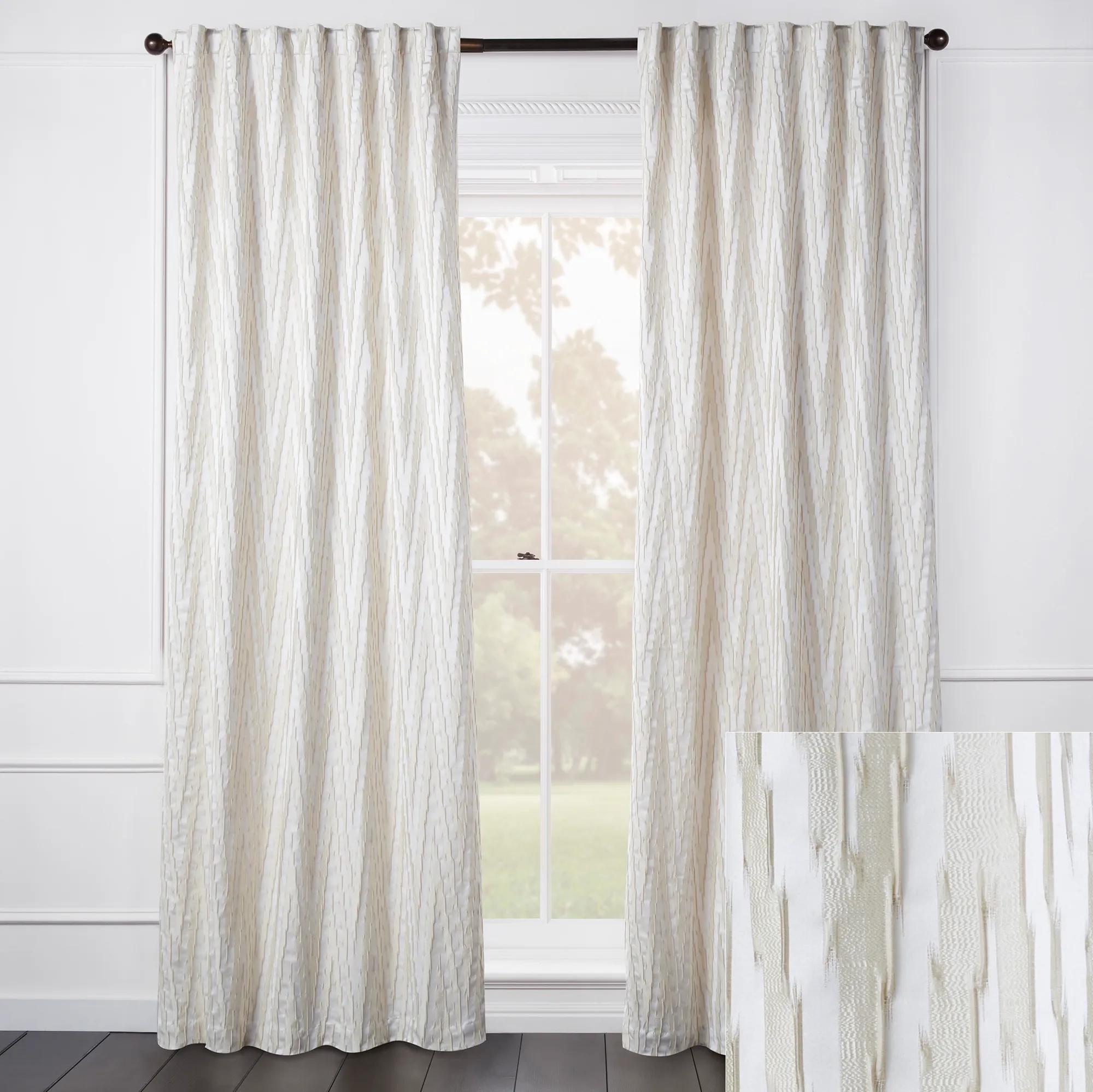
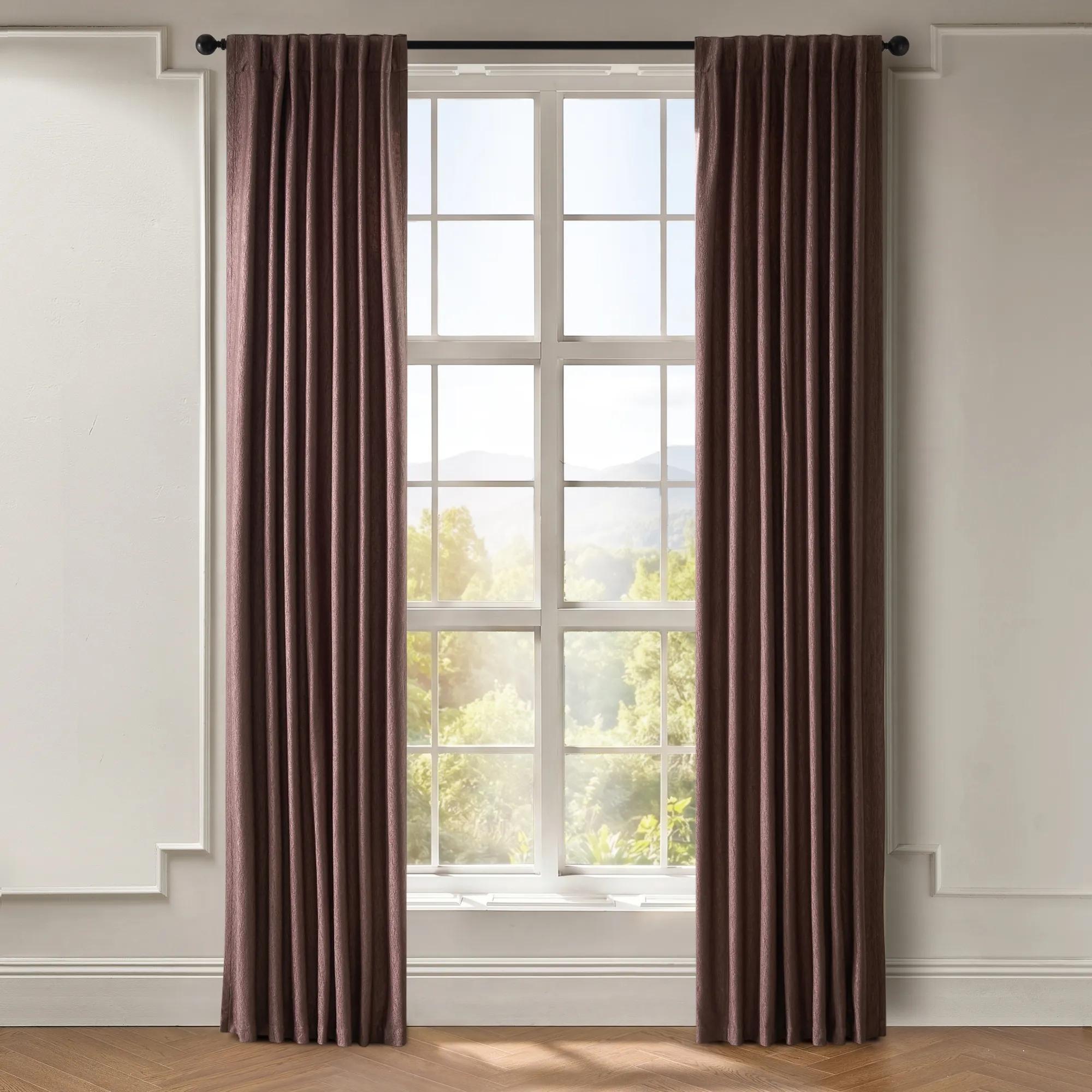
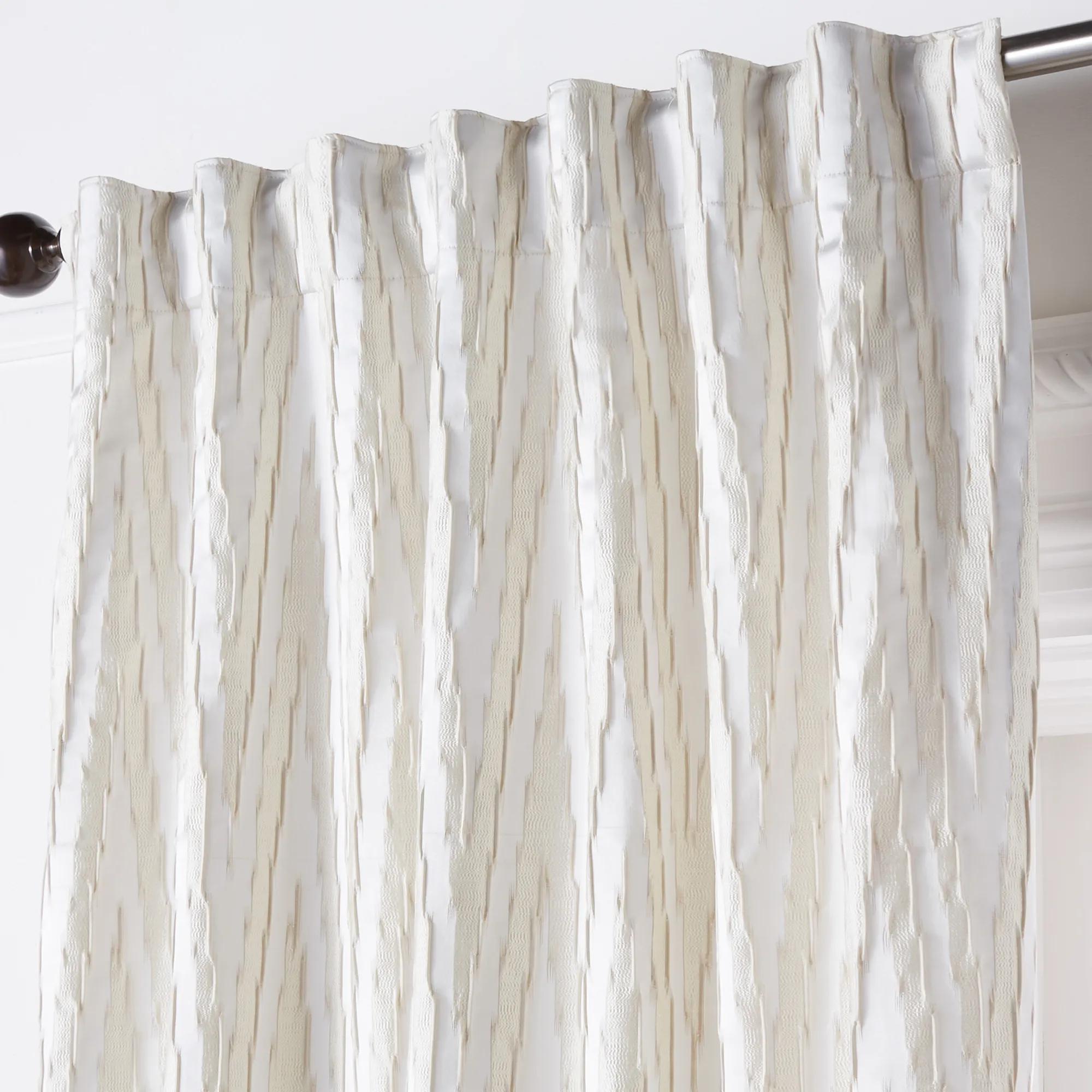 Minka Jacquard Pearl Window Curtain Panel Custom$329
A highly textured chevron curtain panel in pearl, grey, or natural polyester with customizable hanging options.
Add To Cart -
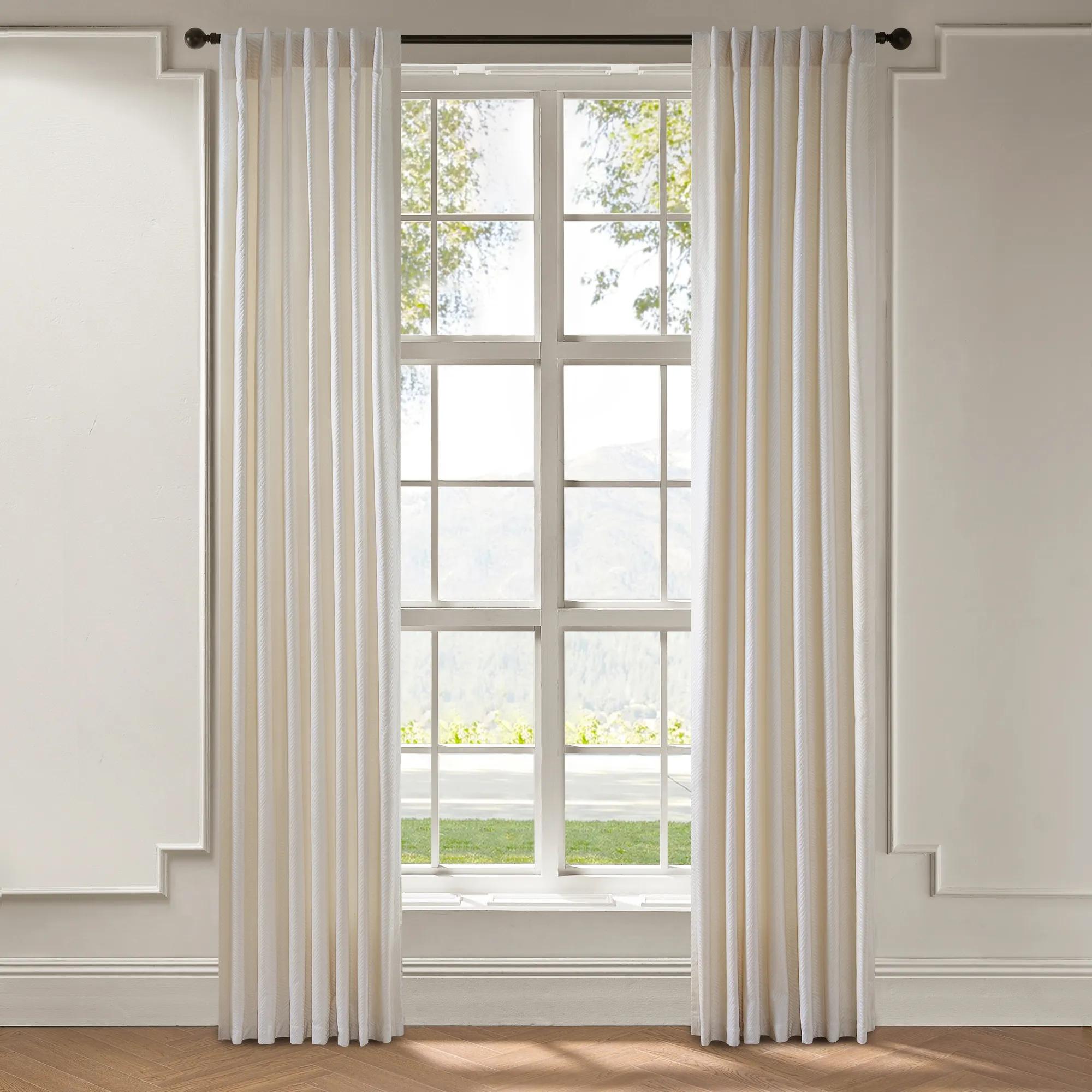
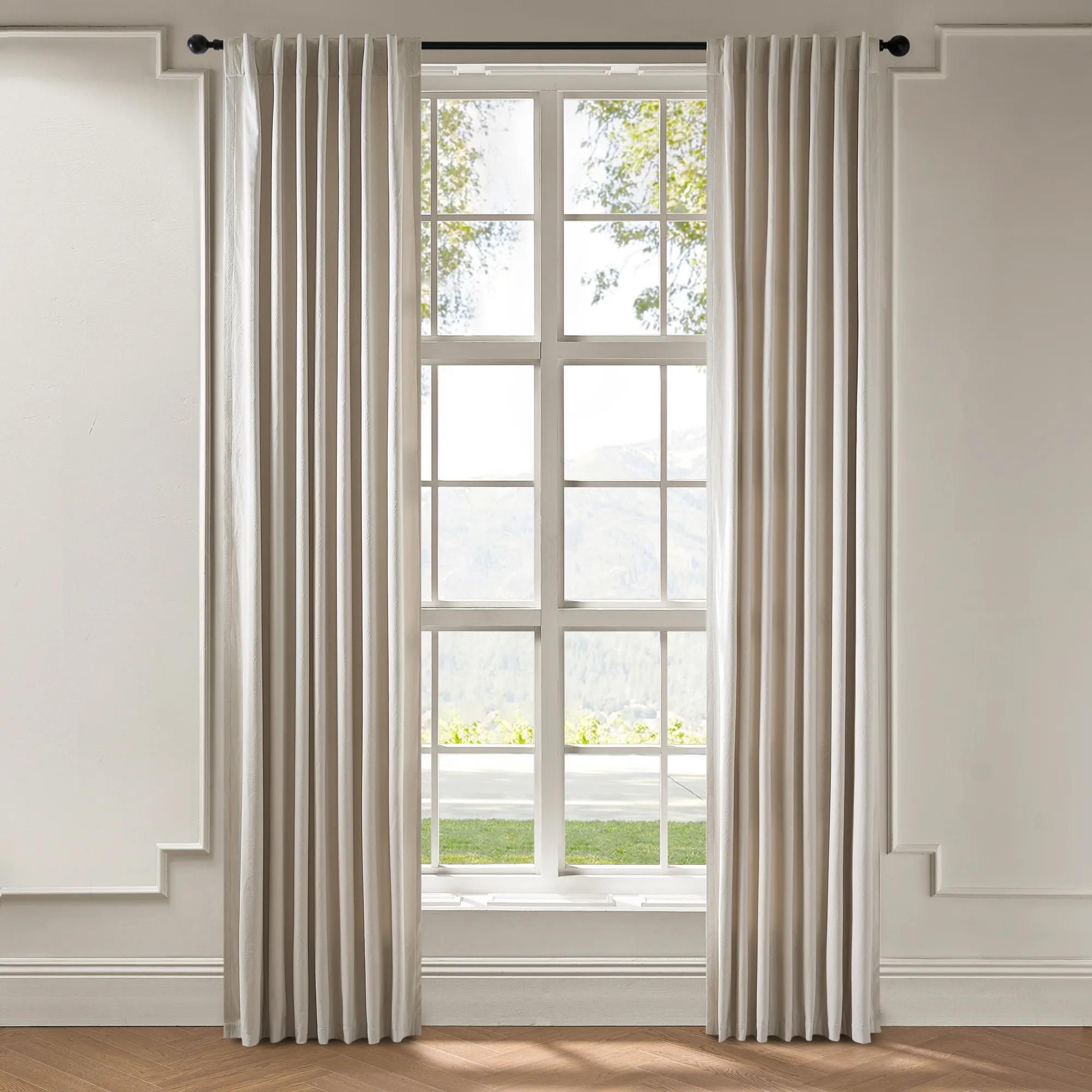
 Kenzo Chenille Curtain - White$119
A white chenille jacquard curtain featuring a subtle high-contrast pattern and soft, room-darkening texture.
Add To Cart -
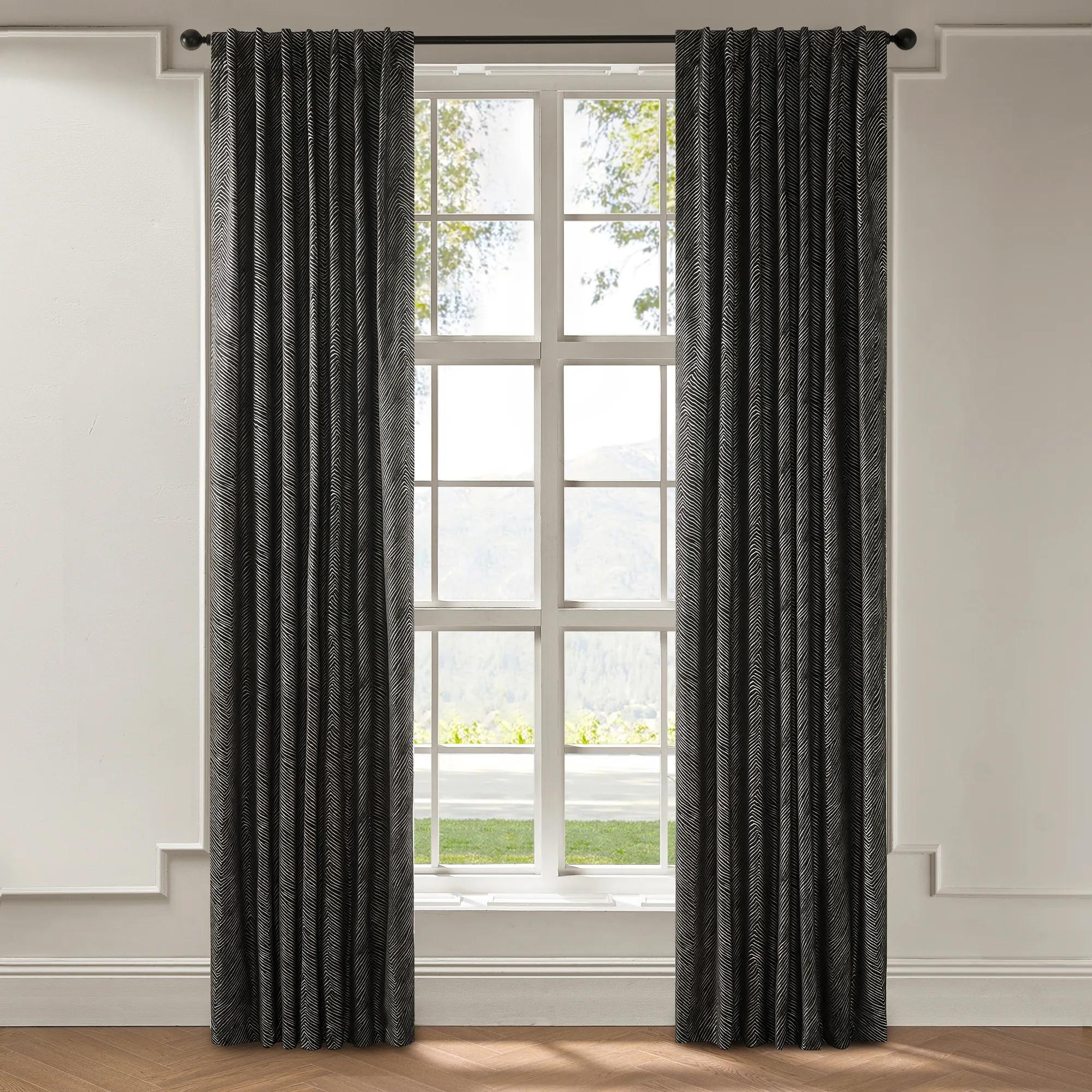
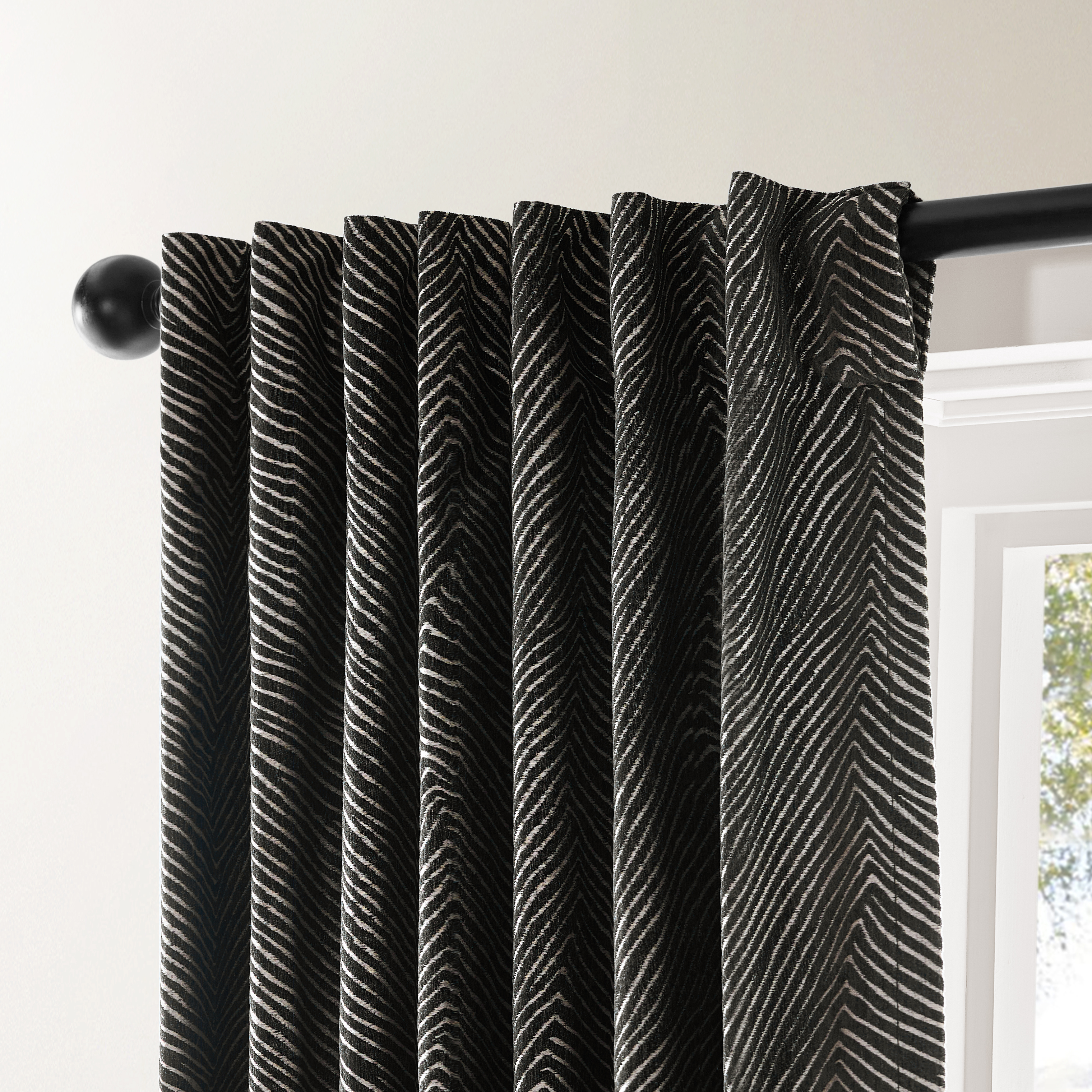 Kenzo Black Chenille Window Curtain Panel$129
A black chenille jacquard curtain with a luxe sheen and versatile dual hanging options.
Add To Cart -
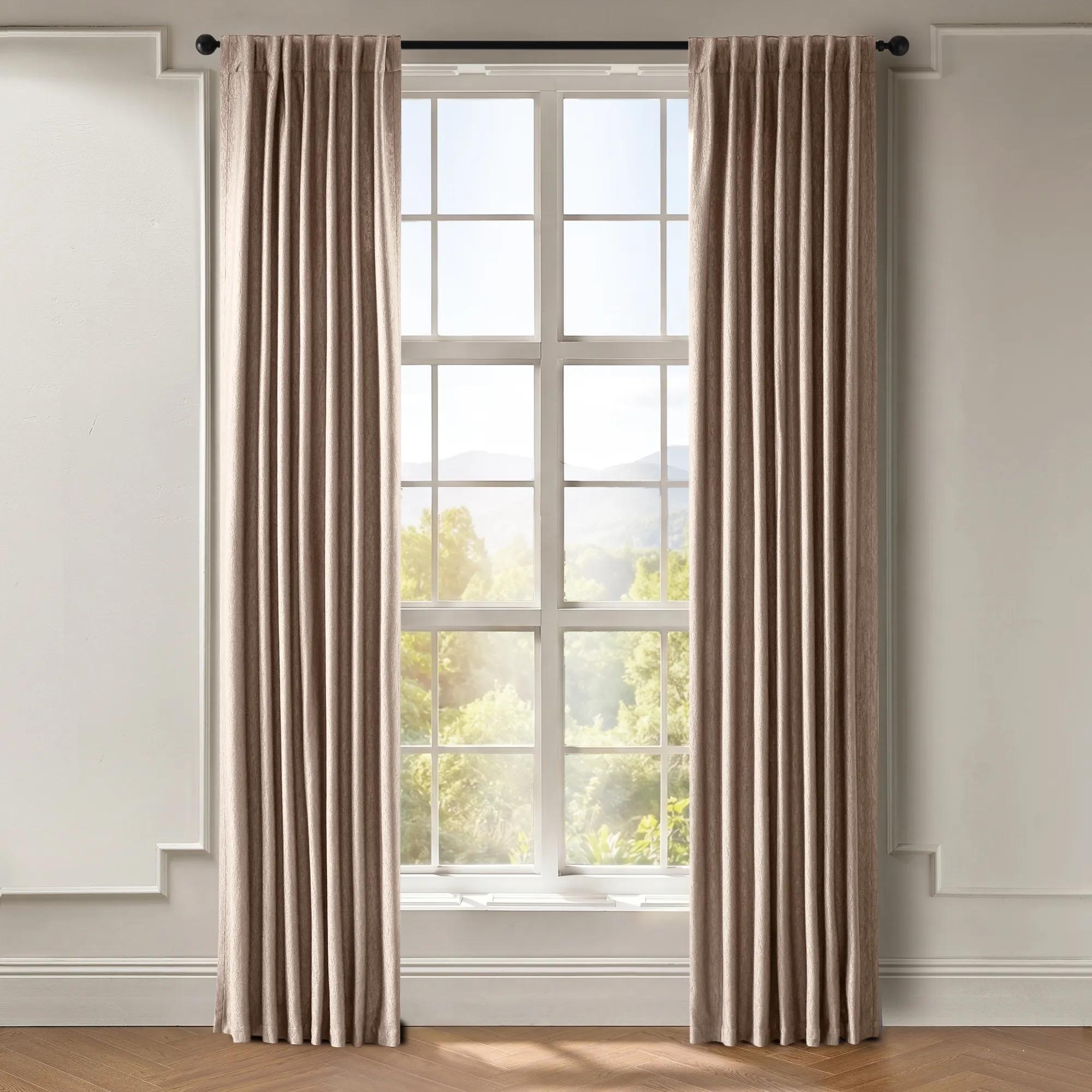
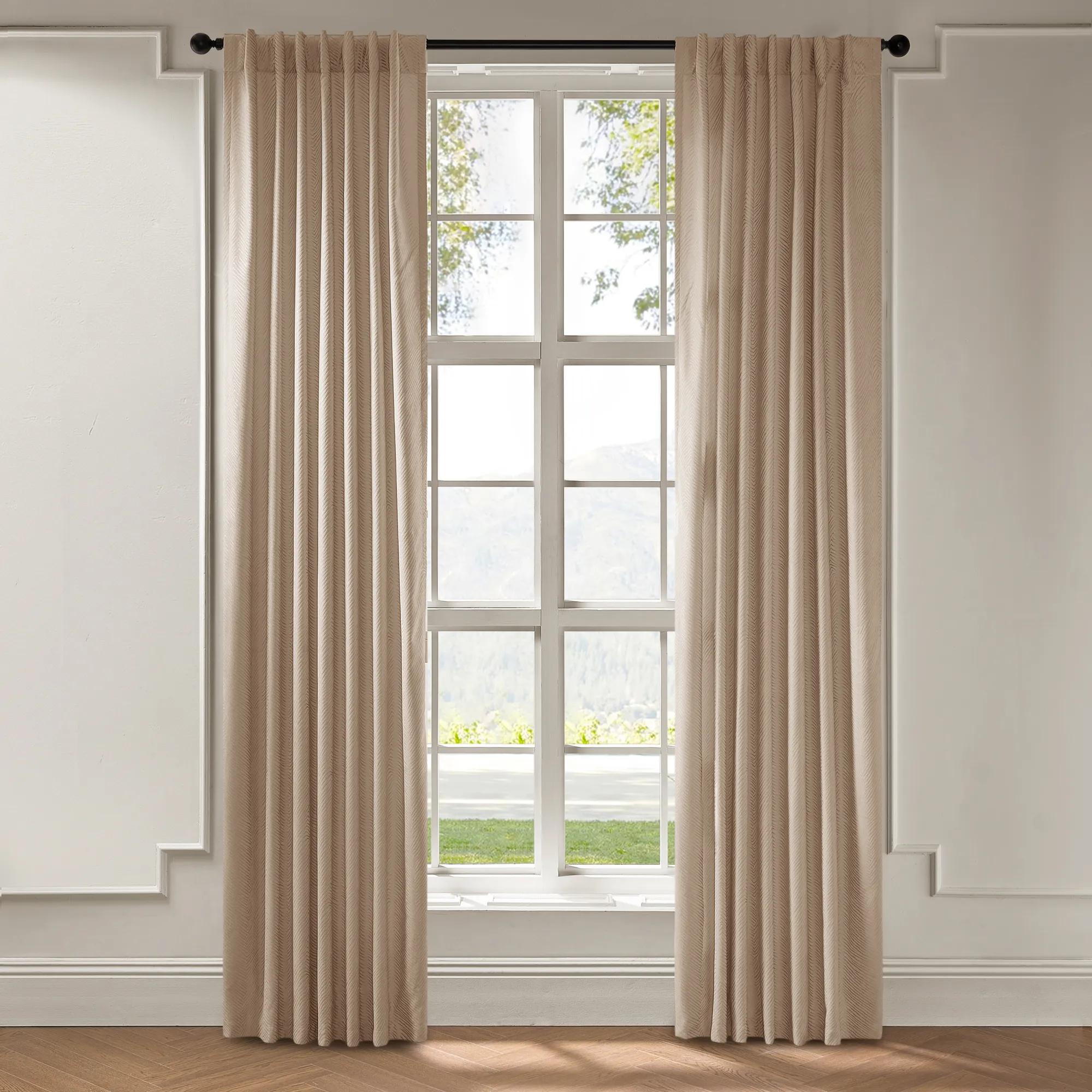 Kenzo Jacquard Beige Chenille Window Curtain Panel$129
A warm beige chenille jacquard curtain with a subtle sheen and versatile rod pocket or back tab hanging.
Add To Cart -
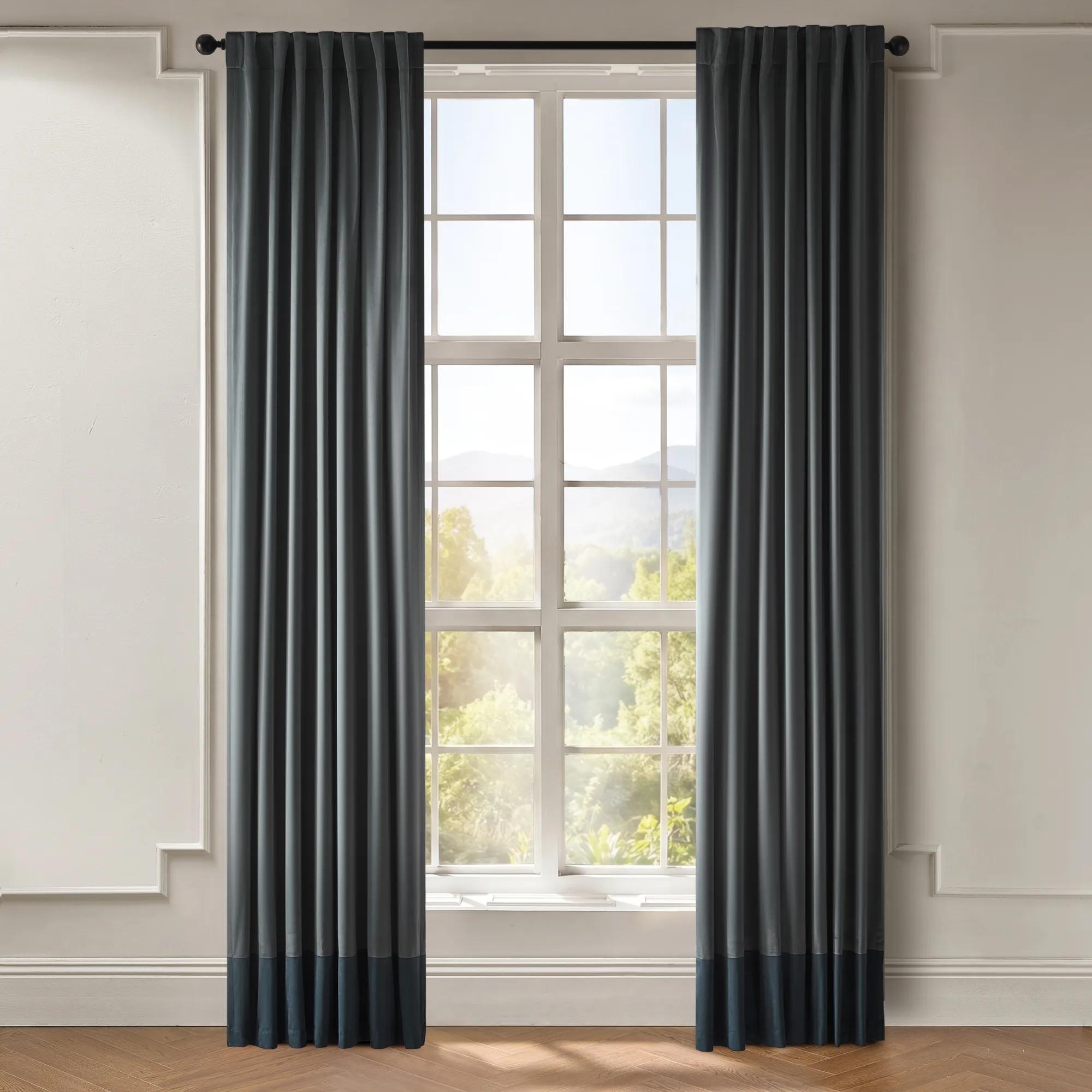
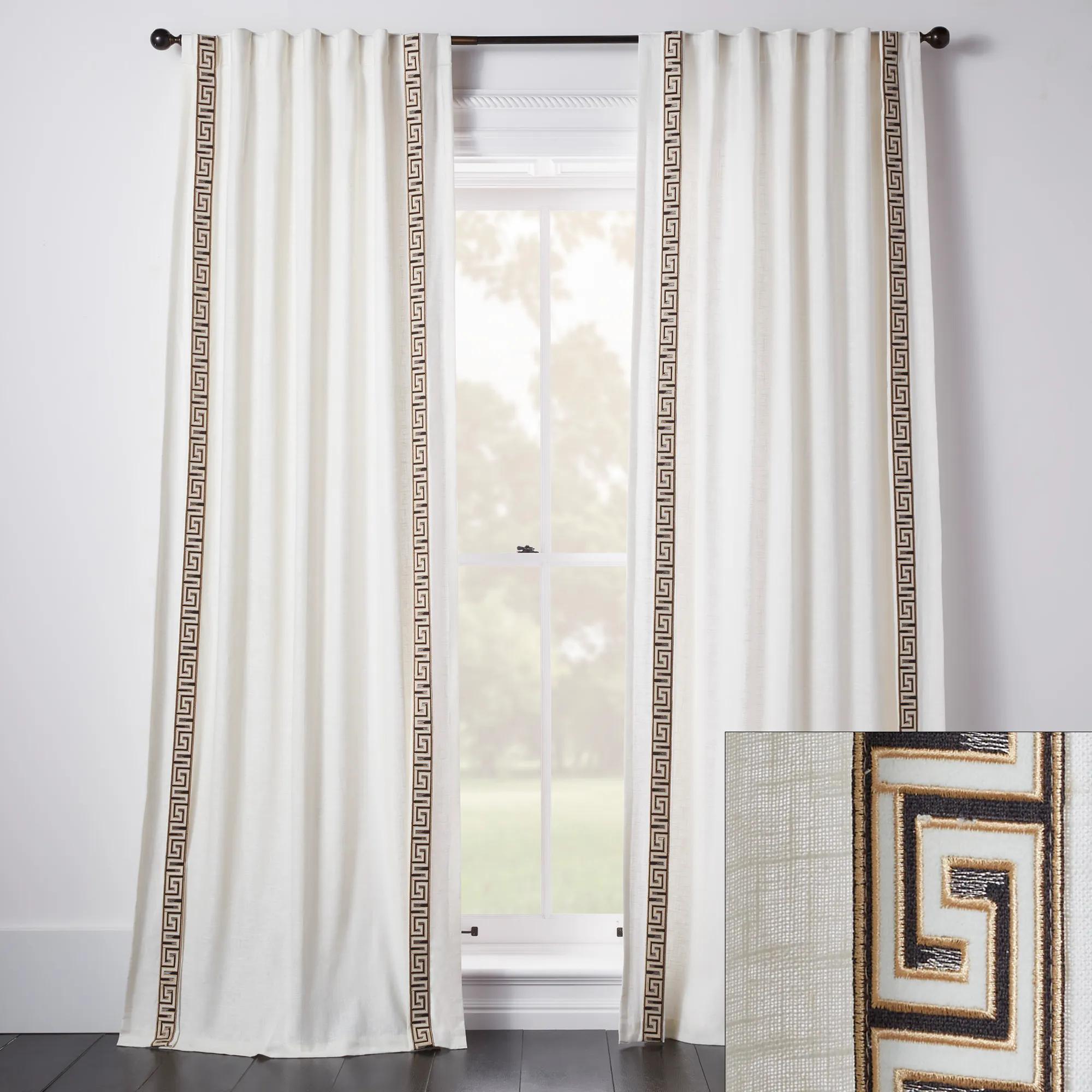 Chole Greek Key Border Velvet Widow Curtain Panels Custom$399
A white linen-blend curtain featuring a black and gold embroidered velvet Greek key border for elegant style.
Add To Cart

Jacquard Geometric Window Treatments
Jacquard Geometric Window Treatments transform any room into a gallery of light and shadow, where pattern and texture create an atmosphere of curated sophistication. Each panel is a testament to artistry, weaving intricate geometry with luminous depth for a look that is as daring as it is timeless. Whether framing a sunlit view or adding intrigue to an intimate corner, these draperies invite the eye to linger and the imagination to soar—proof that windows are not just architectural features, but canvases awaiting their masterpiece.
Jacquard geometric window treatments feature repeating geometric motifs woven into the fabric rather than printed onto its surface. That construction gives curtains and drapes their distinctive depth: diamonds, interlocking lines, angular lattices, and other architectural forms emerge through the interplay of threads. Depending on the weave, the pattern may feel subtly raised, appear almost embossed, or reveal itself through shifts between matte and lustrous surfaces. Jacquard describes a weaving method, not a particular fiber or level of light control, so the finished effect can range from softly translucent to richly substantial. The appeal is both visual and tactile. A tone-on-tone design brings quiet dimension to a room with expressive artwork, while a high-contrast geometric repeat creates a more commanding frame around the window. Larger motifs have the presence to complement broad windows and generous furnishings; smaller repeats lend intricate detail to more intimate spaces. In a living room, sculptural folds can echo the curves of a velvet sofa while introducing a crisp counterpoint to its softness. In a dining room, a luminous woven lattice can catch the glow of a chandelier without competing with the table beneath it. Bedrooms benefit from the same balance of softness and structure, particularly when the geometry picks up a color from upholstered seating, bedding, or a rug. Pattern scale matters as much as palette: a bold repeat deserves enough fabric to remain recognizable within the folds, while a delicate motif can read almost like texture from across the room. Coordinating does not require an exact match. Repeating a single undertone, metallic accent, or angular detail often creates a more layered composition than duplicating every element. For a broader expression of woven design, Jacquard Patterned Window Curtains connects geometric precision with the wider decorative possibilities of jacquard. The result is a window with presence, not merely a covered opening.
Fabric composition shapes how geometric jacquard curtains hang, feel, and respond to everyday use. Polyester can support a defined pattern and a fluid, relatively wrinkle-resistant drape, while cotton introduces a softer hand and a more understated surface. Blended fabrics balance different qualities, and linen-containing weaves may bring subtle irregularity that gives precise geometry a less formal character. Silk-containing fabrics can offer exceptional luster but may demand more attentive handling and protection from prolonged direct sunlight. Fiber content alone does not determine quality or performance; weave density, finishing, lining, and construction all influence the finished panel. A supple textile settles into rounded folds, whereas a firmer fabric gives the window a more tailored outline. Neither effect is inherently better—the distinction is whether the room calls for flowing movement or architectural definition. Light control deserves equally careful attention. An unlined jacquard panel may soften incoming light without providing complete privacy, and an open weave can reveal silhouettes when interior lights are on. Lined curtains can create a more substantial visual backdrop, but room-darkening and blackout performance depend on the specific fabric, backing, or lining rather than the geometric pattern itself. Even blackout fabric can admit light around the edges when the installation leaves gaps. In a bedroom or media room, coverage beyond the window opening can be as important as the textile. In a living room or home office, light-filtering fabric may preserve an inviting glow while taking the edge off direct brightness. Layering decorative jacquard drapes over a separate shade allows the woven pattern to remain the visual focus while another treatment handles adjustable privacy. The heading contributes to the overall mood, too: pleats create disciplined repetition, grommets form broad waves, and rod pockets offer a gathered finish. Each requires compatible hardware and enough clearance to move as intended. These construction details determine whether the treatment feels elegantly effortless in daily use or demands more adjustment than the space allows.
Proportion gives jacquard geometric drapes their full expression. Measuring begins with the intended rod position and the area the curtains should cover, rather than the glass alone. Extending the rod beyond the window frame can let open panels rest beside the glass, preserving more of the view and revealing the pattern in generous vertical folds. The available wall space, nearby cabinetry, and door swings all affect that placement. For flat panels, a combined fabric width around twice the intended coverage width is a common starting point for fullness, though heavier fabrics may need less and lighter fabrics may benefit from more; the heading style and manufacturer’s recommendations should take precedence. Finished pleated widths require a different calculation because the fullness is already built into the heading. Length changes the impression just as noticeably. A hem that barely clears the floor looks polished and allows easier cleaning beneath it, while a slight break adds softness. More pronounced pooling creates drama but gathers dust and can interfere with frequent opening, making it less practical near busy walkways or in homes with playful pets. Pattern alignment also deserves attention when pairing panels: a clearly directional motif or prominent horizontal repeat can make mismatched placement more visible. A suitably supported rod helps substantial fabric hang evenly, and the hardware’s weight rating should accommodate both the curtains and any lining. For durability, densely woven construction can help maintain a defined appearance, but exposed decorative threads may still catch on jewelry, pet claws, or rough hardware. Care should always follow the sewn-in label, since jacquard fabrics are not universally machine washable. Gentle vacuuming with an upholstery attachment, when appropriate for the textile, helps remove surface dust; washable panels may require a delicate cycle, while other constructions need professional cleaning. Test any permitted spot-cleaning method in an inconspicuous area, and avoid aggressive rubbing that could disturb the weave. With thoughtful sizing and fabric-appropriate care, geometric jacquard window treatments bring lasting visual depth to rooms designed for both everyday living and expressive entertaining.
FAQs
Jacquard window treatments are distinguished by their intricate woven patterns, created on specialized looms that allow for complex geometric and artistic designs. Unlike printed fabrics, jacquard patterns are woven directly into the material, resulting in a luxurious texture, depth, and durability that elevate any room with a sense of artistry and sophistication.
Geometric jacquard curtains introduce visual rhythm and structure to a room, transforming ordinary windows into striking focal points. Their interplay of light and shadow brings movement and dimension, while their bold patterns express confidence and creativity—perfect for those who view their home as a canvas for self-expression.
Absolutely. The versatility of jacquard window panels lies in their ability to bridge eras and styles. Sleek geometric motifs complement contemporary spaces, while traditional damask or ornate patterns add timeless elegance to classic interiors. The choice of color and pattern allows you to tailor the look to your unique aesthetic vision.
Velvet jacquard curtains can be styled as a dramatic backdrop behind a sculptural sofa, or layered with sheer panels for a luxurious, multidimensional effect. Pair them with metallic accents, mirrored furnishings, or bold artwork to create a glamorous, gallery-inspired ambiance that feels both curated and inviting.
Jacquard window treatments make a memorable and meaningful gift for housewarmings, weddings, or milestone celebrations. Their artistry and craftsmanship convey a sense of luxury and care, offering the recipient a daily reminder of beauty, comfort, and the transformative power of expressive design.