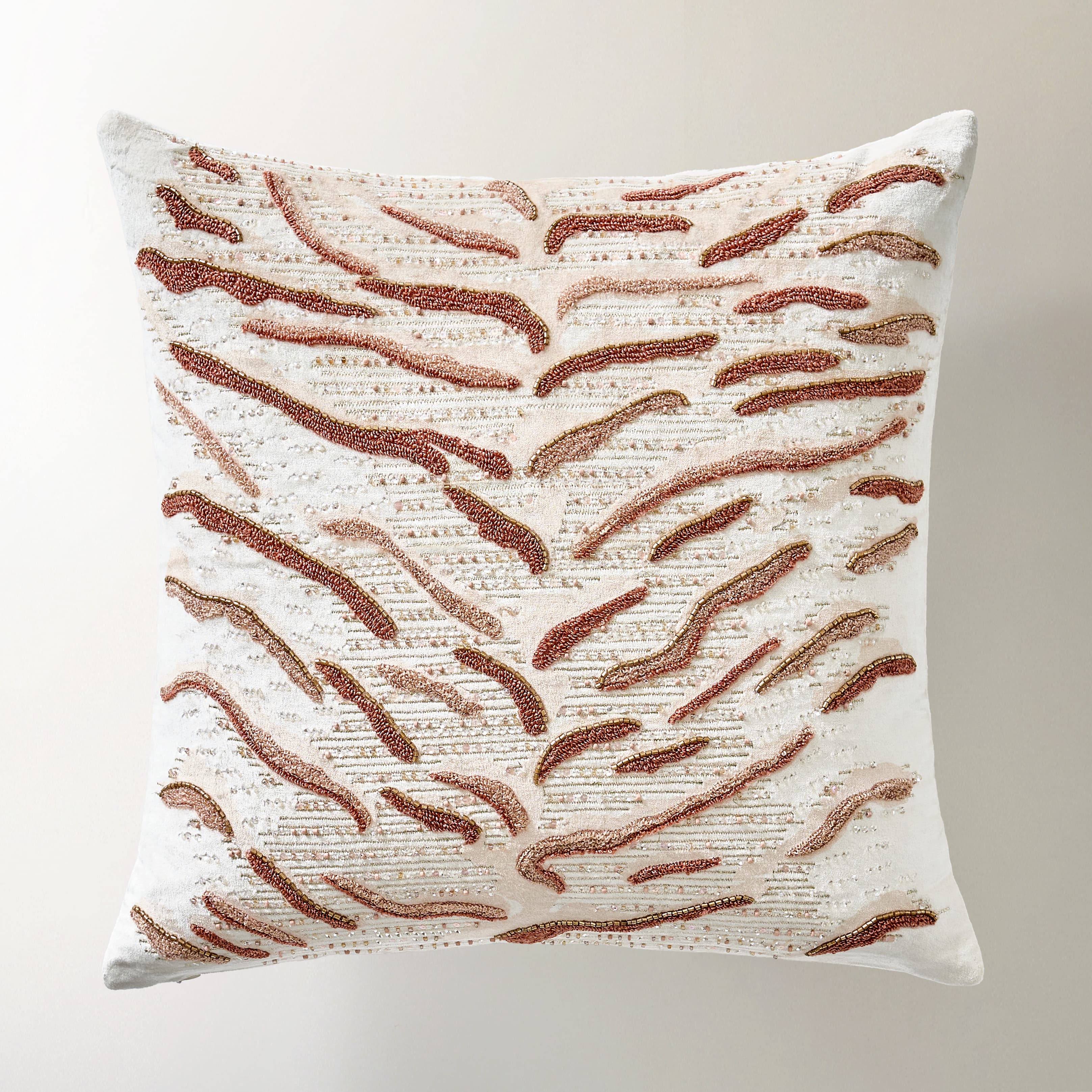
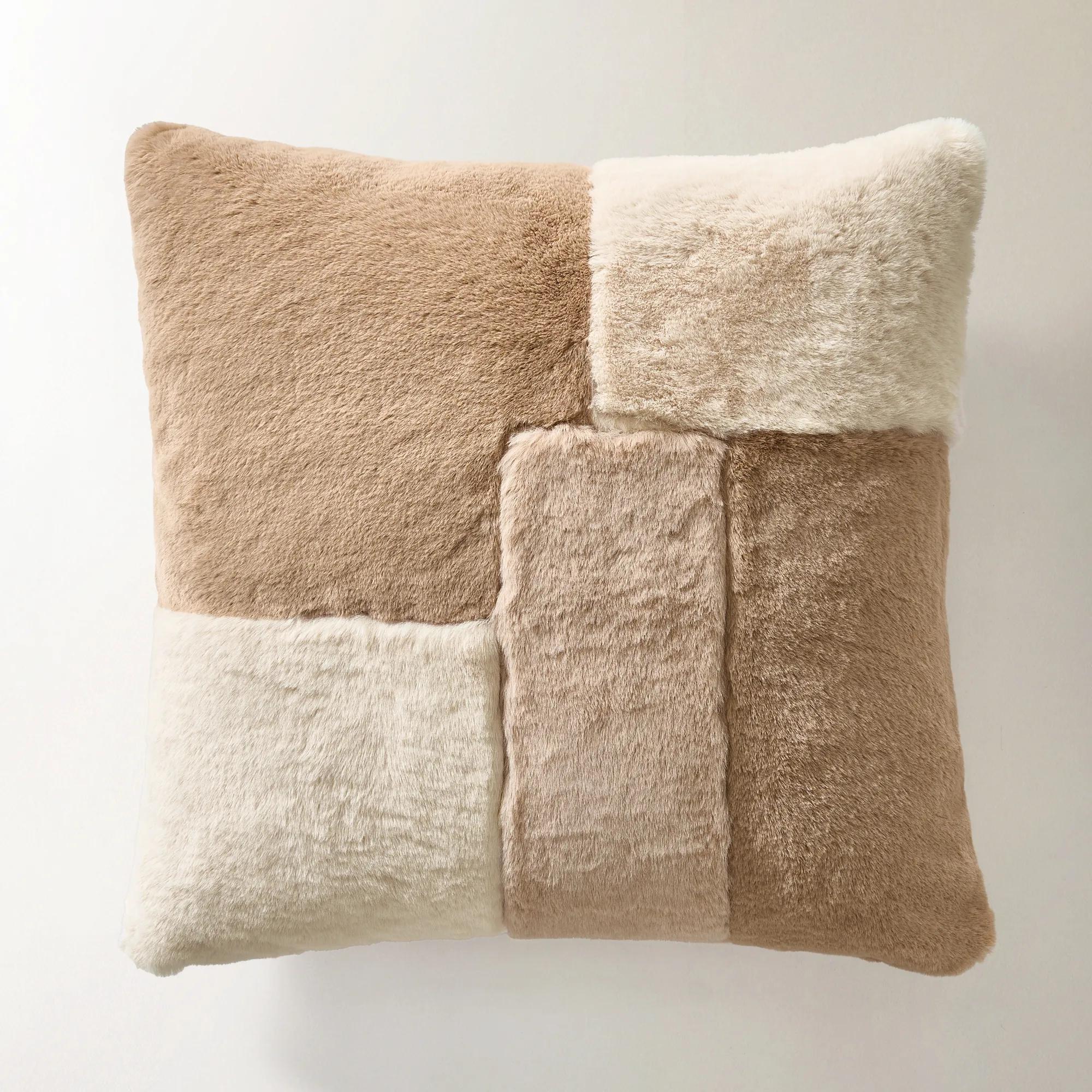
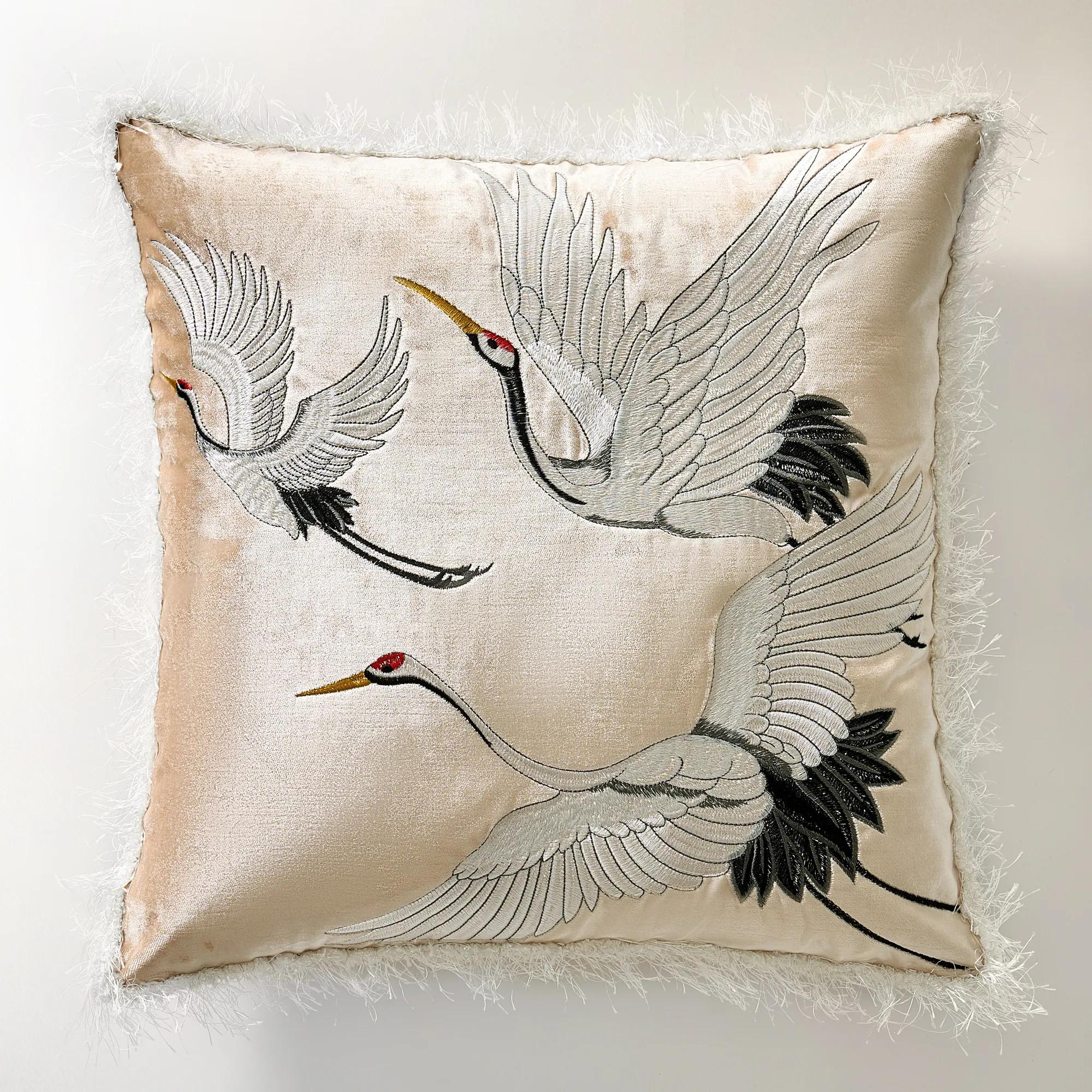
Jacquard Chenille Decorative Pillows
Jacquard Chenille Decorative Pillows
-
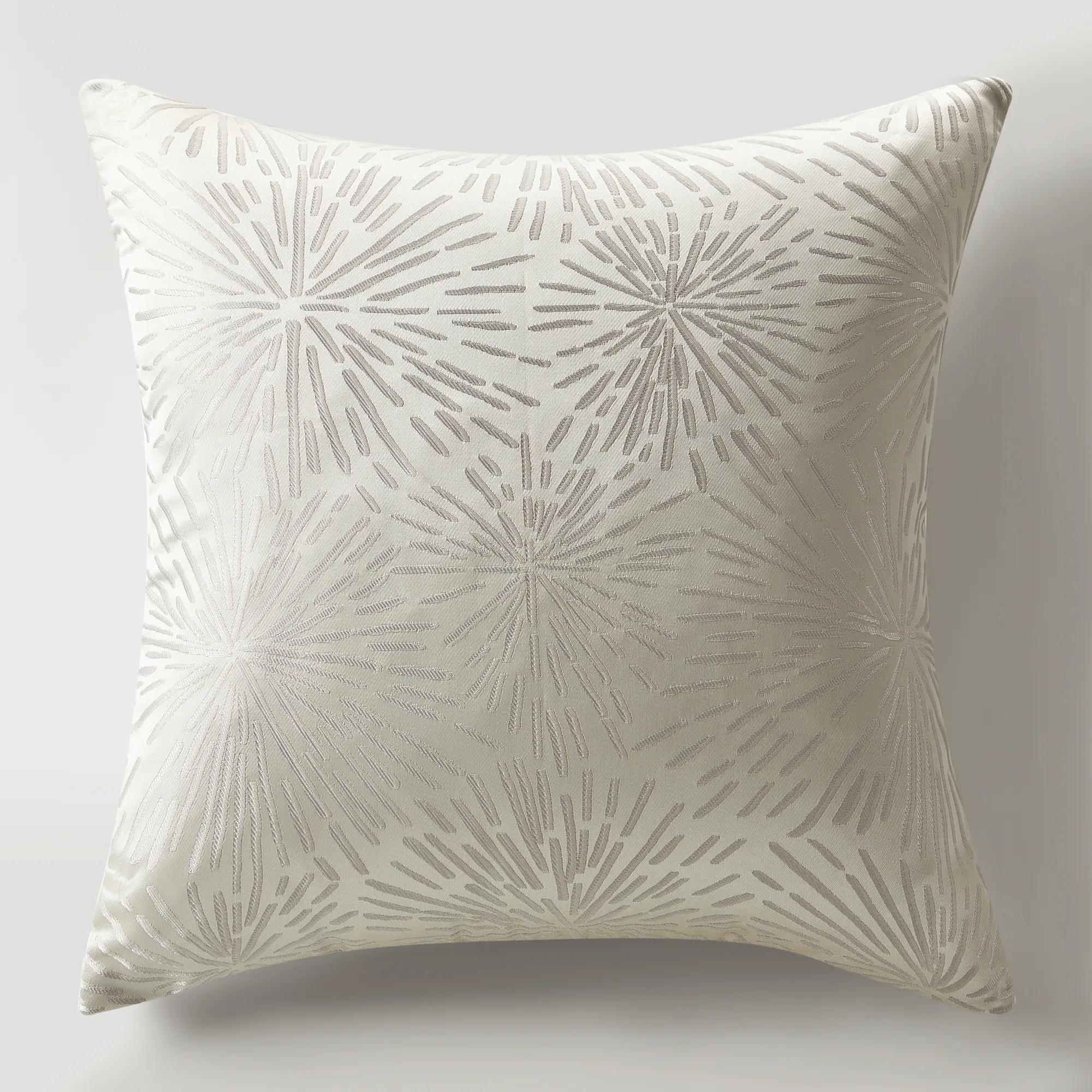
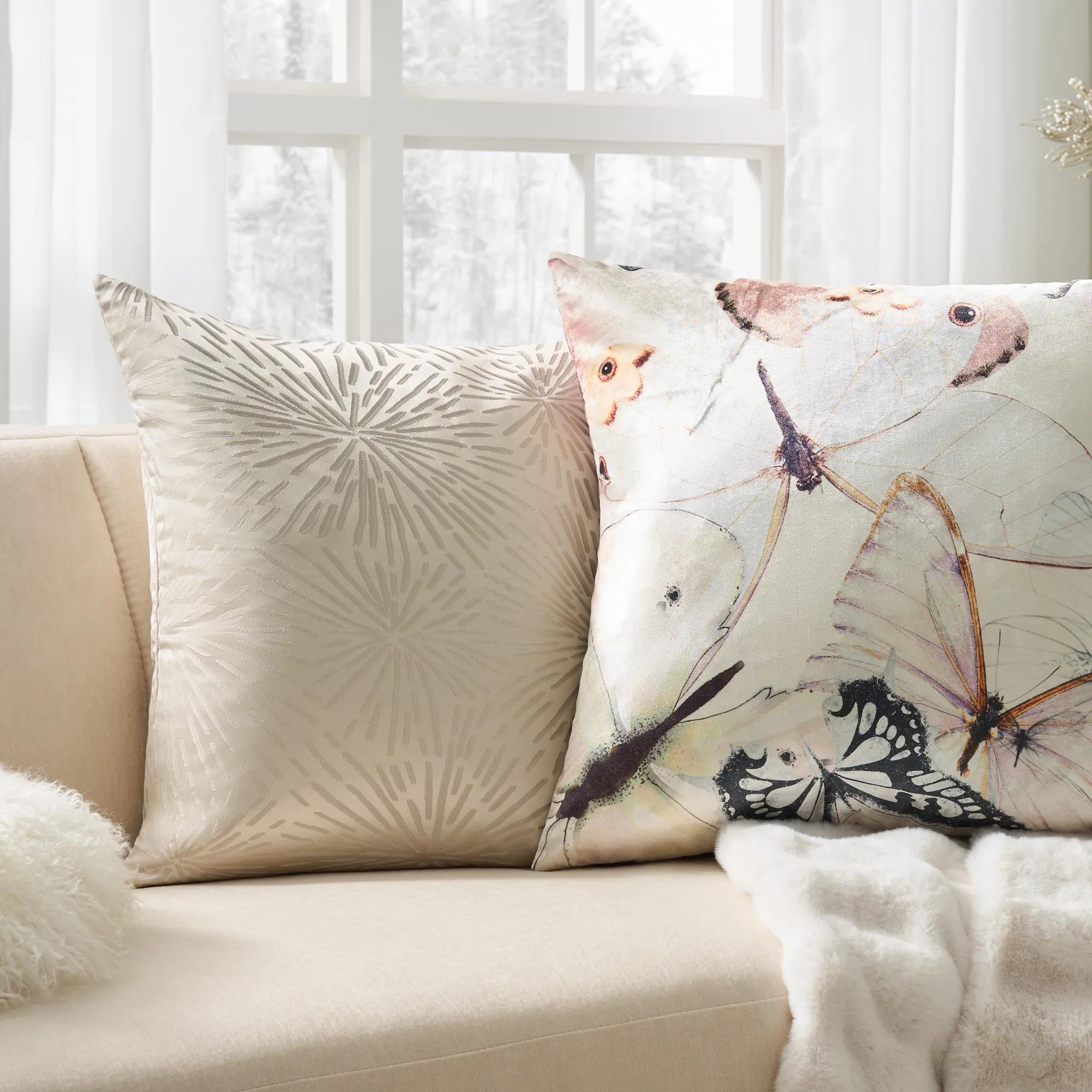 Starburst Jaqcuard Pillow 22"$89
A plush champagne jacquard pillow featuring a monotone starburst pattern and a removable feather insert.
Add To Cart -
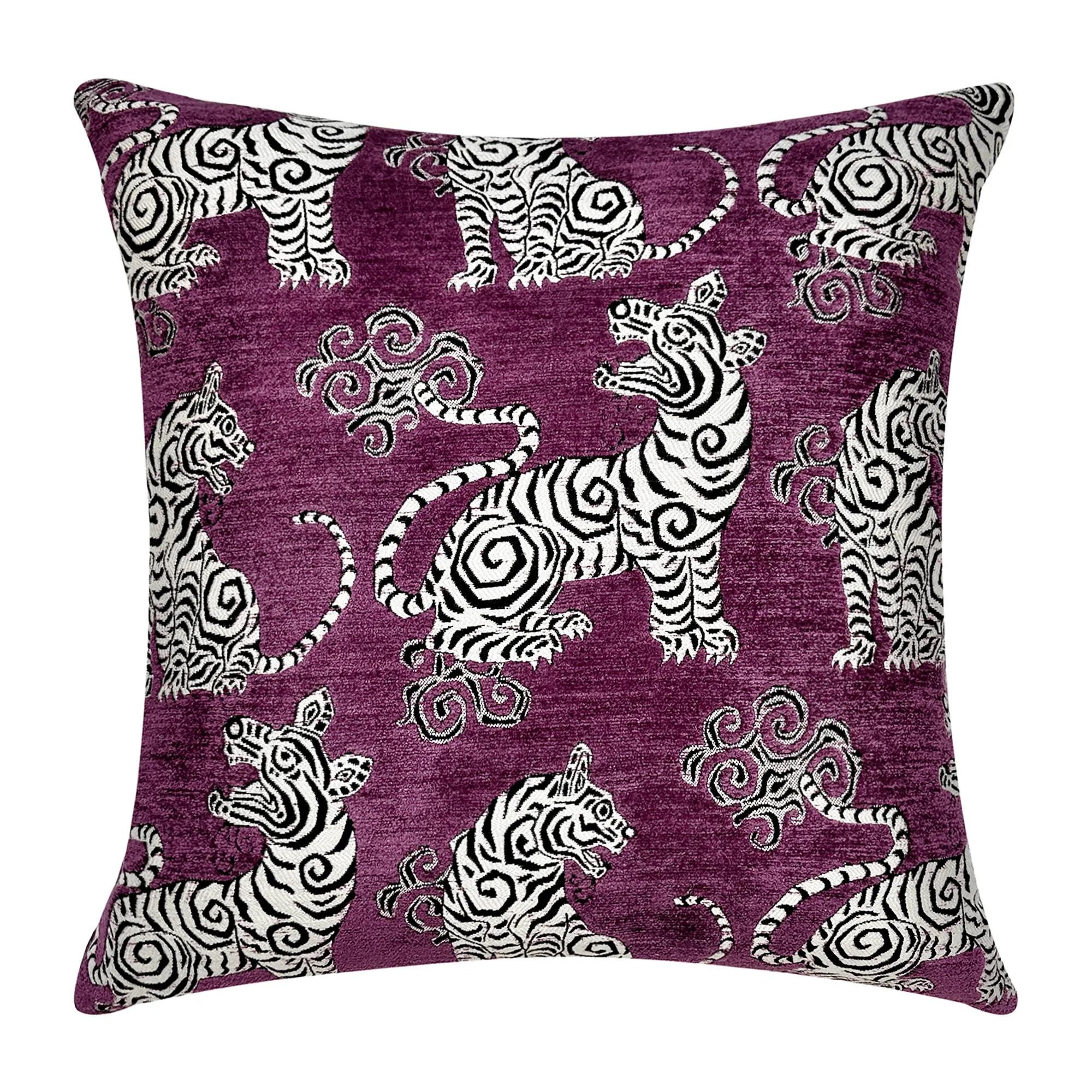 Tigress Magenta Purple Jacquard Chenille Velvet Pillow 20" x 20"$119
A magenta jacquard chenille pillow featuring a black and white mini tiger design and feather down insert.
Add To Cart -
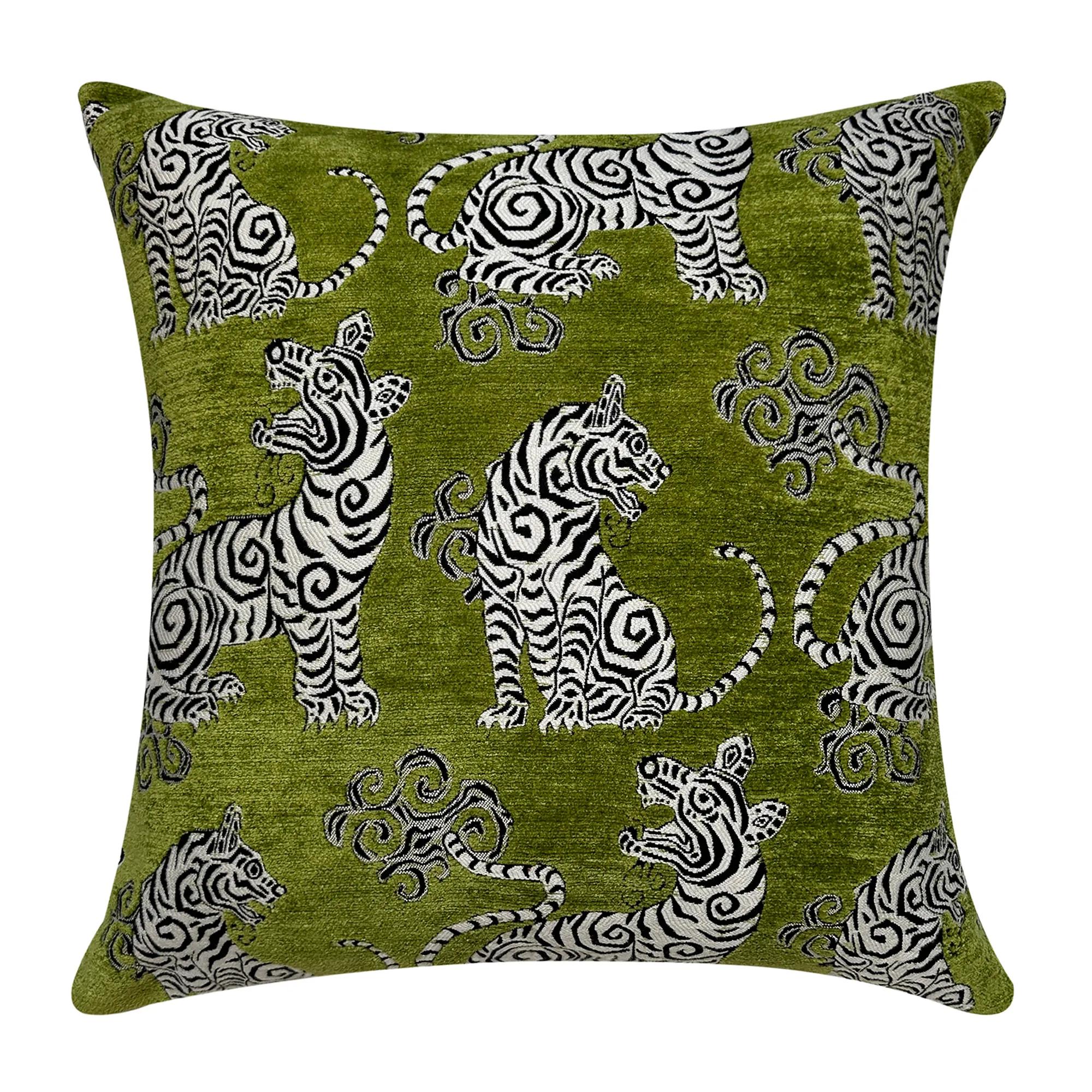
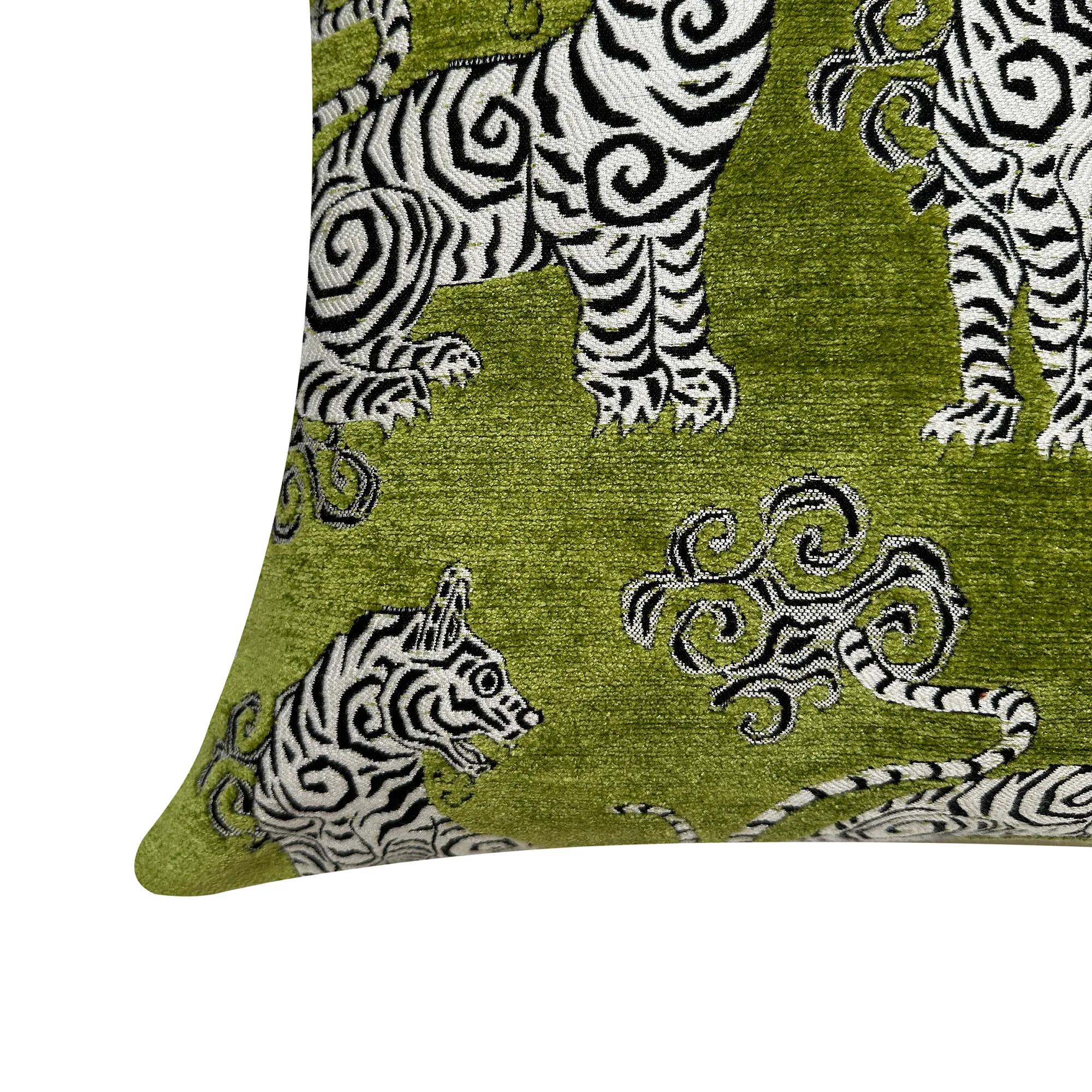 Tigress Citron Green Jacquard Chenille Velvet Pillow 20" x 20"$119
A plush citron green jacquard chenille pillow featuring a striking black and white mini tiger design.
Add To Cart -
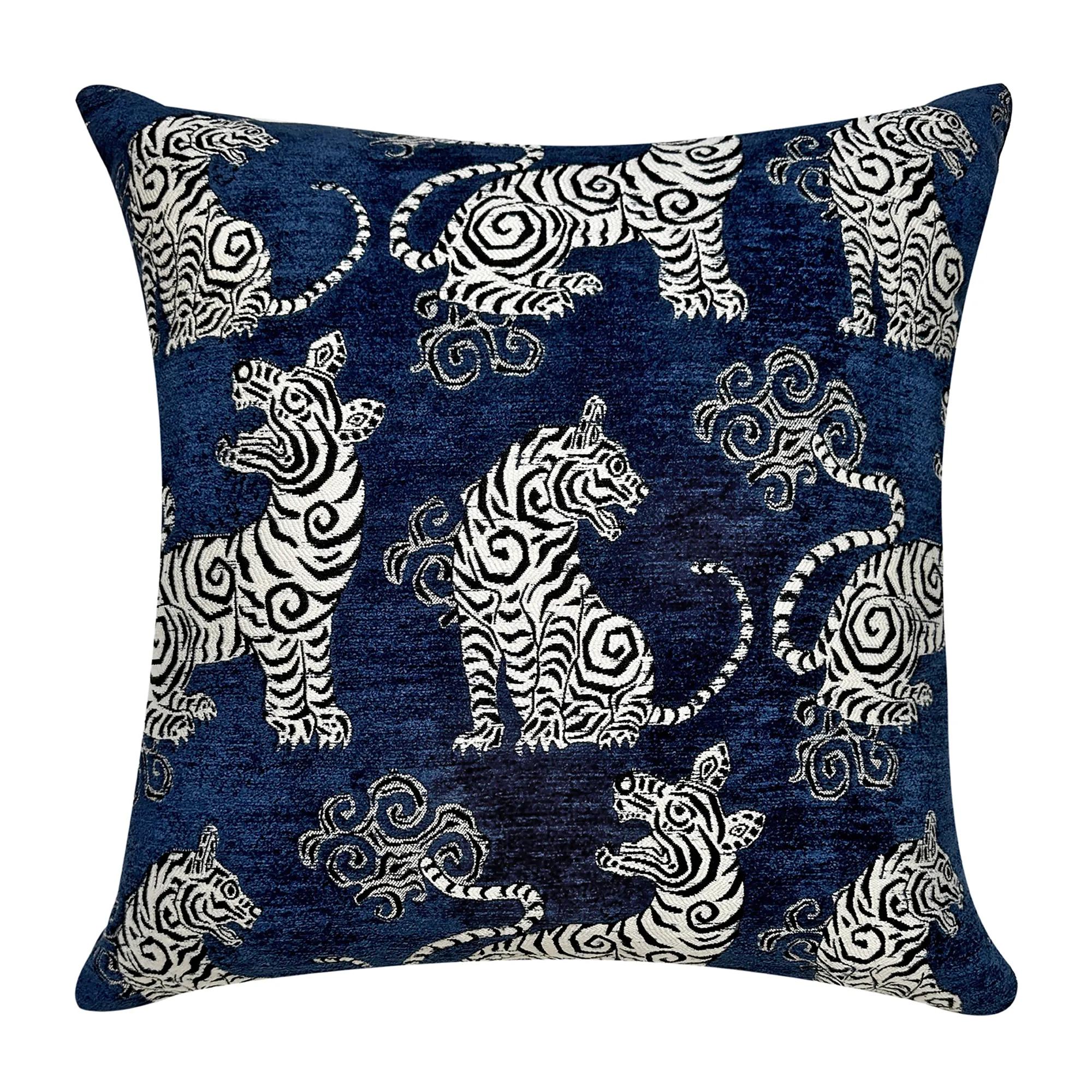
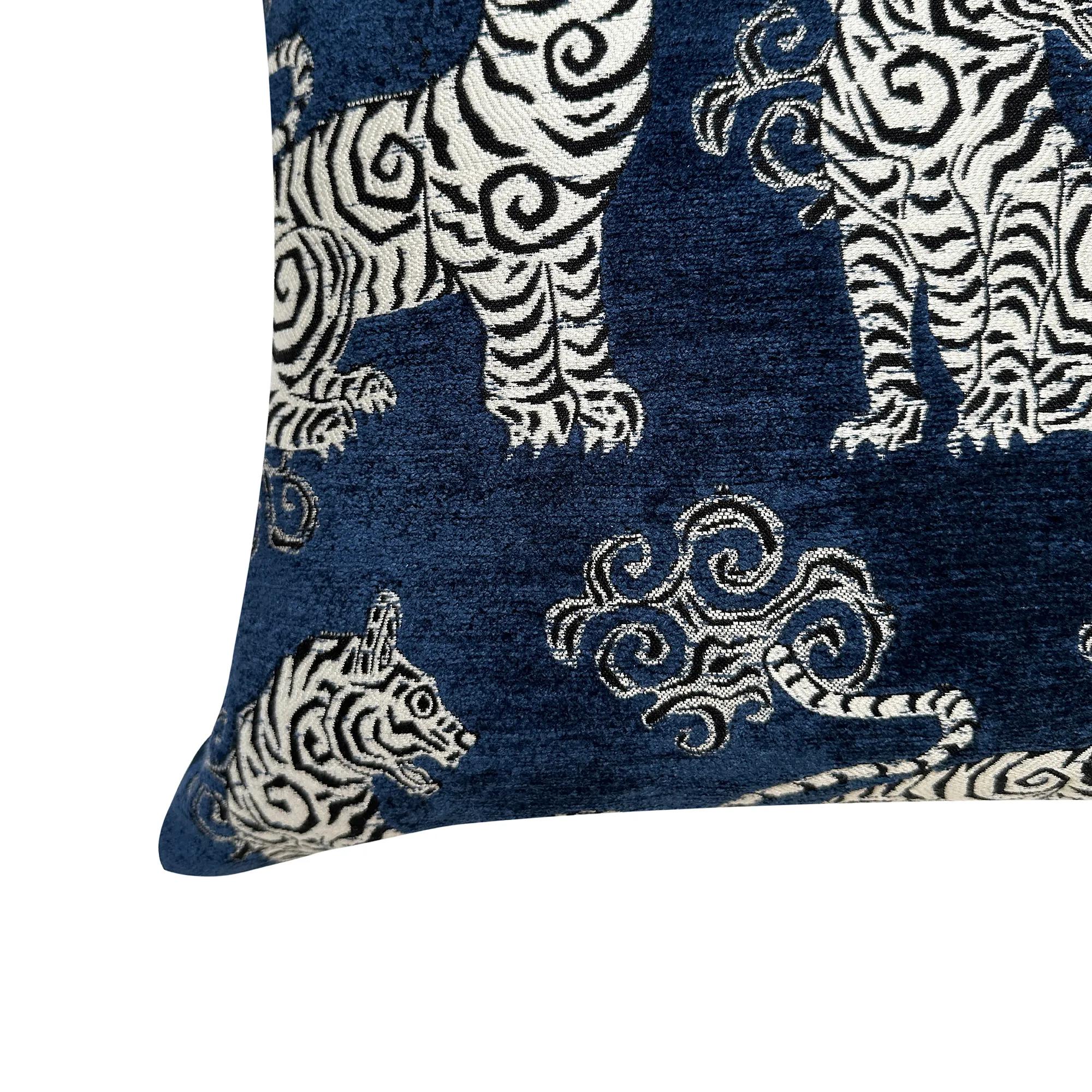 Tigress Navy Blue Jacquard Chenille Velvet Pillow 20" x 20"$119
A luxurious navy jacquard chenille pillow featuring a black and white mini tiger design and feather-down insert.
Add To Cart -
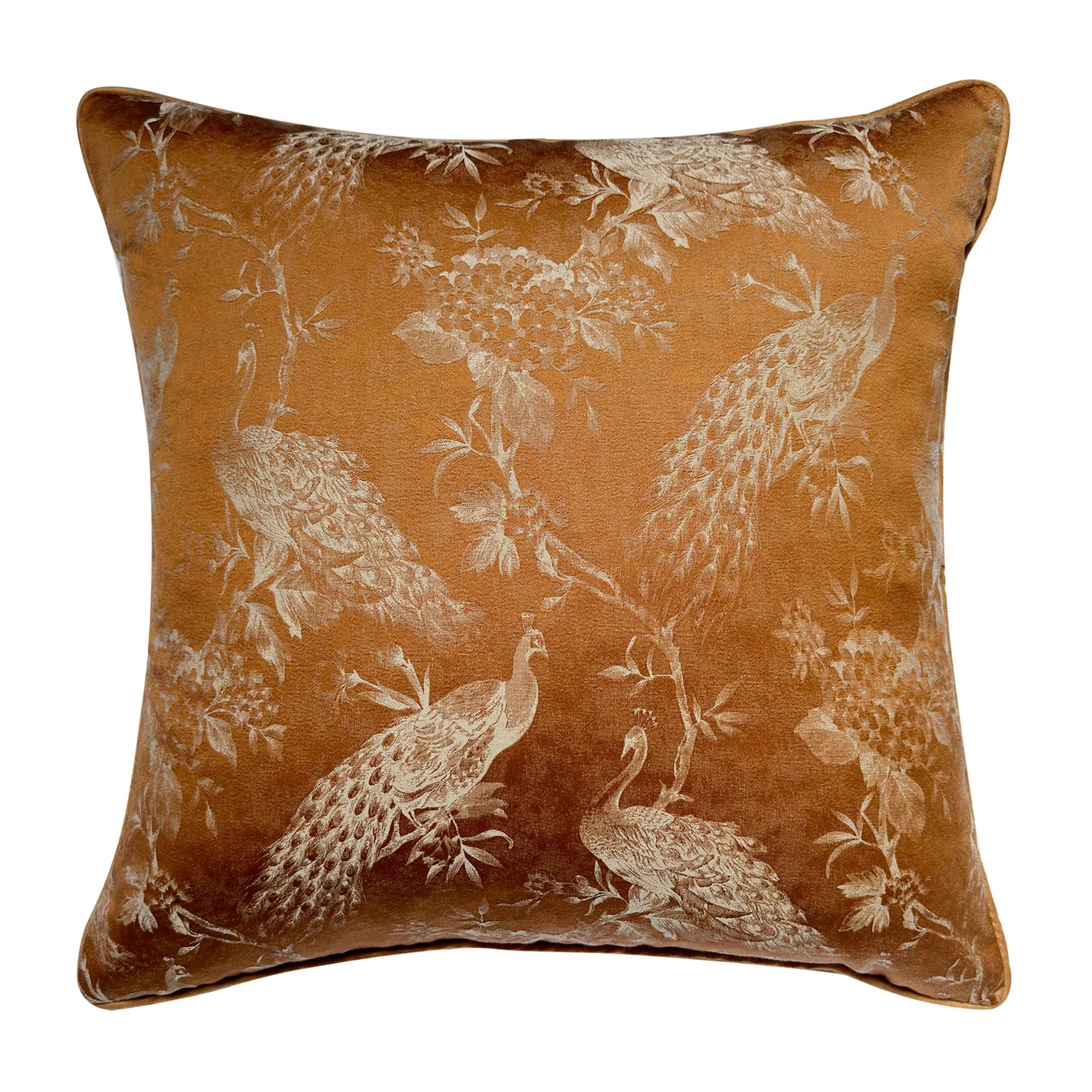
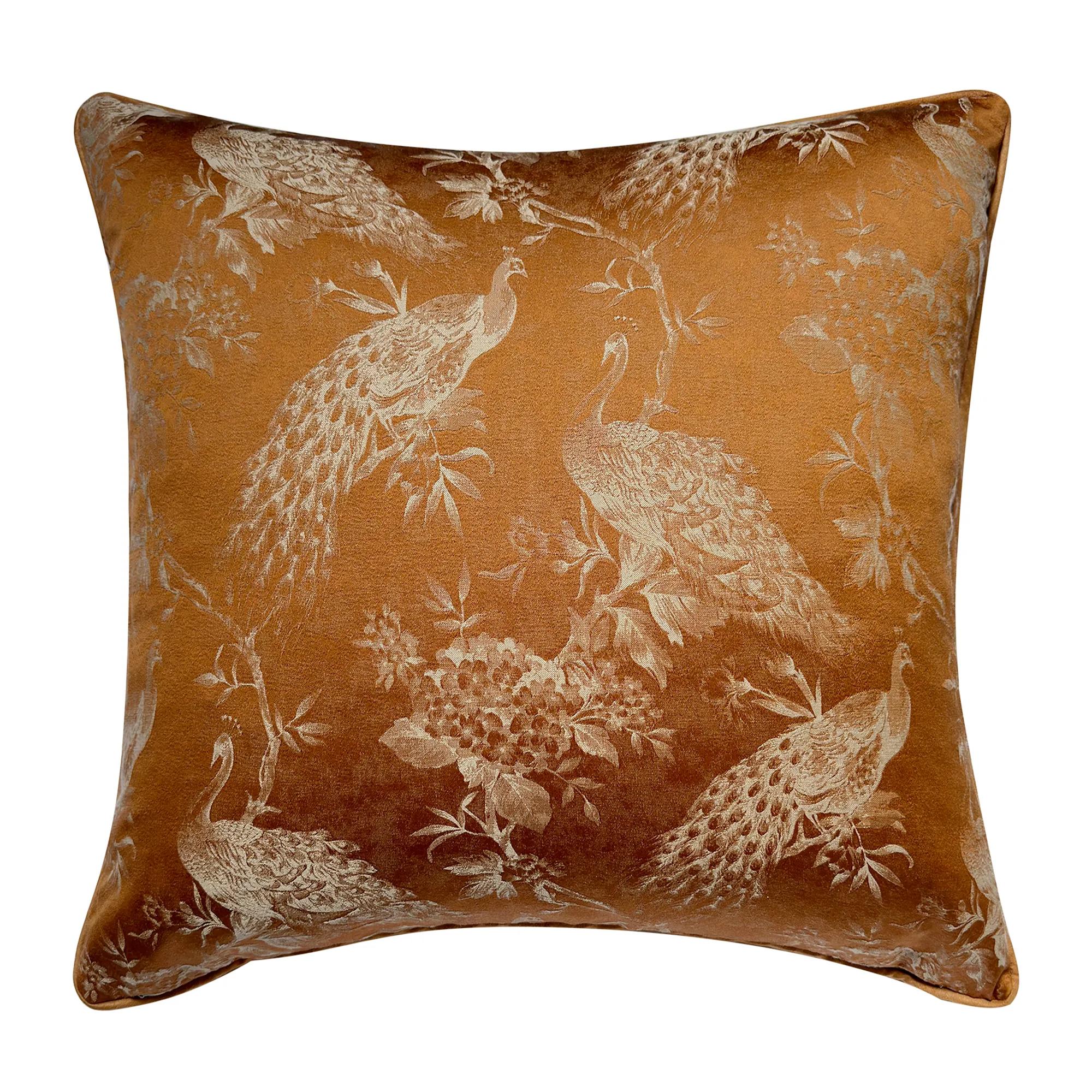 Peacock Copper Jacquard Pillow 20" x 20"$99
A handmade copper jacquard pillow featuring an antique peacock pattern and plush feather down insert.
Add To Cart -
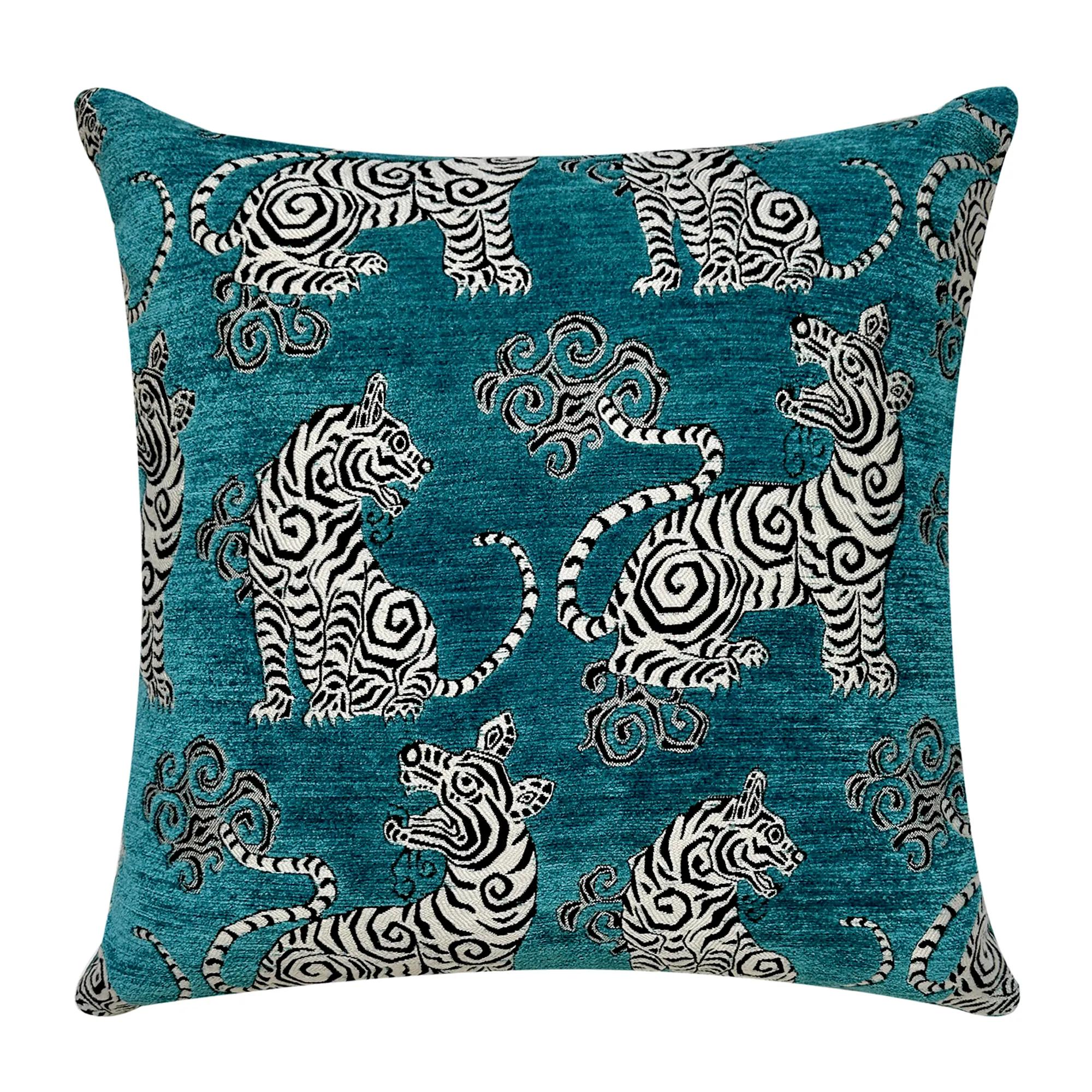
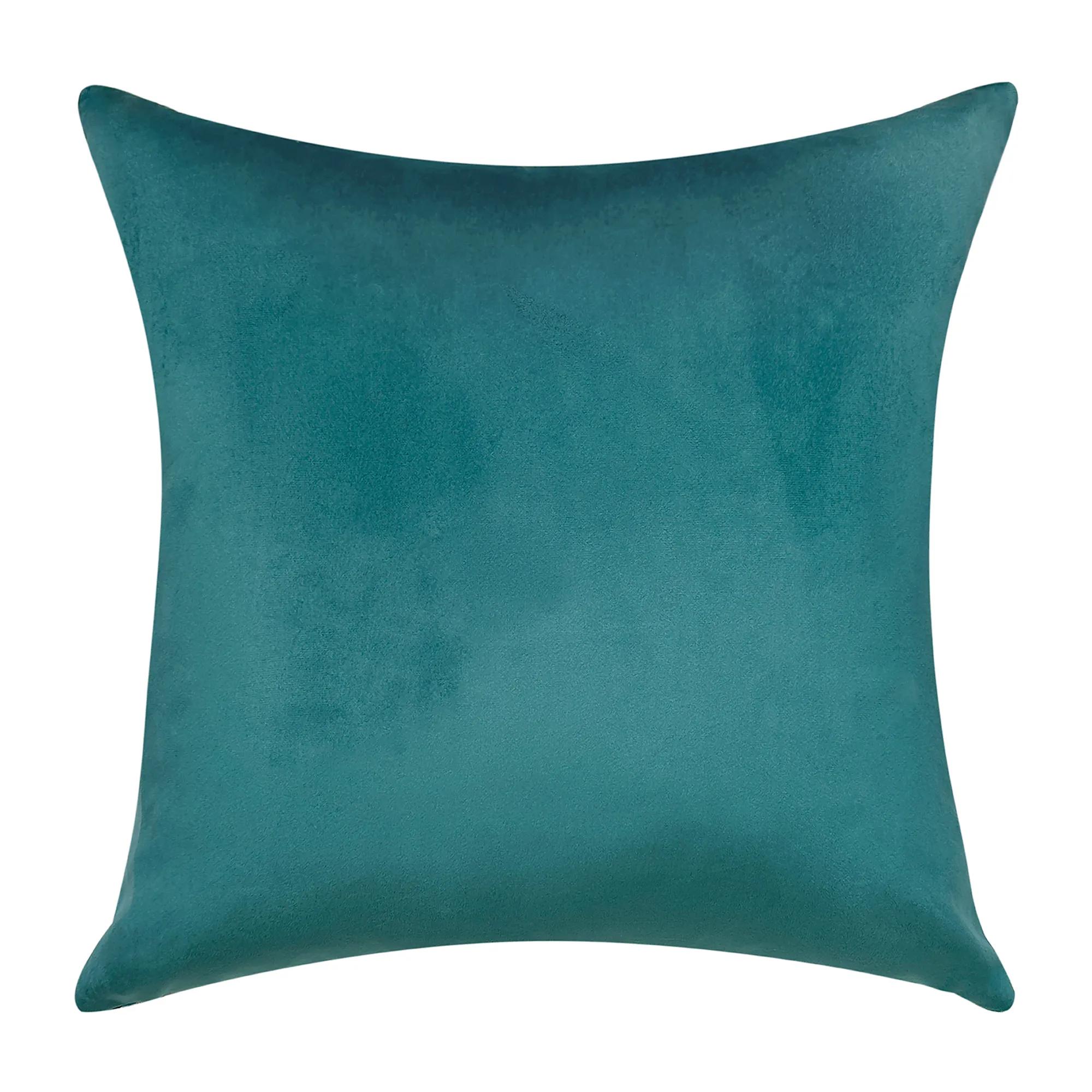 Tigress Teal Jacquard Chenille Velvet Pillow 20" x 20"$119
A teal jacquard chenille pillow featuring a black and white tiger design and plush feather down insert.
Add To Cart -
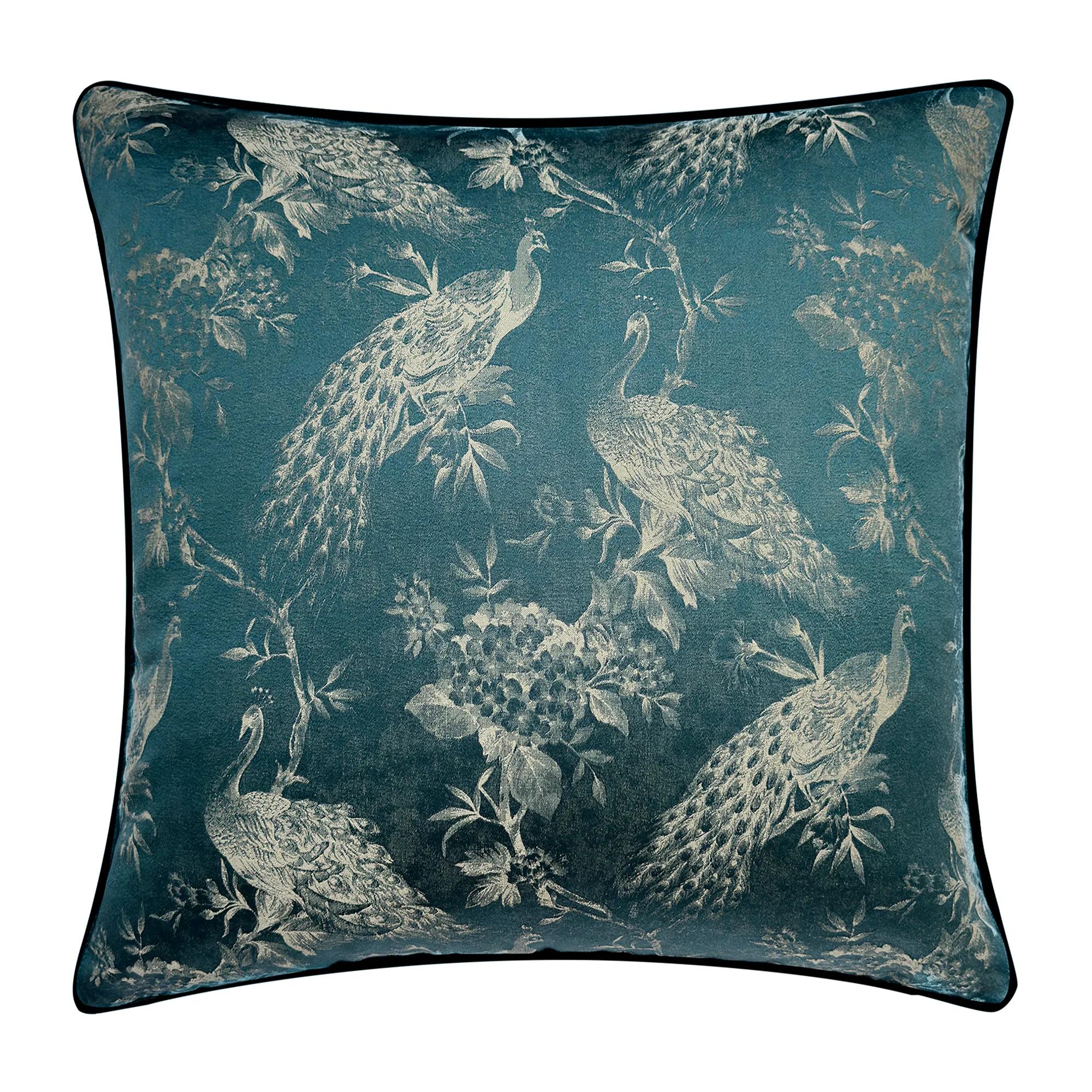
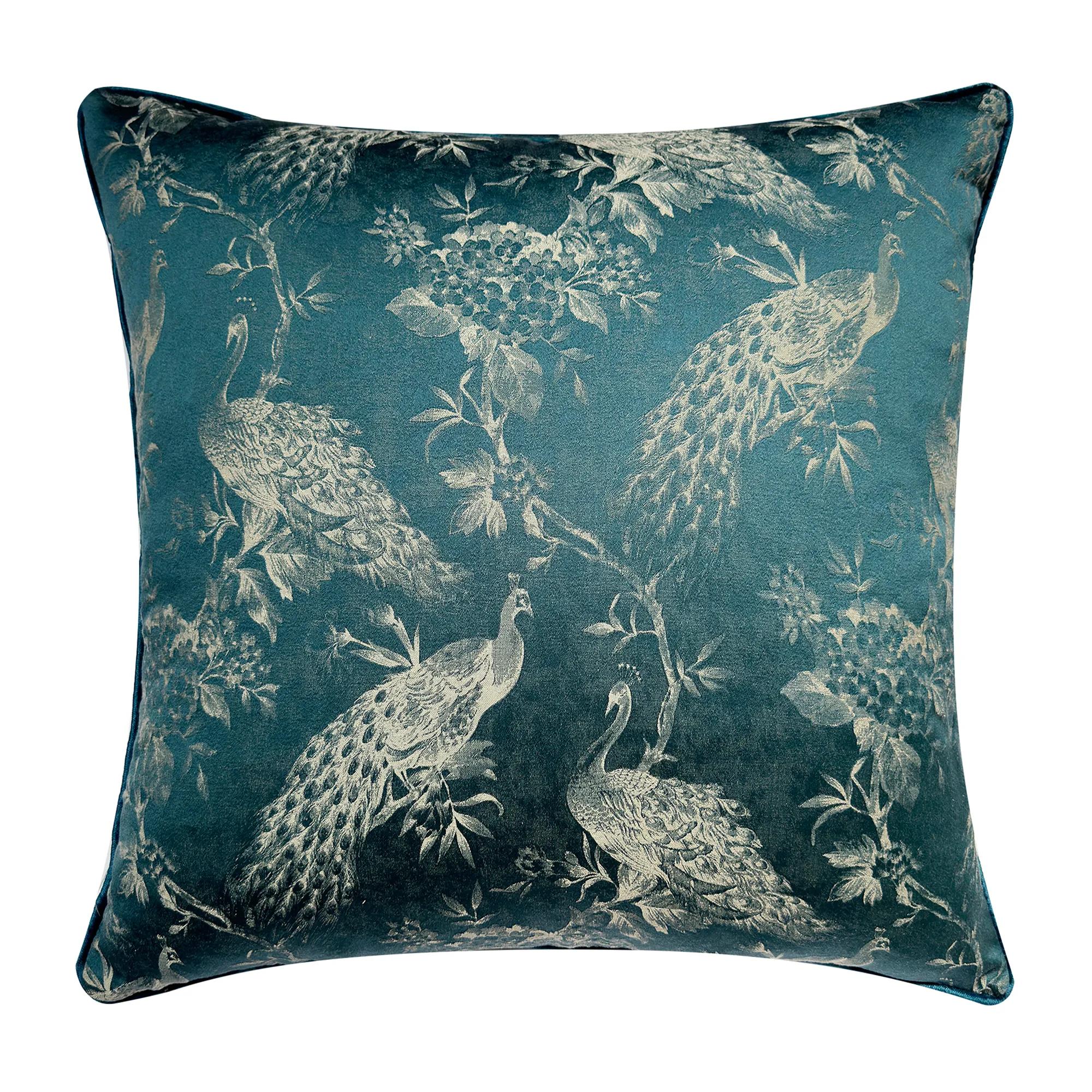 Peacock Teal Jacquard Pillow 20" x 20"$99
A teal jacquard pillow featuring an antique peacock pattern, plush feather down insert, and removable cover.
Add To Cart -
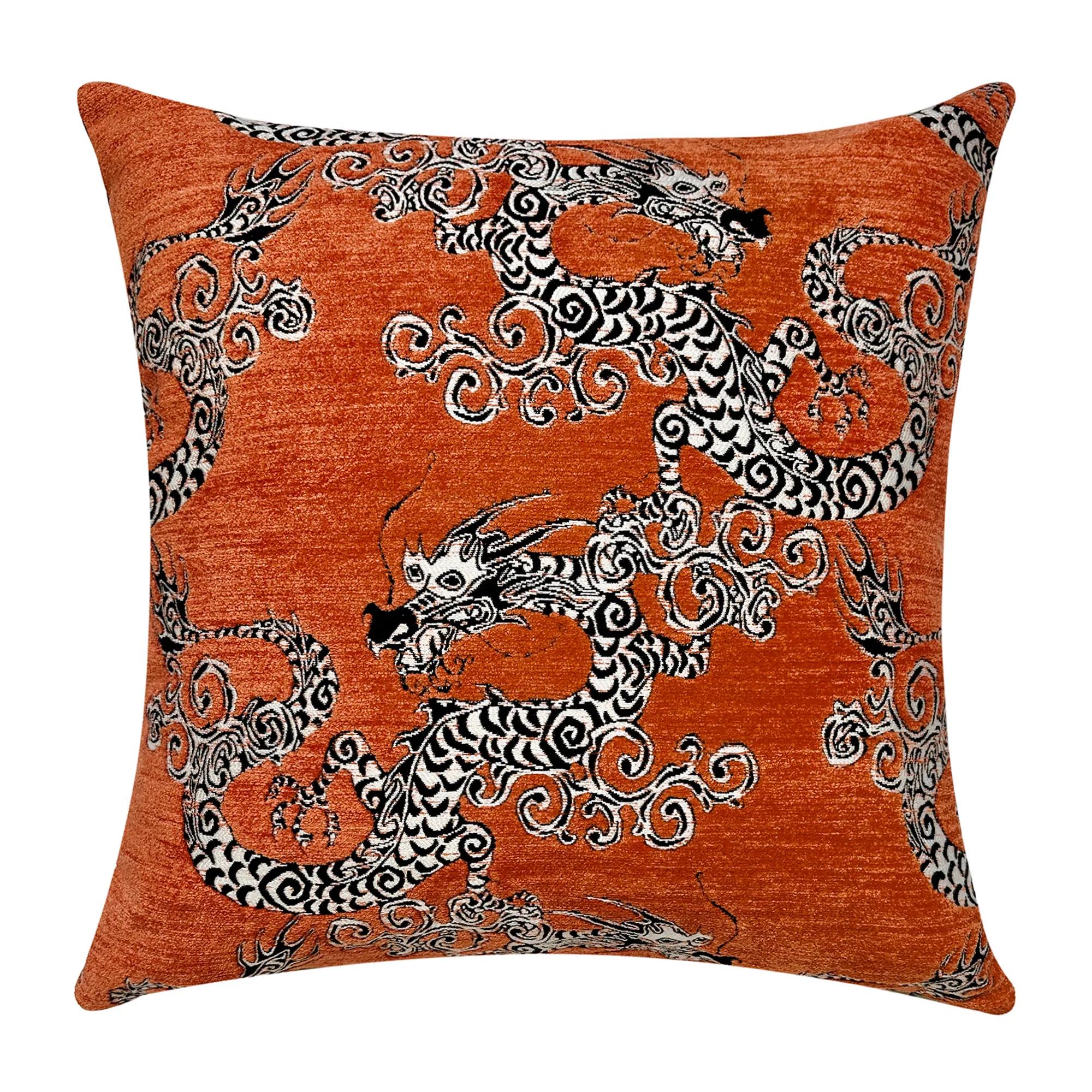
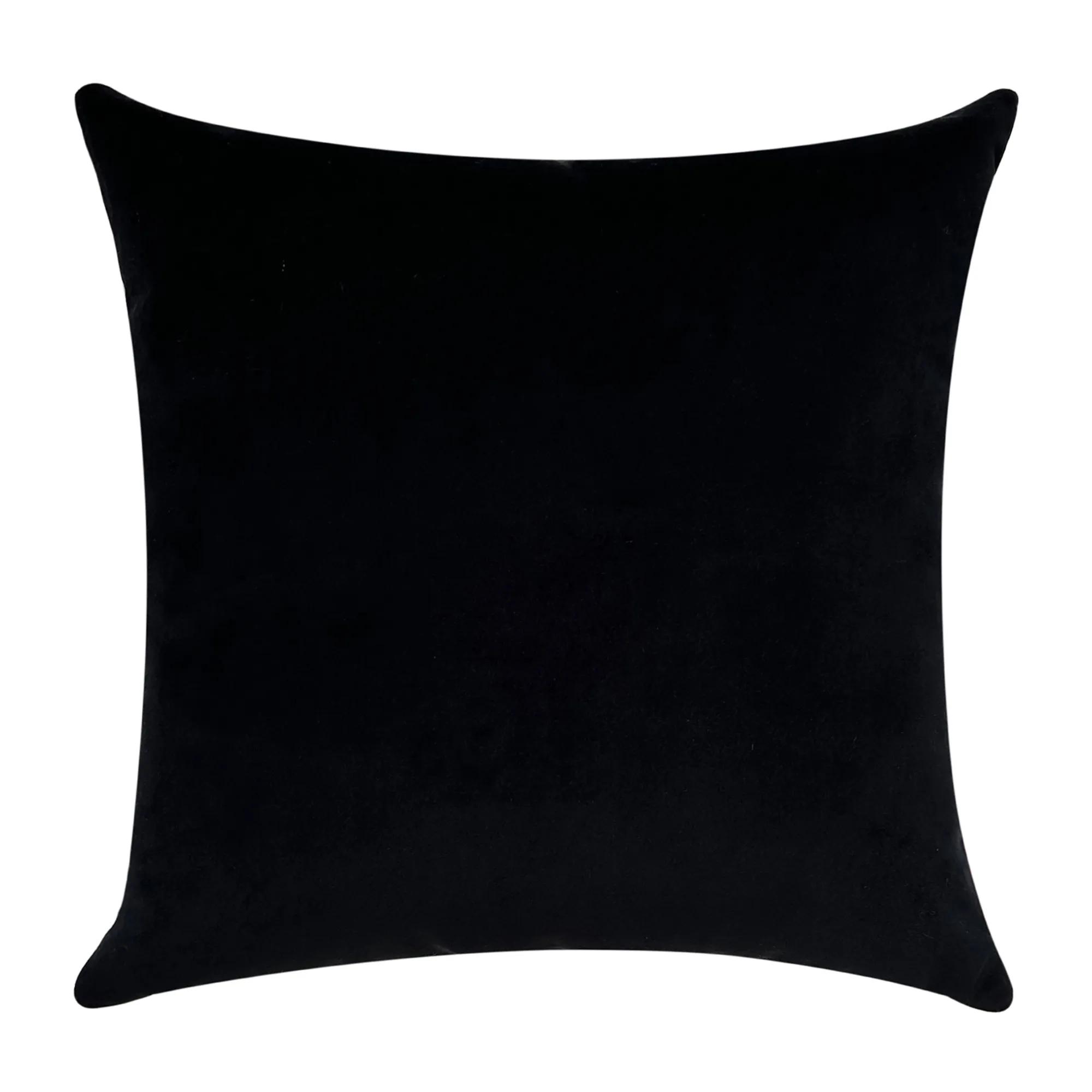 Dragonette Orange Jacquard Chenille Pillow 20" x 20"$119
A luxurious orange jacquard chenille pillow featuring a black and white mini dragon design and feather down insert.
Add To Cart -
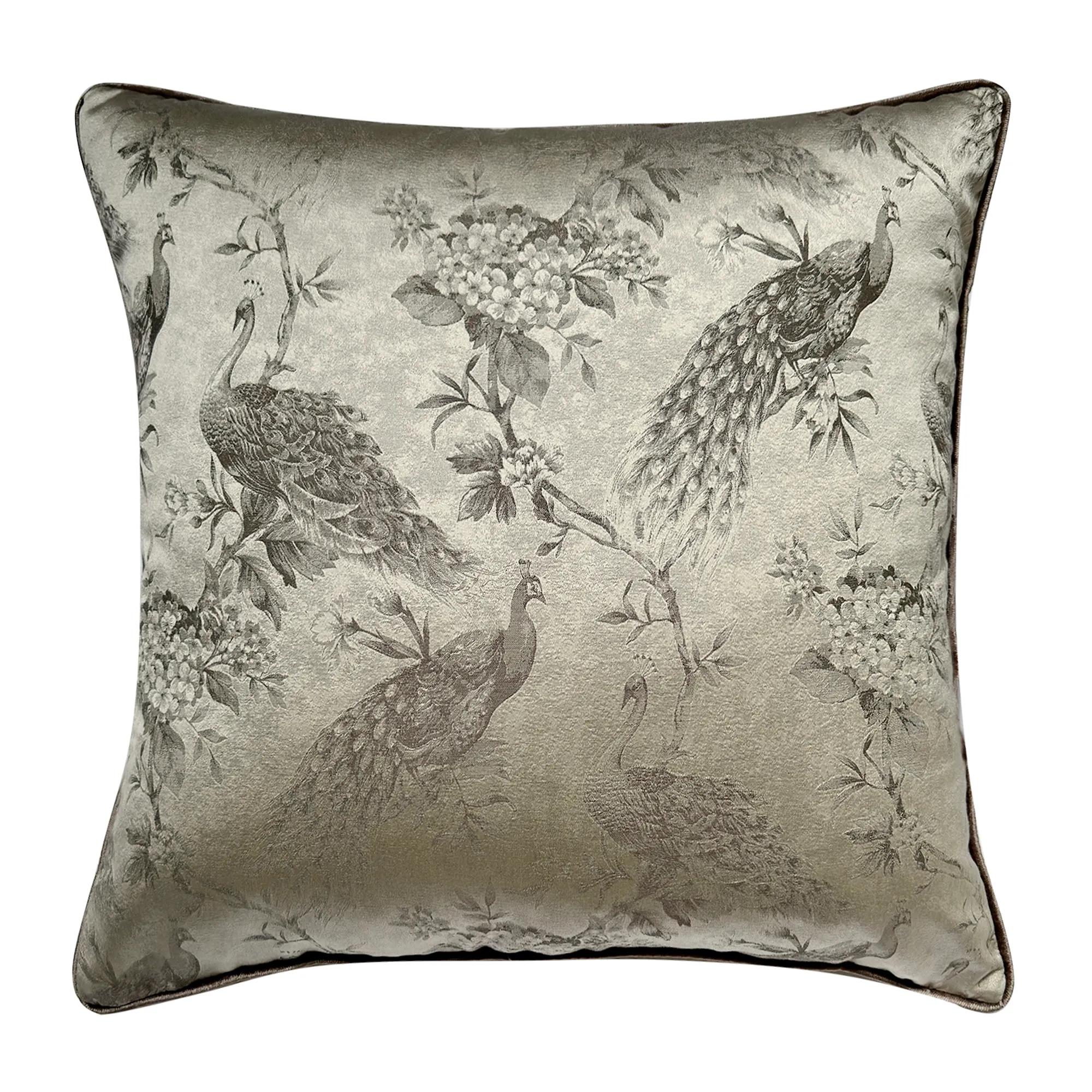
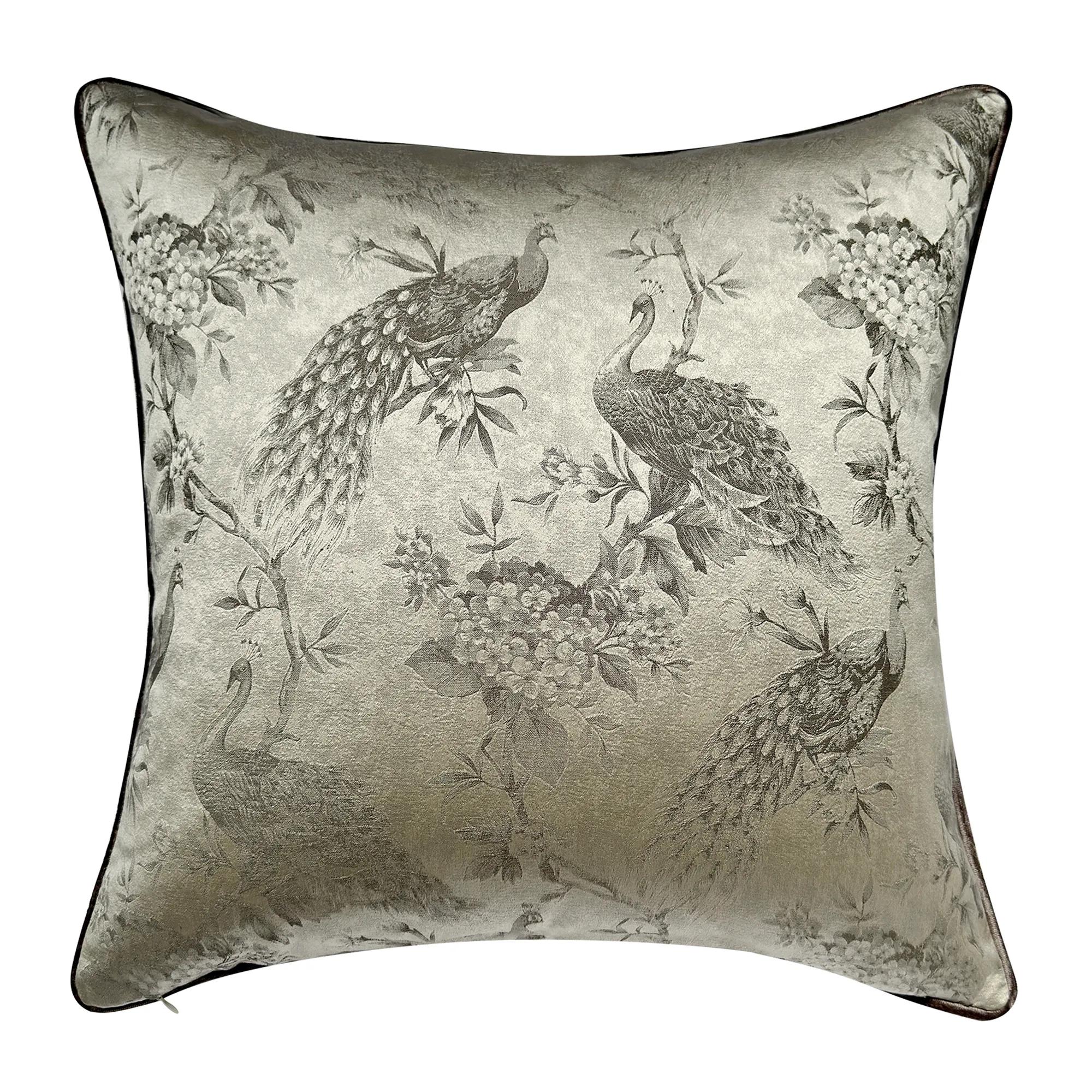 Peacock Silver Jacquard Pillow 20" x 20"$99
A silver jacquard pillow featuring an antique peacock pattern, plush feather down insert, and removable cover.
Add To Cart -
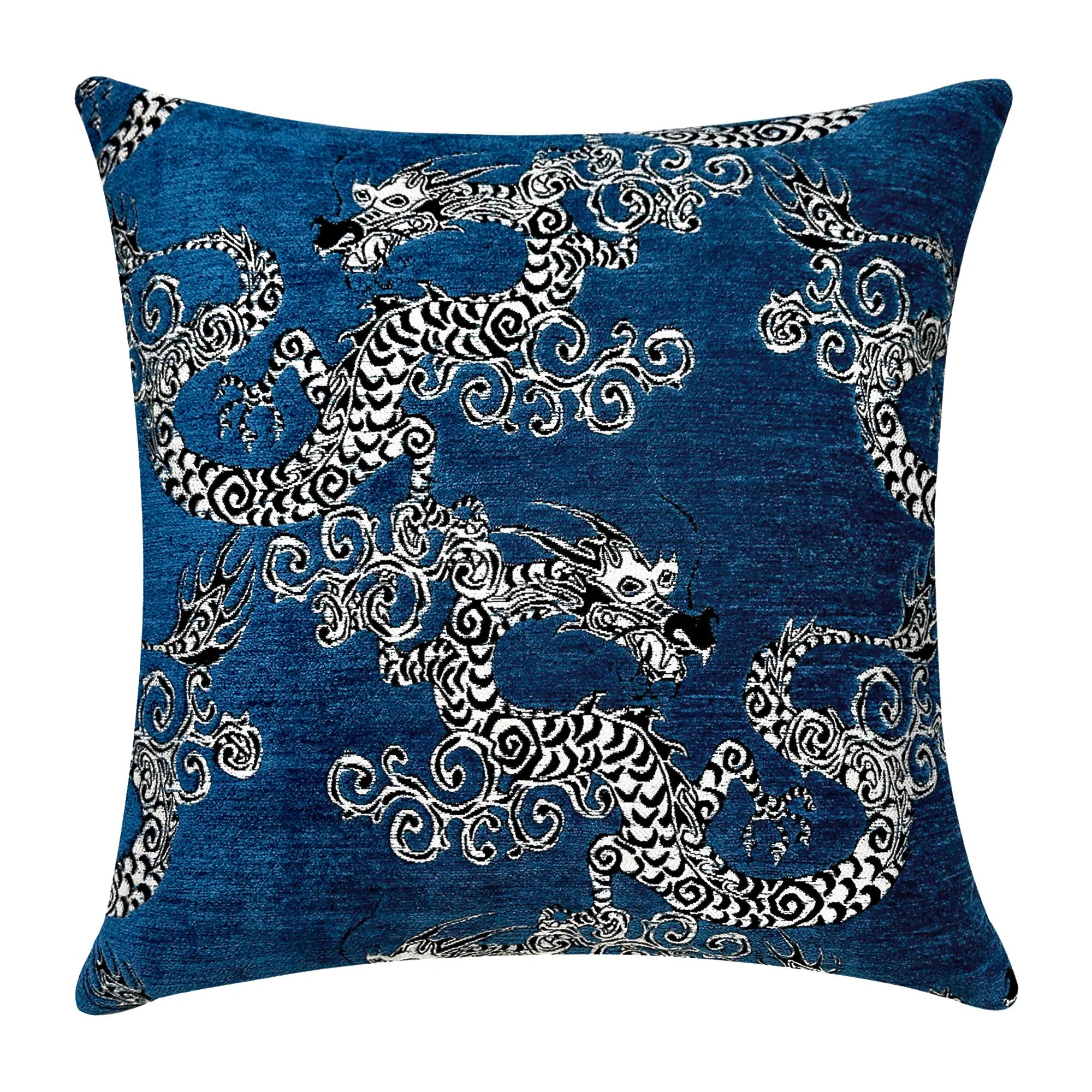
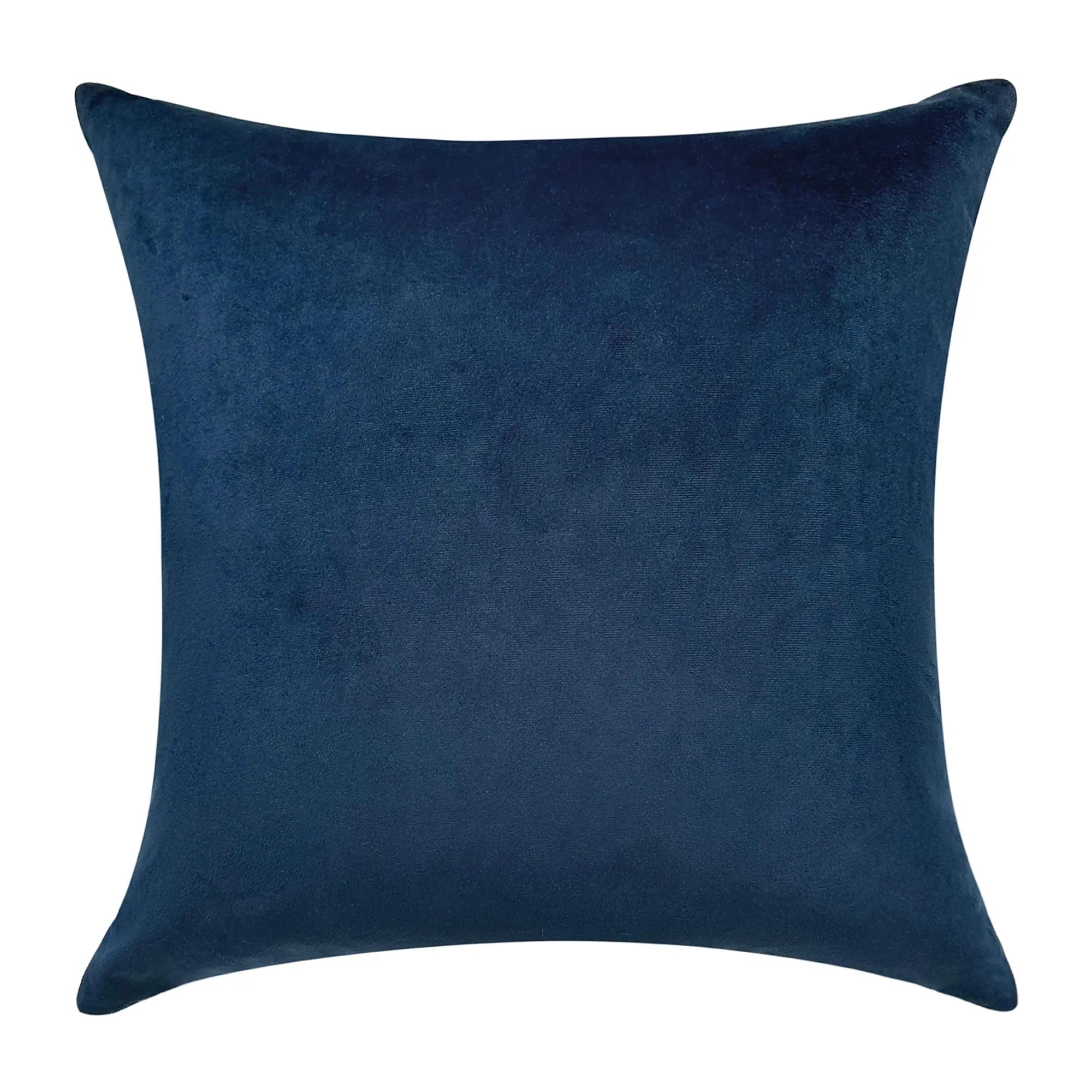 Dragonette Sapphire Blue Jacquard Chenille Pillow 20" x 20"$119
A luxurious sapphire jacquard chenille pillow featuring a black and white mini dragon design and feather down insert.
Add To Cart -
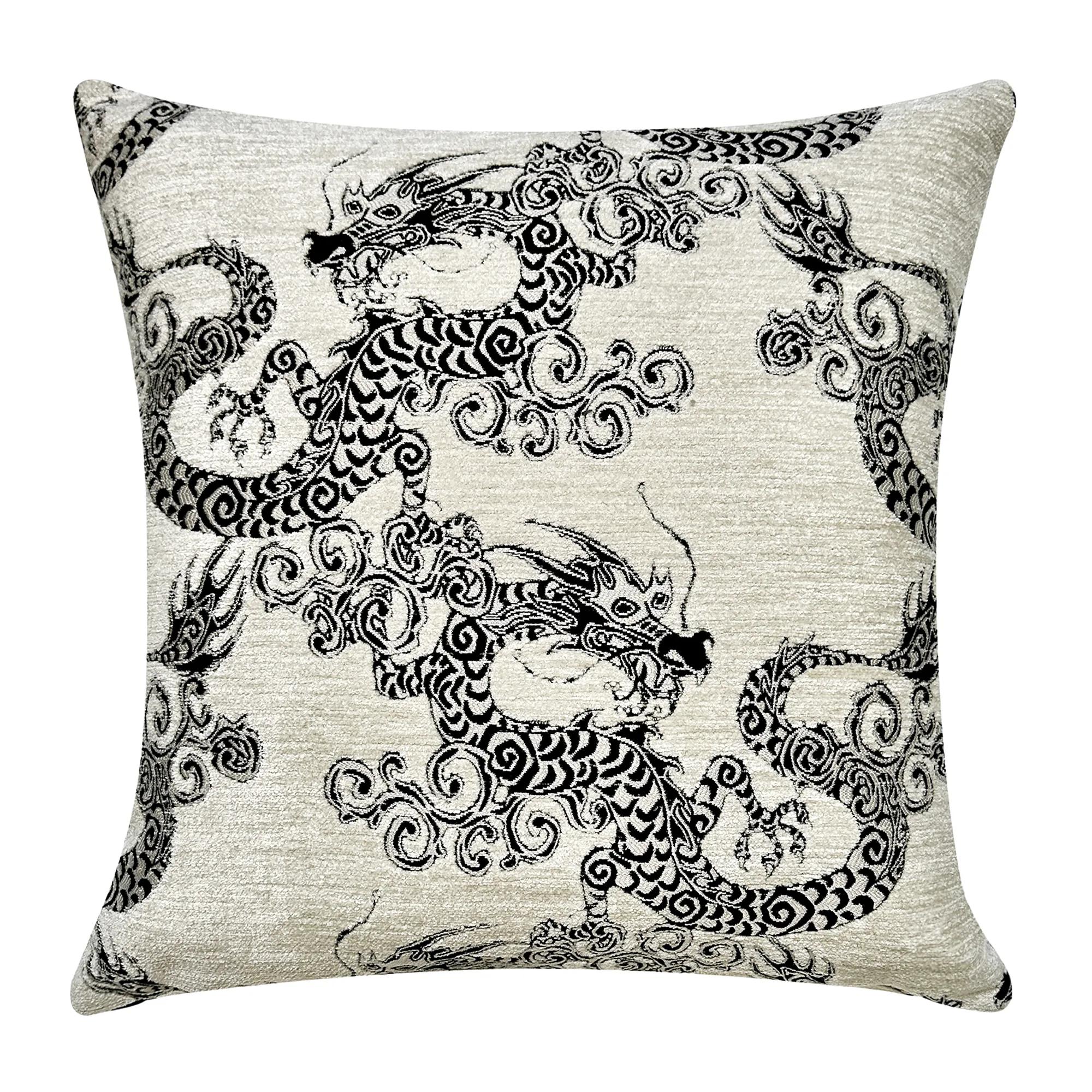
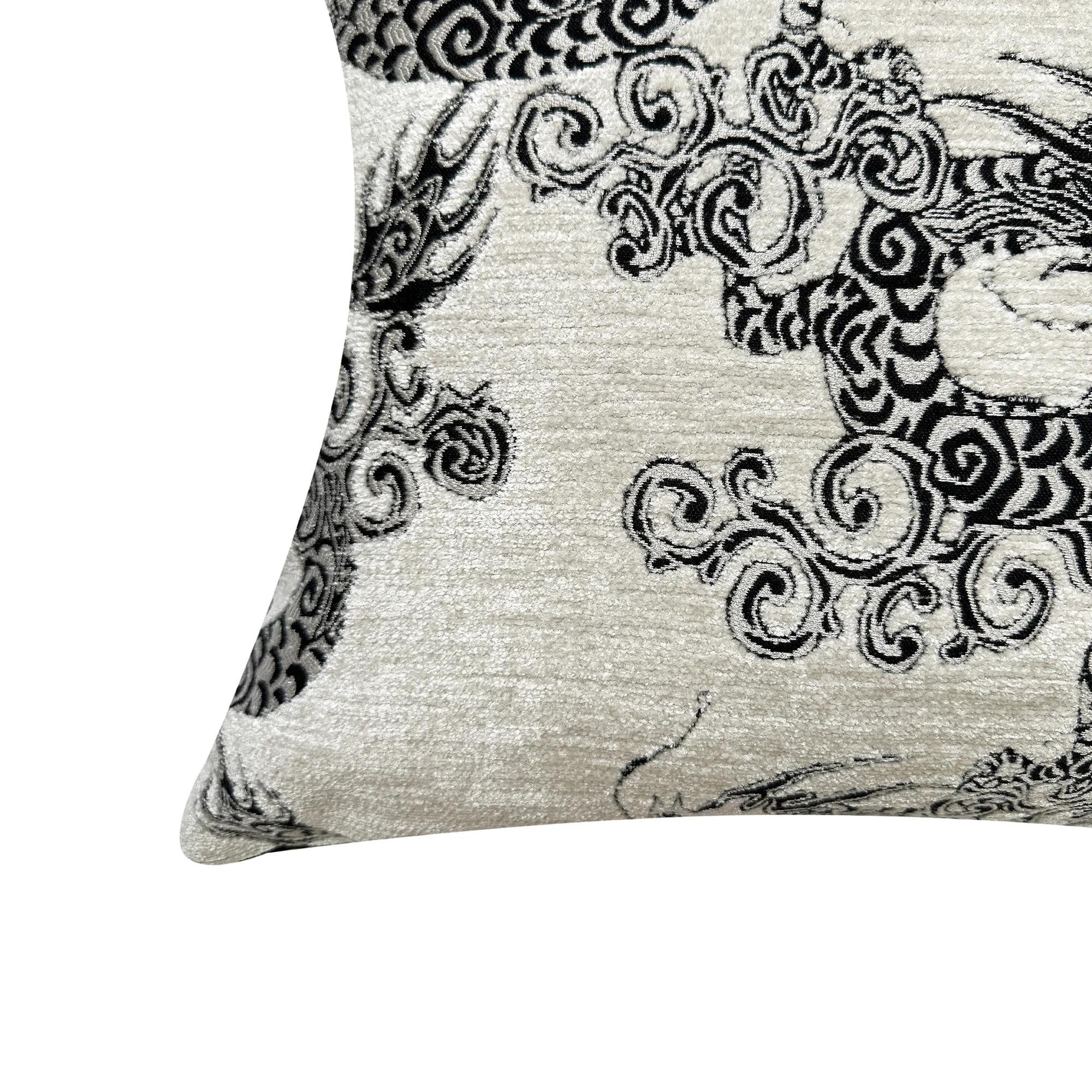 Dragonette White Jacquard Chenille Pillow 20" x 20"$119
A luxurious jacquard chenille pillow featuring a black and white dragon motif and plush feather down insert.
Add To Cart -
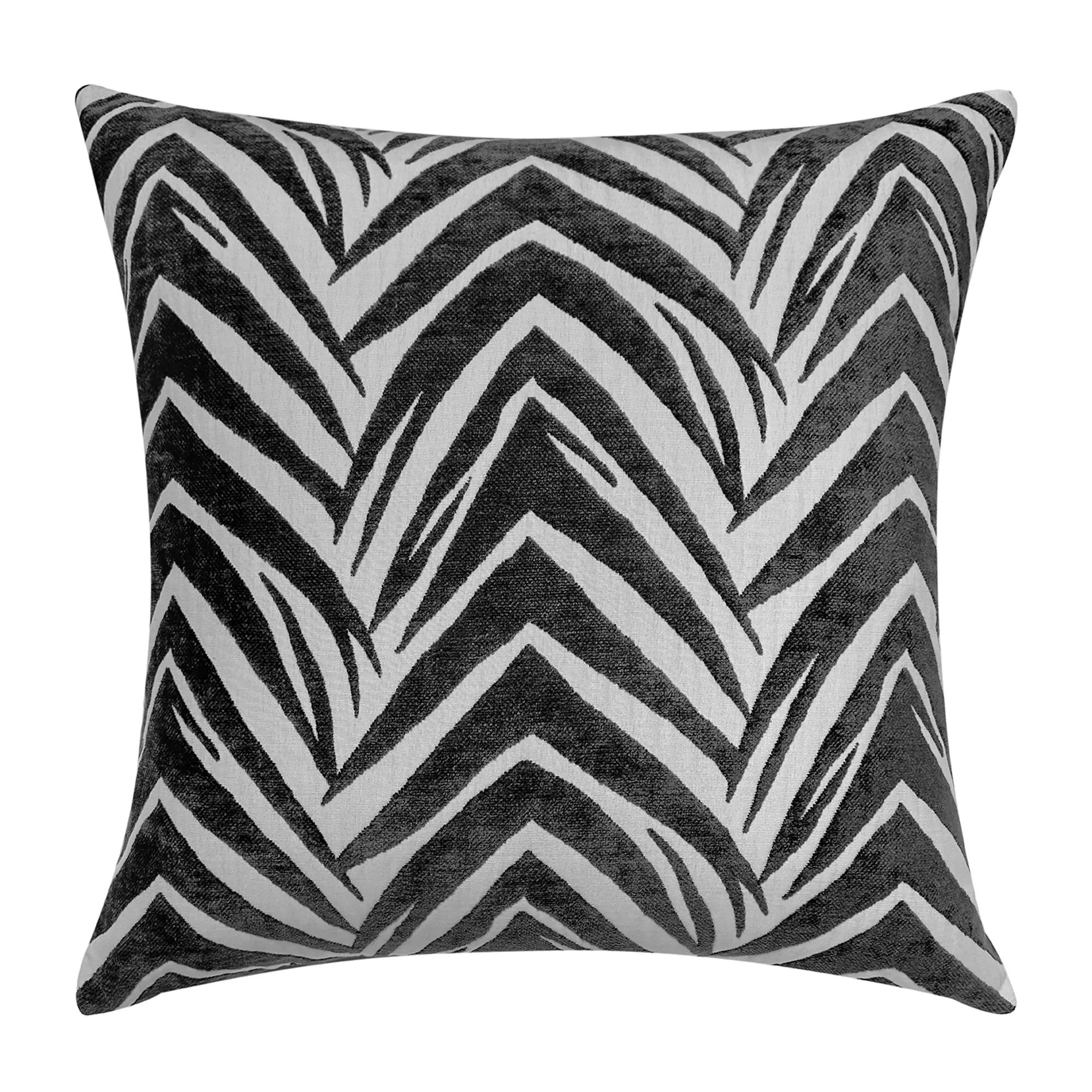
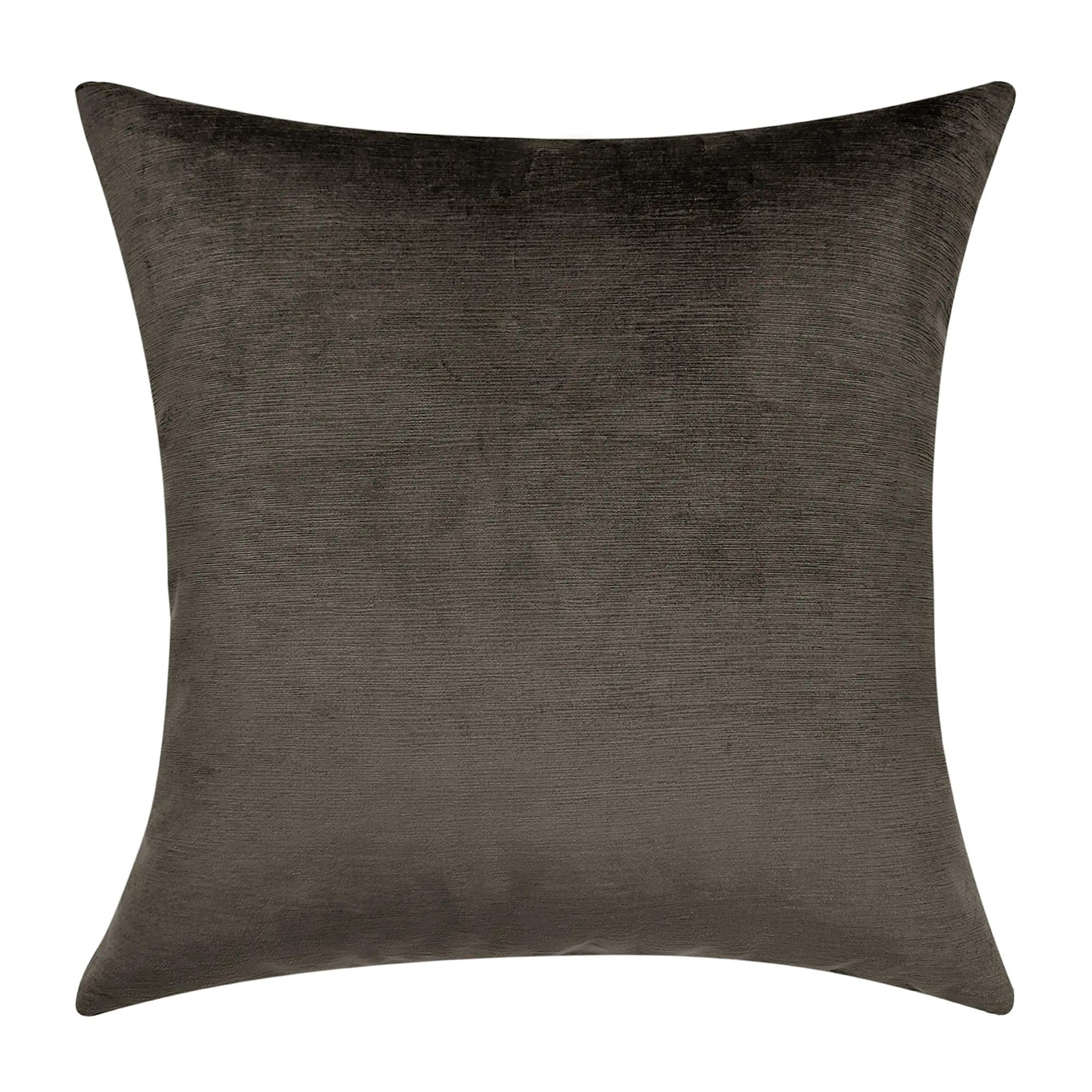 Zebby Black/White Zebra Print Velvet Pillow 22" x 22"$89
A luxurious jacquard chenille pillow featuring a bold black and white tiger print and plush feather down insert.
Add To Cart -
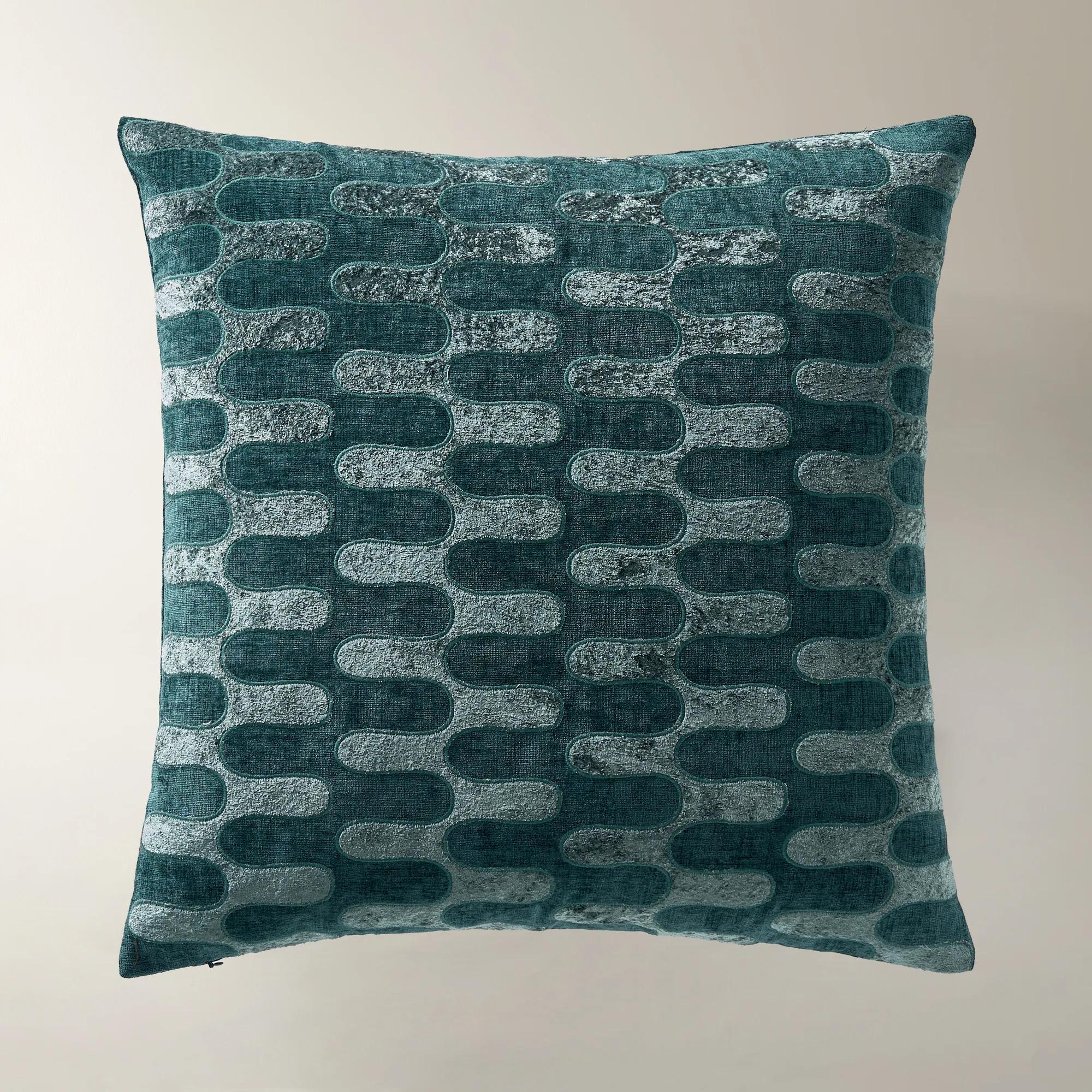 Reis Deep Teal Geometric Chenille Applique Pillow 22" x 22"$99
A deep teal velvet chenille pillow featuring raised geometric applique and a plush feather-down insert.
Add To Cart -
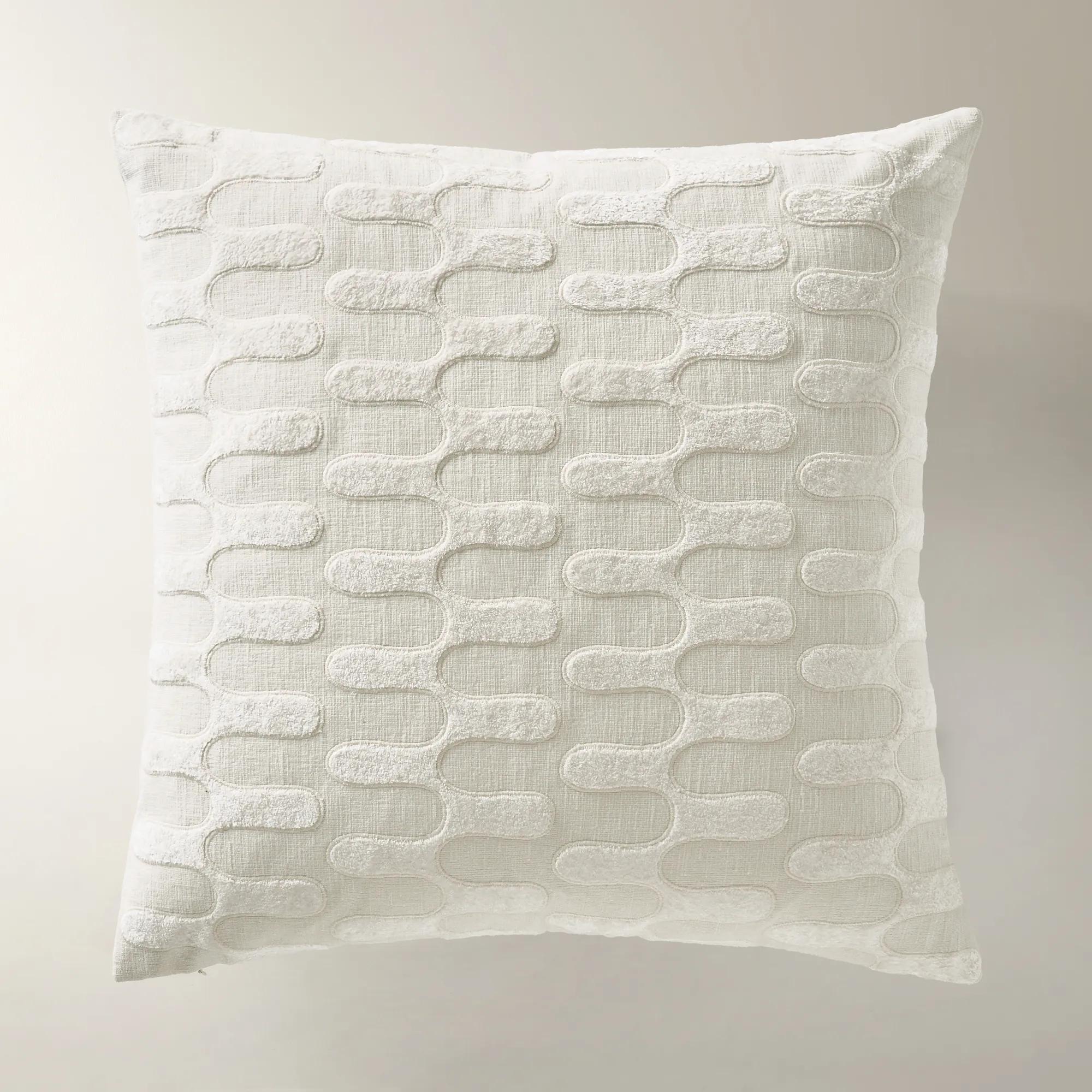 Reis White Geometric Chenille Applique Pillow 22" x 22"$99
A white velvet chenille pillow featuring a raised geometric applique and a plush feather-down insert.
Add To Cart -
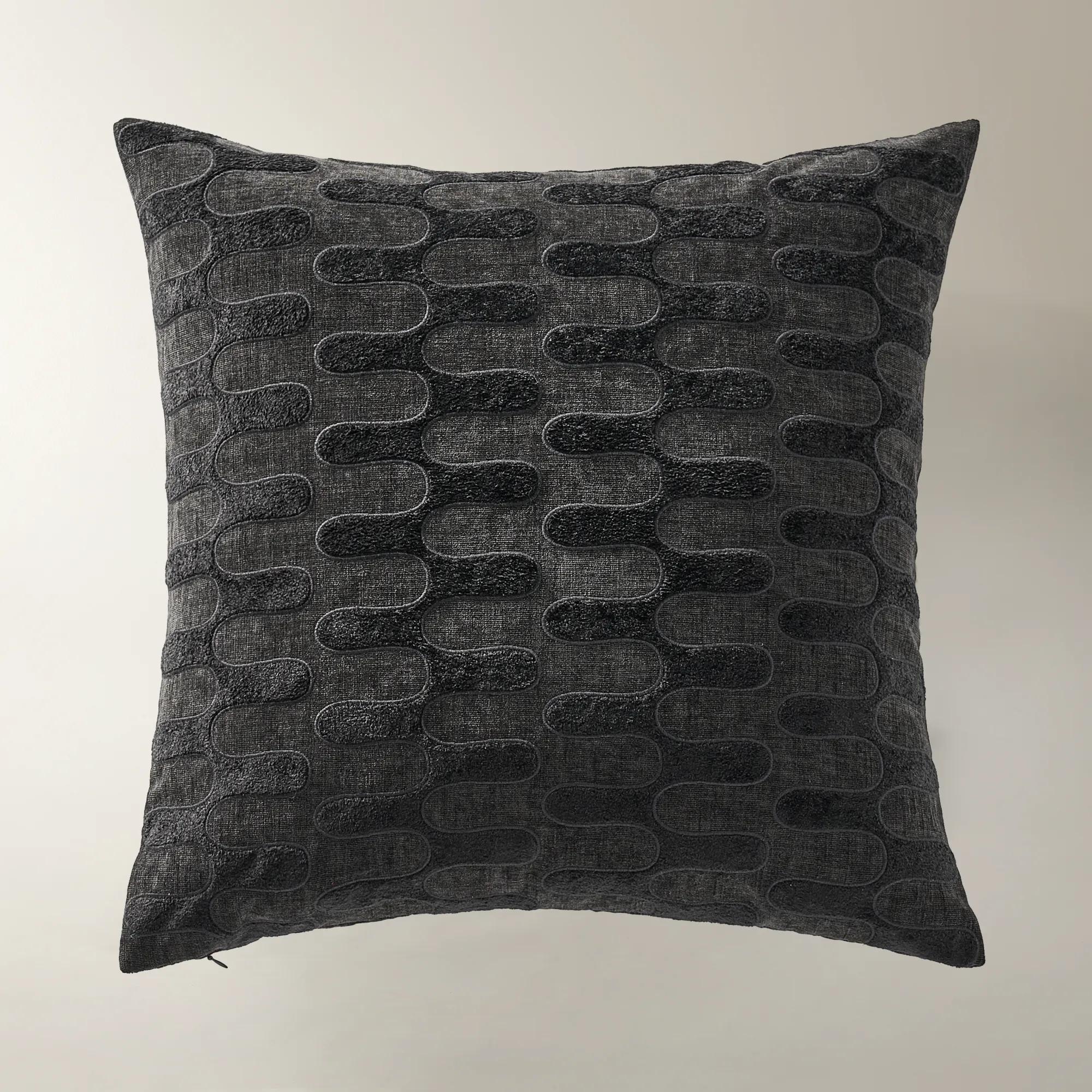 Reis Black Geometric Chenille Applique Pillow 22" x 22"$99
A black velvet chenille pillow featuring raised geometric embroidery and a plush feather-down insert.
Add To Cart -
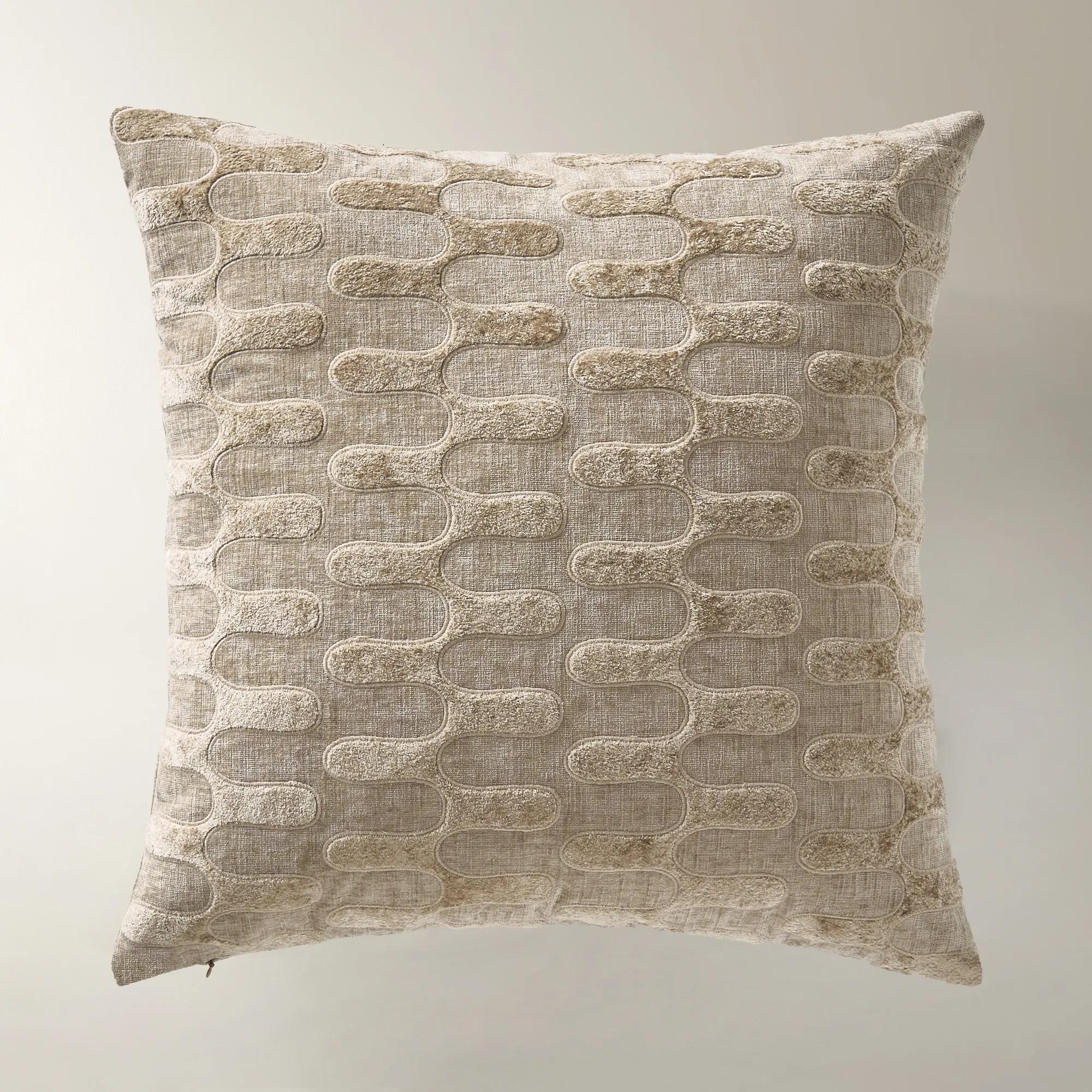 Reis Taupe Geometric Chenille Applique Pillow 22" x 22"$99
A taupe velvet chenille pillow featuring a raised geometric applique and a plush feather-down insert.
Add To Cart -
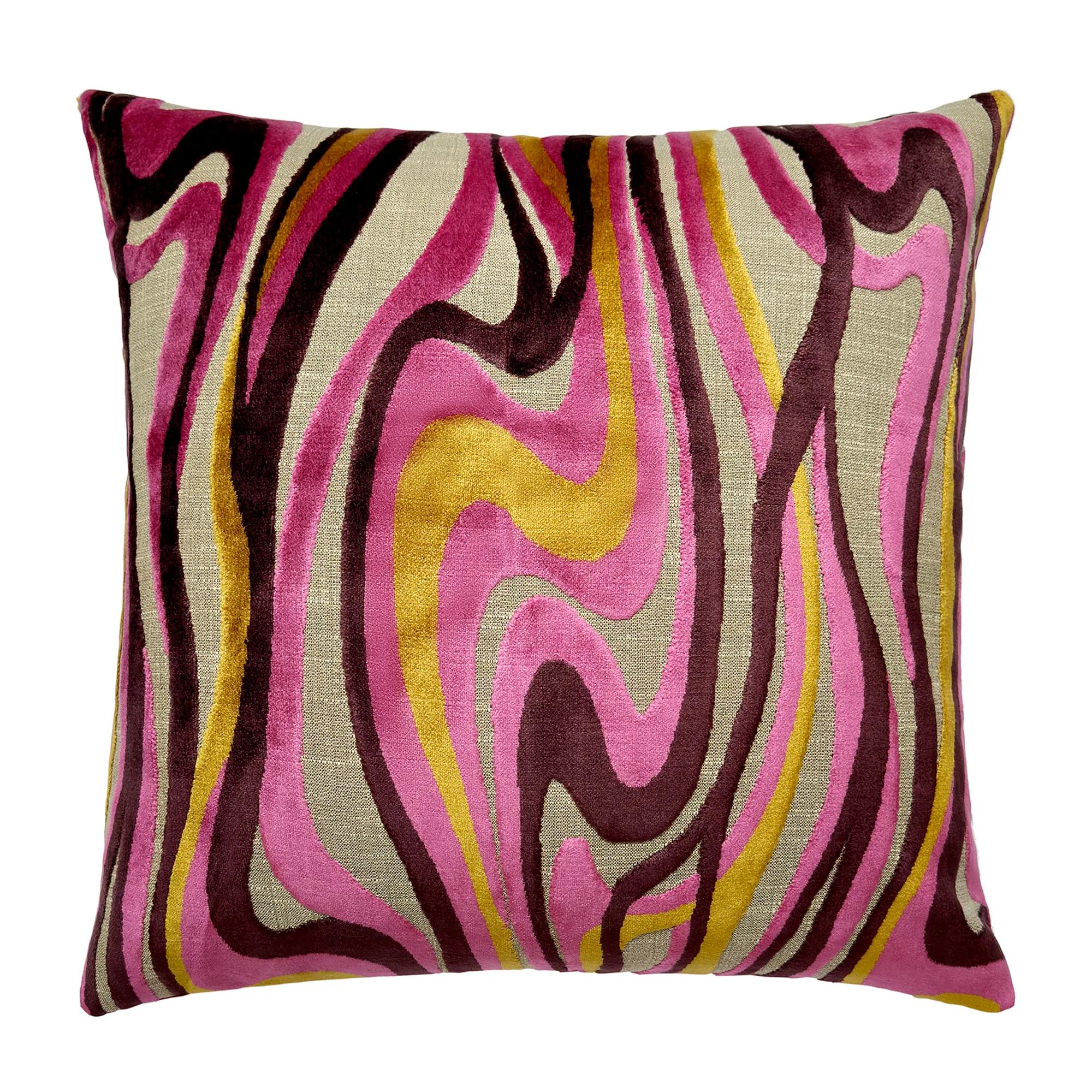
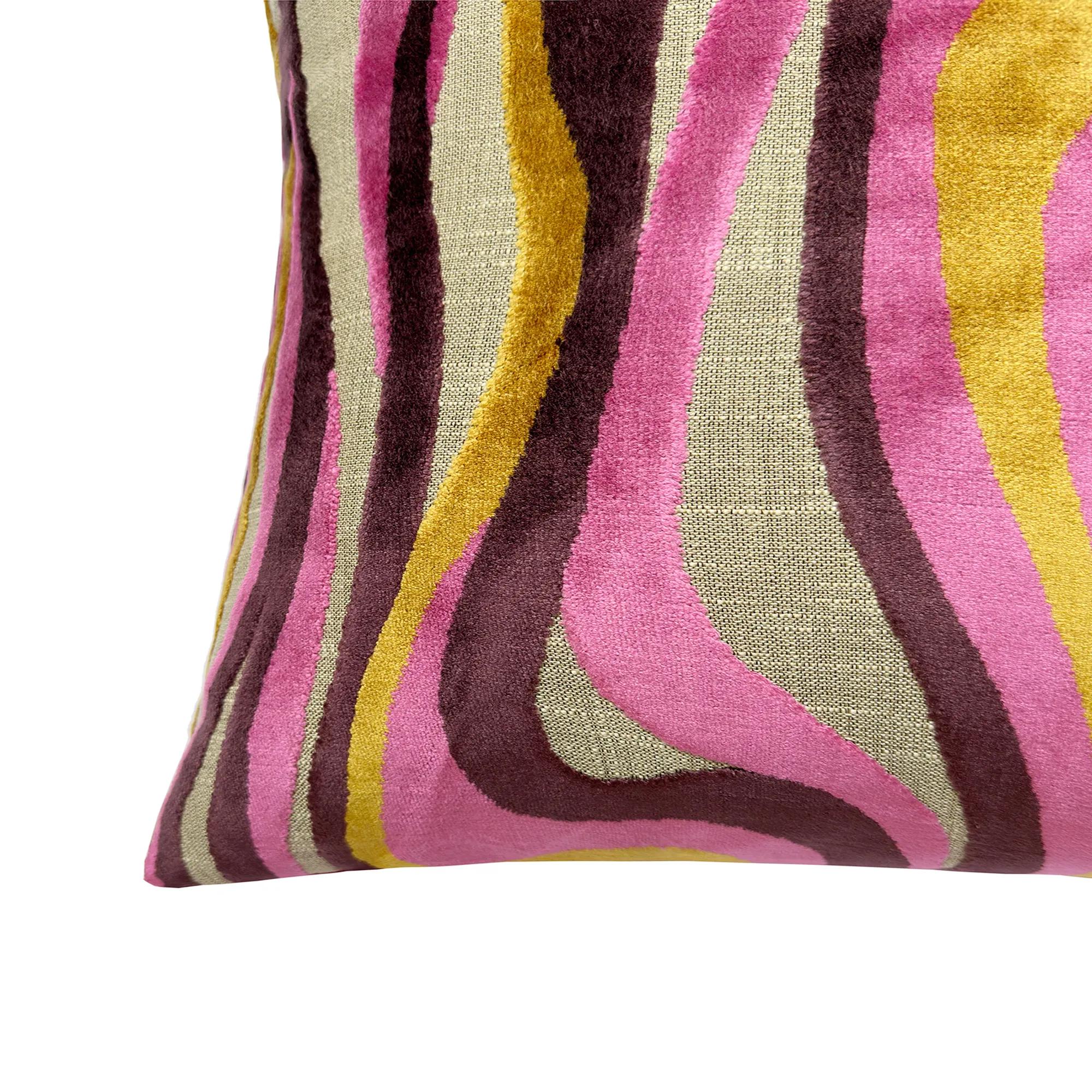 Sway Sorbet Jacquard Cut Velvet 22" x 22"$159
A luxurious jacquard cut velvet pillow in sorbet and fuchsia with a bold wavy pattern.
Add To Cart -
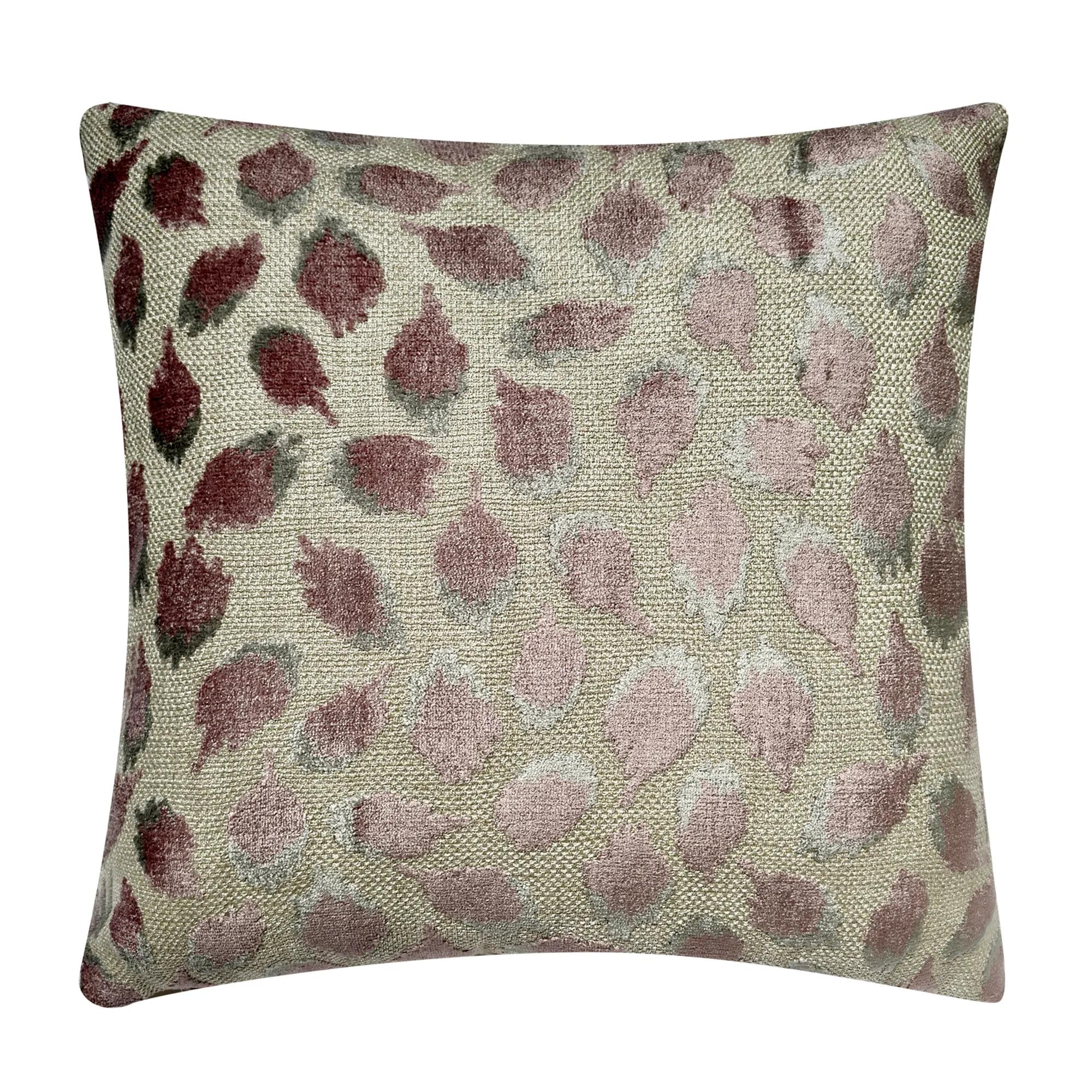
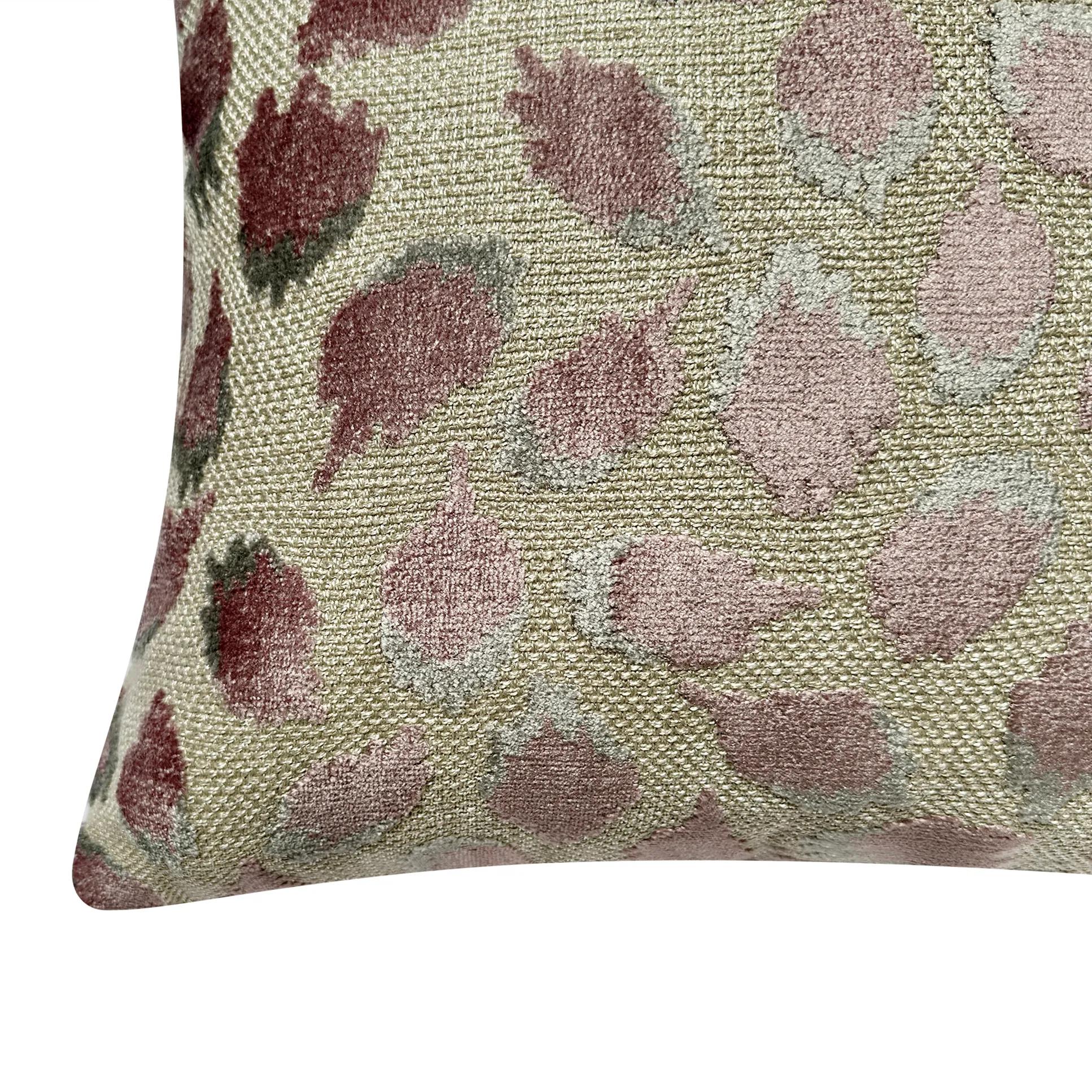 Gianna Pink/Grey Velvet Pillow 22" x 22"$129
A plush feather-down pillow featuring a textured pink and grey abstract leopard design with a removable cover.
Add To Cart -
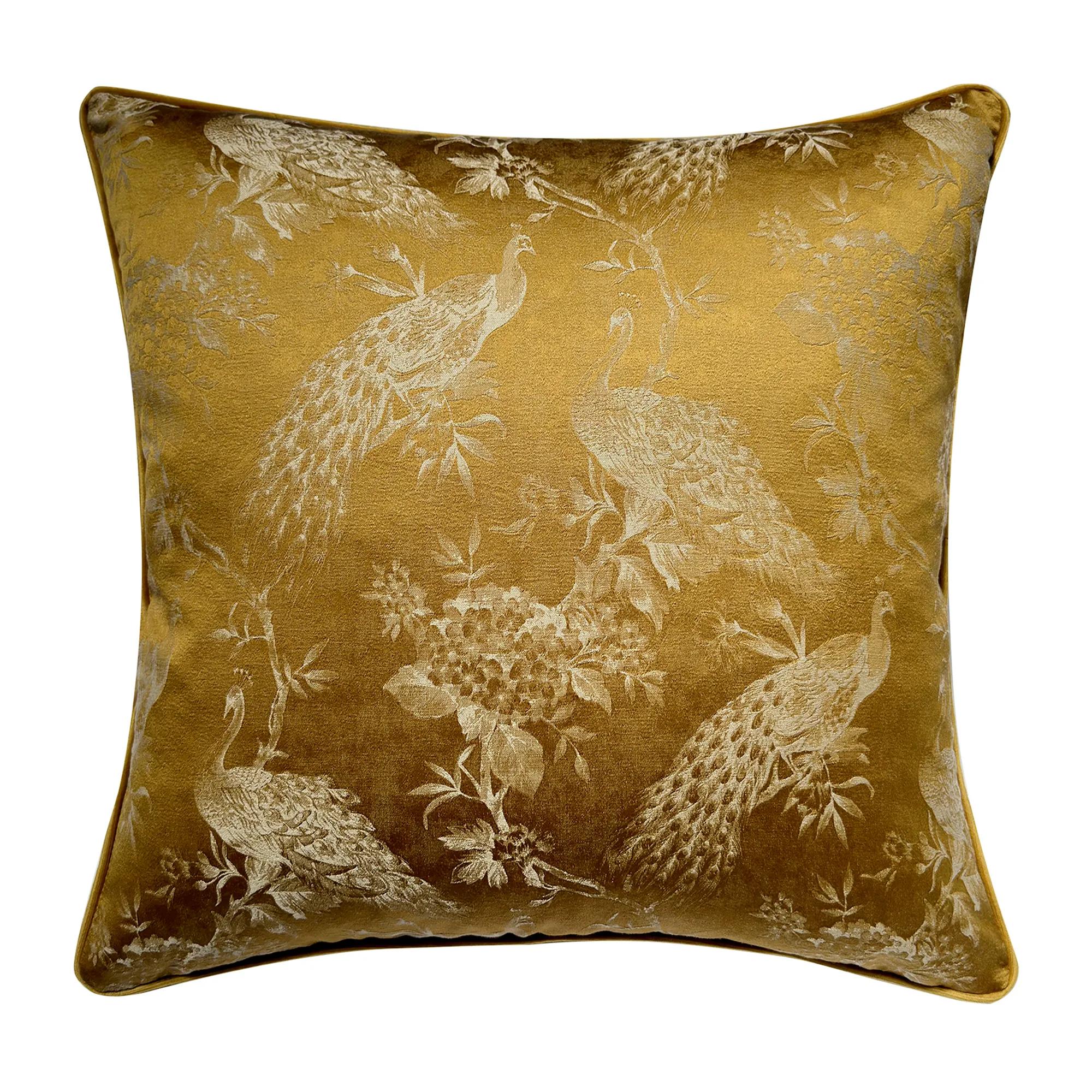 Peacock Mustard Yellow Jacquard Pillow 20" x 20"$99
A mustard jacquard pillow featuring an antique peacock pattern, solid piping, and a plush feather-down insert.
Add To Cart -
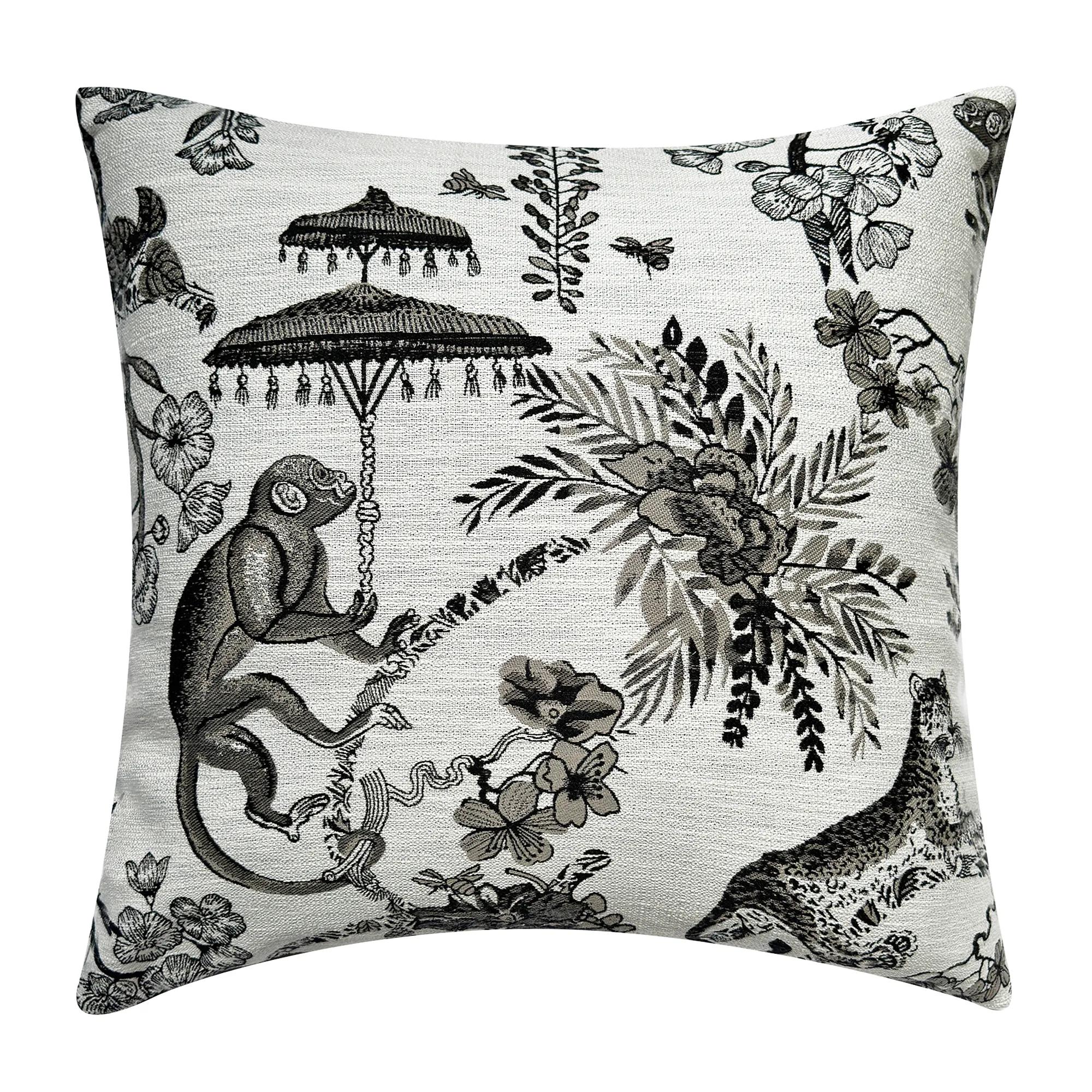 Monkey Jacquard Black Velvet Pillow 20" x 20"$119
A handmade jacquard pillow in black and white with a playful monkey pattern and plush feather-down insert.
Add To Cart -
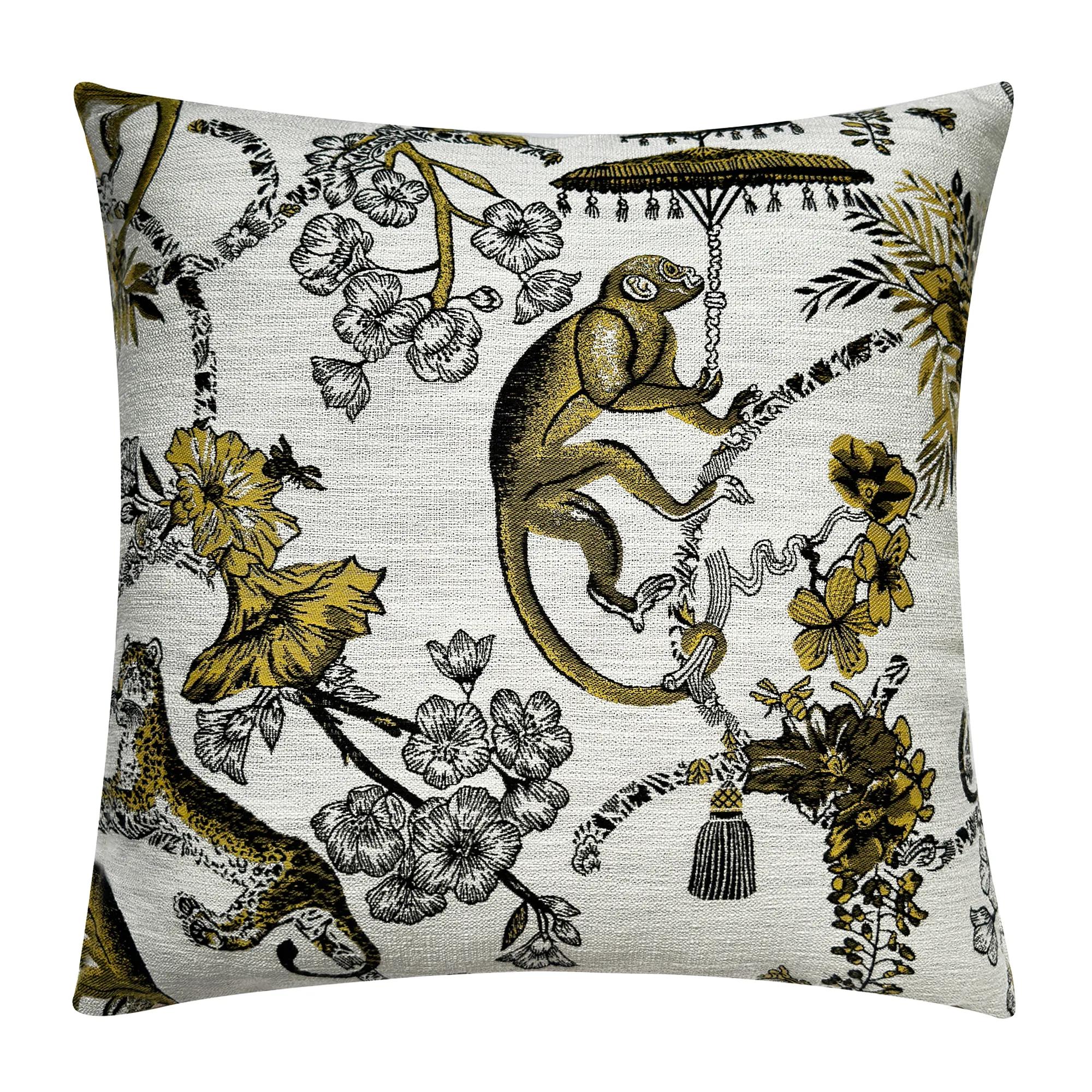
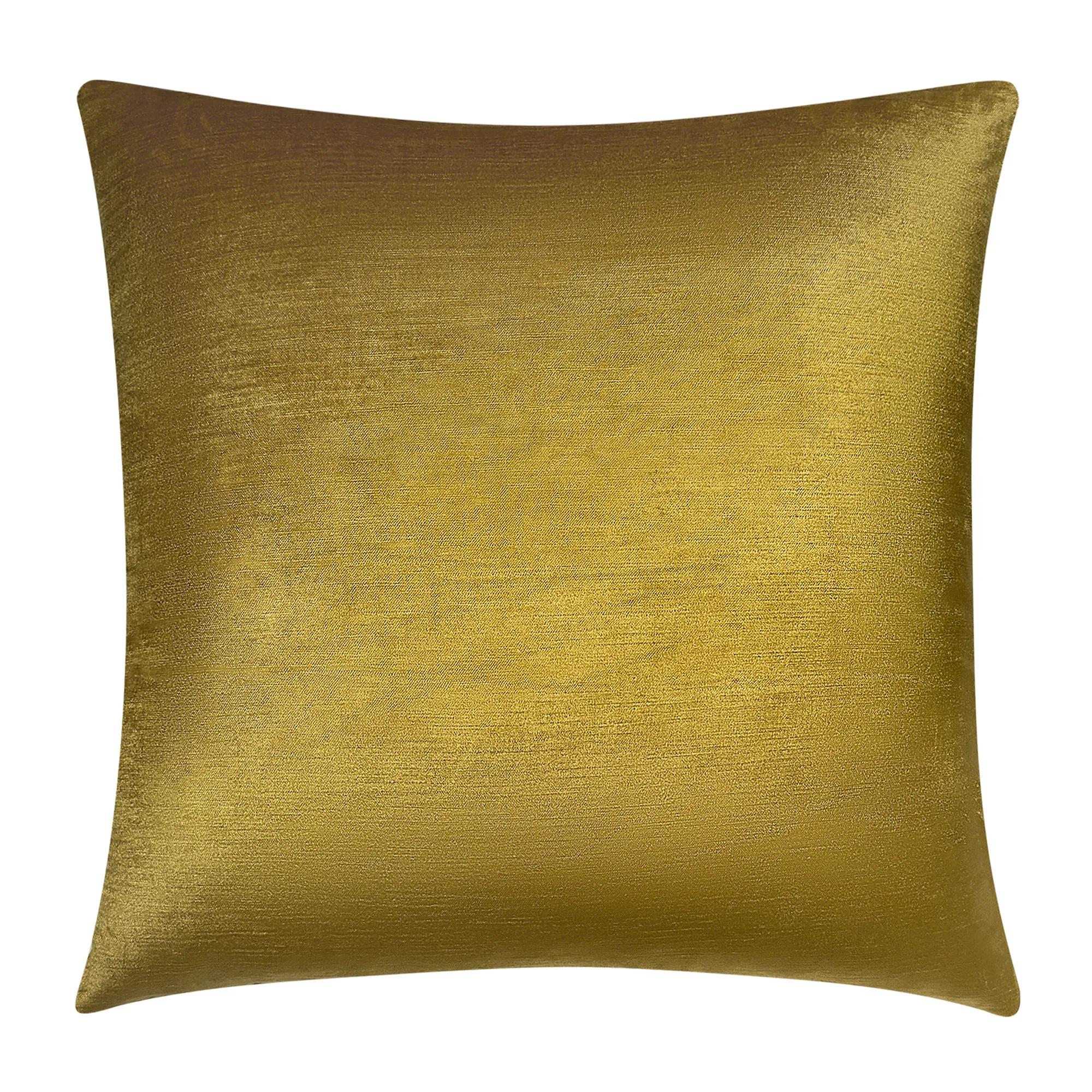 Monkey Jacquard Citron Yellow Velvet Pillow 20" x 20"$119
A playful jacquard pillow featuring a black and white monkey pattern with a citron yellow velvet back.
Add To Cart -
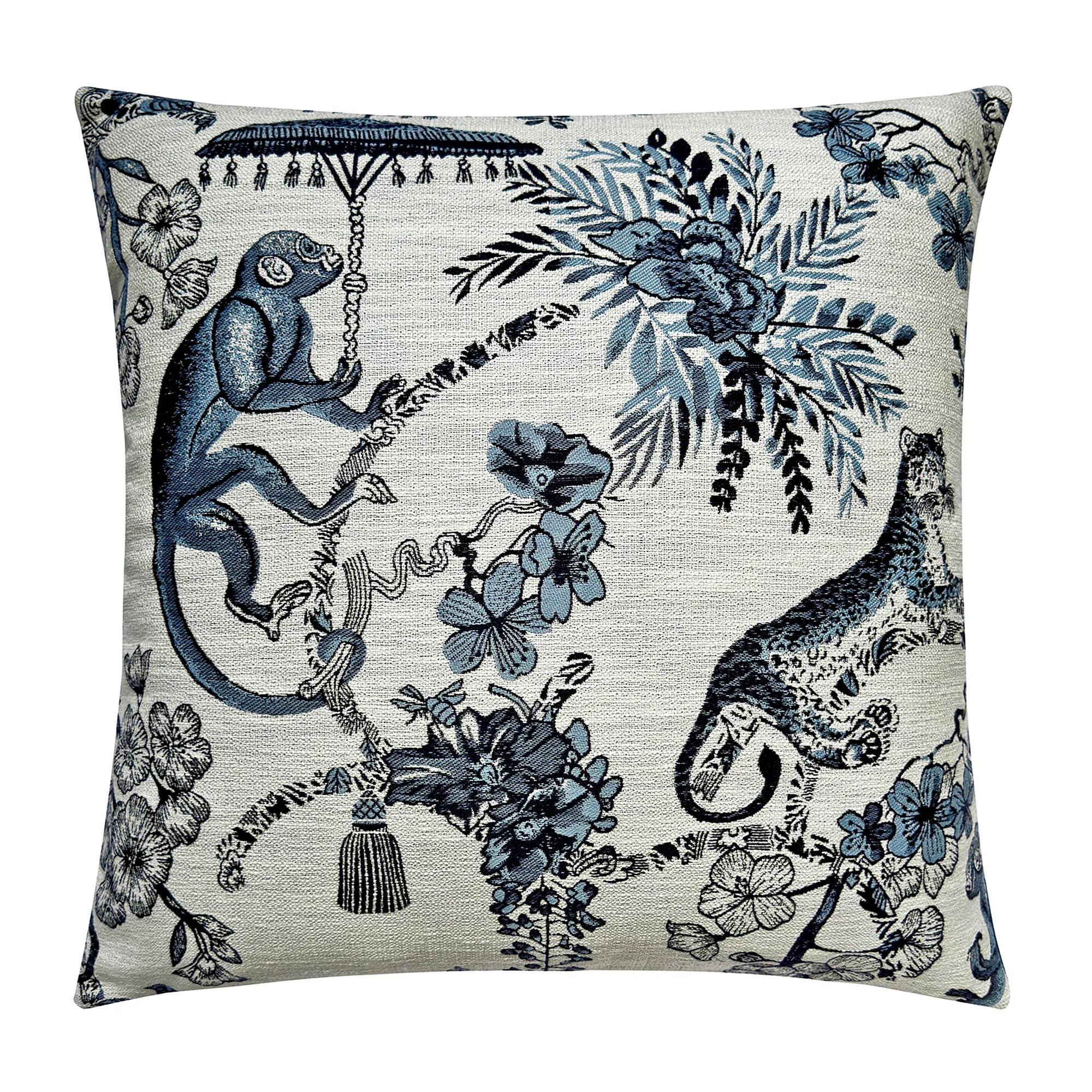 Monkey Jacquard Navy Blue Velvet Pillow 20" x 20"$119
A handmade jacquard pillow featuring a playful monkey pattern and navy velvet back with feather down insert.
Add To Cart -
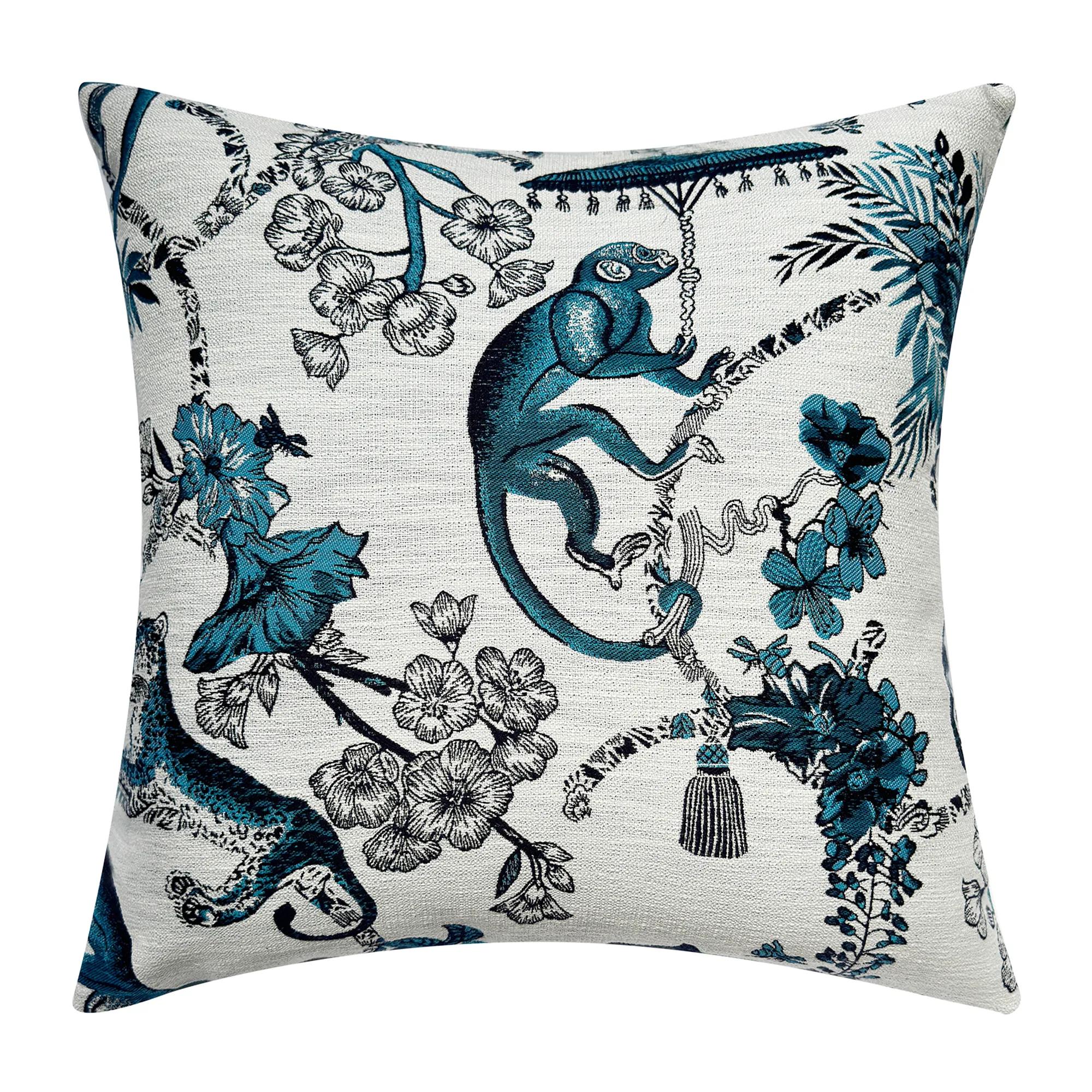
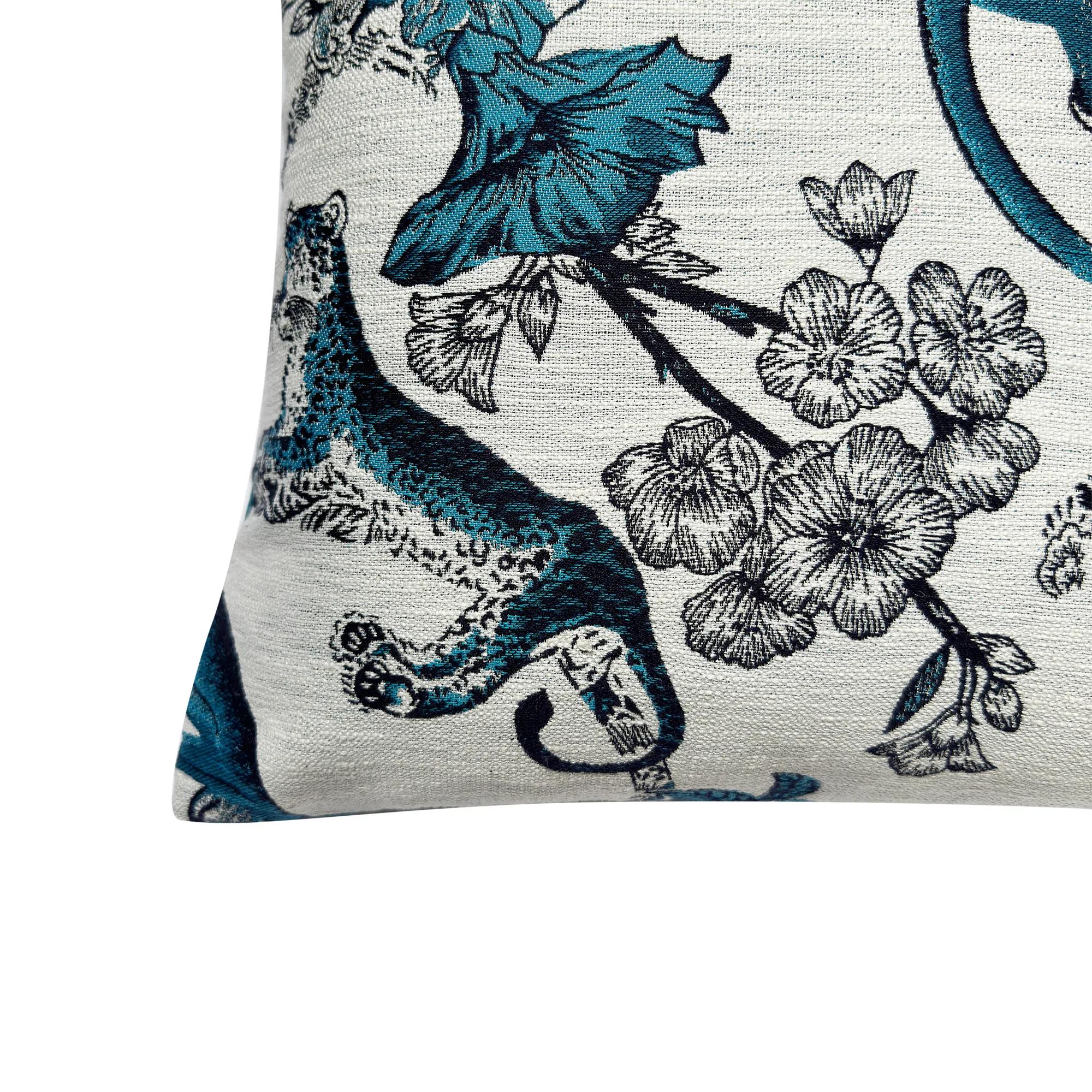 Monkey Jacquard Teal Velvet Pillow 20" x 20"$119
A plush jacquard pillow featuring a playful monkey pattern and teal velvet back with feather down insert.
Add To Cart -
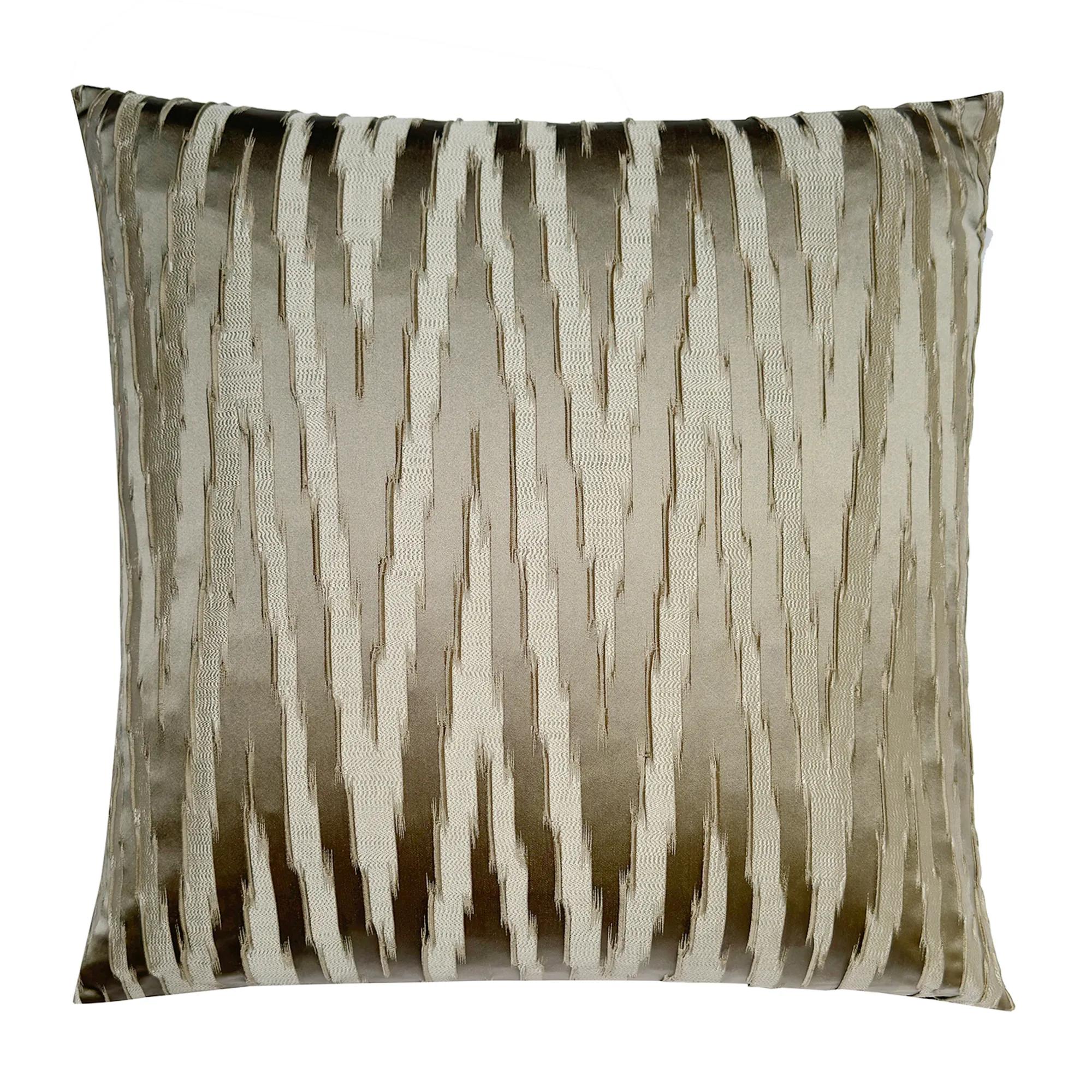
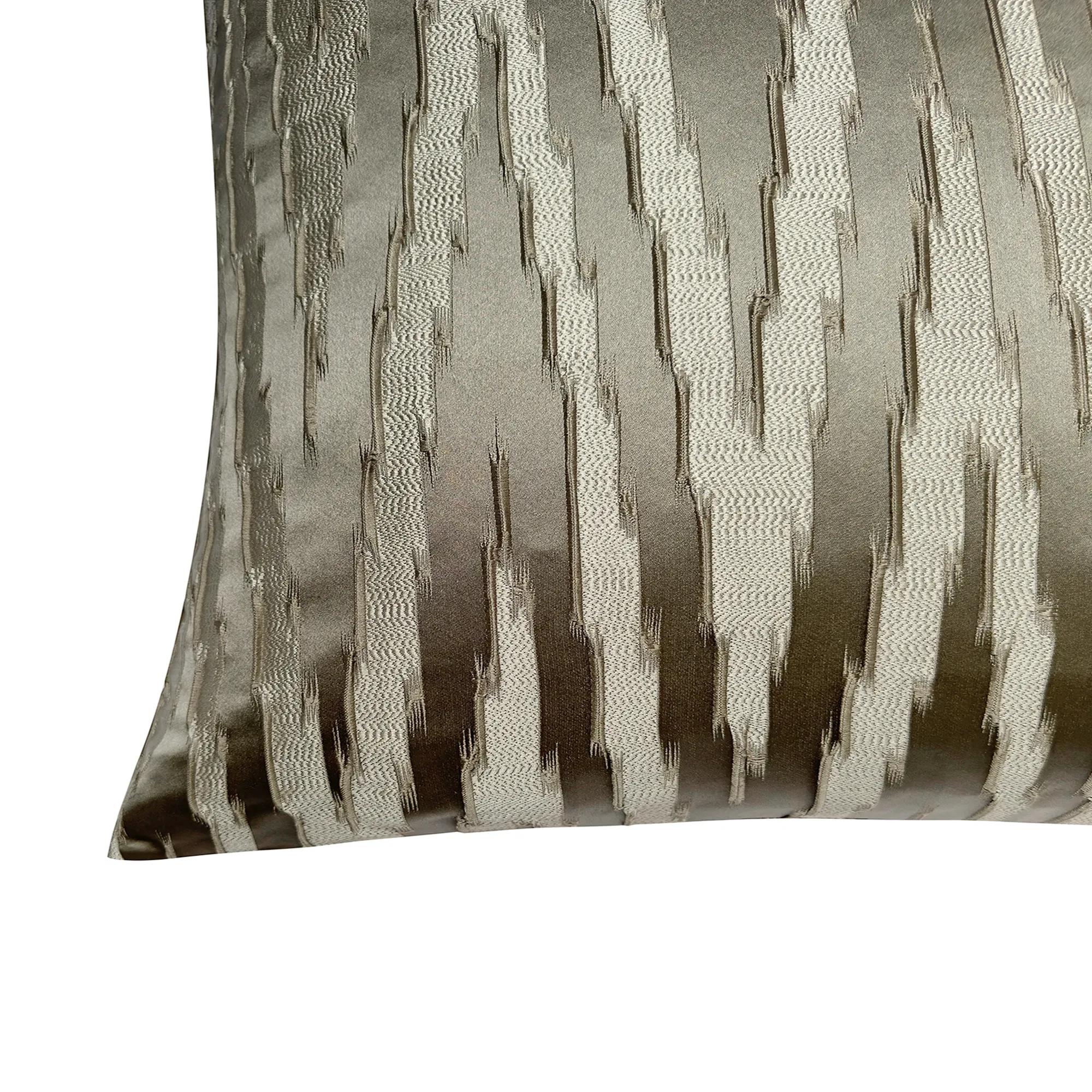 Minka Jacquard Charcoal Pillow 22" x 22"$89
A handmade charcoal pillow featuring a textured chevron jacquard design and plush feather down insert.
Add To Cart

Jacquard Chenille Decorative Pillows
Jacquard chenille decorative pillows invite a symphony of texture and artistry into your living space, transforming any room into a showcase of opulent comfort. With their rich, tactile weaves and intricate patterns, these pillows are more than mere accents—they are statements of style and self-expression. Whether perched atop a sumptuous sofa or layered on a dramatic bedscape, jacquard chenille decorative pillows infuse your home with an unmistakable air of refinement and creative flair. Elevate every moment with the plush allure and visual intrigue that only these exquisite pieces can deliver.
Jacquard chenille decorative pillows pair patterns woven into the fabric with the plush, softly raised texture of chenille yarn, bringing both visual depth and tactile richness to a sofa, accent chair, or layered bed. Jacquard describes the weaving technique rather than a particular fiber, while chenille refers to yarn with a fuzzy pile that gives the surface its distinctive softness. Together, they create a textile that feels sumptuous without relying on elaborate embellishment. Unlike a printed motif applied to the surface, a jacquard design is formed through the weave, allowing curves, lines, and contrasting textures to become part of the fabric itself. Depending on the construction, the chenille may define the motif, soften the background, or lend plushness across much of the face. Damask patterns can introduce an ornate, almost architectural presence; ogee curves bring a graceful rhythm; and geometric designs offer a more sculptural accent. Tone-on-tone treatments are especially expressive in rooms where the palette is restrained but the details are not. An ivory pattern against a similarly colored ground can read as a quiet field of color from across the room, then reveal intricate texture at closer range. Deeper hues emphasize the relationship between the raised yarn and the surrounding weave, giving even a compact accent a confident presence. These fabrics may contain polyester, cotton, viscose, or blends, so the fiber label matters more than the word jacquard alone when considering feel and maintenance. The reverse may use the same woven textile or a contrasting material, such as cotton, linen, or velvet, with a different hand and appearance. For interiors that call for a richly textured focal point, Luxury Jacquard Chenille Pillows bring this interplay of softness and woven detail into the room. Their appeal lies in that balance: decorative enough to anchor a composition, yet inviting enough to belong where people settle in and linger.
Scale, shape, and placement determine how jacquard chenille throw pillows relate to the furniture around them. Common square dimensions include 18 by 18 inches and 20 by 20 inches, although the right proportions depend on the width of the seat, the height of the back, and how much room should remain for sitting. A generous square can give a deep sofa a more composed silhouette, while a smaller square or rectangular lumbar pillow adds definition to an accent chair without overwhelming its frame. On a shallow seat, a dense arrangement may look lavish but leave little room to relax; a single richly patterned pillow can create a more convincing statement. A pair of squares brings symmetry to a tailored sofa, while an offset lumbar introduces a deliberate break in the arrangement. On a bed, larger pillows can establish the backdrop, with a smaller jacquard chenille accent placed forward so its woven detail remains visible. Pattern scale deserves the same attention as pillow size. A broad damask or sweeping ogee needs enough exposed surface to show its movement, whereas a finer geometric repeat can contribute texture within a tighter grouping. Against smooth leather, chenille creates a striking contrast in touch; alongside velvet, it builds a layered composition through differences in pile and pattern. With heavily textured upholstery, a less intricate motif can keep the arrangement legible. Repeating one color from artwork, drapery, or a rug helps connect the pillow to the room without making every accent match. Construction also affects the finished silhouette. A welted or corded edge outlines the shape, while an untrimmed seam lets the textile take prominence. A concealed zipper can preserve a clean profile and allow insert removal when the design includes one. Product descriptions should distinguish a decorative pillow cover from a complete pillow with an insert. For separate covers, matching the recommended insert dimensions and fill type helps achieve the intended fullness; an oversized insert is not universally suitable and can strain seams or distort the pattern.
The beauty of a jacquard chenille accent pillow is most satisfying when its construction suits the way the room is lived in. A pillow used mainly to complete a formal seating arrangement faces different demands from one tucked behind a reader every evening. Polyester fill generally offers a resilient, relatively low-maintenance option, while feather-and-down blends tend to feel more yielding and may need regular fluffing; the fill label and personal preferences should guide the choice. A decorative lumbar pillow can make lounging feel more supported, but it is not a substitute for a purpose-designed ergonomic cushion. For frequently used seating, secure seams, a well-finished closure, and a fabric surface that tolerates regular contact are worth considering. Jacquard construction does not automatically make a textile resistant to abrasion, and chenille’s raised fibers can snag on jewelry, rough fasteners, or pet claws. Fiber composition, weave density, and finishing all influence durability. In a household where pillows are handled constantly, a removable cover with clearly stated care instructions may be more practical than a permanently closed design, although removable does not necessarily mean machine washable. Care should always follow the label for the particular cover and insert. Some fabrics permit gentle washing, while others require spot cleaning or professional cleaning; blends, trims, backing fabrics, and dyes can change what is safe. For a fresh spill, blot gently with a clean, absorbent cloth rather than rubbing, which can spread the mark or disturb the pile. Test any permitted cleaner in an inconspicuous area, avoid saturating the fabric, and allow it to dry fully before returning it to use. Gentle handling and occasional repositioning can help distribute everyday wear, while keeping textiles away from prolonged direct sunlight can help limit fading. These pillows also make thoughtful housewarming or wedding gifts for someone whose interiors favor expressive pattern and plush texture, especially when the dimensions and palette complement furniture already in place. Whether framing a favorite chair or lending a sofa a more dramatic finish, jacquard chenille brings artistry into close reach: a woven surface with presence, softness, and detail worth noticing.
FAQs
Jacquard chenille decorative pillows stand apart due to their intricate woven patterns and the plush, velvety texture of chenille yarn. The jacquard weaving technique allows for elaborate motifs and dimensional designs, while chenille adds a rich, tactile softness that elevates any space with both visual and sensory appeal.
To craft a luxurious ambiance, layer chenille decorative pillows in complementary or contrasting colors and patterns on sofas, beds, or accent chairs. Mix textures by pairing them with silk or velvet cushions, and use bold jacquard designs as statement pieces to draw the eye and add depth to your décor.
Chenille throw pillows are wonderfully versatile and can be enjoyed throughout the year. Their plush texture adds warmth and coziness in cooler months, while their elegant patterns and rich colors bring a touch of sophistication that transcends the seasons, making them a timeless addition to any interior.
Anyone with an appreciation for artistry and luxurious living would be delighted by jacquard chenille pillows. They make thoughtful gifts for newlyweds, housewarmings, or anyone looking to refresh their home with a touch of glamour and comfort.
Chenille decorative pillows complement a wide range of interior styles, from classic and traditional to contemporary and eclectic. Their rich patterns and textures add drama to maximalist spaces, while their subtle sheen and softness can bring warmth and refinement to minimalist or modern settings.
.jpg?w=1404&h=1404)